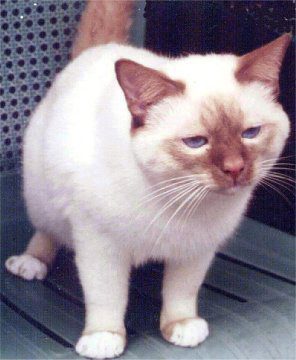
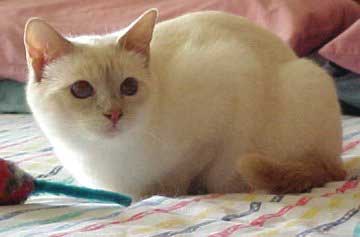
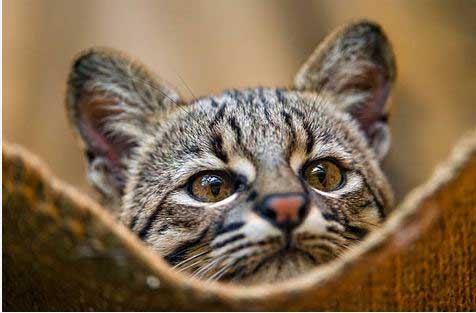
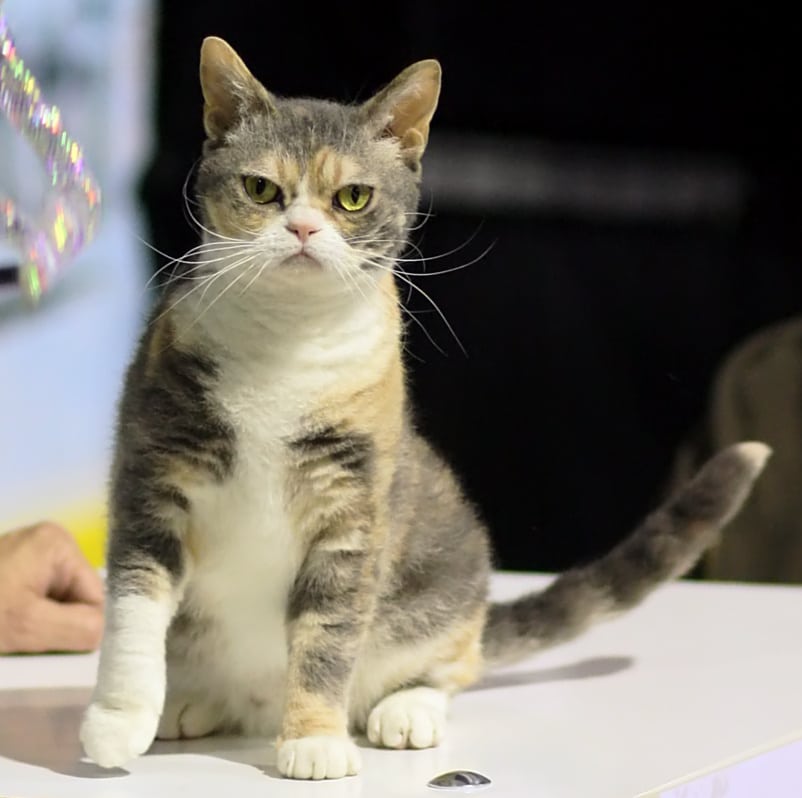
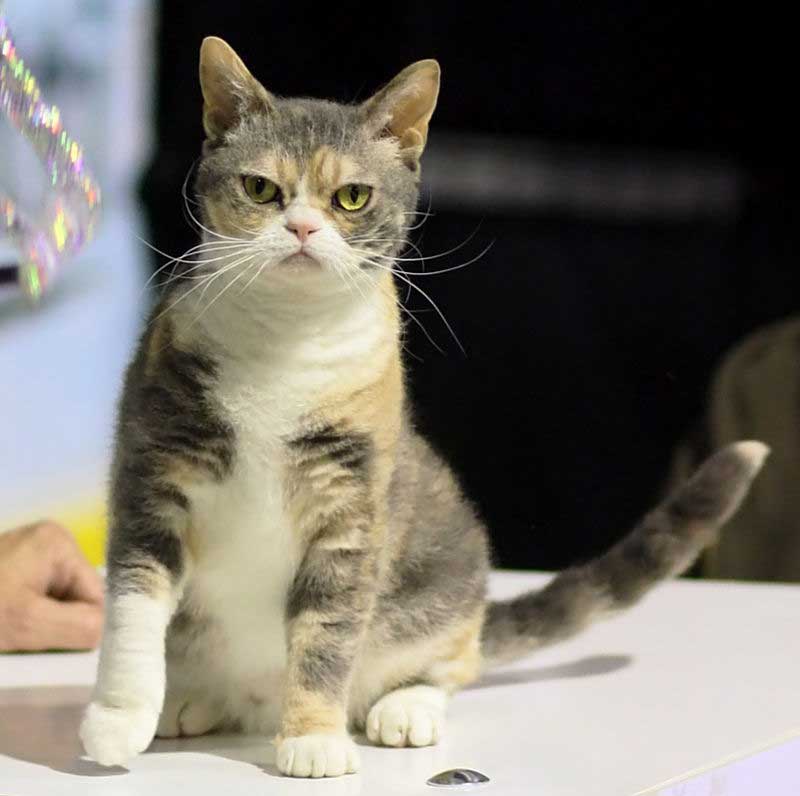
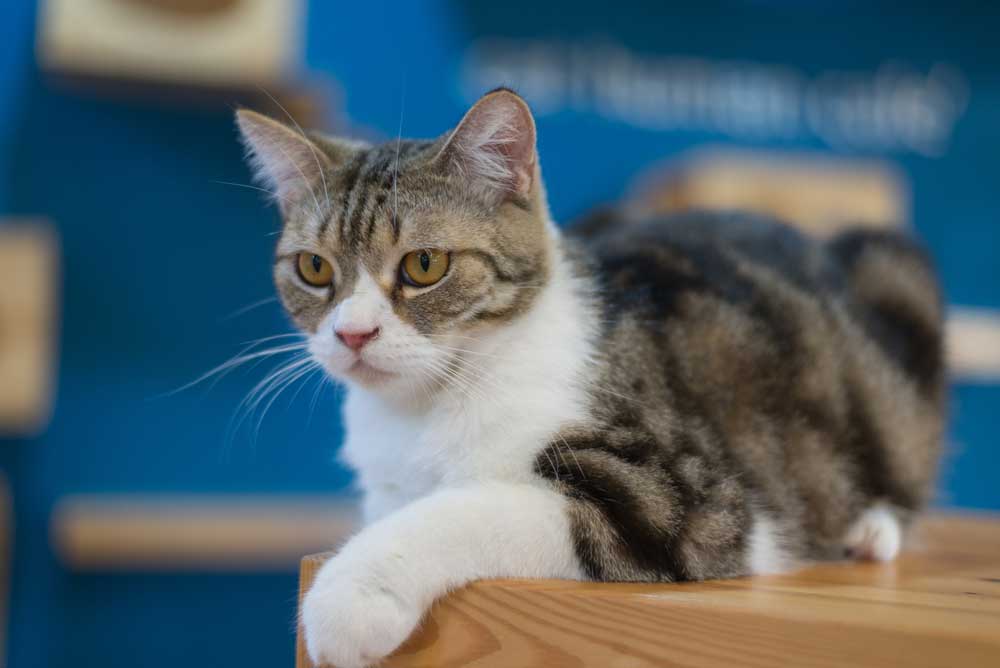
They are a recently recognized breed, which is being developed under strict guidelines.
In a nutshell, the Clippercat is the New Zealand shorthair cat and / or the Australian longhair cat. with polydactyl feet. Poly– means "many" and Dactulos – means "fingers".
Cats usually have 5 claws on its front legs.. (4 plus a snail claw) and 4 on each hind leg. Cats with the polydactyl mutation can have between 5 and 7 fingers on the front legs and between 4 and 7 in the rear.
History
In New Zealand and Australia, between the years 1850 and 1900, a large number of immigrants arrived on the Clipper ships that sailed the seas between England and the Antipodes.
Many of these ships docked in Auckland and the Hauraki Gulf, where today we find the highest concentrations of polydactyl cats.
Following the CATZ Inc policy of inclusion and establishment of rules for the responsible registration of cats, these cats, which are a natural mutation, and an expression of an incomplete autosomal dominant gene, They can now be registered with CATZ Inc under the breed name "Clippercats", formerly called Antipodean cat, with the addition of the polydactyl mutation..
Unlike the United States.UU., the Clippercats (Polydactyls of Domestic / Antipodean origin) cannot be raised with others Clippercats, and there are strict guidelines set by the Registry for their breeding to ensure that all Clippercats recorded are the Heterozygous form of this mutation.
Right now, if you have a polydactyl cat, you can register it in the open registry as Clippercat, if you meet very specific guidelines.
Breeding conventions include recording the number of toes on each foot and the breed standard includes both a limit on the number of toes allowed and restricts the structure of the feet to three accepted structural formats..
The Clippercats they can only be bred with short hairs / New Zealander longs and the breed standard calls for the New Zealand SH / LH type with the addition of the polydactyl mutation.
The Clippercats cannot be crossed with any other currently recognized championship breed.
The polydactyl cats they have a long and interesting history. For many centuries they have roamed south-west Britain and there is evidence of polydactyl cats in countries as far away as Norway, although reports in Europe are few and far between, due mostly to the perceived relationship between cats and witchcraft.
The polydactyly is a trait allowed in the breed of Pixie Bob cat, which is classified as a natural breed, and that competes in the TICA championship, the International Cat Association. (USA)
It was also a dominant trait in many of the early Maine Coons, and it was considered that it helped those cats to overcome the heavy snows of the winters of the State of Maine. Breeders, However, selected to remove the trait from that specific breed.
There are several reports of a folklore in southern England, which states that when people found cats with too many fingers, They offered them to the captains of the ships, who apparently considered them "lucky cats" and very suitable for a sailor's life. They were also considered gifted buzzards and, thanks to your extra fingers, more fit for life on mobile covers.
Large populations of cats with this mutation were seen in and around the Boston area, where they were commonly called "Boston thumb cats". An article published in the magazine «Cat Watch» from Cornell University in 1998 analyzed the studies carried out on polydactyl cats between 1940 and 1970 and tentatively concluded that the trait probably occurred in cats that came from England to the Boston area with the Puritans in the mid-17th century. These studies focused on the unusually high concentration of polydactyls in that area., and in other east coast ports with strong shipping links to the British Isles, like Halifax and Yarmouth, and in Nova Scotia, where there were also higher concentrations of polydactyl cats.
The author Ernest Hemingway is also recorded as a gift from a ship captain polydactyl cat of the race Maine Coon cat, and this cat is believed to be the progenitor of the many polydactyl cats now cared for in the trust established for them on the author's home island in the Florida Keys. Apparently, This led to the polydactyl cats They were sometimes called "Hemingway cats.".
There are currently three separate private registries in the United States where polydactyl breeders can register their specimens.. These cats are often called "American Polydactyl Cat«.
But, it would be very conceited to consider them solely native to the United States, when its story is rather associated with the many boat cats that traveled with immigrants from England and Europe to the United States and other parts of the world between 1620 and 1900. Even the famous "Mayflower" was a merchant ship before its well-known voyage to the United States.. and in those days he made several trips between England and Norway before being chartered by the pilgrims.
The European Burmes cat has the same origins as the American Burmese cat, that goes back to Wong Man, led cat of Burma to America in 1930. Imported American cats, descendants of Wong Mau, to Great Britain, and the Brown was recognized in 1952, but after the race was divided to take different forms in both sides of the Atlantic. In Europe, breeders preferred a more typically oriental look, and they were also interested in a wider color scale.
The Cat Fanciers Association began registering Burmese in 1936, but suspended records on 1947 because breeders continued to use conjoined twins in their breeding programs. Records resumed in 1953, after this practice was discontinued.
In Europe, However, the development of Burmese took a different path. In Great Britain, where the broodstock shortage was even greater than in the United States, the Siamese Red Point and the British Shorthair cat were used in breeding programs, and his genetic contribution included additional colors: red, cream, brown-turtle, chocolate-turtle, blue-turtle and lilac-turtle. With the time, they met as European Burmes cat.
The color blue, a recessive trait carried by cats imported from America, accepted a few years. The reddish colors and the turtle, It resulted from an accidental crossing, they were recognized in the Decade of 1970. Great Britain cats were exported to Europe, Africa, Australia and New Zealand in the Decade of 1950. Therefore, the breed in these countries follows the European type. The FIFé allows green eyes, but the GCCF considers it a defect.
On both sides of the Atlantic, the Burmese cat still listed among the most popular breeds, but looks better in Europe, where short hair cats prevail over copies of long hair.
Physical characteristics
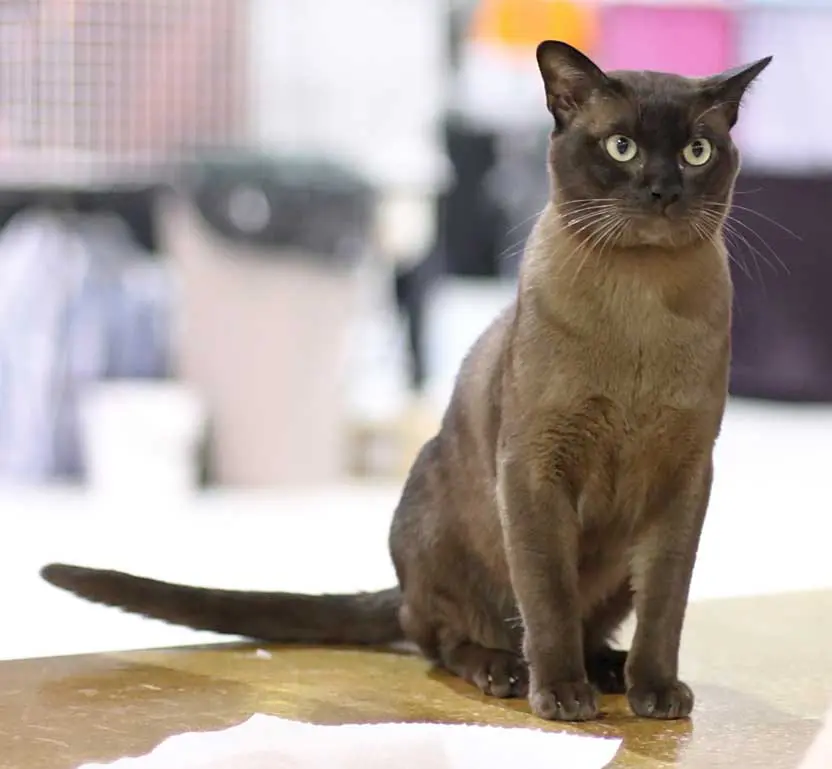
Share Alois de Arkhitekton, European Burmese male presented at a cat show in Siilinjärvi, Finland – Heikkisiltala, CC BY 3.0, via Wikimedia Commons
The European Burmes cat, as the American Burmese cat, characterized primarily by the sepia pattern of fur, which gradually transforms into dark, uniform tips at the roots, without markings striped cat.
The coat is short and thin, glued to the body and do not need daily care. Thin legs hold a fairly weak body, but muscular, surprisingly heavy for its size.
The head is the feature in which the European Burmes cat differs more than the American type. It has a wedge and the snout is blunt; the eyes are separated, they are round and just ripped.
It is a medium-sized cat that usually weighs between 2 and 3 kg, sometimes more.
Varieties:
Most organizations that recognize the European Burmes cat they do not allow the crossing with other races in the framework of their breeding.
This is the position taken by the Fédération Internationale Féline (FIFé) and the Governing Council of the Cat Fancy (GCCF).
The Livre Officiel des Origines Félines (LOOF) French is an exception, since it authorizes the mating with the Burmilla cat, to expand the genetic background of this breed.
It also, the European Burmes cat is itself the origin of two races:
The European Burmes cat is quite successful in Europe, and this is especially true in the country where it was developed: Great Britain. Since 2004, ranks fifth in the breed ranking based on the number of annual registrations at the country's leading feline institution, the Governing Council of the Cat Fancy (GCCF). But, is in clear decline: while at the end of the 90 more than 3.000 kittens per year in the organization (which allowed him to occupy the fourth position in the ranking), this figure has been divided by three since then, and now around a thousand.
In France, the European Burmes cat not as successful as in Great Britain and ranks 35 (of about 70) in the breed classification of the Official Book of Feline Origins (LOOF) based on the number of births registered each year. This number is around fifty, what, just like in britain, reflects a certain decline: in the decade of 2000, it was rather on the order of 60 to 80. The American Burmese cat not far behind, since it occupies the position 40, nails on 30 or 40 registrations per year.
In Switzerland, the European Burmese occupies the tenth place in the statistics of the Fédération Féline Helvétique (FFH) since the years 90. But, while in the decade of 2000 there were some 70 registrations per year, this figure has dropped in the following decade and is now more of 40.
When it comes to personality, the European Burmese and the Burmese cat are aligned. The European Burmese is energetic and friendly. Has the charm and determination of his ancestors Siamese, and enjoy the conversation as much as that breed, but her voice is soft and sweet, which contradicts his tendency to run the home with an iron paw sheathed in velvety fur. He is very intelligent and seeks human company., so it is not the most suitable for a home where you will be alone most of the day. If there are no humans around to stimulate your intellect, make sure he has another pet for company. Get along well with other cats and dogs, but, of course, other Burmese (of any type) will be your best friend.
The European Burmese he is a very curious cat. It is hoped that you will explore your home thoroughly and get to know all its corners. He is playful and remains so into adulthood. Stimulate their smart mind with interactive toys and teach them tricks that allow them to show off in front of the public. Besides sitting, turn around, say hello and come, can learn to reach for a small toy or walk on a leash. With proper early conditioning, car rides and vet visits will be a breeze.
One European Burmes cat it is a good choice if you are not opposed to total loss of privacy. This cat will want to participate in everything you do, from reading the newspaper and working on the computer to preparing meals and watching television. Of course, will sleep in bed with you and can even snuggle under the covers. When i'm sitting, will be on your lap or right next to you, waiting expectantly for me to caress you. Yes, he ignores them, will scold you. Guests will receive your undivided attention, and those who say they don't like cats are likely to win.
A female of European Burmese is the very definition of queen status. Likes attention and likes to be in command. Males are calmer and are content to fill the lap. Whatever your choice, you may soon find yourself longing for another.
Children and other pets
The European Burmese, active and sociable, It is a perfect option for families with children and for dogs that accept cats.. Play fetch as well as any retriever, learns tricks with ease and loves the attention he receives from children who treat him with politeness and respect. Live peacefully with cats and dogs that respect your authority. Always introduce pets slowly and under controlled circumstances so that they learn to get along.
Health
Both pedigreed cats and catsmixed raceshave different incidences of health problems that may be genetic in nature.The European Burmes cat is generally healthy, although they can be prone to gingivitis and can be sensitive to anesthesia.The following diseases have also been observed in this breed:
Aqueous humor lipemia, a transient milky appearance of the eye during infancy, that usually resolves on its own.
Dermoide corneal, the presence of skin and hair on the surface of the cornea, that can be successfully corrected surgically.
Gangliosidosis, an enzyme deficiency A test has been developed to detect the disease.
Orofacial pain syndrome, indicated by exaggerated licking and chewing movements and pawing the mouth Discomfort may increase when the cat is excited or stressed, and cats are often reluctant to eat because the activity is painful. Some cats must wear an Elizabethan collar and have their paws bandaged to prevent injury. Some cases resolve on their own and then recur. The cause and outcome are unknown. mode of inheritance. Pain relievers and anticonvulsants may help, as well as consultation with a veterinary dentist to rule out dental disease.
Congenital peripheral vestibular disease causing head tilt, lack of balance, rapid eye movements and uncoordinated gait in kittens Some kittens with the condition can also be deaf.
Hypokalemic polymyopathy, muscle weakness caused by low levels of potassium in the blood, sometimes seen in Burmese kittens Signs include general weakness, stiff gait, reluctance to walk and head tremors. Can be treated with orally administered potassium supplements.
Flat chested kitten syndrome, a deformity that can range from mild to severe Kittens that survive to adulthood usually show no signs once they reach maturity.
twisted glue, usually as a result of a coccyx deformity; it does not cause pain or discomfort.
Osteoarthritis of the elbow, an early-onset arthritis in the elbow that limits the cat's activity or mobility.
Endocardial fibroelastosis, a heart condition in which the left ventricle of the heart thickens and stretches the heart muscle. The signs usually develop when a kitty has 3 SA week 4 months of age, a good reason to wait until 4 months to bring a kitten home.
Dilated cardiomyopathy, enlarged heart.
Mellitus diabetes, an endocrine condition caused by a defect in insulin secretion or insulin action that results in high blood sugar levels.
European Burmese
care and grooming
The soft, short coat of the European Burmese easily cared for with weekly brushing or combing to remove dead hair and distribute skin oil. A bath is seldom necessary.
Brush your teeth to prevent periodontal disease. The best is daily dental hygiene, but a weekly brushing is better than nothing. Clean the corners of the eyes with a soft, damp cloth to remove any discharge. Use a different area of ​​the cloth for each eye so as not to run the risk of spreading any infection. Check the ears weekly. If they look dirty, clean them with a cotton pad or soft cloth moistened with a mixture of cider vinegar and warm water at 50%. Avoid using cotton buds, that can damage the inside of the ear.
Keep the litter box spotless. As all cats, the European Burmese they are very demanding with bathroom hygiene.
It is a good idea to keep a European Burmes cat as an indoor cat to protect it from diseases transmitted by other cats, from dog attacks and other dangers faced by outdoor cats, like being hit by a car. The European Burmese who go abroad also run the risk of being stolen by someone who wants to have such a beautiful cat without paying for it.
Characteristics "European Burmes cat"
Coexistence is important that you have with your new friend. Before considering the acquisition of a cat of the breed "European Burmes cat" you know certain factors. You must take into account their character, their need for exercise, their interaction with other pets, their care and if you have small children, their level of tolerance towards them.
Joy
5,0 of 5 stars (based on 1 review)
Activity level
4,0 of 5 stars (based on 1 review)
Friendliness to other pets
3,0 of 5 stars (based on 1 review)
Friendliness to children
3,0 of 5 stars (based on 1 review)
Grooming requirements
1,0 of 5 stars (based on 1 review)
Vocality
4,0 of 5 stars (based on 1 review)
Need for attention
4,0 of 5 stars (based on 1 review)
Affection towards its owners
5,0 of 5 stars (based on 1 review)
Docility
1,0 of 5 stars (based on 1 review)
Intelligence
4,0 of 5 stars (based on 1 review)
Independence
2,0 of 5 stars (based on 1 review)
Hardiness
3,0 of 5 stars (based on 1 review)
Videos "European Burmes cat"
European Burmese cat❤️ Breeding cattery Freya Way*RU
The tallest cat in the world, with 123 centimeters in length, was Stewie, a Maine Coon from the State of Oregon. After his death to the 13 years, the cat Maine Coon Omar from Melbourne successfully took his place.
Content
Characteristics "Maine Coon cat"
Coexistence is important that you have with your new friend. Before considering the acquisition of a cat of the breed "Maine Coon cat" you know certain factors. You must take into account their character, their need for exercise, their interaction with other pets, their care and if you have small children, their level of tolerance towards them.
Joy
4,0 of 5 stars (based on 1 review)
Activity level
3,0 of 5 stars (based on 1 review)
Friendliness to other pets
4,0 of 5 stars (based on 1 review)
Friendliness to children
4,0 of 5 stars (based on 1 review)
Grooming requirements
4,0 of 5 stars (based on 1 review)
Vocality
1,0 of 5 stars (based on 1 review)
Need for attention
3,0 of 5 stars (based on 1 review)
Affection towards its owners
4,0 of 5 stars (based on 1 review)
Docility
4,0 of 5 stars (based on 1 review)
Intelligence
4,0 of 5 stars (based on 1 review)
Independence
4,0 of 5 stars (based on 1 review)
Hardiness
5,0 of 5 stars (based on 1 review)
History
The origins of the Maine Coon
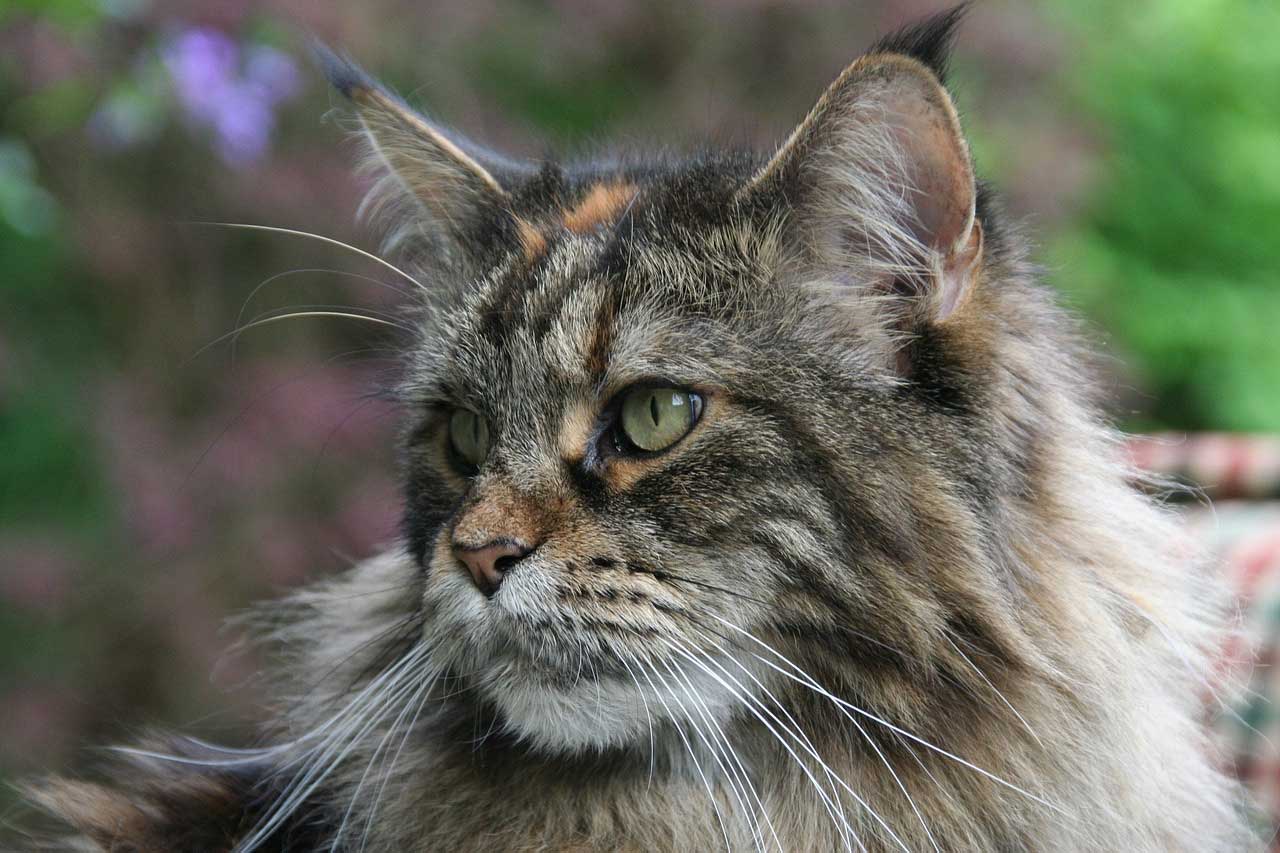
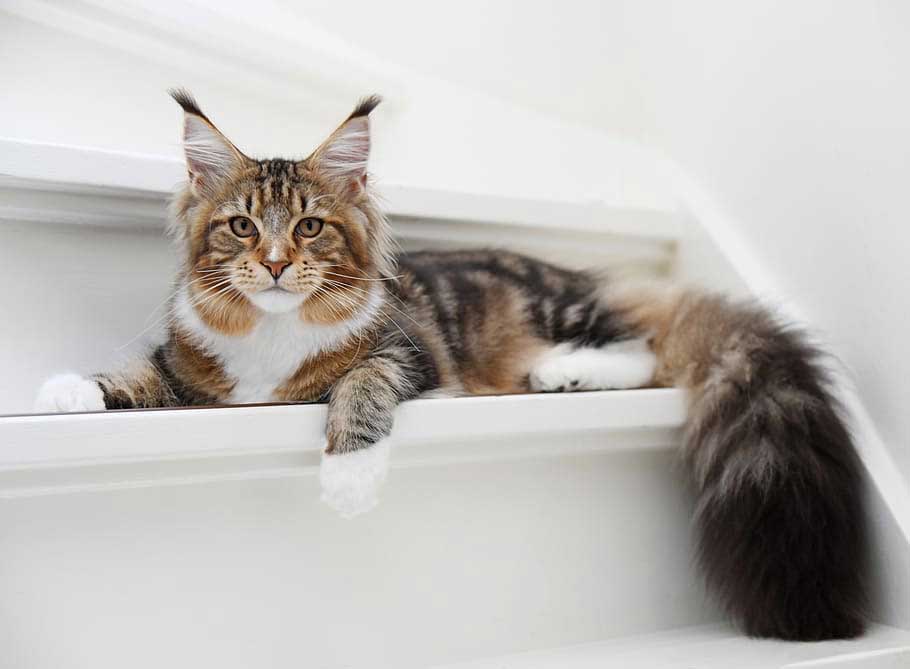
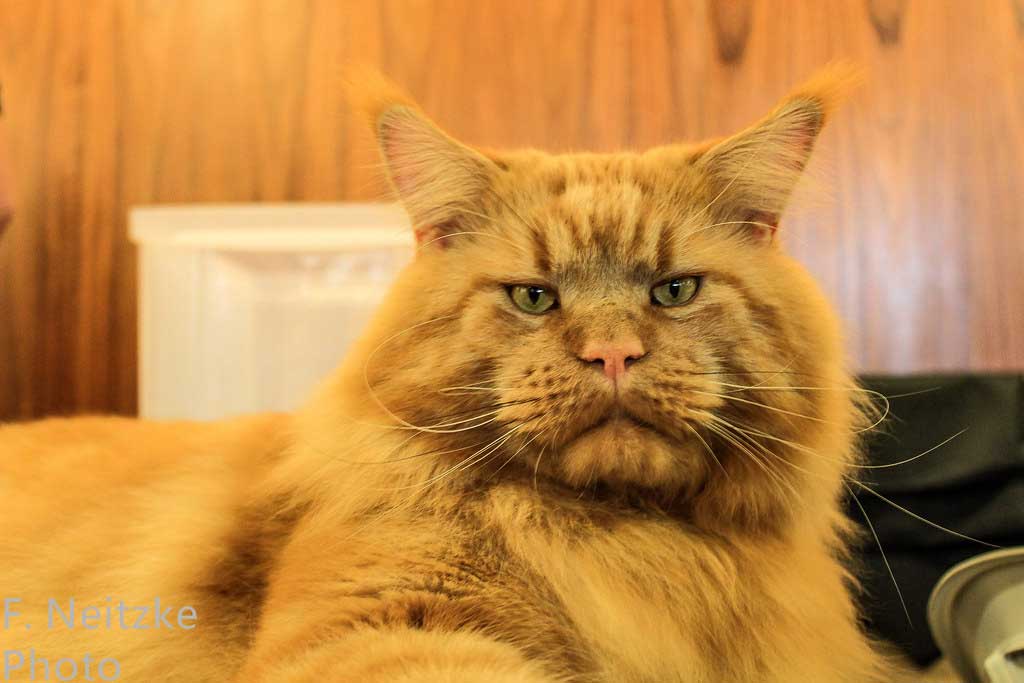
The Maine Coon It is a natural breed native to the northeastern United States, and more specifically the state of Maine, of which is the "official cat" since 1985. But, its exact origins are unclear, and many more or less far-fetched legends surround it.
The most widespread, but also the least credible, is the origin of his name: the myth that it is the result of a cross between domestic cats and wild raccoons («Raccoons» o «Coons«) Is very nice, but genetically impossible.
Another popular theory is that the Maine Coon descends from six Turkish Angora Cats owned by the French queen Marie Antoinette (1755-1793). Preparing to flee France after the French Revolution, entrusted them to the care of a certain captain Nathaniel Clough, that took them across America to Wiscasset, Maine. The queen was unable to escape and retrieve her cats, so they stayed in Maine and began to breed with the local felines, giving rise to this race.
Although unlikely, this theory is believable. In fact, it is now accepted that the Maine Coon is the result of the crossing between shorthair cats present in North America and longhair cats coming from europe. But, due to lack of actual evidence, it is impossible to know if these cats arrived with the Norwegian Vikings in the 11th century (which would explain its striking resemblance to the Norwegian Forest Cat ), with English sailors in the 19th century (like the captain Charles Coon) or with the fishermen of New England around the same time.
Recognition of the «Maine Coon»
Maine Coon
Whatever its exact origin, Since the beginning of the 19th century, Maine farmers and fishermen appreciated the ability of the Maine Coon to hunt mice and other rodents. useful and resistant, This cold-hardy cat began to be exhibited at local agricultural shows beginning in the 1980s. 1850.
The first references to Maine Coon appeared in 1861 and they were referring to a black and white cat named Captain Jenkins of the Marine Corps. In 1895, a female of Maine Coon call Cosey was exhibited at the first North American Cat Show, held in the Madison Square Garden from New York, where he won a silver necklace engraved with his name, as well as the title of “Best in Show”.
But, the popularity of Maine Coon decreased greatly in the early 20th century due to the emergence of more exotic breeds, as the Persian cat and the Siamese cat, and its decline was so severe that at the beginning of the decade of 1950 the breed was declared extinct. This statement was premature and exaggerated., but it made cat lovers aware of the seriousness of the situation. Under the leadership of Ethylin Whitemore, Alta Smith y Ruby Dryer, the Central Maine Cat Club, who worked hard to promote the breed at various shows and competitions, and developed its first standard in 1960.
This was followed by the official recognition of the American Cat Fanciers Association (CFA) in 1976, the International Cat Association (TICA) in 1979, the Fédération Internationale Féline (FIFé) in 1982 and the British Governing Council of the Cat Fancy (GCCF) in 1993. Like this, in just a few decades, the Maine Coon not only rose from the ashes, it became one of the most popular cat breeds in the world.
The popularity of the "Maine Coon" in the world
For many years, the Maine Coon has been one of the five most popular cat breeds in America, but now it is also one of the most common cats in Europe. In Great Britain, for example, the Maine Coon has firmly established itself as one of the 5 most popular breeds in the country.
But it is above all in France where his success has been most dazzling.: from 2011, it is the most popular cat breed among the French. Year after year, it even ends up widening the gap that separates it from its rivals: With almost 14.000 inscriptions in the Official Book of Feline Origins in 2018 (versus almost three times less than the Sacred Cat of Burma (Birman), the first of his rivals), alone accounts for more than a third of new births recorded during the year. It also, There is more than 2.500 hatcheries of Maine Coon assets in France, that is to say, that have registered at least one litter in the last two years.
Physical characteristics
Maine Coon
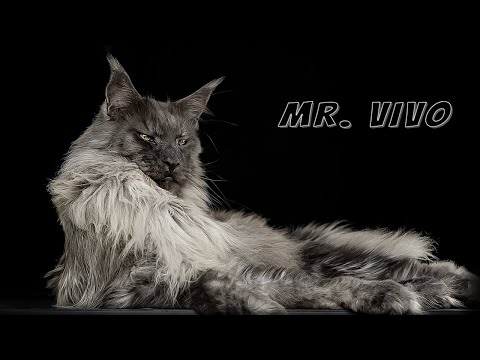
The Maine Coon he is an imposing cat, to the point that their representatives regularly hold the record for largest cat in the world: Some male specimens reach 12 kg of weight and 120 cm length! But, these are exceptional cases: although it is indeed much larger than a "normal" cat, a Maine Coon does not usually reach these record dimensions. The vast majority are similar in size to norwegians, breed with which they share many characteristics.
Rather long and rectangular, their body he is muscular and harmonious, While their legs, Of medium height, they are strong, with a solid and wide foot: as such, they are a kind of long and powerful cat. The tail it is one of the most distinctive features of this breed: dense and carried high, is as long as the body and tapers to the tip.
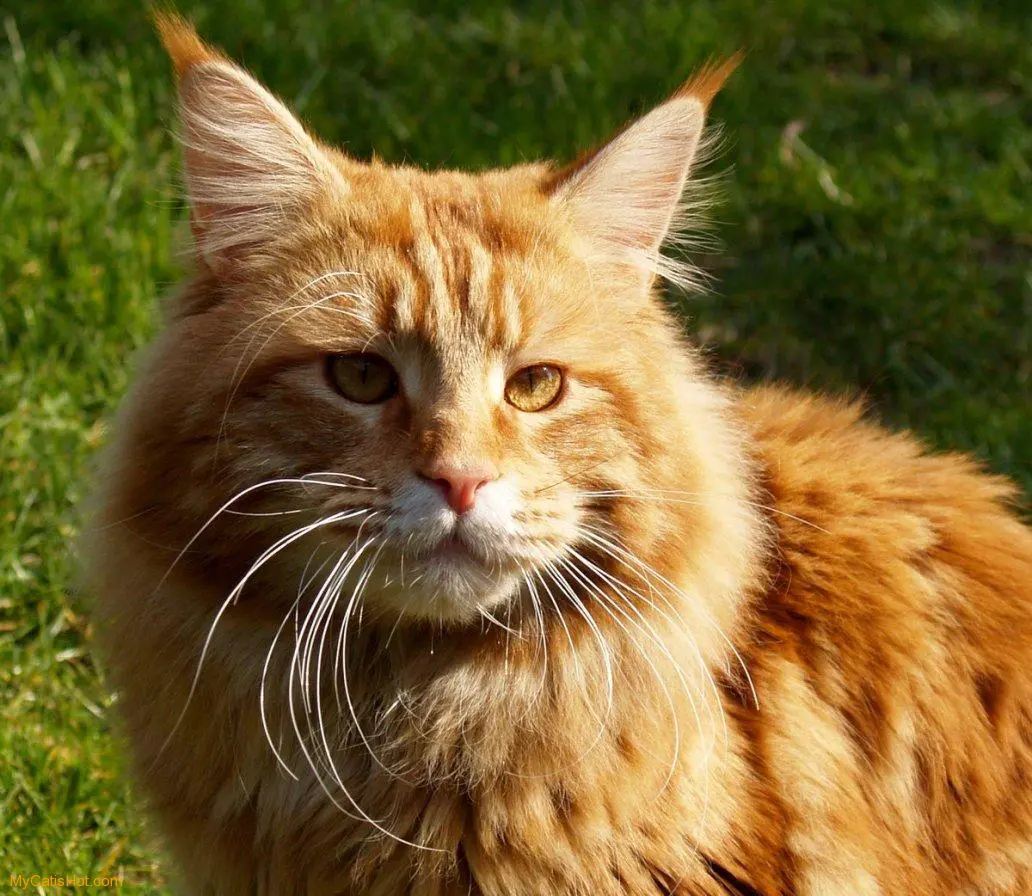
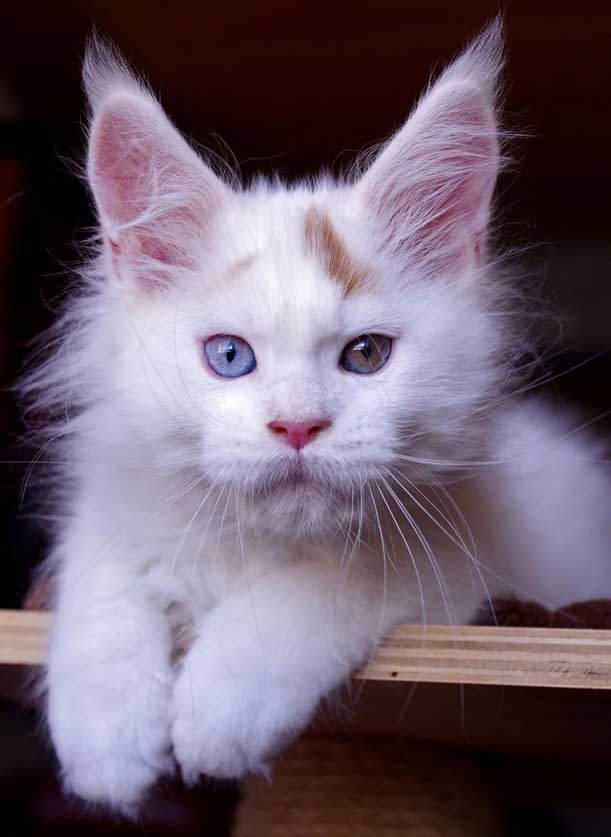
The cheekbones they are tall and prominent. Side view, the forecrown is subtly rounded and the line of the nose forms an unbroken, slightly concave curve. Seen from the front, their snout angular looks square; its large and expressive eyes, angled, appear round when attentive and can be any shade of green, dorado, copper or yellow. In white individuals, they can be even blue or mint (that is to say, of two different colors). Its big ears, broad based and moderately pointed, are placed on the top of the head, with the inner hairs extended horizontally out. Looking for plumes on the tips of the ears, similar to the lynx.
The fur semilargo, denso e impermeable, offers good protection against inclement weather. It is shorter at the head and shoulders, but gradually lengthens on the sides. The undercoat it is less dense than that of other long-haired breeds, but it becomes denser in winter to protect it from the cold. The Maine Coon It then has a dense ruff that resembles the mane of a lion. The coat can be of different colors, usually tabby, although single color raccoons are also accepted. The brown tabby color is the most common. But, some coat colors, like chocolate or lavender, are not accepted by all standards.
The sexual dimorphism it is quite marked: females are significantly smaller than males, whose tilted ears seem smaller.
Last, the Maine Coon it is a slow growing animal, that does not reach its adult size until 3-4 years of age.
Size and weight
Male size: 30 to 45 cm.
female size: 25 to 40 cm.
Male weight: 6-10 kg
female weight: 4-7 kg
Varieties of the «Maine Coon»
Existing since the early days of the breed, the Maine Coon polydactyl is recognized as a variety in its own right by TICA (International Cat Association). As the name suggests, this cat may have extra claws or fingers.
The polydactyly in cats it exists in many breeds, but the Maine Coon it is clearly one of the most affected breeds, estimating that it affects a 2% of individuals. Some historians believe it is a trait inherited from sea cats, that needed better balance and grip to resist pitching boats.
Character and skills
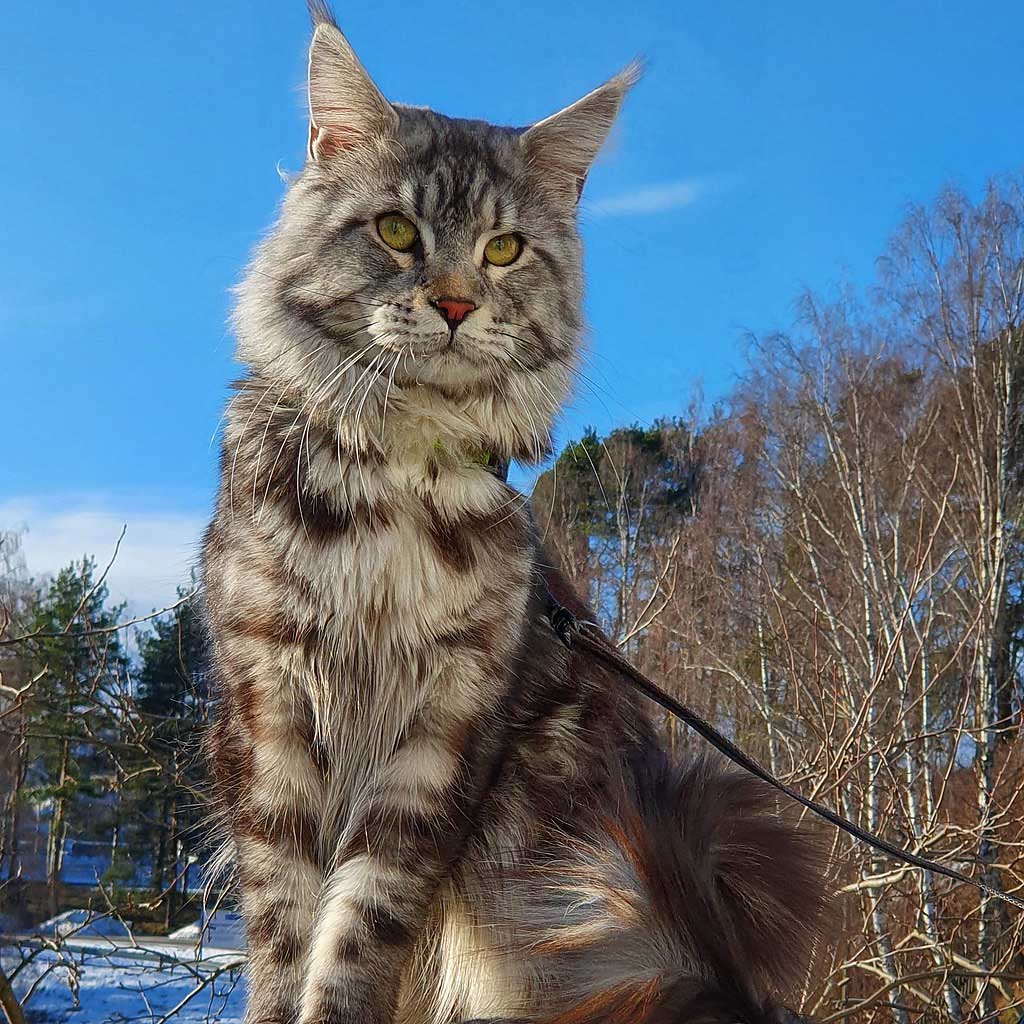
Maine Coon Silver Tabby, two year old breeding male – T. Bjornstad, CC BY-SA 4.0, via Wikimedia Commons
The Maine Coon he is a calm cat, smart and loving who easily adapts to different lifestyles and personalities. They are very attached to their owners and enjoy their company., but they do not require special attention: they like to be caressed, but they are just as happy sitting next to their owner or supervising their actions. It is common for him to follow you around the house or wait patiently behind a closed door. On the other hand, he is much more suspicious of people he does not know.
Smart and close to its owner, the Maine Coon is a good candidate for training: armed with a healthy dose of patience and your favorite treats, it is quite possible to teach your cat tricks.
It also, coexistence with other cats and even with dogs is not a problem, as long as the latter are accustomed to cats. The Maine Coon it is also an ideal cat breed for children, since he adores them, He is very affectionate with them and enjoys playing with them. They are very playful and, even as adults, they will chase a ball or toys.
On the other hand, thanks to its dense and waterproof coat that protects it from inclement weather, It is a breed of cat that does not fear the cold, nor the humidity.
To much Maine Coon they are fascinated by water: perhaps a memory of his ancestors who traveled in New England fishing boats? No doubt aided by their waterproof coat, they like to lie on the floor of a still wet shower or touch the bath water with their curious paw. But, Most of the time, this attraction does not go further: to the Maine Coon does not particularly like swimming, and he is not one of those who follows his master in the bath or shower.
Last, meows very little or not at all, but it emits a high-pitched screech that is surprising for an animal of this size.
Grooming and caring for the "Maine Coon cat"
Despite having a dense and relatively long coat, the silky texture of the hair of the Maine Coon prevents excess tangling. But, it is recommended to brush the cat with a stainless steel comb weekly, to detangle hair and evenly distribute skin secretions.
A cat grooming rake (o peine) also useful for removing dead undercoat, which can cause tangles if it builds up. This tool should be used gently, especially in the belly, where the skin is most sensitive.
In any case, the Maine Coon she changes a lot, especially during the molting season (Fall and Spring). So, not recommended for people who want to have a perfectly clean interior at all times.
The underside of the tail should also be checked daily to make sure there is no residual droppings embedded in the coat.. If required, can be cleaned with a baby wipe. Many owners choose to cut their hair in this area to avoid this inconvenience..
Last, maintenance of your cat's ears is recommended every 2-3 weeks, checking that they are clean and infection-free. You should also brush your cat's teeth regularly to remove food debris and prevent tartar build-up.. Maintenance sessions are also an opportunity to check if your claws need to be trimmed.
Despite its large size, the Maine Coon can live in a flat. Less inclined to vertical scanning than its peers, prefers to stay on the floor or on the sofa rather than climb up the curtains or furniture. Given its size, this is not necessarily a bad thing…
On the other hand, as soon as the opportunity presents itself, his hunting instinct is awakened and he chases mice and other small rodents without hesitation. It is especially known for its ability to hunt mice. In fact, coexistence with domestic rodents such as hamsters should be ruled out, guinea pigs or other small animals, since it will most likely end badly.
How much activity does he need? "Maine Coon cat"?
In general, the Maine Coon it is quite unproblematic in its maintenance. The cat may doze for 16 hours in a row without getting bored. But, even sleepy little ones need a helping of activity once in a while. Especially if they are kept indoors, regular exercise is essential.
When these clever cats (especially the males) they are bored, they come up with all kinds of nonsense. Games with a fishing rod, toy mice or balls next to their humans provide enough exercise. They also strengthen the bond between two-legged and four-legged friends..
If you don't have much time and you have to do other things apart, you can turn to intelligence toys for cats. Here, the Maine Coon can be occupied for a time under supervision. As one of the few breeds of cats, the Maine Coon they have some affinity for water and can also be wonderfully busy with a leaky faucet.
Health and nutrition
The Maine Coon it is rather a robust cat breed with strong health. But, there are some risks.
First of all, has a predisposition to feline hypertrophic cardiomyopathy (Ho Chi Minh City), the most common form of heart disease in domestic cats, that usually affects adult cats. Since almost one in three individuals is a carrier of the gene, cardiac myosin-binding protein mutation screening recommended to reduce HCM risk, but not to remove it.
The risk of renal polyquistosis, a slowly progressive disease that can lead to fatal kidney failure, it is also more pronounced than in other breeds. It is advisable to learn about the health of the parents before adopting a kitten Maine Coon, since this disease is hereditary.
The spinal muscular atrophy, affecting the muscles of the trunk and limbs, is another genetic disease this cat is susceptible to. But, not deadly, and most affected individuals live comfortably for many years. There is a test to detect carrier specimens and affected kittens.
It also, like all big cat breeds, the Maine Coon are at increased risk of Hip Dysplasia. According to a study titled "Demography of hip dysplasia in cats Maine Coon" Made in 2015 in the United States for the Orthopedic Fundation for Animals in more than 2.500 cats Maine Coon, the 24,9% of subjects had hip dysplasia. The prevalence is higher in males (27,3%) that in females (23,3%).
Some professionals believe that this epidemic of Dysplasia it is due to the fashion of cats Maine Coon giants at the end of the first decade of the 21st century. To meet the demand, many breeders of Maine Coons they tried to create larger and larger individuals by selecting the largest individuals for breeding, but also by providing them with a very high protein diet to promote rapid growth. The latter is dangerous for the joints.
It also, keep in mind that the Maine Coon has a very low reproduction rate, with litters limited to 2 or 3 kittens.
Life expectancy
9 to 15 years
Food
The Maine Coon behaves very well with industrial cat food, both dry and wet (cans and trays). But, whatever food is given, it is important to make sure it is of good quality and provides you with the items you need. So, should be high in protein, low carbohydrate content and less than 20% of fat, but it must also contain all the vitamins and nutrients that the cat cannot synthesize.
It is also possible to prepare your meals at home, for example with a BARF type diet consisting mainly of raw meat, organs and bones. In this case, it is essential to consult the vet to ensure that a diet is established that provides all the necessary nutrients and vitamins for the cat, and does not suffer from vitamin or mineral deficiencies.
Except in special cases (cat disease or obesity), the cat Maine Coon self-regulates, so food and water must be available at all times. On the other hand, chlorine-rich water can damage the cat's kidneys and lead to kidney failure; if this is the case, it is therefore advisable to filter it or even prefer bottled water.
Maine Coon reclining
For sale "Maine Coon cat"
The price varies according to the color of the fur, but generally a kitten Maine Coon female is sold for about 1400 to 1500 EUR, while a kitten Maine Coon male is more likely to sell for 1600 to 1800 EUR.
Interesting facts and curiosities
In 2012, «Hank the Cat» was about to reach the Virginia Senate. Initially intended as a joke for an animal welfare campaign, the cat got a whopping of 7.319 votes, coming third in the election.
In the Harry Potter movies, la Sra. Norris, caretaker's cat Argus Filch, is represented by a Maine Coon red.
The tallest cat in the world, with 123 centimeters in length, was Stewie, a cat Maine Coon from Oregon. After his death to the 13 years, the cat Coonie Omar from Melbourne successfully took his place. With 1,20 meters long and 14 weight kg, He is currently the largest cat in the world and a true celebrity on the net.
Despite its recognition by several leading organizations and its presence around the world, the Peterbald it is still a very rare feline breed that is still under development.
Photo: purrsiaoriental.com
Content
Characteristics "Peterbald cat"
Coexistence is important that you have with your new friend. Before considering the acquisition of a cat of the breed "Peterbald cat" you know certain factors. You must take into account their character, their need for exercise, their interaction with other pets, their care and if you have small children, their level of tolerance towards them.
Joy
5,0 of 5 stars (based on 1 review)
Activity level
5,0 of 5 stars (based on 1 review)
Friendliness to other pets
4,0 of 5 stars (based on 1 review)
Friendliness to children
4,0 of 5 stars (based on 1 review)
Grooming requirements
2,0 of 5 stars (based on 1 review)
Vocality
3,0 of 5 stars (based on 1 review)
Need for attention
4,0 of 5 stars (based on 1 review)
Affection towards its owners
5,0 of 5 stars (based on 1 review)
Docility
4,0 of 5 stars (based on 1 review)
Intelligence
4,0 of 5 stars (based on 1 review)
Independence
2,0 of 5 stars (based on 1 review)
Hardiness
3,0 of 5 stars (based on 1 review)
History
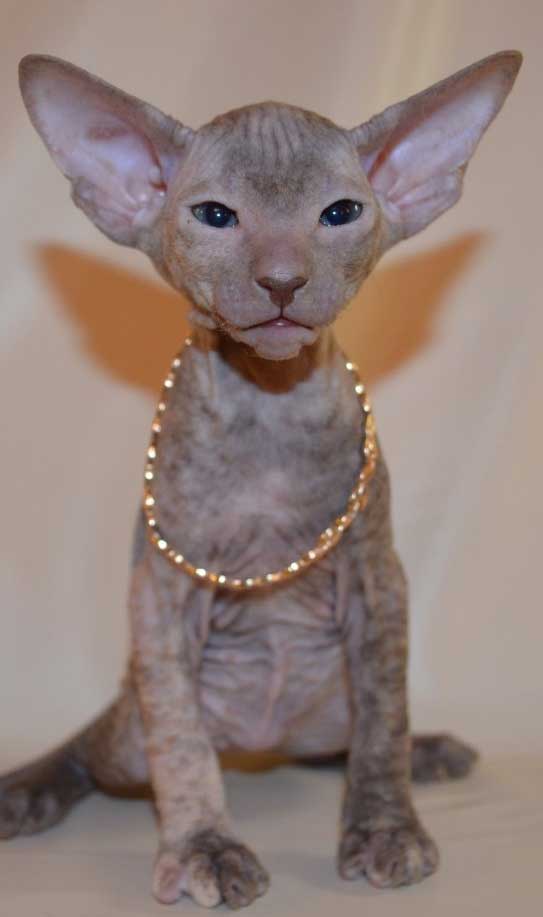
The Peterbald It is a recent Russian feline breed, originated in Saint Petersburg in the early 1990.
Olga S. Mironova, an expert on cats who conquered the style of the Donskoy (Don Sphynx), a breed of naked cats that appeared over the years 80 en Rostov del Don (also in russia), decided to cross them with him Oriental shorthair cat. I wanted to create an oriental type cat but without hair, so that you could admire his fine and elegant musculature.
so in 1993 crossed to Afinguen Myth, A male Don Sphynx, con Radma from Jagerhov, a female Eastern who had won several feline shows. The first two litters gave birth to four kittens: Mandarín iz Murino, Moscatel iz Murino, Nezhenka iz Murino y Nocturne iz Murino. They are the creators of the race Peterbald, and Nocturne iz Murino, that was used as a stallion, is present today in the line of all Peterbald with pedigree.
In 1996, the Russian Federation of Selection Felines (SFF) developed the first standard for this breed. It was called Peterbald, in honor of the city of Saint Petersburg, where are they from?. Russian breeders quickly became interested in the breed and began to develop it.
In order to preserve the morphology of the Oriental, crossing with Donskoys, to prevent the special characteristics of these cats from being lost. Since the hairless gene has already been introduced into the breed, Russian breeders decided to use only Oriental, Siamese and balinese for the crossing.
But, the functioning of this gene is difficult to understand, and even today genetics cannot clearly explain its functioning and transmission, which leads some geneticists to think that several genes are responsible for the appearance of the Peterbald. Like this, these cats may be hairless, have an extremely short coat, have a long coat, or a combination of these different settings (for example, hairless on some parts of the body and hair on others).
The Peterbald cat soon attracted everyone's interest, and the first specimens were exported to Europe and North America in the late 1990s. 1990. The International Cat Association (TICA) granted to Peterbald the title of experimental breed in 1997, and was recognized by the World Cat Federation (WCF) in 2003. In 2006, obtained the full recognition of the TICA, which allowed him to participate in exhibitions organized under the auspices of the organization. The Fédération Internationale Féline (FiFé) also recognized him in 2012.
But, neither him Governing Council of the Cat Fancy (GCCF) not even Cat Fanciers’ Association (CFA) have yet taken the step.
In fact, despite its recognition by several major organizations and its presence around the world, the Peterbald it is still a very rare feline breed that is still under development.
In France, the first Peterbalds they enrolled in the Livre Officiel des Origines Félines in 2006, and in 2008 some 30 copies per year. This number remained stable until 2015, before descending to solo 6 copies in 2018. With a total population of just over 300 specimens, the Peterbald it is a rare cat in France.
Physical characteristics
"Peterbald cat"
Yanek of the Iris, Breed Peterbald and Sansha, a Cornish rex cat – Jiel Beaumadier, CC BY-SA 4.0, via Wikimedia Commons
The Peterbald has a slim or oriental complexion. His long body is lean and muscular, which gives it an elegant look. The same slenderness is evident in the long legs and whip-shaped tail..
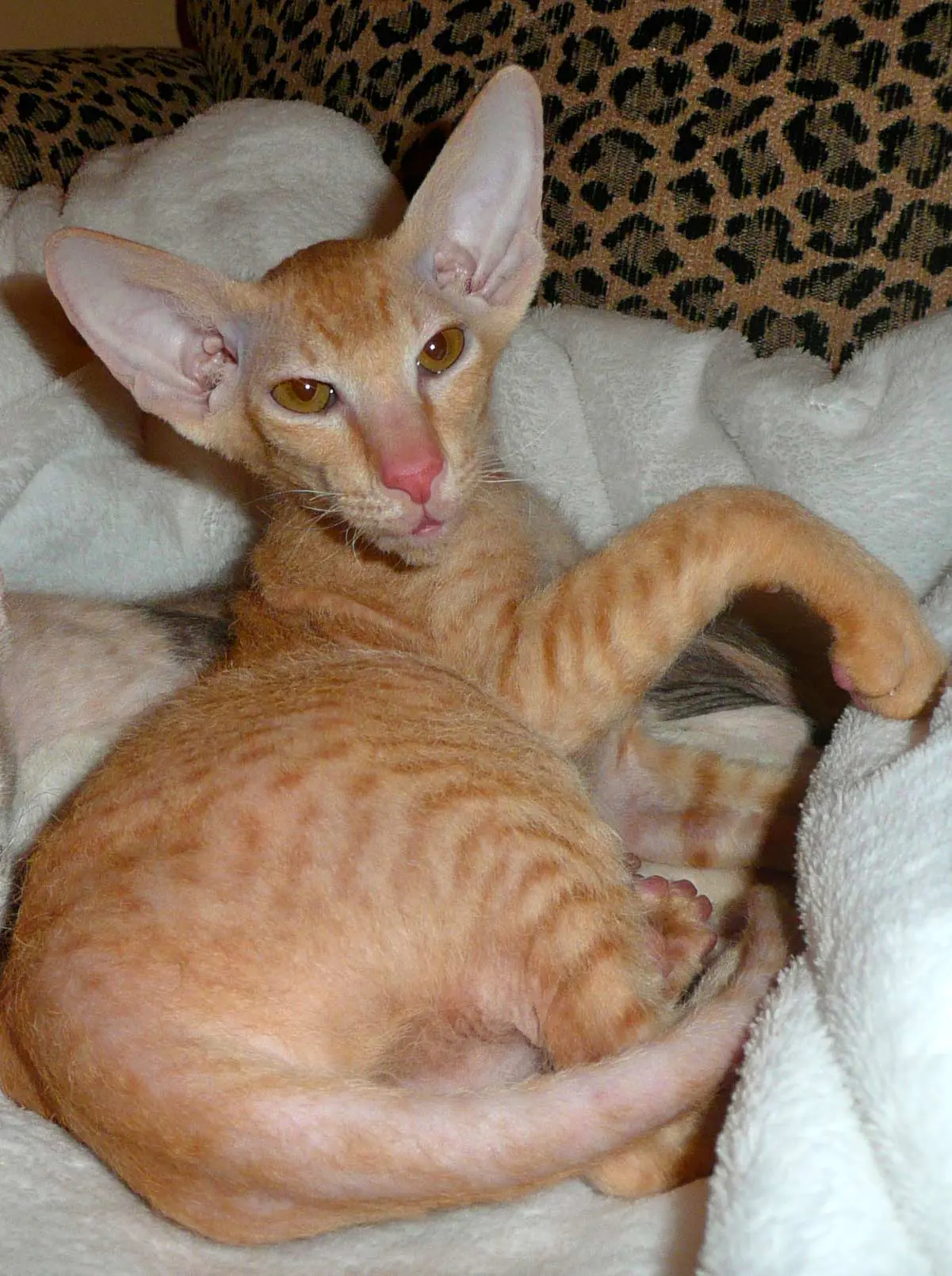
The head is triangular seen from the front and the huge ears, broad at the base, are located in the continuation of this triangle. Profile, the line from the top of the skull to the tip of the nose is perfectly straight. The eyes they are medium in size and almond shaped, and they can be blue, green or odd (one green eye and one blue).
The fur of the Peterbalds varies from individual to individual: according to the rules, there are three to five categories. Some cats are completely hairless and their skin is elastic and rubbery to the touch, while others have a soft and more or less long coat all over the body. Some have a short but hard and curly coat, which can also be unevenly distributed throughout the body. Others have a coat that can be described as "normal.", similar to a shorthair cat.
It also, things are not fixed in time: if a kitten that is born without hair is left without it, another born with hair can keep it or lose it, partially or fully. Like this, some individuals who are born hairy end up naked as adults.
It also, all coat colors are accepted by the breed standard. Hairless individuals have different colors, since their skin is the same color that their hair would have if they had it.
Last, the sexual dimorphism it is well marked, being the male larger than the female.
Size and weight
Male size: 22 to 25 cm.
female size: 20-23 cm.
Male weight: 3,5-4,5 kg
female weight: 2,5-3,5 kg
Breed standard
The breed standards are documents issued by official bodies that list the conditions that a Peterbald must meet to be fully recognized as belonging to the breed:
The Peterbald cat can have different types of fur, so it exists in several varieties:
Hairless
These individuals do not have hair and the touch of their skin is reminiscent of rubber.. One Peterbald desnudo he does not usually have a mustache.
Chamois
They are covered with a fine down, less than 1 mm, that feels like the famous suede leather. One Peterbald Chamois has short mustaches.
Velour
They have a very short coat, of only 2 or 3 mm, soft to the touch and velvet texture. One Peterbald Velour he also has short mustaches.
brush
They have short, hard hair, usually curly. One Peterbald type brush usually has curly whiskers.
Short-haired fur
This variety includes all Peterbalds whose coat does not correspond to the previous varieties. Hair can be of different lengths on different parts of the body, from completely hairless to medium length. These cats are well registered as Peterbalds, but they are not allowed to compete in cat shows.
The Peterbald cat it is a very affectionate cat that is never far from its owner. Follows him around the house, sits on your lap or shoulder whenever possible, and sleep next to him. Accompanies him to the door, and it is behind this very door that his master finds him when he returns.
This affection can be overwhelming at times., especially for those who have never had a pet: have a Peterbald at home means having someone around all the time. And their presence is not always discreet, since he likes to start a conversation.
Like is logic, this attachment makes him not like being alone. Being alone while his owner is at work is not a problem for him, but you may suffer from separation anxiety and destructive behavior if you are left alone for a weekend. On the other hand, being much more attached to his master than to his house, the Peterbald travels with ease: therefore, you can perfectly plan to go on vacation with your cat without having to fear great difficulties.
It also, is sociable and gets along with everyone. Receive guests at the door and do not hesitate to chat with them. It is also a breed of cat suitable for children: as long as they know how to behave with a cat and respect it, you will enjoy playing with them for hours.
He also gets along well with other cats, but also with dogs that are used to cats. On the other hand, their sociability with small rodents or reptiles can be problematic: has no hunting instinct towards them, but what is just a game for him can cause them some stress.
Extremely active, the Peterbald run, jump, scratch and play all day. The only thing he likes more than chasing a ball is playing with its owner.. Loves varied cat games, including those that stimulate your intelligence.
Yes indeed, although he loves to play, it is not a cat made for the outdoors, so you have to keep it indoors: your skin is sensitive to the sun's rays, as well as bad weather and dirt. It also, his sociable character - even naive- could put you in dangerous situations.
Health
"Peterbald cat"
Gato blanco Peterbald type «brush» – Acracrabe, CC0, via Wikimedia Commons
The Peterbald cat It is a breed of cats with few health problems and no known risk of genetic diseases. As the breed is new, it is still too early to draw definitive conclusions, but it is reasonable to assume that if a serious illness affected her, cases would have already appeared.
On the other hand, the lack of fur makes their skin more sensitive than that of other cats. Like this:
It is a breed of cat sensitive to cold, so you must live in a warm enough place;
There is also that protect them from the sun, using specific sun cream for animals if they have to leave the house;
Sebum tends to accumulate in your body, creating an oily film that can quickly collect dirt.
Last, although the risk of obesity is low in this breed, remains one of the main health hazards of any indoor cat, so owners should weigh their cat regularly and ensure that it does not exceed its body weight.
Life expectancy
Of 12 to 15 years
Grooming
The Peterbald cat it is easy to care, but it requires more attention than you think. In effect, their lack of fur prevents brushing sessions, but her bare skin perspires, and the tallow retains the dust. To avoid the accumulation of dirt that can cause the appearance of bacteria, body odor and possibly skin problems, it is necessary to bathe your cat every week with a special shampoo.
But, this bathroom shouldn't be a problem, since at Peterbald he likes to be bathed in hot water, especially if you have gotten used to it since childhood.
To end this weekly grooming session, you have to inspect your teeth, eyes and ears to make sure they are clean, and possibly clean them with a damp cloth.
Last, if natural wear and tear is not enough, you need to trim your cat's nails.
Food
The Peterbald cat can be fed with industrial cat food available in specialized stores. Whether it's croquettes or food, it must be a good quality diet, adapted to your age and activity level. This ensures that your cat receives all the nutrients it needs and remains healthy..
The risk of obesity is low in this hyperactive cat, and can be left with food on hand at all times, since it is capable of self-regulation. But, care must be taken that the weight of the cat remains stable, and you should consult your vet to establish an adequate diet if you deviate from your ideal weight.
For sale "Peterbald cat"
To adopt a kitten Peterbald, you will have to pay some 1250 euros if it is a male, and 1100 euros if it is a female.
Who wants to adopt a Peterbald Because of his character and not because of his "hairless" appearance, he can resort to an individual with straight hair. These kittens with longer or shorter coats are born to pedigreed parents and, therefore, are recorded as Peterbalds, but they cannot be shown in cat shows. Thus, its price is usually much more affordable, since it is possible to find them around the 600 or 700 EUR.
The Templecat is the equivalent of shorthair of the already well established race of the Burmese cat, (known as the Sacred Cat of Burma).
In the same way as the Exotic shorthair cat developed by crossing the Persian cat with others Shorthair cats, the Templecat was also the product of a cross with a Shorthair cat.
"Templecat"
Cinnamonpoint Templecat - Photo: catzinc.org
In the case of the Templecat, a Sacred Cat of Burma was crossed with a Oriental shorthair cat tan tabby, the first offspring being a «shorthair sealpoint» and a “classic chocolate-colored tabby kitten”, thus proving that the line of Burmese used was a classic tabby under its pattern pointed and also that the "oriental brindle" that had come from a long line of matings between Oriental had retained the gene pointing, a very pleasant surprise.
The Templecat It was an idea of ​​the Mrs. June Mateer, founding member of Birman Cat Club of New Zealand and member of the NZCF Genetics Advisory Committee. From the first filial crossing, June progressed to the full record of the Shorthair burmese, in Seal, Blue, Chocolate, Lilac, Cinnamon and Fawn. Generational advances are only achieved through crosses.
The challenge was to produce a cat of type and conformation Sacred Cat of Burma (Birman), along with the classic Roman profile and correct markings on both gloves and gauntlets, but with a short, easy-care coat. This was no feat. Similar to the Exotic Shorthair he could not hide his conformational flaws under a long flowing coat, nor could the “Short-haired Burmese” in development.
The breed was recognized as a provisional breed by CATZ Inc. under the temporary name of "Short-haired Burmese", understanding that another breed name would have to be applied for within a specified period. The breed name “Templecat” was later requested., thus linking the new breed to its already famous progenitors, and this name was granted by the Board of CATZ Inc in August 2001.
Physical characteristics
"Templecat"
Cinnamonpoint Templecat – Photo: catzinc.org
CATZ Inc recognizes the Templecat in the eight base colors of Seal, Blue, Chocolate, Lilac, Red, Cream, Cinnamon & Fawn, including variations Tortie and Lynx. The introduction of colors Cinnamon and Fawn has been of special interest to him Templecat. The Templecat Cinnamonpoint they sport a gleaming white coat that contrasts with the warm cinnamon tobacco color of the points.
Character and skills
Similar to the Sacred Cat of Burma (Birman), the Templecat It is a cat with a warm and people-friendly nature, with a cheerful but docile disposition.
Grooming
The coat is short and easy to maintain, with a slightly elastic texture, although still moderately silky to the touch.
The Safari it is a relatively new breed of cat, dating back to the years 70. It is a hybrid between Domestic cat (or "street cat") and the Geoffroy's cat (Leopardus geoffroyi). The latter is a small wild cat -some 4 kg adult- whose habitat is southern South America, from Bolivia to Patagonia. The breed was first called "Criollo" and then "Appaloosa.". Finally, the name of Safari, to refer to its exotic and wild origin.
It is not recognized by American organizations such as the American Cat Fanciers’ Association (ACFA), the Cat Fanciers’ Association (CFA) or The International Cat Association (TICA), nor by European organizations such as Governing Council of the Cat Fancy (GCCF), the World Cat Federation (WCF) wave Fédération Internationale Féline (FIFé). However, some have been registered 100 specimens in the TICA, which makes the Safari in a very rare cat. For this reason and for its price, Some have even called it the “Rolls Royce of cats.”.
The first Safaris were created in the United States in the decade of 1970 by Washington State University for use in a leukemia research program. In particular, were used as guinea pigs for stem cell studies and the like.
Upon completion of the medical research project, the hybridization program was abandoned by university researchers due to difficulties encountered. The cells of the geoffrey cat and those of Domestic cat do not contain the same number of chromosomes. The private breeders who have taken over have had to face the same genetic problem. In particular, lack of male fertility makes the breed very difficult to develop. This is the reason why the Safari cat still so rare today.
Physical characteristics
As the breed is not recognized, no standard has yet been established for the Safari cat. But his genetic heritage makes him a tabby and exotic-looking cat.: its fur is reminiscent of a leopard.
It is a Domestic cat large: first-generation hybrids can weigh up to 15 kg. But, size tends to decrease in subsequent generations, stabilizing around the 11 kilos for males and 8 kilos for females.
Size and weight
Size: Of 40 to 45 cm.
Weight: Of 6 to 12 kg
Character and skills
"Safari cat"
Safari cat – Stock Credit; iStock
There are a growing number of "breeds" that are being developed through the crossing of our Domestic catFelis catus with wild cats. Apart from the first generations, these cats are being bought by people who want a pet with something different, but the character and behavior of cats is uncertain and many of them are quite large cats. To this must be added the problems if they go outside and are aggressive and very territorial with other cats., or are they much more avid hunters causing the devastation of the fauna.
What is not taken into account is the welfare of the wild cats kept for breeding, the danger to domestic cats that mate with wild ones and the welfare of the first generations that cannot be sold as pets but must be kept as wild cats.
Keeping them confined may not contribute much to your own well-being. hybrid cat.
In conclusion, no need to hybridize domestic cats with wild cats and the resulting races, as the Safari cat, they have many welfare issues and should not be bred or kept as pets.
Health
The small number of individuals makes it difficult to identify the specific health problems of the Safari cat.
But, males are known to be infertile, which makes it difficult to breed the breed. The breeders of Safari they usually stay with the females for breeding, so the cats available for adoption are mostly infertile males.
Observation
In general, the races with pedigree use a much smaller gene pool for breeding than domestic cats and, therefore, are at increased risk of developing inherited disorders. It also, A number of "newer" pedigree breeds are derived from crosses between one or more "older" breeds., and in these situations hereditary problems seen in older breeds are likely to be perpetuated within newer breeds.
Grooming
As it is a very rare breed, no specific care requirements have been mentioned so far Safari cat. All you have to do is provide the general care any domestic cat needs.. How is a shorthair cat, a weekly brushing is enough.
For sale "Safari cat"
The price of a Safari cat varies greatly from farm to farm. On average, it can cost from 4.000 at €6,000 given the rarity of this breed. Your sex, the uniqueness of your lineage or your age can influence the price of a Safari. You have to calculate, In addition, around €50 per month to ensure you have a quality meal and keep you in good health.
Special care must be taken with fraudulent breeders who try to sell cats of other breeds under the name of "Safari”.
▷ The world of Pets: Dogs, cats, birds, reptiles, amphibians
Recognized by the CFA - TICA - ACFA/CAA - CCA-AFC - FIFe
Origin: United States
Antiquity: 1966
Character: Active, tyrant sporadically
Weight: 3,5 to 7 Kg
The American Wirehair cat it is a breed of young cat. This type of cat belongs to the category of domestic cats.
Photo: Wilkipedia
Content
History
The American Wirehair cat it was created by chance. In fact, the fault is a genetic defect. In 1966, in a litter of American shorthair cats, one male had an atypical coat. The fur was rough, lean and curly at the ends. The cat breeder lived in Verona, in upstate new york. Four of the kittens in this litter died, but the fifth, a red and white male kitten with this rough hair, survived. His name was Adam.
Joan O’Shea, a local breeder, found out about the kitten and immediately fell in love with it. Later he realized that it was probably a new breed and developed a breeding program.. Crosses with him American shorthair cat prevented excessive inbreeding and allowed the development of the breed.
In United States, was officially recognized in 1967 by the CFA(Cat Fanciers’ Association), but it wasn't until 1978 when this reference organization authorized him to compete in cat shows.
Uncommon in the United States, this cat is also still very rare in Europe, where it is mainly located in the UK, in very small numbers. In France, only a few births per year are recorded in the LOOF.
Physical characteristics
The American Wirehair cat you can't deny your relationship with him American shorthair cat.
It is a medium to large size cat, semirigid, with an athletic and sporty-looking body and, Therefore, with strong bones.
The head It is round, provided to the body, with cheekbones prominent and a snout well developed, as well as slightly wavy whiskers. The eyes they are big and round, very separate, and express a rather gentle character. They can be of any color.
The back it is straight and well balanced, the chest rounded and wide (especially in males), like the neck. The tail it is medium size, proportional to the body, and has a rounded tip, similar to the ears, that are quite separate. The legs they are medium in size but muscular. The legs are firm and round, with large pads.
The fur he is of medium length and has very thick and sticky hair. Their peculiarity is that they are wrinkled, as if they were wrinkled, hooked or curved, and full of vigor. The three-layer coat can be any color, like other breeds of American cats, except for chocolate, the fawn, the lilac and the colourpoint (Dark color, darkened in some parts of the coat).
according to sex, the height ranges between 30 and 35 cm and the weight between 2,5 and 5 kg.
Character and skills
The American Wirehair cat it is robust, vigorous and curious. It is a very active cat, agile and playful, you need to exercise and, Therefore, requires space. Sociable, tender and especially affectionate, is as kind as him American shorthair cat, although it has a great sensitivity of its own. He cannot live alone and will remain very attached to his master.
The American Wirehair cat usually purr, what can be a way to offer support to his owner when he needs it, since a cat's purr is known to be beneficial to its owner.
It also, having a rather playful character and not being a dominant cat, can live with other feline companions, and he will make friends with children and single people. But, it is important to avoid living with rodents such as rabbits or mice, since they don't mix well.
Care "American Wirehair cat"
Despite its special appearance, coat care does not take much time. A brief brushing of the coat once a week is sufficient. Your cat will do the rest. Removes dead hairs with its rough tongue. Help your feline with cat grass to get rid of swallowed hairballs.
Indoor or outdoor cat?
The American Wirehair is suitable for both types of accommodation. The ideal is to live in a rural area. Here your tiger can become a free roam without hindrance. Whenever you want to. Some cats just sit in the open window to the garden and enjoy the opportunity. Soon you will find out. Ask the neighbors if they see your tiger outside the garden.
American Wirehair
Do you worry a lot when you are away from home? Then offer your pet a compromise. Fence a part of the garden (similar to a birdhouse). With free access to the house, of course.
If your purebred cat knows the floor as his living space from an early age, will not miss anything. Another possibility would be an additional cat-proof balcony. If you have your cat in a flat, you will not have problems with the neighbors. The volume of the voice is low. In contrast to the volume of voice of Siamese cats. These “talkative” contemporaries can be heard throughout the neighborhood.
No matter what you choose. Remember: an indoor cat can become an outdoor cat. An outdoor cat will never be an indoor cat again. This is valid for any type of cat, as well as for him American Wirehair cat.
How much activity does he need? "American Wirehair cat"?
This question cannot be answered in general. The character of American Wirehair cat is individual. So, some specimens are more playful and others are not. Mostly, sleep during the owner's absence. Give them a chance to take care. There are enough toys on the market to stimulate intelligence and hunting instinct. Take enough time to play at night. A second cat will save you from a guilty conscience.
Your home must be furnished appropriately for cats. This includes scratching posts with different levels. There are caves to hide, feathers and stuffed mice to play with and much more. if you have a garden, let your cat use it. The more intensely your American Wirehair cat At night, more you will have to think. Remember that this type of cat plays all its life and demands an activity appropriate to its age.
Health and nutrition
Due to its origins, the American Wirehair cat you are affected by a hereditary disease called renal polyquistosis or, more rarely, by a Hypertrophic cardiomyopathy, consisting of a thickening of the walls of the heart.
It also, your hair is especially sensitive to minor allergies, due to its specificity.
Feeding of the "American Wirehair cat"
American wirehair
The diet of the "American Wirehair cat" must be adapted according to your needs and activities, but also his age and health.
Feeding your cat in a species-appropriate way is not complicated. But, you should pay attention to healthy ingredients. Your future roommate is a carnivore. The cat's digestive system can't do much with carbohydrates. The ideal combination is muscle meat and offal.
It is important to monitor the rations that are given to prevent the cat from being overweight or even obese.
For sale "American Wirehair cat"
The American Wirehair cat is almost unknown in Europe. If you want to buy one, you should contact an American breed association. The Cat Fan Association will be happy to assist you.. The price depends on the demand and the population. The price of American Wirehair cat is between 800 and 1.200 EUR. Stay away from “bargain” offers on the Internet. Cats from these sources are often contaminated with inherited diseases.
Characteristics "American Wirehair cat"
Coexistence is important that you have with your new friend. Before considering the acquisition of a cat of the breed "American Wirehair cat" you know certain factors. You must take into account their character, their need for exercise, their interaction with other pets, their care and if you have small children, their level of tolerance towards them.
The British Shorthair cat (BKH) It is presented in more than 300 recognized color varieties, the best known being the silver tabby and the one with blue fur, the British bleu cat.
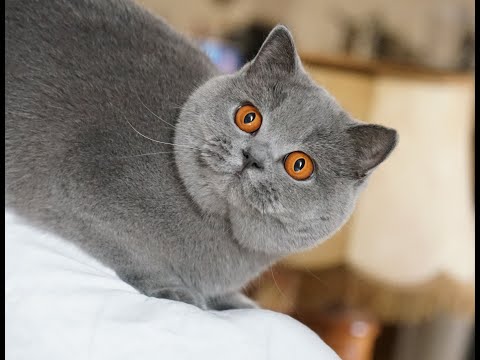
Like we have already said, the best-known color variant of the British Shorthair cat is the British bleu cat, with a solid blue-gray coat, orange eyes and a medium-sized tail.
Cats with blue fur have beautiful shades in their fur that will make them especially coveted by potential adopters.. Being able to admire a light gray coat with color reflections in the male or, on the other hand, a gray that really gets into the blue notes is quite rare to admire.
But, not all cats with a particular gray color are classified as British bleu cat. As such, eye color should be gold to copper. If that is not the case, the cat of this breed will be considered simply as a gray cat.
The combination of a blue fur with the intensity of that look makes British bleu cat be absolutely beautiful. The two colors contrast perfectly, which is why this cat is so successful.