The British Shorthair cat (BKH) It is presented in more than 300 recognized color varieties, the best known being the silver tabby and the one with blue fur, the British bleu cat.
Like we have already said, the best-known color variant of the British Shorthair cat is the British bleu cat, with a solid blue-gray coat, orange eyes and a medium-sized tail.
Cats with blue fur have beautiful shades in their fur that will make them especially coveted by potential adopters.. Being able to admire a light gray coat with color reflections in the male or, on the other hand, a gray that really gets into the blue notes is quite rare to admire.
But, not all cats with a particular gray color are classified as British bleu cat. As such, eye color should be gold to copper. If that is not the case, the cat of this breed will be considered simply as a gray cat.
The combination of a blue fur with the intensity of that look makes British bleu cat be absolutely beautiful. The two colors contrast perfectly, which is why this cat is so successful.
The Australian mist cat has been named Australia's national cat.
Photo: breeds.traditionalcats
Content
Characteristics "Australian mist cat"
Coexistence is important that you have with your new friend. Before considering the acquisition of a cat of the breed "Australian mist cat" you know certain factors. You must take into account their character, their need for exercise, their interaction with other pets, their care and if you have small children, their level of tolerance towards them.
Joy
5,0 of 5 stars (based on 1 review)
Activity level
5,0 of 5 stars (based on 1 review)
Friendliness to other pets
4,0 of 5 stars (based on 1 review)
Friendliness to children
5,0 of 5 stars (based on 1 review)
Grooming requirements
3,0 of 5 stars (based on 1 review)
Vocality
2,0 of 5 stars (based on 1 review)
Need for attention
4,0 of 5 stars (based on 1 review)
Affection towards its owners
5,0 of 5 stars (based on 1 review)
Docility
3,0 of 5 stars (based on 1 review)
Intelligence
4,0 of 5 stars (based on 1 review)
Independence
3,0 of 5 stars (based on 1 review)
Hardiness
4,0 of 5 stars (based on 1 review)
History
In 1977 The doctor. Truda Strait, the creator of the “Australian Mist Cat” breed, It presented an idea to the Royal Agricultural Society of NSW Cat Control (This body was replaced by the Cat Fanciers’ Association of NSW, a member agency of the Coordinating Council of the cat from Australia) to develop a cat breed that was truly unique to Australia.
The breed was developed by crossing the European Burmese Cat., Abyssinian cat cats and dogs domestic short hair to create a cat for short hair with a spotted coat.
The goal was to create a new breed with a peaceful temperament and spot pattern especially for use indoors.. In 1986, the breed was really recognized in Australia, at that time still under the name «Spotted Mist«. By increasing the range of brands and colors -between, the cat is also available with tabby coat-, the name was finally changed into 1998: Today the cat is called "Australian Mist".
The Australian mist cat has an athletic and muscular body. His figure with strong legs and wide torso already suggests that he likes physical activities. This medium-sized cat has large green eyes and a rounded head.. Ears are slightly rounded and stand out alertly. In general, the face radiates kindness and curiosity, attributes that are part of your personality. The fur has several drawings (stains, stripes and squiggles) and color dimensions that give the cat a hazy look. Due to these color characteristics, It is also called "Australian fog cat".
The Australian mist cat comes in different colors:
blue
brown
Caramel
Chocolate
Oro
Lila
Durazno
Character and skills
The Australian mist cat is caring and people-oriented. But it is also social in relation to other species, so socialization with other cats is not only possible, but also very important.
Whenever it can come into contact with other creatures, prefers solo adventures. Although she is one of the typical house cats, seldom lazily lies down. The Australian mist cat is lively, curious and active, so he does not like monotony or boredom.
The Australian mist cat adapts flexibly to the living conditions of its owner. Can cope with large families, both in a flat and in a nursing home, as long as there's someone to hang out with.
If you acquire an adult cat, you may need some time to get used to the new environment, especially if there are children around and the cat does not yet know how to interact with them. By the way, there are no diseases typical of the breed with regard to the Australian mist cat. This breed of cat is healthy, robust and long-lived. However, You must go regularly to veterinary check-ups and update vaccination and antiparasitic protection.
Life expectancy
The life expectancy of a "Australian mist cat" healthy is from 13 to 17 years on average.
Indoor or outdoor cat?
The Australian mist cat it is a social animal that prefers to stay close to its interaction partners rather than roam outside only. They will take advantage of small outdoor spaces, like an adjoining garden, but they will also be happy in a flat, as long as, of course, can exercise and occupy themselves at home. A spacious apartment is not essential, but it would be ideal due to its agile character. If there are several options to climb and play on the premises, the Mist australiano thoroughly explore your environment.
It also, in an unsupervised outdoor area, there is always a basic risk of loss for purebred cats. Criminal gangs see lucrative business in outdoor cats, especially when it comes to a specimen as special as the Australian mist cat. If a getter gets it, he catches it and sells it. For this reason, if you allow your cat to access an outdoor area, you will need adapted protection. These may include, equip your cat with a GPS tracker or transponder. It may even be mandatory for your cat to be marked where you live.
How much activity does he need? "Australian mist cat"?
The Australian mist cat is a cat with a playful interest and a greater desire to exercise, so if you keep it as an indoor cat, will need to climb a lot. Variety in the form of different toys should also be provided at all times. The cat likes it best when it doesn't have to take care of itself, but its owner or a fellow man plays with it.
For sale "Australian mist cat"
Buy purebred kittens Mist australiano can be treacherous, as these purebred cats are practically non-existent outside of Australia. In all Europe, it is considered a real stroke of luck to get hold of one of these rare kittens, as they are mainly bred in New Zealand and Australia. In general, the feline race is still very young, so global awareness must first be broadened before a jurisdiction of special breeding clubs can gradually emerge. It also, cats have a proud price. A prospective buyer has to pay a few 1000 euros for your desired cat, always depending on the breeder, general demand and location.
But, with a little luck, you will find a Australian-Mist-Mix or a cat of at least similar appearance.
Supposedly, a cat Devon Rex served as the model for the evil pixies in the movie 1984 «Gremlins – Little monsters".
Content
Characteristics "Devon Rex"
Coexistence is important that you have with your new friend. Before considering the acquisition of a cat of the breed "Devon Rex" you know certain factors. You must take into account their character, their need for exercise, their interaction with other pets, their care and if you have small children, their level of tolerance towards them.
Joy
4,0 of 5 stars (based on 1 review)
Activity level
4,0 of 5 stars (based on 1 review)
Friendliness to other pets
3,0 of 5 stars (based on 1 review)
Friendliness to children
3,0 of 5 stars (based on 1 review)
Grooming requirements
1,0 of 5 stars (based on 1 review)
Vocality
2,0 of 5 stars (based on 1 review)
Need for attention
3,0 of 5 stars (based on 1 review)
Affection towards its owners
5,0 of 5 stars (based on 1 review)
Docility
3,0 of 5 stars (based on 1 review)
Intelligence
4,0 of 5 stars (based on 1 review)
Independence
2,0 of 5 stars (based on 1 review)
Hardiness
3,0 of 5 stars (based on 1 review)
History
The Devon Rex appeared in 1960 and originated in Buckfastleigh, Devon, England, where a colony of stray cats lived in a mine. One of them had curly hair and was mated with a straight-haired tortoiseshell cat adopted by Mrs. Beryl Cox.. One of the kittens she gave birth to had curly brown-black hair and was named Kirlee..
The Sra. Cox knew that a new breed of cat was being developed in neighboring Cornwall., the Cornish Rex. Thinking you had one of these new cats on your hands, contacted one of the breeders of Cornish Rex, the Sr. Brian Sterling-Webb. He was obviously interested and bought Kirlee for 25 pounds at that time.
But, several crosses between Kirlee females and Cornish Rex they only produced straight-haired kittens. At the same time, the differences in the coat (more kinky in the Devon, silky in the Cornish), in the ears (low implantation in the Devon, high implantation in the Cornish) and in the whiskers (curly in the Cornish, short or without mustaches on the Devon) confirmed that the genes responsible for this coat characteristic were different from those of the Cornish Rex.
The genetic mutation of Cornish Rex It was called "Gen 1", and of the Devon Rex «Gen 2». It was also around this time that the breed's name was coined, a reference to its origin in Devon and its fur similar to that of the Astrex rabbit, like the Cornish Rex.
The Sr. Brian Sterling-Webb began working on the conservation of Gen 2 and crossed Kirlee with many domestic and purebred cats to consolidate the breed's gene pool, following the model applied to Cornish Rex. All the Devon Rex current are descendants of Kirlee, that had a tragic ending in 1970 when he died in a car accident.
Nonetheless, his numerous offspring had aroused the interest of other breeders, like Mrs. Agnes Watts or Mrs. Madge Shrouder, that contributed to the development of the breed. In 1967, the Governing Council of the Cat Fancy (GCCF) was the first feline organization to officially recognize the breed, and the International Feline Federation (ICF) did the same the following year.
In 1968, only 8 years after Kirlee's birth, the first Devon Rex crossed the Atlantic and the race began its conquest of the Americas. In 1972, the American Cat Fan Association (CFA) allowed the registration of their representatives, before obtaining final recognition eleven years later, in 1983, giving them the right to participate in feline exhibitions organized under their auspices. In 1979, became one of the breeds recognized by the International Cat Association (TICA) since its foundation.
Today, this cat is found all over the world and, although it is not one of the most popular breeds, it is quite popular in general. in your country of origin, ranks tenth (of about 40) in the GCCF ranking of records, with more than 300 specimens registered every year. This figure supposes, However, a clear decrease compared to the first years of the 21st century, when more than 600 kittens a year.
In United States, it also ranks 10th in terms of the number of annual registrations in the CFA. In France, it is much less common: with only 150 to 200 individuals registered each year in the Livre Officiel des Origines Félines (LOOF), it hardly represents the 0,5% of the French feline population. On the other hand, the trend is rather upward, as the number of annual registrations was rather between 100 and 150 during the first decade of the century.
The Devon Rex is a breed of cat with an original appearance, that has earned him several nicknames, as "Gremlin Cat", «Elf Cat» or «Alien Cat».
Medium-sized, has a graceful but muscular body, seated on long legs and finished with a fine, tapered tail.
It is in the head where the first peculiarities appear: sideways, the flat skull is prolonged with a rounded forehead and a distinct break in the nose, while in front, strong cheekbones and powerful muzzle broaden the silhouette.
Oval eyes can be any color, even blue, and the whiskers are short and brittle, or even non-existent. The ears are large, long and tapered: placed low and to the sides, dan al Devon Rex its characteristic appearance of elf or face.
Its curly fur all over the body is also very particular.. Is short, fine and silky and not very dense, to the point that some individuals may have bare spots, what constitutes a defect for adults who wish to participate in feline shows.
Regardless of the cat's body, Devon Rex standard accepts all coat patterns and colors, including white marks.
Last, sexual dimorphism is moderately marked, being the male larger than the female.
Weight and size
Male size: Of 27 to 30 cm.
female size: Of 25 to 28 cm.
Male weight: Of 3 to 4 kg
female weight: Of 2,5 to 3,5 kg
Character and skills
The Devon Rex he is very close to his family and loves to spend most of his time with them. Whether perched on the cook's shoulder, on the lap of the television watcher or on the keyboard of the computer user, a Devon Rex you are never far from your loved ones, and his natural curiosity makes him often come to see what they are doing. But it is not an exclusive cat, and also enjoys the company of people who come to the house often. This closeness to people makes them an excellent therapy cat..
It is a breed of cat suitable for children, they are very sociable with them and can spend hours playing with them, as long as they know how to behave with respect and refrain from pulling their tails, for example.
He also loves the company of other pets., already be partners, dogs that don't usually chase cats, rabbits or other rodents, birds or reptiles. So, it is an ideal option for those who already have one or more animals at home.
The presence of these animals can be very beneficial for the cat's balance, since its attachment to the family and its great sociability make it a feline breed that does not tolerate loneliness. But, if they get bored alone at home, they are likely to behave destructively. Having said that, Although the presence of one or more companions can help you pass the time and have fun when your master is away, not a breed adapted to an often absent master.
On the other hand, is relatively flexible and able to cope with a change of environment, for example when you go on vacation with your cat. They can even become an excellent travel companion..
Quite curious and active, to the Devon Rex he likes to explore his territory: his climbing abilities allow him to reach the highest shelves, while its slim and flexible body allows it to slide under the lowest furniture. He also likes to play with his owner, chasing a ball or looking for a thrown object. These activities are more than enough for him, so it is a breed of cat that lives very well in a flat.
They are smart and can learn a few tricks if their owner is patient enough to teach them.. They can also be stimulated intellectually with the help of various puzzles for cats., especially the ones that offer a food reward.
This is another feature of Devon Rex: He is a greedy cat and is constantly looking for something to eat. They are always on the lookout for something to eat, and they will sit at the table with the rest of the family, taking what they can from the plates at every opportunity. It also, once the meal is finished, if his master leaves any food available, is an invitation to a feast that will never be missed, although this may be detrimental to your health.
It also, their sparse fur retains little heat. Many people who caress a Devon Rex have the feeling that it is warmer than other cats, but this is only an impression due to the low density of its fur, since it has exactly the same body temperature as other breeds. But, how they can't trust their fur to keep warm, they usually look for sources of heat. It is common to find them sleeping on the radiator or curled up under the duvet, especially if its owner is also in bed.
Last, the Devon Rex not especially loud, but you can attract the attention of your family with a meow-gurro if you want to let them know something, for example, that your bowl is empty.
The Devon Rex It is an easy-care breed of cats: a brief brushing every week is enough to keep his coat beautiful. But, brushing should be gentle and preferably by hand, so as not to damage the fragile fur.
Although most dogs don't need more than one bath a year, some may have excess sebum on the skin, especially on the legs. In this case, it may be helpful to bathe them once a month to prevent dirt buildup, that could cause an infection.
The Devon Rex it is a breed of cat hypoallergenic, but, contrary to popular belief, young. Having said that, as the hair is fine and the shedding is constant throughout the year, the phenomenon is quite discreet, and at no time does it accumulate excessively in the house.
Otherwise, it's advisable, as in the case of any cat, make sure his teeth and eyes are clean every week and clean his big ears with a damp cloth, to avoid the risk of infection.
Last, if your cat does not use his scratching post enough and his claws are too long, must be trimmed with a nail clipper.
Indoor or outdoor cat?
The Devon Rex she is an excellent indoor cat, since he prefers to be warm and cozy. In any case, prefers to be around his two-legged friends. Likes to leave a bit of a mess when exploring the house. Likes a cozy place to lie on the radiator or on the sunny windowsill.
Especially in winter it is not suitable for going outside, since his fine hair cannot protect himself from the cold. But, needs enough floor space to vent. A safe balcony or terrace would be ideal. Some representatives of the breed can also get used to walks on a leash.
How much activity does he need? "Devon Rex"?
Being a very intelligent breed, the Devon Rex always looking for new challenges and things to do. A large, sturdy scratching post and other cat toys are just what this active cat needs.. He loves to play and is extremely docile.
You can easily teach him little tricks and feats. This communicative cat loves to spend time not only with his owner, but also seeks contact with other cats of the same species. Having several cats is almost a requirement to acquire a Devon Rex.
Health and nutrition
The Devon Rex it is a fairly robust breed, which generally does not pose a significant risk of disease.
But, is more prone to certain conditions:
Feline Hypertrophic Cardiomyopathy, which causes an enlargement of certain tissues of the heart, which leads to heart problems;
Congenital hypotrichosis, “hereditary baldness”, which makes the affected individual's coat much less dense than normal;
Patellar luxation, a fairly common knee problem that can interfere with walking;
myopathy of Devon Rex, that appears between 1 and 6 months old and causes muscle degeneration. This incurable disease varies in severity and can remain stable or progress slowly.;
Various treatable skin diseases, such as hives or Malassez dermatitis, caused by a fungus.
The most common health risk for the Devon Rex is the Obesity, that can be deadly. Thus, the owner must ensure that the dog does not eat more than it should, does not yield to his pleading gaze and leaves no easily accessible food scraps, as this could endanger your health.
Merle is a four year old Devon Rex from Oakland CA – Wikipedia
Life expectancy
Of 12 to 15 years
Food
The Devon Rex he is a glutton who eats everything. Despite her slim appearance, the risk of obesity is very real, and a responsible owner must ensure that his partner does not gain too much weight.
To provide your cat with everything it needs to stay healthy, it is advisable to feed it with quality commercial food, respect the rations recommended by the manufacturer and do not leave large amounts of food at your disposal: unlike most breeds, not necessarily capable of self-regulation.
You should also avoid feeding him leftovers and resist his insistent requests., when your imploring gaze may suggest that you are constantly hungry. This is especially true because some of the foods their owners eat can be dangerous to cats..
If, despite the precautions taken, your cat is overweight, you should contact a vet without delay to establish a diet that will keep him healthy.
For sale "Devon Rex"
The average price of a kitten Devon Rex male is about 1.200 EUR, while a female is somewhat more expensive: a few 1.300 EUR.
But, this average price hides a very wide range of prices, since they oscillate between 800 and 2500 euros for males, and between 1000 and 2600 euros for females. These important price differences from one individual to another are mainly correlated with the fact that their physical characteristics are more or less close to the breed standard., and with the greater or lesser prestige of the lineage from which it comes.
Ann Baker stated that the genes of the Skunk were infused into the female and that her kittens resembled the young skunks, born silver before turning black with stripes across the head, the back or the bottom. For the rest of the feline world, this sounds like shaded silvers develop their color.
Supposedly, cats had tails flattened on the sides - actually, an illusion caused by the long fur- that they held on their backs like skunks. Baker stated that the Honey Bears looked like a Persian cat, but he didn't have a cat skeleton.
Essentially, the cats were Persians and were even marketed as similar to hairless persians, but the breeding philosophies of Baker and the increasingly outlandish claims, made it impossible to register as Persian cat in conventional registers.
For practical purposes, the Honey Bears they were Persians, although of a less extreme type than those seen on the display bench. A few breeders persevered with them, but otherwise they were absorbed by the RagaMuffin cat.
Note: Ann continued to develop more lines for a short time until her death in 1997 after the RagaMuffins were established as a separate race. These new fledgling lines were not used in the development of our RagaMuffins.: Ragdoll Tu, Catenoides, Ragdoll HobbyType, Baby Dolls, Angels, Shu Schoo, Symoneese / Symonees, Manxees, Fuzz
The founders were actively breeding the full spectrum of cat lines Cherubim in the International Ragdoll Cat Association (IRCA) until 1992, When, due to deteriorating health and stability of Ann, they decided to leave the IRCA and seek recognition as a race within the formal organizations of Cat Fancy.
His contracts with Ann stipulated that if the breeders continued to breed cats from the International Ragdoll Cat Association (IRCA) off your record, name "Ragdoll» could not be used to describe the cats produced. The name Cherubim had also been recorded by Ann at that time. So, even though the RagaMuffins they were in fact the cats Cherubim original, and that the logical thing would have been to keep Cherubim as breed name, The need arose to “change brands” to remain ethically faithful to their contracts.
▷ The world of Pets: Dogs, cats, birds, reptiles, amphibians
The Persian cat it is placid, calm and sedentary, which makes it a recommended breed of cat for life in a flat.
Content
Characteristics "Persian cat"
Coexistence is important that you have with your new friend. Before considering the acquisition of a cat of the breed "Persian cat" you know certain factors. You must take into account their character, their need for exercise, their interaction with other pets, their care and if you have small children, their level of tolerance towards them.
Joy
3,0 of 5 stars (based on 1 review)
Activity level
1,0 of 5 stars (based on 1 review)
Friendliness to other pets
4,0 of 5 stars (based on 1 review)
Friendliness to children
4,0 of 5 stars (based on 1 review)
Grooming requirements
5,0 of 5 stars (based on 1 review)
Vocality
1,0 of 5 stars (based on 1 review)
Need for attention
4,0 of 5 stars (based on 1 review)
Affection towards its owners
4,0 of 5 stars (based on 1 review)
Docility
5,0 of 5 stars (based on 1 review)
Intelligence
2,0 of 5 stars (based on 1 review)
Independence
2,0 of 5 stars (based on 1 review)
Hardiness
2,0 of 5 stars (based on 1 review)
History
The Persian cat it is one of the oldest cat breeds. He is a direct descendant of Turkish Angora cat, native to the cold regions of Central Asia, on the border between Iran and Turkey. The long hair of the Turkish Angora cat it is probably the result of a natural mutation and was unknown in Europe at that time.
In 1626 the first long-haired cats appeared in Europe, thanks to the italian traveler Pietro Della Valle, who, impressed by the uniqueness of the Turkish Angora cat during a stay in the Ottoman Empire, some specimens were brought to Italy.
A few years later, Nicolas Fabri de Peiresc, Councilor of the Parliament of Aix-en-Provence, He also brought to his lands several copies of Turkish Angora cat from Damascus. He contributed greatly to the spread of this breed in Europe, becoming the first breeder of turkish angoras in the european territory.
symbol of luxury, refinement and exoticism, this cat quickly became highly prized by the European aristocracy and was generally reserved for the elite. In France, kings from Louis XIII to Louis XVI owned them, like Marie Antoinette, who sent her little cats to America before she was arrested.
The Persian cat Modern was created in the first half of the 19th century in the United Kingdom. It is the result of crosses between the Turkish Angora cat and the European shorthair cat (Common european cat) of Italy, France and UK. The first animals were exhibited in the first feline exhibition in modern history, held at the Crystal Palace, London in 1871. From that moment on, British breeders launched a breeding and selection program that included crosses with the Angora cat to improve coat quality. This breed became very popular and appreciated by all, and got a big boost from Queen Victoria (1819-1901), who particularly liked and owned two of them.
It also, Throughout the 19th century, a lot of work was done to improve the quality of the coat and evolve its morphology to obtain rounder cats.. The range of colors and patterns of the Persian coat was also greatly expanded, to the point that the breed now has more than 200 varieties. In effect, if the first Persians they were unicolored, the end of the 19th century marked the appearance of a wide range of additional colors. The persian smoked , for example, was first exhibited in Brighton in 1872 and is the result of crosses between Persians blacks, white and blue. In 1888, in London, it was the turn of the first Chinchilla Persian cat. And it was at the same time that the Persians atigrados, silver and gold.
This diversification effort continued in the United States during the first half of the 20th century.. Cameo cloak introduced, as well as the so-called Persian«Peke Face», que, debido a su cabeza extremadamente plana y a los problemas de salud que esto provoca, fue -y sigue siendo- una fuente de gran controversia.
The best known varieties of Persian are the Himalayan cat (or Colourpoint Persian cat), the Exotic shorthair cat and the "Peke Face«. Depending on the feline organization -and, Therefore, from the country-, These varieties are considered breeds in their own right or simply varieties of the Persian cat. He "Jump Face ⓘ» is not recognized as a breed, and remains highly distinctive for its different morphology and head shape than the usual Persian.
The Persian cat it is one of the most popular cat breeds in the world, being at the top 5 from many countries. This is especially the case in France, Although the number of registrations in the LOOF (Livre Officiel des Origines Félines) has shown a downward trend since 2010 (more than 5.000 inscriptions in 2010, front 3.700 in 2018). But, still the fourth most popular cat breed in France, just like in the United States. In the United Kingdom, where it was actually created, ranks sixth, According to registration figures in the Governing Council of the Cat Fancy (GCCF) in the last 10 years. The organization records around 1.000 births per year, although this figure has also dropped considerably since the first decade of the 21st century.
Last, besides being probably one of the most famous breeds in the world, the Persian cat probably participated in the creation of the Sacred Cat of Burma (Birman) and of the British Shorthair cat during the interwar period.
The Persian cat It is a cat of short morphological type. The head is round and flattened on top, with one nose short, ears small with rounded tips and eyes big and round. It leans on a neck short and thick and on a muscular body with a broad chest.
Their legs they are short, powerful and strong, with wide feet.
The tail it is thick and it is carried low: it is short but in proportion to the length of the cat, usually does not exceed the level of the shoulder blades. Too long a tail is even considered a foul.
The fur It is thick, with a silky cape and a bushy collar.
Regardless of the feline organism in question, the persian standard accepts a wide variety of colors fur. Some individuals are uniform in color (black, blue, chocolate, lilac, red, cream or white), while others have distinctive colors (striped, smoke, Chinchilla, silver, dorado, cameo o colourpoint).
The color of the coat determines the color of the eyes. These may include, white-coated individuals have blue eyes, gold or mint (one blue and one golden eye). The golden individuals, silvers and chinchillas have green or blue-green eyes. The colored dots have blue eyes.
Size and weight
Male size: 25-40 cm.
female size: 25-35 cm.
Male weight: 3,5-5 kg
female weight: 3 to 4 kg
Breed standard
The breed standards are documents produced by official bodies that list the conditions that a Persian must meet to be fully recognized as belonging to the breed.:
The Persian cat it is placid, calm and sedentary, which makes it a recommended breed of cat for life in a flat. This is especially true since, unlike many of his peers, does not have a systematic need to climb to the top, at risk of injury or damage. These may include, there is little risk of it climbing up the curtains or jumping onto the kitchen counter: the Persian prefers to stick to the floor or furniture that is more accessible to him. It also, their meows are as rare as they are discreet, which is also an appreciable advantage for living in a flat.
You do not necessarily need to have access to the outside, and this could be more dangerous than anything else. In fact, bred generation after generation to be the perfect indoor cat, he would be especially vulnerable outside his house to other animals encountered during his walks, as well as all the risks of accidents outside for a cat.
The Persian cat is famous for its delicacy. Affectionate and peaceful, they are usually very attached to their owners. But, although they love to be caressed, They are not the type of cats that approach you incessantly, as with other breeds.
They are sociable by nature and have no problem living with other dogs or people, and even with the children, as long as you are nice to them and are not over-treated. In effect, if he Persian it is not an aggressive cat, an overly animated child, a very playful dog or a slightly turbulent puppy can be a source of stress for this calm cat. In fact, a noisy and overly lively environment would not suit you: you need a quiet place to live and not subject to too frequent changes.
In short, their temperament makes them an ideal cat breed for seniors. On the other hand, although they quickly approach their humans and regular visitors to their home, tend to be more distant with strangers.
On the other hand, maybe because its claws don't wear out naturally when roaming around outside, they especially enjoy doing it. So, to avoid any laceration of the walls, the curtains or the furniture, providing one or more scratching posts and / or cat trees is strongly recommended. As for the toys, prefers those that are as soft as its fur.
Health
Persian cat chinchilla golden male and silver female – Wiki Taro(Wiki Taro), Public domain, via Wikimedia Commons
As a result of extensive breeding and crossbreeding in the past, the Persian cat is prone to health problems, especially genetic in nature. Much of these problems are due to the structure of the head. So, who wants to adopt a Persian you must be aware that this cat, especially "racial" but which has been subjected to considerable genetic selection, may be subject to numerous ailments.
You may have breathing difficulties or noisy breathing, due to your narrow nasal passages.
They can also suffer dental malocclusion (misalignment or deviation of the teeth) and / or gingivitis (gum infection).
They are also prone to a number of feline eye diseases, as the Progressive Retinal Atrophy (an incurable retinal disease leading to loss of vision in cats), the entropion (inward turning of the eyelid margins), the lacrimal gland prolapse (u «cherry eye», that is to say, an inflammation of the third eyelid) wave renal polyquistosis (for which there is a genetic test).
The Persian cat it is also more prone than other breeds to Hip Dysplasia (which may require surgery) and to the hypertrophic cardiomyopathy (Ho Chi Minh City).
They are also prone to a number of skin diseases in cats.: cheyletiellosis, intertrigo of facial folds, primary seborrhea, had, etc.
Last, it is a breed of cat that fears heat.
In short, the Persian cat it is a fragile cat. For this reason, Among the questions to ask yourself before adopting a cat of this breed is that of veterinary expenses -especially unforeseen-, that can end up representing significant amounts. More than any other race, prevention is the key to keeping your cat in good health, especially through frequent check-ups with the vet. It also, It may be particularly advisable to take out medical insurance for your cat to cover any unforeseen events and avoid the risk of finding yourself in a difficult economic situation.
It also, puberty of Persian it's quite late, since it occurs around the 12 months of age, and reaches full maturity around the 2 years. Litters usually consist of 2 to 3 kittens, but females rarely give birth to kittens when they are over 6 years. Your fertility period is, Therefore, more restricted than many other breeds, they can keep having kittens almost to death.
Any owner considering raising their cat should be aware that childbirth is often complicated in the case of cats. Persians. This is because, in particular, to the enormous size of kittens' heads. In fact, the mortality rate at birth of Persian kittens is higher than that of most other breeds. More than any other race, it is extremely important to monitor the delivery of the cat, as it is often difficult and not uncommon for the mother to have to undergo a caesarean section.
Last, for genetic reasons, deafness is more common in white cats with blue eyes, either Persians or other races. So, it is advisable not to plan a marriage between two individuals with white fur and blue eyes, or even only with blue eyes, since the probability of obtaining deaf or partially deaf kittens is then particularly high.
Life expectancy
10 to 15 years
Grooming
The Persian cat It is a breed of high maintenance cats, and anyone considering adopting a representative of this breed should be prepared to spend some time caring for them.
In fact, the toilet (brushed, combed and washed) it is a task as daily as it is necessary, since the length of the hair favors the rapid formation of knots and tangles. So, it is necessary to detangle your cat's fur every day, and the ideal is to take your cat to a professional groomer regularly; the exact frequency depends on the cat and its lifestyle, as well as the level of demand of the owner. It is also advisable to bathe your cat once a month.
If your cat has access to the outdoors, caring for his coat is even more demanding, as leaves and plants soon adhere to it, as well as dirt and mud. The litter box also requires special attention, as it can start to get angry if too much sand is deposited on the coat or under the paws.
It also, the Persian she loses a lot of hair all the time: living with him means accepting this fact! But, this detachment can vary significantly depending on its origin. So, this parameter can be taken into account when looking for a kitten Persian, favouring, for example, a line where the phenomenon is not too pronounced. In any case, hair loss is obviously even greater during shedding periods, in spring and autumn.
It also, their eyes cry frequently, so you have to clean them regularly. It is advisable to do it once a day (or less if they only run a little), simply wetting the area around them with a glove and warm water.
A cat was not necessarily born to be handled. But, a Persian cat needs to be handled a lot, due to its high maintenance needs. So, even more than with other breeds, it is important to get them used to being handled from an early age without reacting inappropriately.
Food
The diet of the Persian cat it is relatively simple, since he loves croquettes and is not very demanding. However, it is preferable to opt for quality industrial croquettes.
On the other hand, due to its low level of activity, this breed of cat is prone to obesity. So, it is advisable to pay attention to the daily amount distributed to avoid the risk of the cat becoming overweight or obese. This is especially true if the cat is older. (and, Therefore, less active) and / or if he has been neutered (whatever the race, a neutered cat is more likely to gain weight).
The price range to adopt a Persian cat it is especially wide, since it oscillates between 400 and 2500 EUR. The sex of the kitten influences its price, since a female costs much more than a male. The fur, but above all the pedigree and the titles of the parents, they also have a determining influence.
In general, the kittens that cost between 400 and 600 euros come from amateur or undeclared farms, so they are sold by individuals. They can also come from declared breeders that produce kittens in large quantities.. It is advisable to be especially attentive in these cases, because kittens often haven't had a DNA test, for example against the PKD (Poliquistosis Renal Dominante). It also, these kittens are often sold without LOOF registration, that is to say, no pedigree: they are not purebred kittens, but "Persian type" kittens.
The kittens that are sold between 600 and 1.400 euros usually come from official farms: meet the breed standard and have been tested (like his parents, even before breeding) to detect the most common genetic diseases.
Last, prices above 1400 euros refer to kittens of excellent lines and intended for breeding. They refer mostly to breeders. It also, a certain number of these cats are bought abroad, which implies significant repatriation costs. These expenses derived from the purchase of the parents explain, in part, that the prices of kittens that give birth are quite high, even though they are meant simply for company.
It also, beyond acquisition cost, who considers adopting a Persian cat you should take into account that this breed is much more expensive than others. This is mainly due to their high maintenance needs and poor health..
The Templecat is the equivalent of shorthair of the already well established race of the Burmese cat, (known as the Sacred Cat of Burma).
In the same way as the Exotic shorthair cat developed by crossing the Persian cat with others Shorthair cats, the Templecat was also the product of a cross with a Shorthair cat.
"Templecat"
Cinnamonpoint Templecat - Photo: catzinc.org
In the case of the Templecat, a Sacred Cat of Burma was crossed with a Oriental shorthair cat tan tabby, the first offspring being a «shorthair sealpoint» and a “classic chocolate-colored tabby kitten”, thus proving that the line of Burmese used was a classic tabby under its pattern pointed and also that the "oriental brindle" that had come from a long line of matings between Oriental had retained the gene pointing, a very pleasant surprise.
The Templecat It was an idea of ​​the Mrs. June Mateer, founding member of Birman Cat Club of New Zealand and member of the NZCF Genetics Advisory Committee. From the first filial crossing, June progressed to the full record of the Shorthair burmese, in Seal, Blue, Chocolate, Lilac, Cinnamon and Fawn. Generational advances are only achieved through crosses.
The challenge was to produce a cat of type and conformation Sacred Cat of Burma (Birman), along with the classic Roman profile and correct markings on both gloves and gauntlets, but with a short, easy-care coat. This was no feat. Similar to the Exotic Shorthair he could not hide his conformational flaws under a long flowing coat, nor could the “Short-haired Burmese” in development.
The breed was recognized as a provisional breed by CATZ Inc. under the temporary name of "Short-haired Burmese", understanding that another breed name would have to be applied for within a specified period. The breed name “Templecat” was later requested., thus linking the new breed to its already famous progenitors, and this name was granted by the Board of CATZ Inc in August 2001.
Physical characteristics
"Templecat"
Cinnamonpoint Templecat – Photo: catzinc.org
CATZ Inc recognizes the Templecat in the eight base colors of Seal, Blue, Chocolate, Lilac, Red, Cream, Cinnamon & Fawn, including variations Tortie and Lynx. The introduction of colors Cinnamon and Fawn has been of special interest to him Templecat. The Templecat Cinnamonpoint they sport a gleaming white coat that contrasts with the warm cinnamon tobacco color of the points.
Character and skills
Similar to the Sacred Cat of Burma (Birman), the Templecat It is a cat with a warm and people-friendly nature, with a cheerful but docile disposition.
Grooming
The coat is short and easy to maintain, with a slightly elastic texture, although still moderately silky to the touch.
Recognized by CFA, FIFe, TICA, ACF, ACFA/CAA, CCA-AFC, GCCF
Origin: Russia
Antiquity: Before the 19th
Character: Reserved and cautious
Weight: 3,5 to 5 Kg.
The nature of Russian Blue Cat it is fascinating and versatile. On the one hand he is frugal and calm, but on the other hand it can also be temperamental and wild.
Photo: Wilkipedia
Content
Characteristics "Russian Blue Cat"
Coexistence is important that you have with your new friend. Before considering the acquisition of a cat of the breed "Russian Blue Cat" you know certain factors. You must take into account their character, their need for exercise, their interaction with other pets, their care and if you have small children, their level of tolerance towards them.
Joy
3,0 of 5 stars (based on 1 review)
Activity level
3,0 of 5 stars (based on 1 review)
Friendliness to other pets
3,0 of 5 stars (based on 1 review)
Friendliness to children
3,0 of 5 stars (based on 1 review)
Grooming requirements
2,0 of 5 stars (based on 1 review)
Vocality
1,0 of 5 stars (based on 1 review)
Need for attention
3,0 of 5 stars (based on 1 review)
Affection towards its owners
3,0 of 5 stars (based on 1 review)
Docility
4,0 of 5 stars (based on 1 review)
Intelligence
4,0 of 5 stars (based on 1 review)
Independence
4,0 of 5 stars (based on 1 review)
Hardiness
4,0 of 5 stars (based on 1 review)
History
Companion of the Russian Tsars, or from the English sailors?
Was the cat born near the cold waters of the Russian port of Arkhangelsk, or under the Maltese or Spanish sun?
Many legends surround the origin of the mysterious Russian Blue Cat. But, fans and official associations today privilege the Russian track, according to the breed name.
It all started in the 17th century on the shores of the White Sea, in the vicinity of the port city of Arkhangelsk, in northern Russia. Coveted and hunted for its unique thick, bluish fur, this typical cat of the region was quickly adopted by sailors for its qualities to hunt rodents. About 1860, British merchant ships brought this amazing feline to their holds. This allowed the breed to spread, initially in the UK and later in the rest of Europe. But, this diffusion is still quite modest.
The first mentions of him Russian Blue Cat as a whole-part race appear in works published in Great Britain from 1865. They are then evoked there under the name of "blue archangels", russian shorthair or still foreign blue. But, was not up 1871 when the breed really became known to Victorian society under the name "Archangel Cat", after his presentation at the Crystal Palace in London.
As a cultural center that hosted part of the Universal Exhibition of 1851 and as a cabinet of animate and inanimate curiosities open to the public, the Crystal Palace had international fame at the time. Animal exhibits, especially cats, were the most common and popular. But, the Russian Blue Cat did not arouse much interest in this first public appearance. Introduced at the same time as other blue-coated cats like the Chartreux or the British shorthair cat, it blended into the background and only attracted the attention of some rare fans, among them one such Constance Carex-Cox.
Russian Blue
Then, in charge of a hatchery of Abyssinian cats, British shorthair cats and Manx cats, acquired his first Russian blues, developed the breed and took it upon himself to promote it to the general public. He wrote an article defending the differences between the Russian Blue Cat and the British shorthair cat in one of the first reference books on cat breeding, The Book of cats, de Frances Simpson (1903). His pugnacity was rewarded in 1912, When the Governing Council of the Cat Fancy (GCCF), the main British feline organism, officially recognized the difference between British shorthair cat and the Russian Blue Cat. As a result, a separate class was created for cat shows, which is now registered under the name of «Foreign Blue». This inversion of the terms in relation to the name used previously ("blue alien") underlines that his most important feature is the blue of his eyes, more than its “exotic” appearance.
In 1939, still in the uk, officially received the name of Russian Blue. The other countries will adopt this name as the breed is recognized by the different national organizations..
In fact, its mitigated success among the British public does not prevent the Russian Blue Cat be exported to the United States and Canada between 1888 and 1890. There it also suffered from comparison with other local blue cats, including American shorthair cat. But, careful crossing allowed to develop a Russian Blue Cat finer than original, which was successful until 1940.
In the rest of europe, and in particular in France, the Russian Blue Cat was almost a victim of history, especially after the Bolshevik revolution of 1917. In fact, driven by deep anti-Bolshevik sentiment, the population despised everything that could have a Russian origin. The race had a hard time establishing itself. But, was presented for the first time in France in 1925 with the name of Maltese cat, before receiving the official name of Russian Blue in 1939, like on the other side of the canal.
The fighting and deprivation of World War II also endangered the survival of the Russian Blue Cat. But, after the end of the conflict, the dynamic breeding programs in England and Scandinavia make it possible to stop the extinction of the breed thanks to, in particular, to crosses with other cats, that contribute to the appearance of various morphological varieties of Russian Blue. In the United Kingdom, Marie Rochford, the only breeder that has preserved a pure lineage, decides to cross their specimens with siameses Blue Point. This permanently modifies the morphology of the Russian Blue, that gets thinner, to the point where the breed standard changes in the fifties. But, this trend stops a few years later, in 1965-1966, in particular thanks to the breeding program established by the Association Russian Blue. In 1967, the British Russian Blue had returned to its original more rounded shape and the original standard was back in force.
At the same time, in scandinavian regions, local breeders chose to recreate the breed by crossing Siamese with local blue stray cats. Compared to British lines, these lines of Russian Blue have a shorter, denser coat and smaller body size.
In United States, the Association of amateurs of cats (CFA) recognized the breed in 1949. But, the importation of British and Scandinavian specimens makes it difficult to evaluate cats in competitions, since the representatives of the breed have very different appearances. From 1960, Crossing programs between the different types were launched in order to homogenize the physical, what drove in the years 90 to the disappearance of the Scandinavian type in the country, for the benefit of British and American types only.
Is this the end of the tribulations of the Russian Blue Cat?
Not counting the interventions of Australian and New Zealand breeders who, over the years 60, they launched experiments to create russian blues black and russian blues White. The Australian Mavis Jones thus obtained the first Russian Blue Cat black and white in the years 70, when crossing a domestic cat white and a Russian Blue. But, 50 years later, only a limited number of organizations recognize the White Russian Blue and Black Russian Blue as official varieties of the breed. But, is the case of the Australian Cat Federation (ACF) in Australia, the New Zealand Cat Fancy (NZCF) in New Zealand, the Southern African Cat Council (SACC) in south africa, just like him Governing Council of the Cat Fancy (GCCF) in the UK and the Official Book of Feline Origins (LOOF) in France. In fact, these various feline organisms have gone so far as to change the breed name to eliminate any reference to color: for them, the cat is now simply Russian. The Cat’s Fanciers Association (CFA) and The International Cat association (TICA) in United States, as well as the Fédération Internationale Féline (FIFé) and World Cat Association (WCF) in Europe and around the world, disagree and refuse to recognize these varieties.
Last, it is impossible to close the history of Russian Blue Cat not to mention his long haired brother, the Nebelung cat, born in the years 80 and today recognized as a breed in its own right.
In the news, the emerald-eyed blue feline has a following mainly in the UK (located between the 10 Britain's most popular cats), Japan, EE.UU. (it is located just below the post 20 of the most popular cat breeds in the U.S.), Germany and France, where does he occupy the position 25 of the favorite breeds of cats of the French, nails on 150 annual inscriptions in the Official Book of Feline Origins (LOOF)
Physical characteristics
The Russian Blue Cat is an elegant short-haired cat with long legs and a slim complexion..
Russian Blue. American type. The breeder is Brad Kardux, Bluemews Cattery, Pennsylvania – Doug Miller, CC BY 2.0, via Wikimedia Commons
The special feature of Russian Blue it's your calling double fur, in which the outer coat is the same length as the undercoat. This makes the coat stand out and is especially soft and silky.. As the name suggests, the the fur color is always blue or blue-gray. Shading is not allowed, white spots or brindle markings. When they are young, cats may still be slightly tabby.
Although black and white are not recognized by all feline organizations, all agree that the color of the cat's coat must be perfectly uniform throughout the body, including muzzle and paw pads. Shading is excluded, brindle marks or spots. But, kittens can sometimes show ghost markings on their flanks and tail, that disappear at approximately one year of age.
Thanks to the colorless hair ends (tipping), blue fur glows silver in the light.
The elegant Russian has a graceful posture and a head angular with a "smiling" mouth. The Greats eyes, almond-shaped, develop an emerald green coloration in adult animals.
Size and weight
Male size: 30 cm.
female size: 30 cm.
Male weight: 3,5 – 4,5 kg
female weight: 2,5 at 3,5 kg
Varieties "Russian Blue Cat"
Despite the efforts of the breeders of the Russian Blue Cat for standardizing the physique of the breed, different morphological types still exist, due to its rich history:
The type Siberian / Scandinavian, smaller than other representatives of the breed and particularly elegant, with spread ears and a darker color than the other blue Russians;
The American type, the most graceful. It is medium in size, with a rather light color and widely separated ears;
The English type, the most robust. Visually distinguishable from other varieties by its fine vertically placed spikes.
Most big cat associations only recognize the color blue, with a tip of slightly white and gray guard hair, giving the coat a shiny, silver appearance. The nose and pads are gray, charcoal or dark lilac.
The white variety, which is only recognized by organizations in some countries, has white fur with silver highlights and pink nose and pads.
Last, the black variety, which is in the same situation as white in terms of recognition, is characterized by shiny jet-black fur from root to tip, and a black or dark brown nose and pads.
Character and skills
The nature of Russian Blue Cat it is fascinating and versatile. On the one hand he is frugal and calm, but on the other hand it can also be temperamental and wild. But, in general it is a balanced cat that establishes a strong bond with humans.
The russian cats prefer to sleep near their owners or even in bed with them, but they are never intrusive. But, they are quite reserved with strangers and the breed does not tolerate noise very well. To feel comfortable, the sensitive cat prefers a regular daily routine and the company of a sitter.
These smart cats are curious and playful, allowing them to quickly learn new skills. If they want, jumping animals can open doors and climb tall cabinets. But, Your cautious and considerate nature ensures nothing is broken in the process. In summary, The Russian Blue is an ideal cat for a calm couple or a single person.
Care "Russian Blue Cat"
Indoor or outdoor cat?
The Russian Blue Cat it is a frugal cat breed, that is also satisfied with living only inside. Unexpected situations outside can even be too much for the sensitive cat and strangers can scare it.. Secure access outside in a fenced garden or on the balcony is a better alternative, depending on the possibility. The cat is also one of the breeds that can even be taken for a walk on a leash if it gets used to it.. The russian cat will also get along well with people who work and have many opportunities to scratch and climb. He is happy to have a partner to cuddle and play with. It also, the smart cat wants to be challenged and needs challenging activities without access to the outside.
How much activity does he need? "Russian Blue Cat"?
Although the Russian Blue it is a calm and relaxed cat breed, there is also a bit of predator in it. Don't need much, but yes a challenging activity. Most cat intelligence toys are seen more quickly than many other breeds. It is best to alternate between different games and toys so that he does not get bored. Athletic cats also want to exercise their athletic skills regularly.. So, there must be one or more scratching posts and enough room to run. You should not miss the daily pampering sessions with your favorite human. The Russian cat likes to observe the surroundings from a high vantage point and relax in peace and quiet.
Health and nutrition
Close up of a Russian Blue’s face – Wikipedia
The Russian Blue Cat it is a long-lived race, with a life expectancy between 15 and 20 years. In fact, this resistant animal does not present any specific health problem, except a predisposition to kidney stones.
On the other hand, being a big glutton, the risk of obesity in cats is real, especially if they are not active enough or are pampered by their owners. So, it is important to ensure that the cat's daily ration is adapted to its needs, asking the vet for advice if necessary.
Last, It should be noted that litters of the English type tend to have more kittens than those of other types.
For sale "Russian Blue Cat"
If you want to have your own Russian Blue Cat, you will find many breeders of this breed. Unfortunately, More and more Internet scams are selling non-purebred or even sick cats at expensive prices. Thus, make sure the breeder is a member of the Breeders Association of Russian Blue. This is the only way to guarantee a purebred and healthy kitten.. Of course, you will pay much more, with prices that are around 700 EUR, but it's worth it. Most kittens are already house trained, vaccinated, desparasitados and chip. If you want to help an animal in need, you can also find what you are looking for in an animal shelter.
Recognized by the CFA, cTIC, ACF, ACFA/CAA, CCA-AFC
Origin: United States
Antiquity: decade of 1960
Character: active and curious
Weight: 2,5-5 kg
Although the Bombay looks like a little panther, does not have the character of a: it is neither wild nor aggressive.
Content
History
The Bombay cat it was created in 1958 by Nikki Homer, a breeder of American shorthair cat based in Kentucky, United States. Dreaming of having a cat similar to a black panther, but in miniature and as meek as a lamb, That year he decided to cross specimens from his breeding program with the American Burmese Cat.. His morphology seemed perfectly adapted to his project, since like the panther, this breed has a very apparent musculature.
A first mating was carried out between a female sand-colored American Burmese Cat and a American shorthair cat black, which was followed by other marriages between representatives of the two races. But, the results were not really satisfactory. The resulting cats looked more like the American shorthair cat black than the little panthers. Nikki Homer decided to neuter them and sell them as pets.
But, did not give up and tried again a similar breeding in 1965. After two years of selective breeding, he got the black cat he had imagined: a majestic look, coppery eyes and a very shiny ebony black fur. He named it after Bombay, in honor of the Indian city of the same name (now mumbai), where you can see black panthers in the Sanjay Gandhi National Park, which is part of the city.
Among 1967 and 1972, managed to produce nothing less than 27 litters and allowed the birth of some 100 kittens. But, only kept the kittens from the breeding program of the Bombay who met the criteria that she herself had established; the others were given away as pets.
Delighted with the result, dedicated himself to gaining recognition for the breed he had created. It took him a few more years to achieve his goal, but his efforts were finally crowned with success: in 1976, the American Cat Fan Association (CFA) became the first feline organization to take the step of recognizing the Bombay.
After putting so much energy into the cat for almost 20 years, Nikki Homer wanted to move on. Decided to stop raising the Bombay.
But, other American breeders who fell in love with the little black panther took up the torch. Among them, Suzanne y Herb Zwecker played an especially important role, investing a lot of time and effort in the development and recognition of the breed. They decided to create additional new lines from scratch, instead of just using existing copies.
But, despite the best efforts of everyone involved, the breed had a hard time breaking through. Superstitions about black cats and the reluctance of American Burmese cat breeders, who saw the newcomer as a competitor. But, interest in the black cat became more important when in 1985 Luv It Black, one of the copies presented by Suzanne y Herb Zwecker, was honored by the CFA in the events organized by the organization.
But, the development of Bombay cat was also hampered by genetic issues. Because breeders are the American shorthair cat, the American Burmese cat or the same Bombay cat, and in the same litter the Bombay and kittens with different coat colors and eyes, more in line with those of the American shorthair cat. These are systematically withdrawn from the breeding program and sold as pets..
In France, the breed's arrival dates back to 1989. It was in that year when the first pair of specimens was introduced into the country., Opium and Bagheera. A breeding program was created and imported 10 more copies in the next five years.
Bombay cat
The recognition of "Bombay cat"
Although the Bombay still pretty weird, is recognized by many organizations, starting with the most important on an international scale.
Having been created in the United States, no wonder the breed was first recognized by the Cat Fanciers’ Association (CFA), the country's leading feline institution. This was done in 1976, and neighboring Canadian Cat Association (CCA) followed suit in 1988. Many other national organizations followed suit, like the french Livre Officiel des Origines Félines (LOOF), the Australian Cat Association (ACF) wave New Zealand Cat Fancy (NZCF).
The International Cat Association (TICA) awarded him recognition in 1979, making it part of a group that also includes the American Burmese Cat. The World Cat Federation also accepts it.
On the other hand, the Fédération Internationale Féline (FIFé), which brings together organizations from around forty countries -among them Felis Belgica, from Belgium, y the Swiss Feline Federation (FFH), from Switzerland-, does not recognize the Bombay.
There is also an English version of the breed, which was developed in Britain in the decade of 1980 and that differs substantially from American Bombay. It is recognized since 1994 by the Governing Council of the Cat Fancy (GCCF), the main feline organization in the country. The GCCF considers it a variety of the Asian race, along with the Asian Smoke Cat, Asian tabby cat, Burmilla and Tiffany. But, does not recognize the Bombay, that can be found all over the world.
Physical characteristics
Bombay cat
When crossing the American shorthair cat Black and American Burmese Cat, the creator of Bombay, Nikki Homer, I wanted to create a cat that looked like a “miniature black panther.”. It's fair to say the gamble paid off. Y, like is logic, the resulting breed has inherited most of the physical traits of its ancestors.
The elegant Bombay It is a stocky breed with a medium-sized body and a greater weight than one might think at first glance.. It must be said that it has a fairly strong bone structure, on which also rests an important and very apparent musculature. The chest it is round and wide, the back straight from shoulder to rump. The tail is straight and of medium length, tapering to the tip.
The legs are proportionate to the body, good muscular, and they last in feet round with black pads.
The head It is medium and round in size. On the top of the head are the ears well spread and moderately large. They are wide at the base, rounded at the tip, and lean slightly forward giving the dog an alert look.
It is said that the Bombay cat has the eyes as round as shiny copper coins. In fact, they are big, round and located in the extension of the base of the ears. Its bright color ranges from copper to gold, being the first the most appreciated. They are even more beautiful because they contrast with the totally black fur, and this combination is a distinctive feature of the breed.
The profile also shows a slight stop, and nose has a slightly rounded tip. The nose is black and is crowned by a snout short, wide and rounded. The chin is well developed, but it is neither prominent nor sunken.
The Bombay practically does not have undercoat. The upper coat is short, dense but fine, silky and satin, What is another characteristic of the breed?. This is another characteristic of the breed. The fur of this cat should be shiny like patent leather.
It is also jet black from root to tip., and this cat is the only breed that is consistently black. But, It is not until they are two years old when they acquire their final color: are born with a slightly lighter coat, that gets darker as they grow, until it turns into a deep black.
There is also a slight sexual dimorphism in this breed. Males and females are very similar in size, but its weight differs more. The male can weigh up to 5 kg, while the female must not exceed 4 kg.
Last, It is worth mentioning the English version of the Bombay, having some specific physical characteristics. In effect, while his american cousin is cobby type, this one is midline type (a slightly less slim body type). So, has thinner legs, ending in oval feet. Its head is triangular and slightly hollow. It is also distinguished by its almond-shaped eyes., whose color varies from golden yellow to green. But, Apart from these few features, the American Bombay and the English Bombay they are physically quite similar.
Size and weight
Male size: 20 – 25 cm.
female size 20 – 25 cm.
Male weight: 3 – 5 kg
female weight: 3 – 4 kg
Bombay cat
Character and skills
Although the Bombay looks like a little panther, does not have the character of a: it is neither wild nor aggressive. On the other hand, He is very sociable and affectionate, and it is an ideal option for those looking for a cat to live in the family, so much that he seeks the company of humans. He is especially attached to the person who cares the most for him, without being a one-man cat: your closeness to a particular person does not prevent you from giving affection to all family members.
He also likes to be caressed, and this is good: caressing him is really very nice, since her hair has the texture of silk. And since he especially likes warm places, it is not uncommon for him to get under the covers in bed, or snuggle up on the couch with one of your family members.
Bombay cat
To the Bombay he likes attention and pampering. If you feel neglected, will call out to your family members with gentle vocalizations that don't break the ground. In other words, this cat can be talkative to claim attention, but their meows have the good taste not to be shrill.
They like to play with children and are patient with them, provided they are treated with respect. With a little boy, there is a real risk that this condition will not be met, so it is better never to leave him alone with a small child, without adult supervision. The safety of both parties is at stake, and this is valid for any breed of cat.
The Bombay He is a very affectionate cat that needs the attention and love of those around him. He loves to interact with his surroundings and follows his owner everywhere: in the classroom, the bedroom, the kitchen…
This, coupled with his intelligence and very active temperament, explains that he is an excellent student for anyone who wants to teach their cat tricks such as, for example, to look for an object.
But, also needs alone time and can be left alone for a few hours at home, This does not mean that you should not provide your cat with games when he is out, to keep you busy and not suffer from anxiety when your owners are away too long. Invest in interactive games, like the puzzles, it's a great way to stimulate your high brainpower, whether you play with them alone or with your family.
Having him share his home with a small companion is also a sensible way to make the absences of his owners more bearable.. In fact, the Bombay cat cohabits easily with peers or even a dog, as long as you feel loved and receive the care you need. This coexistence is all the better if it is established from the earliest age of the two protagonists. If that is not the case, at least it's better to make sure they get to know each other little by little, so that they get used to each other and each find their place.
On the other hand, it is less appropriate to make him live with a bird or a small rodent, since the Bombay has a highly developed predatory instinct: he is an excellent hunter. If you must spend some time with that animal, it is better to place it in a cage inaccessible to the cat, or even better, in a room reserved for him. This will avoid unpleasant surprises..
As for the unknown humans, the Bombay cat seems to be often torn between his spontaneous distrust of them (hence he is not one of those who approach them immediately) and his intrinsic curiosity. As soon as you feel comfortable, the latter is in charge of encouraging him to approach them to smell the new scents and to ask for some caresses from time to time. In any case, it is essential that you have a cat tree at your disposal: it is a place where you feel safe and can take refuge at any time, either to observe your surroundings from your perch or simply to rest in peace.
Like any cat, the Bombay need rest periods, but he has plenty of energy. Living in a house with a garden that can be accessed at any time through a cat flap is ideal for him.: so he can roam and climb trees all he wants, which helps your head feel as good as your legs.
It is not surprising, because, that his facet of ferret and / or his hunting instinct lead him to explore other territories or to follow a prey outside his domain: that does not stop him from being happy to return to his cozy nest, where caresses and good food await you.
As long as he is surrounded by his owners, this cat can be relatively flexible in terms of living environment: as long as it is spacious enough for you to play, run and expend your energy, can adapt very well to a flat life. But, it is important to note that they generally accept being walked on a leash, as long as they get used to them from a young age: for people who live in such a household, This can be a good option for your little feline to discover new horizons and to roam outside.
Whether you have access to the outside or not, the Bombay you should be able to do your first steps whenever you want, like all his classmates. So, it is essential that you have a scratching post available at all times: this saves you from having to turn to furniture or curtains to satisfy this irrepressible need.
Last, It is worth mentioning that the English version of the Bombay cat has the same character traits as their American counterparts, inherited largely from their ancestors burmese.
Bombay cat
Care and Cleaning of the "Bombay cat"
The Bombay has a dense but short top coat, and its bottom layer is very light. This explains that their coat does not require much maintenance.: you only have to brush it once a week to remove dead hairs and maintain its characteristic shiny appearance. The shedding periods, in spring and autumn, they are not very important, but it is necessary to brush two or three times a week to keep the coat healthy and beautiful.
It is necessary to check the ears of the Bombay once a week and wash them with a clean, damp cloth to remove dirt and limit the risk of infection.
The weekly maintenance session should also be an opportunity to check the eyes. They are more likely to be dirty if the Bombay is prone to epiphora (excessive tearing). In this case, it is essential to clean the corners of the eyes with a damp cloth to minimize the risk of infection.
Regular brushing of the teeth of the Bombay it is essential to avoid all kinds of health problems in this area. This is true of any breed, but the risk of improper maintenance is even greater for the Bombay cat, since it is prone to gingivitis. Regular brushing with a special cat toothpaste prevents plaque buildup, which can cause more or less serious diseases when it becomes tartar. Once a week is the minimum, but daily is the ideal.
Bombay cat
You should get used to checking the length of your claws. Bombay each month. As long as you have access to the outside, natural wear and tear is usually sufficient. If that is not the case, it is necessary to cut them manually: if they get too long, they are likely to break, that bother you or even hurt you. It also, there should be a scratching post available at all times so that you can satisfy your irresistible need to scratch, instead of having to resort to furniture…
coat care, the ears, the eyes, the teeth and claws of the Bombay does not require any special skills. But, instead of doing it only the first time, the expertise of a veterinarian or cat groomer may be helpful. Learning the correct gestures from a professional, the probability of not only being ineffective is greatly reduced, but also and above all to act clumsily and thus injure or even traumatize your pet.
It also, It is essential that your pet is used to these grooming sessions from his first months: the sooner they become part of your routine, more easily accept them throughout your life. Like this, he and his owner are in the best position to make them spend special moments together, and the opportunity to caress and hug. Being very affectionate and close to its owner, appreciates being groomed even more.
Indoor or outdoor cat?
The Bombay cat it is an excellent indoor cat. In any case, prefers to be with his humans and does not have a great desire for freedom. In a big and cozy apartment for cats, with a scratching post, a litter tray and a feeding area, nothing stands in the way of a happy life together.
You must avoid unrestricted access to the outside, since this open minded and curious cat is not afraid of anything. Unfortunately, this also includes cars and receivers. Ideally, let the black cat run in a safe garden or on a balcony.
Some representatives of the breed can even be taught to walk on a leash like a dog. With a little practice, these smart and loving cats will do as well as a dog. But, this depends on the individual character, as well as the conditions of the "walk" area. You should not walk your cat where there are many dogs or other dangers.
How much activity does he need? "Bombay cat"?
How many members of the breed are indoor cats, need a certain amount of activity. This mini panther appreciates emotions and loves to play with children or other cats. Both classic cat toys and learning tricks are fun for these cats.
With a challenging intelligence toy, the Bombay they are also very busy. The most important thing is that you offer your cat variety. He is a human-oriented cat and should not be left alone too often either.. Should be pampered regularly.
Health and nutrition
Both the American and British lines enjoy, in general, Of good health.
It also, this little cat can live in all climates, except in the coldest. But, must be well protected from cold and drafts at low temperatures, since its scarce undercoat means that it is not ideally equipped for winter weather.
On the other hand, the Bombay have a tendency to be overweight and even obese. This is even more true if you don't have access to the outdoors., since then you have fewer opportunities to exercise. It is not a matter to be taken lightly, since being overweight can cause illnesses or worsen existing ones.
In any case, to adopt a Bombay in the best conditions, it is essential to contact a breeder worthy of the name. In effect, a serious professional cares about genetic testing of proposed breeders (in particular, for the hypertrophic cardiomyopathy and the facial cleft syndrome media), in order to rule out those who could give birth to unhealthy kittens. It is also concerned with offering kittens an ideal environment for their physical and mental balance., and strives to develop their sociability from the first weeks. This is absolutely crucial for the rest of their lives.. In any case, at the time of adoption, the breeder must be able to provide a certificate of good health issued by a veterinarian, as well as the health card (or vaccination) in which the vaccines the cat has received are recorded.
To keep your cat healthy throughout its life, it is important that you take him to the vet for a complete check-up at regular intervals, although everything seems to be fine. These reviews give the professional the opportunity to detect as soon as possible any possible problem other than (yet) visible, allowing you to treat it in optimal conditions. It is also an opportunity to carry out any necessary booster shots.. These visits must be scheduled at least once a year, and even more as the animal ages.
At the same time, the owner is also tasked with protecting his little feline against parasites throughout the year, remembering to renew your deworming treatments each time it is time to do so. It is important to remember that even a cat that lives in an apartment can contract parasites and must be dewormed..
Bombay cat
Life expectancy
12 to 18 years
Food
Like any other cat, the Bombay you need a diet adapted to your nutritional needs, both in terms of quality and quantity. So, should be chosen with your age in mind, your state of health and your level of physical activity.
It is advisable to monitor the amounts of food that are given, because unlike many of his peers, the Bombay does not know how to regulate itself. Greedy and a little gluttonous, have a true propensity for obesity. So, it is not possible to leave food in self-service, at the risk of gorging. That is why, the best solution is to offer two meals a day, given at fixed times and rigorously weighed.
Bombay cat
It is perfectly possible to give him industrial food, as long as they are of good quality and carefully chosen to suit your needs. On the other hand, you have to be very careful with human food, although do not hesitate to ask, for example, during their owners' meals. Not only is there little chance that the nutritional intake provided corresponds exactly to your needs, rather, some foods appreciated and regularly consumed by humans are toxic to cats. This also explains why it is best to avoid giving him the table scraps or letting him rummage through the trash..
Last, the fact that you tend to gain weight easily makes it essential to monitor your weight every month. If the weight gain is confirmed or even increased during several consecutive weighings, it is necessary to visit the vet. In effect, only a healthcare professional can diagnose the cause of the problem (improper diet, disease, side effect of a medication, etc.) and, Therefore, determine how to remedy it.
To finish, like any cat, the Bombay you should have fresh water available at all times so you can drink as soon as you feel the need.
For sale "Bombay cat"
Before purchasing a Bombay cat, you need to make sure you have enough time for the people-facing cat. The first obstacle to overcome is the lack of breeders in Europe. It is best to do research on the internet and contact a private breeder. But, beware of fake offers and take a good look at the breeder. Observe the kitten's parents and siblings, as well as the accommodation conditions. For a healthy kitten, vaccinated and dewormed, will pay about 750 EUR.
Characteristics "Bombay cat"
Coexistence is important that you have with your new friend. Before considering the acquisition of a cat of the breed "Bombay cat" you know certain factors. You must take into account their character, their need for exercise, their interaction with other pets, their care and if you have small children, their level of tolerance towards them.


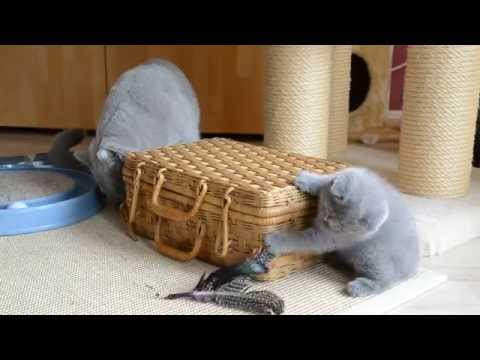
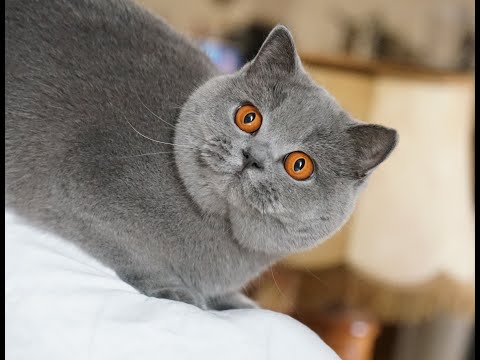
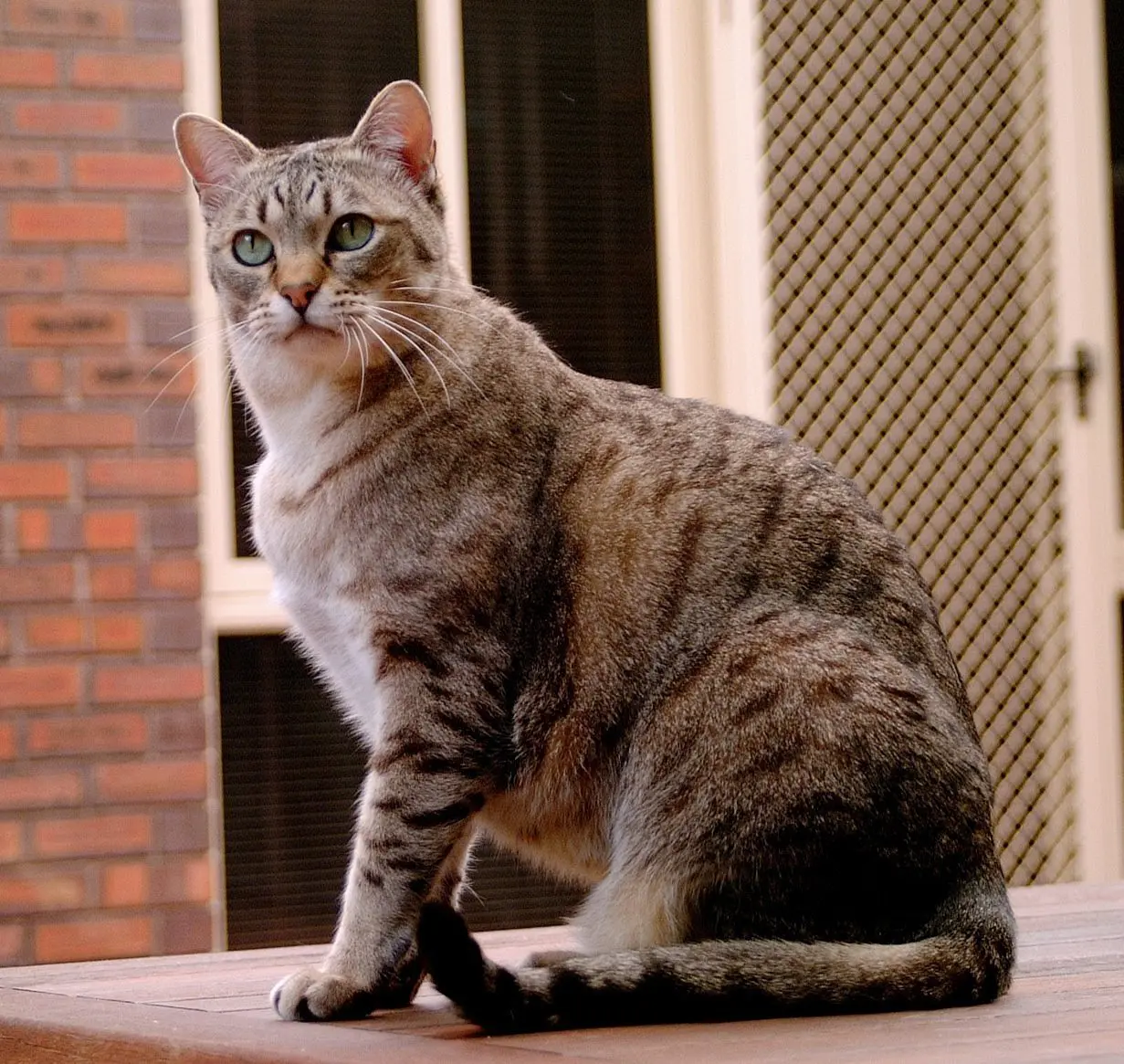
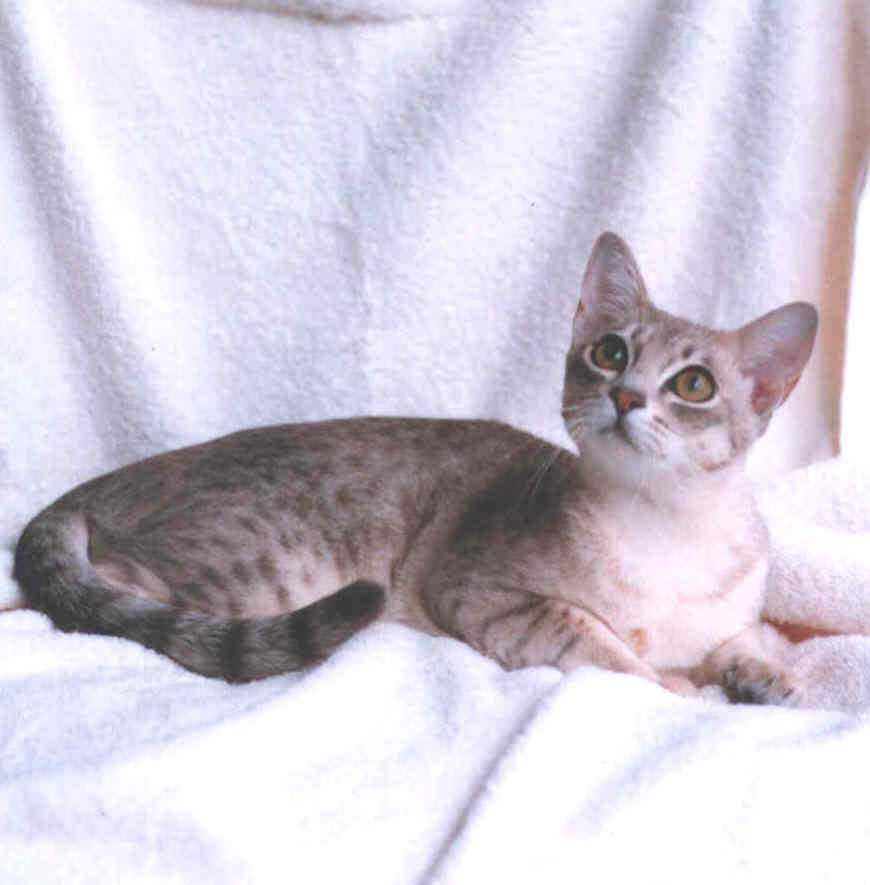
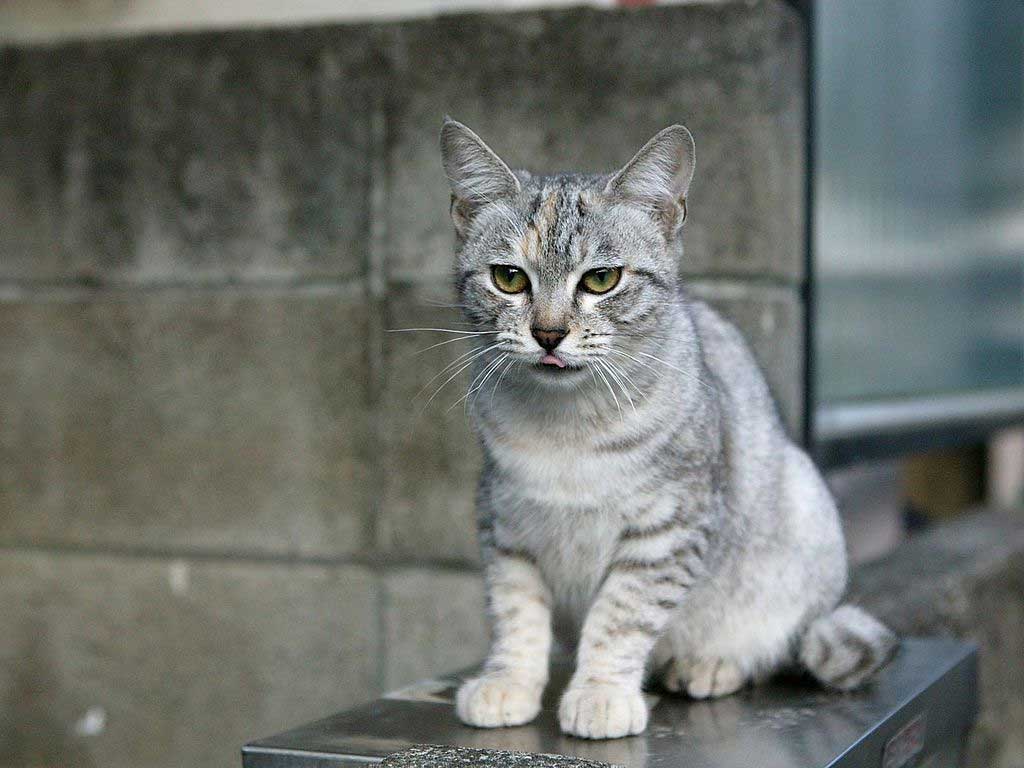
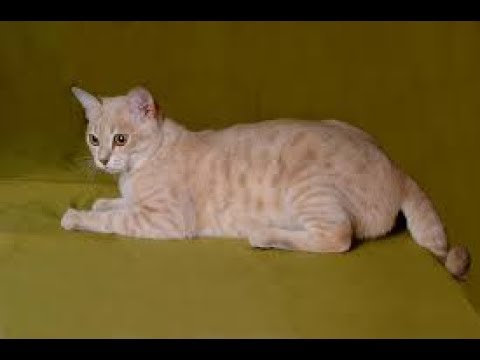
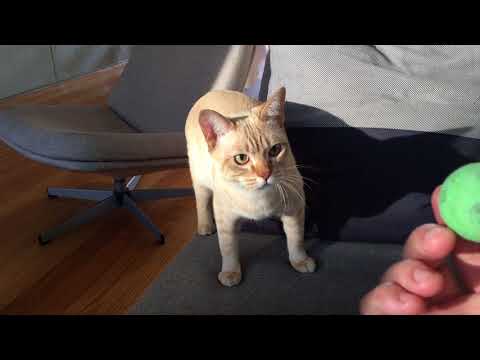
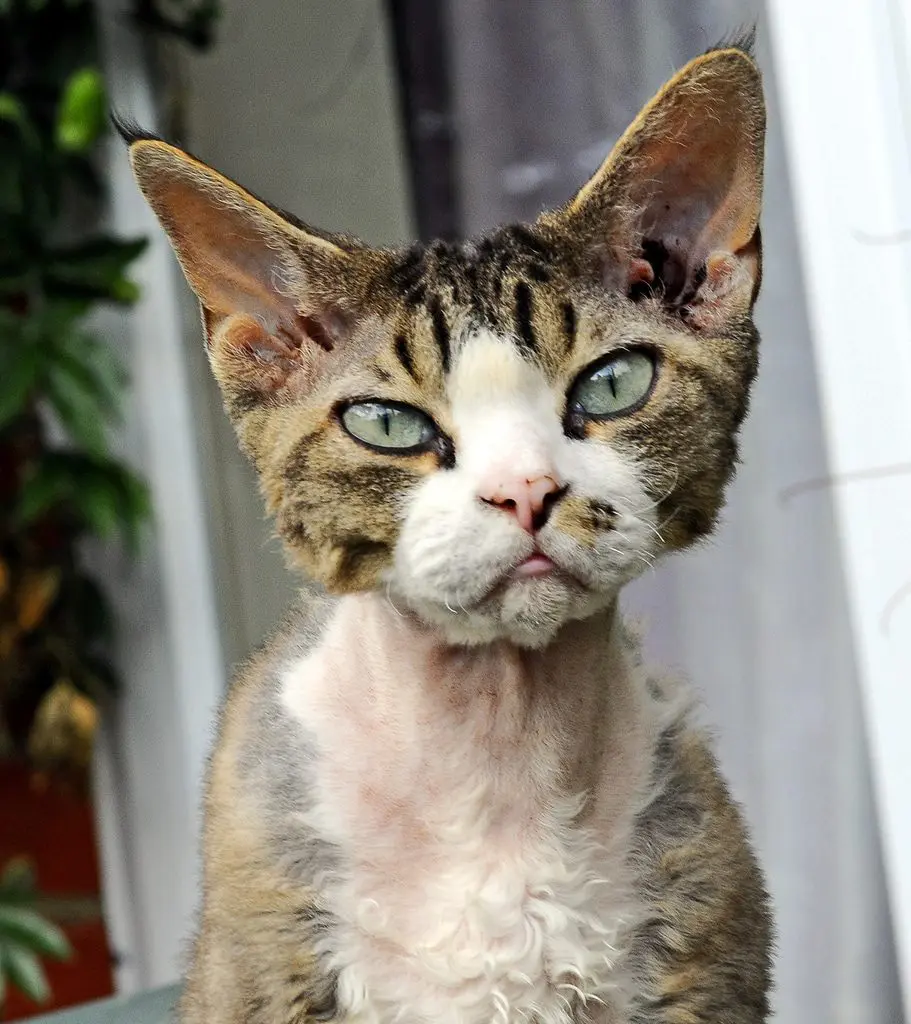
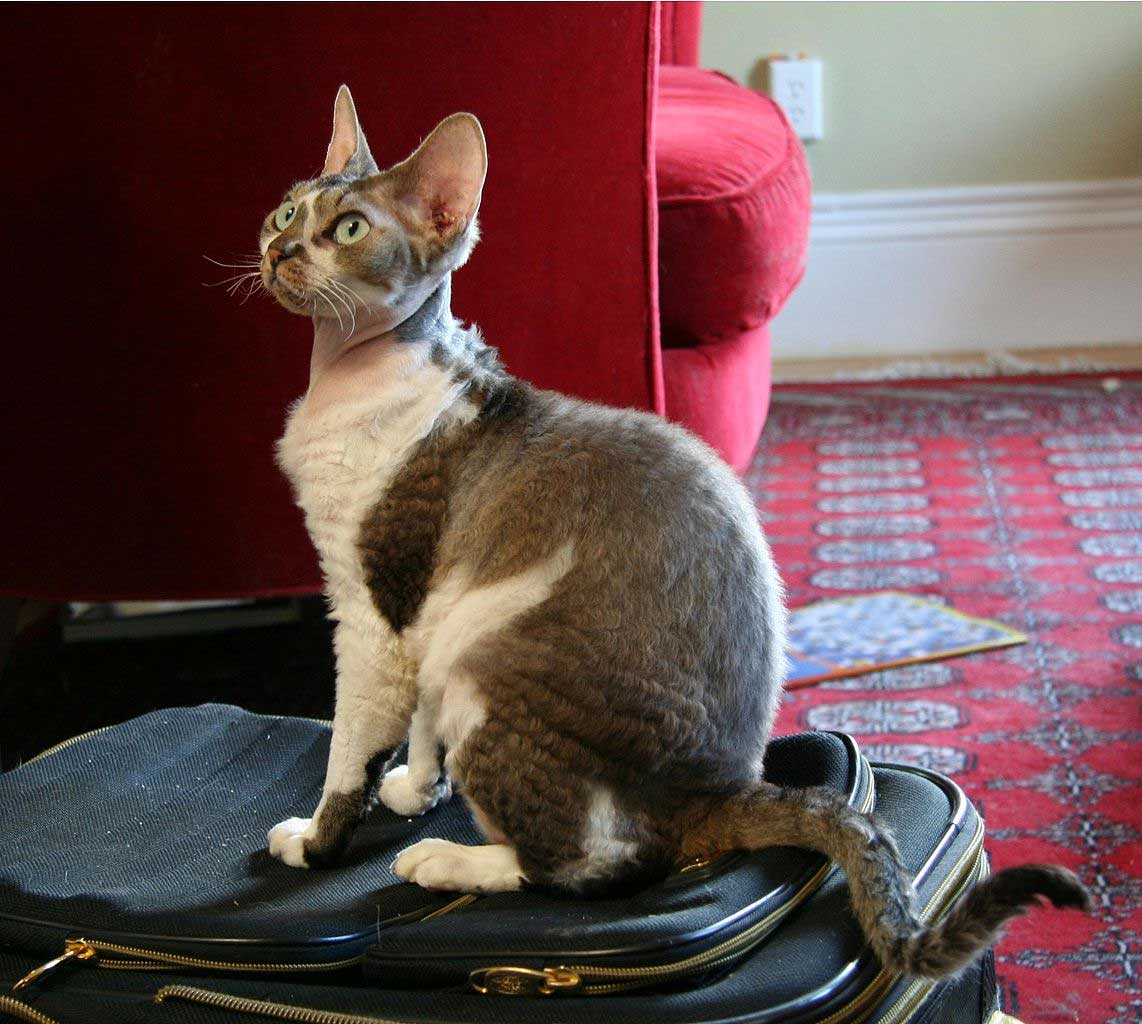
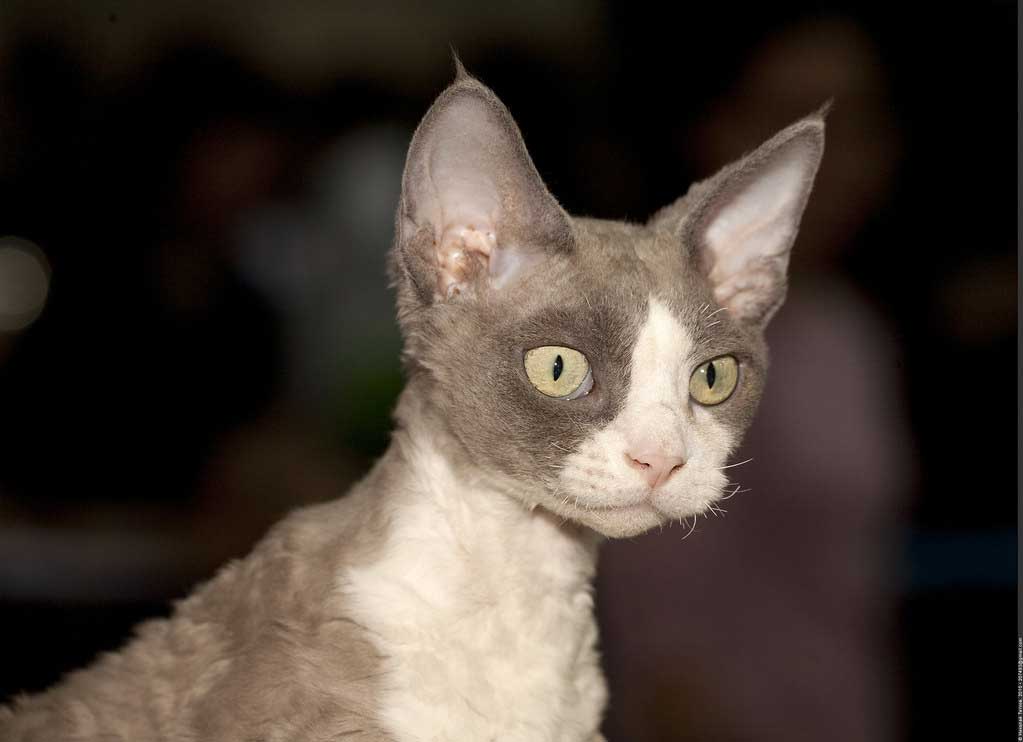
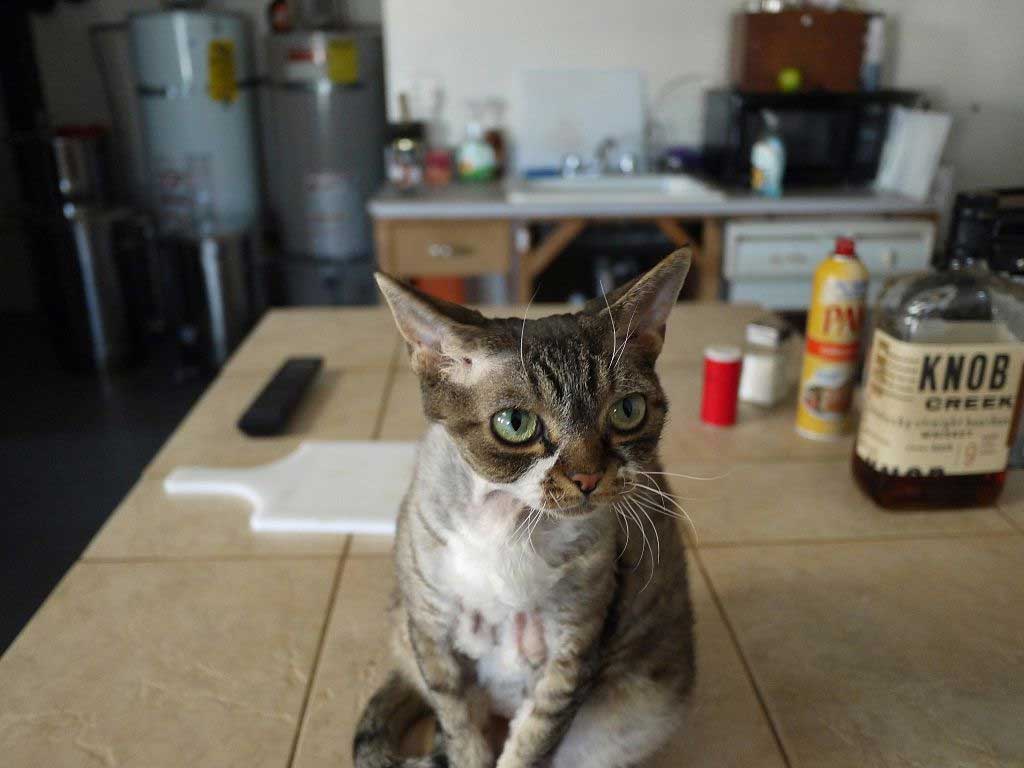
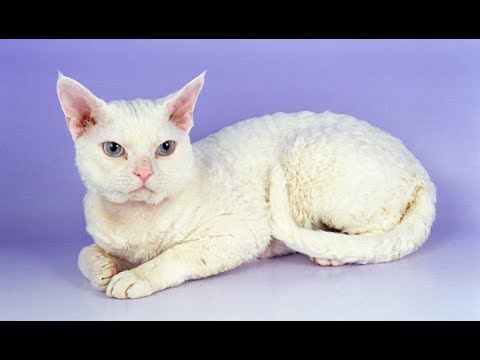


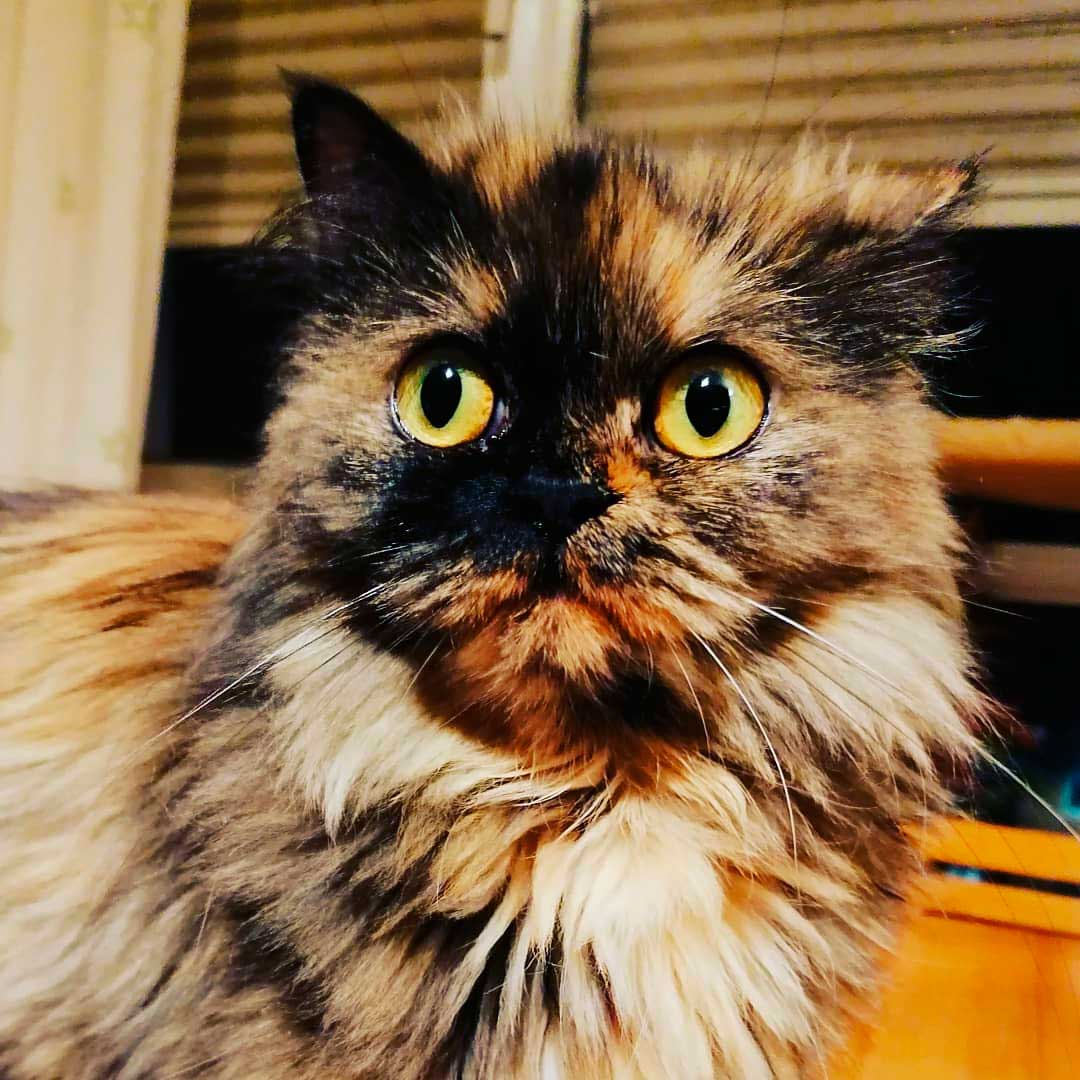

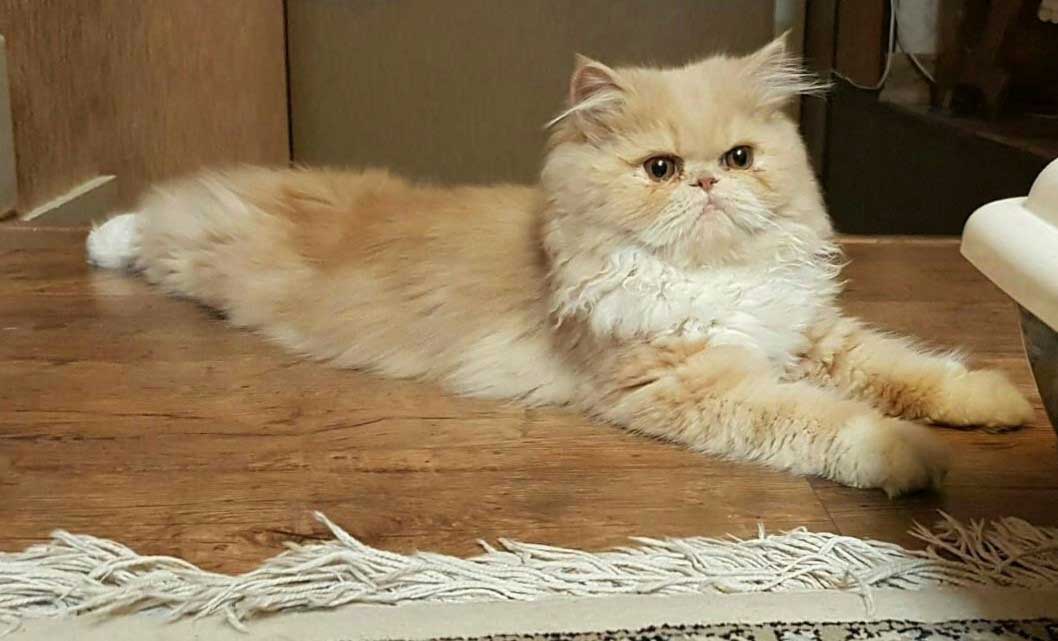
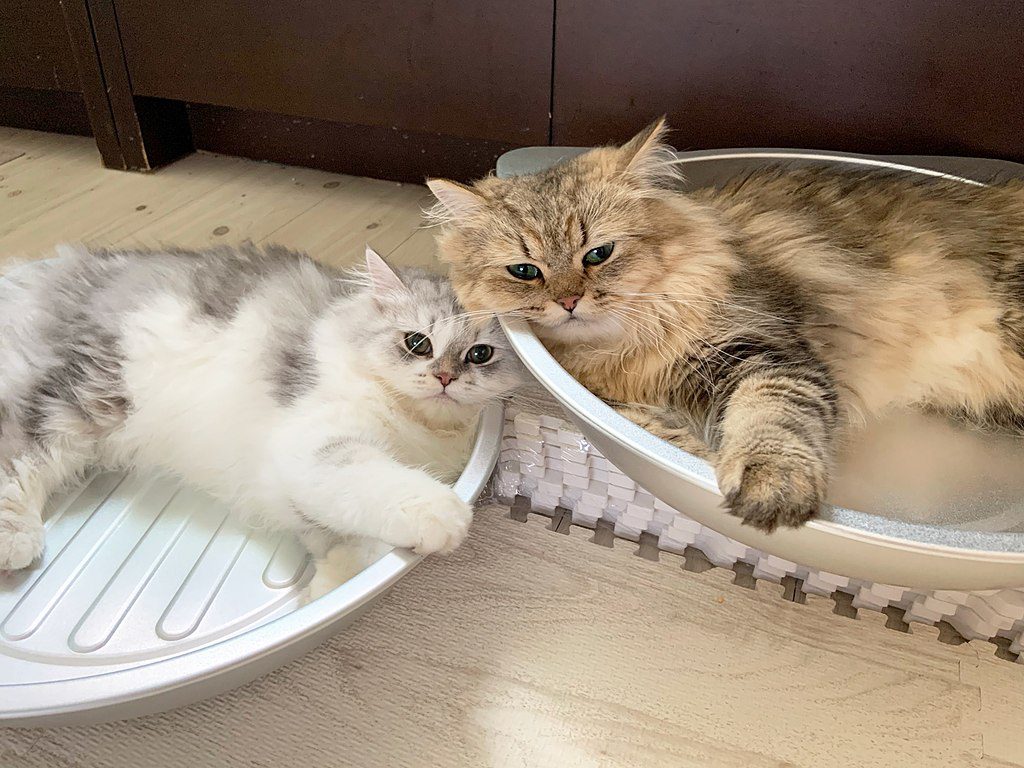
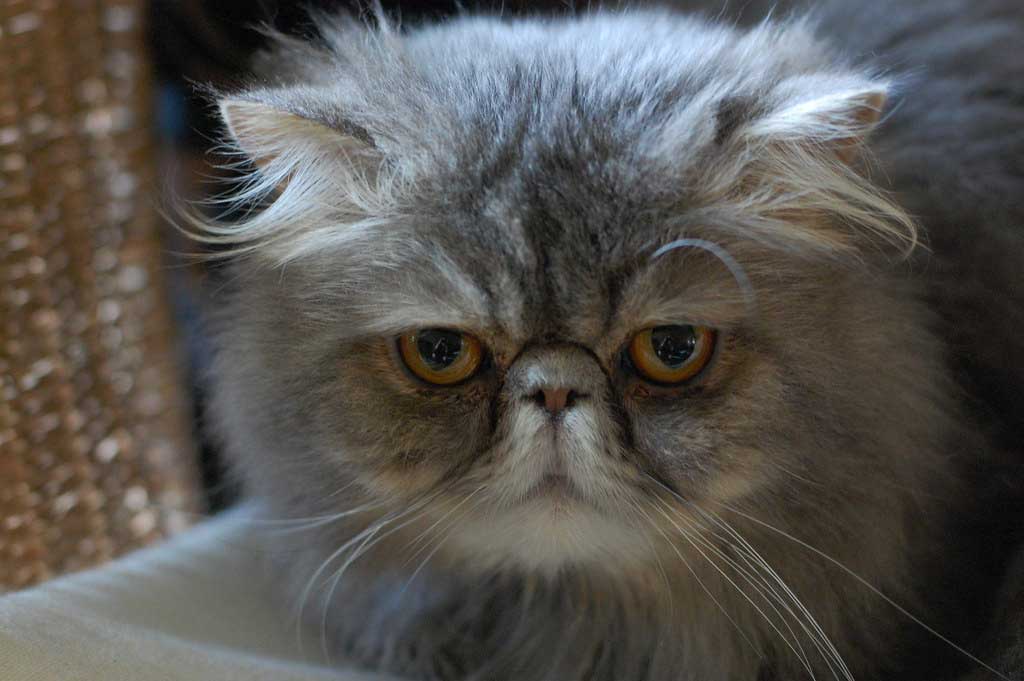
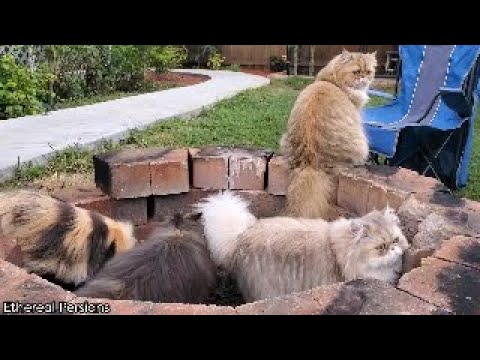
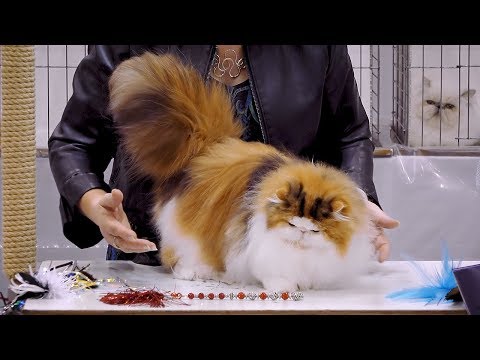
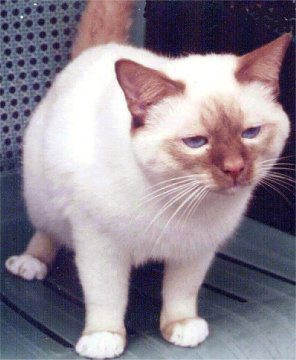
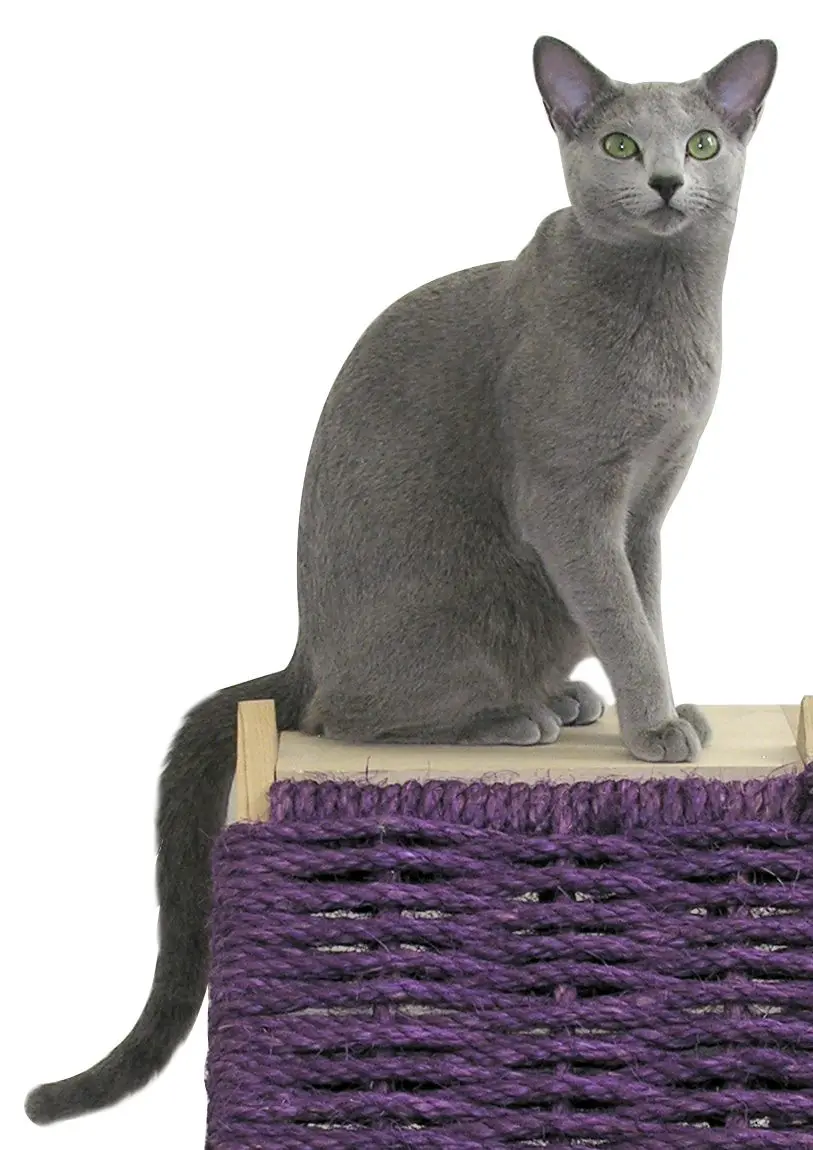
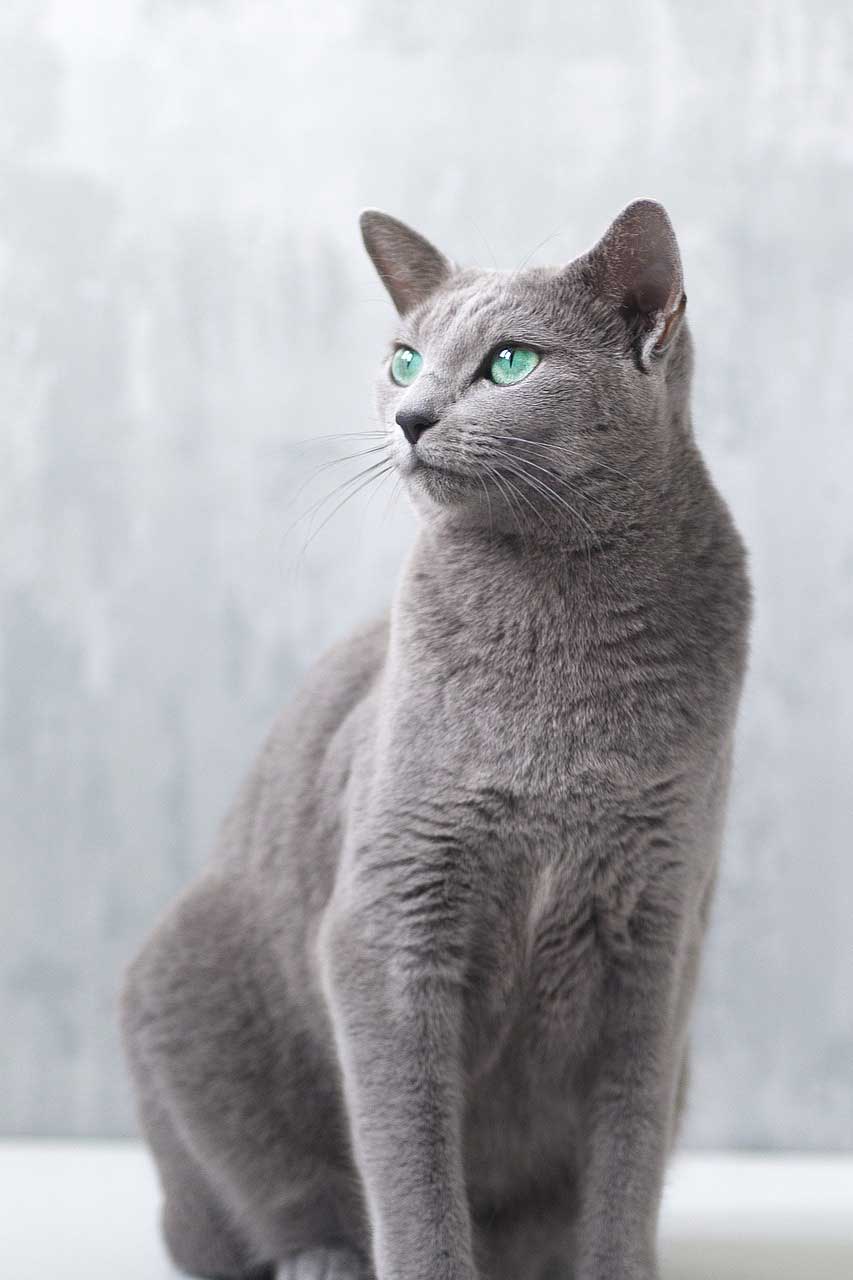
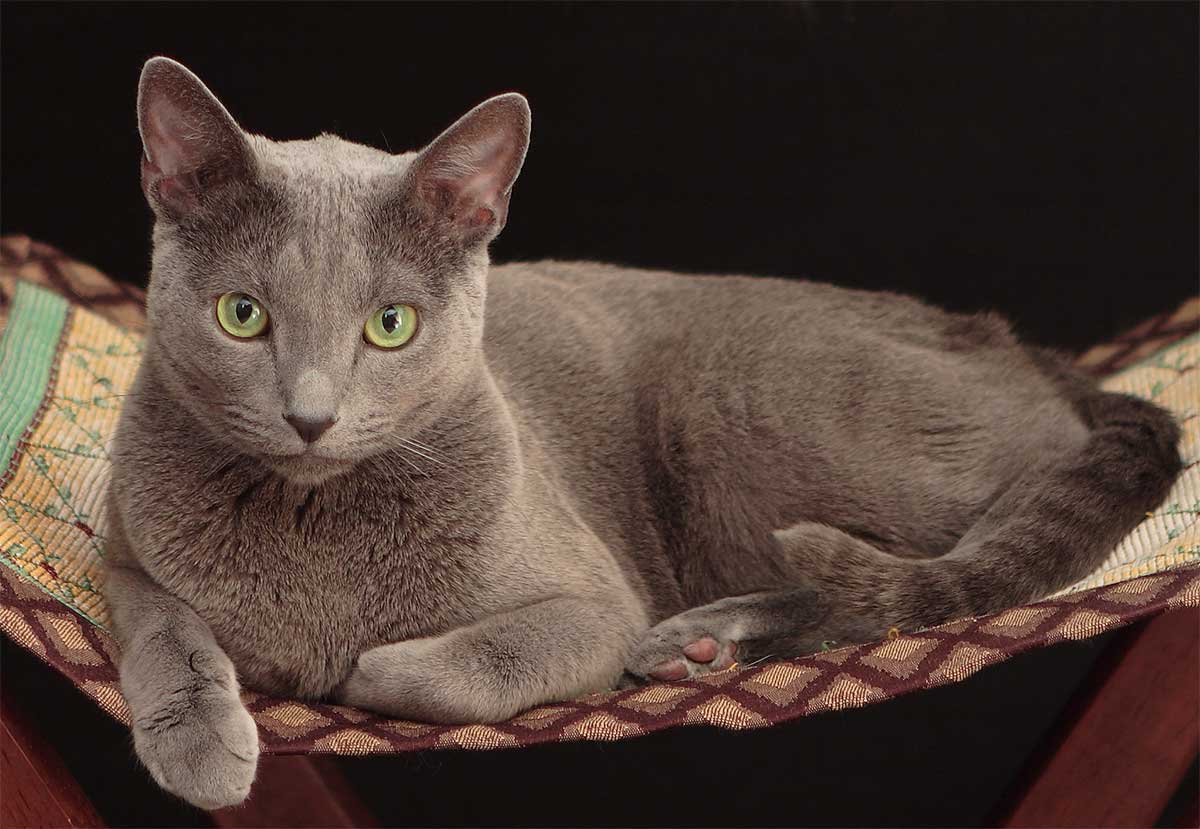
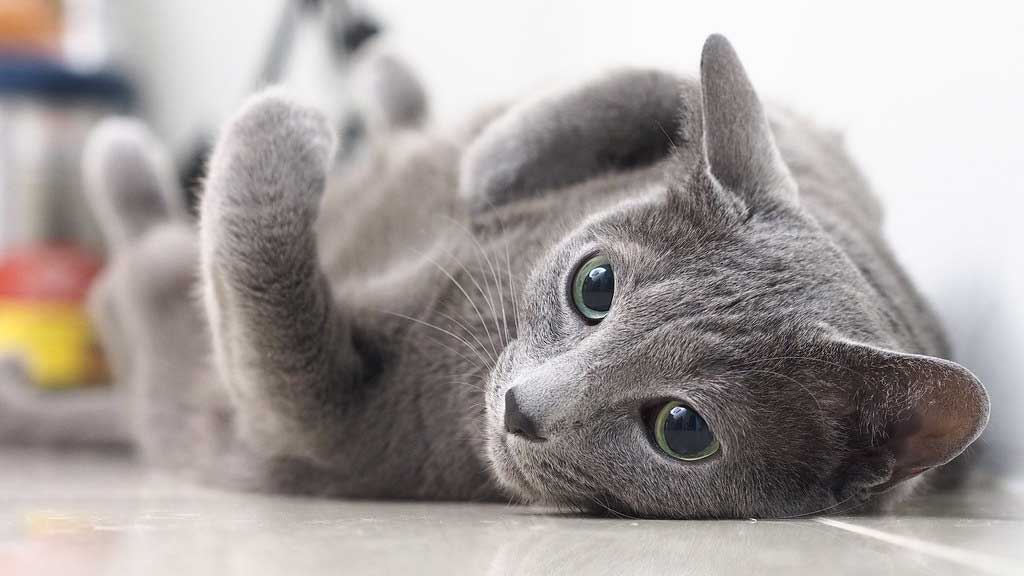


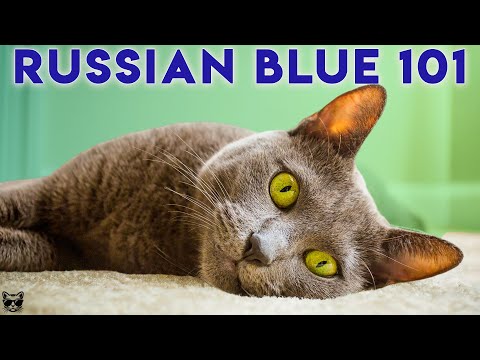
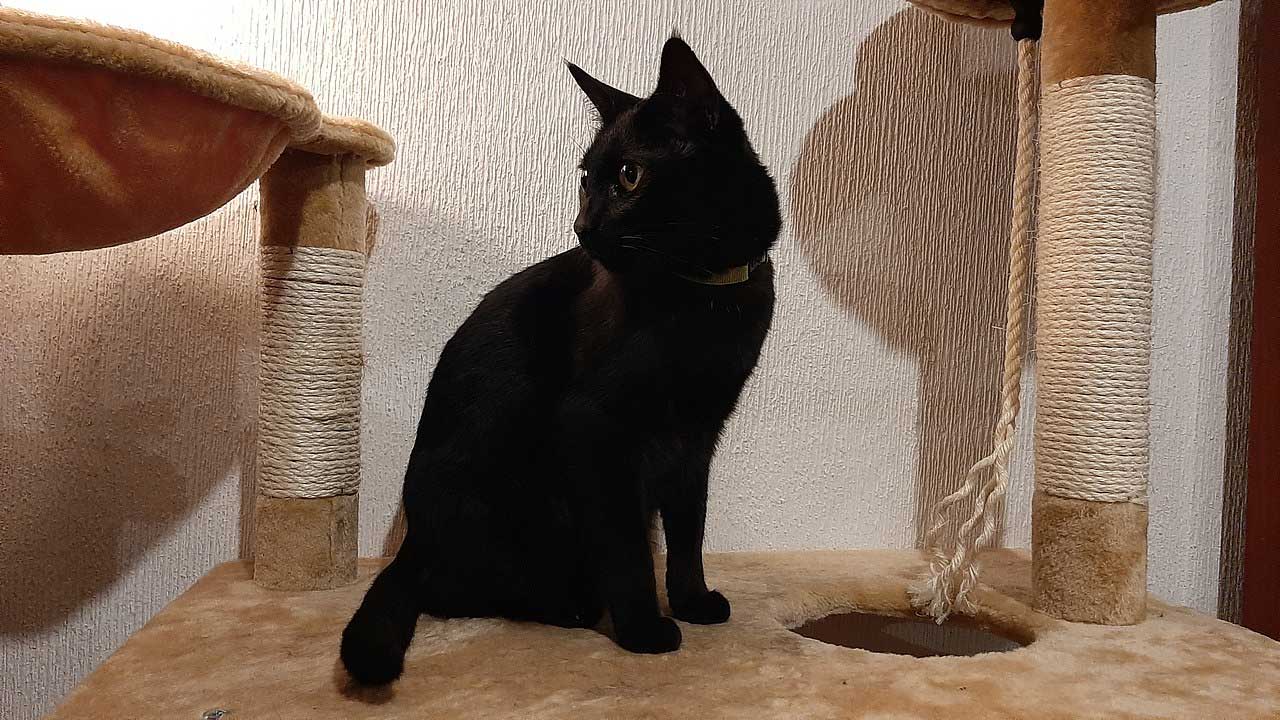
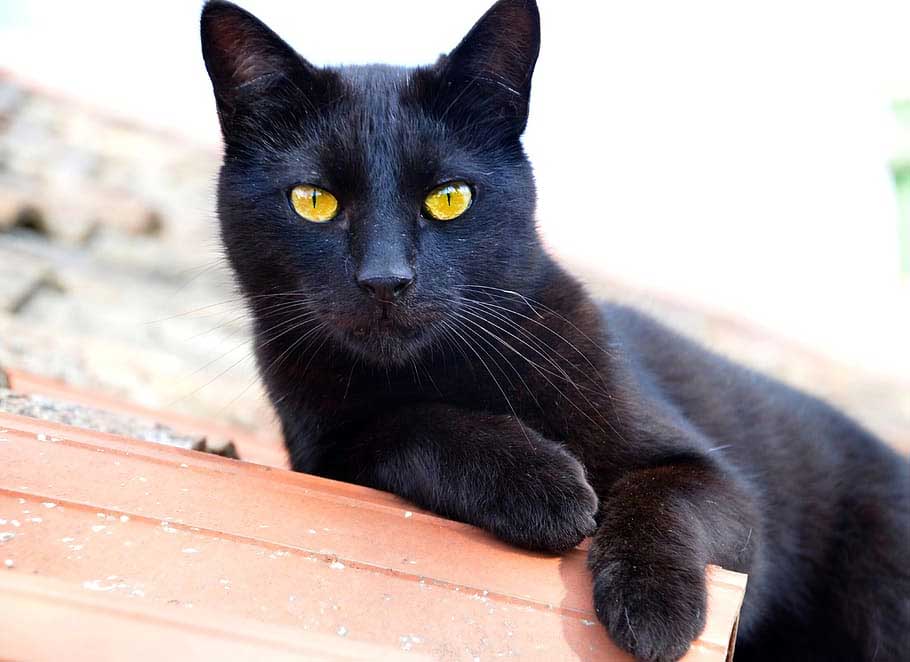
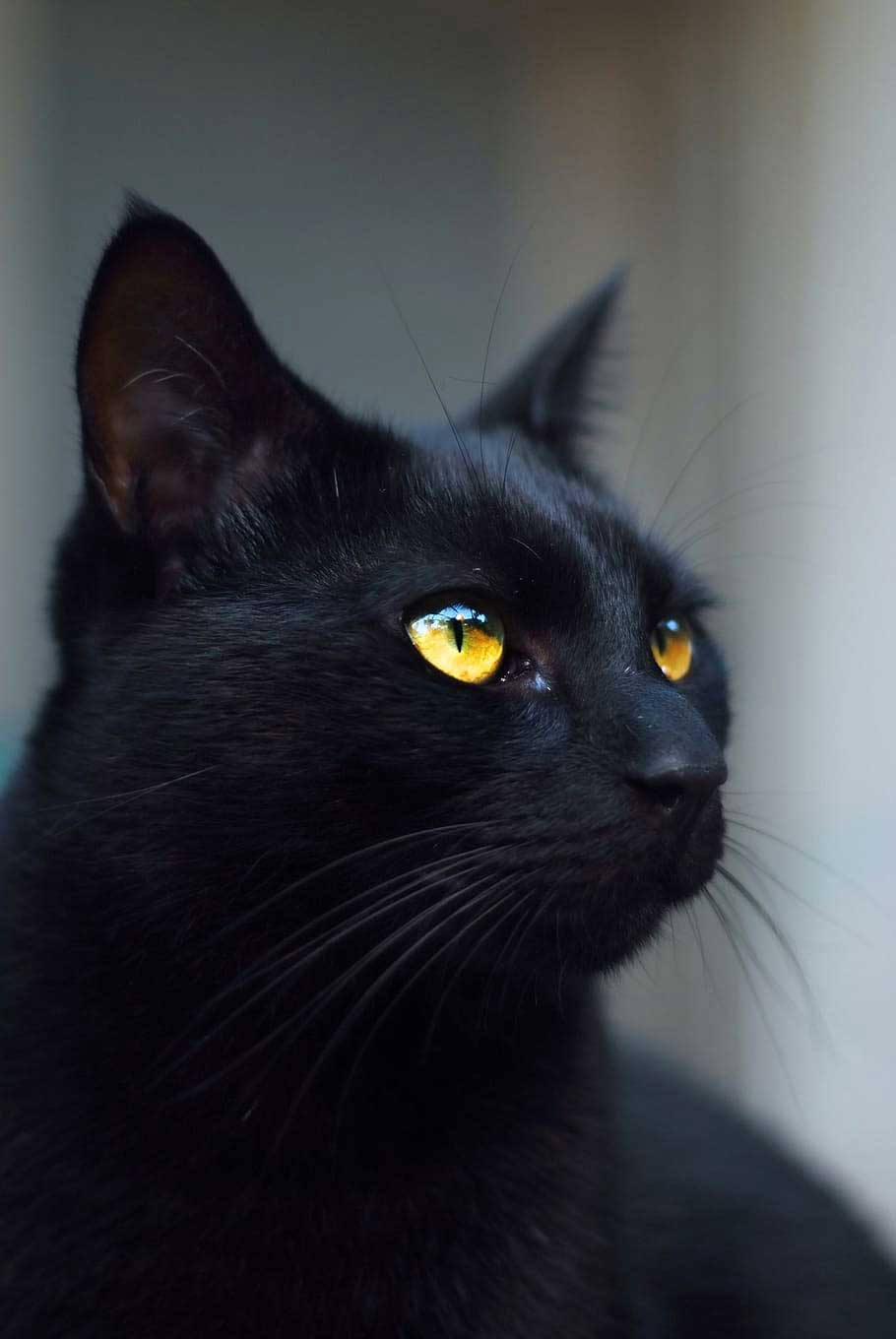
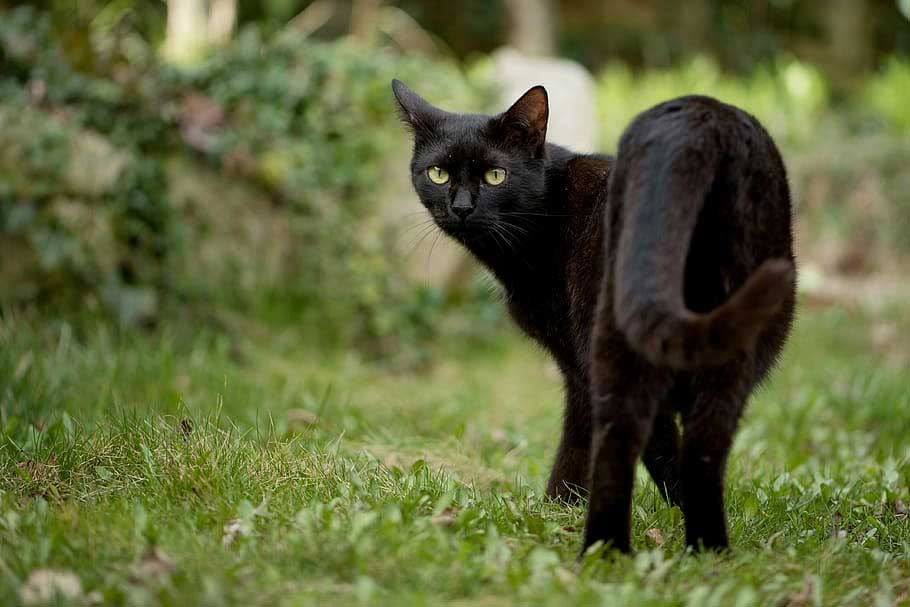
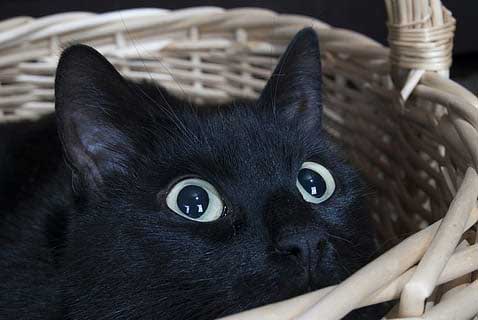

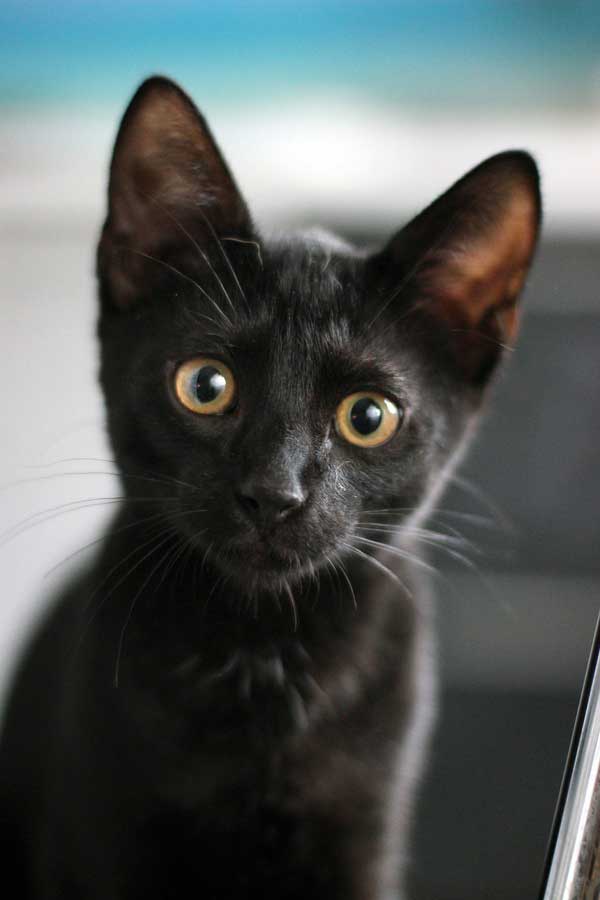
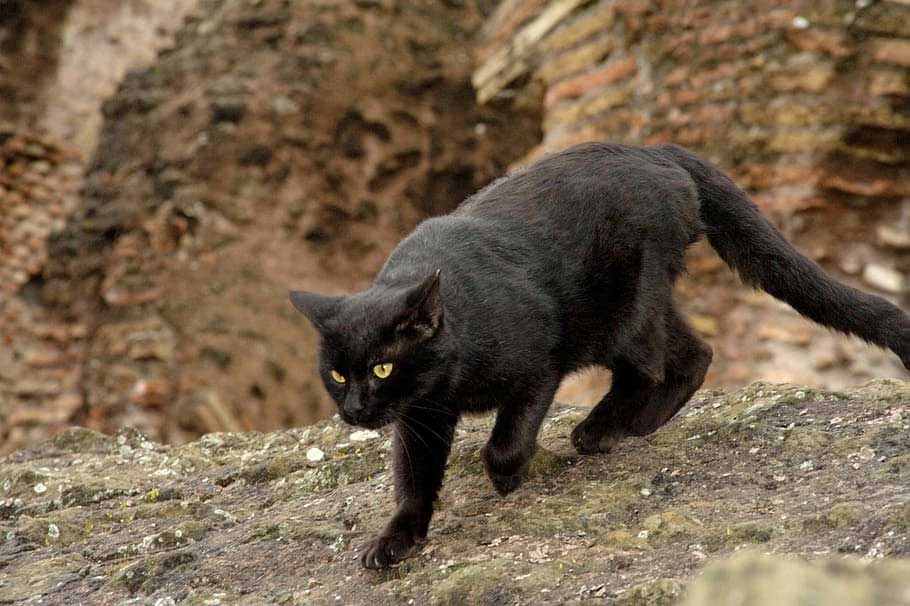

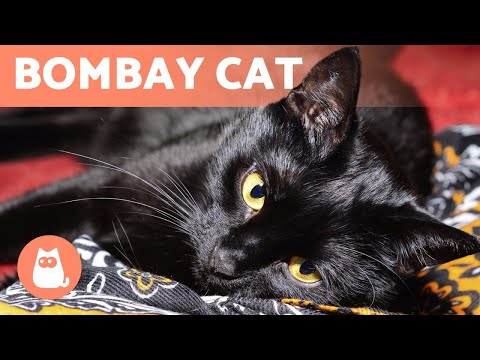
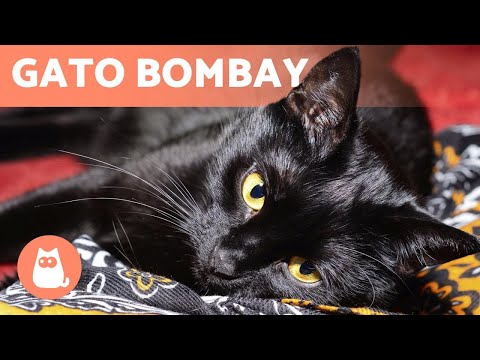

.jpg)


