 FCI 201 . Sheepdogs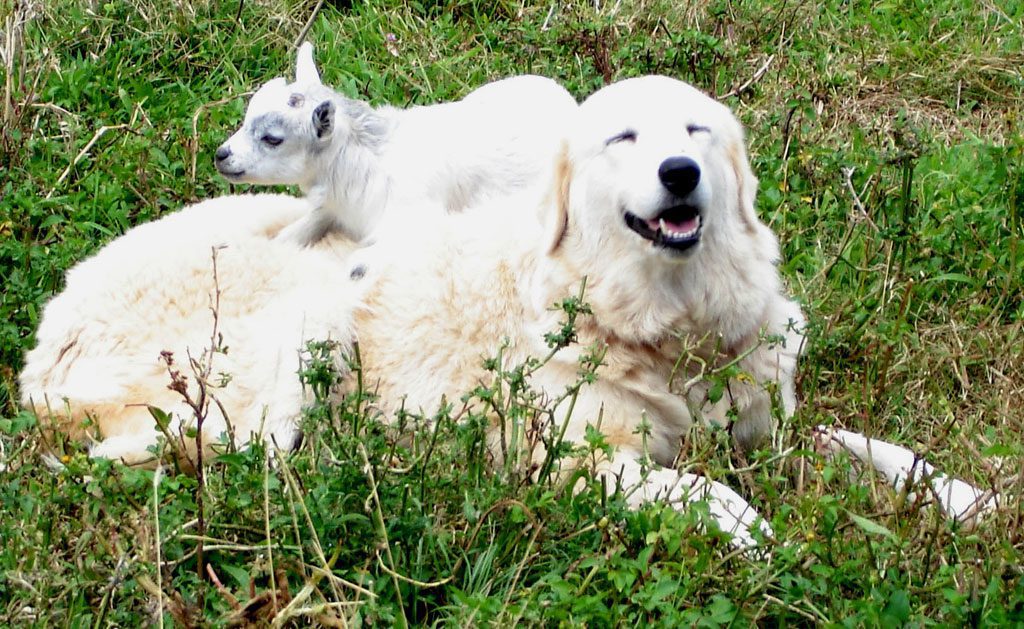
Content |
|---|
Characteristics "Maremma and the Abruzzes Sheepdog"
Coexistence is important that you have with your new friend. Before considering the acquisition of a dog of the breed "Maremma and the Abruzzes Sheepdog" you know certain factors. Not all breeds of dogs are apt to live in an apartment, you must take into account his character, their need for exercise, their interaction with other pets, their care and if you have small children, their level of tolerance towards them.
Adaptation ⓘ4,0 of 5 stars (based on 1 review)
|
friendly dog ⓘ3,0 of 5 stars (based on 1 review)
|
hair loss ⓘ3,0 of 5 stars (based on 1 review)
|
|---|---|---|
Affection level ⓘ4,0 of 5 stars (based on 1 review)
|
Need for exercise ⓘ5,0 of 5 stars (based on 1 review)
|
Social need ⓘ3,0 of 5 stars (based on 1 review)
|
Home ⓘ3,0 of 5 stars (based on 1 review)
|
Toilet ⓘ2,0 of 5 stars (based on 1 review)
|
Friendly with strangers ⓘ3,0 of 5 stars (based on 1 review)
|
barking ⓘ2,0 of 5 stars (based on 1 review)
|
Health ⓘ4,0 of 5 stars (based on 1 review)
|
Territorial ⓘ5,0 of 5 stars (based on 1 review)
|
Cat friendly ⓘ3,0 of 5 stars (based on 1 review)
|
Intelligence ⓘ3,0 of 5 stars (based on 1 review)
|
Versatility ⓘ2,0 of 5 stars (based on 1 review)
|
Child friendly ⓘ4,0 of 5 stars (based on 1 review)
|
Surveillance ⓘ4,0 of 5 stars (based on 1 review)
|
joy ⓘ4,0 of 5 stars (based on 1 review)
|
History
The Maremma and the Abruzzes Sheepdog (Maremmano-Abruzzese or Cane da pastore Maremmano-Abruzzese), It is a breed of sheepdog native to central Italy and used for centuries by shepherds to defend their flocks from wolves.
The breed is still used today, widely, in the region of the Abruzzo where flocks of sheep vitalize the rural economy and wolves are protected predators (of the few areas of the planet, Regrettably…).
The race is similar to the Pyrenean Mountain Dog, to the Kuvasz from Hungary and to Akbash from Turkey (This, that more!).
It also descends from the shepherd dogs that once existed in the Maremma Tuscany region and in the Lazio region.. Since 1860, the transhumance of herds from one region to another has favoured the development of a natural mixture of these two primitive races.
Several descriptions of dogs defending vulnerable white sheep are found in the literature of ancient Rome, in works such as the Columella, Varro and Palladius. Dogs similar to Maremma and the Abruzzes Sheepdog they are represented in numerous sculptures and paintings from Roman times to the present day.
Until year 1958, the Maremma Sheepdog and the Maremmano-Abruzzese they were considered as separate races. The first Canine society of the Maremma Sheepdog was established in the year in 1950, and three years later (1953) the First Canine Society of the Maremma Sheepdog.
But owing to transhumance of herds of sheep from one region to another, especially after the unification of Italy, there was a “natural fusion” between the two races. For which reason, the 1 in January of 1958, the races were unified by the ENCI (Ente Nazionale della Cinophilia Italian, or national association Cynologique Italiana).
Today, It is not so encouraging and sympathetic as the history of this beautiful can, although they are still widely used by Italian sheep farmers in areas where predation is common, as the central Apennines of Italy and the open countryside of the land of national parks in Abruzzo.
But, Ironically, of the Maremma and the Abruzzes Sheepdog, in the area of the Maremma of Tuscany, the memory can only, they are now a rarity just in the area which saw them to be born, you are right, even if you don't like to hear it, the hand of man and progress... have resulted in a more sinister: sheep farming has declined and the wolf is nearly extinct.
Curiosities
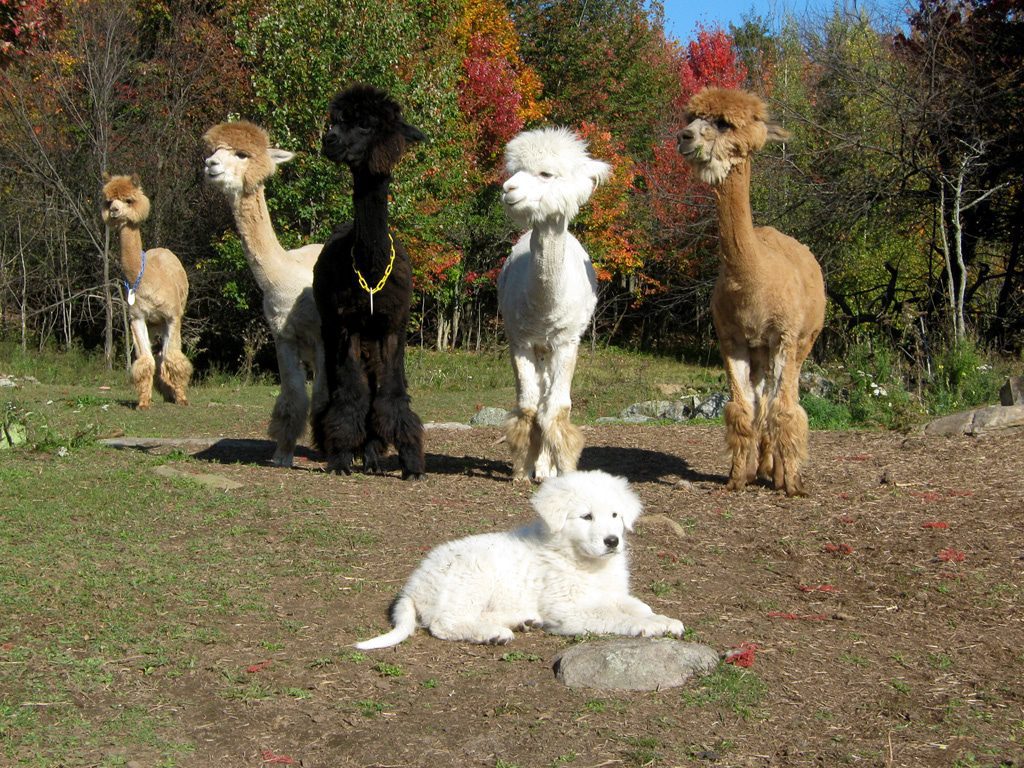
Although it is easier for him Maremma and the Abruzzes Sheepdog, develop their relationship with sheep and goats, farmers have found that, as well, are able to develop a protective bond with cows, and in many places of United States, It also used for the purpose. As well, they are good defending corrales, chickens or ducks from the threats of land caused by coyotes, dogs and foxes, and air threats caused by birds of prey (Hawks, Eagles, owls, etc.).
In Australia, a lot has been invested in it Maremma and the Abruzzes Sheepdog. Specifically in the city of Warrnambool that has great natural beauties, and in one of them the Maremma and the Abruzzes Sheepdog It is today a key piece for the survival of other species.
Within the natural beauties that talked, the beach of Logan located on the East side of the city is a great example, recognized as a southern whale breeding site. Every year between May and August reach coasts copies of adult female whales to give birth to their calves, and at the end of September are often long trip offshore, sometimes with a little bit of human help, so the whales are not left stranded on the beach.
In addition to the whale southern franco, the coast is also visited by sea lions of Australia, penguins and common dolphin. Albatrosses can spot during the winter and early spring.
There is also another natural beauty which is the protagonist of this post can… Middle Island had a large colony of penguins. But the uncontrolled presence of foxes led to a significant reduction in the number of members of the colony.. In 2005, there are only four penguins left in the colony.
It was then when the Warrnambool City Council introduced an innovative and ecological program, first in the world with these characteristics, introduced to Middle Island several copies of Maremma and the Abruzzes Sheepdog to protect the penguins. This highly original and innovative program has been the cornerstone of the re-establishment of the penguin colony that in the year 2009 already had more of 100 Members.
While the use of Maremma and the Abruzzes Sheepdog to protect an endangered species was a rare thing at first, Thanks to the effort and commitment of the Warrnambool City Council, it has been proven that the Maremma and the Abruzzes Sheepdog along with other breeds of livestock guardian dogs, they make it possible that the cattle and other species, like penguins, they can live with their natural predators in danger of extinction, as well, as wolves and coyotes. Program predation was reduced a 70% u 80% or more, and the survival of Wolf and different foxes, or coyotes, is not endangered, at least in the area.
In other countries like Italy, United States and Canada, the use of dogs has also been promoted Maremma and the Abruzzes Sheepdog, as well as other types of herding dogs, to minimize the conflict between the species of predators in danger of extinction and farmers, achieving success several but without destroying the ecosystem.
Physical characteristics
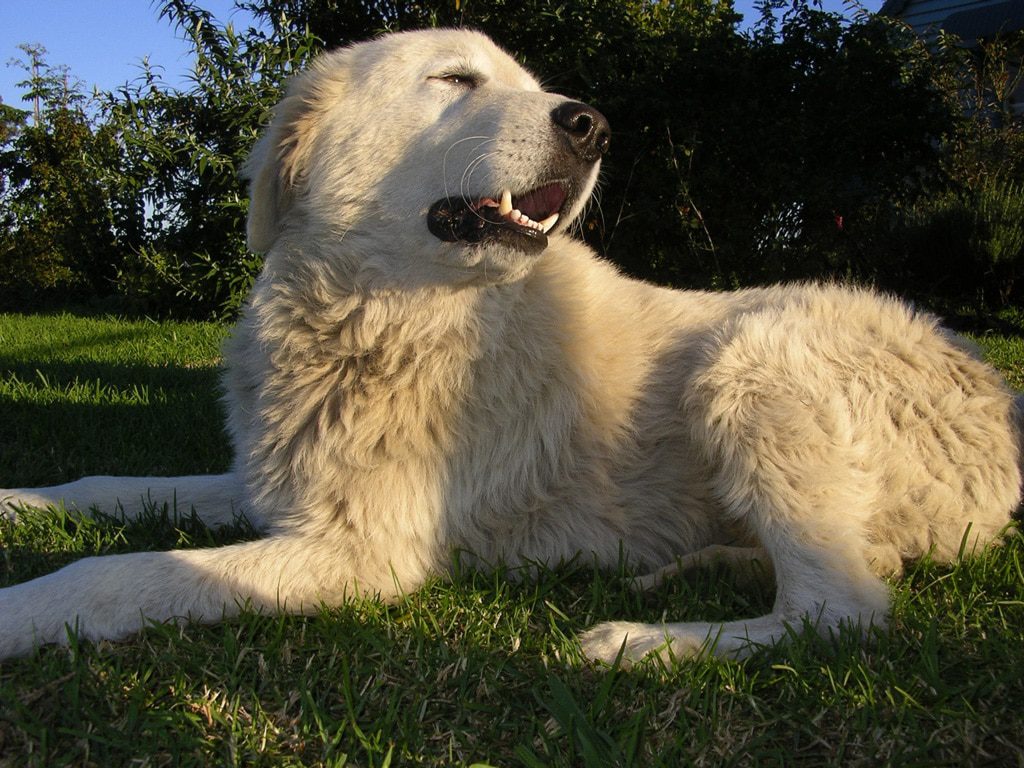
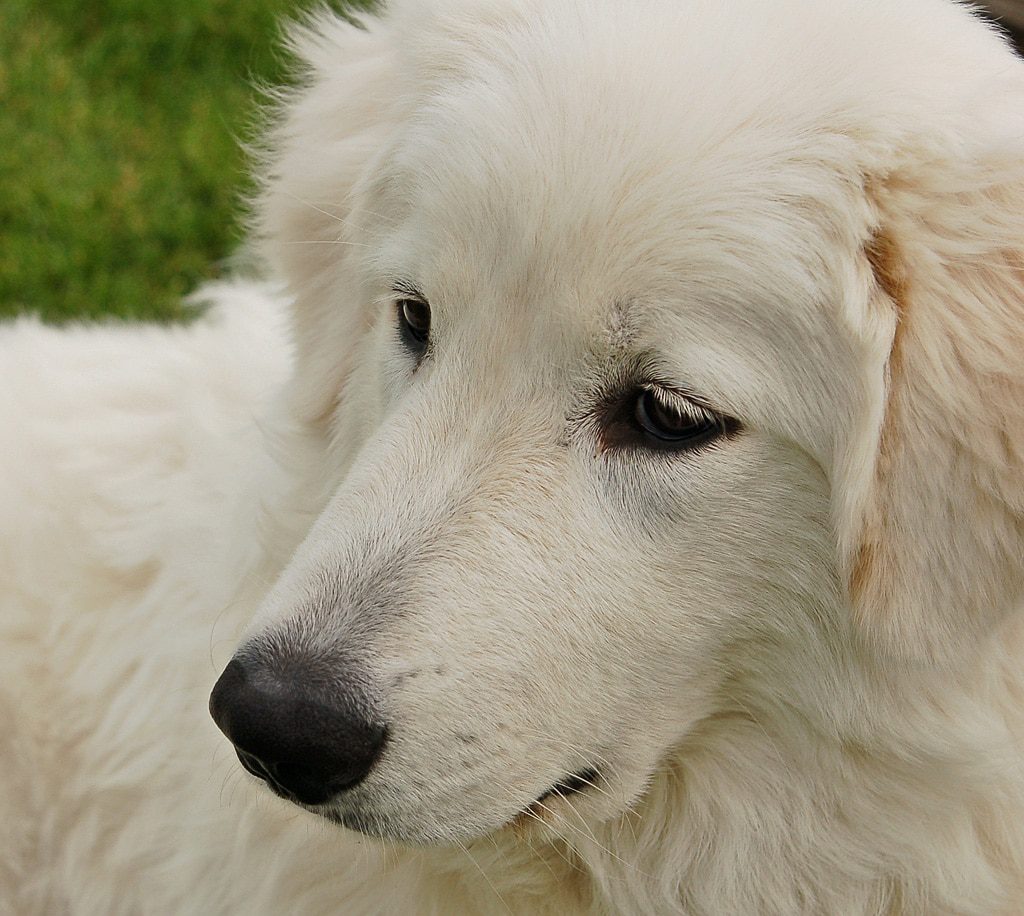
The Maremma and the Abruzzes Sheepdog is a dog from large size, powerful, aspect rustic and at the same time Majestic and well accused type. Its general appearance of medium proportions is a heavy dog, whose body is longer than the height at the cross. It also keeps harmony in terms of its format (normal correlation between size and different parts of the body) and profiles (concordance between the profiles of the head and body).
The head altogether, is large and flat, conical and similar to the White bear form.
The skull in profile is convex. The eyes are ochre or brown. It has ears triangular and small relative to the size of the dog, are high insertion and hang.
The limb well well-angled, giving sense of lead and firmness. The tail hangs surpassing the Hock, and when the dog is alert it rises to the line of the back.
The hair is long, abundant and rough to the touch. The only one supported color is the white solid. Although they tend to admit light reflections of color ivory, pale orange or lemon.
Height to the cross in the males is of 65 to 73 cm and females is of 60 to 68 cm.. The weight of 35 to 45 kg in males and 30 to 40 kg in females.
Character and skills
Despite its large size, the Maremma and the Abruzzes Sheepdog It can be a good companion dog in homes that have open spaces, appropriate to your needs.
Centuries of breeding Maremma and the Abruzzes Sheepdog, assigning to be friendly and protective with their lambs, their flocks, they have forged the character of the race, Nowadays, an animal that adapts very well to home life is very attached to its family, whom it protects as if it were a herd., always showing a quiet character, balanced and intelligent.
In many areas this beautiful dog has earned a reputation for being aggressive, very nervous and even bite, but this is not true. The issue is that, When one decides to take this breed of dog it must be understood that it needs large spaces, freedom and independence. Not reach you with daily routine down to walk to do their physiological needs, This routine can generate stress and boost develop destructive behaviors.
Can be rather distrustful with strangers, due to his desire to protector, and despite the fact that it adapts well to home life, for its size and need for open spaces, and it is not advisable to raise him in urban areas, because it won't be a happy dog. A rural House, away from neighbor's property lines and wheeled traffic, it would be an ideal place for this beautiful shepherd. In this environment, Maremma and the Abruzzes Sheepdog, to be on the couch in the House before going to prefer sleeping with livestock, there is really happy.
In addition to its extensive use in Italy, the Maremma and the Abruzzes Sheepdog lives happily performing its livestock protection duties in Australia, United States and Canada.
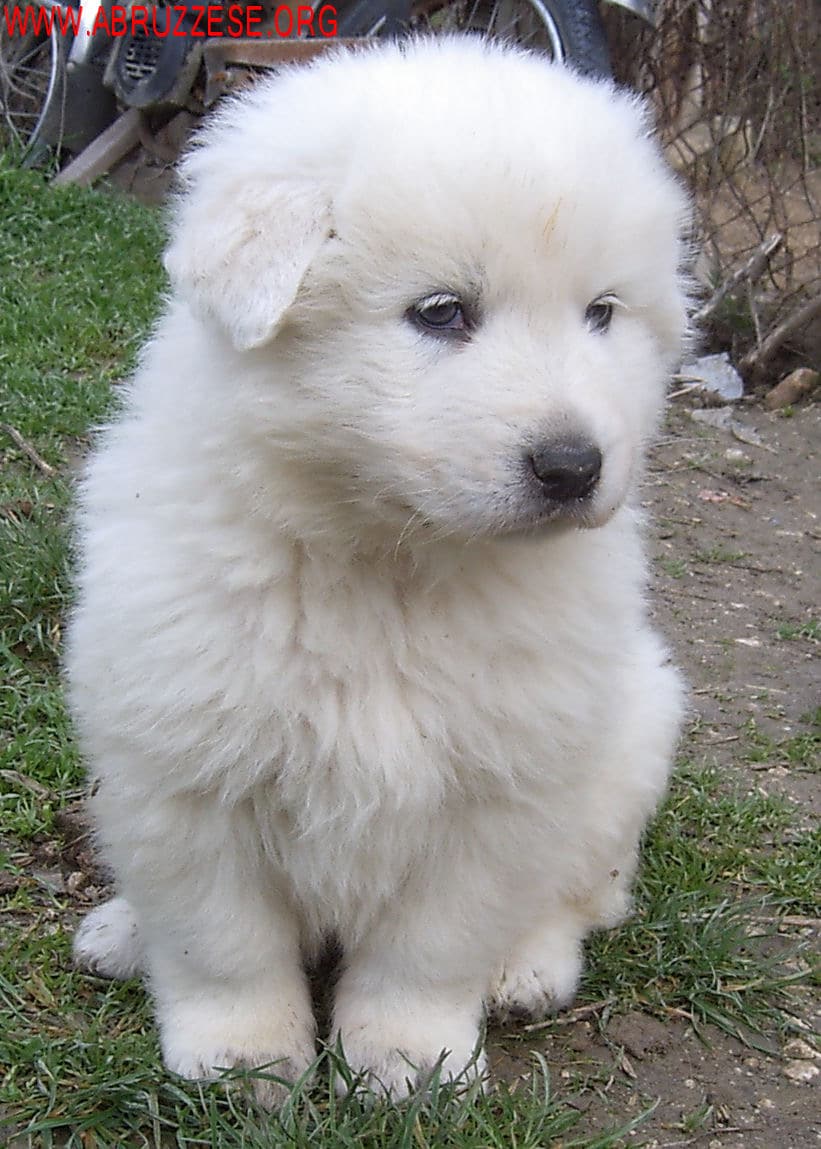
The Maremma and the Abruzzes Sheepdog, is a very versatile dog, and capable of generating a very, but very strong with the animals who must take care. To develop this protective instinct in the blood, they are introduced in the flocks of sheep when they are puppies, in some cases with 3 or 4 weeks of life, but the most common is that they are introduced with 7 u 8 weeks, they are once with his flock, quickly they implemented their skills, still puppies, with a little bit of help, Of course, but only at the beginning.
What more can we say of the character of the Maremma and the Abruzzes Sheepdog? I think the words..., sobran.
Photos «Sheepdog of the Maremma and Abruzzo»
 Wikipedia.org
 dogdirectoryx.com
 abruzzese.org
 windancefarms.com
 rivieradogs.com
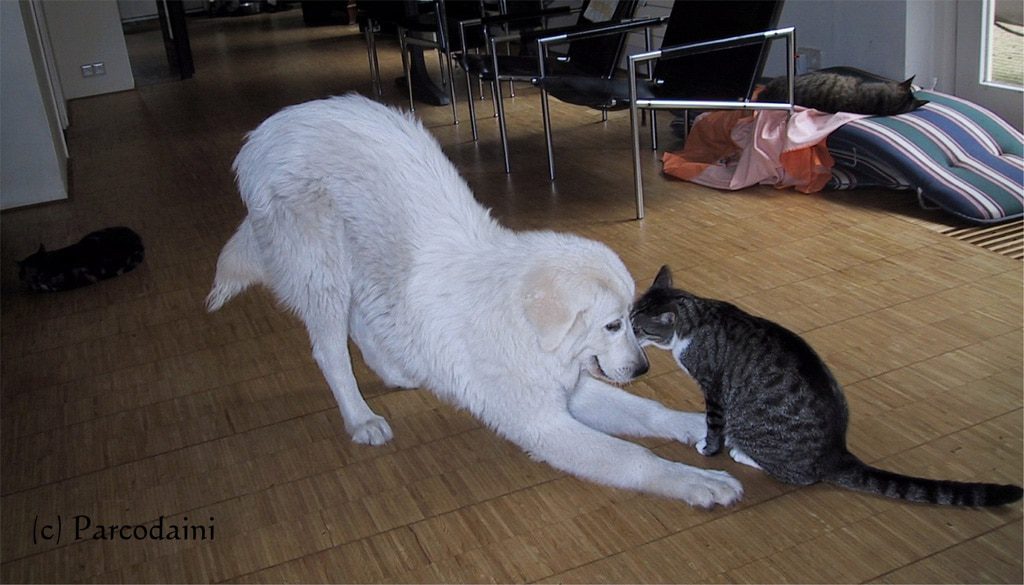 maremma.nl
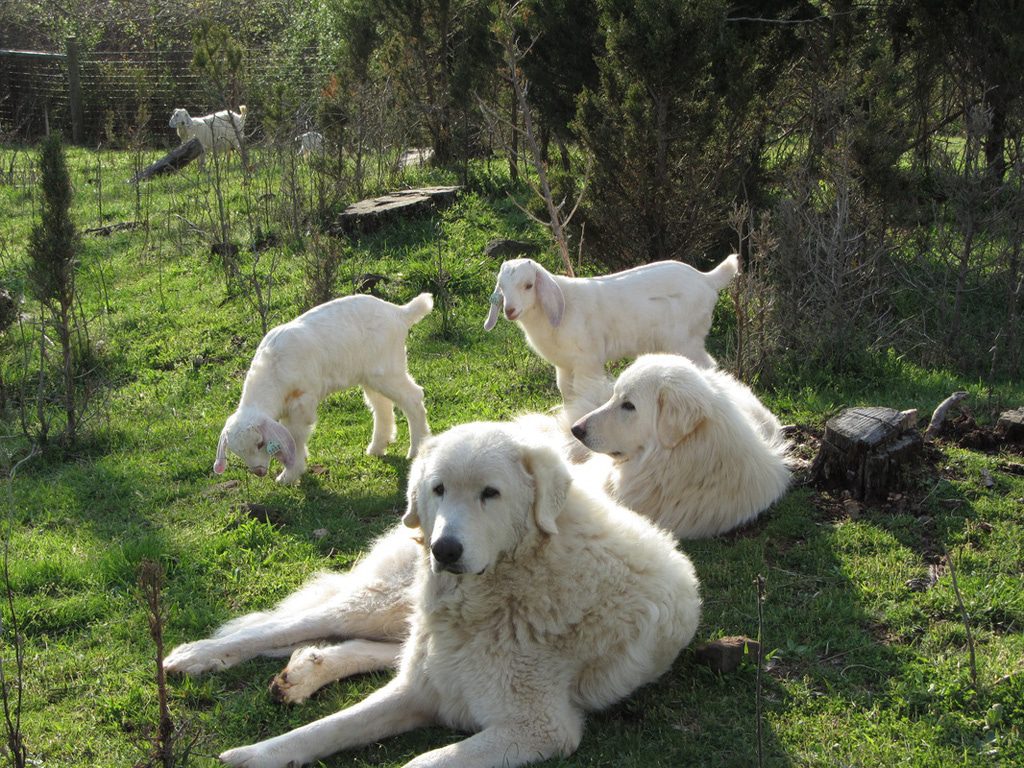 ironstarranch.com
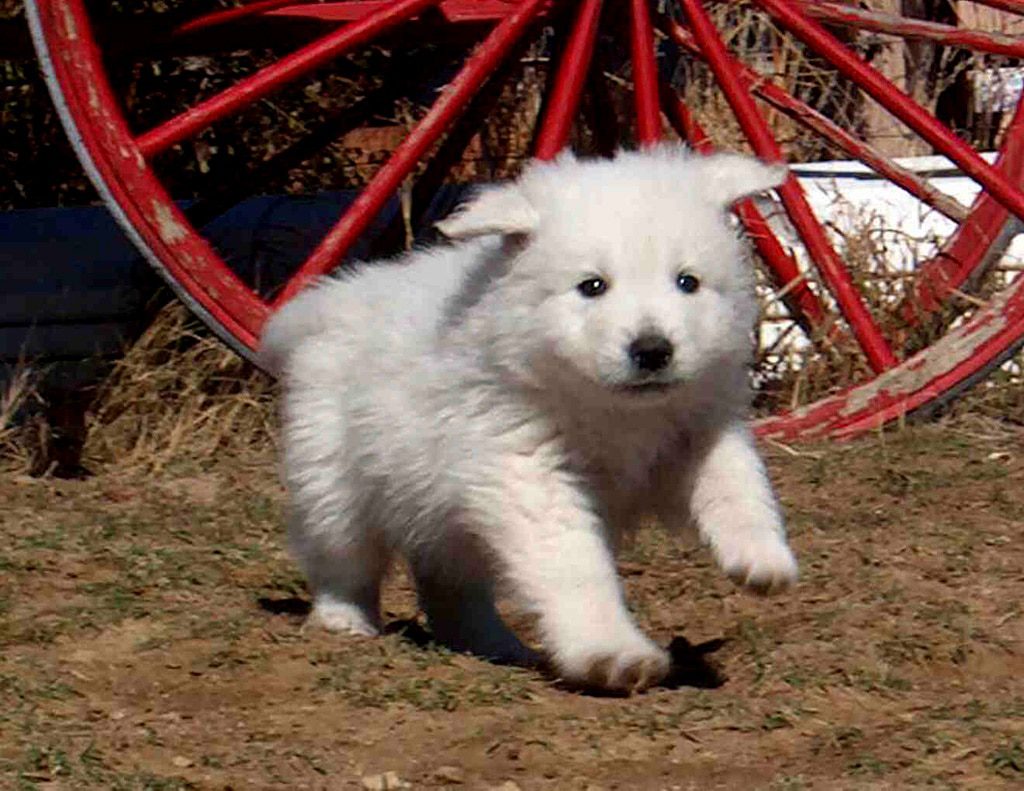 bellavitaranch.com
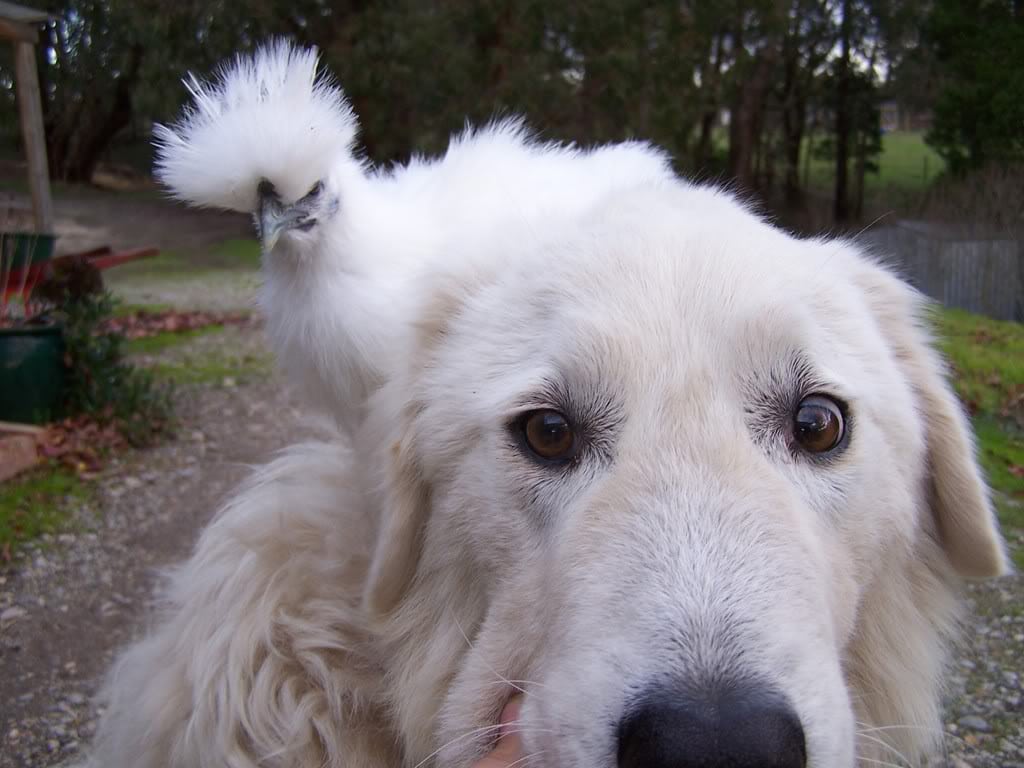 forum backyardpoultry.
 fotocommunity.de
 montanarigiuseppe.it
 nationalgeographic.nl
Videos «Sheepdog of the Maremma and Abruzzo»
 Maremma Abruzzo to shepherds-Working www.velino-sirente.co
 maremmano abruzzese
 PASTORE ABRUZZESE FEMALE BEAUTIFUL TRULY NOBLE CHARACTERISTICS
 PMA male pup 55 days old 018.avi
Type and recognitions:
- FCI CLASSIFICATION:
- Group :
- Section : . .
Federations:
- – FCI – Group 1 Herding dogs, Section 1 Sheepdogs ⓘ
- – ANKC – Group 5 (working dogs) ⓘ
- – KC – Pastoral ⓘ
- – NZKC – Working dog ⓘ
- – UKC – Herding dogs ⓘ
FCI breed standard Maremma and the Abruzzes Sheepdog
 FCI - Maremma and the Abruzzes Sheepdog FCI - Maremma and the Abruzzes Sheepdog |
 |
Alternative names:
1. Cane da Pastore Maremmano-Abruzzese, Maremmano, Pastore Abruzzese, Pastore Maremmano, Abruzzese Mastiff, Mastino Abruzzese, Abruzzo Sheepdog, Abruzzese Sheepdog (English).
2. cane da pastore Maremmano-Abruzzese (French).
3. Maremmen-Abruzzen-Schäferhund (German).
4. Cane da Pastore Maremmano-Abruzzese (Portuguese).
5. Maremmano-Abrucense, Pastor de Maremma (español).
 FCI 326 . Sheepdogs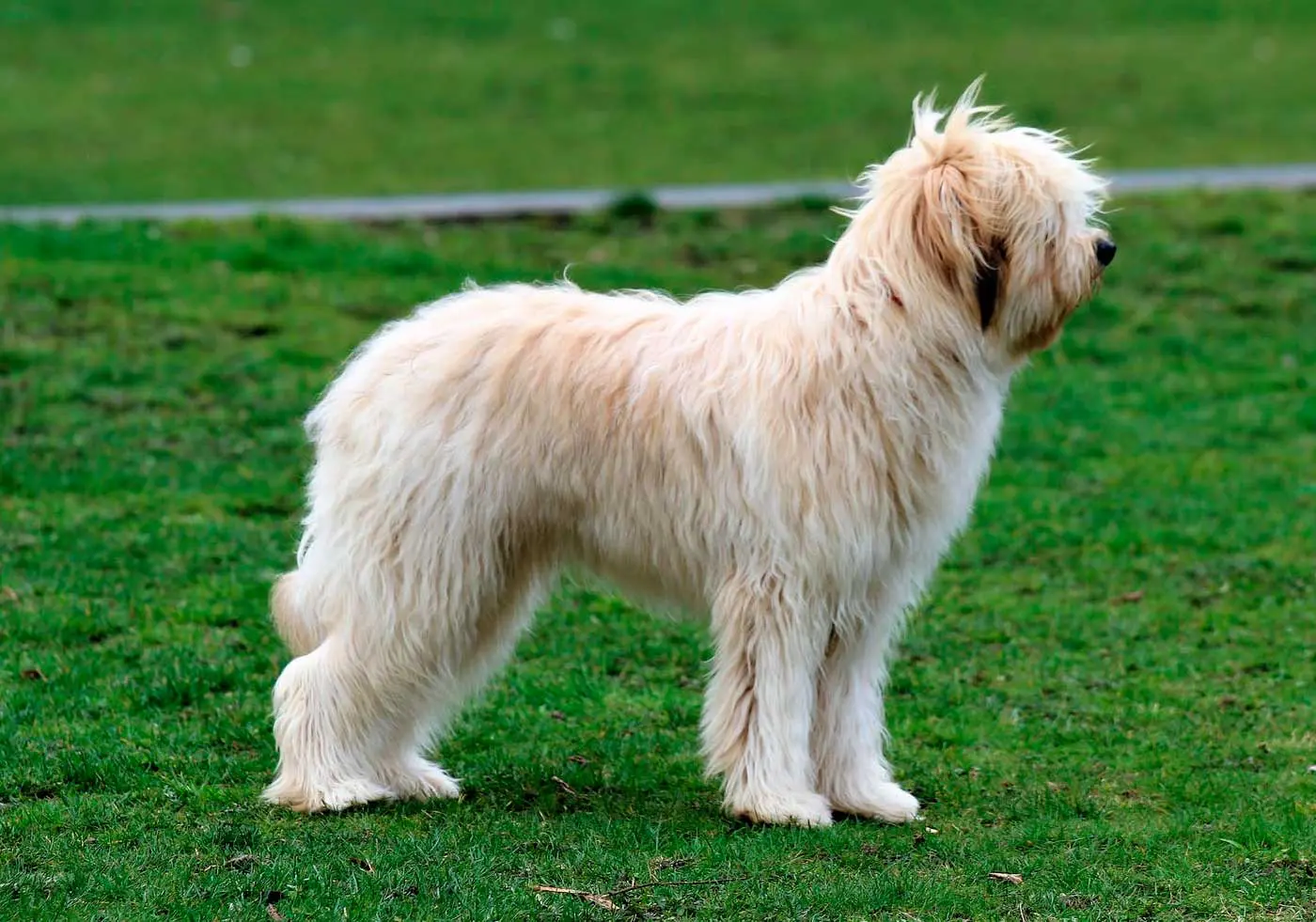


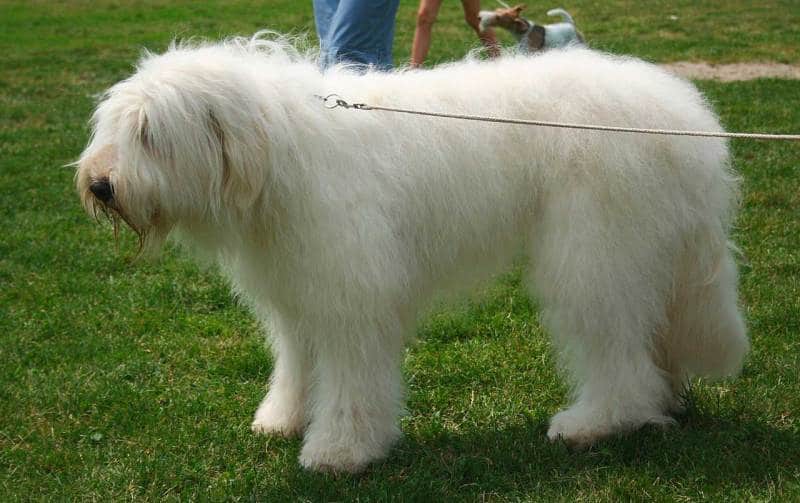
 South Russian Ovcharka / 99+1 Dog Breeds
 South Russian ovcharka juzak Ataman VICTORY 16 months old temperament test
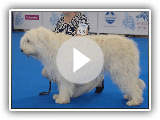 South Russian ovcharka, WDS-2016, females, Intermediate class
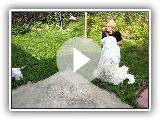 West Highland White Terrier and South Russian Shepherd Dog.


