โ–ท The world of Pets: Dogs, cats, birds, reptiles, amphibians

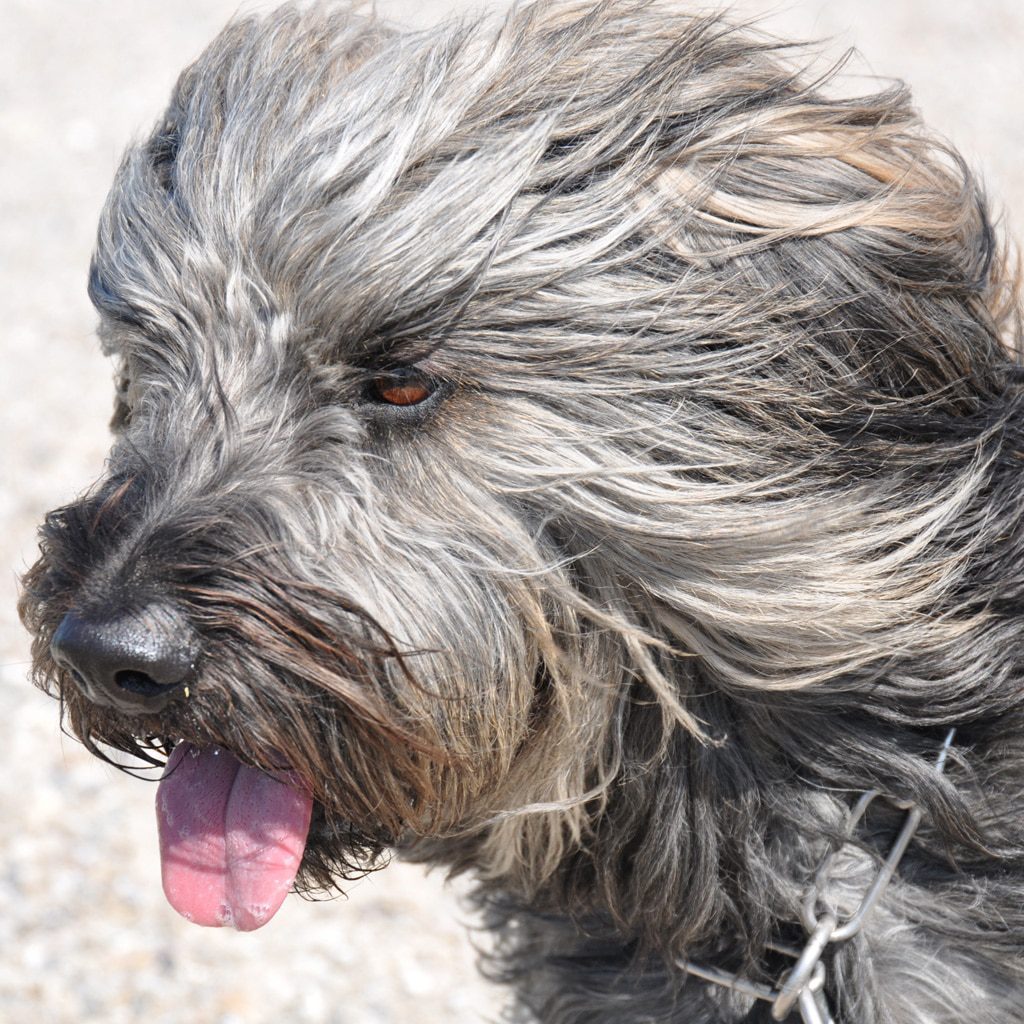
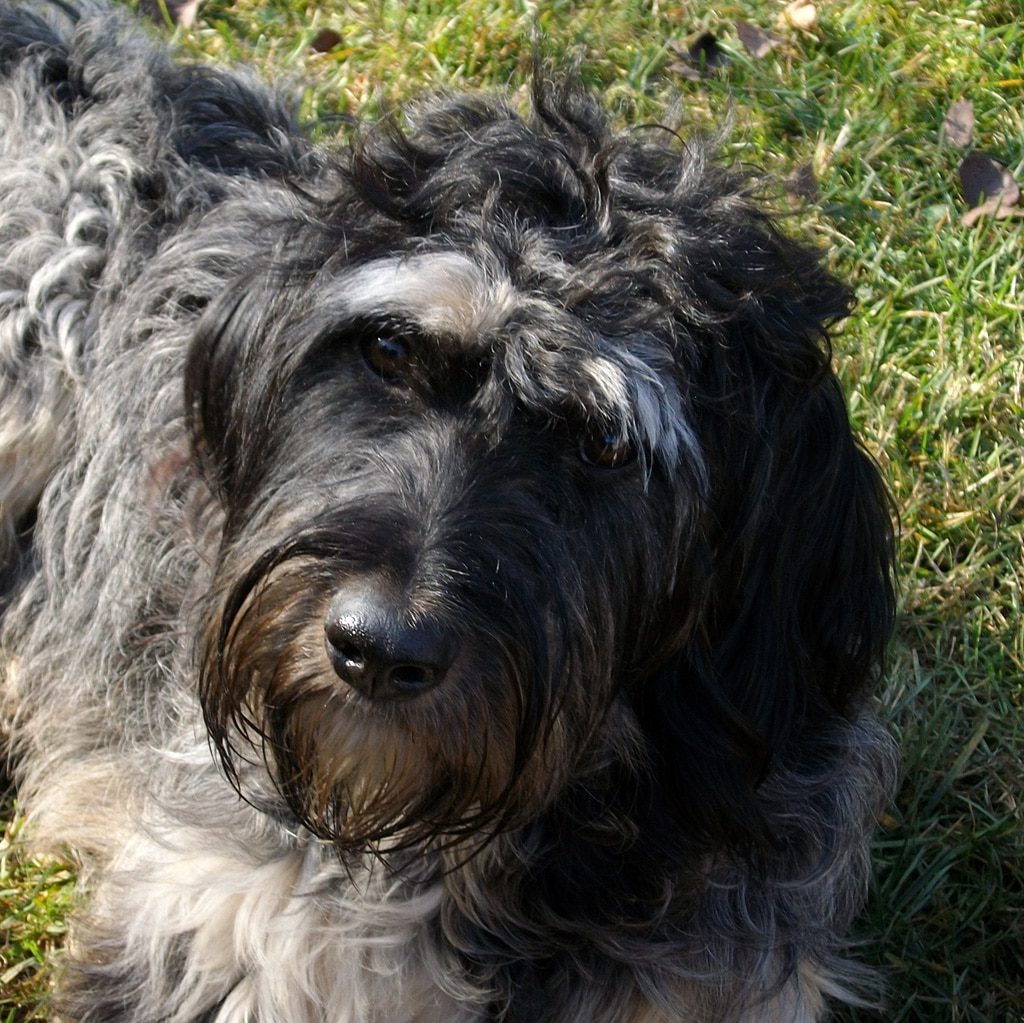
Catalan Sheepdog
Espaรฑa FCI 87 . Sheepdogs

The Catalan Sheepdog He is friendly and has a strong protective instinct especially with children.

Pastor Catalรกn

Content

Characteristics "Catalan Sheepdog"

Coexistence is important that you have with your new friend. Before considering the acquisition of a dog of the breed "Catalan Sheepdog" you know certain factors. Not all breeds of dogs are apt to live in an apartment, you must take into account his character, their need for exercise, their interaction with other pets, their care and if you have small children, their level of tolerance towards them.

Adaptation โ“˜

4,0 of 5 stars (based on 1 review)

friendly dog โ€‹โ€‹โ“˜

4,0 of 5 stars (based on 1 review)

hair loss โ“˜

3,0 of 5 stars (based on 1 review)

Affection level โ“˜

4,0 of 5 stars (based on 1 review)

Need for exercise โ“˜

5,0 of 5 stars (based on 1 review)

Social need โ“˜

4,0 of 5 stars (based on 1 review)

Home โ“˜

3,0 of 5 stars (based on 1 review)

Toilet โ“˜

3,0 of 5 stars (based on 1 review)

Friendly with strangers โ“˜

2,0 of 5 stars (based on 1 review)

barking โ“˜

3,0 of 5 stars (based on 1 review)

Health โ“˜

5,0 of 5 stars (based on 1 review)

Territorial โ“˜

4,0 of 5 stars (based on 1 review)

Cat friendly โ“˜

3,0 of 5 stars (based on 1 review)

Intelligence โ“˜

4,0 of 5 stars (based on 1 review)

Versatility โ“˜

4,0 of 5 stars (based on 1 review)

Child friendly โ“˜

5,0 of 5 stars (based on 1 review)

Surveillance โ“˜

4,0 of 5 stars (based on 1 review)

joy โ“˜

3,0 of 5 stars (based on 1 review)

Catalan Sheepdog History

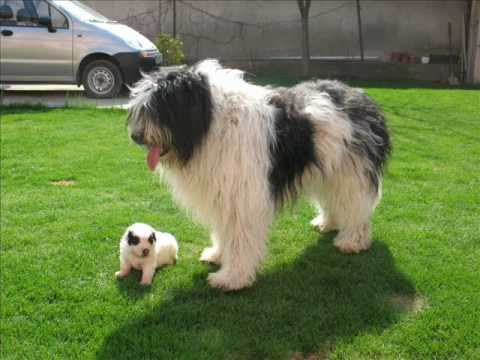
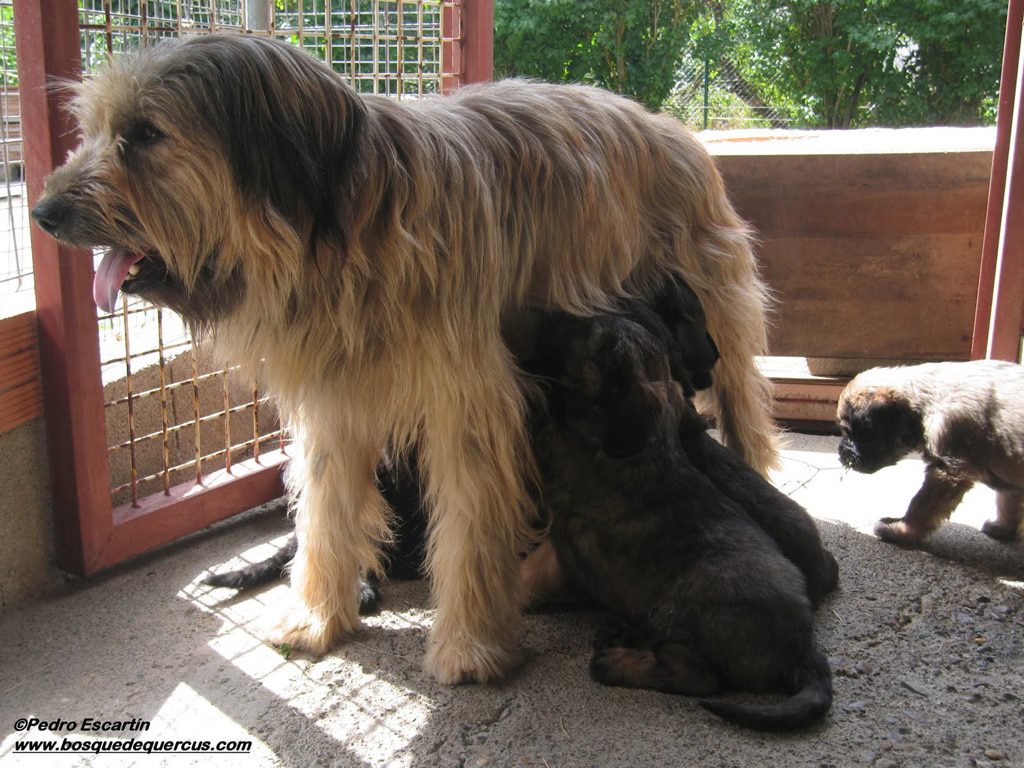
The Catalan Sheepdog (Sheepdog) It is a breed of dog of Catalonia, Spain. It was used above all to watch the herds during the day in the Pyrenees area and in the area occupied by the transhumance related to this area.

Although little is known about the origins of the Catalan Shepherd, today it has become one of the sheepdog breeds, Iberian, more extended. For a long time he has lived geographically isolated and descends โ€“ probably- dogs shepherds who kept kinship with primitive Oriental races.

Close relatives include the Pyrenean Shepherd and the Bergamasco Shepherd.

Likewise, There are documentary sources to ensure that, at sites such as the Minferri dogs of measurement remains have been found with very similar in structure to the Catalan Shepherd, the find could be located in the 2000 to. C.

Anyway that there are only drawings of 200 years ago that testify the existence of the Catalan Shepherd. I.e., their origin It is still an issue controversial.

In 1919, Catalan Sheepdog, He was recognized by the Federation Cynologique Internationale as Spanish breed of dog.

In 1929 wrote the first standard from two dogs, TAC and Iris, two copies a canine contest winners. However, all this could not stop the debacle of the race.

With the advent of tourism in the Pyrenees which is where were more specimens of the breed, also arrived foreign dog breeds, and the Catalan Shepherd Dog became a type of small dog, underestimated front foreign dogs already wearing so many decades by selecting them and improving them, so it was abandoned and mixing with other races.

During the Decade of 1970, an organization called Laketร nia took two dogs that remained with a very pure appearance, one from Solsona and the other from Berguedร  and selectively bred them to recover the breed. All current breeding dogs carry genes from these two specimens.

In 1982 created the Catalan Atura Dog Club, This led to begin airing various breeders and 1982 be drafted a new standard that is the still existing today.

Currently, the dog has been able to spread a lot when it was verified that it not only serves to take care of herds but also as a companion animal and more than 4.000 registered copies.

Physical characteristics

Its height the cross is of 47 to 55 cm in males and 45 to 53 cm in females.

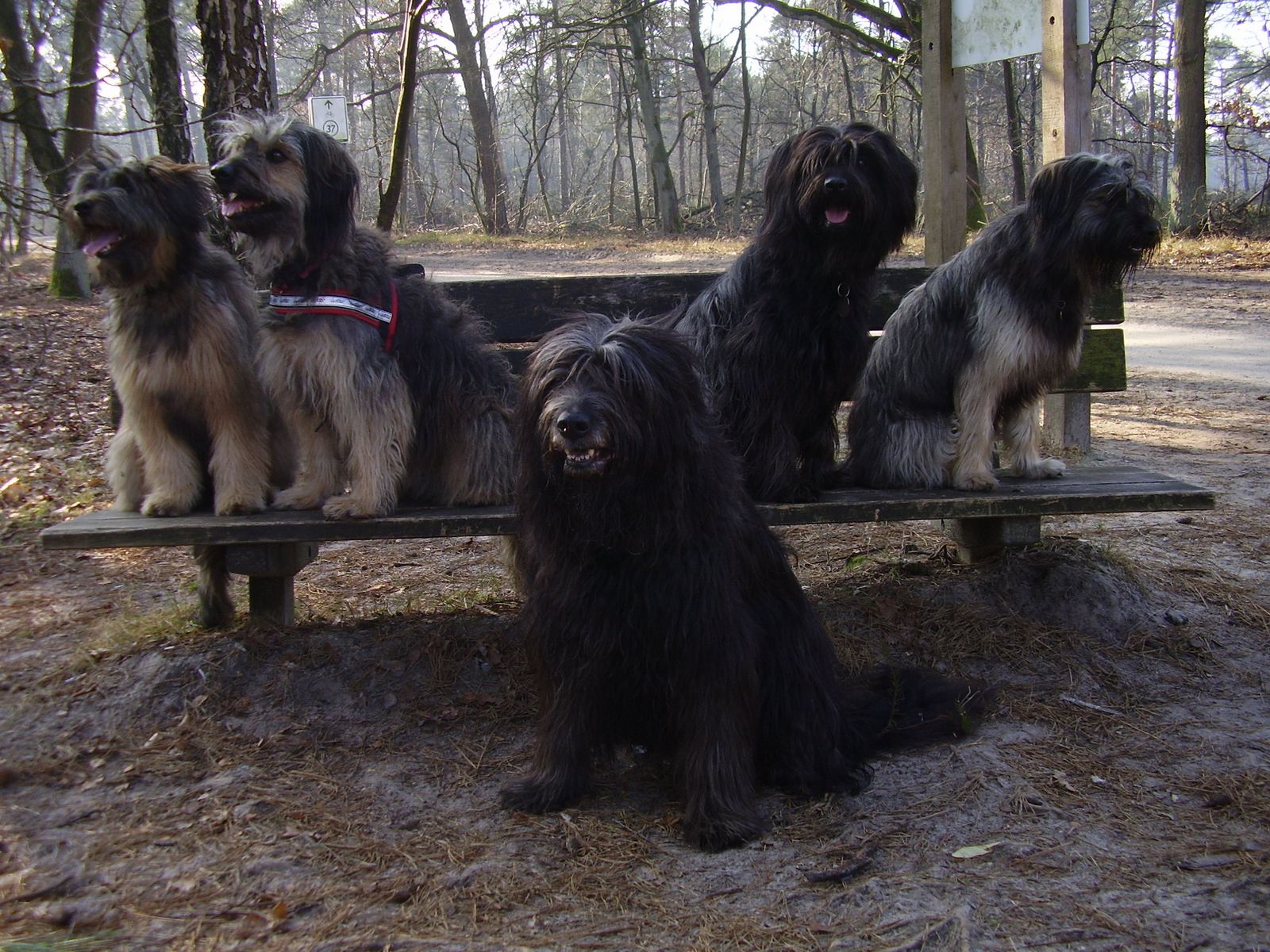
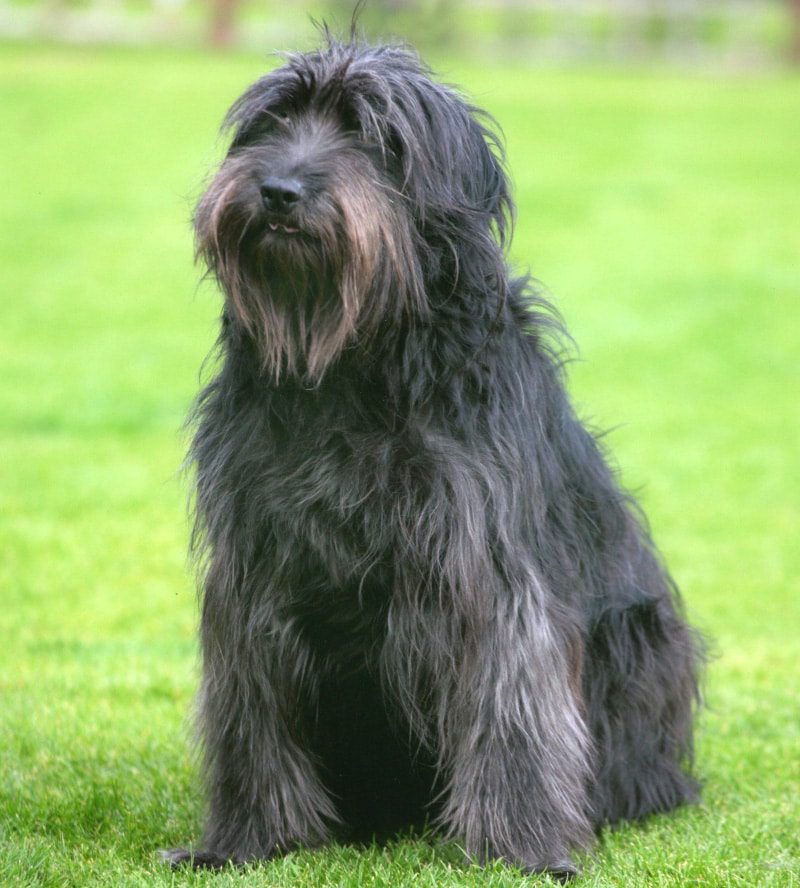
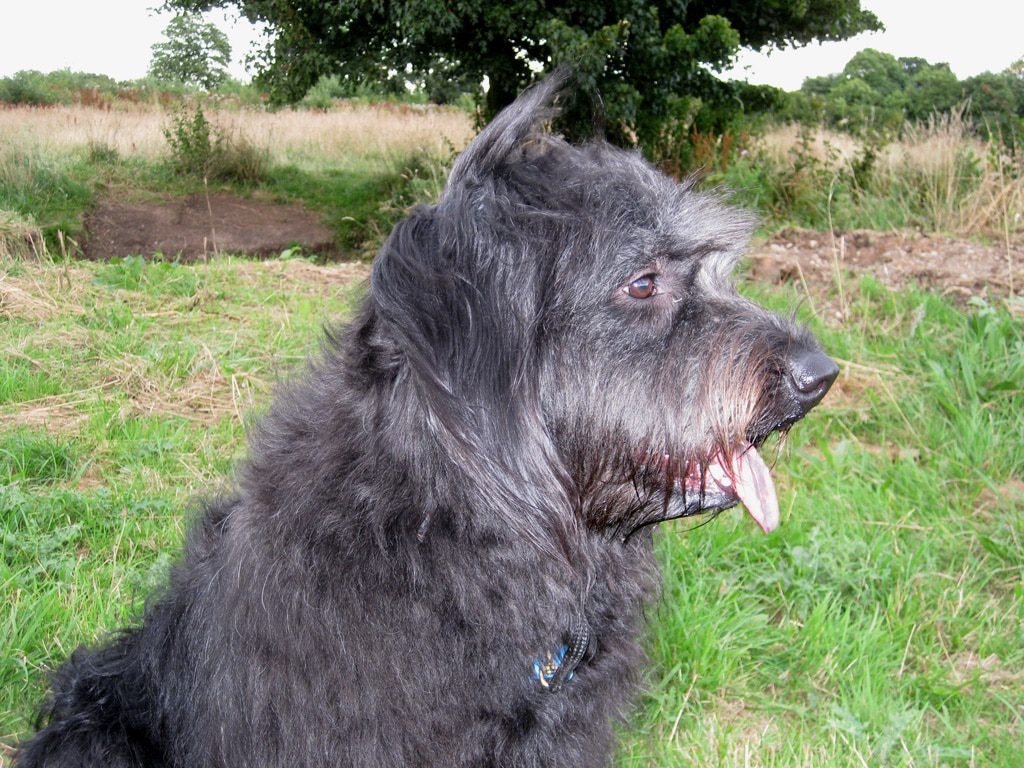
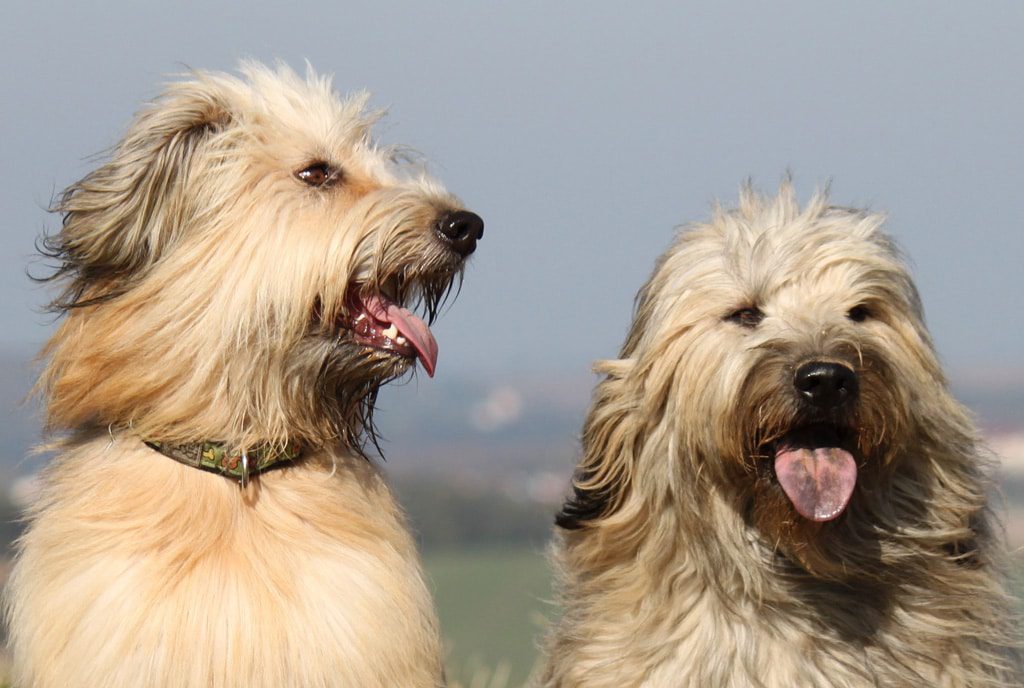
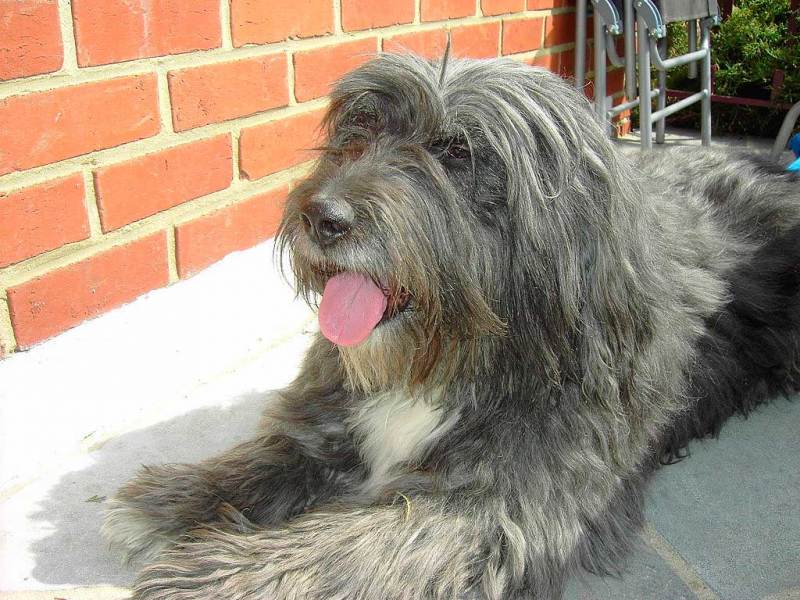
The hair is long, very little wavy or stretched. Usually rough, in some cases smooth. The subpelo is abundant, especially in the later third.

In the head has beard, moustache, quiff and sobrecejas that allow to see the eyes. The tail is well provided with hair, just as the limbs. When they shed their hair, a typical phenomenon occurs, as it does in two times.

during the first, change the hair in the front half of the dog, and gives the impression that it is two media with different hair dogs. In the second half, changing the rear half and returns to match.

Regard to the color, They seem far to monochrome, and they can present lighter shades to extremities. Seen closely observes that the color is given by the mixture of hairs of different tones: neula, terrizo more or less reddish, grey, black and white.

The basic colors that result from the mixture are:

  • Neula: In his clear tones, medium to dark.
  • Tierra: With hair color land, neula, black and white. With three clear tones, medium to dark.
  • Gris: Consisting of white hairs, Gray and black, with colors that can go the tetravalent to the gris-negro. If master black and only combines with white hairs, It gives a black appearance of frost.

There are also copies with a mixture of black hairs, neula and reddish Earth that can dominate in some parts, giving the sensation of exemplary black and Tan.

Character and skills Catalan Sheepdog

Pastor Catalรกn, indispensable assistant for the current Catalan shepherds, is a typical shepherd dog fell, rustic, frugal, obedient, resistant, barking, vigorous and reserved with strangers.

It is perfectly adapted different situations ranging from the comfort of a home, to the extreme climatic conditions of the high mountain, and this makes it an excellent conductor of flocks or a perfect Playmate.

In Catalonia, It is still used as a sheepdog and thanks to its great intelligence not just limited to following the shepherd, but occasionally it replaces his master and is responsible for the solo lead and guarding the flock.

In other countries, it is known more than anything as a companion and exhibition dog, always with a dial protective character in special with children.

It is a dog very versatile and nice, She loves to play but you know when it is necessary to be quiet.

Some specialists often describe it as a sullen and few friends but in reality is that attitude taken with strangers, at the slightest sign of trust he will show his affection.

Catalan Shepherd is very easy of educate and train.

Images of the Catalan Sheepdog

Catalan Sheepdog videos

Type and recognitions:

  • FCI CLASSIFICATION:
  • Group :
  • Section : . .

Federations:

  • FCI – Group 1 Herding dogs, Section 1 Sheepdogs โ“˜
  • โ€‹KC – Grazing โ“˜
  • UKCHerding โ“˜

FCI breed standard Catalan Sheepdog

FCIFCI - Catalan Sheepdog
Pastor

Alternative names:

1. Catalan shepherd (English).
2. Berger catalan (French).
3. (Katalanisch Gos d’Atura Catalร ; Spanisch Perro de Pastor Catalรกn) (German).
4. (em catalรฃo: gos d’atura catalร ) (Portuguese).
5. Gos d’Atura Catalร , Perro de pastor catalรกn (espaรฑol).

โ–ท The world of Pets: Dogs, cats, birds, reptiles, amphibians

Bearded collie
Escocia FCI 271 . Sheepdogs

Collie Barbudo

The Bearded collie It is an energetic dog. They need exercise and homework to do, How to care for children.

Content

History

The Bearded collie It is a breed of dog of medium size and long coat, It was originally used in tasks of grazing by Scottish shepherds. He is originally from Scotland, and their closest ancestors are a race of imported Polish shepherds in 1514.

The story of the Collie โ€“as we have said in another post of race– is a mixture of reality and legend. One story recounts that Kazimierz Grabski, a Polish merchant, went to Scotland in 1514 in order to negotiate a shipment of grain for sheep in several pastors, apparently brought six copies of pastoral dogs (Poles) it performed tasks of grazing in his native Poland, and at the destination they would help him move the cattle. A Scottish Shepherd, He was so impressed with the ability of herding dogs of Kazimierz Grabski, which changed several sheep by some of those six dogs. Y, was that, those Polish sheepdogs were bred with the local dogs of Scotland and from there the beautiful Bearded Collie was born. This is one of the theories..

another theory, raises that Mrs G. Oliva Willison founded the breed Bearded collie modern with her brown bitch, Jeannie of Bothkennar. Jeannie, was-supposedly- a dog Shetland Sheepdog, at least that breed was the one I had ordered, but Mrs. Willison got a bitch much like the current one Bearded collie by accident. Despite knowing that it was not the dog that was looking for, She was fascinated with the copy received and her only objective, Thereafter it was to begin to raise the dogs of your bitch Jeannie, so he began to look for a dog suitable for the characteristics of his specimen.

An afternoon, While walking along the beach, met a man who had emigrated from Scotland with his gray dog, David, who became in a very short time the "Bailie of Bothkennar", the boyfriend of Jeannie. Then, This story tells that Bailie and Jeannie de Bothkennar are the founders of the modern race of Bearded collie.

But the stories don't end there, If we escarbamos a bit we find name that have been very important for the development and prosperity of the race, for exampleโ€ฆ, Nicolas Broadbridge and Betty Foster…

The breed became very popular during the last half of the 20th century., thanks to a Bearded collie, that turned out to be the best winner in the Crufts event in 1989. The Crufts is an annual International Championship of canine exhibition organised by the Kennel Club of the United Kingdom, currently held every month in March at the National Exhibition Centre (NEC) the Birmingham, England. It is the largest annual canine exhibition that exists in the world, as stated by the Guinness World Records Guide (Guinness World Records), the event lasts four days.

Today it is still a beloved breed in many countries., in United States, for example, Bearded Collie ranks 104 of 155 in the annual ranking of popularity of the American Kennel Club breeds.

Bearded Collie is now mostly a great pet companion of many families, but originally it was used to drive sheep and cattle. Itร‚ยดs, essentially, a working dog, raised to be durable and reliable., able to cope with harsh and difficult conditions, like driving a herd of rebel sheep but successfully.

The Bearded collie has become less common in recent decades and may have become extinct, were it not for the dedication and efforts of some pastors as Tom Muirhead and Peter Wood (and breeders like Brian Plummer), that they have dedicated themselves to keep active the most ancient part of the race. From his eagerness of these gentlemen, specimens of Bearded collie (of work) to Australia and the United States, It was where more support found among those who sought an independent and intelligent dog. They founded the "Working Bearded Collie Society's" (Society of Bearded collie of work).

The mission of the "Working Bearded Collie Societyโ€™s is to preserve the work capacities of these" bearded "dogs as their ancestors had. They have a website called "Shepherds with Beardies" (Shepherds with Beardies) with a lot of valuable information for lovers of the โ€“today- small population Bearded collie of work.

Registration of dogs Bearded collie It has decreased significantly in Wales, Scotland and other countries due to lack of community interest in working dog breeding, lately the raw aesthetic, and breeders tend to develop lines of specimens with excessive coats, for example. But, in some countries (as Sweden and United States) have developed programs focused on grazing for the race. Several organizations have also been created in different countries that encourage, actively, breeders to stress other qualities besides appearance.

Physical characteristics

The Bearded collie, as we said at the beginning, is a medium-sized dog, they have an average weight of 18 to 27 kg. The males measure approximately 53 to 56 cm in height to the cross, While the females are somewhat smaller, measuring of 51 to 53 height cm.
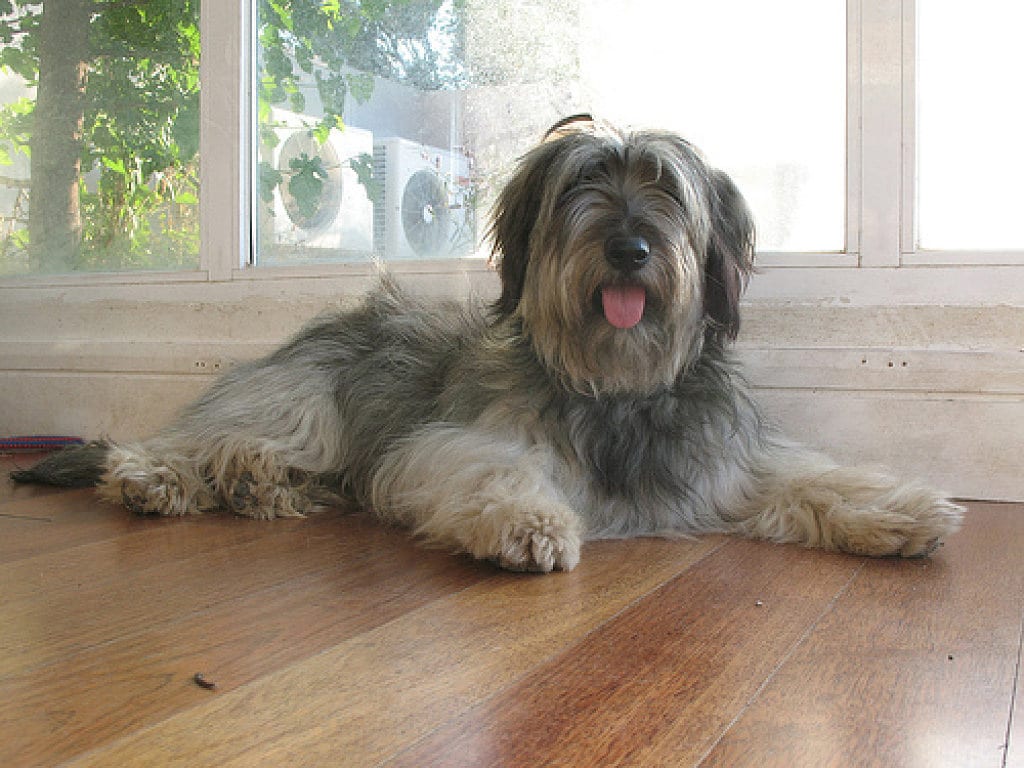
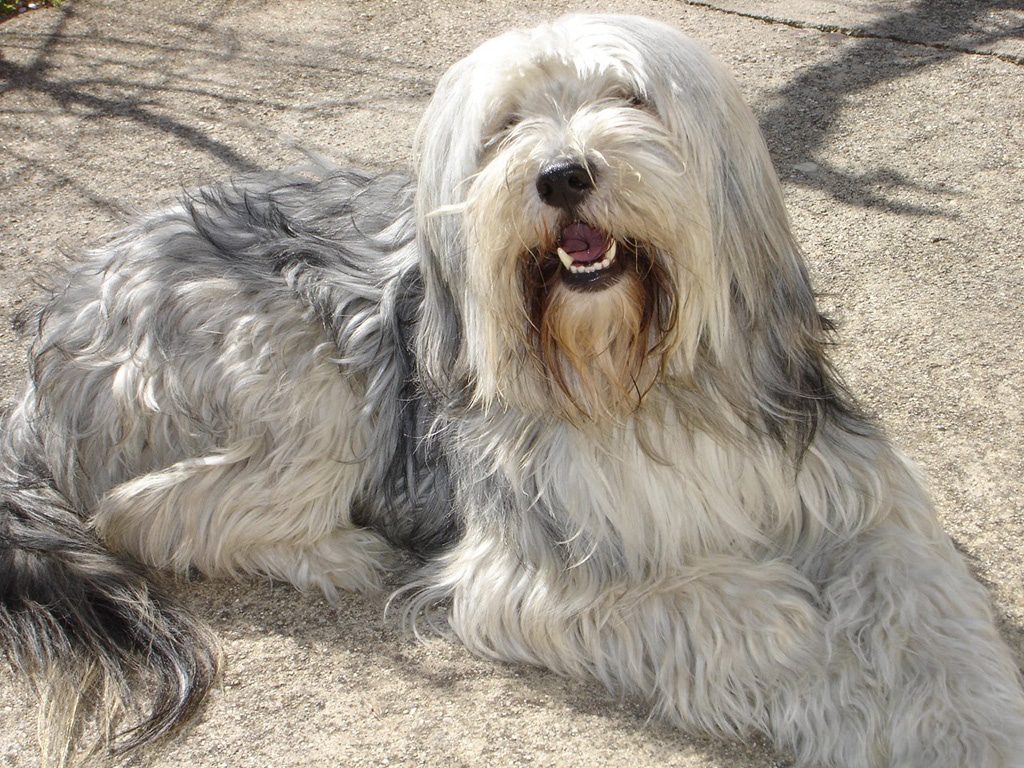
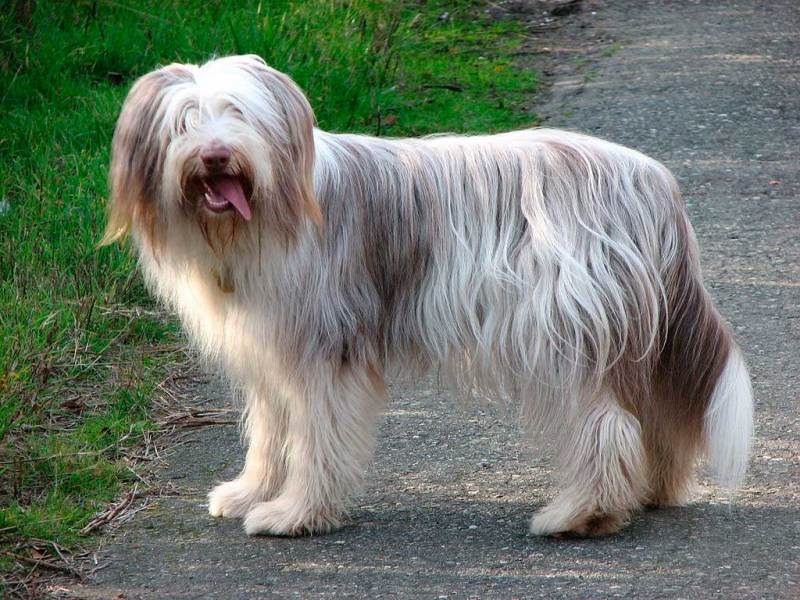
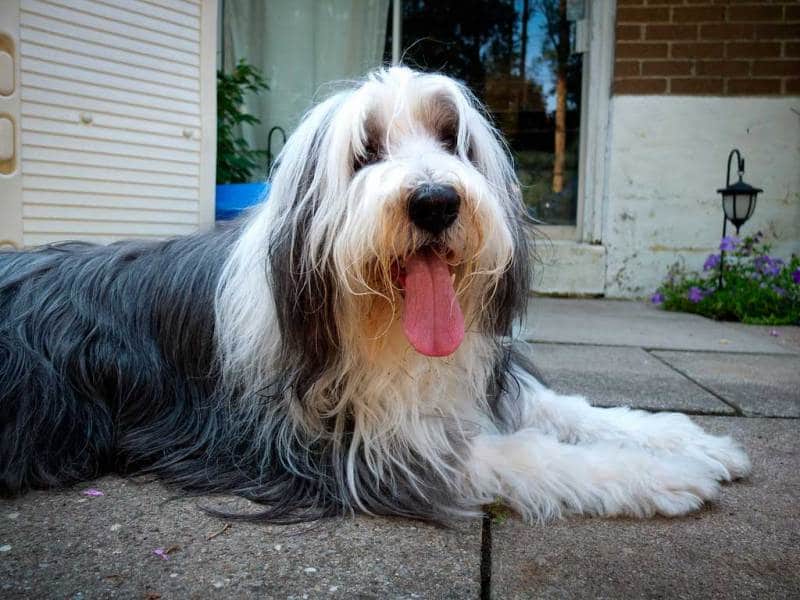
They have a mantle of double layer, the hair is long, smooth (or slightly wavy) and soft to the touch. Several colors are supported, It may be black, blue, Brown or beige with white markings or Tan.

Did you know??

Cubs Bearded collie born dark, and it is not always clear what color will be when they grow up. The coat lightens when ripe and then begins to darken again when having 12 to 18 months of age. The coat can not reach its final color until the dog is four years or more.

Character and skills

The Bearded collie it is an excellent pet for those who are willing to adapt to its high energy level and the care of its long manesโ€ฆ Weekly brushing is mandatory to keep its long hair healthy and without knots.

The Bearded collie It is an energetic dog, let's not forget that it was designed -originally- to work in the Scottish Highlands raising sheepโ€ฆ They need exercise and chores to do, How to care for children, Yes, will be an excellent Kangaroo!

It is a faithful and family dog. The females., often, they are more expressive and stubborn than males. In training, males are more likely to follow the instructions and the females are more independent.

Observations and tips

    This breed is not very widespread outside its country of origin., but hatcheries produce high quality specimens. If you want a puppy, a reservation is necessary. It is a breed that needs to work and feel useful, reason why the training is advisable. It is not a difficult animal, but it can be quite stubborn if you are not convinced of the usefulness of what is required.

Health "Barbudo Collie"

Bearded Collies are some health conditions that may be of concern. They include hip dysplasia, elbow dysplasia, diseases of the eyes, autoimmune thyroiditis, skin condition called pemphigus foliaceus and Addison's disease. Not all bearded collies suffer all or even any of these conditions, but knowing them beforehand will help you in your search for a breeder.

Do not buy a puppy from a breeder who can not provide written documentation that parents were exempted from health problems affecting race. Getting dogs "vet checked" is not a substitute for genetic health testing.

Remember that after bringing a new puppy to your home, You have the power to protect one of the most common health problems: the obesity. Keeping a puppy with an appropriate weight is one of the easiest ways to prolong life. Make the most of your preventive abilities to help ensure a healthier dog for life

Aseo ยซBearded Collieยป

The glory of Bearded collie it's his coat. The hardest part of taking care of a Barbudo is also his coat. Wait half an hour to one hour a week to fix it. Brushing and combing him with a bristle brush or slicker brush and a stainless steel comb will keep his double coat tangle free.. Spray the coat with water or anti-tangle spray before brushing so as not to damage the hair. Is a good idea that the breeder show you how to brush the hair of an adult dog. Bathe your Bearded collie every six to eight weeks or more often, especially if (or when) their rooms are hairy rear with feces.

In addition to the time spent caring for fur, Prepare for dirt, mud and debris that accumulate in the hairy legs of the dog. A light trimming can reduce the clutter a bit and gives the legs a clean look.

If you regularly Aseas, the Bearded collie shouldn't change much, but passes through a heavier coat every year that lasts two to four weeks. He also loses a lot over a two to three month period when the puppy coat is coming out and the adult coat is coming in.. Grooming a puppy takes very little time, but it is advisable to start early to get used to stand still while you work on your coat.

The rest is basic care. Trim nails as needed, usually once a month. Brush your teeth frequently for general good health and fresh breath. Check ears weekly for debris, redness or odor that may indicate an infection. If the ears look dirty, clean them with a cotton swab moistened with a gentle ear cleaner recommended by your veterinarian.

Breeders list "Bearded collie"

REGISTER KENNEL

Bearded Collie or Bearded Collie Breeders

Offer your puppies for free. Sign up here.

  • This field is a validation field and should be left unchanged.

Characteristics "Bearded collie"

Coexistence is important that you have with your new friend. Before considering the acquisition of a dog of the breed "Bearded collie" you know certain factors. Not all breeds of dogs are apt to live in an apartment, you must take into account his character, their need for exercise, their interaction with other pets, their care and if you have small children, their level of tolerance towards them.

Adaptation โ“˜

5,0 of 5 stars (based on 1 review)

friendly dog โ€‹โ€‹โ“˜

4,0 of 5 stars (based on 1 review)

hair loss โ“˜

4,0 of 5 stars (based on 1 review)

Affection level โ“˜

5,0 of 5 stars (based on 1 review)

Need for exercise โ“˜

3,0 of 5 stars (based on 1 review)

Social need โ“˜

4,0 of 5 stars (based on 1 review)

Home โ“˜

3,0 of 5 stars (based on 1 review)

Toilet โ“˜

4,0 of 5 stars (based on 1 review)

Friendly with strangers โ“˜

4,0 of 5 stars (based on 1 review)

barking โ“˜

4,0 of 5 stars (based on 1 review)

Health โ“˜

3,0 of 5 stars (based on 1 review)

Territorial โ“˜

5,0 of 5 stars (based on 1 review)

Cat friendly โ“˜

4,0 of 5 stars (based on 1 review)

Intelligence โ“˜

5,0 of 5 stars (based on 1 review)

Versatility โ“˜

5,0 of 5 stars (based on 1 review)

Child friendly โ“˜

4,0 of 5 stars (based on 1 review)

Surveillance โ“˜

5,0 of 5 stars (based on 1 review)

joy โ“˜

5,0 of 5 stars (based on 1 review)

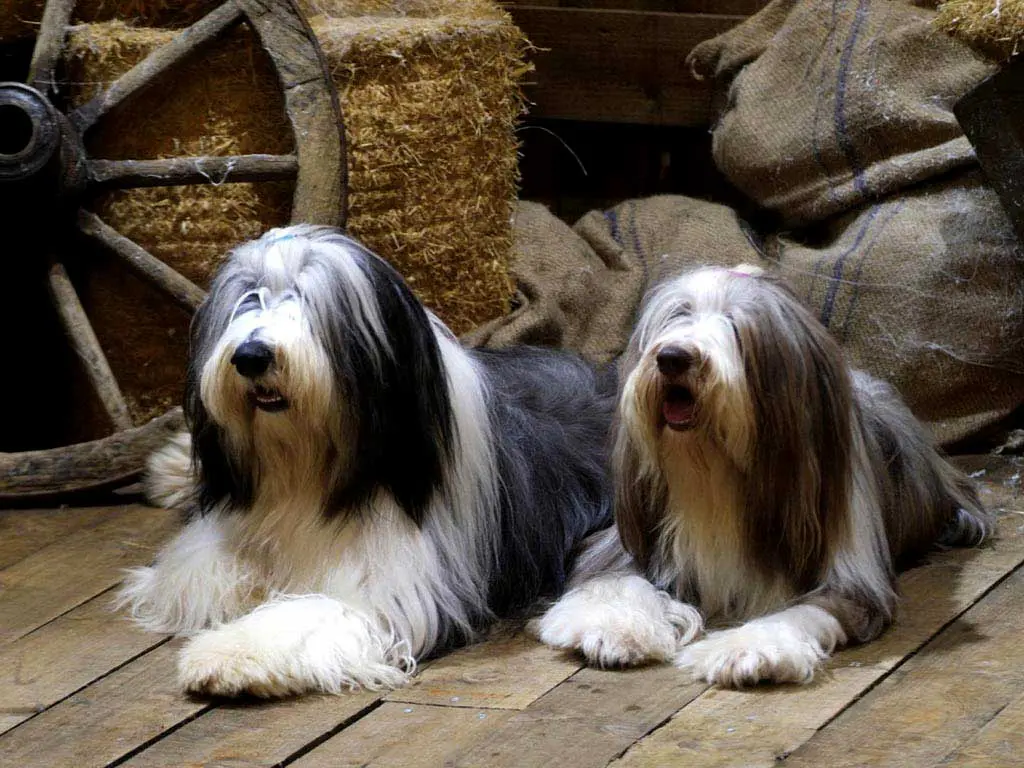
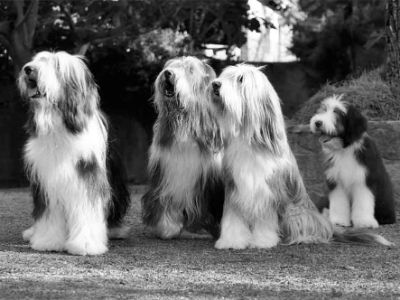
Images "Bearded collie"

credits:

1 – Bearded collie after playing with a rope – https://es.m.wikipedia.org/wiki/Archivo:Bearded_collie_and_a_rope.jpg
2 – Bearded Collie by marbla123 / CC BY
3 – Flickr Beardie by https://images.app.goo.gl/FCaHKwsfkokCZVBU9
4 – Bearded collie laying down on balcony by Trudh / CC BY-SA

Videos "Bearded collie"

Type and recognitions:

  • FCI CLASSIFICATION:Group 1 –> Pastor and Boyeros dogs (except Swiss Cattle Dogs ) / Section 1 –> Pastor dogs. Without working trial.
  • FCI 271
  • Federations: FCI โ“˜, AKC โ“˜, ANKC โ“˜, CKC โ“˜, โ€‹KC โ“˜, NZKC โ“˜, UKC โ“˜

  • FCI breed standard "Bearded collie"

    Origin:
    United Kingdom

    Date of publication of the valid original standard:
    24.06.1987

    Use:

    Shepherd and companion dog.


    General appearance:

    Delgado. active dog. Despite being heavily built, should show plenty of light under the body and should not look too heavy. Sparkly, the inquisitive expression is a distinctive feature.

    important proportions:

    Longer than tall by about a ratio of 5 to 4 measured from tip of chest to tip of ischium.

    Females may be slightly longer.

    The distance between the stop (naso-frontal depression) and the occiput must be the same as the distance between the holes of the ears.


    Behavior / temperament:

    Alert, lively, self-confident and active. Stable, smart working dog, without any signs of nervousness or aggressiveness.

    Head:

    In proportion to its size. The overall effect is that of a dog with muzzle power and plenty of brain space.

    Cranial region:
    • Skull: Width, flat and square.
    • Stop: Moderate.

    facial region:

    • Truffle: Big and square, usually black but usually according to coat color in blue and brown dogs. The nose must be solid in color, no specks or patches.
    • Snout: Strong and of the same length as the distance between the stop and the occiput.
    • Lips: Solid color with no specks or patches. Pigmentation is consistent with that of the nose.
    • Jaws / teeth: Large white teeth. Strong jaws with perfect, regular and full scissor bite is preferred, that is, the upper incisors closely overlap the lower incisors and are positioned vertically in the maxillae.

    Pincer bite tolerated but undesirable.

    • Eyes: In tune with the color of the coat, set well apart and large, soft and affectionate, not prominent. The pigmentation of the eyelids is consistent with that of the nose. Eyebrows arched up and forward but not so long as to hide the eyes.
    • Ears: Medium in size and falling.  On alert, ears are raised at their base, level but not above the top of the skull, increasing the width of the skull in appearance.

    Neck:

    Moderate long, muscular and slightly arched.

    Body:

    The length of the body is due to the length of the rib cage and not the area of รขโ‚ฌโ€นรขโ‚ฌโ€นthe kidneys.

    • top line: To level.
    • Pork loin: Strong.
    • Breast : Deep, giving plenty of room for the heart and lungs. Well sprung but not crowded ribs.

    Tail:

    Low insertion, no knots or kinks and long enough for the last vertebra to reach the tibial-tarsal joint. It is carried low with an upward curve when the dog is at rest or in action., in speed can be extended. It is never carried on the back. Covered with abundant hair.

    Tips

    Former members

    Straight and vertical limbs with good bones, covered with shaggy hair all around.

    • Blades: Leaning well back.
    • Metacarpus: flexible, without weakness.
    • Front feet: Oval; thick footpads, strong and healthy; fingers arched and together; well covered with hair even between the pads.
    Former members

    Very muscular.

    • Knees: Well angulated.
    • Tibia: Buena.
    • Hocks: Low.
    • Metatarsals: The lower part of the leg falls at a right angle to the ground and in a normal position, are just behind a vertical line below the ischium.
    • Hind feet: Oval, thick footpads, strong and healthy; fingers arched and together; well covered with hair even between the pads.  

    Movement:

    Flexible, smooth and long range, covering ground with minimal effort.

    Mantle

    • Fur: Double with soft and tight woolly under-hair. The outer coat is smooth, hard, strong and hirsute, free of wool and curlers, although slight waves are allowed. The length and density of the hair sufficient to provide a protective coat and highlight the silhouette of the dog, but not so much as to hide the lines of the body. Hair must not be groomed in any way.

    The muzzle is sparsely covered with hair somewhat longer on the sides to cover the lips.. From the cheeks, lower lip and lower jaw, the hair increases its length towards the chest, forming a typical beard.

    • Color: Slate gray, reddish bay, black, blue, all shades of gray, brown and sand with or without white markings. When there is white it appears on the muzzle, like a star in the skull, at the tip of the tail, on the chest, members and if it appears as a necklace,  white hair roots should not extend behind the shoulders. The target should not appear above the warm-tarsal joints (hocks)  on the outside of the hind limbs. Slight fire marks are acceptable on the eyebrows, inside of the ears, cheeks, below the tail insert and on the limbs where the white meets the main color.


    Size and weight:

    Ideal height:

    • Males:   53 ? 56 cm.
    • females: 51 ? 53 cm.

    Overall quality and proportions should be considered before size, but excessive variations from the ideal height should be discouraged.


    Fouls:

    Any deviation from the aforementioned criteria is considered a fault and its severity is considered to the degree of deviation from the standard and its consequences on the health and well-being of the dog and the dog's ability to perform its traditional task..

    disqualifying fouls:
    • Aggressiveness or extreme shyness
    • Any dog โ€‹โ€‹showing clear physical or behavioral abnormalities must be disqualified..


    N.B.:

    Males should have two normal-appearing testicles fully descended into the scrotum..

    Source: F.C.I - International Cynological Federation

    Alternative names:

    1. Highland Collie, Mountain Collie, Hairy Mou’ed Collie, Beardie (English).
    2. Bearded collie (French).
    3. Bearded collie (German).
    4. Bearded collie (Portuguese).
    5. Collie de las Tierras Altas, Collie de Montaรฑa (espaรฑol).


    Breeders of the breed "Bearded collie"

    Where can we find out...

    Collie Club of Spain

    Email: infocollieclub@gmail.com

    Recommended and recognized by the Club Spain Collie Collie Barbudo or Bearded Collie breeders:

    Other Breedersโ€ฆ

โ–ท The world of Pets: Dogs, cats, birds, reptiles, amphibians

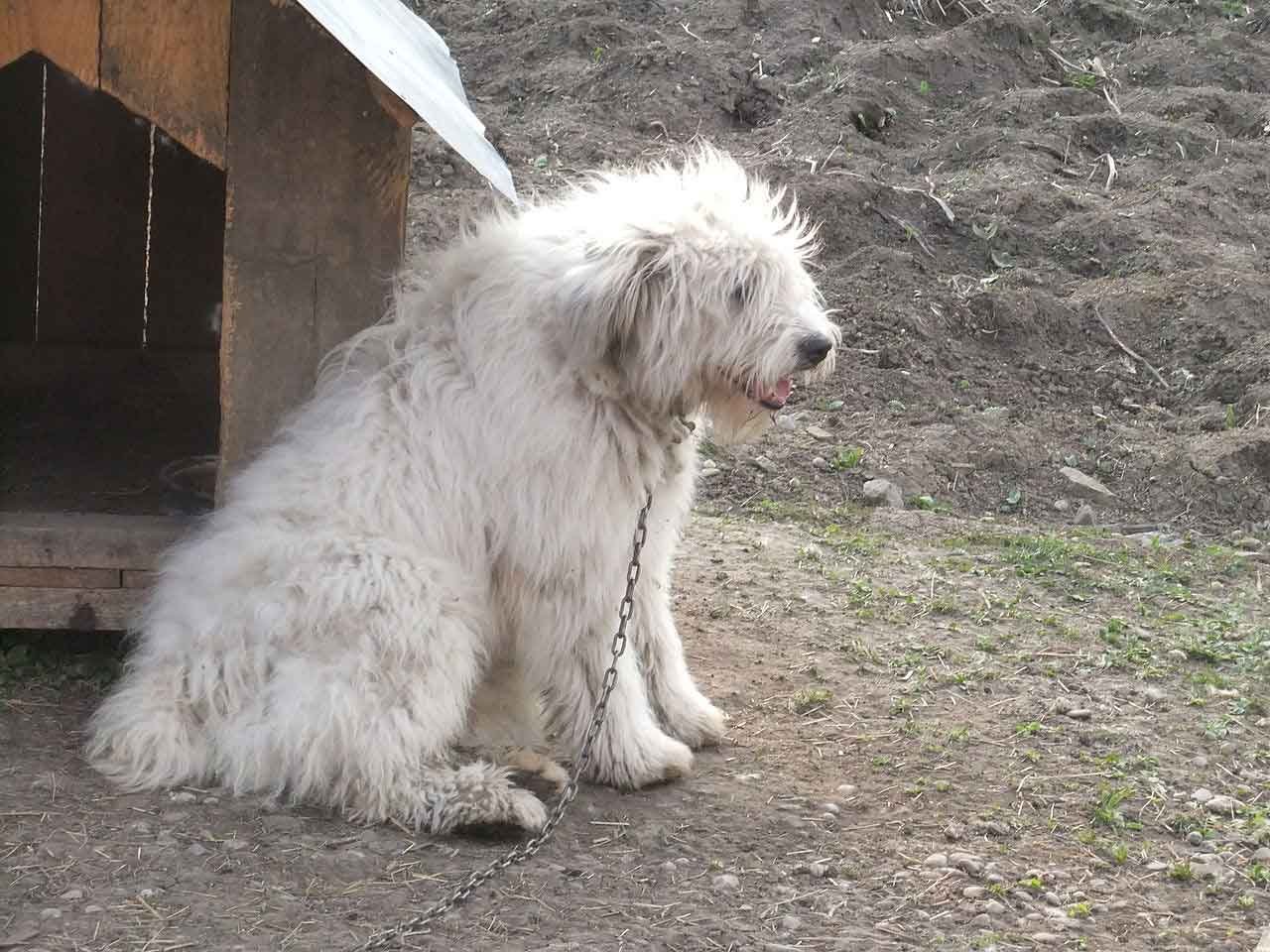
Romanian Bucovina Shepherd
Rumanรญa FCI 357 - Sheepdogs

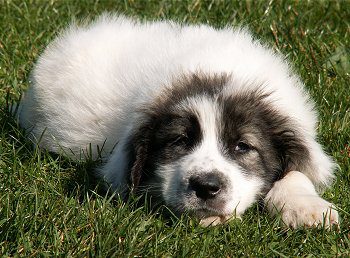
The Romanian Bucovina Shepherd is a quiet dog, balanced, devoted and who loves children, what can make it an ideal dog for a family.

Romanian Bucovina Shepherd

The Romanian Bucovina Shepherd is a quiet dog, balanced, devoted and who loves children

Content

Characteristics "Romanian Bucovina Shepherd"

Coexistence is important that you have with your new friend. Before considering the acquisition of a dog of the breed "Romanian Bucovina Shepherd" you know certain factors.

Not all breeds of dogs are apt to live in an apartment, you must take into account his character, their need for exercise, their interaction with other pets, their care and if you have small children, their level of tolerance towards them.

Adaptation โ“˜

3,0 of 5 stars (based on 1 review)

friendly dog โ€‹โ€‹โ“˜

3,0 of 5 stars (based on 1 review)

hair loss โ“˜

5,0 of 5 stars (based on 1 review)

Affection level โ“˜

5,0 of 5 stars (based on 1 review)

Need for exercise โ“˜

4,0 of 5 stars (based on 1 review)

Social need โ“˜

2,0 of 5 stars (based on 1 review)

Home โ“˜

2,0 of 5 stars (based on 1 review)

Toilet โ“˜

2,0 of 5 stars (based on 1 review)

Friendly with strangers โ“˜

2,0 of 5 stars (based on 1 review)

barking โ“˜

5,0 of 5 stars (based on 1 review)

Health โ“˜

3,0 of 5 stars (based on 1 review)

Territorial โ“˜

5,0 of 5 stars (based on 1 review)

Cat friendly โ“˜

3,0 of 5 stars (based on 1 review)

Intelligence โ“˜

5,0 of 5 stars (based on 1 review)

Versatility โ“˜

3,0 of 5 stars (based on 1 review)

Child friendly โ“˜

5,0 of 5 stars (based on 1 review)

Surveillance โ“˜

4,0 of 5 stars (based on 1 review)

joy โ“˜

3,0 of 5 stars (based on 1 review)

History

Natural breed known for centuries in the Bucovina region, in northeastern Romania, the Romanian Bucovina Shepherd was brought to light for the first time in 1934 by G. Radulescu Calafat, publisher of the first Carpathian Sheepdog standard, who mentioned in an article published in the journal Vet Sciences another shepherd dog of molosoid type called ยซDulauยป or ยซCapauยป.. Until then, the Romanian Bucovina Shepherd had been compared to Romanian Carpathian Shepherd Dog, smaller.

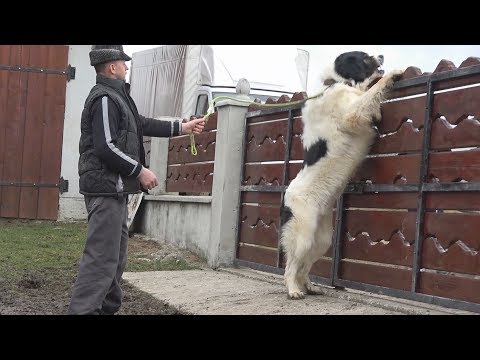
While the Romanian Bucovina Shepherd has long been used as a guard dog for flocks of sheep against large predators in the Carpathians, like bears, wolves and lynx, it has also been used for many years by Romanian farmers as a guard dog.

In 1982 the Romanian Cynological Association, the canine organization of reference in the country, developed a first standard that described the Romanian Bucovina Shepherd. It was updated in 2001 and 2002 in accordance with the FCI requests (International Cynological Federation) with a view to their recognition of the breed, what actually happened provisionally in 2009.

In 2019, the Romanian Bucovina Shepherd obtained the definitive recognition of the FCI. On the other hand, not yet recognized by the British reference organization, The Kennel Club, nor by the American Kennel Club (AKC) and the United Kennel Club (UKC).

In fact, still very rare outside its country of origin and some neighboring countries, like Ukraine or Serbia. In Romania there have been 6.000 specimens in the Romanian Stud Book, but only the breeding of 300 females and 200 males, as Romanian law imposes many restrictions on the breeding of dogs.

Photo: Ciobanesc de Bucovina – Romania 2018 by 1jagdterrier – YouTube

Physical characteristics

"Romanian Bucovina Shepherd"

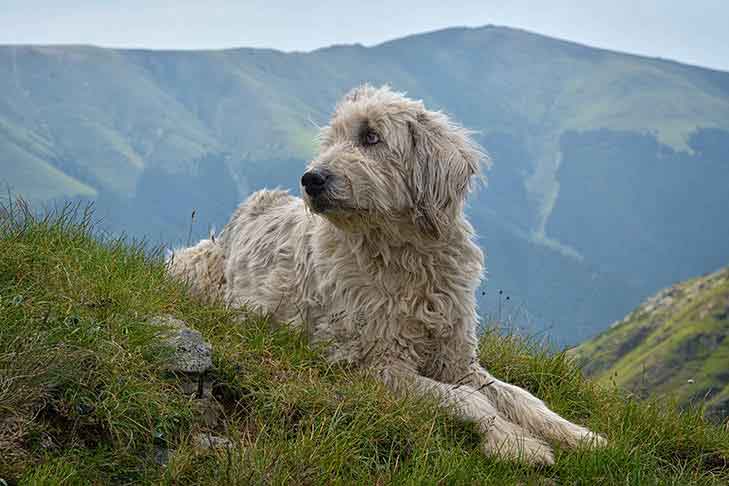
Pastor rumano de Bucovina

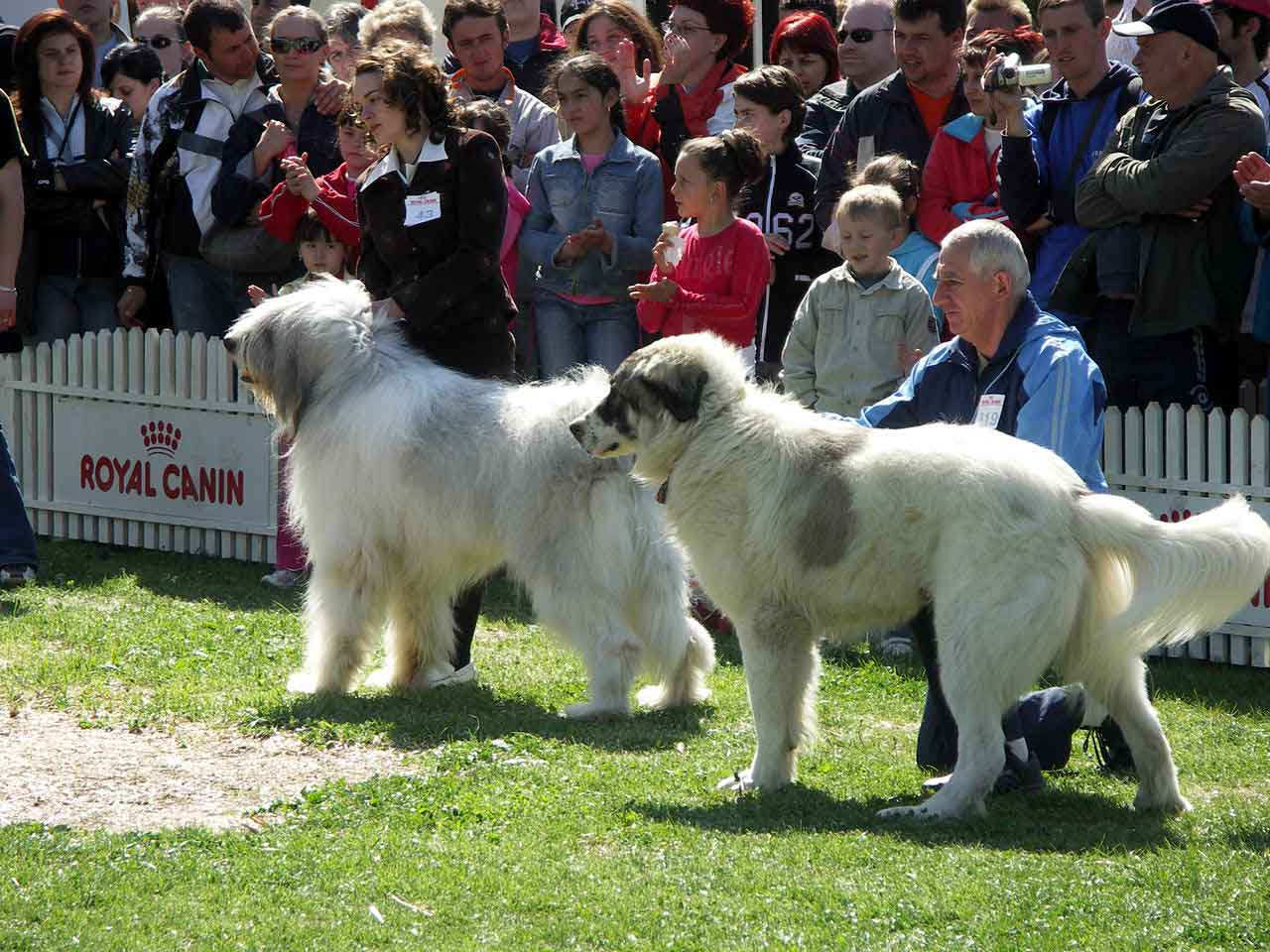
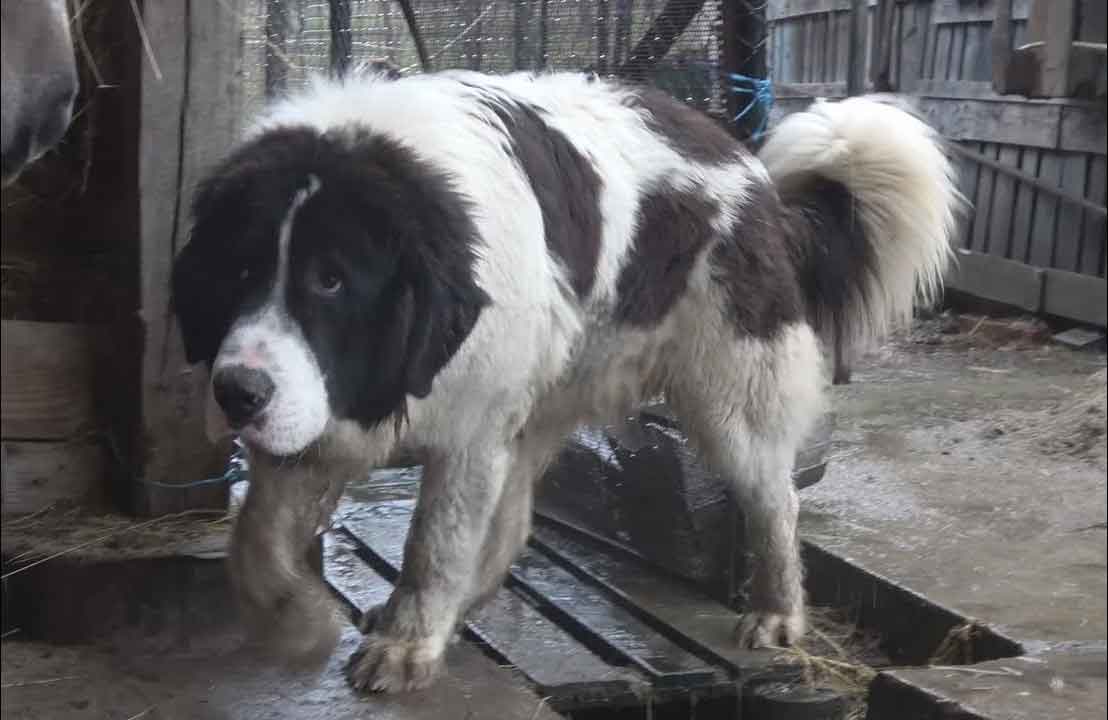
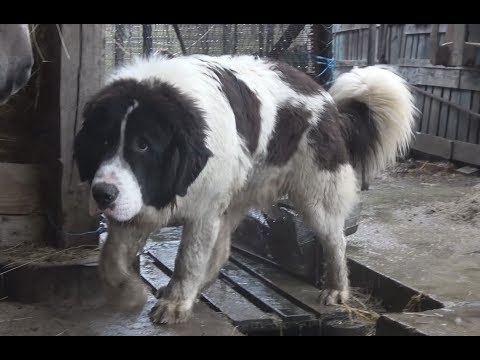
The Romanian Bucovina Shepherd they are huge dogs with a body slightly longer than the tall, powerful lower limbs and a horizontal, muscular back. Placed high on the body, its long tail is carried hanging at rest and rises in the back in a slightly upward curve when in the gazebo.

The head, which is wide and carried slightly higher than the body, blends in with the voluminous and moderately long neck, which forms an angle of 100 to 110 degrees with the rest of the body.

The muzzle is black, the eyes are relatively small in relation to the head, the powerful jaw is chisel-shaped and the V-shaped ears with rounded tips fall along the cheeks.

While the head and the front of the legs are covered with short hair, the rest of the body is covered with dense hair, long (6 to 10 cm.) and quite stiff. The coat is predominantly white, marked with black spots, gray or leonadas well defined. But, the standard of Romanian Bucovina Shepherd it also recognizes unbleached, uncoloured specimens that are completely white, white as snow, gray like ash or black.

Sexual dimorphism is well marked in the Romanian Bucovina Shepherd, being the male larger than the female.

Character and skills

The Romanian Bucovina Shepherd is a quiet dog, balanced, devoted and who loves children, what can make it an ideal dog for a family. On the other hand, especially wary of strangers, so it is important to socialize him from an early age with the people with whom he can come into contact: friends, neighbors, postmen…

Accustomed to guarding herds in the company of other dogs, coexists perfectly with its congeners and other pets that share its territory.

It is not aggressive at all, the Romanian Bucovina Shepherd they are not prone to attack without reason. On the other hand, their very protective character makes them react in a very intimidating way if they perceive an intrusion into their territory. However, Their growls and especially their serious and powerful barks are just a way to scare off "invaders" and are rarely a precursor to offensive action.. But, If you feel that your "family" (which is simply the herd that is in charge, if he has always lived like a sheepdog) is threatened, this extremely brave and protective dog risks going on the attack, without even backing down in front of a bear or a pack of wolves.

Independent and used to wandering alone in the wild mountains of Romania, the Romanian Bucovina Shepherd tolerates loneliness quite well and can be left alone for a few days without too much trouble, although he obviously prefers the company of his family. But, your ability to keep busy depends on having enough space to walk freely.

Due to its size, his resonant voice and his need for great spaces, the Romanian Bucovina Shepherd They are not dogs that can live comfortably in apartments and are not recommended for urban areas. They greatly prefer sparsely populated areas, where they can patrol their territory in peace and quiet without risk of unwanted encounters.

A very active and resistant dog, he needs daily physical activity and is happy to accompany his master on his long walks in the countryside.

Education ยซRomanian Bucovina Shepherdยป

"Romanian Bucovina Shepherd"

Pastor rumano de Bucovina
Dog of the months

The puppy's socialization phase is of primary importance for the puppy. Romanian Bucovina Shepherd, and it is very important that you meet your family very soon, to possible other household pets, as well as the other people and animals that you will meet regularly during your life. In effect, once adult, you find it difficult to accept a new person in your environment (including for example a prospective dog handler or dog behaviorist), although this is not impossible.

As an intelligent and obedient dog, can be easily trained and trained for his future role as a sheepdog or watchdog from his first birthday. Despite its independent nature, responds very well to positive reinforcement methods, but the teacher must ensure that he always maintains a strong and authoritative demeanor.

It also, instead of a long daily training session, it is advisable to opt for several short sessions spread throughout the day.

Health ยซRomanian Bucovina Shepherdยป

The Romanian Bucovina Shepherd it is a particularly healthy and resistant breed.

But, like most large breeds of dogs, are prone to hip dysplasia and elbow dysplasia. To reduce risks, you have to make sure that he does not undergo too much physical activity during his growth period.

Gastric dilation of the dog is another problem that can affect this breed. Due to ingestion of food too fast, especially if they are dry, can be life-threatening and requires urgent intervention by a veterinarian. To minimize this risk, it is recommended to leave large amounts of water available when the dog eats, divide his daily ration into at least two meals and let him rest after these meals.

Grooming ยซRomanian Bucovina Shepherdยป

The Romanian Bucovina Shepherd they are long-haired dogs that need to be brushed once a week, and even more often during the moulting period. Losing her hair galore, not recommended for people who do not like to find dog hair all over the house and always have a perfectly clean interior.

It also, at the end of winter, it is advisable to cut the hair between its pads to protect your dog from heat.

It is not necessary to bathe your dog unless, of course, is particularly dirty. In any case, no more than 2 or 3 times a year, as this can damage the natural protective layer of the skin.

On the other hand, it is necessary to regularly check the inside of the ears, since it is common for external parasites to hide there, and clean them well to avoid any risk of infection.

The dog's claws should be checked monthly and trimmed if natural wear and tear is not enough.

Feeding ยซRomanian Bucovina Shepherdยป

If he Romanian Bucovina Shepherd he has always been fed what his shepherd used to prepare for him, good quality commercial croquettes are today an ideal solution, If and when, of course, the manufacturer's recommendations are followed.

Bones are important in this dog's diet, so it can be useful to give him a bone to gnaw on from time to time. But, chicken bones and other poultry should be banned as they can cause serious damage to the digestive system.

It also, as with any dog รขโ‚ฌโ€นรขโ‚ฌโ€นat high risk of bloating-twisting stomach, the daily ration should be divided into 2 or 3 meals and ensuring that the dog remains calm during and after these meals. This means, for example, make sure he sees his food coming instead of discovering it in front of him when he wakes up, avoid having another animal around you when you eat, and do not stimulate him during his meal or in the following hour.

It also, is essential for Romanian Bucovina Shepherd have large amounts of fresh water available at all times.

Price ยซRomanian Bucovina Shepherdยป

a puppy of Romanian Bucovina Shepherd usually sold between 500 and 1000 EUR, but prices have tended to rise as the breed has been the subject of some interest after its recognition by the FCI. Males tend to be more expensive than females, and the price is higher when the animal has a smooth coat.

It is necessary to be well informed about the origin of the puppy and check the documents with the Romanian Canine Association. Since 2015, the breeding of dogs without a pedigree or not registered in the Romanian Stud Book is prohibited in Romania, and the marketing of these puppies is illegal.

Videos "Romanian Bucovina Shepherd"

Shepherd of Bucovina - Romania 2018
Ciobanesc de Bucovina – Romania 2018 by 1jagdterrier
Shepherd of Bucovina - Ilie Forest 2018
Shepherd of Bucovina – Ilie Forest 2018

Type and recognitions:

  • FCI CLASSIFICATION:
  • Group :
  • Section : . .

Federations:

  • FCI – Group 1 Herding dogs, Section 1 Sheepdogs โ“˜

FCI breed standard "Romanian Bucovina Shepherd"

Origin:
Romania

Date of publication of the valid original standard:
14.05.2018

Use:

Guardian of the flocks and excellent guard dog.


General appearance:

The Romanian Bucovina Shepherd is a large size dog, imposing, haughty and proud. The breed has obvious sexual dimorphism.

IMPORTANT PROPORTIONS:
The length of the body is slightly greater than the height at the withers. The length of the skull is
equal to the length of the snout.


Behavior / temperament:

Balanced, calm and loyal, likes children. He is a very good guardian of the flocks, brave and a true fighter against possible prey animals (bear, wolf and lynx). Has a loud bark. When strangers or animals approach, his bark is very loud, with a low tone. During the night he patrols around the house or the herd/flock.

Head:

Solid but not heavy, carried a little higher than the top line.

Cranial region:
  • Skull: Moderately wide, slightly domed. The upper profile of the skull and snout are slightly divergent.
  • Seen from the front the skull is slightly domed, seen from the side it is almost flat. Skull width: males: of 16 to 18 cms, females: of 15 to 17 cms, the zygomatic arches are moderately developed.
  • The occipital protuberance is inconspicuous.
  • Depression links (stop): Slightly pronounced.

facial region:

  • Truffle: Large and well developed, black.
  • Snout: Abrupt cut, the same length as the skull; well developed, progressively narrowing towards the nose but never pointed; strong jaw.
  • Lips: Thick and firm, heavily pigmented.
  • Jaws / Teeth: Strong jaws, full dentition, strong teeth, healthy and white, well placed, scissor bite. Pincer bite is tolerated.
  • Cheeks: Not prominent.

Neck:

Of average length, It's big and strong, without jowl.

Body:

Good resistance.

  • top line: Horizontal.
  • Cross: It is slightly evident.
  • Back: Strong and muscular.
  • Pork loin: Muscular and strong.
  • Rump: Muscular and moderately inclined towards the base of the tail.
  • Breast : Wide and deep, descending to the elbows, well arched ribs.
  • bottom line: slightly upward.

Tail:

High insertion, at rest pending; reaching or below the hocks; When the dog is alert or in action the tail is raised to the level of the back or slightly above, with a slight upward curve, never curled up on the back. Its cutting is prohibited.


Tips

PREVIOUS MEMBERS:

  • General appearance: Straight seen from the front or side. Blades: long, oblique, well muscled and well connected to the body. The scapulohumeral angulation is approximately between 100 and 110 degrees.
  • Arm: Moderately long, muscular.
  • Elbows: Glued to the body, with free movement.
  • Forearm: Strong, not too long.
  • Carpo (wrist): Strong.
  • Metacarpus: Short, slightly inclined.
  • Previous feet: Oval, compact and massive, fingers together and arched, black or ash-colored nails.

LATER MEMBERS:

  • General appearance: Muscular and strong. Normal posture.
  • Thighs: Medium long, widths, very muscular.
  • Knees: Femoro-tibial angle of 110 degrees approximately.
  • Legs: Moderate long, muscular.
  • Hocks: Widths, seen from the side at moderate angle. Seen from behind parallel to the median plane of the body.
  • Metatarsus: Strong and upright. The presence of dewclaws should not be penalized.
  • Hind feet: Oval, compact and strong. With black or ash-colored nails.

Movement:

Harmonious, elastic, well coordinated, giving the impression of effortless power. The preferred step is trotting. Exceeding will be penalized.

Mantle

PIEL: Thick, body-hugging with dark ash pigmentation.

  • Fur: The head and the front of the limbs are covered with short hair. The hair on the body is abundant, long (6-9 cm.), effortless power impression. The preferred step is trotting. Exceeding will be penalized. plane, straight and rough. The undercoat is shorter, very dense and soft and lighter in color. In the neck region the hair is much longer, forming a mane.; on the back of the front limbs the hair forms fringes, on the back of the hind limbs the hair is longer and forms breeches. The tail is thick hair.

COLOR

  • Cclassic smell: The main color of the coat is a light white or yellowish white with distinctive gray spots, black or black with red highlights. Small black or gray spots may appear on the legs. Tabby appearance on patches should be rejected.
  • Csolid odors: Solid Colored Individuals (no patches) are accepted but should not be encouraged: white, yellowish white, ashy gray or black.


Size and weight:

Altura to the cross:

  • Males: 68 to 78 cm., ideal 71-75 cm..
  • females: 64 to 72 cm., ideal 66-68 cm..

Tolerance: -4 cm. Weight: In proportion to height.


Fouls:

Any deviation from the aforementioned criteria is considered as a fault and the severity of this is considered to the degree of the deviation to the standard and its consequences on the health and well-being of the dog..

    • Lack of substance or too heavy.
    • Insufficient sexual character.
  • Absence of a non-PI tooth.
  • Short ears.
  • Short tail.
  • Subject too heavy or weak.
  • Because I cut it differently (less than 6 cm.)
  • Too long hair (more than 9 cm.)
  • Absence of mane or fringes on the limbs.
  • Tail curled or carried in the shape of a ring.
  • Flabby fingers facing in or out.
  • Elbows turned outward.
  • Heavy movement.

FALTAS GRAVES:

  • atypical expression.
  • Wiggly eyes, round.
  • Erect ears.
  • Loose or saddled top line.
  • Too short hair.
  • Curly or poorly textured hair.
  • yellow eyes
  • Eyes of different color one than the other (heterochromatic).
  • cow hooves.

FALTAS DISQUALIFYERS:

  • Aggressiveness or extreme shyness.
  • Any dog โ€‹โ€‹showing clear signs of abnormalities
  • physical or behavioral.
  • Lack of typicity.
  • Prognathism or enognatismo.
  • Absence of incisors or canines
  • albinism.
  • Natural absence of tail or tail with atrophy.
  • height below 64 cm or about 82 cm for males.
  • height below 60 cm or about 78 cm for female


N.B.:
  • Males should have two normal-appearing testicles fully descended into the scrotum.
  • Only functionally and clinically healthy dogs, with the typical conformation of the breed, should be used for parenting.

Lthe latest changes are in bold.Standard-FCI No. 349 / 09.01.2006 / IS

Source: F.C.I - International Cynological Federation

Alternative names:

1. Bucovina Sheepdog, Bucovina Shepherd, Southeastern European Shepherd (English).
2. Berger roumain de Bucovine, Berger de l’Europe du Sud-Est (French).
3. Ciobฤƒnesc Romรขnesc de Bucovina (German).
4. (em romeno: Ciobanesc Romanesc de Bucovina) (Portuguese).
5. (en rumano: Ciobฤƒnesc de Bucovina) (espaรฑol).

โ–ท The world of Pets: Dogs, cats, birds, reptiles, amphibians

Australian Shepherd
Estados Unidos FCI 342 - Sheepdogs

Pastor australiano

The Australian Shepherd It has a stable temperament and is good in nature.

Content

History

The Australian Shepherd It is a breed of dog of grazing which has developed on ranches in the West of United States. despite its name, the race, did not originate in Australia. It acquired its name because some of the dogs, Australian Shepherds arrived in United States with shipments of Australian sheep.

Race gradually rose in popularity with the rise of the riding following the first world war western. For many years, the Australian Shepherd, has been dog valued by farmers for its versatility and capacity of training inherent. The race has gained recognition, with its training capacity and the desire to please, and are highly respected for his skills in obedience. They became known to the general public through roundups, horse shows, and through Disney made-for-TV movies.

Physical characteristics

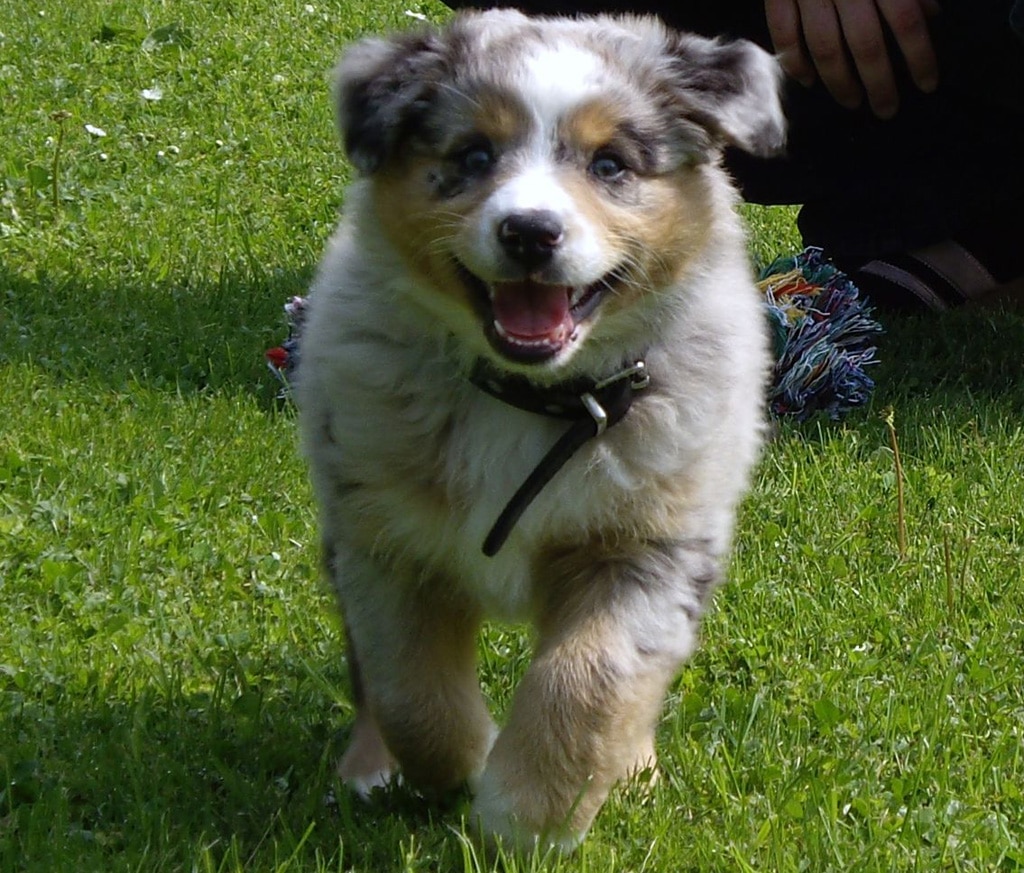
The Australian Shepherd is a dog from medium-sized and solid construction, known for its natural 'bob' or amputated tail. He is an active breed of grazing, generally very good with pets and other well-known people, but they can be reserved with strangers. They are not a fair race, tender, who prefer the company of their owners.

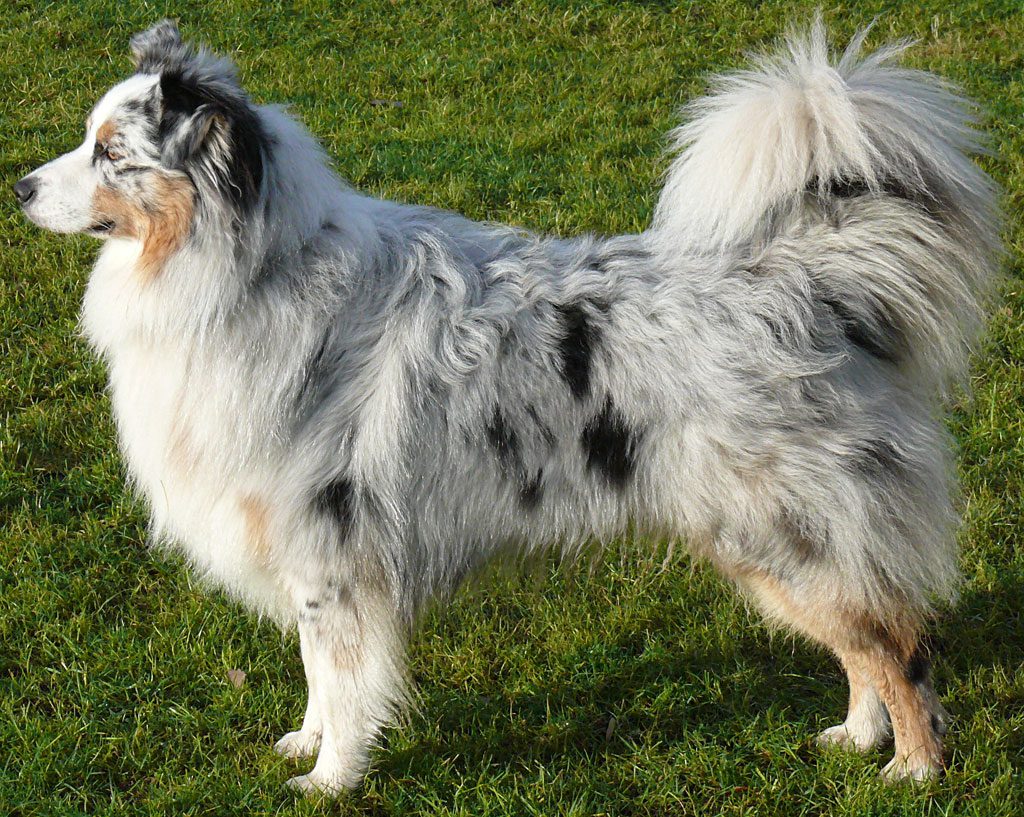
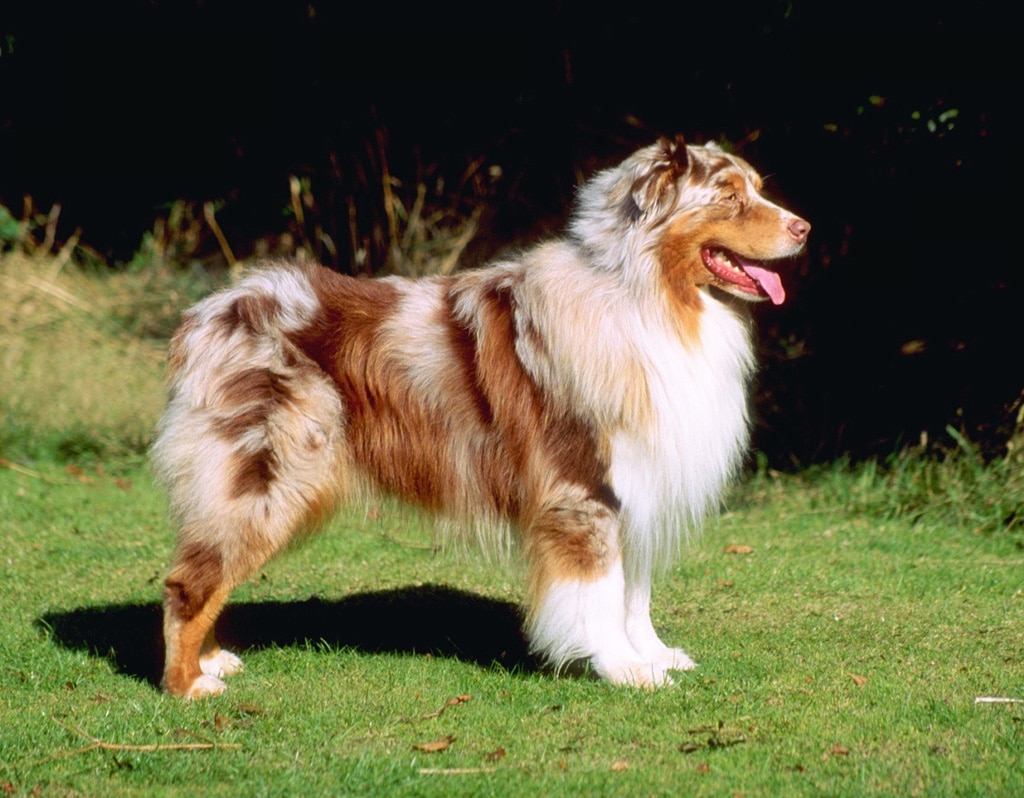
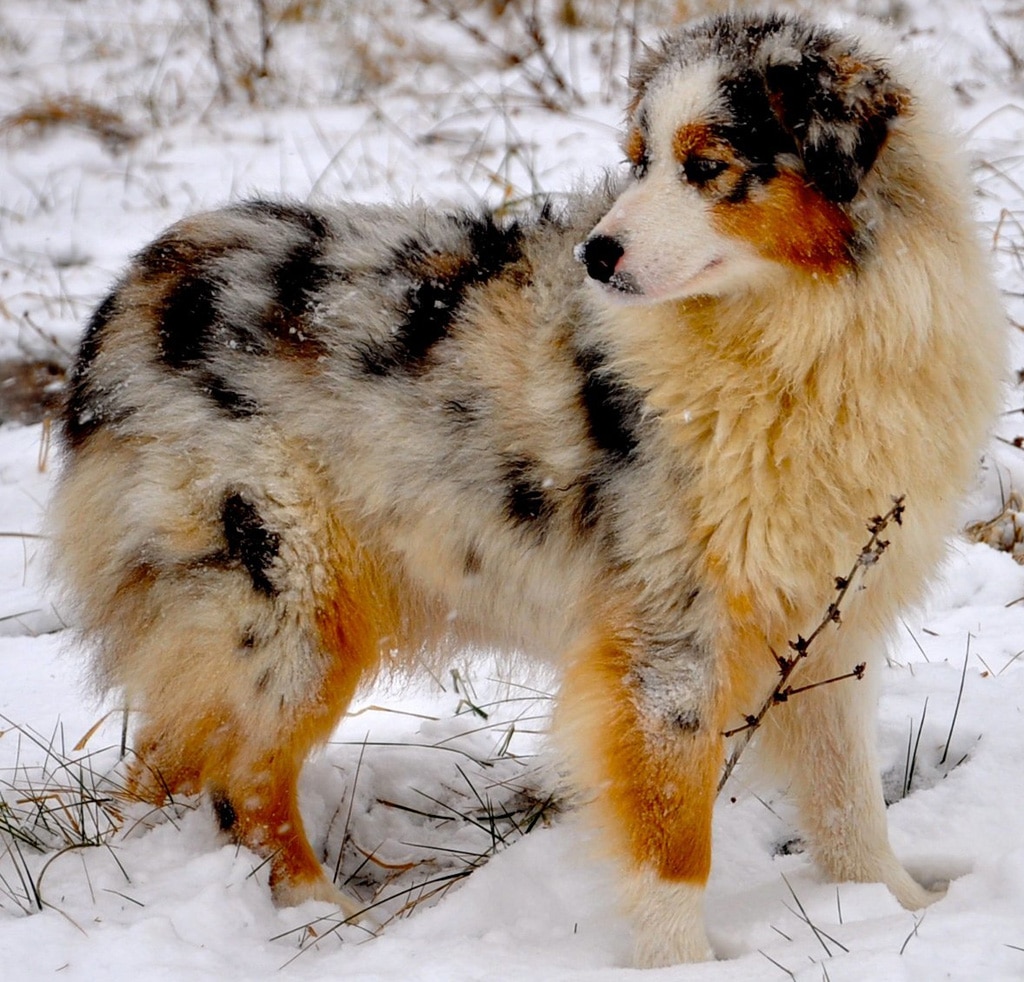
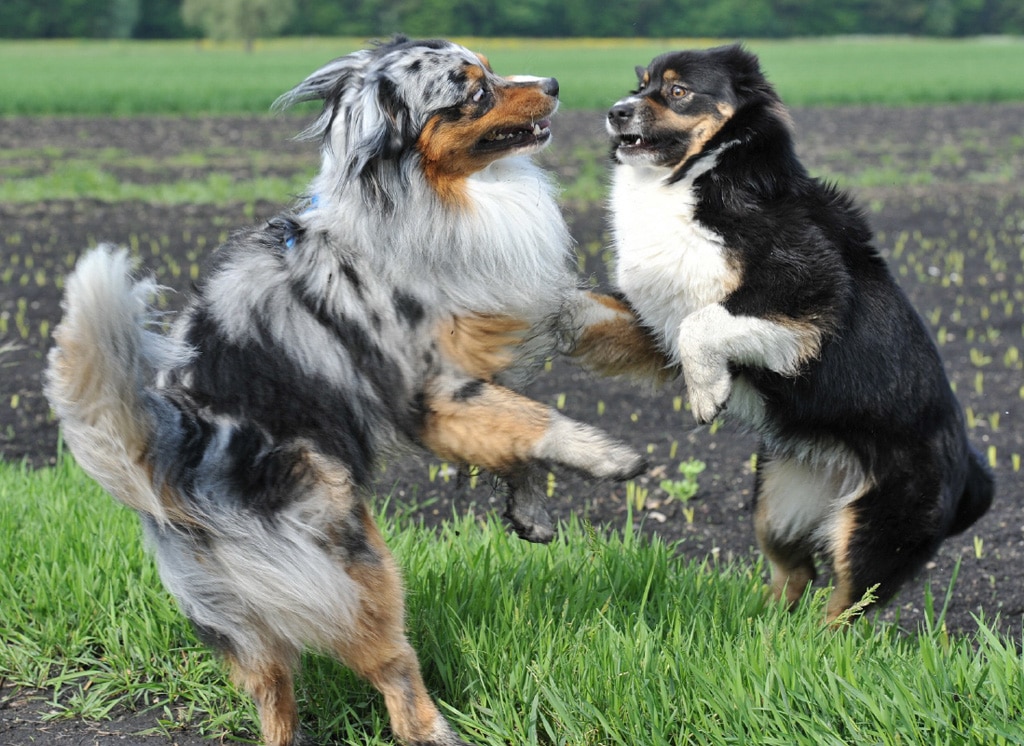
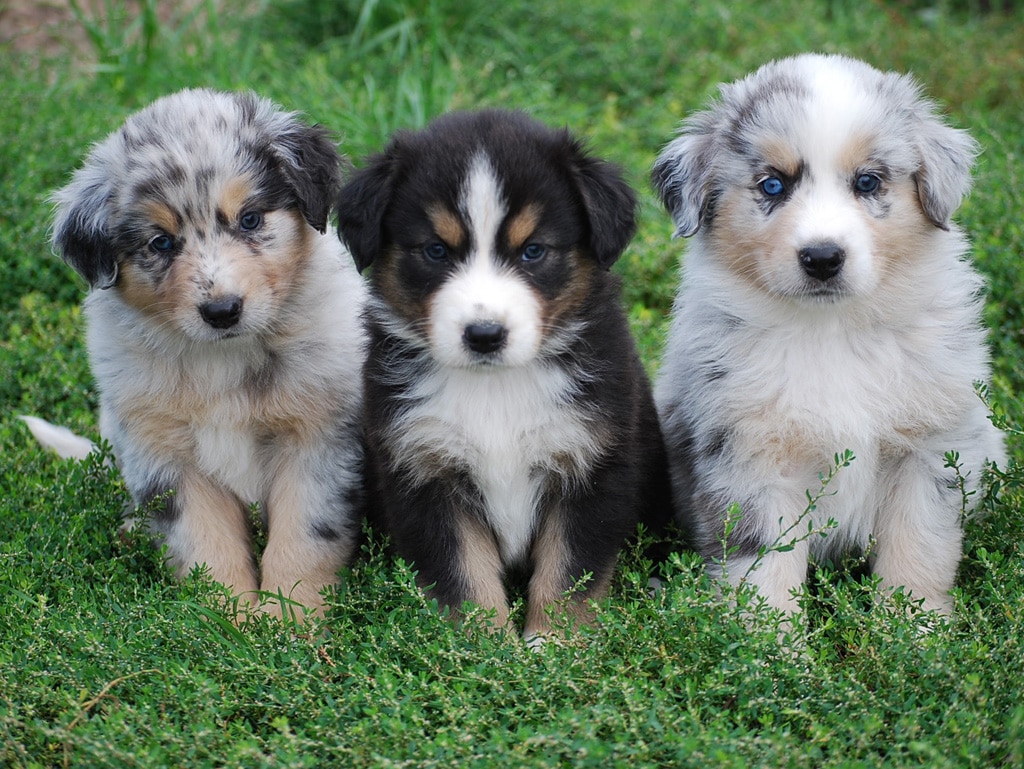
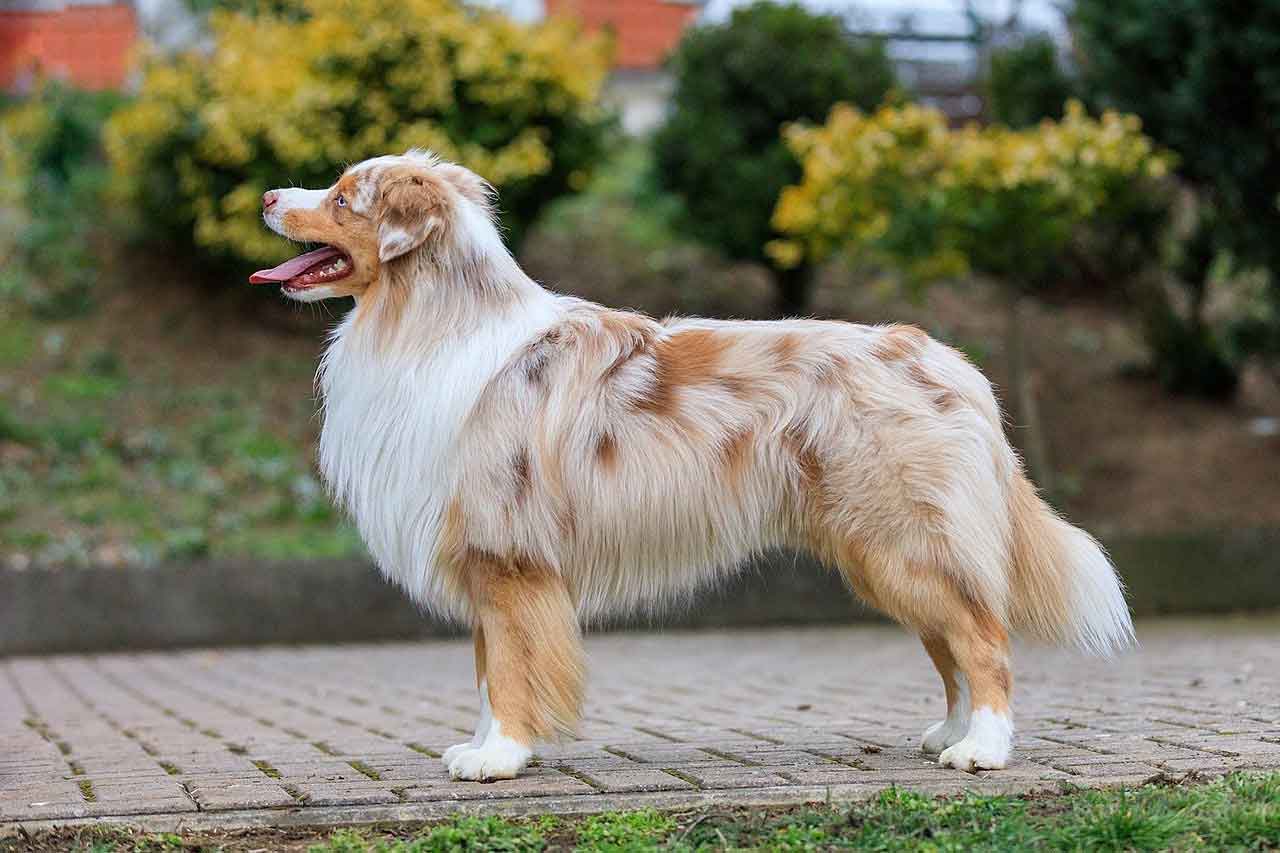
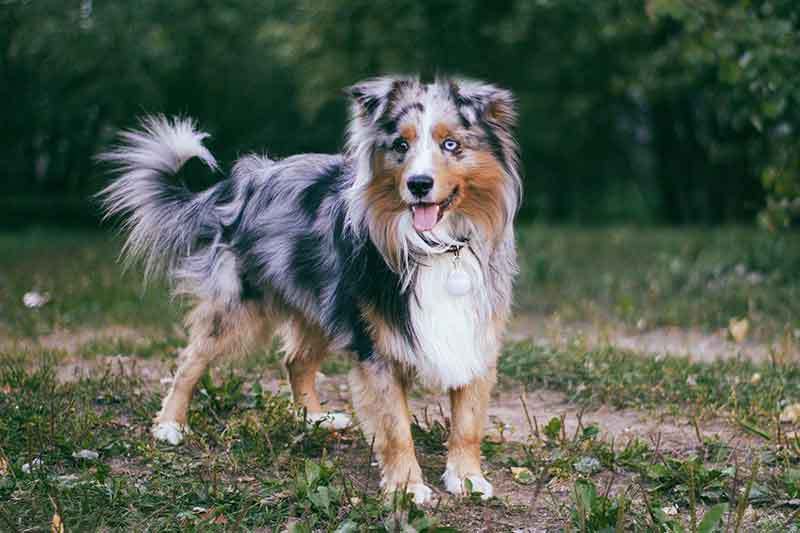
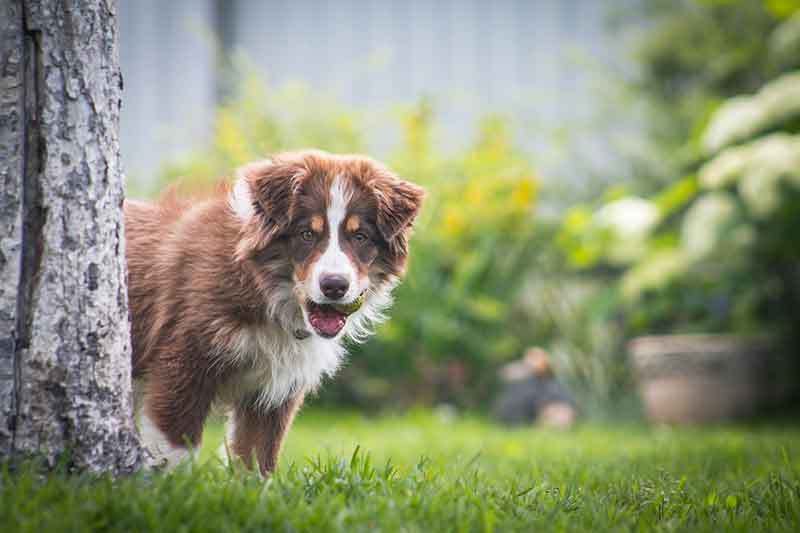
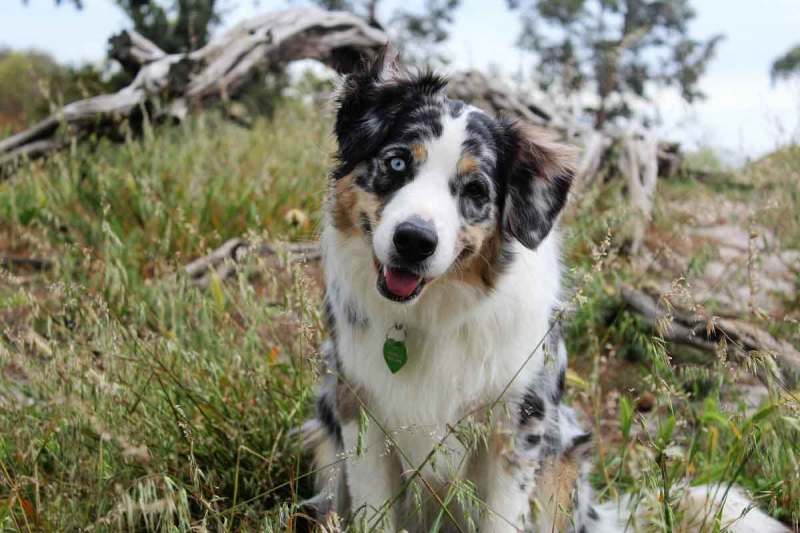
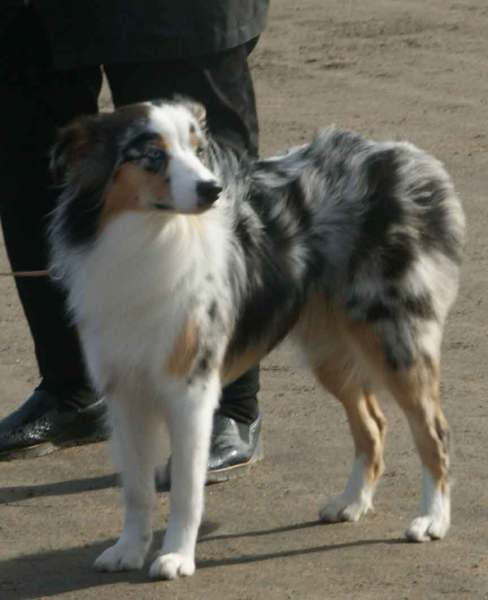
Its mantle is double layer, and the colors are black, red (sometimes called the liver), tricolor (black marble, White and grey), and the Red merle (red marble, White and beige), each of these colors may also have copper and / or white spots in various combinations in the face, the chest and legs.

The wide variety of color combinations comes from the interaction between the color of one allele, that is recessive, dominant or red black color, and the dominant allele marble. Together, They provide the color of the fur, and they can appear in any combination:

Negro, with spot color fire and / or white markings on the face, neck, legs, chest, belly. Copies of a black are equally valid as the Tan and / or white.

Red (liver), with or without points bronze and / or white markings on the face, neck, legs, chest, belly. White or Brown points are required.

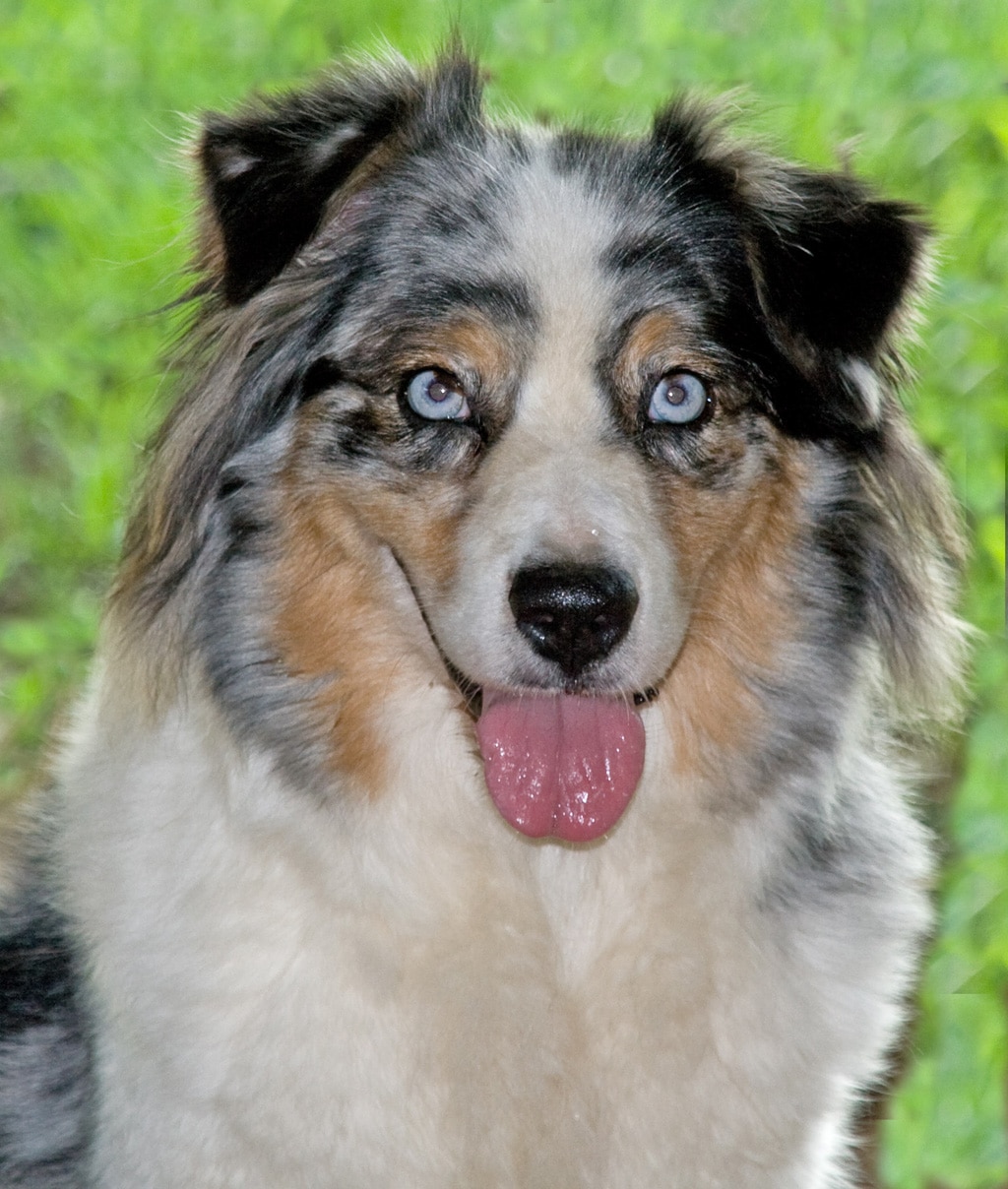
Blue Merle (a mottled patchwork of black and grey) with or without stain color fire and / or white markings on the face, neck, legs, chest, belly.

Red Merle (a variegated mosaic of cream and liver red) with or without stain color fire and / or white markings on the face, neck, legs, chest, belly.

There is also great variety in the color of the eyes australian shepherd, they can be of any color or shade of brown or blue, You can have two different colored eyes, or even have "split" or bicolor eyes (for example, Brown half, Blue half).

Character and skills

The race is usually is highly energetic, they require a large amount of exercise, education and care. The Australian Shepherd is playful, that is why it is good that training included days of games.

Like all races work, the Australian Shepherd you have considerable energy that you need to expend, therefore, need a job to do. Often stands in canine sports, such as agility, the flyball and the Frisbee . As well, are good as rescue dogs, disaster dogs, detection dogs, guide, service and therapy dogs.

They are very loyal to their owners, and they are grateful when they receive a good deal, and love. Because the breed was developed to serve at the ranch, a work that includes being protective of its property, usually always alert and slope of the movements of the environment.

The Australian Shepherd, is a dog Intelligent, learn quickly and loves to play. It is important that whoever assumes the responsibility of having such a dog, values that detail, because if you do not receive the necessary daily exercise, When they get bored they can become very destructive.

They require a minimum of 2 or 3 game hours per day, exercise and attention. They need space to run and play, If living in an urban environment.

It is a hardy breed that, It can live in a wide variety of terrain. For this reason they are a very popular choice for Trail dogs and working dogs.

Australian Shepherd Dog Health

All dogs have the potential to develop genetic health problems, just as all people have the potential to inherit a particular disease. Run, do not walk, from any breeder that does not offer a health guarantee on puppies, to tell you that the breed is 100 percent healthy and has no known problems, or tell you that your puppies are isolated from the main part of the home for health reasons. A reputable breeder will be honest and open about the breed's health problems and the incidence with which they occur in their lines..

The australian shepherds they are generally healthy dogs, but they can develop certain health problems, including hip dysplasia, various eye diseases, sensitivity to certain drugs and epilepsy. Here is a brief summary of what you should know.

The hip dysplasia is a genetic malformation of the hip socket. Dogs with hip dysplasia may appear perfectly normal, but because the head of the thigh bone does not fit properly in the hip socket, over time the cartilage on the surface of the bone begins to wear down. Constant inflammation leads to arthritis.

The Australians can be affected by a number of genetic eye problems. These include colobomas, in which part of the structure of the eye is missing. They can also suffer from different types of cataracts, progressive retinal atrophy (PRA) and retinal detachment. Another eye problem is persistent pupillary membrane, tiny threads of fetal tissue crossing over the iris. Australians are also among the races that can be affected by the Anomaly of the Collie Eye, a group of eye disorders ranging from mild to severe.

But, eye disease screening doesn't end with parents. All puppies should be examined by an ophthalmologist after six weeks of age and before you bring them home.. You should continue to have a veterinary ophthalmologist examine your eyes annually..

The Australians are also one of the breeds that can be affected by Multiple Drug Sensitivity (MDS). Dogs with MDS can have fatal reactions to a number of common veterinary medications., including preventive ivermectin against heartworm. Detection of these diseases not only in the parents of the puppy, but also in the dog, it's a life-saving need. The test is very simple and only requires a cheek smear.; information on how to test your dog is available here.

The epilepsy also occurs in the breed, but there is currently no screening test for seizure disorders in Australian Shepherds. A good breeder will be able to discuss the prevalence of all health problems, those who have and those without genetic testing, in the lines of their dogs, and help puppy buyers make an informed decision about your dog's health risks.

Not all of these conditions are detectable on a growing puppy, and it is impossible to predict whether an animal will be free from these evils, so you need to find a reputable breeder who is committed to raising the healthiest animals possible. Must be able to produce independent certification that the dog's parents (and grandparents, etc.) have been examined for common defects and considered healthy for breeding. That's where health records come in..

Careful breeders screen their breeding dogs for genetic diseases and breed only the healthiest, best-looking specimens., but sometimes mother nature has other ideas and a puppy develops one of these diseases despite good husbandry practices. Advances in veterinary medicine mean that in most cases dogs can still live a good life. If you are going to have a puppy, ask the breeder about the ages of the dogs in their lines and what they died of.

Remember that after you have welcomed a new puppy into your home, has the power to protect you from one of the most common health problems: the obesity. Keep a Australian Shepherd with a proper weight is one of the easiest ways to prolong your life. Make the most of your preventive skills to help ensure a healthier dog for life.

Grooming of the "Australian Shepherd"

The Australian Shepherd he has a lot of hair and his grooming needs may seem daunting, but taking care of it is not as much work as you might think. Brush your coat regularly to remove dead hair that would otherwise fall on your clothing and furniture.

Frequent brushing, hot baths and thorough drying during molting time, Spring and autumn, will help keep handfuls of hair under control. Outside the molting season, bathe the Australian only when it gets dirty.

The rest is basic care. Active Australian Shepherds often wear down their nails naturally, but it's a good idea to check them weekly to see if they need a cut. Otherwise, just keep your ears clean and brush your teeth frequently for general good health and fresh breath.

Characteristics "Australian Shepherd"

Coexistence is important that you have with your new friend. Before considering the acquisition of a dog of the breed "Australian Shepherd" you know certain factors. Not all breeds of dogs are apt to live in an apartment, you must take into account his character, their need for exercise, their interaction with other pets, their care and if you have small children, their level of tolerance towards them.

Adaptation โ“˜

5,0 of 5 stars (based on 1 review)

friendly dog โ€‹โ€‹โ“˜

3,0 of 5 stars (based on 1 review)

hair loss โ“˜

3,0 of 5 stars (based on 1 review)

Affection level โ“˜

4,0 of 5 stars (based on 1 review)

Need for exercise โ“˜

5,0 of 5 stars (based on 1 review)

Social need โ“˜

4,0 of 5 stars (based on 1 review)

Home โ“˜

3,0 of 5 stars (based on 1 review)

Toilet โ“˜

3,0 of 5 stars (based on 1 review)

Friendly with strangers โ“˜

2,0 of 5 stars (based on 1 review)

barking โ“˜

5,0 of 5 stars (based on 1 review)

Health โ“˜

3,0 of 5 stars (based on 1 review)

Territorial โ“˜

5,0 of 5 stars (based on 1 review)

Cat friendly โ“˜

3,0 of 5 stars (based on 1 review)

Intelligence โ“˜

5,0 of 5 stars (based on 1 review)

Versatility โ“˜

5,0 of 5 stars (based on 1 review)

Child friendly โ“˜

5,0 of 5 stars (based on 1 review)

Surveillance โ“˜

5,0 of 5 stars (based on 1 review)

joy โ“˜

5,0 of 5 stars (based on 1 review)

Images of the ยซAustralian Shepherdยป

ยซAustralian Shepherdยป Videos

Type and recognitions:

  • FCI CLASSIFICATION:Group –> Pastor and Boyeros dogs (except Swiss Cattle Dogs)
    / Section –> Pastor dogs. Without working trial.
  • FCI 342

Federations:

  • FCI – Group 1 Herding dogs, Section 1 Sheepdogs โ“˜
  • AKC – PASTORAGE โ“˜
  • ANKC – Group 5 (working dogs) โ“˜
  • CKC – Group 7 – Herding dogs โ“˜
  • โ€‹KC – Pastoral โ“˜
  • NZKC – Working dog โ“˜
  • UKC – Herding dogs โ“˜

FCI breed standard Australian Shepherd

FCIFCI - Australian Shepherd
Pastor

Alternative names:

1. Aussie (English).
2. Australian Shepherd (French).
3. Australian Shepherd (German).
4. Aussie (Portuguese).
5. Pastor ovejero australiano, Perro de pastor australiano (espaรฑol).

โ–ท The world of Pets: Dogs, cats, birds, reptiles, amphibians

Smooth Collie
Escocia FCI 296 . Sheepdogs

The Smooth Collie, today it is considered a variety of Border Collie in countries such as the United States and Canada

Content

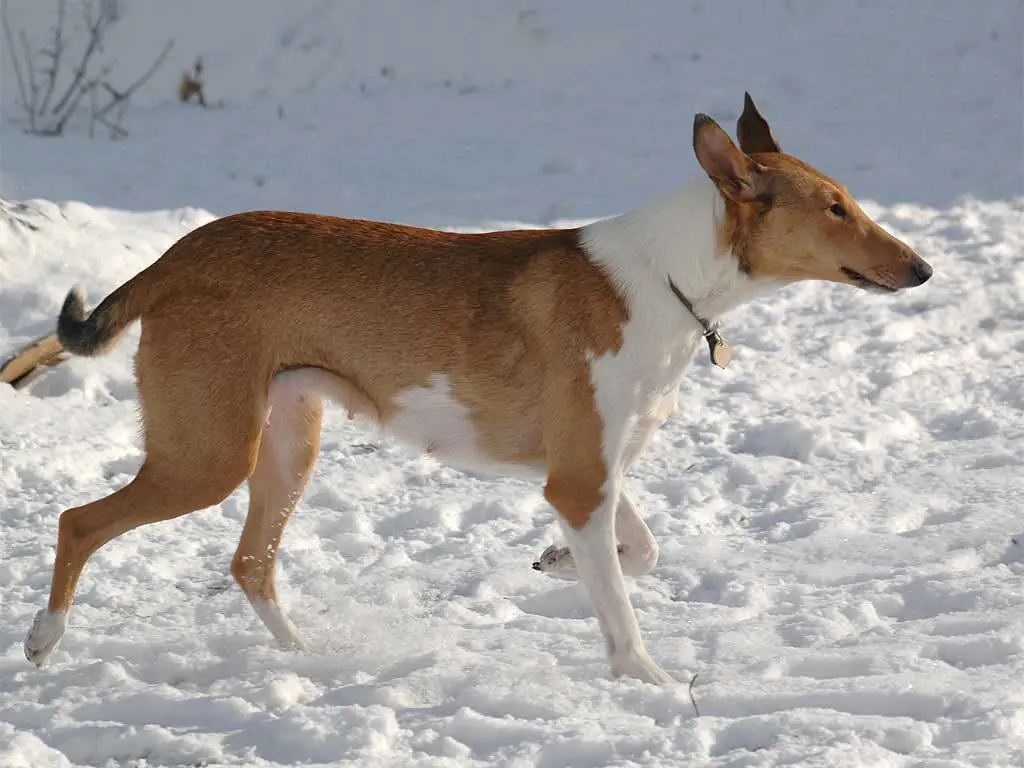
The Shorthair Collie is a breed of dog originally developed for grazing. It is a variety of the Border Collie. Some canine organizations, to the copies of Longhair and shorthair, classified them as variations of the same race.

History

The early history of Smooth Collie, like many breeds of dogs, It is largely a matter of speculation. The most common opinion of the breed is that they are descended from a population of sheepdogs brought to Scotland by the Romans in the 5th century. (See more information about the breed ยปCollieโ€).

The modern history of both Collie, the Smooth Collie and the Rough Collie, It began in the reign of Queen Victoria, He turned his attention in the dogs of the shepherds and ordered that they bring to their balmoral castle in Scotland, some specimens. In 1860 years. At that time, the interest of the Queen, made the breed fashionable Smooth Collie. Thus began the transformation of the farm dog breed, similar to modern Border Collie, Pet highlighting its aesthetics and preparation for dog competitions, sample, for example.

The Smooth Collie, today it is considered a variety of Border Collie in countries like the United States and Canada, which means that they can be crossed and in the statistical registers, are registered as โ€œCollieโ€ without specifying if it is a Rough Collie or a Smooth Collie.

In other countries, such as United Kingdom and Australia, they are classified as separate breeds, but for a very short time, the UK Kennel Club allowed the two varieties to be crossed until 1993.

Physical characteristics

The Smooth Collie it is a medium-sized dog pulling a large, the females measure of 56 to 61 cm. to the cross and the males of 61 to 66 cm.. Y, they weigh in 20 to 34 kg. Standard breed size varies by country, is the far larger in the range United States and Canada, and the smallest elsewhere.

The Collie's short hair is slightly longer than high, with a straight back and a deep chest. The characteristics of the head, especially "sweet", are considered very important in the ring. The breed has long snout, the flat skull and semi-erectas ears.

The layer is two-fold, one is soft and dense stuck to the body, and the outer layer is smooth and hard for a length of 2,54 centimeters, with the most dense hair around the neck forming a collar, and in the back of the thighs. The coat requires a weekly brushing. Unlike other Collie, It presents non bangs…, the hair is short.

The coat of the Smooth Collie it can be of the following colors:

  • Sand: the colour of the famous Lassie, that it goes golden light to dark mahogany. With white areas on the chest, neck, feet, legs, and the tail.
  • Tricolor: black, with spots of color fire and white. With white areas on the chest, neck, feet, legs, and the tail.
  • blackbird blue: that color is a gray marble silver black with spots of color fire. With white areas on the chest, neck, feet, legs, and the tail.

Character and skills

The Smooth Collie is generally a sociable dog, easy to train family. Although it is not an aggressive breed, It is always alert and barking when he noticed something unusual, It is therefore a great watchdog.

Dogs Collie -usually- they are agile dogs, assets and need regular exercise. It is easy to train, due to their high intelligence and eagerness to please their owners. The formation of this breed requires exclusive dedication and patience, they are sensitive to correction and hide if they feel badly treated or it sobre required.

They get along well with children, they tend to harmonize well with other animals that live in the House, they usually mix well with other dogs.

The Smooth Collie is-mainly- a family pet, You can compete in obedience, agility, grazing trials, and other canine sports. Some are still used as herding working dogs. (but less and less). They are also very useful as assistance dogs for people with disabilities..

It has a life expectancy of 12 to 14 years.

Type and recognitions:

  • FCI CLASSIFICATION:Group 1 –> / Sheepdogs and Cattle Dogs (except Swiss Cattle Dogs). Section 1 –> Pastor dogs. Without working trial.
  • FCI 296
  • Federations:
    • FCI – Group 1 Herding dogs, Section 1 Sheepdogs โ“˜
    • AKC – PASTORAGE โ“˜
    • ANKC – Group 5 (working dogs) โ“˜
    • CKC – Group 7 – Herding dogs โ“˜
    • โ€‹KC – Pastoral โ“˜
    • NZKC – Working dog โ“˜
    • UKC – Herding dogs โ“˜

FCI breed standard "Smooth Collie"

Origin:
Scotland, United Kingdom

Date of publication of the valid original standard:
24.06.1987.

Use:

Shepherd dog.


General appearance:

The short-haired Collie is a dog endowed with intelligence, vivacity and activity. He behaves with dignity as a result of his perfect anatomical structure, in which each part is in proportion to the whole. Its physical structure must show strength and activity, no signs of heaviness or coarseness. The expression is very important. When making a relative assessment, the balance and perfect combination of the skull and muzzle should be considered, size, form, eye color and location, and the correct position and bearing of the ears.


Behavior / temperament:

Cheerful and friendly, never nervous or aggressive.

Head:

The characteristics of the head are very important and should be considered in proportion to the size of the dog. The head, front or side view, has a well-drawn wedge shape, clearly truncated and smooth outline. The midpoint between the inner angle of the eyes constitutes the balance point of the length of the head.

Cranial region:
  • Skull: The skull is flattened. The sides taper gradually and smoothly from the ears to the tip of the nose.. Height
    Skull measure of supraorbital arcade to the submaxillary region should never be excessive (altogether not very deep).
  • Depression links (Stop): Light but noticeable. The midpoint between the inner angles of the eyes is the midpoint of a well-placed stop or depression.

facial region:

  • Truffle: Must always be black.
  • Snout: The smooth, well-rounded end of the muzzle is truncated, but never square or pointed.
  • Jaws/teeth: The lower jaw is strong and well delineated. The teeth are of a good size.
    Must have strong jaws, with healthy and complete teeth with scissor bite, that is to say that the inner face of the incisors
    superiors is in narrow contact with the outer face of the lower incisors and placed at right angles with the maxillas.
  • Cheeks: Not prominent.
  • Eyes: They are a very important characteristic that confer a sweet expression. Are medium-sized (never very small), placed is somewhat oblique position, almond-shaped and dark brown in color, except in those blue merle specimens in which the eyes (one or both eyes, or part of one or both) are blue or mottled blue. They have an expression full of intelligence, with a sharp and alert look when the dog is attentive.
  • Ears: Ears are moderately large, wider at the base and set not too close together or too far apart at the sides of the head. When the dog is at rest, they are thrown back, but when he is attentive, brings them forward and carries them erect, that is, approximately the first two thirds of the ear is erect and the upper third falls naturally forward, below horizontal.

Neck:

Muscular, strong, of good length and well arched.

Body:

  • Back: Straight and firm.
  • Pork loin: Slightly arched.
  • Breast : Relatively wide behind the shoulders. Well arched ribs.

Tail:

The tail is long, The last vertebra reaching at least the corvejones. When the dog is at rest, Tails the tail low but twists it slightly upward at the tip; when he is excited he can carry it happily but never on the back.

Tips

Former members

Previous members, straight and muscular, they must have moderate bones.

  • Shoulder: Oblique and well angulated.
  • Elbows: Neither close to the body nor protruding.
  • Forearm: The muscles have a certain thickness.
  • Metacarpus: Flexible, but not weak.
  • Previous feet: Oval, strong pads. Fingers should be arched and close together.
Former members

Well defined and wiry.

  • Thigh: Muscular
  • Knee: With good angle.
  • Hocks: The hocks must be well lowered and powerful.
  • Hind feet: Oval, strong pads. Fingers should be arched and close together.

Movement:

Movement is a distinctive characteristic of this race. A dog with good movements should never have his elbows turned outwards., however when it moves, your front feet stay relatively close together. Walking across the limbs is highly undesirable. longitudinally or laterally and swinging the body. Seen from behind, hindlimbs from hocks to ground should move parallel but not too close together; seen from the side, the movement is gathered. The hind limbs are powerful and give a lot of drive. A reasonably long stride is desirable, it should be light and effortless..

Mantle

  • Fur: The hair is short and smooth. The outer coat of hair is rough in texture; the inner layer is very dense. Should not be groomed or trimmed.
  • Color: Three colors are recognized: sable and white, tricolor and blue merle.
    โ€ข Cebellina: Any shade from light gold to dark mahogany or nuanced sable. The colors pale straw and cream
    They are highly undesirable.

    โ€ข Tricolor: Black color predominates with intense tan spots on the extremities and head. A reddish reflex
    About the fur is highly undesirable.

    โ€ข Blue merle: Light silver blue predominates, splashed and marbled with black. Deep tan markings are preferred, although its absence should not be penalized. Large black spots, slaty color or reddish reflections on the outer or inner layer are highly undesirable.

The specimens of all the colors mentioned must have the typical white marks of Collie in a greater or lower degree. The following brands are desirable: the total or partial white collar, the white bib, Member, white feet and tip of tail. A whitelist on the muzzle or head is allowed, or both. A completely white coat or in which white predominates is highly undesirable.


Size and weight:

Height to the cross:

  • Males between 56 and 61 cm..
  • Females between 51 and 56 cm..

Weight:

  • Males between 20,5 and 29,5 kg.
  • Females between 18,0 and 25,0 kg.


Fouls:

Any deviation from the aforementioned criteria is considered as a fault and the severity of this is considered to the degree of the deviation to the standard and its consequences on the health and well-being of the dog., and the dog's ability to perform its traditional task.

disqualifying fouls:
  • Aggressiveness or extreme shyness.
  • Any dog โ€‹โ€‹showing clear physical or behavioral abnormalities.


N.B.:
  • Males should have two normal-appearing testicles fully descended into the scrotum..
  • Only functionally and clinically healthy dogs, with the typical conformation of the breed, should be used for parenting.

The latest changes are in bold.

Source: F.C.I - International Cynological Federation

Alternative names:

1. Collie, Smooth Coat (English).
2. Colley (French).
3. Smooth Collie, KURZHAARIGER SCHOTTISCHER SCHAFERHUND (German).
4. Collie de pelo curto, Smooth collie (Portuguese).
5. Pastor escocรฉs de pelo corto (espaรฑol).


Breeders of the breed "Smooth Collie"

Where can we find out...

Collie Club of Spain

Email: infocollieclub@gmail.com

List of Breeders Smooth Collie recommended and recognized by the Collie Club of Spain:

Currently, There are no breeders of Smooth Collie in Spain. We called the Collie Club of Spain, to contrast the information.

They have also told us that in Spain there is no copies of the race even, several years ago there was a breeder of Collie breeds located in Madrid had two specimens, but they will already be old folks.

If a specimen is seen, it may be with English or French tourists… It is not a dog that has had much fame in our country, However in England or France, for example, they tend to be quite often.

If a reader is determined to have a Smooth Collie We leave you the websites and emails of breeders from France and England:

โ–ท The world of Pets: Dogs, cats, birds, reptiles, amphibians

Miniature American Shepherd
Estados Unidos FCI 270 . Sheepdogs

Miniature American Shepherd

With his alert expression, attentive and intelligent, the Miniature American Shepherd has all the qualities of Sheepdogs

Content

History

In forty years, Americans have managed to fix the characteristics of this new breed, from the strains of small Australian Shepherds. Recently, the American Kennel Club (AKC) agreed to integrate and, therefore, recognize the Miniature American Shepherd as a race in its own right, integrating it into the Herding Group โ€œShepherd Dogsโ€ … next to his ancestor, the Australian Shepherd.

In the decade of 1960, the little ones Australian Shepherd who worked on the United States rodeo circuit were selectively bred to further reduce their size. The new breed was originally called the Miniature โ€œAustralian Shepherdโ€. "They became especially popular with riders who traveled to horse shows, since his intelligence, "loyalty and size made them an excellent travel companion.", say the experts of the Club del Miniature American Shepherd from the USA. "In this way its popularity spread throughout the country."

Currently, the breed is recognized by the FCI (International Cynological Federation), in view of the number of breeders that are embarking on the selection of this breed of dog in Europe.

Photo: Buddyยป Miniature American Shepherd โ€“ Lost Island’s Roy ‘Arsenal’ Harper โ€“ bred by: Julia Bettendorf, Lost River Miniature American ShepherdsJugabe3b, CC BY-SA 4.0, via Wikimedia Commons

Physical characteristics

The Miniature American Shepherd shares many physical traits with its predecessor the Australian Shepherd, only on a smaller scale. The females measure between 33 – 43 cm at shoulder; the males between 35,5 – 46 cm.. Despite its size, they are every inch a real herding dog: energetic, versatile, robust and extremely bright. Striking fur comes in black, blue merle, red and red merle. (Merle exhibits any amount of marbling, spots or mottling.) The Miniature American Shepherd they move with the smooth, agile stride of a dog built for hard work on rough terrain.

Character and skills

With his alert expression, attentive and intelligent, dogs Miniature American Shepherd they have all the qualities of a little Shepherd dog, with a pronounced instinct to lead and watch over the herds. Easy to train, able to respond to a variety of demands that allow them to evolve in different sports disciplines. the Miniature American Shepherd However, they are reserved for people who are not familiar to them.. But once you "know" them, becomes a wild playmate, and capable of real feats, thanks to its agility and small size.
Like all working dogs, especially those able to work in their original profession, when in a situation with a herd of animals, their behavior changes and they become attentive and tireless helpers.

Its small size, your cleanliness reduced to a minimum, their adaptability and listening skills, greatly facilitate your life and your education in the city. But, like all shepherds, you need to spend and "empty" your overflowing energy. Beautiful walks and runs in the forest are essential to maintain your tone, his physical form and his playful character.

Health and nutrition

This solid and sturdy dog, just like their ancestors, does not pose any particular problem in feeding. His health is that of a dog from generations of working dogs, although many buyers take the step of having a companion dog that is easy to live with. Never forget where it comes from, as you deserve regular physical activity to maintain your figure and strength.

The Miniature American Shepherd is generally a healthy dog, and responsible breeders test their breed for health conditions, communicating with other breeders dedicated to working together for the health of the breed and the preservation of the unique qualities of the breed.

Although the Miniature American Shepherd it is a relatively healthy breed, the following complications have been observed:

  • Juvenile cataracts
  • PRA (progressive retinal atrophy)
  • Iris Colobomas
  • PPM (persistent pupillary membrane)
  • Regular visits to the vet for checkups and parasite control help ensure a long and healthy life for the dog.

    Grooming

    The Miniature American Shepherd has a double coat, with a longer outer coat and a wool underlayer. The breed shows a good amount, even more so during shedding season, which can happen once or twice a year. Weekly brushing, daily during molting season, will help remove dirt and loose hair and keep the dog looking its best. Balls or tangles can be resolved with a finer brush or metal comb. As in all races, nails must be trimmed regularly, too long nails can cause discomfort to the dog.

    Training

    As in all races, early socialization and training classes for puppies are recommended, which help to ensure that the dog becomes a well-adjusted and well-behaved companion. Smart and willing to please, the Miniature American Shepherd is highly trainable and will reach its best potential as a partner when taught at least basic obedience.

    Physical exercises

    The Miniature American Shepherd he is active and athletic, and requires a moderate amount of exercise but is also very adaptable to your family's way of life. They do well as city dogs as long as their owners provide them with enough exercise.. They enjoy outings with their people that will occupy both their mind and their body. They enjoy and excel at many dog รขโ‚ฌโ€นรขโ‚ฌโ€นevents, including obedience, agility and tracking.

    Characteristics "Miniature American Shepherd"

    Coexistence is important that you have with your new friend. Before considering the acquisition of a dog of the breed "Miniature American Shepherd" you know certain factors. Not all breeds of dogs are apt to live in an apartment, you must take into account his character, their need for exercise, their interaction with other pets, their care and if you have small children, their level of tolerance towards them.

    Adaptation โ“˜

    3,0 of 5 stars (based on 1 review)

    friendly dog โ€‹โ€‹โ“˜

    4,0 of 5 stars (based on 1 review)

    hair loss โ“˜

    3,0 of 5 stars (based on 1 review)

    Affection level โ“˜

    5,0 of 5 stars (based on 1 review)

    Need for exercise โ“˜

    4,0 of 5 stars (based on 1 review)

    Social need โ“˜

    4,0 of 5 stars (based on 1 review)

    Home โ“˜

    3,0 of 5 stars (based on 1 review)

    Toilet โ“˜

    2,0 of 5 stars (based on 1 review)

    Friendly with strangers โ“˜

    4,0 of 5 stars (based on 1 review)

    barking โ“˜

    3,0 of 5 stars (based on 1 review)

    Health โ“˜

    4,0 of 5 stars (based on 1 review)

    Territorial โ“˜

    4,0 of 5 stars (based on 1 review)

    Cat friendly โ“˜

    3,0 of 5 stars (based on 1 review)

    Intelligence โ“˜

    5,0 of 5 stars (based on 1 review)

    Versatility โ“˜

    5,0 of 5 stars (based on 1 review)

    Child friendly โ“˜

    4,0 of 5 stars (based on 1 review)

    Surveillance โ“˜

    3,0 of 5 stars (based on 1 review)

    joy โ“˜

    4,0 of 5 stars (based on 1 review)

    Images "Miniature American Shepherd"

    Photos:

    1 – Blue Merle Miniature American Shepherd by Lextergrace, CC BY-SA 4.0, via Wikimedia Commons
    2 – Miniature American Shepherd with Frisbee by Mullinspw, CC0, via Wikimedia Commons
    3 – Miniature american shepherd puppy by TanSinVic, CC BY-SA 4.0, via Wikimedia Commons
    4 – Miniature american shepherd by TanSinVic, CC BY-SA 4.0, via Wikimedia Commons
    5 – Miniature American Shepherd, blue merle, female by Canarian, CC BY-SA 4.0, via Wikimedia Commons
    6 – American miniature shepherd by https://pxhere.com/en/photo/1029669

    Videos "Miniature American Shepherd"

    Type and recognitions:

    • FCI CLASSIFICATION:
    • Group :
    • Section : . .

    Federations:

    • FCI โ“˜
    • AKC โ“˜

    FCI breed standard "Miniature American Shepherd"

    Origin:
    United States

    Date of publication of the valid original standard:
    04/09/2019

    Use:

    Utilization

    As the name suggests, is a herding dog. Can work in herds of farm animals (sheep, cows, horses).


    General appearance:

    The Miniature American Shepherd is a small sheepdog of the United States of America. It is slightly longer than it is tall with a moderate bone structure in proportion to its body size and weight without extremes.. His movements are fluid, easy and balanced. His exceptional agility combined with strength and ​​resistance allows you to work on a wide variety of terrain. This very versatile and energetic dog is an excellent athlete with great intelligence and a willingness to please those to whom he is present. dedicated. He is a faithful companion and a hard worker. His expression is attentive. Fur hairs, medium length and texture, can be solid in color or mixed with or without whiteness, with or without fires. Traditionally has no tail, shortened or natural short tail.
    A solid build with a mid-frame in relation to its size and weight. The structure of the dog reflects masculinity without being too rough for males.. Females appear feminine without being too light. Overall structure gives an impression of strength without being over the top.

    important proportions

    Length, measured from the tip of the sternum to the tip of the buttock, is slightly higher than the height, measured from the top of the cross to the ground.


    Behavior / temperament:
    The Miniature American Shepherd is an intelligent working dog. Has a pronounced instinct for behavior and keeping herds. He is an exceptional companion, versatile and very easy to educate. Although reserved with strangers, He is not shy. He is an energetic and long-lasting worker who adjusts his behavior and shows the right emotion for the task at hand. With his family he is protective, devoted and faithful.

    Head:

    ---

    Cranial region:

    Head

    The head must be clearly drawn and in proportion to the dog's body. The expression is alert, attentive and intelligent. The dog may express a reserved look and / or vigilant towards foreigners.

    Skull

    The skull is flat or slightly domed and may show a slight occipital protrusion. The width and length of the skull are equal.

    Depression links (stop)

    It is moderate but defined.

    facial region:

    Truffle

    The truffle is liver pigmentation for red or red merle and black subjects for black or blue merle subjects. Fully pigmented truffle is preferred.

    Snout

    Fades a bit of the truffle base and rounds out at the end. The length of the muzzle is equal to that of the skull in the profile. The top line of the skull and the chamfer line are slightly oblique to each other, and the top line of the skull forms a slight downward angle.

    Jaws / Teeth

    The teeth must be complete and in scissors. Dogs with broken teeth, missing or accidentally discolored will not be penalized.

    Eyes

    The eyes are obliquely set, in the form of almond, without projection or sunken and in proportion to the head. Whatever the color of the dress, all eye colors are allowed. Eyes are allowed, specks and specks. The edge of the eyelid has liver pigmentation for red or red merle subjects and black pigmentation for black or blue merle subjects.

    Ears

    The ears are triangular, medium-sized, attached to the top of the head. When is the dog attentive, fold back or to the side, ru รย รยพรยทรยฐ.

    Neck:

    The neck is solid and in proportion to the body, is of medium length and slightly curved. Neck fits well between shoulders.


    Body:

    Generality

    The body is firm and well muscled but without exaggeration.

    Back

    Firm and straight in static as well as in motion.

    Pork loin

    Strong and wide seen from above.

    Rump

    Moderately inclined.

    Breast

    The chest is full and deep. Reaches elbow with well-curved ribs.

    bottom line

    Moderately elevated.

    Tail:

    Traditionally has no tail, shortened or natural short tail. The long, uncut tail can form a slight curve when the dog is around. Resting. When the dog is moving, can be used with a slightly steeper curve.


    Tips

    Former members

    Generality

    The front legs are well muscled and balanced with the hindquarters.

    Shoulder

    Shoulders are long, plans, quite close to the withers and well inclined.

    Arm

    The humerus should be the same length as the scapula and form a right angle with it.

    Elbow

    The elbow joint is equidistant from the floor and the tourniquet. The elbows should be close to the ribs.

    Forearm

    They are straight and strong. The bone is oval instead of round.

    Metacarpus

    Metacarpals are short, thick and strong but still flexible, showing a slight angle seen from the side.

    Front feet

    The feet are oval, compact, with tight fingers. The toes are well arched. The pads are thick and elastic. Nails are short and hard. Lugs can be removed in countries that allow the practice.

    Later members

    Generality

    The width of the hindquarters is equal to that of the front hand at the shoulders. รยญรยปร‘ล’ angle, roughly right, formed by the scapula and humerus corresponds to that formed by the pelvis and thigh.

    Knee

    Hot flashes are clearly drawn.

    Hock

    The hocks are short, perpendicular to the ground and parallel to each other as seen from behind.

    Rear feet

    The feet are oval, compact, with tight fingers. The toes are well arched. The pads are thick and elastic. Nails are short and hard. Lugs can be removed in countries that allow the practice.

    Movement:

    The steps are fluid, clear and easy. The American Mini Shepherd shows great ease in his movements with well covered strides. The forelimb and hindlimb move in planes parallel to the median axis. As speed increases, front and hind legs converge toward the median plane, while the top remains firm and horizontal. The Miniature American Shepherd must be agile and able to change course and pace instantly.


    Mantle

    Fur

    The hair is of medium and long texture, straight to wavy. The inner layer varies according to the seasons. Hair is short and straight on the head and the front of the front legs. The back of the front legs and the panties are moderately provided. The mane and culture are more marked in males than in females. The ears, the feet, the back of the hocks and tail can be fixed. The dog must be presented with natural hair.

    Color

    The colors are varied and unique. In no order of preference, recognized colors are black, red, merle blue and merle red. The blackbird will be exposed with any number of stains, spots or stains. Undercoat may be slightly lighter than undercoat hair. Asymmetric markings are not a defect.
    No fire marks required (Sun tanning). When they are present, are allowed in the following locations: around the eyes, in feet, in the legs, below the neck, in the face, at the bottom of the ear, under the base of the tail, and panties can also emphasize the end result. The tone of the marks "fire" can range from creamy beige to black red, no preference.
    White markings are not mandatory and must not be invasive. They are limited to the mouth, cheeks, skull, neck, with a partial or full collar, chest, belly, forelimbs and hindquarters to the end of the hock. The tip of the tail may be white. The eyes must be completely surrounded by color. Rolling eyes are forbidden. The ears should preferably be completely covered with colored hair. If there is white in the ear, should not be more than 25% in one ear.


    Size and weight:

    Size and weight

    Height to the cross

    The size for males should be between 35,5 cm and 45,5 cm to the cross.
    The size for females should be between 33 cm and 43 cm to the cross.


    Fouls:

    Any deviation from the above mentioned criteria is considered to lack, and the severity of this is considered the degree of deviation from the standard and its consequences on the health and well-being of the dog and the dog's ability to perform its traditional task.

    Serious misconduct

    ▷Ears hanging or fully erect.
    ▷25 to 50% unpigmented truffle.
    ▷Atypical hair.
    ▷White markings covering more than 25% from the surface of the ears.
    ▷The hair roots of a white necklace protruding from the cross.

    disqualifying fouls:

    ▷Aggressive or shy dog.
    ▷Lack of type.
    ▷Size at the withers outside the limits of the standard: less than 35,5 cm and more than 45,5 for males, less than 33 cm and more than 43 cm for females.
    ▷More than 50% unpigmented truffle.
    ▷Color no compatible, different from those allowed by the standard.
    ▷The color of the mucous membranes does not match the dress.
    ▷Non-pigmented hairs.
    ▷Eyes not completely colored.
    ▷White tasks in another place that is not specified in the standard.
    ▷The lowest or highest prognathism.
    ▷Cryptorchid or perro monorchid.


    N.B.:
    NB:
    • Any dog โ€‹โ€‹showing clear signs of physical or behavioral abnormalities must be disqualified..
    • The aforementioned fouls that are more pronounced or more marked are eliminatory..
    • Males should have two normal-appearing testicles fully descended into the scrotum..
    • Only functionally and clinically healthy dogs, with the typical conformation of the breed, should be used for parenting.

    Source: F.C.I - International Cynological Federation

    Alternative names:

    1. Miniature Australian Shepherd, MAS (English).
    2. Miniature Australian Shepherd (French).
    3. Miniature Australian Shepherd, Mini-Aussie (German).
    4. Miniature Australian Shepherd (Portuguese).
    5. Miniature Australian Shepherd (espaรฑol).

    โ–ท The world of Pets: Dogs, cats, birds, reptiles, amphibians

    Schipperke
    Bรฉlgica FCI 83 . Sheepdogs

    Schipperke

    The Schipperke is a happy dog, resistant, energetic, a skillful Hunter and good guardian.

    Content

    History

    The origins of the Schipperke they are very old. Already, In documents dating from the end of the 17th century, there is talk of a dog whose characteristics perfectly describe a specimen of Schipperke, who lived mainly with the midwives of the Saint Gรฉey neighborhood of Brussels.

    It is the typical dog of the shoemakers of that time that, In addition to making shoes, they used to organize very peculiar dog shows., Since that most importantly was not the aspect of canine copy but the necklace that had been, manufactured by hand by the shoemakers.

    Some authors speak of a legend that, somehow describes a key feature of this dog.

    Apparently, in one of those dog shows a zapatero not endured defeat and moved by the ira that it caused him to lose in an outburst was and cut off the tail to the winning dog.

    But, against all odds the copy of the amputated tail was so successful that thereafter the amputation of the tail began to apply to all copies.

    On behalf of the race comes from the Flemish, Schipperke means "little boatman". And the man was given because this dogs accompanied the archers that pass through the channel of Flanders, they were aboard the boats eliminate any small vermin that would cast and also performed guard duties, given that barked furiously to any strange.

    With how small it is, it is a dog that has many typical characteristics of large breeds.

    The Schipperke It is one of the smallest Spitz-type, with which it shares much similar. Among those breeds of medium to small size similar in appearance to the Schipperke, in different parts of the world we find the Wolfsspitz (Keeshond), GroรŸspitz, Mittelspitz, Kleinspitz, Zwergspitz (Pomeranian), Samoyed, the Norwegian Elkhound, Volpino Italiano, Secular, Finnish Spitz, India Spitz, Japanese Spitz and the American Eskimo dog.

    The Schipperke was first recognized as a standardized breed in the year 1880, but was formalized in the year 1889. Much of what is known of its origins and early history comes from Hunting and fishing, a Frenchman who wrote for the magazine ยซHunting and fishingยซ, articles of which were translated into English and published by the English magazine ยซEl Stockkeeperยป.

    Physical characteristics

    At first sight, the Schipperke looks like a Belgian Shepherd Groenendael miniature.

    It is of a small dog, very elegant but well made and muscular. Its quite similar to a Fox head, with a broad forehead that narrows as the eyes approach.

    There are two varieties, whose only distinction is the weight. In the smaller of 3 to 5 kg and the largest of 5 to 9 kg.

    The snout It is sharp and has a pronounced stop. The ears are small, triangular and slightly separated.

    The eyes they are brown in color and rather oval shaped. Its characteristic coat is made up of long, very black hair and is totally waterproof.. It is significantly longer in the collar area, horsehair, the bodice and back of legs.

    The color The only one recognized by the FCI is the chestnut black. As they grow older, It is normal to be detected small of coloration forming a gray color in places such as the snout.

    The puppies are born with tails in different lengths, and in Canada and the United States, the tail is usually docked the day after birth. In countries that have a ban on tail docking, the Schipperke they show off their natural tail, It falls curved over the back of the dog.

    Character and skills

    They are curious by nature and overflow with energy, they need enough exercise and good monitoring.

    Known for his stubborn temperament, mischievous and stubborn, to the Schipperke it defines, times, As the "small black Foxยซ, he "Black Tasmanian Devil" or the "black devilยซ.

    Proper training is important, because they are very intelligent and independent, and that coupled with the stubbornness… bad combination, they are what gives them the win. They are territorial, and they can not get along with other males.

    The Schipperke has no particular health problems, they tend to live until the 17 or 18 years. But, inactivity, lack of exercise and overnutrition are very harmful, and can lead to problems in the joints, the bones and the conditions of the teeth, heart, lung or digestive system.

    The regular weekly brushing is usually sufficient to keep the coat in good condition. No need to cut hair, they tend to move it several times a year (the females, more than males).

    Observations

    The Schipperke, is the ideal companion for lovers of horse-riding, post that usually develops in a natural way a very close relationship between this dog and horses.

    It is also the dog ideal for excursions, Despite its small size it is tireless.

    Characteristics "Schipperke"

    Coexistence is important that you have with your new friend. Before considering the acquisition of a dog of the breed "Schipperke" you know certain factors. Not all breeds of dogs are apt to live in an apartment, you must take into account his character, their need for exercise, their interaction with other pets, their care and if you have small children, their level of tolerance towards them.

    Adaptation โ“˜

    4,0 of 5 stars (based on 1 review)

    friendly dog โ€‹โ€‹โ“˜

    4,0 of 5 stars (based on 1 review)

    hair loss โ“˜

    3,0 of 5 stars (based on 1 review)

    Affection level โ“˜

    3,0 of 5 stars (based on 1 review)

    Need for exercise โ“˜

    5,0 of 5 stars (based on 1 review)

    Social need โ“˜

    2,0 of 5 stars (based on 1 review)

    Home โ“˜

    2,0 of 5 stars (based on 1 review)

    Toilet โ“˜

    2,0 of 5 stars (based on 1 review)

    Friendly with strangers โ“˜

    3,0 of 5 stars (based on 1 review)

    barking โ“˜

    3,0 of 5 stars (based on 1 review)

    Health โ“˜

    4,0 of 5 stars (based on 1 review)

    Territorial โ“˜

    5,0 of 5 stars (based on 1 review)

    Cat friendly โ“˜

    3,0 of 5 stars (based on 1 review)

    Intelligence โ“˜

    4,0 of 5 stars (based on 1 review)

    Versatility โ“˜

    4,0 of 5 stars (based on 1 review)

    Child friendly โ“˜

    5,0 of 5 stars (based on 1 review)

    Surveillance โ“˜

    4,0 of 5 stars (based on 1 review)

    joy โ“˜

    5,0 of 5 stars (based on 1 review)

    Images of the ยซSchipperkeยป

    Videos del ยซSchipperkeยป

    Type and recognitions:

    • FCI CLASSIFICATION:
    • Group :
    • Section : . .

    Federations:

    • Federations: FCI โ“˜, AKC โ“˜, ANKC โ“˜, CKC โ“˜, โ€‹KC โ“˜, NZKC โ“˜, UKC โ“˜

    FCI breed standard "Schipperke"

    Origin:
    Belgium

    Date of publication of the valid original standard:
    28.07.2009

    Use:

    Small guard and companion dog


    General appearance:

    Lupoide, the Schipperke is a small-sized shepherd, but of very solid construction. His head is cuneiform, well developed skull and relatively short snout. Your body is harmonious, short, quite wide and compact, but the limbs have fine bones. Its fur is very characteristic, very abundant and straight that forms a necklace, horsehair, bib and pants, which gives it its unique silhouette. Sexual dimorphism (sexual differentiation) is marked. Its morphology, as well as
    its characteristics and its shepherd dog character, all this in a small size, explain their great popularity, that extends far beyond the Belgian borders.
     
    IMPORTANT PROPORTIONS:

    • The height at the withers is equal to the length of the body, is therefore a square-built dog.
    • The chest is well lowered to the level of the elbows.
    • The muzzle is visibly less long than half the length of the head.


    Behavior / temperament:

    An excellent little watchdog, exceptional "warning", overflowing with vitality, distant with strangers. Always in movement, agile, tireless, continually busy with what's going on around you, very aggressive when it comes to taking care of the objects that have been entrusted to him, very sweet with children, always curious to know what happens behind a door or an object that is going to be moved, betraying his impressions with his shrill voice, his mane and bristling dorsal hairs. He's a sniffer who hunts rats, moles and other vermin.

    Head:

    Form Lupoid, cuneiform, but not too long, and wide enough to be in harmony with the rest of the body. The supraorbital and zygomatic arches are moderately arched. The transition of the cranial region to the facial region is visible, but it is not very pronounced.

    Cranial region:

    Fairly broad forehead, drops into the eyes, profile view is slightly rounded. The upper lines of the skull and the nasal passage are parallel.

    • Depression front naso (Stop): Marked, but without exaggeration.

    facial region:

    • Nose: Small, Truffle always black.
    • Snout: It is made more pointed towards the region of the truffle ; well chiseled, not very long, the tip is not truncated; the length is approximately 40% the total length of the head ; straight nose cane.
    • Lips: Blacks, well together.
    • Jaws/Teeth: Healthy and well implanted teeth. ยซScissors biteยป. A "pincer" bite is accepted.. Complete denture, the dental formula for. The absence of one or two premolars is acceptable 1 (1 PM1 or 2 PM1) or a premolar 2 (1 PM2) and are not taken into consideration the molars 3 (M3).
    • Cheeks: Droughts, they blend smoothly with the sides of the snout.
    • Eyes: Dark brown in color, small, almendrada form, or sunk, or prominent ; the look is mischievous, intense and penetrating; the eyelids are lined in black.
    • Ears: Straight, very small, pointy, triangular (the more possible equilateralmente), set high, but not very close together, firm, excessively mobile.

    Neck:

    Strong, powerfully muscular; It seems more bulky because of the abundant hairs on the collar. Is medium length, well loose, good sized, is more erect when the dog is attentive, with the slightly arched top margin.

    Body:

    Short and broad, therefore compact, but not too bulky or heavy, Ideally square (inscriptible in a box). So that, its length, from the tip of the shoulder to the tip of the buttock, It is approximately equal to the height at the withers.

    • top line: The top margin of the back and the spine is straight and taut, often it rises slightly from rump to cross.
    • Cross: Very sharp. It seems even more raised because of the mane.
    • Back: Short, straight and strong.
    • Pork loin: Short, broad and compact.
    • Rump: Short, wide and horizontal; the rear of the rump, and therefore the union between the rump and the tip of the buttock, It is harmoniously rounded, what is known as โ€œguinea pig buttโ€.
    • Breast : Well descended to the level of the elbows; wide in front and behind the shoulders, so that, the ribs are well arched; profile, the front part of the chest (backsplash) is well prominent.
    • bottom line: The lower part of the chest is well descended, reaching to the elbows, upload lightly and harmoniously towards the belly, It is slightly raised, or pendant, or agalgado (withdrawn).

    Tail:

    High implementation. Some dogs are born Anurans (completely tailless) or with rudimentary or incomplete queue (stump tail or short tail) and they may not be penalized by this. At rest, a natural tail (at least reaches the Hock) should preferably be dropped and can be raised in action, in the extension of the top line, but it is preferable that it does not exceed. Accepted the tail curled or carried on the back.

    Tips

    Thin bones that are well below the body.

    PREVIOUS MEMBERS

    • As a whole: They are well aplomados seen from all angles, and they are perfectly parallel, seen from the front; its length, from the ground up to the elbows, It is almost equal to the half of the height at the withers.
    • Shoulder: Long and well oblique, the angulation of the shoulder is normal.
    • Arms: Long and enough oblique.
    • Elbows: Firms, or peeled, or together.
    • forearms : Straight, seen from the front are quite separate.
    • Carpi (dolls): Smooth and firm.
    • Metacarpus: Rather short. Seen from the front, in straight prolongation of the forearms, profile, at least very slightly inclined.
    • Previous feet: Small, round and together (ยซ cat's foot ยป); the arched toes; short nails, strong and always black.

    LATER MEMBERS

    • As a whole: They must be under body, and be perfectly parallel, seen from the back.
    • Thighs: Long, very muscular. They seem to be wider due to the dense pants.
    • Knee: Approximately in composure with the rump; the angle of the knee is normal.
    • Legs: Approximately of the same length as the thighs.
    • Hocks: good angulation, without exaggeration.
    • Metatarsals: Rather short; the presence of spurs is not desirable.
    • Hind feet: As the front or a little bit longer than.

    Movement:

    At a trot, the movements are elastic, firm, with median amplitude, a good boost of the hind, the back stays horizontal and members move in parallel ; The movement of the forelimbs must be in harmony with that of the hindlimbs and the elbows must not separate. At a higher rate, Members converge.

    Mantle

    • SKIN: Tight all over the body.
    • Fur: The outer layer of hair is abundant, dense, straight, enough hard, of fairly firm texture, therefore, is dry and sturdy to the touch, and shape with the inner layer of hair, It is soft and dense, excellent protection. Hair is short on the ears and short on the head, the front of the previous members, hocks and rear cannons. On the body, the hair is medium length and glued.

    Around the neck the hair is much longer and more separate, starting at the outside edge of the ears, forming, especially in the male, but also in the female, a wide and very typical ยซnecklaceยป (long hairs around the neck, on each side stem), a "mane" (long hairs on the upper region of the neck, that extend even over the cross and even the shoulders) and a "bib" (long hairs on the lower region of the neck and the front of the chest (backsplash), that spread between the forelimbs and are progressively completed under the breast). On the back of the thighs, long and abundant hairs, that cover the anal region and whose tips are directed inward in a very typical way, they form the ยซtrousersยป. The tail is adorned with a hair of the same length as the body hair.

    • Color: Negro backpack. The inner layer of hair should not be absolutely black, but it can be also dark gray if it is covered entirely by the outer layer of hair. Are accepted a little gray due to age, for example on the snout.


    Size and weight:

    Weight: Of 3 to 9 kg. Looking for an average weight of 4 to 7 kg.


    Fouls:

    Any deviation from the above mentioned criteria is considered an absence and severity of this refers to the degree of deviation to the standard and its impact on the health and welfare of the dog.

    General appearance: Heavy, lack of substance; paticorto patilargo ; elongated body, rectangular (inscriptible in a rectangle).
    Head: Too long or too short. Lines of the skull and nasal cannula that are not parallel; appearance of Fox; very outgoing supraorbital or zygomatic arches.

    • Cranial region: Too narrow, very rounded or arched front (โ€œapple-shapedโ€).
    • Snout: Very long, gripper; thick, truncated; convex nose cane (Roman).
    • Teeth: Misaligned or poorly implemented incisors.
    • Eyes: Large, round or prominent, color clear (the color "hazelnut" is still accepted).

    Body:

    • Breast : Strait, plane, cylindrical; not enough descended.
    • Rump: Long, inclined, about-high; interrupted curvature of the back edge (transition grupa-parte back of thighs).
    • Members: Too little or too much angled members.
    • Movement: Cerrado, very short strides, with very little momentum, bad transmission in the back (when the dorsal line does not remain correct in action), movement raised the forelimbs or hopping in the subsequent.

    Fur:

    • Fur: Too short (Satin), too long, little, soft or silky, wavy, very close to the body or too pendant; very little or no necklace, horsehair, breast or trouser (more serious is lacking in the male, especially the absence of necklace). Lack of hair on the bottom layer.
    • Color: Grey reflections, Brown or reddish in the upper layer of hair. Some occasional white hairs on the toes.

    Character: Apathetic or shy dog.

    SERIOUS FAULTS

    • Teeth: Absence of an incisor (1 I), three premolars 1 (3 PM1), or two premolars 2 (2 PM2).

    FALTAS DESCALIFICANTES

    • Aggressive or fearful dog.
    • Any dog โ€‹โ€‹showing clear signs of physical or behavioral abnormalities must be disqualified..
    • Lack of racial.
    • Upper prognathism; lower prognathism, even without loss of contact (inverted articulation) ; Cross occlusion ; crooked mouth ; absence of a canine (1 C), a tooth top butcher (1 PM4) or lower (1 M1) or a molar (1 M1, or 1 M2, except for the M3), of a premolar 4 (Lower PM4), of a premolar 3 (1 PM3) and another tooth, or four teeth in total or more (except the four premolars 1).
    • Depigmentation of the nose, the lips and eyelids.
    • Hanging ears or semi erect.
    • Long and soft or silky hair, therefore a coat evidently of the "long hair" type; long ear hair fringes, on the back of the members, etc.; total absence of an inner layer of hair.
    • Color: Top coat of any color that is not black (except for the gray reflections, brownish or reddish) or with very small white spots, still in the fingers.
    • Weight clearly outside the prescribed limits.


    N.B.:

    Males must have two normal-appearing testicles completely descended into the scrotum..

    TRANSLATION: IRIS Carrillo (Puerto Rico Kennel Federation). Reviewed by Dr. Robert Pollet.

    Source: F.C.I - International Cynological Federation

    Alternative names:

    1. Spitske (English).
    2. Spitske (French).
    3. [Aussprache: หˆsxษชpษ™rkษ™] (German).
    4. Skip, Schip, Spitske (Portuguese).
    5. Spitzke, Pequeรฑo barquero (espaรฑol).

    โ–ท The world of Pets: Dogs, cats, birds, reptiles, amphibians

    Rough Collie
    Gran Bretaรฑaa FCI 156 . Sheepdogs

    The Rough Collie he is a very sweet and affectionate dog, maybe a little shy.

    Content

    History

    The Rough Collie is one of the Collie breeds medium-sized and long-haired who was born in Scotland in the early 1800.

    As he Rough Collie as the Smooth Collie , they are descended from a variety of grazing dogs from Scotland and Wales.

    • The variety of Scotland, It is characterized for being a strong dog, large, aggressive, raised to care for flocks of sheep in the Highlands, an all terrainโ€ฆ
    • The variety of Wales, However, was a small dog, agile, home and cuddlier, and also pastor of goats.

    From the crossing of these two varieties of shepherd dogs are born the precious Collie who we call today Rough Collie and Smooth Collie.

    After the industrial revolution, owning a dog became fashionable, people began to acquire copies and began to expand and cross with other breeds. Y, there is a theory that says that those first Collie, were crossed with a Borzoi (Russian Hunting Sighthound) in order to obtain a more โ€œnobleโ€ head (finest), what is today one of the true characteristics of the Rough Collie. But in reality, is not known conclusively if it crosses with the Borzoi It took place on the main stream of the race.

    But fashions change as the wind blows... Like for example, When the Queen Victoria acquired a Border Collie, After seeing one in the Balmoral Castle, the Collie they became something like a fashion item.

    The issue is that, the Collie they were distributed around the map and continuous reproduction in order to improve the breed for exhibitions, He carried that drastically changed the appearance of the dogs, in the decade of 1960, the Collie was much higher than today.

    At the first dawn of the breed the dogs were more robust and resistant, they could travel great distances throughout the day and conserve energyโ€ฆ

    Although many theories try to explain them, Unfortunately, the exact origins of the Collie are veiled in darkness. The race has been the subject of much research and speculation. The origin of the word "Collie" is as uncertain as information about the origin of the breed. In the century 18, the natural home of Rough Collie I was in the Highlands of Scotland lands, where it had been used for centuries as a herding dog. Dogs were bred with great care in order to assist their masters in grazing and the monitoring of their flocks.

    In the UK the Rough Collie no longer used for cattle grazing, After having been replaced by the Border Collie. Although in the United States and several European countries, there has been a revival in the use of Collie like a working and performance dog, already not are seen as old.

    The Club Collie of America was founded the 26 in August of 1886, What makes it one of the oldest clubs in the race. The original club's goal was "the furtherance and improvement of the breed of Border Collie.". From there the first official standard of the breed was drawn up Collie. The celebration of the centenary of the club took place in 1986. Y, Although a lot of time has passed and many things have changed... the objective of the Club remains the same. The Collie Club in England dates of 1881 (Although officially, The American club is oldest...).

    The Rough Collie was exhibited for the first time in 1860 in the Birmingham, England, at the dog show ยซScotch Shee-pdogยซ. In 1879 the first Rough Collie it was imported to England. And from there are the pillars of the race.

    With the turn of the century, this breed was already in a state of continuous development. This dog continued to flourish in England. As a result of imports, the race progressed rapidly between the years 1900 to 1920. These dogs built the foundation on which the Rough Collie of today and paved the way for the rise of the great and famous American dog kennels in the years 1920 and 1930.

    One of them and perhaps the one that catapulted the Rough Collie, He was the author Albert Payson Terhune devoted almost all his life to these dogs. Albert Payson Terhune (21 december 1872 until 18 february 1942) was an American author, Collie dog breeder, and journalist. The public knows him so much for his novels related to the adventures of his beloved Collie, as for its famous hatcheries "Sunnybankโ€, from which the bloodlines of specimens of Rough Collie who live among us today.

    Physical characteristics

    One of the characteristic features of the Long-Haired Collie is its delicately pointed head and snout.. It resembles a wedge decline gently from the ears until the black nose. The snout is rounded and never square. The eyes are of medium size and Pacific way. The ears are supposed to be semi erect, folded in the upper third. In appearance they are very similar to the dog Shetland Sheepdog, but larger.

    Regarding the coat of hair of the Rough Collie, the admitted colors are:

    • Sable color: Where sable or grey goes from Pale to mahogany.
    • Blackbird: the blue Merle, It is a mottled grey.
    • Tricolor: It is mainly Tan.

    All have white areas, in the neck, the back of the legs, and usually the tip of the tail. Some may have white fringes on the face. The American Kennel Club supports white, where is the dog predominantly white with spots of the sable color, Tricolor and blue Merle, in the head and patches in the body as a.

    It has dual layer, the woolly, dense subpelo, It is covered by a layer of hair is long and rough exterior with a remarkable necklace around the neck, feathers on the legs, a skirt in the abdomen, and a steering wheel in the rear quarters.

    The outer layer needs brushing frequent, careful to keep it free from spikes and thorns, he has long hair and it looks like Velcroโ€ฆ Shearing it is very damaging to the skin and some do not grow back a significant amount of hair after being shaved.

    The desired size and weight vary between the breed standards of the different kennel clubs., but trying to balance the measures... a Rough Collie male measures 55,8 to 66 cm in height to the cross, females tend to be a 5 shorter centimeters. Males weigh in 20 to 34 Kg and females are generally lighter (of 2 to 5 fewer kilos).

    Character and skills

    The Rough Collie it is a dog that never shows nervousness or aggression, and they are generally good with children and other animals. But, They must be well socialized to prevent shyness. Although they are medium-sized to large dogs, It adapts very well to life in small apartments, because of his quiet nature.

    Like many dogs grazing, the Rough Collie can be very vocal (robberโ€ฆ), and in some cases it is difficult to correct them. They are very loyal and excellent with children, provided have been well socialized and trained. They are always eager to learn and respond better to a gentle hand. They enjoy human company and the warmth of home.

    To rememberโ€ฆ The character of โ€œLassieโ€ created by the British author Eric Knight was a Rough Collie, It is probably the most famous dog in the world, fictional character who participated in various films, TV series and books for years.

    That character inspired screenwriter Hugo Butler in the movie โ€œLassie Come Homeโ€, under the direction of Fred M. Wilcox, in the year 1943. Film that definitively launched the beautiful Rough Collie.

    Health ยซLong-Haired Collieยป

    All dogs have the potential to develop genetic health problems, just as all people have the potential to inherit a particular disease. Run, do not walk, from any breeder that does not offer a health guarantee on puppies, to tell you that the breed is 100 percent healthy and has no known problems, or tell you that your puppies are isolated from the main part of the home for health reasons. A reputable breeder will be honest and open about the breed's health problems and the incidence with which they occur in their lines.. The Collie you are prone to a host of health problems. Here is a brief summary of what you should know.

    Collies can be affected by a number of genetic health problems, including multiple drug sensitivities due to a mutation in the multidrug resistance gene (MDR1). Dogs with this mutation can have serious or fatal reactions to a number of common drugs., such as preventive ivermectin against heartworm and loperamide, a human antidiarrheal agent that is sometimes used in dogs. Detecting these diseases not only in the parents of your puppy, but also in your dog, it's a life-saving need. The test is simple and only requires a cheek smear.; information on how to test your dog can be found here.

    Eye problems are also a serious concern in the breed. One of the most intractable is progressive retinal atrophy (ARP), but luckily the gene for detection was recently identified and a genetic screening test will be available as soon as this year, after which all breeders should have ARP clearances on all their breeding dogs.

    The eye abnormality Collie is a group of mild to severe eye disorders. They are present at birth, and can be detected in puppies between five and eight weeks of age. Your puppy's breeder should examine the eyes of all dogs in the litter before selling them.. Have a Certified Veterinary Ophthalmologist regularly examine your Collie's eyes. Reputable Collie breeders don't just check their breeders' eyes, but also those of all puppies offered for sale. Do not buy a Collie from a breeder who has not examined puppies' eyes or does not offer a certificate of their eye status.

    Unfortunately, the Rough Collie they can also be affected by a number of health conditions for which there are no screening tests. These include epilepsy, as well as a condition called bloating, in which the stomach expands with air. This can become the most serious condition, gastric torsion, if the stomach twists on itself, cutting off blood flow. Gastric torsion suddenly hits, and a dog that was fine a minute can die a few hours later. Watch for symptoms such as restlessness and gait, babeo, pale gums and lip licking, try to vomit but without bringing out anything, and signs of pain. Gastric torsion requires immediate veterinary surgery, and most dogs that have bloated once will bloat again. That means it's wise to opt for the procedure known as "gastric torsion.", which will prevent the stomach from twisting in the future.

    Not all of these conditions are detectable on a growing puppy, and it is impossible to predict if an animal will be free of these diseases, so you need to find a reputable breeder who commit to raise healthier animals possible. Must be able to produce independent certification that the dog's parents (and grandparents, etc.) have been examined for common defects and considered healthy for breeding. That's where health records come in..

    Careful breeders screen their breeding dogs for genetic diseases and breed only the healthiest and best looking dogs, but sometimes mother nature has other ideas and a puppy develops one of these diseases despite good husbandry practices. Advances in veterinary medicine mean that in most cases dogs can still live a good life. If you are going to have a puppy, ask the breeder about the ages of the dogs in their lines and what they died of.

    Remember that after you have welcomed a new puppy into your home, has the power to protect you from one of the most common health problems: the obesity. Keeping a Collie at the right weight is one of the easiest ways to extend its life.. Make the most of your preventive skills to help ensure a healthier dog for life.

    Grooming ยซLong-Haired Collieยป

    Both varieties of Collie have double layer, which means they have a thicker, softer inner layer and a thinner, flatter outer layer. The Rough Collie has a beautiful, voluminous coat that seems to need a lot of grooming, but it's not like that. Thorough brushing every one to two weeks will keep the coat healthy and tangle free. The coat of the Smooth Collie it's a piece of cake. Brush it weekly with a rubber brush or soft brush to remove dead hair. Your Collie should not need a bath more than once a month..

    The Rough Collie they go through a heavy shedding twice a year, floating dumb call. During this time, brush daily to keep all hair down under control. The Smooth Collie doesn`t blow his coat, but throughout the year he loses more hair than he Rough Collie.

    The rest is basic care. Trim nails as needed, usually every few weeks. It shouldn't take so long that you can hear the click on the floor.. Brush your teeth daily to improve general health and breath.

    Characteristics "Rough Collie"

    Coexistence is important that you have with your new friend. Before considering the acquisition of a dog of the breed "Rough Collie" you know certain factors. Not all breeds of dogs are apt to live in an apartment, you must take into account his character, their need for exercise, their interaction with other pets, their care and if you have small children, their level of tolerance towards them.

    Adaptation โ“˜

    4,0 of 5 stars (based on 1 review)

    friendly dog โ€‹โ€‹โ“˜

    5,0 of 5 stars (based on 1 review)

    hair loss โ“˜

    5,0 of 5 stars (based on 1 review)

    Affection level โ“˜

    4,0 of 5 stars (based on 1 review)

    Need for exercise โ“˜

    5,0 of 5 stars (based on 1 review)

    Social need โ“˜

    5,0 of 5 stars (based on 1 review)

    Home โ“˜

    1,0 of 5 stars (based on 1 review)

    Toilet โ“˜

    3,0 of 5 stars (based on 1 review)

    Friendly with strangers โ“˜

    3,0 of 5 stars (based on 1 review)

    barking โ“˜

    5,0 of 5 stars (based on 1 review)

    Health โ“˜

    4,0 of 5 stars (based on 1 review)

    Territorial โ“˜

    5,0 of 5 stars (based on 1 review)

    Cat friendly โ“˜

    5,0 of 5 stars (based on 1 review)

    Intelligence โ“˜

    4,0 of 5 stars (based on 1 review)

    Versatility โ“˜

    5,0 of 5 stars (based on 1 review)

    Child friendly โ“˜

    5,0 of 5 stars (based on 1 review)

    Surveillance โ“˜

    3,0 of 5 stars (based on 1 review)

    joy โ“˜

    5,0 of 5 stars (based on 1 review)

    Type and recognitions:

    • FCI CLASSIFICATION:
    • Group :
    • Section : . .

    Federations:

  • FCI โ“˜, AKC โ“˜, ANKC โ“˜, CKC โ“˜, โ€‹KC โ“˜, NZKC โ“˜, UKC โ“˜

  • FCI breed standard "Rough Collie"

    Origin:
    Scotland, United Kingdom

    Date of publication of the valid original standard:
    08.10.2012

    Use:

    Shepherd dog.


    General appearance:

    Appears as a dog of great beauty, standing with impassive dignity with no part out of the proportions of the whole. The physical structure with lines of strength and activity, without being rough or with coarse features.

    Your expression is the most important. This is obtained by a perfect balance and combination of the skull and the muzzle., size, shape color and placement of the eyes, correct position and bearing of the ears.


    Behavior / temperament:

    Friendly disposition without traces of nervousness or aggressiveness. A great companion dog, friendly, happy and active. Good with children and other dogs.

    Head:

    The properties of the head are of great importance and must be considered in proportion to the size of the dog. Seen from the front or in profile the head resembles a well-chiseled blunt wedge with smooth exterior lines.. The sides taper gradually and smoothly from the ears to the end of the black nose.. Profile view, The top of the skull and the top of the snout form two right parallel lines of equal length divided by the stop. A midpoint between the inner corner of the eyes (which is the center of a correctly placed stop) is the center of balance in the length of the head. The depth of the skull from the eyebrow to the bottom of the jaw should never be excessive. (Total depth).

    Cranial region:
    • Skull: Plano.
    • Depression links (Stop): Slight but noticeable.

    facial region:

    • Truffle: always black
    • Snout: Smooth termination, blunt snout well rounded, never square. Not pointed.
    • Jaws/Teeth: Strong jaws, well-defined lower jaw. Good size teeth. A perfect, full and regular scissor bite, that is to say, incisors
      The upper ones cover the lower ones in close contact and are set squarely in relation to the jaws..
    • Cheeks: Cheek bones not prominent.
    • Eyes: Very important feature giving a smooth expression. Medium-sized (never too small), placed somewhat obliquely, almond-shaped and dark brown in color, except in the cases of the blue blackbird where the eyes frequently (one or both or part of one or both) are blue or stained blue.
      Smart expression with a quick and alert gaze when attentive.
    • Ears: Small, not too close together at the top of the skull, not too far apart. At rest the bearing is backwards but when alert it carries them forward with a semi-erect bearing, This is, about two-thirds of the ear erect and the upper third forward naturally, below horizontal.

    Neck:

    Muscular, strong, long Middle, well arched.

    Body:

    • Back: companies.
    • Pork loin: Slight elevation.
    • Breast : Deep, somewhat wide behind the shoulders, well arched ribs

    Tail:

    Long reaching at least to the hock joint. Low carriage when at rest but with a slight upward curve at the end. Can be worn happily when excited but never on the back.

    Tips

    PREVIOUS MEMBERS:

    • Shoulder: Leaning and well angulated.
    • Elbows: Never turned in or out.
    • Forearm: Straight and muscular forelimbs with moderate round bone structure.
    • Previous feet: Oval, well padded ear cushions. Toes arched and close together.

    LATER MEMBERS:

    • Thigh: Muscular.
    • Knee: Well angled.
    • Leg: Clear and sinewy.
    • The Hock joint: Very low and strong.
    • Hind feet: Oval, well padded ear cushions. Toes arched and close together. Somewhat less arched than the previous ones.

    Movement:

    Distinctive feature of the breed. A correct dog never turns his elbows out, moves with feet earlier comparatively closer together. Braid, crossing or rolling is highly undesirable. Hindquarters from the hock joint to the floor, seen from behind they should be parallel and not too tight, Seen on side, the movement is smooth. Powerful hind limbs with full thrust. You want a reasonable long stride and should be light and appear effortless. Absolute correctness is essential.

    Mantle

    Fur: Mark the outer line of the body, very profuse. The outer hair is straight and hard to the touch, soft inner hair, plush and very tight usually covering the skin. Very abundant mane and necklace, mask and smooth face, ears smooth to the tip but with a little more hair towards the base. Forelimbs well covered with long hair, hindlimbs on hocks profusely covered with hair but smooth below hock joint. Very abundant hair on the tail.

    • Color: Cebellina, sable and white, tricolor and blue blackbird.
    • Cebellina: and shaded from light gold to dark mahogany or nuanced sable. Highly undesirable is a light straw or cream color.
    • Tricolor: Predominantly black with deep tan markings on limbs and head. An oxide dye on the outer hair is highly undesirable.
    • blackbird blue: Predominantly clear, silver blue, splashed or marbled with black. Intense fire marks are preferred but their absence should not be penalized. Big black markings, Slate color or rust tones on both the exterior and interior hair are highly unwanted.

    All should have the typical white Collie markings to a greater or lesser degree..

    The following brands are preferable: White collar, in whole or in part, white bib, limbs and feet, white tail tip. A white list on the muzzle or skull or both.

    Tpredominant white or white ear is highly undesirable.


    Size and weight:

    Height to the cross:

    • Males: 56 - 61 cm..
    • females: 51 - 56 cm..


    Fouls:

    Any deviation from the aforementioned criteria should be considered as a fault and the severity of this is considered to the degree of the deviation to the standard and its consequences on the health and well-being of the dog and the ability of the dog to perform its traditional task.

      FALTAS DESCALIFICANTES:

      โ€ข Aggressiveness or extreme shyness.
      โ€ข Any dog โ€‹โ€‹showing clear signs of physical or behavioral abnormalities.


    N.B.:

    โ€ข Males must have two normal-appearing testicles fully descended into the scrotum..
    โ€ข Only functionally and clinically healthy dogs, with the typical conformation of the breed, should be used for parenting.

    The latest changes are in bold.

    Source: F.C.I - International Cynological Federation

    Alternative names:

    1. Collie, Scottish Collie, Long-Haired Collie, English Collie, ยซLassieยป dog (English).
    2. Colley ร  poil long, berger รฉcossais (French).
    3. Rough Collie, LANGHAARIGER SCHOTTISCHER SCHAFERHUND (German).
    4. Rough collie (Portuguese).
    5. Pastor escocรฉs de pelo largo (espaรฑol).

    creators of Rough Collie in Spain


    See list of creators 🔎

    Breeders of the breed "Rough Collie"

    Criadores de Collie de Pelo Largo o Rough Collie en Espaรฑa

    Where can we find out...

    Collie Club of Spain

    Email: infocollieclub@gmail.com

    Collie breeders list of hair long or Rough Collie recommended and recognized by the Collie Club of Spain:

    Other breeders…

    • Rough Collie Canary (Tenerife). Tel: 697799449.

    Photo: ourworldofdogs.com