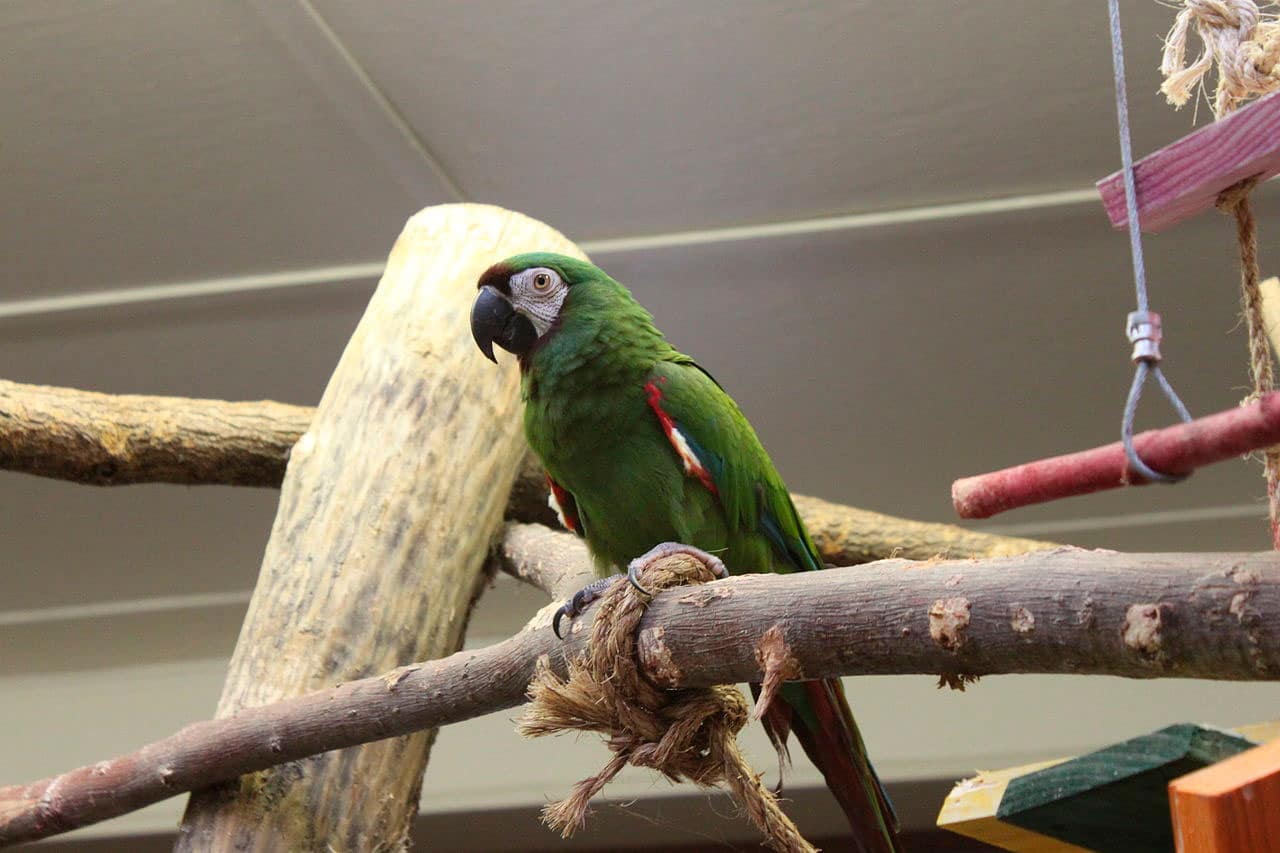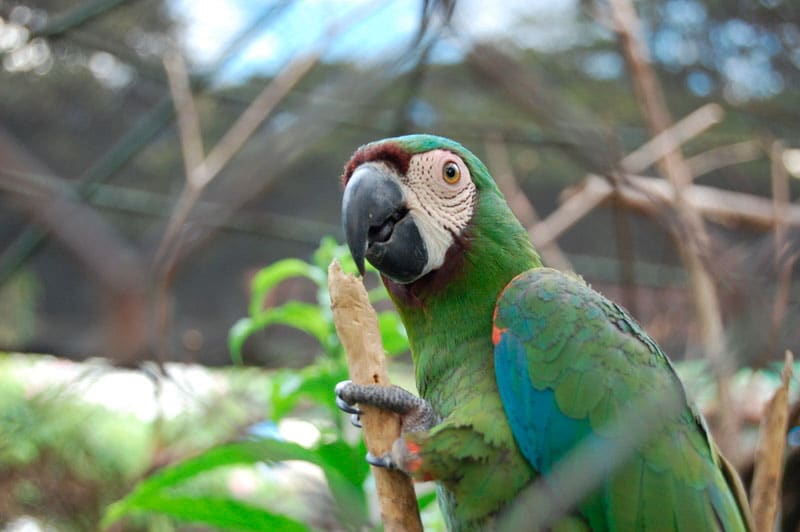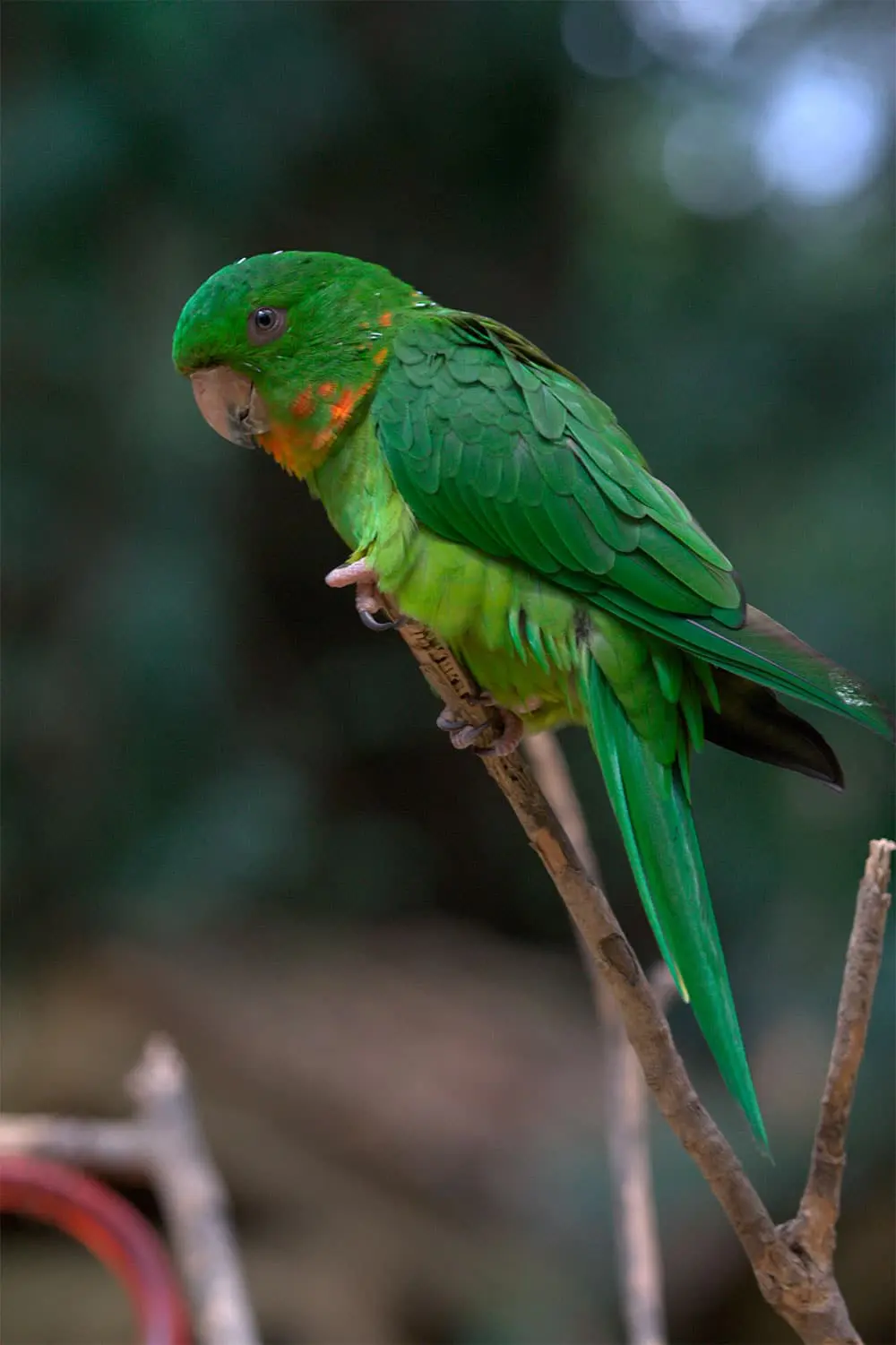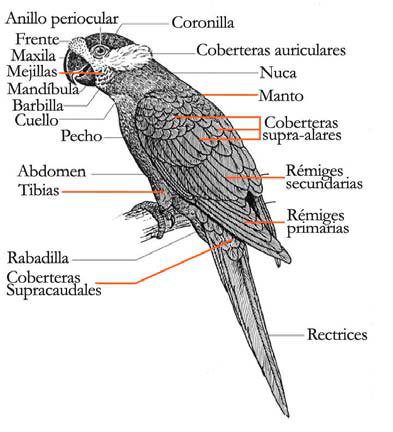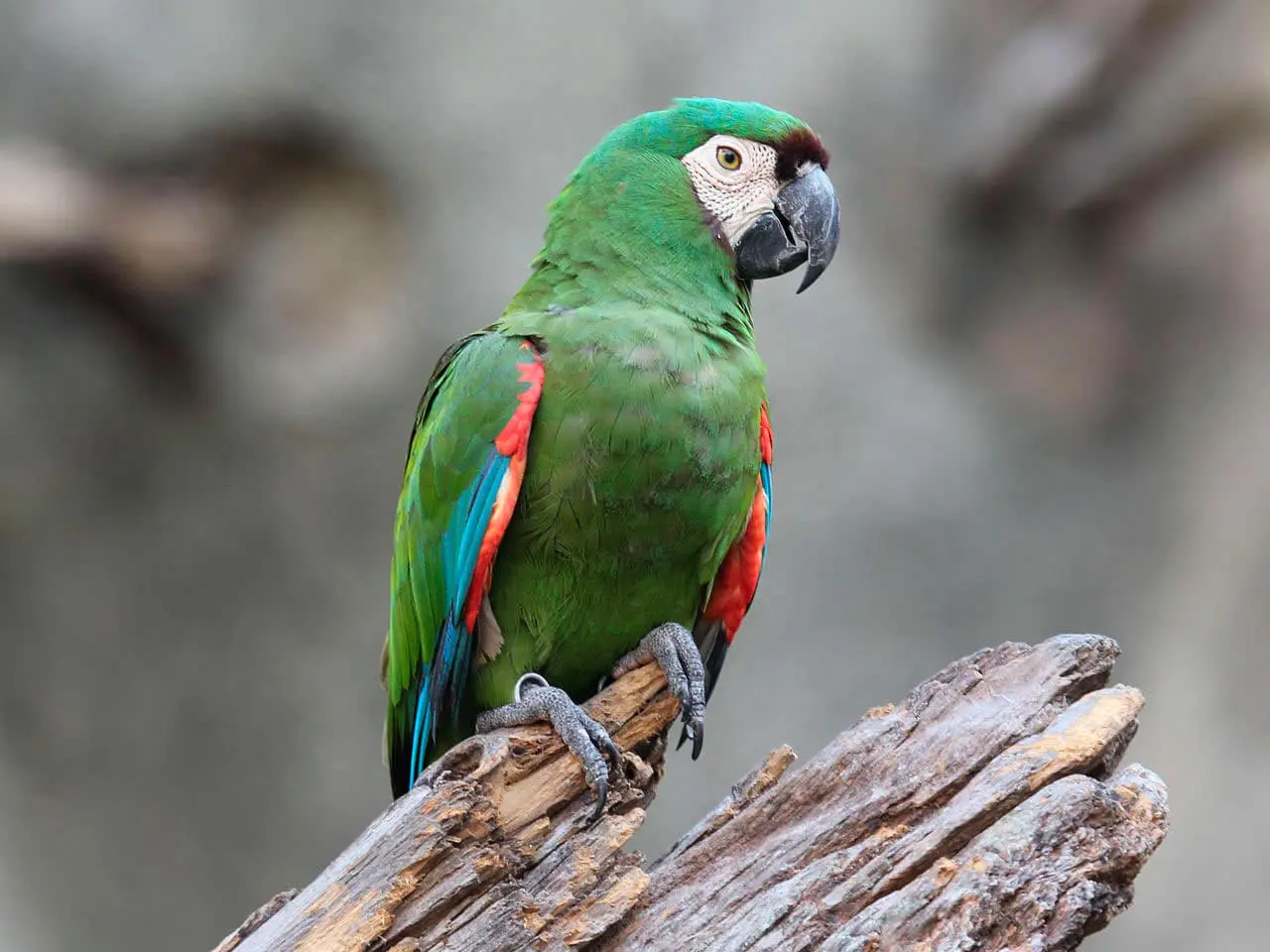
โ–ท The world of Pets: Dogs, cats, birds, reptiles, amphibians

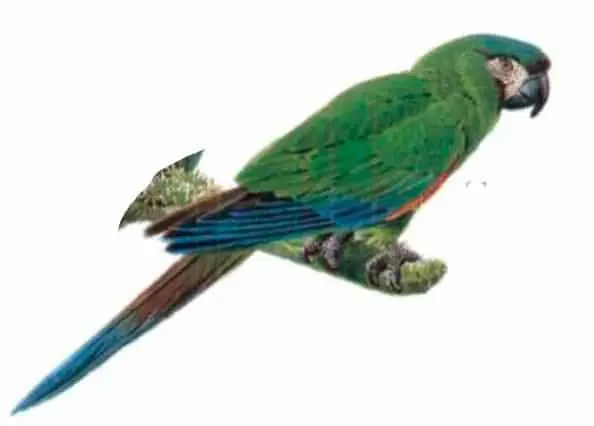
Black-collared Lovebird
Agapornis swindernianus


Inseparable Acollarado

Content

Description "Inseparable acoloado":

Inseparable Acollarado

13 cm. length and weight of 39 to 41 g.

The Black-collared Lovebird (Agapornis swindernianus) has the forecrown, the lores and crown emerald green. Narrow black band at the nape, behind yellow lined. Mantle and scapulars green; rump and coverts bright blue. Upperwing-coverts green. Flight feathers Blackish with vane Green external on the upper face. Underwing-coverts emerald green.

The underparts pale green pretty boring, particularly on chest; flanks brightest. Central feathers of the tail, large black hand with green tips; other red at the base, green tips with broad black subterminal band.

Bill greyish black; irises yellow; legs Dark yellow green.

Both sexes similar.

The immature they are like adult, but without the nuchal collar. The Green head, the Blue rump and red tail, colors are duller than adults. Iris brown. beak pale gray with black spot at the base.

Subspecies description:

  • Agapornis swindernianus emini (Neumann, 1908) – Of 13 cm length. The collar is red and black and is narrower, It does not extend to the beginning of chest.

  • Agapornis swindernianus swindernianus (Kuhl, 1820) – The species nominal

  • Agapornis swindernianus zenkeri (Reichenow, 1895) – Of 13 cm.. length. Under the black band it has reddish coloration extends to the chest diluted.

Habitat "inseparable acoloado":

The Black-collared Lovebird They inhabit lowland tropical evergreen forests, both primary and secondary, generally below the 700 m. although some reports indicate sightings 1.800 metres in Uganda.

Visits occasionally cultivated land. In general, in small flocks (until 20 birds), sometimes in larger groups during the dry season.

It is a bird, generally, arboreal; frequent the treetops, where they can be very difficult to detect when they remain silent.

Forman communal roosts in their favorite places.

"Inseparable acoloado" reproduction:

Reproduction of this species is, to a great extent, unknown; They have been observed in arboreal termite nests and it is suspected that breeding in the northern basin of the congo river It is in July.

"Inseparable acoloado" food:

Their main food is, apparently, seeds Ficus, extracted from its fruits, in mature forests, light areas near the forest and trees growing areas around the villages; They also take millet, corn and other seeds, as well as insects and their larvae.

birds in the distrito de Ituri, Democratic Republic of the Congo, feeding were observed in the rice crops and Sesame.

"Agapornis swindernianus" distribution:

The Black-collared Lovebird they are endemic in West Africa center in at least two (possibly three or four) separate populations.

In West Africa The species is found in Liberia, Ivory Coast (Taรฏ National Park) to the South of Ghana, which recently they occurred in the Bia National Park.

In West Central Africa Its distribution extends from southern Cameroon south on Gabon and east to the north Congo river and extreme southwestern Central African Republic.

You can also see from the basin Congo river in West Uganda.

Subspecies distribution:

  • Agapornis swindernianus emini (Neumann, 1908) – Spread across the center and east of Democratic Republic of the Congo to the west end of Uganda.

  • Agapornis swindernianus swindernianus (Kuhl, 1820) – The species nominal

  • Agapornis swindernianus zenkeri (Reichenow, 1895) – Distributed in southern Cameroon and eastern Gabon to the southwest of Central African Republic and West Democratic Republic of the Congo.

Black-collared lovebird conservation:


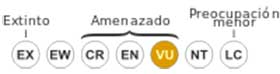
minor concern

โ€ข Current Red List of UICN: Least concern

โ€ข Population trend: Stable

The size of the world population Black-collared Lovebird It has not been quantified, but the species, according to sources, It is considered rare in Ghana and probably confined to forest reserves. Described as common in Gabon and Democratic Republic of the Congo and reasonably common in lowlands in Bwamba of Uganda.

The population is suspected to be stable in the absence of evidence of any reduction or substantial threats.

As a curiosity, emphasize that governments Liberia and Uganda stamps have been printed with his image.

The Inseparable Vireo in captivity:

Probably It not kept out of their range; some captured birds died after a few days or weeks; No further information is available.

As with any other pet, it is essential to ensure that the birds one is about to purchase have been captive bred and not wild caught. In addition to conservation and ethical reasons, trapped wild animals are more likely to get sick and die.

Alternative names:

Black-collared Lovebird, Black collared Lovebird (English).
Insรฉparable ร  collier noir, Insรฉparable ร  collier, Insรฉparable du Libรฉria (French).
Grรผkรถpfchen, Grรผnkรถpchen, Grรผnkรถpfchen (German).
Inseparรกvel-acollarado (Portuguese).
Inseparable Acollarado, Inseparable de Cuello Negro (espaรฑol).


scientific classification:

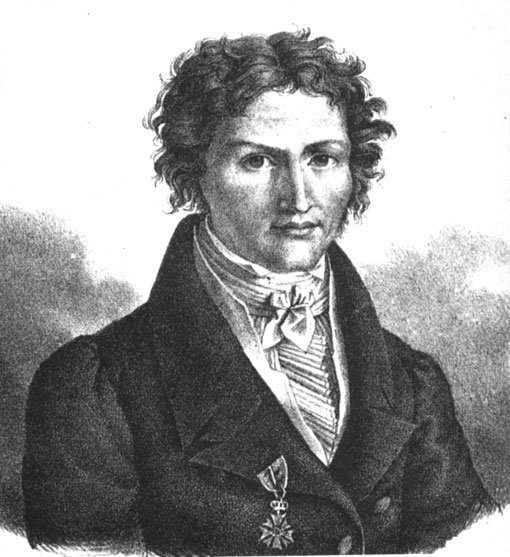
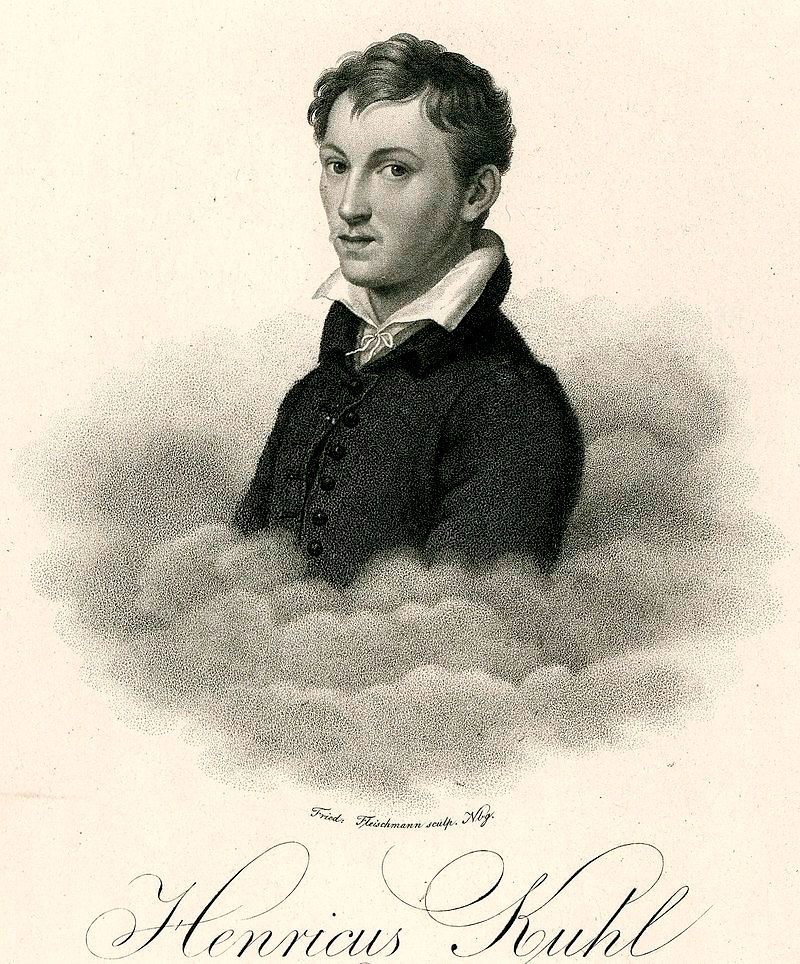
Kuhl, Heinrich
Heinrich Kuhl

Order: Psittaciformes
Family: Psittaculidae
Genus: Lovebirds
Scientific name: Agapornis swindernianus
Citation: (Kuhl, 1820)
Protonimo: Psittacus Swindernianus


Images "Black-collared Lovebird"


Species of the genus Agapornis


ยซYellow-collared lovebirdยป (Agapornis swindernianus)


Sources:

Avibase
– Parrots of the World โ€“ Forshaw Joseph M
– Parrots A Guide to the Parrots of the World – Tony Juniper & Mike Parr
– Birdlife

Photos:

(1) – Black-collared lovebird, the great unknown – fischospi
(2) – A painting of a Black-collared Lovebird (originally captioned ยซPsittacula swinderniana. Swindernโ€™s Parakeetยป) by Edward Lear (1812-1888) [Public domain], via Wikimedia Commons

โ–ท The world of Pets: Dogs, cats, birds, reptiles, amphibians

Spix's Macaw
Cyanopsitta spixii


Guacamayo de Spix

Content

Description:

Descripciรณn Guacamayo de Spix

55 to 57 cm.. length and 360 g. of weight.

The Spix's Macaw (Cyanopsitta spixii) has various shades of blue. The head is pale-blue, the wings and tail dark blue. The underside of wings and the tail are black. They have a naked skin in the face grey / Black which sometimes fades to white and white when they are underage.

Bill is completely black, except in the youth having a clean white stripe in the center of the bill. The white band of the bill and the white skin of the face of the youth disappears after 6 months.

The legs are pale grey when they are juveniles, being dark grey, almost black when they are of adults.

The eyes they are dark in the youth, but they fade to white when mature birds.

Habitat:

Information on the natural ecology and behavior of these birds is limited., now that research not started until they were nothing more than 3 known birds those that lived in the wild.

But, there are records in which they are associated with gallery forests dominated by Tabebuia seasonal streams to grow along (streams) in the area caatinga (Thorn scrub semiarid community).

There are reports of the Spix's Macaw inhabiting sheets closed or more common in caatinga habitats (that is to say, that they do not have trees Tabebuia caraiba). Opinions that the species is ecologically linked with palms Mauritia flexuosa left without support and, in view of the wide availability of these habitats, seems totally unlikely.

When a few birds were discovered in 1980, These showed a strong herding behavior. These and the remaining birds, showed strong habitual features, using for example, hangers in the bare branches at the top of the tall trees, making particles and daily flight routes to nesting sites (one of those places, according to reports, was used continuously during 50 years), the last Spix's Macaw which data have, they were strongly linked with the Blue-winged Macaw.

According to reports, sometimes, obsrvados sleeping on top of a cactus, for example, of the species Cereus squamosus.

Reproduction:

In the wild, the Spix's Macaw They nest in tree hollows, most frequently in Tabebuia caraiba mature, at least to several meters above the ground.

the brood, in general, is between the months of November-March may vary in relation to the calendar and the intensity of the rains.

The intercourse lasts usually between 2 and 3 minutes and is done with two birds staying together on a perch with one of the legs of the male (usually right) mounted on the rear of the rump of the female.

It is believed that the normal clutch size in the wild had three eggs. But, in captivity the most common clutch size is four and can range from one to seven. An average egg is of 40 mm x 30 mm and weighs some 20 g.. They lay an egg oval-shaped and white.

The incubation period is of 25-28 days and only the female performs incubation tasks. The females are fed by the male, both within the nest, and outside the nest. The chicks hatch mostly naked with a small amount of cover at the bottom. The emplumamiento occurs in approximately 70 days and captive birds, bred by hand, they tend to become independent between the 100 and 130 days.

Food:

The diet of the Spix's Macaw wild included seeds of Cnidoscolus quercifolius and Jatropha mollissima, seeds and fruits of Melanoxylon, fruits of Maytenus rigida and Ziziphus Juazeiro, and possibly nuts of palmas Syagrus coronata, although the latter probably too strong and large for the relatively delicate beak.

Distribution:

Size of the area of distribution (reproduction / resident): 50 km2

The Spix's Macaw they were endemic in the northeast of Brazil, mainly in the State of Bay, but also from Pernambuco. There they lived in a large expanse of semi-arid territory known as the Caatinga. Within the Caatinga There are micro-habitats, one of which – the Caraibeira Riparian Woodland, was the home of the Spix's Macaw. This particular habitat area is located near a small, charming town called Curaca, conveniently located along somewhere in the san francisco river. One of the tributaries that feed to the san francisco river is the Melancia Creek and it is through this waterway, where can I find the ancient habitat of the Spix's Macaw.

The Caraibeira (Tabebuia caraiba) It is the dominant tree species occurring along the banks of the Melancia Creek; It was also the most important tree species for the Spix's Macaw, Since it provided nesting hollows, shelter and food for the species.

Possibly previously ranged in one much larger Northeastern area of Brazil, that covers much of the region of the ‘Gerais‘ including the South of maranhรฃo, to the northeast of Goiรกs, Southwest of Piauรญ and North of Bay, but reports from some of these areas are apparently based on finger-pointing and even erroneous information provided by bird hunters.

Conservation:


critical hazard

โ€ข Current Red List of UICN: Critical Hazard – Possibly extinct in the wild

โ€ข Population trend: Unknown

The Spix's Macaw It may not be the largest or most colourful species of macaws but is the Parrot with more critically endangered in the world, no known wild specimens(UICN, 2004).

While this species exists captive in various populations, the last known individual in the wild disappeared in late 2000, mainly as a result of the capture for the bird trade Wild addition by the habitat loss. But, cannot yet be presumed extinct in the wild until all potential areas of habitat have been thoroughly reviewed.

Any remaining population is likely to be small, and for these reasons the Spix's Macaw It is treated as a species in critical hazard (possibly extinct in the wild).

TRIVIA:

Conservation Actions Underway:

CITES Appendix I, protected by the Brazilian legislation.

– Ten years of protection, the restoration of the habitat and a variety of community-based conservation in course programmes, they will pave the way for future reintroductions (Y. de Melo Barros in litt., 1999, 2000, Caparroz et to the. 2001).

IBAMA It established the Permanent Committee of the Brazilian Government for the recovery of the Spix's Macaw and cooperation between the holders of birds resulted in annual increments in the captive population.

– This body is succeeded by the Working Group for the recovery of the Spix's macaw (Me and Melo Barros 2006), now supervised by the Chico Mendes biodiversity conservation Institute (ICMBio). This group is responsible for coordinating the captive breeding program, having reintroduction facilities in place later followed by breeding facilities.

Captive Spix's macaw

– The official captive population totaled 80 individuals in 2012, currently being these important proportions in the hands of Al - Wabra Wildlife Preservation (AWWP) in Qatar and Fundaciรณn Loro Parque (LPF) in Tenerife, Spain.

– Other official media are found in Brazil and Germany.

– Including the birds that have not been registered by the official program, It is believed that more than 90 Spix's macaw can exist in captivity around the world.

– Breeding success has occurred within some registered facilities, including AWWP and LPF. The latter has maintained the species since 1984 and in 2007 a new breeding center was opened for the Spix's macaws (Anon 2008a).

AWWP raised successfully five chicks in 2012 and seven in 2013 (Gillespie 2014).

– In 2013 and 2014, females in the captive-breeding population in AWWP they were artificially inseminated, an egg-laying take place successfully (Anon 2015, Tomiska 2015).

– Management and recovery of the species in captivity is in preparation for this species.

– In February of 2009 To the Wabra Wildlife Preservation announced the purchase of the 2.200 acres of the Concord Farm in the State of Bay, Brazil, the site has one of the last recorded sightings of Spix's Macaw Wild, in October of 2000 (To Wabra Wildlife Preservation undated).

Concord Farm It was also the basis of the field project of the Spix's Macaw, funded largely by the LPF, that operated in whole decade of 1990 until the completion in 2002, and the site for the release of the only prisoner of Spix's Macaw missing by returning to their natural habitat, in 1995.

Concord Farm borders with the 400 acres of the Gangorra Farm, previously acquired by a consortium of conservation.

– Intended to allow that both farms can return to a more natural state by removing domestic cattle, in order to, long-term, the place can be a valuable habitat for the future restoration of a wild population of Spix's Macaw.

Conservation Actions Proposed:

– Identify a release site suitable for the annual potential release of birds bred in captivity from between 2013 and 2030 based on the success of captive breeding efforts (Me and Melo Barros 2006).

– Continue to develop artificial reproduction techniques to increase the population.

– Protect and enhance the habitat at the site of release identified (Me and Melo Barros 2006).

– Establish a well equipped facility in place of reintroduction in Praia do Forte under property IBAMA (Me and Melo Barros 2006).

– Introduce chicks bred in captivity and ensure its protection of trappers.

– Continue the cooperation between the holders of captive birds.

– Continue ecological studies to assess the need for habitat management (Snyder et to the., 2000).

– Continue the community programs.

"Spix's Macaw" in captivity:

Some suggest that there may be up to 120 These beautiful birds in private collections – the exact number is unknown. But, what is certain is that these last Spix's macaws survivors are among the most valuable and protected birds in the world.

Its longevity is estimated between 20-30 years in the nature and 20-40 years in captivity. Latest Spix's Macaw known wild had at least 20 years of age, at the time of his disappearance. There are two Spix's macaws in captivity who were born in 1976 and these are the Macaws oldest registered species.

Alternative names:

Spix’s Macaw, Little Blue Macaw (English).
Ara de Spix (French).
Spixara, Spix Ara, Spix-Ara (German).
Ararinha-azul (Portuguese).
Ararinha-azul (Portuguese (Brazil)).
Guacamayo de Spix, Maracanรก Azul (espaรฑol).

Johann Georg Wagler
Johann Georg Wagler

scientific classification:


Order: Psittaciformes
Family: Psittacidae
Genus: Cyanopsitta
Scientific name: Cyanopsitta spixii
Citation: (Wagler, 1832)
Protonimo: Sittace Spixii


Images Spix's Macaw:


ยซSpix Guacamayoยป (Cyanopsitta spixii)

Sources:

  • Avibase
  • Parrots of the World โ€“ Forshaw Joseph M
  • Parrots A Guide to the Parrots of the World – Tony Juniper & Mike Parr
  • Birdlife
  • TO THE WABRA WILDLIFE PRESERVATION

  • Photos:

(1) – A Spix's Macaw in Vogelpark Walsrode, Walsrode, Germany in about 1980 By Rรผdiger Stehn from Kiel, Deutschland (71 Spix-Ara) [CC BY-SA 2.0], via Wikimedia Commons
(2) – A juvenile in captivity. Note white stripe along top of beak and pale-grey bare facial skin By The original uploader was Robert01 at German Wikipedia(Original text: Robert01) (Self-photographed) [CC BY-SA 2.0 of], via Wikimedia Commons
(3) – Exhibit in Museum of Natural History, Berlin, Germany. Photography was permitted in the museum without restriction By Daderot (Own work) [CC0], via Wikimedia Commons
(4) – guacamayo de Spix (Cyanopsitta spixii) por Lycaon – Fauna extinta recientemente, redescubierta, nuevas especies – ellinceiberico
(5) – Cyanopsitta spixii – Parrot-birds
(6) – An 1878 painting of an adult by Joseph Smit [Public domain], via Wikimedia Commons

โ–ท The world of Pets: Dogs, cats, birds, reptiles, amphibians

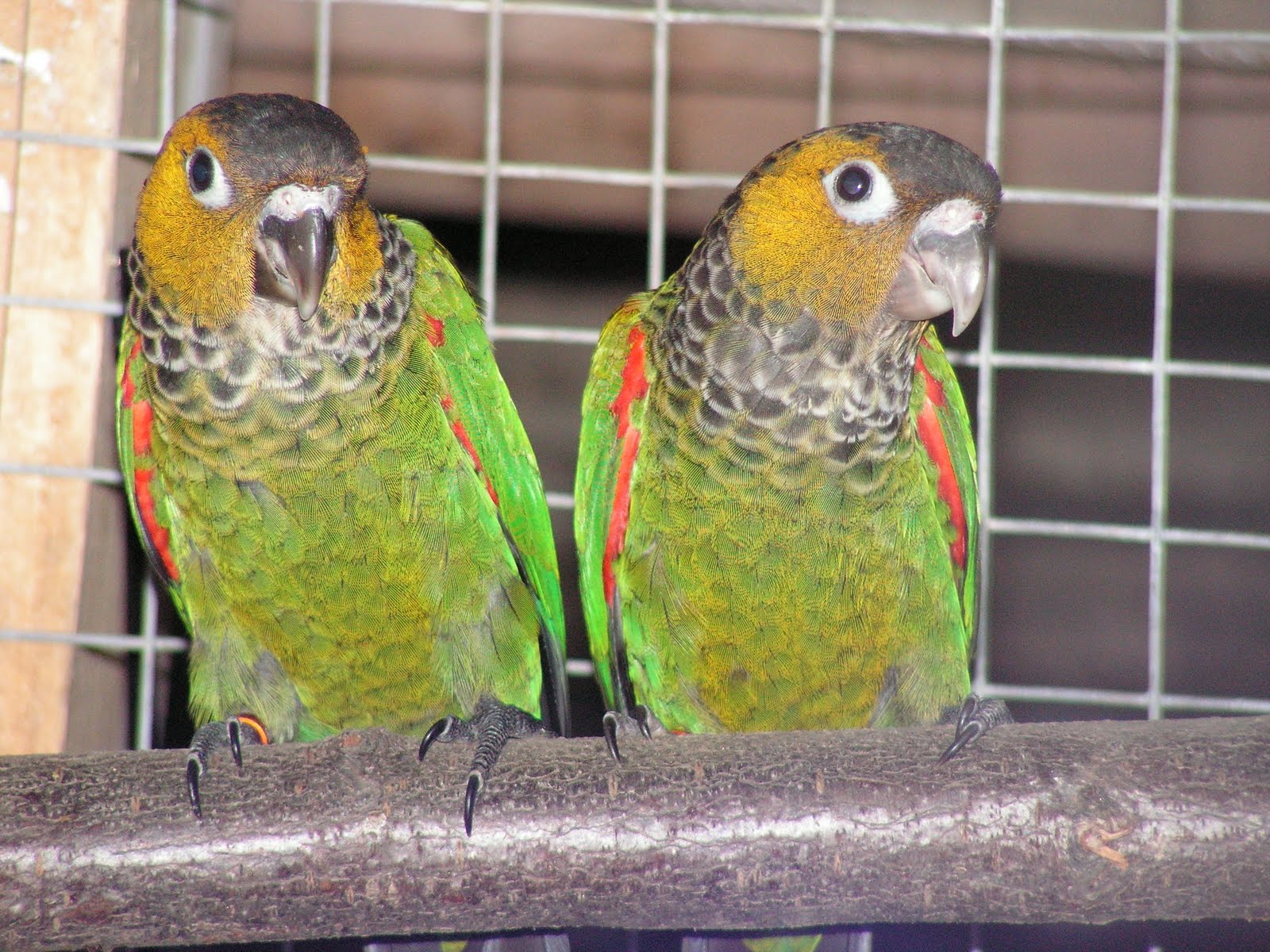
Thick-billed Parrot
Rhynchopsitta pachyrhyncha


Cotorra Serrana Occidental

Content

Description:

Ilustraciรณn Cotorra Serrana Occidental

38 cm.. of length and a weight of 300 g..

The Thick-billed Parrot (Rhynchopsitta pachyrhyncha) has the forecrown, the lores and a large swath in the region supercilii, bright Scarlet Red; a small patch of feathers brown in color lores, directly in front of the eyes; the crown, the cheeks and the sides of the neck are green with yellow tinge. The upperparts Green tinged indistinct tone olive in scapulars.

Upperwing-coverts Green with red feathers in the region where bend the wings. The flight feather of color green for over, with blackish tips and margins to the vane inner, grey below. Large infra-wing coverts Yellow, other coverts green.

Underparts Green with red on the the thighs. Upper, the tail green; gray at the bottom.

The bill black; bare orbital skin yellowish white; irises yellow-orange; legs grey.

Both sexes similar.

Immature with the bill color horn, greyish the bare orbital skin, and no Scarlet feathers behind the eye or red in the region where bend the wings.

The Thick-billed Parrot is often treated as the same species as the Maroon-fronted Parrot.

Habitat:

It inhabits in Highlands with mature pine forests or pine forests with other conifers of the genus Pseudotsuga, malls Populus and/or trees of the genus Quercus, in areas isolated and often rugged, sometimes are also observed in towns of lowlands.

They are mostly distributed at altitudes between 1,500 and 3,000 m, breeding generally at heights between 2,000 and 3,000 m.

Its preference they are areas with Pinus arizonica and Pinus ayacahuite. In general, observed in flocks. They rest in large groups on inaccessible cliffs or trees with dense foliage. Diurnal movements of up 40 km between resting areas and feeding.

Long-lived and gregarious, they form social groups; because of this, over time the Thick-billed Parrot they return to visit forests which are of your choice.

Reproduction:

Nest in the cavities of trees, usually pine, but also, according to sources, in trees of the species Populus tremuloides and Pseudotsuga taxifolia; usually in trees partially dead or alive, with small holes excavated, for example, by woodpeckers as the Northern Flicker (Colaptes auratus) or caused by fungal decomposition in the Heartwood wood; sometimes very together (in the same tree) When there is available room, Although generally scattered.

The breeding season coincides with the ripening of the pine seeds; birds, usually, They arrive at the breeding area between the months of April and May, carrying out the mid June to end of July update. The young begin to leave the nest from early September to late October, after 59 – 65 days, depending on their parents for a period of time after fledging.

Clutch of 2 to 4 eggs, generally three, Perhaps variable with the size of the harvest of pine seeds. The care of the eggs during incubation is carried out by the female and the care of the young is biparental..

Food:

Diet Thick-billed Parrot It is mainly composed of pine seeds (including the of the Pinus teocote and of the Pinus leiophylla) extracted from the cones with its powerful beak; They also feed, according to sources, of seeds and sprouts coniferous Pseudotsuga, fruits of the American black cherry (Prunus serotina) and acorns.

Distribution:

Size of the area of distribution (reproduction / resident): 67.100 km2

The distribution Master of the Thick-billed Parrot lies between the West and centre of Mexico, with sporadic movements towards the North and towards South.

You can see in Sierra Madre Occidental in the South of Chihuahua, South and West of Durango, the adjacent areas of the East of Sonora and Sinaloa; confirmed breeding only in the first two states.

Like other bird specialists in pine seeds, the Thick-billed Parrot wanders widely after playback, sporadically to South-West of Mexico in Jalisco, Colima and Michoacรกn, previously to the East up to Veracruz (Although these records are possibly involved the Maroon-fronted ParrotRhynchopsitta in terris) and, possibly, Coahuila de Zaragoza.

Formerly it was a sporadic visitor, and possibly resided and lesson in Arizona (especially in the mountains of Chiricahua, in the South) and in New Mexico, EE.UU, Although since the beginning of the century 20 no large-scale visits have been observed and the latest reproductive data in the area date from the 1938.

The presence of the Thick-billed Parrot is determined by the availability of pine seeds; the core of your playback area It seems to be the most constantly occupied area.

The decrease important in your population during the century 20 as a result ,mainly, of the loss and degradation of habitat, with the absence of these birds where the large pines were cut down, mainly by forestry. The loss of birds in EE.UU. was attributable to the hunt, but his presence there, probably, It was only in the short term, When were feeding conditions unusually favorable (or on the contrary very unfavorable in Mexico).

The recent threats in Mexico they are the trade in live birds and the continuous loss of habitat for livestock, as well as logging (the loss of old trees for nesting is a major problem that puts this species at a higher risk than the of the Maroon-fronted Parrot, when the latter uses the cliffs to build their nests).

Confiscated and captive-bred birds were released in Arizona at the end of the Decade of 1960, with the first successful reproduction in EE.UU. shortly after, although unfortunately the birds have mostly disappeared from that area.

There are no protected areas in Sierra Madre Occidental. The Appendix I. In danger.

Conservation:

State of conservation โ“˜


Endangered Endangered โ“˜ (UICN)โ“˜

โ€ข Red List category of the UICN current: In danger of extinction

โ€ข Population trend: Decreasing

The thick-billed Parrot is found in danger of extinction due to the destruction of nesting habitat, as well as his commercial exploitation, the decrease of population who have suffered these parrots is very evident to those that, long overdue, They inhabit the timber areas of Chihuahua and Durango (Lanning and Shiflett, 1981).

The commercial logging of pine living for wood, as well as standing dead trees to obtain their pulp, they are ending with a lot of nesting sites effective and potential for these birds (Lanning and Shiflett, 1983).

The trade of the parrots seemed to be minimal until the 1980s (Lanning and Shiflett, 1981), However, It is estimated that during 1985 and 1986 between several hundred and even thousands of parrots were illegally trafficked to the United States of America (Snyder & Wallace, 1988).

To reduce these threats the species and its habitat, There are legal instruments such as the vedas and provisions in the Law-General ecological balance and environmental protection (LGEEPA) and General wildlife law (LGVS); as well as the Norma Oficial Mexicana NOM-059-SEMARNAT-2001 that lists the species of Mexican wild flora and fauna under some risk category and the inclusion and modification mechanisms.

The size of the population of the Thick-billed Parrot It is estimated between 2000-2800 mature individuals.

"Thick-billed Parrot" in captivity:

Its sale as a pet is illegal.

Alternative names:

Thick-billed Macawlet, Thick billed Parrot, Thick-billed Parrot (English).
Conure ร  gros bec, Perriche ร  gros bec, Perruche ร  gros bec (French).
Kiefernsittich, Arasittich, Kiefern Sittich (German).
Papagaio-mexicano-de-testa-vermelha (Portuguese).
Cotorra de Pico Ancho, Cotorra serrana, Cotorra Serrana Occidental, Cotorra-serrana Occidental (espaรฑol).
Cotorra serrana, Cotorra-serrana Occidental, Loro de Pico Grueso Occidental Mexicano, Cotorra de Pico Duro,
Guacamaya, Guaca
(Mexico).


scientific classification:

William Swainson
William Swainson

Order: Psittaciformes
Family: Psittacidae
Genus: Rhynchopsitta
Scientific name: Rhynchopsitta pachyrhyncha
Citation: (Swainson, 1827)
Protonimo: Macrocercus pachyrhynchus


Thick-billed Parrot images:


Species of the genus Rhynchopsitta

Thick-billed Parrot (Rhynchopsitta pachyrhyncha)


Sources:

Avibase
– Parrots of the World โ€“ Forshaw Joseph M
– Parrots A Guide to the Parrots of the World – Tony Juniper & Mike Parr
– Birdlife
– National Commission of Natural Protected Areas

Photos:

(1) – Two Thick-billed Parrots at Arizona-Sonora Desert Museum, Tucson, Arizona, USA By Tim Lenz from Ithaca (Thick-billed ParrotsUploaded by Snowmanradio) [CC BY 2.0], via Wikimedia Commons
(2) – Thick-Billed Parrots at Twycross Zoo, Leicestershire, England By derivative work: Snowmanradio (talk)Rhynchopsitta_pachyrhyncha_-Twycross_Zoo-8.jpg: Paul Reynolds from UK [CC BY 2.0 or CC BY 2.0], via Wikimedia Commons
(3) – An adult Thick-billed Parrot at Edinburgh Zoo, Scotland By Jenni Douglas from Edinburgh, Scotland (Thick billed ParrotUploaded by Snowmanradio) [CC BY 2.0], via Wikimedia Commons
(4) – A Thick-billed Parrot at Cincinnati Zoo, USA By Rhynchopsitta_pachyrhyncha_-captive-8a.jpg: Jean from Shelbyville, KYderivative work: Snowmanradio [CC BY 2.0], via Wikimedia Commons
(5) – Three adult Thick-billed Parrots in captivity in the USA By Joe Mazzola (LovebirdsUploaded by snowmanradio) [CC BY-SA 2.0], via Wikimedia Commons
(6) – Thick-billed Parrot (Rhynchopsitta pachyrhyncha). Two parrots on a nestbox By Just chaos [CC BY 2.0], via Wikimedia Commons
(7) – Thick-billed Parrot Rhynchopsitta pachyrhyncha at Cincinnati Zoo By Ltshears (Own work) [CC BY-SA 3.0 or GFDL], via Wikimedia Commons
(8) – A Thick-billed Parrot in captivity By Mark Dumont from Cincinnati, USA (Thick Billed ParrotUploaded by snowmanradio) [CC BY 2.0], via Wikimedia Commons
(9) – Thick-billed Parrot – Rhynchopsitta pachyrhyncha at Cincinnati Zoo By Ltshears (Own work) [CC BY 3.0], via Wikimedia Commons
(10) – Monographia Psittacorum By Wagler, Johann Georg [CC BY 2.0 or Public domain], via Wikimedia Commons

Sounds: Scott Olmstead (Xeno-canto)

โ–ท The world of Pets: Dogs, cats, birds, reptiles, amphibians

Dusky-headed Parakeet
Aratinga weddellii

Aratinga Cabecifusca

Content


Anatomy-parrots

Description:

Of 25-30 cm.. length and a weight between 95-115 g.

The head of the Dusky-headed Parakeet (Aratinga weddellii) is greyish Brown, with off blue stripes that give it a scaly appearance. The upperparts are green, the feathers of the nape they have yellowish margins (some banks in the mantle), the back and Hip with Brown centers, giving an appearance of Brown altogether. The scapulars with varying between Brown and green edges; the minor, large and medium-sized inner coverts green grass with paler green margins; the outer and the primary coverts are dark blue. Primary and secondary mostly blue with vane outer Green or green margins toward the vane external in the primaries; very dark (almost black) the Tips. Underwing-coverts green: underside of the flight feather opaque gray. Top of the chest pale green with turquoise suffusion; belly and undertail-coverts pale yellowish green, greener on the flanks. Upper, the tail green, Blue towards the tip: undertail, opaque gray.

Dusky-headed Parakeet

The bill shiny black; cere pinkish grey; wide area orbital off-white; irises yellowish white; legs dark gray.

Both sexes similar.

The immature are like adults but with the irises darker.

Habitat:

Video – "Dusky-headed Parakeet"

Dusky-headed Parakeet (Aratinga weddellii)

They inhabit in humid jungle, semi-wet, swamps, involved swamp forest and stubble, until 500 metres in Colombia and exceptionally 750 metres in Bolivia. Its preferred habitats are the forests and marshes and flooded forests in swampy areas. Also in the remnants of forest in humid savannah and cleared areas with patches of remnant forest. Also observed in coffee and sugarcane plantations; apparently rarely fly over the dense forest. Usually, in pairs or in small groups, but flocks of up to 75 reported individuals where food is plentiful.

Reproduction:

It nests in trees and palms of marshy or riparian areas, between June and August. They also used the cups of dead Palm trees and termite nests.
Four nests observed in Leticia, Colombia, between 4 and 15 metres in height. Birds incubating in the month of February in Colombia. Bird in reproductive condition in the month of August in Bolivia. Observed breeding from June to September in Loreto, eastern peru; from April to July in the Mato Grosso.
A normal start is of 3 to 5 eggs and both parents feed the chicks.

Food:

Its diet consists of seeds, fruit, flowers, berries, as well as insects and their larvae found in decaying trees and stumps.

Distribution:

Its distribution ranges from the southeast of Colombia, east of Ecuador and Peru to the East of Bolivia and West of Brazil.

Apparently Nomad in some parts of the distribution. In general common, even in partially deforested areas, and perhaps increase due to clearing and fragmentation of dense forest.

Conservation:

State of conservation โ“˜


minor concern Minor Concern โ“˜ (UICN)โ“˜

โ€ข Red List category of the UICN current: Least concern

โ€ข Population trend: Growing

The size of the world population Dusky-headed Parakeet It has not been quantified, but this species is described as common (Stotz et to the. (1996)).

This species is suspected that it has been lost between the 15 and the 17,7% of its suitable habitat within its range over three generations (21 years) based on a model of deforestation of the Amazon (Soares-Filho et to the., 2006, Bird et to the. 2011). Given the susceptibility of this species to the hunting or trapping, It is suspected that its population may decrease in around the 25% in three generations.

"Dusky-headed Parakeet" in captivity:

Not common in captivity, but in the past was part of the international trade. They are common in cultivation areas, for this reason they are common in homes of peasants.

The Dusky-headed Parakeet is not known for its ability to mimic the speak human, but they are nevertheless birds very fun, kind and loving – provided that they have been hand reared and socialized properly. They are not as active and noisy as other species of parrots, they only emit sounds, not too high, when excited.

wonderful pets. His charming personality makes them good pets for children. They are not demanding, they spend happy hours playing with their favorite toys but still enjoy human company very much.

They are relatively easy to raise. They may have several broods per year; But, good husbandry practice stipulates that they should not be allowed to have more than two or three clutches to allow for their rest. The size of Sunset is of 3 to 4 eggs, they are incubated for a few 23 days. Both parents take care of the young.. The chicks leave the nest after a few 50 days.

In the wild, according to sources, females have been estimated can live up to 25 years. Its longevity in captivity It has not been studied in detail. It has been observed a muscle aging in wild animals.

Alternative names:

Dusky-headed Parakeet, Dusky Conure, Dusky headed Parakeet, Dusky Parakeet, Dusky-headed Conure, Weddell’s Conure (English).
Conure de Weddell, Conure ร  tรชte sombre, Perriche de Weddell, Perruche de Weddell (French).
Weddellsittich, Weddell-Sittich (German).
Aratinga-de-cabeca-escura, aratinga-de-cabeรงa-suja, jandaia-de-cabeรงa-azulada, jandaia-de-cara-suja, periquito-de-cabeรงa-suja (Portuguese).
Aratinga Cabecifusca, Perico Canoso, Periquito de Cabeza Gris, Perico cabezagris(espaรฑol).
Loro canoso, Perico Canoso, Cotorra cabecigris, Cotorra cabeciparda (Colombia).
Cotorra de Cabeza Oscura, San Pedrito, Lorito cabeza gris (Peru).
Perico cabecioscuro (Ecuador).
Tarechi (Bolivia).
Ipiรญ (Chimane).
Bambaorito (I ingano).
Sacara (Cofรกn.).
Butuquiria (Macuna).

scientific classification:

Order: Psittaciformes
Family: Psittacidae
Genus: Aratinga
Scientific name: Aratinga weddellii
Citation: (Deville, 1851)
Protonimo: Conurus Weddellii

Dusky-headed Parakeet images:


Species of the genus Aratinga

Sources:

Avibase
– Parrots of the World โ€“ Forshaw Joseph M
– Parrots A Guide to the Parrots of the World – Tony Juniper & Mike Parr
– Birdlife

Photos:

(1) – Dusky-headed Conure or Weddellโ€™s Conure (Aratinga weddellii) in captivity. Kobe Kachoen By merec0 (originally posted to Flickr as Kobe Kachoen (32)) [CC BY 2.0], via Wikimedia Commons
(2) – A Dusky-headed Parakeet at Jurong Bird Park, Singapore By Sham Edmond [CC BY 2.0], via Wikimedia Commons
(3) – Dusky-headed Conure or Weddellโ€™s Conure (Aratinga weddellii) By Steve Beger [CC BY-SA 2.0], via Wikimedia Commons
(4) – Dusky-headed Conure or Weddellโ€™s Conure (Aratinga weddellii) By en:user:Jhwodchuck (http://en.wikipedia.org/wiki/Image:DuskyConure.jpg) [GFDL, GFDL or CC-BY-SA-3.0], via Wikimedia Commons
(5) – Aratinga weddellii – black-headed conure – Dusky-headed conure – dusky-headed conure Florin FeneruFlickr
(6) – Ilustraciรณn Dusky-headed parakeet by Biodiversity Heritage LibraryFlickr

Sounds: (Xeno-canto)

โ–ท The world of Pets: Dogs, cats, birds, reptiles, amphibians

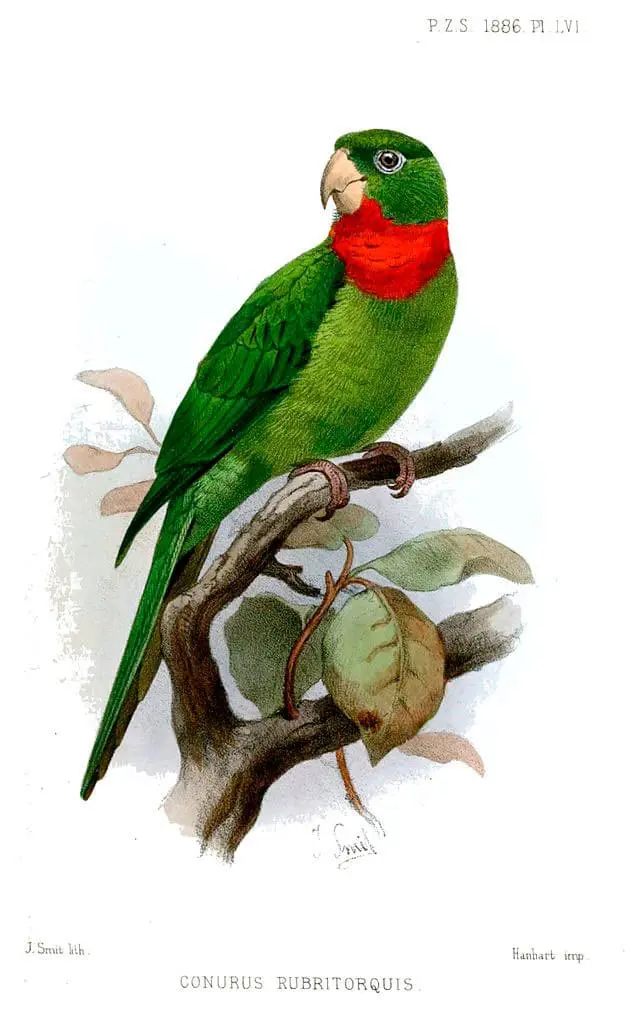
Maroon-tailed Parakeet
Pyrrhura melanura


Maroon-tailed Parakeet

Content


Anatomy-parrots

Description:

26-28 cm.. height.

The Maroon-tailed Parakeet (Pyrrhura melanura) is distinguishable mainly by the tail and wings blackish (visible in flight); has the lores, the forecrown, the crown and the rear area of the neck, brownish, with paler reddish brown tips on the crown, forming altogether a speckled pattern; cheeks, ear-coverts and area behind the eyes, green; Brown in the shadows at the back of the crown Green in the nape.

Upperparts Green with tinge of olive in some feathers. Primary coverts Red with yellow tips; Front edge of the wing , red; upperwing-coverts of color green with dye olive. Primaries Dark greenish blue with dark tips. Underwing-coverts green; underside of flight feather blackish. Throat and feathers of the upper part of the chest, Green or greyish green with pale margins, giving a scaly striking effect; pale edges that become less clear on the sides of the neck; the belly and undertail-coverts Green with dye olive dark. Upper, the tail dark brown with green outer feathers; undertail, the tail shiny black.

Bill pale grey; bare periophthalmic naked, whitish: irises dark brown; legs grey.

Both sexes similar. The immature has less red (greener) in the primary coverts.

Subspecies description

Subspecies description
  • Pyrrhura melanura berlepschi

    (Salvadori, 1891) – Similar to the Pyrrhura melanura souancei, but with even broader and paler margins on the breast feathers (Some birds of Ecuador with almost entirely white breasts), less red on the front edge of the wing and more pronounced brown patch in the belly. Cheeks dyed with color olive, Red uniform at the edge of the carpus; abdomen more uniform brown/red color.

  • Pyrrhura melanura chapmani

    (Bond & Meyer de Schauensee, 1940) – With suspiciously in the chest more width, No yellow in the wing ; yellowish in the area of the ear and the green of the tail darker.

  • Pyrrhura melanura melanura

    (Spix, 1824) – Nominal.

  • Pyrrhura melanura pacifica

    (Chapman, 1915) – More dark, No yellow in the wing , grey around the eye, tail more short and reddish.

  • Pyrrhura melanura souancei

    (Verreaux,J, 1858) – With the edge top of the wing Red and not yellow; Green in the base of the tail more extensive and chest with scaled a little more width.

Habitat:

Maroon-tailed Parakeet

The Maroon-tailed Parakeet It occupies the temperate tropical formations, including forests of vรกrzea, forests of land low and pre-montanos rainforests and forests cloud, often in areas partially cleared and edges of secondary forests; 150 - 300m in Venezuela (nominal), to 3,200 m in the slopes Andean Eastern (souancei), 1.600-2.800m on the slope of the Andes central (chapmani), at 1,700 m in Nariรฑo (Pacifica), at 1500m (berlepschi). Usually in flocks of 6-12 individuals, staying in them cups of them trees to rest but moving is toward the branches more low for forage.

Reproduction:

Little information about breeding, observed during the months of April-June, headers of the Napo River, Ecuador. Copulation observed in January (Colombia). Clutch four eggs in captivity.

Food:

Few details about the diet, with foods known, including fruits of Miconia tkeaezans (Top of the Magdalena valley). Fagara tachuelo and tree bark (Amazonia).

Distribution:

Size of the area of distribution (reproduction / resident): 1.510.000 km2

The distribution of the Maroon-tailed Parakeet is discontinuous. Northwest of South America in the Western Amazon basin, southern portion of the the Orinoco basin and slope of the peaceful of the Andes, in the southwest of Colombia and West Ecuador.

In Venezuela the species is found in the Centre of the South of Bolรญvar along the upper Western Amazon basin of Brazil between the rivers Negro and Solimรตes. They are also distributed in Andes Central of Colombia, at the top of the Magdalena valley, from the South of Tolima until Huila and separated to the East from the Andes (in lowlands and up to 500 m in foothills) Since the Macarena mountains, southward through eastern lowlands Ecuador and Northeast and East of Peru.

A separate population is distributed to the West of the Andes, in the Northwest of the South of Ecuador, to the North of The rivers, with a single log in nose, to the southwest of Colombia.

Mainly resident Although the apparent absence during some seasons in some parts of Colombia suggests regular movements.

Unevenly distributed, in some areas very common, being the Parrot more numerous in some parts of the range such as high Magdalena valley and perhaps parts of Esmeraldas in the Northwest of Ecuador.

Alleged decrease in some areas (for example, Pacific slope of Ecuador) due to loss of habitat. Little known in the East of Peru. Not a locally popular cage bird if it has been traded internationally in significant numbers in late 1980 and fairly well known in captivity outside of its area of distribution.

Subspecies distribution

Subspecies distribution
  • Pyrrhura melanura berlepschi

    (Salvadori, 1891) – Valley of Huallaga, is of Peru and Southeast of Ecuador on Cutucรบ mountain range. A specimen with characteristics of this species was observed at the head of the Magdalena valley suggesting their distribution in Colombia.

  • Pyrrhura melanura chapmani

    (Bond & Meyer de Schauensee, 1940) – Hillside East of the top of the Magdalena valley in the center of the Andes from the South of Tolima until Huila at altitudes of 1600-2, 800 m

  • Pyrrhura melanura melanura

    (Spix, 1824) – Nominal.

  • Pyrrhura melanura pacifica

    (Chapman, 1915) – Northwest of Ecuador and southwest of Colombia.

  • Pyrrhura melanura souancei

    (Verreaux,J, 1858) – It is from Colombia since the Sierra de la Macarena Southwest, until Putumayo through the East of Ecuador, possibly up to the north end of Peru. Probably bordered on the eastern slopes of the Andes and mostly replaced by the nominal species in lowlands.

Conservation:


minor concern


โ€ข Current category of the Red List of the UICN: Least concern.

โ€ข Population trend: Decreasing.

Justification of the population

The population size world has not been quantified, but this species is described as ยซquite commonยป (Stotz et to the., 1996).

Justification of trend

This species is suspected that he has been able to lose 6,95 to 7,1% of a habitat within its distribution over three generations (18 years) based on a deforestation model of the Amazon (Soares-Filho et to the., 2006, Bird et to the. 2011). Given the susceptibility of the species to the cazay and/or the capture, It is suspected that will decrease in <25% durante tres generaciones.

"Maroon-tailed Parakeet" in captivity:

Ave shy and quiet, get used to people over time. Colonies in large birdcages are possible.

Alternative names:

Maroon-tailed Parakeet, Magdalena Parakeet, Maroon tailed Parakeet, Maroon-tailed Conure, Black-tailed Conure (English).
Conure de Souancรฉ, Perriche de Souancรฉ, Perruche de Souancรฉ (French).
Braunschwanzsittich, Braunschwanz-Sittich (German).
tiriba-fura-mata (Portuguese).
Cotorra Colinegra, Perico de Cola Negra, Periquito Colirrojo (espaรฑol).
Periquito Colirrojo (Colombia).
Periquito Colirrojo (Peru).
Perico Cola Negra (Venezuela).


scientific classification:


Johann Baptist von Spix

Order: Psittaciformes
Family: Psittacidae
Genus: Pyrrhura
Scientific name: Pyrrhura melanura
Citation: (von Spix, 1824)
Protonimo: Aratinga melanurus

Images "Maroon-tailed Parakeet"

Videos "Maroon-tailed Parakeet"

————————————————————————————————

"Black tail parakeet" (Pyrrhura melanura)


Sources:

Avibase
– Parrots of the World โ€“ Forshaw Joseph M
– Parrots A Guide to the Parrots of the World – Tony Juniper & Mike Parr
Birdlife

Photos:

(1) – pyrrhura.cz.
(2) – Maroon-tailed parakeet pyrrhura berlepschi = berlepschi, Maroon-tailed Parakeet ssp. by John Gerrard Keulemans [Public domain], via Wikimedia Commons

Sounds: (Xeno-canto)
โ–ท The world of Pets: Dogs, cats, birds, reptiles, amphibians

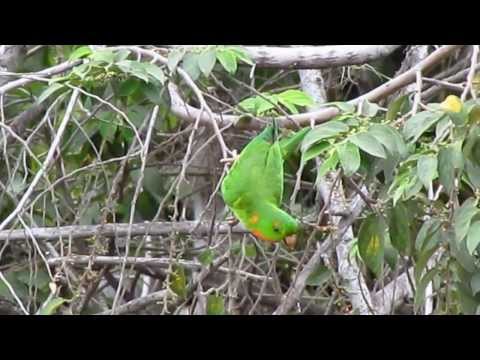
Golden-tailed Parrotlet
Touit surdus

Golden-tailed Parrotlet

Content

Description:

Golden-tailed Parrotlet

16 cm.. length.

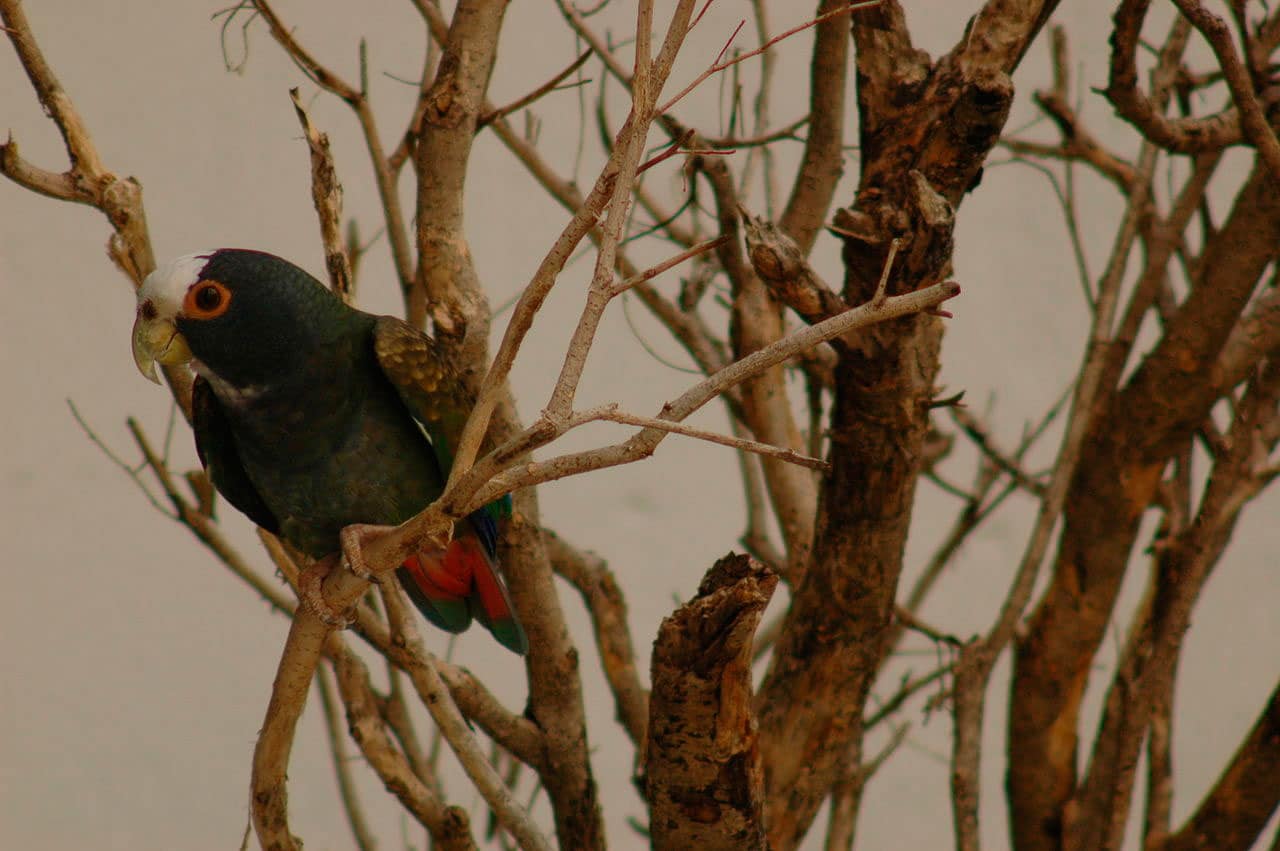
The Golden-tailed Parrotlet (Touit surdus) has a plumage mostly green; the forecrown, lores, supercilii area and cheeks, They are yellowed; crown, rear area of the neck, ear-coverts and sides neck, green with dark narrow margins, giving a scaly appearance.

Mantle and back, green with rump and uppertail-coverts slightly brighter, more emerald. Scapulars and inner tertials, warm brown: primary coverts, dark brown, rest of the coverts green. The the flight feathers They are brown above with narrow green margins to outerweb; brown opaque below. Blue feathers Carpal edge of the wing. Underwing-coverts green. Chin yellowish; chest brighter yellowish green, brighter in the belly and in the undertail-coverts. Tail, centrally green with faint black markings at tips, laterally golden-yellow with narrow black tips on upper surface.. The bill yellow horn; gray irises, legs grey.

The female perhaps duller below, with lateral feathers tail greener and green tips and margins. Immature not described.

Description 2 subspecies:

The subspecies Touit surdus chryseurus it has been proposed to birds of northeastern range on the basis of dubious lateral tail feathers more brownish and smaller.

  • Touit surdus chryseurus

    (Swainson, 1823) – Side tail feathers, brown / yellow; smaller.


  • Touit surdus surdus

    (Kuhl, 1820) – Nominal.

Habitat:

They live mainly in evergreen forests lowland, although occasionally they extend to the adjacent lower mountain slopes. Birds have been observed in the canopy of a secondary forest fragment surrounded by open fields; Other reports suggest that birds visit fruiting trees in deforested areas to feed.

You can visit, occasionally, cocoa plantations where trees shade the crop plants, but this has not been tested. They are to 700 m in Alagoas and to 800 m in Espirito Santo, Rio de Janeiro and Sรฃo Paulo. The Brown-backed Parrotlet They seem to live in flocks (mainly 6-12), perhaps you composed of family groups.

Recent observations suggest that this species is resistant habitat alteration.

Reproduction:

The reproduction of this species practically is not registered. A female observed in September Alagoas, He was not in breeding condition.

Food:

Foods reported in feed Brown-backed Parrotlet are fruits Spondias lutea and Rapanea schwackeana

Distribution:

Size of its range (breeding/resident ): 1.680.000 km2

The distribution of the Brown-backed Parrotlet It extends through Atlantic forests of eastern Brazil, including coastal areas of the northeastern states of Paraรญba, Pernambuco and Alagoas with a record Camocim in the North of Cearรก, where there are fragments of humid forest in coastal areas.

Exist sporadic records but widespread (mainly) on the shores of Bay and Espirito Santo, and in Rio de Janeiro, for example in Teresopolis, around the Itatiaia National Park, new Freiburg and Cabo Frio, with some reports Sรฃo Paulo southwest to Cardoso Island, near the border with Paranรก. The reports of For and Goiรกs They are not substantiated and they are probably wrong. The apparent seasonal distribution of the species in some areas suggests migration trends.

They seem to be distributed at low densities and (except a report in the lower basin tiete river in Sao Paulo) It was considered a rare species in the nineteenth century. Like other members of the genus is, without a doubt, ave a difficult to observe, and often overlooked. But, many ancient villages are no longer inhabited, with forests completely eliminated or severely degraded lowland, especially in the north of the mountain range, where you can be almost extinct. In the news They are distributed in several protected areas.

Distribution 2 subspecies:

Conservation:

State of conservation โ“˜


Vulnerable Vulnerable โ“˜ (UICN)โ“˜

โ€ข Current category of the Red List of the UICN: Vulnerable.
โ€ข Population trend: Decreasing.

Population size: 2500-9999 specimens.

Rationale for the Red List category

This species is classified as Vulnerable because its population is small and declining rapidly due to continuous deforestation. It has been found that it is more resistant to forest fragmentation of what was thought first, and may be sub-registered instead of actually little, especially in the southern part of its range.

Justification of the population

The species is generally rare; Its population is located in the band 2.500-9.999 mature individuals, equivalent to 3.750-14.999 individuals, rounded here to 3.500-15.000 individuals.

Justification of trend

rapid and continuous population decline is suspected on the basis of continuous destruction and fragmentation of habitat.

Conservation Actions Underway

CITES Appendix II. It is considered Vulnerable nationally in Brazil (MMA 2014). And protected by Brazilian law. There have been numerous protected areas: Hewn Stone Biological Reserve (Alagoas), Monte Pascoal National Park and Serra das Lontras, Biological Reserve and Private Reserve Serra Nice (Bahia), Great stream, Sooretama and Augusto Ruschi), Desengano State Park and Itatiaia National Park (Rio de Janeiro)

Conservation Actions Proposed

Examine the historical towns and proper habitat to clarify the distribution. Research ecology and seasonal movements. designate murici in Alagoas biological reserve and ensure their protection de facto. Consolidate protected areas distributed.

"Golden-tailed Parrotlet" in captivity:

Rare and unknown in captivity. Any captive individual (it can not be released) It should be part of a conservation program well managed to ensure continuity of this species.

Alternative names:

Golden-tailed Parrotlet, Golden tailed Parrotlet (English).
Toui ร  queue d’or (French).
Gelbschwanzpapagei, Gelbschwanz-Papagei (German).
Apuim-de-cauda-amarela, papagainho, periquitinho, periquitinho-surdo (Portuguese).
Cotorrita Sorda, Lorito de Cola Dorada (espaรฑol).


scientific classification:

Kuhl, Heinrich
Heinrich Kuhl

Order: Psittaciformes
Family: Psittacidae
Genus: Touit
Scientific name: Touit surdus
Citation: (Kuhl, 1820)
Protonimo: parrot deaf


Images Golden-tailed Parrotlet:

Videos of the "Golden-tailed Parrotlet"

Golden-tailed Parrotlet (Touit surdus)


Species of the genus Touit


Sources:

  • Avibase
  • Parrots of the World โ€“ Forshaw Joseph M
  • Parrots A Guide to the Parrots of the World – Tony Juniper & Mike Parr
  • Birdlife
  • parrots.org

  • Photos:

(1) – Golden-tailed Parrotlet – Touit surdus – Golden-tailed parrotlet by Ciro Albano

youtube.com/watch?v = ZaWxtXYx6U

(2) – Urochroma deaf By Blanchard, Emile; Bonaparte, Charles Lucian; Bourjot Saint-Hilaire, Alexandre; Le Vaillant, Franรงois; Souancรฉ, Charles de. [CC BY 2.0 or Public domain], via Wikimedia Commons

โ–ท The world of Pets: Dogs, cats, birds, reptiles, amphibians

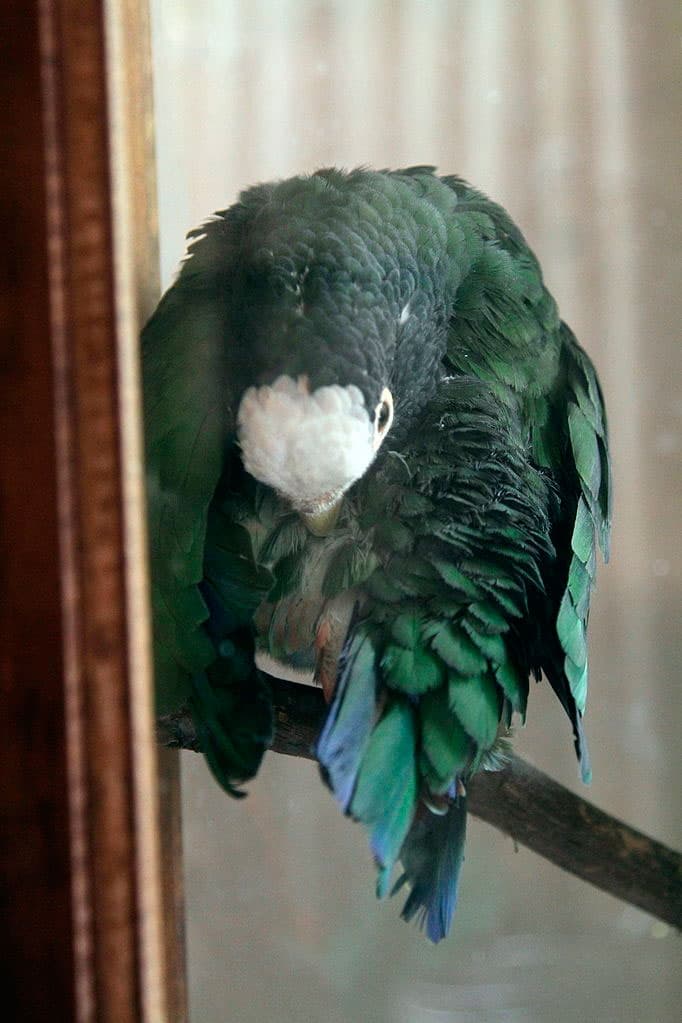
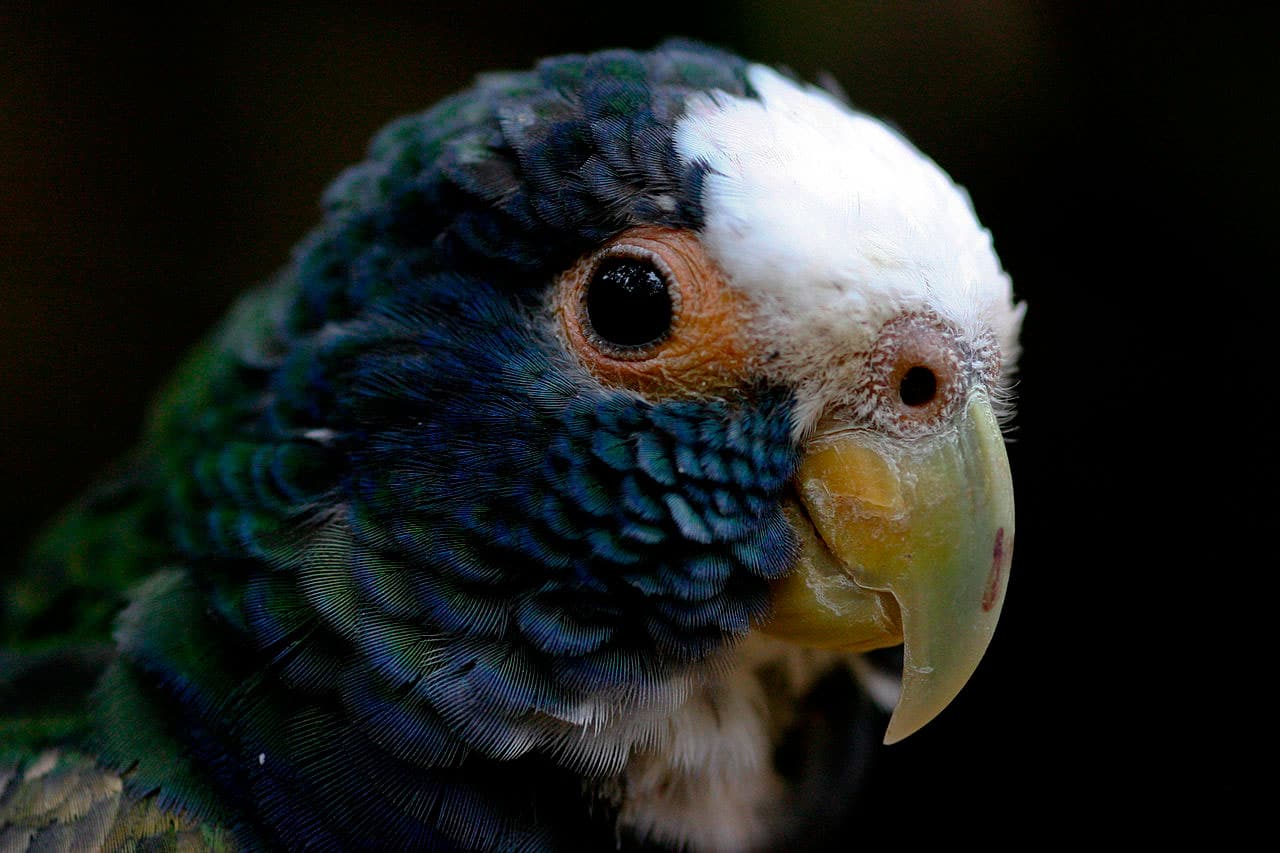
Hispaniolan Parrot
Amazona ventralis

Hispaniolan Parrot

Content

Description:

28-31 cm.. length and 250 g. of weight.

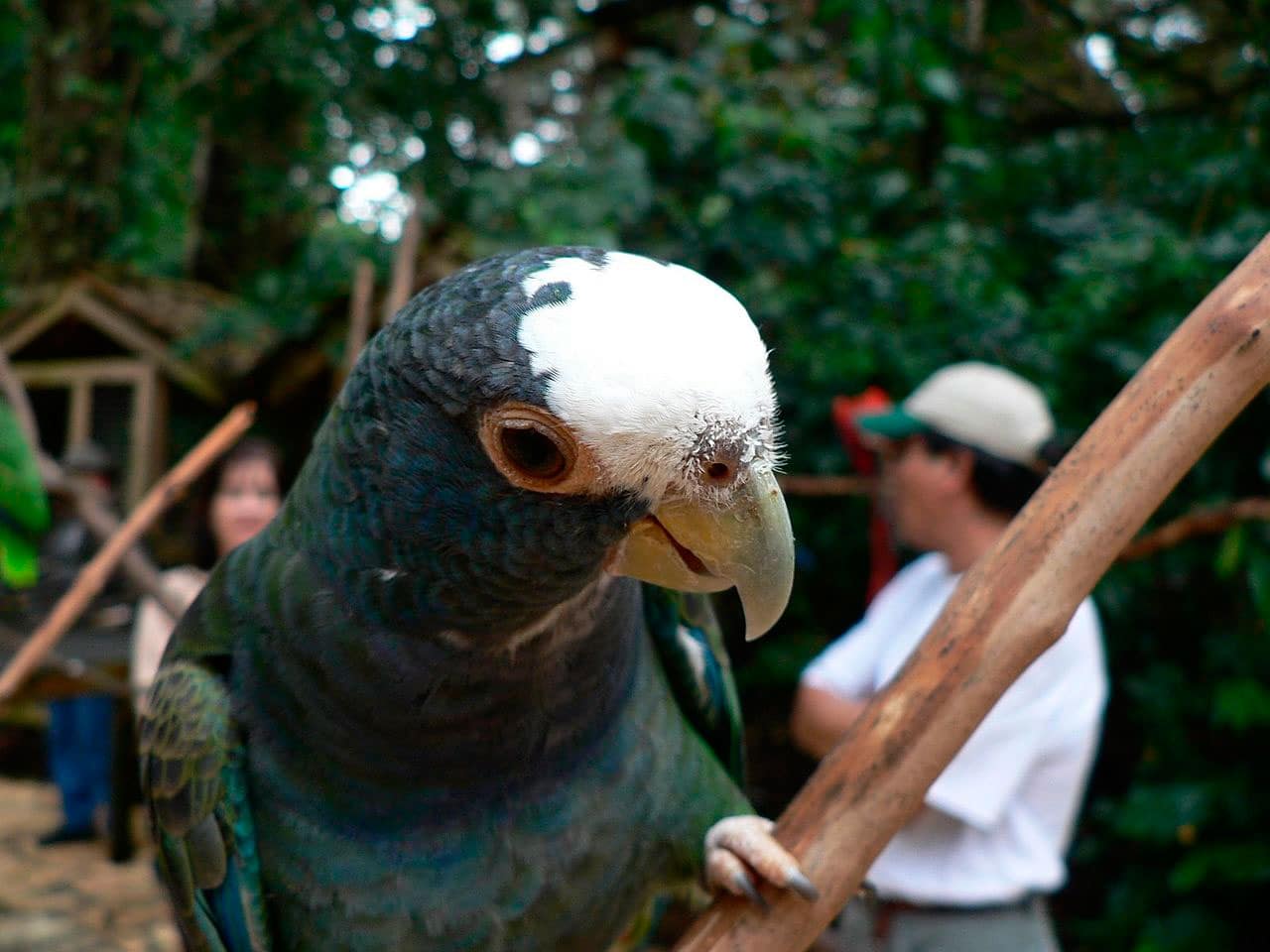
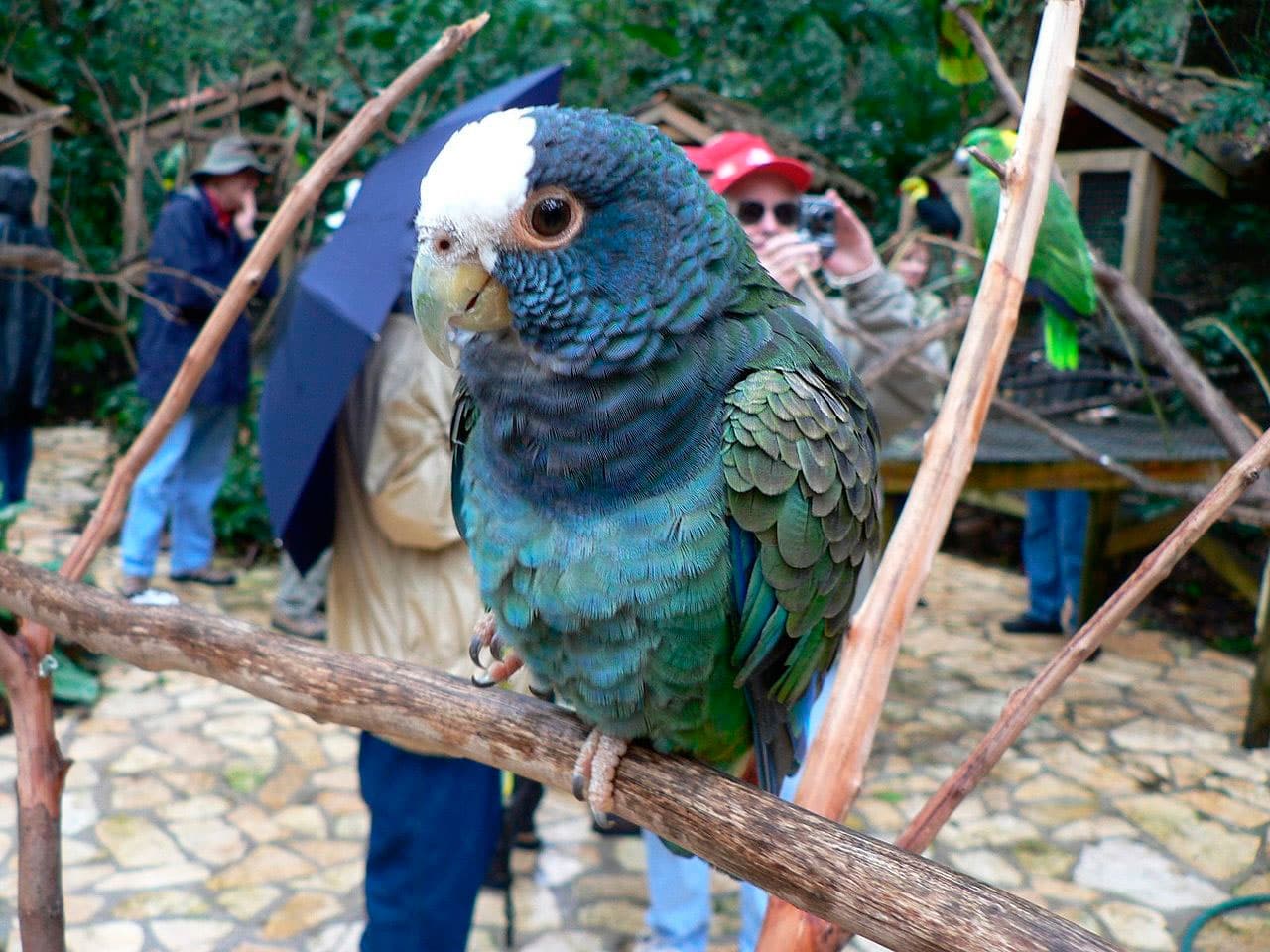
The Hispaniolan Parrot (Amazona ventralis) has the forecrown Lords color and white (variable extension); the crown and upper cheeks with blue feathers and black colored ends; ear-coverts and lower cheeks, charcoal colored (variable measure); feathers nape and the sides of the neck, emerald green with visible black tips.
Hispaniolan Parrot
Mantle and back green grass with black tips, which become progressively less visible to the bottom; rump green, slightly yellowish; uppertail-coverts brighter yellowish green. greater coverts blue; remaining coberteras grass-green. Primaries and secondaries, blue, darker towards the tips, on the innerwebs. Under the wings, green; flight feather bluish green.

The underparts usually green, slightly yellowish, with most feathers showing fairly conspicuous black margins (especially in the upper region) but sometimes with some red feathers chin; patch resizable brown in the center of belly; undertail-coverts pale yellow-green. Upper, the tail is green (perhaps a little darker than the rest of the upperparts) with visible yellowish tip and outerweb external feathers with blue margins; undertail, the tail It is yellowish with the bases of the outer feathers red. Bill Pink; cere brownish white; skin bare periophthalmic white; brown the irises; legs pale grey.


Anatomy-parrots

There is no sexual dimorphism. Immature as an adult but less blue in the crown and the patch abdominal is paler brown.

NOTE

Some authors consider that the Hispaniolan Parrot It conspecific (belonging to the same species) with the Cuban Parrot. Although closely related, It is believed to be quite different due to differences in hue pronounced plumage.

  • Sound of the Hispaniolan Parrot.

Habitat:

Video "Hispaniolan Parrot"

The Hispaniolan Parrot They are distributed in a variety of forested habitats, from lowland sandy palm savannahs to montane pine forests and moist montane forests. Currently most commonly observed in montane forests on the island Hispaniola, due to continued deforestation, although birds also feed at lower altitudes. Observed above 1,500 m (Hispaniola).

Views in pairs during breeding; outside the breeding season, observed in small flocks, usually up to a dozen birds; much larger meetings, until 500 reported in the nineteenth century birds. Couples and couples with young often identifiable in flocks.

Reproduction:

Nests generally constructed in tree cavities, but also in rock crevices, cactus voids and cavities in coconut. Territorial and very aggressive while playing. The breeding season It covers the months of February to May. Clutch 2-3 eggs.

Food:

They feed on, among others, of seeds or fruits of Caesalpinia, Psidium and Ficus, seeds of oranges wild Citrus, corn and bananas.

Distribution:

Size of its range (breeding/resident): 99.000 km2

The Hispaniolan Parrot are distributed by the islands of Hispaniola (Dominican Republic and Haiti), Gonave Island (Haiti), Isla Saona (Dominican Republic), Puerto Rico and probably Snake (Puerto Rico) in the West Indies. It is found in moderate numbers in parts of the Sierra de Bahoruco, Sierra Neiba and Cordillera Central in Dominican Republic. More restricted and less numerous in Haiti, with the remaining population apparently largely in the south of the country.

introduced in Puerto Rico, where the wild population derived from captive birds escaped and at least one consignment of illegally traded birds were released after discovering an attempt to import Puerto Rico. Also wild populations in US Virgin Islands.

Formerly very common in Hispaniola, although there have been during the twentieth century a strong decline in its population, mainly due to the habitat destruction (arising from agriculture and charcoal production). As well persecuted due to crop damage, hunted for food and trapped for sale as pets at local and international level.

In the Decade of 1930 It was limited to the interior mountain forests of the island of largely Hispaniola.

Although it remains locally common, it is enough rare and rare in the wild.

The population in Puerto Rico It is at least several hundred birds and apparently increasing.

Conservation:

State of conservation โ“˜


minor concern Minor Concern โ“˜ (UICN)โ“˜

โ€ข Current category of the Red List of the UICN: Vulnerable.

โ€ข Population trend: Decreasing.

โ€ข Population size : 6000-15000

Rationale for the Red List category

This species is considered Vulnerable because anecdotal evidence suggests there has been a rapid reduction of the population. The size of the population and the exact extent of the decline are unclear, clarification and may lead to the species be reclassified as near threatened.

Justification of the population

The population size It is preliminarily estimated to fall in the band between 10.000 and 19.999 individuals. This is equivalent to 6,667-13,333 mature individuals, rounded here to 6,000-15,000 mature individuals.

Justification of trend

No new data on population trends, but it is suspected that the species is declining quickly, as a result of the hunting, the loss of habitat and capture.

Threats

The agricultural conversion and charcoal production have destroyed the most suitable habitat. It is also persecuted as a crop pest, hunted as food and trapped for Local trade and above for international trade cage birds. (Juniper and Parr 1998).

Trapping adults and stealing hatchlings from nests to supply the Local pet trade It is a particular concern because in some areas most families own a parrot, and they only live a few years before they have to be replaced (G. Woolmer in some. T. White one bit., 2012). It also, activities theft nests often they cause destruction of the nest cavity or nest tree, further aggravating the loss of nesting habitat other causes (T. White in a little .

Conservation Actions Underway

โ€ข CITES Appendix II.

โ€ข You have started a education strategy with community participation to protect species (Vasquez et to the., 1995).

โ€ข In 1997-1998, 49 birds bred in captivity were released and you radiographed in East National Park, Dominican Republic (Vilella et al., 1999).

โ€ข The Biological Reserve Loma Charco Azul, created in 2009, It has populations of the species. in addition, They have carried out recent activities public education and outreach, including some actions of law enforcement, in several communities surrounding the Jaragua National Park, near the border with Haiti.

โ€ข In January of 2012 there was also a Liberation of 10 parrots raised in captivity they had been confiscated as young chicks from poachers nests. These chicks were raised and rehabilitated in National Zoological Park, and released successfully in the grounds of the zoo (T. White in a little ).

Conservation Actions Proposed

โ€ข Assess current population size.

โ€ข Establish a program of comprehensive monitoring.

โ€ข Determine at extension remaining habitat.

โ€ข Determine the impact of various threats.

โ€ข Apply laws and regulations that protect this species and its habitat (Snyder et to the., 2000).

โ€ข Promote better bird-keeping practices to reducing demand for wild birds and develop a captive breeding program.

โ€ข Educate the public about the negative impact of pet trade in native Dominican Republic (T. White in a bit., 2012).

The Hispaniolan Parrot in captivity:

It is easily reproduced in captivity and used as substitute mother to raise the young Puerto Rican Parrot as part of the recovery program for the species (highly threatened).

Each captive specimen of this species which is capable of reproducing, It is placed in a well-managed program captive breeding and not be sold as a pet, with the objective of ensure their survival long-term.

Alternative names:

Hispaniolan Amazon, Hispaniolan Parrot, Salle’s Amazon, Salle’s Parrot, San Domingo Amazon, San Domingo Parrot (English).
Amazone ร  ventre pourpre, Amazone de Sallรฉ, Amazone d’Hispaniola (French).
Blaukronenamazone, Haitiamazone (German).
Papagaio-de-hispaniola (Portuguese).
Amazona de la Espaรฑola, Amazona Dominicana, Cotorra, Cotorra de la Espaรฑola (espaรฑol).

scientific classification:

Order: Psittaciformes
Family: Psittacidae
Genus: Amazona
Scientific name: Amazona ventralis
Citation: (Statius Mรผller, 1776)
Protonimo: Psittacus ventralis

Images Hispaniolan Parrot:


Species of the genus Amazona


Sources:

  • Avibase
  • Parrots of the World โ€“ Forshaw Joseph M
  • Parrots A Guide to the Parrots of the World – Tony Juniper & Mike Parr
  • Birdlife

Photos:

(1) – The parrot Cuca – Cuca The Parrot by Jose Uribe AlneyFlickr
(2) – Hispaniolan Amazon. Two in a cage By TJ Lin (originally posted to Flickr as DSCN0712) [CC BY-SA 2.0], via Wikimedia Commons
(3) – Couple of parrots Amazona ventralis in the Jaragua National Park, Dominican Republic By Yolanda M. Leon (Own work) [Public domain], via Wikimedia Commons
(4) – A Hispaniolan Amazon in a cage By Patrick Hawks (originally posted to Flickr as Hispaniolan Parrot) [CC BY-SA 2.0], via Wikimedia Commons
(5) – Blaukronenamazone (Amazona ventralis) Bรกvaro, Punta Cana, Dominican Republic By Martingloor (Own work) [CC BY-SA 4.0], via Wikimedia Commons
(6) – BARRABAND, Jacques (1767/8-1809) [male red-faced parrot (Hispaniolan Amazon [Amazona ventralis])] From Natural History of Parrots (by Francois Levaillant, 1801-1805) – Wikimedia

Sounds: Ante Strand, XC15749. accessible www.xeno-canto.org/15749

โ–ท The world of Pets: Dogs, cats, birds, reptiles, amphibians

Mexican Parrotlet
Forpus cyanopygius

Mexican Parrotlet

Content

Description:

Mexican Parrotlet

13โ€“14 cm. in length and 30โ€“37 grams in weight.

The Mexican Parrotlet (Forpus cyanopygius) has lores, cheeks, forecrown and headphones coverts, brighter yellowish green.

The average area crown to the top of the back, green; lower back, rump and uppertail-coverts, turquoise. big blankets turquoise, other coverts, green. Primaries green, secondaries dark turquoise blue color with narrow edges outerweb. Under the wings turquoise blue and green, the flight feather dark blue-green. Underparts green tinged with yellow. Upper, the tail is green; undertail, duller. Bill and cere pale grayish; bare periophthalmic grey; irises dark brown; legs pink.

Female all green. Immature as female, with some blue feathers on the rump and in the wing-coverts, in the case of young male.

hybrids:

Forpus [conspicillatus x cyanopygius] (hybrid)
Forpus [heaven x cyanopygius] (hybrid)
Forpus [cyanopygius x passerinus] (hybrid)

  • Sound of the Mexican Parrotlet.

Description 2 subspecies:

Two subspecies. But, some authorities regarded the northern birds range as a third subspecies (Forpus cyanopygius pallidus), doubtfully distinct from the nominees. See also Note on Blue-winged Parrotlet (Forpus xanthopterygius).

Habitat:

The habitat of the Mexican Parrotlet They are gallery forests and deciduous forests, plantations, scrub, semiarid open field and trees cultivated areas; mainly observed in lowlands and foothills with the highest number of records in the south of Sonora to 360-455 m; at higher altitudes in western Durango and Zacatecas, with upper limit to 1.320 m.

Birds in breeding abilities have been observed above the 900 meters indicating possible breeding at higher altitudes. Gregaria, forming flocks 4-30 or more, sometimes in the company of Orange-fronted Parakeet (Eupsittula canicularis).

Reproduction:

breeding season may July. Clutch three eggs in captivity.

Food:

Little information about diet or creation: birds observed taking fruits the Ficus, berries and grass seed soil.

Distribution and status:

Size of its range (breeding/resident): 177.000 km2

Endemic West Mexico from Alamos in the South of Sonora to the South by Sinaloa, Nayarit (including the Islands Three Marias) and Jalisco until Colima, with the southernmost record in the Manzanillo Bay (19 ยฐ 03โ€™N).

Its range extends eastward Durango and Zacatecas. irregular population with widely fluctuating local abundance, perhaps in relation to the availability of local foods. There has been a large-scale modification of habitats within range but the species remain common (at least locally). The birds in the Tres Marias Island Perhaps they are in risk of extinction.

Distribution 2 subspecies:

Conservation:

State of conservation โ“˜


Near-threatened Near Threatened โ“˜ (UICN)โ“˜

โ€ข Current category of the Red List of the UICN: Near-threatened.
โ€ข Population trend: In decline.

Rationale for the Red List category

The species has risen to near threatened because its population has probably been reduced to a rate close to 30% during three generations (12 years), depending on the estimated operating levels and reducing the area of รขโ‚ฌโ€นรขโ‚ฌโ€นoccupancy and extent of occurrence; almost meet the listing requirements as threatened under the criteria A2cd + 3cd + 4cd. If the declinations are found to exceed the 30% then the species would qualify to lift to Vulnerable. If there is evidence suggesting that the global population of this species is <10.000 mature individuals, And it is suffering a continuous decrease of> 10% in three generations (until 100 years in the future), would also qualify to lift Vulnerable.

Justification of the population

Partners in Flight estimated that the population in number of less than 50.000 individuals (A. Punjabi in some. 2008), so it is placed in the band 20.000 to 49.999 copies here.

Justification of trend

It is suspected that the population is declining rapidly due to moderately heavy pressure from his capture by illegal trade (Cantu et al ., 2007, Marรญn-Togo et al ., 2012). According to reports, the population of the island Three Marias It has decreased (Collar y Bushman 2014).

Threats

The capture for trade in wild birds It poses a serious threat to a 8.000 individuals illegally caught per year (Cantu et al ., 2007). The range of the species is within one of the main routes for the illegal trade of parrots in Mexico and it is thought that the heavy exploitation of the species is an important factor in their apparent absence of suitable habitat areas.

Conservation actions and research in progress

CITES Appendix II.

Conservation and research actions proposed

Implement legislation to prevent illegal trade. Raise awareness of the species.

"Mexican Parrotlet" in captivity:

Quite frequently seen in aviculture.

Capture for trade in wild birds represents a serious threat to a 8.000 individuals illegally caught per year.

In captivity is not a very long-lived bird; according to sources a specimen lived 10,5 years in captivity.

Each captive specimen of this species which is capable of reproducing, should be placed in a well-managed captive breeding program and not be sold as a pet, in order to ensure its long-term survival.

Alternative names:

Blue-rumped Parrotlet, Mexican Parrotlet (English).
Perruche-moineau ร  croupion bleu, Perruche-moineau turquoise, Toui du Mexique (French).
Blaubรผrzel-Sperlingspapagei (German).
Tuim-mexicano (Portuguese).
Catita Enana Mejicana, Cotorrita Mexicana, Perico Catarina, Periquito Mexicano (espaรฑol).

scientific classification:

Order: Psittaciformes
Family: Psittacidae
Genus: Forpus
Scientific name: Forpus cyanopygius
Citation: (Souancรฉ, 1856)
Protonimo: Psittacula cyanopygia

Images Mexican Parrotlet:

Video of the "Mexican Parrotlet"

"Mexican Parrot" (Forpus cyanopygius)


Species of the genus Forpus