โ–ท The world of Pets: Dogs, cats, birds, reptiles, amphibians

Somali cat
Federations: LOOF, CFA, ACF, ACFA, TICA, FIFรฉ, WCF

Content

Characteristics "Somali cat"

Coexistence is important that you have with your new friend. Before considering the acquisition of a cat of the breed "Somali cat" you know certain factors. You must take into account their character, their need for exercise, their interaction with other pets, their care and if you have small children, their level of tolerance towards them.

Joy

5,0 of 5 stars (based on 1 review)

Activity level

5,0 of 5 stars (based on 1 review)

Friendliness to other pets

3,0 of 5 stars (based on 1 review)

Friendliness to children

2,0 of 5 stars (based on 1 review)

Grooming requirements

3,0 of 5 stars (based on 1 review)

Vocality

1,0 of 5 stars (based on 1 review)

Need for attention

4,0 of 5 stars (based on 1 review)

Affection towards its owners

4,0 of 5 stars (based on 1 review)

Docility

1,0 of 5 stars (based on 1 review)

Intelligence

4,0 of 5 stars (based on 1 review)

Independence

3,0 of 5 stars (based on 1 review)

Hardiness

2,0 of 5 stars (based on 1 review)

History

No one knows for sure when and where the first somali cat; some advocates think that the long coat was a spontaneous natural mutation of the Abyssinian cat. Genetic studies indicate, However, that Somali probably originated around the turn of the century in England, when breeders, few breeders, they used longhair cats in their breeding programs Abyssinians.

At the end of the decade 1910 and at the end of the decade of 1940, during the aftermath of World Wars I and II, when so many races had dwindled to near extinction, breeders were forced to mix other breeds into their bloodlines abisinias to keep the race. Raby Chuffa of Selene, a Abyssinian cat male who came to the United States from Great Britain in 1953, and that appears in the pedigrees of many Abyssinians, is considered the father of the somali race on this continent; all the somalis Canadians and Americans can be traced to this cat.

Somali cat
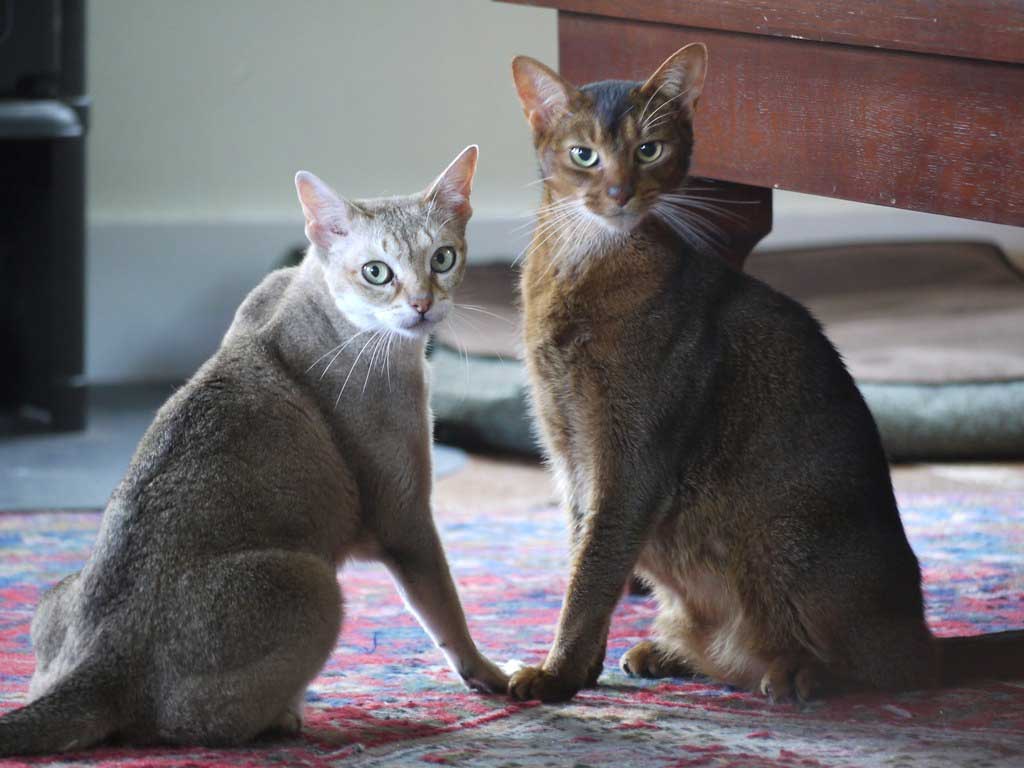
somali cat, female – FinnFrode, CC BY-SA 4.0, via Wikimedia Commons

The pedigree of Raby Chuffa It dates back to Roverdale Purrkins, a female Abyssinian cat English whose mother, Mrs. Mews, was of unknown ancestry and probably carried the gene for Longhair. Mrs. Mews was given to the breeder Janet Robertson by a sailor during WWII. Mrs. Mews later had two kittens: Roverdale Purrkins, registered as Abyssinian, and an unregistered black male.

Robertson used to Purrkins to start his kennel of Roverdale. Your cats and others Abyssinians of British origin were exported to Europe, Australia, New Zealand, Canada and United States. When long-haired kittens appeared in the litters of Abyssinians (which was possible whenever two Abyssinians who carried the longhair recessive gene), the kittens were discreetly given away, since no breeder wanted their Abyssinian lines to be thought to be "contaminated" with the longhair gene.

It was not until the decade of 1960 when breeders, seeing the appeal of a longhair version of a breed that was rapidly gaining popularity in North America, they began to seriously try to turn these castaways into a race of their own. At the same time, breeders of Canada, Europe, Australia and New Zealand also began working with the new breed. Some breeders of Abyssinians They wanted nothing to do with these long-haired mavericks and they didn't want to foster the connection that the name "longhair abyssinianยป would produce.

the Abyssinian breeder Evelyn Mague, one of the first American breeders to work with the long haired breed after discovering that two of his Abyssinians, Lynn-Lee’s Lord Dublin and Lo-Mi-R’s Trill-By, they were carriers of the long hair gene.

He came up with the name โ€œSomaliโ€ because Somalia borders Ethiopia., the country that used to be called Abyssinia and that gave its name to the Abyssinian cat. In 1972, Mague founded the Somali Cat Club of America and began to gather the enthusiasts of the somalis.

In 1975, the International Somali Cat Club was founded, affiliated with the CFA. La CFA. recognized the breed in 1978. Lynn Lee’s Picasso and Lynn Lee’s Pearl, two somalis from the hatchery of E. Mague, arrived in France in 1979. The FIFe approved the breed in 1982.

This cat is very popular with a growing audience.

Physical characteristics

"Somali cat"

Gato Somali
Picture of a ruddy Somali cat – AbuDun91919, CC BY-SA 4.0, via Wikimedia Commons

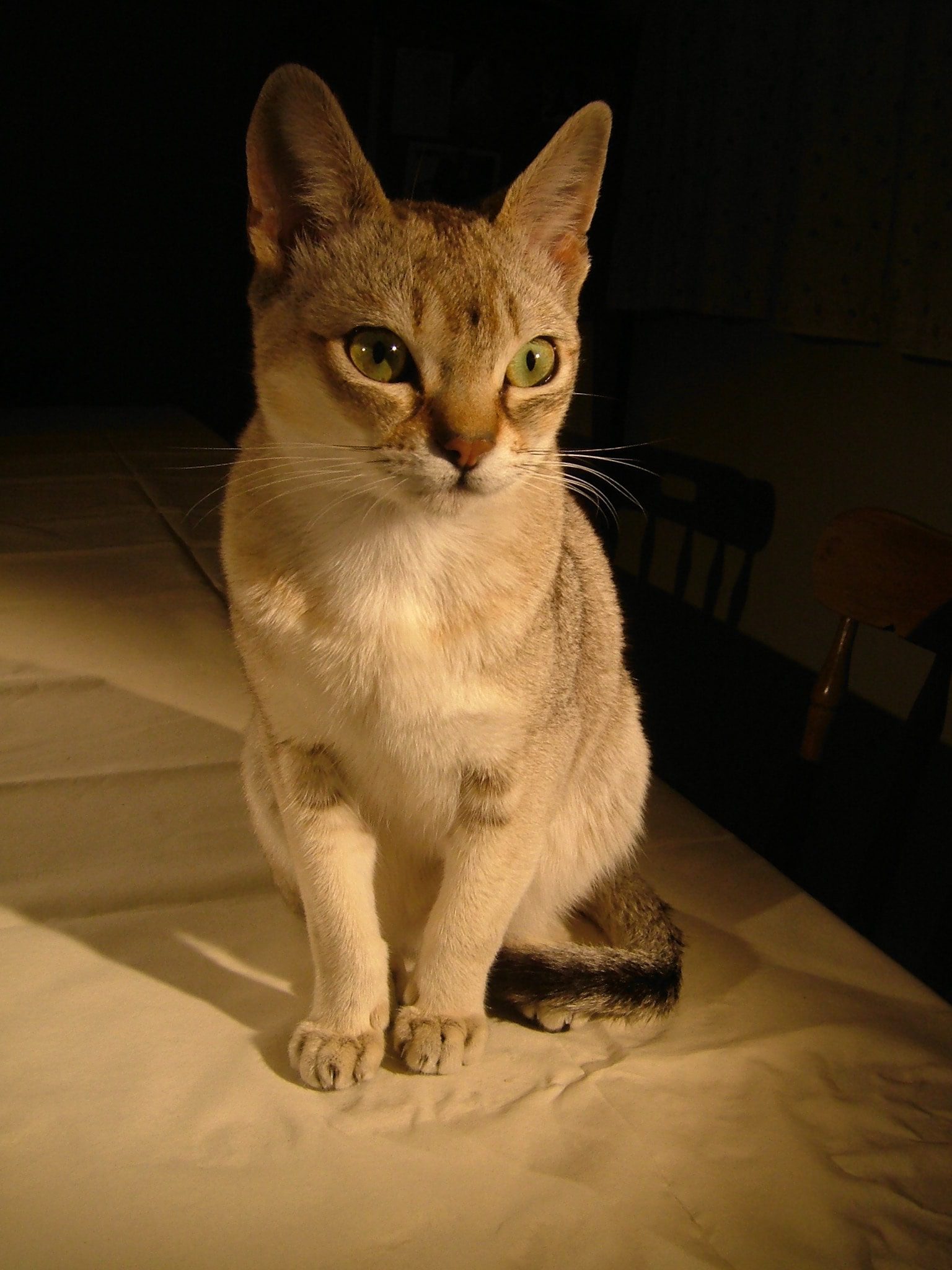
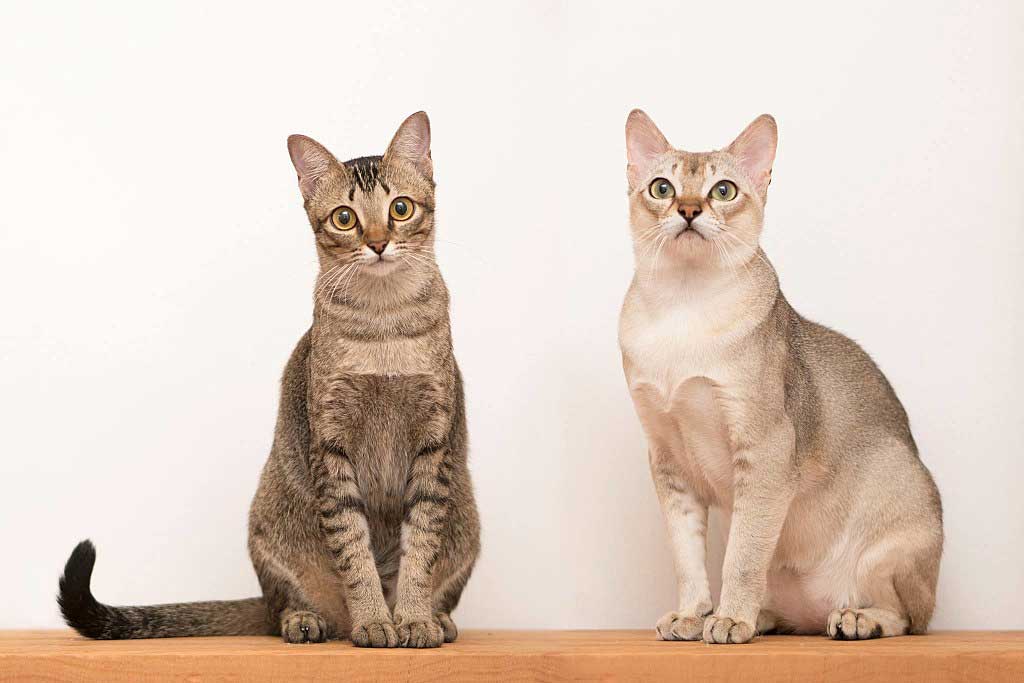
The complexion of the Somali cat It is similar to the race it comes from, with long legs and agile and muscular body. Long hair may have up to twelve alternate stripes of dark marks in each hair, What produces an impressive brightness when the cat has all the fur. As all cats, silent substantially in spring, and in the year's hottest months or in warm climates, It may seem almost of short hair. With its winter coat, the tail becomes very hairy, and thanks to its color and complexion it has earned the nickname "fox cat".

Size and weight

  • Size: 30 cm.
  • Weight: 3,5 to 5,5 kg

Breed standard

The breed standards are documents established by official bodies that list the conditions that a dog must meet. Somali cat to be fully recognized as belonging to the race:

BODY

Medium long torso, agile and elegant, showing well-developed muscle strength. The rib cage is rounded; the back is slightly arched, giving the appearance of a cat about to jump; flank is level, without it being collected. The conformation falls somewhere between the extremes of the elongated and slender types.

HEAD

Modified wedge, slightly rounded, without blueprints; the eyebrows, cheeks and profile lines show a smooth contour. A slight lift from the bridge of the nose to the forehead, which should be of a good size with a width between the ears that flows into the arched neck without interruption. The muzzle should follow a smooth contour in accordance with the skull, seen from the front profile. The chin must be complete, neither lower nor higher, with a rounded appearance. The muzzle should not be very pointed, and there should be no evidence of a bite, rash or pinch on whiskers.

EARS

Large, alerts, moderately pointed, wide and hollowed out at the base. The ears should be placed in a line towards the back of the skull. The inner ear should have horizontal strands that reach almost to the other side of the ear.; it is desirable that there are tufts.

EYES

Almond-shaped, large, bright and expressive. Skull opening not round or oriental. Eyes accentuated by dark skin on the eyelid surrounded by a light-colored area. On each of them a short dark vertical stroke with a dark pencil line that continues from the upper eyelid to the ear. The color of the eyes is gold or green, the richer and deeper the color, best.

LEGS & PAWS

Legs in proportion to the torso; oval and compact feet. When it is stopped, the Somali gives the impression of being agile and fast. Toes five in the front and four in the back.

TAIL

With a full brush, thick at the base and slightly tapered. Its length is balanced with the torso.

COAT

Very soft texture to the touch, extremely thin and double-layered. The denser the fur, best. Length: a medium length cloak, except on the shoulders, where slightly shorter length is allowed.

COLOR

Ruddy, red, blue and tawny. Warm and glowing.

  • Ticking: distinct and uniform, with dark colored bands contrasting with lighter colored bands on the hair shafts. Undercoat color is clear and bright relative to skin. Deeper color tones are desired, However, ticking intensity should not be sacrificed for color depth. Preference is given to cats without markings on the underparts, chest and legs; tail without rings.
  • Markings: darker shading along spine continuing to tip of tail; darker shading on the hocks, shading is allowed at the tip of the elbow; dark lines extending from the eyes and eyebrows, shading on cheekbones, dots and shading on whisker pads are desirable enhancements, eyes accentuated by a fine dark line, surrounded by a light colored area.

Character and skills

Under his apparent shyness, he is an intelligent cat and sometimes capable of being bold. Very alert, lively and active, it is not exuberant. He is a lovely companion, whose behavior is often compared to that of a little fox.

Tender and very affectionate, demands a lot of attention, but is said to be less possessive than the Abyssinian cat. Although he is somewhat afraid of the cold, Somali do not tolerate confinement and, Therefore, he does not like life on the flat very much. As a great hunter, a garden is better for him than a flat.

Grooming

The maintenance of its coat only requires a weekly brushing. During the molting period, must be brushed daily.

Videos "Somali cat"

httpv://www.YouTube.com/watch?v=NraQzF2–VI

Muffin - The Somali Cat - My daily grooming

Alternative names:

  • Fox cat; long-haired Abyssinian
  • โ–ท The world of Pets: Dogs, cats, birds, reptiles, amphibians

    Sphynx cat (Canadian Sphynx)
    Federations: CFA, FIFe, TICA, AACE, ACFA/CAA, CCA-AFC

    Photo: wilkipedia

    Content

    Characteristics "Sphynx cat (Canadian Sphynx)"

    Coexistence is important that you have with your new friend. Before considering the acquisition of a cat of the breed "Sphynx cat (Canadian Sphynx)" you know certain factors. You must take into account their character, their need for exercise, their interaction with other pets, their care and if you have small children, their level of tolerance towards them.

    Joy

    5,0 of 5 stars (based on 1 review)

    Activity level

    4,0 of 5 stars (based on 1 review)

    Friendliness to other pets

    4,0 of 5 stars (based on 1 review)

    Friendliness to children

    4,0 of 5 stars (based on 1 review)

    Grooming requirements

    5,0 of 5 stars (based on 1 review)

    Vocality

    4,0 of 5 stars (based on 1 review)

    Need for attention

    5,0 of 5 stars (based on 1 review)

    Affection towards its owners

    5,0 of 5 stars (based on 1 review)

    Docility

    4,0 of 5 stars (based on 1 review)

    Intelligence

    5,0 of 5 stars (based on 1 review)

    Independence

    1,0 of 5 stars (based on 1 review)

    Hardiness

    3,0 of 5 stars (based on 1 review)

    History

    The Sphynx it is a singular cat, that does not stop turning those who cross it. In fact, His physical appearance, with her bare and wrinkled skin, does not leave anyone indifferent.

    But, only mentioned for a few decades, although the existence of naked cat breeds is not new.

    In ancient egypt, hairless cats already attracted attention, and only pharaohs could have them. More recently, wall engravings from Aztec times show that they raised cats very similar to those of the Sphynx current.

    In 1830, Swiss naturalist and physician J.R. Rengger described these cats in his book on the mammals of Paraguay (Naturgeschichte der Sรคugethiere von Paraguay).

    In 1903, hairless cats were mentioned in the book The Book of the Cat, written by Frances Ann Simpson, a cat historian. He mentioned two nude specimens named Dick and Nellie who lived in Albuquerque, New Mexico. The Pueblo Indians gifted them to an American cat lover, F.J. Shinick. They told him that they were the last two descendants of the cats bred by the Aztecs.

    At a cat show held in Paris in 1930, a male and a female aroused great curiosity. The photos of them show that they look a lot like the Sphynx. Given the rarity of these individuals and the fact that they came from the same neighborhood in Paris, they were assumed to have the same father, which in turn should be hairless. But, the two owners refused to attempt mating.

    In the following years, similar individuals were reported in Morocco, Australia and the United States.

    The phenomenon was repeated in Toronto (Canada) in 1966: a pair of short-haired domestic cats gave birth to a litter in which one of the males, called Prune, I had no hair. This did not leave Ridyah and Yania Bawa indifferent, breeders by profession, who decided to start breeding naked cats. They acquired Prune and Elizabeth, his mother, and they made them raise. They obtained a litter with a hairless individual. With the help of Keese and Rita Tenhove, they continued their work to develop the breed, who was called first Moonstone Cat and then Canadian Hairless, finally choosing the name of Sphynx cat.

    But, the early days were chaotic, with medical problems caused by limited gene pool and inbreeding. As a result, some kittens died quickly from undiagnosed illnesses. In fact, the Cat Fanciers’ Association (CFA) granted recognition of the breed on a provisional basis in 1970, before withdrawing it the following year precisely for these health problems.

    In 1975, Milt y Ethelyn Pearson, Minnesota farmers ((UNITED STATES)UU.), they found a hairless kitten in one of their litters, even though both of his parents did not have this specificity. They called it Epidermis. The following year they had more hairless kittens, one of whom they named Dermis. In 1981, Kim Muesk, from the Zโ€™Stardust hatchery in Oregon, bought the two cats from farmers to try to develop the breed.

    At the same time, another Minnesota breeder, Georgiana Gattenby, he also used naked kittens from the Pearson farm to cross with the Cornish Rex and help develop the Sphynx cat.

    At the end of the year 70, a dutch amateur, The doctor. Hugo Hernandez, got a male cat and a female, named Starsky and Johnny respectively. Both specimens were probably descendants of Prune. Raised them, but the litter resulting from their mating died.

    At the same time, more specifically in 1978, Shirley Smith, a Siamese breeder from Toronto (Canada), he found three little hairless cats on the streets of his neighborhood. He took them in and called them Bambi, Paloma and Punkie. Castrated Bambi, but he sold the other two to Hugo Hernรกndez, who still owned Starsky and Johnny.

    Hugo Hernรกndez tried several crosses, but none of them were successful. Castrated Starsky in 1981 and sold Paloma to a German breeder. Finding herself without a male Sphynx able to create, raised Punkie with a white Devon Rex. She gave birth to a litter of five kittens, two of which were hairless and named Q-Ra and Q-Ramses. In collaboration with the German breeder, a mating was arranged between Q-Ra and Paloma, that allowed the latter to give birth to a small Sphynx called Hathor.

    The two men also arranged marriages between Q-Ramses and Paloma. In 1983, one of the resulting litters passed into the hands of Patrick Challain, a Parisian breeder, and the breed was introduced in France. One of the kittens in the litter, Chnoem, came to acquire notoriety as European champion of the breed.

    In 1985, a couple of French breeders, Aline and Philippe Noรซl, two little Sphynx were brought from Holland, Mogwi y Gizmo. They had a litter from which came a little cat named Amenophis Clone. The latter was used by the Official Book of Feline Origins (LOOF) to set the standard Sphynx.

    Beyond the fact that the breed faced many pitfalls before it was born, sometimes faced a certain suspicion, even open hostility. In effect, if some cat lovers were quickly fascinated by this particular looking cat, others, on the other hand, they had a much less enthusiastic attitude, arguing that the gene that gives bare skin can be considered as a genetic disease, and that, therefore, this particularity should not be encouraged at all, and even less to be recognized by official authorities.

    Your point of view is questionable, because the hairless skin trait is due to a spontaneous genetic mutation that has existed since ancient times, no to a disease. But, despite his detractors, the breed managed to develop and be recognized, especially thanks to the crosses made with the American shorthair cat and the Devon Rex: they were a precious help to expand the genetic background of the breed and avoid inbreeding.

    Sphynx
    Sphynx

    Recognition of Sphynx

    Although the Sphynx cat It is a fairly recent breed and its beginnings were somewhat chaotic, was quickly recognized by the various reference bodies, both international and national.

    The International Cat Association (TICA) was in 1986 the first official body to take the step. The Fรฉdรฉration Internationale Fรฉline (FIFรฉ), that brings together the feline authorities of some forty countries, including Switzerland and Belgium, did the same in 2002. It was also that year when Cat Fanciers’ Association (CFA) definitely recognized the Sphynx, after a true false start in 1970, when he was granted provisional recognition, to withdraw it the following year.

    In fact, most official organizations in the world have done the same, as the World Cat Federation (WCF), the British Governing Council of the Cat Fancy (GCCF), the Canadian Cat Association (CCA) or the Livre Officiel des Origines Fรฉlines (LOOF) in France.

    The unique appearance of this cat has not prevented it from being widely recognized throughout the world, and its success is undeniable.

    Authorized crossings

    In order to expand the still relatively small gene pool of the breed, and thus reduce the risk of health problems induced by inbreeding, Most organizations allow a Sphynx cat is raised with a representative of some other races.

    The International Cat Association (TICA) allows crossings with :

    In United States, the Cat Fanciers’ Association (CFA) does the same, at least until 2023. In fact, starting at the 1 in January of 2024, Only kittens whose parents are both purebred can register with the organization. Sphynx.

    In Great Britain, the Governing Council of the Cat Fancy (GCCF) add russian blue to the list. So, the Sphynx can cross with :

    On the other hand, the Canadian Cat Association (CCA) it is much more restrictive, since it only allows crosses with the American shorthair cat.

    The Livre Officiel des Origines Fรฉlines (LOOF) French is the strictest of all, since it does not allow any crossing of the Sphynx cat with other races. In short, is already applying the policy that the CFA will follow from 2024.

    Popularity of "Sphynx cat (Canadian Sphynx)"

    Maybe the Sphynx be a recent breed of cat, but it is already very popular in both Europe and North America.
    in Canada, despite a hiatus in 2018, in the second half of the Decade of 2010 occurred around 200 annual registrations with the Canadian Cat Association (CCA), which places it on the podium as one of the most popular cat breeds in Canada.

    The United States also contributed a lot to its development, so it is not surprising that it is also well established there. Throughout the decade of 2010, log statistics on Cat Fanciers’ Association (CFA) placed them between sixth and ninth in the popularity ranking.

    In France, the number of annual registrations in the Livre Officiel des Origines Fรฉlines (LOOF) has increased almost continuously since the beginning of the century. While at the beginning of the decade of 2000 there were barely hundreds, at the end of it the 300. Things picked up speed in the following decade, to the point that the number of registrations per year exceeded 1.000 at the end of the Decade of 2010, which even allowed the Sphynx enter the Top 10 of the favorite feline breeds of the French.

    In Switzerland, things are more mixed. Certainly, annual enrollment statistics Fรฉdรฉration Fรฉline Helvรฉtique (FFH) show a regular progression from the beginning of the years 2000 until 2015, as their number went from a handful to almost fifty, which allowed them to approach the doors of the Top 10. But, in the following years there was a sudden collapse, and the number of cats Sphynx registered in the organization each year was reduced to about 20.

    In Great Britain, there was also a similar decline from 2013, although it was much less pronounced. Like this, while the inscriptions in the Governing Council of the Cat Fancy (GCCF) they were approaching 400 early in the decade 2010 (versus less than a hundred in 2006, for example), later they were reduced to 250, and even some 200 at the end of the decade. As a result, after reaching the position 13 in the ranking of the most popular breeds in the country (based on the number of annual registrations) in 2012, the Sphynx cat had been demoted to the position 17 in 2019.

    Sphynx
    Sphynx

    Physical characteristics

    With her bare and wrinkled skin, its big ears and its long rat tail, the Sphynx cat is definitely a cat with an atypical appearance, and he rarely leaves those who come across him indifferent.

    Its body It is medium in size and semicobby. Has well-developed musculature, that is very evident under her hairless skin. His chest is "barrel shaped": is wide and the abdomen is rounded, which gives the impression that you have eaten too much. In fact, this cat is heavier than most of its congeners, but this is mainly due to their muscle mass. The well-shaped hips and rump are proof of this..

    The body ends in a tail long and flexible, slightly thick at the base, that looks like a rat. In some individuals, has a lock of hair on the tip: it is then said that they have a lion's tail.

    The legs have fine bone structure and well-defined musculature. The hind legs are slightly arched. They all have oval feet with long, thin toes and clearly defined phalanges.. The pads are meatier than in other cat breeds. This gives the impression of walking gracefully on air cushions..

    The head it is medium in size and triangular in shape, longer than wide. The skull and forehead are flat. The neck it is quite slim and arched, what gives to Sphynx a haughty look.

    This is reinforced by the ears, that are totally oversized in relation to the head. Wide at the base and rounded at the tip, they are very open and have no hair inside.

    The eyes they are very open, are lemon-shaped and have few or no eyelashes. all colors are accepted, and they give you in any case a penetrating and expressive look.

    Profile, there is a concave curve from the forehead to the straight nose.

    The cheekbones they are bulging and round.

    The snout it celebrities, rounded and rather short. The pasterns, fleshy parts of the muzzle where whiskers normally grow, they are complete and round. But, the Sphynx he doesn't have mustaches. The chin is well defined and firm.

    The skin of the Sphynx can be characterized by alopecia in the strict sense, all over the body. But, usually covered by a small, barely visible down. In both cases, is thicker than fur breeds, and quite comparable to the touch of the skin of a peach.

    It also, kittens are born with very wrinkled fur. This softens a bit as they grow, but a Sphynx cat adult retains folds especially on the legs, neck and head. All colors and designs are accepted. But, black and white is the most common color. The pigmentation of the skin is what gives the breed its varied colors.

    Last, this breed is not characterized by a sexual dimorphism very pronounced: the male and female are quite similar in size.

    Curious Sphynx cat. – Flickr
    A physical characteristic due to an autosomal recessive gene

    The Sphynx has completely bare skin or has a small amount of down. This alopecia is due to a spontaneous mutation of a gene, without human intervention.

    This gene is autosomal, that is to say, can affect both men and women. It is also recessive in relation to the gene for short or long hair.: to have this morphological peculiarity, an individual must have inherited one copy of the mutated gene from each of their two parents. Otherwise, has hair.

    More concretely, if both parents are carriers of the mutated gene and have fur at the same time (that is to say, are heterozygous in the gene that determines the presence or absence of fur), an average of 25% of their kittens have no hair.

    If, on the other hand, one of the two parents is hairless (that is to say, is homozygous for the fur gene) and the other is a carrier of the gene but has hair (that is to say, is heterozygous), the 50% of the kittens have no hair.

    Last, in the event that both ancestors are hairless (and, Therefore, homozygous for the fur gene), all their offspring are hairless.

    But, as detailed by researchers from the University of Davis (California, (UNITED STATES)UU.) In an article titled "The naked truth: Sphynx and Devon Rex cat breed mutations in KRT71ยซ, published in 2010 in Mammalian Genome Magazine, the specificity of the hairless skin of the Sphynx It is produced by the same gene that gives Devon Rex her curly hair. But, unlike the allele associated with curly hair, the one corresponding to the absence of hair is dominant. So, breeding cats Sphynx with cats Devon Rex would produce hairless individuals and was identified as an interesting way to increase the cat population Sphynx and, at the same time, diversify the breed's gene pool. But, It turned out that a large proportion of the individuals born from these matings suffer from dental or nervous diseases.

    This gradually led most organizations to ban the breeding of the Sphynx with the Devon Rex. So they decided Livre Officiel des Origines Fรฉlines (LOOF) French, the Governing Council of the Cat Fancy (GCCF) British and the Canadian Cat Association (CCA). The Cat Fanciers’ Association (CFA) has done the same, but this new rule will only be applicable in 2023: starting at the 1 in January of 2024, will stop recognizing kittens born from such a mating. The International Cat Association (TICA) it is the last major institution that admits these crossings.

    Size and weight

    • Size: 30 cm.
    • Weight: Of 2,5 to 4,5 kg

    Varieties of "Sphynx cat (Canadian Sphynx)"

    Contrary to what its name might suggest, the Donskoy (Don Sphynx) it has nothing to do with him Sphynx cat.

    The confusion is even more possible because it is also a naked cat breed and has a similar appearance.. This is why he was called Don: Don refers to the city of Rostov-on-Don, near which he was born, While Sphynx refers to the fact that it resembles the latter. But, their origins and stories are completely different.

    Character and skills

    The physical appearance of Sphynx cat can sometimes confuse, not to say discourage. But, his character makes him worth knowing.

    He is especially affectionate and attached to his family, and even humans in general. In fact, loneliness weighs on him, for which he appreciates the company of another human in the absence of that of his relatives. So, can be easily attended by a third person in case of prolonged absence.

    His attachment to his master makes him feel free to follow him everywhere., or even sleeping in his bed (preferably under the sheets, to be warm) if you are offered the opportunity. He also especially likes to lean on the shoulders, to scrutinize your surroundings while in contact with the person who matters most to you. In short, It is not recommended for a person who does not want a "sticky" animal or who is often absent during the day and leaves it alone.

    Although he has a particular attachment to his human reference, he is very tender with all members of the family. He is very cuddly and will cuddle up on the couch with everyone else to keep you company and warm., not hesitating to take advantage of their human warmth by snuggling with them.

    He also really likes tenderness and pampering, and it must be recognized that caressing a Sphynx cat it is a very pleasant experience. In fact, her skin is as smooth as a peach, and radiates a reassuring warmth. It is sometimes used in zootherapy to combat nervousness or anxiety.

    Nor is he deprived of welcoming his little world at the door., how would a dog. Sometimes she even winks to show how happy she is to have her family back..

    It usually delights children, whose company you enjoy. Playful, patient and non-aggressive, it is an excellent entertainment companion for them. But, like any other dog, should never be left alone with a young child, Unsupervised, because a misunderstanding or awkward gesture can happen quickly. The safety of both parties is at stake.

    It also, his closeness to humans is not limited to his family members: he is also very sociable and kind to strangers who come into the house. Far from greeting them with suspicion, as do most of his peers, does not hesitate to go to meet him, for example, jumping on his lap.
    In short, whether it comes from your family or from strangers in the house, loves to be the center of attention.

    They are very friendly, not aggressive and quite willing to share their territory, so they will easily coexist with a companion or a dog, especially if that dog is of a cat-loving breed. Sharing your home with another animal is a great way to help you cope with your family's absence.: if you are also well disposed, they can become best friends, playing together from morning to night. As he does with his humans, does not hesitate to sleep curled up against his little companion, to benefit from its body heat. So that the coexistence goes well, Ideally, each of the two protagonists should be used to the presence of the other from a young age. Otherwise, a gradual introduction is essential so that no one rushes and everyone gradually gets used to the situation.

    Nor is it a problem that a Sphynx live with a bird or a rodent. But, if the family is out, it is always better to ensure the safety of the animal by keeping it in a closed place, either in a cage or in a room that the cat does not have access to.

    In addition to his interpersonal qualities, the Sphynx he is a smart cat, lively and curious. All of these qualities combine to make the Sphynx an excellent student for anyone who wants to teach their cat tricks, how to look for objects and come when called. It is also very good at learning things by itself, especially when it follows its owners and observes them. So, it's not surprising to see him open doors, wardrove, drawers and taps. It is also a good idea to stimulate their intellectual faculties with interactive toys., with whom he usually enjoys.

    Usually, cats like to rise up to observe the world around them, and the Sphynx is no exception. His master's shoulders are one of his favorite observatories, but this does not mean that a cat tree should not also be installed in the home where it can perch and contemplate its surroundings.

    Last, the Sphynx cat it is much more adaptable than most of its congeners. Quickly and easily adapts to a possible change in environment, either punctual (for example, during a trip) the permanent (in the event of a move with your cat). In a way, gives more importance to where you live than to the people you live with.

    Sphynx cat
    Sphynx cat – Dmitry Makeev, CC BY-SA 4.0, via Wikimedia Commons

    Grooming and caring for the "Sphynx cat (Canadian Sphynx)"

    Those who think that a hairless cat is necessarily less demanding than one with hair will be in for a surprise.: It is not the case of Sphynx cat.

    In particular, their skin should be moisturized daily with a mild oil or lotion specifically for felines. As he likes very much to be caressed and does not mind being manipulated, these cares soon become a pleasure for him.

    It also, the lack of fur means that the sebum emitted by their skin is not absorbed by the hair, so your skin quickly becomes oily. Daily cleaning with a feline washcloth will help keep your cat clean and prevent oil build-up on the skin., so that it does not leave greasy marks on furniture or fabrics. At the same time, it is necessary to bathe your cat every week with a moisturizing shampoo specially designed for cats. You should also make sure to rinse your cat well afterwards.: shampoo left on your skin could lead to scratching and irritation.

    You should also plan to apply sunscreen if you have access to the outdoors and the weather is good.: replaces melanin, the protective substance against ultraviolet rays that, unlike other races, your body does not produce. This is a precaution that should not be overlooked, since sunburn can cause severe burns or even skin cancer if repeated.

    It also, as in the case of any cat, you need to check your ears every week. Cleaning them with a damp cloth will remove impurities and prevent infection. (otitis, etc.); This is all the more useful as the Sphynx it has no hair to protect them.

    Weekly care should also include checking the condition of the eyes. If they are dirty, it is necessary to clean the corner of them with a damp cloth to avoid the accumulation of dirt that could become infected.

    The maintenance of the teeth of the Sphynx is especially crucial to avoid the risk of periodontitis to whom he is predisposed. Brushing once a day is ideal for limiting the buildup of plaque that, when it turns to tartar, not only leads to bad breath but also to more or less serious diseases. It is essential to always use a toothpaste specially formulated for felines.

    Last, it is important to periodically check that its claws do not get too long, as this could cause discomfort or even break or injure you. In fact, even for an individual who has access to the outside, natural wear and tear is not always enough. So, inspecting them once a month allows you to check what is happening and, if required, trim them manually. In any case, whether the cat can leave the house or not, providing you with a scratching post is essential: prevents you from satisfying your irresistible need to scratch furniture.

    Whether it's skin care, the ears, the eyes, teeth or claws, the need for maintenance of a Sphynx cat is not, Therefore, negligible, although there is nothing complex in these manipulations. But, it is better to know the proper gestures to be efficient and avoid hurting or even injuring him. As such, nothing better than using the experience of a veterinarian or a professional groomer the first time, to learn from them how to proceed in the best possible way.

    In any case, this cat readily accepts being handled and, Therefore, it is much less resistant than its congeners to maintenance sessions. Of course, This is even more true if the owner instills a dose of tenderness and takes care of getting him used to it from a young age.: then they have every chance of becoming sweet complicity moments.

    Cat Sphynx
    Cat Sphynx – Dmitry Makeev, CC BY-SA 4.0, via Wikimedia Commons

    Indoor or outdoor cat?

    By being active and playful, the Sphynx cat need space. But, a garden is not necessarily essential: can be perfectly happy on a floor with enough room for her to run. In any case, is a cat made to live indoors, both because of his closeness to the family and because of his lack of hair, which makes it sensitive to extreme temperatures, either hot or cold. If you live in a house with a garden, the installation of a cat flap is essential so that you can come and go as you please, in particular to take shelter when you get too cold or too hot. Some owners even avoid letting it out unsupervised, since its high price makes it a target for malicious people.

    How much activity does he need? "Sphynx cat (Canadian Sphynx)"?

    The Sphynx Canadian is an extremely intelligent animal that quickly sees challenging toys. She loves that you spend a lot of time with her and demands daily playtime. He gladly accepts smart toys and also likes to chase toy mice or balls. Of course, like any other cat, he likes to rest. If possible, provide him with a large cat tree where he can play and sleep. A sunny and warm windowsill would also be ideal, where the cat can doze comfortably and warm up.

    Health and nutrition

    The Sphynx cat is generally in good health.

    Although this is partially offset by a thicker layer of fat under the skin than in most other breeds., its lack of fur makes it more sensitive to cold. If you have access to the outside, you must have access at all times to a warm corner where you can come to warm up as soon as you feel the need.

    This morphological peculiarity does not prevent it from tolerating heat well. But, does not produce melanin, the molecule that protects from ultraviolet rays. Thus, the risk of sunburn is especially high in this breed. Thus, if they have access to the outside, it is essential to apply a sun cream specially designed for cats, even when the weather is cloudy. It is important to be especially attentive, as repeated burns can lead to skin cancer.

    It also, like any race, the Sphynx are prone to certain health problems. In your case, is about:

    • The Hypertrophic cardiomyopathy, which is characterized by thickening of the heart muscle and can lead to breathing difficulties, fatigue and intolerance to exertion. It is caused by a genetic mutation that can be detected by a DNA test, but this does not indicate when the symptoms will appear;
    • hereditary myopathy, sometimes known as spasticity, an extremely rare muscle degeneration due to neuromuscular dysfunction, leading to generalized muscle weakness. It occurs in the first months of life and can develop rapidly or remain stable for a short or long period of time before deteriorating abruptly.. In any case, is incurable and leads to the death of the animal;
    • Cutaneous mastocytosis, a skin disease whose causes are still unknown. Results in skin lesions that require generally temporary treatment;
    • The periodontal disease, a gum disease caused by plaque buildup, that turns into tartar. It can cause serious illnesses like sepsis.

    Last, lack of hair can lead to comedones (excessive accumulation of sebum in the pores of the skin), especially on the chin or tail. But, there are treatments for it, which can be periodic or permanent.

    Go to a breeder Sphynx earnestly will maximize the chances of adopting a healthy and well-behaved kitten. In fact, is the guarantee that the animal has been well socialized and, in general, has spent the first weeks of life in optimal conditions. It also, a professional worthy of the name takes care of genetic testing the subjects he intends to breed, to verify that they are not carriers of a hereditary defect that can be transmitted to their descendants. If they do it, are excluded from the breeding program. So, must be able to present the results of tests performed to parents and, possibly, to the pups, a certificate of good health from a veterinarian, as well as the details of the vaccinations received by the animal, registered in your health or vaccination card.

    From the moment the adoption is finalized, the owner is responsible for keeping the animal in good health. As such, should take their pet to a vet for a full check-up at least once a year, and even more regularly as the pet gets older. This is an opportunity for the professional to diagnose any problems and, if required, treat it in the best possible conditions. It also, You can take advantage of this appointment to repeat the necessary vaccinations at the same time. As in all visits to the vet, usually goes smoothly, since the Sphynx is known for being handled without complaint.

    Last, always in the field of prevention, the owner must ensure that his partner's deworming treatments are renewed throughout the year, so you are never unprotected against parasite risks. Even an individual who lives inside is not immune.

    Sphynx kittens
    Sphynx kittens – Dmitry Makeev, CC BY-SA 4.0, via Wikimedia Commons

    Food

    Like any other cat, the Sphynx you need a diet that meets your nutritional needs, both in terms of quality and quantity. Must suit your age, activity level and health status.

    In any case, is distinguished by its greater appetite than most of its congeners. This is not simply because he is gluttonous: her nudity causes her to maintain a body temperature between 40 and 41ยฐC at all times, which is about two degrees higher than most other cats. To maintain this temperature, need to burn more calories (especially in winter, if you have access to the outdoors), and therefore needs to eat more. To be clear about the amount of food you need each day, and thus avoid being underfed, do not hesitate to ask a veterinarian for advice.

    In any case, industrial cat food is perfectly suitable for your cat, but the same cannot be said for human food. In fact, unless it has been carefully selected to fit your nutritional needs, chances are high that it will do you more harm than good. So it is best to avoid succumbing to his pleading gaze and never give him leftovers or let him rummage through the bins.. This is all the more true since some very popular foods among humans are toxic to cats..

    Last, like all his classmates, the Sphynx cat must have fresh water available at all times.

    For sale "Sphynx cat (Canadian Sphynx)"

    Exceptional looking, the Sphynx Cat is also usually exceptionally priced, since it is one of the most expensive breeds of cats.

    In effect, the price of a kitten Sphynx usually oscillates between 1000 and 2000 EUR.

    whatever the country, the amount charged differs depending on the reputation of the kennel, the lineage from which the animal comes, but also and above all its intrinsic characteristics, especially on a physical level. Therefore, prices can vary greatly from one individual to another within the same litter..

    The "Sphynx" as a hypoallergenic cat

    One might think that a Sphynx cat it is especially suitable for allergy sufferers due to its lack of hair. But, this assumption is not entirely correct, since many people are allergic to cat dander or body secretions and not to hair. But, hairlessness can significantly reduce allergy risk. So, before acquiring a naked cat as hypoallergenic, I should test if it reacts or not.

    Videos "Sphynx cat (Canadian Sphynx)"

    ๐Ÿฑ Sphinx Cat, Sphynx ("gato calvo") ๐Ÿˆ -My favorite breed of cat - Information, care ..etc ๐Ÿฑ
    Gato Esfinge, Sphynx (ยซgato calvoยป)
    Sphynx Cat 101 - Must Watch BEFORE Getting One!
    Sphynx Cat 101 – Must Watch BEFORE Getting One

    Alternative names:

    โ–ท The world of Pets: Dogs, cats, birds, reptiles, amphibians

    Seychellois cat
    Federations: FIFe

    The Seychellois cat still a very confidential breed around the world, and is mainly found in the UK and continental Europe, including France.
    Seychellois cat
    Larabii of Gentle Mind, Seychellois at Helsinki Cat Show – Heikki Siltala, CC BY 3.0, via Wikimedia Commons

    Content

    Characteristics "Seychellois cat"

    Coexistence is important that you have with your new friend. Before considering the acquisition of a cat of the breed "Seychellois cat" you know certain factors. You must take into account their character, their need for exercise, their interaction with other pets, their care and if you have small children, their level of tolerance towards them.

    Joy

    5,0 of 5 stars (based on 1 review)

    Activity level

    5,0 of 5 stars (based on 1 review)

    Friendliness to other pets

    3,0 of 5 stars (based on 1 review)

    Friendliness to children

    5,0 of 5 stars (based on 1 review)

    Grooming requirements

    3,0 of 5 stars (based on 1 review)

    Vocality

    4,0 of 5 stars (based on 1 review)

    Need for attention

    4,0 of 5 stars (based on 1 review)

    Affection towards its owners

    5,0 of 5 stars (based on 1 review)

    Docility

    2,0 of 5 stars (based on 1 review)

    Intelligence

    5,0 of 5 stars (based on 1 review)

    Independence

    2,0 of 5 stars (based on 1 review)

    Hardiness

    4,0 of 5 stars (based on 1 review)

    History

    The Seychellois it is a rather rare domestic cat of very recent origin. In the Decade of 1980, a London-based geneticist and breeder named Patricia Turner wanted to start a cat breeding project based on the characteristics of a cat that was once endemic to the Seychelles. He had learned about this animal through reading the travelogues written by explorers who had visited the Indian Ocean archipelago.. Passionate about breeding purebred cats, the Mrs. Turner had already participated in the sixties in the registry of the Scottish Fold -and, Therefore, of the Scottish Straight– in the Governing Council of the Cat Fancy (GCCF), the leading British feline association.

    To create the Seychellois cat, the breeder began to cross Siamese with Persians bicolor and the Oriental shorthair cat. Later, breeders began to cross Siamese and longhair balinese within the new breed, which resulted in a variety of Seychellois cat long and semi-long hair.

    The race Seychellois is recognized by the Fรฉdรฉration Internationale Fรฉline (FIFรฉ), Europe's leading feline association, that in 2005 allowed him to participate in the championships organized under his auspices. But, being quite rare, only seen quite occasionally at cat shows.

    In 2011, the FIFรฉ decided to combine the Breed Councils and the Siamese Cat standards, the balinese cat, the Oriental shorthair cat and the Oriental Longhair cat. at the end of 2013, Seychellois Shorthair and Seychellois Longhair were integrated into this group. Later, the organization announced that, starting at the 1 in January of 2016, the Short-haired Seychellois would be called Siamese (with white) and the Longhair Seychellois would be called balinese (with white).

    At the end, the Seychellois cat still a very confidential breed around the world, and is mainly found in the UK and continental Europe, including France.

    Physical characteristics

    Seychellois cat
    Larabii of Gentle Mind, Seychellois at Helsinki Cat ShowHeikki Siltala, CC BY 3.0, via Wikimedia Commons

    The Seychellois cat share the same breed standard FIFรฉ (Fรฉdรฉration Internationale Fรฉline) with the Siamese, the Balinese cat, the Oriental shorthair cat and the Oriental Longhair cat. Similar to the Siamese, it is a medium size cat, which measures approximately 30 cm to the cross. Weighs 4 to 6,5 kilos in adulthood. His body is muscular, graceful and slim, and its legs are long and thin.

    The eyes are almond-shaped and a remarkable azure blue, located in a head elongated, triangular in shape and attached to the trunk by a neck Strait. The cat has a ears quite large and a tail long, thin and pointed.

    The fur is short, except in the varieties balinese and Oriental Longhair cat. The coat is silky and smooth and the extremities -face, ears, legs and tail- are at least partially colored. The kitties, like their cousins Siamese, they are white at birth. Only in the following days and weeks do their colors appear.

    Color variations

    The Seychellois comes in three color variants, according to the area occupied by the white spots on its fur. They are due to the gene piebald, responsible for the presence of random white spots in the animal kingdom. It is not only present in domestic cats -including the Seychellois– but also, for example, in dogs and snakes.

    There is a classification system -del 1 to the 10- according to the surface of the animal's body covered by white spots. Individuals classified as "1" are almost all black, while those classified as "10" are almost all white. The high degree of whiteness present in Seychellois place them in categories 7 to 9.

    More concretely, the three variants of piebald present in the Seychellois are:

    • Seychellois 7: the body is white, while the tail is colored, as well as parts of the head, body and legs;
    • Seychelles 8: the body is white, but small areas of the head and legs are colored;
    • Seychelles 9: the body is white, the tail is colored and there are small areas of color on the head.

    Size and weight

    • Size: Of 30 to 35 cm.
    • Weight: Of 3 to 5 kg

    Varieties of "Seychellois cat"

    Originally, cats Seychellois from the breeding project of the British breeder and geneticist Patricia Turner they were shorthair cats. The cats that were then used for crossing were the Siamese, the bicolor Persian and Oriental shorthair cats.

    A new variety of cat Longhair or semilargo appeared most recently, When the Balinese cat were incorporated into the development of this breed.

    Character and skills

    "Seychellois cat"

    Gato Seychellois
    Seychellois at Jรคmsรค Cat show. maleSeychellois-Jรคmsรค_show.JPG: Heikki Siltaladerivative work: Abujoy, CC BY 3.0, via Wikimedia Commons

    Like his close cousin, the Siamese, the Seychellois cat he is a lively cat, energetic and very active. They love to play, jump and climb, and they really appreciate having cat toys and a cat tree. As they are intelligent and curious, it is advisable to keep valuables out of reach, fragile or potentially harmful.

    The Seychellois He is also affectionate and very attached to his owner. They need their owner to return affection and give them enough time and attention; they should not be left alone too often or for too long. This makes it an ideal companion for people who live alone., as long as, of course, be able to take care of it.

    His love of play also makes him a cat who appreciates the presence of children.. But, you have to teach them not to rush with their little friend, since this one does not take it well. On the other hand, the Seychellois cat tends to adapt well to the presence of other domestic animals.

    Last, the Seychellois is known to be very vocal, although a little less than his cousin the Siamese, which also has a slightly more powerful voice.

    Health

    The Seychellois has a half-life of about 12 years.

    Being a very new breed, there is still little evidence of predisposition to certain diseases, but is currently considered to be in good health and does not appear to be affected by hereditary or congenital diseases, unlike other domestic cats.

    Life expectancy

    • 12 years

    Grooming

    The short and dense coat of the Seychellois does not require particularly careful maintenance.

    A weekly brushing of the cat's coat is sufficient. The new variety of longhair cat requires more care: you have to brush it about three times a week.

    Videos "Seychellois cat"

    RUSORI HOUSE *PL Siamese Seychellois and Oriental cats 2019

    Seychellois Cat Wilkie Capri Happy Jungle RU SYS f 03 21 (M.T. Thousands) (www.baltior.eu) 20090613

    โ–ท The world of Pets: Dogs, cats, birds, reptiles, amphibians

    Russian Blue Cat
    Recognized by CFA, FIFe, TICA, ACF, ACFA/CAA, CCA-AFC, GCCF

    The nature of Russian Blue Cat it is fascinating and versatile. On the one hand he is frugal and calm, but on the other hand it can also be temperamental and wild.
    Azul Ruso
    Photo: Wilkipedia

    Content

    Characteristics "Russian Blue Cat"

    Coexistence is important that you have with your new friend. Before considering the acquisition of a cat of the breed "Russian Blue Cat" you know certain factors. You must take into account their character, their need for exercise, their interaction with other pets, their care and if you have small children, their level of tolerance towards them.

    Joy

    3,0 of 5 stars (based on 1 review)

    Activity level

    3,0 of 5 stars (based on 1 review)

    Friendliness to other pets

    3,0 of 5 stars (based on 1 review)

    Friendliness to children

    3,0 of 5 stars (based on 1 review)

    Grooming requirements

    2,0 of 5 stars (based on 1 review)

    Vocality

    1,0 of 5 stars (based on 1 review)

    Need for attention

    3,0 of 5 stars (based on 1 review)

    Affection towards its owners

    3,0 of 5 stars (based on 1 review)

    Docility

    4,0 of 5 stars (based on 1 review)

    Intelligence

    4,0 of 5 stars (based on 1 review)

    Independence

    4,0 of 5 stars (based on 1 review)

    Hardiness

    4,0 of 5 stars (based on 1 review)

    History

    Companion of the Russian Tsars, or from the English sailors?

    Was the cat born near the cold waters of the Russian port of Arkhangelsk, or under the Maltese or Spanish sun?

    Many legends surround the origin of the mysterious Russian Blue Cat. But, fans and official associations today privilege the Russian track, according to the breed name.

    It all started in the 17th century on the shores of the White Sea, in the vicinity of the port city of Arkhangelsk, in northern Russia. Coveted and hunted for its unique thick, bluish fur, this typical cat of the region was quickly adopted by sailors for its qualities to hunt rodents. About 1860, British merchant ships brought this amazing feline to their holds. This allowed the breed to spread, initially in the UK and later in the rest of Europe. But, this diffusion is still quite modest.

    The first mentions of him Russian Blue Cat as a whole-part race appear in works published in Great Britain from 1865. They are then evoked there under the name of "blue archangels", russian shorthair or still foreign blue. But, was not up 1871 when the breed really became known to Victorian society under the name "Archangel Cat", after his presentation at the Crystal Palace in London.

    As a cultural center that hosted part of the Universal Exhibition of 1851 and as a cabinet of animate and inanimate curiosities open to the public, the Crystal Palace had international fame at the time. Animal exhibits, especially cats, were the most common and popular. But, the Russian Blue Cat did not arouse much interest in this first public appearance. Introduced at the same time as other blue-coated cats like the Chartreux or the British shorthair cat, it blended into the background and only attracted the attention of some rare fans, among them one such Constance Carex-Cox.

    Russian Blue
    Russian Blue

    Then, in charge of a hatchery of Abyssinian cats, British shorthair cats and Manx cats, acquired his first Russian blues, developed the breed and took it upon himself to promote it to the general public. He wrote an article defending the differences between the Russian Blue Cat and the British shorthair cat in one of the first reference books on cat breeding, The Book of cats, de Frances Simpson (1903). His pugnacity was rewarded in 1912, When the Governing Council of the Cat Fancy (GCCF), the main British feline organism, officially recognized the difference between British shorthair cat and the Russian Blue Cat. As a result, a separate class was created for cat shows, which is now registered under the name of ยซForeign Blueยป. This inversion of the terms in relation to the name used previously ("blue alien") underlines that his most important feature is the blue of his eyes, more than its โ€œexoticโ€ appearance.

    In 1939, still in the uk, officially received the name of Russian Blue. The other countries will adopt this name as the breed is recognized by the different national organizations..

    In fact, its mitigated success among the British public does not prevent the Russian Blue Cat be exported to the United States and Canada between 1888 and 1890. There it also suffered from comparison with other local blue cats, including American shorthair cat. But, careful crossing allowed to develop a Russian Blue Cat finer than original, which was successful until 1940.

    In the rest of europe, and in particular in France, the Russian Blue Cat was almost a victim of history, especially after the Bolshevik revolution of 1917. In fact, driven by deep anti-Bolshevik sentiment, the population despised everything that could have a Russian origin. The race had a hard time establishing itself. But, was presented for the first time in France in 1925 with the name of Maltese cat, before receiving the official name of Russian Blue in 1939, like on the other side of the canal.

    The fighting and deprivation of World War II also endangered the survival of the Russian Blue Cat. But, after the end of the conflict, the dynamic breeding programs in England and Scandinavia make it possible to stop the extinction of the breed thanks to, in particular, to crosses with other cats, that contribute to the appearance of various morphological varieties of Russian Blue. In the United Kingdom, Marie Rochford, the only breeder that has preserved a pure lineage, decides to cross their specimens with siameses Blue Point. This permanently modifies the morphology of the Russian Blue, that gets thinner, to the point where the breed standard changes in the fifties. But, this trend stops a few years later, in 1965-1966, in particular thanks to the breeding program established by the Association Russian Blue. In 1967, the British Russian Blue had returned to its original more rounded shape and the original standard was back in force.

    At the same time, in scandinavian regions, local breeders chose to recreate the breed by crossing Siamese with local blue stray cats. Compared to British lines, these lines of Russian Blue have a shorter, denser coat and smaller body size.

    In United States, the Association of amateurs of cats (CFA) recognized the breed in 1949. But, the importation of British and Scandinavian specimens makes it difficult to evaluate cats in competitions, since the representatives of the breed have very different appearances. From 1960, Crossing programs between the different types were launched in order to homogenize the physical, what drove in the years 90 to the disappearance of the Scandinavian type in the country, for the benefit of British and American types only.

    Is this the end of the tribulations of the Russian Blue Cat?

    Not counting the interventions of Australian and New Zealand breeders who, over the years 60, they launched experiments to create russian blues black and russian blues White. The Australian Mavis Jones thus obtained the first Russian Blue Cat black and white in the years 70, when crossing a domestic cat white and a Russian Blue. But, 50 years later, only a limited number of organizations recognize the White Russian Blue and Black Russian Blue as official varieties of the breed. But, is the case of the Australian Cat Federation (ACF) in Australia, the New Zealand Cat Fancy (NZCF) in New Zealand, the Southern African Cat Council (SACC) in south africa, just like him Governing Council of the Cat Fancy (GCCF) in the UK and the Official Book of Feline Origins (LOOF) in France. In fact, these various feline organisms have gone so far as to change the breed name to eliminate any reference to color: for them, the cat is now simply Russian. The Catโ€™s Fanciers Association (CFA) and The International Cat association (TICA) in United States, as well as the Fรฉdรฉration Internationale Fรฉline (FIFรฉ) and World Cat Association (WCF) in Europe and around the world, disagree and refuse to recognize these varieties.

    Last, it is impossible to close the history of Russian Blue Cat not to mention his long haired brother, the Nebelung cat, born in the years 80 and today recognized as a breed in its own right.

    In the news, the emerald-eyed blue feline has a following mainly in the UK (located between the 10 Britain's most popular cats), Japan, EE.UU. (it is located just below the post 20 of the most popular cat breeds in the U.S.), Germany and France, where does he occupy the position 25 of the favorite breeds of cats of the French, nails on 150 annual inscriptions in the Official Book of Feline Origins (LOOF)

    Physical characteristics

    The Russian Blue Cat is an elegant short-haired cat with long legs and a slim complexion..

    Russian Blue. American type. The breeder is Brad Kardux, Bluemews Cattery, Pennsylvania – Doug Miller, CC BY 2.0, via Wikimedia Commons

    The special feature of Russian Blue it's your calling double fur, in which the outer coat is the same length as the undercoat. This makes the coat stand out and is especially soft and silky.. As the name suggests, the the fur color is always blue or blue-gray. Shading is not allowed, white spots or brindle markings. When they are young, cats may still be slightly tabby.

    Although black and white are not recognized by all feline organizations, all agree that the color of the cat's coat must be perfectly uniform throughout the body, including muzzle and paw pads. Shading is excluded, brindle marks or spots. But, kittens can sometimes show ghost markings on their flanks and tail, that disappear at approximately one year of age.

    Thanks to the colorless hair ends (tipping), blue fur glows silver in the light.

    The elegant Russian has a graceful posture and a head angular with a "smiling" mouth. The Greats eyes, almond-shaped, develop an emerald green coloration in adult animals.

    Size and weight

  • Male size: 30 cm.
  • female size: 30 cm.
  • Male weight: 3,5 – 4,5 kg
  • female weight: 2,5 at 3,5 kg
  • Varieties "Russian Blue Cat"

    Despite the efforts of the breeders of the Russian Blue Cat for standardizing the physique of the breed, different morphological types still exist, due to its rich history:

  • The type Siberian / Scandinavian, smaller than other representatives of the breed and particularly elegant, with spread ears and a darker color than the other blue Russians;
  • The American type, the most graceful. It is medium in size, with a rather light color and widely separated ears;
  • The English type, the most robust. Visually distinguishable from other varieties by its fine vertically placed spikes.
  • Most big cat associations only recognize the color blue, with a tip of slightly white and gray guard hair, giving the coat a shiny, silver appearance. The nose and pads are gray, charcoal or dark lilac.

    The white variety, which is only recognized by organizations in some countries, has white fur with silver highlights and pink nose and pads.

    Last, the black variety, which is in the same situation as white in terms of recognition, is characterized by shiny jet-black fur from root to tip, and a black or dark brown nose and pads.

    Character and skills

    The nature of Russian Blue Cat it is fascinating and versatile. On the one hand he is frugal and calm, but on the other hand it can also be temperamental and wild. But, in general it is a balanced cat that establishes a strong bond with humans.

    Russian blue
    Russian blue – Flickr

    The russian cats prefer to sleep near their owners or even in bed with them, but they are never intrusive. But, they are quite reserved with strangers and the breed does not tolerate noise very well. To feel comfortable, the sensitive cat prefers a regular daily routine and the company of a sitter.

    These smart cats are curious and playful, allowing them to quickly learn new skills. If they want, jumping animals can open doors and climb tall cabinets. But, Your cautious and considerate nature ensures nothing is broken in the process. In summary, The Russian Blue is an ideal cat for a calm couple or a single person.

    Care "Russian Blue Cat"

    Indoor or outdoor cat?

    The Russian Blue Cat it is a frugal cat breed, that is also satisfied with living only inside. Unexpected situations outside can even be too much for the sensitive cat and strangers can scare it.. Secure access outside in a fenced garden or on the balcony is a better alternative, depending on the possibility. The cat is also one of the breeds that can even be taken for a walk on a leash if it gets used to it.. The russian cat will also get along well with people who work and have many opportunities to scratch and climb. He is happy to have a partner to cuddle and play with. It also, the smart cat wants to be challenged and needs challenging activities without access to the outside.

    How much activity does he need? "Russian Blue Cat"?

    Although the Russian Blue it is a calm and relaxed cat breed, there is also a bit of predator in it. Don't need much, but yes a challenging activity. Most cat intelligence toys are seen more quickly than many other breeds. It is best to alternate between different games and toys so that he does not get bored. Athletic cats also want to exercise their athletic skills regularly.. So, there must be one or more scratching posts and enough room to run. You should not miss the daily pampering sessions with your favorite human. The Russian cat likes to observe the surroundings from a high vantage point and relax in peace and quiet.

    Health and nutrition

    Russian Blue
    Close up of a Russian Blueโ€™s face – Wikipedia

    The Russian Blue Cat it is a long-lived race, with a life expectancy between 15 and 20 years. In fact, this resistant animal does not present any specific health problem, except a predisposition to kidney stones.

    On the other hand, being a big glutton, the risk of obesity in cats is real, especially if they are not active enough or are pampered by their owners. So, it is important to ensure that the cat's daily ration is adapted to its needs, asking the vet for advice if necessary.

    Last, It should be noted that litters of the English type tend to have more kittens than those of other types.

    For sale "Russian Blue Cat"

    If you want to have your own Russian Blue Cat, you will find many breeders of this breed. Unfortunately, More and more Internet scams are selling non-purebred or even sick cats at expensive prices. Thus, make sure the breeder is a member of the Breeders Association of Russian Blue. This is the only way to guarantee a purebred and healthy kitten.. Of course, you will pay much more, with prices that are around 700 EUR, but it's worth it. Most kittens are already house trained, vaccinated, desparasitados and chip. If you want to help an animal in need, you can also find what you are looking for in an animal shelter.

    Videos "Russian Blue Cat"

    Russian Blue (Russian Blue) - Cat Breed
    Russian Blue (Russian Blue) – Cat Breed
    RUSSIAN BLUE CAT 101 - Watch This Before Getting One!
    RUSSIAN BLUE CAT 101 – Watch This Before Getting One!

    Alternative names:

    Archangel Blue, Archangel Cat.

    โ–ท The world of Pets: Dogs, cats, birds, reptiles, amphibians

    Safari cat
    Unrecognized breed.

    Content

    "Safari cat"

    Gato Safari
    Safari cat

    History

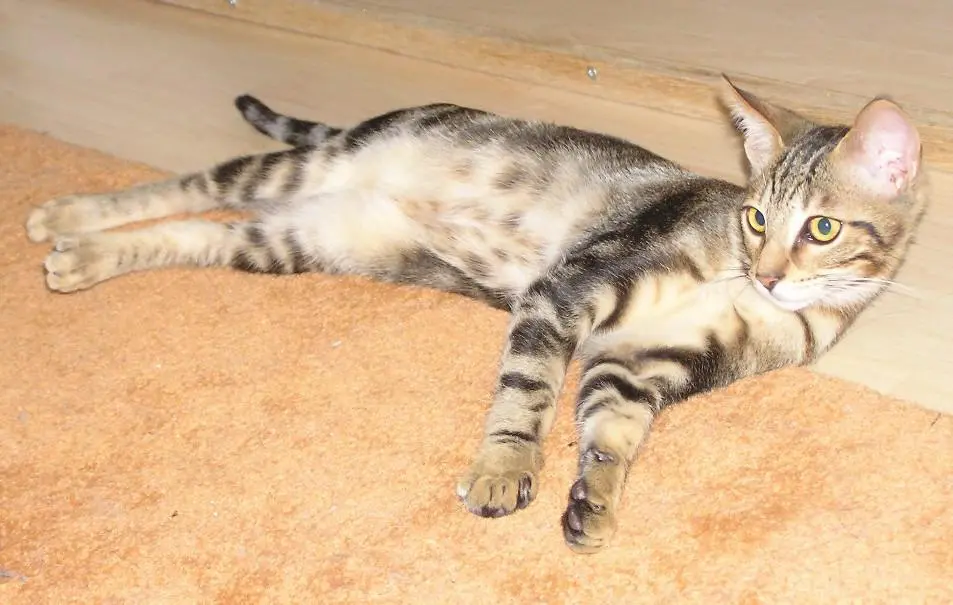
    The Safari it is a relatively new breed of cat, dating back to the years 70. It is a hybrid between Domestic cat (or "street cat") and the Geoffroy's cat (Leopardus geoffroyi). The latter is a small wild cat -some 4 kg adult- whose habitat is southern South America, from Bolivia to Patagonia. The breed was first called "Criollo" and then "Appaloosa.". Finally, the name of Safari, to refer to its exotic and wild origin.

    It is not recognized by American organizations such as the American Cat Fanciers’ Association (ACFA), the Cat Fanciers’ Association (CFA) or The International Cat Association (TICA), nor by European organizations such as Governing Council of the Cat Fancy (GCCF), the World Cat Federation (WCF) wave Fรฉdรฉration Internationale Fรฉline (FIFรฉ). However, some have been registered 100 specimens in the TICA, which makes the Safari in a very rare cat. For this reason and for its price, Some have even called it the โ€œRolls Royce of cats.โ€.

    The first Safaris were created in the United States in the decade of 1970 by Washington State University for use in a leukemia research program. In particular, were used as guinea pigs for stem cell studies and the like.

    Upon completion of the medical research project, the hybridization program was abandoned by university researchers due to difficulties encountered. The cells of the geoffrey cat and those of Domestic cat do not contain the same number of chromosomes. The private breeders who have taken over have had to face the same genetic problem. In particular, lack of male fertility makes the breed very difficult to develop. This is the reason why the Safari cat still so rare today.

    Physical characteristics

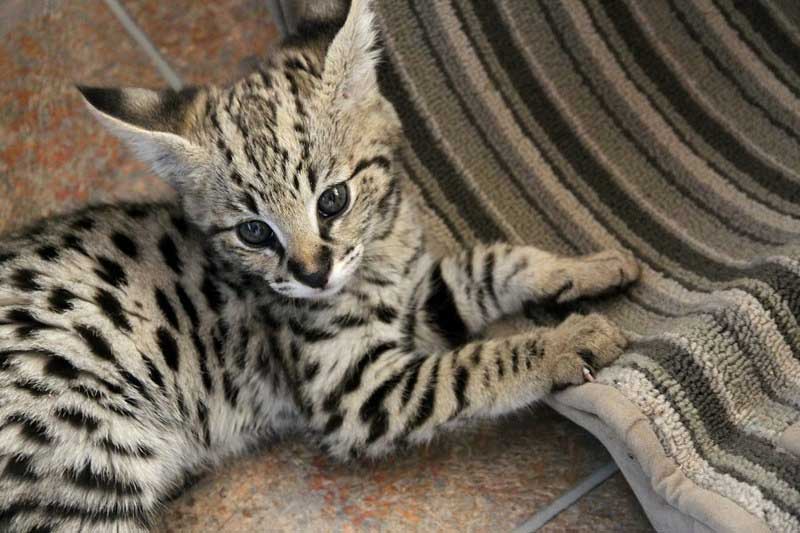
    As the breed is not recognized, no standard has yet been established for the Safari cat. But his genetic heritage makes him a tabby and exotic-looking cat.: its fur is reminiscent of a leopard.

    It is a Domestic cat large: first-generation hybrids can weigh up to 15 kg. But, size tends to decrease in subsequent generations, stabilizing around the 11 kilos for males and 8 kilos for females.

    Size and weight

    • Size: Of 40 to 45 cm.
    • Weight: Of 6 to 12 kg

    Character and skills

    "Safari cat"

    Gato Safari
    Safari cat – Stock Credit; iStock

    There are a growing number of "breeds" that are being developed through the crossing of our Domestic cat Felis catus with wild cats. Apart from the first generations, these cats are being bought by people who want a pet with something different, but the character and behavior of cats is uncertain and many of them are quite large cats. To this must be added the problems if they go outside and are aggressive and very territorial with other cats., or are they much more avid hunters causing the devastation of the fauna.

    What is not taken into account is the welfare of the wild cats kept for breeding, the danger to domestic cats that mate with wild ones and the welfare of the first generations that cannot be sold as pets but must be kept as wild cats.

    Keeping them confined may not contribute much to your own well-being. hybrid cat.

    In conclusion, no need to hybridize domestic cats with wild cats and the resulting races, as the Safari cat, they have many welfare issues and should not be bred or kept as pets.

    Health

    The small number of individuals makes it difficult to identify the specific health problems of the Safari cat.

    But, males are known to be infertile, which makes it difficult to breed the breed. The breeders of Safari they usually stay with the females for breeding, so the cats available for adoption are mostly infertile males.

    Observation

    In general, the races with pedigree use a much smaller gene pool for breeding than domestic cats and, therefore, are at increased risk of developing inherited disorders. It also, A number of "newer" pedigree breeds are derived from crosses between one or more "older" breeds., and in these situations hereditary problems seen in older breeds are likely to be perpetuated within newer breeds.

    Grooming

    As it is a very rare breed, no specific care requirements have been mentioned so far Safari cat. All you have to do is provide the general care any domestic cat needs.. How is a shorthair cat, a weekly brushing is enough.

    For sale "Safari cat"

    The price of a Safari cat varies greatly from farm to farm. On average, it can cost from 4.000 at โ‚ฌ6,000 given the rarity of this breed. Your sex, the uniqueness of your lineage or your age can influence the price of a Safari. You have to calculate, In addition, around โ‚ฌ50 per month to ensure you have a quality meal and keep you in good health.
    Special care must be taken with fraudulent breeders who try to sell cats of other breeds under the name of "Safariโ€.

    โ–ท The world of Pets: Dogs, cats, birds, reptiles, amphibians

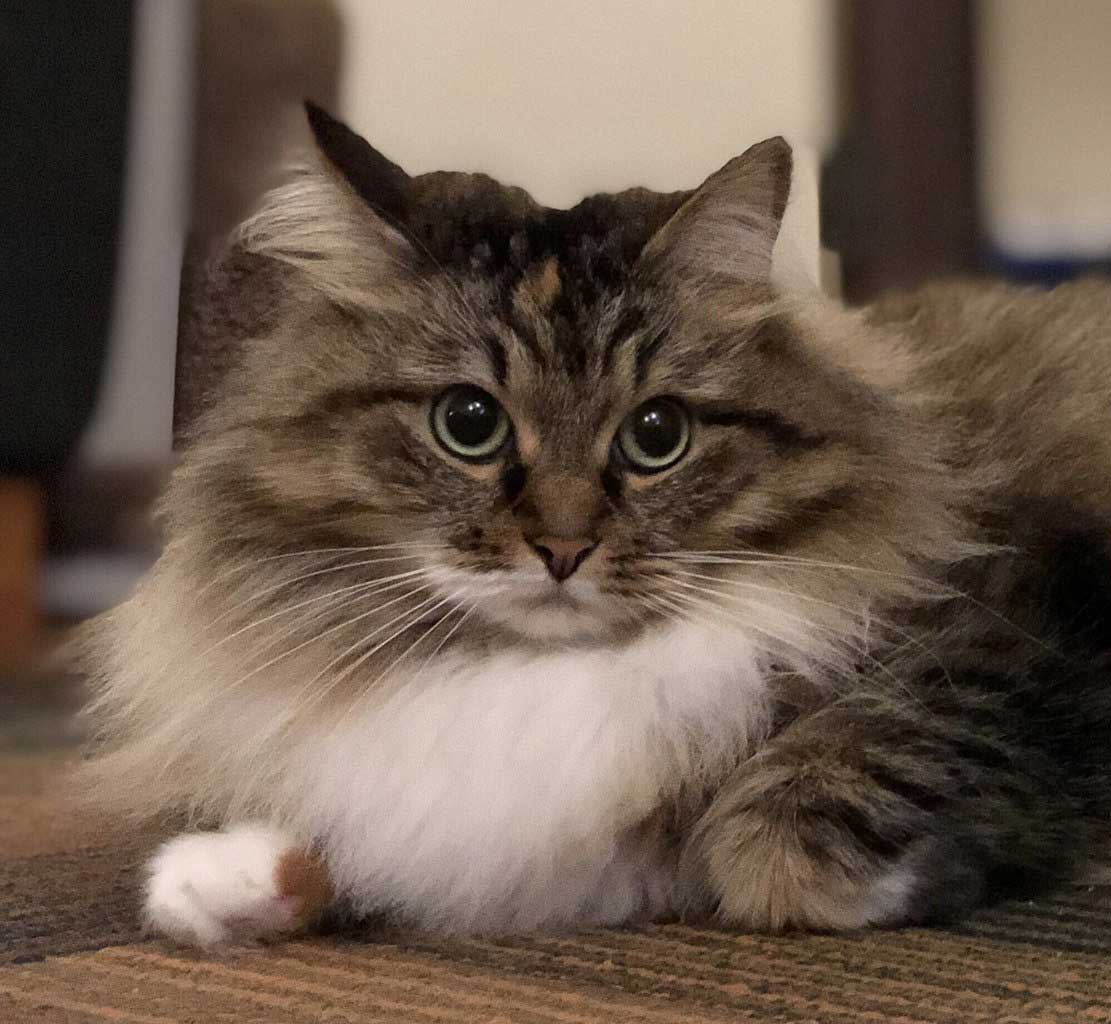
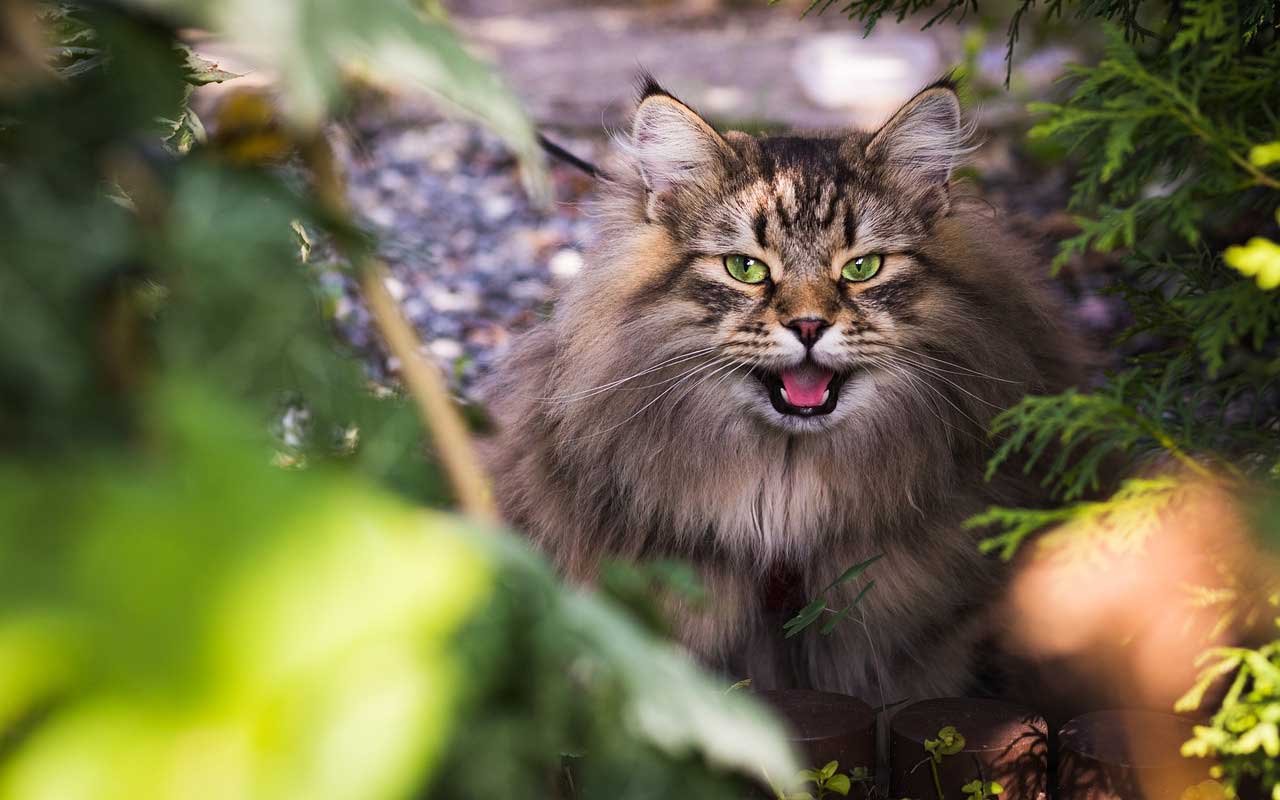
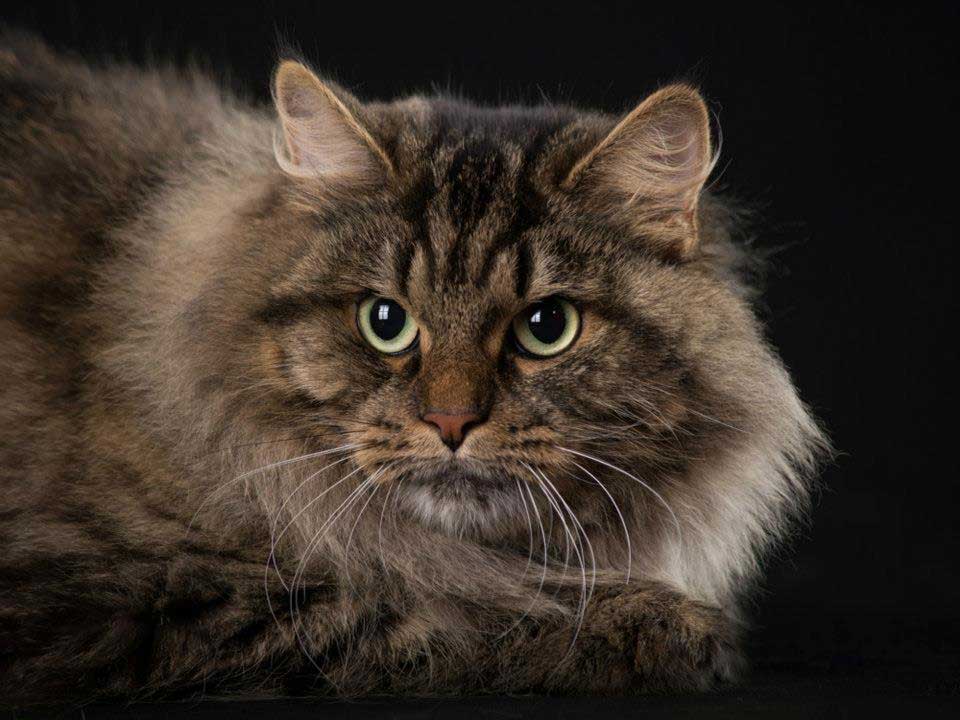
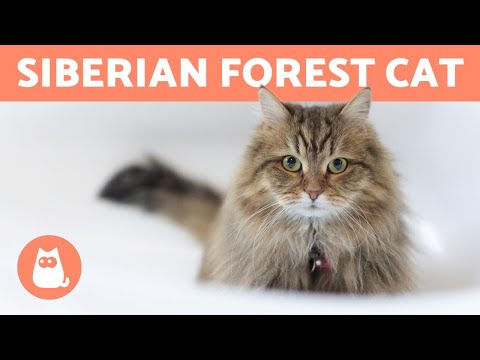
    Siberian forest cat
    Recognized by the LOOF, CFA, ACF, ACFA, TICA, FIFรฉ, WCF

    Gato Bosque de Siberia

    As other breeds of cats big and hairy, It is the result of the harsh climate of the Earth, that favored the hardier hunters with fur that protected them from the cold. Not recognized as a race until the Decade of 1980, but then spread quickly through their export to Europe and North America in the Decade of 1990, first with the name of Siberian forest cat. Now accepted in most registries, but his name has been changed to avoid confusion with the cat in the Norwegian Forest. The dotted version, so-called neva masquerait, is not recognized in all countries.

    See: Siberian cat

    โ–ท The world of Pets: Dogs, cats, birds, reptiles, amphibians

    Ragdoll cat
    Federations: LOOF, CFA, ACF, ACFA, TICA, FIFรฉ, WCF

    Ragdoll
    Photo: Wilkipedia

    Content

    Characteristics "Ragdoll cat"

    Coexistence is important that you have with your new friend. Before considering the acquisition of a cat of the breed "Ragdoll cat" you know certain factors. You must take into account their character, their need for exercise, their interaction with other pets, their care and if you have small children, their level of tolerance towards them.

    Joy

    3,0 of 5 stars (based on 1 review)

    Activity level

    2,0 of 5 stars (based on 1 review)

    Friendliness to other pets

    4,0 of 5 stars (based on 1 review)

    Friendliness to children

    4,0 of 5 stars (based on 1 review)

    Grooming requirements

    4,0 of 5 stars (based on 1 review)

    Vocality

    2,0 of 5 stars (based on 1 review)

    Need for attention

    2,0 of 5 stars (based on 1 review)

    Affection towards its owners

    4,0 of 5 stars (based on 1 review)

    Docility

    5,0 of 5 stars (based on 1 review)

    Intelligence

    4,0 of 5 stars (based on 1 review)

    Independence

    2,0 of 5 stars (based on 1 review)

    Hardiness

    3,0 of 5 stars (based on 1 review)

    History

    The Ragdoll cat He is originally from California, United States. At the beginning of the Decade of 1960, Ann Baker, a breeder of persian cats, a white cat began to cross, semi-wild and looking like Turkish Angora cat call Josephine with several street cats. Josephine gave birth, among others, to two cats named Buckwheat and Fugianna.

    They were large and docile in temperament and tended to relax completely when picked up., becoming real "Ragdolls".

    Two males were added to the breeding program of the Mrs. Barker: Blackie, a black guy looking like Burmese cat, and Daddy Warbucks, dark in color and with white tips of the legs. These five cats interbred and gave rise to the breed Ragdoll as we know it today.

    Aware that he had a new breed of cat on his hands, Ann Baker decided not to have her recognized by feline associations and, Instead, chose to register the trademark Ragdoll and create your own record, the International Ragdoll Cat Association (IRCA), in 1971. At the same time, prohibited anyone from using the name Ragdoll, breed these cats outside the strict conditions imposed to preserve the purity of the breed or register them with another feline association.

    Although the eccentric claims of Ann Baker about what Josephine was genetically altered by aliens in a car accident are not credible, it seems likely that he had a unique genetic makeup, probably a natural genetic mutation, which was later passed on to their offspring.

    The eccentricities of Ann Baker sparked dissension among other breeders of the Ragdoll cat, especially because of the high level of inbreeding caused by the strict restrictions imposed by. In 1975, Denny and Laura Dayton they were among the first to distance themselves from the breed and attempt to give it a legitimate existence under the umbrella of recognized feline associations. They drew up the standard that was used later when it was recognized by the Fรฉdรฉration Internationale Fรฉline (FIFรฉ) in 1991 and for the American Cat Fanciers’ Association (CFA) in 1993.

    In the meantime, the Ragdoll had arrived in Britain already in 1981, when breeders Pat Brownsell and Lulu Rowley they imported the first specimens and began to breed this cat that little by little would conquer British cat lovers. A few years later, in 1986, made its appearance in France.

    In the news, the Ragdoll is recognized by most major national and international feline associations: is the case, in particular, of the Governing Council of the Cat Fancy (GCCF) British, of the Livre Officiel des Origines Fรฉlines (LOOF) French, of the International Cat Association (TICA) and of the World Cat Federation (WCF).

    Well established in both North America and Europe, and its success is undeniable. In United States, it is one of the most popular breeds in terms of number of registrations in the CFA, and even ranked first in 2018. In the United Kingdom, has firmly established itself in second place since 2010; with about 3.000 kittens registered every year, it only represents around the 15% of the country's cat population.

    It is also one of the five most popular cat breeds in France., and its growth is dazzling: While in 2003 less than 100 specimens in the LOOF, in 2010 more than 1.000 and in 2019 more than 2.600, surpassing the Persian for the first time. So, represents almost the 6% of births registered in the country.

    Physical characteristics

    Ragdoll
    Ragdoll

    The Ragdoll it is one of the largest breeds of domestic cats, but it grows slowly and in fits and starts, and does not reach maturity until four years.

    Has a kind of body long and mighty. His body is wide and imposing, with a solid bone structure and supported by medium-sized muscular legs that end in legs round and wide. The tail is quite long and tapers slightly towards the tip.

    The head forms an equilateral triangle viewed from the front. Profile, the rounded forehead is prolonged with a slide-shaped depression at the nose. The ears are size medium, point forward and end in a rounded shape. The eyes they are big, oval and of an intense blue color that rarely leaves you indifferent.

    The fur of the Ragdoll, composed of a sparse undercoat and a medium length topcoat, it is silky and close to the body. Tends to elongate in winter and is densest in the back of the body, and the queue is particularly crowded. It also, some dogs have a well-developed mane.

    The fur tends to be colourpoint (a light color and dark tips), but it can also be gloved or bicolor. In United States, the CFA (Cat Fanciers’ Association) also allows pattern van, or Seychelles, which is a white individual with a colored tail and head, and spots on the body. The colors allowed by the standards of the different organizations that recognize the breed are the seal, the blue, chocolate, the lilac, red and cream. These colors can be found in tortoiseshell patterns (black and Red) or tabby (striped), which gives rise to a large number of possible combinations and, Therefore, to as many cats with different appearances.

    Last, the sexual dimorphism it is very marked, being the male much more imposing than the female.

    Size and weight

    • Male height: Of 30 to 35 cm.
    • Female height: 28-32 cm.
    • Male weight: 5-9 kg
    • female weight: 4-7 kg

    Breed standard

    The breed standards are documents established by official bodies that list the conditions that a dog must meet. Ragdoll to be fully recognized as belonging to the race:

    Character and skills

    Ragdoll
    Male Ragdoll, about three years old, with prototypical tabby patterns in the head region – BlackIceNRW, CC BY-SA 3.0, via Wikimedia Commons

    Docile and devoted, the Ragdoll he loves the company of his family and follows them around the house, greeting them at the door when they arrive. He is a gentle and loving companion, who just wants to get into his master's lap to warm him up and relax him with a lot of purring after a hard day's work.

    Very sociable, he has no problem greeting guests. If they take it in their arms, he behaves as he would with his masters: relax all your muscles, which reminds us why it's called "Ragdoll".

    Its quiet character, relaxed and easygoing makes it an excellent choice for a cat breed with children, especially if they have learned to interact with an animal. But even if they are not treated with respect, for example, if they are carried around the house for a long time, it is very rare that they remove their claws. And if there is a cat that is willing to be dressed like a doll and then carried in a stroller, it's the ragdoll. Of course, make sure that the child does not cross the line and abuse their indulgent nature.

    It is not a problem of coexistence with other dogs, as long as they don't chase you around the house. It can even live with small rodents or fish, but it is advisable not to tempt the devil: the Ragdoll still a feline, and his hunting instincts can resurface at any moment.

    Its flexible and calm personality makes it a cat that adapts well to changes and is capable of living in almost any environment. A move with a cat goes much better if it is a Ragdoll that a race that does not share this quality. The owner can also perfectly consider taking his cat on vacation, without fear that your partner will be completely disoriented and not enjoy the change of scenery. It is also possible to take your cat around your holiday destination on a leash, since it is something that this breed accepts very well.

    Despite its impressive size, the Ragdoll adapts perfectly to life in a flat, as long as you have everything you need: the warmth and comfort of a cozy home, the affection of his family and a little space to play. Even if you live in a house and have free access to the outside, it's more of an indoor cat: rarely goes outside to explore the garden or surroundings.

    On the other hand, his closeness to humans and his patience make him suitable for friendship with anyone, and turn you into a excellent therapy cat. His presence and willingness to interact with people also means that he can be a real comfort to his owner when he is going through a difficult time., and he knows that he has a support in him that he can trust in those circumstances. On the other hand, It is not for someone who likes to be alone and does not want a companion who is a little "clingy", who prefers to opt for a more independent breed.

    The Ragdoll is moderately active, but enjoy chasing a cloth mouse, especially because he retains a playful side throughout his life. They are also able to learn some tricks, especially if the owner uses positive reinforcement techniques with praise and treats. It also, if given the opportunity, they love to play fetch for an object thrown by its owner, how would a dog. But don't expect him to constantly jump on the kitchen table or climb on furniture.: prefers to run rather than jump and does not venture beyond the living room sofa or bed. Like this, unlike most of his peers, does not seek a high position to observe its surroundings from above, but choose a place that facilitates contact with your family.

    It also, against a legend, not insensitive to pain, and reacts like any other cat if someone steps on its tail: cries out in pain and then walks away with a reproachful look at the offender.

    Last, has a soft and musical voice, but he rarely uses it, except when you order your food.

    Health

    "Ragdoll cat"

    Ragdoll
    Male Ragdoll of 4 months. Blue mitted with a blaze – CalistaZ, CC BY-SA 3.0, via Wikimedia Commons

    The Ragdoll cat it is a fairly robust breed with few genetic predispositions.

    But, you are not immune to certain health problems. Among the possible risks, the most common are:

    • The feline hypertrophic cardiomyopathy, a growth of heart tissue that can have serious consequences. But, from 2007 there is a DNA test to detect the responsible gene, so serious breeders of Ragdoll have taken all precautions to minimize this risk;
    • Bladder lithiasis, that is to say, stone formation in the bladder;
    • The urolitiasis, what is stone formation in the urethra.

    These last two conditions can cause the cat to be unable to urinate, a serious situation that requires the urgent intervention of the veterinarian.

    Life expectancy

    Of 12 to 15 years

    Grooming

    The Ragdoll it is a breed of cat that is easy to care for: the brushed once a week removes dead hairs and knots that may form. This session is usually appreciated by the receiver, who enjoys the attention and caresses he receives.

    Although they do not shed excessively (especially because its undercoat is not very abundant), it is advisable to increase the frequency of grooming sessions during their shedding periods, in autumn and spring.

    The teeth, the eyes and ears should also be checked and maintained once a week to make sure they are clean and free of infection.

    It also, depending on wear and tear and how often your dog uses the scratching post, its claws need to be trimmed more or less frequently.

    Last, keep in mind that, given its size, a large litter box is necessary so that she can turn over without difficulty.

    Food

    Ragdoll
    Ragdoll

    The Ragdoll it does not pose any difficulties in terms of feeding and adapts very well to industrial cat foods available on the market. But, food must be of good quality, adapted to your age and activity level, to provide you with everything you need to stay healthy.

    Kittens of this breed can experience large growth spurts, so it is important that they always have food at their disposal to develop properly. This is especially true as they are capable of self-regulation., so the risk of being overweight is very limited. This is not a sign of obesity, but a normal morphological characteristic of the breed.

    Adults are also capable of self-regulation and can also have food at all times without this generally posing a problem.

    But, your dog's weight should be monitored regularly and a veterinarian should be consulted in the event of a pronounced increase.

    What is the price of a "Ragdoll cat"?

    The price of a kitten Ragdoll round the 1100 euros on average, whether it is a male or a female.

    But, this stocking hides a fairly wide range of prices, since it goes from the 600 euros of the cats with the characteristics furthest from the standard up to almost 3.000 euros of the specimens belonging to a prestigious lineage and destined for their physical attributes to shine in feline exhibitions.

    Interesting data

    Do "Ragdolls" have a reduced sense of pain?

    Since the Ragdoll hangs limply when caught and lets everything hang over him, some researchers assumed the breed has a lower sense of pain than other cats. For some time, experiments were done on the poor animals. It is even believed that the founder of the breed, Ann Baker, made this claim to better market his breed. At the end, the tests led to the conclusion that there are no differences with other cats.

    The "Ragdolls" on social networks

    Their funny and clumsy character makes cats Ragdoll be real stars on the internet. There is hardly a compilation of "funny cat videos" in which this breed does not appear.. The Ragdolls most famous on Instagram are the three cats Lola, Nina and Olan, whose day to day you can follow under the name of @ladylolathecat. The three cats live with their owner in a floating house and delight 139.000 subscribers almost daily with funny videos and images.

    When I hugged the cat tightly, I got annoyed by saying 'Ang'.

    3 Minutes of a Ragdoll Cat Being a Ragdoll Cat

    โ–ท The world of Pets: Dogs, cats, birds, reptiles, amphibians

    Sacred Cat of Burma (Birman)
    Federations: CFA, FIFรฉ, ACF, LOOF

    Birmano de pies blancos
    Photo: hizapearls.com

    Content

    Characteristics "Sacred Cat of Burma (Birman)"

    Coexistence is important that you have with your new friend. Before considering the acquisition of a cat of the breed "Sacred Cat of Burma (Birman)" you know certain factors. You must take into account their character, their need for exercise, their interaction with other pets, their care and if you have small children, their level of tolerance towards them.

    Joy

    3,0 of 5 stars (based on 1 review)

    Activity level

    2,0 of 5 stars (based on 1 review)

    Friendliness to other pets

    4,0 of 5 stars (based on 1 review)

    Friendliness to children

    4,0 of 5 stars (based on 1 review)

    Grooming requirements

    4,0 of 5 stars (based on 1 review)

    Vocality

    1,0 of 5 stars (based on 1 review)

    Need for attention

    4,0 of 5 stars (based on 1 review)

    Affection towards its owners

    4,0 of 5 stars (based on 1 review)

    Docility

    5,0 of 5 stars (based on 1 review)

    Intelligence

    3,0 of 5 stars (based on 1 review)

    Independence

    2,0 of 5 stars (based on 1 review)

    Hardiness

    3,0 of 5 stars (based on 1 review)

    History

    The Sacred Cat of Burma (Birman) has recently appeared in Europe and its origin remains mysterious. It is said that some Englishmen brought a couple of cats from Burma from the so-called Lao-Tsun temple.

    It is said that one such Mrs. Leotardi, In the south of france, was the owner of Madalpour doll, a burmese cat Seal point, exhibited in Paris in 1926, whose parents came from Burma and were given to him by a certain Mrs. Thadde-Haddish.

    In fact, the first subjects would be the result of crossing a Siamese cat marked in white at the end of the legs with a longhair cat (angora the persian) practiced in the twenties, in the Nice region.

    About 1930, the God of arakan, A male Seal point, became the star of feline shows.

    After the Second World War, during which the race was about to disappear, blood infusions were made from a Persian cat colourpoint to limit inbreeding.

    In 1950, the breed was renamed as Sacred Cat of Burma (Birman) to avoid confusion with the Burmese cat.

    Introduced in the United States in 1959-1960 and in Great Britain in 1965, where it was recognized, this breed is very popular with the public and has great success.

    Physical characteristics

    Sacred Cat of Burma (Birman)
    Sacred Cat of Burma (Birman)

    The Sacred Cat of Burma he's a long and powerful guy. He is relatively burly, with one head wide and round with large ears and eyes deep, almost round, light blue.

    The face it is not flattened and the nose is rather long and straight. The body is elongated and the legs are long..

    The fur is long, silky, more dense in the neck. The belly has slightly curly hair.

    A characteristic feature of this breed is the presence of symmetrical white markings on the legs., called "gloves".

    Colors points: seal, blue, lilac, Red and cream. Tortoise shell of all colors, except red and cream.

    Size and weight

    • Size: 30 cm.
    • Weight: Of 4 to 6 kg

    Breed standard

    The breed standards are documents produced by official bodies that list the conditions that a Burmese must meet to be fully recognized as belonging to the breed.:

    Character and skills

    "Sacred Cat of Burma (Birman)"

    Gato Sagrado de Birmania (Birmano)
    A Seal Point Birman Cat called Strofe – Kristin Kokkersvold, Copyrighted free use, via Wikimedia Commons

    Halfway between the Persian and the Siamese, this cat is calm, balanced, neither passive nor exuberant.

    Less docile than Persian, it is however calmer, quiet and less active than Siamese.

    Kind, affectionate (especially the males), often a bit possessive, Can't stand indifference and less loneliness, although it seems a bit individualistic. His voice is soft.

    He is sociable with his peers.

    Playful, it is a nice companion for children. But he also likes peace and quiet.

    Abroad, they are robust, athletic and great hunters.

    The females., adults of about 7 months of age, They are mothers who are very concerned about their pups..

    Grooming

    The maintenance of the coat is relatively easier than that of the Persian, since knots and tangles are rare.

    In normal times, weekly brushing and combing is sufficient to maintain the coat. But, during the move, daily brushing and combing is necessary.

    Videos "Sacred Cat of Burma (Birman)"

    Burmese Cat Routine