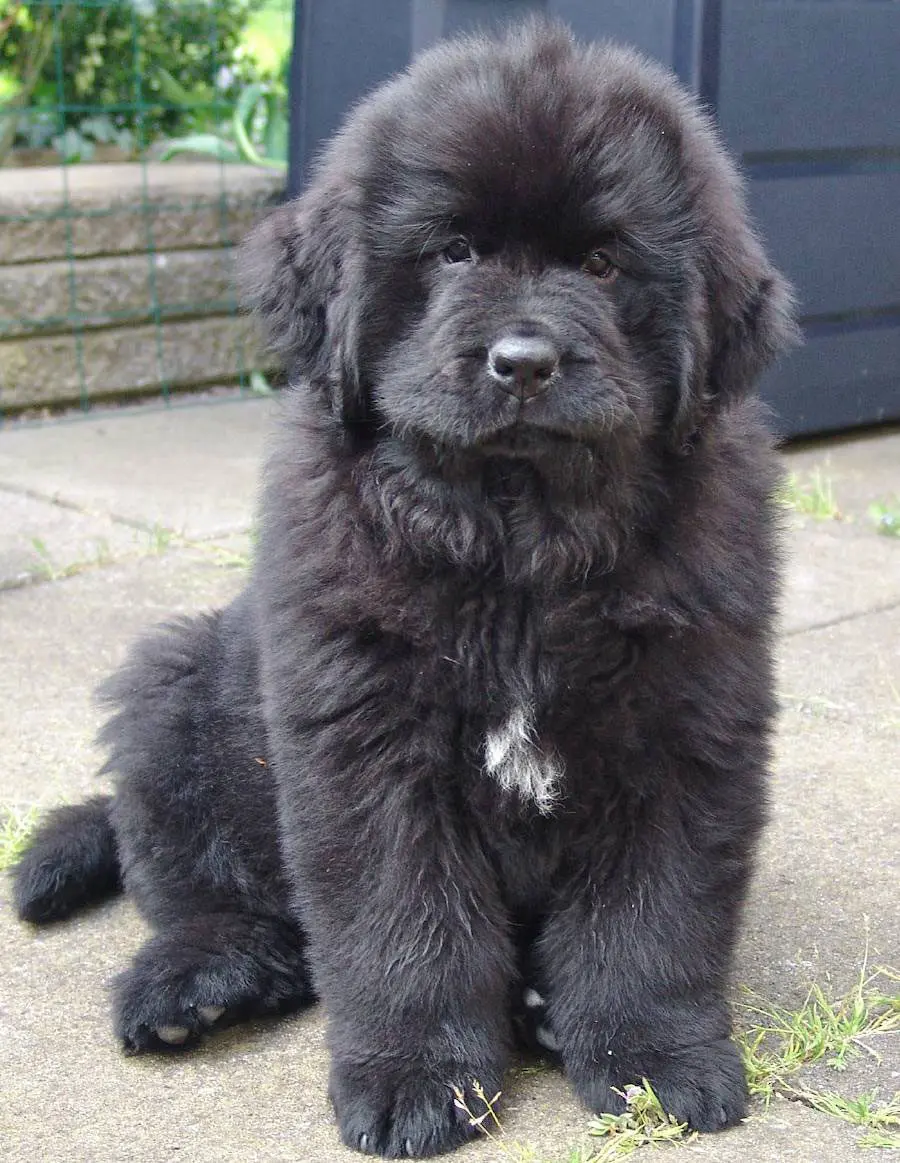
The Newfoundland was born on the east coast of Canada. The great island of Newfoundland, which is in front of Canada, gave him his name. The fact that it descends from the dogs of the Vikings of pre-Columbian times or from the dogs of the Indians is a legend that has not been proven until now.. Its relationship with the molossi can be seen but also proved in the genetic map of the Heidi G dog breeds. Parker.
Probably the ancestors of the Newfoundlands came with the first settlers as molossi from Europe. It proved to be an aid to fishermen and sealers and was occasionally useful when hunting bear and big game on land.. It transported loads and served as a draft dog for the sleds with the dead game.. Working with fishermen in the rough North Atlantic was extremely demanding. The Newfoundland had to think, had to do heavy work on the networks. The Newfoundland saved the lives of the castaways over and over again. In this way, he developed the peculiarities of his character and physique that allowed him to face the harsh weather conditions on land and the dangers of the sea as a water and rescue dog..
With the cod ships he came to England over and over again as early as the 18th century. Here he became famous early on due to his impressive achievements. Was not up 1886 that the Club of Newfoundland in England, and soon after, in 1893, The club of Newfoundland for the Continent, now called the "German Club of Newfoundland«. Even today, Newfoundland keep working as a water rescue dog.
One Newfoundland named Rigel sank with the Titanic and swam alongside a lifeboat for three hours in the icy water, apparently looking for its owner, that had gone down with the ship. The people in the lifeboat were nearly run over by the steamer Carpathia because the crew could not hear their faint cries., but Rigel's bark was noticed and the people and the dog were saved.
The Newfoundland is a big dog. According to the standard, adult males must weigh an average of 68 kg and females 54 kg. It is a very strong dog, very muscular and with long dense hair. Her coat is water repellent. It has a strong and soft undercoat, which makes it look even bulkier. This shouldn't tempt you to raise him like a teddy bear.. Because the real Newfoundland combines enormous power with agility, sportiness and impressive skills in the water. Its exterior does not deceive its interior. Master challenges with a committed calm. The hair on your head, muzzle and ears is short and thin. The front and rear legs are covered in fur. The tail is completely covered in long thick hair. The black, brown and black and white are allowed as coat colors.
Even the mere appearance of Newfoundland has a relaxing and calming effect, at least for people who are not usually afraid of dogs. The Newfoundland radiates majestic serenity. Its character is as stable as it appears on the outside. It has a friendly and kind nature. But that must not be misleading: He knows very well how to distinguish between friend and enemy, which you can unequivocally underline by your calm but more determined appearance. If required, defends his family with all his might without hesitation. Barking is not necessary to be heard.
He is extremely friendly with his friends. The Newfoundland he is very close to his family and loves children more than anything. He wants education and he absolutely needs it. Because like a powerful big dog it is always stronger than the other end of the leash.. Sometimes he has a hard head, but after a friendly request from his master or caretaker he does everything, as long as it's well connected. The Newfoundland impresses by the unity of two apparently irreconcilable poles: on the one hand it radiates calm and tranquility, on the other hand it can save people from drowning in a short time in the most difficult conditions. Usually, the Newfoundlands are real water rats. They are excellent swimmers, which they are happy to proudly demonstrate.
The Newfoundland not a dog for the city or a flat. He likes long walks, but water is the best for him. Due to its strength and the high technical demands of its maintenance, not suitable for beginners, although it can be trained and managed well. It is a great family dog. But he also likes to sleep outside, even with wind and rain. What you don't need is running or doing activities in the heat.
The Newfoundland It is a natural lifeguard and can be a good helper for parents who have a pool or enjoy taking children to the lake or ocean, although you should never be solely responsible for your safety.
Newfoundland Education
The Newfoundland can be educated very well. It is intelligent, interested and quickly understand what you are allowed to do and what you are not. Sometimes it's a little slow, but a little motivated, he is very cooperative and strives to make his master and lady happy. The puppy should already show itself clearly and without exception where the hammer hangs. There should be no doubt about the orientation of your humans, as well as about the intimate relationship and respect for him.
It must always be kept in mind that this dog is the physically strongest and that leadership only works through unquestioning recognition of the human leadership role.. With praise and results, basically you can achieve everything with it. On the basis of a good education you can train him very well Newfoundland. Many terranovas they are successfully used as guide dogs for the blind and especially as water rescue dogs, but also on land. For this you can do work tests with water in the clubs.
Caring for a Newfoundland
Maintain and care for the Newfoundland it is very expensive. The dense, weather-resistant coat must be brushed every day with a special brush.. Should not be sheared or trimmed. Due to its constitution and dense coat, do not tolerate heat well.
Nutrition / Food
Like all large dogs, Newfoundland need a lot of food. Especially in the growth phase you need professional nutritional planning.
Newfoundland life expectancy
Life expectancy is between 8 and 12 years. That depends a lot on the upbringing. Thin and light dogs tend to age more than heavy, plump dogs.
as could be predicted, given its large size, the Newfoundland can suffer a series of joint and structural problems. It is important that young and growing dogs are kept lean and are not allowed to exercise too hard or eat too much, since this will cause injuries and problems that can be paralyzing in the future. In fact, all the Newfoundland they need to stay slim, since obesity increases the chances of them developing structural problems and makes them more painful when they occur.
One such structural problem is genetic hip deformation known as hip dysplasia.. The head of the femur does not fit well into the hip socket; with the time, the cartilage in the joint wears away and the underlying bone is damaged. Serious arthritis occurs that usually affects very young dogs. In some cases, expensive surgery required, including total hip replacement surgery. If not treated, the dog will suffer pain and a poor quality of life. Elbow dysplasia is another inherited joint problem, resulting from abnormal elbow formation.
The possibility that a Newfoundland develop dysplasia of the hip or elbow just because the parents are free of the disease, although it reduces the possibilities. And while a puppy's bones keep growing, it can sometimes be difficult to confirm a diagnosis, depending on the tests performed and the severity of the condition.
To each Newfoundland X-rays of your dog's hips and elbows should be taken by two years of age, regardless of whether or not he shows symptoms of lameness or stiffness. For dogs that show lameness before that age (that is to say, during the puppy stage), diagnostic tests should be performed promptly.
The Newfoundlands are at risk of heart disease, including dilated cardiomyopathy and subaortic stenosis (SAS). There is currently no genetic test for SAS, who has a complex inheritance, making it difficult to develop a test. Breeders must not breed Newfoundland with no signs of SAS and puppies should be examined by a certified veterinary cardiologist.
Cystinuria is a genetic kidney defect that leads to the formation of bladder stones that are very difficult to manage with diet or medication and often requires surgery both to remove the bladder stones and to repair urinary obstructions.. There may be no early signs that the dog is forming cystine stones, which can create a life-threatening emergency if they cause an obstruction. Fortunately, there is a genetic test for cystinuria. Given the availability of the genetic test, no need for a breeder to produce a dog with the disorder
Not all of these conditions are detectable on a growing puppy, and it can be difficult to predict whether an animal will be free of these diseases, so a reputable breeder must be found who is committed to raising the healthiest animals possible. Must be able to produce an independent certification that the parents of the dog (and grandparents, etc.) have been screened for these defects and considered healthy for breeding. That's where health records come in..
Not all visits by Newfoundland to the vet they are due to a genetic problem. It is known that the Newfoundland experience cruciate ligament rupture. They are also among the deep-breasted breeds predisposed to bloating., a condition in which the stomach is distended by gas and may twist in on itself (called gastric torsion), cutting off blood flow. Swelling and torsion appear very suddenly, and a dog that was fine a minute can die a few hours later. Watch for symptoms such as restlessness and pacing, la baba, the paleness of the gums, lip licking, unsuccessful attempt to vomit and signs of pain. Swelling requires immediate veterinary intervention, and surgery is necessary in many cases. Unfortunately, dogs that have swollen can do it again, So most veterinarians offer a procedure known as gastropexy or "stomach turning.", which anchors the stomach to the body wall to help prevent future twisting. This procedure can also be done as a preventive measure.
You should only buy a puppy locally from a breeder who is affiliated with the FCI. should come from a baby, where dogs are rather sporty, thin and not too fat and «beary». A puppy in the kennel is usually sold at a price between 1500 and 2000 EUR.
Valuations "Newfoundland"
Coexistence is important that you have with your new friend. Before considering the acquisition of a dog of the breed "Newfoundland" you know certain factors. Not all breeds of dogs are apt to live in an apartment, you must take into account his character, their need for exercise, their interaction with other pets, their care and if you have small children, their level of tolerance towards them.
Adaptation ⓘ
5,0 of 5 stars (based on 1 review)
|
friendly dog ⓘ
4,0 of 5 stars (based on 1 review)
|
hair loss ⓘ
5,0 of 5 stars (based on 1 review)
|
Affection level ⓘ
4,0 of 5 stars (based on 1 review)
|
Need for exercise ⓘ
3,0 of 5 stars (based on 1 review)
|
Social need ⓘ
4,0 of 5 stars (based on 1 review)
|
Home ⓘ
3,0 of 5 stars (based on 1 review)
|
Toilet ⓘ
5,0 of 5 stars (based on 1 review)
|
Friendly with strangers ⓘ
4,0 of 5 stars (based on 1 review)
|
barking ⓘ
3,0 of 5 stars (based on 1 review)
|
Health ⓘ
5,0 of 5 stars (based on 1 review)
|
Territorial ⓘ
5,0 of 5 stars (based on 1 review)
|
Cat friendly ⓘ
5,0 of 5 stars (based on 1 review)
|
Intelligence ⓘ
4,0 of 5 stars (based on 1 review)
|
Versatility ⓘ
3,0 of 5 stars (based on 1 review)
|
Child friendly ⓘ
5,0 of 5 stars (based on 1 review)
|
Surveillance ⓘ
3,0 of 5 stars (based on 1 review)
|
joy ⓘ
5,0 of 5 stars (based on 1 review)
|
 Newfoundland 6
 Newfoundland 5
 Newfoundland 4
 Newfoundland 3
 Newfoundland 2
 Newfoundland 1
Photos:
1 – Terranova by Maria Amaro Jimenez / CC BY-SA
2 – Terranova by https://pixabay.com/es/photos/terranova-perro-negro-609531/
3 – Terranova by https://pxhere.com/es/photo/112392
4 – Terranova by https://www.publicdomainpictures.net/es/view-image.php?image=197196&picture=newfoundland-cute-puppy-dog
5 – Terranova by https://www.pxfuel.com/es/free-photo-obraa
6 – Terranova by https://www.pxfuel.com/es/free-photo-jttkx
- FCI CLASSIFICATION:
- Group :
- Section : . .
Federations:
- – FCI – Pinscher and Schnauzer-Molossoid type dogs – Swiss Mountain Dogs and Cattledogs. Section 2.2 Molossoid, mountain type. ⓘ
- – AKC – Dogs working ⓘ
- – ANKC – Group 6 (utility dogs) ⓘ
- – CKC – Group 3 ⓘ
- – KC – Working dogs ⓘ
- – NZKC – Utility dog ⓘ
- – UKC – Watchdog ⓘ
FCI breed standard "Newfoundland"
Origin:
Canada
Date of publication of the valid original standard:
29.10.1996.
Use:
Sled dog for heavy loads, water dog.
General appearance:
The Newfoundland has a powerful body, solid, muscular. Their movements are well coordinated.
IMPORTANT PROPORTIONS: The length of the body, measured from the scapulo-humeral joint to the tip of the ischium, is greater than the distance from the cross to the ground (height to the cross). The body is compact. The female's body may be slightly longer and less massive than the male's. From the withers to the lower chest the distance is slightly greater than from the lower chest to the ground.
Behavior / temperament:
The expression of the Newfoundland reflects kindness and sweetness. Worthy, happy and creative, is characterized by its genuine gentleness and serenity.
Head:
Solid. The female's head has the same general configuration as the male's, but it is less massive.
Cranial region:
- Skull: It is wide; the apex is slightly arched and the occipital bone is well developed.
- Depression links (Stop): It is well observable, but never abrupt.
facial region:
- Truffle: Wide and well pigmented. Windows are well developed. In black dogs and black and white, It is black; it is brown in dogs of this same color.
- Snout: Definitely square, deep and moderately short. It is covered by short fine hair and has no wrinkles. The corners of the lips are apparent, but not too pronounced.
- Belfos: soft.
- Jaws / Teeth: The bite is uniform or scissor-shaped.
Eyes: Moderately sunken and relatively small. They are well separated and there is no presence of a third eyelid.. They are dark brown in black and black and white dogs. Lighter shades are allowed in brown dogs.
Ears: They are relatively small, triangular and rounded edges. They sit back on both sides of the head and are very heavy.. When the adult dog's ear is extended forward, it reaches the inner corner of the eye on the same side of the head.
Neck:
It is strong, muscular and well-seated on the shoulders. It is long enough to allow a distinguished bearing of the head. The double chin should not be excessive.
Body:
The bone structure is everywhere solid. In profile, the body is deep and vigorous.
- top line: It is horizontal and firm from the cross to the rump.
- Back: Wide.
- Pork loin: Strong and well muscled.
- Rump: Wide. Tilts at a 30° angle.
- Breast
: Width, deep and spacious; the ribs are well arched.
- bottom line: Almost uniform and never raised.
Tail:
While the Newfoundland is swimming, the tail serves as rudder; therefore, It must be strong and wide at the root. When the dog is at rest, the tail is down, perhaps forming a small curve at the tip; reaches the hock or a little lower. When the dog is moving or animated, the tail is carried straight with a slight upward curve, but it never comes rolled up on the back, nor curved between the hind limbs.
Tips
PREVIOUS MEMBERS: They are straight and parallel also when the dog walks or jogs slowly.
- Shoulder: They are well muscled and oblique.
- Elbows: stuck to the chest.
- Metacarpus: They are slightly inclined.
- Previous feet: Large and in proportion to the body. They are rounded and compact, with also compact and firm fingers. The fingers have an interdigital membrane.
LATER MEMBERS: Since the urge to drag heavy loads, swimming and covering a lot of ground efficiently depends largely on the hindquarters, in Newfoundland their structure is very important. The pelvis must be strong, wide and long.
- Thigh: He is broad and muscular.
- Knee: It is well angled, but not enough to give the impression that the dog is crouched.
- Leg: It is strong and quite long.
- Hocks: They are relatively short and are well lowered and separated, parallel to each other. They don't even deviate inwards, nor out.
- Hind feet: Firm and compact. In case of dewclaws, these must have been removed.
Movement:
The Newfoundland's forelimbs have good range and their hindlimbs give a strong boost, which denotes ease and strength. A slight rocking of the back is considered natural. As speed increases, the top line remains uniform.
Mantle
- Fur: The Newfoundland has a double layer of waterproof hair. The outer layer is moderately long and straight hair without curls; a slight wave is allowed. The inner layer is soft and dense. It is denser in winter than in summer, but still it is always existing in the rump and chest. The hair of the head, the muzzle and ears are short and thin. Front and rear limbs have bangs. The tail is completely covered with long, dense hair, but it has no flag shape. Any haircut or grooming should not be encouraged.
- Color: Negro, black and white and chestnut.
- Negro: This is the traditional color. It should be as uniform as possible, but a slight tan tone is allowed. White markings on chest are also allowed, fingers and tip of tail, the both.
- black and white: This variety has historical significance for the breed. The preferred marking pattern is: black head, preferably with a white list that extends to the muzzle, black saddle with uniform markings and black upper back and tail. Other parts of the body should be white with minimal mottling.
- Chestnut: This color ranges from chocolate to bronze. White markings on chest allowed, fingers and tip of tail, the both. Black and white and brown dogs must be shown in the same class as blacks.
Size and weight:
Height to the cross: The average height at withers in adult males is 71 cm and of 66 cm in adult females. The average weight is approximately 68 kg in males and 54 kg in females.
A large animal is valued, but this should not be more important than the general state of health, symmetry, strong structure and correct movement.
Fouls:
Any deviation from the aforementioned criteria is considered as a fault and the severity of this is considered to the degree of the deviation to the standard and its consequences on the health and well-being of the dog..
- General appearance: very long limbs, lack of substance.
- General structure of the bones: flojedad, fine bones.
- Character: aggressiveness or shyness.
- Narrow head.
- Long or pointed snout.
- Pronounced noses.
- Round eyes, saltones, yellow, or with a pronounced third eyelid.
- Convex back, float or concave.
- Forelimbs: sunken metacarpus, crushed feet, fingers that turn inward or outward, absence of membrane between fingers.
- Hind limbs: knee joint very straight, cow hocks, crowded limbs, feet twisted inward.
- Short tail, long, doubled or bent.
- Take short, quick steps, dragging the feet, obliquely displaced like a crab; tight and knitting motion, crossing the front limbs, with deviated feet in or out; high movement (hockney action); amble step.
- Sparse hair; absence of inner layer of hair
FALTAS DESCALIFICANTES:
- Aggressiveness or extreme shyness.
- Any dog showing clear signs of physical or behavioral abnormalities must be disqualified..
- Upper or lower prognathism, arch of deviated incisors.
- Short straight hair.
- Marks of a color other than white on black or brown dogs.
- Any color other than black or black and white or brown.
N.B.:
- Males should have two normal-appearing testicles fully descended into the scrotum..
- Only functionally and clinically healthy dogs, with the typical conformation of the breed, should be used for parenting.
TRANSLATION: IRIS Carrillo (Puerto Rico Kennel Federation).
Source:
F.C.I - International Cynological Federation
1. Newfs, Newfies (English).
2. Retriever de Terre-Neuve, Chien de Terre-neuve (French).
3. Newfoundland (German).
4. Cão terra-nova (Portuguese).
5. Perro de Terranova (español).
.png "England") FCI 72 . Small sized Terriers.
FCI 72 . Small sized Terriers.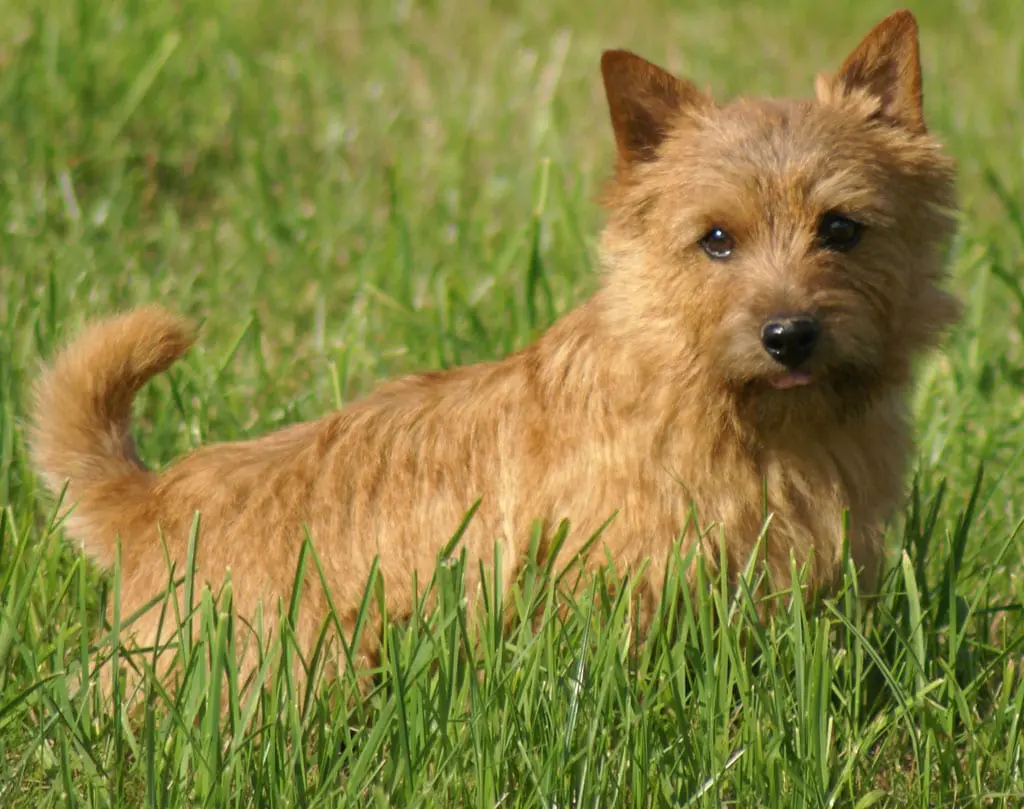
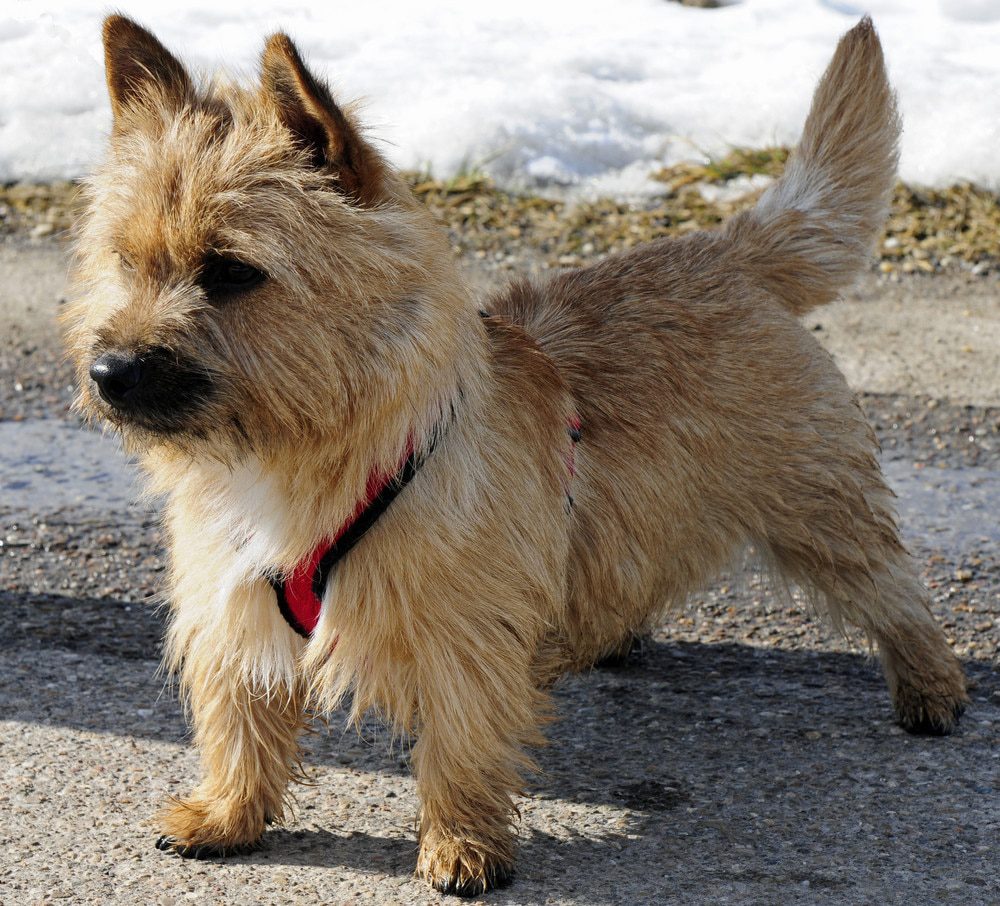 fotocommunity.de
 thepaperbagprincess.com
 dogsofsf.com
 mysouthernfrontporch
 free-pet-wallpapers.com
 withtendercare.com
 chesneysilvers.com
 tiere.com
 it.wikipedia.org
 etsy.com
 norwich-info.de
 tapetus.pl
 Dogs 101- Norwich Terrier
 Synerwich Norwich Terriers on the Beach, Cape Cod Dec 2007
 Kalle the Norwich terrier in the snow
 Burma & norwichterrier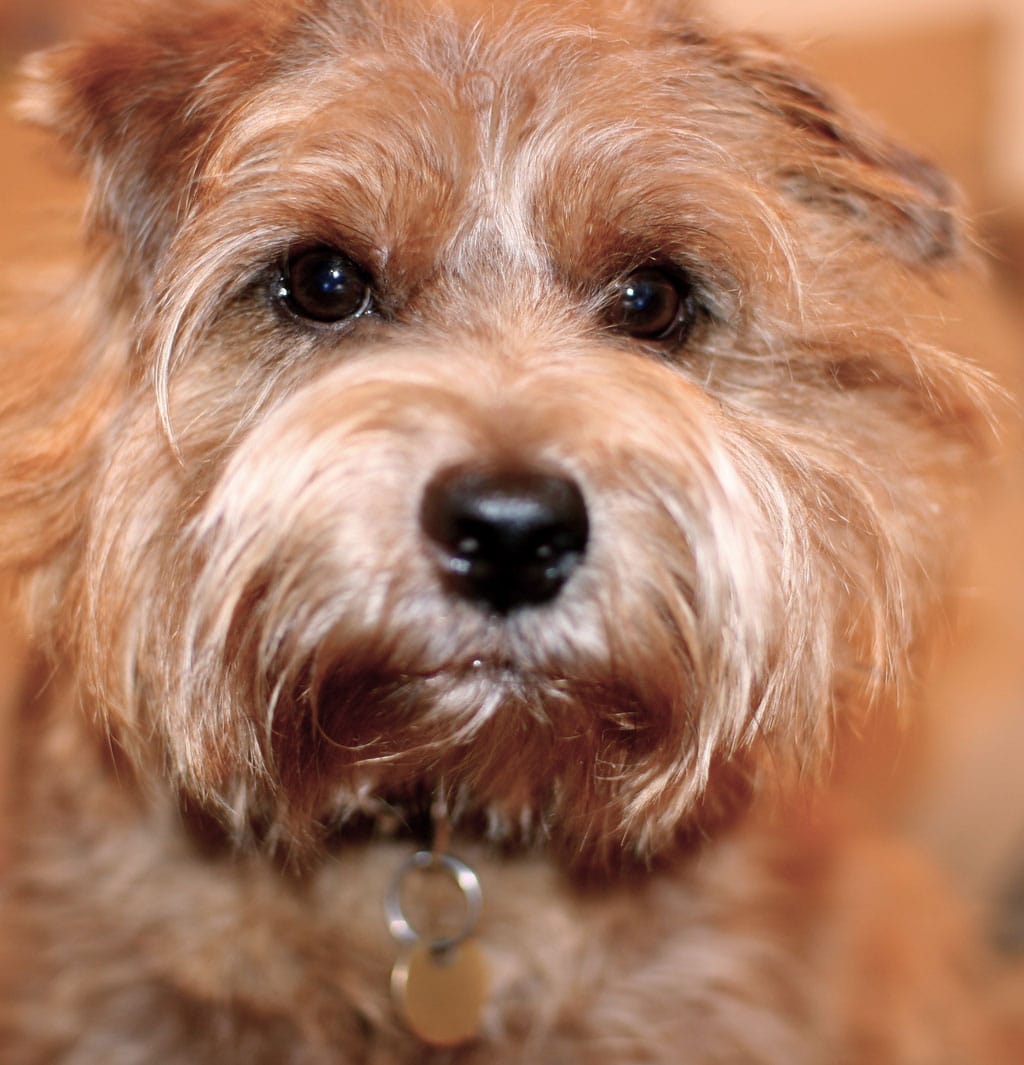
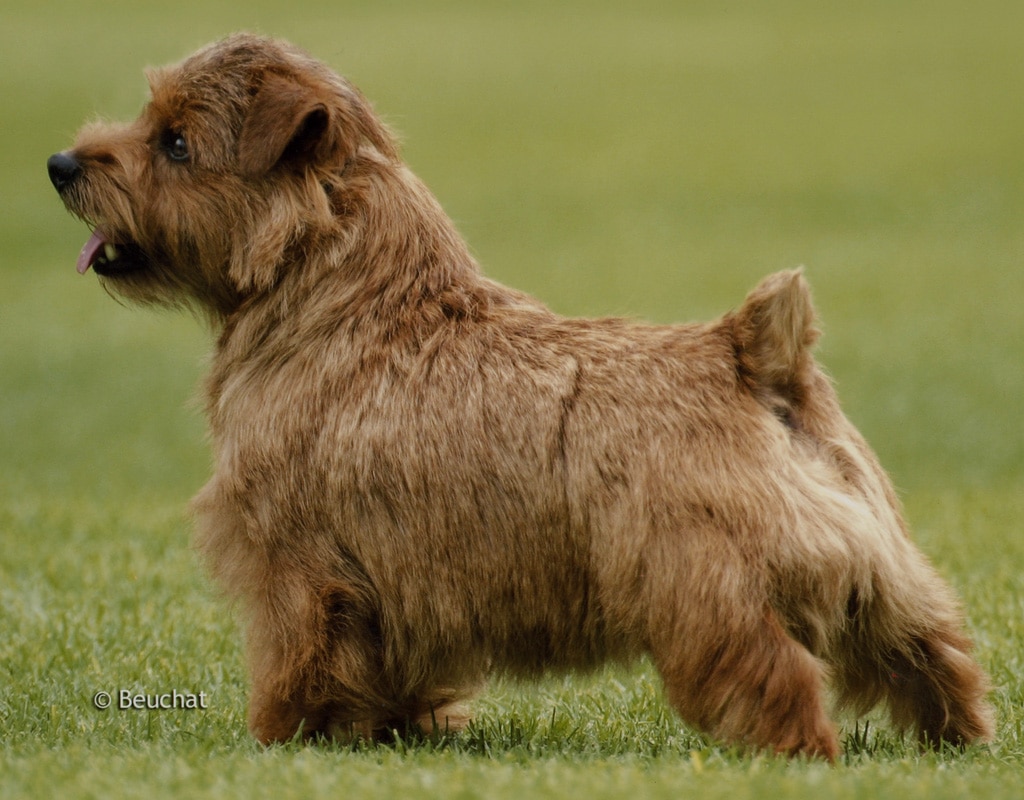
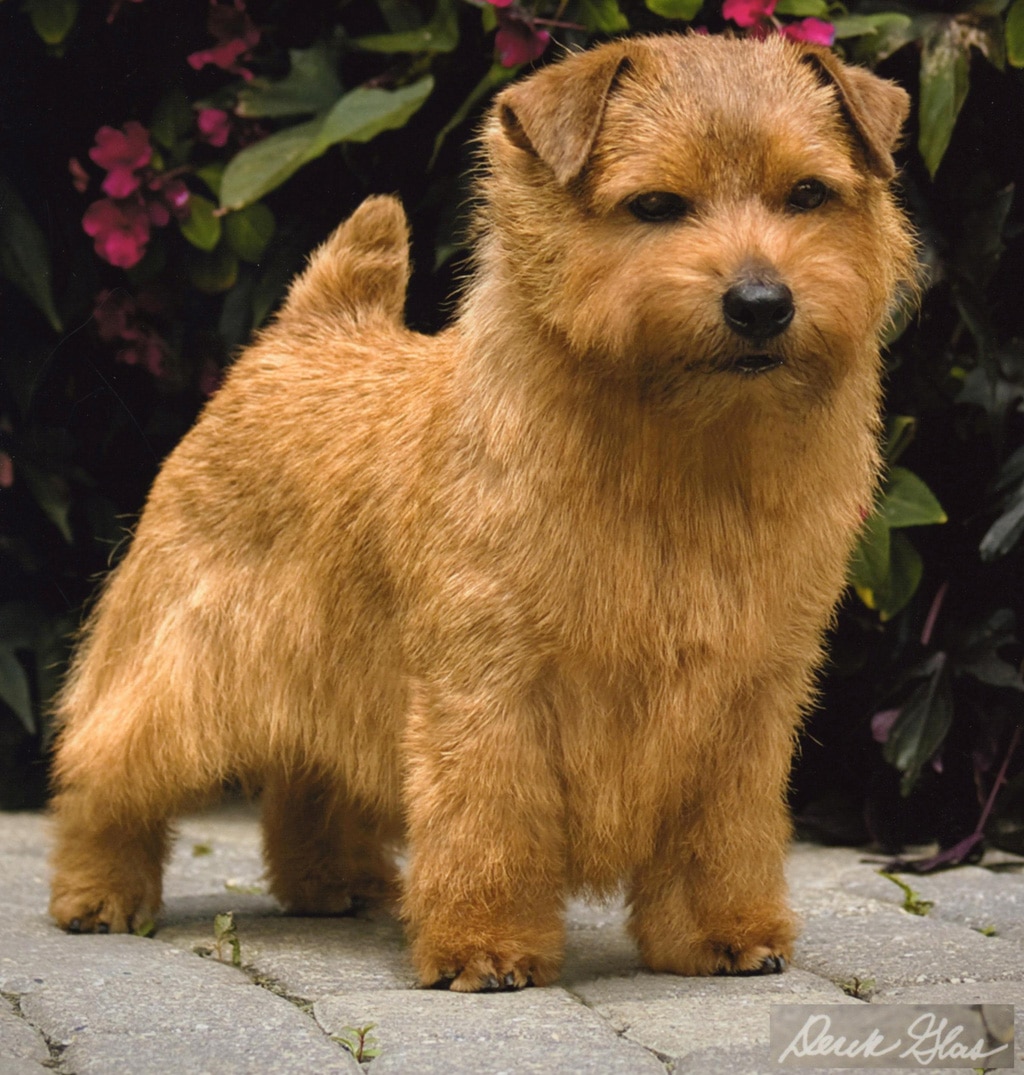
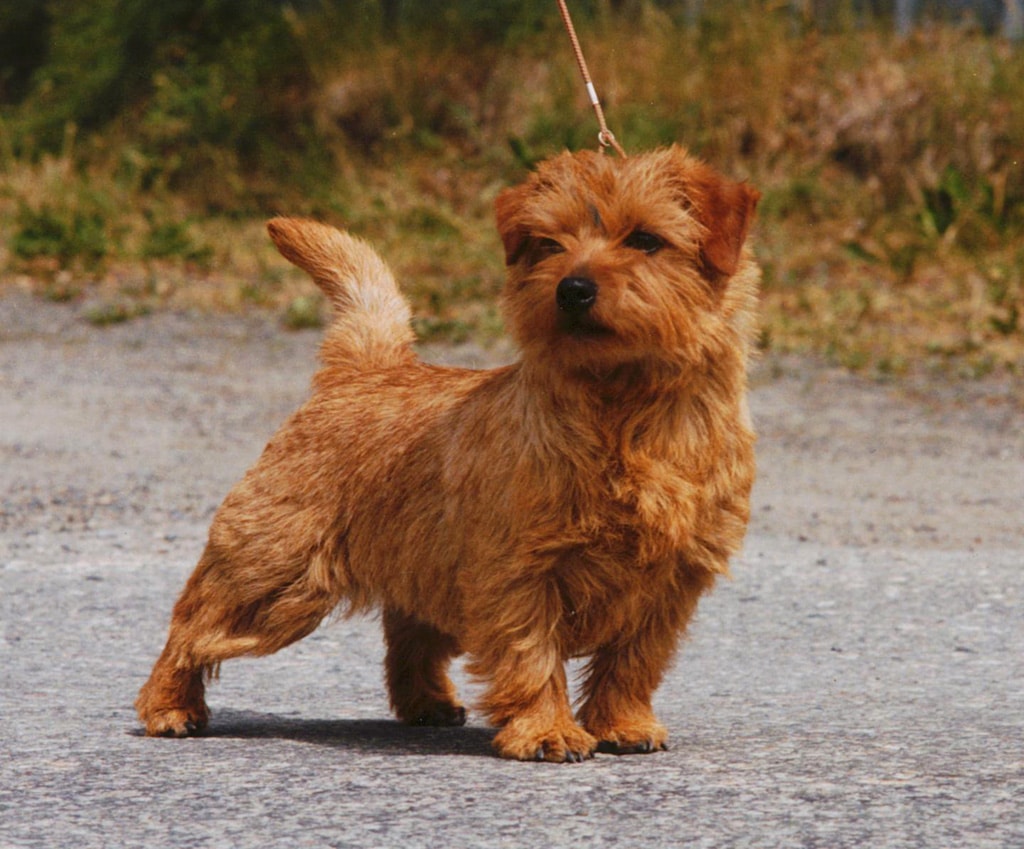
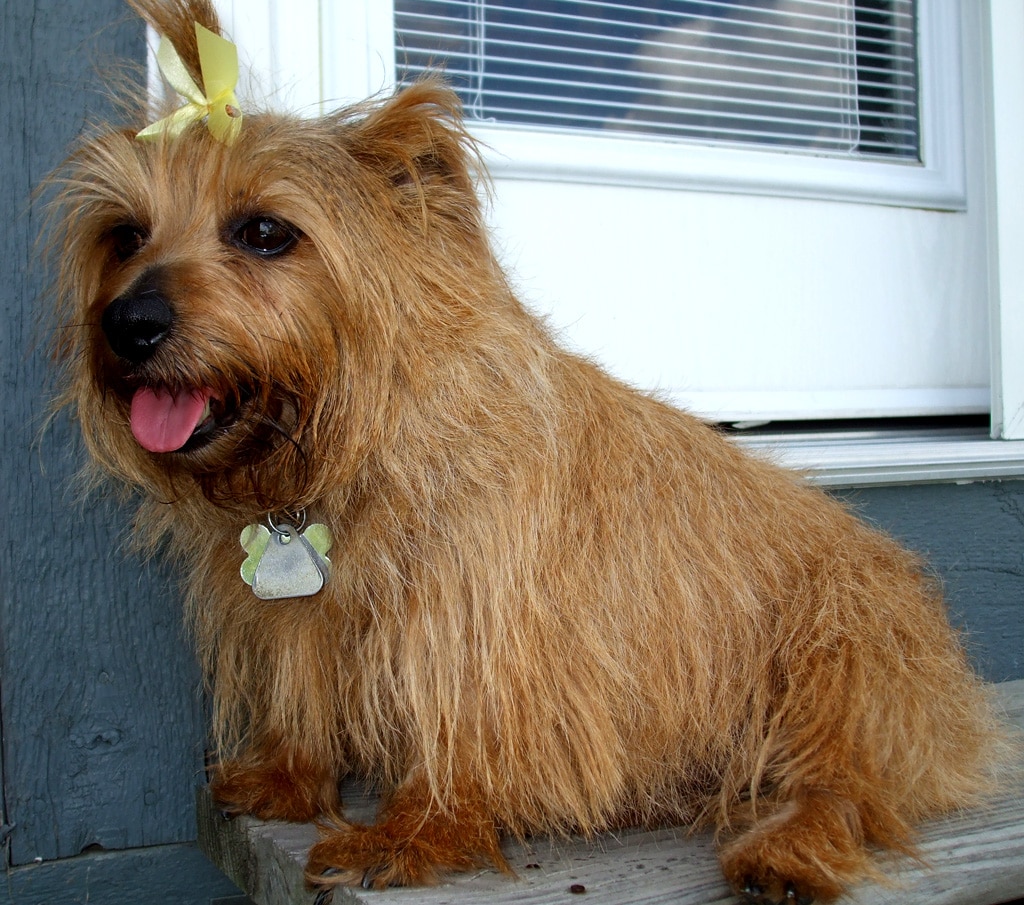
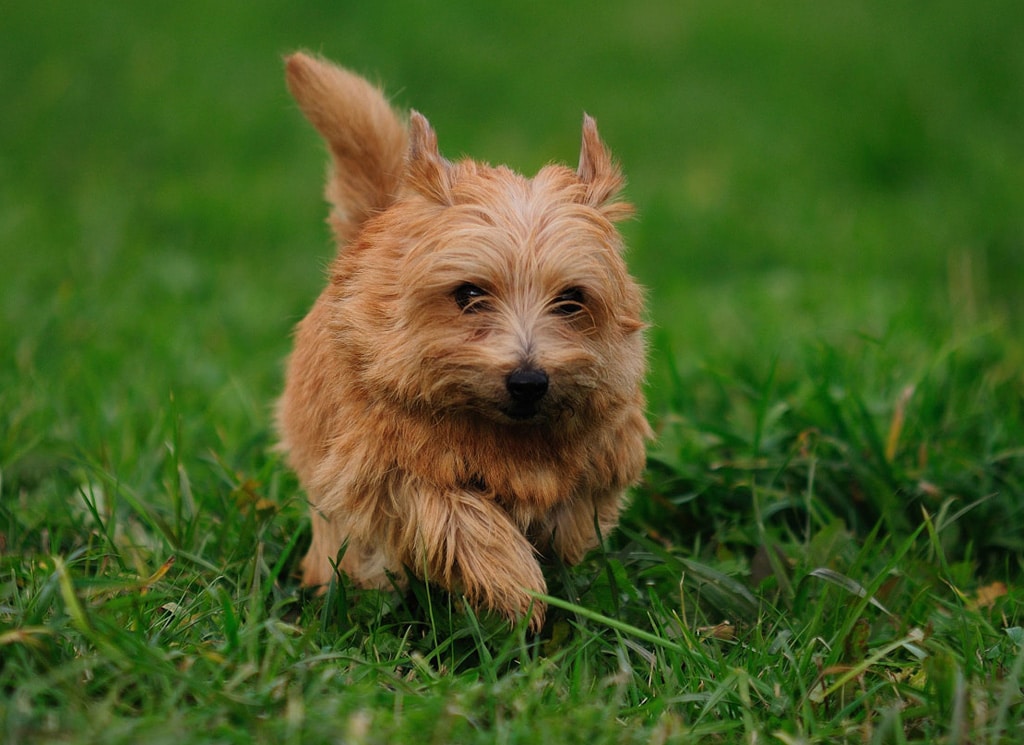
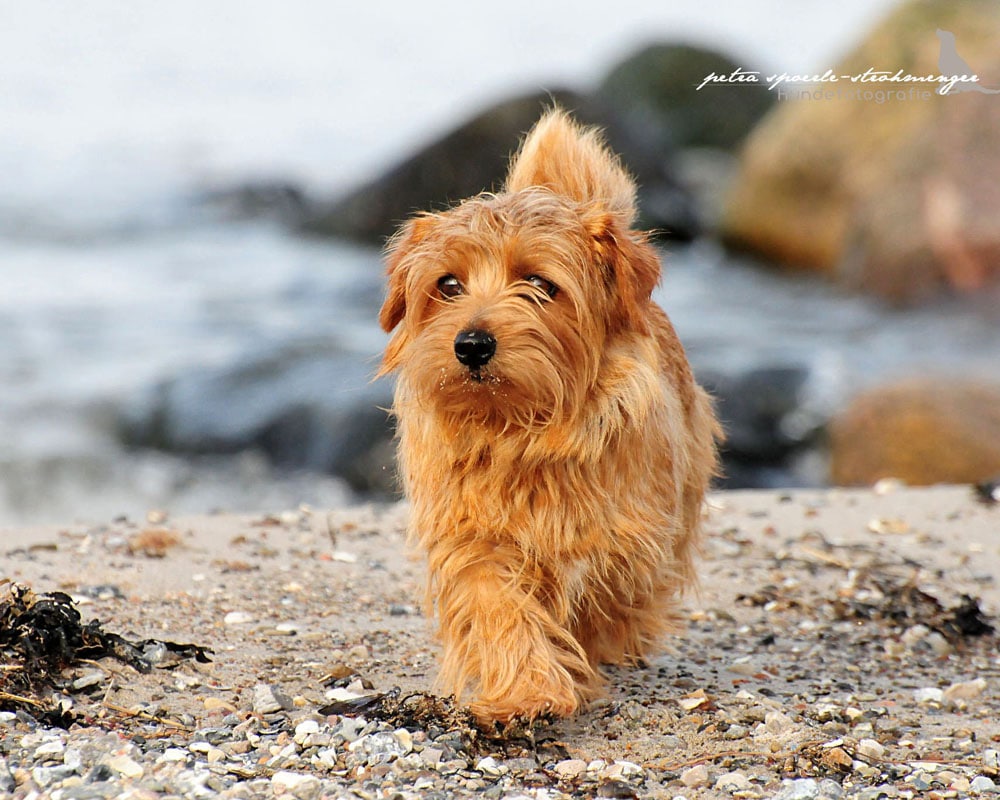


 Cute Norfolk Terrier Puppy
 Two norfolk terriers playing
 Norfolk Terrier Plumperplanschi
 Norfolk Terrier Obe in a mud hole
 FCI 50 - Molossoid - Mountain
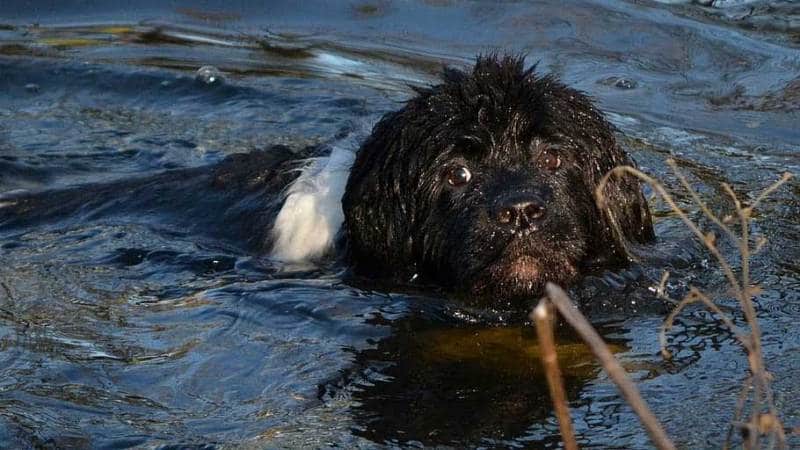


 Dogs 101: Newfoundland
 NEWFOUNDLAND DOG – Profile of a Hero Breed
 Newfoundland 101! Everything You Need To Know About Owning A Newfoundland Puppy
 NEWFOUNDLAND FIVE THINGS YOU SHOULD KNOW
 The Newfoundland dog – GIANT dog breeds
 The Newfoundland characteristics of the breed, care etc.
 Newfoundland: The noblest and sweetest dog in the world
 Newfoundland puppies
.JPG)