โ–ท The world of Pets: Dogs, cats, birds, reptiles, amphibians

Styrian Coarse-haired Hound
Austria FCI 62 - Medium-sized Hounds.
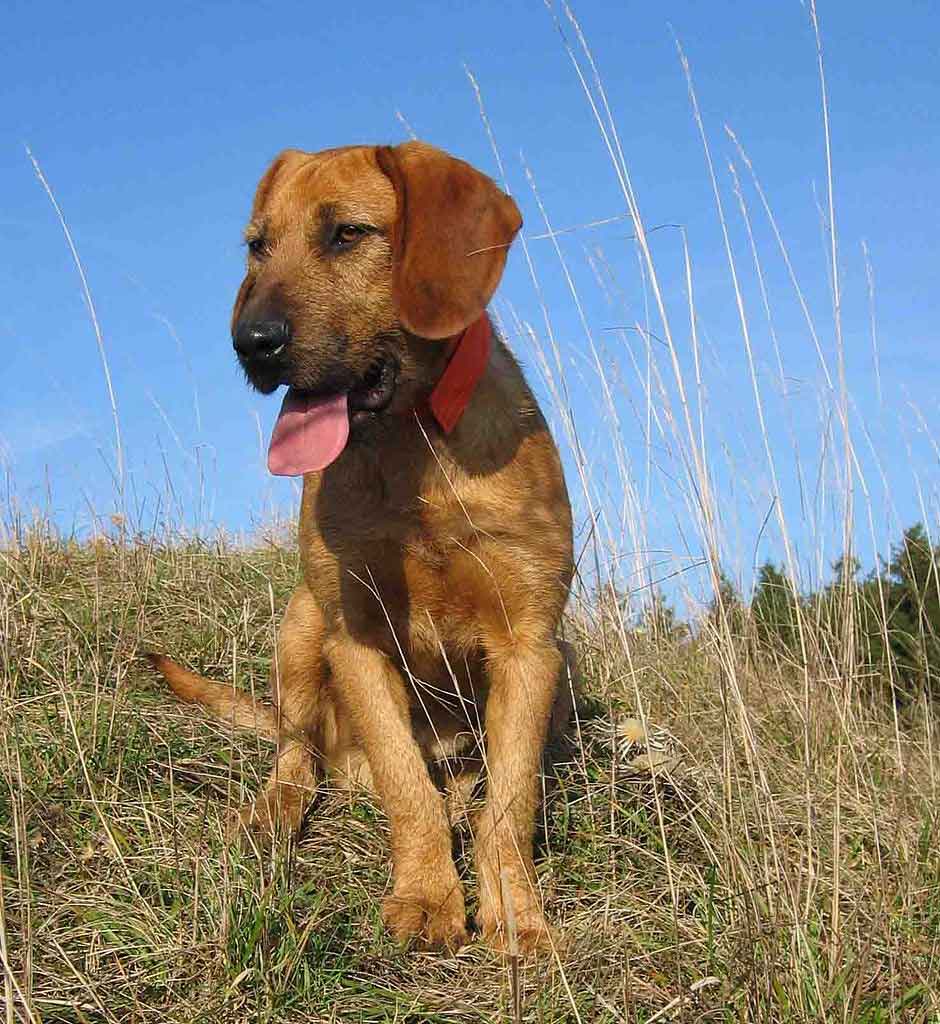
Styrian Coarse-haired Hound

Insensitive to the weather and austere, which is especially useful in high mountains and forests.

Content

History

The race Styrian Coarse-haired Hound developed from the end of the 19th century. Already in 1870, an industrial of Styria, a state in southeastern Austria, obtained an interesting litter by crossing a ยซHanoverian Scenthoundยป with a Styrian Coarse-haired Hound. The goal was to obtain a hunting dog that would combine the qualities of the two ancient breeds and inherit a coat that would allow it to withstand the elements..

The Styrian Coarse-haired Hound was created by a man named Carl Peitinger. The breed was officially recognized in its country of origin in 1889, and was finally recognized by the Fรฉdรฉration Cynologique Internationale (FCI) 65 years later, the 31 in August of 1954.

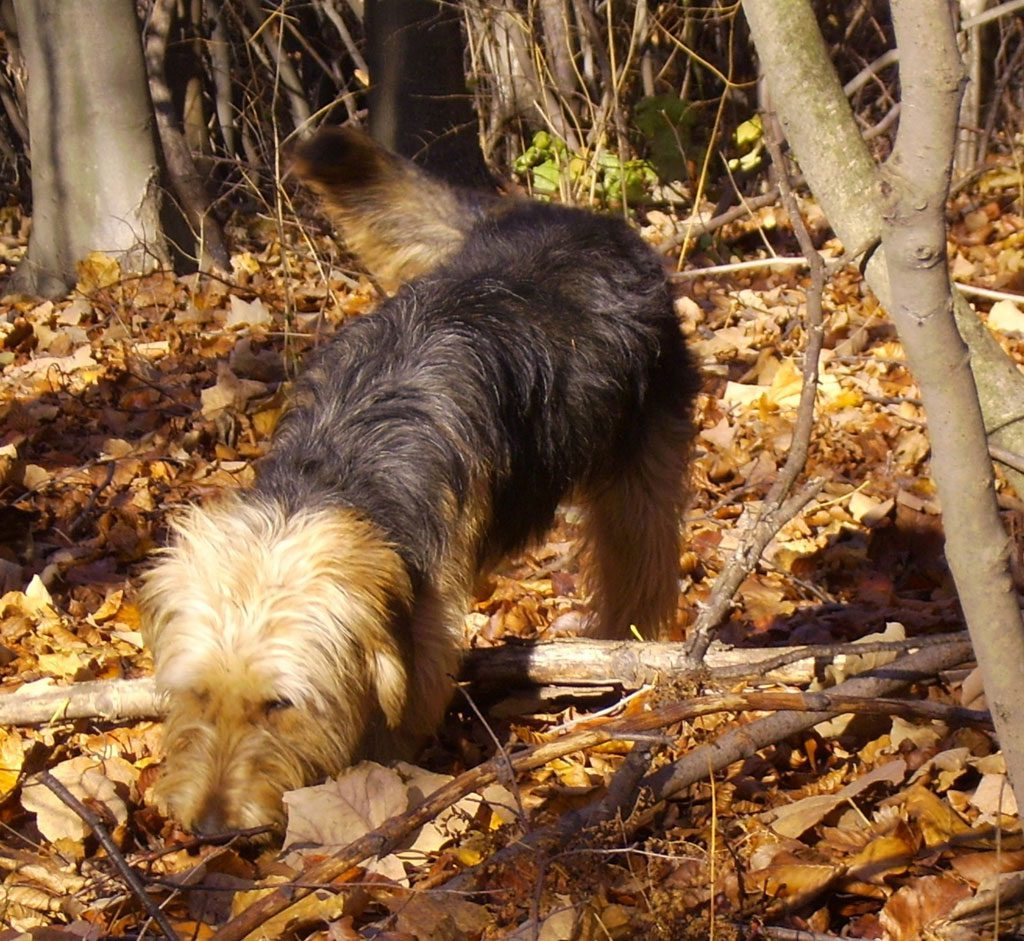
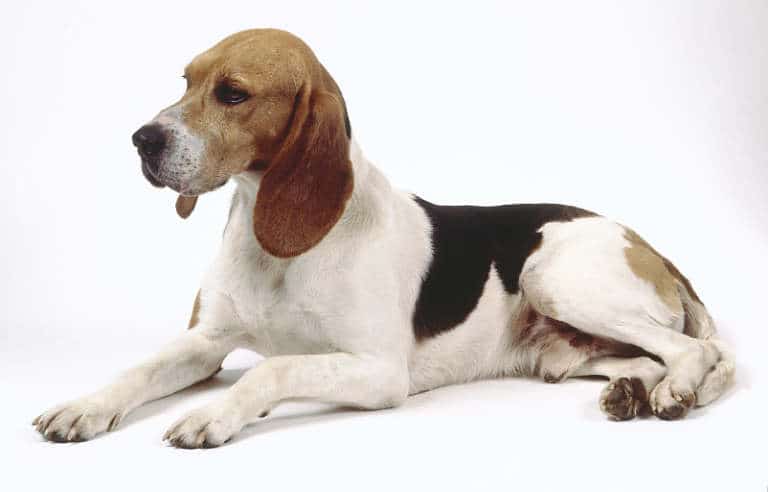
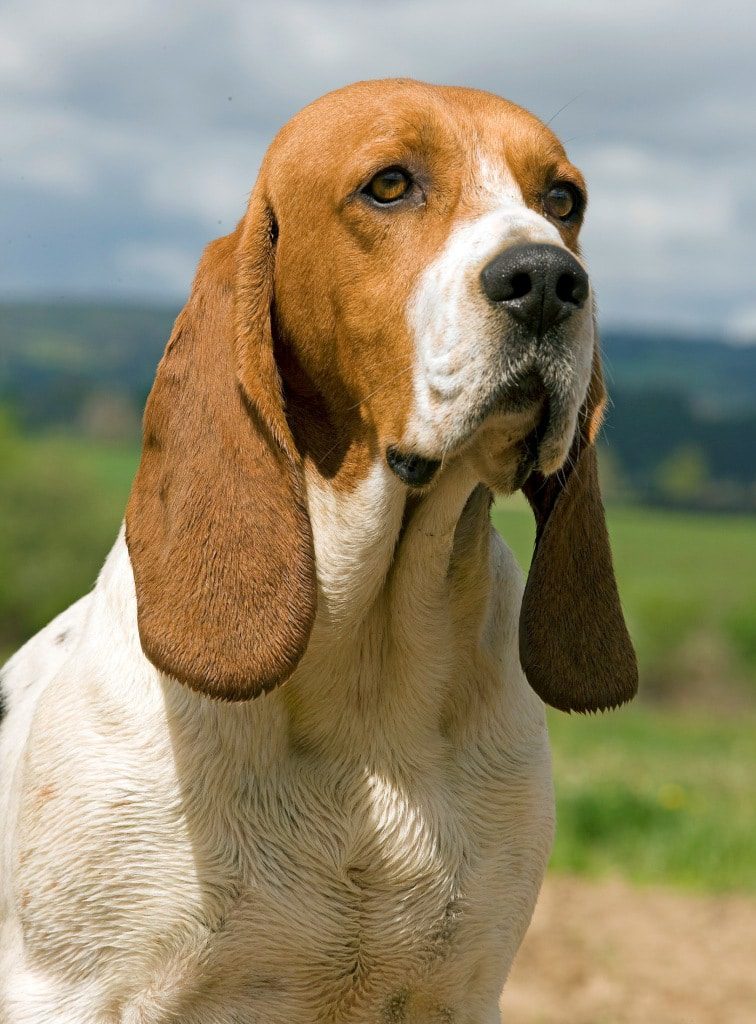
Photo: Styrian Wirehaired Hound, Half Year Old By See page for author, CC BY-SA 3.0, via Wikimedia Commons

Physical characteristics
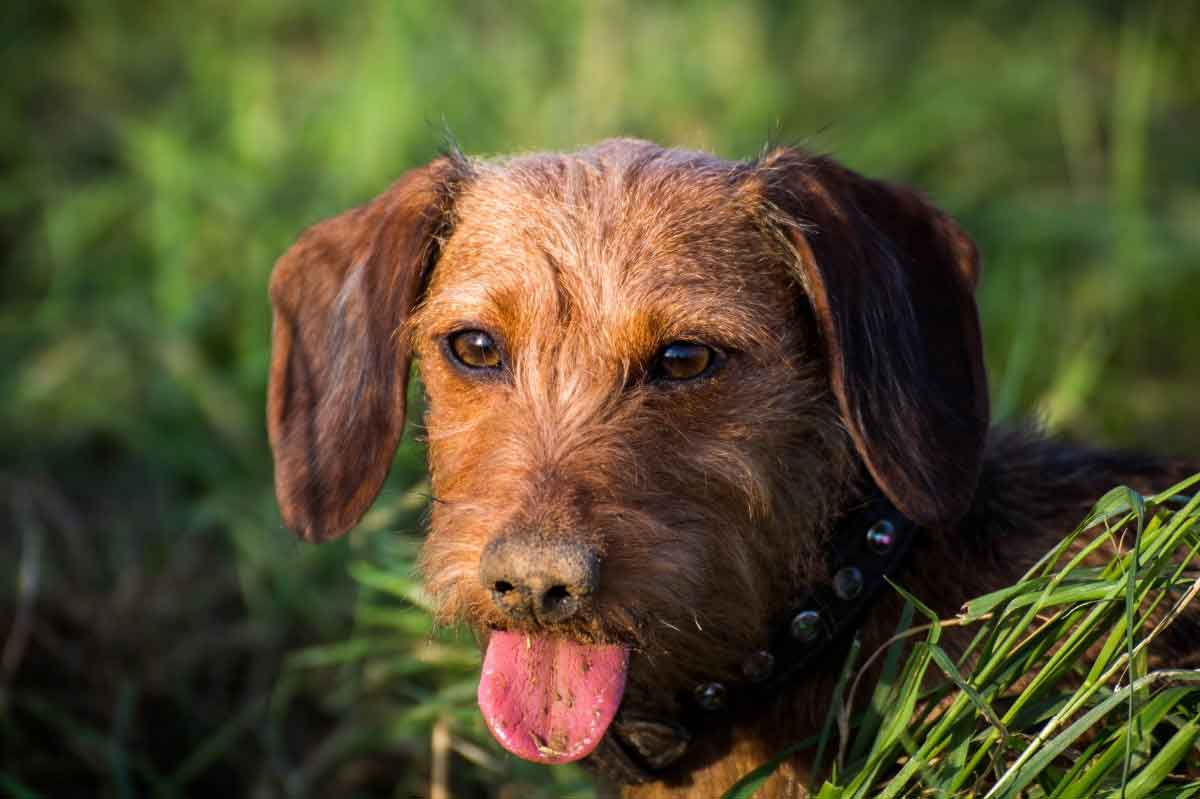
Styrian Coarse-haired Hound

The Styrian Coarse-haired Hound they are medium-sized dogs with solid bones; the expression is austere, but not mean. The skull is slightly domed, with a well developed occipital bone. The stop is marked. The eyes are brown. The ears, Not very large, worn flat against the cheeks and covered with fine hair. The tail is of medium length, strong at the base, with dense hair, never curly but carried upward in a sickle shape; the bottom is like a brush, but without lock.

Fur : Lasted, neither furry nor shiny, hard. In the head, the hair is shorter than in the body. Has mustaches.
Color: red and pale yellow. The white star on the chest is allowed.
Size: 47 to 53 cm for the male and 45 to 51 cm for female.
Weight: approx.. 18 kg.

Character and skills

The Styrian Coarse-haired Hound they have all the qualities of a hunting dog. These dogs show great enthusiasm, determination and stamina when it comes to forcing the game by giving the voice. At home, the Styrian Coarse-haired Hound he is very close to his master and is particularly wary of strangers. They get along quite well with their peers, if they are used to its presence from puppies. They can be more turbulent with other small animals; his hunting instinct is still very strong.

The education…

The Styrian Coarse-haired Hound have a strong character and must be trained early and firmly. It is also necessary that they socialize properly and receive training in recovery to avoid incidents of all kinds.

This Styrian Hound not only used to force the game of hunting by giving the voice, but is very often considered a specialist in tracking blood in difficult mountainous terrain. This makes it a highly sought after hunting companion..

Its exclusively hunter and predator temperament makes it inadvisable as a pet.

However they are very intelligent animals, of a cheerful and affectionate nature as well as an unusual sensitivity.

Care and maintenance …

It needs regular exercise and its coat requires constant maintenance.

Characteristics "Styrian Coarse-haired Hound"

Coexistence is important that you have with your new friend. Before considering the acquisition of a dog of the breed "Styrian Coarse-haired Hound" you know certain factors. Not all breeds of dogs are apt to live in an apartment, you must take into account his character, their need for exercise, their interaction with other pets, their care and if you have small children, their level of tolerance towards them.

Adaptation โ“˜

3,0 of 5 stars (based on 1 review)

friendly dog โ€‹โ€‹โ“˜

3,0 of 5 stars (based on 1 review)

hair loss โ“˜

4,0 of 5 stars (based on 1 review)

Affection level โ“˜

3,0 of 5 stars (based on 1 review)

Need for exercise โ“˜

5,0 of 5 stars (based on 1 review)

Social need โ“˜

3,0 of 5 stars (based on 1 review)

Home โ“˜

4,0 of 5 stars (based on 1 review)

Toilet โ“˜

2,0 of 5 stars (based on 1 review)

Friendly with strangers โ“˜

3,0 of 5 stars (based on 1 review)

barking โ“˜

4,0 of 5 stars (based on 1 review)

Health โ“˜

4,0 of 5 stars (based on 1 review)

Territorial โ“˜

4,0 of 5 stars (based on 1 review)

Cat friendly โ“˜

2,0 of 5 stars (based on 1 review)

Intelligence โ“˜

4,0 of 5 stars (based on 1 review)

Versatility โ“˜

3,0 of 5 stars (based on 1 review)

Child friendly โ“˜

4,0 of 5 stars (based on 1 review)

Surveillance โ“˜

4,0 of 5 stars (based on 1 review)

joy โ“˜

5,0 of 5 stars (based on 1 review)

Videos "Styrian Coarse-haired Hound"

Hunting dog - Styrian wire-haired bracke ( Peintinger Bracke ) - a fantastic hunting dog Trailer

Hunting dog – Styrian wire-haired bracke ( Peintinger Bracke ) – a fantastic hunting dog Trailer

Hunting dog - Styrian wire-haired bracke (Peintinger Bracke) - a fantastic hunting dog!
Jagdhund – Steirische Rauhhaarbracke (Peintinger Bracke) – a fantastic hunting dog!

Type and recognitions:

  • FCI CLASSIFICATION:
  • Group :
  • Section : . .

Federations:

  • – FCI – Group 6: Scent hounds, and related breeds. – Section 1.2: Medium-sized Hounds. โ“˜
  • – UKC – Scenthounds โ“˜

FCI breed standard "Styrian Coarse-haired Hound"

Origin:
Austria

Date of publication of the valid original standard:
10.10.1995.

Use:

The job is not only about his role as a hound, but also in pure tracker work in difficult mountainous terrain.


General appearance:

Is medium sized, has strong muscles, and his expression is grim but without malice.


Behavior / temperament:

He is a tough and passionate hound dog, barks without interruption during the hunt and expresses will and security during the trail.

Head:

---

Cranial region:
  • Skull: Slightly convex, well-developed occipital protuberance.
  • Depression links (Stop): Marked.

facial region:

  • Truffle: Black.
  • Snout: Strong and straight.
  • Lips: Not hanging.
  • Jaws / Teeth: Strong scissor bite. You want a complete denture with 42 Dental parts; the lack of two PM1 or PM2 (premolars 1 or 2) is tolerated; the M3 (molars 3) they are not taken into account.
Eyes: With brown iris.
Ears: Not too big, flattened and glued, covered with fine hair.

Neck:

Strong, not too long.

Body:

  • Back: Straight and wide.
  • Pork loin: Moderately raised.
  • Rump: It descends steeply.
  • Breast : It's deep and wide.

Tail:

Medium length, strong in its insertion, well covered with hair, never curled but carried up slightly sickle-shaped; on its lower face has hair in the shape of a brush, but without forming a feather.

Tips

PREVIOUS MEMBERS: Straight, muscular, well angled.
  • Shoulder: Oblique placement.
 
LATER MEMBERS: Muscular, strong, well angled, seen from behind they look straight.
 
FEET: Not excessively large; well arched fingers, closely linked to each other; hard pads, not too big.

Movement:

It covers the ground, elastic.

Mantle

HAIR: Rough, no hirsuto, opaque, hard, tosco. The hair on the head is shorter than the rest of the body and forms a mustache.
 
COLOR: Red and yellowish. A white star is allowed on the sill.


Size and weight:

Height to the cross: 45 โ€“ 53 cm.
  • Males : 47 โ€“ 53 cm.
  • females : 45 โ€“ 51 cm.


Fouls:

Any deviation from the above mentioned criteria is considered to lack, and the gravity of this refers to the degree of deviation to the standard and its impact on the health and well-being of the dog.
  • Head too narrow.
  • Ears with creases or too pointed.
  • Tail too short, too thin or too bent up, that forms feathers.
  • Weak limbs.
  • Coat too long, fine, curly or soft.
  • Shy character.
MISS PLAYOFFS:
  • Aggressive or fearful dog.
  • Upper or lower prognathism. Lack of more than two premolars (PM 1 or PM 2).
  • Any other color different from that indicated in the standard.
 
Any dog โ€‹โ€‹showing clear signs of physical or behavioral abnormalities must be disqualified..


N.B.:

Males should have two normal-appearing testicles fully descended into the scrotum..

Source: F.C.I - International Cynological Federation

Alternative names:

1. Peintinger Bracke, Wirehair Styrian Mountain (English).
2. Brachet de Styrie ร  poil dur (French).
3. Peintinger-Bracke, Steirische Rauhhaarige (German).
4. (em alemรฃo: Steirische Rauhhaarbracke) (Portuguese).
5. Sabueso estirio de pelo รกspero (espaรฑol).

โ–ท The world of Pets: Dogs, cats, birds, reptiles, amphibians

Barak hound
Bosnia FCI 155 . Medium-sized Hounds

The Barak hound It is used for hunting Hound

Bosnian Coarse-Haired Hound

The Barak hound (Bosanski Oลกtrodlaki Goniฤ), also called Bosnian Broken-haired Hound or Bosnian Rough-haired Hound, It is a dog developed in Bosnia. Barak hound is a breed of hound used for hunting and its original name, Bosnian Sharp-haired Goniฤ's…

Read all about the race by clicking on: Bosnian Hound

  • Alternative names: Bosnian Broken-haired Hound / Bosnian Rough-haired Hound / Bosnian Hound / Illyrian Hound / Bosnian Broken-haired Hound / Sabueso de Bosnia de pelo duro / Bosanski ostrodlaki gonic / Wire-haired Bornian hound / Bosnischer rauthaariger laufhund / Bosnian coarse-haired hound
  • Group 6 / Section 1.2 – Medium-sized hounds

Dogs breeds: Barak hound


โ–ท The world of Pets: Dogs, cats, birds, reptiles, amphibians

Artois Hound
Francia FCI 28 . Medium-sized Hounds

Basset de Artois

The Artois Hound towards their masters is affectionate, mischievous and loyal.

Content

History

The history of the Basset we can locate in the 7th century in a monastery Ardennes (France) where, monks engaged in raising dogs St. Hubert, and as a result of crossing, the common Basset breed is born, today.

Artois Hound is a native of the region of artois (North France) It is characterized by its rugged terrain and dense vegetation. It is believed that it descends from the Great Artois Hound What, for its part, drops dog San Humberto. He has inherited these talents to pry traces of injured or dead prey and showed his specialty in the game (as the Hare, rabbitsโ€ฆ).

Unlike the Normandy Artesian Basset, The Artois Hound, has straight Forelegs. El Basset d'Artois, is one of the ancestors of Basset Hound (What is the most know).

The count Jean H. Emmanuel Comie Le Coulteux Canteleu (1827-1910) He was a writer and French dog breeder. Together with Louis Lane he created the hunting dog breed ยซBasset Artesiano de Normandyยป and the ยซBasset de Artoisยป. Is known for his book on the secret societies and his anti-Masonic opinions rather than, for his book on the breeds of hunting dogs and hunting in Monterรญa "Manuel de vรฉnerie franรงaise", He is regarded as a reference book.

Videos "Artois Hound"

Until year 1863, this breed of dog was only known by hunters, from that date it is made publicly known in Paris.
It was not until the end of the 16th century that, appeared the first descriptions of these dogs as, Basset of Artois and making of France, the cradle of the race Basset. These dogs are highly valued by their hunting skills.

The crosses with hounds dogs, gave rise to different varieties of Bassets, as Artois Bassets, Norman Artesian Basset, Fawn Brittany Basset, Griffon Vendรฉen, Blue Gascony, and perhaps, someone else that escapes us...

At the same time a pair of Comte Le Coulteux Basset, they were sent for gift to England. They called them "Bassetยป y ยซBellaยป who are probably the ancestors of our Basset Hounds (English breed of Basset).

Physical characteristics

The Artois Hound are medium-sized dogs, especially used in hunting, vigorous, robust and well balanced.

It has a strong head, wide, quite short, round, small flat top with a small occipital Protuberance. Moderately long neck with very little double chin. Round eyes, or sunk or prominent.
His body is broad and well sustained in the back, waist slightly arched, rump very muscular and broad chest. His hair is dense, short and attached to the body. Tricolor dark, leonado, like the hair of a Hare or Badger, with spots large, likens head, sometimes with black highlights. Ears inserted at the height of the eyes, quite long and wide with rounded ends. The tail is long and strong.

Height to the cross: Males and females: 53 to 58 cm with a tolerance of 1 cm.. Weight: On average 28 to 30 kg.

Character and skills

The Artois is friendly and social. The aggression is totally unusual for this race. You can warn of the presence of strangers, but that would be all, the dog can even move the queue to receive strangers. Even with other dogs or pets, an Artois is us friendly.
A male of Artois, However, It usually has an alpha type personality so it will try to dominate other dogs that live together in the home.

Extremely energetic and playful, You will need much activity for a full development.
It is an excellent jogging companion, cycling or hiking. The dog need vigorous exercise, because if the dog is passive becomes restless, destructive and difficult to handle.

The dog may be doing well in an apartment, but a House with a small patio will be most appropriate. Itร‚ยดs important to provide long walks daily. But, It must take into account that this is a sniffer and walk with the dog without the restriction of a strap can be dangerous not only for the dog, but also for other small pets. An Artois has found an interesting smell can get away from our sight, even to lose.

Observations ยซBasset de Artoisยป

The bassetismo, is an anomaly of nature that has probably always existed. The first traces of short-legged dogs dating from prehistoric times.

ยซBasset de Artoisยป images

Videos ยซBasset de Artoisยป

Alternative names:

– Chien dโ€™Artois / Picard / Briquet / Artois Hound / Sabueso artesiano

Type and recognitions:

– Group 6 / Section 1.2 – Medium-sized hounds
– Federations: FCI โ“˜