โ–ท The world of Pets: Dogs, cats, birds, reptiles, amphibians

Slovakian Wirehaired Pointers
Eslovaquia FCI 320 . Braque Type
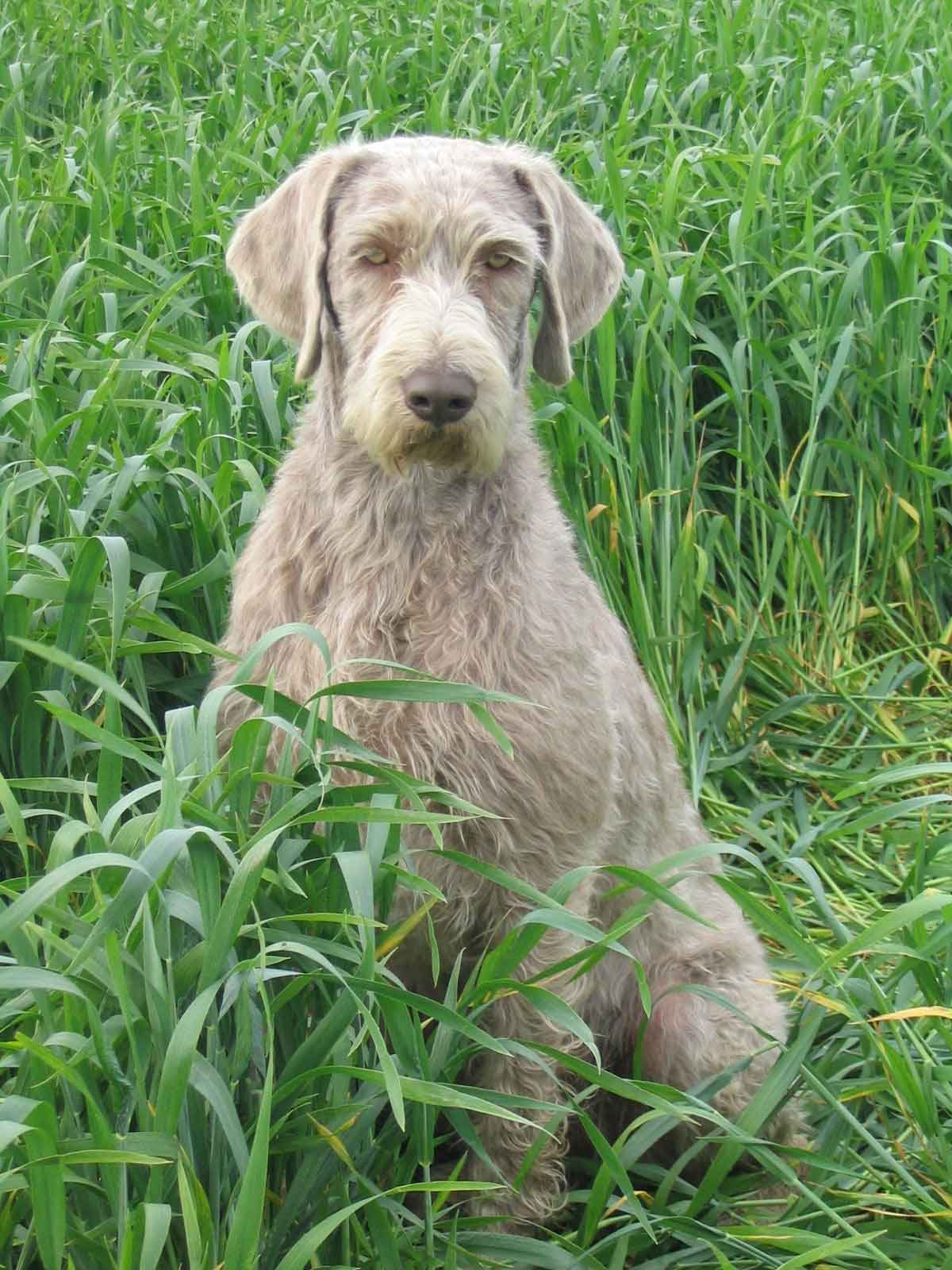
Slovakian Wirehaired Pointers

The Slovakian Wirehaired Pointers in an obedient and easy to train dog.

Content

History

The Slovakian Wirehaired Pointers is a relatively new breed. It dates back to the end of the decade of 1950, in Czechoslovakia after World War II and is believed to have been developed using the Weimaraner, the German Wirehaired Pointer and the Cesky Fousek.

At any given time, the Slovaks who developed the breed asked the Club Weimaraner from Germany to recognize this dog under the name of Rough-haired Weimaraner, but the request was rejected.

The resulting dog is a true wonder, that combines the talents of a hunting dog (on the plains, in the woods and in the water), a working dog and a companion dog. Adapts to all climates.

Photo: Slovakian Wire-haired Pointing Dog by Ing. Urban Michal (breeders HP), Public domain, via Wikimedia Commons

Physical characteristics

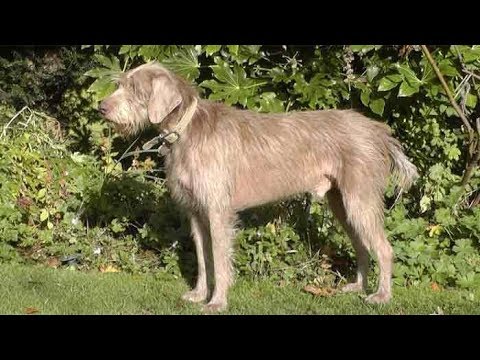
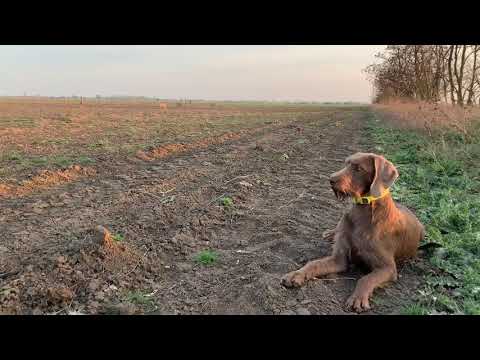
The Slovakian Wirehaired Pointers it's a tall braco, solidly built and not too heavy. This breed is bred to be a working dog, with nobility in its forms. Tail is cut to half length when permitted by law. It stands rather high, worn at rest and in horizontal action. The eyes are almond-shaped, amber, with a clever expression. In puppies and young dogs, are blue. Dropped ears sit above the eye, they are rounded and not too long.
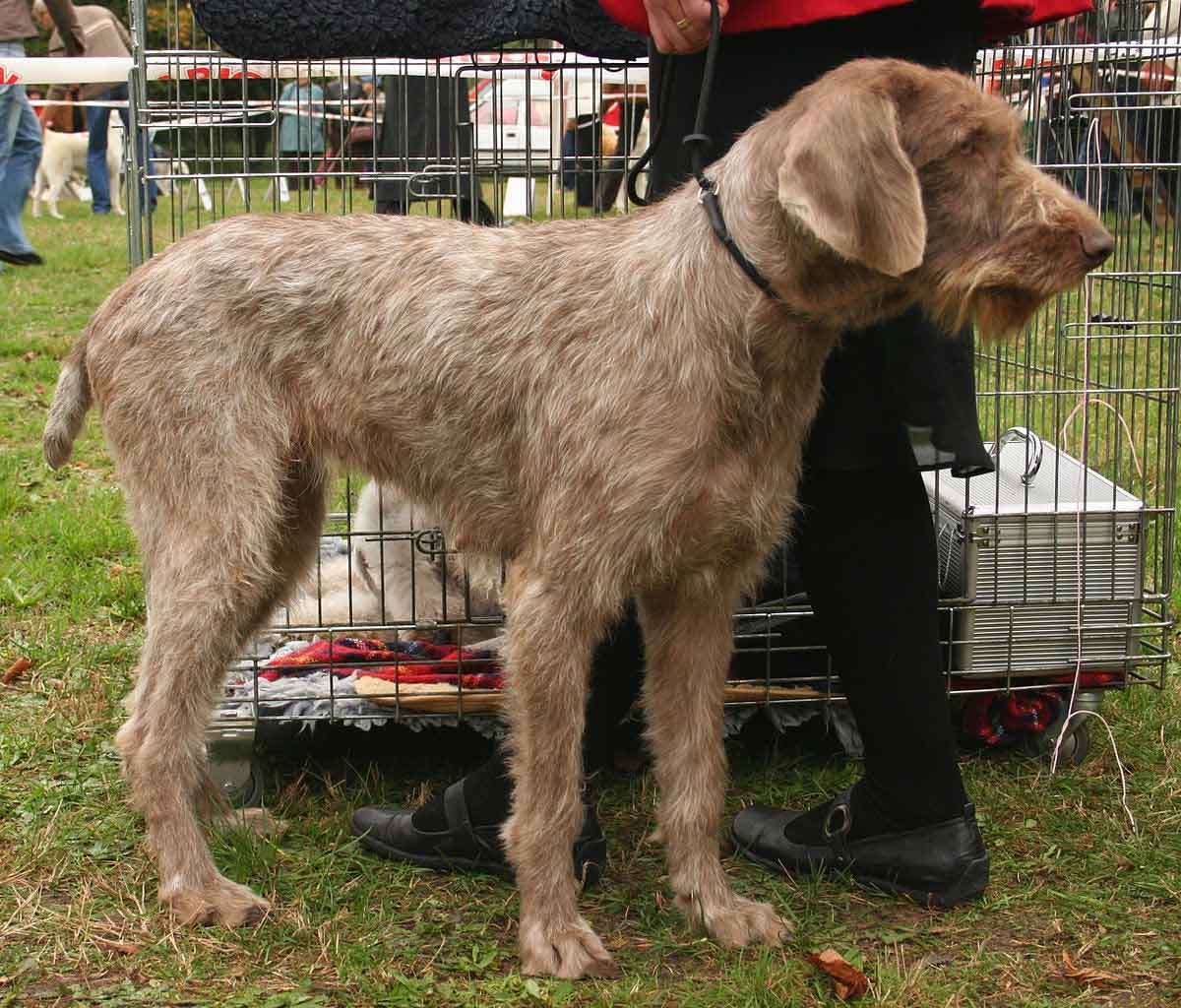
Slovakian Wirehaired Pointers
"Stilling hard hair" during the exhibition of dogs in Rybnik – Stone, Poland

The undercoat consists of a short, fine down that normally falls off in summer. The top layer is about 4 cm long, hard, straight and well laid. At the bottom of the muzzle, hairs are longer and softer and form a mustache. above the eyes, are more pronounced and are obliquely erect. The forehead and occiput are covered with short, hard hair. They are short and soft on the ears. The tail is well provided with hair, but it is not brushed. The basic color is "gray": is a sand shaded with brown. White markings are allowed on the tips of the legs and on the chest. Smaller or larger dark spots can mark gray. There is also a speckled coat.

Character and skills

The Slovakian Wirehaired Pointers described in the FCI standard as easy to train and compliant. They are selected for their work characteristics as Pointer dogs. They hunt on the plains, forests and water. They work mainly after the shot, searching and recovering the game.

The Slovakian Wirehaired Pointers it's animated, happy and eager to please. He has a lot of energy and is very intelligent., but gets bored easily. This can sometimes make training a bit difficult., and should work to make training sessions fun, interesting and not very long. They need a steady and consistent hand in disciplining with structure and limits.. Harsh words or physical punishment should be avoided. They have a strong bond with their families, and may develop separation anxiety without proper conditioning.

the Slovakian Wirehaired Pointers they are the happiest doing things with their owner. This makes the breed a great candidate as a canine companion for owners who love walks., cycling or jogging. It is imperative that they have opportunities to run free, preferably in a fenced area, since his hunting instinct is very strong, and the dog will not be able to resist the urge to chase the prey.

Health

The Slovakian Wirehaired Pointers it is a generally healthy breed, and responsible breeders examine their breeders for health conditions such as elbow and hip dysplasia, progressive retinal atrophy and cataracts.

Grooming

The Slovakian Wirehaired Pointers requires only a minimum of grooming to maintain its good condition. Wiping them with a damp cloth is usually sufficient between baths.. Using a grooming glove or comb on your coat during the fall season can help keep the amount of hair shedding in your home down.. Toenails should be trimmed every four weeks. A dental care regimen should start at an early age to avoid problems later in life.

Characteristics "Slovakian Wirehaired Pointers"

Coexistence is important that you have with your new friend. Before considering the acquisition of a dog of the breed "Slovakian Wirehaired Pointers" you know certain factors. Not all breeds of dogs are apt to live in an apartment, you must take into account his character, their need for exercise, their interaction with other pets, their care and if you have small children, their level of tolerance towards them.

Adaptation โ“˜

4,0 of 5 stars (based on 1 review)

friendly dog โ€‹โ€‹โ“˜

4,0 of 5 stars (based on 1 review)

hair loss โ“˜

2,0 of 5 stars (based on 1 review)

Affection level โ“˜

2,0 of 5 stars (based on 1 review)

Need for exercise โ“˜

4,0 of 5 stars (based on 1 review)

Social need โ“˜

3,0 of 5 stars (based on 1 review)

Home โ“˜

3,0 of 5 stars (based on 1 review)

Toilet โ“˜

2,0 of 5 stars (based on 1 review)

Friendly with strangers โ“˜

3,0 of 5 stars (based on 1 review)

barking โ“˜

2,0 of 5 stars (based on 1 review)

Health โ“˜

4,0 of 5 stars (based on 1 review)

Territorial โ“˜

4,0 of 5 stars (based on 1 review)

Cat friendly โ“˜

2,0 of 5 stars (based on 1 review)

Intelligence โ“˜

4,0 of 5 stars (based on 1 review)

Versatility โ“˜

4,0 of 5 stars (based on 1 review)

Child friendly โ“˜

4,0 of 5 stars (based on 1 review)

Surveillance โ“˜

3,0 of 5 stars (based on 1 review)

joy โ“˜

5,0 of 5 stars (based on 1 review)

Videos "Slovakian Wirehaired Pointers"

Dog Breed Video: Slovakian Rough Haired Pointer
Slovakian wire haired pointer - training
Slovakian wire haired pointer – training

Type and recognitions:

  • FCI CLASSIFICATION:
  • Group :
  • Section : . .

Federations:

  • – FCI – Group 7: Pointing Dogs. – Section 1: Continental Pointing Dogs. 1.1: Braque Type โ“˜
  • – โ€‹KC – gundog โ“˜
  • – AKC – Group: Foundation Stock Service โ“˜

FCI breed standard "Slovakian Wirehaired Pointers"

Origin:
Slovakia

Date of publication of the valid original standard:
06.01.1995

Use:

Pointing Dogs.


General appearance:

This is a moderate force animal. Although it is a working dog, His appearance is noble. The color of the outer hair of hairs is "gray" and the hair is hard. It must be suitable for work in plain, in the forest and in the water and especially for work after the shot, To search and bring wounded hunt. It is an obedient and easy to train dog.

IMPORTANT PROPORTION :
The correlation between the height to the cross and the length of the trunk must be 10:9 in males and 10:8 in females. This animal must be solidly constituted, But not coarse appearance.


Behavior / temperament:

It must be suitable for work in plain, in the forest and in the water and especially for work after the shot, To search and bring wounded hunt. It is an obedient and easy to train dog.

Head:

It's quite long, thin, No folds on the skin and keep proportion to the body.

Cranial region:
  • Skull : It has a rectangular shape; Superciliar arcades must be pronounced; The front groove is visible. The occipital bump is palpable to touch.
  • Depression links (Stop) : Moderately inclined (about 45 ยฐ).

facial region:

  • Truffle : Is large and dark. The Windows are wide open.
  • Snout : It has approximately the same length as the skull. Is high and wide. The nasal helm is straight.
  • Lips : Moderately developed. They are well glued and are dark.
  • Jaws / Teeth : Uniform and robust jaw. The teeth are well developed. The joint is in the form of scissors.

Eyes : They have almond and are well sunk in the orbits. They are amber and intelligent expression. In puppies and young dogs are blue. The eyelids are dark.

Ears : They are convenient length and inserted above the eye region. The root is wide and the tips are round.

Neck:

Is medium length, delgado, No folds on the skin. It is well muscular and is high in the region of La Cruz.

Body:

  • top line: As a whole, The dog is very compact and rather bulky. The back is straight and the neck is inserted high. The dog wears the head up.
  • Cross : It is well pronounced and is well linked to the back.
  • Back : Straight, well muscled. Solid, very slightly inclined back.
  • Rump : Is wide and quite long, It is not too high or very oblique.
  • Breast : It is quite long and wide. It has oval shape and saves proportion with the rest of the body. Descend to the elbows. The ribs are well -tight and the plunder is well developed.
  • Belly and flanks : They are moderately retracted.

Tail:

It is moderately thick and rather high insertion. When the dog is at rest, carries it down and when it is in action, carries it in horizontal direction. The tail is very hairy, but not in the form of a brush. It is trimmed at half of its length.

Tips

PREVIOUS MEMBERS : As a whole, they are well developed. FRONT VIEWS THE PROFILE, They are approved.

  • Shoulder : Well developed and muscular. The shoulder blade is oblique.
  • Scapulo-Humeral angle : Is 110 ยฐ.
  • Elbow angle : It is 135 ยฐ. Steering : Vertical, thin and marked musculature.
  • Carpo : It is almost vertical : Quite thick, relatively short and almost vertical.
  • Front feet : They are round, the fingers are well together and arched. The nails and pads are dark. Internal fingers should be eliminated.

LATER MEMBERS : Together and profile, They are well angled. Seen from the back, they are leaden.

  • Thighs : They are quite long, wide and well muscled.
  • Lame-femoral angle : From 80 ยฐ to 85 ยฐ
  • A fรฉmoro-Tibial-Tibial (knee) : Between 125 ยฐ and 130 ยฐ.
  • Leg : Wide, quite long and very muscular.
  • Hock angle : Between 125 ยฐ and 135 ยฐ.
  • Metatarsus : It is almost vertical.
  • Rear feet : They are round, the fingers are well together and arched. The nails and pads are dark. The spur must be eliminated.

Movement:

Is balanced and agile. During the work in the plain, The gallop dog.

Mantle

SKIN : It is not very thick. Is elastic and without folds. Its color is gray.

HAIR : The inner hair is presented in the form of a short and fine hair. I usually change it during the summer. The outer hair of hairs measures some 4 cm.; Hair is hard, smooth and stuck. The hairs under the snout are longer and softer and form a beard. Above the eyes the hairs are more marked and are presented obliquely. The forehead and occipucio are covered with short and hard hair. They are short and soft about the ears. The tail is very thick.

COLOR : Base color is chestnut shaded sand (It is called "Gray"), With lighter or darker varieties, With or without white marks on the limbs and chest. Also "gray" with more or less large spots and eventually mottled.


Size and weight:

Height to the cross : It is of 62 โ€“ 68 cm in males and 57 โ€“ 64 cm in females.


Fouls:

Any deviation from the aforementioned criteria is considered as a fault and the severity of this is considered to the degree of the deviation to the standard and its consequences on the health and well-being of the dog..

SERIOUS FAULTS

โ€ข Tough appearance and lack of elegance.
โ€ข Head too big.
โ€ข Very long or very thick ears.
โ€ข Convex back.
โ€ข Very long or silky hair.
โ€ข Very short hair, No beard.
โ€ข Too clear color, pulling Blancuzco.
โ€ข Size too big or too small, Regarding the provisions of the standard.

MISS PLAYOFFS

Aggressive or fearful dog.
All anatomical defects, such as upper or lower prognathism, entropion, ectropion, irregular position of the limbs.
Any other base color other than the "gray" (Chestnut shaded sand color).
Any dog โ€‹โ€‹showing clear signs of physical or behavioral abnormalities must be disqualified..


N.B.:

Males should have two normal-appearing testicles fully descended into the scrotum..

Source: F.C.I - International Cynological Federation

Alternative names:

1. Slovak Rough-haired Pointer, Slovakian Wirehaired Pointer (English).
2. (Nom d’origine : Slovensky Hrubosrsty Stavac), Griffon d’Arrรชt Slovaque ร  poil dur (French).
3. SHS, Slovenskรฝ hrubosrstรฝ stavaฤ (German).
4. Braco eslovaco de pรชlo duro, (em eslovaco: Slovenskรฝ hrubosrsty stavac) (Portuguese).
5. Grifรณn de muestra eslovaco de pelo duro (espaรฑol).

โ–ท The world of Pets: Dogs, cats, birds, reptiles, amphibians

Czechoslovakian Wolfdog
Eslovaquia FCI 332 . Sheepdogs

Czechoslovakian Wolf Dog

Not a dog fit for everyone.

Content

History

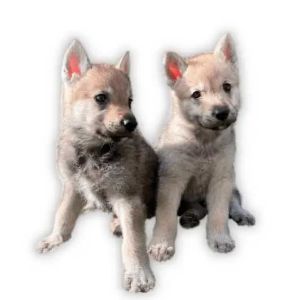
The Czechoslovakian Wolfdog It has its origin in the crossing experiments between the "Carpathian Wolf" and the German Shepherd carried out in the former Czechoslovak Socialist Republic from 1955 under the supervision of the SR. Karel Hartl, a renowned Czech cynologist and breeder. The scientific objective of these experiments was to determine the characteristics of these hybrids. (physical appearance, behavior, utility, fertility…), while the military tried to create a breed with the strength of the wolf and the docility of the dog, that could be used as an attack dog.

The first births took place in 1958 at the border guard kennel in Libejovice, in the south of the country. Brita the wolf and the German Shepherd Cezar z Brezoveho Haje gave birth to 5 Puppies: Brent, Berta, Bono, Betty y Bessy.

Betty was selected to continue the line at the Libejovice kennel, while his sister Berta was sent to the Samorin kennel (now Malacky) with the same goal. Their pups were used as patrol dogs by border guards, confirming that these hybrids were healthy, functional and fertile.

After this initial success, the Brita Wolf was able to mate again with a new male German Shepherd named Kurt z Vaclavky. Like this, in 1960, Defender, Bigan, Trophy, Bill and Bima were born in the Libejovice kennel. The male Bikar was chosen to be sent to the Pohranicni kennel in Slovakia to continue this second lineage.

The experiment stopped at 1965, not without some success: hybrids were able to reproduce, socialize with humans and be trained for different tasks. At the end of the experiment, 16 of these dogs remained in the care of the army, While 18 were given to civil breeders.

Then new lines were created, as..:

– Astra (female german shepherd dog) and Argo (Carpathian wolf male) in 1968;
– Lejdy (female Carpathian wolf) y Boyar from Schotterhof (male german shepherd) in 1972;
– Urta with the Guardian Guard (third generation hybrid female) and Sarik (male Carpathian wolf) in 1974;
– Xela with the Guardian Guard (third generation female hybrid) and Sarik (Carpathian wolf male) in 1983.

Name "Czechoslovakian WolfdogยปIt seems to have become common to designate these hybrids already in the decade of 1960, but it wasn't until 1982 that the efforts of Mr.. Karel Hartl were finally officially rewarded when this new breed was recognized by the Czechoslovakian Dog Breeders Committee, the canine organization of reference in the country.

It developed quite quickly and to 1991 not less than 1552 Czechoslovakian wolfhounds were entered in the national register of pedigree dogs.

In 1999, the Czechoslovakian Wolfdog was recognized by the Fรฉdรฉration Cynologique Internationale (FCI).

In the news, are mainly found in Central Europe, but its popularity is growing rapidly in various Western European countries such as Italy, Germany, Spain and France. In France, for example, little more than 3.000 representatives of the breed have registered with the LOF (Book of French Origins) between 2010 and 2016, and the trend is increasing. His growing renown leads him to the gates of 10 Most popular dog breeds in France.

On the other hand, the Czechoslovak Wolf dog has not actually crossed the English Channel: it is only one of the breeds recognized by the Kennel Club, the British organization of reference, and the FCI only has one approved kennel in the whole country.

In United States, the AKC (American Kennel Club) partially recognizes it from 2001: their representatives can participate in competitions organized under the aegis of the organization, but they cannot register in the breed dog registry. On the other hand, the UKC (United Kennel Club) fully recognizes it, and has been doing it since 2006. It also, in 2011 an official breed club was established (el Czechoslovakian Vlcak Club of America). There are currently some 200 specimens in american territory.

Physical characteristics

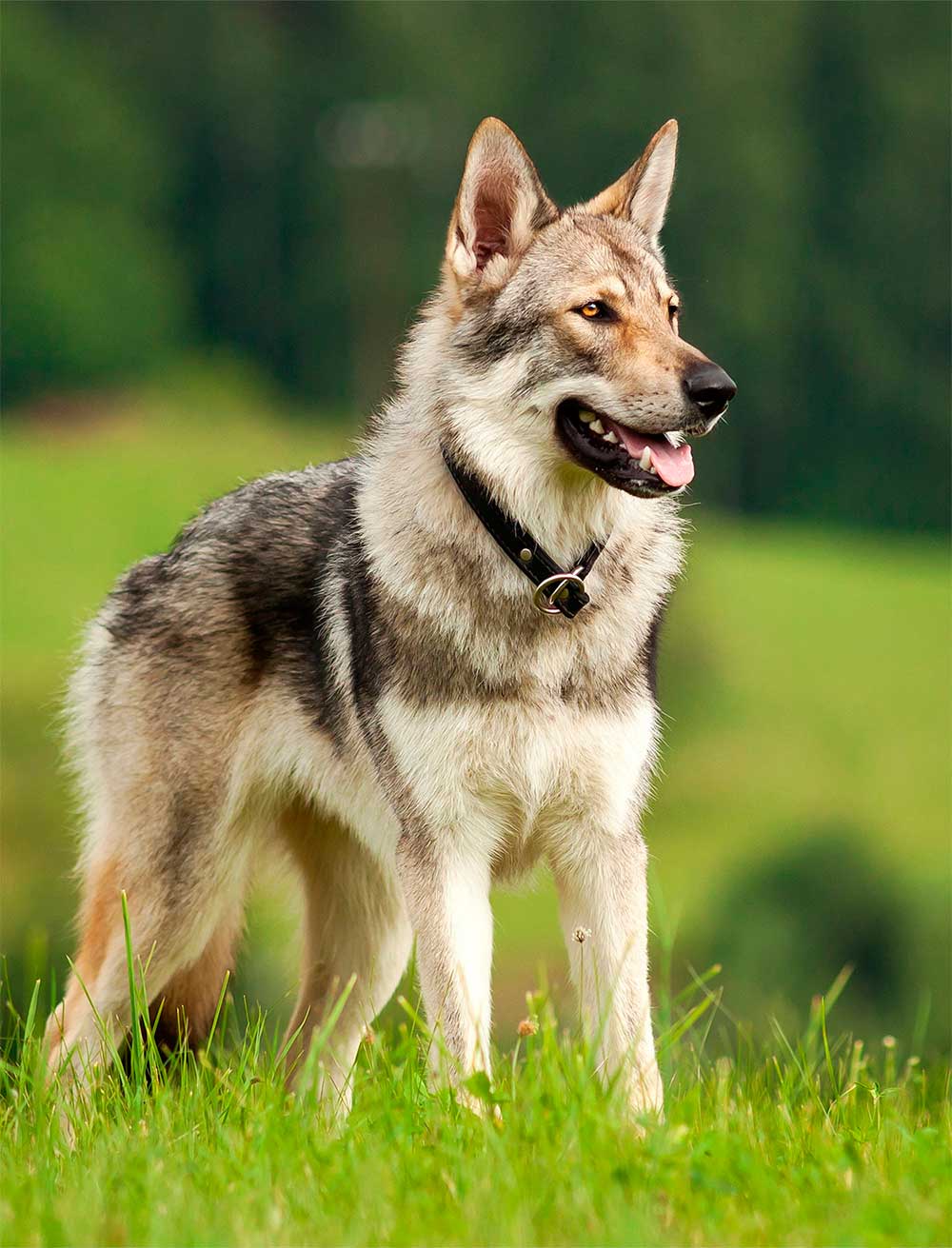
It is a dog of strong constitution, medium-sized and rectangular in structure. It is similar to the wolf in constitution, movement, colors, cloak and mask. The head, symmetrical and well muscled, is shaped like a truncated wedge. the eyes are small, macaroons, amber, with well-attached eyelids.
Ears are erect, thin, triangular and short. The tail is implanted high, but it hangs straight. When the dog is excited, lifts it up in a sickle.

Fur: The coat is straight and adherent. In winter it has a very dense undercoat.
Color: From yellowish gray to silver gray, with characteristic white mask.
Size: Males measure at least 65 cm.. the females, minimal 60 cm..

Character and skills

The Czechoslovakian Wolfdog he is very devoted to his family, including children. But, their rather dominant nature can be problematic for young people. In any case, it is important to socialize him from an early age and never leave a young child alone with a dog, regardless of race.

He is also sociable with his companions and other pets who live under the same roof., since he is used to their presence relatively early. On the other hand, woe to the cats, small dogs and other rodents that are unfamiliar to you and would have the bad idea to venture into your territory, or that they will meet during a walk: his hunting instincts were then all chances to regain the advantage.

It also, he is as affectionate with his entourage as he mistrusts strangers: there is also necessary an education and socialization of the puppy started from an early age to avoid any later problem.

Having a highly developed sense of hierarchy, He must face as soon as possible with his "herd leader", who should show their dog his place in the family hierarchy . The Czechoslovakian Wolfdog he is a dog that cannot stand loneliness, greatly preferring to live in the company of their pack, that is, his family. You are very likely to be unhappy if you have to be alone for long periods of time and are at risk of running away to join your family, or to feel excluded from the "pack" and lose confidence in his master.

It also, the Czechoslovakian Wolfdog it is a very durable and active breed of dog, able to accompany his master even over very long distances that can exceed even those of a marathon, and whatever the weather conditions. In fact, being able to exercise daily is necessary for your physical and psychological well-being, and allows to avoid the risk of damage caused by the dog . It is an ideal companion for a sports lover who would like to, for example, jogging with your dog , go hiking with your dog or even ride a bike with your dog.. On the other hand, even more than for any other race, your handler should make sure to always be out front and thus show your dog who is the โ€œleader of the packโ€ .

On the other hand, a person who prefers to spend his free time in front of a screen or immersed in a book is exposed to some difficulties if he thinks about adopting a Czechoslovakian Wolfdog …

It also, by needing space, the latter is not a recommended breed of dog in apartments : it is much better to have a house with a garden. It is not uncommon to see him playing and sleeping there whatever the weather: it's not very hard, and is able to perfectly withstand bad weather. On the other hand, it is recommended that said garden be perfectly fenced, to avoid the risk of the dog escaping and wandering on public roads.

The Czechoslovakian Wolfdog very little, if he barks. But when it does, it is impossible not to notice: similar to his ancestors the wolves , its howl is loud and can be heard over long distances. Daily, when you need to express yourself, opt for other means, like moans and grunts .

Like this, this loyal and active dog will make a firm human companion happiness, sporty and available, but it is not recommended for people who have never had dogs before or who are often absent. In fact, the majority of failed adoptions are due to the fact that the human has not known how to impose himself as "leader of the pack" and / or has not been sufficiently available and active for his partner.

Last, It should be remembered that this recent breed of dog is still under construction, so excessively fearful or aggressive subjects may appear.

Price "Czechoslovak Wolf Dog"

The price of a puppy Czechoslovakian Wolfdog is of some 1250 to 1500 EUR.

creators of "Czechoslovakian Wolfdog"

Register kennel

Czechoslovak Wolf dog

Offer your puppies for free. Sign up here.

  • This field is a validation field and should be left unchanged.

Characteristics "Czechoslovakian Wolfdog"

Coexistence is important that you have with your new friend. Before considering the acquisition of a dog of the breed "Czechoslovakian Wolfdog" you know certain factors. Not all breeds of dogs are apt to live in an apartment, you must take into account his character, their need for exercise, their interaction with other pets, their care and if you have small children, their level of tolerance towards them.

Adaptation โ“˜

4,0 of 5 stars (based on 1 review)

friendly dog โ€‹โ€‹โ“˜

2,0 of 5 stars (based on 1 review)

hair loss โ“˜

3,0 of 5 stars (based on 1 review)

Affection level โ“˜

4,0 of 5 stars (based on 1 review)

Need for exercise โ“˜

5,0 of 5 stars (based on 1 review)

Social need โ“˜

4,0 of 5 stars (based on 1 review)

Home โ“˜

2,0 of 5 stars (based on 1 review)

Toilet โ“˜

2,0 of 5 stars (based on 1 review)

Friendly with strangers โ“˜

2,0 of 5 stars (based on 1 review)

barking โ“˜

3,0 of 5 stars (based on 1 review)

Health โ“˜

3,0 of 5 stars (based on 1 review)

Territorial โ“˜

5,0 of 5 stars (based on 1 review)

Cat friendly โ“˜

2,0 of 5 stars (based on 1 review)

Intelligence โ“˜

4,0 of 5 stars (based on 1 review)

Versatility โ“˜

3,0 of 5 stars (based on 1 review)

Child friendly โ“˜

4,0 of 5 stars (based on 1 review)

Surveillance โ“˜

5,0 of 5 stars (based on 1 review)

joy โ“˜

3,0 of 5 stars (based on 1 review)

Type and recognitions:

  • FCI CLASSIFICATION:
  • Group :
  • Section : . .

Federations:

  • FCI โ“˜,
  • AKC โ“˜,
  • ANKC โ“˜,
  • UKC โ“˜

  • FCI breed standard Czechoslovakian Wolfdog

    FCIFCI - Czechoslovakian Wolfdog
    Dog

    Alternative names:

    1. Czechoslovak Vlcak (English).
    2. ฤŒeskoslovenskรฝ vlฤiak (French).
    3. tschechisch ฤeskoslovenskรฝ vlฤรกk, slowakisch ฤeskoslovenskรฝ vlฤiak (German).
    4. ฤŒeskoslovenskรฝ vlฤรกk (Portuguese).
    5. ฤŒeskoslovenskรฝ vlฤรกk, PLC (espaรฑol).

    Photo:
    Czechoslovakian Wolfdog by UsernameNotInUse / CC BY-SA

    โ–ท The world of Pets: Dogs, cats, birds, reptiles, amphibians

    Slovak Cuvac
    Eslovaquia FCI 142 - Sheepdogs.

    Slovak Cuvac

    The Slovak Cuvac it's a good watchdog, faithful and very brave, always ready to fight intruders, even if it's bears or wolves.

    Content

    History

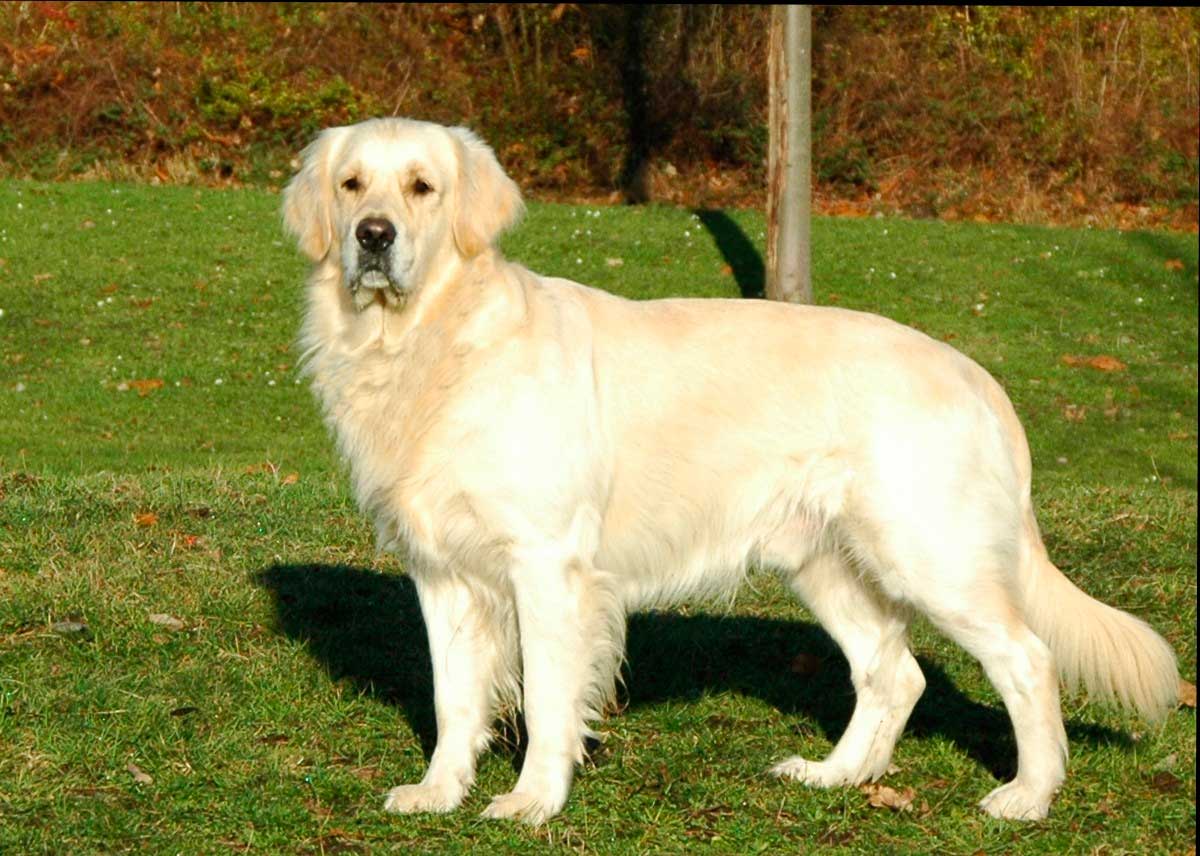
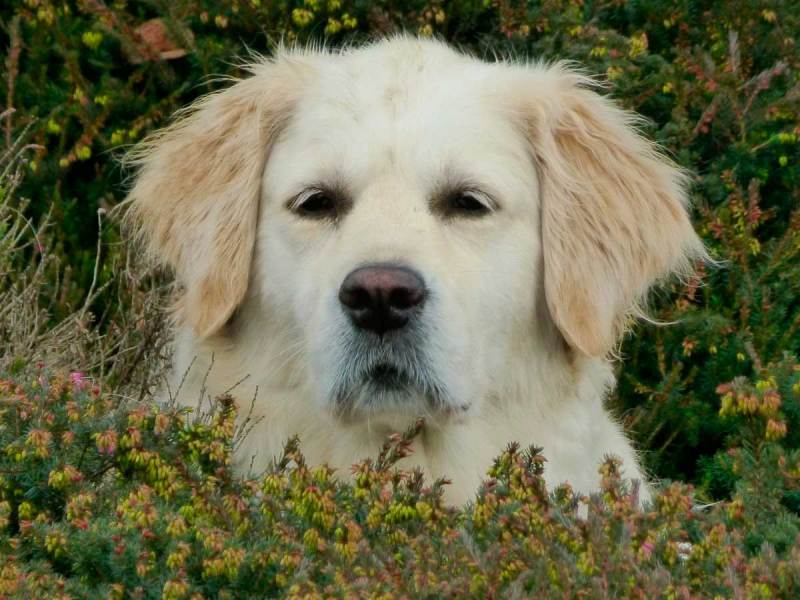
    The white mountain dog breed group is derived from arctic-type wolves, whose survivors remained from the pre-glacial era in the mountainous areas of Europe, to where they reached the freezing limits. These areas are the mountainous slopes of the North Caucasus, the balkans, especially the Rodope mountains, the Carpathians, especially the Tatra, the slopes to the north of Abruzzo and finally the Pyrenees. In these cold and humid regions the mountain dog was introduced, also accompanied by an ancient flora and fauna which were still discovered by the Swedish researcher Wahlenberg in Scandinavia.. We can find a similar relationship with Nordic pets, for example, in Tatra regions in the Carpathians where the Huzul horse has as its predecessor the Gudbrandstal horse; in the same way, the Slovak Cuvac has an analogy with pomeranian sheepdog. Slovak alpine cowboy activity has a very old tradition.

    The Slovak Cuvac along with the mountain sheep, the Huzul horse and the typical mountain inhabitants constitute the basic economic conditions to take advantage of the pastures for cattle raising. The Slovakian mountains belonged mostly to the free people who were not subjected to the serfdom of the Middle Ages; the people protected the borders of the country and their task was only to make sheep cheese. His institution was called the โ€ณWallach Allianceโ€ณ (Vallasky belt), based in Kaschau until the abolition of easements. The members of this military and pastoral group carried out their services in the rangelands, always accompanied by the typical surveillance dog. Tatra that also appear in many images. The Slovak Cuvac has shown his skills as a good caregiver, guardian and companion, as well as guide the flocks of sheep, to the care of the cattle and also in the pastures of turkeys and other domestic animals, as well as in the guard of various objects. Also the clients of the thermal stations who visited the alpine cowboys and who came to buy cheeses and other products, they looked with pleasure at these puppies covered in dense hair and bought them, taking this breed to lower places where it was often considered a luxury breed for its unique appearance.

    In the Polish Tatra region, where there is a similar breed of mountain dog called goral dog, exceptionally strong specimens were commonly called "Liptauer", indicating its Slovak origin. In this way, It is also limited from the topographical point of view the region of the breeding of the Slovak Cuvac white. The genealogical record of the Slovak Cuvac was started in Czechoslovakia more than 30 years by Professor Anton Hruza of the Brรผnn Veterinary School. The initial material came from the Liptovska Luzna region, kokava, Vychodna from Tatrach and the surrounding area of รขโ‚ฌโ€นรขโ‚ฌโ€นRachovo in the Carpathians. The first hatchery was named โ€ณZe zlatรฉ studnyโ€ณ (from the golden well) and it was founded in Svitavy u Brna.

    Breeding in the Carpathians was called โ€ณz Hoverlyโ€ณ (the Hoverla). Since then, the Breeders Club of Slovak Cuvac is based in Bratislava where exact registrations are made and exhibitions are organized, judgments and competitions that extend to the whole country. Other original bloodlines come from the Liptovskรฉ Hole regions, Velky Choc, buried, Martin, Jedlova and Jeseniky. The lines that have spread further are Topas, career, Simba, Hrdos, Ibro, Cuvo, Ass, Dinar, Samko, Bojar, Olaf and others. Genetically the Slovak Cuvac can be characterized as a leuzistic mountain dog with a black muzzle, and to a lesser extent as a flavistico white dog with brown snout and lighter eyes. From the combination of the mentioned genetic types, in which the first is dominant, some variations in color tonality originate, pigmentation of the eyes, of the eyelids, of the muzzle, lips and mucosa. By means of a strict selection in the direction of the first type, judges and breeders achieved the rate required for the current standard and its stabilization within the hatchery area. The number of club members with bred and kennel dogs has reached as many as 200 in the last times. Since then, we have 800 live and registered dogs throughout the Republic. The quality of our upbringing of Slovak Cuvac it reflects, among other things, in the favorable judgment made in international exhibitions (Prague, Brno, Liberec, Bratislava, Leipzig among others) with intense foreign competition.

    Physical characteristics

    Shows the typical solid and stocky appearance of mountain dogs. The bone is solid, the lively and vigilant temperament, fearless and attentive. The eyes are dark brown and oval. Ears are high and very mobile, of moderate length, hanging and almost attached to the head. The tail has a low implant and at rest descends to the hock. When the dog moves, he wears it curled on his back.

    • Fur: except for the head and limbs, where is shorter, the mantle constitutes a dense continuous covering without tufts in the tail and the haunches. The Mache have a marked mane. The subpelo, fine thick, it is completely covered by the hair and is less dense in summer.
    • Color: white. A yellowish blur at the end of the ears is supported but not desirable.
    • Size: males, of 62 to 70 cm.; females, of 59 to 65 cm..

    Observations and tips

    According to the tradition, only white individuals are selected to distinguish them at night from wild animals.

    Character and skills

    He is extremely faithful and brave and is always ready to face any harmful animal, even wolves and bears. In order to differentiate it during the night from the wild beasts of the field, it is only bred in white color, this being an ancient tradition.

    He is very affectionate with his owner.

    Characteristics "Slovak Cuvac"

    Coexistence is important that you have with your new friend. Before considering the acquisition of a dog of the breed "Slovak Cuvac" you know certain factors. Not all breeds of dogs are apt to live in an apartment, you must take into account his character, their need for exercise, their interaction with other pets, their care and if you have small children, their level of tolerance towards them.

    Adaptation โ“˜

    4,0 of 5 stars (based on 1 review)

    friendly dog โ€‹โ€‹โ“˜

    4,0 of 5 stars (based on 1 review)

    hair loss โ“˜

    3,0 of 5 stars (based on 1 review)

    Affection level โ“˜

    4,0 of 5 stars (based on 1 review)

    Need for exercise โ“˜

    4,0 of 5 stars (based on 1 review)

    Social need โ“˜

    5,0 of 5 stars (based on 1 review)

    Home โ“˜

    3,0 of 5 stars (based on 1 review)

    Toilet โ“˜

    2,0 of 5 stars (based on 1 review)

    Friendly with strangers โ“˜

    3,0 of 5 stars (based on 1 review)

    barking โ“˜

    2,0 of 5 stars (based on 1 review)

    Health โ“˜

    4,0 of 5 stars (based on 1 review)

    Territorial โ“˜

    5,0 of 5 stars (based on 1 review)

    Cat friendly โ“˜

    3,0 of 5 stars (based on 1 review)

    Intelligence โ“˜

    4,0 of 5 stars (based on 1 review)

    Versatility โ“˜

    4,0 of 5 stars (based on 1 review)

    Child friendly โ“˜

    4,0 of 5 stars (based on 1 review)

    Surveillance โ“˜

    4,0 of 5 stars (based on 1 review)

    joy โ“˜

    2,0 of 5 stars (based on 1 review)

    Images "Slovak Cuvac"

    Videos "Slovak Cuvac"

    Type and recognitions:

    • FCI CLASSIFICATION:
    • Group :
    • Section : . .

    Federations:

    • – FCI – Group 1 Herding dogs, Section 1 Sheepdogs โ“˜
    • – AKC – PASTORAGE โ“˜
    • – UKC – Herding dogs โ“˜

    FCI breed standard Slovak Cuvac

    FCIFCI - Slovak Cuvac
    Chuvatch

    Alternative names:

    1. Slovak Cuvac, Slovak Chuvach, Tatransky Cuvac, Slovak tschuvatsch (English).
    2. Slovenskรฝ ฤuvaฤ, cuvac (French).
    3. Slovenskรฝ Cuvac (German).
    4. Cuvac (Portuguese).
    5. Cuvac eslovaco (espaรฑol).

    Source:

    1 – fci

    Photos:

    1 – Cuvac eslovaco by https://pxhere.com/es/photo/1323780
    2 – Cuvac eslovaco by https://pxhere.com/es/photo/1323780
    3 – Cuvac eslovaco by https://pxhere.com/es/photo/1424979
    4 – Cuvac eslovaco by https://pxhere.com/en/photo/898976
    5 – Cuvac eslovaco by https://pxhere.com/es/photo/1233682