โ–ท The world of Pets: Dogs, cats, birds, reptiles, amphibians

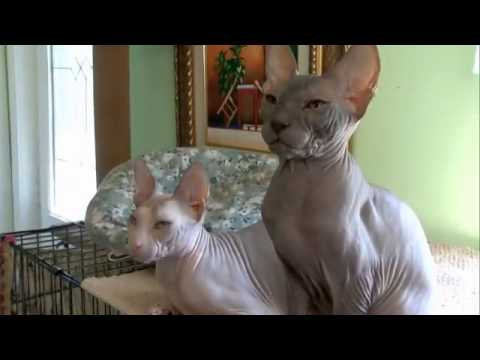
Donskoy (Don Sphynx)
Federations: LOOF, TICA, FIFรฉ, WCF

The Donskoy they are very loyal; in fact, their loyalty is often compared to that of dogs.

Don Sphynx

Content

Characteristics "Donskoy (Don Sphynx)"

Coexistence is important that you have with your new friend. Before considering the acquisition of a cat of the breed "Donskoy (Don Sphynx)" you know certain factors. You must take into account their character, their need for exercise, their interaction with other pets, their care and if you have small children, their level of tolerance towards them.

Joy

4,0 of 5 stars (based on 1 review)

Activity level

4,0 of 5 stars (based on 1 review)

Friendliness to other pets

4,0 of 5 stars (based on 1 review)

Friendliness to children

4,0 of 5 stars (based on 1 review)

Grooming requirements

2,0 of 5 stars (based on 1 review)

Vocality

2,0 of 5 stars (based on 1 review)

Need for attention

4,0 of 5 stars (based on 1 review)

Affection towards its owners

5,0 of 5 stars (based on 1 review)

Docility

5,0 of 5 stars (based on 1 review)

Intelligence

4,0 of 5 stars (based on 1 review)

Independence

2,0 of 5 stars (based on 1 review)

Hardiness

3,0 of 5 stars (based on 1 review)

History

Until the end of the years 80, the Canadian sphynx it was the only known hairless cat. The discovery of Donskoy in Russia this situation changed. This cat is also known as Don Sphynx or Don Hairless, in reference to the place where it first appeared and its resemblance to the Sphynx cat.

The history of the appearance of Donskoy It is worthy of a children's story: in 1987, in the city of Rostov-on-Don, located in southwestern Russia, near the Sea of รขโ‚ฌโ€นรขโ‚ฌโ€นAzov and the Black Sea, a teacher named Elena Kovaleva took in a kitten that had been mistreated by children who had used it as a soccer ball. Called her Varvara. As the kitten grew, he started to lose his hair, suggesting skin diseases or parasitic infections such as ringworm. Various treatments were administered to try to fix the problem, But it was in vain. When Varvara gave birth to her first litter of kittens a few years later, some were born with hair and others without hair.

As the kittens grew, those born with hair also began to lose it, as his mother had done. This particularity caused a strong rejection by its owners, that most of them decided to abandon them because they considered that they were in poor health. It was then that a breeder named Irina Nemikina, seduced by these original looking cats, decided to recover one of them and start a breeding program to make it a breed in its own right. The cat in question and its descendants then interbred with the Persian cat, European shorthair cat and the Siberian cat to expand the range.

The gene responsible for the hairlessness of Donskoy (Don Sphynx) is dominant, meaning both parents don't have to be hairless for their offspring to be. For this reason, the cats obtained from these crosses kept the particularity of their ancestor Varvara, although they also had the blood of long-haired cat breeds in their veins, like persian. This genetic characteristic distinguishes the Donskoy of the Sphynx, that it can only transmit its hairless appearance to its offspring if both parents have this characteristic: en el Donskoy, the gene that causes this morphological characteristic is recessive.

The Donskoy also crossed with him Oriental shorthair cat to create a hairless oriental: that's how he was born Peterbald cat in 1994 in St. Petersburg, the city that gave it its name.

The Don Hairless It was recognized in 1997 by the World Cat Federation (WCF), and then in 2005 by the The International Cat Association (TICA). But, was not up 2016 when the latter allowed him to participate in cat shows organized under its auspices. The International Feline Federation (FIFรฉ) also recognized the breed in 2011. On the other hand, the Cat Fanciers’ Association (CFA) y el Governing Council of the Cat Fancy (GCCF) they have not yet taken the step.

Hereinafter, some organizations will not allow any crossing of the Donskoy with other breeds. This is the case of the WCF and the Livre Officiel des Origines Fรฉlines (LOOF) French. The TICA allows crossing with street cats.

Despite its recognition by some leading organizations, the Don Sphynx still one of the rarest cat breeds. These may include, in France, only 126 cats have registered in the LOOF between 2003 and 2019. More broadly, worldwide, currently there are only about fifty breeders of Donskoy (Don Sphynx), while there are more than 1500 for him Sphynx.
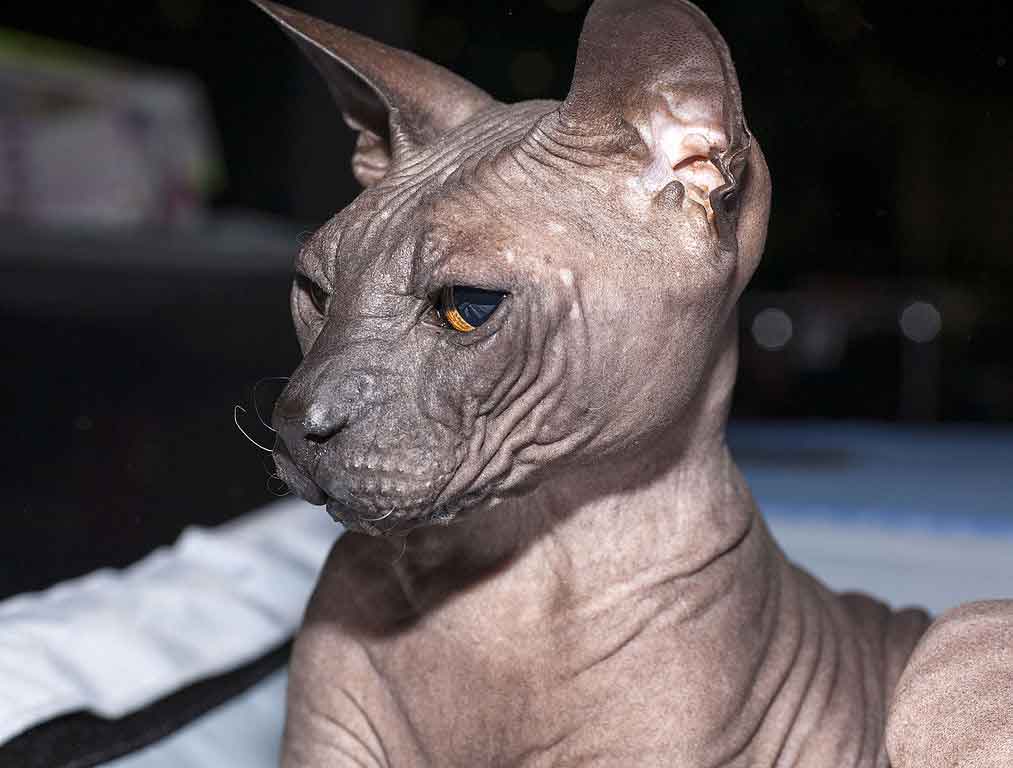
Donskoy
Donskoy – Nickolas Titkov from Moscow, Russian Federation, CC BY-SA 2.0, via Wikimedia Commons

Physical characteristics

The Donskoy (Don Sphynx) is a midline cat with a semi-foreal subtype. He has an unusual physique, compact, elegant and athletic. His muscular form, strong bone structure and relatively broad torso and rump give an impression of strength. Groin area and abdomen are well defined, so that the abdomen resembles a "belly" where fat is stored during the winter. In fact, despite the impression of vulnerability given by the absence of fur, the Don Sphynx is actually a robust breed.

They have skin dotted with "wrinkles", but very pleasant to the touch, as it is warm and velvety. These numerous wrinkles are characteristic of the breed and are due to its great elasticity.. They are mostly seen on the head, cheeks, the double chin and under the chin, as well as on the top of the head, with vertical pleats on the forehead, that separate the ears and then spread out in horizontal folds around the eyes. In the body, hug the base of the neck, the chest, the base of the tail, the back and the side of the legs, and then they go from the flanks to the lower abdomen and groin.

There are four varieties of Donskoys: one is born and remains hairless (the Rubber Bald), another is born with hair that is losing as it grows (the Flocked), a third keeps hair only in some places on the body (the Velour), and the latter retains much of its fine fur as an adult (the Brush).

In all four cases, the lightest coat of the Donskoy (Don Sphynx) makes it a hypoallergenic cat breed, which means that the risk of cat allergy is much lower than with other breeds. But, you have to know that there is no zero risk and that all cats can cause an allergic reaction, even the ones who are completely naked.

It also, it is the only breed that potentially acquires winter fur. During this time of year, a soft fur may appear on the chest, as well as hair on the tips of the legs. When the weather heats up, this fur disappears again, and the cat returns to its usual appearance.

In addition to this feature, the skin of the Don Hairless has original similarities with that of humans: sweat in hot weather and can even tan in the sun.

Their Paws they are shorter than the rear ones, but they are still well proportioned to the rest of the body. At the end of the Paws there are surprisingly long fingers separated by membranes, with large inward curved foot pads. The set does not differ from the fingers of a monkey. The tail is moderately long, fine and sharp from base to tip.

The head is V-shaped and angular. The eyes are almond-shaped and the ears they are very big.

Last, this breed is characterized by a certain sexual dimorphism. Males tend to be longer and more muscular than females. It also, have stronger cheeks and a neck, wider shoulders and head.

Size and weight

  • Male size: 20-25 cm.
  • female size: 20-23 cm.
  • Male weight: 3-7 kg
  • female weight: 3-7 kg

Varieties of "Donskoy (Don Sphynx)"

Contrary to what his hairlessness as an adult might lead you to believe, actually exist 4 varieties of Donskoy (Don Sphynx), 3 of which have fur at birth, before it disappears totally or partially:

  • The Donskoy Rubber Bald completely hairless from birth and remain so throughout their lives;
  • The Donskoy Flocked is born with a light down that is similar to that of a Siamese cat touch. This may go away over time and the cat may bald.;
  • The Donskoy Velour is usually born bald on the top of the head and with a soft, wavy coat all over the body. During the first year of life, the hair becomes progressively stiffer and disappears, except for the hair on the head, legs and tail. Some individuals lose their hair completely and go hairless like the Donskoy Rubber Bald;
  • The Donskoy Brush retains part of its fur as an adult. The coat is usually smooth, but it can also be wavy. Baldness usually appears on the head, upper neck and back.
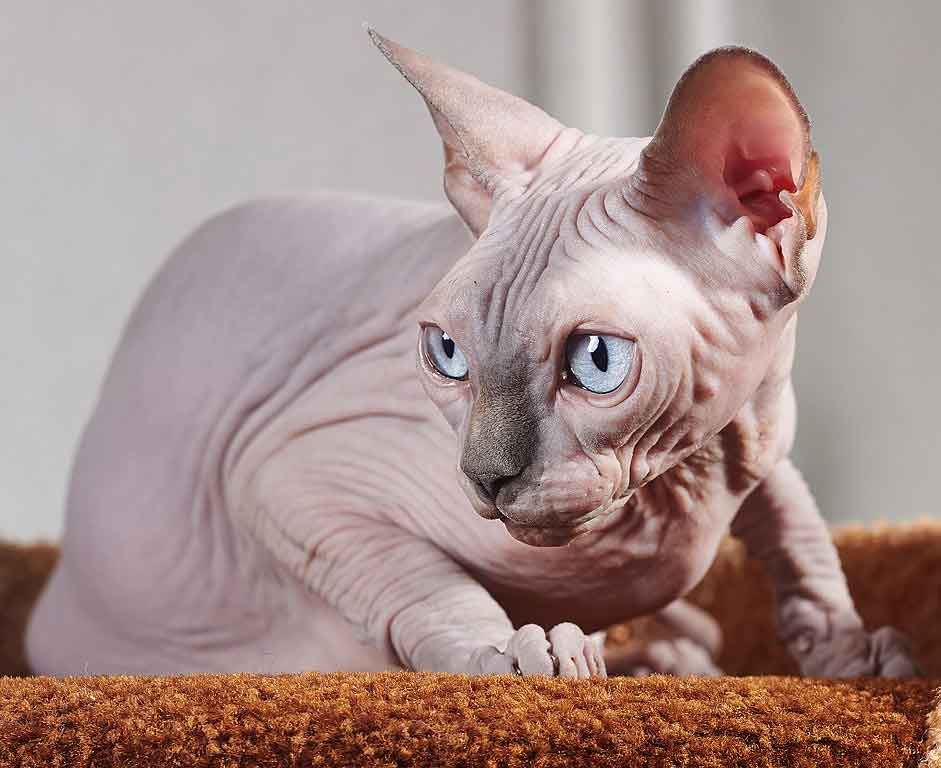
Cat Sphynx
Cat Sphynx – Dmitry Makeev, CC BY-SA 4.0, via Wikimedia Commons

Character and skills

If the appearance of Don Sphynx can arouse surprise, and even some negative preconceptions for their originality, worth going further. In fact, this cat is not only distinguished by its appearance: he is also endowed with immense qualities that make him an especially appreciated life partner.

The Don Sphynx not only is he a smart cat, but also has a temperate and affectionate character. The absence of fur does not prevent him from enjoying the caresses. It also, its soft and warm fur is very pleasant to the touch. It also, with his good character, grooming your cat will not become a test of strength, since it is easy to handle.

Being active, especially curious and lively, explores its environment with enthusiasm and is very prone to inventing all kinds of games in search of new stimuli.

The Donskoy it is also a very sociable breed of cat. Enjoy the company of its owners and the visitors that pass by, whose attention you would like to have.

His sociability is not limited to humans, since he is also willing to share his space and time with other animals. It is, Therefore, of a breed of cat suitable to live with a dog or other pet, which may simply be one of your companions. It is even especially advisable to offer him a playmate in case of long and frequent absences, to avoid being isolated at home too often and for too long. In the end, he is in great need of company, whatever form it takes.

It must be said that this cat has plenty of affection, and is particularly loyal to its owners. He deserves the nickname "dog cat", since it likes to follow its owners in all their daily activities. This closeness to its owner also means that it is possible to teach your cat commands or tricks., that you will probably gladly carry out.

The other side of the coin of his kindness and his total lack of aggressiveness is that he is not very suspicious of the danger that possible attacks from other cats or other animals could represent.. For this reason, it is a recommended cat for life in a flat rather than for life outdoors.

Care "Donskoy (Don Sphynx)"

Due to the lack of hair, the care of Donskoy they are somewhat more complex. It is recommended to bathe the animals every fortnight approximately. There is no consensus on the exact procedure for bathing. The use of a mild body soap or mild facial soap is often recommended.. It is important to use a neutral pH soap. Too frequent baths should be avoided. If the correct pH is not respected, skin problems may occur.

With the time, a thin film of sebum forms on the skin because there is no fur to absorb the oil produced. The film provides some protection, but it looks unsightly. It can be cleaned in the shower or with the help of a damp cloth.. If a cloth is used, cleaning is done quickly. But, the effect is less durable than in the shower. You can use a microfiber cloth and water to clean. Soap should not be used. How animals are used to bathing from an early age, showering is usually not a problem. The water should be lukewarm.

You can place your Donskoy in the shower tray and have a towel spread out. Spread some washing lotion on the cat's back. Now you have to run a little water down your back and then you can massage the lotion. Avoid getting water into the nose, mouth, ears or eyes. Rinse the water well and place the cat on the prepared towel. It is important that you dry the cat well.

It also, as with any other race, it is important to check the condition of your ears at least once a week. Dirt or excess earwax can accumulate in the cartilage folds and cause discomfort or even infection.. Cleaning your cat's ears whenever they look dirty will go a long way in preventing this from happening..

Similarly, it is advisable to check your cat's eyes once a week to detect any abnormalities or infections, and clean them when necessary.
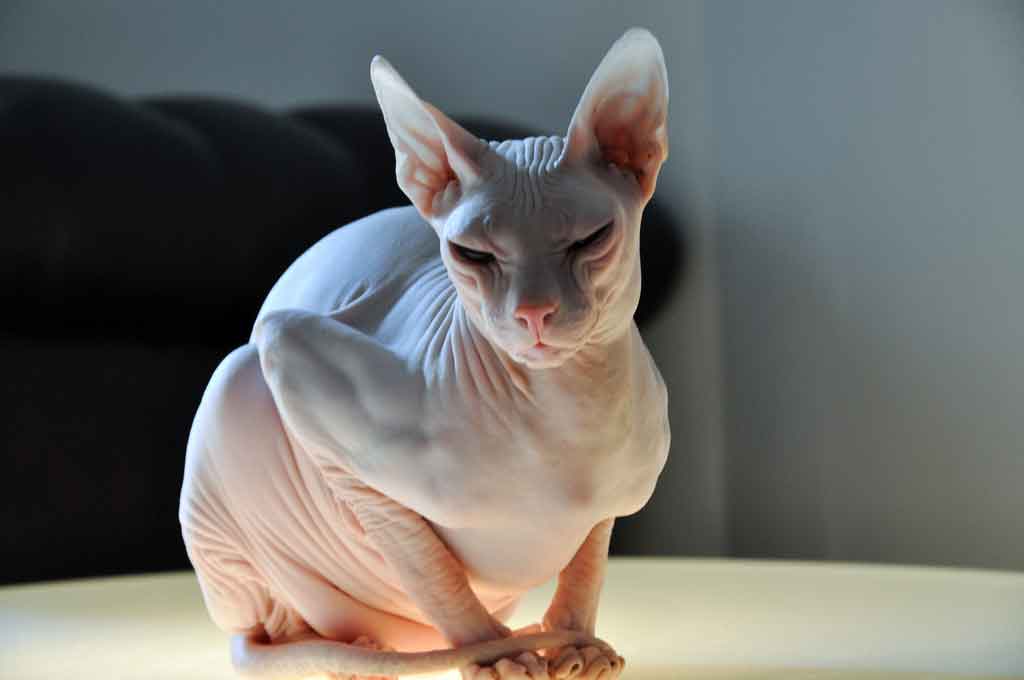
donskoy
Male donskoy/don sphynx – ooznu, CC BY-SA 2.0, via Wikimedia Commons

Indoor or outdoor cat?

Keep your Don Sphynx inside. These cats are not only susceptible to problems with extreme temperatures, but also, because they are rare, someone may be tempted to steal them.

It also, Your cat's friendly nature means she may not assess dangers properly.

How much activity does he need? "Donskoy (Don Sphynx)"?

To the Donskoy they love to be manipulated by humans and will always want to be the center of attention when you are at home. It is vital to understand that the breed needs company, so this is not the best cat to adopt if you are away for long periods of the day due to work commitments or if you travel a lot.

The Donskoy es an intelligent and inquisitive gato, so you'll also want to provide an environment where the breed can explore and seek new adventures on their own. The strategic use of smart and interactive toys can help keep your cat stimulated and satisfied..

Health and nutrition

The Donskoy have an elevated body temperature and, Therefore, is better protected against infection.

The Donskoy adults are relatively immune to many diseases. But, make sure that the cat does not stay in a drafty place. They suffer much less from heart disease than their peers. The heart is healthy and strong in many representatives of the breed.

People with allergies to cats or cat hair do not usually react allergic to it. Donskoy. But, it has been observed that people who did not previously have an allergy may have allergic reactions specifically to Don Sphynx.

Since when buying a cat you commit to the animal, you must exclude the possibility that it is allergic. Maybe you know a cat of this breed in your circle of acquaintances and you can try to get in touch with him. Or you can ask a breeder or animal shelter to check the cat's reaction..

The Donskoy they have no eyelashes, so dust can quickly build up around the eyes. It is usually discharged through tear fluid., which is present in large quantities. In cats of this breed, eye slits are narrower, which means that tear fluid can collect in the corners of the eyes.
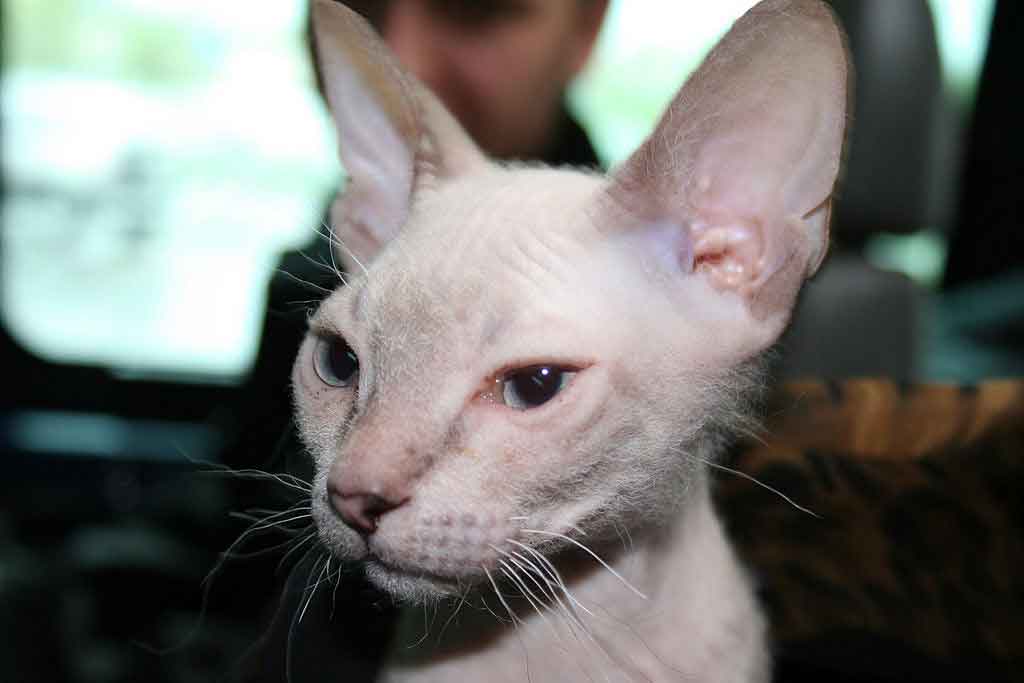
Donskoy Sphinx
Kitty of the sort Donskoy Sphinx – Alex Rave, CC BY-SA 2.5, via Wikimedia Commons

Life expectancy

Of 12 to 15 years

Food

The Donskoy has no particular sensitivity to food: is quite happy with industrial cat food.

But, due to its lack of fur, has more difficulty than other breeds in regulating its body temperature and, Therefore, you should eat more at low temperatures to compensate. So, your diet should not only be of good quality, but also rich. Having said that, despite your greed, it is not a breed of cat with a pronounced risk of being overweight.

For sale "Donskoy (Don Sphynx)"

The price of a kitten Donskoy ranges between 1200 and 1500 EUR. This high price compared to most other breeds is largely due to their great rarity..

There does not appear to be any significant price difference between the two breeds, nor between males and females. But, the number of representatives of the breed and transactions is reduced, so it remains uncertain to extract any general rule.

Videos "Donskoy (Don Sphynx)"

Cats 101 Animal Planet - Don Sphynx ** High Quality **
Cats 101 Animal Planet – Donskoy
Donskoy cat or Don Sphynx or Russian Hairless.

Alternative names:

  • Don Hairless, Don Sphynx, Russian Hairless, Donskoy
โ–ท The world of Pets: Dogs, cats, birds, reptiles, amphibians

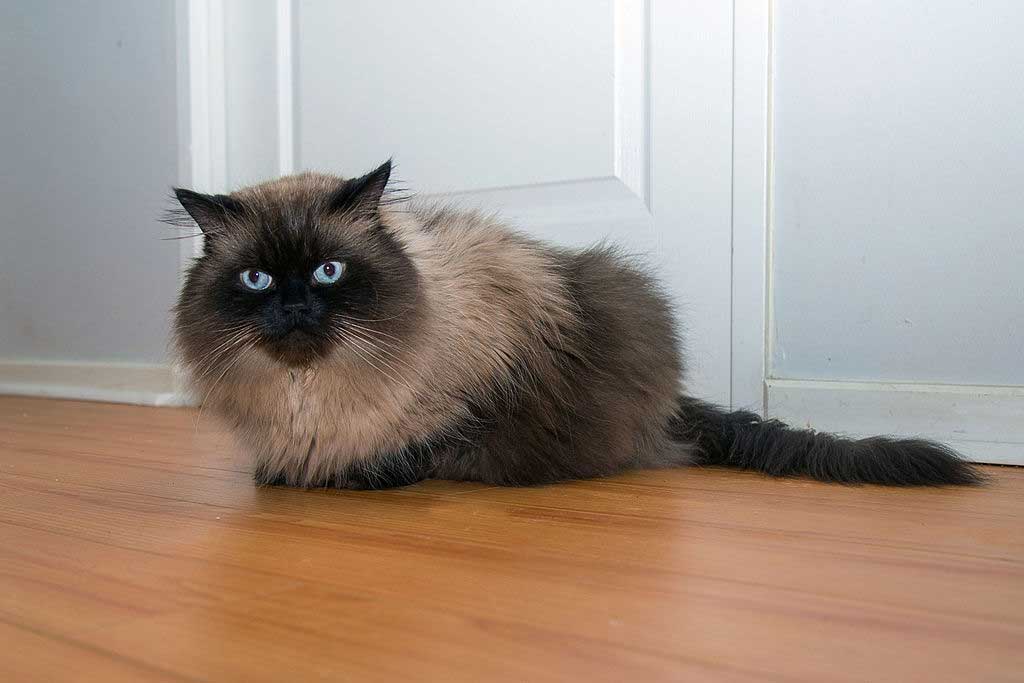
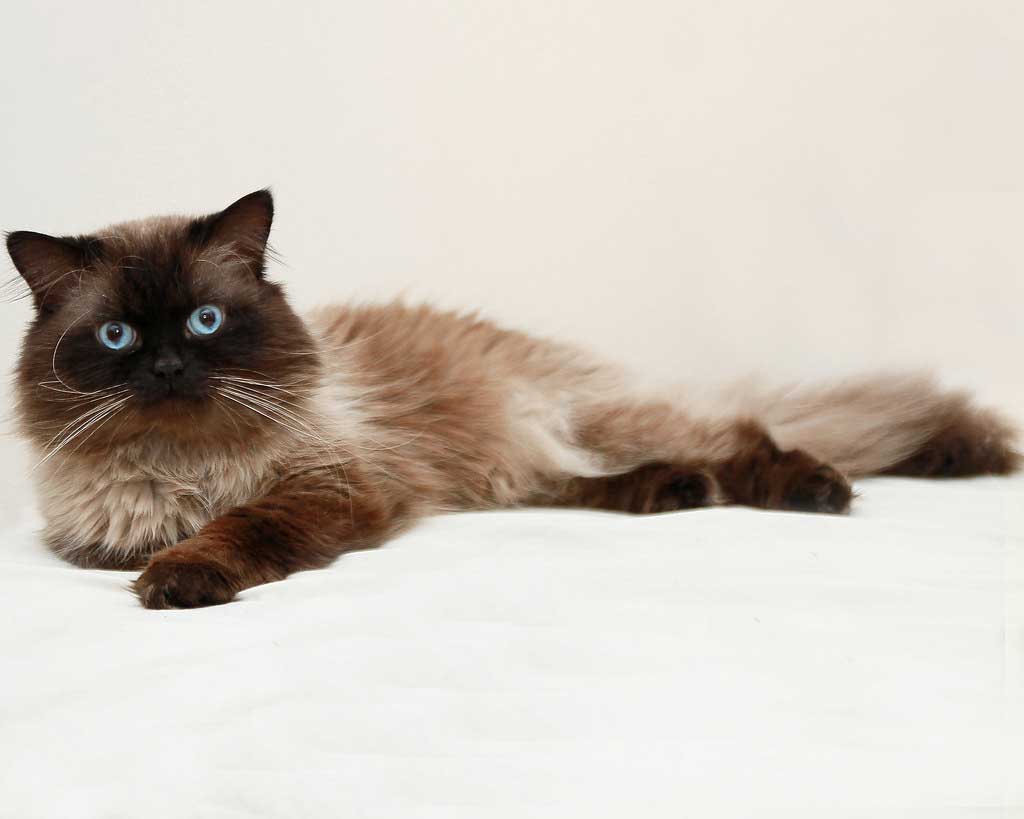
Himalayan cat
Federations: ACFA, TICA, WCF

The Himalayan cat it is an extremely sweet pet, playful and gentle that can be adapted to practically any type of home.

Himalaya

Content

Characteristics "Himalayan cat"

Coexistence is important that you have with your new friend. Before considering the acquisition of a cat of the breed "Himalayan cat" you know certain factors. You must take into account their character, their need for exercise, their interaction with other pets, their care and if you have small children, their level of tolerance towards them.

Joy

3,0 of 5 stars (based on 1 review)

Activity level
1,0 of 5 stars (based on 1 review)

Friendliness to other pets

4,0 of 5 stars (based on 1 review)

Friendliness to children

4,0 of 5 stars (based on 1 review)

Grooming requirements

5,0 of 5 stars (based on 1 review)

Vocality

1,0 of 5 stars (based on 1 review)

Need for attention

4,0 of 5 stars (based on 1 review)

Affection towards its owners

5,0 of 5 stars (based on 1 review)

Docility

5,0 of 5 stars (based on 1 review)

Intelligence

2,0 of 5 stars (based on 1 review)

Independence

2,0 of 5 stars (based on 1 review)

Hardiness

2,0 of 5 stars (based on 1 review)

History

Also know as Colourpoint Persian, the Himalayan cat It is a breed of cat that combines the colors of the Siamese cat with the Traditional Persian cat. It is a cross between semi-long-haired Siamese twins and blue and black persian cats.
Some feline associations, as the American Cat Fanciers’ Association (ACFA), they consider it a separate breed, while others, as the Cat Fanciers’ Association (CFA), they see it rather as a variety of Persian cat, from which it only differs in the color of the coat. Its name is due to the similarity of its coloration with that of a domestic rabbit also called Himalaya.

Its origins date back almost a century., when breeders dreamed of combining the colors of the Siamese Cat with the Traditional Persian cat. At the beginning of the year 30, in United States, the Dr. Clyde Keeler, researcher at Harvard University School of Medicine, undertook a hybridization program for this purpose, in collaboration with a breeder, the Mrs. Virginia Cobb. The results were not entirely satisfactory and the experiment was interrupted by the Second World War.. After the war, another passionate breeder, the Mrs. Marguerita Goforth, took the torch and managed to create a ยซColourpoint Persian catยป which was recognized in 1957 by the CFA and ACFA as a new breed called ยซHimalayanยซ. At that time, the breeder had to prove the existence of three generations of ยซColorpointยป pure so that this line was accredited as a new breed and could participate in competitions and championships.

In the meantime, in Britain, Brian Sterling-Webb, another enthusiastic breeder, worked for a decade on the development of a similar hybrid that, in 1955, was registered as a separate breed called ยซColorpoint longhair cat" for him Governing Council of the Cat Fancy (GCCF).

Over the next decade, the popularity of Himalayan cat grew significantly. But, breeders began to interbreed only with himalayan. As a result, the characteristics inherited from Persian cat they were lost in favor of individuals with a less flattened face. This led some breeders over the years 70 to use occasionally pure persian cats at the crosses, in order to increase again the characteristics of this breed in the Himalayan cat. This was so successful that the cats resulting from this selection ended up having all the characteristics to compete in competitions. Persian cat. Inevitably, the question arose: should he Himalayan cat still consider themselves a breed unto themselves?

In response to this question, the CFA decided on 1984 consider the Himalayan as a subdivision of the Persian cat, keeping your name. It was followed by World Cat Federation (WCF). But the ACFA, as well as the International Cat Association (TICA), they kept it as a separate race.

Today, the Himalayan cat still a very popular cat in North America, but less in Europe.

Physical characteristics

Himalayan cat
Himalayan cat – Joseph Morris, CC BY-SA 4.0, via Wikimedia Commons
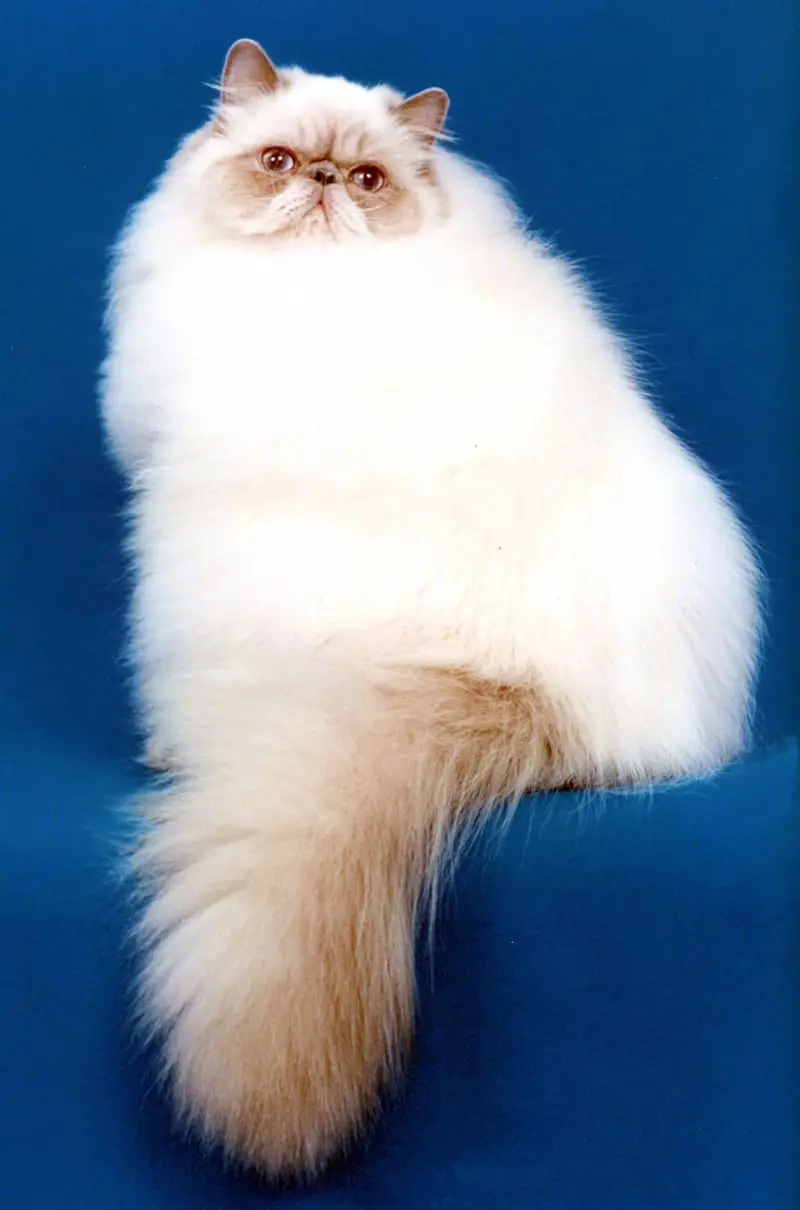
The Himalayan cat, like the persian, it is a solid and round cat, with short legs, short tail and small, rounded ears. According to American Cat Fanciers Association (ACFA), must have five fingers in front and four behind.

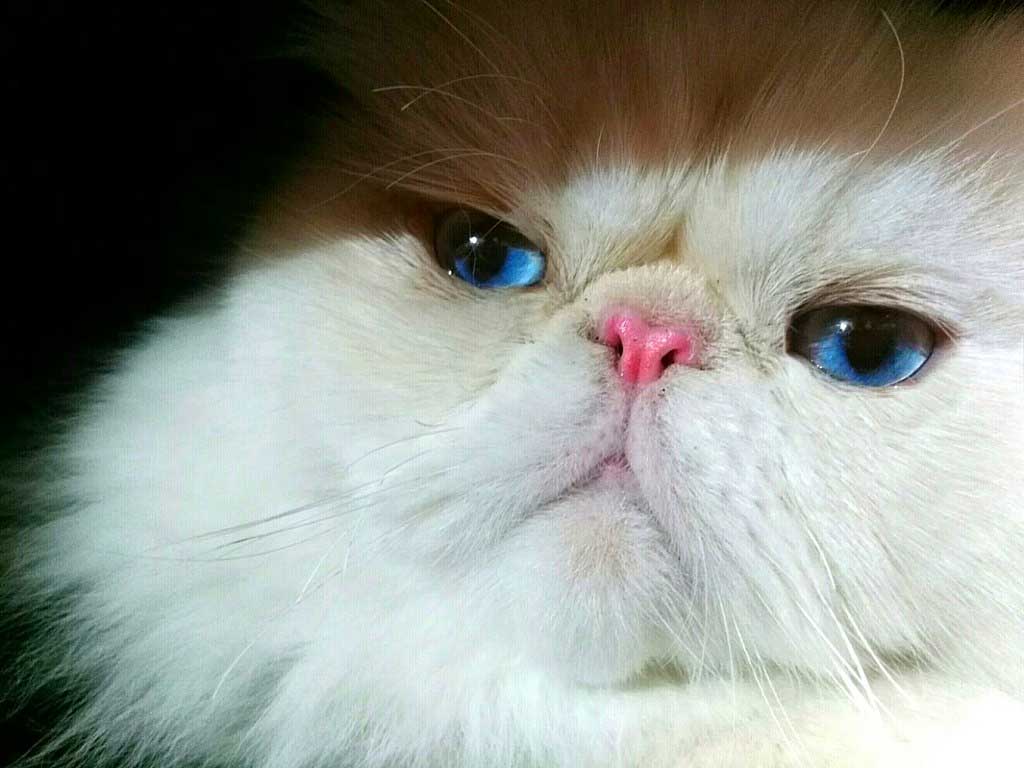
As with the Persian, There are two types of himalayan: the classic โ€œbaby faceโ€ and the flatter โ€œPekingese faceโ€, which gets its name from its similarity to the dog Pekingese.

Most of the cat's coat is white or cream in color, but there are some varieties, according to the different shades of the tips of the coat and the extremities of the body.

Size and weight

  • Size: 30 cm.
  • Weight: Of 3 to 6 kg

Varieties of "Himalayan cat"

Distinguished by the color of the extremities of the body and the tips of the coat, the main Himalayan varieties are

Blue Point:
  • the tips of the fur are blue, like feet, the ears, tail and face. The rest of the body is slightly bluish white, and the eyes are bright blue.
Lilac Point:
  • In this variety, the extremities of the body and the tips of the coat are paler and lilac than blue. The rest of the body is whiter and brighter than in the Blue Point.
Seal Point:
  • The extremities of the body and the tips of much of the body are black or dark brown (similar to the color of the seal, that inspired his name). It is the variety whose color is most similar to that of the Siamese.
Chocolate Point:
  • The tips of the body and the tips of the coat of this variety are chocolate brown, a shade lighter than Seal Point. The rest of the fur is also whiter and brighter than that of the Seal Point. The color of the foot pads is a characteristic that strongly distinguishes the two varieties.: those of the Chocolate Point they are pink, while his Seal Point are dark brown.
Red Point o Flame Point:
  • The dominant color of the limbs and points of this cat is red, which can be orange. The rest of the body is white or cream.
Cream Point:
  • This variety of Himalayan is a diluted version of Flame Point. The coloring of the mask and the extremities is reddish or pale orange, while the rest of the body is white or slightly cream.

Character and skills

Himalayan cat
Himalayn cat named โ€˜Monte.’ Flickr
The Himalayan cat it is a wonderful indoor cat. They are gentle, calm and sweet temperament, and they also have a playful side. Like him Siamese cat, to the himalayan he loves to play fetch, and a crumpled piece of paper or a cat toy will entertain them for hours, or until your next nap.

The Himalayan cat They are devoted and depend on their humans to accompany and protect them. They crave affection and love to be petted and groomed., which is lucky, since all owners of this breed of cat spend part of the day doing just that.

Like his Persian brethren, they are docile and will not harass you for attention like some breeds do. They have the same level of activity as the Persian cat and they are not noisy like the Siamese cat.

Grooming and caring for the "Himalayan cat"

If you are not willing to spend some time on daily grooming, the Himalayan cat probably not the right cat for you. Since they have long, silky hair that tangles and weighs down easily, the fur of the himalayan should be brushed with a sturdy, wide-toothed comb daily. This will remove and prevent tangles and mats, and will help remove dirt, dust and debris. It is also recommended that the Himalayan cat visit a professional groomer every few months to make sure his coat is healthy and clean. The good news is that himalayan they love to receive the attention of their owners, which makes grooming easy and is an excellent bonding experience for the owner and his feline companion.

You can protect your legs and your furniture by trimming your nails Himalayan regularly. Examine your legs weekly and trim them if necessary to keep them healthy and injury free. Also spend time a week examining your cat's ears. The pointed ears of the Himalayan are susceptible to trapping dirt and debris, which can lead to infections and other ear problems in the future. If you find debris in your cat's ears, use a pet ear cleaner and a cotton pad to remove them carefully. Never use a cotton swab in your cat's ears, as it can severely damage the delicate structures of the inner ear. If the ears are very red or swollen, very dirty or smell funny, take him to the vet asap.

The himalayan have low exercise needs, but they are extremely playful and will do mischief if they get bored. You can keep them entertained and engaged by providing plenty of cat toys and a few minutes of play each day.. Like the Himalayan they have such a playful personality, something as simple as a ball of paper will keep you entertained for hours.

How much activity does he need? "Himalayan cat"?

The himalayan you need to exercise to stay in top shape. Likes to play with their owners and will play with interactive toys, chase balls and attack mice with catnip, but you may have to chase him to get him exercising on a daily basis.

Health and nutrition

Himalayan
Himalayan – Aaa803287, CC BY-SA 4.0, via Wikimedia Commons
The Himalayan cat you are prone to certain skin diseases: seborrhea, cheyletiellosis and dermatophytosis (had).

It also, like the persian, may have a tendency to be overweight. So, you need to pay attention to your diet, to avoid any risk of obesity in the cat.

It also, due to his persian heritage, may be a carrier of the gene that causes renal polyquistosis. This inherited disease causes cysts to develop slowly and progressively in the kidneys.. But, the presence of the offending gene can be detected by genetic testing. So, before adopting a kitten of this breed, it is advisable to check with the breeder of himalayan that this genetic test has been performed and has given a negative result. If not done, it is a wise precaution to demand that it be done.

It also, the flattened shape of the face may predispose to himalayan certain health problems. These may include, you may be prone to breathing problems due to narrow nostrils. They can also suffer malocclusion (misaligned teeth) or abnormal watering.

The himalayan you can also suffer the feline hyperesthesia syndrome (a little-known disease that causes behavior problems).

Last, the length of their coat can cause hair ingestion problems, what ends up creating hairballs in the stomach of the cat (tricobezoares), causing pain and / or digestive problems.

Food

As the Himalayan cat have a tendency to be overweight, special attention should be paid to your diet.

Some companies have developed a range of foods specially adapted to the needs of the Persian cat (and therefore of himalayan). Available in the form of croquettes or cans, these foods offer a low-fat diet that contributes to the health of the cat, while helping to maintain a silky coat and limit hairball formation. Some of the kibbles available on the market are shaped to fit the brachycephalic jaw of the Persian and of the himalayan.

The quality of the products in the market varies, so make sure that the ones you offer your dog are reliable. The ingredient list on the packaging can help you, but you can also ask the breeder for advice himalayan or your vet.

For sale "Himalayan cat"

The kitties himalayan (pet quality) cost between 700 and 1400 EUR, depending on coat colors and bloodline. the kitten's quest himalayan perfect begins with the search for a reputable breeder. One Himalayan cat known breeding sites, with good color and perfect proportion can cost between 1500 and 3000 EUR,

Videos "Himalayan cat"

Cats 101: Himalayan
Cats 101: Himalayan
TOP 10 HIMALAYAN CATS BREEDS

Alternative names:

โ–ท The world of Pets: Dogs, cats, birds, reptiles, amphibians

Moggy cat
cat without pedigree

For those of you that you are not familiar with the English language, ยซMoggyยป is an informal name for a cat – ยซMogยป o ยซMoggyยป is the singular, ยซMoggiesยป is the plural.

Content

Origins of the word "Moggy"

The definition of a Moggy, It is a cat or a kitten, It does not belong to any recognized race. It is also an informal name at United Kingdom for a cat, If the cat is a breed recognized or not. It seems a bit confusing this from the English language!. The word was originally a nickname for a cow!! The origin of the word kitten is not a corruption of the word "mestizo" , as many believe. Recognized the word for the first time in 1911, is possibly derived from Maggie, Margie or mog, all short of wife Margaret name forms. It is believed that this was first used to describe a clumsy, clumsy old cow, and even could have been a child of a farm which was called that way any cow, given that "Moggyยป was used during the 18th century in various English dialects as a "pet name" for cow.

How farmers flocked to cities from rural areas during the latter part of the Industrial Revolution, it is likely that the cow became moggy maggie, implemented as an insult to a scruffy woman, old or prostitute.
The origin is unclear, but as the 20th century, London streets were filled with a lot of little healthy Street cats, it would have been natural to apply the term Moggy to describe these unhappy. In some parts of Lancashire, England ยซmoggyยป means mouse. A cat was known as "the hunter of moggies. It has been suggested that this could be the etymology of the word meaning moggy ยซgatoยป.

History

There are more than 100 millions of cats in the world. Of these, the vast majority are cats without pedigree or mestizos, their filiation may be unknown, not even the parents have a registered pedigree.

Until the end of the 19th century, people used cats to keep their houses and barns free of rodents. But, like any proud owner knows, a healthy and happy Moggy, in the fullness of his life, can be as magnificent in appearance and form as a pedigree cat. Given that the gene to determine the short hair is dominant, most mongrel cats are shorthaired, but there is no standard cross type, they come in all imaginable varieties of hair and color.

Physical characteristics

Many mestizos cats are atigrados, It is the variety closest to the ancestors of the cats, the African wild cats. The tabby pattern or scratched is the original, but the classic spotted tabby pattern is more common. More rare is the spotted striped, being selectively bred into new pedigree lines, these new lines aimed at achieving a wild look. The solid colors are also abundant: black, white, Ginger (Jam), and blue.

The ginger colouration is linked to the sex, and the males outnumber the females jam by 2 to 1. On the other hand, the carey or the pattern of percale in Orange and black is only possible in females (with rare exceptions of sterile males). white is common, both by his own account, combination with other colors solid and atigrados. The Siamese style points are rarely mixed cats, but it can occur, without a doubt. Aside from color and coat, mongrel cats differ much less from each other than pure breeds.

Most have a moderate physique, typical of British Shorthair cat and American, not being thin like him Siamese cat, neither big and heavy like the Persian cat or the Maine Coon. Circumstances have helped the cats of tropical climates tend to have a slightly more elegant way, and those from cold climates to have a more robust body.

The head wedge-shaped and flattened face are unusual at a junction, but it can appear if the recent family tree of one of the parents includes a cat with genes Siamese and Persian.

Character and skills

The reproduction random means that the cat without a pedigree does not have a certain appearance or temperament.
But, the character traits of short-haired domestic cats they make it universally loved and admired.

Cats are wonderful companions and enjoy being part of a family, but still maintain their independence much more than domestic dogs. They can be adapted to an existence in a House, Although you will enjoy any freedom that is offered (deliberately or not), because it must be said that the Domestic cat it is a relentless predator of small rodents and birds. Even when well fed, most mongrel cats they will enjoy bringing home the hunting trophies, true to its thousands of years of history as experts in pest control. The mongrel cat has naturally thrived in the selection of the strongest and most successful animals.

Health

The cats mestizos natural have a much lower concentration of undesirable genes. With proper care, It is robust and will live a long life. the typical mongrel, If you choose with care, is a beautiful, Intelligent, playful, low-maintenance, and above all partner with independent trends. It will be a loving and devoted member of your household. who could ask for more?

Advantages of a mongrel cat:

  • You will not have to contact a breeder, they can be obtained from shelters or private houses.
  • You will have to pay very little. Most of the mongrels are distributed free.
  • Mixed cats are robust and long-lived.
  • They suffer fewer health problems that cats of race.

โ–ท The world of Pets: Dogs, cats, birds, reptiles, amphibians

Scottish Fold
Federations: CFA, TICA, ACFA, CCA

Content

Characteristics "Scottish Fold"

Coexistence is important that you have with your new friend. Before considering the acquisition of a cat of the breed "Scottish Fold" you know certain factors. You must take into account their character, their need for exercise, their interaction with other pets, their care and if you have small children, their level of tolerance towards them.

Joy

4,0 of 5 stars (based on 1 review)

Activity level

2,0 of 5 stars (based on 1 review)

Friendliness to other pets

3,0 of 5 stars (based on 1 review)

Friendliness to children

3,0 of 5 stars (based on 1 review)

Grooming requirements

3,0 of 5 stars (based on 1 review)

Vocality

1,0 of 5 stars (based on 1 review)

Need for attention

3,0 of 5 stars (based on 1 review)

Affection towards its owners

4,0 of 5 stars (based on 1 review)

Docility

4,0 of 5 stars (based on 1 review)

Intelligence

4,0 of 5 stars (based on 1 review)

Independence

4,0 of 5 stars (based on 1 review)

Hardiness

2,0 of 5 stars (based on 1 review)

History

The Scottish Fold first appeared in 1961 in Coupar Angus, Scotland. Susie, a white female, lived on the farm MacRae and she never would have become a household name if he hadn't noticed her William Ross, a shepherd who was also a breeder of British Shorthair cat. He fell in love with Susie and his ears folded forward, and MacRae they promised to give him one of their kittens.

But, there are previous references to cats with these ears, especially in Asia. These may include, the Universal Journal of Knowledge of John Hinton, published in 1796, mentions the existence of feral cats with those ears in China. More recently, the Guide to the World’s Cats (Loxton, 1975) states that in China there has always been a breed of cat with folded ears, some of whose specimens were brought to Europe by sailors.

But, It Susie the origin of all Scottish Fold that exist today.

"Scottish Fold"

Scottish Fold
Scottish Fold

The MacRae they kept their promise and in 1963 Mary y William Ross they received Snooks, that he had the same white fur and the same folded ears as his mother Susie. Snooks gave birth to her first litter, in which a white male named Snowball was chosen to be crossed with a British Shorthair white call Lady May. Lady May gave birth to five kittens, all with ears folded forward, and this litter marked the beginning of the line of Scottish Folds.

At the beginning, the Ross they called the resulting race "Lopsยซ. But, starting at 1966 and official recognition by the British Governing Council of the Cat Fancy (GCCF), with which they were allowed to show them in the feline exhibitions, they were called Scottish Folds, in reference to his Scottish origins.

With the help of the English geneticist Peter Dyte, the Ross started a breeding program with british shorthair cats and farm.

But, the situation of Scottish Fold in his country of origin it ended up souring. Already concerned about a potentially abnormally high risk of ear infection and deafness (although this fear was later shown to be unfounded), the GCCF decided on 1971 close the registration of the Scottish Fold, after the appearance of the first genetic problems. The last specimen recorded in Great Britain was Denisla Morag.

Although the Scottish Folds he had fallen from grace in his native land, had already begun his conquest of the Americas. Denisla Judy, Denisla Joey and Denisla Hester, all of them daughters of Snooks, had been imported into the United States in 1970 by the Dr. Neil Todd, a Newtonville geneticist, Massachusetts. But, after giving birth to two litters, interrupted his research project and Denisla Hester ended up in the hands of Wolf Peters Room, a well-known breeder of the Manx cat.

In 1972, the first Scotsman was exhibited in an exhibition of the American Cat Breeders Association (CFA), and the interest was immediate. Several breeders were involved in the development of the breed. In particular, Wolf Peters Room, from the kennel Wyola, and Karen Votava, from the kennel Bryric, they campaigned on 1974 so that the first specimens were registered with the CFA as an experimental breed.

At that time, the gene responsible for the mutation that causes folded ears was still unknown. It was during the work on this gene, at the beginning of the year 70, made by the Dr. Oliphant Jackson, an english geneticist, when the bone problems of the Scottish Fold, mainly due to the numerous inbreeding crosses between the first generations.

So, it was decided to introduce large amounts of new blood into the breed, and numerous crosses with him American shorthair cat and the British Shorthair cat helped reduce these bone problems. Even today, the crosses between a Scottish Fold and Shorthair are common and help preserve the genetic diversity of the breed. They are also approved by reference feline organizations.

The Scottish Fold received final recognition from the CFA in 1978, and the TICA (International Cat Association) did the same in 1979. On the other hand, el GCCF, supported in this decision by the British Veterinary Association, has never backed down from its decision to ban this breed. This is a rare case where a cat breed is recognized in many countries, but not in the country where he was born. Having said that, the GCCF is far from alone in taking this position, Since the Fรฉdรฉration Internationale Fรฉline (FiFรฉ), for example, neither does he recognize her.

This has not prevented it from conquering the rest of the world and becoming quite common.. According to CFA figures, is even among the 10 America's Most Popular Cat Breeds, and it became so within a few years of its official recognition by the organization. In France, where it first appeared in 1982, is more and more popular: while at the beginning of the decade of 2000 less than 100 kittens per year in the Official Book of Feline Origins (LOOF), now there are more than 500, which places the Scottish Fold around the post 15 among the most popular cat breeds among the French.

Physical characteristics

Scottish Fold
Lilac 3 months old Scottish Fold – Psychopath, CC BY 3.0, via Wikimedia Commons

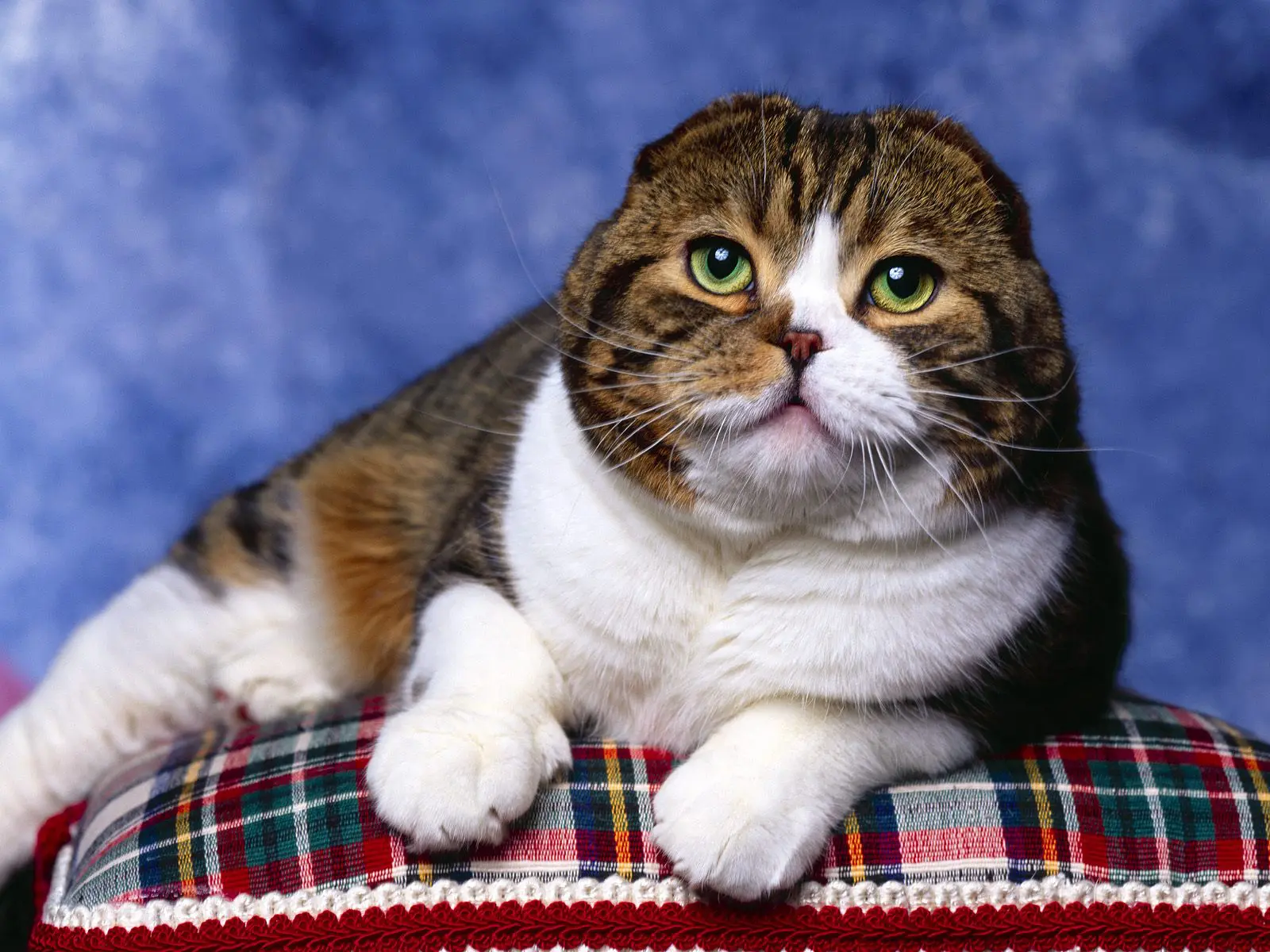
The Scottish Fold it is a medium size cat, round and solid boned, but retains a flexible and agile appearance. The legs they are quite short, while the tail is quite long and tapers to a rounded tip.

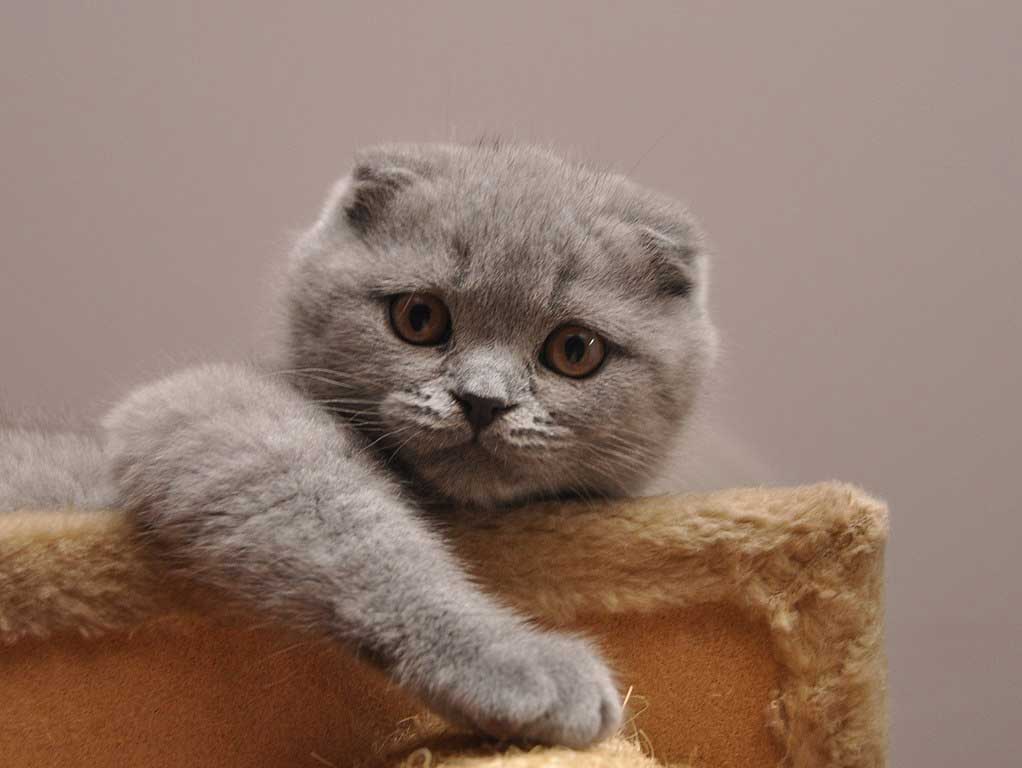
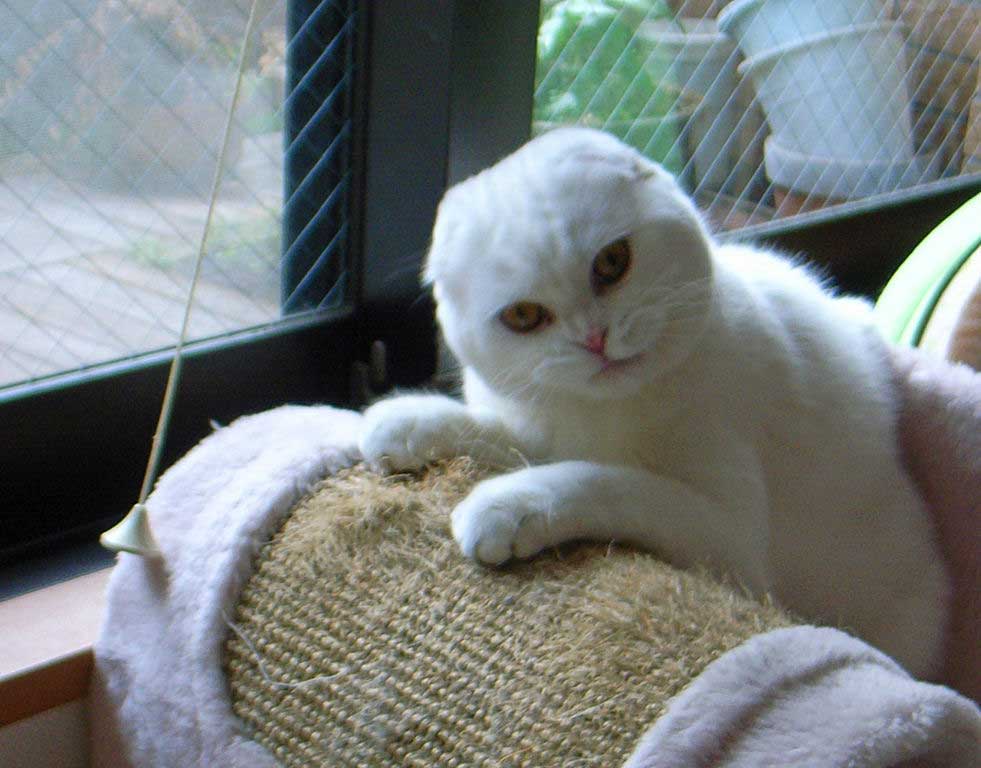
The head it is also round, with a well defined chin and jaws, and prominent cheekbones. The eyes they are big and round, usually coppery, but they can be of other colors, especially blue in white fur cats.

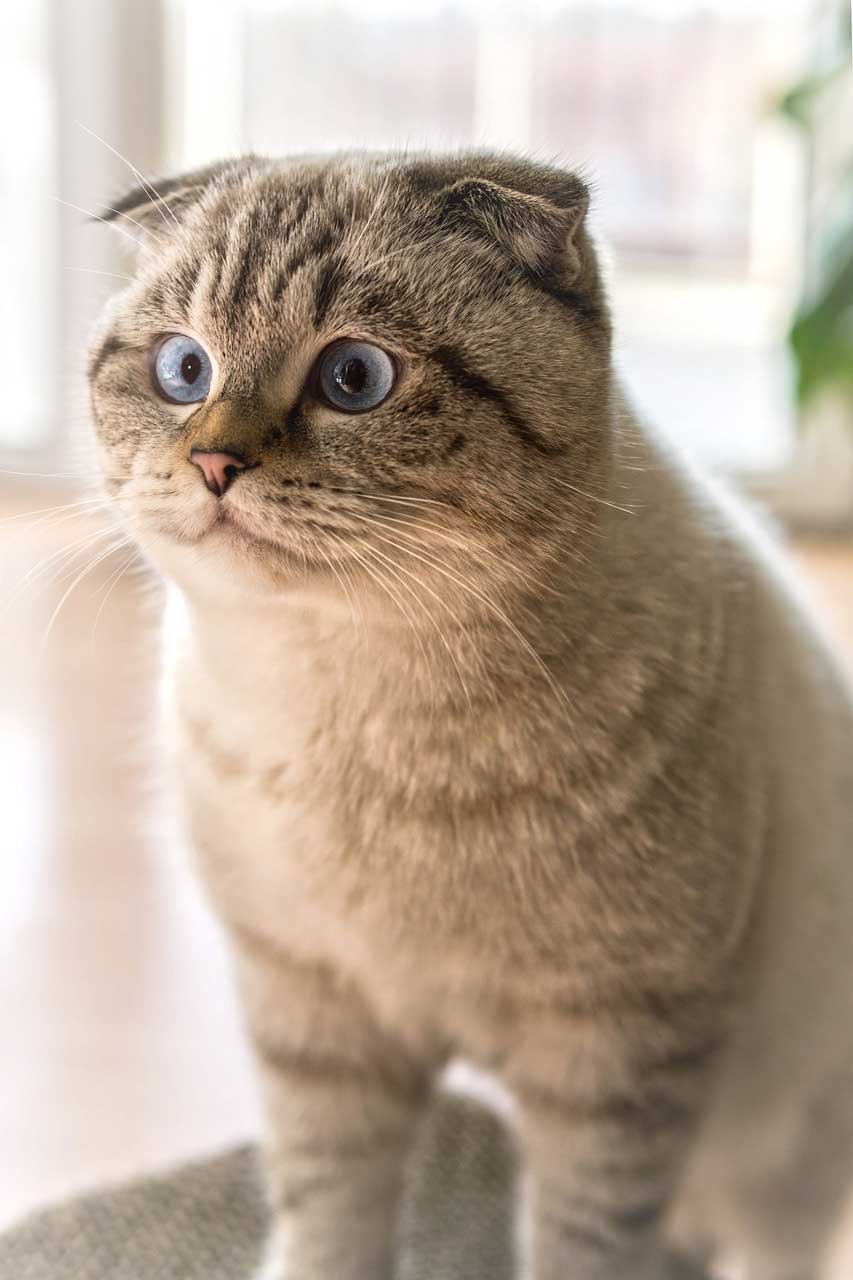
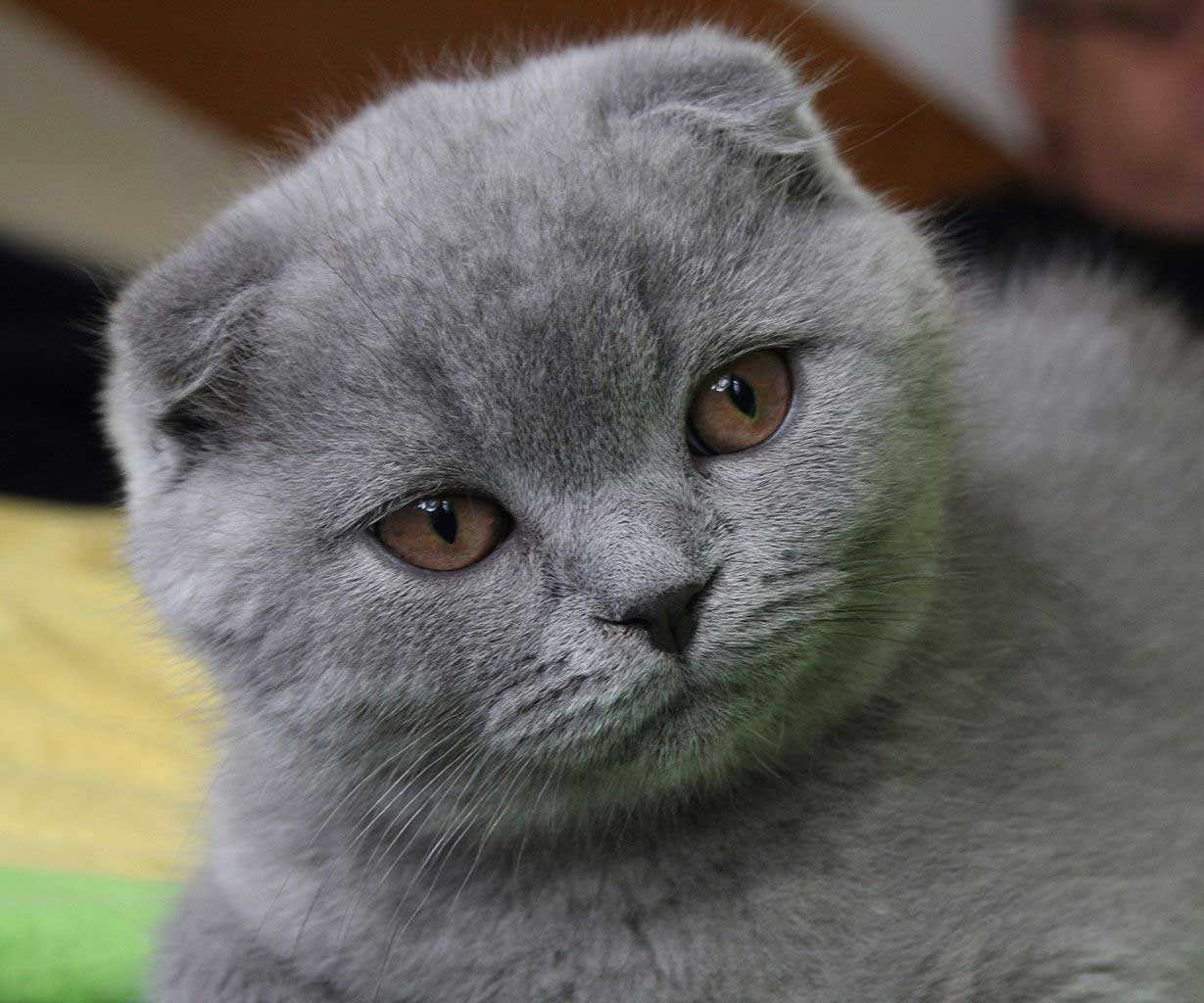
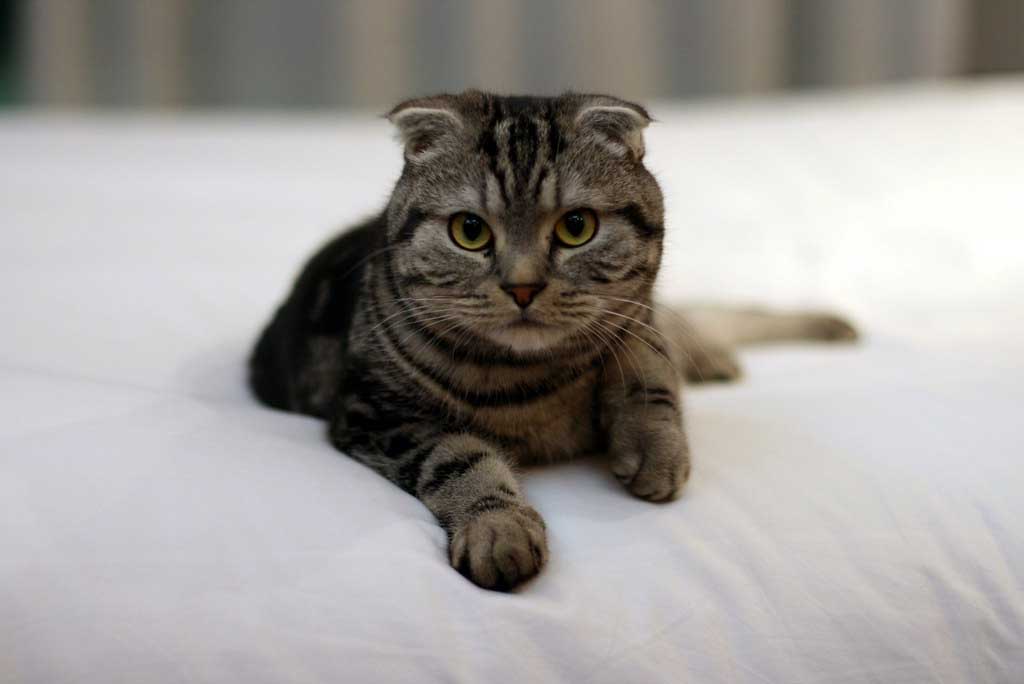
The Scottish Fold is known for its small ears with rounded tips that fall forward. But, kittens are born with straight ears, that don't start to fold until they have a few 3 weeks, at least half of them. The other half keep their ears straight, and are known as Scottish Straight or Highland Straight. They are not excluded from breeding, since the crossing with a Fold can lead to a kitten with folded ears.

It should be noted that the fact that they are folded forward does not prevent the ears of the Scottish Fold be mobile and very expressive, turning to hear better or getting up when opening a can of food.

The Scottish Fold has a fur dense, with a heavy undercoat and an outer coat that can be short or long. Texture may vary based on coat and/or regional or seasonal variations.

All the colors They're possible, except those that show an unauthorized crossing with another Scottish Fold, or any other race other than the American shorthair cat and the British Shorthair cat

Last, the sexual dimorphism it is well marked, being the males larger than the females.

Size and weight

  • Male size: Of 23 to 28 cm.
  • female size: 20-25 cm.
  • Male weight: 4-6 kg
  • female weight: 2,5 to 4 kg

Breed standard

The breed standards are documents produced by official bodies that list the conditions that a dog must meet. Scottish Fold to be fully recognized as belonging to the race:

Varieties of "Scottish Fold"

Scottish Fold
Scottish Fold – Flickr

The Scottish Fold it comes in two varieties: of shorthair and Longhair.

The latter are sometimes called Highland, or Highland Fold. For some organizations, as the International Cat Association (TICA), they even form a race in their own right, call Scottish Fold Longhair.

in parallel, there are cats Scottish Straight, or Highland Straight, who have the same genetic inheritance as the Scottish Fold and, Therefore, The same characteristics, but whose ears are straight, instead of folded. Although these cats are not always recognized, neither as a variety nor as a distinct breed, are essential for the health of the breed. In fact, to avoid health problems, it is forbidden to create from Scottish Folds: one of the two parents must be a Scottish Straight (or a licensed breed, as the American shorthair cat or the British Shorthair cat).

Character and skills

Scottish Fold
Lilac colored Scottish Fold – Psychopath, CC BY 3.0, via Wikimedia Commons

The Scottish Fold he is close to humans and very loyal. They are affectionate and enjoy spending time with all members of their family, but they do not take long to choose their favorite human, to whom they are especially attached. Needs a lot of attention, but it is not intrusive: if you are made to feel uncomfortable sitting on your lap, will sit next to you without question, and if his owner does not have time to play with him, will just follow you around the house.

Sociable and relaxed, he loves the attention he can get from the little ones: It is an ideal cat breed for children who have learned to have fun with animals and to respect them.

In general, They also enjoy the company of other cats and get along very well with dogs that are used to cats.. On the other hand, although it is possible -especially if you have gotten used to them since childhood-, coexistence with small animals should be avoided, rodents or reptiles.

Moderately active, adapts very well to life in a flat, especially if his family takes the trouble to spend some time playing with him every day.

Their need for attention and interaction makes them prone to loneliness, but having other animals at home is a good way to overcome it. If you have playmates, she has no problem spending her days at home when her owners are at work, just asking for more caresses at night. But, if left alone for a long weekend or even a vacation, is likely to express dissatisfaction by causing more or less damage.

It also, the Scottish Fold is known for his more or less surprising postures: sleeps on his back, sits on the couch like a human or stands on its hind legs to observe the surroundings, like a suricata. It is also a cat that prefers to drink water from the tap rather than from its bowl., and some specimens have the habit of eating with their legs.

The legs are extremely agile, allowing them to open closet doors or catch an object thrown by their master. Scottish folds love to exploit this ability and are especially fond of games that involve dexterity.. But, they also enjoy cat puzzle games, that stimulate their intelligence and provide them with some food if they can.

Last, it's not very noisy, not just because it's moderately vocal, but also because their meows are so soft, almost hard to hear.

Health

Scottish Fold
Kimi-kun, Scottish Fold – tata_aka_T from Tokyo, JAPAN, CC BY 2.0, via Wikimedia Commons

The Scottish Fold It, in general, a healthy feline breed, to the point that many specimens have more than 15 years.

But, is susceptible to certain diseases:

  • Hypertrophic cardiomyopathy, an enlargement of heart tissue that causes disturbances in how the heart works;
  • The renal polyquistosis, a genetic disease that causes numerous cysts in the kidneys and can now be detected with a DNA test;
  • The osteocondrodisplasia, which affects the development of bones and cartilage and can cause osteoarthritis from an early age, causing pain and difficulty in movement. The first symptoms are usually stiffness in the hind legs and/or tail. A very short and thick tail is an indication that the individual is potentially affected.

It also, but the Scottish Fold it is by no means the most affected race, the Obesity in cats it is a very real health risk. Thus, a good owner should regularly check that his cat is not overweight, and correct it if you have it, with the help of a vet.

Last, given the shape of their ears and to avoid infections and parasites, you have to pay special attention, that is to say, check and clean them frequently.

To avoid breeding between two Scottish Fold and the health problems that often result, it is possible to organize a mating with another authorized breed. The International Cat Association (TICA) allows you to, for example, the crossing with the American shorthair cat or the British Shorthair cat.

Grooming

One Scottish Fold of shorthair it only needs to be brushed once a week to keep its coat healthy and beautiful. One Scottish Fold (or Highland Fold) of Longhair needs to be brushed more regularly to prevent tangling and to remove dead hair: the ideal is to do it two or three times a week.

It also, a weekly check of the teeth, eyes and ears will ensure they are clean and free of infection. Pay special attention to the ears, which should be cleaned with a damp cloth.

Last, depending on your lifestyle, natural wear and tear and the use of a scratching post may or may not be enough for your claws. If not and they become too long, can be easily trimmed with nail clippers.

Food

The Scottish Fold can be fed commercial cat food. But, food must be of good quality and appropriate to the cat's age and activity level, to provide you with the essential nutrients and vitamins you need for good health.

How in general they are capable of self-regulation, food can be left in their bowl at all times, but you have to be careful that they don't get too fat. If this is the case, It is recommended to consult a veterinarian to establish a feeding program adapted to your specific needs..

For sale "Scottish Fold"

The average price of a kitten Scottish Fold is something less than 1000 EUR.

But, this average hides great disparities between kittens with physical characteristics far from the standard, whose price can be as low as 500 EUR, and those that come from prestigious lines and have characteristics that predestine them to feline shows, whose price may be higher than 2500 EUR.

In all cases, there is no significant price difference between males and females.

Videos "Scottish Fold"

A day in cat life | What's it like to have a scottishfold cat | cuddly cat | What cat does all day

๐Ÿ˜๐Ÿฑ Gray Scottish Fold Kitten ๐Ÿพ๐Ÿ’–

Alternative names:

1. Scot Fold (English).
2. Highland Fold (French).
3. Scottish Fold, Highland Fold (German).
4. Fold escocรฉs (espaรฑol).

โ–ท The world of Pets: Dogs, cats, birds, reptiles, amphibians

Asian cat
Recognized by the LOOF, WCF, GCCF

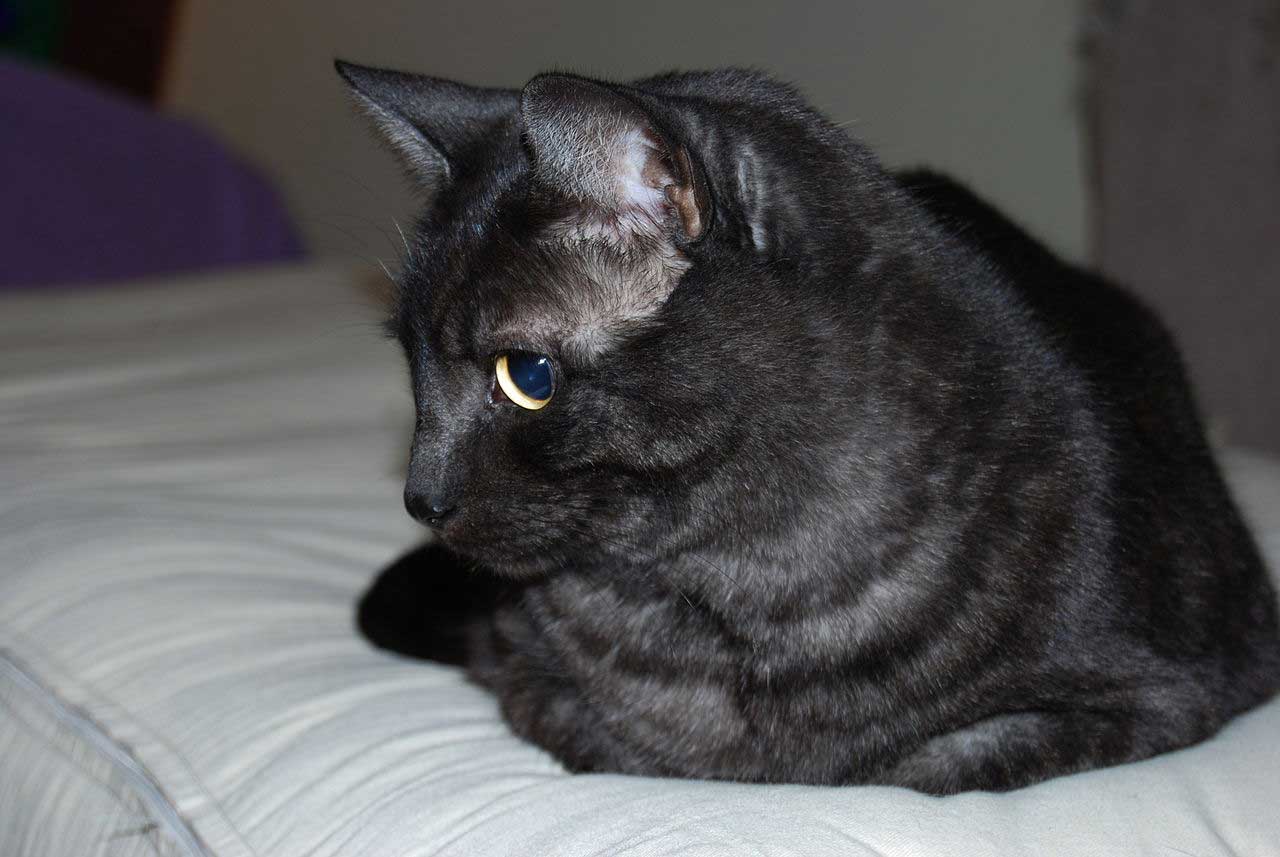
The Asian cat It is physically very similar to the European Burmese Cat.: only the colors of the cats' fur differ between the two breeds.

Asian cat

Content

History

The Asian cat It is a breed of cat native to England. Your name can be quite misleading. The first litter accidentally appeared in 1981, as a result of an inadvertent crossing between a Chinchilla cat, a variant of Persian cat, and a female European Burmese Cat.

The owner of the two cats, the baroness Miranda von Kirchberg, she was quickly seduced by kittens, what they looked like burmese but they had the silver colors of the Chinchilla cat. The following year, launched a breeding program to preserve the silver color of Burmese kittens and named the variety "Burmillaยซ.

But, breeders who participated in the program saw cats of many other colors. Some even had long hair due to their descent from the Persians. They realized they had a large enough gene pool to create a whole new group of cats..

The long-haired cats were called Tiffanie, while the short-haired ones were called asian. The Asian breed thus defined includes all colors and coats of short-haired cats that are not recognized in the Burmese cat.: striped, shaded gold and silver (both corresponding to the race Burmilla), solid black (a variety called "bombay", not to be confused with race bombay), self, smoke, etc.

The race of Asian cat is recognized by the LOOF (Livre Officiel des Origines Fรฉlines), and its standard is common with the Burmilla and the Tiffanie. El GCCF (Governing Council of the Cat Fancy), the leading feline organization in Great Britain, he also recognizes it. But, a WCF (World Cat Federation) does not consider the Asian as a race in its own right, but as a variety of the European Burmese Cat.

The breed is relatively young, but it is developing rapidly and its popularity is growing, although it is not very present outside of Great Britain.

Physical characteristics

The Asian cat It is physically very similar to the European Burmese Cat.: only the colors of the cats' fur differ between the two breeds.

Asian cat
Asian Cat (Brown Varient) – Scotia, CC BY-SA 3.0, via Wikimedia Commons

The Asian it is a medium-sized cat of semi-linear type, with strong muscles and a medium tail rounded at the tip. The front legs are slightly shorter than the back legs. They are both thin. They are very elegant, with a straight back and an athletic look. The Asian female is usually much smaller and less bulky than the male.

The head of the Asian cat wedge shaped, with a rounded forehead and slightly rounded top of the head. His ears are wide apart, they are wide and slightly inclined forward, with rounded tip. The cheekbones are high and the eyes are large, yellow to green, or more rarely gold with a silver border. The eyes have a rounded lower line and a slanted upper line..

The coat of the Asian is fine, short and bright. Among all existing cat coat patterns, can take three: smoked, self or tabby. All feline coat colors are allowed.

Size and weight

  • Size: 30 cm.
  • Male weight: 4 to 6 kg
  • female weight 3 to 5,5 kg

  • Varieties of "Asian cat"

    El LOOF (Livre Officiel des Origines Fรฉlines) considered at the Asian cat and to the Tiffany cat as varieties of the European Burmese Cat, corresponding the tiffany the semi-long-haired cats and the Asian short-haired cats with a fur not allowed in the Burmese.

    The Asian cat can be divided in turn into several varieties:

  • Asian Smoke Cat.
  • Asian Bombay, solid black fur, not to be confused with the Bombay, the breed of the same name.
  • Burmilla cat, that is to say, the silver and gold shade varieties of the Asian.
  • The same Asian cat, simple and not black.
  • Asian tabby.

  • Character and skills

    The Asian it is a perfect pet. In fact, he is a smart cat, easy to carry, friendly and cheerful, that brightens the house with its simple presence. Similar to the Burmese, the Asian it's a cat that meows a lot, with a clear and powerful voice, and who knows how to make himself heard when necessary. But, even if you like pampering, not especially invasive.

    It also, perfectly suited to indoor life, without feeling the particular need to leave home. So, It is a breed of cat adapted to life in a flat.

    His temperament is very similar to that of Burmese, but less impetuous. He is also a very sociable cat, much more than him Persian cat, and he doesn't like to be alone for a long time. Very loving and docile, this cat appreciates the company of children, but also that of other cats or even that of dogs. They are very intelligent: for example, it is not unusual or surprising to see an Asian cat manage to open a door.

    They like to be the center of attention and do not hesitate to show themselves. So, needs a master who is available and present, towards which he will not fail to show great affection, but will not ask for less in return. He can spend days following his master around the house., keeping you company while you do the dishes or sitting on your lap while you watch TV.

    Consider yourself a family member in your own right. The Asian cat is very sensitive to the emotions of its owner and is an excellent companion.

    Asian Smoke Cat
    Asian cat – Asian smoke (black) colour – Pigeon-camera, Public domain, via Wikimedia Commons

    Health

    The Asian cat It, like his cousin Burmese, an iron health cat. But, some lines are prone to developing conditions that commonly affect Burmese.

    These may include, may suffer a hypokalemic polymyopathy, a disease that causes periodic drops in potassium levels in the blood, causing severe pain and muscle weakness. This genetic disease is hereditary, but it can only be passed on if both parents carry the deficient gene. Thus, the breeders of asian cats they try to eliminate it by making sure that two carriers do not breed together.

    There are also some cases of congenital malformation of the rib cage, that cause breathing difficulties in the affected individual. In the most serious cases, the disease can be fatal, but normally the cat's health improves over the years.

    Last, the asian cats run the risk of developing diabetes in cats, which requires close monitoring of your diet.

    Life expectancy

    Of 12 to 15 years

    Grooming

    The short coat of the Asian does not require as much maintenance as that of long-haired breeds, since it comes off less. Brushing your cat once a week is more than enough.

    And this routine is unlikely to turn into an ordeal: being a very affectionate cat, the Asian cat especially appreciates the petting and attention that grooming brings.

    For sale "Asian cat"

    The price to adopt a asian kitten round the 1200 EUR, for both males and females.

    Characteristics "Asian cat"

    Coexistence is important that you have with your new friend. Before considering the acquisition of a cat of the breed "Asian cat" you know certain factors. You must take into account their character, their need for exercise, their interaction with other pets, their care and if you have small children, their level of tolerance towards them.

    Joy

    5,0 of 5 stars (based on 1 review)

    Activity level

    4,0 of 5 stars (based on 1 review)

    Friendliness to other pets

    4,0 of 5 stars (based on 1 review)

    Friendliness to children

    4,0 of 5 stars (based on 1 review)

    Grooming requirements

    1,0 of 5 stars (based on 1 review)

    Vocality

    5,0 of 5 stars (based on 1 review)

    Need for attention

    4,0 of 5 stars (based on 1 review)

    Affection towards its owners

    5,0 of 5 stars (based on 1 review)

    Docility

    4,0 of 5 stars (based on 1 review)

    Intelligence

    4,0 of 5 stars (based on 1 review)

    Independence

    3,0 of 5 stars (based on 1 review)

    Hardiness

    5,0 of 5 stars (based on 1 review)

    Videos "Asian cat"

    Asian cat ๐Ÿฑ๐Ÿฆ๐Ÿฏ EVERYTHING CATS ๐Ÿฏ๐Ÿฆ๐Ÿฑ
    Asian cat EVERYTHING CATS
    ๐Ÿฑ Cats 101 ๐Ÿฑ ASIAN CAT - Top Cat Facts about the ASIAN #KittensCorner
    ASIAN CAT – Top Cat Facts about the ASIAN

    โ–ท The world of Pets: Dogs, cats, birds, reptiles, amphibians

    Bengal cat
    Recognized by the CFA, FIFe, TICA, WCF, ACF, ACFA/CAA, CCA-AFC, GCCF, NZCF

    Despite his wild looks, the Bengal cat it's a domestic cat, affectionate and very attached to humans

    Bengala

    Content

    History

    The Bengal cat is a recent breed of cat that, despite its name, has nothing to do with the Bengal tiger. In 1963, Jean Sugden Mill, an American breeder, managed to cross a Leopard cat (or Felis Prionailurus Bengalensis, a Southeast Asian feline with the appearance of a leopard but the dimensions of a cat) with a domestic cat, who gave birth to two kittens, one of which was a female named Kin Kin. Against all odds, this female was not sterile and was able to interbreed with her father, giving birth to a litter of kittens, some of which were black, while others had a spotted brown fur.

    It was this first crossing, in 1963, the one that marked the true beginning of Bengal cat, by developing a breeding program to create a new breed in its own right. In fact, if there were already in the past crossing experiments between a domestic cat and Leopard cat, following the example of those already documented in 1889 in the book Our Cats and Everything About Them of Harrison Weir, an English artist with a passion for cats, they did not intend to create a new breed of domestic cat.

    For personal reasons, Jean Sugden Mill could not continue with this experiment, and nowadays none Bengal descend from this line. When he wanted to resume this project a decade later, the Endangered Species Ordinance had made it illegal to import the Leopard cat, so I could no longer acquire this animal to resume these crosses. But, in 1971, the Dr. Willard Centerwall, director of the genetics laboratory at Loma Linda University (California), had started a hybridization program between the domestic cat and the Leopard cat for scientific purposes, with the aim of testing the resistance of these hybrids to the virus of the feline leukosis, a disease that does not affect Asian leopards.

    Bengal cat
    Hereโ€™s our crazy little kitten at 5 months – Sean McGrath from Saint John, NB, Canada, CC BY 2.0, via Wikimedia Commons

    At the end of the year 70, Jean Sugden Mill acquired 8 first generation hybrids Dr. Centerwall and a Mau imported directly from India called Millwood Tory de Delhi. A long and difficult selection process began, during which other well-established breeds were used, as the Burmese cat, the Siamese cat, the American shorthair cat, the Abyssinian cat and the Egyptian Mau, to convert to Bengal cat in what is today: a domestic cat with the wild appearance of Felis Bengalensis, from which he inherited his name.

    But, There is another theory that attributes the name of ยซBengalยป a William Engler, zoo keeper and active member of the Long Island Ocelot Club. Interested in these hybrids since the early years 70, it is said that he was the first to speak of Bengal, and the term comes from his own name: Bill Engler.

    Jean Sugden Mill presented his Bengalis in various feline exhibitions in 1985, and the success was immediate. In 1986, the TICA (International Cat Association) officially recognized this new breed. The GCCF (Governing Council of the Cat Fancy) British followed him in 1997, then the FiFe (International Feline Federation) did the same in 1999, while the CFA (Cat Fanciers’ Association) American waited until 2018 to do the same.

    The Bengal cat had a quick success, especially in France. The first specimen was imported in 1989, and the breed was recognized that same year by the Association Nationale des Cercles Fรฉlins de France (ANCFF). Many breeders were quickly interested, to the point that today the breeding of Bengals is flourishing in France (and internationally recognized), with more than 1000 active creators, that is to say, that have registered at least one litter in the last two years.

    Since 2016, in the framework of meteoric growth, the Bengal cat it has even placed itself on the podium of the most popular cat breeds in France, with more than 3.000 kittens registered every year in the LOOF (Livre Officiel des Origines Fรฉlines), versus just over a hundred at the beginning of the years 2000.

    This great popularity of Bengal it is rather a French specificity. In the United Kingdom, for example, where it suffered a legal restriction until 2007, it is rather between the 15th and the 20th position in the ranking of the most popular breeds, with an average of 300 specimens registered annually with the GCCF, that is to say, some 10 times less than in France.

    In United States, the Bengali entered the Top 20 of America's most popular cat breeds when the CFA finally recognized it in 2018, despite its late recognition and the fact that it is prohibited in some places, like New York City or the State of Hawaii.

    Physical characteristics

    The Bengal cat it is a domestic cat that has retained the general appearance of a wild leopard. It is a fairly large cat with a long, muscular body, hind legs slightly larger than forelegs and a thick tail with a rounded tip, all of which gives it a classy look. As such, belongs to the long and powerful morphological type.

    Bengal cat
    Bengal cat – Flickrgailhampshire

    The head is wide, with small rounded ears and large round or oval eyes that express curiosity and intelligence.

    The fur is short, dense and silky to the touch. Emblematic of the breed, the fur is reminiscent of its wild ancestor, the Leopard cat, with random rosettes or horizontal scrolls. In both cases, these marks are bicolor and well marked.

    Different standards accept many colors, the most common being brown-black, including all gold variations, bronze, copper and mahogany. But, there are also many specimens with an ivory or creamy white color, as well as some rarer ones with a beautiful silver gray.

    Size and weight

  • Size: Of 30 – 35 cm.
  • Male weight: 4,5 – 7 kg
  • female weight: 3,5 – 5,5 kg

  • Varieties "Bengal cat"

    There are two varieties of Bengal: the stained and marbled.

    In the first, rosettes must be large, clear, bicoloured, different and randomly arranged throughout the body.

    The latter has elongated horizontal marks in the form of scrolls that are reminiscent of the veins of marble., bicolor and different.

    There are also specimens with long or semi-long hair, sometimes called Bengal Kashmir. For the moment, only the TICA has recognized this cat as an experimental breed.

    Character and skills

    Bengal cat
    Bengal cat

    Despite his wild looks, the Bengal cat it's a domestic cat, affectionate and very attached to humans, whose company constantly seeks. In fact, he is never far from where his master is, To make sure you don't miss anything that happens!!

    He is also very sociable with other cats and dogs, provided they are also used to cats. But, they may still have some wild reactions, especially towards small domestic rodents, those who can be mistaken for prey and chase.

    It is a very active and curious cat, who spends his time playing, chasing, fucking, exploring… before coming to rest near his master. He especially likes cat trees, that allow you to jump from one platform to another and settle in a high place to observe your environment from the highest. This energy expenditure is not unique to puppies: the Bengali is hyperactive and playful even as an adult, and is not the ideal companion for an older person who wants a quiet animal. Having said that, can be perfectly adapted to life in a flat, as long as you receive the necessary care… and that your family is not offended by the possible mischief you may cause.

    Lively, explorers and playful, they can also be occasionally destructive. This is especially true in the case of females., which tend to be more excessive than males, both in their games and in their displays of affection. To minimize this risk, it is advisable to ensure that the Bengali get all the care you need: if you are left alone too often without occupation throughout the day, it is likely that he will find a way to remind his master of his existence, and this will not necessarily be in a pleasant way for this one…

    The Bengal cat it is also a very intelligent breed, able to adapt and learn quickly. So, if a light turns on by itself at night or if a door that had been left closed is found to be open, there is no reason to believe that it is the work of a ghost: your partner has simply learned to press the switch or turn the handle. This makes him a good candidate for teaching your cat tricks and training.. In fact, it is not uncommon to see a Bengali who has learned to use the toilet or to take things to the owner. But, do not lose sight that it is still a cat, with his independent and stubborn character: although this may give results, training (for example with clicker, which is very suitable) requires a lot of patience.

    It also, it is a breed of cat that loves water. This characteristic has been inherited from its ancestor the Leopard cat, who is an excellent fisherman. Some individuals do not hesitate to follow their master even under the shower!! It is logical that aquarium enthusiasts know that the inhabitants of an open aquarium are likely to end up in the clutches of this experienced hunter.…

    Last, the Bengali It, in general, a pretty talkative cat, with a wide range of sounds, ranging from chirping to a low, hoarse noise reminiscent of certain big cats.

    Care "Bengal cat"

    Bengal cat
    Or is it a tiger? – ReflectedSerendipity from United Kingdom, CC BY-SA 2.0, via Wikimedia Commons

    The BengalIt is an easy-care breed of cats, since it is only necessary to brush the cat's fur to remove dead hair and distribute the oil from the skin once a month. It also, it is seldom necessary to bathe your cat.

    As in the case of all cats, regular check-ups of teeth, the ears and eyes will help avoid the risk of infection.

    Last, its claws may be clipped from time to time, when necessary.

    Indoor or outdoor cat?

    The athletic Bengalis need a lot of exercise to feel comfortable. It is best to offer them a large house with a garden where they can roam.. If you decide to keep them inside, it should also provide them with enough space and opportunities to play and climb.

    These freedom-loving animals don't feel comfortable in small city flats. A sturdy cat tree or climbing track should fit the floor.

    The "Bengal cat" have great jumping ability and no lift is out of reach. Definitely, you should take this into account before bringing a Bengal cat to your house. Especially when they get bored, big cats tend to wreck the floor. In general, it is advisable to maintain a Bengal like a free animal and provide you with enough to do indoors. With outdoor cats, can you be prepared for these cats, otherwise so loving, go for a walk for two days in a row.

    How much activity does he need? "Bengal cat"?

    Due to their offspring from wild cats, the Bengal cats belong to the very active cat breeds. They are persistent climbers and need a lot of exercise. The best place for them to vent is the scratching post., during hunting games or, ideally, in the open air.

    Regular hunting games with a rod, hunting mice or balls along with your human are also a great activity. Mental stimulation with smart toys or learning little tricks is essential so that cats do not get bored.

    If you are often away from home, cats need company. They get along better with other cats. It is one of the few breeds of cats that loves water so it will easily be entertained by a leaky faucet.

    Health and nutrition

    The Bengali has a fairly robust health, having inherited from Leopard cat remarkable longevity for a domestic cat.

    But, have a predisposition to certain diseases:

  • The Hypertrophic cardiomyopathy (MCH), a disease that makes it difficult for the heart to circulate blood;
  • The Chronic anemia, a genetic disease that can be detected by any decent Bengal breeder by a simple test;
  • The Progressive Retinal Atrophy (ARP), another genetic disease that can also be detected by a simple test, allowing carriers to be excluded from breeding;
  • The cataract, an opaque film on the cornea of โ€‹โ€‹the eye that can cause blindness in the most severe cases.
  • It also, being quite large and very active, are prone to Hip Dysplasia.

    Last, it is important to know that, unlike his ancestor the Leopard cat, the Bengal not immune to feline leukosis.

    Life expectancy

    12 to 16 years

    Food

    The Bengal fits perfectly in commercial cat food, both croquettes and canned wet food. But, it is important to make sure your Bengal cat eat a quality food that contains all the essential nutrients necessary for their development.

    There should always be enough food and fresh water. But, no risk of obesity in cats; on the one hand, because they are quite active, and on the other, because they are able to regulate their own weight.

    For sale "Bengal cat"

    Bengal cat
    Bengal cat

    If you want to have a Bengal cat, you should know that this breed is one of the most expensive. For a healthy kitten you will pay between 1000 and 2000 EUR in a serious breeder. The price mainly depends on the type of leopard coat.

    The Bengal cats with pedigree and physical characteristics that make them suitable for breeding are priced between 2000 and 3000 EUR.

    Breeders also differentiate between the three categories of companion animals, breeding and exhibition. as creator, usually only kittens showing small deviations from breeding targets are obtained. In the purchase contract you have to agree not to use the cat for breeding.

    Criticism of the breeding of "Bengalis"

    Critics of breeding "Bengal cat" they believe that it is irresponsible to cross a wild animal with a domestic cat just to obtain a certain coat pattern. According to animal rights advocates, the first mating is even a torture brood, since complications often arise at birth. Many of these wild cat hybrids continue to display the character traits of a wild animal.. So, before acquiring a cat of this type, you must be very sure that, even though you have inherited the activity from your ancestors, will be able to lead a life appropriate to his species.

    Characteristics "Bengal cat"

    Coexistence is important that you have with your new friend. Before considering the acquisition of a cat of the breed "Bengal cat" you know certain factors. You must take into account their character, their need for exercise, their interaction with other pets, their care and if you have small children, their level of tolerance towards them.

    Joy

    5,0 of 5 stars (based on 1 review)

    Activity level

    5,0 of 5 stars (based on 1 review)

    Friendliness to other pets

    2,0 of 5 stars (based on 1 review)

    Friendliness to children

    2,0 of 5 stars (based on 1 review)

    Grooming requirements

    1,0 of 5 stars (based on 1 review)

    Vocality

    2,0 of 5 stars (based on 1 review)

    Need for attention

    4,0 of 5 stars (based on 1 review)

    Affection towards its owners

    4,0 of 5 stars (based on 1 review)

    Docility

    1,0 of 5 stars (based on 1 review)

    Intelligence

    5,0 of 5 stars (based on 1 review)

    Independence

    2,0 of 5 stars (based on 1 review)

    Hardiness

    3,0 of 5 stars (based on 1 review)

    Videos "Bengal cat"

    These Beautiful Bengal Cats Are Incredibly Intelligent | Cats 101
    These Beautiful Bengal Cats Are Incredibly Intelligent | Cats 101
    Benji the Bengal Cat: from Kitten to Adulthood
    Benji the Bengal Cat: from Kitten to Adulthood

    โ–ท The world of Pets: Dogs, cats, birds, reptiles, amphibians

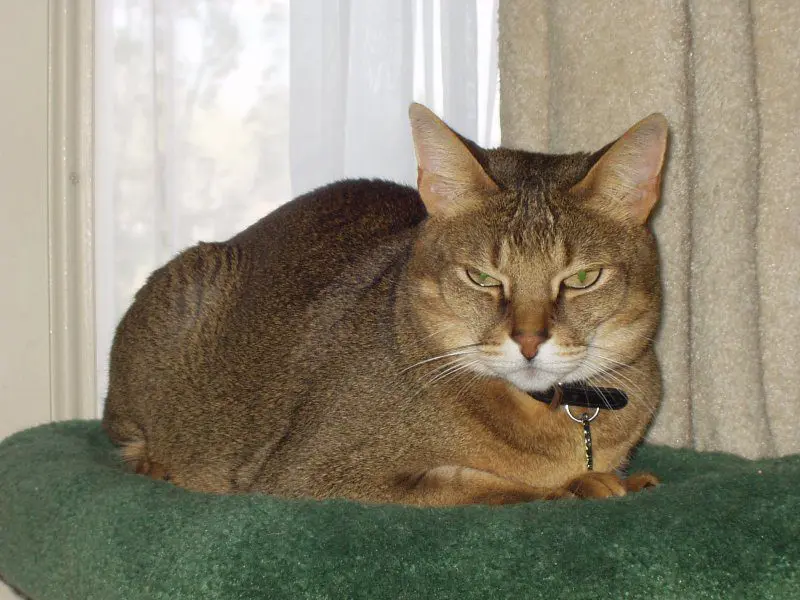
    Chausie cat
    Federations: TICA

    Despite its wild origins, the Chausie cat has all the features of a domestic cat. Very attached to its owner.
    Chausie
    Photo: courtneyBolton (Filckr)

    Content

    Characteristics "Chausie cat"

    Coexistence is important that you have with your new friend. Before considering the acquisition of a cat of the breed "Chausie cat" you know certain factors. You must take into account their character, their need for exercise, their interaction with other pets, their care and if you have small children, their level of tolerance towards them.

    Joy

    5,0 of 5 stars (based on 1 review)

    Activity level

    5,0 of 5 stars (based on 1 review)

    Friendliness to other pets

    3,0 of 5 stars (based on 1 review)

    Friendliness to children

    1,0 of 5 stars (based on 1 review)

    Grooming requirements

    2,0 of 5 stars (based on 1 review)

    Vocality

    2,0 of 5 stars (based on 1 review)

    Need for attention

    4,0 of 5 stars (based on 1 review)

    Affection towards its owners

    4,0 of 5 stars (based on 1 review)

    Docility

    3,0 of 5 stars (based on 1 review)

    Intelligence

    5,0 of 5 stars (based on 1 review)

    Independence

    2,0 of 5 stars (based on 1 review)

    Hardiness

    3,0 of 5 stars (based on 1 review)

    History

    According to legend, the Chausie cat it is a distant cousin of wild cats domesticated in honor of the goddess Bastet in ancient Egypt. In fact, the reality is quite different, despite the eerie similarities between the Chausie real and the artistic representations of some cats of the time.

    Born at the end of the years 60 or early 70 in United States, the Chausie would be the first hybrid breed resulting from the cross between a jungle cat (Felis chaus) who lived essentially in Egypt, India, Central Asia and Southeast Asia, and domestic short-haired cats of various breeds, having in common physical characteristics close to those of the Felis chaus.

    The idea behind the creation of this hybrid was to create a "domesticated jungle cat" that looked like a Felis chaus but that he was as tame as a domestic cat. The Chausie cat It was intended to attract both daring people trying to domesticate real wild cats and lovers of "exotic" cats.. The bet paid off over the years 90: passionate breeders managed to stabilize the characteristic traits of the breed and consolidate the genetic stock to facilitate breeding.

    Thanks to the efforts of these breeders, the International Cat Association (the TICA, an organization that lists and registers all existing cat pedigrees in the world) recognized the breed in 1995. In 2003, gave the owners of the Chausie the opportunity to present your companion in the feline shows organized under your aegis, granting him the title of New Race. But, in the news, they cannot participate in the competitions by themselves.

    In France, el LEAF (Livre Officiel des Origines Fรฉlines, an association with missions similar to the TICA) follow the position of the TICA and allow owners to participate in exhibitions, but not compete.
    As for the other feline associations in the world, and in particular the FIFE (Fรฉdรฉration Internationale Fรฉline), they still don't recognize the breed.

    Today, the breeders of Chausie cat they keep working to get new generations closer and closer physically to their wild cousin, especially through crosses with the Abyssinian cat. The breed is found primarily in the United States and Europe, but it also has a following in South Asia and India, although its dissemination is more confidential.

    Physical characteristics

    Chausie
    Chausie – Wolfdogrew, CC BY-SA 3.0, via Wikimedia Commons

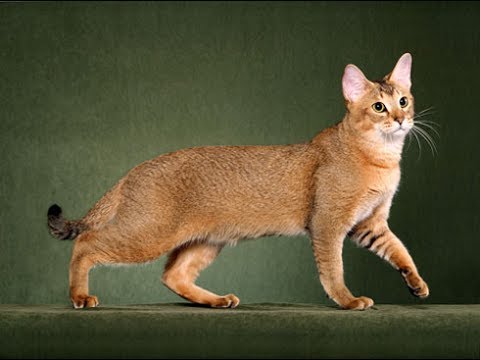
    The Chausie it's a big cat (especially the males) with a long powerful guy and a long rectangular body. Has a sleek appearance and powerful musculature, but it is not very showy. The rib cage is wide, the legs are of medium length with stronger hind legs than most other cat breeds. The tail is shorter than that of other breeds and reaches the hock.

    In the face, the Chausie has a broad, triangular head with prominent cheekbones, a rounded forehead and a long muzzle. The ears are wide at the base and wide open. Feathers are very popular with breeders of this breed. The eyes, oval in shape and slightly flattened on top, are generally golden yellow hazelnut in color. Light green tones are also accepted.

    This cat's coat has a dense coat of short to medium length. The fur is reminiscent of its wild ancestor, the jungle cat Felis chaus, especially for its ticking. The more ticking (several colored stripes on the same coat), more appreciated will be the cat in the feline exhibitions.

    Size and weight

    Size: Of 40 to 50 cm.
    Male weight: Of 6 to 11 kg
    female weight: 6-9 kg

    Varieties of "Chausie cat"

    Currently, the standards TICA y LOOF they only recognize three colors. There may be a Chausie cat with other colors, but they cannot be registered in the LOOF and / or TICA.

    Full black

    The kitties Chausie negros may show slight brindle markings that disappear as the kitten grows older. Prolonged exposure to the sun can cause your black to turn brown.

    Gray-haired black tabby

    The black tabby pattern is a direct descendant of the wild cat Felis chaus and is exclusive to Chausie. In fact, no other domestic cat has this pattern, unless you have a wild ancestor in your family tree. So, it is easy to understand why this variety is the most sought after, since it is the most similar to the fur of the jungle cat.

    The kitties, originally black, show black brindle markings as they grow, while her fur becomes lighter. The coat of the black tabby has a ticking that changes depending on the part of the body, ranging from dark mouse gray with black tips to a three-striped ticking (mouse gray, black and white) in the finest specimens. This characteristic reaches its full and definitive expression when the cat has 3 years.

    Some Chausies gray-haired blacks can be mistaken for a Chausie negro when silver ticking is scarce.

    Brown tabby

    The brown tabby has a black tabby marking on a brown background, with stripes on the inside of the legs and on the tip of the tail. The shade of brown can vary from cat to cat, as long as it doesn't get too close to the Abyssinian. As with the first two colors, the final color of the Chausie brown ticked tabby not fixed until 3 years of age.

    Character and skills

    Chausie
    Chausie – Wolfdogrew, CC BY-SA 3.0, via Wikimedia Commons

    Despite its wild origins, the Chausie cat has all the features of a domestic cat. Very attached to his master, even exclusive, it is a sociable cat that demands a lot of attention and barely supports loneliness. Very affectionate, You can enjoy both being indoors with their owners at home and playing with the other animals in the family. This cat also adapts very well to the presence of children, for whom it can be a good playmate, provided he is taught to control his claws from a young age.

    In effect, even if it is a good domestic cat, the Chausie also has a strong character, is often stubborn and may have aggressive reactions, inherited from its wild origins. Your fearlessness can also play tricks on you, especially when it goes outside. In any case, he needs a teacher capable of having authority and patience to reveal all his qualities and temper his predatory side.

    True athlete, has a reputation for being a tireless gamer and spending without sparing expense. In fact, they do better in a house with a garden or in a very large apartment, that provides them with enough space and plenty of opportunities to play and run around in the absence of their owner.

    Last, the Chausie cat distinguished by high intelligence and hunting instincts superior to those of other domestic breeds. It is one of those cats that likes to learn tricks, look for the ball, walk with harness… but also open taps and doors in the absence of supervision. Thus, it is recommended to use cat toys and stimulate their attention as much as possible, both for your well-being and for the living room furniture.

    Care and grooming of the "Chausie cat"

    The coat of the Chausie is slightly longer than that of normal domestic cats, but still easy to care. Regular brushing and removal of dead hairs ensure a shiny coat.

    Indoor or outdoor cat?

    Due to his offspring from a kind of wild cat, the Chausie cat he is very fond of freedom. This athletic cat also has a strong drive to move and can easily jump six feet from a standing position.. Thus, keeping them indoors is only possible under special conditions. If you cannot provide access to the outside, the cat must have a large outdoor enclosure. You must be able to live your natural instincts, ideally hunting mice and birds, to be happy. If you have your cat in an outdoor enclosure, You should be prepared to regularly receive โ€œgiftsโ€ from your cat in the form of prey..

    How much activity does he need? "Chausie cat"?

    This affectionate cat likes to be around his owners and is reluctant to stay home alone. If you are a person who works, it is better to have two cats so that the animals do not get bored. A large, sturdy scratching post and several cat toys will keep them busy and provide variety around the home.. They love to play catch and chase mice and balls. You can also give your cat, water lover, a special treat with a soak in the tub or a bubbly drinking fountain. Some cats like water so much that they will even follow you into the shower.

    Health and nutrition

    Chausie
    Chausie – Wolfdogrew, CC BY-SA 3.0, via Wikimedia Commons

    The Chausie is a relatively recent hybrid. Thus, There is very little scientific literature on health problems specific to this breed..

    But, analyzes of animals born from two different species draw a picture of pathologies that Chausies, as hybrids, can present: male infertility prevalence, fluctuating physical development (very large or very small individuals), digestive problems, behavioral instability (this cat is still more aggressive than a real house cat) and, in rare cases, heart problems due to malformations of the heart muscle.

    Generations of Chausies They are classified according to their "closeness" to their wild ancestor on a scale from F1 to F4 and higher, F1 being the generation born directly from hybridization between a domestic cat (Felis sylvestris catus) and a wild cat (Felis chaus). Males of generations F1 to F3, or even F4, are generally sterile, which considerably complicates the work of breeders of Chausie to develop this breed.

    Last, due to its wild origins, this cat has inherited a shorter digestive tract than other breeds. This makes them more susceptible to certain intestinal problems., including inflammation from food allergies, and predisposes them to gluten intolerance.

    Life expectancy

    12 to 14 years

    Food

    As their direct ancestors are wild animals, a high-protein diet is even more important for the breed than for other cats. Ideally, feed them their own BARF food. In this way, your cat will have all the important components of a healthy diet that it would get in the wild.

    For sale "Chausie cat"

    Before buying a Chausie cat, you must be absolutely sure that the hybrid cat suits you. If you can't offer enough exercise, you don't even have to think about getting a cat that likes to move. In any case, in Europe it will be difficult for you to find a breeder. The breed is not very common outside its country of origin.. If you find a breeder, you must check first if he is responsible and takes care of the health of his breeding animals. Due to its rarity, the kitties Chausie they naturally have their price. Depending on the breeder, you can spend up to 10.000 euros for a purebred F1 kitten.

    Interesting Facts and Things to Know

    jungle cat
    jungle cat in Sofia Zoo – Bulgarian: Maria Teresa Cortes Garcia, Learning Center at Sofia ZooEnglish: Maria-Teresa Cortes Garcia, EERC Sofia Zoo, CC BY 3.0, via Wikimedia Commons

    To understand the Chausie cat, it is also important to know the jungle cat (Felis chaus).

    The jungle cat found in nine subspecies in Asia, Middle East and Egypt.

    With his black plumes in his ears, resembles a lynx, which also earned it the name "swamp fox.".

    In the wild, the jungle cats they are solitary animals and they hunt at sunset.

    Its habitat is mainly near water bodies or wetlands in inaccessible reed thickets or swampy riparian forests. So, they are not afraid of water and can swim excellently.
    In captivity, the jungle cats they become very tame and it is said that the ancient Egyptians even trained them to hunt.


    Videos "Chausie cat"

    HTTPS://youtu.be/wiyk-VyLLtI
    Animal Planet : Cats 101 ~ Chausie
    Chausie cat / Cat Breed
    Gato Chausie / Raza de Gato

    โ–ท The world of Pets: Dogs, cats, birds, reptiles, amphibians

    Desert lynx cat
    Records: IPCBA, REFR

    The Desert lynx cat is called many times Caracal. This is wrong, since the Caracal does not belong to the genus Lynx nor is it closely related to lynxes. In fact, is more related to the serval, with which it is often crossed while in captivity.

    desert lynx

    Content

    History

    The cat Desert lynx is originally from the United States and is the result of crosses between the American shorttail lynx (bobcat) with domestic cats.
    The races used to create the Desert lynx at first are the Maine Coon cat, the Manx cat, Pixie Bob cat and the Bobcat (Lynx rufus).

    You do not need a license to own a Desert lynx cat.

    Crossbreeds with unregistered or purebred cats are allowed until 1 in January of 2013. But, such crosses must be chosen carefully to complement the general type of the breed group Desert Lynx, It includes Desert Lynx, Highland Lynx, Mohave Bobs and Alpine Lynx. After the 1 in January of 2013, external crossings are not allowed, except with cats listed in the breeding book or in the foundation book of the Rare and Exotic Feline Registry (REFR) or from another record.

    The Desert Lynx, Highland Lynx, Mohave Bobs and Alpine Lynx they can be raised together, with an offspring registered as follows:

    • All the white kittens (including straight and curly hairs and straight or curly ears) are recorded as Alpine Lynx.
    • All non-white kittens with curly fur are recorded as Mohave Bobs.
    • All non-white kittens with straight hair and straight ears are registered as Desert Lynx.
    • All non-white kittens with straight fur and curly ears are recorded as Highland Lynx.

    The curly ears of the Highland Lynx are due to a dominant gene that curls the ears and reduces their size. When these races interbreed, the resulting smooth-eared kittens do not carry any curly-eared genes.

    Non-white kittens do not carry the gene for the color white. So, breeders who wish to work only with Desert Lynx they wouldn't have to worry about getting recessive curly-eared genes in Desert Lynx have a cat Highlander cat in his ancestry. Breeders who do not wish to work with Alpine lynx would not have to worry about white kittens as long as neither parent is an Alpine lynx. Alpine Lynx.

    Curly coat is caused by a dominant gene. Breeders who do not wish to work with him Mohave Bobs they don't have to worry about this as long as neither parent has curly fur.

    These breeds are identical in body type.

    *There are several breeds of cats whose origins are speculated to be intertwined with the European wildcat (Felis silvestris). The most common are gato Pixie Bob and the races of the group of Desert Lynx (Desert Lynx, Highlander cat, Mohave Bobs and Alpine Lynx). It is important to note that DNA testing of these cats has not yielded positive results for the presence of DNA from European wildcat. There is no evidence that these cats have feral ancestry.

    Physical characteristics

    It is a big cat, strong and muscular. The head it's big and round, the males have the jaws more developed and wide. The snout It is square and the nose is wide. The ears are large, with tufts of hair long in the tips and along the inner edge. The eyes they are large, almond-shaped, its color varies between green and gold (They can be blue in the colors of "snow"). The neck he is thick and muscular, strong and muscular body, straight and with a very powerful lower train. The legs they are strong and straight, the feet large with tufts of hair between the fingers. The tail is short or may not be.

    They can be short or long hair, its fur is soft to the touch. You can have three types of patterns in the drawing of his fur:

    • Spotted (type Leopard): snow, Silver, blue, coal, Lavender, chocolate, red, copper, Beige and black.
    • Marble: just like the previous ones are but the pattern with rosettes instead of spots.
    • Clouded leopard: stains can become very large and in different ways.

    Character and skills

    They have a calm temperament, they are playful, affectionate and very loyal to their owners. They are intelligent and love to family life, they are also very social with other animals.

    Although the Desert Lynx it is a cross between domestic and wild cat breeds, some owners say it behaves more like a domestic dog than a cat. While some cat breeds are distant, this cat loves spending time with his humans.

    Evidence shows that the Desert Lynx it is a good option if you have children, since it adores its humans and is a loving race. But, it is vital that socialization begins early so that boundaries are established by both parties. It is important to keep in mind that each cat is an individual, so not everyone will react in the same way with children.

    For sale "Desert lynx cat"

    If you are looking for a Desert lynx cat, ask the breeder that cat or kitten is registered in the IPCBA.
    If not and the cat is registered with REFR or other record, then what you are buying is probably a Highlander cat.

    Videos "Desert lynx cat"

    A wild Desert Lynx CAT
    A wild Desert Lynx CAT
    Desert Lynx