Little is known about the origins of Spanish Water Dog. Some dog experts believe they are descended from African dogs or are related to other European spaniels., as the Portuguese Water Dog, or with Turkish or Hungarian herding and herding breeds.
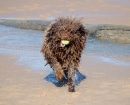
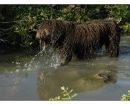
Dogs of this type were hardworking helpers on Spanish farms., in the mines and in the fishing villages, where they performed many functions, like grazing, the recuperation, rat patrol and protection. Your physical characteristics, especially its fur, they are adapted to the variations of humidity and dryness of the marshy regions. This makes him a versatile dog., able to adapt to the needs not only demanded of a shepherd dog, but also a fishing dog and a waterfowl hunter.
With mechanization and migration of people to cities from rural areas, dogs were less necessary for their traditional work, but people interested in the breed strove to preserve it, starting in 1975 with collecting a variety of dogs from various areas, selective breeding to maintain its appearance and working capacity, and directing their talents towards new jobs such as search and rescue and drug and bomb detection.
In the news, its densest population is in Andalusia, where it is usually used as a sheepdog. In this part of Spain it is usually known as the "Turkish dog.".
The Spanish Water Dog it's rustic, Middleweight eumétrico, subgilinear proportions, harmonic, Athletic complexion and muscular well due to the constant functional gym exercising; subconvex profile with a tendency to rectilinear; view, highly developed sense of smell and hearing.
The height at the withers is between 44 and 50 cm for males and 40 to 46 cm., for females. Males weigh in 18 to 22 kg and females in 14 to 18 kg.
His head is strong, of elegant porte; the relationship between length of skull and face will be approximately 1.5 / 1. Flat skull with some marked occipital Crest. Soft and little sharp frontal trough. Subconvex face profile with a tendency to rectilinear. Nose with nostrils well defined, It truffle pigmented equal to or stronger than the darker tone of his coat. Lips; the maxilla and mandibular contact in a very defined lip corner.
Well formed teeth, soft, developed tusks. Slightly oblique eyes, very expressive look; Hazelnut color to Brown IRIS, still desired a tonality according to the layer; apparent ocular conjunctiva. Triangular ears and drop of medium insertion. Short and muscular neck, with perfect Union to the trunk without jowl. Robust trunk, arched ribs, with great breathing capacity bicostal diameter. Little pronounced cross. Powerful chest, collected belly, well linked to the rump steak, slightly inclined grupa.
The tail is of average insertion. Puppies are born with or without, in your case you must amputate from the second to the fourth coccygeal vertebra. The preferred way is the trot, Although he develops a range of careers, jumps, highly spectacular twists and turns that demonstrate inexhaustible energy.
Its skin is flexible, fine and well attached to the body. Can be pigmented in chestnut, black, or despigmentada according to the darker tone of his coat, like all the mucous membranes.
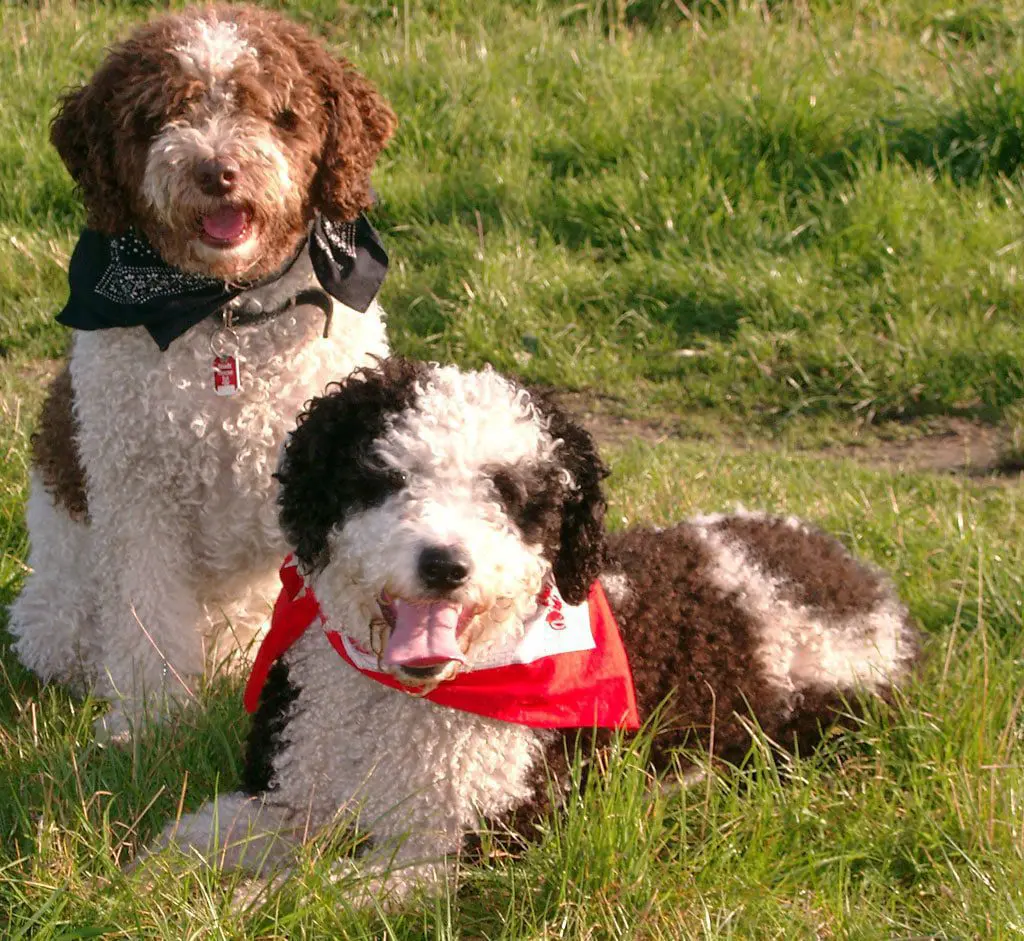
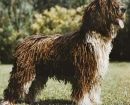
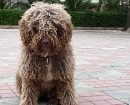
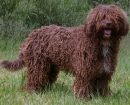
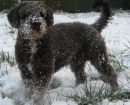
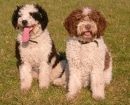
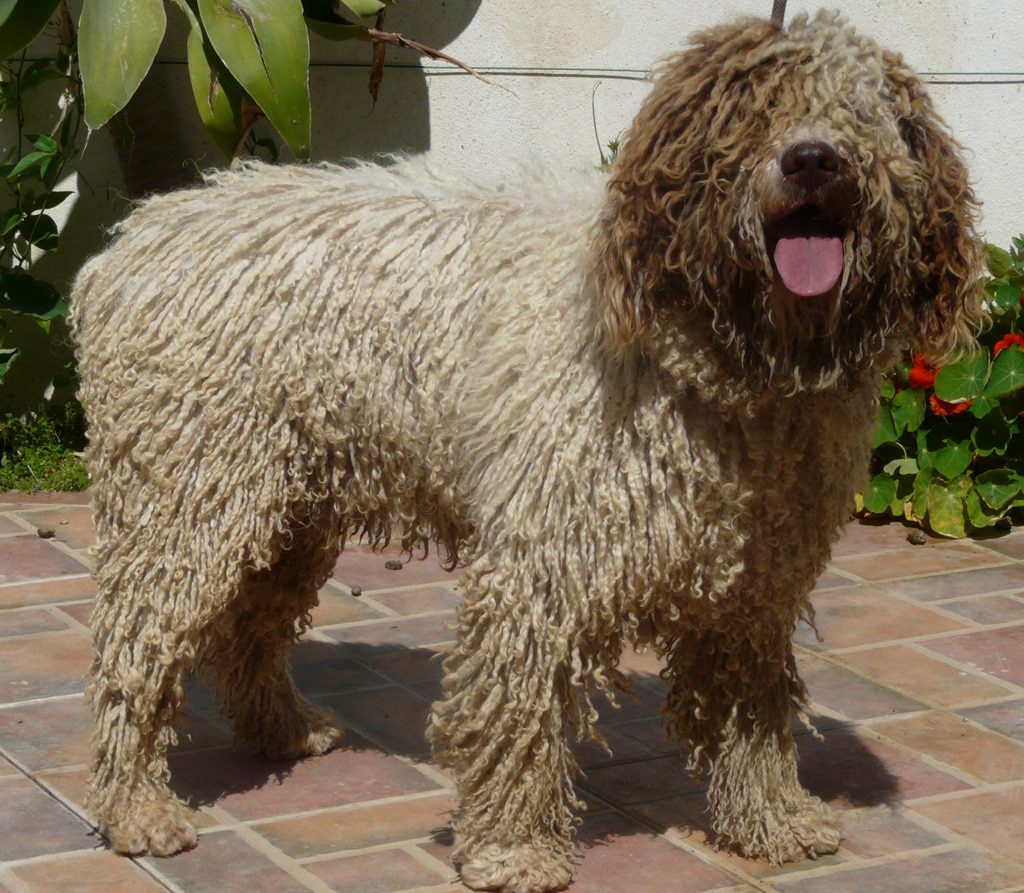
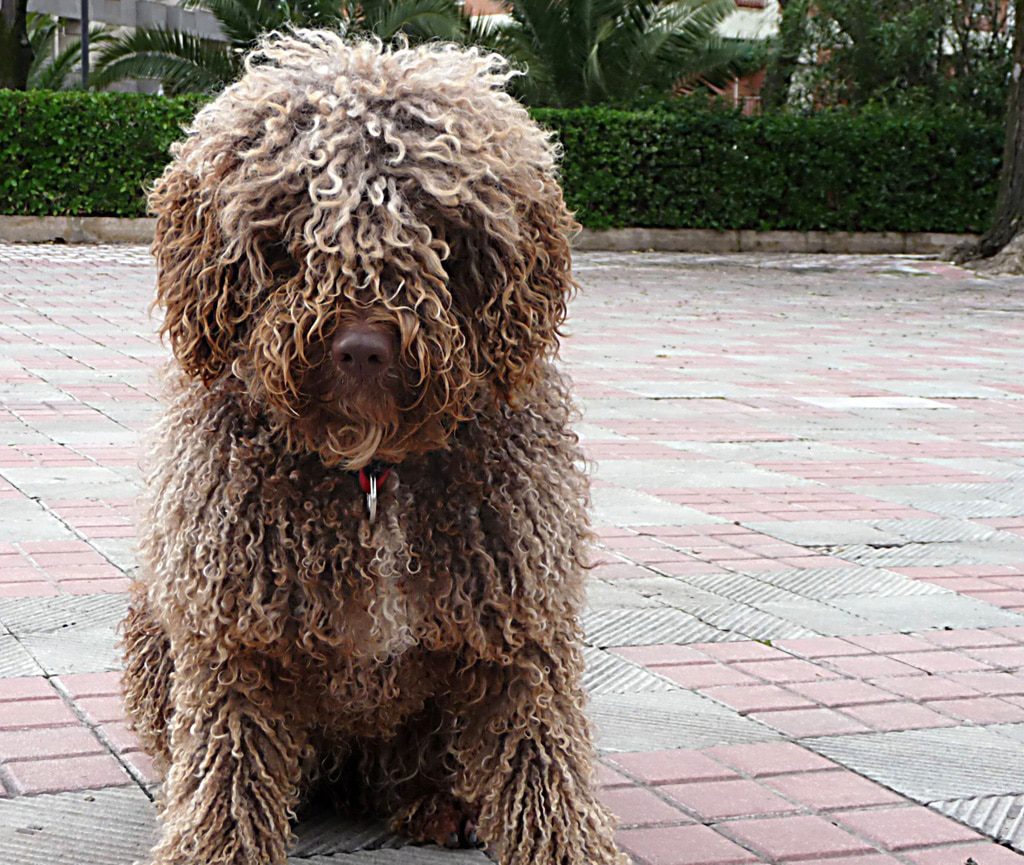
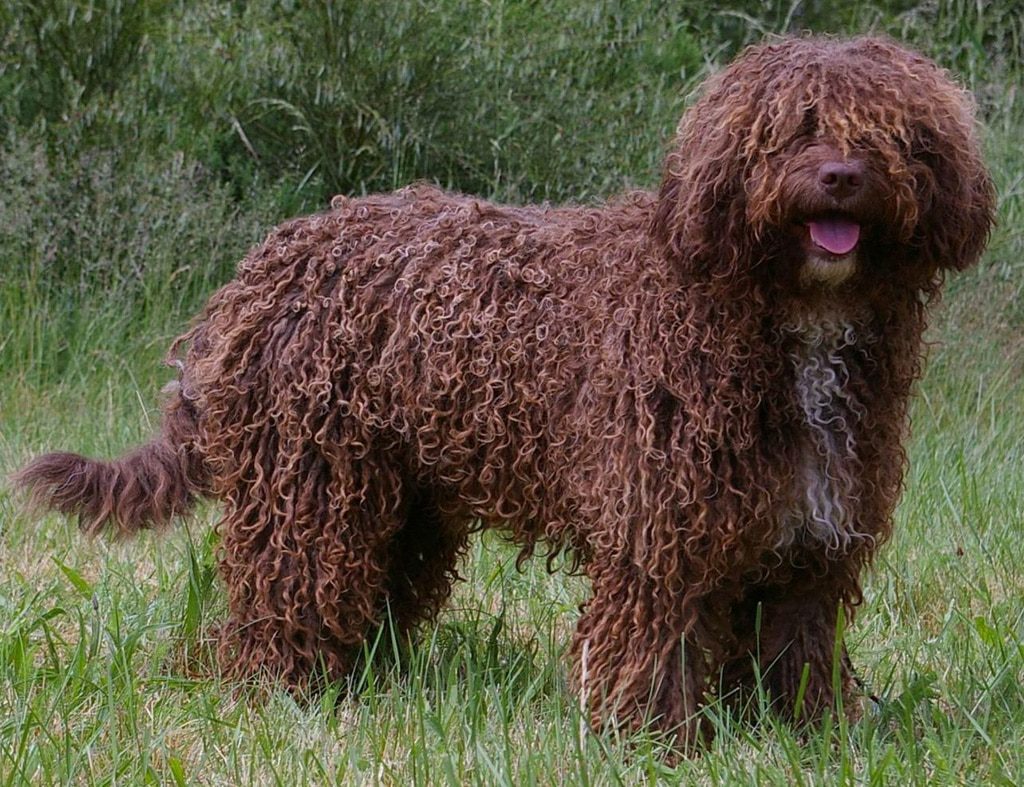
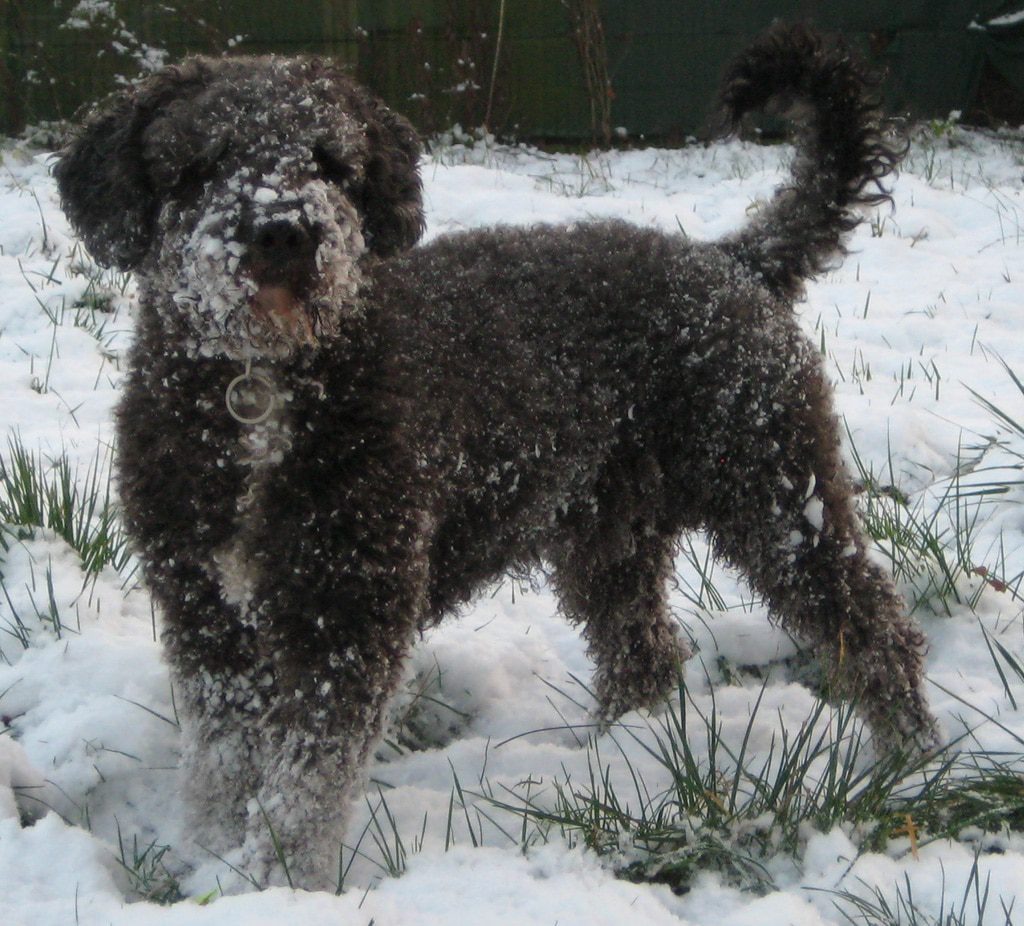
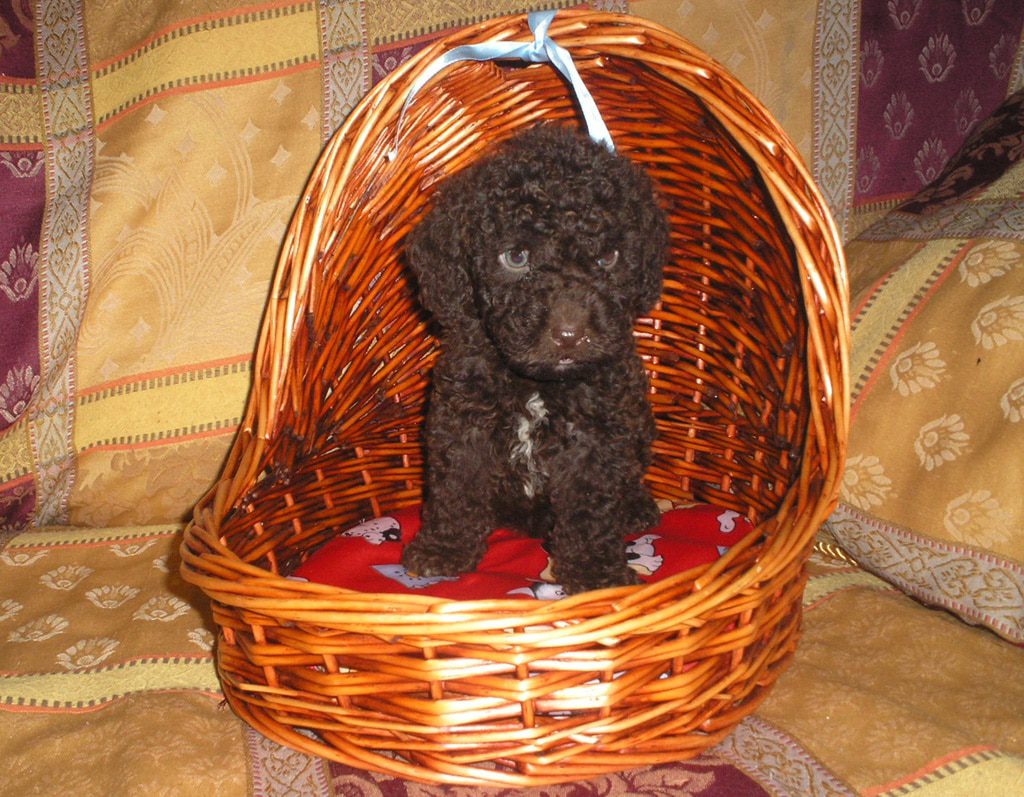
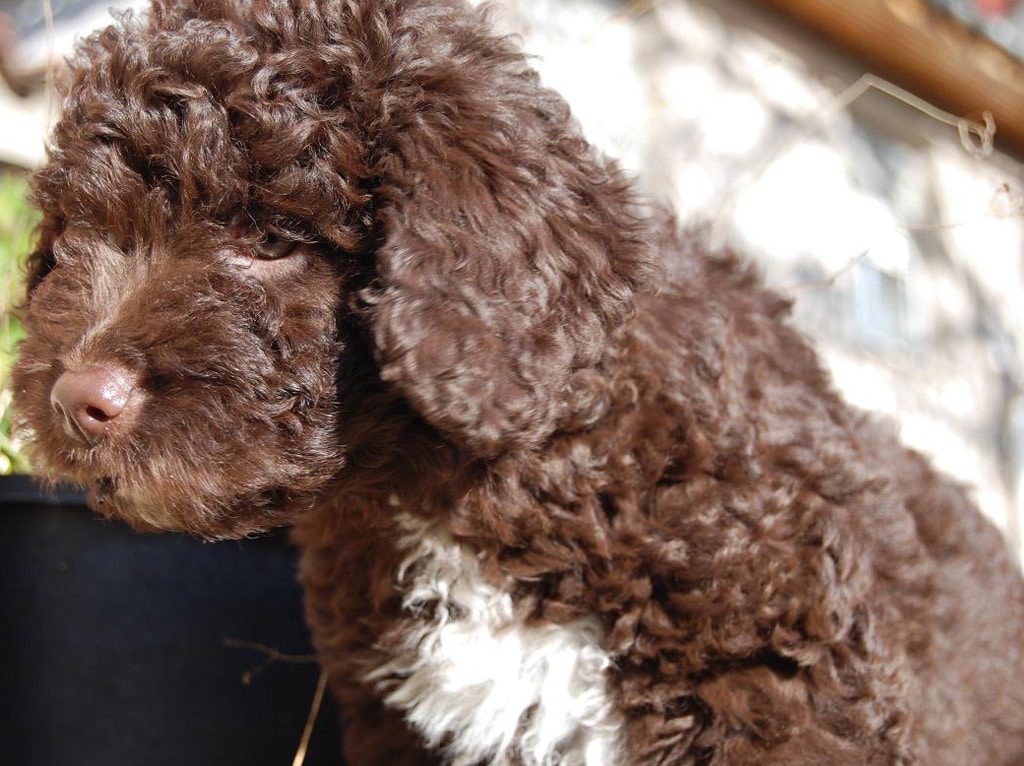
The hair is long and uniform in all its bodily forms always curly and Bristly consistency. Copies of long hair will be accepted, well sheared, as well as those who have their hair cut off, hands and feet; under no circumstances aesthetically sheared.
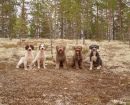
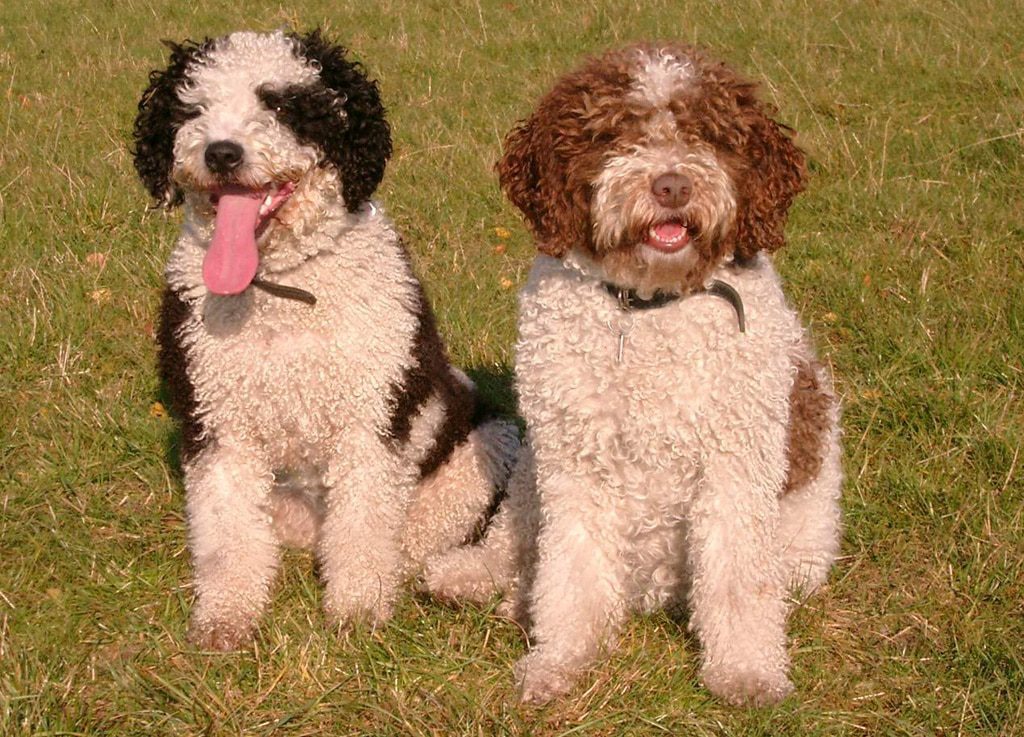
With regard to the fur, all monocolores layers and bi-coloured compound uniforms are allowed, being always present white. Any Spanish Water Dog puppy should be skinned between three and four months of age wherever it is, North or South. The following bare will be per year, that is to say, to the 15 or 16 months of the animal. And so on until an annual peeling is achieved as a rule in spring..
The Spanish Water Dog belongs according to the FCI classification to Group VIII, section 3, that is to say, is considered a collection dog and more - specifically- a water dog. However, they have traditionally been used as shepherds dogs, in the conduct of sheep and goats, as well as in pigs and cattle.
Because of their great capacity for learning it is currently used by the bodies of Spanish firefighters in their rescue and rescue teams, having spoken specimens of this breed in the disaster caused by Hurricane Mitch. It is also possible to see them in the company of the Civil Guard in search of drugs and explosives in airports., ports and customs.
Within the canine sport, the Spanish Water Dog is finding a place in the world of agility, with some Spain champions and world runner-up in Elite Finland, Ubrique. The agility, It is not a classical proof of work in which copies of race can only participate, but that is rather a combination of competition and show open to all sorts of dogs. The owner also participates in the proof accompanying your dog. Cooperation and good friendship between the members of the team are determinants (dogs and people).
It is a faithful dog, obedient, joyful, laborious, courageous and balanced; of great capacity for learning by his extraordinary understanding, amoldable to different situations and conditions.
Thanks to its appearance of Teddy, as well as its active nature, Intelligent, cheerful and balanced, has achieved a position within the companion races, they are highly valued in Northern Europe and United States.
All dogs have the potential to develop genetic health problems, like all people have the potential to inherit a certain disease. Huya, do not walk, from any breeder who does not offer a health guarantee on their puppies, to tell you that the breed is 100% healthy and has no known problems, or tell you that your puppies are isolated from the main part of the house for health reasons. A reputable breeder will be honest and open about the health problems of the breed and the incidence with which they occur in their lines..
The Spanish Water Dog can develop certain health problems, among them
- Allergies
- Hip Dysplasia
- Glaucoma
- Hypothyroidism
- Progressive retinal atrophy
The main problems observed in the breed are hip dysplasia and allergies. Other problems seem to occur less frequently. Other conditions that can be seen in the breed are exocrine pancreatic insufficiency, Addison's disease, congenital hypothyroidism with goiter, myasthenia gravis and seizures.
These conditions are not necessarily widespread in the breed., but you must know them when looking for your puppy.
Careful breeders screen their breeding dogs for genetic diseases and breed only the healthiest and best-looking dogs, but sometimes mother nature has other ideas and a puppy develops one of these diseases despite good husbandry practices. Advances in veterinary medicine mean that, in many cases, dogs can live well. If you are getting a puppy, ask the breeder about the age of the dogs in his line and what they have died of.
Will you have your Spanish Water Dog some or all of these diseases? Not necessarily, but it's smart to know the possibilities.
Remember that after you have welcomed a new puppy into your home, you have the power to protect him from one of the most common health problems in all dogs: the obesity. The breed standard requires that the Spanish Water Dog weigh between 9 and 15 kg. If you can't see the waist of your Spanish Water Dog the feel (but not see) his ribs, it's time to talk to your vet about a weight management program. Keep a Spanish Water Dog at a proper weight is one of the easiest ways to protect your overall health. Take advantage of diet and exercise to help ensure a healthier dog for life.
The Spanish Water Dog has only one coat, which means that it has little or no undercoat. Does not change much, although it does lose hair, just like people. The unique, curly coat often leads people to believe that the Spanish Water Dog it is hypoallergenic, but all dogs produce allergens to some extent in their dander, saliva and urine. If you have allergies, you should spend time with several dogs of this breed to determine if he reacts to them.
The toilet of the Spanish Water Dog It is easy. Usually, the coat is trimmed once or twice a year to about 2 centimeters all over the body, including head and ears. Between one cut and another, no need to comb, brushing or drying the coat, as all this can damage the texture and shape of the curls.
However, it is important to check the coat regularly for specks and hot spots, especially behind the ears and in the area where the legs join the body. The incidence of mats can be reduced by separating the fingers when stroking the dog and not rubbing the coat in a circular motion.
If it is allowed to grow, the fur of the Spanish Water Dog can be cordoned off, forming long tight curls that look like dreadlocks. Some work and supervision is needed to ensure the laces are formed properly and groomed properly. Your dog's breeder can explain how it is done and how to maintain a corded coat..
When your Spanish Water Dog get dirty, bathe him with a gentle, pet-safe shampoo. Gently apply to fur, like hand washing a cashmere sweater. Rinse well with lukewarm water and, then, use your hands to wring out excess water. Dry the fur with a towel, being careful not to rub it roughly. Let your dog air dry in a warm, draft-free place.
The rest is basic care. Trim his nails every week or two and brush his teeth often—with a vet-approved pet toothpaste- for good general health and fresh breath.
Characteristics "Spanish Water Dog"
Coexistence is important that you have with your new friend. Before considering the acquisition of a dog of the breed "Spanish Water Dog" you know certain factors. Not all breeds of dogs are apt to live in an apartment, you must take into account his character, their need for exercise, their interaction with other pets, their care and if you have small children, their level of tolerance towards them.
Adaptation ⓘ
3,0 of 5 stars (based on 1 review)
|
friendly dog ⓘ
3,0 of 5 stars (based on 1 review)
|
hair loss ⓘ
1,0 of 5 stars (based on 1 review)
|
Affection level ⓘ
5,0 of 5 stars (based on 1 review)
|
Need for exercise ⓘ
4,0 of 5 stars (based on 1 review)
|
Social need ⓘ
2,0 of 5 stars (based on 1 review)
|
Home ⓘ
3,0 of 5 stars (based on 1 review)
|
Toilet ⓘ
2,0 of 5 stars (based on 1 review)
|
Friendly with strangers ⓘ
3,0 of 5 stars (based on 1 review)
|
barking ⓘ
3,0 of 5 stars (based on 1 review)
|
Health ⓘ
3,0 of 5 stars (based on 1 review)
|
Territorial ⓘ
4,0 of 5 stars (based on 1 review)
|
Cat friendly ⓘ
3,0 of 5 stars (based on 1 review)
|
Intelligence ⓘ
3,0 of 5 stars (based on 1 review)
|
Versatility ⓘ
3,0 of 5 stars (based on 1 review)
|
Child friendly ⓘ
2,0 of 5 stars (based on 1 review)
|
Surveillance ⓘ
3,0 of 5 stars (based on 1 review)
|
joy ⓘ
4,0 of 5 stars (based on 1 review)
|
«Spanish water dog» images
 perrodeaguaespanol
 freepetw
 Jelova Jara
 caninamurciana
 SpanischerWasserhund
 GL.Wikipedia.org
 perrodeaguaopdae
 busy
busy
 perrodeaguadeportivo
 ventamascotas
 buscoperro
 suevenablesphotography
«Spanish Water Dog» Videos
- FCI CLASSIFICATION:
- Group 8: Retrievers, Hunting Lifting Dogs, Water Dogs.
- Section 3: Water Dogs. .
Federations:
- – FCI – Group 8: Retrievers - Flushing Dogs - Water Dogs – Section 3: Water Dogs ⓘ
- – AKC – Sporting ⓘ
- – KC – Gundog ⓘ
- – NZKC – Gundog ⓘ
- – UKC – Gun Dogs ⓘ
FCI breed standard "Spanish Water Dog"
Origin:
Spain
Date of publication of the valid original standard:
01.10.2019
Use:
Shepherd dog, Hunter and Assistant of fishermen.
General appearance:
rustic dog, eumétrico (medium-sized), sweetheart, sublongilinear proportions, harmonic of forms, beautiful print, Athletic complexion and muscular well due to the constant functional gym exercising; rectilinear profile; view, highly developed smell and hearing.
important proportions
- Body length / size (height to the cross) = 9/8.
- Chest depth / size (height to the cross) = 4/8.
- Length of muzzle / length of skull = 2/3.
Behavior / temperament:
Faithful, obedient, joyful, laborious, courageous and balanced; of great capacity for learning by his extraordinary understanding, adaptable to all situations and temperaments.
Head:
Strong, of elegant porte.
Cranial region:
- Skull: Flat with slightly marked occipital crest. The axes of the skull and muzzle are parallel.
- Depression links (Stop): Soft and not very accentuated.
facial region:
Nasal cane with rectilinear profile.
- Truffle: Nose with nostrils well defined. The pigmented truffle in the same color or stronger than the darkest shade of the coat.
- Lips: Picked up; well-defined corner of the mouth.
- Teeth: Well formed, whites and developed fangs.
- Eyes: Slightly oblique, very expressive look; Hazelnut color to Brown IRIS, being desirable a tonality that agrees with the layer; ocular conjunctiva not apparent.
- Ears: Middle insertion, triangles and falls.
Neck:
Short, muscular and without dewlap. Well inserted at the back.
Body:
Robust.
- top line: Straight.
- Cross: Little pronounced.
- Back: Straight and strong.
- Rump: Gently sloping.
- Breast
: Width, deep. Well arched ribs; wide chest perimeter that denotes great respiratory capacity.
- bottom line: Slightly gathered belly.
Tail:
Middle insertion. The tail must be amputated from the second to the fourth vertebra. There are brachyurus specimens.
Tips
Former members
Solid and correct poles.
- Shoulder: Muscular and oblique.
- Arm: Powerful.
- Elbows: Well attached to the chest and parallel.
- Forearm: Straight and strong.
- Carpus and metacarpus: Straight. Being rather short.
- Front feet: Rounded, with fingers tightly joined; nails with different shades; consistent pads.
Later members
Perfectly Plumb, with rear angulations that are not excessively pronounced and muscles capable of giving the body sudden momentum in running and easy and elegant jumps.
- Thigh: Long and muscular.
- Leg: Well developed.
- Hock: Well descended.
- Metatarsus: Short, dry and perpendicular to the ground.
- Rear feet: With the same characteristics as the previous ones.
Movement:
The preferred gait is the trot.
Mantle
Skin
Flexible, fine and well attached to the body. Can be pigmented in chestnut, black or no pigment, according to the tone of your cape, like all the mucous membranes
Fur
Always curly and woolly in consistency. Curly when short, to form strings when it is long. Shorn specimens will be admitted, This must be complete and uniform and under no circumstances will "aesthetic" shearings be admitted..
The maximum recommended length for exposures is 12 cm. (15 cm spreading curls) and the minimum is 3 cm., to appreciate the quality of the curls.
Puppies are always born with curly hair.
Color
- Unicolores: White, black and brown in their different shades.
- Bicolour: Black and white or white and brown, in its different shades.
The tricolor, black and tan and hazelnut and tan are not admitted.
Size and weight:
Height to the cross
- Males: 44 - 50 cm..
- females: 40 - 46 cm..
In both sexes a maximal variation of 2 cm is therefore allowed for the dog to have general proportions compatible with its height at the withers.
Weight
- Males: 18 - 22 kg.
- females: 14 - 18 kg.
Fouls:
Any deviation from the above criteria is considered missing and the seriousness is considered to the extent of the deviation to the standard.
Serious misconduct
- Manifestly saddled dorso-lumbar line.
- Wrong limbs.
- Hanging or excessively gathered belly.
ELIMINATING fAULTS
- Aggressive or fearful dog.
- Upper or lower prognathism.
- Presence of dewclaws.
- Smooth u wavy hair.
- albinism.
- Spotted or spotted coat, black and tan or hazelnut and tan.
- Unbalanced character.
Any dog showing clear signs of physical or behavioral abnormalities must be disqualified..
N.B.:
Males should have two normal-appearing testicles fully descended into the scrotum.
Source:
F.C.I - International Cynological Federation
1. SWD, Perro de agua español (English).
2. Perro de Agua Español, Chien turc (French).
3. Perro de Agua Español, Türkenhund, Andalusischer Türke (German).
4. (em castelhano perro de agua español) (Portuguese).
5. Turco andaluz, Perro turco, Churrino (español).
 Not recognized by the FCI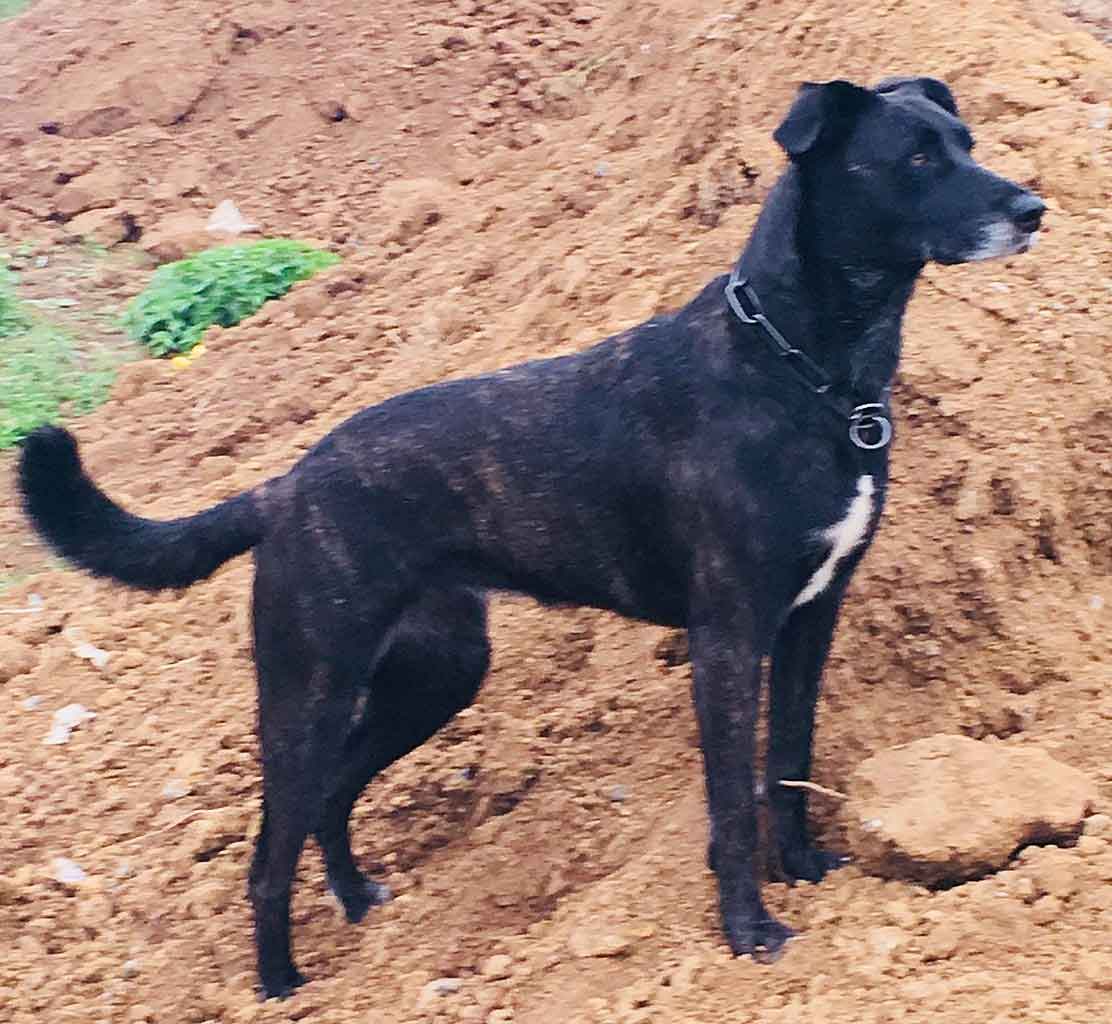
 Wikipedia.org
 Flickr: grancanverdino
 Flickr: grancanverdino
 Bardino.de
 The Bardino dog,a breed of dog in danger of extinction.
 Litter of the watertight- Bardino Majorero
 Majorero dog
 Majoreros dogs for the eleven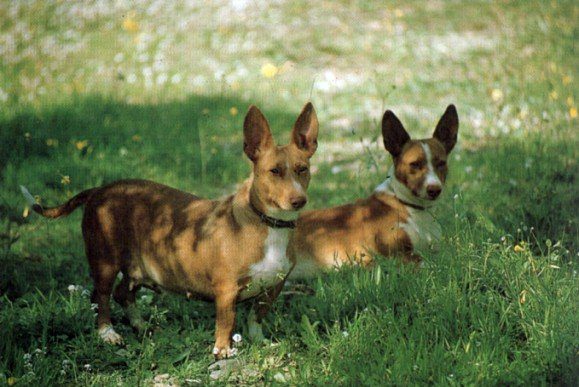


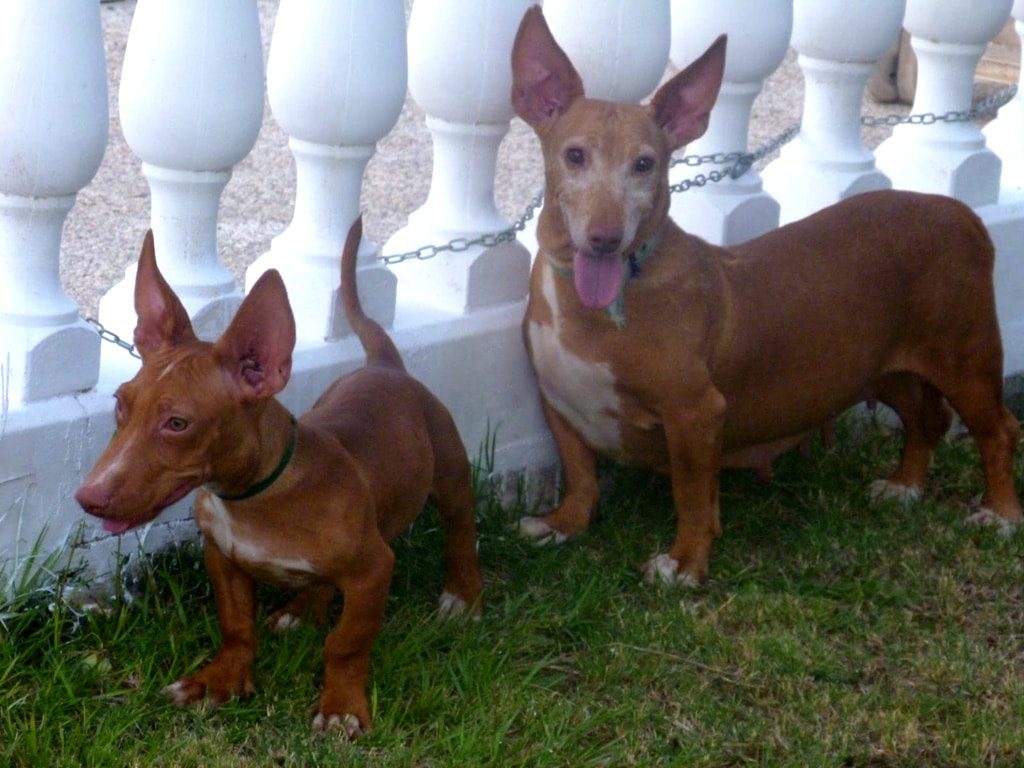
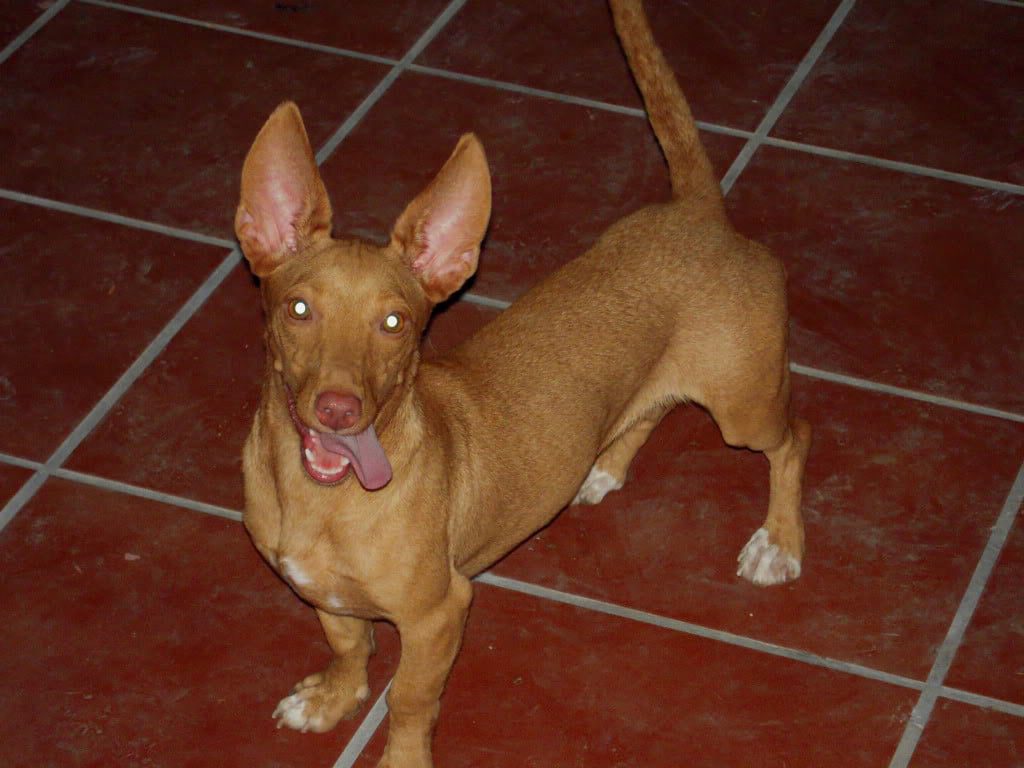
 Podencoworld: Oro, The Hound Maneto
 13-2 Rabbits with manetos_chunk_2.flv
 Manetos Villamayor 2 part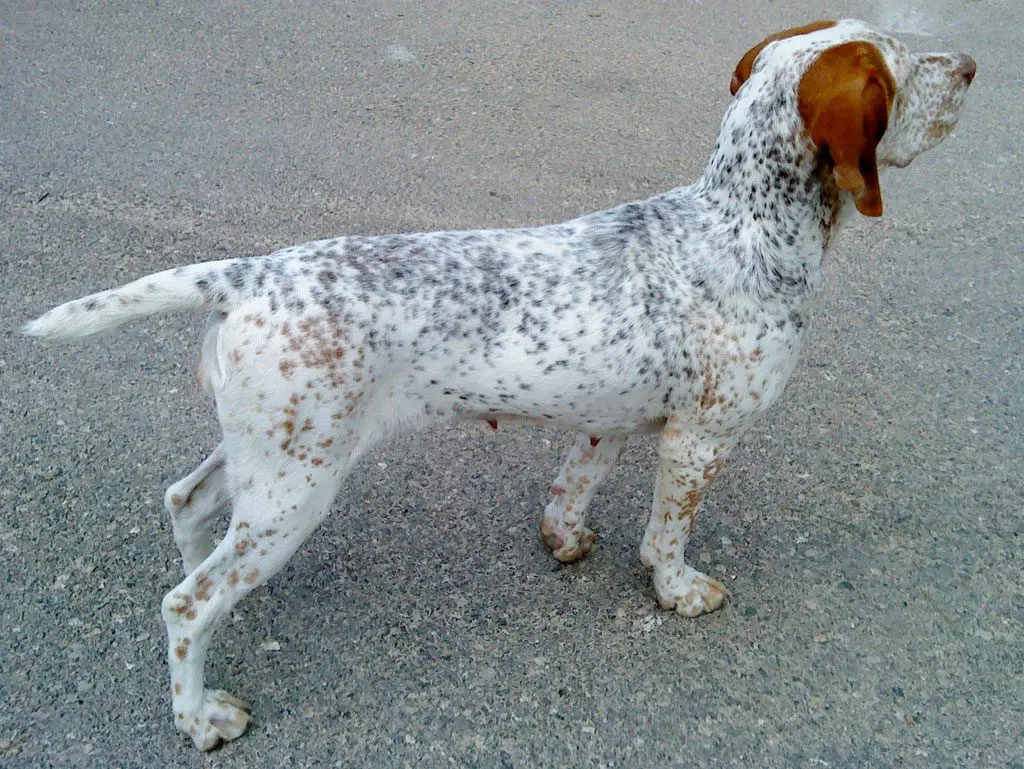
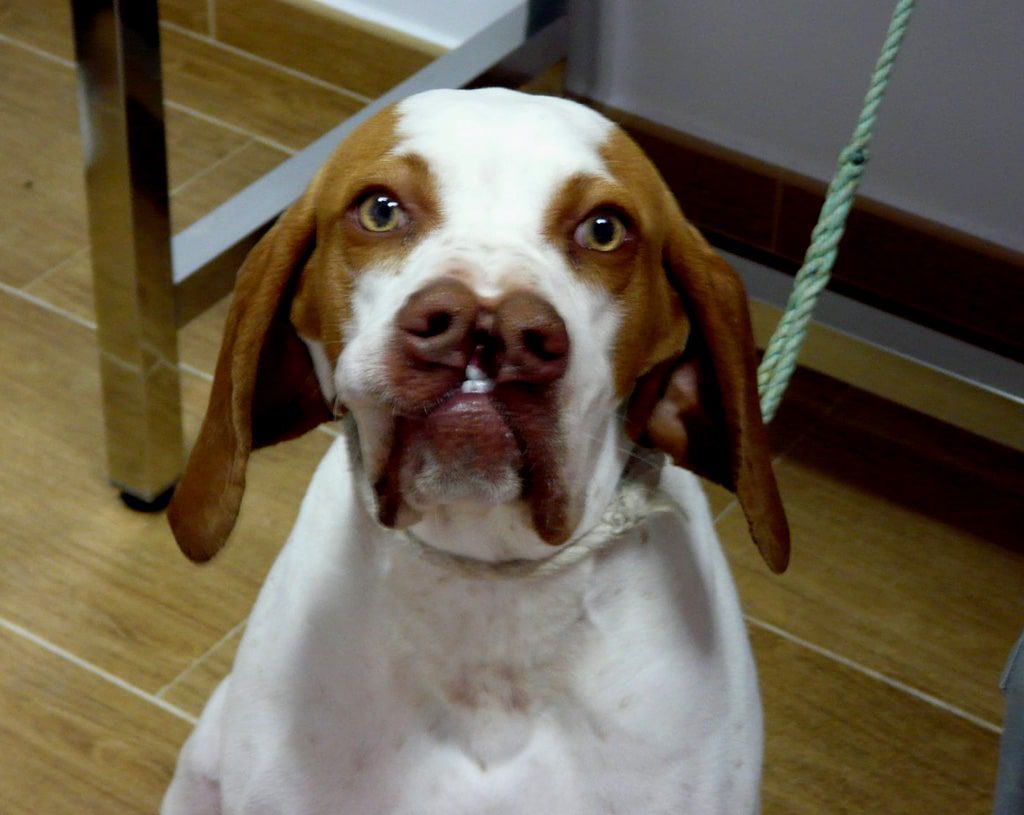


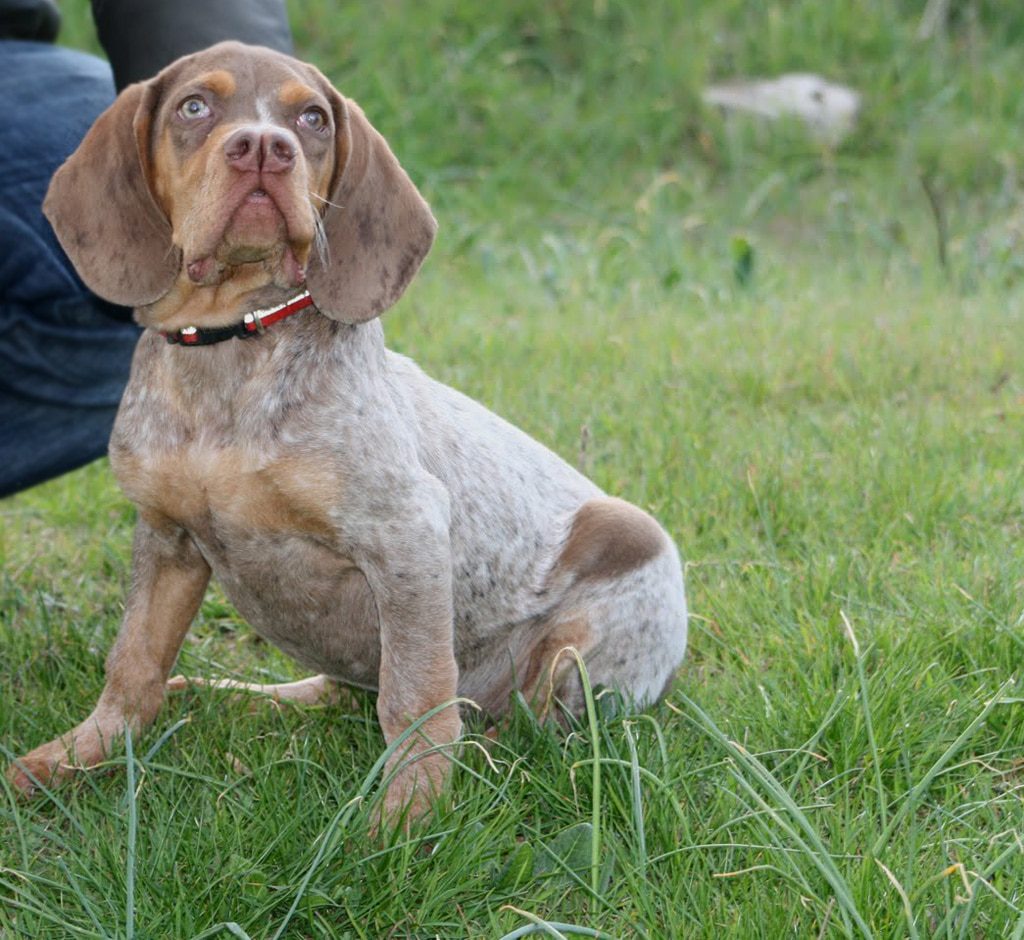

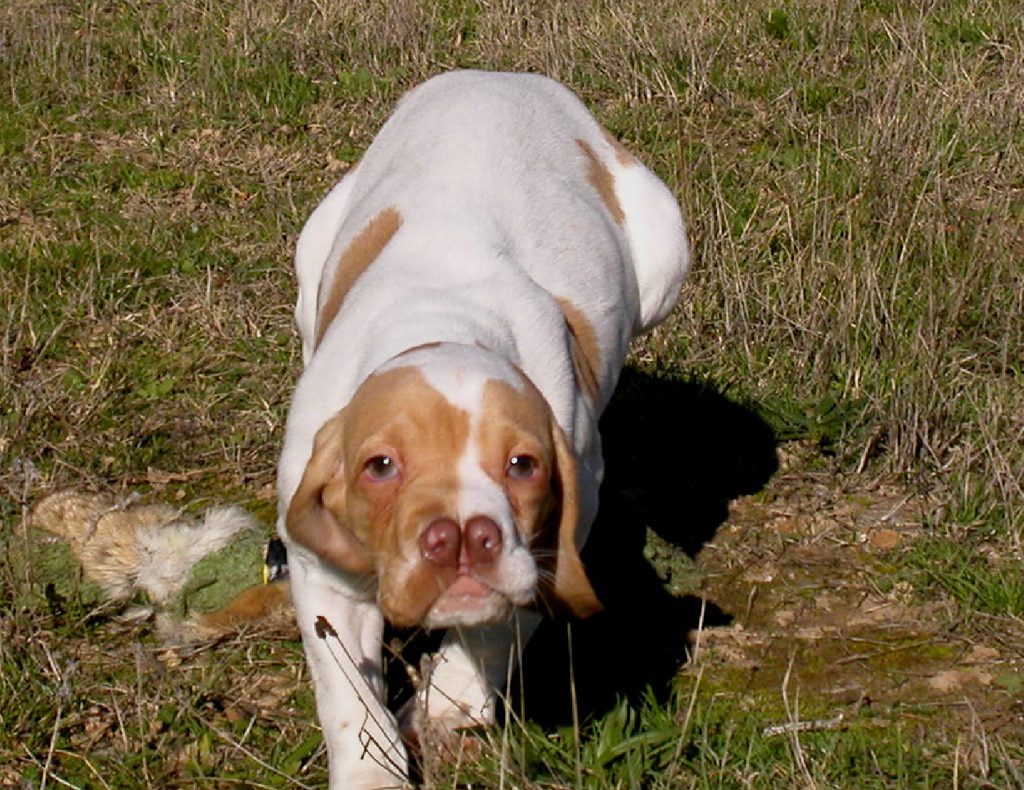
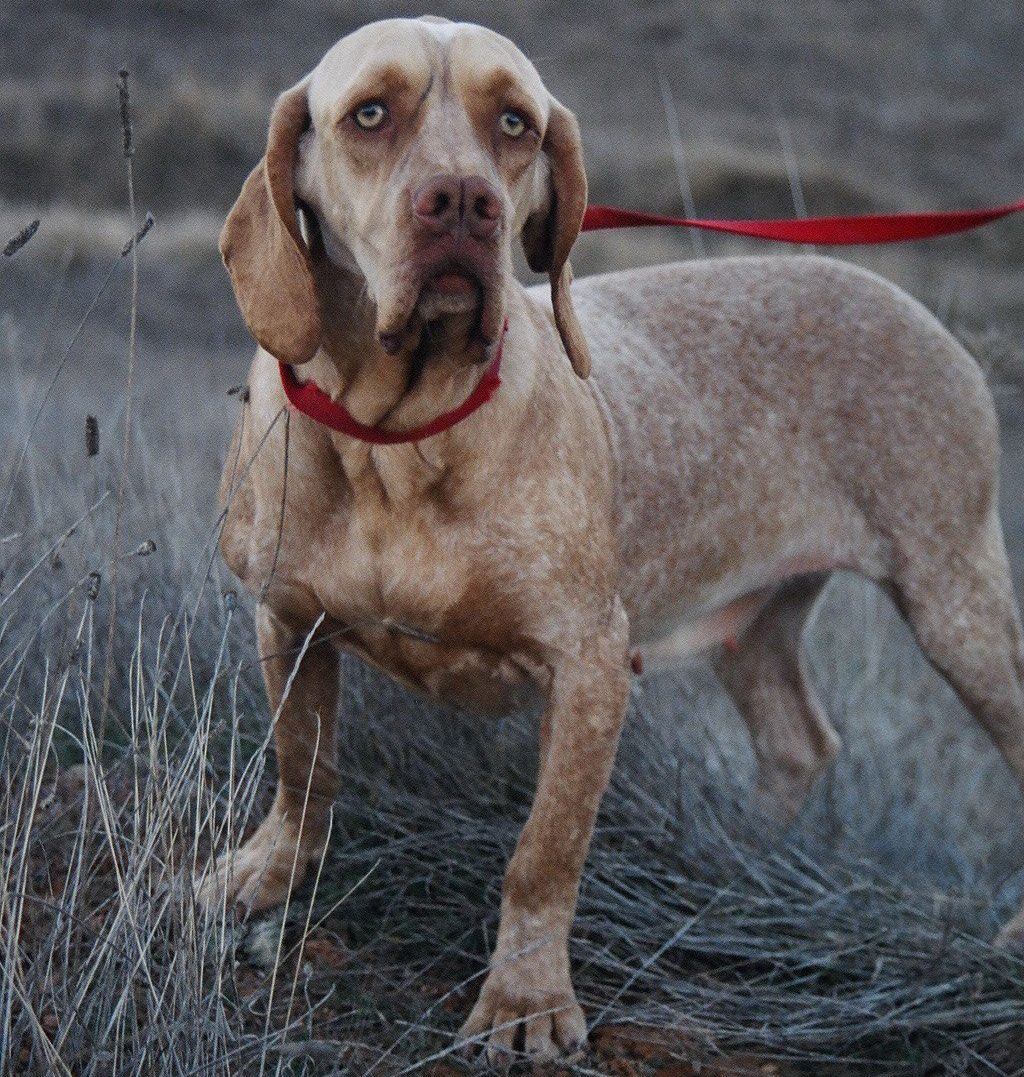
 Pachon navarro puppies 2
 Expocaza 2011 Presentation Pachon Navarro
 Pachon 6 months shows Partridge
 Pachon Popota

 Andalusian Hound, basic tricks!! xDD
 PART 1 ANDALUSIAN PODENCO, Zahira with 4 three weeks and months
 Poodle andaluzde Holy Christ
 Andalusian Hound





 The Spanish or Turkish Andalusian Spaniel from TVE
 Enchanted with water water dog puppies. theradana
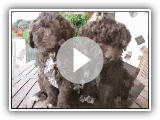 Spanish Water Dog (the intelligence of the race)
 Summer 2010, NIna, Tana and I