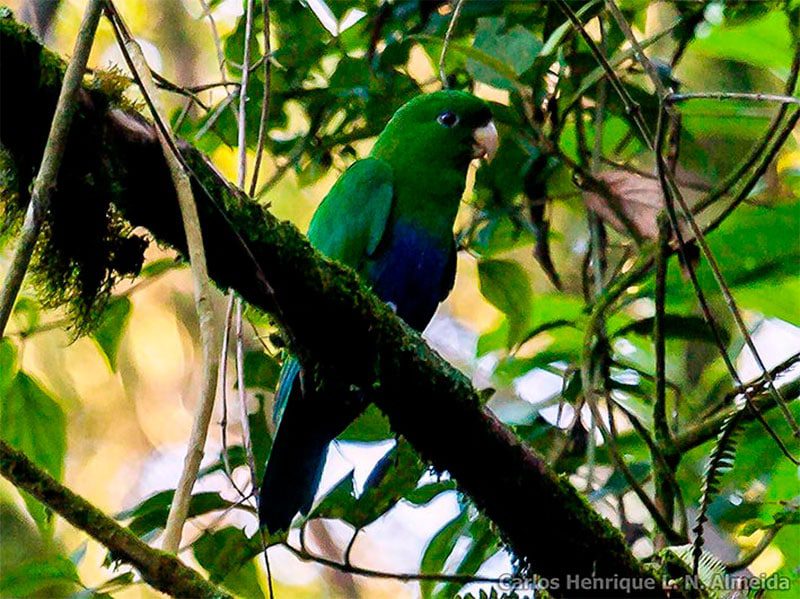
โ–ท The world of Pets: Dogs, cats, birds, reptiles, amphibians

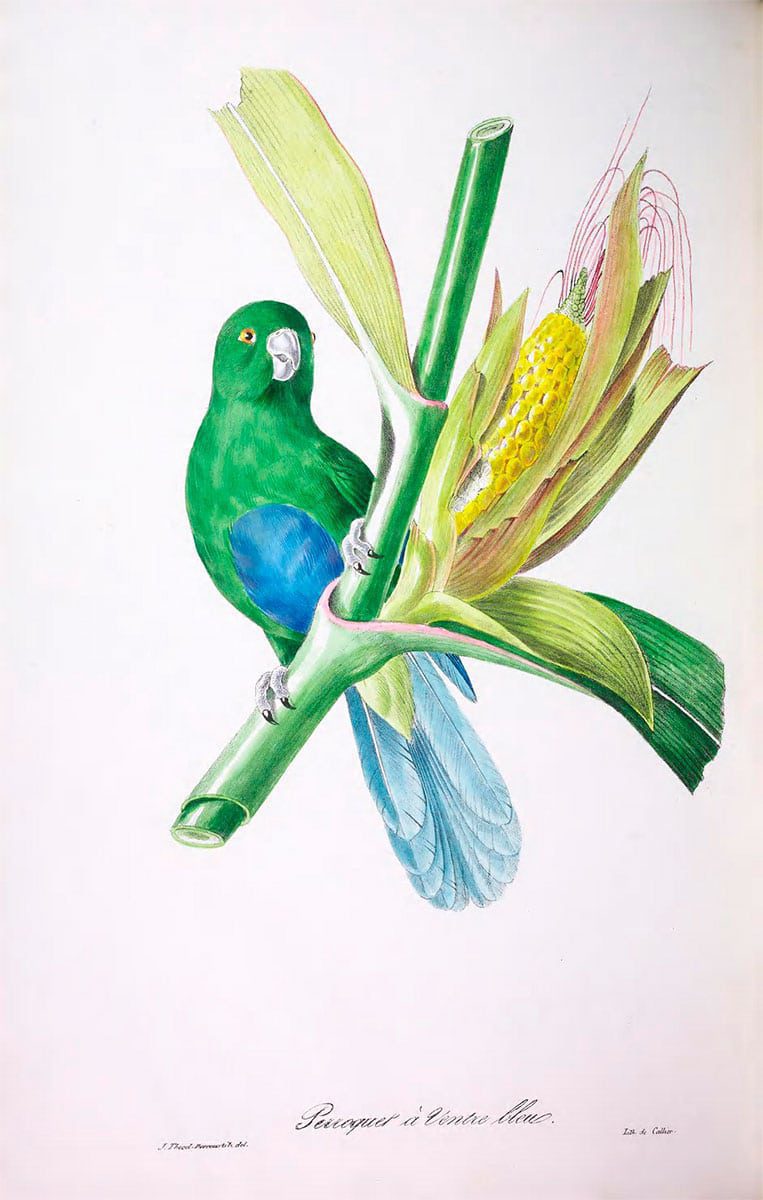
Shawl-collared Lorikeet
Trichoglossus rosenbergii

Shawl-collared Lorikeet

Content


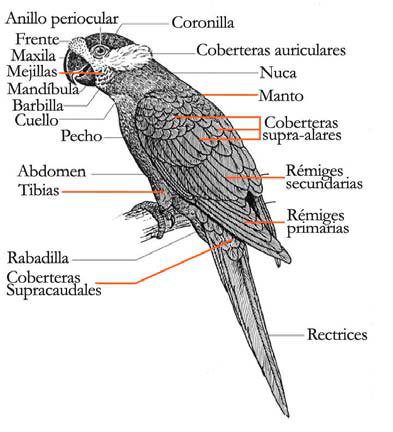
Anatomy-parrots

Description (1)

26 cm.. length and a weight between 132 and 150 gr.

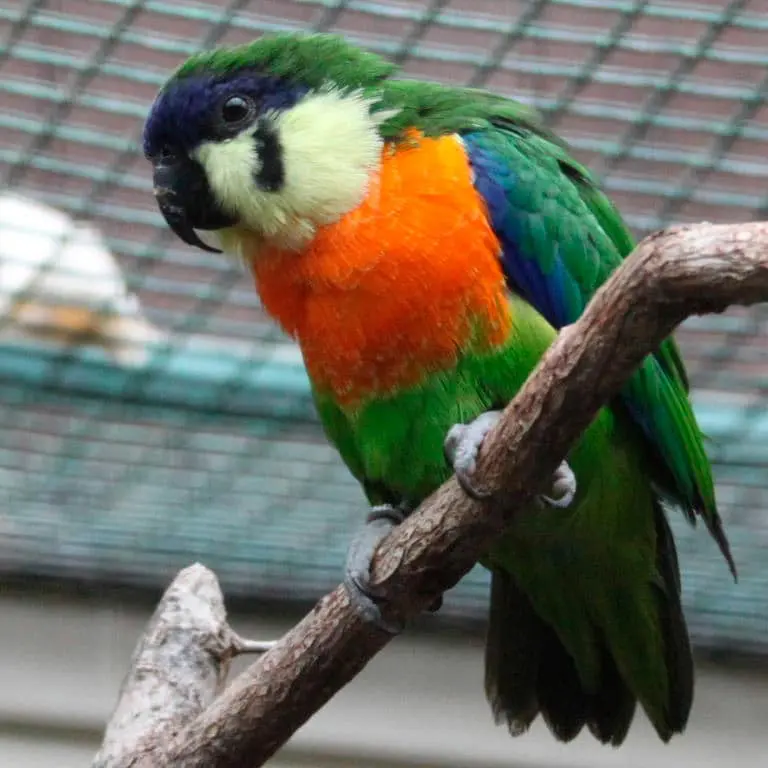
The Shawl-collared Lorikeet (Trichoglossus rosenbergii) is very similar to the Trichoglossus haematodus, but with a stronger blue in the head.

The edges of the breast feathers they are much wider, It has a broad yellow stripe on the neck, ending at the highest point with a red band narrow, their abdomen Violet is blue also has a wide orange stripe inside the flight feather.

The bill is red-orange. The irises They are orange-red and legs grey.

Variation of the nominal (Trichoglossus Haematodus).

Habitat:

They are in a wide range of habitats, including settlements in forests, coconut plantations, savannahs and mangroves.

In their natural habitats, They form small groups noisy that feed on the upper canopy. Often they are seen in mixed flocks with other species of parrots. At night, Community are hundreds of birds.

Son pollinators important species coconut.

Reproduction:

Within its natural range, usually they begin breeding between September and October – although breeding has been recorded in most months.

The average clutch it consists of 2 to 3 eggs. The female incubated eggs for about 24 to 27 days and the young become independent when they are about 80 days old.

Food:

Its diet natural It consists mainly nectar and pollen, but also it includes fruits like figs, citrus, papaya and mangoes open fruit bats. They may also feed on moth pupae and insects.

Distribution:

Distribucion-Lori-de-Biak
The reflection of both in the province of Papua, Indonesian.

Conservation:


Vulnerable

The Shawl-collared Lorikeet has a single small population, that can be seen to be decreasing as a result of the loss and degradation of forests, by agriculture and logging subsistence and perhaps also for the capture for trade. So, is qualified as Vulnerable.

The bird population is assumed that can range from 3000-4000 birds.

Alternative names:

Shawl-collared Lorikeet, Biak Lorikeet, Rainbow Lorikeet (Biak) (ingles).
Loriquet de Biak (French).
Biaklori (German).
Loris Arco-รris Rosenbergii (Portuguese).
Lori de Biak (espaรฑol).

scientific classification:

Order: Psittaciformes
Family: Psittaculidae
Scientific name: Trichoglossus rosenbergii
Citation: Schlegel, 1871
Protonimo: Trichoglossus Rosenbergii

Images "Shawl-collared Lorikeet"

————————————————————————————————

    (1) – Subspecies Coconut Lorikeet (Trichoglossus haematodus)

————————————————————————————————

"Both Lori" (Trichoglossus rosenbergii)


Sources:

Avibase
– BirdLife.org

Photos: Rosenbergโ€™s Lorikeet – animalphotos.me

โ–ท The world of Pets: Dogs, cats, birds, reptiles, amphibians

Blue-naped Parrot
Tanygnathus lucionensis


Blue-naped Parrot

Content


Anatomy-parrots

Description

31 cm.. length between 148 and 231 g. of weight.

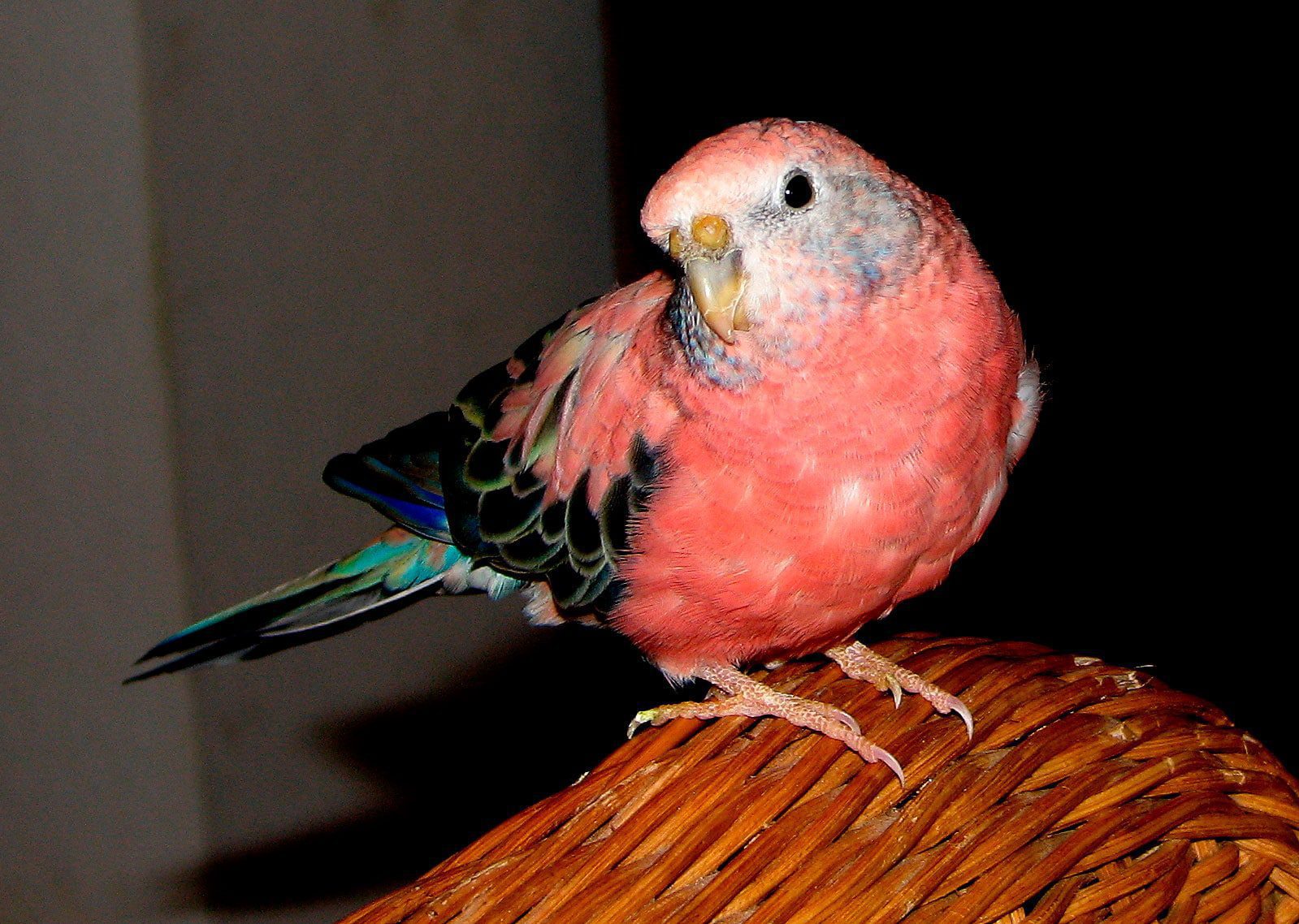
The Blue-naped Parrot (Tanygnathus lucionensis) has the head bright green with a clear bright blue diffusion through the back of the crown and nape.

Upperparts yellowish-green with pale blue illuminated on the back low and the tail; upper tail coverts brighter yellowish green.

Scapulars blue, with green edges; shoulder Black with small coverts Black bordered of blue-green and orange Green; median black and pale blue, large edges of opaque orange brown; greater coverts Blue-Green lined with orange-yellow in the feathers interiors.

Secondary Green with yellow and narrow margins; primaries Greens with vane blackish internal.

Wing feathers green, underside of primaries blackish.

Upper, the tail green, narrow edge and yellowish tip laterally; undertail, the tail yellowish brown opaque.

Bill red, paler at the tip and the lower jaw; irises yellow; legs grey.

Both sexes are equal.

Immature with less blue in the crown and more off the brands of the wings.

Subspecies:

  • Tanygnathus lucionensis lucionensis

    : The nominal.


  • Tanygnathus lucionensis hybridus

    : It has the most extended head blue, with violet tone. Their wings are greener.


  • Tanygnathus lucionensis talautensis

    : No blue in the obispillo and their plumage is less yellowish.


  • Tanygnathus lucionensis [salvadorii u horrisonus]:

Habitat:

Blue-naped Parrot

It is a bird of forests closed and open, including secondary growth, coconut plantations, patches of mangrove and banana to the 1.000 meters above sea level; and not so strongly linked to coastal habitats as the Great-billed Parrot. Is usually found in flocks of up to 12 individuals who sit in community and make regular flights at dawn and in the evening between the feeding and resting areas. Feeds on fruit trees.

Reproduction:

The breeding It has been observed in the months of April to June. Registered a nest the natural cavity or abandoned Woodpecker hole, often a clear. There is no data on the size of the laying.

Food:

Fruits and seeds of forest trees, Palm fruit, young coconuts, the banana and papaya.

Distribution:

The population of the Blue-naped Parrot distributes lengthwise of the Philippines and Talaud Islands, (Indonesian). Specific records found on the islands of Balut, Bantavan, Basilan, Biliran, Bohol, Bongao, Cagayan Islands, Calamian Islands, Caluya, Cebu, Cuimaras, Jolo, Leyte, Luzon, Maestre de Campo, Malanipa, Manuk Manka, Marinduque, Masbate, Mindanao, Mindoro, Blacks, Palawan, Surigao del Sur, Polillo Islands, Romblon, Samar, Sanga Sanga, Sarangani Islands, Samal, Sibay, Sibutu, Sibuyan, Siquijor, Tables, Tawitawi, Ticao, Tumindao and Verde (Philippines); Karakelong and Salibabu (Talaud).

Apparently, small groups of birds in Mantanani Kiss (Northwest Sabah), and SI-Amil (until 100 birds present in 1962) and Maratua off the northeast coast of Borneo; The existence of a wild population was also reported around Kota Kinabalu, (Sabah).

Occasional leaks occur in other parts, including the Sangir Islands.

The species was described as common in Salibabu in the Group of Talaud in 1978 (more numerous there than the Azure-rumped parrot) and they are still regularly seen there and in the nearby Karakelong during observations in 1995 (Numerous in a last record in 1997).

In other areas the species is rare. Recent records in Philippines they come mainly from Mindoro and Palawan, places that seem to be the bastion of the species.

Subspecies:

  • Tanygnathus lucionensis lucionensis

    : The nominal.

  • Tanygnathus lucionensis hybridus

    : (Salomonsen, 1952) – Present in Polillo island, to the North of Philippines.

  • Tanygnathus lucionensis talautensis

    : (AB Meyer & Wiglesworth, 1895) – Talaud Islands (North Moluccas).

  • Tanygnathus lucionensis [salvadorii u horrisonus]:

    (Ogilvie-Grant, 1896) – Philippines, (except North), but it can be rare or extinct on many islands. Also in some small islands off Northwest and northeast of Borneo (If Amil, Mantanani), where it was possibly introduced, especially on this last island.

Conservation:


Near-threatened


โ€ข Current category of the Red List of the UICN: Near threatened

โ€ข Population trend: Decreasing

The total population is provisionally estimated to be below the 10,000 specimens in 1993 (Lambert et to the. 1993).

The population is suspected to be in decline due to capture for the bird trade and habitat degradation from expansion and logging due to agricultural pressures..

Conservation Actions Proposed Palawan:

– Determine the impact of trade on the population of the species.
– Revise its estimate of the world population.
– Estimate the rates of decline based on the rates of deforestation within its range.
– Protect effectively important extensions of high forest with trees suitable to nest in key places throughout its distribution area, both in the areas of strict protection, such as multi-use areas.

"Blue-naped Parrot" in captivity:

pretty calm.
Occasionally available.

Alternative names:

Blue-naped Parrot, Blue naped Parrot (ingles).
Perruche de Luรงon, Perroquet ร  couronne (French).
Blaunackenpapagei, Blaunacken-Papagei (German).
Papagaio-de-nuca-azul (Portuguese).
Loro de Nuca Azul, Loro Nuquiazul (espaรฑol).

scientific classification:

Order: Psittaciformes
Family: Psittaculidae
Genus: Tanygnathus
Scientific name: Tanygnathus lucionensis
Citation: (Linnaeus, 1766)
Protonimo: Psittacus lucionensis

โ€œBlue-naped Parrotโ€ images:

Videos "Blue-naped Parrot"

————————————————————————————————

ยซLoro Nuquiazulยป (Tanygnathus lucionensis)

Sources:

Avibase
– Parrots of the World โ€“ Forshaw Joseph M
– Parrots A Guide to the Parrots of the World – Tony Juniper & Mike Parr
Wikipedia
– Birdlife

Photos:

(1) – By Quartl (Own work) [CC BY-SA 3.0], via Wikimedia Commons
(2) – By Joelle Rene Hughes (originally posted to Flickr as jr_parrot10) [CC BY 2.0], via Wikimedia Commons
(3) – WILD BIRDS of the PHILIPPINES – Subic rainforest, Bataan, December 5, 2007 by Romy Ocon
(4) – By TJ Lin [CC BY-SA 2.0], via Wikimedia Commons
(5) – ยซTanygnathus lucionensis qtl2ยป by QuartlOwn work. Licensed under CC BY-SA 3.0 via Wikimedia Commons.
(6) – ยซโ€ฏTanygnathus lucionensis – Barrabandโ€ฏยป. Licensed public via domain Wikimedia Commons.

Sounds: Arend Wassink (Xeno-canto)

โ–ท The world of Pets: Dogs, cats, birds, reptiles, amphibians

Blue-headed Macaw
Primolius couloni


Guacamayo Cabeciazul

Content

Description:

Of 41 cm.. in length and a weight that varies between 207 and 294 g..

The rare and beautiful Blue-headed Macaw (Primolius couloni), with its striking and vivid plumage green and blue, Unfortunately, now hardly seen in nature.

As its common name indicates, the head is blue, the forecrown with a narrow band of black color that will fade in blue on the area of the crown; the ear-coverts and both sides of the neck are blue, fading to green in the area of the nape. Upperparts olive green with light tint in the tail and in the uppertail-coverts. Small, large and medium-sized coverts green interiors; the large coverts Blue exterior. The flight feather are blue top (with a bit of green in high schools), by below, Yellow olive. Underparts green, slightly more yellow than the upper. The upper part of the tail is an intense Brown, while the underparts is yellowish-green.

The bill is black, Ivory at the end; the bare skin of the lores and the top of the cheeks it is gray with a bluish tint and crossed in front by very small lines of black feathers: the irises yellow; legs grayish pink.

Both sexes are similar, the male, possibly, largest average.

The immature with the irises dark. The bill is completely black and the legs more grey. The skin of the face and lores (area between the beak and eyes) is white. Depending on your age, have queues shorter.

NOTE:

    In close relationship with the Yellow-collared Macaw (Primolius auricollis) and the Blue-winged Macaw (Primolius maracana); it has sometimes been considered congeneric with the latter. monotypic.

Habitat:

The Blue-headed Macaw distributed by humid tropical forests, at altitudes between 150 and 1,550 m. They prefer habitats altered or partially open, mainly in forest edges along rivers, in the clearings and in partially wooded areas surrounding; There are also records of these macaws in marshy areas of forest with Mauritia Palms.

This species prefers possibly the wooded foothills of lowlands.

He is not very sociable: The flocks with the largest number of individuals appear between June and October, usually traveling in pairs or groups of three individuals; apparently, not associated with the Chestnut-fronted Macaw.

Reproduction:

Known that the reproduction of these birds is correlated with the period of greatest abundance of food due to the breeding of pigeons (before and after leaving the nest) It requires a lot of energy expenditure.
There are no records of their reproductive period, However there has been during the months of April to June shown to the parents with their chicks and that in Peru, species Mauritia flexuosa "guaje" and Dipterix odorata "odorata" are key to its reproduction.

In captivity they reproduce couples chosen by them and have of two to three eggs, two chicks being generally viable.

Food:

The Blue-headed Macaw they feed mainly on seeds, mature and immature fruit, and flowers, occasionally supplemented with bark and other inputs.

Unlike many other birds, the parrots of the New world They seem to not be able to modify your diet to predominately insectivorous, reason why they are intimately linked to the patterns of flowering and fruit production (Brightsmith et to the, 2008). They have a strong dependency of the colpas clay.

Distribution:

Distributed by the Western basin of the amazon at the West end of Brazil (in Acre, from time to time), Peru Eastern and in the Northwest corner of Bolivia.

In Peru are known from the top of the Valley of the Huallaga River in Loreto, San Martin and Huanuco (including the outskirts of Tingo Maria), in a town on the eastern slope of the National Park of the Sierra of the Divisor in the basin Ucayali, in the basins of the Curanja River and Purus River, in the Apurimac River in the Cuzco and Mother of God to the West of Puerto Maldonado, around Puerto Maldonado and the Tambopata River to 50 km of the border with Bolivia; You can see in the Manu National Park.

In Bolivia have been found in Peace and perhaps in the South of Beni with indications that the birds are distributed regularly to the South, in the Eastern foothills of the Andes to the South of Bolivia.

Local and erratic in its distribution, but apparently quite common in some places. Perhaps the enlargement of its range is fairly limited in the southwest of the Amazonia due to the degradation of forests.

Rare in captivity.

Conservation:


Vulnerable

โ€ข Red List category of the UICN current: Vulnerable

โ€ข Population trend: Decreasing

Until recently it was considered quite common., but a review in 2006 by BirdLife International suggested that it was rare, with a decrease in the total population to the 1.000-2.500 individuals. Thus, has been placed in the category in danger of extinction in the 2007 (Red list of the UICN).

Parts of the distribution of this species are still little known, but Tobias and Brightsmith (2007) It has been suggested that the previous estimates were too low, with the most probable real number of 9.200 to 46.000 mature individuals. It is suggested that vulnerable could be a more appropriate category for this species.

The Blue-headed Macaw It is commonly found in the markets of Brazil, still valuable, prices above the 12.000 $, and in high demand due to their rarity.

OBJECTIVES:

Information about the actual state of conservation of the species. It also, This project, that is being conducted under a partnership with the Government of Peru, includes other project, in this case for the conservation of the Grey-cheeked Parakeet, classified as "endangered".

STRATEGIES:

The two projects include the definition of methods for determining the density of populations in key places, the evaluation of the level of the illegal trade in birds, and the promotion of the local social consciousness in relation to the illicit traffic of these species.

ACTIONS:

The field team is carrying out assessments of populations and habitat analysis, and at the same time they updated the assessment of the threats weighing on the two species. The general population trend of the Blue-headed Macaw is one very gradual decrease, but it seems that the species can withstand certain levels of their forest habitat change. By censuses in consecutive years, the population of the Grey-cheeked Parakeet It has not undergone further decline despite the severe fragmentation of the preferred dry forest.

"Blue-headed Macaw" in captivity:

Very rare in captivity.

Couples are formed according to the preferences of the copies, couples chosen by the breeder will not work. The diet is based on the seasonal fruits and vitamin supplements.

The Parque de las Leyendas Zoo in Peru, captive breeding, It has no objective reproduction but the exhibition of animals that are twelve in total. Births have been but manualรข studies have not been performed. In the month of March to April of the 2010, This project through the SERNANP with scientific staff of the aforementioned zoo, he carried out the biometric studies of this species and established the protocols for the reproduction studies.

Are no data about your longevity, Although similar species such as the Blue-winged Macaw have records having lived 31 years in captivity and having raised from the 6 years of age.

The illegal traffic This species is a serious problem that affects their conservation.

Alternative names:

Blue-headed Macaw, Blue headed Macaw, Coulon’s Macaw (English).
Ara de Coulon (French).
Blaukopfara (German).
maracanรฃ-de-cabeรงa-azul (Portuguese).
Guacamayo Cabeciazul, Maracanรก de Cabeza Azul, Guacamaya cabeza azul (espaรฑol).
Parabachi cabeza azul (Colombia).
Guacamayo de Cabeza Azรบl (Peru).

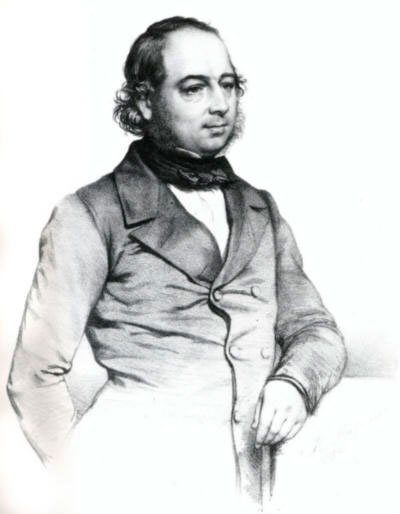
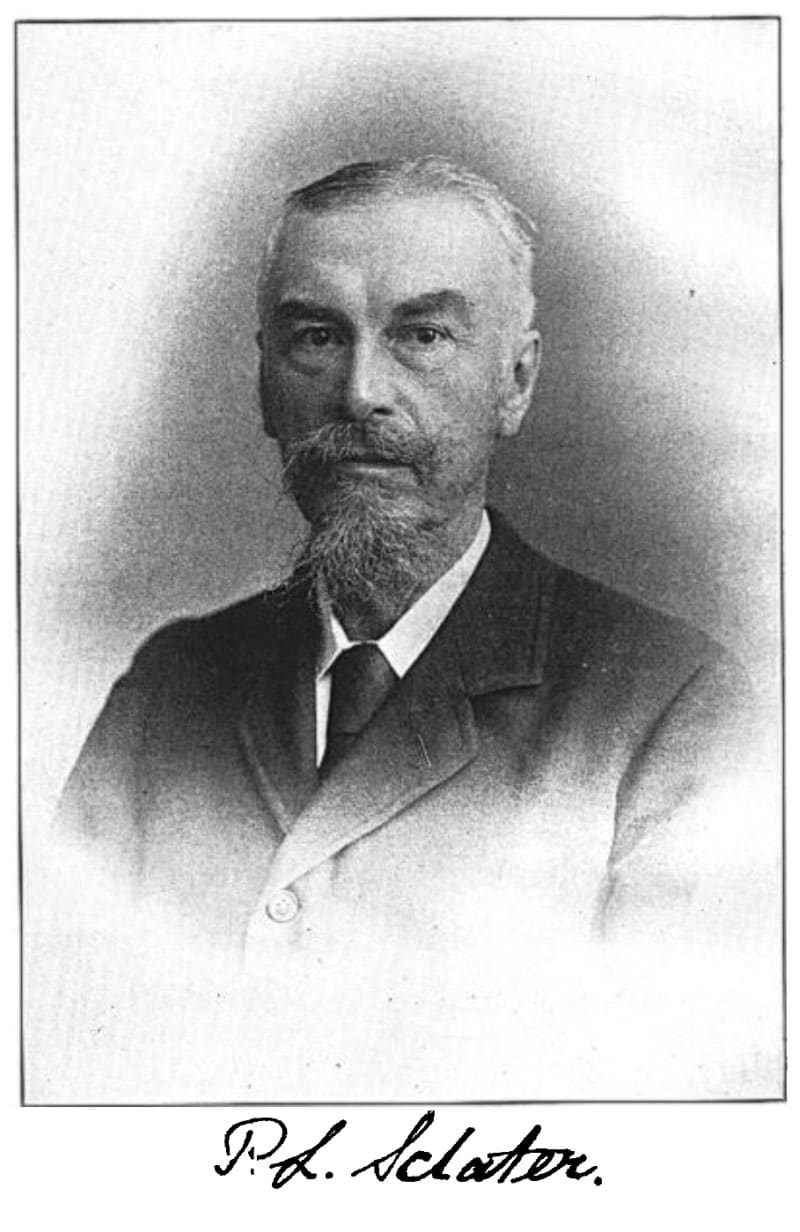
Philip Sclater
Philip Sclater

scientific classification:


Order: Psittaciformes
Family: Psittacidae
Genus: Primolius
Scientific name: Primolius couloni
Citation: (Sclater, PL, 1876)
Protonimo: Ara couloni


Images Blue-headed Macaw:

Videos "Blue-headed Macaw"

————————————————————————————————

ยซBlue-headed Macawยป (Primolius couloni)


Sources:

Avibase
– Parrots of the World โ€“ Forshaw Joseph M
– Parrots A Guide to the Parrots of the World – Tony Juniper & Mike Parr
– Birdlife

Photos:

(1) – Blue-headed Macaw in the Walsrode Bird Park, Germany By Quartl (Own work) [CC BY-SA 3.0], via Wikimedia Commons
(2) – Blue-headed Macaw (also known as Coulonโ€™s Macaw) in captivity at Walsrode Bird Park, Germany By Robert01 (Self-photographed) [CC BY-SA 3.0 of], via Wikimedia Commons
(3) – Blue-headed Macaw (Primolius couloni) at Jungle Island of Miami By DickDaniels (http://carolinabirds.org /) (Own work) [GFDL or CC BY-SA 4.0-3.0-2.5-2.0-1.0], via Wikimedia Commons
(4) – Moscow Zoo. Blue-headed Macaw (Ara couloni, syn. Primolius couloni) By Andrey Korzun (Kor!An) (Own work) [GFDL or CC BY-SA 3.0], via Wikimedia Commons
(5) – Ara couloni – Wikipedia

Sounds: (Xeno-canto)

โ–ท The world of Pets: Dogs, cats, birds, reptiles, amphibians

Maroon-bellied Parakeet
Pyrrhura frontalis

Maroon-bellied Parakeet

Content

Description:

24-28 cm.. length and 72-94 g. of weight.

The Maroon-bellied Parakeet (Pyrrhura frontalis) has a frontal band matte red close with a few more bright red feathers behind cere; lores blackish; feathery cheeks and crown, greyish green blackish tips; ear-coverts olive green.

The upperparts They are green grass with a small area reddish at the bottom of the back. Primary coverts bluish green; wing-coverts grass-green, some feathers sometimes with olive tint. Primaries blue in the outerweb. green in the innerwebs, with dark tips; secondaries, mainly green. Sides of neck, throat and chest, brown olivรกceo, feathers subterminally brown and black black tips, giving the whole a scalloped effect; lower breast green with a patch brown in the center of belly; flanks, the thighs and undertail-coverts, green. Upper, green tail in basal half, Shaded bronze to reddish tones on the tips; below, the tail is opaque brown.

Maroon-bellied Parakeet

Bill grey, sometimes paler in base mandible; yellow cere; bare periophthalmic whitish grey; irises dark brown; legs dark gray.

Both sexes are similar. The incipient brown lacks the belly. Immature paler than adult with irises darker.

Taxonomic note:

Closely related to Blaze-winged Parakeet (Pyrrhura devillei), with which it can be conspecific (populations or races that belong to the same species). It has been suggested that the species may also be conspecific with Green-cheeked Parakeet (Pyrrhura molinae).

  • Sound of the Maroon-bellied Parakeet.

Description 2 subspecies:

  • Pyrrhura frontalis chiripepe

    (Vieillot, 1818) – As the nominal, but the upper surface of the tail It is completely green olive. Some orange-red markings on the bend of wing in some birds.


  • Pyrrhura frontalis frontalis

    (Vieillot, 1818) – Subspecies nominal.

Habitat:

Video – "Maroon-bellied Parakeet" (Pyrrhura frontalis)

Pyrrhura frontalis / red forehead snipe / Marron bellied Parakeet

The Maroon-bellied Parakeet They extend through several forest habitats, forests, margins and marshy habitats, including the remaining patches Araucaria (for example, in Rio Grande do Sul). In the Paraguayan Chaco They seem almost confined to coastal areas of growth over the Paraguay River and its main tributaries. In Southeast Brazil They are mainly distributed in the highlands, to 1.400 meters above sea level; in other parts of the lowlands up near 1.000 m, where they are generally tolerant to disturbance, even reaching visit urban parks in the city of Assumption, Rio de Janeiro and Sรฃo Paulo, and feeding in gardens (Rio Grande do Sul). gregarious, usually in flocks of 6-12 birds (until 40).

Reproduction:

They nest in the cavity of the trees. The breeding season It covers the months from October to December. Clutch 5-6 eggs.
The female incubated one for almost 30 days. The young leave the nest after about 45 days, after which they continue to be fed for some time by the two members of the couple.

Food:

In Southeast Brazil, Their diet includes pulp of Euterpe edulis, seeds of Schinus, Xylopia, Cecropia, Croton, Miconia, ficus, Psidium and Pinus; flowers of Ambrosia and Vernonia and aryl of Protium; elsewhere, the Araucaria It is a very important food source, for example in southern Brazil; also they feed dried fruits and fruits of Campomanesia xanthocarpa and Podocarpus lambertii; homoptera sheets Persea pyrifolia and fly larvae. The orange and corn crops sometimes they suffer from their visits, but depredations were lower compared to the damage caused by the Parrot Argentina (Myiopsitta monachus) in cornfields.

Distribution and status:

Size of its range (reproductive / residents): 2.690.000 km2

The Maroon-bellied Parakeet It is endemic in Southeast South America, from the southeast of Brazil to the North of Argentina.

In Brazil They can be observed from south Bay ,through coastal states, until Rio Grande do Sul, and west, in the southeast of Minas Gerais, Brazil and South of Mato Grosso, through Paraguay (extension of records suggests its presence throughout the west end), North of Uruguay and North of Argentina, in Missions, Currents, Formosa, Chaco and sporadically in the past, in the North of Santa Fe (a population in Buenos Aires probably descended from leaks), and southeastern Bolivia.

Resident. Locally common to very common (for example, in Missions) but rare elsewhere (for example Currents) and extinguished in places due to conversion of forests for agriculture.

With He commercialized in large quantities with substantial late eighties exports averaging over 5.000 birds per year. There is a large captive population.

Distribution 2 subspecies:

  • Pyrrhura frontalis chiripepe

    (Vieillot, 1818) – Central and southern Paraguay, northern Uruguay and northern Argentina.


  • Pyrrhura frontalis frontalis

    (Vieillot, 1818) – Subspecies nominal. Southeastern Brazil from southern Bahia to Rio Grande do Sul including southeastern Minas Gerais and south and southeast of Mato Grosso.

Conservation:

State of conservation โ“˜


minor concern Minor Concern โ“˜ (UICN)โ“˜

โ€ข Red List Category: Least concern

โ€ข Population trend: Stable.

Rationale for the Red List category

This species has a extremely large range and, therefore, it does not approach the thresholds for Vulnerable at the discretion of the distribution area size (Extension <20,000 km2 combinada con un tamaรฑo de rango decreciente o fluctuante, extensiรณn o calidad del hรกbitat o tamaรฑo de poblaciรณn y un pequeรฑo nรบmero de lugares o fragmentaciรณn severa). La tendencia de la poblaciรณn parece ser estable, por lo que la especie no se aproxima a los umbrales de Vulnerables bajo el criterio de tendencia poblacional (> 30% decline over ten years or three generations). The population size has not been quantified, but it is not believed to be close to the thresholds for Vulnerable under the criterion of population size (<10.000 individuos maduros con un declive continuo estimado> 10% in ten years or three generations or a population structure). For these reasons, the species is evaluated as least concern.

Justification of the population

The size of the world's population has not been quantified, but this species is described as ยซcommonยป (Stotz et to the., 1996).

Justification of trend

They suspected that the population is stable in absence of evidence of any decline or threatens substantial.

Threats

The species has been marketed strongly: from 1981, when it was included in Appendix II of CITES, 52.523 individuals captured in the wild have been recorded in international trade (Trade database of UNEP-WCMC CITES, January 2005).

"Maroon-bellied Parakeet" in captivity:

The species is listed in Appendix II of the CITES.

There is a large captive population. They are intelligent birds, friendly and active. Readily they adapt to human contact and are easy to train. They are among the quietest cotorras, but its powerful high-pitched voices can become very annoying. Like other parakeets, They tend to express emotion with a series of loud cries, chillidos.

Alternative names:

Maroon bellied Parakeet, Maroon Parakeet, Maroon-bellied Conure, Maroon-bellied Parakeet, Reddish-bellied Parakeet, Scaly-breasted Parakeet (English).
Conure de Vieillot, Conure ou, Perriche de Vieillot, Perruche ร  oreillons bruns, Perruche d’Azara, Perruche de Vieillot (French).
Braunohrsittich, Braunohr-Sittich (German).
cara-suja, periquito, tiriba, Tiriba-de-testa-vermelha, tiriva (Portuguese).
Chiripepe, Chiripepรฉ, Chiripepรฉ cabeza verde, Chiripepรฉ de cabeza verde, Cotorra Chiripepรฉ, Perico de Vientre Rojo (espaรฑol).


scientific classification:

Vieillot, Jean Pierre Louis

Order: Psittaciformes
Family: Psittacidae
Genus: Pyrrhura
Scientific name: Pyrrhura frontalis
Citation: (Vieillot, 1818)
Protonimo: Psittacus frontalis

Images Maroon-bellied Parakeet:


Especies del gรฉnero Pyrrhura

Sources:

Avibase
– Parrots of the World โ€“ Forshaw Joseph M
– Parrots A Guide to the Parrots of the World – Tony Juniper & Mike Parr
– Birdlife

Photos:

(1) – RED-BROWN TIRIBA Botanical Garden of Sรฃo Paulo By Dario Sanches [CC BY-SA 2.0], via Wikimedia Commons
(2) – Maroon-bellied Conure (Pyrrhura frontalis) on a wooden stump. Botanical Garden of Sรฃo Paulo By Dario Sanches [CC BY-SA 2.0], via Wikimedia Commons
(3) – Pyrrhura frontalis Ilhabela-SP By Dario Sanches from Sรฃo Paulo, Brazil (Maroon-bellied parakeet ( Pyrrhura frontalis)) [CC BY-SA 2.0], via Wikimedia Commons
(4) – Maroon-bellied Conure (Pyrrhura frontalis) – Sรฃo Paulo Forest Garden By Dario Sanches [CC BY-SA 2.0], via Wikimedia Commons
(5) – Pyrrhura frontalis – Track dos Tucanos – Tapirai-SP IBA: Paranapiacaba Forest Massif By Jairmoreirafotografia (Own work) [CC BY-SA 4.0], via Wikimedia Commons
(6) – Parrots A Guide to the Parrots of the World โ€“ Tony Juniper & Mike Parr

Sounds: Gustavo Luz, XC344423. accessible www.xeno-canto.org/344423

โ–ท The world of Pets: Dogs, cats, birds, reptiles, amphibians

Coconut Lorikeet (massena)
T. haematodus massena


Coconut Lorikeet (massena)

Content

Description (1)

25 cm.. length.

The Coconut Lorikeet (massena) (Trichoglossus haematodus massena) is a variation of the nominal (Trichoglossus Haematodus).

The plumage is similar to the of the Ornate Lory except that it is usually paler. The head is blue, ending at the nape with dark brown feathers interspersed with more Brown clear. The chest is reddish color with a narrow dark blue edging. In some cases, You can see some yellow zones in chest plumage. The abdomen is green; but there may be some kind of marking on the lower abdomen blue-violet.

The eyes are orange brown in juveniles and adult. The beak is orange-red.

Distribution:

Bismarck Archipelago, Solomon Islands and Vanuatu.

Conservation:

This species is endangered due to habitat loss and capture for the pet trade.

Alternative names:

Coconut Lorikeet (massena) (ingles).
Loriquet ร  tรชte bleue (massena) (French).
Allfarblori (massena) (German).
Lรณris-arco-รญris (massena) (Portuguese).
Lori Arcoiris Massena, Tricogloso de Pecho Rojo (massena) (espaรฑol).

scientific classification:

Order: Psittaciformes
Family: Psittaculidae
Scientific name: Trichoglossus haematodus massena
Genus: Trichoglossus
Citation: Bonaparte, 1854
Protonimo: Trichoglossus massena

————————————————————————————————

    (1) – Subspecies Coconut Lorikeet (Trichoglossus haematodus)

————————————————————————————————

ยซLori Arcoiris Massenaยป (Trichoglossus haematodus massena)


Sources:

Avibase

Photos: animalphotos.me

โ–ท The world of Pets: Dogs, cats, birds, reptiles, amphibians

Black-lored Parrot
Tanygnathus gramineus

Black-lored Parrot

Content


Anatomy-parrots

Description

40 to 42 cm. long.

The Black-lored Parrot (Tanygnathus gramineus) It has a green head with a black line that goes from the top of the beak to the eyes.; steeped in turquoise blue Crown. The upper parts of green grass.

The medium-sized wing coverts, green; flight feather, green, a little darker, with blackish margins to the vane inner. Supracaudales coverts yellowish-green. The more underparts, more yellowish green, especially in the lower part of the cheeks and upper part of the chest. Upper, the Green tail with yellow tips; undertail, the Brown tail olive warm.

Billed red; iris yellow ; greyish legs.

Female with the grey brown peak, not red.

Immature undescribed.

Habitat:

Information is received for the first time of the Black-lored Parrot Thanks to ornithologist side Hendrik Cornelis Sieber (1890-1949) in 1930.

Very little of this species is known. Is distributed in mountain forests above 600-700 meters and also, according to sources, in the lowlands, hills and coastal areas. It is partially nocturnal, although sightings of birds perched on treetops during the day, They show that, similar to the Azure-rumped parrot, they can also be active during the day.

Migration is relatively weak and there are only a few reports of parrots flying to high altitudes during the day and descending at night., Judging from their voices.

Reproduction:

There is no data.

Food:

Possibly fruits, berries, seeds and nuts

Distribution:

Endemic to Buru, Indonesian.

Bird predominantly occupies the central part, High Island, where according to sources, There are settlements in Gunung Tagalago, WA Temun and Kunturun, at elevations of 700-1100 m, also in the lowlands of the South in Fรคkal, EHU and Leksula. There was a sighting of these parrots near Kayeli Bay on the eastern shores of Buru. Most recent observations made outside North (Waflia) and (Wamlana) Northwest Coast.

The voice of the Black-lored Parrot is heard frequently in Kunturun, mostly 1-7 hours after the sunset, where the locals call the bird ยซThe ol' blue cockatooยซ, which means Blue-headed Parrot. But, was caught during the day with slingshots in fruit trees, suggesting that his activity is not purely night.

Conservation:


Vulnerable


โ€ข Current category of the Red List of the UICN: Vulnerable

โ€ข Population trend: Decreasing

The population is estimated at 2,500-9,999 mature individuals based on an assessment of the known records, descriptions of the abundance and range size. This estimate is equivalent to 3,500-15,000 specimens.

There are no data on trends for this species and has not been seen in the wild since 1995. Their habitat continues to decline slowly and were recorded in domestic trade in the year 2001. So, the population of the species is suspected of have been declining.

Conservation Actions Proposed:

– Conduct surveys, mostly using their vocalizations at night, mainly in the mountain areas.
– Investigate their ecological requirements and movements in order to develop appropriate conservation strategy.
– Identify the most suitable area for the conservation of this and other endangered species in Buru, and promote its establishment as protected areas.

"Black-lored Parrot" in captivity:

Unknown outside the island of Buru

Alternative names:

Black-lored Parrot, Black lored Parrot, Blacklored Parrot, Buru Parrot (ingles).
Perruche de Buru, Perruche ร  calotte bleue (French).
Burupapagei, Buru Papagei (German).
Tanygnathus gramineus (Portuguese).
Loro de Buru (espaรฑol).

scientific classification:

Order: Psittaciformes
Family: Psittaculidae
Genus: Tanygnathus
Scientific name: Tanygnathus gramineus
Citation: (Gmelin, JF, 1788)
Protonimo: Psittacus gramineus

Images "Black-lored Parrot"

————————————————————————————————

ยซLoro de Buruยป (Tanygnathus gramineus)

Sources:

Avibase
– Parrots of the World โ€“ Forshaw Joseph M
– Parrots A Guide to the Parrots of the World – Tony Juniper & Mike Parr
– Birdlife
Wikipedia

Photos:

(1) – Parrots A Guide to the Parrots of the World – Tony Juniper & Mike Parr

Sounds: Frank Lambert (Xeno-canto)

โ–ท The world of Pets: Dogs, cats, birds, reptiles, amphibians

Blue-winged Macaw
Primolius maracana


Guacamayo Maracanรก

Content

Maracanรฃ Macaw description:

Of 43 cm.. of length and a weight of 265 g..

The Blue-winged Macaw (Primolius maracana) It is increasingly rare and exotic.

This small Macaw has the forecrown marked with a narrow band of black color that fades into blue in the area of the crown; the ear-coverts and both sides of the neck are blue, becoming green in the area of the nape.

Upperparts olive green with light tint in the rump and in the uppertail-coverts. Small, large and medium-sized inner coverts are green; the large external coverts blue.

The flight feather blue color above, (a bit of green in high schools), of yellow olive color below. The underparts green, slightly more yellow than the upper. Upper, the tail mostly blue, but the green central feathers, Red opaque in the Center, and with blue tips; undertail, the tail opaque yellow olive.

The bill horn, Black base; bare skin of the lores and cheeks upperparts gray with a bluish tint and crossed in front by lines of small black feathers: the irises yellow; legs grayish pink.

Both sexes similar; female possibly smaller and duller plumage compared to males.

The immature they have a paler plumage and less red coloration in the forecrown. The red spots in the abdomen and back they are stained yellow. Edges of color Horn in its bill. The tail is short and the eyes brown.

Habitat:

They inhabit in tropical and subtropical forests of Evergreen and deciduous forests (including the rainforest of the Atlantic and the Savannah of the Cerrado) with apparent preference for forest edges or forests near water.

At the north end of Bay, Brazil, inhabits tree-lined galleries Tabebuia caraiba in the area caatinga next to the Spix's Macaw, where the birds avoid flying over open field, preferring to remain among the trees.

There are reports of these birds to 1.000 meters above sea level. Usually in small flocks, except when playing.

Reproduction:

Evidence of breeding in December (Brazil) and February (Argentina). Nest in the cavity of a tree. The average size of the clutch is three to five eggs and the period of incubation is of 25 days.

Food:

Observed birds take the seeds of Melia azedarach introduced in the northeast of Brazil; no more details about the diet, although it is known that they also forage in the fields of cereals and corn, which leads to his persecution by farmers.

Distribution:

Distributed by East of South America from south amazon.

In Brazil stretching from the South of For, South of Maranhรฃo (including a record on the coast) and to the West by Piauรญ, Pernambuco, Bay, Tocantins, Goiรกs and Minas Gerais, Brazil, Mato Grosso, with a recent recolonization in the State of Rio de Janeiro and records in Rio Grande do Sul until 1930.

In East Paraguay and time back in the northeast of Argentina, in Missions and North of Currents.

Apparently resident, with a significant decline in recent decades, probably due to the large scale deforestation.

In the news rare and local; the remaining population common only in the Sierra Negra, Pernambuco, and Serra do Cachimbo, For in Brazil.

Scarce in Paraguay, where it seems to persist in small fragmented populations; previously common in Argentina, now apparently extinct. A small number in captivity.

They are distributed in several protected areas, at least in small quantities. Legally protected in all the States of the area.

Conservation:


Near-threatened

โ€ข Red List category of the UICN current: Near Threatened

โ€ข Population trend: Decreasing

The population of the Blue-winged Macaw It is estimated that it may be in the band of 2,500-9,999 individuals in total, which is equivalent to a strip between 1,667-6,666 mature individuals.

A population decline moderately rapid and permanent is suspected it may be due to the habitat loss, the capture for the cage bird trade and the persecution as a pest of crops.

Its decline It is only partly explained by the deforestation, Since it has disappeared from areas where have apparently disappeared suitable habitats (Juniper and Parr 1998).

They suffer from the capture for the bird trade cage. 183 individuals came to the EE.UU. from Paraguay between 1977 and 1979 (Chebez 1994).

At least in Argentina his downfall could have been caused in large part by the persecution of the Blue-winged Macaw consider them a pests for crops (Et Bodrati to the., 2006).

  • Conservation Actions Underway:
    CITES Appendix I and II.

    – Has been recorded in numerous protected areas in Brazil, but Serra do Cachimbo is unprotected and the Serra Negra biological reserve is to only 10 km (Wege and Long 1995, Clay et to the., 1998).

    – Twenty birds have been released in Bahia, Brazil, with the intention of correlate differences in the ability to survive in nature with differences of history in captivity (Waugh, 1997).

  • Conservation Actions Proposed:
    – Collate data from the latest specimen records to provide an enhanced assessment of the distribution and status of the Blue-winged Macaw.

    Monitor known populations to assess trends.

    – Investigate the impact of the trade.

    Protect habitat in areas known to host high concentrations of the species and develop captive breeding programs to further extend this.

"Blue-winged Macaw" in captivity:

During the 1970s and 1980s, the Blue-winged Macaw It was considered quite uncommon in captivity in United States and in other countries. The Busch Gardens of Florida were one of the first successful breeding facilities and is probably responsible for this species being so common in aviaries across the country today. The fact is that the Blue-winged Macaw It has become very common and is currently also in the pet market while it is considered vulnerable in the wild.

Evidence shows that the Blue-winged Macaw It adapts well to captivity. Despite the apparent inbreeding, this species remains prolific in captivity, and have obtained a minimum of three (or possibly more) generations in Aviary everything United States.

Today several generations of this species are produced in captivity.. As this species is very rare in nature, they are increasing the quantities in captivity. This species would be a perfect candidate for future release programs.

They have reports an exemplary live after 31 years in captivity. In captivity, these animals can be raised from the 6 years of age

Mutations in captivity:

There are rumors in Europe the existence of a variety of Lutino. although there is no evidence of the fact through any photograph of it or other forms of documentation. No other mutation has not been documented.

Alternative names:

Blue-winged Macaw, Blue winged Macaw, Illiger’s Macaw (English).
Ara d’Illiger, Ara maracana (French).
Blauflรผgelara, Maracana, Marakana, Rotrรผckenara (German).
Maracanรฃ-verdadeira, ararinha, Maracanรฃ, maracanรฃ-do-buriti (Portuguese).
Guacamayo Maracanรก, Maracanรก afeitado, Maracanรก de Dorso Rojo, Maracanรก lomo rojo (espaรฑol).
Maracanรก de dorso rojo, Maracanรก lomo rojo (Argentina).
Maracanรก afeitado (Paraguay).

scientific classification:

Order: Psittaciformes
Family: Psittacidae
Genus: Primolius
Scientific name: Primolius maracana
Citation: (Vieillot, 1816)
Protonimo: Macrocercus maracana

Images Blue-winged Macaw:

Videos "Blue-winged Macaw"


Sources:

Avibase
– Parrots of the World โ€“ Forshaw Joseph M
– Parrots A Guide to the Parrots of the World – Tony Juniper & Mike Parr
– Birdlife
– Macaws. A Complete Guide by Rick Jordan

Photos:

(1) – Blue-winged Macaw (also known as Illigerโ€™s Macaw) at Palmitos Park, Gran Canaria, Spain By Teijo Hakala from Jyvรคskylรค, Finland (PapukaijaUploaded by Snowmanradio) [CC BY-SA 2.0], via Wikimedia Commons
(2) – Blue-winged Macaw (also known as Illigerโ€™s Macaw). Two captive By TJ Lin (originally posted to Flickr as illigerโ€™s macaw) [CC BY-SA 2.0], via Wikimedia Commons
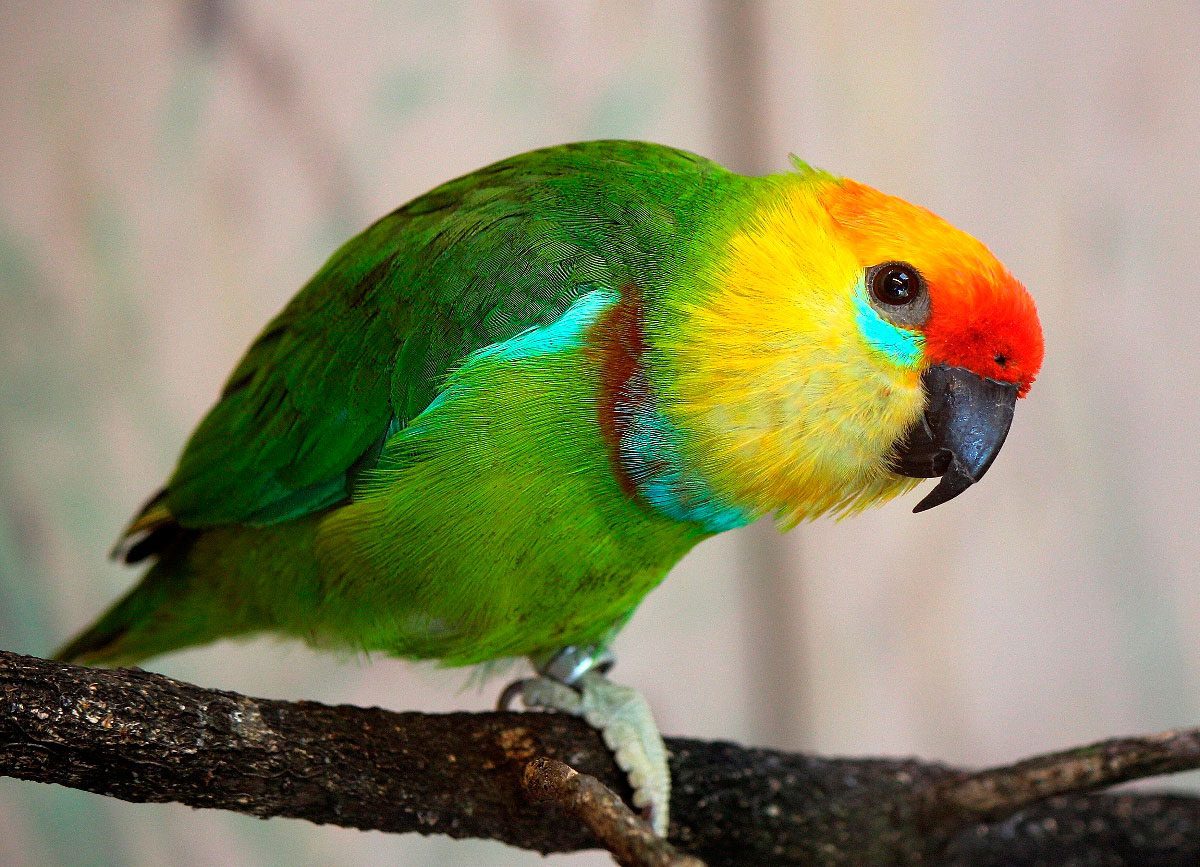
(3) – Blue-winged Macaw (also known as Illigerโ€™s Macaw). Two captive By TJ Lin (originally posted to Flickr as illigerโ€™s macaw) [CC BY-SA 2.0], via Wikimedia Commons
(4) – Illigerโ€™s Macaw also called Blue-winged Macaw (Primolius maracana) at Iguaรงu Bird Park, Foz do Iguaรงu, Brazil By Arthur Chapman [CC BY 2.0], via Wikimedia Commons
(5) – Blue-winged Macaw (also known as Illigerโ€™s Macaw Mount), Two in a tree hole in Alegre, For, Brazil By Sidnei Dantas (originally posted to Flickr as Primolius maracana) [CC BY 2.0], via Wikimedia Commons

Sounds: Eduardo D. Schultz (Xeno-canto)

โ–ท The world of Pets: Dogs, cats, birds, reptiles, amphibians

Pearly Parakeet
Pyrrhura lepida

Pearly Parakeet

Content

Description:

Pearly Parakeet

24 cm.. in length and 70โ€“80 grams in weight.

The Pearly Parakeet (Pyrrhura lepida) has the head dark blackish brown with mottled light on nape; ear-coverts creamy white; cheeks pale bluish green.

Upper mantle blue; robe bottom until uppertail-coverts, green. Scapulars green at the base, blue down; lesser wing coverts slightly green tinted olive; median coverts and older, mainly blue; some red at the leading edge of wing . Flight feathers Blue above, secondaries with green in the outerweb; dark gray below. Underwing-coverts bright red. Sides of the neck, the throat and the top chest, mainly brown with some blue marks and points yellowish brown, which gives an overall scaled aspect; The underparts remaining are green with blue on the flanks and the thighs. Upper, the tail mainly brown, green in the basal area and narrow blue tips. Bill black-brown; bare periophthalmic grey; irises dark brown; legs black slate.

The plumages of both sexes are, apparently, similar.

taxonomic history

Confusing taxonomic history: until recently known as Pyrrhura perlata, but that name is actually applied to the known way long as Pyrrhura rhodogaster, currently a synonym for the species Pyrrhura perlata; the current species therefore assumes his next oldest name, Pyrrhura lepida. Forms a pair of species with parapatric Pyrrhura perlata, with which it is sometimes considered conspecific; the recent molecular phylogeny indicated that the closest relatives of these two are the Pyrrhura frontalis and Pyrrhura molinae.

  • Sound of the Pearly Parakeet.

Description 3 subspecies:

  • Pyrrhura lepida anerythra

    (Neumann, 1927) – Similar to the species nominal but with the chest, the belly and cheeks green with occasional shades of blue.


  • Pyrrhura lepida coerulescens

    (Neumann, 1927) – Similar to the species nominal, but with the forecrown and crown brown, gray throat and upper chest, green on the upper cheeks; bluer in the lower chest

  • .

  • Pyrrhura lepida lepida

    (Wagler, 1832) – Nominal.

Habitat:

The Pearly Parakeet, usually, inhabits moist terra firme forests. The species has been observed in forest edges, clear areas and second growth.

They are seen in flocks of up to ten birds, particularly in places where food is plentiful.

Reproduction:

They nest hollow logs. The laying is of 3-4 eggs incubados during 23 days; the hatchling needs close to 7 weeks for independence.

Food:

probably catkins, small fruits and flowers.

Distribution and status:

Size of its range (breeding/resident): 585.000 km2

The Cotorra Pulcra is endemic to Northeast Brazil, to the South of the Amazonia. Observed around the basin Xingรบ and its tributaries, from the Pracui River and the left bank of Tocantins River, and from Belem and the Capim River, in For, east to around Sao Luis in maranhรฃo, and from northern maranhรฃo to the East of Rosary, although apparently no longer in some coastal areas, where according to sources, They were formerly quite common.

Today are rare and extinct in many parts of their former range (for example, North of maranhรฃo) due to large-scale deforestation, although they are, apparently, tolerant habitat alterations.

The coerulescens subspecies It is near extinction due to the almost total loss of their habitat. The species is found in protected areas but its integrity is compromised by the illegal logging.

Distribution 3 subspecies:

Note:

Pyrrhura lepida is the new name of the taxon Pyrrhura perlata, whose name has been shown to be applied first to an immature bird of that species, Crimson-bellied Parakeet (Pyrrhura perlata).

Conservation:

State of conservation โ“˜


Vulnerable Vulnerable โ“˜ (UICN)โ“˜

โ€ข Current category of the Red List of the UICN: Vulnerable.

โ€ข Population trend: Decreasing.

โ€ข Population size : 6700 individuals.

Rationale for the Red List category

From a model of future deforestation in the Amazon basin, While shows some tolerance degraded landscapes, It suspected that the population of this species decline rapidly over the next three generations and, therefore, It has risen to Vulnerable.

Justification of the population

The population is preliminarily estimated at the number of at least 10.000 individuals, approximately equivalent to 6.700 mature individuals. This requires confirmation.

Justification of trend

It is suspected that this species has lost between 47 and the 64,5% of habitat suitable within their distribution during three generations (18 years) starting from a model of deforestation Amazon (Soares-Filho et to the ., 2006, Bird et to the ., 2011). But, because the species seems to have some degree of tolerance to habitat degradation (A. Lees in litt ., 2011), It suspected to decline by 30-49% during three generations.

Threats

Despite an apparent tolerance of some degradation of the habitat, It is perhaps close to extinction in coastal areas of northern maranhรฃo, due to the large scale deforestation (Juniper and Parr, 1998). They are distributed within protected areas, but its integrity is compromised by the illegal logging (Juniper and Parr 1998). Deforestation in the Amazon basin is expected to increase as land is cleared for cattle ranching and soy production, provided by the expansion of the road network (Soares-Filho et to the. , 2006). The proposed changes to Brazilian Forest Code reduce the percentage of land that a private owner is legally required to keep as forest and include an amnesty for owners who deforested before July 2008 (That they would later be absolved of the need to reforest the illegally cleared land) (Bird et to the., 2011).

Conservation Actions Underway

CITES Appendix II. The species is classified as Vulnerable nationally in Brazil (MMA 2014), with subspecies elegant and coerulescens considered in Danger (Silveira y Straube 2008).

Conservation Actions Proposed

* Census and population monitoring to assess the world's population and demographic trends and refine distribution and locate strengths.

* Investigate its ecology, threats and conservation requirements. Strengthen the network of protected areas within the remaining core habitat.

Effectively manage resources and management of existing protected areas and new, using the emerging opportunities for funding the management of protected areas with the overall goal of reducing carbon emissions and maximize the conservation of biodiversity. It is also essential conservation on private land, through the expansion of market pressures for proper land management and prevention of deforestation on land not suitable for agriculture (Soares-Filho et to the., 2006).

Campaign against proposed changes to the Brazilian Forest Code that would lead to a decrease in the width of protected riparian forest areas as Permanent Preservation Areas (APPs), that function as vital corridors in fragmented landscapes.

"Pearly Parakeet" in captivity:

Rare in captivity.

It is a bird Vulnerable nationally in Brazil and protected by CITES Appendix II; each captive specimen of this species that is capable of reproducing, must be placed in a well-managed captive breeding program and not sold as a pet, in order to ensure its long-term survival.

Alternative names:

Pearly Conure, Pearly Parakeet (English).
Conure perlรฉe, Perriche perlรฉe, Perruche perlรฉe (French).
BlausteiรŸsittich (German).
tiriba, tiriba-de-barriga-vermelha, Tiriba-perรณla, tiriba-pรฉrola (Portuguese).
Catita cola granate, Cotorra Pulcra, Cotorra Ventrirroja (espaรฑol).


scientific classification:

Johann Georg Wagler
Johann Georg Wagler

Order: Psittaciformes
Family: Psittacidae
Genus: Pyrrhura
Scientific name: Pyrrhura lepida
Citation: (Wagler, 1832)
Protonimo: Sittace lepida

Images Pearly Parakeet:

Videos "Pearly Parakeet"


Especies del gรฉnero Pyrrhura

Pearly Parakeet (Pyrrhura lepida)


Sources:

Avibase
– Parrots of the World โ€“ Forshaw Joseph M
– Parrots A Guide to the Parrots of the World – Tony Juniper & Mike Parr
– Birdlife

Photos:

(1) – Pyrrhura lepida by Florin FeneruFlickr
(2) – Pyrrhura lepida coerulescens Neumann, 1929 – Huub Veldhuijzen van Zanten / Naturalis Biodiversity Center [CC BY-SA 3.0], via Wikimedia Commons
(3) – Pearly Parakeet (Pyrrhura lepida) also known as the Pearly Conure in aviculture. A pet parrot By manginwu (originally posted to Flickr as my name is twoday.) [CC BY-SA 2.0], via Wikimedia Commons
(4) – Tiriba-perola [Pearly Parakeet] by Helio LourenciniFlickr
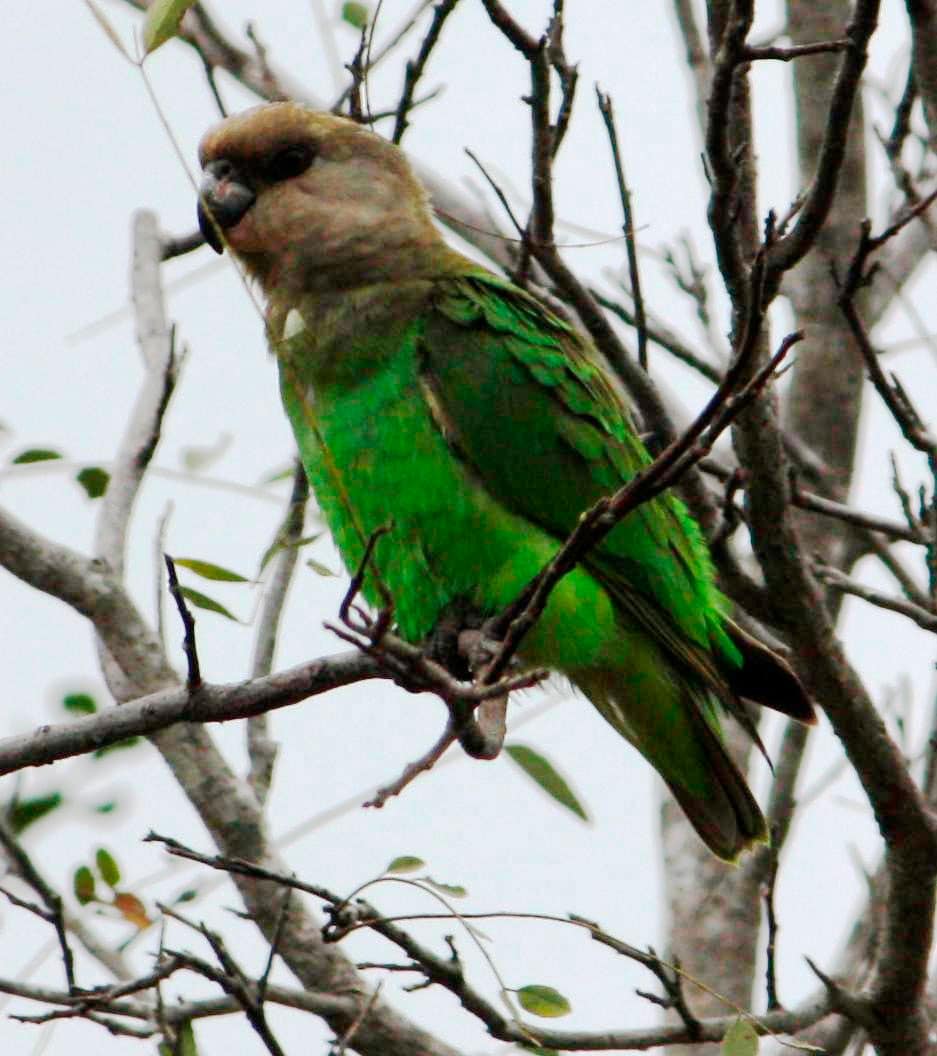
(5) – Tiriba pearl (Pyrrhura perlata) – www.avesilvestre.com.br
(6) – Parrots A Guide to the Parrots of the World โ€“ Tony Juniper & Mike Parr

Sounds: GABRIEL MILK, XC212988. accessible www.xeno-canto.org/212988