โ–ท The world of Pets: Dogs, cats, birds, reptiles, amphibians

Plain Parakeet
Brotogeris tirica

Plain Parakeet

Content

Description:

Plain Parakeet

23 cm.. long and about 63 g. of weight.
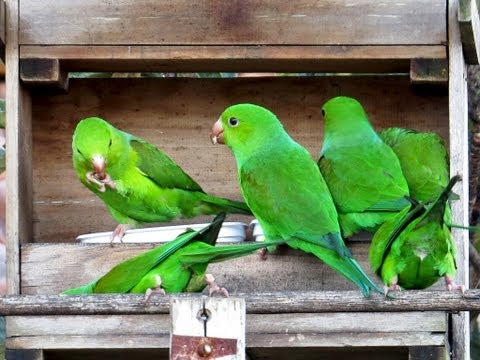
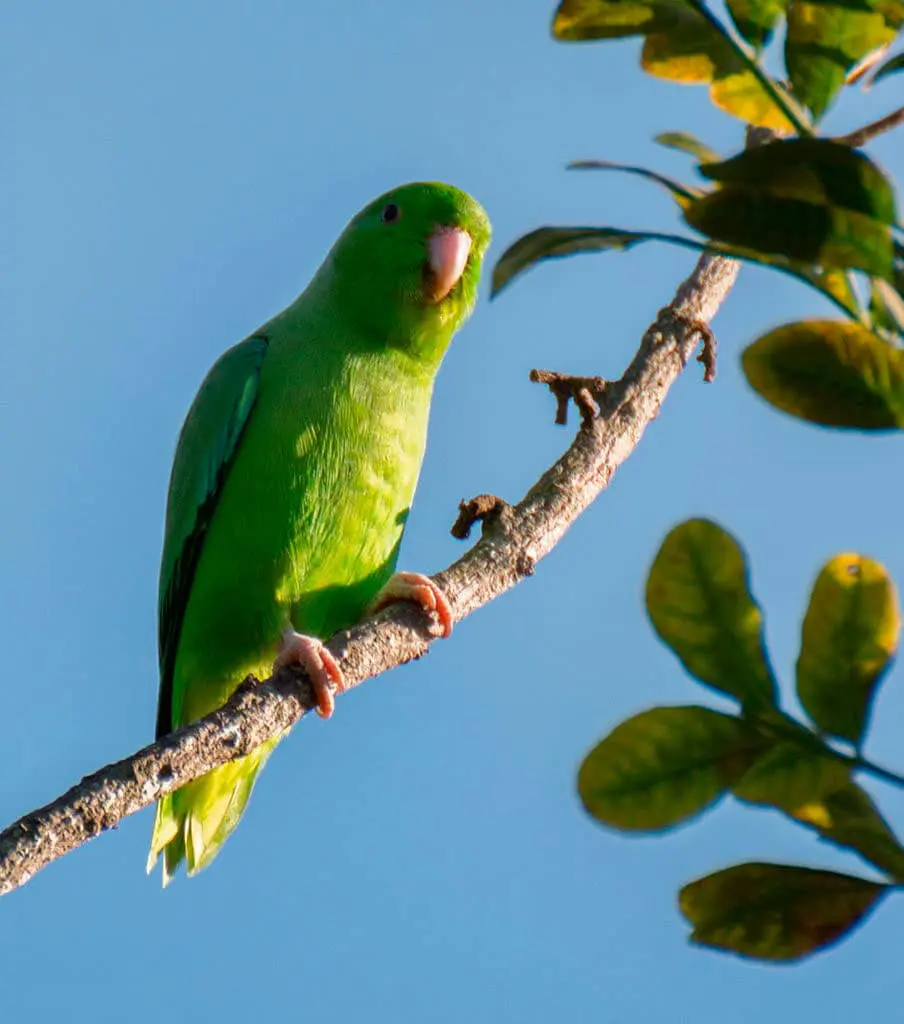
The Plain Parakeet (Brotogeris tirica) has the forecrown, lores, crown and cheeks, pale green with yellowish tint. Sides of the neck and nape, green, duller than in the head.

The upperparts green, slightly darker than the rest of the plumage. Most of the under wing-coverts, green, some feathers dyed olive brown, especially in lesser and median coverts. Primary coverts, primaries and outer secondaries, violet blue with green margins close to outerweb. Underwing-coverts greenish yellow, flight feather, bluish green. Underparts, pale yellowish green, tinged with bluish color on the sides of chest, the the thighs and undertail-coverts; flanks yellowish. Upper, the tail green with bluish tint to the central feathers; undertail, the tail is grayish blue-green. Bill color pale horn: irises brown: legs Rosaceae.

Both sexes are similar. Immature with little or no blue in primary coverts.

Habitat:

Video – "Plain Parakeet" (Brotogeris tirica)

Green parakeets at the feeder - Brotogeris tirica (Plain Parakeet)

The Plain Parakeet They are experts in the art of adaptation; They can be found in a wider range of habitats than any other endemic parrot Brazilian Atlantic forest: in the lowlands and highlands, in the forest canopy and forest edges, parks and gardens (for example, of Rio de Janeiro and Sรฃo Paulo), farmland with trees, scattered patches of forest and secondary growth. Apparently more numerous in the forest edge habitats. Generally observed in the lowlands, but reported to 1.200 metres in the Itatiaia National Park on the border between the state of Rรญo and Sรฃo Paulo. Gregaria. Generally seen in pairs or small groups, although sometimes you can see several hundred birds together.

It is the most common parrot in Sรฃo Paulo, where you can find even in the slums of the city.

Reproduction:

Observed in arboreal termite nests, in the crowns of Palmas or natural openings of trees; in the city of Sรฃo Paulo nest in crevices of buildings and roofs, regularly using the balconies to feed.

The breeding season It has been recorded in September; observed immature in January. The clutch common in captivity is four eggs. They stay together for life.

Food:

Its diet it is very varied, It includes pulp of Posoqueria latifolia; seeds of Ficus, Trema micrantha, Xylopia brasiliensis, Vriesea, rhipsalis, Cecropia glazioui, Hyeronima alchorneoides and Merostachis; seeds and flowers of Tibouchina mutabilis and Psitticanthus; flowers of Norantea brasilensis and Eucatyptus and nectar of Pseudobombax. Sometimes they feed of insects and their larvae.

Distribution:

Size of its range (breeding/resident ): 1.010.000 km2

The Plain Parakeet They found in southeast Brazil, from Alagoas south through the eastern and southern Bay, Espirito Santo, in the South of Minas Gerais, Rio de Janeiro, is of Sรฃo Paulo and Paranรก until Santa Catarina.

The only records of Rio Grande do Sul and Goiรกs They are considered doubtful.

Some seasonal movements. Uncommon to fairly common depending on locality, but apparently only reported very common in the city of Sao Paulo. Its population has declined in the Eastern European settlement Brazil, although less than other endemic parrots in the region. Live in several areas protected (for example, Itatiaia National Park).

Conservation:

State of conservation โ“˜


minor concern Minor Concern โ“˜ (UICN)โ“˜

โ€ข Current category of the Red List of the UICN: Least concern.

โ€ข Population trend: Stable.

Rationale for the Red List category

This species has a very large range and therefore it is not close to the thresholds for Vulnerable under the criterion of size range (Extension Occurrence <20,000 km2 combinada con un tamaรฑo de rango decreciente o fluctuante, extensiรณn / calidad de hรกbitat o tamaรฑo de poblaciรณn y un pequeรฑo nรบmero De lugares o fragmentaciรณn severa). La demographic trend appears to be stable and, therefore, the species does not approach the thresholds Vulnerable under the criteria of population trend (> 30% decline over ten years or three generations). The population size has not been quantified, but it is not believed to be close to the thresholds for Vulnerable under the criterion of population size (<10.000 individuos maduros con un descenso continuo estimado> 10% in ten years or three generations or a population structure). For these reasons the species is evaluated as the least concern.

Justification of the population

The size of the world's population has not been quantified, but this species is described as ยซcommonยป (Stotz et to the., 1996).

Justification of trend

They suspected that the population is stable in absence of evidence of any decline or threatens substantial.

"Plain Parakeet" in captivity:

They are not very common in aviculture.

Alternative names:

Plain Parakeet, All-green Parakeet, Tirica Parakeet (English).
Toui tirica, Perruche tirica (French).
Tirikasittich, Tiricasittich (German).
periquito-rico, periquito, periquito-verdadeiro, periquito-verde, tuim (Portuguese).
Catita Tirica, Periquito Amarillento (espaรฑol).


scientific classification:

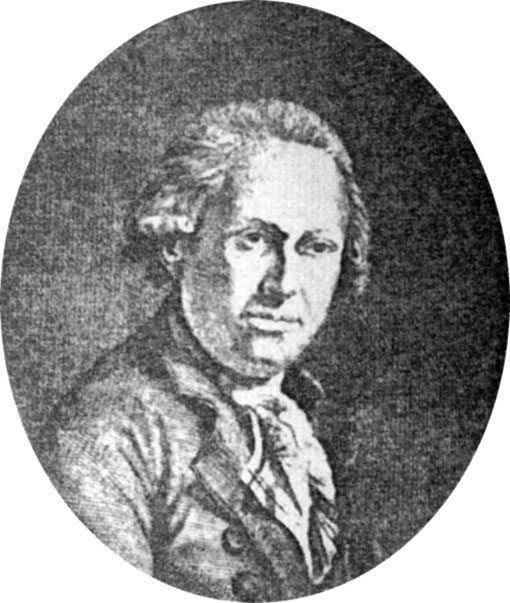
Gmelin Johann Friedrich

Order: Psittaciformes
Family: Psittacidae
Genus: Brotogeris
Scientific name: Brotogeris tirica
Citation: (Gmelin, JF, 1788)
Protonimo: Psittacus Tirica


Images Plain Parakeet:


Species of the genus Brotogeris

Sources:

Avibase
– Parrots of the World โ€“ Forshaw Joseph M
– Parrots A Guide to the Parrots of the World – Tony Juniper & Mike Parr
Birdlife

Photos:

(1) – A Plain Parakeet in Morretes, Paranรก, Brazil By Ben Tavener from Curitiba, Brazil [CC BY 2.0], via Wikimedia Commons
(2) – Plain Parakeet in Brazil By Jรดnatas Cunha [CC BY-SA 2.0], via Wikimedia Commons
(3) – Plain Parakeet in captivity By Lucas de Melo [CC BY 2.0], via Wikimedia Commons
(4) – Independence Park, Ipiranga museum, Sao Paulo By Dario Sanches from SAO PAULO, BRAZIL (PERIQUITO-RICO ( Brotogeris tirica)) [CC BY-SA 2.0], via Wikimedia Commons
(5) – Plain Parakeet (Brotogeris tirica) in Sรฃo Paulo By Dario Sanches [CC BY-SA 2.0], via Wikimedia Commons
(6) – Independence Park, Ipiranga museum, Sao Paulo By Dario Sanches from SAO PAULO, BRAZIL (PERIQUITO-RICO ( Brotogeris tirica)) [CC BY-SA 2.0], via Wikimedia Commons
(7) – Independence Park, Ipiranga museum, Sรฃo Paulo Species molting By Dario Sanches from SรƒO PAULO, BRAZIL (PERIQUITO-RICO ( Brotogeris tirica)) [CC BY-SA 2.0], via Wikimedia Commons
(8) – Brotogeris tirica, Independence Park, Ipiranga museum, Sao Paulo By Dario Sanches from SAO PAULO, BRAZIL (PERIQUITO-RICO ( Brotogeris tirica)) [CC BY-SA 2.0], via Wikimedia Commons
(9) – The Plain Parakeet in the Serra da Cantareira State Park, Sao Paulo, Brazil By Dario Sanches (Flickr: PERIQUITO-RICO (Brotogeris tirica)) [CC BY-SA 2.0], via Wikimedia Commons
(10) – Illustration Ricardo Sanches, parakeets rich(Brotogeris tirica) in ABES-SP

Sounds: Jerome Fischer (Xeno-canto)
โ–ท The world of Pets: Dogs, cats, birds, reptiles, amphibians

Red-crowned Parrot
Amazona viridigenalis

Red-crowned Parrot

Content

Description:


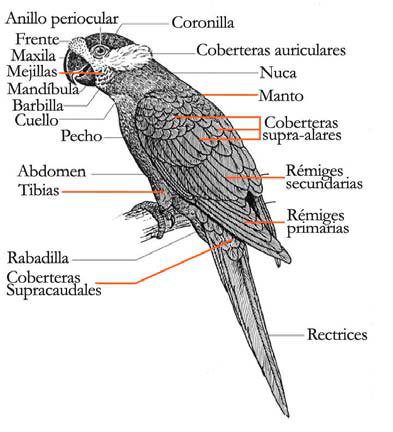
Anatomy-parrots

30.5-33 cm.. length and 294 g. of weight.

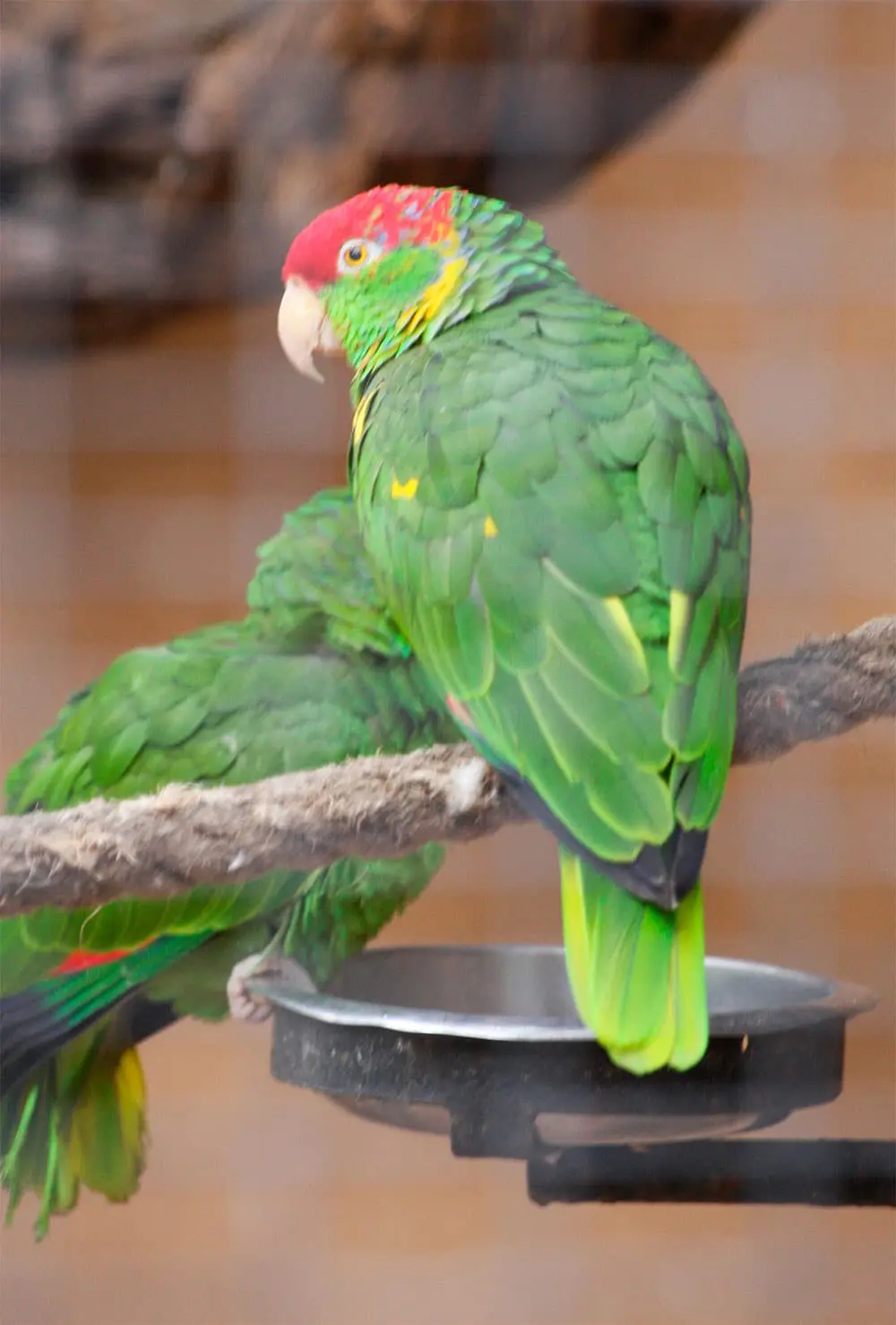
The Red-crowned Parrot (Amazona viridigenalis) has the lores, forecrown and crown, bright red, with side margins on the back of the neck and top of the neck, showing blue feathers with black ends; ear-coverts bright green without black ends in feathers; nape boldly festooned with green feathers with their ends in black.

Mantle and back green with some weak black tips; rump and uppertail-coverts, green. Wing coverts green with black margins on some weak feathers. The flight feather, mostly green, the primaries, in general, with dark ends, of dark blue or black, the Outer secondaries, with the ends of blue with red in the outerweb. Under, the wings green. Underparts green, slightly yellowish; some feathers show visible dark tips. The tail is green, in general with its yellow end. Bill pale yellow; irises yellow; legs pale grey.

Red-crowned Parrot

although females They can have on average less red in the head, probably no consistent sexual dimorphism. The immature She has red in the head very small, with feathers in the central part of the crown green tipped black and subterminally banded pale blue; feathers on the side of the crown, forming broad band over eye.

  • Sound of the Red-crowned Parrot.

Habitat:

Video "Red-crowned Parrot"

The habitat of the Red-crowned Parrot son los Bosques deciduous, gallery forests and evergreen floodplain forests in tropical lowlands, with non-breeding birds on dry ridges extend to 1,200 meters in temperate zones Pinus and Quercus.

frequenting cultivated areas where they remain large trees. Usually in flocks, generally larger than its sympatric congeners (Red-lored Amazon and the Yellow-headed Parrot, with which sometimes mixed); in larger flocks in winter. Used roost communally.

Reproduction:

They nest in tree hollows, including abandoned nests Lineated Woodpecker (Dryocopus lineatus), generally 6-20 meters above the ground. Nests reported in trees Taxodium mucronatum, Bumelia laetivirens and Brosimum alicastrum. Reproduction April-May Tamaulipas. The laying is of 3 or 4 eggs. Only the female incubates. The incubation hard 28 days. The young are cared for for nine weeks.

Food:

Foods reported include seeds of Pinus, corn, berries of Ehretia, Jewish of Pithecellobium, acorns and berries Melia azedarach; introduced populations have adapted to the food sources parks, consuming fruitsJuglans, Liquidambar, eucalyptus and Chorisia.

Distribution and status:

Size of its range (breeding/resident ): 61.900 km2

Northeast Endemic Mexico, where records from southern Nuevo Leรณn (South of Monterrey) through Tamaulipas (mostly in the center and south of the state) and East of San Luis Potosi, to the North of Veracruz and towards the south until near 21ยบN. They can be seen as visitors in the winter Brownsville, southwestern end Texas, USA.

The current range appears confined to Tamaulipas and San Luis Potosi, no known breeding records in recent decades in Nuevo Leรณn or Veracruz, except for the seemingly wild population in the suburbs Monterrey.

wild populations in California, Florida, Oahu (Hawaiian Islands) and Puerto Ricor (small number in southern dry forests).

Resident but nomadic in winter with some altitudinal movements that lead birds to higher ground in winter (perhaps to exploit the seeds and acorns Pine) and with other movements further away from the breeding range, for example, to the South of Texas. Apparently they return to the breeding area in February, declining along the ridge, but they are most common near the east coast, especially around the Sierra de Tamaulipas and on the slopes east of the Sierra Madre Oriental in Tamaulipas. Otherwise, sparsely distributed and frequently only some strengths as the Valley Sabinas River, Tamaulipas.

Total population estimated in 3.000-6.500. Popular in captivity locally and previously traded in large numbers internationally. Clearly the recent population declines are due to excessive trade and to the continued destruction of habitats scale; they are also you fired in some areas due to crop damage. There are no large protected areas within reach and illegal trade continues.

Conservation:

State of conservation โ“˜


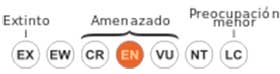
Endangered Endangered โ“˜ (UICN)โ“˜

โ€ข Current category of the Red List of the UICN: In danger of extinction.

โ€ข Population trend: Decreasing.

โ€ข Population size : 2000-4300.

Rationale for the Red List category

    The combination of high levels of exploitation for cage bird trade, loss of habitat and long term estimates reduced density It indicates that this species is declining very quickly. Therefore it qualifies as in danger of extinction.

Justification of the population

    In 1992-1994, estimated in an area in Mexico densities indicated a wild population of 3.000 to 6.500 birds (EC Enkerlin-Hoeflich in a bit., 1994). This estimate equals approximately 2.000-4.300 mature individuals.

Justification of trend

    The historical densities recorded for the species were 25,2 in the early birds / km2 1970 (Castro 1976), down to 5,7 birds / km2 in an area 1992-1994 (EC Enkerlin-Hoeflich in 1994, Enkerlin-Hoeflich 1995), indicating a population declines of up to 77,4% on a strip of 20 years. It is suspected that the decline will continue at a higher rate to 50% in ten years, due to threats capture and forest clearing.
Threats

โ€ข In 1970-1982, 16.490 birds (mainly chicks) They were imported legally to United States.

โ€ข Las illegal exports from Mexico and mortality prior to export to the top 50% they are equivalent to 5.000 birds per year (Enkerlin-Hoeflich and Hogan, 1997).

โ€ข Los hunters damage nests when removing chicks (sometimes cutting whole trees), reducing the availability of the nest and bringing the permanent abandonment of the site (Snyder et to the., 2000).

โ€ข Many gallery forests have been cleared or degraded, with more than 80% lowlands of Tamaulipas cleared for agriculture (especially sorghum) and pastures.

โ€ข The habitat of the Red-crowned Parrot It is now distributed unevenly in cattle ranches, where the pressure is greater capture (Enkerlin-Hoeflich and Hogan, 1997).

Conservation Actions Underway

โ€ข CITES Appendix I (1992) and part of the European Endangered Species Programme [Species] of the European Association of Zoos and Aquariums (EAZA).

โ€ข The population of Red-crowned Parrot It is distributed in the Biosphere Reserves Heaven and Sierra Gorda (A. G. Navarro in some ., 1998, T. Brush in a bit., 2003), but there are only small colonies in Sierra Gorda and status in Heaven It is unknown (Wege and Long 1995, A. G. Navarro in some 1998).

โ€ข Los livestock They are increasingly aware of the benefits of keeping large trees, but this is not reflected in practice.

Conservation Actions Proposed

โ€ข Conduct surveys to obtain an estimate of the total size of the population.

โ€ข Monitor populations to determine degree of decline.

โ€ข Identify the most important nesting aggregations for protection (Enkerlin-Hoeflich and Hogan 1997).

โ€ข Integrate ranchers in efforts to reduce capture and regenerate habitat (Enkerlin-Hoeflich and Hogan 1997) .

The Red-crowned Parrot in captivity:

CITES Appendix I. (It includes species threatened with extinction. Trade individuals of these species, it is allowed only in exceptional circumstances.)

Each captive specimen of this species which is capable of reproducing, It is placed in a well managed captive breeding program and not be sold as a pet, with the order to ensure their survival long-term.

Alternative names:

Green-cheeked Amazon, Green-cheeked Parrot, Mexican Red-headed Amazon, Mexican Red-headed Parrot, Red-crowned Amazon, Red-crowned Parrot, red-crowned parrot parakeet (English).
Amazone ร  joues vertes, Amazone verte ร  front rouge (French).
Grรผnwangenamazon, Grรผnwangenamazone (German).
Papagaio-de-coroa-vermelha, Papagaio-de-face-verde (Portuguese).
Amazona de Corona Roja, Amazona Tamaulipeca, Cotorra Coronirroja, Loro Tamaulipeco (espaรฑol).


scientific classification:

John Cassin
John Cassin

Order: Psittaciformes
Family: Psittacidae
Genus: Amazona
Scientific name: Amazona viridigenalis
Citation: (Cassin, 1853)
Protonimo: chrysotis viridigenalis


Images Red-crowned Parrot:


Species of the genus Amazona


Sources:

Avibase
– Parrots of the World โ€“ Forshaw Joseph M
– Parrots A Guide to the Parrots of the World – Tony Juniper & Mike Parr
Birdlife

Photos:

(1) – Amazona_viridigenalis is native of Mexico. Specimen in Palmitos Park, Gran Canaria By Bjoertvedt (Own work) [CC BY-SA 3.0 or GFDL], via Wikimedia Commons
(2) – Red-crowned Amazon (Amazona viridigenalis) also known as Green-cheeked Amazon, Red-crowned Parrot, or Mexican Red-headed Parrot By rachael fogarty (originally posted to Flickr as Fred) [CC BY-SA 2.0], via Wikimedia Commons
(3) – Red-crowned Amazon (also known as Red-crowned Parrot, Green-cheeked Amazon, or Mexican Red-headed Parrot). Two in a cage By TJ Lin [CC BY-SA 2.0], via Wikimedia Commons
(4) – Red-crowned Amazon, (Amazona viridigenalis) also known as Green-cheeked Amazon, Red-crowned Parrot, or Mexican Red-headed Parrot by Leonhard F at the German language Wikipedia [GFDL or CC-BY-SA-3.0], via Wikimedia Commons
(5) – Red-crowned Amazon By Glandauer/Roger Moore (Roger Moore (transfer from en.wiki)) [GFDL or CC-BY-SA-3.0], via Wikimedia Commons
(6) – Red-crowned Amazonian Parrot (Amazona viridigenalis) by Heather PaulFlickr
(7) – Red-crowned Amazon (also known as Red-crowned Parrot, Green-cheeked Amazon, and Mexican Red-headed Parrot) at Tropical Birdland, Leicestershire, England By Dean Sas from Chesterfield, UK (Pieces of eight) [CC BY-SA 2.0], via Wikimedia Commons
(8) – A pet Red-crowned Amazon By jarrett chandler from Rowland Heights, US (zazu) [CC BY 2.0], via Wikimedia Commons
(9) – (Amazona viridigenalis), photographed in Heidelberg Tiergarten (Baden-Wuerttemberg, Deutschland) By 4028mdk09 (Own work) [CC BY-SA 3.0], via Wikimedia Commons
(10) – PL XXXI Chrysohs viridigenalis, (tassro) By Blanchard, Emile; Bonaparte, Charles Lucian; Bourjot Saint-Hilaire, Alexandre; Le Vaillant, Franรงois; Souancรฉ, Charles de. [CC BY 2.0 or Public domain], via Wikimedia Commons

Sounds: Aidan Place, XC306093. accessible www.xeno-canto.org/306093

โ–ท The world of Pets: Dogs, cats, birds, reptiles, amphibians

Turquoise-winged Parrotlet
Forpus spengeli

Turquoise-winged Parrotlet

Content

Description:

Turquoise-winged Parrotlet

12โ€“13 cm. length and 28 g. of weight.
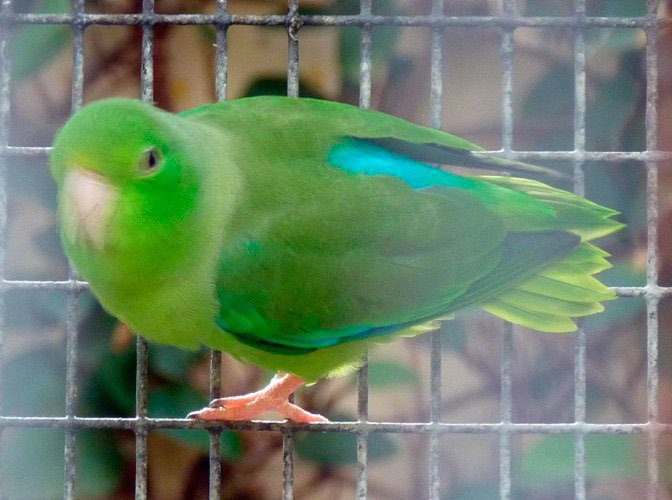
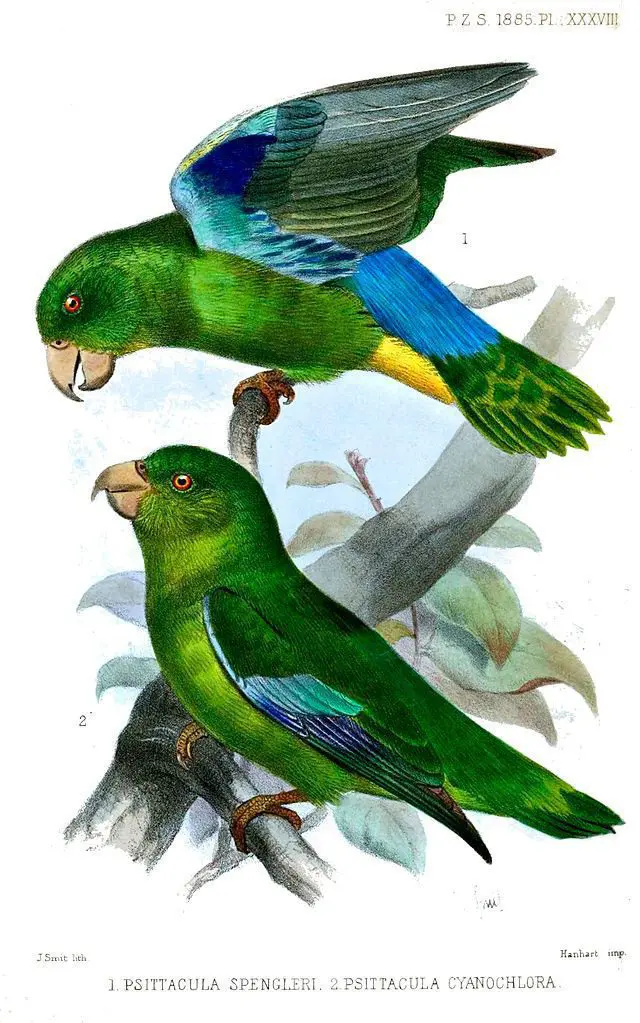
The male of the Turquoise-winged Parrotlet (Forpus spengeli) It has shades of blue at the bottom of the back, still it rump of a turquoise hue; turquoise / blue with purple on the underwing-coverts and axillary.

The wing coverts are dark green. Primary coverts are violet; wing edge bright green. Supracaudals coverts are bright green; undertail-coverts, bright yellow. Dark brown eyes with iris gray; flesh-colored legs; peak light colored horn.

The female It is green instead of blue; their face is green / yellow, It is his forecrown yellower.

taxonomy:

Until now treated as conspecific the species Forpus xanthopterygius, or sometimes as a subspecies of Forpus passerinus, or a subspecies of Forpus cyanopygius. differs, However, of the Forpus xanthopterygius in pale turquoise against the rich color tone blue rump and of the wing-coverts of the male; in the dark blue, against the rich blue color in underwing-coverts of the male; the forecrown and lores yellow in female.

  • Sound of the Turquoise-winged Parrotlet.

Habitat:

they prefer forested habitats drier as open forests and riparian, closed caatinga; Also they found in savannas, palm groves, semiarid scrub and grassland areas.

With feed in open areas and sometimes on the floor. Highly social; found in groups of up 50 individuals.

Reproduction:

Breeding season, May-August. Clutch, 3-7 eggs.

Food:

Diet Turquoise-winged Parrotlet in their natural environment it is composed of fruit of Cecropia, seeds of Mikania and tremble mirantha and flowers of Ambrosia and Marcgravia.

Distribution:

Size of its range (breeding/resident): 29.200 km2

Restricted north of Colombia, from the coastal region Caribbean western and southern mountains Santa Marta, Atlantic, south along the Magdalena river in Bolรญvar and Cรฉsar.

Conservation:

โ€ข Current category of the Red List of the UICN: Least concern.

โ€ข Population trend: Decreasing.

Justification of the Red List of the Category

State of conservation โ“˜


minor concern Minor Concern โ“˜ (UICN)โ“˜

Although this species may have a small range, It not believed to approach the thresholds for vulnerable under the range size criterion (extent of occurrence <20.000 km2 combinan con un tamaรฑo gama disminuciรณn o fluctuante, hรกbitat medida / calidad, o tamaรฑo de la poblaciรณn y un pequeรฑo nรบmero de localidades o fragmentaciรณn severa). La tendencia de la poblaciรณn no se conoce, pero la poblaciรณn no se cree que estรฉ disminuyendo con la rapidez suficiente como para acercarse a los umbrales del criterio tendencia de la poblaciรณn (> 30% decrease of more than ten years or three generations). The population size has not been quantified, but it is not believed to approach the thresholds for Vulnerable according to the criterion of population size (<10.000 individuos maduros con una disminuciรณn continua estima en> 10% in ten years or three generations, or a specific population structure). For these reasons, the species is evaluated as Least concern.

Justification of the population

The world's population has not been quantified, but this species is described as rare and local (Juniper and Parr 1998).

Justification trend

The population trend is unknown, but according to some reports, the species may be declining. (Juniper and Parr 1998).

"Turquoise-winged Parrotlet" in captivity:

Rare.

Alternative names:

Blue-winged Parrotlet (spengeli), Blue-winged Parrotlet (Turquoise-winged), Green-rumped Parrotlet (spengeli), Turquoise-winged Parrotlet (English).
Toui de Spengel, Toui de Spix (spengeli), Toui รฉtรฉ (spengeli) (French).
Tรผrkisflรผgel-Sperlingspapagei (German).
Turquoise-winged Parrotlet (Portuguese).
Cotorrita aliturquesa (espaรฑol).


scientific classification:

Gustav Hartlaub

Order: Psittaciformes
Family: Psittacidae
Genus: Forpus
Scientific name: Forpus xanthopterygius spengeli
Citation: (Hartlaub, 1885)
Protonimo: Psittacula spengeli

Images Turquoise-winged Parrotlet:


Species of the genus Forpus

Turquoise-winged Parrotlet (Forpus spengeli)


Sources:

Avibase
– Parrots of the World โ€“ Forshaw Joseph M
– Parrots A Guide to the Parrots of the World – Tony Juniper & Mike Parr
Birdlife

Photos:

(1) – Forpus xanthopterygius spengeli (24-3-15 Loro Parque) by barFlickr
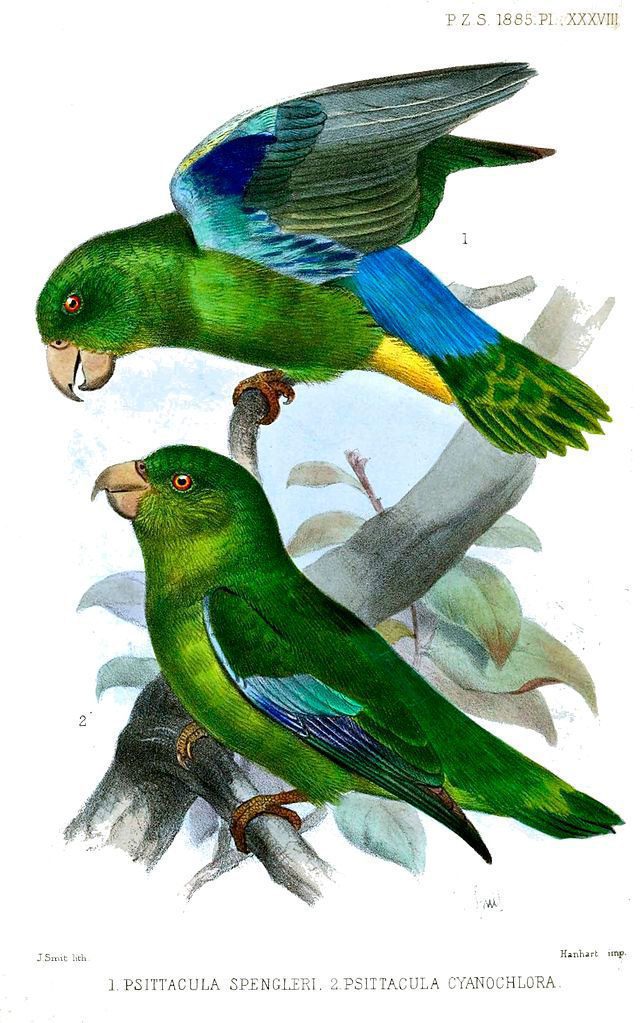
(2) – (above) Psittacula spengleri [sic] = Forpus xanthopterygius spengeli (Hartlaub, 1885), ?โ™‚ (below) Psittacula cyanochlora = Forpus passerinus cyanochlorus (Schlegel, 1864), โ™‚ by Joseph Smit [Public domain], via Wikimedia Commons

Sounds: ndrew Spencer, XC165598. accessible www.xeno-canto.org/165598

โ–ท The world of Pets: Dogs, cats, birds, reptiles, amphibians

Cactus Parakeet
Eupsittula cactorum

Cactus Parakeet

Content

Description:


Anatomy-parrots

25 cm.. length and 75-90 g. of weight.

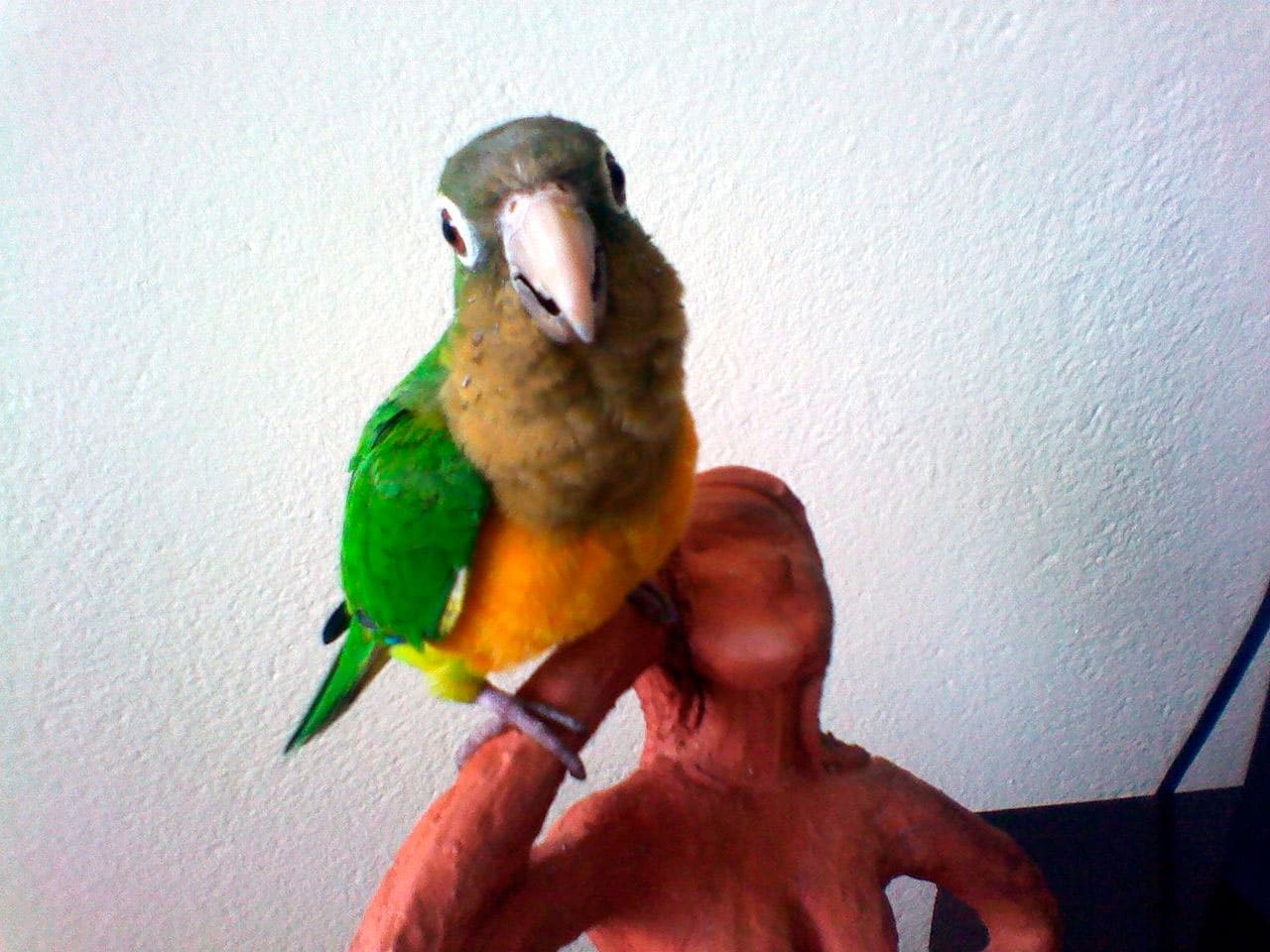
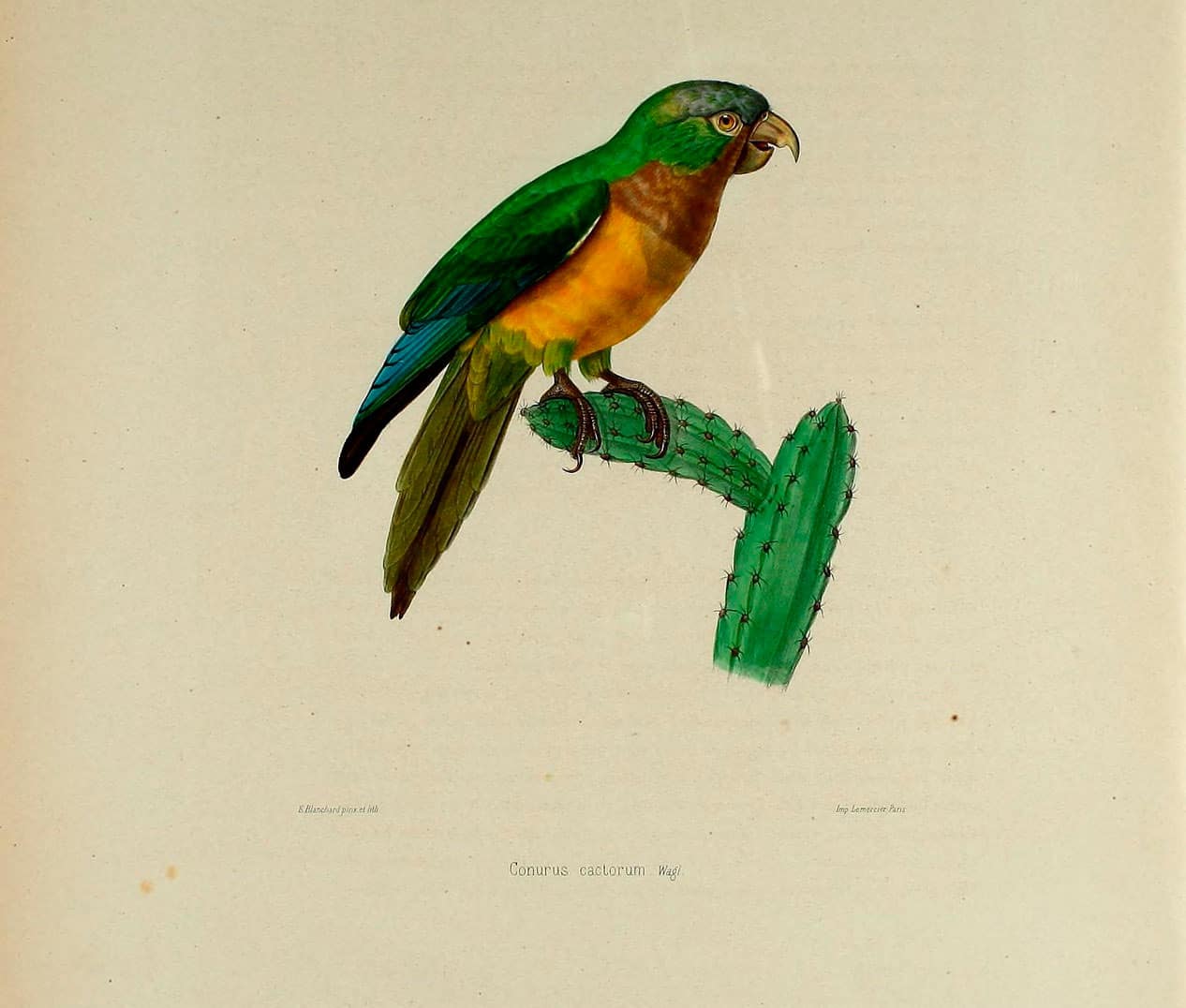
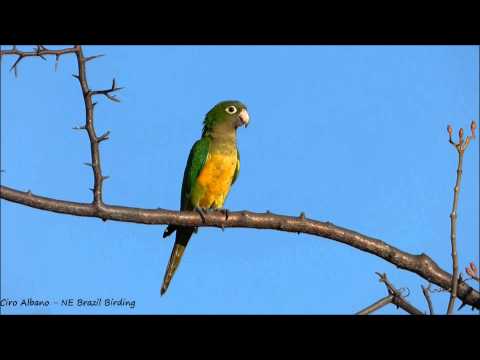
The Cactus Parakeet (Eupsittula cactorum) has the forecrown, lores lower cheeks and brown off; crown with slaty tinge; sides neck, the nape and upperparts up to the rump grass-green.

The primary coverts They are bluish green in the outerweb, the remaining are green grass. Flight feathers (above) green on innerwebs, blue green on outerweb, blue black at the tips (below) gray. Underwing-coverts greenish yellow. Throat and upper breast dull brown; lower breast and belly fairly bright orange-yellow, the thighs and vent greenish-yellow color. Uppertail green, four distal blue central feathers; undertail gray.

Cactus Parakeet

upper jaw horn, greyish at base and lower jaw; perioftรกlmico patch naked white; irises brown-orange; gray-gray legs.

Both sexes similar. Immature paler than adult, with crown green, more olive upper chest and throat, and the irises darker.

  • Sound of the Cactus Parakeet.

Subspecies description:

  • Eupsittula cactorum cactorum

    (Kuhl, 1820) – Nominal.


  • Eupsittula cactorum caixana

    (Spix, 1824) – Generally paler than nominal, with belly yellow instead of orange.

Habitat:

Video – "Cactus Parakeet" (Eupsittula cactorum)

Cactus Parakeet - Caatinga Parakeet - Eupsittula cactorum -

Its distribution area closely matches the dried vegetation and prickly caatinga Northeast Brazil, but it encompasses higher drier semi-desert areas created by overgrazing and dry forests (caatinga arborea) and seasonal savannah lusher (closed). Usually in pairs or (mainly outside the breeding season) flocks of up to 20 birds, most abundant where food is abundant (as rice crops).

Reproduction:

Crianza undocumented released. Clutch six eggs in captivity.

Food:

The diet includes seeds, fruits (including cactus), berries, dried fruits, flowers and cocoons, taken both trees and shrubs and soil. Sometimes it attacks crops (for example rice, grapes and corn).

Distribution and status:

Population expansion (breeding/resident): 1.220.000 km2

Distributed by the interior Northeast Brazil. The Cactus Parakeet extending from the drier parts of Bay and adjacent northeast Minas Gerais, Brazil north through Piauรญ and Southeast of maranhรฃo, up to Pernambuco and Paraรญba, passing by Rio Grande do Norte and Cearรก. Absent in coastal areas: a record of Bethlehem at the mouth of amazon in For It seems wrong or possibly refers to a leak.

It is usually common (the most common parrot in some localities) with a stable population, although the decline is inevitable in some areas due to massive loss of habitat by agriculture and plantations of exotic trees. Continuing degradation and conversion caatinga by grazing and cultivation they represent a long-term threat. Present in the Serra da Capivara National Park. Any Local persecution due to predation crop. Atrapada to trade small numbers in captivity.

Subspecies distribution:

Conservation:

State of conservation โ“˜


minor concern Minor Concern โ“˜ (UICN)โ“˜

โ€ข Current category of the Red List of the UICN: Least concern.

โ€ข Population trend: Stable.

โ€ข Population size : Unknown.

Rationale for the Red List category

The trend population seems to be stable and, therefore, the species does not approach the thresholds for Vulnerable under the criterion of population trend (> 30% decrease in ten years or three generations). The population size has not been quantified, but it is not believed to approach the thresholds for Vulnerable under the criterion of population size (<10.000 mature individuals with an estimated continuous decrease in> 10% in ten years or three generations, or with a specific population structure). For these reasons, the species is evaluated as Least concern.

Justification of the population

The size of the world's population has not been quantified, but this species is described as ยซquite commonยป (Stotz et to the. (1996).

Justification trend

It is suspected that the population is stable the absence of evidence of any reduction or substantial threat.

Threats

Local persecution because of the invasion of crops. This species is also trapped for pet bird trade.

"Cactus Parakeet" in captivity:

Young birds are removed from their nest before they can fly, and then sold, for example, at the fair in inner cities.
These birds can become very tame, and it is not rare to see a Cactus Parakeet living "freely" in the owner's house, as a member of the family so to speak. It however is seeing a rare bird in captivity outside their range. It is not as common as other more familiar species of aratinga. It also, usually they reach very high prices.

The illegal trade It has greatly reduced the population of these Aratingas in nature, and threatens the survival of the species in many areas. Habitat destruction appears to be a minor problem.

For more information – Loro Parque

Alternative names:

Caatinga Conure, Caatinga Parakeet, Cactus Conure, Cactus Parakeet (English).
Conure des cactus, Perriche des cactus, Perruche des cactus (French).
Kaktussittich (German).
Aratinga-vaqueira, giguilim, Jandaia-gangarra, merequรฉm, periquito-da-caatinga, periquito-gangarra (Portuguese).
Aratinga Cactรกcea, Aratinga de los cactos, Periquito de los Cardones (espaรฑol).


scientific classification:

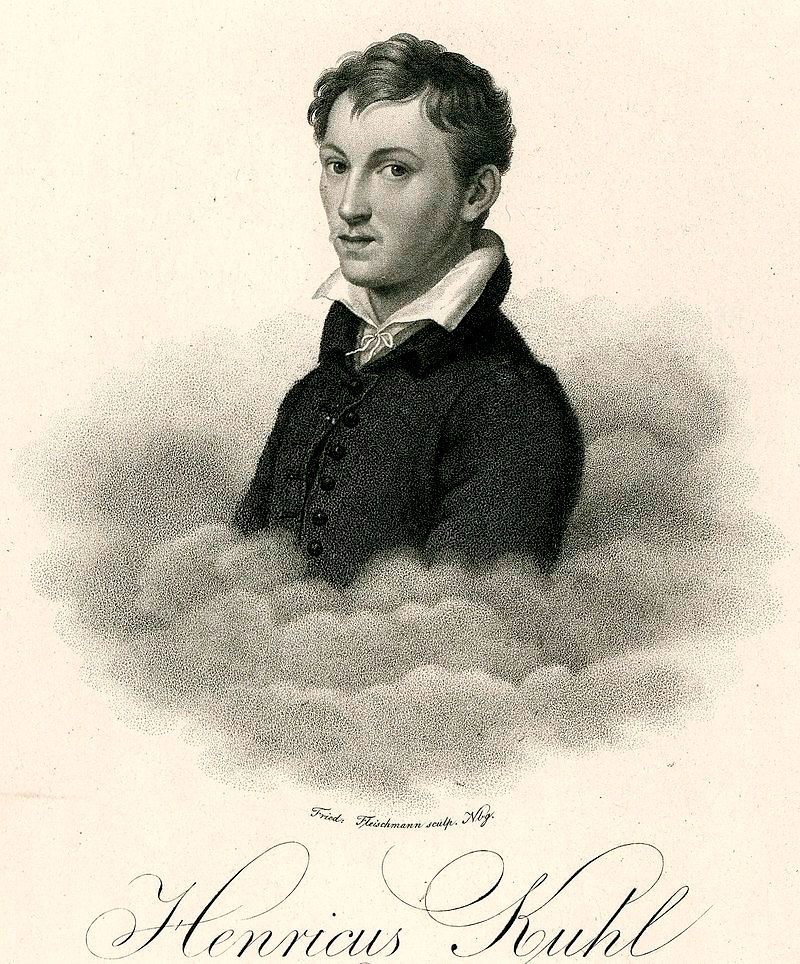
Kuhl, Heinrich
Heinrich Kuhl

Order: Psittaciformes
Family: Psittacidae
Genus: Eupsittula
Scientific name: Eupsittula cactorum
Citation: (Kuhl, 1820)
Protonimo: Psittacus cactorum


Images Cactus Parakeet:


Especies del gรฉnero Eupsittula
  • Eupsittula nana
  • —- Eupsittula nana astec
  • —- Eupsittula nana nana
  • —- Eupsittula nana vicinalis
  • Eupsittula canicularis
  • —- Eupsittula canicularis canicularis
  • —- Eupsittula canicularis clarae
  • —- Eupsittula canicularis eburnirostrum
  • Eupsittula aurea
  • Eupsittula pertinax
  • —- Eupsittula pertinax aeruginosa
  • —- Eupsittula pertinax arubensis
  • —- Eupsittula pertinax chrysogenys
  • —- Eupsittula pertinax chrysophrys
  • —- Eupsittula pertinax griseipecta
  • —- Eupsittula pertinax lehmanni
  • —- Eupsittula pertinax margaritensis
  • —- Eupsittula pertinax ocularis
  • —- Eupsittula pertinax paraensis
  • —- Eupsittula pertinax pertinax
  • —- Eupsittula pertinax surinama
  • —- Eupsittula pertinax tortugensis
  • —- Eupsittula pertinax venezuelae
  • —- Eupsittula pertinax xanthogenia
  • Eupsittula cactorum
  • —- Eupsittula cactorum cactorum
  • —- Eupsittula cactorum caixana

  • Sources:

    • Avibase
    • Parrots of the World โ€“ Forshaw Joseph M
    • Parrots A Guide to the Parrots of the World – Tony Juniper & Mike Parr
    • Birdlife

    • Photos:

    (1) – A pet Caatinga Parakeet in Riachรฃo do Jacuรญpe, Baiano northeast, Brazil By Paulo Marcos from Painted-BA, Brazil (Periquito MartinsUploaded by snowmanradio) [CC BY 2.0], via Wikimedia Commons
    (2) – Caatinga Parakeet (also known as Cactus Parakeet) in Brazil By Phillipe (Picasa Web Albums) [CC BY-SA 3.0], via Wikimedia Commons
    (3) – Eupsittula cactorum – cactus conure – Cactus conure – conure cactus by Florin FeneruFlickr
    (4) – Parakeet CAATINGA (Eupsittula cactorum) by Cantosdanatureza WITH
    (5) – Cactus Parakeet โ€” aratinga cactacea by Animal Encyclopedia 2
    (6) – Cactus parakeet – conographie parrots :.Paris :P. Bertrand,1857.. biodiversitylibrary.org/page/47804387

    โ–ท The world of Pets: Dogs, cats, birds, reptiles, amphibians

    Norfolk Island Parakeet
    Cyanoramphus cookii

    Norfolk Island Parakeet

    Content


    Anatomy-parrots

    Description:

    30 cm.. length and 100 g. of weight.

    The Norfolk Island Parakeet (Cyanoramphus cookii) has a plumage bright green with reddish front, one red band extending through each eye; and light blue region in the leading edge of each wing . Upperwing-coverts green. Primary coverts and outerweb of primaries violet blue. Underwing-coverts yellow-green. red spot on each side of the rump. Above, the tail dark green with yellow edges, under dark gray. Eyes red.

    The sexes are similar in appearance. The females They are distinguished by their smaller size, less red in the forecrown, stains on the front of the crown, and bill smaller and narrower. The pups hatched are coated with a thin gray background.

    The youth They are similar in appearance to adults, but the red is less extensive (Forshaw 1981; Higgins 1999). Juveniles have a bill distinctive color meat during the first 4 to 6 weeks after the flight (Forshaw 1981).

    Taxonomic status:

    This taxon is considered a subspecies of Cyanoramphus [novaezelandiae, erythrotis, subflavescens, hochstetteri, saisseti or cookii] (sensu lato) by some authors

    • Sound of the Norfolk Island Parakeet.

    Habitat:

    The Norfolk Island Parakeet It is found mainly in the rainforest remainder, although it can also be seen in other areas of the island (Garnett & Crowley 2000; Hicks & Greenwood 1989; Higgins 1999; J. Hicks pers. comm. quoted in Hill 2002).

    It is considered sedentary (Higgins 1999). The species moves from the National Park Norfolk Island to orchards and gardens when fruit available (Hicks & Greenwood 1989; Higgins 1999). Most of the sightings of the Norfolk Island Parakeet outside the National Park Norfolk Island They are recorded in December and January (Lane et al., 1998).

    Foraging occurs in all strata of vegetation (Higgins 1999), including in the forest canopy, on the floor, in disturbed habitats and habitats modified depending on food availability (Forshaw & Cooper 1989; Higgins 1999). It has been observed to Perico Norfolk, including youth, feeding on the ground during winter, eating fallen seeds and fruits of African olive, Pine Norfolk Island and red guava (Garnett & Crowley 2000; Higgins 1999; Lane et al., 1998; Ortiz-Catedral 2013).

    The Norfolk Island Parakeet It gregarious, usually they are seen in pairs or in family groups (Higgins 1999) and flocks (C. Jones pers. comm. 2016). The species occurs as a single contiguous breeding population (Garnett et to the., 2011).

    Reproduction:

    The Norfolk Island Parakeet usually nest less than two meters above the ground, usually in a recess or cavity in the branch, trunk or stump living or dead trees, especially in larger native trees. This includes Nestegis apetala (ironwood), Blood Wood (Corymbia spp. / Eucalyptus spp.), Cordyline spp. and Araucaria heterophylla (Norfolk Island Pine) (Garnett et to the., 2011; Hicks & Greenwood 1989; Higgins 1999; Lane et al., 1998). The species has occasionally been observed nesting in holes in the ground created by rotting pine roots. (C. Jones pers. comm. 2016).
    Usually it perches in hidden areas with thick vegetation, including treeholes, epiphytes, tussocks, sedges and ferns. The species often perches on nesting sites (Higgins 1999). Inexperienced chicks often roost in exposed sites (Higgins 1999).

    The reproduction It occurs throughout the year, peaking from December to March (Greenwood et al., 1989; Hicks & Preece 1991). The females. hatch eggs and are very reluctant to leave their nests during this time (P. Stevenson com. pers. quoted in Hill 2002). The incubation hard 21 days (Hicks & Preece 1991). When the chicks reach about two weeks old, the female can leave to start a new nest (Greenwood 1993). Norfolk Parakeets can have multiple clutches and give birth successfully up to four times a year., with males and females sharing the care of the young (R. Ward com. pers. quoted in Hill 2002). They prefer to use a fresh nest site for each clutch (Hill 2002). The chicks leave the nest six to seven. weeks after hatching and depend on their parents to feed three to seven weeks (Davidson 1997; Forshaw 1981; Hicks & Greenwood 1989; Hicks & Preece 1991). The clutch is large (1-8) (Hicks & Greenwood 1989). the age of first reproduction is unknown, but it may be soon after independence (Greene 1990).

    Food:

    Adults eat mainly seeds, fruit, flowers, bark and leaves of native and introduced trees, and shrubs, including Pine Norfolk Island, ironwood, Rhopalostylis Bauer (Palm Norfolk Island), Blood Wood, Cordyline, Lagunaria (White Oak), Elaeodendron curtipendulum (silvestre) arce), wild snuff (Solanum mauritianum), red guava (Psidium spp.), African olive (Olea europaea subsp. cuspidate), peach (Prunus persica) and lantana (Lantana camara) (Forshaw & Cooper 1978; Garnett & Crowley 2000; Higgins 1999; Lane et al., 1998).

    Distribution:

    The Norfolk Island Parakeet (Cyanoramphus cookii) is endemic of the Norfolk island. Before the European establishment it spread throughout the island, but now it is mainly in the region Mt Pitt de Norfolk. (460 has) and in the Botanical Gardens Norfolk Island (5,5 has) (Director of National Parks 2010; Garnett et to the., 2011). The Norfolk Island Parakeet also they are seen in wooded areas outside the national park and botanical gardens, and they are observed throughout the island in small amounts (Director of National Parks 2010).

    The breeding of Norfolk Island Parakeet It is largely confined to a suitable habitat within the range of Norfolk Island National Park (Hill 2002), although there are reports playback on adjacent private property to the National Park Norfolk Island (C. Rowston press. comm. cited in Garnett et al., 2011).

    In 2013, One study estimated that its population on Norfolk Island It was only 46-92 individuals (Ortiz-Catedral 2013).

    Conservation:


    critical hazard


    โ€ข Law on Environmental Protection and Biodiversity Conservation 1999 (Cwlth) (EPBC Law): Critically Endangered.

    โ€ข Population trend: Decreasing.

    โ€ข Population size : 50-100 mature individuals.

    The Norfolk Island Parakeet (Cyanoramphus cookii) It is classified as In danger under the Law on Environmental Protection and Biodiversity Conservation 1999 (Cwlth) (EPBC Law). The species is eligible for inclusion on the list since before the start of the EPBC Act, It was included as endangered under Annexed 1 of the Law on Protection of Endangered Species 1992.

    Garnett et to the (2011) They reviewed the state of conservation Norfolk Island Parakeet and they considered in Critical Hazard. The Scientific Committee of Threatened Species You are using the findings of Garnett et al. (2011) to consider whether the reassessment of the conservation status of each of the threatened birds listed in the EPBC Law It is mandatory.

    The main factors causing the species to be eligible for inclusion in the List of Endangered Species are are very restricted area of รขโ‚ฌโ€นรขโ‚ฌโ€นoccupancy (< 10 km2).) and a population small (< 250 mature individuals) (Garnett et to the., 2011).

    Threats

    Extensive vegetation clearing for agriculture and logging of large trees destroyed nesting sites most suitable in Norfolk island (Hicks & Greenwood 1989).

    A change in the structure of forests in the Norfolk island, as a result of the invasion of weeds, there may also be reduced available habitat area. (Garnett et to the., 2011).

    Introduced the Crimson Rosella (Platycercus elegans), European starlings (Sturnus vulgaris), and occasionally European honey bees (Apis mellifera) competing for residues treeholes (Hicks & Preece 1991; Hill 2002).

    Predation by black rats (Rattus rattus) has resulted in most nest failures and an imbalance in the sex ratio in the nest population. Norfolk Island Parakeet, as rats often surprise female incubating (Hicks & Preece 1991; Hill 2002).

    The cats (Felis catus) They are also significant predators (Garnett et to the., 2011).

    The illness psitacina circoviral It is present in the population and can cause mortality in individuals stressed (Hicks & Preece 1991).

    Window collisions also cause a small number of deaths annually. (Hill 2002).

    conservation actions

    Conservation and management priorities Invasive species

    or Maintaining a control program black rat in the National Park Norfolk Island using baits to reduce the number of black rats.

    or Maintaining a control program cats in the National Park Norfolk Island using trapping methods to reduce the number of cats.

    or Maintaining a control program Crimson Rosella (Platycercus elegans) in the National Park Norfolk Island using shooting methods to reduce their number.

    Continue implementing and maintaining or protecting trees tin nesting sites (predator-proof) inside of the National Park Norfolk Island, And Botanical gardens adjacent private lands where appropriate.

    Continue removing or European starlings and nesting material for nest sites.

    or continue destroying the hives of european honey bees nesting sites if necessary.

    o Perform intensive control weed in the National Park Norfolk Island, appropriate methods, focusing on improving habitat areas suitable playback.

    Lost, disturbance and habitat modifications

    o Perform habitat restoration within the National Park Norfolk Island by revegetation. appropriate areas with native plants, in conjunction with the weed control program. Breeding, reproduction and other measures ex situ

    o Maintain nest sites to support breeding pairs by adding suitable nesting material and repairing nests as necessary.

    or establish a wild population Phillip Island by methods translocation, when you consider that the source population is large enough to support the reduction of individuals.

    Participation of stakeholders

    or engage with the local community to provide information on the species and the importance of conservation actions.

    o Engage with the public about Norfolk Island green parrots through conservation. and environmental interpretation center National Park Norfolk Island.

    Priorities and follow-up survey

    Keeping monitoring or rats and black cats within the National Park Norfolk Island to determine its relative density within the park and report management actions.

    Monitor or nesting sites known to detect the presence of Crimson Rosella (Platycercus elegans), European starlings and European honey bees to determine the ongoing impact of competition from these species and the Norfolk Island Parakeet and reporting on management actions.

    o Conduct population studies to assess more accurately the size of the population, reproduction and breeding of these birds, success and demographic trends.

    or to perform monitoring for the presence of disease psitacina circoviral in population Norfolk Island Parakeet.

    o Monitor the progress of conservation actions, including the effectiveness of management actions and adapt them if necessary to contribute to the recovery of the species.

    Priorities for research and information

    o Investigate options to improve the current population.

    or investigate conservation benefits to establish a wild population in Lord Howe Island.

    or investigate the effectiveness and cost-benefit methods for controlling predators and competitors introduced nest.

    or investigate the effectiveness and cost-benefit methods for weed control.

    "Norfolk Island Parakeet" in captivity:

    More than 600 pups of Norfolk Island Parakeet They were banded between 1985 and 2007, most of which were bred in the national park's assisted wild breeding program.

    Alternative names:

    Cook’s Parakeet, Norfolk Island Green Parrot, Norfolk Island Parakeet, Norfolk Island Parrot, Norfolk Parakeet, Tasman Parakeet (English).
    Perruche australe, Perruche de Norfolk (French).
    Norfolkziegensittich, Ziegensittich (German).
    Periquito de Norfolk (Portuguese).
    Perico de Norfolk (espaรฑol).

    scientific classification:

    Order: Psittaciformes
    Family: Psittaculidae
    Gender: Cyanoramphus
    Scientific name: Cyanoramphus cookii
    Subpoena: (Gray, GR, 1859)
    Protonimo: Platycercus Cookii

    Images ยซNorfolk Parakeetยป:

    Videos "Norfolk Island Parakeet"

    Sources:

    โ€ข Avibase
    โ€ข Parrots of the World โ€“ Forshaw Joseph M
    โ€ข Parrots A Guide to the Parrots of the World – Tony Juniper & Mike Parr
    โ€ข THREATENED SPECIES SCIENTIFIC COMMITTEE ยฉ Commonwealth of Australia
    โ€ข Perico de Norfolk cheating extinction with a little help from their human friends – abc.net.au

    Photos:

    (1) – Norfolk Island Parakeet (Cyanoramphus cookii) by David CookFlickr
    (2) – Norfolk Parakeet (Cyanoramphus cookii), 2011 Norfolk Island National Park by Duncan Watson [CC BY-SA 4.0], from Wikimedia Commons
    (3) – A Norfolk Parakeet (also called Tasman Parakeet, Norfolk Island Green Parrot or Norfolk Island Red-crowned Parakeet) in Palm Glen, Norfolk Island, Australia by Paul Gear [CC BY-SA 3.0], via Wikimedia Commons
    (4) – A juvenile Norfolk Parakeet (also called Tasman Parakeet, Norfolk Island Green Parrot or Norfolk Island Red-crowned Parakeet) in Palm Glen, Norfolk Island, Australia. by Paul Gear [CC BY-SA 3.0], via Wikimedia Commons
    (5) – Norfolk Island Parakeet (Cyanoramphus cookii) by David CookFlickr

    โ–ท The world of Pets: Dogs, cats, birds, reptiles, amphibians

    Monk Parakeet
    Myiopsitta monachus

    Monk Parakeet

    Content

    Description:

    28-31 cm. length and 120-140 weight g
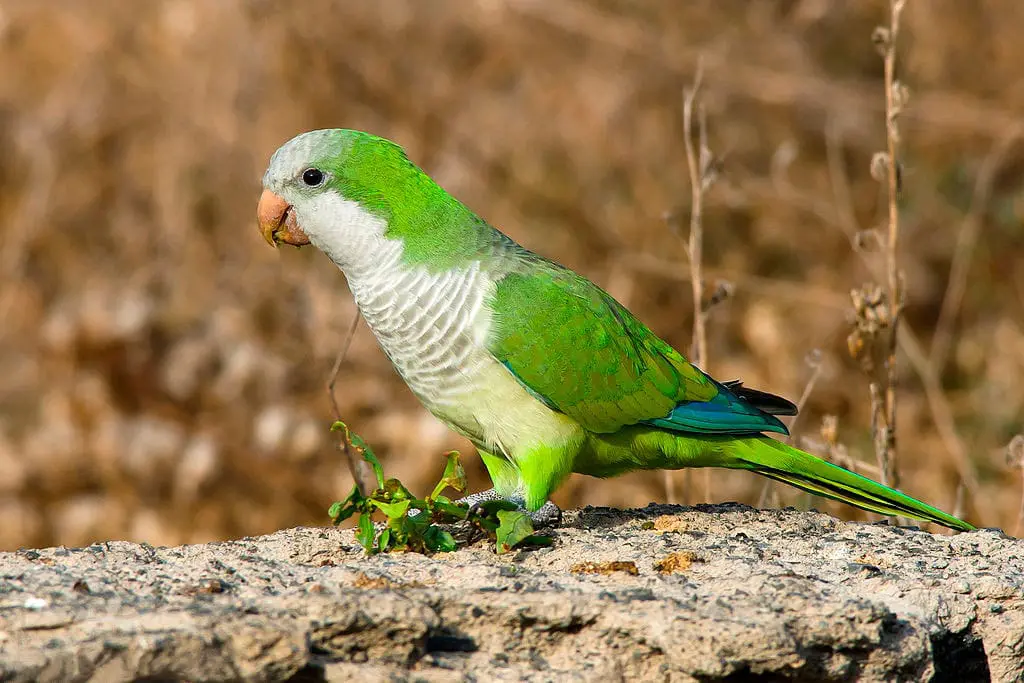
    The Monk Parakeet (Myiopsitta monachus) has the forecrown (up to the half of the crown), the lores and cheeks, pale ash gray; the rear of the crown and nape, grass-green, fading to green, slightly more off, in the the mantle, the back and scapulars; rump green. Primary coverts, blue; other coverts, green.
    Flight feathers Blue by up. Under the wings has the lesser coverts green, the coverts more large and innerwebs of the the flight feathers, blue. Throat and upper area of the chest, ash gray, with pale edges to the feathers, giving a beaming effect; lower area of โ€‹โ€‹the chest, pale yellow; Abdomen, the thighs and vent, pale green.

    Upper, the tail is green with blue in the Center; below, pale bluish-green.
    Bill color horn; Brown of the irises; legs grey.
    Both sexes are similar.
    Immature has the front green-tinted.

    Subspecies description:

    • Myiopsitta monachus calita

      (Jardine & Selby, 1830) – Less of the nominal species (27cm.) with wings more blue and head dark gray.

    • Myiopsitta monachus cotorra

      (Vieillot, 1818) – Very similar to the subspecies Myiopsitta monachus calita, but supposedly more bright, belly least yellow.

    • Myiopsitta monachus monachus

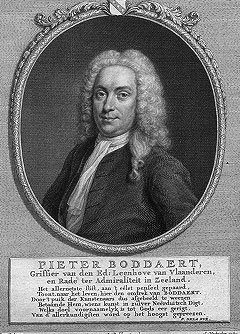
      (Boddaert, 1783) – Nominal.

    Habitat:

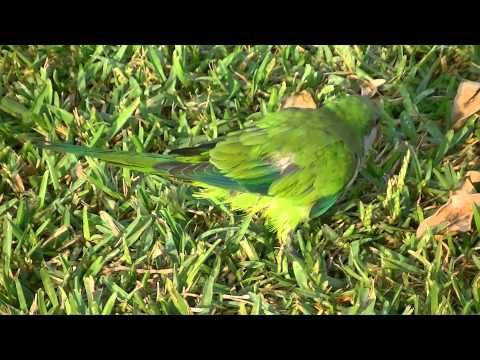
    Video – "Monk Parakeet" (Myiopsitta monachus)

    ARGENTINE PARROT: Myiopsitta monachus (www.riomoros.com)

    The Monk Parakeet is, mainly, in dry wooded areas or fields open with trees, such as gallery forest, isolated thickets, palm groves, forests, linens and areas with thorny thickets with Cactus, also in land cultivation and in urban areas with trees, mainly below 1.000 m.

    They tend to be observed in pairs or flocks of 30-50 individuals; with much larger gatherings out of breeding season. Rest communally, Sometimes the nests, While you are not playing.

    Note:

      There are reports of transmission lines damaged by birds while nesting. In general, in the area in which have been introduced these birds, the impacts are associated mainly to the behaviors of nesting. This species of birds build large, bulky nests in communications and transmission towers, and distribution poles. In the towers of transmission represent simply a problem of maintenance and does not affect the communications, but in electrical installations can cause blackouts and fires since the nests can create electrical circuits. This problem is intensified in the rainy season and humid climates.. The nests of these birds can cause significant damage to the facilities power including a decrease in electrical reliability, damage to equipment and loss in income due to power outages caused by nests, an increase in maintenance and operating costs associated with removing nests and repairing damaged structures as well as public safety issues (ISC 2011).

    Source: Naturalist

    Reproduction:

    It's the only one, between the parrots, It builds, usually, his nest with twigs (commonly from Celtis shrubs) in branches of tree (sometimes in telephone poles, etc.). Sometimes build nests alone (especially in those areas more dry), Although they are usually communal (until 100 nests, usually around 10) combined to form large structures cluttered of several meters of width, with inputs from the side or by under. Each nest It is built with remains of chewed branches. The nests are sometimes used by them Spot-winged Falconet (Spiziapteryx circumcincta) and other birds, to nest and rest. One nest can get to to weigh 50 kilos and be formed by more than 20.000 remained.

    The breeding season, in your area natural's distribution, is between October-December. The clutch generally 4-6 eggs, Although according to some sources, the laying You can understand between 1-11 eggs.

    Food:

    Its diet includes a wide range of seeds wild and cultivated, wild fruits, as well as various plant material including grass seeds and grains, stems of cactus, estate vegetables and fruits cultivated, sometimes also insects and their larvae. Feeds, both in trees as in the soil, sometimes with other species including pigeons and birds of the genus Molothrus.

    Distribution:

    Size of the area of distribution (reproduction / resident): 2720000 km2

    The Monk Parakeet lives in the lowlands of the South of South America, to the East of the Andes front Bolivia to Rawson Department (Chubut) in Argentina.

    Observed in the East and North of Bolivia in the southeast of Peace, to the south, in Cochabamba, West of Santa Cruz, North of Chuquisaca and possibly in other areas (for example, Tarija), Paraguay and South of Brazil, in the South and West of Mato Grosso, Mato Grosso from the South and two-thirds of the southwest of Rio Grande do Sul, in all the Uruguay and in the Argentina, to the South of Rio Negro and probably to the North of Chubut.

    Usually common and abundant in Uruguay and Rio Grande do Sul (although it does not play there). It is the most common parrot in much of its range and largely local expansion is due to the plantations of Euralyptus in areas without trees, partial deforestation in other areas, the Elimination of predators and the expansion of crops.

    Pursued in several areas, Although the overall effect on its population is apparently slight.

    Wild populations established in many towns outside of the range, including Puerto Rico, Florida, New York City (where there are fears it could become a major agricultural pest) and several cities more than them EE.UU. There have also been populations of the Monk Parakeet in Rio de Janeiro (Brazil), berlin (Germany), Austria, Belgium, Italy, Spain (including the Islas Canarias) and several places over the Mediterranean.

    Is a trade in these birds, both local, as international, with large numbers of this species in captivity.

    Subspecies distribution:

    Conservation:

    State of conservation โ“˜


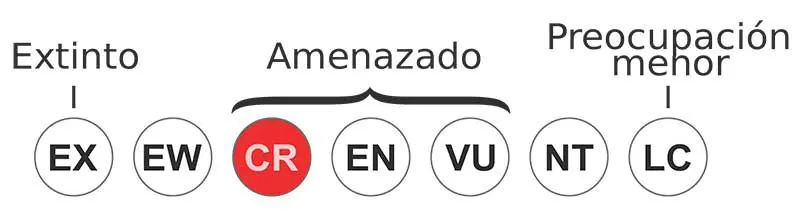
    minor concern Minor Concern โ“˜ (UICN)โ“˜

    โ€ข Current category of the Red List of the UICN: Least concern.

    โ€ข Population trend: Increasing.

    Justification of the population

    Global population size has not been quantified, but this species is described as ยซcommonยป (Stotz et to the., 1996) and ‘common to abundant‘ (pit et to the., 1997).

    Justification of trend

    The population is suspected to have increased as a consequence of the creation of new areas of habitat suitable (pit et to the., 1997).

    Threats

    The species has been marketed strongly: from 1981, When is included in the Appendix II of the CITES, they have been 710.686 individuals captured in the Middle wild for the Commerce International (database CITES from the UNEP-WCMC, January 2005).

    "Monk Parakeet" in captivity:

    Renowned for her beauty and intelligence, the Monk Parakeet is a pet people, especially in North America, since the 1960's (ISC, 2011). Can learn to imitate great amount of words, but at the same time are very bustling, demanding of attention and affection, with much character, and very territorial, by what not is rare that attack to their own owners when the manipulated or manipulate your cage. In captivity is reproduced with ease, but to the have many colonies in State Wildlife, not be usually stimulate its reproduction in captivity.
    Its life expectancy It 3-10 years in freedom and 25 to 35 years in captivity (รlvarez-Romero et al., 2008).

    Before trying to acquire one of these birds as a pet, you should know that in many countries its sale is prohibited as it is classified as species invasive.

    MINISTRY OF AGRICULTURE, FOOD AND ENVIRONMENT

    Royal Decree 630/2013, of 2 of August, which regulates the Spanish catalog of invasive alien species.

    Invasive exotic species: exotic species that is introduced or set to an ecosystem or natural or semi-natural habitat, and is an agent of change and threat to native biodiversity, due to its invasive behaviour, or because of the risk of genetic contamination.
    Article 7. Effects of the inclusion of a species in the catalogue.

    1. The inclusion of a species in the catalogue, According to the article 61.3 of the law 42/2007, of 13 of December, entails the prohibition generic in its possession, transport, traffic and trade of exemplary living or dead, of their remains or propagules, including the trade exterior. This prohibition is limited to the scope of application specified for each species in the annex.

    Alternative names:

    Monk Parakeet, Monk Parakeet (Monk), South American monk parakeet (English).
    Perriche veuve, Conure veuve (French).
    Mรถnchsittich, Mรถnchssittich, Sรผdamerikanischer Mรถnchsittich (German).
    catorra, catorrita, Caturrita, papo-branco, periquito-do-Pantanal (Portuguese).
    Cata Aliazul, Cotorra, Cotorra Argentina, Cotorra Comรบn, Cotorrita, Perico Monje (espaรฑol).
    Cotorra (Argentina).
    Cotorra argentina (Chile).
    Cotorrita (Paraguay).
    Cotorra, Cotorra Comรบn (Uruguay).
    Periquito (Venezuela).

    Pieter Boddaert
    Pieter Boddaert

    scientific classification:


    Order: Psittaciformes
    Family: Psittacidae
    Genus: Myiopsitta
    Scientific name: Myiopsitta monachus
    Citation: (Boddaert, 1783)
    Protonimo: Psittacus monachus


    Monk Parakeet images:


    Species of the genus Myiopsitta

    โ–ท The world of Pets: Dogs, cats, birds, reptiles, amphibians

    Green-rumped Parrotlet
    Forpus passerinus


    Green-rumped Parrotlet

    Content

    Description:

    Green-rumped Parrotlet

    13-14 cm.. height.

    The Green-rumped Parrotlet (Forpus passerinus) is the psittacine smaller that can be found on the American continent. It is distinguished by being green, with a brighter green in the front, cheeks, lower part of the body and behind the neck; the rump bright green in the two sexes, wing with one Strip Turquoise Blue followed by another greenish-blue in males; belly lighter than the back, tail with yellow border.

    Female with rump greenish-yellow and wings without blue. It is possible to have dyes more yellowish forehead.

    Subspecies description:
    • Forpus passerinus cyanochlorus

      (Schlegel, 1864) – Also known as Parrotlet Schlegel. Similar to the subspecies Forpus passerinus passerinus, but the feathers of the tail of the female they are more green in the bottom. Also it has more yellow along the forecrown .


    • Forpus passerinus cyanophanes

      (Todd, 1915) – Show more blue with the wing closed in the other subspecies.


    • Forpus passerinus deliciosus

      (Ridgway, 1888) – The male has the rear area Emerald green with blue and pale blue tint at the edge of the the greater wing coverts. Female has more yellow in all the facial area.


    • Forpus passerinus passerinus

      (Linnaeus, 1758) – The nominal.


    • Forpus passerinus viridissimus

      (Lafresnaye, 1848) – Also known as Venezuela green parakeet. The plumage is green in males; in females varies considerably according to the region they inhabit.

    Habitat:

    It is found in dry forest, semi-open areas, crops, among others, until the 500 m. In flocks of more of 100 individuals. You can perform altitudinal migrations.

    Reproduction:

    It nests in abandoned nests of woodpeckers or in other holes, from May to November.

    Food:

    They feed on seeds, including the of the grasses.

    Distribution:

    Size of the area of distribution (reproduction / resident): 1.060.000 km2

    This is a very widespread and common. They are distributed in the northeast of Colombia, North of Venezuela, Guyanas to the northeast of Brazil, also in Curacao, Trinidad and the West Indies.

    Subspecies distribution:
    • Forpus passerinus cyanochlorus

      (Schlegel, 1864) – Is located in Roraima, Brazil.


    • Forpus passerinus cyanophanes

      (Todd, 1915) – Are found in the areas around the North of Colombia.


    • Forpus passerinus deliciosus

      (Ridgway, 1888) – Is located in the lower basin of the amazon, in Brazil.


    • Forpus passerinus passerinus

      (Linnaeus, 1758) – The nominal. Found in the Guianas.


    • Forpus passerinus viridissimus

      (Lafresnaye, 1848) – Found in the North of Venezuela, Trindad and Tobago.

    Conservation:

    State of conservation โ“˜


    minor concern Minor Concern โ“˜ (UICN)โ“˜

    โ€ข Current category of the Red List of the UICN: Least concern.
    โ€ข Population trend: Decreasing.

    Justification of the population

    The size of the world population It has not been quantified, but this species is described as ยซcommonยป (Stotz et to the., 1996).

    Justification of trend

    It is suspected that this species has lost 19,2-21% of habitat within its distribution in three generations (12 years) based on a model of Amazon deforestation (Soares-Filho et to the., 2006, Bird et to the., 2011). Given the susceptibility of the species to hunt or capture, It is suspected that it will fall in <25% durante tres generaciones.

    "Green-rumped Parrotlet" in captivity:

    Itร‚ยดs common bird cage. In captivity they are sweet and playful. It might be possessive with toys and people.

    Alternative names:

    Blue-winged Parrotlet, Common Parrotlet, Green rumped Parrotlet, Guiana Parrotlet, Guianan Parrotlet, Passerine Parrotlet (English).
    Toui รฉtรฉ, Perruche-moineau de Guyane (French).
    Grรผnbรผrzel-Sperlingspapagei (German).
    tuim-santo, periquitinho, periquito-do-espรญrito-santo, periquito-santo, periquito-tabacรบ, periquito-vassoura (Portuguese).
    Catita Enana de Lomo Verde, Cotorrita Culiverde, Periquito Coliverde (espaรฑol).
    Periquito Coliverde (Colombia).
    Periquito Mastrantero (Venezuela).


    scientific classification:

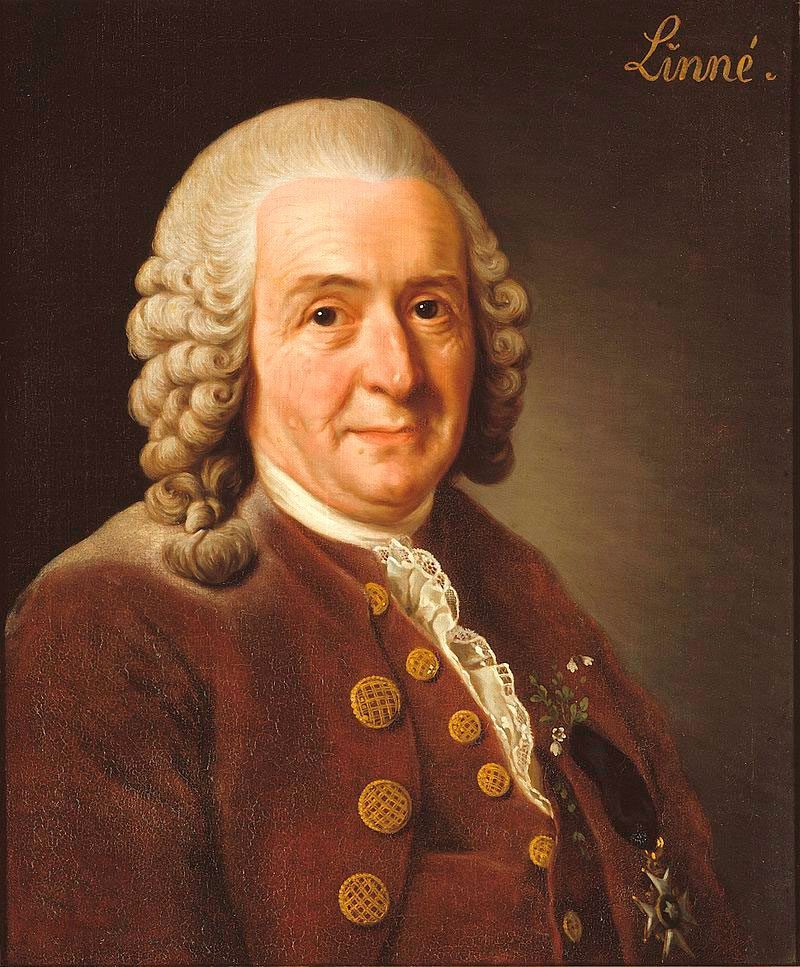
    Carl Linnaeus
    Carl Linnaeus

    Order: Psittaciformes
    Family: Psittacidae
    Genus: Forpus
    Scientific name: Forpus passerinus
    Citation: (Linnaeus, 1758)
    Protonimo: Psittacus passerinus


    Images Green-rumped Parrotlet:

    Videos of the "Green-rumped Parrotlet"


    Species of the genus Forpus

    Green-rumped Parrotlet (Forpus passerinus)


    Sources:

    Avibase
    – Parrots of the World โ€“ Forshaw Joseph M
    – Parrots A Guide to the Parrots of the World – Tony Juniper & Mike Parr
    – Birdlife
    – Parrot Book, Parrots and macaws Neotropical

    Photos:

    (1) – Forpus passerinus in Trinidad 2014, Caribbean By Jam.mohd (Own work) [CC BY-SA 4.0], via Wikimedia Commons
    (2) – Photograph of pet Green-rumped Parrotlet (Forpus passerinus) By self (Own work) [Public domain], via Wikimedia Commons
    (3) – Green-rumped Parrotlet, (Forpus passerinus), a pair, male (right) and female (left), in Venezuela By kulyka on flickr (Flickr) [CC BY 2.0], via Wikimedia Commons
    (4) – Periquito mastrantero [Green-rumped Parrotlet] (Forpus passerinus viridissimus) by Cristรณbal Alvarado MinicFlickr
    (5) – Periquito mastrantero [Green-rumped Parrotlet] (Forpus passerinus viridissimus) by Cristรณbal Alvarado MinicFlickr
    (6) – Blue-winged Parrotlet, adult male (above); Green-rumped Parrotlet, young(?) male (below) Joseph Smit [Public domain], via Wikimedia Commons

    Sounds: (Xeno-canto)

    โ–ท The world of Pets: Dogs, cats, birds, reptiles, amphibians

    Spot-winged Parrotlet
    Touit stictopterus

    Spot-winged Parrotlet

    Content

    Description:


    Anatomy-parrots

    17 to 18 cm.. height.

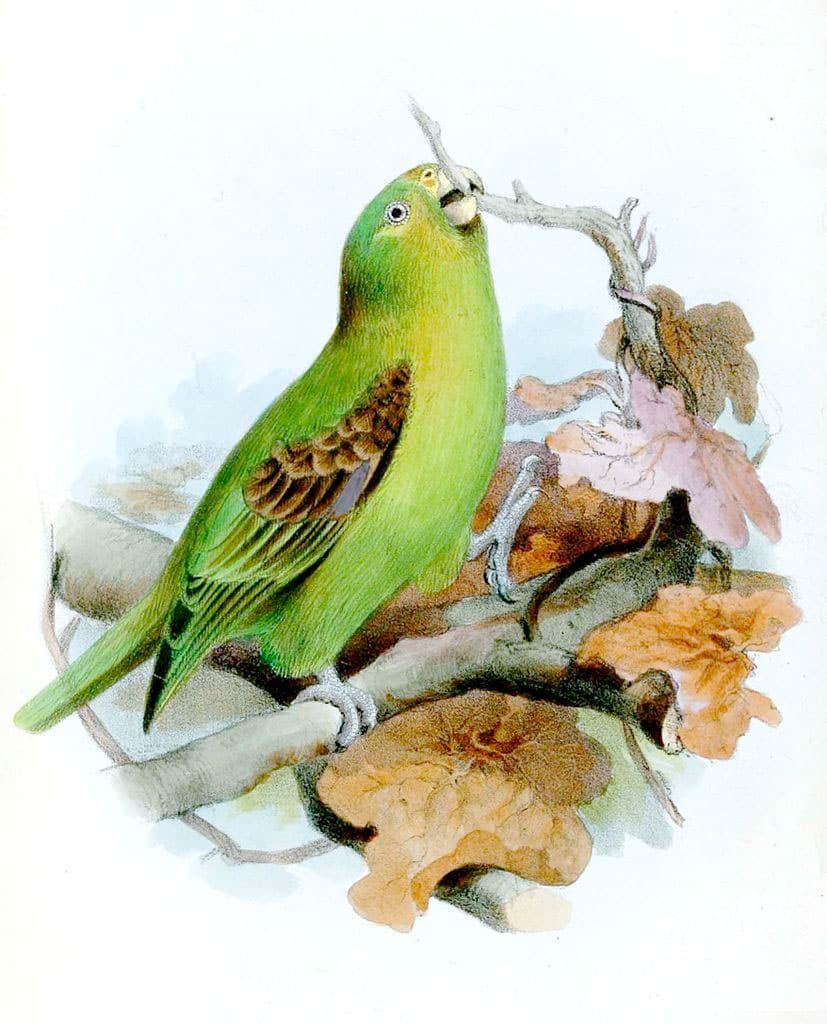
    The Spot-winged Parrotlet (Touit stictopterus) It has a green overall coloration, clearer to the abdomen, wings brownish with white spots; below the tail opaque olive is yellow with blue edge.

    The female differs from the male by feathers middle-lower wing which they are green; the forecrown and the face They are yellowish green.

    Habitat:

    Very rare species. Observed at the local level and in low densities in a Habitat in decline. Its population It is likely to be small and declining, with very small sub-populations in each known locality.
    It inhabits in semi-humid cloud forests and seasonal crop areas, between 600 and 2400 m. Apparently performs altitudinal migrations, Perhaps conditioned by the supply of food.

    Reproduction:

    The reproduction It is performed in March.

    Food:

    They feed on fruit and corn.

    Distribution:

    Size of the area of distribution (reproduction / resident): 129.000 km2

    It lives in the wild in the Andes, southern Central cordilleras and Eastern in Colombia, western Ecuador and North of Peru.

    Conservation:

    State of conservation โ“˜


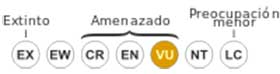
    Vulnerable Vulnerable โ“˜ (UICN)โ“˜

    Globally it is in the category vulnerable (VU) and in Colombia in danger of extinction (IN). Deforestation in Andes It is their main threat.

    "Spot-winged Parrotlet" in captivity:

    Because of its condition It is not recommended that you keep this bird as a pet.

    Alternative names:

    Spot-winged Parrotlet, Brown-shouldered Parrotlet, Emma’s Parrotlet, Spot winged Parrotlet (English).
    Toui tachetรฉ, Toui d’Emma (French).
    Tรผpfelpapagei, Tรผpfel-Papagei (German).
    Spot-winged Parrotlet (Portuguese).
    Cotorrita Alipinta, Lorito de Alas Moteadas, Periquito Alipunteado (espaรฑol).
    Periquito Alipunteado (Colombia).
    Periquito de Ala Punteada (Peru).


    scientific classification:

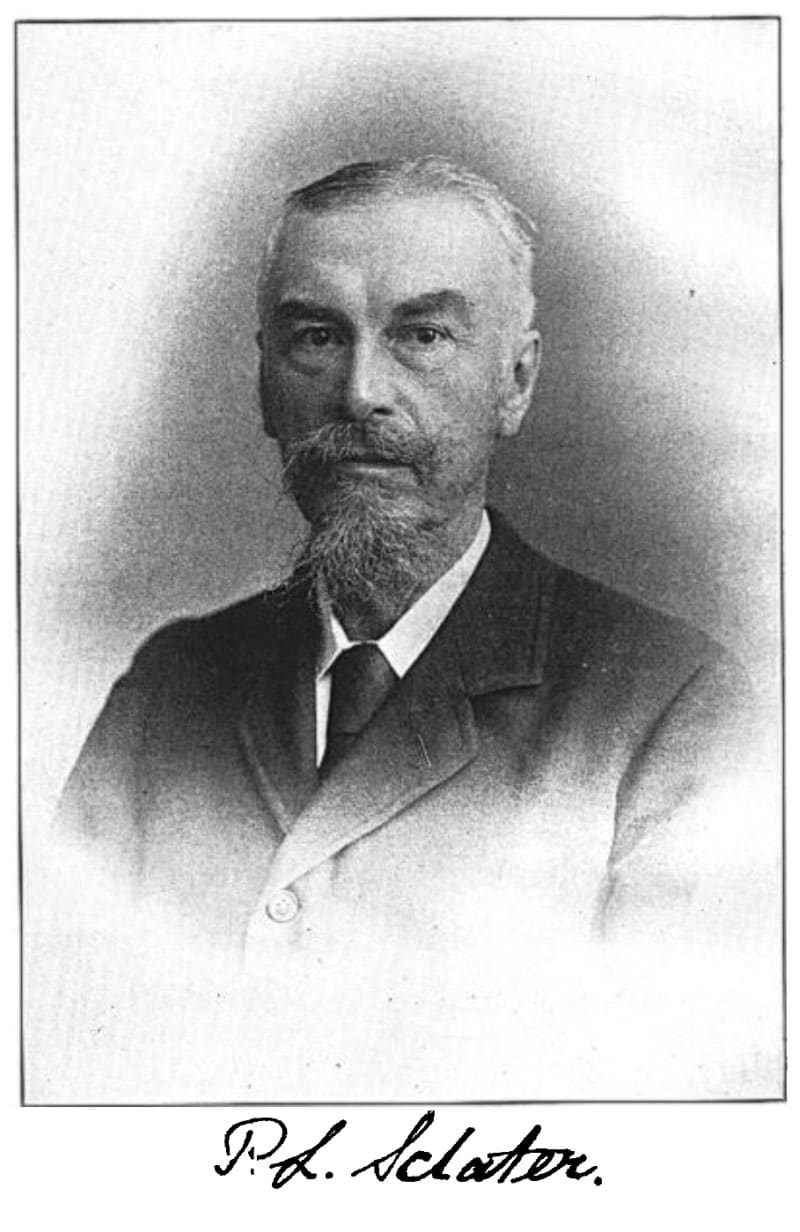
    Philip Sclater
    Philip Sclater

    Order: Psittaciformes
    Family: Psittacidae
    Genus: Touit
    Scientific name: Touit stictopterus
    Citation: (Sclater, PL, 1862)
    Protonimo: Urochroma stictoptera


    Images Spot-winged Parrotlet:


    Species of the genus Touit


    Spot-winged Parrotlet (Touit stictopterus)


    Sources:

    • Avibase
    • Parrots of the World โ€“ Forshaw Joseph M
    • Parrots A Guide to the Parrots of the World – Tony Juniper & Mike Parr
    • Birdlife
    • Parrot Book, Parrots and macaws Neotropical

    • Photos:

    (1) – Urochroma stictoptera = Touit stictoptera by Joseph Wolf [Public domain], via Wikimedia Commons