โ–ท The world of Pets: Dogs, cats, birds, reptiles, amphibians

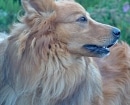
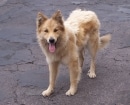
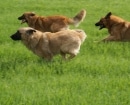
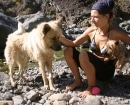
Pumi
Hungrรญa FCI 56 - Sheepdogs.

Pumi

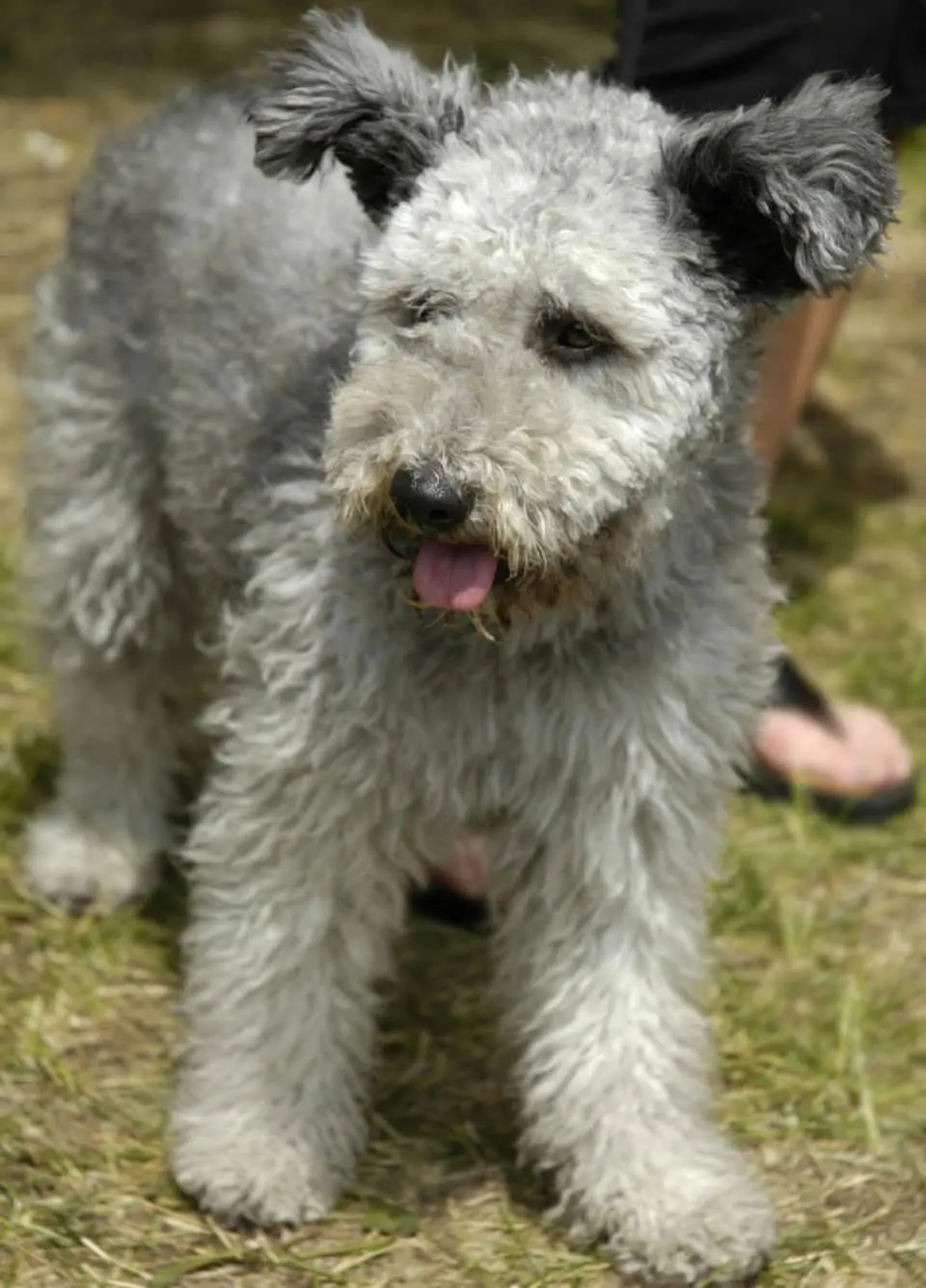
The Pumi is a rustic dog, docile, independent and very protective with their own.

Content

History

The Pumi It is a herding dog size medium of the Terrier group, originally from Hungary.

The Pumi has been used as a "general farm dog", in grazing sheep not only, but also cows and pigs, and also for catching small rodents. Originated from the 17TH and 18th century, When the grazing done by dogs Terrier, brought to Hungary from Germany and France, it was common. These Terrier-type dogs, they were mixed with native Hungarian sheepdogs, and the result of such crossing gave rise to the sympathetic current Pumi, It is a dog of Terrier blood but with the heart of dog. He was raised as a working dog, an autonomous and free animal.

Read more

โ–ท The world of Pets: Dogs, cats, birds, reptiles, amphibians

Puli
Hungrรญa FCI 55 - Sheepdogs

Puli

With its black lace cape, gray or white, the Puli, a herding breed of sheep originating from Hungary

Content

Adaptation โ“˜

3,0 of 5 stars (based on 1 review)

friendly dog โ€‹โ€‹โ“˜

3,0 of 5 stars (based on 1 review)

hair loss โ“˜

3,0 of 5 stars (based on 1 review)

Affection level โ“˜

4,0 of 5 stars (based on 1 review)

Need for exercise โ“˜

4,0 of 5 stars (based on 1 review)

Social need โ“˜

3,0 of 5 stars (based on 1 review)

Home โ“˜

4,0 of 5 stars (based on 1 review)

Toilet โ“˜

5,0 of 5 stars (based on 1 review)

Friendly with strangers โ“˜

2,0 of 5 stars (based on 1 review)

barking โ“˜

4,0 of 5 stars (based on 1 review)

Health โ“˜

3,0 of 5 stars (based on 1 review)

Territorial โ“˜

5,0 of 5 stars (based on 1 review)

Cat friendly โ“˜

3,0 of 5 stars (based on 1 review)

Intelligence โ“˜

5,0 of 5 stars (based on 1 review)

Versatility โ“˜

3,0 of 5 stars (based on 1 review)

Child friendly โ“˜

4,0 of 5 stars (based on 1 review)

Surveillance โ“˜

4,0 of 5 stars (based on 1 review)

joy โ“˜

5,0 of 5 stars (based on 1 review)

History

The Puli has been known in Hungary for at least 1.000 years. Dogs like the Puli were brought to Hungary by the Magyar invaders. Dogs look like Tibetan Terrier, and it is possible that this race is one of its ancestors.

The type of work dogs did depended on their size and color. Light-colored dogs were most useful at night so they could be easily seen, while those of dark color worked during the day. Among the white flocks, were easier to see by the pastor.

During the 17th century, the Puli almost lost as a breed due to crossbreeding with sheepdogs from France and Germany. In 1912, a program was started to revive the breed. In 1915 A breed standard was drafted and approved by the (FCI) International Cynological Federation in 1924. The dogs had made their first appearance at a Budapest dog show a year earlier and were divided into three classes.: of work, exposure and dwarf. In 1934 breed standard was revised and dogs were divided by height: large, medium and dwarf. An inscription of 1935 in the Hungarian herd book it notes four sizes: large (policeman), medium- (work), small and dwarf. Medium size was the most popular.

Physical characteristics

It's a solid dog, lean but muscular. The head is small and thin; front view looks round and in profile, elliptical. The skull is rounded; the nasal canal straight and shorter than the skull, with the stop well marked. The eyes are brown; the gaze is attentive and lively.

has droopy ears; V-shaped. The body gives an impression of great solidity: the height at the withers is somewhat greater than the length of the trunk.

The limbs are straight and muscular. The size of the tail is curved and on the kidneys.

Observations and tips:

Puli's hair is not easy to keep clean. You must avoid getting dirty because you cannot brush or wash.

  • Fur: it is so dense that it makes it difficult to examine the different parts of the body. The head appears round due to the hair that falls over the eyes, that hides them. The coat is made of thick textured hair and a fine undercoat: the right proportion between thick and fine hair determines the โ€œnarrowโ€ felting, what is the desired. If there is too much thick hair, the coat is thin. On the other hand, if there is too much fine hair, the cloak will be too pressed. The stringy cloak is made up of uniform hairs that form wavy highlights. Curls are less prone to felting and form long strings. The hair is long on the rump, kidneys and thighs (of 8 to 18 cm.), so that in certain cases, while the dog is standing, hair almost touches the ground. On the other hand, it is moderately short on the head and on the feet.
  • Color: depending on the variety, black, black with reddish highlights, different shades of gray, and white.
  • Size: males, of 40 to 44 cm.; females, of 7 to 41 cm..

Character and skills

Dreadlocks usually attract the attention of those unfamiliar with the Puli. But for those who know him and love him, it is his personality that shines.

The Puli is an affectionate and loving dog that enjoys being with his family. It is intelligent, agile and has a strong work ethic. He is wary of strangers and takes care of his family, but should not be too shy or aggressive.

Like most herding breeds, the Puli is independent and strong-willed. You need a nice hand, but firm, to achieve their best behavior. The Puli has a tendency to bark, another trait of grazing, so any training program must include a "Quiet" command.

The Puli is a capable athlete, known for being able to climb a fence 180 cm.. Fenced yard and lots of supervision required.

Training should begin immediately for the Puli puppy. Even at 8 weeks of age, is capable of learning good manners. Never wait until i have 6 months to start training, or you will have a more stubborn dog to handle. If possible, take it to a puppy trainer when you have 10 to 12 weeks of age, and socializes, socialice, socialice. But, Note that many kinds of training puppies require certain vaccinations (such as kennel cough) stay up to date, and many veterinarians recommend limited exposure to other dogs and public places until puppy vaccinations (including rabies, distemper and parvovirus) They are completed. Instead of formal training, You can start training your puppy to socialize at home and among family and friends until immunizations are completed in the puppy. You can also invite people to your home, to get used to receiving visitors. These experiences as a young dog will help you become a sensible and calm adult dog..

Talk to a reputable and experienced Puli breeder. Describe exactly what you are looking for in a canine companion, and ask for help selecting a puppy. Breeders see puppies daily and can make incredibly accurate recommendations once they know something about their lifestyle and personality. Choose a puppy whose parents have pleasant personalities and who has been well socialized by the breeder since birth.

Puli dog health

The Puli are generally healthy, but the conditions that are sometimes seen in the breed include hip dysplasia, eye problems such as progressive retinal atrophy and deafness.

Don't buy a puppy from a breeder who can't provide you with written documentation that the parents were cleared of health issues affecting the breed. Getting dogs "vet checked" is not a substitute for genetic health testing.

Careful breeders screen their breeding dogs for genetic diseases and breed only the healthiest, best-looking specimens., but sometimes mother nature has other ideas and a puppy develops one of these diseases despite good husbandry practices. Advances in veterinary medicine mean that in most cases dogs can still live a good life. If you are going to have a puppy, ask the breeder about the ages of the dogs in their lines and what they died of.

Remember that after you have welcomed a new puppy into your home, has the power to protect you from one of the most common health problems: the obesity. Keeping a Puli at the right weight is one of the easiest ways to extend his life.. Make the most of your preventive skills to help ensure a healthier dog for life.

Puli dog grooming

The Puli has a dense, weather resistant coat that can be wavy or curly but never silky. The undercoat is soft, woolly and dense. The hair clumps together easily and if left alone it will form shaggy cords as the dog matures, a partir de los 9 months of age. Depending on the coat texture and the amount of undercoat and outer coat, laces can be flat or round. It takes four to five years to fully grow and can reach the ground.

The Puli coat can be brushed or left as a drawstring. If you plan to brush the coat instead of leaving it twine, start early and expect to brush every day or two.

The coat doesn't fall off much, but the laces must be separated regularly to maintain their appearance, and they attract dirt and debris. The Puli's coat should never be dirty, tangled or foul-smelling. To avoid problems, ask the breeder to show you how to care for the coat. Trimming the hair around the mouth and cleaning the dog's face after meals is one way to help reduce odor.. Bathing and drying a Puli can take hours. Make sure it's dry to the skin, or it will smell musty. If you don't plan to display it, you can choose to keep your coat short for easy maintenance.

The rest is basic care. Trim nails as needed and brush teeth frequently with a vet-approved pet toothpaste for overall good health and fresh breath. Check ears weekly for dirt, redness or odor that may indicate an infection. If the ears look dirty, clean them with a cotton swab moistened with a gentle, pH-balanced ear cleaner recommended by your veterinarian. Start brushing the Puli while you are young so that you get used to it and accept it willingly.

Characteristics "Puli"

Coexistence is important that you have with your new friend. Before considering the acquisition of a dog of the breed "Puli" you know certain factors. Not all breeds of dogs are apt to live in an apartment, you must take into account his character, their need for exercise, their interaction with other pets, their care and if you have small children, their level of tolerance towards them.

Images "Puli"

Videos "Puli"

Type and recognitions:

  • FCI CLASSIFICATION:
  • Group :
  • Section : . .

Federations:

  • FCI – Group 1 Herding dogs, Section 1 Sheepdogs โ“˜
  • AKC – PASTORAGE โ“˜
  • ANKC – Group 5 (working dogs) โ“˜
  • CKC – Group 7 – Herding dogs โ“˜
  • โ€‹KC – Pastoral โ“˜
  • NZKC – Working dog โ“˜
  • UKC – Herding dogs โ“˜

FCI breed standard Puli

FCIFCI - Puli
Puli

Alternative names:

1. Hungarian Puli (English).
2. Puli hongrois (French).
3. Puli (German).
4. Puli (Portuguese).
5. Puli hรบngaro, Pulik (espaรฑol).

Photos:

1 – Picture of a white Puli by http://www.rabakozi-nemes.hu / CC BY-SA
2 – Pulik by No machine-readable author provided. Pleple2000 assumed (based on copyright claims). / CC BY-SA
3 – Puli at the World Dog Show in Poznaล„ by Wikipedia
4 – White puli, sheared by age by Benutzer:Cryptodirum / Public domain
5 – Puli would Haplochromis / CC BY-SA
6 – Puli (Hungarian Shepherd), female, 2 years and a half by Wikipedia
7 – Puli would https://pxhere.com/es/photo/1362559

โ–ท The world of Pets: Dogs, cats, birds, reptiles, amphibians

Pit bull
Estados Unidos Not recognized by the FCI

Pit Bull Terrier Americano

The Pit bull in Spain it is considered potentially dangerous race.

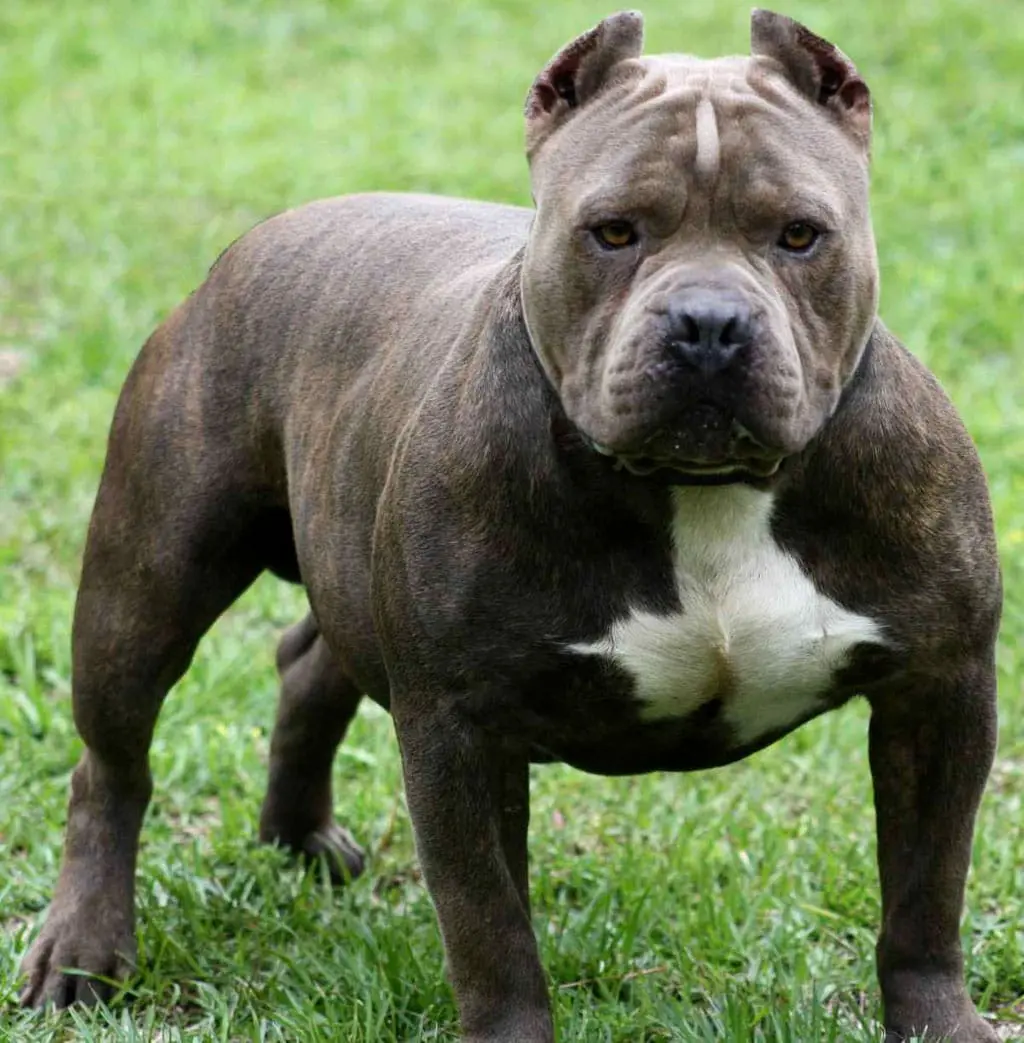
The Pit bull (American Pit Bull Terrier) is a pure breed of dog, originally from United States, It was forged from dogs imported from United Kingdom. Were used as fighting dogs until they were banned in 1976; they are now bred as pets and athletes in legal sports (Although it is still the favorite breed, dog fighting carried out clandestinely).

Read all about the race by clicking on: American Pit Bull Terrier.

  • Otros nombres: American Pitbull Terrier / APBT / Pit / Pitty

Recognized by:

  • United Kennel Club (UKC).

โ–ท The world of Pets: Dogs, cats, birds, reptiles, amphibians

Plott Hound
Alemania Estados Unidos Not recognized by the FCI
The Plott Hound It is a dog that shows always eager to please her master.

Plott Hound

Content

History

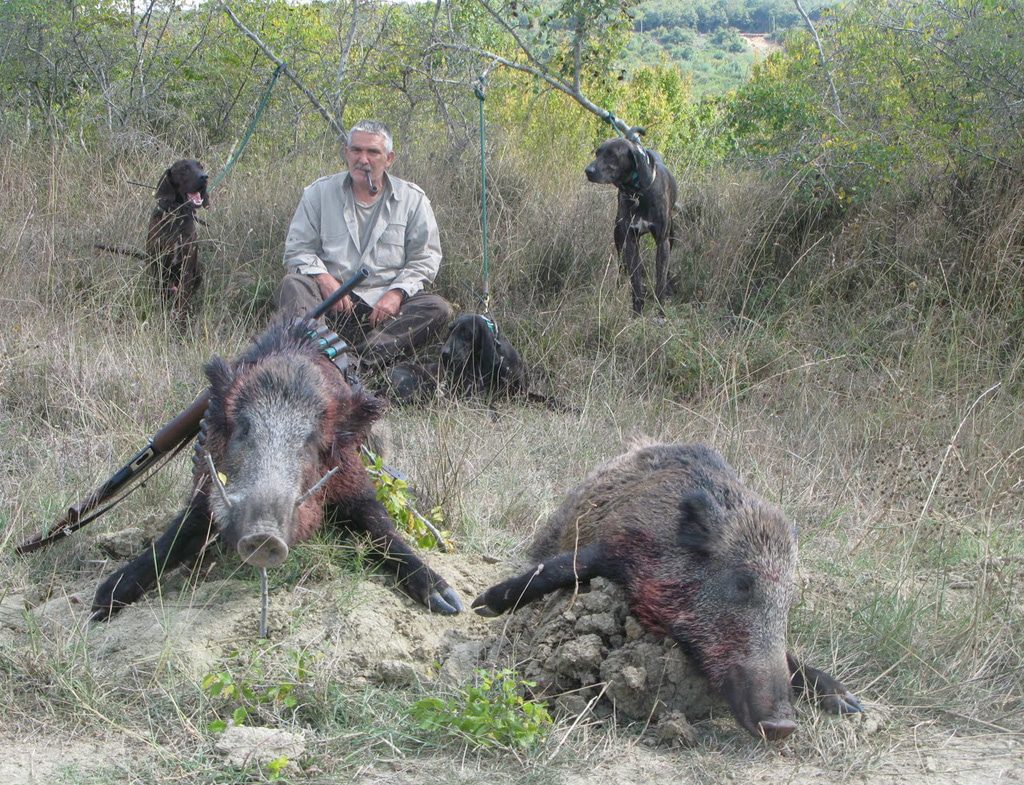
The Plott Hound is a great hound, in particular a Coonhound, originally bred for boar hunting. It is one of the least known in United States breeds of dogs, Despite being the official dog of the State of North Carolina. It is one of the six Coonhound breeds registered in the United Kennel Club (UKC).

The ancestors of the Plott Hound of today were used for hunting wild boar in Germany many years ago. Johannes Plott left his native Germany and came to the United States in 1750. He brought with him a few greyhounds that he used for hunting wild boar.. These dogs were bred for their strength and bravery.

The Lord Plott and his family settled in the mountains of western North Carolina. Although there is no written evidence to show that Johannes came all the way to western North Carolina, Yes, it is known that his son Henry Plott settled there around 1800 and was responsible for the legend of the dog of Plott, an amazing big game dog. The Bรกlsamos Plott are a mountain range that bears the family name to this day.

The Plott Hound was first registered by United Kennel Club in the year 1900.

Johannes Plott supposedly kept his strain completely pure, without crossing, but in 1780, their dogs passed into the hands of Henry Plott what if, known data from crosses with other breeds, but in the end always attempted to maintain the originality of the race.

Other crosses, possibly, they took place around the year 1900.

GP Ferguson, a family neighbor Plott in North Carolina in those days, it was a great influence on the breed Plott.

Physical characteristics

The Plott Hound must be athletic and muscular and agile in appearance. It must not be neither low and heavy, legs or long, but yes, light. The expression must be intelligence, confidence and determination. Your skin should not be ample as a sniffer.

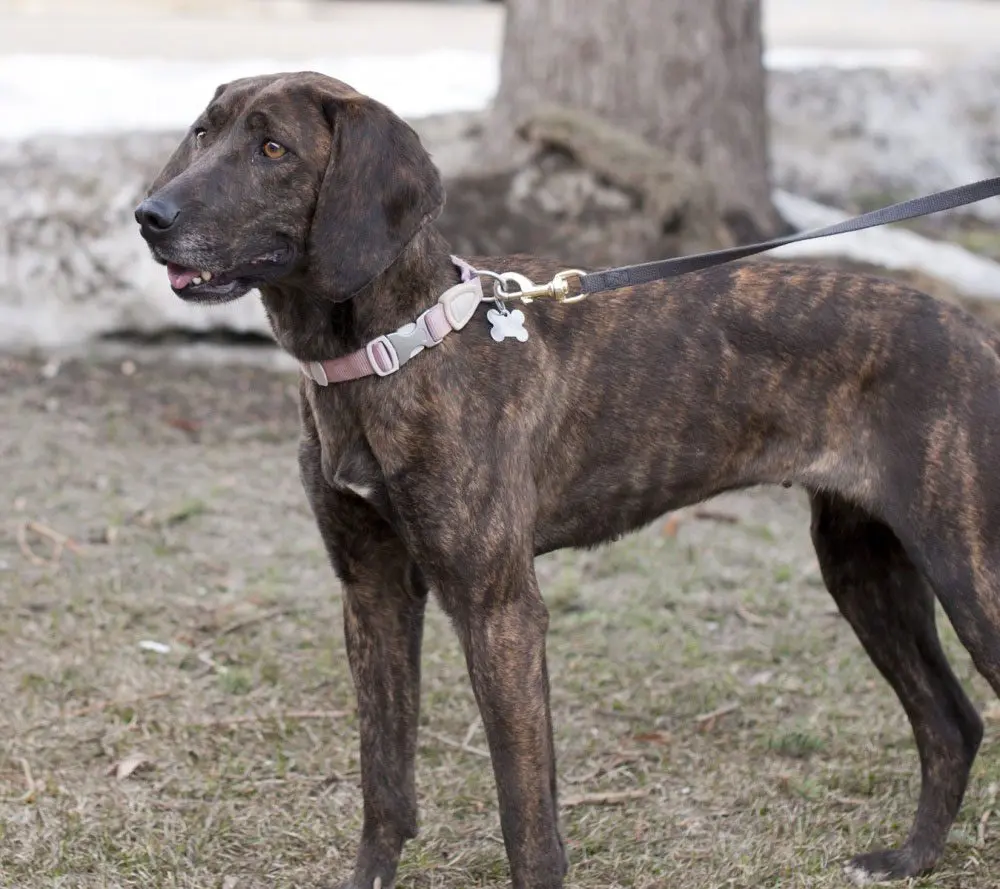
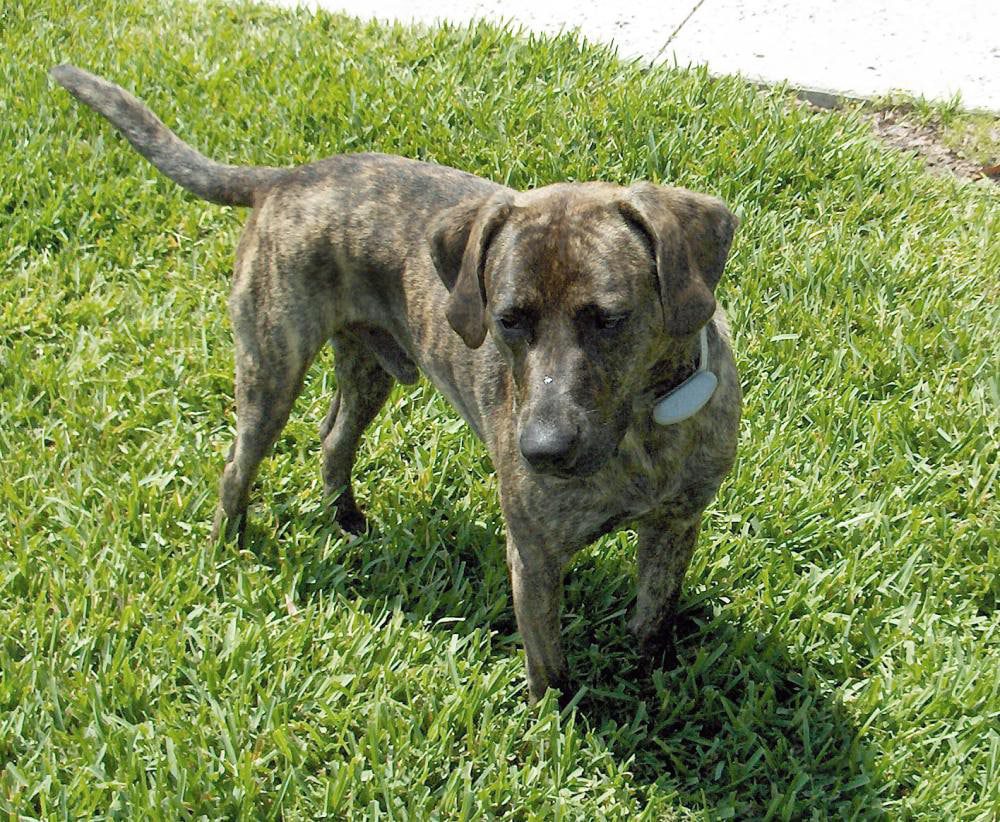
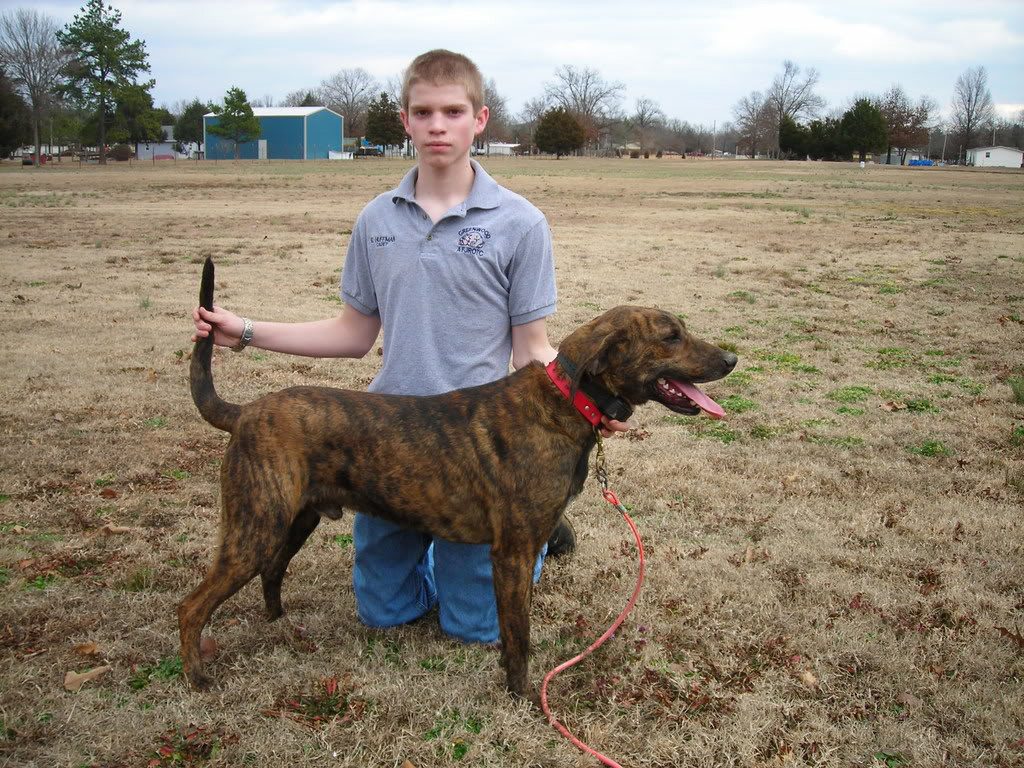
The Plott Hound it is a dog of constitution strong but moderate, with a striped clear in their coat color. His appearance suggests the ability to speed, resistance and energy.

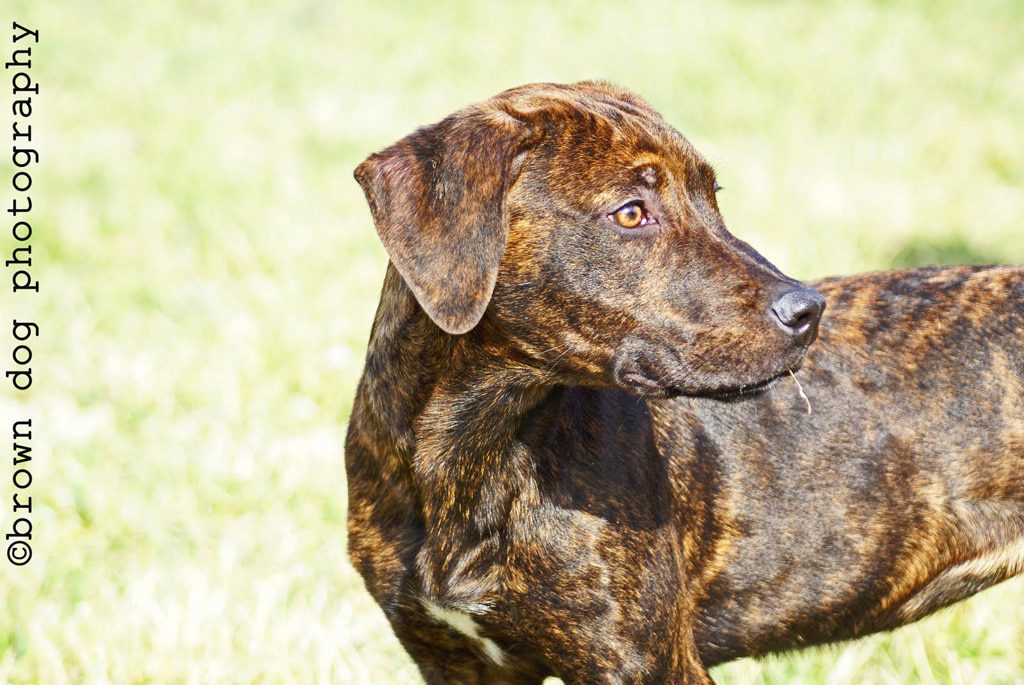
The coat of the Plott Hound should be fine and short or medium in length, and with smooth texture and glossy appearance.

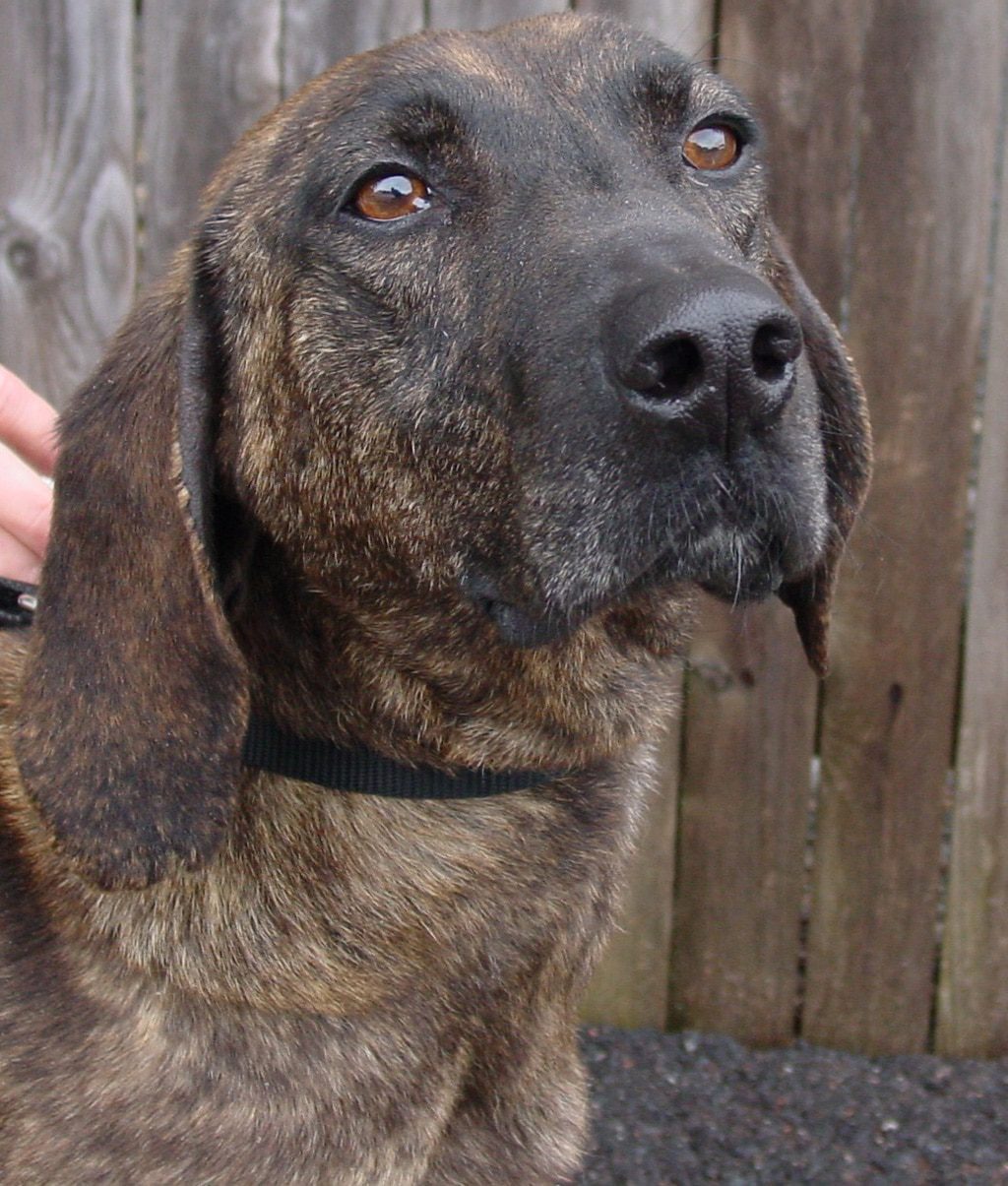
According to the National Association of Plott Hound, the fur the dog must be Brindle. Brindle ยซfinely striped or striped effect or pattern of black or light brown hair with the hairs of a light background color or darker shades of the accepted colors, they are the following:

Yellow striped, red striped, mottled Brown, Brown striped, striped black, striped gray, and Maltese (Slate gray, Blue striped).

The Association establishes that while that some white on chest and / or feet is allowed, White anywhere else, except in the chest and / or feet, is a defect.

The height of a Plott Hound will of 50 to 71 cm. to the cross in the mato hos, and 50 to 58 cm in females. Males should weigh in 23 to 27 kg and females in 18 to 25 kg.

Observations

The Plott Hound is considered the most robust of the Coonhound. Eats large amounts of food and very quickly, What makes it susceptible to gastric torsion, why education and perseverance when eating, is important to keep our Plott Hound healthy.

Character and skills

The Plott Hound is a dog that always shows eager to please his master, is loyal, intelligent and very alert in the home, but never aggressive.

In their role of Hunter It is often described as bold and brave, usually, they are always willing to adventure, but that predisposition varies among the strains that are bred for the hunting and the specimens that are bred as Coonhound (Coon hound).

Homeowners must be prepared to have a Plott Hound at home, a dog is not for beginners.

They require plenty of daily exercise, this breed is very active. Love the game, they have a wonderful instinct for the "woodland" (hunting of raccoons) and much like the water.

They are quick to learn. They are often indifferent to other dogs, but they constantly seek the care of human beings.

Images of the Plott Hound
Video part ยซPlot Houndยป
  • Otros nombres: Plott / Plotthund.

Recognized by:

  • American Kennel Club (AKC).
  • United Kennel Club (UKC).

โ–ท The world of Pets: Dogs, cats, birds, reptiles, amphibians

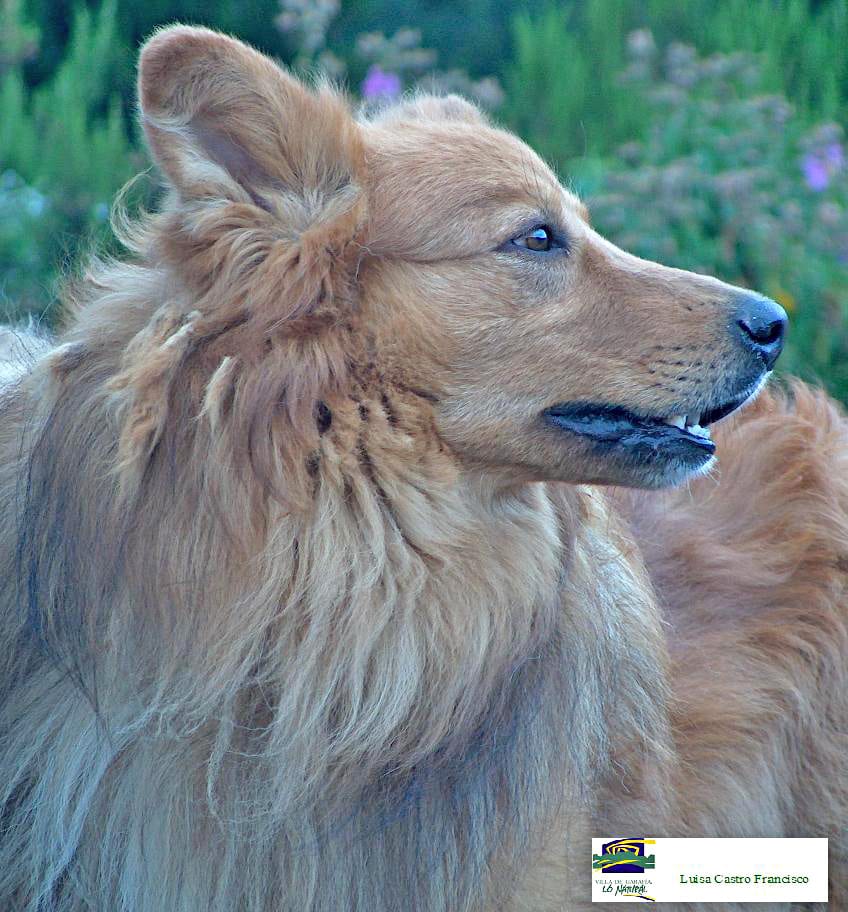
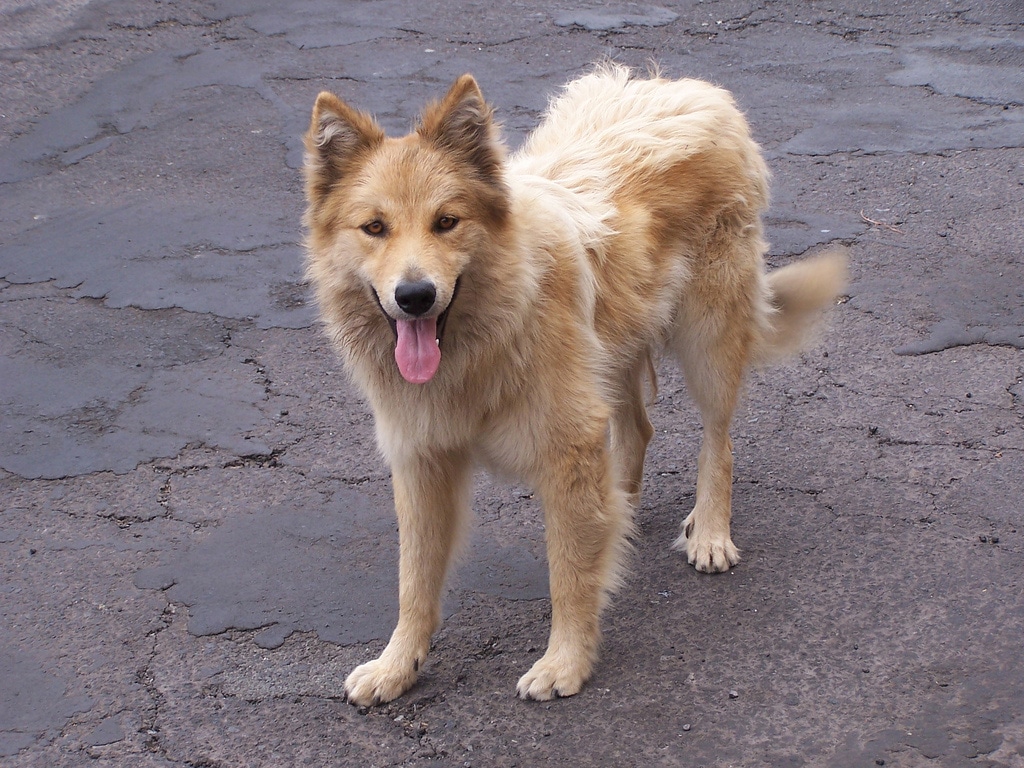
Garafian Shepherd
Espaรฑa Not recognized by the FCI

Pastor Garafiano

The Garafian Shepherd It is a very docile and friendly dog.

Content

History

The Garafian Shepherd is a breed of dog indigenous native to La Palma Canary, Canary Islands. The name receives it from the North of the island, specifically from the municipality of Garafรญa, for being the place where this breed was most common, Despite the fact that copies are found throughout the island.

The Garafian Shepherd has been linked from its origins to grazing, activity for which shows special aptitude, although at present it has gained great importance as a pet.

for a certain time, This race was on the edge of his disappearance due to miscegenation with other breeds of dog.

Successive crossings, especially from the age 60 20th century with other breeds of dogs pastors, They show the need to work for their recovery and selection from the exemplary few pure breed that retained the pastors of the island.

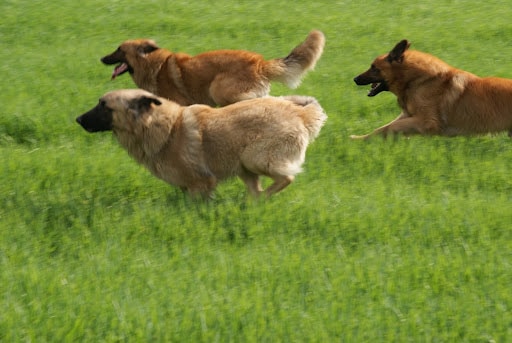
It's a differentiated canine population, originally from the region of Garafรญa, on the island of la Palma where was used by shepherds to raise herds of goats. Because of this, the animal performs very well in steep and rocky areas.

It has very homogeneous characteristics., Since only a functional selection has carried out. His main ability is the grazing of sheep and goats in steep terrain, due to the geographical characteristics of La Palma.

Its origin dates back to pre-Hispanic times., although the crosses with other races after the conquest have contributed to the development of the Garafian Shepherd.

To prevent this disappearance, the working group for the recovery of the Garafian Shepherd, which would become the Spanish dog association Garafian Shepherd, whose current president is Antonio Manuel Diaz Rodriguez.

Among the objectives of the Association is the development of census, creating breeding nuclei, participation in exhibitions and fairs canine, etc.

The Garafian Shepherd was officially recognized as a Spanish breed in the year 2004, by the Royal Canine Society of Spain.

The Garafian Shepherd It has been presented in the samples of native breeds that have been held in the Canary Islands, as well as in the international exhibitions held in Santa Cruz de Tenerife and Las Palmas de Gran Canaria.

The department of ethnology of the Faculty of Veterinary Medicine of the University of Las Palmas de Gran Canaria has carried out several studies on the breed that, they were presented at the Symposium of native races held in Cรณrdoba in March of 1992.

In the news, this breed is very abundant on the island and the future looks promising due to the growing interest in these animals, not only by shepherds but also by people looking for a pet.

Physical characteristics

His body is format Lupoid, medium to moderately longilinear, eumรฉtrico, of medium-size to large, slightly higher than the cross grupa, rather short neck and small head on the body. Exemplary well care usually weigh between 28 and 35 kg males and 24 and 30 kg females.

These are the weights that antesandse gave, currently in the males is of 35 to 46 kg and females in 25 to 35 kg. The height to the cross males range between the 57 and 64 cm., While that in females 55 and 62 cm..

Currently these data have also changed still normal in males of 60 to 70 cm and females 55 to 65 cm..

Its head is conical, small in relation to the body, slightly convex front, What highlights by the introduction something separate and rear of the ears, that may have items or with a tendency to go forward.

They may also appear enhiestas, observing then a tendency to keep them folded before any stimulus, showing its inner face. Truffle always black. Oblique eyes, Brown macaroons, and something coming. Brief lips, collected. Bite in clamp. Soft and little pronounced stop.

The legs they are strong, good heaviness, Emphasizing the later by its proportions. Sometimes they have Spurs, that it often doubles and some implanted.

The layer is likens or alobada. The puppies are born Brown, color that changes to reach adults, appearing in some cases hair or white spots on the chest, fingers or tip of the tail, disappearing generally grow.

The hair is abundant and more or less long. Sometimes is smooth while in other cases it is rough. It tends to accumulate at the base of the ears, neck, skirts, tail and on the edges of the legs. The tail usually very populous hairs, bearing sword being slightly coiled, Although never on the back.

Character and skills

The character of Garafian Shepherd It docile and friendly.

When he meets strangers, he shows a typical barking attitude., folding of ears, movements of tail and spins on his head showing the corner of the mouth in the form of smile.

He is calm and rested in appearance, although he becomes very active while carrying out any type of physical activity..

You need exercise as well as all dogs.

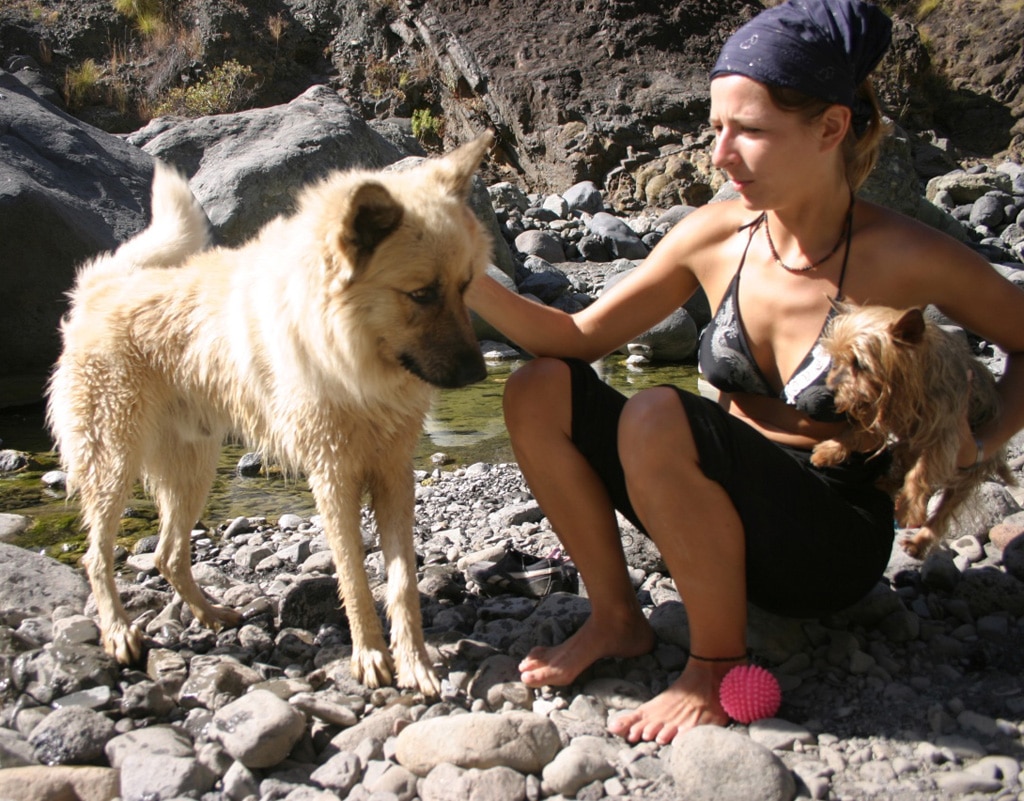
Images of the ยซPastor Garafianoยป

Videos of ยซPastor Garafianoยป

Federations:

  • RSCE – Royal Canine Society of Spain โ“˜

Alternative names:

1. Pastor Garafiano (English).
2. Pastor Garafiano (French).
3. Pastor Garafiano (German).
4. Pastor garafiano (Portuguese).
5. Pastor de Garafia (espaรฑol).

โ–ท The world of Pets: Dogs, cats, birds, reptiles, amphibians

Carea Leonรฉs
Espaรฑa Not recognized by the FCI

Pastor Leonรฉs

The raison d ' รชtre of the Carea Leonรฉs is the management and guidance of herds.

Content

History

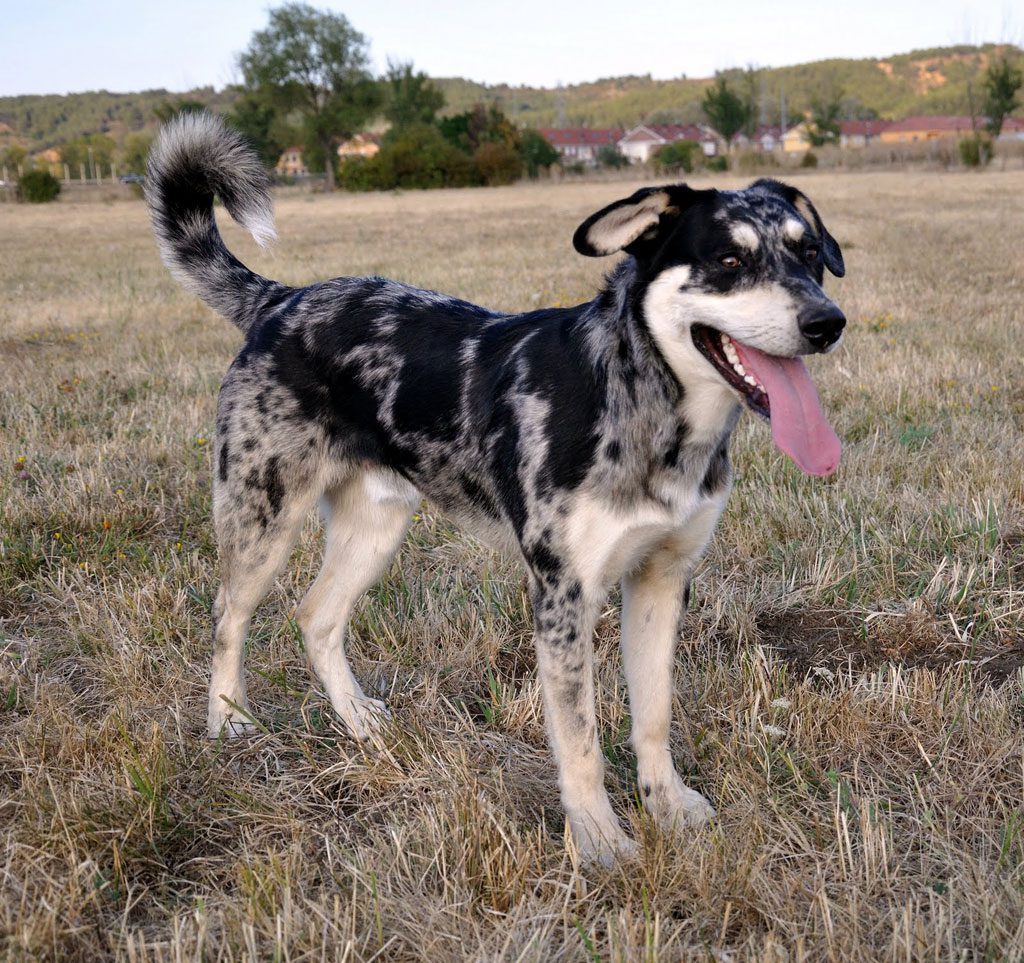
The Carea Leonรฉs (or Leonese Sheepdog) it is a dog whose morphology and character have been shaped by its environment, both physical and human. Regarding the physical, it can be said that this breed is rooted in the regions of the province of Leรณn and Zamora. This was so because they are agricultural areas where crops shared their existence with flocks of sheep.. So that this coexistence would come to fruition, and due to the shortage of shepherds that there was at all times, and that the number of heads could be raised, It was necessary to call on an assistant to control the cattle by feeling, and this was the Carea Leonรฉs.

Physical characteristics

It is a dog of medium size with a height to the cross between 48 and 55 cm in males and 45 and 52 cm in females.

It is a lightweight and agile dog in order to start after the flock avoiding their dispersion, or jogging in search of the sheep that is separated from the Group.

As regards the basic layer or coloring of hair, There are animals with black hair all over his body and others who, In addition, they are tawny color stains (reddish) in the extremities, the side and above the eyebrows.

In some specimens, the black color of the hair is clarified by dissolution of the pigment giving rise to an irregular patchwork of bluish-grey spots more or less clear, and even white spots, throughout the body of the animal.

Character and skills

The Carea Leonรฉs it is a dog very attached to its owner and without adequate socialization, is distrustful and even urano with strangers, something that does not correspond so much to specimens raised between humans, showing these, much more receptive and sociable. It is a very alert and intelligent dog, with great learning capacity and predisposition to work. It is a dog with personality but it submits well to the orders it receives from its owner.

It is a breed not yet officially recognized, but you are trying to get official recognition as a native breed.

You are planning to develop a plan for recovery and promotion of the Leonese Pastor, because otherwise, their future will be threatened by the unstoppable reduction in the number of grazing sheep herds and by the growing spread of foreign dog breeds that could soon lead to their replacement, miscegenation, absorption or, the extinction of the Leonese Pastor.

As a curiosity, PAS, was a Carea Leonรฉs which appeared in the famous film shot in Spain ยซThe Kingdom of heavenยซ, Ridley Scott.

Source of the photo and more information about this race by clicking on Leonese Sheepdog (Blog dedicated to the race with very interesting information!).

Federations:

  • RSCEโ“˜

Breed standard proposal according to the FCI pattern of the breed "Carea Leonรฉs"

FCIFCI – "Carea Leonรฉs"
Leonese Shepherd FCI

Alternative names:

    Perro de Pastor Leonรฉs, Perro de Aqueda, Carea leonรฉs, Leonese Sheepdog