โ–ท The world of Pets: Dogs, cats, birds, reptiles, amphibians

Flores Lorikeet
Trichoglossus weberi

Flores Lorikeet

Content

 Flores Lorikeet

Description Lori Flores:

25 cm. length and 100-150 g. of weight.

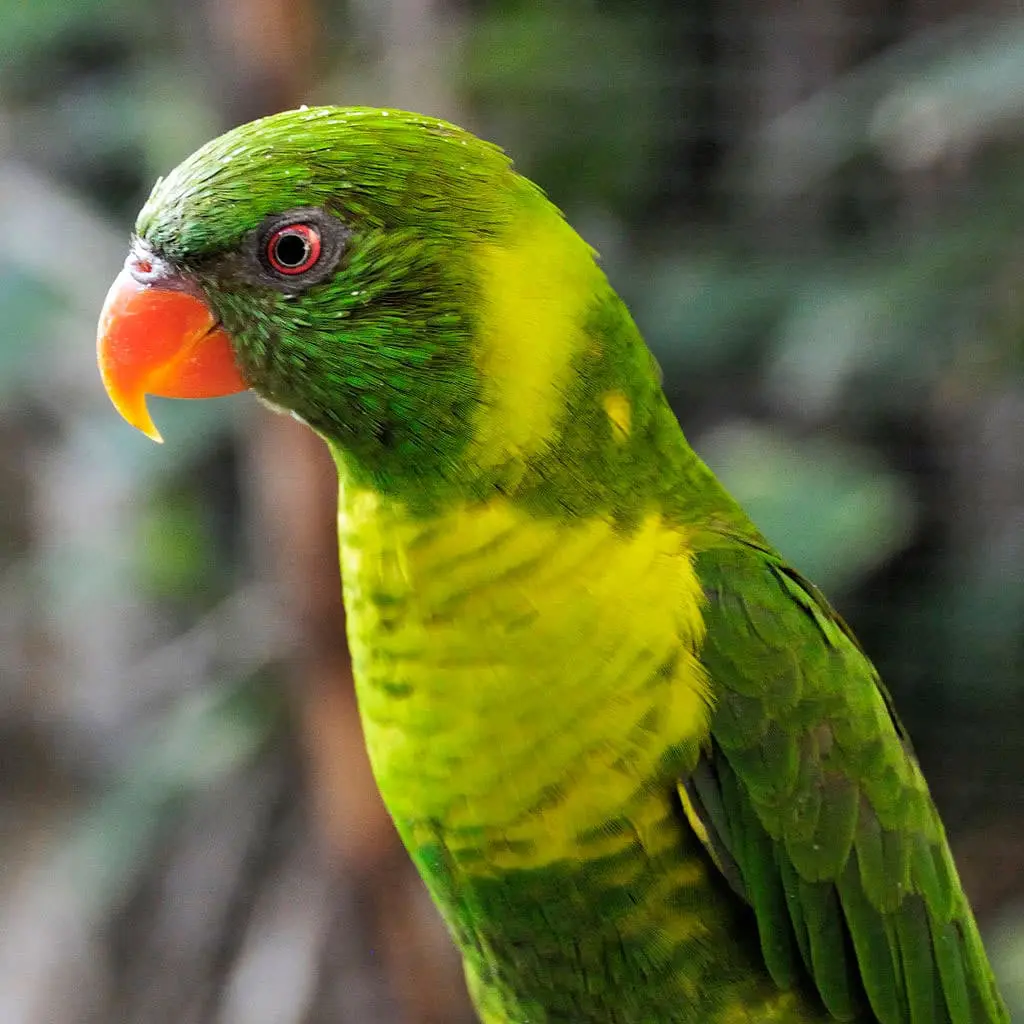
The Flores Lorikeet (Trichoglossus weberi) is generally Green; light green / blue stripes on the forecrown and lores, the rest of the head with brighter green stripes; underwing-coverts yellow / green. The chest and the thighs are yellowish or reddish. The bill It is orange-red and irises orange-red. The legs son grises. Smaller size than other species Trichoglossus.

The youth they are similar to adults.

    taxonomy:

Sometimes you think you're closer Olive headed Lorikeet (Trichoglossus euteles). With one exception, so far it has been treated as a subspecies within the complex Coconut Lorikeet (Trichoglossus haematodus), but differs in its chest rather pale green; abdominal patch medium green; head dark green with streaks of bright green; small size (less than a Scarlet-breasted Lorikeet (Trichoglossus forsteni) relatively small). Monotypic.

  • Sound of the Flores Lorikeet. (1)

(1) Some species are under extreme pressure because of traps and harassment. The open availability of high-quality recordings of these species may make the problems even worse.. For this reason, transmission and download of these recordings is off. Recorders are free to share in xeno-edge, but they will have to approve access to these recordings.

Habitat:

It's more common in the lowlands, but it is up 2400 meters above sea level. Wide variety of areas including settlements, forests, coconut plantations, Savanna, eucalyptus forests and mangroves.

It is found in mixed flocks with other parrots; small and noisy groups. Nomads, since they depend on flowering trees. It perches communally in groups of hundreds of birds.

Reproduction:

Birds have been recorded in conditions reproduction in June and is reported reproduction between February and August (White and Bruce 1986, Reeve y Rabenak 2016).

It will nest on the ground in some of the predator-free islands.

Food:

It feeds mainly from nectar, but also feeds on figs, insects and can be found around artificial feeding stations.

Distribution:

Extension of the distribution (breeding/resident): 25.500 km2

The Lori Flores are endemic to the flower island, Indonesian, where it is described as common (pit et to the. 1997).

Conservation Lori Flores:


Near-threatened

1. Current red list category of the UICN: Near-threatened.

2. The population trend: Decreasing.

3. Population size : 10000-19999 individuals.

    Rationale for the Red List category

It is believed that this species has recently split a moderately small population (approaching 10.000 mature individuals), forming one subpopulation, inferring that is suffering moderately rapid decreases due to the pressure of capture and loss of habitat. So, It has been classified as Near threatened, but more information on population size, trends and threats can lead to a reassessment of their status.

    Justification of the population

It is believed that the population of Flores Lorikeet It is moderately small (that is to say, approaching 10.000 mature individuals).

    Justification trend

They suspected that the population is declining due to loss of habitat and unsustainable levels of exploitation.

    Threats

The habitat destruction through the combined impacts of firewood collection, commercial logging, timber extraction for construction materials and clearance for agriculture may represent the most relevant threat.

The loss and fragmentation of forests It is already extensive in Flowers, where no semi-permanent forest below the 1.000 meters is included within the protected areas published in the Official Gazette. These threats are exacerbated by the expansion of human population, with large volumes of wood needed for housing construction, and the fact that the application of the laws by the government is little or no.

The moist deciduous forest is being cleared extensively through land grabbing and the establishment of agricultural areas, a factor that is inevitably reducing the range and population of this species. Forest clearing continues in the coastal belt to make way for crops, and illegal logging continues in protected areas.

It is presumed that the capture for trade in wild birds It represents an additional threat, as for other subspecies of the complex (Trichoglossus haemotodus).

Conservation actions and research in progress

Appendix II of the CITES. CMS Appendix II. It has been recorded in the Mbeliling Forest Reserve (Reeve y Rabenak 2016).

Proposed Research and Conservation Actions

1 – Estimate the population and assess population trends and scale of the pressure catch.

2- Conduct a species-specific study to identify important sites, in order to provide protection.

3- Carry out research on their status and habitat use (with special attention to feeding ecology and forest fragmentation) so that long-term management of the species facilitate.

4- Monitor trade to investigate whether this represents a significant threat.

5- Initiate campaigns sensitization to get the support of local people in forest protection.

In captivity:

In captivity it is kind enough rare de lori. He was raised for the first time Great Britain, in 1969, in Germany in 1984.

Because of its endangered status, Any suitable specimen can not be released back into their natural habitat (native range) It should preferably be placed in a breeding program well managed to ensure the continued survival of this species.

Alternative names

Flores Island rainbow lory, Flores Lorikeet, Leaf Lorikeet, Rainbow Lorikeet (Leaf) (English).
Loriquet ร  tรชte bleue (Weber), Loriquet ร  tรชte bleue (weberi), Loriquet de Flores, Loriquet de Weber (French).
Flores Blauwangenallfarblori, Flores-Allfarblori, Webers Lori (German).
Periquito-arco-รญris (weberi) (Portuguese).
Lori de Flores, Lori Arcoiris (weberi) (espaรฑol).

scientific classification:

Order: Psittaciformes
Family: Psittaculidae
Gender: Trichoglossus
Scientific name: Trichoglossus weberi
Subpoena: (Buttikofer, 1894)
Protonimo: Psitteuteles weber

"Lori de Flores" images:

Videos "Flores Lorikeet"


ยซLori de Floresยป (Trichoglossus weberi)


    Sources:

    1. Avibase
    2. Parrots of the World โ€“ Forshaw Joseph M
    3. Parrots A Guide to the Parrots of the World – Tony Juniper & Mike Parr
    4. Birdlife

    Photos:

    (1) – Flores Lorikeet, Trichoglossus (haematodus) weberi, at New Port Aquarium, Cincinnati, USA by derivative work: Snowmanradio (talk)Trichoglossus_haematodus_weberi_-New_Port_Aquarium-8.jpg: Serge Melki [CC BY 2.0], via Wikimedia Commons
    (2) – Weberโ€™s Lorikeets (Trichoglossus haematodus weberi) at Newport Aquarium by Ltshears [CC BY-SA 3.0 or GFDL], from Wikimedia Commons
    (3) – Fig. 1: Flores Lorikeet (Trichoglossus = Psitteuteles Weber Weber)
    Fig. 2: Olive-headed Lorikeet (Trichoglossus euteles = Psitteuteles euteles) by A Weberโ€™s lorikeet (Trichoglossus weberi) at the Jerusalem Biblical Zoo by SuperJew [CC BY-SA 4.0], from Wikimedia Commons
    (4) – Trichoglossus haematodus weberi Buttikofer, 1894 bt Huub Veldhuijzen van Zanten / Naturalis Biodiversity Center [CC BY-SA 3.0]

    (5) – Weberโ€™s lorikeet, Picture taken at Loro Parque in Puerto de la Cruz / Tenerife by Dominik DeobaldFlickr
    (6) – Johann Buttikofer [Public domain], via Wikimedia Commons

    Sounds: Raf Floats, XC350575. accessible www.xeno-canto.org/350575
โ–ท The world of Pets: Dogs, cats, birds, reptiles, amphibians

Red-eared Parakeet
Pyrrhura hoematotis

Cotorra Colirroja

Content

Red-eared Parakeet

Description:

25 cm.. height.

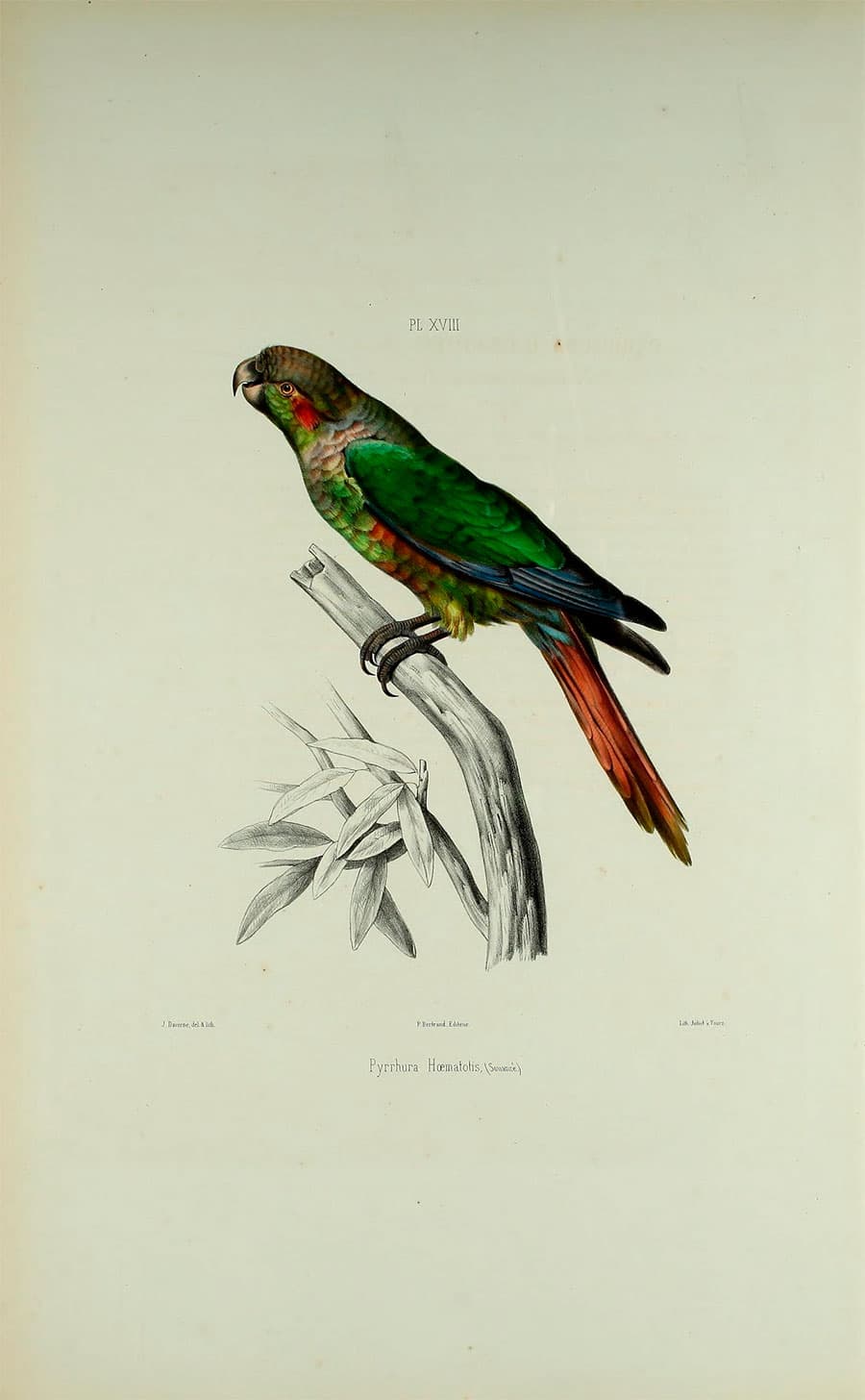
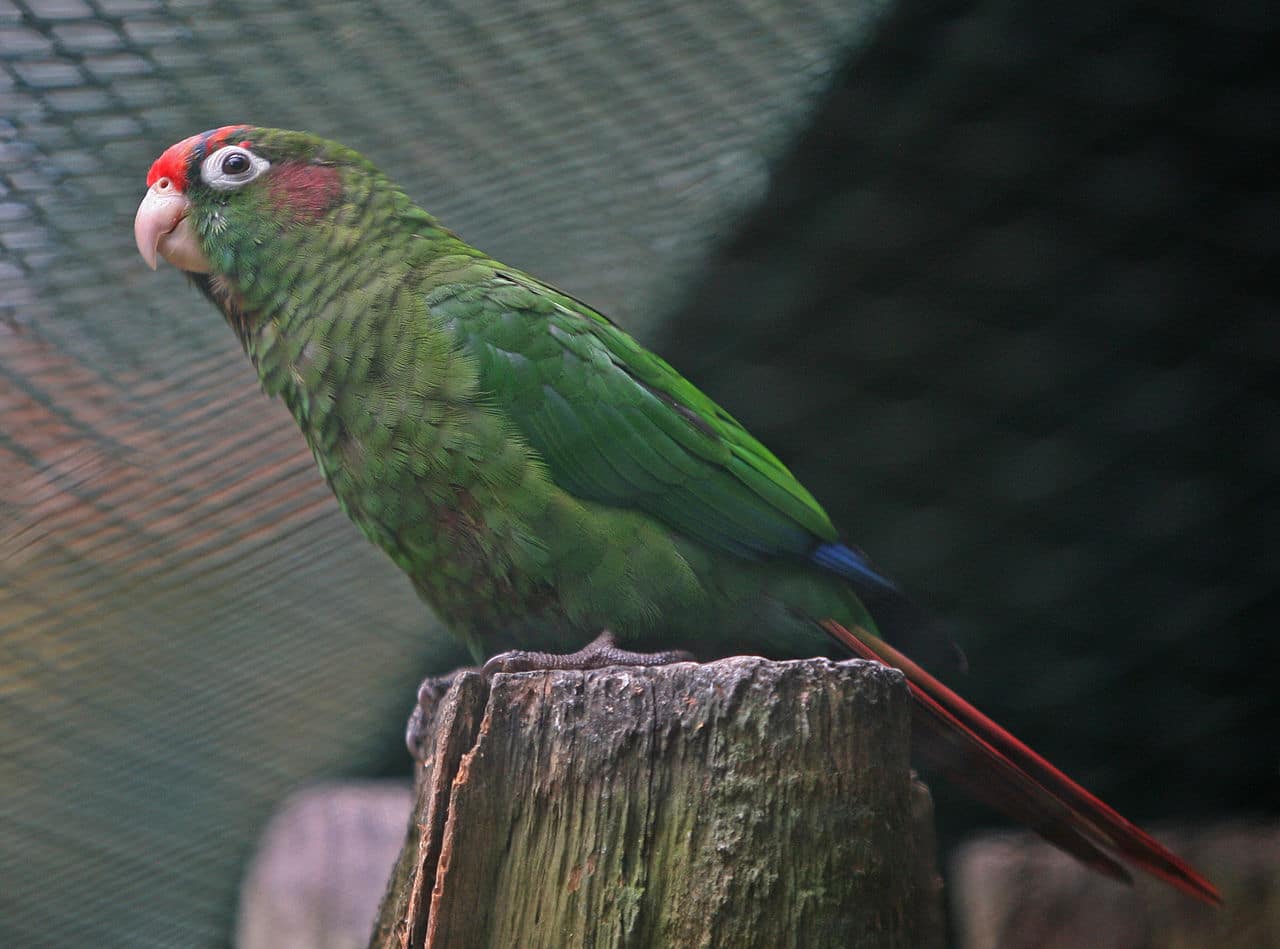
The Red-eared Parakeet (Pyrrhura hoematotis) It is distinguishable by the Brown of the forecrown with edges bluish to them feathers; cheeks green; crown and feathers of nape Green with tips more pale and yellowish. The upperparts green. Primary coverts and maybe some feathers in the area of the carpus, blue; other coverts green. Primaries Blue with black tips. Under wings with the lesser coverts green, the others coverts black. Throat and chest Brown olive with tones dark; margins to some feathers create a pattern squamous; sides neck also with effect squamous; belly and undertail-coverts Green with a patch Brown mal-definido in the center of the belly. Upper, the tail of color brown with tips from color olive; undertail, of color copper. Bill of color bone pink; Iris and legs brown.

Both of them sexes are similar. Immature not described.

Description 2 subspecies:

  • Pyrrhura hoematotis hoematotis

    (Souance, 1857) – Nominal.


  • Pyrrhura hoematotis immarginata

    (Zimmer & Phelps, 1944) – It has a narrow red line above the bill. What nominal but chest and sides of neck more green and with a pickling less obvious. Not there are tips yellowish in the feathers of the crown and nape.

Habitat:

They inhabit in montane and cloud forests with open areas and trees of low dispersion, often at the edge or in clear, mainly in altitudes of 1.000-2.000 m, Although there are report of the species at altitudes between 600 and 2.400 m. It is estimated that he performs altitudinal migrations. Gregaria, mainly seen in groups of 3-12 outside the breeding season, rarely in flocks of up to 100 individuals.

Reproduction:

Probably it breeding season be in the month of August (rainy season).

Food:

Poorly documented diet and breeding: the food known include guava (Psidium) and petioles some leafy trees, possibly to extract larvae of insects.

Distribution:

Size of the area of distribution (reproduction / resident): 14.300 km2

To the Red-eared Parakeet is known only in the coastal mountains north of Venezuela, with the westernmost record observed in Cubiro, Lara, the eastern-most in Miranda. But, Most of the records are from Aragua in Miranda; Cubiro is in fact the only known site in Lara and the population there is apparently discontinuous (subspecies Pyrrhura hoematotis immarginata). Diurnal movements occur from the mountains of the Highlands until the lowest feeding areas; also apparently some local seasonal movements guided by the availability of food.

Fairly common in most of its more restricted range and especially numerous in the Henri Pittier National Park; its status in Lara It is unknown. Much habitat right remains within the range outside the areas protected, and there is a rate of deforestation relatively low, but with constant habitat loss around Cubiro.

Absent or very rare in captivity.

Distribution 2 subspecies:

Conservation:

โ€ข Current category of the Red List of the UICN: Least concern.

โ€ข Population trend: Decreasing.

Justification of the population

The size of the world population It has not been quantified, but this species is described as ยซquite commonยป (Stotz et to the., 1996).

Justification of trend

It is suspected that the population is in decline due to ongoing habitat destruction.

"Red-eared Parakeet" in captivity:

Absent or very rare in captivity.

Alternative names:

Red-eared Parakeet, Blood-eared Conure, Blood-eared Parakeet, Red eared Parakeet, Red-eared Conure (English).
Conure ร  oreillons, Perriche ร  oreillons, Perruche ร  oreillons rouges (French).
Blutohrsittich, Blutohr-Sittich (German).
Tiriba-de-orelha-vermelha (Portuguese).
Cotorra Colirroja, Perico de Cuello Rojo (espaรฑol).
Perico Cola Roja (Venezuela).

scientific classification:

Order: Psittaciformes
Family: Psittacidae
Genus: Pyrrhura
Scientific name: Pyrrhura hoematotis
Citation: Souancรฉ, 1857
Protonimo: Pyrrhura hoematotis

Red-eared Parakeet images:


Red-eared Parakeet (Pyrrhura hoematotis)


Sources:

  • Avibase
  • Parrots of the World โ€“ Forshaw Joseph M
  • Parrots A Guide to the Parrots of the World – Tony Juniper & Mike Parr
  • Birdlife
  • Parrot Book, Parrots and macaws Neotropical

  • Photos:

(1) – Venezuelan endemic Red-eared Parakeet (Pyrrhura hoematotis) photographed in captivity in Mรฉrida, Venezuela By http://www.birdphotos.com (Own work) [CC BY 3.0], via Wikimedia Commons
(2) – Perico tail Red [Blood-eared Parakeet] (Pyrrhura hoematotis hoematotis) Place: The deer, Park national the Avila by barloventomagicoFlickr
(3) – Bando of parrots parakeet place: The deer, Park national Guaraira Repano by barloventomagicoFlickr
(4) – Pyrrhura hoematotis by Diana registerFlickr
(5) – Pyrrhura hoematotis by Diana registerFlickr
(6) – Iconographie des perroquets: Paris :P. Bertrand,1857 by Biodiversity Heritage LibraryFlickr

โ–ท The world of Pets: Dogs, cats, birds, reptiles, amphibians

Canary-winged Parakeet
Brotogeris versicolurus


Catita Versicolor

Content

Description:

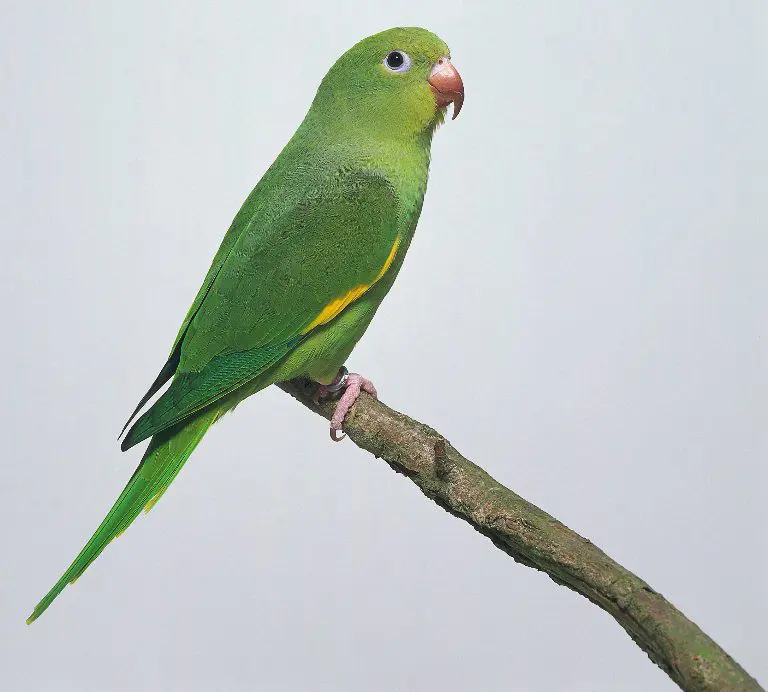
The Canary-winged Parakeet (Brotogeris versicolurus) measured between 24 and 25 height cm. Single parakeet with yellow and white patch and blue tip on the wing , tail green, long and acute (noticeable in flight).

Of overall green coloration, with belly opaque, front and sides of the head grey.
It has no sexual dimorphism.

Habitat:

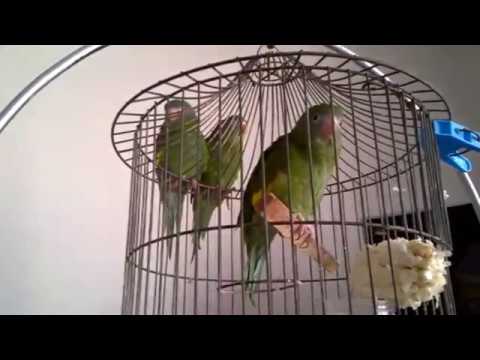
Video – "Canary-winged Parakeet" (Brotogeris versicolurus)

brotogeris versicolurus whistling

It is found in variety of habitats, humid forest, riparian, edges, stubble, open and urban areas, until 300 m (in Bolivia comes up to the 2700 m).

Abundant trees in cities and towns. They fly high, in pairs or small flocks to large.

Reproduction:

The breeding season includes the months between January and July in South America. The female places of 4 to 5 white eggs. The incubation hard of 23 to 26 days. Usually, the male can stay in the nest at night, but the incubation is main task of females.

It nests in tree hollows and decaying fruit capsules.

Food:

In their natural habitats, the Canary-winged Parakeet, feeds mainly on worms, flowers, seeds and fruit.

Distribution:

Its population is discontinuous. All the banks of the Amazon River, from the East of Ecuador to the South of the French Guiana.

You can also see them out of these places due to its introduction by release of pet; places such as Lima, California, Florida and Puerto Rico.

Conservation:

State of conservation โ“˜


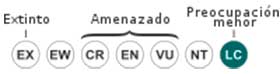
minor concern Minor Concern โ“˜ (UICN)โ“˜

It is not considered in any of the threat categories, its trade has decreased in recent decades.

Justification of the population:

The size of the world population Canary-winged Parakeet It has not been quantified, but this species is described as ยซcommonยป (Stotz et to the. (1996).

Justification trend:

The population suspected to be stable in the absence of evidence of any reduction or substantial threats.

"Canary-winged Parakeet" in captivity:

Years ago it was a very common bird in captivity, at the present time is less.

RECALLS: NEVER COMMAND A PARAKEET IN THE CITY OR IN THE FIELD

aggressive with other bird species. However, It is possible to keep a group of birds of this species together in a large enough space. Easy of tame If it is manipulated from small. Communicates with their owners, making different sounds, for example, to greet us when we see, When you want food, etc.

They are not usually very noisy. Like to climb by what shall provide elements so you can make this activity. In hot season, supplied with a tray of water so that you can bathe.

Alternative names:

Canary-winged Parakeet, White-winged Parakeet, Yellow-winged Parakeet (English).
Toui ร  ailes variรฉes, Conure ร  ailes blanches, Perruche ร  ailes blanches, Perruche ร  ailes jaunes, Toui ร  ailes jaunes (French).
Weissflรผgelsittich (German).
Periquito-de-asa-branca, periquito-castanha, periquito-da-asa-amarela, periquito-da-campina, periquito-das-ilhas, periquito-de-asas-amarelas, periquito-estrela (Portuguese).
Catita Chirirรญ, Catita de patas amarillas, Catita Versicolor, Periquito Aliamarillo, Periquito Aliblanco, Periquito de Alas Blancas, Periquito Versicolor (espaรฑol).
Catita Chirirรญ, Catita de patas amarillas (Argentina).
Periqquito aliblanco, Periquito Aliblanco (Colombia).
Periquito Aliamarillo (Dominican Republic).
Perico de Ala Amarilla (Peru).

scientific classification:

Order: Psittaciformes
Family: Psittacidae
Genus: Brotogeris
Scientific name: Brotogeris versicolurus
Citation: (Statius Mรผller, 1776)
Protonimo: psittacus versicolurus

Images "Canary-winged Parakeet"


Species of the genus Brotogeris

Sources:

Avibase
– Parrots of the World โ€“ Forshaw Joseph M
– Parrots A Guide to the Parrots of the World – Tony Juniper & Mike Parr
– Birdlife

Sounds: (Xeno-canto)

โ–ท The world of Pets: Dogs, cats, birds, reptiles, amphibians

Scaly-headed Parrot
Pionus maximiliani

Scaly-headed Parrot

Content


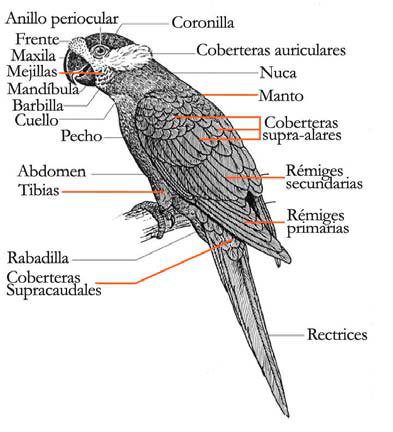
Anatomy-parrots

Description:

27 to 29 cm.. height and between 233 and 293 g. of weight.

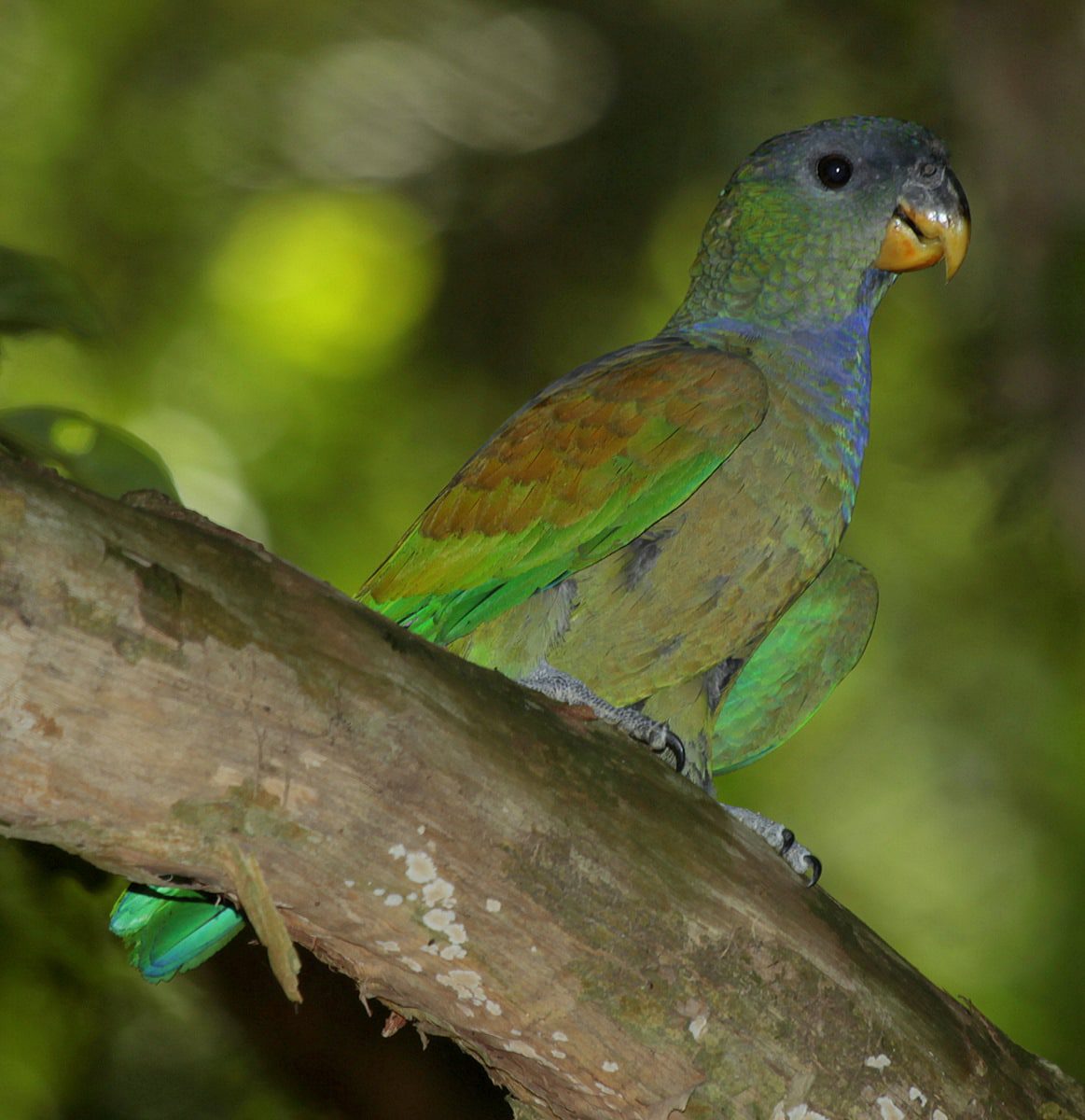
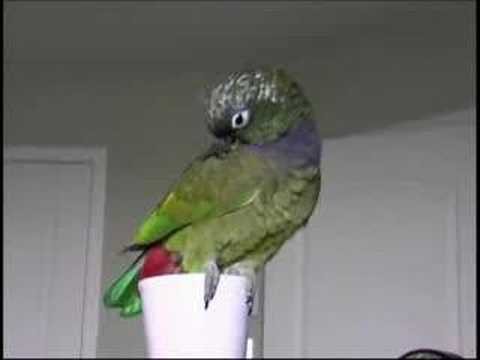
The Scaly-headed Parrot (Pionus maximiliani) It is medium in size and tail very short; has the lores, the forecrown and the eye area opaque dark bronze; the feathers on crown, the cheeks, the chin and the sides of the neck, basal green with wide enough margins bronze that give the appearance of flake; ear-coverts with dark green margins but brighter than other pens head.

The back of the neck and green the mantle become more brown and olive green upper lower parts, where some feathers have quite indistinct darker tips. Coverts smaller and medium-sized green olive brown with indistinct dark tips; alula, primary and greater coverts and flight feathers, brighter green, contrasting with the upperparts brown, duller.

Under the wings, opaque green. The throat and the top chest blue violet off that fade in brownish olive green in the bottom of the chest and most of the belly, but they are become brighter and greener in flanks and the thighs; undertail-coverts crimson. Upper, the tail green in the center, outer feathers mainly blue and red at the base; undertail, the tail, bluish green duller. Bill black with yellow edges on the upper jaw and the bottom tip; orbital skin pale grey; irises dark brown; legs grey.
Scaly-headed Parrot
Both sexes are similar. Immature It has less intense the blue throat; feathers head more green with less distinct margins.

Description 4 subspecies:

  • Pionus maximiliani lacerus

    (Heine, 1884) – Similar to the subspecies Pionus maximiliani siy but with a bill stronger, the chest more purple and perhaps larger on average.


  • Pionus maximiliani maximiliani

    (Kuhl, 1820) – Nominal.


  • Pionus maximiliani melanoblepharus

    (Ribeiro, 1920) – Blue darker in throat and darker above. Larger.


  • Pionus maximiliani siy

    (Souance , 1856) – Much like the nominal species but darker below, more purple and less blue in the chest, yellower in back and Blue throat lighter.

Habitat:

It inhabits in a wide range of forested habitats, but mostly in dry forests lowland ranging from caatinga very dry, inside the northeast of Brazil, through the savannas Cerrado seasonal, to chaco; also in wetter forests, including gallery forests and forests of araucarias, especially in southeast Brazil. They can also be seen in subtropical forests in Eastern Andean slopes some 2.000 meters in the Northwest of Argentina and some 1.500 meters in the mountains of the South of Brazil.

Tolerant to human alteration of forest habitats and sometimes cultivated areas. Usually gregarious, arriving to form flocks numerous in places in where the food is abundant probably is hiding in small groups in them cups of them trees.

Reproduction:

They nest in tree hollows. Birds in terms of breeding in the month of October in Paraguay; November in Sรฃo Paulo; laying 3-5 eggs.

Food:

The plants food include Erythrina, Inga, Piptadenia, Copaifera, Croton, Pachystroma, Plathymenia reticulata, Ficus and Araucaria.

Distribution:

Size of the area of distribution (reproduction / resident): 6.650.000 km2

The species is found in the Center, South and East of Brazil, from maranhรฃo and Cearรก in the Northeast, to the South by Piauรญ, Bay, Goiรกs, Minas Gerais, Brazil and the eastern coastal States up to Rio Grande do Sul and to the South of Mato Grosso (region pantanal), extending to the southeast of Bolivia, from Santa Cruz to the South in the Eastern Andes and to the North of Argentina in Salta, Tucumรกn and Catamarca in the East and North of Santa Fe in the West.

Mainly resident, although it may not grow in the drier parts of the Argentine Chaco. Apparently more numerous in the center of its area of distribution, where its abundance is only surpassed by the Maroon-bellied Parakeet (Pyrrhura frontalis); progressively more scarce toward the periphery.

Locally quite common the common in Bolivia and locally common in the North of Argentina, where it is most abundant in the South of Salta, Tucumรกn and areas adjacent in Catamarca. Moderately common in Rio Grande do Sul and common in the pantanal; densities Brazilian more high in Sรฃo Paulo.

The decrease apparent, in some parts of the range, (for example, North of the Argentina) is attributable to the trade, but in other places (for example, the southeast of Brazil) is undoubtedly its decline due to the loss of forests.

Distribution 4 subspecies:

  • Pionus maximiliani lacerus

    (Heine, 1884) – Northwest of Argentina.


  • Pionus maximiliani maximiliani

    (Kuhl, 1820) – Nominal. Northeast of Brazil.


  • Pionus maximiliani melanoblepharus

    (Ribeiro, 1920) – It is from Paraguay, Brazil and northeast of Argentina (Missions)


  • Pionus maximiliani siy

    (Souance , 1856) – Southeast of Bolivia until Paraguay, West of Brazil (Mato Grosso), North of Argentina.

Conservation:


minor concern


โ€ข Current category of the Red List of the UICN: Least concern.

โ€ข Population trend: Decreasing.

Justification of the population

The size of the world population It has not been quantified, but this species is described as ยซquite commonยป (Stotz et to the., 1996).

Justification of trend

It is suspected that the population is in decline due to the continuous habitat destruction and to levels of exploitation unsustainable.

Threats

The species has been object of strong exchanges: from 1981, When is included in the Appendix II of the CITES, they have been 93.234 individuals captured in the wild in the international trade (database CITES from the UNEP-WCMC, January 2005).

"Scaly-headed Parrot" in captivity:

Curious, very intelligent and social. Quiet and relatively little aggressive. Prone to obesity. You can learn to imitate.
Pretty common in captivity. Life expectancy: 20 years.

Housing: Enclosure suspended at least 2 metres in height.

Diet: fruit as: Apple, pear, orange, banana, granada, cactus fruits, they form approximately the 30 percent of the diet; vegetables as: Carrot, celery, green beans, pea in the pod; corn fresh; green leaves such as: chard, lettuce, dandelion, Aviary grass; millet; mix of seeds small e.g.: millet, and small amounts of buckwheat, oats, safflower and hemp; soaked and sprouted from seeds of sunflower; beans, cooked legumes and boiled corn.

It needs regular exercise it is necessary to provide you with an Aviary as large as possible. Provide shallow bowls of water for bathing. Also provide stairs, swings, strings, different sizes of hooks and assorted toys.

Alternative names:

Scaly-headed Parrot, Maximilian’s Parrot, Scaly headed Parrot (English).
Pione de Maximilien, Pionus de Maximilien (French).
Maximilianpapagei (German).
Maitaca, baitaca, maitaca-bronzeada, maitaca-de-Maximiliano, maitaca-suia, maitaca-verde, suia, umaitรก (Portuguese).
Loro Bronceado, Loro choclero, Loro maitaca (espaรฑol).


scientific classification:

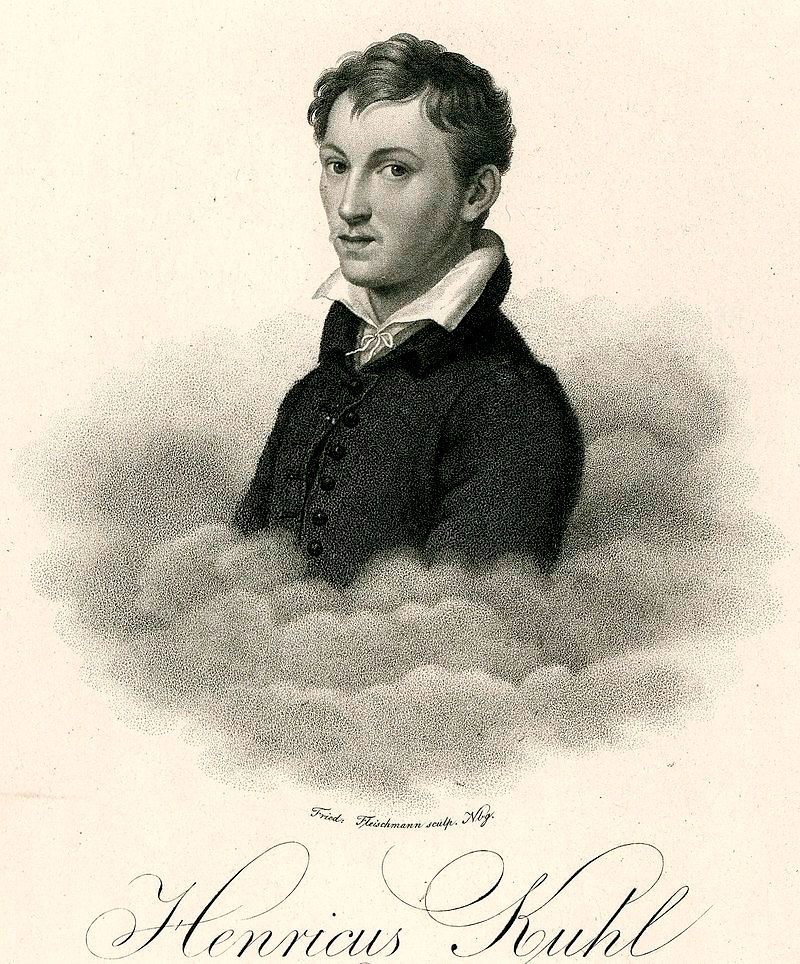
Kuhl, Heinrich
Heinrich Kuhl

Order: Psittaciformes
Family: Psittacidae
Genus: Pionus
Scientific name: Pionus maximiliani
Citation: (Kuhl, 1820)
Protonimo: Maximilian parrot

ยซChoclero Parrotยป Images:

Videos "Scaly-headed Parrot"

pichu - My Maximilian Pionus

Scaly-headed Parrot (Pionus maximiliani)


Sources:

  • Avibase
  • Parrots of the World โ€“ Forshaw Joseph M
  • Parrots A Guide to the Parrots of the World – Tony Juniper & Mike Parr
  • Birdlife
  • Parrot Book, Parrots and macaws Neotropical
  • parrots.org

  • Photos:

(1) – IBC.lynxeds.com
(2) – A Scaly-headed Parrot (also called a Scaly-headed Pionus, Maximilianโ€™s Pionus, amd Maximilianโ€™s Parrot) in a cage By Alex Knowles [CC BY 2.0], via Wikimedia Commons
(3) – A pet male Scaly-headed Parrot (also called Maximilian Pionus, Maximilian Parrot, Maximilianโ€™s Pionus, or Maximilianโ€™s Parrot) By Snowmanradio (Own work) [CC BY-SA 3.0 or GFDL], via Wikimedia Commons
(4) – Scaly-headed Pionus (also called Maximilian Pionus, Maximilian Parrot, Maximilianโ€™s Pionus, or Maximilianโ€™s Parrot) at Zoolรณgico de Americana, Sao Paulo, Brazil By Moe Oliveira [CC BY 2.0], via Wikimedia Commons
(5) – Loro Choclero By Danbrazil (Own work) [CC BY-SA 4.0], via Wikimedia Commons
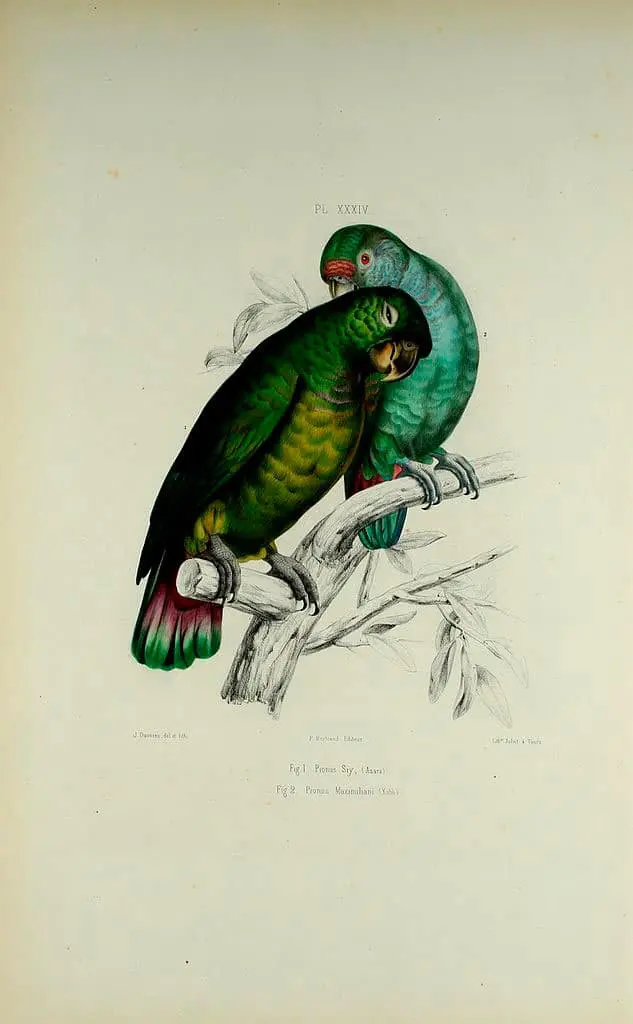
(6) – Iconographie des perroquets : non figurรฉs dans les publications de Levaillant et de M. Bourjot Saint-Hilaire By Blanchard, Emile; Bonaparte, Charles Lucian; Bourjot Saint-Hilaire, Alexandre; Le Vaillant, Franรงois; Souancรฉ, Charles de. [CC BY 2.0 or Public domain], via Wikimedia Commons

โ–ท The world of Pets: Dogs, cats, birds, reptiles, amphibians

Red-tailed black cockatoo
Calyptorhynchus banksii

Red-tailed black cockatoo

Content

Description

55 to 60 cm.. length between 570 and 870 weight g.

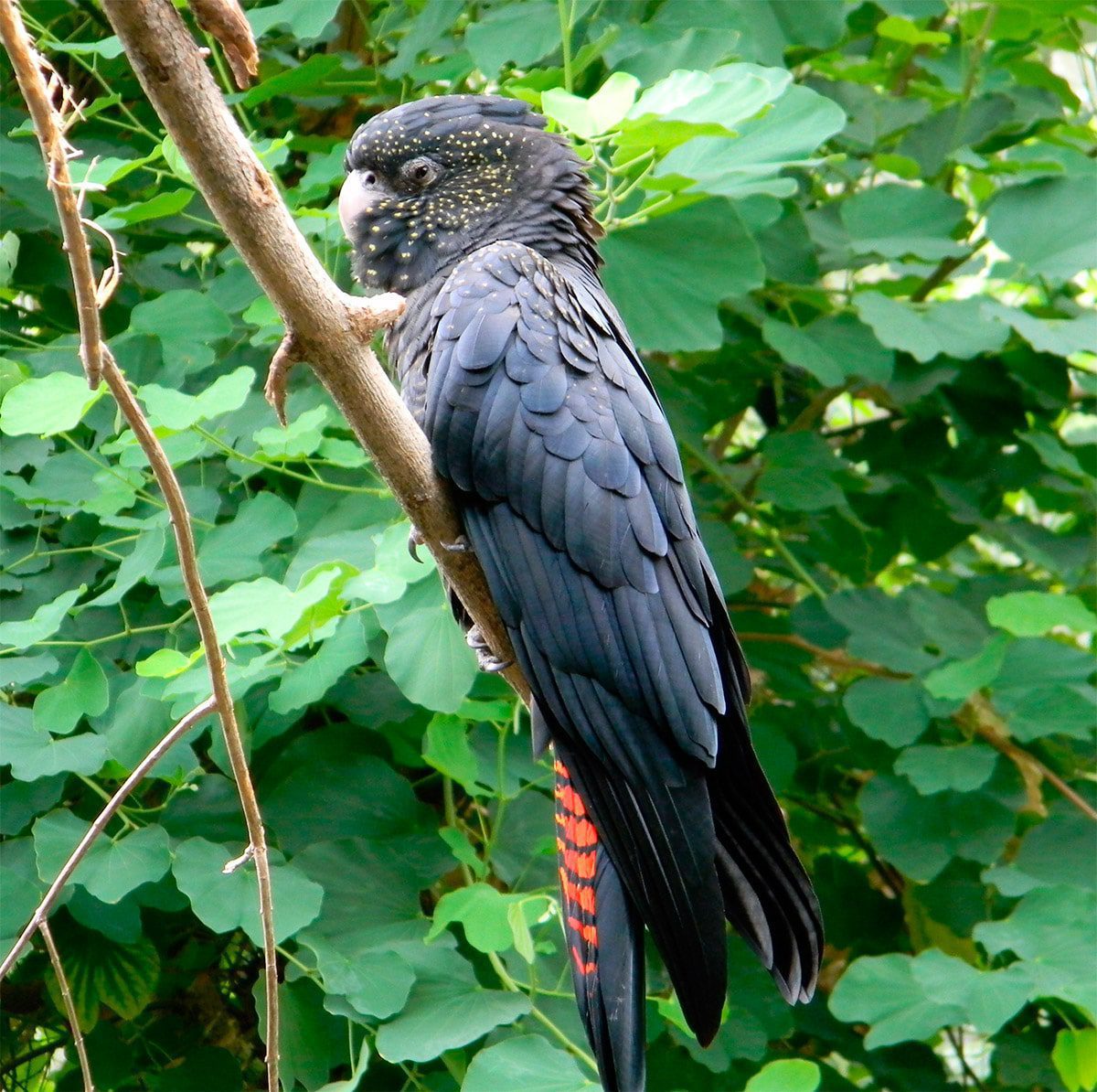
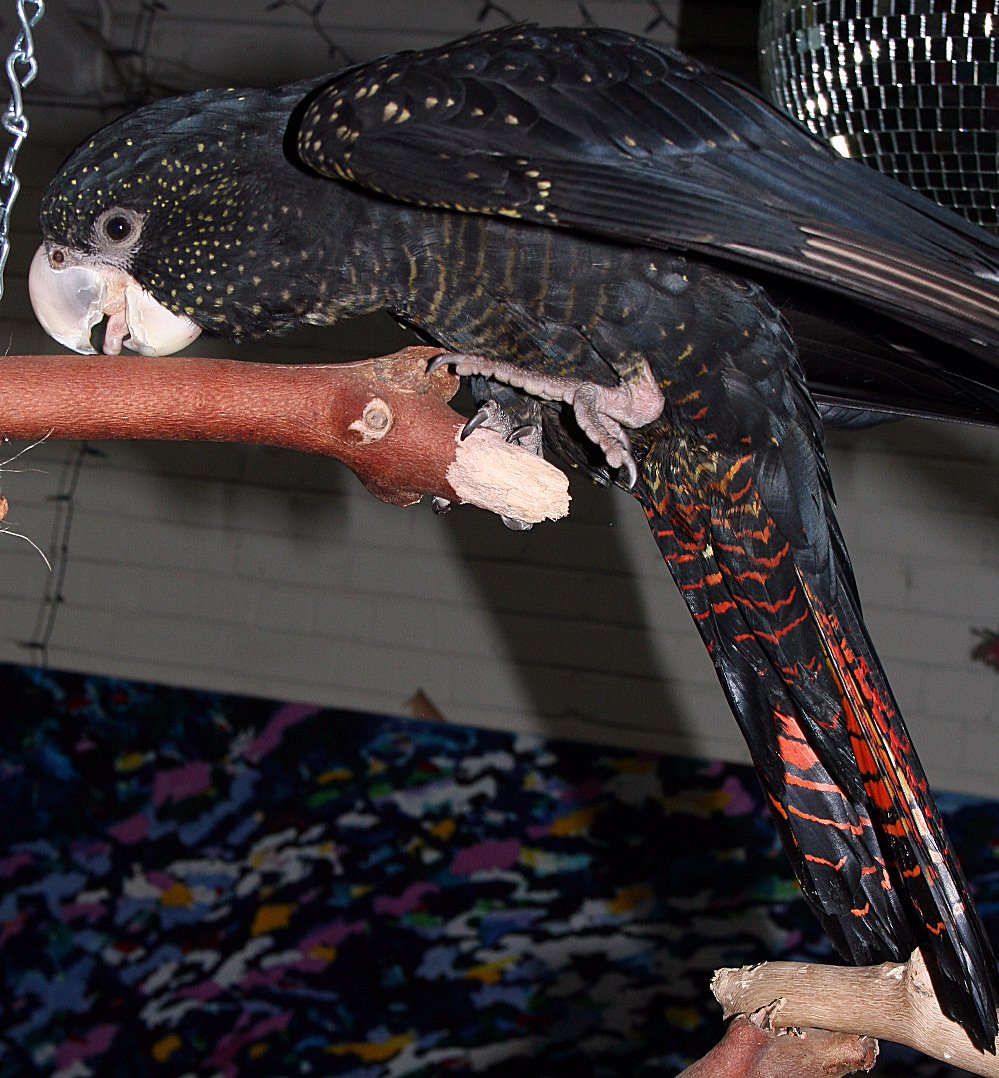
The adults of the Red-tailed black cockatoo (Calyptorhynchus banksii) present sexual dimorphism. The male is entirely black, with the exception of the sides of the tail that are of color red glossy. The upper part of the head It is a long Ridge which starts from the front and goes up to the nape. The bill is grey dark.

The females they are slightly smaller. Show a plumage blackish brown with yellow-orange stripes on the tail and the chest. The cheeks and wings they are covered with small yellow spots. The bill is of color bone pale. Lower parts to the tail coverts they are finely excluded in beige.

The youth are similar to the females until they reach the maturity sexual, around the 4 years. Gradually, as they approach this age, YM will acquire their feathers red which gradually replaced their initial feathers in yellow.

Description 5 subspecies

They differ from each other mainly by the size of their beak.

  • Calyptorhynchus banksii banksii

    (Latham, 1790) – Nominal. Grand. Bill dark grey.


  • Calyptorhynchus banksii graptogyne

    (Schodde, Saunders,DA & Homberger, 1989) – It is the smaller of the 5 Subspecies.


  • Calyptorhynchus banksii macrorhynchus

    (Gould, 1843) – Large as it nominal.


  • Calyptorhynchus banksii naso

    (Gould, 1837) – They have wings that seem to be more long and pointy.


  • Calyptorhynchus banksii samueli

    (Mathews, 1917) – Have a size and bill smaller.

Habitat:

Wide variety of habitats. Grasslands and scrub, from the dense rainforests to the forests of acacia and eucalyptus.
Nestbox, These birds are generally dependent on the old eucalyptus, although according to which regions regions, the variety of trees for nesting, could be different.

To feed, flocks of these cockatoos, they penetrate in agricultural lands and orchards, becoming a real plague.
In all parts of the Australian mainland, have been observed seasonal movements.
In the North, most cockatoos flee from high humidity areas during the rainy season.
In other parts of the continent, We are seeing movements directly related to food.
In South Australia, the movements are carried out in the South-North direction and are not necessarily linked to the stations.

Reproduction:

It nests in the hollow of the following trees: MARRI, Jarrah, Wandoo, Karri and Bullich. Eggs are laid on the bottom of a hollow log, up dry branches, between March and December. The cavity can have a depth of one to two meters. The diameter of the entry may vary from 25 to 50 centimeters.

The laying is of an only egg (In rare cases two). The incubation runs by features of the female and lasts between 29 and 31 days.
At birth the chicks are covered by a little and yellow plumage. Most of the time, the second calf is abandoned and eventually dies from lack of food. The surviving offspring is fed by both parents..

Food:

It feeds mainly from seeds, in particular those of Eucalyptus Marri (E. calophylla). Chew small branches, grabs clusters with its legs and โ€œchewsโ€ them to extract the seeds. Strip the remains to the soil, at the foot of the tree. It is a great vegetarian, also eats berries, fruit, some insects and larvae. Occasionally it feeds on plants or varieties introduced as the radish wild, turnips or melons.

Distribution:

Size of the area of distribution (reproduction / resident): 8.680.000 km2

endemic to Australia, where in drier areas.
They are especially prevalent in the northern part of the country. In the South, they are less abundant and more dispersed.

The WPT (World Parrot Trust) contributed funds to a project in the South of Australia for help to save to these birds.

Distribution 5 subspecies

They differ from each other mainly by the size of their beak.

Conservation:

State of conservation โ“˜


minor concern Minor Concern โ“˜ (UICN)โ“˜

โ€ข Current category of the Red List of the UICN: Least concern.

โ€ข Population trend: Decreasing.

In the past it was common, but now it has become rare, It is distributed unevenly in areas that have been significantly reduced.
The decrease is caused by the deforestation, the competition for the nesting with species native and exotic, as well as the fires.

It is believed that the world's population exceeds the 100.000 individuals.
the subspecies graptogyne was estimated to be in less of 1.000 individuals in 1989.
Only the subspecies of the Southwest, Calyptorhynchus banksii naso, is listed as "Vulnerable".

The subspecies Calyptorhynchus banksii banksii is not classified as threatened in all regions.

"Red-tailed black cockatoo" in captivity:

Excellent with a very devoted owner. It can be quite noisy. It has a moderate ability to imitate human sound.
There has been an increase in captive birds in Australia. It is very rare as bird cage.
They can live in 50 to 100 years in captivity. The variety Calyptorhynchus banksii naso, of 25 to 50 years.

Alternative names:

Red-tailed Black-Cockatoo, Banksian Cockatoo, Banks’s Black Cockatoo, Black Cockatoo (English).
Cacatoรจs banksien, Cacatoรจs de Banks (French).
Rabenkakadu (German).
Cacatua-negra-de-cauda-vermelha (Portuguese).
Cacatรบa Colirroja, Cacatรบa Fรบnebre de Cola Roja (espaรฑol).

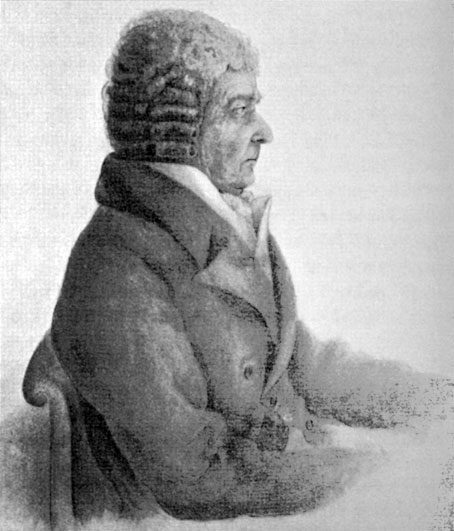
John Latham
John Latham

scientific classification:


Order: Psittaciformes
Family: Cacatuidae
Genus: Calyptorhynchus
Scientific name: Calyptorhynchus banksii
Citation: (Latham, 1790)
Protonimo: Psittacus Banksii


Images Red-tailed Cockatoo:


Species of the genus Calyptorhynchus
  • Calyptorhynchus banksii
  • —- Calyptorhynchus banksii banksii
  • —- Calyptorhynchus banksii graptogyne
  • —- Calyptorhynchus banksii macrorhynchus
  • —- Calyptorhynchus banksii naso
  • —- Calyptorhynchus banksii samueli
  • Calyptorhynchus lathami
  • —- Calyptorhynchus lathami erebus
  • —- Calyptorhynchus lathami halmaturinus
  • —- Calyptorhynchus lathami lathami

  • Sources:

    Avibase
    – Parrots of the World โ€“ Forshaw Joseph M
    – Parrots A Guide to the Parrots of the World – Tony Juniper & Mike Parr
    Birdlife

    – Photos: Laslovarga (commons.wikimedia.org), Wikipedia, Scarlet23 (Wikipedia), Uploaded by Casliber (Wikipedia), Uploaded by Peter Campbell (Wikipedia)

    – Sounds: Nigel Jackett

    โ–ท The world of Pets: Dogs, cats, birds, reptiles, amphibians

    Black Lory
    Chalcopsitta atra

    Lori Negro

    Content

    Description

    32 cm.. height and a weight between 230 and 260 gr.

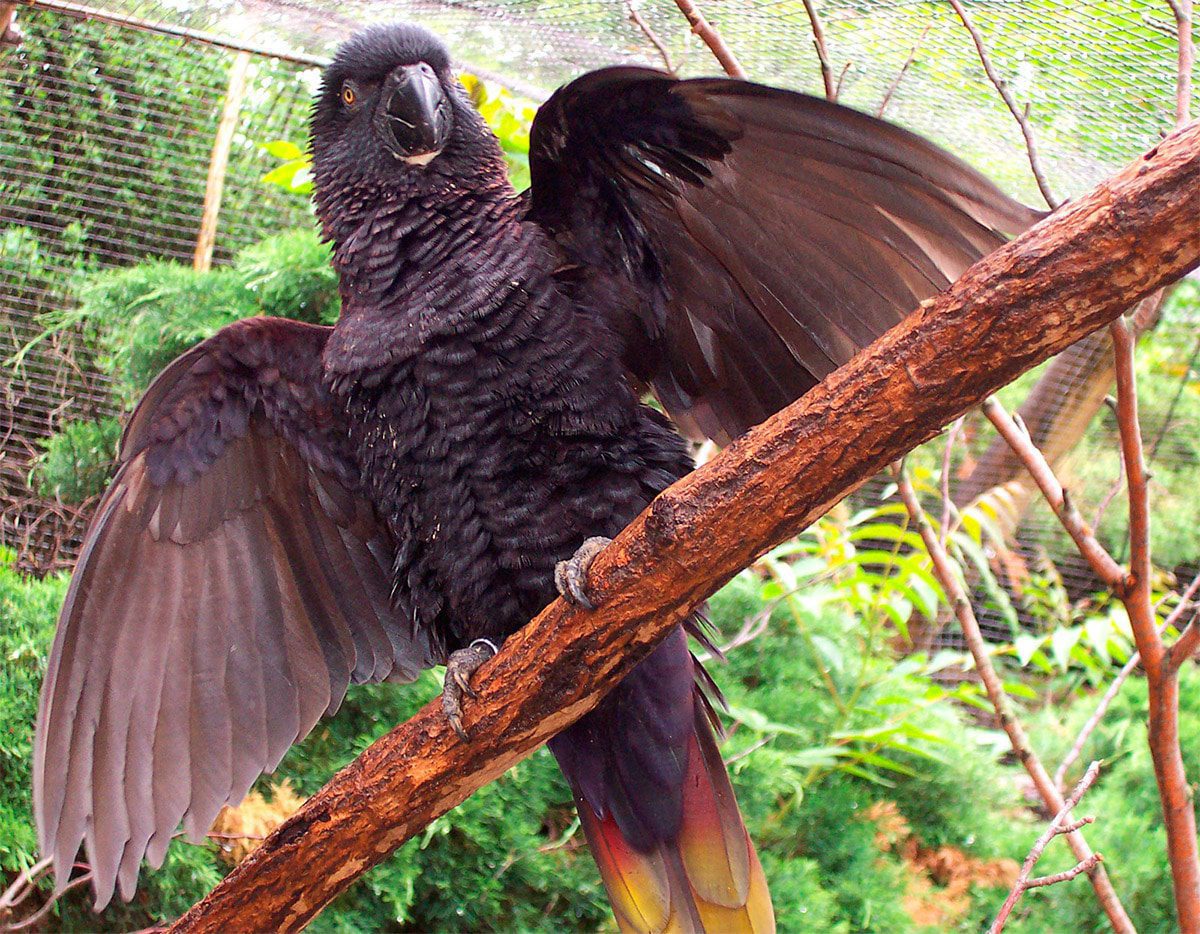
    The Black Lory (Chalcopsitta atra) It is the least colorful member of an otherwise very colorful genre. Itร‚ยดs, in poultry, therefore, the least popular. This is unfortunate because it is equally as interesting as the other members of the genus.

    Black in color with a purplish sheen to the plumage that is highly evident in sunlight, which gives it a superficial appearance of a crow. Even their bare parts, as the nose , the skin around the eyes and at the base of the jaws, eyes and claws, they are equally dark. Rump displays a violet blue.

    The underside of the tail feathers are color olivaceous with light infusions of red at the base.
    The iris is orange-red, the grey legs.

    The youth differ little from adults but have an eye-ring and a skin at the base of the peak which are whitish. It is grey.

    There is a 3 subspecies, that differ little between if:

    • Chalcopsitta atra atra: Both adults, usually black. The bluish violet rump. The feathers of the bottom of tail olive/yellow washed in red. Naked eye-ring black , black skin at the base of the peak. Orange-red eyes.

    • Chalcopsitta atra bernsteini: Red marks / purple on the forehead and thighs, less evident in females; Blue darker in the rump.

    • Chalcopsitta atra insignis: Head striped gray/blue. The front, the face, the thighs and the underside of the wings are red. The feathers of the throat and underparts with red trim. The rump is dull blue. The lower part of the tail is greyish blue. It is one of the most beautiful parrots that exist. It will be necessary to see any parrot in the light of the Sun to be able to appreciate its beauty.

    It is also said that there are other subspecies, the calcopsitta atra spectabilis, resident of the Mamberiok Peninsula, but the data given are running that it was only a hybridization of the Chalcopsitta Atra and the Chalcopsitta Sintillata.

    They are nomadic outside of the breeding season., and, they are sometimes found in large groups, associated with the Blackbirds, feeding together on trees in flower.

    Habitat:

    The Black Lory live in the Plains, rarely above the 200 m. They are very abundant in relatively open habitats, as the mangroves near the coast, swamp forest, coconut plantations, scattered eucalyptus in the Middle areas of meadows and scrub land. From time to time come to the edge of the Woods primary or forest growth. The Black Lory is endemic to New Guinea.

    Reproduction:

    Most of the information has been obtained from captive birds. In the wild, most of these birds breed between December and February. In captivity, the female lays two white eggs which are incubated for about 25 days. The entire reproductive period is particularly long, lasting approximately 75 days.

    The male incubates not, but sometimes it remains in the nest with the female. After birth the chicks remain in the nest approximately one 10 weeks.

    Food:

    The Black Lory is vegetarian. Primarily feeds on nectar and fruits. Constantly migrates in search of seasonal food. Green corn sprouts and seeds are also in their diet.. Enjoy the Schefflera shrubs.

    Distribution:

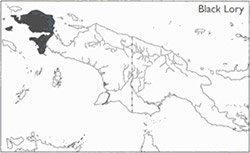
    Distribution Lori black
    This species is distributed in the westernmost part of West Papua, the Indonesian portion of New Guinea. In particular, they are in the Western Vogelkop, also on the islands of Misool (provinces of Maluku), Batanta (papua province), the Onin and Bomberai and Salawati peninsulas (West Papua), off the coast.

    Between the 3 [+] Subspecies:

    • Chalcopsitta atra atra: Distribution. West New Guinea

    • Chalcopsitta atra bernsteini: Distribution. Confined to the island of Misool (Indonesian) in the West of New Guinea.

    • Chalcopsitta atra insignis: Distribution. The Vogelkop, Island Amberpon, Onin, bomberai peninsulas, Northeast of New Guinea.

    • calcopsitta atra spectabilis: Distribution. mamberiok peninsula

    Conservation:


    minor concern


    This lory is evaluated as least concern on the red list of threatened species. Is included in Appendix II of CITES.


    The world population is estimated at 50.000 birds.

    This number is probably stable, but data are lacking to say it with certainty.

    The commercial import of this species in EC was banned in 1991.


    "Black Lory" in captivity:

    The Black Lory It is said is among the parrots with the sweetest character. They are easy to tame. Its obvious disadvantage is acute cries that often emit. Not everyone can tolerate them. It is however unusual in captivity.

    The subspecies insignis is rare, and the subspecies bernsteini practically non-existent.

    Alternative names:

    Black Lory, Rajah Lory, Red-quilled Lory (ingles).
    Lori noir (francรฉs).
    Schwarzlori (alemรกn).
    Lรณris-negro (portuguรฉs).
    Lori Negro (espaรฑol).

    scientific classification:

    Order: Psittaciformes
    Family: Psittaculidae
    Scientific name: Chalcopsitta atra
    Citation: (Scopoli, 1786)
    Protonimo: Psittacus ater

    Images ยซBlack Loryยป:


    ยซNegro truckยป (Chalcopsitta atra)


    Sources:
    Avibase
    – Photos: sciencio.com,
    Goura (zoochat.com), My Birds Region
    – Sounds: BAS van Balen (Xeno-canto)

    โ–ท The world of Pets: Dogs, cats, birds, reptiles, amphibians

    Pohnpei Lorikeet
    Trichoglossus rubiginosus

    Pohnpei Lorikeet

    Content


    Anatomy-parrots

    Description

    24 cm.. length and a weight between 70 and 85 gr.

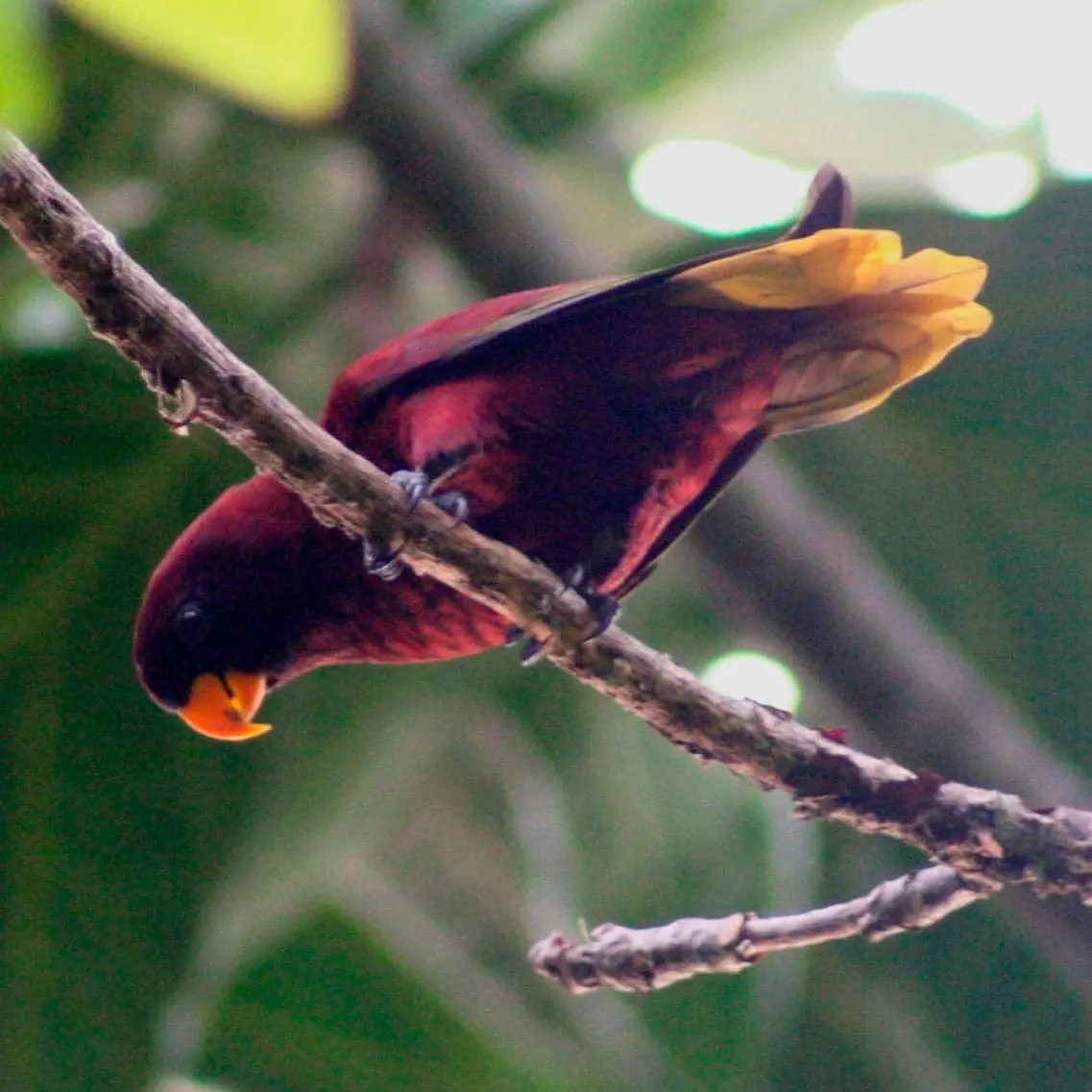
    The Pohnpei Lorikeet (Trichoglossus rubiginosus) is unmistakable.

    The head and back, dark brown, darker in the head. Scapulars and blankets, are of color Bordeaux dark. The flight feather are blackish in those networks internal and infiltrated with color olivaceous in them vane outer.

    The primaries more external are clearly yellow. The bottom of the wings black. The underparts Deep Garnet color, with a black edge in the bottom sides of the edges that draw a bar at the bottom.

    The upper part of the tail color is olivaceous, brighter in the vicinity of the tip; lower tail is of color yellow pale. The bill is orange. The irises are yellow-orange, the legs and feet are dark gray.

    In the female, the bill seems more yellowish and the irises are greyish white.

    In the youth, the feathers seem sharper.

    Habitat:

    This species is present on the entire surface of the island, until 600 m. It is distributed by a variety of habitats, such as coconut trees, plane trees, dense tropical forests, plots regenerated, forests and mangroves.

    The Pohnpei Lorikeet is a bird especially loud, He throws her screams from the roosts after dark. It is fairly easy to detect, Since it wanders in small flocks of February to December in search of food in trees in flower.

    It tends to fly high and travel long distances over the ocean.

    When fed into the forests of tall trees, usually favors the average vegetation floor.

    As the Ponape island receives a large amount of precipitation (until 7600 mm. per year in some places), the Pohnpei Lorikeet seek refuge under the large leaves.

    Reproduction:

    The Pohnpei Lorikeet It builds its nest on top of a coconut tree or in any cavity of a tree from the forest.
    The spawning usually consists of an only egg.
    The nesting season generally goes from December to may.

    Food:

    Consumes nectar, pollen and fruit. While feeding, It tends to keep its head down to pick up their food in the flowers of coconut and banana.
    The nectar of Erythrina and the mango is very appreciated by the Pohnpei Lorikeet.

    Distribution:

    Size of the area of distribution (reproduction / resident): 350 km2

    As its name implies, lori this is endemic of the Ponape island, which is the most populated island of the States federate of Micronesia. Formerly, also lived on the atoll of Namoluk about the island of Truk.

    It is possible that range was more extensive than it is today.

    Conservation:


    Near-threatened

    – Current IUCN Red List category: Near threatened

    – The population trend: Decreasing

    This species is listed as near-threatened because it is suspected that their population, which is mostly a subpopulation, It is in decline due to changes in land use. It also has a very small range; But, is unlikely that it is declining, in terms of population, given the adaptability of the species. Neither population is severely fragmented or restricted to a few locations.

    Surveys in 1994 suggested that the species had declined a 74-75% Since the beginning of the eighties, probably indicating a decrease in real (Buden 2000). The current population exceeds the 10.000 specimens (Juniper and Parr 1998, M. O'Brien a little. 2011).

    In the news, It is the official bird of the State of Pohnpei and your hunting, capture and export is illegal.

    "Pohnpei Lorikeet" in captivity:

    Is usually not kept out of the Pohnpei island.

    Alternative names:

    Pohnpei Lorikeet, Pohnpei Lory, Ponape Lorikeet, Ponape Lory, Ponapรฉ lory, Red Lory (ingles).
    Loriquet de Panapรฉ, Loriquet de Ponapรฉ (French).
    Kirschlori (German).
    Loris rubiginosus (Portuguese).
    Lori de Ponapรฉ, Tricogloso de Ponapรฉ (espaรฑol).

    scientific classification:

    Order: Psittaciformes
    Family: Psittaculidae
    Genus: Trichoglossus
    Scientific name: Trichoglossus rubiginosus
    Citation: (Bonaparte, 1850)
    Protonimo: Chalcopsitta rubiginosa

    Images "Pohnpei Lorikeet"


    ยซLori de Ponapรฉยป (Trichoglossus rubiginosus)


      Sources:

      Avibase
      – BirdLife.org
      – Parrots of the World – Joseph Forshaw M
      – Parrots-A Guide to the Parrots of the World by Tony Juniper & Mike Parr

      Photos: By Peter – Flickr

      Sounds: Mark Oโ€™Brien (Xeno-canto)

    โ–ท The world of Pets: Dogs, cats, birds, reptiles, amphibians

    Collared Lory
    Phigys solitarius


    Collared Lory

    Content

    Description

    The Collared Lory (Phigys solitarius) has an approximate length of 20 cm.. and a weight ranging between 75 and 85 g..

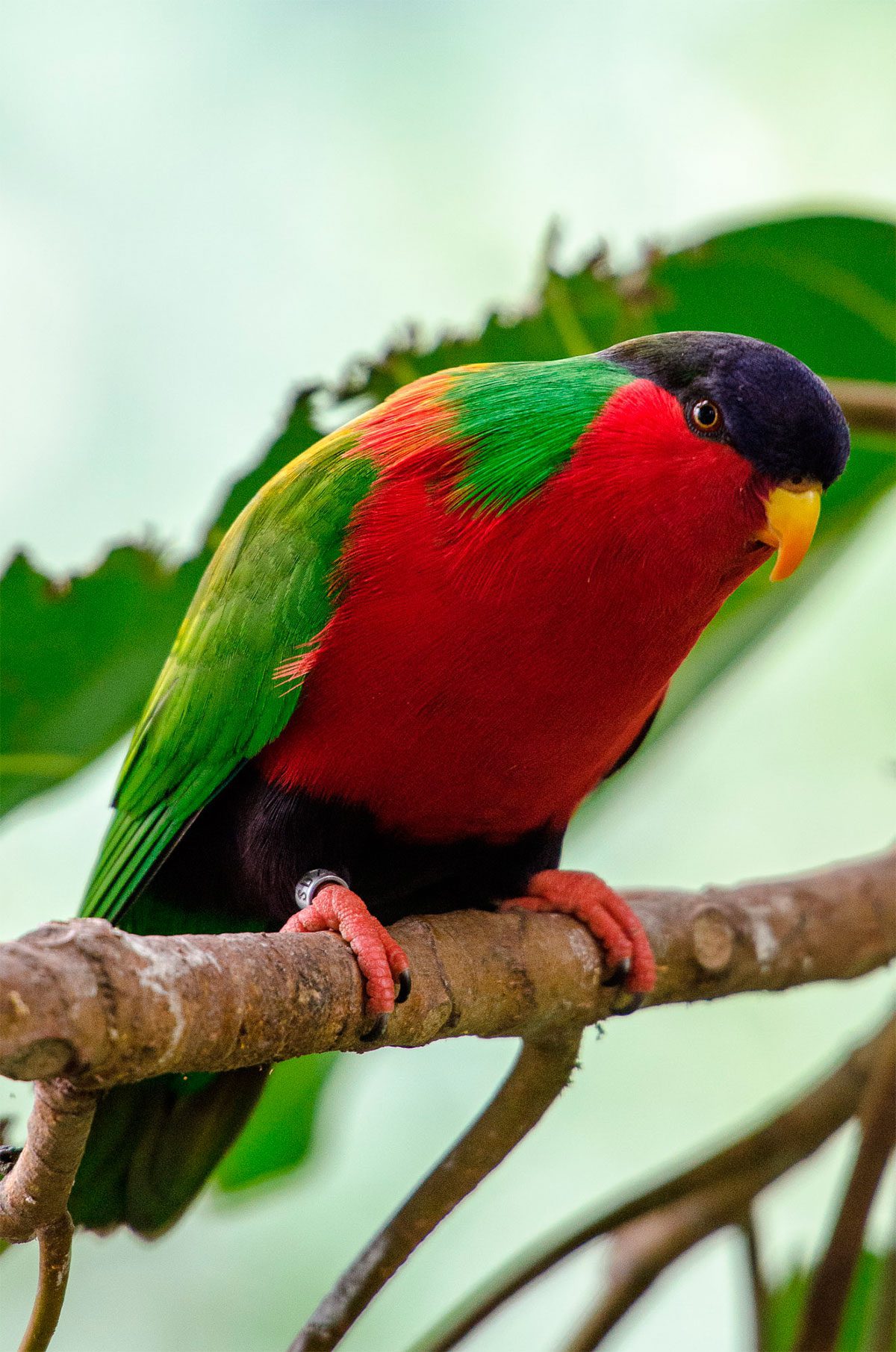
    The upper zone of the crown it is dark purple, In contrast with the ear-coverts, cheeks and throat that have a bright color red Scarlet;

    The front of the crown, occasionally, with a mottled red light;
    The tail feathers of the neck are of a green living with completion in red and a colorful blanket.
    Under the the mantle, rump and top of the tail, bright green.

    Upper wing green colour with the inside of the flight feather and coverts, in black color.
    Underwing coverts Red and green. Underparts Scarlet Red, but with the bottom of the abdomen, lower side of the rump and the thighs, in dark purple.
    Orange-yellow spot in Central feathers of the tail. Undertail Matt Brown-Green, showing orange spots on the basis.

    Bill orange; Iris from yellow to red; Orange yellow the legs.

    The females has more green under the nape, less red in the the mantle, a pronounced green glow in the crown back and a bright purple on the crown front.

    The immature show freckles slightly purplish color and some greenish hidden spots in the chest; crown Green rear: they lack the elongated feathers red of the nape up to eight months of age. They lack orange spots in the tail. Bill more Brown than adults; irises brown: legs dark.

    Habitat:

    Visible and noisy. Found usually in pairs or in small groups of five to fifteen members, Although flocks have also been of up to 50 birds . They are mainly distributed in the lowlands of humid forest, edge of the forest, plantations and second growth up to 1,200 m, but they can be found anywhere with flowering gardens.

    It is usually more common in wet windward areas, being less common on agricultural leeward coasts.

    The Collared Lory are Mobile and something nomads, they are prepared to travel to almost any habitat with trees in bloom.

    Often seen flying over trees or feeding are loud in acrobatic groups.

    Reproduction:

    The nesting they occur in the second half of the year, especially after August. Two white eggs are placed in a hollow tree. Adults aggressively defend the nesting sites.

    In an instance of captive breeding, the incubation lasted 30 days and the young bird left the nest almost nine weeks later.

    Food:

    The diet of the Collared Lory consists of seeds, nectar and flowers. Trees of your choice include the drala (Erythrina variegata), the coconut tree (Cocoa nuts) and the African tulip introduced and invasive (Spathodea campanulata).
    Also eat fruits as the Mango (Mangifera indica).

    Distribution:

    The Collared Lory is endemic of the Fiji Islands, including the main islands of Vanua Levu and Viti Levu, In addition to Rabbi, Taveuni, Koro, Wakaya, Ovalau, Gau, Ono, Kadavu, Matuku, Moala and some islands in the Lau group (Naitaba, Vatu Vara, Lakeba). In the extreme south of the Fiji Islands group, the Collared Lory It is replaced by the Blue-crowned Lorikeet.

    The species is common and the world population is estimated between 10.000 and 100.000 specimens.

    Some are kept in captivity. Red feathers were previously used by the Samoan and Tongan to make edges of floor mats, but trade does not seem to have had an impact on the abundance of the species in Fiji. Some birds are reported, they have escaped in Tonga and Samoa.

    Conservation:


    minor concern


    – Current IUCN Red List category: Least concern.

    – The population trend: Stable.

    The world's population has not been quantified, but the species is described as common in Viti Levu, the island of Vanua Levu and Makogai and rare in the Ngau island, Fiji.

    The population It is suspected to be stable in the absence of evidence of any reduction or substantial threats.

    "Collared Lory" in captivity:

    Very rare to see them in captivity.

    Alternative names:

    Collared Lory, Solitary Lory, Ruffed Lory, Fiji Lory (ingles).
    Lori des Fidji, Lori phigy (francรฉs).
    Einsiedlerlori (alemรกn).
    Lรณris-solitรกrio (portuguรฉs).
    Lori Solitario (espaรฑol).

    scientific classification:

    Order: Psittaciformes
    Family: Psittaculidae
    Scientific name: Phigys solitarius
    Genus: Phigys
    Citation: (Suckow, 1800)
    Protonimo: lone parrot

    โ€œLonely Loryโ€ Images:

    Videos "Collared Lory"

    ————————————————————————————————

    ยซLonely Loriยป (Phigys solitarius)


    Sources:

    Avibase
    – Parrots of the World โ€“ Forshaw Joseph M
    – Parrots A Guide to the Parrots of the World – Tony Juniper & Mike Parr
    – Birdlife

    Photos:

    1 – ยซPhigys solitarius - San Diego Zoo, California, USA-8a (1)ยป by DerekL123 from Cypress, USA – San Diego Zoo-48.jpgUploaded by snowmanradio. Licensed under CC BY-SA 2.0 via Wikimedia Commons.
    2 – Collared lory (Vini [Phygis] solitarius) handjob by Chlidonias – ZooChat
    3 – Collared Lory Perroquets – computer wallpapers
    4 โ€“ Collared lory [Phigys solitarius] – Birds-pet-wallpapers
    5 – By DickDaniels (http://carolinabirds.org /) (Own work) [CC BY-SA 3.0 or GFDL], via Wikimedia Commons

    Sounds: Matthias Feuersenger (Xeno-canto)