▷ The world of Pets: Dogs, cats, birds, reptiles, amphibians

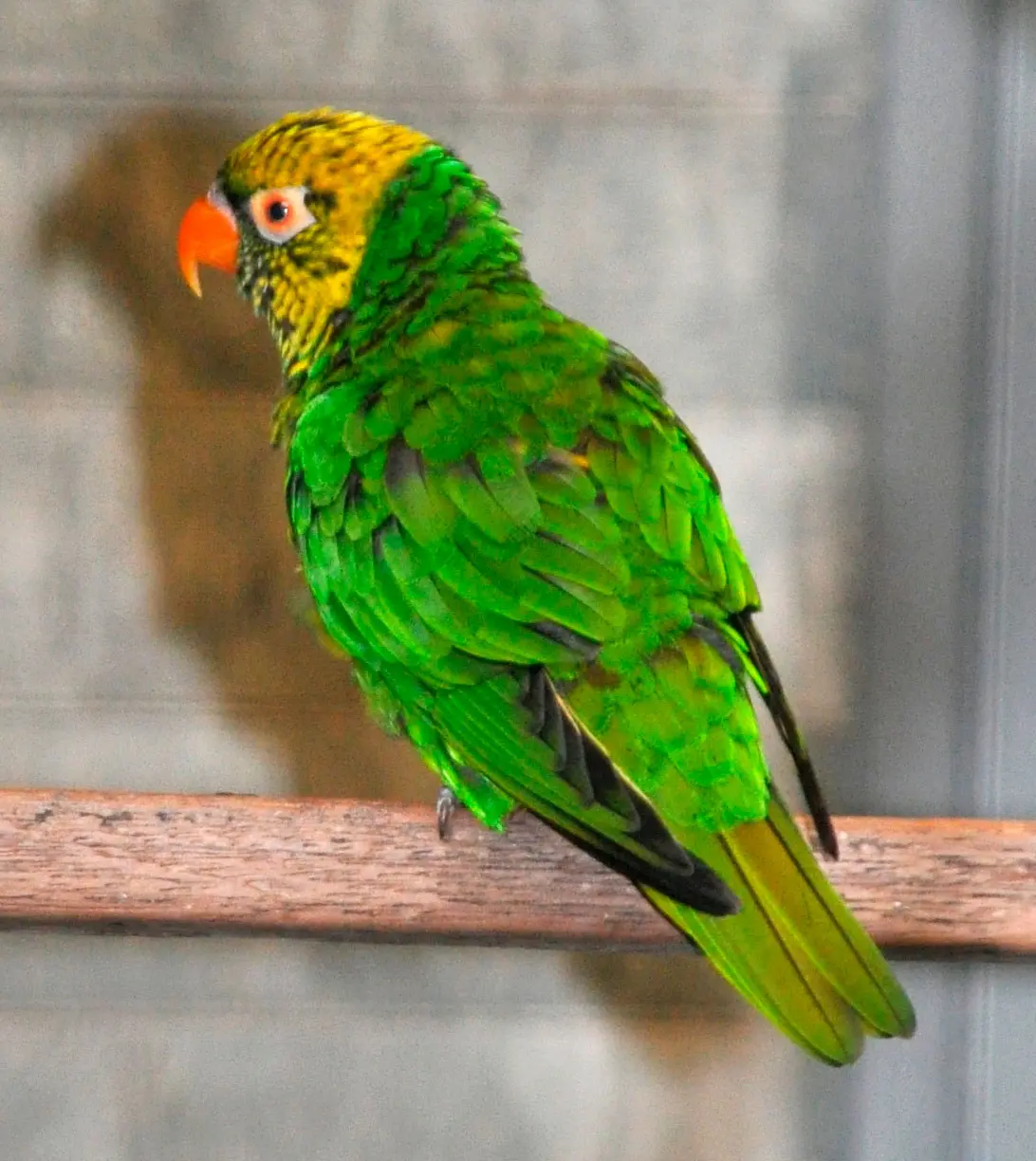
Yellow-and-green Lorikeet
Trichoglossus flavoviridis

Yellow-and-green Lorikeet

Content

Yellow-and-green Lorikeet

Description

20 cm.. length and a weight between 80 and 95 gr.

Very similar to the Scaly breasted Lorikeet by appearance scaly on underparts, but differs from it by color low wing and brands that adorn their head.

The adults of the Yellow-and-green Lorikeet (Trichoglossus flavoviridis) they have the upperparts plumage of a beautiful green.

The forecrown and top They are are greenish brown. The throat and the chest to abdomen It is yellow with dark green flakes. Area of sides up to the coverts and the bottom of the wings It shows a beautiful yellow-green.

The bill is orange. The irises is orange-yellow, the legs grey.

It has no sexual dimorphism.

In the youth, all the yellow markings are derived more green. The bill is brown, while the bare parts of the face are white. The irises is brown.

Description 2 subspecies

  • Trichoglossus flavoviridis flavoviridis

    (Wallace, 1863) – Nominal. Overall plumage It is olive green. The forecrown and crown yellow. The back of the neck brown. the yellow throat and the chest to abdomen, with the scalloped dark green.


  • Trichoglossus flavoviridis meyeri

    (Walden, 1871) – Shown in upperparts a darker shade of green; the underparts They are less scaly. The back of the top, the occiput and nape are greenish-Brown. The cheeks and throat They are yellow with dark green stripes. This subspecies is much smaller, between 40 and 50 gr.

Habitat:

The Yellow-and-green Lorikeet they are distributed with greater diligence between primary forest and mature secondary forest than their close relatives, the Ornate Lory. But, This does not prevent them from entering the open lands to feed from the ceibos in flower (coral trees).

Throughout its area, these birds are considered fairly common. In Celebes, are common in the mountainous areas where have been supplanted to a large extent to the Ornate Lory. In the Sula Islands, they are common in almost all altitudes.

They live in small flocks of noisy and sometimes mingle with the Ornate Lory When looking for food in the trees in flower at the edge of forests.

These birds are relatively Shy and they tend to stay inside the dense forest foliage, where their cryptic plumage makes them virtually invisible. When they feel threatened, leave the foliage uttering cries penetrating and powerful. They are easier to fly above the treetops on quick flights or the circulating a flight above the trees, just before landing in the branches more high.

Reproduction:

There is little information reproduction in the natural environment. The only one nest we have discovered so far was in a mossy forest, about 2.400 meters above the sea level. It was located high above the ground in a dead tree.

In captivity, the implementation is, usually, two white eggs that incubate for a few parents will be 23 days. As with all the Lori, the reproductive cycle It is particularly long and hard about 65 days.

Food:

The Yellow-and-green Lorikeet is above all vegetarian. Their language is particularly suitable for crop pollen and the nectar from the flowers. It is equipped with long buds that allows you to easily reach their favorite food. They have a predilection for the trees of the genus Euphorbia and Erythrina.

Distribution:

Size of its range (reproduction / resident): 6.300 km2

The Yellow-and-green Lorikeet They are endemic to the islands east of Indonesian. They are exclusively on the Sula Islands (Taliabu, Mangole, Sanana) and especially in the area of Celebes island.

Description 2 subspecies

Conservation:


minor concern


• IUCN Classification: Least concern.

• No threats at present.

The species is not threatened. In Taliabu, is very common in altitude zones, but it is also quite common in degraded areas bordering the coast. It is estimated one world population above the 100.000 specimens.

Justification of trend

They suspected that the population is stable in absence of evidence of any decline or threatens substantial.

"Yellow-and-green Lorikeet" in captivity:

Pretty common in captivity.

Take it easy, Nice trill. Sensitive to cold temperatures and somewhat susceptible to disease. He will join his caregiver over time although initially shy.

Alternative names:

– Yellow-and-green Lorikeet, Citrine Lorikeet, Yellow & Green Lorikeet, Yellow and Green Lorikeet, Yellow&green lorikeet, Yellow-and- Green Lorikeet, Yellow-green Lorikeet (ingles).
– Loriquet jaune et vert (French).
– Celebeslori (German).
– Lori flavoviridis (Portuguese).
– Lori Verdigualdo, Tricogloso Verde y Amarillo (español).
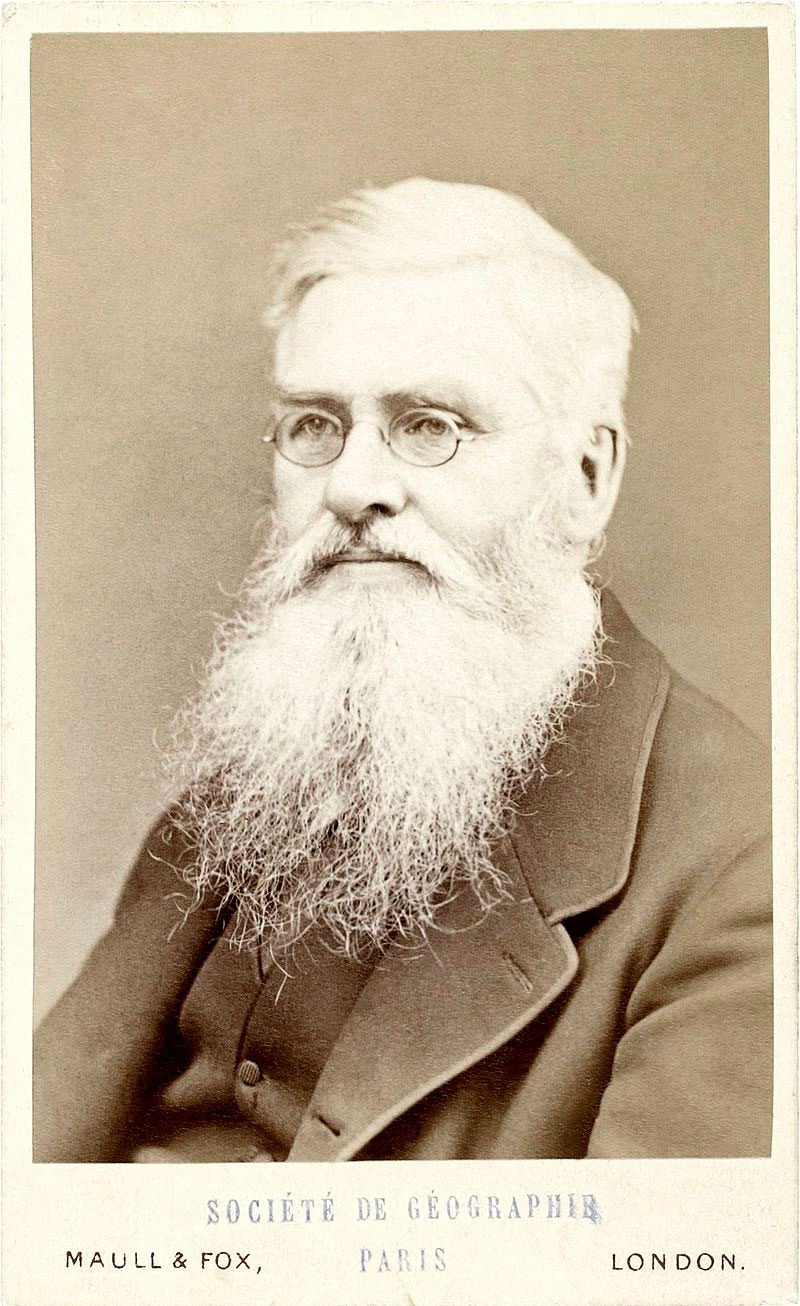
Alfred Russel Wallace

scientific classification:


– Order: Psittaciformes
– Family: Psittaculidae
– Genus: Trichoglossus
– Scientific name: Trichoglossus flavoviridis
– Citation: Wallace, 1863
– Protonimo: Trichoglossus flavoviridis


Images «Lori Verdigualdo»:

Videos "Yellow-and-green Lorikeet"

————————————————————————————————

"Lori Verdigualaldo" " (Trichoglossus flavoviridis)


Sources:

– Avibase
– Parrots of the World – Joseph Forshaw M
– Parrots-A Guide to the Parrots of the World by Tony Juniper & Mike Parr
– Birdlife

– Photos:

(1) – Yellow and Green Lorikeet (Trichoglossus flavoviridis) in the Walsrode Bird Park, Germany By Quartl (Own work) [CC BY-SA 3.0], via Wikimedia Commons
(2) – Trichoglossus flavoviridis Proceedings of the Zoological Society of London 1862 by Joseph Wolf [Public domain], via Wikimedia Commons

– Sounds: Frank Lambert (Xeno-canto)

▷ The world of Pets: Dogs, cats, birds, reptiles, amphibians

Goldie's Lorikeet
Psitteuteles goldiei

Goldie's Lorikeet

Content

Description

19 cm.. long and weighing between 45 and 60 g..

The Goldie's Lorikeet (Psitteuteles goldiei) has the top red. Its neck is surrounded by a strip blue opaque that it extends to the edge of the eye.

The mumps and their cheeks They are pink with multiple dark blue veins.. The upperparts of color green dark streaked of black in the part inferior of the neck and of color yellow greenish mottling on the sides of the layer.
The feathers that cover the wing are dark green, as well as the top of the tail.
The feathers they have a green color with black internal wires and a fine yellow edge.

The underparts are yellowish green with many streaks of dark green, more concentrated in the area of the chest. The bottom of the tail is of color yellow grey.

The bill is black, brown the iris. The legs son grises.

The females adult, they have the top more opaque and less developed.

In the immature, the top is reddish with dark blue spots. The upper mantle is spotted of yellow.

There are no geographic variations. The species is considered monotype.

Habitat:

The Goldie's Lorikeet It is distributed mainly by primary forests, mountain forests and eucalyptus between 1.000 and 2.200 meters above sea level. But, These birds are very Mobile and their habitat may vary from sea level to the 2.800 m.

At higher altitudes, sometimes be parked in the forests of beech and false Podocarpus. They are also set fairly regularly in the areas where the trees are in bloom and around small mountain villages. They have been , occasionally, in small groups of trees isolated in the middle of open spaces.

The Goldie's Lorikeet they are very sociebles. They are often associated with other Charmosyna type Loris: Fairy Lorikeet (Charmosyna pulchella) and Lori Flanquirrojo (Charmosyna placentis).

Most of the time they live in large groups of 30 or more individuals. These birds make long flights daily, often in the company of Pygmy Lorikeet (Charmosyna wilhelminae). Move from their places of rest to its feeding sites found at the middle level, or at the top of the tall trees in flower.

They probably make seasonal migrations to meet their specific feeding needs.. Between mid June and early January, the Goldie's Lorikeet they are common in the forests of the lowlands around Port Moresby.

Reproduction:

We really know very little about free-range breeding.. Apparently, the nest is well hidden inside a tree in thick foliage dry, mostly big pandanus. The female lays two white eggs.

In captivity, the incubation period ranges between 23 and 24 days. Young are altricial, and leave the nest after 8 to 9 weeks.

Food:

The Goldie's Lorikeet they have a scheme rather similar to all the lori, that is to say, they are almost exclusively vegetarian. Its menu consists mainly of pollen, nectar, flowers and fruits than that found in the trees of the genus Casuarina in shrubs of the genus honey Grevillea and of the eucalyptus.

Distribution:

Size of the area of distribution (reproduction / resident): 307.000 km2

This species is endemic of New Guinea. Lives exclusively in the mountains in the center of the island and stretches to the mountains of the Huon Peninsula and Owen Stanley.

Conservation:


minor concern

– Current IUCN Red List category: Least concern

– The population trend: Stable

The population suspected to be stable in the absence of evidence of any reduction or substantial threats.

The world population It has not been quantified, It is estimated above 100.000 specimens, but the species is reported to be locally common depending on food availability.

"Goldie's Lorikeet" in captivity:

The Goldie's Lorikeet is a bird prized as a pet. His character is not aggressive, or destructive and is quite silent for a parrot. They can be taken in pairs or in large communities. Some of them come to imitate the human voice.

Alternative names:

– Goldie’s Lorikeet, Red-capped Streaked Lorikeet, Red-capped Streaked Lory (ingles).
– Loriquet de Goldie (French).
– Veilchenlori (German).
– Lóris-de-goldie (Portuguese).
– Lori de Goldie, Tricogloso de Goldie (español).

scientific classification:

– Order: Psittaciformes
– Family: Psittaculidae
– Genus: Psitteuteles
– Scientific name: Psitteuteles goldiei
– Citation: (Sharpe, 1882)
– Protonimo: Trichoglossus Goldiei

"Goldie's Lory" Images:

————————————————————————————————

"Lori de Goldie" (Psitteuteles goldiei)


Sources:

– Avibase
– Parrots of the World – Forshaw Joseph M
– Parrots A Guide to the Parrots of the World – Tony Juniper & Mike Parr
– BirdLife.org
– Wikipedia

– Photos:

1 – «Psitteuteles goldiei - Pittsburgh National Aviary-8-3 c» by derivative work: Snowmanradio (talk)Psitteuteles_goldiei_-Pittsburgh_National_Aviary-8.jpg: Benny Mazur – originally posted to Flickr as Goldie’s Lorikeet and uploaded to commons as Psitteuteles_goldiei_-Pittsburgh_National_Aviary-8.jpg. Licensed under CC BY 2.0 via Wikimedia Commons.
2 – animalhouse.Re.it
3 – «Goldies Lorikeet» by Ltshears – Own work. Licensed under CC BY-SA 3.0 via Wikimedia Commons.
4 – Jackson Zoological Park – Jackson, MS, USA © 2004 Jeff Whitlock
5- Bird feeding on fruit in a tree. by David Cook Wildlife Photography – IBC.lynxeds.com

– Sounds: Michiel de Boer (Xeno-canto)

▷ The world of Pets: Dogs, cats, birds, reptiles, amphibians

Purple-crowned lorikeet
Parvipsitta porphyrocephala

Purple-crowned lorikeet

Content

Description

The Purple-crowned lorikeet (Parvipsitta porphyrocephala) has a length of 16 cm.. and a weight between 40 and 50 g..

The part forward of the crown is orange, merging is in red in the lores. Above and in front of the eyes, orange-yellow. Crown dark purple color, merging into green at the nape, also showing a few feathers of orange-red.
The ear-coverts, yellowish-orange, Red Centre. Chin and throat, of color turquoise light.
Upperparts, of color green with washed Brown in the the mantle and rump more bright, slightly greenish-blue.

The upperwing green color, bright blue marked in the curve and on the edge of the carpal area.

The interior of the flight feather color black; fine yellow margins in primaries.
Coverts interiors, red. Breast , neck and upperparts, of color green with a wash light blue turquoise; sides chest top with slight brownish wash; Center of belly washed turquoise with flanks and coverts, of color color green; yellowish stains on the bottom sides of the chest hidden with the wing folded. Green the upper part of the tail and yellow on the inside.

Its small bill curved is black, their legs grayscale and the irises her Brown eyes.

The female is similar but has the irises darker, the ear-coverts lighter and lacks crimson spots.

The immature are more muted tones and lack of purple coloration of the head.

Habitat:

It is a nomadic local that often are found in the forests dried sclerophyllous, especially when the eucalyptus Bloom.
Nomadic flocks may also travel far, Sometimes the inside of the Australian continent.

The flowering of the eucalyptus is mainly responsible of its movements unpredictable, Although in some areas, the birds may be present throughout the year.

Found in diverse areas forming large flocks of hundreds of individuals, often with groups mixed from others Lori including the Musk Lorikeet.

Found commonly in Woods and forests, but also visitors are urban areas, where feed on ornamental flowers.

Casual visitors during the winter of banksias in habitats of Heath.

The Purple-crowned lorikeet is characteristic of drier areas, lightly lined, especially eucalyptus Woods.
Can convert it in a plague to the orchards.

Roosts in large groups, sometimes very far from the feeding areas. Manso and discreet While feeds, except the constant calls. Usually feed on low branches and shrubs.

Reproduction:

The breeding season It includes the months of August to December. The nests are located in holes in trees, preferably a eucalyptus near the water. Several couples often occupy neighboring holes in the same tree.

The cycle of of reproduction in captivity gives a period of incubation of around 22 days, with the young people of 6 to 7 weeks weaned high is after the hatching.

Food:

Feed primarily of nectar and pollen of the flowering of the eucalyptus, but they can also attack the orchards to feed on ripe fruit.

Distribution:

Size of the area of distribution (reproduction / resident): 938.000 km2

The Purple-crowned lorikeet are located in two areas separate from Australia to the Southwest and Southeast of the continent. Separate ranges, but racial differences are not recognized, and it is possible that the birds can travel from time to time between the two areas of distribution. Also located in the Kangaroo Island, Although not found in Tasmania.

Conservation:


minor concern

• Current IUCN Red List category: Least concern

• Population trend: Decreasing

The world population It is believed that it is superior to 50.000 individuals.
This species has a very large range, and therefore not approaching the thresholds for Vulnerable according to the range size criterion.

While the trend of the population seems to be decreasing, the descent do not believe that it is sufficiently fast for approaching the thresholds of Vulnerable according to the criterion of population trend.

For these reasons, the species is evaluated as Least concern.

"Purple-crowned lorikeet" in captivity:

It is a bird noisy, sociable and always in motion.

Very rare in captivity out of Australia.

Alternative names:

– Purple crowned Lorikeet, Purple-crowned Lorikeet (ingles).
– Lori à couronne pourpre (French).
– Blauscheitellori (German).
– Lorikeet Roxo-coroado (Portuguese).
– Lori Coronipúrpura, Lori de Corona Púrpura (español).

scientific classification:

– Order: Psittaciformes
– Family: Psittaculidae
– Genus: Parvipsitta
– Scientific name: Parvipsitta porphyrocephala
– Citation: (Dietrichsen, 1837)
– Protonimo: Trichoglossus porphyrocephalus

Images "Lori Coronipurpin":

Videos "Purple-crowned lorikeet"


«On Coronipright» (Parvipsitta porphyrocephala)


Sources:

Avibase
Parrots of the World – Forshaw Joseph M
Parrots A Guide to the Parrots of the World – Tony Juniper & Mike Parr
BirdLife.org

Photos:

1 – by Ian Colley – IBC.lynxeds.com
2 – "Purple-crowned Lorikeetvon KeresH – Eigenes Werk. Lizenziert unter CC BY-SA 3.0 über Wikimedia Commons.
3 – by Nick Talbot – IBC.lynxeds.com
4 – by Nick Talbot – IBC.lynxeds.com
5 – gopixpic.com

Sounds: nick talbot (Xeno-canto)

▷ The world of Pets: Dogs, cats, birds, reptiles, amphibians

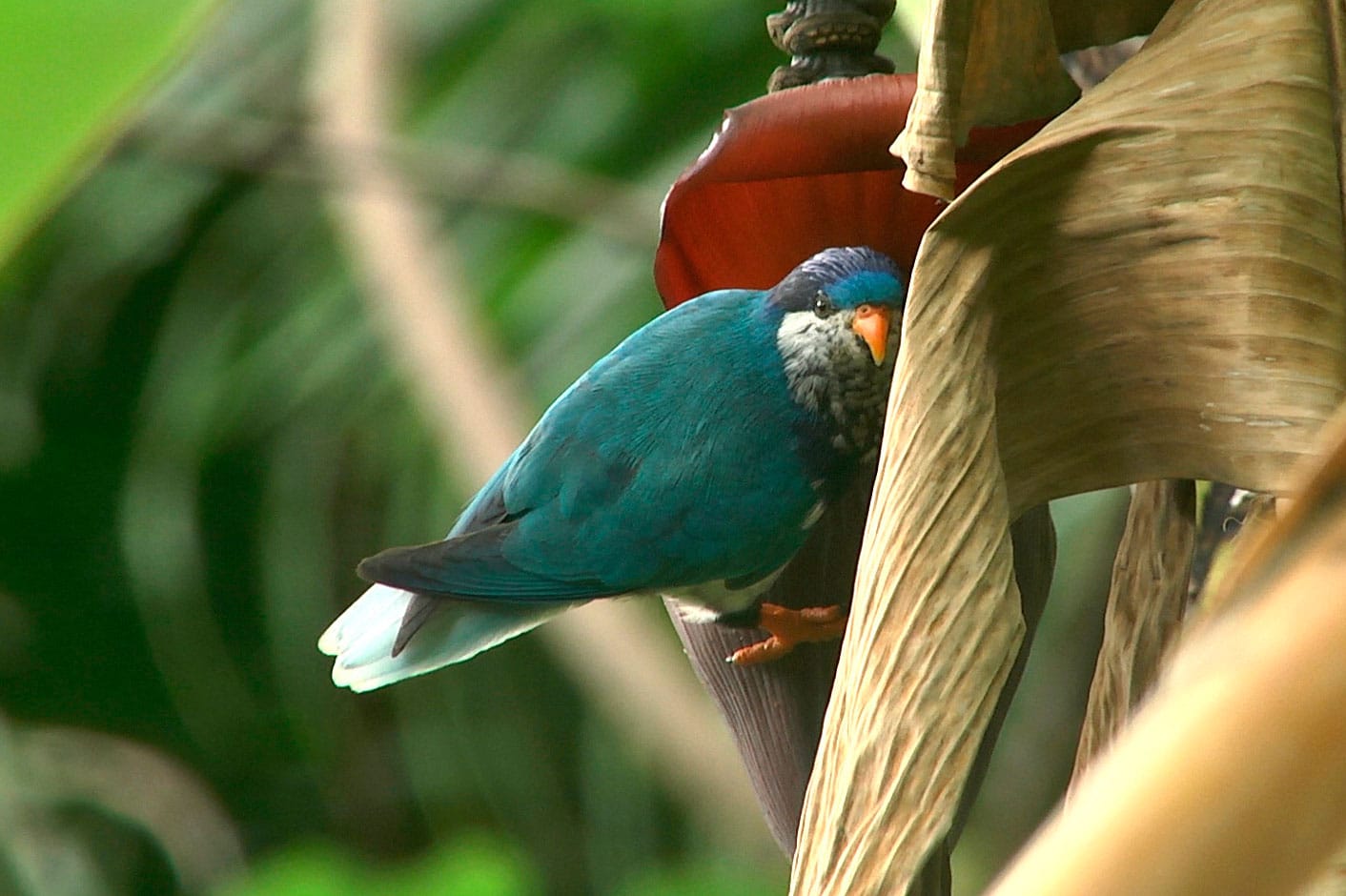
Blue-crowned Lorikeet
Vini australis


Blue-crowned Lorikeet

Content

Description

19 cm.. of length and a weight of 40 to 55 g..

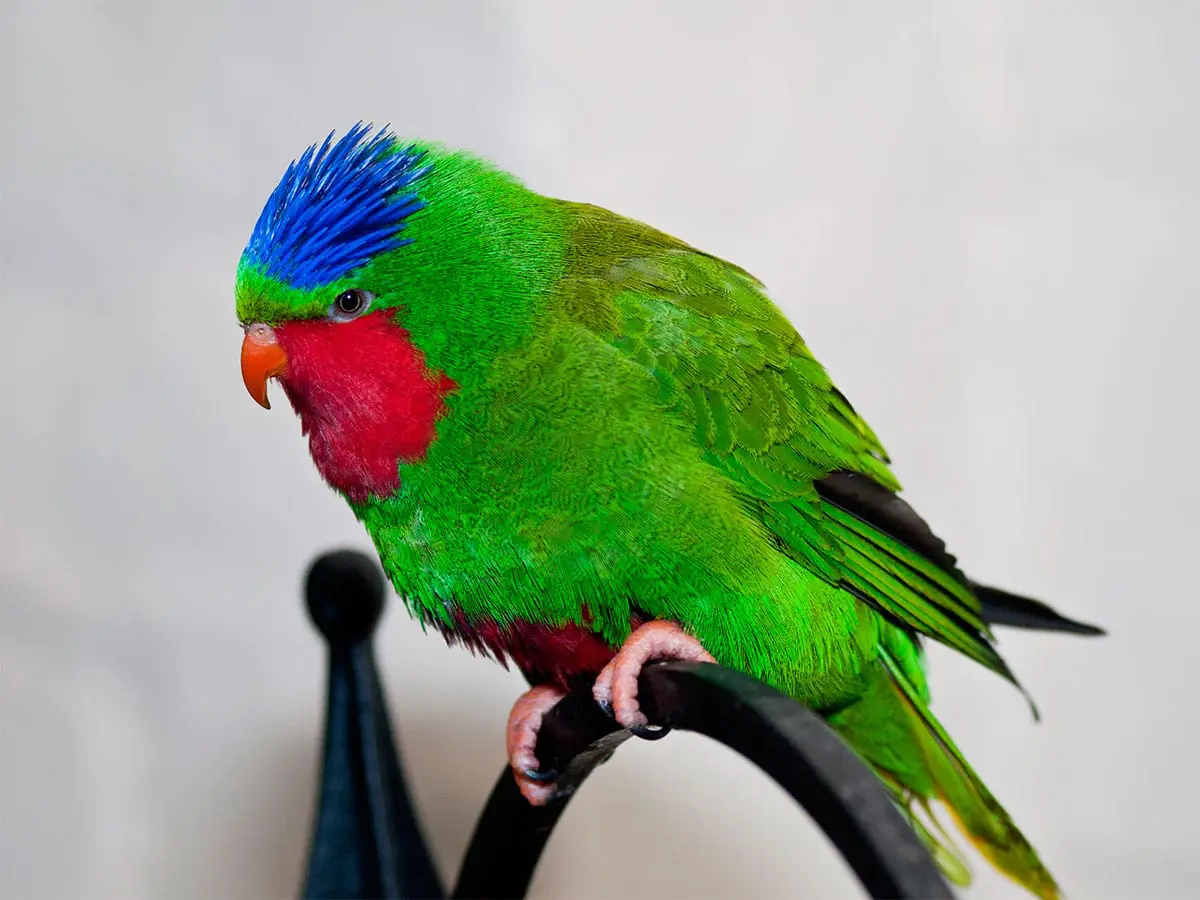
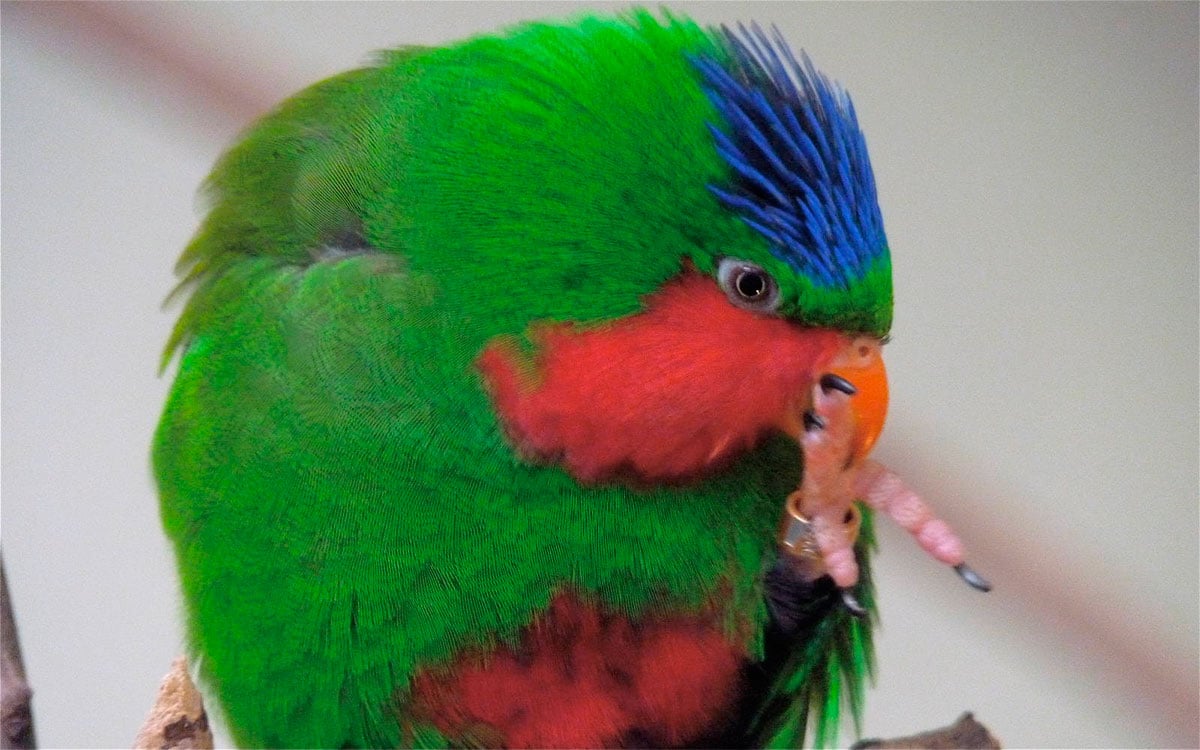
The Blue-crowned Lorikeet (Vini australis) has a plumage mostly green. The upper part of the head is dark blue with light blue streaks. The region of the windows of the nose, the cheeks, the ear-coverts, the neck and the abdomen They are red. the lower part of abdomen and the thighs they are purple blue. The back is green, the interior of the tail is yellowish-green. The irises is reddish brown. The legs are of color red and the bill is orange.

The youth are equal to adults, but with less red in the face and throat, little or none abdominal patch, stripes blue shorter in the crown, no purpura on the thighs, brown the eyes.

Habitat:

It is found in forests, coconut palms or any habitat where flowering trees; coastal mountains, gardens and agricultural areas. Nomad, sometimes traveling between the Islands.

Daily movements in search of food. Aggressive but gregarious, they often move in flocks of up to 12 individuals, except during the breeding season they live with their partners.

In Samoa it is common around villages and plantations and less common in moist forests, higher elevations in the rain forest and secondary growth.

Reproduction:

Nests in holes or hollows of trees, It has also been reported that they dig burrows in the banks of Earth, Although it has not confirmed. The laying is one or two white eggs. Breeding registered in June and August. In captivity the incubation It has been calculated in 23 days.

Food:

It feeds on nectar, pollen and red fruits. It particularly prefers Erythrina, Wild hibiscus and coconut.

Distribution:

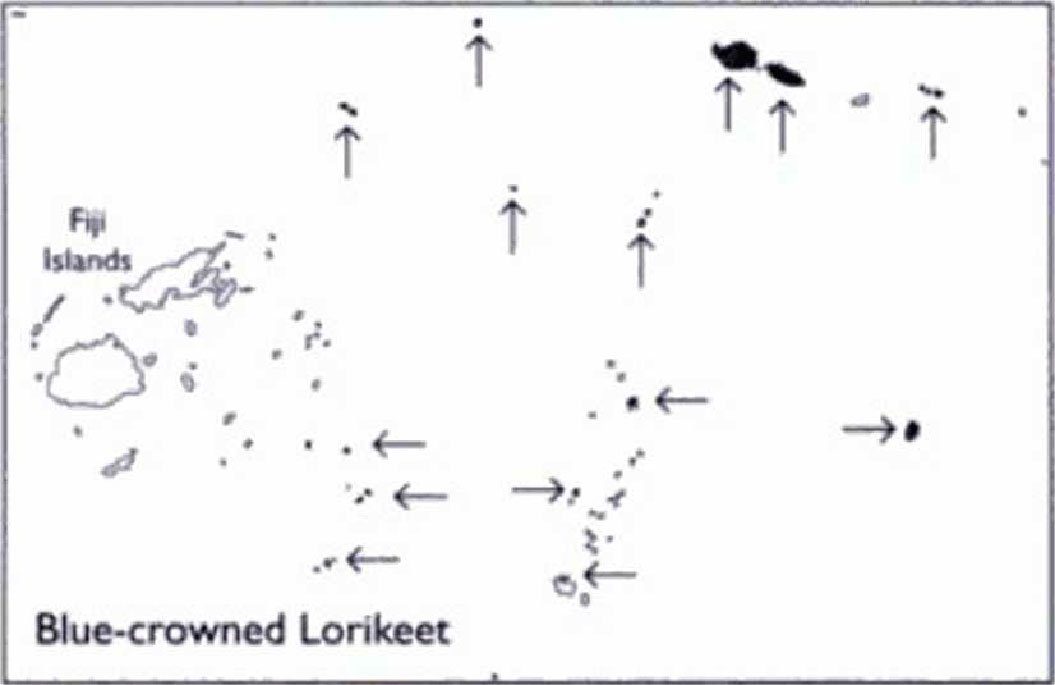
Samoa distribution of Lori
Extends over the archipelagos of Samoa, Tonga and LAU, distributed by Islands: Love, Futuha'a, Fulago, Futuna, Ha'afeva, You're young, Moce, Niue, Ofu, Olosega, Samoa, Salt, Tafahi, Say, Tofua, Tungua, Fire, It's cool, Varoa, I'm sorry and Voleva. In the past was also in ‘USA, Tongatapu and Mata-Utu but there it is extinct.

Conservation:


minor concern

– Current IUCN Red List category: Least concern.

– The population trend: Decreasing.

The world population It has not been quantified, but the species is informed that it is common in much of its restricted area of distribution.

The population is suspected to be in decline due to the predation by species invasive.

Still fairly common throughout its range, but it has become extinct on many islands and it is decreasing in Tonga (probably because of the rats).

"Blue-crowned Lorikeet" in captivity:

Like the others Vini lories, the Blue-crowned Lorikeet still quite rare in poultry farming, probably as a result of the protection they receive in their native South Pacific countries.

Alternative names:

– Blue-crowned Lorikeet, Blue crowned Lorikeet, Blue-crowned Lory (ingles).
– Lori fringillaire (French).
– Blaukäppchen (German).
– Loris Vini Australis (Portuguese).
– Lori de Samoa (español).

scientific classification:

– Order: Psittaciformes
– Family: Psittaculidae
– Genus: Vini
– Scientific name: Vini australis
– Citation: (Gmelin, 1788)
– Protonimo: Psittacus australis

“Samoan lory” images:

Videos "Blue-crowned Lorikeet"

————————————————————————————————

"Samoan Lori" (Vini australis)


Sources:

– Avibase
– Parrots of the World – Forshaw Joseph M
– Parrots A Guide to the Parrots of the World – Tony Juniper & Mike Parr
– BirdLife.org

– Photos:

1 – «Vini australis-London Zoo, England-8a» by William Warby from London, England – Unknown-Tropical BirdUploaded by Snowmanradio. Licensed under CC BY 2.0 via Wikimedia Commons.
2 – «Vini australis-two on a perch-8a-4c» by Vini_australis_-two_on_a_perch-8a.jpg: TJ Lin – originally posted to Flickr as Dscn6140 and uploaded to commons at Vini_australis_-two_on_a_perch-8a.jpg. Licensed under CC BY-SA 2.0 via Wikimedia Commons.
3 – By Duncan Wright (Own work) [GFDL or CC BY-SA 3.0], via Wikimedia Commons
4 – By Steven G. Johnson on commons (same as unnormalized on flickr) (Dsc_0014uploaded by Snowmanradio) [CC BY-SA 2.0], via Wikimedia Commons
5- by Zambar – zoochat.com

– Sounds: Samuel Jones (Xeno-canto)

▷ The world of Pets: Dogs, cats, birds, reptiles, amphibians

Ultramarine Lorikeet
Vini ultramarina

Ultramarine Lorikeet

Content

Description

The Ultramarine Lorikeet (Vini ultramarina) has a length of 18 cm.. and an approximate weight of 35 g..

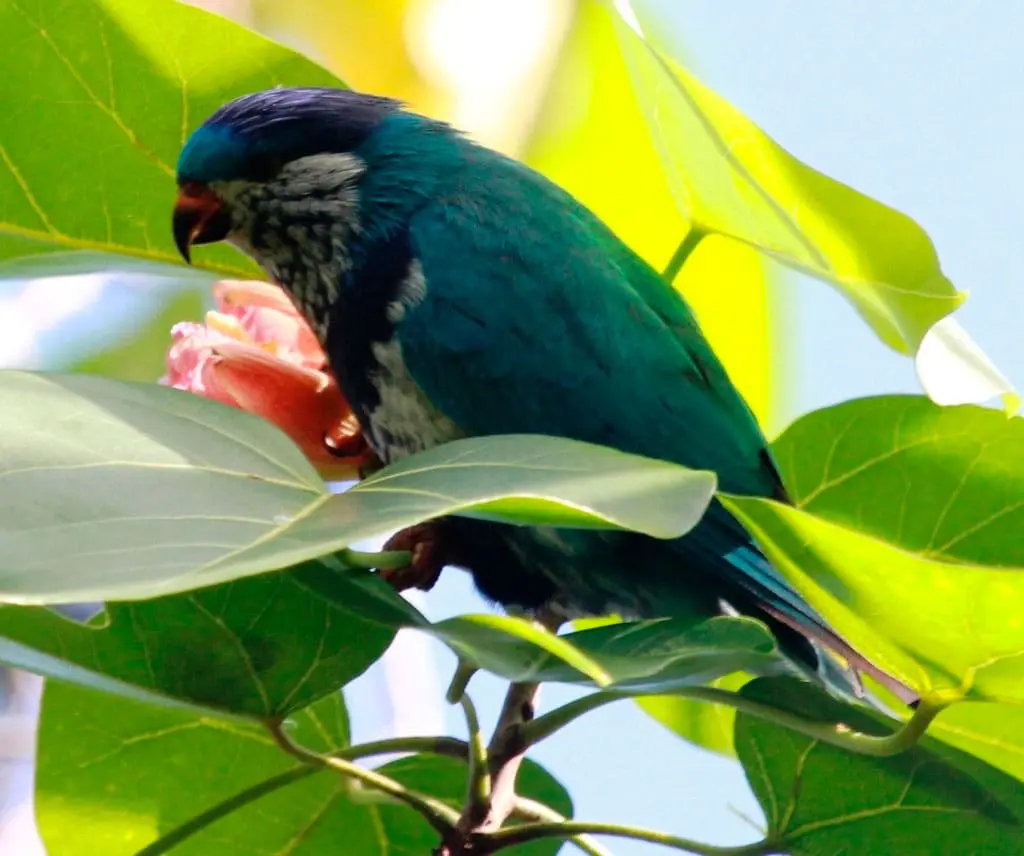
Forehead bright navy blue iridescent; crown and nape Mallow dark blue with streaks of light blue; lores and spots on ear-coverts, white (bases of ear-coverts, purple and blue color). Mantle and covert wing, Navy blue; rump and tail coverts, dark blue light. The flight feather, light blue, blackish internal. Blue off the Underwing coverts. Throat dark blue with white speckles; in the band chest mauve blue with área subterminal pale blue feathers. Belly blank slate bases in feathers, giving a mottled appearance; the thighs dark blue malva; coverts, Turquoise.

The uppertail-coverts, whitish blue with navy blue light diffuse in the outer margins;
undertail coverts whitish merged with navy and some irregular gray markings.

Bill yellow orange, upper jaw, blackish brown at the base; irises brownish yellow; the orange legs.

Both sexes are equal but the female It is slightly smaller.

The immature adult differ by the absence of white on underparts, they are uniformly blackish. Also by bill black, irises Dark Brown and legs orange-brown.

Habitat:

In the Decade of 1970 in Nuku Hiva, these parrots were found only in pristine forests (that they have not been touched and that it is in its original condition) on the 700 m.

There is a similar habitat preferences in UA Pu, where are located mainly in montane forests between 700 and 1.000 m. Populations have also been of Ultramarine Lorikeet in banana plantations, coconut and mango (Mangifera indica), in coastal areas.

The species seems to have a wider range of habitat preferences in UA Pu., being found at altitudes ranging from the coast to wooded crests.

They feed in trees with flowers, especially coconut trees and Erythrina.

Loud and lively; the birds move freely between the canopy and lower floors, allowing the human approach. They usually travel in pairs or groups of up to a dozen of individuals. Most of its flights are made below the level of the trees, but for longer distances they rise spiral up to considerable heights.

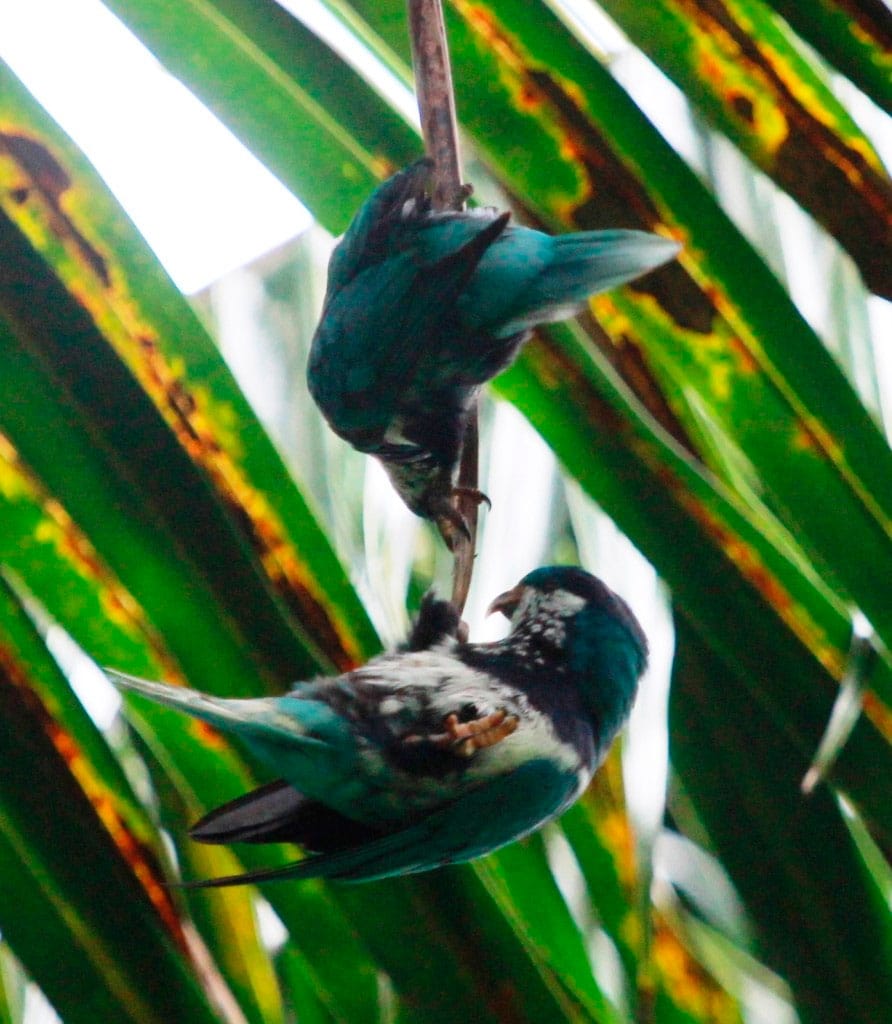
Extremely Active, rarely long they stay in a tree and feeds using the peak acrobaticamente support.

Reproduction:

The nesting of these birds is from June to August.

It nests in hollow trees, preferring Artocarpus altilis, Pometia, Pandanus tectorius and Hibiscus tileacus. Sometimes they use the old nest of another species. They lay two white eggs.

A captive breeding record gives the chick eight weeks to become independent.

Food:

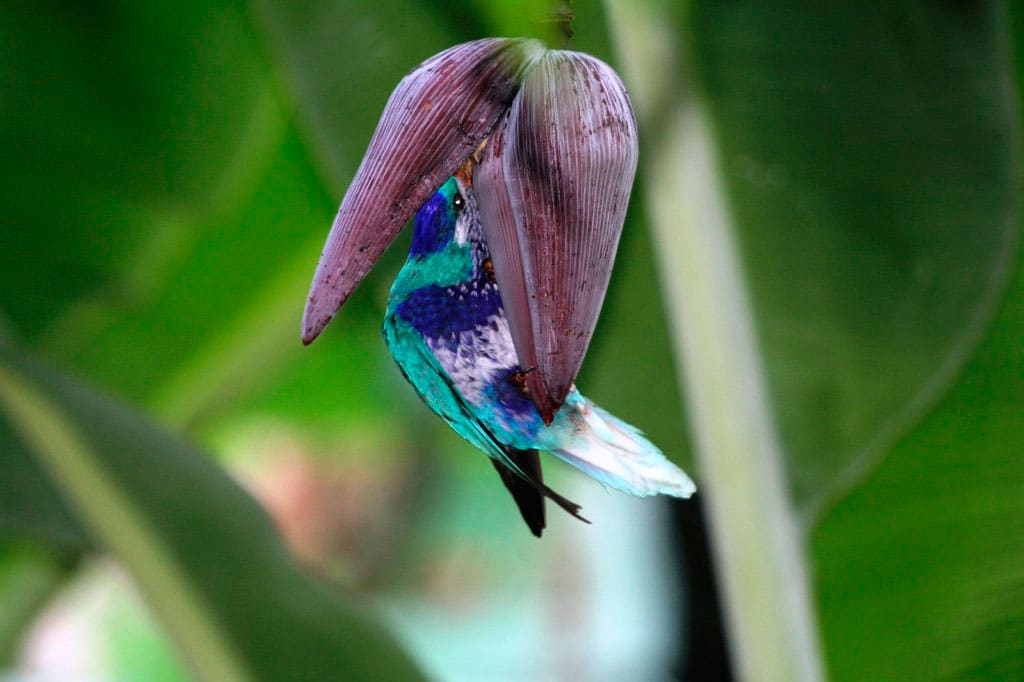
It feeds on a great variety of trees in flower, nectar and pollen. Within your preferences are the flowers of the coconut palm, the native tree and banana Hibiscus tileaceus.

It also feeds on fruits, especially mango and insects.

Distribution:

Size of its range (reproduction / resident): 100 km2

The Ultramarine Lorikeet is endemic of the Marquesas Islands, of Nuku Hiva, UA Pu and UA Huka, Although fossil remains show that previously most widely spread.

In UA Pu the population was estimated at 250-300 couples in 1975. But in 1988 had shrunk around the 60%, probably due to the spread of rats Rattus rattus, and a hurricane in 1988, Although its effects on the population of birds are uncertain.

In Nuku Hiva the small population of around of 70 birds that inhabited the high valleys and ridges in the northwestern part of the island, between 700 and 1.000 d., You can that they are now extinct.

The majority of the population, to this day, remains in UA Huka, where the species was introduced in 1940. This population would have grown from 200 to 250 couples in the late 1970s and was considered abundant in 1990 at altitudes environment to the 500 d., with a population estimated between 1.000 and 1.500 birds. The main threat to the species, here, is the potential arrival of rats, and between 1993 and 1994, 14 Ultramarine Lorikeet they were moved to Fatu Hiva in an attempt to keep them safe from rats; But, habitat deterioration by grazing mammals and avian malaria, also they have been and are still potential factors to increase the vulnerability of this species.

Conservation:


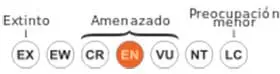
Endangered


• Current IUCN Red List category: Danger.

• Population trend: Decreasing.

CITES Appendix I. in danger of extinction.

The entire population is located on an island where the species is stable, in other islands recently has been extinguished. The general trend is suspected to be a slow and continuous decrease. If the black rats come to UA Huka the decrease will be quick and severe.

Other threats included are logging in some sectors of the habitat of the Ultramarine Lorikeet to plant crops, fruit trees, and use the trunks for woodcarvings for tourism.

"Ultramarine Lorikeet" in captivity:

Extremely rare.

Alternative names:

– Ultramarine Lorikeet, Marquesas Lorikeet, Ultramarine Lory (ingles).
– Lori ultramarin, Lori de Goupil, Lori des Marquises (French).
– Ultramarinlori (German).
– Loris Vini Ultramarine (Portuguese).
– Lori Ultramar, Lori Ultramarino (español).

scientific classification:

– Order: Psittaciformes
– Family: Psittaculidae
– Scientific name: Vini ultramarina
– Citation: (Kuhl, 1820)
– Protonimo: Psittacus ultramarinus

Images «Overseas Lory»:

Videos "Ultramarine Lorikeet"

————————————————————————————————

«Lori Ultramar» (Vini ultramarina)


Sources:

– Avibase
– Parrots of the World – Forshaw Joseph M
– Parrots A Guide to the Parrots of the World – Tony Juniper & Mike Parr
– Birdlife

– Photos:

1 – Miles to the wild – link
2 – Miles to the wild – link
3 – Miles to the wild – link
4 – An adult bird perched on a palm tree – Author Josep del Hoyo – IBC.lynxeds.com
5- A juvenile bird feeding in a tree. – Author Josep del Hoyo – IBC.lynxeds.com

– Sounds: Mark Todd (Xeno-canto)

▷ The world of Pets: Dogs, cats, birds, reptiles, amphibians

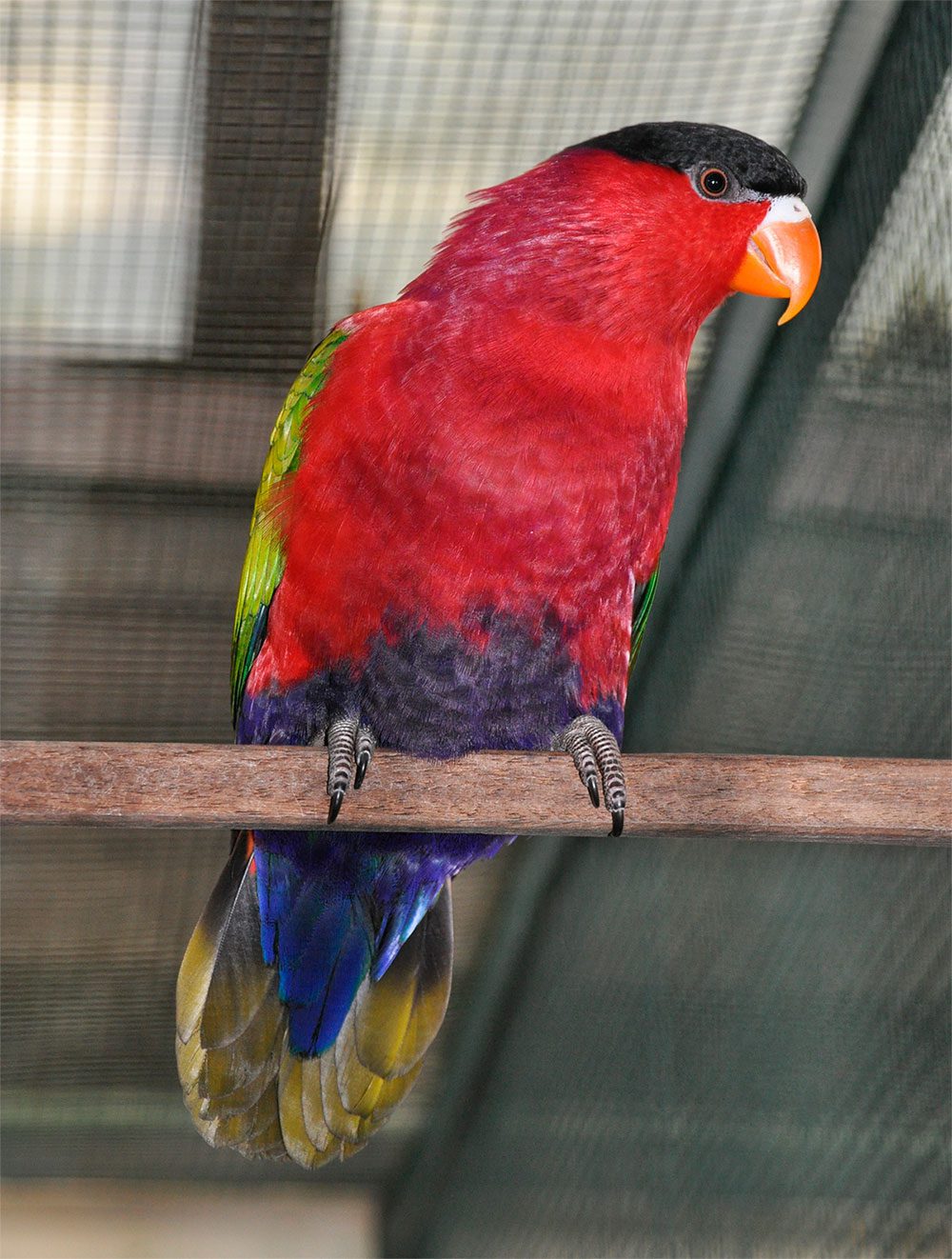
Purple-bellied Lory
Lorius hypoinochrous

Purple-bellied Lory

Content

Description

The Purple-bellied Lory (Lorius hypoinochrous) has an approximate length of 26 cm.. with a weight ranging between 200 and 240 g..

Hood black in color with blue purple sheen extending to the rear of the nape; rest of head red. Upperparts completely red with a band dark variable on the the mantle; upper mantle slightly more purple that the rest of them upperparts.
Primary coverts Bluish; remaining wing Green with the internals of the flight feather in black color. Rojas the wing-coverts with black tips. The flight feather show a large patch yellow in the part internal.

Throat and chest, red, getting more purple towards the top belly; part low belly, the thighs and coverts, dark purple-blue. The parties above of the tail basically red, with the final part in dark blue (appears only teal at rest); undertail, opaque yellow with red hidden base.

Bill orange; cere (waxy soft swelling, containing the nostrils, at the base of the upper beak) white; Iris orange; legs black grey.

There is no significant difference between males and females. In general, the male has a bill a little stronger than the female.

The juveniles has belly pale purple color and peaks are more brownish.

Description 3 subspecies

  • Lorius hypoinochrous devittatus

    (Hartert, 1898) – Differs by the absence of margins black in the large feathers underneath them wings.


  • Lorius hypoinochrous hypoinochrous

    (Gray,GR, 1859) – Nominal.


  • Lorius hypoinochrous rosselianus

    (Rothschild & Hartert, 1918) – Difference with the species rated by the fact of that has the chest the same red that the upper part of the abdomen.

Habitat:

Unlike in the Black-capped Lory, often found in coconut, mangroves and coastal vegetation (especially fond of coconut flowers); the Purple-bellied Lory also frequents low forests, the edges of these, high secondary forests, inhabited or partially cleared areas and gardens. Found individually, in pairs or in small groups of up to 10-20 birds. Ruidoso, visible and Active, they often live in trees or just above the canopy.

In the Island of Papua, they are distributed by the lowlands and foothills, in New Britain up to at least 450 m, in New Ireland until 750 m (where is sympathetic with the White-naped Lory) and up 1.600 metres in the Goodenough island.

Virtually nothing is known of the reproductive ecology of this species., Although is has been able to observe to them males in a, apparent, participation in the cortejo, with repetitive stretching of the neck and movements side of the head.

Reproduction:

Due to its extreme rarity, We know little about their reproductive behavior.
It is likely to be very similar to the of the Black-capped Lory (Lorius lory). This means a spawning two eggs and a incubation period of about 26 days.

Food:

The Purple-bellied Lory It feeds mainly in the canopy in noisy groups. Its diet natural consists of pollen, nectar, flowers, fruits, insects and their larvae, and probably seeds.
Usually see, sometimes, feeding is in company of the Sulphur-crested cockatoo and the Eclectus Parrot.

Distribution:

Size of the area of distribution (reproduction / resident): 61.900 km2

Endemic of the southeast of Papua New Guinea and surrounding island groups. On the island it reaches West, from Lae in the Huon Gulf to the North to Cape Rodney in the South. Is distributed in the islands of the archipelagos of D'Entrecasteaux and Louisiade, including (Goodenough, Fergusson, Normanby, Bentley, Misima Island, Tagula and Rossel, Islands Trobriands, Woodlark and Islands of the Bismarck Archipelago, including Umboi, Sakar, New Britain, New Ireland, Witu, Lolobau, Uatom, New Hanover, Tabar and Lihir.

common and locally abundant. World's largest population of 50.000 birds.

Distribution 3 subspecies

Conservation:


minor concern


• Current IUCN Red List category: Least concern

• Population trend: Stable

The world population It has not been quantified, but the species appears to be common and abundant throughout its area of distribution.

Justification of the trend

Suspected that the population is stable in the absence of evidence of declines or substantial threats.

"Purple-bellied Lory" in captivity:

Extremely rare.

Alternative names:

– Purple-bellied Lory, Eastern Black-capped Lory, Purple bellied Lory, Stresemann’s Lory (ingles).
– Lori à ventre violet, Lori de Louisiade (French).
– Schwarzsteißlori, Louisiadenlori (German).
– Loris Hypoinochrous (Portuguese).
– Lori Ventrivinoso, Tricogloso de Streseman, Tricogloso de Vientre Púrpura (español).

scientific classification:

– Order: Psittaciformes
– Family: Psittaculidae
– Genus: Lorius
– Scientific name: Lorius hypoinochrous
– Citation: Gray,GR, 1859
– Protonimo: Lorius hypoinochrous

Images "Ventrivinous Lori":

————————————————————————————————

"Ventrivinous Lori" (Lorius hypoinochrous)


Sources:

– Avibase
– Parrots of the World – Forshaw Joseph M
– Parrots A Guide to the Parrots of the World – Tony Juniper & Mike Parr
– Birdlife

– Photos:

1 – «Lorius hypoinochrous qtl1» by Quartl – Own work. Licensed under CC BY-SA 3.0 via Wikimedia Commons.
2 – Animal Photos – Enlace
3 – parrots-pictures
4 – by Bilder von Marion – papageien.org
5 – Free pet wallpapers – link

– Sounds: Frank Lambert (Xeno-canto)

▷ The world of Pets: Dogs, cats, birds, reptiles, amphibians

White-naped Lory
Lorius albidinucha

Content

Description

The White-naped Lory (Lorius albidinucha) has a length of 26 cm.. and a weight between 152 and 164 g..

White-naped Lory

Similar to the Purple-bellied Lory with which sympathy between 500 and 750 meters in the South of New Ireland.

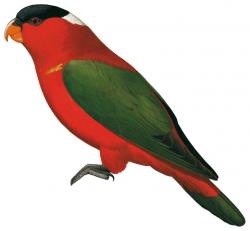
The White-naped Lory It has a distinctive patch white in nape. The underparts They are entirely red except yellow markings on the sides of chest. It lacks dark violet broadcast belly and of the undertail-coverts, If shown by the Purple-bellied Lory. Seen at close quarters, the cere Dark also separates this species from the Purple-bellied Lory, what does he have cere white.

Lori Nuquiblanco illustration

The White-naped Lory It is also less Beefy that the Purple-bellied Lory and has a whistle call which differs considerably with the distinctive snore nasal call of the Purple-bellied Lory.
Has the crown black, violet slightly marked by the white patch nape; rest of head bright red. The upperparts red. The wings They are green with a yellow band on the lower part and violet with white spots on the curvature. The upperparts They are red with yellow markings on the sides of the chest and blue marks on the the thighs. Tail red on the outside and yellow on the inside part. Bill orange with dark base in the upper jaw; cere black; irises yellow to reddish brown; legs greyish black.

Habitat:

Known only in the mountains south of New Ireland between 500 and 2.000 m, mainly on 1.000 m.
Normally found in pairs while feed on fruits or wild flowers "oil palm". Been seen feeding on the same tree as the Purple-bellied Lory without harming it.

Reproduction:

No data reproduction in its natural habitat.

Food:

Feeds of fruit and flowers of the oil palm plantations.

Distribution:

Distinctive species, little known and restricted to the forests of the hills of New Ireland in the Bismarck Archipelago (Papua New Guinea).

Conservation:


Near-threatened


• Current IUCN Red List category: Near-threatened.

• Population trend: Decreasing.

Quite common at all limits within its altitude range. The world population probably it is lower to the 10.000 specimens.
No information on population trends; But, the species is suspected falling slowly, as a result of logging.

The conservation actions proposals:

• Effectively protect hill forests.
• Determine the tolerance of forests exploited at different altitudes.
• Monitor populations at key sites.

"White-naped Lory" in captivity:

None known.

Alternative names:

– White-naped Lory, White naped Lory (ingles).
– Lori à nuque blanche (French).
– Weißnackenlori (German).
– Lorius albidinucha (Portuguese).
– Lori Nuquiblanco, Tricogloso de Nuca Blanca (español).

scientific classification:

– Order: Psittaciformes
– Family: Psittaculidae
– Genus: Lorius
– Scientific name: Lorius albidinucha
– Citation: (Rothschild & Hartert, 1924)
– Protonimo: Domicella albidinucha

————————————————————————————————

«Lori Nuquiblanco» (Lorius albidinucha)


Sources:

– Avibase
– Parrots of the World – Forshaw Joseph M
– Parrots A Guide to the Parrots of the World – Tony Juniper & Mike Parr
– Birdlife

– Photos:

1 – lorihaven.dk – link
2 – Illustration: HBW.com

▷ The world of Pets: Dogs, cats, birds, reptiles, amphibians

Todl`s Parakeet (sub)
Pyrrhura picta caeruleiceps

Cotorrita de Perijá

Content

Perija Parakeet. Copyright ProAves Colombia.

Description:

21-23 cm.. height.

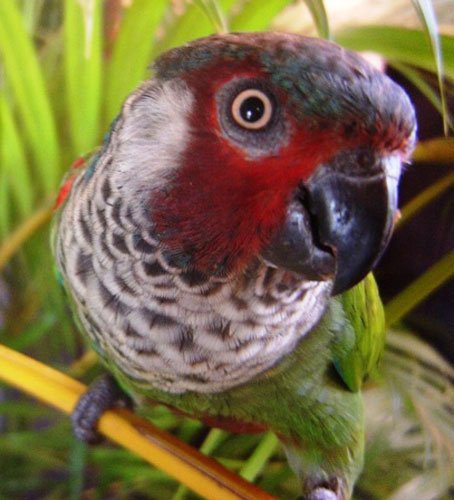
The Todl`s Parakeet (Pyrrhura picta caeruleiceps) It is generally green with the forehead and areas around the eyes, dark red.

In flight the dark red stain is very evident abdomen. Wings below greyish. The crown and nape they are blue; the front and sides of the strip head, red and scaly appearance of the chest with wider margins. This subspecies is included within the species Pyrrhura picta.

Cotorrita de Perijá

Notes:

    Historically, classification of Pyrrhura picta caeruleiceps (Todd 1947) He has been subject to opinions found. While some authors recognize this taxon at the species level, others consider it a subspecies of Pyrrhura subandina (Todd 1947) or Pyrrhura picta (Meyer de Schauensee 1949), the latter being the most widely followed classification (Hilty & Brown 1986, pit et to the. 1997, Rodríguez & Hernandez-Camacho 2002). Based on analysis of morphological characters, Joseph (2000) and Joseph & Stockwell (2002) suggested that P. caeruleiceps should be considered as a distinct phylogenetic species and that the taxon Pyrrhura pantchenkoi (Phelps 1977), described from two specimens with worn plumage, is its synonym. Hilty (2003) He continued this treatment, but the classification committee Bird South America of the American Ornithologists’ Union recently it considered that existing information was insufficient to support this taxonomic change according to the biological species concept and kept provisionally caeruleiceps like a subspecies of painted parakeet (Remsen et al. 2010).
    Source: Rediscovery and notes on the ecology and vocalizations of Todd’s Parakeet (Pyrrhura picta caeruleiceps) in northeastern Colombia

Ecology:

They inhabit in humid jungle, semi-humid and low cloud forests.
Nest sizable trees in abandoned nests of other species.

Distribution:

The enigmatic and little known Todl`s Parakeet (Pyrrhura picta caeruleiceps) It has a very restricted range in the rainforest, mainly between 500 and 900 Attitude meters along the border between Colombia and Venezuela, as well as patches of tropical forest in the foothills of the Serrania del Perija.

Its Freedom population It is believed to be about 30 to 50 individuals.

Conservation:

State of conservation ⓘ


Endangered Endangered ⓘ (UICN)ⓘ

The forest loss and fragmentation are the main threats facing this bird, but the species is also trapped and kept in cages as a pet. According to the categories of UICN It is considered In danger (IN), mainly due to the habitat destruction.

Images "Todl`s Parakeet (sub)"

Videos "Todl`s Parakeet (sub)"


Especies del género Pyrrhura

Sources:


– Parrot Book, Parrots and macaws Neotropical
– Proaves