โ–ท The world of Pets: Dogs, cats, birds, reptiles, amphibians

Tonkinese cat
Federations: LOOF, CFA, ACF, ACFA, TICA

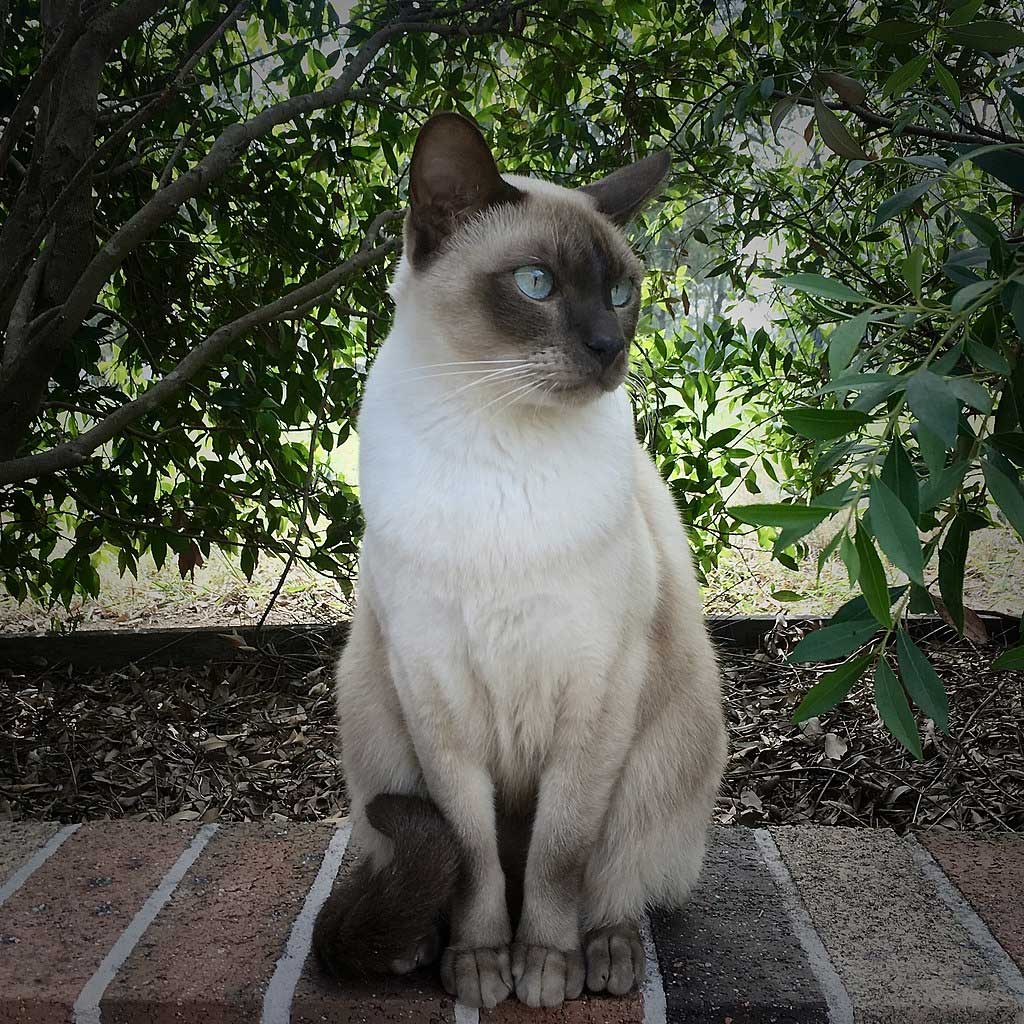
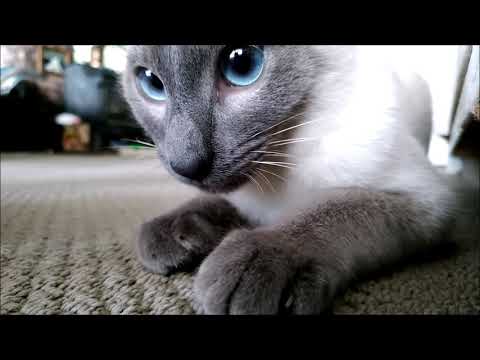
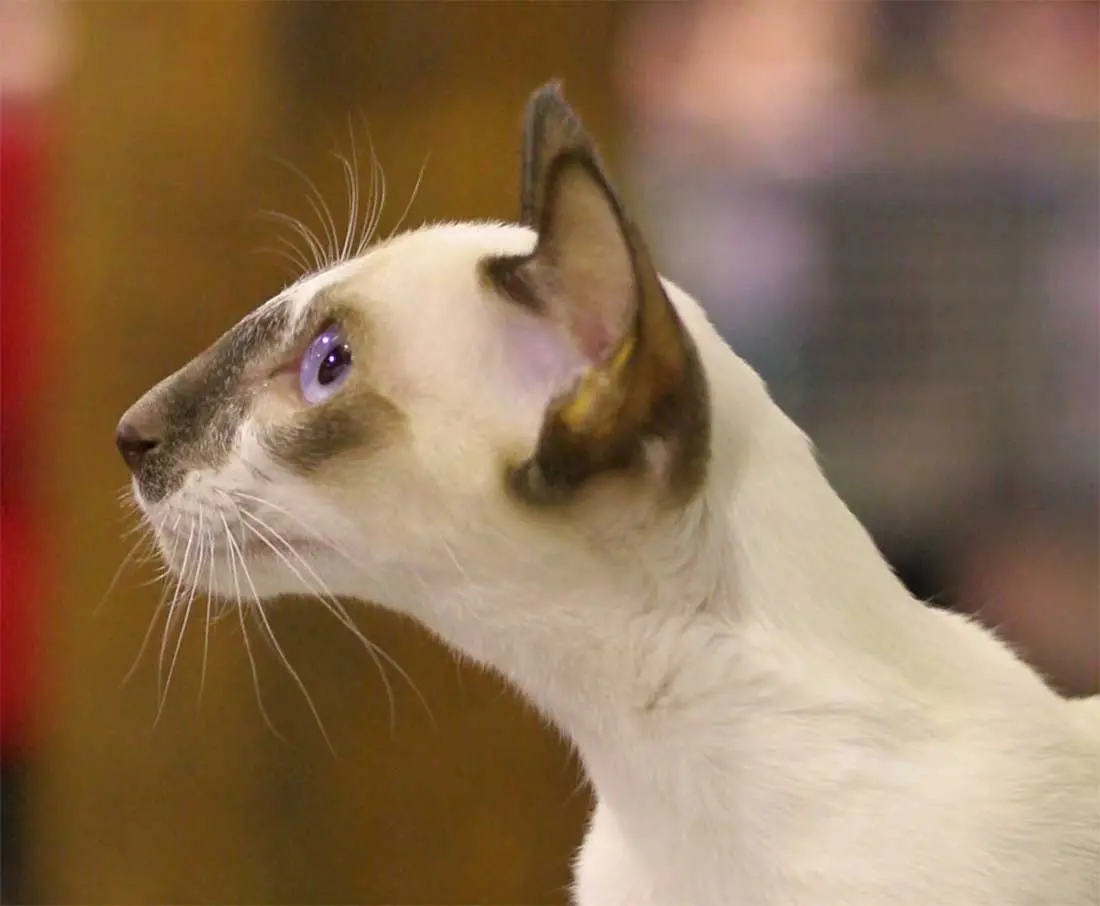
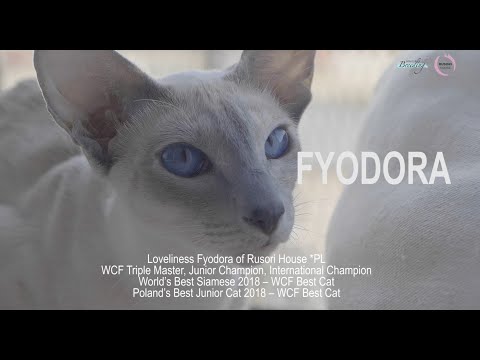
The Tonkinese cat It is distinguished by the great variety of appearances that its coat can show, both in terms of color, as in pattern and even in length.

Content

Characteristics "Tonkinese cat"

Coexistence is important that you have with your new friend. Before considering the acquisition of a cat of the breed "Tonkinese cat" you know certain factors. You must take into account their character, their need for exercise, their interaction with other pets, their care and if you have small children, their level of tolerance towards them.

Joy

4,0 of 5 stars (based on 1 review)

Activity level

5,0 of 5 stars (based on 1 review)

Friendliness to other pets

4,0 of 5 stars (based on 1 review)

Friendliness to children

4,0 of 5 stars (based on 1 review)

Grooming requirements

1,0 of 5 stars (based on 1 review)

Vocality

4,0 of 5 stars (based on 1 review)

Need for attention

4,0 of 5 stars (based on 1 review)

Affection towards its owners

4,0 of 5 stars (based on 1 review)

Docility

3,0 of 5 stars (based on 1 review)

Intelligence

4,0 of 5 stars (based on 1 review)

Independence

2,0 of 5 stars (based on 1 review)

Hardiness

3,0 of 5 stars (based on 1 review)

History

The Tonkinese cat (also know as "Tonkยซ) is a hybrid between Siamese and the Birman. His ancestors came from Southeast Asia, more specifically from Siam (ancient name of thailand) and Burma. In other words, his name is confusing, Since, contrary to what one might think, does not come from Tonkin, the northern part of present-day Vietnam. This breed has the peculiarity of having appeared naturally, since their "ancestors" Siamese and burmese shared the same territory, and it happened that they mated with each other, without human planning, with the intention of creating a new breed. These random interracial matings are likely to have been going on for a long time.

The first "Tonkinese cat"
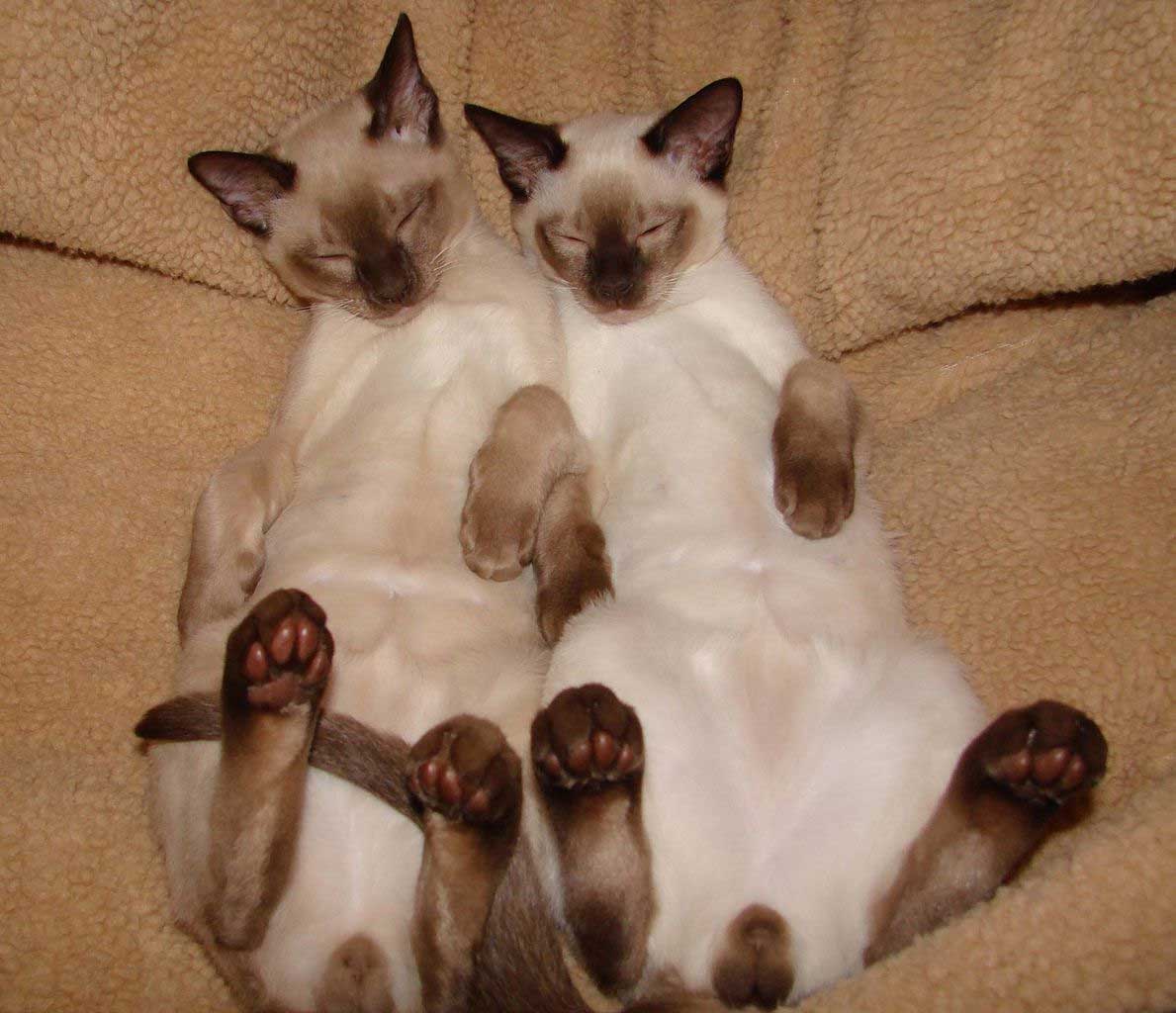
Tonkinese
Tonkinese cats Odin and Oscar asleep

In the Decade of the 50, Milan Greer, a pet cat enthusiast who lived in New York, decided to breed Siamese seal point with burmese to produce what he called Golden Siamese. He had learned that when this type of hybridization occurred accidentally, kittens were considered defective and discarded, mainly because it was thought that they could not reproduce with each other. Greer set out to show that this belief was wrong. He claimed to have managed to cross his cats Golden Siamese over five generations and considered that he had achieved his goal. He abandoned his project at the beginning of the following decade, although his cats had already become very popular in New York.

In the Decade of 1960, the canadian breeder Margaret Conroy She was forced, for a series of circumstances, to mate your cat Khosoom, a burmese cat sable, with a Siamese colourpoint (o ยซseal pointยซ) dark brown. The original plan was to send Khosoom to New York, where he had found a male Burmese who he thought would be interesting to mate with. But, given the rather shy nature of Khosoom, abandoned this plan and decided instead to mate her with a Siamese seal point, following the advice of a judge of the Canadian Cat Association (CCA).

at about the same time, in United States, a breeder of Siamese from New Jersey, Jane Barletta, and another breeder from California, Mary Swanson, started two breeding programs for Siamese and burmese. Later, an advertisement for Jane Barletta to the Cat Fanciersโ€™ Association (CFA) allowed the two Americans and the Canadian to get in touch and collaborate on the first new breed standard. They also worked together to obtain official recognition from the CFA.

Kittens born to Khosoom they were beige with turquoise eyes, but the three pioneers soon developed individuals with different shades of fur and eyes introducing various varieties of burmese or Siamese in their breeding programs. These may include, Jane Barletta used a Siamese blue point, While Margaret Conroy raised a Burmese blue with a Siamese of blue point, and Siamese red point with a Burmese sable. Other breeders, mostly on the west coast of the United States, they also entered the fray and began to develop the Tonkinese cat with various color variations. The work of all these enthusiasts has resulted in the great variety of coat and eye appearances for which the tonkinese today.

In 1971 a meeting of many of them was organized in Boston. On this occasion the first club of the breed was founded, the Club de la Raza tonkines.

A new breed… not really?

"Tonkinese cat"

Tonkinese
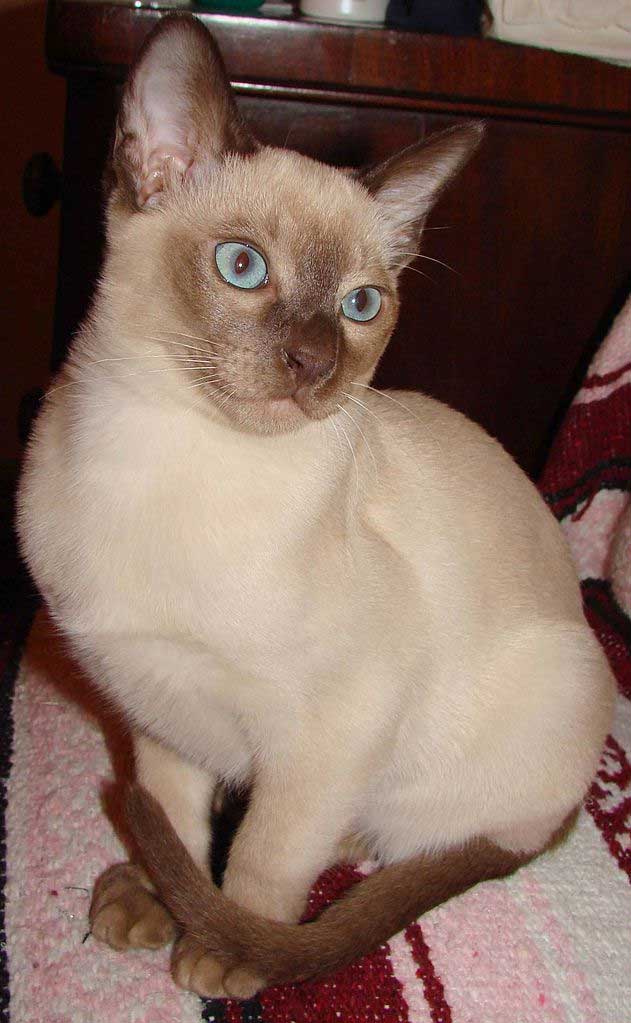
Tonkinese Cat – Esteban Maurer, CC BY-SA 4.0, via Wikimedia Commons

The Canadian Cat Association (CCA) affirms that the Tonkinese cat was the first recognized breed of domestic cat in Canada. It is true that the CCA was the first feline organization to accept the registration of this breed. (then called ยซTonkaneseยซ) in 1967, and then, in 1971, allowed them to participate in feline exhibitions organized under its auspices, with a new name (ยซTonkineseยซ). Thus, the breed is considered to be native to Canada.

But, more than the birth of a new race, it would be more accurate to speak of a rebirth, since the hybrids between burmese and Siamese have existed for many years, and some had even reached the West, mostly to the United States and the United Kingdom.

In fact, this little hybrid cat has been present in the Kingdom of Siam for a long time, and was described as early as the fourteenth century in the Tamra Maew, a collection of poems about domestic cats written by the monks of a Buddhist temple.

Due to the natural occurrence of hybrids Burmese-Siamese, some of them were brought to the West as early as the early 19th century. In the UK they are known as "chocolate siameseยซ.

More recently, in 1930, the Dr. Joseph Cheesman Thompson, retired US Navy neurosurgeon with an interest in entomology, herpetology and fauna in general, took San Francisco to Wong Mau, a cat considered then as Siamese. But, it was far from the breed standard: she was small, compact, too fine boned, short-tailed, her eyes were too round and too far apart, and the tips of her fur were chocolate brown, and therefore too dark. In fact, it is now generally accepted that Wong Mau was actually a hybrid Burmese-Siamese, and that this hybridization occurred naturally in Burma.

With Wong Mau as original parent, the Dr. Thompson It was proposed to develop a new breed of cats which was given the name "Birmanยซ. Was a Tonkinese cat the one that gave rise to the latter, long before his true race was known and recognized, the tonkinese. For a just return of things, the Burmese cat contributed in turn to the official creation of the Tonkinese cat about thirty years later.

The recognition of the "Tonkinese" by feline associations

Following in the footsteps of the Canadian Cat Association from 1967, the Cat Fanciersโ€™ Association (CFA) recognized the Tonkinese cat in 1974. But, was not up 1984 when the CFA allowed its representatives to participate in beauty pageants organized under its auspices.

For its part, the TICA (International Cat Association) granted full recognition to the breed in 1979, thus giving him access to both the registry and the feline exhibitions.

In Europe, the Governing Council of the Cat Fancy (GCCF), the leading British feline association, also recognizes the tonkinese, similar to the Livre Officiel des Origines Fรฉlines (LOOF) French.

In the rest of the world, the breed is recognized by the Australian Cat Federation (ACF), la New Zealand Cat Fancy (NZCF) y el South Africa Cat Council (SACC).

Last, the only exception among the major feline organizations - and it's a big- is the Fรฉdรฉration Internationale Fรฉline (FIFรฉ), who still doesn't recognize her.

But, of all the others, few accept the so-called "long-haired" variety (but whose fur is actually rather semi-long), generally content to consider the tonkinese like a race of shorthair cat.

In fact, among the main institutions, only the Livre Officiel des Origines Fรฉlines (LOOF) French recognizes the tonkinese long-haired and accepts the registration of kittens of this variety. So, opposes the position of his counterparts, that no longer allow interbreeding with other breeds.

In effect, to obtain semi-long haired kittens, it is necessary to hybridize the Shorthair Tonkinese with an individual of another race with said coat. This is exactly what the LOOF authorizes, who accepts marriages with longhair asian, but they must be sepia and not spiky. This provisional authorization was to end on 1 in January of 2020, but it has been extended until 1 in January of 2025, due to low numbers of the breed. Until the same date and with the same objective, that is to say, diversify the genetic heritage of the breed to avoid health problems linked to excessive inbreeding, authorizes marriages of shorthair tonkinese with the European Burmes cat.

Popularity of "Tonkinese cat"

The tonkinese it is more popular in America and the Anglo-Saxon world in general than in continental Europe.

In France, the Livre Officiel des Origines Fรฉlines (LOOF) has separate stats for varieties of shorthair and Longhair. Since the beginning of the decade 2000, has registered around 30 to 50 births of shorthair tonkinese a year, but this figure, which was previously relatively stable, has suddenly descended to 15 in 2018 now only 6 in 2019. The complexity of breeding tonkinese could be a factor in this decline. In fact, how breeders have tried to exclude from breeding lines with genetic problems, the breed's gene pool has been considerably reduced, what has made your job difficult.

It is clear that the longhair tonkinese will not be able to take over. In fact, the number of annual registrations, that no longer exceeded ten, also collapsed in 2018 and 2019 until reaching zero. In total, there was only 48 births between 2010 and 2019.

On the other hand, in United States, the tonkinese ranks 20 (of 45) in the ranking established by the Cat Fanciers’ Association (CFA) according to the number of annual registrations in the organization. Although it is not one of the most popular breeds in the country, continues to enjoy some popularity. But, this popularity is eroding, since at the beginning of the decade of 2010 ranked 15th.

The same phenomenon is observed in the United Kingdom, where each year around 200 kittens tonkinese in the Governing Council of the Cat Fancy (GCCF), which places it around the 15th position in the ranking of the most popular feline breeds in the country. This is far from the average of 500 births per year that there were around the year 2000.

Physical characteristics

"Tonkinese cat"

Tonkinese
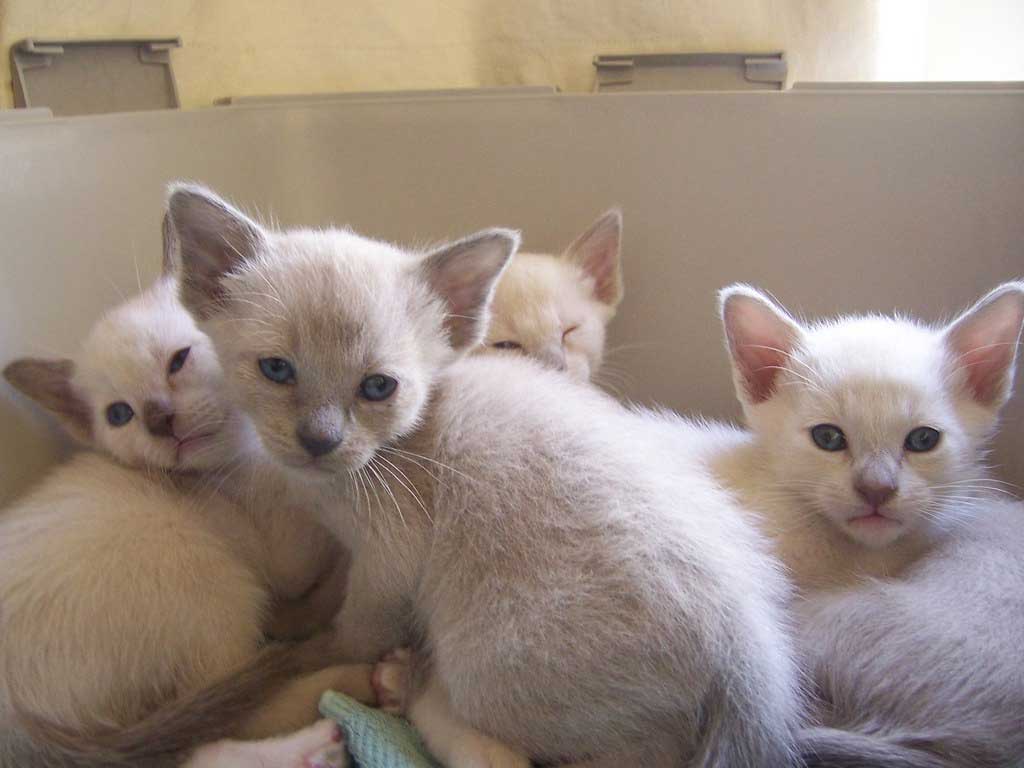
Tonkinese kitten OdinAngela Thomas from Sydney, NSW, Australia, CC BY 2.0, via Wikimedia Commons

The morphology of "Tonkinese"

The morphology of Tonkinese cat It is intermediate between the long and thin type (Eastern) of the Siamese and the long and mighty kind of Birman. It is medium in size, with a complexion between that of his two ancestors, and your body should not be slim and slim like the first, nor solid, compact and strong boned like the second. Yes indeed, has powerful muscles, especially the male: this explains his unusually high weight for a cat of his size. Especially when they are neutered, since they usually weigh between 5 and 6 kg. Females have a much more standard weight, between 2,5 and 3,5 kg.

Although they can differ greatly in weight, the two sexes are quite similar in size, of about 25 to 30 cm..

Whatever the sex, the legs of the Tonkinese cat they are thin and of proportional length to the body. They end in oval legs, with five fingers in front and four in the back. The tail also has a proportional length, that is to say, approximately equal to the distance from the rump to the end of the shoulder blades, and tapers to a point.

The snout is rounded and the eyes are almond-shaped rather than round. The eyes are generally aquamarine blue, but they can also be green or yellow-green, the latter being the most common color of the individuals shown. The ears are size medium, are widely spaced and have a broad base that tapers to the rounded tip.

A great diversity of appearances

The Tonkinese cat It is distinguished by the great variety of appearances that its coat can show, both in terms of color, as in pattern and even in length.

But, not all colors are recognized by all feline associations, being some more restrictive than others in this sense. These may include, the American Cat Fanciers’ Association (CFA) only recognizes four basic colors: natural (medium brown), champagne (buff), blue and platinum. At the other end of the spectrum, the TICA (International Cat Association) recognizes all known colors, that is to say, nothing less than thirteen. Among them, the CCA (Canadian Cat Association) accepts six colors: natural, champagne, honey, blue, platinum and fawn.

It also, the fur of the Tonkinese cat can have three different types of patterns:

ยซcolorpointยป (pointed)

A pattern similar to the classic Siamese: in most of the body, the hair ends in "dots" darker than the base color, which can be white or cream. Cats with this pattern have blue eyes..

"Solid, also called sepia

Similar to the pattern of Burma: hair color is uniform over most of the body or has faint ends. This pattern is associated with green or green-gold eyes..

ยซMink or marten

Intermediate pattern between the first two. The tips are more striking than the pattern points, but more contrasted than those of the solid drawing. The eyes are a pale greenish blue, called aquamarine, which can vary in shades of blue and green.

The thirteen recognized hues can be combined into three patterns each, which also exist in a tabby version in the tonkinese with spikes and mink patterns. This means that the number of possible combinations is very large., which makes the tonkinese in one of the most diverse races in this sense.

Its appearance is even more varied, since its color changes over time. Kittens can take up to 16 months to show its adult color, which then tends to darken with age.

The Tonkinese cat has a fur short and dense. The coat has a fine texture, silky smooth and a lustrous shine. The extremities (that is to say, the mask, the ears, legs and tail) are dark and the intensity of their coloring gradually decreases, merging with that of the body.

But, but the tonkinese usually has the shorthair, there is also a lesser known -and recognized variety- of semi-long-hair, which is a cross with him Asian Semi-longhair cat (Tiffanie).

Size and weight

  • Size: 30 cm.
  • Weight: Of 2,5 to 5,5 kg

Breed standard

The breed standards are documents prepared by official bodies in which the conditions that a dog must meet are listed. tonkinese to be fully recognized as belonging to the race:

Health
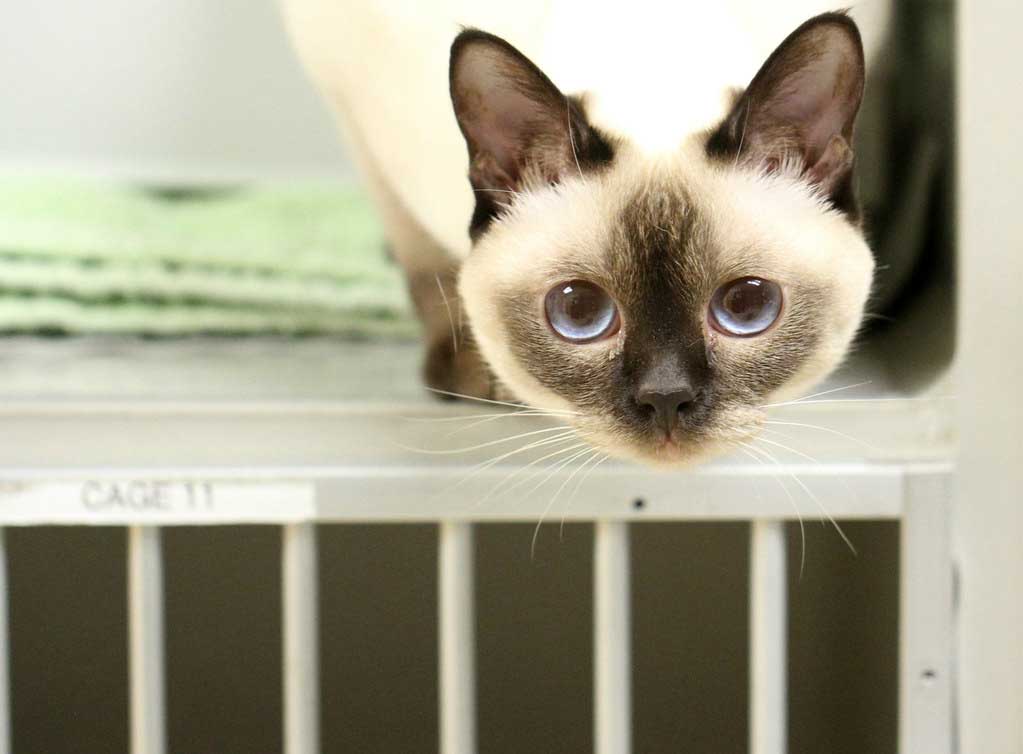
Tonkinese
Tonkinese cat- Flickr

Like his ancestors the Siamese and the Sacred Cat of Burma (Birman), the Tonkinese cat enjoys good longevity: It is not uncommon for him to reach the venerable age of 18, 19 or even 20 years, thus often exceeding the average age of 15 years that domestic cats reach.

But, just like their ancestors, may be subject to certain genetic diseases:

  • The amyloidosis, a disease that occurs when a protein, amyloid substance, is deposited in the organs (starting with the liver) and prevents its proper functioning. The kidneys are usually one of the affected organs, therefore, kidney failure may occur. Amyloidosis can also cause bad breath and gingivitis.;
  • Aortic stenosis, that is to say, a narrowing of the aorta: this congenital disease can cause growth retardation;
  • Convergent strabismus (narrowed eyes) caused by congenital malformations of the optic nerve pathways;
  • Congenital pyloric stenosis, which is a narrowing of the sphincter between the stomach and the duodenum. May cause gastric retention problems, manifested in the form of vomiting, which are often severe and occur long after eating. These vomits consist of undigested or poorly digested food.
  • feline hyperesthesia syndrome, a neurological problem that causes heightened sensitivity of the different senses. Causes untimely and impressive behavior in affected individuals;
  • Lymphoma, or lymph cancer. All races can be affected, but the eastern ones are the most affected;
  • The nystagmus, a neurological disorder that causes rapid, involuntary eye movements;
    Progressive retinal atrophy (ARP), an incurable disease of the retina that causes total loss of vision in the cat. There is a genetic test to diagnose it.

A breeder responsible for tonkinese is careful to select stallions that are not affected by congenital diseases, and whose ancestors are not either. Any potential buyer is advised to demand proof that both the parents and the kitten itself have been tested, and that they have been negative.

It is worth mentioning that the tonkinese it is very healthy because, from the beginning of the race, breeders have worked together to reduce the risk of inbreeding. Through effective communication between them, they have managed to eliminate the lines with genetic problems.

Various feline associations - including the CFA- they no longer allow interbreeding with other breeds and, therefore, They consider the breed to be a "closed breed". Consequently, the breeders of tonkinese, like those of other closed breeds, are concerned about the possible depletion of the gene pool of the tonkinese. This could lead to a breed with poorer health, shorter life and fewer litters. It is probably for this reason that, in France, the LOOF authorizes crossings with the European Burmes cat and the Asian longhair cat (only the "sharp cuttlefish" type).

Grooming

"Tonkinese cat"

Tonkinese
Tonkinese kitsFlickr

The short coat of the Tonkinese cat does not require particularly extensive care. Brushing the cat's coat weekly is enough. Of course, the coat of the long-haired variety may require more frequent brushing.

During the weekly maintenance session, the ears should also be examined and, if required, clean them with a cotton ball or soft cloth soaked in a mixture of cider vinegar and warm water in equal parts.

Although the Tonkinese cat you do not have any particular eye problems, the eyes should also be checked regularly. If scabs and dirt have built up in the corner of your eyes, should be cleaned with a clean cotton pad soaked in warm water or saline solution.

It also, as with other races, regular brushing is recommended to prevent periodontal disease.

Depending on your level of activity, It may also be necessary to trim your cat's nails if their tips have become too long and sharp. This is especially important for indoor cats., since natural wear is usually insufficient, although having a scratching post can greatly reduce this need.

Food

Feeding a tonkinese does not present any special difficulties. You just have to make sure that the food you give is balanced and of good quality., seeking advice if necessary from a breeder or veterinarian.

It also, as in the case of any other race, It must also be taken into account that the cat's food needs change throughout its life, and make the necessary adjustments accordingly.

In any case, as the tonkinese he is a curious and active cat, not very prone to obesity problems, especially if you spend part of your time abroad.

This is especially true because they are normally capable of self-regulation and, therefore, they can have food available at all times without causing problems.

For sale "Tonkinese cat"

In Europe - and especially in France- the price of a kitten tonkinese earmarked for the company ranges from 800 and 1000 EUR. But, in the case of an individual intended for breeding and/or cat beauty contests, the amount may well exceed these figures. In any case, may differ depending on the lineage and breeding the kitten comes from, but it doesn't really depend on the sex: the prices of males and females are more or less the same.

In United States, the price ranges between 600 and 1.200 $. Once again, a breeding or show animal can be significantly more expensive.

Videos "Tonkinese cat"

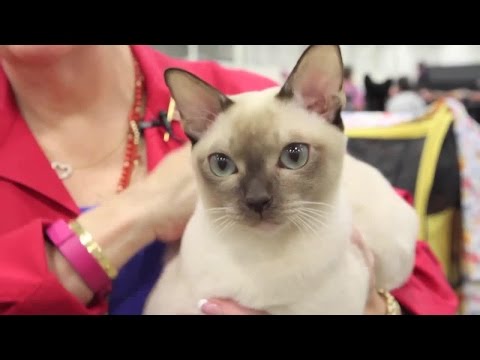
Meet the Tonkinese Cat Breed

Tonkinese kitten playing fetch

โ–ท The world of Pets: Dogs, cats, birds, reptiles, amphibians

Seychellois cat
Federations: FIFe

The Seychellois cat still a very confidential breed around the world, and is mainly found in the UK and continental Europe, including France.
Seychellois cat
Larabii of Gentle Mind, Seychellois at Helsinki Cat Show – Heikki Siltala, CC BY 3.0, via Wikimedia Commons

Content

Characteristics "Seychellois cat"

Coexistence is important that you have with your new friend. Before considering the acquisition of a cat of the breed "Seychellois cat" you know certain factors. You must take into account their character, their need for exercise, their interaction with other pets, their care and if you have small children, their level of tolerance towards them.

Joy

5,0 of 5 stars (based on 1 review)

Activity level

5,0 of 5 stars (based on 1 review)

Friendliness to other pets

3,0 of 5 stars (based on 1 review)

Friendliness to children

5,0 of 5 stars (based on 1 review)

Grooming requirements

3,0 of 5 stars (based on 1 review)

Vocality

4,0 of 5 stars (based on 1 review)

Need for attention

4,0 of 5 stars (based on 1 review)

Affection towards its owners

5,0 of 5 stars (based on 1 review)

Docility

2,0 of 5 stars (based on 1 review)

Intelligence

5,0 of 5 stars (based on 1 review)

Independence

2,0 of 5 stars (based on 1 review)

Hardiness

4,0 of 5 stars (based on 1 review)

History

The Seychellois it is a rather rare domestic cat of very recent origin. In the Decade of 1980, a London-based geneticist and breeder named Patricia Turner wanted to start a cat breeding project based on the characteristics of a cat that was once endemic to the Seychelles. He had learned about this animal through reading the travelogues written by explorers who had visited the Indian Ocean archipelago.. Passionate about breeding purebred cats, the Mrs. Turner had already participated in the sixties in the registry of the Scottish Fold -and, Therefore, of the Scottish Straight– in the Governing Council of the Cat Fancy (GCCF), the leading British feline association.

To create the Seychellois cat, the breeder began to cross Siamese with Persians bicolor and the Oriental shorthair cat. Later, breeders began to cross Siamese and longhair balinese within the new breed, which resulted in a variety of Seychellois cat long and semi-long hair.

The race Seychellois is recognized by the Fรฉdรฉration Internationale Fรฉline (FIFรฉ), Europe's leading feline association, that in 2005 allowed him to participate in the championships organized under his auspices. But, being quite rare, only seen quite occasionally at cat shows.

In 2011, the FIFรฉ decided to combine the Breed Councils and the Siamese Cat standards, the balinese cat, the Oriental shorthair cat and the Oriental Longhair cat. at the end of 2013, Seychellois Shorthair and Seychellois Longhair were integrated into this group. Later, the organization announced that, starting at the 1 in January of 2016, the Short-haired Seychellois would be called Siamese (with white) and the Longhair Seychellois would be called balinese (with white).

At the end, the Seychellois cat still a very confidential breed around the world, and is mainly found in the UK and continental Europe, including France.

Physical characteristics

Seychellois cat
Larabii of Gentle Mind, Seychellois at Helsinki Cat ShowHeikki Siltala, CC BY 3.0, via Wikimedia Commons

The Seychellois cat share the same breed standard FIFรฉ (Fรฉdรฉration Internationale Fรฉline) with the Siamese, the Balinese cat, the Oriental shorthair cat and the Oriental Longhair cat. Similar to the Siamese, it is a medium size cat, which measures approximately 30 cm to the cross. Weighs 4 to 6,5 kilos in adulthood. His body is muscular, graceful and slim, and its legs are long and thin.

The eyes are almond-shaped and a remarkable azure blue, located in a head elongated, triangular in shape and attached to the trunk by a neck Strait. The cat has a ears quite large and a tail long, thin and pointed.

The fur is short, except in the varieties balinese and Oriental Longhair cat. The coat is silky and smooth and the extremities -face, ears, legs and tail- are at least partially colored. The kitties, like their cousins Siamese, they are white at birth. Only in the following days and weeks do their colors appear.

Color variations

The Seychellois comes in three color variants, according to the area occupied by the white spots on its fur. They are due to the gene piebald, responsible for the presence of random white spots in the animal kingdom. It is not only present in domestic cats -including the Seychellois– but also, for example, in dogs and snakes.

There is a classification system -del 1 to the 10- according to the surface of the animal's body covered by white spots. Individuals classified as "1" are almost all black, while those classified as "10" are almost all white. The high degree of whiteness present in Seychellois place them in categories 7 to 9.

More concretely, the three variants of piebald present in the Seychellois are:

  • Seychellois 7: the body is white, while the tail is colored, as well as parts of the head, body and legs;
  • Seychelles 8: the body is white, but small areas of the head and legs are colored;
  • Seychelles 9: the body is white, the tail is colored and there are small areas of color on the head.

Size and weight

  • Size: Of 30 to 35 cm.
  • Weight: Of 3 to 5 kg

Varieties of "Seychellois cat"

Originally, cats Seychellois from the breeding project of the British breeder and geneticist Patricia Turner they were shorthair cats. The cats that were then used for crossing were the Siamese, the bicolor Persian and Oriental shorthair cats.

A new variety of cat Longhair or semilargo appeared most recently, When the Balinese cat were incorporated into the development of this breed.

Character and skills

"Seychellois cat"

Gato Seychellois
Seychellois at Jรคmsรค Cat show. maleSeychellois-Jรคmsรค_show.JPG: Heikki Siltaladerivative work: Abujoy, CC BY 3.0, via Wikimedia Commons

Like his close cousin, the Siamese, the Seychellois cat he is a lively cat, energetic and very active. They love to play, jump and climb, and they really appreciate having cat toys and a cat tree. As they are intelligent and curious, it is advisable to keep valuables out of reach, fragile or potentially harmful.

The Seychellois He is also affectionate and very attached to his owner. They need their owner to return affection and give them enough time and attention; they should not be left alone too often or for too long. This makes it an ideal companion for people who live alone., as long as, of course, be able to take care of it.

His love of play also makes him a cat who appreciates the presence of children.. But, you have to teach them not to rush with their little friend, since this one does not take it well. On the other hand, the Seychellois cat tends to adapt well to the presence of other domestic animals.

Last, the Seychellois is known to be very vocal, although a little less than his cousin the Siamese, which also has a slightly more powerful voice.

Health

The Seychellois has a half-life of about 12 years.

Being a very new breed, there is still little evidence of predisposition to certain diseases, but is currently considered to be in good health and does not appear to be affected by hereditary or congenital diseases, unlike other domestic cats.

Life expectancy

  • 12 years

Grooming

The short and dense coat of the Seychellois does not require particularly careful maintenance.

A weekly brushing of the cat's coat is sufficient. The new variety of longhair cat requires more care: you have to brush it about three times a week.

Videos "Seychellois cat"

RUSORI HOUSE *PL Siamese Seychellois and Oriental cats 2019

Seychellois Cat Wilkie Capri Happy Jungle RU SYS f 03 21 (M.T. Thousands) (www.baltior.eu) 20090613

โ–ท The world of Pets: Dogs, cats, birds, reptiles, amphibians

American Curl
Recognized by the CFA - AACE - TICA - ACFA - CAA

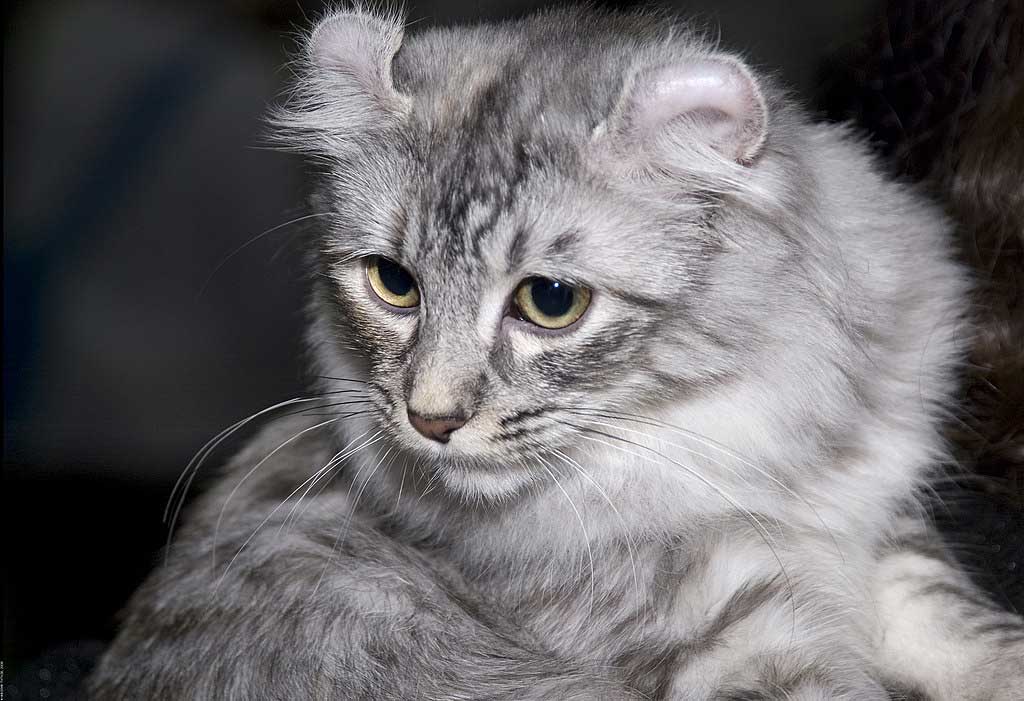
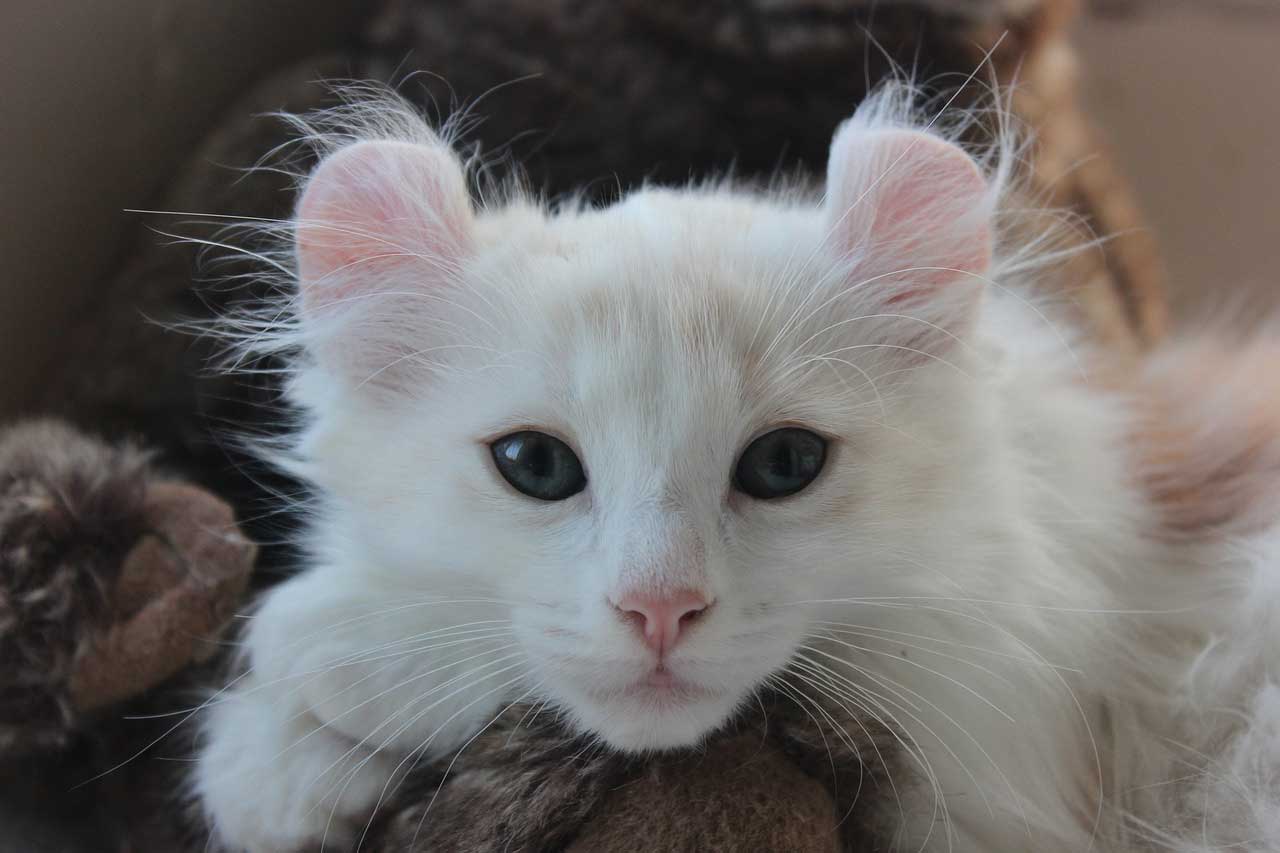
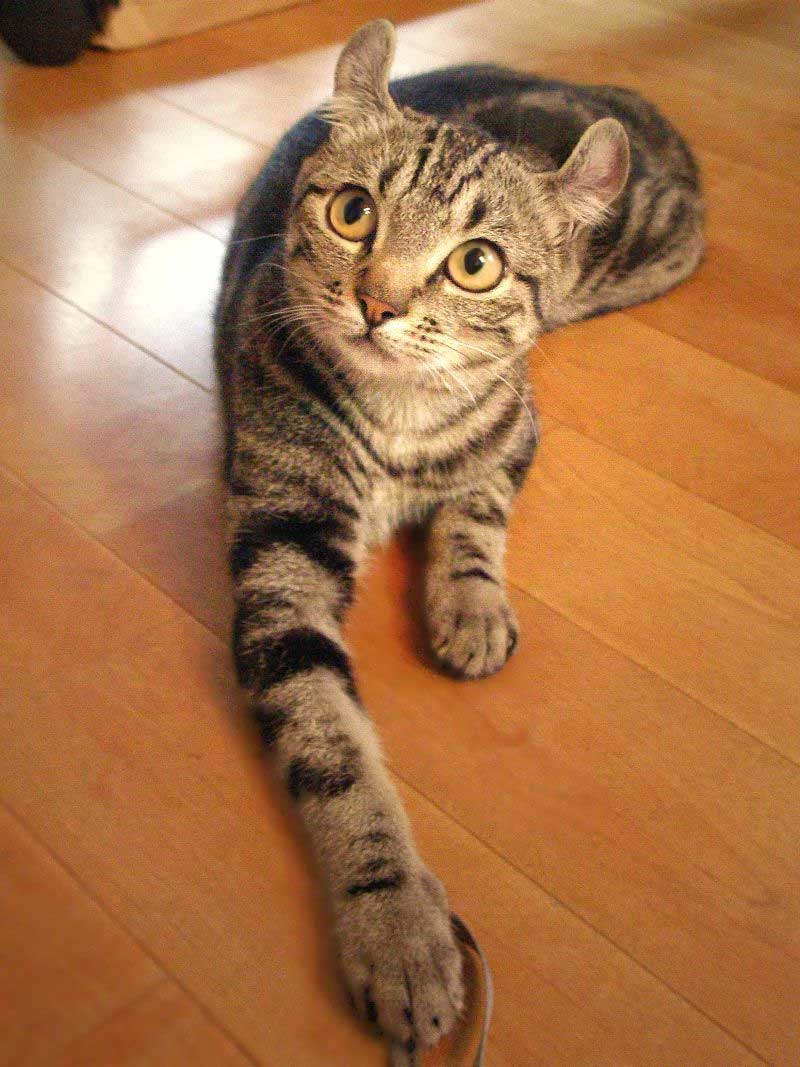
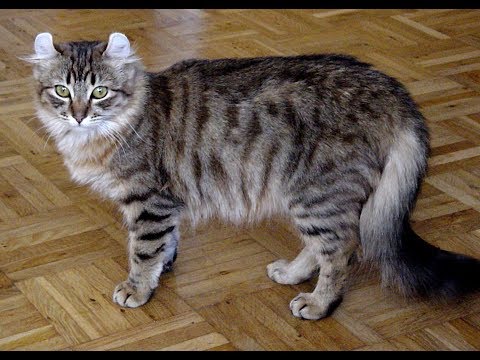
The American Curl not to be confused with Scottish Fold, having ears folded forward due to a mutation.
American Curl
Photo: Wilkipedia

Content

Characteristics "American Curl"

Coexistence is important that you have with your new friend. Before considering the acquisition of a cat of the breed "American Curl" you know certain factors. You must take into account their character, their need for exercise, their interaction with other pets, their care and if you have small children, their level of tolerance towards them.

Joy

4,0 of 5 stars (based on 1 review)

Activity level

4,0 of 5 stars (based on 1 review)

Friendliness to other pets

4,0 of 5 stars (based on 1 review)

Friendliness to children

4,0 of 5 stars (based on 1 review)

Grooming requirements

3,0 of 5 stars (based on 1 review)

Vocality

1,0 of 5 stars (based on 1 review)

Need for attention

4,0 of 5 stars (based on 1 review)

Affection towards its owners

4,0 of 5 stars (based on 1 review)

Docility

3,0 of 5 stars (based on 1 review)

Intelligence

4,0 of 5 stars (based on 1 review)

Independence

3,0 of 5 stars (based on 1 review)

Hardiness

4,0 of 5 stars (based on 1 review)

History

The American Curl was born in june 1981 en Lakewood, California ((UNITED STATES)UU.), when Joe Ruga saw two kittens in his garden on the way home from work and told his wife Grace not to feed them, to prevent them from being installed. Grace Ruga did the opposite, since he brought them food. It also, gave each one a name: the long-haired black female was named Shulamith, while his sister, white and black with semi-long hair, it was called Panda. An interesting feature of both females was that their ears were curved backwards.. But, at first the Ruga did not pay much attention to this feature.

Panda disappeared after a few weeks, and only Shulamith stayed with his adoptive family. A few months later, in December of 1981, gave birth to her first litter of four kittens, two of whom had the same curved ears as their mother. intrigued, Joe and Grace Ruga began to investigate and realized that these cats were not of any known breed. This was the beginning of American Curl, and all current representatives of the breed are direct descendants of Shulamith.

The Rugas were quick to consult Jean Grimm, judge of the Cat Fan Association (CFA) and breeder of Scottish Fold, who confirmed that this mutation was indeed new, but noted that it would be a long way to get recognition for a new breed.

In 1983, Shulamith was featured at a CFA feline show in Palm Springs, California, and the interest was immediate. A first standard was drawn up and many breeders decided to participate in the breed creation program by crossing kittens born from Shulamith..

At the same time, contacted two renowned feline geneticists, the Dra. Solveig Pflueger and Dr.. Roy Robinson, to study the genetic mutation responsible for the ears curled back American Curl. They quickly concluded that the mutation was a dominant gene, that is to say, that only one gene is required for the trait to occur.

The doctor. Robinson, settled in London, continued this study and analyzed 383 kittens of 81 litters before publishing a report in the Journal of Heredity in December of 1989, whose conclusion was to be paramount for the recognition of this new race: none of the cats studied had a defect, so the mutation was healthy for the animal.

But, the breeding program had started before the publication of this article, and the American Curl had already begun to attract professional and domestic cat fanciers, with unusual rapidity for such a new and still developing breed. The CFA allowed the registration of copies of American Curl already in 1986, and in 1988 the International Cat Association (TICA) became the first major organization to definitively recognize the breed, allowing its representatives to participate in feline exhibitions organized under its auspices.

In 1993, the CFA also definitively recognized the American Curl. It was even further, by recognizing two varieties in their own right: the American curl longhair and the American curl shorthair. Recognition of the latter is largely due to Shulamith, who gave birth to the first short-haired individual in her third litter, which showed that it was indeed the same race.

In 2003, the Fรฉdรฉration Internationale Fรฉline (FiFรฉ) also recognized the American Curl and its two varieties. But, some major organizations have not yet taken the step, in particular the Governing Council of the Cat Fancy (GCCF).

Although the American Curl is now all over the world, it is in North America where it is still most popular. In particular, is in the middle of the pack in number of annual CFA registrations.

In France, with an average of about 60 specimens registered each year in the Official Book of Feline Origins (LOOF) between 2013 and 2019, the American curl longhair represents less than 0,2% of the feline population. The short-haired variety is even rarer., with only 11 specimens registered in the same period.

Physical characteristics

American Curl
Pointocurl Fiorentina, American curl presented at cat show. Nickolas Titkov from Moscow, Russian Federation, CC BY-SA 2.0, via Wikimedia Commons

The American Curl it is a medium-sized cat with a rectangular and moderately muscular body. The legs are straight and proportionate to the rest of the body, and tail it is as long as the body.

The head it is slightly longer than it is wide, well proportioned and without sharp transitions. The eyes are almond-shaped and moderately large, are well spaced and set slightly obliquely. They can have several colors, without any correlation with fur.

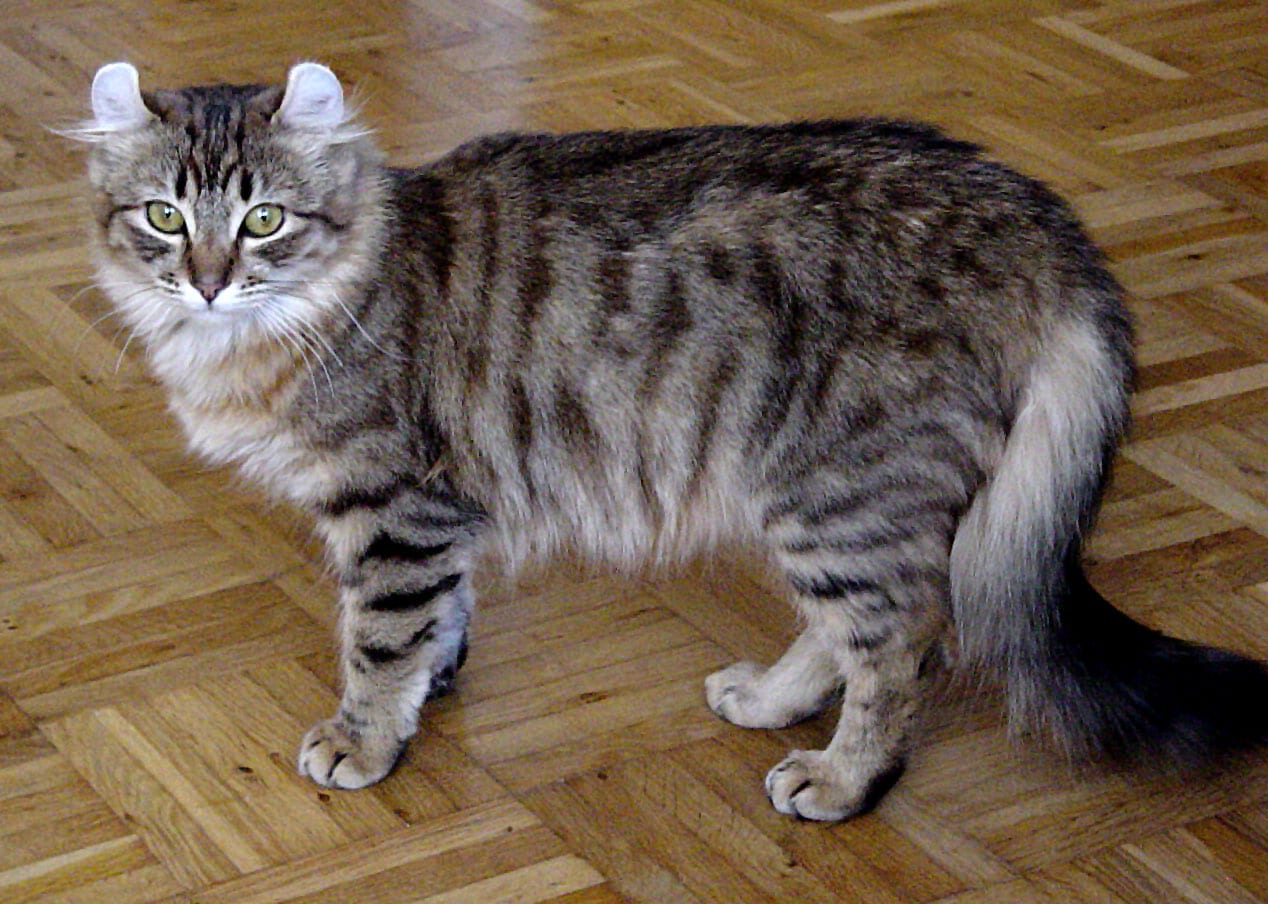
The term "Curl" ("curl" in Spanish), does not refer to fur, but at ears, which are the specificity of the breed. They are wide and open at the base, while the tip is rounded and curves back at an angle of between 90 and 180 degrees. At least the first third of the ear is made up of firm cartilage, similar to that of the human ear. On the other hand, the rest of its surface is smooth and flexible.

It is important to note that ears of the American Curl are curved back, not "broken": the line of curvature should be smooth like a circle, not steep like an oval.

But, the kitties American Curl are born with straight ears, then the cartilage begins to harden and they begin to take their typical shape. Its final shape occurs around the 4 months of age, and the breeder then determines the classification of the kitten:

  • first grade: slight curvature. The individual is destined to become a pet;
  • second grade: pronounced curvature, At right angles. The individual is destined for reproduction;
  • third degree: well marked curvature, in "crescent moon". The individual is destined for exhibitions.

  • The hair can be long or short, depending on the variety. In all cases, the texture is fine, silky smooth, and the undercoat is minimal or non-existent. It also, different standards accept all coat colors and patterns.

    Last, the sexual dimorphism it is well marked, being the male larger than the female.

    Size and weight

  • Male size: Of 22 to 28 cm.
  • female size: 20-26 cm.
  • Male weight: 3,2-4,5 kg
  • female weight: 2,3-3,6 kg

  • Varieties of "American Curl"

    The American Curl it comes in two varieties: the American curl longhair (ACL) and the American curl shorthair (ACS).

    Both varieties are officially recognized by the American Cat Fancier’s Association (CFA), as well as for the Fรฉdรฉration Internationale Fรฉline (FIFรฉ) and International Cat Association (TICA).

    Character and skills

    American Curl
    American Curl

    The American Curl is known for his great sociability and affection for his family. He likes to follow his master around the house and snuggle up next to him. But, they are not very affectionate: they appreciate being caressed, but they are just as happy when they are around their family.

    It is a breed of cat recommended for use with children: He gets along very well with them and often seeks their company., either to play or just to have a moment of tenderness. But, you have to be careful with younger children to make sure they know how to behave around a cat: despite his affable nature, to the American Curl does not like to have his tail or whiskers pulled, and can respond with a scratch.

    Their sociability extends to other animals, and accepts the presence of other cats and / or dogs accustomed to cats without difficulty. On the other hand, coexistence with small rodents is not recommended, reptiles or birds: the american curl is still a feline, and his hunting instinct can resurface at any time.

    On the other hand, the other side of its sociable nature is that it is a breed of cat that does not like to be alone. Homeowners who are away often find things spilled and / or shit out of the litter box: it's his way of letting you know he's not happy to be left alone. The presence of other pets is an interesting solution to partially solve this problem: if you have a playmate at home, being left alone all day while their owners are away is much less likely to be a problem.

    On the other hand, the American Curl is moderately active, but he is a very playful cat. Although they reach maturity around 2-3 years of age, they retain their kitten behavior until old age. Some call them the "Peter Pan of cats.". Thus, it is common to see a American Curl chasing a ball or playing with an object thrown by its owner.

    You don't necessarily need an outside space, It is a breed of cat adapted to life in a flat. But, it is important to note that many American Curl They have learned to handle a door knob and do not hesitate to open doors and cabinets.

    Whether they are confined indoors or have access to the outdoors, they like to be able to observe their territory from above: That is why it is quite common to find this excellent climber perched on top of a closet or on a curtain rod., or even on a tree or even on the roof, if you can go abroad. A tall tree for cats, where can i play, sleep and observe what happens around you, it is undoubtedly one of the best gifts that its owner can give it.

    Last, the American Curl it's not very noisy, but he likes to show his affection by butting his head, a common habit among his older cousins, the Lions. As these displays of affection can occur at any time of the day or night, the master who allows his cat free access to his bedroom should expect to be woken from time to time by his little companion, who comes to rub against him to show his affection, before falling asleep next to him.

    Health

    American curl
    American curl – tanakawho, CC BY 2.0, via Wikimedia Commons

    The American Curl it is a very robust cat breed. Thanks to its stray cat origins and a breeding program that has favored crosses with other perfectly healthy domestic cats, does not present any genetic problem.

    But, some lines have a narrow ear canal, which is not a problem in itself, but it poses a higher risk of infection if the cat's ears are not maintained regularly enough.

    Obesity is another risk, and a responsible owner must ensure that the cat is sufficiently active and not overweight.

    Life expectancy

    12 to 14 years

    Grooming

    The maintenance of American Curl is simple, since brushing once a week is enough to keep the coat healthy and shiny and avoid possible knots.

    The American Curl molts very little in general, although the long-haired variety can shed a bit more when temperatures rise. So, in summer it may be useful to increase the number of brushing sessions to two per week to remove dead hair.

    The brushing session should be complemented by a quick check of the teeth, eyes and ears to make sure they are clean.

    You should also check from time to time that its claws are not too long, which may be especially the case if you don't have a scratching post available. If they are, just cut them with a nail clipper.

    Food

    The American Curl is not picky and can be fed commercial cat food, either kibble or cat food, without any problem. But, the food must be of good quality and adapted to their age and activity level, to provide you with the necessary nutrients and vitamins.

    Like most cat breeds, are capable of self-regulation, so it is better to leave food at their disposal. You must also have access to fresh water at all times.

    But, it is important to regularly check that your cat is not overweight: if so, it is advisable to consult a veterinarian to establish a feeding program that best suits his lifestyle and needs.

    For sale "American Curl"

    If you want to buy a American Curl, you should find a trusted breeder in your area. As the breed is not far outside its country of origin, you will have a hard time finding one. If there is no breeder association, you will have to resort to private breeders.

    On the Internet you can always find kittens at a great price, But you have to be careful. Before buying a kitten, inform yourself well and also look at parents and siblings. You can get a healthy, purebred kitten from a reputable breeder for about 800 EUR. The price depends on the curvature of the ears. The more elegant the curved ears are, the more expensive the cat will be. Only cats with third degree ears, that is to say, a graceful curve like a crescent, can be officially used for breeding and exhibition.

    Videos "American Curl"

    Get to Know the American Curl
    Get to Know the American Curl
    American curl / Cat Breed
    Curl americano / Raza de Gato

    โ–ท The world of Pets: Dogs, cats, birds, reptiles, amphibians

    Exotic Shorthair
    Federations: CFA, FIFe, TICA, AACE

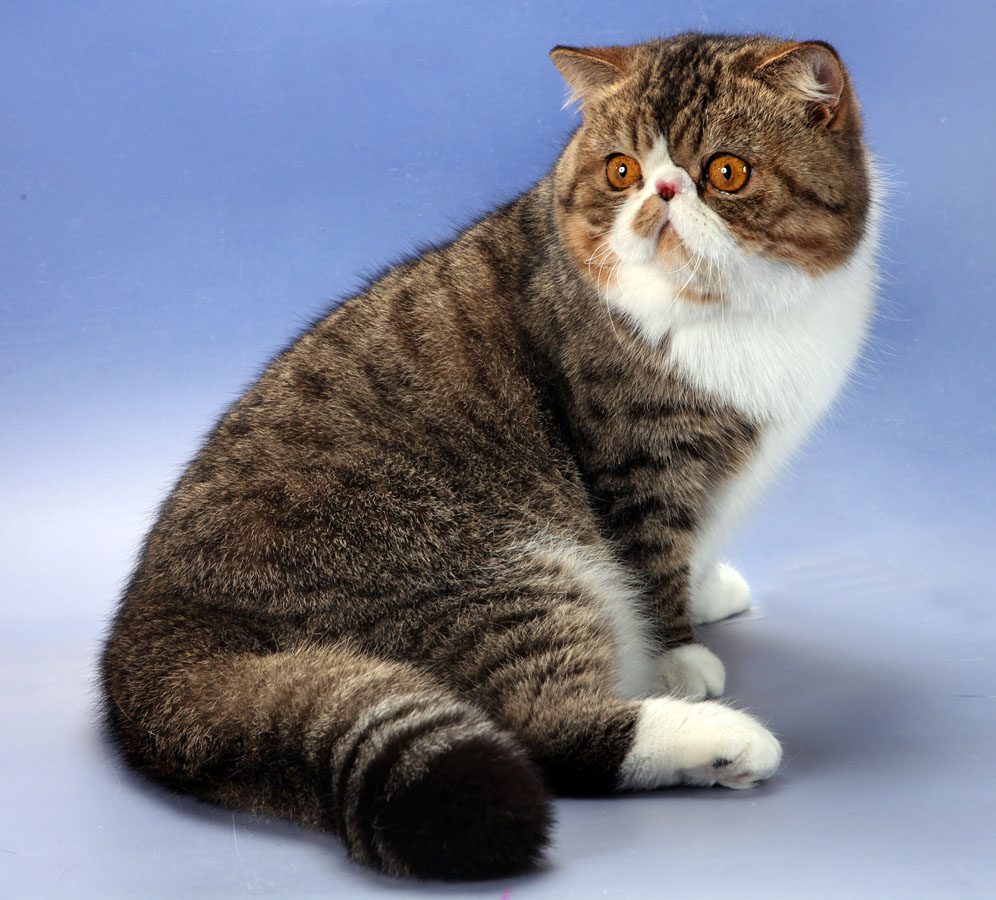
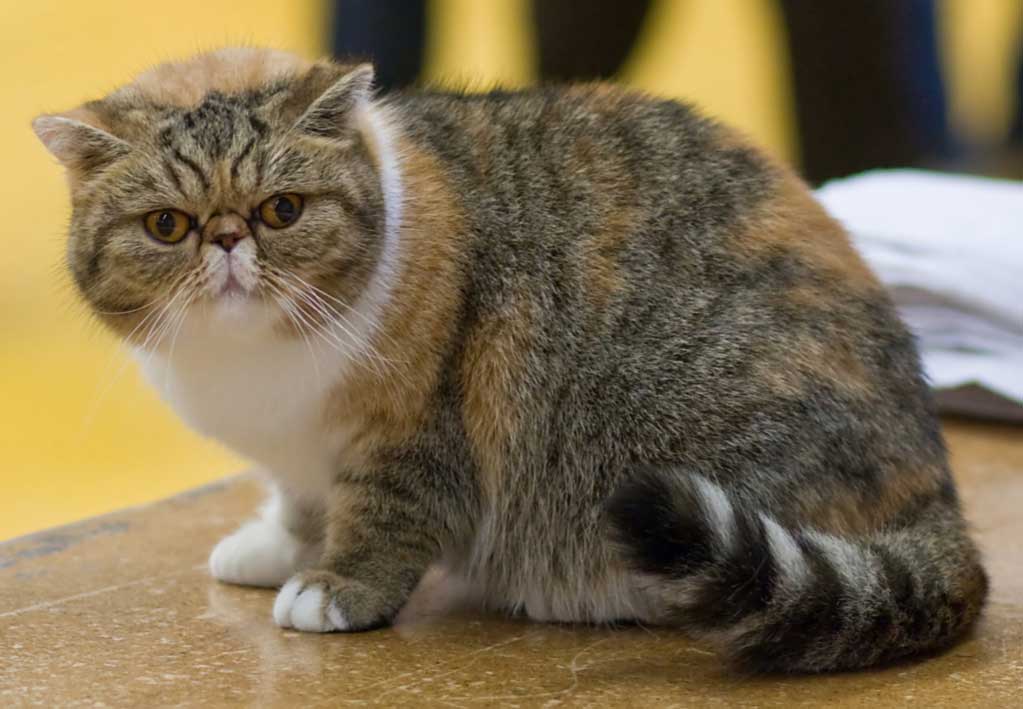
    The Exotic Shorthair most famous is the red tabby Garfield.

    Gato Exรณtico

    Content

    Characteristics "Exotic Shorthair"

    Coexistence is important that you have with your new friend. Before considering the acquisition of a cat of the breed "Exotic Shorthair" you know certain factors. You must take into account their character, their need for exercise, their interaction with other pets, their care and if you have small children, their level of tolerance towards them.

    Joy

    3,0 of 5 stars (based on 1 review)

    Activity level

    1,0 of 5 stars (based on 1 review)

    Friendliness to other pets

    4,0 of 5 stars (based on 1 review)

    Friendliness to children

    4,0 of 5 stars (based on 1 review)

    Grooming requirements

    2,0 of 5 stars (based on 1 review)

    Vocality

    1,0 of 5 stars (based on 1 review)

    Need for attention

    4,0 of 5 stars (based on 1 review)

    Affection towards its owners

    5,0 of 5 stars (based on 1 review)

    Docility

    5,0 of 5 stars (based on 1 review)

    Intelligence

    2,0 of 5 stars (based on 1 review)

    Independence

    2,0 of 5 stars (based on 1 review)

    Hardiness

    2,0 of 5 stars (based on 1 review)

    History

    The Exotic Shorthair has its origins in the years 50 in United States. In fact, It is at this time that some breeders of the American Shorthair Cat, known at the time as Domestic short-haired cat, decided to cross it with silver Persians to introduce this color so sought after in the Persian cat, as well as the green eyes that accompany it. The resulting kittens did inherit this coat color and were beautiful., but they did not conform to the standard of the American shorthair cat: beefier, with a rounder head and thicker, longer coat, they had inherited part of the appearance of the Persian.

    His existence was, in any case, very controversial, since most of the breeders of the American shorthair cat they feared that these crosses would distort the breed. The breed standard was revised to prohibit crosses with other breeds, so the future of these new cats was compromised.

    Salvation came from the hand of some breeders of the Persian cat What, like Jane Martinke, judge of the Cat Fanciers’ Association (CFA), saw the potential to develop a new breed. Initially called the race Sterling, for the beautiful silver color of the first specimens. At the same time, another persian breeder, Carolyn Bussey, proposed to develop a short-haired "Persian Cat" by crossing Persians with Burmese.

    Little by little, other Persian breeders joined the program, also introducing the Russian Blue Cat.

    In the Decade of 1960, like the short-haired "Persian Cat" already showed many colors, the name was dropped Sterling. In 1967, The CFA recognized the breed with the name ยซExotic Shorthairยป and allowed him to compete in the cat shows organized under its auspices.

    It was also one of the breeds recognized by the International Cat Association (TICA) when it was founded in 1979. Refering to Fรฉdรฉration International Fรฉline (FiFรฉ), did not recognize her turn until 1983.

    One of the CFA's Great Exotic Champions, a black male named Purrfun My Main Man, was imported to Britain in the early 1990s. 1980 and led to the development of the breed in Europe, including recognition by the British Governing Council of the Cat Fancy (GCCF). But, a large part of Britain's shorthair exotics are the result of crosses between the Persian Cat and the British Shorthair cat, unlike North American specimens, whose origins mix nothing less than 4 different races (Persian cat, American shorthair cat, Russian Blue Cat and Burmese cat).

    The issue of authorized crossings has been debated for a long time, and the rules have evolved in this regard. Already in 1987, the CFA prohibited any crossing of the Exotic Shorthair with a race other than him Persian cat, and the GCCF did the same 13 years later, in 2000.

    As a result, the Exotic Shorthair can be considered simply a short-haired version of the Persian cat, since it has the same physical characteristics, except for the length of its fur. The vast majority of feline associations have thus unified their criteria, so that both races share the same standard. The Exotic Shorthair It is often known as the "Lazy Persian" because it has all the qualities of the Persian cat, but without the inconvenience of having to maintain their long coat on a daily basis.

    The Exotic Shorthair it is now one of the most popular breeds in its country of origin, and on average the second most popular cat breed in America in terms of CFA registrations.

    They are also popular in Europe, although not as much as in North America. These may include, is in the Top 10 of the most popular cat breeds among the French, with about a thousand registrations a year in the Livre Officiel des Origines Fรฉlines (LOOF), that is to say, almost double than in the middle of the years 2000. So, represents around the 2,5% of the population of French cats.

    The situation is quite different in Great Britain, although it also represents around the 2% of the cat population. In fact, at the end of the Decade of 2010, there were only a few 350 registrations per year in the GCCF, versus more than double in the previous decade. The cat is no longer one of the 10 most popular breeds in the country.

    Exotic Shorthair
    Witch boiler Bellatrix, Exotic shorthair female presented at feline exhibition in Helsinki in 2008. – Heikki Siltala or catza.net, CC BY 3.0, via Wikimedia Commons

    Physical characteristics

    The Exotic Shorthair It is a medium-sized cat with an appearance identical to that of the Persian cat, whose standard shares: the only difference is that it has a short coat.

    Its body it is solid, wide and muscular. Their legs, powerful and with a solid bone structure, they are rather short. The same goes for the tail, worn straight instead of curved.

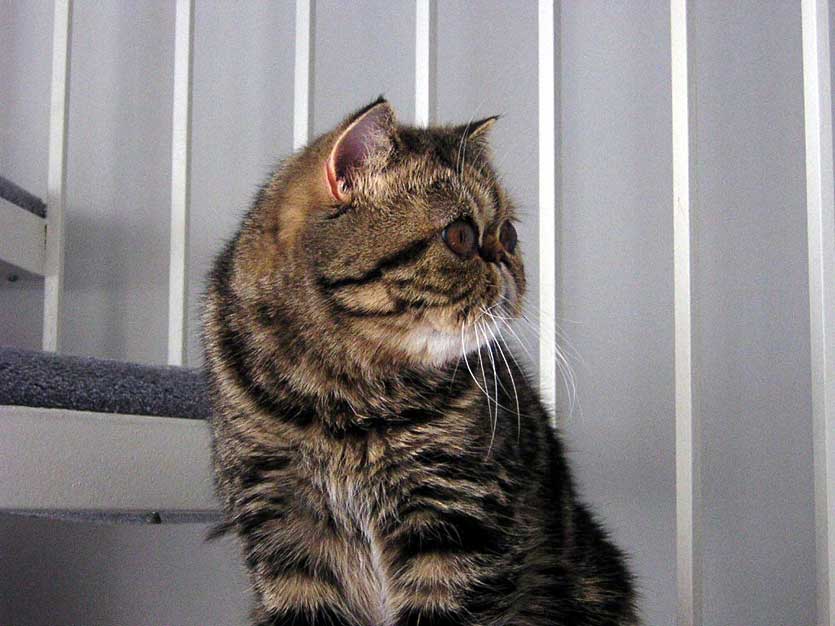
    The head it is solid and round, with a wide skull. Viewed from the side, the eyes, that can be of different colors depending on the fur that is worn, are clearly prominent, and forecrown, the nose and chin are vertically aligned. The nose upturned is short and wide, while the ears are rather small and rounded.

    The fur of the Exotic Shorthair it is dense and silky, somewhat bristly due to the presence of a thick undercoat. The coat is slightly longer than that of most short-haired breeds..

    The coat can be of any color, and all the patterns are also accepted by the breed standard.

    Last, there is very little sexual dimorphism: there are no major differences in size or height between males and females.

    Exotic Shorthair
    Exotic Shorthair

    Size and weight

    • Male size: 20-25 cm.
    • female size: 20-25 cm.
    • Male weight: 3 to 5 kg
    • female weight: 3 to 5 kg

    Varieties of "Exotic Shorthair"

    The numerous crosses with the Persian cat have left many long-haired recessive genes. When two short-haired โ€œExotic Catโ€ parents with this gene mate, each of their young has a one in four chance of being longhaired.

    This variety divides the different organizations: are not allowed to compete for the Cat Fanciers’ Association (CFA), its representatives are a breed apart for the American Cat Fanciers Association (ACFA), while the International Cat Association (TICA) considers them Persians full-fledged.

    Character and skills

    The Exotic Shorthair it is a calm and serene cat, very affectionate with his family. They like to follow their owners around the house and jump on their knees when they sit down.. To the males, in particular, they like to snuggle and purr quietly with their owners, whether they are adults or children who have learned to behave with animals.

    Due to its sociable and relaxed nature, does not pose problems of coexistence with other dogs or with dogs accustomed to cats. On the other hand, small rodents or reptiles can arouse their predatory instincts: you better not wait for this little world to live under the same roof, at the risk of being exposed to unpleasant surprises.

    Even though they love their family, the Exotic Shorthair is more reserved with people they do not know. It takes them some time to get used to your presence, but once they've earned your trust, they are welcomed with unbridled affection.

    Due to his closeness to family, this cat does not like to be left alone for a long time and can easily suffer from separation anxiety. The presence of other animals and/or the opportunity to play with different puzzles for cats that stimulate them intellectually are ideal for getting them through the day without difficulty when their owners are at work., but it is not a recommended cat breed for someone who is out and about often.

    But, not an intrusive or attention seeking partner. They like their owners to be present and do their best to be as close to them, but they are perfectly content to sleep next to them without disturbing them if they are busy.

    He is also capable of learning some simple commands such as "Sit!"!ยป y, unlike most other breeds, seems to understand the meaning of "No!"! If you are prohibited from going around the dining room table two or three times, is likely to remember and obey.

    On the other hand, although they share the calm character of Persian cat, the Exotic Shorthair is generally a little more active than the Persian, having retained part of the playful character of the breeds of shorthair of which descend. They love to play, chase a ball, jump for a toy… They are also very curious and marvel at the simplest things: they can be seen standing for hours by the window watching the wind play with the leaves, or sitting on the edge of a sink counting the drips from a poorly closed tap.

    Last, rarely heard, so it is not very noisy. In fact, his voice is quite soft and pleasant.

    Grooming and caring for the "Exotic Shorthair"

    "Exotic Shorthair"

    Exotic Shorthair kitten
    Brown Exotic Shorthair kitten profile – Charlyn Wee, CC BY 2.0, via Wikimedia Commons

    The Exotic Shorthair Nickname "Lazy Persian" for good reason: It is a simple and easy-care breed of cats.

    In fact, its short coat does not knot, and brushing the cat with a comb once a week is enough to keep its coat in good condition. But, during the fall and spring shedding periods, brushing should be more frequent to remove all dead hair.

    Otherwise, just spend a few minutes after each brushing session to make sure his teeth and ears are clean and to wipe the corners of his eyes with a damp cloth, in order to avoid any accumulation of dirt. This last point is especially important since, because of the shape of her face, this cat is more likely than others to have crying eyes.

    Last, claws should be trimmed when they get too long.

    Indoor or outdoor cat?

    Basically, the Exotic Shorthair is an ideal indoor cat who simply enjoy life with their humans and are quite frugal. But, like all cats, they are happy if they can be given access to the outside, Since, despite his calm nature and little need to move, they can enjoy a nature walk.

    Unlike other races, the Exotic Shorthair usually have a small radius of movement when allowed to roam freely, so their forays never take them far from home, where the cozy sofa awaits you, the well-filled food bowl and, of course, their caregivers.

    Thanks to his calm and caring nature, these purebred cats are not disturbed by a turbulent family life with lively children, and they can also enjoy life in a quiet individual apartment without any problem. Whether it is kept indoors or combined with the possibility of access to the outside, both are possible without complications, since it is only important that the Exotic Shorthair don't be alone for a long time, because he likes to socialize and, therefore, it's a good idea to provide a playmate so he doesn't have to be alone if you're away for a longer period of time. Whether it's a second cat or a dog, to the Exotic Shorthair he loves to have company.

    How much activity does he need? "Exotic Shorthair"?

    Thanks to your barely pronounced need to move, the Exotic Shorthair it is also very austere in terms of activity. But, these intelligent purebred cats like to be challenged in an intelligent way. It also, as owner of a Exotic Shorthair you would do well to motivate them to exercise, since cats can tend to be overweight.

    Due to your intelligence and patience, Clicker training is a good way to keep your child busy. Exotic Shorthair. Nor should there be a lack of climbing opportunities and toys, because even if it is a cat a little lazy, gratefully accepts play offers and climbing opportunities. Tame cats can be encouraged to be more active, especially with food.

    Health and nutrition

    Exotic Shorthair
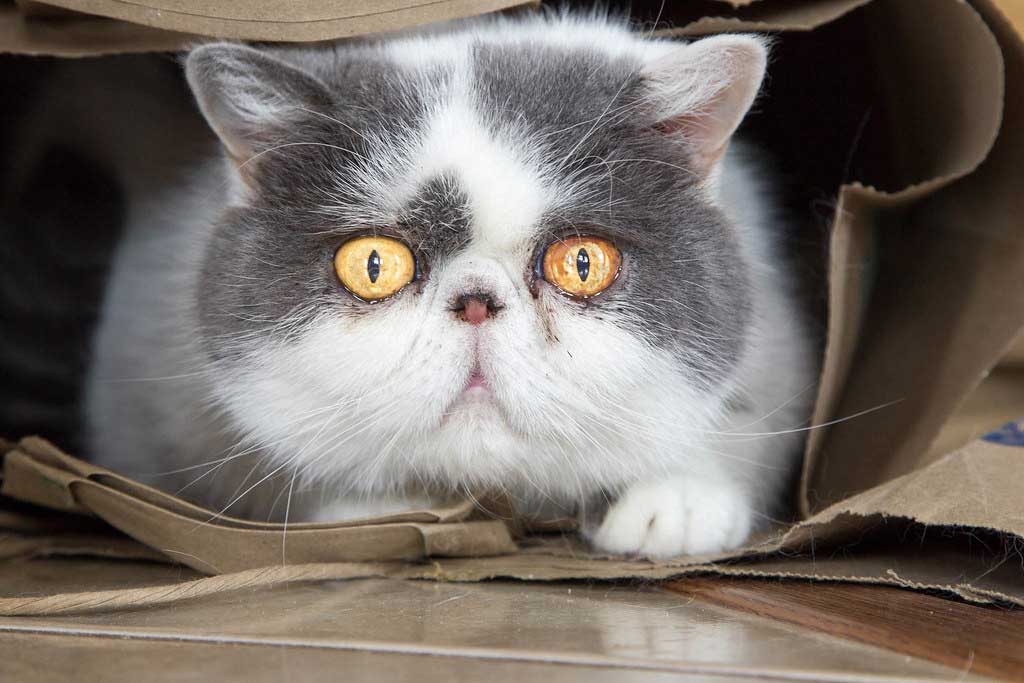
    Understanding Cat in a bag – Flickr
    The Exotic Shorthair are relatively prone to developing certain diseases. So, more than with other races, breeder choice is especially crucial to minimize (although unfortunately not delete) most of these risks.

    This cat is especially susceptible to the following conditions

    • The renal polyquistosis, a genetic disease that causes numerous cysts in the kidneys and that today can be detected with a DNA test;
    • Dermatitis seborreica, causing redness and blemishes on the skin;
    • The had, a skin disease caused by a fungus;
    • Respiratory problems due to their narrow nostrils;
    • Eye diseases like entropion, an inward turn of the eyelid, or the cherry eye, when the lacrimal gland pops out of its orbit and can become infected.

    It also, the Obesity it is a risk to the health of any cat, especially if you live in a flat, and the Exotic Shorthair is no exception to the rule.

    It must also be taken into account that the increasingly shorter nose and the associated deformation of the entire skull can become a real torment for animals. The result is severe respiratory and eye problems. So, the trend in the Exotic Shorthair is towards increasingly "natural" noses to avoid breeding by torture.

    Last, it is a breed of cat sensitive to heat. So, it is important to ensure that the temperature in your cabin is never excessive. If the mercury goes up a lot in summer, the ideal is to put it in a room with air conditioning.

    Life expectancy

    14 to 16 years

    Food

    The Exotic Shorthair is not picky about food, and can be fed commercial cat food without any problem. But, to keep your cat healthy, you should choose a quality food that is appropriate for your age and activity level and that provides you with all the necessary nutrients and vitamins.

    But, the flat face of some cats makes it difficult for them to chew and swallow, depending on the shape of the food. So, do not hesitate to try different types of croquettes and foods until you find the one that suits you best.

    For sale "Exotic Shorthair"

    The average price of a Exotic Shorthair round the 1.000 EUR, regardless of gender.

    But, this average hides great disparities, since the prices range from 500 euros from a kitten with defects compared to the standard up to 4.000 euros of a specimen with prestigious ancestry and physical characteristics intended for cat shows.

    Videos "Exotic Shorthair"

    Exotic short-haired cat - One of the most LOVING CATS breeds

    Exotic Cat Care: a curious feline - TvAgro by Juan Gonzalo Angel

    Gato exรณtico de pelo corto

    Cuidados del Gato Exรณtico: Un Felino Curioso
    Exotic Shorthair Cat Review after 5 years
    Exotic Shorthair Cat Review after 5 years
    7 Reasons Why You Should Own An Exotic Shorthair Cat

    Alternative names:

    โ–ท The world of Pets: Dogs, cats, birds, reptiles, amphibians

    Dragon Li cat
    Federations: CFA

    It is considered that Dragon Li Cats have above-average intelligence. Mental stimulation is a must and these cats appreciate the company.

    Dragon Li

    Content

    History

    The Dragon Li cat, also called "Li Huaยป or ยซgato chinoยป, ยซLi Hua Maoยซ, ยซLi Hua Mauยป o ยซMao Liยป descended from wild cats (Puma Bieti) who live in the chinese mountains. It is said that it has been domesticated over time to get closer to the Chinese people.

    It is not known exactly how long the Dragรณn Li (Li Hua), but it is likely that it has existed for several centuries. In fact, Stories of this animal can be found in Chinese folklore.

    Recently, in 2003, breeders were interested in him Dragon Li cat (or Li Hua) and started breeding programs for this breed. That same year it was approved as an experimental breed and presented in Beijing..

    The Cat Fanciers’ Association CFA allows you to participate in feline exhibitions from 2010. But, most international cat federations do not recognize it.

    This cat is now very rare and is hardly known outside of China.

    Physical characteristics

    The Dragon Li cat (Li Hua) looks wild and powerful. The body is compact and muscular. Weighs between 4 and 5 kg.

    • The fur is short, brindle mackerel.
    • The head it is wide and rounded.
    • The eyes they are big, almond-shaped. They are very bright, yellow or green.
    • The ears they are round and of medium size. May be covered in hair.
    • The legs they are muscular.
    • The feet They are round.
    • The tail of the Dragon Li cat (Li Hua) it is relatively short. Its tip is black.

    Character and skills

    The Dragon Li cat (or Li Hua) he is very playful and curious. You want to know everything that happens in your environment.

    It is a sociable animal. But, he is not the most affectionate of cats. These may include, unlikely to come snuggle in your lap. His way of getting along with his master is to play with him.

    The Dragรณn Li (Li Hua) gets along well with other animals in the house, especially with dogs.

    Needs a lot of space to live and be able to play outside. He has kept his wild and hunter side deep inside. That is why it is important that it can thrive in a large garden.. Flat life is not for him. in addition, it is not the ideal cat to live with young children.

    Indoor or outdoor cat?

    It is very important to note that these unique felines do not like small, enclosed indoor spaces.. While most cats are perfectly happy sharing an apartment with an attentive human family, the Dragon Li cat needs a large house with plenty of room to roam if kept completely indoors. Clearly, this cat requires special circumstances and is not the best breed for everyone.

    How much activity does he need? "Dragon Li cat"?

    Unfortunately, for those who prefer lap cats, this particular breed does not like cuddling at all. In fact, these cats can become anxious when time and space are not given to them.

    The Dragon Li Cats appreciate the outdoors and are excellent hunters. They are happiest when they are allowed access to closed and safe outdoor spaces, like the patios, and when they are taught to walk on a leash from an early age.

    Dragon Li
    A tabby cat named "Pipi" – Painjet, CC BY-SA 4.0, via Wikimedia Commons

    Grooming and health

    Does not require any special maintenance. A simple brushing once a week will suffice.

    Provide an anti-flea and anti-parasitic treatment according to the age of the cat and the type of treatment you opt for. Avoid bathing your cat unless absolutely necessary, as this can remove some of the natural oils that protect your coat. Regular baths will leave your cat with irritable skin and a rash..

    The race Dragรณn Li (or Li Hua) is rare and relatively recent, so we don't have enough information on the general health of this cat. A priori, does not seem to declare any specific genetic disease.

    Their life expectancy is of 12 – 15 years.

    Videos "Dragon Li cat"

    Dragon Li's, Rodimus and Optimus Prime...
    Dragon Li’s, Rodimus and Optimus Prime…
    Dragon Li Cat

    Photo: catdiaries.com.au

    โ–ท The world of Pets: Dogs, cats, birds, reptiles, amphibians

    American Burmese cat
    Federations: CFA, TICA

    Burmรฉs americano

    Content

    History of the "American Burmos Cat"

    The race Burmese Modern was developed in the United States and Great Britain under different breed standards. Such an unusual breeding program resulted in the development of a number of different characteristics between the two groups., but most cat registries still do not formally recognize them as distinct breeds.

    The breed was recognized by the Cat Hobbyists Association (CFA) in 1936, but it was discontinued a decade later due to extensive crossings with Siamese triggered by increased popularity. American breeders continued to refine the single standard of the Burmese cat, and the CFA eventually lifted the suspension in 1954. At the same time, British breeders tried to breed Burmese cats through a distinct breeding program comprised of a variety of cats, including some imported from America.

    In 1952, the European Burmes cat was finally recognized by the Governing Council of the Cat Fancy (GCCF) of United Kingdom. The GCCF prohibited crossing with the American Burmese cat In an effort to preserve the "traditional" line. Today, the American and European versions of the breed are kept strictly genetically differentiated.

    Physical characteristics

    American Burmese
    Charlie, Sabal American Burmese cat – Digitalzen, CC BY-SA 4.0, via Wikimedia Commons

    The European Burmes cat (O Burmes ยซTraditionalยป The British) has a long slim body, long legs and oval legs. The head is wedge-shaped with a long snout and almond-shaped eyes.. The tail is usually medium long.

    The American Burmese cat (The "contemporary" Burmes) it has a much more robust body and its legs are proportional to the body. The head is much wider, the shorter and flattened muzzle and the eyes are round. The ears are wider at the base compared to the British variant. The shape of the legs and the length of the tail are similar in both groups..

    Both the European Burmese cats like americans are small to medium size, and usually weigh between 4 and 6 kg. They are always very muscular and strong, so they often feel heavier when held than they actually are. Hence his nickname "brick wrapped in silk".

    The coat is always short, silky and shiny. Originally, all Burmese Cats were deep dark brown (sable en EE.UU., brown in the UK and Australia and seal in New Zealand), but today a wide range of colors is allowed.

    The standard sable color is the result of the so-called Burmese gene (cb) causing a reduction in pigment production. This distorts the usual expression of color creating a faded color dot effect. (that is to say, turns black coloring to brown). But, color must always be solid, only with a slight, faint tint towards the lighter underparts. Their eyes are green and gold and no stains are allowed on the coat.

    Character and skills

    The Burmeses they make excellent companion animals due to their affectionate nature, affectionate and playful. They are considered attention seekers and tend to cling to their human companions whenever they can.. Due to its clingy personality and puppy-like behavior, the Burmeses are often regarded as the dogs of the cat world.

    These people-oriented cats tend to maintain their energetic and playful kitty personality into old age as well.. Like their ancestors Siamese, the Burmeses they are very vocal, loving and sweet. They are not independent and do not like to be alone for a long time. They get along very well with children and other pets, including dogs.

    Health

    Some published studies have recognized that Burmese cats, among other races, are at increased risk of diabetes (Cooper RL et al, 1997-2007 y Ohlund M et al, 2015). Diabetes mellitus (DM) is a metabolic disorder in which blood sugar levels remain high for long periods of time. This occurs when not enough insulin is produced in the body or the body does not respond to it..

    It has also been identified and associated with Burmese cats hypokalemia, a recessive genetic disease characterized by low serum potassium levels. Apart of this, the race Burmese it is considered a fairly healthy and strong breed, with a half-life of 10 to 17 years.

    "Burmรฉs cat" data

    1. The name of the Burmese race in Thai means ยซbeautiful, Fortunate and splendid -looking ยป. We think these elegant and good-looking cats are worthy of this title.

    2. To the Burmeses they love to investigate. Call a Burmese curious would be a bold euphemism. This is the cat that will be attentive to absolutely everything and everyone around him. With a Burmese, you will have the most committed and involved supervisor in almost everything you do.

    3. They're the best friends. They are said to look a lot like puppies, and his kindness is definitely one of them. They adore their kittens, other cats and dogs, and they will be happier when you are home. They are known to even comfort their humans when they are sick or sad.

    4. They do not adapt well to the outside. This curious cat is overconfident and easily gets into trouble. His survival skills aren't among the best in the feline world, either.. For this reason, in general, it is not recommended to let them roam freely outside.

    5. Together with the Siamese, were the founders of the Tonkinese cat. The Tonkinese cat were created in Canada through a crossover program between the Siamese and the Burmese cat, with the aim of creating the perfect combination of the best characteristics of the two breeds. The Tonkinese was officially recognized as a breed in 2001.

    โ–ท The world of Pets: Dogs, cats, birds, reptiles, amphibians

    Kucing Malaysia
    Experimental cats

    Kucing Malasia

    Content

    History

    The idea of a cat that could identify with Malaysia arose at the end of 1994. Opinions were requested from the different international judges who were in Malaysia. For almost a year these opinions were collected and finally the President of the FIFe and also a member of the Council of the International World Organization for the maintenance and regulation of breed standards, the Mrs. Alva Uddin, proposed the selection of Kucing Malaysia or Malaysian cat.

    The breed is recognized by the Malaysian Cat ClubKelab Kucing Malaysia (KKM).

    Physical characteristics

    It is the first cat of breed Malaysia. It has a conformation similar to that of Tonkinese cat While its color is similar to the Ragdoll. These cats have a white spot on the face and muzzle with white markings on legs colorpoint.

    The model for the Kucing Malaysia or Malaysian cat It is that of a medium-sized cat with a muscular body. The main feature is the head egg-shaped that together with the opening of the eyes, should give the characteristic alert appearance of the breed.

    The head, wide and rounded at the top has a good height and smooth rounded lines. Cheeks full, the nose long to medium, with the chin moderate. Profile showing a convex curve smooth giving an oval impression.

    The hair short and glued to the body, silky, with an inner layer almost hairless.

    Videos "Kucing Malaysia"

    kucing malaysia

    โ–ท The world of Pets: Dogs, cats, birds, reptiles, amphibians

    Persian cat
    Federations: LOOF, CFA, ACF, ACFA, TICA, FIFรฉ, WCF

    The Persian cat it is placid, calm and sedentary, which makes it a recommended breed of cat for life in a flat.

    Content

    Characteristics "Persian cat"

    Coexistence is important that you have with your new friend. Before considering the acquisition of a cat of the breed "Persian cat" you know certain factors. You must take into account their character, their need for exercise, their interaction with other pets, their care and if you have small children, their level of tolerance towards them.

    Joy

    3,0 of 5 stars (based on 1 review)

    Activity level

    1,0 of 5 stars (based on 1 review)

    Friendliness to other pets

    4,0 of 5 stars (based on 1 review)

    Friendliness to children

    4,0 of 5 stars (based on 1 review)

    Grooming requirements

    5,0 of 5 stars (based on 1 review)

    Vocality

    1,0 of 5 stars (based on 1 review)

    Need for attention

    4,0 of 5 stars (based on 1 review)

    Affection towards its owners

    4,0 of 5 stars (based on 1 review)

    Docility

    5,0 of 5 stars (based on 1 review)

    Intelligence

    2,0 of 5 stars (based on 1 review)

    Independence

    2,0 of 5 stars (based on 1 review)

    Hardiness

    2,0 of 5 stars (based on 1 review)

    History

    The Persian cat it is one of the oldest cat breeds. He is a direct descendant of Turkish Angora cat, native to the cold regions of Central Asia, on the border between Iran and Turkey. The long hair of the Turkish Angora cat it is probably the result of a natural mutation and was unknown in Europe at that time.

    In 1626 the first long-haired cats appeared in Europe, thanks to the italian traveler Pietro Della Valle, who, impressed by the uniqueness of the Turkish Angora cat during a stay in the Ottoman Empire, some specimens were brought to Italy.

    A few years later, Nicolas Fabri de Peiresc, Councilor of the Parliament of Aix-en-Provence, He also brought to his lands several copies of Turkish Angora cat from Damascus. He contributed greatly to the spread of this breed in Europe, becoming the first breeder of turkish angoras in the european territory.

    symbol of luxury, refinement and exoticism, this cat quickly became highly prized by the European aristocracy and was generally reserved for the elite. In France, kings from Louis XIII to Louis XVI owned them, like Marie Antoinette, who sent her little cats to America before she was arrested.

    The Persian cat Modern was created in the first half of the 19th century in the United Kingdom. It is the result of crosses between the Turkish Angora cat and the European shorthair cat (Common european cat) of Italy, France and UK. The first animals were exhibited in the first feline exhibition in modern history, held at the Crystal Palace, London in 1871. From that moment on, British breeders launched a breeding and selection program that included crosses with the Angora cat to improve coat quality. This breed became very popular and appreciated by all, and got a big boost from Queen Victoria (1819-1901), who particularly liked and owned two of them.

    It also, Throughout the 19th century, a lot of work was done to improve the quality of the coat and evolve its morphology to obtain rounder cats.. The range of colors and patterns of the Persian coat was also greatly expanded, to the point that the breed now has more than 200 varieties. In effect, if the first Persians they were unicolored, the end of the 19th century marked the appearance of a wide range of additional colors. The persian smoked , for example, was first exhibited in Brighton in 1872 and is the result of crosses between Persians blacks, white and blue. In 1888, in London, it was the turn of the first Chinchilla Persian cat. And it was at the same time that the Persians atigrados, silver and gold.

    This diversification effort continued in the United States during the first half of the 20th century.. Cameo cloak introduced, as well as the so-called Persian ยซPeke Faceยป, que, debido a su cabeza extremadamente plana y a los problemas de salud que esto provoca, fue -y sigue siendo- una fuente de gran controversia.

    The best known varieties of Persian are the Himalayan cat (or Colourpoint Persian cat), the Exotic shorthair cat and the "Peke Faceยซ. Depending on the feline organization -and, Therefore, from the country-, These varieties are considered breeds in their own right or simply varieties of the Persian cat. He "Jump Face โ“˜ยป is not recognized as a breed, and remains highly distinctive for its different morphology and head shape than the usual Persian.

    The Persian cat it is one of the most popular cat breeds in the world, being at the top 5 from many countries. This is especially the case in France, Although the number of registrations in the LOOF (Livre Officiel des Origines Fรฉlines) has shown a downward trend since 2010 (more than 5.000 inscriptions in 2010, front 3.700 in 2018). But, still the fourth most popular cat breed in France, just like in the United States. In the United Kingdom, where it was actually created, ranks sixth, According to registration figures in the Governing Council of the Cat Fancy (GCCF) in the last 10 years. The organization records around 1.000 births per year, although this figure has also dropped considerably since the first decade of the 21st century.

    Last, besides being probably one of the most famous breeds in the world, the Persian cat probably participated in the creation of the Sacred Cat of Burma (Birman) and of the British Shorthair cat during the interwar period.

    Physical characteristics

    "Persian cat"

    Gato persa
    Stephanie is a Persian cat – Mike Powell from United States, CC BY-SA 2.0, via Wikimedia Commons

    The Persian cat It is a cat of short morphological type. The head is round and flattened on top, with one nose short, ears small with rounded tips and eyes big and round. It leans on a neck short and thick and on a muscular body with a broad chest.

    Their legs they are short, powerful and strong, with wide feet.

    The tail it is thick and it is carried low: it is short but in proportion to the length of the cat, usually does not exceed the level of the shoulder blades. Too long a tail is even considered a foul.

    The fur It is thick, with a silky cape and a bushy collar.

    Regardless of the feline organism in question, the persian standard accepts a wide variety of colors fur. Some individuals are uniform in color (black, blue, chocolate, lilac, red, cream or white), while others have distinctive colors (striped, smoke, Chinchilla, silver, dorado, cameo o colourpoint).

    The color of the coat determines the color of the eyes. These may include, white-coated individuals have blue eyes, gold or mint (one blue and one golden eye). The golden individuals, silvers and chinchillas have green or blue-green eyes. The colored dots have blue eyes.

    Size and weight

    • Male size: 25-40 cm.
    • female size: 25-35 cm.
    • Male weight: 3,5-5 kg
    • female weight: 3 to 4 kg

    Breed standard

    The breed standards are documents produced by official bodies that list the conditions that a Persian must meet to be fully recognized as belonging to the breed.:

    Character and skills

    Persian Cat
    Persian Cat – Payman sazesh, CC BY-SA 4.0, via Wikimedia Commons

    The Persian cat it is placid, calm and sedentary, which makes it a recommended breed of cat for life in a flat. This is especially true since, unlike many of his peers, does not have a systematic need to climb to the top, at risk of injury or damage. These may include, there is little risk of it climbing up the curtains or jumping onto the kitchen counter: the Persian prefers to stick to the floor or furniture that is more accessible to him. It also, their meows are as rare as they are discreet, which is also an appreciable advantage for living in a flat.

    You do not necessarily need to have access to the outside, and this could be more dangerous than anything else. In fact, bred generation after generation to be the perfect indoor cat, he would be especially vulnerable outside his house to other animals encountered during his walks, as well as all the risks of accidents outside for a cat.

    The Persian cat is famous for its delicacy. Affectionate and peaceful, they are usually very attached to their owners. But, although they love to be caressed, They are not the type of cats that approach you incessantly, as with other breeds.

    They are sociable by nature and have no problem living with other dogs or people, and even with the children, as long as you are nice to them and are not over-treated. In effect, if he Persian it is not an aggressive cat, an overly animated child, a very playful dog or a slightly turbulent puppy can be a source of stress for this calm cat. In fact, a noisy and overly lively environment would not suit you: you need a quiet place to live and not subject to too frequent changes.

    In short, their temperament makes them an ideal cat breed for seniors. On the other hand, although they quickly approach their humans and regular visitors to their home, tend to be more distant with strangers.

    On the other hand, maybe because its claws don't wear out naturally when roaming around outside, they especially enjoy doing it. So, to avoid any laceration of the walls, the curtains or the furniture, providing one or more scratching posts and / or cat trees is strongly recommended. As for the toys, prefers those that are as soft as its fur.

    Health

    Persian cat
    Persian cat chinchilla golden male and silver female – Wiki Taro(Wiki Taro), Public domain, via Wikimedia Commons

    As a result of extensive breeding and crossbreeding in the past, the Persian cat is prone to health problems, especially genetic in nature. Much of these problems are due to the structure of the head. So, who wants to adopt a Persian you must be aware that this cat, especially "racial" but which has been subjected to considerable genetic selection, may be subject to numerous ailments.

    You may have breathing difficulties or noisy breathing, due to your narrow nasal passages.

    They can also suffer dental malocclusion (misalignment or deviation of the teeth) and / or gingivitis (gum infection).

    They are also prone to a number of feline eye diseases, as the Progressive Retinal Atrophy (an incurable retinal disease leading to loss of vision in cats), the entropion (inward turning of the eyelid margins), the lacrimal gland prolapse (u ยซcherry eyeยป, that is to say, an inflammation of the third eyelid) wave renal polyquistosis (for which there is a genetic test).

    The Persian cat it is also more prone than other breeds to Hip Dysplasia (which may require surgery) and to the hypertrophic cardiomyopathy (Ho Chi Minh City).

    They are also prone to a number of skin diseases in cats.: cheyletiellosis, intertrigo of facial folds, primary seborrhea, had, etc.

    Last, it is a breed of cat that fears heat.

    In short, the Persian cat it is a fragile cat. For this reason, Among the questions to ask yourself before adopting a cat of this breed is that of veterinary expenses -especially unforeseen-, that can end up representing significant amounts. More than any other race, prevention is the key to keeping your cat in good health, especially through frequent check-ups with the vet. It also, It may be particularly advisable to take out medical insurance for your cat to cover any unforeseen events and avoid the risk of finding yourself in a difficult economic situation.

    It also, puberty of Persian it's quite late, since it occurs around the 12 months of age, and reaches full maturity around the 2 years. Litters usually consist of 2 to 3 kittens, but females rarely give birth to kittens when they are over 6 years. Your fertility period is, Therefore, more restricted than many other breeds, they can keep having kittens almost to death.

    Any owner considering raising their cat should be aware that childbirth is often complicated in the case of cats. Persians. This is because, in particular, to the enormous size of kittens' heads. In fact, the mortality rate at birth of Persian kittens is higher than that of most other breeds. More than any other race, it is extremely important to monitor the delivery of the cat, as it is often difficult and not uncommon for the mother to have to undergo a caesarean section.

    Last, for genetic reasons, deafness is more common in white cats with blue eyes, either Persians or other races. So, it is advisable not to plan a marriage between two individuals with white fur and blue eyes, or even only with blue eyes, since the probability of obtaining deaf or partially deaf kittens is then particularly high.

    Life expectancy

    10 to 15 years

    Grooming

    The Persian cat It is a breed of high maintenance cats, and anyone considering adopting a representative of this breed should be prepared to spend some time caring for them.

    In fact, the toilet (brushed, combed and washed) it is a task as daily as it is necessary, since the length of the hair favors the rapid formation of knots and tangles. So, it is necessary to detangle your cat's fur every day, and the ideal is to take your cat to a professional groomer regularly; the exact frequency depends on the cat and its lifestyle, as well as the level of demand of the owner. It is also advisable to bathe your cat once a month.

    If your cat has access to the outdoors, caring for his coat is even more demanding, as leaves and plants soon adhere to it, as well as dirt and mud. The litter box also requires special attention, as it can start to get angry if too much sand is deposited on the coat or under the paws.

    It also, the Persian she loses a lot of hair all the time: living with him means accepting this fact! But, this detachment can vary significantly depending on its origin. So, this parameter can be taken into account when looking for a kitten Persian, favouring, for example, a line where the phenomenon is not too pronounced. In any case, hair loss is obviously even greater during shedding periods, in spring and autumn.

    It also, their eyes cry frequently, so you have to clean them regularly. It is advisable to do it once a day (or less if they only run a little), simply wetting the area around them with a glove and warm water.

    A cat was not necessarily born to be handled. But, a Persian cat needs to be handled a lot, due to its high maintenance needs. So, even more than with other breeds, it is important to get them used to being handled from an early age without reacting inappropriately.

    Food

    The diet of the Persian cat it is relatively simple, since he loves croquettes and is not very demanding. However, it is preferable to opt for quality industrial croquettes.

    On the other hand, due to its low level of activity, this breed of cat is prone to obesity. So, it is advisable to pay attention to the daily amount distributed to avoid the risk of the cat becoming overweight or obese. This is especially true if the cat is older. (and, Therefore, less active) and / or if he has been neutered (whatever the race, a neutered cat is more likely to gain weight).

    For sale "Persian cat"

    Persian cat
    My persian cat – Flickr

    The price range to adopt a Persian cat it is especially wide, since it oscillates between 400 and 2500 EUR. The sex of the kitten influences its price, since a female costs much more than a male. The fur, but above all the pedigree and the titles of the parents, they also have a determining influence.

    In general, the kittens that cost between 400 and 600 euros come from amateur or undeclared farms, so they are sold by individuals. They can also come from declared breeders that produce kittens in large quantities.. It is advisable to be especially attentive in these cases, because kittens often haven't had a DNA test, for example against the PKD (Poliquistosis Renal Dominante). It also, these kittens are often sold without LOOF registration, that is to say, no pedigree: they are not purebred kittens, but "Persian type" kittens.

    The kittens that are sold between 600 and 1.400 euros usually come from official farms: meet the breed standard and have been tested (like his parents, even before breeding) to detect the most common genetic diseases.

    Last, prices above 1400 euros refer to kittens of excellent lines and intended for breeding. They refer mostly to breeders. It also, a certain number of these cats are bought abroad, which implies significant repatriation costs. These expenses derived from the purchase of the parents explain, in part, that the prices of kittens that give birth are quite high, even though they are meant simply for company.

    It also, beyond acquisition cost, who considers adopting a Persian cat you should take into account that this breed is much more expensive than others. This is mainly due to their high maintenance needs and poor health..

    A Ton of Persian Cats

    CFA International Cat Show 2018 - Persian kitten class judging - BiColors.2