โ–ท The world of Pets: Dogs, cats, birds, reptiles, amphibians

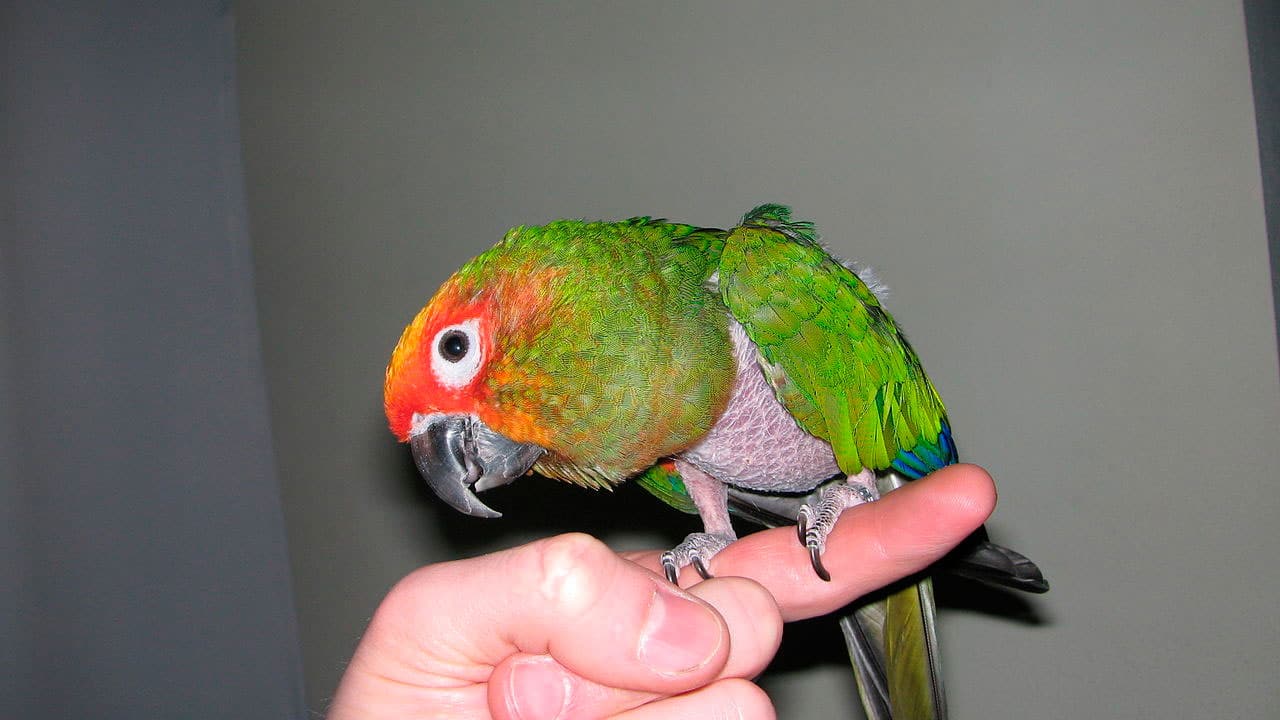
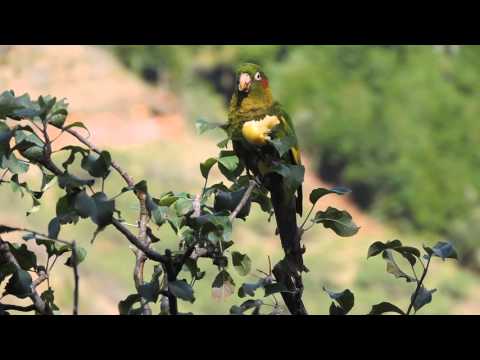
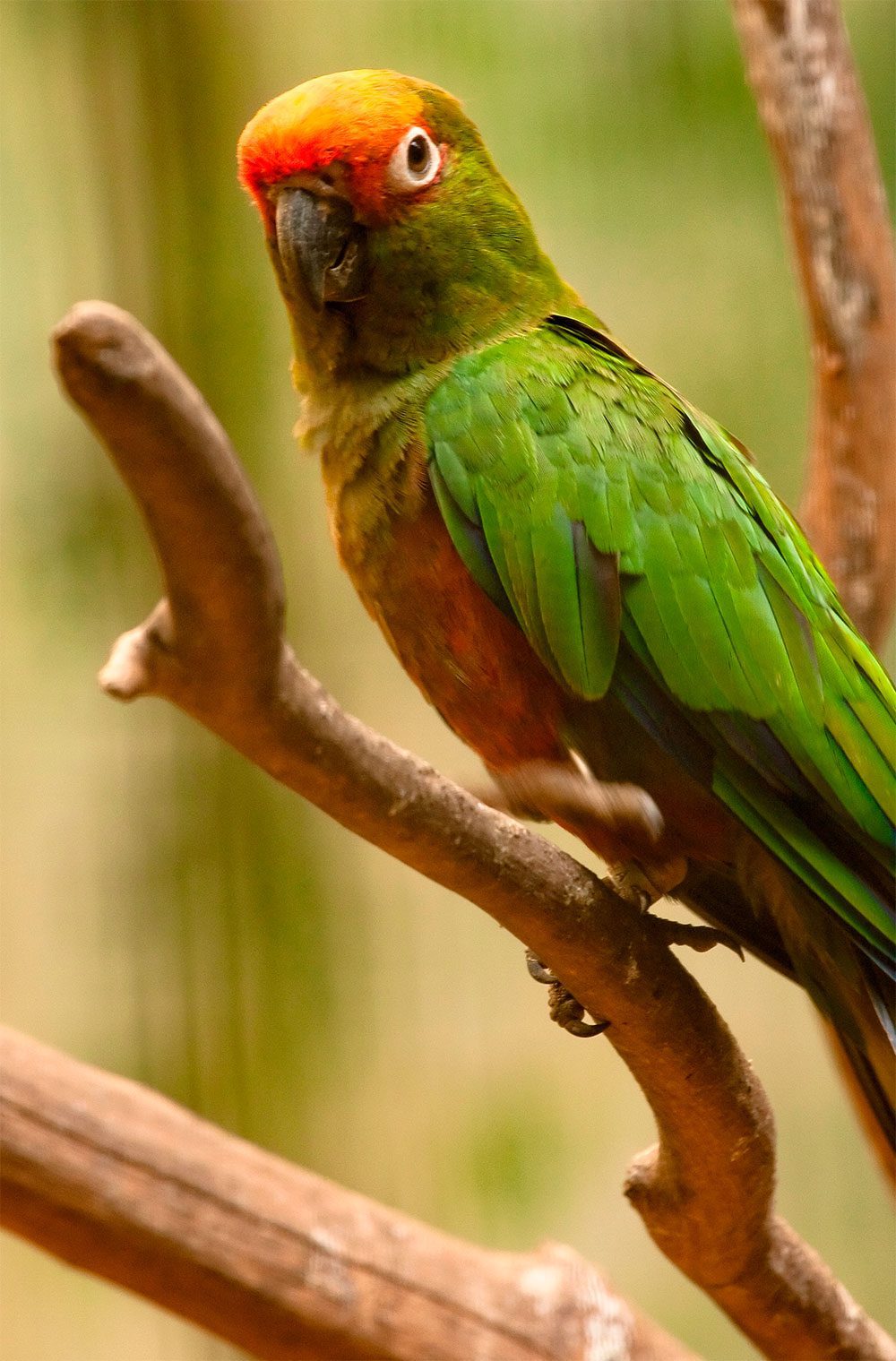
Golden-capped Parakeet
Aratinga auricapillus

Aratinga Testadorada

Content

Description:


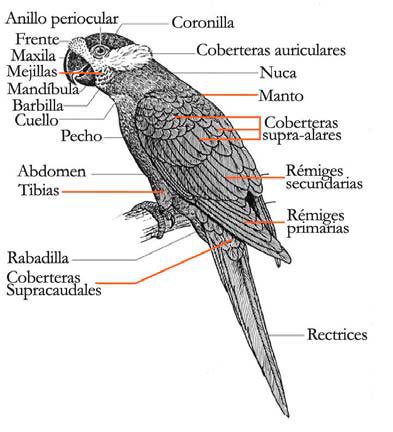
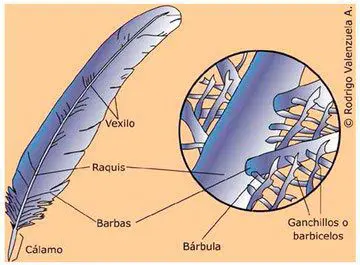
Anatomy-parrots

Of 30 cm.. of length and a weight of 130 g..
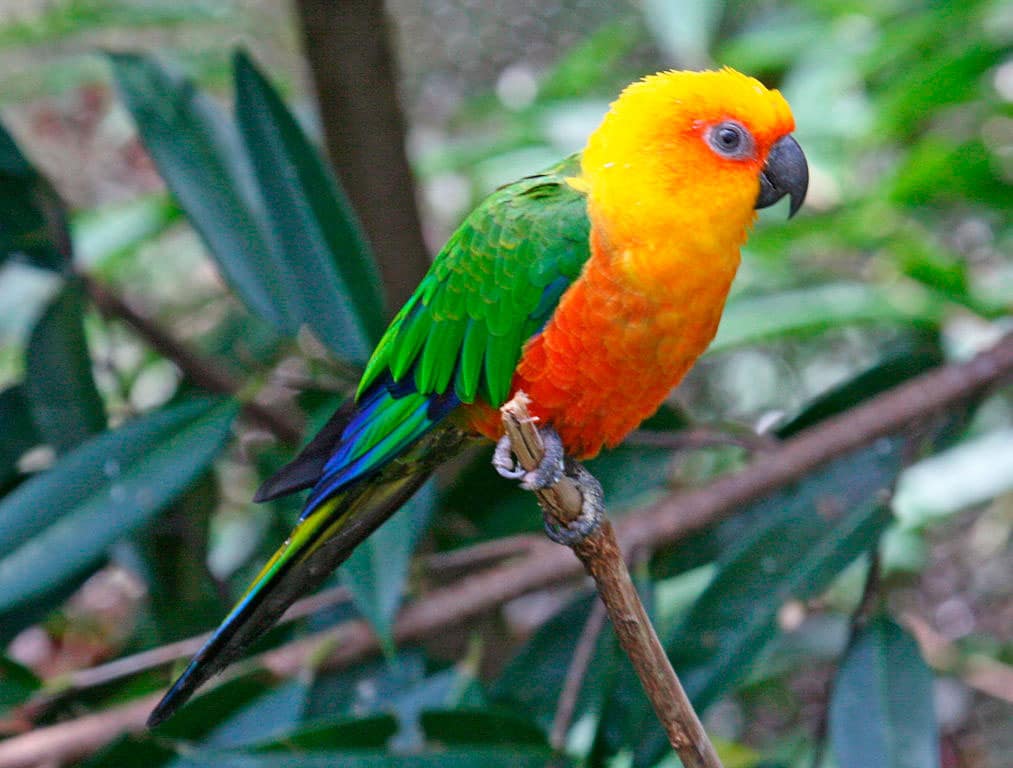
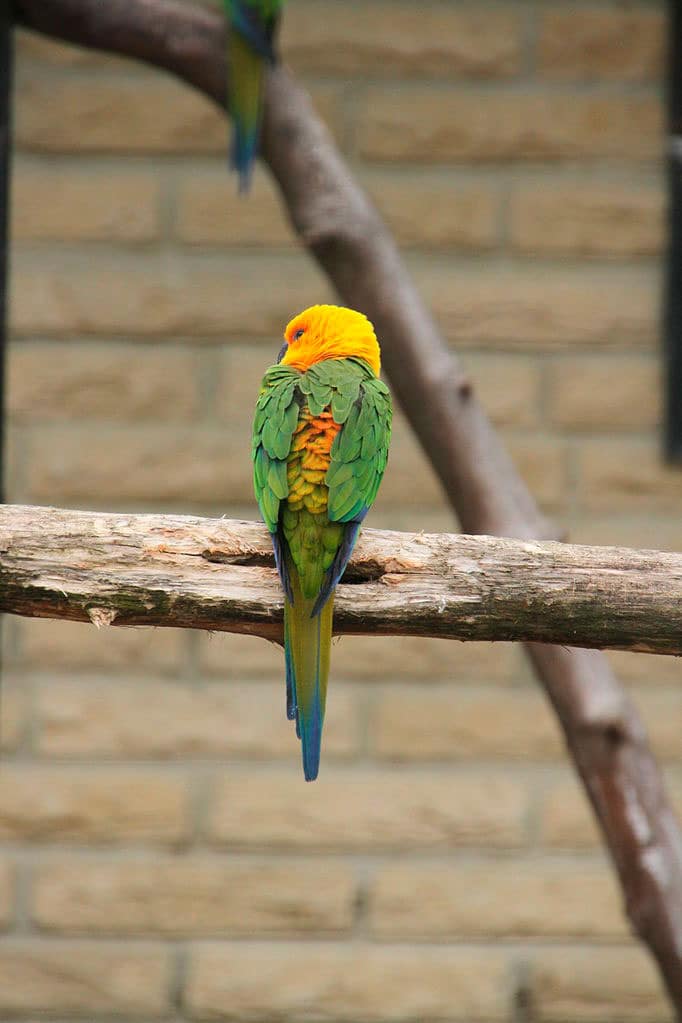
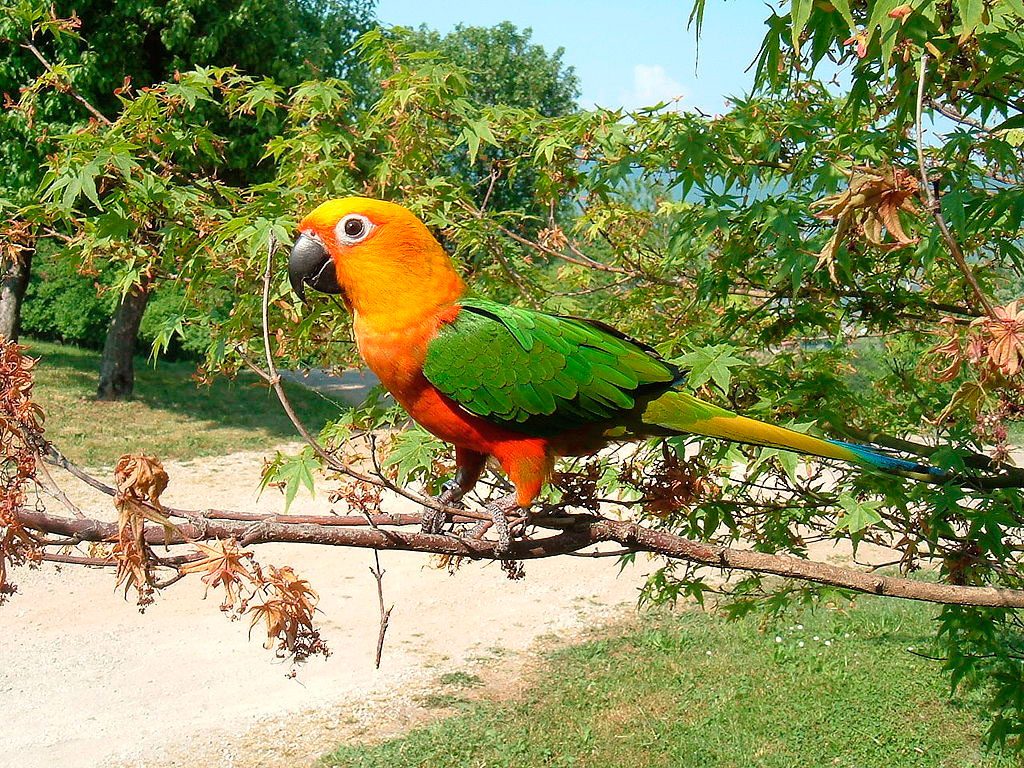
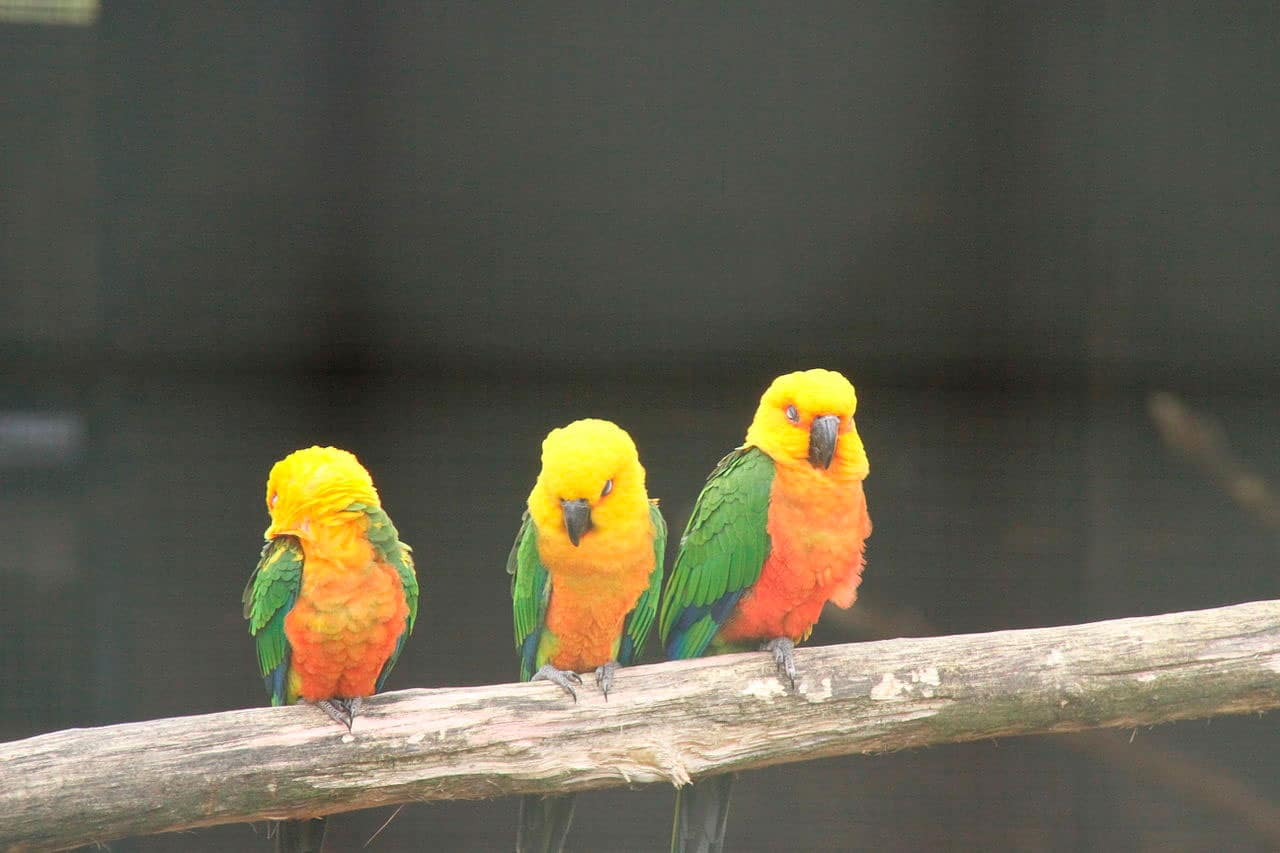
The Golden-capped Parakeet (Aratinga auricapillus) It is often treated as the same species as the Sun Parakeet (Aratinga solstitialis) and Jandaya Parakeet (Aratinga jandaya).

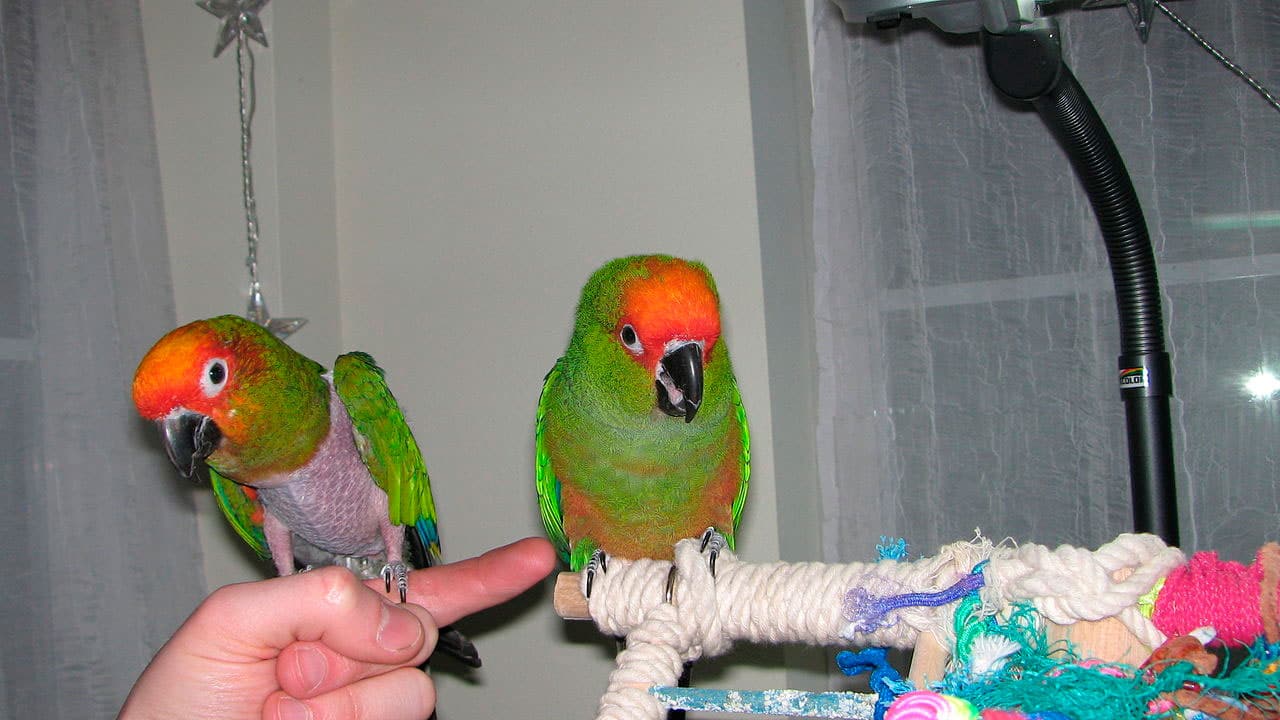
The lores, frontal band and ocular region of this kind are of color red glossy; the crown is bright golden yellow; ear-coverts, cheeks and both sides of the neck, green. The area of the nape and the the mantle are pale green: the back and the top of the rump with different hues of green and tips of red or orange; floor area of the rump and uppertail-coverts, green; the small and medium-sized upperwing-coverts, green; the large coverts and primaries, secondaries, vane outer and tips from them primaries, blue.

Underwing-coverts, orange-red; underside of flight feather grey. The chin and throat yellowish green with orange discoloration on the top of the chest and deep color red pale in the belly; vent, the thighs and undertail-coverts, green. Upper, the tail, of colour brownish with them tips blue, sometimes with the vane external foreign blue feathers; undertail, the tail, grey.

The bill, grey-black; grey, the bare skin of the bare periophthalmic; irises yellowish; legs grey.

Both sexes similar.

Immature It has little or nothing red in the rump, more off the yellow colour of the crown; the top of the chest is greener and less extensive red on the belly.

Subspecies description:

  • Aratinga auricapillus auricapillus

    (Kuhl, 1820) – The species nominal.


  • Aratinga auricapillus aurifrons

    (Spix, 1824) – The upperparts totally green (without red margins on the feathers of the back and Hip top). More green in the upper zone of the chest, lacking Orange dye of the nominal species.

Habitat:

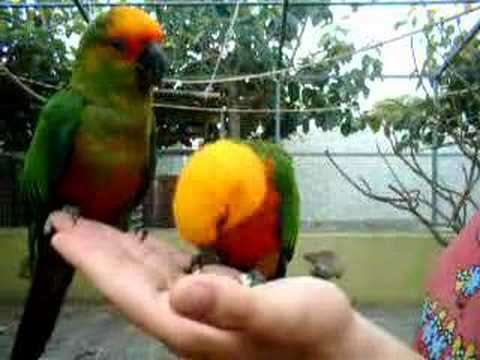
Video – "Golden-capped Parakeet" (Aratinga auricapillus)

aratinga jendaya y auricapilla

They live in forests, as well as in the clearings and edges of the same, including coastal moist Atlantic evergreen forests and inland closed-type deciduous forests. They prefer primary formations.

Scarce or absent grassland with trees or secondary vegetation, including from the vicinity of the remaining original forests. Observed to 2.180 m (Parque nacional do Caparaรณ, to the South of Holy Spirit). gregarious, usually observed in flocks of 12-20 individuals, more rarely in groups of up to 40.

Reproduction:

There are few details on the reproductive ecology of this species., Although probably nest in the months of November-December.

Implementation size in captivity is of 3-5 eggs.

Food:

Diet Golden-capped Parakeet includes various seeds and fruits. Reported foods include the corn, okra and fruits red sweet unspecified.

considered a pest of crops in some areas before its abrupt population decline.

Distribution:

The Golden-capped Parakeet (Aratinga auricapillus) are distributed in the area South-East of Brazil; from the North of Bay, Eastern part of Goiรกs and Minas Gerais, Brazil, to the East and South, on the East coast of Brazil (Holy Spirit, Rio de Janeiro, Sรฃo Paulo, Paranรก and possibly, Santa Catarina).

The observations in Rio Grande do Sul, apparently they are wrong, although the species can still be found in the extreme east of Mato Grosso from the South.

A single record in 1918 in Paraguay, near the border with Paranรก, Presumably coming from some exhaust.

Usually rare and irregular distribution, residents, extinct in many places with their current range defined by the remaining forests.

He greater stronghold population of the species is located in Minas Gerais, Brazil, where the species was considered common in 1987 in several areas. They are very rare or they have become extinct in Santa Catarina, Paranรก, Sรฃo Paulo, Rio de Janeiro and Espirito Santo, and scarce in Goiรกs and Bay.

The decrease in the population is must to the continuous logging of forests and to their captures for the trade of birds.

There are several protected areas with populations of the Golden-capped Parakeet, such as the Monte Pascoal National Park (Bahia) and Parque Estadual do Rio Doce (Minas Gerais, Brazil).

Rare in captivity, mostly out of Brazil.

Subspecies distribution:

Conservation:

โ€ข Red List category of the UICN current: Near-threatened

โ€ข Population trend: Decreasing

The size of the population of the Golden-capped Parakeet It has not estimated formally and in the absence of sufficient data, it is estimated that you there are more than 10.000 specimens, more or less equivalent to 6.700 mature individuals; But, detailed research is required.

The population the species is suspected that it may be in decline due to the continuous loss of habitat and to his capture to the pet trade.

โ€ข There has been extensive and ongoing clearance and fragmentation of suitable habitat for this species., for use as coffee plantations, soybean and sugarcane in Sao Paulo, and livestock in Goiรกs and Minas Gerais, Brazil (Snyder et to the., 2000).

โ€ข The capture for trade, He has probably had a significant impact, since it was relatively common in the illegal Brazilian markets in the mid-1990s. 1980, importing hundreds of birds to Western Germany in the decade of 1980. But, the precise effect is obscured by large numbers of captive-bred birds, that presumably see reduced pressure on wild populations remaining (LF Silveira in litt., 1999).

โ€ข Despite its tendency to nest, times, near human settlements, It is apparently not the most favoured species for the pet trade (VT Lombardi in litt. 2011).

โ€ข There are no records of persecution in response to crop degradation..

Conservation Actions Underway:

Conservation Actions Proposed:

    โ€ข Survey to locate important new populations and define the limits of their current range..

    โ€ข Study to determine its population dynamics and dispersal capacity., as well as provide a detailed analysis of their habitat requirements in different sites.

    โ€ขEnsure the protection of key reserves.

    โ€ข Protect species under Brazilian law.

"Golden-capped Parakeet" in captivity:

Rare in captivity, mostly out of Brazil.

Their life expectancy is about 30 years.

Alternative names:

– Golden-capped Parakeet, Flame-capped Conure, Flame-capped Parakeet, Gold-capped Conure, Golden capped Parakeet, Golden-capped Conure (English).
– Conure ร  tรชte d’or, Conure ร  tรชte dorรฉe, Perriche ร  tรชte d’or, Perruche ร  tรชte d’or (French).
– Goldkopfsittich, Goldkappensittich (German).
– jandaia-de-testa-vermelha, cara-suja, jandaia, periquito-de-cabeรงa-vermelha (Portuguese).
– Aratinga Testadorada, Maracanรก corona dorada, Periquito de Cabeza Dorada (espaรฑol).
– Maracanรก corona dorada (Paraguay).

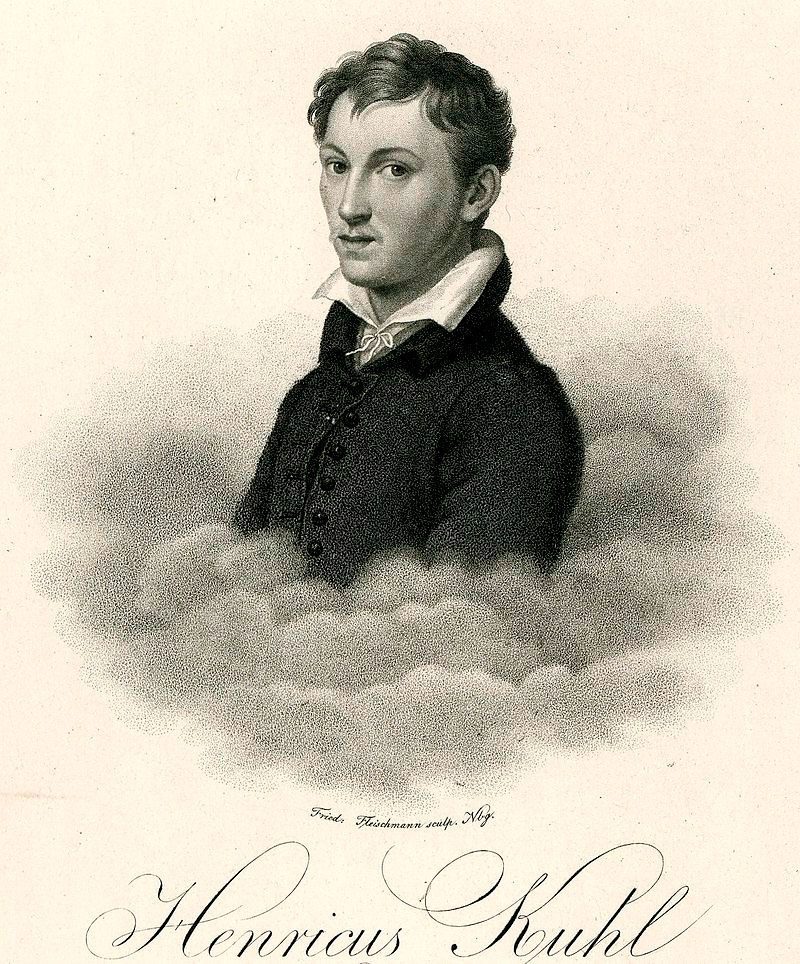
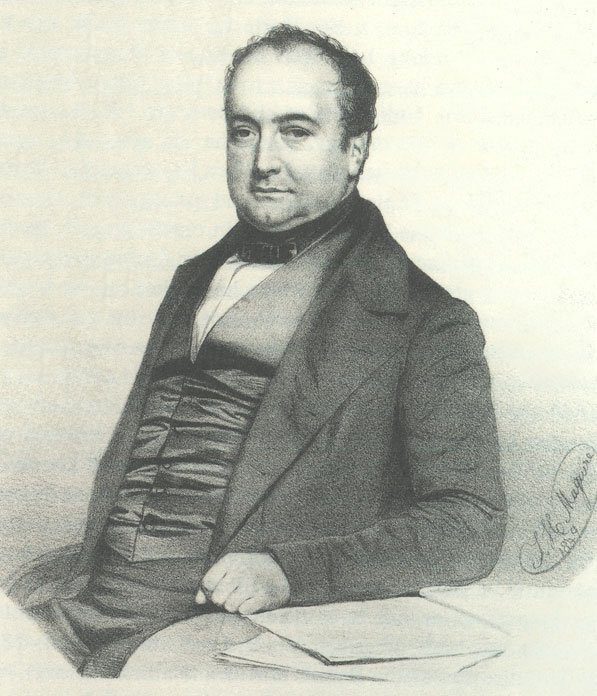
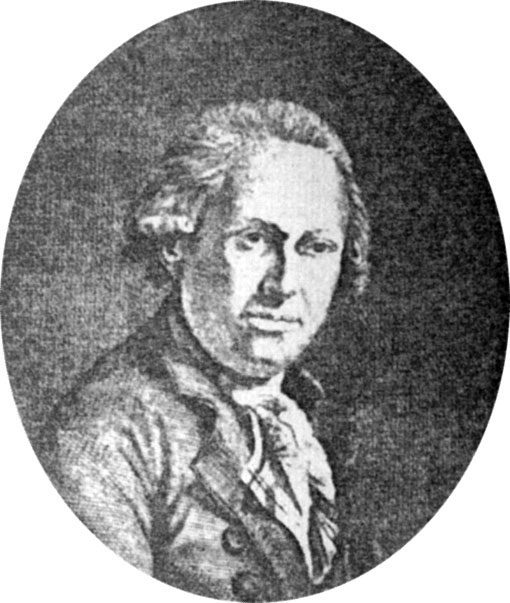
Kuhl, Heinrich
Heinrich Kuhl

scientific classification:


– Order: Psittaciformes
– Family: Psittacidae
– Genus: Aratinga
– Scientific name: Aratinga auricapillus
– Citation: (Kuhl, 1820)
– Protonimo: parrot auricapillus


Golden-capped Parakeet images:


Species of the genus Aratinga

Sources:

– Avibase
– Parrots of the World โ€“ Forshaw Joseph M
– Parrots A Guide to the Parrots of the World – Tony Juniper & Mike Parr
– Birdlife

– Photos:

(1) – A Golden-capped Parakeet at Jurong Bird Park, Singapore By Peter so (Golden-capped ParakeetUploaded by Snowmanradio) [CC BY-SA 2.0], via Wikimedia Commons

(2) – Picture of a Golden-capped Parakeet in the zoo of Wrocล‚aw (Poland) By Nicolas Guรฉrin (messages) (Own work) [GFDL or CC BY-SA 3.0], via Wikimedia Commons
(3) – A Golden-capped Parakeet (also known as Golden-capped Conure) in Seattle, Washington, USA By Matthew Wilson (Picasa Web Albums) [CC BY-SA 3.0], via Wikimedia Commons
(4) – Two Golden-capped Parakeets (also known as Golden-capped Conures) in Seattle, Washington By Matthew Wilson (Picasa Web Albums) [CC BY-SA 3.0], via Wikimedia Commons
(5) – A Golden-capped Parakeet (also known as Golden-capped Conure) in captivity By Patrick Hawks from Sint Maarten (Bird is the wordUploaded by snowmanradio) [CC BY 2.0], via Wikimedia Commons

– Sounds: Douglas Meyer (Xeno-canto)
โ–ท The world of Pets: Dogs, cats, birds, reptiles, amphibians

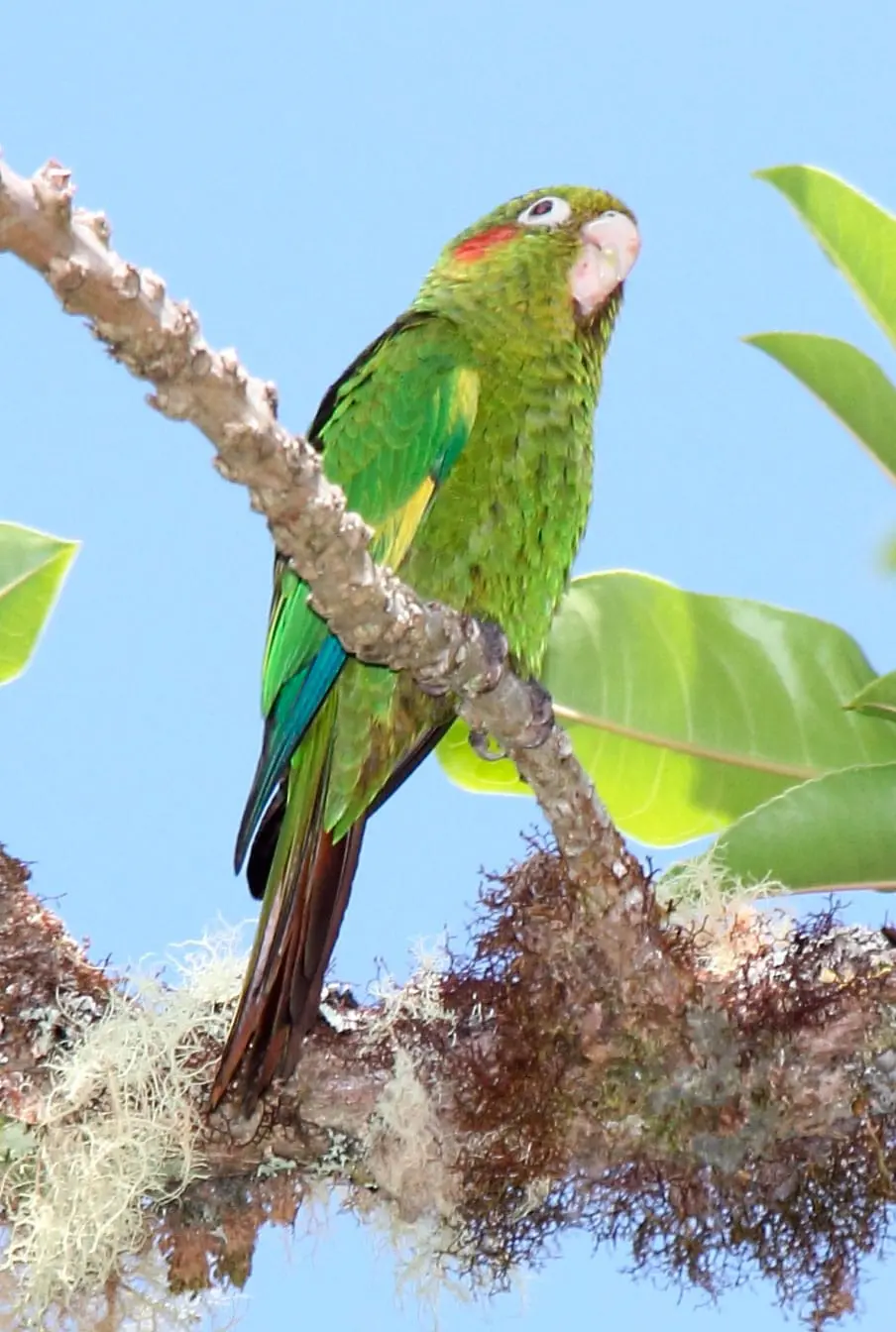
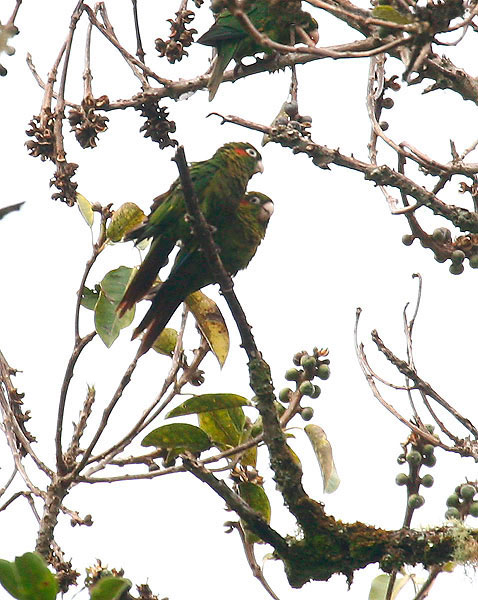
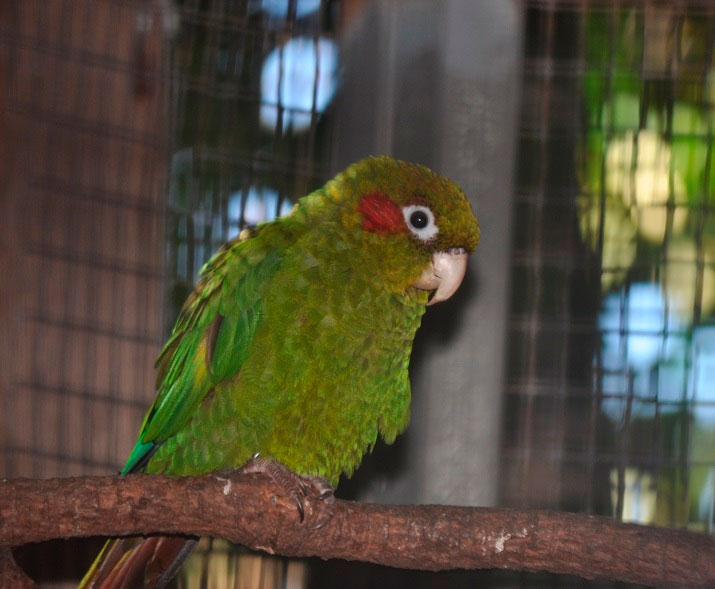
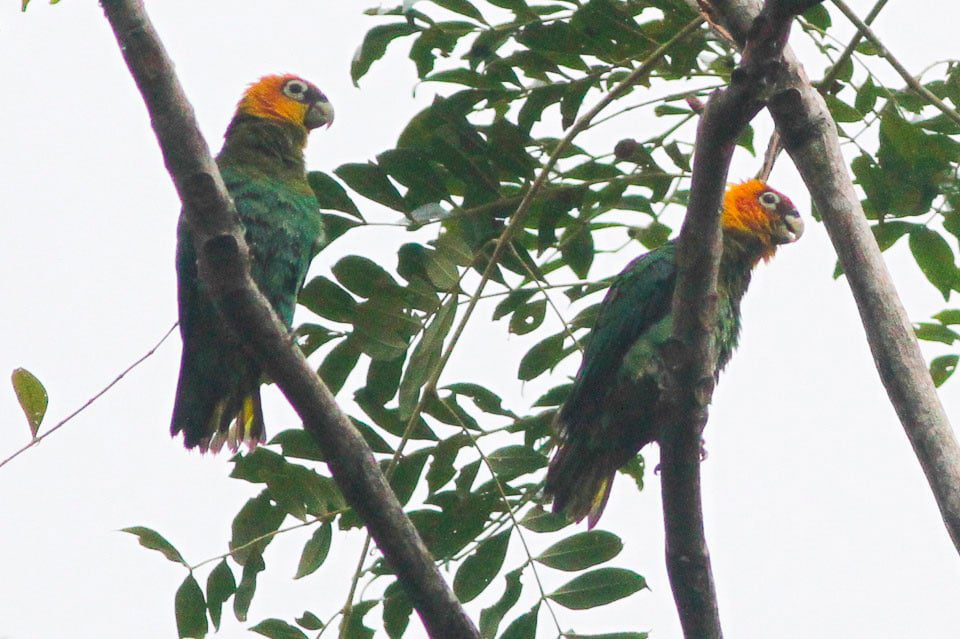
Saffron-headed Parrot
Pyrilia pyrilia

Saffron-headed Parrot

Content

Saffron-headed Parrot

Description:

22,8 to 25,4 cm.. height.

The Saffron-headed Parrot (Pyrilia pyrilia) is characterized by the lores naked; head, rear and both sides of the neck, bright yellow. Upperparts green. The spots of the upperwing-coverts are bright yellow with some red feathers at the base; Red at the front edge of the wing with the external medium upperwing-coverts blue, or green with blue tips. The primary coverts are black, with the coverts remaining of the party top, green, sometimes with blue tips.

Primary and secondary bluish black with narrow green margin to the outerweb; tertiary green. Under the wings and axillary bright red, flight feather of color bluish pale. Breast Yellow olive; belly Green but paler and more yellowish than the top; undertail-coverts green. above the tail with yellow in the innerwebs and blue tips; yellowish below. Bill color pale horn; cere blackish; dark grey skin nude of the lores extends around the eye ring; eye ring whitish; irises dark brown; legs grey.

Both sexes similar. The immature has the crown and shoulders Green with yellow yellowish brown in the face and throat.

Habitat:

Little known throughout its distribution. It inhabits in humid jungles, very wet, high secondary forest and cleared areas, between the 300 to 1700 m. In Venezuela can be seen in tropical and subtropical areas at altitudes of 150-1650 m (perhaps only seasonally to higher altitudes) and 1.000 metres in Colombia. Usually gregarious, seen in groups of up to 10 individuals.

Reproduction:

With reproduce during the first half of the year.
Birds in breeding conditions observed in the months of March-June in Antioquia (Colombia). Immature seen during the month of July in Sierra de Perija (Venezuela and Colombia).

Food:

Just have your feed data, Although it more likely is that your diet is composed of of fruit, berries and seeds.

Distribution:

Size of the area of distribution (reproduction / resident): 577.000 km2

The Saffron-headed Parrot is distributed in the this of the Province of Darien, Panama, to the North of Colombia and Northwest of Venezuela.

There are two records in the Northwest of Ecuador, a wandering pair alleged in the Book ecolรณgica Cotacachi-Cayapas and a flock of about 20 birds in the Pedro Vicente Maldonado Canton, in the Northwest of Pichincha (Ridgely and Greenfield 2001), Although their status is uncertain (JF Freile in litt., 2000, Ridgely and Greenfield 2001).

Today it is rare to see to the Saffron-headed Parrot in accessible areas, Although it is still common Serrania de las Quinchas (Boyacรก) and in the Hill of the peace (Santander) (Donegan et to the., 2003), Colombia and is soon likely to have decreased significantly in the Chocรณ, Colombia, or Darien (GR Angehr in litt., 1999, G. Stiles in litt., 1999).

There are few recent records, but they may still be numerous at the northern base of the Andes, Cรณrdoba, North of Antioquia and Bolรญvar, and in the Valley of the Magdalena, to the East of Caldas and to the southeast of Antioquia, Colombia (Hilty and Brown 1986, A. Cuervo in litt., 1999).

Seems to have decreased in Venezuela, where recent records are from the area of Merida, the South-East slopes of the Cordillera de Mรฉrida, Barinas (Kirwan and Sharpe 1999, C. Sharpe, J. and F. Rodriguez Rojas-Suarez in litt., 1999) and Sierra de Perija (CJ Sharpe in litt. 2011).

The population total may have fallen below 10.000 individuals (Juniper and Parr 1998, G. Stiles in litt., 1999). In fact, is estimated that the Western population (West of Sinu) is of 2.000 to 4.000 individuals (most habitat intact), the population Center (Serranรญa de San Lucas) is probably less than 1.000 individuals, the slopes West of the Eastern Cordillera It is estimated at approximately 1.000 individuals and the eastern slope of the Eastern Cordillera and Merida perhaps less than 1.000 individuals (C. Sharpe, J. and F. Rodriguez Rojas-Suarez in litt., 1999).

Conservation:


Near-threatened

โ€ข Current category of the Red List of the UICN: Near-threatened.

โ€ข Population trend: Decreasing.

Rationale for the Red List category

This species has a population moderately small suspected is declining, and therefore qualifies as near-threatened. It is considered nationally vulnerable in Colombia (Renjifo et to the., 2002) and Venezuela (Sharpe 2008).

Justification of the population

The population is estimated at at least 7.000 copies in total, more or less equivalent to 4.700 mature individuals (PGW Salaman in litt., 2006).

Justification of trend

A slow to moderate and continuous decrease in population is suspected on the basis of the rates of habitat loss: its preferred habitat is severely threatened (T. Donegan in litt 2006.).

"Saffron-headed Parrot" in captivity:

Very difficult acclimating to captivity, susceptible to diseases in captive State.

Alternative names:

– Saffron-headed Parrot, Bonaparte’s Parrot, Saffron headed Parrot (English).
– Caรฏque de Bonaparte (French).
– Goldkopfpapagei, Goldkopf-Papagei (German).
– Saffron-headed Parrot (Portuguese).
– Cotorra Cariamarilla, Lorito Cabecigualdo, Lorito de Cabeza Dorada (espaรฑol).
– Cotorra Cariamarilla (Colombia).
– Perico Cabecidorado (Venezuela).


scientific classification:

Charles Lucien Bonaparte

– Order: Psittaciformes
– Family: Psittacidae
– Genus: Pyrilia
– Scientific name: Pyrilia pyrilia
– Citation: (Bonaparte, 1853)
– Protonimo: Psittacula pyrilia

Images "Saffron-headed Parrot"

Videos "Saffron-headed Parrot"


โ€œLorito he headโ€. (Pyrilia pyrilia)


Sources:

  • Avibase
  • Parrots of the World โ€“ Forshaw Joseph M
  • Parrots A Guide to the Parrots of the World – Tony Juniper & Mike Parr
  • Birdlife

  • Photos:

(1) – Saffron-headed Parrot (Pyrilia pyrilia) by Ron Knight – Flickr
(2) – Iconographie des perroquets: Paris :P. Bertrand,1857. by Biodiversity Heritage Library – Flickr

  • Sounds:

โ–ท The world of Pets: Dogs, cats, birds, reptiles, amphibians

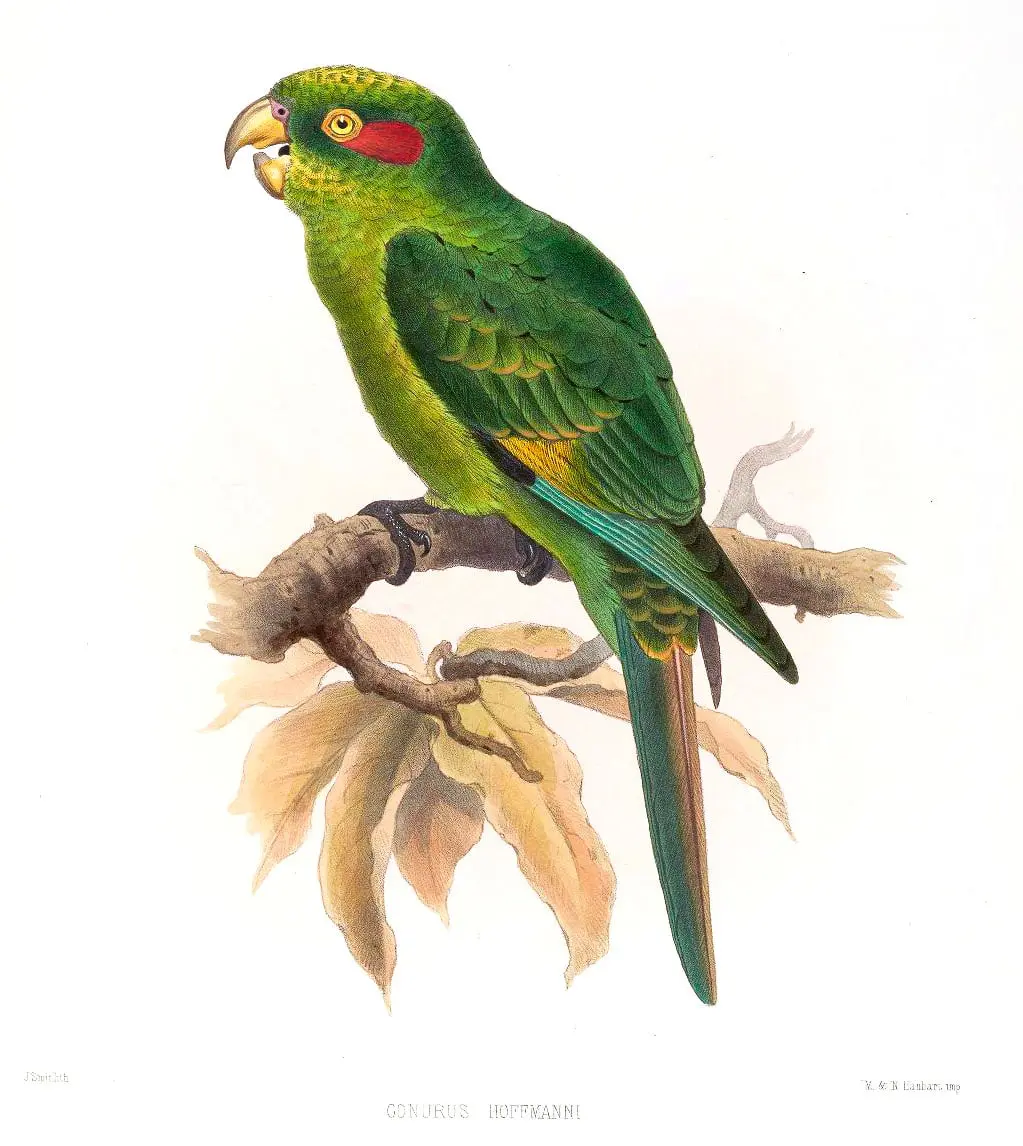
Sulphur-winged Parakeet
Pyrrhura hoffmanni

Sulphur-winged Parakeet

Content

Description:

23 cms. length and 84 g. of weight.
The Sulphur-winged Parakeet (Pyrrhura hoffmanni) It, mostly, green with some individual variations in plumage.

It has a distinctive tail long and round about ear-coverts crimson red. Yellow at the top of the wings, largely hidden when the bird is at rest, but perfectly visible in flight.

The feathers of the forecrown, crown, cheeks and nape, They are green with yellow centers (the proportion of the yellow color is higher in the forecrown, lower in the back of the crown). Above predominantly green, It is the leading edges of the wings, sometimes, yellow. The lesser coverts and median are, generally, green, sometimes with some yellow in outer median coverts and feathers alula.

Yellow at the base of the outerweb of the greater coverts. Outerwebs of primaries, to a great extent, blue; primaries and secondaries with bright yellow patch, especially on the basis of innerwebs; flight feather with black tips. Under, the wings with the lesser coverts green, the majors, greenish yellow; a central portion flight feather yellowed with greyish tips.

Sulphur-winged Parakeet

Chin reddish; throat, sides neck and the top chest, green with yellow tips on feathers, which gives an overall light effect Scaled. The belly, the flanks and undertail-coverts, are green. Upper, the tail is green, below, reddish.

The bill and cere They are pink colored horn; bare periophthalmic white or yellowish white; the irises brown; legs pale grey.

Both sexes are similar, but the male player has yellow stripes on pens crown.
The Immature It has less yellow in head, the chest and wings.

  • Sound of the Sulphur-winged Parakeet.

Subspecies description:

  • Pyrrhura hoffmanni gaudens

    (Bangs, 1906) – Very similar to nominal, although feathers crown and nape They have yellower, with their ends red or red and orange (in some birds, red ends of the feathers may extend over the back, the throat and the chest). Underparts slightly darker.


  • Pyrrhura hoffmanni hoffmanni

    (Cabanis, 1861) – Nominal.

Habitat:

Video – "Sulphur-winged Parakeet" (Pyrrhura hoffmanni)

Sulphur-winged Parakeet (Pyrrhura hoffmanni)

Observed, mainly, in mountainous areas, preferring montane forests in the subtropical zone, mainly 1.000 to 2.400 meters above sea level, although views 550 meters in the region Admiral's Bay, Panama and a 3.000 metres in Costa Rica.

They appear to tolerate a considerable disturbance of habitat, including managed forests, areas and the second growth partially cleared, forests and wooded pasture shrubs. Usually seen in pairs or small flocks of 5-15 birds. You can perform altitudinal movements daily to feed, returning to the mountains to rest. Forage occurs in the canopy or smaller trees and bushes near the edge of the woods.

Reproduction:

They nest in tree hollows, including old nests woodpeckers, to 8-20 meters of land. With reproduce dry season (January June). Clutch six eggs in captivity.

Food:

Its diet includes fruit of Ficus, Croton, Leandra, Myrtus and Miconia.

Distribution and status:

Extending its range (players / residents): 18.400 km2

Confined south of Costa Rica and western Panama.

The species is found in the highlands of the southern half of Costa Rica, including the slopes of Caribbean, the mountains of the central plateau south and the two sides of the Cordillera de Talamanca, sometimes the region Cartago and Paradise and the Irazu volcano.

In western Panama They are mainly distributed in the west and center chiriqui and areas adjacent in Bull's mouths, in the highest mountains (including the chiriqui volcano and the high ridges on Boquette) and at lower elevations around, for example, of the Chirรญqui Lagoon and Admiral Bay.

The easternmost Panamanian registry was found east of the central mountain range in 1868.

Some altitudinal movements (higher in the dry season). Birds are perhaps only sporadic in the extremities of their range. Apparently, It is common in the middle to high elevations of the Cordillera de Talamanca and in isolated areas, and it is believed to be quite numerous throughout the main range.

Its habitat It is now highly fragmented, though still apparently numerous, even in areas where the forest is partly cloudy. Rare in captivity.

Subspecies distribution:

  • Pyrrhura hoffmanni gaudens

    (Bangs, 1906) – West of Panama and Caribbean slope of Bull's mouths.


  • Pyrrhura hoffmanni hoffmanni

    (Cabanis, 1861) – Nominal. South of Costa Rica.

Conservation:

State of conservation โ“˜


minor concern Minor Concern โ“˜ (UICN)โ“˜

โ€ข Current category of the Red List of the UICN: Least concern.

โ€ข Population trend: Stable.

โ€ข Population size : Unknown.

Rationale for the Red List category

Although this species may have a small range, it is not believed that approximates the thresholds for Vulnerable under the criteria of size range (Extension <20,000 km2 combinada con un tamaรฑo de rango decreciente o fluctuante, extensiรณn / calidad del hรกbitat o tamaรฑo de la poblaciรณn y un pequeรฑo nรบmero de lugares o fragmentaciรณn severa). La trend of the population It appears to be stable, so that the species does not approach the thresholds for Vulnerable under the criteria of population trend (> 30% decline over ten years or three generations). The population size It has not been quantified, but it is not believed to be close to the thresholds for Vulnerable under the criterion of population size (<10.000 individuos maduros con un declive continuo estimado> 10% in ten years or three generations or a population structure). For these reasons, the species is evaluated as Least Concern.

Justification of the population

The size of the world's population has not been quantified, but this species is described as ยซquite commonยป (Stotz et to the., 1996).

Justification of trend

They suspected that the population of Catana Cotorra is stable in absence of evidence of any decline or threatens substantial.

"Sulphur-winged Parakeet" in captivity:

Rare in captivity. Quieter than other parakeets. In Panama the export of these birds is prohibited from 1980.

Alternative names:

– Hoffmann’s Conure, Hoffmann’s Parakeet, Hoffman’s Conure, Hofman’s Conure, Sulfur-winged Parakeet, Sulphur winged Parakeet, Sulphur-winged Conure, Sulphur-winged Parakeet (English).
– Conure de Hoffmann, Perriche de Hoffmann, Perruche de Hoffmann (French).
– Hoffmann Sittich, Hoffmannsittich, Hoffmann-Sittich (German).
– Tiriba-de-asa-amarelada (Portuguese).
– Cotorra Catana, Perico aliazufrado, Perico de Hofman (espaรฑol).
– Perico aliazufrado (Costa Rica).


scientific classification:

Jean Louis Cabanis
Jean Louis Cabanis

Its name refers to the German naturalist Karl Hoffman.

– Order: Psittaciformes
– Family: Psittacidae
– Genus: Pyrrhura
– Scientific name: Pyrrhura hoffmanni
– Citation: (Cabanis, 1861)
– Protonimo: Conurus hoffmanni

Sulphur-winged Parakeet Images:


Especies del gรฉnero Pyrrhura

Sources:

– Avibase
– Parrots of the World โ€“ Forshaw Joseph M
– Parrots A Guide to the Parrots of the World – Tony Juniper & Mike Parr
– Birdlife

– Photos:

(1) – Sulphur-winged Parakeet (Pyrrhura hoffmanni). Photographed at Savegre, in Costa Rica By Dominic Sherony [CC BY-SA 2.0], via Wikimedia Commons
(2) – Parakeet HOFFMAN (Pyrrhura hoffmanni) Loro Parque, Tenerife by ZOOTOGRAFIANDO
(3) – A Sulphur-winged Parakeet at Savegre, Costa Rica By Dominic Sherony [CC BY-SA 2.0], via Wikimedia Commons
(4) – Sulphur-winged Parakeet (Pyrrhura hoffmanni) at Savegre Lodge, near San Gerardo, Costa Rica By Michael Woodruff [CC BY-SA 2.0], via Wikimedia Commons
(5) – Sulphur-winged Parakeet or Hoffmannโ€™s Conure (Pyrrhura hoffmanni) by elite-pets
(6) – Conurus hoffmanni = Pyrrhura hoffmanni by Joseph Smit [Public domain], via Wikimedia Commons

– Sounds: Mike Nelson, XC107214. accessible www.xeno-canto.org/107214

โ–ท The world of Pets: Dogs, cats, birds, reptiles, amphibians

Brown-breasted Parakeet
Pyrrhura calliptera


Brown-breasted Parakeet

Content

Description:

Brown-breasted Parakeet

22-23 cm.. height.

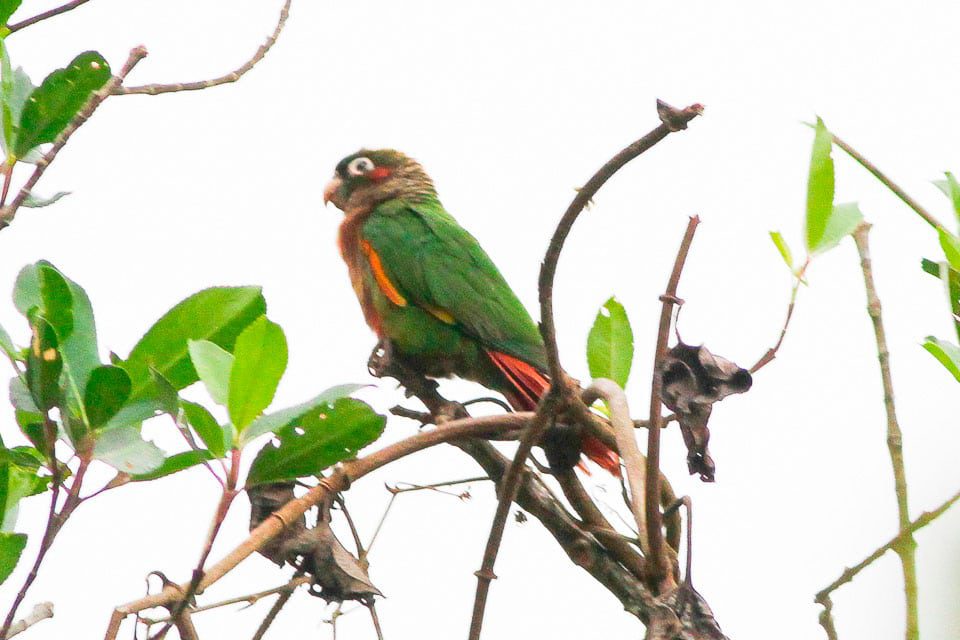
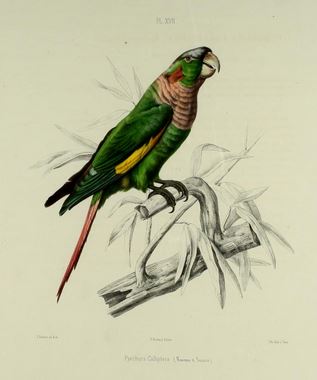
The Brown-breasted Parakeet (Pyrrhura calliptera) is easily recognized by the Wing mirror yellow in flight. In general it is green, with a red spot on the ear; chest brown reddish and sides of the neck characteristic dark brown.

Shoulder mostly yellow up to half of the wing and the end of the same pardo-olivaceo.
The primary feathers are blue and their covert wing external and internal yellow, usually with orange blend.
The tail reddish brown. Its bill pale yellowish; irises yellow; eye ring white.

The immature lack of yellow in the wings.

Habitat:

It inhabits in Misty jungles Andean and sub-andinas with canopy 15 to 25 m, secondary forests and Paramo, from 1700 to 3400 m. They fly at dawn and at dusk flocks, usually small of 6 to 12 individuals on the canopy of the forest.

Reproduction:

It nests in, generally, in cavities of trees located in wooded pastures or pasture surrounded by secondary forest fragments, bedrooms for both nests.
breeding conditions they have been observed in August and October, as well as between November and January in Fusagasugรก, Farallon de Medina and Soatรก (Cortes-Herrera et to the., 2007) and from September to February in the Chingaza National Park (Arenas-Mosquera 2011).

The size average of the laying is of 5-6 eggs of color whitish. The chicks take of 60 to 70 days to complete its development.

Food:

Diet Brown-breasted Parakeet consists in fruit (including plants of the Ericaceae, Lauraceae, Melastomataceae and Clusiaceae (Cortes-Herrera et to the., 2007), seeds and cultivated corn, Although flocks larger were observed in areas open to eating leaves and seeds (O. Courteous in litt., 2012).

Distribution:

Size distribution (reproduction / resident): 1,000 km2

Endemic. Cordillera Oriental in Colombia. Since Boyacรก to southwest of Cundinamarca. Has also been reported in the departments of Santander, Norte de Santander and Casanare in the localities of the Arrayanes and Salina.

The population total has been estimated at 5.000-10.000 individuals.

Conservation:

State of conservation โ“˜


Vulnerable Vulnerable โ“˜ (UICN)โ“˜

โ€ข Current category of the Red List of the UICN: Vulnerable.

โ€ข Population trend: Decreasing.

This species has a range very small and a small population, known in less than ten places in what is rapidly declining due to the loss of habitat and persecution as as plague by including cultivated corn in their diet.

These declines in population range are expected to continue.. So, qualified as vulnerable.

It is estimated that its population amounts to between 5.000 and 10.000 individuals, equivalent approximately to 3.300-6.700 mature individuals.

"Brown-breasted Parakeet" in captivity:

Not usually find it in captivity.

Alternative names:

– Brown-breasted Parakeet, Brown breasted Parakeet, Brown-backed Conure, Brown-backed Parakeet, Brown-breasted Conure, Flame-winged Conure, Flame-winged Parakeet (English).
– Perriche ร  poitrine brune, Perruche ร  poitrine brune (French).
– Braunbrustsittich, Braunbrust-Sittich (German).
– Tiriba-de-peito-marron (Portuguese).
– Cotorra Pechiparda, Perico Bello, Periquito Aliamarillo (espaรฑol).

scientific classification:

– Order: Psittaciformes
– Family: Psittacidae
– Genus: Pyrrhura
– Scientific name: Pyrrhura calliptera
– Citation: (Massena & Souancรฉ, 1854)
– Protonimo: Conurus callipterus

Images "Brown-breasted Parakeet"

Videos "Brown-breasted Parakeet"


Especies del gรฉnero Pyrrhura

Brown-breasted Parakeet (Pyrrhura calliptera)


Sources:

– Avibase
– Parrots of the World โ€“ Forshaw Joseph M
– Parrots A Guide to the Parrots of the World – Tony Juniper & Mike Parr
– Birdlife
– Wiki Aves de Colombia

– Photos:

(1) – Flame-winged Parakeet (Pyrrhura calliptera) By Ron Knight from Seaford, East Sussex, United Kingdom (Flame-winged Parakeet (Pyrrhura calliptera)) [CC BY 2.0], via Wikimedia Commons
(2) – Pyrrhura calliptera By J. Davernes (biodiversitylibrary.org) [Public domain], via Wikimedia Commons

– Sounds: (Xeno-canto)

โ–ท The world of Pets: Dogs, cats, birds, reptiles, amphibians

Gang-gang cockatoo
Callocephalon fimbriatum


Gang-gang cockatoo

Content

Description

Of approximately 35 cm.. height and an average weight of 257 g.
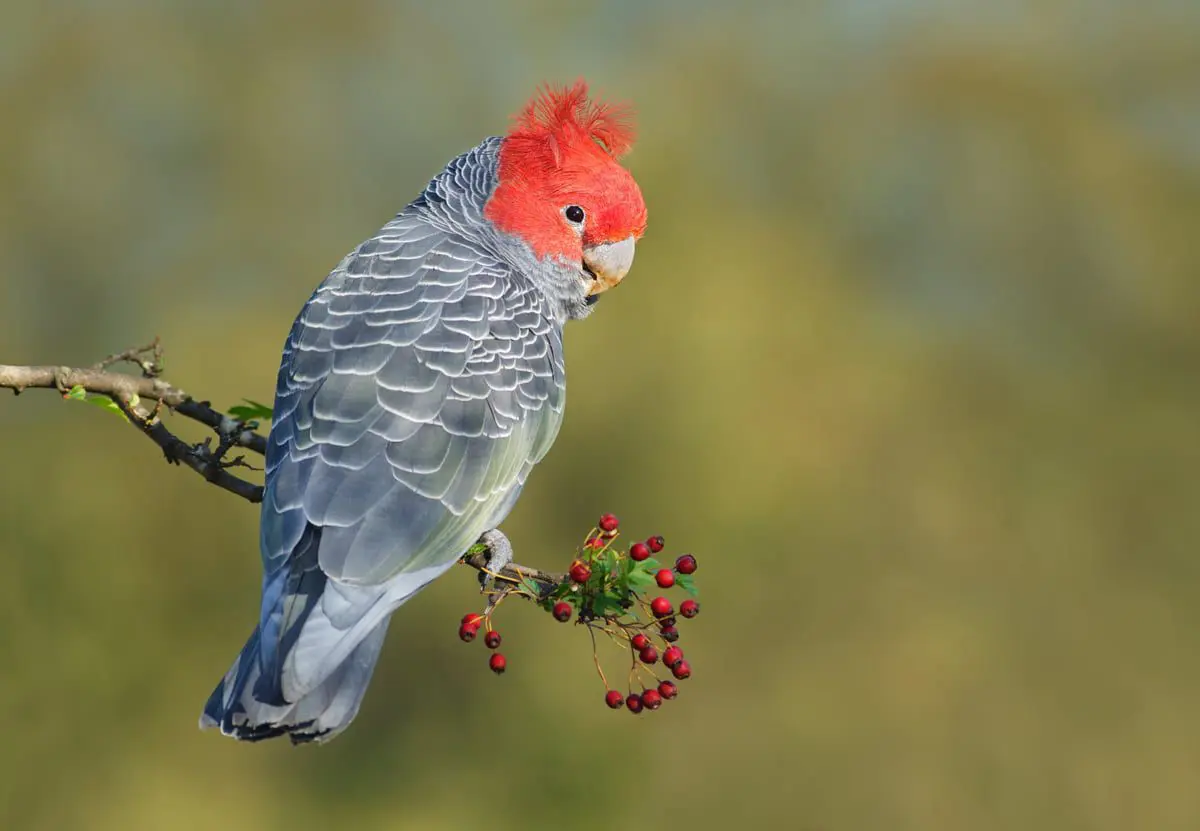
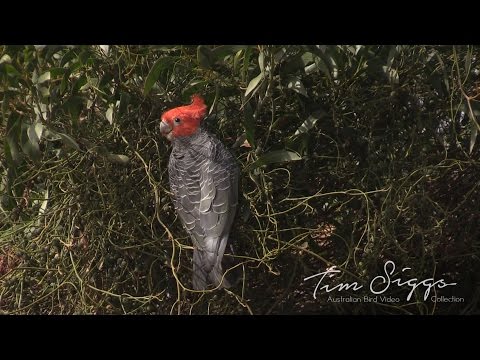
The Gang-gang cockatoo (Callocephalon fimbriatum) it's a little cockatoo, robust, with one crest Dim, large wings wide, and tail short. Son gregarious but relatively calm.
The males of the Gang-gang cockatoo they are immediately recognizable by their head and crest scarlet. The remaining plumage is slate grey.
The females they have the head and crest grey. The feathers of the part inferior of the body are lined with green Orange and yellow, giving a scaly appearance. The tail also has stripes horizontal white. Otherwise, is identical to the male.

The juveniles they are similar to the females, they differ in their top, the head Red and one crest shorter and less twisted.
The Gang-gang cockatoo not can confuse it with other species of parrots. In flight, However, sometimes their shape resembles to the cacatรบa Galah.

Habitat:

Video – "Gang-gang cockatoo" (Callocephalon fimbriatum)

Gang- gang Cockatoo (Callocephalon fimbriatum)

During the summer are found in the forests of mountain and areas with understory of shrubs dense. In Winter they will move to more dry and low altitudes, more open forests. They can often be seen along the roads and in parks and gardens in urban areas. They require high hollow trees for nest.

Reproduction:

Forman couples monogamous. The female chooses a hole in the right tree and both sexes prepare the nest for egg-laying. They line the sides of the hole with sawdust and chewing dust. Both sexes incubate the eggs and care for the young. Parents feed their young for four to six weeks after hatching. Feather.

Family groups are commonly seen feeding together during the breeding season.. In some cases, nurseries will be formed’ where have several couples nested together, their young perch together in the same tree, While their parents seek for food.

Food:

With feed mainly seeds trees and shrubs, native and introduced, with a preference for the eucalyptus, beards and thorns. They also eat berries, fruit, dried fruits, insects and their larvae.

They are mainly arboreal, they perch on the ground only to drink and forage among the fallen fruits or cones.

They feed in flocks of up 60 birds out of breeding season. Feed in pairs or small family groups during the breeding season.

They are able to use exotic plants as food in the urban areas.

Distribution:

Size distribution (reproduction / resident): 333.000 km2

They are endemic to the South-East of Australia. They are widespread in the East of New South Wales, from the Central slopes and plateaus to the South Coast, along the northeastern regions of Victoria to Seymour, with some records in the East of Melbourne, mornington peninsula and Southwest Gippsland.
Have also been introduced in the Kangaroo Island to the South of Australia.

Conservation:

State of conservation โ“˜


minor concern Minor Concern โ“˜ (UICN)โ“˜

โ€ข Current category of the Red List of the UICN: Least concern.

โ€ข Population trend: In increased.

Is come affected negatively by deforestation and the removal of mature trees (potential breeding sites). A population is classified as threatened: in the Valley Cove Lane, New South Wales.

The the rest of the population It is suspected that it may be increasing and now will spend the winter in the suburbs of Canberra.

The world population are estimated at more of 20,000 individuals.

"Gang-gang cockatoo" in captivity:

Itร‚ยดs very rare in poultry and hard to find as a pet.

Son Smart and playful, but they have a great tendency to suffer from software. They are very destructive for what need of abundant toys to not attack against the furniture of the House.

When you get bored, they are often automutilan as a way to fight against boredom.

Its life expectancy You can overcome the 60 years.

Alternative names:

– Gang-gang Cockatoo, Cockatoo Corella, Helmeted Cockatoo, Red-crowned Cockatoo, Red-headed Parrot (English).
– Cacatoรจs ร  tรชte rouge, Cacatoรจs gang-gang (French).
– Helmkakadu, Helm-Kakadu (German).
– Cacatua-gang-gang (Portuguese).
– Cacatรบa Gang Gang, Cacatรบa Gang-gang (espaรฑol).

scientific classification:

– Order: Psittaciformes
– Family: Cacatuidae
– Scientific name: Callocephalon fimbriatum
– Genus: Callocephalon
– Citation: (Grant,JB, 1803)
– Protonimo: Psittacus fimbriatus

Images Gang-gang Cockatoo:


Sources:
– Avibase
– infoexoticos
– Birdlife

– Photos: Jan Wegener, Marbiz (Panoramio), papouch.webzdarma.cz, Benjamint444 (commons.wikimedia.org)

– Sounds: (Xeno-canto)

โ–ท The world of Pets: Dogs, cats, birds, reptiles, amphibians

Wallace's hanging parrot
Loriculus flosculus

Wallace's hanging parrot

Content

Description

11 to 12 cm.. length.

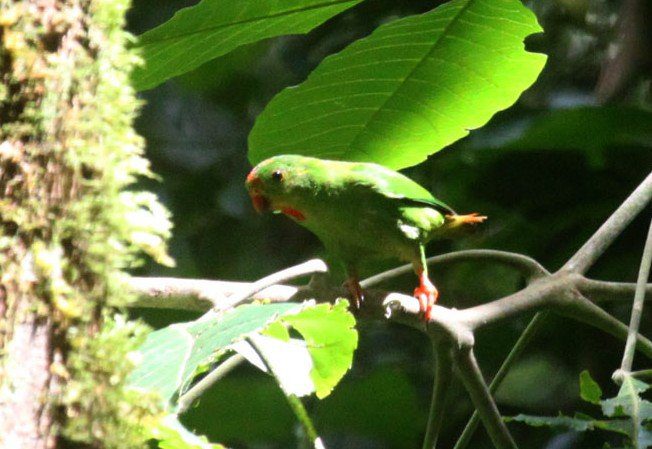
The head of the Wallace's hanging parrot (Loriculus flosculus) is green. Upperparts green with faint orange on the back of the neck; rump and uppertail-coverts red.

Wings green above. Chin red; rest of the underparts green, lighter in undertail-coverts. The tail, at the top, green color with a lighter Green Tip; ends of the lateral feathers, orange-red: Under, the tail bluish green. The bill red; Orange the irises; legs yellowish-orange.

Female with red chin reduced or nonexistent.

Immature with the red chin smaller. The color of the bill and legs more off.

Habitat:

Seem to need the humid mountain forests semi-evergreen. Birds have been seen in fruit trees, and outside the breeding season they gather in small flocks of up to 20 birds. Its altitudinal distribution seems to be closely linked to the distribution of fruiting figs.

They easily unnoticed due to its small size and green plumage, and they are most often in flight when they can be identified by the size, strident calls and the buzz of the rapid flapping. They are most frequently, flying above the canopy.

Reproduction:

There are no data from the reproductive process in nature.

Food:

Most sightings in 1993, the Wallace's hanging parrot they were in the fig tree in fruit trees, and dependence or specialization in this food resource is more than likely.
Its diet includes, In addition, nectar, outbreaks, flowers and seeds.

Distribution:

Size of its range (reproduction / resident): 13.400 km2

Endemic to Flowers. Found at semi-annual primary forest at an altitude between 400 and 980 m (more between 850 and 980 meters during the fructification of the Ficus figs) during observations on 1993. These birds were recorded in the area of Tanjung Kerita Mese, about Paku, to the East of Flowers and proposed as protected area.

Conservation:


Endangered


โ€ข Current IUCN Red List category: Danger

โ€ข Population trend: Decreasing

The habitat destruction through the combined effects of collecting firewood, the logging, timber extraction for construction materials and authorization for Agriculture, together they represent more relevant threats. Loss and fragmentation of forests is already widespread in Flowers, where there are semi-annual forest below 1.000 meters included within officially protected areas. These threats are exacerbated by the expansion of human population, with large volumes of wood necessary for housing construction, and the fact that there is little or no government enforcement of laws. Wet deciduous forest, it is currently being extensively destroyed through land grabbing and the establishment of agricultural areas., a factor that is inevitably shrinking the reach and the population of this species. Forest clearing continues on the coastal strip to make way for crops, and illegal logging continues in protected areas.

The population is estimated at a number of 2,500-9,999 mature individuals based on an assessment of the known records, descriptions of the abundance and range size.

Two recent studies have focused on endemic birds of Flowers. Two sites in which inhabits this species for the establishment as protected areas are proposed: Tanjung Kerita Mese and Egon Iliwuli (in Gunung Egon).

"Wallace's hanging parrot" in captivity:

Very rare in captivity.

Alternative names:

– Wallace’s Hanging-Parrot, Flores Hanging-Parrot, Wallace’s Hanging Parrot (ingles).
– Coryllis de Wallace (French).
– Florespapageichen, Flores Papageichen (German).
– Lorรญculo do Flores (Portuguese).
– Lorรญculo de Flores (espaรฑol).

scientific classification:

– Order: Psittaciformes
– Family: Psittaculidae
– Genus: Loriculus
– Scientific name: Loriculus flosculus
– Citation: Wallace, 1864
– Protonimo: Loriculus flosculus

Images:

————————————————————————————————

Wallace's hanging parrot (Loriculus flosculus)


Sources:

– Avibase
– Parrots of the World โ€“ Forshaw Joseph M
– Parrots A Guide to the Parrots of the World – Tony Juniper & Mike Parr
– Birdlife

– Photos:

(1) – by ยฉ Hanom Bashari – Oriental Bird Club

– Sounds: Allen T. Chartier (Xeno-canto)
โ–ท The world of Pets: Dogs, cats, birds, reptiles, amphibians

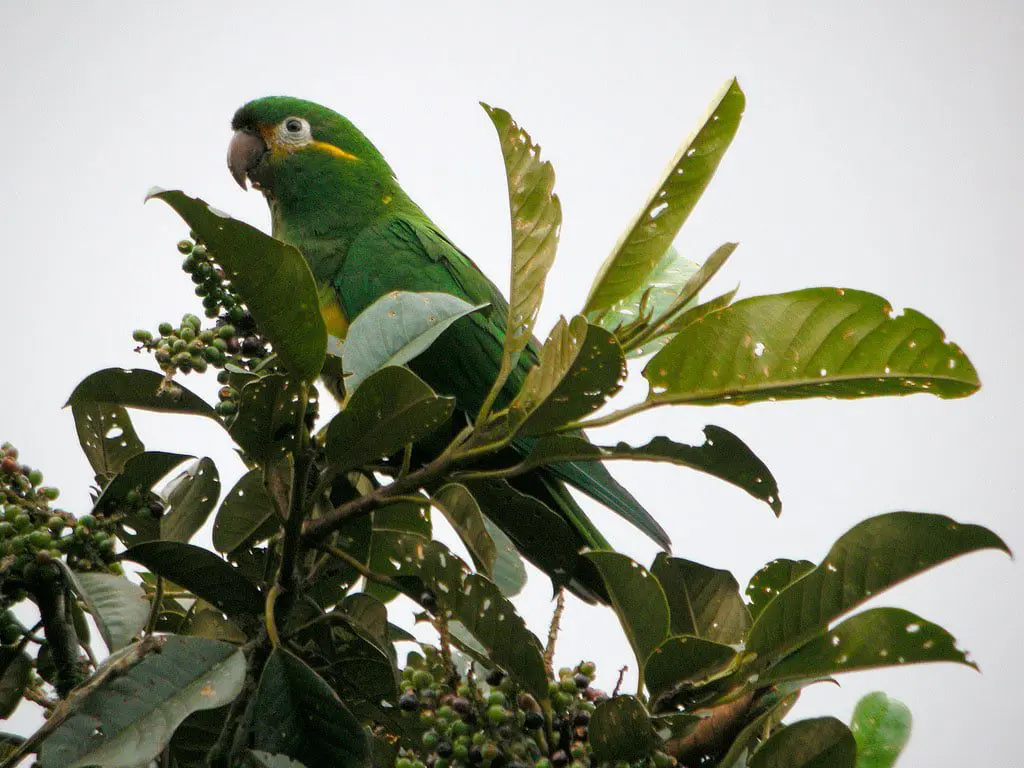
Golden-plumed Parakeet
Leptosittaca branickii


Aratinga de Pinceles

Content


Anatomy-parrots

Description:

Approximately from 36 cm.. of length and a weight of 150 g.
The Golden-plumed Parakeet (Leptosittaca branickii) has the crown, most of the forecrown, the cheeks, the sides of neck and ear-coverts grass-green; close frontal band on bottom of the forecrown orange, extending towards the upper lores; a feature yellowish stripe at the lower lores extending below the eyes to then join in a loop of yellow the part located behind the eyeball.
Upperparts green. above the wings green. Underwing-coverts greenish yellow; underside of feathers opaque yellow flight.

The underparts green, slightly more yellow than the upper, with a large yellow and orange patch at the bottom of the chest.

Upper, the tail of color green with red off on them vane inner; below its long and acute tail opaque reddish.

The bill color horn; cere grey; bare orbital skin pale whitish-grey; Orange the irises; legs grey.

Both sexes similar. The immature not described.

NOTE: Some authors include the species within the genus Aratinga. But, the facial feathers they are distinctive and monotypic, so the gender Leptosittaca is justified for this species.

Habitat:

Video – "Golden-plumed Parakeet" (Leptosittaca branickii)

Near endemic, Golden-plumed Parakeet, Leptosittaca branickii, White River (manizales)

These birds are found in high altitude formations, between 2,400 and 3.400 m, Sometimes you can see them at altitudes lower, about 1.400 m. With distributed in temperate zones, stunted forests, cloud and tree growth limits. Sometimes they cross cleared areas to visit residual plots.

Its distribution is possibly linked to the trees Podocarpus, at least in the Azuay province and parts of Colombia, Although more studies are needed to confirm this.
The Golden-plumed Parakeet make altitudinal movements day towards the Moors, returning to the lower forests for sleep; in the Puracรฉ national natural park This pattern is reversed, and birds perch on community in paramo areas (above 3.000 m), descending to feed during the day.

In general, in flocks (at least outside of breeding season) of up 20 birds (sometimes more).

Reproduction:

The Golden-plumed Parakeet nests on trunks of Palm wax (Ceroxylon quinduense) and encenillo (Weinmania sp.). Played during the first half of the year. Birds in breeding conditions during the month of February, Colombia, and birds mating in August, Ecuador.

The female lays 2-3 eggs they are incubated both during 28 to 32 days. Only the female incubates during the day., while at night, both dealt with the work. The chicks leave the nest 64-68 days after birth and are fed by both parents, While they are in the nest.

Food:

They feed on coniferous seeds, especially of cones of Podocarpus, as well as the seeds and fruits of some plants, among them included the Rosacea, Elaeocarpaceae, Lauraceae, Brunelliaceae, Loranthaceae, Moraceae, Croton, Styrax subargentea, otodectes nitida, Ficus and the corn cultivated. Sometimes it can be powered from leaves.

It forages generally in the canopy (birds frequently moving among the trees), sometimes in the layer of shrubs and fields.

Distribution:

The natural habitat of the Golden-plumed Parakeet It is discontinuous and runs from the North of the Andes from Colombia to the South of Peru.

The species is known in three areas of the Colombian Andes:

In West Cerro Munchique and at the borders of Tolima, Risaralda, Quindio and Caldas; in the Center from the North of Caldas until Cauca, including the Volcano Puracรฉ; in the East, to the East of Nariรฑo.

It has been reported from six or seven areas in Ecuador, including the province of Imbaburato in the North and the mountains of Chilla on The Oro Province, high mountains in the Azuay province and Morona Santiago province, as well as various locations in the Loja province in the South.

In Peru are distributed from the Amazonas Department and South of Departments of Cajamarca through Department of San Martin, Freedom, Department of Huรกnuco and Junin Department until Guzco.

Seasonal and nomadic, unusual and very local, especially in Colombia, in where the drastic decrease of birds is due to the deforestation; in Ecuador It scarce, possibly more common in the southeast, but absent in apparently suitable habitats in the Eastern Andes. In Peru, where is deforestation less severe, It may be more widespread. Your local observation is unpredictable and may be linked to the fructification of your favorite plants.

They are observed (Although perhaps non-resident) in many protected areas, including the Puracรฉ national natural park in the center of the Andes of Colombia, the Podocarpus national park in the South of Ecuador and the Manu National Park, Peru.

VULNERABLE.

Conservation:

State of conservation โ“˜


Vulnerable Vulnerable โ“˜ (UICN)โ“˜

โ€ข Red List category of the UICN current: Vulnerable

โ€ขPopulation trend: Decreasing

You suspect a rapid descent and ongoing in the population of the Aratinga of brushes based on the destruction, degradation and fragmentation of their habitat to large scale.

Currently its population It is estimated within a range between 1.500 and 7.000 mature individuals.

The habitat loss and fragmentation It has been significant throughout its range, with between the 90% and the 93% lost mountain forests in Colombia. In the Peru the loss of habitat is less (Salaman et to the. 1999b, PGW Salaman in litt., 1999).

Logging of the Quindio wax Palm for the services of the Palm Sunday It is a serious problem in some parts of Ecuador. (1999b Salaman et to the.).

The road construction is continuous through many areas of dwarf and humid forests in Peru, causing a severe loss of habitat in areas such as Mรกlaga (H. Lloyd in litt., 2007).

In Colombia, are persecuted as corn pests and as pet birds (1999b Salaman et to the.).

Many protected areas they are affected by the burning and grazing Moor, settlements, cleared for agriculture, logging, Narcotics and the extraction of gold (Wege and Long 1995, Salaman et to the., 1999b).

Conservation Actions Underway:

Appendix II of CITES.

Is known of many protected areas (Wege and Long, 1995), including the national parks Los Nevados and Cave of the Guacharos in Colombia, and the Podocarpus national park in Ecuador (PGW Salaman in litt., 1999, Clements and Shany 2001).

The reserves, Ucumari Regional Natural Park, Puracรฉ National Park (Colombia), Huashapamba native forest (Ecuador) and the Rio Abiseo National Park (Peru) they are apparently well protected (Wege and Long 1995).

In Ecuador, an organized campaign by Birds and conservation and Fundaciรณn Jocotoco with the support of the Government is aimed at reducing the unsustainable exploitation of the Quindio wax Palm. The Fundaciรณn Jocotoco you have installed nest boxes your reservations, that they are being used (even in preference to the natural cavities) for this and other species of parrot (D. Waugh in litt., 2010).

Conservation Actions Proposed:

Assess their condition from Peru (Flanagan et to the., 2000).

Establish the degree of dependence of the Quindio wax Palm in different regions (Sornoza Molina and Lopez-Lanรบs 1999).

Develop a network of mountain protected forest. Protect the Nevado del Ruiz – Nevado del Tolima and Cordillera de Chilla in the The Manu National Park (Jacobs and Walker 1999, PGW Salman in litt., 1999, Lรณpez-Lanรบs et al., In press).

"Golden-plumed Parakeet" in captivity:

Very rare in captivity, Some examples in Colombia.

Alternative names:

– Golden-plumed Parakeet, Branicki’s Conure, Golden Plumed Conure, Golden plumed Parakeet, Golden-plumed Conure, Golden-plumed Parrot (English).
– Conure ร  pinceaux d’or, Perriche ร  pinceaux d’or, Perruche ร  pinceaux d’or (French).
– Pinselsittich, Pinsel-Sittich (German).
– Papagaio-de-bochechas-douradas (Portuguese).
– Aratinga de Pinceles, Cotorra Moteada, Perico Paramuno, Catanica de pรกramo (espaรฑol).
– Loro paramuno, Perico Paramuno (Colombia).
– Perico de Mejilla Dorada (Peru).
– Perico cachetidorado, Cotorra moteada o Loro de mejillas doradas (Ecuador).


scientific classification:

Jan Sztolcman
Jan Sztolcman

– Order: Psittaciformes
– Family: Psittacidae
– Genus: Leptosittaca
– Scientific name: Leptosittaca branickii
– Citation: von Berlepsch & Stolzmann, 1894
– Protonimo: Leptosittaca branickii


Golden-plumed Parakeet images:


Sources:

– Avibase
– Parrots of the World โ€“ Forshaw Joseph M
– Parrots A Guide to the Parrots of the World – Tony Juniper & Mike Parr
– Birdlife
– Parrot Book, Parrots and macaws

– Photos:

(1) – Golden-plumed Parakeet in Tapichalaca Reserve, Ecuador By markaharper1 [CC BY-SA 2.0], via Wikimedia Commons
(2) – Leptosittaca branickii – Golden-plumed Parakeet by ProAves Colombia – Flickr
(3) – GOLDEN-PLUMED PARAKEET by Bryant Olsen – Flickr
(4) – GOLDEN-PLUMED PARAKEET by Bryant Olsen – Flickr
(5) – Leptosittaca branickii – Golden-plumed Parakeet by ยฉ Carl Downing – NeotropicalBirds
(6) – Leptopsittaca branickii via Wikimedia Commons

– Sounds: (Xeno-canto)

โ–ท The world of Pets: Dogs, cats, birds, reptiles, amphibians

Jandaya parakeet
Aratinga jandaya

Cotorra Jandaya

Content

Description:


Anatomy-parrots

30 cm.. length.

The Jandaya parakeet (Aratinga jandaya) they have both sides of the neck, cheeks, lores, ear-coverts and forecrown orange, deeper in the ear-coverts, around the eyes and in the lores; the crown and nape are yellowish-Orange (Some birds with paler yellow tones in the head).

Mantle and scapulars olive green; back and top of the rump, Green with orange-red horizontal bars; lower rump and uppertail-coverts olive green. Main feathers of the wings blue, the others feathers, green (brightest that in the the mantle). The flight feather blue color above, on the vane outer, Blackish towards the tip and grey below. Underwing-coverts orange-red. The underparts orange-red, slightly paler in the upper part of the chest and in the throat; undertail-coverts green.

Upper, the tail of olive with blue tips; undertail, charcoal grey.

Bill grey-black; bare periophthalmic pale grey; irises brown; legs grey.

Both sexes similar.

The immature has the head yellow and the neck with green markings; Dim Orange below.

Habitat:

The Jandaya parakeet move between deciduous woodlands, closed, thickets and clear areas of humid forest. Sporadically at the edge of the humid forest and in the caatinga. In palm groves of coconut on the coast of Pernambuco. Also frequent croplands and pastures. (Usually in flocks of approximately 12 birds, but sometimes in pairs or individually.

Reproduction:

Nests in tree cavities, at least a 15 metres in height. Observed young in the December nest in Maranhรฃo; eggs hatch between August-December, in the area of Belem. Clutch, probably composed of three eggs.

Food:

Food reported include seeds, berries and fruits of certain Melastomataceae, Mangifera, Palms Mauritia and Cecropia. Sometimes they can damage corn crops.

Distribution:

Distributed by northeast of Brazil. The species extends from the vicinity of Belem, Northeast of For, and Sao Luis, maranhรฃo, from South to North and East of Goiรกs and more eastward through Piauรญ, Cearรก, Rio Grande do Norte, Paraรญba, Pernambuco, Alagoas and probably the north end of Bay.

Locally common, While perhaps decreasing in some areas. It is possible that its range is usually expanding through the colonization of cleared areas of high humid forest., especially in For and Maranhรฃo.

Their status in the East its area of distribution is unknown.

Maintained in captivity with consequences serious, Perhaps derived from the illegal trade internal in Brazil and, possibly, by smuggling towards Asia South-East.

Conservation:

State of conservation โ“˜


minor concern Minor Concern โ“˜ (UICN)โ“˜

โ€ข Red List category of the UICN current: Least concern

โ€ข Population trend: Stable

This species has a range very large, and therefore not approaching the thresholds for vulnerable under the criterion of size range

The size of the world population of Jandaya Parakeet It has not been quantified, but this species has been described as ยซrareยป (Stotz et to the., 1996).

Its population is suspected to be stable in the absence of evidence of any reduction or substantial threats.

"Jandaya parakeet" in captivity:

Pretty common in captivity and easy to raise.

Like all the Parakeets, This species is not characterized by their ability to speak, still, can get to say some words with crystal clarity.

Its feeding is made up of different fruits, vegetables, soaked legumes and specific feed for parrots. There are species Meek and intelligent to which are the trains very well and are playful, What makes them good pet to maintain in a House. Being aves gregarias, is convenient to provide them a companion, Since solo can be quite noisy.

Enjoy the bathrooms, and is advisable to keep them in an Aviary or in cage of good proportions; It is also convenient to let the small flights out of its enclosure.

Its longevity often haunt them 20 years in captivity, being able to get to the 30 years, Depending on your care.

Alternative names:

– Jandaya Parakeet, Flaming Conure, Flaming Parakeet, Jandaya Conure (English).
– Conure jandaya, Conure ร  tรชte jaune, Perriche jandaya, Perruche ร  tรชte jaune, Perruche jandaya (French).
– Jandayasittich, Jendajasittich, Jendayasittich (German).
– Jandaia, jandaia-verdadeira (Portuguese).
– Aratinga Jandaya, Periquito Rojo (espaรฑol).


scientific classification:

Gmelin Johann Friedrich

– Order: Psittaciformes
– Family: Psittacidae
– Genus: Aratinga
– Scientific name: Aratinga jandaya
– Citation: (Gmelin, JF, 1788)
– Protonimo: Psittacus Jandaya


Images Jandaya Parrot:

Videos "Jandaya parakeet"


Species of the genus Aratinga

Jandaya parakeet (Aratinga jandaya)


Sources:

– Avibase
– Parrots of the World โ€“ Forshaw Joseph M
– Parrots A Guide to the Parrots of the World – Tony Juniper & Mike Parr
– Birdlife

– Photos:

(1) – Jandaya Parakeet (Aratinga jandaya) aka Janday Conure. Photographed in Puerto Rico at the Mayaquez Zoo By Dick Daniels (http://carolinabirds.org /) (Own work) [CC BY-SA 3.0 or GFDL], via Wikimedia Commons

(2) – Jandaya Parakeet (also known as Jenday Conure) in Beale Park, Reading, Berkshire, England By David Long from London, United Kingdom (IMG_4798Uploaded by Snowmanradio) [CC BY 2.0], via Wikimedia Commons
(3) – Jenday Conure or Jandaya Parakeet in a tree. By GIANNIZZZERO at English Wikipedia [Public domain], via Wikimedia Commons

(4) – Jenday Conure or Jandaya Parakeet (Aratinga jandaya) at Iguaรงu Bird Park, Foz do Iguaรงu, Brazil. Photographed on 23 April 2003 By Arthur Chapman [CC BY 2.0], via Wikimedia Commons

(5) – Jenday Conure (Aratinga jandaya) at the Las Vegas Zoo By ZooFari (Own work) [CC BY-SA 3.0], via Wikimedia Commons

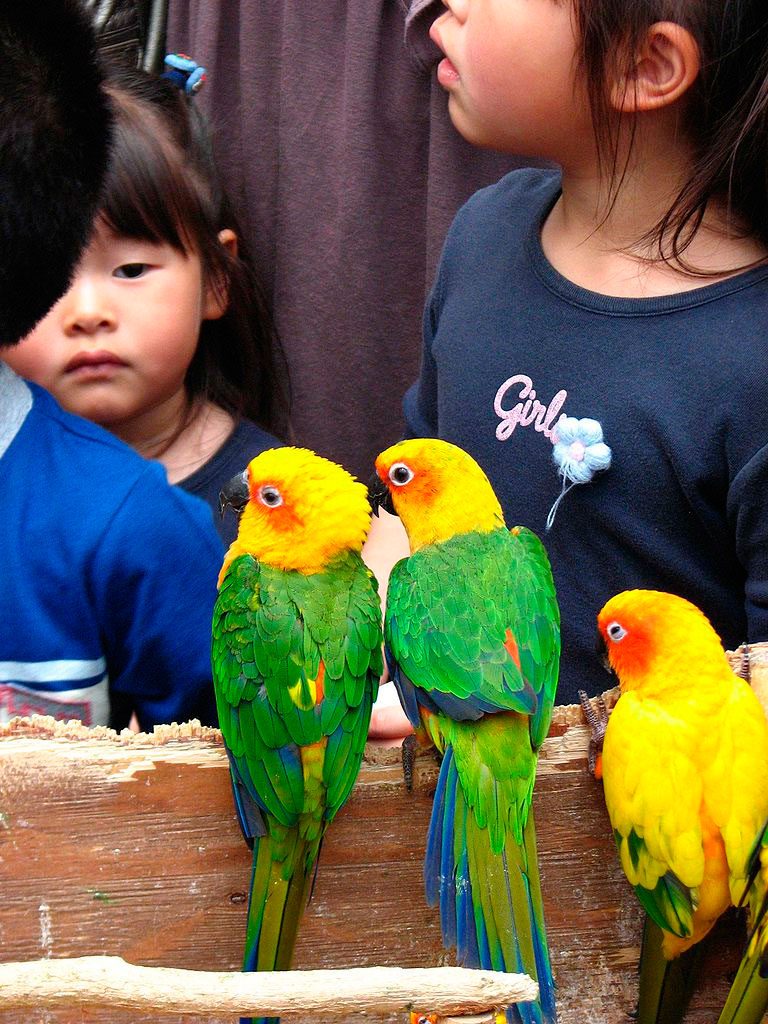
(6) – Aratinga jandaya and Aratinga solstitialis at Kobe Kachoen (Kobe Flowers and Birds Garden) in Kobe, Hyogo prefecture, Japan By Chris Gladis from Kyoto, Japan (Jandaya Parakeet) [CC BY 2.0], via Wikimedia Commons

(7) – Jendayasittiche (Aratinga jandaya) im Karl-Foerster-Garten des Tierparks Berlin-Friedrichsfelde By Lotse (Own work) [GFDL or CC BY-SA 3.0], via Wikimedia Commons

(8) – A Jandaya Parakeet (also known as Jenday Conure) at Beale Park, Lower Basildon, Reading, Berkshire, England By David Long (originally posted to Flickr as IMG_4800) [CC BY 2.0], via Wikimedia Commons

(9) – Jandaya Parakeet (also known as Jenday Conure) in Beale Park, Reading, Berkshire, England By David Long from London, United Kingdom (IMG_4802Uploaded by Snowmanradio) [CC BY 2.0], via Wikimedia Commons

– Sounds: GABRIEL MILK (Xeno-canto)