โ–ท The world of Pets: Dogs, cats, birds, reptiles, amphibians

Maroon-bellied Parakeet
Pyrrhura frontalis

Maroon-bellied Parakeet

Content

Description:

24-28 cm.. length and 72-94 g. of weight.

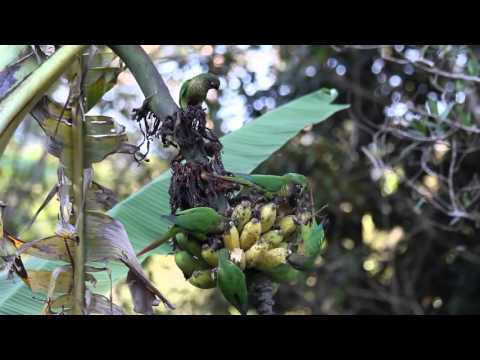
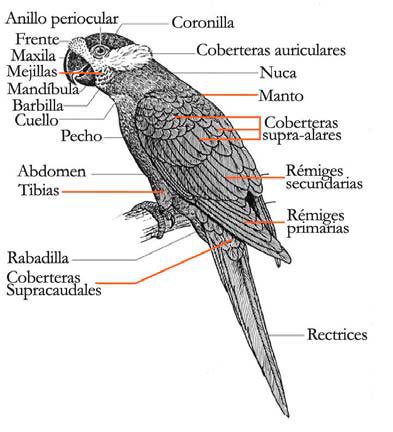
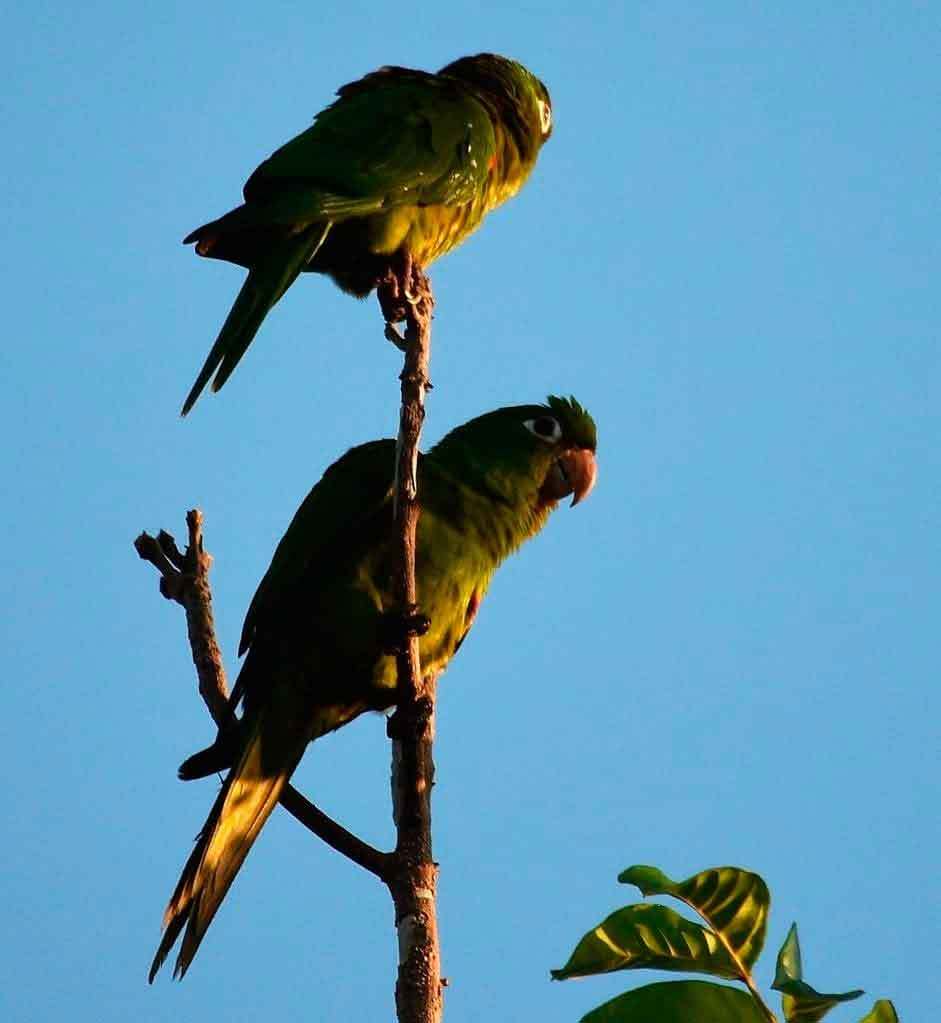
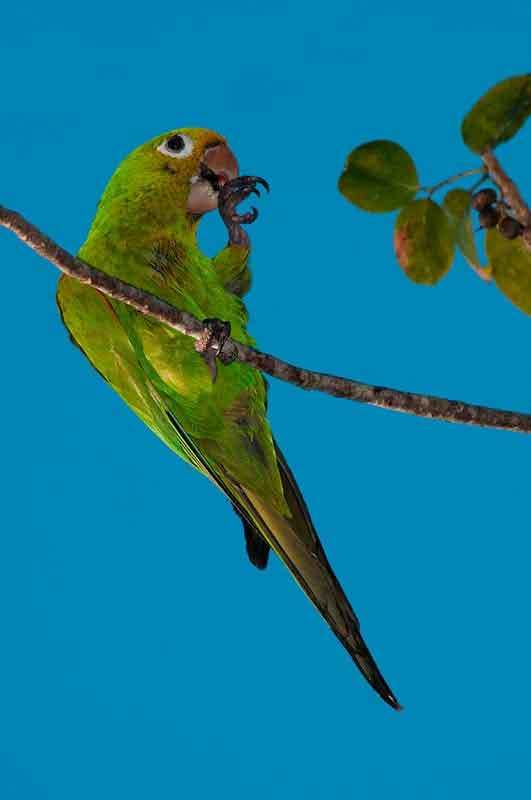
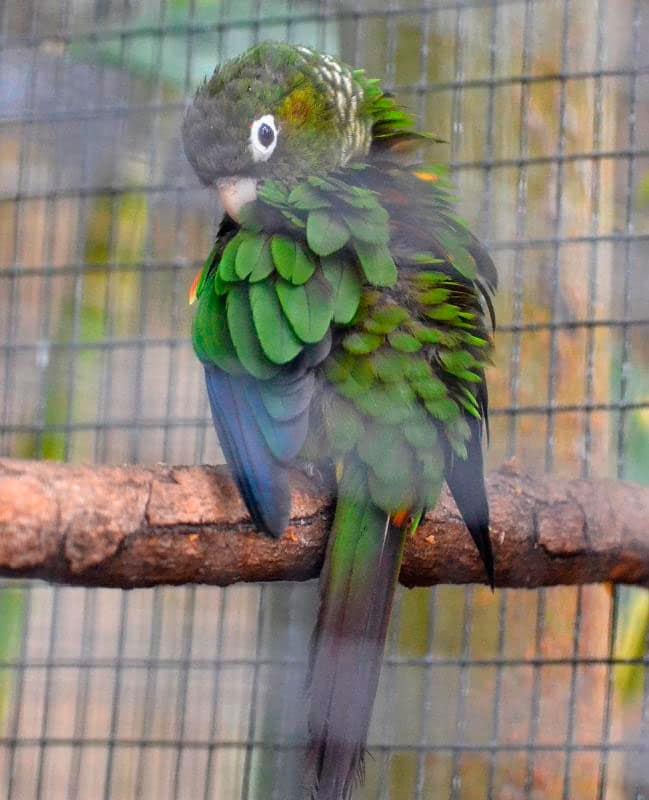
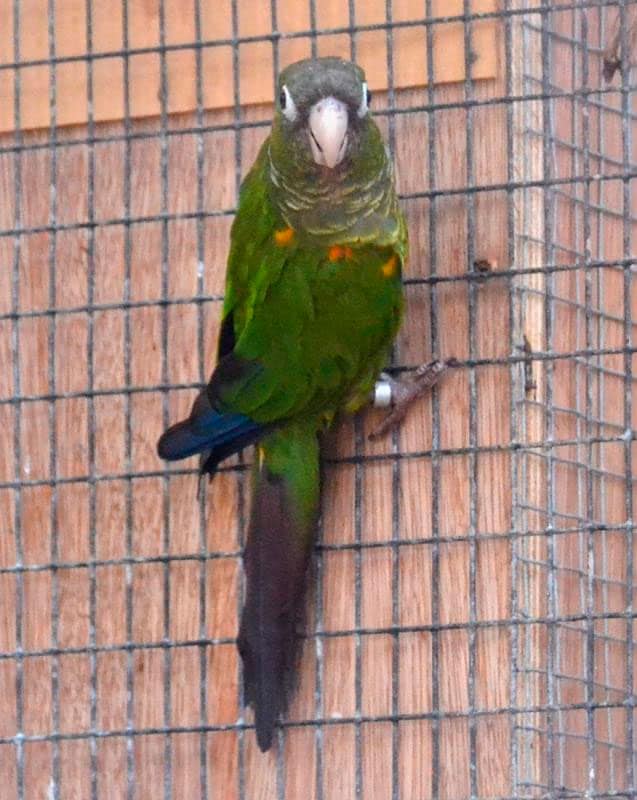
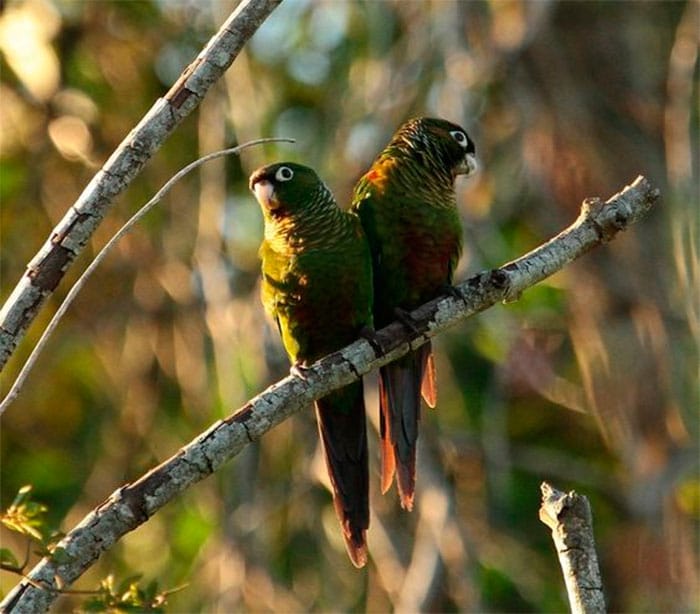
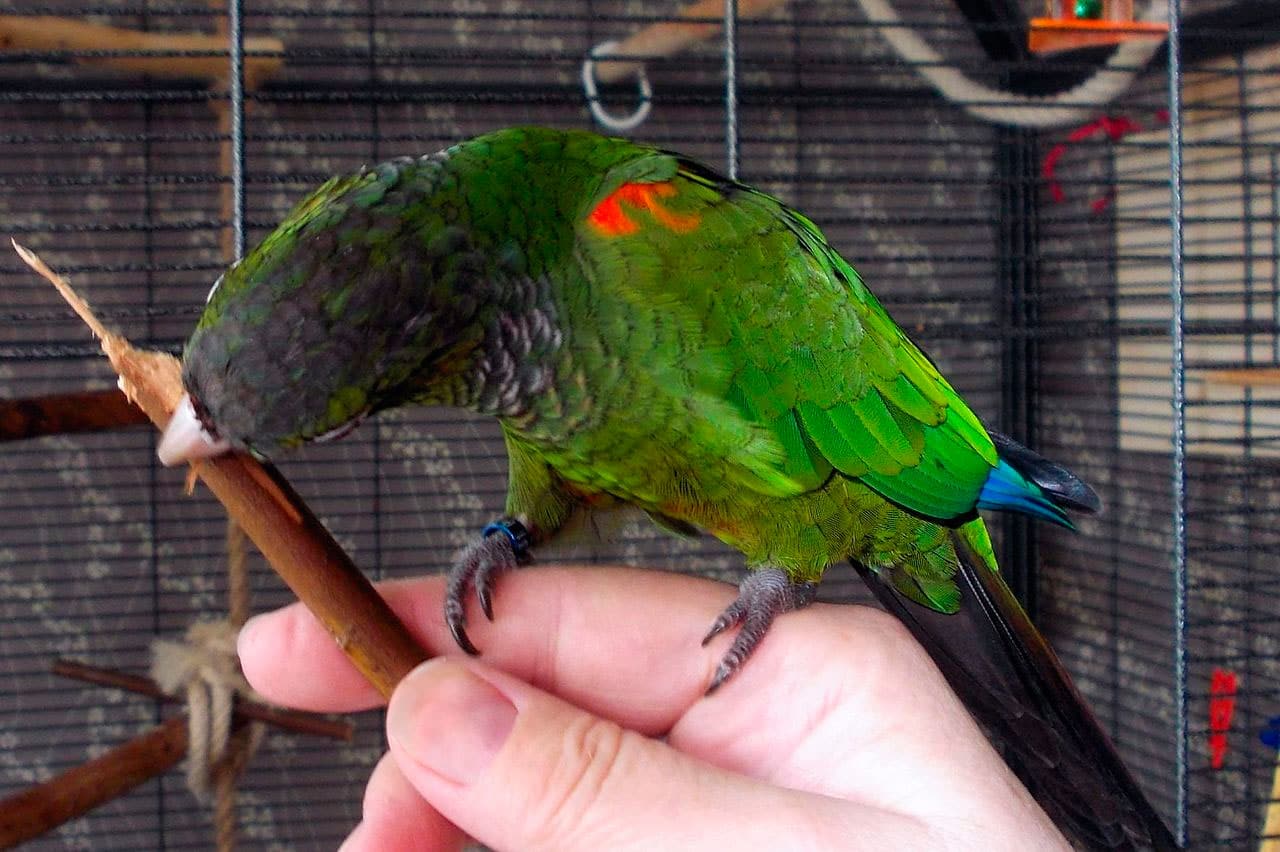
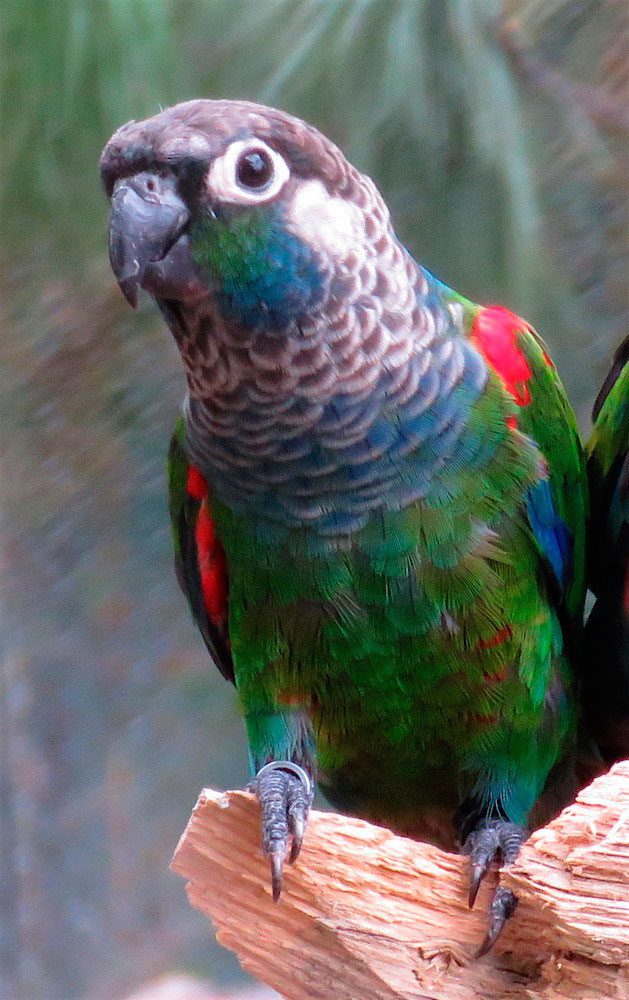
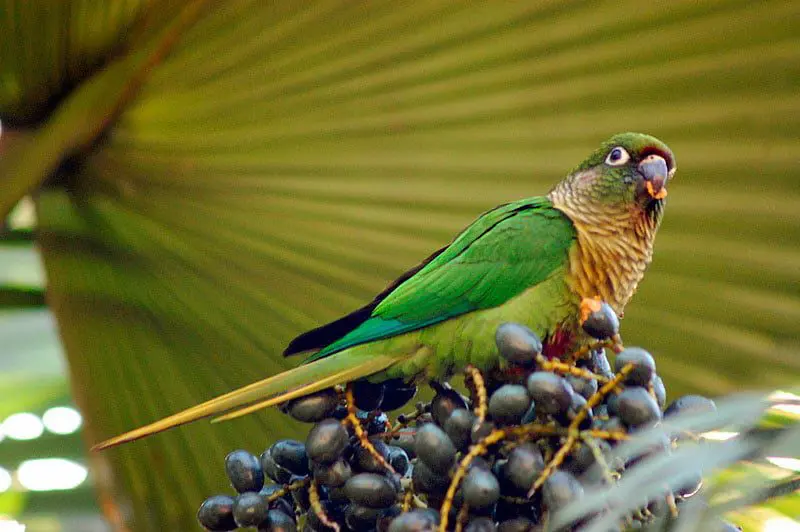
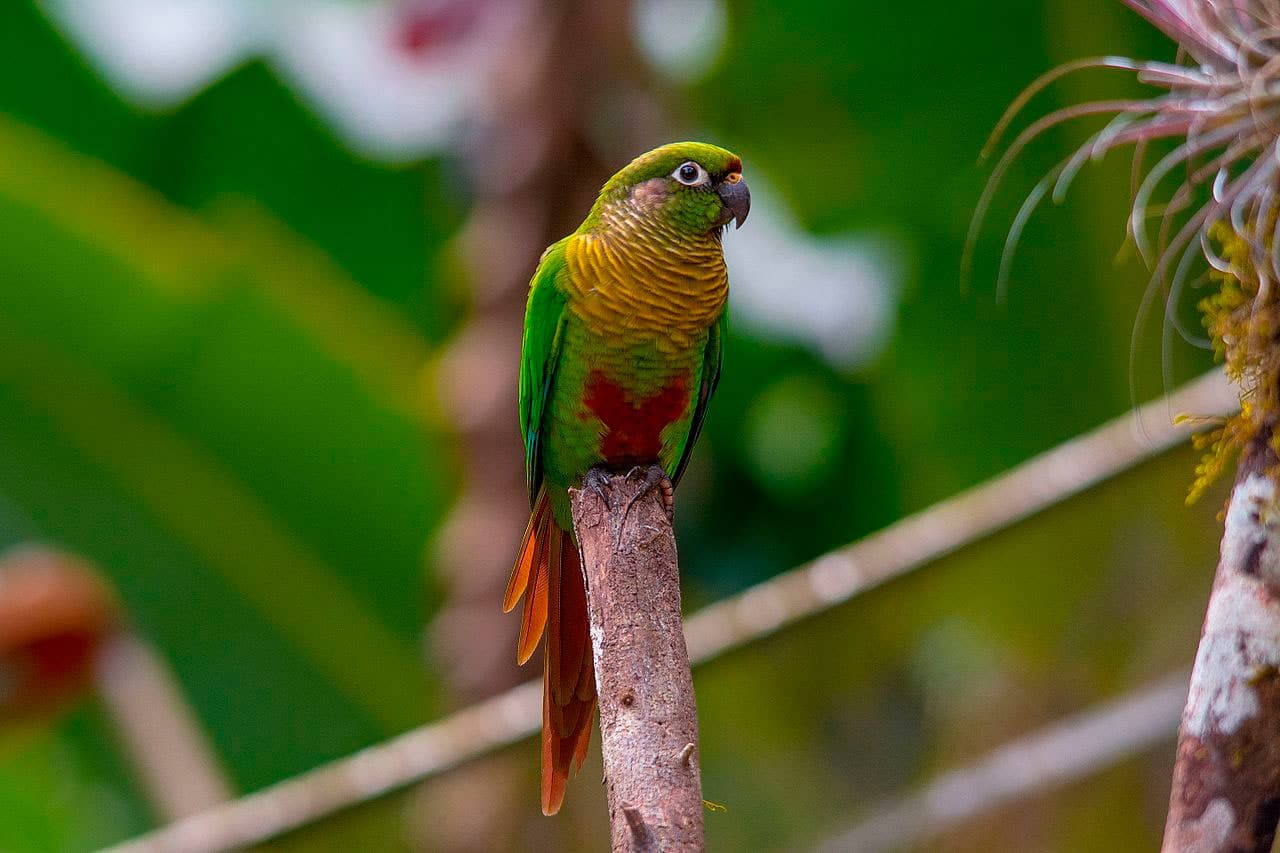
The Maroon-bellied Parakeet (Pyrrhura frontalis) has a frontal band matte red close with a few more bright red feathers behind cere; lores blackish; feathery cheeks and crown, greyish green blackish tips; ear-coverts olive green.

The upperparts They are green grass with a small area reddish at the bottom of the back. Primary coverts bluish green; wing-coverts grass-green, some feathers sometimes with olive tint. Primaries blue in the outerweb. green in the innerwebs, with dark tips; secondaries, mainly green. Sides of neck, throat and chest, brown olivรกceo, feathers subterminally brown and black black tips, giving the whole a scalloped effect; lower breast green with a patch brown in the center of belly; flanks, the thighs and undertail-coverts, green. Upper, green tail in basal half, Shaded bronze to reddish tones on the tips; below, the tail is opaque brown.

Maroon-bellied Parakeet

Bill grey, sometimes paler in base mandible; yellow cere; bare periophthalmic whitish grey; irises dark brown; legs dark gray.

Both sexes are similar. The incipient brown lacks the belly. Immature paler than adult with irises darker.

Taxonomic note:

Closely related to Blaze-winged Parakeet (Pyrrhura devillei), with which it can be conspecific (populations or races that belong to the same species). It has been suggested that the species may also be conspecific with Green-cheeked Parakeet (Pyrrhura molinae).

  • Sound of the Maroon-bellied Parakeet.

Description 2 subspecies:

  • Pyrrhura frontalis chiripepe

    (Vieillot, 1818) – As the nominal, but the upper surface of the tail It is completely green olive. Some orange-red markings on the bend of wing in some birds.


  • Pyrrhura frontalis frontalis

    (Vieillot, 1818) – Subspecies nominal.

Habitat:

Video – "Maroon-bellied Parakeet" (Pyrrhura frontalis)

Pyrrhura frontalis / red forehead snipe / Marron bellied Parakeet

The Maroon-bellied Parakeet They extend through several forest habitats, forests, margins and marshy habitats, including the remaining patches Araucaria (for example, in Rio Grande do Sul). In the Paraguayan Chaco They seem almost confined to coastal areas of growth over the Paraguay River and its main tributaries. In Southeast Brazil They are mainly distributed in the highlands, to 1.400 meters above sea level; in other parts of the lowlands up near 1.000 m, where they are generally tolerant to disturbance, even reaching visit urban parks in the city of Assumption, Rio de Janeiro and Sรฃo Paulo, and feeding in gardens (Rio Grande do Sul). gregarious, usually in flocks of 6-12 birds (until 40).

Reproduction:

They nest in the cavity of the trees. The breeding season It covers the months from October to December. Clutch 5-6 eggs.
The female incubated one for almost 30 days. The young leave the nest after about 45 days, after which they continue to be fed for some time by the two members of the couple.

Food:

In Southeast Brazil, Their diet includes pulp of Euterpe edulis, seeds of Schinus, Xylopia, Cecropia, Croton, Miconia, ficus, Psidium and Pinus; flowers of Ambrosia and Vernonia and aryl of Protium; elsewhere, the Araucaria It is a very important food source, for example in southern Brazil; also they feed dried fruits and fruits of Campomanesia xanthocarpa and Podocarpus lambertii; homoptera sheets Persea pyrifolia and fly larvae. The orange and corn crops sometimes they suffer from their visits, but depredations were lower compared to the damage caused by the Parrot Argentina (Myiopsitta monachus) in cornfields.

Distribution and status:

Size of its range (reproductive / residents): 2.690.000 km2

The Maroon-bellied Parakeet It is endemic in Southeast South America, from the southeast of Brazil to the North of Argentina.

In Brazil They can be observed from south Bay ,through coastal states, until Rio Grande do Sul, and west, in the southeast of Minas Gerais, Brazil and South of Mato Grosso, through Paraguay (extension of records suggests its presence throughout the west end), North of Uruguay and North of Argentina, in Missions, Currents, Formosa, Chaco and sporadically in the past, in the North of Santa Fe (a population in Buenos Aires probably descended from leaks), and southeastern Bolivia.

Resident. Locally common to very common (for example, in Missions) but rare elsewhere (for example Currents) and extinguished in places due to conversion of forests for agriculture.

With He commercialized in large quantities with substantial late eighties exports averaging over 5.000 birds per year. There is a large captive population.

Distribution 2 subspecies:

  • Pyrrhura frontalis chiripepe

    (Vieillot, 1818) – Central and southern Paraguay, northern Uruguay and northern Argentina.


  • Pyrrhura frontalis frontalis

    (Vieillot, 1818) – Subspecies nominal. Southeastern Brazil from southern Bahia to Rio Grande do Sul including southeastern Minas Gerais and south and southeast of Mato Grosso.

Conservation:

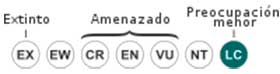
State of conservation โ“˜


minor concern Minor Concern โ“˜ (UICN)โ“˜

โ€ข Red List Category: Least concern

โ€ข Population trend: Stable.

Rationale for the Red List category

This species has a extremely large range and, therefore, it does not approach the thresholds for Vulnerable at the discretion of the distribution area size (Extension <20,000 km2 combinada con un tamaรฑo de rango decreciente o fluctuante, extensiรณn o calidad del hรกbitat o tamaรฑo de poblaciรณn y un pequeรฑo nรบmero de lugares o fragmentaciรณn severa). La tendencia de la poblaciรณn parece ser estable, por lo que la especie no se aproxima a los umbrales de Vulnerables bajo el criterio de tendencia poblacional (> 30% decline over ten years or three generations). The population size has not been quantified, but it is not believed to be close to the thresholds for Vulnerable under the criterion of population size (<10.000 individuos maduros con un declive continuo estimado> 10% in ten years or three generations or a population structure). For these reasons, the species is evaluated as least concern.

Justification of the population

The size of the world's population has not been quantified, but this species is described as ยซcommonยป (Stotz et to the., 1996).

Justification of trend

They suspected that the population is stable in absence of evidence of any decline or threatens substantial.

Threats

The species has been marketed strongly: from 1981, when it was included in Appendix II of CITES, 52.523 individuals captured in the wild have been recorded in international trade (Trade database of UNEP-WCMC CITES, January 2005).

"Maroon-bellied Parakeet" in captivity:

The species is listed in Appendix II of the CITES.

There is a large captive population. They are intelligent birds, friendly and active. Readily they adapt to human contact and are easy to train. They are among the quietest cotorras, but its powerful high-pitched voices can become very annoying. Like other parakeets, They tend to express emotion with a series of loud cries, chillidos.

Alternative names:

– Maroon bellied Parakeet, Maroon Parakeet, Maroon-bellied Conure, Maroon-bellied Parakeet, Reddish-bellied Parakeet, Scaly-breasted Parakeet (English).
– Conure de Vieillot, Conure ou, Perriche de Vieillot, Perruche ร  oreillons bruns, Perruche d’Azara, Perruche de Vieillot (French).
– Braunohrsittich, Braunohr-Sittich (German).
– cara-suja, periquito, tiriba, Tiriba-de-testa-vermelha, tiriva (Portuguese).
– Chiripepe, Chiripepรฉ, Chiripepรฉ cabeza verde, Chiripepรฉ de cabeza verde, Cotorra Chiripepรฉ, Perico de Vientre Rojo (espaรฑol).


scientific classification:

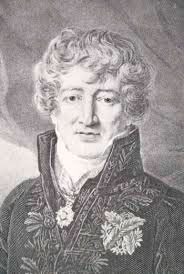
Vieillot, Jean Pierre Louis

– Order: Psittaciformes
– Family: Psittacidae
– Genus: Pyrrhura
– Scientific name: Pyrrhura frontalis
– Citation: (Vieillot, 1818)
– Protonimo: Psittacus frontalis

Images Maroon-bellied Parakeet:


Especies del gรฉnero Pyrrhura

Sources:

– Avibase
– Parrots of the World โ€“ Forshaw Joseph M
– Parrots A Guide to the Parrots of the World – Tony Juniper & Mike Parr
– Birdlife

– Photos:

(1) – RED-BROWN TIRIBA Botanical Garden of Sรฃo Paulo By Dario Sanches [CC BY-SA 2.0], via Wikimedia Commons
(2) – Maroon-bellied Conure (Pyrrhura frontalis) on a wooden stump. Botanical Garden of Sรฃo Paulo By Dario Sanches [CC BY-SA 2.0], via Wikimedia Commons
(3) – Pyrrhura frontalis Ilhabela-SP By Dario Sanches from Sรฃo Paulo, Brazil (Maroon-bellied parakeet ( Pyrrhura frontalis)) [CC BY-SA 2.0], via Wikimedia Commons
(4) – Maroon-bellied Conure (Pyrrhura frontalis) – Sรฃo Paulo Forest Garden By Dario Sanches [CC BY-SA 2.0], via Wikimedia Commons
(5) – Pyrrhura frontalis – Track dos Tucanos – Tapirai-SP IBA: Paranapiacaba Forest Massif By Jairmoreirafotografia (Own work) [CC BY-SA 4.0], via Wikimedia Commons
(6) – Parrots A Guide to the Parrots of the World โ€“ Tony Juniper & Mike Parr

– Sounds: Gustavo Luz, XC344423. accessible www.xeno-canto.org/344423
โ–ท The world of Pets: Dogs, cats, birds, reptiles, amphibians

Red-faced Parrot
Hapalopsittaca pyrrhops

Red-faced Parrot

Content


Anatomy-parrots

Description:

23 cm.. height.

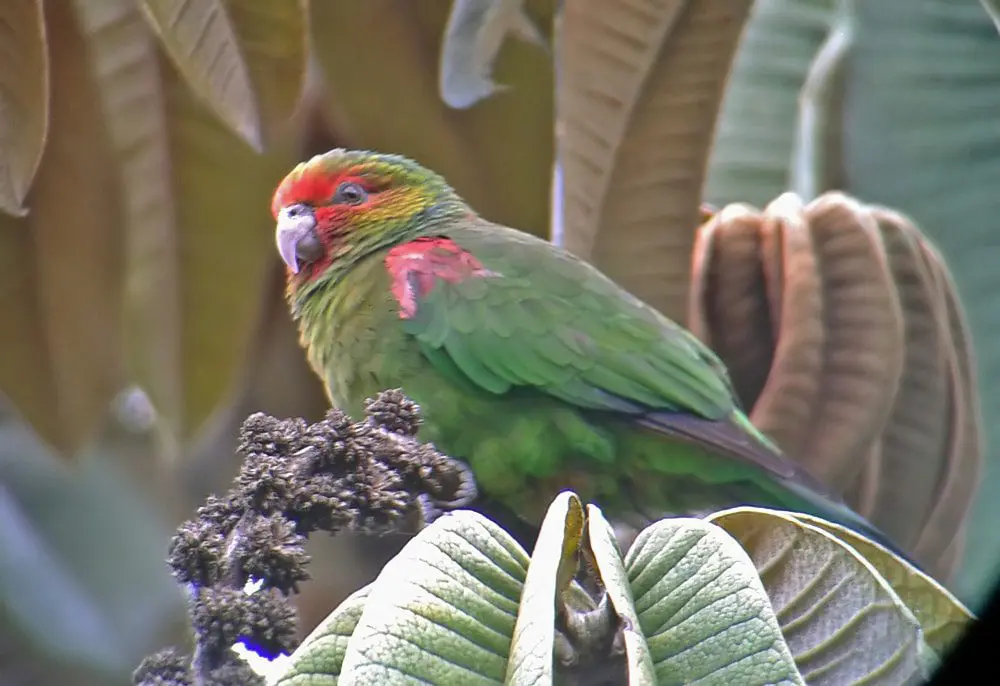
The Red-faced Parrot (Hapalopsittaca pyrrhops) It is distinguishable by the intense red in face and pink magenta in shoulder.

Of bill Of course, yellow feathers on the sides of the neck, crown Green with more bluish back.
Dorsally, wing with blue stain and end blackish; tail with blue border.
In flight, wing with armpit red, Blue-Green rest, tail Red with blue tip.
Youth with the face less red.

Habitat:

Rare. It inhabits in the Woods high Andean, near fells, edges and secondary forests, from the 2400 to 3500 m. They are gregarious, usually in pairs or small flocks of 4 to 6 individuals, rarely more.
They are mostly sedentary. But, can arise some movements seasonal altitudinal.

Reproduction:

Nest in the cavities of trees in October-January; the laying of eggs in late November; the chicks are born in early December, and they leave the nest in late January.

Food:

They feed in the canopy of the forest.
Its diet includes outbreaks, flowers, berries and seeds.

Distribution:

Size of the area of distribution (reproduction / resident): 33.800 km2

Inhabits the southern Andes Ecuador and North end of Peru.

Conservation:


Vulnerable


โ€ข Current category of the Red List of the UICN: Vulnerable.

โ€ข Population trend: Decreasing.

The population is estimated to be a number of 2.500-9.999 mature individuals.

Threats

Its decline is attributed to the destruction and fragmentation of habitat, largely through the conversion of burning forests to small farms (Jacobs and Walker, 1999).

Severe loss of this species can be expected due to deforestation and degradation of forests, by burning and grazing, on Cordillera de Chilla, Loja of Ecuador, although 1995 there were still extensive forest areas (Toyne and Flanagan 1997, Jacobs and Walker 1999).

"Red-faced Parrot" in captivity:

Unknown in the poultry.

Alternative names:

– Red-faced Parrot, Ecuadorian Parrot, Red faced Parrot (English).
– Caรฏque de Salvin, Caรฏque ร  face rouge (French).
– Salvinpapagei, Salvins Zwergpapagei (German).
– Red-faced Parrot (Portuguese).
– Lorito Ecuatoriano (espaรฑol).
– Loro de Cara Roja (Peru).


scientific classification:

Salvin Osbert
Salvin Osbert

– Order: Psittaciformes
– Family: Psittacidae
– Genus: Hapalopsittaca
– Scientific name: Hapalopsittaca pyrrhops
– Citation: (Salvin, 1876)
– Protonimo: Pionopsitta pyrrhops

Images "Red-faced Parrot"

Videos "Red-faced Parrot"


"Ecuadorian Lorito" (Hapalopsittaca pyrrhops)


Sources:

  • Avibase
  • Parrots of the World โ€“ Forshaw Joseph M
  • Parrots A Guide to the Parrots of the World – Tony Juniper & Mike Parr
  • Birdlife
  • Parrot Book, Parrots and macaws Neotropical

  • Photos:

(1) – Red-faced Parrot (Hapalopsittaca pyrrhops) by Dusan M. Brinkhuizen – IBC

โ–ท The world of Pets: Dogs, cats, birds, reptiles, amphibians

Little corella
Cacatua sanguinea


Cacatua sanguinea

Content

Description

It measures 35-40 cm.. and weighs approximately 500 g..
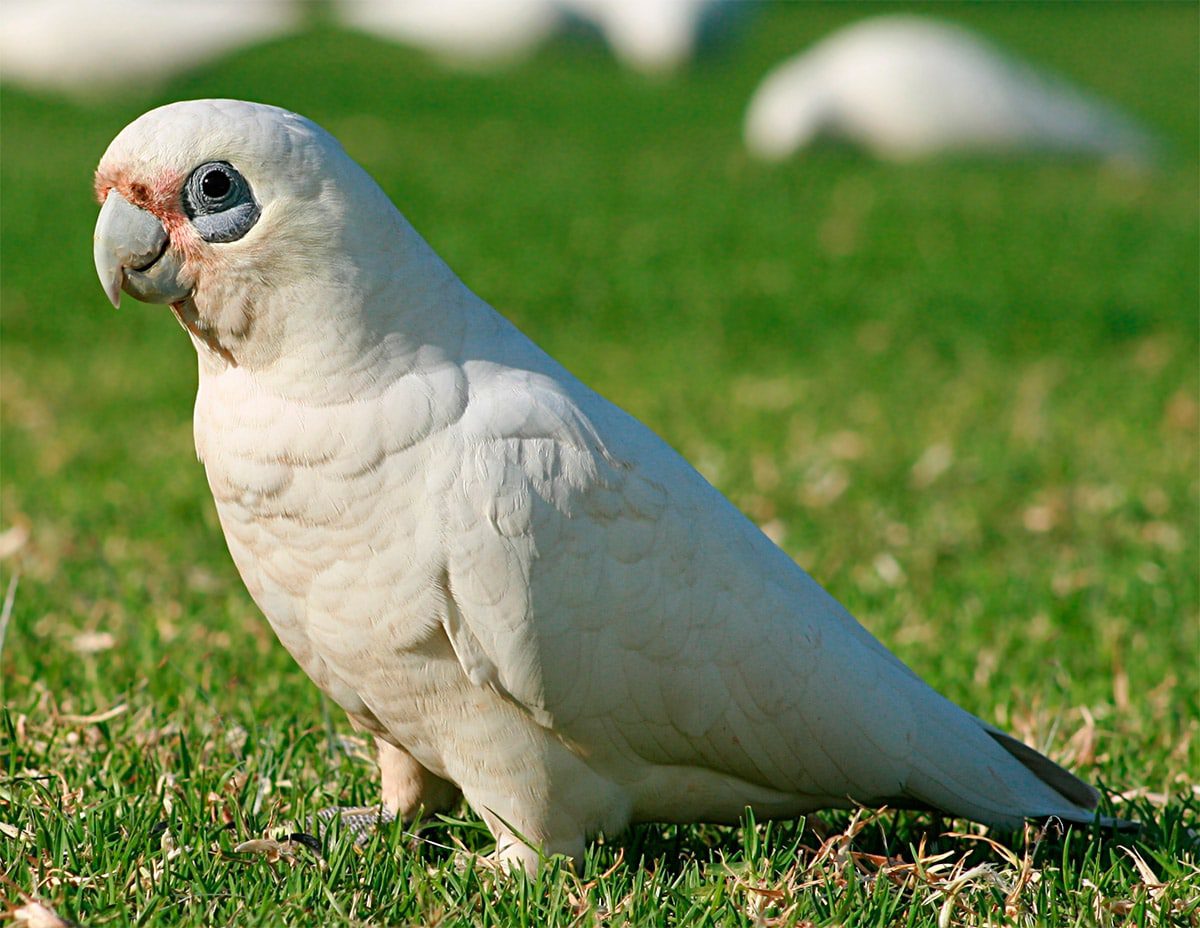
In the Little corella (Cacatua sanguinea), the head and crest (that most of the time stays low) are white. The pink base of the feathers are almost completely hidden and yet barely visible small flakes in the cheeks.
Dissemination of salmon-rosa color to the area around the eyes. The upperparts and coverts of the wing are white. There is a remarkable spread of yellow color on the bottom of the flight feather and of the tail.
The bill is grayish white. The skin nude around the eyes is blue grey. The irises is dark brown, the legs grey.

Both sexes are identical in all aspects, including the color of the irises.

The immature have a look more white and the skin of the periphery eyepiece less prominent.

Subspecies description
  • Cacatua sanguinea gymnopis

    (Sclater,PL, 1871) – Features with more naranja-rosa around them eyes and in the bases of the feathers of the head, neck and top of the chest. Its orbital skin is darker.

  • Cacatua sanguinea normantoni

    (Mathews, 1917) – Is smaller.

  • Cacatua sanguinea sanguinea

    (Gould, 1843) –

  • Nominal.

  • Cacatua sanguinea transfreta

    (Mees, 1982) – Displays below the wings and tail infiltrations slightly yellow pulling a Brown.

  • Cacatua sanguinea westralensis

    (Mathews, 1917) – It has bright orange-red colors around the eyes and the bases of feathers, also in the the mantle and in the part inferior of the abdomen.

Habitat:

Video – "Little corella" (Cacatua sanguinea)

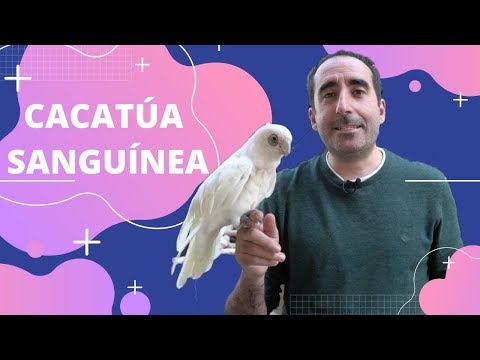
The spectacular BLOODED COCKATOO - BIRD VETERINARY

It nests in riparian forests bordering permanent pasture and cropland. In the breeding season, they can be found in a wide variety of habitats, including areas of acacias and eucalyptus bushes of short grass or pasture with groups of scattered trees. During this time, they are also present in the rice fields, cane extensions, areas of shrubs, at the edges of mangrove areas, in the pastures for horses, on roads and gardens on the outskirts of cities.

Behavior:

The Bloody Cockatoos they often form large gatherings in crops and pastures.

Out of it breeding season, It is not uncommon to see flocks of up to 70.000 birds.
At night they fly to their bedrooms, located near the water.

Early in the morning, they drink before heading to the feeding sites often many kilometres from the bedroom.
During the hottest hours of the day, they seek shelter in the shade of the leaves..

Reproduction:

In Australia they can be played back in any month of the year, When are conditions good. But, the nesting seems to be further developed early in the North (from May to October) and in the Southeast (August-December).

In Queensland, the implementation is carried out mainly from December to April and from July to October. Reproduction is strongly influenced by climate, usually begins 2 or 3 months after the end of the rainy season in northern districts.

There may be two or three broods per season. Couple ties are very strong and seem to last for life. They are loyal to the same nesting sites year after year. The nest is usually placed in a eucalyptus (Eucalyptus camaldulensis) between 3 and 10 meters above the ground.

The cavity is approximately one meter in depth. It is fairly easy to detect since crust is often removed around inlet. They also nest on cliffs or termite mounds..

They put 2-4 eggs in a bed made from chips of wood that is replaced each year.

In general, two chicks manage to break the shell after 25 days. They remain in the nest for nine weeks, After this take off.

Food:

It has a diet mainly vegetarian. They feed on seeds you are in the trees of the genus EMEX, green areas or fields of melon (cucumber myriocarpus). They also eat nuts, fruit, berries, flowers, estate, bulbs, shoots as well as insects and larvae.

Distribution:

Size of the area of distribution (reproduction / resident): 5.300.000 km2

The Little corella lives in New Guinea and Australia. In Australia, We found in the Northwest, on the plateau of Kimberley and Arnhem in the this of the Cape York Peninsula. They are absent from the east coast and the entire southwestern part of the country..

Subspecies distribution
  • Cacatua sanguinea gymnopis

    (Sclater,PL, 1871) – Within the Centre and it's Australia.

  • Cacatua sanguinea normantoni

    (Mathews, 1917) – To the West of the cape york peninsula

  • Cacatua sanguinea sanguinea

    (Gould, 1843) –

  • Nominal.

  • Cacatua sanguinea transfreta

    (Mees, 1982) – Plain to the South of New Guinea.

  • Cacatua sanguinea westralensis

    (Mathews, 1917) – Basin of the murchison river, Western Australia.

Conservation:

State of conservation โ“˜


Near-threatened Minor Concern โ“˜ (UICN)โ“˜

โ€ข Current IUCN Red List category: Least concern.

โ€ข Population trend: Growing.

Its population is estimated at more than 1 million of birds and it believes that is in constant increase, especially in the South of Australia.

Its growth and expansion depends on the development of agriculture and the availability of artificial reservoirs. It is a Bird protected, except in the the Australia South. In this last area, the landowners are allowed to kill birds to prevent the formation of large destructive meetings for crops.

"Little corella" in captivity:

The Australian poultry to the blood cockatoo is it considered common.
They are very docile and Welcome to as pets, but you must pay them attention.

Alternative names:

– Little Corella, Bare-eyed Cockatoo, Bare-eyed Corella, Blood-stained Cockatoo, Blue-eyed Cockatoo, Corella, Dampier’s Corella, Little Cockatoo, Short-billed Cockatoo, Short-billed Corella (ingles).
– Cacatoรจs corella, Cacatoรจs ร  oeil nu (French).
– Nacktaugenkakadu (German).
– Cacatua-corella-pequena (Portuguese).
– Cacatรบa Sanguรญnea (espaรฑol).

scientific classification:

– Order: Psittaciformes
– Family: Cacatuidae
– Genus: Cockatoo
– Scientific name: Cacatua sanguinea
– Citation: Gould, 1843
– Protonimo: Cacatua sanguinea

Blood Cockatoo Images:


Species of the genus Cacatua

Sources:
– Avibase
– Photos: Wikipedia, John H. Boyd, murrundi.org
– Sounds: Nigel Jackett (Xeno-canto)

โ–ท The world of Pets: Dogs, cats, birds, reptiles, amphibians

Blue-crowned hanging parrot
Loriculus galgulus


Hanging Coroniazul

Content

Description

Of 13 cm.. length and 28 g. of weight.

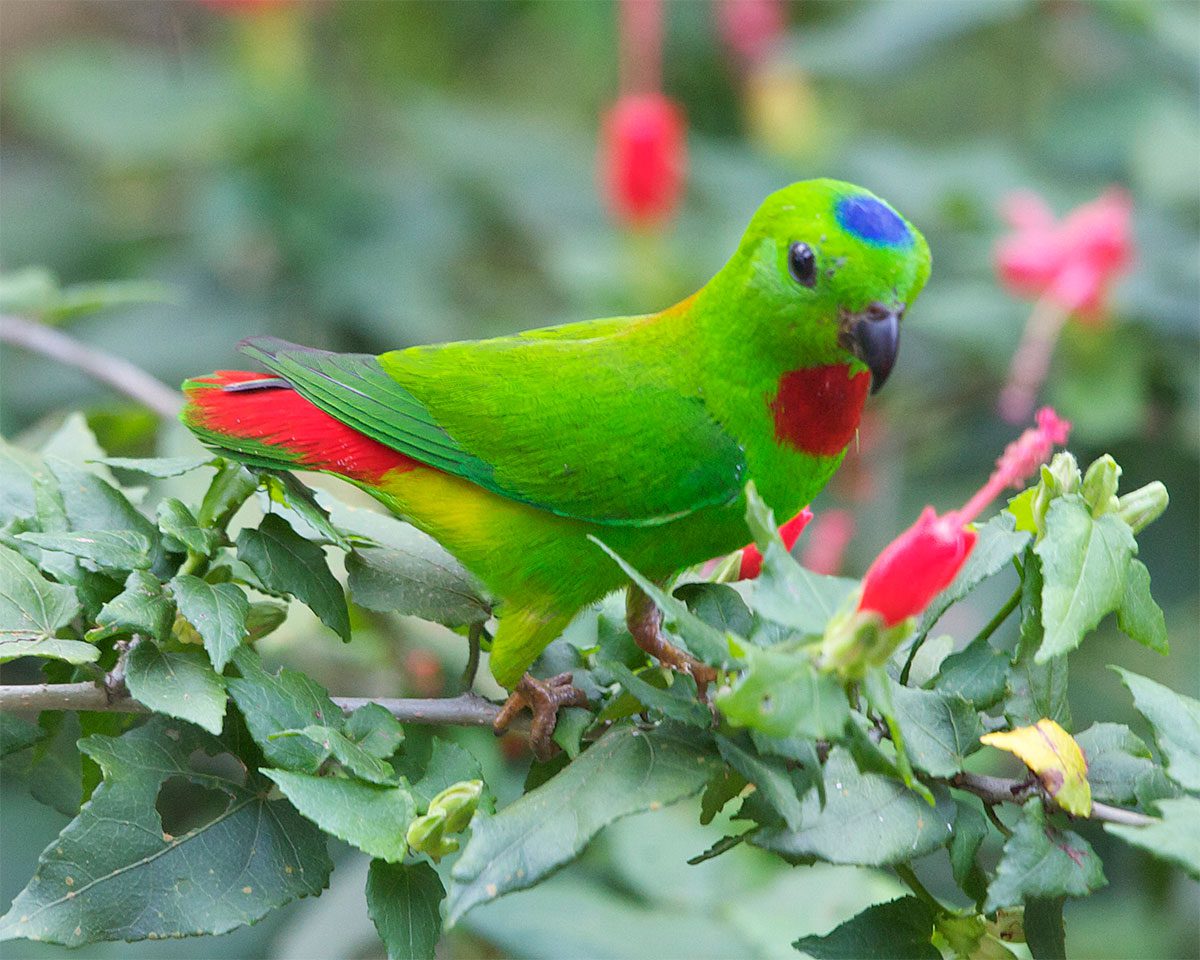
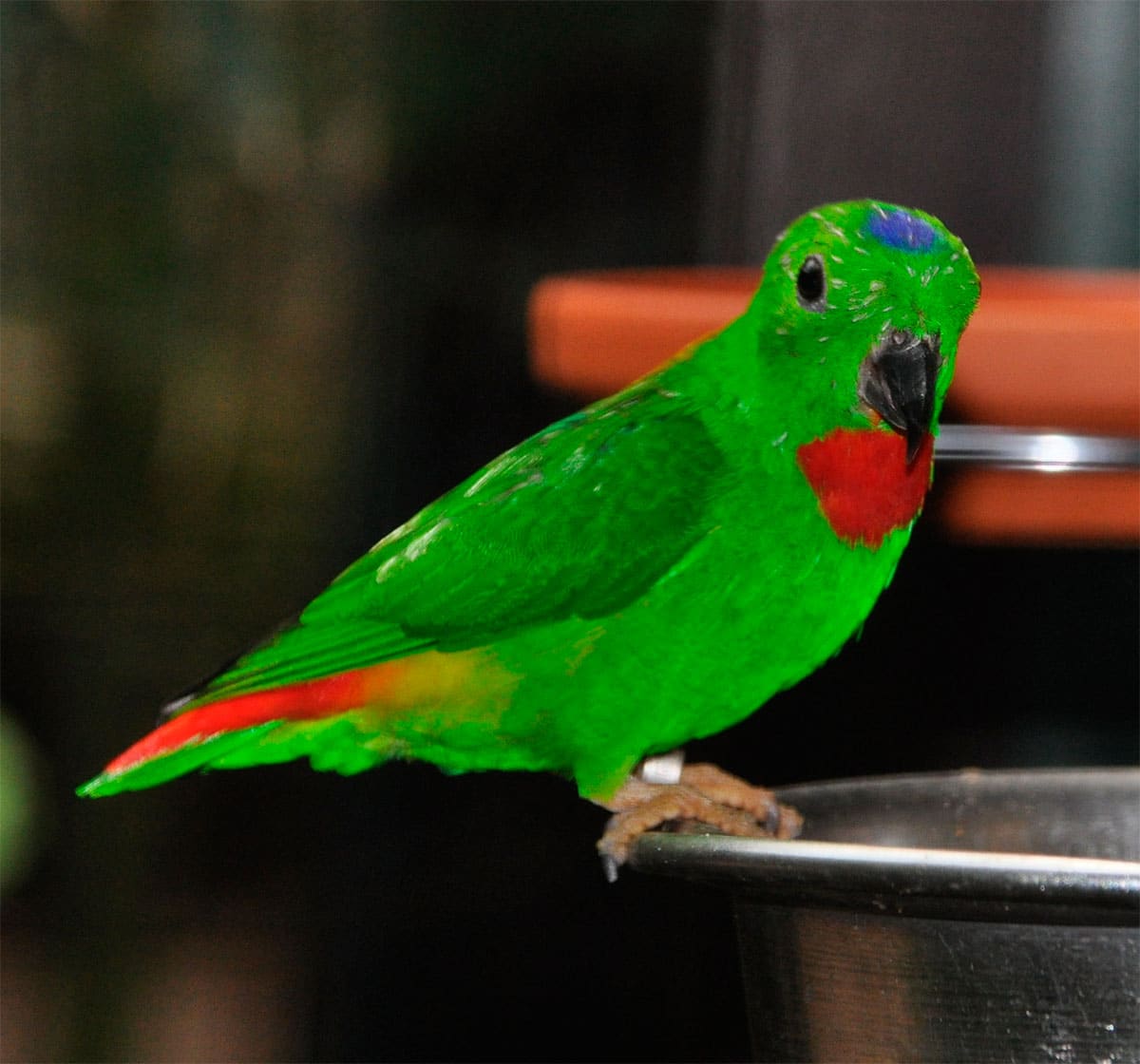
The head of the Blue-crowned hanging parrot (Loriculus galgulus) is bright green with a patch dark blue in the center of the back of the crown. Upperparts Greens with patch orange-brown in the Centre of the the mantle, yellow band at the bottom of the rump and tail coverts scarlet. Wings Greens with vane inner to flight feather darker. Under the wing coats green, with the underside of the flight feather blue. Throat and top of the chest with a patch bright Scarlet, the rest of the underparts slightly of a green pale that the upperparts (and more yellowish on the flanks). Upper, the tail green; Blue below.

Bill black; irises dark brown, legs yellowish brown.

The females lack of the bib red, with the underparts yellowish green. The patch of the crown is much more off, and the the mantle Orange is less marked than in the male.

The young birds lack of the crown blue, they have only an orange wash on the the mantle and bill yellowish. Maturation takes from two to four years in young men, showing the throat Red as the first sign of plumage adult.

Habitat:

Birds have been observed spending the night on the Hill of Fraserโ€™s Hill (Malaysia), which indicates that there is a certain night dispersion. Extralimitales records have also reached coastal islands. The species occurs from the lowlands up to around 1.300 m, lies in the Woods, river banks growing, mangroves, secondary growth, lightly wooded areas, bamboo clumps, orchards, inhabited areas and coconut trees. The birds frequent the canopy and medium height plants, travelling alone, in pairs or. outside the breeding season, in groups of up to 150 birds that invade fruit orchards.

The birds are moving forward with steps balanced through the vegetation with a comical air, using the peak to help upload, and tail as support. Like other hanging parrots, This species sleeping upside down and also uses rain water for bathing in the same position.

Reproduction:

Video "Loricle Coroniazul"

Blue-crowned hanging parrotBlue-crowned hanging parrot
The reproductive behavior you have registered between the months of January and August. When the courtship takes place, the male is shaking his head, cupping their red feathers, extending the tail, with the body upright, and making calls with a soft Twitter.

The nest It is built into the natural cavity in a tree, enlarged by birds, at a height between 5 and 12 meters above the ground.

The Nesting material It is cut by the female and taken to the nest in the contour feathers. The laying is three to four white eggs often dyed Brown. The female incubates the eggs for 20 days and the chicks leave the nest about 33 days after hatching.

Food:

It feeds on flowers, outbreaks, fruit, various seeds and nuts.

Distribution:

Ranges to South, about 10 ยฐ Norte, on the peninsula of Thailand, through Malaysia and Singapore, distributed also in some surrounding islands, including the Anambas Islands, the archipelago of Riau and Batam. The species is widespread through Sumatra and can be seen in the islands of the coast including Tuangku, Nias, Pini, Batu, Siberut, Sipura, Enggano, and to the North of Bangka, Mendanau and Belitung. Is present in a habitat along of Borneo, and the coastal islands Labuan and Maratua. His presence at the end of Java Western, in the area Labuhan, It can be the result of leaks of birds; the population around Jakarta is certainly wild.

Conservation:


minor concern


โ€ข Current IUCN Red List category: Least concern

โ€ข Population trend: Stable

The size of the world's population has not been quantified, but it is thought that it may be superior to 100.000 specimens without registration of captive birds. The species according to information, it is common and widespread in most of its range (pit et to the. 1997).

The population is suspected to be stable in the absence of evidence of any reduction or substantial threats.

"Blue-crowned hanging parrot" in captivity:

These birds are kept in poultry, both in United States as in all Europe. Your dietary needs predispose them to a series of infections if failure to observe stringent hygiene practices, which makes them difficult to keep in captivity. This is the main reason that this species is rare in poultry farming., and even rarer as a pet.

More information at loromania

Alternative names:

– Blue-crowned Hanging Parrot, Blue crowned Hanging Parrot, Blue-crowned Hanging-Parrot, Blue-topped Hanging-parrot, Malay Hanging Parrot, Malay Lorikeet, Malaysian Hanging-Parrot (ingles).
– Coryllis ร  tรชte bleue, Coryllis ร  calotte bleue, Coryllis de Malacca, Coryllis malais, Loricule ร  tรชte bleue, Loricule de Malacca, Loricule malais (French).
– Blaukrรถnchen (German).
– Loriculus galgulus (Portuguese).
– Lorรญculo Azul, Lorรญculo Coroniazul (espaรฑol).

scientific classification:

– Order: Psittaciformes
– Family: Psittaculidae
– Genus: Loriculus
– Scientific name: Loriculus galgulus
– Citation: (Linnaeus, 1758)
– Protonimo: Psittacus Galgulus

Images ยซLoricle Coroniazulยป:

Videos "Blue-crowned hanging parrot"

————————————————————————————————

"Lorรญculo coroniazulยป (Loriculus galgulus)


Sources:

– Avibase
– Parrots of the World โ€“ Forshaw Joseph M
– Parrots A Guide to the Parrots of the World – Tony Juniper & Mike Parr
– Birdlife

– Photos:

(1) – By Lip Kee Yap from Singapore, Republic of Singapore [CC BY-SA 2.0], via Wikimedia Commons
(2) – By Quartl (Own work) [CC BY-SA 3.0], via Wikimedia Commons
(3) – By Art Bromage [CC BY-SA 2.0], via Wikimedia Commons
(4) – By Lip Kee Yap from Singapore, Republic of Singapore [CC BY-SA 2.0], via Wikimedia Commons
(5) – By Lip Kee Yap from Singapore, Republic of Singapore [CC BY-SA 2.0], via Wikimedia Commons

– Sounds: Marc Anderson (Xeno-canto)

โ–ท The world of Pets: Dogs, cats, birds, reptiles, amphibians

Hispaniolan Parakeet
Psittacara chloropterus

Aratinga de la Espaรฑola

Content

Description:


Anatomy-parrots

32 cm. of length and a weight of 150 g..

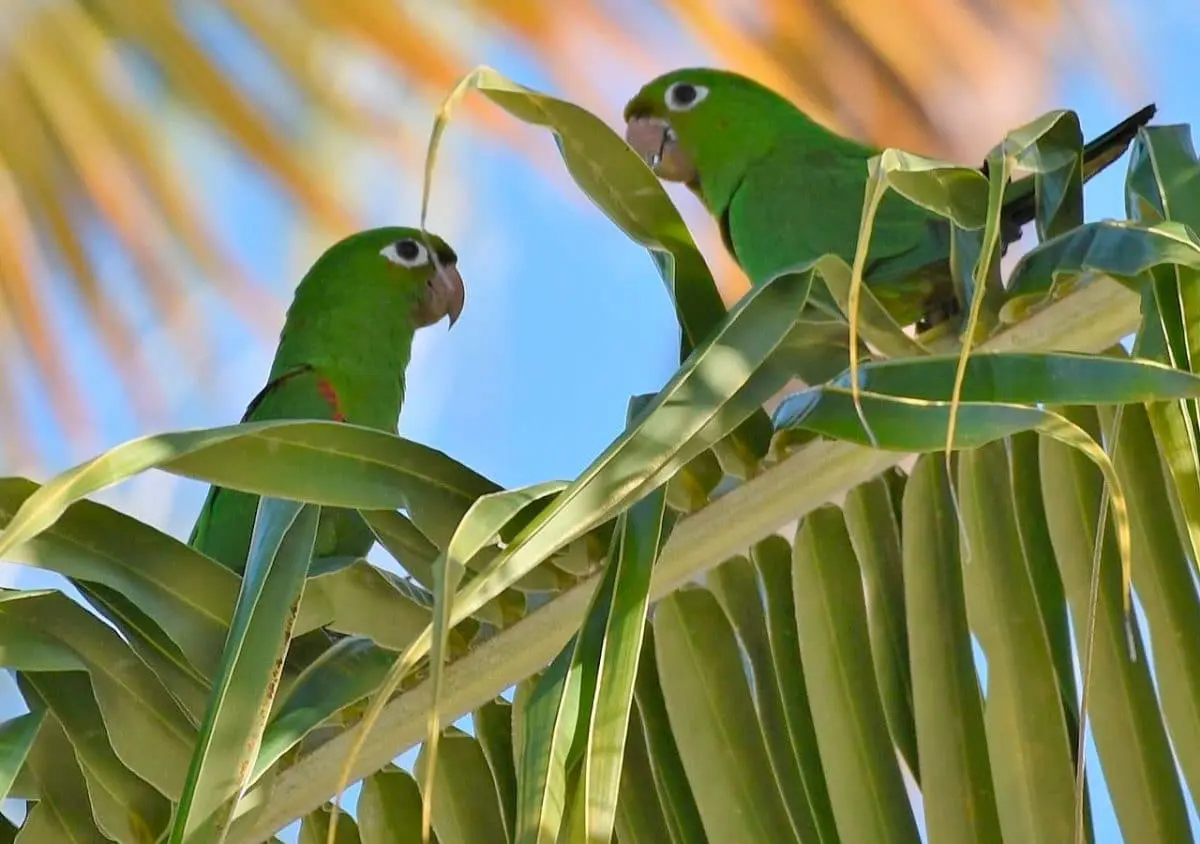
The Hispaniolan Parakeet (Psittacara chloropterus) has the head whole and both sides of the neck green grass with some scattered red feathers; the upperparts and upperwing-coverts Green with external ends of the Middle coverts red. Primary and secondary dark green with bluish-green tips on margins vane inner. The underwing-coverts yellowish brown in the flight feather, more grayish towards the tip; coverts Green except smaller and medium-sized external coverts, they are red and the primarys which are green and Red.

The underparts brighter yellowish green, usually with scattered red feathers.
Upper, the tail dark green and below, grayish brown.
The bill color horn; bare periophthalmic whitish: irises yellowish; legs grayish brown.

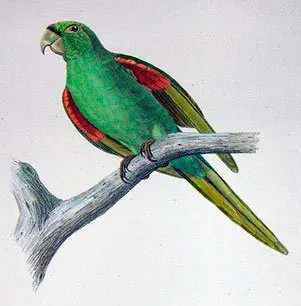
Ilustraciรณn de Psittacara euops y Psittacara chloropterus

Both sexes similar.

The immature has less red and more green in underwing-coverts, No red on the upper surface of the bend of wing and grey at the base of the bill and on the cutting edge.

  • Sound of the Hispaniolan Parakeet .

Subspecies description:

Psittacara chloropterus maugei
  • Psittacara chloropterus chloropterus
  • (Souance, 1856) – The species nominal.

  • Psittacara chloropterus maugei โ€ 
  • (Souance, 1856) – Similar to the species nominal, but with a duller green in the underparts; more red in the large underwing-coverts.

Habitat:

Video – "Hispaniolan Parakeet" (Psittacara chloropterus)

Wild baby Hispaniolan Parakeet (Aratinga chloroptera) at nest hole. AVI

This species covers all types of natural habitats from arid lowland forests, to sheets of palmas, but obviously prefers upland forest (including the dominated by Pinus), to 3.000 meters above sea level, scarce, Perhaps because of the persecution, in the adjacent cultivated areas.

In general, observed in pairs or in small flocks, but sometimes in meetings of more than one hundred, at least in the past, When were most abundant. Discernible couples even within large flocks.

Reproduction:

They build their nests in tree cavities, including old holes made by woodpeckers, as well as in arboreal termite mounds.

The laying compose it between 3 and 5 eggs, exceptionally 7.

Food:

There are few details about the diet of the Hispaniolan Parakeet, but it is apparently similar to the fellow and and depends on local availability of fruits, seeds, nuts, outbreaks, flowers and beads; Some reported foods include Ficus figs and corn.

Distribution:

confined in Haiti and Dominican Republic, la Espaรฑola, Greater Antilles. Previously in the Mona Island (Psittacara chloropterus maugei), extinct between 1892 and 1901, probably as a result of the pressure due to the hunting and, possibly, the perturbations by the explosions in the guano mine; possibly, also distributed in Puerto Rico, and its, probably, at the end of the century 19, due to loss of habitat and hunting.

In Hispaniola It is subject to a significant and continuous decrease, due to destruction of habitat, trade and persecution, especially in Haiti, where possibly is extinct.

In Dominican Republic still distributed in a few upland areas, for example, Cordillera Central.

Possibly small wild populations in Puerto Rico and Florida. A small number in captivity; the international trade small volume, probably, keep going.

Subspecies distribution:

  • Psittacara chloropterus chloropterus
  • (Souance, 1856) – The species nominal.

  • Psittacara chloropterus maugei โ€ 
  • (Souance, 1856) – Formerly distributed by the Mona Island and, possibly, Puerto Rico, but the last recorded specimen was in 1892. Currently extinct.

Conservation:

State of conservation โ“˜


Vulnerable Vulnerable โ“˜ (UICN)โ“˜

โ€ข Red List category of the UICN current: Vulnerable

โ€ข Population trend: Decreasing

There is no new data on the evolution of the population; But, the species is suspected that it may be in decline, slow to moderate due to the hunting, capture and habitat loss.

Habitat loss and persecution as crop pest they are the greatest threats to this species. Is exploited for the local and international trade, Although only reported 12 individuals for international trade between 1991 and 1995 (Snyder et to the., 2000).

The number of copies of Hispaniolan Parakeet ranges between 1500 and 7000.

Conservation Actions Underway

โ€ข Appendix II of CITES.

โ€ข In the Dominican Republic, is legally protected against the hunt, but this legislation is not applied properly (Snyder et to the., 2000).

โ€ข A education strategy with community participation has been launched for the protection of this species (Vasquez et to the., 1995).

โ€ข Las interactions between this species and the Olive-throated Parakeet (Eupsittula nana), due to the recent increase in the number of the latter in the Sierra de Bahoruco [S. Latta in litt., 1998] ), they are being investigated (Anon. 2007).

โ€ข A group of volunteers for the protection of the parrot will work reforming the damaged nests. (Anon. 2007)

Conservation Actions Proposed.

โ€ข Clarify the status of the species in Haiti.

โ€ข Study ecology and reproductive success to determine the natural limiting factors.

โ€ข Comply with current legislation in the Dominican Republic.

The Hispaniolan Parakeet in captivity:

Rare in captivity and legally protected in Dominican Republic against the hunt and capture.

Alternative names:

– Hispaniolan Parakeet, Haitian Paroquet, Hispaniolan Conure, San Domingo Conure (inglรฉs).
– Conure maรฎtresse, Perruche maรฎtresse (francรฉs).
– Haitisittich (alemรกn).
– Periquito-de-hispaniola (portuguรฉs).
– Aratinga de la Espaรฑola, Perico , Periquito Antillano, Periquito de la Espaรฑola (espaรฑol).
– Perico, Xaxavi (Repรบblica Dominicana).

scientific classification:

– Order: Psittaciformes
– Family: Psittacidae
– Genus: Psittacara
– Scientific name: Psittacara chloropterus
– Citation: (Souancรฉ, 1856)
– Protonimo: Psittacara chloroptera

Images Hispaniolan Parakeet:


Species of the genus Psittacara

Sources:

Avibase
Parrots of the World โ€“ Forshaw Joseph M
Parrots A Guide to the Parrots of the World – Tony Juniper & Mike Parr
Birdlife

Photos:

(1) – Haitisittich Psittacara chloropterus Aufnahme in La Romana By Martingloor (Own work) [CC BY-SA 4.0], via Wikimedia Commons
(2) – Haitisittich Psittacara chloropterus By Martingloor (Own work) [CC BY-SA 4.0], via Wikimedia Commons
(3) – Haitisittich Psittacara chloropterus Aufnahme in La Romana By Martingloor (Own work) [CC BY-SA 4.0], via Wikimedia Commons
(4) – Perico de la Hispaniola / Aratinga chloroptera by Carlos De Soto Molinari – Flickr
(5) – Perico de la Hispaniola / Aratinga chloroptera by Carlos De Soto Molinari – Flickr
(6) – Evopsitta maugei. Illustrations from Iconographie des perroquets non figurs dans les publications de Levaillante et de M. Bourjot Evopsitta maugei = Aratinga chloroptera maugei == Psittacara chloropterus maugei By 48 hand-coloured lithographic plates by E. Blanchard and J. Daverne (pl. I-XV) or Juliot of Tours (XVI-XLVII, 79). [Public domain], via Wikimedia Commons
(7) – Psittacara euops Syn: Evopsitta euops & Psittacara chloropterus Syn: Psittacara chloropter bzw. Psittacara euops St. Domingue By Charles Emile Blanchard (1819โ€“1900) (biodiversitylibrary.org) [Public domain], via Wikimedia Commons

Sounds: Lance A. M. Benner (Xeno-canto)

โ–ท The world of Pets: Dogs, cats, birds, reptiles, amphibians

Fiery shouldered Parakeet
Pyrrhura egregia


Fiery shouldered Parakeet

Content

Description:

Fiery shouldered Parakeet

25 cm.. height.

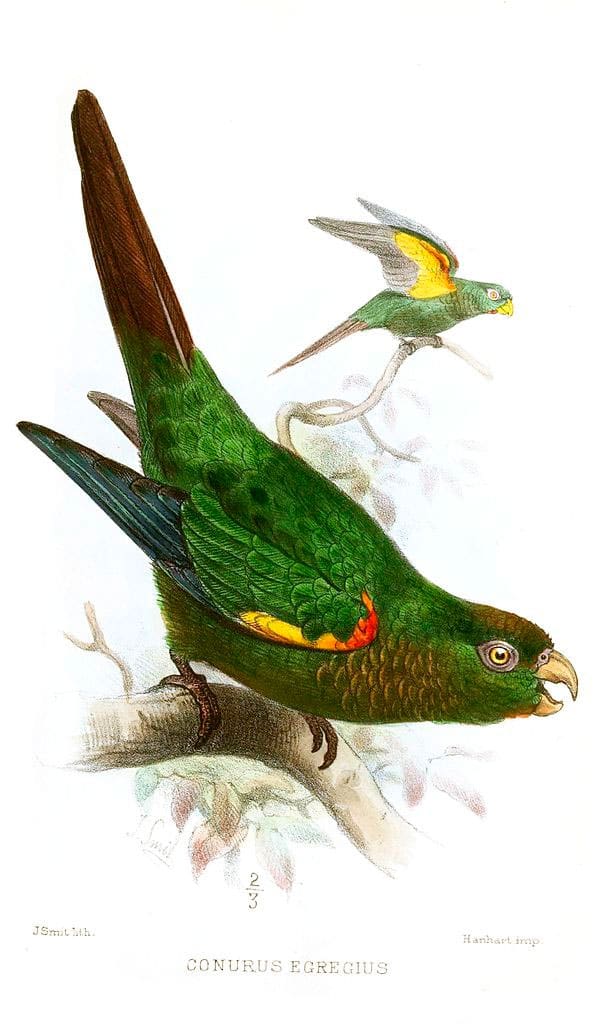
The Fiery shouldered Parakeet (Pyrrhura egregia) has a close frontal band brown; crown, lores, rear area of the neck and upper cheeks, brownish; ear-coverts reddish brown; feathers on the sides of the neck basically green with subterminal band of color beige, narrow dark tips giving a scaly appearance to the whole.

The upperparts Green with dark and narrow edges to some feathers. carpal area and front edge of the wing , Orange with yellow marks; primary coverts usually blue but sometimes colored yellow shiny; upperwing-coverts green. Outerwebs of flight feather, blue. Underwing-coverts marked with yellow orange; bottom of the flight feather gray. feathers in the throat and the chest basically green with the subterminal band Hazelnut color and dark tips, giving a scaly appearance; underparts green, with most of the feathers of the belly Brown at the base and green-tipped, sometimes forming a brown patch. Upper, the tail Brown very dark, green at the base; by down gray.

The bill color horn; skin peri-oftalmica naked white; brown the irises; legs Brown-Black.

Both sexes are similar.

The immature It has much less yellow and orange in the upperwing-coverts and infra-alares; the crown Green and flakes in the chest and on the sides of the neck less pronounced.

Subspecies description:

  • Pyrrhura egregia egregia

    (Sclater,PL, 1881) – The nominal.


  • Pyrrhura egregia obscura

    (Zimmer & Phelps,WH 1946) – Similar to the species nominal but with the upperparts darker green and the underparts also slightly more dark. Patch Brown in the belly less frequent and less prominent.

Habitat:

The species inhabits in humid premontane forests and dense secondary forest on the Tepuis, between 700 to 1800 m. usually in flocks of 7-25 birds.

Reproduction:

Little information on the breeding; is reproduce between March and April with fledged young people between May-June. Period of incubation: 23 Dias.

Food:

There is no information about the diet, except that birds visit Amerindian villages from July to August to feed of fruit of, for example, guavas mature.

Distribution:

Size distribution (reproduction / resident): 49.400 km2

Distribution restricted to the Tepui region in the north-eastern interior of South America. The species is known from Venezuela on Gran Sabana to the southeast of Bolรญvar, in the Mount Roraima and Arabopo and from the Mount Auyan-tepui and the Mt. Ptari-tepui.

Can be found in adjacent areas of the West of Guyana, for example, in the surroundings of the Camaran River and top of the Mazaruni River, the Merume mountains and Pacaraima mountains to the South of Annai.

The reports of Suriname still no confirmed. Probably are distributed in the northeast of Roraima, Brazil.

Inaccessible range and few details about his status, but apparently quite common. Large part of the range Venezuelan included in the Canaima National Park.

Small quantities exported from Guyana to end of the years eighty and subsequently bred in captivity.

Subspecies distribution:

Conservation:

State of conservation โ“˜


minor concern Minor Concern โ“˜ (UICN)โ“˜

โ€ข Current category of the Red List of the UICN: Least concern.

โ€ข Population trend: Decreasing.

Justification of the population

The population size World has not been quantified, but this species is described as ยซquite commonยป (Stotz et to the., 1996).

Justification of trend

It is suspected that this species has lost 3.3-10.5% of habitat suitable within their distribution during three generations (18 years), based on a model of Amazon deforestation (Soares-Filho et to the., 2006, Bird et to the., 2011). Given the susceptibility of the species to hunt or capture, It is suspected that will decrease in <25% durante tres generaciones.

"Fiery shouldered Parakeet" in captivity:

Intelligent, relatively calm and playful. Young birds are very shy.
They are aggressive with other birds and it is very rare in captivity, with small quantities exported from Guyana at the end of the 1980s and subsequently raised in captivity.

Price per couple: 300-400 EUR.

Alternative names:

– Fiery-shouldered Parakeet, Fiery shouldered Parakeet, Fiery-shoulderd Conure, Fiery-shouldered Conure (English).
– Conure aile-de-feu, Perriche aile-de-feu, Perruche aile-de-feu (French).
– Feuerbugsittich, Feuerbug-Sittich (German).
– tiriba-de-cauda-roxa (Portuguese).
– Cotorra Egregia, Perico de Cola Morada, Perico colimorado (espaรฑol).
– Perico de Pantepui (Venezuela).


scientific classification:

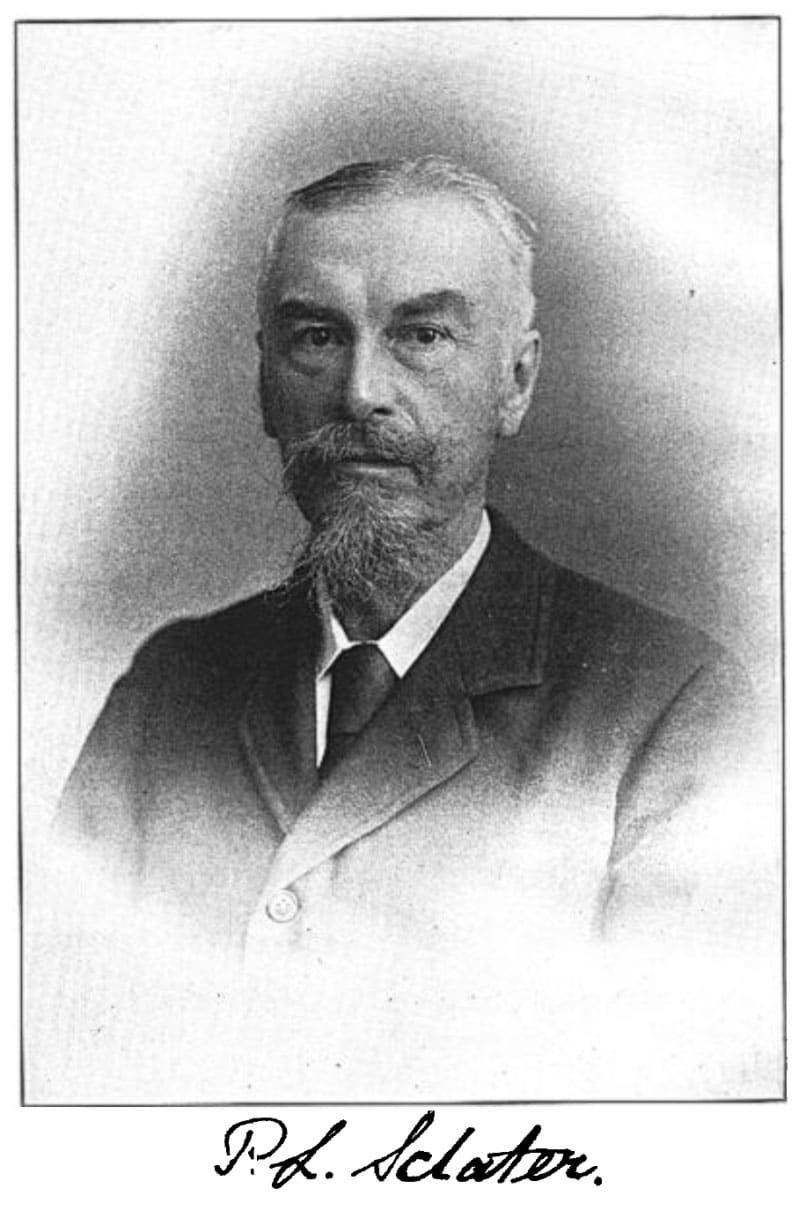
Philip Sclater
Philip Sclater

Order: Psittaciformes
Family: Psittacidae
Genus: Pyrrhura
Scientific name: Pyrrhura egregia
Citation: (Sclater, PL, 1881)
Protonimo: conurus outstanding


Fiery shouldered Parakeet images:

Videos "Fiery shouldered Parakeet"

Fiery shouldered Parakeet (Pyrrhura egregia)


Sources:

– Avibase
– Parrots of the World โ€“ Forshaw Joseph M
– Parrots A Guide to the Parrots of the World – Tony Juniper & Mike Parr
– Birdlife

– Photos:

(1) – Demerara Conure By Gazelle74 (Own work) [CC BY-SA 4.0], via Wikimedia Commons
(2) – Demerara female ยซat workยป. These little parrots love to gnaw at wood, paper and many other things By Gazelle74 (Own work) [CC BY-SA 4.0], via Wikimedia Commons
(3) – Fiery-shouldered Parakeet (Pyrrhura egregia) by Margareta Wieser. A pair perching on a branch – HBW
(4) – Fiery-shouldered Parakeet (Pyrrhura egregia) by Andrew Emmerson. An adult bird – HBW
(5) – Fiery-shouldered Parakeet (Pyrrhura egregia) by Andrew Emmerson. An adult preening – HBW
(6) – Conurus egregius ยป = Pyrrhura egregius (Fiery-shouldered parakeet) by John Gerrard Keulemans [Public domain], via Wikimedia Commons

– Sounds: (Xeno-canto)

โ–ท The world of Pets: Dogs, cats, birds, reptiles, amphibians

Pearly Parakeet
Pyrrhura lepida

Pearly Parakeet

Content

Description:

Pearly Parakeet

24 cm.. in length and 70โ€“80 grams in weight.

The Pearly Parakeet (Pyrrhura lepida) has the head dark blackish brown with mottled light on nape; ear-coverts creamy white; cheeks pale bluish green.

Upper mantle blue; robe bottom until uppertail-coverts, green. Scapulars green at the base, blue down; lesser wing coverts slightly green tinted olive; median coverts and older, mainly blue; some red at the leading edge of wing . Flight feathers Blue above, secondaries with green in the outerweb; dark gray below. Underwing-coverts bright red. Sides of the neck, the throat and the top chest, mainly brown with some blue marks and points yellowish brown, which gives an overall scaled aspect; The underparts remaining are green with blue on the flanks and the thighs. Upper, the tail mainly brown, green in the basal area and narrow blue tips. Bill black-brown; bare periophthalmic grey; irises dark brown; legs black slate.

The plumages of both sexes are, apparently, similar.

taxonomic history

Confusing taxonomic history: until recently known as Pyrrhura perlata, but that name is actually applied to the known way long as Pyrrhura rhodogaster, currently a synonym for the species Pyrrhura perlata; the current species therefore assumes his next oldest name, Pyrrhura lepida. Forms a pair of species with parapatric Pyrrhura perlata, with which it is sometimes considered conspecific; the recent molecular phylogeny indicated that the closest relatives of these two are the Pyrrhura frontalis and Pyrrhura molinae.

  • Sound of the Pearly Parakeet.

Description 3 subspecies:

  • Pyrrhura lepida anerythra

    (Neumann, 1927) – Similar to the species nominal but with the chest, the belly and cheeks green with occasional shades of blue.


  • Pyrrhura lepida coerulescens

    (Neumann, 1927) – Similar to the species nominal, but with the forecrown and crown brown, gray throat and upper chest, green on the upper cheeks; bluer in the lower chest

  • .

  • Pyrrhura lepida lepida

    (Wagler, 1832) – Nominal.

Habitat:

The Pearly Parakeet, usually, inhabits moist terra firme forests. The species has been observed in forest edges, clear areas and second growth.

They are seen in flocks of up to ten birds, particularly in places where food is plentiful.

Reproduction:

They nest hollow logs. The laying is of 3-4 eggs incubados during 23 days; the hatchling needs close to 7 weeks for independence.

Food:

probably catkins, small fruits and flowers.

Distribution and status:

Size of its range (breeding/resident): 585.000 km2

The Cotorra Pulcra is endemic to Northeast Brazil, to the South of the Amazonia. Observed around the basin Xingรบ and its tributaries, from the Pracui River and the left bank of Tocantins River, and from Belem and the Capim River, in For, east to around Sao Luis in maranhรฃo, and from northern maranhรฃo to the East of Rosary, although apparently no longer in some coastal areas, where according to sources, They were formerly quite common.

Today are rare and extinct in many parts of their former range (for example, North of maranhรฃo) due to large-scale deforestation, although they are, apparently, tolerant habitat alterations.

The coerulescens subspecies It is near extinction due to the almost total loss of their habitat. The species is found in protected areas but its integrity is compromised by the illegal logging.

Distribution 3 subspecies:

Note:

Pyrrhura lepida is the new name of the taxon Pyrrhura perlata, whose name has been shown to be applied first to an immature bird of that species, Crimson-bellied Parakeet (Pyrrhura perlata).

Conservation:

State of conservation โ“˜


Vulnerable Vulnerable โ“˜ (UICN)โ“˜

โ€ข Current category of the Red List of the UICN: Vulnerable.

โ€ข Population trend: Decreasing.

โ€ข Population size : 6700 individuals.

Rationale for the Red List category

From a model of future deforestation in the Amazon basin, While shows some tolerance degraded landscapes, It suspected that the population of this species decline rapidly over the next three generations and, therefore, It has risen to Vulnerable.

Justification of the population

The population is preliminarily estimated at the number of at least 10.000 individuals, approximately equivalent to 6.700 mature individuals. This requires confirmation.

Justification of trend

It is suspected that this species has lost between 47 and the 64,5% of habitat suitable within their distribution during three generations (18 years) starting from a model of deforestation Amazon (Soares-Filho et to the ., 2006, Bird et to the ., 2011). But, because the species seems to have some degree of tolerance to habitat degradation (A. Lees in litt ., 2011), It suspected to decline by 30-49% during three generations.

Threats

Despite an apparent tolerance of some degradation of the habitat, It is perhaps close to extinction in coastal areas of northern maranhรฃo, due to the large scale deforestation (Juniper and Parr, 1998). They are distributed within protected areas, but its integrity is compromised by the illegal logging (Juniper and Parr 1998). Deforestation in the Amazon basin is expected to increase as land is cleared for cattle ranching and soy production, provided by the expansion of the road network (Soares-Filho et to the. , 2006). The proposed changes to Brazilian Forest Code reduce the percentage of land that a private owner is legally required to keep as forest and include an amnesty for owners who deforested before July 2008 (That they would later be absolved of the need to reforest the illegally cleared land) (Bird et to the., 2011).

Conservation Actions Underway

CITES Appendix II. The species is classified as Vulnerable nationally in Brazil (MMA 2014), with subspecies elegant and coerulescens considered in Danger (Silveira y Straube 2008).

Conservation Actions Proposed

* Census and population monitoring to assess the world's population and demographic trends and refine distribution and locate strengths.

* Investigate its ecology, threats and conservation requirements. Strengthen the network of protected areas within the remaining core habitat.

Effectively manage resources and management of existing protected areas and new, using the emerging opportunities for funding the management of protected areas with the overall goal of reducing carbon emissions and maximize the conservation of biodiversity. It is also essential conservation on private land, through the expansion of market pressures for proper land management and prevention of deforestation on land not suitable for agriculture (Soares-Filho et to the., 2006).

Campaign against proposed changes to the Brazilian Forest Code that would lead to a decrease in the width of protected riparian forest areas as Permanent Preservation Areas (APPs), that function as vital corridors in fragmented landscapes.

"Pearly Parakeet" in captivity:

Rare in captivity.

It is a bird Vulnerable nationally in Brazil and protected by CITES Appendix II; each captive specimen of this species that is capable of reproducing, must be placed in a well-managed captive breeding program and not sold as a pet, in order to ensure its long-term survival.

Alternative names:

– Pearly Conure, Pearly Parakeet (English).
– Conure perlรฉe, Perriche perlรฉe, Perruche perlรฉe (French).
– BlausteiรŸsittich (German).
– tiriba, tiriba-de-barriga-vermelha, Tiriba-perรณla, tiriba-pรฉrola (Portuguese).
– Catita cola granate, Cotorra Pulcra, Cotorra Ventrirroja (espaรฑol).


scientific classification:

Johann Georg Wagler
Johann Georg Wagler

– Order: Psittaciformes
– Family: Psittacidae
– Genus: Pyrrhura
– Scientific name: Pyrrhura lepida
– Citation: (Wagler, 1832)
– Protonimo: Sittace lepida

Images Pearly Parakeet:

Videos "Pearly Parakeet"


Especies del gรฉnero Pyrrhura

Pearly Parakeet (Pyrrhura lepida)


Sources:

– Avibase
– Parrots of the World โ€“ Forshaw Joseph M
– Parrots A Guide to the Parrots of the World – Tony Juniper & Mike Parr
– Birdlife

– Photos:

(1) – Pyrrhura lepida by Florin Feneru – Flickr
(2) – Pyrrhura lepida coerulescens Neumann, 1929 – Huub Veldhuijzen van Zanten / Naturalis Biodiversity Center [CC BY-SA 3.0], via Wikimedia Commons
(3) – Pearly Parakeet (Pyrrhura lepida) also known as the Pearly Conure in aviculture. A pet parrot By manginwu (originally posted to Flickr as my name is twoday.) [CC BY-SA 2.0], via Wikimedia Commons
(4) – Tiriba-perola [Pearly Parakeet] by Helio Lourencini – Flickr
(5) – Tiriba pearl (Pyrrhura perlata) – www.avesilvestre.com.br
(6) – Parrots A Guide to the Parrots of the World โ€“ Tony Juniper & Mike Parr

– Sounds: GABRIEL MILK, XC212988. accessible www.xeno-canto.org/212988

โ–ท The world of Pets: Dogs, cats, birds, reptiles, amphibians

Palm cockatoo
Probosciger aterrimus

Content

Description

51 to 64 cm. height and a weight between 910 and 1200 g.
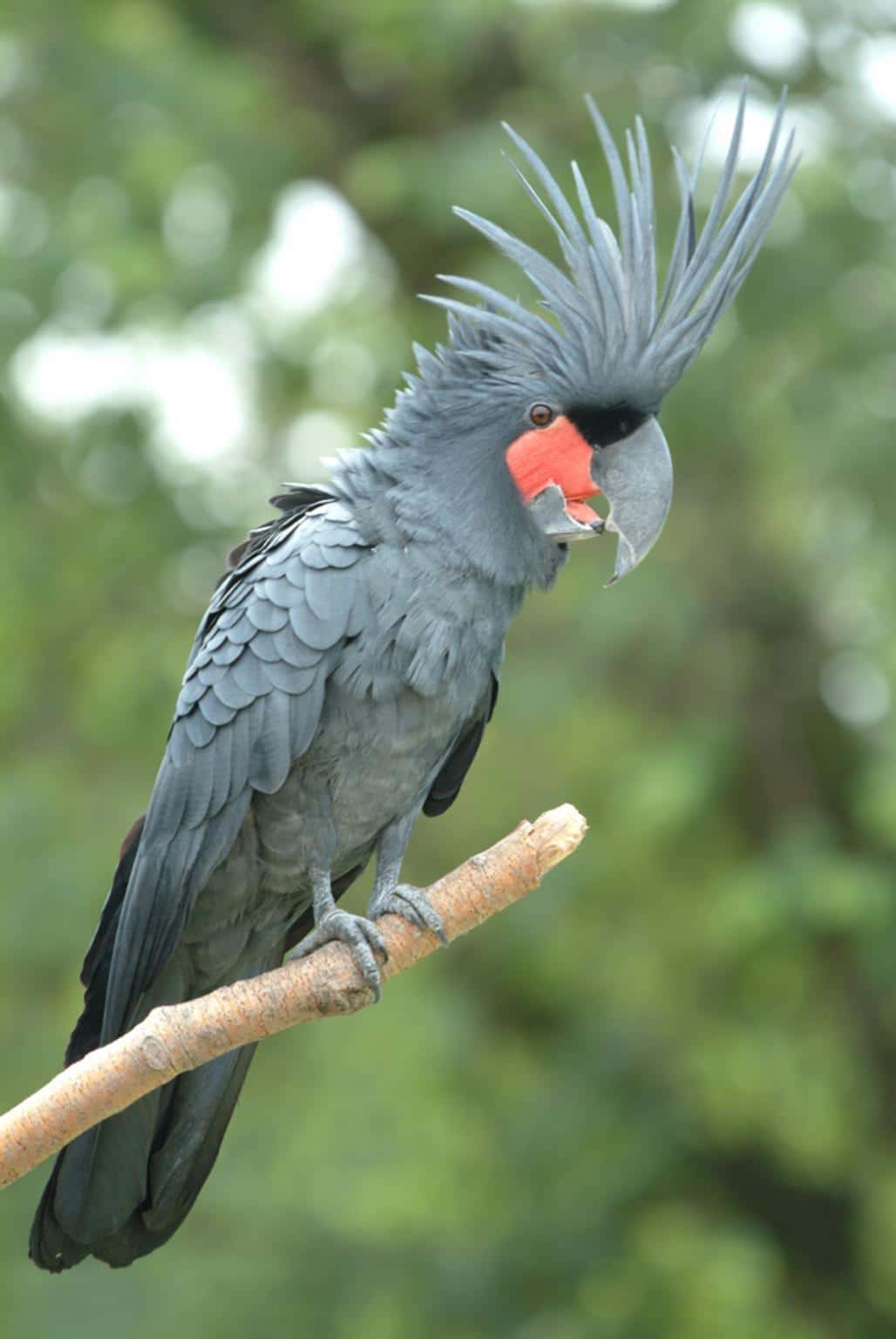
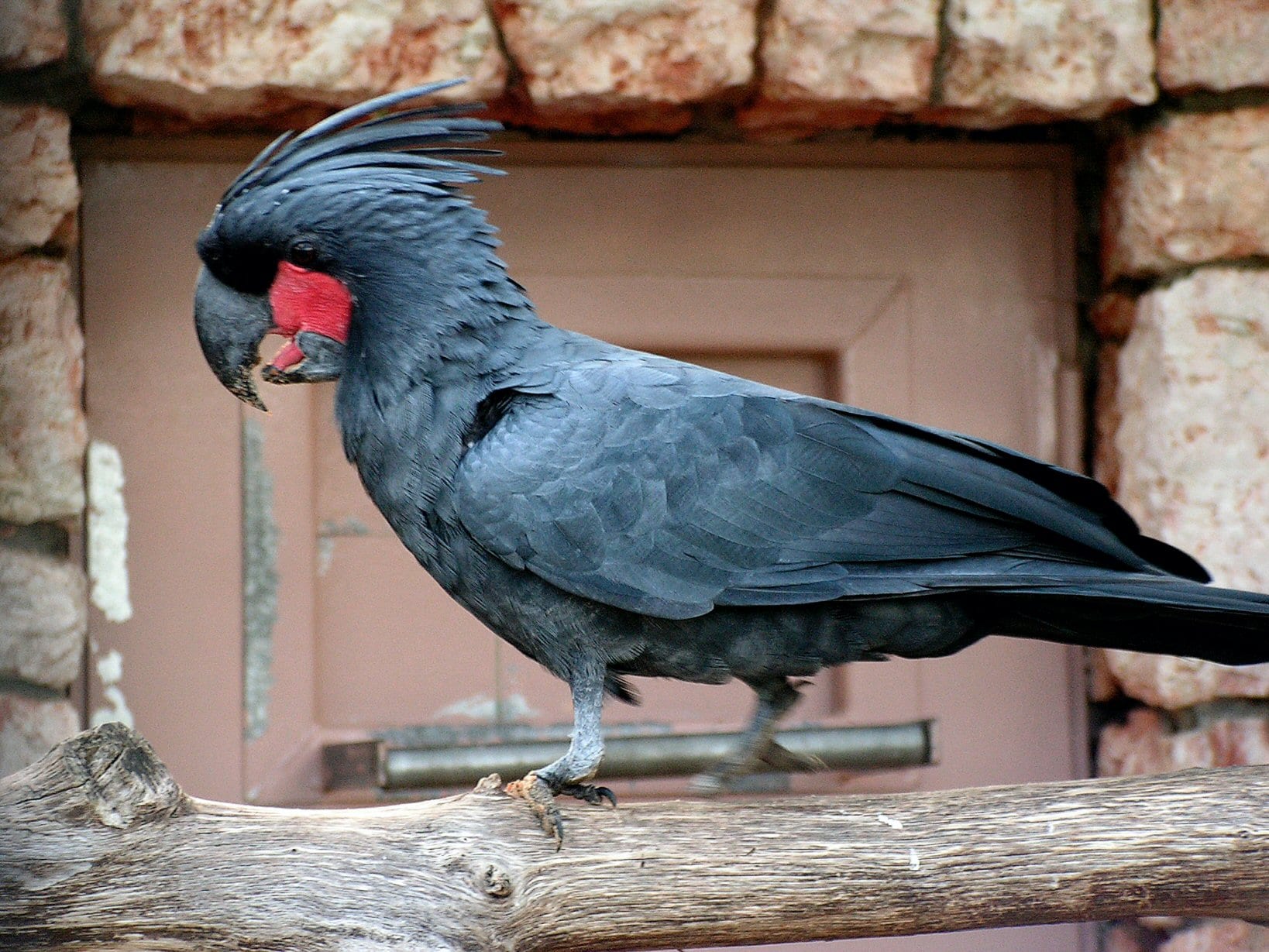
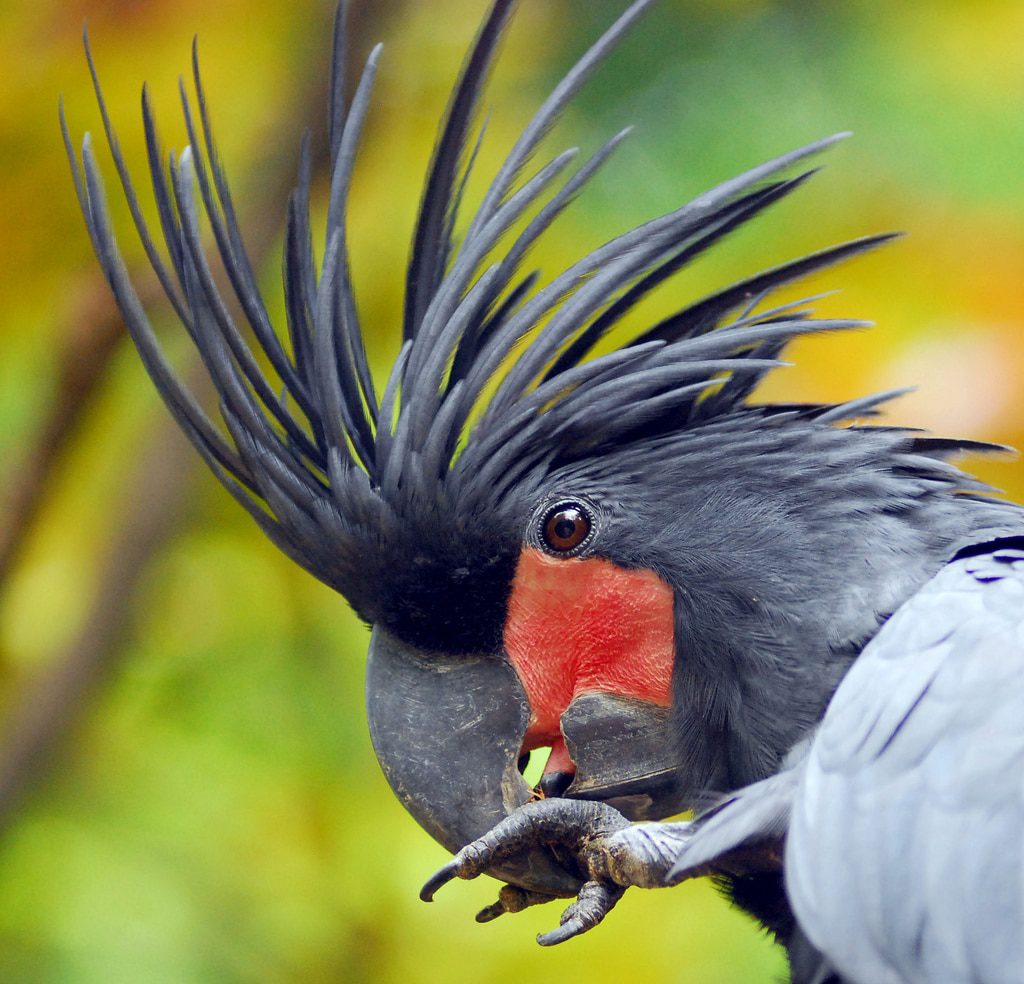
The Palm cockatoo (Probosciger aterrimus) it is one of the largest cockatoo species. Unmistakable with a Erectile Crest of 15 cm.. Mainly arboreal.

Both sexes differ in size. Immatures are differentiated by the pale yellow at the bottom and the tip of the bill and the eye ring in color white.
Usually black with a bare area around the cheeks and eyes red. The feathers of the crest they are long and thin, black streaks.
The bill is dark gray, smaller in the female. The legs son grises. The language is black and Red.
The cheek skin changes color according to its health or stress level, a pink / beige to a yellow when it is excited.

Description 4 supespecies

  • Probosciger aterrimus aterrimus

    (Gmelin, 1788) – Nominal.


  • Probosciger aterrimus goliath

    (Kuhl, 1820) – Larger than the subspecies macgillivrayi.


  • Probosciger aterrimus macgillivrayi

    (Mathews, 1912) – Larger than the species nominal.


  • Probosciger aterrimus stenolophus

    (Oort Cloud, 1911) – As the subspecies goliat, but with feathers crest closer.

Habitat:

The presence of this cockatoo is documented from sea level to 1350 metres in height.

In New Guinea they are in tropical rainforests, including gallery forests, edges of forests and monsoon forests. In Australia they live in forests of eucalyptus, forest of Melaleuca, partially cleared areas and sheets.

You are travelling individually, in pairs or in groups of five or six. About an hour after sunrise they gather in the treetops.

Reproduction:

The nesting occurs between August and February.
Nest in the cavities of trees which tend to be of approximately 1 m depth and 25 to 60 cm in diameter. These are full of branches broken at the bottom on which rests the egg. The site is often used year after year.
Reproduce every two years. They put a single egg and both parents the hatch for a period of 28 to 31 days, at around 3 to 4 more days to hatch. The squab was born completely naked and does not develop marker, unlike other Cockatoo chicks. They are taken from 100 to 110 days to leave the nest, the longest period among all parrot species. After leaving the nest, the young bird depends on the parents at least others 6 weeks because of its inability to fly.

Food:

Seeds, dried fruits, fruit, berries, sprouts leaves and insect larvae.
They feed mainly in the forest canopy, but can also feed on the ground on fallen fruits and seeds.

Distribution:

Size of the area of distribution (reproduction / resident): 716.000 km2

New Guinea and adjacent islands, North of Queensland, Australia.

Distribution 4 subspecies:

Conservation:

State of conservation โ“˜


minor concern Minor Concern โ“˜ (UICN)โ“˜

โ€ข Least concern according to IUCN classification.

โ€ข Population trend: Decrease

This species has a very large range, and therefore not approaching the threshold of vulnerability. While the trend of the population seems to be decreasing, the decline is not believed to be fast enough to approach vulnerable bird thresholds based on population trend criteria.

In some parts of its area of distribution, the forest habitat in which occur the hollow trees is being invaded by the rainforest.

"Palm cockatoo" in captivity:

Rare bird cage, Although they have a great demand for the market of pet due to its unusual appearance.
They can live more than 55 years of age in captivity.

They may develop compulsive behaviors, as the pecking of feathers. They can also mimic sounds and human language.

Aggressiveness within pairs is taken into account for captive breeding., Sometimes the male usually kill the female. As such, There are more different management methods, from bringing both cockatoos together only during the breeding period and quickly removing the male, cut the male that the female escape flying, or create complex installations that are carried out next to a cutout of the male, so that the female always has an escape route in the face of aggression.

There are currently laws that prohibit the export of any Palm cockatoo without a permit.

Alternative names:

– Palm Cockatoo, Black Macaw, Goliath Aratoo, Goliath Cockatoo, Great Black Cockatoo, Great Palm Cockatoo (English).
– Cacatoรจs noir, Microglosse noir (French).
– Arakakadu (German).
– Cacatua-das-palmeiras (Portuguese).
– Cacatรบa de las Palmas, Cacatรบa Enlutada (espaรฑol).

scientific classification:

– Order: Psittaciformes
– Family: Cacatuidae
– Genus: Palm
– Scientific name: Probosciger aterrimus
– Citation: (Gmelin, JF, 1788)
– Protonimo: Psittacus aterrimus

Images of the Black Cockatoo:


Sources:
– avibase
– infoexoticos
– Parrots of the World โ€“ Forshaw Joseph M
– Parrots A Guide to the Parrots of the World – Tony Juniper & Mike Parr
– Birdlife

– Photos: avianzoo, papageien.org, avianzoo, Wikimedia.org

– Sound: Frank Lambert