โ–ท The world of Pets: Dogs, cats, birds, reptiles, amphibians

Maroon-tailed Parakeet
Pyrrhura melanura


Maroon-tailed Parakeet

Content


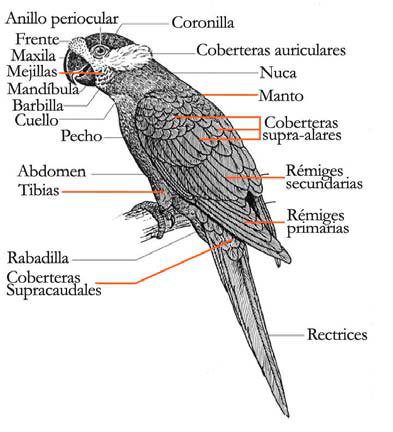
Anatomy-parrots

Description:

26-28 cm.. height.

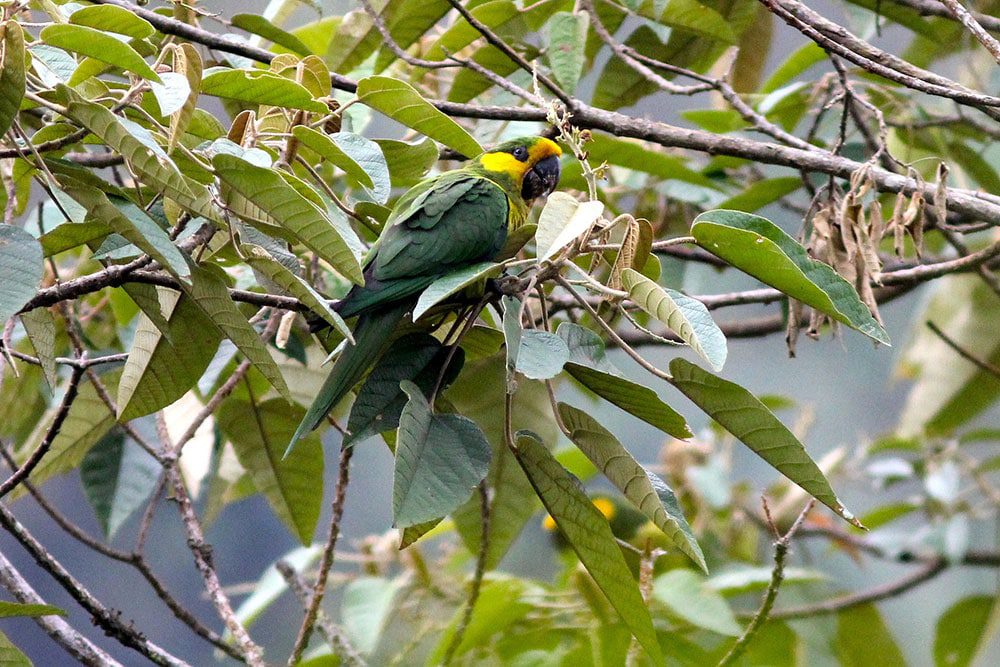
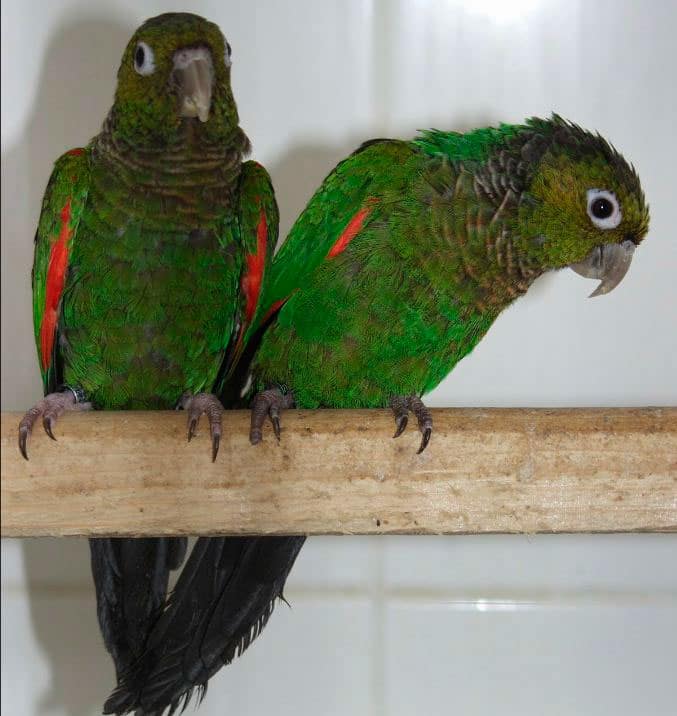
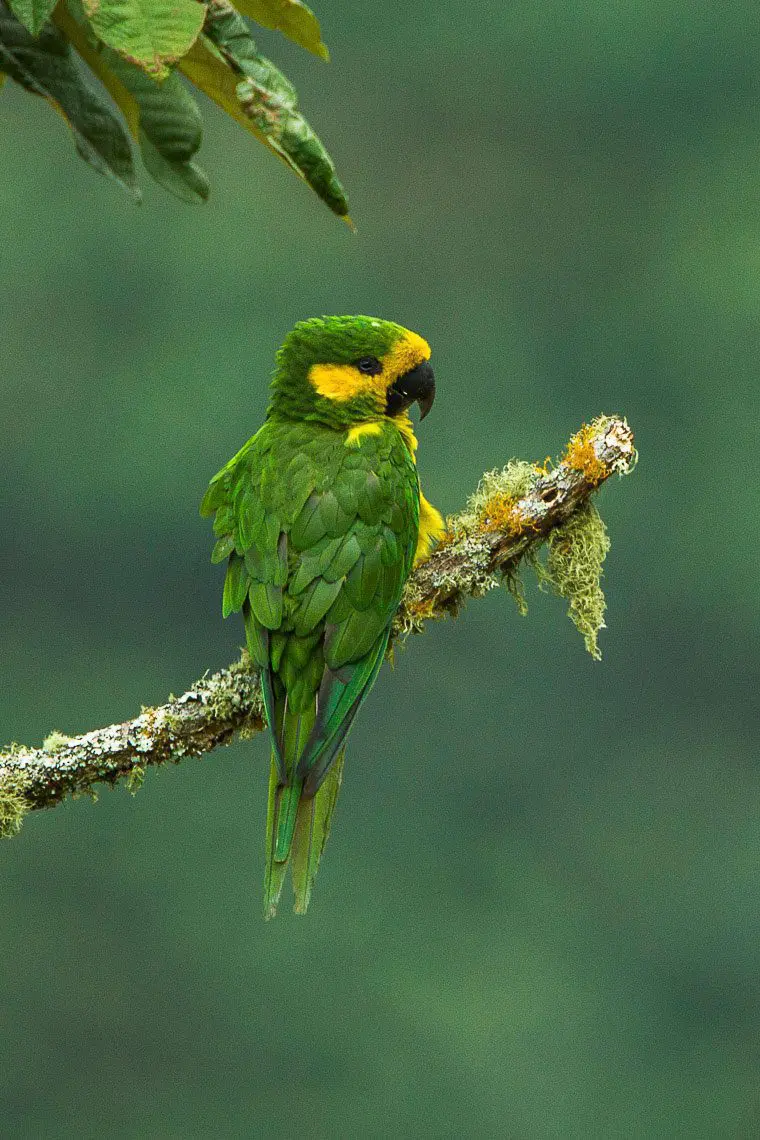
The Maroon-tailed Parakeet (Pyrrhura melanura) is distinguishable mainly by the tail and wings blackish (visible in flight); has the lores, the forecrown, the crown and the rear area of the neck, brownish, with paler reddish brown tips on the crown, forming altogether a speckled pattern; cheeks, ear-coverts and area behind the eyes, green; Brown in the shadows at the back of the crown Green in the nape.

Upperparts Green with tinge of olive in some feathers. Primary coverts Red with yellow tips; Front edge of the wing , red; upperwing-coverts of color green with dye olive. Primaries Dark greenish blue with dark tips. Underwing-coverts green; underside of flight feather blackish. Throat and feathers of the upper part of the chest, Green or greyish green with pale margins, giving a scaly striking effect; pale edges that become less clear on the sides of the neck; the belly and undertail-coverts Green with dye olive dark. Upper, the tail dark brown with green outer feathers; undertail, the tail shiny black.

Bill pale grey; bare periophthalmic naked, whitish: irises dark brown; legs grey.

Both sexes similar. The immature has less red (greener) in the primary coverts.

Subspecies description

Subspecies description
  • Pyrrhura melanura berlepschi

    (Salvadori, 1891) – Similar to the Pyrrhura melanura souancei, but with even broader and paler margins on the breast feathers (Some birds of Ecuador with almost entirely white breasts), less red on the front edge of the wing and more pronounced brown patch in the belly. Cheeks dyed with color olive, Red uniform at the edge of the carpus; abdomen more uniform brown/red color.

  • Pyrrhura melanura chapmani

    (Bond & Meyer de Schauensee, 1940) – With suspiciously in the chest more width, No yellow in the wing ; yellowish in the area of the ear and the green of the tail darker.

  • Pyrrhura melanura melanura

    (Spix, 1824) – Nominal.

  • Pyrrhura melanura pacifica

    (Chapman, 1915) – More dark, No yellow in the wing , grey around the eye, tail more short and reddish.

  • Pyrrhura melanura souancei

    (Verreaux,J, 1858) – With the edge top of the wing Red and not yellow; Green in the base of the tail more extensive and chest with scaled a little more width.

Habitat:

Maroon-tailed Parakeet

The Maroon-tailed Parakeet It occupies the temperate tropical formations, including forests of vรกrzea, forests of land low and pre-montanos rainforests and forests cloud, often in areas partially cleared and edges of secondary forests; 150 - 300m in Venezuela (nominal), to 3,200 m in the slopes Andean Eastern (souancei), 1.600-2.800m on the slope of the Andes central (chapmani), at 1,700 m in Nariรฑo (Pacifica), at 1500m (berlepschi). Usually in flocks of 6-12 individuals, staying in them cups of them trees to rest but moving is toward the branches more low for forage.

Reproduction:

Little information about breeding, observed during the months of April-June, headers of the Napo River, Ecuador. Copulation observed in January (Colombia). Clutch four eggs in captivity.

Food:

Few details about the diet, with foods known, including fruits of Miconia tkeaezans (Top of the Magdalena valley). Fagara tachuelo and tree bark (Amazonia).

Distribution:

Size of the area of distribution (reproduction / resident): 1.510.000 km2

The distribution of the Maroon-tailed Parakeet is discontinuous. Northwest of South America in the Western Amazon basin, southern portion of the the Orinoco basin and slope of the peaceful of the Andes, in the southwest of Colombia and West Ecuador.

In Venezuela the species is found in the Centre of the South of Bolรญvar along the upper Western Amazon basin of Brazil between the rivers Negro and Solimรตes. They are also distributed in Andes Central of Colombia, at the top of the Magdalena valley, from the South of Tolima until Huila and separated to the East from the Andes (in lowlands and up to 500 m in foothills) Since the Macarena mountains, southward through eastern lowlands Ecuador and Northeast and East of Peru.

A separate population is distributed to the West of the Andes, in the Northwest of the South of Ecuador, to the North of The rivers, with a single log in nose, to the southwest of Colombia.

Mainly resident Although the apparent absence during some seasons in some parts of Colombia suggests regular movements.

Unevenly distributed, in some areas very common, being the Parrot more numerous in some parts of the range such as high Magdalena valley and perhaps parts of Esmeraldas in the Northwest of Ecuador.

Alleged decrease in some areas (for example, Pacific slope of Ecuador) due to loss of habitat. Little known in the East of Peru. Not a locally popular cage bird if it has been traded internationally in significant numbers in late 1980 and fairly well known in captivity outside of its area of distribution.

Subspecies distribution

Subspecies distribution
  • Pyrrhura melanura berlepschi

    (Salvadori, 1891) – Valley of Huallaga, is of Peru and Southeast of Ecuador on Cutucรบ mountain range. A specimen with characteristics of this species was observed at the head of the Magdalena valley suggesting their distribution in Colombia.

  • Pyrrhura melanura chapmani

    (Bond & Meyer de Schauensee, 1940) – Hillside East of the top of the Magdalena valley in the center of the Andes from the South of Tolima until Huila at altitudes of 1600-2, 800 m

  • Pyrrhura melanura melanura

    (Spix, 1824) – Nominal.

  • Pyrrhura melanura pacifica

    (Chapman, 1915) – Northwest of Ecuador and southwest of Colombia.

  • Pyrrhura melanura souancei

    (Verreaux,J, 1858) – It is from Colombia since the Sierra de la Macarena Southwest, until Putumayo through the East of Ecuador, possibly up to the north end of Peru. Probably bordered on the eastern slopes of the Andes and mostly replaced by the nominal species in lowlands.

Conservation:


minor concern


โ€ข Current category of the Red List of the UICN: Least concern.

โ€ข Population trend: Decreasing.

Justification of the population

The population size world has not been quantified, but this species is described as ยซquite commonยป (Stotz et to the., 1996).

Justification of trend

This species is suspected that he has been able to lose 6,95 to 7,1% of a habitat within its distribution over three generations (18 years) based on a deforestation model of the Amazon (Soares-Filho et to the., 2006, Bird et to the. 2011). Given the susceptibility of the species to the cazay and/or the capture, It is suspected that will decrease in <25% durante tres generaciones.

"Maroon-tailed Parakeet" in captivity:

Ave shy and quiet, get used to people over time. Colonies in large birdcages are possible.

Alternative names:

Maroon-tailed Parakeet, Magdalena Parakeet, Maroon tailed Parakeet, Maroon-tailed Conure, Black-tailed Conure (English).
Conure de Souancรฉ, Perriche de Souancรฉ, Perruche de Souancรฉ (French).
Braunschwanzsittich, Braunschwanz-Sittich (German).
tiriba-fura-mata (Portuguese).
Cotorra Colinegra, Perico de Cola Negra, Periquito Colirrojo (espaรฑol).
Periquito Colirrojo (Colombia).
Periquito Colirrojo (Peru).
Perico Cola Negra (Venezuela).


scientific classification:
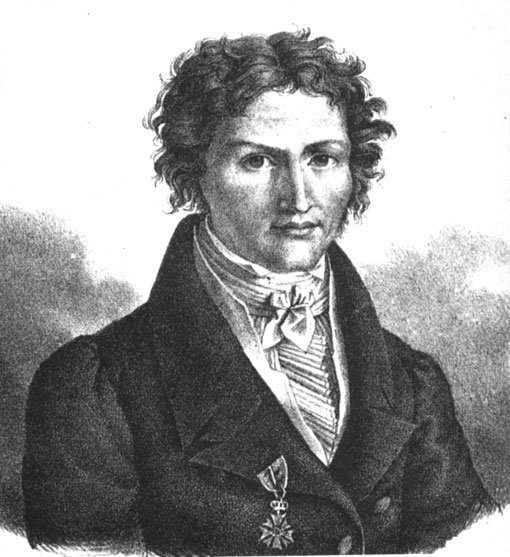

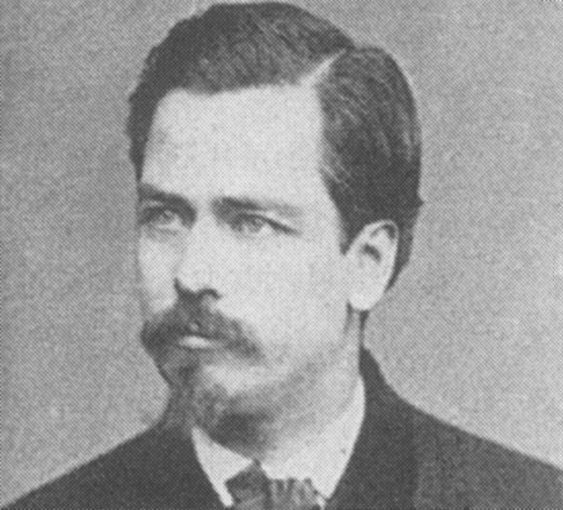
Johann Baptist von Spix

Order: Psittaciformes
Family: Psittacidae
Genus: Pyrrhura
Scientific name: Pyrrhura melanura
Citation: (von Spix, 1824)
Protonimo: Aratinga melanurus

Images "Maroon-tailed Parakeet"

Videos "Maroon-tailed Parakeet"

————————————————————————————————

"Black tail parakeet" (Pyrrhura melanura)


Sources:

Avibase
– Parrots of the World โ€“ Forshaw Joseph M
– Parrots A Guide to the Parrots of the World – Tony Juniper & Mike Parr
Birdlife

Photos:

(1) – pyrrhura.cz.
(2) – Maroon-tailed parakeet pyrrhura berlepschi = berlepschi, Maroon-tailed Parakeet ssp. by John Gerrard Keulemans [Public domain], via Wikimedia Commons

Sounds: (Xeno-canto)
โ–ท The world of Pets: Dogs, cats, birds, reptiles, amphibians

Grey-breasted parakeet
Pyrrhura griseipectus

Grey-breasted parakeet

Content

Description:

23 cm.. length and 70 g. of weight.

Grey-breasted parakeet

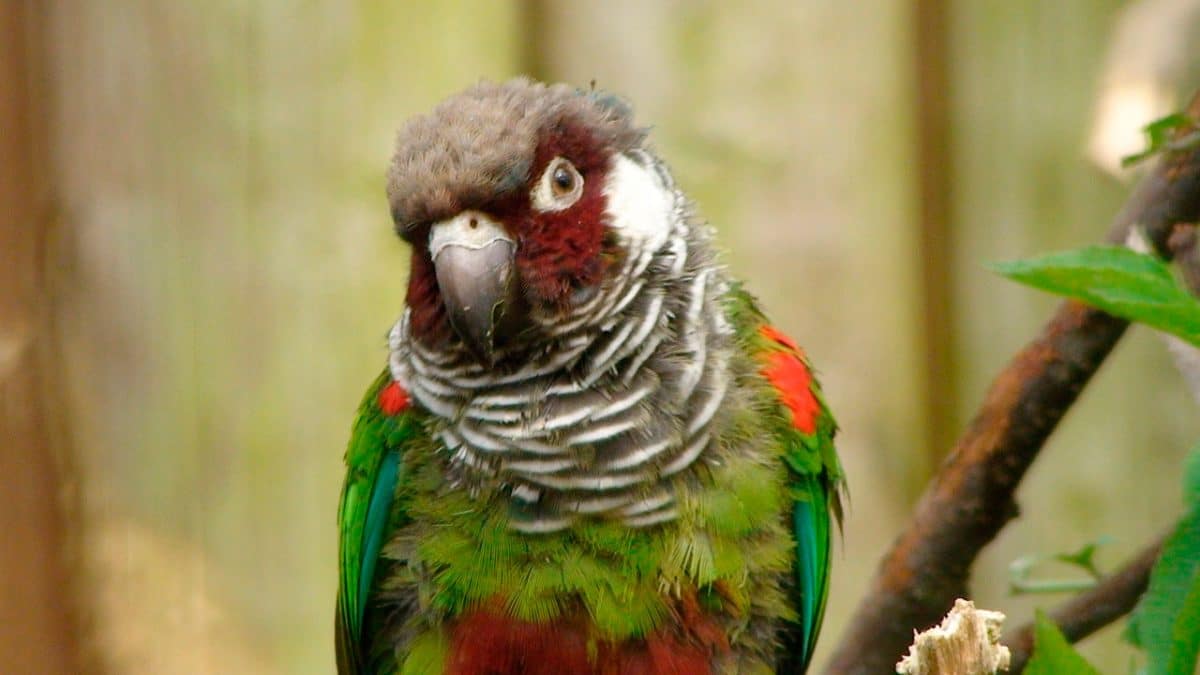
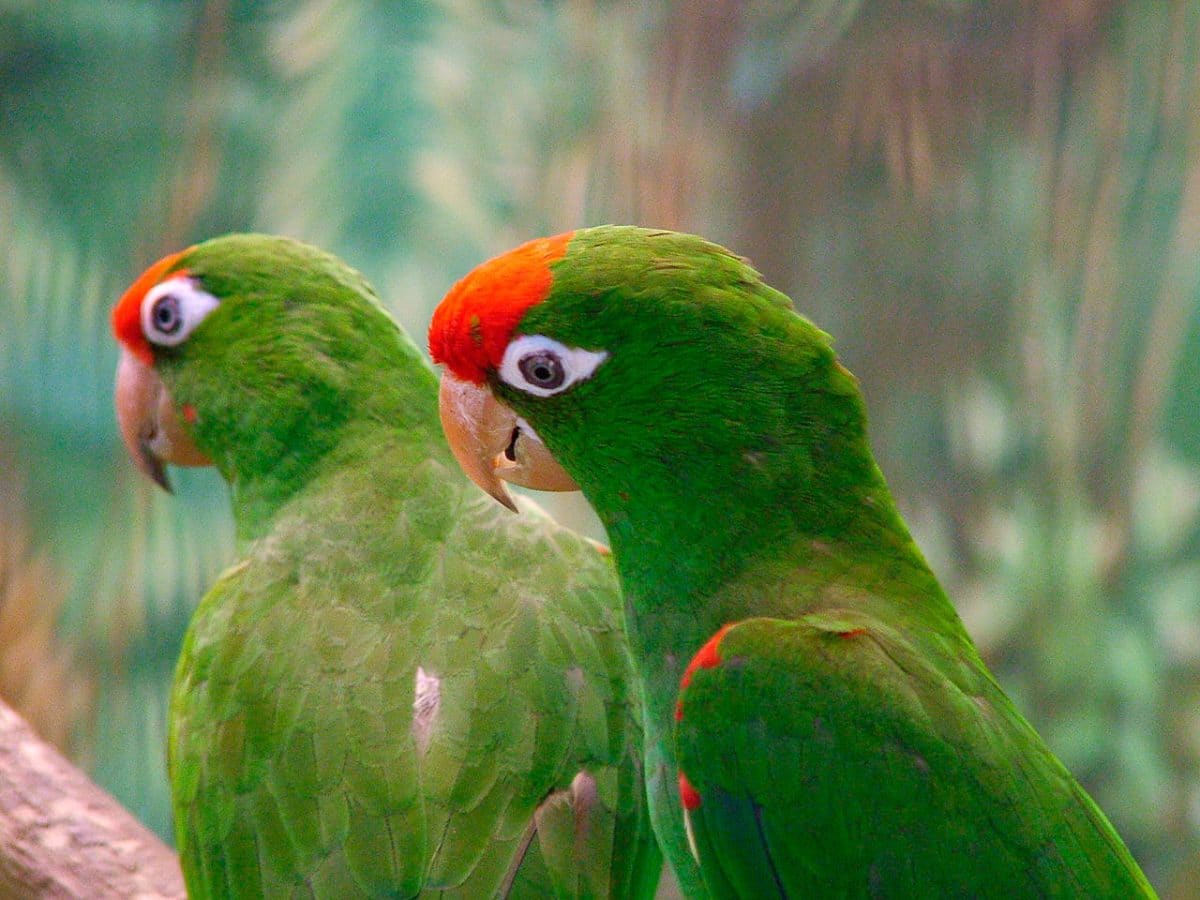
The Grey-breasted parakeet (Pyrrhura griseipectus) is a bird marked by a mask in reddish face, interrupted by a surrounding white coloration in the regions orbitals and ear-coverts.

The feathers of the neck to the upper region chest They have a gray coloration with light streaks interspersed, giving the region a striped appearance or escamado. The species has a characteristic patch reddish in belly, highlighting green coloration, its predominant body. The region forecrown up to the nape, It is dark brown with white or lighter brown spots that vary from bird to bird.. rear area neck green blue border with a width. They have a patch reddish brown in the bottom of the back which leads to the crown. The tail It is long and maroon. Bill gray-black; eye ring white gray; irises brown-orange.

It has no sexual dimorphism. The immature they are more muted than adults; You have scattered green feathers in the abdomen; the cere and the bare periophthalmic is white, less gray tone.

Taxonomic status:

This species is considered to be a subspecies of Pyrrhura [leucotis, emma or griseipectus] by some authors

  • Sound of the Grey-breasted parakeet.

Habitat:

It is in the rainforests, often located in Serranas regions, where orographic rains favor the occurrence of enclaves Atlantic Forest and Mata dry amid caatinga.

Reproduction:

The breeding season It occurs during the rainy season. The laying It is five to eight eggs in holes dug by woodpeckers since they are not able to dig their own nests; They use these holes to sleep.

When the pups are born, the couple divides the task of feeding. Sometimes they have help from even a third member of the flock to successfully raise all the young..

Food:

Probably it feeds on fruits, flowers, seeds and algae.

Distribution and status:

Size of its range (players / residents): 830 km2

This species was formerly known in 15 Locations (. Anon 2014) within Brazil. At present it is in only three areas in the state of Cearรก, the Serra de Baturitรฉ and Quixadรก (C. Albano in a little . 2006, Waugh et al 2010.) and most recently observed in a rocky mountain Cearรก, where five birds were recorded in March 2014 (Anon. 2014).

In Serra do Baturitรฉ appears to be very rare and seems to have been extinct from several areas, but recent records of groups in the Environmental Protection Area mountains Baturitรฉ; surveys 2007 half of the remaining habitat in this site revealed near 80 individuals (C. Albano in a little. 2007, 2008) and the population here is now estimated to be about 250 birds (Waugh et al . 2010).

Forests of Baturite mountains They have been greatly reduced to make way for coffee plantations and only 13% of the jungle remained in 1996. The discovery in 2010 a population of about 50 birds in Quixadรก (Waugh et al ., 2010) It raises the known world population of this species in about 300 birds.

The Grey-breasted parakeet It was previously known two other areas: the eastern slope of the Saw Ibiapaba in Cearรก, and small Serra Negra, in Pernambuco, where it was very common in 1974, with flocks of 4-6 individuals regularly seen in the early 1980, although there are no recent records. There are also unconfirmed reports 1991 in organic station Murici Alagoas in which possibly it refers to individuals released; Recent fieldwork was unable to locate the species.

Its known range is very small, and the species has declined dramatically in the past, a trend that may be permanent.

Conservation:

  • Justification of the Red List of the Category

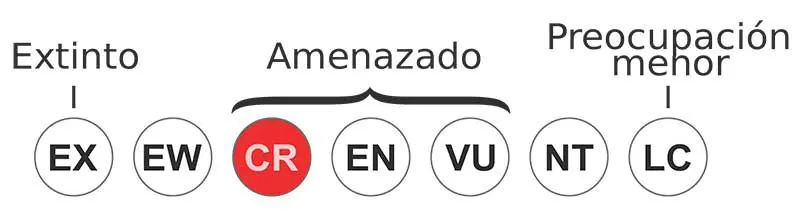
Recent surveys indicate that this species has a extremely small population, which continues to decline after dramatic historical declines. For these reasons it qualifies as Critically Endangered.

  • Justification of the population

State of conservation โ“˜


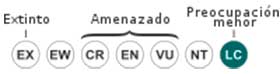
critical hazard critically endangered โ“˜ (UICN)โ“˜

โ€ข Current category of the Red List of the UICN: critically endangered.

โ€ข Population trend: Decreasing.

โ€ข Population size : 200 individuals.

The population in the Area of Baturitรฉ Mountains Environmental Protection It is estimated at about 250 birds, and discovery in 2010 a population of about 50 birds in Quixadรก raises the known world population of about 300 birds (Waugh et al ., 2010). This equates to approximately 200 mature individuals.

  • Justification trend

This species is suspected to be decreasing quickly because of their capture and habitat loss in progress within its range.

  • Threats

The habitat destruction He has played a role in the decline of the species with the original forest cover now reduced to only 13%.

The coffee plantations (especially where coffee is grown in the sun instead of shade coffee) They are impacting the habitat of the species.

The main threat, However, It is believed to come from the capture illegal underway for local and national trade (C. Albano a slightly 2006, Anon 2009..) and captive breeding (Fernandes-Ferreira et al 2012.); the Grey-breasted parakeet They can be easily purchased through Internet (Girรฃo and Albano 2008).

It is easily found in the international trade in bird cage.

The lack of natural nesting sites also it believed to are limiting reproductive success of the species (Campos et al . 2014).

Conservation Actions Underway

Appendix II of CITES.

In Brazil, It was considered above in critical hazard (Silveira y Straube 2008), but it has now been legally designated as endangered national (MMA 2014), and protected Brazilian law.

Dwelleth within Baturitรฉ Mountains Environmental Protection Area, but this area has been designated for sustainable use and traditionally has not been achieved for conservation.

Management of land by a private owner in the area has led to an increase in a small town known (C. Albano a slightly . 2006).

Since 2007, NGO AQUASIS Brazil has been conducting two research projects: one sponsored by the Brazilian Foundation O Boticรกrio for the Protection of Nature, the topography of the Baturite mountains to monitor their condition and research their biology; and another sponsored Fundaciรณn Loro Parque, for additional populations (C. Albano in a little. 2007, 2008).

The surveys carried out in the historical sites and areas of potential habitat in the period 2007-2008 They have not been able to locate members of this species, although there are strong indications of individuals that may still be inhabiting the degraded Serra do Estevรฃo, municipality Jaw, state Cearรก (C. Albano in a little. 2007 2008, Anon 2007), where it was actually rediscovered in the 2010 (Waugh et al ., 2010).

A team of AQUASIS, funded by an award Leadership Program for Conservation in 2012, conducted searches for the species on an isolated mountain in Cearรก and he found a small population of five individuals in March 2014 (Anon. 2014).

You can also persist in Serra Negra Biological Reserve, state Pernambuco, although a combination of marijuana crops and hostile local culture makes research work in this latter area difficult (C. Albano in a little. 2007, 2008).


At least 11 private reserves (RPPN) They are in the process of being created in the Serra de Baturitรฉ (C. Albano in a little. 2007, 2008) and AQUASIS They are now engaged in the process of developing a nature reserve in the Baturite mountains (Campos et al . 2014).

AQUASIS has strengthened ties with government agencies in order to influence policy decisions (Campos et al . 2014).

Scheme nest box sponsored by Loro Parque It has been carried out with nest boxes installed in different places with the consent of the landowners. (Anon, 2009).

AQUASIS also they provided nest boxes Insecticide treated to reduce infestations of bee and wasp (Campos et al . 2014). These measures have proved effective, with 16 boxes occupied in 2012 give place to 97 eggs and 71 chicks hatched successfully.

A education and awareness campaign large scale was carried out in the Serra de Baturitรฉ in 2008 (C. Albano in a little. 2007, 2008) and continues today, with many schools currently participating in education programs AQUASIS (Campos et al . 2014).

A main objective of AQUASIS is to promote the Cotorra pechigris as a flagship species, the work being supported by commercial NGOs and ecotourism WATER Trails of the Park (Anonymous 2009).

AQUASIS also it aims to develop the ability to bird watching and a development process of consciousness creating alternative livelihoods (Anonymous 2009). A visitor center has recently been established (Campos et al . 2014).

It breeds well in captivity and stocks are held in Brazil and abroad. Always captive breeding is well managed and coordinated, could be used for reintroduction into the wild.

They are being conducted studies on factors influencing the survival rate of chicks, population's genetics (in future DNA techniques can be used as a deterrent against illegal collection of wild birds); both adults and juveniles have been banded (Campos et al . 2014).

Conservation Actions Proposed

Conduct more studies in areas similar to the mountains Baturitรฉ in the northeast of Brazil, such as Sierras de Aratanha, Maranguape and Machado, by the presence of additional existing populations.

continue population monitoring known in Serra de Baturitรฉ.

improve conservation management practiced in the Guaramiranga Ecological Park.

Provide incentives for landowners to increase the network of private reserves Baturite mountains.

Monitor and control trade locally, National and international.

Investigate the feasibility of using giant bamboo (Dendrocalamus giganteus) as sites for constructing artificial nests (Campos et al . 2014).

continue making awareness campaigns to promote the Grey-breasted parakeet as a symbol for the conservation of humid forests and associated biodiversity in the Baturite mountains.

Investigate in situ conservation measures.

"Grey-breasted parakeet" in captivity:

Its continuous capture, both for domestic and international trade, They have taken this beautiful bird to a critical situation, there are only 200 specimens in the nature. There are probably more animals captivity in its natural habitat

Protected by the Appendix II of CITES, each captive specimen of this species that is capable of reproducing, must be placed in a well-managed captive breeding program and not sold as a pet, in order to ensure long term survival.

Alternative names:

Gray-breasted Conure, Gray-breasted Parakeet, Grey-breasted Conure, Grey-breasted Parakeet, Maroon-faced Parakeet (Gray-breasted) (English).
Conure ร  poitrine grise (French).
Graubrustsittich, Salvadori-WeiรŸohrsittich (German).
Tiriba-de-orelha-branca, tiriba-de-peito-cinza, periquito cara-suja (Portuguese).
Cotorra pechigrรญs, Periquito sujo, Cotorra de pecho gris (espaรฑol).


scientific classification:

Salvadori-Thomas
Salvadori Tommaso

Order: Psittaciformes
Family: Psittacidae
Genus: Pyrrhura
Scientific name: Pyrrhura griseipectus
Citation: Salvadori, 1900
Protonimo: Pyrrhura griseipectus


Images Grey-breasted Parakeet:

Videos "Grey-breasted parakeet"


Especies del gรฉnero Pyrrhura

Grey-breasted parakeet (Pyrrhura griseipectus)


Sources:

Avibase
– Parrots of the World โ€“ Forshaw Joseph M
– Parrots A Guide to the Parrots of the World – Tony Juniper & Mike Parr
Birdlife

Photos:

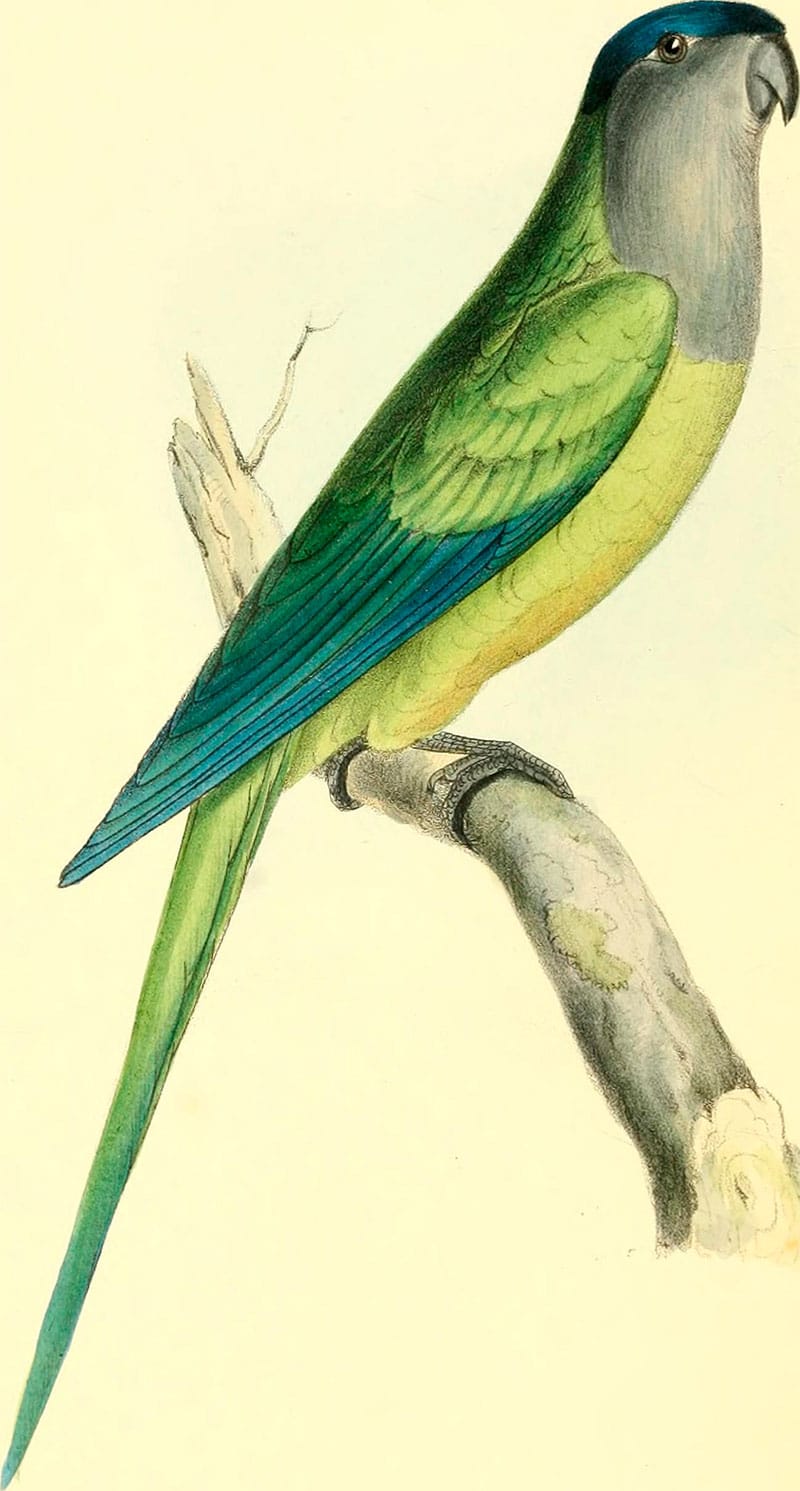
(1) – Grey-breasted Parakeet By writhedhornbill [CC BY 2.0], via Wikimedia Commons
(6) – Grey-breasted Parakeet by Internet Archive Book ImagesFlickr

Sounds: Ciro Albano, XC7948. accessible www.xeno-canto.org/7948

โ–ท The world of Pets: Dogs, cats, birds, reptiles, amphibians

Sinรบ parakeet (sub)
Pyrrhura subandina

Cotorrita del Sinรบ

Content

Description:

21 to 23 cm.. height.

The Sinรบ parakeet (Pyrrhura subandina) It, in general, green, with the forecrown and areas around eyes dark red.

In flight It is very evident dark red stain abdomen, the wings below greyish. The cheeks They have a greenish blue tone, the area surrounding the ear It is yellowish-brown and the breast feathers with design marginalized gray escamado.

Lives or lived in humid jungle, semi-humid, deciduous and gallery forests,low. It nests on trees of considerable size in hollow nests woodpeckers.

endemic to Colombia, in the lower valley of sinu river, Jaraquiel, Murrucucรบ hill, Cรณrdoba.

Expeditions carried out in recent years have failed to sight it.

Estimated population: 0-100; The population trend: possibly extinct

We recommend that you devote to Sinรบ parakeet immediate attention to the conservation of this unique endemic species of the plain Sinu River.

Habitats in the jungle and near the Sinรบ river valley have been extensively altered and lost.

History:

The Sinรบ parakeet It was described by Todd 1917 as a distinctive bird endemic Valley Sinu River, Cรณrdoba Department, Northwest of Colombia. Peters (1937), without evidence or any basis placed the Pyrrhura subandina within the species Pyrrhura picta, and the species immediately fell into obscurity as subspecies. However, Joseph and Stockwell (2002) they restored the status to Pyrrhura subandina as a species, based on a detailed assessment and phylogenetic analyses recent (com. pers. 2003).

DNA analysis has shown that the population of the Sinรบ parakeet (Pyrrhura subandina) It is probably different (monotype) (Joseph & Stockwell 2002), although at present it remains a subspecies of the Pyrrhura picta pending further studies (SACC 2007).

There is no information on the ecology of the Sinรบ parakeet or current status. The species has never been reported alive and its range has been extensively deforested (Salaman obs. pers.)

At the beginning of 2004 Paul Salman He visited the four sites type; two are entirely deforested, While Quimari and the Cerro Murrucucรบ still have some fragmented forests. No evidence of any Pyrrhura It was obtained by observations and interviews with the local community. In May of 2004, a researcher at ProAves spent three months exploring in search of this species throughout the Murrucucรบ hill but their results were not favorable. The lack of recent records of this species and its restricted and unprotected range give reasons for concern about their survival and current status.

    Reference: Joseph, L. and Stockwell, D. 2002. Climatic modeling of the distribution of some Pyrrhura parakeets of northwestern South America with notes on their systematics and special reference to Pyrrhura caeruleiceps Todd, 1947. Ornitologia Neotropical 13: 1-8.

The Sinรบ parakeet (Pyrrhura subandina) was last reliably recorded in 1949. Almost nothing was recorded about their habits. Not found during searches on 2004 and 2006 (ProAves Colombia 2008). He may be extinct, but if it still survives, this bird will be seriously threatened by habitat loss and hunting associated with the armed conflict in the region; The future of this Pyrrhura It looks bleak.

* Subspecies included within the species Pyrrhura picta.

Sinรบ parakeet (Pyrrhura subandina)


Especies del gรฉnero Pyrrhura

Sources:

– Parrot Book, Parrots and macaws.
– eLibrary
– proaves
– Extinct Birds by Julian P. Hume, Michael Walters.

Photo: Parrots, Parrots and macaws Neotropical

โ–ท The world of Pets: Dogs, cats, birds, reptiles, amphibians

Baudin's black cockatoo
Zanda baudinii

Baudin's black cockatoo

Content

Description

50 to 57 cm.. height and weight between 560 and 770 g.
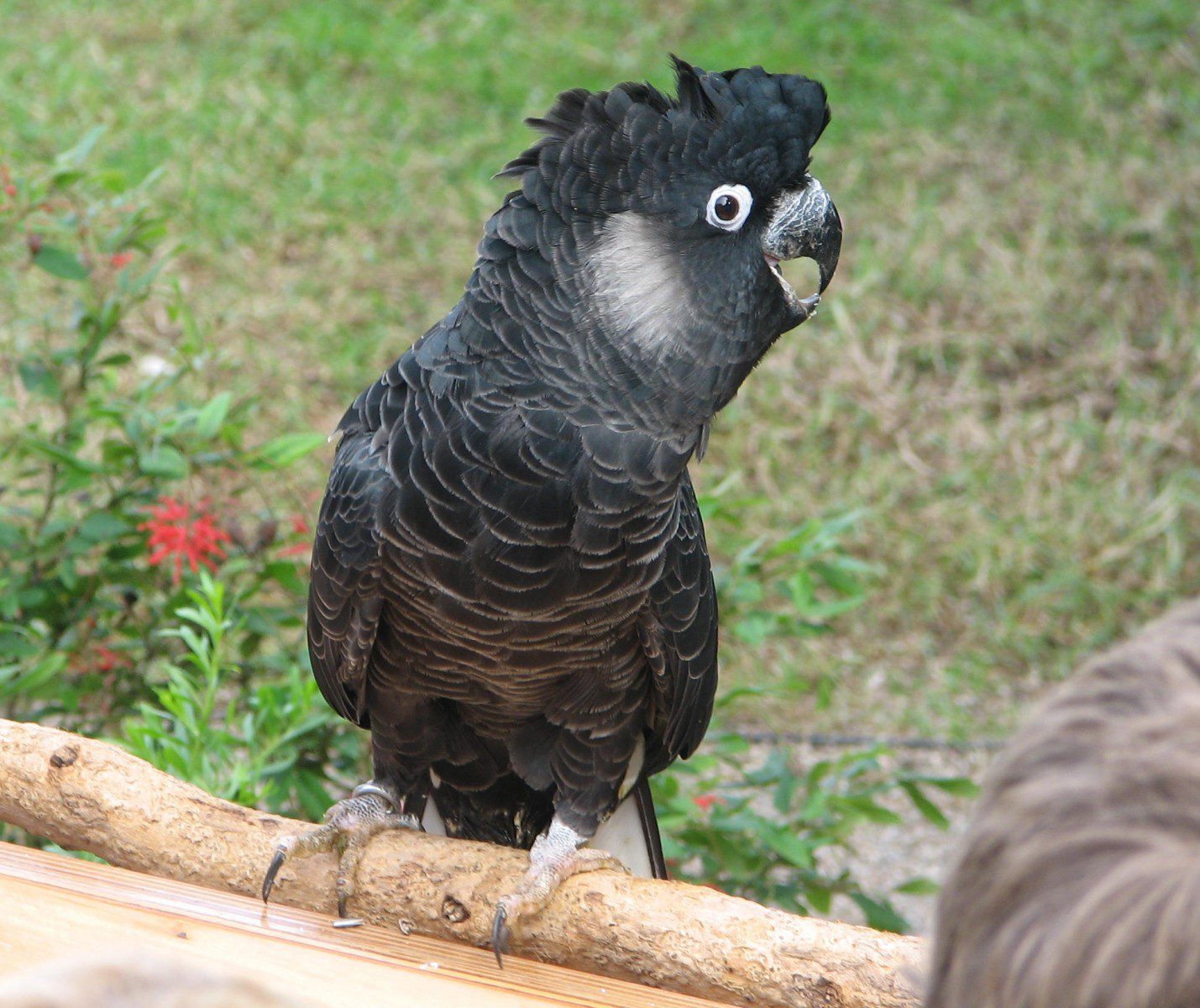
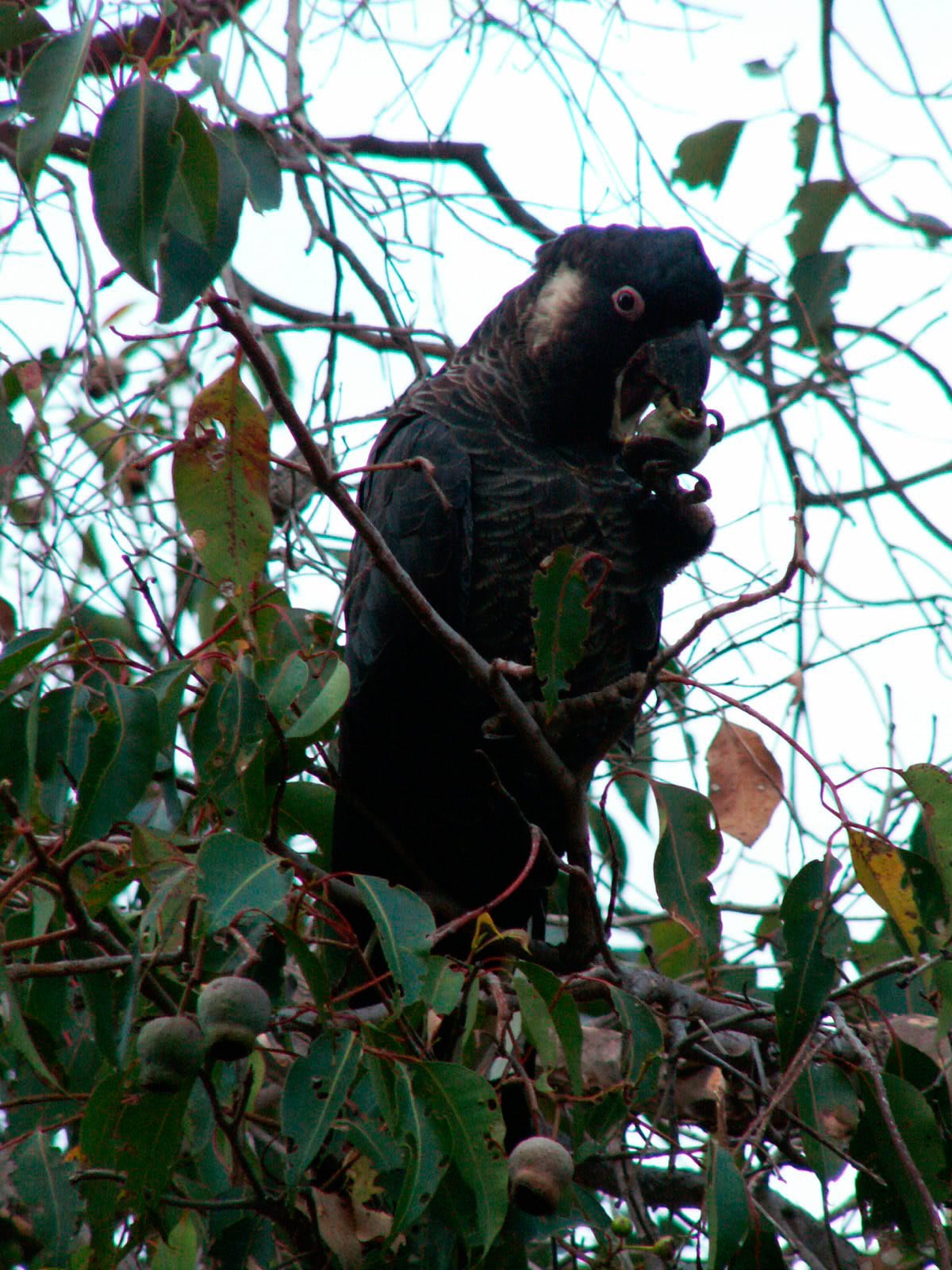
to Baudin's black cockatoo (Zanda baudinii) is almost entirely of black, with whitish margins in the feathers, patches rounded on them ear-coverts (yellowish to white in the female and Brown to grey in the male), white rectangular panels in the tail.
has a powerful bill (with greatly elongated upper jaw), Black in the male and white-gray color with a black color in the female tip.
Iris dark brown surrounded by a eye ring Red in the male and female grey.
Tail rounded, crest Erectile and legs greys. birds youth are like adults in appearance, but the bill of the male juvenile is equal to the of the of the female adult. The bill the juvenile male begins to darken after the second year.

Habitat:

Its natural habitat is the dense forests dominated by the Marris (Corymbia calophylla) in the extreme southwest of Australia.

Gregaria, is often seen in groups of three, a pair of adults with a young, or in small groups. Occasionally they gather in large flocks of up to 300 birds during the non-breeding season, usually in places where food is abundant.

Reproduction:

Very little is known about the reproductive biology This cockatoo, such as their reproduction area, nesting events calendar, the nest tree, Characteristics of holes for nests, implementation size, incubation period, incipient and successful nesting period.

Little is known about their reproductive cycle because nests are extremely difficult to locate.. Most of the characteristics of the biology of the species are inferred from the Short-billed black cockatoo.

They show a strong union of couple and probably is pair of by life. They remain together throughout the year, except when the female is incubating eggs. Probably they begin to breed at the age of four. The species breeds in late winter and spring, from August to November or December. Copulation probably takes place three days before laying. The female lays one or two white eggs and you can lay an egg of replacement if the first since egg fails. The incubation lasts a few 29 days and only the female incubates them. The chicks remain in the nest for a maximum of 16 weeks.

The nests are composed of a layer of wood chips, built in large hollow in the high eucalyptus, 30 to 40 cm. in diameter and more than 30 depth cm.

Food:

Are fed mainly from the seeds of MARRI and Karri. They are also fond of the rending of wood, Apart from pierce the bark of trunks in search of larvae. Apple trees and pear trees are frequently visited to enjoy its fruits.

Distribution:

Confined in the South-West of Western Australia, especially among Perth, Albany and Margaret River.

Distribution Long-billed Black-billed Cockatoo

Small captive populations in the Melbourne Zoo, in the Healesville sanctuary in Victoria, and in the Zoo of Perth. The species is bred in captivity with great difficulty.

Conservation:

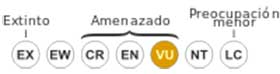
State of conservation โ“˜


Vulnerable Vulnerable โ“˜ (UICN)โ“˜

In Australia is listed as Vulnerable by the law on protection and conservation of biodiversity for the environment.

The total population of the species is estimated at 12.500 individuals, with one downward trend.
Before the inclusion of the threatened species, the annual reproductive rate was of 0,6 per couple, too low to replace the large number of birds that were killed by horticulturists to protect their crops. It is now illegal to shoot these birds, However is it still done.

In captivity:

Appears in the Appendix II of CITES, what limited international trade in the species. Itร‚ยดs illegal capture These wild birds, a penalty of up to 10,000 $. This cockatoo is protected under the Wildlife Conservation Act of Australia.

Alternative names:

Baudinโ€™s Black Cockatoo, Long-billed Black Cockatoo, White tailed Black Cockatoo (English).
Cacatoรจs de Baudin (French).
Langschnabel-RuรŸkakadu, WeiรŸohr-Rabenkakadu (German).
Cacatua-negra-de-bico-longo (Portuguese).
Cacatรบa Fรบnebre de Pico Largo, Cacatรบa Fรบnebre Piquilarga (espaรฑol).

scientific classification:

Order: Psittaciformes
Family: Cacatuidae
Scientific name: Zanda baudinii
Genus: Zanda
Citation: Lear, 1832
Protonimo: Zanda Baudinii

Images:


Species of the genus Zanda
  • Zanda funerea
  • —- Zanda funeral funeral
  • —- Zanda funerea whiteae
  • —- Zanda funerary xanthanota
  • Zanda baudinii
  • Zanda latirostris

  • Sources:
    Avibase, Australian Government
    Photos: Long-billed Black-cockatoo, Taronga Zoo, Sydney, Wikipedia, Goura (zoochat.com),
    Sounds: Chris Benesh (controles-canto.org)

    โ–ท The world of Pets: Dogs, cats, birds, reptiles, amphibians

    Cockatiel
    Nymphicus hollandicus


    Cacatรบa Ninfa

    Content

    Description

    25-33 cm.. length and a weight between 80 and 100 grams approximately.
    This small cockatoo is no doubt an of the bird's cage more common in the world.
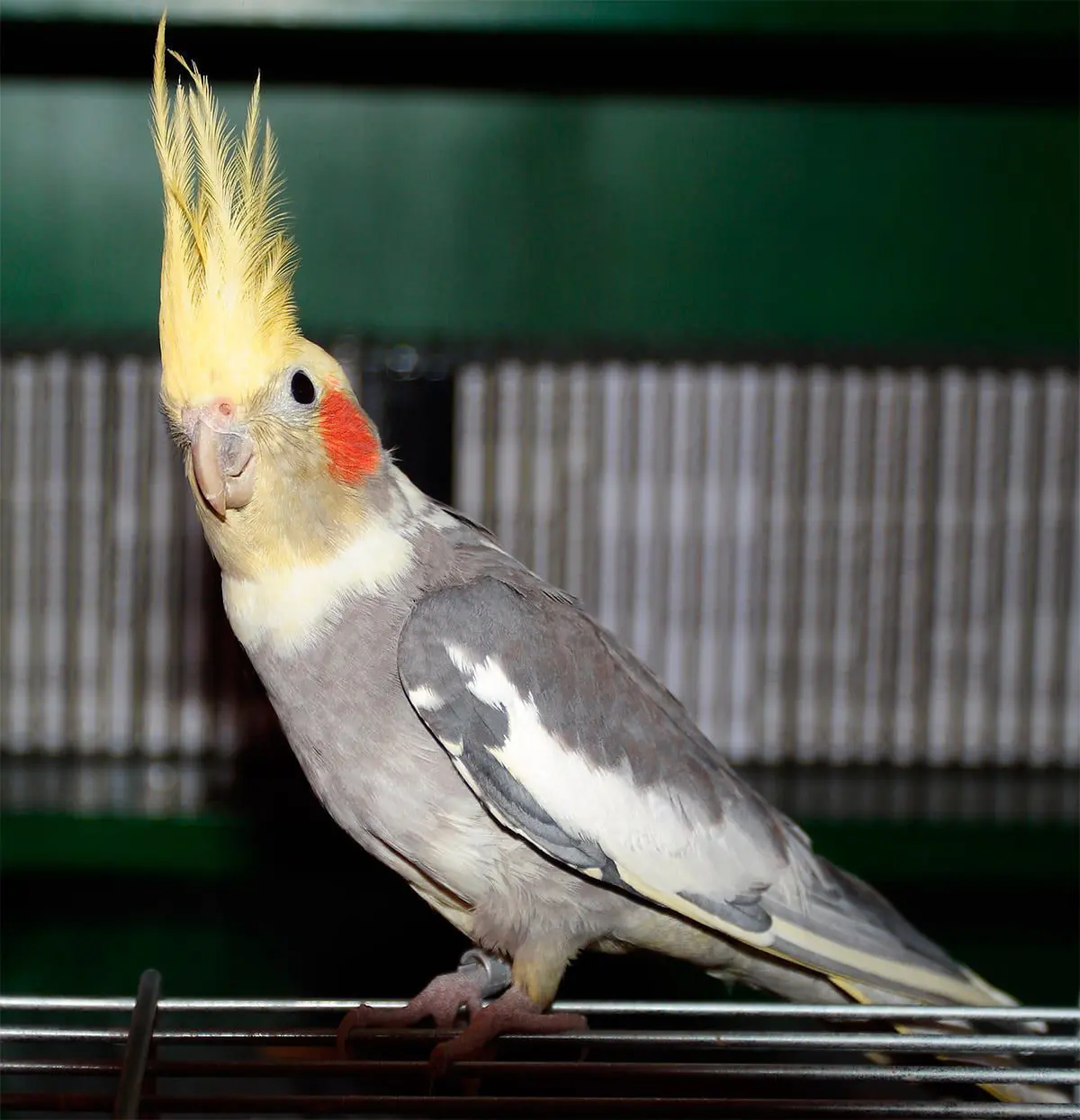
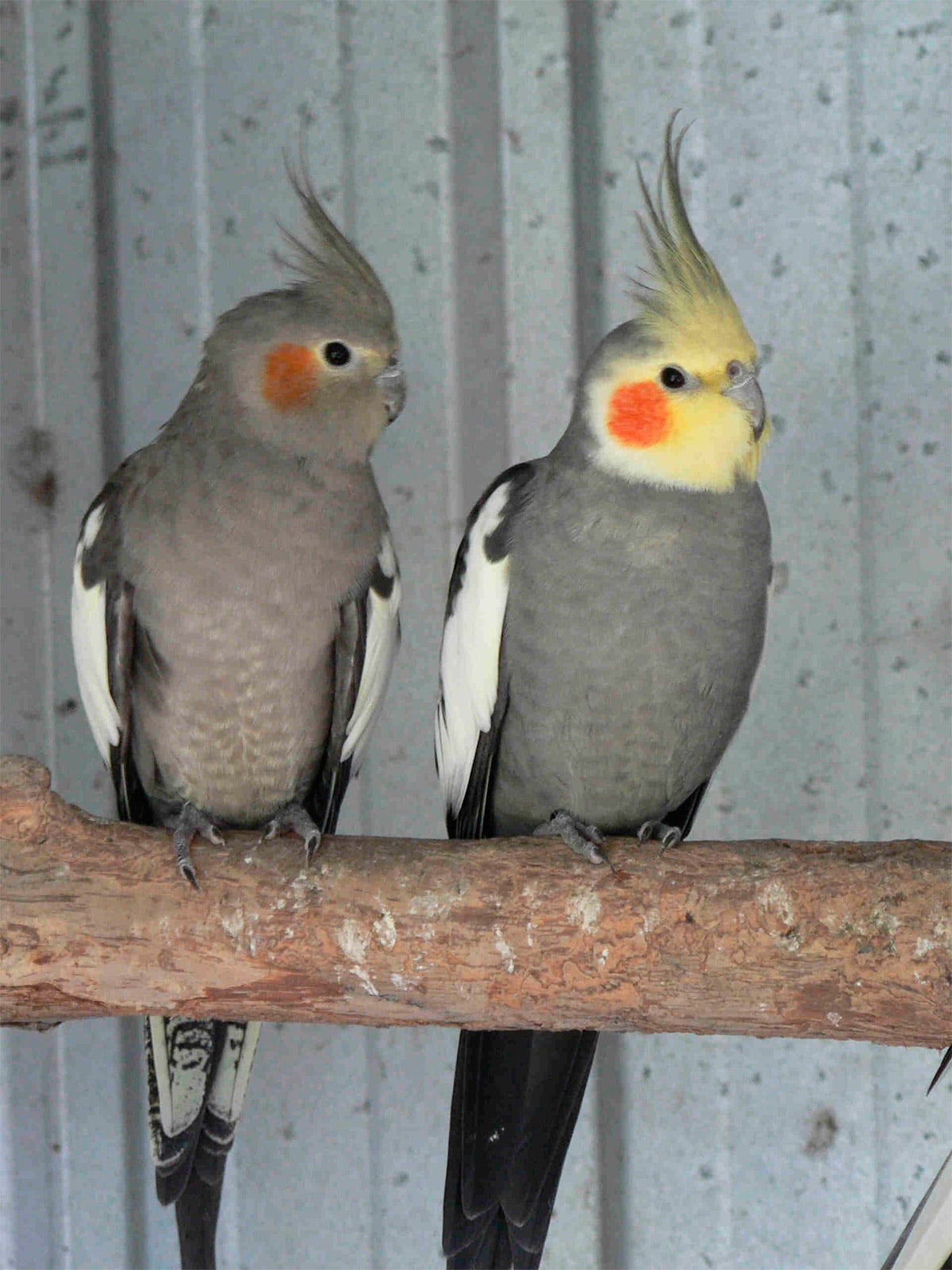
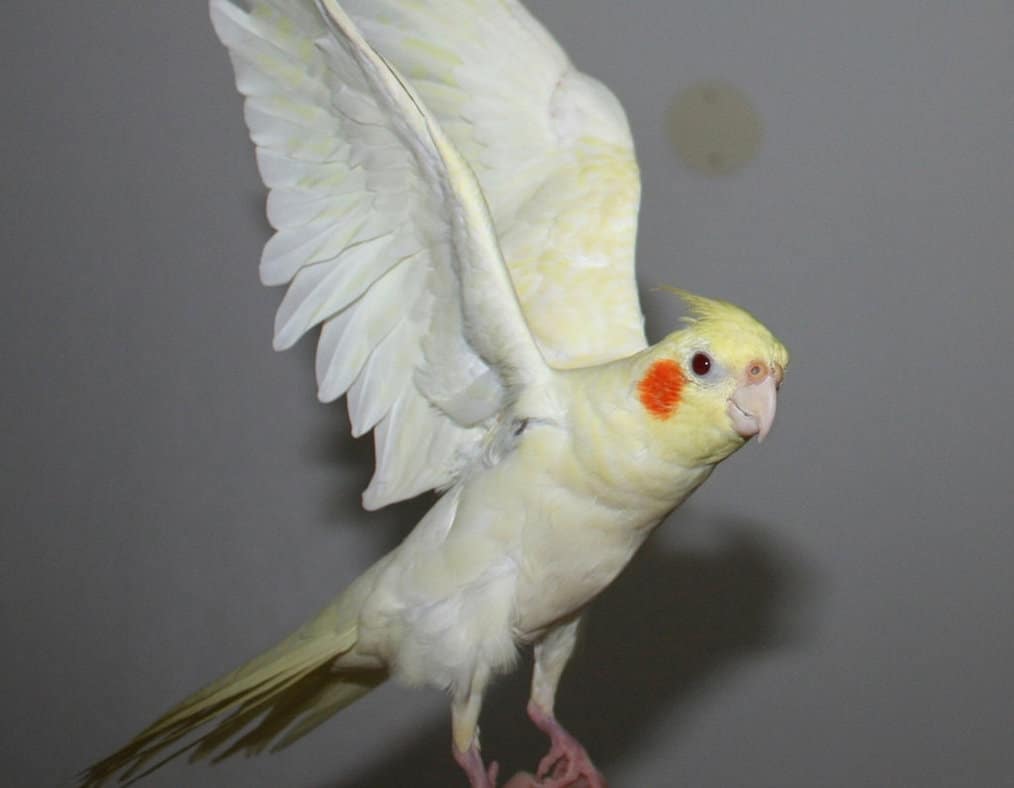
    The Cockatiel (Nymphicus hollandicus) adult has the head and the basis of the crest yellow.
    Stain handset is orange, paler on the back.
    The neck and the long crest feathers are grey.
    The upperparts are of color grey Pearl dark.
    The wings are grey, but exhibit a white color in the covered and sides.
    The underparts are a grey clear.
    The tail varies from medium gray to dark gray, the base of the tail is paler.
    The bill is grey, the irises dark brown.
    The legs are grey-brown.

    The female presents the stain handset duller, the tuft is less developed, In addition instead of the yellow, the head presents a yellowish grey with yellow dirty envelope the forecrown and a vaguely colorless gray general staining and staining is generally less intense.
    The immature are much similar to the females, but have the tail shorter.

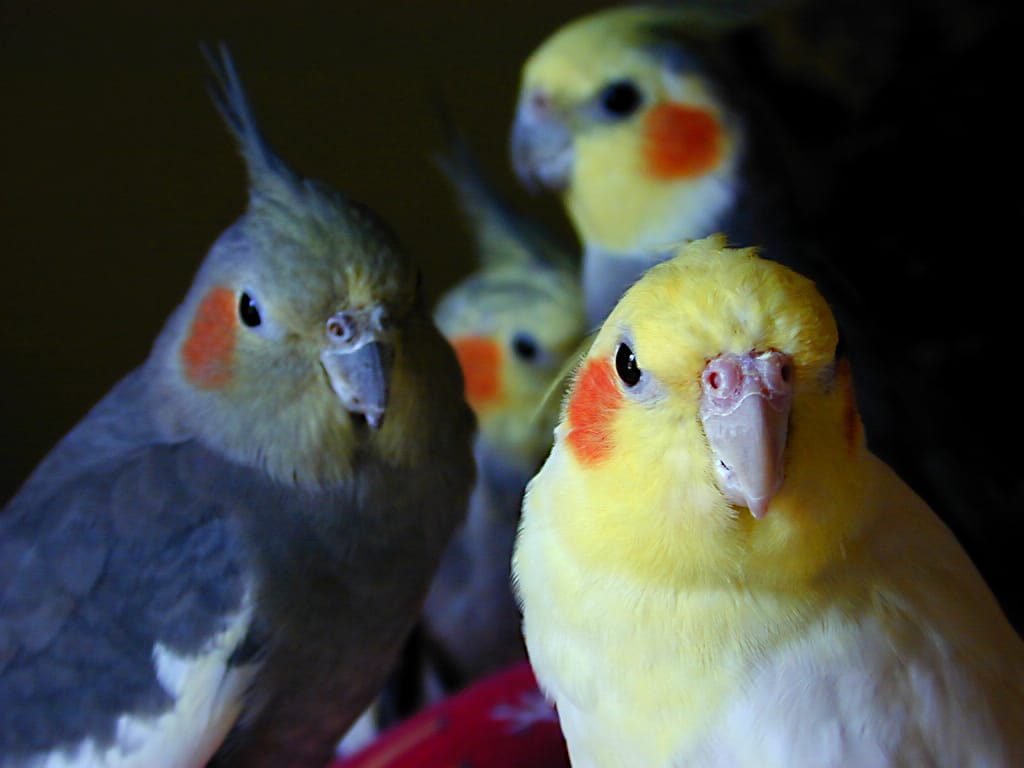
    We find Pearl specimens in captivity, White, Gray and lutinos.

    Habitat:

    Video – "Cockatiel" (Nymphicus hollandicus)

    Funny Parrot (Nymphicus Hollandicus)

    The cockatoo Nymph they live in a wide variety of habitats, including open forests, small acacia forests that line the rivers and even stretches of Spinifex (Triodia) they are perennial and grow in semi-arid regions.

    Also found in farmland, in the stubble and the orchards, as well as on the plains and along the roads.

    In dry areas are observed in pairs or in groups of up to 100 individuals.

    When feed, the groups contain an average of 27 Member. But, We have already seen demonstrations of almost 1.000 birds near landfills containing vegetable remainders of the rice milling.

    Near the points of water, the cockatoo Nymph are often associated with the Budgerigar (Melopsittacus undulatus).

    Estas Cockatoos eat twice a day: In the morning, shortly after the Sun, consuming around 2,72 grams of plant material. At night, about an hour and a half before the night, eating around a mass of 4,25 g., It is almost 7 grams for the whole day.

    Son great travellers.
    Outside of the nesting season, they form large gatherings around the planting of cereals.
    As they feed on seeds, these birds need water and in times of drought, sometimes bands come to the coast.

    All these movements are quite unpredictable, since they are related to the weather conditions and the State of the food resources. But, in the South of the continent, migrations are more regular: the birds come to nest during the austral spring and usually go away early in the new year.

    Son gregarious and very social, so they need a wide repertoire of calls to communicate or express their feelings. They have a great power to imitate other birds.

    Reproduction:

    In the North, the reproduction is carried out between April and July, While in the South occurs in general from August to December.
    The nest is located in a tree hollow whose bottom is padded with sawdust shavings. Most of the time, the nesting site is placed near a source of water in which poultry cooled daily.

    The spawning has between 3 and 7 eggs they are incubated alternately by both parents for a few 20 days. 4 eggs are a normal litter. There will be several broods during the season. At birth, the chicks have a thick down comforter yellow. They receive their food mainly in the morning and in the evening.

    Chicks they leave the nest after 3 to 4 weeks, but they remain within the family group, Depending on their parents for 1 month. After this time, they join large flocks that roam in search of food.

    Food:

    Consume a wide variety of small seeds He collected soil, including the cultivated fields of sorghum and sunflower. When they are abundant, local seed varieties are generally preferred to the seeds that come from crops.

    Distribution:

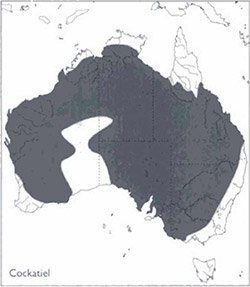
    Distribucion Nymphicus hollandicus
    Endemic to Australia. Its range covers a vast majority of the continent, except wet coastal areas. Also absent from the Cape York Peninsula, districts located more to the South in winter and areas located more to the North in the summer.

    After heavy rainfall, large meetings can be set up in the center of the country where they are, usually, absent.

    Conservation:

    State of conservation โ“˜


    minor concern Minor Concern โ“˜ (UICN)โ“˜

    – Current IUCN Red List category: Least concern.

    – The population trend: Stable

    This bird is very common and extended throughout the area. Probably its population grows, It has benefited from the facilities and artificial reservoirs for the development of agriculture.

    Its population It is estimated in around a million of birds. The birds that sought to be introduced in the United States they have failed in their attempts to establish themselves in the wild.

    In Australia, these small cockatoos are often persecuted for considering them pests for agriculture.

    "Cockatiel" in captivity:

    The Nymphs or Carolinas they are highly prized birds as pets by its docile nature and for being less demanding than the larger parrots. The nymphs they are perfectly suited to life in the home, they are easy to care for and if you homeschool them from small become companions adorable and very affectionate.

    They generally live in pairs or in colonies, that is why it is very common to mate them, to be able to enjoy the birth of the offspring and their development.

    They usually enjoy sharing their time with people and rather stick to their owners, Each bird has its personality, so you don't like all that take them into your hands. Males can sing and learn to mimic a few words, but they are much better to imitating sounds, as melodies, sirens or other birds singing. Females vocalize much less but tend to also be more caring.

    The nymphs are birds Smart, of friendly character and practically does not present problems of behaviour. They are easily adapted to family life and learn to interact and communicate with people who love. If you've decided to adopt one of these cute birds, make sure you dedicate time to your training to get to have a great pet. This will help you create a strong emotional bond between you and you will also keep it entertaining, mentally active, healthy and happy.

    Alternative names:

    Cockatiel, Cockatoo Parrot, Crested Parrot, Quarrion, Weero (ingles).
    Calopsitte รฉlรฉgante, Perruche calopsitte (French).
    Nymphensittich (German).
    Cocatiel (Portuguese).
    Cacatรบa Ninfa, Carolina, Ninfa (espaรฑol).

    scientific classification:

    Order: Psittaciformes
    Family: Cacatuidae
    Scientific name: Nymphicus hollandicus
    Genus: Nymphicus
    Citation: (Kerr, 1792)
    Protonimo: Psittacus hollandicus

    Images Cockatoo Nymph:


    Sources:
    Avibase, elblogdemaskota
    Photos: commons.wikimedia.org, huffingtonpost.com, optusnet.com.au, cockateil.NET, galleryhip.com
    Sounds: Marc Anderson (Xeno-canto)

    โ–ท The world of Pets: Dogs, cats, birds, reptiles, amphibians

    Yellow-eared Parrot
    Ognorhynchus icterotis


    Aratinga Orejigualda

    Content

    Description:


    Anatomy-parrots

    42 cm.. of length and a weight of 285 g..
    The Yellow-eared Parrot or Yellow-eared Parrot (Ognorhynchus icterotis) is a parrot of medium-sized; has the crown green grass with Emerald suffusion; the forecrown with a wide yellow stripe that extends to the lores, upper cheeks and below the eyes up to the ear-coverts; bottom of the cheeks and both sides of the neck green.

    The upperparts, upperwing-coverts and flight feather are green grass. Under the wings yellowish green in coverts, yellowish in the flight feather. The underparts yellowish with increasingly darker green dye in the belly, the the thighs and area of the vent.

    Aratinga Orejigualda

    Upper, the tail green; down off red. The head is large in proportion to the body, with bill thick, blackish. Orbital ring, pale grey; Orange the irises; legs grey.

    Both sexes similar.

    The immature not described.

    • Sound of the HTTPS://www.mascotarios.org/wp-content/themes/generatepress_child/sonidos/Yellow-eared Parrot.mp3.

    Habitat:

    Video – "Yellow-eared Parrot" (Ognorhynchus icterotis)

    yellow-eared parrot project 10 years - Ognorhynchus icterotis - ProAves

    They inhabit in the humid montane forests in the subtropical high and low temperate zones, sometimes frequent partially cleared areas.

    Associated to the wax Palms (Ceroxylon quindiuense), Although the dependence of these species is uncertain since the birds remain absent from those areas in which these palms are abundant. Move, generally, in pairs or small flocks and perform migrations altitudinal and latitudinal, not specified, outside the breeding season.

    Reproduction:

    They fly in stable couples and they always nest in old nests.
    There are reports of nests on wax Palms (Ceroxylon quindiuense) to 25 metres in height
    child in the month of may in the North of Tolima and conditions of reproductive birds have been seen in the month of March in Huila. Breeding season July to October in Ecuador.

    One of the most unique behaviors in reproduction of the Yellow-eared Parrot is the assistance of a third adult ave sharing the duties of parents, known as "breeding assistants", they have been observed assisting parents in parenting, feeding and caring for the chicks.

    Clutch of four eggs.

    Food:

    It is known that they feed on las Palmas Ceroxylon quindiuense and Ceroxylon alpinum but it probably takes fruits of all other species of this genus; other reported foods include fruits of the Saurauia tomentosa and Sapium.

    The Yellow-eared Parrot they sometimes feed in more open areas, returning the forest to rest.

    Distribution:

    Size of its range (breeding/resident): 168.000 km2

    Its distribution is discontinuous.

    Limited to the North of the Andes, in the North of Ecuador and West Colombito between 1.200 and 3.400 meters above sea level, (mostly between 2,500-3,000 m).

    With distributed (or distributed) in the three chains of the Andes in Colombia; records in the West of the Andes, from a small area in the South, to the North of Cauca and possibly Valle del Cauca; in the Central Andes, from the western slope of Antioquia, Caldas and Cauca and in the eastern slope, in Tolima and Huila; in the East of the Andes from the West side and the East of the basin in Norte de Santander, on the eastern slope of Cundinamarca and in the header of the Magdalena River Valley, in Huila.

    Observed to the North of Ecuador, from Carchi, Imbabura and Pichincha.

    It is likely that they led by seasonality, with the evidence that are present in Ecuador in the months of November and Colombia during the rest of the year.

    Formerly considered common and in some places even abundant, but now is very scarce and local.

    Drastic reduction of its population in the century 20 due to deforestation on a large scale on much of its distribution area and perhaps decrease of species of Quindio wax Palm.

    Recent records sporadic and the species may now be confined in a few localities in Colombia, including the region of the Munchique national natural park (West of the Andes in Cauca), where some forests remain unchanged, at the front of the Magdalena River Valley, and in the Northwest of the Andes, in Ecuador.

    Registered, sporadically, in several protected areas, including the Cueva de los Guรกcharos National Park, Colombia, and Book ecolรณgica Cotacachi-Cayapas in Pichincha, Ecuador.

    The total population of the Aratinga Orejigualda is very small and in danger of extinction.

    Very rare in captivity and remaining birds could be at risk of capture. Appendix I. critical.

    Conservation:

    โ€ข Red List category of the UICN current: In danger of extinction

    โ€ข Population trend: Growing

    The current population It is thought that you understand 1.103 individuals. But, a maximum of only 212 individuals have bred in recent years (Fundaciรณn ProAves in litt., 2010), therefore, This figure is used for the current population of mature individuals. The rest of the population is assumed cautiously being too young to reproduce.

    Due to the intensive action conservation of the population has grown from 81 to 1.103 individuals in 2009, of which 212 they are mature (Fundaciรณn ProAves in litt., 2010).

    Threats:

    – Its distribution area It seems to be strongly restricted by the expansion of exotic forests, Since only occurs in the native forest (CEIA et to the., 2009).

    – It has been a considerable loss and fragmentation of habitat (90-93% of Montane forest in Colombia) throughout its area of distribution (Salaman et al the 1999b, Snyder et to the., 2000.); But, several significant areas of habitat are maintained within their historic range, which suggests additional causes of impairment (Krabbe 1998, PGW Salaman in litt., 1999).

    – The mortality of the Quindio wax Palm (Ceroxylon quindiuense) It is accelerating and the logging in adjacent areas increases its susceptibility to disease (Krabbe 1998, Salaman et to the. 1999to, Salaman et to the. 1999b, PGW Salaman in litt., 1999).

    – The Quindio wax Palm they are incredibly long-lived and slow growing (some more of 500 years of age) (Salaman 2001), and are being exploited unsustainably for use in the celebrations of the Domingo de Ramos within the range of the species.

    – In Ecuador, their hunting was prolific as food source (Krabbe and Sornoza 1996, Salaman et to the., 1999b), and capture has had any impact on Colombia, Although the species is very difficult to keep in captivity (Salaman et to the. 1999b, Salaman 2001).

    Conservation Actions Underway:

    CITES Appendix I and II.

    – The traditional breeding place in Ecuador He has bought and is being reforested (Snyder et to the., 2000).

    – Surveys were conducted at the beginning of 2008 in Ecuador to determine the status of the species there (O. Jahn in litt., 2007).

    – It hopes that an awareness campaign for people who live in close, stop parrots feed hunting (Krabbe 1998).

    – In Colombia, awareness to reduce the pressure of the hunting and the impact of the processions of the Domingo de Ramos, It has involved poster campaigns, environmental education, community workshops, radio and school visits (Waugh, 2004).

    – In combination with actions on the ground, such as surveys, fencing of sites of play to allow the regeneration of the wax Palm, the restoration of the habitat and the provision of artificial nest boxes (Salaman 2001, the ProAves Foundation in litt. 2012), the size of the population of the species has increased significantly (Waugh's 2004, the ProAves Foundation in litt. 2010, 2012).

    ProAves Foundation has two reserves, where this species conservation efforts are focused, about Garden (c.800 hectares) and in Roncesvalles-Tolima (c.10, 000 hectares).

    – In 2009, the ProAves Foundation, Loro Parque Foundation, the American Bird Conservancy and other, they established a corridor of more of 16.000 acres (including the acquisition of more of 10.000 acres) for the Yellow-eared Parrot and other threatened parrots on the Cordillera Central of Colombia (ProAves Foundation in litt. 2010, 2012).

    – In San Luis of Cubarral, the use of artificial nests started in 2011, and it was reported that the population has increased as a result (by O. Cuts in litt. 2013).

    – More information about conservation efforts is provided by Salaman et to the. (2006).

    Conservation Actions Proposed:

    Search additional subpopulations, with a focus on the definition of the State within the Intag Valley, Ecuador (PGW Salaman in litt., 1999, Snyder et to the., 2000), and prepare maps of habitats of the massif of the The Ruiz-Tolima volcano (Salaman et to the . 1999b).

    – Purchase and further protect habitat (Salaman et to the. 1999b, PGW Salaman in litt., 1999, Snyder et to the., 2000).

    – Continue with the current program of successful conservation efforts in Colombia, and extend it into any subpopulation identified inside of Ecuador in the future.

    "Yellow-eared Parrot" in captivity:

    In the news, the Yellow-eared Parrot It is not a bird to keep captive, but you run the risk of being easy prey for poachers, Since It shows no fear toward humans.

    In May of the 2000, a nest It was looted to remove a fledgling and use it as pet. But, this practice is apparently not common.

    Alternative names:

    Yellow-eared Parrot, Yellow eared Parrot, Yellow-eared Conure, Yellow-eared Parakeet (ingles).
    Conure ร  joues d’or, Perriche ร  joues d’or, Perruche ร  joues d’or (French).
    Gelbohrsittich, Gelbohr-Sittich (German).
    Papagaio-de-crista-amarela (Portuguese).
    Aratinga Orejigualda, Loro Amarillo, Loro Orejiamarillo (espaรฑol).
    Loro orejiamarillo, Perico de pรกramo o Catarnica (Colombia).
    Loro caripero (Ecuador).

    scientific classification:

    Order: Psittaciformes
    Family: Psittacidae
    Scientific name: Ognorhynchus icterotis
    Citation: (Massena & Souance, 1854)
    Protonimo: Conurus icterotis

    Yellow-eared Parrot images:


    Sources:

    Avibase
    – Parrots of the World โ€“ Forshaw Joseph M
    – Parrots A Guide to the Parrots of the World – Tony Juniper & Mike Parr
    – Birdlife

    Photos:

    (1) – Yellow-eared Parrot – Colombia_S4E5367 by Francesco VeronesiFlickr
    (2) – Yellow-eared Parrot In the Yellow-eared Parrot Reserve near Jardin, Colombia by Joseph BlowersFlickr
    (3) – YELLOW-EARED PARROT Immature by Bryant OlsenFlickr
    (4) – YELLOW-EARED PARROTS by Bryant OlsenFlickr
    (5) – Reserva Natural de las Aves Loro Orejiamarillo – ProAves
    (6) – Ognorhynchus icterotis Syn: Psittacara icterotis By J. Davernes (biodiversitylibrary.org) [Public domain], via Wikimedia Commons

    Sounds: (Xeno-canto)
    โ–ท The world of Pets: Dogs, cats, birds, reptiles, amphibians

    Scarlet-fronted Parakeet
    Psittacara wagleri

    Scarlet-fronted Parakeet

    Content

    Description:


    Anatomy-parrots

    34 to 36 cm.. of length and a weight of 162 to 217 g..
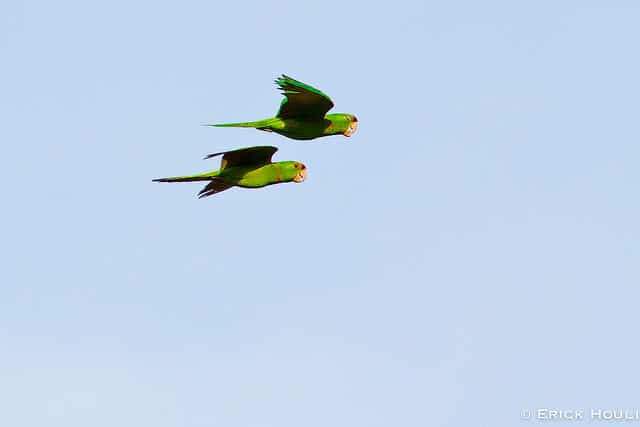
    The Scarlet-fronted Parakeet (Psittacara wagleri) He has the crown and forecrown bright red; lores and cheeks dark green with red feathers scattered in some birds. Of the nape even up to the uppertail-coverts dark green. Upperwing-coverts dark green; flight feather green, dyed Emerald above and olivaceous at the bottom. The greater underwing-coverts, also of color olivaceous, the remaining underwing-coverts, green. The underparts brighter yellowish green, sometimes with scattered red feathers on the throat and in the the thighs. Upper, the tail dark green; by down olive green.

    The bill color pale horn; bare periophthalmic grey; irises yellow; legs distant.

    Ilustraciรณn Aratinga de Wagler

    Both sexes similar.

    The immature with a reduction (or even absence) Red Feather in the head.

    Subspecies Psittacara description wagleri
    Subspecies
    • Psittacara wagleri frontatus

      (Cabanis, 1846) – Red of the head vaster than the species nominal, extending to the rear of the eyes. Red in the the thighs and bend of wing in most birds. Larger than the species nominal (40 cm.).


    • Psittacara wagleri minor

      (Carriker, 1933) – Similar to the subspecies Frontata but smaller (38 cm.) and more green with pale red in the wings. Some specimens with yellow on the bend of wing.


    • Psittacara wagleri transilis

      (Peters,JL, 1927) – darker than kind nominal, with less extensive red on the rear of the crown. Smaller that the species nominal (34 cm.).


    • Psittacara wagleri wagleri

      (Gray,GR, 1845) – The species nominal

    Habitat:

    Video – "Scarlet-fronted Parakeet" (Psittacara wagleri)

    Psittacara wagleri RN Victoria Feb016

    They inhabit in humid forests, deciduous, from gallery, cloudy and second-growth forests with acacias, Prosopis and Ochroma, mainly in the lower subtropical and upper tropical zones, Although they can also penetrate in sub-templadas areas.

    In Peru, observed in cloud forests semi-arid.

    Reported at lower elevations in humid plantations, cornfields and cactus thickets. Key requirement in their habitat are the cliffs, in which it breeds and rests.

    In general, observed the altitudes of 2.000 m, above the 3.000 metres in Peru. Gregaria, usually in close flocks to the 20 individuals, sometimes up to 300 birds.

    Communal hangers on the cliffs with diurnal movements towards the areas of power.

    Reproduction:

    Nest communally in Rocky steep, between December and June in the North of Colombia and between April and June in Venezuela. Average of the laying of 3 to 4 eggs and the incubation is of 23 or 24 days. The pups they leave the nest after 50 days, with a plumage green.

    Food:

    Its diet includes a variety of fruits, nuts and seeds; You can include cereal crops and fruit plantations. Usually they feed in the canopy.

    Distribution:

    Size of the area of distribution (reproduction / resident): 866.000 km2

    The Scarlet-fronted Parakeet It is distributed discontinuously in the northwest and west of South America, in the area of the Andes, from Venezuela until Peru.

    In Venezuela stretching from West of the Paria Peninsula in the foothills of the Andes (between 500 and 2,000m, more altitude farther south), up to the Serrania del Perija and in the North of Colombia, including the Department of Magdalena and the West and center of the mountain range of the Andes Although apparently absent in the southwestern tip of Colombia.

    Their status in the eastern slope of the Andes in Colombia is uncertain. Found around the skirts of the Andes in the South of Ecuador and South of Peru until Tacna at latitudes of I8ยฐ S.

    Apparently, observed in the Western Andean slopes in the Peru with some reports from the South of the Valley of the Maranon River until Ayacucho and apurimac, in the central andes.

    Usually residents Although seasonal visitors in some areas. Irregularly-common, often abundant, Although scarce or non-existent in many areas; more scarce in the South. Decrease in its population in some areas (for example, Colombia), due to loss of habitat.

    Trapped for the trade in live birds, with 16.644 specimens exported from Peru in 1982.

    The large number of birds escaped from her cage makes it considered them are introduced in Spain, Florida, Hawaii and California.

    Subspecies Psittacara distribution wagleri
    Subspecies
    • Psittacara wagleri frontatus

      (Cabanis, 1846) – West of Ecuador and South of Peru, approximately 18ยฐ S


    • Psittacara wagleri minor

      (Carriker, 1933) – South of the Valley of the Maranon River until Ayacucho and apurimac in the center of the Peruvian Andes.


    • Psittacara wagleri transilis

      (Peters,JL, 1927) – The northeastern coastal mountains of Venezuela up to the Paria Peninsula, Sucre. Possibly records in Bethlehem, Caquetรก, on the eastern slope of the East of the Of the Andes in Colombia. Unclear relationship with the species nominal.


    • Psittacara wagleri wagleri

      (Gray,GR, 1845) – The species nominal

    Conservation:

    State of conservation โ“˜


    Near-threatened Near Threatened โ“˜ (UICN)โ“˜

    โ€ข Red List category of the UICN current: Near-threatened

    โ€ข Population trend: Decreasing

    The population trend of the Scarlet-fronted Parakeet apparently it has not quantified, but you suspect that your decline It moderately fast due to the persecution and change of land use (pit et to the., 1997).

    The species has been the subject of a intense trade and individuals captured in nature have been recorded in international trade (UNEP-WCMC trade database CITES).

    One high internal trade This species has been observed in Venezuela (pit et to the., 1997).

    Pursued, due to its status as a crop pest, It can also be contributing to their decline.

    Current levels of hunting pressure and persecution are not known, but it is assumed that it is producing a negative trend in their population.

    Although this species shows a flexible use of the habitat and makes use of the crops, It is suspected that the the land use change It is contributing to a population decline of the species, and habitat clearance is presumed that it has led to the decline of this species in Colombia (pit et to the. 1997).


    Conservation Actions Underway:

    โ€ข The species is listed in Appendix II.

    Conservation Actions Proposed:

    โ€ข Carry out surveys to assess the population size of the species and the trend.

    โ€ข Quantify the current impact of entrapment.

    โ€ข Monitor trade levels.

    โ€ข Carry out awareness activities to reduce the activities of capture and trade of Psittacidas..

    โ€ข Increase the area of โ€‹โ€‹suitable natural habitat that receives effective protection..

    "Scarlet-fronted Parakeet" in captivity:

    The poultry farming of the Scarlet-fronted Parakeet rarely achieved as this species is difficult to obtain and difficult to maintain. This Parrot will only spawn several years kept in captivity.

    It is a bird animated, although, initially shy, that is because you provide a environment of Cologne, even in the breeding season. Itร‚ยดs resistant Once you have moved. Pretty noisy, something that must be taken into account if the neighbors are close.

    Chomping hard, in need of a steady supply of fresh branches to meet the great need to chew. Enjoy the daily bath.

    Alternative names:

    Scarlet-fronted Parakeet, Red-fronted Conure, Red-fronted Parakeet, Scarlet fronted Parakeet, Scarlet-fronted Conure (English).
    Conure de Wagler, Conure ร  front rouge, Perruche de Wagler (French).
    Columbiasittich (German).
    Periquito-de-cara-vermelha (Portuguese).
    Aratinga de Wagler, Perico Frentirrojo, Periquito de Frente Roja (espaรฑol).
    Loro frentirrojo, Perico Frentirrojo, Perico Chocolero (Colombia).
    Cotorra de Frente Escarlata (Peru).
    Chacaraco (Venezuela).
    Perico frentiescarlata (Ecuador).

    scientific classification:

    Order: Psittaciformes
    Family: Psittacidae
    Genus: Psittacara
    Scientific name: Psittacara wagleri
    Citation: (Gray, GR, 1845)
    Protonimo: Conurus Wagleri

    Scarlet-fronted Parakeet pictures:


    Species of the genus Psittacara

    Sources:

    Avibase
    – Parrots of the World โ€“ Forshaw Joseph M
    – Parrots A Guide to the Parrots of the World – Tony Juniper & Mike Parr
    – Birdlife

    Photos:

    (1) – Scarlet-fronted Parakeet (Aratinga wagleri) at Jurong BirdPark, Singapore By Michael Gwyther-Jones (originally posted to Flickr as Singapore 2006 249) [CC BY 2.0], via Wikimedia Commons

    (2) – Scarlet-fronted Parakeet, also called Scarlet-fronted Conure at Jurong Birdpark, Singapore By Lynn Zheng (bird park_012) [CC BY 2.0], via Wikimedia Commons
    (3) – pericon found By the Selimalabi (Own work) [GFDL, CC-BY-SA-3.0 or FAL], via Wikimedia Commons By Selimalabi (Own work) [GFDL, CC-BY-SA-3.0 or FAL], via Wikimedia Commons
    (4) – Chacaraco [Scarlet-fronted Parakeet] (Aratinga wagleri transilis) by barloventomagicoFlickr
    (5) – Chacaraco / Scarlet-fronted Parakeet (Aratinga wagleri) by Erick HouliFlickr

    (6) – Illustration By Gray, George Robert; Hullmandel & Walton; Hullmandel, Charles Joseph; Mitchell, D. W. [CC BY 2.0 or Public domain], via Wikimedia Commons

    Sounds: (Xeno-canto)

    โ–ท The world of Pets: Dogs, cats, birds, reptiles, amphibians

    Orange-cheeked Parrot
    Pyrilia barrabandi


    Orange-cheeked Parrot

    Content

    Parrot-carinaranja-6

    Description:

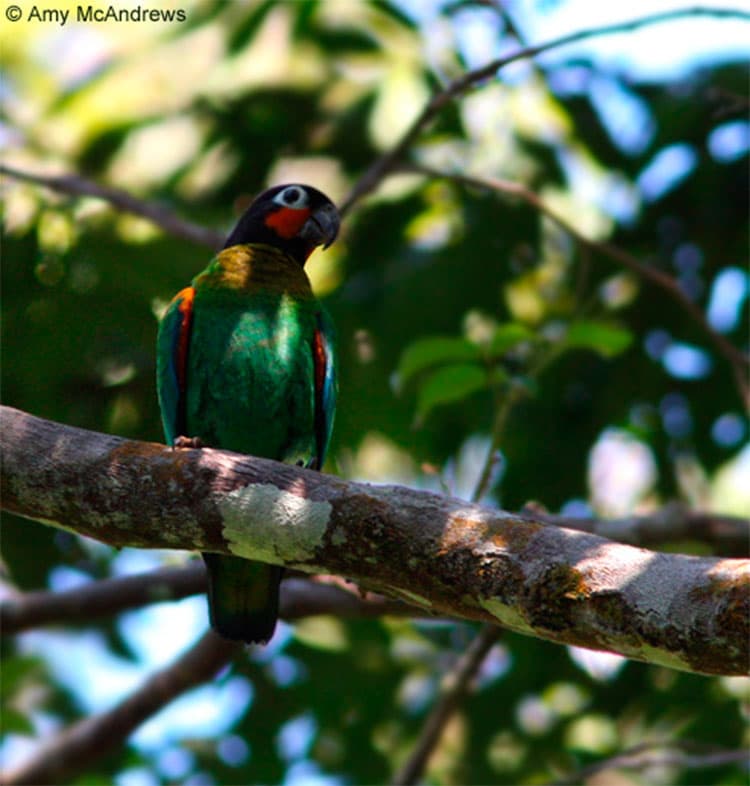
    The Orange-cheeked Parrot (Pyrilia barrabandi) measured, approximately, 25 cm., has the head and throat black, except for the bright colored area amarillento-naranja that goes from the base of the bill up to the lower cheek well behind the eyes.

    Upperparts green, lesser coverts, yellow-orange; edge front of the wing red; primary coverts blue-black; greater coverts bluish green; other coverts, green. Primary, dark blue at the base and in outerweb, If not black; underwing-coverts, bright red, flight feather opaque green. Upper zone of the chest dorado, its bottom and belly, bright blue green, the thighs with orange-yellow feathers. Tail green with blue tip, with yellow bases to the innerwebs of outer feathers.

    Bill grey; brown the irises; legs grey.

    Both sexes are similar.

    The immature has the head Brown golden colour with yellowish brown in cheeks inferiores. Younger birds also has less yellow in the bend of wing, some green feathers in the underwing-coverts and yellow on the tips of the primaries.

    Description 2 subspecies:

    • Pyrilia barrabandi aurantiigena

      (Gyldenstolpe, 1951) – Lesser coverts, curve of the wing and the thighs intense Orange instead of yellow-orange.

    • Pyrilia barrabandi barrabandi

      (Kuhl, 1820) – Nominal.

    Habitat:

    They inhabit mainly in lowland forests, apparently less frequently in forests and marshes. They are distributed at the edge of forests and partially disturbed forest, occasionally in small groves in deforested areas. Observed in altitudes of 150-300 metres in Venezuela and 500 meters in the southeast of Colombia. Seen individually, in pairs and in small groups of up to 10 individuals (sometimes more in banks of land rich in minerals). Are activated more early, In the morning, than other parrots and will rest later.

    Reproduction:

    There is no information about the nesting, but that suggests the registration of immature birds in February and March breeding season It can be between the months of September/October until the end of year.

    Food:

    Observed taking seeds or fruits of Ficus sphenophylla, Pourouma, Pseudolmedia, Mimosa, Pithecellobium and Heisteria and possibly larvae of the gall wasps. Usually, they feed in the canopy of the trees, or just below them; less frequently in low branches. Regularly visit areas with mineral-rich soil in the company of other species of parrots.

    Distribution:

    Size of the area of distribution(reproduction / resident): 3.470.000 km2

    This is a kind of basin of the Western Amazon and the Alto Orinoco. Its length extends from the southeast of Colombia, from the Caquetรก Western and bass inirida river, Guainia, until Venezuela in amazon and the Center and South of Bolรญvar and in Brazil in the upper part of the Amazon to the West, from the rivers Negro and Madeira through the rivers Juruรก and Purus and to the South towards Mato Grosso, through the East of Ecuador and East of Peru and to the Northwest of Bolivia, in hand me.

    They are generally considered rare throughout its distribution area, Although they are fairly common in the Northwest of Bolivia and many in the sandy Woods of bass Inirida River, to the southeast of Colombia. Its population has fallen locally due to deforestation, Although large tracts of primary forest remain in all range States. Live in several areas protected.

    Distribution 2 subspecies:

    • Pyrilia barrabandi aurantiigena

      (Gyldenstolpe, 1951) – Is located in the East of Ecuador and to the East of Peru, where is this in the Manu National Park. In the North of Bolivia is it described as frequent to numerous. The extension also comes to Brazil: is limited by the Amazon in the North and Rio Madeira from the East (pit et to the., 1997).

    • Pyrilia barrabandi barrabandi

      (Kuhl, 1820) – Nominal.

    Conservation:


    Near-threatened


    โ€ข Current category of the Red List of the UICN: Almost threatened.

    โ€ข Population trend: Stable.

    Justification of the population

    The size of the world population It has not been quantified, but this species is described as ยซRareยป (Stotz et to the., 1996).

    Justification of trend

    It is suspected that this species has lost 12.1-15% of habitat within its distribution over three generations (21 years) based on a model of Amazon deforestation (Soares-Filho et to the., 2006, Bird et to the., 2011). Given the susceptibility of the species to the fragmentation and degradation of forest and potentially your hunting and/or trapping, It is suspected that its population will decrease at a rate close to the 30% during three generations.

    Threats

    The main threat This species is the acceleration of the deforestation on amazon basin with large tracts of land used for livestock and soybean production; It is highly susceptible to degradation and fragmentation due to its dependence of primary forests (Soares-Filho et to the. 2006, Bird et to the. 2011, A. Lees in litt. 2011). It can also be vulnerable to the hunt (A. Lees in litt. 2011). The changes proposed by the Forest code of Brazil reduce the percentage of land that a private owner is legally required to maintain as forest and include an amnesty for owners who deforested before July 2008 (who would later be acquitted of the need to reforest illegally cleared land) (Bird et to the. 2011).

    "Orange-cheeked Parrot" in captivity:

    It is very rare see you in captivity outside of Brazil.

    Alternative names:

    Orange-cheeked Parrot, Barraband’s Parrot, Orange cheeked Parrot (English).
    Caรฏque de Barraband (French).
    Goldwangenpapagei, Goldwangen-Papagei (German).
    curica-de-bochecha-laranja, curica, curuca (Portuguese).
    Cotorra Cabecinegra, Lorito Carinaranja, Lorito de Mejillas Amarillas (espaรฑol).
    Cotorra Cabecinegra (Colombia).
    Loro de Mejilla Naranja (Peru).
    Perico Cachete Amarillo (Venezuela).


    scientific classification:

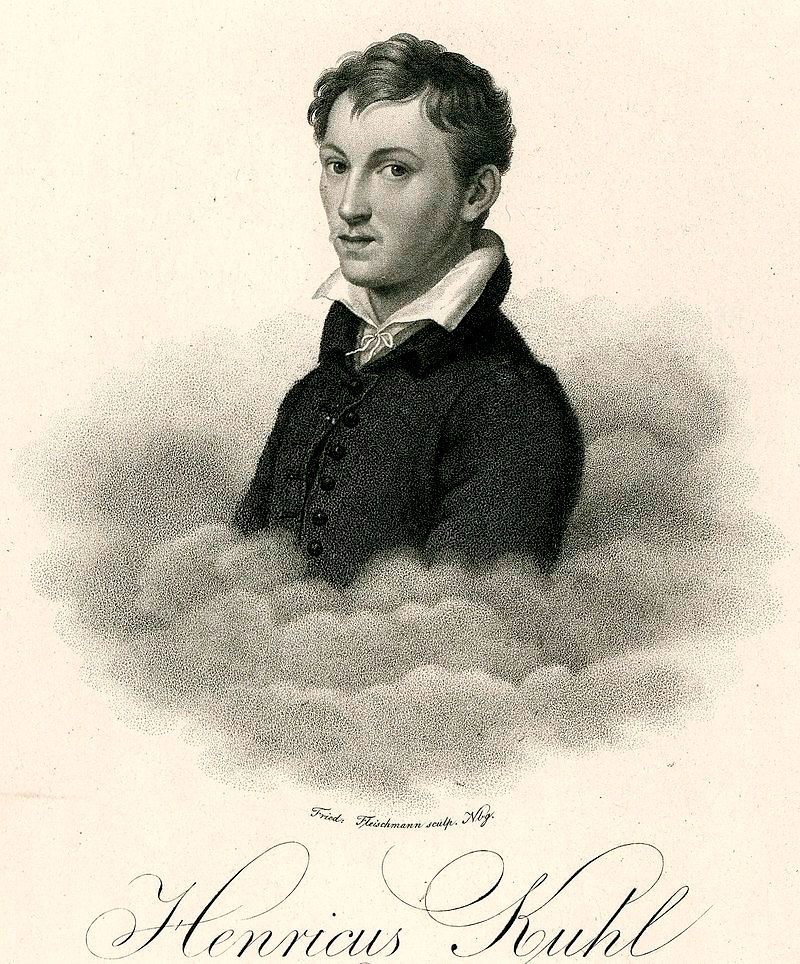
    Kuhl, Heinrich
    Heinrich Kuhl

    Order: Psittaciformes
    Family: Psittacidae
    Genus: Pyrilia
    Scientific name: Pyrilia barrabandi
    Citation: (Kuhl, 1820)
    Protonimo: Psittacus Barrabandi


    Images "Lorito Carinanja":

    Videos "Orange-cheeked Parrot"

    ————————————————————————————————

    "Lorito Carinanja" (Pyrilia barrabandi)


    Sources:

    Avibase
    – Parrots of the World โ€“ Forshaw Joseph M
    – Parrots A Guide to the Parrots of the World – Tony Juniper & Mike Parr
    Birdlife

    Photos:

    (1) – Orange-cheeked Parrot (Pyrilia barrabandi) Cristalino Jungle Lodge, Mato Grosso, Brazil by Amy McAndrewsFlickr
    (2) – Orange-cheeked Parrot at Napo Wildlife Reserve, Ecuador by ocelot123Flickr
    (3) – Cobalt Winged Parakeet , Scarlet Shouldered Parrotlet and Orange Cheeked Parrot at 3rd lick by Vince SmithFlickr
    (4) – Cobalt Winged Parakeet , Scarlet Shouldered Parrotlet and Orange Cheeked Parrot at 3rd lick by Vince SmithFlickr
    (5) – Cobalt Winged Parakeet , Scarlet Shouldered Parrotlet and Orange Cheeked Parrot at 3rd lick by Vince SmithFlickr
    (6) – Oiseaux brillans du Brรฉsil.. Paris,1834.. biodiversitylibrary.org/page/47697228

    Sounds: controles-canto.org