โ–ท The world of Pets: Dogs, cats, birds, reptiles, amphibians

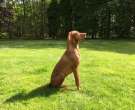
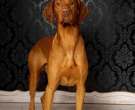
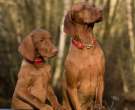
Italian Pointing Dog
Italia FCI 202 . Braque Type.

Braco Italiano

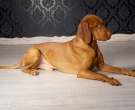
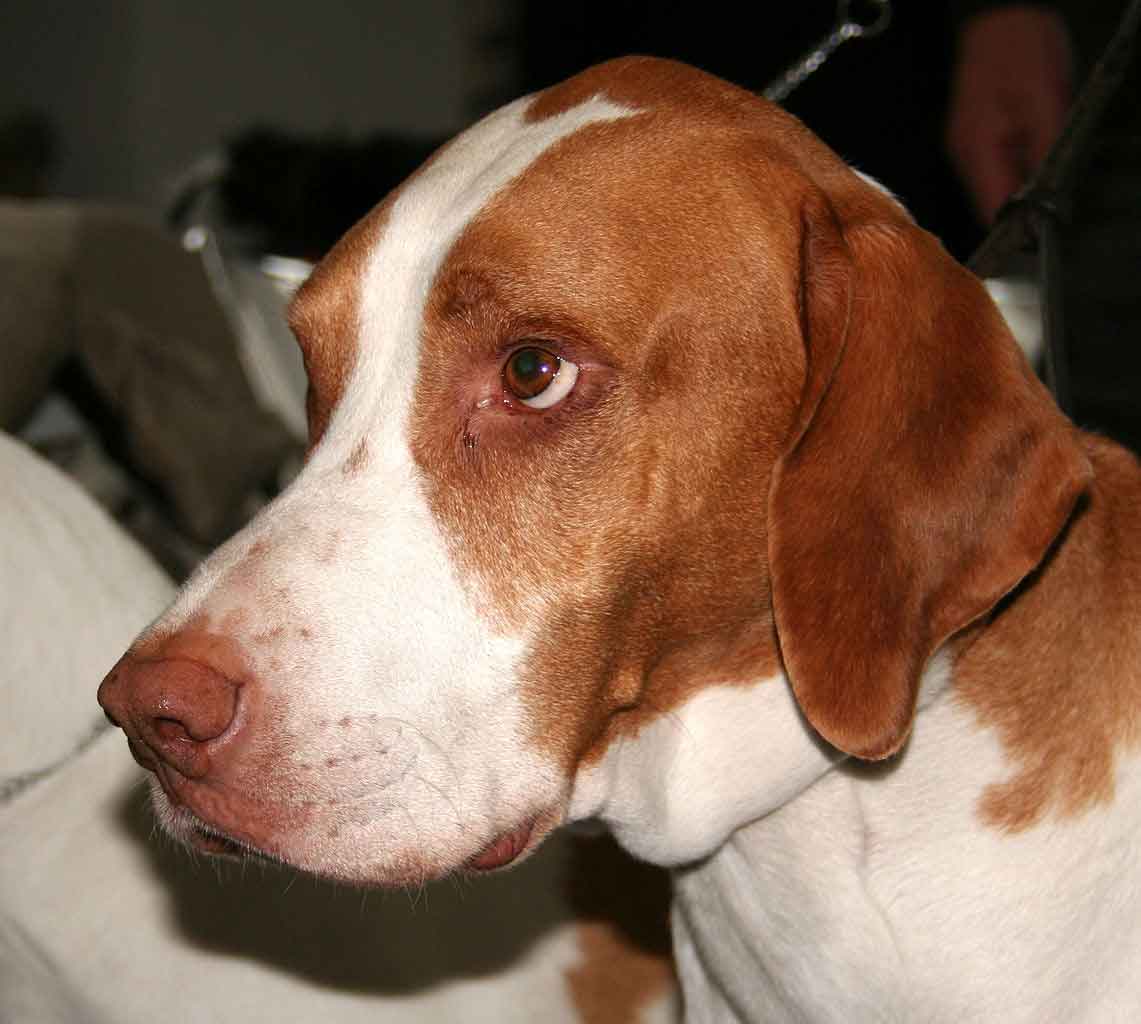
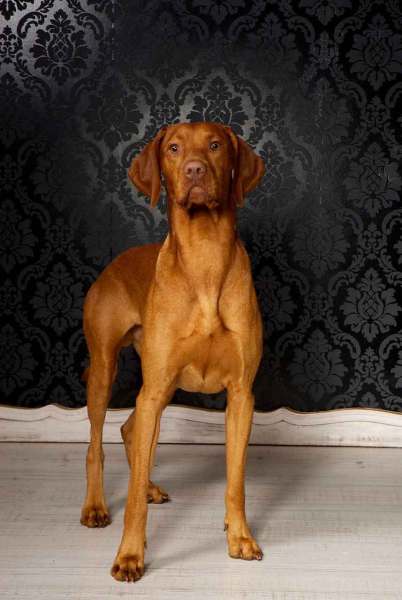
The Italian Pointing Dog is a friendly dog, energetic and playful to which loves to play.

Content

History

The Italian Pointing Dog has been called the Pointer oldest european, and its history dates back to the 4th or 5th century BC.. Although the exact ancestral origins are unknown, it is generally accepted that the Italian Pointing Dog was first a cross between the Italian short-haired Segugio and the asian mastiff, that has been extinct since then. The breed was developed in northern Italy, with two different varieties: the white and orange variety known to be from the Piedmont region and the brown and reddish variety from Lombardy.

in the medieval period, the breed had become established and the Italian aristocracy exported the Bracco across the old world. The popularity of Bracco reached its peak during the Renaissance, and remained in considerable numbers until the beginning of the 20th century, when they faced a steep decline.
At the end of the 19th century, the Italian Pointing Dog faced extinction. Over the years, crosses with Hounds and poor breeding resulted in dogs too heavy to do their job, and the breed suffered from various health problems. Diligent breeding selection and care helped rebuild the breed. In the Decade of 1920, it was decided to unify the two variations of the breed to preserve genetic diversity.

    First of all, the Piedmontese Pointer he was a lighter color and build dog, and originated in the Piedmont region of Italy, as its name suggests. This dog was used for work in the mountains, which reflected his conformation and temperament. The Piedmontese dog was smaller than its counterpart from Lombardy, and his hunting style was reminiscent of some Western European pointers, since he was traveling at a gallop. This dog was mainly white, with or without orange markings.
    On the other hand, the Lombard Pointer it was a brown dog with a heavier body type. This dog was used for hunting in the swampy lowlands, and it was a trotting breed. These large dogs were bred for both their visual appeal and their natural hunting ability..

Shortly after the race was officially unified, the working standard was written and published, and in 1949 was founded in Italy the Societa Amatori Bracco Italiano. When the Italian conformation standard was published, incorporated aspects of both race types, which resulted in notable variability within the standard. The breed standard had been in existence for over a century before being compiled into this single document.

The Italian Pointing Dog was brought to the UK in the late 1980s 1980, but the United States did not experience the Italian Pointing Dog up to approximately 1994. In 2001, the Italian Pointing Dog was accepted into the AKC Foundation Stock Service. In 2005 The first national โ€œMeetingโ€ was held and in 2007 the Bracco Italiano Club of America was founded.

Physical characteristics

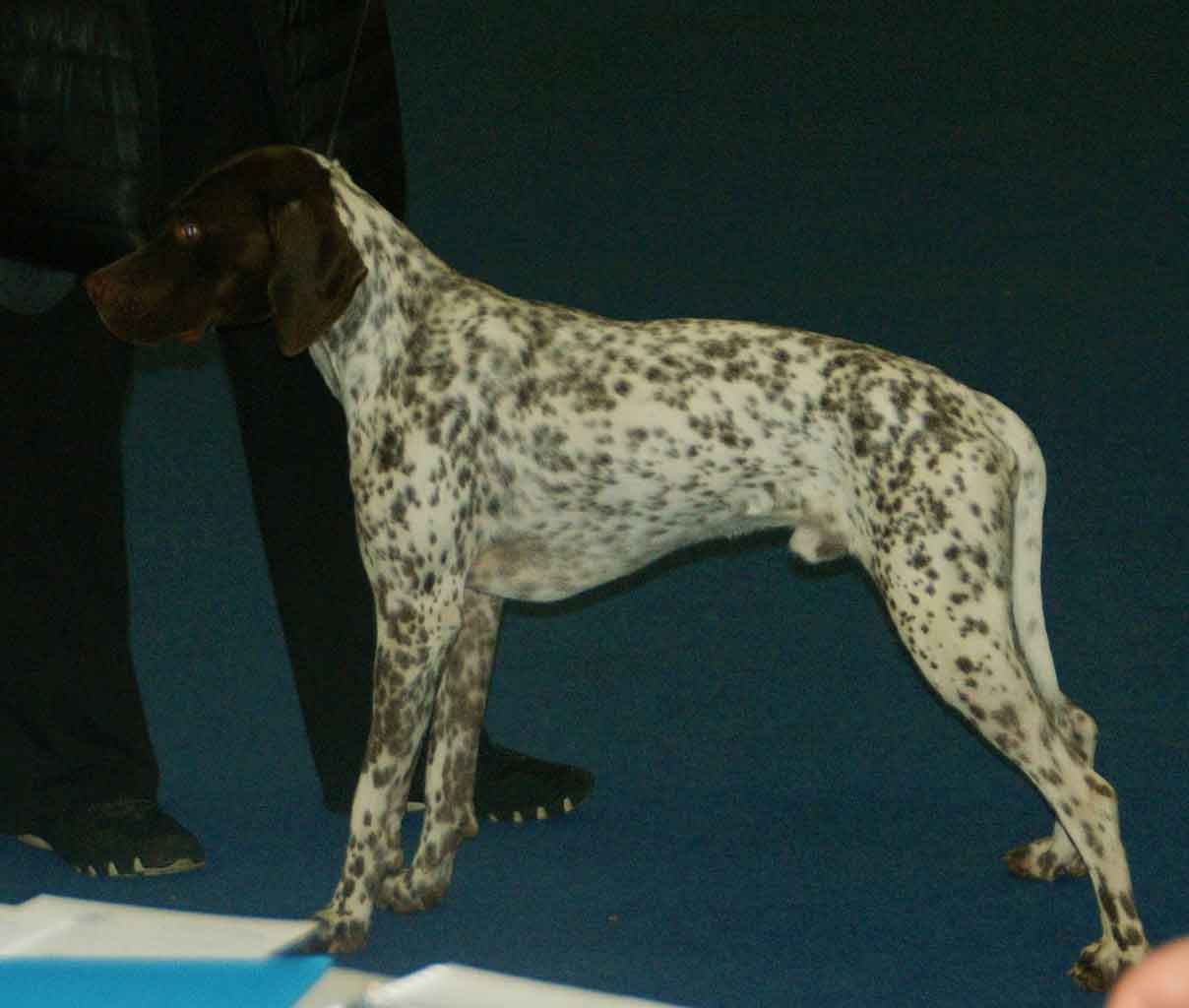
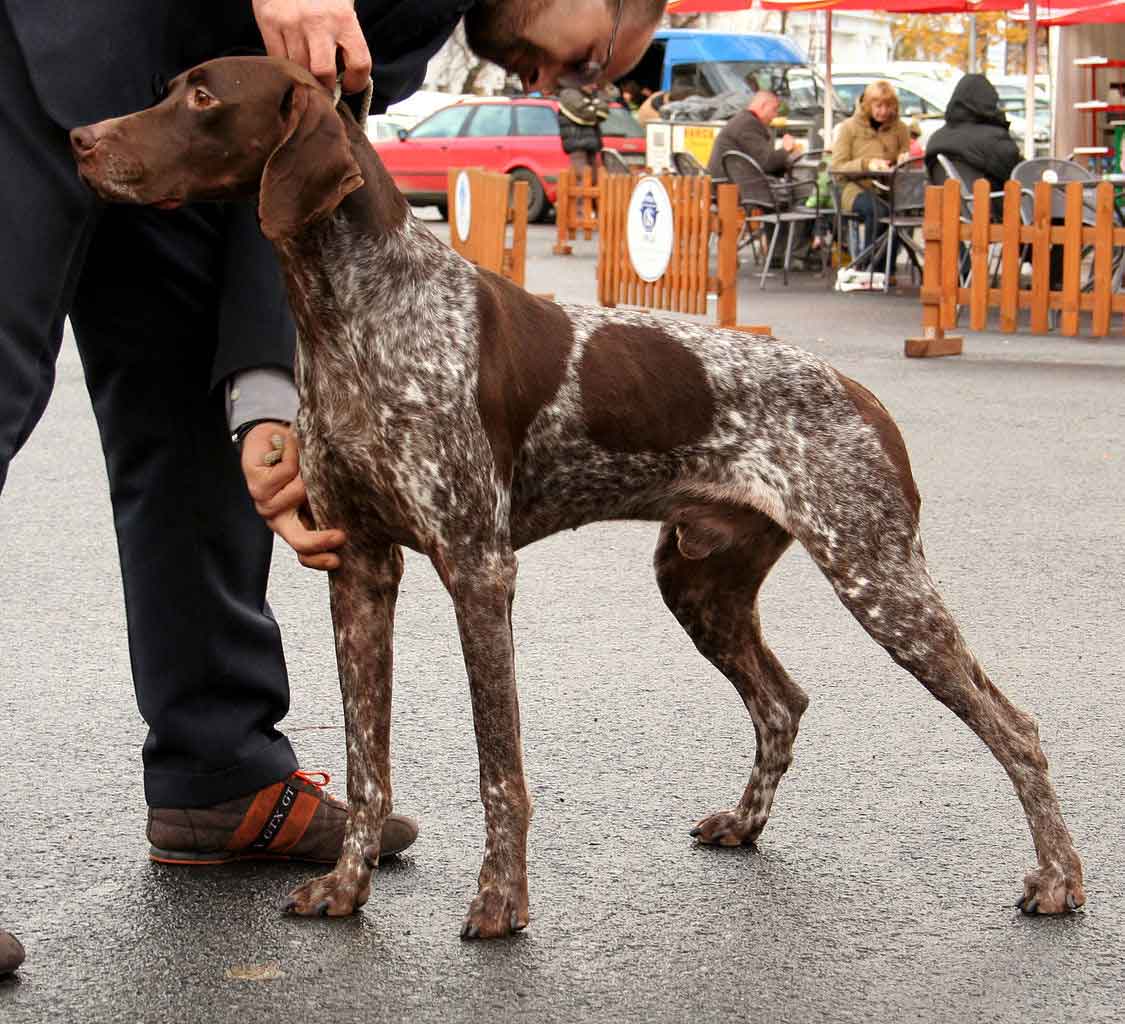
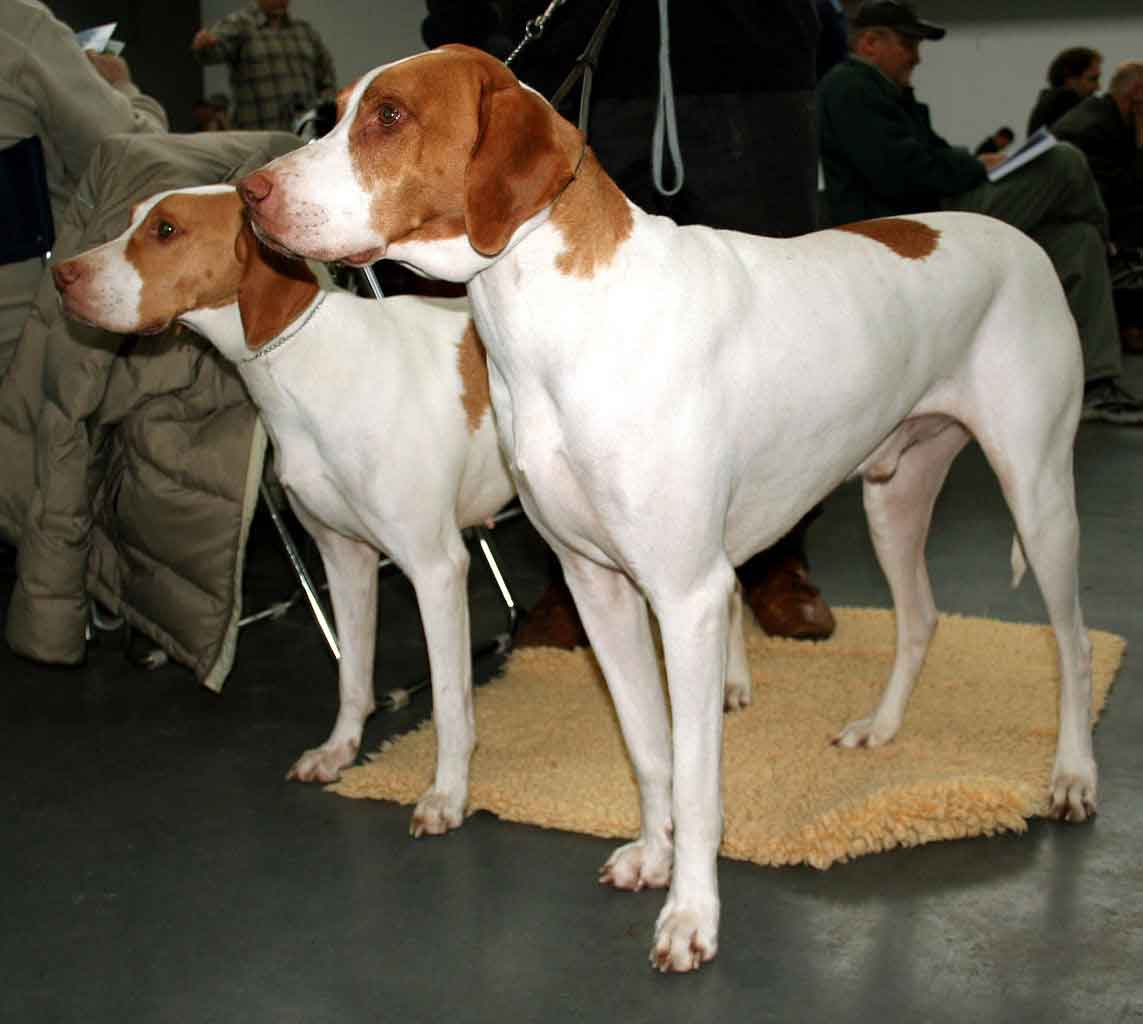
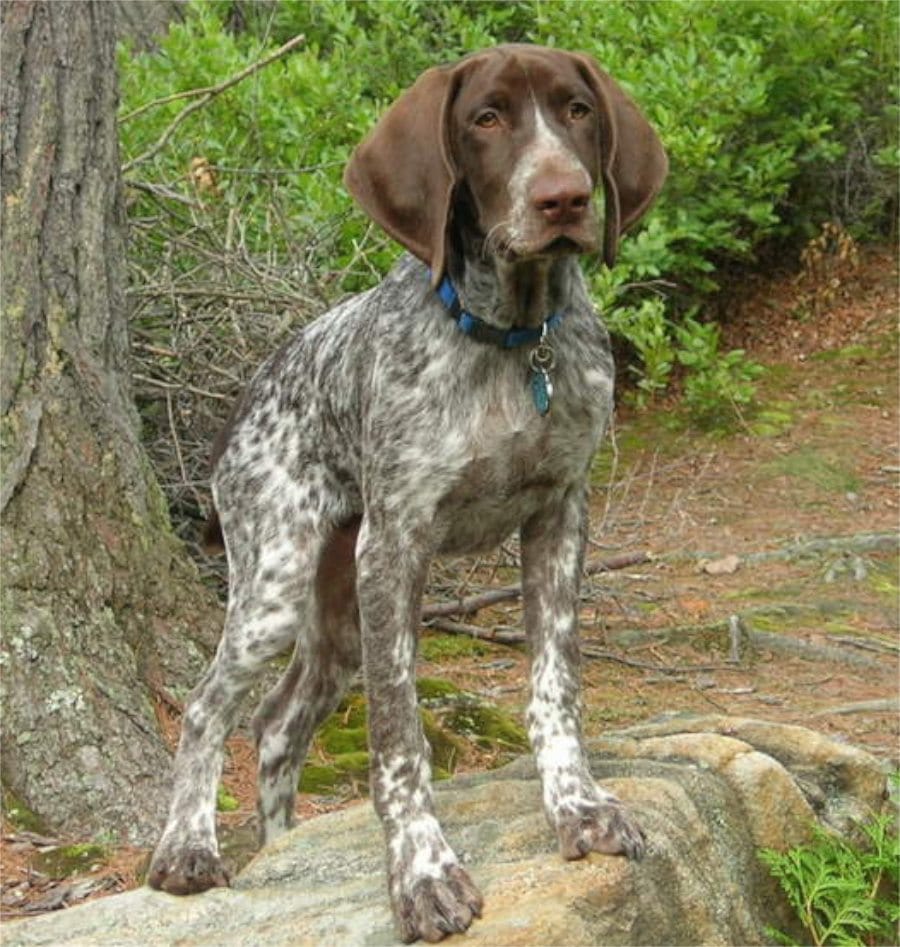
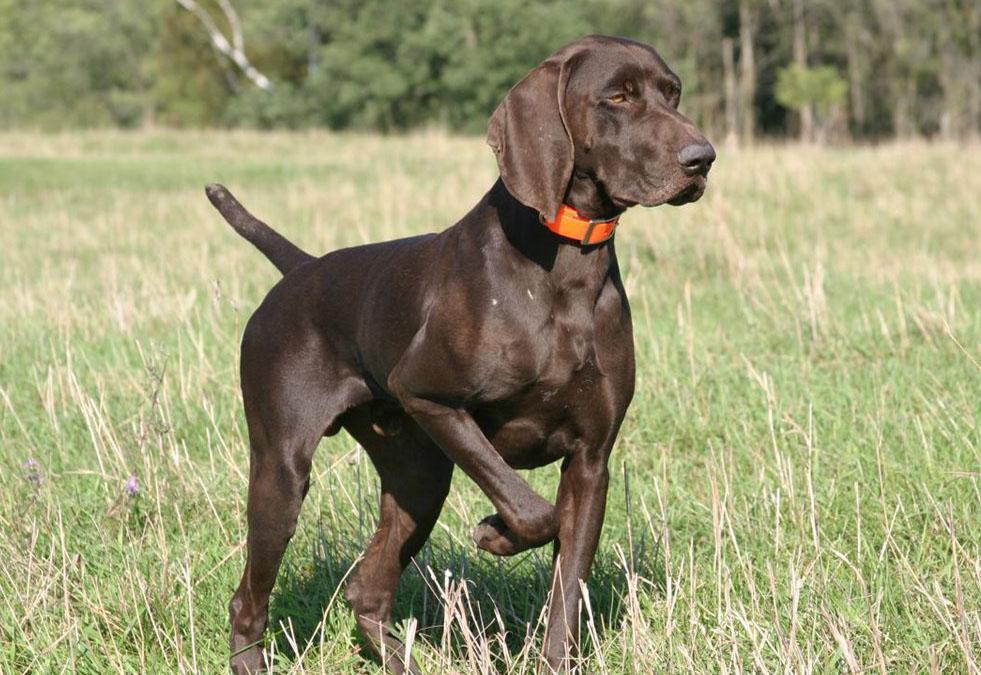
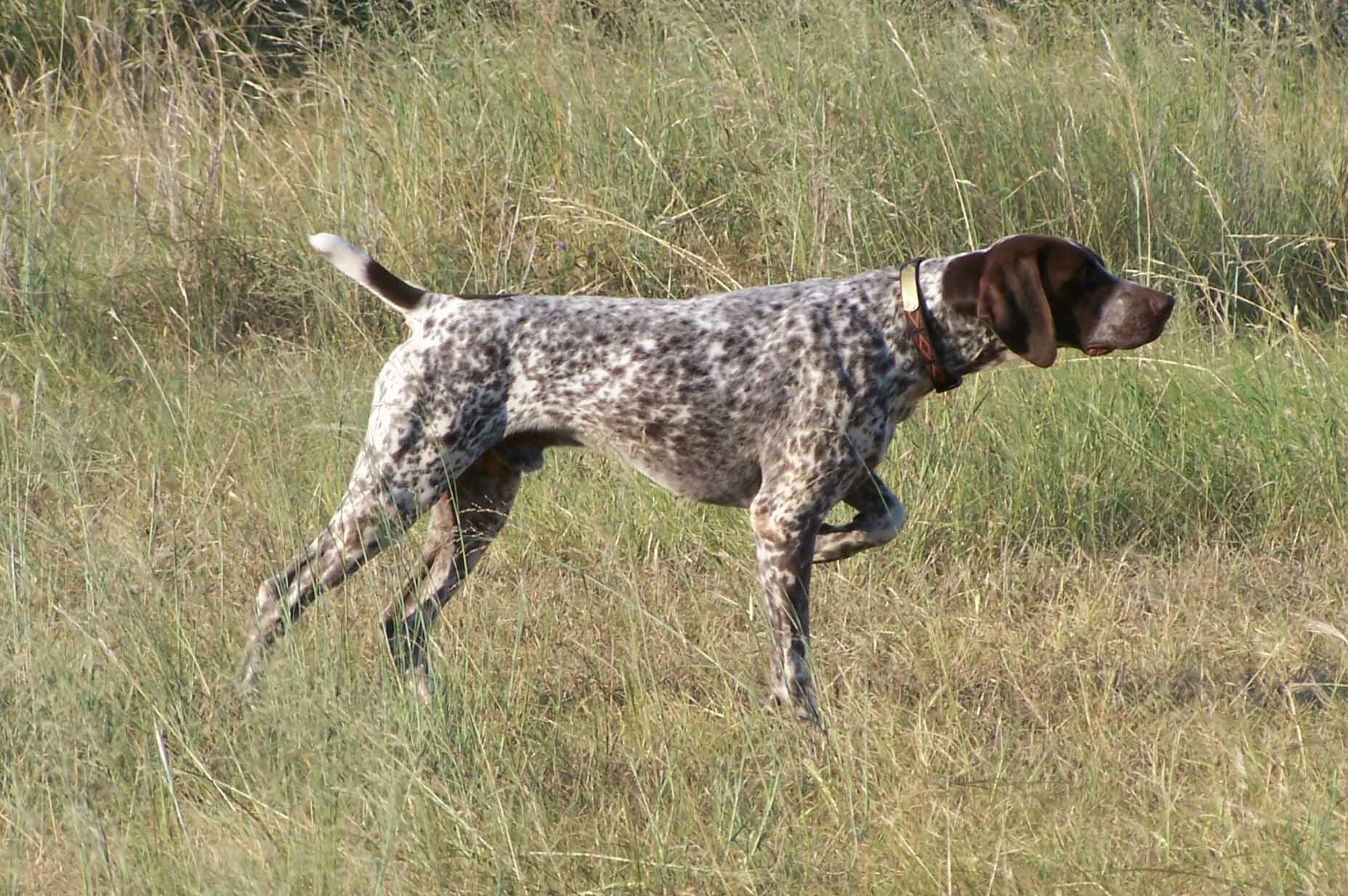
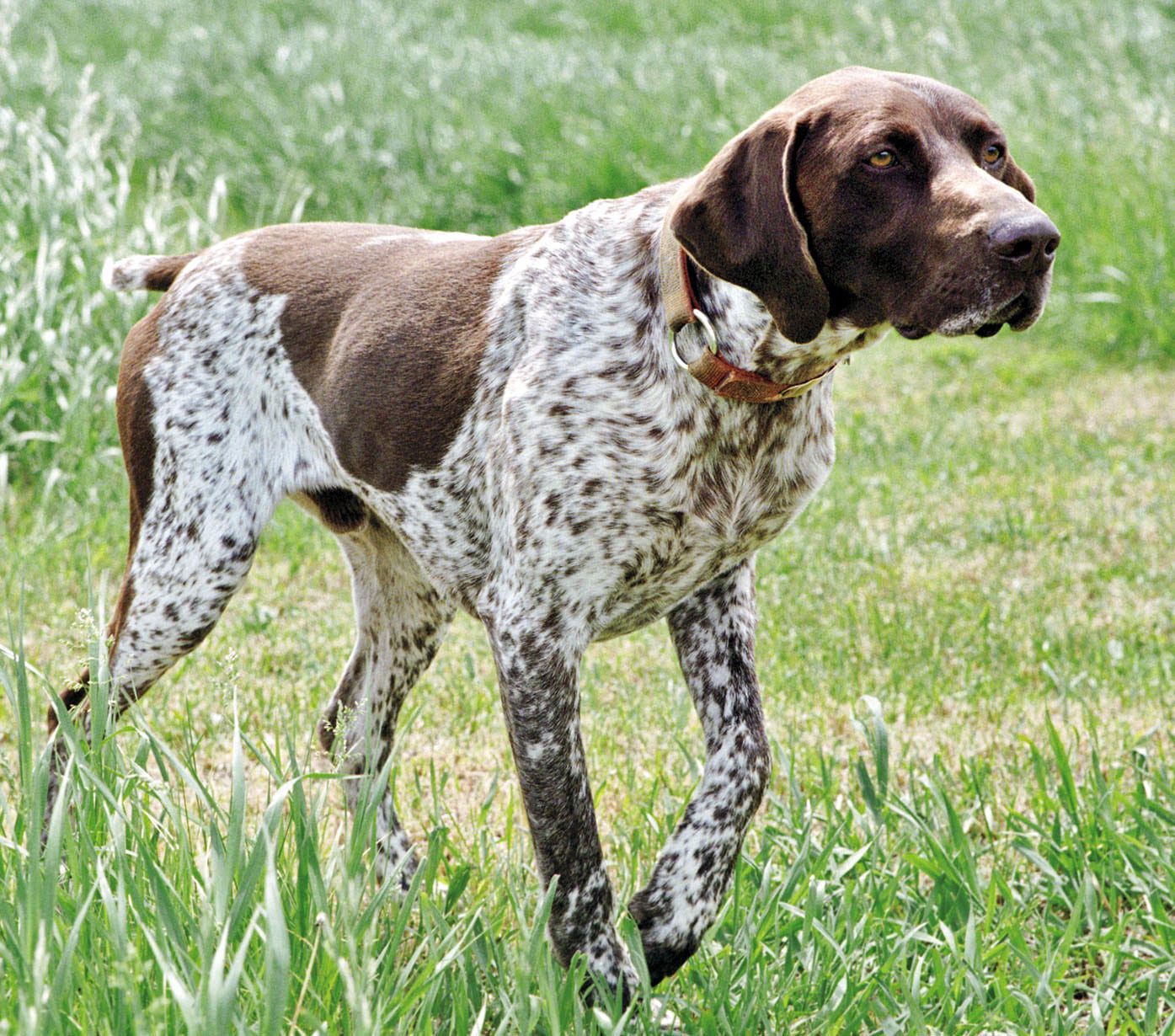
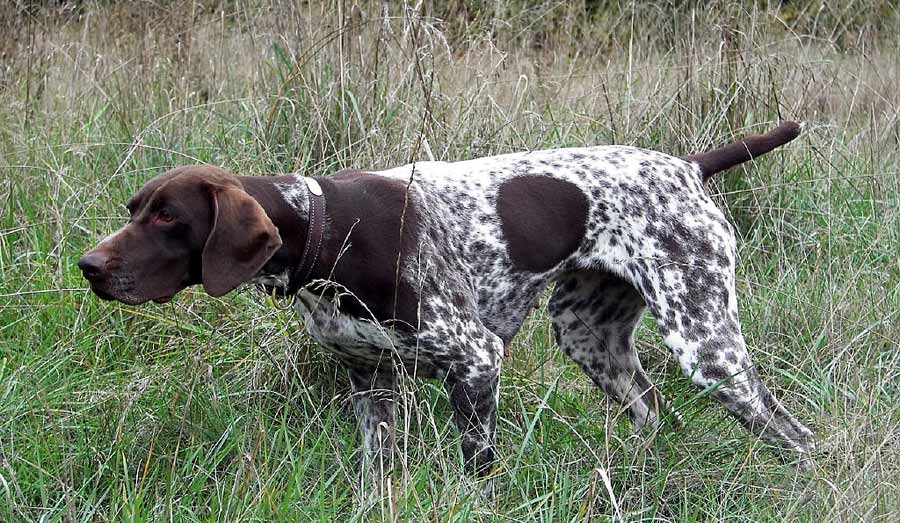
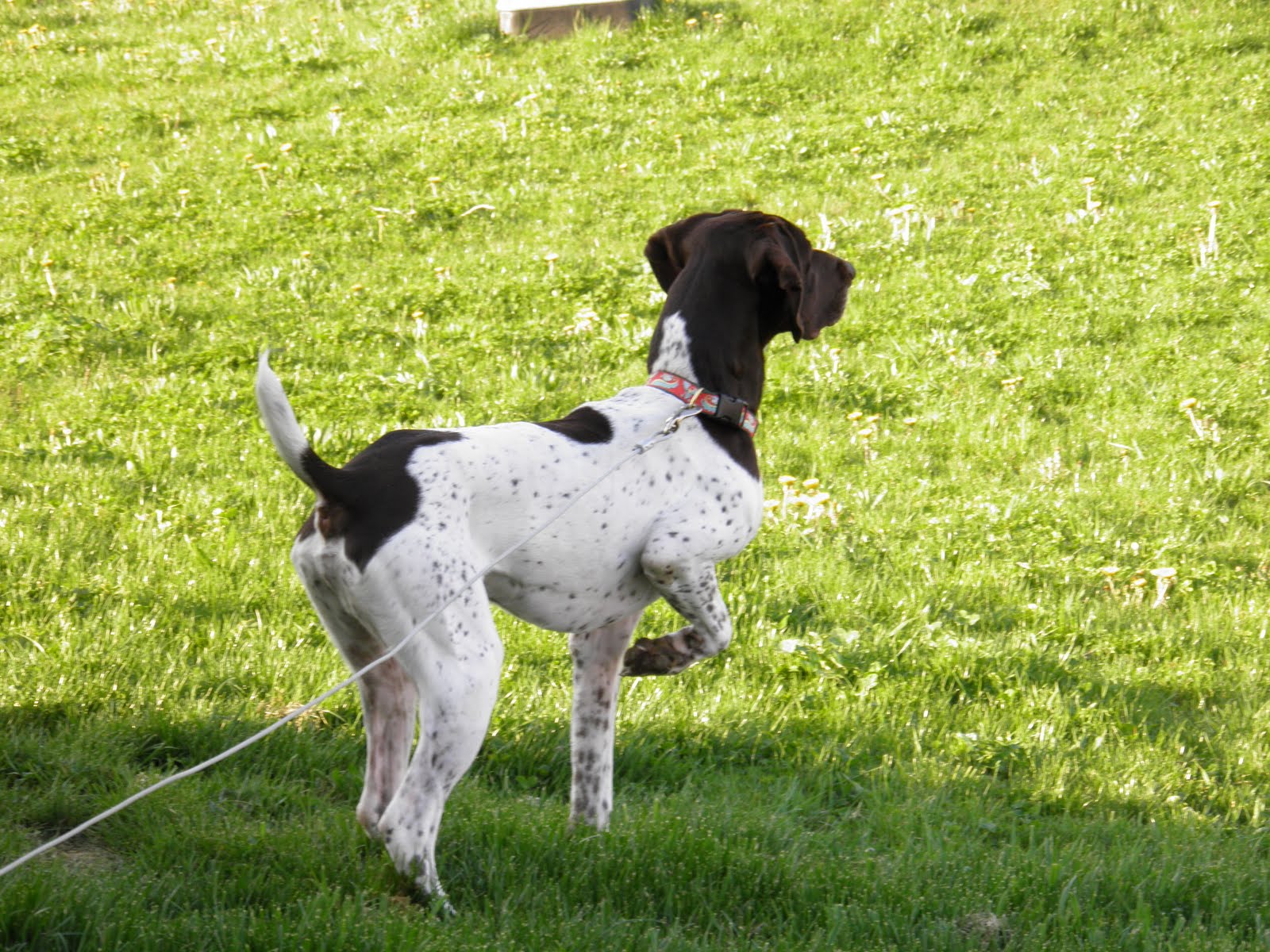
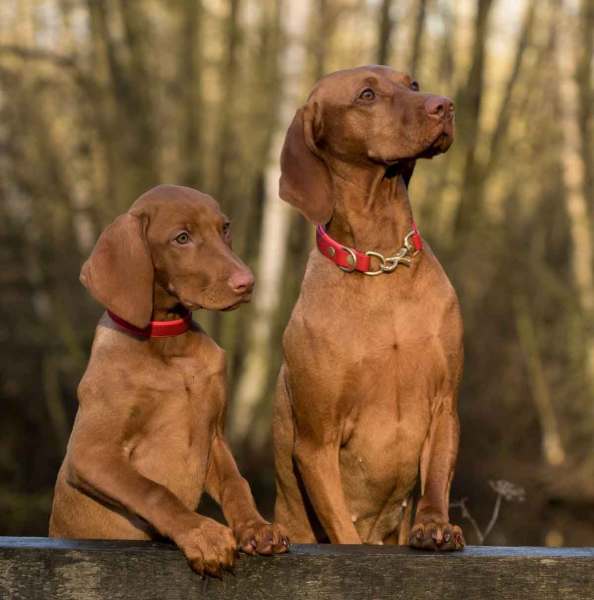
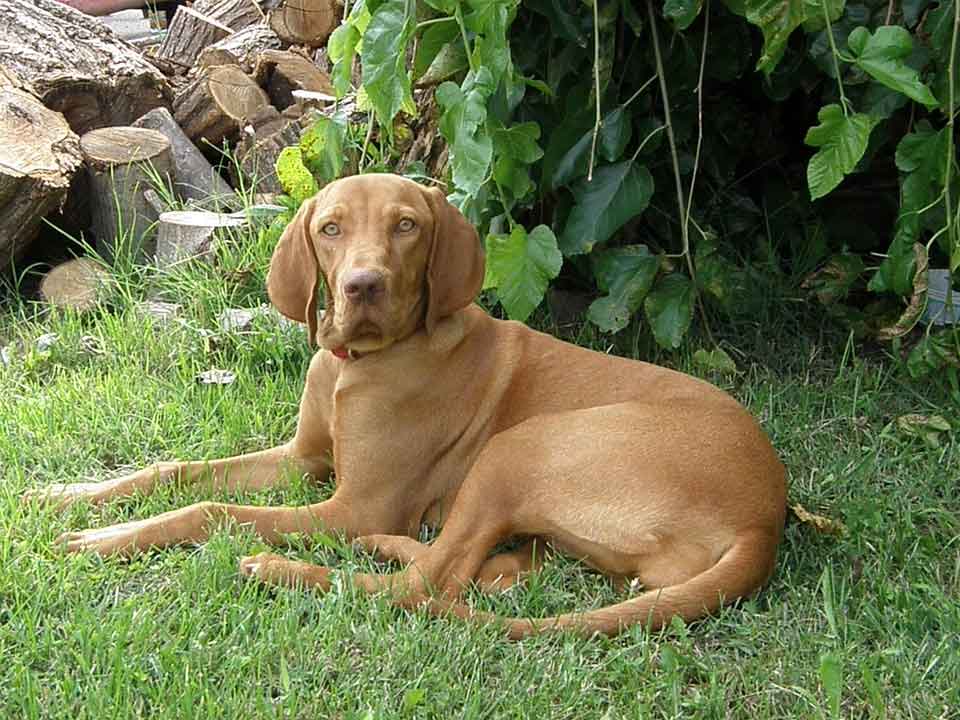
The Italian Pointing Dog It must be athletic and powerful in its appearance, more like a cross between a German Shorthaired Pointer and a hound, but in matters, differs much from the race mentioned.

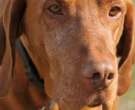
It has hanging upper lips and long ears that create a serious expression. Your body should be "almost square", which means that its height to the cross should be almost the same as the length of his body. But, it shouldn't actually be square as this would lose much of its powerful grace. The tail can be can be cut, Although this is controversial in Italy.

The fur is short, dense and glossy. The texture must be pretty hard, Although somewhat softer in the head, the neck, the ears, legs and feet. Moulting occurs twice a year, and brushing helps in the Elimination of dead hairs layer.
The fur consists of the different combination of three colors: white, Orange and Brown, years. At that time, You can find copies of the following keys: White and orange, Orange and Brown, Brown with patches of another colour (white or orange) in the face, the ears, the base of tail and body. The black color is not supported.

The weight of the Italian Pointing Dog is of 25 to 40 kg. The height at the cross in the males is of 58 to 67 cm. and in the females of 55 to 62 cm..

Character and skills

It is a dog friendly, energetic and playful. She loves other dogs, loves to play, is an active race, physical exercise is necessary, to feel happy and have a balanced mind. They get along well with children.

The training of a Italian Pointing Dog requires patience and a calm nature, next to the coach.

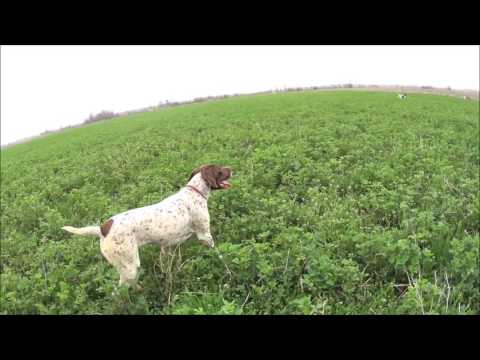
Other British breeds of show are more likely to search for the presence of prey with high speed, However the Italian Pointing Dog it's slower, but on the other hand it can be used on any type of terrain, both mountainous and plain. It is very smart with a surprising ability to learn.

It can be an excellent pet, because of its docile nature.

Health

The Italian Pointing Dog it is a healthy breed in general, and responsible breeders screen their cattle for health conditions like hip and elbow dysplasia, eye abnormalities such as entropion, ectropion and cataracts, and kidney disorders such as renal amyloidosis. To avoid orthopedic stresses on their rapidly growing bodies, the puppies of Italian Pointing Dog should be fed a balanced meal and should not run on hard surfaces such as concrete or perform repeated high-impact exercises until at least one year of age.

Check the long, pendulous ears of the Italian Pointing Dog to detect ear infections, and use a vet-recommended ear cleaner once or twice a week to keep the ear clean and dry to prevent infection.

Grooming

The Italian Pointing Dog they are easy to prepare. Their short coats require minimal care and their long ears require routine cleaning to minimize the risk of ear infections.. It also, an occasional bath will keep them clean and in good repair. Your nails should be trimmed regularly with a nail clipper or grinder to avoid overgrowth, breaking and cracking. Teeth should be brushed regularly.

Exercise and training

The Italian Pointing Dog is a moderate to high energy breed that requires daily exercise and mental stimulation. This can be accomplished by running freely in a safe, enclosed space or through scheduled exercises such as daily jogs.. Are needed at least 30 minutes of exercise per day, but more preferred. It also, to be happy, they need time each day to spend with their family doing an organized workout or playing a game.

One Italian Pointing Dog need a calm and patient coach who is gentle but firm. This breed can be slightly independent, but for the most part, they are eager to please and are excited when they see that they have made you happy. They are best suited for a home that will use their hunting skills and give them a job to do. But, instead of hunting, training for dog sports such as agility, Obedience and rally can also be a great way to give your dog the physical and mental stimulation he needs.

Characteristics "Italian Pointing Dog"

Coexistence is important that you have with your new friend. Before considering the acquisition of a dog of the breed "Italian Pointing Dog" you know certain factors. Not all breeds of dogs are apt to live in an apartment, you must take into account his character, their need for exercise, their interaction with other pets, their care and if you have small children, their level of tolerance towards them.

Adaptation โ“˜

4,0 of 5 stars (based on 1 review)

friendly dog โ€‹โ€‹โ“˜

3,0 of 5 stars (based on 1 review)

hair loss โ“˜

3,0 of 5 stars (based on 1 review)

Affection level โ“˜

5,0 of 5 stars (based on 1 review)

Need for exercise โ“˜

3,0 of 5 stars (based on 1 review)

Social need โ“˜

4,0 of 5 stars (based on 1 review)

Home โ“˜

3,0 of 5 stars (based on 1 review)

Toilet โ“˜

2,0 of 5 stars (based on 1 review)

Friendly with strangers โ“˜

4,0 of 5 stars (based on 1 review)

barking โ“˜

3,0 of 5 stars (based on 1 review)

Health โ“˜

3,0 of 5 stars (based on 1 review)

Territorial โ“˜

3,0 of 5 stars (based on 1 review)

Cat friendly โ“˜

2,0 of 5 stars (based on 1 review)

Intelligence โ“˜

3,0 of 5 stars (based on 1 review)

Versatility โ“˜

3,0 of 5 stars (based on 1 review)

Child friendly โ“˜

4,0 of 5 stars (based on 1 review)

Surveillance โ“˜

3,0 of 5 stars (based on 1 review)

joy โ“˜

3,0 of 5 stars (based on 1 review)

ยซItalian Shorthaired Pointerยป Images

Videos ยซBraco Italianoยป

Type and recognitions:

  • FCI CLASSIFICATION:
  • Group :
  • Section : . .

Federations:

FCI โ“˜, AKC โ“˜, ANKC โ“˜, CKC โ“˜, โ€‹KC โ“˜, NZKC โ“˜, UKC โ“˜

FCI breed standard Italian Pointing Dog

FCIFCI - Italian Pointing Dog
Bracco

Alternative names:

1. Italian Pointer, Italian Pointing Dog, Bracco (English).
2. Braque italien (French).
3. Italienischer Vorstehhund (German).
4. Bracco italiano (Portuguese).
5. Pointer italiano. (espaรฑol).

โ–ท The world of Pets: Dogs, cats, birds, reptiles, amphibians

Blue Picardy Spaniel
Francia FCI 106 . Spaniel type

Blue Picardy Spaniel

Used for hunting, the Blue Picardy Spaniel is distinguished by its very pronounced style, his exceptional physical strength and its ability to evolve on all types of terrain.

Content

History

As its name suggests, the Blue Picardy Spaniel is a native of Picardy, a region of northern France. It is the result of the crosses made at the end of the 20th century between the Picardo Spaniel (in a gray coat speckled with brown spots, that appeared around the year 1000 during the Crusades and are very ancient cousins รขโ‚ฌโ€นรขโ‚ฌโ€นof the French Spaniel) and the English Setter ยซBlue Beltonยป (with a black and white coat, of Spanish origin and imported to England in the Middle Ages).

More precisely, These crosses were possible thanks to the arrival at Picardy and at the mouth of the Sum of many English hunters who came to board their hunting dogs, after the drastic quarantines introduced in his country. The two races mixed at that time, the initial goal was probably to end up with a dog with a longer gait than the Blue Picardy Spaniel, but also faster and with a better sense of smell.

At the beginning, the Picardy Spaniel and the Blue Picardy Spaniel they considered the same race, despite their different coats. The club of l’Epagneul Bleu de Picardie It was founded in 1907, but it wasn't until 1938 which was finally officially recognized as a distinct breed by the Fรฉdรฉration Cynologique Internationale (FCI). Past year, The club of l’Epagneul Bleu de Picardie had merged with the Club of l’Epagneul Picardie, founded for its part on 1921.

In 1980, The club of l’Epagneul de Pont-Audemer merged in turn, and the whole took the name of Club de l’Epagneul Picardie, du Bleu de Picardie and l’Epagneul Pont-Audemer. In 2015, the association changes its name and is renamed Club des Epagneuls de Picardie et de Pont-Audemer (CEPPA).

Several specimens were exported to Canada around 1987, and the Canadian Kennel Club in turn recognizes the breed in 1995. El American United Kennel Club (UKC) did the same the following year, at the same time as the Picardy Spaniel. On the other hand, the American Kennel Club (AKC), the other American reference organization, has not yet taken the step.

The Blue Picardy Spaniel, what is it called in english, It is also recognized by the American Association of Rare Breeds (ARBA), and this is not a coincidence: in fact, remains unknown in most of the world, and its acquisition is mainly in France, more particularly in his native region.

In France, in fact, has undergone a little more than 1.200 records LOF between 2010 and 2016, or some 180 by year. The trend is globally stable, probably supported by the good reputation it can boast as a hunting dog or as a pet.

Photo: Blue Picardy Spaniel at the World Dog Show in Poznan, Poland by Pleple2000, CC BY-SA 3.0, via Wikimedia Commons

Physical characteristics

A ยซbraccoid typeยป pear, the Blue Picardy Spaniel is not very big. But, his robust and muscular body gives him an impression of power and vitality.

Its bluish coat is due to the presence of the English Setter between their ancestors. It is also speckled with gray and black, which gives it very particular and specific reflections of the breed. Hair is flat on the body, with some wavy strands in the ears, the legs and under the tail.

The eyes of the Blue Picardy Spaniel they are big, dark brown and have a calm and benevolent expression. The rounded ears are relatively long and droop to the sides..

Finally, its tail is long, flexible and fringed.

Character and skills

Used for hunting, the Blue Picardy Spaniel is distinguished by its very pronounced style, its exceptional physical resistance and its ability to evolve on all types of terrain. If required, he can even submerge himself in the icy water without hesitating to return the game to his master.

But, although hunting is in his genes and he is used to living in the countryside, can adapt to city life. But, they are sporting dogs that need to run and get plenty of exercise. So, life in the city – especially if it is in an apartment – it may only be suitable for him if there is time for long outings in nature. In any case, It is not a recommended breed of dog for an elderly or sedentary person, since it must be able to allow him to use his overflowing energy and spend himself.

Balanced and smooth (as long as your activity need is satisfied), lover to please his master, It is also an excellent companion dog., greatly enjoying family life, of which he is a full member. In particular, It is a breed of dog adapted to children: nothing aggressive, his affection towards them is unlimited, and loves to share games and pampering with them, which he likes a lot.

It is perfectly possible that your dog lives with other dogs, since the Blue Picardy Spaniel It is a sociable and gentle dog by nature.

On the other hand, it is strongly discouraged to put it in the presence of small animals such as rabbits or birds: would inevitably identify them with game that must be brought to their keeper, which can lead to slight misunderstandings.

As they don't bark much, do not have a strong sense of territory and therefore cannot be used as watchdogs.

Use

The Blue Picardy Spaniel it's mostly a hunting dog. It is particularly suitable for working on small game in forests and swamps, although he is still the specialist in woodcocks.

Used for hunting, they are excellent point and retrieve dogs with a very pronounced sense of smell and exceptional physical stamina, qualities that make them the real joy of their hunting owners.

It is also an ideal companion dog. It is easy to live with them and very sociable, easily acclimatizing to family life and quickly finding their place in it, either in the midst of adults only or in the presence of children, of whom quickly become the best and most loyal friends.

Health

There are no known genetic diseases peculiar to the Blue Picardy Spaniel But, like all spaniels, is particularly prone to ear infections, which are very common in dogs with floppy ears.

You also run the risk of injury during hunting parties, especially on the legs and pads. So, it is advisable to get used to checking that you do not limp when you return from hunting or a long activity in the open air. This could be a sign of a sprain or fracture, or simply caused by spikes, that can be as hidden as it is painful.

Finally, the Blue Picardy Spaniel you can fall victim to your greed and gain weight easily if you are not active enough. So, it is necessary to scrupulously monitor your dog's weight and, above all, make sure you always have your daily dose of adrenaline.

Grooming

In general, brushing is recommended when Blue Picardy Spaniel weekly, as its semi-long coat can easily retain twigs and dead leaves.

It also, and although it obviously depends on the activities that are carried out with him, it can be necessary, from time to time, wash their hair with a specific shampoo for dogs when it is really dirty.

In all cases, whether you return from hunting or go out to the field, you should carefully inspect your animal for thorns or a wound hidden by the hair.

Like any breed of dog with floppy ears, floppy ears pose a higher risk of infection and other problems, therefore they must be cleaned at least once a week with a suitable veterinary product.

Finally, due to its high level of activity, his claws should normally wear down in contact with the various floors he walks on. If that is not the case, should not hesitate (do) clipping your dog's claws once or twice a year.

Buy a โ€œBlue Picardy Spanielโ€

The price of a puppy Blue Picardy Spaniel is of some 600 EUR. There is no significant difference between the price of a male and a female.

Characteristics "Blue Picardy Spaniel"

Coexistence is important that you have with your new friend. Before considering the acquisition of a dog of the breed "Blue Picardy Spaniel" you know certain factors. Not all breeds of dogs are apt to live in an apartment, you must take into account his character, their need for exercise, their interaction with other pets, their care and if you have small children, their level of tolerance towards them.

Adaptation โ“˜

3,0 of 5 stars (based on 1 review)

friendly dog โ€‹โ€‹โ“˜

4,0 of 5 stars (based on 1 review)

hair loss โ“˜

3,0 of 5 stars (based on 1 review)

Affection level โ“˜

3,0 of 5 stars (based on 1 review)

Need for exercise โ“˜

5,0 of 5 stars (based on 1 review)

Social need โ“˜

4,0 of 5 stars (based on 1 review)

Home โ“˜

4,0 of 5 stars (based on 1 review)

Toilet โ“˜

2,0 of 5 stars (based on 1 review)

Friendly with strangers โ“˜

3,0 of 5 stars (based on 1 review)

barking โ“˜

2,0 of 5 stars (based on 1 review)

Health โ“˜

3,0 of 5 stars (based on 1 review)

Territorial โ“˜

3,0 of 5 stars (based on 1 review)

Cat friendly โ“˜

2,0 of 5 stars (based on 1 review)

Intelligence โ“˜

4,0 of 5 stars (based on 1 review)

Versatility โ“˜

4,0 of 5 stars (based on 1 review)

Child friendly โ“˜

4,0 of 5 stars (based on 1 review)

Surveillance โ“˜

2,0 of 5 stars (based on 1 review)

joy โ“˜

5,0 of 5 stars (based on 1 review)

Images "Blue Picardy Spaniel"

Videos "Blue Picardy Spaniel"

Type and recognitions:

  • FCI CLASSIFICATION:
  • Group :
  • Section : . .

Federations:

  • FCI – Group 7: Pointing Dogs. – Section 1: Continental Pointing Dogs. 1.2: Spaniel type โ“˜
  • AKCGun Dog Group โ“˜
  • CKC – Sports โ“˜
  • UKCGun Dog Group โ“˜

FCI breed standard "Blue Picardy Spaniel"

Origin:
France

Date of publication of the valid original standard:
24.06.1987

Use:

Pointing Dogs.


General appearance:

It is a dog quite close to the ground, well shaped for work. Its general appearance as a whole is that of the Picardy Spaniel.


Behavior / temperament:

---

Head:

---

Cranial region:
  • Skull: Oval, relatively wide, without the parietals sticking out; occipital bone slightly pronounced.
  • Depression links (Stop): Medium accentuated, but well marked.

facial region:

  • Truffle: Wide, with wide open Windows.
  • Snout: Long, and quite wide.
  • Lips: Wide and good fall. They form a square snout.

Eyes: calm expression; dark eyes, large, wide open.

Ears: Its insertion should be a little below the line of the eyes, framing the head well. They should be fairly thick in consistency, beautiful hair, silky and wavy; the length of the ear must reach the end of the muzzle

Neck:

Well inserted into the trunk; a slight double chin is allowed.

Body:

  • Back and loin: Not too long, well sustained.
  • Rump: slightly sagging.
  • Breast : Good medium depth.
  • Ribs: Harmoniously arched, which descend to the level of the elbow.

Tail:

It should not exceed the tibio-tarsal joint in length, nor present hook shape.

Tips

PREVIOUS MEMBERS:

  • Shoulder and arm: Slightly oblique.
  • Forearm: Strong and very muscular.
  • Previous foot: Redondo, a little wide but not squashed. Very close fingers with abundant hair between each other.

LATER MEMBERS:

  • Thigh: Very muscular.
  • Leg: Long and adorned with abundant feathers.
  • Warm-foot joint: Angled without exaggeration and adorned with feathers from the tibia-tarsal joint to the foot.
  • Rear foot: Redondo, a bit wide, but not squashed; with abundant hair between the fingers, which are very close to each other.

Movement:

---

Mantle

  • Fur: Smooth or slightly wavy. The feathers adorn the limbs and tail well.
  • Color: Speckled black gray color giving a bluish appearance with black spots


Size and weight:

Height to the cross: 57 to 60 cm in males. A little less in females.


Fouls:

Any deviation from the aforementioned criteria is considered as a fault and the severity of this is considered to the degree of the deviation to the standard and its consequences on the health and well-being of the dog..

โ€ข Skull: Too narrow, not chiseled.
โ€ข muzzle: Pointed.
โ€ข Eyes: Clear and too small.
โ€ข Ears: Short and thin, insertion too high.
โ€ข Ribs: Too flat or too arched.
โ€ข Pie: Plano, squashed or too wide.

FALTAS DESCALIFICANTES:

โ€ข Aggressiveness or extreme shyness.
โ€ข Any dog โ€‹โ€‹showing clear signs of physical or behavioral abnormalities.


N.B.:

โ€ข Males must have two normal-appearing testicles fully descended into the scrotum..
โ€ข Only functionally and clinically healthy dogs, with the typical conformation of the breed, should be used for parenting.

Source: F.C.I - International Cynological Federation

Alternative names:

1. Blue Picardy Spaniel, Bleu Picard (English).
2. ร‰pagneul bleu de Picardie (French).
3. Blauer Picardie-Spanel, Epagneul Bleu Picard (German).
4. Spaniel azul da Picardia, (em francรชs: epagneul bleu de Picardie) (Portuguese).
5. ร‰pagneul bleu de Picardie (espaรฑol).

โ–ท The world of Pets: Dogs, cats, birds, reptiles, amphibians

Burgos Pointer
Espaรฑa FCI 90 . Braque Type

Perdiguero de Burgos

The Burgos Pointer is smart and learns easily, above all, tracking tasks.

Content

History

The Burgos Pointer It is a breed of dog Spain. Originally from Castile, especially in the province of Burgos, This rustic breed is intended for hunting and has exceptional characteristics for hunting small game..

It is an ancient breed from the Castilian tableland, is widespread, and according to some connoisseurs of the breed, it is likely that it has participated in the creation of other breeds of hunting dog, not only Spain.

The truth is that lot of documented material that speaks of this breed there is. Veterinary geneticist, Josรฉ Manuel Sanz rudder, has dedicated several lines to the history of this breed and in a document that appears cited in many web, speaks of the Origins and Ancient History (Until 1911). You can read the complete material on the website of the Spanish Association of el Perro Perdiguero de Burgos. Here we will only mention what refers to the word ยซPerdigueroยป and to the different theories about the origin but very briefly…

"The word ‘perdiguero‘ It occurs frequently in classical texts on venatoria and its reference corresponds to the generic Hunter dog of partridges, "perdicero" or "perdigero", but it cannot be lightly assumed that this dog was a Burgos Pointer. In numerous current texts we can read various theories about the origin of the race. The more absolute confusion arises from a whole once analysed separately. The most common mistakes that demonstrate a poor work of research are as follows:

  • Associate the word perdiguero the race Burgos Pointer.
  • Believing that the Pointing Dogs, as the Spanish classics tell us, they were Burgos Pointers and forget that they were other races.
  • Define like Burgos Pointer to the dogs that authors from Velรกzquez to Goya have been captured in numerous canvases where hunting dogs are reproduced.
  • Define incomprehensibly and lightly when Burgos Pointer as the origin of English Pointer, either in a display of patriotic enthusiasm, consider him further as the father of all European Braquesยซ.

"The authors, as often happens, they do not manage to agree on the theories about the origins of animals and while some affirm that the sample dog is originally from Italy, others say that France or Spain (according to the nationality of the author) which they were born.

On the formation of the current dog Burgos Pointer the news is null and we can only apply the parameters that are studied to form a race, they are:

  • Time and place of training.
  • Genetic basis provided the race.
  • Adaptation to the environment in which is born.
  • Geographical isolation and inbreeding operated.

With regard to the first of them, not a breed created by man ex process are being, with measured doses of one or another blood, both the time and the place of training are uncertain. A race not be based in short periods of time and having no initial selection at a single point, "We cannot think that the place of birth has only been a certain place."

(Author: Josรฉ Manuel Sanz rudder).

Physical characteristics

While the Burgos Pointer, It is not as robust and defined muscular level, like its relative the English Pointer, their appearance shows the strength of the race.

It has the ears long and the tail It tends to be cut one-third of its original length.

Its fur It has variants that can form different ranges within the basic color. The basic colors of the hair are the white and the liver. These colors mingle regularly, giving variegated layers that tend to liver, gray liver, mosqueados in liver and other various combinations, depending on whether the liver or white color is predominant and depending on whether the white spots are open or closed.

It is a very common feature (Although non-binding layer), that have a clear white spot on the forehead and the ears always spotted with a homogeneous liver color. Liver-colored hairs can form sharp, well-defined liver-colored patches, regularly distributed by the layer of the animal

Its the mantle is short, thick and soft. The hair is thinner in the head, ears and limbs.

The skin is elastic, but not printing, thick, abundant, pinkish spotless. All Oris they will be Brown, never black.

The height males will of 62 to 67 cm and females 59 to 64 cm to the cross. Thinking of 25 to 30 kg.

It is an animal that as all, It requires a dose of daily exercise. A long walk, and a few races in the open air will keep you happy.

Character and skills

It is a very friendly and quiet dog, not afraid easily. It is smart and learns easily, especially in tracking work.

It is not a dog that adapts very well to urban environments.

It is used for small game (rabbits, hares, etc.).

It's perfect for hunting in any field (no matter how hard it is), since it has an enviable physical resistance and a great speed.

The Burgos Pointer it is highly appreciated by hunters who want a rustic dog, hard in any terrain and type of hunting, obedient, strong and above all excellent winds and method of hunting, due to his calm and poise in the search, as well as his sample and his impeccable collection.

Although used for small game pieces not dismisses pieces of hunting trail, in which he demonstrates great bravery.

Characteristics "Burgos Pointer"

Coexistence is important that you have with your new friend. Before considering the acquisition of a dog of the breed "Burgos Pointer" you know certain factors. Not all breeds of dogs are apt to live in an apartment, you must take into account his character, their need for exercise, their interaction with other pets, their care and if you have small children, their level of tolerance towards them.

Adaptation โ“˜

3,0 of 5 stars (based on 1 review)

friendly dog โ€‹โ€‹โ“˜

3,0 of 5 stars (based on 1 review)

hair loss โ“˜

2,0 of 5 stars (based on 1 review)

Affection level โ“˜

3,0 of 5 stars (based on 1 review)

Need for exercise โ“˜

4,0 of 5 stars (based on 1 review)

Social need โ“˜

3,0 of 5 stars (based on 1 review)

Home โ“˜

2,0 of 5 stars (based on 1 review)

Toilet โ“˜

1,0 of 5 stars (based on 1 review)

Friendly with strangers โ“˜

3,0 of 5 stars (based on 1 review)

barking โ“˜

2,0 of 5 stars (based on 1 review)

Health โ“˜

3,0 of 5 stars (based on 1 review)

Territorial โ“˜

4,0 of 5 stars (based on 1 review)

Cat friendly โ“˜

2,0 of 5 stars (based on 1 review)

Intelligence โ“˜

4,0 of 5 stars (based on 1 review)

Versatility โ“˜

3,0 of 5 stars (based on 1 review)

Child friendly โ“˜

4,0 of 5 stars (based on 1 review)

Surveillance โ“˜

2,0 of 5 stars (based on 1 review)

joy โ“˜

4,0 of 5 stars (based on 1 review)

Images: Burgos Pointer

Videos: Burgos Pointer

Type and recognitions:

  • FCI CLASSIFICATION:
  • Group :
  • Section : . .

Federations:

  • FCI – Group 7: Pointing Dogs. – Section 1: Continental Pointing Dogs. 1.1: Braque Type โ“˜

FCI breed standard "Burgos Pointer"

Origin:
Spain

Date of publication of the valid original standard:
26.05.1982

Use:

Hair and Feather Pointer Dog. The Perdiguero de Burgos is highly appreciated by hunters who want a rustic dog., hard in any terrain and type of hunting, obedient; strong and above all excellent winds and method of hunting, due to his calm and poise in the search, as well as his sample and his impeccable collection. Although used for small game game, does not discard the trail of game pieces, in which he demonstrates great bravery.


General appearance:

Hunting dog of good size, eumetric and medioline. Well developed head, compact trunk and strong limbs. Droopy ears and short hair. Longitudinal diameter as close as possible to the height at the withers. Proportionality and functional harmony must be sought, both in static and in motion


Behavior / temperament:

Rustic, balanced, calm and sitting; turns out to be a great show dog, especially suitable for hunting hair and feathers. Fresh look, very noble, it is a breed of excellent character, docility and intelligence.

Head:

As a whole : Big and strong, well developed skull; strong face and muzzle and corkscrew ears.

The cranium, seen from above, It must be moderately rectangular with a progressive decrease towards the nose, without giving feeling of pointed snout. The ratio of the length of the skull to that of the face is 6:5. The craniofacial lines are divergent.


Cranial region:
  • Skull : Width, strong, domed and convex profile; well marked central groove, shallow occipital crest. Accused frontal sinuses.
  • Depression links (Stop) : Soft, little sharp.

facial region:

  • Truffle : dark brown, wet, big and wide with wide open windows.
  • Snout : Straight profile or with a very slight curve towards the nose. Width throughout its length, it should not give the impression of being pointed. Wide muzzle.
  • Lips : Sagging without sagging. The upper one will cover the lower one well. The bottom is marked labial commissure. The mucous membranes must be brown.
  • Jaws / Teeth : Strong teeth, white and healthy; scissor bite. All premolars exist.
  • Eyes : Medium, macaroons, preferably dark hazelnut, noble and sweet look, sometimes giving a feeling of sadness. The skin of the eyelids is moderately thick, pigmented like the mucous membranes in brown. The lower eyelid should be as close as possible to the eyeball.
  • Ears : long, drooping and triangular in shape. Inserted at eye line level, at rest they fall gracefully in corkscrew. Without exerting traction, they must reach the corner of the mouth and will not reach the nose.. Soft and soft to the touch, they have fine skin and hair; marked venous network. In higher insertion care and flatter frontal conformation.
  • Palate : Pink mucous with well marked beads.

Neck:

Strong and powerful; wide part at the head and continues with a slight widening to the trunk. Slightly arched top edge. Lower border with well defined dewlap that, starting from both lip corners, It is presented double without being exaggerated.

Body:

  • As a whole : Square, strong and robust, powerful chest and ribs, giving a feeling of power and agility.
  • Cross : Well defined.
  • top line : Straight and horizontal or desirable with a slight drop from the withers. Never saddled and no oscillations during movement.
  • Back : Powerful and muscular.
  • Pork loin : Medium-, broad and muscular, giving a feeling of power.
  • Rump : Wide and strong. Its inclination will be less than 45ยฐ with respect to the dorsal lumbar line and the floor.. Height at the croup equal to or less than the height at the withers;
  • Breast : Wide and deep, reaches elbow level; muscular and powerful. Tip of the sternum marked. Well developed ribs, rounded, not flat. Well marked and wide intercostal spaces as we move towards the floating ribs. The chest perimeter must be equal to the height at the withers plus ยผ of it.
  • Bellies and flanks : Belly moderately tucked towards the genitals. Low sides and well marked flanks.

Tail:

Thickness birth and average insertion. It is amputated between a third and a half of its length.

Tips

PREVIOUS MEMBERS :

  • As a whole : Perfectly Plumb, straight and parallel. Strong bones with short pasterns and well developed feet.
  • Shoulder : Moderately oblique, muscular. The scapula should be approximately the same length as the arm
  • Arm : Strong and well muscled; its length will be 2/3 of the forearm.
  • Elbows : Glued to the trunk.
  • Forearm : Strong bone, with marked tendons. Straight and well plumb. Its length is double the total length from the carpus to the ground.
  • Metacarpus : Seen little laterally inclined, is practically the continuation of the forearm. Strong bone.
  • Front feet : Of cat, tight fingers, high and strong phalanx. dark nails. Robust plantar tuber, very wide and hard pads. Moderate interdigital membrane.
  • Angles : Scapulo-humeral angle close to 100ยฐ,Humero-radial angle close to 125ยฐ.

LATER MEMBERS :

  • As a whole : Powerful and muscular, strong bone and well poised with correct angles, well marked and angulated hocks, giving a feeling of power and solidity.
  • Thigh : Very strong and with a clear appreciation of the muscles, well marked and developed. Its length is ยพ of the leg.
  • Leg : Long and strong of bone twice the length of the metatarsal.
  • Hocks : Well marked with clear appreciation of the tendon.
  • Metatarsus : Strong bone and perpendicular to the ground.
  • Rear feet : Cat as in the forelimbs, although slightly more elongated.
  • Angles : Coxo-femoral angle close to 100ยฐ,Femoro-tibial angle close to 120ยฐ ,Open hock angle greater than 130ยฐ.

Movement:

The typical gait of the breed is an economical trot, loose and powerful without tendency to laterity and without ambling.

Mantle

SKIN :
Elastic but not detached, thick, abundant, pinkish spotless. All mucous membranes will be brown, never black.

HAIR : Bushy, medium thickness, short, smooth and distributed throughout the body to the interdigital spaces. Finer on the head, ears and limbs.

COLOR : The basic hair colors are white and liver.. These colors are mixed unevenly, giving marbled layers in liver, gray liver, liverwort and various other combinations, depending on whether the liver or white color is predominant and whether the white spots are more widespread or closed. A very common feature of the coat, although not necessary, It is the clear white spot on the forehead and the ears always stained with a homogeneous liver color.. Liver-colored hairs can form clear, well-defined spots of that color distributed irregularly across the animal's coat.. The same can happen with white hairs that can form gaps of this color on the coat without being extremely extended.. Black colorations or fires on the eyes and limbs are never allowed.


Size and weight:

Height to the cross :

  • Males of 62 to 67 cm.,
  • females of 59 to 64 cm..

A high rate of sexual dimorphism is observed in this breed., being the males more homogeneous and the females of more variable height and less corpulent in general.


Fouls:

Any deviation from the aforementioned criteria is considered as a fault and the severity of this is considered to the degree of the deviation to the standard and its consequences on the health and well-being of the dog..

MINOR FAULTS

โ€ข Profile of the snout fleshy without excess.
โ€ข Absence of any premolar.
โ€ข Pincer bite.
โ€ข Conjunctiva ligerรญsimamente visible.
โ€ข Belfos or double chin that, without being excessive, are very marked.
โ€ข Poorly solid dorso-lumbar line.
โ€ข Metacarpos, weak metatarsals or feet, but not excessively.
โ€ข Scars, wounds and abrasions during hunting season.

SERIOUS FAULTS

โ€ข Light appearance, fragile or excessively heavy and lymphatic.
โ€ข Parallel craniofacial axes.
โ€ข Poor or small heads.
โ€ข Narrow skull.
โ€ข Pointed snout.
โ€ข Absence of several premolars and canines not due to trauma.
โ€ข Very pronounced ectropion or entropion, light eyes.
โ€ข Ears that are too long or set too low.
โ€ข Belfos or exaggerated jowls.
โ€ข Saddled dorso-lumbar line.
โ€ข Height at the rump noticeably higher than the height at the withers.
โ€ข Incorrect positions, weak or deviant.
โ€ข Detached elbows.
โ€ข Cow hocks.
โ€ข Wavy or very long hair.
โ€ข Unbalanced character.

MISS PLAYOFFS

โ€ข Aggressive or fearful dog.
โ€ข Decidedly convergent craniofacial axes.
โ€ข Depigmentation in the truffle.
โ€ข Broken or black nose.
โ€ข Any degree of lower prognathism.
โ€ข Excessive upper prognathism.
โ€ข Albinism in the coat accompanied by the mucous membranes.

Any dog โ€‹โ€‹showing clear signs of physical or behavioral abnormalities must be disqualified..


N.B.:

Males should have two normal-appearing testicles fully descended into the scrotum..

Source: F.C.I - International Cynological Federation

Alternative names:

1. Perdiguero de Burgos, Burgalese Pointer (English).
2. Retriever de Burgos, Braque de Burgos, Perdiguero (French).
3. Burgos-Hรผhnerhund (German).
4. Pointer espanhol, Pointer de Burgos (Portuguese).
5. Perdiguera (espaรฑol).

โ–ท The world of Pets: Dogs, cats, birds, reptiles, amphibians

Picardy Spaniel
Francia FCI 108 . Spaniel type

Docile and resistant, happy with little, the Picardy Spaniel however needs the constant attention of your caregiver.

Content

History

The French Spaniel and the Picardy Spaniel the two races of Spaniel oldest on the European continent. Both seem to descend from the "oyys dog" described in the works of Gaston Fรฉbus (siglo XIII). At that time, Hunting was one of the most popular activities of the French nobility and the Spaniel French type was one of the most popular breeds. The breed is represented in paintings from this period by artists such as Alexandre-Franรงois Desportes and Jean-Baptiste Oudry. It is also the first dog breed to be admitted to exhibitions..

The breed became more popular after the French Revolution, since hunting is no longer an activity reserved exclusively for the nobility. Although it is found throughout the country, a large contingent is present in the northwest of the country, where its water resistant coat makes it an ideal breed for hunting in forests and swamps. During the 19th century, English hunters crossed the English Channel and traveled to northwestern France to hunt in these famous lands. So they brought their own hunting dogs, that the French gradually adopted, thus endangering Picardy Spaniel. It also, the infusion of blood from English Setter in the race created the Blue Picardy Spaniel.

The Picardy Spaniel it is a very rare breed of dog, which is almost only found in metropolitan France.

The Picardy Spaniel is recognized by a wide variety of canine clubs and associations such as the International Canine Federation, even abroad like him North American Kennel Club, the American Rare Breed Association, the United Kennel Club. All these associations use the FCI standard. It is also recognized by the Continental Kennel Club, but unlike the Blue Picardy Spaniel, which is closely related to him, is not recognized by the Canadian Kennel Club.

Photo: ยซSpaniel Picardoยป in the World Canina Exhibition of Poznaล„ Pleple2000, CC BY-SA 3.0, via Wikimedia Commons

Physical characteristics

The Picardy Spaniel he is a beautiful dog, strong, elegant, nervous, solid and well muscled. Its coat is gray with brown spots on the different parts of the body and often tan on the head and legs.. Her dark amber eyes go wide giving you an expressive look. Its abundant and slightly wavy coat gives it protection, allowing you to work in the toughest places, especially in the water. The ears are long, quite low, located on the eye line and decorated with beautiful fringes. The tail, adorned with beautiful fur, worn with distinction. Its size ranges from 55 and 60 cm..

Character and skills

The FCI breed standard does not describe a typical temperament for the Picardy Spaniel. The Picardy Spaniel it is considered a docile breed of dog that loves to play with children, and easily bond with your caregiver. Generally described as a docile dog, good-natured and easy to train.

Above all, They are hunting dogs that need a lot of exercise to express their energy., resistance and rusticity.

His training is natural; the Picardy Spaniel they work to please their caregiver. Report, on land and in deep water, it's a pleasure for him. The rewards, caresses and compliments are the basis of his education.

Utility

The Picardy Spaniel is a hunting dog, that needs daily departures.

The Picardy Spaniel are used for hunting, in the woods for pheasant or in the swamps where they hunt, in particular, the snipe. It is also an effective dog for duck hunting, the hare or the rabbit. They are especially effective in swamps, where they do not hesitate to jump into the water. If required, can also recover hunting. This dog loves wide spaces where he can exercise, but you can also settle for smaller spaces and you can live very well in the city. The hair is abundant and slightly wavy, allowing you to hunt in dense vegetation and enter the water without any difficulty.

These docile dogs make great companion dogs., but they require a lot of physical exercise.

Health

There are no known hereditary genetic diseases in dogs Picardy Spaniel. Its longevity is of 14 years on average. The Picardy Spaniel is especially sensitive to ear infections, like most floppy eared dogs, like other breeds of โ€œSpaniels or Bassetsโ€. The Picardy Spaniel tend to gain weight quickly if overfed.

Characteristics "Picardy Spaniel"

Coexistence is important that you have with your new friend. Before considering the acquisition of a dog of the breed "Picardy Spaniel" you know certain factors. Not all breeds of dogs are apt to live in an apartment, you must take into account his character, their need for exercise, their interaction with other pets, their care and if you have small children, their level of tolerance towards them.

Adaptation โ“˜

3,0 of 5 stars (based on 1 review)

friendly dog โ€‹โ€‹โ“˜

3,0 of 5 stars (based on 1 review)

hair loss โ“˜

3,0 of 5 stars (based on 1 review)

Affection level โ“˜

5,0 of 5 stars (based on 1 review)

Need for exercise โ“˜

5,0 of 5 stars (based on 1 review)

Social need โ“˜

3,0 of 5 stars (based on 1 review)

Home โ“˜

3,0 of 5 stars (based on 1 review)

Toilet โ“˜

2,0 of 5 stars (based on 1 review)

Friendly with strangers โ“˜

3,0 of 5 stars (based on 1 review)

barking โ“˜

3,0 of 5 stars (based on 1 review)

Health โ“˜

4,0 of 5 stars (based on 1 review)

Territorial โ“˜

2,0 of 5 stars (based on 1 review)

Cat friendly โ“˜

2,0 of 5 stars (based on 1 review)

Intelligence โ“˜

4,0 of 5 stars (based on 1 review)

Versatility โ“˜

4,0 of 5 stars (based on 1 review)

Child friendly โ“˜

4,0 of 5 stars (based on 1 review)

Surveillance โ“˜

2,0 of 5 stars (based on 1 review)

joy โ“˜

4,0 of 5 stars (based on 1 review)

Images "Picardy Spaniel"

Picardy Spaniel

Our "Spaniel Picardo", Gibbs des Chaumes de Thiรฉrache to the 6 meses by Rachelle Vafidis, CC BY-SA 3.0, via Wikimedia Commons

Picardy Spaniel

Our "Spaniel Picardo", Gibbs des Chaumes de Thiรฉrache to the 6 meses by Rachelle Vafidis, CC BY-SA 3.0, via Wikimedia Commons

Videos "Picardy Spaniel"

Spaniel picardo (Picardy Spaniel) - Breed of dog
Spaniel picardo (Epagneul picard) – Breed of dog
Picardy Spaniel (Picardy Spaniel)
Picardy Spaniel (Epagneul Picard)

Type and recognitions:

  • FCI CLASSIFICATION:
  • Group :
  • Section : . .

Federations:

  • FCI – Group 7: Pointing Dogs. – Section 1: Continental Pointing Dogs. 1.2: Spaniel type โ“˜
  • โ€‹KC – Hunting dog โ“˜
  • UKCGun Dog โ“˜

FCI breed standard "Picardy Spaniel"

Origin:
France

Date of publication of the valid original standard:
30.10.1964

Use:

Pointing Dogs.


General appearance:

Very compact dog, With strong and muscular members, sweet and expressive; Hears his head with a cheerful and high attitude. Its previous members are well developed.


Behavior / temperament:

---

Head:

---

Cranial region:
  • Skull : Round and wide, with well -pronounced occiput; Parietal bones are flattened.
  • Fronto-nasal depression (Stop) : Well inclined, Without forming a right angle.

facial region:

  • Truffle : Brown in color, medium, quite rounded.
  • Snout : Long, quite wide, He gradually thin.
  • Lips : Moderate thickness; The upper lip falls a bit on the lower, but without hanging.

Eyes : Dark amber color, Well open with a frank and expressive look.

Ears : Low enough to frame your head well; The hairs are beautiful, silky and undulating.

Neck:

With good placement and well muscular.

Body:

The hips are located a little lower than the cross.

  • Back : Moderately long, slightly sunk after the cross.
  • Pork loin : Well straight, not too long, broad and thick.
  • Rump : Very slightly inclined and rounded.
  • Breast : Deep and quite wide; It clearly descends to the elbow level.
  • Flanks : Plans, But deep, quite raised.

Tail:

The insertion of the tail is not very high; form two concave and convex light curves; It is not very long and is covered with a beautiful silky hair.

Tips

PREVIOUS MEMBERS : Straight and with strong muscles, adorned with fringes.

  • Shoulder : Quite long shoulder blades, rather straight and endowed with strong muscles.
  • Arms : Well muscled.
  • Elbows : Well located.

LATER MEMBERS : Presence of good hair strip to the warm-Tarsian joint.

  • Hips : Prominent, At the level of the sword and the spine.
  • Thighs : Straight, well descended, wide and well muscled
  • Warm-tarsal joints : Little angled.
  • Metacarpus : Straight.

FEET : Round, widths, together, With a little hair between the fingers.

Movement:

---

Mantle

SKIN : Quite fine and flexible.

HAIR : Thick, Not too silky, head, slightly undulating the body.

COLOR : Mottled gray, With brown plates on different parts of the body and at the birth of the tail; more frequently marked fire in the head and feet.


Size and weight:

Height to the cross : 55 to 60 cm..

Tolerance is admitted to 62 cm in males.


Fouls:

Any deviation from the aforementioned criteria is considered as a fault and the severity of this is considered to the degree of the deviation to the standard and its consequences on the health and well-being of the dog..

โ€ข Pear -shaped head, Very narrow.
โ€ข Square skull, narrow or short.
โ€ข Very straight front-nose depression angle.
โ€ข Black truffle, sharp, closed; double nose.
โ€ข Muzzle too short, Very convex.
โ€ข Too thick lips, very tight.
โ€ข Too light eyes, Very sunk, at the level of the head, oblique; Malignant look.
โ€ข narrow ears, short, too high implantation, very curly hair covers or lacking silky hair.
โ€ข Very long neck, too short or very thin.
โ€ข Very long or reilled back.
โ€ข Loin too long, very narrow or very weak.
โ€ข Very inclined rump.
โ€ข Very narrow or not deep enough chest.
โ€ข Round flanks, very raised or very fallen.
โ€ข Saber -shaped tail, too long, hair too curly, of very high or very low insert.
โ€ข Previous members without stripes, skinny; Closed or separate elbows.
โ€ข Very short scapulae, Too many straight or inclined, directed very backward.
โ€ข Very thin arm.
โ€ข Carpo firing forward.
โ€ข Very high hips, Very low, Too close.
โ€ข Narrow thigh, without hair stripes.
โ€ข Tibio-Tarsian joints too angled or cow-shaped.
โ€ข Narrow feet, crushed, Very separate fingers.
โ€ข Too thick skin.
โ€ข Fine fur, silky, Crespo or too short.
โ€ข Too brown color, White or black spots.

FALTAS DESCALIFICANTES:

โ€ข Aggressiveness or extreme shyness.
โ€ข Any dog โ€‹โ€‹showing clear signs of physical or behavioral abnormalities.


N.B.:

โ€ข Males must have two normal-appearing testicles fully descended into the scrotum..
โ€ข Only functionally and clinically healthy dogs, with the typical conformation of the breed, should be used for parenting.

Source: F.C.I - International Cynological Federation

Alternative names:

1. Epagneul picard (English).
2. ร‰pagneul picard (French).
3. Epagneul Picard (German).
4. (em francรชs: Epagneul Picard) (Portuguese).
5. Epagneul picard (espaรฑol).

โ–ท The world of Pets: Dogs, cats, birds, reptiles, amphibians

Wirehaired Pointing Griffon
Holanda Alemania Francia FCI 107 . Griffon type

Grifรณn Korthals

Vigorous, fiery and proud, the Wirehaired Pointing Griffon he is very attached to his master and his territory, who watches.

Content

History

The Wirehaired Pointing Griffon It is a breed of dog of French origin. Their ancestors are Dutch, but shown as a French race, It was in France where he developed.

This breed is still relatively rare today in the Americas as well as in the UK., Although it is recognized by their respective Kennel Clubs, as well as by the International Cynological Federation (CRF not. 107).

Grifรณn de muestra Korthals de pelo duro

The culprit of the existence of Korthals Griffon was a man named Eduard Karel Korthals, born the 16 in November of 1851 in Amsterdam that, he was the son of a wealthy shipbuilder who had a keen interest in breeding hunting dogs, to the extent that his son inherited that passion and as a result and the ability for business, the beautiful was born Griffon, protagonist of this post.

His dream was to create the ideal hunting dog, versatile, with extreme resistance, force and devotion to his master. The dog, as well, he would have to know how to work close to his master, be docile and very capable of learning. In 1873 to the 22 years of age and with the financial support of his father, He settled near some friends in Hesse (Germany) a region known for its great fondness for hunting with dogs and was dedicated to the breeding of purebred dogs Griffon.

four years later, one of his friends, the prince of Solms-Braunfels, I entrust him with the management of his kennel โ€œBibesheimโ€ (was then, the most famous of Germany) which was dedicated especially to the breeding of purebred dogs English Pointer, that change in his life did not prevent him at all, continue with the development of their race Griffon.

Soon Eduard Korthals became one of the largest breeders nationwide, very proud and sure of his work of selection, breeding began with seven specimens of Griffon of different kinds, hard hair, woolly hair, barbets, a mestizo German short hair, etc. He called them "The Seven Patriarchs" and their names were: Bank, Hector, Janus, Satan, Donna, Junon and Mouche. Thus begins the story that after twenty years, resulted in the birth of a specific breed of Griffon with wire hair, leonado, with ยซPointerยป blood (Although not pure, then we have) and beautiful dog, it must be said...

We must also tell which, Eduard Korthals carried out ruthless work in its breeding program, with very close consanguinity coupling and many deaths on the road, you are rightโ€ฆ, the history has beautiful parts and others less so. Y, here comes the bomb! Out of a total of 600 dogs, only kept alive to 62 and he made them work in the Woods, in swamps, in Plains, in different seasons, to see how they worked in different situations and hunting tasks.

In creating your Wirehaired Pointing, Korthals did not use all the blood purity of the English Pointer, because after having tried, realized that the mixture led to his Griffon lose some of its most important features.

With his method of consanguinity, exhaustive selection and unit, the Wirehaired Pointing Griffon It was of such quality that many specialists in the canine world in Germany, in Belgium, in the Netherlands, in France and several parts of Europe, they were stunned, Given the Korthals he had created a dog like no other, a dog with an essential width, great search speed, a well-developed sense of smell and, In short, its versatility.

The 15 in November of 1887, supported by the contributions of a Commission formed by 16 renowned breeders and presided over by the Prince of Solm-Braunfels (who had entrusted Eduar Korthals -years before- the management of its hatchery โ€œBibesheimโ€), Eduar Korthals wrote the standard of Korthals Griffon, that curiously never amended since then. The following year, He created a Club specialized in his breed whose objective was to bring together all the lovers of his Griffon fawn with wire hair from various countries and until his death in 1896, He devoted himself to the improvement and dissemination of their race. He died of laryngeal cancer 4 in July of 1896 in the hatchery Bibeishem.

But despite his death, his ideas continued living, then many followers and friends as Baron Gingins (Switzerland), Charles Prudommeaux (France) and the Sr. Leliman (Netherlands) they continued their valuable work, turning to improving your Wirehaired Pointing Griffon, and the diffusion of the breed throughout Europe and even in United States and Canada. It was the 8 in June of 1951, on the occasion of the fiftieth anniversary of the death of Eduar Korthals What, The "French Wirehaired Griffon Club" decided to associate the name of Korthals the race, to perpetuate the memory of its creator, and in honor of all his achievements and life dedicated to the task of breeding. Hence the name "Korthals Griffonโ€.

The first specimen registered in the Book of Origins of the American Kennel Club was a Korthals Griffon called "Zolette", in the year 1887. But, the Griffon was still relatively- unknown, was registered as โ€œRussian Setter (Griffon)โ€, by its supposed Russian heritage. It was not until 1916, Twenty-nine years later, the breed was officially recognized in United States.

In the same year, sixteen copies of Korthals Griffon participated in the "Westminster Kennel Club Dog Showโ€, one of United States most prestigious dog shows. Since then, the race was growing in popularity, not only as a show and companion dog, but also a versatile hunting dog (that was the original intention of Korthals when he created the breed). for the most part, the breed continues to maintain its original characteristics: medium-sized, layer hard, good degree of training capacity and resistant in the field and in the ring.

Physical characteristics

The Korthals Griffon is a medium-sized dog with a hard and rough coat. The males measure of 55 to 60 cm de altura a la cruz y las hembras de 53 a 66 cm.. The weight should be proportional to the size and bone structure. In general, the weight varies from 20,5 a 31,75 kg. Males are usually larger and heavier than females bones. 50 to 55 cm.. Regarding weight, the males are located in 25-30 kg and females in 20-25 kg. According to the AKC standard, the hair must be color steel (grey) with brown spots. Other acceptable colors are chestnut, White and Brown, Ruano and, Orange and white. It has ears falls and well attached to the head, his eyes are yellow or Brown and the nose should always be Brown. Contrary to some publications that say that the Griffon does not lose or shed its hair, it should be clarified that yes it does, but to a lesser extent than other breeds.

There are dogs very similar to the Griffon Korthal in other countries, both in appearance and temperament:

Character and skills

The Wirehaired Pointing Griffon is defined as an intelligent dog, extremely friendly and eager to please its owner. They tend to maintain their typical playful puppy character well into adulthood.. They are also known for their Adaptive temperament.

The Korthals Griffon it is above all a hunting dog, resistant, powerful and brave. He's an outdoor dog who needs a garden to keep his instincts sharp.. Not a suitable breed of dog for apartment living, since it is very likely that confinement will cause anxiety attacks or greater nervousness that leads you to destroy everything. They need a lot of exercise to thrive, and they are tireless sporting dogs and very good swimmers. So, their owners must be able to offer them long walks and games, beyond simple daily outings for your needs: this is necessary to keep you in good physical and psychological health. In fact, the Wirehaired Pointing Griffon is an ideal candidate for canicross, el cani-VTT, the oberta or even the treasure hunt, that will fully satisfy your hunter instinct.

most of Korthals Griffon usually live long and healthy lives, and that is due to the seriousness of all the organizations and breeders dedicated to this breed that have a strong commitment to the health of the breed and carry out breeding programs that are mostly very selective, As a result, if we look at the OFA statistics, the cases of congenital diseases are โ€“relatively- low.

education

The Korthals Griffon he is an intelligent and cunning dog. These qualities make hunters happy… but the misfortune of inexperienced teachers, whose defects he takes advantage of. This dog can be undocile if it does not benefit from a firm education, consistent and not brutal. As much as saying that it is not an adapted breed as a first dog.

It also, it is important to socialize the puppies as soon as possible so that they get used to the presence of different people and other animals. In effect, although they are not fearful in nature, the Wirehaired Pointing Griffon Too isolated or too "protected" from the outside world can be particularly nervous and difficult to adapt to everyday life.

Health

Robustness is a fundamental characteristic of the Grifรณn Korthal: It is a breed of dog that does not fear cold or bad weather.

But, like all medium-sized dogs and large dogs, have a risk of hip dysplasia. Prostate disorders may also occur in some individuals.

Last, it is recommended to monitor the coat and skin of individuals who do not live outdoors, to prevent the development of skin diseases in dogs due to allergies to industrial product residues present in the home (solvents, Cleaning products…).

Life expectancy

13 years

Grooming

Although it is considered a "hypoallergenic" dog due to its low hair loss., the Grifรณn Korthal requires weekly brushing to keep its coat shiny. During the molting period (twice a year), more frequent brushing may be necessary.

It is also advised to clean the dog's ears regularly., especially after walks or bathing, to prevent the development of infections due to excess water inside the ear canal, or to the presence of residues or dirt. In case of redness or suspicious odors, consulting a vet is recommended.

Price

Adopt a Wirehaired Pointing Griffon costs between 600 and 1000 EUR.

The price of a puppy Khortals varies according to your lineage, but also according to their gender: females tend to be more expensive than males.

Characteristics "Wirehaired Pointing Griffon"

Coexistence is important that you have with your new friend. Before considering the acquisition of a dog of the breed "Wirehaired Pointing Griffon" you know certain factors. Not all breeds of dogs are apt to live in an apartment, you must take into account his character, their need for exercise, their interaction with other pets, their care and if you have small children, their level of tolerance towards them.

Adaptation โ“˜

3,0 of 5 stars (based on 1 review)

friendly dog โ€‹โ€‹โ“˜

3,0 of 5 stars (based on 1 review)

hair loss โ“˜

2,0 of 5 stars (based on 1 review)

Affection level โ“˜

4,0 of 5 stars (based on 1 review)

Need for exercise โ“˜

5,0 of 5 stars (based on 1 review)

Social need โ“˜

4,0 of 5 stars (based on 1 review)

Home โ“˜

3,0 of 5 stars (based on 1 review)

Toilet โ“˜

2,0 of 5 stars (based on 1 review)

Friendly with strangers โ“˜

3,0 of 5 stars (based on 1 review)

barking โ“˜

3,0 of 5 stars (based on 1 review)

Health โ“˜

4,0 of 5 stars (based on 1 review)

Territorial โ“˜

3,0 of 5 stars (based on 1 review)

Cat friendly โ“˜

2,0 of 5 stars (based on 1 review)

Intelligence โ“˜

4,0 of 5 stars (based on 1 review)

Versatility โ“˜

4,0 of 5 stars (based on 1 review)

Child friendly โ“˜

4,0 of 5 stars (based on 1 review)

Surveillance โ“˜

3,0 of 5 stars (based on 1 review)

joy โ“˜

4,0 of 5 stars (based on 1 review)

Images "Wirehaired Pointing Griffon"

Photos:

1 – the first genuine Korthals Griffon in the USA to earn both a Grand Championship and the Advanced Master Hunter title by CarolPtak, CC BY-SA 4.0, via Wikimedia Commons
2 – Adult Griffon dog standing by Liv klesta, CC BY-SA 3.0, via Wikimedia Commons
3 – Griffon d’arrรชt ร  poil dur Korthals by Pierre Andrรฉ, CC BY-SA 4.0, via Wikimedia Commons
4 – running Korthals Griffon by CarolPtak, CC BY-SA 4.0, via Wikimedia Commons
5 – Wirehaired Pointing Griffon by Pets Adviser from Brooklyn, USA, CC BY 2.0, via Wikimedia Commons
6 – Wirehaired Pointing Griffon by Canarian, CC BY-SA 4.0, via Wikimedia Commons

Videos "Wirehaired Pointing Griffon"

Type and recognitions:

  • FCI CLASSIFICATION:
  • Group :
  • Section : . .

Federations:

  • FCI – Group 7: Pointing Dogs. – Section 1: Continental Pointing Dogs. 1.3: Griffon type โ“˜
  • AKCSporting group โ“˜
  • ANKCSporting Group, Gundog โ“˜
  • CKCSporting Group, Gundog โ“˜
  • โ€‹KC – Sporting Group, Gundog โ“˜
  • NZKCSporting Group, Gundog โ“˜
  • UKCGun Dog โ“˜

FCI breed standard "Wirehaired Pointing Griffon"

Origin:
Germany, France, Netherlands

Date of publication of the valid original standard:
06.05.1964

Use:

This is essentially a versatile pointing dog. It is also used to look for the trace of wounded big game.


General appearance:

It is a vigorous dog, rustic, medium-sized. It is longer than high. The skull is not very wide, the muzzle is long and square. Dark yellow or brown eyes, there are tangled eyebrows that do not cover them completely. The whiskers and beard are well developed and give the animal a characteristic expression that denotes firmness and security..


Behavior / temperament:

Manso, haughty, excellent Hunter. He is very attached to his master and his territory, who cares diligently. He is very friendly with children.

Head:

It's big and long. It is covered with coarse and abundant hair, although not very long. The whiskers, the beard and eyebrows are well pronounced.

Cranial region:
  • Skull: Not very wide. The lines of the skull and the nasal cannula are parallel.
  • Depression links (Stop): Not very pronounced.

facial region:

  • Truffle: It is always brown.
  • Snout: Long and square. The muzzle is slightly arched and is the same length as the skull.
  • Eyes: Dark yellow or brown in color. They are big and round, the eyebrows are abundant, but they don't cover them. His expression is smart.
  • Ears: Medium-sized, they are not bent. They are flat and contiguous to the face; Its insertion is at the level of the eye line; the short hair that covers them is mixed with longer hairs.

Neck:

Medium long. There is no presence of dewlap.

Body:

Its length is visibly greater than that of the height of the withers.

(Of 1/20 to 1/10).
  • Back: Strong.
  • Pork loin: Well development.
  • Breast : Large, not very wide. The ribs are slightly arched.

Tail:

Presents horizontally or with the limb slightly raised. Hair is abundant, but without plume. The tail should usually be trimmed by a third or a quarter. If it's not cropped, must be presented horizontally, with the limb slightly raised.

Tips

PREVIOUS MEMBERS: Straight, powerful and thick hair. When the dog is in action there are parallels.
  • Shoulder: Well applied to the body. They are rather long and very oblique.
LATER MEMBERS: Covered with abundant hair.
  • Thighs: Long and well muscled.
  • Hocks: Well bent.
FEET: Round, firm. Fingers are well together and arched.

Movement:

The pace during the hunt is the gallop, which is interrupted by periods of jogging. The trot is elongated. The dog glides to the feline.

Mantle

HAIR: It's tough and rough. To the touch, looks like boar hair. Never curly, ni lanudo. Fine and tight hair is observed under the tough hair of the outer layer.

COLOR: Preferably steel gray with brown spots or uniform brown color. It is often rubican or roan brown. White and brown and white and orange coats are also accepted.


Size and weight:

  • In males: 55 to 60 cm.;
  • In females: 50 to 55 cm..


Fouls:

Any deviation from the aforementioned criteria is considered as a fault and the severity of this is considered to the degree of the deviation to the standard and its consequences on the health and well-being of the dog..

FALTAS DESCALIFICANTES:

โ€ข Aggressiveness or extreme shyness.
โ€ข Any dog โ€‹โ€‹showing clear signs of physical or behavioral abnormalities.


N.B.:

โ€ข Males must have two normal-appearing testicles fully descended into the scrotum..
โ€ข Only functionally and clinically healthy dogs, with the typical conformation of the breed, should be used for parenting.

Source: F.C.I - International Cynological Federation

Alternative names:

1. Korthals Griffon (English).
2. Korthals, Griffon Korthals (French).
3. Griffon ร  Poil Dur, Griffon Korthals (German).
4. Korthals (Portuguese).
5. Grifรณn Korthals, Korthals (espaรฑol).

โ–ท The world of Pets: Dogs, cats, birds, reptiles, amphibians

French Spaniel
Francia FCI 175 . Spaniel type

French Spaniel

Very gentle nature, courteous and intelligent, the French Spaniel is eager to learn.

Content

History

The origins of the French Spaniel are very uncertain and many hypotheses have been raised.

Its name would come from Spain or the old French espaigner, What does "lie down" mean?. It is also considered the ancestor of the "sample dogs".

According to the most probable hypothesis, the French Spaniel would be the descendant of the Oysel dogs described by Gaston Phoebus and used in the Middle Ages.

The French Spaniel is at the origin of the different varieties of hunting spaniels. By selecting, It became the elegant and athletic race of the type of "sample dogs" that today shines in work competitions.

The first standard was written in 1891 by James de Connick, and later it was reworked and adapted to the different developments of the breed.

Photo: "French Spanish", from the group of Pointing Dogs franceses by Alephalpha, CC BY-SA 3.0, via Wikimedia Commons

Physical characteristics

Fur: Plano, silky and dense. Slightly wavy behind the neck, above the tail set over the ears. Short and fine on the head but longer on the ears.

Its color: White and Brown (from cinnamon to dark liver), with regular spots, little or moderately mottled.

His head : worn with pride, with well marked reliefs, medium length and width. The stop is moderately steep.

Ears : laid back, pulled forward, with more or less long and wavy fringes.

Eyes : So big, oval, tan to brown in color, according to the coat. Soft and intelligent expression.

Her body : slightly longer than the height at the withers. The top line is straight, always well supported, the cross is dry and wide, the back is broad and muscular, the rump is rounded and harmoniously sloping, the chest is divided and the sternum region wide and curved.

Tail : Thick at the base and tapers towards the tip. It is below the top line, carried more or less curved, provided with long and silky hair, slightly wavy.

Height and weight

▷ Male size: Of 56 to 61 cm.

▷ female size: Of 55 to 59 cm.

▷ Male weight: Of 24 to 25 kg

▷ female weight: Of 24 to 25 kg

Character and skills

Very gentle nature, elegant and smart, the French Spaniel is eager to learn. Although hunting is his main vocation, his sociability and sweetness make him a dog that adapts to all styles.

Balanced and frank, they are calm and docile dogs that are willing and eager to hunt, during which they are flexible and robust.

Very attached to their master, its deep sensitivity requires gentle training.

They do not tolerate loneliness and require regular outings.

How to take care of his "French Spaniel": your needs

As a hunting dog, the French Spaniel you need to exercise and, therefore, needs wide open spaces. But, as it adapts very well to all environments, it can live very well in the city as long as its master takes it out regularly. Must be able to take long walks, if possible also in the forest or on a wooded area. It is a dog that loves water.

Regarding maintenance, the French Spaniel it should be brushed once or twice a week to detangle its fur.

The diet โ€œFrench Spanishโ€

Like other hunting dogs, the French Spaniel he only needs one meal a day as an adult, preferably at night. You don't need any special food. It just has to be of good quality, varied and adapted to their age, health status and physical exercise.

Health ยซSpaniel Frenchยป

The French Spaniel is in fairly good health. But, can be the target of certain diseases such as cataracts, hip dysplasia or eczema. It is also advisable to monitor and clean your ears regularly..

Price of a French "Spaniel" puppy

The price of a puppy French Spaniel it will depend on the sex, the pedigree of the parents, compliance with breed standards, etc.

Average price of a male of French Spaniel: 625โ‚ฌ.
Average price of a female of French Spaniel: 625โ‚ฌ.

Characteristics "French Spaniel"

Coexistence is important that you have with your new friend. Before considering the acquisition of a dog of the breed "French Spaniel" you know certain factors. Not all breeds of dogs are apt to live in an apartment, you must take into account his character, their need for exercise, their interaction with other pets, their care and if you have small children, their level of tolerance towards them.

Adaptation โ“˜

3,0 of 5 stars (based on 1 review)

friendly dog โ€‹โ€‹โ“˜

4,0 of 5 stars (based on 1 review)

hair loss โ“˜

2,0 of 5 stars (based on 1 review)

Affection level โ“˜

5,0 of 5 stars (based on 1 review)

Need for exercise โ“˜

5,0 of 5 stars (based on 1 review)

Social need โ“˜

4,0 of 5 stars (based on 1 review)

Home โ“˜

4,0 of 5 stars (based on 1 review)

Toilet โ“˜

2,0 of 5 stars (based on 1 review)

Friendly with strangers โ“˜

3,0 of 5 stars (based on 1 review)

barking โ“˜

3,0 of 5 stars (based on 1 review)

Health โ“˜

4,0 of 5 stars (based on 1 review)

Territorial โ“˜

2,0 of 5 stars (based on 1 review)

Cat friendly โ“˜

2,0 of 5 stars (based on 1 review)

Intelligence โ“˜

4,0 of 5 stars (based on 1 review)

Versatility โ“˜

4,0 of 5 stars (based on 1 review)

Child friendly โ“˜

4,0 of 5 stars (based on 1 review)

Surveillance โ“˜

2,0 of 5 stars (based on 1 review)

joy โ“˜

4,0 of 5 stars (based on 1 review)

Images "French Spaniel"

Photos:
1 – "French spaniel" by Vertwatt94, CC BY-SA 3.0, via Wikimedia Commons
2 – ยซFrench Spanielยป by Tux-Man, CC BY-SA 3.0, via Wikimedia Commons
3 – Une femelle รฉpagneul franรงais ร  exposition by Canarian, CC BY-SA 3.0, via Wikimedia Commons
4 – ยซFrench Spanielยป by http://epagneul-francais-buck.e-monsite.com/
5 – ยซFrench Spanielยป by https://www.perdrioles.com/produit/chiots-epagneul-francais-2/
6 – ยซFrench Spanielยป https://chiens.photos/epagneul-francais-chiot/

Videos "French Spaniel"

Epagneul franรงais
Haniel & Cloรฉ in the garden

Type and recognitions:

  • FCI CLASSIFICATION:
  • Group :
  • Section : . .

Federations:

  • FCI – Group 7: Pointing Dogs. – Section 1: Continental Pointing Dogs. 1.2: Spaniel type โ“˜
  • CKCMiscellaneous โ“˜
  • UKCGun Dog โ“˜

Alternative names:

1. Canadian Setter, French Setter (English).
2. ร‰pagneul franรงais (French).
3. Epagneul Franรงais (German).
4. (em francรชs: epagneul franรงais) (Portuguese).
5. Epagneul Franรงais (espaรฑol).

โ–ท The world of Pets: Dogs, cats, birds, reptiles, amphibians

Cesky Fousek
Repรบblica Checa FCI 245 . Griffon type

Cesky Fousek

The Cesky Fousek It is a dog of Czech origin, defined as a breed of versatile.

Content

History

Before the First World War, The "Bohemian Wirehaired Pointing Griffon" was the most important wirehaired pointing dog in the region of present-day Czechoslovakia.. Because of the First World War and its consequences, This race was on the verge of extinction in the mid-twenties. Hereafter, a regeneration of this breed was proposed from some original typical dogs; By means of planned selection the modern type of ยซCesky Fousekยซ, which currently ranks second in number among hunting dog breeds used in the Czech and Slovak Republics.

Physical characteristics

He "Cesky Fousekยป is a noble pointer dog of medium size and rough hair that has innate qualities for work in the field, in the water and in the woods, so that its usefulness is multiple. Despite being a hunter bitterest, let easily guide and has developed attachment to man.

Did you know??

The name was given to this breed according to the "beard", It located on the chin and characterizes him.

Height to the cross: Males: 60-66 cm., females: 58-62 cm..
Weight: In males at least 28 kg, maximum 34 kg. In females minimum 22 kg, maximum 28 kg.

Character and skills

The Cesky Fousek It is a loyal dog, nice and very agile and active, very fond of hunting. It is a good retriever on land and water, but is used more frequently for exhibition games. Males are more stubborn, females are fairly quiet. It is friendly and playful with his family and acquaintances, it is customary to strangers more time. It may be too dominant during puberty, but it will fade over time. Very intelligent and insightful.

It works well with other animals , but supports the hunting instinct, chasing fast-moving objects, including pets or cyclists. It is advisable to breed in the herd, because socializes with other dogs perfection.

He is affectionate with children and has a perfect relationship with them..

It has a high bark to alert all passers-by and unwanted visitors. It's a good guard, and if you think something is wrong, You may intervene against thieves.

Care of the โ€œBohemian Wirehaired Pointing Griffonโ€

The hair Cesky Fousek It does not require a lot of care, I is sufficient occasionally comb with a brush with hard bristles. In case of heavy soiling, it is good to wash it with quality water and shampoo, as this type of hair could lose shine after an incorrect shampoo.

It is a very active and playful breed that likes to play and show hunting. He likes to do exactly that, but if it is sufficiently occupied by another type of movement, it will not lose. Every movement is suitable for him. It has an almost inexhaustible power supply, so it is particularly suitable for sports-minded people and provide them with enough exercise. Without moving, The โ€œBohemian Wirehaired Pointing Griffonโ€ could get bored and entertain itself by destroying your garden or house.

Training and education are necessary, without them it can become completely unmanageable and too dominant. You need a driver to raise him better without violence. It can be dominant, not nervous.

Characteristics "Cesky Fousek"

Coexistence is important that you have with your new friend. Before considering the acquisition of a dog of the breed "Cesky Fousek" you know certain factors. Not all breeds of dogs are apt to live in an apartment, you must take into account his character, their need for exercise, their interaction with other pets, their care and if you have small children, their level of tolerance towards them.

Adaptation โ“˜

4,0 of 5 stars (based on 1 review)

friendly dog โ€‹โ€‹โ“˜

3,0 of 5 stars (based on 1 review)

hair loss โ“˜

3,0 of 5 stars (based on 1 review)

Affection level โ“˜

3,0 of 5 stars (based on 1 review)

Need for exercise โ“˜

4,0 of 5 stars (based on 1 review)

Social need โ“˜

3,0 of 5 stars (based on 1 review)

Home โ“˜

3,0 of 5 stars (based on 1 review)

Toilet โ“˜

2,0 of 5 stars (based on 1 review)

Friendly with strangers โ“˜

2,0 of 5 stars (based on 1 review)

barking โ“˜

3,0 of 5 stars (based on 1 review)

Health โ“˜

3,0 of 5 stars (based on 1 review)

Territorial โ“˜

3,0 of 5 stars (based on 1 review)

Cat friendly โ“˜

2,0 of 5 stars (based on 1 review)

Intelligence โ“˜

4,0 of 5 stars (based on 1 review)

Versatility โ“˜

4,0 of 5 stars (based on 1 review)

Child friendly โ“˜

4,0 of 5 stars (based on 1 review)

Surveillance โ“˜

3,0 of 5 stars (based on 1 review)

joy โ“˜

4,0 of 5 stars (based on 1 review)

Images ยซHard-haired bohemian sample gryphonยป

credits:

1. https://commons.wikimedia.org/wiki/File:Cesky_Fousek_Betty.jpg When reusing, please credit me asauthor: Adam Kliczek, http://zatrzymujeczas.pl (CC-BY-SA-3.0)If you use my image on your website, please send me an email with webpage adress. If you use my image in your book, please send me an email.Contact me at: adam.kliczekgmail.complen+/โˆ’plen+/โˆ’ https://creativecommons.org/licenses/by-sa/4.0 CC BY-SA
2. Cesky Fousek by https://pxhere.com/es/photo/789408
3. Cesky Fousek by https://pxhere.com/es/photo/680392
4. Czech_fousek at the World Expo in Poznan by Pleple2000 / CC BY-SA
5. Czech_fousek at the World Expo in Poznan by Pleple2000 / CC BY-SA
6. Czech_fousek at the World Expo in Poznan by Pleple2000 / CC BY-SA
7. Czech_fousek at the World Expo in Poznan by Pleple2000 / CC BY-SA
8. Cesky Fousek by https://pxhere.com/es/photo/845285

Videos ยซBohemian Wirehaired Pointing Griffonยป

Type and recognitions:

  • FCI CLASSIFICATION:
  • Group :
  • Section : . .

Federations:

    FCI โ“˜, NZKC โ“˜, UKC โ“˜

FCI breed standard Cesky Fousek

FCIFCI - Cesky Fousek
Griffon

Alternative names:

1. Bohemian Wire-haired Pointing Griffon, Rough-coated Bohemian Pointer, Barbu tchรจque (English).
2. Ceskรฝ Fousek (French).
3. ฤŒeskรฝ fousek, Bรถhmisch Rauhbart (German).
4. Czeski fousek (Portuguese).
5. Terrier Checo (espaรฑol).

โ–ท The world of Pets: Dogs, cats, birds, reptiles, amphibians

Pont-Audemere Spaniel
Francia FCI 114 . Spaniel type

Pont-Audemere Spaniel

The Pont-Audemere Spaniel he is a gentle dog, very balanced and obedient. energetic, smart and loyal, they are easy to train.

Content

History

The Pont-Audemere Spaniel is originally from the Pont-Audemer region, looking for the Marais Vernier, in Normandy, where it is traditionally used for hunting waterfowl. In 1886, the Kennel Club of Le Havre began to select him. After the Second World War, only a few copies of this small brown spaniel remained and crosses were made with the Irish Water Spaniel to save the race.

The Pont-Audemere Spaniel It's very weird. The total population of the breed is about three hundred individuals in France. Some breeders perpetuate the breed, mainly in Normandy and Picardy.

Photo: Riga, Baltic Winner 2013, 9-10 Nov by Thomas, CC BY-SA 3.0, via Wikimedia Commons

Physical characteristics

The Pont-Audemere Spaniel he is a stocky and vigorous Spaniel, whose body is almost square. Placed almost at the level of the line of the loins, the tail is carried quite straight. It is usually cut in the third; when the tail is not cut, It should be of medium length, a little curved. Dark amber or hazelnut, the eyes are rather small. The upper part of the skull and the long ears are well provided with curlers that frame the head, giving the impression of wearing a wig.

Hair is slightly rough on the body, wavy, neither flat nor curly. The fur is brown, preferably brown and speckled gray, with reflections of dead leaves.

Height and weight

  • Male size: Of 52 to 58 cm.
  • female size: Of 52 to 58 cm.
  • Male weight: Of 19 to 20 kg
  • female weight: Of 17 to 19 kg

Character and skills

The Pont-Audemere Spaniel is loving and displays unwavering loyalty to his masters. But, if they don't get their regular dose of care, these dogs can often get anxious, which is an important trait of his personality.

These dogs are especially good with children and are very sociable. They are also great playmates and family companions.. But, if you are looking for a good watchdog, it may not be the best option, as they are too friendly and quiet to keep an eye on something or someone.

This breed gets along very well with other dogs, but does not get along with dogs of the same breed that do not belong to the same pack or group. It is also not very friendly with other pets.. But, puppies of this breed mix easily with other pets and are known to have a friendly demeanor towards them.

Training and education

The training of the Pont-Audemere Spaniel It is easy. This dog is very obedient and loyal to the orders of the master. But, training sessions should be short, since the dog hates any long and repetitive task.

Exercise of Pont-Audemere Spaniel

This dog has aggressive exercise needs, which means that even long walks don't usually satisfy you. The most satisfaction you would get would be from any long hunting session. But, if hunting is not a reality, this dog should be allowed to romp in controlled areas so that it burns enough calories to meet its exercise requirements.

Health

Like the rest of the animals, this breed has health conditions to watch out for. canine hip dysplasia, a condition related to the hip cavities, can cause arthritis in dogs. These dogs are also prone to Von Willebrand's disease (a bleeding disease related to clotting), and hyperthyroidism (overproduction of hormones in the thyroid).

Apart from these problems, patella luxation and dental problems are the most common in this breed. alopecia, a skin disease caused by ringworm or other parasites, can also affect these dogs.

In summary, the following health problems are not uncommon in the breed Pont-Audemere Spaniel:

  • canine hip dysplasia
  • Von Willebrand disease
  • Hyperthyroidism
  • Dental disease
  • Patella dislocation
  • Alopecia

Grooming

The fur and skin of these dogs may look like they need a lot of grooming, but in reality, this breed needs little to no maintenance. A regular brushing once or twice a week is all you need.

But, the dog's ears need to be cleaned whenever necessary and are at risk of infection if not kept clean.

Characteristics "Pont-Audemere Spaniel"

Coexistence is important that you have with your new friend. Before considering the acquisition of a dog of the breed "Pont-Audemere Spaniel" you know certain factors. Not all breeds of dogs are apt to live in an apartment, you must take into account his character, their need for exercise, their interaction with other pets, their care and if you have small children, their level of tolerance towards them.

Adaptation โ“˜

3,0 of 5 stars (based on 1 review)

friendly dog โ€‹โ€‹โ“˜

3,0 of 5 stars (based on 1 review)

hair loss โ“˜

3,0 of 5 stars (based on 1 review)

Affection level โ“˜

5,0 of 5 stars (based on 1 review)

Need for exercise โ“˜

5,0 of 5 stars (based on 1 review)

Social need โ“˜

3,0 of 5 stars (based on 1 review)

Home โ“˜

3,0 of 5 stars (based on 1 review)

Toilet โ“˜

2,0 of 5 stars (based on 1 review)

Friendly with strangers โ“˜

3,0 of 5 stars (based on 1 review)

barking โ“˜

4,0 of 5 stars (based on 1 review)

Health โ“˜

4,0 of 5 stars (based on 1 review)

Territorial โ“˜

2,0 of 5 stars (based on 1 review)

Cat friendly โ“˜

2,0 of 5 stars (based on 1 review)

Intelligence โ“˜

4,0 of 5 stars (based on 1 review)

Versatility โ“˜

4,0 of 5 stars (based on 1 review)

Child friendly โ“˜

4,0 of 5 stars (based on 1 review)

Surveillance โ“˜

2,0 of 5 stars (based on 1 review)

joy โ“˜

5,0 of 5 stars (based on 1 review)

How much does it cost to have a Pont-Audemere Spaniel?

Cubs Pont-Audemere Spaniel usually cost between 1000 and 1300 EUR.

Images "Pont-Audemere Spaniel"

Photos

1 – ยซPont-Audemรจre Spanielยป at the World Dog Show in Poznaล„ by Pleple2000, CC BY-SA 3.0, via Wikimedia Commons
2 – The Epagneul Pont Audemer is a french pointing dog by Alephalpha, CC BY-SA 3.0, via Wikimedia Commons
3 – Head profile of a Pont-Audemer Spaniel male by Canarian, CC BY-SA 3.0, via Wikimedia Commons
4 – A Pont-Audemer Spaniel male by Canarian, CC BY-SA 3.0, via Wikimedia Commons
5 – Pont-Audemer Spaniel male by Canarian, CC BY-SA 4.0, via Wikimedia Commons
6 – โ€œPont-Audemere Spanielโ€ by https://worlddogfinder.com/es/razas/spaniel-de-pont-audemer

Videos "Pont-Audemere Spaniel"

Type and recognitions:

  • FCI CLASSIFICATION:
  • Group :
  • Section : . .

Federations:

  • FCI – Group 7: Pointing Dogs. – Section 1: Continental Pointing Dogs. 1.2: Spaniel type โ“˜
  • Central Canine SocietyGun Dog โ“˜

FCI breed standard "Pont-Audemere Spaniel"

Origin:
France

Date of publication of the valid original standard:
6.05.1964

Use:

Pointing Dogs.


General appearance:

It is vigorous and plump.


Behavior / temperament:

---

Head:

---

Cranial region:
  • Skull : Redondo, developed at the top; prominent occipital crest; the parietals are rather round. The forehead rises towards the pompadour; the head is covered with frizzy, pompadour hair, which reaches the top of the skull, leaving the forehead bare.
  • Depression links (Stop) : Make a slight angle, but the stop is marked.

facial region:

  • Truffle : Brown in color, significantly exceeds the front of the upper lip, rather sharp.
  • Nose cane : Long, with a prominence in the middle.
  • Lips : Fine and a little hanging, making the snout rather pointed.

Eyes : Dark amber or hazelnut color, rather small, well placed in its orbit; frank and kind look.

Ears : Moderately thick, plan, inserted mmmm further down so that they clear the cheeks, Long adorned with frizzy silky hair, which, along with the pompadour hair, forms a beautiful curly wig that frames the head well.

Neck:

A little arched, well delineated, muscular, finely inserted in the head and solidly in the shoulders.

Body:

  • Back : Straight or slightly convex.
  • Pork loin : Pretty short, width, solid, muscular.
  • Rump : Very slightly sloping.
  • Breast : Deep, broad, drops completely to elbow level; long ribs, outstanding, approaching the hip on her back.
  • Flanks : Flat and a little raised.

Tail:

Inserted almost at the height of the spine line, carried quite straight, usually cut into a third; thick at its insertion; is covered in curly hair and there must be hair around the tail. When the tail is not docked, should be medium length and slightly curved.

Tips

The limbs should be rather short, so that the dog is somewhat close to the ground, but without looking like the Cocker.

PREVIOUS MEMBERS :

  • Shoulder : Strong, long, oblique, closed at their junction with the spine.
  • Arms : Strong and muscular.

LATER MEMBERS :

  • Hips : Outgoing, reaching the level of the back.
  • Thighs : Straight, well descended, muscular, very strong with well developed pants. Protruding thigh tip.
  • Warm-tarsal joints : Wide and straight, without drifting in or out.
  • Metatarsals : Rather short, specially adorned at the back by a fringe of curly hair. Avoid dewclaws.

FEET : Round, well Plumb, covered in long curly hair between fingers.

Movement:

---

Mantle

HAIR : Curly and slightly felt.

COLOR : Brown, preferably brown and mottled gray, with dry leaf tones.


Size and weight:

Of 52 to 58 cm..


Fouls:

Any deviation from the aforementioned criteria is considered as a fault and the severity of this is considered to the degree of the deviation to the standard and its consequences on the health and well-being of the dog..

โ€ข Skull flattened on the sides, forehead parallel to the muzzle; absence of pompadour, pompadour that reaches the browbone or formed by fallen hairs.
โ€ข Angle of the naso-frontal depression (Stop) too straight.
โ€ข Black truffle, pale, round or with white spots.
โ€ข Short or overly arched nose canal.
โ€ข Thick and hanging lips.
โ€ข Eyes too light, at head level or very sunken; aggressive or sullen look.
โ€ข thick ears, enrolladas, too short, insertion very high, carried forward or backward.
โ€ข Very heavy neck, flattened at its top line, thick to its junction to the head.
โ€ข Long back, narrow or saddled.
โ€ข Long loin, narrow or flat.
โ€ข Croup dropped or very straight.
โ€ข Chest with lack of depth, too rounded, sunken; ribs flat or close together.
โ€ข Rounded flanks, very low.
โ€ข Insertion queue too high or too low, very curved, carried in the form of a saber or with a plume.
โ€ข Short shoulders, straight, separated near the top.
โ€ข Thin arm.
โ€ข Low hips.
โ€ข Flat thigh.
โ€ข Deviated tibiotarsal joints, straight lines, too far apart or too close together.
โ€ข Long metatarsals, leaning back to front or skewing to the right or left, no fringes.
โ€ข Narrow feet, too long, very hairy; very thick pads.
โ€ข Very straight hair, too curly, very hard or very fine; no curly topknot or with hairs that fall as in the Poodle.
โ€ข Color negro, black and white, black and tan.

FALTAS DESCALIFICANTES:

โ€ข Aggressiveness or extreme shyness.
โ€ข Any dog โ€‹โ€‹showing clear signs of physical or behavioral abnormalities.


N.B.:

โ€ข Males must have two normal-appearing testicles fully descended into the scrotum..
โ€ข Only functionally and clinically healthy dogs, with the typical conformation of the breed, should be used for parenting.

Source: F.C.I - International Cynological Federation

Alternative names:

1. Epagneul Pont-Audemer, Setter of Pont-Audemer (English).
2. ร‰pagneul de Pont-Audemer (French).
3. Epagneul de Pont-Audemer (German).
4. (em francรชs: epagneul de Pont-Audemer) (Portuguese).
5. Epagneul du Pont-Audemรจre (espaรฑol).