โ–ท The world of Pets: Dogs, cats, birds, reptiles, amphibians

Berger de Brie
Francia FCI 113 - Sheepdogs

The Berger de Brie It is an excellent race to raise with children of all ages.

Briard

The Berger de Brie or Briard is a breed dog, one of the many existing breeds of dogs pastors. Its origin is French. The history of the Briard has already some centuries… Charlemagne, Napoleon, Thomas Jefferson and Lafayette, they all had a dog of this breed.

Some theories say that, the Briard is descended from Asian dogs brought to the region by the barbaric invasions that attacked Europe during the middle ages.

This former guardian of sheep and shepherd has also been used, as well, by the French Navy as Sentinel, messenger and in search of wounded soldiers because of his fine sense of hearing. They were used in the first world war in an indiscriminate way to bring them to extinction. This breed is still used as guardian and Shepherd of herds, as well as as a pet.

They became popular just after the ยซParis Dog Show" from 1863, in large part due to an improvement in the appearance of animal achieved by crossing with the Beauceron and the Barbet.

It is believed that they take their name from the French province of Brie, Although the animal not probably comes from this town. Currently, the population of shepherds of Brie is slowly recovering. It is believed that this breed is related to the Berger Picard.

Read all about the race –> Briard

โ–ท The world of Pets: Dogs, cats, birds, reptiles, amphibians

Malinois
Bรฉlgica FCI 15 . Sheepdogs

Malinois

The Malinois is vigilant, always active and alert. He has an innate aptitude as a flock guardian…

Content

History

The Malinois is one of the 4 belgian shepherd varieties, its name comes from the Belgian city of Mechelen (Mechelen Dutch, French Malines), town that saw it born.

The first standard of this variety was written by Professor Reul, of the Club du Chien de Berger Belge, to be adopted in 1892. The appearance, skills and most of the physical characteristics outlined in this standard, they are almost identical to the current. Its origins are the same as those of wire-haired dogs.

This variety, little known, of Belgian Shepherd is a breed of utility par excellence and is very appreciated by trainers of dogs work and people who participate in various tests of competition as Schutzhund.

In addition to his civilian facet as a competitive "athlete", It is also frequently used by the armed forces, for example the Mexican army who used it to attack.

They are very popular in Belgium, France and America, the first Malinois they arrived in United States in 1907, to be used by the police, due to its temperamental characteristics.

Currently the Malinois It has been a better option for the election of the army and police, unlike the German Shepherd, Although does not have the same force as the German Shepherd, the Malinois surpasses this in resistance and availability to work, Moreover the level of intelligence is similar, even many creators who have worked with both races, They claim that it is superior.

Its development is closely linked to sport, in particular the French Ring and their dissemination at the global level. In fact, in 1900 organized the first tests with jump of obstacles, obedience and a program of bite and 1909 in Paris, is the first World Championship in Ring, from which, is carried out each year.

Physical characteristics

The Malinois shared standard with each other 3 varieties of Belgian Shepherd, differentiating these only in the length, type and hair color. His hair is short on the body, without fringes in limb or tail, the color is carborane Brown and presents dark mask on the face.

Its robust constitution allows it to easily adapt to life outdoors and withstand the environmental conditions of climates as difficult as that of Belgium..

For more than four decades, the lines of beauty and work have not mixed with each other. The Malinois It is above all a breed of utility and if there is something that it is becoming known around the world for, it is for its good attributes for work while still seeing that it is not a dog that resists all terrain, in strength is surpassed by the German Shepherd and some Bull type dogs, but it is still an exemplary dog.

So, It is not a variety whose upbringing go primarily oriented to the official type that sets the standard, that is to say: the beauty.

This explains that his standard has a fairly broad margin compared with other races classified by the FCI, that is why it should not surprise found with copies that differ in size and height.

Character and skills

He is a guard dog, always active and alert. He has an innate aptitude as a flock guardian, and it is a tenacious and ardent supporter of his master, bringing together all the qualities needed to be a sheep dog, guardian, of Defense and service.

Despite their heterogeneity of characters these examples stand out for their vitality, loyalty, vivacity, vehemence, innate aptitude of guardian and his obsession with instinctive to cash in and bite objects. And as often have an intuitive nature towards things for his excellent sense of olfactory sensory perception and is a good Hound, and here the dogs exceeding probably is the German Shorthaired.

Images of the ยซMalinoisยป

Videos of the ยซMalinoisยป


FCI breed standard Malinois

FCIFCI - Malinois
Malinois

Otros nombres:

Belgian Malinois / Berger Belge Malinois / Mechelaar / Mechelse Herder / Mechelse Scheper / Pastor Belga Malinois

โ–ท The world of Pets: Dogs, cats, birds, reptiles, amphibians

Basque Shepherd Dog
Espaรฑa Not recognized by the FCI

Pastor Vasco

There are two varieties of Basque Shepherd Dog: the "Gorbeiakoa" and the "Iletsuaยซ.

Content

History

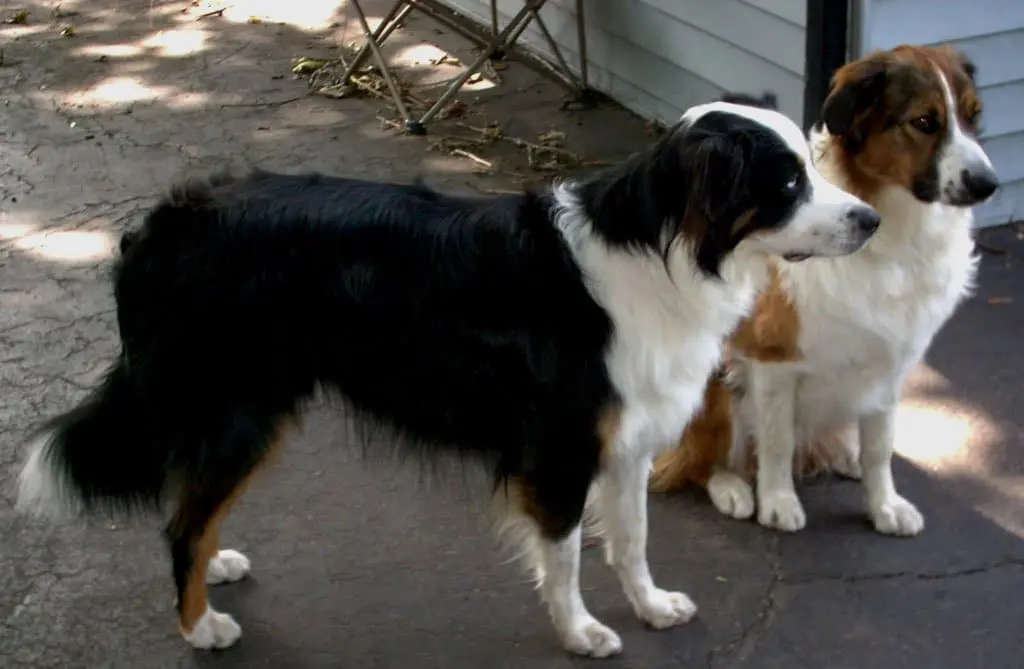
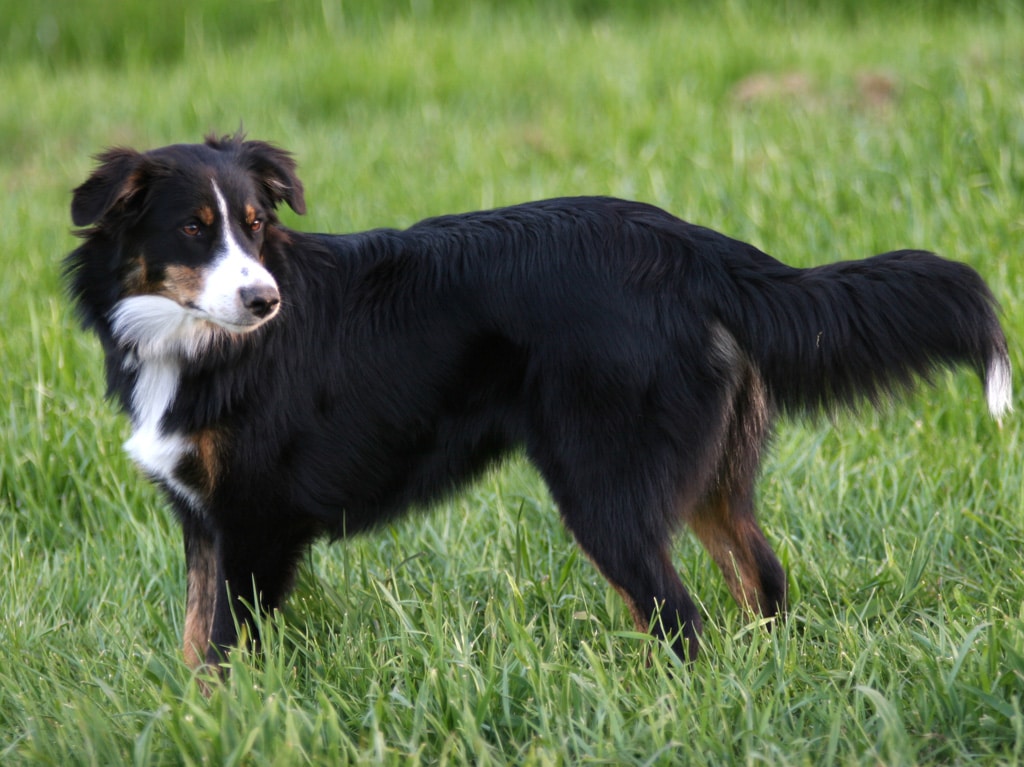
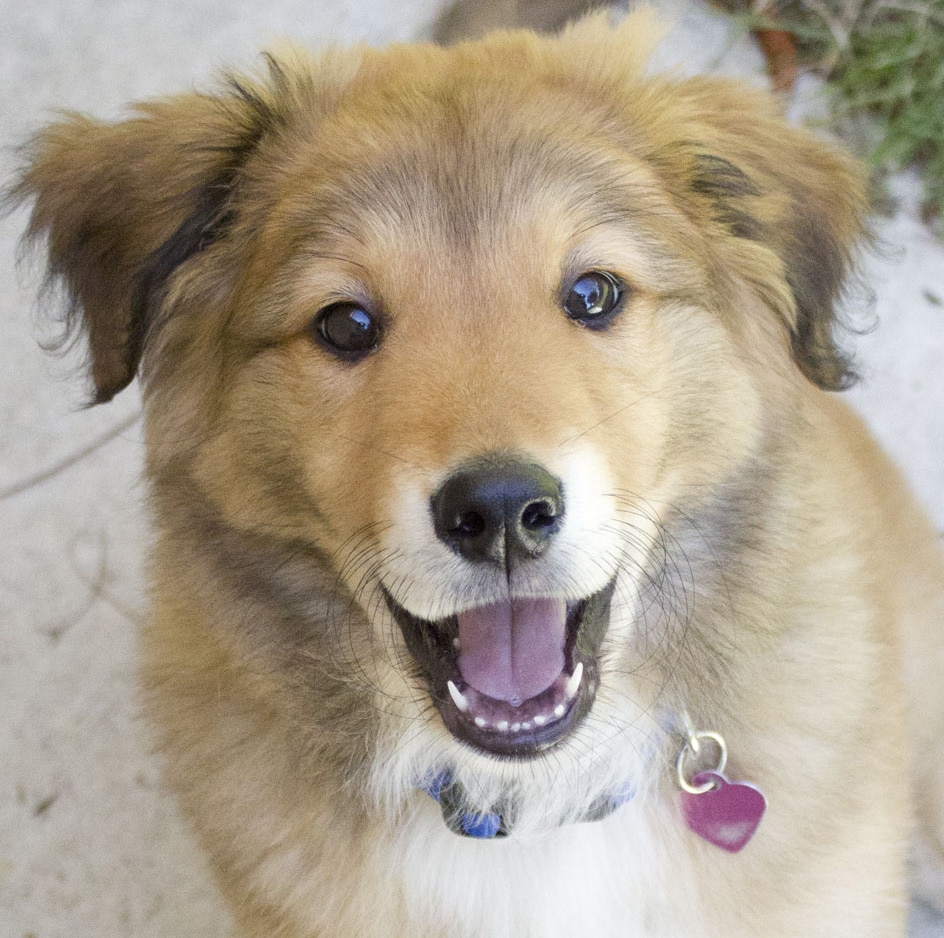
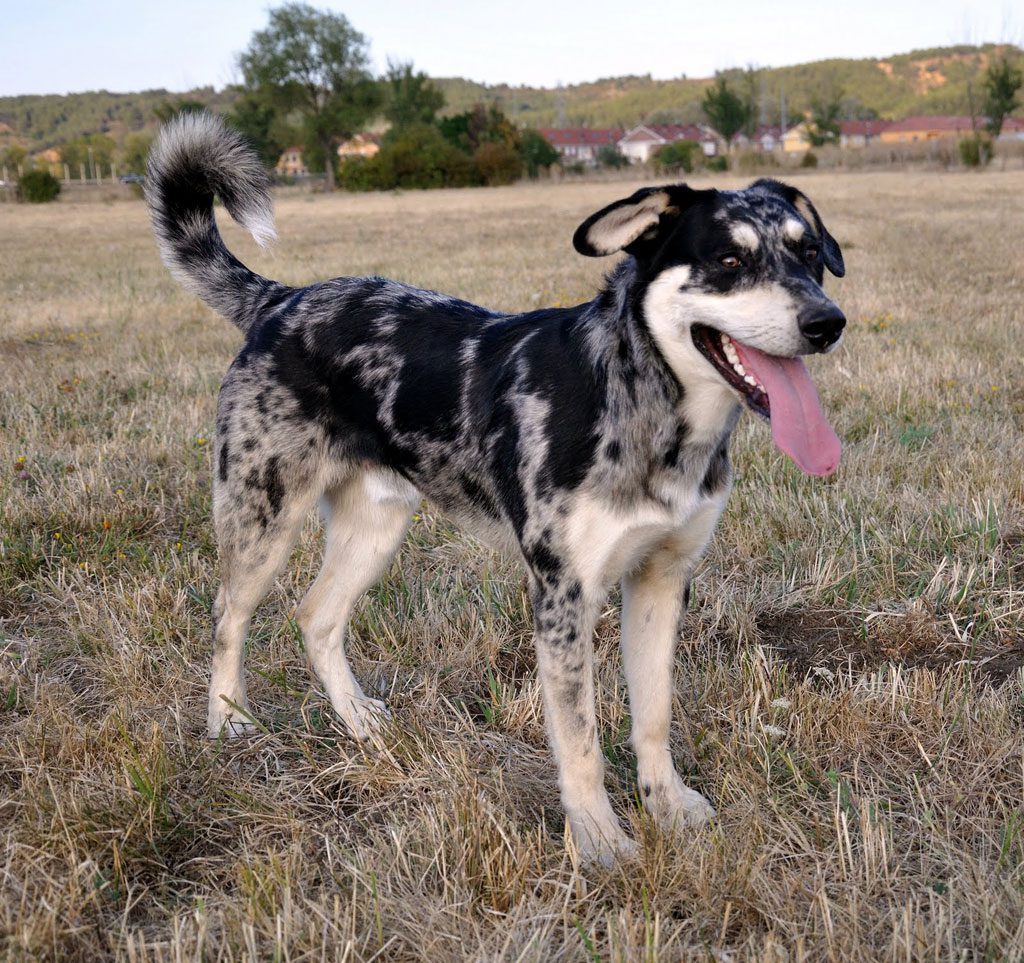
The Basque Shepherd Dog (in Basque: Euskal Artzain Txakurra) It is a breed of Spanish dog originating in the Basque Country.. Is a breed traditionally used as a sheepdog and guard livestock. There are two varieties, the Gorbeiakoa and Iletsua.

The breed was officially recognized by the Royal Canine society of Spain the 1 in June of 1995. The official name of the breed is not "Basque Shepherd", as it is known mostly, sino โ€œBasque Shepherd Dogโ€.

From the official club of the breed it is called ยซBasque Shepherd Dogยป to the mixed wool dog that is seen in the hamlets of Basque Country, mostly white, Tan or black, have nothing to do with the reddish or tawny of the pure specimens of Euskal Artzain Txakurra.

The "Shepherd Dog" is the oldest dog. Since that man evolved from nomadic farmer and livestock has been using dogs to the work of grazing. Some bone remains found in Neolithic caves attest that, 12.000 years ago, the farmers in the region were using these animals to grazing. We can find the "Basque Shepherd Dog" in Basque folk mythology. Later, had it been recognized in various pictorial frescoes of the 16th century, witnessing a popularity that came to transcend from rural environments to the highest circles of the Court of the time. From the 18th century they appear painted or drawn on the canvas of Paret y Alcazar, Dorรฉ, Guiard, Arrue and others.

From the end of the 19th century to the first decades of the 20th century, a time of regression arose for this breed, especially in Guipรบzcoa and Navarra due to the strong attacks of the wolf on the herd., reason why pastors replaced careadores dogs with the Artzanoras or mastiffs. In รlava and Vizcaya, however, this decrease was not as pronounced and they alternated grazing work with guarding and warning in the hamlets when they were not with the herds.. This know-how combining work, He was one of the keys for that race is not extinct.

Today, the Basque Shepherd Dog has only 413 copies recognized since the holding of the first monograph of the race.

Later they began to organize international competitions of pastoral dogs. Due to the admiration that sparked this breed among those who witnessed his task, a plan was started via scholarship and research project to study these dogs with ethnological methodology, biochemistry, genetics, reproductive and etological in 1991. After a thorough review of more than three thousand copies of the whole Basque country, the recognition of the Basque Shepherd Dog – "Basque Shepherd Dog".

Unfortunately, the localism of a canine species generates, In most cases, Multiple obstacles to your survival.

Photo: elexartza

Physical characteristics

As we said above there are two varieties in the breed Basque Shepherd Dog, the "Iletsua" and the "Gorbeiakoa" and the standard marks the differences.

The differences between the two varieties most important morfoestructurales are as follows:

In the Iletsua:

  • Longer hair on the back
  • Longer hair on the front limbs.
  • Greater width of the face in the female.
  • Greater width of the chest.
  • Greater cephalic index.
  • The typical color of blond or leonado coat
  • Most with floppy ears.

As to the general appearance, has a trunk strong and rectangular. It has the body covered in a typical mantle of bristle hair, blondes or leonadas and canelas layers.

Has the head elongated, cover of hair shorter than in the rest of the body, and uncovered eyes. The nose is always black. The snout color is more intense than the rest of the body or black cinnamon. Short hair. Firm lips, Pigmented in black. Scissor bite. Eyes oval, with black eyelids and Brown iris and amber.

It has the limb strong and covered with short hair on the front and back fringes. With one or two spurs or none in the hind limbs.

The fur is moderately long, rough, rustic looking. As we said above, It is shorter in front of the extremities and face.

Height in males of 47 to 63 and in females, of 46 to 58 cm.. The weight of the males is of 18 to 33 Kg., and in females, of 17 to 30 Kg.

In the Gorbeiakoa:

  • The male has a greater height at the withers.
  • Greater length of head.
  • Longer hair on the belly.
  • Greater width of the rump in the female.
  • Typical coat color is fiery red..

As to the general appearance, the trunk is elongated appearance. The layer red fire, known as "red", with frequent darkening on snout.

The head It has a pyramidal shape and is equipped with very short hair. Frequent presence of three Lunar, one next to each of the corners of the lips, and the other in the ventral and central part of the mandible, all of them with black setae of greater length than the rest of the head. Truffle always black. Snout elongated and thin, with frequent pigmentation. Eyes macaroons, Brown and amber.

The limb they are strong. With one or two spurs or none in the hind limbs.

The fur is moderately long and soft texture. It is shorter in front of the extremities and face.

The height males will of 47 to 61 and in females, of 46 to 59 cm.. The weight of the males is of 18 to 36 Kg., and in females, of 17 to 29 Kg.

Character and skills

Regarding the temperament of Basque Shepherd Dog, we can find special characteristics of each variety (Gorbeiakoa and the Iletsua):

  • Gorbeiakoa: It is safe to, balanced and above all very sociable, Sometimes it is considered to be one member of his family and his talent for grazing can be added. His instinct, as described, It focuses more on tasks of grazing.
  • The Iletsua: It has a territorial instinct, but he always maintains a strong bond with his master, as always happens with him and rarely is separated from it. His instinct, as described, It focuses more care tasks.

All training can start with a small basic education course (the dog learn to stay quiet, sitting, that moves when the owner order). Regardless of age you can start socializing so you can get confidence with his master and others.

The Basque Shepherd Dog lets touch, petting and running like a champion so he needs a field where he can romp freely for long periods of time. Give some walks and stay active either playing with the ball or small but intense session of game with the family. Its longevity is of 11 to 13 years.

Images Basque Shepherd Dog

Videos Basque Shepherd Dog

Alternative names:

1. Basque Shepherd Dog, Basque: Euskal Artzain Txakurra, Basque Sheepdog
Basque Herder
(English).
2. Berger basque, (en basque : Euskal artzain txakurra) (French).
3. Perro Pastor Vasco, (spanisch) oder Euskal Artzain Txakurra) (German).
4. Pastor Basco, (em basco: Euskal artzain txakurra) (Portuguese).
5. Artzain Txakurra, Euskal Artzain Txakurra (espaรฑol).