โ–ท The world of Pets: Dogs, cats, birds, reptiles, amphibians

Romanian Carpathian Shepherd Dog
Rumanรญa FCI 350 - Sheepdogs

Romanian Carpathian Shepherd Dog

The Romanian Carpathian Shepherd Dog is slightly more sensitive and less independent than other guard dog breeds

Content

History

The โ€œRomanian Carpathian Shepherd Dogโ€, also known as Carpatin (of his original name Ciobanesc Romanesc Carpatin), He is native to Romania, more precisely from the Danube Delta.

It is said to be descended from the Lupo races – molosoides, comparable in size to ancient mastiffs, but with a morphology closer to that of the wolf, and that has been used to protect herds for more than 9.000 years, that is to say, since the beginning of the domestication of cattle in this region.

Legend has it that their ancestors, to whom he is physically very close, they interbred naturally with wolves, resulting in a powerful and fearsome race. Although there is no irrefutable evidence, such hybridizations between dog and wolf are known to have in fact occurred in various regions of the world, what makes this theory plausible.

Often hunting in packs, nothing stops this dog with his courage and unerring protective instinct. There have even been cases where a herd of Carpathian shepherds has been seen repelled by an adult bear. The Romanian Carpathian Shepherd Dog has been selected over the centuries with the main criterion of utility, which explains why it has kept its herding dog qualities intact to this day, especially since Romania still has many predators on its territory, including wolves and bears. Over the years, they have also become increasingly integrated into the family as guard dogs; very protective of their master, it's a role they play wonderfully.

The first breed standard was developed in Romania in 1934. After the fall of communism in 1989, a few passionate breeders of the Romanian Carpathian Shepherd Dog developed the breed so that its standard could meet the criteria of the Fรฉdรฉration Cynologique Internationale. Their efforts paid off, since the latter finally recognized it provisionally in 2005, and then definitely ten years later, in 2015. Among the other large canine organisms, the Sociรฉtรฉ Centrale Canine and the United Kennel Club also recognize the Romanian Carpathian Shepherd Dog, what is not the case with the American Kennel Club, the Canadian Kennel Club or the Kennel Club, the leading organization in Great Britain.

Although they are increasingly known and appreciated in the rest of the world, the Romanian Carpathian Shepherd Dog still quite rare outside of its home country. On the other hand, still very popular in Romania, where it is used as a herding dog and as a guard and companion dog.

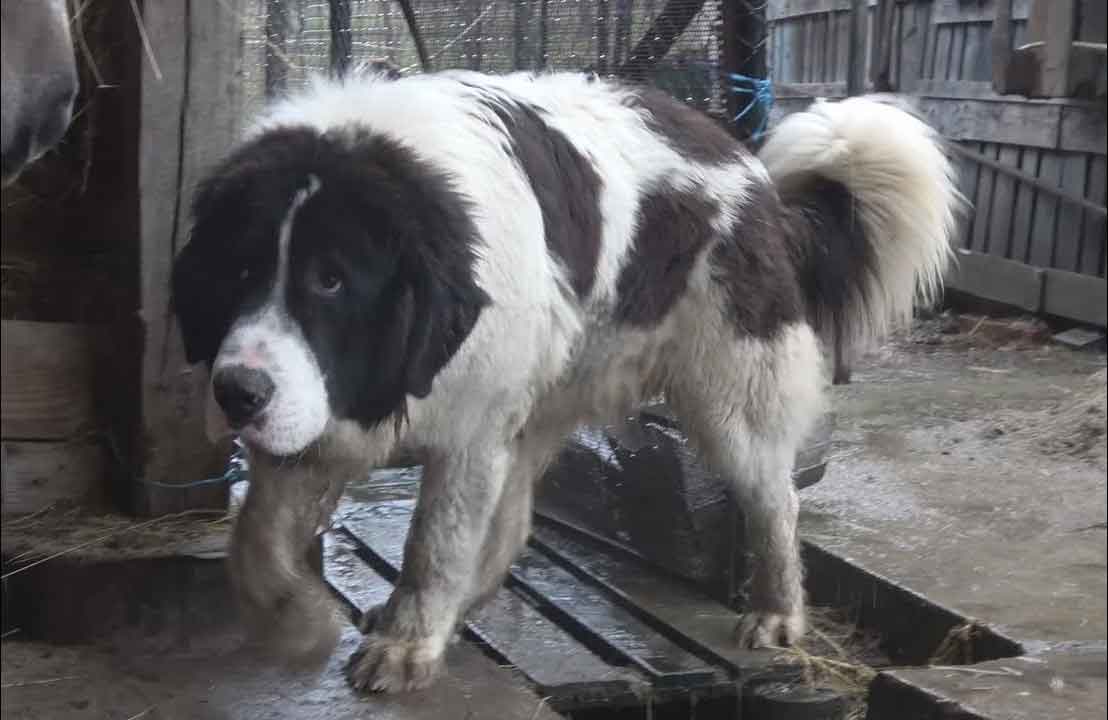
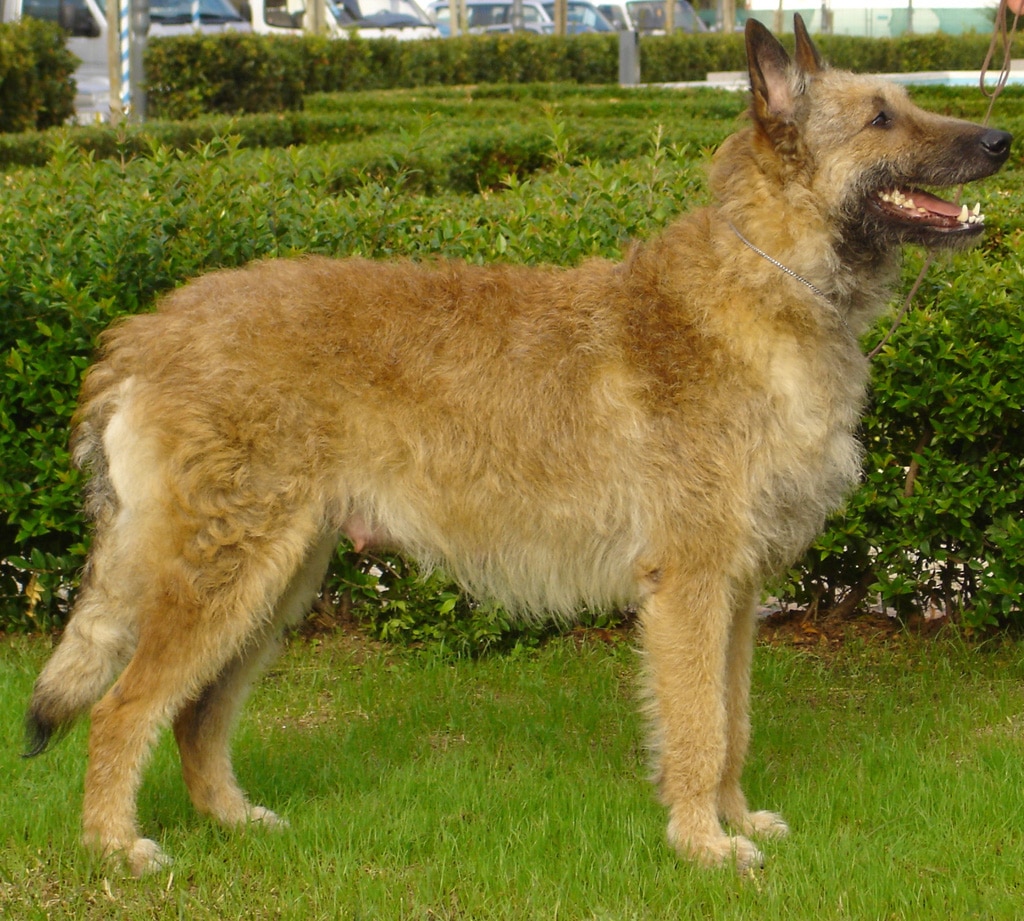
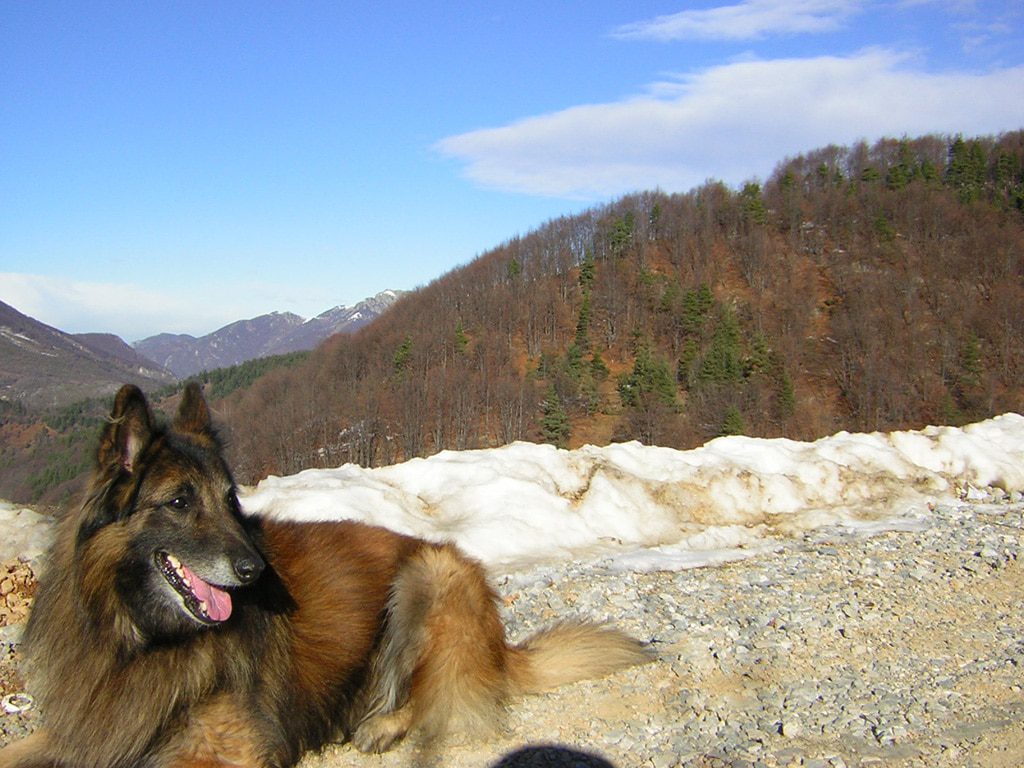
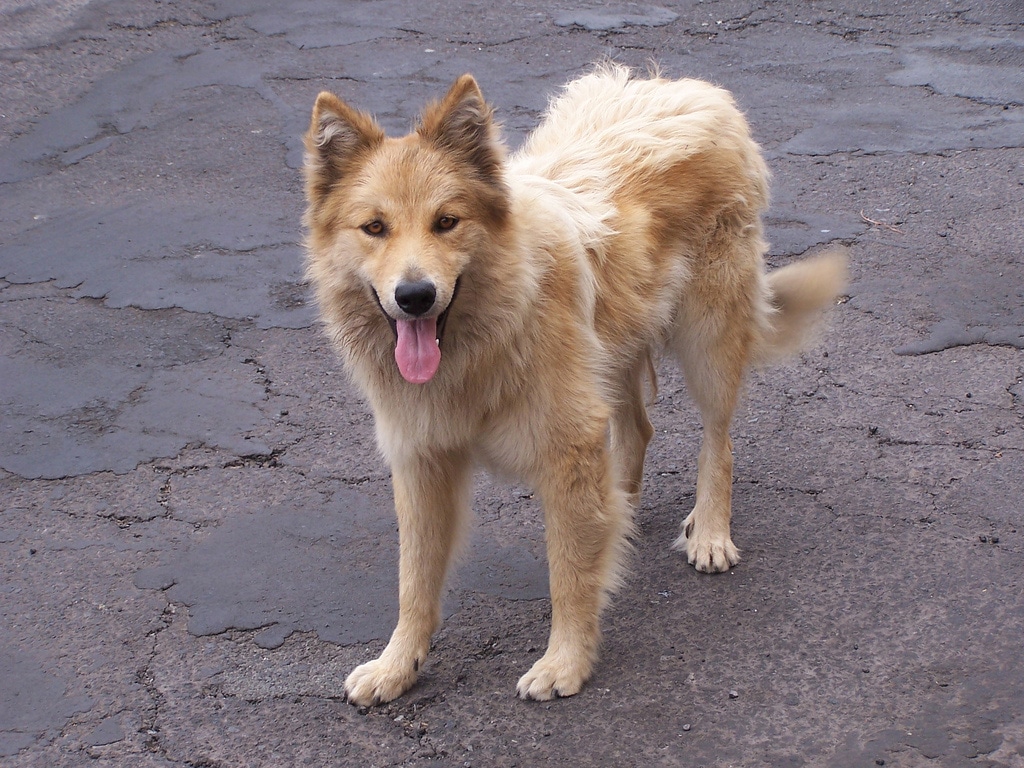
Photo: Possibly Carpathian sheepdog or Bucovina sheepdog by Alex Zelenko, CC BY-SA 4.0, via Wikimedia Commons

Physical characteristics

The Romanian Carpathian Shepherd Dog he is a large dog with an impressive physique.

The body is rectangular, vigorous and well developed, without heaviness. Its length is greater than the height at the withers, and the lumbar region may be slightly longer in females than in males.

The tail is held high, reaching or slightly exceeding the point of the hock. With abundant hair, hangs at rest but is carried high and slightly curved in action. It is neither flat nor rolled in the back.

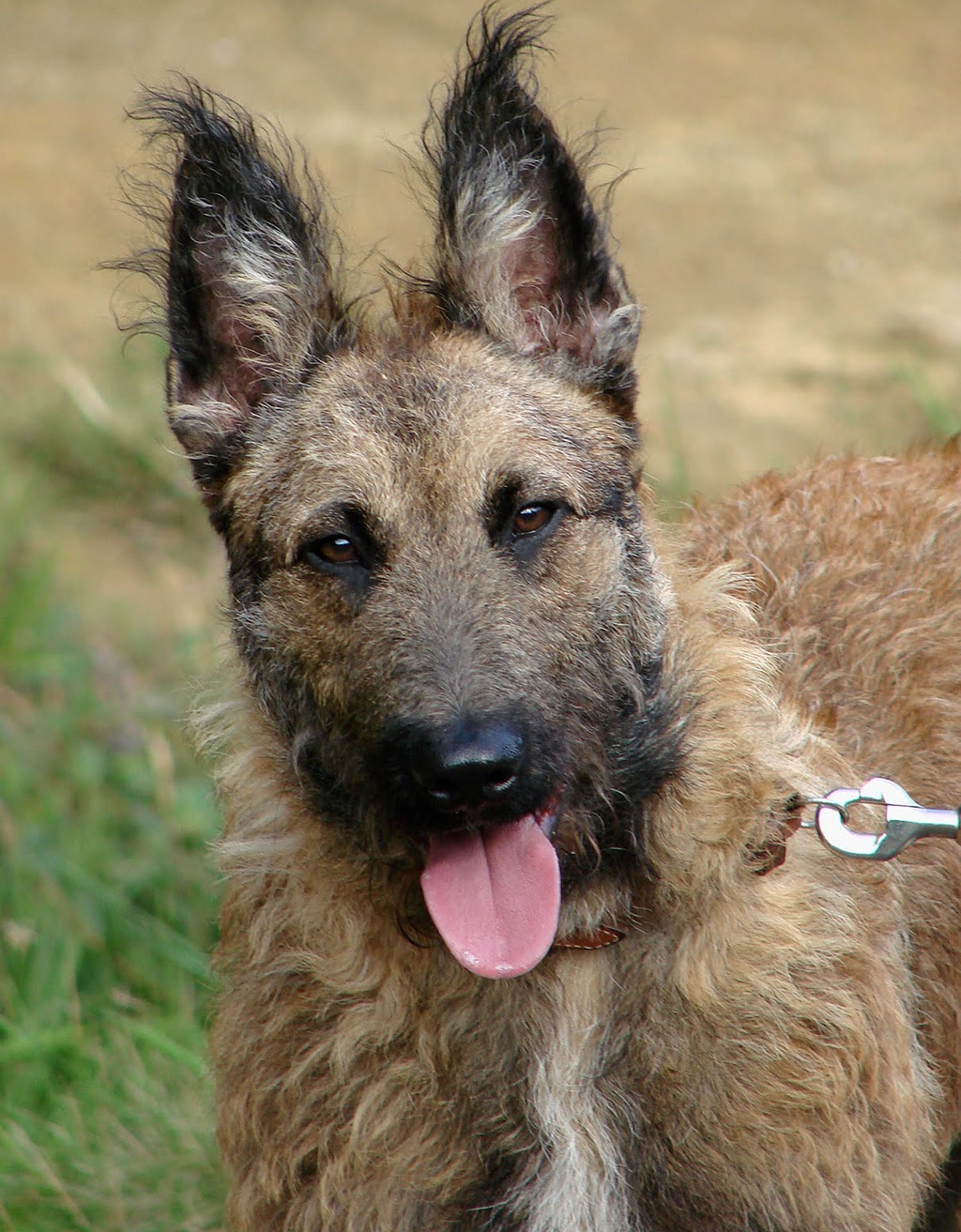
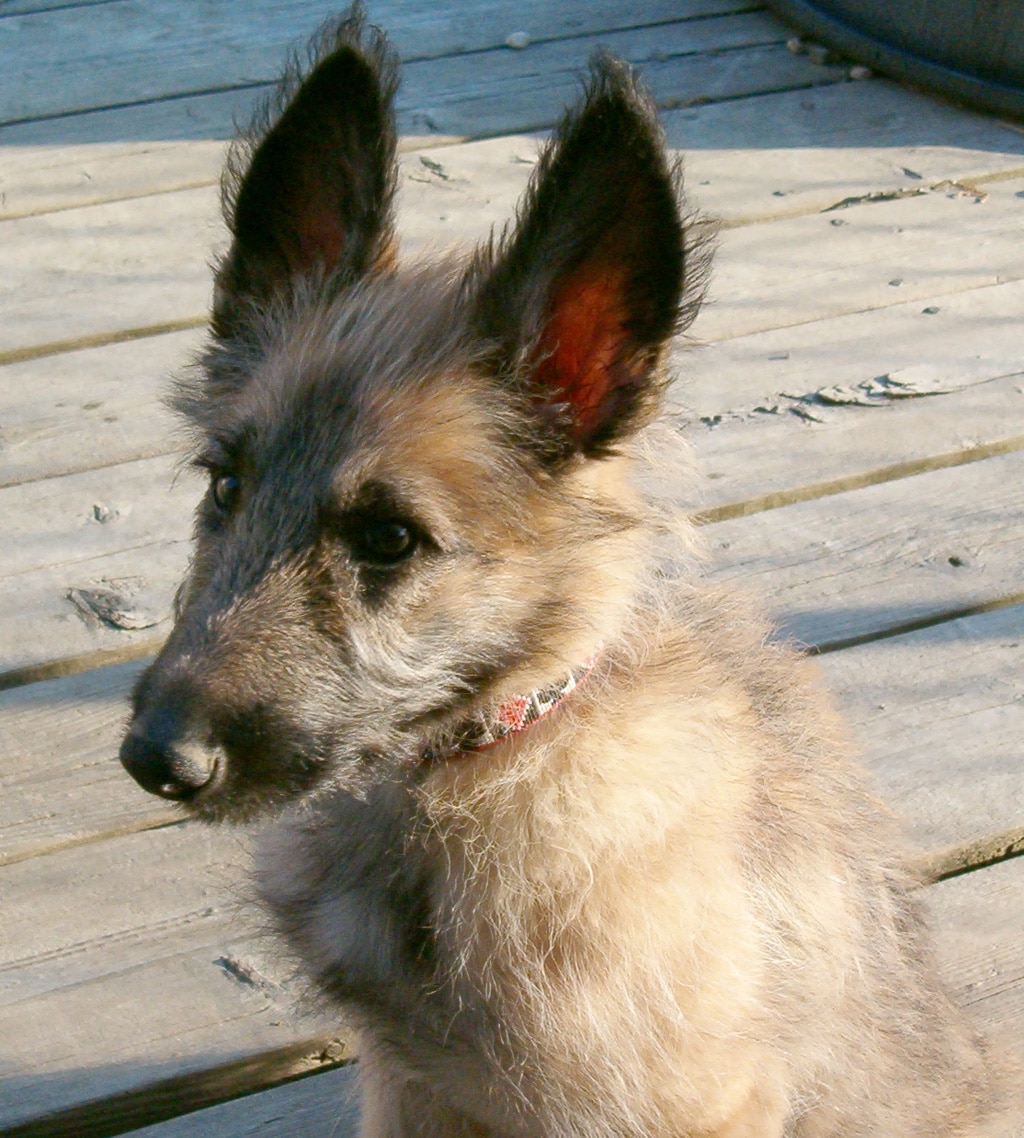
The head is strong but not heavy, of type lupoid, with a stop moderately marked. The nose is always black, big and wide. The scissor bite is powerful. The eyes are medium in size, almendrada form, dark brown. The ears, located slightly above the eye line, they are triangular in shape, a little rounded at the tip, and fall close to the cheeks.

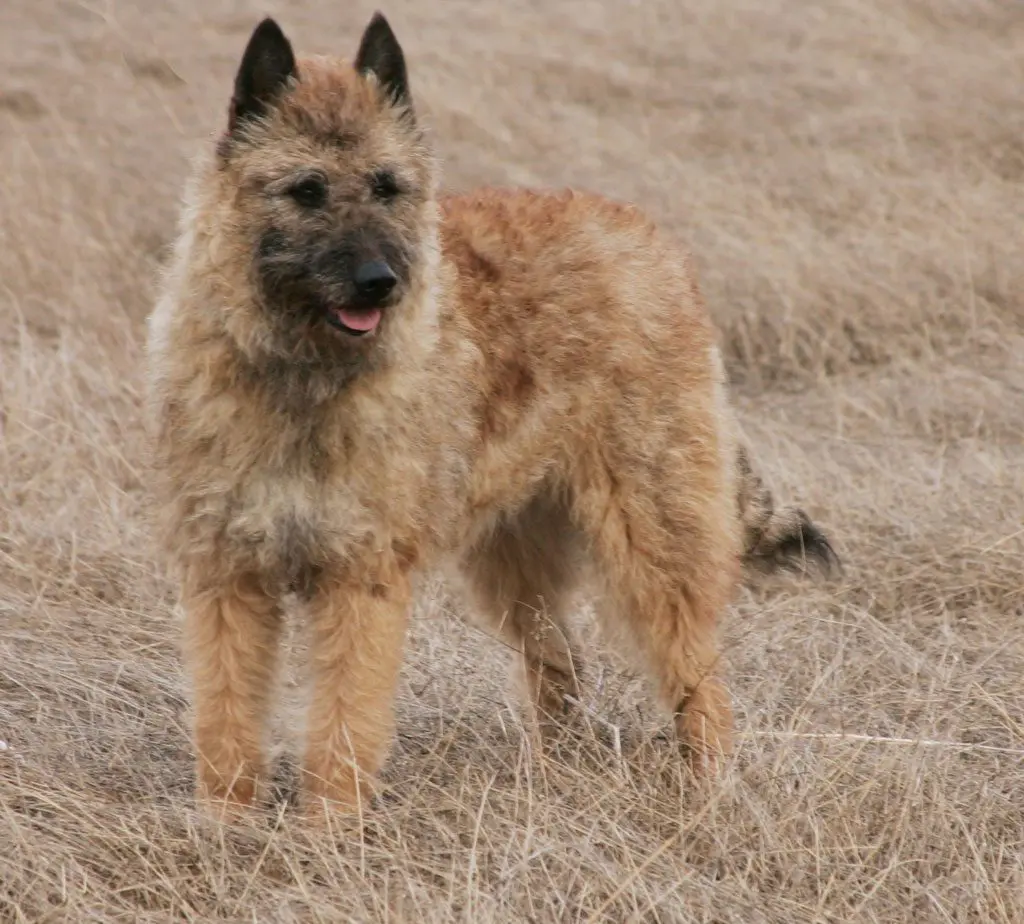
The inner layer is dense and flexible, color clear, but the hair is rough, smooth and dense. It is shorter and flatter on the head and front of the legs, longer in the neck, the back of the legs and tail. It is abundant and of medium length in the rest of the body. The fur is sable (Wolf) with white markings, and the skin is ash colored.

Character and skills

The Romanian Carpathian Shepherd Dog is balanced, calm and brave. They are innate herding dogs with a very strong protective instinct, with an unconditional attachment to his flock and a closeness to his master and family that is far greater than that of most other watchdog breeds.

This protective instinct makes them mistrust strangers. In the presence of a stranger, will come between him and his family and bark as a warning, until his master makes him understand that there is no danger.

But, due to its friendlier temperament than the average of other guard dog breeds, It is also an excellent companion dog.. As a breed of dog adapted to children, he is very gentle with them and is a great playmate for them. Regarding the cohabitation of the dog with the cat, generally goes well. Last, the fact that they have long gotten used to defending themselves and working in packs also explains why they generally manage to get along with their peers, although they can be dominant with them.

Although it suits all families quite well, this large, energetic dog needs plenty of exercise and play to maintain his mental balance and physical health. So, better suited to a family that likes to move, and thus you can enjoy hiking with your dog (dogs-rando), from running with your dog (canicross) or cycling with your dog (cani-mountain biking). To feel completely fine, need at least an hour of daily exercise.

So, not at all suitable for use in an apartment: too small a space and insufficient physical exercise could cause behavioral disorders in the dog, including uncontrolled aggression (even towards their owners) and / or destructive behavior on the part of the dog. This is all the more true since the Romanian Carpathian Shepherd Dog is slightly more sensitive and less independent than other guard dog breeds; therefore shows more anxiety in case of prolonged loneliness, especially if you are indoors with nothing to do to keep busy. So, the ideal home for him is one with a large enclosed garden where he can run, and a master who is available to play with his dog and walk him for long hours.

Education ยซRomanian Carpathian Shepherd Dogยป

Although the Romanian Carpathian Shepherd Dog it is a calm and balanced dog that is easier to train than other guard dog breeds, needs a strong education to start at an early age, since it has a strong character. It is imperative that the owner immediately show his dog who the master is and impose his authority, at the risk of seeing his partner with his impressive physique take control.

Of course, firm does not mean brutal. Positive dog training, with incentives and rewards, is always the best way to earn respect and obedience. Purely authoritarian training would only lead to confrontation with this willfully dominant dog..

Health ยซRomanian Carpathian Shepherd Dogยป

Although there have been cases of hip dysplasia or eye problems in some individuals, the Romanian Carpathian Shepherd Dog it is a robust breed of dog, able to stay outdoors in inclement weather without being unduly hindered and, In addition, does not have a congenital predisposition to certain pathologies.

So, daily exercise and a balanced diet are enough to keep the dog healthy, vigorous and toned.

But, care must be taken not to give too large a portion of food before physical exertion: like all big breeds, is particularly exposed to the risk of stomach dilation-torsion.

Grooming ยซRomanian Carpathian Shepherd Dogยป

Although the Romanian Carpathian Shepherd Dog has a long fur, rarely needs professional grooming. But, it is recommended to brush the dog's hair daily with a wire brush or detangler, especially during the molting period.

If you spend most of your time outdoors, it is recommended to wash your dog once a month. But, if you stay inside, a dog bath every three to four months is sufficient.

On the other hand, it is important to regularly examine and clean the dog's ears, as for all dogs with floppy ears. A buildup of earwax or bacteria could lead to infections, like ear infections.

It also, as in all races, brushing your dog's teeth at regular intervals is essential to avoid tartar problems. Ideally, you should be able to do this two to three times a week..

Finally, how often a dog's claws are trimmed depends on its level of activity. It is best to inspect them from time to time and trim them if necessary.

Characteristics "Romanian Carpathian Shepherd Dog"

Coexistence is important that you have with your new friend. Before considering the acquisition of a dog of the breed "Romanian Carpathian Shepherd Dog" you know certain factors. Not all breeds of dogs are apt to live in an apartment, you must take into account his character, their need for exercise, their interaction with other pets, their care and if you have small children, their level of tolerance towards them.

Adaptation โ“˜

3,0 of 5 stars (based on 1 review)

friendly dog โ€‹โ€‹โ“˜

3,0 of 5 stars (based on 1 review)

hair loss โ“˜

4,0 of 5 stars (based on 1 review)

Affection level โ“˜

5,0 of 5 stars (based on 1 review)

Need for exercise โ“˜

4,0 of 5 stars (based on 1 review)

Social need โ“˜

4,0 of 5 stars (based on 1 review)

Home โ“˜

2,0 of 5 stars (based on 1 review)

Toilet โ“˜

2,0 of 5 stars (based on 1 review)

Friendly with strangers โ“˜

2,0 of 5 stars (based on 1 review)

barking โ“˜

3,0 of 5 stars (based on 1 review)

Health โ“˜

3,0 of 5 stars (based on 1 review)

Territorial โ“˜

4,0 of 5 stars (based on 1 review)

Cat friendly โ“˜

4,0 of 5 stars (based on 1 review)

Intelligence โ“˜

4,0 of 5 stars (based on 1 review)

Versatility โ“˜

4,0 of 5 stars (based on 1 review)

Child friendly โ“˜

5,0 of 5 stars (based on 1 review)

Surveillance โ“˜

4,0 of 5 stars (based on 1 review)

joy โ“˜

4,0 of 5 stars (based on 1 review)

Images "Romanian Carpathian Shepherd Dog"

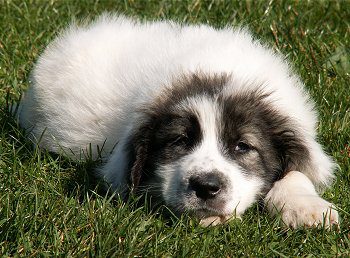
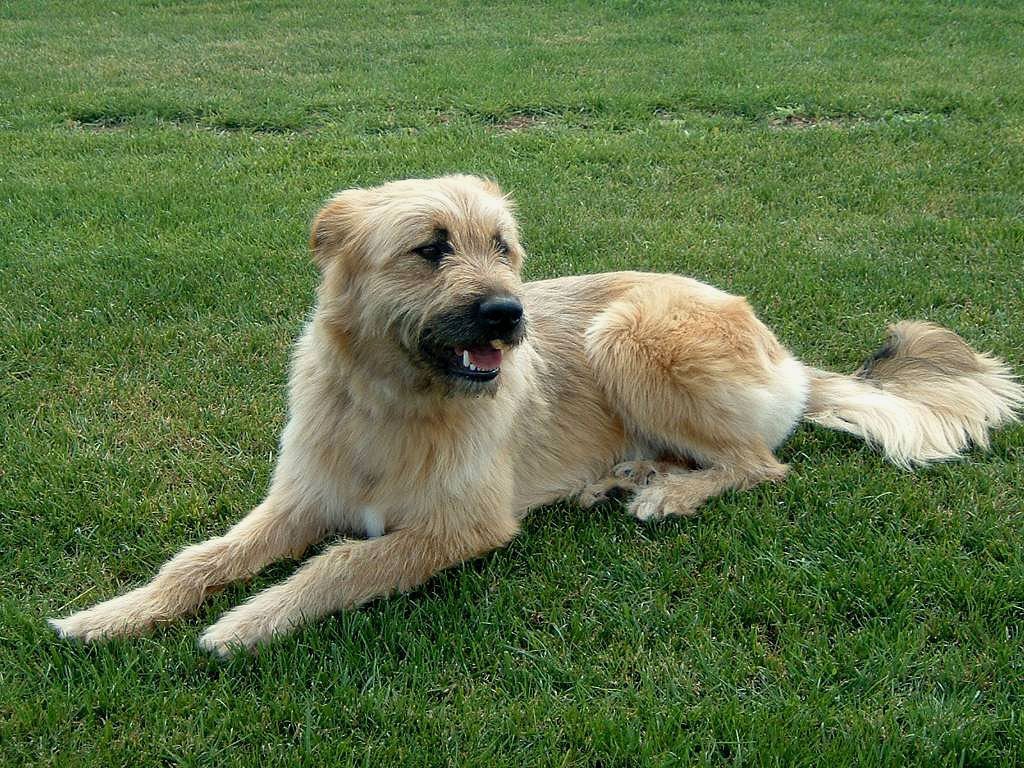
Carpathian Shepherd

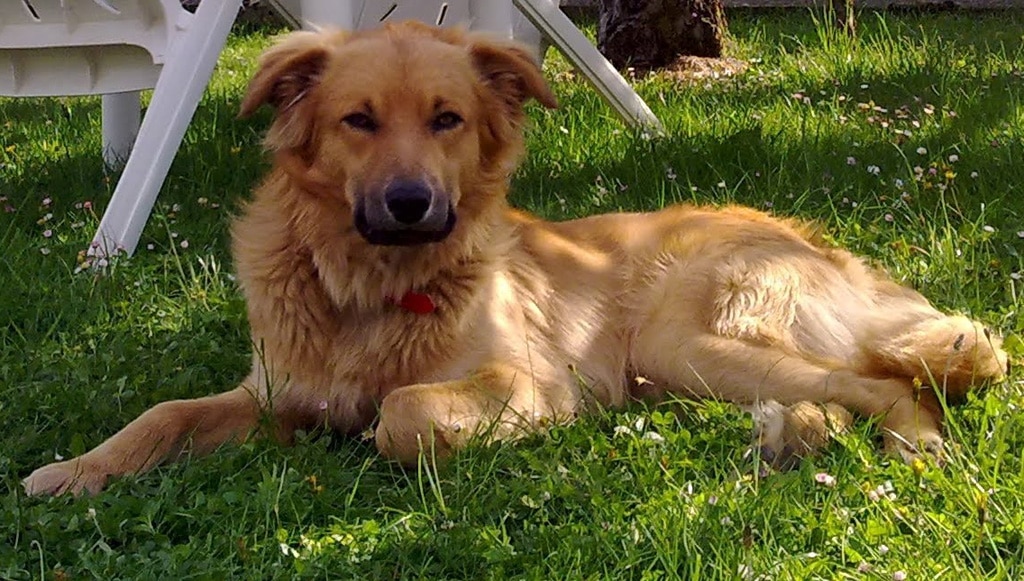
Carpathian Shepherd

Photos:

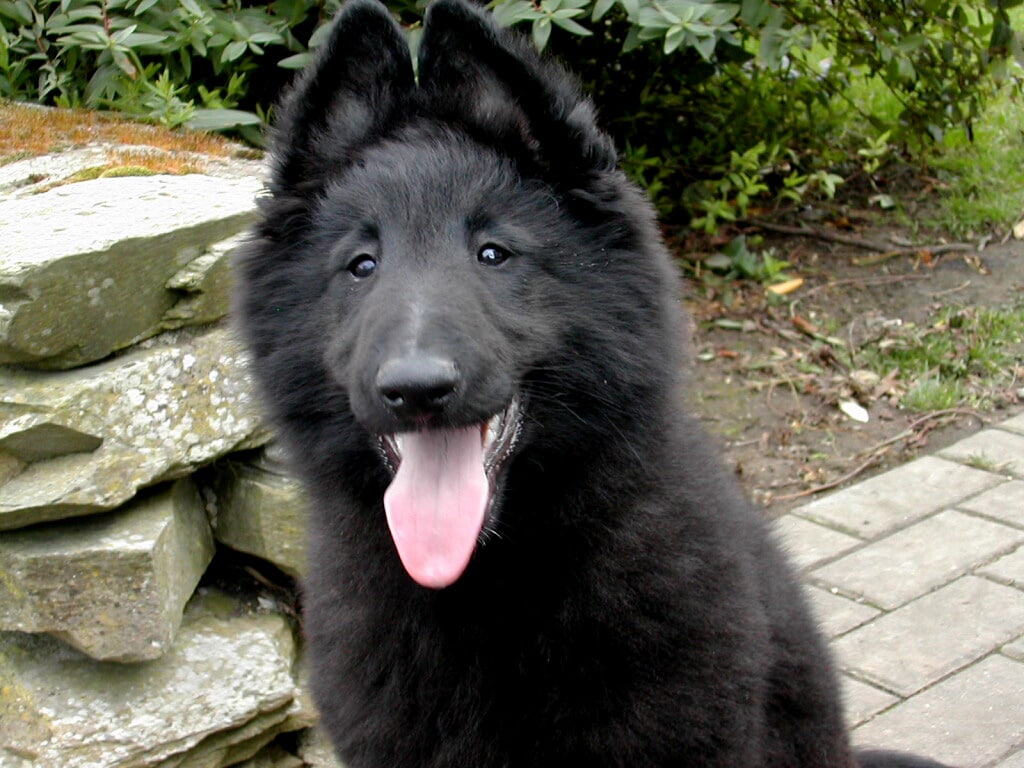
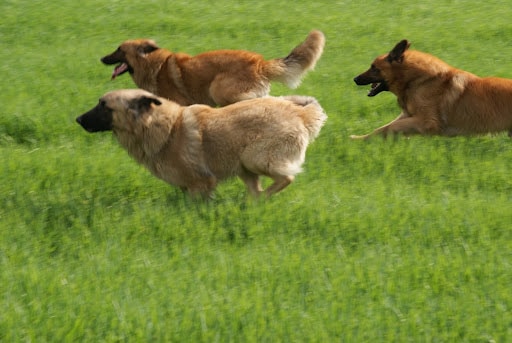
1 – ยซRomanian Carpathian Shepherd Dogยป by https://pxhere.com/es/photo/1434185
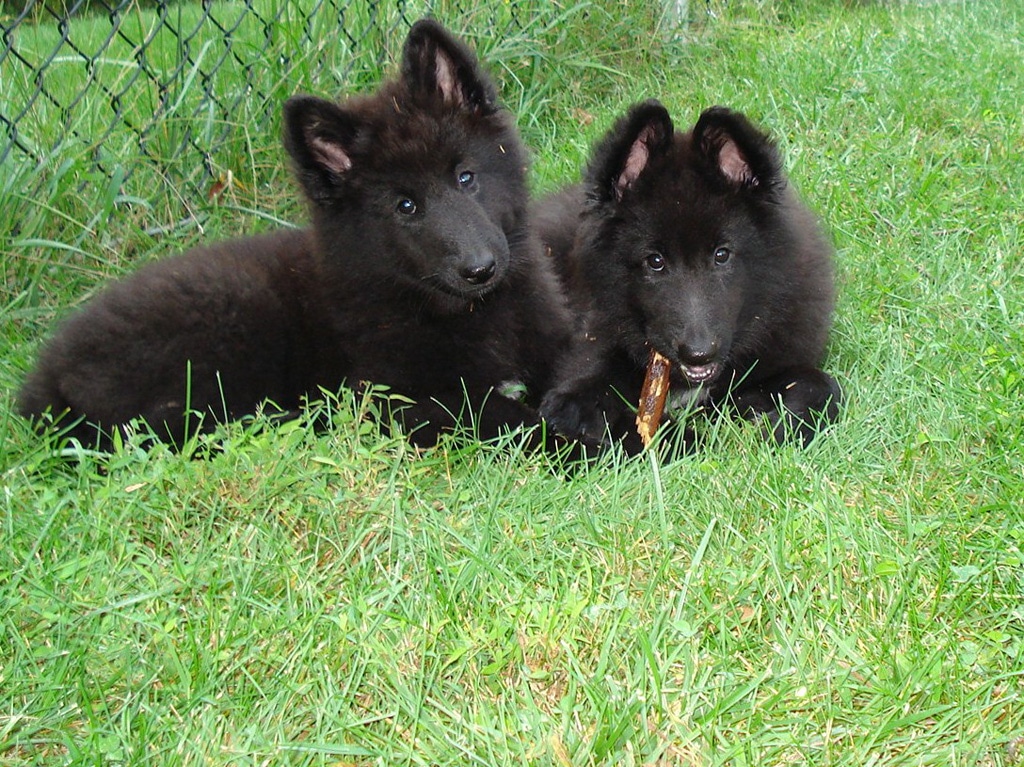
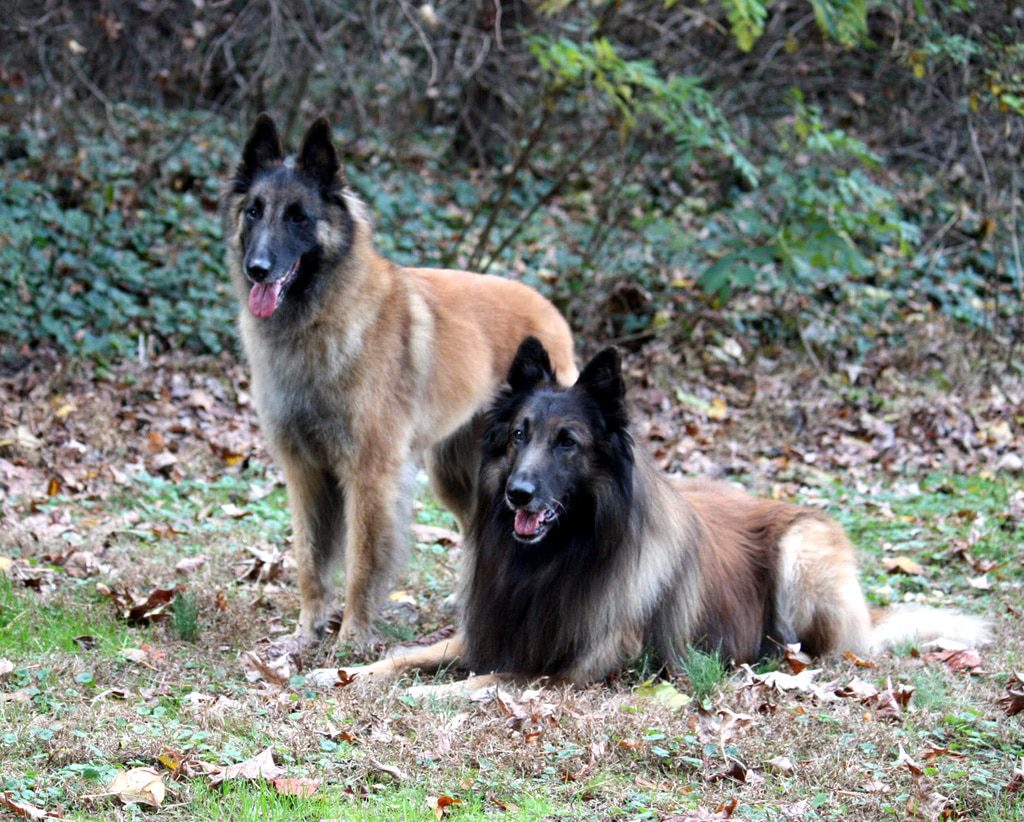
2 – ยซRomanian Carpathian Shepherd Dogยป by https://pxhere.com/es/photo/1625909

Videos "Romanian Carpathian Shepherd Dog"

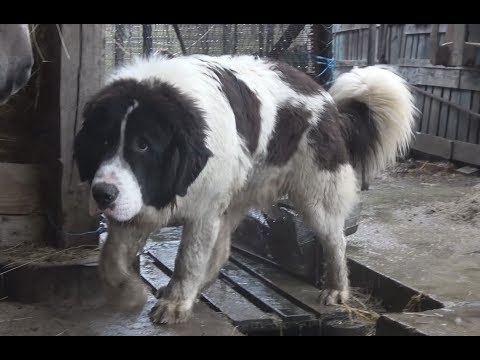
Jeff the Carpathian Shepherd - 4 Weeks Residential Dog Training
Jeff the Carpathian Shepherd – 4 Weeks Residential Dog Training
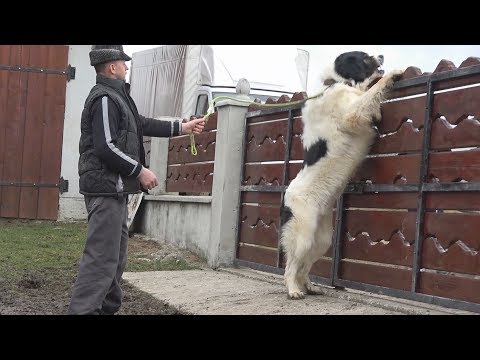
Sanziana, a Carpathian Shepherd Dog baby girl

Type and recognitions:

  • FCI CLASSIFICATION:
  • Group :
  • Section : . .

Federations:

  • FCI – Group 1 Herding dogs, Section 1 Sheepdogs โ“˜
  • UKC – Herding dogs โ“˜

FCI breed standard "Romanian Carpathian Shepherd Dog"

Origin:
Romania

Date of publication of the valid original standard:
09.06.2015

Use:

Shepherd dog used by Romanian shepherds of the Carpathians for centuries to defend flocks and at the same time as an excellent guard dog


General appearance:

This is a pretty big dog, agile,never weighed, Its general appearance is that of a vigorous dog. His body is rectangular, the rump is wide, slightly tilted, the rib cage is wide and high, long, slightly sloping shoulders. Sexual dimorphism is well marked, males should be taller and larger than females.


IMPORTANT PROPORTIONS:

  • The length of the skull is slightly greater than or equal to half the total length of the head.
  • The length of the body is always greater than the height at the withers. The lumbar region of females may be slightly longer.
  • The height of the chest corresponds to approximately half the height at the withers.


Behavior / temperament:

Innate and brave guardian, He stands out for his instinctive and unconditional affection towards the flocks and towards his master.. It is a dog with dignified behavior, quiet and balanced.

Head:

lupoid type.

Cranial region:
  • Cranial region: The Carpathian Shepherd is a mesocephalic dog, with a strong head, but not heavy. The forehead is wide and slightly bulging. The skull is wider between the ears and progressively decreases towards the naso-frontal depression.. The frontal furrow is quite long and sufficiently well marked.
  • Depression links: Moderate, never too marked, ni huidiza.

facial region:

  • Truffle:Grand, wide, always black.
  • Snout:Powerful, with an approximately oval profile, slightly truncated. The length of the snout is a little less than that of the skull or the maximum, equal.
  • Lips:Thick, well pigmented, well stretched, with a tightly closed commissure.
  • Jaws / Teeth:Strong jaws, solid and straight. The teeth are powerful; scissor joint, the incisor arches are slightly rounded.
  • Cheeks:Thin. Powerful maseteros, never outstanding. The skin is well stretched.
  • Eyes:Almond biscuits, slightly oblique, They are not too large in relation to the dimensions of the skull, its color is very dark. They are not even jumpy, nor are they sunk in the orbits. The eyelids are black and fit well into the shape of the eyeball..
  • Ears:Triangular, not too big, They appear a little higher than the eye line. They are stuck to the cheeks. The limb is slightly rounded.

Neck:

Muscular, very powerful, medium length. Its angle is about 50ยฐ in relation to the horizontal..

Body:

Vigorous, well developed, slightly rectangular.

  • Top margin: Straight and firm.
  • Height to the cross: Bit strong.
  • Back: Medium length, straight, and solid and muscular.
  • Pork loin: Powerful, muscular, but not too wide. Of moderate length, not too long (the top margin is not firm), not too short.
  • Rump: Muscular and wide, medium length. Slightly inclined, never runs away.
  • Breast : Very wide, well developed and well inclined to the level of the elbows. solid ribs, well shaped, never barrel shaped.
  • Lower margin: Moderately ascending, raised abdomen, nor sunk, nor fallen.

Tail:

It appears quite high, bushy, provided with abundant hair. During rest, appears low, straight or slightly saber-shaped, reaching the tip of the hock. When the dog is attentive or in action, It appears raised and can exceed the level of the back; It's not even stretched, nor twisted about it.

Tips

PREVIOUS MEMBERS: Strong bones.

  • In general: Front or profile views, the forelimbs are plumb and perpendicular to the ground.
  • Shoulder: Solid, moderately inclined.
  • Elbows: Well attached to the body, they do not deviate even outwards, nor inward.
  • Forearm:Straight, very vigorous, with oval profile.
  • Metacarpus: Short, slightly inclined.
  • Previous foot: Oval, solid, compact.

LATER MEMBERS: Muscular, with solid bones and good angulations.

  • In general: They are leaden.
  • Thigh:Width, well muscled.
  • Legs: Powerful, muscular, medium length.
  • Hock: Solid, firm, not too high (determining an accentuation of the angulation of the stifle) not too inclined.
  • Metatarsus: Solid, vertical.
  • Rear foot: Oval, well developed and compact, slightly smaller than the previous one. Fingers arched and together. Any spurs must be removed, except in countries where this practice is prohibited by law. The plantar pads are elastic and resistant.

Movement:

Loose, with a good range. The trot is vigorous and sustained. The limbs move in parallel planes.

Mantle

  • Pigmented ash color. The truffle, the edge, of the eyelids and lips must be black. Ash or black nails are preferred.


  • Fur: Rough, dense and stretched. The undercoat is dense and soft. With the exception of the head and the inner surfaces of the extremities, where the hair is short and straight, the hair is abundant over the entire body, medium length. about the neck, the back of the limbs and on the tail, the hair is longer, its abundance being typical in these areas.
  • Color: carbon sand (dark bay) with different nuances, often lighter on the lateral parts and darker on the upper part of the trunk. carbon sand (dark bay) with white markings, preferably not very widespread.


Size and weight:

  • Height to the cross: Ideal: 65 โ€“ 73 cm in males. 59 โ€“ 67 cm in females. But, the general appearance is always the most important.
  • Weight: In proportion to the size, giving the impression of a powerful dog, but not heavy.


Fouls:

Any deviation from the aforementioned criteria is considered as a fault and its seriousness is considered to the degree of the deviation to the standard and its consequences on the health and well-being of the dog.

SERIOUS FAULTS:

  • Any deviation from the above that impairs the use.
  • Fragile or too heavy constitution.
  • Eyes that are too light in color.
  • Lower eyelids that are too hanging, exposing the eyeball.
  • Very full lips and hanging corners.
  • Significant pigmentation defects.
  • Excessive body length (more than 10%) and square body.

FALTAS DESCALIFICANTES:

  • Aggressiveness or extreme shyness.
  • Any dog โ€‹โ€‹showing clear signs of physical or behavioral abnormalities must be disqualified..
  • apathetic dog.
  • Clearly atypical dog, similar in appearance to the molossoid.
  • Lack of a P3 and another tooth. Lack of a canine, of a P4, of a molar, or three or more teeth (except PM1y M3).
  • Upper or lower prognathism, pincer joint.
  • Very fine bones.
  • Rib cage that is not sufficiently developed.
  • Lack of an inner layer of hair, hair that is not short on the head and the front surfaces of the limbs.
  • Curly hair the griffon type, wire hair, Longhair, soft, silky, forming a clear separation on the midline of the body.
  • Considerable depigmentation of the eyelids, of the truffle, of the skin or lips. ocular heterochromia (different color eye).
  • Color: brown, mottled, yellow or with spots of these colors.
  • Adult dogs smaller than 62 cm in males and 58 cm in females.


N.B.:
  • Males should have two normal-appearing testicles fully descended into the scrotum..
  • Only functionally and clinically healthy dogs, with the typical conformation of the breed, should be used for parenting.

The latest changes are in bold.

Source: F.C.I - International Cynological Federation

Alternative names:

1. Romanian Shepherd, Romanian Carpathian Shepherd, Carpathian Sheepdog (English).
2. Chien de berger des Carpathes (French).
3. Carpatin, Zavod (German).
4. (em romeno: Ciobฤƒnesc romรขnesc carpatin) (Portuguese).
5. Carpatin, Pastor de los Cรกrpatos, Perro pastor de los Cรกrpatos (espaรฑol).

โ–ท The world of Pets: Dogs, cats, birds, reptiles, amphibians

Berger de Brie
Francia FCI 113 - Sheepdogs

The Berger de Brie It is an excellent race to raise with children of all ages.

Briard

The Berger de Brie or Briard is a breed dog, one of the many existing breeds of dogs pastors. Its origin is French. The history of the Briard has already some centuries… Charlemagne, Napoleon, Thomas Jefferson and Lafayette, they all had a dog of this breed.

Some theories say that, the Briard is descended from Asian dogs brought to the region by the barbaric invasions that attacked Europe during the middle ages.

This former guardian of sheep and shepherd has also been used, as well, by the French Navy as Sentinel, messenger and in search of wounded soldiers because of his fine sense of hearing. They were used in the first world war in an indiscriminate way to bring them to extinction. This breed is still used as guardian and Shepherd of herds, as well as as a pet.

They became popular just after the ยซParis Dog Show" from 1863, in large part due to an improvement in the appearance of animal achieved by crossing with the Beauceron and the Barbet.

It is believed that they take their name from the French province of Brie, Although the animal not probably comes from this town. Currently, the population of shepherds of Brie is slowly recovering. It is believed that this breed is related to the Berger Picard.

Read all about the race –> Briard

โ–ท The world of Pets: Dogs, cats, birds, reptiles, amphibians

Malinois
Bรฉlgica FCI 15 . Sheepdogs

Malinois

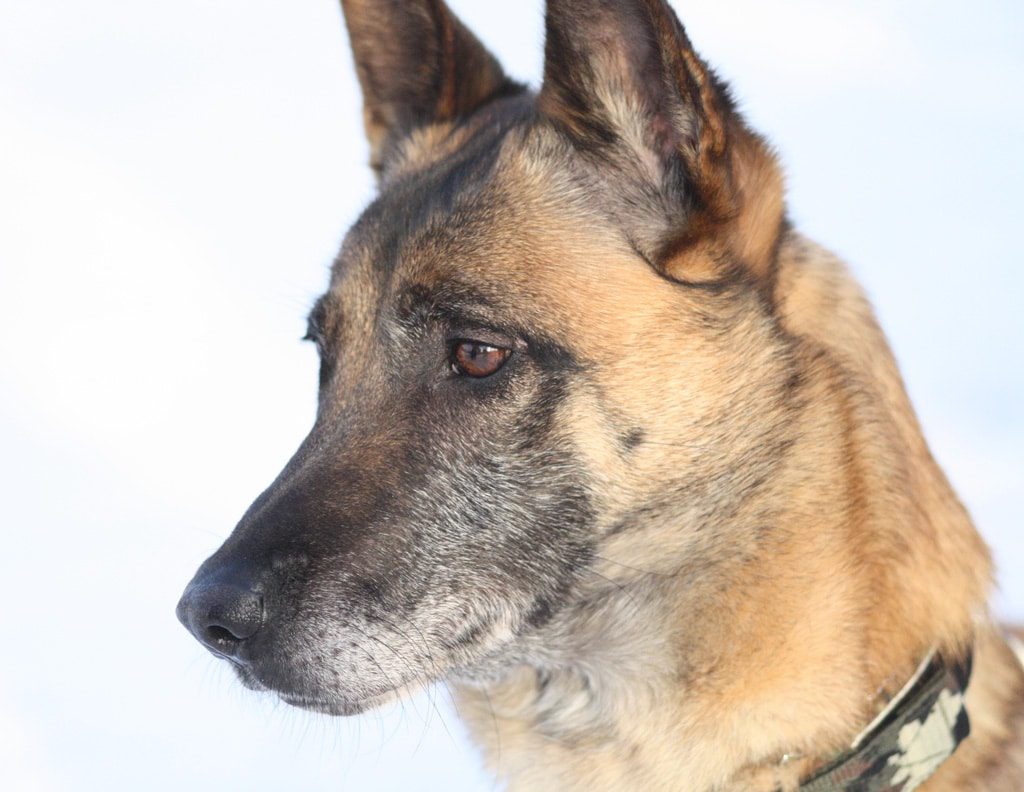
The Malinois is vigilant, always active and alert. He has an innate aptitude as a flock guardian…

Content

History

The Malinois is one of the 4 belgian shepherd varieties, its name comes from the Belgian city of Mechelen (Mechelen Dutch, French Malines), town that saw it born.

The first standard of this variety was written by Professor Reul, of the Club du Chien de Berger Belge, to be adopted in 1892. The appearance, skills and most of the physical characteristics outlined in this standard, they are almost identical to the current. Its origins are the same as those of wire-haired dogs.

This variety, little known, of Belgian Shepherd is a breed of utility par excellence and is very appreciated by trainers of dogs work and people who participate in various tests of competition as Schutzhund.

In addition to his civilian facet as a competitive "athlete", It is also frequently used by the armed forces, for example the Mexican army who used it to attack.

They are very popular in Belgium, France and America, the first Malinois they arrived in United States in 1907, to be used by the police, due to its temperamental characteristics.

Currently the Malinois It has been a better option for the election of the army and police, unlike the German Shepherd, Although does not have the same force as the German Shepherd, the Malinois surpasses this in resistance and availability to work, Moreover the level of intelligence is similar, even many creators who have worked with both races, They claim that it is superior.

Its development is closely linked to sport, in particular the French Ring and their dissemination at the global level. In fact, in 1900 organized the first tests with jump of obstacles, obedience and a program of bite and 1909 in Paris, is the first World Championship in Ring, from which, is carried out each year.

Physical characteristics

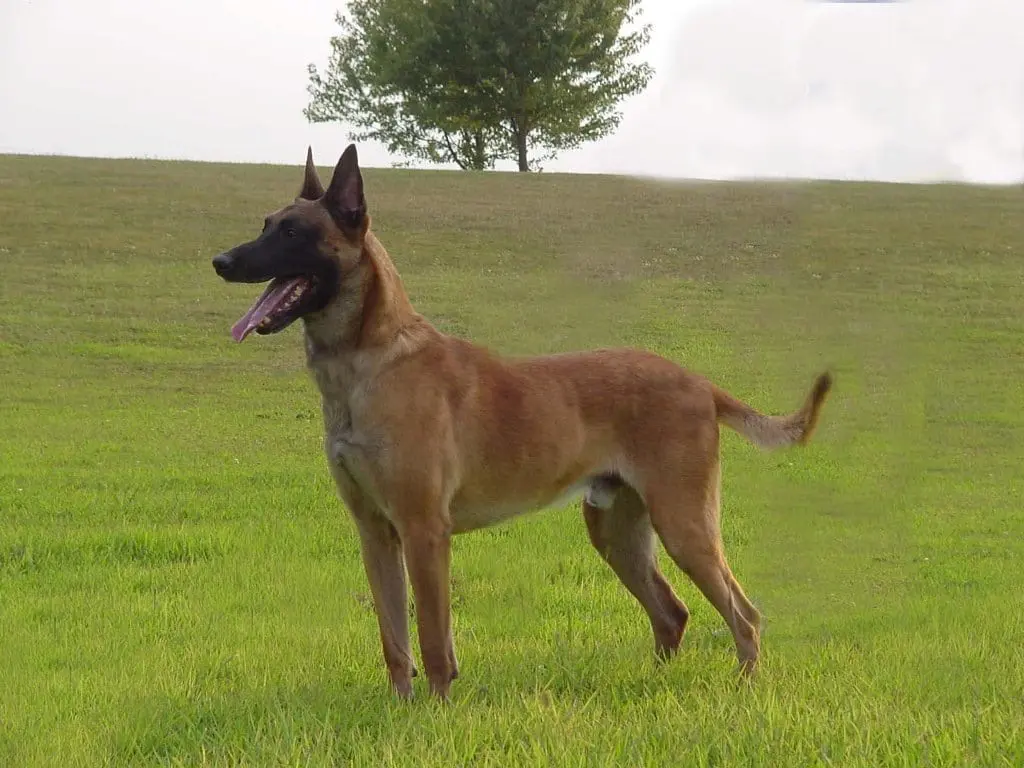
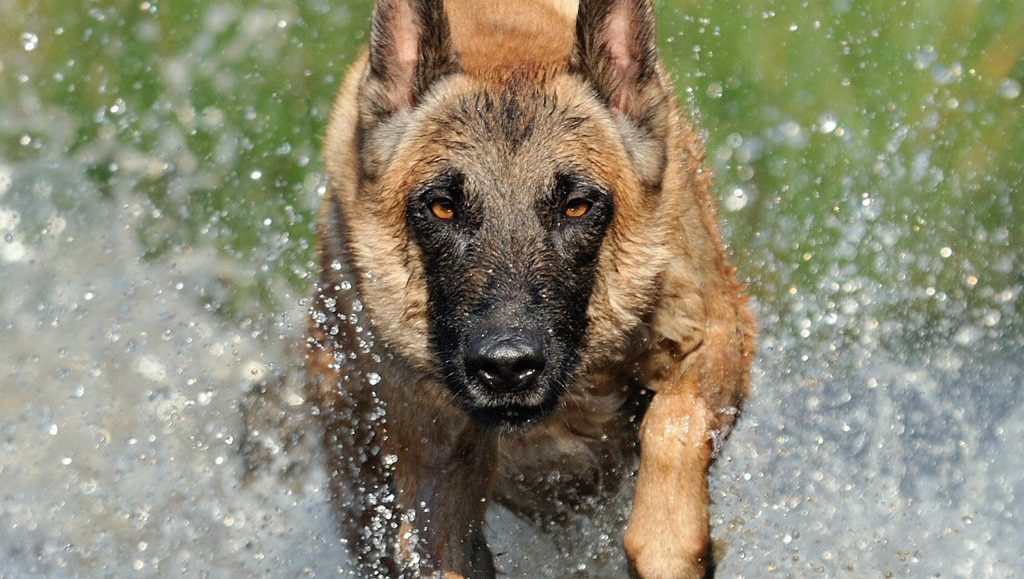
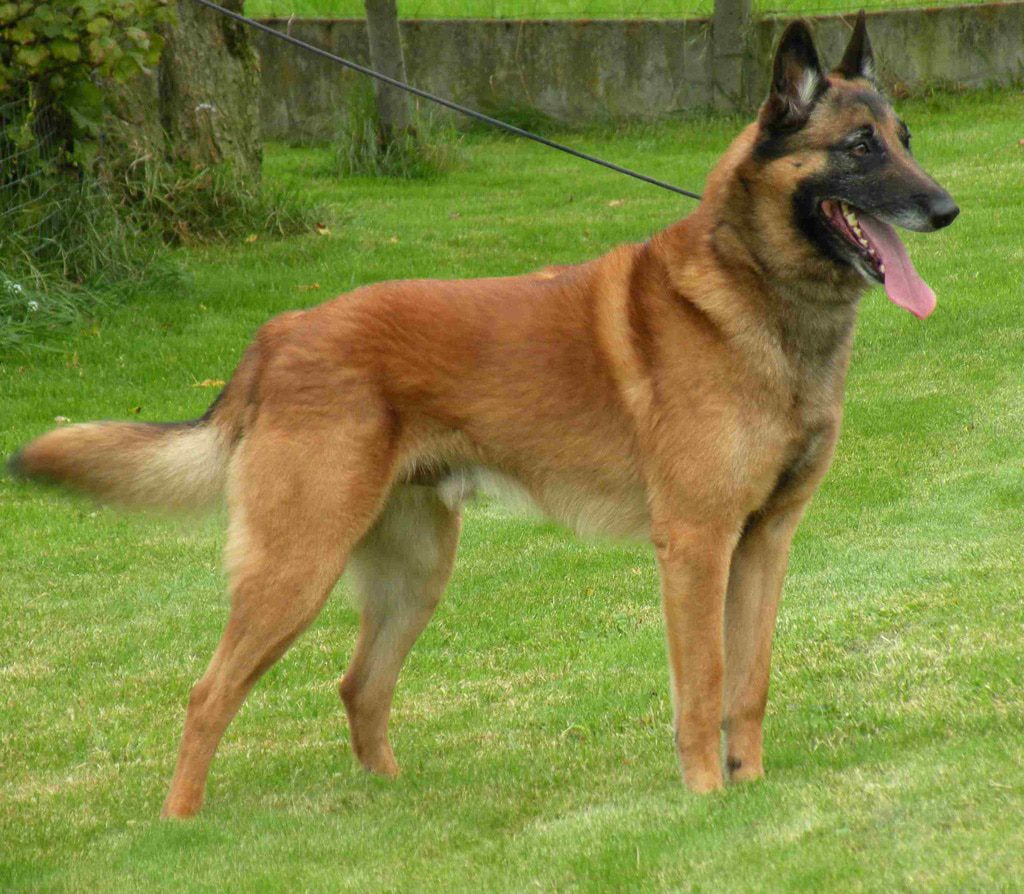
The Malinois shared standard with each other 3 varieties of Belgian Shepherd, differentiating these only in the length, type and hair color. His hair is short on the body, without fringes in limb or tail, the color is carborane Brown and presents dark mask on the face.

Its robust constitution allows it to easily adapt to life outdoors and withstand the environmental conditions of climates as difficult as that of Belgium..

For more than four decades, the lines of beauty and work have not mixed with each other. The Malinois It is above all a breed of utility and if there is something that it is becoming known around the world for, it is for its good attributes for work while still seeing that it is not a dog that resists all terrain, in strength is surpassed by the German Shepherd and some Bull type dogs, but it is still an exemplary dog.

So, It is not a variety whose upbringing go primarily oriented to the official type that sets the standard, that is to say: the beauty.

This explains that his standard has a fairly broad margin compared with other races classified by the FCI, that is why it should not surprise found with copies that differ in size and height.

Character and skills

He is a guard dog, always active and alert. He has an innate aptitude as a flock guardian, and it is a tenacious and ardent supporter of his master, bringing together all the qualities needed to be a sheep dog, guardian, of Defense and service.

Despite their heterogeneity of characters these examples stand out for their vitality, loyalty, vivacity, vehemence, innate aptitude of guardian and his obsession with instinctive to cash in and bite objects. And as often have an intuitive nature towards things for his excellent sense of olfactory sensory perception and is a good Hound, and here the dogs exceeding probably is the German Shorthaired.

Images of the ยซMalinoisยป

Videos of the ยซMalinoisยป


FCI breed standard Malinois

FCIFCI - Malinois
Malinois

Otros nombres:

Belgian Malinois / Berger Belge Malinois / Mechelaar / Mechelse Herder / Mechelse Scheper / Pastor Belga Malinois

โ–ท The world of Pets: Dogs, cats, birds, reptiles, amphibians

Basque Shepherd Dog
Espaรฑa Not recognized by the FCI

Pastor Vasco

There are two varieties of Basque Shepherd Dog: the "Gorbeiakoa" and the "Iletsuaยซ.

Content

History

The Basque Shepherd Dog (in Basque: Euskal Artzain Txakurra) It is a breed of Spanish dog originating in the Basque Country.. Is a breed traditionally used as a sheepdog and guard livestock. There are two varieties, the Gorbeiakoa and Iletsua.

The breed was officially recognized by the Royal Canine society of Spain the 1 in June of 1995. The official name of the breed is not "Basque Shepherd", as it is known mostly, sino โ€œBasque Shepherd Dogโ€.

From the official club of the breed it is called ยซBasque Shepherd Dogยป to the mixed wool dog that is seen in the hamlets of Basque Country, mostly white, Tan or black, have nothing to do with the reddish or tawny of the pure specimens of Euskal Artzain Txakurra.

The "Shepherd Dog" is the oldest dog. Since that man evolved from nomadic farmer and livestock has been using dogs to the work of grazing. Some bone remains found in Neolithic caves attest that, 12.000 years ago, the farmers in the region were using these animals to grazing. We can find the "Basque Shepherd Dog" in Basque folk mythology. Later, had it been recognized in various pictorial frescoes of the 16th century, witnessing a popularity that came to transcend from rural environments to the highest circles of the Court of the time. From the 18th century they appear painted or drawn on the canvas of Paret y Alcazar, Dorรฉ, Guiard, Arrue and others.

From the end of the 19th century to the first decades of the 20th century, a time of regression arose for this breed, especially in Guipรบzcoa and Navarra due to the strong attacks of the wolf on the herd., reason why pastors replaced careadores dogs with the Artzanoras or mastiffs. In รlava and Vizcaya, however, this decrease was not as pronounced and they alternated grazing work with guarding and warning in the hamlets when they were not with the herds.. This know-how combining work, He was one of the keys for that race is not extinct.

Today, the Basque Shepherd Dog has only 413 copies recognized since the holding of the first monograph of the race.

Later they began to organize international competitions of pastoral dogs. Due to the admiration that sparked this breed among those who witnessed his task, a plan was started via scholarship and research project to study these dogs with ethnological methodology, biochemistry, genetics, reproductive and etological in 1991. After a thorough review of more than three thousand copies of the whole Basque country, the recognition of the Basque Shepherd Dog – "Basque Shepherd Dog".

Unfortunately, the localism of a canine species generates, In most cases, Multiple obstacles to your survival.

Photo: elexartza

Physical characteristics

As we said above there are two varieties in the breed Basque Shepherd Dog, the "Iletsua" and the "Gorbeiakoa" and the standard marks the differences.

The differences between the two varieties most important morfoestructurales are as follows:

In the Iletsua:

  • Longer hair on the back
  • Longer hair on the front limbs.
  • Greater width of the face in the female.
  • Greater width of the chest.
  • Greater cephalic index.
  • The typical color of blond or leonado coat
  • Most with floppy ears.

As to the general appearance, has a trunk strong and rectangular. It has the body covered in a typical mantle of bristle hair, blondes or leonadas and canelas layers.

Has the head elongated, cover of hair shorter than in the rest of the body, and uncovered eyes. The nose is always black. The snout color is more intense than the rest of the body or black cinnamon. Short hair. Firm lips, Pigmented in black. Scissor bite. Eyes oval, with black eyelids and Brown iris and amber.

It has the limb strong and covered with short hair on the front and back fringes. With one or two spurs or none in the hind limbs.

The fur is moderately long, rough, rustic looking. As we said above, It is shorter in front of the extremities and face.

Height in males of 47 to 63 and in females, of 46 to 58 cm.. The weight of the males is of 18 to 33 Kg., and in females, of 17 to 30 Kg.

In the Gorbeiakoa:

  • The male has a greater height at the withers.
  • Greater length of head.
  • Longer hair on the belly.
  • Greater width of the rump in the female.
  • Typical coat color is fiery red..

As to the general appearance, the trunk is elongated appearance. The layer red fire, known as "red", with frequent darkening on snout.

The head It has a pyramidal shape and is equipped with very short hair. Frequent presence of three Lunar, one next to each of the corners of the lips, and the other in the ventral and central part of the mandible, all of them with black setae of greater length than the rest of the head. Truffle always black. Snout elongated and thin, with frequent pigmentation. Eyes macaroons, Brown and amber.

The limb they are strong. With one or two spurs or none in the hind limbs.

The fur is moderately long and soft texture. It is shorter in front of the extremities and face.

The height males will of 47 to 61 and in females, of 46 to 59 cm.. The weight of the males is of 18 to 36 Kg., and in females, of 17 to 29 Kg.

Character and skills

Regarding the temperament of Basque Shepherd Dog, we can find special characteristics of each variety (Gorbeiakoa and the Iletsua):

  • Gorbeiakoa: It is safe to, balanced and above all very sociable, Sometimes it is considered to be one member of his family and his talent for grazing can be added. His instinct, as described, It focuses more on tasks of grazing.
  • The Iletsua: It has a territorial instinct, but he always maintains a strong bond with his master, as always happens with him and rarely is separated from it. His instinct, as described, It focuses more care tasks.

All training can start with a small basic education course (the dog learn to stay quiet, sitting, that moves when the owner order). Regardless of age you can start socializing so you can get confidence with his master and others.

The Basque Shepherd Dog lets touch, petting and running like a champion so he needs a field where he can romp freely for long periods of time. Give some walks and stay active either playing with the ball or small but intense session of game with the family. Its longevity is of 11 to 13 years.

Images Basque Shepherd Dog

Videos Basque Shepherd Dog

Alternative names:

1. Basque Shepherd Dog, Basque: Euskal Artzain Txakurra, Basque Sheepdog
Basque Herder
(English).
2. Berger basque, (en basque : Euskal artzain txakurra) (French).
3. Perro Pastor Vasco, (spanisch) oder Euskal Artzain Txakurra) (German).
4. Pastor Basco, (em basco: Euskal artzain txakurra) (Portuguese).
5. Artzain Txakurra, Euskal Artzain Txakurra (espaรฑol).

โ–ท The world of Pets: Dogs, cats, birds, reptiles, amphibians

Belgian Shepherd Groenendael
Bรฉlgica FCI 15 . Sheepdogs

Pastor Belga Groenendael

The Belgian Shepherd Groenendael is a very intelligent dog, Active, loyal and loving.

Content

History

The dog Belgian Shepherd Groenendael It is a breed recognized by all the major canine clubs. In the United States is recognized under the name of Belgian Shepherd.

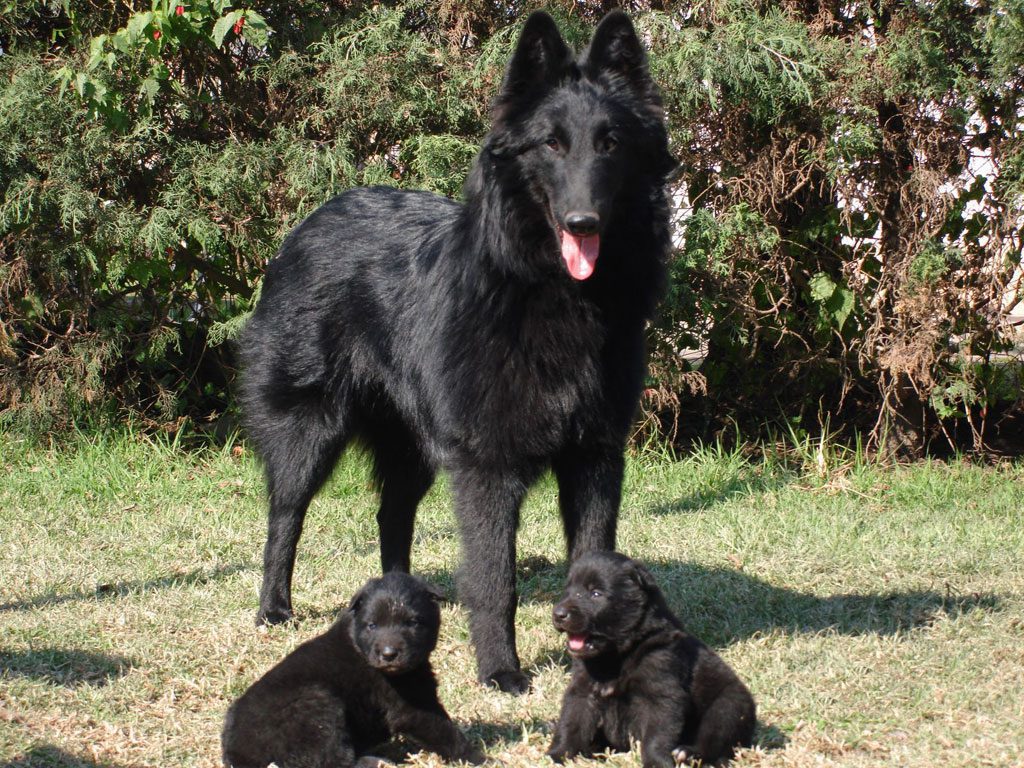
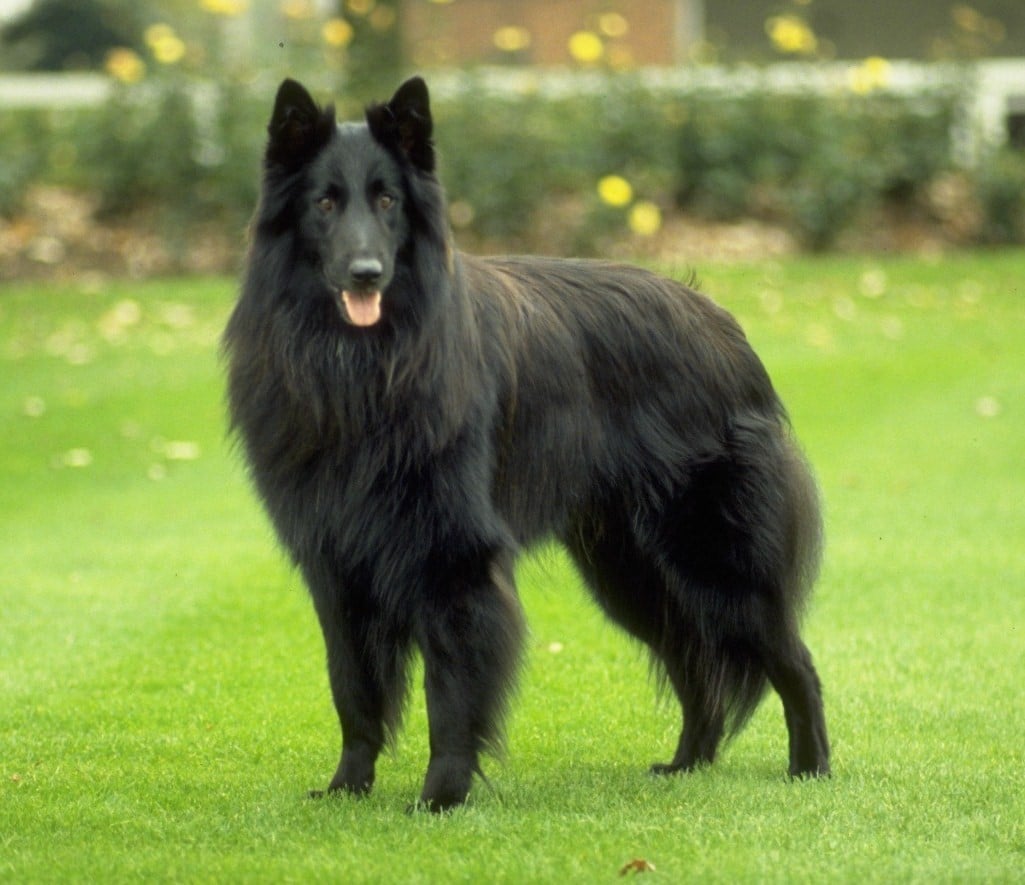
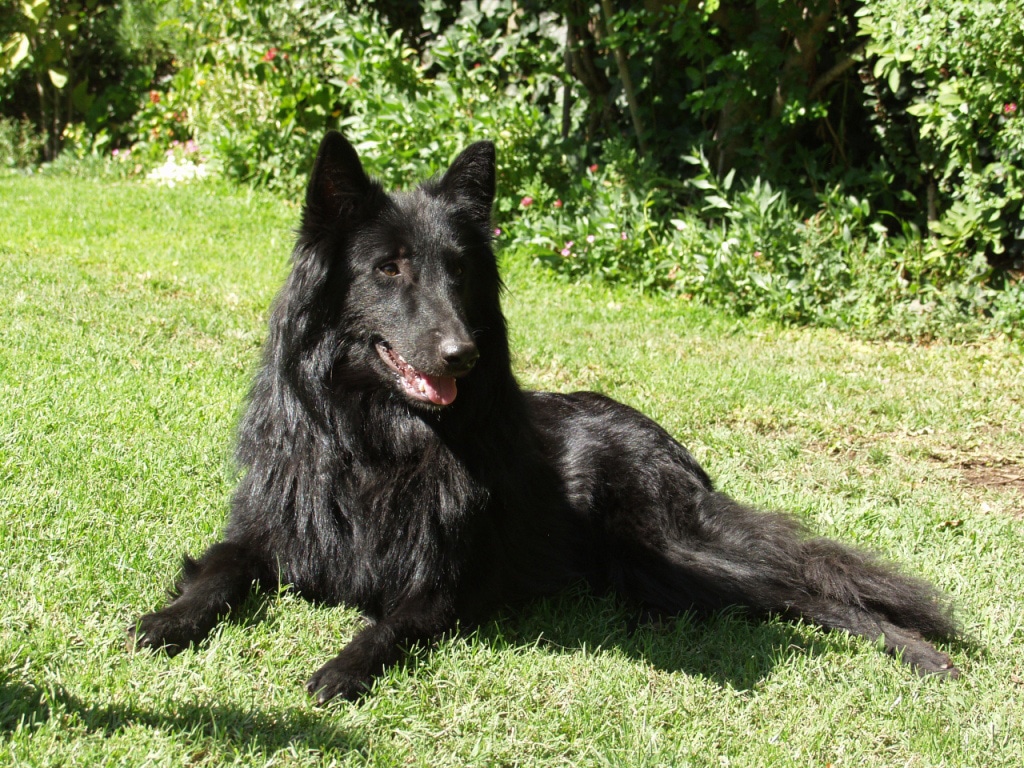
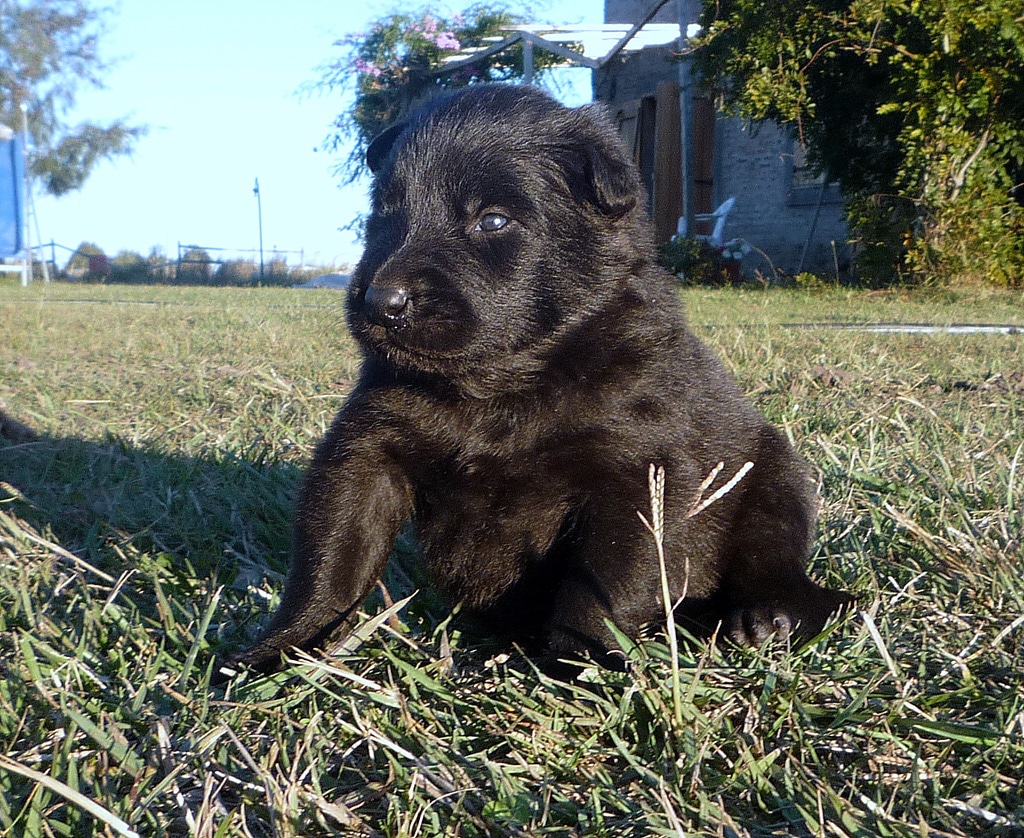
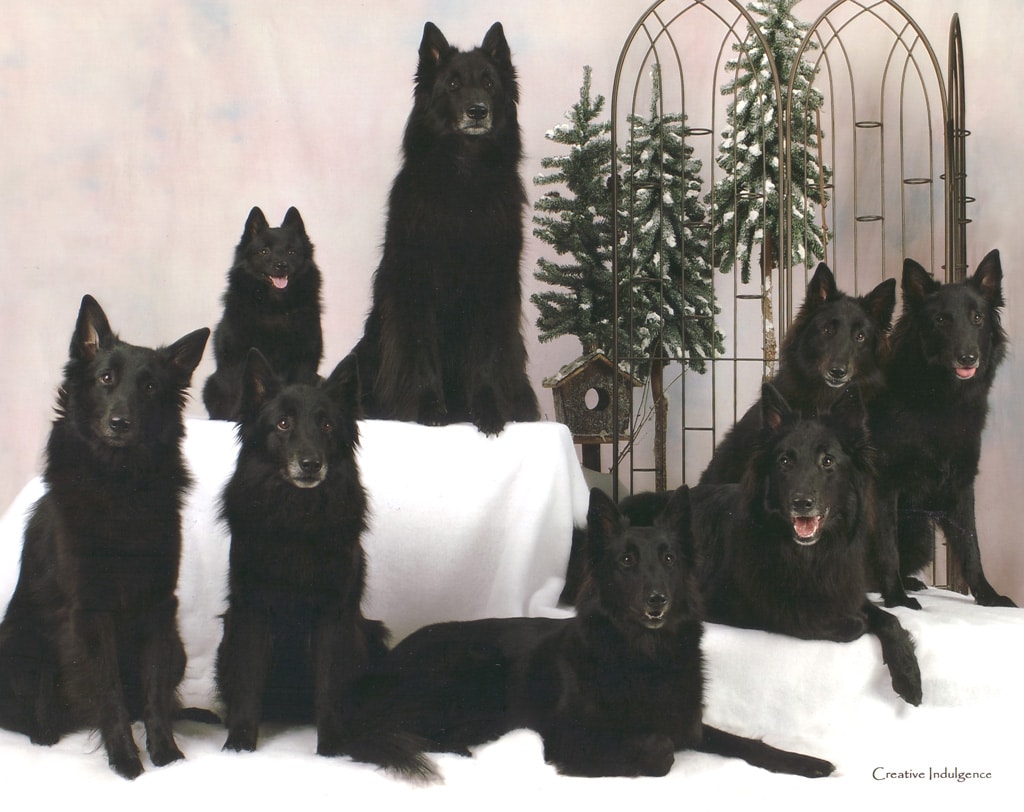
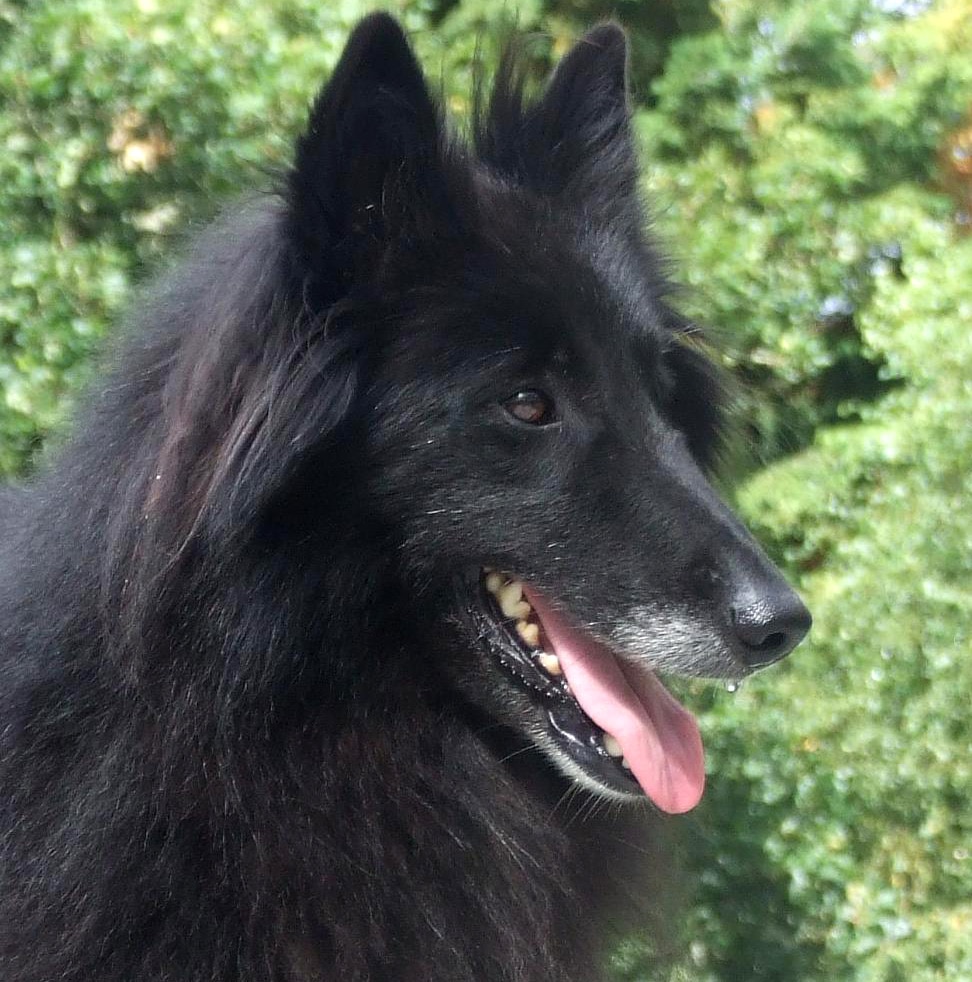
Just like all the Belgian Shepherd, the Groenendael is medium-sized, hard-working, robust, provided, very protective of the family. The Groenendael It is recognized for its black fur.

At the end of the 19th century, in Belgium there was a large number of herding dogs whose type was heterogeneous and their coats were of great diversity. In order to put order into this situation, some cinรณfilos (cinรณgrafos) enthusiasts formed a group led by Professor A. Reul, the school of veterinary medicine of Cureghem, who can be considered as a true pioneer and founder of the race.

The Belgian Shepherd is officially born as a breed between 1891 and 1897. The 29 in September of 1891, the "Club of the Dog" is founded in Brussels Belgian Shepherdand that same year, the 15 November, Professor A.. Reul manages to gather in Cureghem, 117 dogs, allowing you to carry out a census and form a group with the best copies. In the following years becomes a real selection, making an extreme inbreeding on some stallions.

The 3 in April of 1892, the "Dog Club" Belgian Shepherdโ€ drafted a first well-detailed standard of the breed. Was admitted a single race, with three varieties of hair. In any case, at that time, the Belgian Shepherd was only a dog of humble people and therefore a breed that still lacked prestige. Therefore, is not until 1901 that the first Belgian Shepherds were registered in the Book of Origins of the Sociรฉtรฉ Rรณyale Saint Hubert (L.O.S.H.).

In the course of the next few years, the leaders of the cinephile fans Belgian Shepherd they tenaciously devoted themselves to unify the type and correct the defects. We can affirm that towards the 1910 the type and character of the Belgian Shepherd were already established.

Through the history of Belgian Shepherd, the issue of the different varieties and accepted colors has given rise to many controversies.

On the other hand, As far as morphology is concerned, the character and fitness to work, There has never been any disagreement.

Physical characteristics

The Belgian Shepherd Groenendael must be athletic, strong, imposing, rustic, and balanced in appearance.

You must have a natural look, as if never has prepared especially for the show. Its hair It must be abundant, but they are never as if it were to inhibit the ability of the dog in any way work.

The color is always black, with small white spots are allowed on the chest.

The Belgian Shepherd Groenendael must measure of 60 to 66 cm. to the cross males and between 56 and 62 cm. females. The weight should be, approximately, of 25 to 30 kg for males and 20 to 25 kg for females.

This dog has a double layer coat a thick, the texture must be hard and dense, woolly, never silky, Kale, and a thin layer (undercoat) It should be thick and abundant.

Character and skills

The Belgian Shepherd Groenendael is a very intelligent dog, Active, loyal and loving.

They are ideal for those who have a lot of time, Energy, self-confidence and a lot of affection to giveโ€ฆ they are wonderful friends. Training and socialization is essential. They are cautious with strangers and protective family. They love to children, When I present at an early age.

They need to spend a lot of time with their family and exercise every day, because if left too long alone and doing sedentary lifestyle, they may experience separation anxiety, be sad, and even be destructive with household objects.

The Belgian Shepherd Groenendael needs a lot of exercise, routinely. If you are having a dog, be prepared to spend around two hours a day, and to play with it. daily exercise, You must include a walk, but also a training session to keep the dog mentally stimulated.

These dogs have a great "work ethic" and need a job to do., such as obedience, flyball, Schutzhund, training, agility or, cattle work. Performing any of these activities you will be happy. They are a sensitive breed and may not be trained using harsh methods.

The belgium priest, in general, they can compete in agility, obedience, show, flyball, tracking. As well, It can be trained to compete in herding trials.

Images of the ยซBelgian Shepherd Groenendaelยป

Videos of the ยซBelgian Shepherd Groenendaelยป

Otros nombres:

Belgian Sheepdog / Chien de Berger Belge.


FCI breed standard Belgian Shepherd Groenendael

FCIFCI - Belgian Shepherd Groenendael
Pastor

โ–ท The world of Pets: Dogs, cats, birds, reptiles, amphibians

Belgian Shepherd Laekenois
Bรฉlgica FCI 15 . Sheepdogs

Pastor Belga Laekenois

The Belgian Shepherd Laekenois It is the oldest sheepdog and the rarest variety of "Belgian Shepherd".

Content

History

The Belgian Shepherd Laekenois is a dog inside the 4 varieties into which the Belgian Shepherd. The name of Laekenois it is due to the Laeken neighborhood, located in the Belgian city of Brussels where was selected.

The Belgian Shepherd Laekenois originated as a sheep herding dog at Laeken Royal Castle.

In addition to his pastoral leadership, This dog was used as a guard dog for example, when the shepherds put the sun to dry the clothes, the Belgian Shepherd Laekenois I was in charge of guarding it.

Although it is not one of roles than most proud can feel the human being, It was also used as Messenger dog during the first and the second world war. I head this paragraph like this because we have enough information about what dogs have suffered throughout our history, at some stinking date.

Until the advent of dog shows in the year 1900, the four varieties could be mixed indiscriminately, in those days there were no classifications as they are now.

It is very difficult to try to delve into the history of the variety of Belgian Shepherd Laekenois because all four varieties share a common history, with different but common avatars.

What we do know is that the Belgian Shepherd Laekenois, In addition to be considered the oldest breed of dog is the rarest variety within the Belgian shepherds dog breed.

Anyway, If someone wants to deepen in the history of these precious dogs, You can read the entry dedicated to the race Belgian Shepherd.

Physical characteristics

Along with the Malinois, Groenendael and the Tervueren shares the same standard and differs only in the type, length and color of hair.

Just like all the Belgian Shepherd, the Laekenois is one of medium-sized and proportionately square.

It is a dog of harmonious proportions and rustic air. In comparison with the German Shepherd, for example, is more agile, Lightweight and small.

They have the ears triangular and rigid, the tail it is long and usually falls when it is at rest and when they are in action, in high.

The eyes in, the four varieties, Belgian Shepherd are small and dark.

The most significant feature of the Laekenois, is your hard, tawny fur, pretty hairy and with out aspect.

The the mantle Brown intermingled with black but configuring a homogeneous color (carborane Brown). Most of the most prestigious kennel clubs admit within the standard a somewhat more prominent black shading on the snout and tail..

As well, supports a small white patch on the chest and should be darker mask.

finally insist, in terms of physical and structural characteristics, the four varieties share a standard and the only thing that differs radically is in the type of coat.

In so far as the temperament, If there are certain differences but not significant.

Character and skills

The Belgian Shepherd Laekenois is a dog lively, always alert, obedient and very fell. He is brave, Intelligent.

in your country of origin, in general, dogs Belgian Shepherd, They are often used as police dogs.. But nowadays, they have gained much popularity as a family dog.

Within the family, is a dog playful and joyful always seek contact with the children, She loves.

The Belgian Shepherd Laekenois, they can compete in agility, obedience, show, flyball, tracking, and it can be trained to compete in herding trials.

But of the four varieties, to be the dog that has the least spectacular mantle, Everytime unimportant in contests and movie buff general worldwide.

Observations

There is a little exemplary nervous that usually give some problem in defense work because they have an excess of mistrust, but with good training there will be no problem.

Images of the ยซBelgian Shepherd Laekenoisยป

Videos of the ยซBelgian Shepherd Laekenoisยป

Otros nombres:

Belgian Laekenois / Belgian Shepherd Dog (Laeken) / Chien de Berger Belge / Berger Belge Laekenois


FCI breed standard Belgian Shepherd Laekenois

FCIFCI - Belgian Shepherd Laekenois
Pastor

โ–ท The world of Pets: Dogs, cats, birds, reptiles, amphibians

Belgian Shepherd Tervuerense
Bรฉlgica FCI 15 . Sheepdogs

Pastor Belga Tervuerense

The Belgian Shepherd Tervuerense He is very observant and attentive to any changes in their environment.

Content

History

The Belgian Shepherd Tervuerense is one of the four varieties into which the Belgian Shepherd. The name of Tervueren is due to the Belgian city of Tervuren where was selected.

At the end of the 19th century, in Belgium there was a large number of herding dogs whose type was heterogeneous and their coats were of great diversity. In order to put order into this situation, some cinรณfilos (cinรณgrafos) enthusiasts formed a group led by Professor A. Reul, the school of veterinary medicine of Cureghem, who can be considered as a true pioneer and founder of the race.

The Belgian Shepherd officially born as a race between 1891 and 1897. The 29 in September of 1891, the โ€œBelgian Shepherd Dog Clubโ€ is founded in Brussels and that same year, the 15 November, Professor A.. Reul manages to gather in Cureghem, 117 dogs, allowing you to carry out a census and form a group with the best copies. In the following years becomes a real selection, making an extreme inbreeding on some stallions.

The 3 in April of 1892, the "Dog Club" Belgian Shepherdโ€ drafted a first well-detailed standard of the breed. Was admitted a single race, with three varieties of hair. In any case, at that time, the Belgian Shepherd was only a dog of humble people and therefore a breed that still lacked prestige. Therefore, is not until 1901 that the first Belgian Shepherds were registered in the Book of Origins of the Sociรฉtรฉ Rรณyale Saint Hubert (L.O.S.H.).

In the course of the next few years, the leaders of the cinephile fans Belgian Shepherd they tenaciously devoted themselves to unify the type and correct the defects. We can affirm that towards the 1910 the type and character of the Belgian Shepherd they were already established.

Through the history of Belgian Shepherd, the issue of the different varieties and accepted colors has given rise to many controversies. On the other hand, As far as morphology is concerned, the character and fitness to work, There has never been any disagreement.

Physical characteristics

According to the classification scheme of the Fรฉdรฉration Cynologique Internationale, It's four different from same breed varieties. Other organizations such as American Kennel Club they only recognize the Groenendael under the name of Belgian Shepherd. The cynological organizations of Australia and New Zealand classify them as four different breeds.

But, in many countries like Canada, Great Britain, Puerto Rico, Mexico and South Africa, among others, using the classification of the CRF, recognizing them as four varieties of the same species.

From the middle ages are known, only that in those times there were different varieties classified solely by their function and not so much by their morphology since the interest in their breeding was based on the search for an efficient breed for grazing.

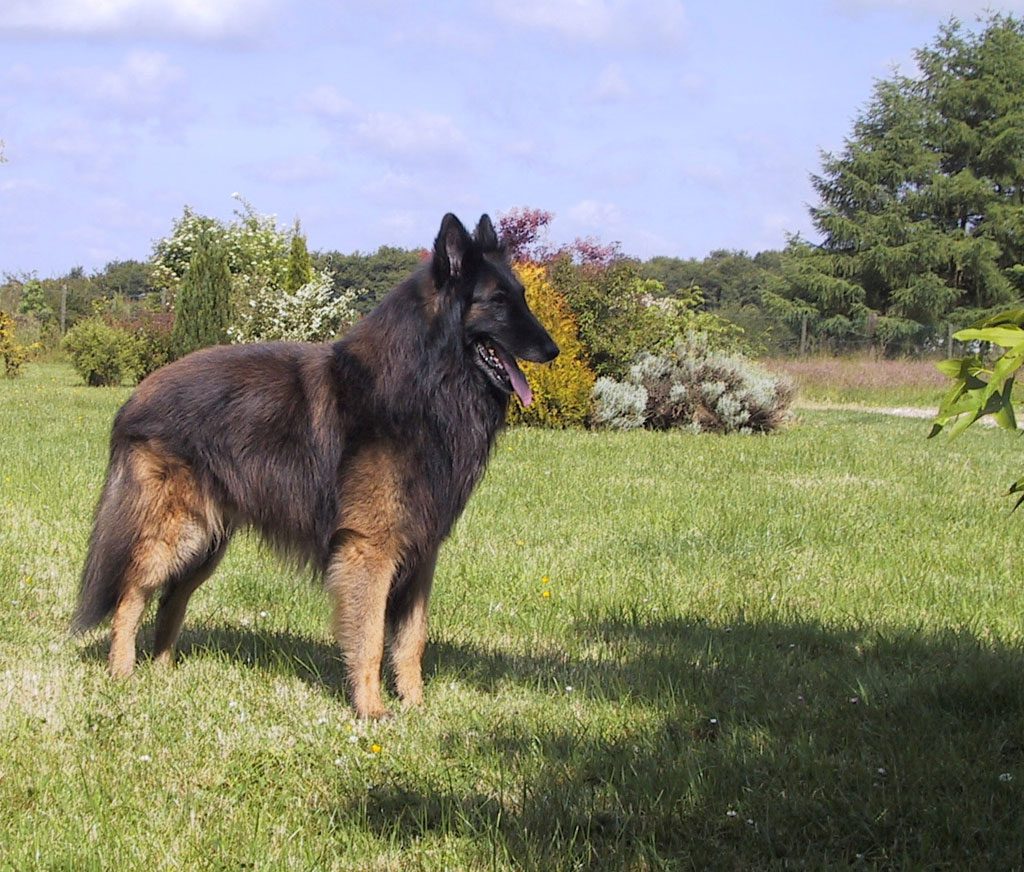
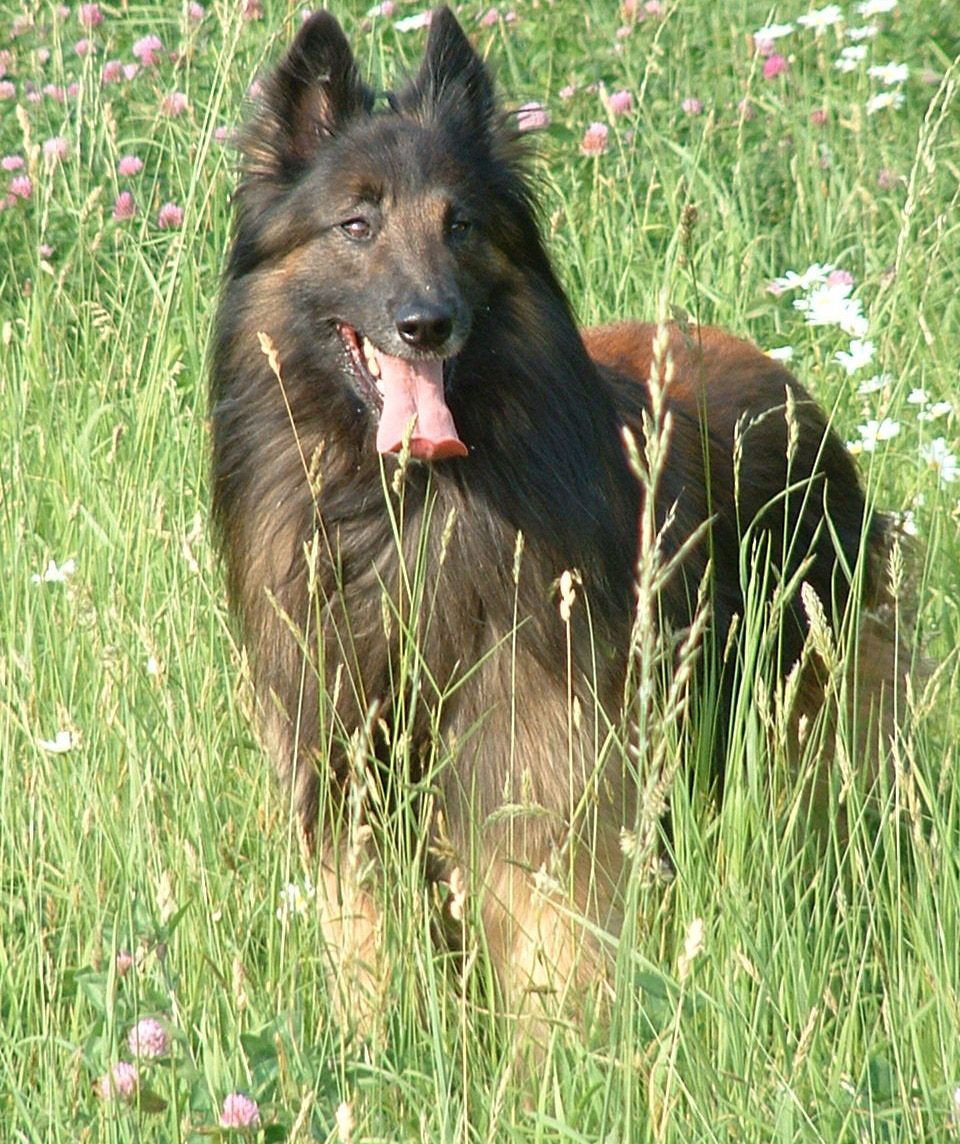
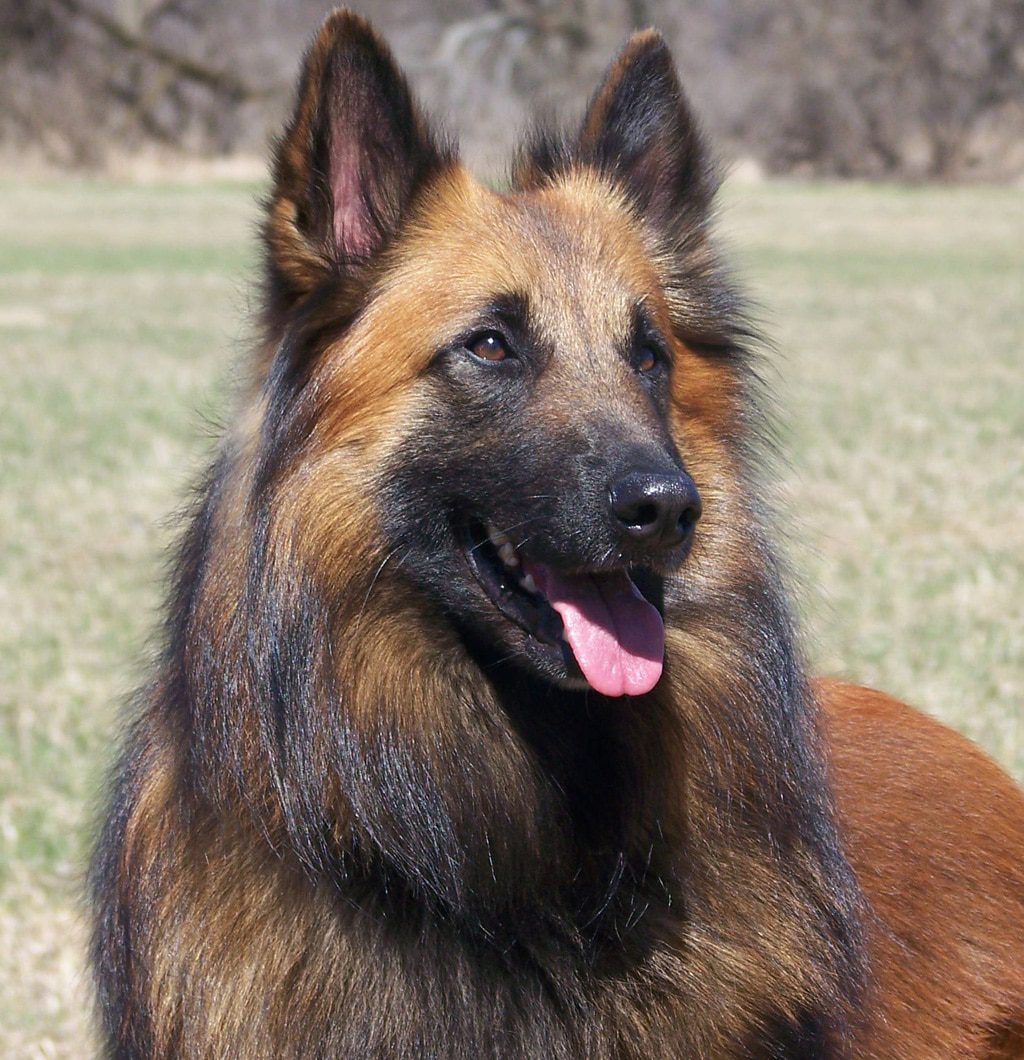
Along with the Malinois, Groenendael and the Tervueren shares the same standard and differs only in the type, length and color of hair, It is long in the body except the face is where short, carborane Brown, supports a small white patch on the chest and should be darker mask.

Like all Belgian Shepherd, the Tervuren is a medium sized dog, square and proportionate body belonging to the family of herding dogs. Males measure about 62 cm to the cross, and weigh, approximately between, 25 and 30 kg. Females are lighter and proportions minor measuring around 58 cm to cross and weighing approximately 20 to 25 kg.

He is recognized by his double and bulk the mantle, generally brownish with some degrees and shadow in black, including his characteristic black mask. A small white spot is permitted, as well as nails and bearings.

You need to be brushing regularly to remove the dead hairs, but in general, his mantle of hair does not tend to return woolly. A well-maintained fur will be somewhat hard to the touch, falling weight and staying glued to the body of the animal (Unlike, for example, the hair of a Samoyed).

Naturally it will tend to lose hair, but if it is not removed it could hang on the hind limbs, and form knots.

The Tervueren, can be - also- of color Sable or grey, but it may be penalized in beauty competitions in some countries according to the standard that is handled. Though, Obviously, in tests of utility and work will not color that is judged to be but its suitability.

Character and skills

The Belgian Shepherd Tervuerense they are very active and intelligent dogs that require a job to keep them busy. Such activities can go from: tracking, obedience, agility, flyball, Save and defense, detecting bombs and drugs, going to sports like him Schutzhund and end up using it for search and rescue of people and victims in accidents and avalanches.

as pets, the Tervueren, they are loyal and form strong ties with his family, what they seek to defend at all costs of strangers and dangers to humans who loves.

Dogs are very observers and attentive to any changes in their environment, This makes them excellent animal to monitor. Some specimens may be nervous, This will depend on the aging, Genetics and the kind of experiences that have been submitted at an early age, That is why it is very important to give them adequate socialization from puppies and expose them to the greatest amount of stimuli., everyday situations and people.

We must train them and exercise them constantly and not wait to the animal as if by magic to become a well educated dog.

Like the others Belgian Shepherd, the Tervueren it is generally not recommended as a first dog due to the possible inexperience of the owners to handle this dog so Active.

Adult males clearly presented a stamp male and adult female female printing. His appearance will be screened elegance and alert. The race is known for his loyalty and versatility. Those who have often be delighted and praise his intelligence, the training facility, and perhaps, first and foremost: his sense of humor.

Its performance is excellent in various types of activities. Although in America it is still a relatively rare breed, little by little and with firm and safe passage, It is getting established.

Observations

The Belgian Shepherd Tervuerense remains in its natural state, Except for a light brushing, it does not require a specific cut or cosmetics..

Bathing him and cut the hairs around the feet help to emphasize the shape of the same if you want to use as animal for show ring.

Images of the ยซBelgian Tervuren Shepherdยป

Videos of the ยซBelgian Tervuerense Shepherdยป

Otros nombres:

Pastor Belga Tervueren / Belgian Tervuren / Chien de Berger Belge / Tervueren

Type and recognitions:

  • FCI CLASSIFICATION:
  • Group :
  • Section : . .

โ–ท The world of Pets: Dogs, cats, birds, reptiles, amphibians

Garafian Shepherd
Espaรฑa Not recognized by the FCI

Pastor Garafiano

The Garafian Shepherd It is a very docile and friendly dog.

Content

History

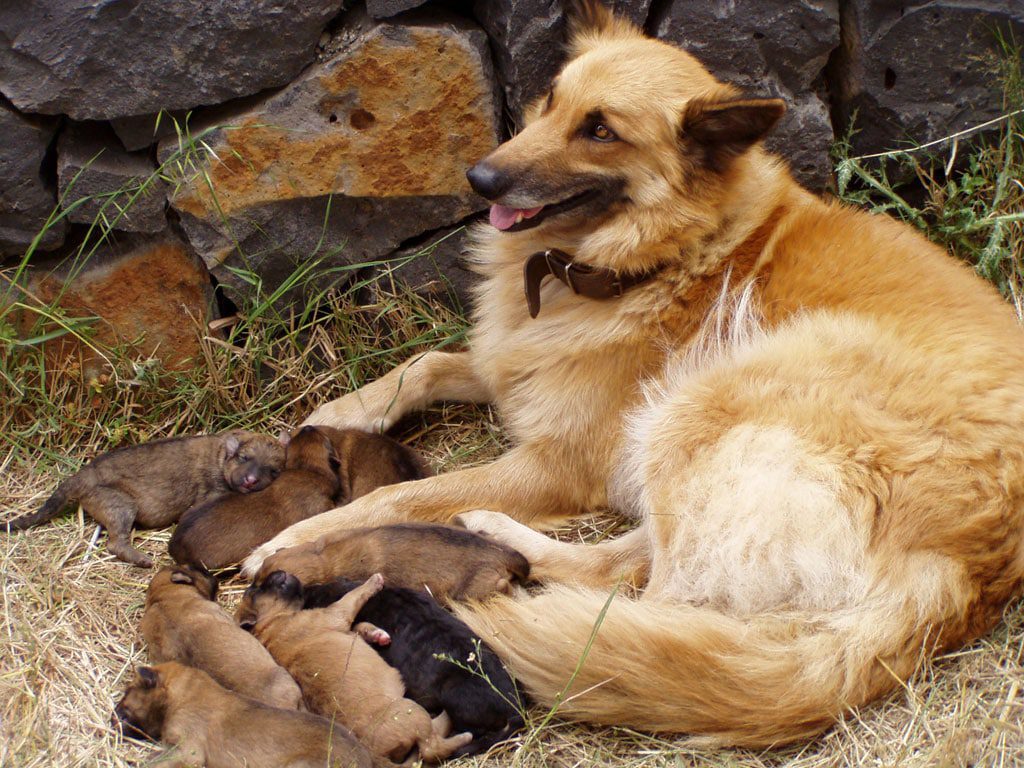
The Garafian Shepherd is a breed of dog indigenous native to La Palma Canary, Canary Islands. The name receives it from the North of the island, specifically from the municipality of Garafรญa, for being the place where this breed was most common, Despite the fact that copies are found throughout the island.

The Garafian Shepherd has been linked from its origins to grazing, activity for which shows special aptitude, although at present it has gained great importance as a pet.

for a certain time, This race was on the edge of his disappearance due to miscegenation with other breeds of dog.

Successive crossings, especially from the age 60 20th century with other breeds of dogs pastors, They show the need to work for their recovery and selection from the exemplary few pure breed that retained the pastors of the island.

It's a differentiated canine population, originally from the region of Garafรญa, on the island of la Palma where was used by shepherds to raise herds of goats. Because of this, the animal performs very well in steep and rocky areas.

It has very homogeneous characteristics., Since only a functional selection has carried out. His main ability is the grazing of sheep and goats in steep terrain, due to the geographical characteristics of La Palma.

Its origin dates back to pre-Hispanic times., although the crosses with other races after the conquest have contributed to the development of the Garafian Shepherd.

To prevent this disappearance, the working group for the recovery of the Garafian Shepherd, which would become the Spanish dog association Garafian Shepherd, whose current president is Antonio Manuel Diaz Rodriguez.

Among the objectives of the Association is the development of census, creating breeding nuclei, participation in exhibitions and fairs canine, etc.

The Garafian Shepherd was officially recognized as a Spanish breed in the year 2004, by the Royal Canine Society of Spain.

The Garafian Shepherd It has been presented in the samples of native breeds that have been held in the Canary Islands, as well as in the international exhibitions held in Santa Cruz de Tenerife and Las Palmas de Gran Canaria.

The department of ethnology of the Faculty of Veterinary Medicine of the University of Las Palmas de Gran Canaria has carried out several studies on the breed that, they were presented at the Symposium of native races held in Cรณrdoba in March of 1992.

In the news, this breed is very abundant on the island and the future looks promising due to the growing interest in these animals, not only by shepherds but also by people looking for a pet.

Physical characteristics

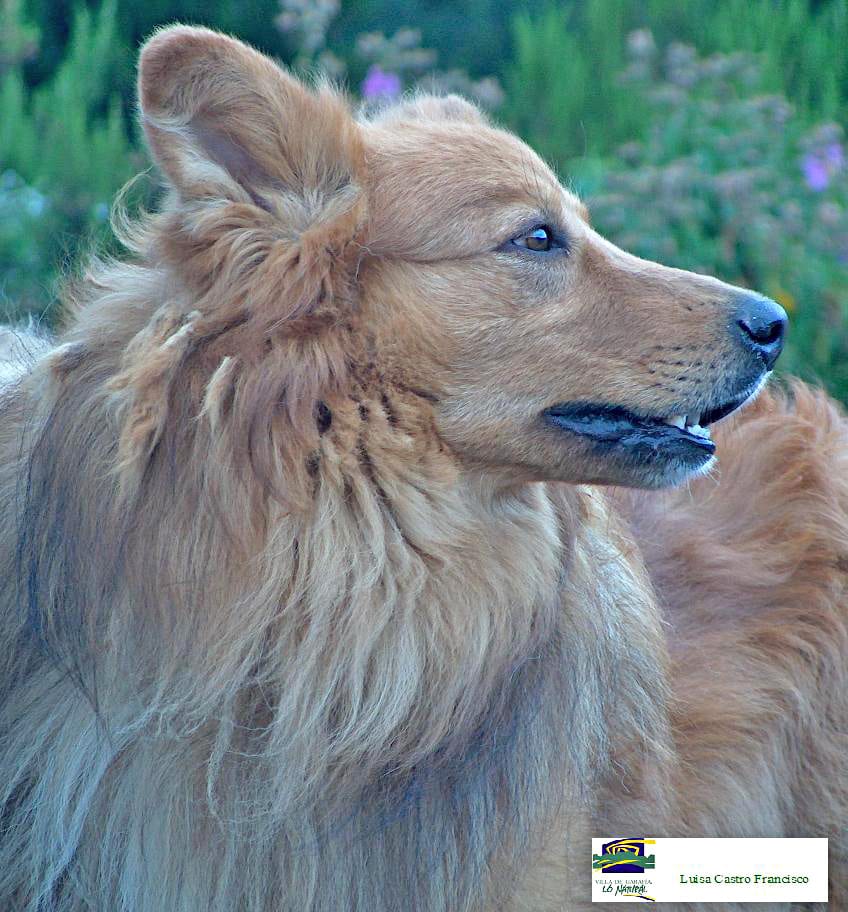
His body is format Lupoid, medium to moderately longilinear, eumรฉtrico, of medium-size to large, slightly higher than the cross grupa, rather short neck and small head on the body. Exemplary well care usually weigh between 28 and 35 kg males and 24 and 30 kg females.

These are the weights that antesandse gave, currently in the males is of 35 to 46 kg and females in 25 to 35 kg. The height to the cross males range between the 57 and 64 cm., While that in females 55 and 62 cm..

Currently these data have also changed still normal in males of 60 to 70 cm and females 55 to 65 cm..

Its head is conical, small in relation to the body, slightly convex front, What highlights by the introduction something separate and rear of the ears, that may have items or with a tendency to go forward.

They may also appear enhiestas, observing then a tendency to keep them folded before any stimulus, showing its inner face. Truffle always black. Oblique eyes, Brown macaroons, and something coming. Brief lips, collected. Bite in clamp. Soft and little pronounced stop.

The legs they are strong, good heaviness, Emphasizing the later by its proportions. Sometimes they have Spurs, that it often doubles and some implanted.

The layer is likens or alobada. The puppies are born Brown, color that changes to reach adults, appearing in some cases hair or white spots on the chest, fingers or tip of the tail, disappearing generally grow.

The hair is abundant and more or less long. Sometimes is smooth while in other cases it is rough. It tends to accumulate at the base of the ears, neck, skirts, tail and on the edges of the legs. The tail usually very populous hairs, bearing sword being slightly coiled, Although never on the back.

Character and skills

The character of Garafian Shepherd It docile and friendly.

When he meets strangers, he shows a typical barking attitude., folding of ears, movements of tail and spins on his head showing the corner of the mouth in the form of smile.

He is calm and rested in appearance, although he becomes very active while carrying out any type of physical activity..

You need exercise as well as all dogs.

Images of the ยซPastor Garafianoยป

Videos of ยซPastor Garafianoยป

Federations:

  • RSCE – Royal Canine Society of Spain โ“˜

Alternative names:

1. Pastor Garafiano (English).
2. Pastor Garafiano (French).
3. Pastor Garafiano (German).
4. Pastor garafiano (Portuguese).
5. Pastor de Garafia (espaรฑol).