โ–ท The world of Pets: Dogs, cats, birds, reptiles, amphibians

Kai
Japรณn FCI 312 - Asian Spitz and related breeds
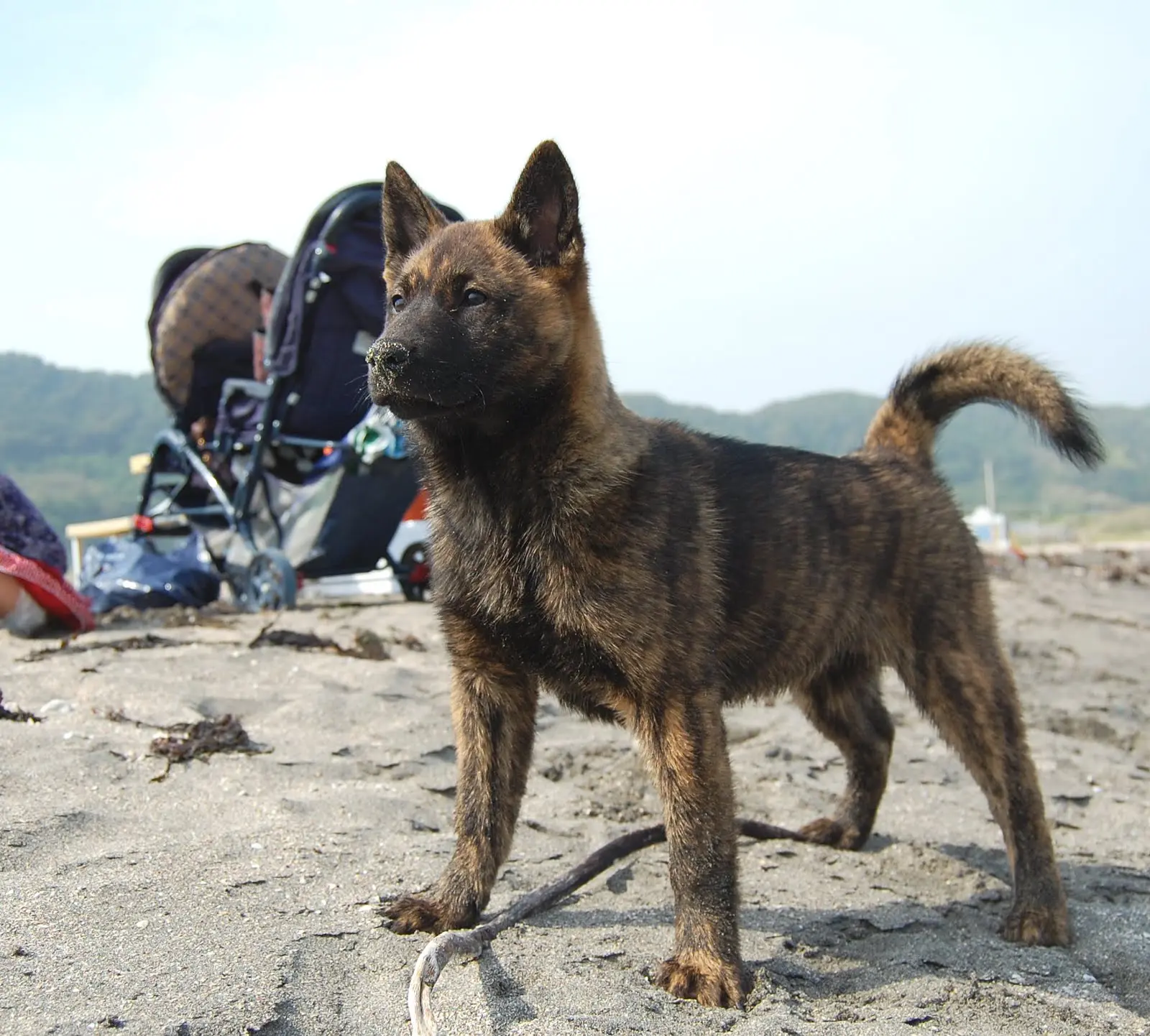
Kai Tora-Ken

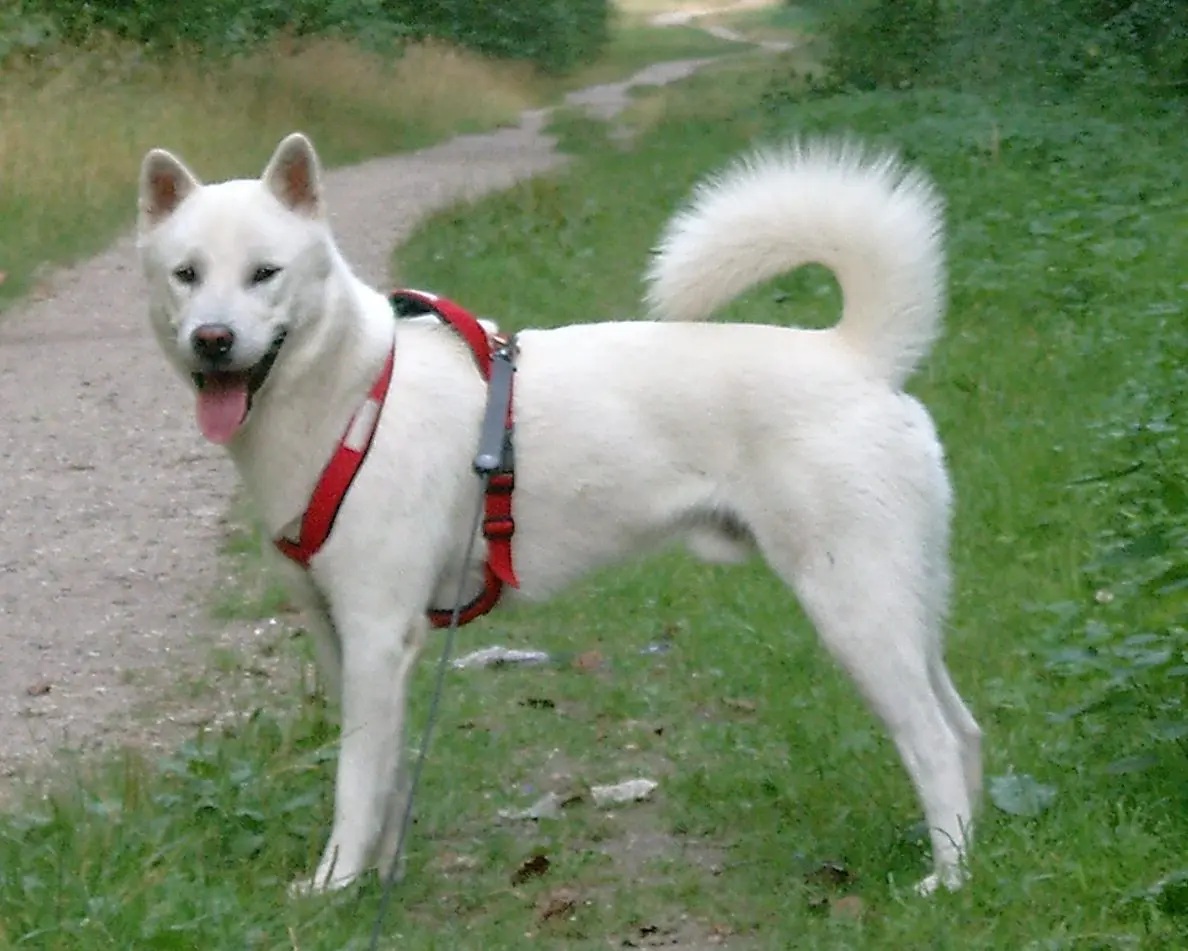
Due to the primitive character of the Kai, it is not recommended to keep it solely as a family dog.

Content

History

The Kai comes from the province of the same name ยซKaiยป, a region of Japan surrounded by mountains in Yamanashi prefecture. Among his ancestors are several medium-sized Japanese dogs that have been used for thousands of years to hunt bears, deer, boars, badgers and hares. Asian hunters especially appreciated the great independence and fearlessness of these dogs, who couldn't even resist fighting an adult bear.

Natural monument with export ban

Not only the remoteness of the region of the Kai, difficult to access, but also the tendency to riot probably contributed to the purity of this rare breed. Due to its great cultural importance, Japan declared to Kai as a natural monument in 1934. Since then, their export from Japan has been strictly prohibited., previously only possible under special conditions. So, in Europe there are almost no breeders with a breed Kai.

Physical characteristics of the Kai

The Kai medium size earns the necessary respect, particularly through his smooth, muscular body and extremely developed legs and hocks, with which some representatives of the breed can climb not only behind the back of the sofa, but even the trees.

The Kai males reach a shoulder height of about 53 cm., therefore slight deviations are tolerated. Bitches are somewhat smaller with 48 cm.. The weight is not indicated in the standard of the Fรฉdรฉration Cynologique Internationale (FCI). But, should be in a reasonable proportion to body height and is usually a maximum of 18 kg.

The FCI, that classifies the Kai under the standard number 317, He tells it in the Asian top group. Like many other dogs in this group, the Kai has a rather pointed face, triangular ears and a tail of dense, tall fur, which he wears curled or sickle-shaped on his back.

typical currents

characteristic of Kai it's his brindle coat, that has been kept pure for thousands of years without the help of other races. The coat appears in the colors black, red and black-red tabby. But, develops typical current only after a year. In the first twelve months of the puppy's life, the coat is initially solid in color.

The hair Kai adult is hard and strong and has a soft and dense undercoat. So, is well protected from the sometimes extreme weather conditions of its home region, which is surrounded by high mountains.

Character and skills of the Kai

The Kai, also known as Kai Inu, Tora Inu o Kai tora-ken, he is a very original dog, that has preserved its instinctive and "wild" nature until today. Not only his distinctive hunting instinct and high alertness, but also their natural pack behavior and their unpreparedness for subordination are typical characteristics.. He is considered a dominant and independent hunter who sees little reason to follow humans unconditionally..

Is it possible to keep him as a family dog?

Due to its primitive character, it is not recommended to keep it solely as a family dog โ€‹โ€‹and, should be well considered – though a hasty purchase of this rare breed dog, which is hardly common outside of Japan, not possible anyway. Anyone that, despite all circumstances and challenges, has proposed to maintain a Kai As a family dog รขโ‚ฌโ€นรขโ‚ฌโ€นyou must be aware that not only the great need for work and exercise, but above all the education and socialization of this original animal requires a lot of time. Much experience is required, patience, consistency and positive motivation to train this highly intelligent and willing to learn dog, but also stubborn, to become an adapted and uncomplicated companion.

A Kai needs a lot of attention

But, Whoever masters this challenge will be rewarded with an extremely loyal and watchful dog that will stand by his family without reservation and with protection.. Those who have earned the trust of the Kai They will notice that the initial reserve towards strangers soon gives way to an extremely friendly and loving being who enjoys the love and attention of his owner to the fullest.. But, his great passion for hunting and his natural sharpness should never be underestimated.

Kai Health

The low dispersion of Kai it is also the attractiveness of this breed, because compared to other Japanese hunting dogs the Kai is regarded as extremely genuine and pure. This is visible not only in his behavior but also in his robust health. The Kai you hardly need to fear the typical diseases of the breed, which are spread mainly by uncontrolled breeding. So, its average life expectancy is quite high, of 12 to 15 years.

Kai care

High vet bills or long, expensive grooming are no problem with this tough, naturally clean dog. Regular brushing or combing of the coat is absolutely sufficient. But, during the layer change time (twice a year), the Kai should come in contact with a brush daily. In this way, dead hairs can be eliminated and the flooding of strands of hair in the house can be reduced a little..

Kai nutrition

In his native Japan, the Kai still feeds almost exclusively on game. So he eats what the hunter leaves him from the captured animals. Whoever keeps the Kai as a family and companion dog it will not be able to maintain this original diet. To feed the dog as originally as possible, many dog รขโ‚ฌโ€นรขโ‚ฌโ€นowners turn to the so-called BARF method, which can be roughly translated as "biologically species-appropriate raw diet". Here, the dog is offered only raw meat, enriched with vegetables or rice.

Where can I get a Kai?

Anyone outside of Japan who dreams of seeing a real Kai, much less buy one, will have great difficulties to fulfill this wish. The greatest opportunity to meet a Kai uro is visiting an international dog show where representatives of this breed are shown from time to time. If you do not have Japanese citizenship, you will have to settle for those short encounters or photos of this breed, for better or worse. If this is not enough for you, maybe I should look up breeds related to the Kai as the Akita Inu or the Shiba, that are quite similar in character and appearance to this breed.

Characteristics "Kai"

Coexistence is important that you have with your new friend. Before considering the acquisition of a dog of the breed "Kai" you know certain factors. Not all breeds of dogs are apt to live in an apartment, you must take into account his character, their need for exercise, their interaction with other pets, their care and if you have small children, their level of tolerance towards them.

Training ?

2,0 of 5 stars (based on 1 review)

Suitability of the apartment ?

2,0 of 5 stars (based on 1 review)

Can be alone all day ?

2,0 of 5 stars (based on 1 review)

Suitable as a first dog ?

1,0 of 5 stars (based on 1 review)

Weight gain ?

4,0 of 5 stars (based on 1 review)

Health ?

5,0 of 5 stars (based on 1 review)

Intelligence ?

5,0 of 5 stars (based on 1 review)

Kindness with child ?

3,0 of 5 stars (based on 1 review)

Tendency to bite ?

4,0 of 5 stars (based on 1 review)

Tendency to bark ?

3,0 of 5 stars (based on 1 review)

Tendency to flee ?

5,0 of 5 stars (based on 1 review)

hair loss strength ?

3,0 of 5 stars (based on 1 review)

Suitable as a guard dog ?

5,0 of 5 stars (based on 1 review)

Joy ?

3,0 of 5 stars (based on 1 review)

Cat friendliness ?

1,0 of 5 stars (based on 1 review)

Power level ?

5,0 of 5 stars (based on 1 review)

Videos "Kai"

HTTPS://youtube.com/watch?v=-gcJ69FZbJk
Kai Ken Tiger Dog – Natural Hunter and Extremely Rare Dog
HTTPS://youtube.com/watch?v=aEBx-Luw_zo
Kai Ken / kai Toraken / Tora Inu – Breed of dog

Type and recognitions:

  • FCI CLASSIFICATION:
  • Group :
  • Section : . .

Federations:

  • FCI – Group 5: Spitz-type dogs and primitive type – Section 5: Asian Spitz and related breeds. โ“˜

FCI breed standard "Kai"

Origin:
Japan

Date of publication of the valid original standard:
16.06.1999

Use:

Hunting dog and company.


General appearance:

Medium-sized dog, well proportioned, Strong body structure with well-developed muscles. Its special characteristics as a dog from the mountainous district of Japan, are its strong limbs and exceptionally developed tibio-tarsal joints.

IMPORTANT PROPORTION : The relationship between the height of the withers and the length of the body is 10 : 11.


Behavior / temperament:

His temperament is very alert and alert..

Head:

---

Cranial region:
  • Skull : Wide forehead.
  • Depression links (Stop) : Brusque, with little marked frontal furrow.

facial region:

  • Truffle : Black, straight muzzle.
  • Snout : Pointed, not very long, but moderately wide.
  • Lips : Adherents.
  • Jaws / Teeth : Powerful scissor bite.
  • Cheeks : Well developed.
  • Eyes : Relatively small, almost triangular, dark brown.
  • Ears : A little larger than other medium-sized Japanese breeds, triangular, directed slightly forward, carried energetically erect.

Neck:

Thick, strong and muscular.

Body:

  • Cross : High.
  • Back : Straight and short.
  • Pork loin : Wide and muscular.
  • Breast : Deep, moderately arched ribs.
  • Belly : Very withdrawn.

Tail:

High insertion, thick, carried on the back vigorously curled or sickle-shaped. The tip of the tail should reach approximately to the hocks..

Tips

PREVIOUS MEMBERS :

  • Shoulder : Shoulder blade moderately oblique and covered with well-developed muscles.
  • Elbows : Well glued.
  • Forearm : Straight, strong and muscular.
  • Metacarpus : Slightly inclined.

LATER MEMBERS :

  • Thigh : Long.
  • Leg : Short.
  • Warm-foot joint : Robust and elastic.

FEET : Well arched and compact fingers; thick, elastic pads. hard nails, preferably dark in color.

Movement:

Light and elastic.

Mantle

HAIR : Hard and straight coat hair, soft and dense undercoat. In the tail it is relatively long and is more separated.

COLOR : black brindle, striped red, striped. It is characteristic of this breed that the puppies have a single color, which becomes brindle in the course of its development.


Size and weight:

Height to the cross :

  • in males : 53 cm.,
  • in females : 48 cm..

A deviation of +/- 3 cm..


Fouls:

Any deviation from the aforementioned criteria is considered as a fault and the severity of this is considered to the degree of the deviation to the standard and its consequences on the health and well-being of the dog..

โ€ข Inverted sexual characteristics.
โ€ข Light colored nose.
โ€ข Mild upper or lower prognathism.
โ€ข Light colored eyes.
โ€ข Short or long hair.
โ€ข Shyness.

MISS PLAYOFFS

โ€ข Aggressive or fearful dog.
โ€ข Marked upper or lower prognathism.
โ€ข Ears not erect.
โ€ข Short or hanging tail.
โ€ข Pale coat color.
โ€ข Coat with many white markings.
โ€ข Extremely fearful dog.

Any dog โ€‹โ€‹showing clear signs of physical or behavioral abnormalities must be disqualified..


N.B.:

Males should have two normal-appearing testicles fully descended into the scrotum..

Source: F.C.I - International Cynological Federation

Alternative names:

1. Kai Ken, Tora Inu, Tiger Dog, Tora Dog (English).
2. Kai tora-ken (French).
3. Kai Inu, Tora Inu, Kai tora-ken (German).
4. Kai tora-ken (Portuguese).
5. Kai Ken, Tora Inu, perro tigre (espaรฑol).

โ–ท The world of Pets: Dogs, cats, birds, reptiles, amphibians

Kishu
Japรณn FCI 318 - Asian Spitz and related breeds

Kishu

The Kishu of Japanese hunting are characterized by their resistance, intelligence, great courage and, usually, a strong hunting instinct.

Content

History

The Kishu It has its origins several thousand years ago in the mountains of the ยซKii Peninsulaยซ, a region of Japan that extends over present-day Mie prefectures, Wakayama y Nara. In the past, the dogs did not have a uniform name, but were differentiated and named according to individual sections of the mountainous region of the "Kii Peninsula": Kumano Inu (kumano dog), Taji Inu (taji dog), Ouchiyama Inu (Ouchiyama dog).

From Hidaka to Arita the Kishus they were white and their names were Hidaka-Ken. In 1934 all these dogs were grouped under the name of the region and were called Kishu. Due to the remoteness of the mountainous regions, there were no crosses with other races or other race-changing phenomena in the Kishu Ken. For this reason, the Kishu it is one of the most original breeds of Japan, and one of the oldest dog breeds in the world.

In 1934 the breed was declared a natural monument of Japan and is therefore under state protection. Until the seventies it was forbidden to sell Kishu of Japan. Dogs could only be passed as gifts.

Although at the beginning of the breeding around the 70 percent of Kishus they weren't white, this is today the most common color within the breed. This is partly due to the fact that white dogs are easier to recognize when hunting.. Outside of Japan the breed has barely spread. There are a handful of breeders in the US.. and only a few dozen in Europe. The Kishu has some similarities with the Shikoku, the Kai Ken and especially with the Hokkaido, that are also not outside of Japan.

Physical characteristics of the Kishu

The Kishu measures approximately 46 centimeters tall, and weighs around 28 kg, is a medium-sized dog. The fur color is generally white. The fur is short, straight and thick with a layer of thickness. The ears are inclined forward and are rather small. This breed is strong, flexible and user-friendly.

Kishu's character and abilities

The Kishu is a hunting dog. In the Kishu region, dogs were used to hunt wild boar., deer, bears, hares and birds. according to the game, there were three directions of Kishus: deer, hare and boar / bear. The Kishu roe deer and hares hunter had a slightly lighter complexion that favored them on the hunt. Due to the non-optimal suitability of the breed, especially for hunting hares and small prey, this category did not prevail. Today almost all Kishu Kens historically they originate from hunting wild boar (and secondarily also) of bears. These Kishu Kens have a stronger physique, more pronounced musculature and a wild to sharp disposition.

In the old way of hunting, the hunter stayed in a place with only one dog and waited for the prey. Later hunting methods prefer game to be brought in by the Kishu Ken. The dog follows the game independently and silently. Like most Nordic hunting dogs, the Kishu only reports when you have placed the game. The dog's task is to "keep the game under control" until the hunter can shoot from a short distance.. Especially German hunters are often skeptical or incredulous about the abilities of the Kishu Ken to hunt the physically superior boar. In Japan, However, the skills of Kishu Ken they are highly valued. His ferocity and indomitable attitude make him so popular for boar hunting in Japan.. In Japan there has been an expression for decades that illustrates the special suitability of the Kishus as hunters:
ยซichiju – ikkuยป – "a weapon – a dog".

Character:

Representatives of this Japanese hunting breed are characterized by their resistance, intelligence, great courage and, usually, a strong hunting instinct. They are considered as one-person dogs, who form a strong bond with their two-legged companion and behave loyally. The kishus tend to dominate behavior, which can lead to problems with congeners, especially among males. His dominance is sometimes displayed on his own four walls, where they often want to have everything in sight. The Kishus they are not submissive to their owners and always keep their own head. This leads to the fact that they normally only perform tasks when they see meaning in them.. Towards strangers they behave aloof to shy. They are conditionally suitable as watchdogs.

Kishu education

It takes a lot of knowledge and patience to educate a Kishu, because intelligent animals tend to be stubborn and domineering. But, if you are consistent and have the necessary calm, the Kishu they will recognize you. Toughness is out of place in education. Don't expect submissive behavior from this proud four-legged friend. Pay attention to the control and management of hunting behavior, sometimes very distinctive. But, It must be taken into account that it will be difficult to let a Kishu without a leash, because even optimally trained representatives of the breed are often not available when they watch the hunt.

Work to confidently keep it at bay when you encounter the game. It also, the four-legged friend's social compatibility should be the center of attention during parenting. Puppy play classes and dog schools in general offer a good opportunity, because here the young Kishu You can already come into contact with conspecifics of different sizes and thus strengthen your social skills. Please, note that the Kishu you must be physically and mentally exhausted if you don't want to engage in an unpleasant alternative activity – for example, destroying home furnishings or poaching.

Kishu Health

Some kishus have a tendency to hypothyroidism, that is to say, an insufficient supply of thyroid hormones, usually due to limited thyroid function. Symptoms include fatigue and reduced performance. The owners of a Kishu they should have their thyroid gland examined by a vet if these symptoms occur. This disease is not life threatening and can usually be treated well with administration, mostly daily, of an appropriate medication. Because of the shape of your eyes, the breed also has a greater genetic disposition for eyelid malpositions, what can, However, be corrected by surgery. Dogs Kishu they also have a tendency to food and environmental allergies. Otherwise, This Japanese breed is considered robust and has an average life expectancy of 13 years.

The Diet of Kishu

The best health precaution, in addition to buying from a responsible breeder, It is a high quality and appropriate nutrition for this breed. This specifically means that you should choose a dog food in which meat is the main component and is listed accordingly at the top of the claim. The grain should not be included – not just a bottom fill, it can also trigger allergies in some Kishus. If fed high-quality feed from the beginning, the risk of food intolerances is reduced. Even with previously unseen representatives of the breed, no sudden food changes should be made, but offer a new food slowly. Mix increasing amounts of the unfamiliar food with the familiar one and watch for your dog to show intolerance reactions. Of course, fresh drinking water should always be available for your Kishu.

If it is suspected that you Kishu have a food allergy, a unique diet makes sense to find out what your companion animal is sensitive to. For this you must be patient and consult your veterinarian, because you should only give a certain food during a predetermined period of time. If the complaints improve with feeding, you can try another feeding. If the symptoms worsen, contact your veterinarian to clarify the subsequent procedure. This way you can find out which ingredients you are allergic to. Kishu. Attention: No treatments should be given during this time if possible.

Kishu care

Brushing once a week is usually enough to keep this breed's coat in optimal condition.. But, during the coat change twice a year, you should use the brush more often to remove dead hairs. This also has the positive side effect of the quadruped losing less fur on the ground.. Dirt can be brushed off as soon as it has dried, or washed with a damp cloth. Compared to other breeds, the Kishus they are considered very clean dogs. When you groom your dog at least once a week, take a look at their ears to clean them with a dog ear cleaner, if required, and check its claws. The latter should be shortened if they become too long. This is usually only the case for Kishus older that move less, or dogs that walk mainly on very soft ground.

Where can I find my desired Kishu?

The breed is very rarely found outside of Japan. But, there may be a dog breeder living in your region who has dedicated their work to this breed. In addition to a handful of breeders in the US. and russia, there are a few in europe, especially in the czech republic, the Netherlands, Poland, Finland and Lithuania. In Germany no official litters of Kishu in recent years. So be prepared for long journeys, if you have decided to adopt a Kishu – and learn more about adopting a puppy abroad before. Be sure to avoid advertisers who claim to sell you a pup from Kishu – they are usually only interested in making a quick profit and you will hardly get a Kishu in this way.

It is unlikely that a Kishu adult outside of Japan, you should be very lucky if you are looking for a purebred dog. But, even if you have fallen in love with a Kishu, it might make sense to look for similar breeds of the Spitz type or corresponding hybrids at animal shelters – this also applies to puppies, of course. The chance of success is much higher and you've also given a homeless four-legged friend a new home. Find out in advance about the known history and character of the potential new family member – often, as in the case of their own Kishu, some experience with dogs is important here to allow a successful coexistence and avoid communication problems between the animal and the human.

Characteristics "Kishu"

Coexistence is important that you have with your new friend. Before considering the acquisition of a dog of the breed "Kishu" you know certain factors. Not all breeds of dogs are apt to live in an apartment, you must take into account his character, their need for exercise, their interaction with other pets, their care and if you have small children, their level of tolerance towards them.

Training ?

2,0 of 5 stars (based on 1 review)

Suitability of the apartment ?

2,0 of 5 stars (based on 1 review)

Can be alone all day ?

2,0 of 5 stars (based on 1 review)

Suitable as a first dog ?

1,0 of 5 stars (based on 1 review)

Weight gain ?

1,0 of 5 stars (based on 1 review)

Health ?

4,0 of 5 stars (based on 1 review)

Intelligence ?

4,0 of 5 stars (based on 1 review)

Kindness with child ?

2,0 of 5 stars (based on 1 review)

Tendency to bite ?

3,0 of 5 stars (based on 1 review)

Tendency to bark ?

3,0 of 5 stars (based on 1 review)

Tendency to flee ?

5,0 of 5 stars (based on 1 review)

hair loss strength ?

4,0 of 5 stars (based on 1 review)

Suitable as a guard dog ?

3,0 of 5 stars (based on 1 review)

Joy ?

3,0 of 5 stars (based on 1 review)

Cat friendliness ?

2,0 of 5 stars (based on 1 review)

Power level ?

3,0 of 5 stars (based on 1 review)

Videos "Kishu"

HTTPS://youtube.com/watch?v=e7jivgljnps
Kishu (Kishu Inu) / Breed of dog
HTTPS://youtube.com/watch?v=B8TL4HWQGRw
Kishu Ken (Kishu Inu)

Type and recognitions:

  • FCI CLASSIFICATION:
  • Group :
  • Section : . .

Federations:

  • FCI – Group 5: Spitz-type dogs and primitive type – Section 5: Asian Spitz and related breeds. โ“˜

FCI breed standard "Kishu"

Origin:
Japan

Date of publication of the valid original standard:
20.12.1994

Use:

Hunting dog and company.


General appearance:

medium size dog, well proportioned with developed muscles. Its ears are erect and its tail is curled or sickle-shaped.. Its constitution is robust and compact with strong bones..

IMPORTANT PROPORTION : The relationship between the height of the withers and the length of the body is 10 : 11.


Behavior / temperament:

Remarkably durable, with a spontaneous character, but noble and worthy. His temperament is faithful, docile and very awake.

Head:

---

Cranial region:
  • Skull : Wide forehead.
  • Depression links (Stop) : Rather marked, with inconspicuous frontal furrow.

facial region:

  • Truffle : Black; in white-coated dogs, liver-colored truffle is allowed. Straight nose cane.
  • Snout : very thick, cuneiform, gradually tapering towards the tip.
  • Lips : Very adherent.
  • Jaws / Teeth : Powerful scissor bite.
  • Cheeks : Relatively well developed.
  • Eyes : Proportionately small, almost triangular, well separated, dark brown.
  • Ears : Small, triangular, slightly directed forward and carried vigorously erect.

Neck:

Strong and muscular.

Body:

  • Cross : High.
  • Back : Straight and short.
  • Pork loin : Wide and muscular.
  • Breast : Deep, moderately arched ribs.
  • Belly : Well withdrawn.

Tail:

High insertion, thick, He carries it vigorously curled or in the shape of a sickle on his back. The tip of the tail should reach approximately to the hocks..

Tips

PREVIOUS MEMBERS :

  • Shoulder : Moderately obliques covered with well-developed muscles. The scapulohumeral joint presents a moderate angulation.
  • Elbows : Well adhered to the body.
  • Forearm : Straight.
  • Metacarpus : Slightly inclined.

LATER MEMBERS :

  • Thigh : Long.
  • Leg : Short.
  • Warm-foot joint : Strong and resistant.

FEET : Well arched and compact fingers; thick, elastic pads. Hard nails and preferably dark in color.

Movement:

Light and elastic.

Mantle

HAIR : The hair of the outer coat is hard and straight, the undercoat is soft and dense. The hair on the cheeks and tail is relatively long..

COLOR : White, rojo o sesame (red-fawn hair with black tips).


Size and weight:

Height to the cross :

  • In males : 52 cm.,
  • In females : 46 cm..

A variation of +/- 3 cm..


Fouls:

Any deviation from the aforementioned criteria is considered as a fault and the severity of this is considered to the degree of the deviation to the standard and its consequences on the health and well-being of the dog..

โ€ข Inverted sexual characteristics.
โ€ข Wide.

MISS PLAYOFFS

โ€ข Aggressive or fearful dog.
โ€ข Pronounced upper or lower prognathism.
โ€ข Short tail, hanging tail.
โ€ข Shyness.

Any dog โ€‹โ€‹showing clear signs of physical or behavioral abnormalities must be disqualified..


N.B.:

Males should have two normal-appearing testicles fully descended into the scrotum..

Source: F.C.I - International Cynological Federation

Alternative names:

1. Kishu-Ken, Kishu-Inu (English).
2. Kishu-Ken, Kishu-Inu (French).
3. ็ด€ๅทž็Šฌ, Kishลซ-Inu, Kishu-Ken (German).
4. Kishu-Ken, Kishu-Inu (Portuguese).
5. Kishu-Ken, Kishu-Inu (espaรฑol).

โ–ท The world of Pets: Dogs, cats, birds, reptiles, amphibians

Chow Chow
FCI 205 - Asian Spitz and related breeds
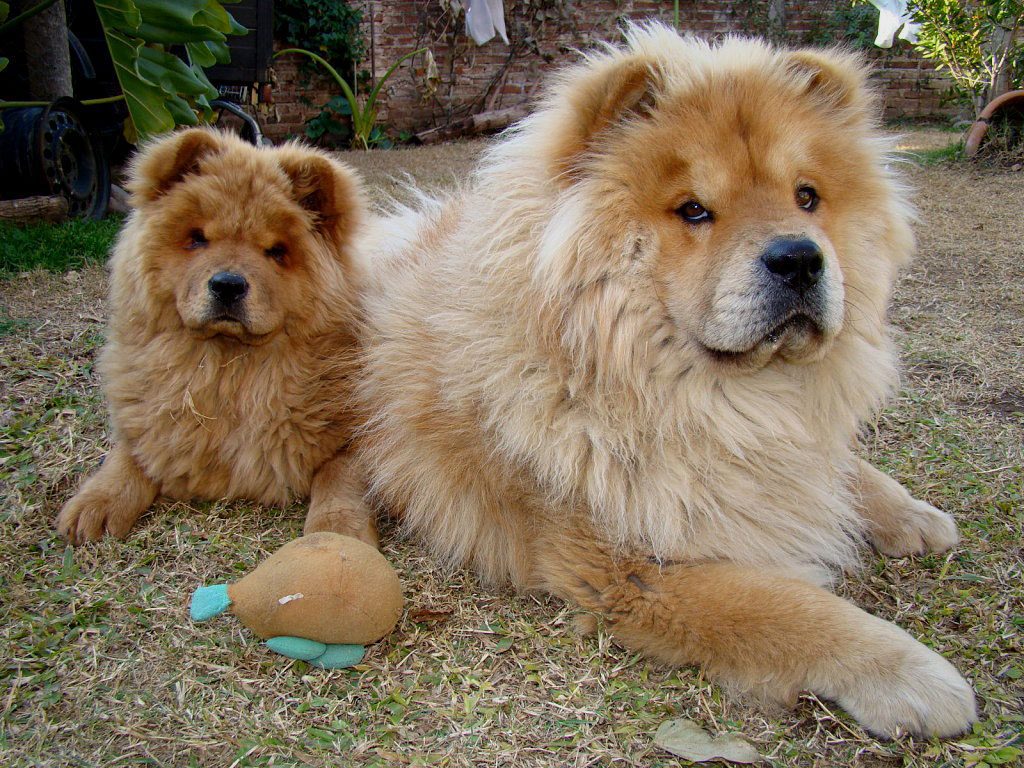
Chow Chow

The Chow Chow are distinguished by their unusual blue-black tongue

Content

History

The Chow Chow has been known for more than 2500 years in China, where it is represented in bas-reliefs of the time. Dog of mysterious origin, belongs to the Spitz family. Some believe it is a cross between a Tibetan Mastiff and a Samoyed., while others think it is more of an original dog, that is to say, that comes from the Nordic dogs (internal temperature above average, particular shape of the bony structure of your skull…). In any case, stories about the origins of Chow Chow they are usually just hypotheses.

In Manchuria and Mongolia it was used as a war dog, to watch over herds or rushes and as a draft animal. The Chow Chow they were also found in Tibetan monasteries: his function was to defend the monks. Occasionally it was a hunting dog, it was eaten in some parts of china, and his skin was also traded.

It was introduced in Europe in 1865, when Queen Victoria of England received one as a gift and started raising it. It was officially recognized by the Kennel Club English little less than 30 years later, in 1894. Today, only used as a pet.

The term ยซChow Chowยซ has appeared recently. In fact, during the interwar period, the Chow-Chow It was known in the West as the "Hong Kong dog".

Despite some other blood additions over the years 50, the Chow Chow is a breed that has remained pure.

Physical characteristics

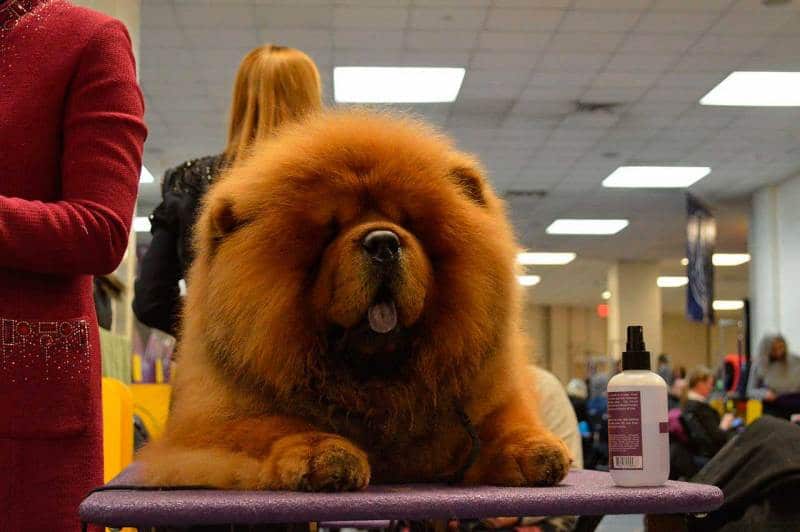
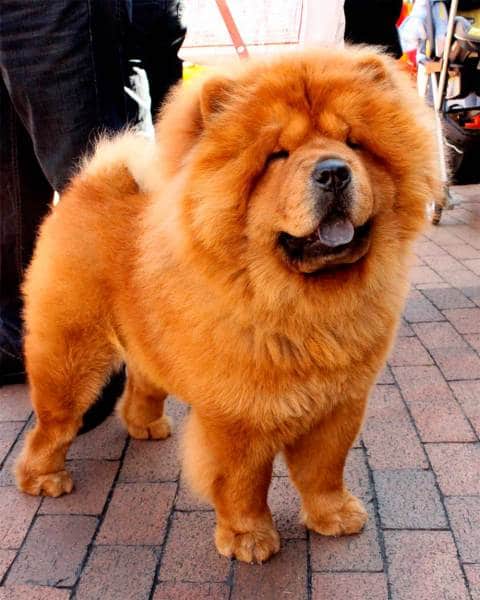
The Chow Chow It is a dog with a robust body that goes hand in hand with its wide skull and its small triangular ears slightly rounded at the tip and it carries them apart with the tip slightly inclined forward which are always erect. His eyes are dark, from Brown to black always small, almendrada form. The nose is completely black and wide except in color Chow cream and white, which supports the color pink. The mouth is wide and strong. They have a characteristic "stilt" movement, due to the peculiar conformation of their hind legs, which lack angle, and it makes it look like walking on stilts.

It is a dog of agile and balanced movement. By joining the legs in parallel to two in the movement. This breed has a very dense fur that can be rough or soft, which it accumulates more around his neck, giving it its distinctive frill or horsehair. Its fur can be red, black, Blue and cream. Those who have spotted or multi-coloured fur are considered outside the standards of the breed.

The Chow Chow They are distinguished by their unusual bluish-black or purple tongue and strong legs.. The gene for the bluish-black or purple tongue is usually dominant in this breed, and so it also tends to be in from mixed races of a Chow Chow.

A legend that says, When the gods placed the stars in the firmament, pieces of the sky fell that the Chow Chow licked and since that day he has had a blue tongue..

Character and skills

Today, the Chow Chow is commonly a companion dog. His strong sense of ownership of their homes with their - sometimes- intriguing approach to strangers may be misinterpreted by those who do not belong to his family. But, signs of shyness and aggression are not characteristic of this breed. Copies of the sex opposite usually coexist with less tension than with those of the same sex, but it is not uncommon to see Chow Chow of different sexes living together peacefully.

They are extremely loyal to their family and it costs change masters. Affection usually shown only to people you know, so visitors should not push them physically as they will not immediately accept strangers as quickly as they do with their family members.

They are not a very active breed. Life in an apartment suits them, if they are given the opportunity to get enough physical activity daily. The owners must take daily walks with their Chow Chow, so be it in a small place, to maintain their physical and mental abilities in a healthy way.

Although this breed shows low energy most of the time, needs a routine to be able to explore their environment and thus maintain a loving nature. Its typical behavior resembles that of a domestic cat more than that of a dog., for cleaning and its enigmatic nature.

Grooming

Grooming requirements depend on the type of fur. A Chow straight hair needs to be brushed weekly only. One with a rough coat should be brushed every other day. Both varieties molt twice a year, during which the coat will abundantly. Rarely need a bath, although a hot bath followed by a thorough drying can help remove the coat you're missing.

The rest is basic care. Trim nails as needed, usually once a month. Brush your teeth frequently for general good health and fresh breath. Check ears weekly for dirt, redness or odor that may indicate an infection. If the ears look dirty, clean them with a damp cotton ball and a mild ear cleaner recommended by your vet.

Health

The Chow Chow is the breed of dog most affected by Dysplasia elbow. It is also vulnerable to hip dysplasia, dislocation of patella, thyroid disease, Pemphigus Foliaceus and ocular disorders such as entropion and ectropion. The risk of these disorders increases exponentially when they are purchased at pet stores unscrupulous caregivers who do not test their dogs to see if there is existence of genetic disorders. Like this, a potential buyer of this breed should ask about the health status of the pet to buy. Animal caretakers must provide the client with a guarantee of the dog's health. But despite his delicate health, It is an excellent companion dog for humans..

Characteristics "Chow Chow"

Coexistence is important that you have with your new friend. Before considering the acquisition of a dog of the breed "Chow Chow" you know certain factors. Not all breeds of dogs are apt to live in an apartment, you must take into account his character, their need for exercise, their interaction with other pets, their care and if you have small children, their level of tolerance towards them.

Adaptation โ“˜

2,0 of 5 stars (based on 1 review)

friendly dog โ€‹โ€‹โ“˜

1,0 of 5 stars (based on 1 review)

hair loss โ“˜

5,0 of 5 stars (based on 1 review)

Affection level โ“˜

2,0 of 5 stars (based on 1 review)

Need for exercise โ“˜

2,0 of 5 stars (based on 1 review)

Social need โ“˜

2,0 of 5 stars (based on 1 review)

Home โ“˜

3,0 of 5 stars (based on 1 review)

Toilet โ“˜

5,0 of 5 stars (based on 1 review)

Friendly with strangers โ“˜

1,0 of 5 stars (based on 1 review)

barking โ“˜

5,0 of 5 stars (based on 1 review)

Health โ“˜

4,0 of 5 stars (based on 1 review)

Territorial โ“˜

3,0 of 5 stars (based on 1 review)

Cat friendly โ“˜

2,0 of 5 stars (based on 1 review)

Intelligence โ“˜

2,0 of 5 stars (based on 1 review)

Versatility โ“˜

2,0 of 5 stars (based on 1 review)

Child friendly โ“˜

2,0 of 5 stars (based on 1 review)

Surveillance โ“˜

2,0 of 5 stars (based on 1 review)

joy โ“˜

3,0 of 5 stars (based on 1 review)

Images "Chow Chow"

credits:

1 – Flickr: Chowdren
2 – International Dog Show, Szczecin 2007 by Remigiusz Jรณzefowicz
3 – Pets Adviser from Brooklyn, USA / CC BYwww.petsadviser.com
4 – by https://pxhere.com/es/photo/234926
5 – Flickr: Bokeh the Chow by Luigi Borromeo
6 – Flickr: Chowdren (chow chow) by Seongbin Im
7 – by https://www.needpix.com/photo/371158/chow-chow-dog-snow-canine-domestic-pet-portrait-looking-attentive
8 – Russian: photo from the exhibition by Vladimir gubanov

Videos "Chow Chow"

Type and recognitions:

  • FCI CLASSIFICATION:
  • Group :
  • Section : . .

Federations:

  • Federations: FCI โ“˜, AKC โ“˜, ANKC โ“˜, CKC โ“˜, โ€‹KC โ“˜, NZKC โ“˜, UKC โ“˜

  • FCI breed standard Chow Chow

    FCIFCI - Chow Chow
    CHOW

    Alternative names:

    1. Chow (English).
    2. Chow (French).
    3. Chow (German).
    4. Chow (Portuguese).
    5. Chow (espaรฑol).

    โ–ท The world of Pets: Dogs, cats, birds, reptiles, amphibians

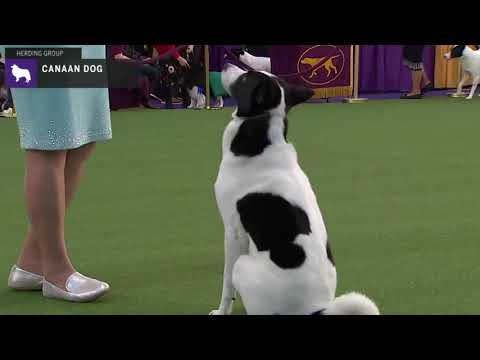
    Canaan Dog
    Israel FCI 273 - Primitive type

    Canaan Dog

    Suspicious of strangers and very affectionate towards members of his clan

    Content

    History

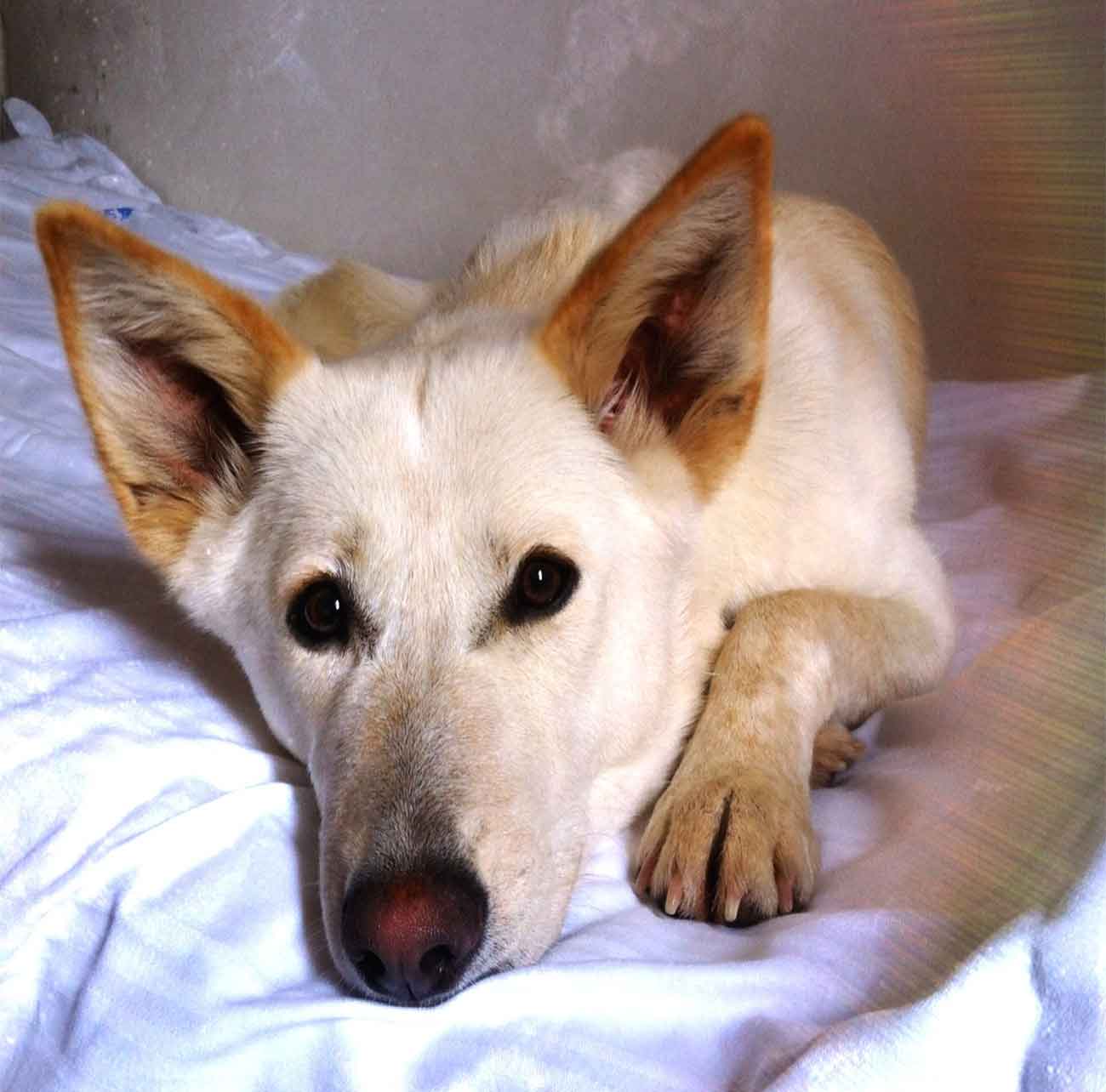
    The Canaan Dog They belong to the group of "pariah dogs", found throughout the Afro-Asian region. They live near human settlements, tolerated by humans, but they are not encouraged or fed. For primitive peoples they are useful as a destroyer of all organic residues.. Even today, the Canaan Dog they live in herds in the desert. If Bedouins need a guard dog for their camp or a herding dog for their sheep, they look for a wild female who raises her cubs in a cave, they throw a piece of bread at him every now and then until they have chosen the strongest male cub that will guard their camp in the future.

    Cynologically, los ยซpariah dogยป belong to the Spitz family, the oldest family of dogs in the world. Cave paintings thousands of years old show these dogs as hunting helpers. With the time, the original type of Spitz adapted to the situation of its environment. The Canaan Dog is the most developed form of the type Spitz in israel today. The canaan dogs still possess strong survival instincts, what makes them smart, independent and also very cautious dogs.

    The Canaan breed has been domesticated by outcast wild dogs, namely, by Rudolphina Menzel, a canine behaviorist and cynologist who emigrated from Vienna to Palestine in the 1930. He took some of them home and was amazed at how easily they were tamed and trained. They were lively and loving. The teacher Menzel I call them canaan dogs in honor of the Biblical land of Canaan and campaigned for them to be recognized as a race.

    Canaan dog physical characteristics

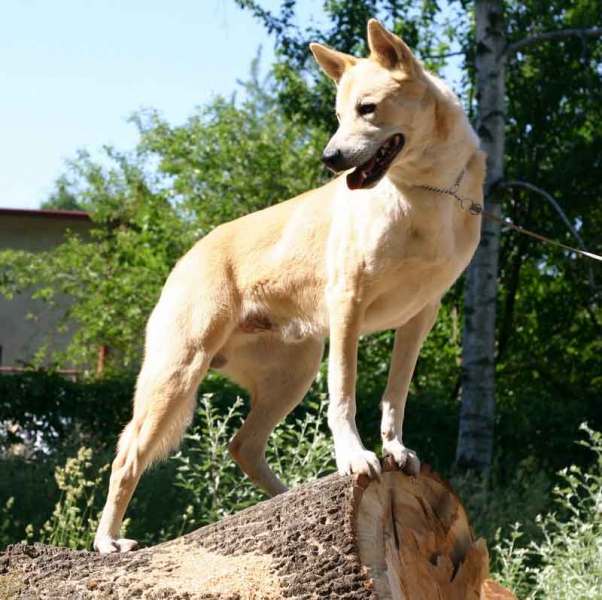
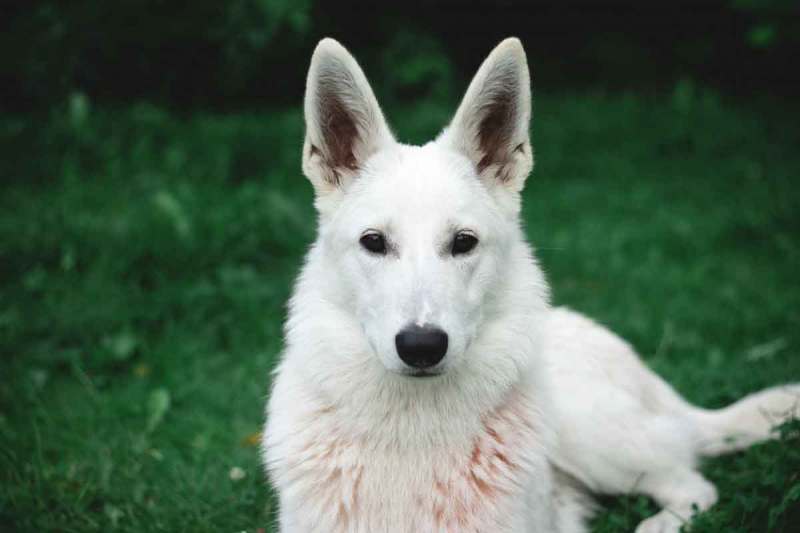
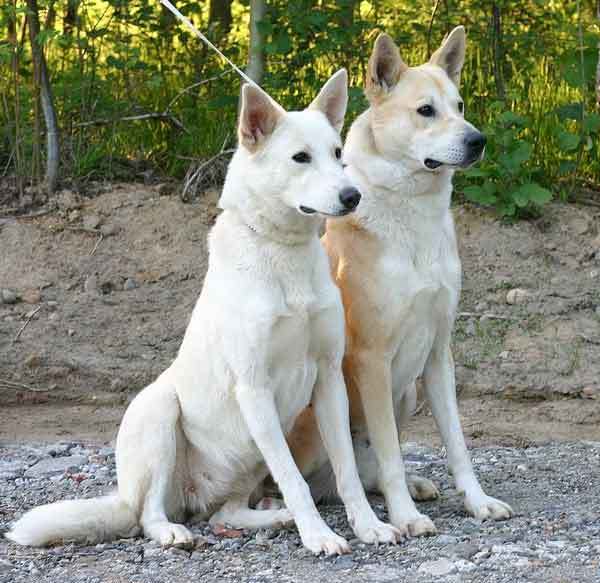
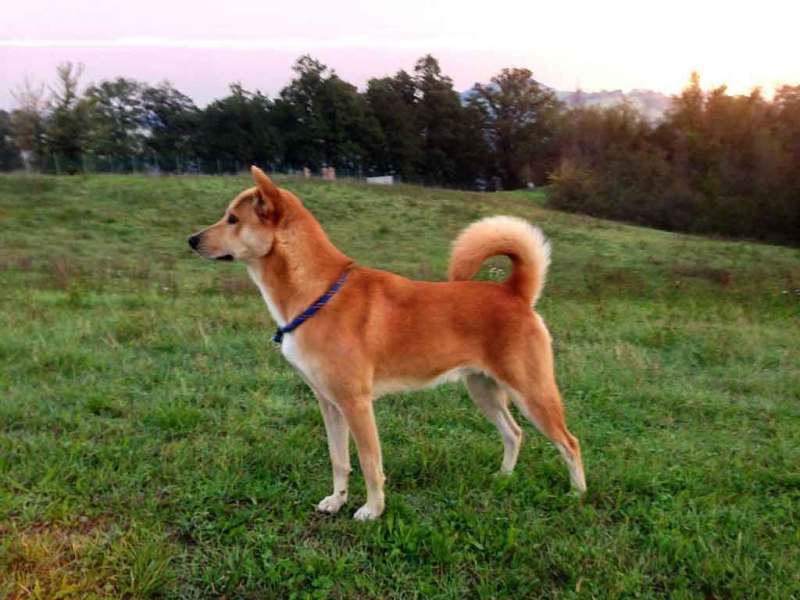
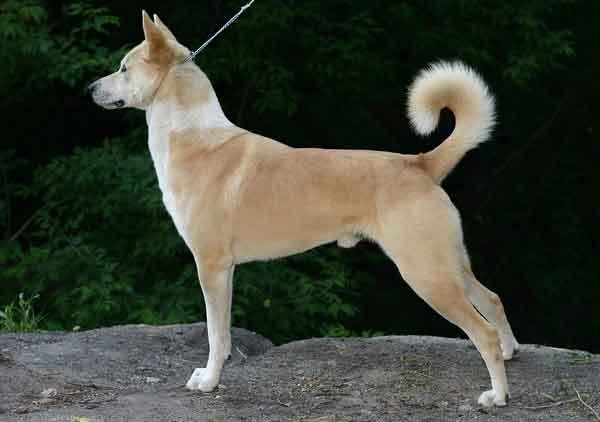
    The height at the withers of these square animals, strong and medium in size is about 50 to 60 cm., while males are usually much larger than females. In general, the sex characteristics between female and male dogs are very pronounced. These may include, the rather broad skull of the Canaan Dog, that narrows at a point towards the front, is clearly visible, especially in males. The head is always well proportioned. Standing ears, slightly laterally arranged, triangular and wide, as well as his almond-shaped and dark eyes, give you a very alert and intelligent expression. In fact, nothing escapes the watchman Canaan Dog, even when asleep.

    HAIR:
    Thick layer, rough and straight, short to medium length. The inner layer is very close and abundant.

    COLOR:
    Sandy to reddish brown, white, black or mottled, with or without mask. If there is a mask, must be symmetrical. A black mask and white markings are allowed for all colors. A pattern such as the Boston Terrier. Gray colors are not allowed, striped, black and tan or tricolor. The characteristic colors of the desert – sandy, dorado, Red and cream – are particularly typical of the breed.

    Character and skills Canaan Dog

    The Canaan Dog is lively, sensitive, distrustful of strangers, defensive, but not aggressive by nature. Watcher not only of humans, but also other animals. He is faithful and devoted to his family. The relationship with its owner means for him a partnership, both sides taking and giving. The Canaan Dog you don't have to follow your owner everywhere and submissively read every wish in his eyes. There are times when he shows his love and wants to be caressed. But other times he minds his own business and only belongs to himself.. If one responds to his character, a deep understanding develops between man and animal, which is even more attractive, since one must acquire their trust and affection. This special bond makes it difficult to place the Canaan Dog adults in new settings.

    Protects their owner's children and shows a lot of tolerance towards the little ones. But, parents should ensure the dog has a chance to withdraw.

    The Canaan Dog they are good watchdogs, but they are not attackers by nature. Only when a Canaan Dog you have the impression that he or his family is seriously threatened, will attack. The Canaan Dog barks as a warning, gives a dangerous appearance, and that is usually enough.

    The Canaan Dog can react aggressively to other dogs who dare to pass by his property. Aggression between dogs of the same sex is not uncommon among Canaanites. Each Canaan is different. You have to watch it closely to know what collisions – with other dogs on walks – it is better to avoid.

    Canaan Dog education

    One Canaan Dog he would never do anything that could harm himself. Nor would it comply with its owner's commands without first questioning their meaning.. You can't demand obedience from this dog. But, once he has gained trust in his human and recognizes him as "leader of the pack", is very cooperative and obedient. Loyalty to his master and his quick understanding make him, despite its independence, an easy-to-handle dog, who can learn the necessary basic obedience without restrictions. But, during training its primitive nature must be taken into account, so it certainly takes some compromises and tricks to convince the Canaan Dog that obedience is worth it. For inexperienced beginners, this self-assured breed is not suitable.

    where can i get canaan dog?

    Today, not only in his homeland Israel, but also in the US. and in several European countries, like germany, Finland, England, Italy or Switzerland, there are breeders who have dedicated themselves to this special and still very rare breed. The addresses of the breeders can be found in the national kennel clubs or, of course, on the Internet. If you are considering buying a Canaan, enough time should be taken to consider your purchase decision thoroughly. This is true of all dogs, but especially for him Canaan Dog, because this original and independent four-legged friend is no ordinary family dog.

    Canaan Dog care

    The rough coat naturally repels dirt and only needs to be brushed once or twice a week. Only in the phase of the biannual coat change should it come into contact with a brush or comb daily to remove dead hairs from the dense undercoat and reduce the tuft of carpet hairs, the sofa or the blanket.

    Canaan Dog nutrition

    While the Canaan, as a "pariah dog" in freedom, forages for its own food and feeds on whatever organic waste humans leave behind, as a domestic dog it depends on the support of its owner. But what do you give such an original wild dog? In general: Dogs are carnivores by nature., regardless of whether they are shepherd dogs, Sausage dog or even Canaan. This means that the food must be largely meat. (around the 70 per cent). Meat is the most important source of protein for the dog. Its entire masticatory and digestive system is oriented to the processing of meat: the strong teeth, strong chewing muscles, the relatively short intestinal tract and digestive juices that are quite aggressive in contrast to humans.

    Canaan Dog health

    The race Canaan Dog It is very healthy, it does not have typical diseases and it is considered very clean..

    Characteristics "Canaan Dog"

    Coexistence is important that you have with your new friend. Before considering the acquisition of a dog of the breed "Canaan Dog" you know certain factors. Not all breeds of dogs are apt to live in an apartment, you must take into account his character, their need for exercise, their interaction with other pets, their care and if you have small children, their level of tolerance towards them.

    Training ?

    4,0 of 5 stars (based on 1 review)

    Suitability of the apartment ?

    4,0 of 5 stars (based on 1 review)

    Can be alone all day ?

    3,0 of 5 stars (based on 1 review)

    Suitable as a first dog ?

    2,0 of 5 stars (based on 1 review)

    Weight gain ?

    2,0 of 5 stars (based on 1 review)

    Health ?

    5,0 of 5 stars (based on 1 review)

    Intelligence ?

    5,0 of 5 stars (based on 1 review)

    Kindness with child ?

    3,0 of 5 stars (based on 1 review)

    Tendency to bite ?

    3,0 of 5 stars (based on 1 review)

    Tendency to bark ?

    4,0 of 5 stars (based on 1 review)

    Tendency to flee ?

    3,0 of 5 stars (based on 1 review)

    hair loss strength ?

    4,0 of 5 stars (based on 1 review)

    Suitable as a guard dog ?

    5,0 of 5 stars (based on 1 review)

    Joy ?

    3,0 of 5 stars (based on 1 review)

    Cat friendliness ?

    4,0 of 5 stars (based on 1 review)

    Power level ?

    4,0 of 5 stars (based on 1 review)

    Images "Canaan Dog"

    Photos:

    1 – Canaan dog by Giora Sluzky, CC BY-SA 3.0, via Wikimedia Commons
    2 – Canaan dog by Canaan Dog, Kennel Samorodok Hanaanahttp://www.ruscanaan.ru, CC BY-SA 3.0, via Wikimedia Commons
    3 – Canaan dog by Giora Sluzky, CC BY-SA 3.0, via Wikimedia Commons
    4 – Canaan dog by SamorodokhanaanaCanaan Dogs from "Samorodok" http://www.ruscanaan.ru, CC BY-SA 3.0, via Wikimedia Commons
    5 – Canaan dog by https://pxhere.com/en/photo/1503483
    6 – Canaan dog by Samorodokhanaanahttp://www.ruscanaan.ru, CC BY-SA 3.0, via Wikimedia Commons
    7 – Canaan dog by Arikk, CC BY-SA 3.0, via Wikimedia Commons

    Videos "Canaan Dog"

    Canaan - Top 10 Facts
    Canaan – Top 10 Facts
    Canaan Dogs | Breed Judging 2020
    Canaan Dogs | Breed Judging 2020

    Type and recognitions:

    • FCI CLASSIFICATION:
    • Group :
    • Section : . .

    Federations:

    • FCI – Group 5: Spitz-type dogs and primitive type – Section 6: Primitive type. โ“˜
    • AKCHerding โ“˜
    • ANKC – Group 7 (Nonsporting) โ“˜
    • CKC – Group 7 (Nonsporting) โ“˜
    • โ€‹KCUtility โ“˜
    • NZKCNonsporting โ“˜
    • UKC – sighthounds and pariah โ“˜

    FCI breed standard "Canaan Dog"

    Origin:
    Israel

    Date of publication of the valid original standard:
    26.03.1998

    Use:

    Guard and protection dog.


    General appearance:

    Medium-sized, square body, well balanced, strong, similar to the type of wild dog. There is a marked difference between both sexes.


    Behavior / temperament:

    You are always alert and react quickly. Distrustful of strangers, his character is strongly defensive, but not aggressive by nature. Is vigilant, not only with humans, but also with all the animals. It is very faithful and easy to train.

    Head:

    Is well proportioned, medium length, in the form of an obtuse wedge. It appears even wider because the ears are set low.

    Cranial region:
    • Skull : Is something flat. Head may be wider in powerful males.
    • Depression links (Stop) : shallow, although well defined.

    facial region:

    • Truffle : black.
    • Snout : Vigorous, of moderate length and width.
    • Lips : Tight.
    • Jaws / Teeth : Jaws must be strong. Teething is complete with a uniform scissor bite.

    Eyes : Dark brown in color, slightly oblique and almond-shaped. Dark eye rim is essential.

    Ears : erected, relatively short and wide. They are slightly rounded at the tip and are set low.

    Neck:

    Muscular and of medium length.

    Body:

    Square.

    • Cross : Well developed.
    • Back : Uniform.
    • Pork loin : Muscular.
    • Breast : Deep and moderately wide. Well arched ribs.
    • Belly : Well up.

    Tail:

    Set high it is worn curled over the back. The hair is abundant and dense.

    Tips

    PREVIOUS MEMBERS : Perfectly straight.

    • Shoulder : Oblique and muscular.
    • Elbows : Well attached to the body.

    LATER MEMBERS : Powerful.

    • Buttocks : Strong and covered with a slight fringe of hair.
    • Knees : Well angulated.
    • Hocks : Well descended.

    FEET : Jack's foot. They're strong, round and the pads are hard.

    Movement:

    The trot is fast, light and vigorous. The animal must show great agility and resistance. Correct movements are of essential importance.

    Mantle

    HAIR : The hairs on the outer coat are dense, hard, straight and short or of medium length. The hairs of the undercoat are abundant and well glued.

    COLOR : Ranges from sand to reddish-brown, white, black or mottled, with or without mask. If there is a mask, this must be symmetrical. Black mascara and white markings are allowed in all colors. Brands like the Boston Terrier are common. Gray colors are not accepted, striped, Black with fire, nor tricolor. The most typical colors of the breed are the colors of the desert, sand, oro, Red and cream.


    Size and weight:

    Height to the cross : It is of 50 to 60 cm.. Males can be considerably larger than females.

    Weight : It is of 18 to 25 kg.


    Fouls:

    Any deviation from the aforementioned criteria is considered as a fault and the severity of this is considered to the degree of the deviation to the standard and its consequences on the health and well-being of the dog..

    Any dog โ€‹โ€‹showing clear signs of physical or behavioral abnormalities must be disqualified..


    N.B.:

    โ€ข Males must have two normal-appearing testicles fully descended into the scrotum..
    โ€ข Only functionally and clinically healthy dogs, with the typical conformation of the breed, should be used for parenting.

    Source: F.C.I - International Cynological Federation

    Alternative names:

    1. Bedouin Sheepdog, Palestinian Pariah Dog (English).
    2. Canaan dog (French).
    3. Canaan Dog, Israel-Spitz (German).
    4. Cรฃo de canaรฃ (Portuguese).
    5. Perro de Canaรกn, Kelev Kna’anรญ, kunean alkalb (espaรฑol).