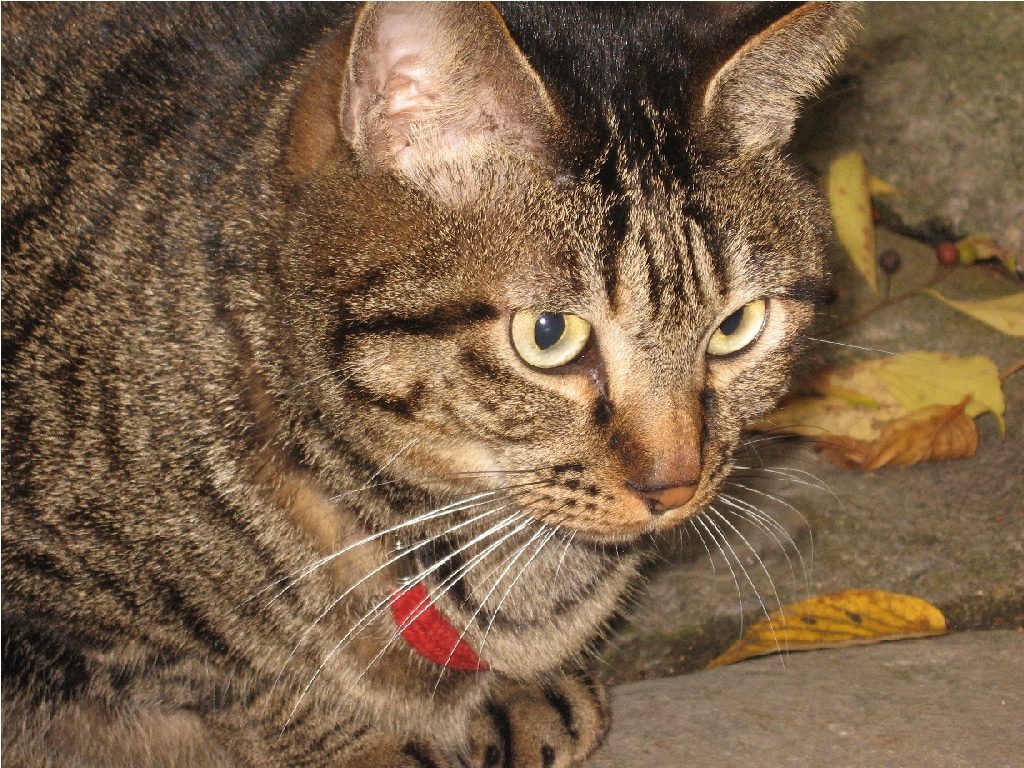
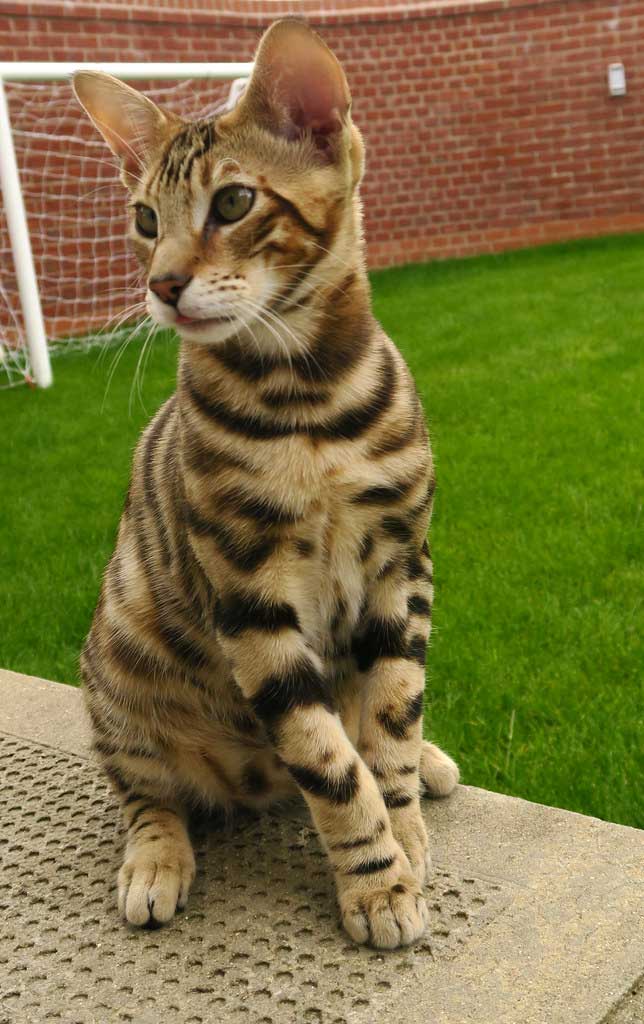
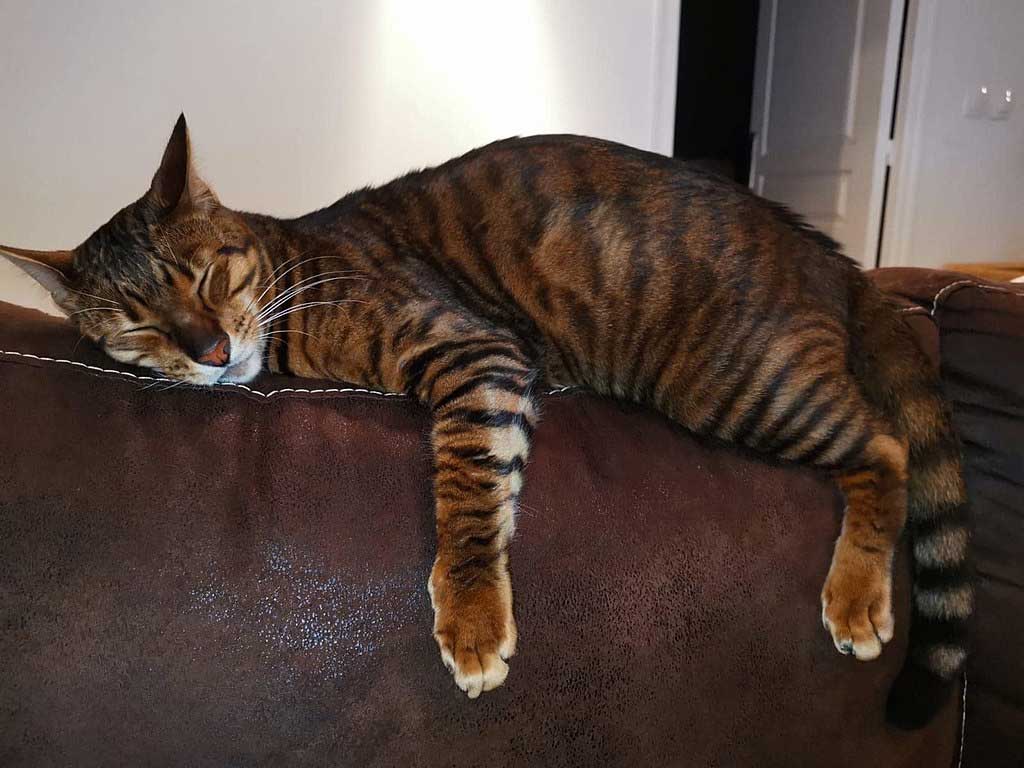
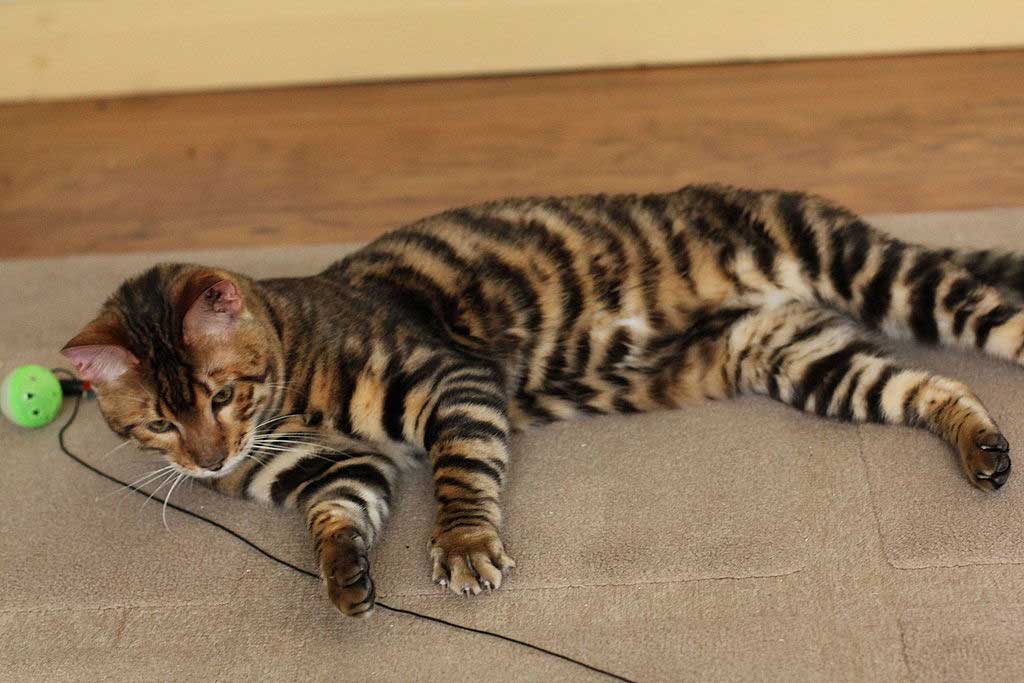
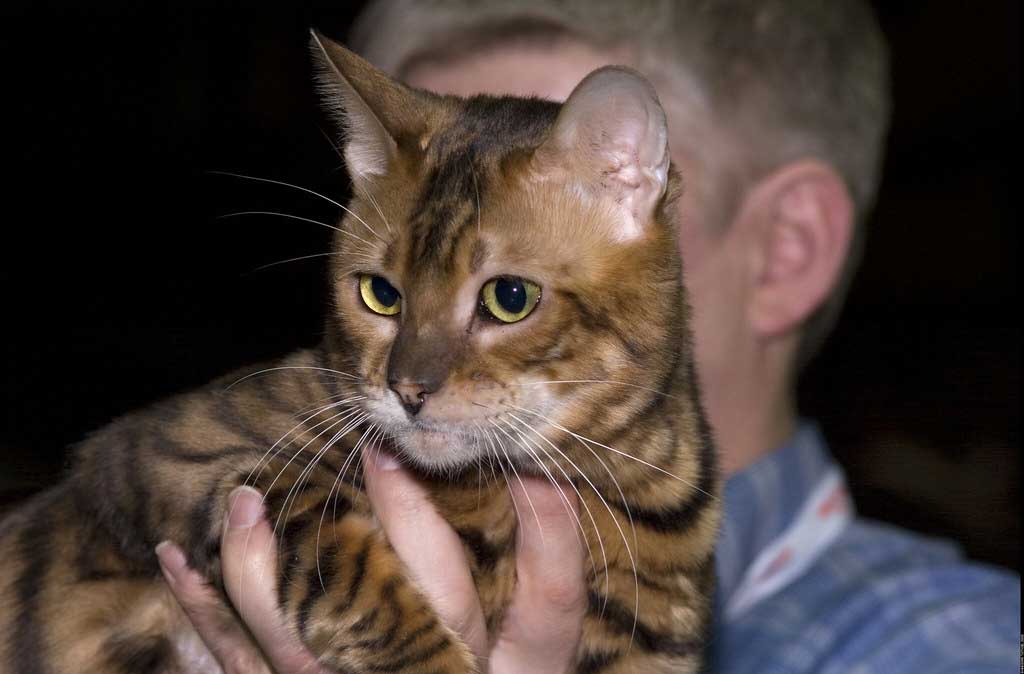
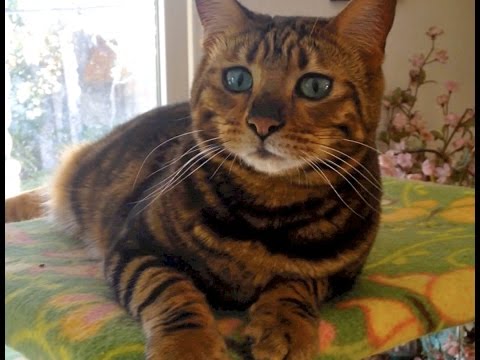
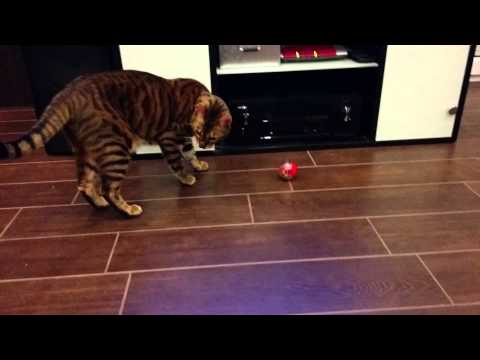
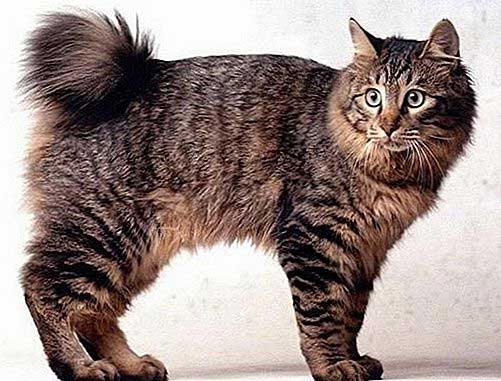
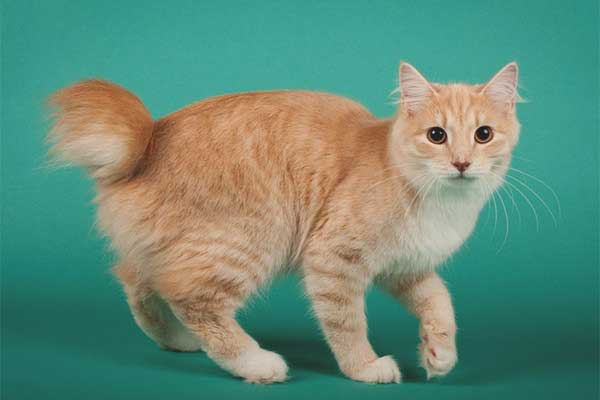
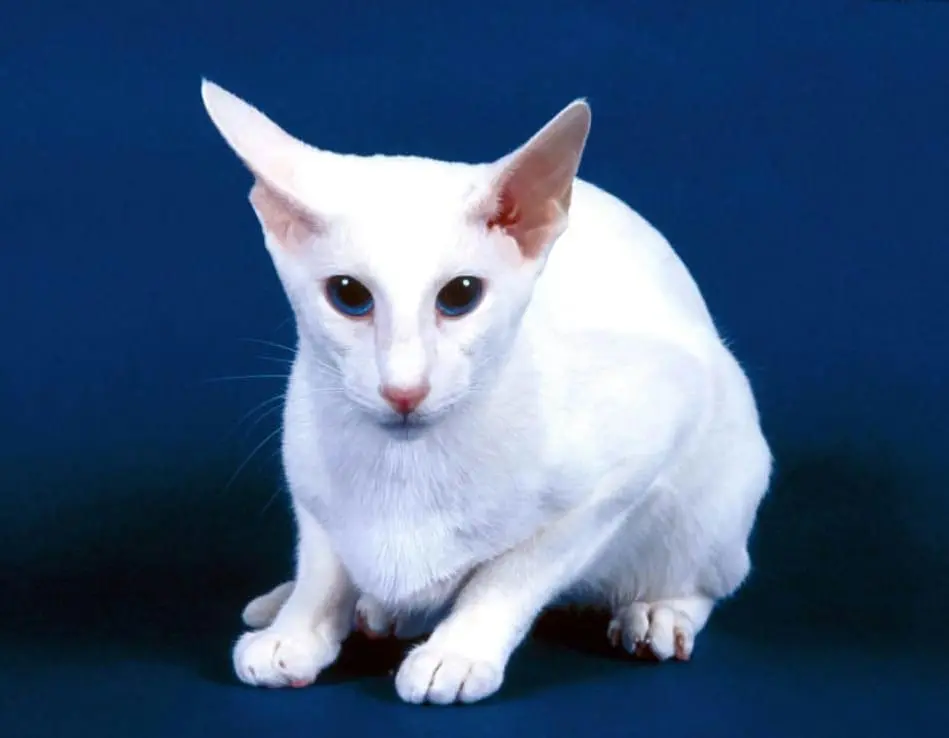
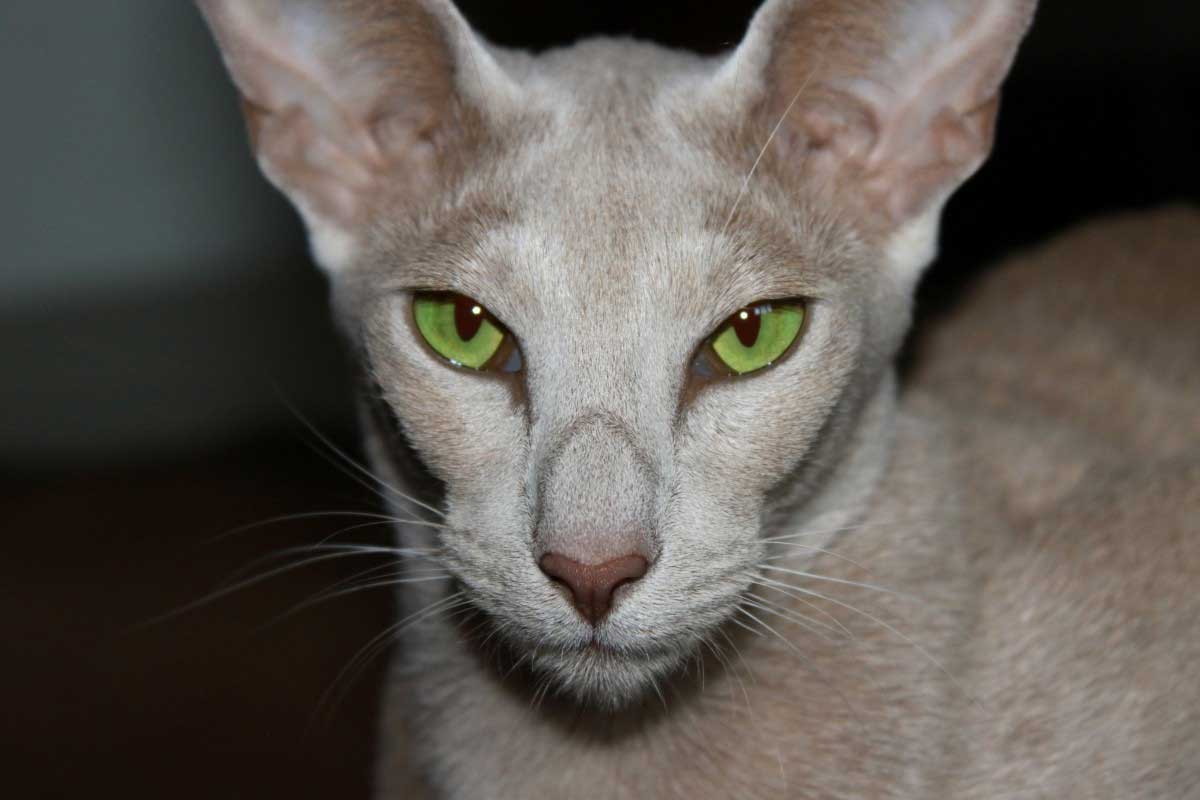
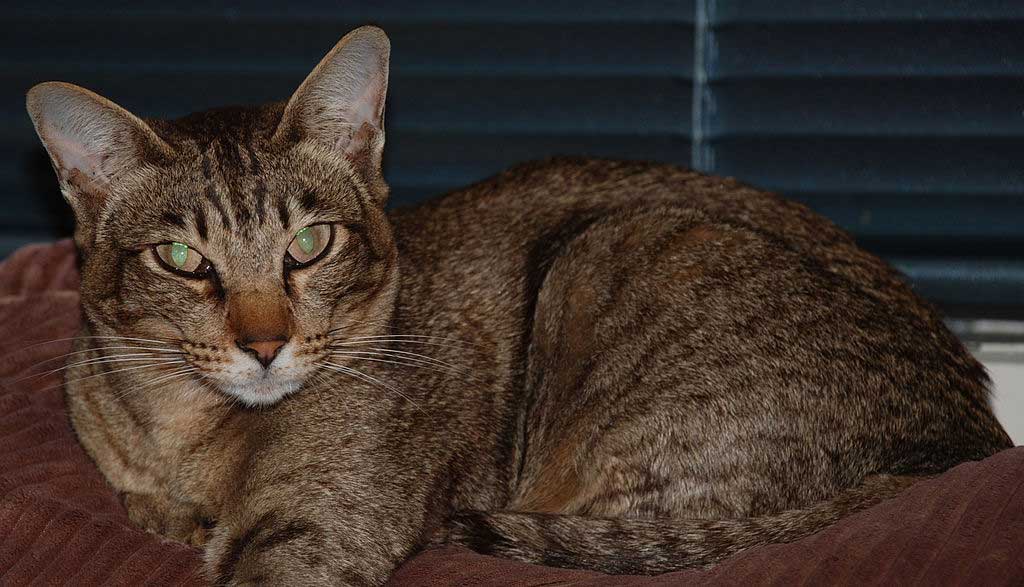
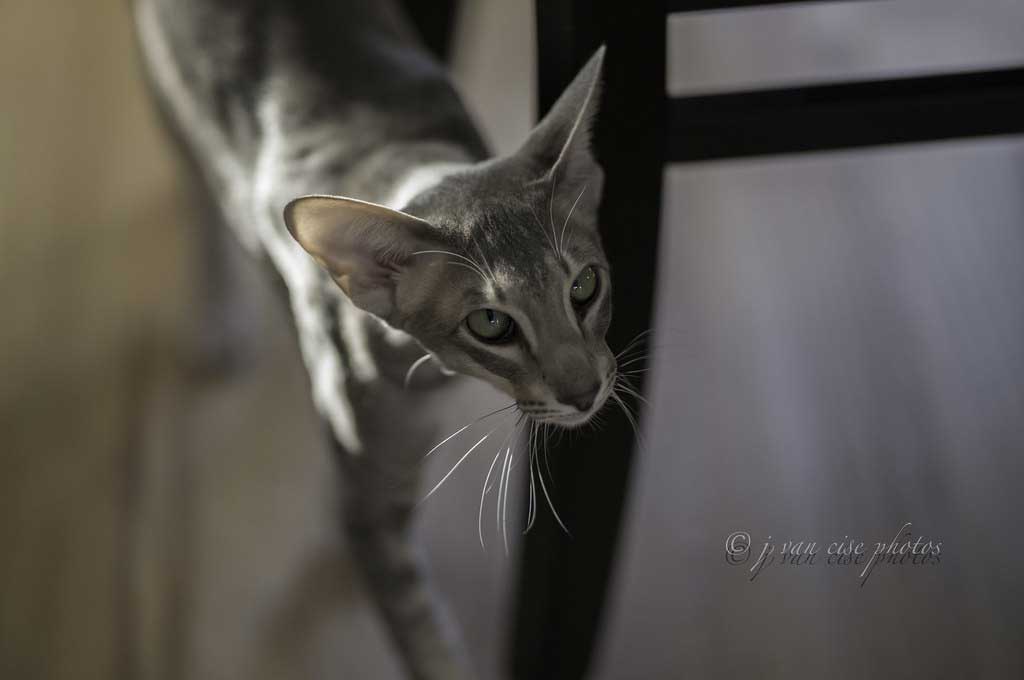
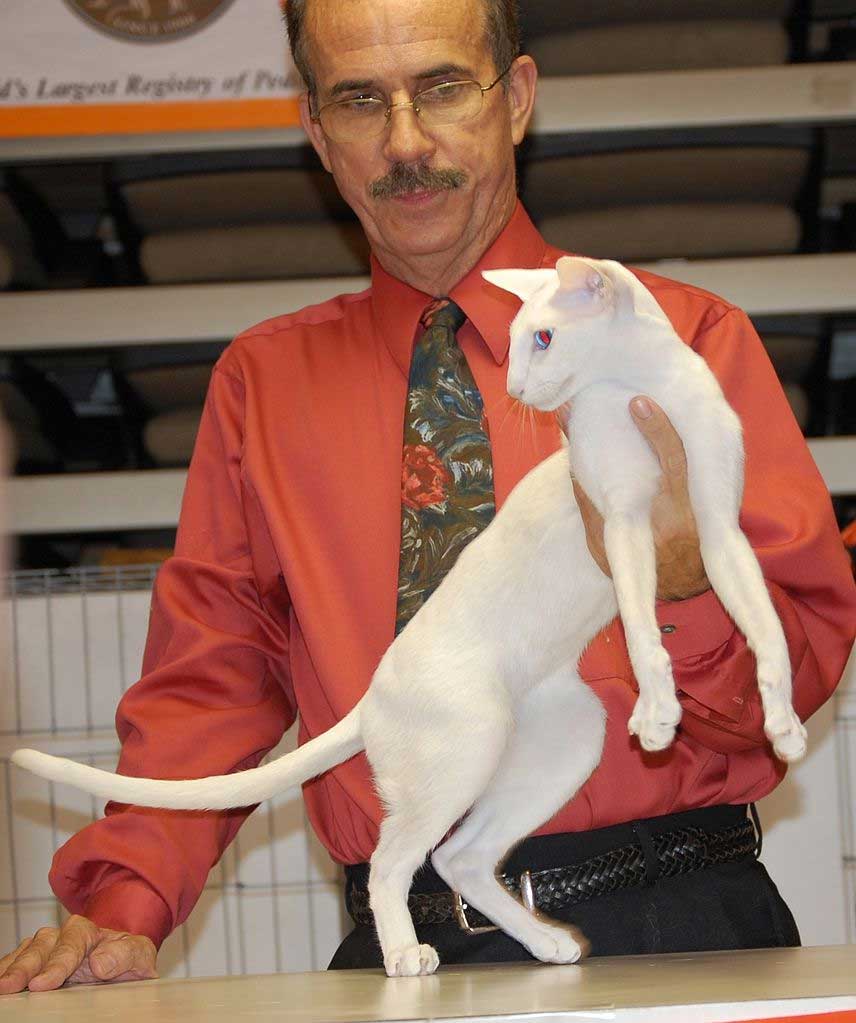
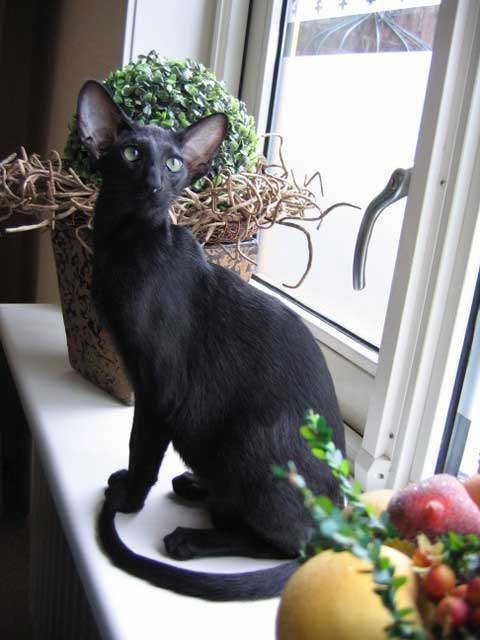
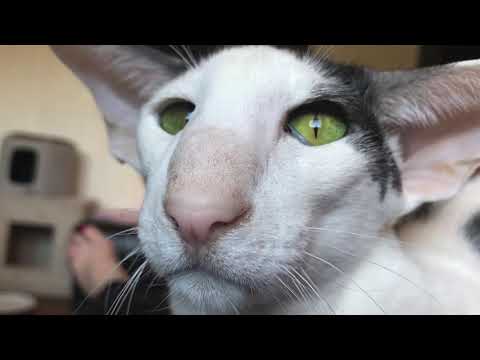
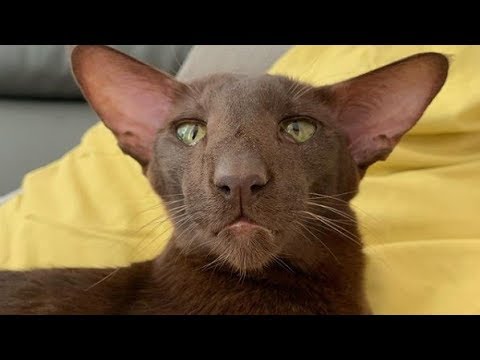
The Toyger it is a rare breed of cat, with an estimated population of about 400 specimens in the United States.
Content
Characteristics "Toyger cat"
Coexistence is important that you have with your new friend. Before considering the acquisition of a cat of the breed "Toyger cat" you know certain factors. You must take into account their character, their need for exercise, their interaction with other pets, their care and if you have small children, their level of tolerance towards them.
Joy
5,0 of 5 stars (based on 1 review)
Activity level
5,0 of 5 stars (based on 1 review)
Friendliness to other pets
4,0 of 5 stars (based on 1 review)
Friendliness to children
4,0 of 5 stars (based on 1 review)
Grooming requirements
2,0 of 5 stars (based on 1 review)
Vocality
2,0 of 5 stars (based on 1 review)
Need for attention
3,0 of 5 stars (based on 1 review)
Affection towards its owners
5,0 of 5 stars (based on 1 review)
Docility
3,0 of 5 stars (based on 1 review)
Intelligence
4,0 of 5 stars (based on 1 review)
Independence
2,0 of 5 stars (based on 1 review)
Hardiness
4,0 of 5 stars (based on 1 review)
History
The history of Toyger cat, whose name is a contraction of the words «Toy» y «Tiger«, started in California in the early 1980, When Judy Sugden, a breeder of Bengalis and daughter of Jean Mills-Sugden, famous for being the creator of Bengal cat, he noticed that one of his cats, call Millwood Sharp Shooter, he had two tabby markings on his temples. He thought this could be the basis for the development of a breed of domestic cat with circular stripes similar to those of the tiger..
The comparison between the Domestic cat and the tiger has been around for a long time, and many cats have had their coats described as "tabby.". The development of a breed of domestic cat with physical similarities to the king of the jungle is, Therefore, in a way, a logical continuation of the creation of hybrid breeds between domestic cats and wild cats, as the Bengal cat or the Savannah cat.
Judy Sugden he began his breeding work with two of his cats: a Bengali call Millwood Rumpled Spotskin and Domestic shorthair cat call Scrapmetal. Soon other breeders became interested in his work: Anthony Hutcherson, from the kennel JungleTrax, and Alice McKee, from the kennel Windridge, joined forces to promote the development of this new breed.
Although the Bengali it was used a lot in the different crosses, other races like him Maine Coon cat, the Pixie-bob and the Oriental shorthair cat helped meet some of the objectives of the breeding program: lengthen the muzzle, widen the nose and reduce the size of the eyes and ears.
In 1993, Judy Sugden imported a street cat from the Indian region of Kashmir called Jammu Blu, which had a marking between the ears very different from the usual tabby lines, and decided to include it in its development program Toyger cat.
That same year, 1993, marked the acceptance of Toyger for registration by the International Cat Association (TICA), one of the world's leading feline organizations. Name "California Toyger«, which had sometimes been used to designate this cat, it was then completely abandoned. Seven years later, in the year 2000, TICA granted him the status of a new breed, before fully recognizing her again seven years later, in 2007, and thus open access to feline exhibitions organized under its auspices.
In the news, the Toyger cat It is also recognized by the Livre Officiel des Origines Francaises (LOOF) and by the Governing Council of the Cat Fancy (GCCF) en el Reino Unido, but not for the American Cat Fancier’s Association (CFA), nor for the Fédération Internationale Féline (FiFé). In fact, still a developing breed, but very popular with breeders and the general public: the appeal of this "toy tiger", a totally tame cat with the look of the king of the jungle, is very real.
However, still a rare breed of cat, with an estimated population of about 400 specimens in the United States. In France, there have been some 30 registrations per year in the LOOF since its recognition in 2015. In the United Kingdom, the number is more like ten, but only from 2016 has been recognized by the GCCF.
The Toyger it is a kind of long and powerful cat: it is medium size, muscular, with a long body and strong bone structure giving it a miniature tiger look. The tail, long and thick, is rounded at the tip and should be worn low.
The head of the Toyger it's long and wide, like the tiger, shaped like a hexagon if viewed from the side and heart shaped if viewed from the front. Has circular markings that do not exist in any other breed of domestic cat. Their ears they are rather small and rounded at the tip. Their eyes they are rather small in relation to their head, round and deep. Its snout it is quite long and has a well defined rounded outline.
The fur is short and dense, smooth and silky to the touch. The mottling is, Obviously, the most characteristic aspect of this breed: on a brown background, this tabby cat has a mackerel tabby pattern with a sharp contrast that lines up vertically. Stretched rosettes are preferred, and the mark must not be continuous, as in the wild tiger.
In the news, the brown mackerel tabby (Brown color, with a dark tabby pattern) it is the only fur allowed by the standard Toyger.
Size and weight
Male size: 22-25 cm.
female size: 20-23 cm.
Male weight: 4,5-7 kg
female weight: 3 to 4,5 kg
Breed standard
The breed standards are documents produced by official bodies that list the conditions that a dog must meet. Toyger to be fully recognized as belonging to the race:
The Toyger silver, which has a silvery gray background color instead of the usual brown, is increasingly sought after by fans, but it is still not allowed by the standards established by the different organizations that recognize the breed.
It is a very sociable cat, who gets along well with humans and enjoys their company. He loves spending time with his family, either playing with children or sleeping on the adults' laps. Demands the attention of its owner, but offer deep affection in return.
Their sociable and friendly character also applies to other cats, as well as dogs without predatory instinct. But, living with small rodents or birds is much more problematic.
As the Toyger it is a breed of intelligent cat, it is very possible to teach you tricks, and he likes to play fetch. Although they are playful and active, it may be advisable to keep them indoors to avoid the risk of theft, as they are rare and highly sought after. A good solution for you to enjoy the outdoors is to walk your cat on a leash, especially since this is not usually a problem for him.
The Toyger cat it is a well built and very adaptable cat, able to fit well in most homes. But, needs attention and does not like to be left alone for too long and / or too often.
Health
As the Toyger It is a recent and rare breed of cat, it is difficult to have enough reliable information to draw conclusions about possible predispositions to diseases, whether or not they are hereditary. But, appears to be a robust cat breed overall, no particular health problems.
But, have been detected heart murmurs in some individuals. This is potentially a sign of feline hypertrophic cardiomyopathy, a heart disease that can cause varying degrees of blood flow problems.
The Obesity in cats remains the highest risk today, especially if they are kept indoors. So, the owner should especially watch his diet so that he maintains a normal weight.
The Toyger it is a breed of cat that is easy to care for.
Brushing the cat's coat once a week is enough to preserve its beautiful coat by removing dead hair and distributing the protective sebum from the skin.. Cats molt more in the fall and spring, but this move is relatively discreet, so brushing once or twice a week is more than enough.
The weekly brushing session is also a good opportunity to check that your eyes and ears are clean., and to clean them with a wet wipe if necessary. Teeth should be brushed with a cat toothpaste to prevent tartar build-up and keep breath fresh.
Finally, if he Toyger has a scratching post available and uses it, the natural wear of the claws is usually sufficient. If that is not the case, claws should be trimmed with nail clippers when too long.
Food
The Toyger need a high protein diet, preferably of animal origin. Most cat food manufacturers offer kibble or porridge of sufficient quality to meet your needs, but the owner must ensure that they contain all the nutrients he needs.
To avoid the risk of obesity, the owner must also ensure that the cat's rations are tailored to his activity level. By being able to self-regulate, the Toyger you can usually have your food available constantly. But, if signs of being overweight start to appear, the owner should seek the advice of the veterinarian to find the best way to limit the cat's daily calorie intake.
For sale "Toyger cat"
The price of a kitten Toyger with pedigree ranges from 500 and 3000 EUR.
It varies a lot according to its physical characteristics:
A kitten with deviations from the standard that are penalized in feline exposures (and that, Therefore, deprive you of any hope of success) costs between 500 and 1000 EUR;
A “show” quality individual is worth between 1500 and 2000 EUR;
An individual whose high-flying characteristics make it suitable for breeding can be purchased for between 2500 and 3000 EUR.
But, keep in mind that the Toyger it's rare and in high demand. As a result, few kittens are available for sale compared to demand. Thus, Most people who want to adopt a Toyger cat must sign up for a waiting list.
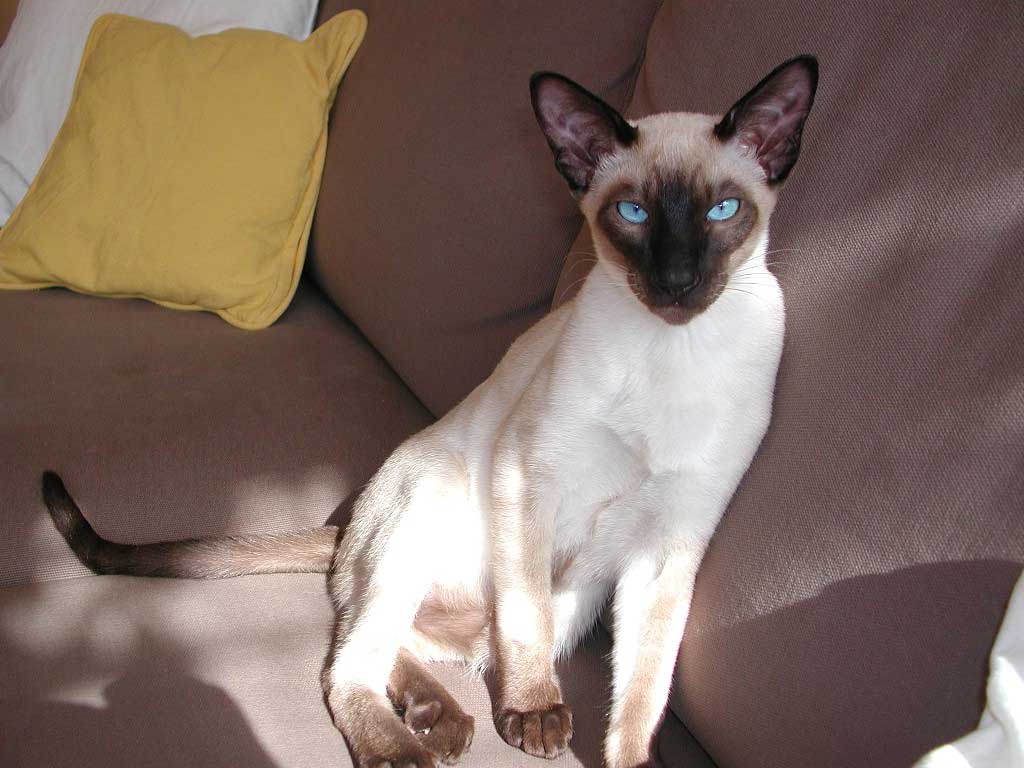
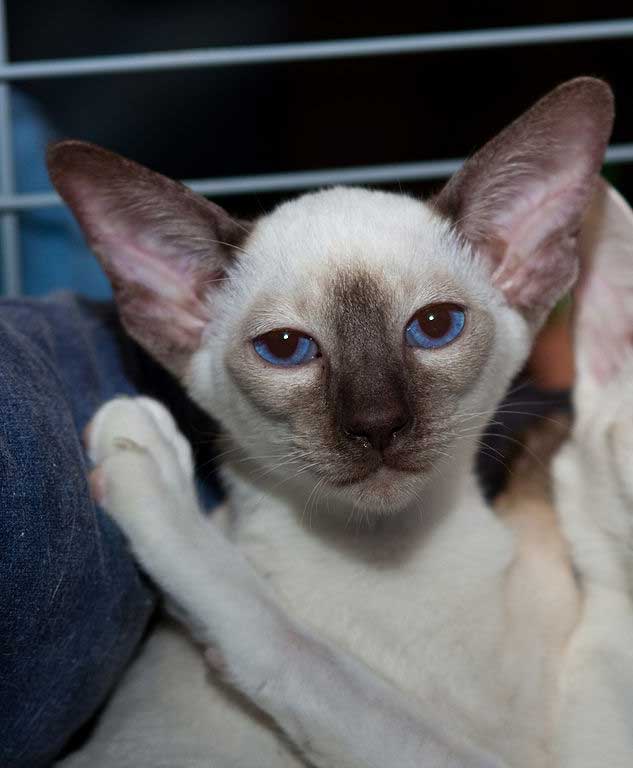
With a history of several centuries, the Modern Siamese cat began to be recognized by national and international official organizations in the years 30.
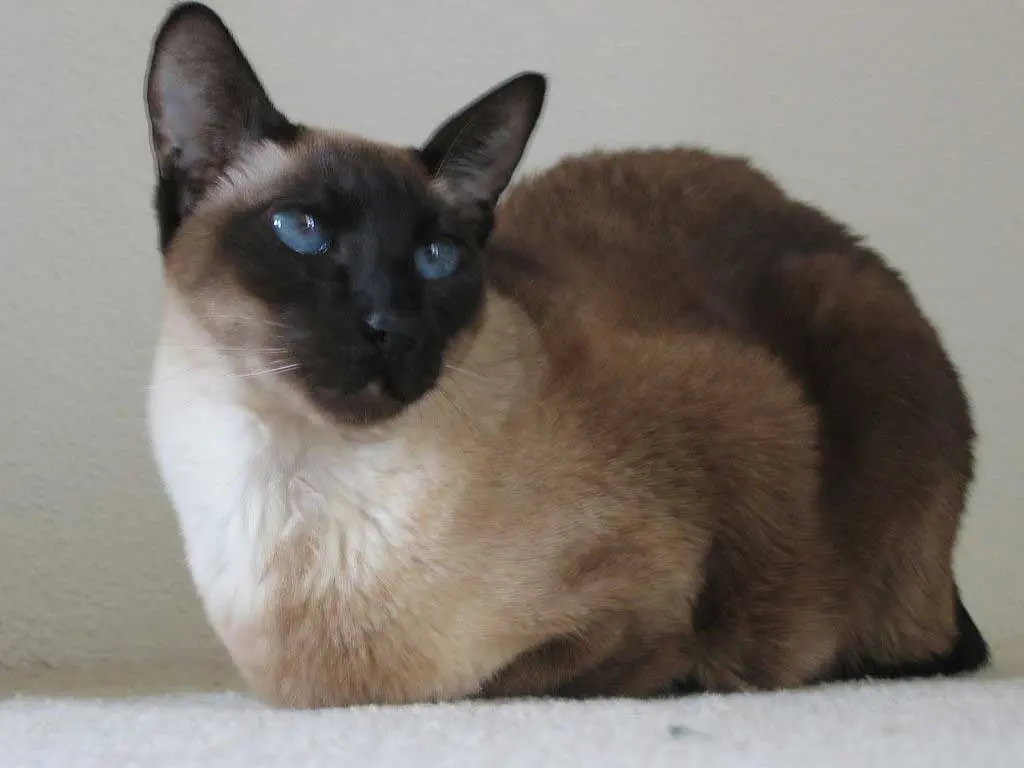
Self-made photo of Coco, sealpoint Siamese cat – Yannbee at Dutch Wikipedia, Public domain, via Wikimedia Commons
Content
Characteristics "Modern Siamese cat"
Coexistence is important that you have with your new friend. Before considering the acquisition of a cat of the breed "Modern Siamese cat" you know certain factors. You must take into account their character, their need for exercise, their interaction with other pets, their care and if you have small children, their level of tolerance towards them.
Joy
4,0 of 5 stars (based on 1 review)
Activity level
5,0 of 5 stars (based on 1 review)
Friendliness to other pets
4,0 of 5 stars (based on 1 review)
Friendliness to children
4,0 of 5 stars (based on 1 review)
Grooming requirements
2,0 of 5 stars (based on 1 review)
Vocality
5,0 of 5 stars (based on 1 review)
Need for attention
4,0 of 5 stars (based on 1 review)
Affection towards its owners
5,0 of 5 stars (based on 1 review)
Docility
5,0 of 5 stars (based on 1 review)
Intelligence
5,0 of 5 stars (based on 1 review)
Independence
2,0 of 5 stars (based on 1 review)
Hardiness
3,0 of 5 stars (based on 1 review)
History
The sophisticated Siamese takes its name from its country of origin, the kingdom of siam, which is now thailand. The oldest document that mentions it, the Tamra Maew, data of 1350 and was found in Ayutthaya, the capital of the kingdom since 1350 until 1767. This work is a treatise on cats, in the form of poems accompanied by illustrations. Some of the illustrations show cats with thin, pale bodies and darker masks on their faces., ears, legs and tails. At that time, they were cross-eyed and had knots in their tails, characteristics that only centuries later became defects that breeders were able to practically eliminate.
Legend has it that these cats were none other than the guardians of royal treasures, and that they watched them with such attention that they ended up squinting.
In Europe, it was in great britain, at the end of the 19th century, where the Siamese was first heard. In 1871, two specimens were exhibited in the first feline exhibition in modern history, held in the Crystal Palace From london. In the event catalog it was said that they were the first to set foot in the country, which is very likely.
But, they were not the ones who started the development of the breed in the country, but Pho and Mia, two specimens that Owen Gould, British Consul General, received in 1884 as a gift from the king of Siam.
He took them to Britain and his sister, Lilian Jane Veley, took care of them. He fell in love with these magnificent cats and decided to present them at the Palacio de Cristal Exhibition in 1885. Aroused great interest from the public. There are some photographs from this time that show that they were quite robust and had a round head.. They were the first two specimens registered in the British Register of Siamese, a register kept by one of the cat owners' clubs which had been in existence for several years and which were the forerunners of the Governing Council of the Cat Fancy (GCCF), founded in 1910.
They died right after this exposure, but meanwhile they had given birth to a litter. Lilian Jane Veley continued to dedicate herself to these cats; with a view to developing the breed, came to found the Siamese Cat Club in 1901, the world's first Siamese breed club.
Among 1884 and late nineteenth century, many were imported siamese cats from Siam to Great Britain and enrolled in the British Siamese Register. In fact, the breed quickly gained in popularity among the English aristocracy; as a result of fashion, many of its members wanted to own one. In 1892 a standard was developed that defined the physical attributes that a subject must have to be admitted to the registry.
The Siamese arrived in France in 1885, when a French diplomat brought two specimens from Bangkok to the Jardin des Plantes in Paris. In 1893, the Dr. Oustalet, professor at the Museum of Natural History, wrote about the siamese cats brought by the president's daughter-in-law Carnot. He took care to describe them accurately and wondered if this race descended from a wild species..
The introduction of Siamese cat in the United States took place in 1879. The American Consul in Bangkok, after learning about the fondness for cats of the then president's wife, Rutherford Birchard Hayes, sent him a Siamese, who he called Siam.
The breed really took off in America in the early 1900s, helped by the lady's cats Clinton Locke. Founder in 1899 of the Beresford Cat Club, the first registry of breed cats in the country, bought a copy in France, Lockehaven Siam, which won the award for the best cat in America in 1906 en Detroit. He repeated this feat the following year in Chicago, this time with a female, Lockehaven Elsa. In 1909 a breed club was founded, the Siamese Cat Society of America, who published a first standard.
But, the breed's development was interrupted by the First World War, both in the United States and in Europe.
The development of Siamese cat in the United States it also owes a lot to Virginia Cobb. Originaria de Massachusetts, fell in love with the breed during a cat show at the Madison Square Garden of New York in 1928. He decided to import his first copy, whom he called CH Oriental Nanki Pooh de Newton. This female lived 17 years and had many litters.
In addition to being very active and involved in the breeding and distribution of Siamese in United States, Virginia Cobb was also interested in its genetics. In collaboration with Clyde Edgar Keeler, Harvard University geneticist, explored in particular the scientific aspects of different coat colors. The first known color of the Siamese had been the seal point, with dark brown tips and a creamy coat. But, as reproductions were made, appeared the blue point (dark blue tips and bluish-white fur), the chocolat point (chocolate tips, ivory fur) and the lila point (pink gray tips, White fur).
The Second World War was a second brake on the expansion of the race, especially in Europe. At the end of the war, the breed was even on the verge of extinction in Britain.
New blood was needed to expand the gene pool and advance. Once again, several specimens were imported from Thailand, both to Europe and the United States.
But, just like before the two world wars, the Siamese had difficulty adapting to the local climate, very different from the tropical climate of your native Thailand. Breeders in all countries faced heavy losses, mostly due to gastroenteritis and parasites.
This did not prevent the breed from gaining popularity from the decade of 1960, both in Europe and the United States. Many breeders and show judges began to favor a slimmer look. The latter began to gradually evolve, as breeding and selection progressed.
The Americans, in particular, they preferred a tubular and elegant body, as well as a long head. Englishmen, on the other hand, they gave priority to almond eyes, large ears and a little lower on the skull. In addition to evolving, standards also began to differ from country to country.
But, around the world, the Siamese got longer, with a fine bone structure and a narrow head. The breeders' work also made it possible to eliminate strabismus and tail knots..
This way of evolving the morphology of the breed was chosen by most breeders, since the beginning of the years 70. Other, few, they decided to keep Thai cat. With the passing of the decades, the gap between a Modern Siamese cat, heavily modeled by man, and Thai cat, corresponding to the original physical type of the breed and known as Thai. At the beginning of the Decade of 2000, the latter was finally recognized as a distinct breed by most official bodies.
But, the Modern Siamese cat has stolen much of the limelight and enjoys much greater popularity. This explains that she herself was at the origin of several other races:
the Balinese cat, who is none other than a modern long-haired Siamese;
With a history of several centuries, the Modern Siamese cat began to be recognized by national and international official organizations in the years 30.
The American Cat Breeders Association (CFA) was the first to recognize the breed in 1934. The Governing Council of the Cat Fancy (GCCF) did the same in 1936.
The Fédération Internationale Féline (FIFé), that brings together the feline authorities of some forty countries, including Switzerland and Belgium, did the same in 1949. Ten years later, also recognized the Oriental shorthair cat, before doing the same in 1983 with the him Balinese cat, and then in 1985 with the him Oriental Longhair cat: these four races together constitute a group in their own right.
The Canadian Cat Association (CCA) recognized the Siamese in 1950, just one year after FIFé.
In 1979, the International Cat Association (TICA) also recognized the Siamese and included him in a group with the Balinese cat, the Oriental shorthair cat and the Oriental Longhair cat, who were admitted at the same time.
Popularity of "Modern Siamese cat"
In Europe, It was in Great Britain that the Siamese, and still today it is in this country where he is most successful. Still the most successful cat in the UK, ranking fourth in number of annual registrations in the British Governing Council of the Cat Fancy (GCCF), at around 1.500 a year. But, this figure triples that of the middle of the years 90, when the number of records exceeded 4.500 a year and was the second highest. The decline was especially marked in the second half of the 1990s. 2000, but continued throughout the next: early in the decade 2010 there was still more than 2.000 registrations per year.
In France, there has also been a decrease in both absolute and relative terms, and in any case the breed has never reached similar popularity levels. Nails on 250 registrations per year in the Livre Officiel des Origines Félines (LOOF), the breed is located around the position 20. In the middle of the Decade of 2000, this figure was rather 350 births per year.
In Switzerland, the Siamese has also lost part of its glory. After a peak of about 150 over the years 90, the number of annual registrations in the Fédération Féline Helvétique (FFH) steadily decreased, to the point that today it does not exceed 50 births per year. But, this places it around the tenth position in the statistics of the organization.
in Canada, it's even more discreet. In fact, the number of kittens registered each year with the Canadian Cat Association (CCA) places it around the position 25 of the ranking.
In United States, the Siamese was between 10 most popular breeds in the country in the early 1990s 2010, According to the annual registration statistics of the Cat Fanciers’ Association (CFA). Since then it has lost ground and is now around the position 12.
Physical characteristics
The Modern Siamese cat, a different looking cat Thai cat
Written in 1892, shortly after the breed's arrival in the West, the first standard of the Siamese lets us know what this cat looks like before breeders got involved. The Siamese he had a stocky body, a head round and eyes blue. It also, many of the cats were cross-eyed and/or had knots in the tail, what was not considered a defect at that time.
The traditional siamese has stayed quite true to this initial appearance, with its body and head round. On the other hand, decades of selective breeding have made the Modern Siamese cat away from the morphology of its ancestor and show more extreme forms: a body delgado, long and tubular, a head long in the shape of a triangle, ears very big and a tail very long and thin.
So, it is quite legitimate that these two cats are considered today as two different breeds, Although they share their intense blue eyes. The work of the breeders has also made it possible to eliminate the problem of strabismus that affected both, as well as the crooked tail.
The emergence of the "modern Siamese Cat"
The Modern siamese it is a medium size cat, lanky (Eastern) and elegant looking. Slim and athletic, they have a very harmonious overall look. But, he is quite muscular, which explains why it is heavier than one might think at first glance.
Its long body has a tubular shape, with shoulders and hips of equal width. Has firm musculature and fine bone structure. The tail it is long and fine and ends in a point.
The legs they are well muscled, long, slim and graceful. Hind legs are slightly longer than front legs. Both end in small, oval feet.
The head it is medium size, long, triangular, wedge-shaped and rests on a neck long and thin. The skull and the forehead are flat or very slightly rounded. More concretely, three types of profiles are accepted: straight, slightly convex or in two planes (the plane of the forehead is prolonged with that of the nose, but without a clear break between the two).
The ears they are very big, wide at the base and prolong the triangular shape of the head.
The eyes they are moderately large, macaroons, far apart and deep blue. They can be vairones (one green eye and one blue) in individuals whose fur is particular. Some individuals have both green eyes, but they are not recognized by the norms established by the different official organisms.
The cheeks are flat and dewlap is only allowed in adult males.
The nose it's long and straight, fitting perfectly into the triangle of the face. Its tip should not be narrow. Master medium-sized jaws and a strong chin.
The fur of the Siamese it's closed, shiny and silky. Consists only of an outer coat: this cat doesn't have undercoat. It also, It colourpoint, which means you have a darker mask on your face and ears, as well as on the legs and tail. This makes it look like he's ready to go to a costume party.
The rest of the body color is uniform, with a clear contrast between the body and the extremities, except for kittens. Kittens are born with slightly colored tips, that darken in the following weeks.
The most common combination is seal point: the tips are dark brown and the rest of the body is cream colored. The blue point it is also quite common, with a bluish-white fur and dark blue tips.
Most official agencies accept all color points. It is the case of the Fédération Internationale Féline (FIFé), the International Cat Association (TICA), the Governing Council of the Cat Fancy (GCCF) en el Reino Unido, the Association Féline Canadienne (AFC) or the Livre Officiel des Origines Félines (LOOF) in France.
The Cat Fanciers’ Association (CFA) is more restrictive, since it only accepts 4 combinations:
The seal point: cream to fawn coat, seal points (dark brown), dark brown pads;
The chocolat point : ivory cloak, chocolate dots, pink pads and skin of the nose;
The blue point: bluish white cloak, dark blue tips, slate-colored nose pads and skin;
The lila point: White fur, lilac tips (grey pink), pink and leather nose pads.
Selective albinism in the Siamese
Male siamese cat red tabby point. name: By Aristotle Mike Delfino – Kamée, CC BY 3.0, via Wikimedia Commons
Although the morphology of the Modern Siamese cat has been partially modified by breeders, still basically a natural breed, that was not created by man. In particular, his dark mask on his face, the ears, legs and tail is due to a spontaneous and fairly benign genetic abnormality. This specificity was already visible in the first representations of this cat, dating back several centuries, and it was also found in all individuals imported in the 19th century to Europe and the United States. It is also present in the Thai cat.
It is related to the fact that all Siamese they have the albino gene. This gene encodes a heat-sensitive enzyme, that is to say, is active at low temperatures, but inactive at high temperatures. This explains that the main part of the body, the warmest, be light in color, while the coldest extremities, like ears, the face, legs and tail, They are darker.
The environment affects this thermosensitivity. When the kittens are born, they have a completely light color because the temperature in the uterus is constant and elevated. Their limbs begin to darken within a few weeks, and show their final color when they are about a year old.
This genetic trait also explains why individuals living in warmer climate countries tend to be lighter than those living in colder regions.. This phenomenon also occurs in other breeds colourpoint, as the Balinese cat or the Himalayan cat.
Size and weight
Male size: 30 cm.
female size: 30 cm.
Male weight: 2-6 kg
female weight: 2-6 kg
Breed standard
The breed standards are documents established by official bodies that list the conditions that a dog must meet. Modern Siamese cat to be fully recognized as belonging to the race:
Although not all of them are necessarily recognized by all feline organizations, or are sometimes considered as simple varieties, the Siamese was the origin of several other races, developed from the years 50:
The Balinese cat, which is simply a Siamese longhair;
But, Things have changed since then, since some organizations now prohibit the breeding of a Siamese with a representative of another race. This is the position of the Cat Fanciers’ Association (CFA) and the Canadian Cat Association (CCA).
On the other hand, other associations authorize marriages with some other races of the same group, in order to expand the gene pool.
Like this, the Fédération Internationale Féline (FIFé), as well as the International Cat Association (TICA), accept matings with :
Male siamese cat Lilac Point, modern type. Name: Freaky Curry vom Elzer Berg – Martin Bahmann, CC BY-SA 3.0, via Wikimedia Commons
Although their appearance differs, the Modern Siamese cat has a character very similar to Thai cat, although the latter is sometimes presented as a little more sociable.
It is a very affectionate cat, who loves to live as a family. But, it is better if the owner likes cats with a strong character. In effect, he is passionate about the person he considers his human of reference, and establish a very strong relationship with him. He is fully involved in the life of his protector, follows him in all his movements, sleep next to him, leans on his knees in quiet moments… He is totally devoted and faithful to him. So, he is quite a demanding cat: to be fully happy, the Modern Siamese cat needs a master willing to dedicate time, interest, honey and, sometimes, patience.
The downside is that they quickly become possessive and protest if they don't get the attention they expect.. He is very sure of himself, even moody and impatient: you like your requests to be answered quickly, and if you don't get the answer you want, does not hesitate to express his point of view with meows that only cease when he gets his way.
Although it is clear that he has his favorite human, the Modern Siamese cat usually have a good relationship with other people in the family, especially if they surround you with their presence, they caress him and play with him. This is because they help meet your need for care.. But, It may happen that you feel a certain dislike for one of the members of the house and do not hesitate to show it, dismissively ignoring him and refusing to interact with him.
He gets along very well with children and is a very good playmate for them (and vice versa), as long as they treat you with respect. But, remember that a small child should never be left alone with a cat without adult supervision. This is valid regardless of the breed of the cat, for the safety of both parties.
Affectionate with his family, this cat is on the other hand very suspicious of strangers. If a stranger enters "your" house, prefers to stand aside and observe the situation from above, for example from the top of your cat tree, an essential accessory.
On the other hand, his proximity to family means that he does not appreciate loneliness at all. Not recommended for people who are out most of the day.
In addition to leaving toys to distract him, a solution to make the absences of their masters more bearable may be to make them share their home with a fellow man. In fact, cohabits easily with another cat and is glad to have an additional playmate and partner in crime. This also prevents you from finding other things to do, how to shred paper towels, what he does with some relish.
It is also usually a cat that gets along well with dogs, although this, of course, it also depends on the compatibility of your partner with the feline species. In any case, things go better if coexistence is instituted from an early age. Otherwise, it is better to ensure that the contact is made gradually.
It is much riskier to have a bird or a small rodent living next to you, since his hunting instinct can be awakened at any time. If the situation presents itself, some vigilance is required. These may include, if you are out, the small animal should be kept in a place inaccessible to the cat.
Athletic and energetic, the Modern Siamese cat need to be active. It is imperative that I can run, but this does not necessarily mean that living in a flat is impossible for him, as long as the house is big enough. Especially since it is very possible to teach him to walk on a leash; you are likely to enjoy those outings, since he shares them with his master. But, Ideally, a cat flap would allow you to leave the house whenever you wanted..
In any case, you have to satisfy your urgent need to scratch. If there is no scratching post in the house or garden, will not hesitate to use the furniture or curtains.
Games are essential for him too, both to exercise and to develop or maintain your skills. Playing is essential for your mental and emotional balance and, Therefore, for your well-being.
This is especially true for intelligent and curious children., as it provides them with intellectual stimulation. These traits make him an ideal candidate for anyone who wants to teach their cat tricks., such as retrieve a thrown object. Having said that, does not stop learning various things on his own. Capable of opening taps and doors, they like to hide in cupboards and closets and stay there even when called, until they decide it's time to make their presence felt.
Last, the Modern Siamese cat is known to be a very talkative cat. As they seldom stray far from their owners, who does not like to have a partner who vocalizes all day with a hoarse voice, another breed would be better. It is impossible to avoid this behavior: it is his way of communicating not only with his master, but also with all family members. It is his way of communicating not only with his master, but also with all family members, so you can expect long conversations in which he expresses his approval or disagreement. Si and Am, the talkative conjoined twins of Beauty and the tramp (1955), are perfect examples of the eloquence of this cat.
They can also be very noisy when it comes to claiming attention., especially if they are left for many hours without company or without a toy: no wonder they do a series of shenanigans and long meowing sessions.
The Modern Siamese cat it is generally a robust dog.
But, like all races, are more prone to certain ailments. In your case, is about:
Amyloidosis, a hereditary disease caused by the deposit in different organs of a protein called amyloid, that prevents them from working properly. Most of the time, the kidneys are the most affected, resulting in kidney failure or even diabetes. The main symptoms, if any, are intense thirst and frequent urge to urinate, diarrhea, loss of appetite … Drug treatment and changes in the animal's diet (especially to reduce protein intake) they can wipe out these deposits. But, existing lesions are irreversible;
Aortic stenosis, a congenital disease that corresponds to a decrease in the diameter of the outlet of the left ventricle of the heart, at the level of the aorta. Most often causes a state of fatigue and a heart murmur. There are treatments to improve the comfort of life of the animal, but the disease itself is incurable;
Urolitiasis, characterized by stone formation in the bladder, the kidneys or even the ureter. Then, the cat has difficulty urinating, drink more and, sometimes, we notice the presence of blood in the urine. Stones can be removed with surgery;
Asthma, also known as chronic or allergic bronchitis, causing short-term breathing difficulties and long-term lung damage. Corresponds to an allergic reaction to certain substances present in the environment, like dust mites, pollens, chemical or synthetic products (for example cleaning products), cigarette smoke … The affected animal suffers bouts of coughing and shortness of breath, while your breath makes a kind of hiss. But, treatments can greatly improve your quality of life, reducing both the number and intensity of attacks;
Respiratory problems, due to the elongated and triangular shape of its head. If so, is less inclined to move and strain;
Progressive retinal atrophy, an incurable inherited disease that causes progressive deterioration of the cat's eyesight, up to total blindness. Often not detected until very late, when it is very advanced and the cat collides with everything;
Glaucoma, which is caused by increased pressure in the eye. This gradually degrades the optic nerve, so the affected animal gradually loses sight. Eye drop treatments are sometimes enough to remedy the problem, but the most serious cases require surgery;
Hereditary strabismus, reducing visual acuity and field of vision. This anomaly manifests itself from birth and is incurable., but not very disabling;
Mouth problems, again because of the shape of her face.
As many of the conditions the breed is prone to are inherited, it is important to go to a breeder of Siamese serious to obtain an animal that has not only grown up in a quality environment and has benefited from good socialization from its first weeks, but also have all the possibilities to enjoy -and stay- Of good health. In effect, a professional worthy of the name ensures that certain genetic tests are performed on proposed stallions, to make sure they are not carrying a disease that they would risk passing on to their young. If they do it, are excluded from the breeding program. So, must be able to present the results of these tests, along with a certificate of good health from a veterinarian and a list of vaccinations already administered to the kitten, registered in the kitten's health or vaccination card.
Once the adoption is complete, the new owner is responsible for the kitten's health for the rest of its life. A visit to the vet at least once a year, and more often as the cat ages, is essential to maximize the chances of keeping you healthy. This appointment allows the professional to carry out the necessary vaccination boosters, but also, and above all, carry out a complete health check of the animal. The latter should make it possible to detect any health problem as soon as possible., to be able to treat it in the best possible conditions.
At the same time, It is essential to protect your cat against parasites by renewing its antiparasitic treatments throughout the year, whenever necessary, so you never stop being protected. This applies even to an animal that lives in a flat, since you are not completely safe from danger.
As beautiful as it is, the fur of the Modern Siamese cat, requires little maintenance, especially because it does not have undercoat. Normally, brushing once a week is enough to remove dead hair and shine the coat.
But, it is better to double the frequency during your annual molts, in spring and autumn. Although the coat is short, the molt is much more pronounced.
The weekly brushing session is also an opportunity to check his ears. Wiping with a damp cloth removes dirt and reduces the risk of infection (for example, in the ears).
You should also check your eyes once a week and, if required, clean them with a damp cloth to prevent dirt from accumulating and becoming infected.
Teeth require more frequent care. It is important to limit the accumulation of plaque, that can cause not only bad breath, but also various diseases of varying severity. Brushing your cat's teeth once a week with a special feline toothpaste is the bare minimum., but it is best to brush more often, or even daily.
Last, it is important to keep your claws in good condition so that they are not too long, which could cause discomfort or even break and hurt you. Whether you live exclusively indoors or have access to the outdoors, should be checked once a month: if natural wear and tear is not enough, must be trimmed manually. This does not prevent you from having a scratching post at your disposal., otherwise it will fall back on the furniture, something he does without hesitation if necessary.
Whether the fur, the ears, the eyes, teeth or claws, caring for a Siamese is not particularly complex. But, it helps to know what to do: this not only ensures that action is taken effectively, but also that there is no risk of injuring or traumatizing the animal. So, it is advisable to seek advice from a veterinarian or professional groomer the first time.
This cat has a very strong relationship with its owner. For this reason, if the owner knows how to do it well, grooming sessions can become moments of tenderness and shared complicity. This is more likely if the cat is used to it from a young age.
Food
Like any cat, the Modern Siamese cat requires a diet that, both qualitatively and quantitatively, must meet your nutritional needs. As such, it must correspond to your age, your physical activity and your state of health.
Industrial foods may be perfectly suitable, as long as they are of good quality. But, the same cannot be said for human food. Unless specifically selected for that purpose, does not meet a cat's nutritional needs. Even worse, some of the foods that are potentially very popular with their owners turn out to be toxic to the little feline. So, it is a service for him not to offer him bits on the table, nor give him the leftovers or let him put his little head in the garbage can.
In any case, but the Siamese be very energetic and tend to eat a little more than a cat of another breed, He is not one of those who gorge himself. like most cats, the Siamese they self-regulate, so it is possible to make food available at all times without fear of overeating.
Last, like any cat, you must have fresh water at all times.
For sale "Modern Siamese cat"
It is not difficult to find breeders of Siamese. On the other hand, you should expect to pay a considerable amount of money, because it is by no means one of the cheapest breeds.
These may include, adopt a Modern Siamese cat usually costs between 1000 and 2000 EUR.
whatever the country, the price varies depending on the reputation of the hatchery, of the animal's lineage and, above all, its intrinsic characteristics, especially on a physical level. For this reason, the amount charged may vary from one individual to another within the same litter.
The name of Abyssinia refers to Ethiopia, but most of the stories about the origins of the Abyssinian refer to Egypt. Investigation of its genes suggests that the Abyssinian cat breed originated near the coast of the Indian Ocean., where could settlers have bought the animal traders of wild animals. The breed was developed in Egypt.
The race could originate from an Egyptian cat named Zula, which was purchased in a port of Alexandria by a British soldier and brought to England in 1868. This theory is not established because there is no strong link between Zula and the first cat on the list named as an Abyssinian in 1882.
Many sources date the Abyssinian breed to be a few thousand years old., coming from the old Egypt , as cats that appear in ancient paintings. The ancient Egyptians made sculptures of them. There are also stories that wild "Abyssinians" living in parts of North Africa today.
Physical characteristics
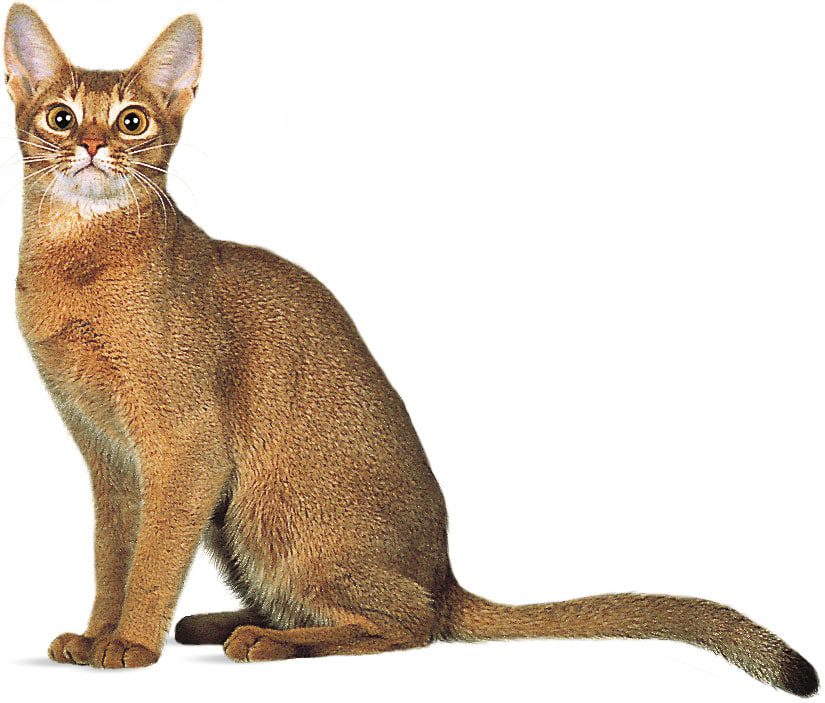
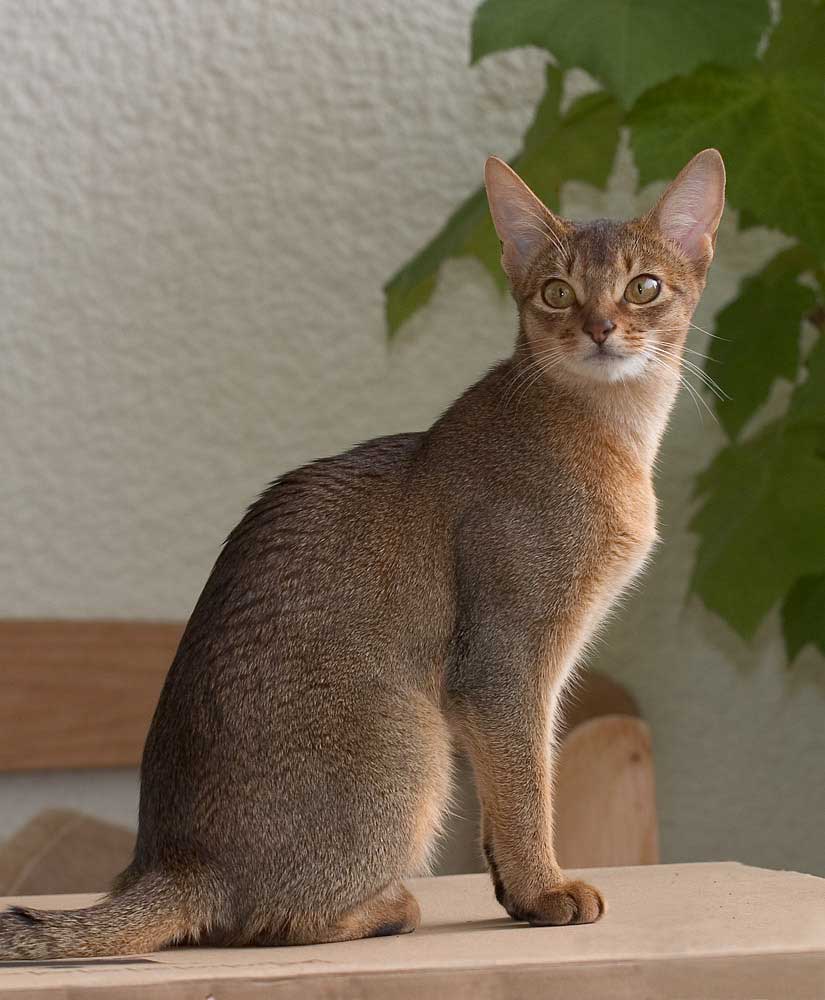
The appearance of the "Abyssinian cat" resembles that of a small puma. They are elegant and athletic cats with long, small legs.. Wedge-shaped head sits atop a graceful neck and has large ears set wide apart. Some cats have tufts of hair on their ears similar to those of the lynx. The eyes, big and almond shaped, they can be green, walnut brown or amber. The specially colored coat of the purebred cat is short, soft and close to the body. Each of the hair is ringed in various colors, which creates a great effect. This so-called tic-tac can be pronounced in different variations.
The breed standard includes all four chestnut colors (bright copper red with chocolate brown bands), blue (warm blue-gray with dark steel gray bands), leonado (muted beige with dark cream bands) and the typical wild color (reddish brown with black bands). Of all the colors there is also the Silver variety, where the base color is a light silver shade. Ideally, cats should be completely free of patterns and markings..
Character and skills
The "Abyssinian cat" is considered an intelligent and active cat breed, who gets excited about any kind of game. Especially when he's young, the cat has an irrepressible temperament and a great desire for movement. Prefers to play with other cats, so it is not recommended to have it alone. These curious cats are very people-oriented and follow their humans everywhere. In doing so, they rarely become pushy with a soft voice and prefer to watch their two-legged friend's every action. When they get stressed, these uncomplicated cats react extremely robustly and do not let anything disturb them.
Care "Abyssinian cat"
Indoor or outdoor cat?
The "Abyssinian cat" it is an active and freedom loving breed that needs a lot of exercise. It's hard to be happy locked up in a small apartment. Secure access to the outdoors would be ideal for this active breed.. Walks in the enclosed garden or on the balcony give the cat a lot of pleasure. If neighborhood conditions permit, it is also a great outdoor cat.
How much activity does he need? "Abyssinian cat"?
If you purchase a "Abyssinian cat", you should not expect a well behaved lap cat. He loves to explore his surroundings, climb and jump. Thanks to its enormous resistance and jumping power, no part of the house is safe from her. A tall, stable cat tree is an absolute must for every cat owner.. Here you can live your desire to move, as well as sharpen their claws and rest. The clever velvet paws also rejoice in any kind of mental occupation and cheerfully accept intelligence toys. They like to be taught little tricks and enjoy going for a walk on or off the leash with their owner..
Care and feeding
Thanks to its short coat with little undercoat, cat grooming is especially easy. It is enough to remove the loose hairs from the coat with a rubber brush from time to time. When the coat changes, brush a little more often to soothe the cat. To be happy, cats also need a balanced and healthy diet. It is best to adapt the food to the age of the cat and its desire to move. There should also always be enough fresh drinking water available. A bubbling water bowl is easily accepted by most breed representatives.
For sale "Abyssinian cat"
Before acquiring an Abyssinian cat, you need to make sure you can offer this four-legged friend a species-appropriate home. Once the decision is made, it is best to buy the kitten from a reputable breeder from a registered breeding association.
Pay attention to the behavior and appearance of kittens and parents. For a purebred kitten with papers you pay a few 800 EUR.
Characteristics "Abyssinian cat"
Coexistence is important that you have with your new friend. Before considering the acquisition of a cat of the breed "Abyssinian cat" you know certain factors. You must take into account their character, their need for exercise, their interaction with other pets, their care and if you have small children, their level of tolerance towards them.
This breed of Long hair bobtail, sociable and curious, it is very small. On a global scale, very few breed it since the gene for long hair is masked when short-haired cats are mated with long-haired cats., and by the lack of long-haired cats, mating them exclusively with each other could lead to severe inbreeding.
It was not recognized by the CFA (Association of amateurs of cats) until 1993, while the TICA considers it a feline breed in its own right.
▷ The world of Pets: Dogs, cats, birds, reptiles, amphibians
This feline breed is listed as one of the category VI breeds. under the clause 307.7 of the TICA rules (International Cat Association). The Chinese Harlequin Cat has, of course, the word "Chinese" in the name, but I don't think this cat is from China or a Chinese feline breed. The TICA, from what i see, does not explain the meaning of Category VI, except it's the lowest category. The first four categories are Established Breeds (category 1), Natural breeds (category 2), Variant Breed / Mutation (category 3) and Domestic Hybrid Breed (category 4).
The color pattern of the chinese harlequin is called Van. This pattern is also found in cats Turkish van, but this cat is long-haired.
It is a domestic breed, hair short, bicolor: a predominantly white cat, but with a black tail and black spots on the head and body.
The Chinese Harlequin Cat can be found elsewhere in China, but they are rare. They are accepted as a thoroughbred by the International Cat Association.
They are represented in a large number of ancient Chinese art.
It said that it was an attempt to re-create the old Chinese cat, a race that disappeared.
Character and skills
The Chinese Harlequin Cats they are known for their kind and sweet personality, and they are very popular as pets. Unlike many other cat breeds, this breed is very active and playful, and they love to play and explore. It also, they are very friendly and easy to train, so they are a good option for families with children and other pets. But, it is important to note that the Chinese Harlequin Cats require regular care, including proper nutrition, exercise and regular veterinary care.
▷ The world of Pets: Dogs, cats, birds, reptiles, amphibians
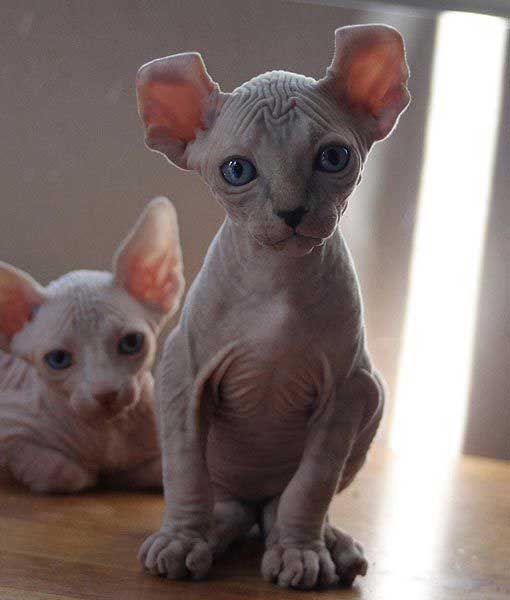
The Elf cat, a new and extremely rare hybrid breed, is a playful and intelligent cat that combines the physical and personality traits of cats Sphynx and American Curl.
Content
Characteristics "Elf cat"
Coexistence is important that you have with your new friend. Before considering the acquisition of a cat of the breed "Elf cat" you know certain factors. You must take into account their character, their need for exercise, their interaction with other pets, their care and if you have small children, their level of tolerance towards them.
Joy
5,0 of 5 stars (based on 1 review)
Activity level
4,0 of 5 stars (based on 1 review)
Friendliness to other pets
4,0 of 5 stars (based on 1 review)
Friendliness to children
5,0 of 5 stars (based on 1 review)
Grooming requirements
3,0 of 5 stars (based on 1 review)
Vocality
3,0 of 5 stars (based on 1 review)
Need for attention
4,0 of 5 stars (based on 1 review)
Affection towards its owners
5,0 of 5 stars (based on 1 review)
Docility
5,0 of 5 stars (based on 1 review)
Intelligence
4,0 of 5 stars (based on 1 review)
Independence
2,0 of 5 stars (based on 1 review)
Hardiness
3,0 of 5 stars (based on 1 review)
History
Since the Elf cat it is such a new and extremely rare breed, its history is somewhat limited. Cat breeders and enthusiasts Karen Nelson and Kristen Leedom are considered the creators of the breed; in 2004 Nelson and Leedom came together with a vision to breed a curly-eared cat that retained the personality and physical attributes of their beloved cats. Sphynx cat.
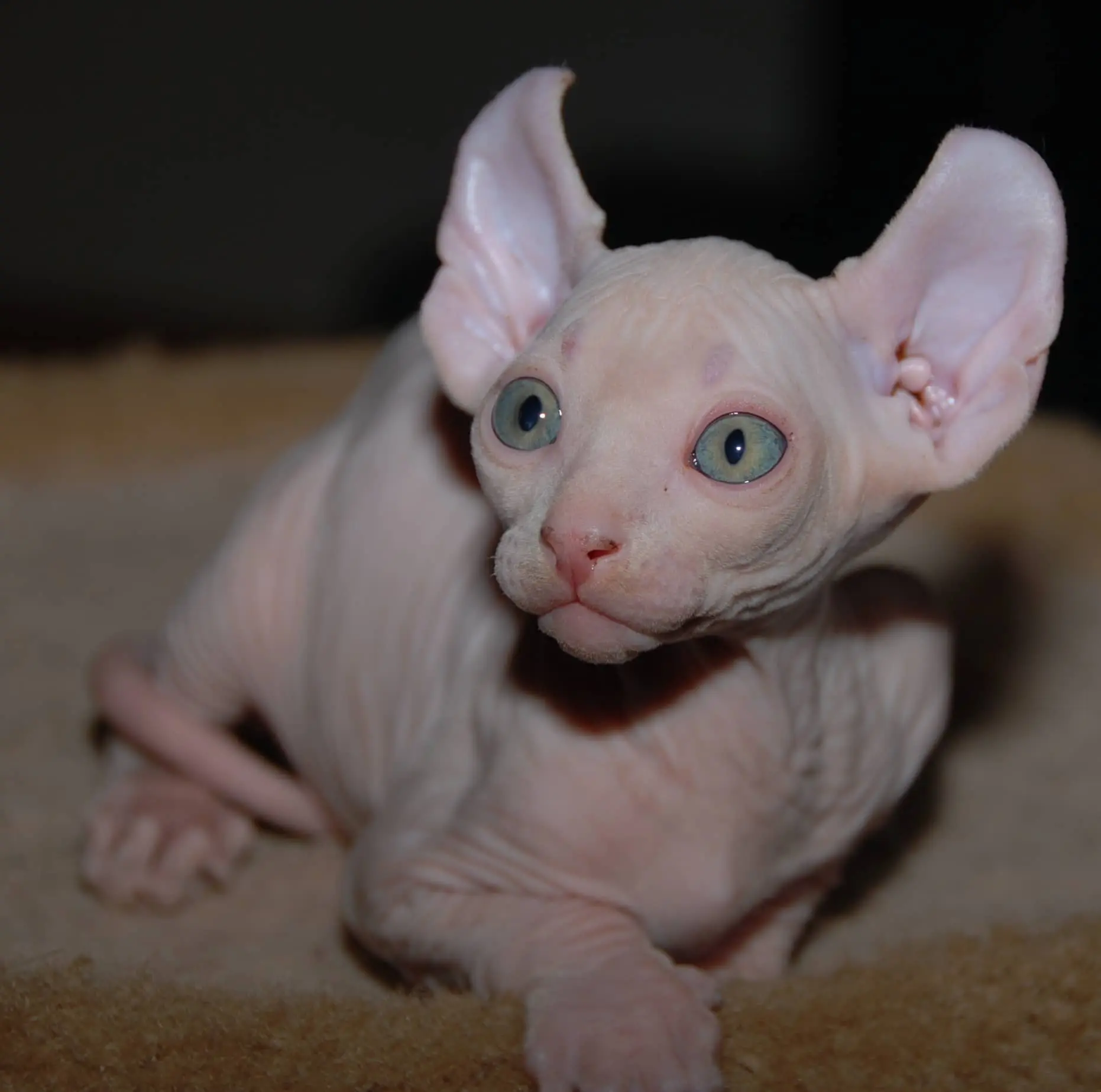
The Elf cat developed successfully from the crossing of cat breeds Sphynx and American Curl. Each of these two races has a distinctive trait, and the Elf cat was designed to combine them. The most distinctive features of this cat are the appearance of curly ears, taken from American Curl, and the absence of hair, taken from Sphynx cat. But, similar to the Sphynx, the Elf cat not completely hairless; their skin may be covered with a very fine fur that is practically imperceptible both to the eye and to the touch.
Any of the Elf cat is now found in generations exhibiting the traits that were originally conceived, and they are beginning to be introduced in the halls of the International Cat Association (TICA). Once the required numbers were reached, the original creators and enthusiasts of the breed gained acceptance of the Elf cat as a new feature of the Sphynx cat; the Elf cat has been accepted for registration in the TICA, and they are shown as Sphynx with new features in cat shows.
Physical characteristics
"Elf cat"
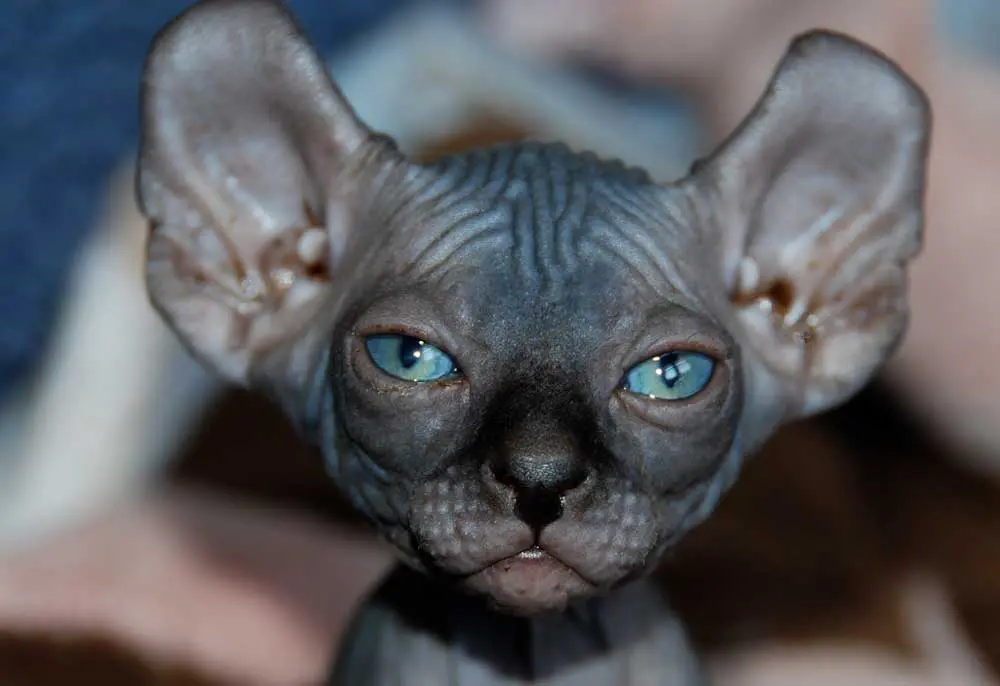
The Elf cat it seems like a Sphynx, except that their ears they are small and curved, like those of American Curl. This is one of the most striking features of this cat.
The other striking feature is that it is a naked cat, or covered only with a fine down on the legs, the ears, nose and tail. The vibrisas are short or absent, and there is no hair in the ears. Skin feels like a peach or suede. At birth, it is heavily wrinkled. This appearance diminishes in adulthood, but there are still deep wrinkles on the shoulders, ears and muzzle.
Its body, similar to the of the Sphynx, it is semi-linear, well built, with an athletic silhouette and legs long and thin. The tail it's long and thin. The head is elongated, with prominent cheekbones and short or absent vibrissae. Last, big ones eyes ragged lines complete the portrait of this elegant cat.
The male is on average a 25% larger than female.
Last, all coat colors are allowed, with or without marks.
Size and weight
Size: 30 cm.
Weight: Of 3,6 to 6,8 kg
Character and skills
The Elf cat was bred to perpetuate the best personality qualities of Sphynx and American Curl cats, like kindness and affection. They are also considered one of the most intelligent breeds of cats. Being so outgoing and sociable, want more contact and interaction with humans than the average cat and, therefore, are better suited to homes where they are not left alone for long periods of time. They will also be happier sharing their home with a feline companion to play with..
The Elf cat they are active and friendly cats who love to be the center of attention, and they are also extremely curious and playful (and they are known to get into some mischief). Prospective cat owners Elf cat they should be aware that these cats love to climb and will want to play with just about anything in their reach, so it is essential that they have plenty of play time and lots of toys, as well as high shelves or other safe spaces where they can climb.
Grooming and care
The Elf cat is generally regarded as a low-maintenance breed of cat. Due to the fact that the Elf cat Does not have hair, potential owners won't have to worry about moving. But, these cats will need a bath or routine cleaning. Regular grooming is important to remove secretions from the skin, otherwise a Elf cat can become sticky to the touch or even develop skin problems. Many Elf cat tolerant (and they even enjoy) an occasional bath.
The Elf cat it is a very sociable and friendly breed, meaning it can easily fit into most home environments and family structures. They also adapt well to other pets in the home. But, their lack of hair means that they must remain indoors for their comfort and safety.
As with their ancestors American Curl, the ears of these cats must be treated carefully so as not to damage the cartilage. With or without soft cover, the Elf need protection against UV rays. It also, without hair, they react to heat and cold just like we do. If your need a sweater, he also needs it Elf cat.
Health and nutrition
Because of her hairless body, sunburn, Sensitivity to cold and heat and other skin problems are potential concerns for owners of the Elf cat. Your delicate skin can also be easily injured, for example, when playing with a feline companion.
The Elf cat is considered a healthy cat and, being a new breed, Genetic health problems have not yet been determined. But, may be susceptible to health conditions that affect their parent breeds, such as heart and gum problems.
Food
Like all races, the Elf cat may be susceptible to weight-related problems, such as obesity or heart disease, so you should eat a high-quality, protein-rich diet, and get plenty of exercise in the form of games with your family.
The potential owners of the Elf cat they should know how much the race Sphynx as the American Curl tend to have a robust appetite (and they have a bulging belly to prove it), so it is much more important to feed these cats a proper and balanced diet.
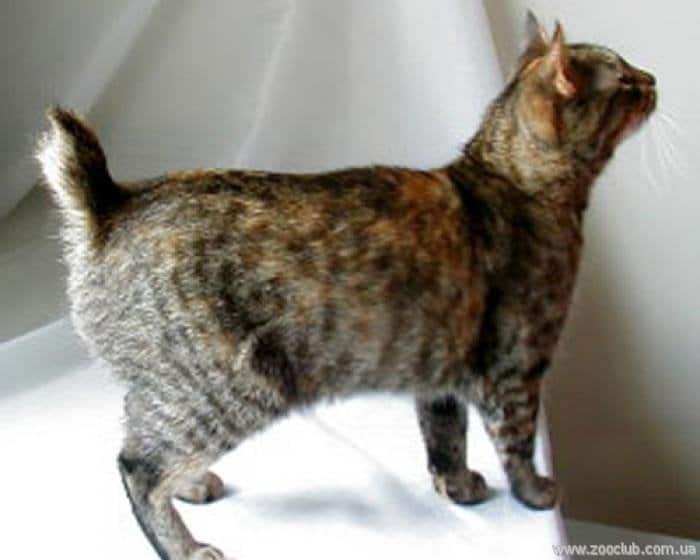
The Karelian Bobtail is a Russian cat breed originating from the Republic of Karelia, on the Finnish border. It appeared naturally at least 200 years on the islands of Lake Ladoga, and has not undergone many human modifications.
It is probable that the race had a link in its history with the Norwegian Forest Cat , a Scandinavian breed that also has a natural origin. But, to date there are no DNA studies that demonstrate this relationship. Specialists have also long linked the Karelian Bobtail with the Kurilian Bobtail, a feline breed also Russian but originally from the Kuril Islands, located near the coast of Japan. But, science has since established that these natural races, both with short tail and, in fact, with many physical and psychological similarities, they are actually completely different.
The Karelian Bobtail He was highly appreciated by the inhabitants of his native region not only for his great ability to hunt vermin, but also because, according to an old legend, owning a cat without a tail or with an especially short tail brought good luck to its owner.
This morphological peculiarity is the result of a genetic mutation that occurred naturally in cats that live on the islands of Lake Ladoga.. It is transmitted spontaneously from generation to generation and is different from Kurilian Bobtail. In the Kurilian Bobtail, the gene is dominant: it is only necessary that one of the two parents transmit it for the kittens to be carriers. On the other hand, in the Karelian it is a recessive gene, which means that both parents must have a short tail for the kitten to inherit this characteristic.
It was in the years 80 when felinologists from present-day Saint Petersburg, members of the commission of the Kotofey KLK, a major Russian feline association, first became interested in the breed in detail and accurately described it.
The first standard was drawn up by them in 1987, based on the breeder's cats Liliya Dvoryaninovich. I had some 15 short tailed cats, descendants of parents found on the north shore of Lake Ladoga.
The breed was first recognized in Russia in 1990 by the Sovetskaya Felinologicheskaya Federatsiya (SFF), a Russian organization that no longer exists. He made his first appearance at a feline show at 1993, specifically at the Eurasia Intercontinental Exhibition, in Yekaterinburg. The Kotofey KLK registered the first representatives in 1994.
Karelian Bobtail – Lovely-dogs
But, not much has changed since then in terms of breed recognition, which is still limited to its country of origin. These may include, nor international organizations such as the Fédération Internationale Féline (FIFé) o The International Cat Association (TICA), nor national structures like the American Cat Fanciers’ Association (CFA), el British Governing Council of the Cat Fancy (GCCF), el Official Book of Feline Origins (LOOF) inglés o the Canadian Cat Association (CCA) they recognize the breed. Still unknown outside of Russia, the Karelian Bobtail is very underrepresented around the world.
Even in russia, their number is very small. Various attempts have been made by enthusiasts to develop the breed and increase its numbers., but so far they have not been successful. The most important program was developed by the Kotofey KLK in 2012, but it quickly reached its limits as the organization does not allow any crossbreeding with other breeds. Thus, it is difficult to create a sufficient population to guarantee a bright future for the Karelian. Even if you go into the wild to find animals in your home region, is not enough. But, it must be taken into account that a large part of the population of the breed - in fact, the majority- live in nature and, Therefore, is not included in the statistics.
The number of farms Karelian Bobtail It is very small. Most of them are located in the territories near St. Petersburg, but there are also a handful in other cities (Medvezhyegorsk, Kirov, Petrozavodsk…).
Physical characteristics
Karelian-Bobtail
His admirers often compare him to Karelian Bobtail with a little lynx, for its lack of a tail and its large hind legs. Hind legs are much larger than front legs, but they are all strong and very powerful.
Although it is a fairly standard size, it is much more massive and heavier than it seems. Built around a medium, muscular chest, has a compact overall look, without looking too beefy.
The tail It is one of the most outstanding characteristics of the breed., and their exact appearance differs greatly from one individual to another. It is in all cases very short, measuring just over 4 to 13 cm.: a totally absent or longer tail than 13 cm is not accepted in the breed standard. Whatever its size, the fur is longer at this point, giving the appearance of a pompom. On the other hand, may be completely straight or have breaks.
This uniqueness in the size of the tail is the result of a genetic mutation, and the gene that causes it is recessive. This means that both parents must have a short tail for the kittens to be short..
The head of the Karelian Bobtail it is medium in size and triangular in shape. Its forecrown and their cheeks they are flat, and your nose it is rather long and straight. The ears are large and are located on the top of the head. Their tips are slightly rounded. Their eyes they are almond shaped, medium in size and its color generally corresponds to that of the coat. The most common colors are green and yellow.
The fur of the Karelian Bobtail it consists of a very thick double layer of hair, that protects you from inclement weather. It can be short or long, but in any case it must be dense, bright and smooth. All colors are accepted except tan, chocolate, leonado, lila y colourpoint. The most observed colors are white, the black, blue and blue-cream. The coat can be bicolor, tricolor or brindle, and in many individuals it has silver and gold reflections.
Last, this breed is marked by a certain sexual dimorphism, since females are mostly smaller and lighter than males. Regardless of your gender, pups take a long time to grow, since they only reach full physical maturity around the 5 years.
Size and weight
Size: 30 cm.
Weight: Of 3 to 5 kg
Variations
The Karelian Bobtail it comes in two varieties: short-haired and long-haired individuals. Apart from the length of its fur, there is no physical or psychological difference between them.
Character and skills
The Karelian Bobtail he is a smart cat, sociable and curious. They love spending time with their family members and enjoy being around them, proving that they fit well in any home. Often tends to favor a specific person to whom he is especially attached, but this does not mean that I turn my back on others.
Its playful temperament and its marked taste for interaction make it a recommended breed of cat for a child.. As long as you know how to behave in a respectful way with the child, you both can spend hours having fun together. But, it is important to remember that, for the safety of both, a young child should never be left unattended with a cat. It is a matter of safety for both the animal and the child.
This cat also gets along very well with older people.
The Karelian Bobtail he's also not shy around people he doesn't know, although it may take time to know them.
Their sociability also applies to other animals: even if you have to share your home and the care of its owners with them, tends to get along perfectly with his companions and tends to make a good pair with dogs, especially those of cat-loving breeds.
On the other hand, there is no hope of making him cohabit harmoniously with small animals that could be considered prey for him. In fact, its acute hunting instinct makes a rodent, a bird or fish is never safe around it, although they have lived together since childhood. It also, if you have access to the outside, his owner should expect to regularly receive gifts from his pet in the form of prey brought home.
In any case, although its origins make it very resistant to cold, Being able to evolve abroad is not necessarily essential for a Karelian Bobtail. Very adaptable, you can live just as well in a house with a garden to which you have free access as in an apartment, as long as you have something to occupy yourself with and exercise. If you live inside, must have a cat tree, for example. like most cats, they love to climb trees and furniture. But, just because they are very active does not mean that they do not also enjoy quiet time with their owners, and they are happy to share the sofa with them.
In fact, the most important thing you need a Karelian to be happy is to be in contact with other living beings. So, where you live is less important than the presence of your owners and their availability to pay attention to you. So, not suitable for people who are usually out most of the day, that they would be better off with an independent breed of cat. Having said that, Sharing the home with one or more cats or dogs can be an interesting way to compensate for the absence of the owner.
Knowing that, besides moving a lot, he also needs to be mentally stimulated and that he is very attentive to his owners, is a perfect student for those who want to teach tricks to their cat. These may include, can learn to respond to his name, to lie down when ordered or to pick up objects.
Not only can he learn what is expected of him, it can also understand behavior that is considered undesirable. If you are caught on the spot, for example, getting on the table during the meal, a simple reprimand is usually enough to prevent him from repeating the act.
The Karelian Bobtail it also has the good taste of being a rather calm breed of cat: he is not one of those who use his voice, although it is very soft and melodic, to ask for favors. When they want to express a wish, they generally prefer to communicate by touching their owner with their paw. Having said that, in general, it is not demanding or invasive.
Last, the male has the peculiarity of marking his territory very little.
Health
The Karelian Bobtail is in good general health and is not known to have any particular genetic problem, nor any disease to which you are especially prone. Having said that, is also related to the lack of hindsight, since cat specialists have been interested in your case for a short time and its distribution is still very limited.
Accustomed to the harsh climate of his native Russia, it is in any case particularly resistant to low temperatures and has no problem spending most of the time outdoors, even in winter.
Although this breed does not present any particular health risk, it is important to choose a serious breeder of Karelian Bobtail. They must be able to present a certificate of good health from a trusted veterinarian, showing that the little cat shows no signs of illness or any other problem. You should also be able to show proof of vaccinations.
Last, as prevention is better than cure, a routine visit to the vet at least once a year is strongly recommended to get a full check up and make sure everything is okay. It is also the opportunity to do any booster shots if necessary., and to review the antiparasitic treatments that the owner should take care of administering to his cat throughout the year.
Grooming
The coat of the Karelian Bobtail it is easy to care. For people with short hair, a weekly brushing is enough to remove dead hair. Long hairs should be brushed a little more often - at least twice a week- to prevent knots or hairballs from forming. In normal times, both shed very little hair. But, this is not the case during the shedding season in spring and fall, when daily shedding is usually necessary to prevent hair from being found throughout the house.
Regardless of the length of its coat, it is rarely necessary to bathe him, unless, of course, that has gotten especially dirty. When i do, you must use a shampoo specially designed for cats.
On the other hand, your eyes need to be checked at least once a week and cleaned if necessary. In addition to removing dirt from around you, this can detect any possible infection or small injury.
The ears should also be examined and cleaned weekly to prevent dirt from building up in them., which could also be the cause of infections (otitis, etc.).
Brushing your teeth is also very important, as it helps limit plaque formation, which can cause a lot of problems. The ideal is a daily brushing, but once a week is enough. Whatever the frequency, a toothpaste specially formulated for small cats should always be used.
You should also check your cat's nails at regular intervals., for example, each month. If they get too long, you have to trim them manually. Otherwise, could get in the way or even break, with the consequent risk of injury. In any case, if you live inside, a scratching post is an essential investment to keep you from satisfying your natural urge to scratch furniture or curtains.
coat care, of the eyes, from the ears, teeth and claws are basic gestures that every owner must learn to perform correctly, at the risk of hurting or injuring your pet. So, it is advisable to ask a hairdresser or veterinarian for advice the first time, to learn the proper gestures to adopt to keep your Karelian Bobtail. On the other hand, do not hesitate to get started quickly, to teach your kitten to be handled as soon as possible: sessions will be more enjoyable for both him and his owner.
Food
The Karelian Bobtail it is not difficult to feed and is content with a quality and balanced industrial feed. As in the case of any cat, the chosen products and the established rations must be adapted to age, the health and activity level of the cat.
By being able to self-regulate, you can have food at all times without fear of becoming obese.
But, it is important to monitor the weight of the cat, as you may gain weight for medical reasons (disease, reaction to a treatment, etc.). Weighing your cat once a month is an opportunity to make sure everything is going well or, on the other hand, to make an appointment in case a later slip is confirmed or even accentuated.
It also, like any cat, a bowl of fresh, clean water should be available at all times.
For sale "Karelian Bobtail"
The Karelian Bobtail it is an extremely rare breed of cat. To adopt one, you have no choice but to turn to your country of origin, Russia. even there, the offer is not much less abundant. Most of the representatives and breeders of the breed are concentrated in the city of St. Petersburg and its surroundings., but there are also some hatcheries in the cities of Medvezhyegorsk, Kirov y Petrozavodsk.
The price of a kitten Karelian Bobtail varies greatly from individual to individual depending on the lineage of the cat, of the reputation of the hatchery but also and above all of its physical characteristics. Usually, you have to count between 30.000 and 70.000 rubles (that is to say, between 350 and 900 EUR) for such an adoption.
To this amount must be added the expenses related to bringing the cat from Russia: transportation expenses, administrative expenses, etc.
Characteristics "Karelian Bobtail"
Coexistence is important that you have with your new friend. Before considering the acquisition of a cat of the breed "Karelian Bobtail" you know certain factors. You must take into account their character, their need for exercise, their interaction with other pets, their care and if you have small children, their level of tolerance towards them.
Joy
5,0 of 5 stars (based on 1 review)
Activity level
3,0 of 5 stars (based on 1 review)
Friendliness to other pets
3,0 of 5 stars (based on 1 review)
Friendliness to children
5,0 of 5 stars (based on 1 review)
Grooming requirements
2,0 of 5 stars (based on 1 review)
Vocality
4,0 of 5 stars (based on 1 review)
Need for attention
4,0 of 5 stars (based on 1 review)
Affection towards its owners
5,0 of 5 stars (based on 1 review)
Docility
4,0 of 5 stars (based on 1 review)
Intelligence
4,0 of 5 stars (based on 1 review)
Independence
2,0 of 5 stars (based on 1 review)
Hardiness
5,0 of 5 stars (based on 1 review)
▷ The world of Pets: Dogs, cats, birds, reptiles, amphibians
The Oriental shorthair cat today does not come directly from Thailand, but from a hybrid of Siamese Cat mixed in the years 50 and 60.
Content
Characteristics "Oriental shorthair cat"
Coexistence is important that you have with your new friend. Before considering the acquisition of a cat of the breed "Oriental shorthair cat" you know certain factors. You must take into account their character, their need for exercise, their interaction with other pets, their care and if you have small children, their level of tolerance towards them.
Joy
5,0 of 5 stars (based on 1 review)
Activity level
4,0 of 5 stars (based on 1 review)
Friendliness to other pets
3,0 of 5 stars (based on 1 review)
Friendliness to children
3,0 of 5 stars (based on 1 review)
Grooming requirements
1,0 of 5 stars (based on 1 review)
Vocality
4,0 of 5 stars (based on 1 review)
Need for attention
5,0 of 5 stars (based on 1 review)
Affection towards its owners
4,0 of 5 stars (based on 1 review)
Docility
1,0 of 5 stars (based on 1 review)
Intelligence
5,0 of 5 stars (based on 1 review)
Independence
1,0 of 5 stars (based on 1 review)
Hardiness
2,0 of 5 stars (based on 1 review)
History
In the past, as the story goes, the cats of blue eyes and pattern «pointed» were the property of royalty and kept in the Siam Royal Palace. But, the race of Siamese cat it was just one of several indigenous varieties in the area.
The "Poems from the Cat Book", a manuscript of verses and paintings written in the city of Ayutthaya, Siam, sometime between 1350 d.C., when the kingdom was founded, and 1767 d.C., when the city was destroyed by the invaders, describes and shows a variety of cats native to the area. Among them are solid black cats, the black and white bicolor, solid browns and solid blues, as well as cats with the restricted point color pattern. The color-restricted cats portrayed in the book had slender bodies and legs, large ears and sharp snouts, similar to the current ones Siamese and related breeds.
The first cats brought to England from Thailand were often solid brown or solid blue., or two-color black and white, as well as «colorpointed«. These blue cats, browns and bicolored became very popular in Europe in the decade of 1890. But, in the decade of 1920, the dot pattern blue-eyed cat became the Siamese norm in Britain, and interest in the other varieties decreased.
The Oriental shorthair cat today does not come directly from Thailand, but a hybrid of Siamese cat mixed in the years 50 and 60. The creation of the breed was deliberate: breeders with a flair for coloration and breeding patterns, set out to create a breed of cat that would look and act like the Siamese cat, but that was profusely adorned with a wide range of colors and designs.
In the Decade of 1950, british breeders crossed siamese cats with short-haired domestic cats and the Russian Blue Cat.
At the end of the decade 1960, American breeders, fascinated by Oriental shorthair cat British, they took over and crossed Siamese, short-haired domestic with the Abyssinian cat to create a new look. Body style wasn't sacrificed for color and pattern, and the backcrosses with the Siamese preserved type and personality traits.
The breeders of the Oriental shorthair cat met with initial reproaches from breeders of Siamese, who resisted, in the best case, to the idea of another type hybrid Siamese, but, since the way had already been paved by the breeders of the Colorpoint shorthair cat, that obtained the acceptance of the CFA in 1964, the opposition did not prevent the Oriental shorthair cat gain ground.
The Oriental shorthair cat became popular very quickly, and their demand increased (at the beginning). In 1972, the CFA accepted the Oriental shorthair cat for registration, and granted him full status in 1977. Since then, its popularity has grown rapidly and it has become one of the short-haired breeds More popular.
The Oriental Longhair cat proceeds of the Oriental shorthair cat; the result is a cat that has the same wide range of colors and patterns as the Shorthair, but with a semi-long coat like that of the Balinese cat.
Since the Siamese cat and the Colorpoint longhair cat They had reference to Balinese cat longhair, it seemed only fair that he Oriental shorthair cat had his own variant of long hair: a breed with a long body, slim and classy, a silky coat and a full palette of colors and patterns to choose from.
The Oriental Longhair cat developed at the end of the years 70 mixing the Oriental shorthair cat with the Balinese cat. The breed obtained official recognition in 1985, when TICA accepted them with full status, and were accepted for registration by the CFA in February 1988. The breed was gaining popularity, appealing to cat lovers who wanted the sleek body type and personality of the Siamese, the style of Balinese cat, and the myriad colors and patterns of the Oriental shorthair cat.
In 1995, the Oriental shorthair cat and the Oriental Longhair cat they became a single race called Oriental Cat. A new color class was also accepted for the Oriental, the bicolor.
Popularity of "Oriental shorthair cat"
«Oriental shorthair cat»
The development and dissemination of Oriental shorthair cat has been facilitated by the fact that it was fairly quickly recognized by most of the major official feline bodies. It also, its impressive diversity of colors and designs makes it able to attract many people. If to this we add his good character and his attachment to humans, it is easy to understand why it is very attractive and successful.
Like this, today there are many hatcheries in the four corners of the world, mostly in Western Europe and North America.
In France, since the beginning of the years 2000, are recorded annually between 250 and 350 kittens of Oriental shorthair cat in the Official Book of Feline Origins (LOOF). This figure places it even slightly above its ancestor the Siamese cat.
It is far from the same success in Switzerland, since the number of annual registrations in the Fédération Féline Helvétique (FFH) barely around ten. This is a clear decrease compared to the second half of the years 90, when the number of registrations was between 50 and 100. The decline had already begun in the decade of 2000, with an average of 40 registrations per year, but it was accentuated in the following decade. But, the Oriental Longhair cat is still lagging, with zero records in some years.
In the United Kingdom, the number of annual registrations Oriental shorthair cat in the Governing Council of The Cat Fancy (GCCF) has been reduced by more than half, going from more than 1.400 in the mid 90 some 600. But, the breed remains around 7th place in the ranking of the most popular cats in the country. Once again, the Oriental Longhair cat is far behind, with close to 5 times fewer births per year.
In United States, it is not possible to have statistics only for the shorthair cat, Since the Cat Fanciers’ Association (CFA) consider the Oriental shorthair cat and the Oriental Longhair cat like two varieties of the same breed: the Eastern. In any case, it is clear that the Oriental remains one of the top ten most popular breeds in the country, based on annual CFA registration figures. Although these figures include both longhair cats as the shorthair cats, it is likely that the majority of the breed's population is made up of the latter.
Physical characteristics
The Oriental shorthair cat has a body alto, elegant with long legs. Except for the fur and the color of the eyes, looks like Siamese cat throughout.
Its body it is medium size, long and tubular. His shoulders and hips are equal in width. Its bone structure is fine and has a delicate overall appearance. But, it is neither fragile nor flimsy, but that, on the other hand, he is much more muscular, dense and heavy than you might think at first glance. Its back It is prolonged with a long, fine tail that ends in a point.
The legs they are big, slim and muscular, with feet small and oval.
The head it is medium in size and triangular in shape, resting on a neck long and thin that gives it a haughty bearing. The skull and the forehead are flat or slightly rounded.
The ears, large and wide at the base, they are widely separated and perfectly prolong the triangle formed by the head.
The eyes they are almond shaped, medium-sized, wide apart and sloping towards the nose. They are as intense green as possible. A blue eye, one green eye – are possible in bicolor or white-coated individuals. The latter can also have both blue eyes.
Side view, the nose it's long and straight. Head on, perfectly fits the general triangular shape of the head, without having a narrow tip. The chin follows the line of the nose.
The cheeks they are flat, but double chin is acceptable in adult men.
Last, the fur of the Oriental shorthair cat is too short, dense, very closed, fine and silky. While the Siamese cat it can only be colourpoint, that is to say, have a solid body color and darker limbs, the Oriental shorthair cat has a very diverse appearance, with more than 300 color combinations and patterns. But, the colourpoint characteristic of Siamese cat, the typical vision of Tonkinese cat and the sepia of the Burmese cat.
Female Oriental Shorthair Chocolate Golden Lynx – Scottinglis, CC BY 3.0, via Wikimedia Commons
Size and weight
Male size: Of 30 to 30 cm.
female size: 30 cm.
Male weight: 4 to 6 kg
female weight: 3 to 4 kg
Breed standard
The breed standards are documents established by official bodies that list the conditions that a dog must meet. Oriental shorthair cat to be fully recognized as belonging to the race:
Is he Oriental shorthair cat a variety of Siamese cat or a different race? This controversy is still valid today in the official organisms.
The Oriental shorthair cat was created as a result of the deliberate desire of British breeders to develop the breed siamesa with a greater variety of coat colors. So, share a common genotype (that is to say, hereditary characteristics) with the Siamese and a similar general phenotype (that is to say, appearance). If we refer to the scientific definition of race, things are very clear: since it only differs from Siamese in the coat or in the color of the eyes and that is far from enough to speak of a different race, is simply a variety of the Siamese.
Some official bodies share this opinion. Is the case, in particular, of the Fédération Internationale Féline (FIFé), the International Cat Association (TICA) or the Livre Officiel des Origines Félines (LOOF) French, who consider the Oriental shorthair cat as a variety of the group of Siamese breeds.
Other, as the American Cat Fanciers’ Association (CFA), the Canadian Cat Association (CCA) and the Governing Council of The Cat Fancy (GCCF), consider that the differences are sufficient to justify the recognition of the Oriental cat as a race in its own right, which in turn comes in two varieties, depending on the length of the fur: the Oriental shorthair cat and the Oriental Longhair cat.
In any case, thanks to random genetics, the same litter can mix the Siamese Cat, to the Balinese cat, Oriental shorthair cat and to the Oriental Longhair cat. This is all the more true as most organizations, like the LOOF, allow almost all possible crosses between these different cats.
Also called Javanese cat (Colorpoint Longhair) or mandarin cat, the Oriental Longhair cat appeared at the end of the years 70, when American breeders decided to cross the Oriental shorthair cat with the Balinese cat, a version of long hair cat of the Siamese, to give rise to a longhair cat equivalent of the oriental shorthair.
The only difference between the two cats is the length of their fur.; for the rest, have the same physical characteristics and the same character.
For some organizations, como la Cat Fanciers’ Association (CFA) or the Canadian Cat Association (CCA), they are two varieties of the same breed: the Eastern.
For others, what do you consider Oriental shorthair cat as a simple variety of the Siamese cat, the Oriental Longhair cat is also a variety of the latter. This is the focus of the Fédération Internationale Féline (FIFé), for example.
Last, the fact that it is more recent and less widespread explains why some organizations do not recognize it at all. This is the case of the French LOOF.
The temperament of Oriental shorthair cat is very similar to his ancestor the Siamese cat.
Without being so exclusive with his master like this, he is still quite possessive and absolutely needs contact with his family to live in a balanced way. It is also a good playmate for children. But, to avoid accidents, it is absolutely necessary to avoid leaving him alone with a small child, without adult supervision. This is valid for any breed of cat.
Although they get along with all the members of their family, they usually have a favorite person, usually the one that takes care of them the most. They tend to follow them everywhere, giving them a lot of love, such as snuggling into your lap or sleeping in your bed. You also communicate with her orally: like the Siamese, The short-haired oriental is very talkative. Has a very wide range of sounds, and the meow is an essential means of communication for him.
So, this cat is very attached to its owner and needs the same to happen to thrive. Thus, the owner should interact with him as often as possible, either playing, stroking or talking to him.
Like any cat, the Oriental shorthair cat has its moments of independence. But, although sometimes he likes to sit quietly in his corner, a bit off the beaten path, he always prefers his master to be in his field of vision.
Sociable and outgoing, does not like to be alone for a long time. When left alone, you need to have interactive toys that allow you to develop your skills and keep you busy. This prevents you from finding other interests, like turning the house upside down or playing with toilet paper, that unwinds and grinds with relish.
Sharing a home with another cat can also be a way to keep it entertained during the absence of its owners, and thus make them more bearable. In fact, he gets along very well with them, as long as it remains the dominant of the group. He knows how to impose his authority in his relationships with other cats, both at home and on your walks, and does not hesitate to fight if necessary.
You can also easily cohabit with a canine representative, and having your cat live with a dog is another option to consider, especially so that he can entertain himself when his humans are not around. But, it is important to choose a breed of dog that gets along well with cats. In any case, Coexistence works best when both parties are used to it from an early age. Otherwise, things should be done very gradually, to maximize the chances of things going well.
In any case, it would not be advisable for a Oriental shorthair cat lived under the same roof as a small rodent or bird. They have a strong hunting instinct and would soon be seen as prey.. If the situation occurs, it is essential never to leave them together unattended and to take all precautions to protect the small animal, otherwise the experiment may be a failure. When they have access to nature, your hunting instincts can also unleash, and they are happy to bring their loot to show how well they have worked.
Very energetic, agile and playful, the Oriental shorthair cat needs space to run, either in a large flat or in a house with a garden. On this last case, it is good that a cat flap allows you to go out to play or enter and be with your family. Given their need for interaction with their humans, it is important not only to provide him with toys and entertainment, but also spend time playing with your cat every day. This is especially true because they are playful throughout their lives., to the point that it doesn't take much to amuse them: for example, they enjoy giving back to its owner an object that has been thrown at them.
It is also important to provide him with a cat tree so that he can observe his surroundings and occasionally rest in it., as well as a scratching post. The latter is especially important if you live in an apartment, as it can scratch furniture or curtains.
The Oriental shorthair cat you are curious and smart. They have a talent for opening doors, drawers and bags, steal and hide the things that interest them. Although he usually understands what is forbidden, his stubborn and vindictive character makes him quickly recalcitrant when it comes to respecting them. Like this, even when his master has made it clear that something is not allowed, does not hesitate to return to the load. So, you need to be patient, consistent and firm with him, insisting everything necessary to respect you.
Last, despite his outgoing character, the Oriental shorthair cat may be afraid of strangers and hide when its owner invites strangers into the house. To avoid this, it is convenient to socialize the dog from an early age, that is to say, get used to meeting all kinds of people. This also applies to other dogs: the more dogs you meet at a young age, better it will be when you know them as an adult.
The Oriental shorthair cat enjoys, in general, Of good health: most representatives of the breed get rid of major problems.
They can withstand high temperatures, but they are especially sensitive to cold. It is important to prevent them from getting cold, since the catarrh of the cats, there coryza, can have lifelong effects, especially if they are small or older. When the temperatures are low, it is important that your cat has a warm place to snuggle and can enter at any time to warm up instead of staying outside.
It also, although the short-haired Oriental enjoys, in general, Of good health: most representatives of the breed get rid of major problems.
They can withstand high temperatures, but they are especially sensitive to cold. It is important to prevent them from getting cold, since the catarrh of the cats, there coryza, can have lifelong effects, especially if they are small or older. When the temperatures are low, it is important that your cat has a warm place to snuggle and can enter at any time to warm up instead of staying outside.
It also, but the Oriental shorthair cat is generally healthy, not immune to certain diseases, many of which also affect his ancestor the Siamese cat.
The diseases to which they are most prone are:
The renal amyloidosis, an inherited disease that causes an abnormal buildup of amyloid-type proteins in the kidneys, leading to irreversible and fatal kidney failure if left untreated. If caught early, the effects of the disease can be treated and the cat can lead a relatively normal life;
The asthma, a bronchopulmonary disease that causes severe respiratory attacks in which the cat suffers attacks of dry cough and stretches its neck because it has difficulty breathing. It is caused by an allergic reaction to certain substances in the environment, both natural and chemical. Long-term treatment can improve living conditions, but it doesn't solve the root problem, since for this it would be necessary to identify and eliminate the problematic substance, what is rarely possible;
Strong> aortic stenosis, congenital cardiovascular malformation consisting of a narrowing of the aorta. Causes a heart murmur and can be treated with surgery or beta-blocker therapy;
The congenital megaesophagus, a condition in which the esophagus has a delay in its development. Produces regurgitation of food, and weight loss due to the affected animal not being able to feed itself sufficiently. This may improve on its own as the cat gets older. Otherwise, certain eating habits should be adopted to reduce the risk of regurgitated food ending up in the lungs, since it can be deadly;
The progressive retinal atrophy, an incurable inherited disease that causes progressive loss of vision, reaching total blindness in cats. It is difficult to detect until it has reached an advanced stage, that is to say, the animal begins to collide with everything due to the deterioration of its sight;
Genetic strabismus, which weakens visual acuity and reduces the cat's field of vision. There is no treatment to correct this anomaly., which in fact is not particularly disabling;
Psychogenic alopecia, causing loss of hair in a large or small area of ​​the body as a result of constant licking. It is a psychosomatic illness, that is to say, caused by a mental disorder. The latter is related to past trauma (especially at a young age) or with a concern in the direct environment. It is essential to seek the help of a behavioral professional to identify the source of the problem and hope to remedy it..
It also, the Oriental shorthair cat he's a bit gluttonous, so you have a certain propensity to obesity. Obesity is not without its health effects: can both aggravate existing problems and create new ones.
In any case, as many of the diseases to which the breed is prone are or may be hereditary, go to a serious breeder of a Oriental shorthair cat is the best way to ensure that the chances of adopting a healthy pet are good and are maintained. In fact, is not content to guarantee the socialization of puppies from a very young age, Rather, a professional worthy of the name is concerned that they do not inherit a hereditary defect from their parents. As such, systematically performs various genetic tests on proposed breeders and excludes those at risk. So, must be able to present the results of these tests, in addition to a certificate of good health issued by a veterinarian and the details of the vaccinations administered, registered in the animal's health or vaccination card.
Once adopted, it is the owner's responsibility to take care of their cat throughout its life. One of the best ways to keep your cat healthy is to take him to the vet regularly for a full checkup.. This should be done at least once a year, and even more often as the animal ages. Times, these visits allow the early detection of a problem, which allows to treat the cat in the best possible conditions, and can also allow cat vaccinations to be done at the same time.
At the same time, the owner must also give his animal adequate antiparasitic treatments throughout the year, so you never stop being protected. This also applies to indoor cats, that are not completely free of parasites.
The Oriental shorthair cat it is a breed of cat that does not require much care, and this is especially true for their fur. Brushing the coat every fortnight with a soft bristle brush is enough to remove dead hair..
It is also necessary to examine and clean the ears with a damp cloth once a week to clean them and prevent dirt from accumulating in them., which could lead to infections such as otitis.
At the same time, you have to check the eyes and rub a damp cloth in the corner if they are dirty, to reduce the risk of infection.
It is also essential to brush your cat's teeth at regular intervals., ideally every day, and preferably no less than once a week. This will limit plaque buildup., that can cause not only bad breath, but also more or less serious diseases.
Last, the length of the claws of the Oriental shorthair cat must be checked every month. If they get too long, they can get in the way, break and even injure the dog. This is less likely to be a problem for an individual with access to the outside.: natural wear and tear should be enough to file down the claws, although it is still necessary to check from time to time that this is the case. On the other hand, for an indoor dog, a monthly cut is usually necessary. By the way, this does not exempt you from providing a scratching post so your dog can scratch on it and not on furniture.
Whether the fur, the ears, the eyes, teeth or claws, maintaining a Oriental shorthair cat not particularly complex. But, if they are not done correctly, not only can they be ineffective, but that, above all, can injure or even harm the dog. So, it is best to learn them the first time from a vet or professional groomer.
If done right, these cares can become, with the time, in a special moment between the two protagonists, especially if the owner takes the opportunity to hug his pet. In any case, things are more likely to go well if the animal is used to these different manipulations from a very young age.
Food
Like all other races, the Oriental shorthair cat you need a diet that perfectly meets your nutritional needs - both in terms of quality and quantity- depending on your age, your health and activity level.
Good quality industrial foods can perfectly meet these requirements, but in general the same cannot be said of human food. Unless carefully selected to meet the needs of the animal, unlikely to contain exactly what you need. These may include, Giving him the leftovers from the table or letting him help himself to the garbage is not usually a gift. This is especially true because, plus some foods popular with humans are toxic to cats, The Oriental with short hair has a tendency to be overweight.
The latter also means that, unlike most other cats, it is better to get used to fixed foods from the beginning. Leaving food out all day would soon become a problem., due to their inability to regulate themselves.
Your propensity for obesity also makes it important to control your weight by weighing it once a month.. In case the increase is confirmed or even amplified in the following measurements, it is advisable to use the experience of a veterinarian, since the diet or activity level of the animal are not necessarily to blame: excess weight can be a symptom of a disease, or be caused by medication. Only a professional can clarify the situation and indicate how to remedy the problem.
Like any other cat, the Oriental shorthair cat must have fresh water available at all times.
For sale "Oriental shorthair cat"
The price of a Oriental shorthair cat usually oscillates between 800 and 1500 EUR.
whatever the country, the amount charged varies depending on the reputation of the kennel, from the lineage from which the animal comes, but also and above all its intrinsic characteristics, starting with their degree of approach to the breed standard. This explains why there can be significant price differences within a litter.
Reality Honks: There are cats and then there are Oriental Shorthairs!