โ–ท The world of Pets: Dogs, cats, birds, reptiles, amphibians

Sapphire-rumped Parrotlet
Touit purpurata

Cotorrita Purpurada

Content

Description:

Sapphire-rumped Parrotlet

18 cm.. height

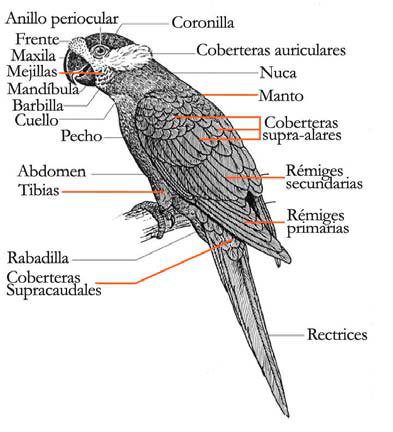
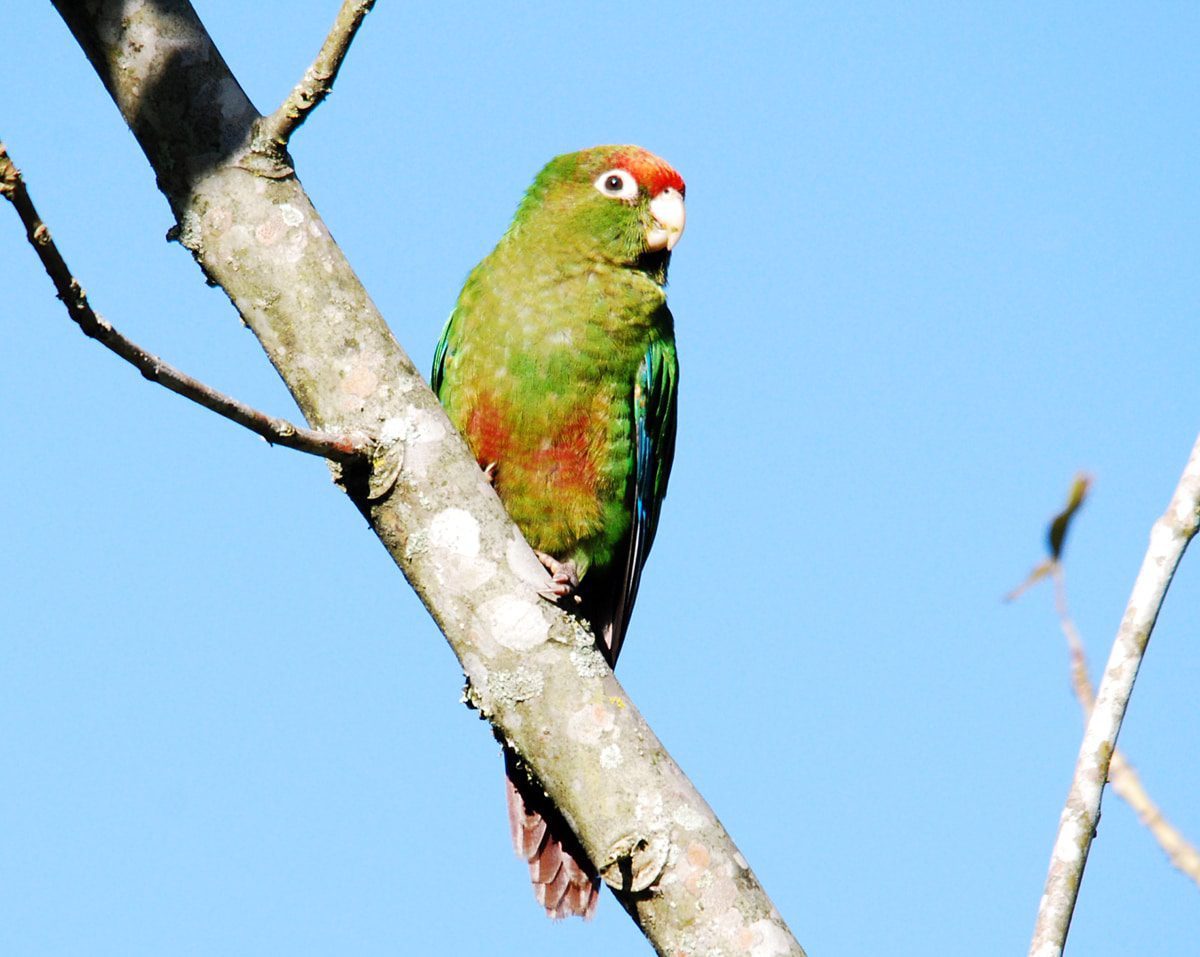
The Sapphire-rumped Parrotlet (Touit purpuratus) has the forecrown, crown, ear-coverts and sides neck, color marron-oliva; lores and cheeks green; rear area of the neck of color green pale with broadcasting brownish. Mantle and top of the back, green; scapulars and tertiary, dark brown; rump blue; uppertail-coverts green.

Feather blue in it bend of wing; primary coverts brown-black, rest of the coverts green. The flight feather Brown by up in innerwebs and tips, Yes no green; pale green blue for below. Underwing-coverts green. The underparts pale, of color green emerald slightly yellowish, with a layer of ochre in the sides of the belly. The tail Le da an appearance unmistakable, with black edge, green in the center and dark crimson on the sides, with black margins to outerwebs.

Bill off-white color pale Horn-tipped up to the upper jaw; irises black; legs grey.

The female has the tail (except central feathers) with the subterminal band green. Immature more yellowish below; the black color in the tail confined to the tips; Green olive from the forecrown up to the nape and ear-coverts lower.

Description 2 subspecies:

  • Touit purpuratus purpuratus

    (Gmelin, 1788) – Nominal.


  • Touit purpuratus viridiceps

    (Chapman, 1929) – As the nominal species but with the forecrown, crown and back neck, green; flanks with less yellowish green and feathery external of the tail showing a purple glow.

Habitat:

Species Rare and hard to see.
It inhabits, mainly, in the humid lowland canopy and forests and marshes, also observed in savanna in Suriname. In lower and more open to high altitude forests in Venezuela and in isolated areas cleared forests. Reports in altitudes of 400 metres in Colombia, and 1.200 metres in Mount Duida, Venezuela. gregarious, usually in groups of 12-40 birds.

Reproduction:

Observed the female digging a hole in a tree of forests and marshes in the month of November in Colombia; Birds in a nest in termitario tree in the month of April in Suriname, and males in breeding condition in the month of March in Venezuela. The laying tends to be of 3-5 eggs.

Food:

Observed eating fruit of Clusia grandiflora, Pouroma guianensis and Ficus figs and feeding on trees of Sapotaceae and Myrtaceae. Mainly forage in the canopy, Although also observed in low bushes and occasionally Earth.

Distribution:

Size of the area of distribution (reproduction / resident): 4.550.000 km2

It inhabits in the North of South America, mainly in the Basin Amazon, from the north end of Peru, east of Ecuador (Pastaza) and Colombia to the East of the Andes in West Caquetรก (for example, Three corners) and the southeastern tip of Guainia (along the Black river) to the South of the Brazilian Amazon until For and North of maranhรฃo, to the North of the Amazon and along the Vaupes River and the icana river through the basin of the Black river until Manaus; then through the South of Venezuela from amazon along the Orinoco to the South from the Ventauri River, in the Cerro Yapacana National Park and Mount Duida and from the South of Bolรญvar in the Tepuyes of the Gran Sabana and Caura River, in Guyana, Barima, rivers Mazaruni and Chamber and to the South up to Bartica.

Comes to be local in Suriname and French Guiana. Discrete, often difficult to observe and apparently sparsely populated in most parts of its range. Perhaps more numerous in those sections more low of it amazon basin.

Distribution 2 subspecies:

  • Touit purpuratus purpuratus

    (Gmelin, 1788) – Nominal. Southeast of amazon in Venezuela, up to the Guianas and this from the Basin of the Amazon in Brazil.


  • Touit purpuratus viridiceps

    (Chapman, 1929) – Black river, the Northwestern basin of Brazil, Venezuela West from Mount Duida until Colombia, Ecuador and Peru.

Conservation:

State of conservation โ“˜


minor concern Minor Concern โ“˜ (UICN)โ“˜

โ€ข Current category of the Red List of the UICN: Least concern.
โ€ข Population trend: Stable.

Justification of the population

The size of the world's population has not been quantified, but this species is described as ยซRareยป (Stotz et to the., 1996).

Justification of trend

It is suspected that this species has lost 12,8-15,2% of habitat within its distribution over three generations (15 years) starting from a model of deforestation Amazon (Soares-Filho et to the., 2006, Bird et to the., 2011). Given the susceptibility of the species to hunting and / or capture, It is suspected that it will fall in <25% during three generations.

In captivity:

Very rare in captivity.

Alternative names:

Sapphire-rumped Parrotlet, Purple Guiana Parrotlet, Sapphire rumped Parrotlet (English).
Toui ร  queue pourprรฉe (French).
Purpurschwanzpapagei, Purpurschwanz, Purpurschwanz-Papagei (German).
Apuim-de-costas-azuis, apuim-de-costa-azul, periquitinho (Portuguese).
Cotorrita Purpurada, Lorito de Lomo Purpรบreo, Periquito Zafiro (espaรฑol).
Periquito Zafiro (Colombia).
Periquito de Lomo Zafiro (Peru).
Periquito Rabadilla Pรบrpura (Venezuela).
Periquito lomizafiro (Ecuador)


scientific classification:

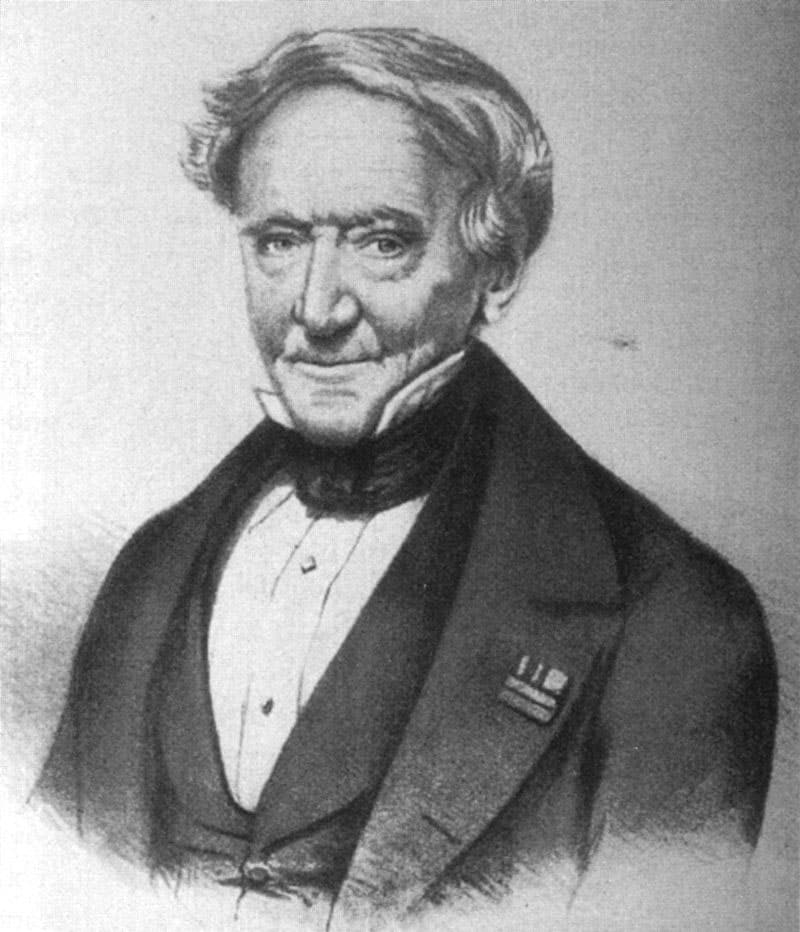
Gmelin Johann Friedrich

Order: Psittaciformes
Family: Psittacidae
Genus: Touit
Scientific name: Touit purpuratus
Citation: (Gmelin, JF, 1788)
Protonimo: Psittacus purpuratus


Images Sapphire-rumped Parrotlet:

Videos of the "Sapphire-rumped Parrotlet"

Sapphire-rumped Parrotlet (Touit purpuratus)


Species of the genus Touit


Sources:

  • Avibase
  • Parrots of the World โ€“ Forshaw Joseph M
  • Parrots A Guide to the Parrots of the World – Tony Juniper & Mike Parr
  • Birdlife

  • Photos:

(1) – wildlifepics.eu ยฉ 2008 Dennis Binda
(2) – Touit purpuratus By P. Bertrand [Public domain], via Wikimedia Commons

Of 18 cm.. tall Inconfundible by the ends of the tail, which are dorsally and ventrally purple-red with black border.
Overall green body with Brown Crown and nape, wing with both opaque Brown ends and violet blue rump.
Female with paler brown head and green-streaked tail.
The subspecies T. p. viridiceps has a totally green head.

Uncommon and difficult to observe species.
Lives in humid forests, semi-humid and swampy, until the 400 m. It forms small groups and they are silent when they feed. It nests in hollows of trees or arboreal termiteros at low altitude. The implementation is of 3-5 eggs and breeding season: from November to April

It is found in the wild in the Amazon, South-East of Colombia to the Guyanas, southern Venezuela to northeastern Peru and northern Brazil.
It feeds on fruits, and figs.

Video: Video 1

Deforestation and loss of Habitat is a threat for this species.

Alternative names: Sapphire-rumped Parrotlet (English), Periquito zafiro (Colombia), Periquito lomizafiro (Ecuador), Purpurschwanz, Purpurschwanzpapagei (Germany), Lorito de Lomo Purpรบreo (Spain), Periquito Rabadilla Pรบrpura (Venezuela), Toui ร  queue pourprรฉe (France), apuim-de-costa-azul (Brazil)

Source: Parrots, Parrots and macaws Neotropical
Photo: wildlifepics.eu ยฉ 2008 Dennis Binda

โ–ท The world of Pets: Dogs, cats, birds, reptiles, amphibians

Red-and-blue Lory
Eos histrio

Eos histrio

Content

Lori-of-them-sangihe-6

Description

31 cm.. length and a weight between 150 and 185 gr.

The two main colors of the Red-and-blue Lory (Eos histrio) they are the red and blue.

A broad blue-purple line extends from the eyes through the ears and for the sides of the neck. A broad transverse band blue on the chest. The tail coverts they have blue pink. The feathers of the part superior of the tail they are reddish purple.

The irises is red, the legs grey.

Both sexes are very similar.

In immature, the feathers of the head and the chest they have a dark blue edging. The blue of the crown extends up to the neck and below the eyes. Thighs they are dull purple. The irises They are brown.

Description 3 subspecies

  • Eos histrio challengeri

    (Salvadori, 1891) – The band blue of the chest is of smaller size and mixed with red; the blue band of the eyes does not extend to the the mantle; smaller.


  • Eos histrio histrio

    (Statius Mรผller, 1776) – Nominal.


  • Eos histrio talautensis

    (Meyer,AB & Wiglesworth, 1894) – More black in the corbeteras wing and in the flight feather.

Habitat:

The Red-and-blue Lory they are common in primary forests, and on the hills of the hills. The feed, they made raids in coconut plantations along the coast and in the more open areas.

They make short trips daily. In the Talaud Islands You can see flying from island to island.

Initially, They lived in large flocks and concentrated in large numbers in common dormitories..

Today, in view of its decline, them find in pairs or in small groups. Large gatherings have become extremely rare or virtually non-existent.

In the Karakelong island were seen, However, on two occasions, more groups of 400 birds.

The Red-and-blue Lory they are birds noisy, which makes them quite easy to observe.

Reproduction:

The species nests in holes in tall trees, most belonging to the class canarium family Burseraceae, and the breeding period main seems to be from May to June, Although it is suspected that nesting may include other months.

We find nests, both in the forests and cultivated areas. The spawning usually includes 2 eggs which are incubated for approximately 25 or 26 days. There is no any other information in the natural environment.

Food:

Although they also consume some insect larvae, the Red-and-blue Lory are mostly vegetarian. They feed on coconut plantations, in the fig trees and trees of the genus canarium It produces edible nuts.

Distribution:

Size of the area of distribution (reproduction / resident): 1,000 km2

The Red-and-blue Lory is confined to the Talaud Islands (almost exclusively in Karakelang) front North of Sulawesi, Indonesian

Description 3 subspecies

Conservation:


Endangered

โ€ข Current category of the Red List of the UICN: Endangered.

โ€ข Population trend: Decreasing.

This species has a very small range (It is known only in some places), and it is declining due to habitat loss. It has been a downhill fast in the population, largely as a result of their capture for trade, and this is expected to increase in the future. So, qualified as In danger.

Although it was previously abundant, the species has decreased and the population in KarakelongIt was estimated in 8,230-21,400 birds in 1999 (Riley 2003). The subspecies of the nominal of the Sangihe Islands, is likely that has been extinguished.

The encroachment and logging are driving the loss of forests, aggravated by the threat of illegal trade in the species, contribute to the acceleration in the decrease of the population.

In 1999, the investigation concluded that you the 1.000 and 2.000 birds were being captured in Karakelang each year, the 80% (illegally) for the markets of birds of the Philippines.

Ongoing conservation actions:

Since 1995, the project "Action Sampiriยป has been working for the conservation of biodiversity in Sangihe and Talaud, in the implementation of awareness-raising programmes of field work and the conservation and development of ideas for the future use of the land.

Efforts have been made to promote the local support of the species at Talaud, his last bastion.

It has been reported that the poaching and the trade of this species have decreased drastically after the confiscation of assets by Ranger of the forest Department in 2005 (RT Prayudhi in litt., 2008).

The bird is part of the European Association of Zoos, the program Aquariaโ€™s European Endangered [species] and Parrot Taxon Advisory Group (Wilkinson 2000), where it is being bred in captivity (Sweeney, 1998).

"Red-and-blue Lory" in captivity:

It is currently very rare in captivity.

Due to its status in danger of extinction, any specimen that can not be returned to their natural habitat (natural range) should preferably be placed in a well-managed breeding program to ensure the survival of the species.

Alternative names:

Red-and-blue Lory, Blue-tailed Lory, Red & Blue Lory, Red and Blue Lory, Red-blue Lory (ingles).
Lori arlequin, Lori histrion (French).
Harlekinlori (German).
Lรณris-arlequin (Portuguese).
Lori de las Sangihe, Lori Rojo y Azul (espaรฑol).

scientific classification:

Order: Psittaciformes
Family: Psittaculidae
Genus: Eos
Scientific name: Eos histrio
Citation: (Statius Mรผller, 1776)
Protonimo: A player parrot

โ€œSangihe Loryโ€ images:

——————————————————————————————————-

ยซLori de las Sangiheยป (Eos histrio)


Sources:

Avibase, BirdLife.org

Photos:

1 – En Loro Parque (Spain, Tenerife) by Drรคgรผs – Wikimedia
2 – Lori en Loro Parque, Tenerife, Espaรฑa by Drรคgรผs – Wikimedia
3 – En ZooParc de Beauval, France by User:Edhral – Wikimedia
4 – Red-and-blue lory. two in a cage. by TJ Lin – Wikimedia
5 – A Red-and-blue lory in a zoo by jojo nicdao – Wikimedia
6 – The Red and Blue Lory (Eos histrio now Eos histrio histrio) and The Challenger Lory (EOS challengeri now Eos histrio challengeri) Chromolithograph. Plate VII from A monograph of the lories, or brush-tongued parrots, composing the family Loriidae. By St. George Jackson St. Mivart (1827โ€“1900). Artwork by John Gerard Keulemans (1842-1912). This was published by R. H. Porter (London) in 1896. By John Gerard Keulemans [Public domain], via Wikimedia Commons

Sounds: Frank Lambert (Xeno-canto)

โ–ท The world of Pets: Dogs, cats, birds, reptiles, amphibians

Red-winged Parrot
Aprosmictus erythropterus

Red-winged Parrot

Content


Anatomy-parrots

Description

30 to 33 cm.. length between 120 and 210 g. of weight.

The Red-winged Parrot (Aprosmictus erythropterus) has the head of color green bright with brightness blue green in the crown and nape. Mantle, back and scapulars black. Area low of it back and rump brilliant blue, more clear towards the tail; uppertail-coverts of color green yellowish with broadcasting yellowish at the base. Curve of the wing yellow-green light. Carpal edge blackish. Upper, the wing-coverts, bright Scarlet. Tertiary and primaries marked in black on vane inner, green in vane outer; secondaries also bathed in black in vane outer; primary coverts of color green dark bathed in black. Under, the wing-coverts green. The underparts bright, pale and slightly yellowish-green. Upper, the tail Green dark with tips of color yellow and lateral feathers Blackish in vane internal with yellow tips; undertail, the tail Blackish with tips pale.

Bill coral red; irises reddish brown; legs grey-black.

Female It is predominantly green with a small red spot in the wings (only a point apical on coverts major interiors, but the increase in the external; restricted to the outer feathers of the median) that of the male, and it ain't got no black on it the mantle; vane outside of outer secondaries black. The Green is also more off, and a bit more yellowish in them underparts. The rump is of a blue more off, and the glitter blue in it crown and nape of the male, is absent in the female. Under, the tail has tips yellowish and touches of color pink.

The immature they are similar to the females, but with a irises more Brown and bill yellow from the beginning. Young males attain adult plumage in the third annual moult, but black can show the mantle feathers before this.

Description 3 subspecies

  • Aprosmictus erythropterus coccineopterus

    (Gould) 1865 – Male with more blue in it crown and nape. Both sexes slightly paler, and the female also more off the Green that it nominal species.


  • Aprosmictus erythropterus erythropterus

    (Gmelin) 1788 – The nominal.


  • Aprosmictus erythropterus papua

    (Mayr & Rand) 1936

Habitat:

Resident, Although nomads in the edges of the range. Is semiarid and subtropical forests of eucalyptus and casuarina, boedes of the Woods, riparian forests, thickets of acacia, mangroves, agricultural fields, scrub Cypress pine (Callitris), and the lowlands of the Savannah.

On the inside of Australia are mainly linked to the extension of wooded of the systems fluvial.

They are usually found in small groups of up to fifteen birds, rarely reach more of 50 individuals in a single flock. The largest groups are likely to form late in the breeding season when family groups gather at feeding grounds..

The species is common and conspicuous, but not particularly accessible; When resent, birds can fly some distance, often making strong sounds.

Sometimes associated with the Pale-headed Rosella and Mallee Ringneck, and they feed under the trees, Although it is more usual to see them on Earth to drink.

Reproduction:

The nesting You can start early, in the months of April or may in the North, but august to february is the main breeding season in the south. During the courtship, the male perches near the female, exposing your blue rump, and making sounds.

The nest normally found in a eucalyptus, and the eggs are put into a deep hole covered with scrap wood. Three to six white eggs are They incubated for around 20 days by the female, which is fed by the male until the eggs hatch. The young are cared for by both parents and they leave the nest in a five weeks.

Food:

The diet It includes seeds, fruit, flowers and insects; in the mangroves, the mistletoe (Loranthus) is your favorite diet.

Distribution:

Size of the area of distribution (reproduction / resident): 5.230.000 km2

The Red-winged Parrot (Aprosmictus erythropterus) are confined in Australia, in the coastal districts of the southeast of Irian Jaya (Indonesian) and in the Western Province (Papua New Guinea).

In New Guinea, the species is restricted to the region between the rivers Digul and Fly.

In Australia extends from about Broome, in Western Australia (registered West of Anna Plains, and southwest of the Cordillera de Edgar) through the Kimberley region, including some islands on the coast (Buccaneer and Bonaparte archipelago, Islands Osborne and Sir Graham Moore, and Admiralty Gulf Islands) in the Northern Territory, about Nicholson.

Extends northward up to the peninsula of cobourg and to the South, at the turn of the Cordillera Camfield and Dunmarra Roadhouse, reaching some coastal islands, including Melville and Groote Eylandt.

Extends to the East in Queensland, in the nicholson river, are distributed in the Cape York Peninsula, with records by the coast, about Rockhampton (occasional southernmost), and reaching inside, about Dajarra, to the South of Mount Isa and Southeast, through the lower part of the diamond river, Windorah, Quilpie, Mitchell and San Jorge.

On the inside of New South Wales the end points of the range are in Inverell in the East, Gunnedah, Dubbo and Mudgee in the South and There is a, Menindee and Broken Hill, near the southern border of Australia.

They are also in the North, in the basin of the darling river, and have been recorded in the South-East of Australia, around the Lake Eyre and North of Cooper Creek.

Wandering individuals have been recorded in Renmark and Victory Downs, In this last, possibly from an exhaust.

Leaks have also been observed in Sydney and Melbourne.

The species is common in suitable habitats, except at their range limits.

The world's population is above the 100.000individuals and the species is considered secure.

A moderate number of captive.

Protected by law.

Distribution 3 subspecies:

  • Aprosmictus erythropterus coccineopterus

    (Gould) 1865 – South of New Guinea and Western Australia, to the East through the northern territory of the Cape York Peninsula, Queensland


  • Aprosmictus erythropterus erythropterus

    (Gmelin) 1788 – The nominal


  • Aprosmictus erythropterus papua

    (Mayr & Rand) 1936 – South of New Guinea

Conservation:


minor concern


โ€ข Current category of the Red List of the UICN: Least concern

โ€ข Population trend: Growing

The size of the world population It has not been quantified, Although it is estimated very above the 100.000 specimens.

The species, according to sources, is usually common and locally abundant (pit et to the. 1997).

The population is suspected that it may be in decline due to ongoing habitat destruction.

"Red-winged Parrot" in captivity:

Fairly common in Australia, not so much in other places.

Active, Acrobat; they require a large birdhouse with plenty of hangers. The male can become aggressive with the female.
Quite quiet and shy.

Una muestra viviรณ 24,4 years in captivity.

Alternative names:

Red-winged Parrot, Red winged Parrot (ingles).
Perruche รฉrythroptรจre, Perruche erythroptรจre (French).
Rotflรผgelsittich, Rotflรผgel-Sittich (German).
Periquito-de-encontro-vermelho (Portuguese).
Papagayo Alirrojo, Papagayo de Alas Rojas (espaรฑol).


scientific classification:

Gmelin Johann Friedrich

Order: Psittaciformes
Family: Psittaculidae
Genus: Aprosmictus
Scientific name: Aprosmictus erythropterus
Citation: (Gmelin, JF, 1788)
Protonimo: Psittacus erythropterus


Images ยซPapagayo Alirrojoยป:

Videos "Red-winged Parrot"

————————————————————————————————

ยซPapagayo alirrojoยป (Aprosmictus erythropterus)

Sources:

Avibase
– Parrots of the World โ€“ Forshaw Joseph M
– Parrots A Guide to the Parrots of the World – Tony Juniper & Mike Parr
– World Parrot Trust – parrots.org
– Birdlife

Photos:

(1) – By David Cook Wildlife Photography from Wamboin, NSW, Australia [CC BY 2.0], via Wikimedia Commons
(2) – By Jan Harenburg (Own work) [CC BY 3.0], via Wikimedia Commons
(3) – Aprosmictus erythropterus erythropterus – Orde Psittaciformes – Papegaaiachtigen
(4) – Red-Winged Parrot (Aprosmictus erythropterus) Male – Pine Creek, M. 7. – encimages
(5) – ยซAprosmictus erythropterus-Australia-pair-8" Of Kitykat79 – originally posted to Flickr as King Parrots!. With license CC BY 2.0 Transact Wikimedia Commons.
(6) – A painting of two Red-winged Parrots (originally captioned ยซPlatycercus erythropterus. Crimson-winged parraket. 1. Male. 2.Female.ยป) by Edward Lear 1812-1888. The painting shows a female behind young male by Edward Lear [Public domain], via Wikimedia Commons

Sounds: Peter Woodall (Xeno-canto)

โ–ท The world of Pets: Dogs, cats, birds, reptiles, amphibians

Rosy-faced Lovebird
Agapornis roseicollis


Inseparable de Namibia

Content

Description Rosy-faced Lovebird

Inseparable de Namibia

Among 15 and 18 cm in length and a weight between 43 and 63 g..

The Rosy-faced Lovebird (Agapornis roseicollis) has the upperparts green, except in the rump and uppertail-coverts they are bright blue. The tail is green, but the side feathers are black base, orange-red edges and subterminal band black. The flight feather They have black tips.

The underparts They are pale green from the bottom of the chest up to the undertail-coverts. The feathers of the tail and flight feather son negruzcas.

The head, the forecrown and the part behind eyes They are red, while the face, the chin, the throat and the top chest They are pink.

The bill It is white with greenish-gray tint. The eyes are dark brown, surrounded by a eye ring white. The legs are grey.

Both sexes are similar.

The youth They are duller with forecrown green tinged with red rose. The face is pale pink to the top chest. The bill It has a black base.

Subspecies description:

  • Agapornis roseicollis catumbella (Hall,BP 1952) – Brighter colors, with the front of the crown a dark red and the cheeks Bright color.

  • Agapornis roseicollis roseicollis (Vieillot, 1818) – The species nominal

Habitat Rosy-faced Lovebird

The Rosy-faced Lovebird frequents dry woodlands fields altitudes up to 1.500 m. Sub-desert steppes observed, wooded savannah with scattered forest cover, forest belts along rivers and farmland; often near standing water.

Usually, in flocks of 5 to 20 birds, although sometimes as many as several hundred may gather in areas where grass seeds ripen or near water sources.

They are very sociable and noisy, but also pretty tame. When resent, They fly to the nearest tree or vegetation, before returning quickly to the food source.

They used as roosts, nests Sociable Weaver (Philetairus socius) and the White-browed Sparrow-Weaver (Plocepasser mahali). Birds huddle in small groups in branches when the weather is rather cool.

Reproduction Rosy-faced Lovebird

The Rosy-faced Lovebird can pair off from two months of age. The male wait until the female accepts him before approaching. She adopts a "ruffled" position when she is ready.. The male It provides food, while balancing the head to get his attention. Also head scratching, especially around peak. When the male tries his approach, gently slides his hand. You can try out the other side if female It is shown aggressive.

The Rosy-faced Lovebird they are monogamous.

Nest in rock crevices, human constructions, bridges or communal nests Sociable Weaver (Philetairus socius) and the White-browed Sparrow-Weaver (Plocepasser mahali). The nest It is made of straw and branches, as well as some other materials such as pieces of bark, leaves and herbs, carried by the female rump feathers. The nest of the weavers carries no additional material added. The nests are communal.

The breeding season It has been recorded in the months Feb-Mar, April and October; most clutches seem to take place in the months of February-May.

The female lays 4-6 eggs. The incubation lasts a few 23 days, What does the female do alone?. It is fed by the male during this period.. The chicks are fed by regurgitation female, but it is the male who carries food. The period in the nest It is close to the 5-6 weeks, during which both parents feed the young. Flying around the age of 43 days.

Food Inseparable de Namibi

The Rosy-faced Lovebird they feed on, mainly, seed, sometimes taken directly from the soil, including grasses, Albizia and Acacia; usually they do visits to gardens to feed on sunflower seeds to cropland for him millet and the corn.

Sean is not considered a serious pest for crops because agriculture is scarce in the inhabited regions. They also eat flowers Albizia and other foliage plants, such as leaves of the genus Euphorbia. You can drink several times a day.

Distribution:

Size of the area of distribution (reproduction / resident): 774.000 km2

The Rosy-faced Lovebird They are endemic areas southwestern africa. In Angola, where the range of Rosy-faced Lovebird It is little known, The species is found in the region Sumba (perhaps further north) to the south, in parallel to the shore area through Namibia north of Cape, South Africa, extending from the east to the north. In Namibia to Lago Me, Botswana, although there are no recent records of the species there.

A sighting 1992 in Victoria Falls, Zimbabwe, suggests little-known eastern limits or nomadic behavior.

The main population Rosy-faced Lovebird It is within 400 km of Atlantic coastline. Records in the ancient province of Transvaal They are considered leaks. There is a wild population in the sector Fish Hoek of the Cape Peninsula, South Africa.

Subspecies description:

  • Agapornis roseicollis catumbella (Hall,BP 1952) – Southwest Angola, with a population in the wild Kissama National Park Northwest of Angola.

  • Agapornis roseicollis roseicollis (Vieillot, 1818) – The species nominal

Conservation Rosy-faced Lovebird


minor concern

โ€ข Current Red List of UICN: Least concern

โ€ข Population trend: Decreasing

The size of the world population Rosy-faced Lovebird It has not been quantified, but the species is described as locally common or even abundant in the vicinity of areas where water is abundant.

However it is suspected that the population of the Rosy-faced Lovebird can be in decline due to unsustainable levels of exploitation.

There has been a historic decline due to the capture and export of thousands of birds from Angola, This has contributed, to a large extent, a significant reduction in the population Rosy-faced Lovebird in the south of that country.

The Rosy-faced Lovebird in captivity:

The small Rosy-faced Lovebird It is a brilliant bird, joyful, Robust and gregarious. It is one of the most common parrots in captivity, along with the Budgerigar and Cockatiel, because of its ease of maintenance and reproduction.

Birds are considered easy, ideal for people who want to start breeding small parrots. The Rosy-faced Lovebird They can live in a large aviary cage outdoors, including winter. But, they will need to have a frost shelter to shelter in when it gets too cold outside.

Son active birds they like to fly. If they have to live in a cage, this will have to be wide and longer than high (birds are not helicopters). Ideally, the bird should be able to leave its cage for a while in order to be able to fly greater distances..

Contrary to popular belief, the Lovebirds They can perfectly live without a partner. Why do sellers try to sell both?, It is a purely financial maneuver. One Lovebirds only, will not die.

Similarly, when we say that a Lovebirds He will die of sadness when you lose your partner, It is once again a commercial argument. The bird can pass through a period of mourning during which try to call your partner / yy shouts, even more so when the other members of the aviary belong to another species.

All parrots are aves gregarias and they depend on the group to survive. A widow bird accept another partner, previous adaptation before sharing the same cage. It is possible however, two birds never understand (which it is rare, with the Lovebirds).
To end this belief, the "couples" of Lovebirds They not necessarily have to be of the opposite sex. Homosexual couples are common among Lovebirds.

His behavior with birds of their own species is quite good or very good, It is not the same for their behavior with other species: the Rosy-faced Lovebird are restless and vengeful birds. Coexistence with other species is totally discouraged by the vast majority of poultry farmers: the peak of a lovebird can easily cut your finger or injure another bird, smaller and more peaceful.

In general, the Rosy-faced Lovebird they are birds, relatively, easy to educate, provided that taken from young. Son tame birds, loving, playful, sleepers, large pet birds. The bite related to its small peak is still very painful, especially in the soft fingers of children.

It is permissible to say that males are better pet birds than females. The breeding females are often within their hormonal period, making them very territorial. A sweet female domesticated before sexual maturity can be very aggressive to the point of not being manipulated when in hormonal period. Once again, this does not affect all birds, because there are always exceptions.

In general, to the Lovebirds, They are not considered good speakers.

Not recommended for people with incompatible squeals.

No sexual dimorphism in this species. The only way to know the sex of the bird is to carry out a DNA test using a blood or feather sample..

It is not known much about the longevity of the Rosy-faced Lovebird. according to some sources They can live up to 34.1 years in captivity, It is plausible, but it has not been confirmed. Age of sexual maturity of 2 months to almost a year.

Due to the depletion of stocks, in poultry in the early 20th century, It will be started hybridize with other species, but thanks to some breeders are you has been able to preserve in its pure State.

Mutations Agapornis roseicollis
Mutations

Mutations.

There are over 500 mutations or combinations of different colored. Mutations in genes lead to changes in the pigments that give color pens, such as psittacin (red, yellow or orange) or eumelanin (black, brown) or variations on feather structure. They may be sex-linked recessive mutations (They depend on the sex of birds) or autosomal recessive and dominant (irrespective of gender). Among the sex-linked mutations have: ino (known the lutino. There have eumelanin), cinnamon (produce eumelanin brown instead of black), Balls (quantitative reduction of melanin 60 %) andopaline (red psittacine of the mask has spread from the back of the head, the rump is the same color as the body). Also shows some combinations as are the pallidino (Only males, -pallid gene on one X chromosome and ino gene on the other X chromosome) and canela-ino (It is given by crosslinking between cinnamon and ino on the same chromosome and can be male and female). In all these mutations, females never carry the mutation. Years ago, the cinnamon cinnamones were called Americans and Australians palids cinamones or Isabelas.

Consider several crossings (to better understand the sex-linked mutations):

  • Crossing 1: Green x lutino male female = green and lutino male carrying female lutinas
  • Crossing 2: Green male x female = green Lutina carriers lutino males and green females
  • Crossing 3: Green male carrying female green x lutino = green and green lutino male carriers, Green and females lutinas
  • Crossing 4: Green male carrying female lutino Lutina x = green and lutino male carriers lutinos, Green and females lutinas
  • Crossing 5: Lutina x lutino male female = male and female lutinas

As autosomal recessive mutations have:

  • aqua (reducing a yellow psittacine 50 %)
  • turquoise (reducing a yellow psittacine 80-90 %)
  • aquaturquesa (combination thereof)
  • edged dilute (reduction of eumelanin 50 % in the body, in the center of the back and wing feathers eumelanin it is lower than in the edge, it seems that feathers are trimmed)
  • dilute (reduction of eumelanin 80-90 %, having a green veil over the whole body)
  • bronze fallow (It presents grayish brown eumelanin and red eyes)
  • pale fallow (greyish brown eumelanin sparingly, light green eyes and red veil in the abdomen)
  • recessive harlequin (reduction of eumelanin 95 %, smaller mask)
  • orange face (psittacin mask and tail is orange rather than red)

In these mutations, both males and females can be carriers. To be transmitted, or both are carriers or join a carrier with a mutated. Years ago, to dilute edged was called golden cherry and if it was combined with aqua, aquaturquesa or turquoise, silver cherry o plata.

As we autosomal dominant mutations:

  • dominant harlequin (reduction eumelanin and randomly scattered throughout the body)
  • pale headed (psittacine of the mask and the tail is light orange pink. Hay SF,factor simple y DF, double factor, ie more or less mask dark)
  • dark factor (a change occurs in the structure of the pen, in the spongy zone, so they look darker. There SF and DF, naming as a factor D and DD for two)
  • purple (a change occurs in the structure of the pen, in the spongy zone. We have SF and DF. The ideal is to combine a dark factor)

As discussed above, both headed as pale as dark violet factor are dominant incomplete, so we say what the single and double factors. In these mutations is mutated or not is, no carriers and being transmitted need only one parent to the present.

Is a type of harlequin which it is transmitted to different recessive and dominant form, is the progressive harlequin or mottle. The harlequin is increasing as the bird will be more adult, as it is getting older.

The mutation bee does not exist in the A. roseicollis. We have the combination of turquoise with ino, if they go selecting, we can get a completely white bird with red eyes, what would look like albino.

Apart from all these mutations, There is a variety called Long Feathered, of larger size and colors sharper the ancestral. It was obtained through years of selection, according to some or emerged spontaneously in some aviary, according to others and from there they began to work with them. Something similar happened with mandarins (Poephila guttata), Giant calling mandarins. So the variety would call if they have achieved by selection and mutation if they have arisen spontaneously.

Once you view the different mutations must say that several cases can occur, that make possible the multiple existing color combinations. They may have a recessive mutation with a dominant (edged dilute violeta), two or more mutations at the same time (turquesa edged dilute violeta arlequin DD), and it can even happen to have two different mutations and make the other not appreciated (normal and lutino lutino D or DD are exactly the same visually).

Source: The bird aviary

Alternative names:


Rosy-faced Lovebird, Peach-faced Lovebird, Rosy faced Lovebird, Rosyfaced Lovebird (English).
Insรฉparable rosegorge, Insรฉparable ร  face rose, Insรฉparable roseicollis (French).
Rosenkรถpfchen, Rosenpapagei (German).
Inseparรกvel-de-faces-rosadas (Portuguese).
Inseparable de Cuello Rojo, Inseparable de Namibia, Agapornis Roseicollis, Inseparable de Cara Melocotรณn (espaรฑol).

scientific classification:


Order: Psittaciformes
Family: Psittaculidae
Genus: Lovebirds
Scientific name: Agapornis roseicollis
Citation: (Vieillot, 1818)
Protonimo: Psittacus roseicollis

Images Rosy-faced Lovebird:

Videos "Rosy-faced Lovebird"


Species of the genus Agapornis


Rosy-faced Lovebird (Agapornis roseicollis)


Sources:

Avibase
– Parrots of the World โ€“ Forshaw Joseph M
– Parrots A Guide to the Parrots of the World – Tony Juniper & Mike Parr
– Birdlife

Photos:

(1) – Peach-faced Lovebird in Namibia, Africa By Alastair Rae from London, United Kingdom (Rosy-faced Lovebird) [CC BY-SA 2.0], via Wikimedia Commons
(2) – Picture taken in the zoo of Wrocล‚aw (Poland) By Nicolas Guรฉrin (messages) (Own work) [GFDL or CC BY-SA 3.0], via Wikimedia Commons
(3) – A pet chick By Toumoto๏ผšhttp://opi.toumoto.net (Self-photographed) [GFDL or CC-BY-SA-3.0], via Wikimedia Commons
(4) – Rosy-faced Lovebirds at Etosha National Park, Namibia By Brian Taylor from U.S.A (Rosy-faced Lovebirds) [CC BY 2.0], via Wikimedia Commons
(5) – Peach-faced Lovebirds (also known as the Rosy-faced Lovebird) eating seeds from a seed-block garden bird feeder in a garden in Scottsdale, Arizona, US By D. Patrick Lewis [CC BY 2.0], via Wikimedia Commons
(6) – Mutation in roseicollis : opaline double dark factor By Roseicollis (Own work) [GFDL or CC BY-SA 3.0], via Wikimedia Commons
(7) – Turquoise mutation By Sergi Bio (Own work) [Public domain], via Wikimedia Commons
(8) – Mutations in Agapornis roseicollis yellow machine-readable By No author provided. Ajit S.~commonswiki assumed (based on copyright claims). [Public domain], via Wikimedia Commons
(9) – Peach-faced Lovebird (Agapornis roseicollis). Pet on a perch. Shows blue rump feathers By Peter Bรฉkรฉsi (Flickr) [CC BY 2.0], via Wikimedia Commons

Sounds: Andrew Spencer (Xeno-canto)

โ–ท The world of Pets: Dogs, cats, birds, reptiles, amphibians

Sun Parakeet
Aratinga solstitialis

Aratinga Sol

Content

Description:


Anatomy-parrots

Of 30 cm.. length and a weight between 120 and 130 g.
Of great beauty, the Sun Parakeet (Aratinga solstitialis) has the lores, ocular region and ear-coverts golden yellow, changing to shades red orange glossy; the forecrown, crown and nape are of a rich color yellow brilliant with color orange.

Bright yellow in the the mantle, the back and rump; uppertail-coverts of color yellow with exotic feathers of color blue. Scapulars Green Tips and the vane inner blue; the coverts smaller and medium, of color yellow with variable staining Green; greater coverts with tips of color green beige, primary coverts, blue. Flight feathers, green above, primaries with tips and vane inner blue; grayish brown then. Undertail-coverts yellow (or orange / yellow). The throat Orange with yellow shading at the top of the chest; lower chest and the belly orange; Flanks and area of the vent yellow.

Ilustraciรณn Aratinga-Sol

Upper, the tail mainly of color green yellowish with tips of color blue; undertail, of color grey with dye beige.

The bill of color Brown dark to black; the irises dark brown; legs distant.

Both sexes similar.

Immature usually with more muted than adults with the yellow colors of the head and the body replaced by an orange-Green. Lesser and medium uppertail-coverts green.

Habitat:

Video – "Sun Parakeet" (Aratinga solstitialis)

CAP 547. ARATINGA OF THE SUN. care and behavior.

In general, live in Savanna, in dry forests with Palm trees and some times in flooded areas, until 1200 m. Cross the habitats more open only when traveling between the patches of forest. Son Bird social, usually observed in flocks of 30 or more individuals, with aggregations over large in tree fruit.

Reproduction:

It nests in hollow of trees or palms (for example, Mauritia).
Nest with a chick only in the month of February in Suriname. The size medium of laying is of 3 to 4 eggs. These eggs are hatch during 23 to 27 days, that is almost the forty percent more that it from other birds, in comparison with the mass of egg.

Food:

Their diet is poorly documented, Although it probably consists of locally available food, such as different fruits, berries, nuts, sprouts and flowers. Some foods known including pods of legumes, small fruits of the family Melastomataceae, fruits Red's Cactus and possibly berries of the genus Malpighia.

Distribution:

Size of the area of distribution (reproduction / resident): 96.600 km2

The Sun Parakeet are distributed in the northeast of South America, from the Monte Roraima in the extreme north of Brazil (a single record in 1848 previously attributed to Venezuela), areas adjacent of it Pacaraima mountains in Venezuela and North of Guyana, to pomeroon river, eastward through Suriname (apparently unknown in the North) and French Guayana until Brazil in Amapรก.

Observed also in For and Eastern Amazonas (bounded on the west about Rio Branco and locally to the South of the Amazon, from Santarรฉm to the region of the Canuma River).

Although in general can be considered is usual, records sporadic suggest appearances local of the Sun Parakeet in an extended range of its distribution area.

Maintained locally as domestic fowl and trapped for the bird trade Vivas.

Conservation:

โ€ข Red List category of the UICN current: In danger of extinction

โ€ข Population trend: Decreasing

A well known in the South flock of Guyana has been registered with a maximum number of 200 individuals (Bergman 2009), with other recent records in Roraima (Laranjeiras et to the. 2011). The population is estimated therefore between 1,000-2,499 mature individuals, based on recent records. This is equivalent to 1,500-3,749 birds in total, rounded in 1.500-4.000 individuals.

The population of the Sun Parakeet It is thought that can be in continuous descent, because, probably, continuous pressure which is subjected due to hunting.

THREATS:

Due to the high demand for this species in the pet market, its population has declined dramatically over the last twenty years (J. Gilardi in litt., 2007).

Have been exported largely from Guyana during this time, which has led to its virtual extinction in that country. Trappers of Guyana and French Guiana have traveled to the border with Brazil to buy these birds for export (T. Arndt in litt. 2007, L. Silveira in litt., 2007).

A fit annual of export of 600 bird was established in Guyana in the years 1980 and it is believed that more than 2.200 they were imported into the United States between 1981 and 1985 (J. Gilardi in litt., 2007).

Its trade is in course, and because of the ease with which these birds can be attracted to the bait (for example corn) and the long distances that will be traveling, It is easy to catch all individuals in a given area(J. Gilardi in litt., 2007).

Conservation Actions Underway:

    โ€ข It is very common in captivity, but it is not known what percentage of this population are hybrids between the Aratinga solstitialis and the Aratinga maculata (Silveira et to the., 2005, LF Silveira in litt. 2012).

Conservation Actions Proposed:

    โ€ข Consider listing the species in Appendix I.

    โ€ข Stop cross-border trade immediately CITES.

    โ€ข Work with the indigenous inhabitants of the Raposa Serra do Sol Indian Land and the Amerindian Community in Karasabai to avoid entrapment and protect suitable habitat.

    โ€ข Survey to locate additional important subpopulations.

    โ€ข Establish captive breeding lines of purebred birds..

"Sun Parakeet" in captivity:

The Sun Parakeet is known for its quacking very strong in comparison with its size relatively small. It is capable of imitating human beings, but not as well as some larger parrots.
Son popular as pets, due to their bright coloration while they have a very limited ability to speak.

Due to its inquisitive temperament, demand much attention from their owners, and sometimes they can be very noisy.

Alternative names:


Sun Parakeet, Sun Conure, Yellow Conure (English).
Conure soleil, Perriche soleil, Perruche soleil (French).
Sonnensittich (German).
Jandaia-sol, cacaoรฉ, guaruba, Jandaia, jandaia-amarela, quijuba (Portuguese).
Aratinga Sol, Periquito Dorado (espaรฑol).
Perico Dorado (Venezuela).

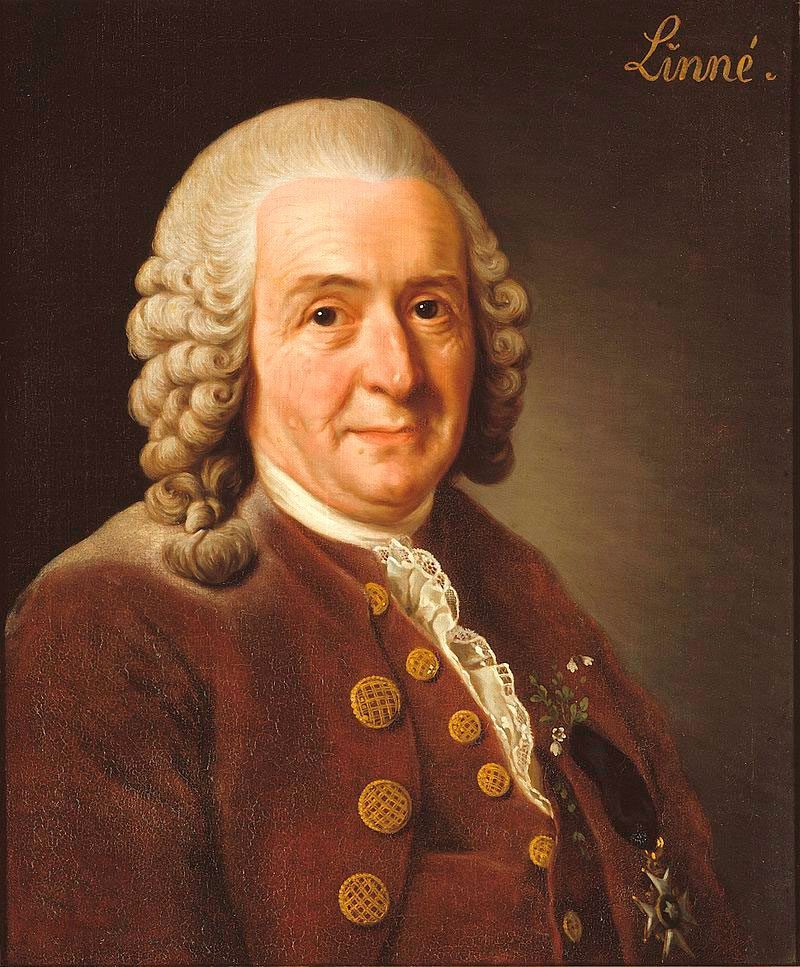
Carl Linnaeus
Carl Linnaeus

scientific classification:


Order: Psittaciformes
Family: Psittacidae
Genus: Aratinga
Scientific name: Aratinga solstitialis
Citation: (Linnaeus, 1758)
Protonimo: Psittacus solstitialis


Images Sun Parakeet:


Species of the genus Aratinga

Sources:

Avibase
– Parrots of the World โ€“ Forshaw Joseph M
– Parrots A Guide to the Parrots of the World – Tony Juniper & Mike Parr
– Birdlife

Cover photo:

(1) – Sun Conure or Sun Parakeet (Aratinga solstitialis) at a bird park in Singapore By Michael Gwyther-Jones (originally posted to Flickr as Singapore) [CC BY 2.0], via Wikimedia Commons

Image gallery:

(2) – Three Sun Parakeets (also known as Sun Conure) at Jurong Bird Park, Singapore. The bird in the middle of the photograph has been wing clipped By Michael Gwyther-Jones from UK (FlickrUploaded by snowmanradio) [CC BY 2.0], via Wikimedia Commons
(3) – Sun Parakeets (also known as Sun Conures) at Jurong Bird Park, Singapore By Michael Spencer (originally posted to Flickr as Jurong Bird Park) [CC BY 2.0], via Wikimedia Commons
(4) – Sun Parakeet (also known as Sun Conure) at Jurong Bird Park, Singapore By Michael Spencer (originally posted to Flickr as Jurong Bird Park) [CC BY 2.0], via Wikimedia Commons
(5) – Sun Conures at Jurong Bird Park, Singapore. Wing clipped By Doug Janson (Own work) [CC BY-SA 3.0 or GFDL], via Wikimedia Commons

(6) – Sun Parakeet (also known as Sun Conure) perching on a branch and eating white flowers at Hamilton Zoo, New Zealand By Brian Gratwicke [CC BY 2.0], via Wikimedia Commons
(7) – Sun Conures, at Pairi Daiza, Brugelette, Belgium ยฉ Hans Hillewaert/, via Wikimedia Commons
(8) – A pet Sun Parakeet (also known as Sun Conure) perching on a shoulder. It has been wingclipped By turtlemom4bacon from Orlando, FL, USA [CC BY-SA 2.0], via Wikimedia Commons
(9) – A Aratinga solstitialis at Baltimore Aquarium, USA By Chris Williamson [CC BY 2.0], via Wikimedia Commons

(10) – Feeding a Sun Conure, also known as a Sun Parakeet at Discovery Cove, Orlando, Florida, USA By eric from USA (IMG_4596) [CC BY-SA 2.0], via Wikimedia Commons
(11) – He loves it when you blow on his face and it makes him puff! By Sarah G from Tulsa, USA (Sherbie Sherbie Puffs-Alot) [CC BY-SA 2.0], via Wikimedia Commons
(12) – Wing clipped Sun Parakeets (also known as Sun Conures) at Kobe Kachoen, a bird and flower park located on Port Island in Kobe, Japan By merec0 (originally posted to Flickr as niji) [CC BY 2.0], via Wikimedia Commons
(13) – Sun Conure, at Pairi Daiza, Brugelette, Belgium ยฉ Hans Hillewaert/, via Wikimedia Commons

Photo illustration:

(14) – An adult Sun Parakeet or Sun Conure (Aratinga solstitialis) . Jacques Barraband [Public domain], via Wikimedia Commons

Sounds: (Xeno-canto)

โ–ท The world of Pets: Dogs, cats, birds, reptiles, amphibians

Turquoise-winged Parrotlet
Forpus spengeli

Turquoise-winged Parrotlet

Content

Description:

Turquoise-winged Parrotlet

12โ€“13 cm. length and 28 g. of weight.
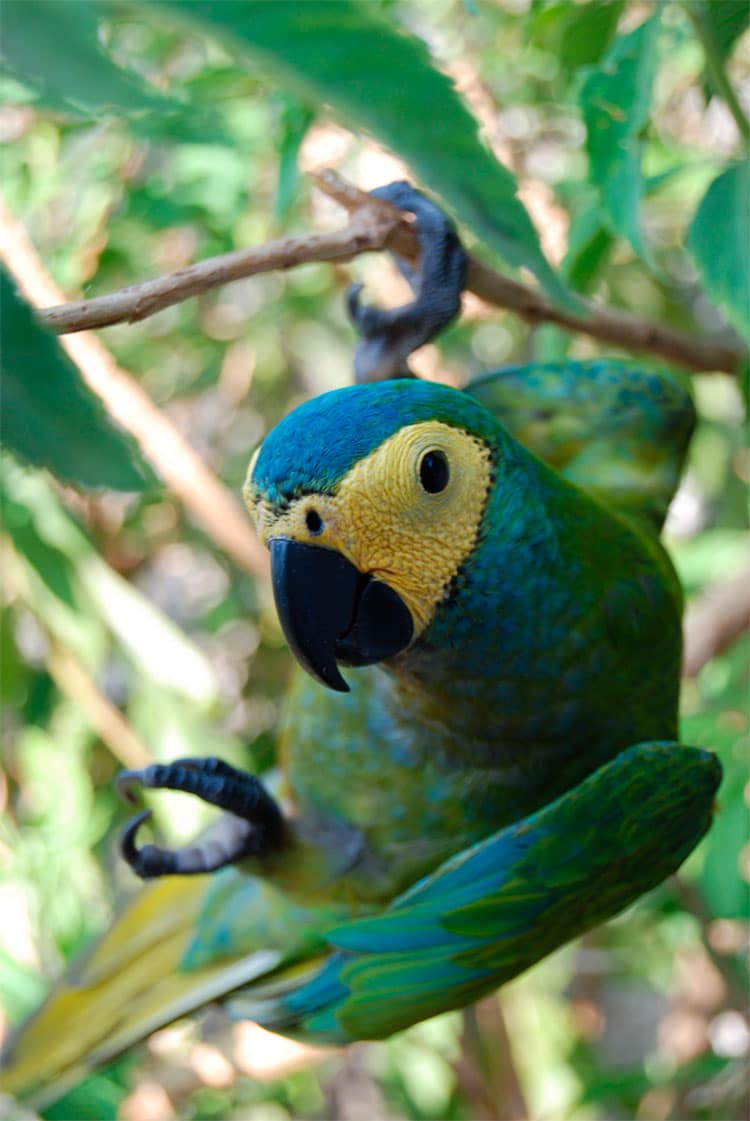
The male of the Turquoise-winged Parrotlet (Forpus spengeli) It has shades of blue at the bottom of the back, still it rump of a turquoise hue; turquoise / blue with purple on the underwing-coverts and axillary.
The wing coverts are dark green. Primary coverts are violet; wing edge bright green. Supracaudals coverts are bright green; undertail-coverts, bright yellow. Dark brown eyes with iris gray; flesh-colored legs; peak light colored horn.

The female It is green instead of blue; their face is green / yellow, It is his forecrown yellower.

taxonomy:

Until now treated as conspecific the species Forpus xanthopterygius, or sometimes as a subspecies of Forpus passerinus, or a subspecies of Forpus cyanopygius. differs, However, of the Forpus xanthopterygius in pale turquoise against the rich color tone blue rump and of the wing-coverts of the male; in the dark blue, against the rich blue color in underwing-coverts of the male; the forecrown and lores yellow in female.

  • Sound of the Turquoise-winged Parrotlet.

Habitat:

they prefer forested habitats drier as open forests and riparian, closed caatinga; Also they found in savannas, palm groves, semiarid scrub and grassland areas.

With feed in open areas and sometimes on the floor. Highly social; found in groups of up 50 individuals.

Reproduction:

Breeding season, May-August. Clutch, 3-7 eggs.

Food:

Diet Turquoise-winged Parrotlet in their natural environment it is composed of fruit of Cecropia, seeds of Mikania and tremble mirantha and flowers of Ambrosia and Marcgravia.

Distribution:

Size of its range (breeding/resident): 29.200 km2

Restricted north of Colombia, from the coastal region Caribbean western and southern mountains Santa Marta, Atlantic, south along the Magdalena river in Bolรญvar and Cรฉsar.

Conservation:

โ€ข Current category of the Red List of the UICN: Least concern.

โ€ข Population trend: Decreasing.

Justification of the Red List of the Category

State of conservation โ“˜


minor concern Minor Concern โ“˜ (UICN)โ“˜

Although this species may have a small range, It not believed to approach the thresholds for vulnerable under the range size criterion (extent of occurrence <20.000 km2 combinan con un tamaรฑo gama disminuciรณn o fluctuante, hรกbitat medida / calidad, o tamaรฑo de la poblaciรณn y un pequeรฑo nรบmero de localidades o fragmentaciรณn severa). La tendencia de la poblaciรณn no se conoce, pero la poblaciรณn no se cree que estรฉ disminuyendo con la rapidez suficiente como para acercarse a los umbrales del criterio tendencia de la poblaciรณn (> 30% decrease of more than ten years or three generations). The population size has not been quantified, but it is not believed to approach the thresholds for Vulnerable according to the criterion of population size (<10.000 individuos maduros con una disminuciรณn continua estima en> 10% in ten years or three generations, or a specific population structure). For these reasons, the species is evaluated as Least concern.

Justification of the population

The world's population has not been quantified, but this species is described as rare and local (Juniper and Parr 1998).

Justification trend

The population trend is unknown, but according to some reports, the species may be declining. (Juniper and Parr 1998).

"Turquoise-winged Parrotlet" in captivity:

Rare.

Alternative names:

Blue-winged Parrotlet (spengeli), Blue-winged Parrotlet (Turquoise-winged), Green-rumped Parrotlet (spengeli), Turquoise-winged Parrotlet (English).
Toui de Spengel, Toui de Spix (spengeli), Toui รฉtรฉ (spengeli) (French).
Tรผrkisflรผgel-Sperlingspapagei (German).
Turquoise-winged Parrotlet (Portuguese).
Cotorrita aliturquesa (espaรฑol).


scientific classification:

Gustav Hartlaub

Order: Psittaciformes
Family: Psittacidae
Genus: Forpus
Scientific name: Forpus xanthopterygius spengeli
Citation: (Hartlaub, 1885)
Protonimo: Psittacula spengeli

Images Turquoise-winged Parrotlet:


Species of the genus Forpus

Turquoise-winged Parrotlet (Forpus spengeli)


Sources:

Avibase
– Parrots of the World โ€“ Forshaw Joseph M
– Parrots A Guide to the Parrots of the World – Tony Juniper & Mike Parr
Birdlife

Photos:

(1) – Forpus xanthopterygius spengeli (24-3-15 Loro Parque) by barFlickr
(2) – (above) Psittacula spengleri [sic] = Forpus xanthopterygius spengeli (Hartlaub, 1885), ?โ™‚ (below) Psittacula cyanochlora = Forpus passerinus cyanochlorus (Schlegel, 1864), โ™‚ by Joseph Smit [Public domain], via Wikimedia Commons

Sounds: ndrew Spencer, XC165598. accessible www.xeno-canto.org/165598

โ–ท The world of Pets: Dogs, cats, birds, reptiles, amphibians

Spot-winged Parrotlet
Touit stictopterus

Spot-winged Parrotlet

Content

Description:


Anatomy-parrots

17 to 18 cm.. height.

The Spot-winged Parrotlet (Touit stictopterus) It has a green overall coloration, clearer to the abdomen, wings brownish with white spots; below the tail opaque olive is yellow with blue edge.

The female differs from the male by feathers middle-lower wing which they are green; the forecrown and the face They are yellowish green.

Habitat:

Very rare species. Observed at the local level and in low densities in a Habitat in decline. Its population It is likely to be small and declining, with very small sub-populations in each known locality.
It inhabits in semi-humid cloud forests and seasonal crop areas, between 600 and 2400 m. Apparently performs altitudinal migrations, Perhaps conditioned by the supply of food.

Reproduction:

The reproduction It is performed in March.

Food:

They feed on fruit and corn.

Distribution:

Size of the area of distribution (reproduction / resident): 129.000 km2

It lives in the wild in the Andes, southern Central cordilleras and Eastern in Colombia, western Ecuador and North of Peru.

Conservation:

State of conservation โ“˜


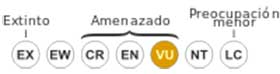
Vulnerable Vulnerable โ“˜ (UICN)โ“˜

Globally it is in the category vulnerable (VU) and in Colombia in danger of extinction (IN). Deforestation in Andes It is their main threat.

"Spot-winged Parrotlet" in captivity:

Because of its condition It is not recommended that you keep this bird as a pet.

Alternative names:

Spot-winged Parrotlet, Brown-shouldered Parrotlet, Emma’s Parrotlet, Spot winged Parrotlet (English).
Toui tachetรฉ, Toui d’Emma (French).
Tรผpfelpapagei, Tรผpfel-Papagei (German).
Spot-winged Parrotlet (Portuguese).
Cotorrita Alipinta, Lorito de Alas Moteadas, Periquito Alipunteado (espaรฑol).
Periquito Alipunteado (Colombia).
Periquito de Ala Punteada (Peru).


scientific classification:

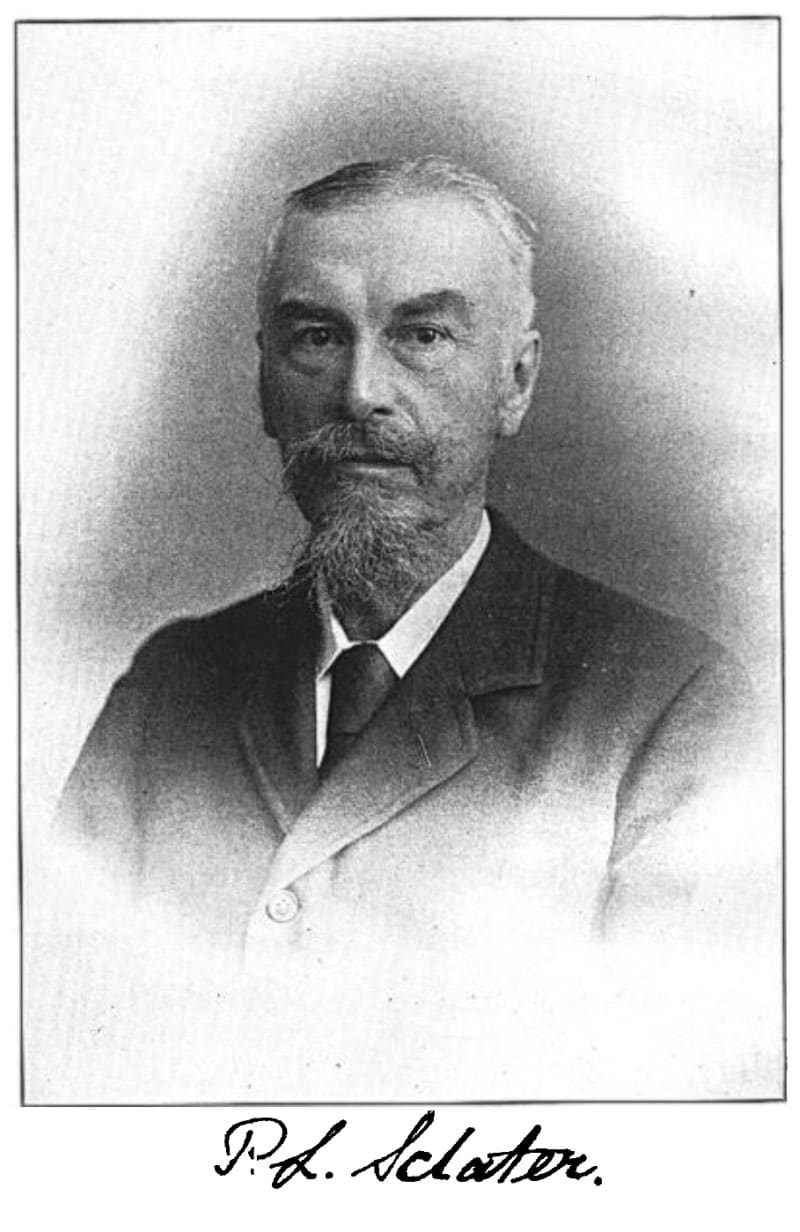
Philip Sclater
Philip Sclater

Order: Psittaciformes
Family: Psittacidae
Genus: Touit
Scientific name: Touit stictopterus
Citation: (Sclater, PL, 1862)
Protonimo: Urochroma stictoptera


Images Spot-winged Parrotlet:


Species of the genus Touit


Spot-winged Parrotlet (Touit stictopterus)


Sources:

  • Avibase
  • Parrots of the World โ€“ Forshaw Joseph M
  • Parrots A Guide to the Parrots of the World – Tony Juniper & Mike Parr
  • Birdlife
  • Parrot Book, Parrots and macaws Neotropical

  • Photos:

(1) – Urochroma stictoptera = Touit stictoptera by Joseph Wolf [Public domain], via Wikimedia Commons

โ–ท The world of Pets: Dogs, cats, birds, reptiles, amphibians

Red Lory
Eos bornea

Red Lory

Content

Description

31 cm.. length and an approximate weight of 170 gr.

The head and the neck of the Red Lory (Eos bornea) are entirely of a deep red color.

In the adult the primary feathers are black with a large red mirror. The feathers tertiary and the coverts are of color blue. The joint of the feathers of the helmsman they are reddish-brown. The irises they are red, legs grayscale and the bill dark orange.

The immature they tend to be more off than their parents coloring. They show the feathers tertiary grey, lightly stained blue. The ear-coverts Sometimes it tinges of blue. Times, the area of the vent and the thighs it infiltrates with small stains blue. The feathers of the abdomen often carry some edges blue dark. They have the irises brown.

Not exists no sexual dimorphism visible although the males tend to be more corpulent that the females.

Description 2 subspecies

  • Eos bornea bornea

    (Linnaeus, 1758) – Nominal.


  • Eos bornea cyanonotha

    (Vieillot, 1818) – The Red of his plumage is much more dark almost brown.

Habitat:

They are mostly primary forests, in the wooded areas during regeneration, Forest Hills, coconut plantations, in abandoned gardens and mangroves.

They are mainly in coastal areas, What does not climb up to 900 m in the island of Ceram and up 1.800 m in the of Buru.

Throughout its area, the Red Lory are fairly common, However, some populations are more dispersed around the villages, since they are very cautious towards humans.

Behavior:

The Red Lory they live in pairs or in small groups, but sometimes you can observe large flocks of 50 individuals.

They are birds noisy and quite easy to observe, as they often fly above the canopy attracted by the red flowers of the tree of coral (Erythrina).

They have a fast and direct flight and when moving, make your buzz due to its quick flapping.

In the Kai Islands, their movements are common: all days, they cross the arm of sea that separates the different islands flying rapidly and at high altitude.

During the rest hours that occur at noon, the Red Lory they spend most of their time smoothing their feathers in the shade of a tree. Probably, This practice is designed to strengthen marital ties. Parties that enjoy priority are the head and neck; as you can not reach these areas with its beak, you will always need your partner collaboration. The "patient" that undergoes this preferential treatment seems to express a great sense of satisfaction.

Reproduction:

The couples begin to look for the location of the nest between the months of August and September. It is located high in a big tree.
In mid-December some young leaving the nest have observed.

As in all loris, the nesting period is very long and hard 7 to 9 weeks.

In captivity, the Red Lory puts 1 or 2 litters per year. Each spawning has usually 2 white eggs that are incubated for a period ranging from 24 to 26 days.

Food:

In their natural habitats, the Red Lory feed of nectar, pollen, fruits and insects of fashion casual.
Your food รขโ‚ฌยบ seem to be them flowers of the trees of the species Eugenia and Erythrina.

All the Loris they have a language that is especially suited, with a brush tip made up of elongated papillae. This characteristic allows birds to collect pollen from flowers and compress it in a suitable way for swallowing.. They play an important role in the pollination of flowering plants and trees.

Distribution:

Size of the area of distribution (reproduction / resident): 57.900 km2

The Red Lory they have a very restricted distribution area. They live South of the Moluccan Islands, halfway between Sulawesi and the western end of New Guinea.

Distribution 2 subspecies:

Conservation:


minor concern


โ€ข Current IUCN Red List category: Least concern

โ€ข Population trend: Decreasing

This species has a very large range, and therefore not approaching the thresholds for Vulnerable according to the range size criterion.

The population is suspected of being in decline due to unsustainable levels of exploitation.

The species has undergone intense trade from 1981, When it began trading in Appendix II. 99.834 wild-caught specimens have been recorded in international trade, Although none from 2000 (UNEP-WCMC trade database, January 2005 CITES).

"Red Lory" in captivity:

This lori is considered one of the most widespread within poultry. It's an interesting bird, robust and easy of play, ideal for a start in the world of the loris. It also has a very attractive red color; It playful and is easy for tame.

It is a great conversationalist. Some have entire sentences in their vocabulary. Unfortunately, his voice is sometimes very strong, with a high sharp squeal. Most are docile, even at maturity. They can be prolific breeders and are fairly easy to find as hand-raised pets..

Too much protein in the diet can lead to gout., a type of arthritis that crystals are deposited in the joints. May be a bit uncomfortable due to liquid diet.

Alternative names:


Red Lory, Buru Red Lory (ingles).
Lori รฉcarlate, Lori rouge (French).
Rotlori (German).
Lรณris-vermelho (Portuguese).
Lori Rojo (espaรฑol).

Carl Linnaeus
Carl Linnaeus

scientific classification:


Order: Psittaciformes
Family: Psittaculidae
Genus: Eos
Scientific name: Eos bornea
Citation: (Linnaeus, 1758)
Protonimo: Psittacus borneus


Images "Red Lori":

Videos "Red Lory"

——————————————————————————————————–

ยซLori Rojoยป (Eos bornea)


Sources:

Avibase
– BirdLife.org
– mundoexotics
Oiseaux.NET

Photos:

* A Red Lorry at Taronga Zoo, Sydney, Australia by Navin – wikimdia
* Red Lory (Eos bornea) looking upwards by shahram sharif – Wikimedia
* Red Lory (Eos bornea) at Singapore Zoo by Joost Rooijmans – Wikimedia
* Red Lory – KL Bird Park – Malaysia by diego_cue – Panoramio
* Moluccan Red Lory – Parrots Australia

Sounds: BAS van Balen (Xeno-canto)