โ–ท The world of Pets: Dogs, cats, birds, reptiles, amphibians

Regent Parrot
Polytelis anthopeplus

Regent Parrot

Content


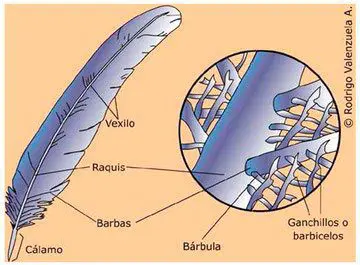
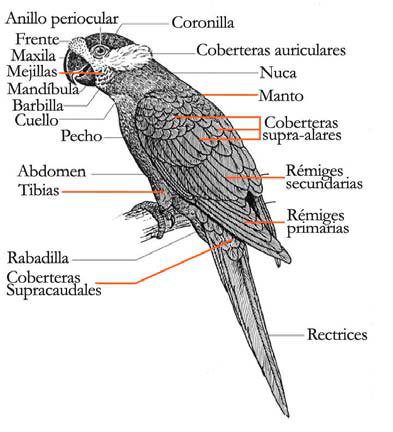
Anatomy-parrots

Description

37 to 42 cm.. length and around 114 g. of weight.

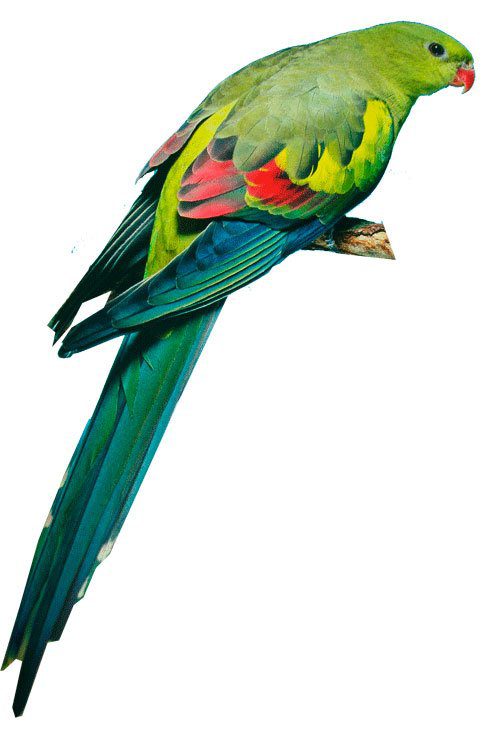
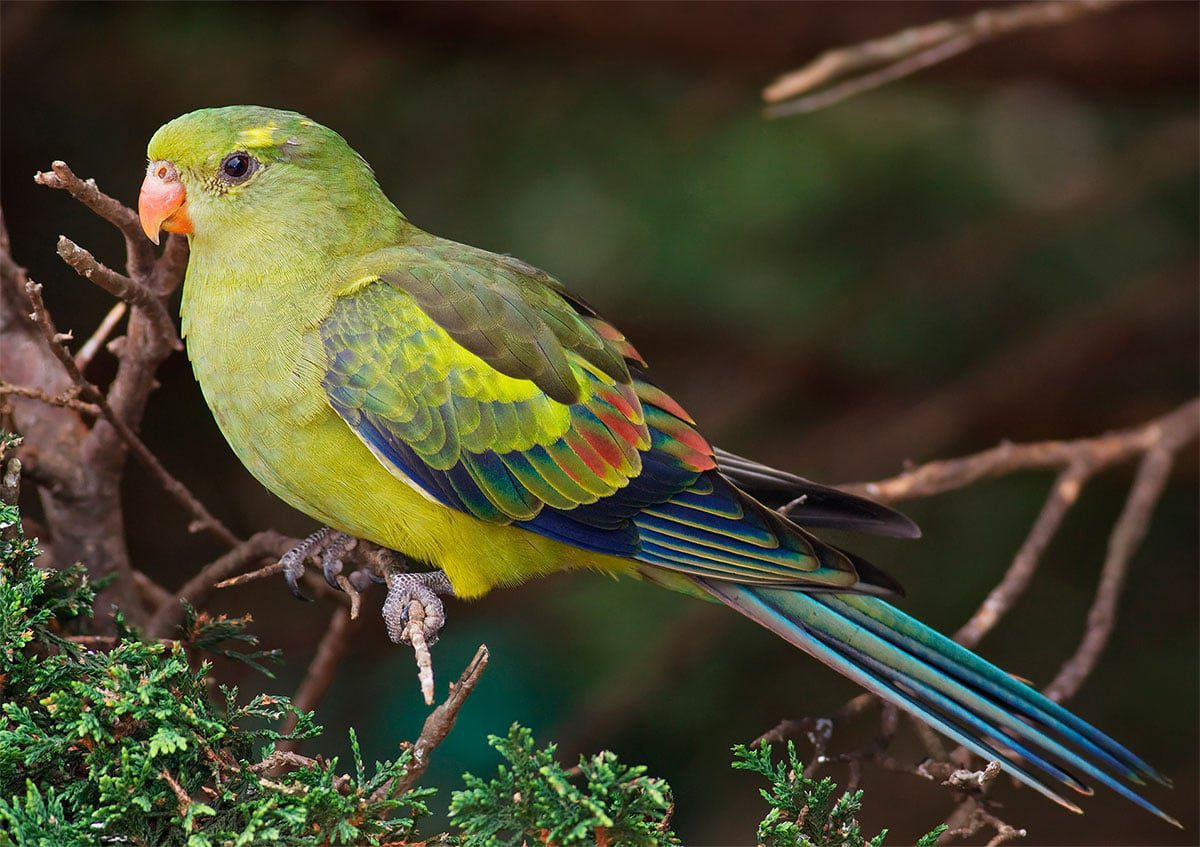
The Regent Parrot (Polytelis anthopeplus) has the yellow head, tending to yellow olive in it crown and nape. Green olive the the mantle; scapulars of color Brown olive dark; floor area of the back and tail showy yellow, tending to yellow olive in uppertail-coverts. Smalls and medium corbeteras, Yellow; greater coverts of color black blue in them pens external, Red with yellow tips on the innermost feathers; tertiary black grey in vane inner; reddish pink, with yellow tip in the vane outer; primary coverts bluish-black; primaries and secondaries bluish-black, with black inner tubes. Wing feathers yellow; underside of flight feather brown, almost black. The underparts Yellow, more off the yellow olive in undertail-coverts with some brands Orange indistinct around it area anal.

The tail is of color black with infiltrations of color blue dark in the part superior of their feathers Central and of the threads internal of their feathers side.

The bill is pinkish-Red. The irises are of color brown orange; legs grey.

The female has the underparts grey and of color green it top. Lords and ear-coverts are of colour more greenish. The strip of color blue dark of the feathers is more broad and it extends to the under wing-coverts that are more than color yellow-green that in the male. The rump is green olive opaque, not yellow. The red dot of the wing is less developed and has less brightness. Tail of color green blue by over. It has a pink tip below.

The youth they resemble females, However, young males have more yellow in the head.

Description 2 subspecies.

  • Polytelis anthopeplus anthopeplus

    : (Lear 1831) – The nominal.


  • Polytelis anthopeplus monarchoides

    : (Schodde 1993) – The male has much more brightness that it nominal species, particularly, the yellow of the underparts.

Habitat and habits:

Regent Parrot

The Regent Parrot they reside mainly in the East, although the birds disperse after the breeding season.

More regular movements have been recorded in the Western population, with spread towards the South during the summer, and a concentration below 32ยฐ S in the fall.

The birds move to the northeast in winter; movements of up to 320 km have been recorded. Oriental birds are linked to the banks of the rivers, where is the red rubber (Eucalyptus camaldulensis) trees with mallee Shrublands partners (Eucalyptus gracilis). They are also distributed in forests of eucalyptus, areas with thin Cypress pine (Callitris preissii), orchards and vineyards.

In the West, the species is less dependent from the Mallee and they reside in mixed plots of acacia and eucalyptus (wandoo, salmonophloia) and within agricultural land.

The Regent Parrot they are not in the forests of the South-western area, Although there have been in the forest clearings.

outside the breeding season, the birds can be found in noisy flocks of a hundred or more individuals, being in general cautious. They feed primarily on Earth.

Reproduction:

The nesting season takes place between January and August. These birds nest either in single pairs or in small colonies composed of a maximum of 18 couples. Before the mating, There are ritual offerings of food.

The site selected for reproduction is usually a great tree of the gum dead or dying, to 20 metres above the ground and near a permanent water course. These nests are often reused.

The spawning includes of 3 to 6 white eggs You settle on a layer of decaying wood shavings. The female incubates alone during 21 days. His companion, who deserted the nest tree and joined an all-male group, it comes to collaborate with food tasks. The chicks have white down. Usually, leave the nest after 5 to 6 weeks, but after feather, remain in the family group for a few weeks yet.

Food:

The diet usually comprises seeds of grasses, herbs, fruit, berries, sprouts and flowers. They also take crops of cereals and dried fruits from orchards, as well as grain spilled on highways.

In the East, males tend to feed in the mallee scrub (for example White Mallee Eucalyptus dumosto and Red Mallee Eucalyptus socialis) during the breeding season.

Distribution:

Size of the area of distribution (reproduction / resident): 1.520.000 km2

Confined to Australia, where in two very distant populations. In Western Australia are distributed mainly in the wheat belt, extending north to Ajana, on the inside of Laverton and Karonie, and down in Israelite Bay, on the South Coast; is also located to the South of Perth, but they have not fully colonized the wooded area Southwest.

In the southeast of Australia the range has shrunk in recent years. In the South of Australia, the species occurs along of the murray river, around Morgan at the border of New South Wales, Victoria (seven colonies).

In Victoria are distributed in the Wyperfeld National Park and along the wimmera river to the South of the Lake Hindmarsh, but the reproduction, probably, ceased to occur in the Lake Albacutya as recently as 1988.

In New South Wales is isolated along foci of the murray river, and around the mouth of the murrumbidgee river.

Along the border of New South Wales, Victoria, they are now grouped into four areas, and is absent 100 kilometres on both sides of Mildura; There are some couples throughout the North of the darling river in Pooncarie, and along the the Wakool River the east.

There is some post-breeding dispersal, but the birds is unlikely it lies to the northeast of Balranald or to the South of Castenaso, except perhaps during periods of drought.

Locally common in areas of riparian forest and Mallee (Eucalyptus gracilis).

The world's population is believed to be superior to the 15.000 individuals, but the subspecies of the East is by far the smaller of the two.

Completely protected by law in all but a few regions of the South-West.

A moderate number of captive.

Distribution 2 subspecies:

  • Polytelis anthopeplus anthopeplus

    : (Lear 1831) – The nominal. Southwest of Australia.


  • Polytelis anthopeplus monarchoides

    : (Schodde 1993) – Interior West of the part of Southeast of Australia (Southeast of the South of Australia, Southwest of New South Wales and Northwest of Victoria).

Conservation:


minor concern


โ€ข Current category of the Red List of the UICN: Least concern

โ€ข Population trend: Decreasing

The species has an estimated world population in 21.500 individuals (Garnett and Crowley 2000).
The population of the subspecies anthopeplusis It is estimated in 20.000 individuals.
The population of the subspecies monarchoides It is estimated in 1.500 individuals (Garnett and Crowley 2000).

The population of the subspecies anthopeplusis is probably stable as a whole, While the subspecies monarchoides could be declining (Garnett and Crowley 2000).

degradation areas Mallee (eucalyptus), accidents on the road, occupation natural cavities of swarms of bees and persecution due to farmers, they are the threats more recurrent. Despite its original development in areas of the southwest through the development of agriculture, even in these areas, It is considered a slight decline. The hope comes from the fact that can go to colonizing New Territories in forest areas in the South-western end. By now, the species is considered not presenting no major problem. But, in nearly all regions, except in areas of intensive agriculture, benefits from the protection.

"Regent Parrot" in captivity:

It is a bird very quiet. It is customary to his carer quickly enough. Friendly, It will also tolerate other non-aggressive species. Very active in the morning and afternoon. They may be prone to infections in the eyes and feet.

One sample was still alive after 13,8 years in captivity. It has been reported that these animals can live up to 27,5 years in captivity but it has not been able to be verified; the same study reported that these animals can reproduce from around the first year of age in captivity.

Not very common in captivity.

Alternative names:

Regent Parrot, Black-tailed Parakeet, Black-tailed Parrot, Black-throated Parrot, Blossom-feathered Parakeet, Mallee Smoker, Marlock Parakeet, Marlock Parrot, Mountain Parrot, Plaide-wing Parrot, Regal Parrot, Rock Pebbler, Royal Parrot, Smoker, Smoker Parrot, Yellow King-Parrot (ingles).
Perruche mรฉlanure, Perruche ร  queue noire (French).
Bergsittich (German).
Periquito-regente (Portuguese).
Perico Regente, Periquito de Rock Pebbler (espaรฑol).

scientific classification:

Edward Lear
Edward Lear

Order: Psittaciformes
Family: Psittaculidae
Genus: Polytelis
Scientific name: Polytelis anthopeplus
Citation: (Lear, 1831)
Protonimo: Palaeornis anthopeplus


ยซRegent Parakeetยป Images:

Videos "Regent Parrot"

————————————————————————————————

ยซRegent Parakeetยป (Polytelis anthopeplus)

Sources:

Avibase
– Parrots of the World โ€“ Forshaw Joseph M
– Parrots A Guide to the Parrots of the World – Tony Juniper & Mike Parr
– Birdlife
– AnAge: The Animal Ageing and Longevity Database – Anage entry for Polytelis anthopeplus

Photos:

(1) – A juvenile Regent Parrot (Polytelis anthopeplus) at the Bird Walk (Walk-in Aviary), Canberra, Australian National Territory, Australia By Polytelis_anthopeplus_2. jpg: JJ Harrison (jjharrison89@facebook.com)derivative work: Diliff (Polytelis_anthopeplus_2. jpg) [CC BY-SA 3.0], via Wikimedia Commons
(2) – An adult male perched by Josep del Hoyo – Lynx
(3) – A juvenile Regent Parrot (Polytelis anthopeplus) also known as the Rock Pebbler, Black-tailed Parakeet, Smoker, Marlock Parakeet and sometimes Regent Parakeet By Rainey06au at en.wikipedia [Public domain], from Wikimedia Commons
(4) – Two Regent Parrots in an aviary in Australia. It is also known as the Rock Pebbler, Black-tailed Parakeet, Smoker, Marlock Parakeet and sometimes Regent Parakeet By Kristina (originally posted to Flickr as Parrots) [CC BY 2.0], via Wikimedia Commons
(5) – A Regent Parrot in Flying High Bird Sanctuary, Australia. The parrot is feeding on seeds from the left hand of small boyโ€™s outstretched arm By paulgear (Picasa Web Albums) [CC BY-SA 3.0], via Wikimedia Commons
(6) – The Cape Parrot (Polytelis anthopeplus) Started by Dallas – Gros-becs.net

Sounds: Scott Connop (Xeno-canto)

โ–ท The world of Pets: Dogs, cats, birds, reptiles, amphibians

Reunion Parakeet
Psittacula eques

Cotorra de Mauricio

Content

Description:

Cotorra de Mauricio

42 cm.. length and a weight between 167 and 193 g..

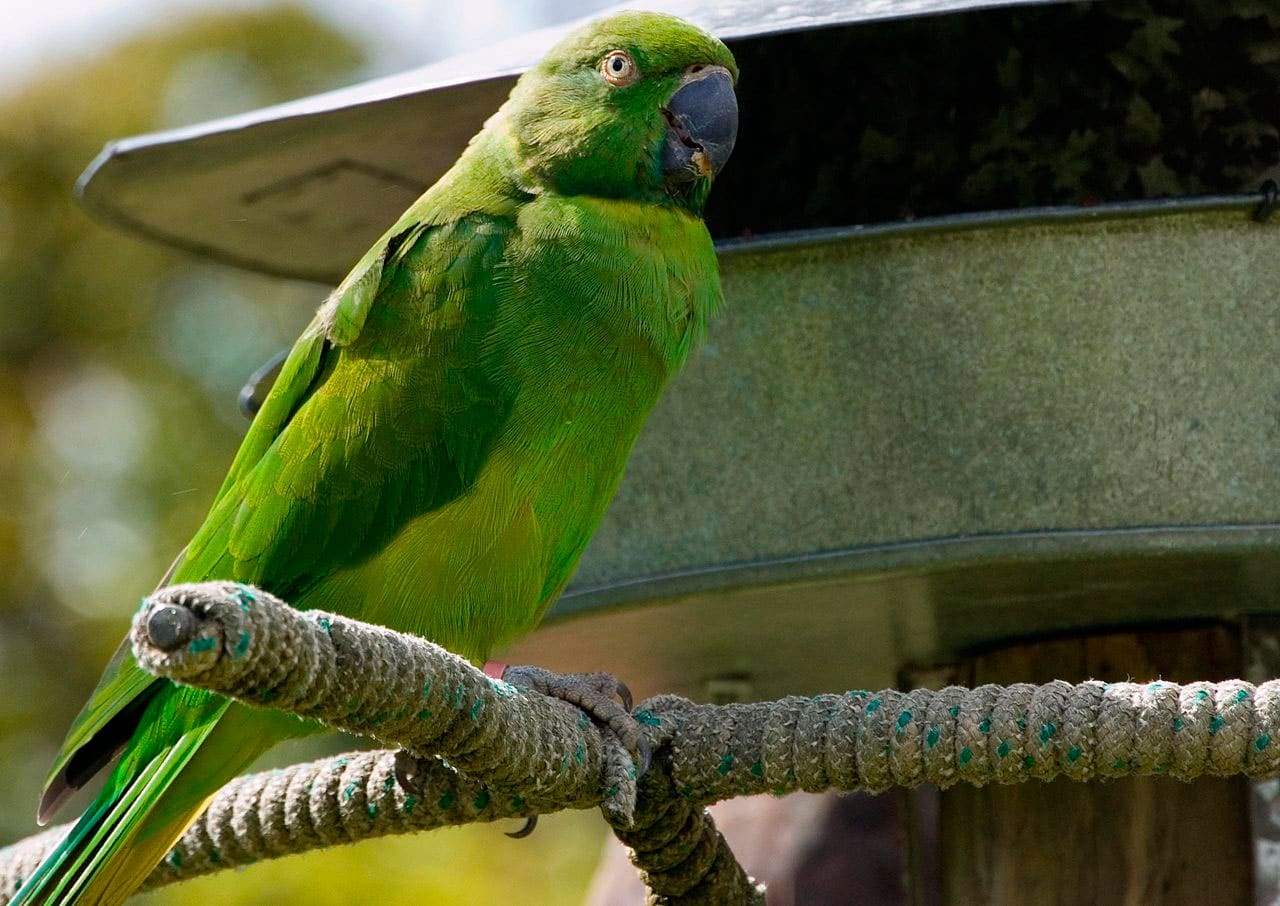
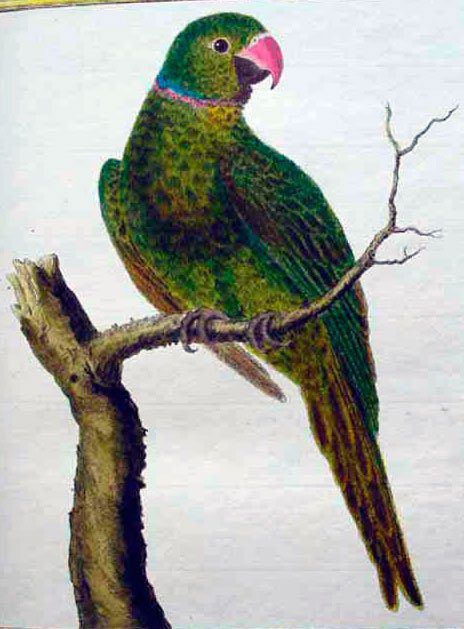
The Reunion Parakeet (Psittacula eques) has the Lords and cheeks grass-green, deepening the emerald green upper cheeks, the forecrown and crown; wide swaths shaped mustache on the bottom of the cheeks and chin, fading on the sides of neck; narrow black stripes on the neck lined up with bluish patches on ear-coverts and sides neck and below by pink lines extending to the back of the neck, without getting to form an collar full.

Upperparts, including upperwing-coverts, emerald green. Underparts paler and yellowish. Uppertail green; the undertail pale brown.

upper jaw red, lower negruzca; irises pale yellow to greenish yellow; legs blackish.

The female lacks black moustachial stripes, as well as black, pink and blue marks on the sides of neck; dark green tones cheeks with yellowish green at the collar of the back of the neck; dark (almost black) the upper jaw.

The immature they are like the females, but the fledging bill It is red in both sexes, turning darker in females later.

Description 2 subspecies:

  • knight knight knight โ€ 

    (Boddaert, 1783) – Nominal. Extinct.


  • Psittacula eques echo

    (Newton,A & Newton,E, 1876) – On the edge of the extinction.

Habitat:

The Reunion Parakeet It is closely linked to the native vegetation. A part of the population is in an area of รขโ‚ฌโ€นรขโ‚ฌโ€นupland forest containing some of the largest samples, for example, Canarium paniculatum, Syzygium contractum, Mimusops maxima and Labourdonnaisia left in the Mauritius. Scrub forests lower level are also important, especially for food.

They are generally solitary, but they can also be seen in pairs or small groups (especially after breeding), but the extreme shortage should limit the normal social behavior.

Reproduction:

The Reunion Parakeet nests in cavities of large native trees (often Mimusops but also Calophyllum or Canarium) generally between 6-10 meters above the ground. The inlet has a diameter between 10-15cm.

The peak in the egg laying It is late September to early October, although it may take place between August to November, is composed of 2 to 4 eggs. The female incubated eggs for three to four weeks, while teammate bring your food. Both parents then provide for the young until they leave the nest in about two months old.

Food:

The feeding of the Reunion Parakeet It is composed of a wide range of native plant parts, including outbreaks include, sprouts, leaves, flowers, fruits, seeds, remained, sap and bark. Introduced plants rarely eat. Plants which include feed Calophyllum, Canarium paniculatum, Tabernaemontana mauritiana, Diospyros, erythrospermum monticolum, Eugenia, Labourdonnaisia, Mimusops trials, M. petiolaris, Nuxia verticillata and Protium obtusifolium.

The main feeding areas vary with the season.

Distribution:

Size of the area of distribution (reproduction / resident): 60 km2

endemic to Mauritius, Indian Ocean, but also he lived before the Rรฉunion. The rest of the birds confined to the last fragments of native forest vegetation.

In a time, widely distributed, but now reduced to a small relict population in the plateau south-west, around the Black River Gorges National Park and the Monte Cocotte.

Mainly sedentary, but with some slight seasonal changes depending on availability of food.

The main cause, apparently, the decline in the population of the Reunion Parakeet long-term, It is the loss of habitat (natural vegetation used for agriculture and forestry), nest predation by introduced species such as Crab-eating Macaque (Macaca fascicularis) and black rat (Rattus rattus) , competition with Rose-ringed Parakeet (Psittacula krameri) (introduced on 1886) and the effects of disease and storms.

The total area of รขโ‚ฌโ€นรขโ‚ฌโ€นhabitat available It is 50km2. Population between 7-11 birds in 1984, aumentando a 30 birds in the wild and 8 in captivity 1995, with between 40-50 wild birds 1996. An intensive conservation program that includes captive breeding in Mauritius (first successful reproduction 1993-1994), predator control with veterinary assistance for wild birds, ecological research and habitat protection, It is getting a considerable increase in the population of the Reunion Parakeet.

The National Park currently protect the last natural forests, but continuous invasion of exotic flora, It remains a long-term threat.

Distribution 2 subspecies:

Conservation:

State of conservation โ“˜


Endangered Endangered โ“˜ (UICN)โ“˜

โ€ข Current Red List of UICN: Danger

โ€ข Population trend: Growing

At the end of the breeding season between 2011/2012, the population was estimated at approximately 580 birds (V. Tatayah in some. 2012).

The population of the Reunion Parakeet It is estimated that it has experienced a very rapid increase in recent 23 years (three generations).

The previous decline in the distribution of this species is for the serious destruction and its native habitat degradation (Jones 1987 Greenwood 1996).

The population decreased probable total of several thousand individuals, as a result of the forest destruction and the replacement of their feeding habitat, upland dwarf forests, plantations (Jones et al., 1998).

In 1996, only the 5% the island was covered with native vegetation (Jones et al. 1998).

The areas of native forests remaining in the highlands still being highly degraded by cyclones, the influences of forestry practices of the past, the spread of introduced plants like Peruvian guava (Invasive cattleianum), privet (Ligustrum robustum) and Pomeroy (Syzygium jambos), as well as the effect of wild mammals introduced as boars (Sus scrofa) and the Timor deer (Cervuss) (Greenwood 1996, Thorsen y Jones 1998).

The production of native fruit, from which the parrot feeds, and regeneration is possible trees nest, because, poor (Greenwood 1996).

Recent research suggests that the food shortage due to deterioration of native forest is the main cause of nest failure; although exotic species can provide an abundant source of food, They are not available throughout the year, not even throughout the breeding season (Thorsen y Jones 1998).

The crab-eating macaque (Macaca fascicularis) and black rats (Rattus rattus) are among a number of introduced tree species representing a threat for the Reunion Parakeet, raiding nests and competing for native fruits (Greenwood 1996).

The European bee (Apis melรญfera), yellowjackets (Polistes hebraeus), termites, the common loptail (Phaethon lepturus), the introduced common mine (Acridotheres tristis) and Rose-ringed Parakeet (Psittacula krameri), They are all competing for nesting sites and can move active breeding pairs (Thorsen y Jones 1998, C. Jones in little. 2000, V. Tatayah in some. 2012).

The decline in the number of old native trees, that perish damaged by storms and senescence, They have intensified competition for nesting cavities (Jones et al., 1998).

Infestations fly larvae in the nests can be severe in some years and, without intervention, would kill many young people (C. Jones in a bit., 2000).

Beak and Feather Disease (PBFD), It has been found in more than 20% of birds sampled, and at least 50% birds observed with PBFD It is believed to have died, However, a considerable number of specimens have been seen to recover from the disease (Richards 2010). Pesticides do not seem to have significantly affected the species (Greenwood 1996).

According to Mauritius Wildlife Foundation (MWF), trying to stop this worrying phenomenon, the origin of evil is attributed to the imported parrots, mostly the Grey Parrot (Psittacus erithacus) and Coconut Lorikeet (Trichoglossus haematodus).

The species has been the subject of a conservation program from 1973 (Jones et al. 1998). The spectacular increase in the population of the species in recent years is undoubtedly due to an intensive program to manage the wild population., combined with a program captive breeding great success since the season 1993/4 Playback (Jones et al., 1998).

"Reunion Parakeet" in captivity:

The Reunion Parakeet is the only survivor of the species Psittacula They are inhabiting the islands in the South Indian Ocean, about Madagascar. It is one of the parrots World's rarest existing.

Some specimens bred in captivity (Hand rearing) for reintroduction into the wild; else not bred in captivity.

In the news, the aviary captive population is 18 birds, with successful reproduction of a couple. The place of the old aviary, where the extraordinary work has been achieved in very primitive conditions, now it is being replaced with a new space, once completed this spring, It will house up 12 breeding pairs of the Reunion Parakeet, a large flight cage 60 meters for immature.

Alternative names:

Mauritius Parakeet, Echo Parakeet, Maruitius parakeet, Mascarene Parakeet, Mauritian Parakeet (English).
Perruche de Maurice, Perruche ร  longue queue (French).
Mauritiussittich (German).
Periquito-de-maurรญcio (Portuguese).
Cotorra de Mauricio (espaรฑol).

scientific classification:

Order: Psittaciformes
Family: Psittaculidae
Genus: Psittacula
Scientific name: Psittacula eques
Citation: (Newton, A & Newton, E, 1876)
Protonimo: Palaeornis echo

Reunion Parakeet Images:

Videos "Reunion Parakeet"


Especies del gรฉnero Psittacula

Reunion Parakeet (Psittacula eques)


Sources:

Avibase
– Parrots of the World โ€“ Forshaw Joseph M
– Parrots A Guide to the Parrots of the World – Tony Juniper & Mike Parr
– Birdlife

Photos:

(1) – Echo parakeet (Psittacula eques echo), the rarest Parrokeet in the world, saved from extinction by captive breeding programme at the Durrell trust Blackwater Gorge By colin houston [CC BY 2.0], via Wikimedia Commons
(2) – By Wildlife Preservation Canada – link
(3) – Echo Parakeet, Mauritius by Tara – Miles to the wild
(4) – Echo Parakeet, Mauritius by Tara – Miles to the wild
(5) – Female Echo Parakeet (Psittacula eques) by Johannes Fischer – Mauritius January – July 2013, Petrin, Camp Field Station and Brise Fer
(6) – Psittacula type illustration of a knight on horseback (Martinet in Buffon, 1779) By Franรงois-Nicolas Martinet [Public domain], via Wikimedia Commons

Sounds: George Sangster (Xeno-canto)

โ–ท The world of Pets: Dogs, cats, birds, reptiles, amphibians

Rusty-faced Parrot
Hapalopsittaca amazonina

Rusty-faced Parrot

Content


Anatomy-parrots

Description:

23 cm.. height and a weight between 97 and 115g.

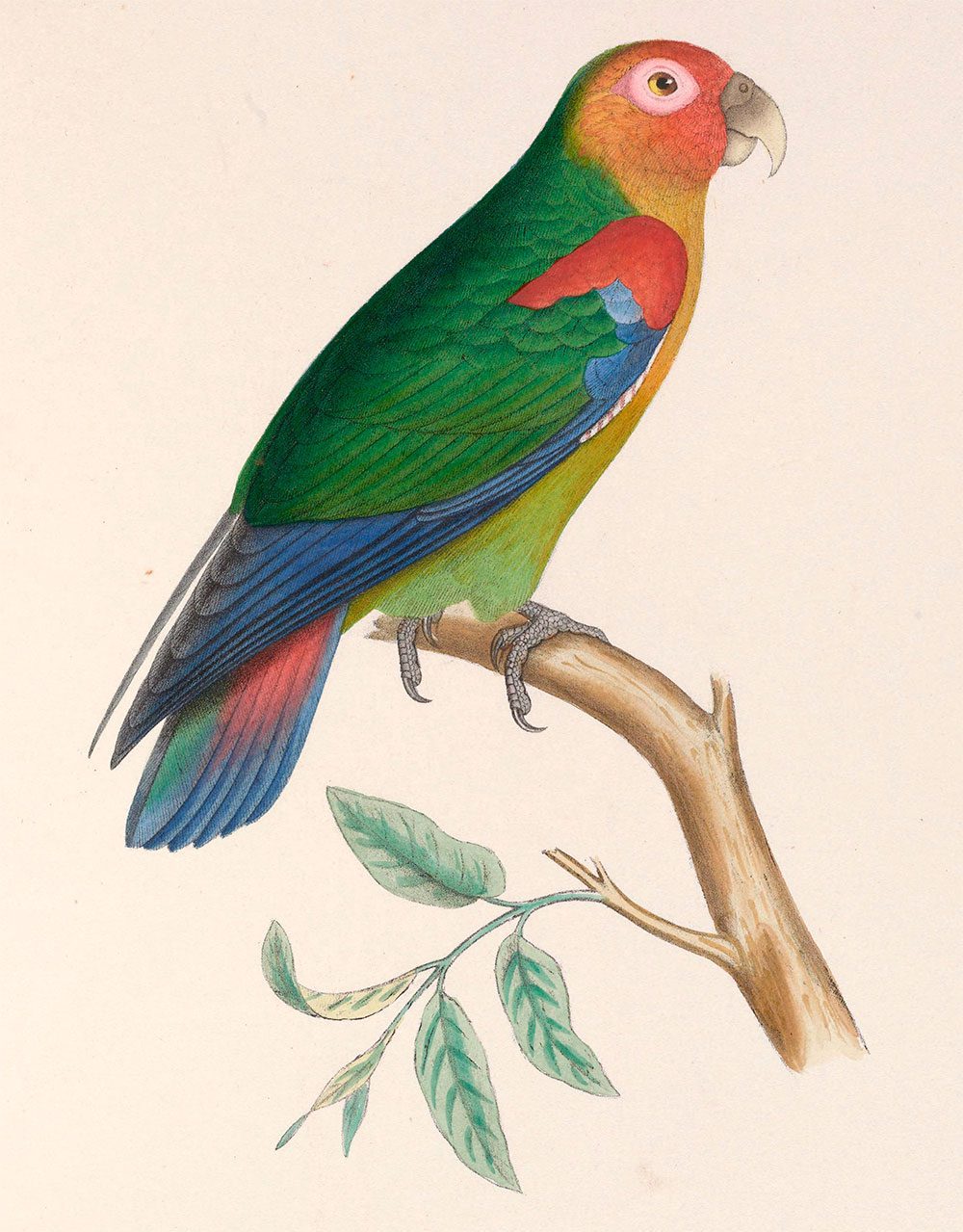
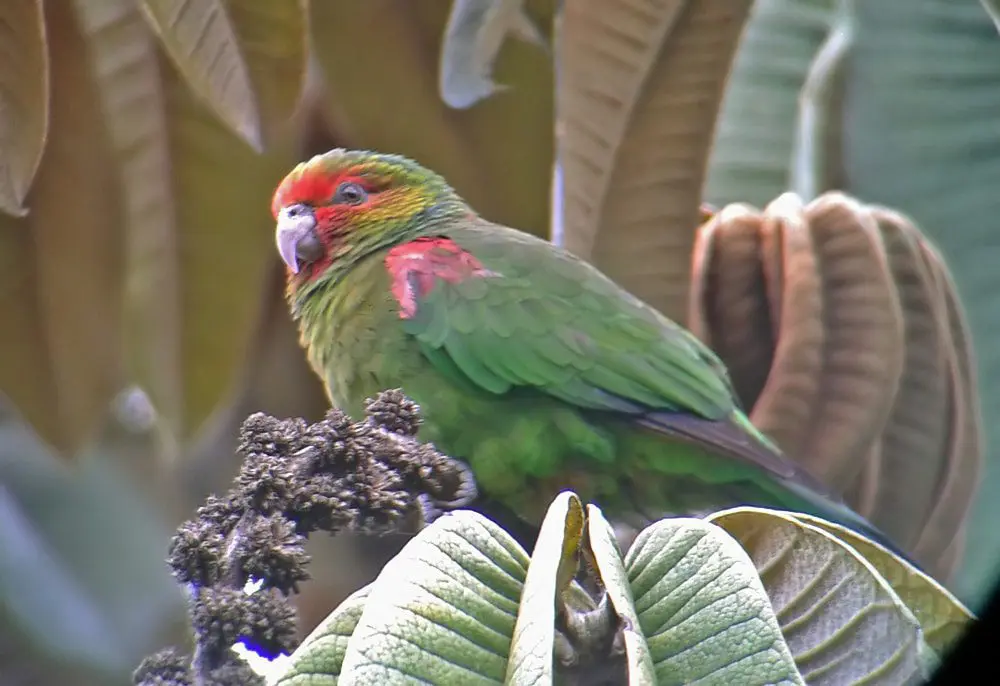
The Rusty-faced Parrot or Parrot mountain (Hapalopsittaca amazonina) It is distinguishable by the dirty red of his face and crown. Its bill is pale with to the base of the lower jaw and the chin of color red orange. Headphones coverts reddish brown with yellow lines that extend behind the nape and the neck. The rest of upperparts they are green. Its chest This is olive green, with red spots in the shoulders similar to their Wing coverts internal minors. The rest of your wing-coverts they are blue-green and the remiges bluish-black. Its tail It is mainly dull red with wide blue apexes.

It has no sexual dimorphism. The youth are green-yellow color, with the face pale red and the secondaries grey.

Description 3 subspecies:

  • Hapalopsittaca amazonina amazonina

    (Des Murs, 1845) – Nominal.


  • Hapalopsittaca amazonina theresae

    (Hellmayr, 1915) – The plumage with more olive tones and the face dark red.


  • Hapalopsittaca amazonina velezi

    (Serious,GR & Restrepo, 1989) – With part of the crown and nape, brighter yellowish green; forecrown red; list fine near to the ear; below and behind the eye, green. More information.

Habitat:

It inhabits in mountains with semi-humid and cloud forests, between the 2000 to 3600 m, with the presence of Oak (Quercus humboldtii) and Alder (Alnus acuminata).
Fly high in the forest canopy, in groups of 5-30 individuals. Presents aggregation behaviors for the night, establishing communal bedrooms in groups of between 2-35 individuals.

Reproduction:

Many aspects of the reproductive biology of the Rusty-faced Parrot. Probably nests in tree hollows of Oak dead.

Food:

Consumes fruits of the "matapaloยซ, flowers and seeds, including the of Clusia sp. and some GUIs of which is fed with high frequency.

Distribution:

Size of the breeding range / resident): 234.000 km2

Is located in Colombia and Venezuela and Peru. In Colombia lives between 2000 and 2700 m above the sea level in the Cordillera Oriental and in the The upper Magdalena valley (South of the Department of the Huila). Among 3100 and 3600 m of height in the cordillera Central in Caldas (where it is considered Bird emblem), in the basin of the White River in the municipality of Manizales. In the Cordillera Oriental is known only in Norte de Santander and the southwest of Bogotรก. Has also been recorded in the departments of Risaralda, Tolima, Huila (Cave of the Guacharos, Meremberg nature reserve) and Cauca (Puracรฉ National Park).

Distribution 3 subspecies:

  • Hapalopsittaca amazonina amazonina

    (Des Murs, 1845) – Nominal. East of the Colombian Andes.


  • Hapalopsittaca amazonina theresae

    (Hellmayr, 1915) – Eastern edge of the Andes of Colombia and Northwest of Venezuela.


  • Hapalopsittaca amazonina velezi

    (Serious,GR & Restrepo, 1989) – Center of the Colombian Andes. More information.

Conservation:


Vulnerable


โ€ข Current category of the Red List of the UICN: Vulnerable.

โ€ข Population trend: Decreasing.

From makes several years appears in the book red of species threatened by fault of the destruction of their habitat, including, the Palm of wax (Ceroxylon quindiuense).

Rationale for the Red List category

This species is classified as Vulnerable Since its small population consists of subpopulations very small and scattered that probably will be experiencing declines continuous due to the loss widespread of habitat.

Justification of the population

Renjifo et to the. (2002) estimated that in Colombia the population can count 2,500-10,000 individuals, based on a hypothetical C.1 density of individuals / km2, and the 25% occupation of the approximately 13.890 km2 of habitat suitable. This may be an overestimate and the population could be right around the few thousand mark in Colombia (P. Salaman in litt., 2005). There are also much smaller populations in Venezuela. Its location in the Ecuador is uncertain. Be placed better in the band 2.500-9.999 mature in general individuals, which is equivalent to 3.750-14.999 individuals, rounded here to 3.500-15.000 individuals.

Justification of trend

Se sospecha una lenta y continua disminuciรณn de la poblaciรณn del Rusty-faced Parrot sobre la base de la continua destrucciรณn y fragmentaciรณn del hรกbitat.

"Rusty-faced Parrot" in captivity:

No encontrado en avicultura.

Alternative names:

Rusty-faced Parrot, Bogota Parrot, Little Amazonian Parrot, Rusty faced Parrot (English).
Caรฏque ร  face rousse, Caรฏque ร  face rouge (French).
Caรฏque ร  face rousse (German).
Rusty-faced Parrot (Portuguese).
Cotorra Montaรฑera, Lorito Amazonino, Lorito Multicolor, Loro fantasma (espaรฑol).
Cotorra Montaรฑera, Lora montaรฑera (Colombia).
Perico Multicolor (Venezuela).


scientific classification:

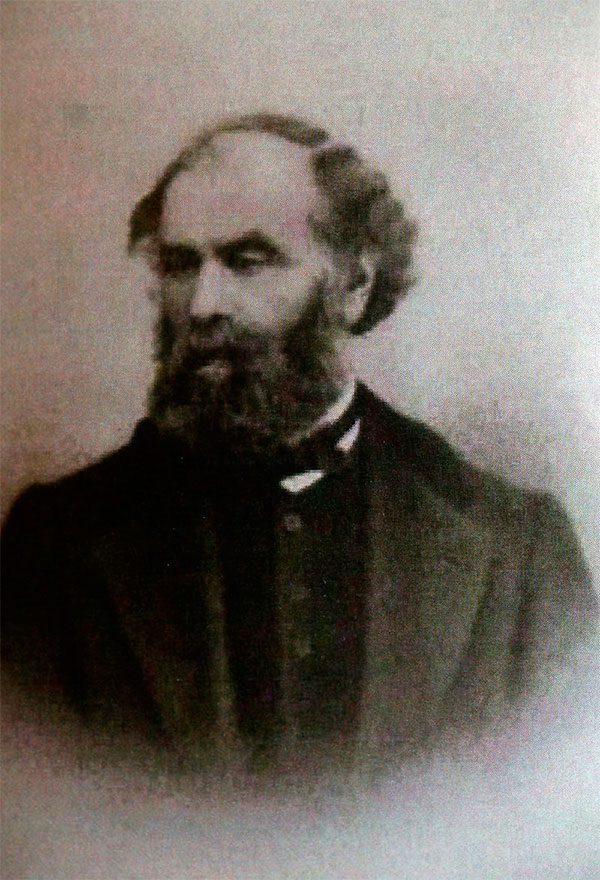
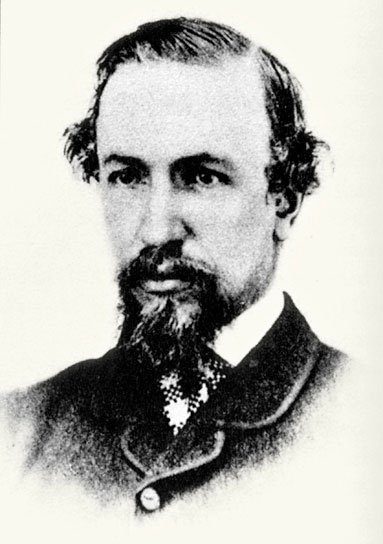
Marc Athanase Parfait Oeillet Des Murs

Order: Psittaciformes
Family: Psittacidae
Genus: Hapalopsittaca
Scientific name: Hapalopsittaca amazonina
Citation: (Des Murs, 1845)
Protonimo: Psittacus amazoninus


Images ยซLorito Amazoninoยป:

Videos ยซLrito Amazoninoยป:


ยซAmazonino Blondoยป (Hapalopsittaca amazonina)


Sources:

Avibase
Parrots of the World โ€“ Forshaw Joseph M
Parrots A Guide to the Parrots of the World – Tony Juniper & Mike Parr
Birdlife

Photos:

(1) – Iconographie ornithologique By Marc Athanase Perfect Carnation Walls (1804-1878) (Iconographie ornithologique) [Public domain], via Wikimedia Commons

Sounds:

Restrepo, Daniel Uribe

* – Restrepo, Daniel Uribe

Daniel has been chasing birds since he was 9-years old, growing on a farm in the Central Andes of Colombia, with his bedroom walls covered with colorful prints of John James Audubonโ€™s birds. Daniel graduated in Veterinary Medicine and Animal Science and has pursued bird and nature photography as his main passions in life.

He is co-founder of the Caldas Ornithological Society (SCO) based in Manizales. Dedicated mainly to conservation and sustainable development projects, Daniel has consulted for many of the most prominent environmental organizations in Colombia and currently assists private nature reserves in Colombia in the establishment of agritourism and ecotourism services.

โ–ท The world of Pets: Dogs, cats, birds, reptiles, amphibians

Sulphur-winged Parakeet
Pyrrhura hoffmanni

Sulphur-winged Parakeet

Content

Description:

23 cms. length and 84 g. of weight.
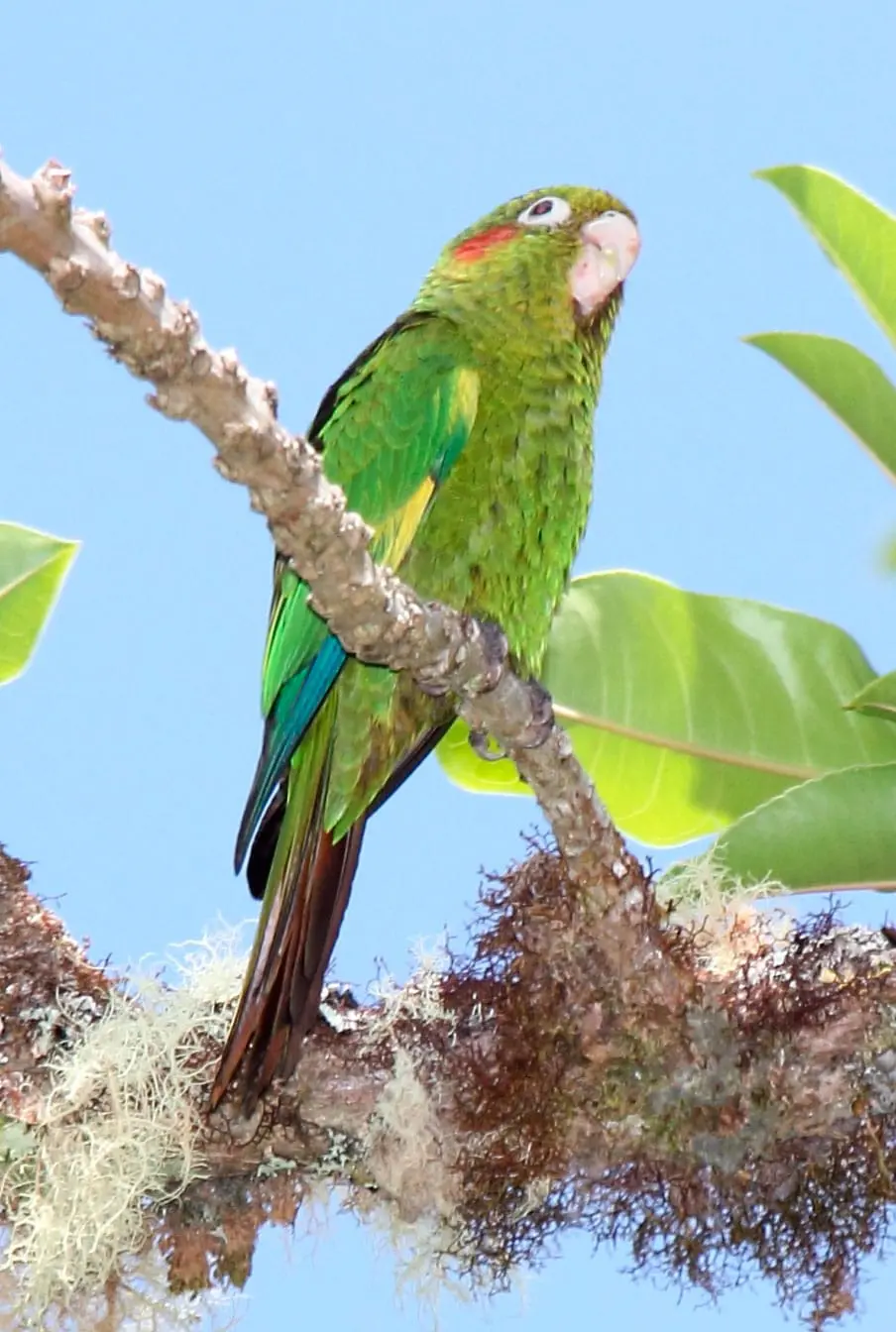
The Sulphur-winged Parakeet (Pyrrhura hoffmanni) It, mostly, green with some individual variations in plumage.

It has a distinctive tail long and round about ear-coverts crimson red. Yellow at the top of the wings, largely hidden when the bird is at rest, but perfectly visible in flight.

The feathers of the forecrown, crown, cheeks and nape, They are green with yellow centers (the proportion of the yellow color is higher in the forecrown, lower in the back of the crown). Above predominantly green, It is the leading edges of the wings, sometimes, yellow. The lesser coverts and median are, generally, green, sometimes with some yellow in outer median coverts and feathers alula.

Yellow at the base of the outerweb of the greater coverts. Outerwebs of primaries, to a great extent, blue; primaries and secondaries with bright yellow patch, especially on the basis of innerwebs; flight feather with black tips. Under, the wings with the lesser coverts green, the majors, greenish yellow; a central portion flight feather yellowed with greyish tips.

Sulphur-winged Parakeet

Chin reddish; throat, sides neck and the top chest, green with yellow tips on feathers, which gives an overall light effect Scaled. The belly, the flanks and undertail-coverts, are green. Upper, the tail is green, below, reddish.

The bill and cere They are pink colored horn; bare periophthalmic white or yellowish white; the irises brown; legs pale grey.

Both sexes are similar, but the male player has yellow stripes on pens crown.
The Immature It has less yellow in head, the chest and wings.

  • Sound of the Sulphur-winged Parakeet.

Subspecies description:

  • Pyrrhura hoffmanni gaudens

    (Bangs, 1906) – Very similar to nominal, although feathers crown and nape They have yellower, with their ends red or red and orange (in some birds, red ends of the feathers may extend over the back, the throat and the chest). Underparts slightly darker.


  • Pyrrhura hoffmanni hoffmanni

    (Cabanis, 1861) – Nominal.

Habitat:

Video – "Sulphur-winged Parakeet" (Pyrrhura hoffmanni)

Sulphur-winged Parakeet (Pyrrhura hoffmanni)

Observed, mainly, in mountainous areas, preferring montane forests in the subtropical zone, mainly 1.000 to 2.400 meters above sea level, although views 550 meters in the region Admiral's Bay, Panama and a 3.000 metres in Costa Rica.

They appear to tolerate a considerable disturbance of habitat, including managed forests, areas and the second growth partially cleared, forests and wooded pasture shrubs. Usually seen in pairs or small flocks of 5-15 birds. You can perform altitudinal movements daily to feed, returning to the mountains to rest. Forage occurs in the canopy or smaller trees and bushes near the edge of the woods.

Reproduction:

They nest in tree hollows, including old nests woodpeckers, to 8-20 meters of land. With reproduce dry season (January June). Clutch six eggs in captivity.

Food:

Its diet includes fruit of Ficus, Croton, Leandra, Myrtus and Miconia.

Distribution and status:

Extending its range (players / residents): 18.400 km2

Confined south of Costa Rica and western Panama.

The species is found in the highlands of the southern half of Costa Rica, including the slopes of Caribbean, the mountains of the central plateau south and the two sides of the Cordillera de Talamanca, sometimes the region Cartago and Paradise and the Irazu volcano.

In western Panama They are mainly distributed in the west and center chiriqui and areas adjacent in Bull's mouths, in the highest mountains (including the chiriqui volcano and the high ridges on Boquette) and at lower elevations around, for example, of the Chirรญqui Lagoon and Admiral Bay.

The easternmost Panamanian registry was found east of the central mountain range in 1868.

Some altitudinal movements (higher in the dry season). Birds are perhaps only sporadic in the extremities of their range. Apparently, It is common in the middle to high elevations of the Cordillera de Talamanca and in isolated areas, and it is believed to be quite numerous throughout the main range.

Its habitat It is now highly fragmented, though still apparently numerous, even in areas where the forest is partly cloudy. Rare in captivity.

Subspecies distribution:

  • Pyrrhura hoffmanni gaudens

    (Bangs, 1906) – West of Panama and Caribbean slope of Bull's mouths.


  • Pyrrhura hoffmanni hoffmanni

    (Cabanis, 1861) – Nominal. South of Costa Rica.

Conservation:

State of conservation โ“˜


minor concern Minor Concern โ“˜ (UICN)โ“˜

โ€ข Current category of the Red List of the UICN: Least concern.

โ€ข Population trend: Stable.

โ€ข Population size : Unknown.

Rationale for the Red List category

Although this species may have a small range, it is not believed that approximates the thresholds for Vulnerable under the criteria of size range (Extension <20,000 km2 combinada con un tamaรฑo de rango decreciente o fluctuante, extensiรณn / calidad del hรกbitat o tamaรฑo de la poblaciรณn y un pequeรฑo nรบmero de lugares o fragmentaciรณn severa). La trend of the population It appears to be stable, so that the species does not approach the thresholds for Vulnerable under the criteria of population trend (> 30% decline over ten years or three generations). The population size It has not been quantified, but it is not believed to be close to the thresholds for Vulnerable under the criterion of population size (<10.000 individuos maduros con un declive continuo estimado> 10% in ten years or three generations or a population structure). For these reasons, the species is evaluated as Least Concern.

Justification of the population

The size of the world's population has not been quantified, but this species is described as ยซquite commonยป (Stotz et to the., 1996).

Justification of trend

They suspected that the population of Catana Cotorra is stable in absence of evidence of any decline or threatens substantial.

"Sulphur-winged Parakeet" in captivity:

Rare in captivity. Quieter than other parakeets. In Panama the export of these birds is prohibited from 1980.

Alternative names:

Hoffmann’s Conure, Hoffmann’s Parakeet, Hoffman’s Conure, Hofman’s Conure, Sulfur-winged Parakeet, Sulphur winged Parakeet, Sulphur-winged Conure, Sulphur-winged Parakeet (English).
Conure de Hoffmann, Perriche de Hoffmann, Perruche de Hoffmann (French).
Hoffmann Sittich, Hoffmannsittich, Hoffmann-Sittich (German).
Tiriba-de-asa-amarelada (Portuguese).
Cotorra Catana, Perico aliazufrado, Perico de Hofman (espaรฑol).
Perico aliazufrado (Costa Rica).


scientific classification:

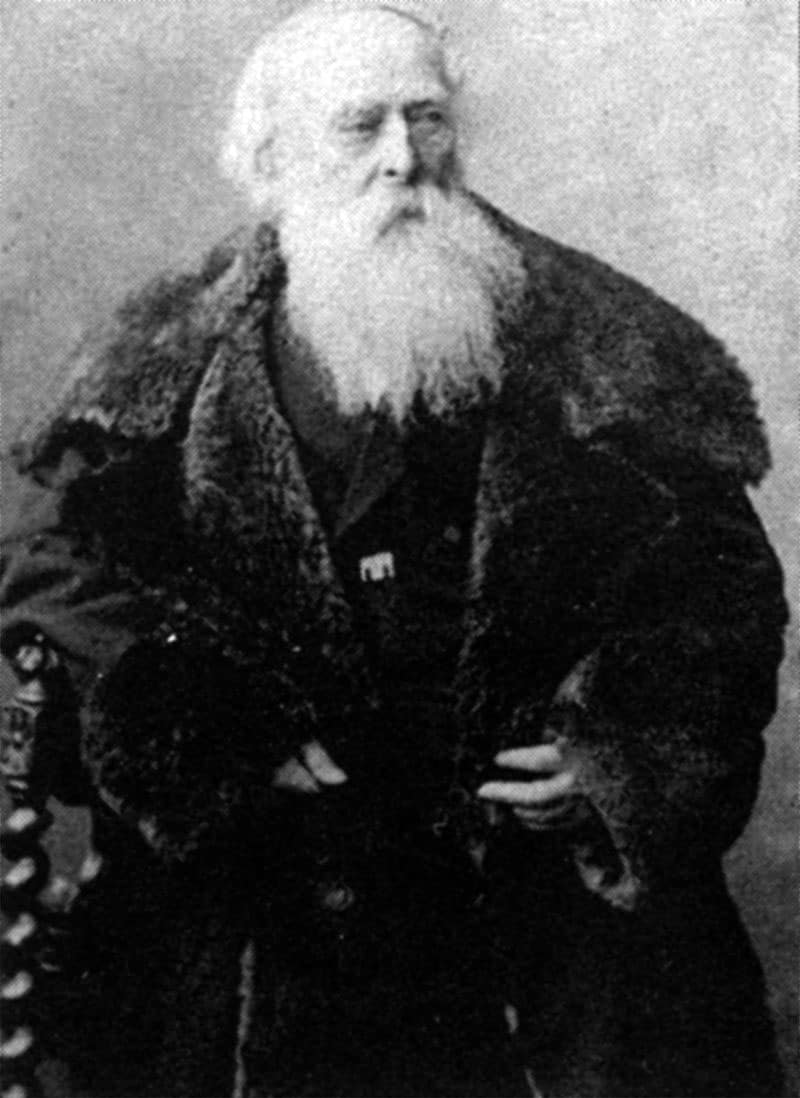
Jean Louis Cabanis
Jean Louis Cabanis

Its name refers to the German naturalist Karl Hoffman.

Order: Psittaciformes
Family: Psittacidae
Genus: Pyrrhura
Scientific name: Pyrrhura hoffmanni
Citation: (Cabanis, 1861)
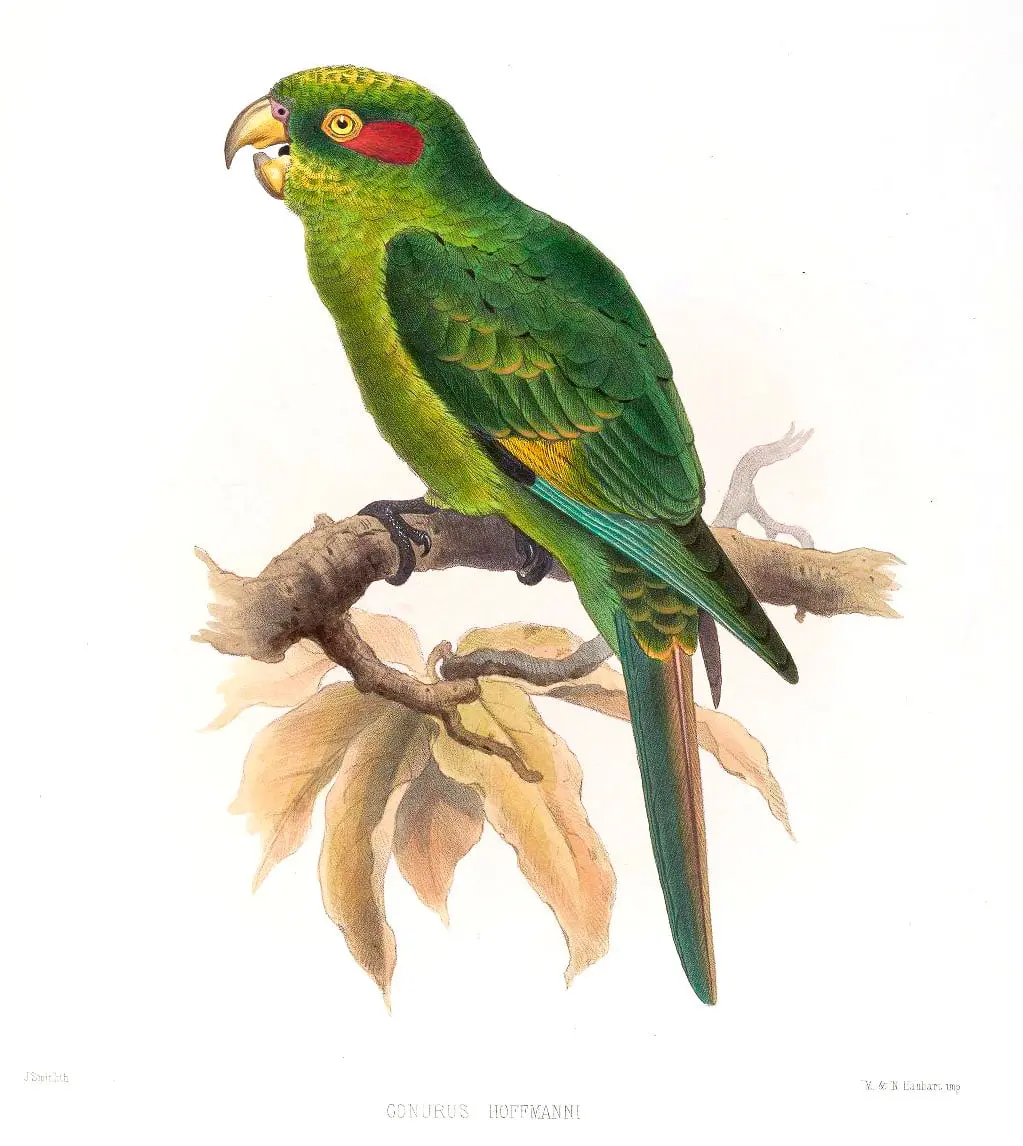
Protonimo: Conurus hoffmanni

Sulphur-winged Parakeet Images:


Especies del gรฉnero Pyrrhura

Sources:

Avibase
– Parrots of the World โ€“ Forshaw Joseph M
– Parrots A Guide to the Parrots of the World – Tony Juniper & Mike Parr
– Birdlife

Photos:

(1) – Sulphur-winged Parakeet (Pyrrhura hoffmanni). Photographed at Savegre, in Costa Rica By Dominic Sherony [CC BY-SA 2.0], via Wikimedia Commons
(2) – Parakeet HOFFMAN (Pyrrhura hoffmanni) Loro Parque, Tenerife by ZOOTOGRAFIANDO
(3) – A Sulphur-winged Parakeet at Savegre, Costa Rica By Dominic Sherony [CC BY-SA 2.0], via Wikimedia Commons
(4) – Sulphur-winged Parakeet (Pyrrhura hoffmanni) at Savegre Lodge, near San Gerardo, Costa Rica By Michael Woodruff [CC BY-SA 2.0], via Wikimedia Commons
(5) – Sulphur-winged Parakeet or Hoffmannโ€™s Conure (Pyrrhura hoffmanni) by elite-pets
(6) – Conurus hoffmanni = Pyrrhura hoffmanni by Joseph Smit [Public domain], via Wikimedia Commons

Sounds: Mike Nelson, XC107214. accessible www.xeno-canto.org/107214

โ–ท The world of Pets: Dogs, cats, birds, reptiles, amphibians

Red-faced Parrot
Hapalopsittaca pyrrhops

Red-faced Parrot

Content


Anatomy-parrots

Description:

23 cm.. height.

The Red-faced Parrot (Hapalopsittaca pyrrhops) It is distinguishable by the intense red in face and pink magenta in shoulder.

Of bill Of course, yellow feathers on the sides of the neck, crown Green with more bluish back.
Dorsally, wing with blue stain and end blackish; tail with blue border.
In flight, wing with armpit red, Blue-Green rest, tail Red with blue tip.
Youth with the face less red.

Habitat:

Rare. It inhabits in the Woods high Andean, near fells, edges and secondary forests, from the 2400 to 3500 m. They are gregarious, usually in pairs or small flocks of 4 to 6 individuals, rarely more.
They are mostly sedentary. But, can arise some movements seasonal altitudinal.

Reproduction:

Nest in the cavities of trees in October-January; the laying of eggs in late November; the chicks are born in early December, and they leave the nest in late January.

Food:

They feed in the canopy of the forest.
Its diet includes outbreaks, flowers, berries and seeds.

Distribution:

Size of the area of distribution (reproduction / resident): 33.800 km2

Inhabits the southern Andes Ecuador and North end of Peru.

Conservation:


Vulnerable


โ€ข Current category of the Red List of the UICN: Vulnerable.

โ€ข Population trend: Decreasing.

The population is estimated to be a number of 2.500-9.999 mature individuals.

Threats

Its decline is attributed to the destruction and fragmentation of habitat, largely through the conversion of burning forests to small farms (Jacobs and Walker, 1999).

Severe loss of this species can be expected due to deforestation and degradation of forests, by burning and grazing, on Cordillera de Chilla, Loja of Ecuador, although 1995 there were still extensive forest areas (Toyne and Flanagan 1997, Jacobs and Walker 1999).

"Red-faced Parrot" in captivity:

Unknown in the poultry.

Alternative names:

Red-faced Parrot, Ecuadorian Parrot, Red faced Parrot (English).
Caรฏque de Salvin, Caรฏque ร  face rouge (French).
Salvinpapagei, Salvins Zwergpapagei (German).
Red-faced Parrot (Portuguese).
Lorito Ecuatoriano (espaรฑol).
Loro de Cara Roja (Peru).


scientific classification:

Salvin Osbert
Salvin Osbert

Order: Psittaciformes
Family: Psittacidae
Genus: Hapalopsittaca
Scientific name: Hapalopsittaca pyrrhops
Citation: (Salvin, 1876)
Protonimo: Pionopsitta pyrrhops

Images "Red-faced Parrot"

Videos "Red-faced Parrot"


"Ecuadorian Lorito" (Hapalopsittaca pyrrhops)


Sources:

  • Avibase
  • Parrots of the World โ€“ Forshaw Joseph M
  • Parrots A Guide to the Parrots of the World – Tony Juniper & Mike Parr
  • Birdlife
  • Parrot Book, Parrots and macaws Neotropical

  • Photos:

(1) – Red-faced Parrot (Hapalopsittaca pyrrhops) by Dusan M. Brinkhuizen – IBC

โ–ท The world of Pets: Dogs, cats, birds, reptiles, amphibians

Scaly breasted Lorikeet
Trichoglossus chlorolepidotus

Scaly breasted Lorikeet

Content

Description

23 cm.. length and a weight between 75 and 95 gr.

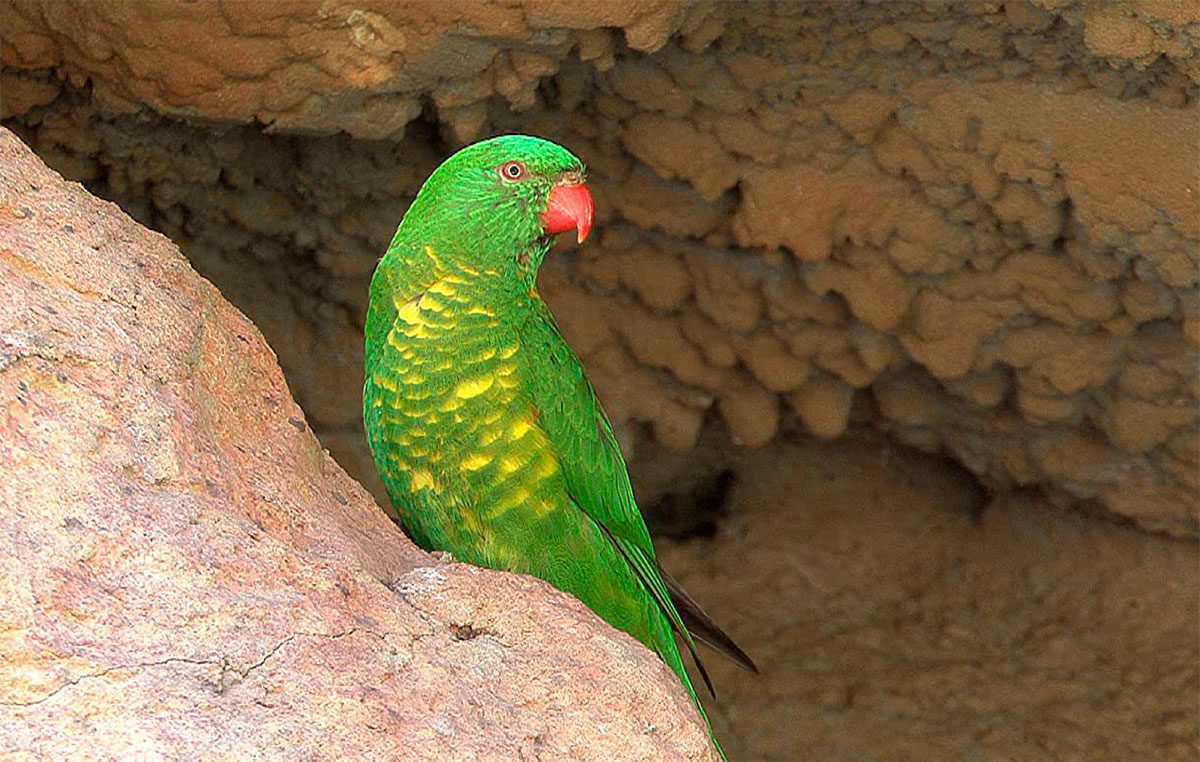
The plumage of the Scaly breasted Lorikeet (Trichoglossus chlorolepidotus) is usually green.

The part back from your neck, the throat and the chest has several brands of yellow.
Under its tail, the the thighs and the sides of the body they are clearly marked with yellow.
Under its wing , and more specifically by the part inferior of them flight feather, its color is reddish orange.
The circle around the eyes is narrow and grey. Its irises is yellowish-Orange. The legs are ash and the bill orange.

The immature are equal to adults, but with less scalloped yellow; the thighs Brown pale and tail shorter. The bill brown. The eye ring White grey.

Habitat:

The Scaly breasted Lorikeet they are distributed by many forest habitats, including parks and Gardens located on the outskirts of cities and farmland, where are the flowering trees present.

They usually found in coastal areas and adjacent plateaus.

They have a strong preference for agricultural land and coastal scrub that are dominated by trees of the genus Banksia.

They can also be seen along the rivers, to the West of the Great dividing range. They can live up to 600 m.

The Scaly breasted Lorikeet they have quite similar patterns to the of the Coconut Lorikeet. It is not uncommon to find them together in mixed flocks where one of the two species generally outnumbers the other..

Most of the time, the Scaly breasted Lorikeet they live in pairs or in small groups of up to 10 individuals. They are most active at dawn, shortly after the dormitories are scattered.

They usually roam locally. These short trips are motivated by the search for food.

During flowering of trees, large groups may intervene if resources are abundant. The dispersion of groups is immediately after flowering.

In urban districts, are sedentary Since the sources of food are abundant in the gardens during all the year.

They are particularly friends of cultivated fruit, arriving to cause much damage in the orchards.

These birds have a flying fast and direct. When they are in the air they are immediately identifiable by its green head and bright orange red wings bass. When flying over the tops of them trees with rhythms fast, their wings produce a buzzing sound which is easily audible.

Reproduction:

The nesting season comprises of mayo to February in the North of the area of distribution, probably related to the decrease of rainfall.

In the southern part of the State of Victoria It takes place between August and January.

The Scaly breasted Lorikeet They nest in tree cavities, usually at a considerable height from the ground. They cover the bottom of the nest with a layer of sawdust and then lay two or three white eggs., oval in shape.

The incubation lasts a few 25 days. The male spends most of its time near hollow, but it does not seem to participate in the incubation. Both parents feed the chicks until they leave the nest, of 6 to 8 weeks after hatching.

Food:

The Scaly breasted Lorikeet they have a scheme rather similar to the of the Coconut Lorikeet. Both species feed primarily on nectar and pollen from the flowers especially the Niaouli (Melaleuca quinquenervia).

They feed also on flowers, berries, fruit, seeds, small insects and their larvae. Are big lovers of the fruits cultivated. They also enter sorghum and corn fields because they crave small immature milky grains..

Distribution:

Size of the area of distribution (reproduction / resident): 2.310.000 km2

The Scaly breasted Lorikeet being endemic to the Australian continent.

Its area of distribution extends from Bamaga in the extreme north of Queensland the District of Illawarra, on the South coast of New South Wales.

These birds are sedentary and abundant in the North, nomadic and less numerous in the South. They were introduced in the District of Melbourne, in the State of Victoria.

Conservation:


minor concern


โ€ข Current IUCN Red List category: Least concern

โ€ข Population trend: Stable

The population World has not been quantified, but is estimated above 100.000 specimens.

The species is described as common in the center of its area of distribution and more rare toward the areas north and South of their area of distribution.

It is suspected that the population It stable in the absence of evidence of any reduction or substantial threats.

"Scaly breasted Lorikeet" in captivity:

Rare out of Australia; small number in the United States and the United Kingdom.

Gregarious, playful and loud. A bit messy due to a diet of nectar.
Its life in captivity ranges between 20 and 25 years.

Alternative names:

Scaly breasted Lorikeet, Scalybreasted Lorikeet, Scaly-breasted Lorikeet (ingles).
Loriquet vert, Loriquet ร  poitrine squameuse, Loriquet รฉcaillรฉ (French).
Schuppenlori (German).
Lรณris-verde-de-peito-escamosos (Portuguese).
Lori Escuamiverde, Tricogloso de Pecho Escamoso (espaรฑol).

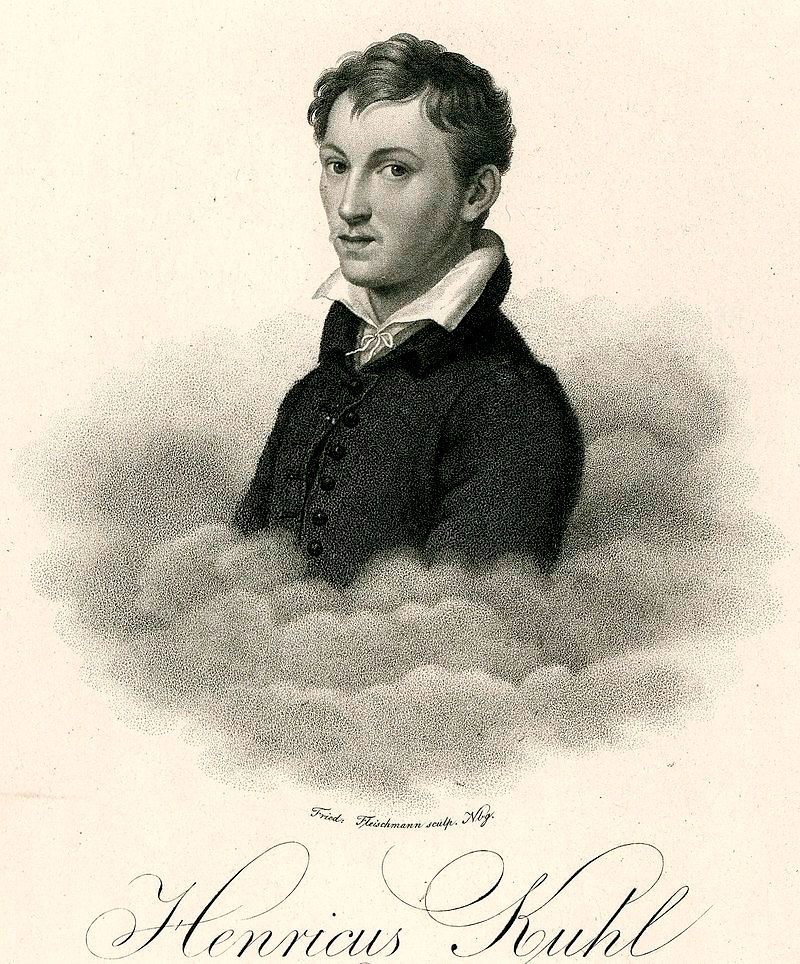
Kuhl, Heinrich
Heinrich Kuhl

scientific classification:


Order: Psittaciformes
Family: Psittaculidae
Genus: Trichoglossus
Scientific name: Trichoglossus chlorolepidotus
Citation: (Kuhl, 1820)
Protonimo: Psittacus chlorolepidotus


Images ยซGreen-skinned Loryยป:

Videos "Scaly breasted Lorikeet"

——————————————————————————————————-

ยซGreen-skinned Loryยป (Trichoglossus chlorolepidotus)


Sources:
Avibase
– BirdLife.org
– Parrots of the World โ€“ Forshaw Joseph M
– Parrots A Guide to the Parrots of the World – Tony Juniper & Mike Parr

Photos:

– Josep de el Hoyo – IBC.lynxeds.com
– by Tobias Spaltenberger – Two Scaly-breasted Lorikeets at Taronga Zoo, Australia. – Wikimedia
– by Ken Havard – IBC.lynxeds.com
– by Aviceda – Wikipedia
– by Jeremy Eades – Wikipedia

Sounds: Peter Woodall (Xeno-canto)
โ–ท The world of Pets: Dogs, cats, birds, reptiles, amphibians

Red-capped Parrot
Purpureicephalus spurius

Red-capped Parrot

Content


Anatomy-parrots

Description

36 cm.. length and a weight between 105 and 156 g..

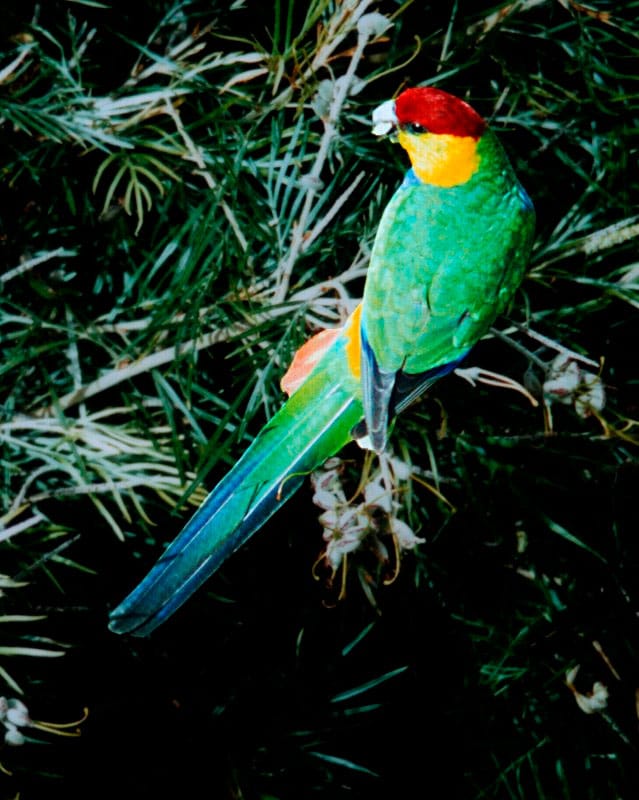
The Red-capped Parrot (Psittacus erithacus) It has the "crown" lid and the nape deep carmine red. The throat and cheeks are yellowish-green, merging slightly yellow on the sides of neck. The the mantle shows a dark green. The rump is bright yellow, which contrasts with the uppertail-coverts green. The wings covers are green, although large coberteras stain blue in the outer feathers.

The flight feather They are blackish with a large dark blue border around the outside edges of the primaries. The underparts is blue, with the exception of the flight feather that are black. The feathers of the chest and the abdomen they are blue-purple, becoming paler in area anal.

The the thighs and lower area of the tail They have a beautiful red. The undersides They have infiltrated some green feathers. Large central feathers tail They are green at the base, and bluish to the tip. side feathers tail They are dark at the base but gradually diluted colors light blue in the middle and then to white at the tips. The bottom of the tail It is pale blue with a white termination.

The bill, formed by a upper jaw more elongated, is bluish grey. The irises is of color Brown dark and the legs brown.

The female is more off than your partner. It has a crown green and chest brown. It shows a clear cross bar at the bottom of the wings, the level of flight feather. This motif is also present in the immature.

The immature they have the upperparts dark green and yellow rump duller than in adults. The the thighs They are less bright red colo. The chest It is browner. The forecrown It is covered with red feathers that are part, in small scattered groups, red feathers crown. The adult plumage It is acquired largely during the first molt and subsequently completed in the first spring.

Habitat:

Red-capped Parrot

Paired adults are sedentary, Although noisy flocks of up to 20 young birds are often seen wandering in search of food.

The Red-capped Parrot they have a preference for the eucalyptus forest and specialized to feed on seeds MARRI since its elongated upper jaw is adapted to eating the large seeds of the plant. The Fruit Marri they are available throughout the year and provide the source of staple food. The Red-capped Parrot they can also be observed in gardens (where sometimes cause serious damage), peoples, wooded pastures and forest of mallee (Eucalyptus Gracilis), feeding also on strips of grass covering the roads.

Couples remain inconspicuous, While quietly feeding in the canopy, during most of the day, Although they sometimes perch on Earth, in the clear, to feed on fallen fruit.

Reproduction:

The nesting season is between between August and December.

During the courtship, the male raises its crest, the tail, It tilts its wings and emits loud calls. The ritual offerings of food are also common, feeding the male to his partner during the incubation period.

The spawning usually includes 5 eggs, but may vary from 3 to 9. These are white. The eggs are deposited on a layer of sawdust that lines the bottom of a natural cavity of a eucalyptus marri, to a great height above the ground.

The incubation lasts a few 20 days. The male does not participate in feeding youngsters until they reach the age of 15 days. The flight of the young occurs approximately 5 weeks after hatching. The young remain in the family group for a short time after leaving the nest.

Food:

Apart from MARRI, These birds also feed on other eucalyptus, for example, Jarrah (Eucalyptus marginata), casuarinas, (Grevillea, Hakea), and they have also been feeding on flowers and insects.

Distribution:

Size of the area of distribution (reproduction / resident): 126.000 km2

Confined to the southwest corner of Western Australia. The species is distributed around the Moore river to the North of Perth (occasionally in Dandaragan), through the leafy South-West corner, usually within 100 km from the coast, reaching the inside of Lake Grace in the East and Esperance on the South Coast. The Red-capped Parrot they are regularly observed in the outskirts of Perth, and are reproduced in the Kingโ€™s Park in the center of the city. The species is common, especially in the forests of MARRI (eucalyptus calphylla).

The world's population is believed to be above 20.000.

Moderate numbers in captivity. Can be shot like a plague in a small number of areas.

Conservation:


minor concern


โ€ข Current category of the Red List of the UICN: Least concern

โ€ข Population Trend: Growing

The size of the world population It has not been quantified, Although the world's population is estimated at more of 20 000 specimens.
The species is described as quite common (pit et to the. 1997).

The number of captive birds It seems to be quite modest. In some areas, This bird has no protection and can be shot down if it enters an area of intensive growth. Even so, the population It is suspected that You may be increasing.

As the degradation of the habitat is permanent, new areas of suitable habitat are being created.

"Red-capped Parrot" in captivity:

It is a bird shy and nervous. They should not be housed with aggressive species. They can be noisy especially early, in the morning.
Not common in captivity.

Una muestra viviรณ 15,3 years in captivity. In captivity, these animals have been able to play to the 2 years of age approximately.

Alternative names:

Red-capped Parrot, Hookbill, King Parrot, Pileated Parakeet, Pileated Parrot, Purple-crowned Parrot, Red capped Parrot, Red-capped Parakeet, Western Australian King Parrot, Western Gray Parrot, Western Grey Parrot, Western King Parrot (ingles).
Perruche ร  tรชte pourpre (French).
Kappensittich, Rotkappensittich (German).
Periquito-cabeรงa-pรบrpura (Portuguese).
Perico Capelo, Periquito de Birrete Rojo (espaรฑol).

scientific classification:

Order: Psittaciformes
Family: Psittaculidae
Genus: Purpureicephalus
Scientific name: Purpureicephalus spurius
Citation: (Kuhl, 1820)
Protonimo: parrot champion

Images ยซPerico Capeloยป:

Videos "Red-capped Parrot"

————————————————————————————————

ยซPerico Capeloยป (Purpureicephalus spurius)


Sources:

Avibase
– Parrots of the World โ€“ Forshaw Joseph M
– Parrots A Guide to the Parrots of the World – Tony Juniper & Mike Parr
– Birdlife
– AnAge: The Animal Ageing and Longevity Database – Anagรฉ entry for Purpureicephalus spurius

Photos:

(1) – ยซRed-Capped-Parrot 0004 flat webยซ. Licensed under CC BY-SA 2.5 via Wikimedia Commons.
(2) – A juvenile Red-capped Parrot at Earls Golf Club, Perth, Western Australia, Australia By Michael MK Khor [CC BY 2.0], via Wikimedia Commons
(3) – By Bill & Mark Bell – Flickr
(4) – By Bill & Mark Bell – Flickr
(5) – By Ralph Green – Red-capped Parrot juvenile – Flickr
(6) – Edward Lear [Public domain], via Wikimedia Commons

Sounds: Randy Moore (Xeno-canto)
โ–ท The world of Pets: Dogs, cats, birds, reptiles, amphibians

Slaty-headed Parakeet
Psittacula himalayana


Slaty-headed Parakeet

Content

Description:


Anatomy-parrots

Of 39 to 41 cm.. of length and a weight of 125 g..

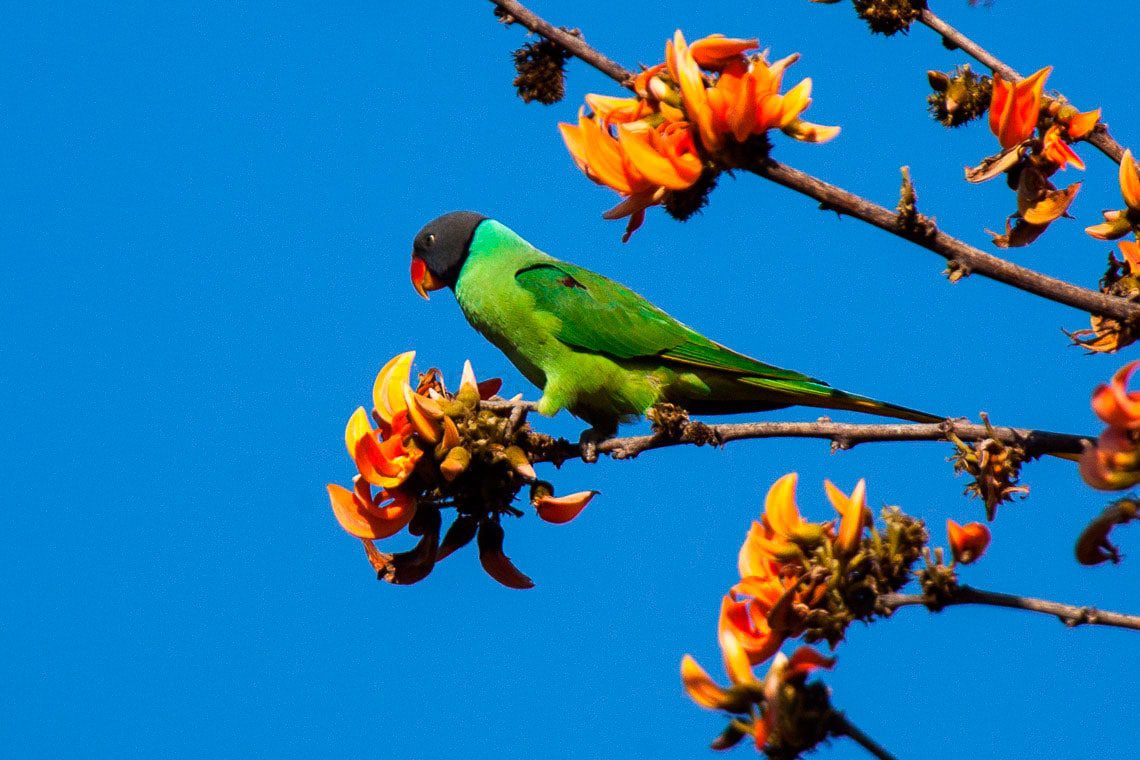
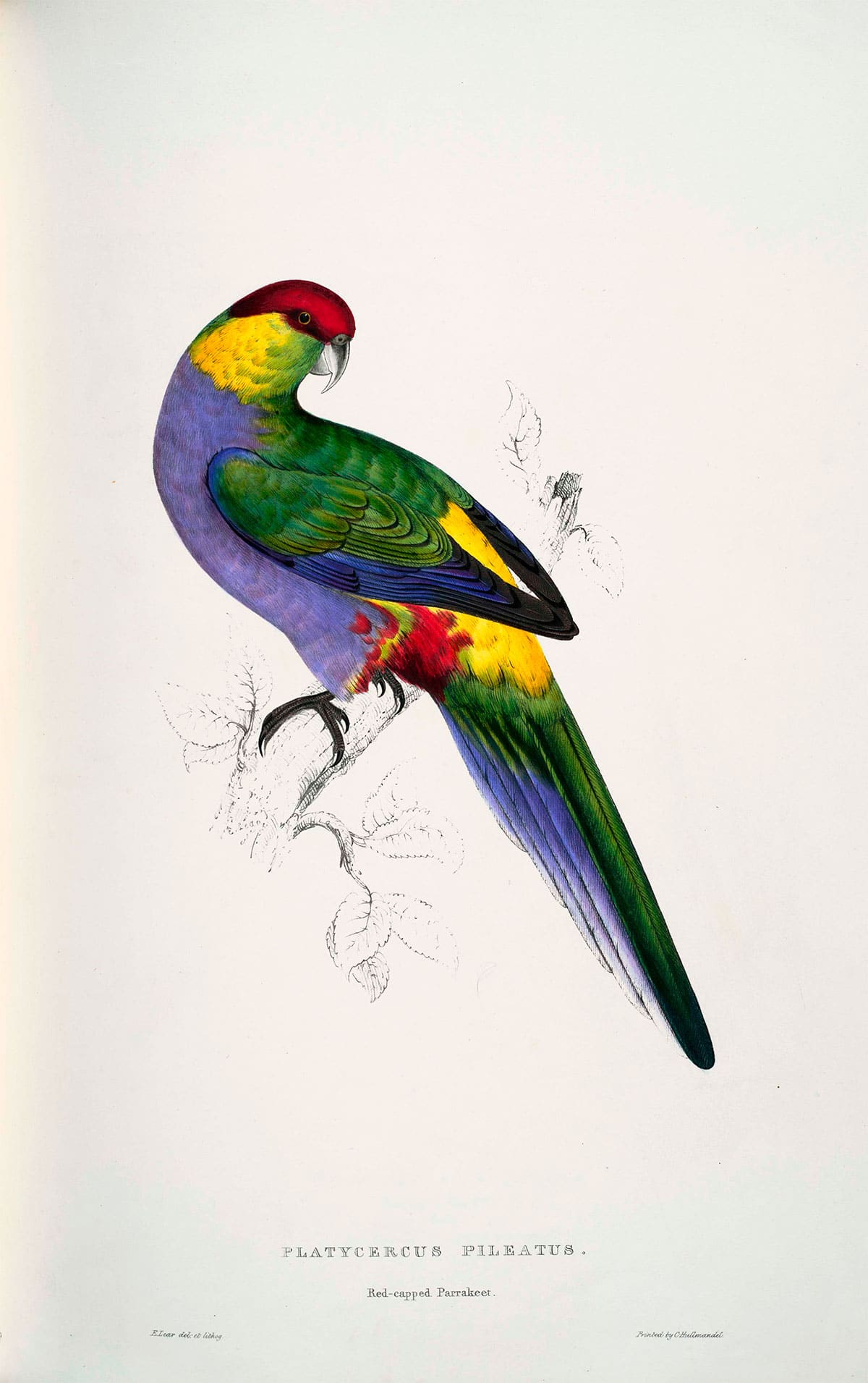
The Slaty-headed Parakeet (Psittacula himalayana) has the forecrown, crown, lores and ear-coverts slaty-grey; chin and lower cheeks black, extending in the lateral narrow shaped collar black, to mark a clear boundary between the dark head and back neck bright green and nape, whose colour fades to duller green on rest of upperparts..

Lesser wing-coverts outer, green, brown the inner coverts, with a distinctive patch shoulder; remaining upperwing-coverts green.
The primaries Green with narrow yellow margins in vane outer; secondaries green. Underwing-coverts bluish green. Underparts bright pale green. Uppertail bright blue green, tipped chrome yellow color in the center, outer feathers green with yellowish tips; undertail-coverts bright yellow.

upper jaw orange-red, tipped pale yellowish, the lower yellower; cere whitish; irises creamy white; legs yellowish green.

The female smaller, more opaque in nape, usually with the tail shorter and often they lack the brown in the patch of the shoulders.

The immature with the head greenish brown opaque; acquire gray slate after first winter. The young birds they have the irises dark.

Habitat:

The Slaty-headed Parakeet Mountain forests are distributed, at altitudes around 2.500 meters in summer; rarely above the 250 meters in winter. Otherwise residents, although there are fluctuations depending on local food supply.

Occupy denser forest than most of its congeners, but preferably in extensions near orchards or farms with high trees. Registered in a variety of slopes and steep wooded valleys, including oak forests, cedars, Oak, rhododendrons and pines.

Observed, in general, in small flocks or family groups, no large gatherings, although flocks 50 birds have been recorded at the end of the monsoon.
Also registered with mixed banndadas Rose-ringed Parakeet, the Plum-headed Parakeet and Blossom-headed Parakeet. Registered a flock of 15 males during the month of November Nepal.

Reproduction:

The nest Slaty-headed Parakeet usually it located in a recess, on top of a tree, at an altitude between 6 and 20 m above the ground; a rotten branch used to excavate a cavity or modificadan the old nest of other species.

In East Afghanistan, the nest is ,normally, an old hole made by a Scaly-bellied Woodpecker (Pico squamatus).

Often several nests are close together.

The breeding season in the west of the range is between March and May, (maybe later at higher altitudes); they leave the breeding area in July; the laying is of 3 to 5 eggs.

Food:

The Slaty-headed Parakeet it feeds on various fruit, cultivated and wild, dried fruits and seeds, depending on the season.

Registered foods include berries of Cornus, Viburnum and Durant, seeds of Terminalia myriocarpa, seeds of Pine Pinus, acorns OAK wide and seedpods Dalbergia, flowers of Bauhinia purpurea and nectar of Woodfordia fruticosa.

Although the overall economic impact of this species is probably light, they are considered locally as a pest due to attacks on corn crops, Apple trees (flower and fruit), pear and walnuts Juglans regia.

Distribution:

Size of the area of distribution (reproduction / resident): 696.000 km2

The Slaty-headed Parakeet It is distributed by the Himalaya occidental, where they are, Commonly, above the 1.350 m, from the East of Afghanistan through northern Pakistan, northern India and Nepal until Bhutan, West of Arunachal Pradesh and Assam (about 92 it is) to the North of the Brahmaputra.

Conservation:

State of conservation โ“˜


minor concern Minor Concern โ“˜ (UICN)โ“˜

โ€ข Current Red List of UICN: Least concern

โ€ข Population trend: Stable

The size of the world population Slaty-headed Parakeet It has not been quantified, but the species, according to sources, is usually common, although apparently very poorly documented in recent decades; uncommon in China.

The population is suspected to be stable in the absence of evidence of any reduction or substantial threats.

"Slaty-headed Parakeet" in captivity:

Fairly common in Australia, not so much in other places. In general, trade is not significant.

Alternative names:

Slaty-headed Parakeet, Himalayan Slaty-headed Parakeet (English).
Perruche de l’Himalaya, Perruche ร  tรชte ardoisรฉe (French).
Himalayasittich, Finsch-Sittich, Schwarzkopf-Edelsittich (German).
Periquito-himalayana (Portuguese).
Cotorra de Cabeza Pizarra, Cotorra del Himalaya (espaรฑol).


scientific classification:

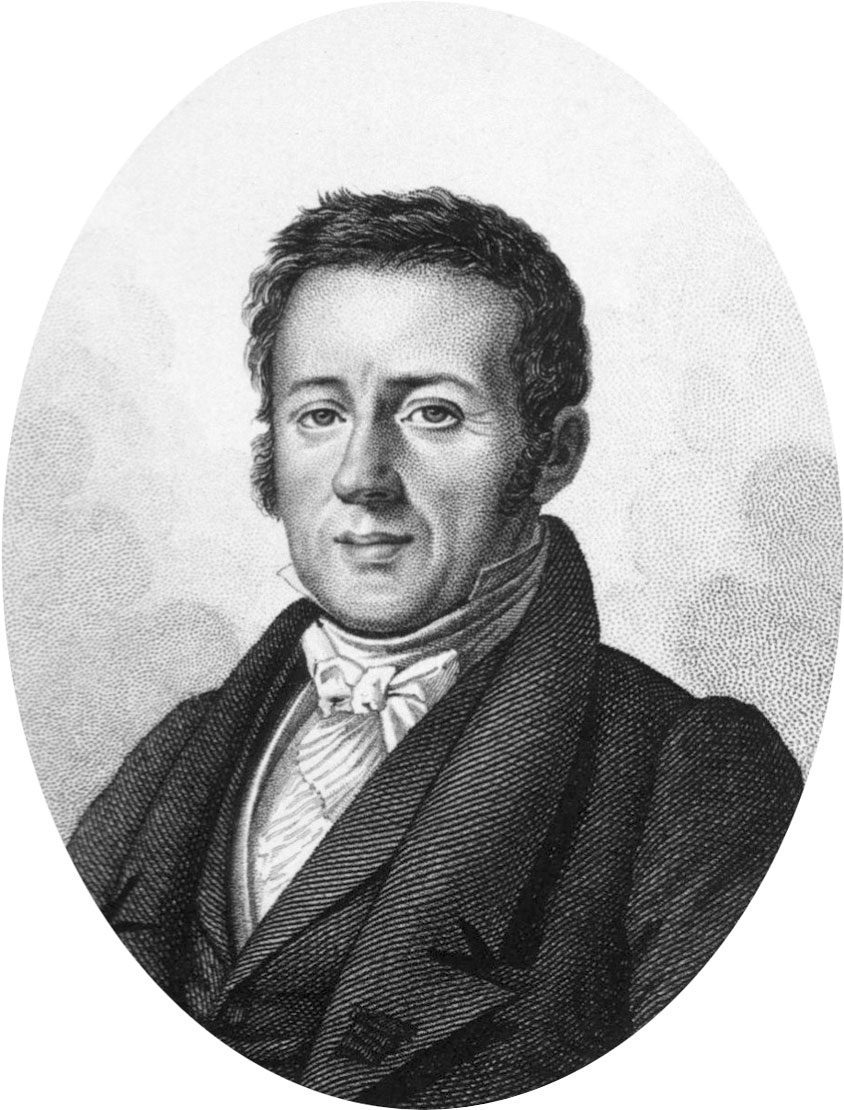
Renรฉ Primevรจre Lesson

Order: Psittaciformes
Family: Psittaculidae
Genus: Psittacula
Scientific name: Psittacula himalayana
Citation: (Lesson, 1832)
Protonimo: Psittacus (conurus) รคฦ’Imlynus

Images "Slaty-headed Parakeet"

Videos "Slaty-headed Parakeet"


Especies del gรฉnero Psittacula

Slaty-headed Parakeet (Psittacula himalayana)


Sources:

Avibase
– Parrots of the World โ€“ Forshaw Joseph M
– Parrots A Guide to the Parrots of the World – Tony Juniper & Mike Parr
– Birdlife

Photos:

(1) – Slatina-headed Parakeet Psittacula Himalayas, Corbett National Park, India By Francesco Veronesi from Italy (Slaty-headed Parakeet – Corbett NP_1842) [CC BY-SA 2.0], via Wikimedia Commons

Sounds: David Farrow (Xeno-canto)