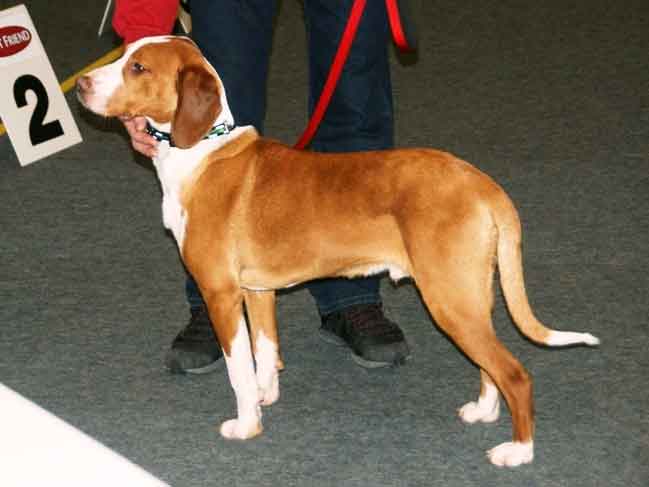
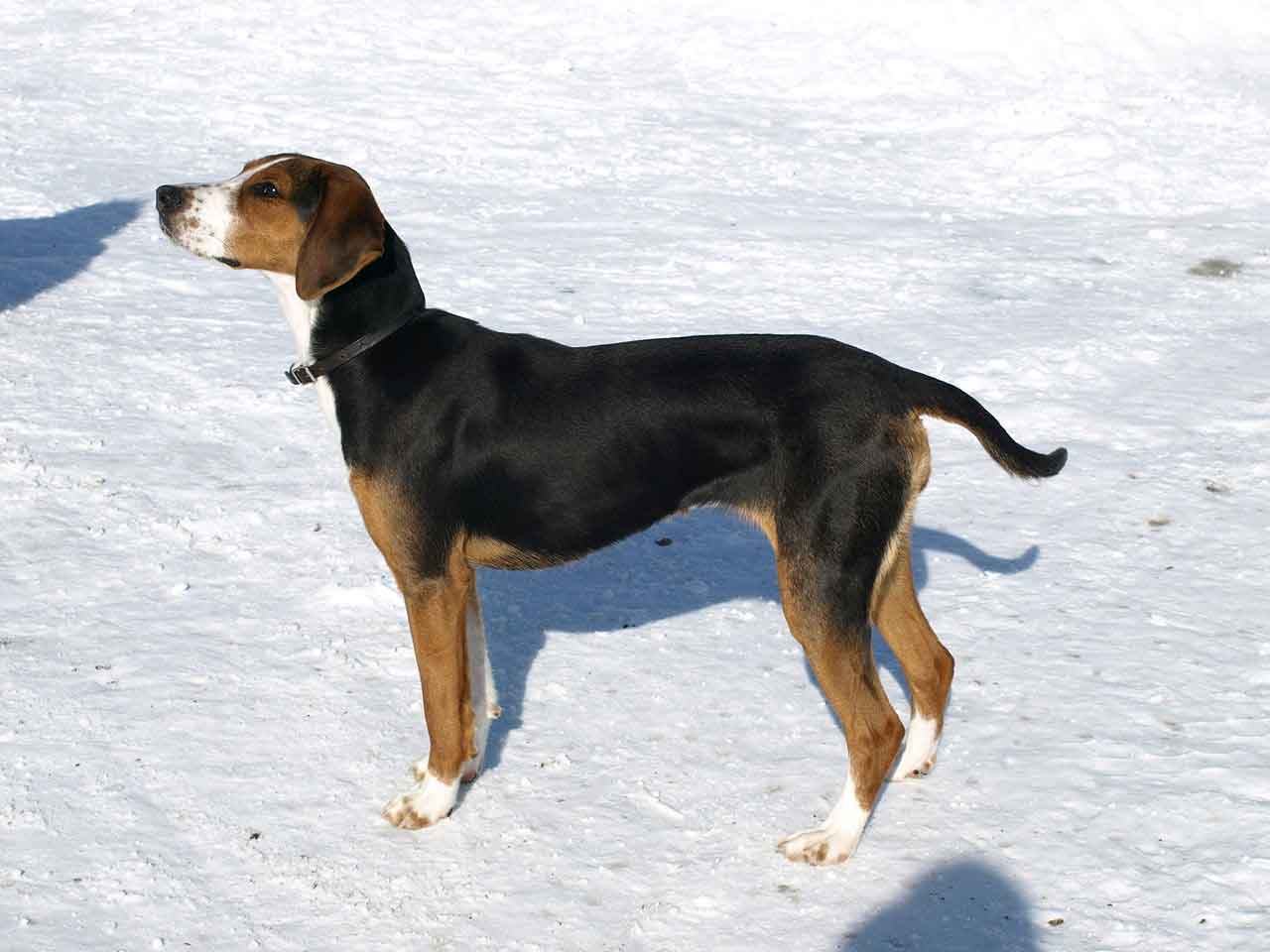
โ–ท The world of Pets: Dogs, cats, birds, reptiles, amphibians

Fawn Brittany Griffon
Francia FCI 66 - Medium-sized Hounds

Fawn Brittany Griffon

Its sociable, loving, balanced and very kind to people, what makes them good companions.

Content

History

The Fawn Brittany Griffon it is one of the oldest breeds of French trace dogs, since in the fourteenth century a certain Huet des Ventes already had a pack of this type. Widely used until the 19th century for wolf hunting in Brittany, rested when these animals disappeared.

In the 1949, The Brittany Fawn Club was created by Marcel Pambrun to dedicate himself to preserving the value of these dogs, that had become scarce. Since the decade of the years 80, under the impulse of Bernard Vallรฉe, the Fawn Brittany Griffon, as well as the race that derives from it, the Fawn Brittany Basset, they seem to have made a place for themselves among French track dogs. The motto "hunting above all" continues to be the Club's line of conduct.

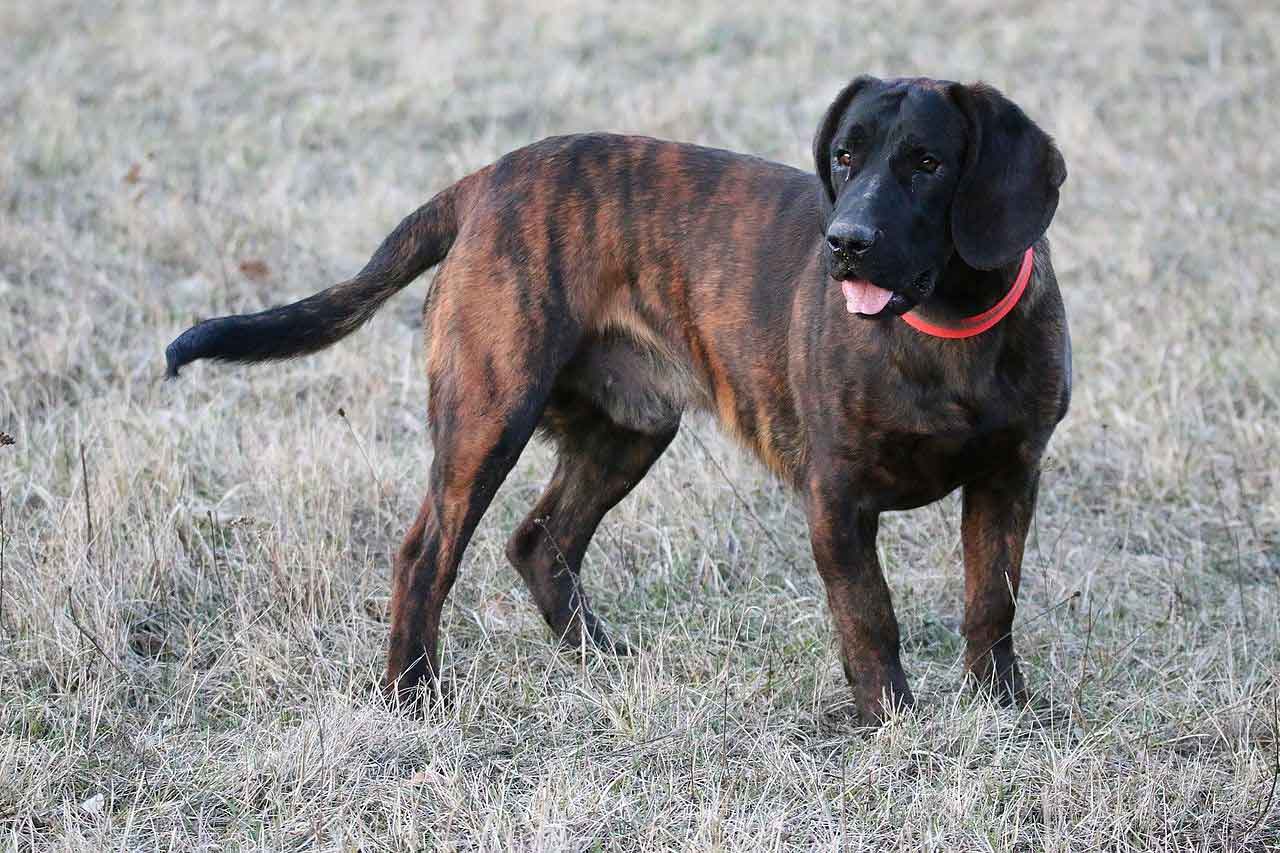
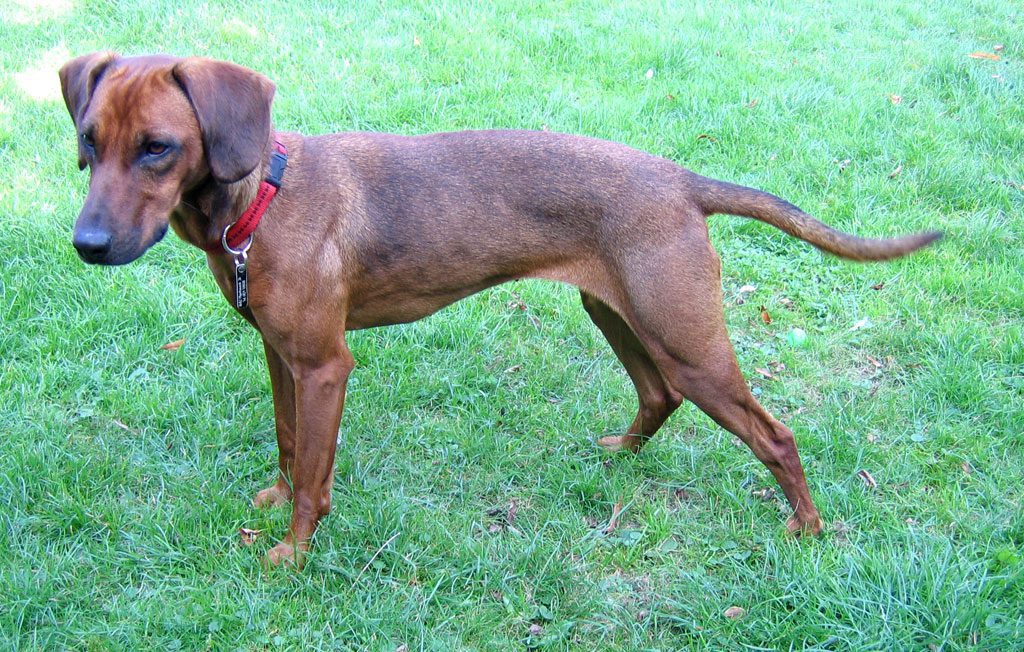
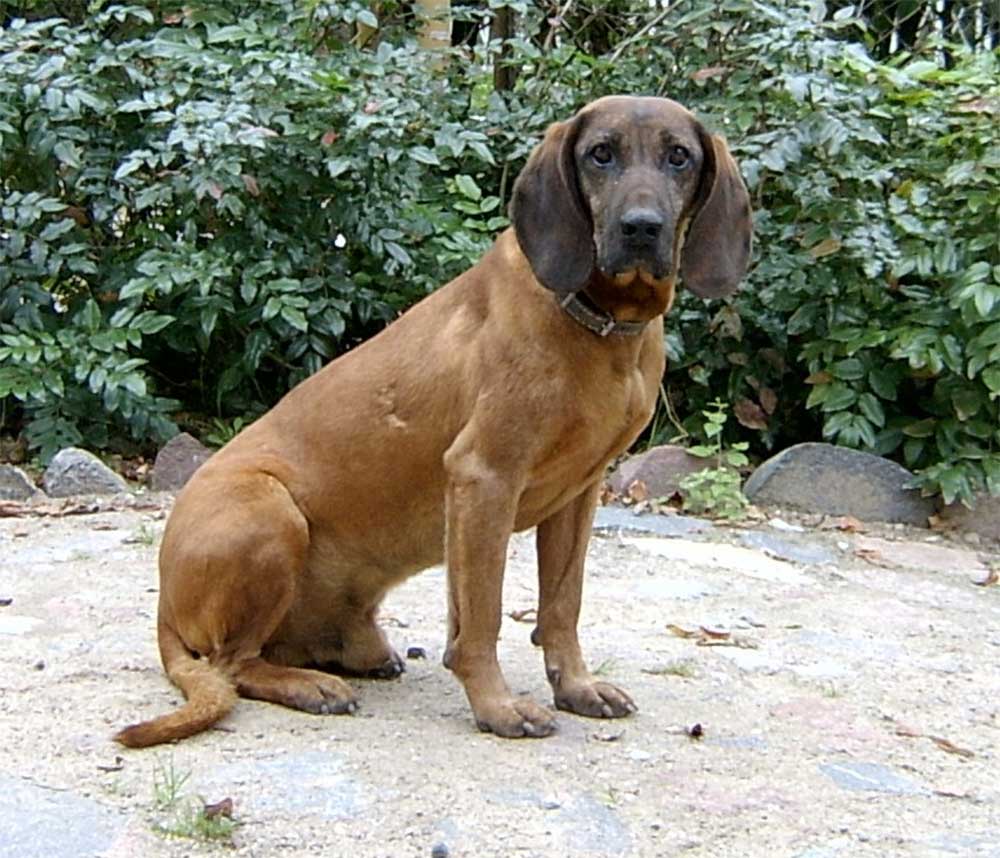
Photo: This is a french dog Griffon Fauve de Bretagne by Alephalpha, CC BY-SA 3.0, via Wikimedia Commons

Physical characteristics "Griffon griffon of Brittany"

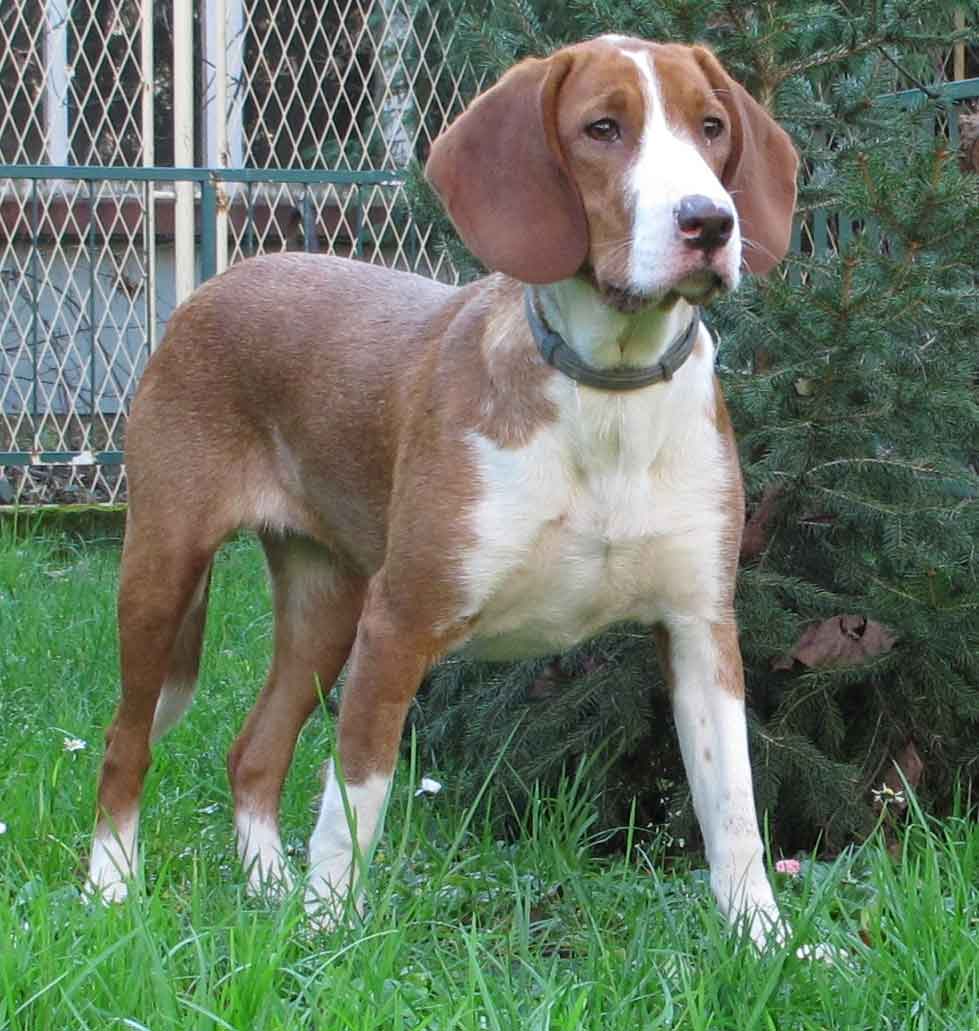
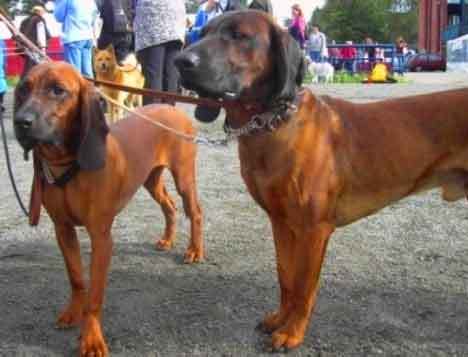
The Fawn Brittany Griffon it is mostly a hunting dog with a muscular body. They are recognized by their short hair, rough and dry, always tawny in color but with more or less pronounced tones. Its hair is slightly longer on the sides of its elongated snout, forming a kind of mustache. Her small dark brown eyes give her a lively and alert appearance. His ears, quite large, they lay low and they wear droopy. They are covered with shorter and finer hair than the rest of the body.

The Fawn Brittany Griffon has a medium-length tail, sickle-shaped, which is thick at the base and more tapered at the tip. When active, this dog makes quick lateral movements with his tail.

Size: 48 – 56 cm.
Weight: 18 – 20 kg

Character and skills "griffon griffon of Brittany"

Proud, bold and alive, the Fawn Brittany Griffon he is a stubborn and passionate hunter, that adapts easily to all territories and all game animals. Brave, witty, tenacious and diligent, he is also entrepreneurial and efficient, while demonstrating your ability to convene.

Its sociable, loving, balanced and very kind to people, what makes them good companions.

If he is well trained, is obedient and has a good memory.

Care of "Griffon of Brittany"

The Fawn Brittany Griffon not cut out for city living. He is quite used to living in a pack in a kennel. It is a dog that needs long walks in the forest in particular. If you grow up in the city, your master must be able to offer you very frequent and stimulating outings.

The Fawn Brittany Griffon does not require any particular maintenance except brushing once or twice a week.

The health of the "Giffon of Brittany"

The Fawn Brittany Griffon he is a robust dog, tough and in pretty solid health. But, can be prone to ear infections and eye problems. This dog can also suffer from hip and elbow dysplasia.

Characteristics "Fawn Brittany Griffon"

Coexistence is important that you have with your new friend. Before considering the acquisition of a dog of the breed "Fawn Brittany Griffon" you know certain factors. Not all breeds of dogs are apt to live in an apartment, you must take into account his character, their need for exercise, their interaction with other pets, their care and if you have small children, their level of tolerance towards them.

Adaptation โ“˜

3,0 of 5 stars (based on 1 review)

friendly dog โ€‹โ€‹โ“˜

3,0 of 5 stars (based on 1 review)

hair loss โ“˜

3,0 of 5 stars (based on 1 review)

Affection level โ“˜

4,0 of 5 stars (based on 1 review)

Need for exercise โ“˜

5,0 of 5 stars (based on 1 review)

Social need โ“˜

4,0 of 5 stars (based on 1 review)

Home โ“˜

3,0 of 5 stars (based on 1 review)

Toilet โ“˜

2,0 of 5 stars (based on 1 review)

Friendly with strangers โ“˜

4,0 of 5 stars (based on 1 review)

barking โ“˜

3,0 of 5 stars (based on 1 review)

Health โ“˜

1,0 of 5 stars (based on 1 review)

Territorial โ“˜

2,0 of 5 stars (based on 1 review)

Cat friendly โ“˜

3,0 of 5 stars (based on 1 review)

Intelligence โ“˜

4,0 of 5 stars (based on 1 review)

Versatility โ“˜

4,0 of 5 stars (based on 1 review)

Child friendly โ“˜

5,0 of 5 stars (based on 1 review)

Surveillance โ“˜

4,0 of 5 stars (based on 1 review)

joy โ“˜

4,0 of 5 stars (based on 1 review)

Images "Fawn Brittany Griffon"

Photos:

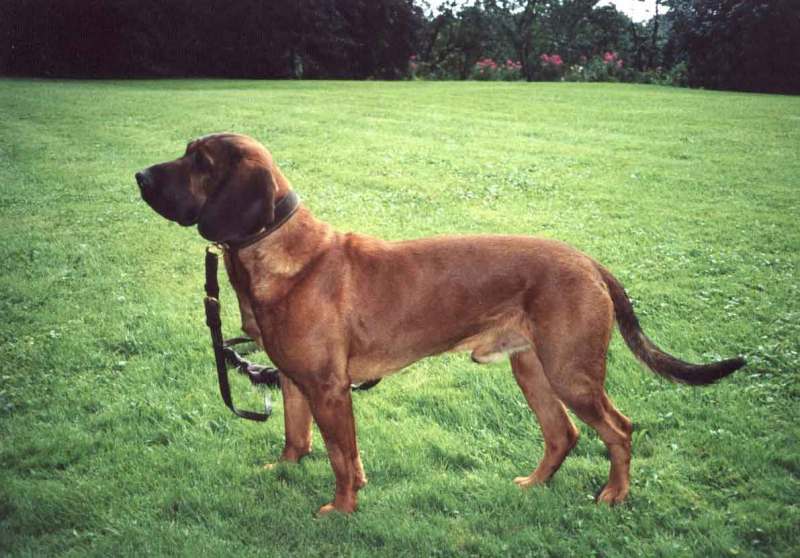
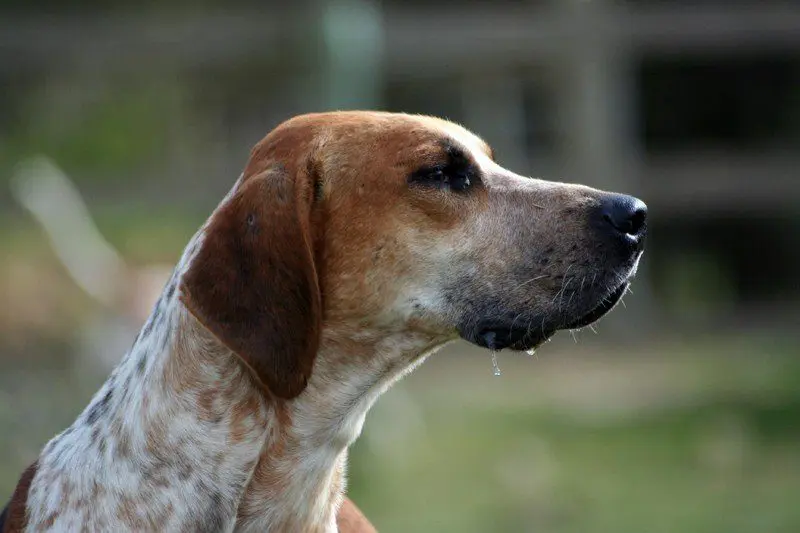
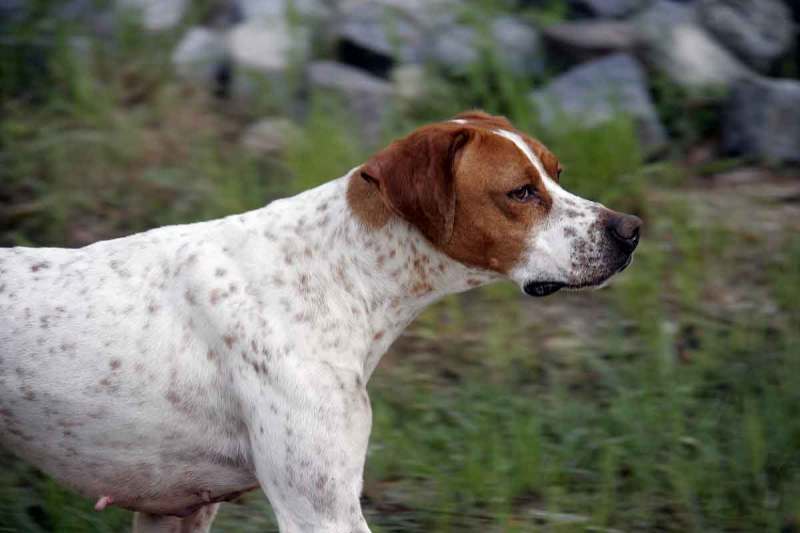
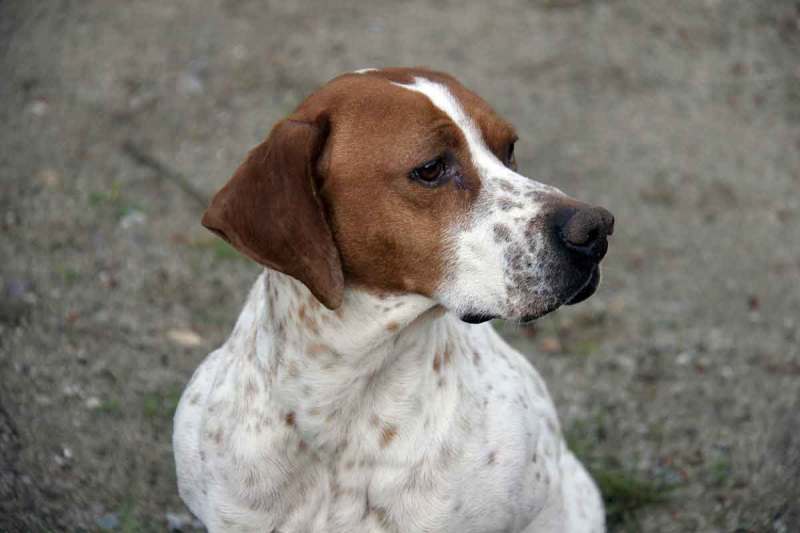
1 – Fawn Brittany Griffon female by Canarian, CC BY-SA 3.0, via Wikimedia Commons
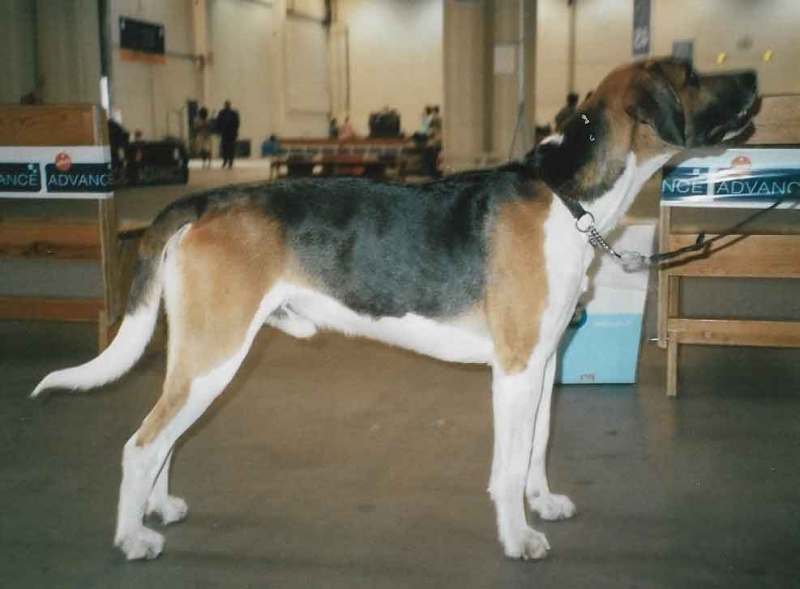
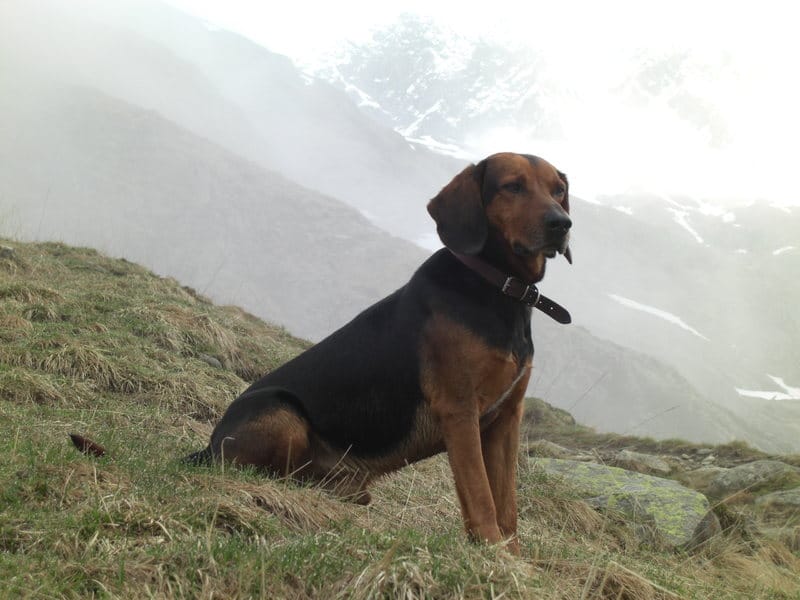
2 – Griffon Fauve de Bretagne, 6 Month by Markus Seim, CC BY-SA 3.0, via Wikimedia Commons
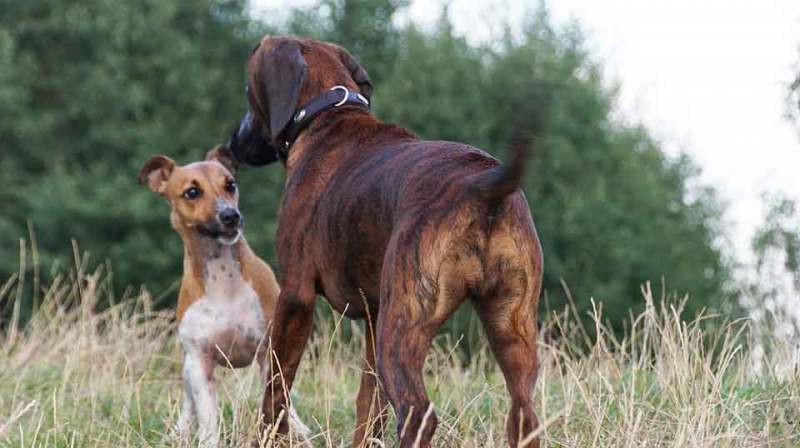
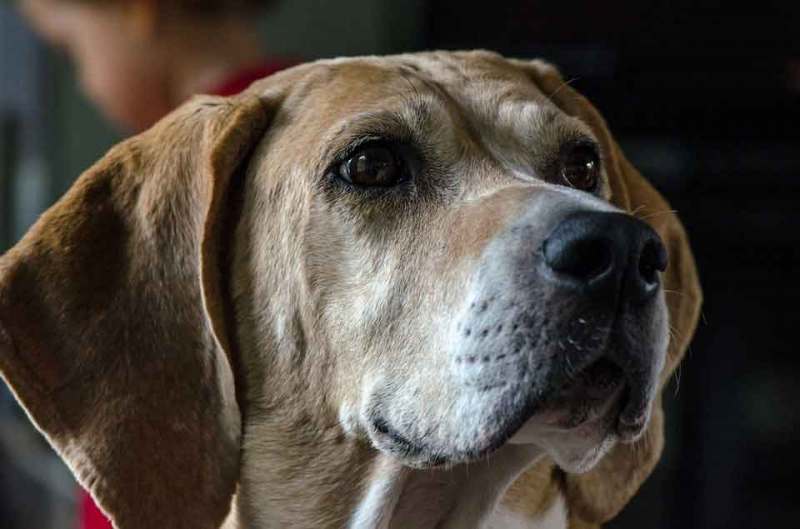
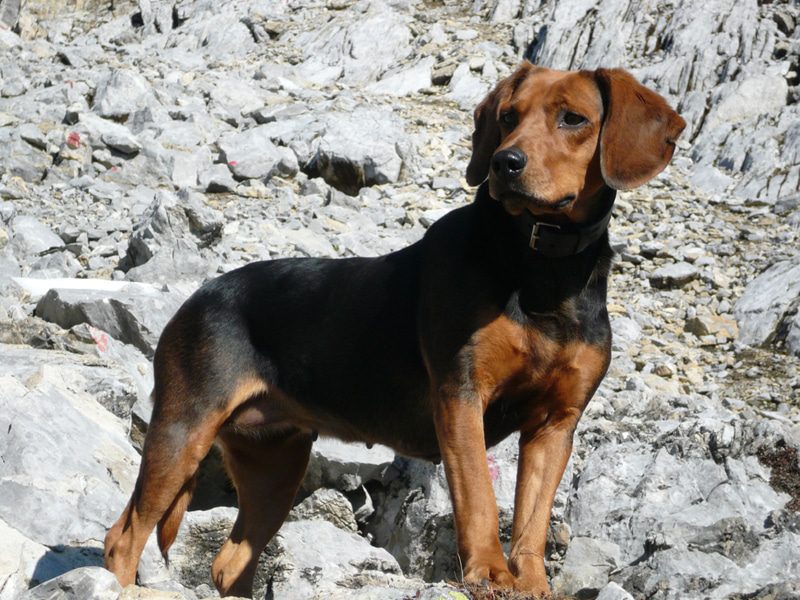
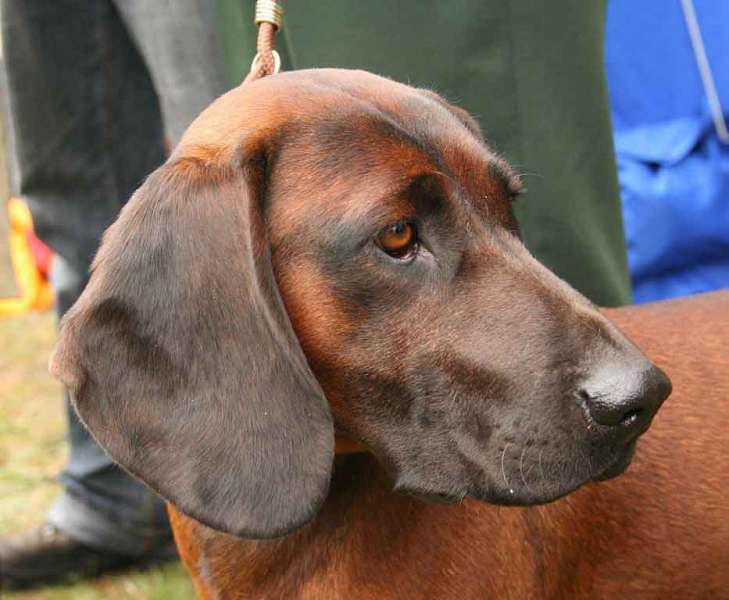
3 – Lion Griffon from Britain by https://pxhere.com/es/photo/481096
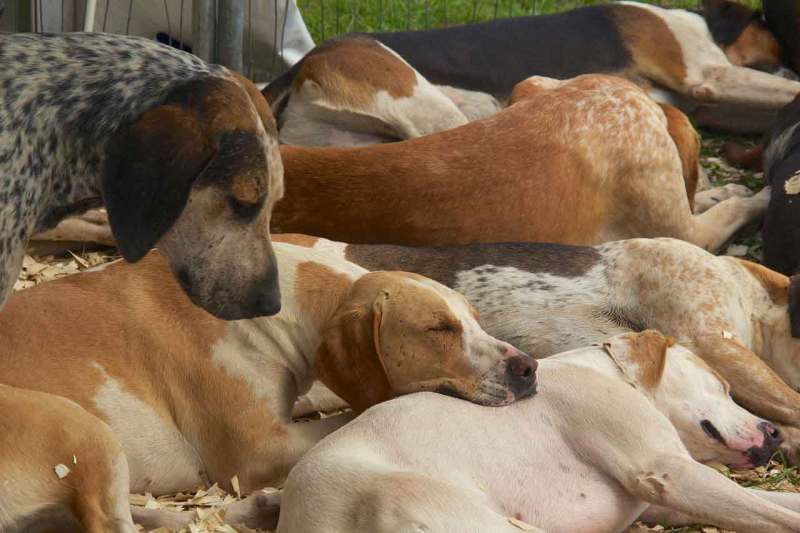
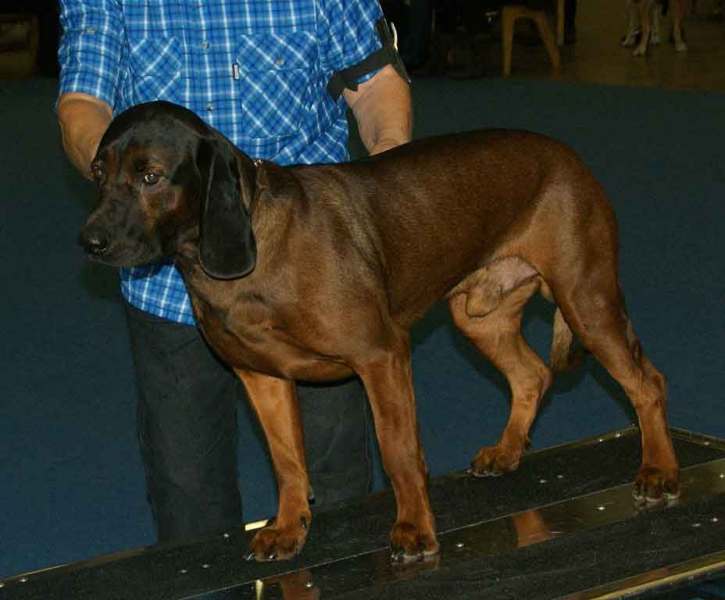
4 – Lion Griffon from Britain by https://www.akc.org/dog-breeds/basset-fauve-de-bretagne/

Videos "Fawn Brittany Griffon"

Griffon Fauve de Bretagne ๐Ÿถ๐Ÿพ Everything Dog Breeds ๐Ÿพ๐Ÿถ
Griffon Fauve de Bretagne ?? Everything Dog Breeds ??
Griffon Fauve de Bretagne Ari en Theo. Trimmer at home. Home Grooming . Movie 004
Griffon Fauve de Bretagne Ari en Theo. Trimmer at home. Home Grooming

Type and recognitions:

  • FCI CLASSIFICATION:
  • Group :
  • Section : . .

Federations:

  • FCI – Group 6: Scent hounds, and related breeds. – Section 1.2: Medium-sized Hounds. โ“˜
  • UKCScenthounds โ“˜
  • Central Canine Society โ“˜

FCI breed standard "Fawn Brittany Griffon"

Origin:
France

Date of publication of the valid original standard:
25.03.2003

Use:

Bloodhound dog used for hare hunting, the fox, the roe deer and the wild boar.


General appearance:

It is a bony and muscular dog, very strong and resistant. It is active and particularly adapted to difficult land. They have a good sense of smell and a sustained bark (short and repeated).


Behavior / temperament:

The Fawn of Brittany are passionate hunting dogs, although docile with the man, sociable, affectionate and balanced. They adapt easily to all terrain and all types of hunting. During the hunt they are brave, slums, tenacious and applied. They are enterprising and effective, but they also show aptitude to join the group. Well managed, they are obedient and of an easy return.

Head:

---

Cranial region:
  • Skull : Rather elongated and the occipital protuberance is marked. Seen from the front, skull looks lowered curvature. Its width decreases until it reaches the level of the superciliary arches, that are not very marked.
  • Depression links (Stop) : Bit strong.

facial region:

  • Truffle : Black The Oscuro Brown. The Windows are wide open.
  • Snout : More pointed than square.
  • Belfos : They cover the lower jaw well, although not in excess. Whiskers are not abundant.
  • Jaws/Teeth : Jaws and teeth are strong, with a perfect and uniform scissor joint. Upper incisors cover lower incisors with tight contact. The incisors are set at right angles to the jaws. The absence of PM1 is not penalized.

Eyes : Not prominent, not too sunk in the orbits. Its color is dark brown. The conjunctiva is not apparent. The look is impetuous.

Ears : Delicately implanted at the level of the eye line, just reaching the tip of the truffle. They end in a point and are bent inwards and covered with a shallower and finer hair than the rest of the body.

Neck:

Quite short and muscular.

Body:

  • Back : Short and wide. Never sunk.
  • Pork loin : Width and well muscular.
  • Breast : Wide and high.
  • Ribs : Pretty rounded.
  • Belly : The lower margin is slightly raised towards the back.

Tail:

It is slightly sickle-shaped. Is medium length, thick at the base, often spike-shaped and tapers at the tip. When is the dog in action, the tail is on the margin of the back and performs regular lateral movements.

Tips

PREVIOUS MEMBERS :

  • Seen in conjunction : They show good bone structure and are well poised.
  • Shoulder : Oblique, well attached to the thorax.
  • Elbows : They occur in the axis of the body.
  • forearms : Vertical.
  • Metacarpus : Seen in profile, they are slightly oblique. Seen from the front, are presented in the axis of the body.

LATER MEMBERS

  • Seen in conjunction : They are well muscled. Legs are uniform. Seen from the back, they are parallel, or together, nor separated.
  • Thighs : Long and well muscled.
  • Babillas : Inclined and moderately bent.
  • Metatarsals : Vertical.

FEET : compacts. Fingers are together and arched ; nails are solid. Plantar bearings are hard.

Movement:

Elastic and uniform ; never in little hops.

Mantle

SKIN : Quite thick and flexible; no dewlap.

HAIR : Good hard, thin and quite short; never shaggy or curly. The face must not be tangled.

COLOR : Fawn ranging from golden wheat to brick red. Some scattered black hairs are tolerated, on the back and on the ears. Sometimes the presence of a white star is observed on the sill, this particularity is not sought.


Size and weight:

Height at withers : Of 0,48 to 0,56 m for males and females, with 2 cm excess tolerance for exceptional specimens.


Fouls:

Any deviation from the aforementioned criteria is considered a fault and its severity is considered in proportion to the degree of the deviation from the standard and its consequences on the health and welfare of the dog.

SERIOUS FAULTS

Behavior
โ€ข Fearful dog
โ€ข Width and flat skull.
โ€ข Superciliar arcades too pronounced.
โ€ข Pointy or short snout. Hanging and thick lips.
โ€ข Light eyes.
โ€ข Flat and wide ears.

Body
โ€ข Weak appearance.
โ€ข Upper margin that is not tense enough.
โ€ข agalgado belly
โ€ข Deviation.
โ€ข Members
โ€ข Poor bone structure.
โ€ข Crushed feet
โ€ข Scarce, short, fine, soft.

MISS PLAYOFFS

โ€ข Aggressive or fearful dog.
โ€ข Absence of typical characteristics (any specimen whose characteristics differentiate it from its congeners).
โ€ข Inferior or superior prognathism.
โ€ข Very clear eyes.
โ€ข Partial or total depigmentation in the truffle or on the edge of the eyelids and the Belfos.
โ€ข Knotted tail.
โ€ข Presence of spur in the posterior members (dewclaws never appear in this breed)
โ€ข Long and lanudo hair.
โ€ข Any other fur than is not the one indicated by the standard.
โ€ข Any other size other than the standard tax.
โ€ข Notable disability; anatomical malformation.

Any dog โ€‹โ€‹showing clear signs of physical or behavioral abnormalities must be disqualified..


N.B.:

Males should have two normal-appearing testicles fully descended into the scrotum..

Source: F.C.I - International Cynological Federation

Alternative names:

1. Griffon fauve de Bretagne (English).
2. Fauve de Bretagne (French).
3. Griffon Fauve de Bretagne (German).
4. Griffon fauve de Bretagne (Portuguese).
5. Griffon fauve de Bretagne (espaรฑol).

โ–ท The world of Pets: Dogs, cats, birds, reptiles, amphibians

Bernese Hound
Suiza FCI 59 . Medium-sized Hounds

Bernese Hound

The Bernese Hound It is mainly used for hunting hare.

Content

History

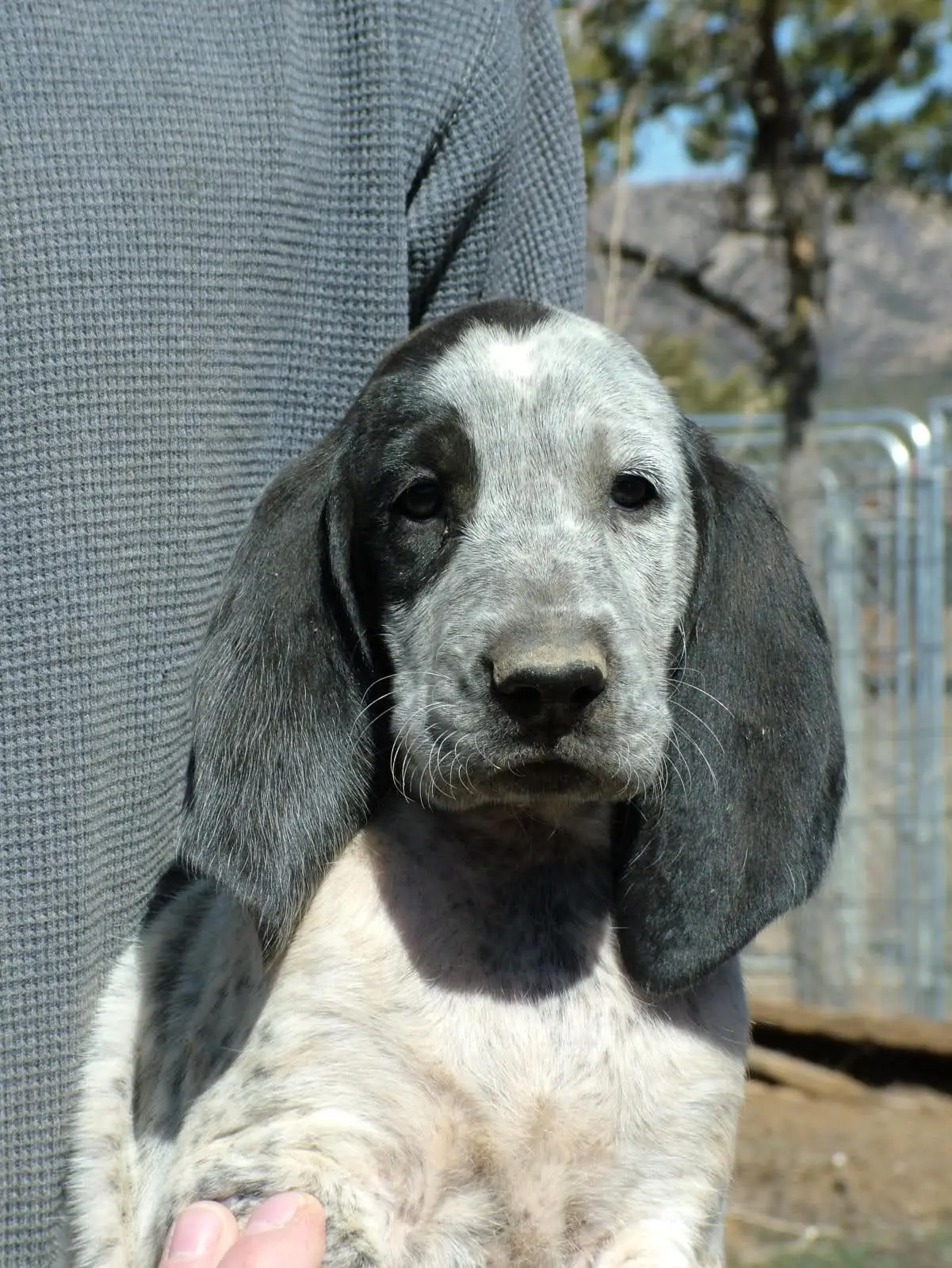
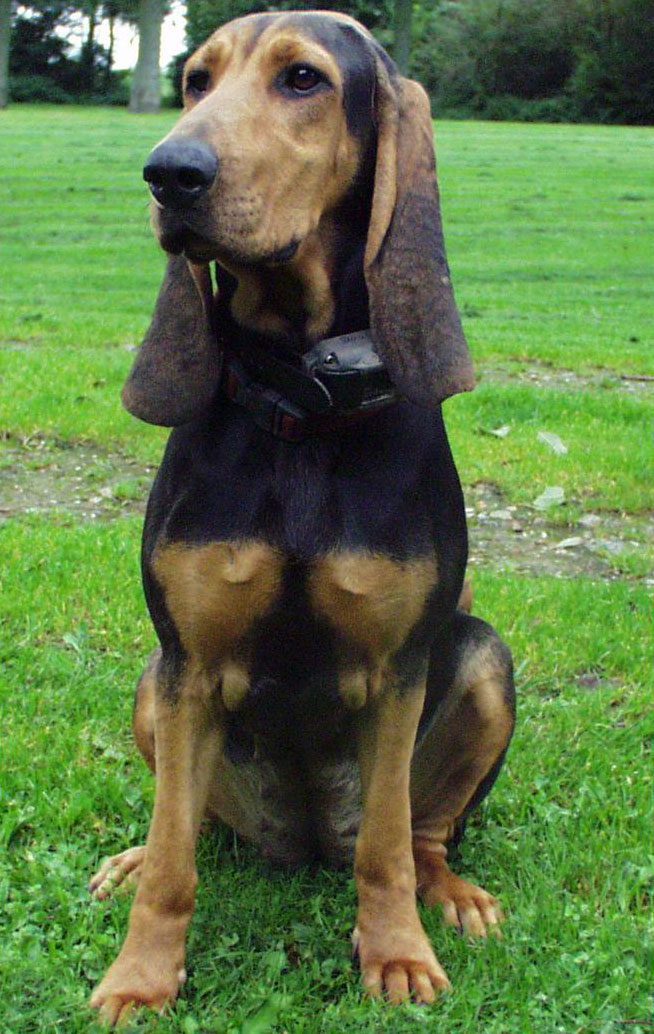
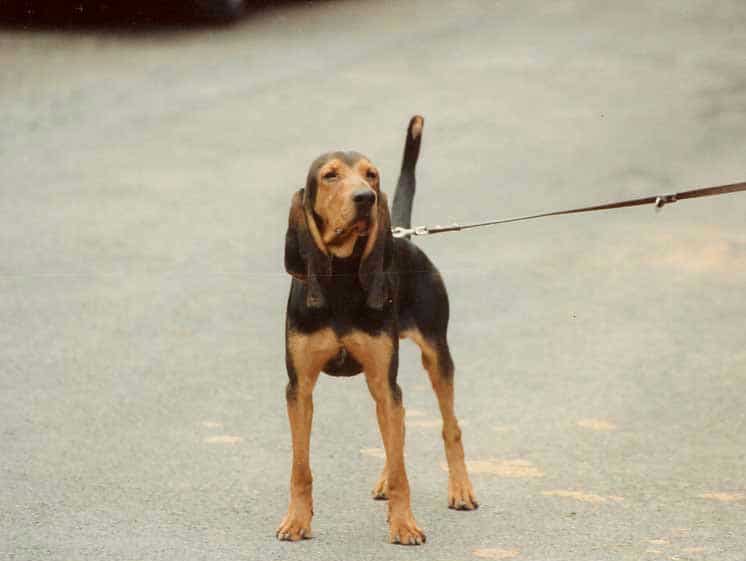
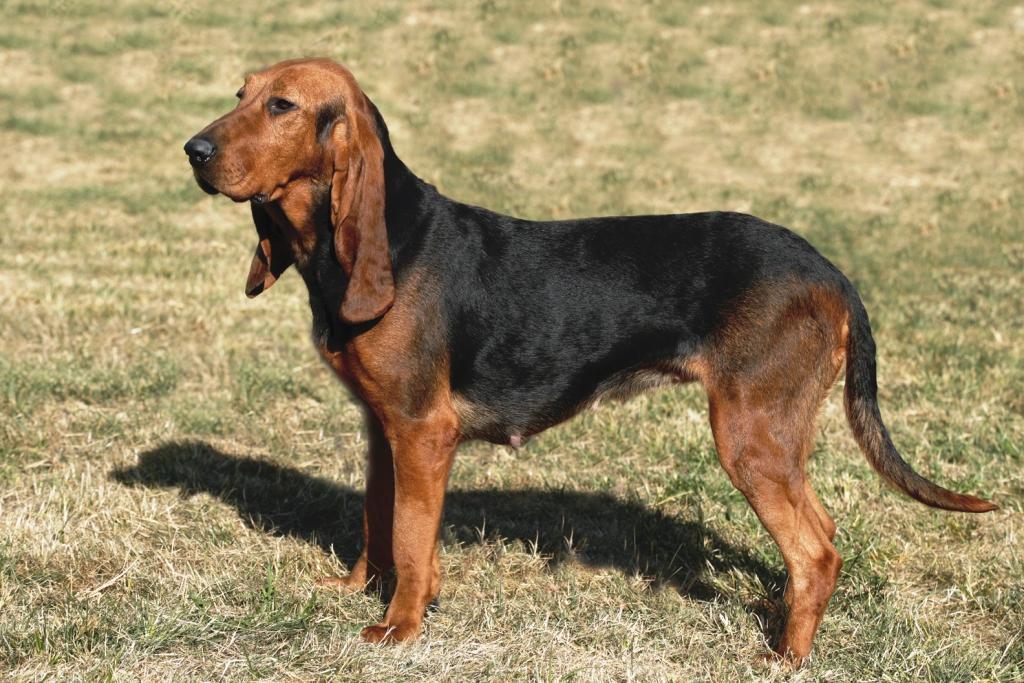
The Swiss Hound has a very ancient origin. Its existence in Switzerland since the time of the Romans is verified thanks to a mosaic discovered in Avanches that represents hunting dogs whose characteristics coincide with the varieties of Swiss Hound. In the 15th century it was appreciated by Italian fans and in the 18th century by the French due to its extraordinary ability to hunt hare.. Its original local breeding was probably influenced by French small game dogs brought to Switzerland by mercenaries.. In the year 1882 a standard was established for each of the five existing varieties of Swiss Hound. In 1909 These standards were revised, confirming the total disappearance of the Thurgau Hound. The 22 in January of 1933 established a uniform standard for the 4 Swiss Hound varieties. The original variety of Jura Hound type St. Hubert has disappeared today.

There are four varieties of Swiss Hound:

Photo: Bernese Hound during dogs show in Katowice, Poland by Lilly M, CC BY-SA 2.5, via Wikimedia Commons

Physical characteristics

In the Bernese Hound the coat is white with black spots or saddle, sometimes slightly mottled. Light to dark beige marks the upper part of the eyes, cheeks, the inner side of the ears and around the anus.

▷ Male weight: 15 to 20 kg
▷ female weight: 15 to 20 kg
▷ The size of the male: 49 to 59 cm.
▷ female size: 49 to 59 cm.

Character and skills

The Bernese Hound he is alive and passionate. Its sensitivity is valued as positively as its ease of use and its attachment to the dog handler. When you follow a clue, expansive and fluid movements are noticeable, as well as the good thrust of the hindquarters. You can feel strength, stamina and temperament, so her fine nose is closely tied to the track.

Acute smell is atypical for Bernese Hound, whose passion for hunting is so tireless that the dog handler must prevent the dog from exaggerating beforehand. Otherwise, the dog chases the prey until he catches it himself. Diligent search is desirable, but the dog, except when used in the pack, must always remain in the hand of his guide.

While the Bernese Hound he was used in his homeland mainly as a lone deer hunter, foxes and hares; In western Switzerland, wild boar hunts are also carried out with hound dogs. In France and Italy they are more likely to continue to be used for herd hunting of hare, wild boar and deer.

In Switzerland, the Bernese Hound They are mainly used for patent and district hunting. In patent hunting, three to six hunters usually form a hunting party. They are distributed among the different posts and the dogs are tied simultaneously at a previously agreed time. This promotes the independent search of each dog and also the pursuit of hares or deer as a lone hunter.. For the hunt to be successful, the hunter must know which path the game will take to be able to shoot it with a shotgun at a maximum distance of 30 m.
During a hunt on hunting ground there are large groups of up to 30 hunters. The hunt leader distributes the hunters in different positions, while a hunter goes on the hunt with all the dogs, and finally hold all the dogs at once. Here the hunt leader must know how the game flees and, therefore, distribute hunters' positions. While hunting in the hunting ground, the hare, the deer and sometimes also the fox are shot from a maximum distance of 30 m.

Off the hunt, the Bernese Hound he is a nice and quiet family member. with whom you are closely linked.

Characteristics "Bernese Hound"

Coexistence is important that you have with your new friend. Before considering the acquisition of a dog of the breed "Bernese Hound" you know certain factors. Not all breeds of dogs are apt to live in an apartment, you must take into account his character, their need for exercise, their interaction with other pets, their care and if you have small children, their level of tolerance towards them.

Adaptation โ“˜

3,0 of 5 stars (based on 1 review)

friendly dog โ€‹โ€‹โ“˜

4,0 of 5 stars (based on 1 review)

hair loss โ“˜

3,0 of 5 stars (based on 1 review)

Affection level โ“˜

5,0 of 5 stars (based on 1 review)

Need for exercise โ“˜

5,0 of 5 stars (based on 1 review)

Social need โ“˜

4,0 of 5 stars (based on 1 review)

Home โ“˜

4,0 of 5 stars (based on 1 review)

Toilet โ“˜

2,0 of 5 stars (based on 1 review)

Friendly with strangers โ“˜

4,0 of 5 stars (based on 1 review)

barking โ“˜

4,0 of 5 stars (based on 1 review)

Health โ“˜

4,0 of 5 stars (based on 1 review)

Territorial โ“˜

4,0 of 5 stars (based on 1 review)

Cat friendly โ“˜

2,0 of 5 stars (based on 1 review)

Intelligence โ“˜

4,0 of 5 stars (based on 1 review)

Versatility โ“˜

3,0 of 5 stars (based on 1 review)

Child friendly โ“˜

4,0 of 5 stars (based on 1 review)

Surveillance โ“˜

4,0 of 5 stars (based on 1 review)

joy โ“˜

5,0 of 5 stars (based on 1 review)

Videos "Bernese Hound"

Bernese Hound (02 June 2012)
Berner Laufhund
Bernese Hound - Celer Cervarius and puppy ๐Ÿ™‚
Berner Laufhund

Type and recognitions:

  • FCI CLASSIFICATION:
  • Group :
  • Section : . .

Federations:

  • FCI – Group 6: Scent hounds, and related breeds. – Section 1.2: Medium-sized Hounds. โ“˜
  • UKCScenthounds โ“˜

FCI breed standard "Bernese Hound"

Origin:
Switzerland

Date of publication of the valid original standard:
28.11.2001

Use:

It is a small game hound that hunts hares, deer, foxes and sometimes wild boars. He is an independent hunter by hunting with a bark. Searches and corners its prey with great safety even in difficult terrain.


General appearance:

It is a dog with medium height at the withers. Your body structure indicates strength and tenacity. Its slim head with long snout and long ears give it an expression of nobility.

There are four varieties of Swiss Hound :

  • Bernese Hound
  • Jura Hound
  • Lucerne Hound
  • Schwyz Hound

IMPORTANT PROPORTIONS :

โ€ข Body length : Height at withers = approx. 1.15 : 1.
โ€ข Height of the withers : chest depth = approx. 2 : 1.
โ€ข Length of the nasal shank : skull length = approx. 1 : 1.


Behavior / temperament:

Lively and passionate about hunting. Sensitive, manageable and faithful.

Head:

---

Cranial region:
  • Skull : Long, narrow, delgado, noble. Bulging skull, visible occipital protrusion. The direction of the longitudinal axis of the skull and the muzzle shows a slight divergence. No frontal groove, no folds or wrinkles.
  • Depression links (Stop) : Not too developed.

facial region:

  • Truffle : Completely black, well developed; nostrils wide open.
  • Snout : Nobly developed, narrow ; it is not square or pointed ; the muzzle is straight or very slightly convex.
  • Lips : Moderately developed, the upper lips perfectly cover the lower jaw ; slightly open corner.
  • Jaws / Teeth : Powerful jaw. Powerful scissor bite, regular and complete, that is, the upper incisors overlap the lower ones without leaving space between them and the teeth are implanted vertically in the maxilla. Pincer bite allowed. The lack of one or two PM1 or PM2 is acceptable (premolars 1 or 2) . M3 are not taken into account (molars).
  • Cheeks : Loose, non-protruding supraciliary arches.

Eyes : They are more or less light or dark brown depending on the color of the coat ; they are medium in size and slightly oval. The edges of the eyelids are well pigmented. The eyelids are well adherent. The expression is sweet.

Ears : Placed below the eye line, in the posterior part of the cranial region and never implanted in its maximum width. Its length must reach at least the tip of the nose. The pinna is not prominent. The ears are thin. He wears them down, bent and twisted ; they are rounded at the bottom and have a fine, soft coat.

Neck:

Long, elegant, with good musculature ; throat skin is loose without forming a noticeable dewlap.

Body:

  • top line : The neck, the back, The rump and tail form a harmonious and noble line.
  • Cross : Bit strong, free and elegant neck insert.
  • Back : Firm and straight. : Muscular and slightly arched.
  • Rump : Elongated, extends the line of the back harmoniously and descends gently. It is not higher than the cross. The crest of the iliac bone is not too prominent.
  • Breast : Deeper than wide, well descended, reaches to the tips of the elbows. Elongated rib cage with slightly arched ribs.
  • Bottom line and belly : Belly slightly pulled back ; full flanks.

Tail:

Inserted in the extension of the croup. It is of medium length and tapers towards the tip ; at its end it has a slight incline up ; noble. In general, it remains hanging at rest and when walking calmly, without showing an important bend ; When he is attentive or in action he carries it along the line of his back , but never resting in it nor in a curled way. Is well covered with hair, but it doesn't have a spike shape.

Tips

PREVIOUS MEMBERS :

  • As a whole : They are well muscled, thin and not heavy in appearance. Seen from the front they are parallel and from the side they look vertical ; his bones are strong with his feet pointed forward.
  • Shoulder : Long oblique shoulder blades, closely linked to the rib cage. The ideal angulation of the scapulohumeral joint is approximately 100ยฐ.
  • Arm : A little longer than the shoulder blade, placed obliquely, closely attached to the chest. His musculature is fine.
  • Elbows : Naturally glued to the side.
  • Forearm : Straight, strong, delgado.
  • Carpo : Strong, wide metacarpus : Relatively short; Seen from the front it is located on the perpendicular line of the forearm; seen from the side it is slightly inclined.
  • Front feet : Rounded, with compact fingers ; hard and rough pads ; strong nails whose color depends on the color of the coat.

LATER MEMBERS :

  • As a whole : They have strong muscles and are in a balanced relationship with the forelimbs ; seen from behind the hind legs are vertical and parallel.
  • Thigh : Long and oblique, powerful although his muscles are thin. The angulation of the coxofemoral joint is approximately 100ยฐ.
  • Knee : No inward or outward deviations. Angulation of the femoral-tibian joint approximately 120ยฐ.
  • Leg : Relatively long, thin, visible muscles and tendons under the skin.
  • Hock : Tibiotarsal joint angulation approximately 130ยฐ.
  • Metatarsus : Pretty short, placed vertically and parallel. Without spurs, except in countries, in which amputation is not allowed by law.
  • Rear feet : Rounded, with compact fingers, hard and rough pads ; strong nails whose color depends on the color of the coat.

Movement:

It is unfolded, regular, harmonious and with good scope. Has good impulse from the hindlimbs. Drive the limbs parallel and straight. The cross moves smoothly and regularly up and down, the back remains straight and the head and neck wobble slightly from side to side.

Mantle

SKIN : Fina, flexible, well adherent, whose color varies in each of the four varieties.

โ€ข Bernese Hound : Skin is black under black hair and blackish-white marbling under white hair.
โ€ข Jura Hound : She is black under black hair and lighter under tan hair..
โ€ข Lucerne Hound : She is black under black hair and lighter under blue-flecked hair..
โ€ข Schwyz Hound : It is dark gray under the orange hair and blackish-white marbling under the white hair..

HAIR : Is short, smooth, thick, very fine on the head and ears.

COLOR :

โ€ข Bernese Hound : White with black spots or a black saddle-shaped spot. Tan color from pale to intense over the eyes, cheeks, on the inside of the ears and around the anus. Sometimes very lightly splattered (black splash).

โ€ข Jura Hound : Tan with black cape, sometimes nuanced black or black with tan over the eyes, cheeks, around the anus and on the extremities ; sometimes with a small white spot on the chest ; this stain may be splattered (black or gray splashes).

โ€ข Lucerne Hound : Called blue, with a mixture of black and white hairs, intensely splashed, with black spots or a saddle-shaped spot ; tan color from pale to intense over the eyes, cheeks, on the chest, around the anus and on the extremities ; a black cape is allowed.

โ€ข Schwyz Hound : White with orange or orange "saddle" spots, sometimes with orange splashes ; an orange coat is allowed.


Size and weight:

Height to the cross :

  • Males : 49-59 cm..
  • females : 47-57 cm No tolerance.


Fouls:

Any deviation from the aforementioned criteria is considered as a fault and the severity of this is considered to the degree of the deviation to the standard and its consequences on the health and well-being of the dog..

โ€ข Rough appearance, vulgar, weak body structure.
โ€ข Discordant proportions between body length, the height of the withers and the height of the chest.
โ€ข Skull too wide, too convex or too flat.
โ€ข Stop too marked.
โ€ข Very short or very long snout, too square or pointed.
โ€ข Concave nasal bridge.
โ€ข Lack of more than two premolars PM1 or PM2. Los M3 (molars 3) are not taken into account.
โ€ข Thick lips.
โ€ข Light eyes, acute expression, non-adherent eyelids.
โ€ข Ears that are too short or flattened, thick or set very high.
โ€ข Very short neck.
โ€ข Double chin too marked.
โ€ข Saddled or arched back (carp back).
โ€ข Croup too inclined or too short.
โ€ข Rib cage not deep enough, too flat or barrel-shaped.
โ€ข Retracted belly, fallen flanks.
โ€ข Tail with poor insertion, carried too high, very bent, stooped, very coarse or spike-shaped tail.
โ€ข Extremities with bones that are too thin or in a bad position.
โ€ข Very sloping shoulders, arm too short.
โ€ข Weak carpal joints.
โ€ข Insufficient angulations of the hind limbs ; cow or barrel shaped limbs.
โ€ข Dewclaws on the hind limbs, except in countries in which amputation is not permitted by law.
โ€ข Rough coat, not smooth.
โ€ข Flaws in color and markings.

  1. Bernese Hound : Too many black splashes on the white. Tan or white on the outside of the ears.
  2. Jura Hound : Uniform color. Noticeable white patch or heavily speckled patch on the chest.
  3. Lucerne Hound : Lack of ยซ blue ยป splash. Tan on the outside of the ears.
  4. Schwyz Hound : Too many orange splashes on the white. Uniform color. White on the outside of the ears.

โ€ข Slightly fearful or aggressive behavior.

MISS PLAYOFFS

โ€ข Excessively fearful or aggressive dog.
โ€ข Atypical general appearance of the breed.
โ€ข Completely depigmented nose.
โ€ข Upper or lower prognathism, incisor arcade deviated.
โ€ข Ectropion, entropion (even if it had been operated).
โ€ข Horn tail, threaded, knotty the hook.
โ€ข Size above or below tolerance.

Any dog โ€‹โ€‹showing clear signs of physical or behavioral abnormalities must be disqualified..


N.B.:

Males should have two normal-appearing testicles fully descended into the scrotum..

Source: F.C.I - International Cynological Federation

Varieties of ยซSwiss Houndsยป

The four varieties of Swiss Hounds have their own specific hunting characteristics.:

– The Bernese Hound, with her beautiful throat ("the howler of the Jura"), demanding, mainly used for hares;
– He "Jura Houndยซ, an excellent recuperator
– The Lucerne Hound, reminiscent of Small Blue Gascony, he is an active and passionate dog that hunts deer very well;
– The "Hound of Schwyz", less widespread outside of Switzerland, is reserved for rabbits and hares.

โ–ท The world of Pets: Dogs, cats, birds, reptiles, amphibians

Artois Hound
Francia FCI 28 . Medium-sized Hounds

Sabueso Artesiano

The Artois Hound it is a good companion dog but with an independent character.

Content

History

The Artois Hound It is a smaller version of the "Great Artesian Hound", which is now extinct and was used in France in the 17th century for wild boar hunting, deer and small game. As hare hunting grew in popularity, the need for smaller dog breeds increased. Known in his land as "Briquetโ€ (What does "little braco" mean?) and also how Picard.

It is true that it is a dog of ancient lineage like few others has enjoyed the admiration and the royalty protection (King Henry IV and Louis XIII), being considered a distinguished Hunter of Hare.

He played with devotion to his duties in the most varied scenarios (plain, forest or in the densest bushes) and used to be easily identified by his master due to his original bark.

Some authors have that in 1609 Prince Alexander Gray has sent some specimens of this breed to the King of England, which have subsequently been used for the creation of the Beagle.

The development of Artois Hound, However, It has not been stable or linear. According to a French hunting manual, dating of 1890, It is known that at the end of the 19th century it used to be difficult to find pure specimens of this lineage..

The apparent arbitrariness to the development of the race and their successive crosses with other species (mostly of English origin) they will disperse the original purity of this lineage.

In this stage a so-called breeder Ernest Levoir tries to restore this lineage to the region Picardie. There are other names that were associated with these recovery attempts during the 20th century, as Mallard (at the time of World War I), Audrรฉchy, among others.

With everything, Some authors consider that it has been Mme. Great Pyla who has won the most positive results, managing to re-establish the breeding of this strain.

Currently, This dog It remains a rare breed and there are quite a few clubs that protect their development.

Physical characteristics "Artesian hound"

Very agile, It adapts to various types of terrain and shown extremely persistent in the performance of their duties. It also, has an excellent sense of direction, a developed sense of smell and speed of movement.

This robust dog has a fur short, dense, soft and well attached to the body.

The color the coat is dark Fawn tri-color, It is a color similar to the Hare or the Badger. It has large spots. Y, the head tends to be carbonated, or charcoal grey and sometimes presents black reflections.

It has wide and rounded skull and pronounced chamfer. It has the square snout, the black truffle and its round eyes give it a gentle air.

The ears they are wide, long and inserted at eye level.

The neck and chest are vigorous and long. The rump and the spine are also robust and Member muscular. In the long run tail stays in the form of sickle.

Character and skills "artisian hound"

Currently, this dog is still used more as a hunting dog than as a companion dog. Like the large spaces, It does not conform to the sedentary life in the city.

You can live in a home but if given a daily dose of exercise physical and games.

The Artois Hound he is a brave and intelligent dog, very independent and quite energetic.

It is an animal very resistant, possessing a special bark that can be heard at a great distance. It is a dog that is used primarily for hunting.

Hunters usually go hunting with six or eight specimens of Artois Hound.

It is not usually seen much as a companion dog, but in this case it is a good companion, It is not a Mongrel dog thanks to its strong independence, but will be loving in their own way, without empalagar.

Care and maintenance of a "artisian hound"

The Artois Hound not suitable as a family dog. Needs a meaningful task that demands your doggy stamina and intelligence. His most popular task is still hunting. So, this dog should be left in the hands of an experienced hunter.

To the Artois Hound would not like the position in a city apartment, no matter how comfortable the apartment is. You need freedom of movement, What can you get in the country?. As the Artois Hound He is a pack dog and feels very happy among his peers., second position or multi-dog position is recommended. The care of this breed of dog is not intensive. Ear care can be a bit more complex, but the coat is very easy.

Where to buy a "artisian hound"

The Artois Hound It is a rare breed of dog that was on the verge of extinction after World War 2.. If you are interested in this dog, should have a lot of patience and time. Contact the breeders in advance and ask if they are expecting a litter and if there are any still available. Puppies are often reserved in advance. But it's better not to buy from breeders when you have a bad feeling!! If possible, you should take a look at the kennel. Don't be afraid to ask the breeder too many questions!! A good breeder, for whom the welfare of puppies is the first priority, will be happy to answer your questions and give you some valuable tips on maintenance, training and feeding the dogs.

Images of the "Artesian hound"

Videos of the "Artesian hound"

Type and recognitions:

  • FCI CLASSIFICATION:
  • Group :
  • Section : . .

Federations:

  • FCI – Group 6: Scent hounds, and related breeds. – Section 1.2: Medium-sized Hounds. โ“˜
  • Central Canine Society โ“˜

FCI breed standard "Artois Hound"

Origin:
France

Date of publication of the valid original standard:
24.07.1996

Use:

The artisian hound is used mainly today for hunting with shotguns. As a scout he works with application to resume the lost trail; Your speed is moderate, But sustained. Since it has an excellent smell, is capable of failing the hare tricks during hunting in the plain.

With its indisputable hunter qualities, He knows how to lead the roe, both in the forest, as in the Altos Montes, Easy to penetrate. For its intrepidity and courage, Makes the most recalcitrant boar out of the weed. It also, This is a rustic animal, endowed with a wonderful bark, animated, Sound and tall that is allowed to be heard in the distance. A uniform group of six to eight tricolor craftsmen constitutes a hunting team that would please the most demanding hunter.


General appearance:

This is a well constituted dog, muscular and not very long. Imparts an impression of strength and energy.

IMPORTANT PROPORTIONS:

โ€ข Cross height/body length between 10:10 and 10:11
โ€ข Chest height/height at approximately 1:2
โ€ข Heads/head length amplitude 5:9
โ€ข Nasal cane length/skull length 8:10


Behavior / temperament:

This is a vigorous and rustic dog. It has a very good smell and joins the Hae. Is balanced and affectionate.

Head:

-

Cranial region:
  • Skull: It is bulky, wide and very short. It is flat and rounded at the top, but the occipital Protuberance is not pronounced.
  • Depression links (Stop): It is accentuated.

facial region:

  • Truffle: Grand, black. The Windows are wide open.
  • Lips: The upper lip covers in large part to the bottom and must be sufficiently marked for that, in profile, the snout has a square shape.
  • Snout: Straight nose cane, in profile, the snout is moderately elongated.
  • Jaws/Teeth: The joint is in the form of scissors. The upper incisors cover the lower ones in narrow contact and are implanted at right angles in relation to the jaw.
  • Cheeks: They are thin.
  • Eyes: With regard to the width of the forehead, the eyes are not very together. They are round, melancholy eyes and sweet. Its color is dark brown. The mucous membranes of the lower eyelids may not be apparent.
  • Ears: They are placed at the height of the eye line. They are somewhat thick, wide and their limbs are rounded. They are almost flat and quite long; they arrive until the birth of the truffle.

Neck:

It is powerful and moderately long. It presents very little double chin.

Body:

  • Back: It is well marked and wide.
  • Pork loin: Slightly arched.
  • Rump: The legs providing a slight incline to the rump, It is well muscled.
  • Breast : It is wide, long and deep enough for the sternum line to reach the elbows level. Snugly ribs.
  • Belly: The flanks are round

Tail:

Thick, quite long and carried in a sickle-shaped. You must never fall forward. The hair is headed (taper, around the tail, long and thick hairs slightly separated in the form of stem).

Tips

PREVIOUS MEMBERS: Seen in conjunction, they are powerful and Plumb.

  • Shoulder: They are oblique and muscular.
  • Elbows: They are well located on the axis of the body.
  • Metacarpus: It is slightly oblique.

LATER MEMBERS: Seen as a whole and from the back, The tip of the buttock, the middle part of the leg, the Hock, The metatarsal and foot are on the same vertical line.

  • Thighs: They are descended and well muscled.
  • Hock: Thick, moderately bent.
  • Metatarsals: They are short and thick.

FEET: Slightly elongated. They are large, but compact. The pads are black, durable and compact.

Movement:

Agile and uniform.

Mantle

SKIN: Thick enough.

HAIR: Short, dense and fairly smooth.

COLOR: Tri-color dark Fawn, Hare or badger hair pulling, with blanket or large stains. Usually, the head is Fawn color, and sometimes carbonated.


Size and weight:

  • Height to the cross: Both males and females, is of 53 to 58 cm.. With a tolerance of 1 cm..
  • Weight: The average weight is of 28 to 30 kg.


Fouls:

Any deviation from the aforementioned criteria is considered as a fault and the severity of this is considered to the degree of the deviation to the standard and its consequences on the health and well-being of the dog..

Head:

  • Narrow skull, vaulted.
  • Too pointed snout.
  • Upper lip tight, not enough descended.
  • Eye slightly clear, apparent conjunctiva.
  • Ears placed below the eye line, short or not low enough.

Neck:

  • Long, Lightweight.

Body:

  • Very long dorsal region, loose top line, sunken.
  • Flat ribs.
  • Agalgados flanks.

Tail:

  • Too long or too skewed to one side.

Forelimbs:

  • Short shoulders.
  • Elbows that deviate out.
  • Straight metacarpals.
  • crushed feet.
  • Separate fingers, too long.

Hind limbs:

  • Flat thighs.
  • Straight hocks, closed or far apart.

Color:

  • Presence of mottled spots.

Behavior:

  • shy dog.

MISS PLAYOFFS

  • Fearful or aggressive dog.
  • Lack of type (animal, in general terms, does not present the same characteristics as its peers of the same race).
  • Anatomical anomaly.
  • Visible hereditary defect causing invalidity.
  • Upper or lower prognathism.
  • Eyes too light.
  • Weak limbs.
  • Any other color which is not established by the standard.
  • Speckled spots that extend throughout the body.
  • Withers height different from that laid down by the standard.
  • Any dog โ€‹โ€‹showing clear signs of physical or behavioral abnormalities must be disqualified..


N.B.:

Males should have two normal-appearing testicles fully descended into the scrotum..

TRANSLATION: IRIS Carrillo (Puerto Rico Kennel Federation).

Source: F.C.I - International Cynological Federation

Alternative names:

1. Chien dโ€™Artois, Picard, Briquet (English).
2. Grand chien d’Artois, Briquet, Picard (French).
3. Artois Hound (German).
4. (em francรชs: Chien d’Artois (Portuguese).
5. Chien dโ€™Artois, Picard, Briquet, Sabueso de Artois, Perro de Artois(espaรฑol).

โ–ท The world of Pets: Dogs, cats, birds, reptiles, amphibians

Poitevin hound
Francia FCI 24 . Large-sized Hounds

Poitevin hound

In the past, the Poitevin hound was also used as a wolf hunter.

Content

History Poitevin hound

The most widespread hypothesis about the origin of this breed of dog is that it was Viscount ร‰mile de La Besge who began to breed the Poitevin hound in the first half of the 19th century. Their dogs, that he had received as a present from an uncle, were the result of a union between Chiens Blancs du Roi and Larryes. The viscount bred no other dog until rabies killed him in 1842. He lost all his animals except two bitches.

To restore its population, ร‰mile de La Besge had six dogs brought to him from England (probably English Foxhound). But, then tried to roll back his influence by strict inbreeding. Thus the two males were born, Talbot and Rochester, and the two females, Tartane and Turbulente. Talbot and Turbulent They had a daughter, Dashing, who became famous for her particularly fine nose and speed. Mated with Traveller, an English male bred by him Conde Le Couteulx and gave birth to puppies of exceptional quality. It is assumed that Poitevin of today are all descendants of Fringante and Traveller. But, a certain earl Henri de La Porte stated that his uncles Auguste and Paul had already begun to fix the race in 1835, and that in the beginning there were quite a few others, namely, the male Tรฉnor and the female Ravissante.

The Poitevin hound was not accepted as a purebred dog for a long time. In the famous French hunting manualParforce, published in 1890 by the count Le Couteulx de Canteleu, only "bastards of the Haut-Poitouยซ, although the ability of dogs to hunt wolves was certainly appreciated. Besides the royal white dogs and the English Foxhound, it is said that the disappeared Larryes and Cรฉris contributed to the creation of the breed. It was a Scent hound medium size white and orange. It is said that he resembled greyhounds and was a very good hare hunter.. Perhaps it is from him that the special elegance of the Poitevin hound. Some cynologists also believe that it comes from Larrye, who is said to have had greyhounds in his ancestral line.

Photos:

1 – A Poitevin by Canarian, CC BY-SA 4.0, via Wikimedia Commons

Physical Characteristics Poitevino Hound

The coat of these pedigree dogs is short and shiny.. Dogs are usually tricolor and have black fur or large black spots. Some specimens can also be two-tone orange and white or wolf-colored.. In general, the physique is powerful and elegant. The expressive dark eyes give the Poitevin a serious look.

Height to the cross: For males between 62 and 72 cm., for females 60 to 70 cm..

Weight: Approx.. 30 kg.

Character and skills Poitevin hound

The character of Poitevin hound is characterized by its resistance and toughness. This pedigree dog is not deterred even by rough terrain. The race Poitevin is brave. He's kind to humans.

Dogs of this breed were bred for hunting and, usually, they are not satisfied with a life as a couch dog. Ideally, these dogs should be hunters. If you want to have a dog of this type, but do not use him to hunt, you must offer these animals a suitable occupation and sufficient exercise.

Aptitudes

In the past, the Poitevin hound he specialized mainly in hunting wolves. He was tirelessly in the way of his difficult prey. But today this beautiful hunting dog, that is strong, elegant and light at the same time, can be used for hunting all animals. The forest of La Mouliรจre, where did he born Poitevin hound ago 150 years under the aegis of the Viscount of La Besge, it was not easy terrain. The dogs had to be able to wander through the dense, thorny undergrowth without hesitation and were not allowed to be disturbed by overhanging branches., gorse and the like. And to this day the breed has retained its special strength and tenacity., allowing you to complete a task in any circumstance.

Poitevin hound
Poitevin hound

It also, the Poitevin hound I needed a proper portion of courage, because I had to put the wolf, as well, and it was much bigger than his own Poitevin. The Poitevin they even had to chase especially robust wolves, sometimes almost 100 km. During the night they and the dogs rested, but the next morning the Poitevin they had to be able to follow the trail again. For this they needed an extremely pronounced sense of smell.

Has been used to living in a kennel for a long time, so this is still the ideal way to keep the Poitevin hound. But, the kennel should be so large that the dogs that live in it have enough space to vent. One should strictly pay attention to the hygiene and cleanliness of his place.

Also outside the hunting season the Poitevin hound needs plenty of space and enough opportunities to run and play, a park would be ideal. If dogs live in a kennel, visit them as often as possible, because the relationship with humans should not be neglected.

Poitevin hound health and care

The Poitevin is considered a dog with robust health. Little maintenance required. The short coat can be brushed from time to time. The ears should be checked regularly for parasites and cleaned. Dog owners who want to cover themselves as best as possible are advised to have medical insurance for dogs and liability insurance for dogs.

Poitevin hound Nutrition

This dog eats for two, especially during hunting season. But he is not very picky and is satisfied with simple food. Daily 200 g of vegetables with 200 g of dog or rice flakes and 400 g of meat. offal such as liver, the kidneys and heart are particularly suitable. Especially for puppies and young dogs. Eggs also contain many valuable nutrients. They can be fed both cooked and raw. In certain circumstances, even with the shell. During hunting season, which is very hard for dogs, you must feed them fatty bacon. Of course, the dog must always have fresh water available. An automatic irrigation system is recommended here.

Where to buy a Poitevin hound

If you are interested in this breed of Scent hound and are looking for the right Poitevin hound breeder, you may need to plan a little more time for the search. These French hunting dogs are not too common outside of their country of origin.. For this reason, interested parties should look for a breeder in France.

Videos "Poitevin hound"

Poitevin hound ๐Ÿถ๐Ÿพ Everything Dog Breeds ๐Ÿพ๐Ÿถ
Poitevin hound ?? Everything Dog Breeds ??
Your Ideal Pet The Poitevin

Type and recognitions:

  • FCI CLASSIFICATION:
  • Group :
  • Section : . .

Federations:

  • FCI – Group 6: Scent hounds, and related breeds. – Section 1.1: Large-sized Hounds. โ“˜
  • Central Canine Society โ“˜

FCI breed standard "Poitevin hound"

Origin:
France

Date of publication of the valid original standard:
17.11.1978

Use:

Hound


General appearance:

This is a very distinguished dog, that brings together, with a high degree of perfection, characteristics such as strength, elegance and agility, combined with a set of very attractive colors.


Behavior / temperament:

---

Head:

It is elongated, but without excess. It is not very wide, and the bones protrude with a slight protuberance at the back of the skull.

Cranial region:

Craging: It is flatter than domed and descends in a slight slope towards the nasal cannula..

facial region:

  • Trufa: Very strong, wide and prominent.
  • Caรฑa nasal: Slightly swollen. It is elongated, although not in excess.
  • Belfos: The upper lip covers the lower lip well. The snout is somewhat sharp.
  • Ojors: Large, browns, black bordered. The look is expressive.
  • Obars: Medium width. They are thin and their insertion is a little low. They are medium long and somewhat crooked.

Neck:

It is long, delgado, and does not have a double chin.

Body:

  • Espalda: It is well muscled and appears well attached to the body..
  • Pork loin: Well muscled.
  • Coscaffold: long.
  • Flalso: They are slightly raised, although the belly is quite developed.

Tail:

Medium length. It's thin, and it is not spike-shaped (towards the tip, around the tail, a few longer and thicker hairs slightly distant). It appears well attached to the spine, and has a slightly curved shape. The dog carries it with elegance.

Tips

PREVIOUS MEMBERS: Straight, well muscled. They are thin, strong, flat and wide.

Hormbro: Long, flat and oblique. It appears attached to the body.

LATER MEMBERS:

  • Ancas: Slightly oblique, solid and long.
  • Thighs: Very muscular.
  • Corvejรณn: It is located close to the ground. It is well poised, although it is slightly angled.

PIIS: wolf foot, rather elongated and very resistant.

Movement:

It's very loose. The dog gallops easily, High effortlessly and moves very well in the undergrowth.

Mantle

PIEL: The truffle is black. The skin of the testicles varies between white and black.

Plink: short and bright.

Colorr: Tricolor, with a black cloak or with large spots; sometimes it is white or orange. Many specimens have wolf-colored hair.


Size and weight:

Height to the cross of 62 to 72 cm in males, and 60 to 70 cm in females.


Fouls:

Any deviation from the aforementioned criteria is considered as a fault and the severity of this is considered to the degree of the deviation to the standard and its consequences on the health and well-being of the dog..

FALTAS DISQUALIFYING:

  • Aggressiveness or extreme shyness.
  • Any dog โ€‹โ€‹showing clear signs of physical or behavioral abnormalities must be disqualified..
  • Cobarday, aggression toward owner.
  • black and white dogs.
  • Chin presence.
  • Dogs with mild underprognathism will not be eliminated.
  • In equal quality, dogs with a normal jaw are preferred.


N.B.:
  • Males should have two normal-appearing testicles fully descended into the scrotum..
  • Only functionally and clinically healthy dogs, with the typical conformation of the breed, should be used for parenting.

Itlatest changes are in bold.

Source: F.C.I - International Cynological Federation

Alternative names:

1. Haut-Poitou (English).
2. Chien du Haut-Poitou (French).
3. Haut-Poitou (German).
4. Pictava (Portuguese).
5. Poitevino (espaรฑol).

โ–ท The world of Pets: Dogs, cats, birds, reptiles, amphibians

Griffon Nivernais
Francia FCI 17 - Medium-sized Hounds

Griffon Nivernais

Brave and vivacious, he "Griffon Nivernaisยป is an obedient and affectionate dog. never shy, it is not aggressive either.

Content

History

These dogs were crossed with those brought from the Crusades by San Luis to give the greyhounds, probable ancestors of the Griffon Nivernais.

They were big dogs, fine-nosed, clogged, excellent closers, very difficult to discipline, fast but tough, very scathing, specialized in strong and straight lines.

They were highly valued at that time for hunting wolves and wild boars.. The Greyhound was very fashionable during 200 years, until the reign of Louis XI, He was later abandoned from the royal packs by Francis I in favor of the "White Dog.".

But, some knights of the "Nivernais" maintained it until the French Revolution, when the race seemed to have disappeared. A century later, the last representatives of the greyhounds, kept in the cradle of the breed, were probably crossed with ยซGriffons de Bresseยป to give the Griffon Nivernais.

In the late nineteenth and early twentieth centuries, received blood from English Foxhound and Grand Griffon Vendรฉen to give it size and speed.

He "Vendรฉen-Nivernaisยป, in particular, crossed paths with Bloodhound to create the Otterhound. The latter was used to soak the ยซNivernaisยซ, giving them a rustic nose and wisdom, and improved the ability to approach.

Closer to our time, after having been through wars with difficulty, and thanks to the development of wild boar populations, their number grew steadily from the 1980s onwards. 1970. More recently, some users injected blue blood to give him throat and application at work, often at the expense of his love of hunting wild boar.

Photo: This dog is a french Griffon Nivernais by Alephalpha, CC BY-SA 3.0, via Wikimedia Commons

Physical characteristics ยซNivernais Griffonยป

The Griffon Nivernais is recognizable in particular by its furry appearance with its long, well stocked and messy fur. The latter, which is rough and hard, it is always charcoal color, that is to say, sandy or leonado with black spots, but there are also white hairs here and there in its fur that draw shades from light gray to dark gray.

Sad expression, almost shy, giving dark eyes and pronounced eyebrows is also a characteristic of this breed.

The Griffon Nivernais it is a medium-sized dog with a robust gait and dry limbs. His tail is not very long, but they carry it tall and even saber-shaped when in action.

Character and skills of the Nivernais Griffon

GRIFFON NIVERNAIS CLUB – centrale-canine.fr

The Griffon Nivernais has a well marked character, sometimes stubborn, which makes it a highly prized hunting dog for its value, resistance and initiative.

It is generally reduced to its simplest expression: It is a dog used almost exclusively for hunting wild boar.

They are made to live in a herd where they must excel to have their place. But, for this reason, it is also a dog that can be difficult to train. So, best suited to an already experienced master of dog breeding.

Nonetheless, the Griffon Nivernais is calm and obedient when well trained. He is also a dog full of energy. He is very close to his teacher.

Care and maintenance of the Nivernais Griffon

The Griffon Nivernais It is an outdoor dog that needs physical exercise. That's why it doesn't adapt to city life, and above all it is not made to live locked in an apartment.

Regarding maintenance, the Griffon Nivernais does not require any particular care apart from a normal brushing once a week and another, more thorough, with an iron brush to thoroughly clean dead hairs and your skin, At least once a year.

Health ยซGriffon of the Nivernaisยป

The Griffon Nivernais It is a dog resistant to cold and humidity. On the other hand, afraid of heat.

It is a dog prone to stomach twists. That is why you should not do intense physical exercise before and immediately after your meals.. Otherwise, there are no known breed-specific diseases.

Characteristics "Griffon Nivernais"

Coexistence is important that you have with your new friend. Before considering the acquisition of a dog of the breed "Griffon Nivernais" you know certain factors. Not all breeds of dogs are apt to live in an apartment, you must take into account his character, their need for exercise, their interaction with other pets, their care and if you have small children, their level of tolerance towards them.

Adaptation โ“˜

3,0 of 5 stars (based on 1 review)

friendly dog โ€‹โ€‹โ“˜

3,0 of 5 stars (based on 1 review)

hair loss โ“˜

3,0 of 5 stars (based on 1 review)

Affection level โ“˜

3,0 of 5 stars (based on 1 review)

Need for exercise โ“˜

5,0 of 5 stars (based on 1 review)

Social need โ“˜

3,0 of 5 stars (based on 1 review)

Home โ“˜

4,0 of 5 stars (based on 1 review)

Toilet โ“˜

2,0 of 5 stars (based on 1 review)

Friendly with strangers โ“˜

3,0 of 5 stars (based on 1 review)

barking โ“˜

4,0 of 5 stars (based on 1 review)

Health โ“˜

1,0 of 5 stars (based on 1 review)

Territorial โ“˜

3,0 of 5 stars (based on 1 review)

Cat friendly โ“˜

3,0 of 5 stars (based on 1 review)

Intelligence โ“˜

4,0 of 5 stars (based on 1 review)

Versatility โ“˜

4,0 of 5 stars (based on 1 review)

Child friendly โ“˜

4,0 of 5 stars (based on 1 review)

Surveillance โ“˜

4,0 of 5 stars (based on 1 review)

joy โ“˜

4,0 of 5 stars (based on 1 review)

Videos "Griffon Nivernais"

Nivernais Griffons at your command
Griffons Nivernais to orders
A Griffon Nivernais and two boars
Griffon nivernais and two wild boars

Type and recognitions:

  • FCI CLASSIFICATION:
  • Group :
  • Section : . .

Federations:

  • FCI – Group 6: Scent hounds, and related breeds. – Section 1.2: Medium-sized Hounds. โ“˜
  • UKCScenthounds โ“˜
  • Central Canine Society โ“˜

FCI breed standard "Griffon Nivernais"

Origin:
France

Date of publication of the valid original standard:
24.03.2004

Use:

Bloodhound dog used mainly for rifle hunting of wild boar, usually in pack, but also individually.


General appearance:

This is a tangled dog, typical of its genre, robust, very rustic and hirsute. Limbs and muscles are thin. It is a dog that is used more for its ability to work for long periods than for its speed.. It looks a little sad, but not afraid.

IMPORTANT PROPORTIONS :
The length of the body (scapular-ischial) is slightly higher than the height at the withers. The skull and the nasal passage are the same length.


Behavior / temperament:
  • Behavior: Dog with a very fine sense of smell, stubborn, It especially likes difficult terrain and weeds.
  • Character : Excellent collector, very good hunter, He is brave without being reckless. Its bravery and spirit of initiative allow it to be used successfully in small groups to hunt wild boar.. Although it is easy to trust him with the trail of this animal, sometimes appears stubborn and independent, so much so that his master must know how to make him obey from the most tender age.

Head:

---

Cranial region:

Very thin, light without being small, a bit long, but not in excess. The lines of the skull and the nasal passage are parallel.

  • Skull: Almost flat, medium amplitude. Delimited on the sides by the zygomatic arches, which are not very pronounced. The occipital protuberance is only noticeable by touch..
  • Depression links: Bit strong, it seems however, more accentuated every time the hair rises higher, but without exaggeration.

facial region:

  • Truffle : black, well marked.
  • Snout : Same length as skull, It is not too wide at its end. Its lateral faces converge slightly, but not to the point of creating a pointed snout. There is a little beard on the chin.
  • Lips : Poorly developed, They cover the lower jaw without further ado. They are covered by large, well-pigmented mustaches..
  • Jaws/teeth : Robust looking jaws, normally developed. Scissor joint, sometimes clamp-shaped. The incisors are set at right angles to the jaws.. The denture is complete (PM1 are not taken into consideration).
  • Eyes : Preferably dark. The look is lively and penetrating. Eyebrows are pronounced, but they don't cover the eye. The conjunctiva is not apparent. Eyelids are well pigmented.
  • Ears : median ligament (about 3 cm wide), at the level of the upper eye line. They are hanging, elastic, rather thin, medium amplitude, they turn slightly inwards at the extremity. They are quite hairy, semi long and reach to the birth of the truffle.

Neck:

Rather light, delgado, no appearance of double chin.

Body:

  • Top margin : Straight, from the cross to the loin.
  • Cross : It protrudes very slightly from the line of the back, It is narrow due to the proximity of the tips of the shoulder blades. Blends harmoniously with the neck.
  • Back : Solid and quite long. Rather narrow and steep, with good muscles, although this is not very apparent.
  • Pork loin : Solid, very slightly convex.
  • Rump : Huesuda, a little oblique, of thin muscles.
  • Breast : Go down as far as possible to the elbow. Front part of the chest poorly developed in width. The rib cage is long and widens towards the region of the false ribs.
  • Ribs : The first ones are rather flat, the last ones are more rounded.
  • Flanks : Massifs, although not in excess.
  • Lower margin : Slightly raised towards the back, but not aggrieved.

Tail:

Insertion a little high, not very long. It is thicker in the middle. During rest it appears slightly below the horizontal; when the dog is in action it appears in the shape of a saber, upward, and can be curled over the back at the end.

Tips

PREVIOUS MEMBERS : Seen in conjunction, good poise. Usually, and during rest, the previous members, viewed profile, They seem to be a little back from the vertical (under the dog, seen from the front).

  • Shoulder : Slightly sloping, skinny, well applied to the chest.
  • Elbows : Well attached to the body.Forearms : They look more solid because of their hair., but in reality they are thinner than thick and very straight.
  • Metacarpus : Rather short and slightly sloping.

LATER MEMBERS : Seen in conjunction, the profile appears slightly below the dog. Seen from the back, The vertical line that starts from the tip of the gluteus must pass through the tip of the hock, equally dividing the metatarsus.

  • Thigh : Rather flat. Hock : Tilted. In profile, the hock angle is slightly closed.
  • Metatarsals : They turn a little towards the front (slightly below the dog, seen from the back).

FEET : Oval, slightly elongated, with fingers together and solid. They resemble hare's foot, with good pigmentation in the nails and plantar pads.

Movement:

Elastic and easy (nor irregular, not even in jumps). The dog covers a lot of ground.

Mantle

SKIN : Elastic and quite stretched, well applied over the entire body. It's quite thick, Pigmented. Black spots are seen on the body, lips are well pigmented. There is no presence of dewlap.

HAIR : Long, hirsute and tangled, quite strong and rough (in any case, ni lanudo, ni enrizado). The belly and inner thighs should not be hairless.. Eyebrows, well pronounced, they do not cover the eye. There is some beard on the chin and ear, which is quite hairy.

COLOR : Always carbonated; that is to say, that the tip of the hair is darker than the base (carbon tips). The fawn can be more or less dark, but never orange. The carbonate end may be bluish. The light or dark appearance of the coat depends on how covered it is with carbon hairs. The presence of white hairs spread to a greater or lesser extent throughout the coat is accepted.; This imparts shades ranging from light gray to dark gray, passing through the gray boar. The coat is usually marked with fawn on the eyebrows, cheeks, the front part of the chest, the extremities of the limbs and under the tail. This feature, very visible in the puppy, often fades with age. The coat is characterized by the base color, by how covered it is with carbonaceous hairs and its possible union with the scattered white hairs. It is described for example, the โ€œvery slightly carbonated fawnโ€ (hare hair), the โ€œcarbon sandโ€ (wolf gray) and the โ€œblue carbon fawnโ€ (grey blue). A white spot on the front of the chest is acceptable.


Size and weight:

Height to the cross

  • Males: of 55 to 62 cm..
  • females: of 53 to 60 cm..


Fouls:

Any deviation from the above mentioned criteria is considered an absence and severity of this refers to the degree of deviation to the standard and its impact on the health and welfare of the dog.

โ€ข Behavior: Fearful dog.

MISS PLAYOFFS:

โ€ข Aggressive or fearful dog.
โ€ข Lack of typical features.
โ€ข Upper or lower prognathism.
โ€ข Different colored eyes โ€“ Heterochrome.
โ€ข Knotted tail.
โ€ข Complete black coat (absence of carbon fawn hair), wheat or orange, tricolor of bright and clearly delimited colors. white tips.
โ€ข Considerable depigmentation (truffle, eyelids, lips, around the anus, of the vulva, of the testicles).
โ€ข Size that deviates from the standard.
โ€ข Visible disabling defect. anatomical malformation.
โ€ข Presence of spurs, except in countries where it is prohibited by law to eliminate them.

Any dog โ€‹โ€‹showing clear signs of physical or behavioral abnormalities must be disqualified..


N.B.:

Males should have two normal-appearing testicles fully descended into the scrotum..

Source: F.C.I - International Cynological Federation

Alternative names:

1. Griffon Nivernais (English).
2. Griffon Nivernais (French).
3. Griffon Nivernais (German).
4. Griffon Nivernais (Portuguese).
5. Griffon Nivernais (espaรฑol).

โ–ท The world of Pets: Dogs, cats, birds, reptiles, amphibians

Lucerne Hound
Suiza FCI 59 . Medium-sized Hounds

Lucerne Hound

The Lucerne Hound is a lively dog, but gentle and docile. Very attached to his master.

Content

History

The breed was originally bred in the Lucerne area, Switzerland. Already in appearance it is closely related to the dog Bloodhound. It can be assumed that the Small Blue Gascony may also have played a role in the development of the breed: Striking colored coat with speckled pattern suggests this. It is one of the four Swiss Hounds, that have been combined by the FCI under a single breed standard, but they are judged separately in the exhibitions. The other varieties of the breed are:

Physical characteristics

Height at the withers up to 59 cm..
The ears are far back, very large, heavy, bent and turned.
Fur: Short, thick and thick, Fox fur
color: blue, of a combination of black and white hairs, very mottled, with black spots or a black chair.

Character and skills

The Lucerne Hound is a lively dog, but gentle and docile. Very attached to his master.

Like all dogs Swiss hounds, this breed is also relatively small. This is partly due to the fact that environmental conditions in the mountains, where were these dogs born, they are extremely hard, so animals with low energy requirements survived better than larger dogs. The Lucerne Hound used for a wide variety of hunting, from wild boars to deer and hares. Although the dense fur protects the dog from the cold and he likes to live outdoors, look for comfort; therefore he feels comfortable in the city, but needs a lot of activity and enough exercise. There is an almost identical breed with shorter legs – the Small Lucerne Hound, one of the varieties of Small swiss hound. It is suitable as a working dog, hunting and company.

Characteristics "Lucerne Hound"

Coexistence is important that you have with your new friend. Before considering the acquisition of a dog of the breed "Lucerne Hound" you know certain factors. Not all breeds of dogs are apt to live in an apartment, you must take into account his character, their need for exercise, their interaction with other pets, their care and if you have small children, their level of tolerance towards them.

Adaptation โ“˜

4,0 of 5 stars (based on 1 review)

friendly dog โ€‹โ€‹โ“˜

4,0 of 5 stars (based on 1 review)

hair loss โ“˜

3,0 of 5 stars (based on 1 review)

Affection level โ“˜

4,0 of 5 stars (based on 1 review)

Need for exercise โ“˜

5,0 of 5 stars (based on 1 review)

Social need โ“˜

4,0 of 5 stars (based on 1 review)

Home โ“˜

4,0 of 5 stars (based on 1 review)

Toilet โ“˜

2,0 of 5 stars (based on 1 review)

Friendly with strangers โ“˜

3,0 of 5 stars (based on 1 review)

barking โ“˜

4,0 of 5 stars (based on 1 review)

Health โ“˜

4,0 of 5 stars (based on 1 review)

Territorial โ“˜

4,0 of 5 stars (based on 1 review)

Cat friendly โ“˜

2,0 of 5 stars (based on 1 review)

Intelligence โ“˜

4,0 of 5 stars (based on 1 review)

Versatility โ“˜

4,0 of 5 stars (based on 1 review)

Child friendly โ“˜

4,0 of 5 stars (based on 1 review)

Surveillance โ“˜

4,0 of 5 stars (based on 1 review)

joy โ“˜

5,0 of 5 stars (based on 1 review)

Videos "Lucerne Hound"

chiens courant lucernois entrainement 2
chiens courant lucernois entrainement 1

Type and recognitions:

  • FCI CLASSIFICATION:
  • Group :
  • Section : . .

Federations:

  • FCI – Group 6: Scent hounds, and related breeds. – Section 1.2: Medium-sized Hounds. โ“˜
  • UKCScenthounds โ“˜

FCI breed standard "Lucerne Hound"

Origin:
Switzerland

Date of publication of the valid original standard:
28.11.2001

Use:

It is a small game hound that hunts hares, deer, foxes and sometimes wild boars. He is an independent hunter by hunting with a bark. Searches and corners its prey with great safety even in difficult terrain.


General appearance:

It is a dog with medium height at the withers. Your body structure indicates strength and tenacity. Its slim head with long snout and long ears give it an expression of nobility.

There are four varieties of Swiss Hound :

  • Bernese Hound
  • Jura Hound
  • Lucerne Hound
  • Schwyz Hound

IMPORTANT PROPORTIONS :

โ€ข Body length : Height at withers = approx. 1.15 : 1.
โ€ข Height of the withers : chest depth = approx. 2 : 1.
โ€ข Length of the nasal shank : skull length = approx. 1 : 1.


Behavior / temperament:

Lively and passionate about hunting. Sensitive, manageable and faithful.

Head:

---

Cranial region:
  • Skull : Long, narrow, delgado, noble. Bulging skull, visible occipital protrusion. The direction of the longitudinal axis of the skull and the muzzle shows a slight divergence. No frontal groove, no folds or wrinkles.
  • Depression links (Stop) : Not too developed.

facial region:

  • Truffle : Completely black, well developed; nostrils wide open.
  • Snout : Nobly developed, narrow ; it is not square or pointed ; the muzzle is straight or very slightly convex.
  • Lips : Moderately developed, the upper lips perfectly cover the lower jaw ; slightly open corner.
  • Jaws / Teeth : Powerful jaw. Powerful scissor bite, regular and complete, that is, the upper incisors overlap the lower ones without leaving space between them and the teeth are implanted vertically in the maxilla. Pincer bite allowed. The lack of one or two PM1 or PM2 is acceptable (premolars 1 or 2) . M3 are not taken into account (molars).
  • Cheeks : Loose, non-protruding supraciliary arches.

Eyes : They are more or less light or dark brown depending on the color of the coat ; they are medium in size and slightly oval. The edges of the eyelids are well pigmented. The eyelids are well adherent. The expression is sweet.

Ears : Placed below the eye line, in the posterior part of the cranial region and never implanted in its maximum width. Its length must reach at least the tip of the nose. The pinna is not prominent. The ears are thin. He wears them down, bent and twisted ; they are rounded at the bottom and have a fine, soft coat.

Neck:

Long, elegant, with good musculature ; throat skin is loose without forming a noticeable dewlap.

Body:

  • top line : The neck, the back, The rump and tail form a harmonious and noble line.
  • Cross : Bit strong, free and elegant neck insert.
  • Back : Firm and straight. : Muscular and slightly arched.
  • Rump : Elongated, extends the line of the back harmoniously and descends gently. It is not higher than the cross. The crest of the iliac bone is not too prominent.
  • Breast : Deeper than wide, well descended, reaches to the tips of the elbows. Elongated rib cage with slightly arched ribs.
  • Bottom line and belly : Belly slightly pulled back ; full flanks.

Tail:

Inserted in the extension of the croup. It is of medium length and tapers towards the tip ; at its end it has a slight incline up ; noble. In general, it remains hanging at rest and when walking calmly, without showing an important bend ; When he is attentive or in action he carries it along the line of his back , but never resting in it nor in a curled way. Is well covered with hair, but it doesn't have a spike shape.

Tips

PREVIOUS MEMBERS :

  • As a whole : They are well muscled, thin and not heavy in appearance. Seen from the front they are parallel and from the side they look vertical ; his bones are strong with his feet pointed forward.
  • Shoulder : Long oblique shoulder blades, closely linked to the rib cage. The ideal angulation of the scapulohumeral joint is approximately 100ยฐ.
  • Arm : A little longer than the shoulder blade, placed obliquely, closely attached to the chest. His musculature is fine.
  • Elbows : Naturally glued to the side.
  • Forearm : Straight, strong, delgado.
  • Carpo : Strong, wide metacarpus : Relatively short; Seen from the front it is located on the perpendicular line of the forearm; seen from the side it is slightly inclined.
  • Front feet : Rounded, with compact fingers ; hard and rough pads ; strong nails whose color depends on the color of the coat.

LATER MEMBERS :

  • As a whole : They have strong muscles and are in a balanced relationship with the forelimbs ; seen from behind the hind legs are vertical and parallel.
  • Thigh : Long and oblique, powerful although his muscles are thin. The angulation of the coxofemoral joint is approximately 100ยฐ.
  • Knee : No inward or outward deviations. Angulation of the femoral-tibian joint approximately 120ยฐ.
  • Leg : Relatively long, thin, visible muscles and tendons under the skin.
  • Hock : Tibiotarsal joint angulation approximately 130ยฐ.
  • Metatarsus : Pretty short, placed vertically and parallel. Without spurs, except in countries, in which amputation is not allowed by law.
  • Rear feet : Rounded, with compact fingers, hard and rough pads ; strong nails whose color depends on the color of the coat.

Movement:

It is unfolded, regular, harmonious and with good scope. Has good impulse from the hindlimbs. Drive the limbs parallel and straight. The cross moves smoothly and regularly up and down, the back remains straight and the head and neck wobble slightly from side to side.

Mantle

SKIN : Fina, flexible, well adherent, whose color varies in each of the four varieties.

โ€ข Bernese Hound : Skin is black under black hair and blackish-white marbling under white hair.
โ€ข Jura Hound : She is black under black hair and lighter under tan hair..
โ€ข Lucerne Hound : She is black under black hair and lighter under blue-flecked hair..
โ€ข Schwyz Hound : It is dark gray under the orange hair and blackish-white marbling under the white hair..

HAIR : Is short, smooth, thick, very fine on the head and ears.

COLOR :

โ€ข Bernese Hound : White with black spots or a black saddle-shaped spot. Tan color from pale to intense over the eyes, cheeks, on the inside of the ears and around the anus. Sometimes very lightly splattered (black splash).

โ€ข Jura Hound : Tan with black cape, sometimes nuanced black or black with tan over the eyes, cheeks, around the anus and on the extremities ; sometimes with a small white spot on the chest ; this stain may be splattered (black or gray splashes).

โ€ข Lucerne Hound : Called blue, with a mixture of black and white hairs, intensely splashed, with black spots or a saddle-shaped spot ; tan color from pale to intense over the eyes, cheeks, on the chest, around the anus and on the extremities ; a black cape is allowed.

โ€ข Schwyz Hound : White with orange or orange "saddle" spots, sometimes with orange splashes ; an orange coat is allowed.


Size and weight:

Height to the cross :

  • Males : 49-59 cm..
  • females : 47-57 cm No tolerance.


Fouls:

Any deviation from the aforementioned criteria is considered as a fault and the severity of this is considered to the degree of the deviation to the standard and its consequences on the health and well-being of the dog..

โ€ข Rough appearance, vulgar, weak body structure.
โ€ข Discordant proportions between body length, the height of the withers and the height of the chest.
โ€ข Skull too wide, too convex or too flat.
โ€ข Stop too marked.
โ€ข Very short or very long snout, too square or pointed.
โ€ข Concave nasal bridge.
โ€ข Lack of more than two premolars PM1 or PM2. Los M3 (molars 3) are not taken into account.
โ€ข Thick lips.
โ€ข Light eyes, acute expression, non-adherent eyelids.
โ€ข Ears that are too short or flattened, thick or set very high.
โ€ข Very short neck.
โ€ข Double chin too marked.
โ€ข Saddled or arched back (carp back).
โ€ข Croup too inclined or too short.
โ€ข Rib cage not deep enough, too flat or barrel-shaped.
โ€ข Retracted belly, fallen flanks.
โ€ข Tail with poor insertion, carried too high, very bent, stooped, very coarse or spike-shaped tail.
โ€ข Extremities with bones that are too thin or in a bad position.
โ€ข Very sloping shoulders, arm too short.
โ€ข Weak carpal joints.
โ€ข Insufficient angulations of the hind limbs ; cow or barrel shaped limbs.
โ€ข Dewclaws on the hind limbs, except in countries in which amputation is not permitted by law.
โ€ข Rough coat, not smooth.
โ€ข Flaws in color and markings.

  1. Bernese Hound : Too many black splashes on the white. Tan or white on the outside of the ears.
  2. Jura Hound : Uniform color. Noticeable white patch or heavily speckled patch on the chest.
  3. Lucerne Hound : Lack of ยซ blue ยป splash. Tan on the outside of the ears.
  4. Schwyz Hound : Too many orange splashes on the white. Uniform color. White on the outside of the ears.

โ€ข Slightly fearful or aggressive behavior.

MISS PLAYOFFS

โ€ข Excessively fearful or aggressive dog.
โ€ข Atypical general appearance of the breed.
โ€ข Completely depigmented nose.
โ€ข Upper or lower prognathism, incisor arcade deviated.
โ€ข Ectropion, entropion (even if it had been operated).
โ€ข Horn tail, threaded, knotty the hook.
โ€ข Size above or below tolerance.

Any dog โ€‹โ€‹showing clear signs of physical or behavioral abnormalities must be disqualified..


N.B.:

Males should have two normal-appearing testicles fully descended into the scrotum..

Source: F.C.I - International Cynological Federation

Alternative names:

1. Lucerne Hound (English).
2. Courant lucernois (French).
3. Blausprenkel (German).
4. Sabujo Lucerna (Portuguese).
5. Perro sabueso suizo de Lucerna (espaรฑol).

Varieties of ยซSwiss Houndsยป

The four varieties of Swiss Hounds have their own specific hunting characteristics.:

– The Bernese Hound, with her beautiful throat ("the howler of the Jura"), demanding, mainly used for hares;
– He "Jura Houndยซ, an excellent recuperator
– The "Hound of Lucerne", reminiscent of Small Blue Gascony, he is an active and passionate dog that hunts deer very well;
– The Schwyz Hound, less widespread outside of Switzerland, is reserved for rabbits and hares.

โ–ท The world of Pets: Dogs, cats, birds, reptiles, amphibians

Otterhound
Inglaterra FCI 294 . Large-sized Hounds

Perro de Nutria

The Otterhound is the most endangered dog breed in the UK.

Content

History

The Otterhound It is a very old breed of dog from United Kingdom, has, among many other mixtures- within their ancestors to the race Airedale Terrier.

The name of this precious woolly, It just comes to the task for which it was created: the House of otters. This dog has a smell nearly as well developed as the Bloodhound. This breed was developed in England.

But like all dog breeds, changes and social advances always bring consequences in the case of Otterhound, It happened that the Otter hunting was banned in England, and if so few copies of this breed, with this ban the race saw very committed his existence.

Though, To avoid its extinction some race fans what they did was focus the hunting instinct of the Otterhoundtowards other types of prey.

The Otterhound It is a dog specializing in otters, extremely difficult and dangerous job.

Some experts suggest that the danger of the Otterhound is similar to the extinction of the Panda Bear.

It is a very small breed, It is estimated that they there are around 1.000 Otterhound in the world, of which from 350 and 400 they are in the U.S.. Even at the beginning of the 20th century, When was Otter hunting a popular sport, the Otterhound they were never numerous.

Today, this breed is considered as the most threatened by endangered United Kingdom, There are only 51 specimens born in 2006. Are on the list of most vulnerable native breeds of the UK Kennel Club and programmes are being carried out to save the race.

Physical characteristics

The Otterhound, is a dog large and strong, sometimes we could say, incombustible. It is capable of spending all day hunting in the water or running around the field, without showing even the slightest index of exhaustion.

It has a head big and strong with well marked bone.

Their eyes, intelligent and lively expression, vary in color depending on the coat. The ears, they are long, them it is hanging at the height of the eyes. They are set high and have a characteristic fold of the breed..

The tail, high insertion it takes her upright always to pay attention a State of alert, but when it is resting her leads hanging.

The hair of the Otterhound is long, has a length of 4 to 8 cm approximately. The mantle is double layer, the outdoor hair is dense, hard and waterproof and should be rough to the touch. The internal layer It is notorious and touch gives a feeling oilseed.

While, measures with respect to the height and weight, vary according to the club as a consensus we could say that the height the cross in the males is of approximately 69 cm and the females of 61 cm..

The average life expectancy the race is a little more than 10 years. A quarter tends to live in 12 to 15 years. Y, the case of a copy which he lived has been known to the 16 years of age.

Character and skills

The Otterhound, is a Hound very versatile, is generally used for the House of large dams, both individually and in a pack.

Its temperament It friendly and balanced, as long as you have enough physical exercise especially everything related to water, enjoy a lot swimming.

The Otterhound enjoy exercise, the routine. They are very good companion dogs for the family, but they must be kept in a secure property, that can jump fences of up 5 metres in height. They are not at all appropriate for life in apartment.

It is a excellent swimmer, he chased the otters swimming, using only the trail of bubbles that were leaving them diving as track.

This dog is a highly specialized breed who instinctively knows what has to do. Perhaps that is why they are a little stubborn and not always obedient.

They need plenty of exercise, preferably swimming. It is a working dog and needs to maintain a series of obligations or activities, a well-marked routine to avoid boredom and the emergence of destructive behaviors.

A good training is key to keep happy the dog and the family.

Observations

Despite having fame of stubborn, with a proper training is usually used also in civil defence tasks.

Otterhound Images

Otterhound Videos

Type and recognitions:

  • FCI CLASSIFICATION:
  • Group :
  • Section : . .

Federations:

  • FCI – Group 6: Scent hounds, and related breeds. – Section 1.1: Large-sized Hounds. โ“˜
  • AKCHound โ“˜
  • ANKCGroup 4 (Hounds) โ“˜
  • CKCGroup 2 – Hounds โ“˜
  • โ€‹KCHound โ“˜
  • NZKCHound โ“˜
  • UKCScenthounds โ“˜

FCI breed standard "Otterhound"

Origin:
England, United Kingdom

Date of publication of the valid original standard:
13.10.2010

Use:

Big hound, strong, Built primarily for a long day of work on the water, but able to gallop on land.


General appearance:

It is great, straight-limbed and robust, its coat is rough, has a majestic head and a strong body. It moves with loamy and loose strides. Rough double coat and big feet are essential. Easy movement.

IMPORTANT PROPORTIONS: The distance from the tip of the truffle to the naso-frontal depression is somewhat shorter than the distance from the depression to the occiput.


Behavior / temperament:

Friendly and balanced.Signs of aggression and nervousness should be severely penalized.

Head:

Clearly outlined, imposing, higher than wide. The forehead does not have a bump or a scowl ; the expression is open and friendly. Except the truffle, the whole head is well covered with coarse hair that forms light mustaches and beard.

Cranial region:
  • Skull: Delicately pumped, neither thick nor exaggerated; rises from the naso-frontal depression to the slightly marked occipital protuberance.
  • Depression links (Stop): Something marked, but without exaggeration.

facial region:

  • Truffle: Long, windows wide open. Snout: Strong and deep.
  • Lips: Belfos profusos, although not in excess.
  • Jaws / Teeth: The jaws are strong, wide. Teeth are well aligned, and the joint is scissor-shaped, that is to say, that the upper incisors closely overlap the lower ones and are vertically implanted in the maxillae.
  • Cheeks: Defined cheek bones.

EYES: They are of intelligent expression and moderately sunken. The conjunctiva is somewhat apparent. Eye color and eyelid edge pigment vary according to coat color (a blue and tan hound may have hazel eyes). Yellow eyes are not desirable.

EARS: They present unique characteristics of the breed. They are long, pendant and implanted at the level of the angle of the eye. They can reach the truffle when pulled forward, forming a characteristic fold. The tip bends or curls inwards giving a curious folded look. This is an essential point that should not go unnoticed. The ears are well covered with hair that forms bangs.

Neck:

It's long and powerful. It is delicately inserted in the well oblique and cleanly outlined shoulders . A slight double chin is acceptable.

Body:

Very strong.

  • top line : Level.
  • Back : wide.
  • Pork loin : Short and strong.
  • Breast : Deep ; rib cage is snug, quite deep and oval in shape ; not very wide, not too narrow. The ribs extend well back, which allows enough room for the heart and lungs.

Tail:

High implementation ; dog picks up when alert or on the move. Never curls over the back, but it can hang up when the dog is resting. It is thick at the base and tapers to the tip ; the caudal bones extend to the hock ; carries it straight, or in a slight curve. The hair on the lower part of the tail is longer and more abundant than that on the upper part.

Tips

PREVIOUS MEMBERS:

  • ShoulderDefinedand well oblique.
  • forearmsStrong bones, straight from elbow to ground
  • Metacarpus: Strong and well oblique.
  • Previous feet: Large, rounded, with well arched toes and thick pads; they do not deviate either outwards or inwards. The interdigital skin must be visible.

LATER MEMBERS:

  • General appearance: They are very strong and muscular; views from any angle, the position should not be too wide, not too narrow. Posterior angulation is moderate. When the dog maintains a natural position, the hind limbs, from hock to ground, they are perpendicular.
  • Thighs: They are very muscular.
  • Metatarsus: Hocksin very low position, and they do not deviate even inwards, nor out.
  • Hind feet: Only slightly smaller than the previous ones. Large, rounded, with well arched toes and thick pads; they do not deviate either outwards or inwards. The interdigital skin must be visible.

Movement:

To step, the movement is very loose with the feet close to the ground; immediately go into an active trot, agile, regular, of very long strides. The gallop is uniform and strides of exceptional length.

Mantle

Fur: It is long of 4 to 8 cm., dense, rough, hard, but not wire hair. It is waterproof, hair texture is between straight and rough. Smoother textured hair on the head and lower part of the limbs is natural. The undercoat of hairs is apparent, a slightly greasy texture may appear, both in the outer layer and in the inner layer of hairs. Hair must not be trimmed and trimmed for display; presentation must be natural.

Color: All recognized hound colors accepted: solid color, grey, sandy, red, wheat, blue. They may have slight white marks on the head, the chest, the feet and the tip of the tail.

White hounds may have slight lemon markings, blue or badger. black and tan, Blue and fire, black and cream, sometimes liver, fawn and liver, fawn and white. The following colors are not allowed: liver (brown) and white, a white hound with black patches and clearly separated tan markings. The pigment must harmonize, although not necessarily combined with the color of the coat; for example, a tawny hound may have brown eyes and noses. The slightly depigmented nose is allowed.


Size and weight:

Height to the cross :

  • In males approximately 69 cm. (27 inches),
  • In females approximately 61 cm. (24 inches).


Fouls:

Any deviation from the aforementioned criteria is considered as a fault and the severity of this is considered to the degree of the deviation to the standard and its consequences on the health and well-being of the dog..

FALTAS DESCALIFICANTES:

  • Aggressiveness or extreme shyness.

  • Any dog โ€‹โ€‹showing clear signs of physical or behavioral abnormalities.


N.B.:
  • Males should have two normal-appearing testicles fully descended into the scrotum..
  • Only functionally and clinically healthy dogs, with the typical conformation of the breed, should be used for parenting.

The latest changes are in bold.

Source: F.C.I - International Cynological Federation

Alternative names:

1. Otterhound (English).
2. Otterhound (French).
3. Otterhound (German).
4. Otterhound (Portuguese).
5. Otterhound (espaรฑol).

โ–ท The world of Pets: Dogs, cats, birds, reptiles, amphibians

French Tricolour Hound
Francia FCI 219 - Large-sized Hounds

French Tricolour Hound

The French Tricolour Hound it is an unusual breed and little known outside of France.

Content

History French Tricolour Hound

The true ancestry of French Scent hounds It will probably never be discovered as most early breeders didn't bother to keep any breeding records.. But, it can be stated with quite certainty that the breed was created by mixing live and now extinct breeds of French and English Scent hounds.

The French Tricolour Hound it is a breed of recent creation (1957), probably comes from the crossing of the Great Anglo-French tricolor hound with the Poitevin hound, the Billy and possibly the Great Gascony Blue. The standard is of the year 1965.

The French Tricolour Hound kept solely for hunting in large packs. Its largest quarry were large wild animals such as deer, the wolf and the boar. A group of several hounds detected the scent trail of one of these mammals and chased it., barking loudly so the hunter could go after them. Depending on the type of animal pursued, the dogs were to corner him or kill him immediately.

The number of copies decreased drastically after two world wars. French hunting enthusiasts managed to save her, although many unique French breeds were lost to the world during these terrible times.

At present its breeding and therefore its population are supported solely by the French hunting community. In general, the future of French Tricolour Hound you will be fairly insured as long as there are fans of dog hunting in your homeland.

Physical Characteristics Tricolor French Hound

The French Tricolour Hound he is a distinguished dog, elegant, well built and muscular. The head is not too imposing, but rather elongated; the occipital protuberance is marked. Eyes are big and brown, sometimes with black border. The look is smart. The ears are larger than the Poitevin hound, placed at eye level, a little forward, not too flexible; pulled forward, it is preferred that they reach the base of the muzzle, but it is accepted that they are two fingers shorter. The queue is quite long, carried high and gracefully.

  • Fur: Short and quite fine.
  • Color: tricolor, with a more or less extensive coat. Shades of red preferably bright, that can reach the leather. Dark spots on the eyes and cheeks should be avoided, and the blue or tan spots on the limbs and body.
  • Size: 62 to 72 cm for the male and 60 to 68 cm for female.
  • Weight: approx.. 30 kg
  • Character and skills French Tricolour Hound

    The only function of French Tricolour Hound is hunting, so it is difficult to make a generalization regarding their behavior patterns and temperament in a home environment. But, it is not necessary to suggest that a socialized specimen can become an educated and balanced family pet. Like most tracking hounds, he is gentle with children and likes to be a part of their various activities.. This dog is probably too energetic and playful to be a suitable companion for a child..

    The French Tricolour Hound tends to become somewhat distant and reserved in the presence of strangers. But, will never show open aggressiveness unless they suspect that something or someone threatens their family. Some of these dogs are vigilant enough to perform surveillance duties. This sociable and caring breed will make a terrible guardian, that he would rather greet an intruder by wagging his tail than resorting to necessary actions.

    Canine aggressiveness is considered a major defect in the temperament of hounds, that were developed for herd hunting. For this reason, members with the slightest hint of this undesirable characteristic are immediately excluded from the breeding program. The French Tricolour Hound is known for its exceptional tolerance towards other canines. Despite his excessively peaceful nature, also requires early socialization in this regard. It is worth remembering that the breed has a very powerful drive to hunt down and kill other species of animals., especially stray cats. You can get along with individual family pets if you have been raised with them since your puppy.

    French Tricolour Hound Health

    The most common problems for the breed include:

    – canine hip dysplasia;
    – elbow dysplasia;
    – eye problems;
    – sarna demodex;
    – skin infections;
    – skin allergies;
    – chronic ear infections;
    – bloodhound ataxia.

    Caring for the French Tricolour Hound

    The French Tricolour Hound Needs a negligible amount of maintenance. Regular brushing will be enough to keep his short, graceful coat in reasonably good condition..

    The ears of this breed are highly susceptible to irritation and infection, so its systematic examination and cleaning should become an essential part of care routines. Apart from that, the master must cut the emails of his French Tricolour Hound at least every two months.

    French Tricolour Hound Training

    The training of French Tricolour Hound poses a considerable challenge. The breed is a natural hunter and requires basic training in all that concerns its original hunting duties.. Unfortunately, its persistence in the search for prey turns into obstinacy in training. It also, cannot stay focused on the same boring task for a long time and is easily irritated by its many repetitions.

    The best training strategy for this dog should include abundant rewards in the form of praise and tasty treats.. Negative reinforcement doesn't work with French Tricolour Hound and must be avoided at all costs.

    Exercise with French Tricolour Hound

    The French Tricolour Hound it is an athletic and robust hunting dog, easily adapts to extremely intense physical activity. At a minimum it should be taken for a brisk walk of 45 minutes. You should always wear a leash when you are outside, since it is very difficult to call him back once he has been drawn down some interesting path.

    The French Tricolour Hound behaves calm and relaxed once exercise requirements have been fully met. Keep in mind that a poorly exercised dog will gradually develop unpleasant behavior problems such as continuous barking, internal hyperactivity or destruction. This breed is best suited for suburban life in the house with a large, secure yard.

    Videos "French Tricolour Hound"

    French Tricolor Dog ๐Ÿถ๐Ÿพ Everything Dog Breeds ๐Ÿพ๐Ÿถ
    Chien Franรงais Tricolore ?? Everything Dog Breeds ??Chien Franรงais Tricolore ?? Everything Dog Breeds ??
    Franzรถsischer Laufhund – Mady- Vermittelt!!

    Type and recognitions:

    • FCI CLASSIFICATION:
    • Group :
    • Section : . .

    Federations:

    • FCI – Group 6: Scent hounds, and related breeds. – Section 1.1: Large-sized Hounds. โ“˜
    • Central Canine Society โ“˜

    FCI breed standard "French Tricolour Hound"

    Origin:
    France

    Date of publication of the valid original standard:
    13.01.1965

    Use:

    Hound for hunting big game in a pack.


    General appearance:

    It is an elegant pack dog, quite strong and muscular build.


    Behavior / temperament:

    ---

    Head:

    Is not very big, but quite elongated. The occipital protuberance is marked.

    Cranial region:
    • Craging: It's a little bulky. The cranial vault is quite developed.
    • Dnaso-frontal depression (Stop): More accentuated than that of Poitevin hound.

    facial region:

    • Trufa: It's black and the windows are wide open..
    • Caรฑa nasal: It is straight, rather long and sometimes a little arched.
    • Belfos: They are more notable than those of Poitevin, that is to say, with a slight square appearance.
    • Ojors: They are big and brown. Sometimes they have black color around. The look is smart.
    • Obars: They are wider than those of the Poitevin. They are located at eye level. They are slightly twisted and not very flexible. Preferably they reach the birth of the truffle or two fingers from it..

    Neck:

    It is long, quite thick and sometimes has a slight double chin.

    Body:

    • Espalda: It is accentuated and appears well inserted in the body.
    • Breast : It is long and very deep. Reaches at least to the tip of the elbow. The ribs are long and not very flat.
    • Abdomin: It's not very high.

    Tail:

    It's quite long. The dog carries it high and elegantly.

    Tips

    PREVIOUS MEMBERS: They are well poised. They are wide and straight.

    Hormbros: They are long and close to the chest.

    LATER MEMBERS:

    • Ancas: They come in the right direction, in harmony with previous members.
    • Thighs: They are long and quite muscular.
    • Corvejรณn: It is quite wide and slightly angled. It comes close to the ground.

    PIIS: Thin.

    Movement:

    It is loose and agile.

    Mantle

    PIEL: It's quite fine.

    MANTLE

    Plink: It is satin and rather fine.

    Colorr: Tricolor, with more or less extended blanket. The tan color is preferably deep or coppery. The carbonated fire on the cheeks and lips, as well as blue or tan mottling on the extremities and on the body are not desirable. โ€œWolfโ€ hair is accepted.


    Size and weight:

    Alturto the cross: Of 62 cm to 72 cm in males and 60 cm to 68 cm in females.


    Fouls:

    Any deviation from the aforementioned criteria is considered as a fault and the severity of this is considered to the degree of the deviation to the standard and its consequences on the health and well-being of the dog..

    • Depigmentation on the nose in spots.
    • Upper or lower prognathism.
    • light eyes.
    • Ears that are too flat, too short or set too high.
    • Poorly plumb or very thin extremities.
    • Very straight hocks.
    • thick feet.
    • Any apparent trace of English blood, especially regarding the head Smoky color on the head that denotes a cross between black and white and any other coat that is not established by the standard.

    FALTAS DISQUALIFYING:

    • Aggressiveness or extreme shyness.
    • Any dog โ€‹โ€‹showing clear signs of physical or behavioral abnormalities must be disqualified..


    N.B.:
    • Males should have two normal-appearing testicles fully descended into the scrotum..
    • Only functionally and clinically healthy dogs, with the typical conformation of the breed, should be used for parenting.

    Source: F.C.I - International Cynological Federation

    Alternative names:

    1. Chien Franรงais Tricolore (English).
    2. Franรงais tricolore (French).
    3. Franzรถsischer Dreifarbiger Laufhund(German).
    4. franรงais tricolore (Portuguese).
    5. Sabueso francรฉs tricolor (espaรฑol).

    Photo: brit-petfood.com