The Basenji is attentive, loving, energetic, curious and reserved with strangers
Content
Characteristics "Basenji"
Coexistence is important that you have with your new friend. Before considering the acquisition of a dog of the breed "Basenji" you know certain factors. Not all breeds of dogs are apt to live in an apartment, you must take into account his character, their need for exercise, their interaction with other pets, their care and if you have small children, their level of tolerance towards them.
The Basenji It is a breed of dog originating from the Democratic Republic of the Congo.. It is a primitive breed used for hunting and tracking.
They have the unique characteristic of not barking, but they emit a curious sound in the style of >Tyrolean singing (Yodeling).
The stone Age images, as well as the tombs of ancient Egypt, already attest to the existence of this type of dog, who has survived the millennia: The Basenji is one of the oldest and most original breeds of dog. He's supposed to be a direct descendant of the Egyptian Testament – this is what dog experts call the dog form that has been handed down to us through Egyptian artwork from the fourth millennium B.C..
The Basenji comes from Central Africa, where he lived with village communities, but without having been specifically raised or having formed particularly close ties. Rather, they lived like ratcatchers. Often people also followed the hunting of the Basenjis to profit from the prey.. During famines the dogs were even slaughtered.
By the way, «Basenji» translated means «small wild bush animal». As early as the late 19th century some Basenjis arrived in Europe with African explorers. But, selective breeding did not begin until 1935 in Britain. Although the dog is native to Africa, Great Britain today has the patronage of the Basenji. From here the breed gradually spread to the rest of Europe.. In Germany, for example, enjoyed greater popularity from the years 70 of the 20th century.
Did you know??
The first Basenjis were red and white, tricolor (black and white fire) and black and white. Expeditions in Zaire 1987 and 1988 They introduced 14 dogs with new bloodlines, which brought a beautiful brindle look with tiger stripes.
There are some studies which point to the Basenji as progenitor of all Terrier.
Physical characteristics
The Basenji they are a small breed, elegant appearance, they have short hair, shiny and silky. Their ears are upright, and the tail coiled lead to perfection. Some people, they believe that its appearance similar to a deer in miniature.
They usually weigh 11 kg and the port tends to be of 40,6 cm., athletic and deceptively powerful for its size. Have a walk safe and elegant like a horse to trot.
Character and skills
Recommended for homes with adults. Although all life keeps a restless and playful spirit, When it ends its phase of growth becomes an excellent pet.
The Basenji is alert, loving, energetic, curious and reserved with strangers. It is a little distant, but it can also form strong ties with the people and can be emotionally sticking to a particular Member of the family, creating a very strong bond.
Generally does not get along well with other pets other than dogs. likes humid weather, they tend to be very skilled soaring. It can be described as fast, playful, tireless in the game, and naughty.
One of the curiosities that presents the race, In addition to not bark, It is that sule lick is the hair to be kept clean.
education
Like all dogs, the Basenji needs to be socialized from a young age. Meet lots of people (friends, neighbors, family…) allows you to get used to seeing strangers and become a sociable adult. The same goes for other dogs.: if you meet them often from their first months, the risks of dog fights during walks are reduced once he is an adult.
In his book Intelligence of Dogs (1994), Stanley Coren classifies the Basenji in the post 78 of 79 dog breeds for their intelligence… But, this is potentially a misunderstanding: the Basenji he understands very well what his owner wants from him, but is not really willing to meet your demands. In fact, shows a complete lack of interest in anything related to their education.
Like this, this extremely independent dog feels no need to please his master. Surely you understand what the command "sit" means?, but I may not see the point and, therefore, decide not to listen. Positive reinforcement methods have had some success, and a treat can be enough motivation, but even the most experienced trainers have a hard time getting them to listen. A novice is likely to be frustrated at being totally ignored despite their best efforts and may regret their choice..
At the end, it is usually the owner who has to adapt to the dog. These may include, people who live with a Basenji
Health
Although it is relatively robust and enjoys a respectable life expectancy (of 12 to 14 years), the Basenji is susceptible to several diseases of varying severity:
The Fanconi syndrome, that is not exclusive to this breed, but most of the dogs that suffer from this disease are Basenjis. It is a kidney problem that prevents the reabsorption of nutrients and is usually fatal in the long term.. Fortunately, there is a genetic test to detect carriers and prevent them from reproducing;
Colitis enteritis, an overpopulation of a certain type of bacteria in the colon, responsible for violent diarrhea, sometimes with blood;
Immunoproliferative intestinal malabsorption, What, as the name reflects, prevents proper absorption of nutrients by the intestine. causes diarrhea, weight loss and can be fatal;
Hypothyroidism, a hormonal problem responsible for lethargy and weight gain;
Pyruvate kinase deficiency, an enzyme needed by red blood cells. The resulting anemia is often fatal.;
Hemophilia type B, a clotting problem that means that even a small accident can cause death;
Hernias, inguinal or umbilical, in which an internal organ passes through the abdominal wall, which can be very painful;
Eye problems, like the coloboma (a congenital malformation of the retina), progressive retinal atrophy (a degeneration of the eye tissues that leads to vision loss) or the persistence of the pupillary membrane (an abnormality of the eye that usually does not greatly affect vision);
Hip Dysplasia, a problem in the hip joint that can cause varying degrees of motor difficulties.
But, the main cause of death in this breed is age (30% of the cases), according to a survey by the British Kennel Club and the British Small Animal Veterinary Association.
It also, behavior problems, although they are not usually related to a disease, but they are simply the result of ignorance of the characteristics and needs of the breed by the owner, make many Basenjis be euthanized every year.
Last, it should be noted that, as it happens with other primitive dogs, the females of Basenjis they only go into heat once a year. Most litters are born between October and December.
Life expectancy
12 to 14 years
Grooming
Although it is very difficult to train, the Basenji it is an easy breed to care for.
A quick brushing of their short coat once a week is enough to remove dead hair.. But, they shed twice a year, and it may be helpful to switch to two or three times a week in the spring to deal with excess dead hair. This is much less necessary in the fall, when the moult is much less pronounced and may even go unnoticed.
It also, just like cats, this dog grooms itself. And since he doesn't like water, not one to come back dirty after jumping in puddles or rolling around in the mud. So, bathing your dog is rarely necessary.
But, as with any dog, the brushing session should be used to check and clean the eyes and ears to reduce the risk of infection.
It's also a good time to brush your dog's teeth, to avoid the accumulation of tartar and all the risks that this entails. Ideally, do it more often., even daily.
Last, wear and tear is usually enough to limit the claws of this especially active animal. But, if not and they start to get too long, it is necessary to do it manually with a dog nail clipper, to prevent breakage or injury.
Food
The Basenji not picky about food. But, since the shoes, smartphones and other magazines you can devour don't really meet your nutritional needs, it is necessary to provide daily industrial food for dogs. They must be of good quality to provide all the nutrients you need, but also adapted to their age, size and activity level.
Being a very active dog, the Basenjis are not prone to obesity problems. But, it is advisable to weigh your dog from time to time to ensure that he is not overweight. If you do, reducing his daily food intake and increasing the time he is allowed to go outside should solve the problem.
It also, like all dogs, must have fresh water available at all times.
For sale "Basenji"
The price of a puppy Basenji it's average 1000 euros for a male and 800 euros for a female.
whatever the place, the amount charged depends on the lineage from which it comes, of the prestige of the hatchery, but also of the degree of conformity of the individual with the standard of the breed.
The Yakutian Laika they are very intelligent dogs, with a prodigious sense of smell and an exaggerated sense of direction
Content
History
The history of the «Laika of Yakutia» is very extensive. For centuries, sleds pulled by dogs was something very important for the majority of peoples of the North of Russia, due to their way of life and the climate to which they were subjected. In the Neolithic, on the coast line of northeast Asia, These dogs were used for transportation and hunting.
At the beginning of the year 90, There was a finding on Zhokhov Island (Novosibirsk Islands, Yakutia), they found an archaeological site of hunters and dogs. It was investigated by an archaeologist from St. Petersburg, Vladimir Pitulko, there he found archaeological remains of sleighs, harnesses and that they still kept the bones of the dogs. Through the radiocarbon method, they demonstrated that these remains had an age of 7.800 to 8.000 years. This, It is the oldest find that has taken place in the Arctic..
Ethnographers MG Levin (1946), Smolyak AV (1978) and other authors, they share that since ancient times (up until the present day), for the aboriginal peoples of the north, the sled dogs were always universal animals: they were shooting animals, they were used also as food, and their skins were used for the manufacture of clothing and the rituals of worship. Times, the dogs were sacrificed and were used for religious ceremonies.
Many geographic discoveries in the Arctic were possible, with the sled dogs. The two poles of the Earth were discovered with the help of these dogs, in 1907, F. Cook and 1909 R. Piry reached the North Pole. In 1911, Amundsen was a Norwegian flag at the South Pole, in hostile climatic conditions, made 2.980 miles in 99 days with sled dogs.
Yakutian Laika
Until 1960 sleds pulled by dogs teams were important and, sometimes the only available form of winter transport in the northern regions of Russia. They were used not only by the local population, but also by government agencies, including troops from the border, the postal service and scientific expeditions. According to data from file, at the end of the 50 years of 20th century, in Northern Uluses of Yakutia, the total number of dogs was 33 000. The decline of dog sledding in Russia began during the last thirty years of the 20th century., When appeared on the market the snowmobiles, This led to a decline of fur and the local fishing industry, that little by little led to the extinction of the use of sledge dogs…
"Give me winter and a team of dogs, and take all the rest" are the words of the famous northern traveler Knut Rasmussen, who made the trip longer on sledges pulled by dogs. This phrase describes the importance that have had these dogs to the length and breadth of history, and that in turn, shows that without them much of what we know today would belong to our ignorance.
The first written record of the dogs in the Yakutian territory dates of 1633. In the documents of the time, the olenek river, The Yana River and the Kolyma River were called "Rivers of Dogs". In Siberia, Rivers are divided into "dog rivers" and "deer rivers". In rivers rich in fish, It was easy to capture and store enough fish (dry fish – yukola) to feed the dogs and that's why they were called dog rivers. When there are fish no, it was difficult to use dogs for transport and reindeer were used, what are reindeer rivers. The journey along the “rivers of dogs” was more difficult, due to the continued need for fishing and hunting to obtain enough food for dogs.
In 1843, The «Manual of Geography of the Russian Empire» by Ivan Yakovlevich Pavlovsky was published, in this book, described the Yakutian Laika as a special race, as "a domesticated animal used for pulling sleds and hunting".
Physical characteristics
Yakutian Laika
The Yakutian Laika, is an excellent hunting companion, they are not usually very large, its height is of 50 to 60 cm., and the reason of its size due to food, given the hostile climate, Sometimes food was really poor, However in other areas in which the race has developed, its size increases significantly. The expression on the face leaves us with an air of cunning mixed with melancholy.
Vladimir Ilyich Mikhelson was the first to describe the breed Yakutian Laika and differentiated her from other dogs in Northeast Asia.
The Yakutian Laika is a robust, built proportionally, a little tall and slim, the dog of medium size and with highly developed layers of hair, which is enough to survive under the harsh conditions of the Arctic. The Yakutian Laika is an active dog, the agile, curious, with a friendly and obedient nature, very sociable and nothing aggressive.
Its main purpose is to pull the sled and hunting. It is robust, with well-developed bones and muscles.
The Yakutian Laika is bold, outgoing, Active, friendly and sociable, an excellent companion but needs freedom, space and is very happy in cold climates.
Character and skills
Dogs Yakutian Laika, they live outdoors all year round, in the summer cavan pits in the Earth to keep fresh, or looking for the water trying to get rid of mosquitoes. In winter, They also tend to dig, they seek shelter, hiding under the snow.
Good nutrition and training of Yakutian Laika for transport has always been a main activity of the fishing population.
They are very smart dogs, with a prodigious sense of smell and an exaggerated sense of direction, which replaces a compass, a prodigious hearing and sight.
All those added to his highly developed survival instinct, they are that they are able to travel in a snow storm, mist, on dark nights and foggy, and find the nearest shelter, If they have been once, enough to register it in your memory. And we think that we are talking about a desert snow, no landmarks...
Exercises with «Laika of Yakutia»
The Yakutian Laika it is a sled dog with a well defined prey. The breed thrives on regular exercise and sufficient training. With a medium-high energy level, they love to run alongside a bicycle, do sled or tackle races, or play pickup in the yard. They play well with other dogs they are familiar with., but they distrust dogs and strange people. Usually, heat up quickly, but supervision is a good idea in new situations. The Yakutian Laika they are not suitable for people who cannot spend time with their dogs.
Training «Laika of Yakutia»
Train him Yakutian Laika It is quite a pleasant and easy task thanks to his docile nature and sharp intelligence. This dog has a strong penchant for independent thinking, so he will not follow the trainer's orders unless he fully trusts him. Pulling a sled is an innate talent of this breed, and does not need much training in this regard.
The Yakutian Laika seek human leadership and guidance, but does not respond well to corrective training techniques. Work more enthusiastically if the learning process is based on positive reinforcement and tasty treats. Like any other dog, the Yakutian Laika must learn certain rules and norms of decent behavior in human society, so elemental obedience training is imperative.
Grooming
The Yakutian Laika experiences a seasonal shedding that can get out of control if not brushed regularly. Usually, should be brushed weekly to avoid tangles and matting. When a lot comes off, it's a good idea to brush it every day to prevent the hair from sticking to everything. Use a bristle brush and metal comb when brushing. A tousler or detangler can make your job a little easier too. Since the Yakutian Laika he's a working dog, no need to over-trim their fur. Trim between your foot pads to prevent snow, ice and other debris build up and cause irritation. Their fur naturally repels dirt and is odorless, so the bath should only be done two or three times a year. Trim your nails when necessary, usually every two to three weeks. Clean your ears every week as part of your grooming routine..
Videos "Yakutian Laika"
www.YouTube.com/watch?v=Wpz_2UE_OzU
THE YAKUTIAN LAIKA DOG – EARTH’S COLDEST SUPERMODEL
www.YouTube.com/watch?v=jhYMOzm-3WA
YAKUTIAN LAIKA DOG – RUSSIA’S SUPER SLED DOGS
Type and recognitions:
FCI CLASSIFICATION:
Group :
Section : . .
Federations:
– FCI – Group 5 – Section 1 Nordic Sledge Dogs. ⓘ
– AKC – Nordic Sledge Dogs ⓘ
FCI breed standard "Yakutian Laika"
Origin:
Russia
Date of publication of the valid original standard:
04/09/2019.
Use:
Sledge Dogs, hunting and company.
General appearance:
The Yakutian Laika is a compact dog, medium-sized, strong, good muscular, with moderately long legs and thick skin, no signs of loosening. The coat is well developed and should be sufficient for living and working in extreme arctic conditions.. Sexual dimorphism is clearly pronounced, males are stronger and more powerful than females.
important proportions
The length of the body, from shoulder to rump, exceeds by one 10 to 15% the height at the withers.
The length of the head is a little less than 40% the height at the withers.
The length of the snout is between 38 and 40% of head length.
The length of the anterior part is 52 to the 54% the height at the withers.
Behavior / temperament:
The Yakutian Laika is a living dog, agile, of loving contact, friendly, sociable and energetic.
Head:
Corner shaped, moderately pointed, proportional to the size of the dog.
Cranial region:
Skull: Moderately wide, slightly rounded, with a high forehead.
Dnaso-frontal depression (stop): Well marked
facial region:
Truffle: Large, with wide nostrils, black or brown.
Snout: Well filled under the eyes, wedge shaped, gradually narrowing towards the truffle.
Belfos: Dried, tight, well pigmented.
Jaws / Teeth: The teeth are large and white, the dental formula should preferably be complete (42 teeth). Articulated by scissors or pliers. Dogs older than 3 years may have a recessed hinge.
Cheeks: Moderately marked.
Eyes: Straight and wide, but not deep; in the form of almond, dark brown, blue; small eyes (brown, blue) or blue segments in a brown iris. Dry, tight-fitting eyelids, that match the color of the truffle. A depigmented eyelid on a white background is allowed. Ears: Triangular shape, high, wide at the base, thick, erect or inclined, covered with short, thick hairs; lean back when the dog is moving.
Neck:
Rather long, muscular, medium-.
Body:
Generality
Strong and muscular.
top line
Straight and firm, with a very slight moderately pronounced slope from the withers to the base of the tail.
Back
companies, broad, straight and muscular.
Pork loin
Short, wide and muscular.
Rump
Large, muscular, long, rounded, almost horizontal.
Tied high, wrapped in a semicircle on the dog's back, with a thick layer of fur.
Tips
Strong, muscular, straight, well parallel.
Former members
Generality: Rights, parallel, strong, very well muscled.
Shoulder: Tilted, of moderate length.
Elbow: Well adjusted to the chest, placed behind.
Forearm: Muscular, oblique, of moderate length.
Metacarpus: Short, firm, slightly tilted.
Later members
Generality: Strong and well muscled structure. Seen from the back, they are straight and parallel.
Thigh: Broad and muscular.
Knee: Well angled.
Metatarsus: Strong, vertical.
Hock: Average length, strong. Hock angulation is well pronounced.
Pies
Wrinkled, tight, with very hard pads and a thick coating (brush) between the fingers. The hind legs are slightly larger than the front ones..
Movement:
Quick, elastic. The characteristic rhythms are the fast trot and the gallop..
Mantle
Fur: Thick, bright, straight, rough to the touch, average length, with a dense and highly developed undercoat. In the neck, forms a particularly pronounced mane in males; thickened behind the anterior and posterior; a little scared in line. Hair is shorter on the head and front of the limbs.
Color: White and any mix (two or three colors).
Size and weight:
Height to the cross
Males: the size is preferably between 55 and 59 cm., the ideal size is 56 cm..
females: the size is preferably between 53 and 57 cm., the ideal size is 55 cm..
Fouls:
▷ A big gap in physical constitution, short limbs.
▷ Square format.
▷ Flat chest, shallow or barrel.
▷ Poorly balanced and slow pace.
▷ Wavy hair, too soft, too short with an underdeveloped undercoat.
disqualifying fouls:
▷ Aggressive or shy dog.
▷ Disproportions in conformation.
▷ Males of the female type.
▷ Jaw too advanced or recessed with loss of contact, misaligned jaws.
▷ Total depigmentation of the nose, eyelids and lips.
▷ Any monochromatic color other than white.
▷ Short hairs (sweet).
N.B.:
Any dog showing clear signs of physical or behavioral abnormalities must be disqualified..
The aforementioned fouls that are more pronounced or more marked are eliminatory..
Males should have two normal-appearing testicles fully descended into the scrotum..
Only functionally and clinically healthy dogs, with the typical conformation of the breed, should be used for parenting.
Source: F.C.I - International Cynological Federation
Alternative names:
1. Yakut Laika, Yakustkaya Laika, Kolyma-Indigirka Laika, Laïka de Iakoutie, Chien de Traîneau de Yakutie, Laika de Yakutia, Kolyma Husky (English).
2. Yakutian Laika (French).
3. Kolyma-Indigirka Laika (German).
4. Laika da Iacútia, (em russo: Якутская лайка) (Portuguese).
5. Yakut Laika (español).
▷ The world of Pets: Dogs, cats, birds, reptiles, amphibians
Less stubborn than the other Spitz breeds, the Shikoku, he is very little known outside his native land, Japan
Content
History
Ceramic figures from Japan that show representations of dogs have been preserved since ancient times., that look like this Japanese breed. The current breed dates back to crosses with the now extinct inu Japanese. The original field of application of these dogs was hunting, more precisely hunting in the prefecture of Kochi on isla de Shikoku – That is why the race is sometimes called «perro Kochi«. But, name Tosa-Inu, which is used in part in Japan, it's misleading, Because under the name «Tosa»There is also another Japanese race. It also, three varieties of Shikoku, which were named after the respective region in which they live: pity, Hongawa and Hata. As the Hongawa region was the most difficult to access in the past, This variety is considered to be the least modified by other influences and the closest to the ideal of Shikoku. Today, the Shikoku It is considered the national dog of Japan along with the Akita.
the typical silhouette Spitz characterizes the Shikoku: It has relatively small, erect ears and a compact body. The tail is well placed and curled over the back. This medium-sized breed with a height at the withers of about 53 cm is located between the Akita bigger and the Shiba Inu smallest within the Japanese family Spitz. For many laymen in Europe this four-legged friend is also reminiscent of a dog which is seen much more often here, the Siberian Husky. The Shikoku coat can be black sesame or white sesame. The dense coat consists, as is typical in dogs of the type Spitz, on a long, hard top coat over a soft, dense undercoat.
Shikoku character and abilities
The loyalty, intelligence and a certain stubbornness form the character of this dog with an agile nature. He is vigilant and behaves in a neutral manner to the point of distancing himself from strangers. When they meet conspecifics, conflicts can occur, particularly with males, because the Shikoku tend to dominate. As a hunting dog it is characterized by its corresponding sharpness.
His original behavior can also be seen in his dealings with people – he likes to lick his reference people and looks for physical contact. Sometimes shows a conspicuous preference for unpleasant odors from the human point of view. The Shikoku He is very agile and likes to be outdoors – however impetuous it may be on the move here, a Shikoku busy behaves calmly and pleasantly indoors, where he appreciates quiet hours and pampering. Although he is a stubborn dog, not as strong as the other races of Spitz from Japan. But: The special character of Spitz not suitable for all dog lovers.
The coat of this Japanese hunting dog is robust and easy to care for, but it must be brushed regularly, especially during coat change twice a year. advice: If you brush your dog every day during this time, It will greatly reduce hair loss at home and also shorten the "hairy phase" in a few days. Outside these few weeks of the year, grooming every few days is enough. Check your ears right now too, so you can clean them with dog ear cleaner if needed. You must bathe your dog very rarely, at most every few months, and then use a mild dog shampoo. But, it makes sense to get the puppy used to bathing. But, it is usually sufficient to simply remove the dried dirt from the coat. Check the length of the claws – especially with older dogs – to shorten claws that are too long with special pliers. This is how injuries are prevented.
Shikoku Education
If he Shikoku respects his two-legged pack leader as a wise and just leader, will gladly follow your instructions. But, first you need to earn the respect of this dog. Be consistent and bring some tolerance to the small, thick skull of this four-legged friend, that will never be completely subordinate.
Screaming or harshness will not help you and will destroy your relationship with this loyal companion.. A thorough knowledge of dog training is needed to direct the dominance and hunting instinct of dogs. Shikoku in regular courses. Please, keep in mind that only a well-trained breed of dog can make a well-behaved friend, otherwise you will look for another job.
Attending classes with dog trainers in general can be of great benefit, so that the Shikoku that tends to dominate, get stronger in social affairs and learn to get along with other dogs. Male dogs in particular can face challenges that need to be countered from puppyhood. So do not underestimate the importance of the socialization phase, because any omission can only be corrected with difficulty.
Shikoku Health
These robust dogs are considered tough and persistent. They hardly have a genetic disposition for disease, if the breeding is done responsibly. It goes without saying that you should only buy puppies from a reputable breeder who belongs to a club.. The breeder will give you competent information about the care of your animal and show you the corresponding tests. In good health, Shikoku reaches an average age of about 13 years.
Where can I find my Shikoku?
The breed is one of the very rare breeds outside of Japan. Consequently, find a puppy of Shikoku can be difficult if you have decided to have one as a new member of the family. But don't despair, because there are a handful of serious breeders in Europe who are dedicated to this breed. The first official litter outside of Japan was in 2000 in the Netherlands, where the breeders of Shikoku continue to regularly deliver litters to responsible hands. But, you may have to accept a longer trip before you can give your puppy a hug from Shikoku. No matter how rare the breed is, don't reduce the demands you can and should make on serious parenting. Learn about puppy care, of your health, ask the breeders and ask them to show you the appropriate tests, for example, in connection with exams for hip dysplasia. Of course, the breeder must also belong to a club. Will be happy to give you some good advice, but in return you will also have some questions to see if you can offer a good home to one of your protégés.
If you are looking for a Shikoku adult, you will need a lot of luck in europe. It is more promising to look for crosses of type Spitz in animal shelters and also get an impression of the breeds of Nordic Spitz.
Characteristics "Shikoku"
Coexistence is important that you have with your new friend. Before considering the acquisition of a dog of the breed "Shikoku" you know certain factors. Not all breeds of dogs are apt to live in an apartment, you must take into account his character, their need for exercise, their interaction with other pets, their care and if you have small children, their level of tolerance towards them.
– FCI – Group 5: Spitz-type dogs and primitive type – Section 5: Asian Spitz and related breeds. ⓘ
– CKC – [Without Miscellaneous] ⓘ
FCI breed standard "Shikoku"
Origin:
Japan
Date of publication of the valid original standard:
16.06.1999
Use:
Hunting and companion dog.
General appearance:
It is a medium-sized dog; And his musculature is well balanced, well developed and well defined. The ears are erect and the tail is curled or in the form of a hoz. Its structure is strong, Compact and solid bones.
IMPORTANT PROPORTION : The ratio of the height at the withers to the length of the body is 10 : 11.
Behavior / temperament:
It is a great resistance dog, vivacious with a sense of smell and acute ear. Is energetic and very alert, In addition to an enthusiastic hunter. With his master he is docile.
Head:
---
Cranial region:
Skull : Wide forehead.
Depression links (Stop) : shallow, although defined.
facial region:
Nose : Black.
Snout : Rather long and wedge -shaped. The nasal helm is straight.
Lips : Tight.
Jaws / Teeth : Strong teeth. The joint is in the form of scissors.
Cheeks : Well developed.
Eyes : Relatively small, triangular and well separated. Its color is dark brown.
Ears : They are small, triangularly and slightly inclined to the front. They appear well erect.
Neck:
Thick and strong.
Body:
Cross : High and well developed.
Back : Straight and strong.
Pork loin : Wide and muscled.
Breast
: Deep. The ribs are well sprung.
Belly : Well collected.
Tail:
High implementation, It is thick and carried on the back firmly curved or curved like a hoose. The tip almost reaches the corvejón when the tail is down.
Tips
PREVIOUS MEMBERS :
Shoulder : Moderately inclined and developed muscles.
Elbows : They are well attached to the body.
forearms : Straight and well defined.
Metacarpus : Slightly inclined.
LATER MEMBERS : They're strong, well-developed muscles.
Hock : Moderately angular and very firm.
FEET : Well together; The fingers are well arched. The pads are hard and elastic. The nails are hard and black, or a dark color.
Movement:
Elastic, of small strides, Although light. The movement is fast, And it is possible to observe a quick rotation.
Mantle
HAIR : The outer hair of hairs is rough and straight. The undercoat of hairs is soft and dense. The tail hair is rather long.
COLOR : Sesame, Black Sesam and Sesam Red.
Sesam color definition :
• Sesame : Proportionate mix of black and white hairs.
• Black Sesam : More black hairs than white.
• Sesam rojo : Coat color red, mixed with black hairs.
Size and weight:
Height to the cross :
In males : 52 cm..
In females : 46 cm..
A tolerance of +/- 3 cm..
Fouls:
Any deviation from the aforementioned criteria is considered as a fault and the severity of this is considered to the degree of the deviation to the standard and its consequences on the health and well-being of the dog..
The Peruvian Hairless Dog is a friendly and adaptable companion.
Content
History
The exact origin of the Peruvian Hairless Dog. But, their ancestors seem to be deeply rooted in Peru: Illustrations on the vessels of Moche culture, show hairless dogs already in the 750 AC. Later, these funny animals were reserved for the rich Incas, who took care not to mate them with other native dogs. It was also the Incas who prohibited the consumption of dog meat in the northern regions of Peru..
When the Spanish conquered the country, they found many naked dogs among the orchids of the Incas, so the Europeans called them «perros de las flores«. During the period of conquest, the breed was almost extinct, but some specimens survived in remote villages where the inhabitants valued them for the partly mythical qualities attributed to them: Because of its special appearance, four-legged creatures were said to have a healing effect on certain diseases, for example, bone and joint diseases.
In 1985, the world's largest dog breeding organization, the Federation Cynologique Internationale (FCI), recognized the Peruvian Hairless Dog as an independent race. So Today There Are Officially Three Naked Dog Breeds. Besides of Peruvian Hairless Dog, these are the Mexican Naked Dog, also known by the beautiful name of «Xoloitzcuintle«, and the Chinese Crested Dog. The three races are closely related to each other.
Physical characteristics
The name says it all: The most striking of the most Peruvian Hairless Dogs that's what's missing: the coat. But, the standard allows for some locks on the head and tail even in naked dogs without hair. Skin can be light or dark in different shades of color, smooth or white-spotted. But, not all naked dogs are naked, because there's a variant with hair: the so-called "hairy", which are essential for breeding for health reasons. About a third of naked dogs belong to this group.
Since 2013 hairy variants can also be seen in canine exhibitions, since they have been added to the standard. Your hair should be short and soft, all colors are allowed. The Peruvian Hairless Dog reminiscent of greyhounds in their physique. This slender breed of dog has large erect ears that can rest back, an elegantly curved and hanging tail and an athletic complexion.
Naked dog lovers can enjoy three size variations:
– The small version has a shoulder height of 25 to 40 cm..
– The median 40 to 50 cm..
– The Greats Peruvian Hairless Dogs have between 50 and 65 height cm.
The weight varies according to 4 to 25 kg. Only a few Peruvian Hairless Dogs have a full denture, but these usually include all representatives of the furry variant.
Character and skills
The Peruvian Hairless Dog is a friendly and adaptable companion. He prefers to be with his human with the one who has a close relationship. It belongs to very sociable dogs. He likes to integrate into a family and quickly befriends other pets and children. It is said that many Peruvian Hairless Dogs protect fervently, especially the women and children of the herd. Here it is important to be careful when visiting children that the Peruvian interprets offensive situations for his protégé and rushes to help his little two-legged friend unnecessarily..
Vivacious and curious, is a wonderful companion for outdoor activities, but behaves calmly and relaxed inside. He especially likes to get comfortable on his owner's lap and enjoys closeness and warmth.. To strangers he is often distant and alert, but not aggressive.
Education
Like a dog of the original type, the Peruvian Hairless Dog it also provides original behavior in the man-animal relationship. That's why it makes sense in educational matters if you already have any experience with dogs. But, even ambitious beginners can successfully train a Peruvian Hairless Dog. Clear rules and consistency are, as in most dogs, the key to success.
The Peruvian Hairless Dog is a sensitive four-legged friend – hard you'll only get the opposite with it – will retire. Some Peruvian Hairless Dogs tend to get scared or fear new situations. So, it is especially important to train this dog extensively and at the right pace to different situations without overloading it.
Your breeder will be able to give you some advice when you buy a puppy. Whether on a train journey, on a trip to the city center or on a visit home, introduce your partner into these everyday situations since you're a puppy. Regular training at a canine school, preferably already with the young puppy in the form of playgroups for puppies, is highly recommended and also reinforces the social side of the Peruvian Hairless Dog.
Breeding of the “Peruvian Hairless Dog”
As already mentioned, during mating a special health feature should be taken into account: during breeding, the furry ones, that is to say, hairy representatives of the breed, should be crossed regularly. The reason for this is that the dominant allele of hairlessness can only lead to viable embryos in combination with a hair allele, that is to say, Heterozygosity. Homozygous hairless embryos are already reabsorbed in the uterus. As pure breeding for hairlessness is therefore not possible, hairless naked dogs also occur over and over again.
The Peruvian Hairless Dogs they usually have an incomplete denture, what doesn't usually restrict them. With the light-skinned specimens, especially at the beginning of summer, it's important to make sure they get used slowly in the sunlight, then tanning. Sun protection also makes sense, because otherwise dogs can develop severe sunburn, especially when they like to go to sunny places. Also in winter some specimens need protection from the weather in the form of a dog coat., because if they can't run, cool down quickly during normal ride. Smaller variants of the breed are more sensitive to this than larger ones.
One Peruvian Hairless Dog can reach an age of up to 15 years.
Care
With the naked representatives of the breed you can leave the comb with confidence. It also, has the great advantage that it can normally detect parasites in the skin of the Peruvian Hairless Dog immediately and apply appropriate antidotes – from tick tweezers to flea repellent. But, even the Peruvian Hairless Dog needs regular care. If required – some owners recommend once a week – wash it with a sponge and a mild dog shampoo. Some Peruvian Hairless Dogs tend to have dry skin, which can be remedied with soft moisturizers for fragrance-free babies or with olive or coconut oil. In summer, sunscreen is an indispensable tool for light-colored dogs. Cut the claws of your Peruvian Hairless Dog if they get too long and clean your four-legged friend's ears with a dog ear cleaner if necessary.
Buy a “Peruvian Hairless Dog”
The Peruvian Hairless Dog are rare in Europe and therefore breeders are rare. Find the appropriate umbrella organizations in your country, that can help you in your search. In Germany, for example, el Club for Exotic Breed Dogs e.V. has a list of breeders, In Switzerland there is a "Swiss Naked Dog Club of Latin America", which is dedicated to the promotion of the two breeds of dogs: the Xoloitzcuintle and the Peruvian Hairless Dog. In these clubs and similar ones you can find information and contacts of ambitious breeders. Considering possible adoptions across national borders, consider what to consider when adopting puppies from abroad.
As a fan of naked dogs, you probably know the closely related races, the Xoloitzcuintle and the Chinese Crested Dog – perhaps one of these dogs could also be an option for you and is more likely to be found in your region. It also, openness to the other two races, as well as the crossings, it's usually a good idea if you want to give a home to a naked older dog. This usually requires some research. But in the meantime, Keywords like “naked dogs in distress” on the Internet promise successes that lead adult naked dogs to look for a new place to live. Try to find out as much as possible about the story of your potential new fourth-legged partner.
Characteristics "Peruvian Hairless Dog"
Coexistence is important that you have with your new friend. Before considering the acquisition of a dog of the breed "Peruvian Hairless Dog" you know certain factors. Not all breeds of dogs are apt to live in an apartment, you must take into account his character, their need for exercise, their interaction with other pets, their care and if you have small children, their level of tolerance towards them.
– FCI – Group 5: Spitz-type dogs and primitive type – Section 6: Primitive type. ⓘ
FCI breed standard "Peruvian Hairless Dog"
Origin:
Peru
Date of publication of the valid original standard:
08.10.2012
Use:
Companion dog
General appearance:
According to its general confirmation, it is a slender and elegant specimen., whose aspect expresses speed, strength and harmony without appearing crude.
This breed's fundamental characteristic is the absence of hair on the body.. Another of its peculiarities is that its teeth, almost always, is incomplete. Of noble and affectionate character with those at home; reserved with strangers; awake, alert and guardian.
important proportions:
The relationship between the height at the withers and the length of the body is 1:1, allowing the body of the females slightly longer than that of the males.
Behavior / temperament:
Noble and affectionate with those at home while remaining awake and alert. In the presence of strangers, becomes suspicious and guardian.
Head:
Lupoid conformation.
Cranial region:
Skull:Mesocephalus. Ortoide (the direction of the superior cranio-facial axes is parallel), accepting slight divergence. The skull seen from the top is wide, tapering towards the nose.. Superciliary arches are moderately developed. The occipital crest is poorly marked.
Depression links (Stop): Bit strong (approximately 140°).
facial region:
Truffle:The color of the nose should harmonize with the color of the skin, in its various shades.
Snout:In profile, maintains a straight line.
Lips:The lips should be as tight as possible and adhere to the gums..
Jaws/Teeth:The incisors should fit for a scissor bite and the canines are normally developed. The absence of one or all pre-molars or molars is allowed. The jaw is poorly developed.
Cheeks:Normally developed.
Eyes:Of attentive and intelligent expression. They should be medium in size, slightly almond shaped, or sunk or bulging, with a normal and regular location, that is to say, neither too close nor too far. Color may vary from black, going through dark brown and in descending tones to yellow, harmonizing with skin color. In all cases both eyes must be the same color. The color of the eyelids may be from black to pink for specimens whose facial area is light, allowing those of light or pink colors but not being the most recommended.
Ears:The ears should be erect in attention, while at rest they are glued back. The ears are medium long, wide at the base and gradually tapering to an almost pointed end. Its insertion begins on the top of the skull, ending laterally and obliquely. The axes of the ears in the erect position can vary their angle relative to each other, approaching 90°.
Neck:
Top profile:Arcuate (convex).
Length:About the same length as the head.
Form:Looks like a truncated cone. Flexible and well-muscled.
Skin:Fina, smooth and elastic. Intimately adhered to the subcutaneous tissue. No double chin.
Body:
Mesomorfo.
top line:Rectilinear, although certain specimens mark a dorso-lumbar convexity, getting lost with the rump.
Cross:Little pointed.
Back: Rectilinear top profile, with well-developed back muscles, forming in many cases a muscular biconvexity along the entire dorsal region, extending to the lower back.
Pork loin:Must be strong and muscular. Its length is approximately 1/5 the height at the withers.
Rump:The upper profile is slightly convex. Its inclination with respect to the horizontal, makes an angle of approximately 40°. Solid and muscular in shape, ensuring a good push.
Breast
:The chest seen from the front will have good width without being excessively, descending almost to the elbow. The ribs should be slightly arched and never flat. The perimeter of the chest measured behind the elbows should be approximately 18% greater than the height at the withers.
Lower profile / Belly:The lower profile is formed by a well-marked elegant line, starting at the lower part of the chest and determining in the ventral retraction, which should be well delineated without being excessive.
Tail:
The tail is set low. Good thickness at the start, tapering to the tip. In a state of action, the tail may rise forming a curve without actually curling over the back.. At rest he wears it hanging with a light hook with the tip up. Sometimes it is tucked into the belly. Its length will come close to the hock. The queue must be full.
Tips
Former members
Well attached to the trunk; viewed from the front will be perfectly plumb, not sticking out elbows. Your scapulo-humeral angle will range between 100° and 120°.
Side views, the resulting angle between the pasterns and the vertical is between 15° to 20°.
Front feet:Semi-lengths approaching the hare's foot. The pads are strong and heat resistant. The interdigital membranes are well developed. Preferably, the nails are black in the black specimens and clear in the lighter specimens.
Later members
The muscles are round and elastic. The curvatures of the buttocks are evident. The coxofemoral angle should be between 120° to 130°. The femoral-tibial angle should be 140°. The limbs seen from behind are well plummeted. The dewclaws must be removed.
Rear feet:Equal to the forwards.
Movement:
Due to the angulations already described in the structures of its members, these specimens move with a shorter but faster pace and at the same time quite cushioned and flexible.
Mantle
Skin: The skin will be smooth and elastic over its entire body surface, being able to form certain surrounding and almost concentric lines on the head, around the eyes and cheeks. It is proven that the internal and external or dermal temperature, is exactly the same as the other races. The absence of fur results in a totally direct emanation of heat unlike the specimens with hair, in which heat is dissipated through them by natural ventilation.
Fur: For being a naked race, will be missing cover, admitting vestiges of hair on the head, at the tip of the limbs, the tip of the tail and sometimes some very thin hairs on the back.
Color: The color of the hairs may vary from black to black specimens., black slate, black elephant, bluish-black, full range of gray, gradient dark brown to light blonde. All these colors can be uniform or with pink spots anywhere on the body.
Size and weight:
Height to the cross
There are three types of sizes for males and females.
Petit:Of 25 to 40 cm..
Medium-:Of 40 to 50 cm..
Grand:Of 50 to 65 cm..
Weight
The weight is in relation to the three sizes for males and females..
Petit:Of 4 to 8 kg.
Medium-:Of 8 to 12 kg.
Grand:Of 12 to 25 kg.
Fouls:
Any deviation from the above criteria is considered missing and the seriousness is considered to the extent of the deviation to the standard.
Semi-erect ears.
Presence of dewclaws on the hind limbs.
ELIMINATING fAULTS
Aggressive or fearful dog.
Upper or lower prognathism.
Deviation of the lower jaw.
Hanging or cropped ears.
Anurismo. Braqui Tourism. amputated tail.
Excess hair described in the standard.
Presence of hairs in other parts of the body where it is not indicated.
albinism.
Any dog showing clear signs of physical or behavioral abnormalities must be disqualified..
N.B.:
Males should have two normal-appearing testicles., fully descended into the scrotum.
Source: F.C.I - International Cynological Federation
Alternative names:
1. Perro Sin Pelo de Perú, Inca Hairless Dog, Viringo, Peruvian Inca, Orchid, Calato, Peruvian Walking Dead dog, Dielmatian (English).
2. Chien nu Inca (French).
3. Peruanischen Nackthund (German).
4. Perro Sin Pelo del Perú, viram (Portuguese).
5. Perro calato, Perro chimo, Perro chimoc, Perro chimú, Perro de , orquídea peruano, Perro inca, Perro peruano, Perro peruano sin pelo, Perro pila, Perro sin pelo del Perú, Perro sin pelo peruano
Viringo (español).
▷ The world of Pets: Dogs, cats, birds, reptiles, amphibians
The Canarian Warren Hound is brave, decided to, generous and extremely loyal to his master.
Content
History
The Canarian Warren Hound It is a breed canine Spanish Canary.
The Canarian Warren Hound, It is one of the oldest breeds known today., According to scholars of the breed, it dates from approximately 7000 years. This realize the numerous found vestiges of its representation in engravings, statues and bas-reliefs.
A native of Egypt, probably, He was taken by the Phoenicians, greeks, the same Egyptians to the Canary Islands and Carthaginian, where it is currently easy to see in the larger islands (Gran Canaria and Tenerife).
Since its inception, the Canarian Warren Hound has been placed in the wild and in the possession of the peasant who needed to hunt to survive. Given the perfect hunting qualities of this dog: his sense of smell, his hearing and his clear vision, as his great speed in the race after the dam, the peasant has had, always, a wonderful ally, It has been able to take advantage of.
The Canarian Warren Hound, as its name suggests it is found in the Canary Islands, and a dog is little known and disseminated outside their place of origin, It is not easy to find puppies.
Today, is perfectly adapted, both the flat lands as stony and mountainous, sandy, or soft like the prairies or very hard; You can both enter caves that penetrates in Lava Tubes or galleries, in thickets or forests, in the end, does not shy away from any obstacle.
Outside the hunting season, the living conditions of animals are very different: Well-kept dogs can be found and fed on clean kennels, as well as miserably neglected and malnourished chained dogs. Animals that are not or are no longer fit for hunting often suffer a cruel fate.
For this reason, dogs are increasingly placed abroad by animal protection organizations and individuals – an understandable and well-meaning activity, What, However, brings with it some problems: Dogs, who are usually already grown up, sometimes they are taken out of their simple rural living environment and taken to big cities. Noise and haste can be very harsh for them, his frequent lack of trust in humans further complicates it. His pronounced passion for hunting makes the free will, which would be absolutely necessary for the maintenance of the animals and to reduce stress, is often difficult or impossible. It also, in many cases are infected with so-called travel or Mediterranean diseases, that often require long and costly treatment.
Physical characteristics
The Canarian Warren Hound, is a dog from size medium, very light but tough.
The height to the cross males will of 55 to 64 cm and the females of 53 to 60 cm.. These measures have 2 cm tolerance up or down.
Has the muscles hyper developed and as it does not present adipose panniculus it is very easy to appreciate the rib cage, the spine and hip bone.
Has the head elongated with little pronounced stop, the eyes are small, almond-shaped and oblique.
Their ears they are rather large, When the Earth State of arousal keeps them in erect and fall backwards when it is at rest, they are wide at the base and end up in tip.
The limb perfectly Plumb, they are straight, has fine but strong bones. The tail is low, You can take the low or sickle-shaped, but does not exceed Hock.
The hair the Podenco Canario is smooth, tight and short. In the layer color combinations within the following are supported colors: Red and white, with more or less intense red, and finally, Orange to mahogany.
Observations
:
These dogs start to hunt from an early age, giving cases of animals less than three months that show strong hunting instinct.
When they discover and/or they chase prey, emit a characteristic short, repetitive bark, known to local hunters as "singing a rabbit".
Character and skills
The Canarian Warren Hound is an animal that shows no aggression normally, extremely loyal and noble to teammate, restless, independent, stubborn, worker and intelligent.
It´s brave and decided to, the race is fast and very agile, generous and extremely fell to its owner.
There are no guard and defense attitudes, at home it is "friend of all strangers", what makes it ideal as a pet.
If raised inside a Home, Once overcome the first six months of hyperactive life, shown as a quiet animal and customize, attitude changes drastically once comes to the field of hunting.
In its role of Hunter It has always been dedicated to the rabbit house and its most important feature is its ability to adapt to any type of terrain. It is capable of detecting the presence of the press inside cracks thorny bushes or stone walls, the Podenco Canario only to follow the trail of the prey with the sense of smell but without catching it.
Observations:
In the Canary Islands is used in conjunction with the huron, since the latter catches the rabbit by the throat.
Caring for Canarian Warren Hound
As already mentioned, the dog should be given a housing environment that corresponds to its predisposition. Rural areas with low traffic and a manageable hunting density are appropriate.
Proper exercise in any weather with as much free running as possible is a must for this active dog.
The short coat is very easy to care for; just brush from time to time.
Canarian Warren Hound Health
The breed is basically a robust dog with low susceptibility to disease; therefore, breed-specific diseases are largely unknown.
But, the Canarian Warren Hound can suffer from the typical travel or Mediterranean diseases of dogs (among others, leishmaniosis, dirofilariasis, babesiosis, ehrlichiosis) like all the other dogs.
Many animals are chronically infected without showing symptoms of disease. But, these dogs are unhealthy and can infect other animals through vectors (ticks and blood-sucking insects).
So, imported dogs should always be thoroughly examined for the diseases mentioned (the so-called "travel profile").
– FCI – Group 5: Spitz-type dogs and primitive type – Section 7: Primitive type – Hunting dogs.. ⓘ
FCI breed standard "Canarian Warren Hound"
Origin:
Spain
Date of publication of the valid original standard:
24.06.1987
Use:
It is used for rabbit hunting and adapts perfectly to the multiple variations of the terrain for this purpose., using their prodigious sense of smell as well as sight and hearing. Withstands high temperatures and hunts tirelessly from dawn to dusk. You can detect the presence of rabbits inside cracks with your sense of smell or hearing., stone walls, majano, volcanic tubes and thorny scrub. Its extraordinary preservation is undoubtedly due to its gifts, which have made it necessary throughout the centuries.. It is primarily a trail dog and should not bark or flap the part during tracking.. It is also used with the help of a ferret, modality allowed on the islands. It also usually catches rabbits by tooth.
General appearance:
It is a medium-sized dog, slightly elongated, leptosomatico, light, very resistant. The skeleton is well developed. The absence of adipose panniculus allows us to appreciate the relief of the rib cage, spine and hip bones. The muscles are highly developed, spandrel, transluciendo contractions through the skin.
IMPORTANT PROPORTIONS: Slightly longer than high. Well developed chest, without reaching the elbow. Muzzle slightly longer than the skull.
Behavior / temperament:
Brave, nervous, restless and radiating a dynamism. Noble, never aggressive. Selflessly addicted to its owner. Stoically supports more rigorous sessions without the less fatigue.
Head:
Elongated. Truncated cone shaped, very provided with the body, measuring length 21 to 22 cm.. Parallel craniofacial lines.
Cranial region:
Skull: Longer than width, plane, with prominent occipital bone.
Depression links (Stop): Not very marked.
facial region:
Truffle: Wide, sand color, harmonized with the coat color, slightly open nostrils.
Snout: Prominent and wide, dull finish, flesh-colored with more or less intensity in harmony with the color of the coat.
Lips: Fine and collected, harmonized with the color of the nose.
Teeth: Bite in scissors, in perfect opposition and well-developed.
Eyes: Oblique, almond-shaped and small. More or less dark amber depending on the intensity of the color of the layer. His gaze is smart and noble.
Ears: Rather large. Carried erect in attention, slightly divergent. Take them back to sleep. Wide at its base and pointy at the end.
Neck:
Muscular, straight, with smooth skin, without jowl, rounded and flexible.
Body:
Back: Strong, muscular, suitable for the race and exercise of hunting.
Pork loin: Somewhat elongated.
Rump: Something solid bones of the rump, more visible in the exemplary weak or in full hunting season.
Breast
: Chest with no outgoing sternum, well developed, But however it does not reach the elbow. Oval ribs.
Chest perimeter more in 5 to 8 cm as height on the cross.
Belly: picked up, without being the Greyhound. Well marked flanks.
Tail:
Lowest insertion, as a continuation of the rump. Rounded, It descends somewhat lower than the Hock. Fallen or carried in the shape of a sickle. Something sharp at the tip which is usually white in color. Never screwed. Desirable not to raise in excess to the March.
Tips
PREVIOUS MEMBERS: Perfectly Plumb, straight, vertical and parallel, fine but solid bone. Cat feet, generally something diverted outwards. Strong and somewhat oval pads.
Angles:
Angles scapulo-humeral: close to 110°.
Humeral-radial angles: close to 140°.
LATER MEMBERS: Plumb, straight, strong, muscular, rather high Hock (some 18 cm from the ground). Straight feet, of cat, with strong and slightly oval pads. Without the presence of spurs.
Angles:
Lame-femoral angle: about 110°.
Femoral-tibial angle: about 120°.
Hock angle: about 130°.
Movement:
You must have a fast trot, long and very light.
Mantle
SKIN: Consistent, attached to the body and without wrinkles.
HAIR: Smooth, short and tight.
COLOR: Preferably red and white, the Red can be more or less intense coming from Orange to dark red (Mahogany). All combinations of these colors.
Size and weight:
Height to the cross:
For males: of 55 to 64 cm..
for females: of 53 to 60 cm..
These measures may vary due to the different land where living and hunting, therefore to accept differences in 2 cm above or below the maximum or minimum size, as long as the specimens are typical and with the prototype of the breed.
Fouls:
Any deviation from the aforementioned criteria is considered as a fault and the severity of this is considered to the degree of the deviation to the standard and its consequences on the health and well-being of the dog..
SERIOUS FAULTS
Excessively wide head.
Too marked stop.
Hanging lips.
Lack of premolars.
Prognathism.
Ears very divergent.
Flat chest.
Outgoing sternum.
Threaded queue.
Low or cow hocks.
Crossing of front feet and hocks in gear.
Aggressive temperament.
Any dog showing clear signs of physical or behavioral abnormalities must be disqualified..
FALTAS DESCALIFICANTES:
• Aggressiveness or extreme shyness.
• Any dog showing clear signs of physical or behavioral abnormalities.
N.B.:
• Males must have two normal-appearing testicles fully descended into the scrotum..
• Only functionally and clinically healthy dogs, with the typical conformation of the breed, should be used for parenting.
Source: F.C.I - International Cynological Federation
In 1980 the breed was the subject of a study by the University of Taiwan, Gifu University of Japan and Nagoya University. The aim of the study was to find out the origins of the Taiwan Dog. As such, the students examined 29 indigenous dog breeds and concluded that the Taiwan Dog current is a native breed that actually descends from Southeast Asian hunting dogs. This Asian dog breed is now popular throughout the island as a guard and companion dog.. In 2004 was officially recognized by the FCI.
Physical characteristics «Taiwan dog»
The males of Taiwan Dog reach a withers height of up to 52 cm.. When fully grown they weigh 18 kg, while the females are about 5 cm smaller and 2 kg lighter. Muscular animals characteristically move with very wide strides., but they are fast and agile due to their pronounced musculature. The Taiwan Dog has a very tight coat of about 1,5 to 3 cm length. A variety of colors is allowed, including black, striped, yellow, white, black and white or white and brindle. Sponsorship of the breed was taken over by Japan.
Character and skills “Taiwan Dog”
Sociable and loyal hunting companion.
His brave and intrepid character serves the Taiwan Dog in his role as hunting dog. Animals are known for their quick perception and the fact that they are faithful and loyal to their master.. They are also suitable as guard and dressage dogs and are considered extremely sociable.
They adapt very well to the environment and that is why they were able to live so incredibly well with primitive peoples in the past.. It also, these dogs can survive in the desert in the middle of the mountains, they can stand out excellently and can cope with almost all situations. All these strong qualities can be traced back to his previous harsh life with the prehistoric peoples of the mountains.. Your skills are also improved by working together with people. This builds trust between the dog and the man., friendships and shared experiences. The Taiwan Dog they are big and simple family dogs. Because of life in the desert, do not have a great demand for food. The Taiwan dogs they can even be used as protection dogs and as police dogs, because they have this unmistakable good sense of smell and are ready to defend themselves.
Until today these dogs are known mainly in the Asian region. In Europe they have not been able to arouse comparable popularity so far.
Health «Taiwan Dog»
The Taiwan Dog are extremely resistant to disease.
Videos "Taiwan Dog"
HTTPS://youtube.com/watch?v=HhLEIjw4N-4
Taiwan Dog
HTTPS://youtube.com/watch?v=am_kkgYKXR4
Perro de montaña de Formosa / Perro de Taiwan / Taiwan Dog – Raza de Perro / Dog Breed
Photos:
1 – Dog of Taiwan by https://pixabay.com/zh/photos/taiwan-dogs-dog-the-black-dog-4890098/
Type and recognitions:
FCI CLASSIFICATION:
Group :
Section : . .
Federations:
– FCI – Group 5: Spitz-type dogs and primitive type – Section 7: Primitive type - Hunting Dogs. ⓘ
FCI breed standard "Taiwan Dog"
Origin:
Taiwan
Date of publication of the valid original standard:
09.11.2004
Use:
Hunting dog, on guard and company.
General appearance:
Medium size dog, triangular head, almond-shaped eyes, fine, erect ears and sickle-shaped tail. Dried, muscular, well balanced.
IMPORTANT PROPORTIONS:
chest depth : height at the withers = 4.5 – 4.7 : 10
Height to the cross: body length = 10 : 10.5 Females may be slightly longer.
Muzzle length : length of skull = 4.5 : 5.5
Behavior / temperament:
Extremely loyal to his master, acute senses, moving alert, brave and fearless.
Head:
---
Cranial region:
Forehead: wide, rounded, without wrinkles.
Skull: The skull is slightly longer than the muzzle.
Stop (Fronto-nasal depression): Well defined, with a slight groove.
facial region:
Nose: Moderate size. Large nostrils. Color black, may be slightly lighter in all colors except blacks.
Snout: Flat nasal bridge. Tight lips, no pendulosos. The muzzle tapers slightly from the base towards the nose, but it is not pointed.
Jaws / Teeth: Strong jaws. Scissor bite, teeth are inserted at right angles into the jaws.
Cheeks: Well developed and slightly prominent.
Eyes: Almond-shaped. dark brown color. Brown is also accepted, yellow or light eyes should be avoided.
Ears: erect, inserted on both sides of the skull at an angle of 45º. The inside of the outline is straight while the outside of the outline is slightly rounded.
Neck:
Muscular, strong, long, slightly arched. No double chin.
Body:
General: Fibrous and muscular, almost square in shape.
Back: Straight, short. Well developed cross.
Pork loin: Tightly muscled.
Rump: Wide. Flat or very slightly sloping and short.
Breast
: Quite deep but not reaching the elbows. Slightly marked forefinger. Well arched ribs.
Belly: Well withdrawn.
Tail:
Sickle shaped, high insertion, carried erect, active, with the tip curved forward.
Tips
PREVIOUS MEMBERS:
Shoulder: Well muscled. Scapulae sloping back. They should meet the humerus at an angle of 105 to 110 degrees.
Elbows: Close to the body.
Arms: Straight and parallel to each other.
Metacarpus: Firms.
LATER MEMBERS:
Hind legs should be thin, with good bone, well muscled and parallel to each other. The posterior angulation must be in balance with the anterior.
Thigh: Large, inclined and well angled with the knee.
Legs: It should be in balance with the thigh.
Metatarsus: Perpendicular to the ground.
Pads: Thick.
FEET: No deviations in or out. Firm and thick pads. Black nails but lighter colors are accepted in all colors except black.
Movement:
Powerful step, with scope. Agile enough to be able to turn 180º quickly.
Mantle
Fur:Short and hard, glued to the body. Long between 1,5 and 3 cm..
Color:Negro, striped, Bayo, white, black and white, white and bay, white and brindle.
Size and weight:
Height:
Males: 48 cm.. – 52 cm..
females: 43 cm.. – 47 cm..
Weight:
Males: 14 kg. – 18 kg.
females: 12 kg. – 16 kg.
Fouls:
Any deviation from the aforementioned criteria is considered as a fault and the severity of this is considered to the degree of the deviation to the standard and its consequences on the health and well-being of the dog..
Shyness
Bite in clamp.
Missing teeth must be penalized but the lack of less than 3 PM1 is acceptable.
Protruding eyes.
Very straight front and rear angles.
Past or under marked size.
FALTAS DESCALIFICANTES:
Aggressiveness or extreme shyness.
Any dog showing clear signs of physical or behavioral abnormalities must be disqualified..
Prognathism.
Overshot.
Ears not erect.
Extremely long hair (exceeding 4,5 cm.).
Lack of any canine.
Threaded queue.
N.B.:
Males should have two normal-appearing testicles fully descended into the scrotum..
Only functionally and clinically healthy dogs, with the typical conformation of the breed, should be used for parenting.
Source: F.C.I - International Cynological Federation
Alternative names:
1. Formosan Mountain Dog, Takasago Dog, Taiwan Canis, Taiwanese Dog, Taiwanse Canis (English).
2. Chien de Taïwan (French).
3. Taiwan Dog (German).
4. Cão de taiwan (Portuguese).
5. Perro de montaña de Formosa (español).
▷ The world of Pets: Dogs, cats, birds, reptiles, amphibians
The Ibizan Hound is one of the medium sized Greyhound, very similar to Pharaoh Hound.
Content
History
The Ca Eivissenco or “Podenco Ibicenco”, It is a breed canine Spanish Ibiza (Spain). It gets its name from the island Ibiza, belonging to the Group of islands in the Balearic Islands, bathed by the Mediterranean.
This dog, has a highly developed sense of sight and hearing, that is why he has been assigned to hunting, especially in the rabbit, both day and night.
It is a type of primitive and rustic dog, considered one of the oldest breeds that exist and can be seen the tombs of the Pharaohs and museums whose first signs can be traced back to the 3.400 A.C.
The Ibizan Hound is one of the medium sized Greyhound, very similar to Pharaoh Hound. Without a doubt a descendant of the old Egypt dogs, that's what the written theories about race say..
The origin of this breed is Spain, comes from the island of Ibiza. The city of Ibiza was founded in the 654 A.C. by the Carthaginians and it is a conjecture establishes the possibility that the first settlers took with them their dogs of Egyptian origin for simple company and to hunt the rabbits that were abundant on the island.
But various genetic studies carried out in recent years have come to the conclusion that contrary to the widespread belief that the podenco is a type of primitive dog imported a few years ago 3.000 the area of middle years, These dogs actually have a close genetic relationship with the rest of the European hunting dogs and are no more "primitive" than most of them... The researcher Antoni Pedro Marí, details different aspects of the morphology, ethology and ecology of Ca Eivissenc in his work Native Races of the Pitiüses.
Did you know??
The resemblance of the Ibizan with representations of the Egyptian god Anubis dog is one of the reasons why it is often thought to be an ancient race.
Physical characteristics
Elegant and agile, with an athletic and attractive outline, and with an elastic trot.
The Ibizan Hound has a long, narrow head, sharp cone-shaped; the skull is long and narrow with a little pronounced Stop. The ears must be straight, towards front and very mobile; oblique eyes, small and always amber clear.
The nose is flesh-colored and usually be taken into account to determine the purity of the breed. The color will always be blanco-marron, Blanco-leonado or unicolor, although this last possibility is more rare to find them. The weight varies between the 18 and 24 Kg, Depending on whether it's a male or a female, as well as if he is too well or poorly fed. With regard to the height of the dog there are also many disputes since fashion has at times imposed more slender and tall dogs that the found in the Pitiusas Islands.
The current standard is one height of between 66 and 72 cm., It is very far from reality and the first official standard. The dogs that are bred in Ibiza and Formentera are shorter than the maximum height allowed.
Via: criadorscaeivissenc
Character and skills
Pet is an excellent. Very easy to maintain when treated well and will respect your space. He is a dog that thinks for himself and there are times when he prefers not to have to show his appreciation to his master or be appreciated.; just let it quiet. It requires patience when it is trained.
It is not recommendable for the home where children are (He has no patience and is very independent). Generally does not get along well with other pets. Can maintain you in apartment or House, When receive plenty of daily exercise.
Characteristics "Ibizan Hound"
Coexistence is important that you have with your new friend. Before considering the acquisition of a dog of the breed "Ibizan Hound" you know certain factors. Not all breeds of dogs are apt to live in an apartment, you must take into account his character, their need for exercise, their interaction with other pets, their care and if you have small children, their level of tolerance towards them.
Date of publication of the valid original standard:
26.05.1982
Use:
Is used, above all, in the rabbit hunt without a shotgun, day and night, well they lift them easily, even in places with a lot of vegetation due to the fineness of their smell, because he uses himself and his hearing more than his sight.. For their agility and cunning they soon collect the piece, especially hunting several dogs together; When a dog shows a piece, the others surround it at a certain distance, stalking the passage of that piece., they only beat when they see or hear the piece and also when they have closed it, all of them show and charge the piece by flipping the tail during it, the sample is easily broken.
It is also used to hunt hares and big game.. They are good collectors. To form packs, they are used, except for exceptions, females and at most one male, because they do not help each other hunting and are quarrelsome. When a pack has taken a few thousand rabbits, the peculiarity occurs that some dogs from the same, they no longer hunt until after a long rest. This is called “Enconillarse”.
General appearance:
The length of the tip of the snout to the eye is the same as the distance between them and the occipital.
Behavior / temperament:
---
Head:
Long head, narrow cone truncated near your base, excessively dry, rather small in relation to the body.
Cranial region:
Skull: Dolicocephalic, long or crushed; prominent occipital bone; narrow forehead and flat.
Stop: Poorly defined.
facial region:
Truffle: Slightly convex, flesh-colored; Open nostrils.
Snout: Prominent, protrudes from the lower jaws; is narrow, long and colour harmonising with the coat meat.
Lips: Fine, collected, flesh-colored.
Teeth: In perfect opposition, White, well placed, with the Scissor bite.
Eyes: Oblique, small, Amber clear, Recalling the color of candy; Amber can be more or less intense, depending on the color of the coat. With a not very noble look, very intelligent, shy and distrustful.
Ears: Always rigid; directed forward, to the sides horizontally or backward; to when the dog is excited, very moving; the center of the base is located at the level of the eyes; elongated rhomboid-shaped, truncated to one third of its longest diagonal. They are fine, without hairs inside; median, not overly large.
Neck:
Very dry, both at the bottom and top. Its length is one-quarter the length of the body; slightly arched, muscled; the skin is taut, Lisa, without jowl. The hair is usually longer and dense in the upper lower part of this area, noticing more in straight hair.
Body:
The general aspect of the body is symmetrical, subconvex and medioline, quite matched dimensions, picked up, slightly longer without measure fixed difference.
Cross: Outstanding, high, dry and long.
Back: Straight, long and flexible; strong muscles, but flat.
Pork loin: Arcuate, average width, strong and powerful.
Rump: At desk, of very powerful and hard muscles, with a bone structure shows.
Breast
: Deep, narrow and long, without elbows, sternum angle very sharp and prominent; flat ribs.
Belly: Collected but not agalgado.
Tail:
Low insertion; passing between the legs to reach the spine, monitors (towards the tip around the tail a few longer and thicker hairs slightly separated in a spike shape), long; somewhat thicker in his birth, will tweaking gradually; at rest falls naturally; in action is in the form of sickle, more or less closed, preferably is not straight or screwed too on the back.
Tips
PREVIOUS MEMBERS: They are aplomados, symmetric; seen from the front arms are close together; collected set, limbs long giving the impression of a thin animal, Agile but strong.
Shoulder: Oblique scapulae, strong and free in their movements.
Arms: Very long, straight and strong, and very together.
Elbows: Comprehensive and outstanding, parallel to the median plane of the body, never come out.
Forearm: Wide at its bottom end.
Metacarpus: Powerful, strong, width, right well.
LATER MEMBERS: Plumb, long muscles, strong, dry, flattened muscle.
Hocks: Toggle, widths, close to the ground (descending), well Plumb, Neither outwards nor inwards.
FEET: Trend of Hare, tight and long fingers, well trimmed hair interdigital spaces, very strong and generally white nails, Sometimes the color of hair; very hard pads.
Movement:
The preferred way is a trot suspended; the Gallop is very fast, giving feeling of agility.
Mantle
SKIN: Tense, attached to the body; Pink pigmentation, It can vary from color in the regions in which the layer is different.
HAIR: Smooth, hard or long.
The smooth should not be silky but strong and shiny.
The hard must be rough, well populated, somewhat shorter on the head and ears, longer in the back of the thighs and the underside of the tail; the beard is very appreciated; the length is softer and must be at least one length 5 cm with the heavily populated head.
COLOR: Preferably white and Red, unicolores white or red, although the fawn could also be admitted as long as it is an extraordinary specimen., Although never accept this color for hair.
Size and weight:
Height to the cross:
For males : 66 to 72 cm.,
for females : 60 to 67 cm..
Without being very demanding, Since of approximate measurements you can always accept that they are proportionate and aesthetic.
Fouls:
Any deviation from the aforementioned criteria is considered as a fault and the severity of this is considered to the degree of the deviation to the standard and its consequences on the health and well-being of the dog..
SERIOUS FAULTS :
Short and wide head.
Very marked stop.
Lack of a premolar.
Floppy ears.
Depressed Center ribbing.
Elbows out.
Cow hocks.
Feet out.
Cross feet and hocks in motion.
MISS PLAYOFFS :
Aggressive or fearful dog.
Phased skull.
Brown pigmentation or black spots on truffle.
Any form of prognathism.
Eyelids and lips brownish red.
Miss indicating a junction with a Greyhound or a hound, that is to say :
folded ears
Dark eyes
Wide rump
Little defined sternum
Separate forelimbs
Thighs wide and rounded, with bulging veins
N.B.:
• Males must have two normal-appearing testicles fully descended into the scrotum..
• Only functionally and clinically healthy dogs, with the typical conformation of the breed, should be used for parenting
Source: F.C.I - International Cynological Federation
Alternative names:
1. Ibizan Warren Hound, Ca Eivissenc, IBIZAN PODENCO (English).
2. Chien de garenne des Baléares (French).
3. Ca Eivissenc (German).
4. Podenco ibicenico (Portuguese).
5. Ca Eivissenc (español).
▷ The world of Pets: Dogs, cats, birds, reptiles, amphibians
The Pharaoh Hound in family is smart, friendly, affectionate and playful.
Content
History
The Pharaoh Hound it is a hunting dog like those of hunting dog breeds, formerly at home in many areas of the Mediterranean. It is also called Kelb-tal-Fenek. «Kelb-tal-Fenek» is Maltese and means «Rabbit dog».
Like all Warren hound, is the specialist in rabbit hunting. But, does not go to the burrow like the Dachshund or the terriers. Because the Pharaoh Hound and Warren hound they hunt on land when they see them. They are agile like a hunting dog and can launch attacks fast as lightning. As a group, surround their prey. In this way, knock down dozens, even hundreds of rabbits in a short time. The Pharaoh Hound they often work completely independently without guidance from the hunter. In Malta they also help with herding the goats and are useful as all-rounders for all tasks around the home and on the farm..
The Pharaoh Hound was created in Great Britain in the decade of 1960 as an independent breed of dog. It is an offshoot of the population of these dogs, that have existed for thousands of years in the northern and eastern Mediterranean. Besides of Pharaoh Hound, the Warren hound are other descendants of these dogs, each of which is now an independent race. Its roots go deep into the past.. But, its exact origin is not clear. Its resemblance to the ancient Egyptian hunting dog Tesem, one of the oldest documented dog breeds, it's amazing. But, It is neither proven nor probable that they are "pure" descendants of Tesem. This type of dog probably existed everywhere, since it already served the people of the ancient world in its current role.
With the time, regional strains were developed that, However, repeatedly mated with each other. The World Canine Federation, Fédération Cynologique Internationale, took this into account when establishing a collection standard for Mediterranean breeds up to 1977. Great Britain then created the breed of dogs Pharaoh Hound and later handed over the patronage to Malta. There it was even declared a national dog in 1974. In 1991 was officially recognized by the Fédération Cynologique Internationale as an independent race.
Haughty and delgado, the Pharaoh Hound is a dog from size medium with very defined lines, elegant and noble porte.
The height in the males is of 55 to 63 cm., and weigh in 10 to 12 kg; the females measure of 52 to 61 cm to the cross, and weigh in 8 to 10 kg. If born with a tail does not lack that ampute you.
The belly is fine and the back straight and strong. The body is made up of long muscles, of dry lines.
Has the head triangular, almost without stop, the eyes Amber blend with the mantle, they are oval and slightly sunken. The ears they are inserted to half-height, Reprint alert to carry them, they are wide at its base and thin and long.
The tail is curved and carries low, but when he is happy he has been in high.
Its fur is fine, short and glossy. In some cases it may be a little rough to the touch. The color fur is reddish brown clear to reddish brown dark with white markings. According to the standard, the white tail is highly desirable.
As well, is supported in the standard to submit a white mark on the chest and white fingertips, including a white stripe down the center line of the face.
Character and skills
The Pharaoh Hound he is a hunting dog and a hound at the same time. They are sometimes used in their homeland as watchdogs or herding dogs for goats.. Before genetic separation from the total population, many dogs had to struggle for scraps of human food and often suffered from hunger. These original living conditions still determine its nature today.. They are very agile and alert. Almost nothing escapes your keen senses. Especially like young dogs who crave exercise and experiences, ideally hunting and first of all the option of free running. As they tend to have a strong hunting instinct, this deep-rooted need of dogs in our latitudes can only be satisfied on rare occasions.
It is an experience to see him Pharaoh Hound running freely. Because they can sprint fast and especially capture prey in extremely courteous races. the Pharaoh Hound hunt with all three senses: Odor, view, ear. The standard describes its nature in this way:
Vigilant and passionate hunter who uses both sight and smell. When working short distance, he also uses his ears in a remarkable way.
The Pharaoh Hound they are very intelligent and docile. They quickly learn what is allowed and what is taboo. They are friendly and open-minded with people. Towards humans there is no aggression; towards other dogs, However, this may be different, particularly with males. The Pharaoh Hound they have a kind and playful nature. They seek intimate connection with their masters and are loyal to them.. Even in spite of its thinness, they are very hard and resistant.
Basically the Pharaoh Hound it's good to keep it. It is very suitable as a family dog ​​and friend of children and wants to be seen as a member of their family. But, generally not suitable for a flat in the big city. You need long daily walks in nature, better several times a day. Here your senses are at their highest level. He is a dedicated and alert hunting dog. You need at least here and there the possibility of being able to exhaust yourself while running free.
One Pharaoh Hound maintained in a species appropriate manner is calm and gentle in the home. Then you can rest relaxed in your basket or on the sofa. It also, is very playful. Some specimens are extremely alert and like to bark.. Also in another way barking is used very happily for communication and to express their feelings. It should also be noted that the Pharaoh Hound It does not have an undercoat and by nature it has little insulating fat and is therefore sensitive to cold..
Education
One Pharaoh Hound well socialized can be trained very well. Your senses alert, his intelligence and friendly affection make it easy for him to understand humans. He also wants to please us and live in harmony. Of course it always requires a just consequence. He realizes his master's lack of care immediately and uses him mercilessly. So he'll use every inattention to steal an unprotected gift.. For proper occupation and physical workload for dogs, the greyhound association offers the possibility of participating with Pharaoh Hound in Greyhound racing or hunting dogs. Other dog sports such as agility are also suitable. Due to his strong hunting motivation, training requires patience and empathy.
Care and health
The Pharaoh Hound he is very frugal. Brushing the coat from time to time is enough.
Typical diseases
There are no exact data on the typical diseases of this rare breed of dogs.. One problem could be inbreeding.
Nutrition
The Pharaoh Hound he is usually very gluttonous. you have to be careful here. Otherwise, They are very austere breeds in terms of the type of food..
The life expectancy of “Pharaoh’s Dog”
There are no figures on the life expectancy of Pharaoh Hound. But, should be around 12 years.
Buy a "Pharaoh's Dog"
If you want to spend your life with a Pharaoh Hound, you should first check if you can guarantee all the conditions for it, especially if you have the possibility to let it run regularly. Otherwise, you should look for very similar dogs in animal shelters, in serious animal protection organizations.
Characteristics "Pharaoh Hound"
Coexistence is important that you have with your new friend. Before considering the acquisition of a dog of the breed "Pharaoh Hound" you know certain factors. Not all breeds of dogs are apt to live in an apartment, you must take into account his character, their need for exercise, their interaction with other pets, their care and if you have small children, their level of tolerance towards them.
– FCI – Group 5: Spitz-type dogs and primitive type – Section 6: Primitive type. ⓘ
FCI breed standard "Pharaoh Hound"
Origin:
Malta
Date of publication of the valid original standard:
09.08.1999
Use:
He is an alert and enthusiastic hunter, that hunts for smell and sight, using your hearing to a significant degree when working near prey.
General appearance:
Medium-sized, noble bearing and well-defined lines. Funny, although also powerful. Very fast with free and easy movements. Alert expression.
Behavior / temperament:
Is alert, Intelligent, friendly, affectionate and playful.
Head:
The muzzle is slightly longer than the skull. The top line of the skull is parallel to the facial region; the entire head represents a blunt wedge when viewed in profile and from above.
Cranial region:
Skull : Long, close-knit and well chiseled.
Stop : Light.
facial region:
Truffle : Only flesh colored, similar to coat color.
Jaws / Teeth : Powerful jaws with strong teeth. Scissor bite, that is to say, that the upper incisors closely overlap the lower incisors and are implanted vertically in the jaws.
Eyes : amber in color, harmoniously similar to coat color; oval, set moderately deep, with an intelligent and applied expression.
Ears : Medium high set, carried upright when the dog is alert, but very mobile; they are wide at their base, thin and long.
Neck:
Long, delgado, muscular and slightly arched. Throat line is well joined.
Body:
The length of the body from the point of the shoulder to the point of the buttock is slightly greater than the height at the withers. Flexible, with an almost straight top line.
Rump : Slightly inclined tail root.
Breast
: Deep extending down to the tip of the elbow. Well arched ribs.
Abdomen : Moderately withdrawn.
Tail:
Middle insert, quite thick at the base and tapering towards the tip (similar to a whip); at rest it reaches just below the hock. When the dog is active, takes it high and curved. The tail must not be carried between the hind limbs. Corkscrew tail is undesirable.
Tips
PREVIOUS MEMBERS : Straight and parallel.
Shoulder : Strong, long and well directed back.
Elbow : Well tucked.
Metacarpus : Strong.
LATER MEMBERS : Seen from the back, rear limbs are parallel; strong and muscular.
Knee : Moderate angulation.
Leg : Well developed.
FEET : Strong, well arched and firm, without drifting out or in. Hard pads. Spurs can be removed.
Movement:
Free and fluid; the head is carried high enough and the wide movement of the dog should cover the ground well without apparent effort. The limbs and feet should move in line with the body; any tendency to turn the feet to the side or action in high steps (hackney action ) it's very undesirable.
Mantle
HAIR : Short and shiny, varies from being fine and close to a little rough; no feathers.
COLOR : Reddish brown to dark reddish brown with white markings allowed in the following regions : the white tail is highly desirable. White on the chest (called star). White on fingers. A narrow white spot is allowed (list) on the center line of the face. Mottled or white color in regions other than those mentioned are undesirable.
Size and weight:
Height in males : ideal 56 cm. (from 56 until 63,5 cm = 22 – 25 inches).
Height in females : ideal 53 cm. (from 53 until 61 cm =21 – 24 inches).
Fouls:
Any deviation from the above criteria is considered missing and the seriousness is considered to the extent of the deviation to the standard, and its consequences on the health and well-being of the dog.
FALTAS DESCALIFICANTES:
• Aggressiveness or extreme shyness.
• Any dog showing clear signs of physical or behavioral abnormalities.
N.B.:
• Males must have two normal-appearing testicles fully descended into the scrotum..
• Only functionally and clinically healthy dogs, with the typical conformation of the breed, should be used for parenting.
Source: F.C.I - International Cynological Federation
Alternative names:
1. Kelb tal-Fenek (English).
2. Lévrier du pharaon (French).
3. Pharaoh Hound, Kelb tal-Fenek (German).
4. Cão de coelho, Kelb-tal fenek (Portuguese).
5. Podenco faraónico, Pharaoh hound (español).
 FCI 43 . Primitive type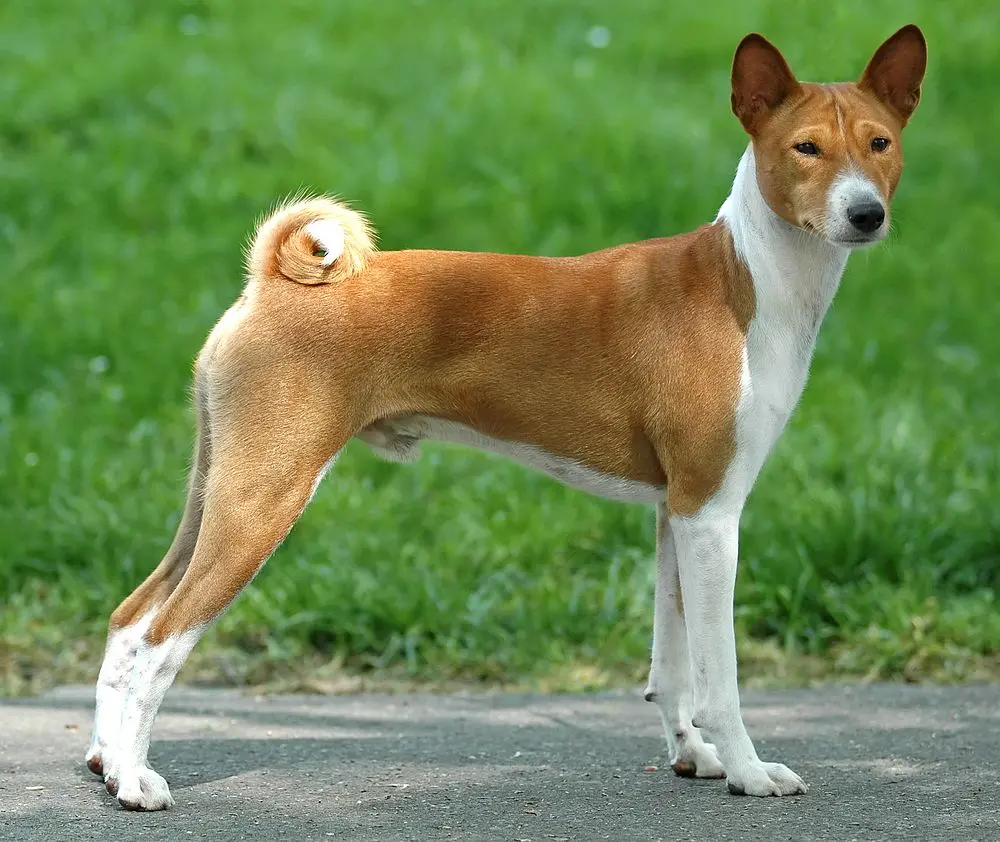

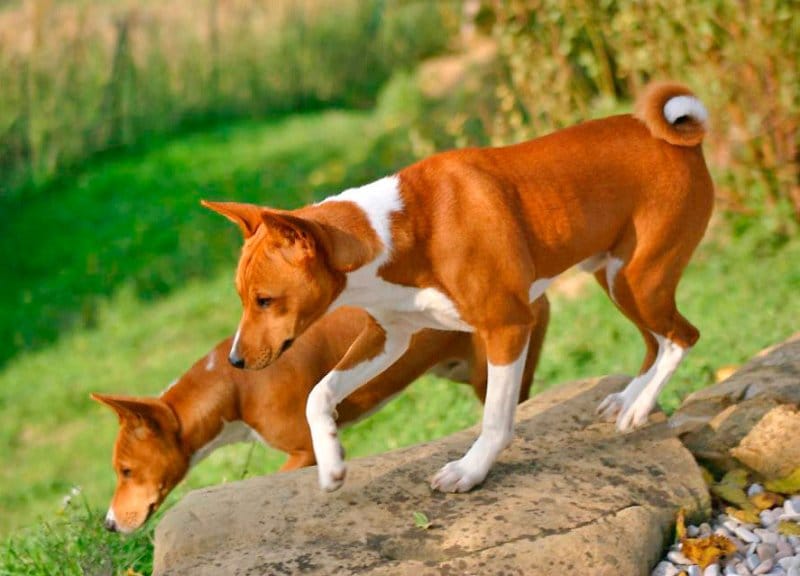

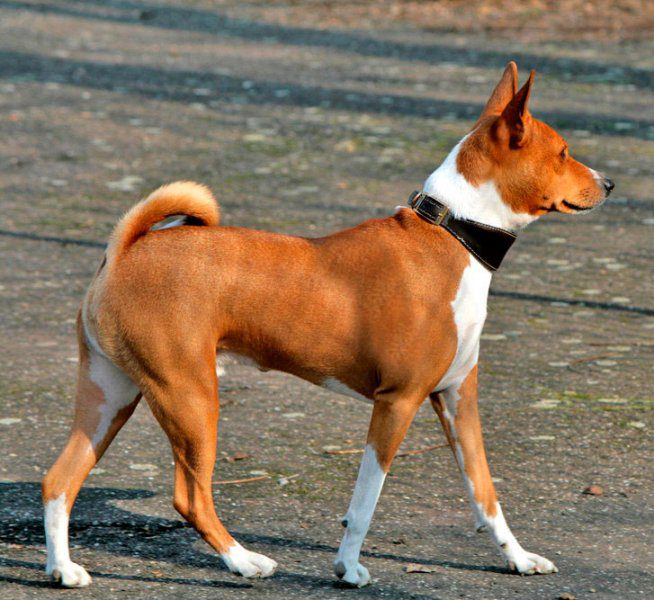
 Basenji Cell Phone Reaction
 Loki – The Yodeling Basenji
 Basenji puppies learning to sit
 The Basenji’s Complaint
 FCI - Basenji
 FCI 365 . Nordic Sledge Dogs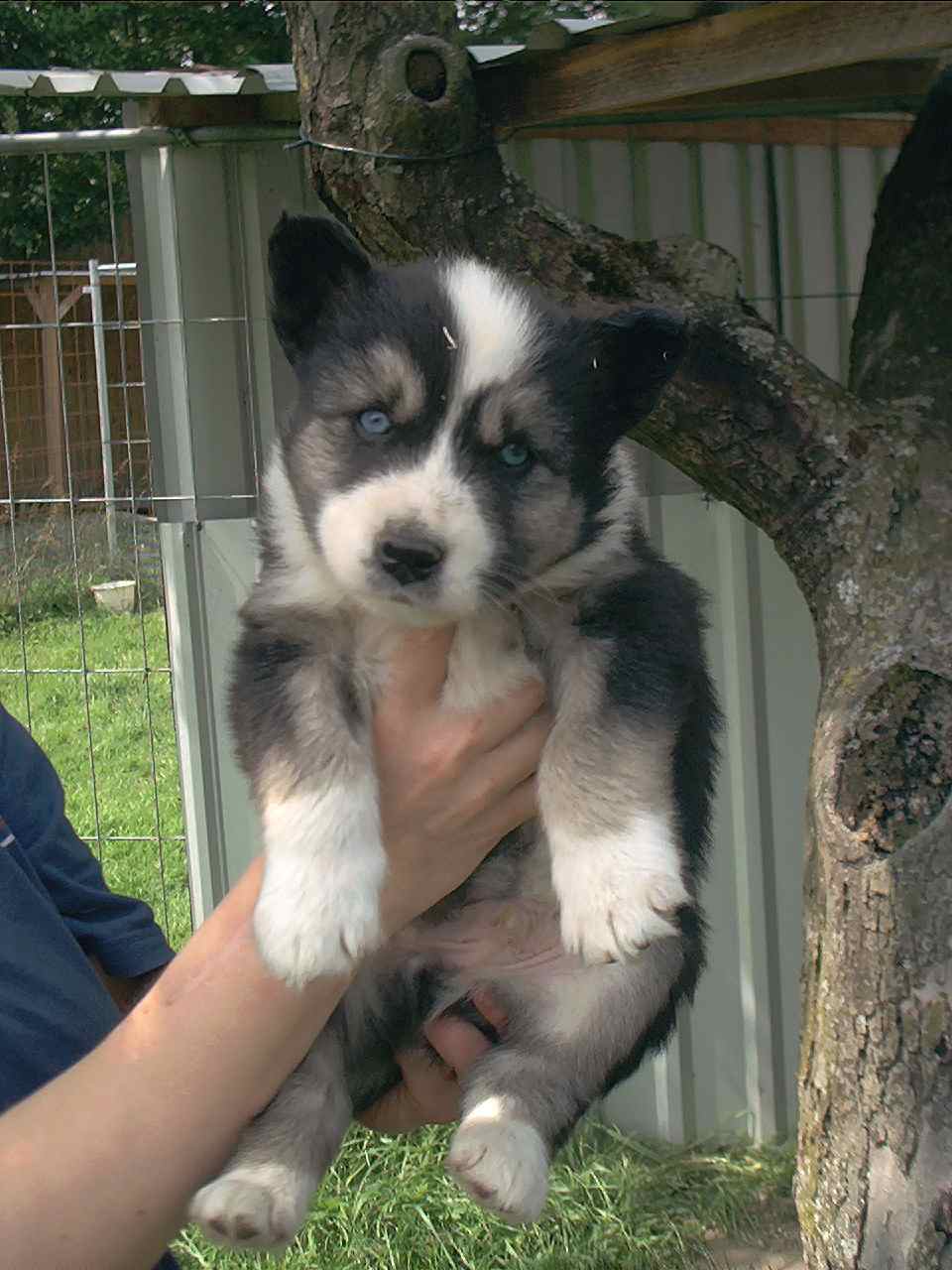
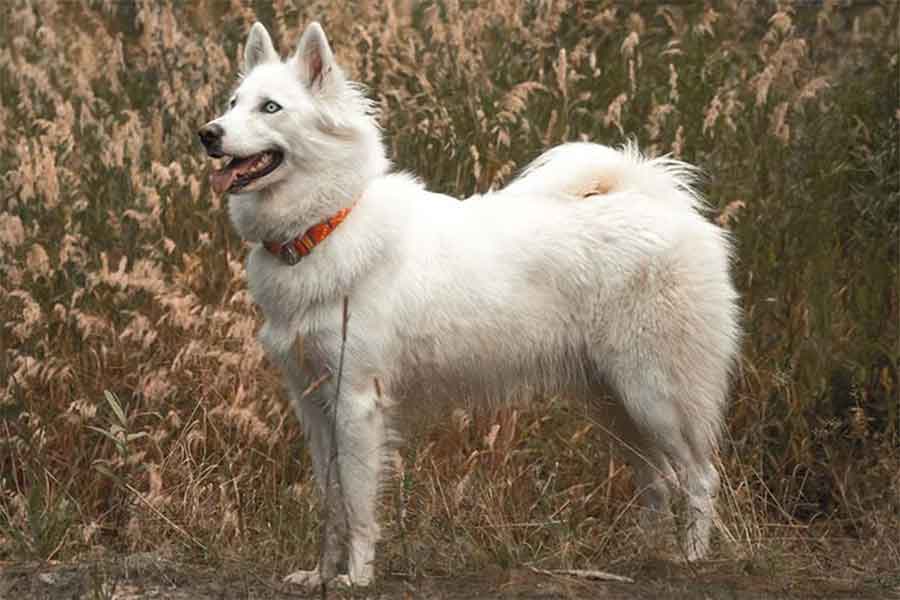
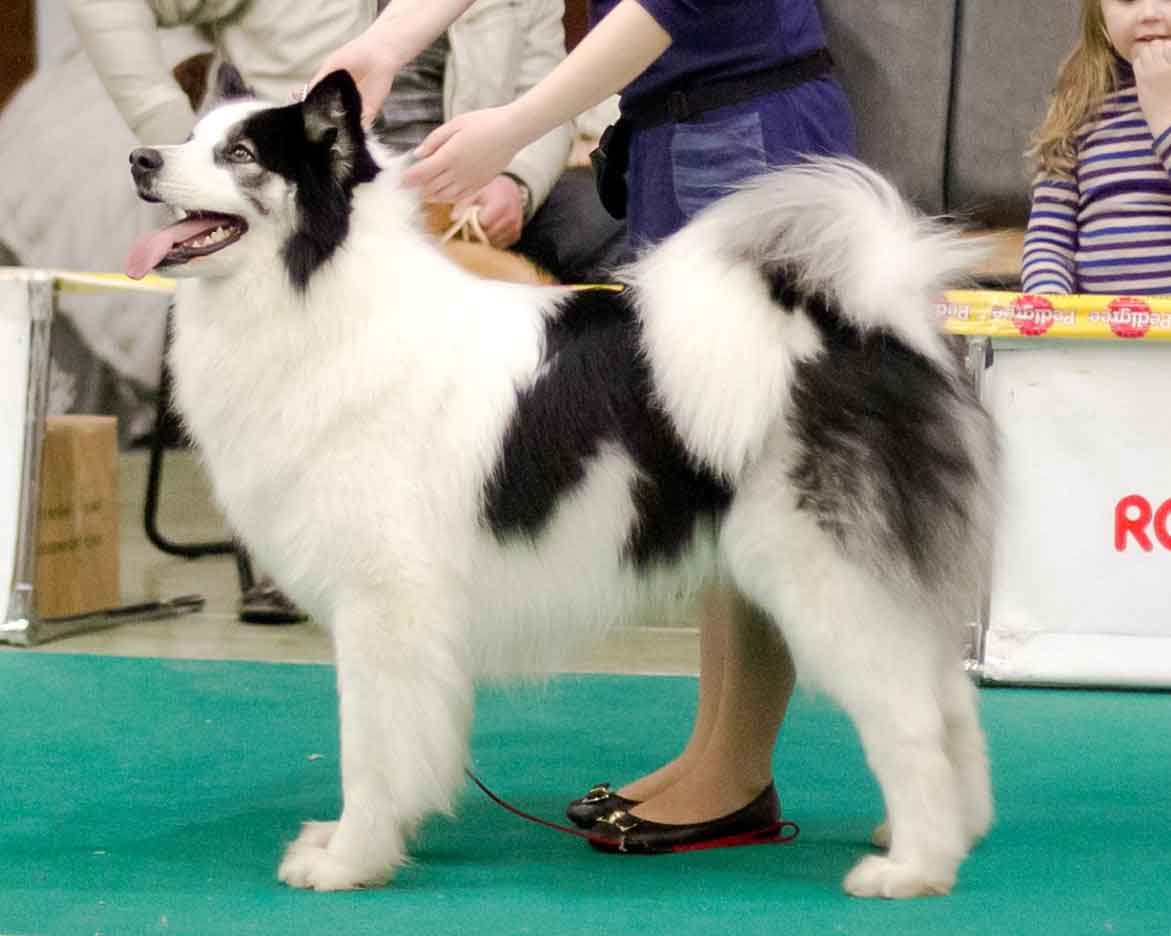
 FCI 319 - Asian Spitz and related breeds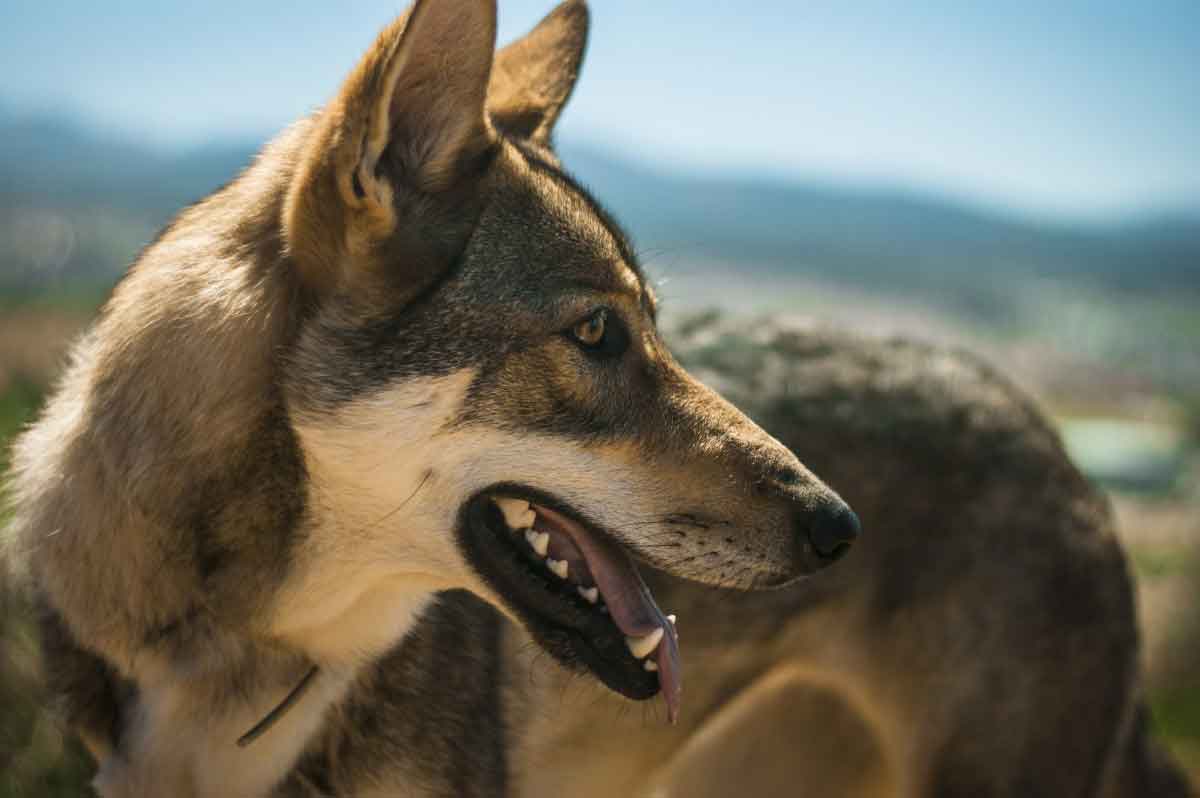

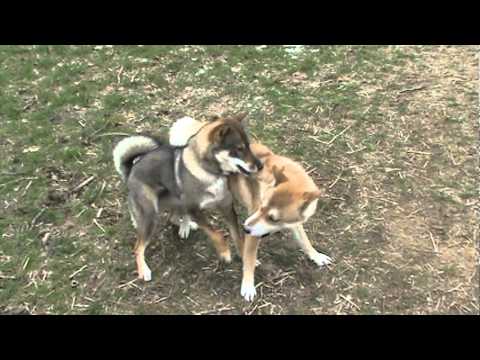
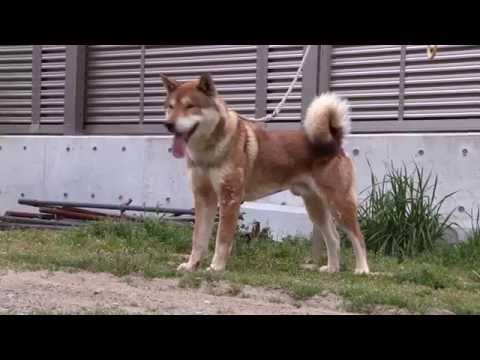
 FCI 310 . Primitive type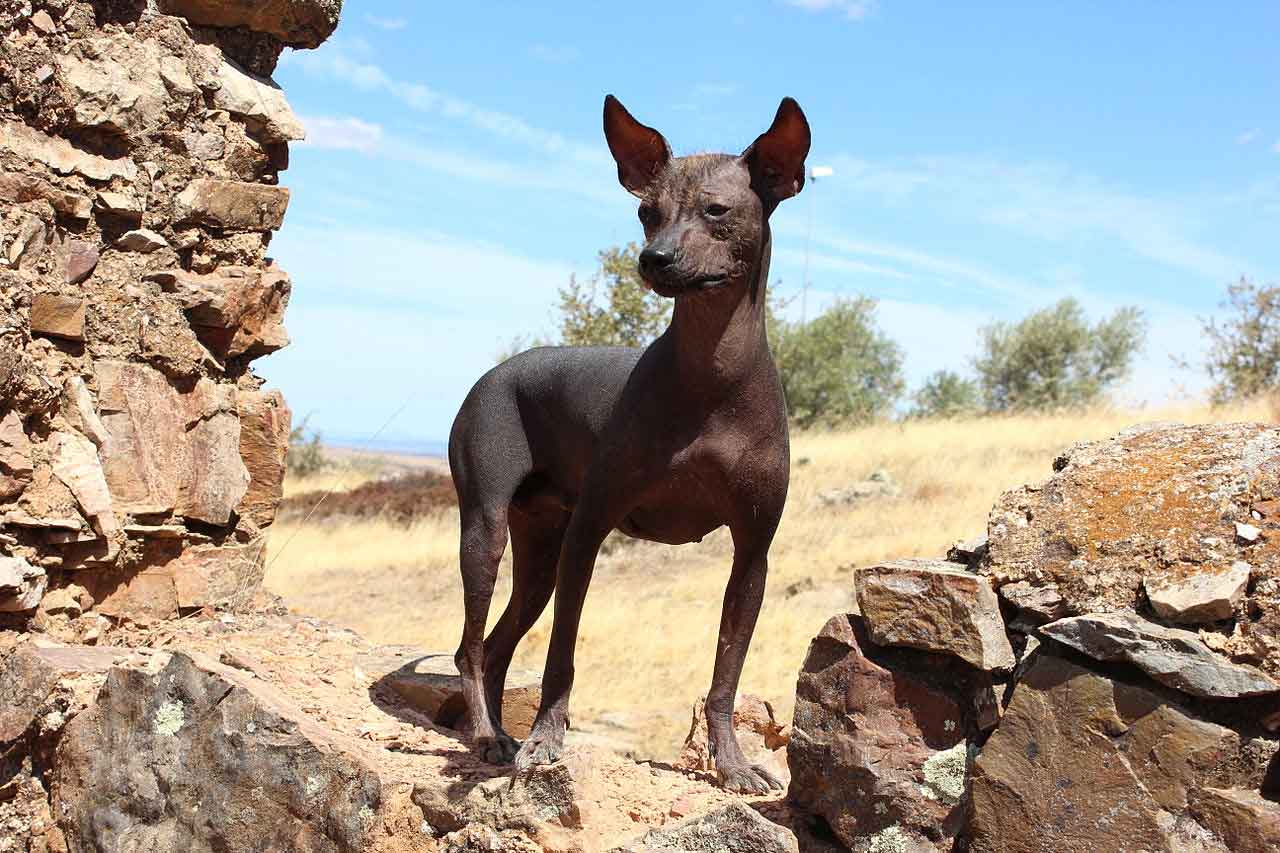
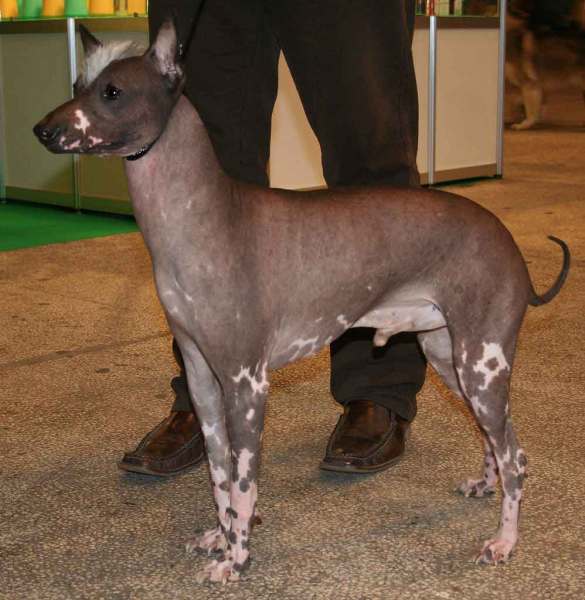


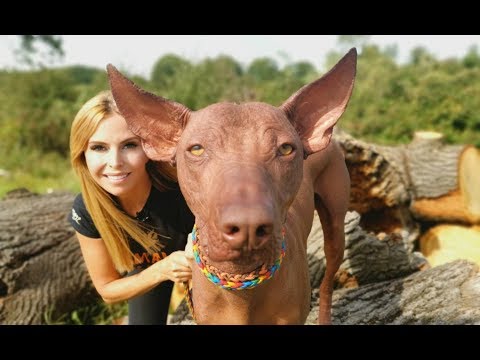
 FCI 329 . Primitive type - Hunting Dogs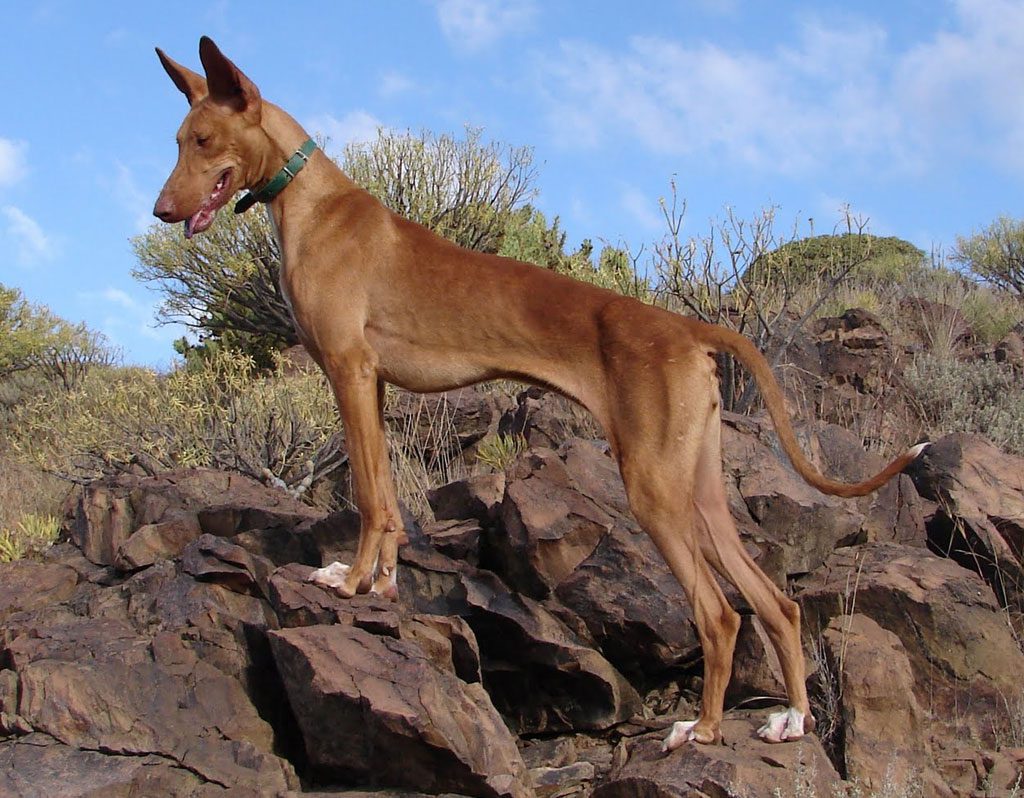

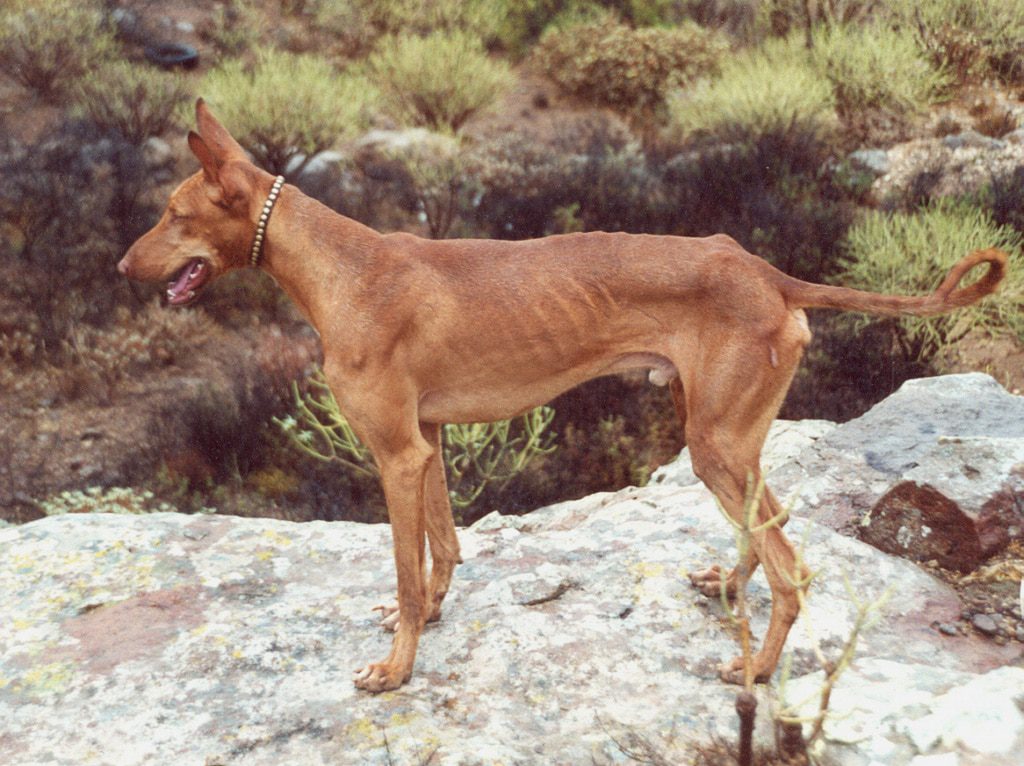


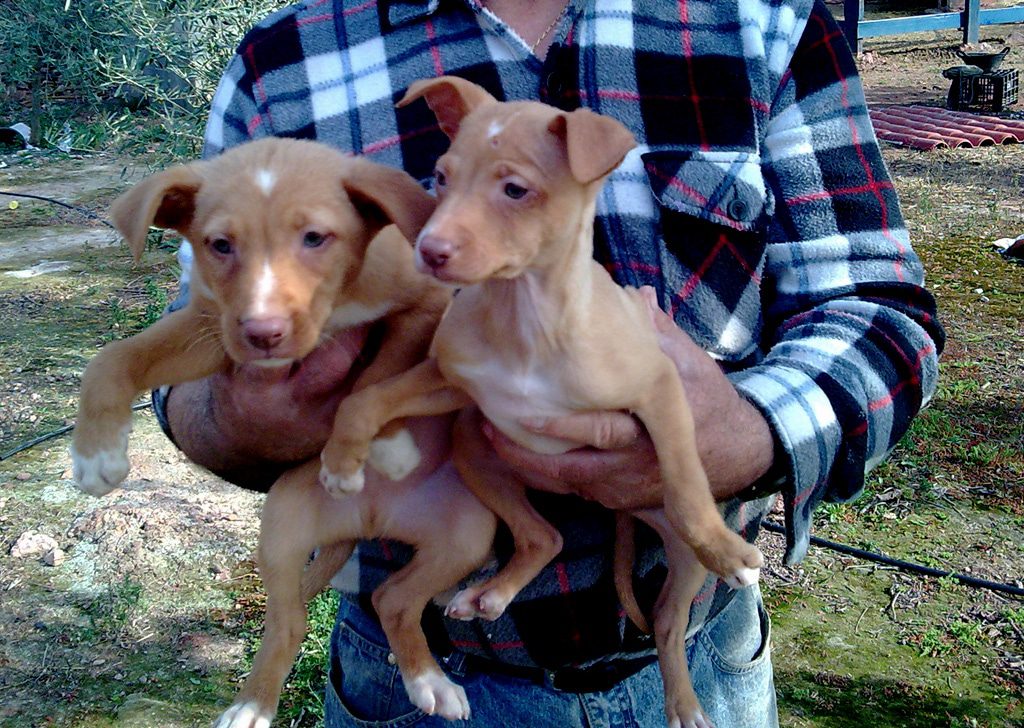

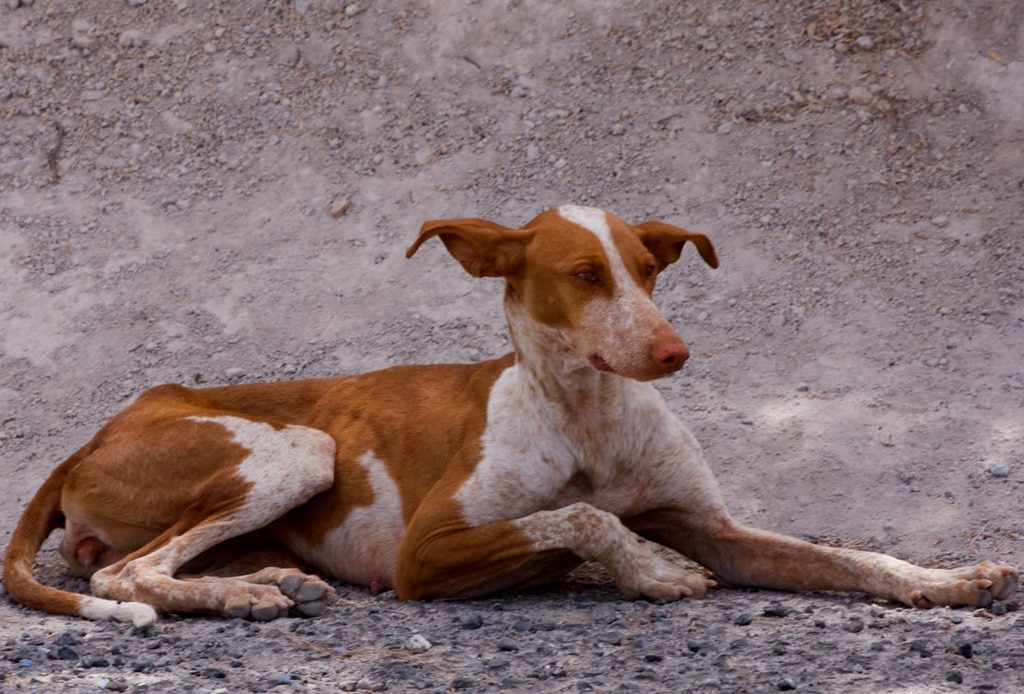
 Canarian hound a hunting dog. (To hunting dog)
 Canarian hound Interview TLD Fuerteventura at the Club island of wolves of the Podenco Canario party 1
 Canarian Warren Hound VillaLube
 Podenco Canario of Bujadillo
 FCI 348 . Primitive type - Hunting Dogs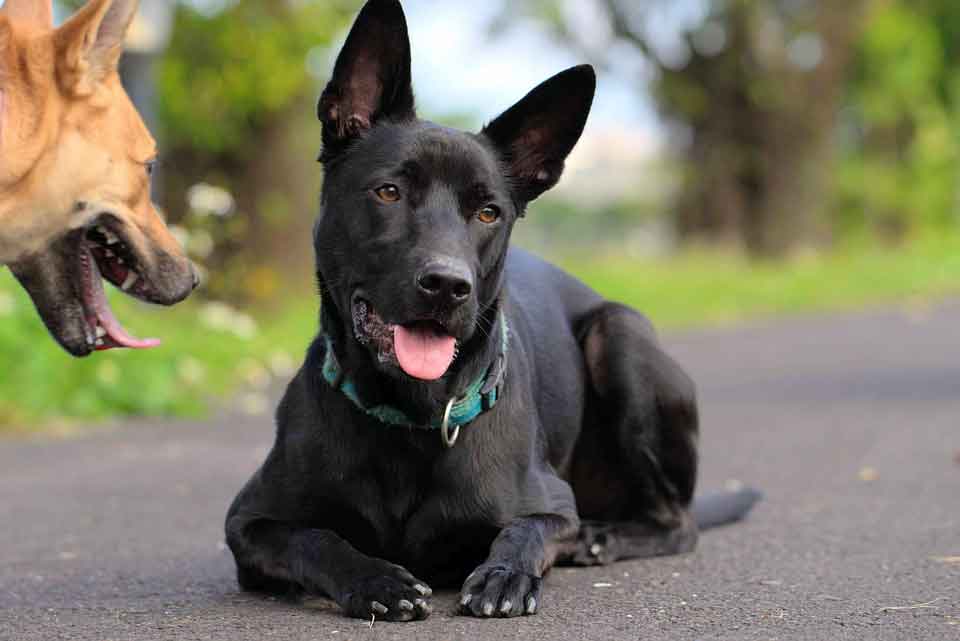
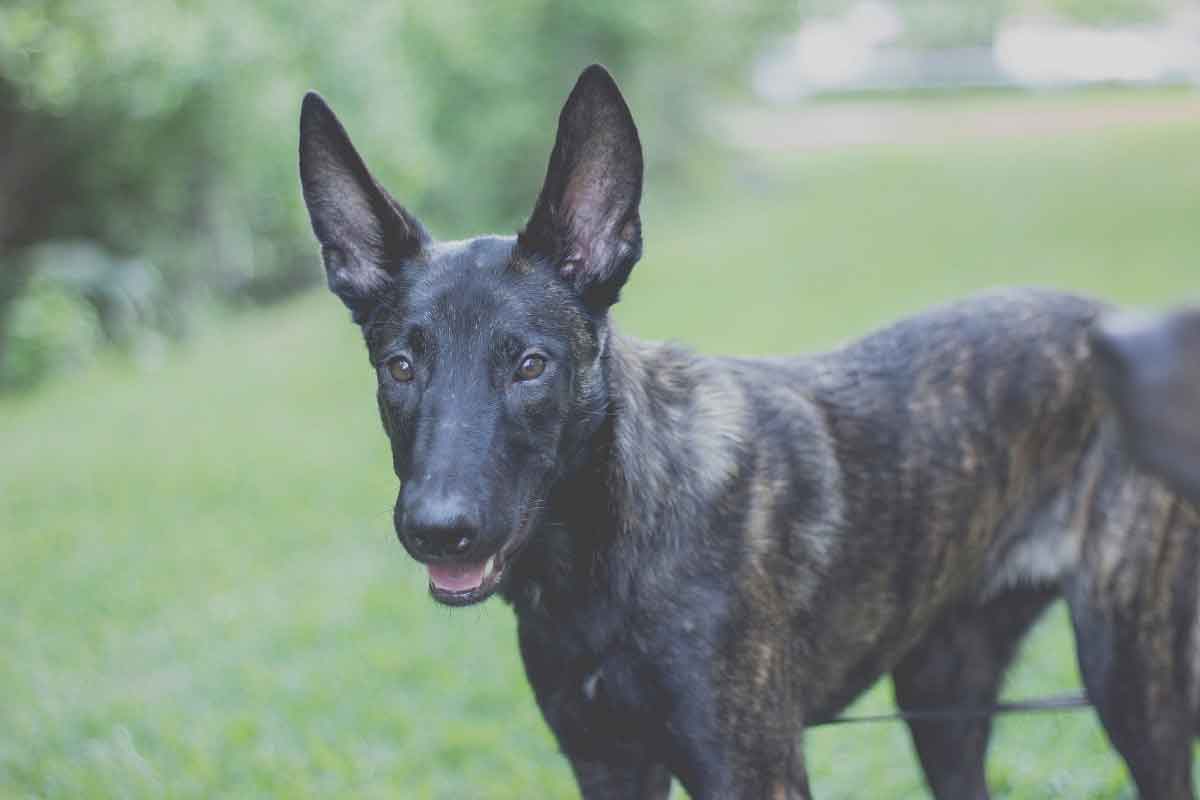
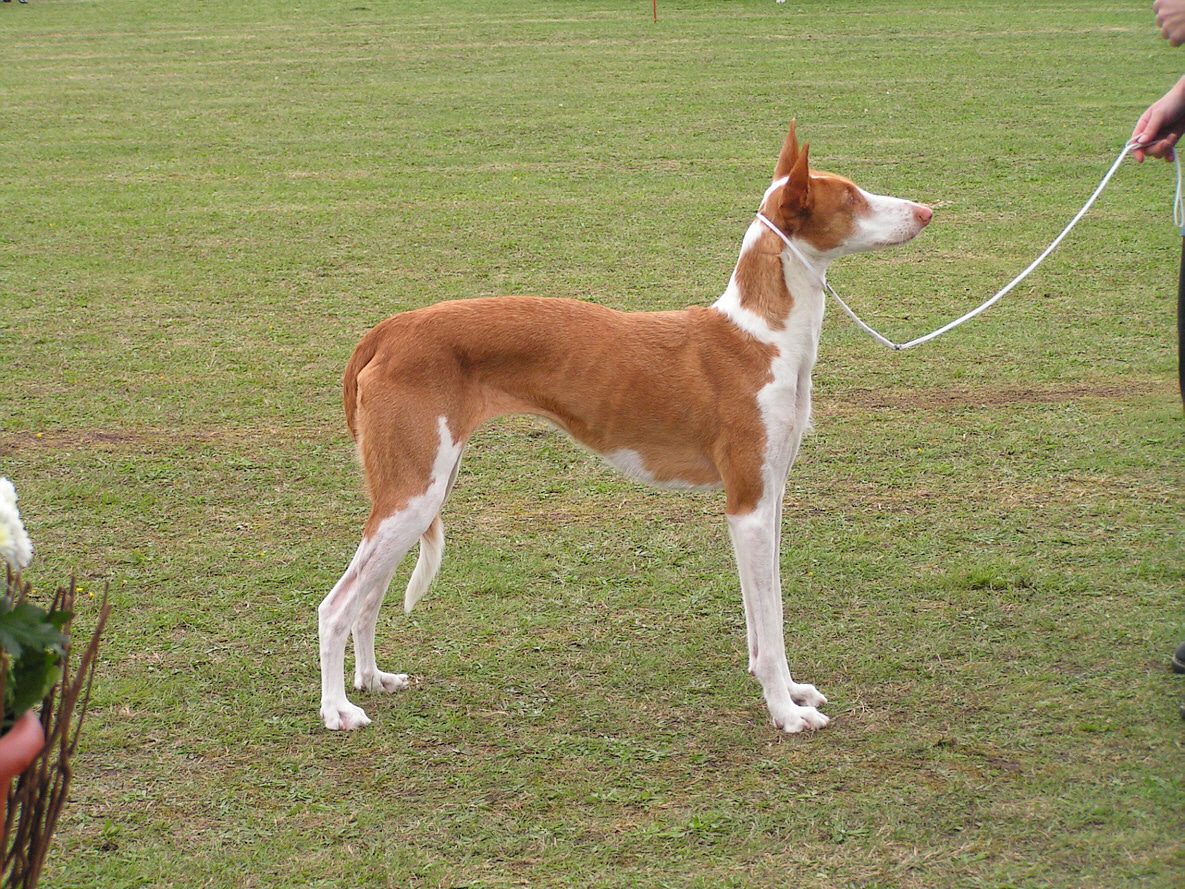


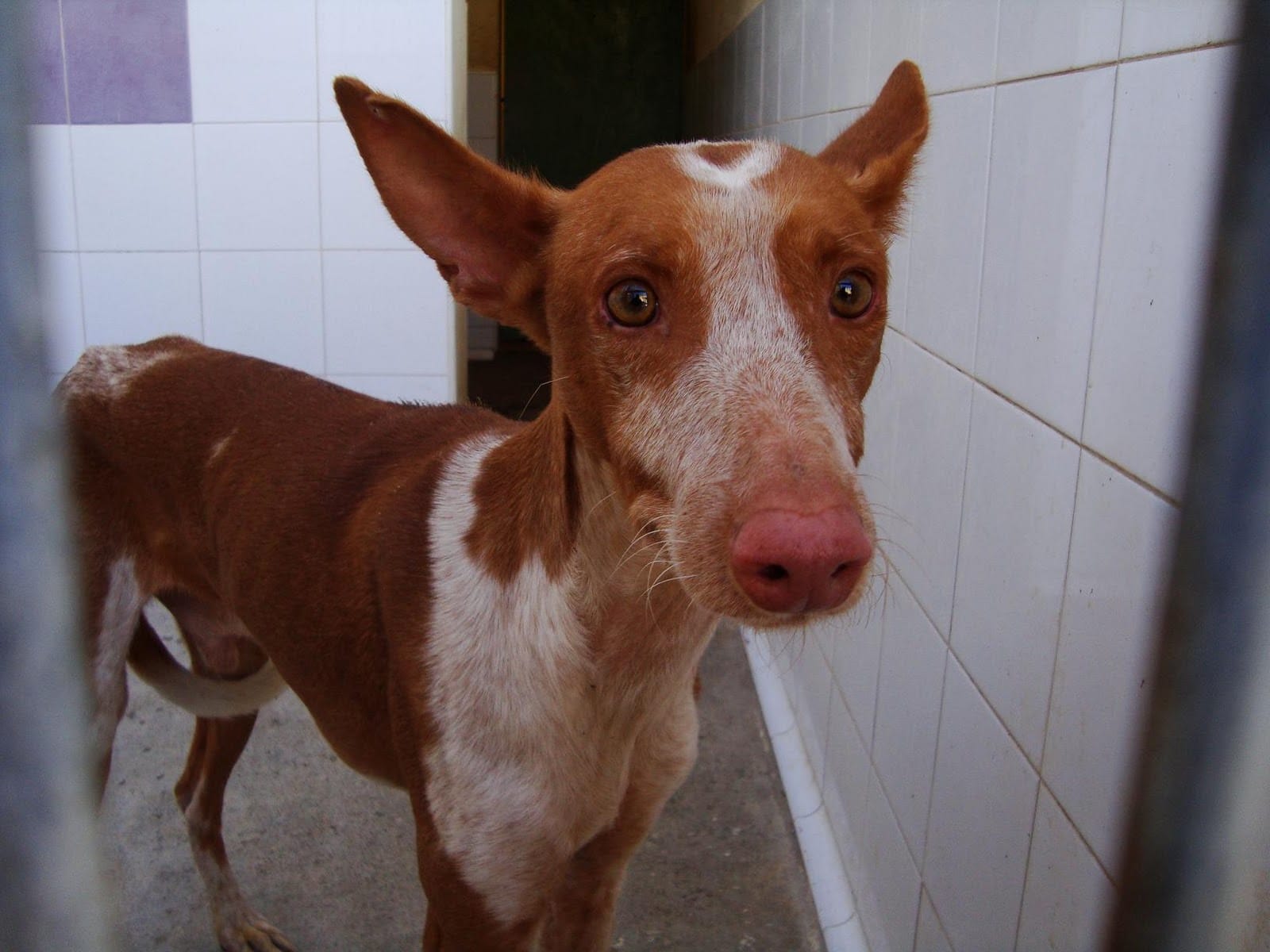


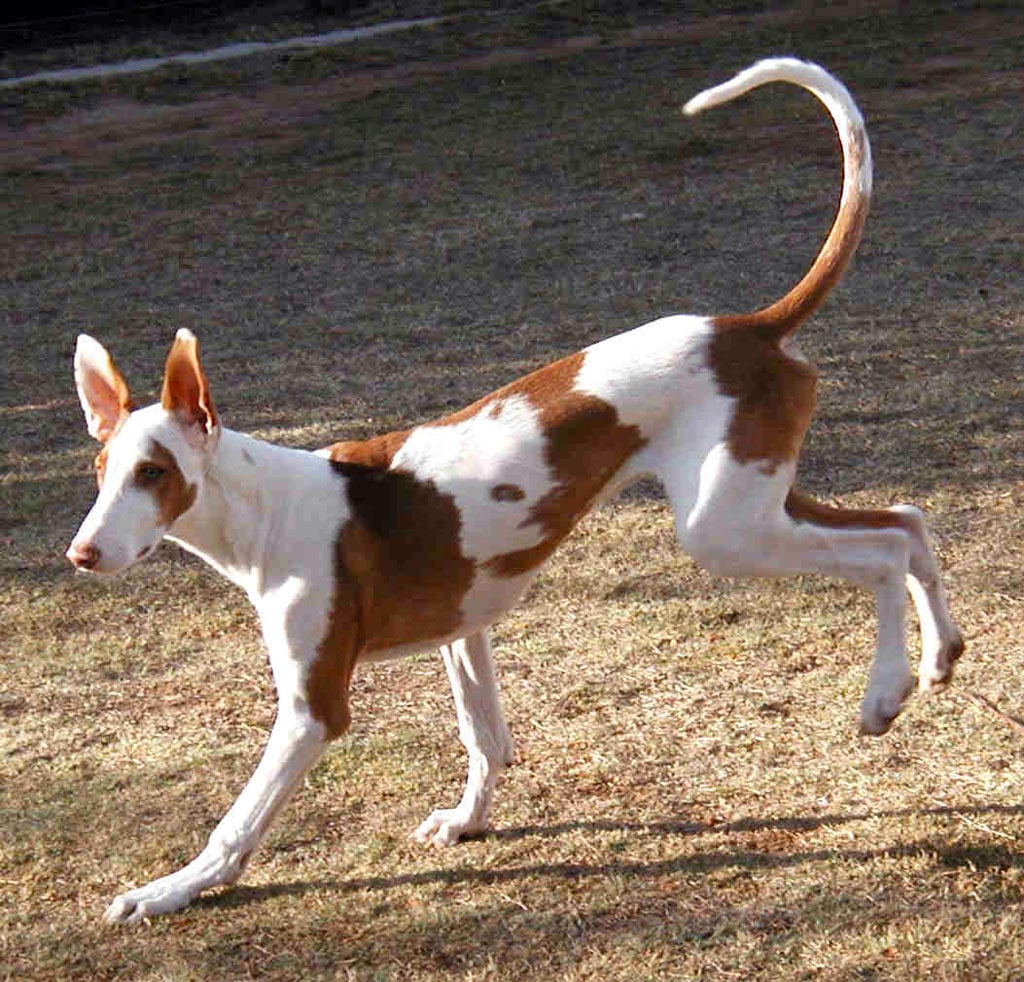

 Ibizan Hound
 Ibizan Hound
 nvow-hound-Ibiza
 podenco-Ibicenco Latvia January 2010.
 FCI 248 . Primitive type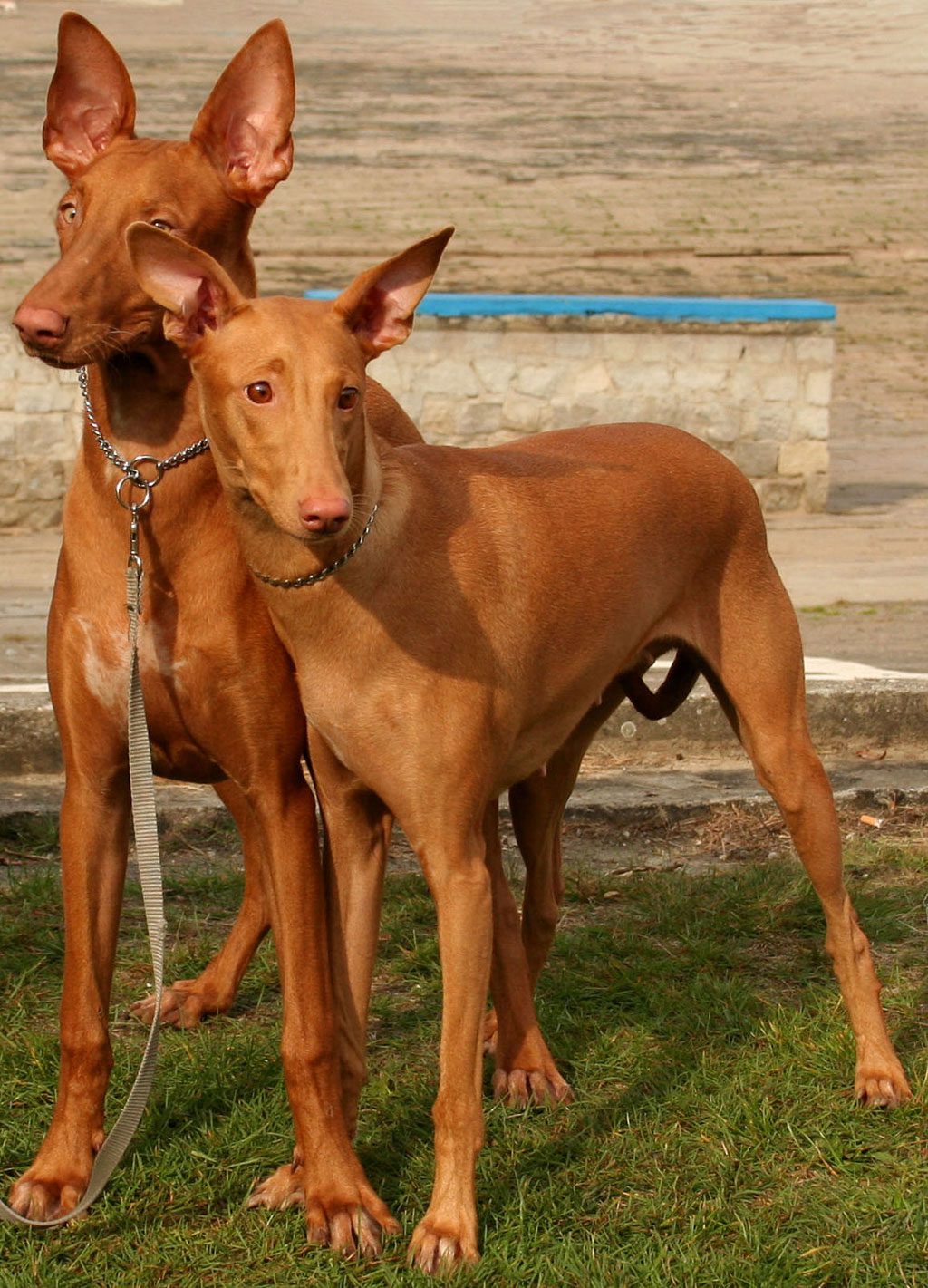


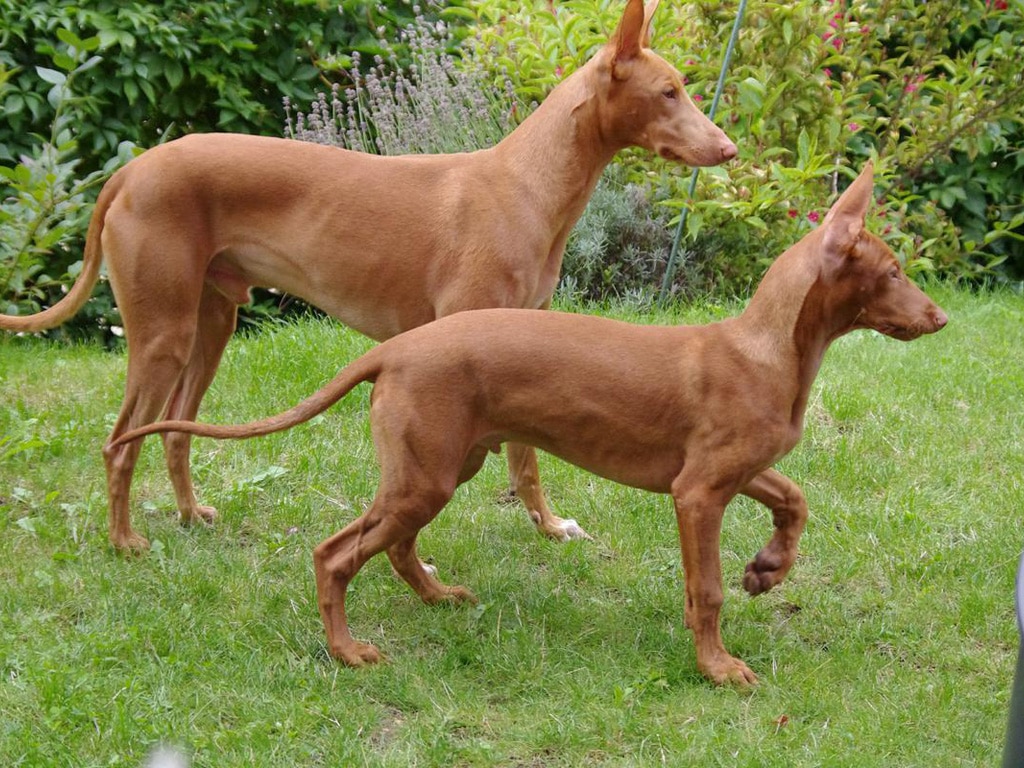
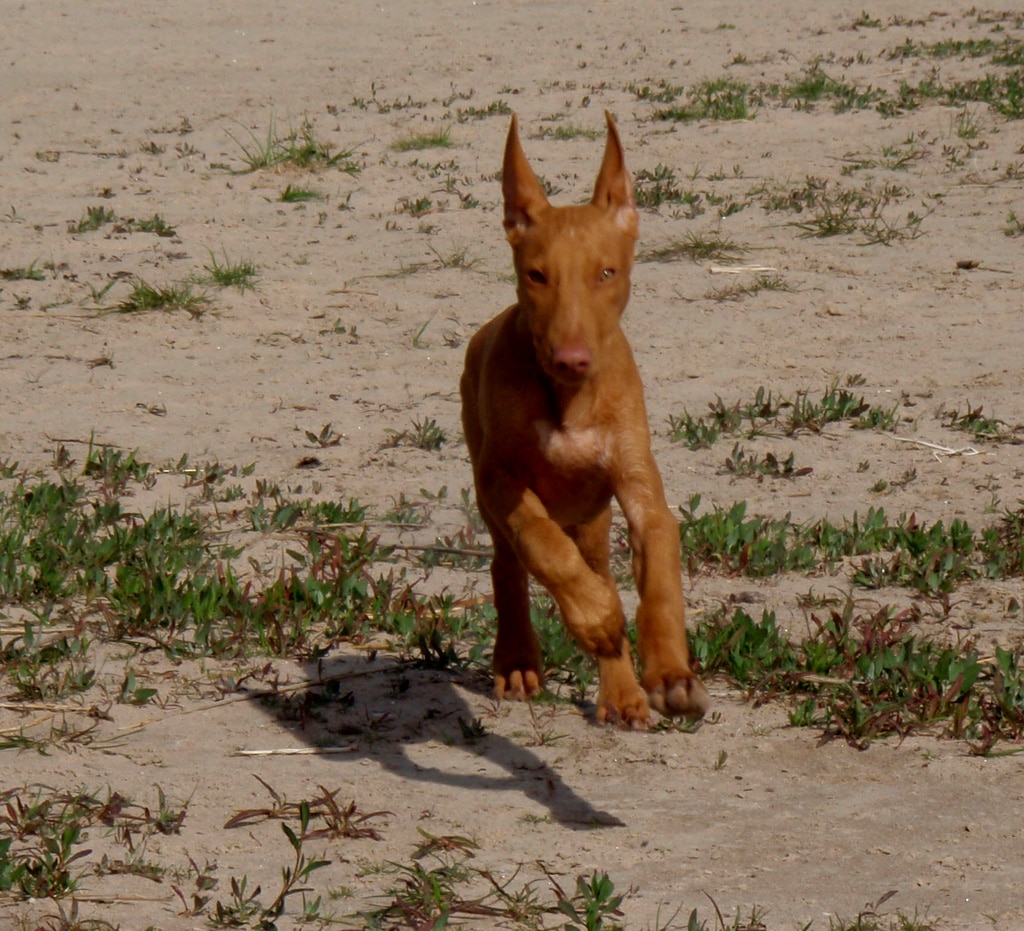


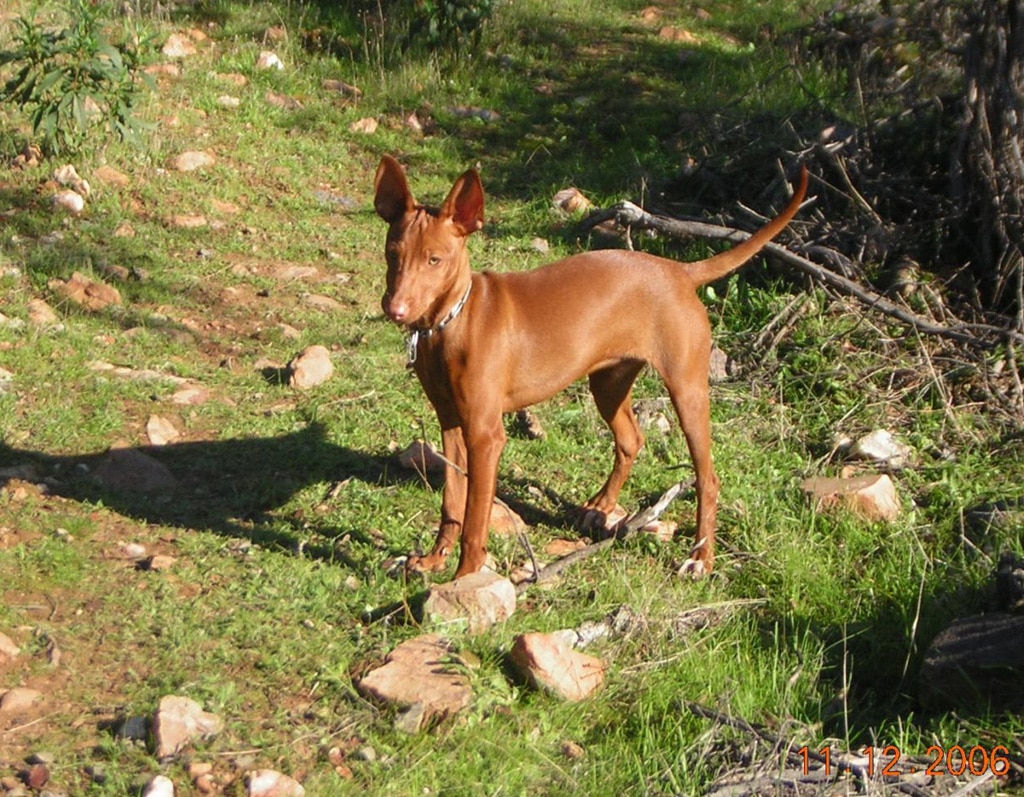

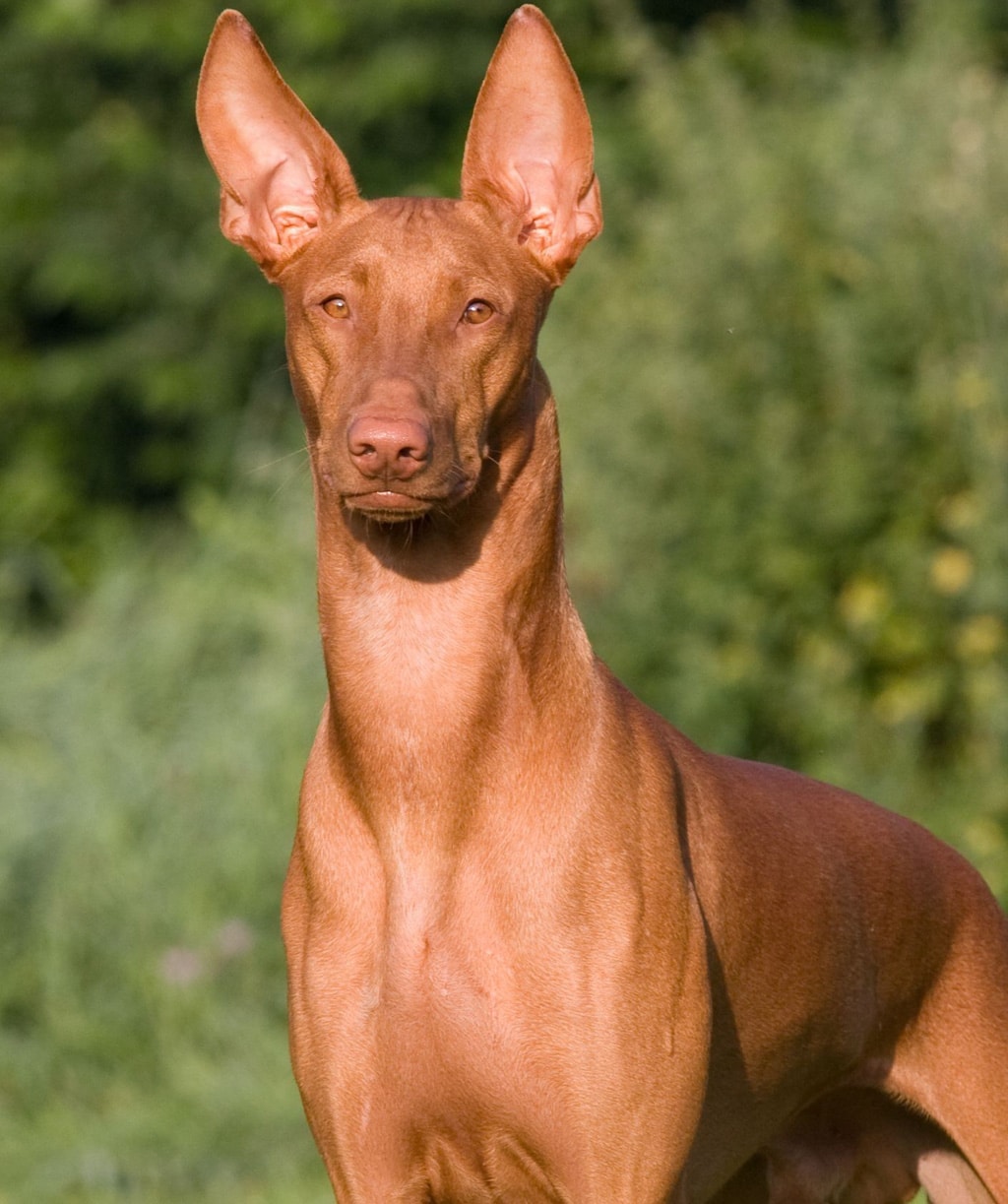
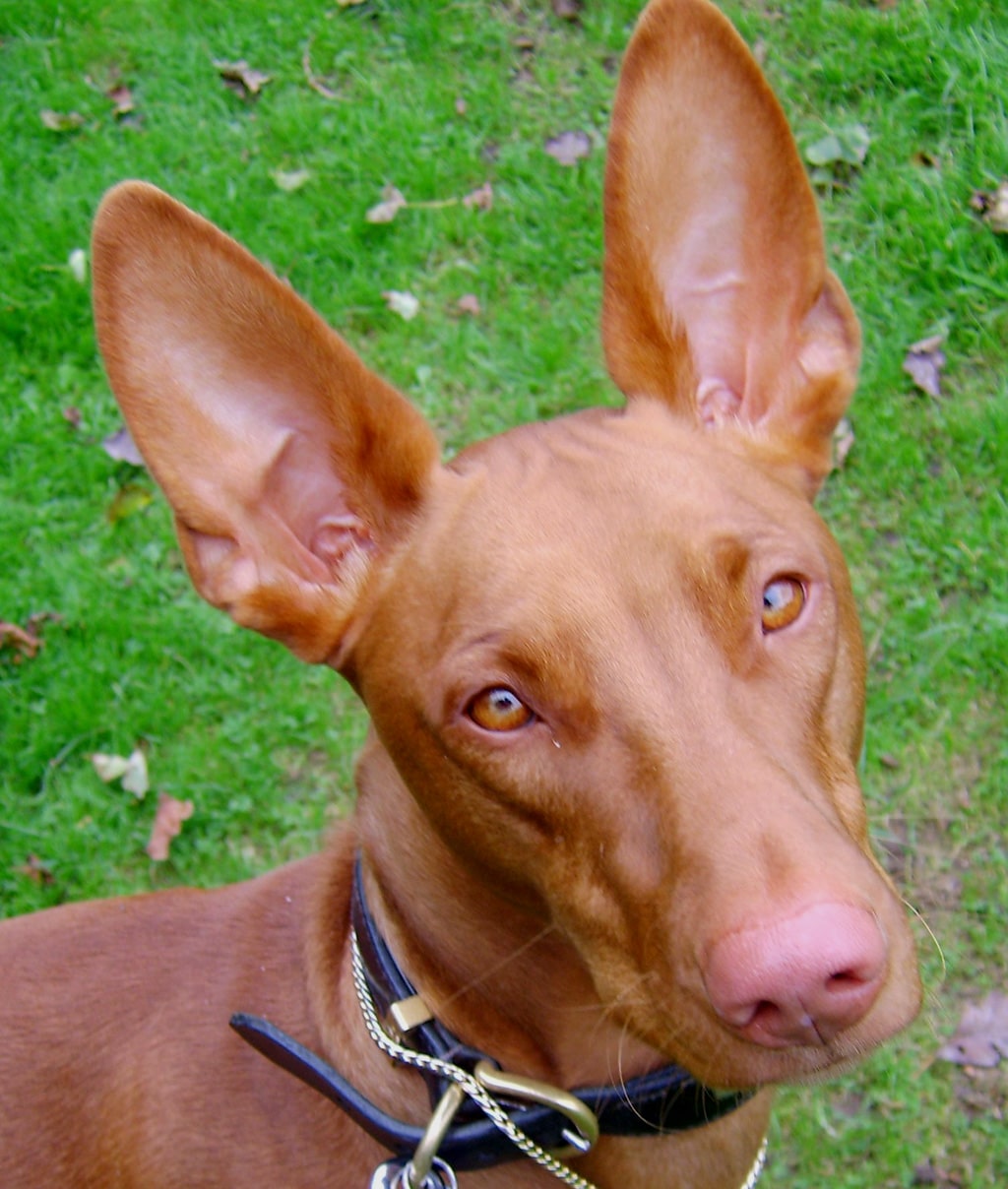
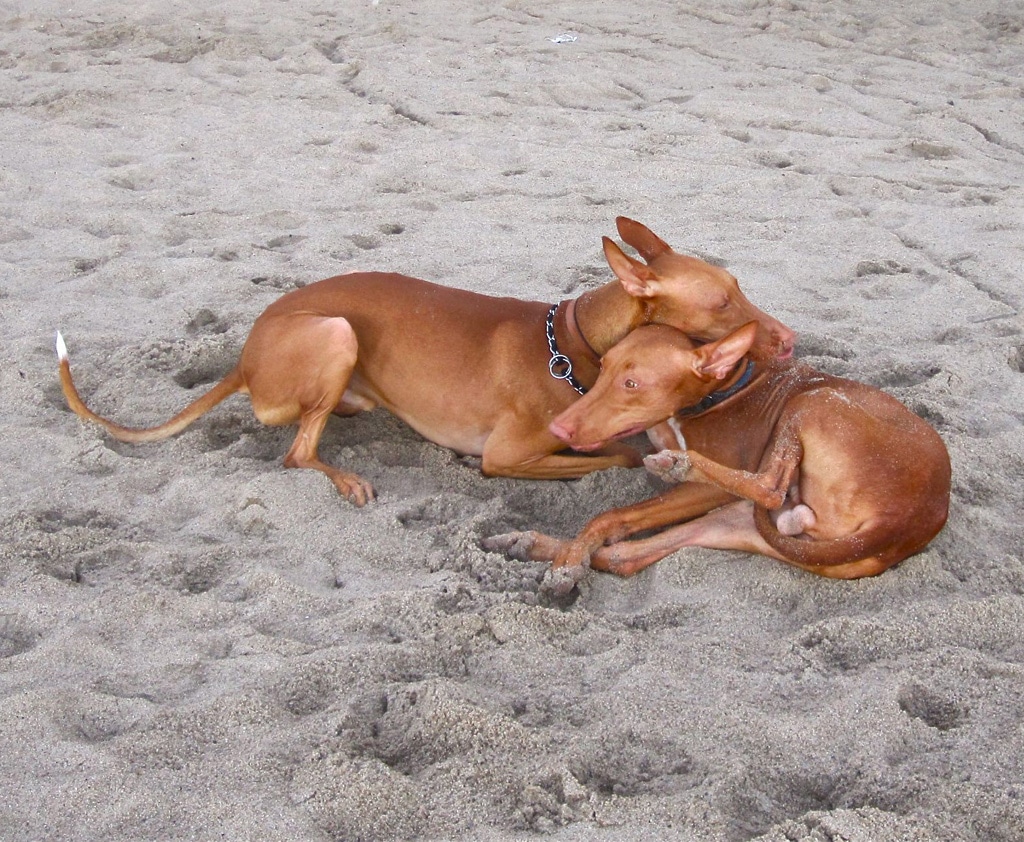
 Singing Pharaoh Hound
 Pharaoh Hound & Bengal Cat Having Fun
 Trouble falling asleep…
 Pharaoh Hound Dog Tricks
.jpg)


.jpg)

.jpg)
.jpg)
