The Andalusian Hound Maneto It is a dog of a single master, with this he will be very affectionate, but not sticky…
Content
History
The Andalusian Hound Maneto It is an autochthonous breed from the south of Andalusia., of the Provinces of Cádiz and part of the border towns of the Province of Málaga with Cádiz, Although their highest concentration is found in the Campo de Gibraltar.
One of their ancestors is the Andalusian Hound, has medium-sized, possibly due to a genetic mutation known as basetismo or dwarfism, what gives the so characteristic shape to this breed.
As it is the case in almost all breeds of dog native Spanish, Andalusian Hound Maneto It is the name with which is popularly called by hunters and people who do know in the provinces of Cadiz and Malaga, places where this variety of the Andalusian Hound.
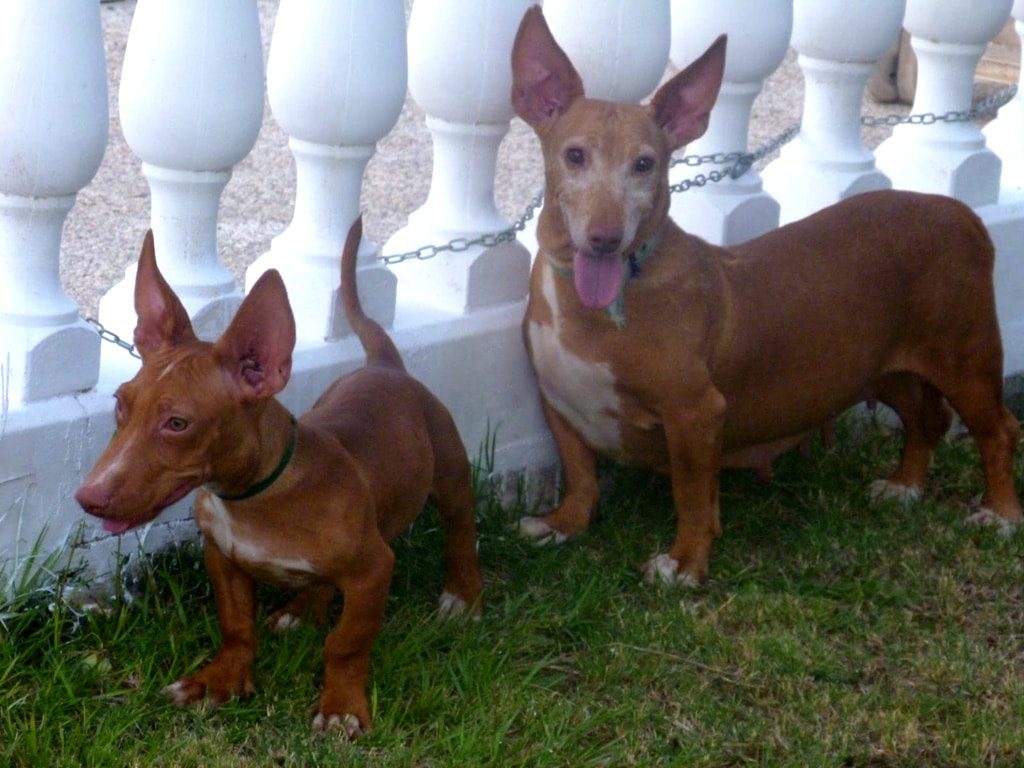
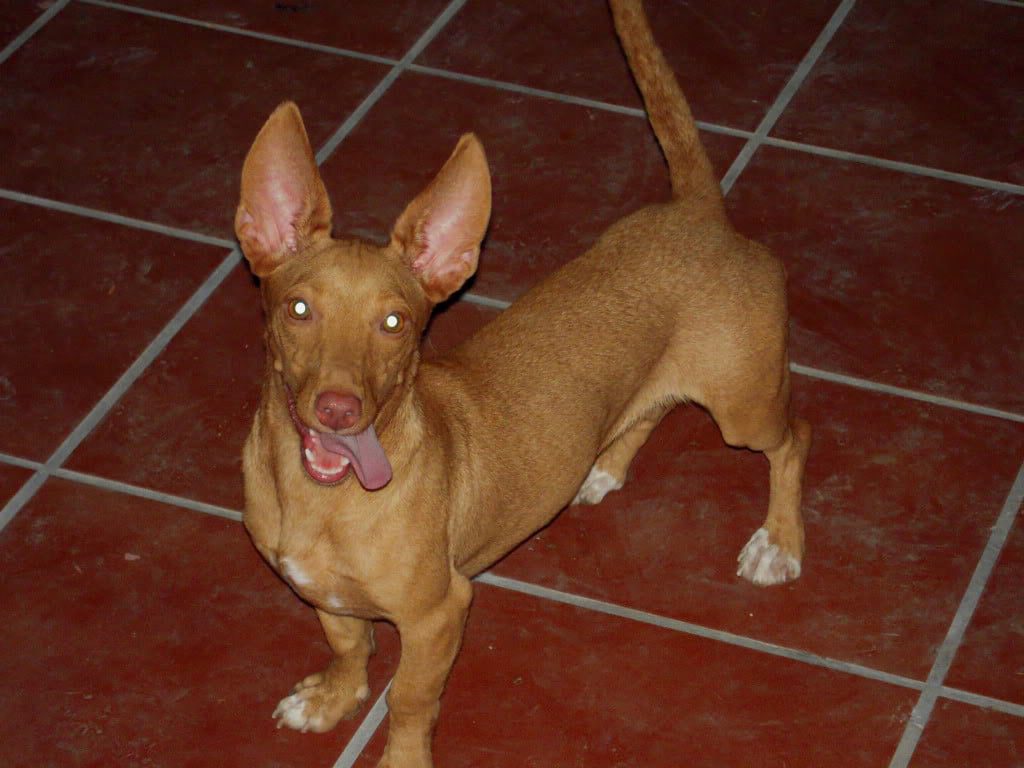
The Andalusian Hound Maneto it is a small-bodied dog, short legs, long and very compact, the members are short in relation to body length. Is strong structure, muscular and compact.
Videos "Andalusian Hound Maneto"
The coat is short and smooth, bright and compact, covers the entire body equally and presents the same length in all body regions. They can be Tan, that goes from the clear range to the darker, as in gradient. Or white and cinnamon.
Its height to the cross is between 30 and 35 cm. (both males and females). Y, the weight, is of 9 to 11 Kg.
The dog Andalusian Hound Maneto because of its morphological structure, It has been used exclusively in the game, in special, the rabbit. It is specially adapted to the mount under Mediterranean with Bramble patches, streams and tight gorges.
One of its characteristics in hunting, is perseverance and willingness to, his body help, post that allows you to have access to complicated terrain of low and thick shrubs, area to which other native dogs of Andalusia, they couldn't even get in... For that reason, Historically, It has been used for the hunting of rabbits.
It is also very good bird Hunter, as Partridge and quail, as, as well, to collect the ducks in the water, It is a great collector in all areas of tight mount, the Aeneas and shrubs, in the water.
Character and skills
The Andalusian Hound Maneto It is a dog of a single master, with this it will be very affectionate and sought his affection and attention but not empalagar, and also- is very independent.
He is a confident dog., Moody, with a highly developed sense of “possession” What makes it to be highly territorial with other dogs, from very early ages.
It will be necessary to know Maneto very well and develop a strong bond of trust in order to assess his intelligence and bravery., both in hunting work and at home and in its role as a companion dog.
You would love to live in a home (will be adapted without problems), but you will always want to take a country walk to be able to show off their hunting instinct.
The Campeiro Bulldog, He is noted for fidelity with its owner
Content
History
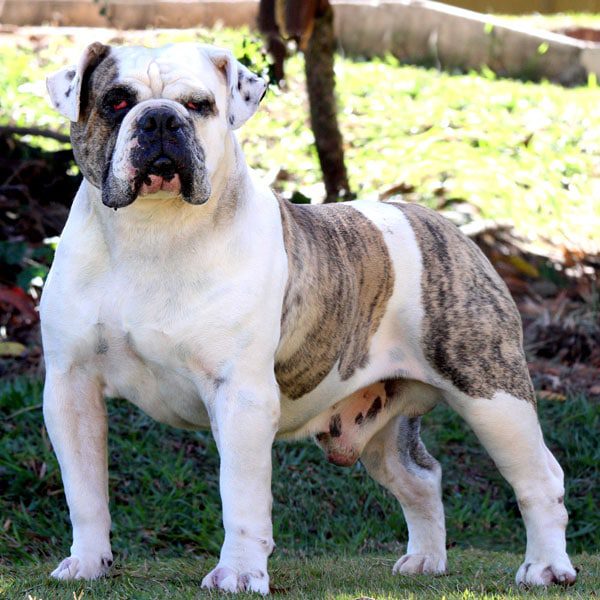
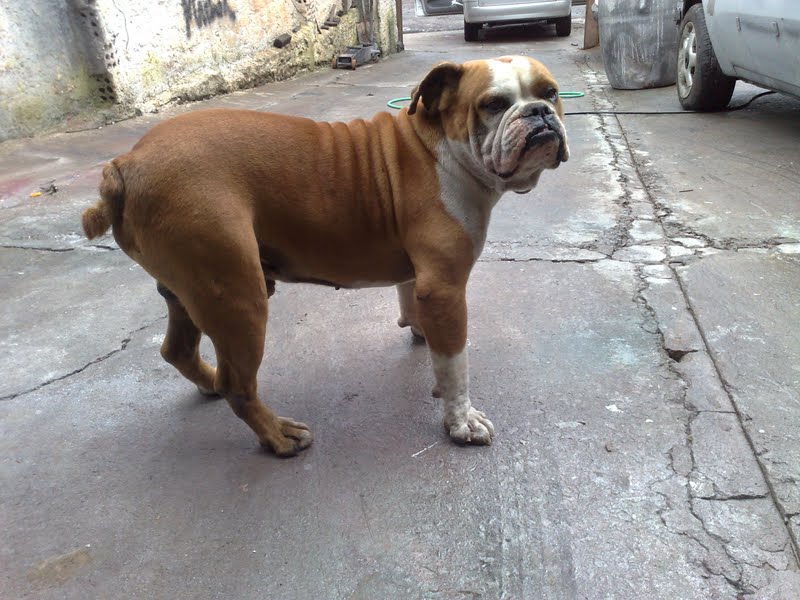
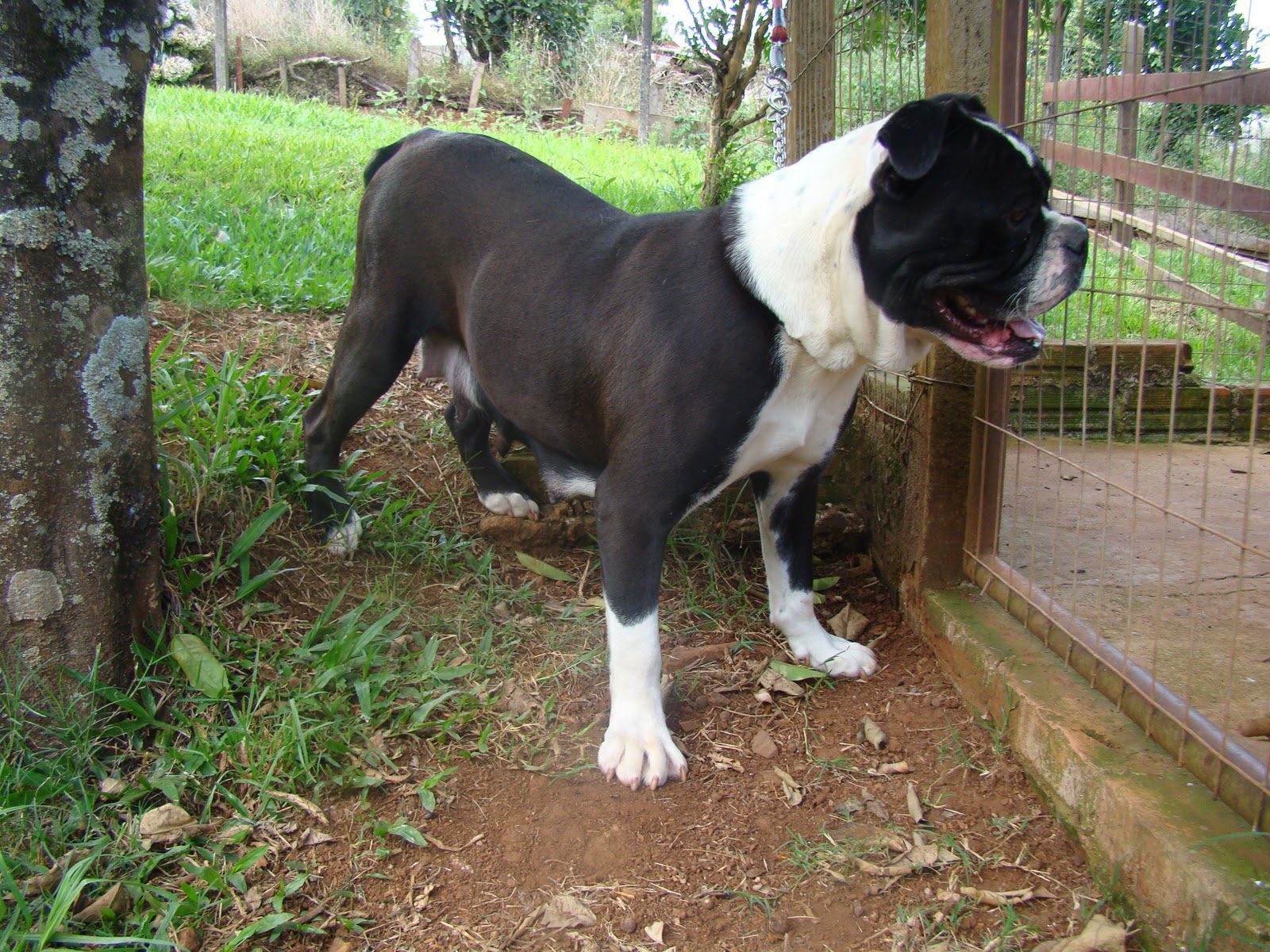
The Campeiro Bulldog (Buldogue Campeiro or Bordoga), It is a dog breed originating in Brazil Bulldog. This is an ancient breed of working dog. The current, It descends from the ancient Old English Bulldog (Old English Bulldog), brought to Brazil during the 16th century by European immigrants.
This breed was once very common in the state of Mato Grosso do Sul and southern Brazil in the late 1980s. 60, where the role of the dog was largely focused on farms and slaughterhouses, in the capture and domain of the cattle or pigs. Over the years 70 He was in danger of extinction due to the introduction of new laws and health measures, but he returned to be present in Brazil, Thanks to the hard work for the conservation of the Bulldog breed, carried out by Ralf Bender Schein.
The Old English Bulldog was quite common, He was in much of Western Europe during the second half of the 19th century, and such was his importance to, In states such as the Vatican there is specific legislation to regulate the transit of animals on public roads.
At the same time, he woke up - in the well-to-do sectors of European society- the interest of creating a serious development and the formation of distinct castes, all of them are derived from the Old English Bulldog, as the English Bulldog and the modern French Bulldog.
In Brazil, European immigration (germans, Italian, Poles, etc.), increased during the early years of the 19th century and mid-20th century, they brought with them many animals, among them, several types of Bulldog, as for example, the old English Bulldog.
Physical characteristics
The Campeiro Bulldog, is a medium-dog, very a little heavy and robust for your height. With the short snout (approximately, one-third of the length of the skull), the ears are small and pendants. Short and crooked tail. The colors of the mantle are all are accepted, its soft fur and short.
Its ideal height is between 48 and 58 cm up to the shoulder and its ideal weight is of 35 to 45 kg for males and females.
Character and skills
This type of dog Bulldog, in Brazilian soil, It has been preserved, above all, Thanks to his talent for surveillance and to work with livestock, the best features of working with cattle and pig dog, in fact they are the most popular for this function.
They were the most popular, because in addition to the farm work, as for example dragging pigs by the ears to the right place, when escaping, was also a excellent guard dog What, While the cowboy rested, he dedicated himself to taking care of the horse and cart from the stalking of some intruder. He maintained the functional features of its predecessor, the old English Bulldog, being able to give life to dominate a bull, of up 400 kg.
This capability was very used in the old slaughterhouses in the southern region and the region where today is located the State of Mato Grosso do Sul, Brazil, the Campeiro Bulldog, He was commissioned in drag to the cattle biting his snout and handed them over to the slaughterer. But with the development of technologies applied to these media, monitoring health and animal protection measures, It prevents the use of dogs in these establishments (fortunately), and also with the development of livestock, These dogs were losing their initial use, with so much speed that they came to extinction.
At the end of the year 70, This dog was on the brink of extinction, and it was there that Schein Ralf Bender began a rescue effort for these dogs, that materialised in 2001 When the CBKC recognized the breed Campeiro Bulldog (Pampa Doge).
It´s suspicious of strangers, is very quiet, and not when it is not necessary it ladra. You need a little exercise every day, and long walks through the countryside from time to time will keep completely happy.
The Campeiro Bulldog, stands out by the with your owner loyalty (It may be a little jealous), ease of adaptation and above all by the warmth with children. It is also remarkable strength and courage that give exceptional guardian dye.
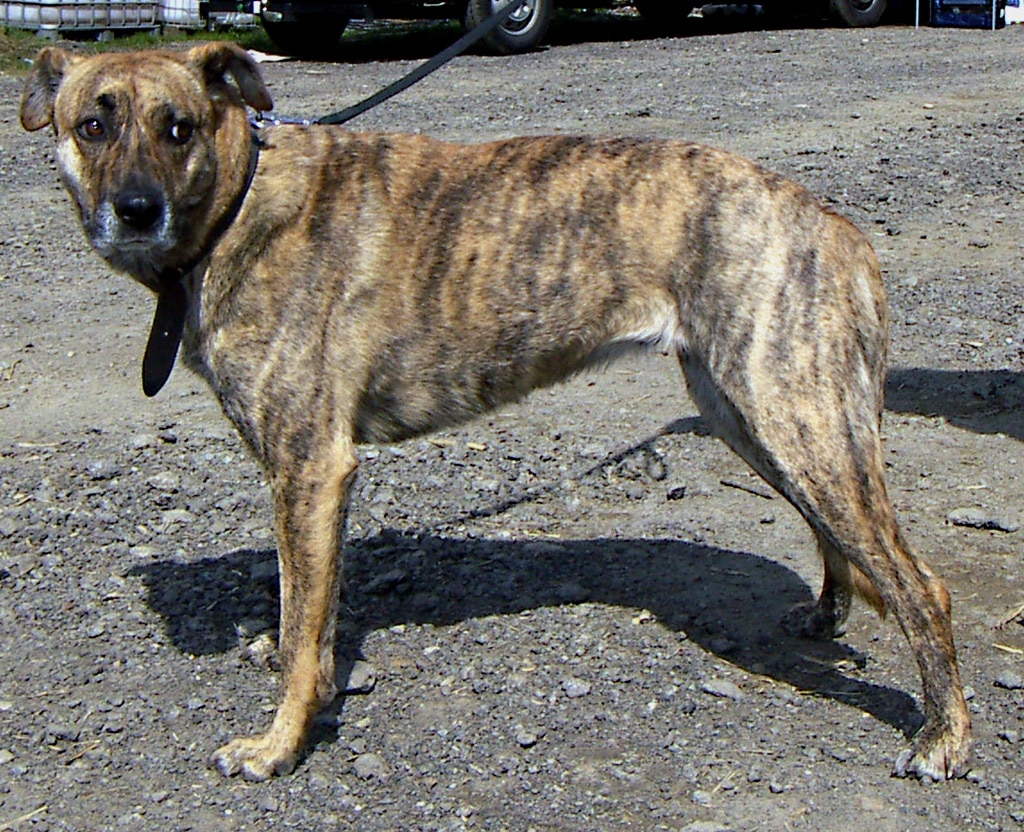
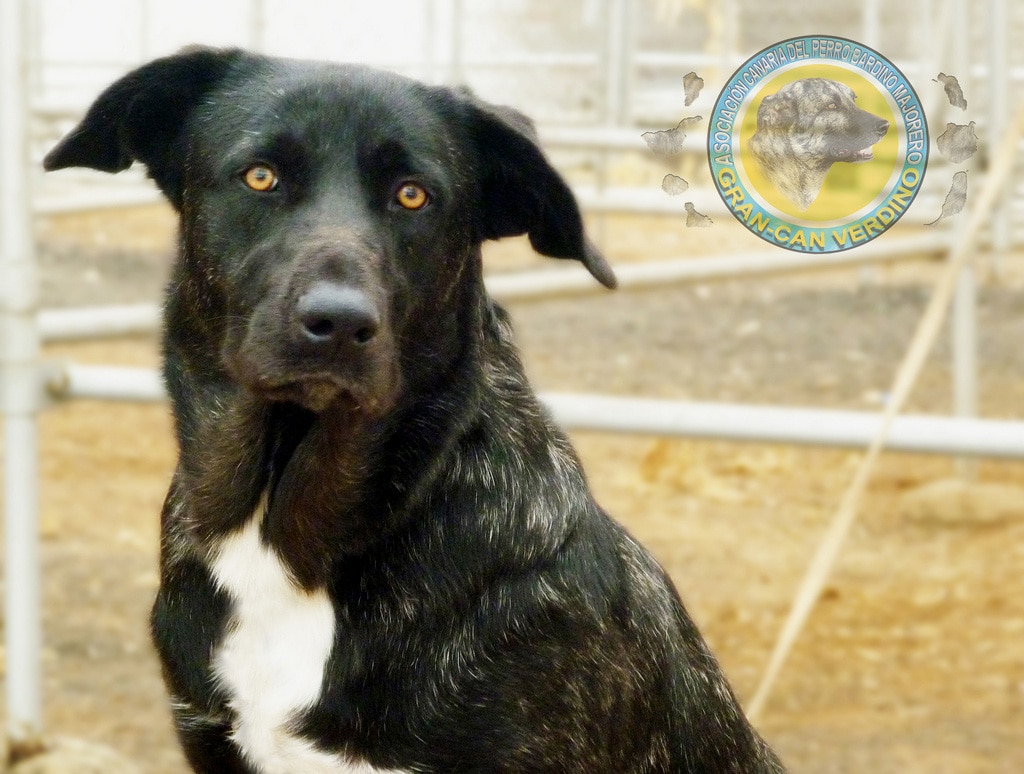
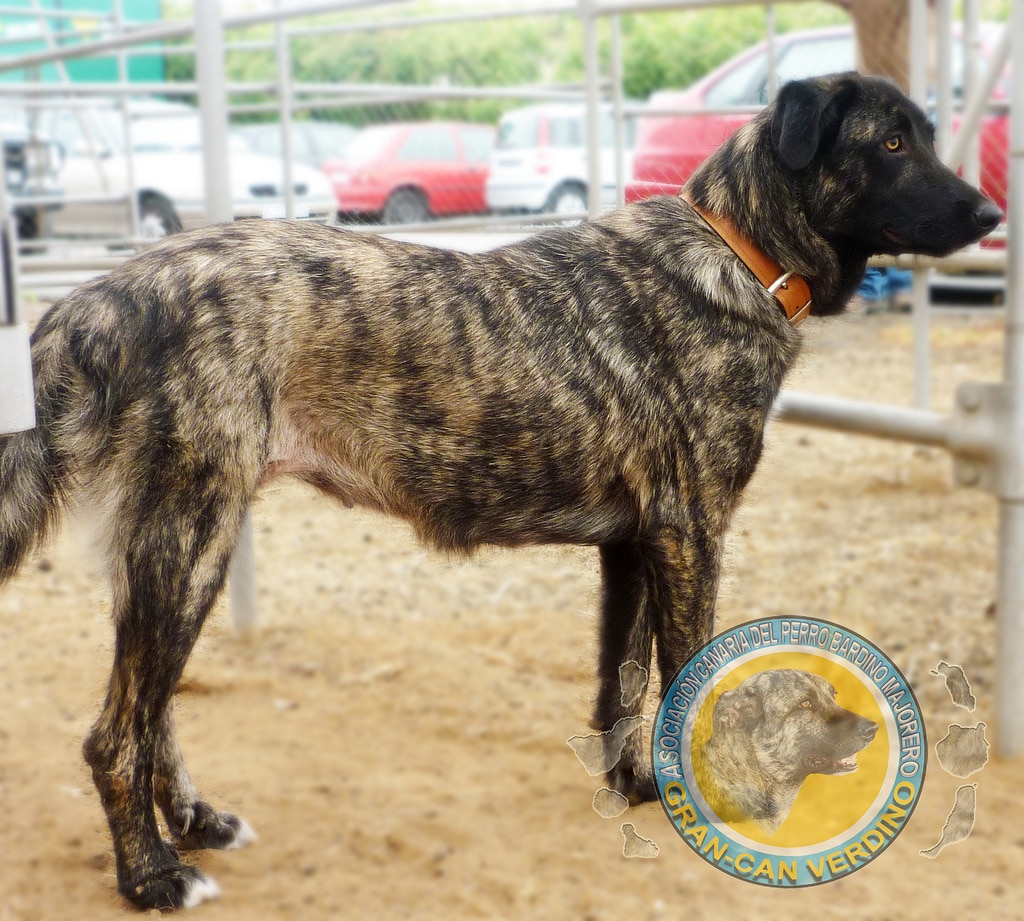
The Majorero dog (or Bardino Majorero) is a Spanish breed of dog, originally from the island of Fuerteventura in the Canary Islands, where he is referred to in popular form as Dog Bardino. Currently, It is a race dog is in danger of extinction. Traditionally, It has been used as a cattle dog and especially as a watchdog.
The first cattle dogs arrived in Fuerteventura with the conquerors of Spain, along with cattle beef, sheep and horse year 1404. Various historical references attest to this origin. Cattle dogs, Dam dogs, perdigueros dogs, the podencos, and other races, they were introduced in the Canary Islands as they were conquered and colonized by Spain.
Since the early days of colonization, in the agreements of the Cabildos of Betancuria (Fuerteventura) and Tenerife is repeatedly referred to "cattle dogs", to the "dogs of prey", to the "retrievers", and "hunting dogs".
In 1979, held in Gran Tarajal, in the municipality of Tuineje, the first monograph of the race bringing together farmers, experts and judges, being the beginning of the process for the recognition of the breed by the Royal Canine society of Spain, Thanks to the work of recovery and dissemination of the race by the protective society of Bardino (S.P.B.) Fuerteventura Island.
But, is not to the 14 in April of 1994 When the Royal Canine society of Spain recognized finally to the «Asociación Canaria Protectora del Perro Majorero Toto». Is this recognition and to the first five years of the new century, When the majorera race enters a deep decline in the island, that he takes it to the brink of extinction. There was no specific breeding and selection plan that would change the fate of the Perro Bardino Majorero. Existing speculation had also diminished racial quality..
Currently has founded the «Asociación para la Conservación del Perro Majorero» (ACPM), He was born as an initiative from the hands of several breeders, owners and enthusiasts, with the aim of safeguarding and promoting the survival of Perro Bardino Majorero.
Video "Majorero"
Some of its objectives, How to get started to cement the hobby by this breed of dog in the island of Fuerteventura, they are getting.
The Majorero Cattle Dog, as we know it today, was the result of the crossing of dogs brought by the Spanish conquistadors, with tenants.
These dogs, for almost six hundred years have been essential partners of farmers and peasants majoreros. As a company, guardians of houses, farm and livestock.
Otros nombres:Majorero / Bardino Majorero
Physical characteristics
The Majorero It is a dog of medium size and robust. The standard marks a height to the cross of 57 to 63 cm in males, the females are slightly smaller and its height is of 55 to 61 cm.. In both sexes, there is a margin of tolerance of 2 cm above or below. The weight of the males is of 30 to 45 kg, and in females in 25 to 35 Kg.
The fur is soft and short hair, the hair color is Jet Black with beige and grey which gives the tone striped. A curious feature of the breed is that they are the single or double spurs on the hind legs. They often have white spots on extremities, referred to in shoes, and from the lower lip to the chest, Sometimes the belly. The hair should be of medium length, soft, and with subpelo.
The skin should be thick and loose, especially in the dorsal part of the dog.
Character and skills
They have a very strong temperament, and that makes them dangerous to strangers who roam without warning in the territories they take care of...
Traditionally (and now), in the Canary Islands has been used for saves and conduction of the goats, sheep and cattle, and as guardian in country houses and estates. In the past, by his bellicose nature was used as a dog fight, and it is often crossed with dogs of prey. It is affectionate with their masters, Sometimes something distant, and he likes to be with children, to protect as if they were her pups and tolerate their own age cruelties. It is not a submissive dog, quite the contrary.
In the news, tends to be used as a watchdog, in villas, farms, industrial estates, etc. It is an active dog who is always alert distrustful by nature is, very territorial with other dogs.
His gaze is serious, but not severe, is of few friends. It is a very confident dog, and a correct and coherent education is essential when it is used as a companion dog, because it is very independent, and you need that they mark clear guidelines.
The Redbone Coonhound It is commonly used for hunting bears, raccoons and pumas.
Content
History
Redbone Coonhound It is a breed of dog of American origin which, Since its inception it has been used for hunting of bears, raccoons, and even, Pumas. Its physical characteristics and agility allow the Redbone Coonhound to hunt in swamps., in mountains and some tend to be used as water dogs (bailiffs).
According to the norm of American Kennel Club: “The Redbone Coonhound is a balanced blend of beauty and temperament, with a notorious air security and great talents for hunting”. This beautiful race won his first record in the American Kennel Club in the 1904.
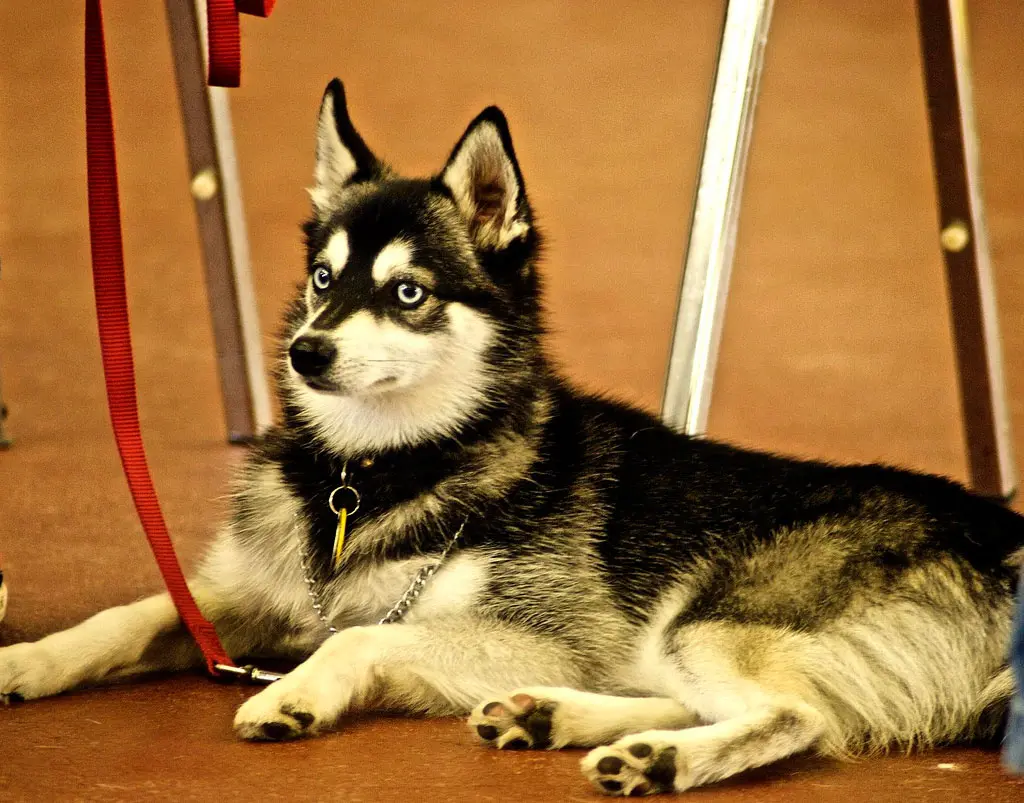
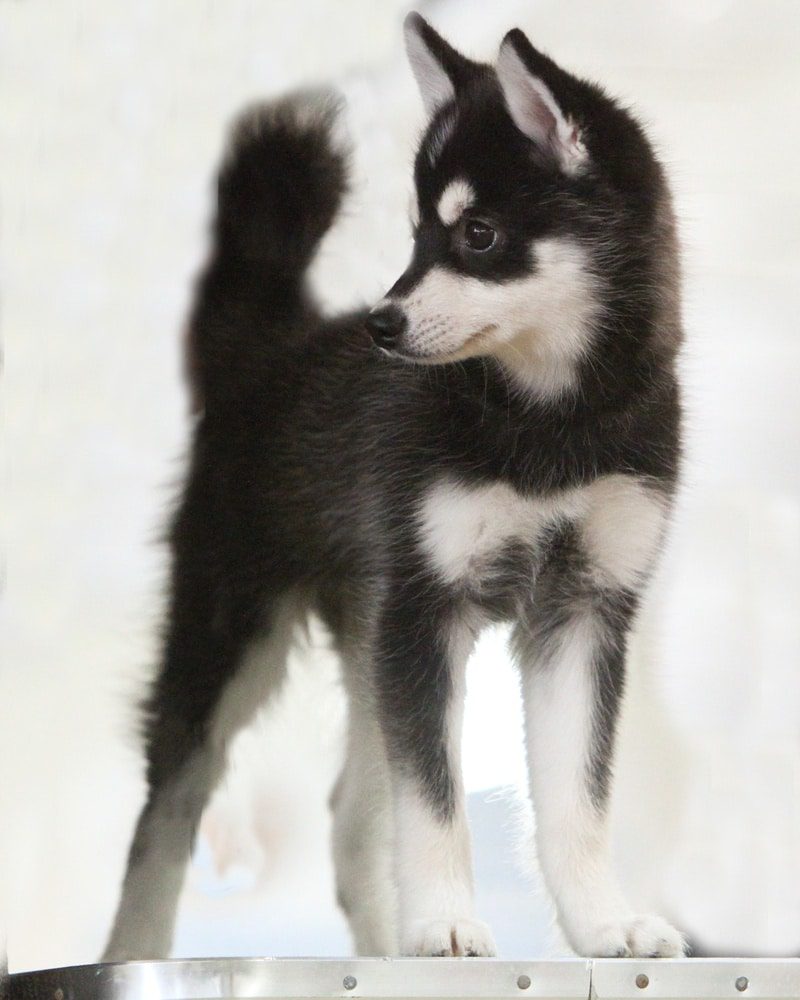
«Klee Kai» dog breed that derives from the language Athabaskan, whose meaning is "small dog". The breed was developed to create a dog miniature of the Alaska Husky (a mixed breed dog used for bobsled run), resulting in a strong intelligent dog, with a look that reflects his heritage of the North.
The breed was developed in Wasilla, Alaska, United States, in the middle of the Decade of 1970 by Linda S. Spurlin, After that she observed the result of an accidental mating of a Alaskan Husky and a small unknown dog.
The breed was developed together with the Siberian Husky, with the Schipperke and the American Eskimo, to reduce the size without dwarfism. She bred these dogs in private until she released them to the public in 1988.
It was originally called "Klee Kai«, The race was consolidated with the new name Alaskan Klee Kai in the year 2002, It was officially recognized by the American Rare Breed Association (ARBA) in 1995 and by the United Kennel Club (UKC) the 1 in January of 1997.
Physical characteristics of the "Alaskan Klee Kai":
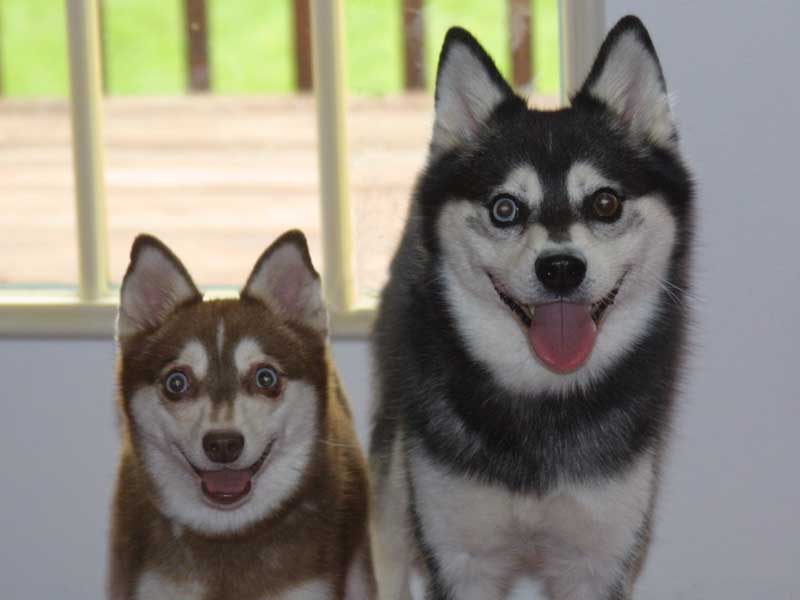
Its weight varies between the 4,3 and 18 kg., Depending on the variety, the standard, the miniature and the Toy.
The appearance of the Alaska Klee Kai North reflects the heritage of the race.
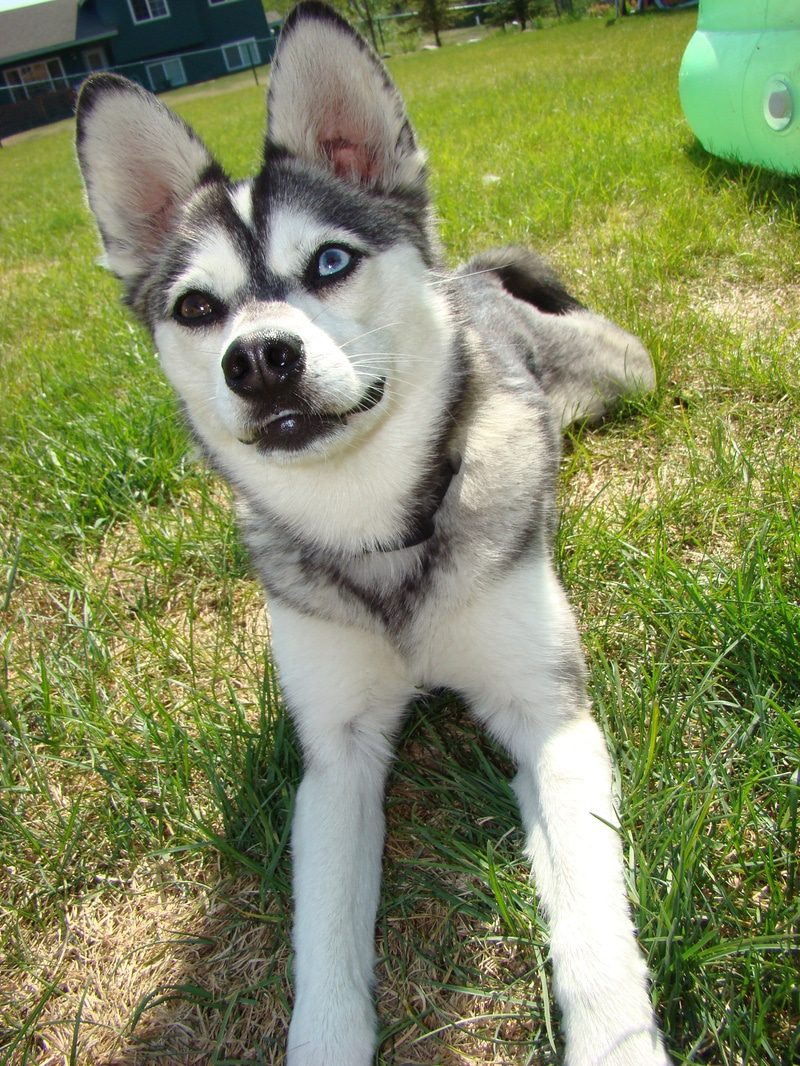
The most distinctive feature of the breed is the facial mask., which must be clearly visible due to the contrast of colors.
The head, wedge of broad-based, It should be free of wrinkles, proportional to the size of the body.
Length snout It should be equal or slightly less than the length of the skull. The lower jaw It is strong but not outgoing. The bite scissors.
The eyes They are medium-sized and can be any color or combination of colors. The almond-shaped eyes are the most desirable.
The ears upright, triangular-shaped, extremely mobile and sensitive to sounds.
The neck It is of medium length, arched and proudly erect when the dog stands. When jogging, It extends the neck so that the head is carried slightly forward.
Seen from the front, the Paws they are straight, parallel, spaced and moderately separated.
The rump It is wide and very slightly sloping.
The hair feet It can be trimmed between the pads and around the outer edges of the feet. All the Spurs must be removed. The tail should be well furred, You can hang when the dog is relaxed or in unfamiliar situations.
The fur It is twofold and of sufficient length to give an appearance reminiscent of Alaskan Husky. The inner layer is smooth, dense and of sufficient length to support the outer layer.
It should move smoothly and effortlessly by walking, agility inherited from their ancestors in the Arctic.
Character and abilities of the «Alaskan Klee Kai»:
Very curious, Active, fast, agile. His loyalty and its state of permanent alert, They make this race an excellent guard dog. They can be territorial, despite its small size. If well affectionate with family members, It reserved and cautious with strangers and in unfamiliar situations. It is important to socialize at every opportunity to prevent rejection of the unknown.
Small dogs usually do not like people to invade your space and Alaska Kai Klee is no exception. Neither likes him they grip or tironeen, something that young children often do.
When the Alaska Kai Klee he meets a new person (a friend or your cousin who has been 100 times), side will not fail his shyness. You will need to get to the level of the dog, kneeling you and offering you the back of your hand so that you olfateé. If this goes well, That's great, You can try to scratch under the Chin, This usually they like and not what they interpreted as a threat. If this goes well, then a touch behind the ears, probably the next time that you see, already you accept as a friend.
Son pack animals, and will include human beings or other breeds of dogs as members of their herd.
It is a very brave race He will not hesitate to confront larger dogs, If you feel that a member of his herd is in danger. No dog big enough to intimidate a Alaska Kai Klee. The biggest cause of death in this breed is by fighting with other dogs and abuses in the street.
Very Smart and with a lot of energy. It also, do not mature fully unless they have around 2 years of age. Those first 2 years, the task is to keep free from boredom and therefore avoid destruction by your young pet valuables. They love to dig and chew and may annihilate in a short time the garden that you have cultivated so carefully. They are also excellent climbers and divers.
It can also be very barking, to the point of being unpleasant. They are very vocal when they have something to say and are usually very outgoing in general in such cases. If you have been out of sight during 10 minutes or several hours, You can already be prepared for some good 5-10 minutes which will put you abreast of everything what you missed, While were out of sight.
Despite its similarity, not to be confused with the American bulldog
Content
Historia del «Alapaha Blue Blood Bulldog»
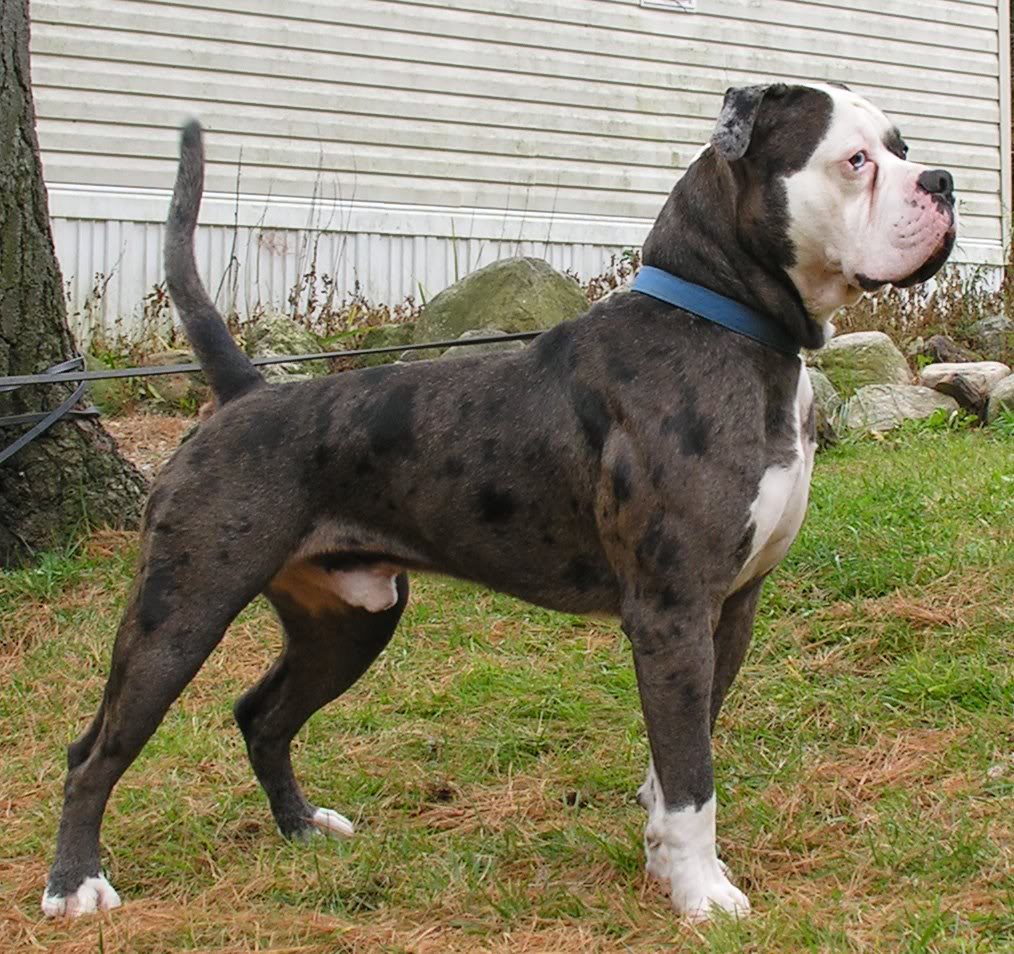
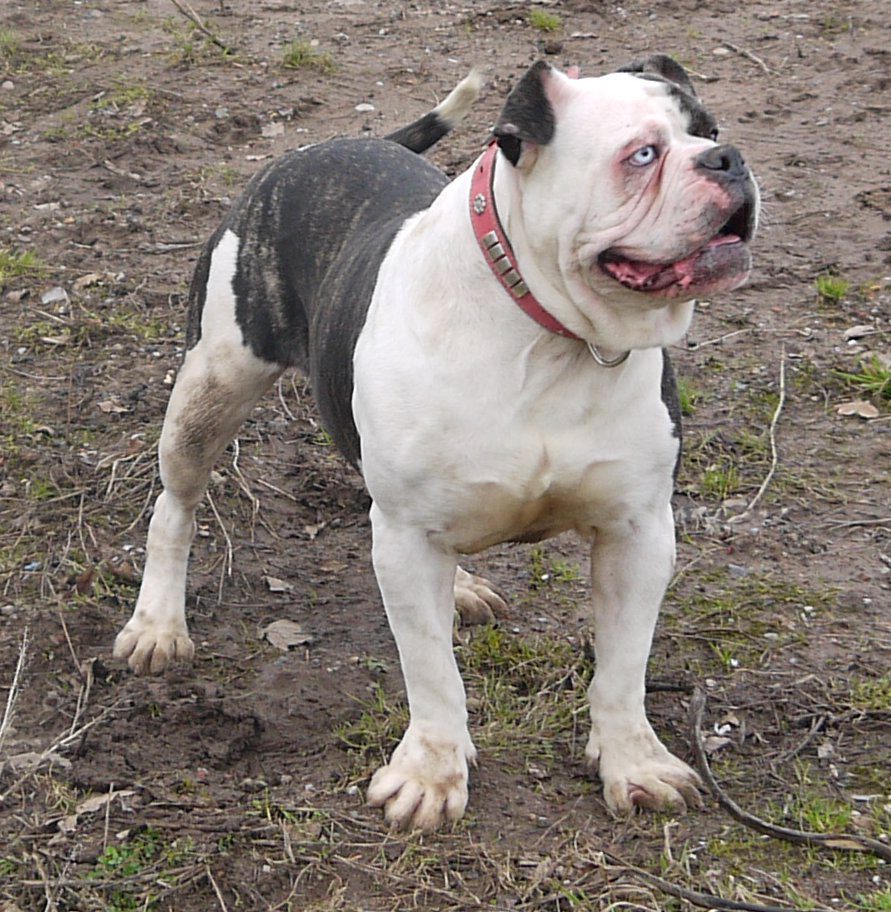
Also Known As Otto Bulldog It is a breed of dog of American origin, considered rare due to the few existing copies. According to available information, They have been developed in the area Alapaha River in the southern region Georgia. They are renowned for their great sense of obedience, their agility and your protective character.
This was developed by crossing Old English Bulldog white (known as, White English Bulldogs), a Catahoula Bulldog and a reduced number of copies of Colby Pit Bull Terrier. The origins of the breed remain fuzzy, and this has caused much confusion…
While at first glance it is a Bulldog type. It is a stronger dog and a well-developed musculature (remarkable characteristic of the breed, compared to other varieties Bulldog).
Despite its similarity, not to be confused with American bulldog. This similarity resulted in actions pre-register many Alapaha Blue Blood Bulldog They were included in the ancestry of American bulldog.
While Alapaha Blue Blood Bulldog Association It has declared that it was founded in 1979, the earliest evidence of the existence of this club record dates of 1989 in California. That discrepancy has triggered multiple discussions.
The race was in danger of extinction until a small group of Southern, in 1979, in an attempt to rescue the Bulldog de Old Tymey Plantation del Sur, He founded the ABBA (Alapaha Blue Blood Bulldog Association), giving the aforementioned name and dedicated to the preservation of this unique type of dog.
Claims made by the Mrs. Lana Lane, nurturer and follower of the race, they dealt with the existence of records. But, little evidence exists to support his claim because in family lines described in the World Atlas of Dog Breeds as the founders of the breed.
The current records of this breed They include the following organisms:
The ACA(American Canine Association) who registered the first champion Under the title of Alapaha. ABBA (Alapaha Blue Blood Bulldog Association), CCR (National Kennel Club), (ABBBR) Alapaha Blue Blood Bulldog registry, CKC (Continental Kennel Club), WWKC (World Wide Kennel Club), UWABC (Kingdom of work Alapaha Bulldog Club & Registration), UCA (United Canine Association), and IOEBA (International Olde English Bulldogge Association), among them there is great variation in the type and standard.
Physical characteristics
Descriptions of their size vary greatly depending on the organism., but trying to reach an average consensus we would place the males in a weight ranging from 32 to 41 kg, and height the cross of 51 to 63 cm.. Females - slightly smaller, they weigh in 25 to 34 kg and measure of 45.7 to 55.9 cm in height to the cross.
The ears and tail They are left natural, without any cutout.
Their colors They are varied, preferably, You must have at least the 50% white body with spots. They can be, predominantly, solid color with white, or dry white. Patches or markings are generally color merle, striped, blue, black, chocolate, red, beige, or tricolor. Currently the most common are the tricolor mantle (both white, Merle, red, as well as beige, Merle, chocolate).
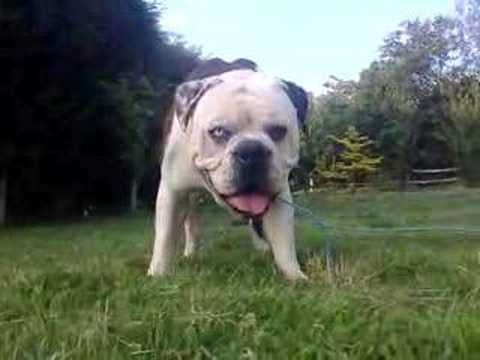
The eye color can vary from Brown to blue, and they usually see with one eye of each color copies or a finger eye colors.
Its pelage is short, hard and bright by nature, which is why, coat care requirements are minimal.
Character and skills
Coachable, obedient and responsible, with impressive capabilities as guardian Family and property. They have a strong instinct for protection and it's love at home.
Puppy must be socialized and trained using humane methods, since cruelty could stimulate the aggressiveness of the animal. Intelligent and quick learning, with assertive methods.
very energetic and athletic breed. Even so, They can be adapted perfectly to life in an apartment if sufficiently exercised and daily. While within the home displays inactive, quiet, It will be more happy with - at least- a medium size yard.
They were formerly used to work with livestock, especially in the capture of errant pigs. For that reason his muscles are long and powerful, this physical characteristic reminds us that for the dog to have optimal health it needs to be exercised regularly. They often enjoy long walks, run and play.
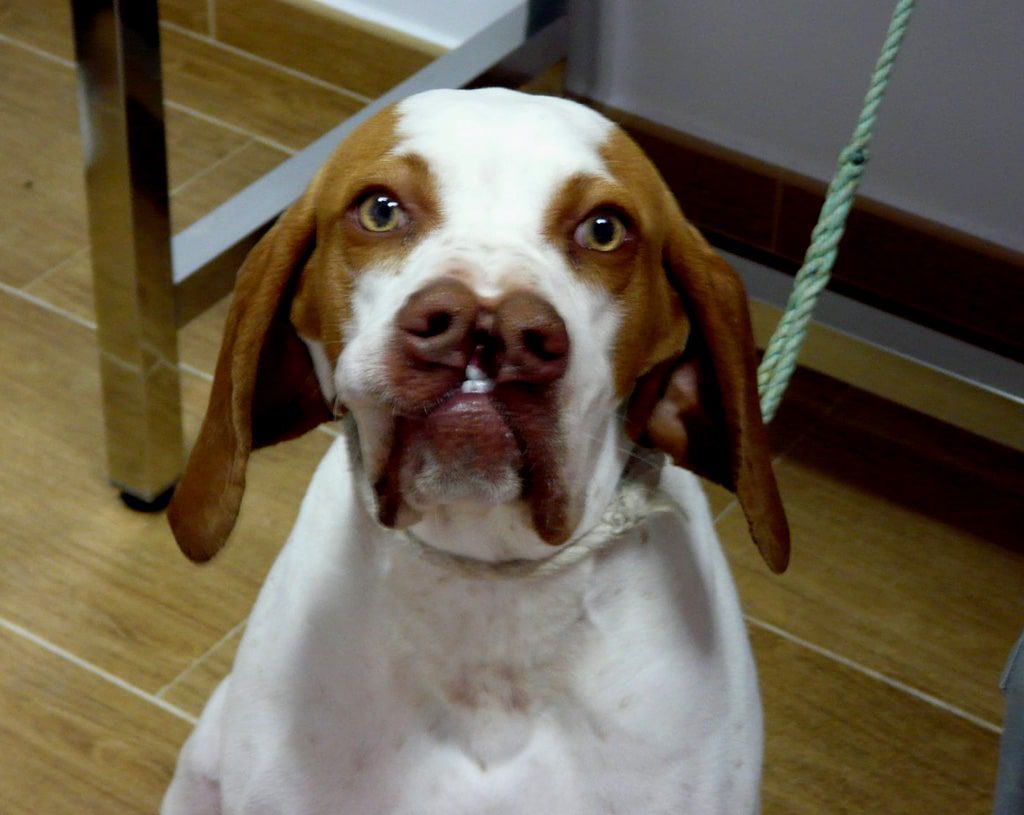
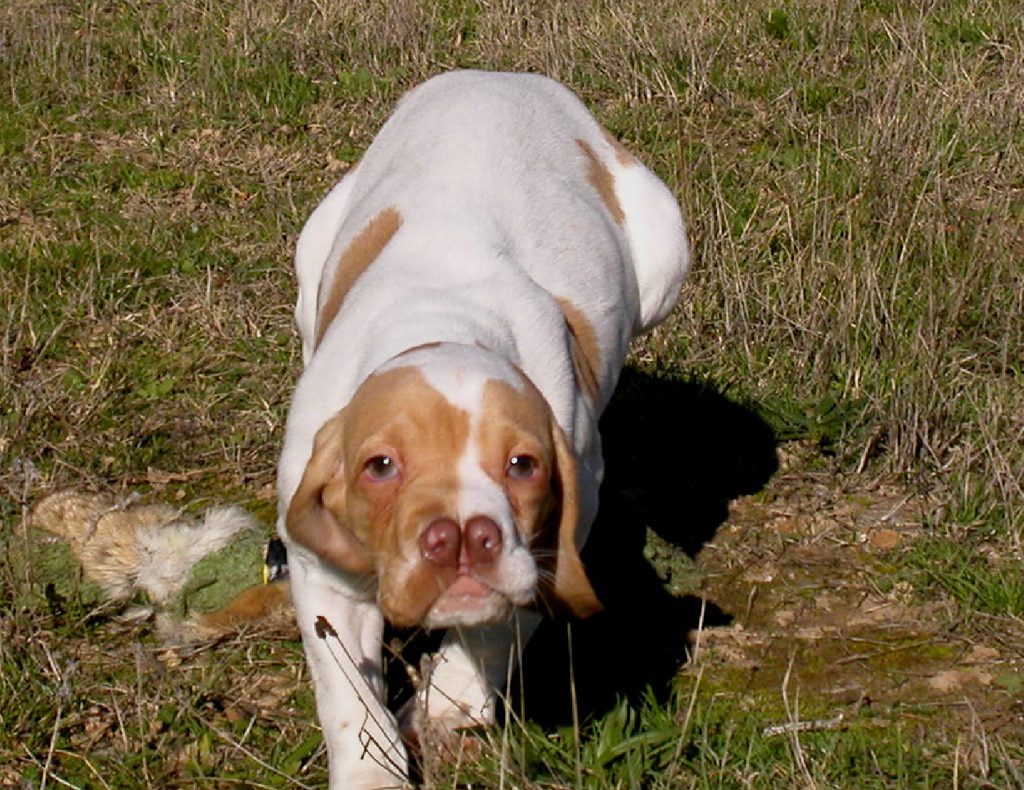
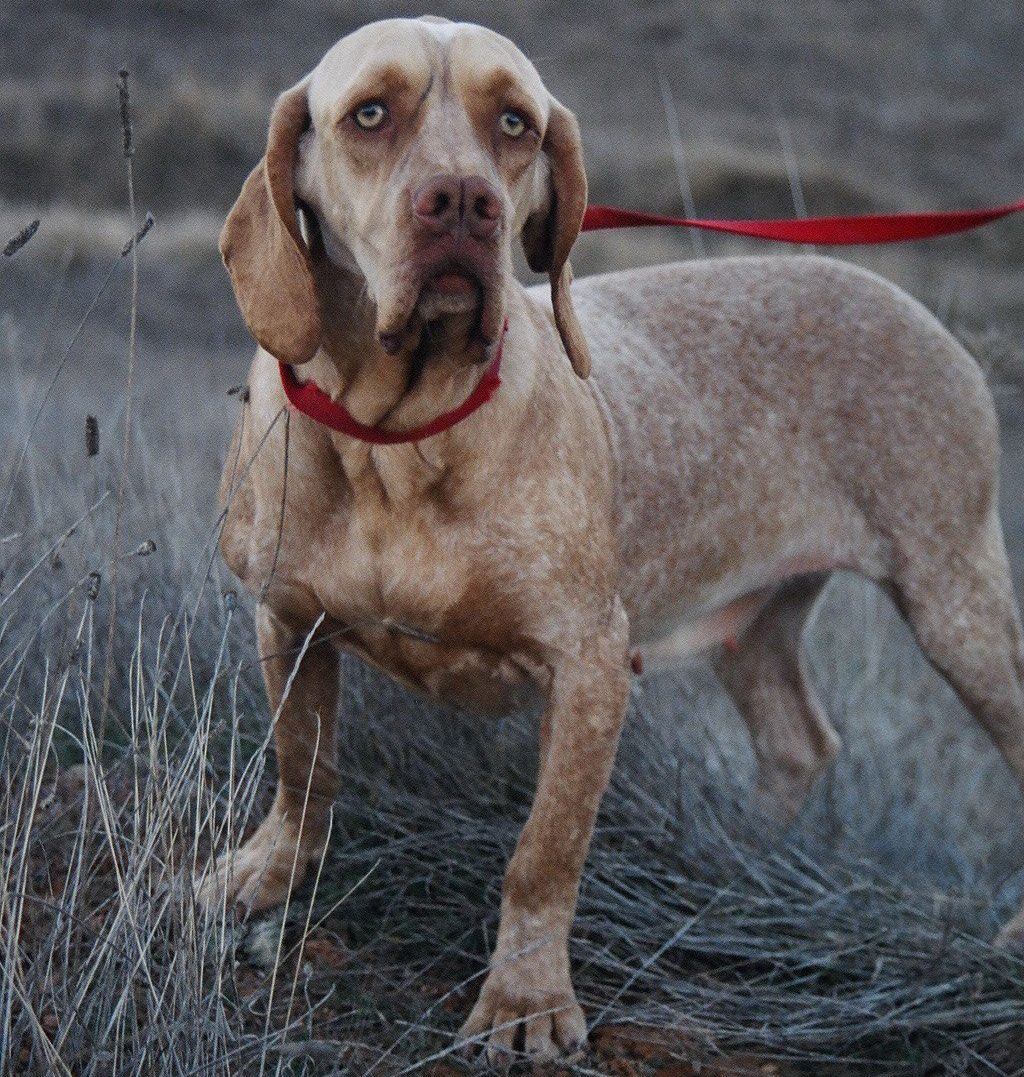
The Pachón Navarro has a conspicuous split on the nose that is also called a 'double nose'.
Content
History
The Pachón Navarro It is a Spanish breed of dog originating in Navarra, This is a sample dog used in small pen and hair game.
Scholars of the race, the popularity of this breed of dog reached its peak popularity in the pose, especially among the Spanish nobility in the 18th and 19th century. After the Spanish Civil War, the race was on the verge of extinction.
It was then, When a race enthusiasts decided to begin work on the recovery of the same. The first step was to travel the country and locate all the specimens of Pachón Navarro that had survived the social disaster.
That is why, the Pachón Navarro current is the product of the recovery through specimens from the Old Spanish Pointing Dog (Old Spanish Pointer), that is the theory maintained by classical authors during the last centuries.
In fact, Old dog sample Spanish, It is one of the seven breeds that appears as a show dog in the classification carried out by the Royal Canine Society of Spain., in the year 1911.
Within the documentation of its origins, Some theories suggest that the Pachón Navarro descends from the Talbot Hound and other hunting dogs., whose origin dates back to the 12th century.
Currently the Pachón Navarro, still in recovery phase.
Otros nombres:Old Spanish Pointer / Perdiguero Navarro / Pointer Navarro / Pachón de Victoria.
Dogs breeds: Pachón Navarro
Physical characteristics
It is a dog of robust body, rectangular, It has the large head and strong, square muzzle, the limbs are rather short, the trunk is cylindrical and its hair has a hard texture and a misaligned appearance.
It is a large size dog, weighs around 27-33 kilos and has a height the cross of 48 to 57 centimeters.
Pachón Navarro is a hunting dog whose most striking feature is one split in the truffle It is also called 'double nose'.
Apparently, that peculiar nose gives Pachón Navarro heightened olfactory sensitivity, being that one of the reasons why he was chosen as hunting dog.
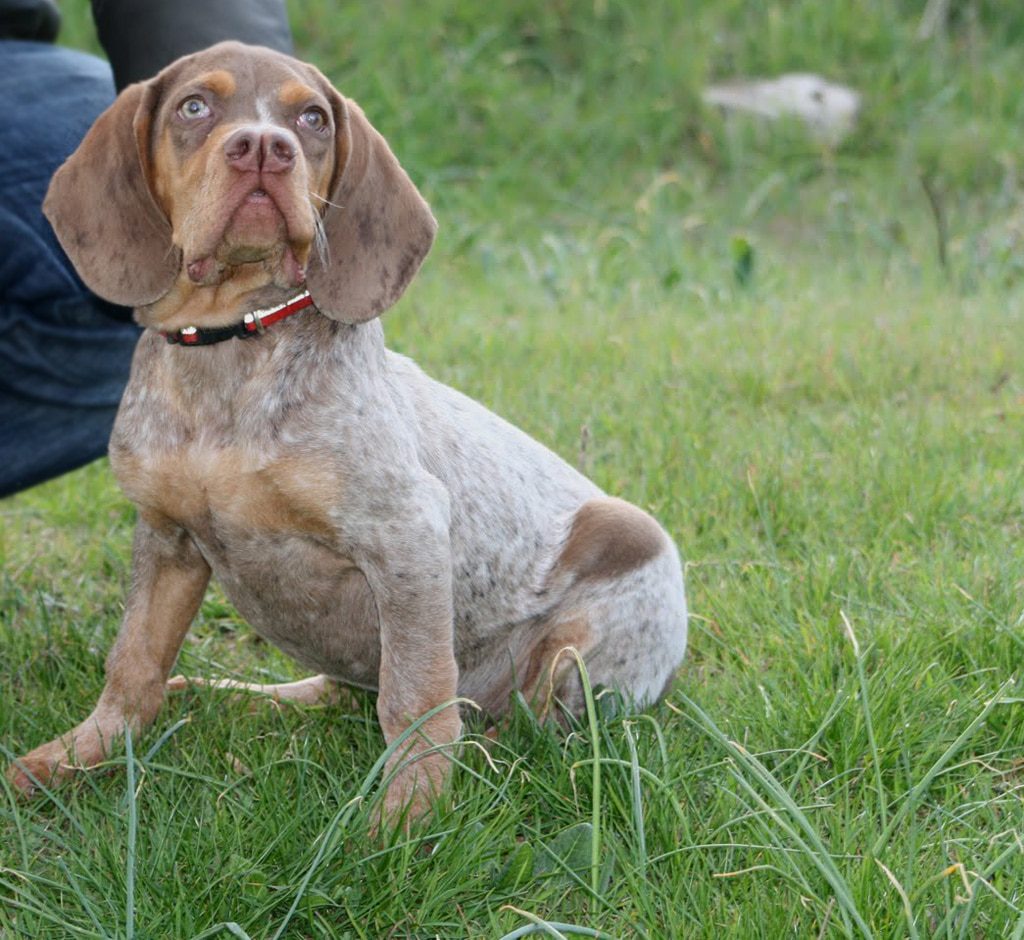
Its hair short may be the color liver and white, or orange and white. The spots of the head and a large part of the layer are, generally, solid color.
While, in most of the specimens of the breed the short coat predominates, it is possible to find specimens with longer or “sedeño” fur.
Their ears they are long.
The Federation Cynologique Internationale, and the main Cinológicas federations in Europe, they do not recognize Pachón Navarro, as a race official.
Character and skills
Pachón Navarro is a dog Intelligent, quiet, docile. It is very sociable with both humans and other dogs.
Its largest state of happiness is in the field, there he will trot vigorously, giving gala of its wide resistance and its nature of Hunter. If plays his role as Hunter, will be an excellent companion.
Given your Hunter instinct, It is a dog that needs a lot of exercise., you will always have a torrent of energy that you need to expend, even running through the fields.
Anyway, It can adapt to the home life in very affectionate with his family although independent, and You will enjoy a lot being in the open air giving a few good rides.
Observations
You can find extensive information of the race in the web of the Pachón Spanish club.
The American Staffordshire Terrier they are brave, tenacious, friendly, extremely attentive
Content
Characteristics "American Staffordshire Terrier"
Coexistence is important that you have with your new friend. Before considering the acquisition of a dog of the breed "American Staffordshire Terrier" you know certain factors. Not all breeds of dogs are apt to live in an apartment, you must take into account his character, their need for exercise, their interaction with other pets, their care and if you have small children, their level of tolerance towards them.
Adaptation ⓘ
3,0 of 5 stars (based on 1 review)
friendly dog ⓘ
1,0 of 5 stars (based on 1 review)
hair loss ⓘ
2,0 of 5 stars (based on 1 review)
Affection level ⓘ
5,0 of 5 stars (based on 1 review)
Need for exercise ⓘ
3,0 of 5 stars (based on 1 review)
Social need ⓘ
4,0 of 5 stars (based on 1 review)
Home ⓘ
2,0 of 5 stars (based on 1 review)
Toilet ⓘ
1,0 of 5 stars (based on 1 review)
Friendly with strangers ⓘ
4,0 of 5 stars (based on 1 review)
barking ⓘ
3,0 of 5 stars (based on 1 review)
Health ⓘ
3,0 of 5 stars (based on 1 review)
Territorial ⓘ
3,0 of 5 stars (based on 1 review)
Cat friendly ⓘ
1,0 of 5 stars (based on 1 review)
Intelligence ⓘ
4,0 of 5 stars (based on 1 review)
Versatility ⓘ
4,0 of 5 stars (based on 1 review)
Child friendly ⓘ
4,0 of 5 stars (based on 1 review)
Surveillance ⓘ
4,0 of 5 stars (based on 1 review)
joy ⓘ
3,0 of 5 stars (based on 1 review)
History
The American Staffordshire Terrier or Amstaff (different to the American Pitbull Terrier), is a breed of dog type Terrier well known worldwide.
It is a young breed of dog from the USA.. Among his ancestors are, Besides of Terrier, the Old english bulldog.
In England and North America, dog fighting had a tradition dating back to ancient times.. The Old english bulldog was sent to fight bulls in the arenas of animal fighting. Although Old english bulldog are the forerunners of Bulldogs of today, his physique was much more similar to the current one American Staffordshire Terrier. After animal fighting was officially banned, continued illegally; In the USA. until today. Its origin in the 19th century was the black county of central England, called Staffordshire. Workers from the coal mines and clay pits crossed the Old english bulldog with the terriers. In the official scene of the fight against animals such crosses had been prohibited. It was feared that the fighting power and toughness of the Bulldog will combine with the predatory acuity of the terriers, which would lead to uncontrollable fighting machines. In the illegality of the backyards nobody cared. This is how he was born «Bull and Terrier» and very quickly came to the US. There they liked to call them «Pit Bulls». Pit is the name given to the dogfighting ring.
In 1898 The United Kennel Club was founded (UKC), who wanted to take over the breeding of these dogs. But the UKC was nothing more than a professional dogfighting organizer. So the community was divided around these dogs. Lovers of Pit Bull they condemned dog fighting, they wanted a friendly family dog. In the meantime, the Pit Bulls they had earned a great reputation in US society. In World War, the courage of Pit Bulls became a stimulus for the combat power of American troops. Even celebrities like the President of the United States Theodore Roosevelt showed up with the Pit Bulls.
On cinemas, "The Little Rascals", a gang of kids with a dog, was very popular and was featured in 220 episodes between 1922 and 1944. The dog was the guardian and protector, children's playmate and dildo. This dog was a Pitbull. He later became the first dog registered with the American Kennel Club (AKC) for the new raceStaffordshire terrier«. To draw a clear line at the fighting dog scene, the AKC had insisted on a name change. The first standard was published in 1936. In 1972 there was the second name change to «American Staffordshire Terrier» to distinguish it from its British relative. The Amstaff, what's been called since then, Is higher, bigger and heavier. It is still cared for by the American Staffordshire Terrier Club of America., who from the beginning clearly condemned dog fighting and trusted his upbringing as a family dog.
In many countries, Its social discrimination as a fighting machine and the technically unjustifiable classification as a "dangerous dog breed" have hit it hard..
Popular American Staffordshire Terrier Mixes
Mixtures of American Staffordshire Terrier seriously bred with other dog breeds or hybrids are quite rare. But, there is an abundance of hybrids of all kinds, that remind the Amstaff and are marketed as such or Pitbull. Here I should make a clear distinction. The American Staffordshire Terriers Serious breeding have nothing to do with the general mixes under which troublesome dogs can frolic. Unfortunately, there is a financially strong scene using such dogs as a weapon or to intimidate.
Physical characteristics
How is an American Staffordshire Terrier?
The American Staffordshire Terrier is a dog's size medium, Awesome, very strong and at the same time elegant. has short hair, dense and shiny that sits gently on the body. Emphasizes your muscular and sporty complexion. The standard says: «It must be robust and compact, not of legs or of light construction». Any color, solid, multicolor or speckled is allowed. The standard of the American Staffordshire Terrier is pleasantly different from many other dog breeds, which go into great detail on where hair color or crease is allowed. It is one of the few standards that consistently focus on the healthy dog.. This is emphasized by the "1st American Staffordshire Terrier Club":
We give top priority to performance and health. Beauty is considered desirable but secondary. The correct interpretation of the rule, that is free from crippling regulations, It is our obligation. Muscular, dry dogs with long bones, persistent and fast, are our breeding goal. We categorically reject supercharged “monstrosities”, low with extremely high weights. We consider mental performance to be even more important. Nerve strength and impeccable character are an absolute requirement.
How big is an American Staffordshire Terrier??
El American Staffordshire Terrier mide entre 43 and 48 cm tall and weighs between 20 and 30 kg.
How long can an American Staffordshire Terrier live??
Because the breeding of the American Staffordshire Terrier is not oriented so much to external appearances as to aptitude and character, The American Staffordshire Terrier enjoys a fit constitution into old age and a relatively long life expectancy of about 12 years.
Character and skills
The American Staffordshire Terrier he is a relaxed dog. He is very vigilant and intelligent. It is enormously strong, brave and has great fighting strength potential. At the same time it is extremely adorable, loyal and affectionate, even dedicated to his humans. Is neutral with strangers. Is of good character and has an extraordinarily high threshold for irritation. Can hardly be provoked. As with the English Bulldog and other breeds of dogs that were used in the past in the arenas of animal fighting, these dogs have been given a particularly high level of control and stimulus threshold. It also, these dogs have been used in serious breeding for many generations exclusively as family and companion dogs. Unfortunately this has not protected the dogs from criminals. Especially in the decade of 1990, dogs like Amstaff became aggressive by irresponsible breeders and owners, Savagely crossed and abused like living weapons. the same politicians, who tolerated these illegal practices for a long time, they were then the first to start the discrimination, pointing to American Staffordshire Terrier like a dangerous race, something technically unfounded. Breeding can cause even chihuahuas or caniches toy become aggressive in a few generations. The breed of dogs American Staffordshire Terrier is the victim, not the author. Seriously raised, they make excellent family dogs and careful companions to children.
Caution, health and diseases
How much care does an American Staffordshire Terrier need??
The American Staffordshire Terrier it is absolutely easy to care. Brushing here and there is enough.
Are there any breed-typical diseases in the American Staffordshire Terrier?
The American Staffordshire Terrier enjoy robust health. Sporadically hip or knee problems.
What food is best for an American Stafford Terrier?
The American Staffordshire Terrier has no special dietary requirements. Of course high quality food is good for your health and proof. Like most dogs, he likes a meat bone now and then..
Activities
One American Staffordshire Terrier it is suitable for almost all activities that can be done with a dog.
Considerations before purchase
Where can you buy an American Staffordshire Terrier?
If you want to buy a American Staffordshire Terrier, you should consider that it is a dog from the list. Your whole life has to be prepared for the restrictions of the state and society. You should look at a reputable breeder affiliated with a club that meets the FCI standards. Please, only there and do not buy a puppy from a dubious source. There are many American Staffordshire Terrier and hybrids in refuges. Get tips for choosing your dog here. But, only with a serious breeding dog can you be reasonably certain that your Amstaff has the character qualities described here.
Education and attitude of the American Staffordshire Terrier
¿Me conviene un American Staffordshire Terrier?
The American Staffordshire Terrier is undemanding in his attitude. It is not a dog that only needs to walk around the block for a walk.. Want to exercise mentally and physically. Even with a puppy it should be clear who is in charge of the house. There should be no doubt about it. The Amstaff is a bright and occasionally playful four-legged friend who likes to roam the countryside. It is suitable for dog sports of all kinds. Sometimes it is also used as a rescue dog. Is a good guardian.
The American Staffordshire Terrier is widely on the lists of supposedly dangerous dogs. Travel to the Netherlands or Denmark is prohibited, because there is a risk that dogs will be confiscated on the street and euthanized. On the street you should expect people to harass you because of the dog. That is, Unfortunately, the social reality in Central Europe today.
The American Staffordshire Terrier needs consistent upbringing from puppyhood. Consistency means, especially with this physically very strong dog but at the same time sensitive and intelligent, that the master or caregiver should work on the basis of a deep relationship of trust. The dog wants the guidance of its owner. Find the nearby connection. This should be given with a calm hand, respectful and strong. Coercive measures are counterproductive, certain consequences are intentional. The American Staffordshire Terrier must socialize with other dogs at an early stage. Due to its strength and joy of working, it is not a dog for beginners.. Even experienced dog owners should consciously work with it and preferably attend a suitable dog school. Well mannered, don't just listen to the word, rather, he reads the wishes of his master and caregiver through their eyes.
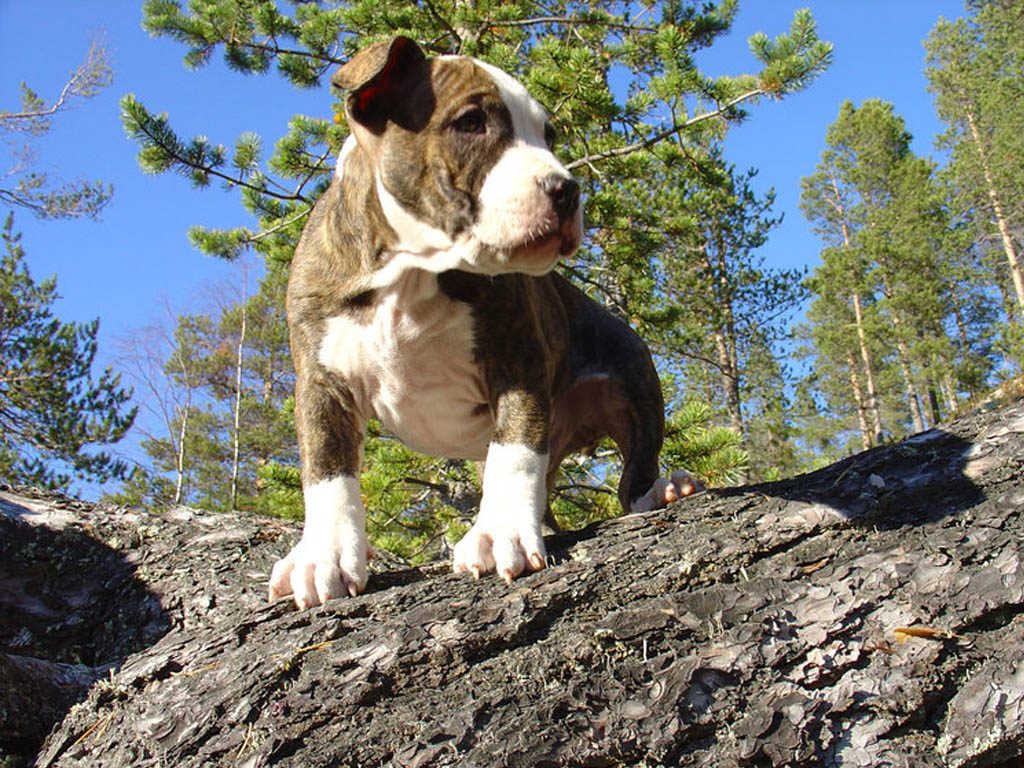
American Staffordshire Terrier pictures
CRYROLFE
Kickii
digreeme
digreeme
Vídeos American Staffordshire Terrier
American Staffordshire Terrier (AmStaff) AKSA playing at the pond
FCI breed standard "American Staffordshire Terrier"
Origin:
United States
Date of publication of the valid original standard:
03.09.1996.
Use:
---
General appearance:
You must give the impression of great strength, in relation to its size. This is a good solid and muscular dog, Although agile and elegant. He is always aware of what surrounds. His body should be collected, Neither lifted nor agalgado. Its value is noticeable.
Behavior / temperament:
---
Head:
Medium length, large, view from all sides.
Cranial region:
Craging: Large.
Dnaso-frontal depression (stop): Marked.
facial region:
Nariz: It's clearly black.
Horcico: Medium length, rounded on top. It descends in a sharp slope below the eyes.
Labios: They are joined by the edges and are not loose.
Jaws / Teeth: They are well defined. The lower jaw must be powerful, so I can hold tight. The upper incisors are in close contact with the anterior aspect of the lower incisors.
Cheeks: The cheek muscles are very prominent.
Ojors: They are round, dark colored. They are well sunken and well separated. There should be no depigmentation on the eyelids.
Obars: High implanted, may or may not be cropped. Ears not cropped are preferable, they must be short, carried in the shape of a rose or semi-erect. Completely hanging ears will be penalized.
Neck:
Heavy, slightly arched. Gradually tapering from shoulders to insertion into head. Is medium length, without jowl.
Body:
Línand the top: The back is quite short. There is a slight slope from the withers to the rump, which slopes slightly to the beginning of the tail.
Itmor: Slightly arched.
Pecho: Very deep and wide. The ribs are tight, together and well developed back.
Tail:
It is short, compared to the size of the dog. Low-set, gradually taper to a fine point. It is not presented or curled, nor carried over the back. Nor should it be amputated.
Tips
PREVIOUS MEMBERS: They must be straight and strong boned. With good separation to allow a good development of the thorax.
Hormbros: Strong and muscular. The shoulder blades are broad and oblique.
Metacarpus: Plumb.
LATER MEMBERS: They are well muscled.
Corvejones: In low position and should not drift or inward, nor out.
PinIt: Medium-sized, well arched and compact.
Movement:
It is elastic, without sway or amble.
Mantle
Plink: Is short, tight, hard to the touch and lustrous.
Colorr: All colors are allowed, but the fur with more than 80% white, the black and tan fur and the liver should not be valued.
Size and weight:
There must be a proportionate correlation between size and weight. Desirable height at withers should be: 46 to 48 cm. (18 to 19 inches) in males and 43 to 46 cm. (17 to 18 inches) in females.
Fouls:
Any deviation from the aforementioned criteria is considered as a fault and the severity of this is considered to the degree of the deviation to the standard and its consequences on the health and well-being of the dog..
Depigmentation of the truffle in the form of white spots.
Upper or lower prognathism.
light eyes.
Lack of pigmentation on eyelids.
Tail that is too long or is worn improperly.
FALTAS DISQUALIFYING:
Aggressiveness or extreme shyness.
Any dog showing clear signs of physical or behavioral abnormalities must be disqualified..
N.B.:
Males should have two normal-appearing testicles fully descended into the scrotum..
Only functionally and clinically healthy dogs, with the typical conformation of the breed, should be used for parenting.

 Not recognized by the FCI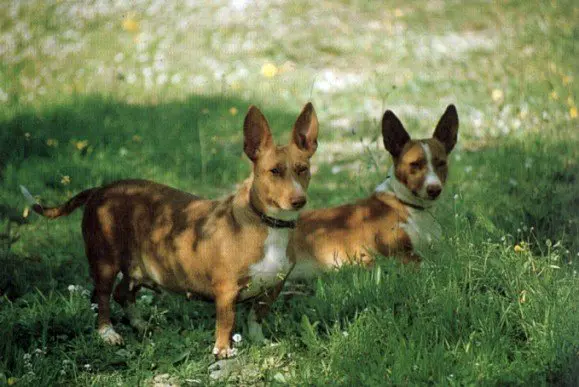
 Cano brothers
 podencosmanetos
 Manetos the Zapas
 elpodenquero.com
 Podencoworld: Oro, The Hound Maneto
 13-2 Rabbits with manetos_chunk_2.flv
 Manetos Villamayor 2 part
 Not recognized by the FCI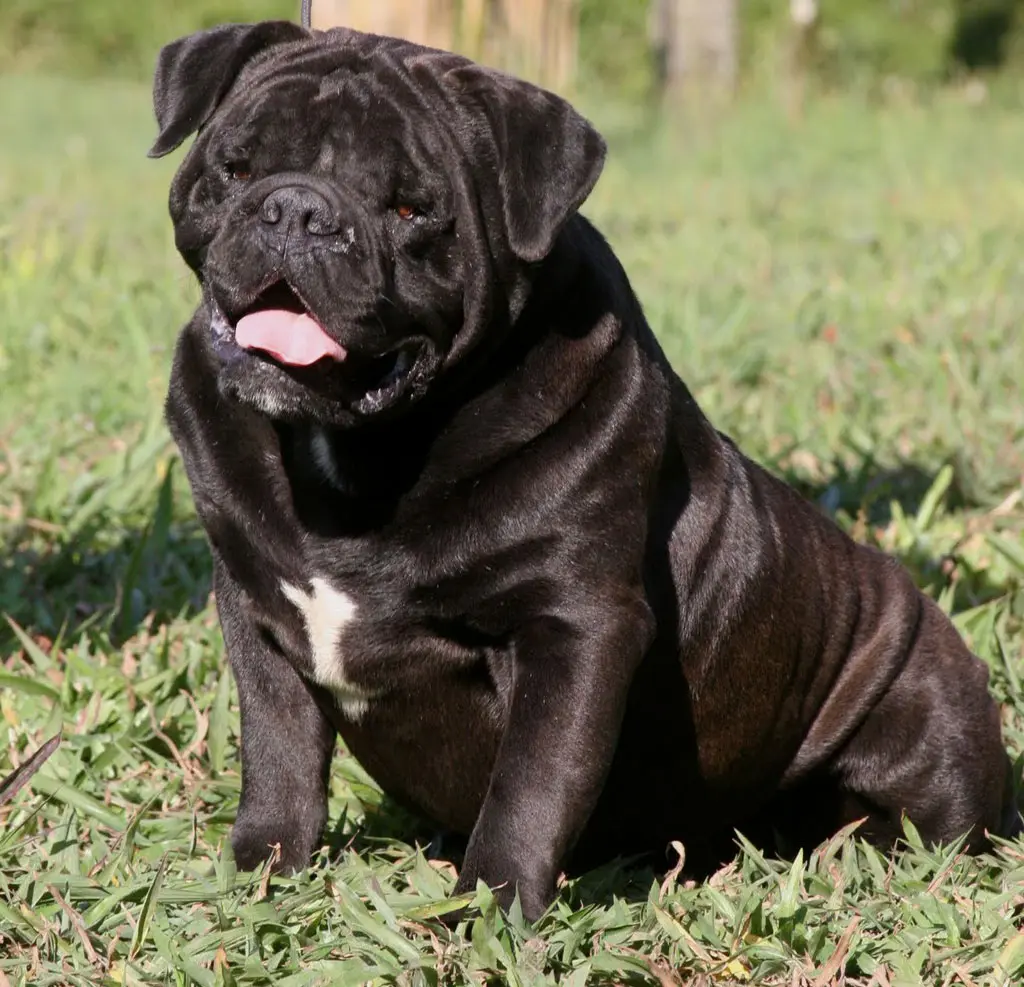
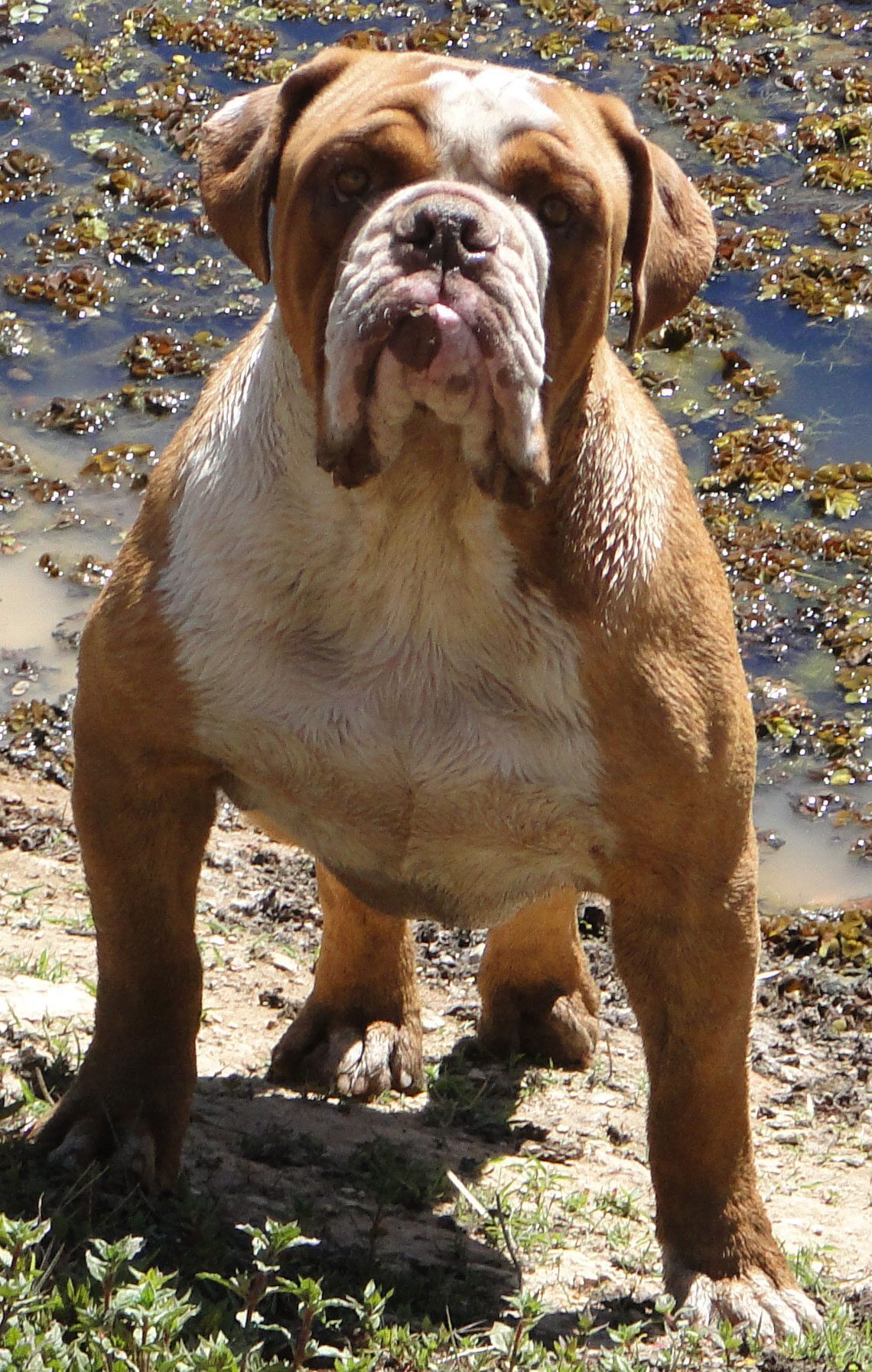
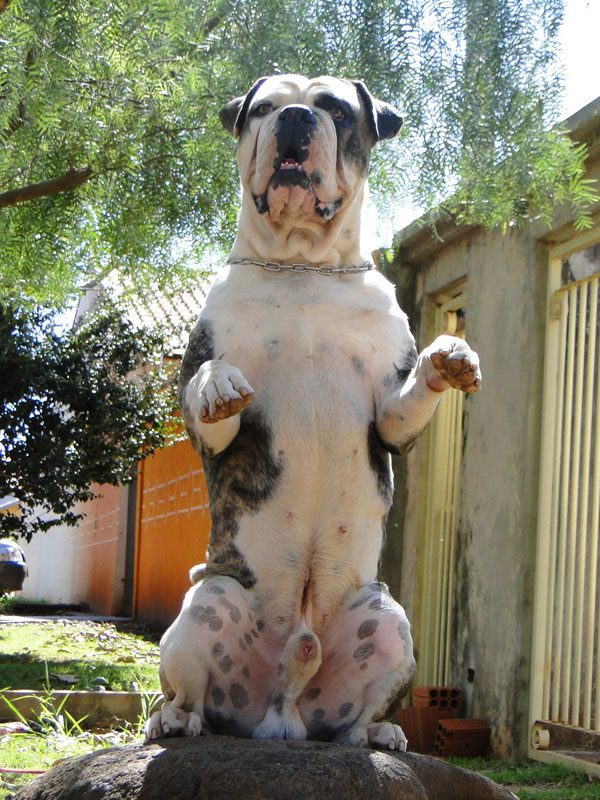
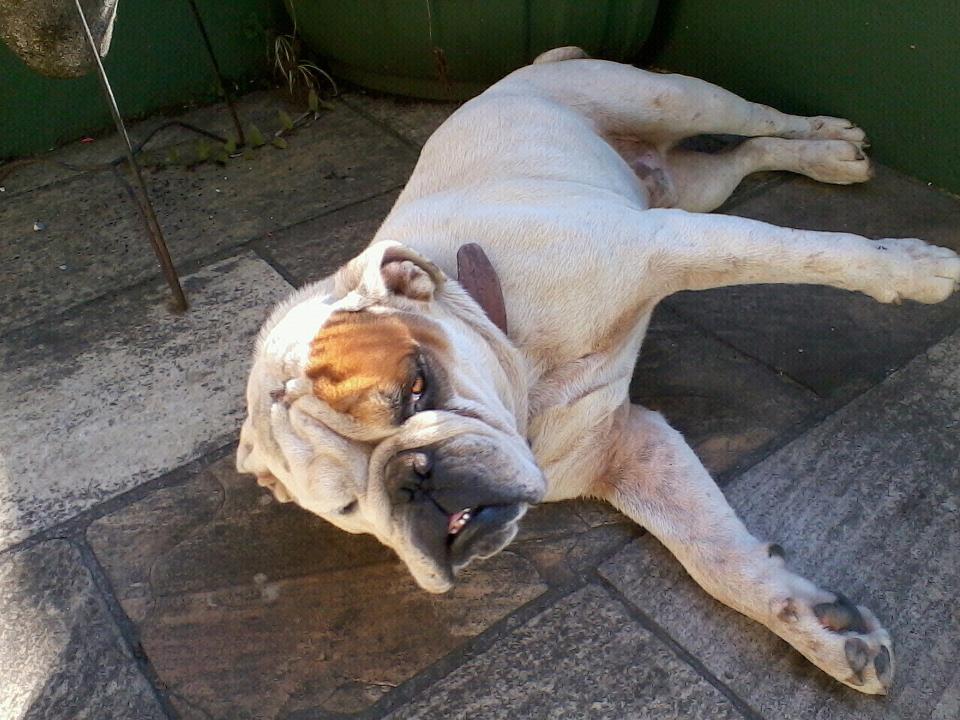
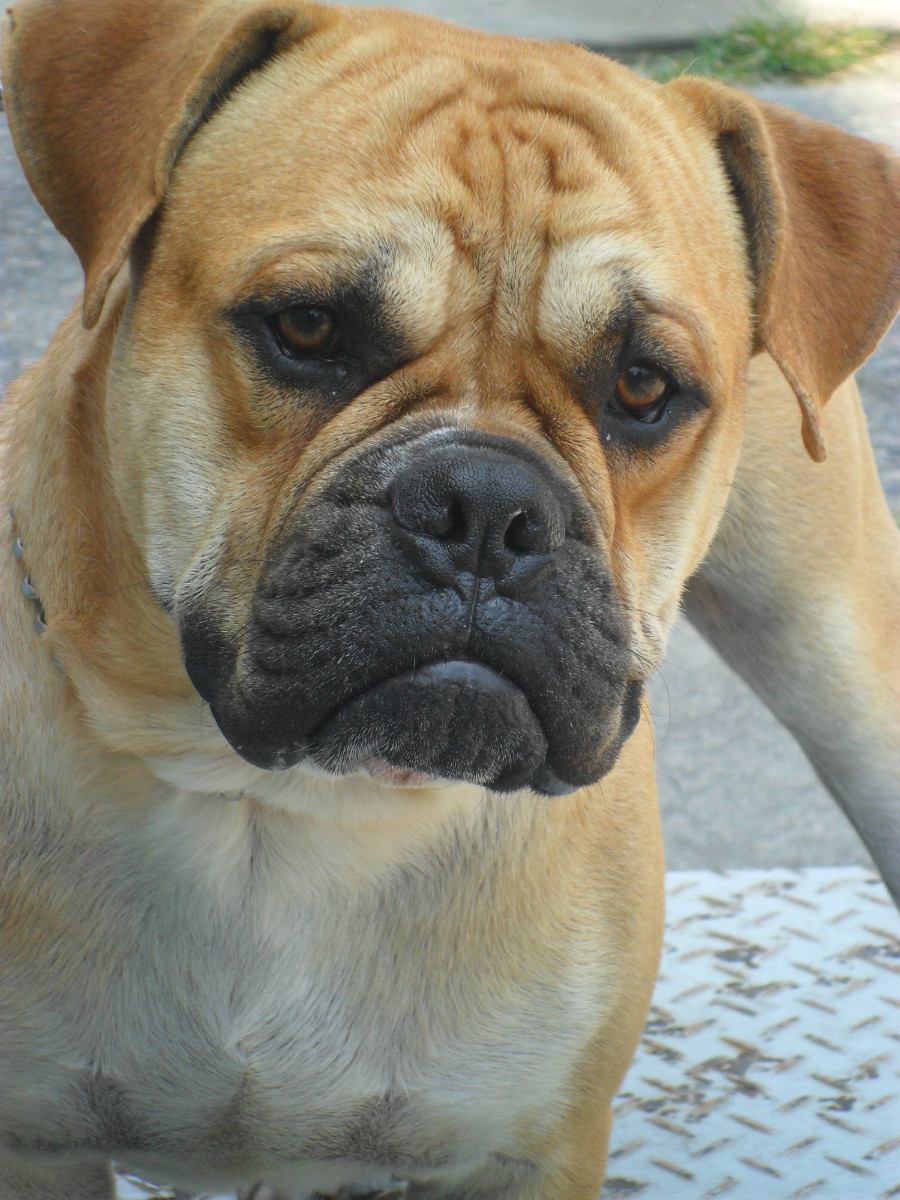

 BULLDOG CAMPEIRO SON OF CALMA ORKUT CONTACTS..
 Buldogue Campeiro – conviviality
 Campeiro Bulldog in deals – Part I
 Campeiro Bulldog in deals – part 2
 CBKC – "Campeiro Bulldog"
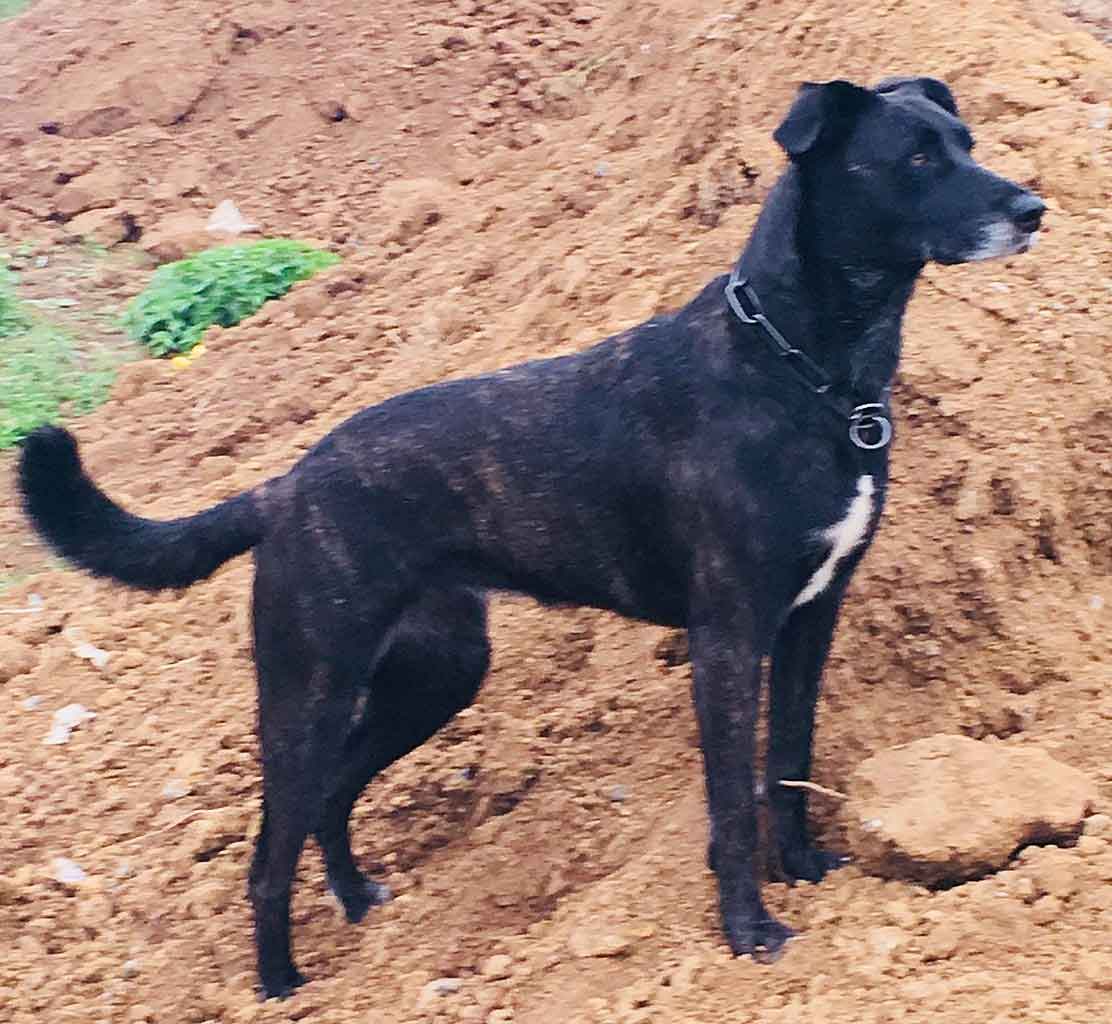

 The Bardino dog,a breed of dog in danger of extinction.
 Litter of the watertight- Bardino Majorero
 Majorero dog
 Majoreros dogs for the eleven
 Not recognized by the FCI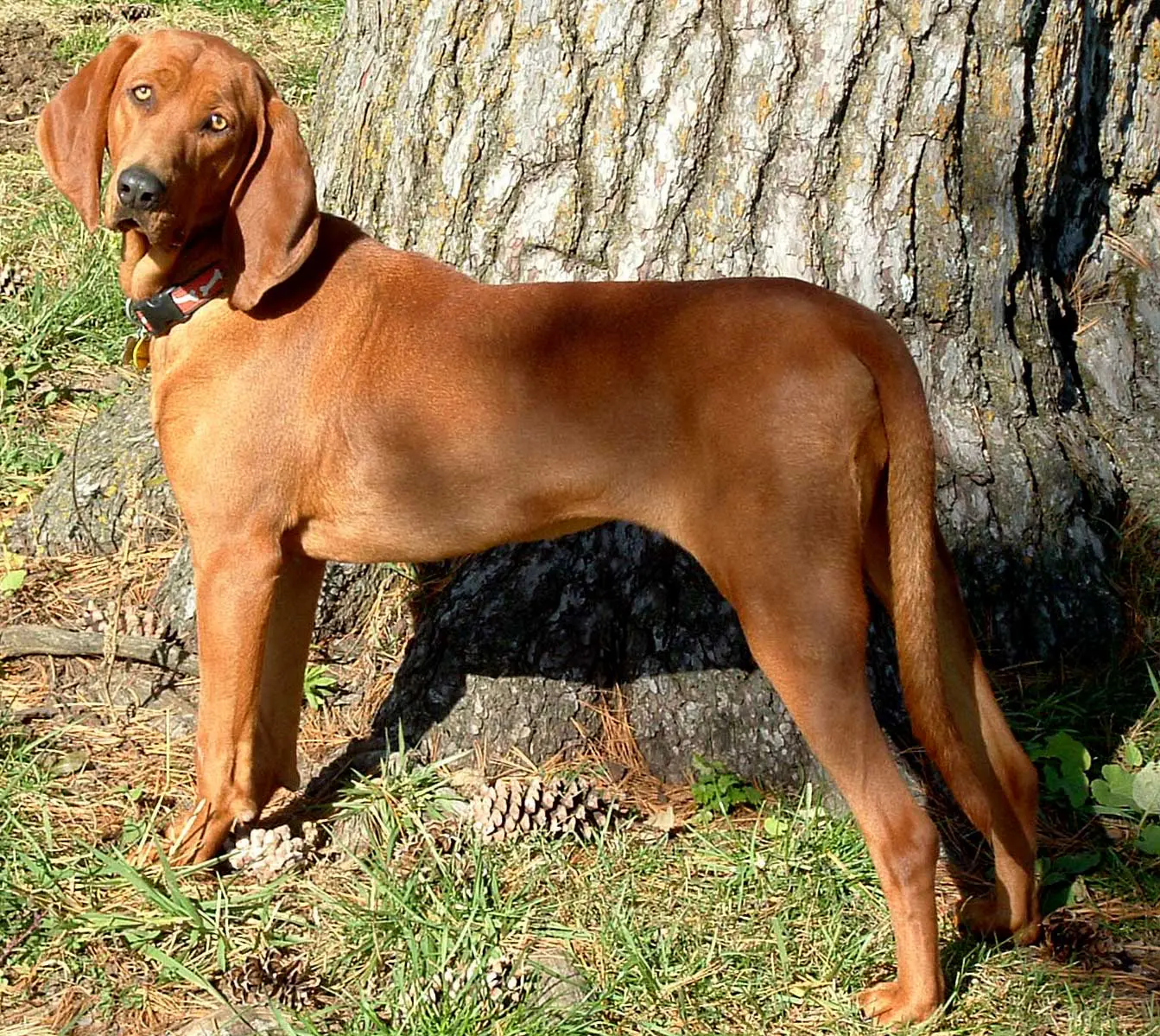


 Miki and the cat Alaskan Klee Kai
 Alaskan Klee Kai (Mini Husky) UK
 Alaskan Klee Kai Puppy Freaks Out Over Lime
 Cloud White Alaskan Klee Kai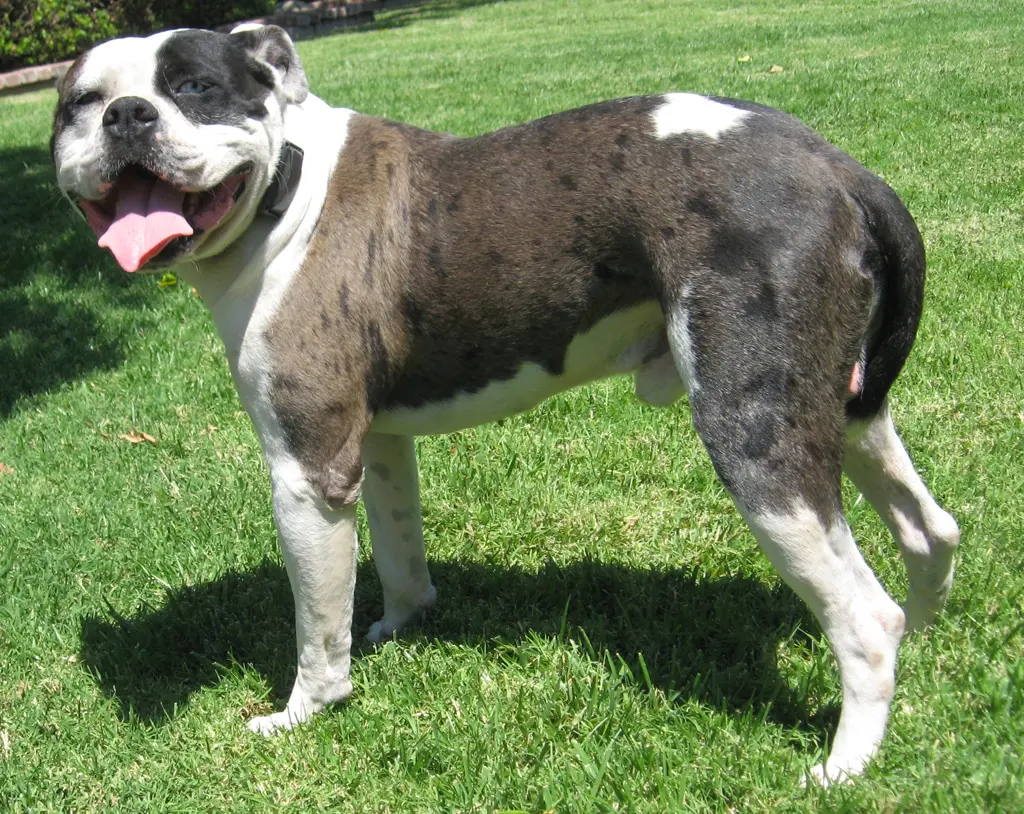
 Numb Skull the Alapaha Bulldog in the UK
 KGB ALAPAHAS – BROCK – ALAPAHA BLUE BLOOD BULLDOG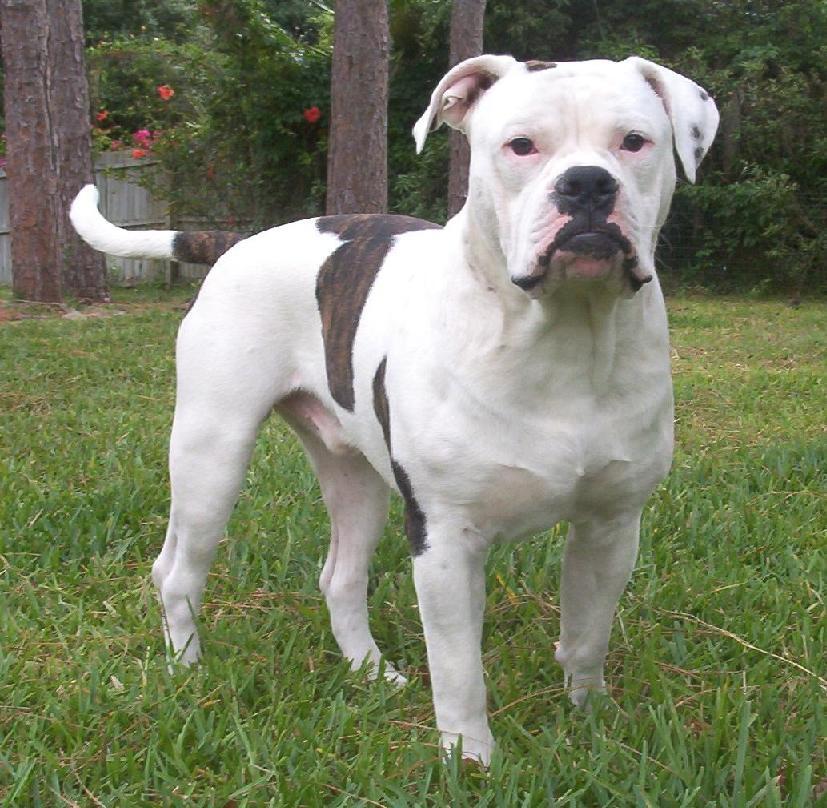

 ALAPAHA BLUE BLOOD BULLDOG ABBA
 Alapaha blue blood bulldog swiming at 10 half mnths old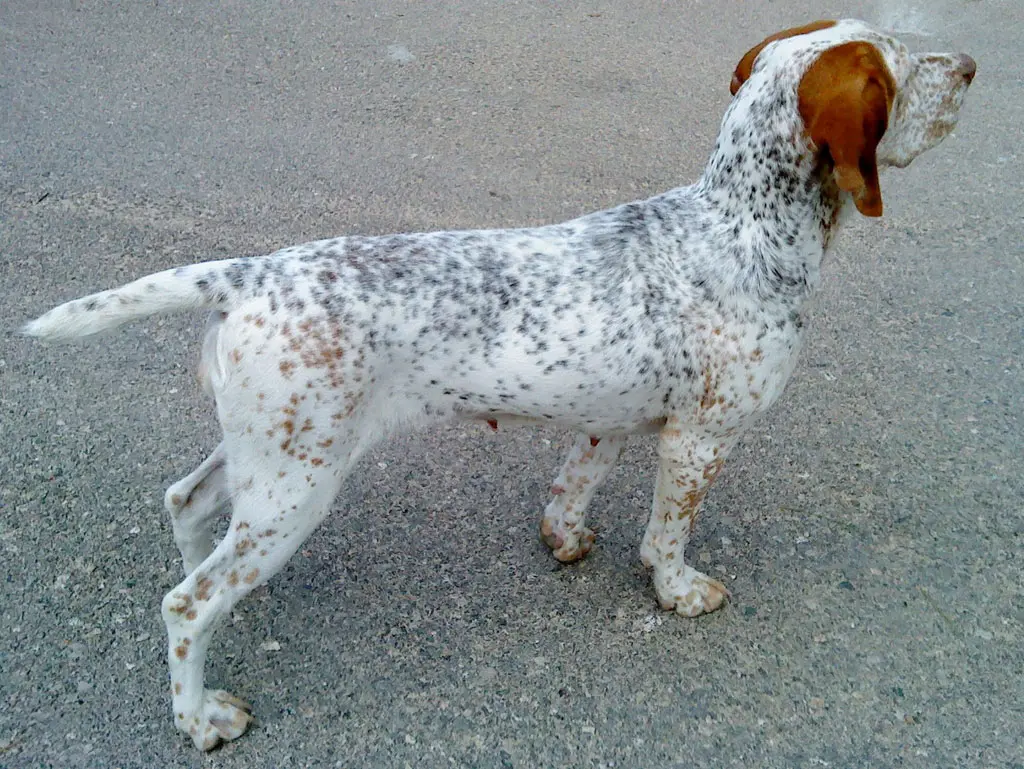



 Pachon navarro puppies 2
 Expocaza 2011 Presentation Pachon Navarro
 Pachon 6 months shows Partridge
 Pachon Popota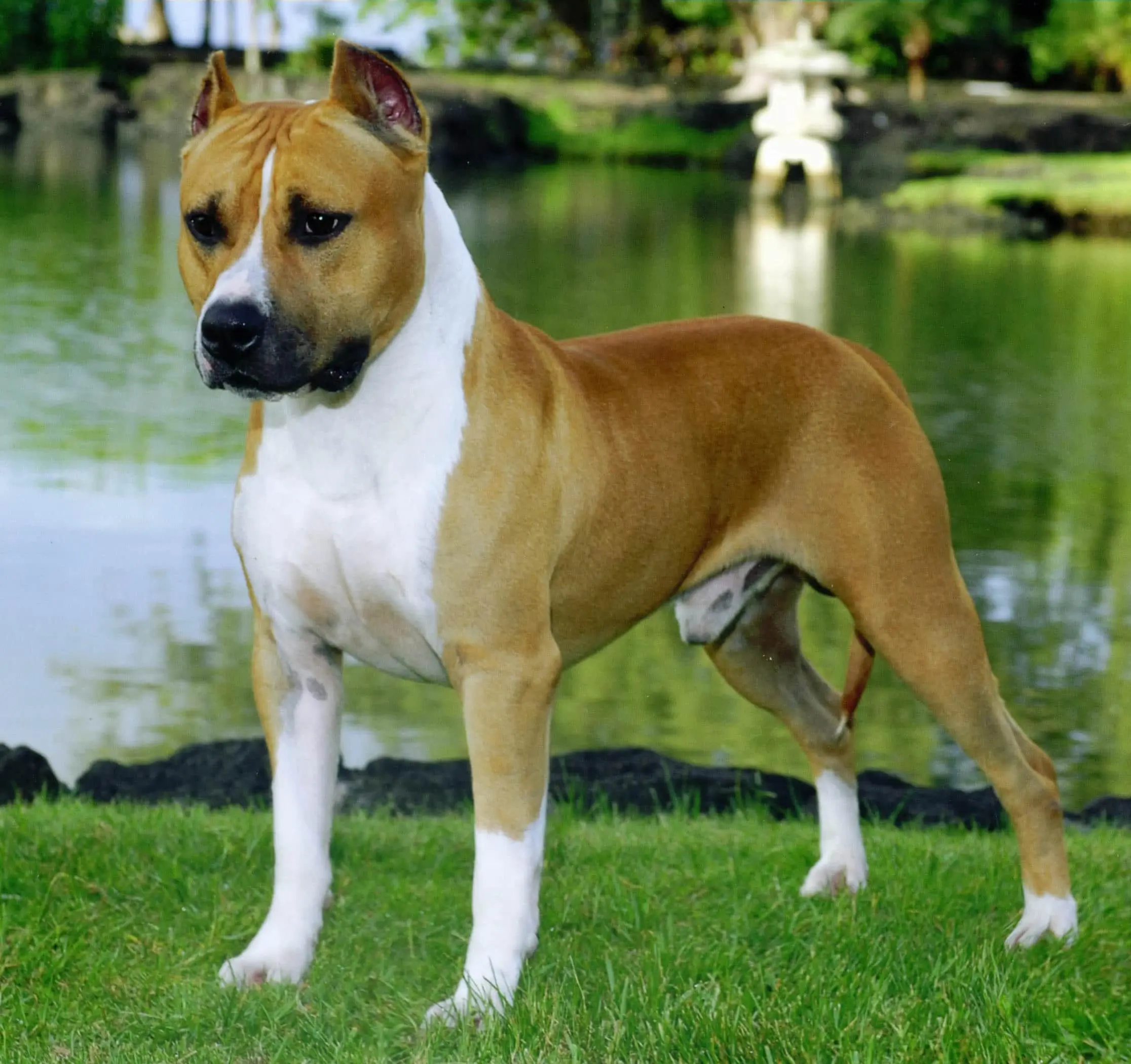



 American Staffordshire Terrier (AmStaff) AKSA playing at the pond
 American Staffordshire Terrier
 American Staffordshire Terrier – Buddy
 american staffordshire terrier play -madjoker kennel