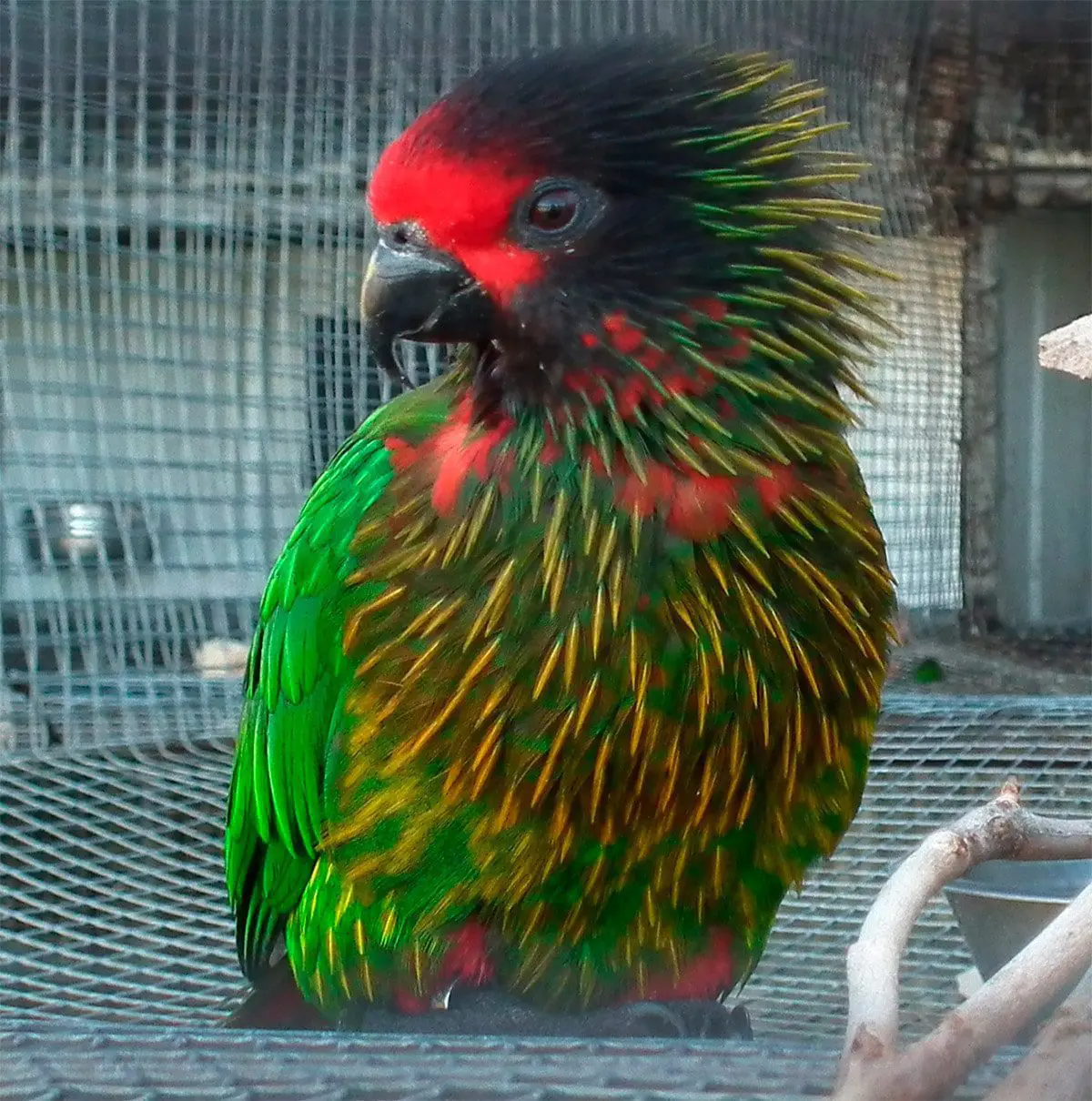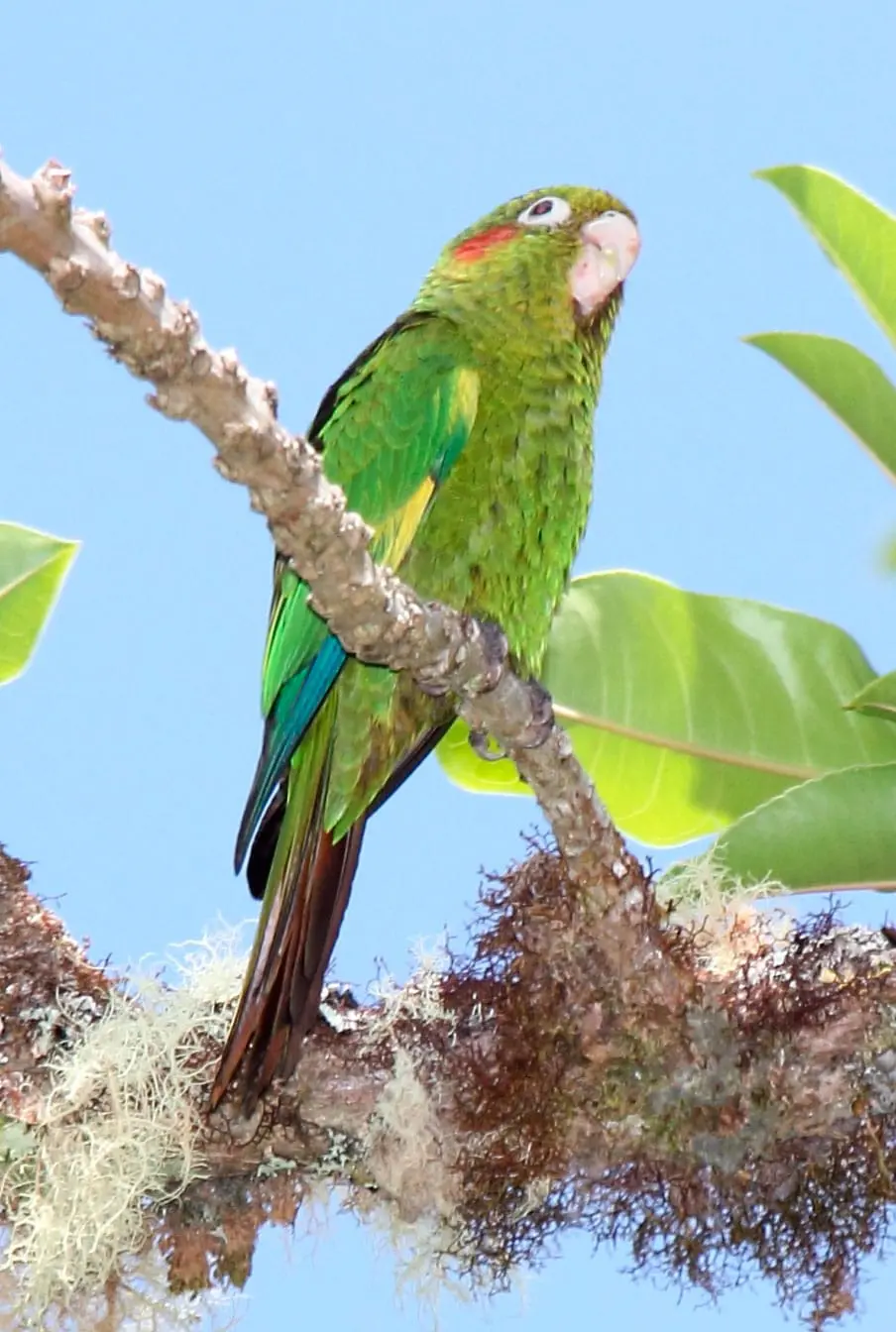
โ–ท The world of Pets: Dogs, cats, birds, reptiles, amphibians

Pfrimer's Parakeet
Pyrrhura pfrimeri

Pfrimer's Parakeet

Content

Description:

Pfrimer's Parakeet

22 to 23 cm.. length and an approximate weight of 80 g..

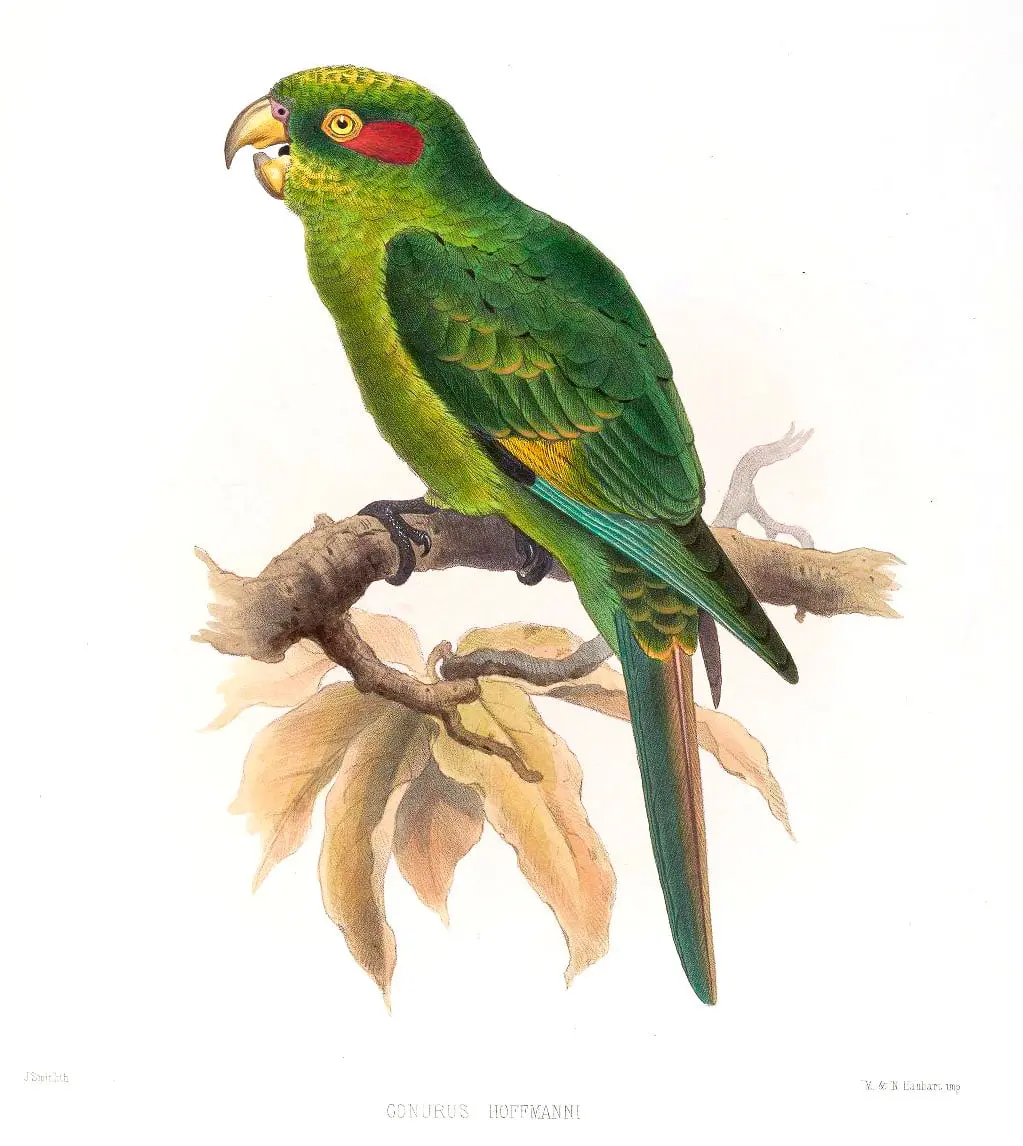
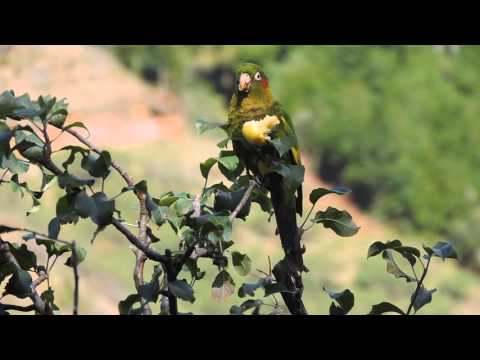
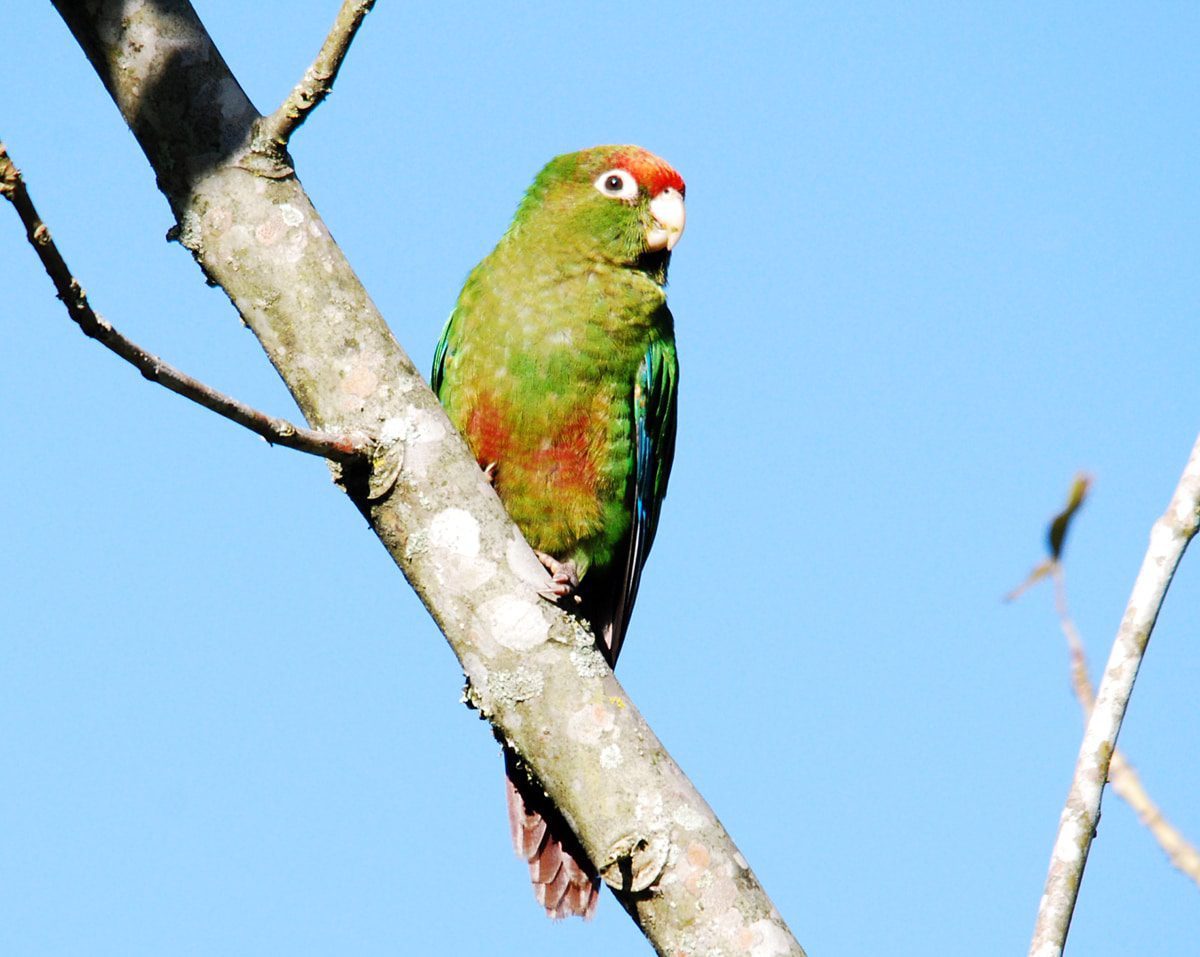
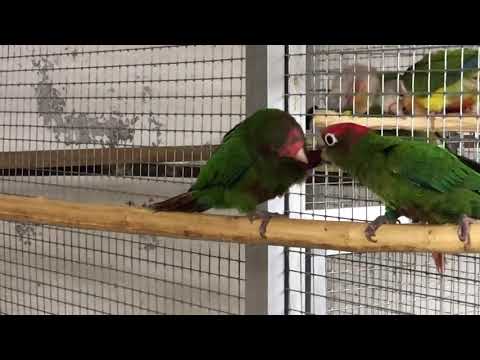
The Pfrimer's Parakeet (Pyrrhura pfrimeri) is a small psittacine of tail Long endemic Brazil very similar to Maroon-faced Parakeet (Pyrrhura leucotis), of which has recently been separated.

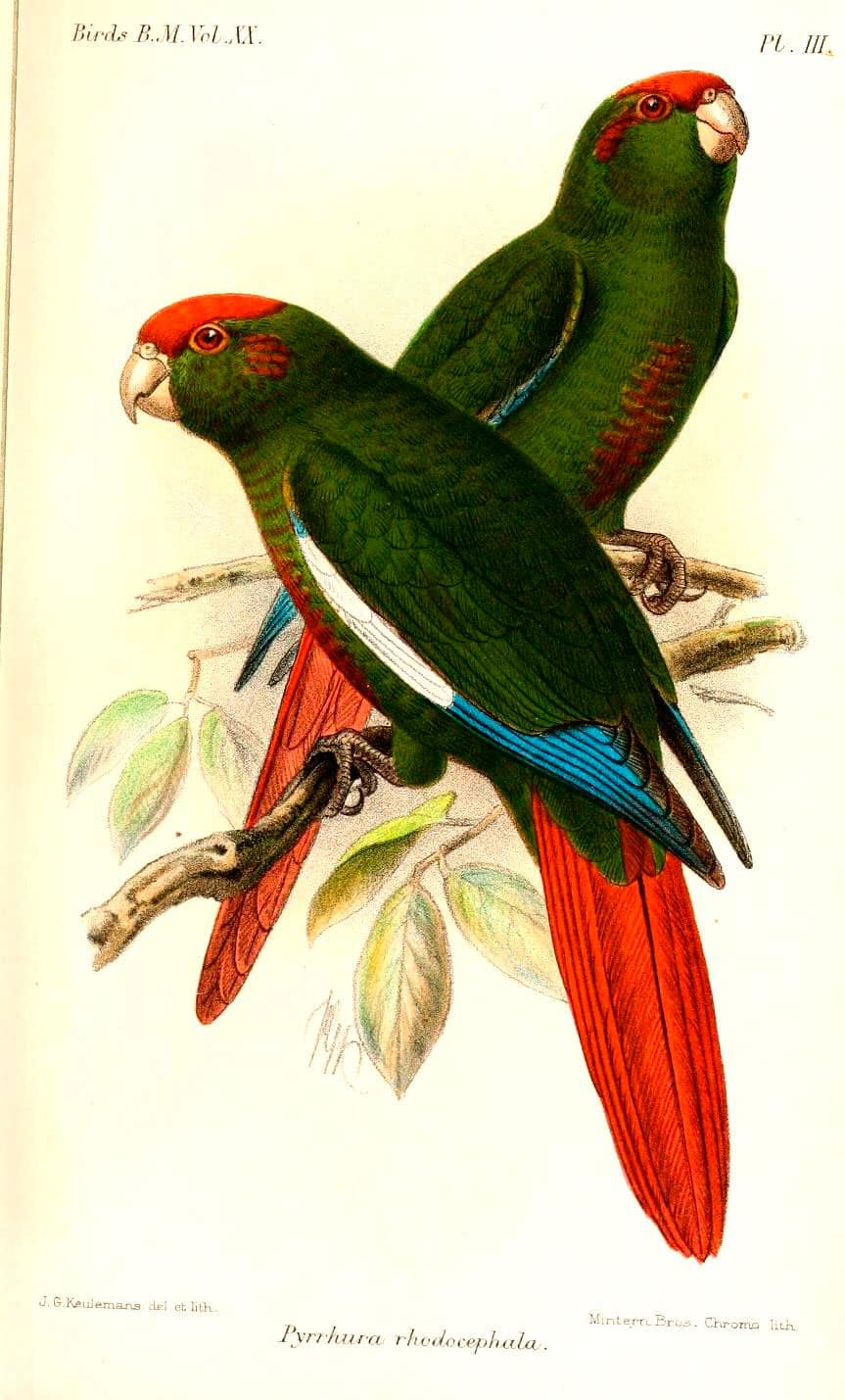
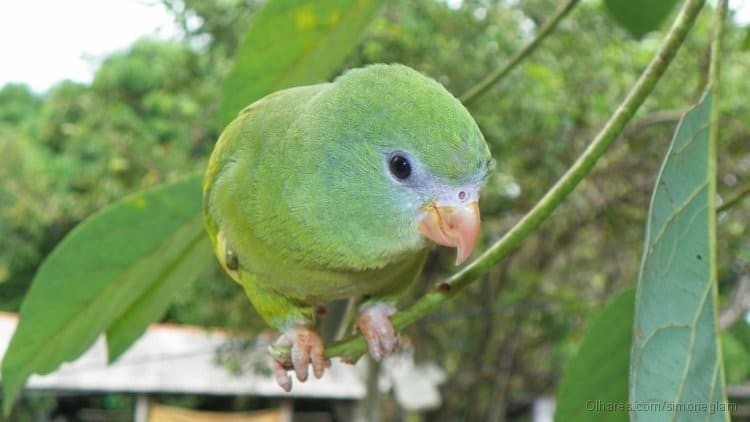
Its main color is green with bluish hues in primary rรฉmiges and reddish tones in the back, the belly and retrizes penas. The bend of wing They are reddish.
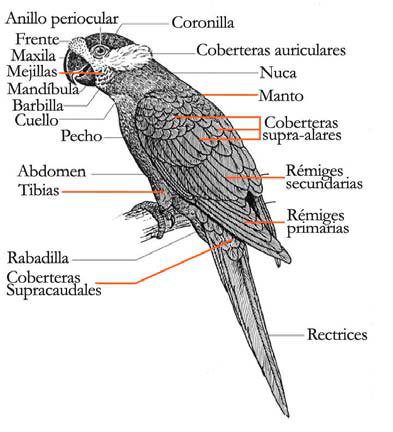
The neck It has clear blue feathers with lighter edges, giving the whole a scaled aspect. The sides of the face They are red while the crown and nape They are bluish. The bill It is black and tail red-blue color at the tips

It has no sexual dimorphism.

Taxonomic status:

It has often been considered a subspecies of the Maroon-faced Parakeet (Pyrrhura leucotis)Pyrrhura leucotis pfrimeri. The separation was made based on their distribution and the differences in habitat and plumage, I was the only member of the complex P. leucotis in which the light spot on ear-coverts It was very small. Recent mitochondrial DNA studies have confirmed this separate species status.

  • Sound of the Pfrimer's Parakeet.

Habitat:

Its distribution is restricted to the forests dry deciduous or semi-evergreen growing on limestone outcrops in the calcareous. This habitat type caatinga is an isolated island within the surrounding savannah closed. The forest caatinga typically has a closed canopy and dense understory with lianas and some cacti, particularly in disturbed areas. The species has been seen recently fragmented woodlots (Olmos et al., 1998), but according to reports they do not live far from the edge of the forest.

Social, usually they are seen in flocks of up 10 birds. Noisy and conspicuous when they fly above the canopy. Difficult to see while feeding or resting in foliage.

Reproduction:

We know very little about their reproductive habits.


Food:

They fly in flocks in search of fruits, seeds, flowers and larvae insects (wasps Family Agaonidae).


Distribution and status:

Size of its range (Widgets / Resident): 20.300 km2

It is located in the Brazilian states of Goiรกs, Tocantins and the northwestern tip of Minas Gerais, Brazil.

Conservation:

State of conservation โ“˜


Endangered Endangered โ“˜ (UICN)โ“˜

โ€ข Current category of the Red List of the UICN: In danger of extinction.

โ€ข Population trend: Decreasing.

โ€ข Population: 20,000-50,000.

Justification of the Red List of the Category

This species has a range very small highly fragmented and where habitat loss and degradation continue. For these reasons, It is classified as endangered.

Justification of the population

The total population is estimated to lie within the band 20,000-49,999 individuals (CA Bianchi in a little. 2006, 2007). The population density of the species has been estimated 11,7 individuals / km2 .

Justification trend

Given the rapid pace of deforestation within restricted range species, and its strong dependence on forest habitats suspected its population is declining rapidly (F. Olmos in some ., 2004).

Threats:

The main threat to this species is the deforestation driven selective logging, fires and conversion of habitat to pasture (Olmos et al . 1998). Dry wood Goiรกs He declined to be covering 15,8% of the region 1990 only the 5,8% in 1999, and less than 1% of the remaining fragments they were larger than 100 has (F. Olmos a slightly. 2007). There has been a reduction 66% habitat available in the last 31 years, with a current annual deforestation rate 2,1% (Bianchi 2010). Rapid deforestation is occurring within the range of the species to create pastures with widespread burning to improve poor pastures destroying the habitat of dry forest. It is mainly directed to logging forests durable normally used to make fence posts, and cement are starting to target areas of limestone outcroppings (CA Bianchi in a little . 2006, 2007). The species is rare while they recorded in the trade waves collections of exotic birds; This poses a potential threat (Olmos et al ., 1998). Population pressures increase as their range is close to the capital, Brasilia (Olmos et al ., 1998).

Conservation Actions Underway

In Brazil, previously considered vulnerable (Silveira y Straube 2008), but now legally designated as endangered national (MMA 2014) and protected by the Brazilian legislation. They are distributed within the proposal Terra Ronca State Park, but this has not yet been fully implemented. (CA Bianchi in a little . 2006, 2007). Downs Terra Ronca State Park now they appear to have been deforested, leaving only forest fragments outcrops of limestone karst (Willis in a little .). Other parts of the range are not protected. The species appears in the Brazil Red List as vulnerable and the IBAMA (Federal Environment Agency Brazil) is about to create a conservation group Small parrots understand all the Pyrrhura spp, and establishes conservation efforts. Brasilia zoological garden started a program of captive breeding in 2001 with 10 individuals, but none survived after six years (CA Bianchi in a little . 2006, 2007). There are very few known private poultry farmers who maintain the species in captivity (CA Bianchi in a little . 2006, 2007).

Conservation Actions Proposed

Determine the extent of habitat and current rates of deforestation remaining. Closely monitor the species in trade if demand increases.

"Pfrimer's Parakeet" in captivity:

Very rare.

It's a bird in danger of extinction; each captive specimen of this species that is capable of reproducing, must be placed in a well-managed captive breeding program and not sold as a pet, in order to ensure its long-term survival.

Alternative names:

Goias Parakeet, Pfrimer’s Conure, Pfrimer’s Parakeet (English).
Conure de Pfrimer (French).
Goiasittich, Pfrimers Sittich (German).
tiriba de Pfrimer, Tiriba-de-pfrimer, Tiriba-do-paranรฃ , ciganinha, barreirinha, chiriri e periquito-do-morro (Portuguese).
Cotorra de Goiรกs (espaรฑol).


scientific classification:

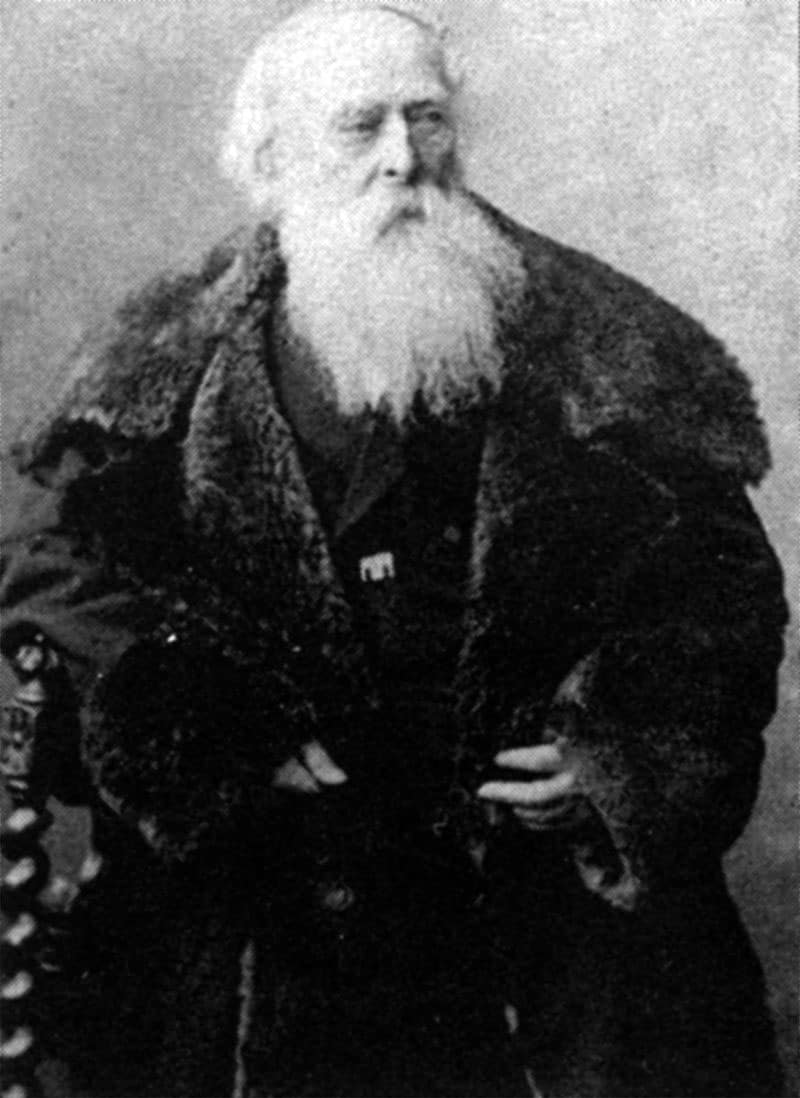
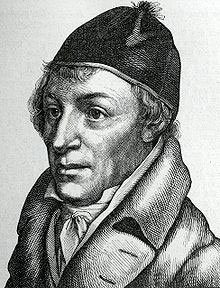
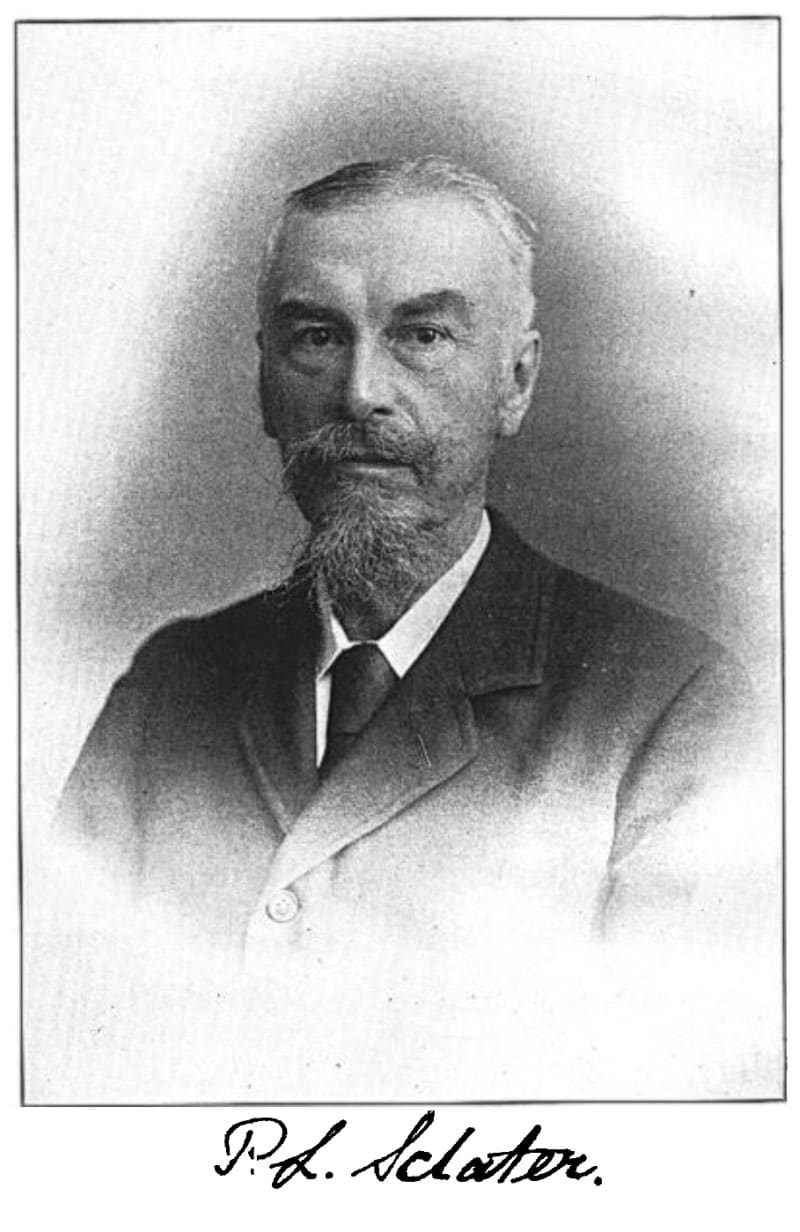
Alipio Ribeiro de Miranda, brazilian natural scientist

Order: Psittaciformes
Family: Psittacidae
Genus: Pyrrhura
Scientific name: Pyrrhura pfrimeri
Citation: Miranda-Ribeiro, 1920
Protonimo: Pyrrhura pfrimeri


Images Pfrimer's Parakeet:

Videos Cotorra de Goiรกs:

Pyrrhura pfrimeri by pyaf.net

Pfrimer's Parakeet (Pyrrhura pfrimeri)


Especies del gรฉnero Pyrrhura

Sources:

  • Avibase
  • Parrots of the World โ€“ Forshaw Joseph M
  • Parrots A Guide to the Parrots of the World – Tony Juniper & Mike Parr
  • Birdlife

Photos:

(1) – Pyrrhura pfrimeri by Lander Van NieuwenhuyseFlickr
(2) – Pyrrhura pfrimeri by Lander Van NieuwenhuyseFlickr
(3) – Pyrrhura pfrimeri by Lander Van NieuwenhuyseFlickr
(4) – Pyrrhura pfrimeri by pyaf.net
(5) – Tiriba-de-Pfrimer, ยซPyrrhura pfrimeriยป – Pfrimer's Parakeet by Clรกudia Brasileiro Martins
Brazilian Claudia Martins
(6) – Photo of Alipio de Miranda Ribeiro, brazilian natural scientist By File created by Flรกvio de Miranda Ribeiro (Picture taken by family) [CC BY-SA 3.0 or GFDL], via Wikimedia Commons
(7) – Parrots A Guide to the Parrots of the World – Tony Juniper & Mike Parr

โ–ท The world of Pets: Dogs, cats, birds, reptiles, amphibians

Seychelles Black Parrot
Coracopsis barklyi

Seychelles Black Parrot

Content


Anatomy-parrots

Description:

35-40 cm. length and 132-153 g. of weight.

The Seychelles Black Parrot (Coracopsis barklyi) They have a pale brown, less black than the plumage Black Parrot (Coracopsis nigra), but gray / blue reflections in the outer layers of the primary feathers; pale brown patches with slight pale streaks on the crown.

The tone becomes slightly paler in uppertail-coverts.

The underparts They are pale grayish brown. We can see some short lines in throat, while the chest and the belly show a diffuse pale obstruction. The tail is pale-grey.
The bill dark gray becomes paler during the breeding season. The eyes are dark brown, surrounded by a naked orbital gray area. Legs and feet are dark gray to bluish gray.

Both sexes are very similar.

Youth colorization:

Immature paler than adults with a yellowish tinge bill and tips of the feathers tail with pale gray.

Taxonomic status:

Formerly a subspecies of Black Parrot (Coracopsis nigra), originating from Madagascar. Parrots Gender Coracopsis only found in the Western Indian Ocean.

Habitat:

Seychelles Black Parrot

The Seychelles Black Parrot (Coracopsis barklyi) inhabits native and mixed woodland in Praslin, (Rocamora and Laboudallon 2013, A. Reuleaux y N. Bunbury a slightly. 2016). It is also found in cultivated areas and residential areas with gardens, habitats that are suitable feed (A. Reuleaux y N. Bunbury a slightly. 2016). They are usually seen alone or in pairs.

Reproduction:

Their main breeding areas They are in a forest dominated by endemic palms coco de mer (Lodoicea maldivica). The tree species nests in cavities primarily in mer coconut dead, but also registered that nests in cavities and other palms living trees broadleaf (Reuleaux et al. 2014to), with reproductive activity October to March (Rocamora and Laboudallon 2013, Reuleaux et al. 2014to). Preferred deep cavities of hollow logs of L. maldivica with a dense cover canopy over the entrance (Reuleaux et al. 2014to). The reproductive activity fluctuates widely between years (A. Reuleaux y N. Bunbury a slightly. 2016). In a study, the 53% of nests they were successful in 36 nesting attempts, with a 57% incipient year survival (Reuleaux et al. 2014to).

Food:

The Seychelles Black Parrot It feeds on a variety of plant species, most of which are endemic and native (Reuleaux et al. 2014b), mainly from the fruit pulp, seeds and buds, with occasional observations feeding on leaves, flowers, crusts and scale insects (Reuleaux et al. 2014b).

Distribution:

Extending its range (breeding/resident): 70 km2

The Seychelles Black Parrot (Coracopsis barklyi) reside in Praslin, with occasional records in Curieuse (to 1 km to the North of Praslin), Seychelles (Reuleaux et al. 2013).

No individual was detected in curious during spot counts over four days and during supplementary fieldwork, so it is assumed that there is no resident population there (Reuleaux et al. 2013).

Conservation:


Vulnerable


โ€ข Current category of the Red List of the UICN: Vulnerable.

โ€ข Population trend: Stable.

โ€ข Population size : 340-600 individuals.

Rationale for the Red List category

This newly divided species is listed as Vulnerable because, but it appears to be stable or possibly increasing, their population is still very small, and therefore it is at risk of stochastic events and human impacts.

Justification of the population

Count surveys conducted in Praslin points in 2010 and 2011 They found a density of 0.14-0.24 individuals / ha, as resultadi giving an estimate of the Total population 520-900 individuals (confidence intervals 95%) obtained through the distance sampling methodology (Reuleaux et al. 2013). After reviewing recent survey results, Rocamora and Laboudallon (2013) estimated total breeding population less than 200 couples, suggesting that there might be less than 400 mature individuals. Based on these data, it is assumed that there 340-600 mature individuals in the population.

Justification trend

They suspected that the population is stable the absence of evidence of any reduction or immediate threat. It is believed that the species has increased at least until the beginning of the century, but it is not clear if it is still increasing (Reuleaux et al. 2013, Rocamora and Laboudallon 2013).

Threats

It is believed that the decline of Seychelles Black Parrot before age 60 It was mainly due to predation by introduced rats and hunting conducted by settlers and farmers (Rocamora and Laboudallon 2013). Other causes of increased mortality include capture as pets and trade, and bycatch when targeting other species.

The most serious current threats for the species include diseases such as disease Beak and feather, continuous nest predation by rats and cats, competition from introduced species of birds for food and nesting sites, poaching of their main nesting tree (coco de mer), and habitat destruction caused by fires, with potential threats including persecution, pesticides, bats and kinship networks (Rocamora and Laboudallon 2013, Seychelles Islands Foundation in litt. 2014).

The forest fires They may represent the most serious threat to the species, with records since the beginning of the decade 1980 showing that approximately every 10 years a major fire occurs (The Seychelles Islands Foundation in litt. 2014). The availability of nesting cavities can be a limiting factor in years of very active reproduction, some females occupying suboptimal cavities.

Collection sea รขโ‚ฌโ€นรขโ‚ฌโ€นcoconuts probably reduce the area of รขโ‚ฌโ€นรขโ‚ฌโ€นpalm forest long term.

The presence of the Rose-ringed Parakeet (Psittacula krameri) in Mahe, one of which is registered Praslin, increases the risk of disease.

The impacts of introduced species causing nest predation and competition for nesting sites can not be serious enough to limit the population; However, mice are increasing in Praslin.

The crazy ants or zanconas ants (anoplolepis gracilipes) not appear to have impacted the species so far, probably because they use dead palms, where the appropriate cavities Seychelles Black Parrot.

Chicks predation by cats and dogs is probably limited, and post-harvest mortality is not currently a major concern. The persecution of the species by farmers is considered a minor threat.

Other risk factors for the species include their low genetic diversity and unexplained large fluctuations in reproductive activity of one station to another (Seychelles Islands Foundation in litt. 2014).

conservation actions

Conservation actions underway

The species is protected by law from 1966 (Rocamora and Laboudallon 2013). Endemic palms have been protected from 1991, and the restoration of native palm forest on Praslin and Curieuse is underway. The species is found in the Praslin National Park, created in 1979, and Vallรฉe de Mai It was declared a World Heritage Site in 1983. The Background islas Ferdinand curious y They are administered as nature reserves, but no official protection. Among 1983 and 2005 boxes were provided artificial nesting (Rocamora and Laboudallon 2013, A. Reuleaux y N. Bunbury a slightly. 2016).

In Vallรฉe de Mai there is a firebreak around the brood nucleus, but it is not guaranteed to work in the event of a large fire that can not be contained quickly (The Seychelles Islands Foundation in litt. 2014), However, It has only proved partially effective when a fire destroyed several hectares of breeding habitat high quality 2010 (A. Reuleaux y N. Bunbury a slightly. 2016). Poaching coco de mer nuts it being countered with increased security and a program regeneration, and they have carried out awareness activities to reduce the persecution by farmers. Measures are being taken to eradicate the presence of the Rose-ringed Parakeet (Psittacula krameri) and also they are conducting tests for the virus Psittacine Beak and Feather Disease Virus (The Seychelles Islands Foundation in litt. 2014).

In 2009 a national plan of action was drawn up for the species, It is including plans to introduce the species Silhouette, along with captive breeding in Frigate y North Island, if you can carry out a proper restoration and habitat management (reviewed by Rocamora and Laboudallon 2013). Other conservation identified for this species include control of introduced, the renovation and improvement of nests, population monitoring and public awareness campaigns (reviewed by Rocamora and Laboudallon 2013). Analysis using statistical models is intended to 2014, after annual counts have been made for three years without interruption, and conclusions on the trend of the species will be published from 1982 (G. Rocamora in litt. 2014). Repeating the remote sampling survey is scheduled at intervals 5-10 years (A. REuleaux y N. Bunbury a slightly. 2016).

Conservation Actions Proposed

Carry out further surveys to get a more accurate estimate population size and to monitor the demographic trend. Conduct research on the impacts of potential threats. Protect additional areas of native forest of palms. Suitable restore native habitats. Continue awareness activities to eliminate any residual persecution.

"Seychelles Black Parrot" in captivity:

This species is protected by law from 1966. No copy of Seychelles Black Parrot should be kept in captivity, unless it was under a controlled breeding program in order to reintroduce birds of this species to their habitat.

Alternative names:

Seychelles Black Parrot, Seychelles Lesser Vasa Parrot, Seychelles Parrot (English).
Vasa des Seychelles, Vaza des Seychelles (French).
Seychellenpapagei (German).
Seychelles Black Parrot (Portuguese).
Loro de Seychelles (espaรฑol).


scientific classification:

Newton Edward
Newton Edward

Order: Psittaciformes
Family: Psittaculidae
Genus: Coracopsis
Scientific name: Coracopsis barklyi
Citation: Newton, E, 1867
Protonimo: Coracopsis barklyi

ยซSeychelles parrotยป images:

Videos "Seychelles Black Parrot"

Seychelles Black Parrot (Coracopsis barklyi)

Sources:

Avibase
Parrots of the World โ€“ Forshaw Joseph M
Parrots A Guide to the Parrots of the World – Tony Juniper & Mike Parr
Birdlife

Photos:

(1) – Coracopsis barklyi (=Coracopsis nigra barklyi) by Joseph Wolf [Public domain], via Wikimedia Commons
(2) – Coracopsis barklyi By Post of Seychelles ([1]) [Public domain], via Wikimedia Commons

โ–ท The world of Pets: Dogs, cats, birds, reptiles, amphibians

Western Ground Parrot
Pezoporus flaviventris

Western Ground Parrot

Content


Anatomy-parrots
Video ยซWestern Ground Parakeetยป
Western Ground Parrot

Description:

30 cms. length between 105-110 g. of weight.

The Western Ground Parrot (Pezoporus flaviventris) It has mottled green back, underparts green and yellow, forecrown red. Tail long, with green stripes, Yellow and black poorly defined.

taxonomy:

A research team, directed by Stephen Murphy, studied taxonomy (discipline in charge of classifying living things) of the Eastern Ground Parrot (Pezoporus wallicus), an endemic species (exclusive geographic region) of fragmented coasts of southwest and southeast Australia. The researchers studied DNA from museum specimens from 160 years, and they concluded that the western population should be classified as a new species: Pezoporus flaviventris.

Habitat:

The Western Ground Parrot It is a bird that lives in soil and living in low heathland, dry or swampy near the coast. They are usually seen in habitat that has remained unburned for long periods of time. Mainly fly at dawn or dusk and feeds mainly on small seeds.

Reproduction:

It is one of the few parrots in the world that does not nest in a hole or cavity. Little else is known about the reproductive biology of the Western Ground Parrot

Food:

The Western Ground Parrot usually it feeds alone or with another parakeet. Seeds of various plants, especially of Sedge, for example, Mesomaelaena stygia ssp. stygia. Flower buds and flowers base, for example, the beaufortias, the dryandras and grevilleas, They are also important parts of the diet. It has been observed Western Ground Parrot semisuculentas feeding on leaves Daviesia pachyphylla. The diet is varied and uses the great diversity of habitat.

Distribution:

Historically, This species was found along the south west coast of Australia from Perth north to Geraldton and along the south coast east to Israelite Bay. But, It seems to have disappeared off the west coast of Western Australia in 1900.

Today only two locations are known from the extreme southwest of Western Australia: Fitzgerald River National Park and Cabo Arid National Park / Natural Reserve Nuytsland

Conservation:

โ€ข It is classified by the Australian government as a species in danger of extinction.

โ€ข Population trend: Decreasing.

โ€ข Population size : 100-110 individuals.

During an investigation (1), scientists found that the population of this new species had diminished quickly in the last 20 years, They are leaving only around 110 birds surviving in the wild, most of them in an Australian national park, so it is considered one of the rarest species in the world, so that the entry introduced predators (cats) National Park, could lead to the extinction of the species in a short time, so the need to implement is suggested Urgent conservation program for this new species described.

(1) – ยซTip(โ€˜9. S. A. Murphy, S. A., L. Joseph, A. H. Burbidge y J. Austin. โ€œA Cryptic and Critically Endangered Species Revealed by Mitochondrial DNA Analyses: the Western Ground Parrotโ€. Conservation Genetics, 12, (2010): 595-600.’

Threatened Species Strategy

The Western Ground Parrot is one of the 20 birds that the Australian Government has given priority in the allocation of resources to support the recovery effort species. The Western Ground Parrot It has a base of strong and growing support in the local community. An association between South Coast NRM, Friends of the Western Ground Parrot, the Department of Parks and Wildlife and the Perth Zoo It is working to prevent extinction.

The success of the population captive breeding recently established security will be key to the species, and management of wild cats and fires Cabo Arid National Park It will be essential for local recovery. With an estimated population of less than 150 individuals and a captive population of less than ten, we need to act.

The emergency actions include the protection of the wild population and creating a population secured in captivity. Opportunities to receive more support through National Planning Program, the local group management of natural resources and existing partnerships with Government of Western Australia and the Zoo of Perth They are likely to contribute to recovery.

The website Endangered Species Strategy It includes information on what is being done to support the recovery effort species. Understanding the habits of a partnership project of rare birds and reserved aims to benefit the species improve the behavior of captive birds, which may allow better management of wild populations.

Alternative names:

Ground Parrot (Western), Western Ground Parrot (English).
Kyloring (Aboriginal).
Perruche ร  ventre dorรฉ, Perruche ร  ventre dorรฉe, Perruche terrestre (de l’Ouest), Perruche terrestre (flaviventris) (French).
Westlicher Erdsittich (German).
Periquito Terrestre Occidental (Portuguese).
Perico Terrestre Occidental (espaรฑol).

scientific classification:

Alfred John North
Alfred John North

Order: Psittaciformes
Family: Psittaculidae
Gender: Pezoporus
Scientific name: Pezoporus flaviventris
Subpoena: North, 1911
Protonimo: Pezoporus flaviventris

Images ยซWestern Ground Parakeetยป:

Sources:

โ€ข Avibase
โ€ข Parrots of the World โ€“ Forshaw Joseph M
โ€ข Parrots A Guide to the Parrots of the World – Tony Juniper & Mike Parr
โ€ข Science and Development Magazine
โ€ข Department of the Environment (2018). Pezoporus flaviventris in Species Profile and Threats Database, Department of the Environment, Canberra. Available from: http://www.environment.gov.au/sprat.

Photos:

(1) – Feeding Western Ground Parrot….. the only photoโ€™s of this bird in the wild was taken in 2005 the day before my birthday, what a gift that was. This is from my field season the next year. No nest has been found since 1913. by Brent BarrettFlickr
(2) – Western Ground Parrot (Pezoporus flaviventris) by Brent Barrett from Dunedin, New Zealand [CC BY-SA 2.0 or CC BY-SA 2.0], via Wikimedia Commons
(3) – A Western Ground Parrot in Australia by Brent Barrett from Dunedin, New Zealand [CC BY-SA 2.0], via Wikimedia Commons
(4) – Stand and sing Western Ground Parrot (Pezoporus flaviventris) by Brent Barrett from Dunedin, New Zealand [CC BY-SA 2.0], via Wikimedia Commons
(5) – This is officially one of the rarest images in exhistence Pezoporus wallicus flaviventris by Brent BarrettFlickr

โ–ท The world of Pets: Dogs, cats, birds, reptiles, amphibians

Sinรบ parakeet (sub)
Pyrrhura subandina

Cotorrita del Sinรบ

Content

Description:

21 to 23 cm.. height.

The Sinรบ parakeet (Pyrrhura subandina) It, in general, green, with the forecrown and areas around eyes dark red.

In flight It is very evident dark red stain abdomen, the wings below greyish. The cheeks They have a greenish blue tone, the area surrounding the ear It is yellowish-brown and the breast feathers with design marginalized gray escamado.

Lives or lived in humid jungle, semi-humid, deciduous and gallery forests,low. It nests on trees of considerable size in hollow nests woodpeckers.

endemic to Colombia, in the lower valley of sinu river, Jaraquiel, Murrucucรบ hill, Cรณrdoba.

Expeditions carried out in recent years have failed to sight it.

Estimated population: 0-100; The population trend: possibly extinct

We recommend that you devote to Sinรบ parakeet immediate attention to the conservation of this unique endemic species of the plain Sinu River.

Habitats in the jungle and near the Sinรบ river valley have been extensively altered and lost.

History:

The Sinรบ parakeet It was described by Todd 1917 as a distinctive bird endemic Valley Sinu River, Cรณrdoba Department, Northwest of Colombia. Peters (1937), without evidence or any basis placed the Pyrrhura subandina within the species Pyrrhura picta, and the species immediately fell into obscurity as subspecies. However, Joseph and Stockwell (2002) they restored the status to Pyrrhura subandina as a species, based on a detailed assessment and phylogenetic analyses recent (com. pers. 2003).

DNA analysis has shown that the population of the Sinรบ parakeet (Pyrrhura subandina) It is probably different (monotype) (Joseph & Stockwell 2002), although at present it remains a subspecies of the Pyrrhura picta pending further studies (SACC 2007).

There is no information on the ecology of the Sinรบ parakeet or current status. The species has never been reported alive and its range has been extensively deforested (Salaman obs. pers.)

At the beginning of 2004 Paul Salman He visited the four sites type; two are entirely deforested, While Quimari and the Cerro Murrucucรบ still have some fragmented forests. No evidence of any Pyrrhura It was obtained by observations and interviews with the local community. In May of 2004, a researcher at ProAves spent three months exploring in search of this species throughout the Murrucucรบ hill but their results were not favorable. The lack of recent records of this species and its restricted and unprotected range give reasons for concern about their survival and current status.

    Reference: Joseph, L. and Stockwell, D. 2002. Climatic modeling of the distribution of some Pyrrhura parakeets of northwestern South America with notes on their systematics and special reference to Pyrrhura caeruleiceps Todd, 1947. Ornitologia Neotropical 13: 1-8.

The Sinรบ parakeet (Pyrrhura subandina) was last reliably recorded in 1949. Almost nothing was recorded about their habits. Not found during searches on 2004 and 2006 (ProAves Colombia 2008). He may be extinct, but if it still survives, this bird will be seriously threatened by habitat loss and hunting associated with the armed conflict in the region; The future of this Pyrrhura It looks bleak.

* Subspecies included within the species Pyrrhura picta.

Sinรบ parakeet (Pyrrhura subandina)


Especies del gรฉnero Pyrrhura

Sources:

– Parrot Book, Parrots and macaws.
– eLibrary
– proaves
– Extinct Birds by Julian P. Hume, Michael Walters.

Photo: Parrots, Parrots and macaws Neotropical

โ–ท The world of Pets: Dogs, cats, birds, reptiles, amphibians

Cobalt-winged Parakeet
Brotogeris cyanoptera


Periquito Aliazul

Content

Description:

The Cobalt-winged Parakeet (Brotogeris cyanoptera) measured 15-21 cm.. in height and weighs around 67 g. Distinguishable on the fly by the cobalt blue of the the flight feathers; forecrown yellow and crown with blue dye; chin orange.

Has the tail short and acute. Its bill opaque beige es

Subspecies description:

  • Brotogeris cyanoptera beniensis

    (Gyldenstolpe, 1941) – It has lighter green in all the body and yellow plumage edges in the wing .


  • Brotogeris cyanoptera cyanoptera

    (Pelzeln, 1870) – The nominal


  • Brotogeris cyanoptera gustavi

    (Berlepsch, 1889) – Has the forecrown light green, shoulder yellow and only a patch blue in half of the wing .

Habitat:

Very common. It is found in secondary forest, riparian, edges and savanna, until the 600 m (occasional over of 1000 m). Fly in small flocks of 10 to 20 individuals (rare in couples), feed in the canopy.

Reproduction:

It nests in hollow and termite mounds on tree.

Food:

Its diet probably the same as for most species Brotogeris: fruit nectar, figs, berries and seeds.

Distribution:

Periquito Aliazul

Its population is distributed between the East of Colombia, Southwest of Venezuela to the North of Bolivia and Brazilian Amazon.

Subspecies distribution:

  • Brotogeris cyanoptera beniensis

    (Gyldenstolpe, 1941) – Bolivia.


  • Brotogeris cyanoptera cyanoptera

    (Pelzeln, 1870) – The nominal


  • Brotogeris cyanoptera gustavi

    (Berlepsch, 1889) – Peru.

Conservation:


minor concern


  • Its population has been estimated at more of one million copies
  • .

  • Not considered in any of the threat categories.

"Cobalt-winged Parakeet" in captivity:

Rare in captivity, due to the limited success in reproduction.

Alternative names:

Cobalt-winged Parakeet, Blue-winged Parakeet, Cobalt winged Parakeet (English).
Toui de Deville, Perruche ร  ailes de cobalt (French).
Kobaltflรผgelsittich (German).
Periquito-de-asa-azul, Periquito-de-asa-azul, tuipara-de-asa-azul (Portuguese).
Catita Aliazul, Periquito Aliazul, Periquito de Alas Azules (espaรฑol).

scientific classification:

Order: Psittaciformes
Family: Psittacidae
Genus: Brotogeris
Scientific name: Brotogeris cyanoptera
Citation: (of Pelzeln, 1870)
Protonimo: Sittace cyanoptera

Images "Cobalt-winged Parakeet"

Videos "Cobalt-winged Parakeet"

————————————————————————————————

Cobalt-winged Parakeet (Brotogeris cyanoptera)


Sources:

Avibase
– Parrots of the World โ€“ Forshaw Joseph M
– Parrots A Guide to the Parrots of the World – Tony Juniper & Mike Parr
– Birdlife

โ–ท The world of Pets: Dogs, cats, birds, reptiles, amphibians

Black-winged Parrot
Hapalopsittaca melanotis


Parrot Alinegro

Content

Description

24 cm. height.

The Black-winged Parrot (Hapalopsittaca melanotis) is distinguishable by the head almost all greyish blue, with blue-billed, ochre around the eye and back of the same black spot defined. Wings with large black patch and purple-blue ends; the tip of the tail blue. The subspecies Hapalopsittaca melanotis peruviana head green, with the spot towards the back of the eye dark orange.

Habitat


Rare, Although most abundant in Bolivia. It lives in temperate inter-Andean valleys and humid montane forests., between 1500 to 2500 m.. (Occasionally a 3450 m.. in Peru). Usually in pairs or small groups. Seen mostly in pairs or in small groups of 3 to 25 birds. From time to time they gather in groups of up to 50 birds around their favored roosting.

Conservation

Not considered in any of the threat categories, It is very rare in captivity.

They have recorded for this species altitudinal migration, Depending perhaps on the fruiting, Since the fruit is their main source of food.

With reproduced in cavities of trees or places of nesting woodpeckers.

Inhabits intermittently to the East of the Andes, in the center of Peru and in the yunga of Bolivia.

scientific classification:

Order: Psittaciformes
Family: Psittacidae
Genus: Hapalopsittaca
Scientific name: Hapalopsittaca melanotis
Citation: (Lafresnaye, 1847)
Protonimo: Pionus melanotis

Alternative names:

Black-winged Parrot or Black-eared Parrot (English)
Lorito celeste (Peru, Bolivia)
Schwarzflรผgelpapagei (German)
Caรฏque ร  ailes noires (French)
Pappagallo alinere, (Italian).

Videos "Black-winged Parrot"

in the

ยซBlack-winged parrotยป (Hapalopsittaca melanotis)

Sources:

Parrot Book, Parrots and macaws Neotropical.

Sounds: controles-canto.org

โ–ท The world of Pets: Dogs, cats, birds, reptiles, amphibians

Palm cockatoo
Probosciger aterrimus

Content

Description

51 to 64 cm. height and a weight between 910 and 1200 g.
The Palm cockatoo (Probosciger aterrimus) it is one of the largest cockatoo species. Unmistakable with a Erectile Crest of 15 cm.. Mainly arboreal.

Both sexes differ in size. Immatures are differentiated by the pale yellow at the bottom and the tip of the bill and the eye ring in color white.
Usually black with a bare area around the cheeks and eyes red. The feathers of the crest they are long and thin, black streaks.
The bill is dark gray, smaller in the female. The legs son grises. The language is black and Red.
The cheek skin changes color according to its health or stress level, a pink / beige to a yellow when it is excited.

Description 4 supespecies

  • Probosciger aterrimus aterrimus

    (Gmelin, 1788) – Nominal.


  • Probosciger aterrimus goliath

    (Kuhl, 1820) – Larger than the subspecies macgillivrayi.


  • Probosciger aterrimus macgillivrayi

    (Mathews, 1912) – Larger than the species nominal.


  • Probosciger aterrimus stenolophus

    (Oort Cloud, 1911) – As the subspecies goliat, but with feathers crest closer.

Habitat:

The presence of this cockatoo is documented from sea level to 1350 metres in height.

In New Guinea they are in tropical rainforests, including gallery forests, edges of forests and monsoon forests. In Australia they live in forests of eucalyptus, forest of Melaleuca, partially cleared areas and sheets.

You are travelling individually, in pairs or in groups of five or six. About an hour after sunrise they gather in the treetops.

Reproduction:

The nesting occurs between August and February.
Nest in the cavities of trees which tend to be of approximately 1 m depth and 25 to 60 cm in diameter. These are full of branches broken at the bottom on which rests the egg. The site is often used year after year.
Reproduce every two years. They put a single egg and both parents the hatch for a period of 28 to 31 days, at around 3 to 4 more days to hatch. The squab was born completely naked and does not develop marker, unlike other Cockatoo chicks. They are taken from 100 to 110 days to leave the nest, the longest period among all parrot species. After leaving the nest, the young bird depends on the parents at least others 6 weeks because of its inability to fly.

Food:

Seeds, dried fruits, fruit, berries, sprouts leaves and insect larvae.
They feed mainly in the forest canopy, but can also feed on the ground on fallen fruits and seeds.

Distribution:

Size of the area of distribution (reproduction / resident): 716.000 km2

New Guinea and adjacent islands, North of Queensland, Australia.

Distribution 4 subspecies:

Conservation:

State of conservation โ“˜


minor concern Minor Concern โ“˜ (UICN)โ“˜

โ€ข Least concern according to IUCN classification.

โ€ข Population trend: Decrease

This species has a very large range, and therefore not approaching the threshold of vulnerability. While the trend of the population seems to be decreasing, the decline is not believed to be fast enough to approach vulnerable bird thresholds based on population trend criteria.

In some parts of its area of distribution, the forest habitat in which occur the hollow trees is being invaded by the rainforest.

"Palm cockatoo" in captivity:

Rare bird cage, Although they have a great demand for the market of pet due to its unusual appearance.
They can live more than 55 years of age in captivity.

They may develop compulsive behaviors, as the pecking of feathers. They can also mimic sounds and human language.

Aggressiveness within pairs is taken into account for captive breeding., Sometimes the male usually kill the female. As such, There are more different management methods, from bringing both cockatoos together only during the breeding period and quickly removing the male, cut the male that the female escape flying, or create complex installations that are carried out next to a cutout of the male, so that the female always has an escape route in the face of aggression.

There are currently laws that prohibit the export of any Palm cockatoo without a permit.

Alternative names:

Palm Cockatoo, Black Macaw, Goliath Aratoo, Goliath Cockatoo, Great Black Cockatoo, Great Palm Cockatoo (English).
Cacatoรจs noir, Microglosse noir (French).
Arakakadu (German).
Cacatua-das-palmeiras (Portuguese).
Cacatรบa de las Palmas, Cacatรบa Enlutada (espaรฑol).

scientific classification:

Order: Psittaciformes
Family: Cacatuidae
Genus: Palm
Scientific name: Probosciger aterrimus
Citation: (Gmelin, JF, 1788)
Protonimo: Psittacus aterrimus

Images of the Black Cockatoo:


Sources:
avibase
infoexoticos
– Parrots of the World โ€“ Forshaw Joseph M
– Parrots A Guide to the Parrots of the World – Tony Juniper & Mike Parr
– Birdlife

– Photos: avianzoo, papageien.org, avianzoo, Wikimedia.org

– Sound: Frank Lambert

โ–ท The world of Pets: Dogs, cats, birds, reptiles, amphibians

Solomons cockatoo
Cacatua ducorpsii


Cacatรบa de las Salomรณn

Content

Description

It measures 30-35 centimeters to paste 380 g..
The Solomons cockatoo (Cacatua ducorpsii) is a small cockatoo immediately recognizable by its long triangular Crest.
Its plumage is almost completely white, except the part inferior of them wings and tail with infiltration of color yellow. The feathers of the crest, the cheeks, the the mantle and the chest they have a base of pink.
The bill is grey. The bare skin around the eyes is pale-blue. The irises are dark brown, the legs grey.
The females are distinguished from your partner to have the irises more reddish.

The Solomons cockatoo is quite similar to the Tanimbar corella living in the Tanimbar Islands. Also seems to the Little corella, although the latter have more bluish and developed the orbital area.

Habitat:

Is from coastal areas to the mountains; variety of habitats, including forests, secondary vegetation and gardens in cities. Found up to 1700m; mainly below the 700 m.

Behavior:

They are birds noisy and quite easy to observe, even though they mostly live in pairs or small groups. They fly high above the treetops where used well exposed perches in the top of the Cup.

Birds are very cautious, screaming when they are disturbed.

They have a strong and uneven consisting of shallow flapping flight.

Reproduction:

In the wild child from July to September.

They make their nests in hollows of trees or large branches and, they often use the same nest year after year.

The eggs are of color white and usually there are two in a clutch. The eggs are incubated for about 25 days, the young leave the nest 62 days after hatching.

Food:

They feed on seeds, berries, fruit, outbreaks, flowers, as well as insects and their larvae. From time to time they ingest the fleshy parts of ยซepiphytesยซ.

Distribution:

endemic to the Solomon Islands. Its area of distribution extends from Bougainville (Papua New Guinea) to Malaita, Choiseul, New Georgia and Santa Isabel. The species is absent in San Cristรณbal and the islands surrounding.

Conservation:

State of conservation โ“˜


minor concern Minor Concern โ“˜ (UICN)โ“˜

– Current IUCN Red List category: Least concern.

– The population trend: Stable

The population world is estimated at 100.000 birds and it seems quite stable.

The marketing of pet birds is a threat to this species, the other is the degradation of the habitat. The latter seems particularly serious, given the logging of forests in the lowlands.

"Solomons cockatoo" in captivity:

Itร‚ยดs little gregarious and have tendency to be aggressive with other species and with those of its same species. In relation to the human being is a Parrot very demanding. Not everyone is prepared to have a white cockatoo.

They often tend to develop behavior problems, unbearable screams, become very destructive…If not are given a rigorous education on a very regular basis. That is why it is convenient that if you intend to have a cockatoo, it should be done so that it can be accompanied by another or others of its kind to prevent it from developing an excessive dependency and thus you can enjoy it without fear of having problems or at least trying to avoid them as much as possible.

I like them much attention. They tend to create strong emotional bonds and they are quite Extrovert.

Despite the great attraction that having a pet parrot with such characteristics can mean for a person,. It is not often a parrot advised for anyone or rather, hardly anyone is prepared to have a cockatoo with these characteristics.

Alternative names:

Ducorps’s Cockatoo, Broad-crested Corella, Solomon Corella, Solomon Islands Corella, White Cockatoo (ingles).
Cacatoรจs de Ducorps (French).
Salomonenkakadu (German).
Cacatua-ducorps (Portuguese).
Cacatรบa de las Salomรณn, Cacatรบa de Salomรณn (espaรฑol).

scientific classification:

Order: Psittaciformes
Family: Cacatuidae
Scientific name: Cacatua ducorpsii
Genus: Cockatoo
Citation: Pucheran, 1853
Protonimo: Cacatua ducorpsii

Solomon's Cockatoo Images:


Species of the genus Cacatua

Sources:
Avibase, mascotasvicmar
– Photos: animalphotos.me, goldensunbirds

– Sounds: Mark Todd (Xeno-canto)