Of the three French Scent hounds, the French White and Black Hound, is the best known.
Content
The French White and Black Hound is a competent olfactory hound of French origin. It was specifically developed for hunting in large packs and today this breed is acquired exclusively for hunting.. Despite her fabulous work skills, it can be found very rarely not only in European countries but also in its native France.
History
Before the french revolution, hunting with large packs was one of the favorite pastimes of the French nobility. It also, it also offered the opportunity to establish trade relations and resolve global political and economic issues.. Unfortunately, the demise of the French upper class during times of political turmoil also meant the demise of numerous varieties of tracker hounds. After Napoleon's defeat, monarchical power was rebuilt and hound hunting regained its popularity. Thanks to technological advances in maritime traffic, dog breeding became a much less difficult task and many British hounds were sent to France during the period between 1815 and 1900.
The true ancestry of the French Hound will probably never be discovered as most early breeders did not bother to keep any breeding records.. However, it can be stated with quite certainty that the breed was created by mixing live and now extinct breeds of French and English hounds. The Saintongeois, Gascon Saintongeois and Poitevin hound were the main ancestors of the French White and Black Hound. It is commonly believed that other breeds were used on a rather limited basis in their breeding program..
The French Scent hounds kept solely for hunting in large packs. Its largest quarry were large wild animals such as deer, the wolf and the boar. A group of several hounds detected the scent trail of one of these mammals and chased it., barking loudly so the hunter could go after them. Depending on the type of animal pursued, the dogs were to corner him or kill him immediately.
The number of specimens of this breed of hound drastically decreased after two world wars. French hunting enthusiasts managed to save her, although many unique French breeds were lost to the world during these terrible times. In 1957, the French Hound was fully recognized by the Fédération Cynologique Internationale (FCI). But, FCI recognition hardly increased the international awareness of this dog, so he did not win the appreciation of hunters from other countries. It also, currently their breeding and therefore their population are supported solely by the French hunting community. In general, the future of French White and Black Hound you will be fairly insured as long as there are fans of dog hunting in your homeland.
Physical characteristics Black and white French Hound
The French White and Black Hound is a big dog, distinguished and well balanced. His dark eyes give him a smart and confident look. Quite large at birth, her tail is carried high enough.
These dogs are highly prized in many deer crews for their qualities: fineness of nose, application, seriousness, throat. dog friendly, close to man; easy in the kennel.
He has short hair, quite strong and close.
COLOR : The coat should be black and white with a more or less extensive black coat or patches, which may show black or bluish spots, or even small tan marks, but these only in the limbs. A pale tan patch over each eye, as well as a pale tan on the cheeks, under the eyes, under the ears and at the base of the tail. The “deer mark” on the thigh is quite common.
SIZE :
Males: 65 to 72 cm.
females: 62 to 68 cm.
Character and skills French White and Black Hound
The only function of French White and Black Hound is hunting, so it is difficult to make a generalization about their behavior patterns and temperament in a home environment. But, it is not necessary to suggest that a socialized specimen can become an educated and well-rounded family pet. Like most track hounds, he is gentle with children and likes to be a part of their exuberant activities.. This dog is probably too energetic and playful to be a suitable companion for a child..
The French White and Black Hound tends to become somewhat distant and reserved in the presence of strangers. However, he will never show open aggression unless he suspects that something or someone threatens his family. Some of these dogs are vigilant enough to perform surveillance duties. This sociable and caring breed will make a terrible guardian, that he would rather greet an intruder by wagging his tail than resorting to necessary actions.
Canine aggressiveness is considered a major defect in the temperament of hounds, that were developed for herd hunting. For this reason, members with the slightest hint of this undesirable characteristic are immediately excluded from the breeding program. The French White and Black Hound is known for its exceptional tolerance towards other canines. Despite his excessively peaceful nature, also requires early socialization in this regard. It is worth remembering that the breed has a very powerful drive to hunt down and kill other species of animals., especially stray cats. You can get along with individual family pets if you have been raised with them since your puppy.
The French White and Black Hound Needs a negligible amount of maintenance. Regular brushing will be enough to keep his short, graceful coat in reasonably good condition..
The ears of this breed are highly susceptible to irritation and infections., so its systematic examination and cleaning should become an essential part of care routines.
French White and Black Hound Training
the education of French White and Black Hound poses a considerable challenge. The breed is a natural hunter and requires fairly basic training in all that concerns its original hunting duties.. Unfortunately, its persistence in the search for prey turns into obstinacy in training. It also, cannot concentrate on the same boring task for a long time and is easily irritated by its many repetitions.
The best training strategy for this dog should include abundant rewards in the form of praise and tasty treats.. Negative reinforcement doesn't work with French White and Black Hound and must be avoided at all costs.
Exercise with the French White and Black Hound
The French White and Black Hound it is an athletic and robust hunting dog, easily adapts to extremely intense physical activity. As minimum, should be taken on a daily brisk walk of 45 minutes. You should always wear a leash while away, since it is very difficult to call him back once he has been drawn down some interesting path.
The French White and Black Hound behaves calm and relaxed once exercise requirements have been fully met. It must be borne in mind that a poorly exercised dog will gradually develop such unpleasant behavior problems as continuous barking, internal hyperactivity or destruction. This breed is best suited for suburban life in the house with a large, secure yard.
Videos "French White and Black Hound"
White and Black French Dog 🐶🐾 Everything Dog Breeds 🐾🐶
French White and Black Dog & Puppies information Video – Animal Videos
Type and recognitions:
FCI CLASSIFICATION:
Group :
Section : . .
Federations:
– FCI – Group 6: Scent hounds, and related breeds. – Section 1.1: Large-sized Hounds. ⓘ
– Central Canine Societyⓘ
FCI breed standard "French White and Black Hound"
Origin:
France
Date of publication of the valid original standard:
04.11.2008
Use:
Hound for hunting big game in a pack.
General appearance:
He is a distinguished pack dog, but of strong constitution, which gives an impression of balance.
PROPORCIONES IMPORTANT:
The muzzle is long compared to the skull.
The length of the body from the point of the shoulders to the point of the ischium is equal to its height at the withers..
Behavior / temperament:
These dogs are highly prized by many deer hunters for the following qualities: fine sulfate, diligence, seriousness and throat. It is a very friendly dog, attached to the human being and easy to handle.
Head:
It is quite large and rather long; is in harmony with the whole, it's never heavy, nor common, but expressive and elegant bearing.
Cranial region:
Craging: It is slightly bulky and rather narrow, but without exaggeration. The occipital protrusion is sufficiently apparent to prevent the skull from looking too flat. Supraciliary arches may be somewhat prominent.
Depression links (Stop): Slightly marked.
facial region:
Trufa: It's black and the windows are wide open.
Caña nasal: rather long compared to the skull, the nasal bridge may be slightly arched.
Belves: The lips are slightly square, the upper lip barely covers the lower lip.
OJOS: They are dark; the look is smart and confident.
OREJAS: They are inserted in the plane of the eye line and are slightly turned. Preferably they reach the birth of the nose or two fingers of it.
Neck:
It is quite long and thick and sometimes has a slight dewlap.
Body:
Espalda: It is rather long and well accented.
Pork loin: Muscular and well inserted.
Glikeness: Slightly inclined.
Pecho: It is taller than it is wide and reaches at least the tips of the elbows. The ribs are long and moderately rounded.
Belly: Slightly raised.
Tail:
Rather thick at the base with a relatively tall bearing.
Tips
PREVIOUS MEMBERS: Aligned with the body, strong and fairly flat.
Hshoulders: They're long, thin and oblique.
Elbows: They are pedagogues to the body.
Forearm: Plumbed.
Metacarpus: Slightly inclined seen in profile.
Previous feet: Elongated, thin and resistant.
LATER MEMBERS: Parallels, seen from behind.
Thighs: They are long and muscular enough.
Corvejón: It is located close to the ground. It is broad, solid and slightly angled.
Pinis later: They are rather elongated, but thin and resistant.
Movement:
Fluid. Preferred step: agile with extended canter.
Mantle
PIEL: She's white under white hair and black under black hair. Sometimes it presents subcutaneous spots of blue or less dark color on the belly and on the inner side of the thighs.
MANTLE
Plink: It is flat, pretty strong and tight.
Codor: It must be black and white, with a blanket or with more or less widespread black spots. It can present a mottled black or blue and even tan in color, but the latter only in the extremities. Also has a pale spot over each eye, as well as pale tan color on the cheeks, under the eyes, under the ears and at the start of the tail. It is common to see the "deer mark" on the thigh.
Size and weight:
Males: 65 cm to 72 cm..
females: 62 cm to 68 cm..
tolerance + / – 1 cm..
Fouls:
Any deviation from the aforementioned criteria is considered as a fault and the severity of this is considered to the degree of the deviation to the standard and its consequences on the health and well-being of the dog..
FALTAS GRAVES:
Head: Any sign of an English Foxhound cross on the head (too bulky skull, snout short and not square enough at the end when viewed in profile)
Nose: Significant absence of pigmentation.
Jaws: Prognathism or enognatismo.
Eyes: too light in color.
Ears: Short and flat.
Spada: Excessive.
Color: On the cheeks, black spreading to lips.
FALTAS DISQUALIFYERS:
Aggressiveness or extreme shyness.
Any dog showing clear signs of physical or behavioral abnormalities.
Tips: weak
Severe deviation of the limbs.
Pies: round
Color: Tricololor cloak.
N.B.:
Males should have two normal-appearing testicles fully descended into the scrotum..
Only functionally and clinically healthy dogs, with the typical conformation of the breed, should be used for parenting.
Source: F.C.I - International Cynological Federation
Alternative names:
1. Chien Français Blanc et Noir (English).
2. Français blanc et noir (French).
3. Français blanc et noir (German).
4. Français blanc et noir (Portuguese).
5. Sabueso francés blanco y negro (español).
It is a very unusual breed, practically unknown outside of France.
Content
The French White and Orange Hound is a competent olfactory hound of French origin. It was specifically developed for hunting in large packs and today this breed is acquired exclusively for hunting.. Despite her fabulous work skills, it can be found very rarely not only in European countries but also in its native France.
History French White and Orange Hound
The French White and Orange Hound is one of the three «French Scent hounds«, along with the French Tricolour Hound and the French White and Black Hound. All these dogs are olfactory dogs that hunt in large herds and listen to a hunter to orient themselves.
It's a race of recent creation; among its ancestors is undoubtedly the Billy, but we don't know exactly which dogs were used in their selection. Of the three French Hounds, the French White and Orange Hound is one of the rarest.
Physical Characteristics Orange and White French Hound
The French White and Orange Hound is a distinguished French dog that gives a rustic impression. His eyes are big, brown and dark. Located slightly below the eye line, your ears are flexible, fine, slightly screwed and reach the tip of the nose. Your walks are easy, adopts a light and sustained gallop.
Her hair is short and thin, lemon white or white-orange, as long as the orange isn't too dark, tending to red.
SIZE:
Height to the cross: 62 to 70 cm.. With 2 cm tolerance for maximum size.
Weight: Some 30 Kg.
Character and skills French White and Orange Hound
The only function of French White and Orange Hound is hunting, so it is difficult to make a generalization about their behavior patterns and temperament in a domestic environment. But, it is not necessary to suggest that a socialized specimen can become an educated and well-rounded family pet. Like most scent hounds, he is gentle with children and likes to be a part of their exciting activities.. This dog is probably too energetic and playful to be a suitable companion for a child..
The French White and Orange Hound tends to become somewhat distant and reserved in the presence of strangers. However, he will never show open aggression unless he suspects that something or someone threatens his family. Some of these dogs are vigilant enough to perform surveillance duties. This sociable and caring breed will make a terrible guardian, that he would rather greet an intruder by wagging his tail than resorting to necessary actions.
Canine aggressiveness is considered a major defect in the temperament of hounds, that were developed for herd hunting. For this reason, members with the slightest hint of this undesirable characteristic are immediately excluded from the breeding program. The French White and Orange Hound is known for its exceptional tolerance towards other canines. Despite his excessively peaceful nature, also requires early socialization in this regard. It is worth remembering that the breed has a very powerful drive to hunt down and kill other species of animals., especially stray cats. You can get along with individual family pets if you have been raised with them since your puppy.
The French White and Orange Hound Needs a negligible amount of maintenance. Regular brushing will be enough to keep his short, graceful coat in reasonably good condition..
The ears of this breed are highly susceptible to irritation and infections., so its systematic examination and cleaning should become an essential part of care routines.
French White and Orange Hound Training
The training of the French White and Orange Hound poses a considerable challenge. The breed is a natural hunter and requires basic training in all that concerns its original hunting duties.. Unfortunately, its persistence in the search for prey turns into obstinacy in training. It also, cannot concentrate on the same boring task for a long time and is easily irritated by its many repetitions.
The best training strategy for this dog should include abundant rewards in the form of praise and tasty treats.. Negative reinforcement doesn't work with French White and Orange Hound and must be avoided at all costs.
Exercise with the French White and Orange Hound
The French White and Orange Hound it is an athletic and robust hunting dog, easily adapts to extremely intense physical activity. As minimum, should be taken on a quick walk of 45 minutes a day. You should always wear a leash when you are outside, since it is very difficult to call him back once he has been drawn down some interesting path.
The French White and Orange Hound behaves calm and relaxed once exercise requirements have been fully met. Keep in mind that a little exercised dog will gradually develop behavioral problems as unpleasant as continuous barking, internal hyperactivity or destruction. This breed is best suited for suburban life in the house with a large, secure yard.
Type and recognitions:
FCI CLASSIFICATION:
Group :
Section : . .
Federations:
– FCI – Group 6: Scent hounds, and related breeds. – Section 1.1: Large-sized Hounds. ⓘ
– UKC – Scenthoundsⓘ
– Central Canine Societyⓘ
FCI breed standard "French White and Orange Hound"
Origin:
France
Date of publication of the valid original standard:
01.02.1982
Use:
Hound
General appearance:
This is a distinguished French dog, giving an impression of rusticity.
Behavior / temperament:
---
Head:
It is quite large and not very long.
Cranial region:
Craging: Slightly bump; occipital protrusion is barely marked. The eyebrows are not prominent.
Dnaso-frontal depression (Stop): It is well marked.
facial region:
Nariz: Is well developed. Its color is black or brown - orange.
Snout: The length of the muzzle is almost equal to that of the skull.
Belves: Quite marked and give the muzzle a rather square look.
OJOS: Large, brown and dark.
OREJAS: Slightly inserted below the plane of the eye line. They are flexible, fine, slightly crooked and reaches within two fingers of the nose.
Neck:
Straight, quite long and has a slight dewlap.
Body:
Espalda: Broad and rectilinear.
Pork loin: It is usually convex.
Glikeness: Rounded, but not sunk.
Pecho: Large. Rounded ribs.
Flanks: Well solid.
Tail:
Long.
Tips
PREVIOUS MEMBERS:
Ageneral appearance: Strong and big.
Shoulder: Oblique and well muscled.
Pinis previous: Hare feet.
LATER MEMBERS
Thighs: Well muscled.
Corvejón: It occurs close to the ground and is slightly bent.
Hind feet: Hare feet.
Movement:
Pretty loose. The gallop is light and constant.
Mantle
PIEL: White, with yellow or orange spots. The palate may be yellow. The scrotum is white or yellow.
MANTLE
Plink: Satin y fine.
Codor: White - Lemon or White and Orange, provided the orange is not too dark (pulling red).
Size and weight:
Altura to the cross: 62 to 70 cm.. With 2 cm tolerance for maximum size.
Fouls:
Any deviation from the aforementioned criteria is considered as a fault and the severity of this is considered to the degree of the deviation to the standard and its consequences on the health and well-being of the dog..
• narrow nasal cane or too long.
• Upper or lower prognathism.
• Light eyes.
• Encrovated tail or deviates to the side.
• Partial depigmentation of the truffle.
• Another color fur than is not established by the standard, particularly black or red hair.
FALTAS DISQUALIFYERS:
Aggressiveness or extreme shyness.
Any dog showing clear signs of physical or behavioral abnormalities.
N.B.:
• Males must have two normal-appearing testicles fully descended into the scrotum..
• Only functionally and clinically healthy dogs, with the typical conformation of the breed, should be used for parenting.
Source: F.C.I - International Cynological Federation
▷ The world of Pets: Dogs, cats, birds, reptiles, amphibians
Fawn Brittany Griffon
FCI 66 - Medium-sized Hounds
Origin: France
Character: Tender and intelligent
Weight: 22 - 23 kg
Height: 48 - 56 cm.
Life expectancy: 12 - 13 years
Its sociable, loving, balanced and very kind to people, what makes them good companions.
Content
History
The Fawn Brittany Griffon it is one of the oldest breeds of French trace dogs, since in the fourteenth century a certain Huet des Ventes already had a pack of this type. Widely used until the 19th century for wolf hunting in Brittany, rested when these animals disappeared.
In the 1949, The Brittany Fawn Club was created by Marcel Pambrun to dedicate himself to preserving the value of these dogs, that had become scarce. Since the decade of the years 80, under the impulse of Bernard Vallée, the Fawn Brittany Griffon, as well as the race that derives from it, the Fawn Brittany Basset, they seem to have made a place for themselves among French track dogs. The motto "hunting above all" continues to be the Club's line of conduct.
Photo: This is a french dog Griffon Fauve de Bretagne by Alephalpha, CC BY-SA 3.0, via Wikimedia Commons
Physical characteristics "Griffon griffon of Brittany"
The Fawn Brittany Griffon it is mostly a hunting dog with a muscular body. They are recognized by their short hair, rough and dry, always tawny in color but with more or less pronounced tones. Its hair is slightly longer on the sides of its elongated snout, forming a kind of mustache. Her small dark brown eyes give her a lively and alert appearance. His ears, quite large, they lay low and they wear droopy. They are covered with shorter and finer hair than the rest of the body.
The Fawn Brittany Griffon has a medium-length tail, sickle-shaped, which is thick at the base and more tapered at the tip. When active, this dog makes quick lateral movements with his tail.
– Size: 48 – 56 cm.
– Weight: 18 – 20 kg
Character and skills "griffon griffon of Brittany"
Proud, bold and alive, the Fawn Brittany Griffon he is a stubborn and passionate hunter, that adapts easily to all territories and all game animals. Brave, witty, tenacious and diligent, he is also entrepreneurial and efficient, while demonstrating your ability to convene.
Its sociable, loving, balanced and very kind to people, what makes them good companions.
If he is well trained, is obedient and has a good memory.
Care of "Griffon of Brittany"
The Fawn Brittany Griffon not cut out for city living. He is quite used to living in a pack in a kennel. It is a dog that needs long walks in the forest in particular. If you grow up in the city, your master must be able to offer you very frequent and stimulating outings.
The Fawn Brittany Griffon does not require any particular maintenance except brushing once or twice a week.
The health of the "Giffon of Brittany"
The Fawn Brittany Griffon he is a robust dog, tough and in pretty solid health. But, can be prone to ear infections and eye problems. This dog can also suffer from hip and elbow dysplasia.
Characteristics "Fawn Brittany Griffon"
Coexistence is important that you have with your new friend. Before considering the acquisition of a dog of the breed "Fawn Brittany Griffon" you know certain factors. Not all breeds of dogs are apt to live in an apartment, you must take into account his character, their need for exercise, their interaction with other pets, their care and if you have small children, their level of tolerance towards them.
Griffon Fauve de Bretagne Ari en Theo. Trimmer at home. Home Grooming
Type and recognitions:
FCI CLASSIFICATION:
Group :
Section : . .
Federations:
– FCI – Group 6: Scent hounds, and related breeds. – Section 1.2: Medium-sized Hounds. ⓘ
– UKC – Scenthoundsⓘ
– Central Canine Societyⓘ
FCI breed standard "Fawn Brittany Griffon"
Origin:
France
Date of publication of the valid original standard:
25.03.2003
Use:
Bloodhound dog used for hare hunting, the fox, the roe deer and the wild boar.
General appearance:
It is a bony and muscular dog, very strong and resistant. It is active and particularly adapted to difficult land. They have a good sense of smell and a sustained bark (short and repeated).
Behavior / temperament:
The Fawn of Brittany are passionate hunting dogs, although docile with the man, sociable, affectionate and balanced. They adapt easily to all terrain and all types of hunting. During the hunt they are brave, slums, tenacious and applied. They are enterprising and effective, but they also show aptitude to join the group. Well managed, they are obedient and of an easy return.
Head:
---
Cranial region:
Skull : Rather elongated and the occipital protuberance is marked. Seen from the front, skull looks lowered curvature. Its width decreases until it reaches the level of the superciliary arches, that are not very marked.
Depression links (Stop) : Bit strong.
facial region:
Truffle : Black The Oscuro Brown. The Windows are wide open.
Snout : More pointed than square.
Belfos : They cover the lower jaw well, although not in excess. Whiskers are not abundant.
Jaws/Teeth : Jaws and teeth are strong, with a perfect and uniform scissor joint. Upper incisors cover lower incisors with tight contact. The incisors are set at right angles to the jaws. The absence of PM1 is not penalized.
Eyes : Not prominent, not too sunk in the orbits. Its color is dark brown. The conjunctiva is not apparent. The look is impetuous.
Ears : Delicately implanted at the level of the eye line, just reaching the tip of the truffle. They end in a point and are bent inwards and covered with a shallower and finer hair than the rest of the body.
Neck:
Quite short and muscular.
Body:
Back : Short and wide. Never sunk.
Pork loin : Width and well muscular.
Breast
: Wide and high.
Ribs : Pretty rounded.
Belly : The lower margin is slightly raised towards the back.
Tail:
It is slightly sickle-shaped. Is medium length, thick at the base, often spike-shaped and tapers at the tip. When is the dog in action, the tail is on the margin of the back and performs regular lateral movements.
Tips
PREVIOUS MEMBERS :
Seen in conjunction : They show good bone structure and are well poised.
Shoulder : Oblique, well attached to the thorax.
Elbows : They occur in the axis of the body.
forearms : Vertical.
Metacarpus : Seen in profile, they are slightly oblique. Seen from the front, are presented in the axis of the body.
LATER MEMBERS
Seen in conjunction : They are well muscled. Legs are uniform. Seen from the back, they are parallel, or together, nor separated.
Thighs : Long and well muscled.
Babillas : Inclined and moderately bent.
Metatarsals : Vertical.
FEET : compacts. Fingers are together and arched ; nails are solid. Plantar bearings are hard.
Movement:
Elastic and uniform ; never in little hops.
Mantle
SKIN : Quite thick and flexible; no dewlap.
HAIR : Good hard, thin and quite short; never shaggy or curly. The face must not be tangled.
COLOR : Fawn ranging from golden wheat to brick red. Some scattered black hairs are tolerated, on the back and on the ears. Sometimes the presence of a white star is observed on the sill, this particularity is not sought.
Size and weight:
Height at withers : Of 0,48 to 0,56 m for males and females, with 2 cm excess tolerance for exceptional specimens.
Fouls:
Any deviation from the aforementioned criteria is considered a fault and its severity is considered in proportion to the degree of the deviation from the standard and its consequences on the health and welfare of the dog.
SERIOUS FAULTS
Behavior
• Fearful dog
• Width and flat skull.
• Superciliar arcades too pronounced.
• Pointy or short snout. Hanging and thick lips.
• Light eyes.
• Flat and wide ears.
Body
• Weak appearance.
• Upper margin that is not tense enough.
• agalgado belly
• Deviation.
• Members
• Poor bone structure.
• Crushed feet
• Scarce, short, fine, soft.
MISS PLAYOFFS
• Aggressive or fearful dog.
• Absence of typical characteristics (any specimen whose characteristics differentiate it from its congeners).
• Inferior or superior prognathism.
• Very clear eyes.
• Partial or total depigmentation in the truffle or on the edge of the eyelids and the Belfos.
• Knotted tail.
• Presence of spur in the posterior members (dewclaws never appear in this breed)
• Long and lanudo hair.
• Any other fur than is not the one indicated by the standard.
• Any other size other than the standard tax.
• Notable disability; anatomical malformation.
Any dog showing clear signs of physical or behavioral abnormalities must be disqualified..
N.B.:
Males should have two normal-appearing testicles fully descended into the scrotum..
Source: F.C.I - International Cynological Federation
Alternative names:
1. Griffon fauve de Bretagne (English).
2. Fauve de Bretagne (French).
3. Griffon Fauve de Bretagne (German).
4. Griffon fauve de Bretagne (Portuguese).
5. Griffon fauve de Bretagne (español).
▷ The world of Pets: Dogs, cats, birds, reptiles, amphibians
The Finnish Hound he is friendly, calm and never aggressive. He is energetic in hunting and is a versatile tracker.
Content
History
As its name implies, the Finnish Hound It is a breed of dog native to Finland. His story is the same as that of many other hounds, as it was developed in response to the need for a hunting dog perfectly adapted to its environment.
It is the result of a breeding program started at the beginning of the 19th century by several breeders who used the English Foxhound and several hounds, as well as French and German hunting dogs. The aim of these crosses was to create an animal capable of withstanding the extreme temperatures of Finnish winters, with excellent resistance in mountainous terrain, a trumpet bark to alert hunters and a particularly developed sense of smell that would allow it to excel at tracking hares and foxes. This breeding program was a success, and the bitch he gave birth to, call Suomenajokoira, quickly gained popularity thanks to his admirable hunting skills and friendly temperament.
When it was founded Suomen Kennelliitto, Finland's leading dog organization, in 1889, his first initiative was to develop a standardized hound breed from Finland. Many breeders came forward to try to get their production recognized as the standard to follow. Three dogs were selected in the organization's first dog show in 1891, and eight more were added the following year. The first breed standard of Finnish Hound It was established in 1893 based on these individuals. It was decided, among other things, accept only fawn as coat color. But, this color did not completely stabilize, and individuals from successive litters very often had coats of other colors, like black and white. This forced the Kennelliitto to also recognize a tricolor coat (leonado, black and white) early twentieth century, which finally became the norm. The standard evolved again in small touches later, but in its main lines it has remained the same since 1932.
The Fédération Cynologique Internationale (FCI) recognized the breed in 1954, but I didn't have many emulators. These may include, it wasn't until more than 40 years later, in 1996, that the United Kennel Club (UKC) he did the same. The other reference organization in the United States, the American Kennel Club (AKC), has not yet taken the step.
In fact, just like the prestigious British Kennel Club or the Canadian Kennel Club (CCC), for example, most national organizations do not yet recognize the Finnish Hound.
Outside Finland, the Finnish Hound remains totally unknown to the general public.
On the other hand, the Finnish Hound is much more popular in his native Finland, to the point of appearing in the Top 10 of the most common breeds in the country, which makes it the most widespread national breed. But, with about 1.000 births per year registered in Suomen Kennelliitto, has been in free fall for several decades. In fact, at the dawn of the 21st century the number was more than 2500, and at the end of the 90 even exceeded 4000. This sharp decline is due to increasing urbanization and the decline in hunting activities.
The same development can be found in the other Scandinavian countries that have adopted the Finnish Hound, namely, Sweden and Norway. In the first, the number of births registered each year in the Svenska Kennelklubben is now within 400, compared with more than double at the end of the 1990. The number of births registered in the Svenska Kennelklubben is now little more than 150 by year, compared to more than triple that number in the late 1990s.
The Finnish Hound still commonly used as a hunting dog in Finland, Sweden and Norway, but they are practically unknown outside the Scandinavian region.
Athletics, resistant and strong, the Finnish Hound he has a robust and muscular silhouette and a medium size. His body is rectangular, with a deep chest and well sprung ribs. The tail is carried low; is wide at the base and tapers to a point at the end.
The head is well proportioned in relation to the body and slightly domed. A characteristic detail of the breed is the upper lip, that falls to the sides of the mouth forming an N-shaped curve when viewed from the front. His eyes are dark brown with a calm expression. The ears are large, plan, falls and not very long.
The Finnish Hound have a double coat consisting of a short undercoat, dense and smooth in texture and a medium length top coat, straight and quite hard. The coat is tricolor, mixing black, fawn and white. Specifically, the fur is black, while the head, the outer parts of the legs and shoulders are tawny. At the same time, white markings are generally present on the muzzle, the neck, the chest, the belly, the feet and the tip of the tail.
Last, sexual dimorphism is only slightly marked in this breed, since the females are on average barely 3 cm smaller than males.
Carácter y aptitudes «Sabueso finlandés»
The Finnish Hound it is above all a true working dog with a highly developed predatory instinct and a strong character.
Decades of independent hunting have caused them to be stubborn and stubborn. For this reason, not recommended for a novice teacher: only an experienced and firm owner can establish and maintain the appropriate level of authority to elicit acceptable behavior from him.
This does not detract from its formidable hunting qualities., an activity in which he is alert, energetic and durable. It is mainly used to hunt hare, fox and sometimes wildcat. Regardless of weather and terrain, he is always there and never spares his efforts, able to follow a trail for hours in terrible weather conditions – aided by his highly developed sense of smell. He is also a very vocal hunting dog., appreciated for its characteristic barks, who plays a key role in allowing his master to follow him even when he is out of sight, and to alert of the presence of hunting.
To counter his unlimited energy while hunting, the Finnish Hound is generally calm and friendly during periods of rest, especially when they are at home.
Once trained and socialized, the Finnish Hound blends surprisingly well into family life. They are known to be very affectionate and are constantly on the lookout for human company., forming extremely close ties with their owners. He is also a dog that loves children. But, they must be taught to interact with him appropriately and to respect him, since they may not appreciate being mistreated. In any case, a young child should never be left alone with a dog, regardless of race.
His good relations with humans are not limited to his family circle. He is usually very nice to strangers. In other words, although its thunderous barks might suggest that it is a good watchdog, this is not the case at all.
The Finnish Hound is also sociable with other hounds, especially if they have been well socialized from a young age. So, it is perfectly conceivable to adopt a second dog to keep him company.
This is all the more true as his closeness to his masters makes him easily suffer from separation anxiety when left alone for too long., since it needs a lot of attention. The presence of a small playmate can help alleviate the problem.
In any case, it must not be a cat, rodent, bird or any other small animal. In fact, even if you are used to being around him, it is evident that he would not be safe in his presence, because the predatory instincts of the Finnish Hound they can take control at any time. It also, it is recommended to always keep it on a leash during your daily walks, to prevent you from rushing in pursuit of small animals that would pass.
The Finnish Hound it is very resistant and extremely active, so you need a lot of exercise every day. In the days when you used to hunt, your tracking activity should be an appropriate amount of exercise. The rest of the time, you need at least an hour of vigorous exercise a day: run, long walks, etc.
Keeping an active mind is also very important, so it is advisable to train him regularly to follow the tracks or play ball. This helps maintain your mental well-being., In addition to your physical health.
To be happy, the Finnish Hound needs constant access to a sufficiently large outdoor space in which to run freely. It is essential that the area is fenced in to prevent the Finnish Hound chase the surrounding animals. Not suitable for a small house without a garden or in an apartment. Wherever i live, his hunting nature causes him to bark a lot and can be a source of tension with potential neighbors.
Educacción «Sabueso finlandés»
The Finnish Hound he is intelligent and full of energy, but it is a difficult breed to train. Accustomed since its creation to hunt alone, over time has developed a strong character, independent and stubborn. He needs to have before him a master who is at least as determined, that is to say, experienced, able to show your dog that he makes up his mind and to keep a firm hand in his education throughout his life. So, not recommended for a beginning teacher, on which he would soon gain the upper hand. It also, if it is important that the rules are clear and defined from the beginning by the master, it is equally important that they are constant over time and consistent from person to person, that is to say, that all members of the house enforce them to the letter.
The Finnish Hound it's hard to handle, but it shows real sensitivity, as evidenced by his closeness to his family. So, punishments can affect you emotionally; it is preferable to take a positive approach to educate him, using positive reinforcement techniques and therefore the use of rewards: candies, petting, stimuli…
In any case, hunting practice and the ability to follow a trail require very little training, since they are things that he knows how to do instinctively.
But, is strongly inclined to want to use his hunting skills in circumstances that do not lend themselves to it, for example, rushing potential small prey on walks. Teaching your dog to remember is therefore of particular importance with the Finnish Hound. But, this can be difficult, because once he's thrown on a track, can be very reluctant to abandon it, completely ignoring the orders of its owner. Feel free to start and perfect your training in a safe, enclosed space such as your home or garden before attempting outdoor exercise..
It also, It must be remembered that this breed has been encouraged from its beginnings to bark frequently and loudly. If it's not meant to be used for hunting, it is possible to try to teach your dog to refrain from barking. But, although the latter can be reduced by specific training started at a very young age, it is impossible to hunt completely naturally, that is to say, make them disappear completely.
Finally, like any dog, benefits from being socialized from their first months, to become a balanced adult who knows how to be among humans. In addition to confronting him with a wide range of situations and stimuli (noises, smells, etc.), it should be introduced without delay to the people you will meet later in life (family, friends, neighbors, veterinary, etc.), as well as getting used to cross all kinds of humans, congeners and representatives of other species. Given their hunting instinct, This last point is not unimportant.: the more accustomed you are to the presence of other animals, less likely to hunt them later.
Salud «Sabueso finlandés»
The Finnish Hound is generally robust and healthy.
Its dense fur provides excellent protection against cold and weather, but also against the heat. Although they need shade or even air conditioning in hot weather, the Finnish Hound is generally able to adapt to almost any climate.
The main health problems the breed is most prone to are:
Ataxia cerebelosa, generally hereditary, which affects coordination of movements and prevents affected puppies from moving. Then it is necessary to euthanize them;
Certain heart conditions:
Valvular disease, heartworm (Dirofilaria immitis) and cardiomyopathy;
Lymphoma, a type of cancer that affects lymphocytes, white blood cells that help the immune system fight infection. Symptoms depend on location and stage, but the most common are lack of appetite, weight loss, general weakness and lethargy, and enlarged lymph nodes in the neck. Treatment with chemotherapy and radiation therapy is usually started, but relapses are common;
Hip and elbow dysplasia, orthopedic conditions marked by a hereditary predisposition, where the bones don't fit well. This leads to movement difficulties (limp, etc.);
Ear infections (ear infections, etc.), favored by the drooping shape of their ears;
Black hair follicular dysplasia, a rare dermatological condition that causes black hair loss in the first weeks of a puppy's life, to the point that it usually disappears before their first birthday. It does not usually affect the health of the dog, but it can irritate the skin and make it susceptible to infection;
Atopic dermatitis, an inflammatory skin condition caused by an allergy. It usually has a genetic cause and is manifested by itching, systematic scratching and licking of the paws, armpits and face.
It also, an individual used for hunting is also more exposed to the risk of injury, parasites, thorns… It is highly recommended to check it every time you return home, to make sure everything is okay.
Adopting a breeder Finnish Hound serious and responsible (breed club member for example) normally allows to have the best guarantees regarding the present and future good health of the animal. Must be able to present a certificate of good health established by a veterinarian, the history of the vaccines administered and the results of the genetic tests carried out on the parents and / or the puppy in relation to diseases that may have a hereditary dimension.
It also, as with all dogs, must be taken at least once a year to a veterinarian for a complete health check. This will ensure you stay up to date on your vaccinations and can lead to early detection of any problems.. At the same time, it is important to make sure that you renew your deworming treatments whenever necessary. This is even more important as you spend a lot of time outdoors.
Utilización del «Sabueso finlandés»
The Finnish Hound is a renowned hunting dog in his homeland, where has always been, and it still being, used to hunt rabbits, foxes, wildcats and sometimes even moose. They prefer to work alone and are particularly good at following tracks in the air or on the ground., barking loudly.
Although the main purpose of breeding this breed has never been to make a pet, fits surprisingly well into family life and can sometimes be kept just for that purpose. But, only suitable for an experienced teacher, who lives in a house with a big garden, often present, and able to meet their high needs for physical activity.
Last, the Finnish Hound is loyal, Gentile, loving and affectionate with their owners: all the qualities that can make him a good psychological support dog for his owners. Their sensitivity and close bond with their owners allows them to react intuitively to their owners' emotions and offer comfort when they notice something is wrong..
Comprar «Sabueso finlandés»
In finland, the purchase price of a puppy of Finnish Hound it is usually between 600 and 800 EUR. The amount charged depends on the prestige of the breeding, the lineage from which the animal descends, as well as its intrinsic characteristics, especially physical, so there may be price differences within the same litter.
As the breed is very difficult to find outside of Scandinavia, importing from abroad is often the only option. In this case, transportation and administrative costs are added to the purchase price, not to mention the cost of possible registration in the national registry of the country of adoption. It also, It is important, of course, ensure that the regulations for importing a dog from abroad are followed.
Characteristics "Finnish Hound"
Coexistence is important that you have with your new friend. Before considering the acquisition of a dog of the breed "Finnish Hound" you know certain factors. Not all breeds of dogs are apt to live in an apartment, you must take into account his character, their need for exercise, their interaction with other pets, their care and if you have small children, their level of tolerance towards them.
– FCI – Group 6: Scent hounds, and related breeds. – Section 1.2: Medium-sized Hounds. ⓘ
FCI breed standard "Finnish Hound"
Origin:
Finland
Date of publication of the valid original standard:
17.07.1997
Use:
Perro utilizado para seguir el rastro en la cacería de la liebre y la zorra. Su entusiasmo por cazar no declina aún en las circunstancias más difíciles. Trabaja en forma independiente, es un rastreador polivalente que persigue a su presa con un ladrido sonoro.
General appearance:
Medium -sized tricolor dog provided to the body which is visibly longer than high at the cross level; It is strong constitution, without being heavy. The support area when standing is as long as the body or slightly longer; View from the front is as wide as the thorax and seen from behind is as wide as seen from the front. Sex characteristics should be well marked.
IMPORTANT PROPORTIONS :
• The relationship between body length and height to the cross is 1.1 to 1.
• The height of the thorax reaches half the height to the cross.
• The length of the snout is equal to the length of the skull. The length of the skull is equal to its width and depth.
Behavior / temperament:
He is a calm dog, energetic and friendly, never aggressive.
Head:
---
Cranial region:
Seen from the front, The skull is proportionally wide and bulging in its upper part. The forehead is slightly convex view from the sides. The upper line of the skull is parallel to that of the nasal cane; The groove between the eyes is barely visible; supraciliary arches and occipucio are clearly visible.
Depression links (Stop) : Supraciliary arches accentuate the light stop, But well defined.
facial region:
Truffle : Well developed, black; Large and mobile windows.
Snout : It is the same length as the skull, It is moderately deep and slightly thinns; the nasal helm is straight. The lower lip forms the lower line, which is almost parallel to the upper line of snout.
Lips : Well developed and pigmented. The upper lip is beautifully arched. The lips and corners of the mouth are closely adjusted.
Jaws / Teeth : The jaws are strong. The teeth are well developed and placed symmetrically in the jaws. Dentition is normal and complete. Tight scissors bite.
Cheeks : Moderately clean.
Eyes : Medium-sized, not outstanding, slightly oval, dark brown, well directed forward. Calm expression. The eyelids are black.
Ears : They hang with the front edge glued to the head. They are crooked so that the posterior edge is directed out and the tip of the ear almost forward. They are implanted in the line that goes from the nose to the eyes. They are flat and reach beyond half of the snout when they are forward.
Neck:
Of moderate length, muscular, clean; The upper line only slightly arched. When the dog is on feet, The tip of the nose is at the top of the upper line of the neck or slightly higher.
Body:
Back : Medium length, straight and muscular.
Pork loin : Rather short and strong.
Rump : Well developed, long and strong, slightly tilted. Profile view, The upper back line continues in a beautifully arched rump
Breast
: Long and deep, Reach to the elbows. Well arched ribs, clearly visible.
bottom line : Slightly retracted.
Tail:
Low insertion, slightly curved, reaches even the warm-tarsian joints. It is thick at its root and thinns towards the tip. At rest it hangs near the posterior members; During the movement you can lift it, But not above the top line level. The hair that covers the tail is similar to the rest of the body.
Tips
PREVIOUS MEMBERS :
As a whole : They are well angled. Seen from the front, they are straight and parallel. The forearms are vertical. The deepest point of the chest is at the elbow level. The arm and forearm have the same length.
Shoulder : Rather long, oblique and strong; glued to the body but very mobile.
Arms : They have the same length as the scapulars, clearly inclined and strong.
Elbows : Well directed back, very attached and parallel to the body. : Strong and tendon with oval and strong bones.
Metacarpus : Slightly sloping.
Previous feet : Slightly oval and high, with toes well arched and together. hard nails, black preferably. Elastic pads, preferably black and covered on the sides of a dense fur.
LATER MEMBERS :
As a whole : They're strong, well angled, straight and parallel, seen from the back.
Thigh : Length and width, strong muscles covered.
Knee : Points forward. The previous line of the posterior member has a slight curvature.
Leg : Moderately wide, sinewy.
Warm-tarsal joints : Strong, rather low.
Metatarsus : Rather short and strong, vertical.
Hind feet : Of equal conformation as the previous feet, Always pointing forward.
Movement:
Light and effective trot with strides that cover space. The upper line remains level and firm during movement. The limbs move in parallel.
Mantle
SKIN :Thick, Well stuck throughout the body without presenting wrinkles.
HAIR : The undercoat is short, Dense and soft texture. The outer layer is medium -long, footprint, straight, Dense and rather rough.
COLOR : It is tricolor. It has a black or intense black mantle on the head, partes inferiores del cuerpo, shoulders, muslos y también en algunas otras partes de los miembros. It usually presents white marks in the head, neck, backsplash, lower parts of the limbs and at the tip of the tail.
Size and weight:
Height to the cross :
Males 55 – 61 cm.,
hembras desde 52 – 58 cm..
Ideal height :
Males from 57 – 59 cm.,
hembras desde 54 – 56 cm..
Fouls:
Any deviation from the aforementioned criteria is considered as a fault and the severity of this is considered to the degree of the deviation to the standard and its consequences on the health and well-being of the dog..
• Constitution too light or too heavy.
• Incorrect sexual characteristics.
• Clearly triangular head shape.
• Loose skin.
• Short or pointed snout.
• Bite in clamp or light superior prognathism.
• Square or too long body. • Grupa corta y al mismo tiempo empinada.
• Long feet, flattened, fingers apart.
• Short and remarkably soft fur.
• Salpized color.
• Clearly interrupted mantle.
• A lot of gray hair or wolf hair.
• Height at withers 1 cm greater or less than the one established in the standard.
• Lightly shy or exaggeratedly gross with other dogs.
MISS PLAYOFFS
• Shyness or aggressiveness.
• Total lack of pigment in the truffle.
• LOWER PROGNATISM The Marked Superior Prognosis.
• Broken tail.
• Height to the cross more than 1 cm greater or less than the one established in the standard.
Any dog showing clear signs of physical or behavioral abnormalities must be disqualified..
N.B.:
Males should have two normal-appearing testicles fully descended into the scrotum..
Source: F.C.I - International Cynological Federation
The Finnish Spitz it is a dog that can annoy the neighbors, because he barks a lot and with a particularly piercing voice.
Content
This fox-colored four-legged friend from Finland with the typical concise character of the Spitz is a Nordic hunting dog, who has gathered a small but loyal following around the world. It is especially popular in its homeland, Finland. Below you can read interesting facts about the Finnish Spitz, which in Finnish is called «Suomenpystykorva«.
History
Finnish national dog
For centuries, the Finnish Spitz has been used as a hunting companion in northern and eastern Finland. In particular, has helped hunt small predators, moose and waterfowl, and later this dog became more and more specialized in grouse and black grouse: Scare these large birds into the surrounding treetops. Now him Finnish Spitz barks persistently until its two-legged partner is close enough to shoot prey.
Little is known about the exact development of the breed. But, the Finnish Spitz probably descended from dogs Spitz, who have been the everyday helpers of the people in Russia for more than 1.000 years. Towards the end of the 19th century, finnish Hugo Roos observed the original Spitz in northern Finland while hunting and recognized its extraordinary abilities. He advocated selective breeding and thus developed the modern Finnish Spitz – although the standard has been changed several times since then. In Russia, the four-legged friend is also known as the Karelo-Finnische Laika, but in 2006 the Finnish and Russian breeding associations agreed that the two names are the same breed. This means that Finland has been recognized as the country of origin of the breed and is responsible for the standard..
Since 1979 the Finnish Spitz has been the national dog of Finland.
Physical characteristics
Compact body, upright ears and a bushy tail curled over the back: The Finnish Spitz medium-sized it is optically a typical Spitz and stands out especially for its red or golden-brown fur. This consists of two layers: The soft, dense undercoat and the hard top coat. The undercoat is always a little lighter.
Males can reach a height at the withers of about 47 cm., the females some 42 cm.. Depending on its size, the dogs weigh between 10 and 15 kg.
Character and skills
If you want a stuffed dog that always strives for recognition from his two-legged friends, you are wrong with a Finnish Spitz. This independent and sovereign dog knows better than anyone where he is going, and therefore never fully subordinate. He is extremely intelligent and loves to learn, if you can teach him something new. Frequent repetitions quickly bore you, so your willingness to cooperate can decrease rapidly. He is brave and very keen to bark: one of his characteristics is a penetrating voice – More on this later. One Finnish Spitz can be used as a guard dog, but he needs to be connected to his human pack. He is friendly with his caregiver or family and enjoys spending time with children.
Attention: It is a very Barking Dog.
At this point we would like to point out a special feature of this dog, the bark of joy Finnish Spitz. Please, consider it: In finland, with a population density of about 16 Inhabitants per square kilometer, the closest neighbor usually lives far away. Here the dog is not only known for his strong voice, but also positively emphasized and encouraged in the form of barking competitions.
This skill is extremely important for hunting, so that the dog can offer good guidance to the two-legged hunter who cannot move so easily through partially snowy forest. The Finnish Spitz they don't just bark, they also dominate different variations, from short sounds to a kind of song.
Many Finnish Spitz they can do up 160 sounds per minute. So if you are thinking about the arrival of such a dog, you must first inform yourself about their joy of barking. Even if you can control or reduce it, some Finnish Spitz they will continue to bark more than most other dogs – this is simply in their genes. If you live in a rural area, you can use the Finnish Spitz as an excellent guardian of the house and the yard.
Activities with the Finnish Spitz
To the Finnish Spitz he loves the time he spends with his reference person, as well as being outside. So, it's better to combine both as often as possible and take it for long, long walks. It is a wonderful companion on walks, if you keep him on a leash or have his hunting instinct under control. this last, However, is a challenge with this breed, if recoverability is not trained from the beginning. Frequent repetitions are not fun for him Finnish Spitz, but they are looking for a common activity that also trains their smart little head. The trace job, for example, it's a pleasure for him Finnish Spitz. In all sports activities, you must ensure that your partner does not overexert himself., so you stay motivated and injuries don't occur.
Finnish Spitz education
If you are thinking that a Finnish Spitz move in with you, You should already have some canine experience to guide this independent companion to the required basic obedience. Don't expect me to be completely subordinate to you, race is too independent for that. Be consistent with everything that is important to you, but leave the Finnish Spitz his own head (testaruda) elsewhere.
With a loving consistency and positive reinforcement you can train this dog well as a rule. In any case, he is very intelligent and likes to learn new things – then it is also, as a result, cooperative. Use this for your training. With a young man Finnish Spitz it makes sense to visit the puppy school, to establish positive contacts with puppies of other breeds and to strengthen or develop your social streak. Also basic command training at a dog school can be very helpful with him. – it's best if you find a dog school that already has experience with the idiosyncratic character of Spitz.
Robust health
The typical Finnish Spitz is a robust and weather resistant dog: the breed is considered to be hardly affected by specific hereditary diseases. If you are thinking of acquiring a dog of this type, it is important that you buy it from reputable breeders, as they reduce the risk of genetic diseases through responsible breeding. An example would be the predisposition of some dogs to Hip Dysplasia or problems with the knee and elbow joints. Talk to the breeder in question about the health care of parental animals.
You yourself can contribute a great deal to your dog's health by providing him with a healthy diet and exercising appropriately for his age and level of training..
This breed of Spitz it is quite sensitive to heat due to its origin in the far north… The walks in winter, on the other hand, are to the taste of this four-legged friend. The breed reaches an average age of 12 to 13 years.
The Finnish Spitz diet
It also, a balanced diet adapted to the needs of your four-legged friend is an important component for their health. Like all dogs, the Finnish Spitz requires a meat-based diet. So, make sure meat is the first component for the pet food you choose. The grain should not be included. This applies regardless of whether wet or dry food is chosen. With a pure diet of dry food you must pay special attention to the fact that your quadruped ingests enough liquid.
Water must always be freely available. After meals, their Finnish Spitz definitely must have time for a digestive nap, so it is better to feed after joint excursions. Remember that treats must be added to the daily ration, otherwise your dog's slim waist will be in danger. It is also possible to bring dry food as a reward.
Dry chews, like cattle ears, satisfy your partner's chewing needs. Dental care treats or freeze-dried meat snacks especially for dogs are other sensible rewards that you can give your four-legged friend a tasty little treat with..
Care for the Finnish Spitz
Although caring for this dog's coat is quite easy, should not be careless, especially during coat change. In spring and autumn the Finnish Spitz usually has a lot of hair – help him get rid of dead hairs by brushing him regularly – preferably daily. This way you can prevent skin irritation, which can develop rapidly if too many hairs from the dense undercoat remain on the dog. Outside the coat change, just brush your partner once a week. During this grooming ritual, that you should already practice with your puppy, it is better that I also look in the ears, which should be cleaned with a dog ear cleaner if necessary. A brief claw check should also be performed at regular intervals – usually older quadrupeds or those that only walk on soft ground need support from you in the form of a pedicure. Here a dog clip provides valuable services.
Is a Finnish Spitz right for me??
A dream home for a Finnish Spitz It is a large plot of land in the field to watch over her, including family connection. The breed is suitable for dog lovers with a great sense of independence, who like to move in nature with their partner and who can impart basic obedience to the stubbornness of their four-legged friend thanks to the skill, consistency and calm. He is not a city dog and his barks of joy alone could make him unsuitable for keeping indoors., even if you can have a quiet Finnish Spitz as a roommate through lots of activity and patient training.
As a family dog ​​it is very suitable, provided you have the appropriate occupation and education. It also, is patient and trusting with children with whom he usually has a good relationship – but make sure the four-legged friend can back off if he feels like it. The Finnish Spitz not suitable for hot regions and also not a companion for a beach holiday – loves cooler climates, what is much better for him.
Talking about vacation: Before deciding on this dog, Please also consider that you should be well looked after in case of illness and on vacation. Preferably from someone who already knows you and is familiar with the characteristics of a Spitz. Of course, you can also take it on vacation with you, but before registering it in a hotel, you must be sure that you do not want to charm every hotel guest with your loud voice. So, this type of trip is only possible with a very well bred Finnish Spitz.
Also consider in advance the one-time costs and especially the regular costs that you will have to pay when your new pet roommate moves in.: In addition to the basic equipment and purchase price of a dog from a reputable breeder, there may be considerable travel expenses for a puppy bought abroad. Once your Spitz lives with you, there will be high quality food costs, taxes and insurance for the dog and expenses for regular visits to the vet, including vaccinations and deworming.
Where can I find my Finnish Spitz?
Like many other races from the far north, the Finnish Spitz is a rarity in southern Scandinavia. In many countries not a single litter of Finnish Spitz in a year, so if you have fallen in love with this breed, you will usually have to travel long distances to get a puppy as a new member of the family. Contact the Nordic dog breed clubs, that can help you find a dog of this breed, which is especially popular in its home country, and possibly establish contacts with breeders in Scandinavia. If you adopt a puppy from abroad, there are some things you should consider… Find out in time! Remember: It always makes sense to visit the puppy in the kennel to meet the parents and the circumstances in which the four-legged friends live.. If possible, you should also visit the breeder personally before deciding to buy a puppy from abroad. Here too there is the possibility to sniff each other and ask questions without time pressure. After all, buying a puppy is a matter of trust.
If you want a Finnish Spitz adult as companion, there is little chance in most Central European countries to get a matching dog – maybe you are considering a trip to Finland in the near future and find it there. Otherwise, nordic dog breed clubs will help you on your quest. Maybe a Nordic cross or another breed of Spitz can conquer your heart.
advice: Start looking for your new partner with watchful eyes and an open heart, because many hybrids of Spitz have similar characteristics.
Characteristics "Finnish Spitz"
Coexistence is important that you have with your new friend. Before considering the acquisition of a dog of the breed "Finnish Spitz" you know certain factors. Not all breeds of dogs are apt to live in an apartment, you must take into account his character, their need for exercise, their interaction with other pets, their care and if you have small children, their level of tolerance towards them.
Date of publication of the valid original standard:
04.04.2016
Use:
A hunting dog mainly for forest birds, also small game predator, waterfowl and moose. Eager hunter; rather independent that works marking the prey with its barks.
General appearance:
It is small to medium in size and has an almost square body. Its configuration is slim, firm, and has a good bearing.
important proportions
The length of the body is equal to the height at the withers. The depth of the chest is slightly less than half the height at the withers. The ratio of the muzzle to the skull is about 3:4. The skull is slightly wider than it is long; its width is equal to its depth.
Behavior / temperament:
This is a lively dog, vigorous, courageous and determined. Can be somewhat reserved with strangers, but never malicious.
Head:
---
Cranial region:
Skull:Seen from above, has an ovoid shape. It gradually widens towards the region of the ears and is wider between the ears. Seen from the front and profile, skull is slightly convex. Upper axes of skull and muzzle are nearly parallel. The frontal furrow is very superficial. Superciliary crest and occiput are not very visible.
Depression front naso (Stop): It is not very pronounced. The angle between the muzzle and the skull is well visible.
facial region:
Truffle:It is rather small and jet black.
Snout:Narrow and thin. Viewed from above and in profile, gradually decreases. The nasal helm is straight. The lower jaw is clearly visible.
Lips:Together, rather thin and tight. Are well pigmented.
Jaws/Teeth:The jaws are strong. The teeth are symmetrical and well developed; teething is normal. Joint is narrow scissor-shaped.
Cheeks:The zygomatic arches are slightly pronounced.
Eyes:Medium in size and almond shaped. They are somewhat oblique and preferably dark. His expression is lively and alert.
Ears:They are rather tall, always upright. They are rather small, pointed and very mobile. They are covered with fine hair.
Neck:
He's muscular. It appears rather short in males due to the thick collar of hairs. In females, is of medium length. There is no presence of dewlap.
Body:
Cross: It is clearly outlined, especially in males.
Back: She is straight and muscular; rather short.
Pork loin: Short and muscular.
Rump: Medium length, well developed and slightly sloping.
Breast
: Deep, reaches almost to the elbows and is not very wide. The ribs are slightly arched. The sill is well visible and not very wide.
bottom line: It is slightly raised.
Tail:
Bends strongly forward from its base, worn tightly across the back. Below and behind it rests against the thigh and its extremity extends to the middle of it. When extended it reaches almost to the hock.
Tips
Former members
As a whole:Seen from the front, they are straight and parallel. The bones are of medium strength. The arm is somewhat shorter than the shoulder blade and forearm.
Shoulder:His firms, very mobile and relatively straight.
Arm:A little shorter than the shoulder blade. It is somewhat inclined and very strong.
Elbows:They appear in front of a vertical line drawn from the highest point of the shoulder blade. They are directed straight back.
Forearm:Rather strong, vertical.
Metacarpus:Medium length; slightly inclined.
Front feet:Rounded climbing shoe. The fingers are close together and well arched. The pads are elastic, always black, and its lateral parts are covered with dense hair.
Later members
As a whole:Seen from the back, they are straight and parallel. They are strong and of medium angulation. The bones are moderately strong. The thigh is a little longer than the leg.
Thigh:Medium length. It is rather wide and has well-developed muscles..
Knee:It is presented pointed forward. Angulation is medium.
Leg:Muscled.
Hock:It is moderately low and the angulation is medium.
Metatarsus:It's rather short, strong and vertical.
Hind feet:They are a little longer than the forwards, but otherwise they are equal to these. The dewclaws must be removed.
Movement:
It's lightweight and covers the ground effortlessly. Easily switch from trot to canter, which is the most natural movement. The members move in parallel. When it is launched after the prey, the dog bursts into a fast gallop.
Mantle
Skin: It is well fitted throughout the body and does not form folds.
Fur: It is rather long on the trunk, upright or semi-erect and more rigid in the neck and back. It is short and tight in the head and limbs, except on the back of the hind limbs. Stiff shoulder hair, especially in males, is visibly longer and rougher. In the back of the thighs (pants) and in the queue, the hair is long and dense. The undercoat of hairs is short, soft, dense and light in color.
Color: The hair on the back is reddish brown, or golden brown, preferably bright. Of a lighter shade, are the hairs inside the ears, cheeks, the chest, the throat, the belly, the inside of the limbs, the back of the thighs and tail. A white stripe on the chest and small white markings on the feet are allowed.
Size and weight:
Height to the cross
Males:47 cm with a tolerance of +/- 3 cm..
females:42 cm with a tolerance of +/- 3 cm..
Weight
Males:Among 12 and 13 kg.
females:Among 7 and 10 kg.
Fouls:
Any deviation from the aforementioned criteria should be considered as fault, and its severity is considered in proportion to the degree of the standard deviation.
Heavy head.
Thick snout.
Loose lower jaw.
Ears pointing forward at an acute angle, or whose tip points inward or outward. Ears that droop back, or with long hairs inside.
Loose or excessively curved tail.
Pasterns too loose.
Long coat, soft, too short or tight.
Visibly delimited different colors.
ELIMINATING fAULTS
Aggressive or fearful dog.
Flesh colored nose.
Upper or lower prognathism.
Bright yellow eyes or gazy eyes.
Ears with droopy tips.
Bent tail.
Wavy or curly coat.
Visibly different from the basic color
Large white patches on the chest or / and a white stocking.
Any dog showing clear signs of physical or behavioral abnormalities should be disqualified..
N.B.:
Males should have two normal-appearing testicles fully descended into the scrotum..
Source: F.C.I - International Cynological Federation
▷ The world of Pets: Dogs, cats, birds, reptiles, amphibians
Finnish Lapphund
FCI 189 - Nordic Watchdogs and Herders.
Origin: Finland
Character: Lively, cheerful and faithful.
Weight: 15 - 24 Kg
Height: Males: 46 - 52 cm Hembras: 40 - 46 cm.
Life expectancy: 12 - 14 years
In southern Europe it has been known for very recently, and is likely to succeed when its qualities are discovered.
Content
History
The Finnish Lapphund is a robust archetype of dog. In his native Finland he is called Suomenlapinkoira, which is also his official name. In Germany his friends call him Lappi To abreviate. He originally comes from the herding dogs for the reindeer herds of the samis, Laponia, the settlement area of ​​the Sami, extends over large parts of the northern Scandinavian peninsula. Herding the fast and agile reindeer in the rugged landscapes around the Arctic Circle is no easy task. Like this, over many centuries, an extremely robust and reliable working dog was created. Apart from grazing, the Finnish Lapphund accompanied humans during the hunt. In the fields he guarded and protected the families of the samis, who had lived as nomads for a long time. In the shops he warmed his people at night.
This dog, that we hardly know today, it is one of the oldest dog breeds described in literature. Already the great Swedish natural scientist Carl von Linné described the Lapp dog about 1750 with the highest recognition, to mention just one example. About 1900 the Finnish Lapphund was discovered by local Finnish and Swedish dog lovers as a companion dog. It had already become very rare then. First there was the problem of finding the right dogs to create a kennel according to the ideas of modern pedigree dog breeding.. Because the Finnish Lapphund it was a little different in each tribe sami and as in all ancient races, was quite diverse in itself.
A first definition of race was made in 1945 by the Finnish Kennel Club. There he was still called the lappish herding dog. In 1955 was officially recognized by the fCI (International Cynological Federation). In 1967 the name was changed to Lapphund. In 1993 received its current name from Finnish Lapphund. Like the name, also changed the determination of this original and ancient type of dog. Of the herding and hunting dog, modern breed dog breeding made a companion. The appearance was unified and her coat was made considerably longer. But, has remained the herding dog, since he has lived for thousands of years as a companion of samis.
This rustic and very exciting dog is enjoying, with good reason and luck, growing in popularity in recent years.
Physical characteristics
The Finnish Lapphund is a medium-sized representative of the original type dogs. It is a classic Nordic dog, which still shows its former role as a herding dog for herds of reindeer, hunting dog and guard dog. His charisma is breathtakingly sovereign. The Finnish Lapphund currently has a long and robust coat, insensitive to weather. It is a double coat with a rough top coat. It should not be curly. Males also have abundant mane. All coat colors are allowed, but a basic color must be clearly recognizable.
The Finnish Lapphund It has a height at the withers of about 49 centimeters in males and 44 centimeters in females. It is valid that the type is more important than the size. Weight is not prescribed by the standard. Their ears are usually upright. The tail is of medium length and abundantly provided with long hair.. In movement the tail should be curved over the back or to one side, at rest it can be carried hanging. The official standard describes the current Finnish Lapp in this way:
A little smaller than the average size dog, of strong constitution in relation to its size, whose body length slightly exceeds the height at the withers.
Character and skills
The Finnish Lapphund has remained a typical northern dog in its nature. He combines originality and familiarity with his humans in a special way. The loop is not a "one -man dog", Although initially reserved with strangers. Usually announced with loud barks . It is a friendly member of the whole family. Has the qualities of a working dog and a family dog ​​at the same time. But, this requires certain storage conditions (see below). The Finnish Lapphund it still has the features that have made it indispensable as a versatile village helper sami for thousands of years. So it can be understood that this original dog finds its way in the modern world without any problem and is even used successfully as an assistance or therapy dog..
The Finnish Lapphund he is a great companion, simple and docile that radiates a fresh character, rustic and sovereign. it's very peaceful. In general, there is still a lot of hunting instinct alive in Lapps. But, this is pronounced individually very differently. In any case, should generally be easy to control with a bit of common sense. The official standard briefly describes its nature as:
"Bright, brave, calm and eager to learn. Pacific and reliable ». The Lapp is a great friend who deserves a much more important role in the world of dogs. The Finnish Lapphund caresses the soul of his master and caretaker.
Fitness
The Finnish Lapphund easy to train and manage. He is very willing and sometimes forgives mistakes. So it is suitable like hardly any other Nordic dog also for a committed beginner.. The Finnish dog it is not a dog for a flat. The ideal would be a house with a garden. Because at Lapp he likes to stay out, where you want to spend the night or in winter you like to roll up and have it snow. A great experience. The garden should not be thought of as an ornamental garden. To the Lapps they like to dig and dig a little cave.
The Finnish Lapphund they still have the qualities of a herding dog and can still do this job today. But, unlike many other ancient herding dog breeds, is undemanding and does not need constant employment. But, likes to accept challenges, also in the different disciplines of sport for dogs. To the Lapps they do very well as tracking dogs. The lush fur of the Finnish Lapphund requires intensive grooming, especially during the change of coat in spring and summer. Then, especially your house, his car and his clothes will be full of his long hair, even if you brush it every day. The Lapps they are very family oriented and very child friendly. They are excellent companions and at the same time bring a piece of wild nature into our lives..
Education
The Finnish Lapphund is very eager to learn and to learn and turns to us humans. So that I can be well trained. But, you have to accept the challenge, even love him, to mentally engage with this original dog, self-confident, to empathize with his character. Not only will you accept your caregiver, it will also be dedicated to him. You have to get fully involved in the experience with this confident breed, typically Nordic herding and guard dogs.
Through a loving but consistent upbringing, you Lappi must be aware of his position in the family from puppyhood. It is ideal if you are active with your Lapp dog in dog sports or follow-up work. In this way, you can experience this wonderful experience of an intimate bond between man and dog, especially when you have a close and intimate relationship with your dog.
Care and health
The lush, double coat of the Finnish Lapphund requires intensive care, especially during the change of coat in spring and summer.
Typical diseases
The Finnish Lapphund it is a robust breed of dog. Due to the very small breeding base, be aware of consanguinity and the results of predisposition tests for inherited diseases. Serious breeders will be happy to provide this data.
Nutrition / Food
The Finnish Lapp he has no problems in his nutrition.
The life expectancy of a Finnish Lapland Dog
The breed has a life expectancy of more than 12 years according to the Kennel Club.
Buying a Finnish Lapland Dog
If you are interested in a Finnish Lapphund, you should get information from a local breeder affiliated with a Nordic Dog club. You should plan here long term, because puppies from serious kennels – and only the ones you should buy – they are hard to get. A puppy of this breed costs around 1.200 EUR.
Characteristics "Finnish Lapphund"
Coexistence is important that you have with your new friend. Before considering the acquisition of a dog of the breed "Finnish Lapphund" you know certain factors. Not all breeds of dogs are apt to live in an apartment, you must take into account his character, their need for exercise, their interaction with other pets, their care and if you have small children, their level of tolerance towards them.
– FCI – Group 5 – Section 3 Nordic Watchdogs and Herders.. ⓘ
FCI breed standard "Finnish Lapphund"
Origin:
Finland
Date of publication of the valid original standard:
30.09.2016
Use:
Originally a shepherd and guard dog, used in the reindeer shelter. Today it is also a popular breed as a company dog.
General appearance:
Smaller than medium, conformation is strong in relation to size; is slightly longer than the height at the withers.
Long, thick fur with erect ears
PROPIMPORTANT ORTIONS: The depth of the body is slightly less than half the height at the withers. The muzzle is slightly shorter than the skull. The skull is slightly longer than it is wide; its depth corresponds to its width.
Behavior / temperament:
Awake, courageous, calm and eager to learn. Friendly and loyal.
Head:
Strong in its outline, rather wide.
Cranial region:
Skull: Width, slightly convex. The forehead is slightly domed The frontal furrow is clearly defined.
Depression links (Stop): Clearly defined.
facial region:
Trufa: black or brownharmonizing with the coat color.
Horcico: Strong, wide and straight; seen from above and in profile, thins evenly, but only slightly towards the tip.
Belves: Tight.
Jaws / Teeth: The jaws are strong. Scissor bite.
Cheeks: The zygomatic arches are clearly marked.
Ojors: Dark brown oval shapeharmonizing with the coat color. The expression is soft and friendly.
Obars: Medium-sized, carried erect or semi-erect, implanted rather separate, rather wide at the base, Triangularly and very mobile.The interior covered in hair. It´sequally acceptable for one ear to be erect and the other semi- erecta.
Neck:
Medium long, strong and covered with great abundance of hair.
Body:
Cross: Muscular and wide, onlyslightly marked
Back: Strong and straight.
Pork loin: Short and muscular.
Rump: Of a medium length, well developed, only slightly oblique
Breast
: Deep, rather long, almost reaching up to the elbows,
not very wide. The ribs are slightly arched; the sill is clearly visible, not very strong
Bottom line and belly: Slightly retracted.
Tail:
Rather high implantation, average length, covered with a lot of long hair. The tip of the tail can have a hook in the form of "J". In movement the tail is bent over the back or to the side; in idle can hang.
Tips
PREVIOUS MEMBERS:
General appearance: Powerful with strong bones Seen from the front they are straight and parallel.
Shoulder: Slightly oblique
Arm: As long as the scapula The angle between the arm and the shoulder is rather open.
Elbows: Approximately levelof the lower border of the rib cage, pointing straight back.
Forearm: Rather strong, vertical.
Carpo: Flexible
Metacarpus: Of average length, slightly oblique.
Previous feet: Well arched, rather oval than round, covered with abundant hair. The pads are elastic with the sides covered with abundant hair.
LATER MEMBERS:
General appearance: Strong bones, powerful, seen from behind they are straight and parallel Angulations are markedwithout exaggeration.
Thigh: Of more wide medium length with well developed muscles.
Knee: Pointed forward; angulation is clearly marked.
Leg: Relatively long and with strong tendons.
Hock: Moderately low implantation, angulation is clearly marked, but not too much.
Metatarsus: Rather short, strong and vertical.
Hind feet: Same as previous.
Movement:
Effortless. Gallop's jogging easily. The limbs move parallel. When he works he is agile and fast.
Mantle
SKIN: Tight, over the whole body, without wrinkles.
Fur: Abundant; especially males have an abundant mane. The outer layer of hair is long, straight and rough. On the head and on the front of the limbs, the coat is shorter. Must have a soft and dense undercoat of hair.
Color: All colors are allowed. The basic color must be dominant. Other colors different from the basic one can be presented on the head, neck, chest, lower body, limbs and tail.
Size and weight:
Alturto the cross:
Ideal height for males: 49 cm.,
Ideal height for females: 45 cm.. With a tolerance of +/- 3 cm..
Type is more important than size.
Fouls:
Any deviation from the aforementioned criteria is considered as a fault and the severity of this is considered to the degree of the deviation to the standard and its consequences on the health and well-being of the dog..
Non-male males, non-female females.
Light head.
Insufficient fronto-nasal depression.
Fallen ears
Tail carried continuously below the level of the back.
Back angle too angled or too straight.
Lack of fur inner layer
Short-haired fur.
Outer layer of curly hairs.
Undefined basic color.
FALTAS DISQUALIFYING:
Aggressiveness or extreme shyness.
Any dog showing clear signs of physical or behavioral abnormalities must be disqualified..
Upper or lower prognathism.
Broken tail.
Completely fallen ears
N.B.:
Males should have two normal-appearing testicles fully descended into the scrotum..
Only functionally and clinically healthy dogs, with the typical conformation of the breed, should be used for parenting.
Itlatest changes are in bold.
Source: F.C.I - International Cynological Federation
The Fox Terrier (wire) he is an active and happy dog, of small volume in which bones of good substance and great physical strength are combined, never heavy or rough.
Content
Characteristics "Fox Terrier (wire)"
Coexistence is important that you have with your new friend. Before considering the acquisition of a dog of the breed "Fox Terrier (wire)" you know certain factors. Not all breeds of dogs are apt to live in an apartment, you must take into account his character, their need for exercise, their interaction with other pets, their care and if you have small children, their level of tolerance towards them.
Adaptation ⓘ
5,0 of 5 stars (based on 1 review)
friendly dog ⓘ
2,0 of 5 stars (based on 1 review)
hair loss ⓘ
3,0 of 5 stars (based on 1 review)
Affection level ⓘ
5,0 of 5 stars (based on 1 review)
Need for exercise ⓘ
5,0 of 5 stars (based on 1 review)
Social need ⓘ
3,0 of 5 stars (based on 1 review)
Home ⓘ
3,0 of 5 stars (based on 1 review)
Toilet ⓘ
2,0 of 5 stars (based on 1 review)
Friendly with strangers ⓘ
2,0 of 5 stars (based on 1 review)
barking ⓘ
5,0 of 5 stars (based on 1 review)
Health ⓘ
3,0 of 5 stars (based on 1 review)
Territorial ⓘ
5,0 of 5 stars (based on 1 review)
Cat friendly ⓘ
1,0 of 5 stars (based on 1 review)
Intelligence ⓘ
5,0 of 5 stars (based on 1 review)
Versatility ⓘ
3,0 of 5 stars (based on 1 review)
Child friendly ⓘ
5,0 of 5 stars (based on 1 review)
Surveillance ⓘ
5,0 of 5 stars (based on 1 review)
joy ⓘ
5,0 of 5 stars (based on 1 review)
History
Terriers form a large group of dogs. Its name is derived from the Latin "Terra" for earth. So they were dogs for work on the land. The first evidence is given by the ancient Romans. Already in the Middle Ages terriers are described in detail. His homeland is in the British Isles. Terriers existed throughout the country. In the stables they kept the little vermin. Even the big rats were not a problem for them. The hens, pigeons and rabbits protected them from martens and foxes. To keep chasing foxes, the terriers were sent to the trench. They were supposed to get the fox out of the hole. All these tasks required an enthusiastic commitment, special courage, independent thinking and so-called predatory acuity. Terriers were the world champions in the then "sport" of rat biting. They were fearless and with every fiber of their being they strove to do their job to the best of their ability..
We can still experience all of these qualities in our terriers today.. They make the special charm of these dogs. Terriers come in all sizes, but they are mostly quite small dogs up to the Yorkshire Terrier of today. But they were all once very busy working dogs. Most small terriers like Yorkie, the Westie or the Scottish they made their home in the cramped working-class settlements of emerging industry in England or Scotland. Despite her sometimes quite dainty appearance today, they are still whole dogs, yet. They are concise reps with their own heads and bold temperament. Great terriers like him Airedale Terrier they belong to the first service dogs, who worked for the police, customs or army worldwide. Small and medium terriers are still in high demand as hunting dogs, as the Parson Russel Terrier, el Fox Terrier o el German Hunting Terrier.
In times past all terriers formed a large group of dogs, that were especially suited to the tasks mentioned here. Depending on the special field of application or the surface of the earth, formed different regional lines, that nevertheless remained connected to each other. Only modern pedigree dog breeding created dog breeds genetically separate from this, as we know them today. Like this, no less than 34 races, mostly native to England, Ireland, Scotland or Wales. Just the German Hunting Terrier comes from Germany.
Physical characteristics
The Fox Terrier (wire) he is an active and happy dog, of small volume in which bones of good substance and great physical strength are combined, never heavy or rough. Its structure presents a perfect balance, particularly with regard to the proportions between the skull and the muzzle, and in the same way between the height at the cross region and the length of the body from the point of the shoulder to the point of the buttock, they look roughly the same. It stands tall like a hunting horse that has a short back and is able to cover a lot of ground.
SIZE AND WEIGHT:
Height to the cross region: It should not exceed 39 cm in males; females are slightly smaller.
The ideal weight of a developed specimen is 8,25 for males; for females it is slightly lower.
Character and skills
Terriers have a concise nature, that distinguishes them all – with a certain restriction also toroidal terriers. They are extraordinarily temperamental dogs that never say no to any adventure.. They are lively, bright, concise. They don't avoid fights. Little ones especially tend to start fights with other dogs of any size due to their chronic overconfidence.. In general, especially the little ones tend to call themselves emperor. This is a challenge for the teacher or caregiver. As construction hunting dogs they are able to make their own decisions, which means they like to be stubborn and stubborn. Terriers can quickly become overbearing if their humans haven't made it clear who determines the house rules.
Videos "Fox Terrier (wire)"
They are extremely cooperative and docile. It is a great pleasure to work with them. Terriers are faithful to their humans and are very suitable as family dogs, if your strong personality is not only respected, but also appreciated and acted. Hunting terriers especially are characterized by their intelligence and extraordinary courage. They are even able to search for a draft boar, lower it and then bark without hurting yourself. Of course they still go to the dens of the fox and the badger. Even if the Yorkies are carried on the arm with bows – and they are happy to bear it – even the smallest terrier is essentially a daredevil and not a lapdog. They are bundles of energy that love and need a physical and mental challenge..
Fitness
Keeping a terrier has no problems. They have no demands regarding the size of the apartment. Only grooming is mandatory. The biggest challenge is his temperament. They need physical and mental challenges. Many are very successful hunters. As a companion dog they are suitable for a wide spectrum. Almost all terriers are great for various canine sports. As a running partner, of a cyclist. Your high level of fitness, their often vigorous health and willingness to work mean both a challenge and an obligation to their masters and mistresses.
Like most terriers they have a strong hunting instinct., must be kept on a leash in nature. Terriers are very suitable as playmates for children, They are designed for any kind of fun and are robust enough to play with children.. But, the house rules must be correct and the terrier must know his role in the family. Even the smallest terriers shouldn't have room to live out their overconfidence and become the children's school teacher..
Fox Terrier (wire) Education
Typical terriers can be trained and educated very well.. The clear announcement and the consequence are the miracle words here based on a respectful and loving relationship with the master or caretaker.. Especially with little terriers, education is an often underestimated chapter.. Although they are cute and delicate, they are still a real terrier. They need a consistent education from the puppy's age. Most terriers can be trained on the basis of a good education for the most different tasks..
Fox Terrier (wire) care and health
Terriers are usually very easy to care for. Apart from those with short hair, most terriers need a regular haircut. But they lose comparatively little hair.
Most terriers are in robust health. Exceptions to this rule are temporarily fashionable or outward-facing breeds such as Yorkie, the Westi or the Bedlington Terrier, in whose population copper toxicosis has spread excessively, a disease that attacks the liver. The tendency to dwarf with copies of less than 3 kg, which is particularly notable in the Yorkie, leads to damage that can be described as nurturing torture.
Nutrition / Food
Nutrition is not problematic. But, breeds that are oriented towards outward appearances tend to suffer from allergies, what can make a food diet necessary.
Wire terrier Fox Terrier life expectancy
Life expectancy depends on the size of the dogs. The smallest dogs, but not too small, have a longer life expectancy. as a rule, terriers enjoy a long life as a dog, often over 15 years. Lines bred over generations for "beauty" and especially extremely small specimens, so-called minis dogs, Toy- o Teacup, they usually die much earlier.
Buy a Terrier
It is best to buy your puppy locally from a breeder affiliated with one of the terrier breeding clubs or you can look around the shelters.. Among 1.000 and 1.500 euros must be planned as costs.
– FCI – Terriers 1 Large and medium-sized terriers. ⓘ
– AKC – Dogs working ⓘ
– ANKC – Group 6 (utility dogs) ⓘ
– CKC – Miscellaneous list ⓘ
– KC – Working dogs ⓘ
– NZKC – Utility dog ⓘ
– UKC – Watchdog ⓘ
FCI breed standard "Fox Terrier (wire)"
Origin:
United Kingdom
Date of publication of the valid original standard:
26.03.2009
Use:
Terrier
General appearance:
Alert dog, fast-moving, vivacious expression, always in the expectation of any provocation. Friendly, outgoing and fearless.
Behavior / temperament:
Active and happy dog, of small volume in which bones of good substance and great physical strength are combined, never heavy or rough. Its structure presents a perfect balance, particularly with regard to the proportions between the skull and the muzzle, and in the same way between the height at the cross region and the length of the body from the point of the shoulder to the point of the buttock, they look roughly the same. It stands tall like a hunting horse that has a short back and is able to cover a lot of ground.
Head:
---
Cranial region:
Craging: The upper part of the skull is almost flat, slightly sloping and its width gradually decreases towards the eyes.
Dnaso-frontal depression (stop): Light.
facial region:
Trufa: It must be black.
Horcico: There is almost no difference between the length of the skull and the muzzle. If the muzzle is noticeably shorter, the head looks weak and undefined. The muzzle gradually tapers from the eyes to the nose and sinks slightly at its junction with the forehead., but without cupping or abruptly leaning under the eyes where it should be full and well modeled. Puffy, round cheeks are undesirable.
Jaws / Teeth: Strong jaws with perfect, regular and complete scissor bite, that is to say, that the internal face of the upper incisors is in close contact with the external face of the lower incisors and the teeth placed perpendicular to the maxilla. Excessive bone or muscle development of the jaws is undesirable and makes it look unpleasant.
Ojors: dark, which denote vivacity and intelligence, moderately small and should not be protruding, but as round as possible. Placed not too far apart, not too high in the skull or too close to the ears. The clear color eyes are very undesirable.
Obars: Small, “V” shaped, of a moderate thickness, elegantly bent and falling forward near the cheeks. The fold of the ears well above the level of the skull. Ears erect, tulip or rose shaped are very undesirable.
Neck:
crisp, muscular, of moderate length, without jowl; widens towards the shoulders, presenting an elegant curvature when viewed from the side.
Body:
Dorrso: Short, straight and strong, no sign of weakness.
Itmor: Powerful and slightly arched. The kidney region must be very short.
Pecho: Deep, the anterior ribs moderately arched, the posterior ones deep and well arched.
Tail:
Previously the custom was to amputate the tail.
Tips
PREVIOUS MEMBERS: Seen from the front, shoulders lean sharply from their neck junction towards shoulder tips which should be fine; seen from side, they should be long and well inclined obliquely back. The region of the cross always well defined. Deep chest, not wide. Seen from anywhere, members should be straight, with good bone structure in all its extension. Elbows must be perpendicular to the body, not hinder movement and carried straight when the dog is on the move.
LATER MEMBERS: Strong, muscular, without too much angulation. The combination short leg with straight knee is highly undesirable.
Thighs: Long and powerful.
Rodinllto: Good angulation in the femoral or patellar patellar joints, they should not be turned in or out.
Corvejones: Well descended.
Metatarsals: Viewed from behind they look straight and parallel.
PinIt: Round, compact, with small foot pads, strong and thick; moderately arched fingers; without turning in or out.
Movement:
The fore and hind limbs carried straight forward and parallel.
The elbows move perpendicular to the body without interfering with movement. The femoro-tibio-patellar joints (knees) they should not be turned in or out.
It has good propulsion power coming from well-angled rear members.
Mantle
Plink: Denso, rough texture, Its length varies from 3/4 inch (2 cm.) on the shoulders to 1 1/2 inch (4 cm.) in the region of the cross; the back, ribs and hind limbs should have a softer, shorter undercoat. The hair on the back and hind limbs is harder than that on the flanks. The hair of the jaws should be curly and long enough to give the snout a strong appearance.. Members' hair must be thick and frizzy.
Colorr: White with black spots should predominate, black and leonado or leonado. Brindle color spots, red, liver or slate blue are undesirable.
Size and weight:
Alturto the region of the cross:
It should not exceed 39 cm. (15 1/2 inches) in males; females are slightly smaller.
The ideal weight of a developed specimen is 8,25 kg (18 English pounds) for males; for females it is slightly lower.
Fouls:
Any deviation from the aforementioned criteria is considered as a fault and the severity of this is considered to the degree of the deviation to the standard and its consequences on the health and well-being of the dog..
FALTAS DISQUALIFYING:
Aggressiveness or extreme shyness.
Any dog showing clear signs of physical or behavioral abnormalities must be disqualified..
N.B.:
Males should have two normal-appearing testicles fully descended into the scrotum..
Only functionally and clinically healthy dogs, with the typical conformation of the breed, should be used for parenting.
TRANSLATION: Lic. O. Valverde Calvo (Costa Rica) and Jorge Nallem (Uruguay).
Source: F.C.I - International Cynological Federation
Alternative names:
1. Wire hair fox terrier, Wirehaired terrier, Fox terrier, Wire, WFT (English).
2. Fox-terrier à poil dur (French).
3. Wirehaired terrier (German).
4. Fox terrier de pelo duro (Portuguese).
5. Wire hair fox terrier, Wirehaired terrier, Fox terrier (español).
▷ The world of Pets: Dogs, cats, birds, reptiles, amphibians
Non-hunters who want to keep Fox Terrier as a pure companion dog, they must divert their innate hunting instincts with the sports and games of dogs
Content
History
The first fox terrier, which were first presented at an English dog show in the mid-19th century, they were almost white dogs, especially suitable for fox hunting. Due to his courage, their endurance and ability to track and reach the foxes hidden in their burrow, little terriers soon found a large following among England's hunting and dog lovers. thanks to his physique, the intrepid dogs were able to get into the tubes Fuchsbau narrower. The purpose of breeding for fox hunting was also always the main focus when selecting suitable breeding dogs and ultimately gave the dogs their breed name Fox Terrier. (Fox = Zorro, terre = Earth).
In 1876 the newly founded Fox Terrier Club introduced the first breed standard for the Fox Terrier. Today the FCI distinguishes two variants of the Fox Terrier: the Fox Terrier Smooth and the Fox Terrier (wire). Although both types of dogs only differ in the structure of their coat, are kept separately.
At the beginning, the straight hair variant of the fox terrier was much more popular than the Fox Terrier (wire). But, this changed in the decade of 1920, when a real boom developed around the Fox Terrier (wire) and the “practical” little dog became the new “fashion dog” for fine ladies. Unfortunately, often forgot that the Fox Terrier was originally bred as a hunting dog and that the animals still possessed a lot of courage, hunting instinct and a certain sharpness.
Lack of education and inappropriate attitude gave dogs, who liked to dig gardens and seldom avoided a fight with other dogs, the reputation of being scathing and aggressive. In the middle of the last century, the number of entries in the breeding book, especially from Fox Terrier (wire), noticeably decreased. Today, twice as many are born Fox Terrier Smooth that the Fox Terrier (wire). Today, the traditional english dog in both variants belongs to the rather rare dog breeds.
Physical characteristics
The body of a Fox Terrier Smooth is compact and muscular, built for speed and agility. The dog has a short body but a long, elegant face with ears that bend toward the cheeks.. The height of this breed should not exceed 39 cm in males; slightly less in females and its weight ranges from seven to eight kilograms.
The coat of a Fox Terrier Smooth is short, flat against the body and dense. Normally, the hair covers the belly and the inner thighs too. Coat color is predominantly white with black and tan markings.
Character and skills
In agility, the Fox Terrier straight hair is in its element. The vivacious little terrier loves to move around and use his cute head. No wonder he never tires of dog sports like agility, obedience and flyball. Lying on the couch and lounging is definitely a thing of the past for smooth-haired Fox Terrier owners..
Daily exercise and recovery games, jogging together or hiking boots, wheels or horse, during which the persevering four-legged friend can accompany you, should definitely be on the show with a Fox Terrier Smooth.
The Fox Terrier usually gets along very well with children, after all they share their need to play and exercise. Active families who like to be outdoors will find a lively playmate and a loyal companion in the English Terrier.
A valuable companion for hunters and non-hunters
Though, like most dog breeds, Today it is kept primarily as a family and companion dog., the Fox Terrier still has a good figure when hunting. The versatile hunting dog can be used to build and rummage, to recover, to search or even to work in the water. His desire to work, his courage and vigilance make him an invaluable hunting companion. Non-hunters who wish to keep the Fox Terrier as a pure companion dog, they must divert his innate hunting instinct with dog sports and games and thus offer him a suitable alternative occupation.
Fox Terrier Smooth education
The Terrier have a reputation for having a mind of their own – the Fox Terrier Smooth is no exception. In case of lack of orientation and carelessness on the part of humans, smart four-legged friend likes to take command, normally not to the delight of his two-legged roommates. A consistent and early education is essential for a harmonious coexistence with the fox terrier. But, if you take your time, knows the most important basic rules of dog training while giving your dog enough mental and physical exercise, you'll have little trouble with this little bundle of power. The Fox Terrier not only is he smart, but also very docile and people-oriented.
Fox Terrier smooth hair health and care
Basically, the Fox Terriers they are considered very robust and healthy dogs. Ocular diseases occasionally occur. There is also a certain predisposition to neurological diseases such as ataxia and myelopathy, which can lead to destruction of the spinal cord. With responsible upbringing, a healthy diet, lots of exercise and proper care for each species, the risks of possible illness can, fortunately, reduce.
The Fox Terrier Smooth they have a clear advantage over their relatives, the Fox Terrier (wire). While the Fox Terriers wire hair need a professional cut, regular brushing is enough to preserve the beautiful coat of the Fox Terrier Smooth. But, How fox terriers don't like to "stay still", you should get your dog used to brushing as early as puppyhood.
Nutrition as needed and careful care play an important role in maintaining the health of dogs. Needs-based means that the diet must be age-adapted, dog's weight and range of motion. The Fox terrier They are extremely sporty and active dogs and generally need a high energy diet with lots of high quality meat and vegetables..
Buy Fox Terrier Smooth
If you are interested in a Fox Terrier Smooth, you must first inform yourself thoroughly about the characteristics of this breed. The Fox Terrier Smooth they are extremely temperamental and demanding dogs, who need consistent handling. A reputable breeder will ask you about your ideas and goals for dog breeding and, if required, will advise you not to buy a fox terrier. In this case, don't look for the next best seller, but carefully reconsider your reasons for buying a fox terrier.
A purebred puppy should only be purchased from a reputable breeder whose dogs have been tested for possible hereditary diseases and other criteria of suitability for breeding before use. Puppies go on sale at the earliest between the eighth and tenth week of life. The price of the puppy varies between 850 and 1.500 euros and depends on the sporting aptitude and the breeding value of the parents.
It is important that you know the exact needs of your dog and that you are familiar with the nutritional value of different foods.; both a deficiency and an oversupply of certain substances can cause serious health problems. Alternatively, you can feed your fox terrier with high-quality wet or dry food. Convince yourself of the quality of the processed ingredients and make sure that unhealthy additives such as sugar or artificial flavor enhancers have been avoided. You should also avoid too high a grain content in the food.
Characteristics "Fox Terrier Smooth"
Coexistence is important that you have with your new friend. Before considering the acquisition of a dog of the breed "Fox Terrier Smooth" you know certain factors. Not all breeds of dogs are apt to live in an apartment, you must take into account his character, their need for exercise, their interaction with other pets, their care and if you have small children, their level of tolerance towards them.
– FCI – Terriers 1 Large and medium-sized terriers. ⓘ
– KC – Working dogs ⓘ
FCI breed standard "Fox Terrier Smooth"
Origin:
United Kingdom
Date of publication of the valid original standard:
30.10.2016.
Use:
Terrier
General appearance:
Active and happy dog, where bones of good substance and great physical strength are combined in a compact package, never heavy or rough. It should not be leggy or very short of limbs, and should stand up like a hunting horse with a short back and able to cover a lot of ground.
Behavior / temperament:
Active, fast-moving, vivacious expression, always on the lookout. Friendly, extrovert and fearless. Friendly, extrovert and fearless.
Head:
---
Cranial region:
Skull: Flat and moderately narrow, wide which gradually decreases towards the eyes.
Depression links (Stop): Small apparent stop.
facial region:
Truffle: black.
Snout: Jaws, Superior and inferior, they are strong and muscular, leaning slightly below the eye This part of the anterior face should be moderately molded, so that it does not descend in a straight line like a wedge.
Jaws/Teeth: Strong jaws with perfect, regular and complete scissor bite, that is to say, that the internal face of the upper incisors is in close contact with the external face of the lower incisors and with the teeth placed perpendicular to the maxilla.
Cheeks: They should not be outgoing.
Eyes: dark, moderately small, as round as possible but not prominent. Of alert and intelligent expression.
Ears: Small and “V” shaped, falling forward close to the cheeks and never on the sides of the head. The fold of the ear should be above the level of the skull. Ears should be of moderate thickness.
Neck:
crisp, muscular and without dewlap. Of moderate length and gradually widening towards the scapulae.
Body:
Dorrso: Short, straight and firm with no hint of weakness.
Kidney region: Powerful, very slightly arched.
Chest: Deep without being wide.
Tail:
Previously the custom was to amputate the tail.
Amcouldtthere is: Rather high insertion, erect, without curving on the back or curled. Of good power.
Sinn amputation: Rather high insertion, erect, without curving on the back or curled. As straight as possible. Tail of moderate length to maintain a good balance with the rest of the dog.
Tips
PREVIOUS MEMBERS:
Shoulder: Long and well sloped back, fine at their ends and well defined in the region of the cross.
Arm: Limbs should appear straight when viewed from any angle with little or no ankle pointing forward. Strong bones..
Previous feet: Small, round and compact, with firm and hard pads, and with moderately arched fingers, without turning in or out.
LATER MEMBERS:
General appearance: Strong and muscular, without too much angulation.
Thighs: Long and powerful.
Knees: good angulation.
Metatarsus: Hocks well lowered
Hind feet: Small, round and compact, with firm and hard pads, and with moderately arched fingers, without turning in or out.
Movement:
The fore and hind limbs carried straight forward and parallel. The elbows move perpendicular to the body without interfering with movement, the femoro-tibio-patellar joints should not be turned in or out and the hocks should not be joined. Good propulsion power coming from very flexible rear members.
Mantle
Fur: Smooth, flattened, short, hard, dense and abundant. The belly and inner thighs must be covered with hair.
Colorr: White predominates: the total white, white with tan spots, black and tan or black spots. Tabby spots, red or liver colored are highly undesirable.
Size and weight:
Height to the cross: Not exceeding 39 cm in males; slightly less in females.
Weight:
Males: 7,5 – 8 kg.
females: 7 – 7,5 kg.
Fouls:
Any deviation from the aforementioned criteria is considered as a fault and the severity of this is considered to the degree of the deviation to the standard and its consequences on the health and well-being of the dog..
FALTAS DISQUALIFYING:
Aggressiveness or extreme shyness.
Any dog showing clear signs of physical or behavioral abnormalities must be disqualified..
N.B.:
Males should have two normal-appearing testicles fully descended into the scrotum..
Only functionally and clinically healthy dogs, with the typical conformation of the breed, should be used for parenting.
Itlatest changes are in bold.
TRANSLATION: Brígida Nestler / Original version: (IN)
Technical supervision: Miguel Angel Martinez.
Last revision: Jorge Nallem.
Source: F.C.I - International Cynological Federation
Alternative names:
1. Fox Terrier, Smooth Fox Terrier, Foxie, SFT (English).
2. Fox-terrier à poil lisse (French).
3. Glatthaar-Foxterrier, Foxterrier (Glatthaar) (German).
4. Fox terrier de pelo liso (Portuguese).
5. Fox terrier ratonero (español).
 FCI 219 - Large-sized Hounds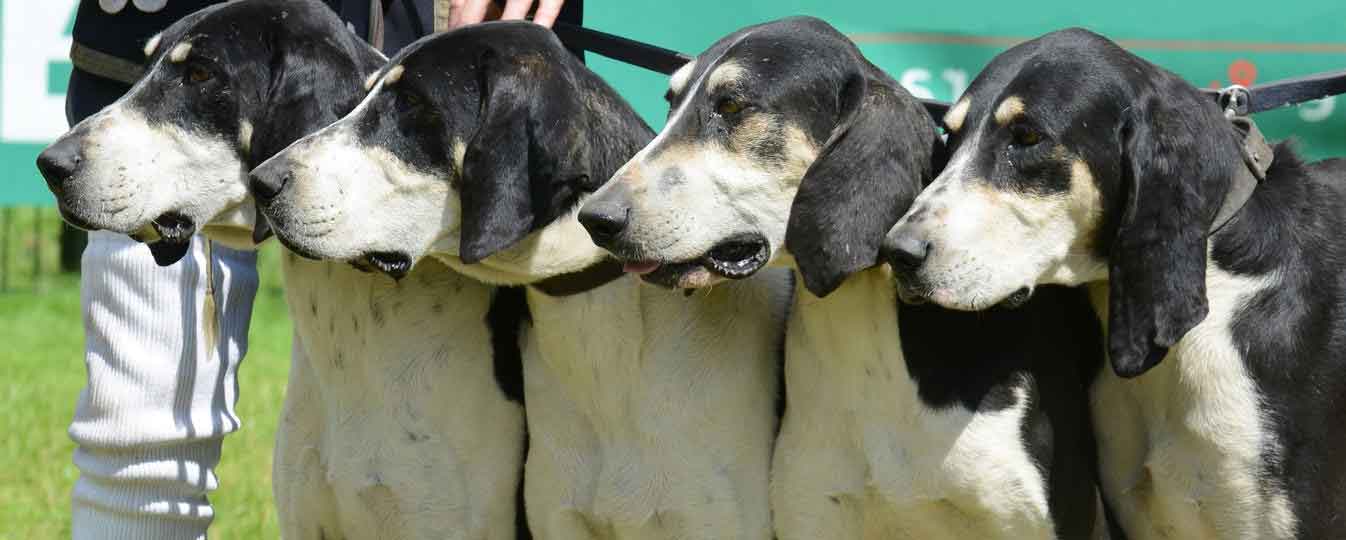

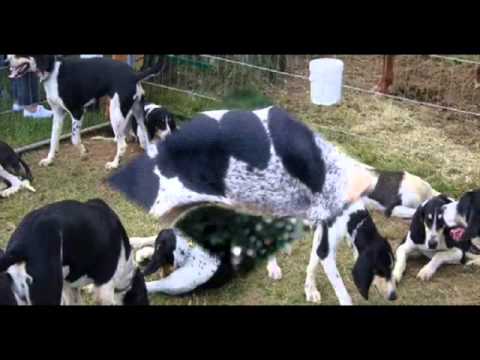
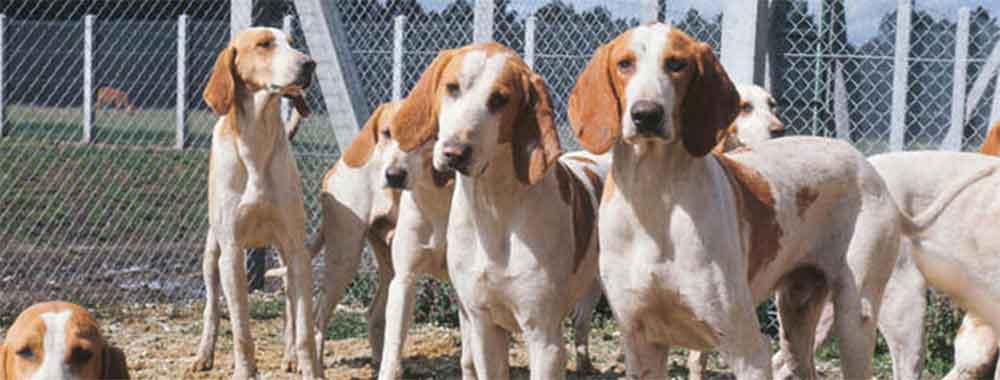
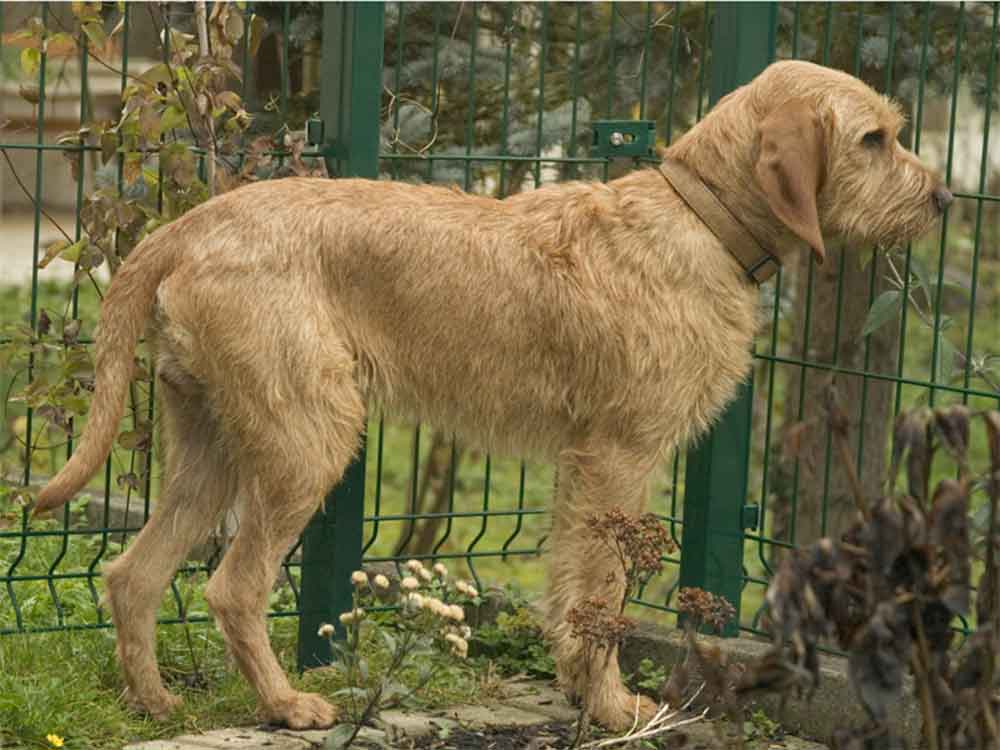


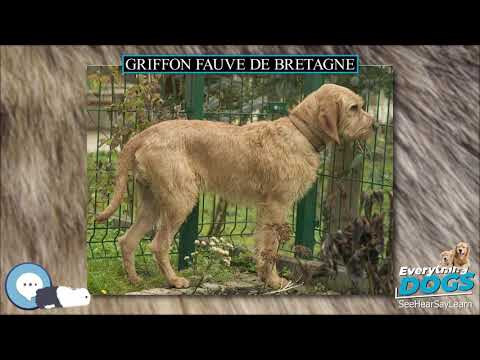
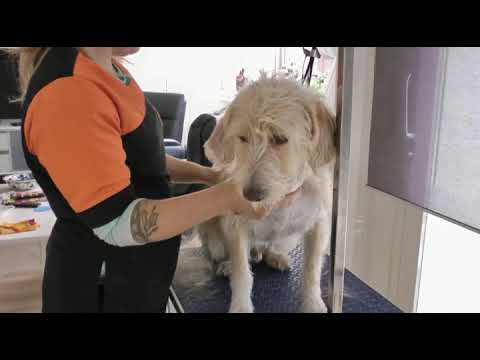
 FCI 51 - Medium-sized Hounds.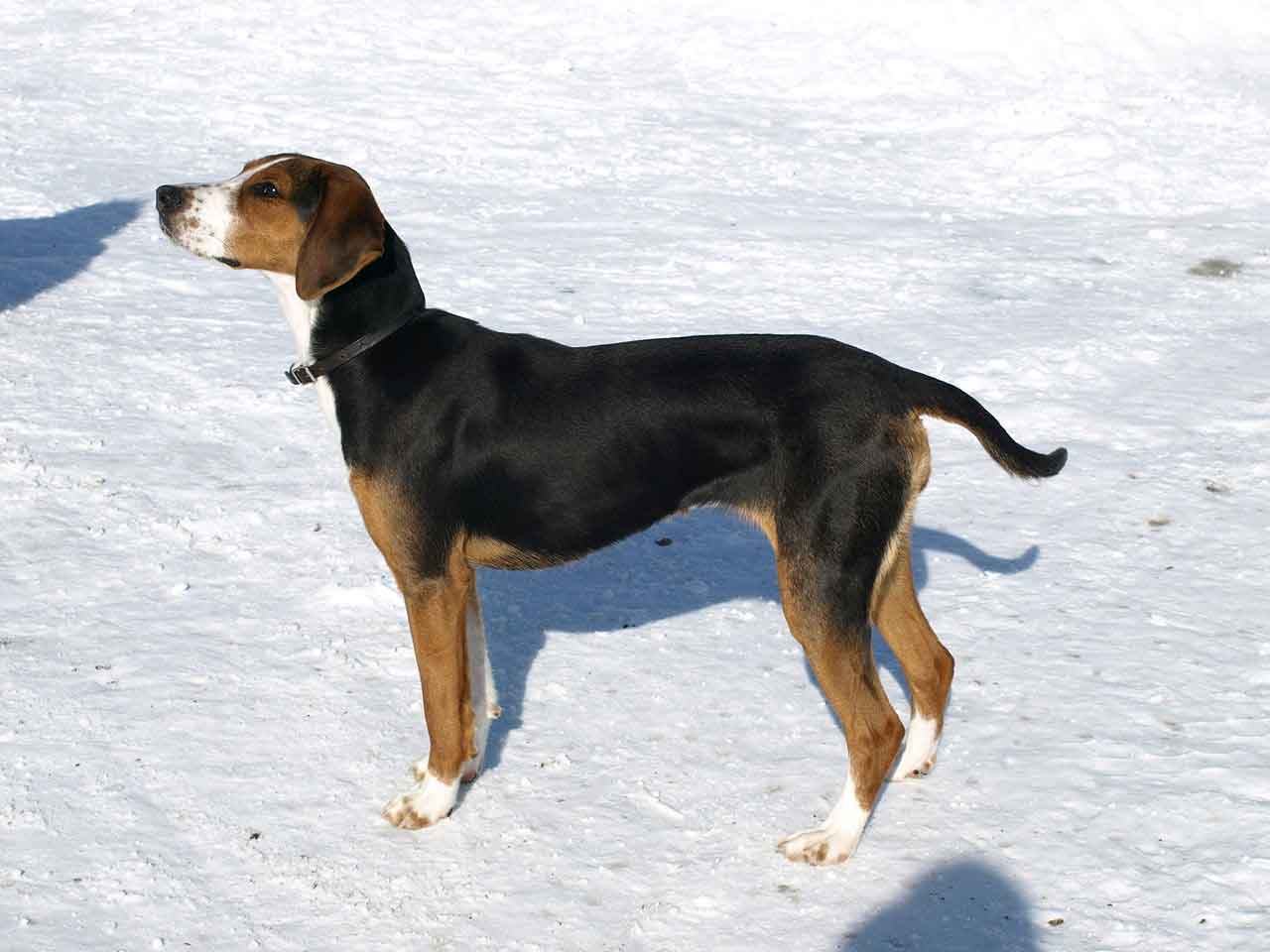
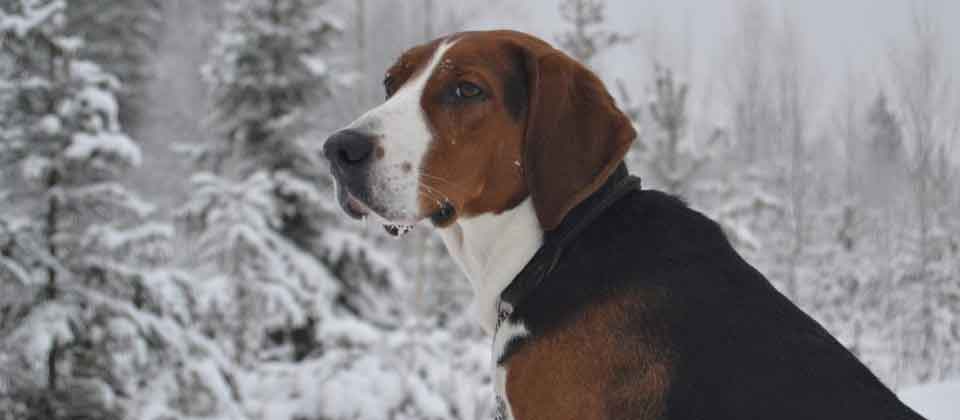
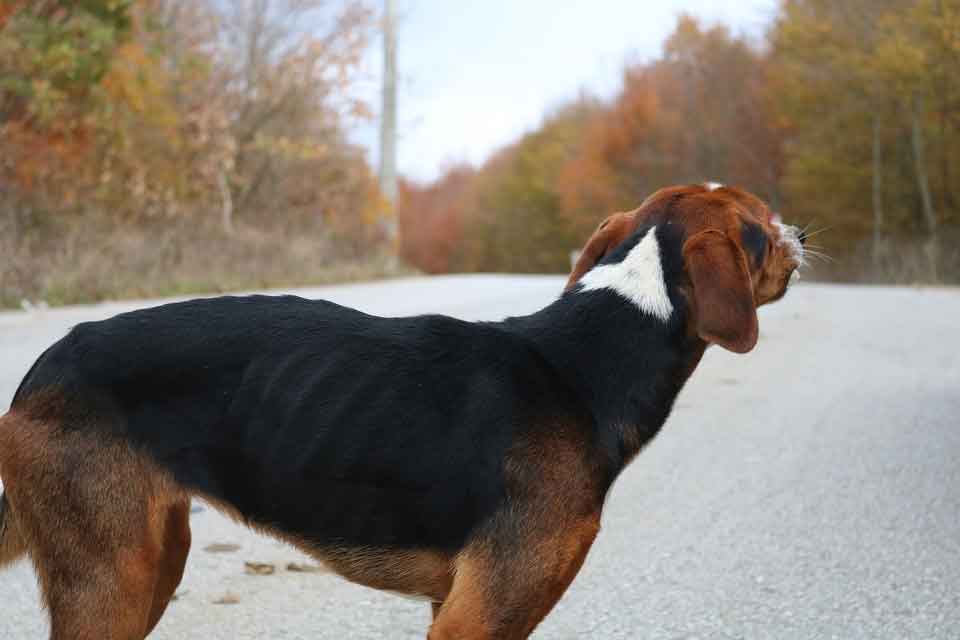
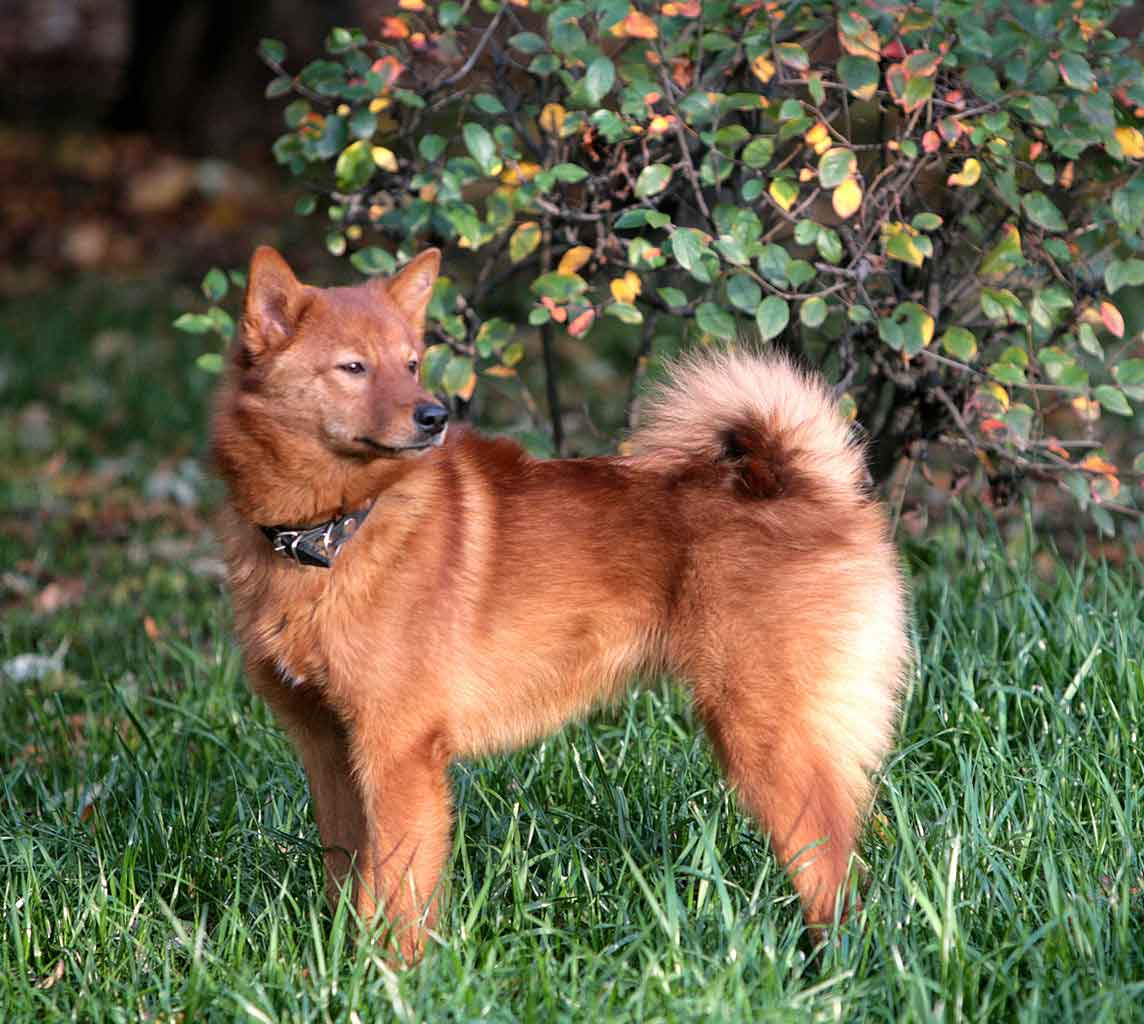
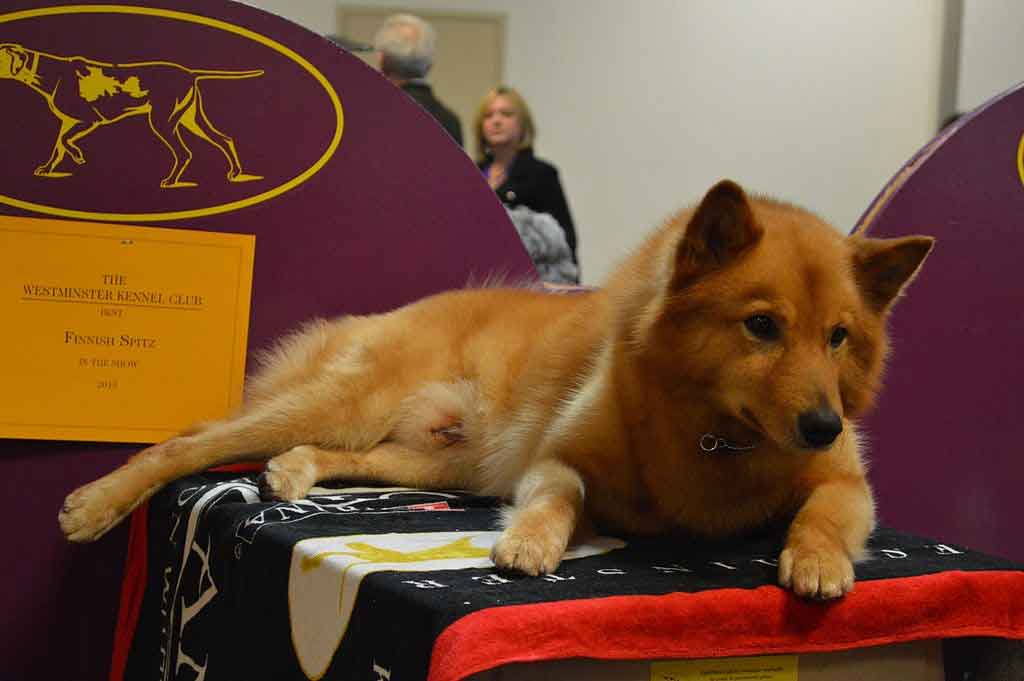

 Finnish Spitz – AKC Dog Breed Series
 Finnish Spitz – TOP 10 Interesting Facts
 Spitz Finlandes / Breed of dog
 The Finnish Spitz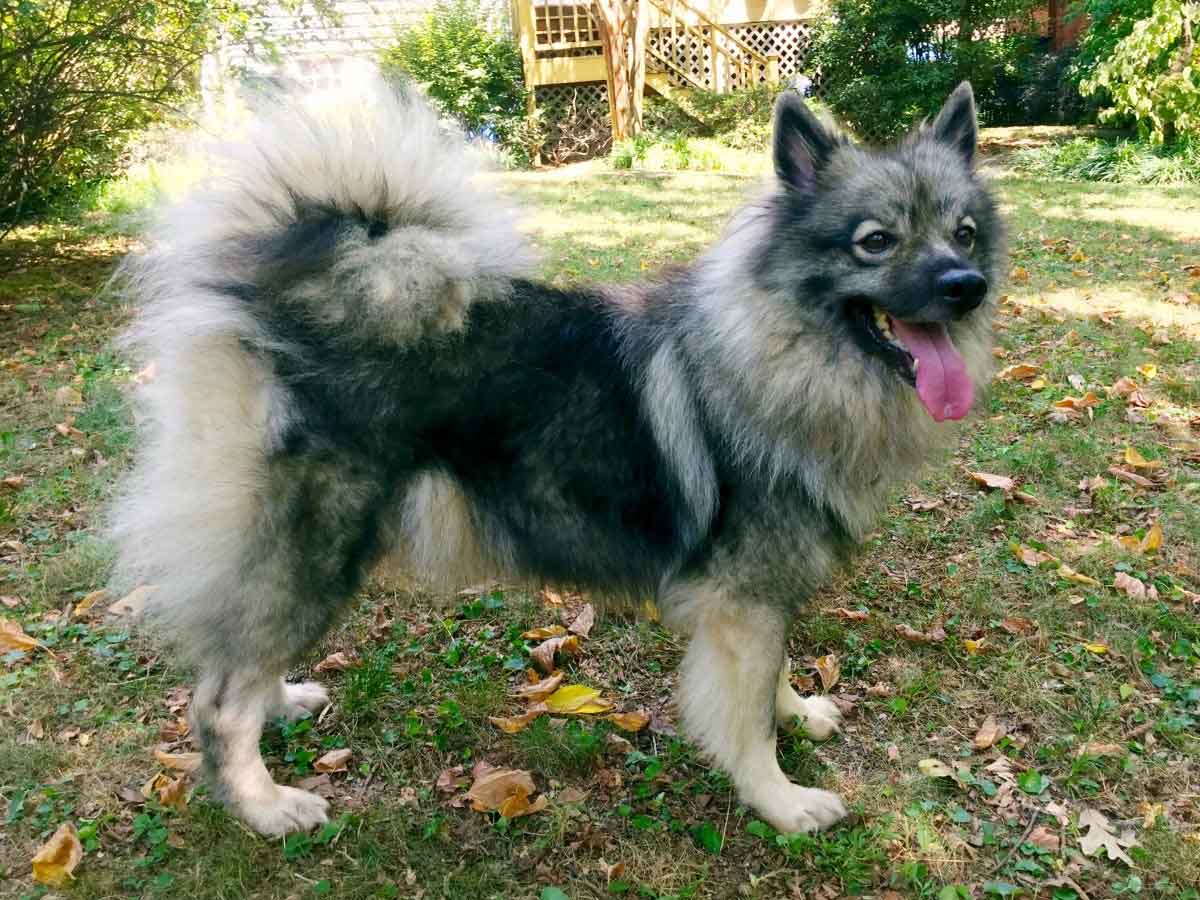


 Lapponian Herder Puppy | First day we got Elsa!
 amazing Finnish Lapponian Dogs
 Finnish Lapphunds | Breed Judging 2020
 finnish lapland dog – Breed of dog
.png "Great Britain") FCI 169 - Large and medium sized Terriers
FCI 169 - Large and medium sized Terriers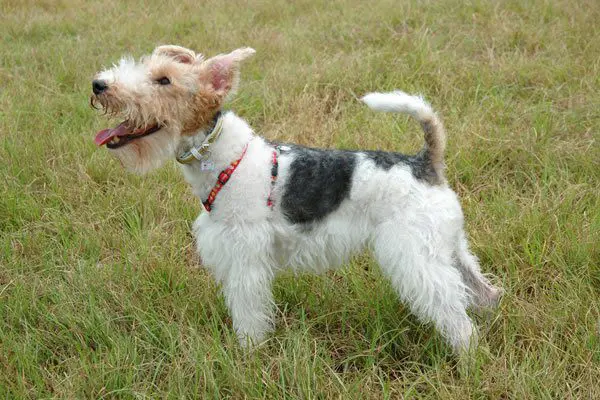


 Fox Terrier of hair hard (Fox Terrier Wire) – Breed of dog
 ‘Vinny’ the Wire Fox Terrier wins the 2020 Westminster Dog Show terrier group | FOX SPORTS
 Wire Fox Terrier Roy’s Tricks
 Wire Fox Terrier Owe playing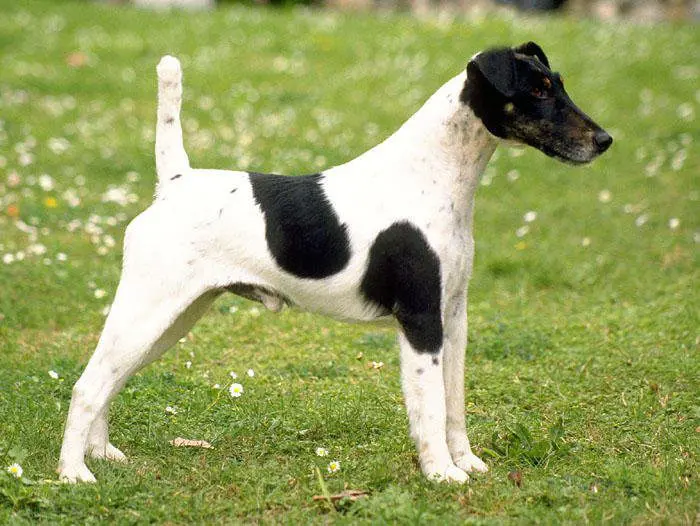


 Smooth Hair Fox Terrier (Fox Terrier Smooth) – Breed of dog
 Smooth Fox Terrier – Top 10 Facts (The Gentleman Terrier)
 Smooth Fox Terrier – AKC Dog Breed Series
 Smooth Fox Terrier, Puppy Jean playing in yard


.jpg)
.jpg)


