.png "England")
.png "United States") FCI 339 . Large and medium sized Terriers
FCI 339 . Large and medium sized Terriers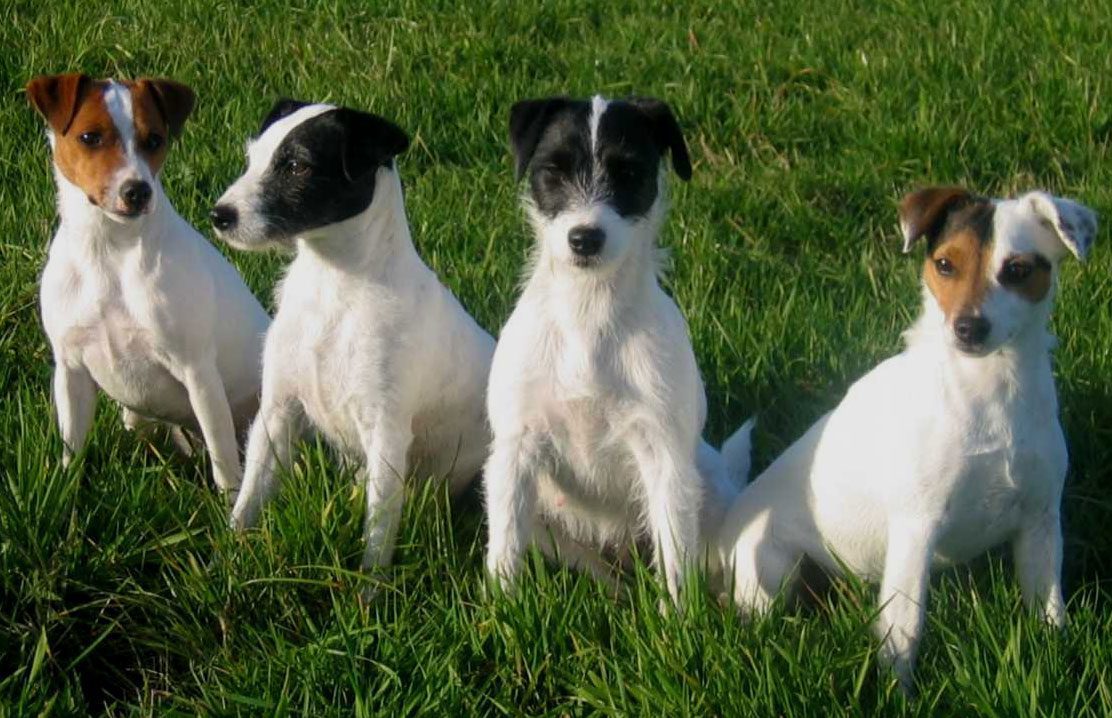
Content |
|---|
History
The Parson Russell Terrier it is a small to medium sized terrier. It's a hunting dog.
Although this breed of dog is very young in modern dog breeding, the Parson Russell Terrier is very close to the old and classic type of a terrier in character and appearance. Terriers form a large group within dogs. Its name is derived from the Latin «Terra» for the earth. So they were dogs for work on the land. The first evidence is given by the ancient Romans. Already in the Middle Ages terriers are described in detail. His homeland is in the British Isles. Terriers existed throughout the country. In the stables they kept small vermin at bay. Even the big rats were not a problem for them. The hens, pigeons and rabbits protected them from martens and foxes. To keep chasing foxes, the terriers were sent to the trench.
The Parson Russell Terrier of today are made exactly for this purpose. They should and could get the fox out of the hole. At the same time, they had to run with the fox hunts in the pack, that is to say, they had to be able to follow the gallop of the hunt. All of these tasks require enthusiastic commitment, special courage, independent thinking and the so-called sharpness of predators.
The Parson Russell Terrier turned into a versatile hunting dog, it's not only suitable for underground work. In the 19th century the English shepherd Jack Russell he was a successful hunter, rider and above all breeder of Fox Terriers. In his long life as a breeder he greatly increased the performance of the Fox Terrier. They were now fit for all individual hunting tasks, they could work in the pack and in the den at the same time.
In Australia, only with the help of their dogs could a plague of foxes be contained. To thank this, these dogs were finally named after their breeder, the Parson «Jack Russell» Terrier. They were and are physically and mentally raised for work, no show dogs. So breeders and lovers of this terrier for a long time refused to join the system of modern pedigree dog breeding., because they did not want to see dogs evaluated primarily on their appearance and feared the negative consequences of the show business on the fitness and health of dogs. This has done this breed of dog very well..
Seriously raised, these are dogs that were largely spared from hereditary diseases and extremes in breeding. He "Jack Russell Terrier» had a wide range of sizes from the beginning, rather short-legged and rather tall. Since performance was decisive, such refinements had no role. Now two breeds of dog have been made from the «Jack Russell Terrier» and the two lines have separated in breeding. The little one is still called Jack Russell Terrier, It has a height at the withers of up to 30 cm and is provided a little longer. The Parson it is a little taller and with more legs and in its rather square shape. Parish is another word for "pastor" in English.. So two breeds of dog are named after one person, el pastor Jack Russell. Both dogs are a credit to the Shepherd. In 2001 the new race Parson Russell Terrier was officially recognized.
Physical characteristics
The Parson Russell Terrier It is suitable for the working dog, Active, agile, built for speed and endurance. It gives the impression of balance and flexibility as a whole.
You can have hair smooth or hard if it is thick and dense to protect it from the inclement weather, like cold and damp. Its color It can be entirely white or predominantly white with brown spots, lemon or black or any combination of these colors, preferably stains should be limited to the head or the birth of the tail.
It measures to the cross between 33 and 36 cm., their weight approximate is of 8 to 10 kilos to be slightly larger in proportions that the version of the Jack Russell Terrier, although it should be noted that taller specimens exist as "Jack Russell" in some work clubs in the United Kingdom and the United States., due to what these clubs do not form part of the FCI and therefore, handle different to the recognized standard registers and accepted worldwide by the 84 member countries.
Character and skills
Parson Russell a fearless and friendly Terrier.
This breed was bred to hunt, Chase and corner foxes in its burrow, therefore, they carry in their genes, and if this activity does not form part of the life of your puppy, We recommend that, they should be exercised daily intensely since they are dogs with a huge dose of contained energy.
Perhaps its character lively and friendly has caused it to be one of the dog breeds preferred by many people as a pet.
But in reality it is a true working dog and we should not forget that if a specimen of... becomes part of our family..
Leave running, ride a bike, launch frisbee or ball - and teach him to bring them back-, It will help to strengthen the bond between the Parson and his owner while it educates, enjoys and is exercised.
Images «Parson Russell Terrier»
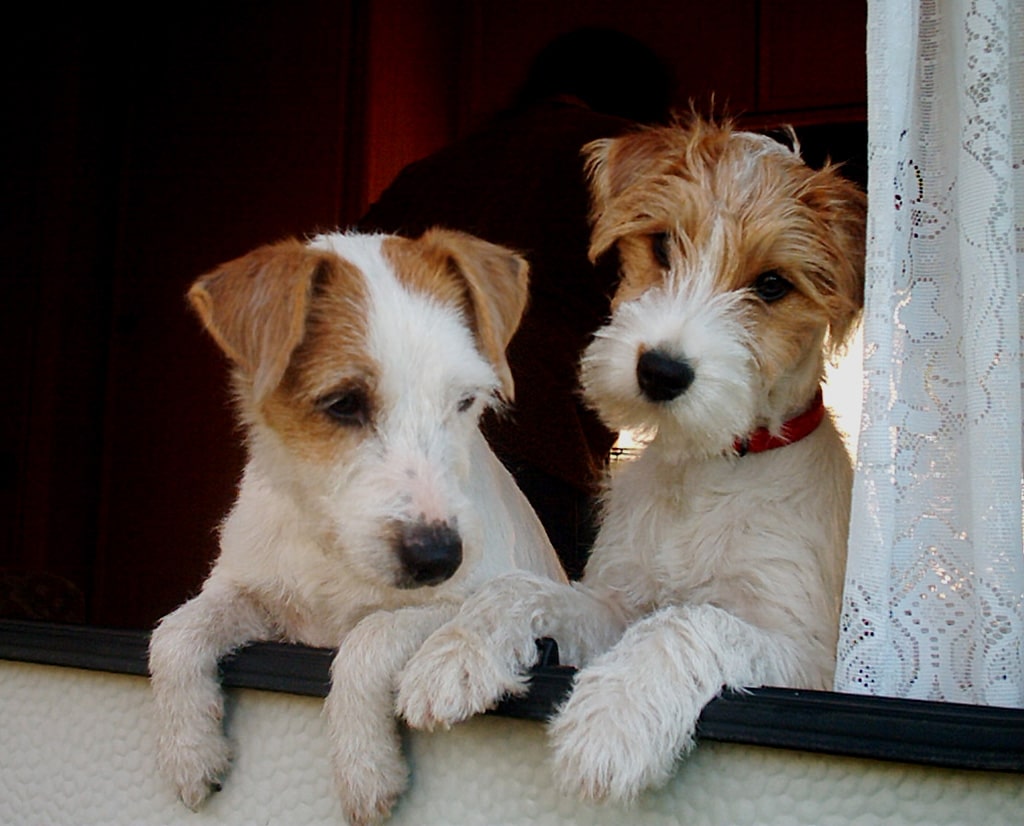 Lagotto-romagnolo.de
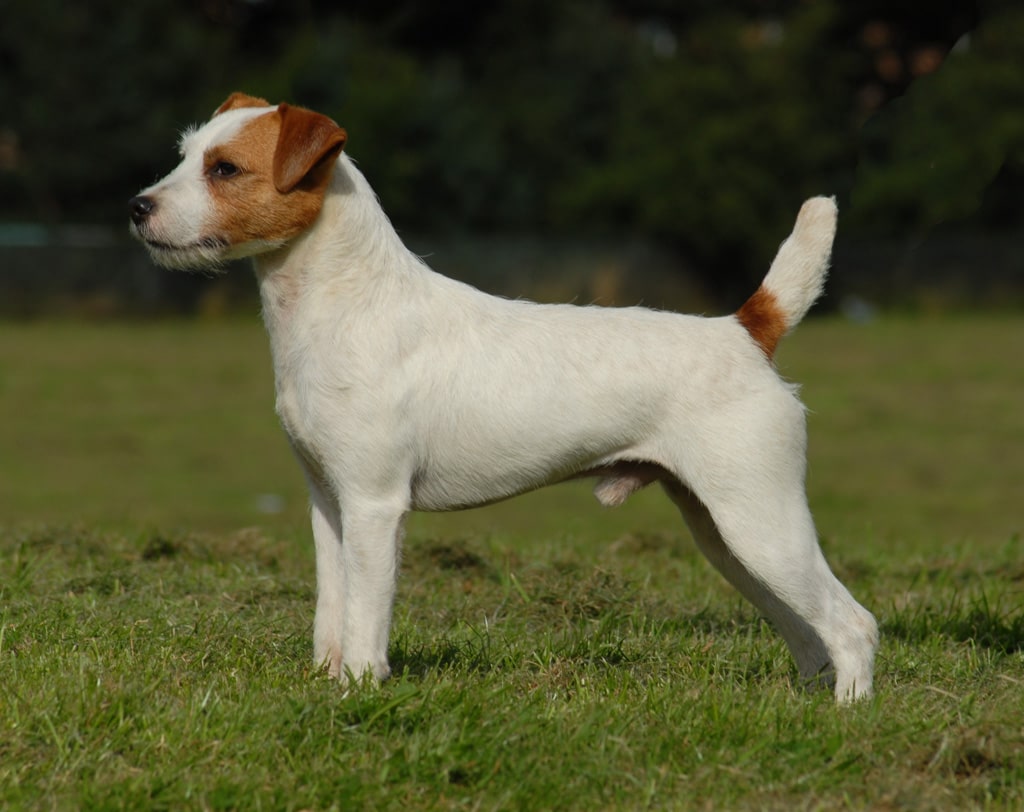 animalswecare.com
 CS.Wikipedia.org
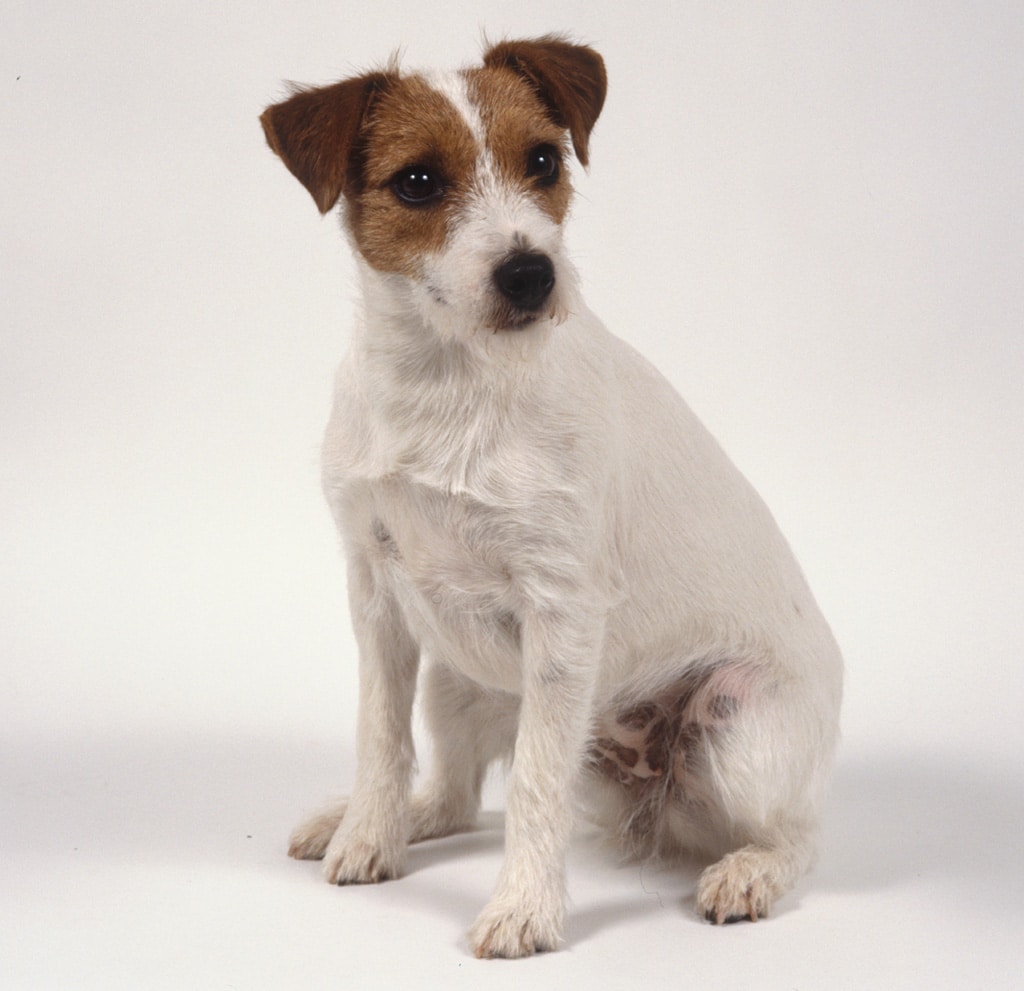 imagejuicy.com
 imagejuicy.com
 lovealoch.be
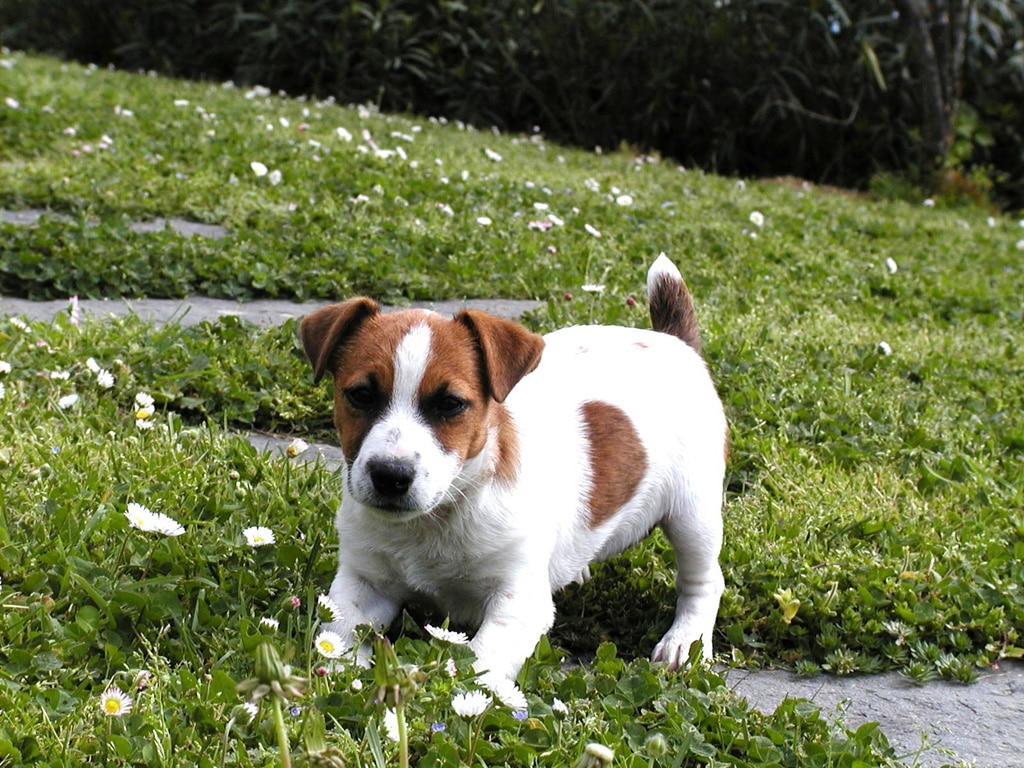 breederretriever.com
 fotowelt.chip.de
 imagejuicy.com
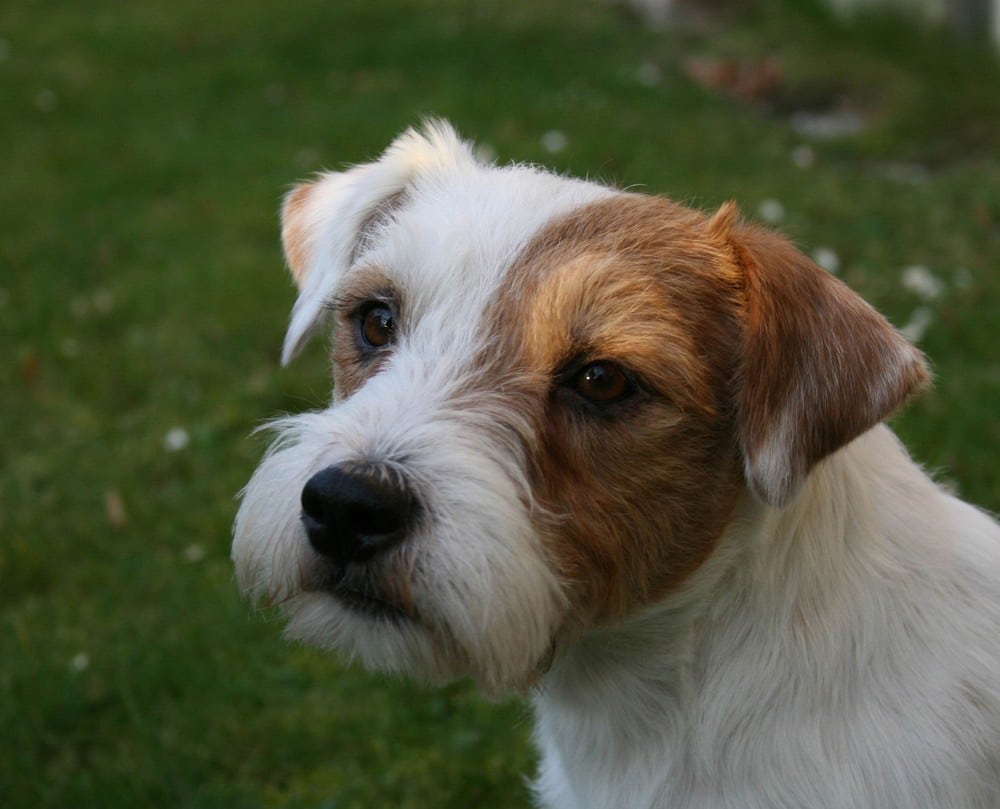 Billy Anja Peiker
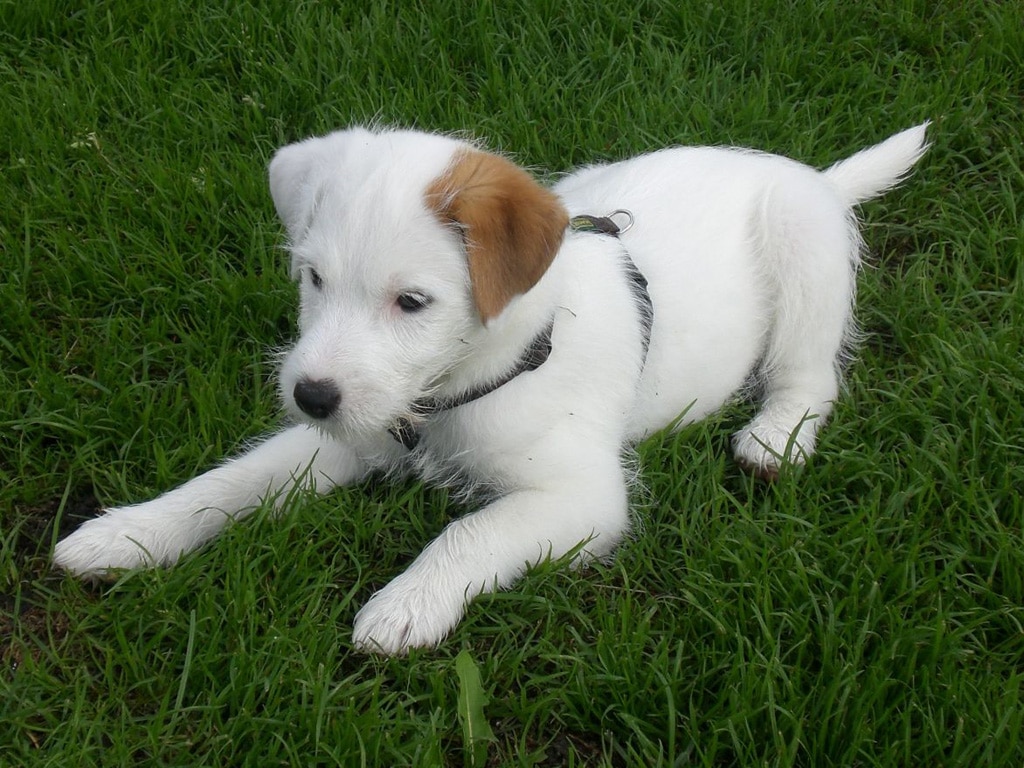 Struppi
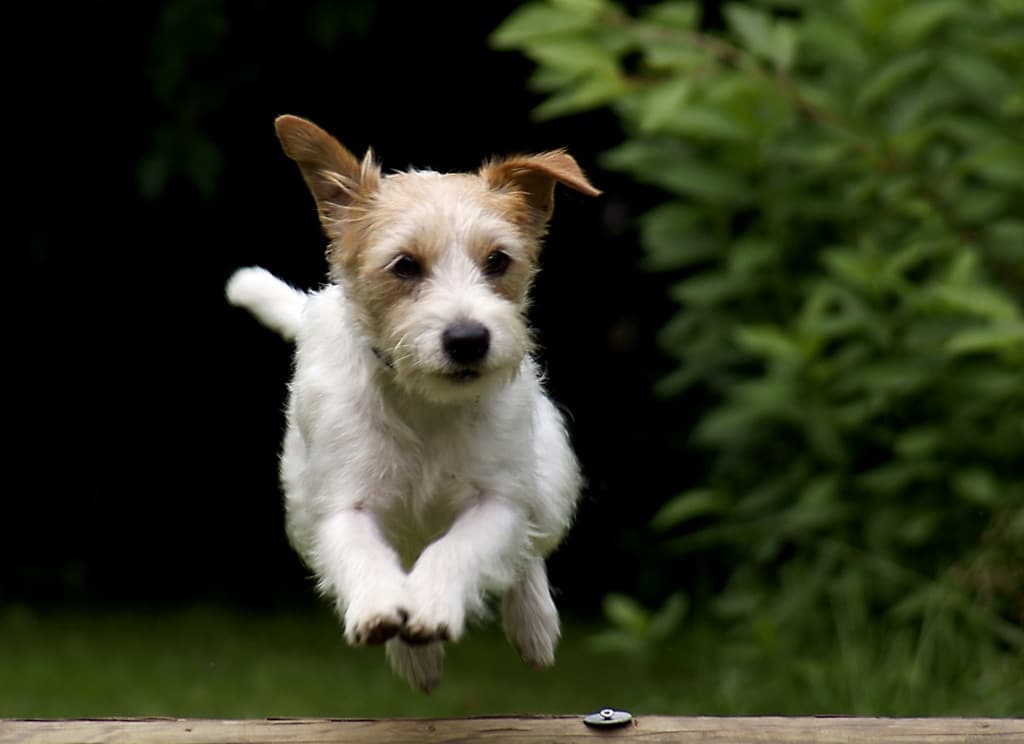 Traces de vie
Videos «Parson Russell Terrier»
 Tyson my Parson Russell Terrier on the treadmill !!
 Parson Russell terrier diving under water
 Parson Russell Terrier Welpen – Parson of Pirates’ C-Wurf
 parson jack russell terrier – tricks
Type and recognitions:
- FCI CLASSIFICATION: 339
- Group 3: Terrier
- Section 1: Large and medium sized Terriers. Optional proof of work..
Federations:
- – FCI – Terriers 1 Large and medium-sized terriers. ⓘ
- – AKC – Terriers ⓘ
- – ANKC – Terriers (utility dogs) ⓘ
- – CKC – Terriers ⓘ
- – KC – Terriers ⓘ
- – NZKC – Terriers ⓘ
- – UKC – Terriers ⓘ
FCI breed standard "Parson Russell Terrier"
Use:
Working terrier with the ability to work underground.
General appearance:
Efficient, active and agile, without exaggerations. Built for strength and power with an overall appearance of balance and flexibility. Honorable scars are allowed.
IMPORTANT PROPORTIONS: Well balanced. The total length from the tip of the shoulders to the tip of the ischium slightly greater than the height at the withers to the floor. The length from the nose to the stop is somewhat shorter than from the stop to the occipital protuberance.
Originally a terrier bred to work with the fox. A confident dog, energetic and cheerful who has the ability and conformation to work on the ground. Bold and friendly.
Head:
Wedge shaped.- Skull: Plano, moderately wide gradually tapering to the eyes.
- Depression links (Stop): Bit strong.
facial region:
- Truffle: black.
- Jaws / Teeth: Powerful and well muscled jaws. Good sized teeth with a perfect, regular and complete scissor bite. I.e., The upper incisors cover the lower incisors in close contact and are set squarely in relation to the jaws..
- Cheeks: Not prominent.
Eyes: dark, almond shape, never prominent. Lively and intelligent expression.
Ears: Size in proportion to the head. In the shape of a “V” falling forward. The tips of the ears should reach the level of the outer corner of the eyes. The fold should not be above the level of the skull. Canopy of moderate thickness.
Neck:
Cleansed, muscle, good length, gradually widening and well placed on the shoulders.Body:
- Back: Strong, straight and flexible.
- Pork loin: Strong and slightly arched.
- Breast : Moderately lowered, without extending beyond the elbows. Behind the shoulders should encompass the palm of an average hand. Ribs worn well back, not too arched or too flat.
Tail:
Previously the custom was to amputate the tail.
- amputee: Long complementing the body but maintaining a good grip. Strong, straight, moderately high insertion, very tall in movement.
- Without amputating: Moderately long and as straight as possible, giving a good balance to the dog, thick at the base tapering towards the tip. Moderately high insertion, very tall in movement.
Tips
PREVIOUS MEMBERS:
- ApGeneral arience: Moderate width between forelimbs, well placed under the body.
- Hormbros: Wide and sloping, well defined on the cross.
- Brazo: As long as the shoulders and with such angulation that the extremities are placed well under the body, below the tip of the cross.
- Antarm: Strong and straight without leaning in or out. Arm length should be slightly greater than body depth.
- Elbows: Glued to the body working freely on the sides.
- Metacarpus: Strong and flexible.
- Pinis previous: Compact with firm pads, moderately arched fingers, never flat open, without leaning in or out.
LATER MEMBERS:
- ApGeneral arience: Strong, muscle with good angulations.
- Knee: Good angulation without exaggeration.
- PinScheme: Well developed.
- Ahock joint: Low placement.
- Metatarsals: Parallels, giving a lot of propulsion.
- Hind feet: Like the previous ones.
Movement:
Libre, movement covering the surface, without exaggeration. The steps must be of good length, never forced or high steps. Posterior provides a strong push. Well coordinated, right movement back and forth.Mantle
SKIN: It should be thick and loose.
MANTLE
- Fur: Rough, broken the naturally rough smooth, straight, smooth, tight and bushy with good undercoat. Weather resistant. Abdomen and lower line covered with hair. The prepared cloak (Trimming) it must seem natural, never cut.
- Color: White or predominantly white with fire markings, lemon or black or any combination of these colors. The color is preferably limited to the head and / or base of the tail but slight marks are accepted on the body.
Size and weight:
Height to the cross:
- Ideal in males: 36 cm.
- Ideal in females: 33 cm.
It is more important to maintain correctness and balance taking into account that this terrier, bred to work with the fox, behind the shoulders should encompass the palm of an average hand.
Fouls:
Any deviation from the aforementioned criteria is considered a fault and its severity is considered to the degree of deviation from the standard and its consequences on the health and well-being of the dog and the dog's ability to perform its traditional task..
FALTAS DESCALIFICANTES:
- Aggressiveness or extreme shyness.
- Any dog showing clear signs of physical or behavioral abnormalities must be disqualified..
- Males should have two normal-appearing testicles fully descended into the scrotum..
- Only functionally and clinically healthy dogs, with the typical conformation of the breed, should be used for parenting.
TRANSLATION: Brígida Nestler / Original version: IN.
Technical supervision: Miguel Angel Martinez.
Source: F.C.I - International Cynological FederationAlternative names:
1. Parson, Parson Jack Russell Terrier (English).
2. Parson Russell terrier (French).
3. Parson (German).
4. Parson (Portuguese).
5. Parson, Parson Jack Russell (español).
I would like to know where we could buy a Parson Russell Terrier, as the photo lovealoch.be.
That price have or if there is someone who give away puppies.
Thank you
Tatiana
Since 1999 in England, Jack Russell and Parson Russell became 2 distinct races, mainly differentiated by the size. (31/35 cm at the withers for females Parson, 34/38 for Parson males, 26/30 for female Jack,29/33 for Jack males). The Jack usually has a more stocky appearance of the shoulders.