โ–ท The world of Pets: Dogs, cats, birds, reptiles, amphibians

Imperial Parrot
Amazona imperialis

Imperial Parrot

Content

Description:


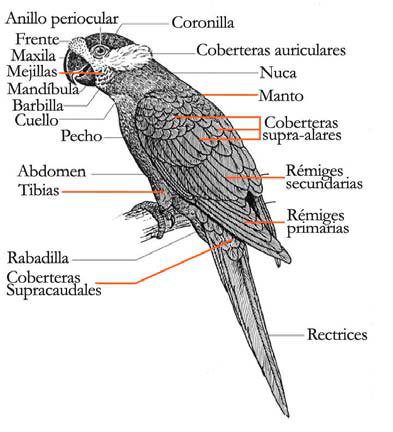
Anatomy-parrots

The largest gender Amazona, measuring up 45 cm.. length.

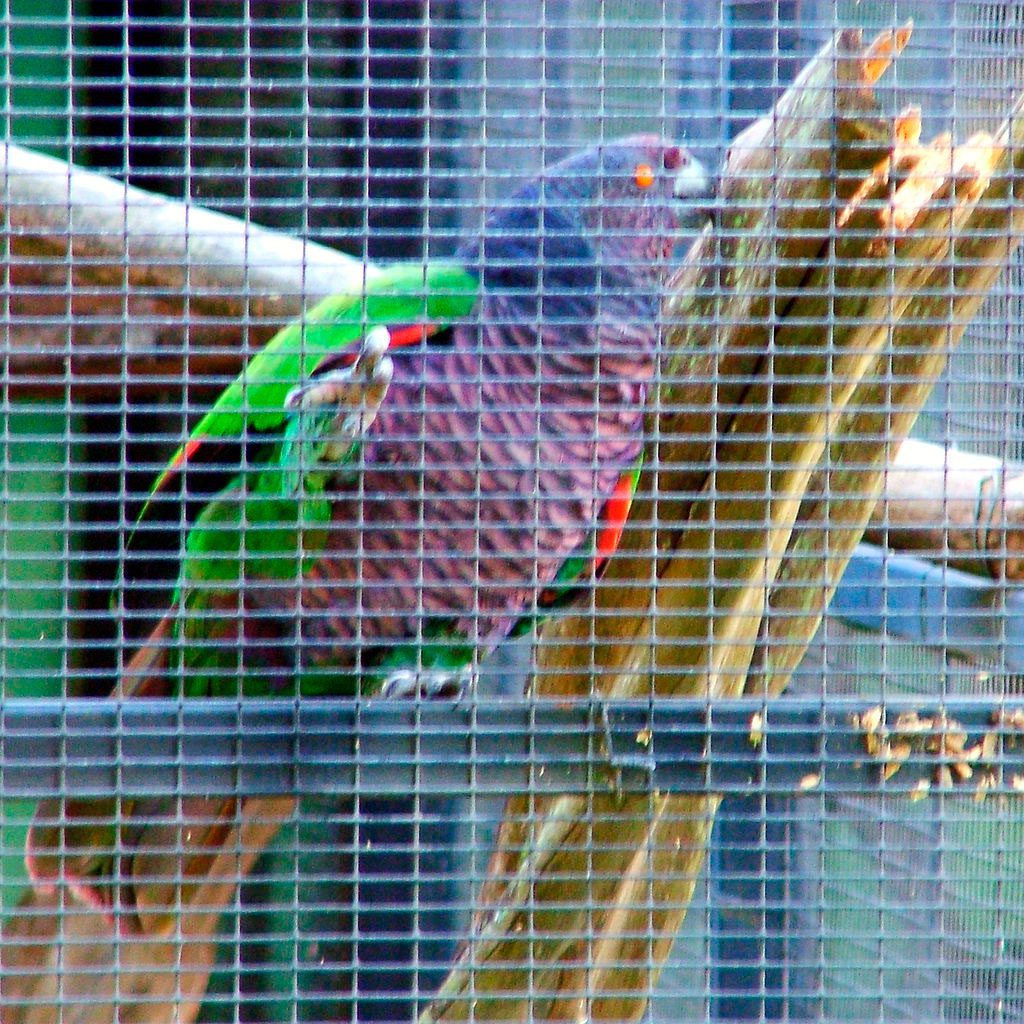
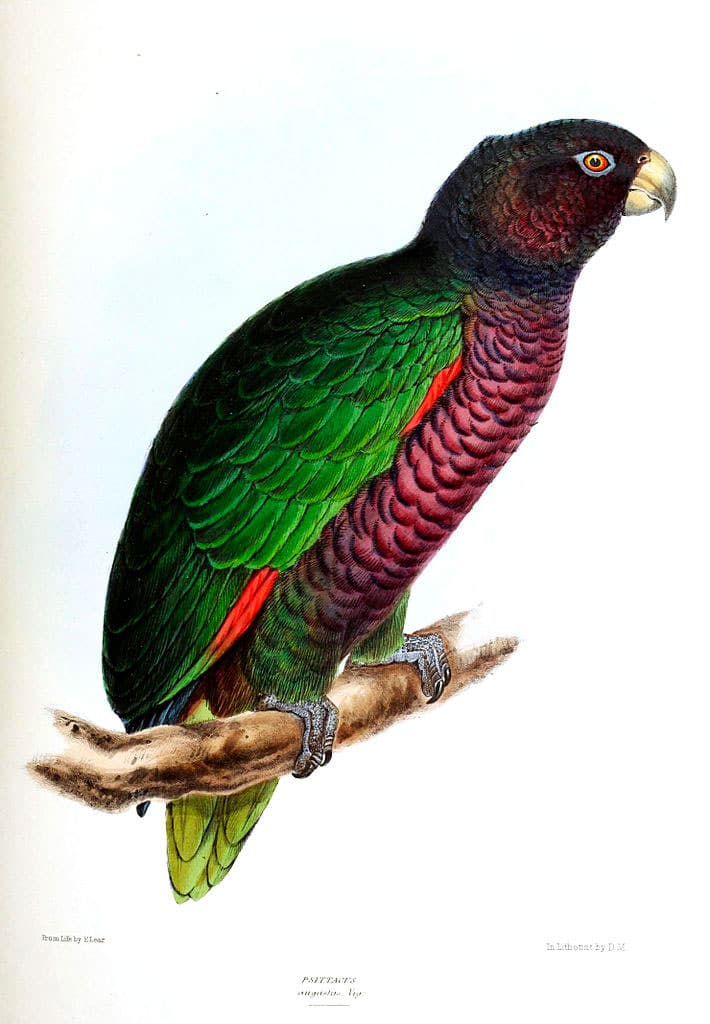
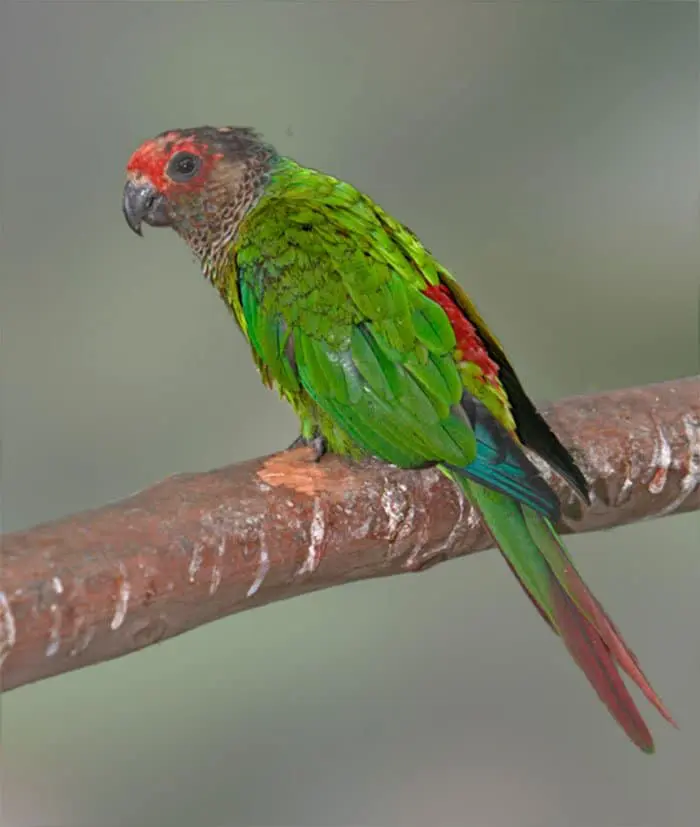
The Imperial Parrot (Amazona imperialis) has the lores and forecrown, deep purple; cheeks and ear-coverts, brown; crown purple with dark emerald edges; sides neck and nape, deep purple with black tips, sometimes with a subterminal band emerald.

Mantle, back and scapulars, green bluish tipped pens some. Wing coverts green with scarlet at bend of wing. Primaries dark brown-black with green at the base of the outerweb; outer secondaries purple with a patch crimson in color outerweb, forming a speculum; inner secondary dark green tipped blue.
Imperial Parrot

Under wings green, coverts with blue tips. Throat, chest and belly, deep purple with black tips; some feathers (especially in the chest) show the subterminal band pinkish-vinous or olive-green, while others (visible from certain angles) bright blue sides and ends; the thighs and sides belly green with blue tips; undertail-coverts green with blue markings and vinous. Tail green at the base with a subterminal band dull reddish-brown and vinous tip. Bill dark horn, paler at the base; irises orange; legs dark gray.

The female is paler. The immature It has green on crown, the nape and lower cheeks.

  • Sound of the Imperial Parrot.

Habitat:

Video "Imperial Parrot"

First Captive-bred Imperial Parrot (Amazona imperialis)

The Imperial Parrot frequents the canopy of primary rainforest mountain, sometimes dwarf forests (above 1.200 m), preferring areas with mature trees Dacryodes excelsa and palms as Euterpe dominicana.
Mainly they distributed in altitudes of 600-1300 m, but reports at altitudes 150-300 meters when birds fall in response to food shortages or food preferences. The communal roosts They form in traditional sites, for example in large trees Dacryodes or Sloanea berteriana, They are using one year to another (but not necessarily throughout the year.

Reproduction:

Nest in holes in high forest trees, for example Dacryodes or Sloanea. The nesting territory, probably defended throughout the year. Breeding season usually occurs during the dry season between February June, when resources are more abundant. Clutch two eggs. Possibly they breed only every two years, with one calf usually per clutch.

Food:

Foods reported include fruits of Dacryodes, Licania ternatensis, Richeria grandis, Amanoa caribaea, Simarouba amara, Symphonia giobulifera, Pouteria pallida, Tapura antillana, flowers and fruits of Chimarrhis cymosa, nuts and sprouts young palms Euterpe. Usually it is fed in the morning and evening.

Distribution and status:

Size of its range (breeding/resident): 240 km2

The Imperial Parrot It is endemic to the Dominica Island in the Lesser Antilles. Formerly she lived in the central highlands around Morne Diablotin (1.447 m, the highest mountain in Dominica) in the North of Morne Anglais, in the South. In 1950 It was reduced to two disjoint forest areas, about Morne Diablotin and around Morne Anglais, where the last reliable sight was in 1983. In Morne Diablotin, per se, birds found in increasing altitudes due to habitat loss and alteration on the lower slopes. Probably now absent on the south side, with the northwest side, particularly in the upper valley of Picard River, in the area of Morne Plaisance and Dyer Estates, being of critical importance.

Resident. Early observers believed that the Imperial Parrot It was scarce. further investigation (1870) revealed that it was common to abundant, but the numbers dwindled rapidly due to the loss of habitat, hunting and capture for the pet trade. The census 1975 He suggested a total of 150-250 birds. In 1979, only 16 in Morne Anglais, when a hurricane further reduced the population. In 1987 a survey estimated the total population to 60 specimens. One census 1990 He suggested 80 parrots (possibly, but less than 100), with 80-100 estimated 1993. The species is at serious risk of loss of habitat (mainly due to the conversion of forest tree crop plantations, especially bananas, provided by the new infrastructure) and impacts of hurricanes (to which birds are highly vulnerable in such a restricted range) that destroy food plants and nesting sites. Hunting and gathering for local pet markets have significantly decreased thanks to a Program successful conservation education. Foreign collectors birds remain a persistent threat, but birds are extremely rare in captivity locally or in international trade. Part habitat is protected in the North Forest Reserve, but the important neighboring areas are excluded and remain at risk. Completely protected by national legislation. CITES Appendix I.

Conservation:

State of conservation โ“˜


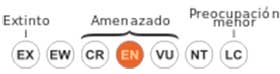
Endangered Endangered โ“˜ (UICN)โ“˜

โ€ข Current category of the Red List of the UICN: In danger of extinction.

โ€ข Population trend: Increasing.

โ€ข Population size: 160-240

Rationale for the Red List category

Conservation action in recent 30 years has improved the situation of this species. Numbers have increased in recent years, but they can still only stay 250 mature individuals, calling the species as endangered. If the population continues to increase, It will be finally reduced to Vulnerable unless there is concomitant decreases in available habitat.

Justification of the population

The population is estimated at 250-350 individuals in total, approximately equivalent to 160-240 mature individuals (PR Reillo in a bit., 2012).

Justification of trend

No new data on demographic trends, but it is suspected that the species continues to increase at a rate not quantified due to conservation efforts.

Threats

A combination of habitat loss (mainly conversion to plantations, especially bananas (Snyder et to the., 2000) , and hurricane-related damage), It hunting for food and capture for the cage bird trade, They have been the main reasons for the decline of this species to 1990 (PR Reillo in some). Local trade has been considerably reduced, if not eliminated, as a result of a successful education program, but foreign collectors birds may pose a threat (Snyder et to the., 2000). The competition for nesting sites of the largest Red-necked Parrot (Amazona arausiaca) presumably it will be more significant as the lowland forest is lost and the two species are increasingly putting contact (Ministry of Agriculture and Environment of Dominica 2000).

Conservation Actions Underway

Appendices I and II of CITES. It is protected by national legislation. In recent years, They have made considerable efforts to protect adequate habitat and sensitize local citizens to their needs. Successful education programs for conservation have significantly reduced local trade. It is protected in all national parks, Forest Reserve in North and Central Forest Reserve, but important areas adjacent to these reserves remain unprotected (Ministry of Agriculture and Environment of Dominica 2000, Snyder et to the., 2000). An area 33 km 2 of North Forest Reserve it has been designated as Morne Diablotin National Park (Collar (1997to, Wiley et al 2007) . It is also present in small amounts in the Morne Trois Pitons National Park (Reillo 2001, Wiley et al., 2007) . In 2011 reports of the first captive breeding of the species were published (Reillo et al., 2011).

Conservation Actions Proposed

Monitor the population. Continue the implementation of the protection of National Parks Morne Diablotin and Morne Trois Pitons and Forest Reserves North and Central. Study the ecology of this species and the factors that affect its status (including interspecific competition) (Ministry of Agriculture and Environment of Dominica 2000, Zamora y Durand 1998, Wiley et al 2007) . Continue prohibiting trade in this species, exports for captive breeding and importation of non-native psittachines as pets in Dominica (PR Reillo in some. 2012).

The Imperial Parrot captive:

Completely protected by national legislation. CITES Appendix I.

Each captive specimen of this species which is capable of reproducing, It is placed in a well-managed program captive breeding and not be sold as a pet, with the objective of ensure their survival long-term.

Alternative names:

– August Parrot, Dominican Amazon, Dominican Parrot, Imperial Amazon, Imperial Parrot (English).
– Amazone de Bouquet, Amazone de la Dominique, Amazone impรฉriale, Amazone sisserou (French).
– Kaiseramazone (German).
– Papagaio-imperial (Portuguese).
– Amazona Imperial (espaรฑol).

Charles Wallace Richmond

scientific classification:


– Order: Psittaciformes
– Family: Psittacidae
– Genus: Amazona
– Scientific name: Amazona imperialis
– Citation: Charles Wallace Richmond (American ornithologist), 1899
– Protonimo: Amazona imperialis


Images Imperial Parrot:


Species of the genus Amazona


Sources:

Avibase
Parrots of the World โ€“ Forshaw Joseph M
Parrots A Guide to the Parrots of the World – Tony Juniper & Mike Parr
Birdlife

Photos:

(1) – Imperial Amazon (also known as the Imperial Parrot and Sisserou Parrot) at the Parrot Conservation and Research Centre Botanical Gardens, Roseau, Dominica By Amazona_imperialis_-Roseau_-Dominica_-aviary-6a.jpg: Andrew Szymanskiderivative work: Snowmanradio [CC BY-SA 2.0], via Wikimedia Commons
(2) – Amazona imperialis By David William Mitchell (1813โ€“1859) (The Genera of Birds. Volume 2) [Public domain], via Wikimedia Commons

Sounds: Jesse Fagan, XC188165. accessible Sound of Imperial Amazon
โ–ท The world of Pets: Dogs, cats, birds, reptiles, amphibians

Red-crowned Parakeet
Pyrrhura roseifrons

Red-crowned Parakeet

Content

Description:


Anatomy-parrots

22 cm.. in length and a weight ranging from 54 and 70 g..

The Red-crowned Parakeet (Pyrrhura roseifrons) has the head pinkish red. The neck and the area of รขโ‚ฌโ€นรขโ‚ฌโ€นthe upper chest They are dark with whitish scales. The bill is black. The tail and the central area of belly They are red. The tip of his tail It is dark red. The wings they are blue. Orbital ring dark gray bordered by a yellowish white. the legs are grey.

The immature It has reddish forehead and dark tones in the rest of the head. The pinkish red head in adults it is distinctive. Losl youth They may resemble subspecies Pyrrhura roseifrons peruviana or the Deville's Parakeet (Pyrrhura lucianii), but it lacks of the ear-coverts pale.

  • Sound of the Red-crowned Parakeet.

Description 4 subspecies
  • Pyrrhura roseifrons dilutissima

    (Arndt, 2008) – Blue restricted to a narrow strip on the forecrown; yellowish beige in ear-coverts; upper region chest pale brown festooned with pale yellowish beige.

  • Pyrrhura roseifrons roseifrons

    (Gray,GR, 1859) – Nominal. –

  • Pyrrhura roseifrons parvifrons

    (Arndt, 2008) – It looks like the Pyrrhura roseifrons peruviana, but with blue, rather than red, on forecrown.

  • Pyrrhura roseifrons peruviana

    (Hocking, Blake & Joseph, 2002) – 22 cm., length. Absent in his bright red plumage, It has more dark brown in crown and the area eyes, the crown with bluish.

Habitat:

They mostly live in small groups of a dozen members and remain in pairs during the breeding period. breeding. They lead a life Nomad, little little is known about the behavior of this species in the wild.

Reproduction:

build their nest in tree cavities. The laying is of 5 to 7 eggs incubated by both parents for 26 days (captive breeding data). The pups remain in the nest 2 months, becoming independent at the age of 3 months.

Food:

It feeds on fruits, seeds, leaves and flowers.

Distribution:

Size of its range (reproduction / residents): 1.000.000 km2

It is located in the west of the Amazonia, from the state amazon about the Juruรก, in Brazil, and the lowlands of eastern Peru in the North of Bolivia. In Brazil, They spread south and west of habitat Deville's Parakeet (Pyrrhura lucianii)–

Distribution 4 subspecies
  • Pyrrhura roseifrons dilutissima

    (Arndt, 2008) – Center of Peru around the rio Ene at the confluence with the rio Quipachiari, and around Hacienda Louisiana, on Cordillera Vilcabamba.

  • Pyrrhura roseifrons roseifrons

    (Gray,GR, 1859) – Nominal. – Amazonia occidental, to the South of the amazon, from the North of Peru South to North of Bolivia (Peace) and in the West of Brazil (Western Amazon).

  • Pyrrhura roseifrons parvifrons

    (Arndt, 2008) – Two disjoint regions in northern Peru; in the East of San Martin and adjacent areas, Center west Loreto, and along the amazon in the northeast of Loreto (only on the southern shore of amazon).

  • Pyrrhura roseifrons peruviana

    (Hocking, Blake & Joseph, 2002) – Foothills of Andes in the southeast of Ecuador (Morona-Santiago) and North of Peru (Amazon and Loreto Western)

Conservation:

State of conservation โ“˜


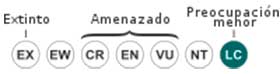
minor concern Minor Concern โ“˜ (UICN)โ“˜

โ€ข Current category of the Red List of the UICN: Least concern.

โ€ข Population trend: Decreasing.

โ€ข Population size : Unknown.

Justification of the Red List of the Category

This species has a very large range, and therefore does not approach the thresholds for vulnerable under the range size criterion (extent of occurrence <20.000 km2 combinan con un tamaรฑo gama disminuciรณn o fluctuante, hรกbitat medida / calidad, o de la poblaciรณn tamaรฑo y un pequeรฑo nรบmero de localidades o fragmentaciรณn severa). A pesar de que la tendencia de la poblaciรณn parece estar disminuyendo, el descenso no se cree que es suficientemente rรกpido como para acercarse a los umbrales para Vulnerables segรบn el criterio tendencia de la poblaciรณn (> 30% decrease of more than ten years or three generations). The population size It has not been quantified, but is not believed to be a reason to approach the thresholds for Vulnerable based on population size criteria (<10.000 individuos maduros con una disminuciรณn continua estima en> 10% in ten years or three generations, or a specific population structure). For these reasons, the species is evaluated as Least concern.

Justification of the population

Recent world population is unknown given taxonomic divisions.

Justification trend

This species is suspected that there may be lost 7,0-7,3% of habitat within its distribution over three generations (18 years) based on a model of deforestation of the Amazon (Soares-Filho et to the. 2006, Bird et to the. 2011). Given the susceptibility of this species to hunting and / or entrapment, it is suspected that its population can decrease <25% en tres generaciones.

"Red-crowned Parakeet" in captivity:

little presence in captivity and found only in some aviaries, where however they reproduce very well. After acclimation is a strong bird that can live outdoors. It is a bird suspicious although curious and playful nature, especially if they feel safe. Young birds in captivity quickly lose their fear and are very attached to their caregivers. Itร‚ยดs noisy, especially in the morning and sleeps in the nest. The female is very aggressive during the breeding period with other birds..

Alternative names:

– Red-crowned Parakeet, Rose-fronted Parakeet, Rose-fronted Parakeet (Rose-fronted) (English).
– Conure ร  calotte rouge, Conure rougissante (French).
– Rotscheitelsittich (German).
– Tiriba-de-cabeรงa-vermelha (Portuguese).
– Cotorra frentirrosa, Perico de Frente Rosada (espaรฑol).

scientific classification:

– Order: Psittaciformes
– Family: Psittacidae
– Genus: Pyrrhura
– Scientific name: Pyrrhura roseifrons
– Citation: (Gray, GR, 1859)
– Protonimo: Conurus roseifrons

Images Red-crowned Parakeet:

Videos "Red-crowned Parakeet"


Especies del gรฉnero Pyrrhura

Red-crowned Parakeet (Pyrrhura roseifrons)


Sources:

– Avibase
– Parrots of the World โ€“ Forshaw Joseph M
– Parrots A Guide to the Parrots of the World – Tony Juniper & Mike Parr
– Birdlife

– Photos:

(1) – Painted Parakeet (Pyrrhura picta) – the subspecies on this photo, roseifrons, is now often considered a separate species, the Rose-fronted Parakeet (Pyrrhura roseifrons) By http://www.birdphotos.com (http://www.birdphotos.com) [CC BY 3.0], via Wikimedia Commons

– Sounds: Micah Riegner, XC208597. accessible www.xeno-canto.org/208597

โ–ท The world of Pets: Dogs, cats, birds, reptiles, amphibians

Naretha Bluebonnet
Northiella narethae

Content


Anatomy-parrots

Description:

The Naretha Bluebonnet (Northiella narethae) It is smaller than Bluebonnet (Northiella haematogaster), of about 28 cm. long.

The legs and feet are dark gray, and the irises is dark brown.

The adult male has a two tonal facial pattern forecrown lighter green-blue, the ears and the area above the eye in contrast to the rest of the face which is purple-blue. The head, the neck forward and breast are marked with pale steaks and diffuse spots.. The back It is olive gray. The belly, the area of the vent and the thighs are uniform yellow, while red is limited to the area of รขโ‚ฌโ€นรขโ‚ฌโ€นthe undertail-coverts. The lesser wing coverts are blue and outer median wing coverts red, while the inner median and greater wing coverts, and inner secondary a yellow-olive colour. The central feathers of the tail are tinged with pale blue..

The female adult has a duller blue color in forecrown, and a reduced color on wings and tail, and with no tint of orange on the belly. It is smaller overall, at around 26 cm length.

The chicks they have a bill yellow and gain their adult plumage in the first post moves to bloom (three to four months old).

taxonomy:

the species Northiella narethae It was formerly classified as a subspecies (Northiella haematogaster narethe) of the Northiella haematogaster. A molecular study published in 2015 by Gaynor Dolman and Leo Joseph He confirmed the genetic isolation Naretha Bluebonnet (Northiella narethae) and recommended that it was restored as a separate species.

Habitat:

Arid and semiarid scrub and farmland, thickets mulga, weeds and dry forests open.

Reproduction:

It is heavily influenced by rainfall and food availability, but usually peaks between August and January.

The usual site nesting It is a very small cavity tree, particularly attracted to she-oaks providing appropriate holes for nesting, often near the ground, coated shavings and wood dust rotten. The female incubates the eggs but is cared for by the male who also contributes to raising the young..

Four to seven white eggs round (23mm x 19mm). Time of incubation: 22 days. The young usually leave the nest around the 30 days.

Food:

Seeds of various grasses and herbaceous plants (autochthonous), also nectar, flowers and various fruits.

Distribution:

Reports indicate that Naretha Bluebonnet They have been common in the arid region Nullarbor, and they have become more rare in the twentieth century. It is believed that localized individuals range makes the species highly endemic in an area on the border between Western Australia and Southern Australia.

Conservation:

We know the conservation status of this species, although probably in risk status.

"Naretha Bluebonnet" in captivity:

No data.

Alternative names:

– Bluebonnet (Naretha), Little Bluebonnet, Naretha Bluebonnet (English).
– Perruche ร  bonnet bleu (narethae), Perruche de Nareth, Perruche petite (French).
– (German).
– (Portuguese).
– Perico Cariazul Naretha (espaรฑol).

Images "Naretha Bluebonnet"

scientific classification:

– Order: Psittaciformes
– Family: Psittaculidae
– Gender: Northiella
– Scientific name: Northiella narethae
– Subpoena: (White, HL, 1921
– Protonimo: Psephotus narethae

Sources:

โ€ข Avibase
โ€ข Parrots of the World โ€“ Forshaw Joseph M
โ€ข Parrots A Guide to the Parrots of the World – Tony Juniper & Mike Parr
โ€ข Birdlife

Photos:

(1) – Penochka Birds: Parrots (Psittacidae) – Source

โ–ท The world of Pets: Dogs, cats, birds, reptiles, amphibians

Flores Lorikeet
Trichoglossus weberi

Flores Lorikeet

Content

 Flores Lorikeet

Description Lori Flores:

25 cm. length and 100-150 g. of weight.

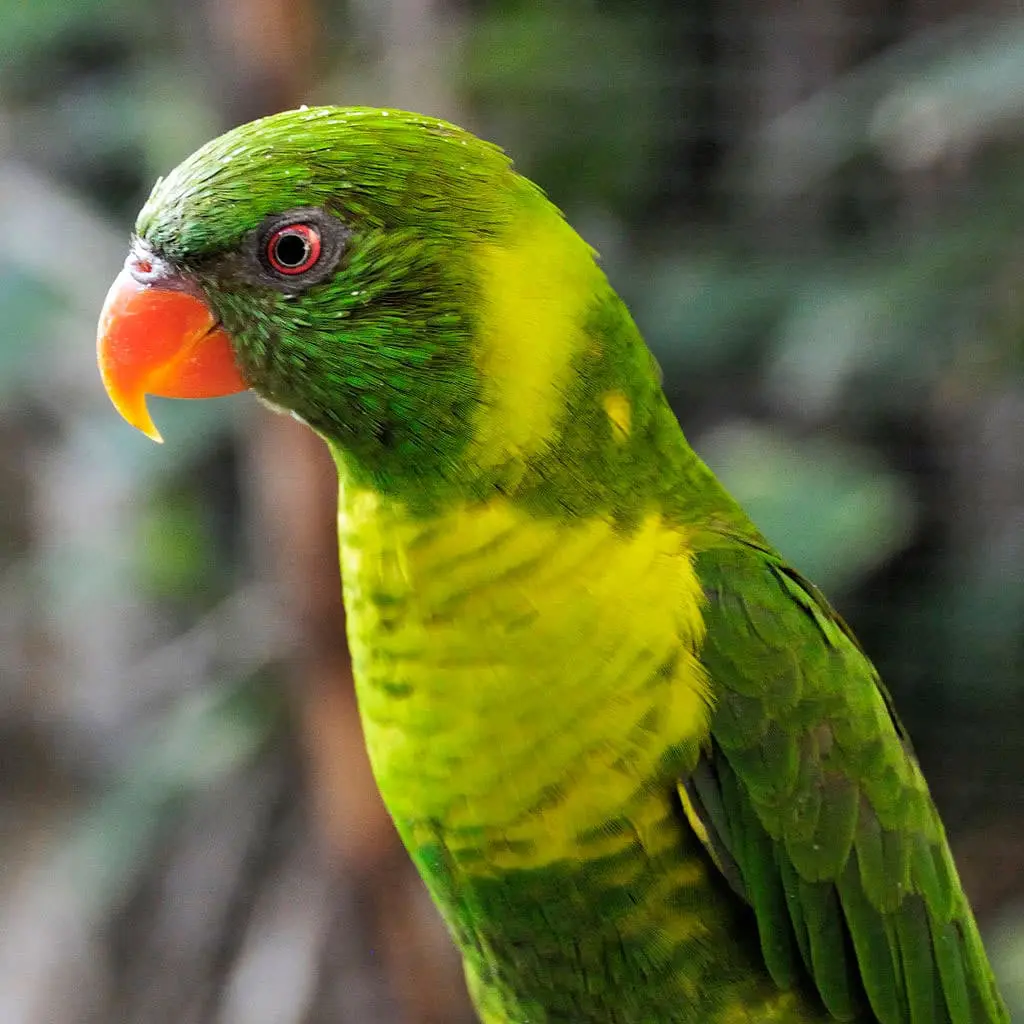
The Flores Lorikeet (Trichoglossus weberi) is generally Green; light green / blue stripes on the forecrown and lores, the rest of the head with brighter green stripes; underwing-coverts yellow / green. The chest and the thighs are yellowish or reddish. The bill It is orange-red and irises orange-red. The legs son grises. Smaller size than other species Trichoglossus.

The youth they are similar to adults.

    taxonomy:

Sometimes you think you're closer Olive headed Lorikeet (Trichoglossus euteles). With one exception, so far it has been treated as a subspecies within the complex Coconut Lorikeet (Trichoglossus haematodus), but differs in its chest rather pale green; abdominal patch medium green; head dark green with streaks of bright green; small size (less than a Scarlet-breasted Lorikeet (Trichoglossus forsteni) relatively small). Monotypic.

  • Sound of the Flores Lorikeet. (1)

(1) Some species are under extreme pressure because of traps and harassment. The open availability of high-quality recordings of these species may make the problems even worse.. For this reason, transmission and download of these recordings is off. Recorders are free to share in xeno-edge, but they will have to approve access to these recordings.

Habitat:

It's more common in the lowlands, but it is up 2400 meters above sea level. Wide variety of areas including settlements, forests, coconut plantations, Savanna, eucalyptus forests and mangroves.

It is found in mixed flocks with other parrots; small and noisy groups. Nomads, since they depend on flowering trees. It perches communally in groups of hundreds of birds.

Reproduction:

Birds have been recorded in conditions reproduction in June and is reported reproduction between February and August (White and Bruce 1986, Reeve y Rabenak 2016).

It will nest on the ground in some of the predator-free islands.

Food:

It feeds mainly from nectar, but also feeds on figs, insects and can be found around artificial feeding stations.

Distribution:

Extension of the distribution (breeding/resident): 25.500 km2

The Lori Flores are endemic to the flower island, Indonesian, where it is described as common (pit et to the. 1997).

Conservation Lori Flores:


Near-threatened

1. Current red list category of the UICN: Near-threatened.

2. The population trend: Decreasing.

3. Population size : 10000-19999 individuals.

    Rationale for the Red List category

It is believed that this species has recently split a moderately small population (approaching 10.000 mature individuals), forming one subpopulation, inferring that is suffering moderately rapid decreases due to the pressure of capture and loss of habitat. So, It has been classified as Near threatened, but more information on population size, trends and threats can lead to a reassessment of their status.

    Justification of the population

It is believed that the population of Flores Lorikeet It is moderately small (that is to say, approaching 10.000 mature individuals).

    Justification trend

They suspected that the population is declining due to loss of habitat and unsustainable levels of exploitation.

    Threats

The habitat destruction through the combined impacts of firewood collection, commercial logging, timber extraction for construction materials and clearance for agriculture may represent the most relevant threat.

The loss and fragmentation of forests It is already extensive in Flowers, where no semi-permanent forest below the 1.000 meters is included within the protected areas published in the Official Gazette. These threats are exacerbated by the expansion of human population, with large volumes of wood needed for housing construction, and the fact that the application of the laws by the government is little or no.

The moist deciduous forest is being cleared extensively through land grabbing and the establishment of agricultural areas, a factor that is inevitably reducing the range and population of this species. Forest clearing continues in the coastal belt to make way for crops, and illegal logging continues in protected areas.

It is presumed that the capture for trade in wild birds It represents an additional threat, as for other subspecies of the complex (Trichoglossus haemotodus).

Conservation actions and research in progress

Appendix II of the CITES. CMS Appendix II. It has been recorded in the Mbeliling Forest Reserve (Reeve y Rabenak 2016).

Proposed Research and Conservation Actions

1 – Estimate the population and assess population trends and scale of the pressure catch.

2- Conduct a species-specific study to identify important sites, in order to provide protection.

3- Carry out research on their status and habitat use (with special attention to feeding ecology and forest fragmentation) so that long-term management of the species facilitate.

4- Monitor trade to investigate whether this represents a significant threat.

5- Initiate campaigns sensitization to get the support of local people in forest protection.

In captivity:

In captivity it is kind enough rare de lori. He was raised for the first time Great Britain, in 1969, in Germany in 1984.

Because of its endangered status, Any suitable specimen can not be released back into their natural habitat (native range) It should preferably be placed in a breeding program well managed to ensure the continued survival of this species.

Alternative names

– Flores Island rainbow lory, Flores Lorikeet, Leaf Lorikeet, Rainbow Lorikeet (Leaf) (English).
– Loriquet ร  tรชte bleue (Weber), Loriquet ร  tรชte bleue (weberi), Loriquet de Flores, Loriquet de Weber (French).
– Flores Blauwangenallfarblori, Flores-Allfarblori, Webers Lori (German).
– Periquito-arco-รญris (weberi) (Portuguese).
– Lori de Flores, Lori Arcoiris (weberi) (espaรฑol).

scientific classification:

– Order: Psittaciformes
– Family: Psittaculidae
– Gender: Trichoglossus
– Scientific name: Trichoglossus weberi
– Subpoena: (Buttikofer, 1894)
– Protonimo: Psitteuteles weber

"Lori de Flores" images:

Videos "Flores Lorikeet"


ยซLori de Floresยป (Trichoglossus weberi)


    Sources:

    1. Avibase
    2. Parrots of the World โ€“ Forshaw Joseph M
    3. Parrots A Guide to the Parrots of the World – Tony Juniper & Mike Parr
    4. Birdlife

    Photos:

    (1) – Flores Lorikeet, Trichoglossus (haematodus) weberi, at New Port Aquarium, Cincinnati, USA by derivative work: Snowmanradio (talk)Trichoglossus_haematodus_weberi_-New_Port_Aquarium-8.jpg: Serge Melki [CC BY 2.0], via Wikimedia Commons
    (2) – Weberโ€™s Lorikeets (Trichoglossus haematodus weberi) at Newport Aquarium by Ltshears [CC BY-SA 3.0 or GFDL], from Wikimedia Commons
    (3) – Fig. 1: Flores Lorikeet (Trichoglossus = Psitteuteles Weber Weber)
    Fig. 2: Olive-headed Lorikeet (Trichoglossus euteles = Psitteuteles euteles) by A Weberโ€™s lorikeet (Trichoglossus weberi) at the Jerusalem Biblical Zoo by SuperJew [CC BY-SA 4.0], from Wikimedia Commons
    (4) – Trichoglossus haematodus weberi Buttikofer, 1894 bt Huub Veldhuijzen van Zanten / Naturalis Biodiversity Center [CC BY-SA 3.0]

    (5) – Weberโ€™s lorikeet, Picture taken at Loro Parque in Puerto de la Cruz / Tenerife by Dominik Deobald – Flickr
    (6) – Johann Buttikofer [Public domain], via Wikimedia Commons

    – Sounds: Raf Floats, XC350575. accessible www.xeno-canto.org/350575

โ–ท The world of Pets: Dogs, cats, birds, reptiles, amphibians

Sinรบ parakeet (sub)
Pyrrhura subandina

Cotorrita del Sinรบ

Content

Description:

21 to 23 cm.. height.

The Sinรบ parakeet (Pyrrhura subandina) It, in general, green, with the forecrown and areas around eyes dark red.

In flight It is very evident dark red stain abdomen, the wings below greyish. The cheeks They have a greenish blue tone, the area surrounding the ear It is yellowish-brown and the breast feathers with design marginalized gray escamado.

Lives or lived in humid jungle, semi-humid, deciduous and gallery forests,low. It nests on trees of considerable size in hollow nests woodpeckers.

endemic to Colombia, in the lower valley of sinu river, Jaraquiel, Murrucucรบ hill, Cรณrdoba.

Expeditions carried out in recent years have failed to sight it.

Estimated population: 0-100; The population trend: possibly extinct

We recommend that you devote to Sinรบ parakeet immediate attention to the conservation of this unique endemic species of the plain Sinu River.

Habitats in the jungle and near the Sinรบ river valley have been extensively altered and lost.

History:

The Sinรบ parakeet It was described by Todd 1917 as a distinctive bird endemic Valley Sinu River, Cรณrdoba Department, Northwest of Colombia. Peters (1937), without evidence or any basis placed the Pyrrhura subandina within the species Pyrrhura picta, and the species immediately fell into obscurity as subspecies. However, Joseph and Stockwell (2002) they restored the status to Pyrrhura subandina as a species, based on a detailed assessment and phylogenetic analyses recent (com. pers. 2003).

DNA analysis has shown that the population of the Sinรบ parakeet (Pyrrhura subandina) It is probably different (monotype) (Joseph & Stockwell 2002), although at present it remains a subspecies of the Pyrrhura picta pending further studies (SACC 2007).

There is no information on the ecology of the Sinรบ parakeet or current status. The species has never been reported alive and its range has been extensively deforested (Salaman obs. pers.)

At the beginning of 2004 Paul Salman He visited the four sites type; two are entirely deforested, While Quimari and the Cerro Murrucucรบ still have some fragmented forests. No evidence of any Pyrrhura It was obtained by observations and interviews with the local community. In May of 2004, a researcher at ProAves spent three months exploring in search of this species throughout the Murrucucรบ hill but their results were not favorable. The lack of recent records of this species and its restricted and unprotected range give reasons for concern about their survival and current status.

    Reference: Joseph, L. and Stockwell, D. 2002. Climatic modeling of the distribution of some Pyrrhura parakeets of northwestern South America with notes on their systematics and special reference to Pyrrhura caeruleiceps Todd, 1947. Ornitologia Neotropical 13: 1-8.

The Sinรบ parakeet (Pyrrhura subandina) was last reliably recorded in 1949. Almost nothing was recorded about their habits. Not found during searches on 2004 and 2006 (ProAves Colombia 2008). He may be extinct, but if it still survives, this bird will be seriously threatened by habitat loss and hunting associated with the armed conflict in the region; The future of this Pyrrhura It looks bleak.

* Subspecies included within the species Pyrrhura picta.

Sinรบ parakeet (Pyrrhura subandina)


Especies del gรฉnero Pyrrhura

Sources:

– Parrot Book, Parrots and macaws.
– eLibrary
– proaves
– Extinct Birds by Julian P. Hume, Michael Walters.

Photo: Parrots, Parrots and macaws Neotropical

โ–ท The world of Pets: Dogs, cats, birds, reptiles, amphibians

Tui Parakeet
Brotogeris sanctithomae

Tui Parakeet

Content

Description:


Anatomy-parrots

16,5 to 17,5 cm.. height.
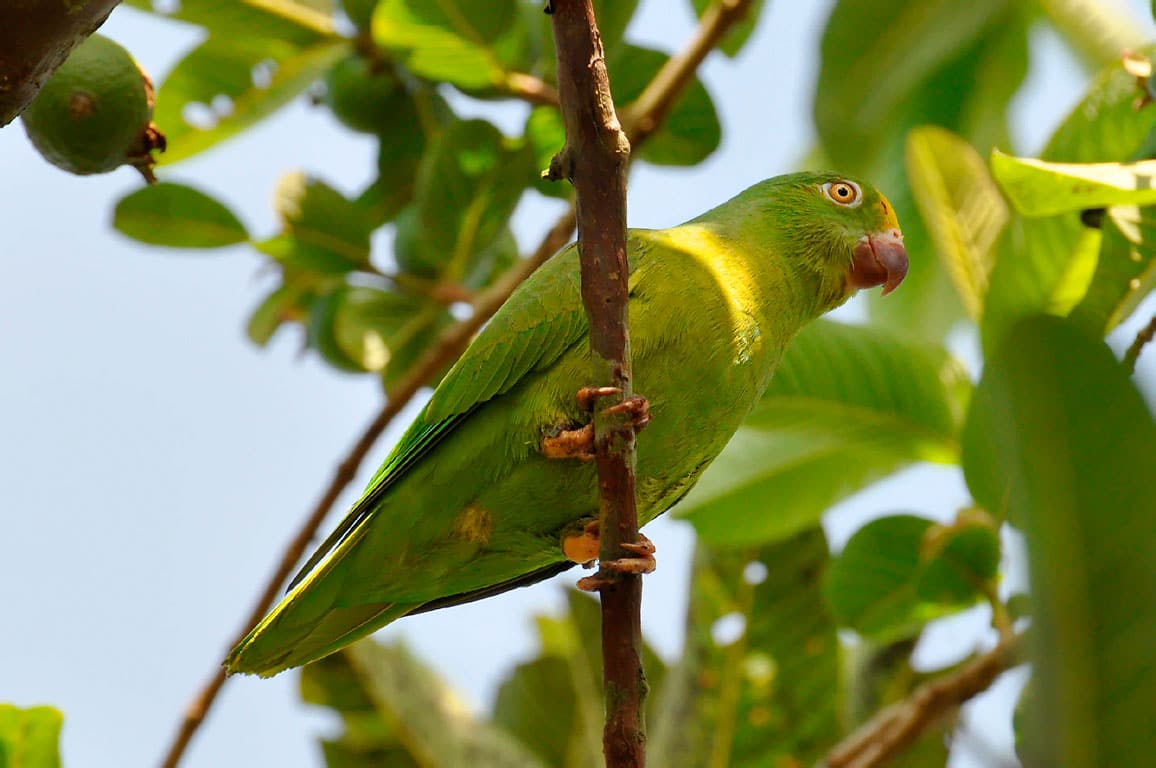
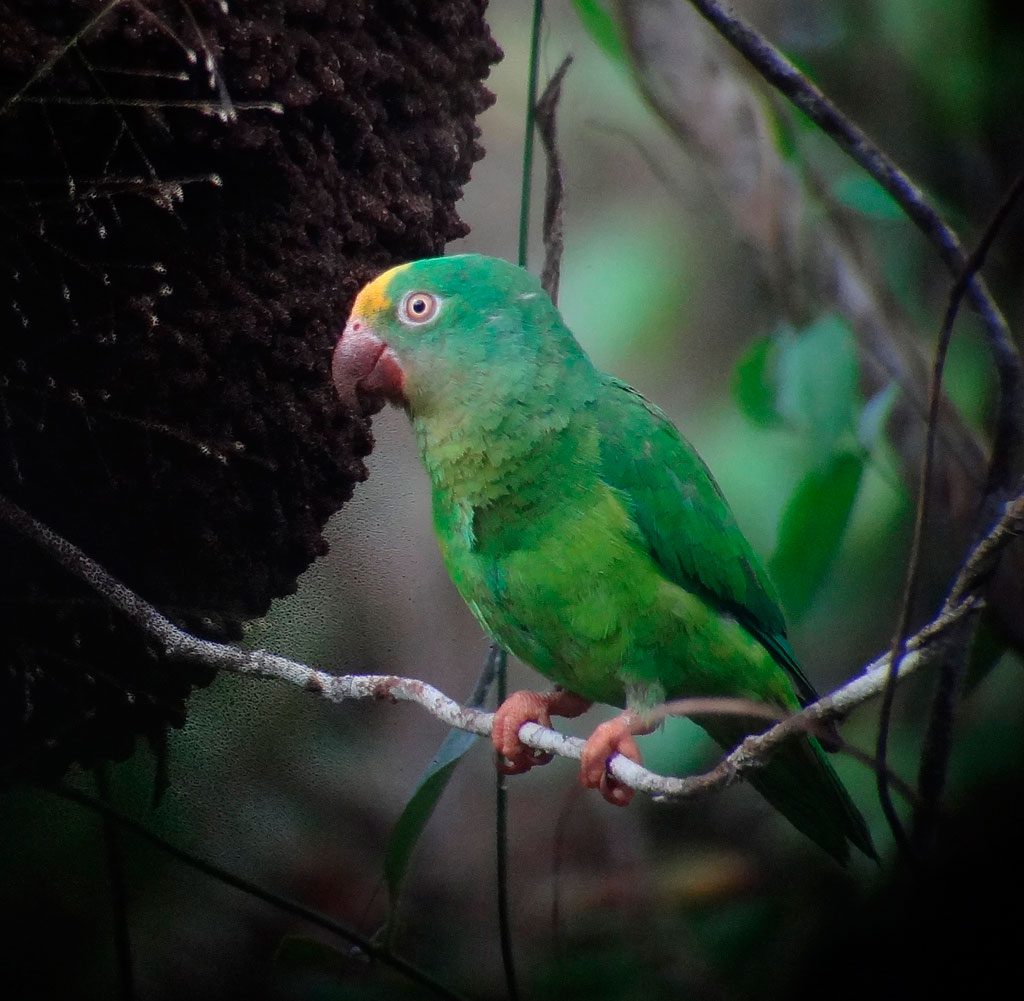
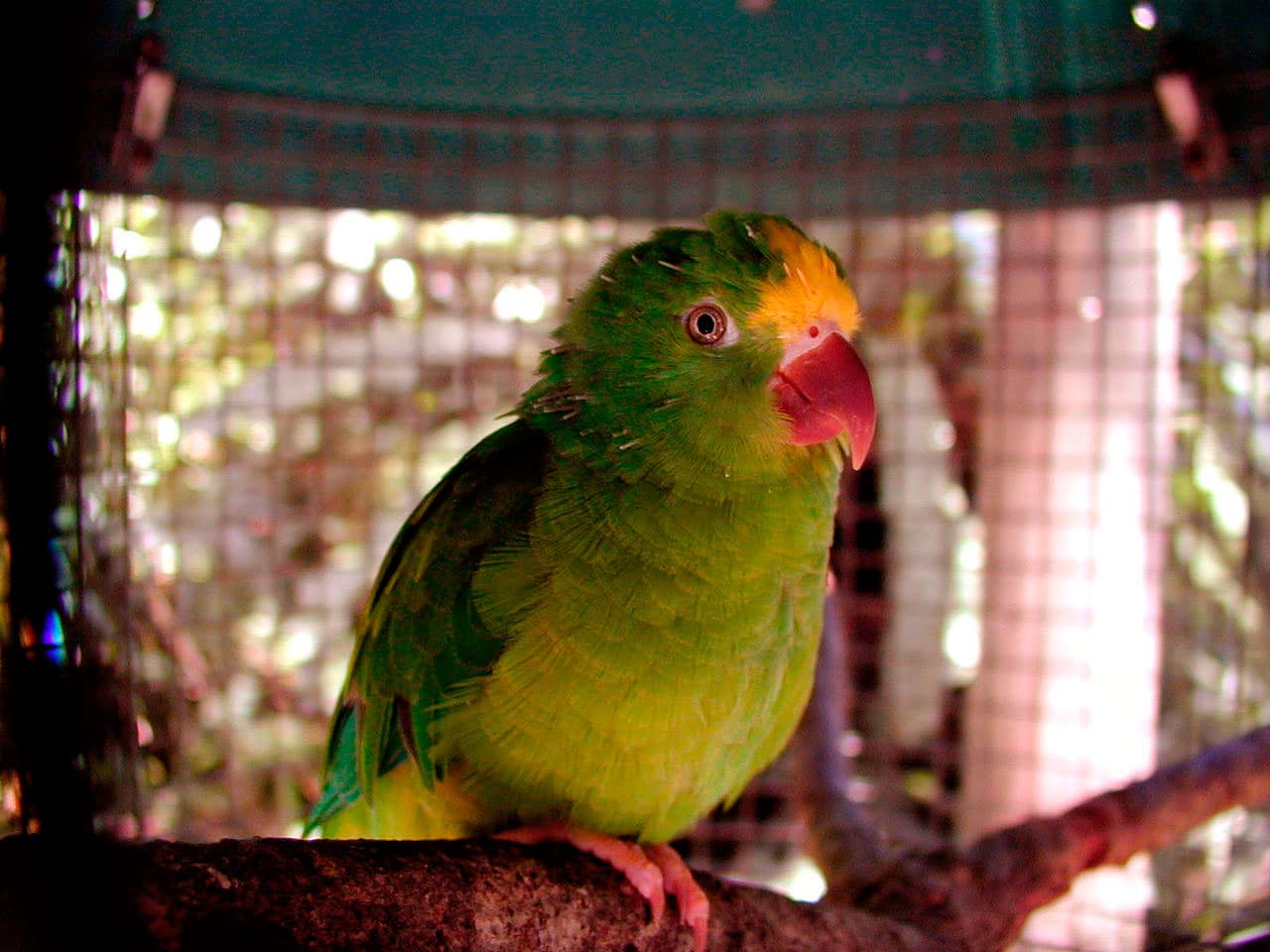
The Tui Parakeet (Brotogeris sanctithomae) has the forecrown and the front of the crown, bright yellow; rest of the head and nape, bluish green.

Mantle, back and scapulars dark green, paler and brighter in the rump and in the uppertail-coverts. Alula blue on the innerwebs, greenish on the outerweb; primary coverts greenish blue; other coverts green, the smaller and medium slightly impregnated olive green. Flight feathers greenish-blue on outerweb, dark green innerwebs, and light blue below; infra-wing coverts minor, green, the greater coverts, blue. Underparts brighter yellowish green. Upper, the tail is green; below is more yellowish.

The bill It is quite dark orange-brown; Cere pale pink; the irises brown; legs grayish bone.

Both sexes have similar plumage.

Description 2 subspecies:

  • Brotogeris sanctithomae sanctithomae

    (Statius Mรผller, 1776) – Nominal.


  • Brotogeris sanctithomae takatsukasae

    (Neumann, 1931) – The yellow stripe behind (and sometimes below) of the eyes It extends over the ear-coverts. The yellow patch on the forecrown sometimes it is larger.

Habitat:

Mainly inhabits in second-growth forests, in humid areas of tropical forest, forests and marshes on the banks of large rivers and river islands and clearings near watercourses; to 100 metres in Colombia and 900 metres in Peru. Gregaria, usually in small flocks; sometimes in larger meetings. The Tui Parakeet it is very common in riverside towns and cities where it arrives in large flocks to spend the night. Visit palms on the banks of rivers.

Reproduction:

It nests on trees, in natural hollows or termiteros, small and noisy groups. views in nests in May and July, with immature during the month of June Colombia.

Food:

Few details about their diet; taking views flowers Erythrina in Colombia.

Distribution:

Size of the area of distribution (reproduction / resident): 3.870.000 km2

This species is confined to the Basin Amazon Southeast Colombia (area of Leticia), northeast and southeast Peru and to the West of Brazil, possibly on the right bank of Black river and in river basins Purus, Solimรตes (this to about Cojadรกs) and south of Juruรก, to the North of Bolivia in Pando and Beni, It is able to see so dispersed in the Eastern Amazonas, around river mouths Negro and Madeira, to the this to Amapรก and Pari Eastern, possibly up area Bethlehem.

Apparently sedentary. Local (for example, in Loreto, Peru) but common or abundant in many places (for example, about Leticia).

Perhaps its population has been reduced due to trade locally (for example, in Peru), but the effect of habitat loss remains within the range lower. Present in many protected areas (for example, > Manu National Park, Peru).

Distribution 2 subspecies:

  • Brotogeris sanctithomae sanctithomae

    (Statius Mรผller, 1776) – Nominal. West Basin amazon, from the southeast of Colombia to the North of Bolivia.


  • Brotogeris sanctithomae takatsukasae

    (Neumann, 1931) – Both sides of the basin under amazon, from the junction with the Black river to the East of Pari.

Conservation:

State of conservation โ“˜


minor concern Minor Concern โ“˜ (UICN)โ“˜

โ€ข Current category of the Red List of the UICN: Least concern.

โ€ข Population trend: Stable.

Justification of the population

The size of the world population It has not been quantified, but this species is described as ยซcommonยป (Stotz et to the., 1996).

Justification of trend

It is suspected that this species has lost 15,9-17,4% of habitat within its distribution over three generations (15 years) starting from a model of deforestation Amazon (Soares-Filho et to the., 2006, Bird et to the., 2011). Given the susceptibility of the species to hunting and / or capture, suspected population decline in <25% durante tres generaciones.

"Tui Parakeet" in captivity:

saved pet locally but uncommon in captivity outside its range.

Alternative names:

– Tui Parakeet, Golden-headed Parakeet (English).
– Toui ร  front d’or, Perruche toui, Perruche tui (French).
– Tuisittich (German).
– Periquito-testinha, estrelinha, estrelinha-do-parรก, periquito-brasileiro, periquito-de-testa-amarela, periquito-estrela, tuim, tuipara-estrelinha (Portuguese).
– Catita Frentigualda, Periquito Cabeciamarillo, Periquito Pรกlido (espaรฑol).
– Periquito Cabeciamarillo, Periquito frentiamarillo (Colombia).
– Perico Tui (Peru).

scientific classification:

– Order: Psittaciformes
– Family: Psittacidae
– Genus: Brotogeris
– Scientific name: Brotogeris sanctithomae
– Citation: (Statius Mรผller, 1776)
– Protonimo: Psittacus St. Thomas

Images ยซCatita Frentigualdaยป:

Videos "Tui Parakeet"


Species of the genus Brotogeris

Sources:

– Avibase
– Parrots of the World โ€“ Forshaw Joseph M
– Parrots A Guide to the Parrots of the World – Tony Juniper & Mike Parr
– Birdlife
– Parrot Book, Parrots and macaws Neotropical

– Photos:

(1) – A Tui Parakeet in Uarini, amazon, Brazil By Claudio Dias Timm from Rio Grande do Sul [CC BY-SA 2.0], via Wikimedia Commons
(2) – Tui Parakeet in a cage By Ruth Rogers (originally posted to Flickr as Tui Parrot) [CC BY 2.0], via Wikimedia Commons
(3) – Brotogeris sanctithomae by Gabriel Smith – Flickr
(4) – Brotogeris sanctithomae (Amazon river – Brazil) by Martha de Jong-Lantink – Flickr
(5) – Photo taken from flickr.com โ€“ ยฉbarbetboy

– Sounds: controles-canto.org

โ–ท The world of Pets: Dogs, cats, birds, reptiles, amphibians

Blue-headed Parrot
Pionus menstruus


Blue-headed Parrot

Content


Anatomy-parrots

Description "Loro Cabeciazul":

28 to 30 cm.. height and between 234 and 295g. weight.

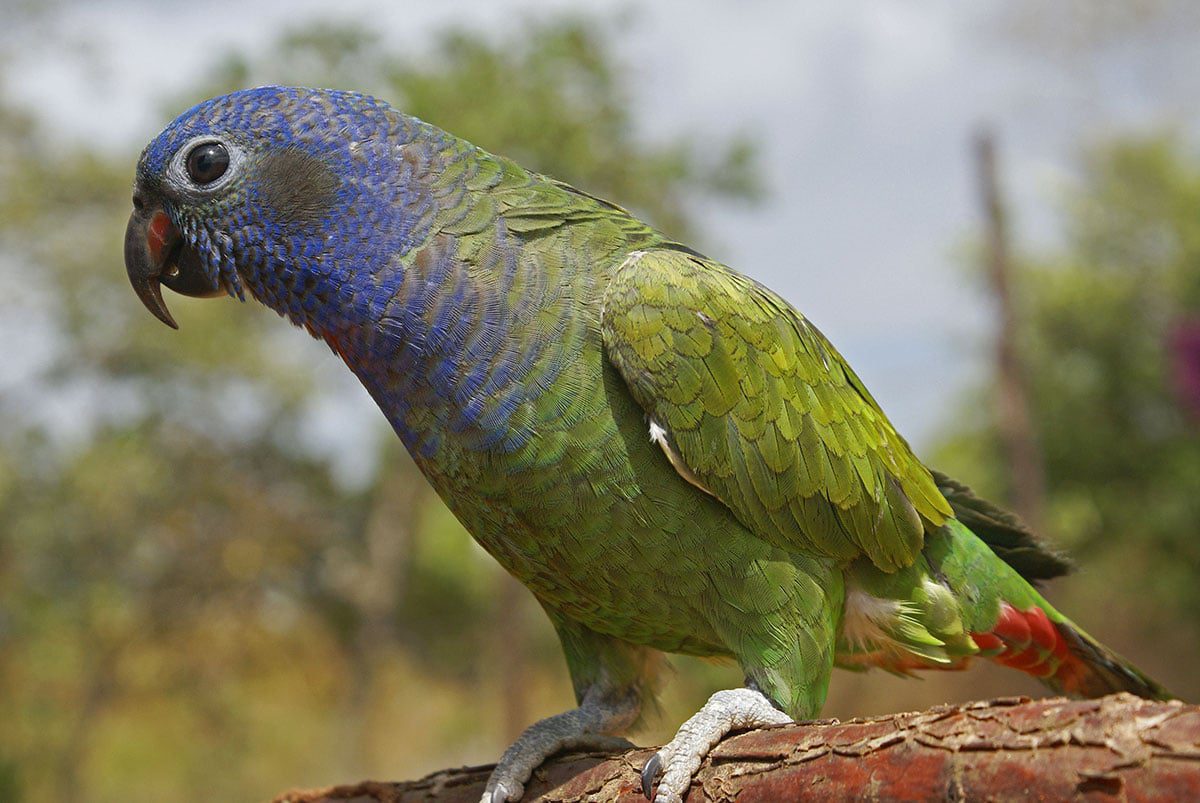
The Blue-headed Parrot (Pionus menstruus) is distinguishable by having the head, neck and chest blue; Red in the rump and in the Base ventral of the tail (very visible on the fly), basis of the bill and neck dotted with pink.

Shoulder and end of the wing olive green with yellow border, tail green with blue tip.

Subspecies description:

  • Pionus menstruus menstruus

    (Linnaeus, 1766) – The nominal

  • Pionus menstruus reichenowi

    (Heine, 1884) – Blue head, the neck and darker throat; lower underparts washed with blue green color; coverts red infracaudales with blue ends.

  • Pionus menstruus rubrigularis

    (Cabanis, 1881) – Smaller, head pale blue, neck more extensive and clear Red.

Habitat:

Species very common, lives in humid forests, semi-wet, from gallery, stubble, crop areas until the 1500 m.

Reproduction:

It feeds on various seeds, fruits and flowers.

Food:

It nests in hollows of trees and palms in dry season.

Loro distribution-headed:

They live in freedom from the South of Costa Rica, North of South America to the West of Ecuador. To the East of the Andes, comes to Peru, part of Brazil to the North of Bolivia.

Subspecies description:

  • Pionus menstruus menstruus

    (Linnaeus, 1766) – The nominal

  • Pionus menstruus reichenowi

    (Heine, 1884) – Coastal areas of the northeast of Brazil (Alagoas until Holy Spirit)

  • Pionus menstruus rubrigularis

    (Cabanis, 1881) – Tropical North of Costa Rica to western Colombia and West of Ecuador.

Conservation-headed Parrot:


minor concern


โ€ข Red List category of the UICN current: Least concern

โ€ข Population trend: Decreasing

The size of the world population of the Blue-headed Parrot It has not been quantified, but this species is described as ยซcommonยป (Stotz et to the., 1996).

This species is suspected that it may lose 18,5-23% of habitat within its distribution over three generations (20 years) based on a deforestation model of the Amazon (Soares-Filho et to the., 2006, Bird et to the. 2011). So, they suspected that can decrease in <25% in three generations.

In captivity:

Pretty common in captivity. Intelligent, inquisitive although sometimes shy. Active by nature, they can become overweight if you don't have a wide space where exercise your flight. Mature birds usually match throughout his life with his partner, you will defend with aggression of any intruder.

Its diet in captivity is wide. fruits such as: Apple, pear, orange, banana, granada, cactus fruits, Kiwi, they form around the 30 percent of the diet; vegetables such as: Carrot, celery, green beans and peas in pods; fresh corn; Greens such as: chard, lettuce, Kale, dandelion, healer, chickweed; mixture of small seeds, such as: millet, birdseed, and small amounts of buckwheat, oats, safflower and hemp; soaked and sprouted sunflower; beans, cooked legumes and boiled corn.

Alternative names

– Blue-headed Parrot, Cobalt Parrot (English).
– Schwarzohrpapagei, Schwarzohr-Papagei (German).
– Cotorra Cabeciazul, Loro Cabeciazul, Loro de Cabeza Azul (espaรฑol).
– Pione ร  tรชte bleue, Pionus ร  tรชte bleue (French).
– baitaca, curica, maitaca, maitaca-de-barriga-azulada, maitaca-de-cabeรงa-azul, sijรก, Sรดia, Suia (potuguรฉs).
– Pappagallo testablu (Italian).


scientific classification:

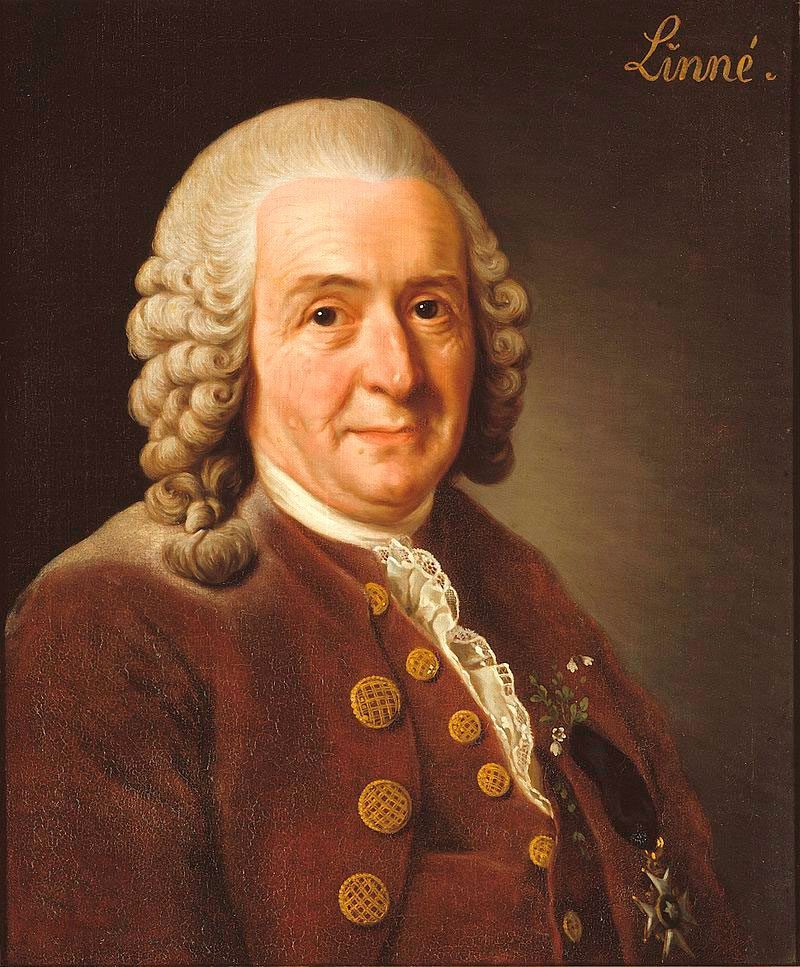
Carl Linnaeus
Carl Linnaeus

– Order: Psittaciformes
– Family: Psittacidae
– Genus: Pionus
– Scientific name: Pionus menstruus
– Citation: (Linnaeus, 1766)
– Protonimo: Psittacus menstruus

Images "Blue-headed Parrot"

Videos "Blue-headed Parrot"

ยซLoro Cabeciazulยป (Pionus menstruus)


โ–ท The world of Pets: Dogs, cats, birds, reptiles, amphibians

Short-billed black cockatoo
Zanda latirostris

Short-billed black cockatoo

Content

Description

54 to 56 cm.. height and a weight between 520 and 790 g.
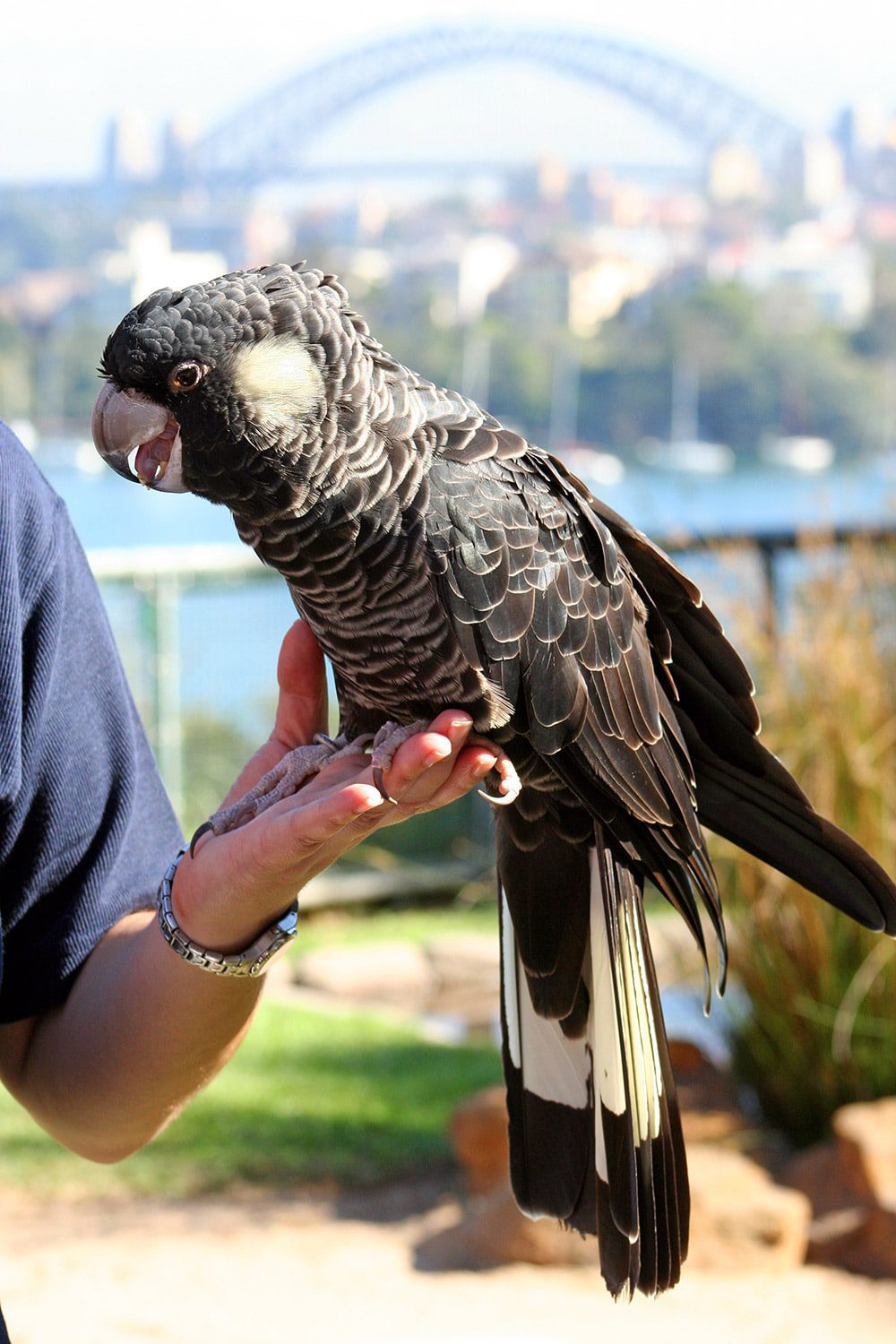
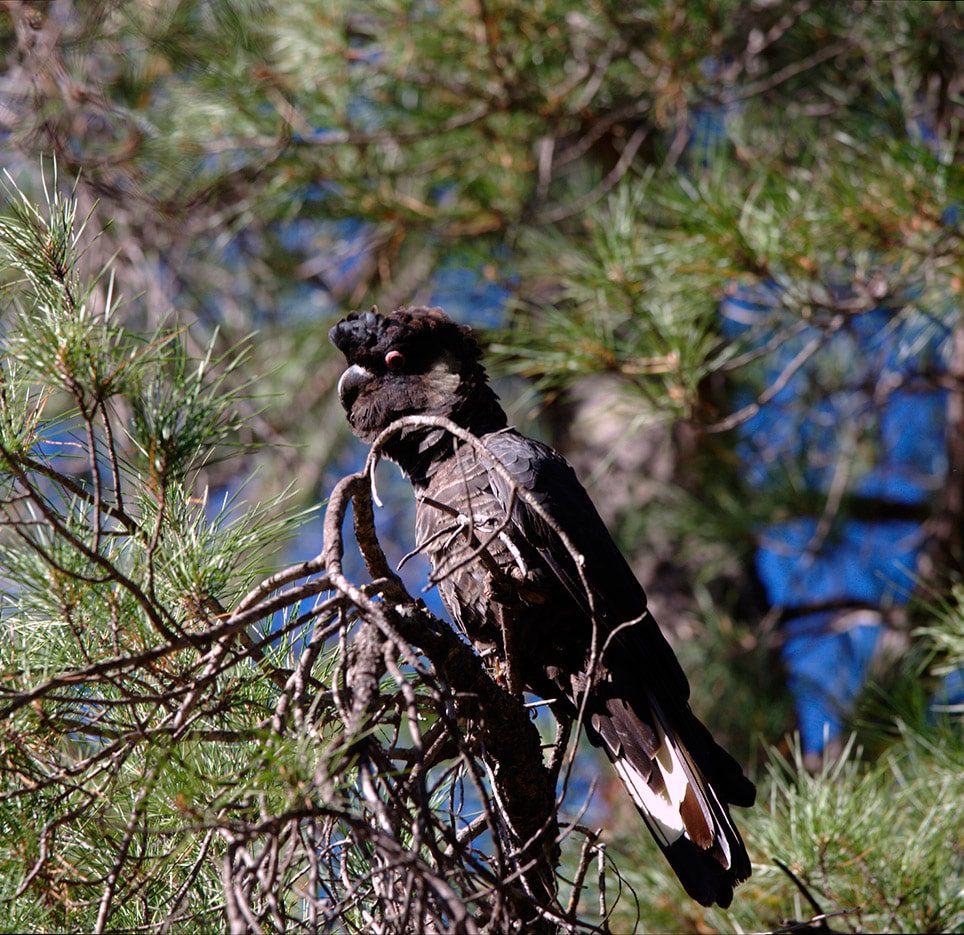
The Short-billed black cockatoo (Zanda latirostris) It is a large black cockatoo..

It has great bill black, crest erectile, white spot in the area ear and white panels on the tail. The female It is similar except patch area ear large and slightly yellowish white.
The immature Similar to adult female.
Closely related to Baudin's black cockatoo (Zanda baudinii). They were formerly treated as a single species.

Habitat:

Mainly inhabits in native forests eucalyptus and shrubland or heathland. Visit temporarily plantations exotic pines.
Sometimes you see them in cities or at the edges of roads. It is also a visible visitor to the gardens containing native plants with hard fruits around Perth.

Usually they see them in groups of three or in small flocks, but occasionally gather in large flocks composed of hundreds or, exceptionally, thousands of birds. Sometimes it is associated with Baudin's black cockatoo (Zanda baudinii) wave Red-tailed black cockatoo (Zanda Banksia) in places where food is plentiful.

The species is said to be Residents in areas of high rainfall They are retaining much native vegetation and are emigrants of the driest regions and places where most of the native vegetation has been removed.

Reproduction:

They do not breed until they are at least four years old..
Adult birds They mate for life, and stay together throughout the year.
Reproduction occurs mainly in the region Wheatbelt, northwest of the Stirling Range about Three Springs, but it has also recorded on the coastal plain in the South West, about Bunbury.
The reproductive activity It is limited to eucalyptus forests. They make their nests in large holes in the top of the eucalyptus.

The eggs They are white or cream, and they have no marks. Son incubated by female only, for a period of 28 to 29 days. The nestlings are fed by both parents, Although during the first 10 to 14 days after hatching they are fed exclusively by the female.

Adults return to the same breeding area each year.

Food:

It feeds mainly from seeds and occasionally nectar, fruit and insect larvae.

Distribution:

Size of the area of distribution (reproduction / resident): 196.000 km2

Endemic southwest Australia.

Conservation:

State of conservation โ“˜


Endangered Endangered โ“˜ (UICN)โ“˜

โ€ข Current category of the Red List of the UICN: In danger of extinction.

โ€ข Population trend: Decreasing.

On the basis of the distribution of birds during the breeding season, the total population of the Short-billed black cockatoo it has been estimated that is between the 11 000 and 60 000 birds, although there are those who affirm that its population could count on less than 10 000 birds.

The decline of this species It is mainly due to the loss and fragmentation of habitat. This has been caused by the clearing of native vegetation, mainly for agricultural purposes, Since the mid-20th century.

No specific information available on future changes in population size. But, the range of the species is thought to continue to contract for some time, which leads to a concomitant decrease in population size.

"Short-billed black cockatoo" in captivity:

A program captive breeding It was established in 1996 by the Department of Conservation and Land Management (CALM), in association with poultry farmers and licensed Zoo of Perth.
The genetic diversity of the captive population is enhanced by an 'abandoned' program’ that rehabilitates injured birds in the wild and then incorporates them into captive breeding.

Some eggs and chicks are caught illegally for sale in the markets of poultry. Although the demand for the species is said to have declined over the past decade, high market prices (approximately 3.000 dollars per bird and 5,000 $ couple) together with the scarce success of breeding captive birds, They suggest that Illegal take of this cockatoo will continue to be a continuing threat to the survival of this species..

scientific classification:

– Order: Psittaciformes
– Family: Cacatuidae
– Genus: Zanda
– Scientific name: Zanda latirostris
– Citation: Carnaby, 1948
– Protonimo: Zanda latirostris

Alternative names:

– Slender-billed Black-Cockatoo, Carnabyโ€™s Black Cockatoo, Mallee Cockatoo, Short-billed Black Cockatoo, Mallee Cockatoo, Short-billed Black Cockatoo, (English).
– Cacatoรจs ร  rectrices blanches, Cacatoรจs de Carnaby (French).
– Carnabys WeiรŸohr-Rabenkakadu, WeiรŸschwanz-RuรŸkakadu (German).
– Cacatua-negra-de-bico-curto (Portuguese).
– Cacatรบa Fรบnebre de Pico Corto, Cacatรบa Fรบnebre Piquicorta (espaรฑol).

Images Black-billed Black Cockatoo:


Species of the genus Zanda
  • Zanda funerea
  • —- Zanda funeral funeral
  • —- Zanda funerea whiteae
  • —- Zanda funerary xanthanota
  • Zanda baudinii
  • Zanda latirostris

  • Sources:
    – Avibase
    – Parrots of the World โ€“ Forshaw Joseph M
    – Parrots A Guide to the Parrots of the World – Tony Juniper & Mike Parr
    – Birdlife

    – Photos: Wikipedia, lostandcold (Flickr), Rabenkakadus โ€“ Wikipedia, Gnangarra…commons.wikimedia.org

    – Sounds: Nigel Jackett