โ–ท The world of Pets: Dogs, cats, birds, reptiles, amphibians

Gray-headed Parakeet
Psittacula finschii


Cotorra de Finsch

Content

Description:

Of 36 to 40 cm.. length and 120 g. of weight.
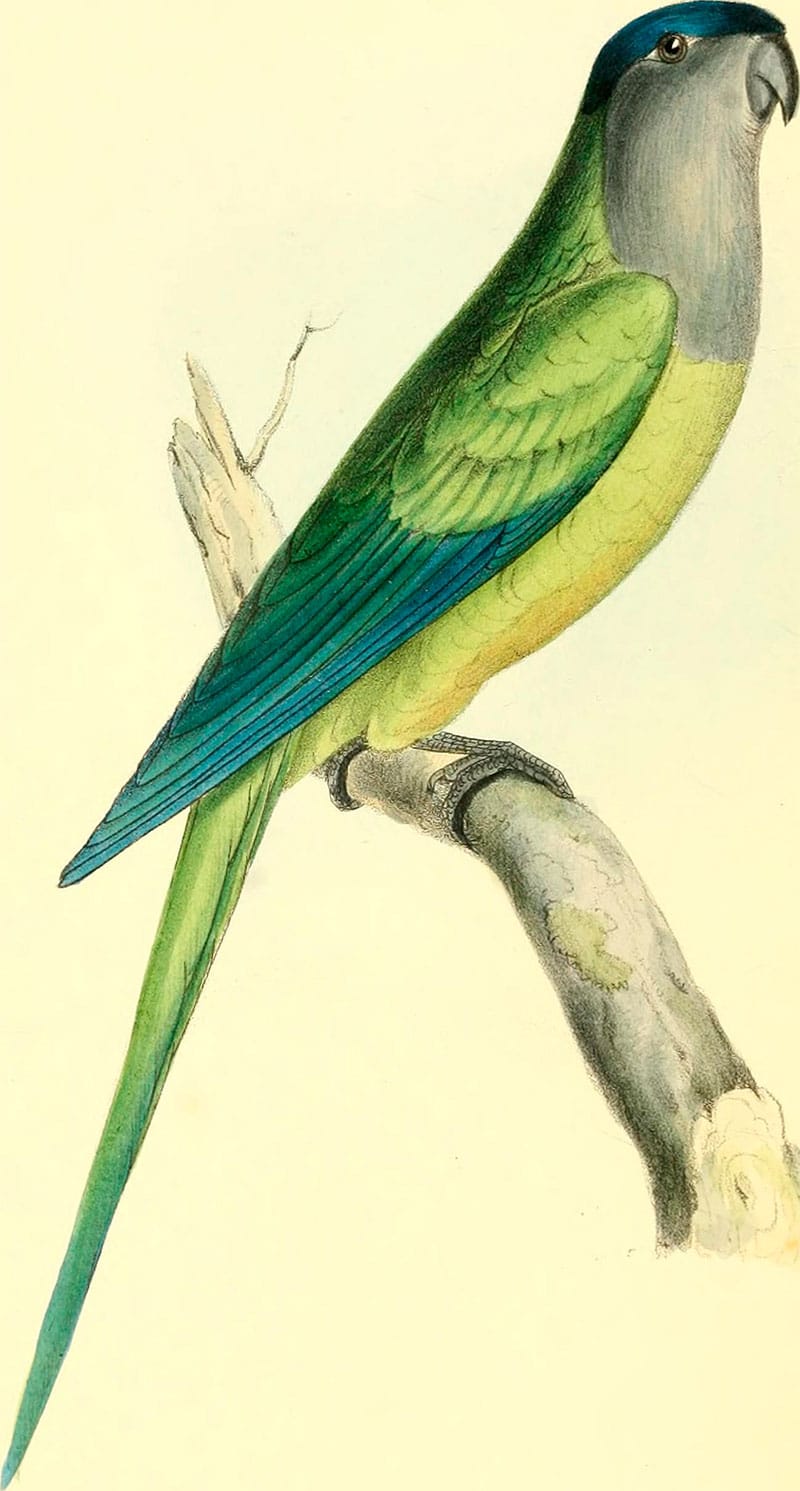
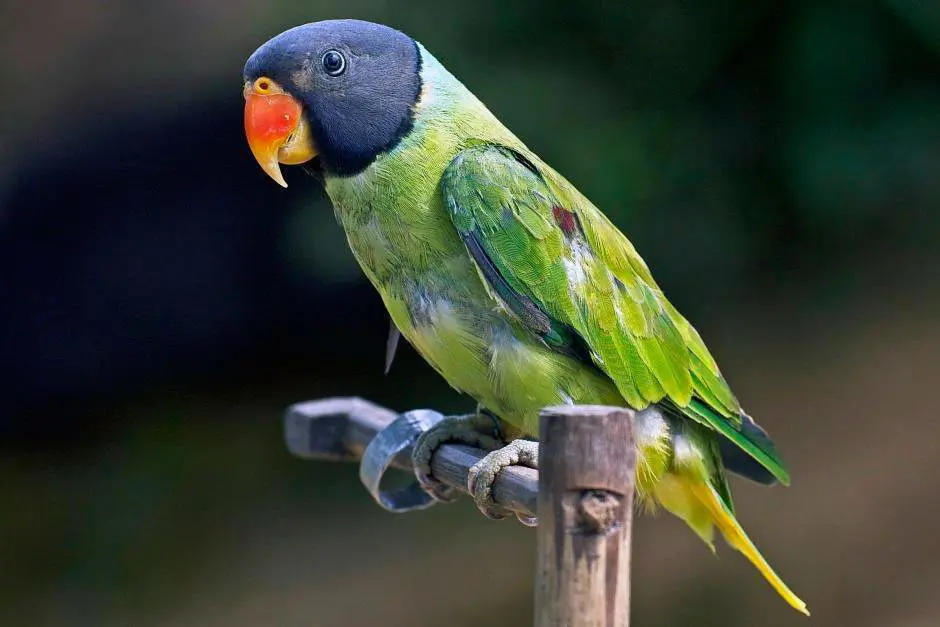
The Gray-headed Parakeet (Psittacula finschii) It is very similar to Slaty-headed Parakeet but smaller, with feathers tail longer, the head slightly paler, upperparts and more yellowish underwing-coverts darker blue-green.

The Gray-headed Parakeet (Psittacula finschii) has the forecrown, crown, lores and ear-coverts Grey Slate-blue; the chin and the lower part of the cheeks, black, It forming a narrow collar which marks a clear boundary between the head dark and a bright ring greenish blue on the back of the neck.

Nape brighter yellowish green, duller green fading in the rest of the upper region.

Upperwing-coverts green except for the brown of the inner coverts, that makes the effect of a distinctive patch on the shoulder; primaries Green with a narrow yellow margin on the vane outer; secondaries green.
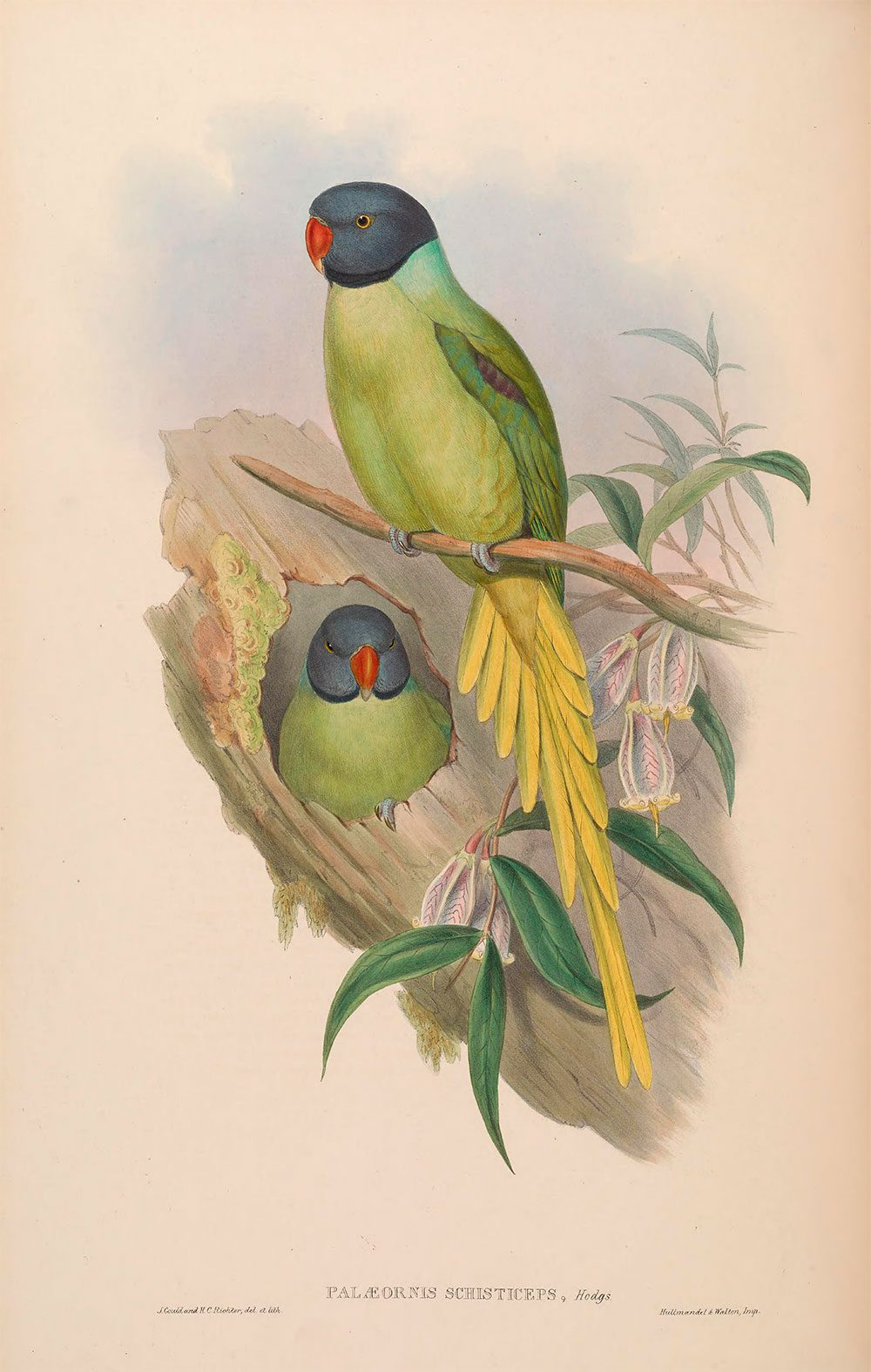
Ilustraciรณn Cotorra de Finsch

Underwing-coverts dark bluish green. Underparts bright pale green. Uppertail lilac blue with pale yellow tips, outer feathers Greens with vane internal and yellow tips; undertail-coverts ochre-coloured.

upper jaw coral red to vermilion with yellow tip, lower jaw yellow; cere whitish; irises creamy white to yellow; legs greenish.

The females and immature as the Slaty-headed Parakeet.

NOTE:

    Sometimes considered the same species as the Slaty-headed Parakeet, but the lack of intergradation in a possible area of overlap in Bhutan and the northeast of the India (Arunachal Pradesh) suggests appropriate treatment as allospecies.

Habitat:

Similar to the Slaty-headed Parakeet. Frequents forests of oak, teak, cedar and pine, wooded hills and open farmland with tall trees. Move altitude between 650 and 3.800 m (in Yunnan, China), rarely drop below 250 m, usually at or near the mountainous terrain.

Mainly distributed in the forest Viet Nam, but, according to sources, laz away from growing areas and tolerant of lower and more open habitats.

In general, obsevadas in flocks or or small family groups, but also it is seen in larger numbers than in Burma.

Reproduction:

The breeding season in the central and southern Burma It covers the months January, February and March.

One nest four eggs was observed 12 meter high tree species Xylio dolabiformis.

Food:

Diet Gray-headed Parakeet It is thought to resemble that of the Slaty-headed Parakeet; reported items include leaf buds, seeds of Dendrocalamus longispathus, fruit of wild cherries Prunus and flowers.

Distribution:

The Gray-headed Parakeet It is distributed in the east of the Himalayas towards Indochina. They range from east to Bhutan towards Arunachal Pradesh and south through Nagaland, Assam (to the South of the rio Brahmaputra). Manipur, Mizoram and Bangladesh oriental (Sylhet and area of Chittagong). Through Burma (South of Tenasserim), al sur-oeste de China (center Sichuan and North of Yunnan), the mountainous districts of northern and southwestern Thailand, South of Laos, Kampuchea and Viet Nam, especially the western slopes of the central mountains.

Usually common and resident (in some places very common), but lacking in some areas and subject to local fluctuations and irregular appearances.

Recent decline in Thailand, where it is now rare in more accessible areas. Uncommon in China. Some seasonal altitudinal movements in some parts of the range. Very popular cage bird in some parts of the home territory.

Conservation:

State of conservation โ“˜


Near-threatened Near Threatened โ“˜ (UICN)โ“˜

โ€ข Current Red List of UICN: Near-threatened

โ€ข Population trend: Decreasing

The size of the world population Gray-headed Parakeet It has not been quantified, but the species, according to sources, is rare in China, Variable and elsewhere (pit et to the. 1997).

The population is suspected rapid decline because of continued habitat loss and trapping. Observations of local trends in some parts, within its range, support this suspicion, for example in Cambodia, at least since the early 1990 (F. Goes in some. 2013, T. Gray in litt. 2013, RJ Timmins in litt. 2013).

The Gray-headed Parakeet is being widely taken for the cage bird trade and is kept locally as a companion animal, for example, in Laos and China (JW Duckworth in litt. 2013, M. Zhang in some. 2013).

In China, poaching and illegal trade in this species continues: it was reported that in one village, each family has an individual of this species as a pet (M. Zhang in some. 2013).

The pressure at which it is subjected for his capture may also be contributing to the observed decrease in Cambodia (F. Goes in some. 2013).

Lowland forests Indochina They are under intense pressure, above all in Cambodia, because of the authorization for large-scale industrial agriculture. This particularly affects areas with evergreen or semi-evergreen forest, rather than forest deciduous, because the best conditions for growing (S. Mahood in some. 2013).

This species is dependent areas and forests with evergreens, whereby the effects of logging can seriously affect, especially since it is likely to depend on large trees for nesting. Habitats where large trees are scarce, as forests and hill areas with mixed forest deciduous, patches of evergreen forest and semi-evergreen forest, They are under particular pressure from logging, even for local use (S. Mahood in some. 2013).

It is expected that the loss of habitat Cambodia bring a devastating impact on this species over the next decade, although there may be a delay before the actual effects were observed in the population (H. Rainey in some. 2013).

Conservation Actions Underway:

    The species is known to occur in some protected areas across its range, as in the Mondulkiri Protected Forest, Cambodia (T. Gray in litt. 2013).

"Gray-headed Parakeet" in captivity:

Cotorra de Finsch

– Uncommon in captivity outside its range.

It is unclear how much spread among breeders, as often it was considered a subspecies of the more common Slaty-headed Parakeet. It is a very mountain bird resistant, at low temperatures is not a problem for them, However, must be protected facilities available to avoid sudden changes in temperature and drafts.

How other Psittacula, the Gray-headed Parakeet You need to nibble fresh branches, although it is not a destructive bird that could demolish a wooden aviary.

Alternative names:

– Gray-headed Parakeet, Eastern Slaty-headed Parakeet, Finsch’s Parakeet, Finsch’s Slaty-headed Parakeet, Gray headed Parakeet, Grey headed Parakeet, Grey-headed Parakeet, Slaty-headed parakeet (English).
– Perruche de Finsch, Perruche ร  tรชte grise (French).
– Finschsittich, Burma-Schwarzkopfedelsittich, Finschs Edelsittich, Finsch-Sittich, Himalayasittich, Himalayasittich-finschii, Veraguasittich (German).
– Periquito-de-cabeรงa-cinza (Portuguese).
– Cotorra de Finsch (espaรฑol).


scientific classification:

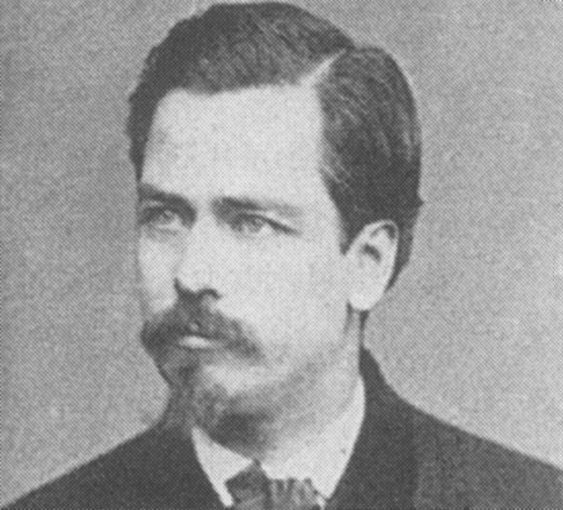
Allan Octavian Hume
Allan Octavian Hume

– Order: Psittaciformes
– Family: Psittaculidae
– Genus: Psittacula
– Scientific name: Psittacula finschii
– Citation: (Hume, 1874)
– Protonimo: Palaeornis Finschii

Images "Gray-headed Parakeet"

Videos "Gray-headed Parakeet"


Especies del gรฉnero Psittacula

Gray-headed Parakeet (Psittacula finschii)


Sources:

– Avibase
– Parrots of the World โ€“ Forshaw Joseph M
– Parrots A Guide to the Parrots of the World – Tony Juniper & Mike Parr
– Birdlife

– Photos:

(1) – Bird perched on a home made perch. Part of the tail appears to be missing by Vijay Anand Ismavel – Lynx
(2) – Gould, John, 1804-1881; Sharpe, Richard Bowdler, 1847-1909: Birds of Asia by John Gould [Public domain], via Wikimedia Commons
(3) – Finschโ€™s Parakeet Psittacula finschii by Raju Kasambe. Photo taken in Imphal Zoo, Manipur, India By Dr. Raju Kasambe (Own work) [CC BY-SA 4.0], via Wikimedia Commons

– Sounds: Pritam Baruah (Xeno-canto)
โ–ท The world of Pets: Dogs, cats, birds, reptiles, amphibians

Blue-headed Macaw
Primolius couloni


Guacamayo Cabeciazul

Content

Description:

Of 41 cm.. in length and a weight that varies between 207 and 294 g..

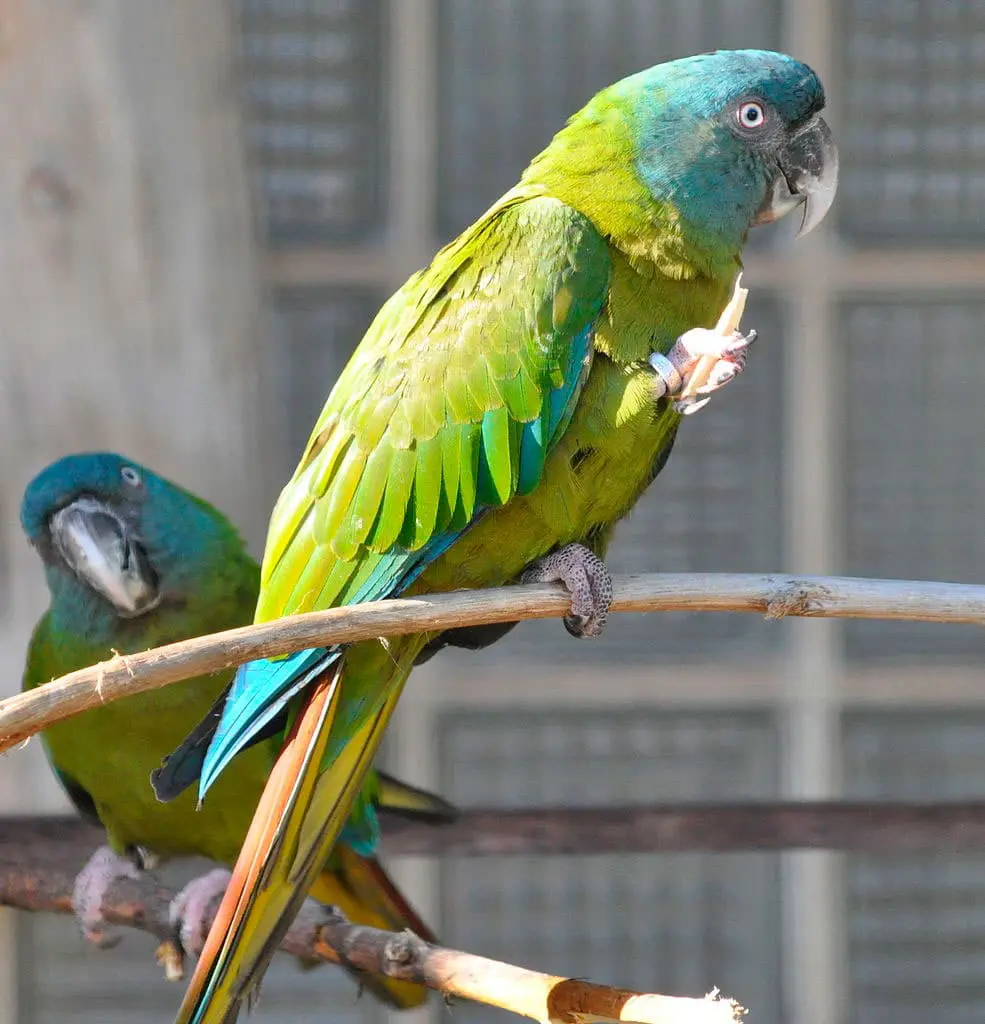
The rare and beautiful Blue-headed Macaw (Primolius couloni), with its striking and vivid plumage green and blue, Unfortunately, now hardly seen in nature.

As its common name indicates, the head is blue, the forecrown with a narrow band of black color that will fade in blue on the area of the crown; the ear-coverts and both sides of the neck are blue, fading to green in the area of the nape. Upperparts olive green with light tint in the tail and in the uppertail-coverts. Small, large and medium-sized coverts green interiors; the large coverts Blue exterior. The flight feather are blue top (with a bit of green in high schools), by below, Yellow olive. Underparts green, slightly more yellow than the upper. The upper part of the tail is an intense Brown, while the underparts is yellowish-green.

The bill is black, Ivory at the end; the bare skin of the lores and the top of the cheeks it is gray with a bluish tint and crossed in front by very small lines of black feathers: the irises yellow; legs grayish pink.

Both sexes are similar, the male, possibly, largest average.

The immature with the irises dark. The bill is completely black and the legs more grey. The skin of the face and lores (area between the beak and eyes) is white. Depending on your age, have queues shorter.

NOTE:

    In close relationship with the Yellow-collared Macaw (Primolius auricollis) and the Blue-winged Macaw (Primolius maracana); it has sometimes been considered congeneric with the latter. monotypic.

Habitat:

The Blue-headed Macaw distributed by humid tropical forests, at altitudes between 150 and 1,550 m. They prefer habitats altered or partially open, mainly in forest edges along rivers, in the clearings and in partially wooded areas surrounding; There are also records of these macaws in marshy areas of forest with Mauritia Palms.

This species prefers possibly the wooded foothills of lowlands.

He is not very sociable: The flocks with the largest number of individuals appear between June and October, usually traveling in pairs or groups of three individuals; apparently, not associated with the Chestnut-fronted Macaw.

Reproduction:

Known that the reproduction of these birds is correlated with the period of greatest abundance of food due to the breeding of pigeons (before and after leaving the nest) It requires a lot of energy expenditure.
There are no records of their reproductive period, However there has been during the months of April to June shown to the parents with their chicks and that in Peru, species Mauritia flexuosa "guaje" and Dipterix odorata "odorata" are key to its reproduction.

In captivity they reproduce couples chosen by them and have of two to three eggs, two chicks being generally viable.

Food:

The Blue-headed Macaw they feed mainly on seeds, mature and immature fruit, and flowers, occasionally supplemented with bark and other inputs.

Unlike many other birds, the parrots of the New world They seem to not be able to modify your diet to predominately insectivorous, reason why they are intimately linked to the patterns of flowering and fruit production (Brightsmith et to the, 2008). They have a strong dependency of the colpas clay.

Distribution:

Distributed by the Western basin of the amazon at the West end of Brazil (in Acre, from time to time), Peru Eastern and in the Northwest corner of Bolivia.

In Peru are known from the top of the Valley of the Huallaga River in Loreto, San Martin and Huanuco (including the outskirts of Tingo Maria), in a town on the eastern slope of the National Park of the Sierra of the Divisor in the basin Ucayali, in the basins of the Curanja River and Purus River, in the Apurimac River in the Cuzco and Mother of God to the West of Puerto Maldonado, around Puerto Maldonado and the Tambopata River to 50 km of the border with Bolivia; You can see in the Manu National Park.

In Bolivia have been found in Peace and perhaps in the South of Beni with indications that the birds are distributed regularly to the South, in the Eastern foothills of the Andes to the South of Bolivia.

Local and erratic in its distribution, but apparently quite common in some places. Perhaps the enlargement of its range is fairly limited in the southwest of the Amazonia due to the degradation of forests.

Rare in captivity.

Conservation:


Vulnerable

โ€ข Red List category of the UICN current: Vulnerable

โ€ข Population trend: Decreasing

Until recently it was considered quite common., but a review in 2006 by BirdLife International suggested that it was rare, with a decrease in the total population to the 1.000-2.500 individuals. Thus, has been placed in the category in danger of extinction in the 2007 (Red list of the UICN).

Parts of the distribution of this species are still little known, but Tobias and Brightsmith (2007) It has been suggested that the previous estimates were too low, with the most probable real number of 9.200 to 46.000 mature individuals. It is suggested that vulnerable could be a more appropriate category for this species.

The Blue-headed Macaw It is commonly found in the markets of Brazil, still valuable, prices above the 12.000 $, and in high demand due to their rarity.

OBJECTIVES:

Information about the actual state of conservation of the species. It also, This project, that is being conducted under a partnership with the Government of Peru, includes other project, in this case for the conservation of the Grey-cheeked Parakeet, classified as "endangered".

STRATEGIES:

The two projects include the definition of methods for determining the density of populations in key places, the evaluation of the level of the illegal trade in birds, and the promotion of the local social consciousness in relation to the illicit traffic of these species.

ACTIONS:

The field team is carrying out assessments of populations and habitat analysis, and at the same time they updated the assessment of the threats weighing on the two species. The general population trend of the Blue-headed Macaw is one very gradual decrease, but it seems that the species can withstand certain levels of their forest habitat change. By censuses in consecutive years, the population of the Grey-cheeked Parakeet It has not undergone further decline despite the severe fragmentation of the preferred dry forest.

"Blue-headed Macaw" in captivity:

Very rare in captivity.

Couples are formed according to the preferences of the copies, couples chosen by the breeder will not work. The diet is based on the seasonal fruits and vitamin supplements.

The Parque de las Leyendas Zoo in Peru, captive breeding, It has no objective reproduction but the exhibition of animals that are twelve in total. Births have been but manualรข studies have not been performed. In the month of March to April of the 2010, This project through the SERNANP with scientific staff of the aforementioned zoo, he carried out the biometric studies of this species and established the protocols for the reproduction studies.

Are no data about your longevity, Although similar species such as the Blue-winged Macaw have records having lived 31 years in captivity and having raised from the 6 years of age.

The illegal traffic This species is a serious problem that affects their conservation.

Alternative names:

– Blue-headed Macaw, Blue headed Macaw, Coulon’s Macaw (English).
– Ara de Coulon (French).
– Blaukopfara (German).
– maracanรฃ-de-cabeรงa-azul (Portuguese).
– Guacamayo Cabeciazul, Maracanรก de Cabeza Azul, Guacamaya cabeza azul (espaรฑol).
– Parabachi cabeza azul (Colombia).
– Guacamayo de Cabeza Azรบl (Peru).

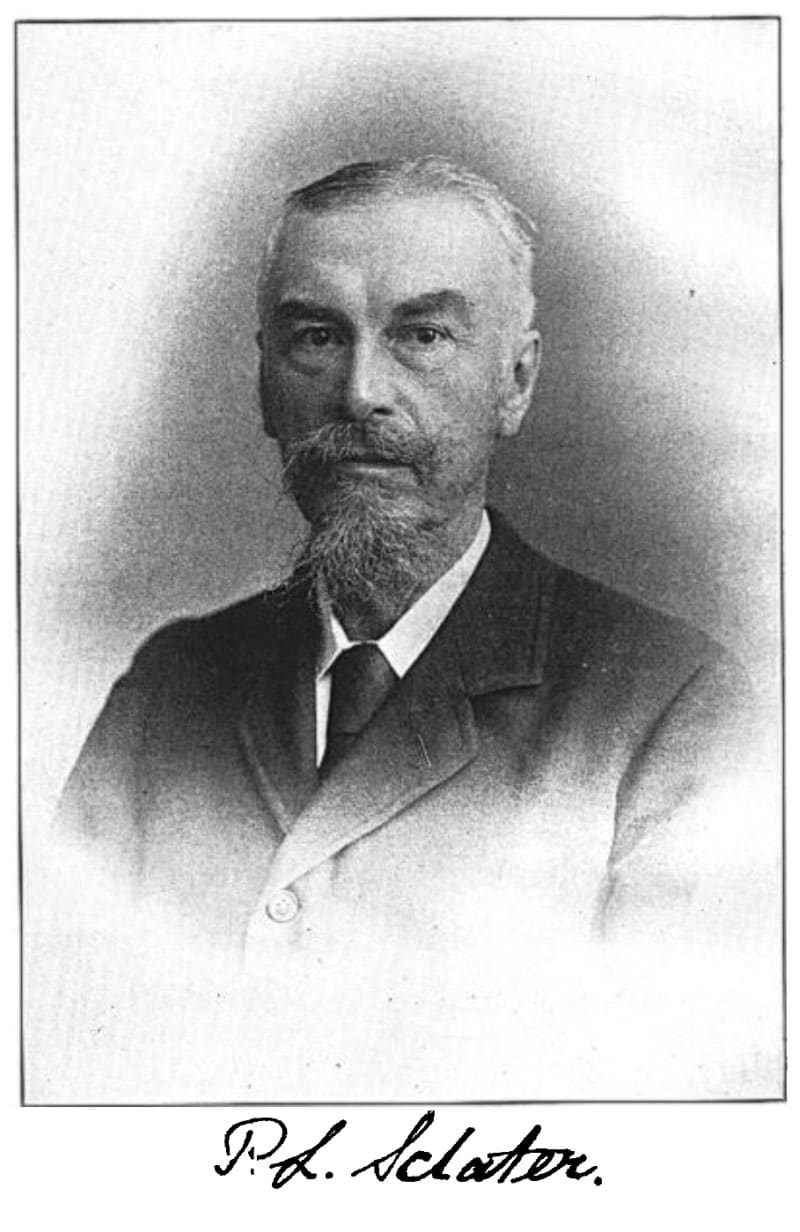
Philip Sclater
Philip Sclater

scientific classification:


– Order: Psittaciformes
– Family: Psittacidae
– Genus: Primolius
– Scientific name: Primolius couloni
– Citation: (Sclater, PL, 1876)
– Protonimo: Ara couloni


Images Blue-headed Macaw:

Videos "Blue-headed Macaw"

————————————————————————————————

ยซBlue-headed Macawยป (Primolius couloni)


Sources:

– Avibase
– Parrots of the World โ€“ Forshaw Joseph M
– Parrots A Guide to the Parrots of the World – Tony Juniper & Mike Parr
– Birdlife

– Photos:

(1) – Blue-headed Macaw in the Walsrode Bird Park, Germany By Quartl (Own work) [CC BY-SA 3.0], via Wikimedia Commons
(2) – Blue-headed Macaw (also known as Coulonโ€™s Macaw) in captivity at Walsrode Bird Park, Germany By Robert01 (Self-photographed) [CC BY-SA 3.0 of], via Wikimedia Commons
(3) – Blue-headed Macaw (Primolius couloni) at Jungle Island of Miami By DickDaniels (http://carolinabirds.org /) (Own work) [GFDL or CC BY-SA 4.0-3.0-2.5-2.0-1.0], via Wikimedia Commons
(4) – Moscow Zoo. Blue-headed Macaw (Ara couloni, syn. Primolius couloni) By Andrey Korzun (Kor!An) (Own work) [GFDL or CC BY-SA 3.0], via Wikimedia Commons
(5) – Ara couloni – Wikipedia

– Sounds: (Xeno-canto)

โ–ท The world of Pets: Dogs, cats, birds, reptiles, amphibians

Crimson-fronted Parakeet
Psittacara finschi


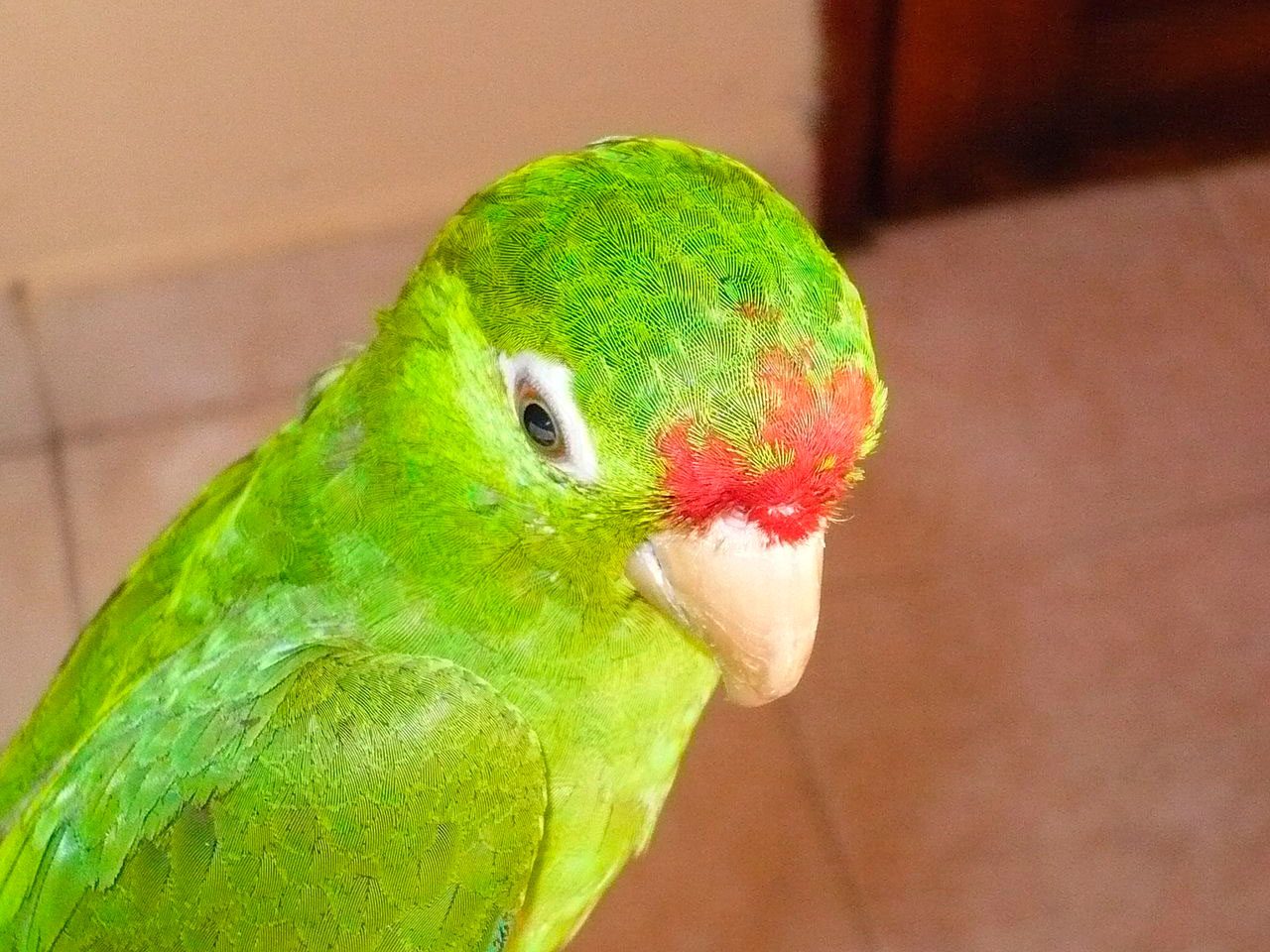
Aratinga de Finsch

Content


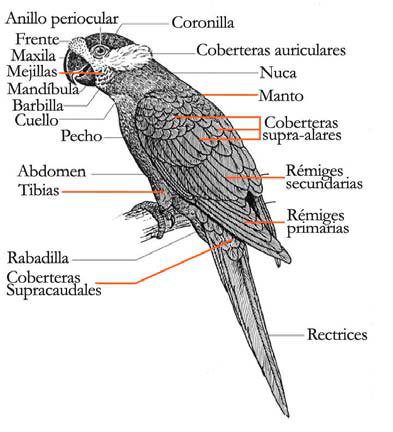
Anatomy-parrots

Description:

28 cm. of length and a weight of 150 g..

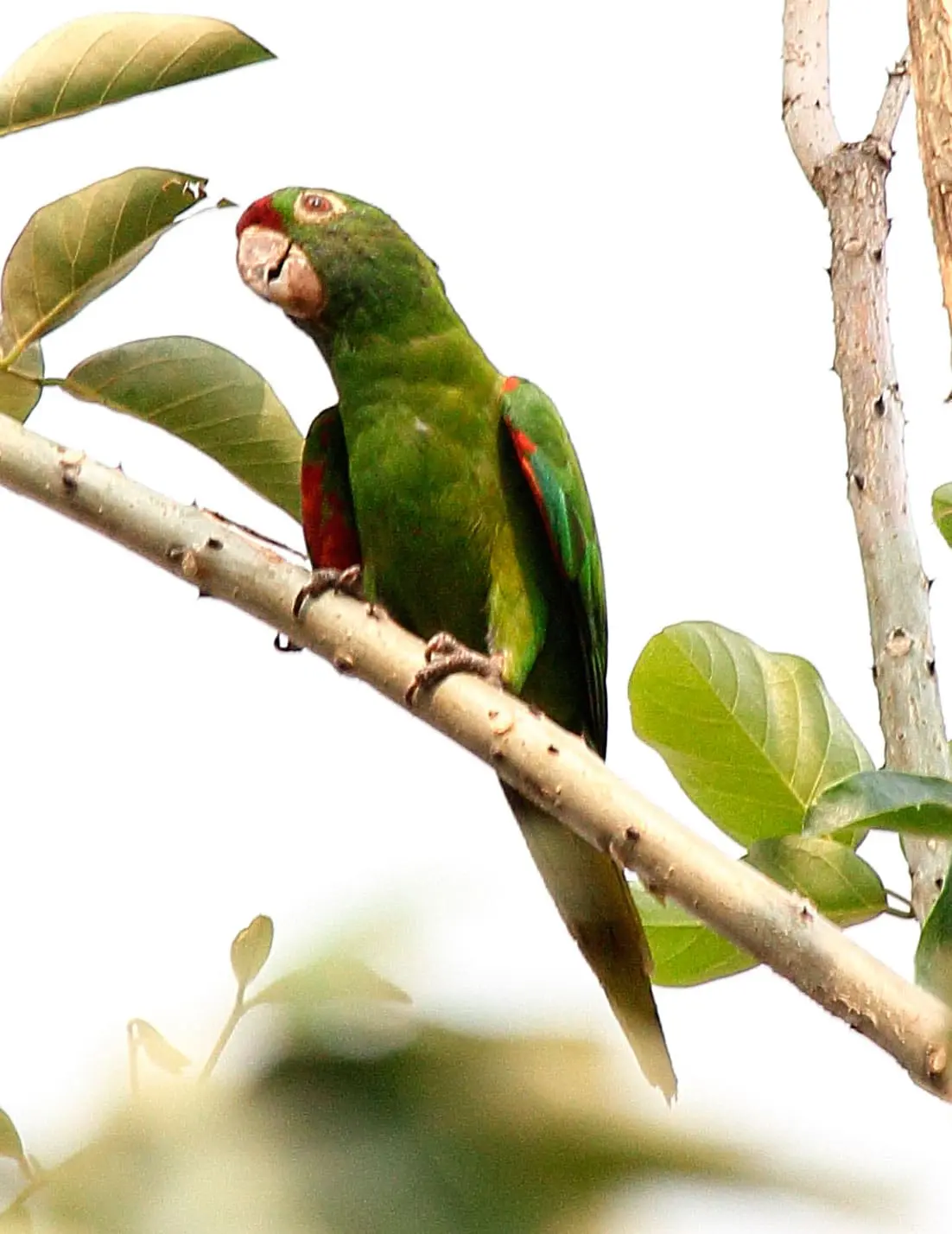
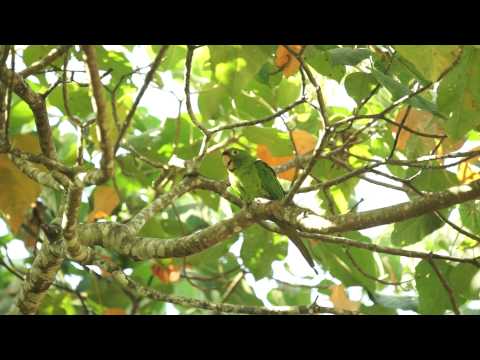
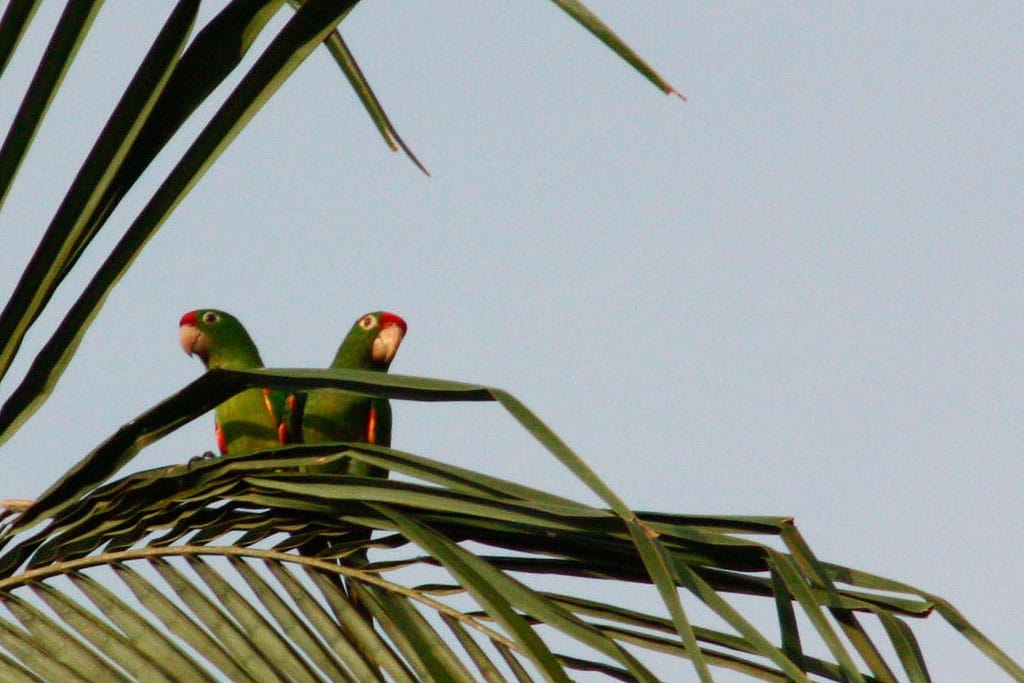
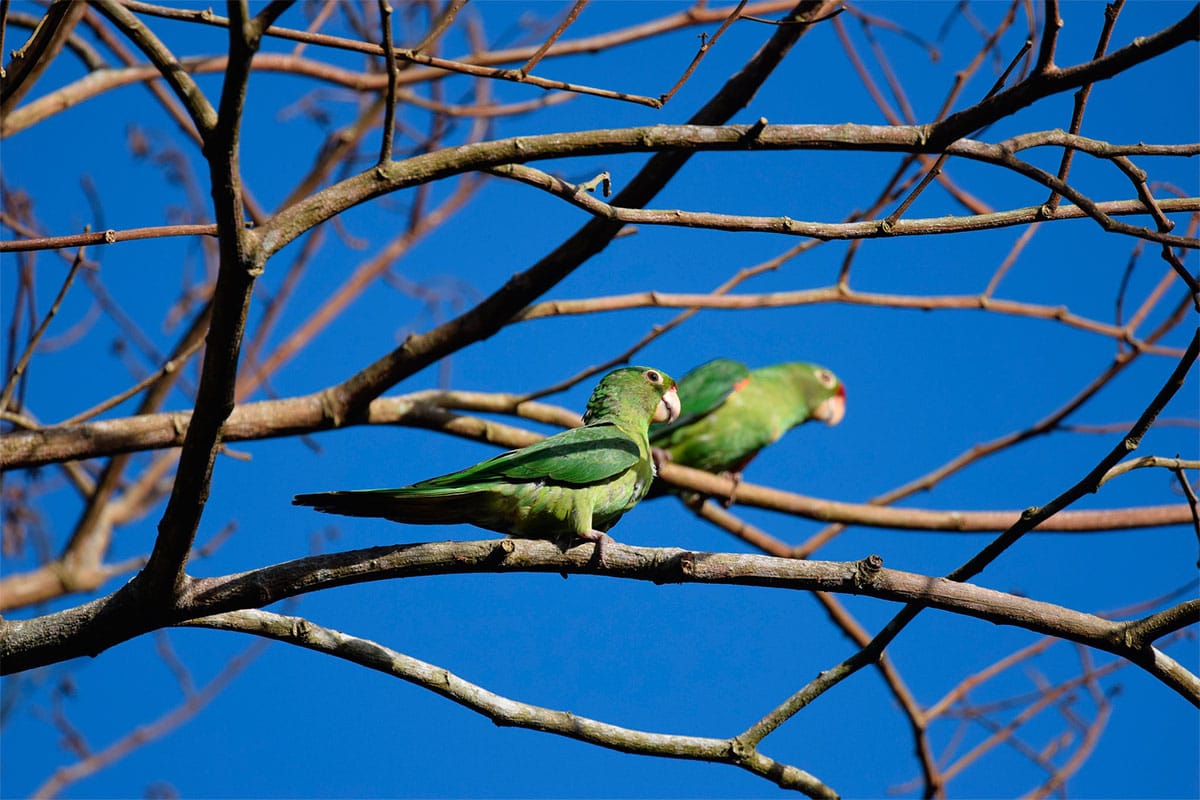
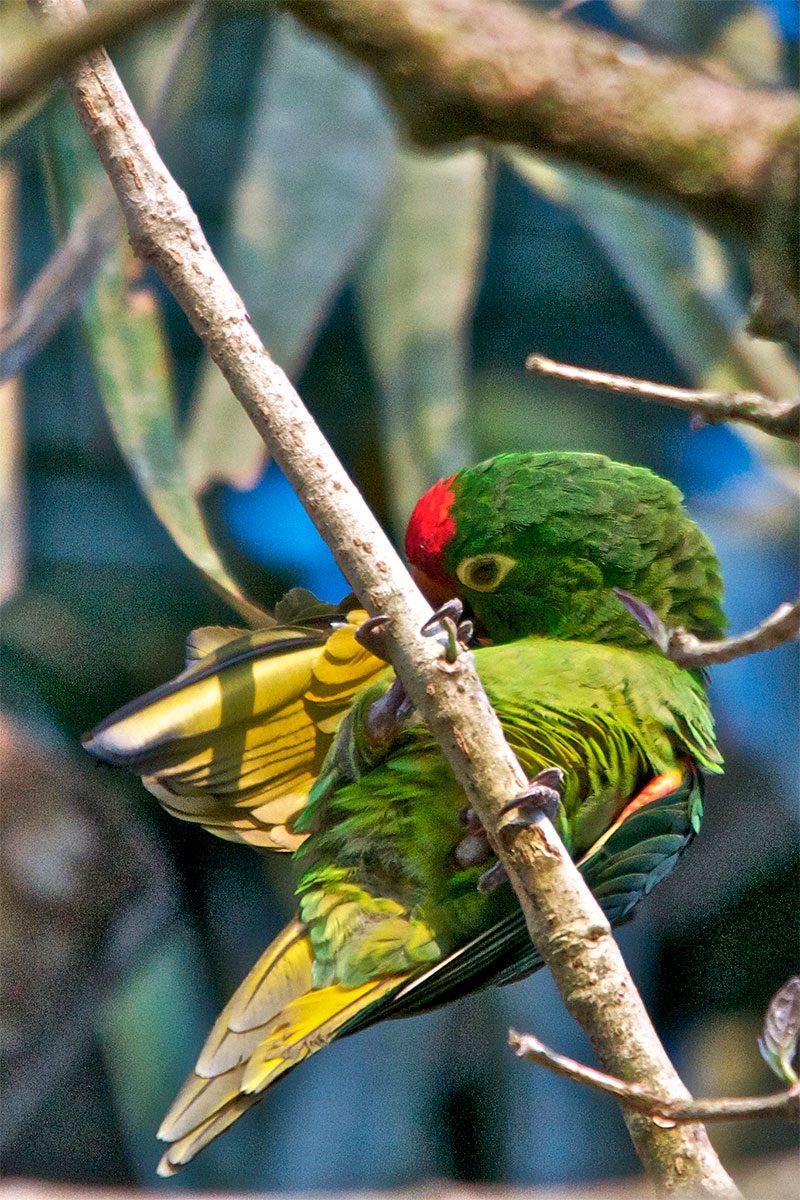
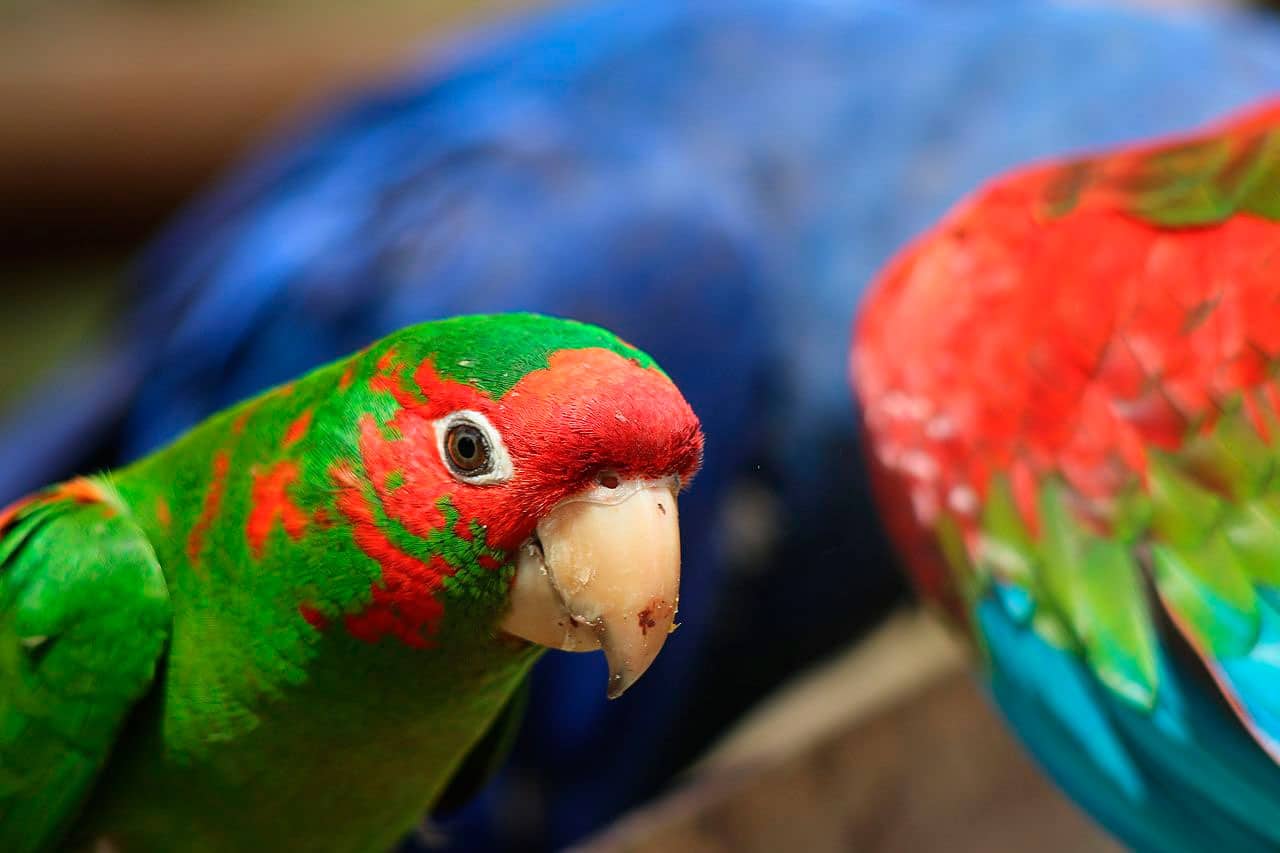
The Crimson-fronted Parakeet (Psittacara finschi) It is the only species of the genus Psittacara tail long with red color below the wing .

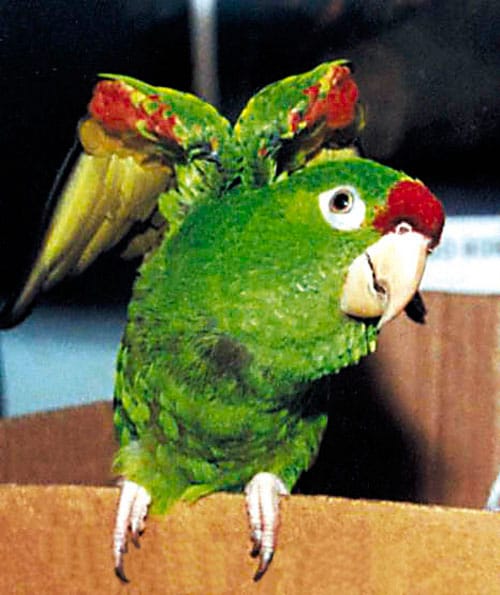
They have forecrown and the former area of the lores bright red; the head and the neck green color with the exception of some scattered red feathers. The upperparts and upperwing-coverts green, with some red feathers on the bend of wing. The flight feather green above, more dark towards the tips with a dye bluish light in them vane inner; then golden brown color. Lesser and medium underwing-coverts red, the largest yellow, other coverts pale green. The underparts pale green, sometimes with red at the bottom of the tibia. Upper, the tail grass-green, by down golden brown.

Ilustraciรณn Aratinga de Finsch

The irises is orange and the eye ring naked is whitish. The bill exhibits a color gray-tipped Horn and the legs off gray color.

It has no sexual dimorphism.

The immature There are very little or almost no red in the forecrown and lack of red color in the thigh or the neck. The lining of the wings is more Orange.

Habitat:

Video – "Crimson-fronted Parakeet" (Psittacara finschi)

Psittacara finschi - feed

They inhabit tropical and subtropical envelope 1.400 metres in Costa Rica and 1.600 meters in the West of Panama, in areas with light trees or in fields with scattered trees, in secondary growth forests, edges of the forest, coffee plantations and nearby farmland. Irregular or seasonal in large forested areas.

They are birds gregarious, usually observed in flocks of up to 30 Member, but up to several hundred birds can gather in roosts communal on the tops of the trees or palms. Roosts, at times near the cities.

Reproduction:

They located their nest in holes of various types: natural cavities, old holes of woodpeckersย (F. Picidae), stumps of dead Palms. They can dig holes in rotten stumps or in masses of epiphytes.. Sometimes many couples may nest near each other.

The union of the pair of this species is particularly strong. The pairs isolate themselves from the group towards the end of July to nest.. With reproduce during the dry season and the rainy early. The female lays three or four eggs which are incubated during approximately 24 days. The juveniles they leave the nest to the 50 days of life.

Food:

Feeds of corn and sorghum; also eats flowers of the forest flame (Spathodea campalunata), flowers and fruits of porรณย (Erythrina sp.), guabasย (Inga sp.) and fruits of targuรกย (Croton sp.), lagartillo (Zanthoxylum sp.), guititeย (Acnistus arborescens)of guayabaย (Psidium guajaba) and higuerรณn

Distribution:

Widely distributed in the South of Central America, from Nicaragua until Panama.

The species can be found in the southeast of Nicaragua to the South of the Rio Grande, and in Costa Rica mainly on the slope of the Caribbean, Although there are exemplary residents on the side of the peaceful, on Osa Peninsula, at the South-West end and seasonal visitors in the Guanacaste Cordillera, in the North and the central plateau around San Jose.

In Panama they come to the East, a unos 82ยฐW, but it is probable that only seasonally in the lower Highlands of the Province of chiriqui.

Flocks of birds required extensive territories and the species occurs, apparently, in many areas, if only as a post-breeding visitor.

Very common or locally common with increasing numbers in Costa Rica and Panama, probably due to deforestation.

Maintained in captivity and internationally traded in small quantities.

Conservation:

State of conservation โ“˜


minor concern Minor Concern โ“˜ (UICN)โ“˜

โ€ข Red List category of the UICN current: Least concern

โ€ข Population trend: Growing

The size of the world population of the Crimson-fronted Parakeet It has not been quantified, but this species is described as ยซquite commonยซ.

You can be increasing their geographical range due to deforestation.

abundant on the slope of the Caribbean of Nicaragua. common and widespread in areas deforested over the slope of the Costa Rica Caribbean.

"Crimson-fronted Parakeet" in captivity:

Quite common in United States, less elsewhere.

Socialize easily with human, and can become a committed and loving companion. Es a Intelligent and lively, with easy to imitate the human voice and run different games and exercises. But, We must remember that it is a bird loud and the volume of their calls can get to be very annoying.

Alternative names:

– Crimson-fronted Parakeet, Crimson fronted Parakeet, Crimson-fronted Conure, Finsch’s Conure, Finsch’s Parakeet (English).
– Conure de Finsch, Perriche de Finsch, Perruche de Finsch (French).
– Veraguasittich (German).
– Aratinga-de-finsch (Portuguese).
– Aratinga de Finsch, Perico frentirrojo, Periquito de Pecho Rojo, Perico de Palmera (espaรฑol).
– Perico frentirrojo (Costa Rica).
– Perico Frentirrojo (Nicaragua).


scientific classification:

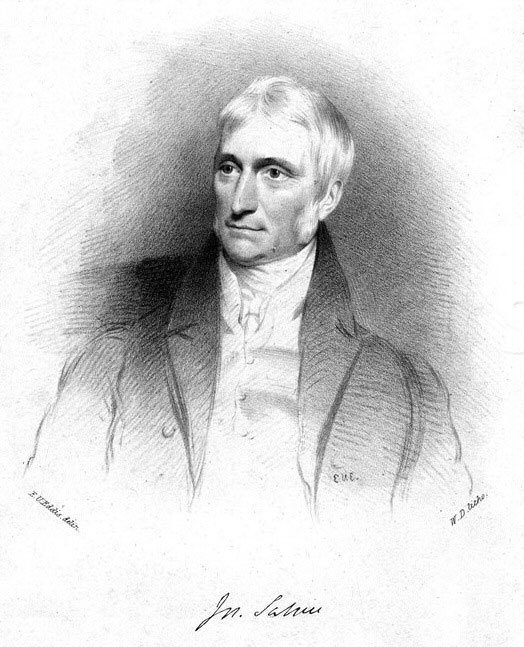
Joseph Sabine
Joseph Sabine

– Order: Psittaciformes
– Family: Psittacidae
– Genus: Psittacara
– Scientific name: Psittacara finschi
– Citation: (Salvin, 1871)
– Protonimo: Conurus finschi


Crimson-fronted Parakeet pictures:


Species of the genus Psittacara

Sources:

  • Avibase
  • Parrots of the World โ€“ Forshaw Joseph M
  • Parrots A Guide to the Parrots of the World – Tony Juniper & Mike Parr
  • Birdlife

  • Photos:

(1) – A Finschโ€™s Parakeet )also called Finschโ€™s Conure and Crimson-fronted Parakeet) in San Josรฉ, Costa Rica By Dominic Sherony [CC BY-SA 2.0], via Wikimedia Commons
(2) – Perico frentirrojo juvenil, approximately 4 months of age, Panama City By Ricaurte (Own work) [Public domain], via Wikimedia Commons
(3) – Crimson-fronted Parakeet, also called Finschโ€™s Conure By Yazzieyazz (trabjo propioEnglish: own work) [Public domain], via Wikimedia Commons
(4) – Psittacara finschi en el parque nacional Henri Pittier, Venezuela By Roberto Galindo Deshays (Own work) [CC BY-SA 4.0], via Wikimedia Commons
(5) – Crimson-fronted Parakeet Costa Rica 2/15/16 Rancho Naturalistaby Andy Reago & Chrissy McClarren – Flickr
(6) – Crimson-fronted Parakeet by Brian Ralphs – Flickr
(7) – Crimson-fronted Parakeet Costa Rica 2/15/16 Rancho Naturalista by Andy Reago & Chrissy McClarren – Flickr
(8) – Aratinga finschi 06 Apr 2014 Costa Rica, San Lorenzo by Tom Benson – Flickr
(9) – Crimson-fronted parakeet by Charles Sharp – Flickr
(10) – Conurus finschii ยป = Psittacara finschi (Finschโ€™s Parakeet) by John Gerrard Keulemans [Public domain], via Wikimedia Commons

โ–ท The world of Pets: Dogs, cats, birds, reptiles, amphibians

Blaze-winged Parakeet
Pyrrhura devillei


Blaze-winged Parakeet

Content

Description:

Blaze-winged Parakeet

It measures 25 to 28 cm. and 70 weight GR.

In flight notorious is the armpit red with yellow line at the end; Red patch in the belly. The tail is opaque red.

Was formerly considered as a subspecies of the Maroon-bellied Parakeet (Pyrrhura frontalis), of crown brown, darker underparts, and underwing-coverts especially red and yellow.

Bill black; eye ring naked white; irises brown. Tail long.

It has no sexual dimorphism.

Habitat:

It lives in the Woods, on the clear and marshy edges, until the 1000 m.

It is a species tolerant of disturbance of the habitat.

Fly in flocks between 6 to 12 individuals.

Reproduction:

It nests in hollow of trees and is plays between October and December.

Food:

Feed a wide variety of dried fruits and fruit.

Distribution:

Is distributed between the South of Brazil (Mato Grosso from the South), North of Paraguay (Northwest of Conception and Southeast of Alto Paraguay) and Southeast of Bolivia.

In Brazil only it is known in Mato Grosso from the South, where is limited to the mountain ranges of Bodoquena and Maracayu, in the Ecotone between the Planalto and the lowlands of the Pantanal, and along the taboco river in the municipality of Aquidauana. It has a very limited range in the Paraguay, from where records of the latter are confined to gallery forests along the apa river.

Conservation:

โ€ข Red List category of the UICN current: Near-threatened
โ€ข Population trend: Stable

The size of the world population Blaze-winged Parakeet It has not been quantified, but this species has been described as ยซrareยซ.

State of conservation โ“˜


Near-threatened Near Threatened โ“˜ (UICN)โ“˜

This species is suspected that they have experienced a moderately rapid decline due to the extensive loss and degradation of its habitat range within. Now survive in a highly fragmented landscape. Its area of distribution in Brazil has suffered extensive forest loss and degradation through agricultural expansion and charcoal production. The forests of the North of Conception and those who are in Chaco, in the easternmost area of Paraguay, are coming under increasing pressure and have seen considerable deforestation in recent 10 years (R. Clay in litt., 2009).

There is one hybridization apparent with the Maroon-bellied Parakeet (Pyrrhura frontalis) observed in the apa river (R. Clay in litt., 2009).

The trade is apparently minimal (pit et to the., 1997).

"Blaze-winged Parakeet" in captivity:

These small parrots are very rare in captivity, Although its potential for pets is excellent. Are birds animated and soon procured confidence with its owner. They often enjoy bath and are not hard chewing. are mostly calm and they shall only be loud when they are excited. They can be aggressive toward other birds. Playful and curious and generally resistant.

Alternative names:

– Black-winged Parakeet, Black-winged Conure, Blaze winged Parakeet, Blaze-winged Conure, Blaze-winged Parakeet, Deville’s Conure (English).
– Conure de Deville, Perriche de Deville, Perruche de Deville (French).
– Devillesittich, Deville Sittich, Deville-Sittich (German).
– tiriba-fogo (Portuguese).
– Chiripepรฉ ala anaranjada, Cotorra de Deville, Perico de Alas Naranjas, Periquito alianaranjado (espaรฑol).
– Periquito alianaranjado (Bolivia).
– Chiripepรฉ ala anaranjada (Paraguay).

scientific classification:

– Order: Psittaciformes
– Family: Psittacidae
– Genus: Pyrrhura
– Scientific name: Pyrrhura devillei
– Citation: (Massena & Souancรฉ, 1854)
– Protonimo: Conurus Devillei

Images "Blaze-winged Parakeet"

Videos "Blaze-winged Parakeet"


Especies del gรฉnero Pyrrhura

Blaze-winged Parakeet (Pyrrhura devillei)


Sources:

– Avibase
– Parrots of the World โ€“ Forshaw Joseph M
– Parrots A Guide to the Parrots of the World – Tony Juniper & Mike Parr
– Birdlife

– Photos:

(1) – Blaze-winged Parakeet, Pousada Aguape, Mato Grosso Sul, In Brazil Flickr by Wildlife Travel
(2) – Iconographie des perroquets :Paris :P. Bertrand,1857 biodiversitylibrary

– Sounds: (Xeno-canto)
โ–ท The world of Pets: Dogs, cats, birds, reptiles, amphibians

Emma's Parakeet
Pyrrhura emma

Emma's Parakeet

Content

Description:

Emma's Parakeet

23 cm.. length.

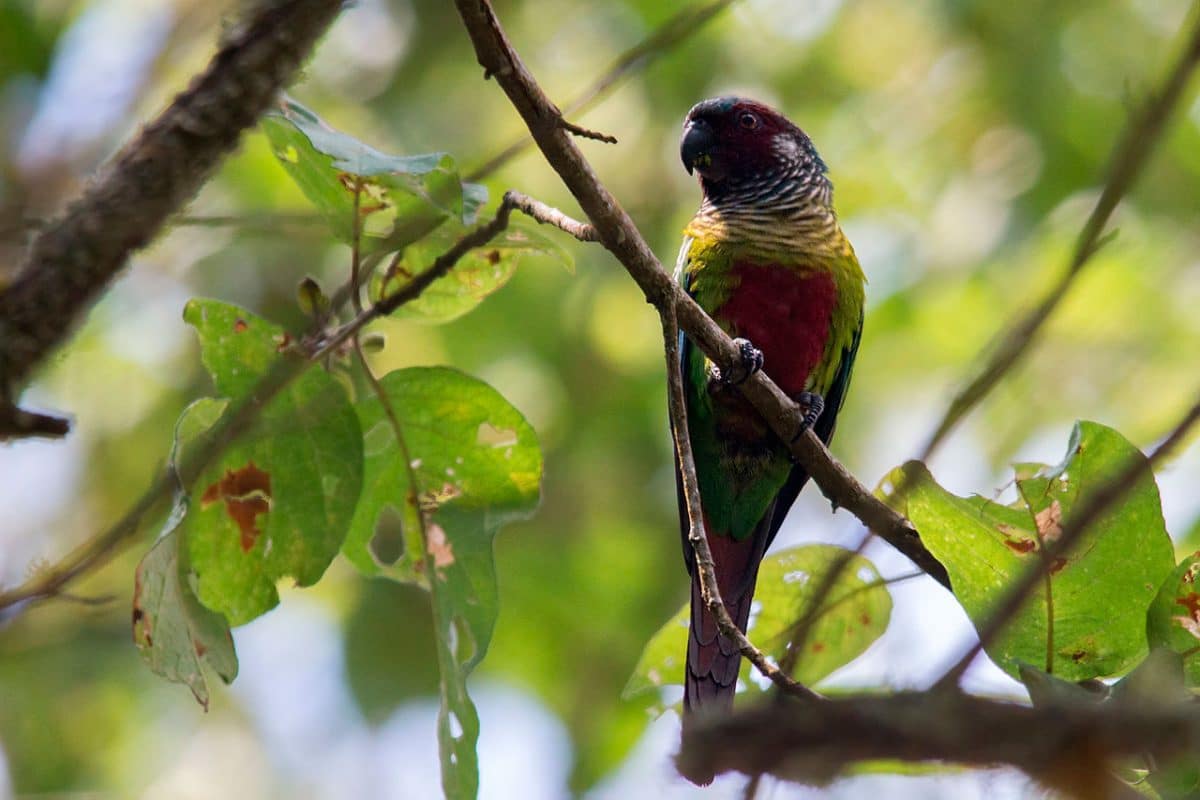
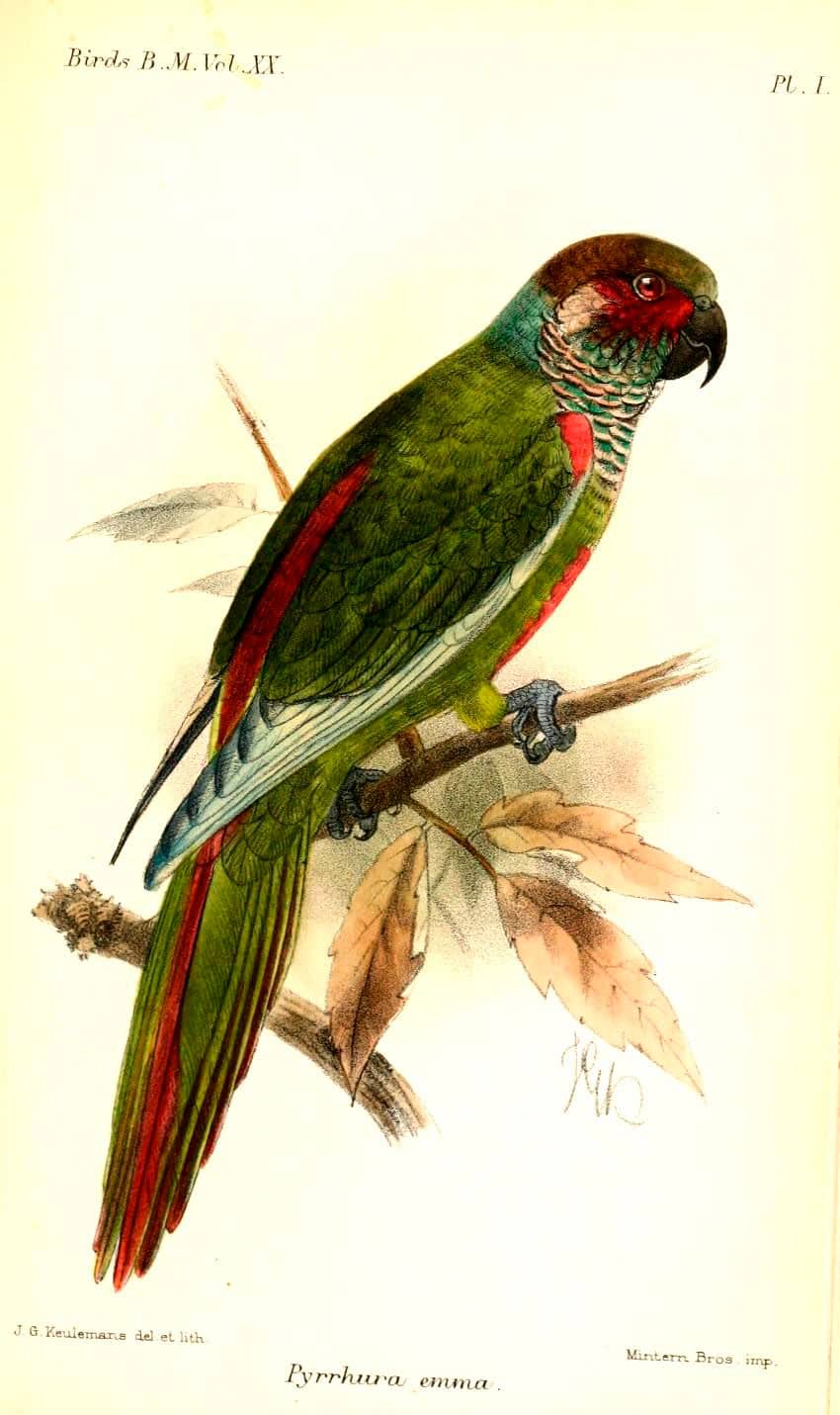
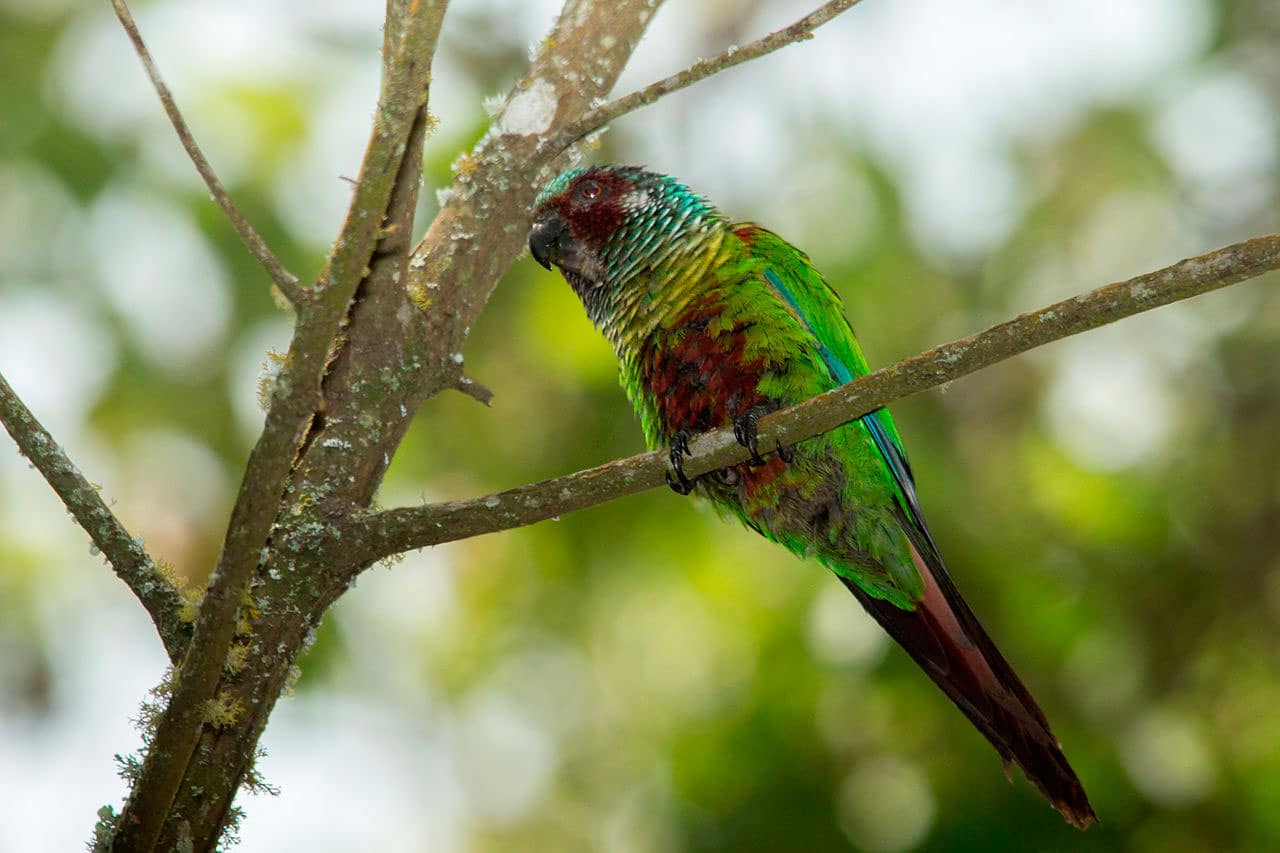
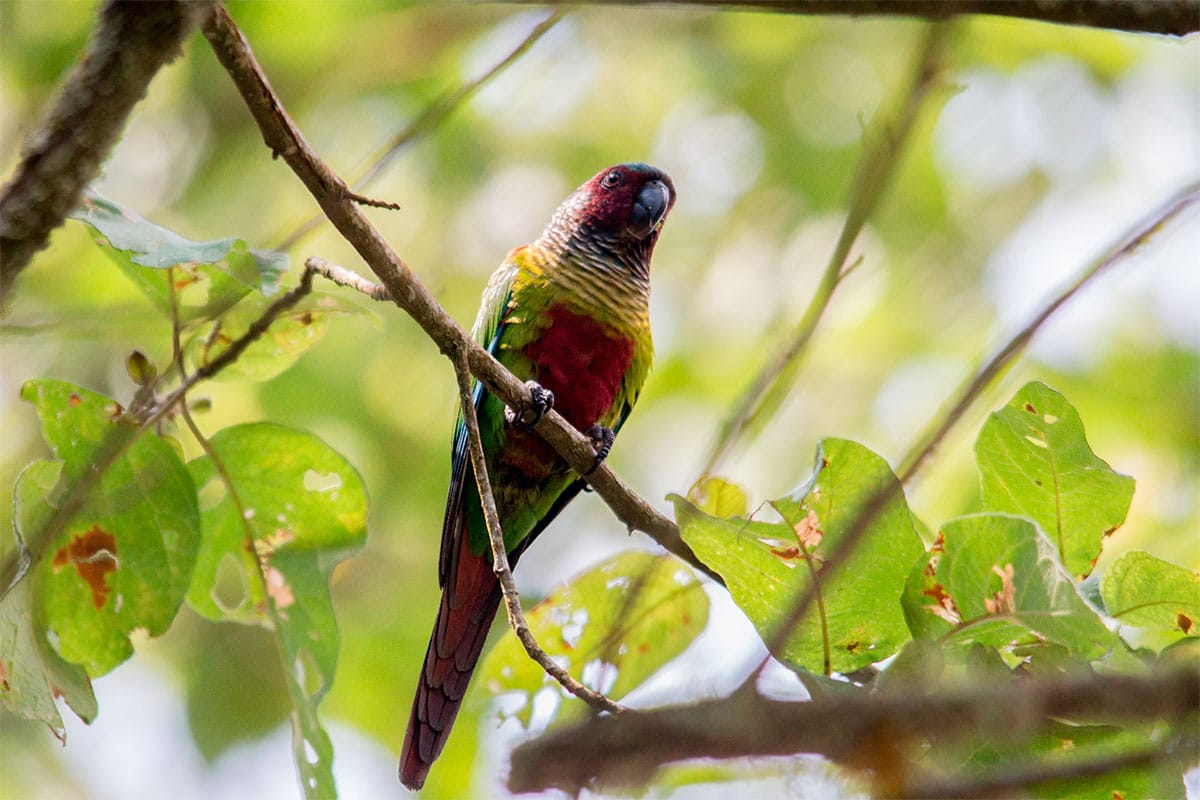
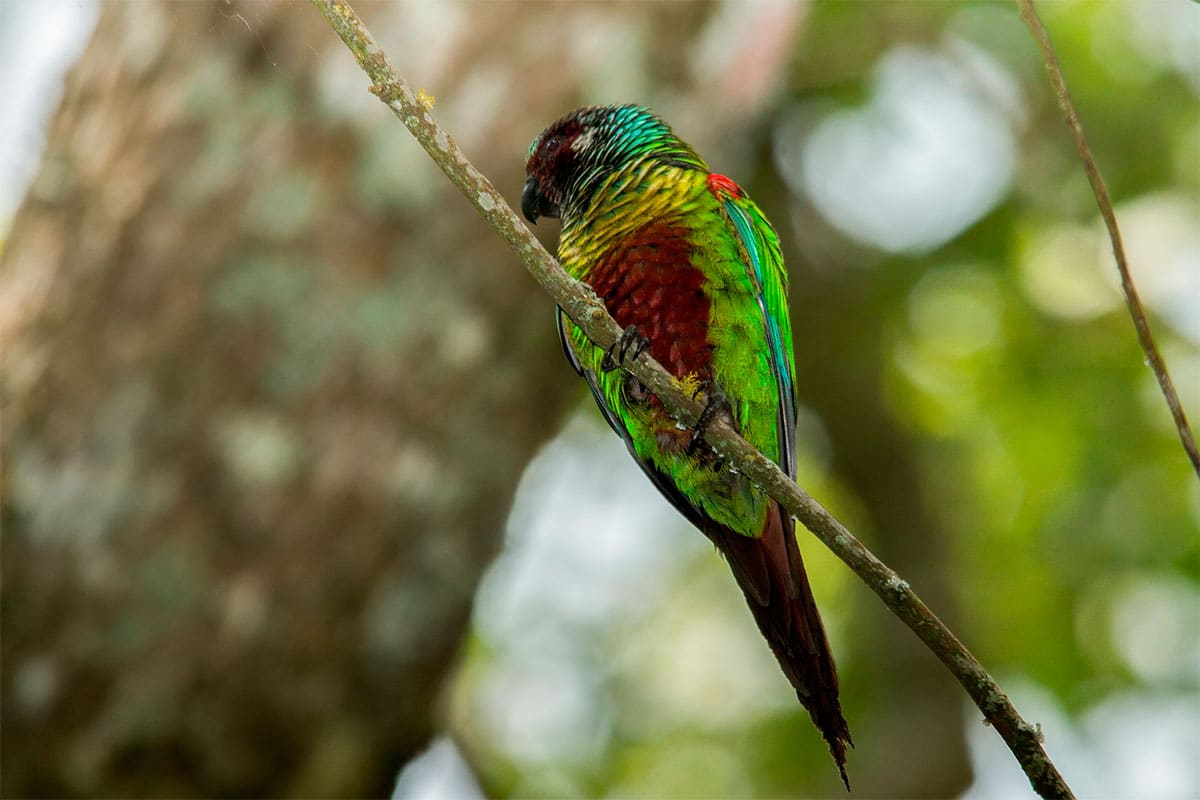
The Emma's Parakeet (Pyrrhura emma) is a bird, mostly, green, with blue in the wings, reddish-brown in rump, on tail and in the back; Scaled plumage chest yellowish color on a gray background olive; wings with red shoulder, inconspicuous.

The face red plum, while the pileum It is brown and gray forecrown blue. Abdomen with dark red stain, tail with green base, edge red and below all red.

Eye ring grey, cheeks red with white spot on ears. Bill dark. It has no sexual dimorphism.

Habitat:

They can be seen in hill forests in the coastal mountain range in Venezuela, in humid forests and edges as well as in adjacent clearings with sparse trees and groves (pit et to the., 1997).

Usually it moves in flocks, on quick flights up 25 specimens, before landing in the canopy.

Reproduction:

There is insufficient information regarding reproduction and feeding. Breeding season probably between May and July. Period of incubation: 24-25 days.

Food:

They have been observed eating flowers of Ochroma and nectar (Hilty 2003).

Distribution:

Size of its range (reproduction / resident): 88.300 km2

The Emma's Parakeet inhabits forested areas of the northern coastal range Venezuela, from Yacacuy and Carabobo until Miranda, and disjuntamente from Anzoรกtegui to Sucre and northern part of Monagas (Del Hoyo et al., 1997, Juniper and Parr 1998, Hilty 2003, Forshaw 2006).

It is mainly found at altitudes 250-1.700 m, but you can see at sea level in eastern Sucre (Hilty 2003), where is quite common (Hilty 2003, P. Boesman in a bit., 2006). Its distribution within this range is complex and disjoint, found especially in mountainous terrain at lower elevations (Hilty 2003).

Conservation:

โ€ข Current category of the Red List of the UICN: Least concern.
โ€ข Population trend: Decreasing.

Justification of the population

State of conservation โ“˜


minor concern Minor Concern โ“˜ (UICN)โ“˜

Apparently, the population size of this species has not been quantified.

Justification of trend

The capture for trade and changes in land use may be causing a decrease in population of this species, although the trend has not been quantified, and none of these is considered serious threats to this species today(CJ Sharpe a slightly. 2014).

Conservation Actions Underway

They live in several national parks (P. Boesman in a bit., 2006), with a "substantial" population in the Guatopo National Park, Miranda (Juniper and Parr 1998, Hilty 2003).

Conservation Actions Proposed

Continue to monitor this species in the field and in trade.

Strengthen the network of protected areas within the range of this species.

"Emma's Parakeet" in captivity:

Very rare in captivity. Very intelligent, active and playful. They are very aggressive with other species. Price per couple: 400 EUR.

Alternative names:

– Emma’s Parakeet, Emma’s Parakeet (incl. auricularis), Painted Parakeet (Venezuelan), Venezuelan Parakeet (English).
– Conure d’Emma, Conure emma, Conure emma (incl. auricularis) (French).
– Emmasittich (German).
– Emma’s Parakeet (Portuguese).
– Cotorra de Emma (espaรฑol).


scientific classification:

Salvadori Tommaso

– Order: Psittaciformes
– Family: Psittacidae
– Genus: Pyrrhura
– Scientific name: Pyrrhura emma
– Citation: Salvadori, 1891
– Protonimo: Pyrrhura emma


Images Emma's Parakeet:

Videos "Emma's Parakeet"


Especies del gรฉnero Pyrrhura

Emma's Parakeet (Pyrrhura emma)


Sources:

– Avibase
– Parrots of the World โ€“ Forshaw Joseph M
– Parrots A Guide to the Parrots of the World – Tony Juniper & Mike Parr
– Birdlife

– Photos:

(1) – Venezuelan Parakeet | Perico Pintado ( Pyrrhura emma)By Fernando Flores from Caracas, Venezuela [CC BY-SA 2.0], via Wikimedia Commons
(2) – Venezuelan Parakeet | Perico Pintado ( Pyrrhura picta emma) By Fernando Flores from Caracas, Venezuela [CC BY-SA 2.0 or CC BY-SA 2.0], via Wikimedia Commons
(3) – Venezuelan Parakeet | Perico Pintado (Pyrrhura emma) by Fernando Flores – Flickr
(4) – Venezuelan Parakeet | Perico Pintado (Pyrrhura emma) by Fernando Flores – Flickr
(5) – Venezuelan Parakeet | Perico Pintado (Pyrrhura emma) By Fernando Flores from Caracas, Venezuela [CC BY-SA 2.0], via Wikimedia Commons
(6) – Pyrrhura emma = Pyrrhura picta, Painted Parakeet by John Gerrard Keulemans [Public domain], via Wikimedia Commons

– Sounds:

โ–ท The world of Pets: Dogs, cats, birds, reptiles, amphibians

Vinaceous Parrot
Amazona vinacea

Vinaceous Parrot

Content


Anatomy-parrots

Description:

30 cm.. length and an approximate weight of 370 g..

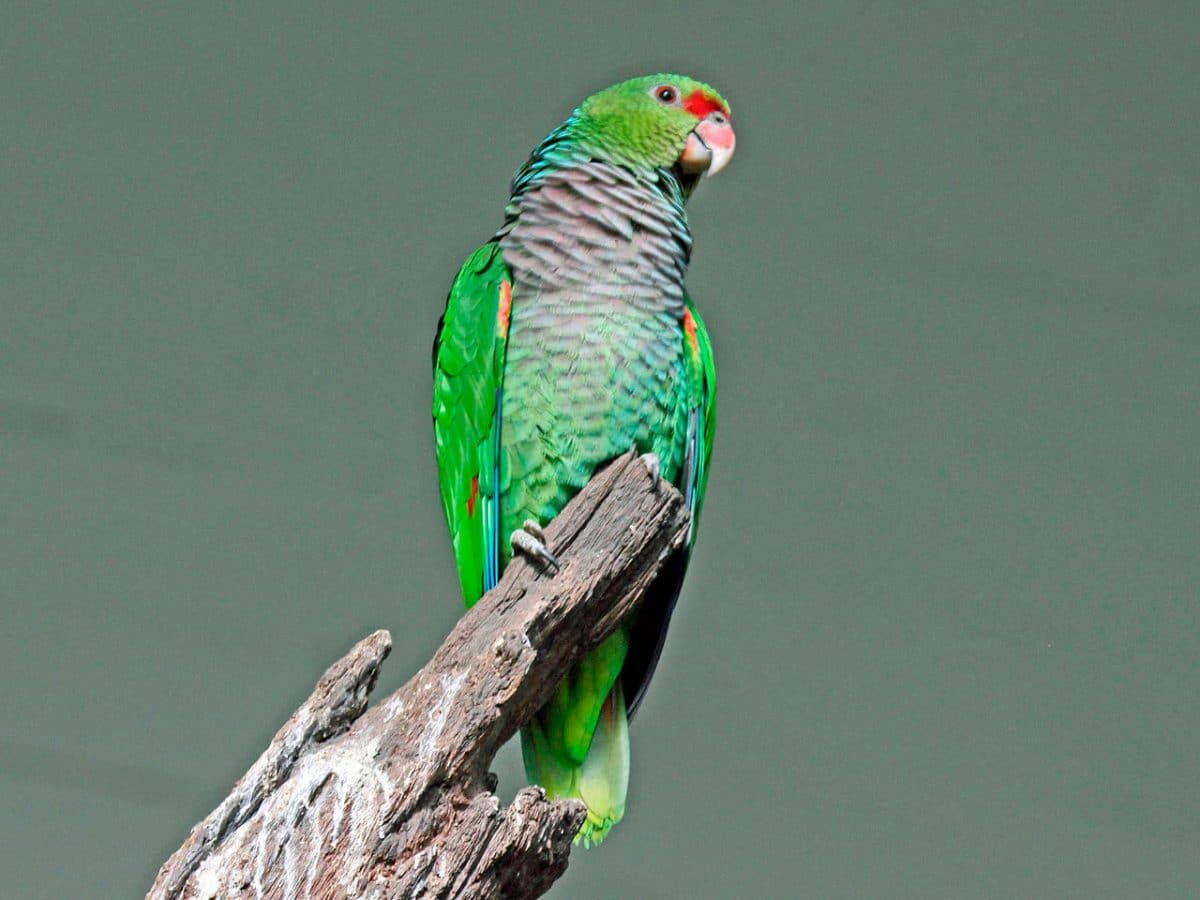
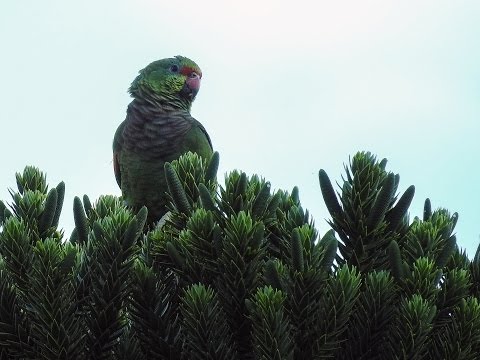
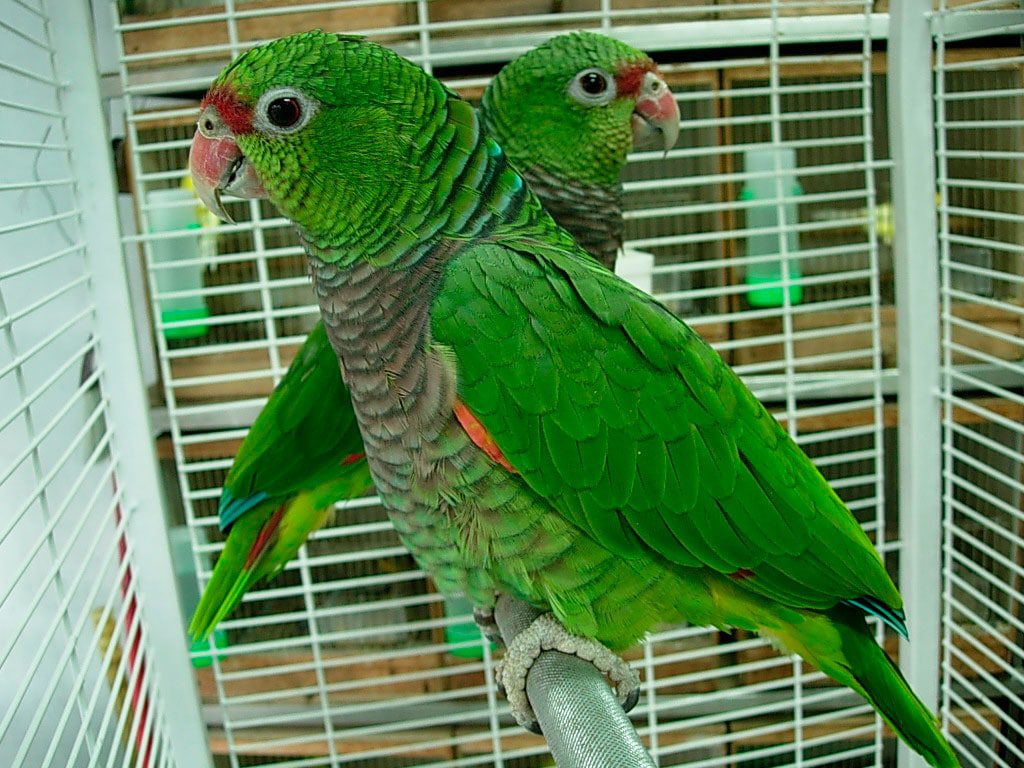
The Vinaceous Parrot (Amazona vinacea) has the lores and forecrown bright red; cheeks and crown green with black tips to some feathers head; elongated feathers on the sides of neck, the nape and the upper mantle, green at the base, subterminally light blue and black tip. The rest of the the mantle, back and scapulars, green with some feathers showing indistinct black tips; uppertail-coverts pale green.

Wing coverts green with red variable and / or yellow in leading edge of wing and the carpal area. Primaries pale bluish-green; Secondary green with blue tips, the base outerweb of the three outer secondaries, red, forming a small looking-glass. Under the wings, green. Throat and chest with shades that vary from strong wine brown to pale blue with a strong vinous diffusion; subterminal dark band at the tips of the feathers gives scalloping pattern; Belly green or yellowish green sometimes with vinous dissemination; undertail-coverts brighter yellowish green. Tail green with yellow green tip; the base lateral feathers in red innerwebs, in purple outerweb. The upper jaw It is red at the base with pale tip, horn-colored lower, reddish at the base; irises orange to reddish brown; legs grey.

Both sexes are similar. The immature It has the green suffusion in chest and the less extensive red on the head (confined to the base upper jaw).

  • Sound of the Vinaceous Parrot.

Habitat:

Video – "Vinaceous Parrot"

Purple-breasted Parrot in Itamonte - Minas Gerais, Brazil

The Vinaceous Parrot inhabit in tropical and subtropical evergreen mixed forests; in the Brazil in humid coastal forests, in the East of Paraguay They can be found in forests Araucaria angustifolia and Euterpe edulis. The extent of the ecological dependence of this species on coniferous trees (Araucaria and Podocorpus) It is not clear, but the Araucaria angustifolia It is clearly important in Missions, Rio Grande do Sul and Santa Catarina and possibly it was related to the previous distribution further north in southeast Brazil.

Mainly observed in the lowlands, but there are reports of birds seen in hills 1.500-2.000 meters in the southeast of Brazil, where the best forest remnants persist. Usually in pairs or small groups with larger meetings (up to approximately 30) in July-August. In pairs during breeding (usually around September).

Reproduction:

The Vinaceous Parrot nidifica in holes in large trees with obvious preference for the Araucaria angustifolia, including rarely cracks in the cliffs. With reproduce the May in loose colonies. breeding season during the months of September to January. Clutch 2-4 eggs.

After the breeding season (February to July), the species congregate in large groups and community shelters.

Food:

The specific foods of the Vinaceous Parrot include flowers and fruits of Euterpe edulis (which apparently it is important seasonally in East Paraguay), seeds of Araucaria angustifolia, fruits of cocoons of Achatocarpus and new leaves Eucalyptus and seeds of Pilocarpus. It has been reported damagor cause in crops of oranges, but with the current low density of this species, It is unlikely to produce a serious economic impact.

Distribution and status:

Size of its range (player / resident ): 1.230.000 km2

The Vinaceous Parrot It is endemic in Southeast South America.

In Brazil It was found in southern Bay, in West Espirito Santo and scattered localities as Minas Gerais, Brazil (a peripheral register from the sao francisco river, about Januaria), sporadically en Rio de Janeiro (possibly a seasonal visitor), but widely observed in Sรฃo Paulo, Paranรก, Santa Catarina and Rio Grande do Sul.

Records in East Paraguay come from Amambay, Canindeyรบ, Caaguazu, Alto Paranรก, Itapua and Guaira and in the North of Argentina from Missions and possibly the eastern half of Currents.

There are some seasonal movements and post-breeding dispersal, possibly in relation to the food supply (for example, seed availability coniferous trees), with invasions scale reported in Paraguay in the past. Declines in the number of birds occur in Rio Grande do Sul January, with all its people disappeared by March and return in April for the rest of the year.

Formerly abundant and widespread but now there has been a contraction dramatic of its range and population, mainly due to the habitat destruction scale, the expansion of agriculture and floods caused by large hydroelectric dams. also trapped for a long time for bird trade.

Are distributed in several protected areas, but none is large enough to maintain a viable population. The former strongholds in eastern Paraguay They are subject to rapid deforestation, with a recent reduction in its scope and numbers and now probably confined only in Alto Paranรก and Ganindeyu.

Probably extinct (or almost) in Bahia and Espirito Santo, and a few birds are likely to remain in Rio de Janeiro and Minas Gerais, Brazil. Confined to the north and northeast of Santa Catarina and locally common only in forested parts of Sรฃo Paulo and Paranรก, where it is thought that the remaining population survives. Persist in the north and northeast of Rio Grande do Sul.

A census 2007 yielded a minimum of 253 copies in Argentina.
It is perhaps the Amazona more common in populations of Rio Grande do Sul, Santa Catarina and Paranรก (several populations of more than 100 birds), in the South of Brazil, and the low number persists in Minas Gerais, Brazil and Sao Paulo, within an estimated total of 1.500-2.000 birds.

Conservation:

State of conservation โ“˜


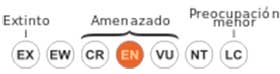
Endangered Endangered โ“˜ (UICN)โ“˜

โ€ข Current category of the Red List of the UICN: In danger of extinction.

โ€ข Population trend: Decreasing.

โ€ข Population size: 600-1700.

Rationale for the Red List category

This species is classified as endangered due to recent population estimates Brazil They indicate that the world population is very small and has suffered a rapid decline due to loss and fragmentation of habitat, aggravated by the trade. It is necessary to clarify whether Brazilian subpopulations exceed 250 specimens.

Justification of the population

Based on estimates 1.500 to 2.000 individuals in Brazil (G. Bencke in some. 2009), 220-400 in Paraguay and 253 in Argentina (K. Cockle in some. 2009), it is estimated that the total population is within the range of 1.970 -2.650 individuals and is probably positioned within the band 1,000-2,499. This is equivalent to 667-1.666 mature individuals, rounded here to 600-1.700 mature individuals.

Justification of trend

rapid and continuous population decline is suspected because of the Poaching of nests, the habitat destruction and persecution as a pest Of crops.

Conservation Actions Underway

โ€ข CITES Appendix I and II and protected by the Brazilian legislation.
โ€ข Nationally considered Vulnerable in Brazil (Urben-Filho et al . 2008, MMA 2014), and Critically Endangered in Argentina and Paraguay.
โ€ข Small populations are found in numerous protected areas (Wege and Long 1995, F. Olmos in some ., 1999).
โ€ข In the Argentina, two young provincial parks are used by the species, but they offer only partial protection because parrots use habitat outside the park for most of its life cycle, including, critically, the reproduction.
โ€ข In the Argentine stronghold of the species between San Pedro and Saint Rose, environmental education is underway to reduce the capture of chicks, and the population has been monitored since 2005 (Selva de Pino Paranรก in litt project., 2007).
โ€ข It has been achieved successful captive breeding.

Conservation Actions Proposed

โ€ข Monitor large populations (in March Argentina).
โ€ข Study reproductive biology and demography throughout the species' range and develop structured captive breeding programs to counter the high level of poaching of wild populations..
โ€ข Protect the general Carneiro (Santa Catarina), Itaipu (Alto Paranรก), RNP Itabรณ Rivas (Canindeyรบ), Estancia Golondrina (Caaguazu) and forests outside reserves Rio de Janeiro (Snyder et to the ., 2000) and between San Pedro and Saint Rose in Missions.
โ€ข Invest in permanently trained park rangers and resolve land tenure problems in Brazilian and Paraguayan reserves. (F. Olmos in some ., 1999, Cockle et al. 2007).
โ€ข Apply laws against the trafficking of species on the roads that connect the Monte Pascoal National Park with South Brazil (Snyder et to the ., 2000), in places where the species is captured and at borders and ports Paraguay and Argentina.
โ€ข Increase local public awareness to reduce nest theft and promote conservation of nesting sites..
โ€ข In Argentina, provide technical support to promote soil conservation, to avoid clearing forests for crops on small farms.

The Vinaceous Parrot in captivity:

The Vinaceous Parrot noted for its easy to imitate the human voice, better and clearer than the Amazona aestiva. Small easily they learn to speak.

Two decades ago, before placement in the Appendix 1 CITES Convention, this species was available in aviculture. It never was imported to Europe in a large number, but nevertheless often it offered for sale. Its price was higher than other species of Amazona available at that time, because of its amazing looks and his talent as an imitator. As the trade in wild birds was coming to an end, the captive population decreased markedly. While this species has been willing to breed for those that provide adequate breeding and have enough individuals to allow natural selection of the mate., captive breeding has been very disappointing, considering the number of birds that were previously available.

In the current avicultura, it seems that there are still a significant number of birds kept in Europe. A survey of amazon parrots in the European zoos, made in 1993 and published in 1994 by the EAZA, he listed in 59 species Vinaceous Parrot conserved in 11 zoological collections: of this, only three, Loro Parque (Spain), Walsrode Bird Park (Germany) and Beauval (France), had recorded breeding successes. It's known, However, that a significant number of Vinaceous Parrot They are held by private poultry farmers Europe and if these owners are willing to work in cooperation with EEP plan that can be started for this species, then the known captive population Europe could be big, enough to be considered as a viable.

The population of this species in captivity is similar to that of other species of the genus Amazona. In Loro Parque a couple is kept in an aviary in the exhibition area of รขโ‚ฌโ€นรขโ‚ฌโ€นthe park, and several more couples are kept in breeding cages suspended in their breeding outside exhibition. Suspended breeding cages are approximately 300 cm long x 95 cm width and height. Each cage has the nest-box placed against the outer rear panel, and there is a cut in the wire hole to allow birds to enter the nest-box. With the nest located outside of the cage, this eliminates the need to enter the service or inspect the nest-box.

The feeding of these birds is done twice a day. To the 7 Morning receive their main dish containing a mixed salad prepared with the following elements: – Apple, pear, tomato, beet, Carrot, alfalfa, lettuce, Peppers, papaya and other fruits and vegetables seasonally available; In addition, They are also used, when available, various fruits that are grown in the park, as nopal cactus plants and berries palmera pindรณ (Syagrus romanzoffiana). A second smaller dish meal in the morning provides birds commercial pellets dietary, and during the breeding season each pair is also given segments of their own supplement "pie" that is made fresh every day. The evening meal is given to 3:00 pm, with a mixture of nuts, seeds and beans cooked.

The Vinaceous Parrot It was raised for the first time Loro Parque in 1990, when one pigeon was raised hand. The couple proved to be very unreliable when it came to the incubation their eggs, why he has always resorted to artificial incubation or host and breeding. This couple Vinaceous Parrot He received on subsequent occasions eggs more common species to give them the opportunity to prove that they are good parents, but so far they remain unreliable.

No offspring were produced in 1991, but the couple tried again in 1992, when he carried out another manually raising and other raised squab. In 1993, when the same pair joined again, the clutch of eggs was transferred to a pair of Red-crowned Parrot (Amazona viridigenalis), which they proved to be excellent foster parents and raised chicks born. The same technique was used in 1994, but only one egg clutch proved to be fertile and the chick was raised successfully by Red-crowned Parrot.

Alternative names:

– Vinaceous Parrot, Vinaceous Amazon, Vinaceous-breasted Amazon, Vinaceous-breasted Parrot (English).
– Amazone vineuse (French).
– Taubenhalsamazone, Taubenhalsamazon (German).
– Papagaio-de-peito-roxo, chauรก, coraleiro, corraleiro, crau-crau, curraleiro, jurueba, papagaio-caboclo, papagaio-curraleiro, papagaio-peito-roxo, peito-roxo, quero-quero, tรฉu-tรฉu (Portuguese).
– Amazona de Pecho Vinoso, Amazona Vinosa, Loro vinรกceo, Loro vinoso (espaรฑol).


scientific classification:

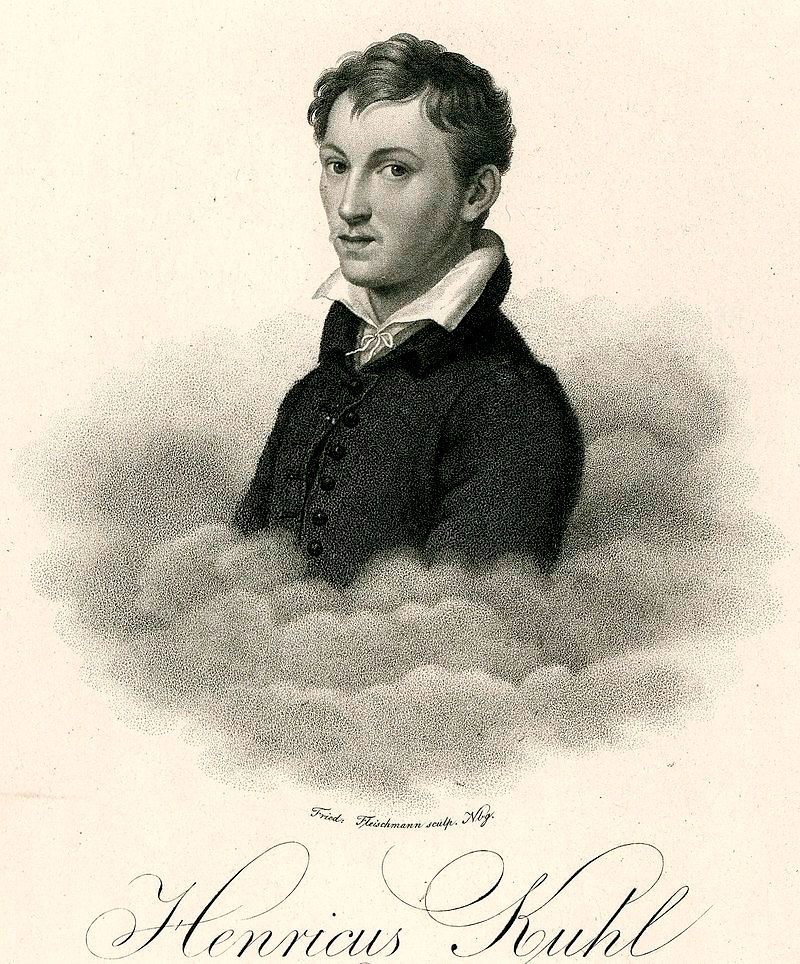
Kuhl, Heinrich
Heinrich Kuhl

– Order: Psittaciformes
– Family: Psittacidae
– Genus: Amazona
– Scientific name: Amazona vinacea
– Citation: (Kuhl, 1820)
– Protonimo: Psittacus vinaceus


Images Vinaceous Parrot:


Species of the genus Amazona


Sources:

– Avibase
– Parrots of the World โ€“ Forshaw Joseph M
– Parrots A Guide to the Parrots of the World – Tony Juniper & Mike Parr
– Birdlife
– THE VINACEOUS AMAZON Amazona vinacea AT LORO PARQUE – First Published in The Avicultural Magazine Vol. 103 No. 2

– Photos:

(1) – Vinaceous-breasted Amazon (Amazona vinacea) – San Francisco Zoo, California By Dick Daniels (http://carolinabirds.org /) (Own work) [CC BY-SA 3.0 or GFDL], via Wikimedia Commons
(2) – Vinaceous Amazon in captivity at the Rare Species Foundation Programme, Florida, USA By derivative work: Snowmanradio (talk)Amazona_vinacea_-RSFP-8a.jpg: Ruth Rogers [CC BY 2.0 or CC BY 2.0], via Wikimedia Commons
(3) – Vinaceous Amazon at the Walsrode Bird Park, Germany By Quartl (Own work) [CC BY-SA 3.0], via Wikimedia Commons
(4) – Vinaceous Amazon; two in a cage By TJ Lin (originally posted to Flickr as Copy of DSCN3375) [CC BY-SA 2.0], via Wikimedia Commons
(5) – flying. Picture taken in Morretes By Leandro Govoni Lacerda (Own work) [CC BY-SA 4.0], via Wikimedia Commons
(6) – A Vinaceous-breasted Amazon at Parque das Aves, Foz do Iguaรงu, Brazil By Kee Yip from Union City, California, USA (IMG_4509_P1040019) [CC BY 2.0], via Wikimedia Commons
(7) – Pigeons neck Amazone (Amazona vinacea) Shot in Palmitospark Gran Canaria By Martingloor (Own work) [CC BY-SA 4.0], via Wikimedia Commons
(8) – Vinaceous-breasted Amazon (Amazona vinacea) – San Francisco Zoo, California By Dick Daniels (http://carolinabirds.org /) (Own work) [CC BY-SA 3.0 or GFDL], via Wikimedia Commons
(9) – Amazone vineuse, Bioparc Doue-la-Fontaine By Melvin TOULLEC (Own work) [CC BY-SA 4.0], via Wikimedia Commons

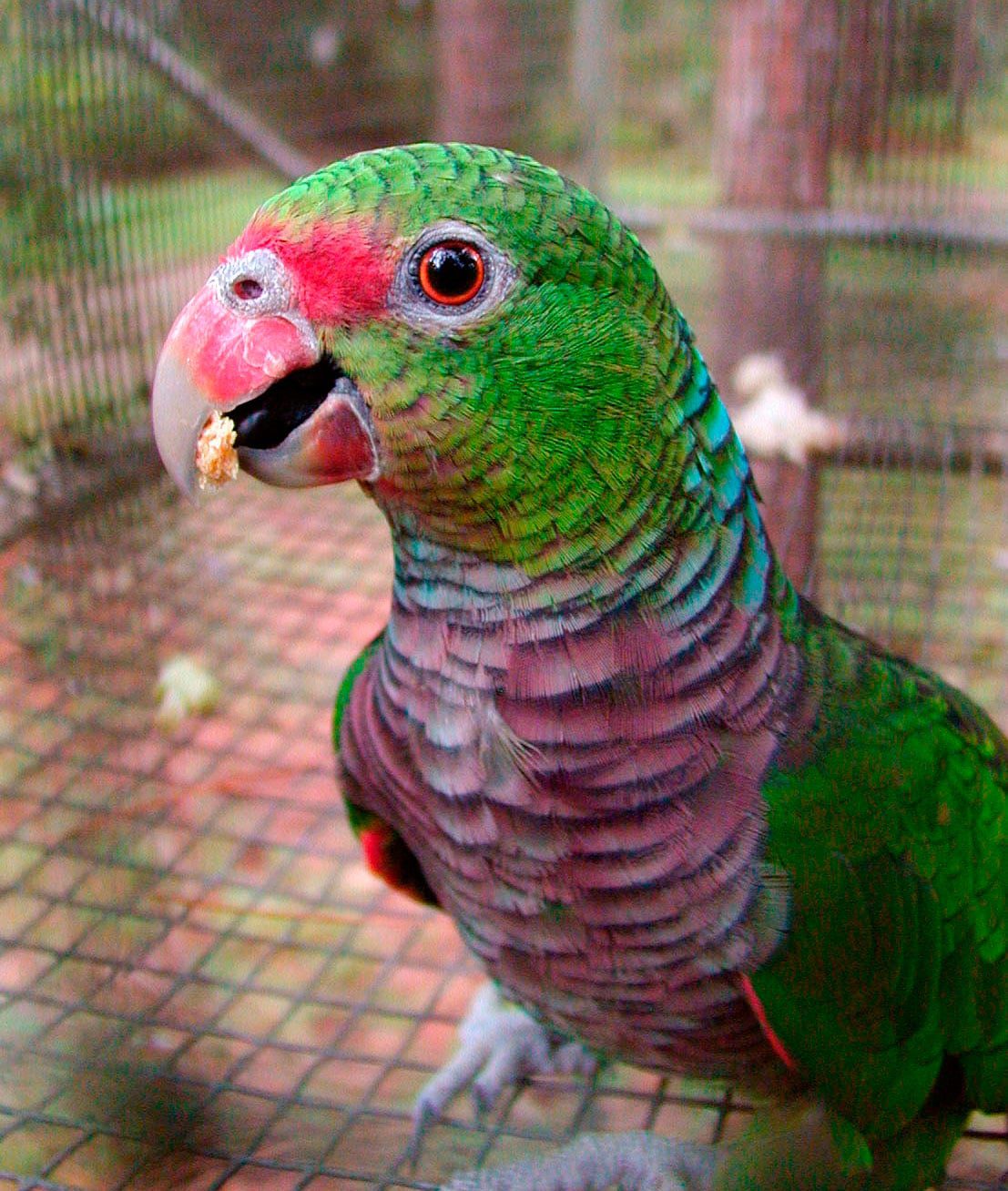
– Sounds: (Xeno-canto)
โ–ท The world of Pets: Dogs, cats, birds, reptiles, amphibians

Red-tailed Parrot
Amazona brasiliensis

Red-tailed Parrot

Content

Description:

37 cm.. length and 430 g. of weight.

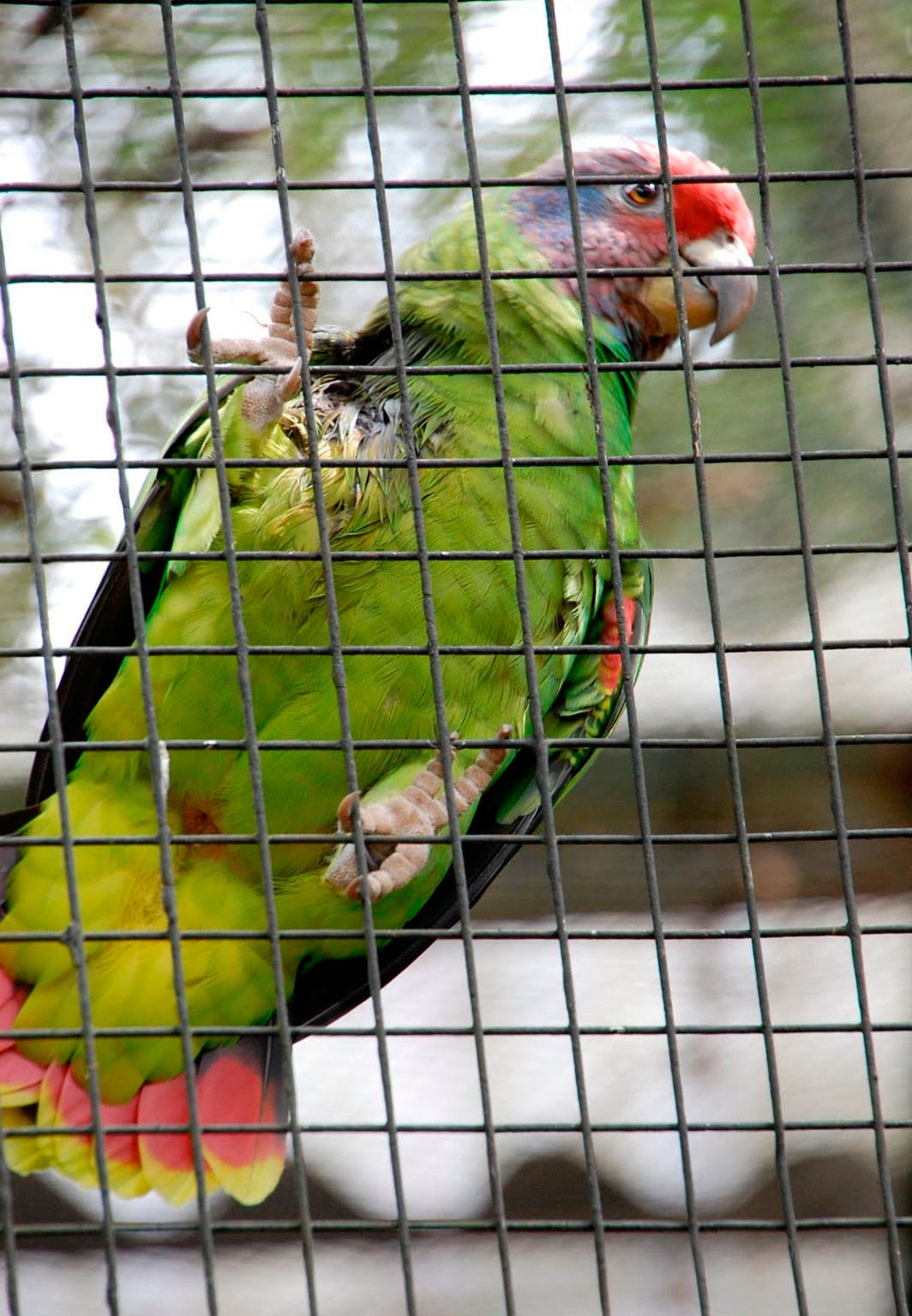
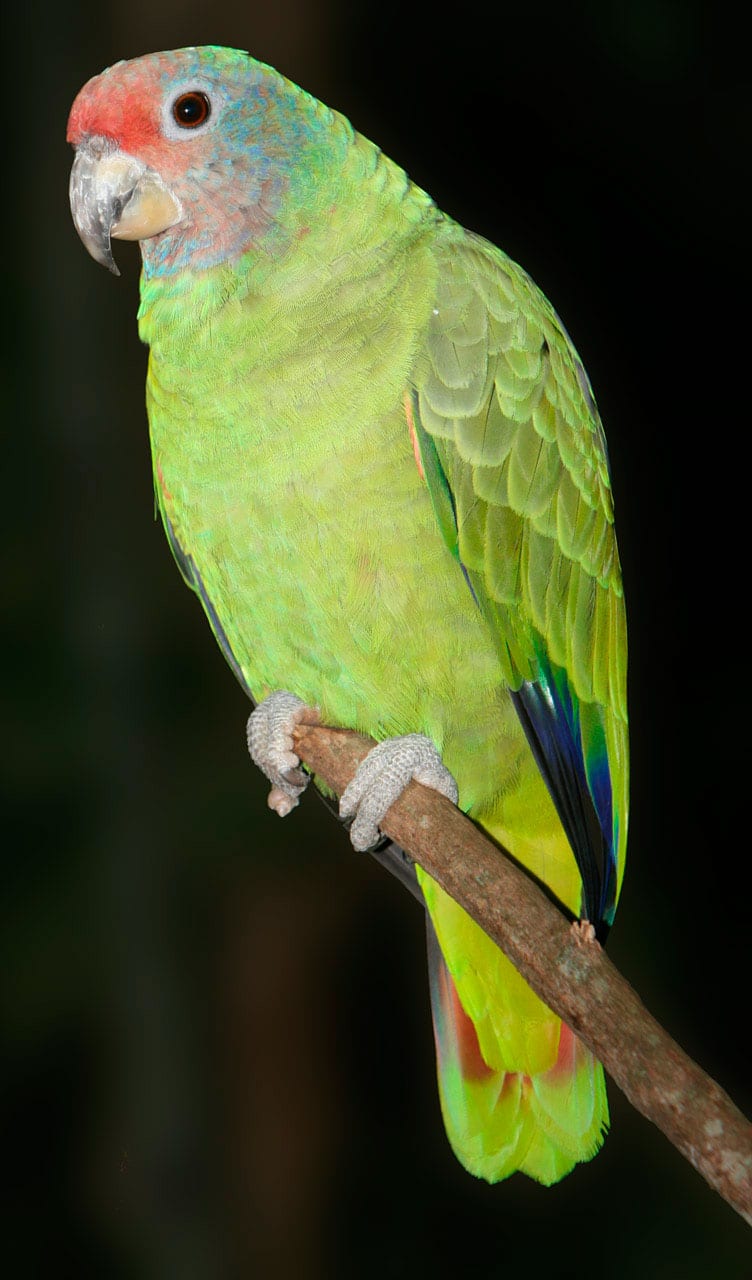
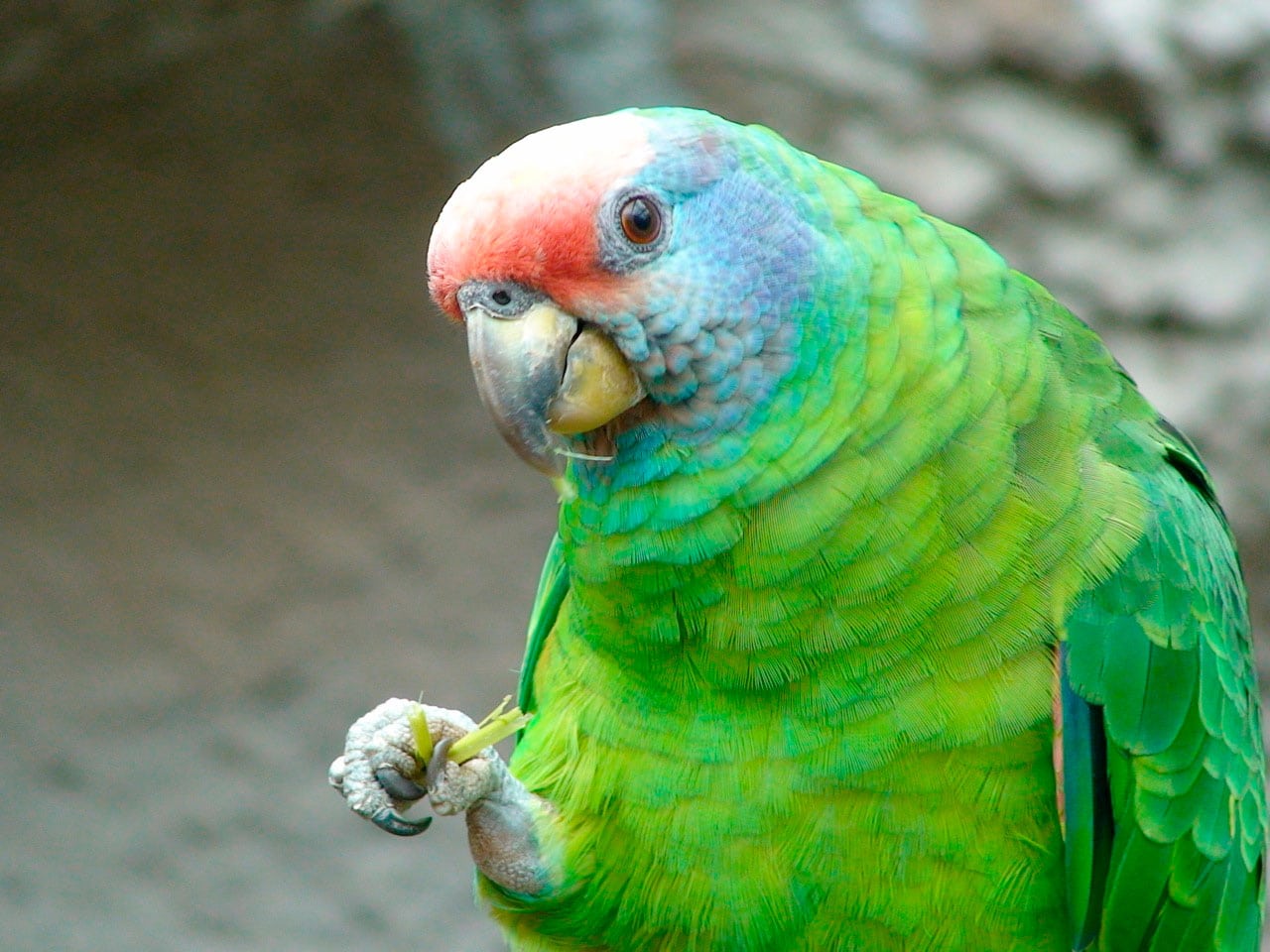
The Red-tailed Parrot (Amazona brasiliensis) has forecrown, front of crown and lores, red; Subsequent red feathers crown with purple tips; cheeks, ear-coverts, sides neck and throat, mauve-blue; back of the crown and nape, green with black tips.

Upperparts green, some feathers rump with yellow points. The median, greater coverts and secondary internal clearly appear yellow; edge front of the wing Red and yellow; primaries grey-black, secondaries green, turning blue towards the tips.


Anatomy-parrots

Under the wings, brighter yellowish green; flight feather of black and blue color on the basis of innerwebs. Underparts brighter yellowish green, paler in undertail-coverts. Tail green with broad greenish-yellow tips, lateral feathers marked basally with purplish-blue on outerweb and tipped yellowish-green with broad subterminal band red.

Red-tailed Parrot

Bill pale horn with dark tip; irises orange; legs pink-gray.

Both sexes are similar. The immature It is less extensive in red head, a plumage darker overall and irises darker.

  • Sound of the Red-tailed Parrot.

taxonomic note:

The molecular study suggests that this species is closest to the Orange-winged Parrot (Amazona amazonica). Previously it thought to form a group with Blue cheeked Parrot (Amazona dufresniana) and Red-browed Parrot (Amazona rhodocorytha), and it has been treated as conspecific with one or both. monotypic.

Habitat:

Video "Red-tailed Parrot"

The Red-tailed Parrot dwells in a restricted area or coastal lowland forest and wetlands with rare species and structural diversity, including moist lowland forests, restinga, freshwater marshes and mangroves. Your preferred coastal habitats have complex channel networks, swamps and wetlands. Trees characteristic of its forest habitat include Luehea and Andira, while the vegetation of the islands, where they sleep and breed, They are dominated by several species Halophyte and formations restinga.

Apparently, some birds are practically living in flooded forests, probably due to increased availability of nests. Sympatric presence and partnership with the Red-spectacled Parrot (Amazona pretrei) in forests Araucaria, probably wrong. Lives in altitudes not exceeding the 300-400 m, Although there are records to 700 metres in Paranรก. Forman communal shelters (often in mangroves) during at least part of the year, with more than 750 birds reported at a meeting (1985).

Reproduction:

They nest in the cavity of a living or dead tree, for example, palms Jerivรก (Syagrus romanzoffianum) and guanandi (Callophyllum Brasiliense) and occasionally arboreal nests of termites; height generally, but recorded only a nest 1 meter above the floodwater. Usually it played in flooded or swampy areas, including mangroves. breeding season in September to February, in some cases in April. Clutch 5-4 eggs. The eggs are hatch during 27 to 28 days, and the period until nest abandonment is thought to last from 50 to 55 days

Food:

The fruits of Callophyllum Brasiliense They are considered of considerable importance in the diet of the Red-tailed Parrot, with fruits Syagrus romanzoffianum and Psidium cattleyanum also taken in quantity; other registered foods include flowers, fruits of Erythrina speciosa, fruits of Euphorbia and Myrcia and insects in fruit. They feed in pairs or groups up 20 birds.

Distribution and status:

Size of its range (breeding/resident): 10.100 km2

The Amazona Colirroja et is confined to a small area in the southeast coastal of Brazil, in the states of Sรฃo Paulo and Paranรก. In coastal areas Sรฃo Paulo It extends southwest of Itanhaรฉm, including the isla Long and isla del Cardoso, and virtually all coastal areas of neighboring Paranรก, from Guaraquecaba, Antonina and Paianagua, until Guaratuba and several offshore islands adjacent, eg Mel Island.

Possibly they inhabit the extreme northeast Santa Catarina, adjacent to Paranรก, but there are no reliable records. An old record Rio Grande do Sul it seems unlikely. possibly some seasonal movements lower in winter (May-August).

The rapid decline in population in the twentieth century it is due in part to the loss of habitat, with most areas densely settled and totally deforested, the remaining threatened are given by urbanization (for example, in isla Long), the felling of trees nesting and feeding, as well as the Palmas for human use (shipbuilding and food) and conversion of wetlands for water buffalo and rice production (birds also face competition from grazing animals for consumption of fruits Erythrina speciosa). But, direct human exploitation of the species is not now a less serious problem, some related to their hunting for food, although most suffer their capture illegal for trade. A recent study 49 showed that nests 41 of them they were illegally stolen their young, while the 1,27% available habitat was lost only in 1993.

Total wild population estimated in 3.600 birds (1995) with rapid decline of several hundreds Predicted. Distribution area probably no more than 6.000 km2, with large parts of this extension susceptible to sea level rise caused by climate change.

protected by national legislation. Live in several areas protected (for example, Isla del Cardoso, Sao Paulo), but in them there is only a very small proportion of birds.

Conservation:

State of conservation โ“˜


Vulnerable Vulnerable โ“˜ (UICN)โ“˜

โ€ข Current category of the Red List of the UICN: Vulnerable.

โ€ข Population trend: Increasing.

โ€ข Population size : 6000-6700.

  • Rationale for the Red List category

The catch for cage bird trade and loss of habitat are the major threats to this species. Despite the heavy pressure to capture the early nineties, It is believed that the range of the species remained essentially the same, and populations have been stable or declined less steeply than feared, According to a recent estimate that suggests a population increase. Due to its small breeding range and highly fragmented habitat, the species qualifies as Vulnerable.

conservation project "Red-tailed Parrot"

Amazona brasiliensis - Puffin of red-tailed - Red Parrot-tailled
  • Justification of the population

The winter counts in 2015 registered 7.464 and individuals in Paranรก 1.712 in Sรฃo Paulo, with both populations continuing to increase (D. Waugh in some ., 2015). The population It is estimated, therefore, between 9.000 and 10.000 individuals, equivalent approximately to 6.000 to 6.700 mature individuals.

  • Justification of trend

It is suspected that the conservation measures long term have contributed to a recent increase in population at a rate unquantified, although habitat fragmentation and poaching remain significant threats (Waugh 2006).

Threats
    In the municipality of Canaanite (a quarter of the distribution of the species) (Freire 1994), has been caught during the breeding period of 1991-1992 for domestic trade and (especially) international with 356 birds. Of 47 controlled nests between 1990 and 1994, six were naturally default and the other 41 stolen by human (Freire 1997). Nest cavities are almost always damaged when the chicks are captured, reducing the number available (Freire 1994). Habitat loss persists for shipbuilding, banana plantations, cattle and buffalo and beach houses (Lalime 1999, Snyder et to the., 2000). They cut the Palmitos for processing in Guaraqueรงaba (Lalime 1999). The proposed construction of a bridge to Ilha Comprida increase the pressure of tourism and habitat conversion (Snyder et to the., 2000).
Conservation Actions Underway
    CITES Appendix I and II and protected by Brazilian law. This species is not considered of conservation concern nationwide in Brazil (MMA 2014). They are distributed within 15 protected areas, but these do not apply locally (Freire 1994, Lalime 1999). The Superagui National Park in Paranรก, It is a bastion for the protection of the species (R. Bรณรงon in litt., 2006). The creation of new reserves is hampered by economic interests (Freire 1994). Several programs are increasing local awareness (Freire 1994, Lalime 1999 , Padua et al. 2001). Conservation projects and protected areas created in the area of รขโ‚ฌโ€นรขโ‚ฌโ€นdistribution of species appear to be paying off, although there are still pitfalls. There are herd books and successful captive breeding programs in the European Union and Brazil (Lucker 1998) and the provision of artificial nests and repair of natural nesting cavities is enhancing reproductive success in the wild (Waugh 2006). Conservation Project of the Amazon Redstart is monitoring the population in Paranรก (R. Bรณรงon in litt., 2006).
Conservation Actions Proposed
    Conduct surveys to monitor population trends and support captive breeding programs. Monitoring discount rates for trade. Monitor trade levels. Monitor the rates of loss and degradation of habitat. Apply laws on trafficking, especially in the paths to breeding islands (Lalime 1997, Lalime 1999). effectively protect existing reserves (Lalime 1997, Lalime 1999). formally appoints the Ilha Comprida State Park and Ecological Station Itapanhapina (Snyder et to the., 2000). Expand Superagรผi National Park to include Ilha do Pinheiro (Snyder et to the., 2000). Reforest nursery islands (Lalime 1999). Continue and expand awareness efforts (Lalime 1999).

The "Red-tailed Parrot" in captivity:

CITES Appendix I and II and protected by the Brazilian legislation.

Each captive specimen of this species which is capable of reproducing, It is placed in a Program well managed captive breeding and not be sold as a pet, in order to ensure long term survival.

Alternative names:

– Blue-cheeked Parrot, Blue-faced Parrot, Brazilian Green Amazon, Brazilian Green Parrot, Red tailed Parrot, Red-tailed Amazon, Red-tailed Parrot (English).
– Amazone ร  joues bleues (French).
– Rotschwanzamazone (German).
– papagaio, papagaio-de-cara-roxa (Portuguese).
– Amazona Brasilera, Amazona Colirroja (espaรฑol).
– Marreco ananai (Brazil)

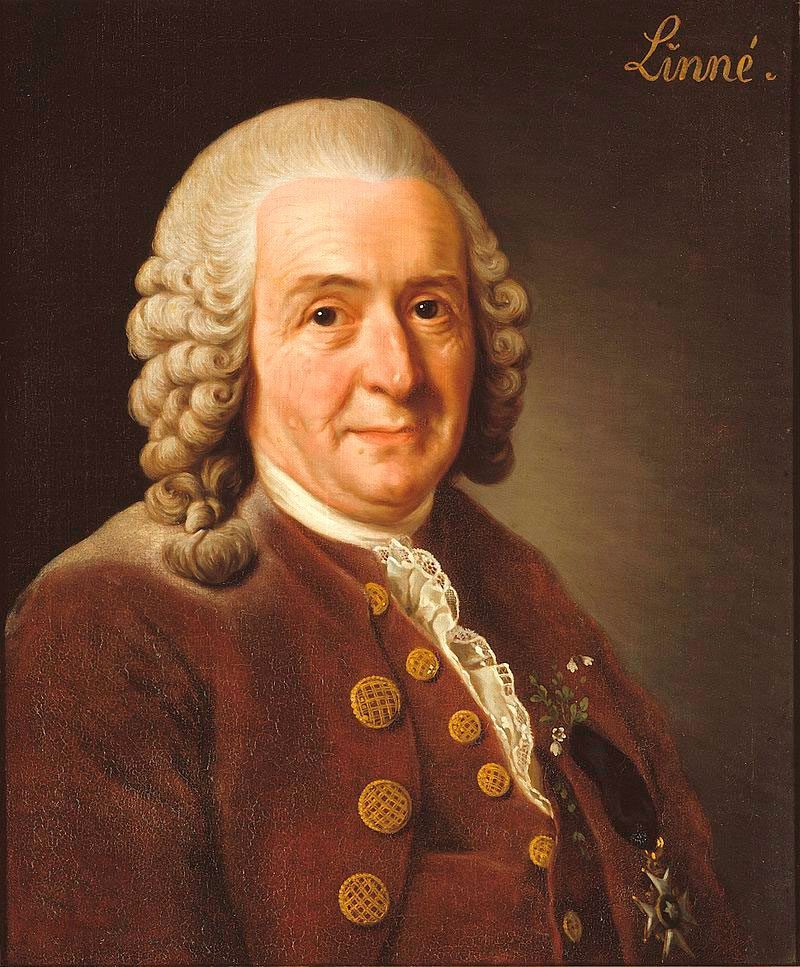
Carl Linnaeus

scientific classification:


– Order: Psittaciformes
– Family: Psittacidae
– Genus: Amazona
– Scientific name: Amazona brasiliensis
– Citation: (Linnaeus, 1758)
– Protonimo: Psittacus brasiliensis


Images Red-tailed Parrot:


Species of the genus Amazona


Sources:

– Avibase
– Parrots of the World โ€“ Forshaw Joseph M
– Parrots A Guide to the Parrots of the World – Tony Juniper & Mike Parr
– Birdlife

Photos:

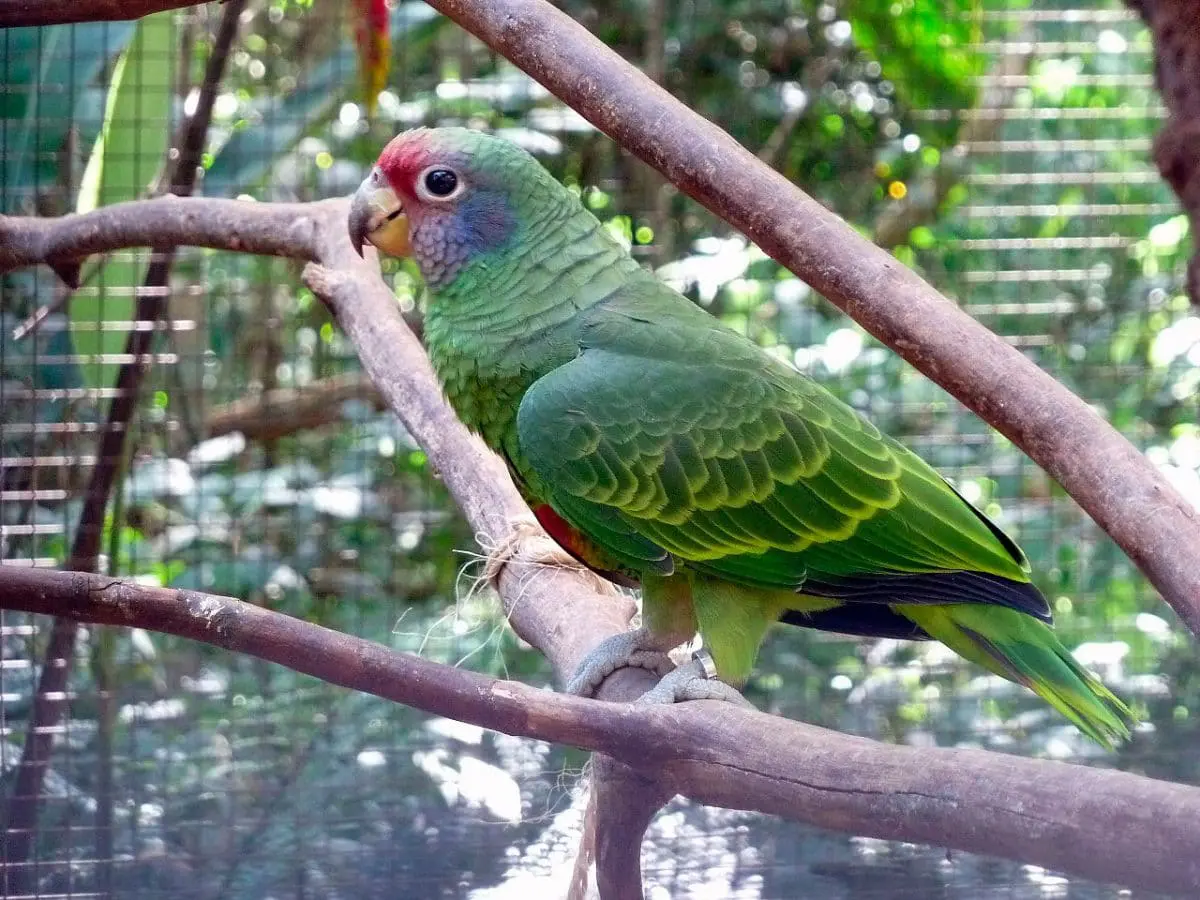
(1) – A Red-tailed Amazon at Parque das Aves, Foz do Iguaรงu, Brazil By Kee Yip from Union City, California, USA (IMG_4509_P1040018) [CC BY 2.0], via Wikimedia Commons
(2) – A juvenile Red-tailed Amazon which is grasping something in its right foot, probably to chew or eat it By writhedhornbill (originally posted to Flickr as Red tailed amazon) [CC BY 2.0], via Wikimedia Commons
(3) – Red-tailed Amazon (Amazona brasiliensis) bird Park, Foz do Iguaรงu, Brazil By http://www.birdphotos.com (Own work) [GFDL or CC BY 3.0], via Wikimedia Commons
(4) – Red-tailed Amazon at the zoo By Elcio Ferreira [CC BY-SA 2.0], via Wikimedia Commons
(5) – A Red-tailed Amazon at Parque das Aves, Foz do Iguaรงu, Brazil By Chad Bordes (Picasa Web Albums) [CC BY 3.0], via Wikimedia Commons
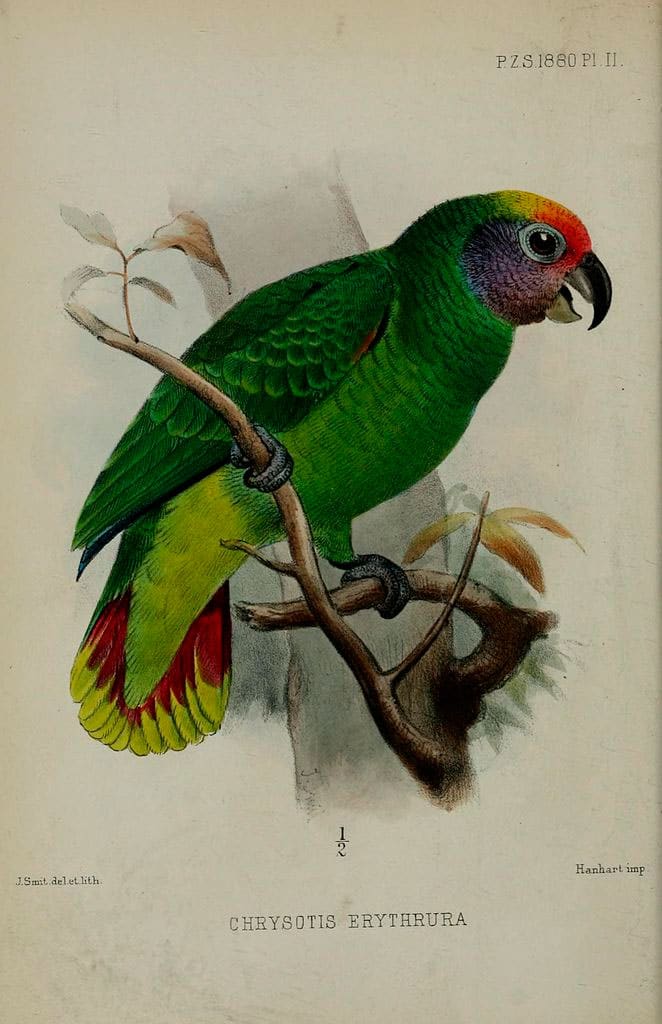
(6) – CHEYSOTIS ERYTHRURA By Zoological Society of London.; Zoological Society of London. [CC BY 2.0 or Public domain], via Wikimedia Commons

Sounds: Antonio Silveira, XC109467. accessible www.xeno-canto.org/109467

โ–ท The world of Pets: Dogs, cats, birds, reptiles, amphibians

Grey-breasted parakeet
Pyrrhura griseipectus

Grey-breasted parakeet

Content

Description:

23 cm.. length and 70 g. of weight.

Grey-breasted parakeet

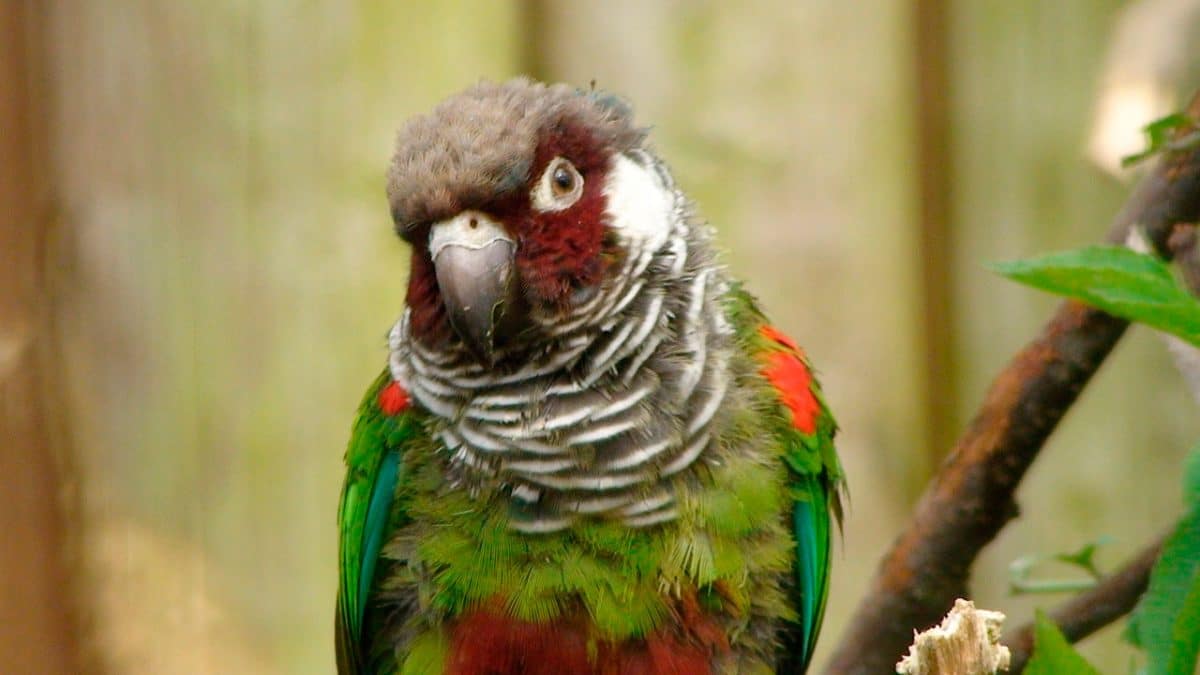
The Grey-breasted parakeet (Pyrrhura griseipectus) is a bird marked by a mask in reddish face, interrupted by a surrounding white coloration in the regions orbitals and ear-coverts.

The feathers of the neck to the upper region chest They have a gray coloration with light streaks interspersed, giving the region a striped appearance or escamado. The species has a characteristic patch reddish in belly, highlighting green coloration, its predominant body. The region forecrown up to the nape, It is dark brown with white or lighter brown spots that vary from bird to bird.. rear area neck green blue border with a width. They have a patch reddish brown in the bottom of the back which leads to the crown. The tail It is long and maroon. Bill gray-black; eye ring white gray; irises brown-orange.

It has no sexual dimorphism. The immature they are more muted than adults; You have scattered green feathers in the abdomen; the cere and the bare periophthalmic is white, less gray tone.

Taxonomic status:

This species is considered to be a subspecies of Pyrrhura [leucotis, emma or griseipectus] by some authors

  • Sound of the Grey-breasted parakeet.

Habitat:

It is in the rainforests, often located in Serranas regions, where orographic rains favor the occurrence of enclaves Atlantic Forest and Mata dry amid caatinga.

Reproduction:

The breeding season It occurs during the rainy season. The laying It is five to eight eggs in holes dug by woodpeckers since they are not able to dig their own nests; They use these holes to sleep.

When the pups are born, the couple divides the task of feeding. Sometimes they have help from even a third member of the flock to successfully raise all the young..

Food:

Probably it feeds on fruits, flowers, seeds and algae.

Distribution and status:

Size of its range (players / residents): 830 km2

This species was formerly known in 15 Locations (. Anon 2014) within Brazil. At present it is in only three areas in the state of Cearรก, the Serra de Baturitรฉ and Quixadรก (C. Albano in a little . 2006, Waugh et al 2010.) and most recently observed in a rocky mountain Cearรก, where five birds were recorded in March 2014 (Anon. 2014).

In Serra do Baturitรฉ appears to be very rare and seems to have been extinct from several areas, but recent records of groups in the Environmental Protection Area mountains Baturitรฉ; surveys 2007 half of the remaining habitat in this site revealed near 80 individuals (C. Albano in a little. 2007, 2008) and the population here is now estimated to be about 250 birds (Waugh et al . 2010).

Forests of Baturite mountains They have been greatly reduced to make way for coffee plantations and only 13% of the jungle remained in 1996. The discovery in 2010 a population of about 50 birds in Quixadรก (Waugh et al ., 2010) It raises the known world population of this species in about 300 birds.

The Grey-breasted parakeet It was previously known two other areas: the eastern slope of the Saw Ibiapaba in Cearรก, and small Serra Negra, in Pernambuco, where it was very common in 1974, with flocks of 4-6 individuals regularly seen in the early 1980, although there are no recent records. There are also unconfirmed reports 1991 in organic station Murici Alagoas in which possibly it refers to individuals released; Recent fieldwork was unable to locate the species.

Its known range is very small, and the species has declined dramatically in the past, a trend that may be permanent.

Conservation:

  • Justification of the Red List of the Category

Recent surveys indicate that this species has a extremely small population, which continues to decline after dramatic historical declines. For these reasons it qualifies as Critically Endangered.

  • Justification of the population

State of conservation โ“˜


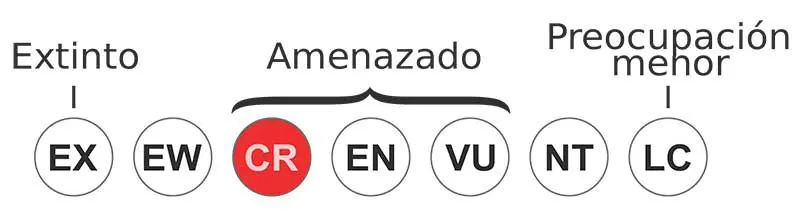
critical hazard critically endangered โ“˜ (UICN)โ“˜

โ€ข Current category of the Red List of the UICN: critically endangered.

โ€ข Population trend: Decreasing.

โ€ข Population size : 200 individuals.

The population in the Area of Baturitรฉ Mountains Environmental Protection It is estimated at about 250 birds, and discovery in 2010 a population of about 50 birds in Quixadรก raises the known world population of about 300 birds (Waugh et al ., 2010). This equates to approximately 200 mature individuals.

  • Justification trend

This species is suspected to be decreasing quickly because of their capture and habitat loss in progress within its range.

  • Threats

The habitat destruction He has played a role in the decline of the species with the original forest cover now reduced to only 13%.

The coffee plantations (especially where coffee is grown in the sun instead of shade coffee) They are impacting the habitat of the species.

The main threat, However, It is believed to come from the capture illegal underway for local and national trade (C. Albano a slightly 2006, Anon 2009..) and captive breeding (Fernandes-Ferreira et al 2012.); the Grey-breasted parakeet They can be easily purchased through Internet (Girรฃo and Albano 2008).

It is easily found in the international trade in bird cage.

The lack of natural nesting sites also it believed to are limiting reproductive success of the species (Campos et al . 2014).

Conservation Actions Underway

Appendix II of CITES.

In Brazil, It was considered above in critical hazard (Silveira y Straube 2008), but it has now been legally designated as endangered national (MMA 2014), and protected Brazilian law.

Dwelleth within Baturitรฉ Mountains Environmental Protection Area, but this area has been designated for sustainable use and traditionally has not been achieved for conservation.

Management of land by a private owner in the area has led to an increase in a small town known (C. Albano a slightly . 2006).

Since 2007, NGO AQUASIS Brazil has been conducting two research projects: one sponsored by the Brazilian Foundation O Boticรกrio for the Protection of Nature, the topography of the Baturite mountains to monitor their condition and research their biology; and another sponsored Fundaciรณn Loro Parque, for additional populations (C. Albano in a little. 2007, 2008).

The surveys carried out in the historical sites and areas of potential habitat in the period 2007-2008 They have not been able to locate members of this species, although there are strong indications of individuals that may still be inhabiting the degraded Serra do Estevรฃo, municipality Jaw, state Cearรก (C. Albano in a little. 2007 2008, Anon 2007), where it was actually rediscovered in the 2010 (Waugh et al ., 2010).

A team of AQUASIS, funded by an award Leadership Program for Conservation in 2012, conducted searches for the species on an isolated mountain in Cearรก and he found a small population of five individuals in March 2014 (Anon. 2014).

You can also persist in Serra Negra Biological Reserve, state Pernambuco, although a combination of marijuana crops and hostile local culture makes research work in this latter area difficult (C. Albano in a little. 2007, 2008).


At least 11 private reserves (RPPN) They are in the process of being created in the Serra de Baturitรฉ (C. Albano in a little. 2007, 2008) and AQUASIS They are now engaged in the process of developing a nature reserve in the Baturite mountains (Campos et al . 2014).

AQUASIS has strengthened ties with government agencies in order to influence policy decisions (Campos et al . 2014).

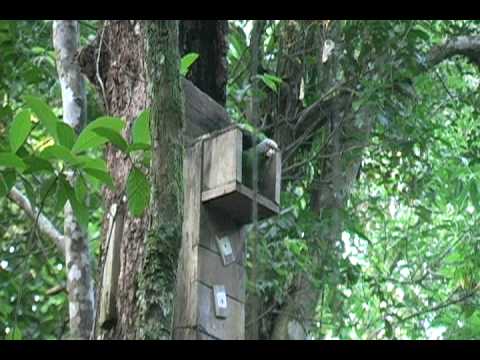
Scheme nest box sponsored by Loro Parque It has been carried out with nest boxes installed in different places with the consent of the landowners. (Anon, 2009).

AQUASIS also they provided nest boxes Insecticide treated to reduce infestations of bee and wasp (Campos et al . 2014). These measures have proved effective, with 16 boxes occupied in 2012 give place to 97 eggs and 71 chicks hatched successfully.

A education and awareness campaign large scale was carried out in the Serra de Baturitรฉ in 2008 (C. Albano in a little. 2007, 2008) and continues today, with many schools currently participating in education programs AQUASIS (Campos et al . 2014).

A main objective of AQUASIS is to promote the Cotorra pechigris as a flagship species, the work being supported by commercial NGOs and ecotourism WATER Trails of the Park (Anonymous 2009).

AQUASIS also it aims to develop the ability to bird watching and a development process of consciousness creating alternative livelihoods (Anonymous 2009). A visitor center has recently been established (Campos et al . 2014).

It breeds well in captivity and stocks are held in Brazil and abroad. Always captive breeding is well managed and coordinated, could be used for reintroduction into the wild.

They are being conducted studies on factors influencing the survival rate of chicks, population's genetics (in future DNA techniques can be used as a deterrent against illegal collection of wild birds); both adults and juveniles have been banded (Campos et al . 2014).

Conservation Actions Proposed

Conduct more studies in areas similar to the mountains Baturitรฉ in the northeast of Brazil, such as Sierras de Aratanha, Maranguape and Machado, by the presence of additional existing populations.

continue population monitoring known in Serra de Baturitรฉ.

improve conservation management practiced in the Guaramiranga Ecological Park.

Provide incentives for landowners to increase the network of private reserves Baturite mountains.

Monitor and control trade locally, National and international.

Investigate the feasibility of using giant bamboo (Dendrocalamus giganteus) as sites for constructing artificial nests (Campos et al . 2014).

continue making awareness campaigns to promote the Grey-breasted parakeet as a symbol for the conservation of humid forests and associated biodiversity in the Baturite mountains.

Investigate in situ conservation measures.

"Grey-breasted parakeet" in captivity:

Its continuous capture, both for domestic and international trade, They have taken this beautiful bird to a critical situation, there are only 200 specimens in the nature. There are probably more animals captivity in its natural habitat

Protected by the Appendix II of CITES, each captive specimen of this species that is capable of reproducing, must be placed in a well-managed captive breeding program and not sold as a pet, in order to ensure long term survival.

Alternative names:

– Gray-breasted Conure, Gray-breasted Parakeet, Grey-breasted Conure, Grey-breasted Parakeet, Maroon-faced Parakeet (Gray-breasted) (English).
– Conure ร  poitrine grise (French).
– Graubrustsittich, Salvadori-WeiรŸohrsittich (German).
– Tiriba-de-orelha-branca, tiriba-de-peito-cinza, periquito cara-suja (Portuguese).
– Cotorra pechigrรญs, Periquito sujo, Cotorra de pecho gris (espaรฑol).


scientific classification:

Salvadori-Thomas
Salvadori Tommaso

– Order: Psittaciformes
– Family: Psittacidae
– Genus: Pyrrhura
– Scientific name: Pyrrhura griseipectus
– Citation: Salvadori, 1900
– Protonimo: Pyrrhura griseipectus


Images Grey-breasted Parakeet:

Videos "Grey-breasted parakeet"


Especies del gรฉnero Pyrrhura

Grey-breasted parakeet (Pyrrhura griseipectus)


Sources:

– Avibase
– Parrots of the World โ€“ Forshaw Joseph M
– Parrots A Guide to the Parrots of the World – Tony Juniper & Mike Parr
– Birdlife

– Photos:

(1) – Grey-breasted Parakeet By writhedhornbill [CC BY 2.0], via Wikimedia Commons
(6) – Grey-breasted Parakeet by Internet Archive Book Images – Flickr

– Sounds: Ciro Albano, XC7948. accessible www.xeno-canto.org/7948