โ–ท The world of Pets: Dogs, cats, birds, reptiles, amphibians

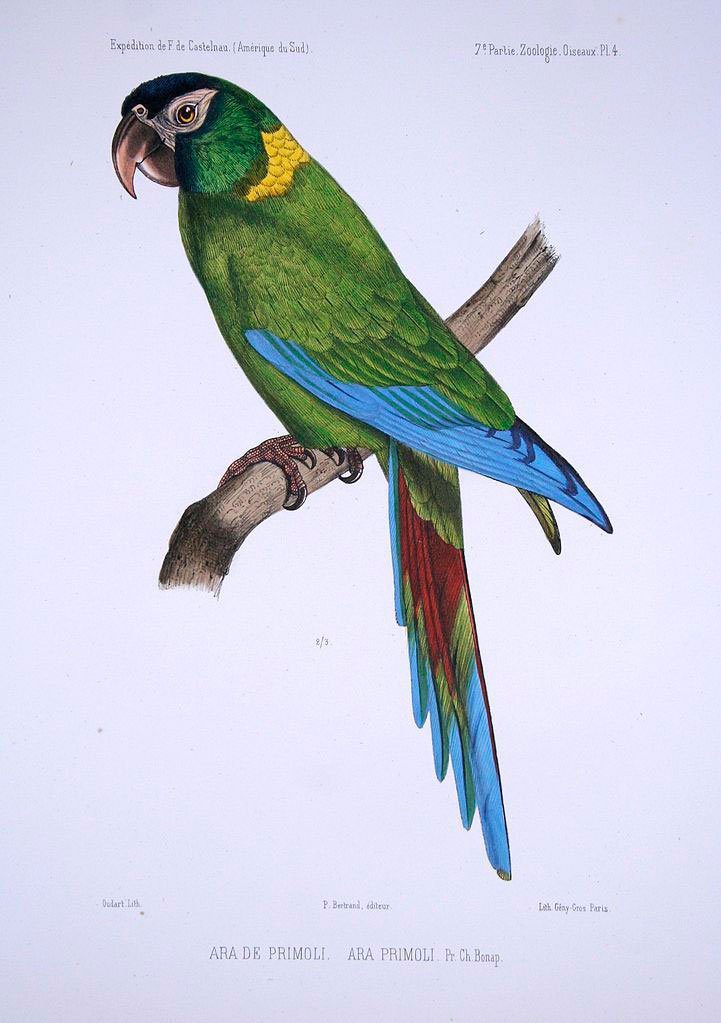
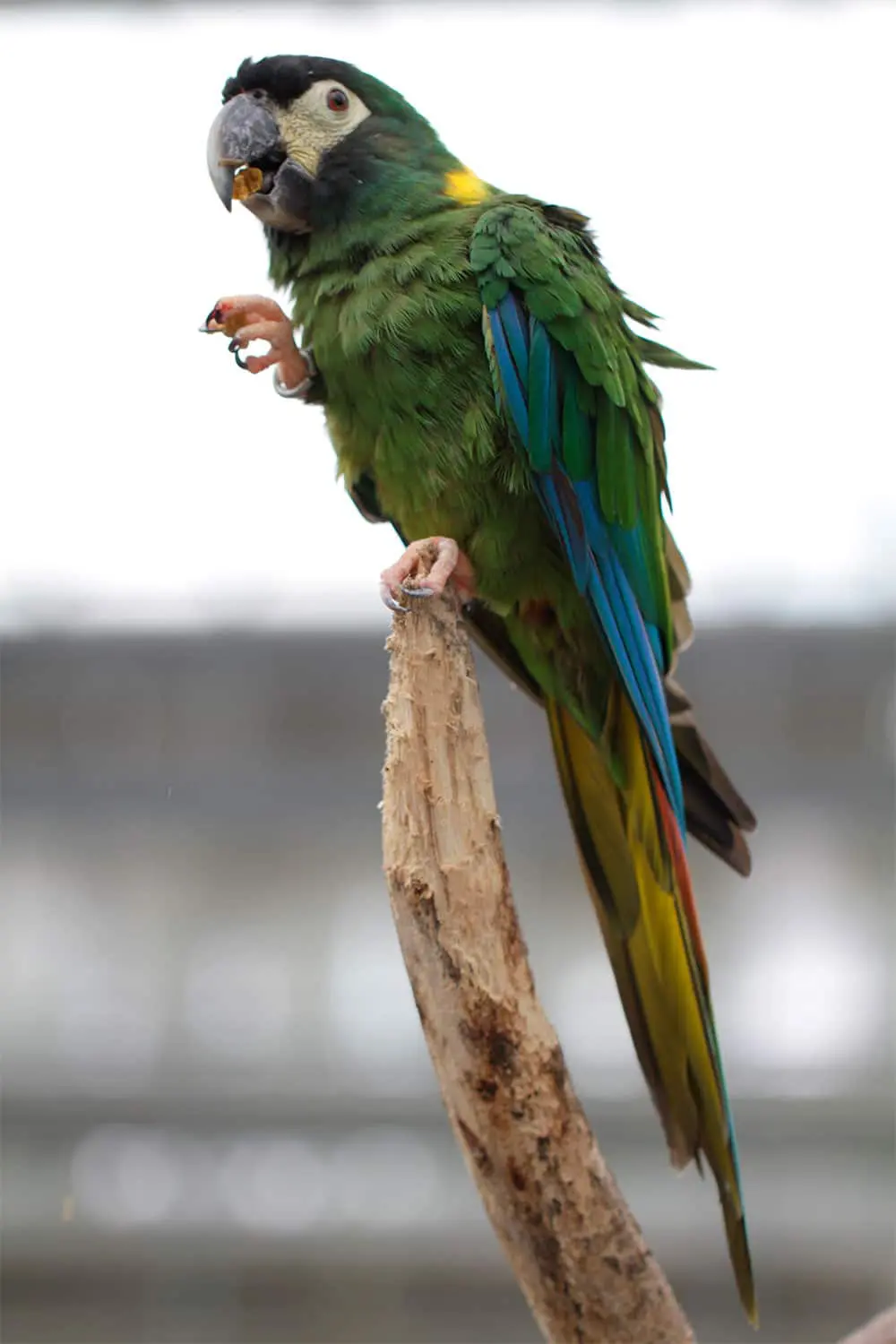
Yellow-collared Macaw
Primolius auricollis


Guacamayo Acollarado

Content

Description:

Ilustraciรณn Guacamayo Acollarado

Of 37 to 45 cm. length and a weight between 240 and 250 g..

The Yellow-collared Macaw (Primolius auricollis) already it was described by American ornithologist John Cassin in 1853.

Similar to the Blue-headed Macaw, differs by a characteristic Yellow collar dorado, most notable in the area of the nape. This thin yellow line of feathers surrounding the back of the neck, It is that gives this species its name.

Previously it was considered within the genre ยซARAยป for having a face bare of feathers and was also known scientifically as ยซpropyrrhura Macawยป

It is a small Macaw; has the forecrown, the feathered portion of the cheeks and the front of the crown dull blackish-brown color, becoming a blue-green shade at the rear of the crown and both sides of the neck. The neck is covered with a large golden yellow necklace. All upperparts are green with blue markings in some feathers.

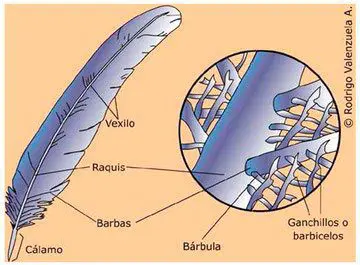
The small and medium-sized coverts are green. The alula and primary coverts they are completely blue. The primaries are blue, the secondaries are green with a strong blue tint in the vane outer. The underwing-coverts are, in its entirety, olive yellow, with the exception of the lower part of the flight feather It is yellowish.

The underparts are green. Upper, the central tail feathers are reddish brown at the base, in the middle of green and blue at the tip. The outer tail feathers they are mostly blue. The bottom of the tail is opaque yellow.

The bill is blackish with a tone slate finish. The bare skin about lores and cheeks It is white with a straw tone clear. The irises are orange, legs pink meat.

Both sexes similar.

The youth they resemble their parents. But, they have a bill grey with a white Peak; irises grayscale and the legs pale grey. The immature you have the collar area of the nape reddish.

Habitat:

The Yellow-collared Macaw they attend a wide variety of habitats from forests. They are found in the humid tropical forests that cover the foothills of the Andes, but also in dry areas of deciduous and grasslands with scattered trees. They are also present in the tree edges and savannas.

Unlike most parrot species, the Yellow-collared Macaw support very well the profound changes occurring in their habitat.

They are relatively common in the waste groves situated in the middle of farmland and around major urban centres.

Mainly noted below 600 m, to 1.700 metres above sea level in the Northwest of Argentina.

Usually they live in pairs or in small groups, even outside the breeding season. Larger meetings may have place when food is abundant or when gather in the dormitories at night. Within these large herds, the matched pairs are less visible than other species of macaws.

They feed on trees and shrubs, Although they occasionally do on land

Reproduction:

The season of nesting is in December in Argentina. The nest It tends to be located in the cavity of a tree, sometimes up to 20 meters above the ground. The spawning usually included in 2 to 4 eggs.

In captivity, the incubation lasts a few 23 days. The reproductive cycle is particularly long, since the young leave the nest at 7 weeks, after the hatching.

Food:

The Yellow-collared Macaw they have a vegetarian regimen that includes fruits Byrsonima, flowers Erythrina, Ficus, corn and seeds Tomentosa Guazuma, Spondias lutea, Adelia mesembinifolia, Astronium Badi and A. urundeuva.

Distribution:

Size of its range (breeding/resident ): 1.950.000 km2

Endemic to the center of South America. The distribution of the Yellow-collared Macaw includes the Northwest of Argentina, in the East of Jujuy and North of Salta (reports of Missions and Formosa they are not correct) going northward through the East and North of Bolivia, in the departments of Santa Cruz, Beni and Tarija, is also distributed by the North of Paraguay, mainly to the West of the Paraguay River, but largely absent in the drier areas of the Chaco.

Extend across the southwest of Mato Grosso and Mato Grosso from the South, in Brazil, where its northern and eastern limits are unclear; They are also distributed (possibly different) in West Goiรกs, Northeast of Mato Grosso and Southeast end of For, where there are reports of birds in and around the The Bananal island.

Mostly residents, Although apparently, seasonal movements in some areas.

In general is a common macaw and he persists in areas where significant habitat modification has taken place. Scarcer at the edge of its range in Paraguay.

They have been the subject of international trade, but its population does not seem to be affected by the capture.

Conservation:

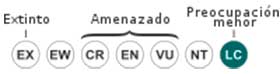
State of conservation โ“˜


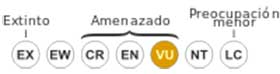
minor concern Minor Concern โ“˜ (UICN)โ“˜

โ€ข Red List category of the UICN current: Least concern
โ€ข Population trend: Growing

The species is not threatened at the global level. Global population size has not been quantified, but this species is described as ยซquite commonยป

At the beginning of the Decade of 1980, in Bolivia, the capture of birds for aviaries reached the alarming figure of over of 3.200 birds per year. Fortunately, the traffic is prohibited from 1984.

It is considered rather low, the population of this species in Paraguay and North of Argentina, But in recent years the trend has reversed., and the species has colonized new areas.

"Yellow-collared Macaw" in captivity:

Quite common, above all in the EE.UU, less frequent in other parts.

Charming, clever, and comedian, These small macaws offer all the personality of a great green Macaw in a smaller size, being more affordable and easier to take care of. It is an extremely Intelligent and easy to train.

Many Yellow-collared Macaw are gifted talkers, and they are able to say several words and phrases. Some owners have pointed out that this little Macaw is able to speak more clearly than other larger species. Even so, our Macaw should not be purchased only by his ability to speak; that ability is never a guarantee.

Reproduce well in captivity. The breeding season It is usually in the spring and early summer, Although some couples are played almost throughout the year. The implementation size It is usually of two to four eggs, but sometimes more. The incubation period is of 23 to 27 days. Some additional high fat seeds, as the Sunflower seed, should be added to the diet during the breeding season to stimulate reproduction.

Marriage bonds are strong, but not necessarily for life.

Alternative names:

– Yellow-collared Macaw, Cassin’s Macaw, Golden-collared Macaw, Golden-naped Macaw, Yellow collared Macaw, Yellow-naped Macaw (English).
– Ara ร  collier jaune, Ara ร  nuque d’or (French).
– Halsbandara (German).
– ararinha, Maracanรฃ-de-colar (Portuguese).
– G. Acollarado, Guacamayo Acollarado, Maracanรก cuello dorado, Maracanรก de Cuello Dorado (espaรฑol).
– Parabachi de cuello amarillo, Maracanรก de cuello dorado (Bolivia).
– Marakana (Guarani).
– Maracanรก cuello dorado (Paraguay).


scientific classification:
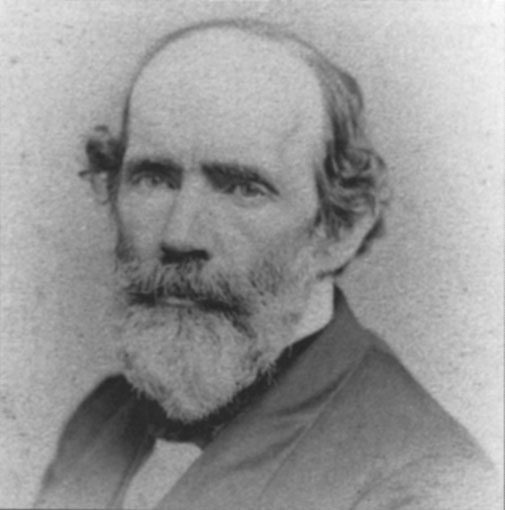
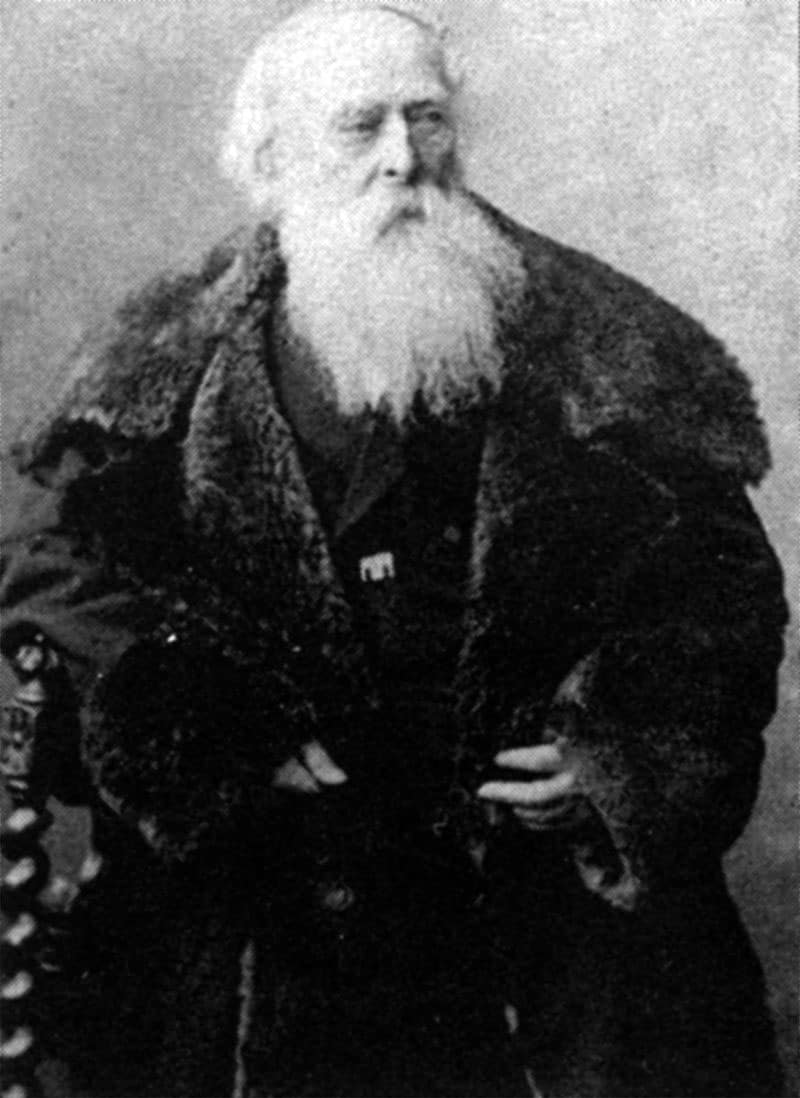
John Cassin
John Cassin

– Order: Psittaciformes
– Family: Psittacidae
– Genus: Primolius
– Scientific name: Primolius auricollis
– Citation: (Cassin, 1853)
– Protonimo: Ara auricollis


Images Yellow-collared Macaw:

Videos "Yellow-collared Macaw"

Yellow-collared Macaw (Primolius auricollis)


Sources:

– Avibase
– Parrots of the World โ€“ Forshaw Joseph M
– Parrots A Guide to the Parrots of the World – Tony Juniper & Mike Parr
– Birdlife

– Photos:

(1) – A Golden-collared Macaw at Kakegawa Kacho-en, Kakegawa, Shizuoka, Japan By Takashi Hososhima from Tokyo, Japan (A bird of dexterityUploaded by snowmanradio) [CC BY-SA 2.0], via Wikimedia Commons
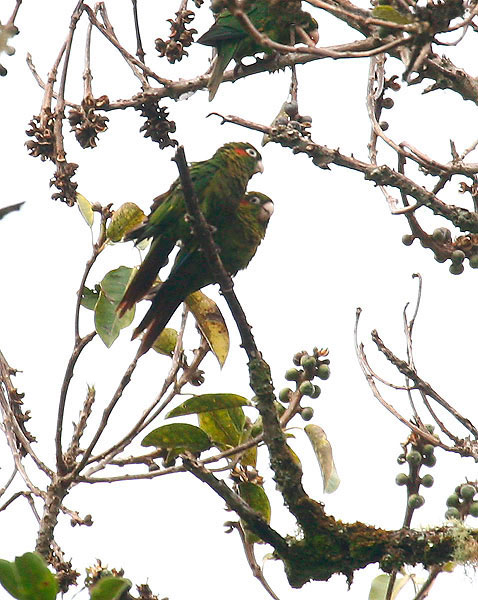
(2) – Two Golden-collared Macaws (also known as Yellow-collared Macaws) at the Panaโ€™ewa Rainforest Zoo, Hawaii, USA By Pat McGrath from Lihue, U.S.A. [CC BY-SA 2.0], via Wikimedia Commons
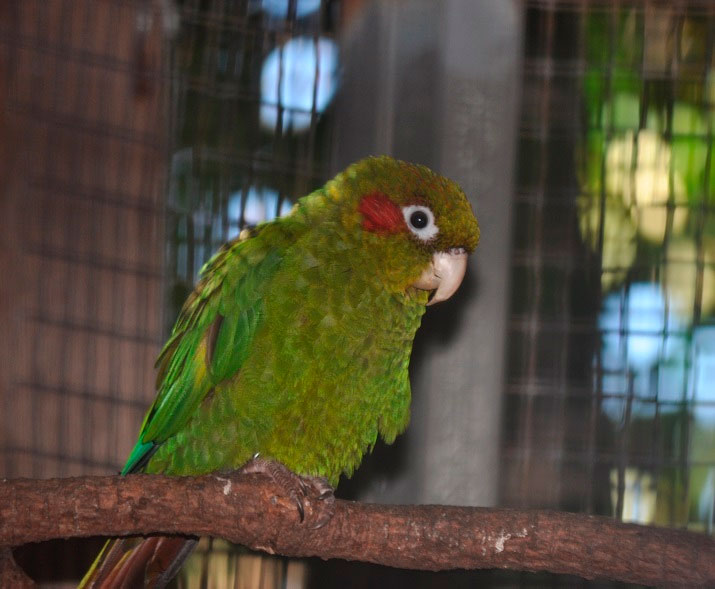
(3) – Golden-collared Macaw (also known as the Yellow-collared Macaw). A pet parrot By rebeccakoconnor [CC BY 2.0], via Wikimedia Commons
(4) – Golden-collared Macaw (also called Yellow-collared Macaw) parents with a juvenile By Benutzer:Robert01 on German wiki (Bild:Goldnackenaras on German wiki.) [CC BY-SA 3.0 of], via Wikimedia Commons
(5) – Golden-collared Macaw (also known as the Yellow-collared Macaw); two captive By TJ Lin [CC BY-SA 2.0], via Wikimedia Commons
(6) – Ara primoli = Primolius auricollis (copy of Gray's Heritage Library (France) by Francis de Laporte de Castelnau [Public domain], via Wikimedia Commons

– Sounds: (Xeno-canto)
โ–ท The world of Pets: Dogs, cats, birds, reptiles, amphibians

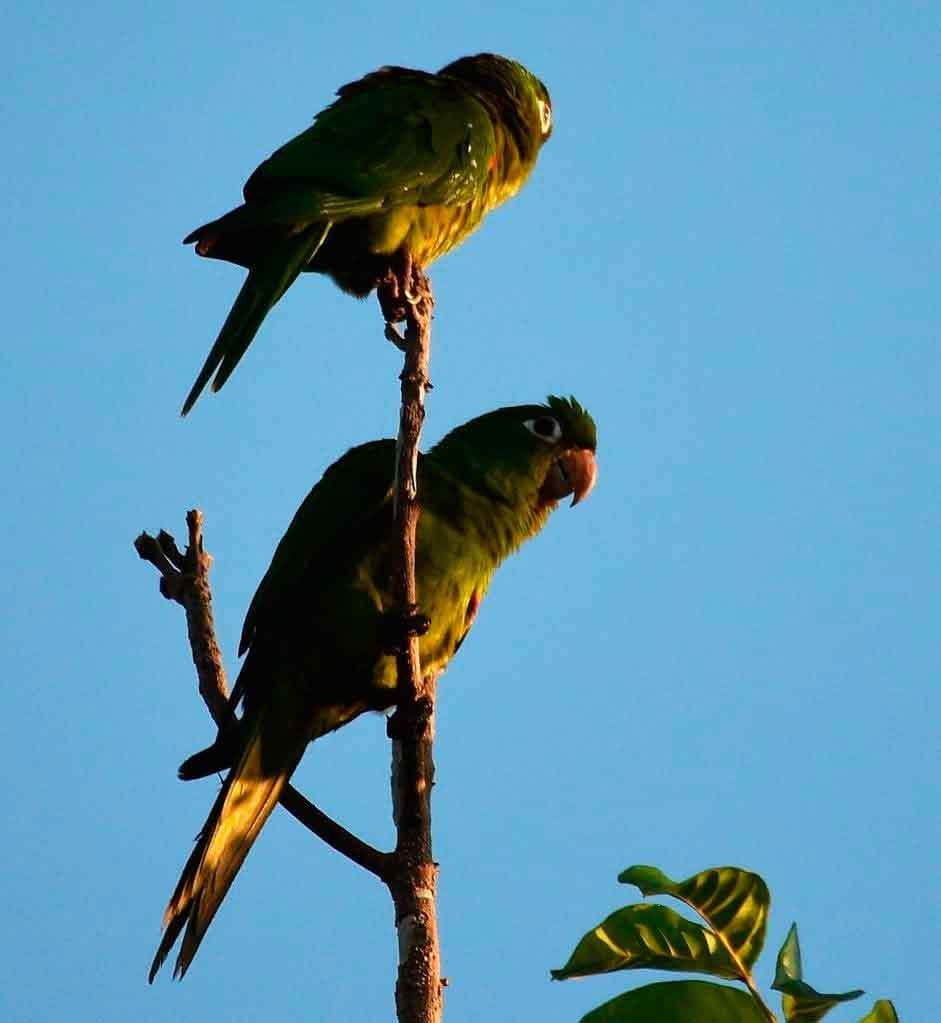
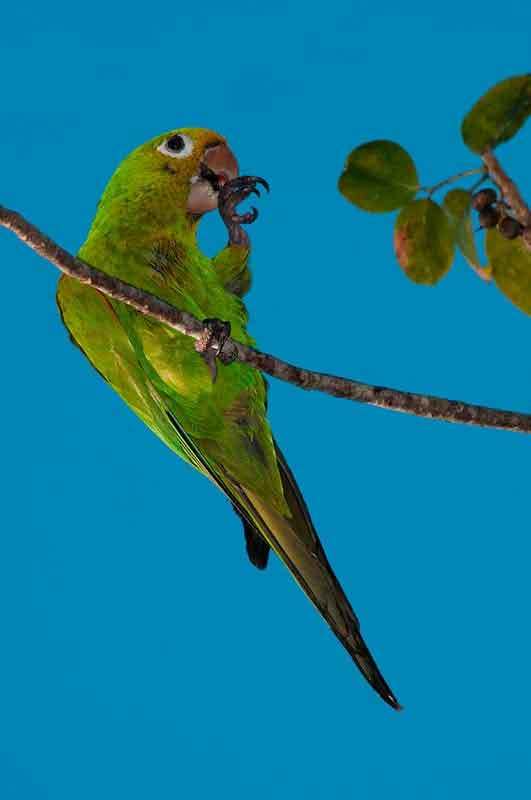
Hispaniolan Parakeet
Psittacara chloropterus

Aratinga de la Espaรฑola

Content

Description:


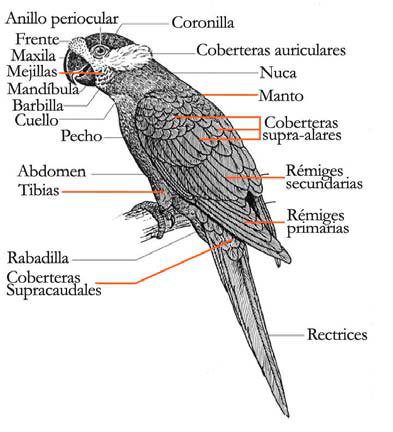
Anatomy-parrots

32 cm. of length and a weight of 150 g..

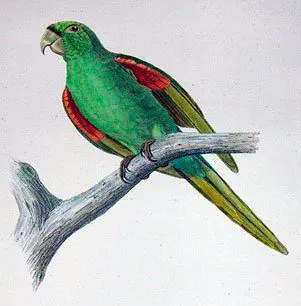
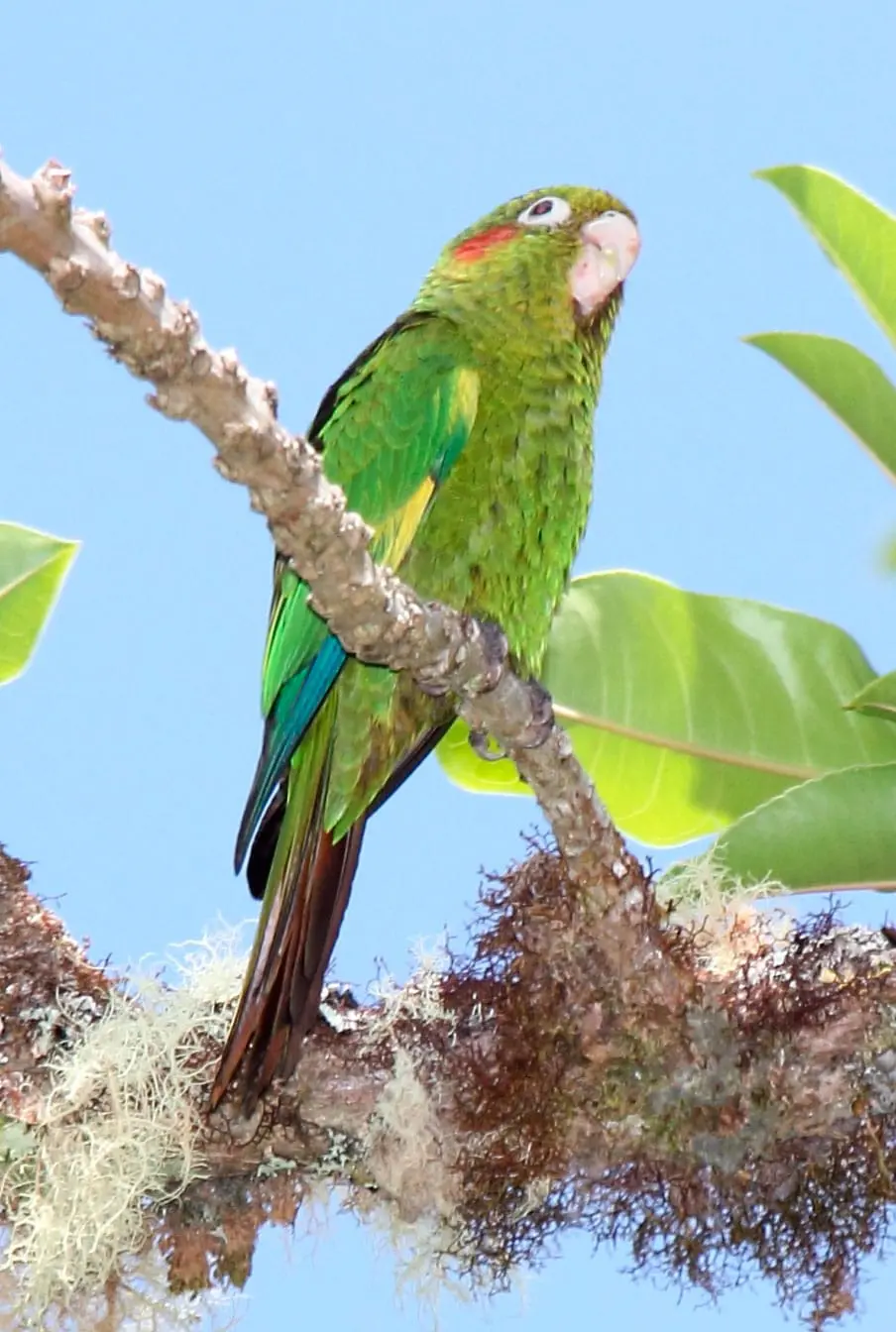
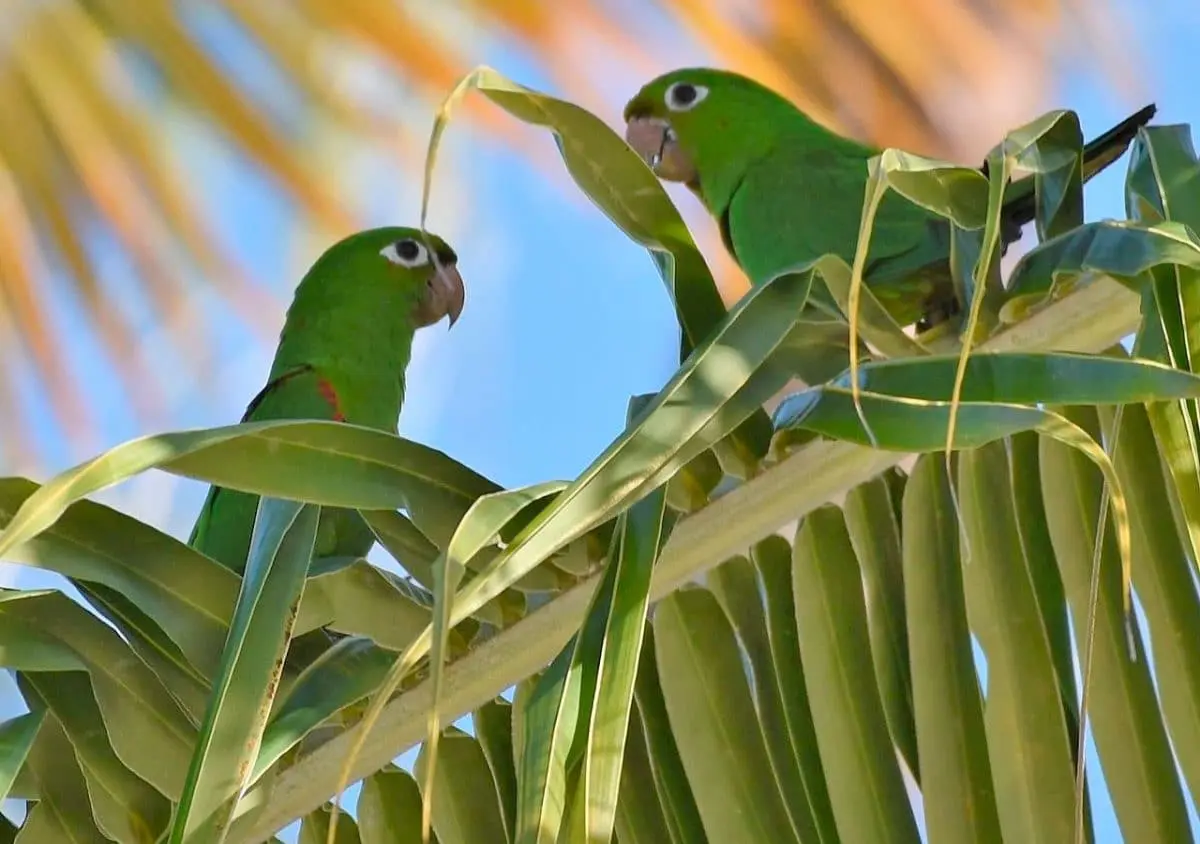
The Hispaniolan Parakeet (Psittacara chloropterus) has the head whole and both sides of the neck green grass with some scattered red feathers; the upperparts and upperwing-coverts Green with external ends of the Middle coverts red. Primary and secondary dark green with bluish-green tips on margins vane inner. The underwing-coverts yellowish brown in the flight feather, more grayish towards the tip; coverts Green except smaller and medium-sized external coverts, they are red and the primarys which are green and Red.

The underparts brighter yellowish green, usually with scattered red feathers.
Upper, the tail dark green and below, grayish brown.
The bill color horn; bare periophthalmic whitish: irises yellowish; legs grayish brown.

Ilustraciรณn de Psittacara euops y Psittacara chloropterus

Both sexes similar.

The immature has less red and more green in underwing-coverts, No red on the upper surface of the bend of wing and grey at the base of the bill and on the cutting edge.

  • Sound of the Hispaniolan Parakeet .

Subspecies description:

Psittacara chloropterus maugei
  • Psittacara chloropterus chloropterus
  • (Souance, 1856) – The species nominal.

  • Psittacara chloropterus maugei โ€ 
  • (Souance, 1856) – Similar to the species nominal, but with a duller green in the underparts; more red in the large underwing-coverts.

Habitat:

Video – "Hispaniolan Parakeet" (Psittacara chloropterus)

Wild baby Hispaniolan Parakeet (Aratinga chloroptera) at nest hole. AVI

This species covers all types of natural habitats from arid lowland forests, to sheets of palmas, but obviously prefers upland forest (including the dominated by Pinus), to 3.000 meters above sea level, scarce, Perhaps because of the persecution, in the adjacent cultivated areas.

In general, observed in pairs or in small flocks, but sometimes in meetings of more than one hundred, at least in the past, When were most abundant. Discernible couples even within large flocks.

Reproduction:

They build their nests in tree cavities, including old holes made by woodpeckers, as well as in arboreal termite mounds.

The laying compose it between 3 and 5 eggs, exceptionally 7.

Food:

There are few details about the diet of the Hispaniolan Parakeet, but it is apparently similar to the fellow and and depends on local availability of fruits, seeds, nuts, outbreaks, flowers and beads; Some reported foods include Ficus figs and corn.

Distribution:

confined in Haiti and Dominican Republic, la Espaรฑola, Greater Antilles. Previously in the Mona Island (Psittacara chloropterus maugei), extinct between 1892 and 1901, probably as a result of the pressure due to the hunting and, possibly, the perturbations by the explosions in the guano mine; possibly, also distributed in Puerto Rico, and its, probably, at the end of the century 19, due to loss of habitat and hunting.

In Hispaniola It is subject to a significant and continuous decrease, due to destruction of habitat, trade and persecution, especially in Haiti, where possibly is extinct.

In Dominican Republic still distributed in a few upland areas, for example, Cordillera Central.

Possibly small wild populations in Puerto Rico and Florida. A small number in captivity; the international trade small volume, probably, keep going.

Subspecies distribution:

  • Psittacara chloropterus chloropterus
  • (Souance, 1856) – The species nominal.

  • Psittacara chloropterus maugei โ€ 
  • (Souance, 1856) – Formerly distributed by the Mona Island and, possibly, Puerto Rico, but the last recorded specimen was in 1892. Currently extinct.

Conservation:

State of conservation โ“˜


Vulnerable Vulnerable โ“˜ (UICN)โ“˜

โ€ข Red List category of the UICN current: Vulnerable

โ€ข Population trend: Decreasing

There is no new data on the evolution of the population; But, the species is suspected that it may be in decline, slow to moderate due to the hunting, capture and habitat loss.

Habitat loss and persecution as crop pest they are the greatest threats to this species. Is exploited for the local and international trade, Although only reported 12 individuals for international trade between 1991 and 1995 (Snyder et to the., 2000).

The number of copies of Hispaniolan Parakeet ranges between 1500 and 7000.

Conservation Actions Underway

โ€ข Appendix II of CITES.

โ€ข In the Dominican Republic, is legally protected against the hunt, but this legislation is not applied properly (Snyder et to the., 2000).

โ€ข A education strategy with community participation has been launched for the protection of this species (Vasquez et to the., 1995).

โ€ข Las interactions between this species and the Olive-throated Parakeet (Eupsittula nana), due to the recent increase in the number of the latter in the Sierra de Bahoruco [S. Latta in litt., 1998] ), they are being investigated (Anon. 2007).

โ€ข A group of volunteers for the protection of the parrot will work reforming the damaged nests. (Anon. 2007)

Conservation Actions Proposed.

โ€ข Clarify the status of the species in Haiti.

โ€ข Study ecology and reproductive success to determine the natural limiting factors.

โ€ข Comply with current legislation in the Dominican Republic.

The Hispaniolan Parakeet in captivity:

Rare in captivity and legally protected in Dominican Republic against the hunt and capture.

Alternative names:

– Hispaniolan Parakeet, Haitian Paroquet, Hispaniolan Conure, San Domingo Conure (inglรฉs).
– Conure maรฎtresse, Perruche maรฎtresse (francรฉs).
– Haitisittich (alemรกn).
– Periquito-de-hispaniola (portuguรฉs).
– Aratinga de la Espaรฑola, Perico , Periquito Antillano, Periquito de la Espaรฑola (espaรฑol).
– Perico, Xaxavi (Repรบblica Dominicana).

scientific classification:

– Order: Psittaciformes
– Family: Psittacidae
– Genus: Psittacara
– Scientific name: Psittacara chloropterus
– Citation: (Souancรฉ, 1856)
– Protonimo: Psittacara chloroptera

Images Hispaniolan Parakeet:


Species of the genus Psittacara

Sources:

Avibase
Parrots of the World โ€“ Forshaw Joseph M
Parrots A Guide to the Parrots of the World – Tony Juniper & Mike Parr
Birdlife

Photos:

(1) – Haitisittich Psittacara chloropterus Aufnahme in La Romana By Martingloor (Own work) [CC BY-SA 4.0], via Wikimedia Commons
(2) – Haitisittich Psittacara chloropterus By Martingloor (Own work) [CC BY-SA 4.0], via Wikimedia Commons
(3) – Haitisittich Psittacara chloropterus Aufnahme in La Romana By Martingloor (Own work) [CC BY-SA 4.0], via Wikimedia Commons
(4) – Perico de la Hispaniola / Aratinga chloroptera by Carlos De Soto Molinari – Flickr
(5) – Perico de la Hispaniola / Aratinga chloroptera by Carlos De Soto Molinari – Flickr
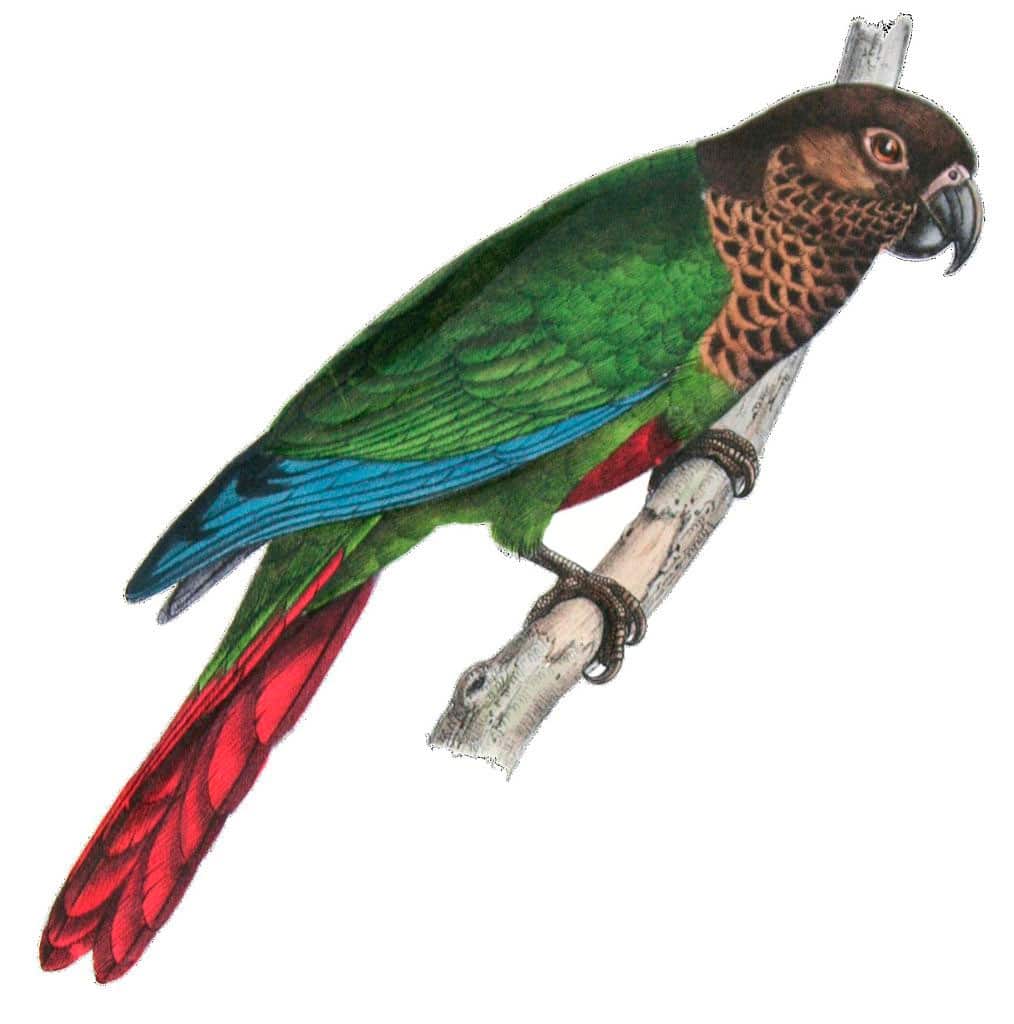
(6) – Evopsitta maugei. Illustrations from Iconographie des perroquets non figurs dans les publications de Levaillante et de M. Bourjot Evopsitta maugei = Aratinga chloroptera maugei == Psittacara chloropterus maugei By 48 hand-coloured lithographic plates by E. Blanchard and J. Daverne (pl. I-XV) or Juliot of Tours (XVI-XLVII, 79). [Public domain], via Wikimedia Commons
(7) – Psittacara euops Syn: Evopsitta euops & Psittacara chloropterus Syn: Psittacara chloropter bzw. Psittacara euops St. Domingue By Charles Emile Blanchard (1819โ€“1900) (biodiversitylibrary.org) [Public domain], via Wikimedia Commons

Sounds: Lance A. M. Benner (Xeno-canto)
โ–ท The world of Pets: Dogs, cats, birds, reptiles, amphibians

Deville's Parakeet
Pyrrhura lucianii


Deville's Parakeet

Content

Description:

21-23 cm.. height.

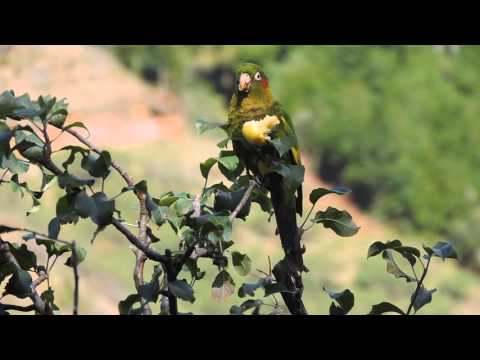
the showy plumage of the Deville's Parakeet (Pyrrhura lucianii) is generally Green, darker in the lower parts, the crown is dark brown, the forecrown and face is brownish red in colour; cheeks brick red, faded of blue, ear-coverts brownish yellow, neck and chest with the typical scales very visible due to the black and yellow contrast of the feathers. The ventral coat of arms, reddish, is well defined; in flight the dark red spot is notorious for the abdomen. Well defined are the reddish marks on the rump and in his long tail; the flight feather they are blue.

It has periocular ring Of course, irises brown, bill blackish and legs grey pink.

Note:

Until recently this species was included along with the Pyrrhura subandina, Pyrrhura caeruliceps, Pyrrhura pantchenkoi within the species Pyrrhura picta.

Habitat:

Found in altitudes of 800 m, in forests Terra firm and vรกrzea, including forest margins and near clearings with tall trees. In forests low semi humid, up close 100 m.

Seen in pairs, groups of three or flocks of up to 20 individuals.

Reproduction:

Little is known about the reproductive cycle of this species, probably nesting in large trees, in cavities or in nest of woodpeckers abandoned, with one laying estimated in 5-7 eggs.

Food:

With feeds a wide variety of fruits, flowers, seeds and algae, possibly.

Distribution:

Size of the distribution (breeding/resident): 47,200 km2

Restricted to the State of amazon in the Northwest Amazon of Brazil.

This species is supposed fairly common within its range, However, This can not be confirmed since this time rare remote region is visited by researchers.

Conservation:

โ€ข Red List Category: Least concern

โ€ข Population trend: Decrease

State of conservation โ“˜


minor concern Minor Concern โ“˜ (UICN)โ“˜

The status of their populations is unknown, but for the good condition of the habitat, it can be assumed that they are in good state of conservation.

While the trend of the population seems to be decreasing, do not believe that the decline is fast enough for approaching the threshold of vulnerable under the criterion of population trend

"Deville's Parakeet" in captivity:

Although he is a parrot rare in captivity, its potential as a domestic fowl is excellent, provided there are hand raised and socialized from an early age. The newly imported birds are usually shy and nervous and often they remain reserved.

It is usually inquisitive and active, enjoy flying and requires plenty of exercise and a spacious cage. Usually, It is not too noisy unless it is excited (as it is usually the case of all species Pyrrhura).

Once acclimatized, These parrots are quite robust. Enjoy with the bath by what are them must provide a dish of water little deep to daily. Also the love chew branches fresh.

Alternative names:

– Deville’s Parakeet, Bonaparte’s Parakeet (English).
– Conure de Bonaparte, Conure de Luciani (French).
– Bonapartesittich, Prinz Luzians Rotschwanzsittich (German).
– Tiriba-de-deville (Portuguese).
– Cotorra de Bonaparte, ร‘รกngaro de Deville, Perico de Deville, Cotorrita barriguiroja (espaรฑol).
– Perico de Bonaparte (Peru).

scientific classification:

– Order: Psittaciformes
– Family: Psittacidae
– Genus: Pyrrhura
– Scientific name: Pyrrhura lucianii
– Citation: (Deville, 1851)
– Protonimo: Conurus Lucianii

Images Deville's Parakeet:


Especies del gรฉnero Pyrrhura

Deville's Parakeet (Pyrrhura lucianii)


Sources:

– Avibase
– Parrots of the World โ€“ Forshaw Joseph M
– Parrots A Guide to the Parrots of the World – Tony Juniper & Mike Parr
– Birdlife

– Photos:

(1) – Maracana luciani Dev. & Cast. Pyrrhura lucianii = (Deville, 1851) by Francis de Laporte de Castelnau [Public domain], via Wikimedia Commons

– Sounds: Daniel Lane (Xeno-canto)
โ–ท The world of Pets: Dogs, cats, birds, reptiles, amphibians

Yellow-shouldered Parrot
Amazona barbadensis

Yellow-shouldered Parrot

Content

Description:

33 to 36 cm.. height and an average weight of 270 g.

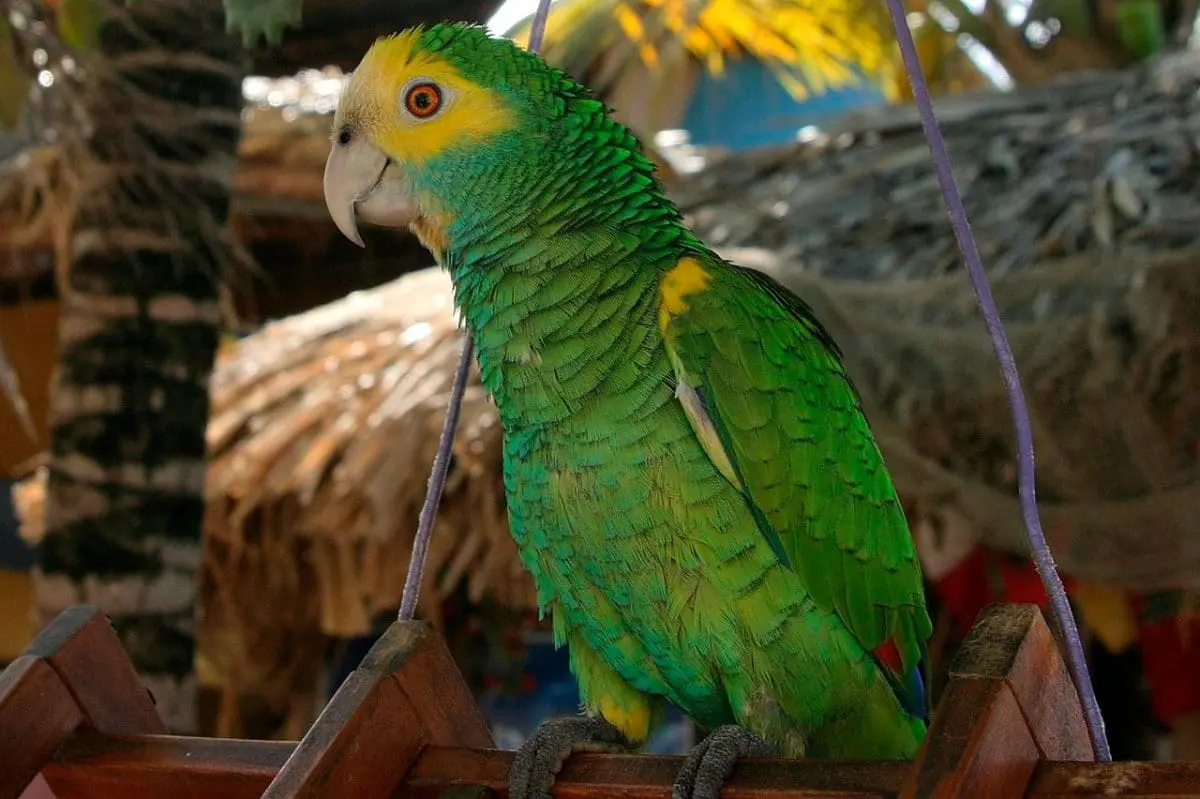
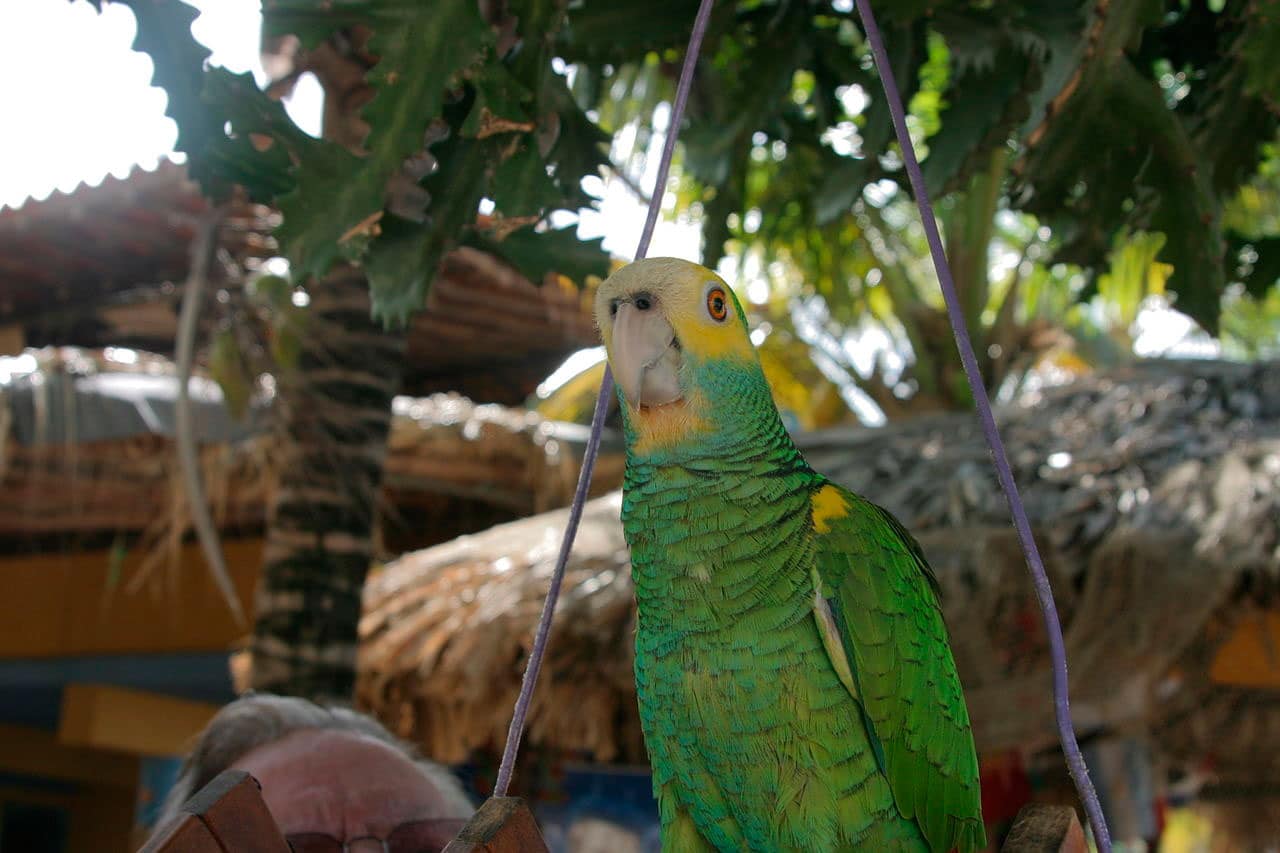
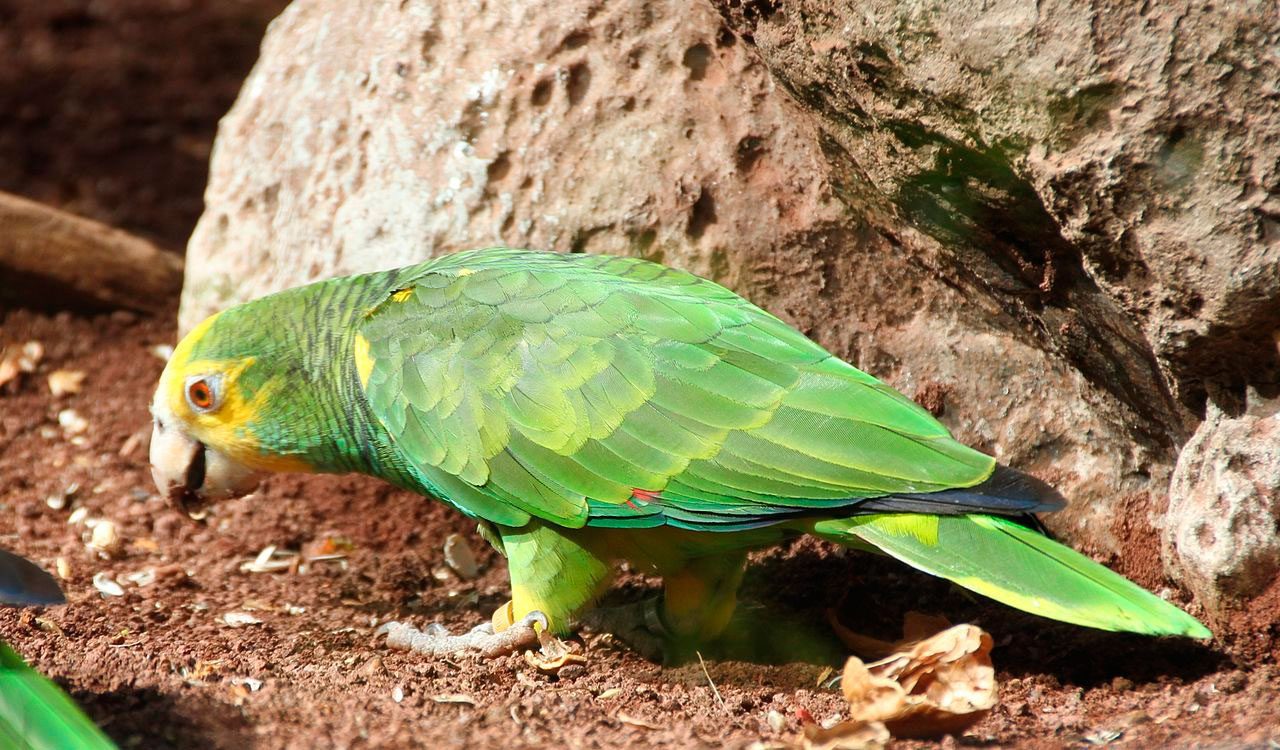
The Yellow-shouldered Parrot (Amazona barbadensis) It has a short tail, head yellow, some with forecrown white.

Its body is usually green, with black feathers edge neck, chest and back; greenish yellow in underparts.

Chin yellow with bluish tint in lower cheeks and around the chin. Shoulder and the thighs yellow.

Speculum red. dark blue tips to the flight feathers. The black edge of their feathers give them a look scaled.


Yellow-shouldered Parrot


Anatomy-parrots

The irises are red or orange and bill whitish.

The young birds are similar to adults but may distinguish by their irises and the absence darker blue hue in the lower body.

In the most notorious flight apart from the head, is the wing with shoulder yellow, Red patch and blue end.

Habitat:

They live in areas xerophytic vegetation, frequenting desert scrub dominated by cactus, cardรณn and shrubs or small trees; also frcuentan cultivated areas, until the 450 m. They move in pairs or flocks of up 100 individuals, especially at the time of feed.

Reproduction:

The nesting takes place in tree cavities, cactus or cliffs, in general, between March and August (Sanz and Rodriguez-Ferraro 2006). The average size of clutch is of 3,38 eggs per nest, and most of the eggs survive until the hatching. The incubation lasts a few 26 days and leave the nest 60 days after hatch.

It tends to rest communally in tall trees, with groups of up 700 birds recorded (Juniper and Parr 1998).

Food:

Their diet is composed of Cactus and other fruits. They have been reported in their diet fruits 22 genders. rich flowers nectar, cardรณn and the urero, which eats fruits, flowers and trunk, fruits and seeds Stenocereus, seeds and flowers guatacaro (Boarreria Sumnensis) and yaque.

Distribution:

Size of its range (reproduction / resident): 11,000 km2

The Yellow-shouldered Parrot It has a disjoint range with seven genetically isolated populations in northern Venezuela (Lara (Cerro Saroche National Park, which)), Falcon (Dabajuro, Casigua), Anzoรกtegui (about Piritu and Barcelona) and Sucre (Araya Peninsula), as well as the Margarita Islands, the blanquilla, Curacao and Bonaire (Rodriguez-Ferraro 2009).

He is currently extinct on Paraguana Peninsula (Briceรฑo-Linares et. To the. 2011). References to the presence of a population of wild parrots in Curacao They are based on a historical source of the century 18 (AO Debrot in some 1999, 2007.); there have been reports from modern 1988 (The farmer 2008, A. Rodriguez-Ferraro in litt. 2012), although it has been suggested that these birds can be released or escaped cages. (Williams 2012).

It became extinct in Aruba towards 1950 (Rojas-Suarez & Rodrรญguez 2015).

The numbers on the islands seem to fluctuate, but they have increased in Margarita of 750 birds in 1989 (Sanz y Grajal 1998) until around 2000 in 2015 (Rojas-Suarez & Rodrรญguez 2015).

The population in Bonaire It was estimated in 400 individuals in 2006 (Williams and Martin 2006) and 650-800 individuals in 2012 (Department of Resources and Planning, Bonaire by R. Martin y S. Williams a slightly. 2012).

The continent's population was considered in decline 2003 (Hilty 2003).

Their habitat continues to be lost in the eastern part of the continental mountain range (V. Sanz in some. 2016) and the population of together (is of Venezuela) it is believed that are declining due to poaching and habitat conversion for agriculture (V. Sanz n bit. 2016), so it is likely that the continental population continues to decline.

Conservation:

State of conservation โ“˜


Vulnerable Vulnerable โ“˜ (UICN)โ“˜

โ€ข Current category of the Red List of the UICN: Vulnerable.

โ€ข Population trend: Unknown.

The population size: 1700-5600 specimens.

It is classified as a endangered specie, It is the main threats capture their young for pet trade, and habitat destruction of nesting and feeding by the extraction of sand for the construction industry.

The recovery of the population of this bird has been the spearhead of Provita's work in Macanao, since its conservation benefits a large part of the biodiversity of the peninsula, as their habitat covers large areas, it is also a charismatic species, that easily attracts the public to conservation efforts.

Source: PROVITA

"Yellow-shouldered Parrot" in captivity:

Rare but increasing due to the successes of captive breeding.
have a participatory personality, inquisitivas and curious to the point of being "nosy" and her gentle nature only adds to her charm. Mild to moderate its ability to speak.
Always playful, enable They require a cage equipped with toys. They worship a bathroom and displayed chatty while bathing under running warm water.

Alternative names:

– Yellow-shouldered Parrot, Yellow shouldered Parrot, Yellow-shouldered Amazon (English).
– Amazone ร  รฉpaulettes jaunes (French).
– Gelbflรผgelamazone, Kleine Gelbkopfamazone (German).
– Papagaio-de-cabeรงa-branca (Portuguese).
– Amazona de Cabeza Amarilla, Amazona de hombro gualda, Amazona Hombrogualda, Cotorra margariteรฑa (espaรฑol).
– Cotorra Cabeciamarilla (Venezuela).

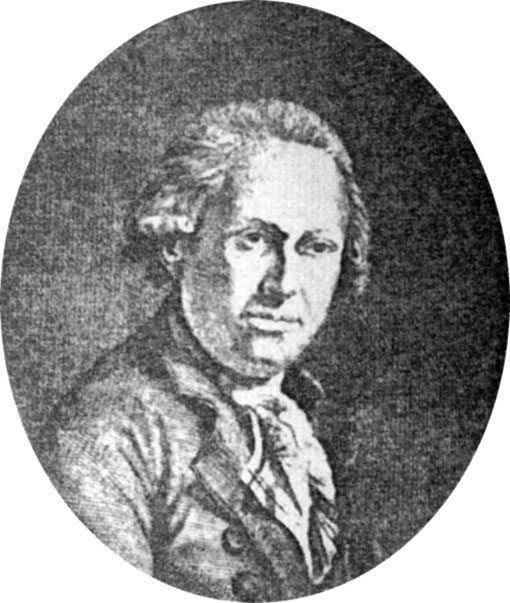
Gmelin Johann Friedrich

scientific classification:


– Order: Psittaciformes
– Family: Psittacidae
– Genus: Amazona
– Scientific name: Amazona barbadensis
– Citation: (Gmelin, JF, 1788)
– Protonimo: Psittacus barbadensis


Images "Yellow-shouldered Parrot":


Species of the genus Amazona


Sources:

  • Avibase
  • Parrots of the World โ€“ Forshaw Joseph M
  • Parrots A Guide to the Parrots of the World – Tony Juniper & Mike Parr
  • Birdlife

  • Photos:

(1) – Yellow-shouldered Amazon (Amazona barbadensis) also known as Yellow-shouldered Parrot. Pet in Venezuela perching on the top of a wooden frame. By John Bรคckstrand (originally posted to Flickr as IMG_2721) [CC BY 2.0], via Wikimedia Commons
(2) – Yellow-shouldered Amazon in the Walsrode Bird Park, Germany By Quartl (Own work) [CC BY-SA 3.0], via Wikimedia Commons By Quartl (Own work) [CC BY-SA 3.0], via Wikimedia Commons
(3) – Yellow-shouldered Amazon (also known as Yellow-shouldered Parrot). Two in the foreground in a cage By TJ Lin [CC BY-SA 2.0], via Wikimedia Commons
(4) – Yellow-shouldered Amazon (Amazona barbadensis) also known as Yellow-shouldered Parrot. Pet in Venezuela perching on a hand. Shows crown By John Bรคckstrand (originally posted to Flickr as IMG_2469) [CC BY 2.0], via Wikimedia Commons
(5) – Yellow-shouldered Amazon (Amazona barbadensis) also known as Yellow-shouldered Parrot. Pet in Venezuela By John Bรคckstrand (originally posted to Flickr as IMG_2468) [CC BY 2.0], via Wikimedia Commons
(6) – Amazona barbadensis in the Loro Parque zoo of Tenerife, Spain By Bjoertvedt (Own work) [CC BY-SA 4.0], via Wikimedia Commons
(7) – Amazona barbadensis in the Loro Parque zoo of Tenerife, Spain By Bjoertvedt (Own work) [CC BY-SA 4.0], via Wikimedia Commons
(8) – Yellow-shouldered Amazon (Amazona barbadensis) also known as Yellow-shouldered Parrot. Pet in Venezuela – side view – a little red and blue seen at edge of wing By John Bรคckstrand (originally posted to Flickr as IMG_3117) [CC BY 2.0], via Wikimedia Commons
(9) – Yellow-shouldered Amazon (Amazona barbadensis) also known as Yellow-shouldered Parrot. Pet in Venezuela on the top of a wooden climbing frame. Mainly showing its upper body By John Bรคckstrand (originally posted to Flickr as IMG_2723) [CC BY 2.0], via Wikimedia Commons
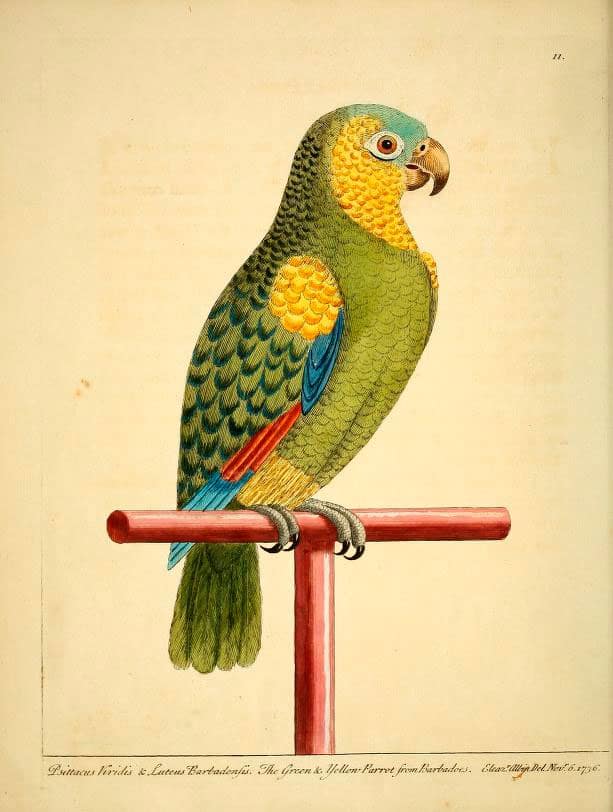
(10) – Original illustration of the ยซGreen & Yellow Parrot from Barbadosยป, currently known as Amazona barbadensis – Wikipedia

  • Sounds: ยฉ 2014 Cornell University

โ–ท The world of Pets: Dogs, cats, birds, reptiles, amphibians

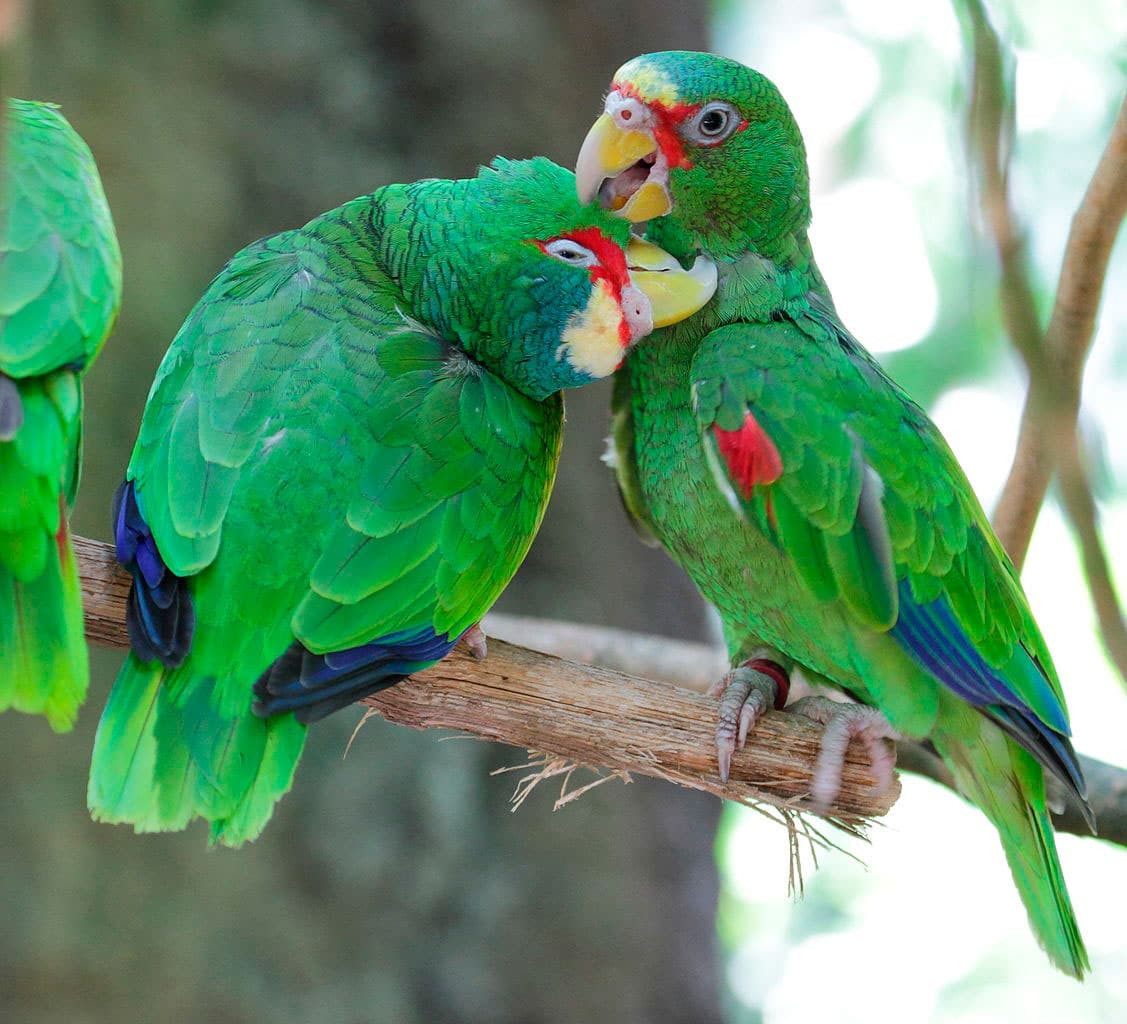
White-fronted Parrot
Amazona albifrons

White-fronted Parrot

Content

Description:

22 to 26 cm.. length.

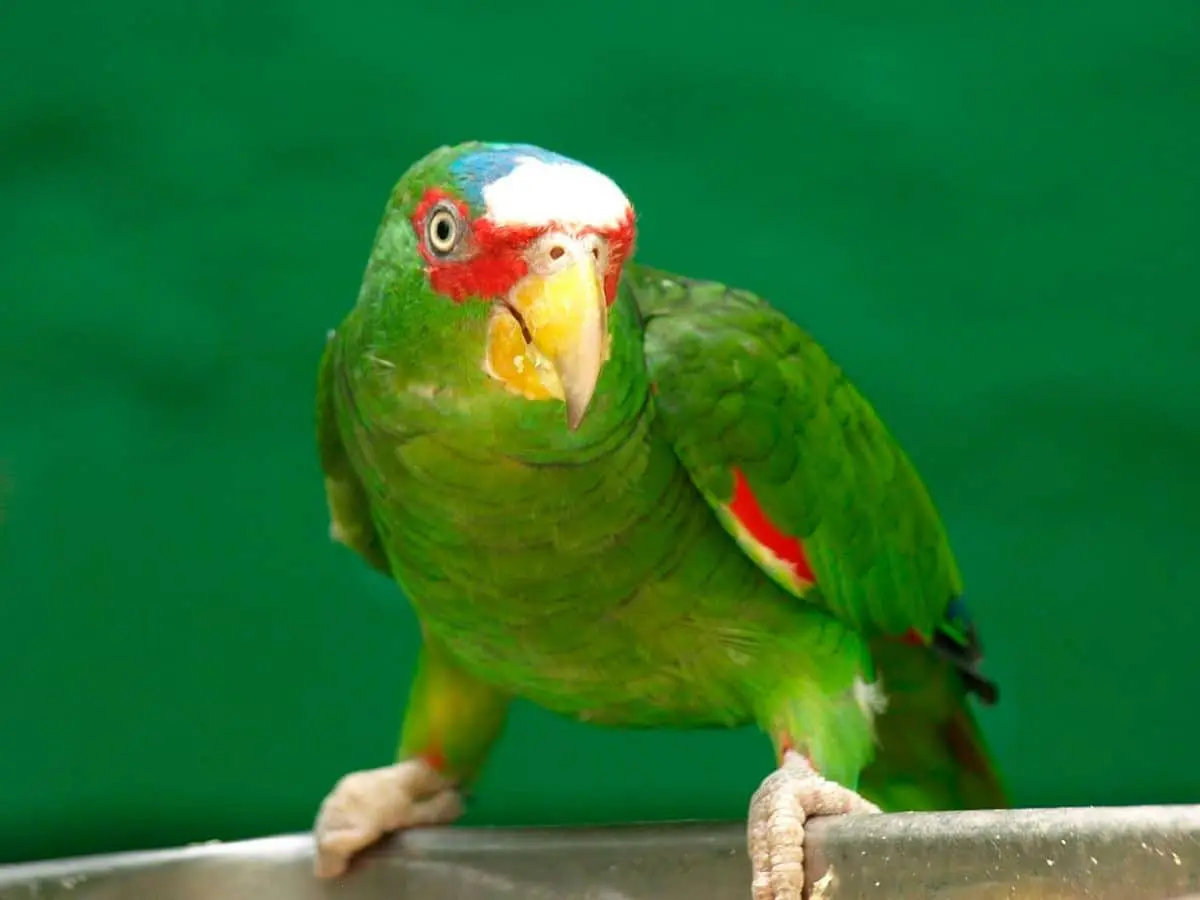
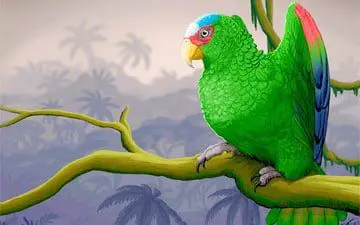
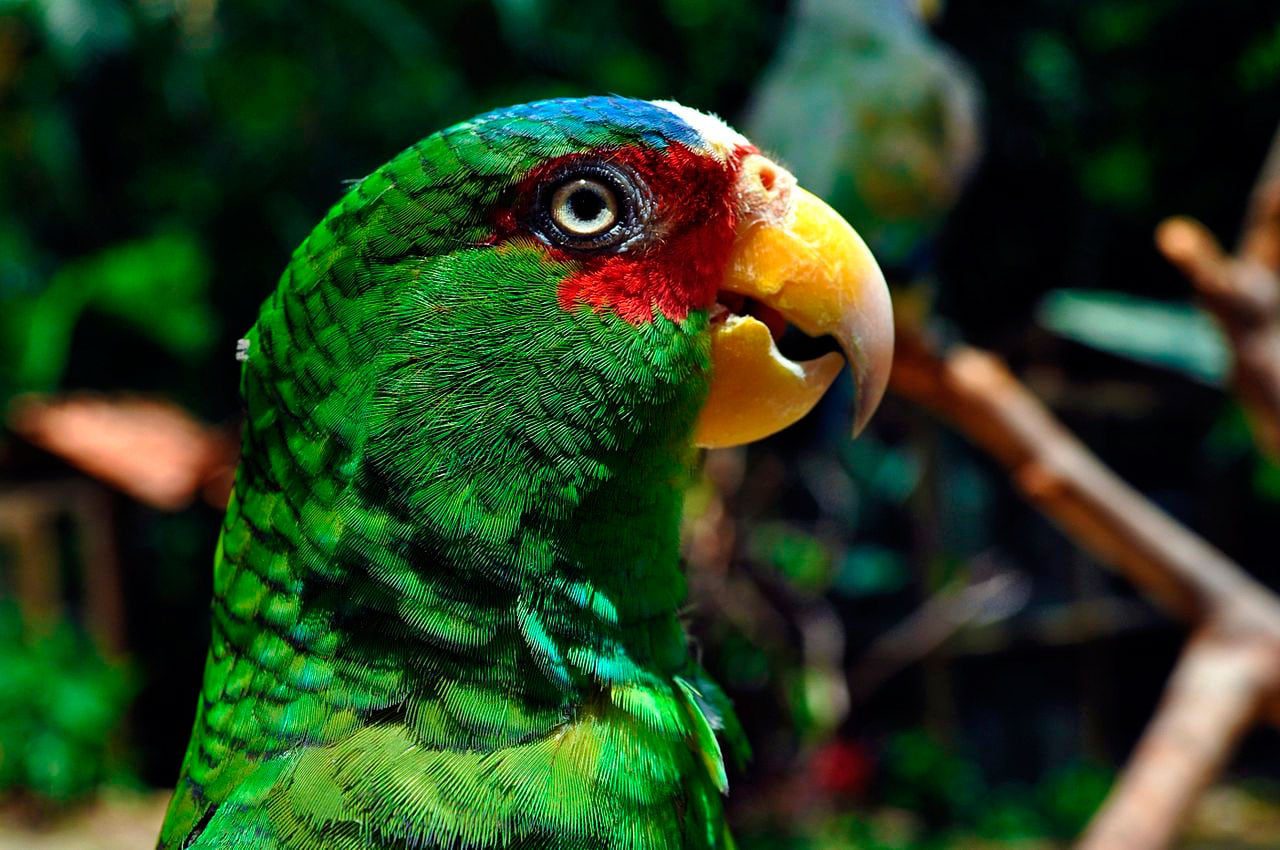
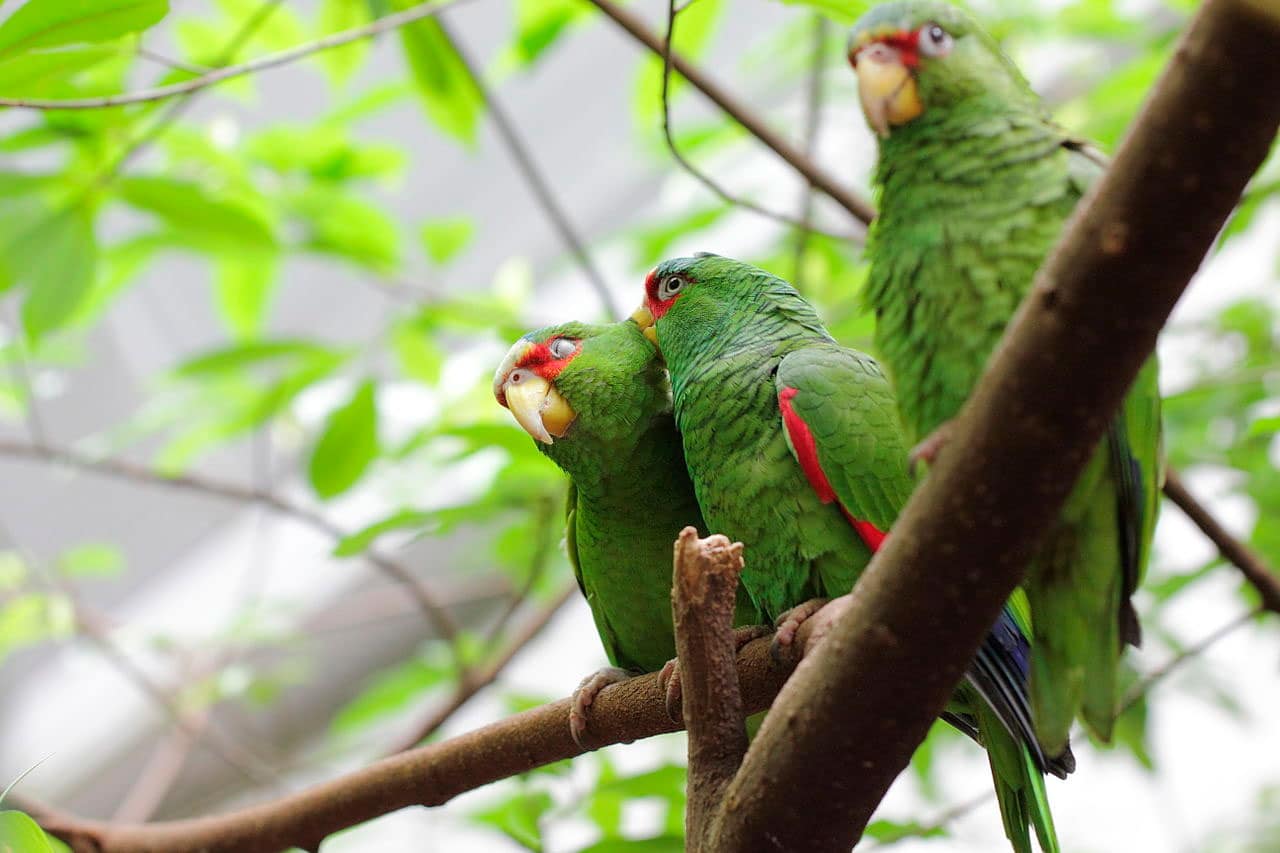
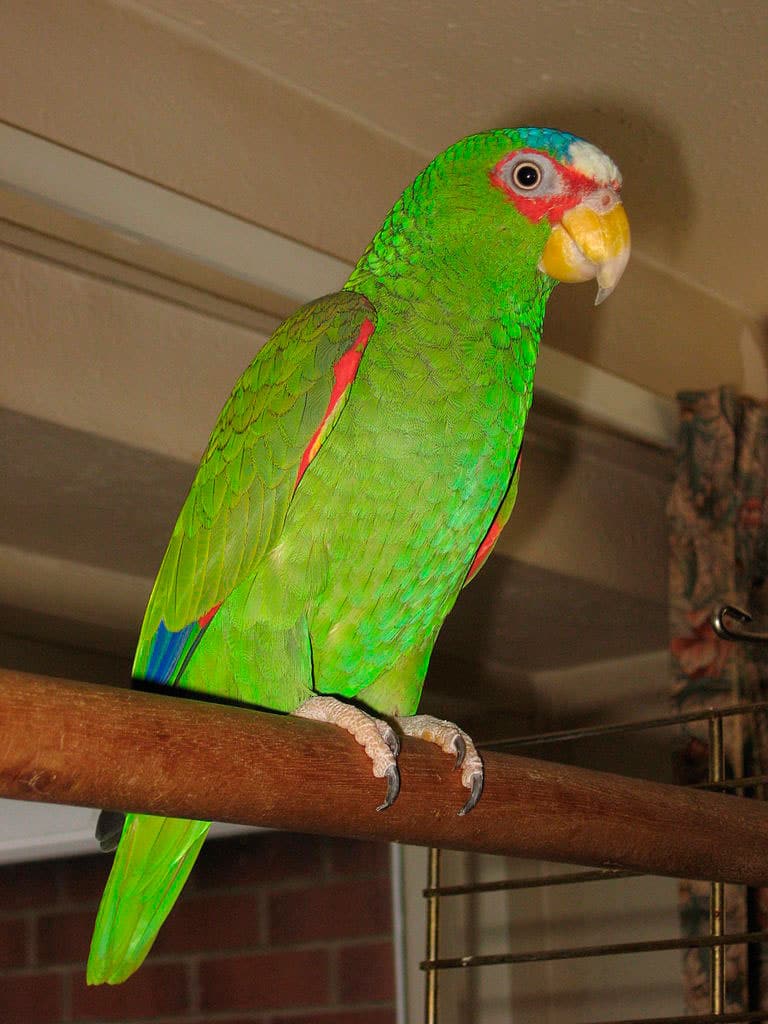
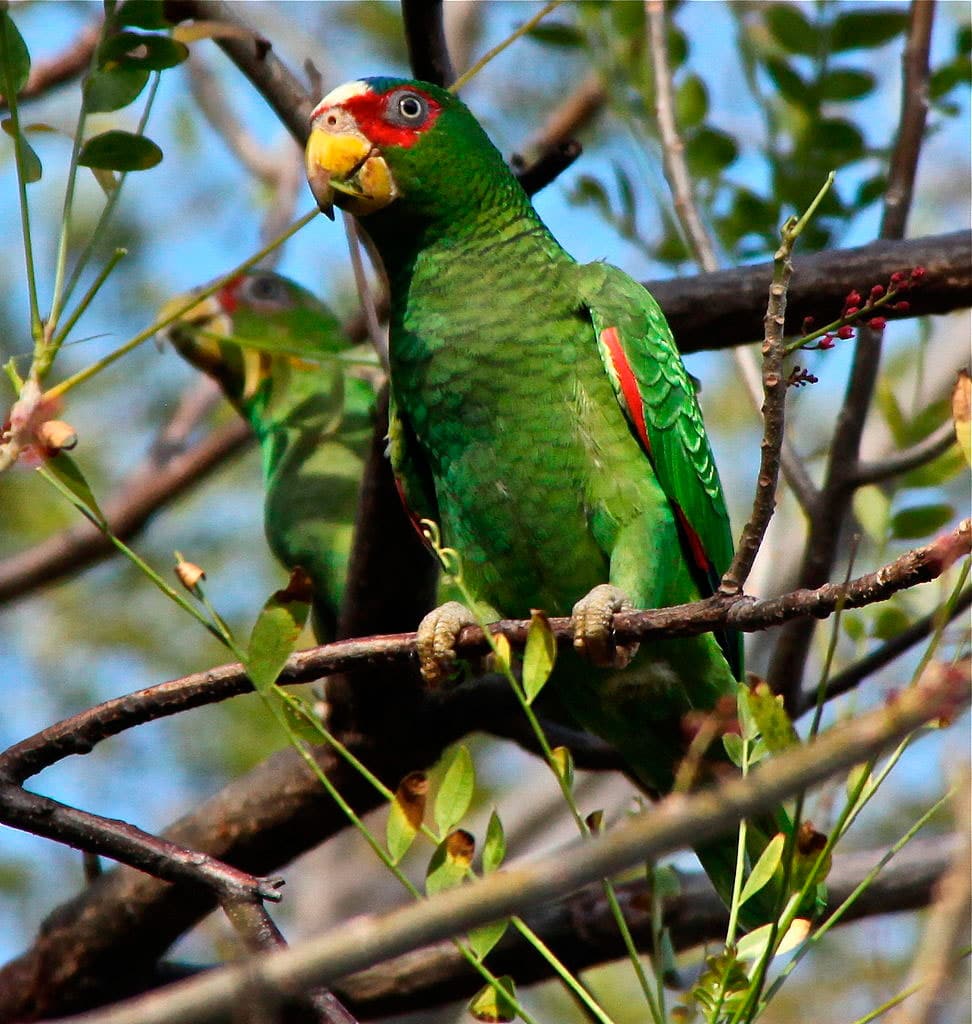
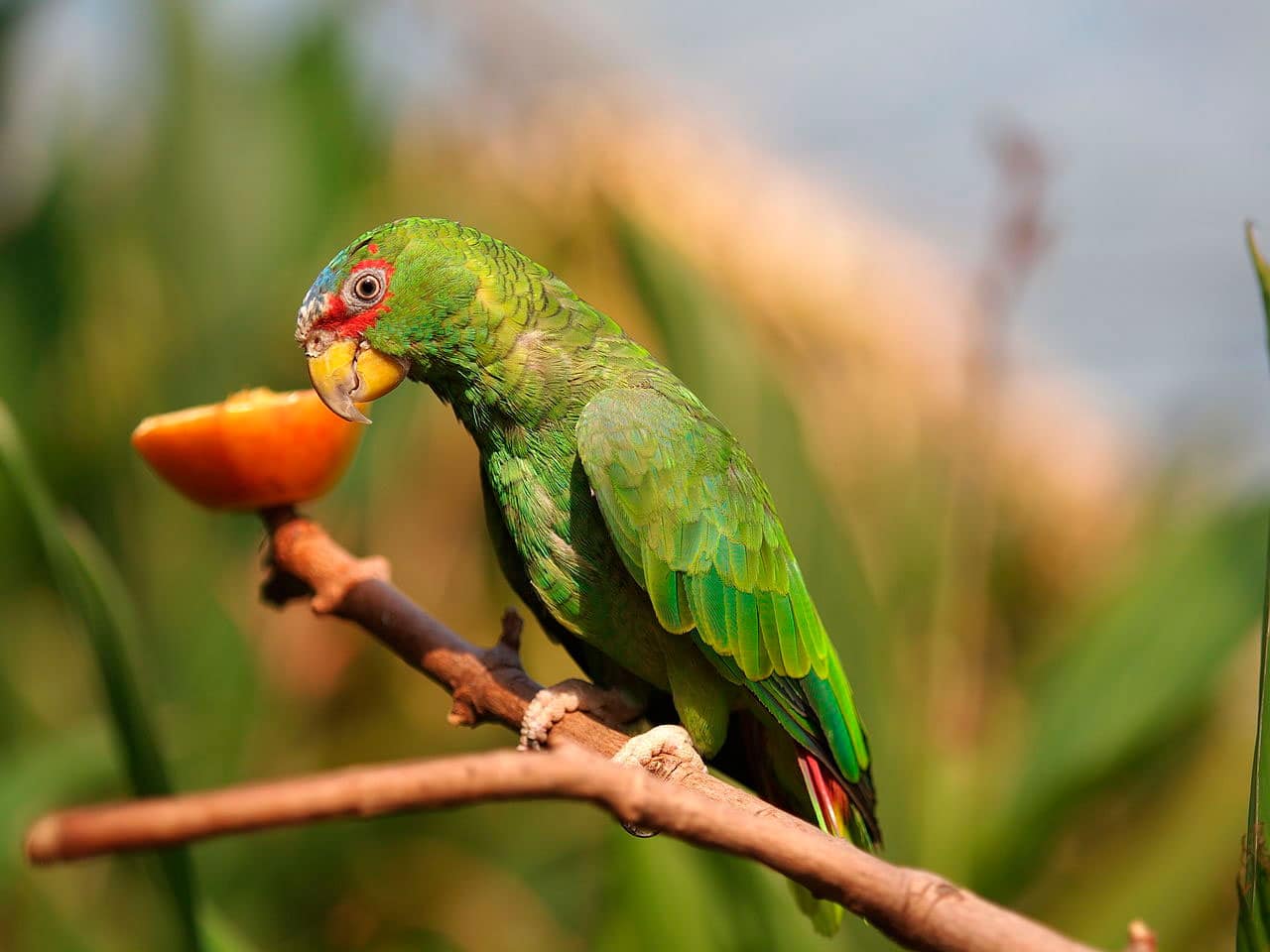
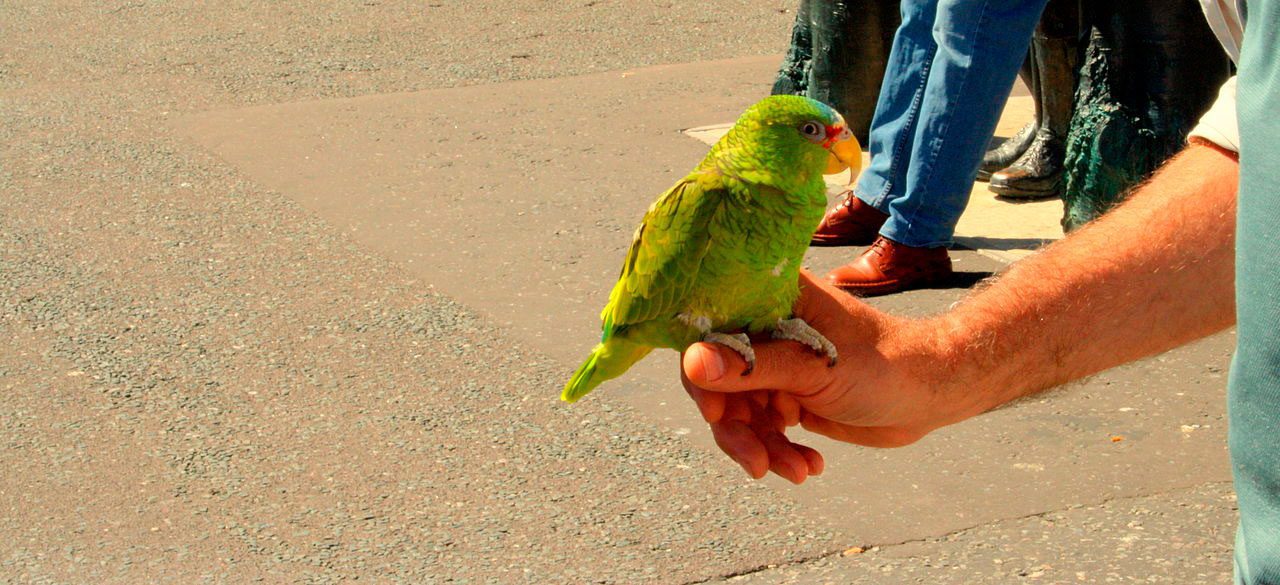
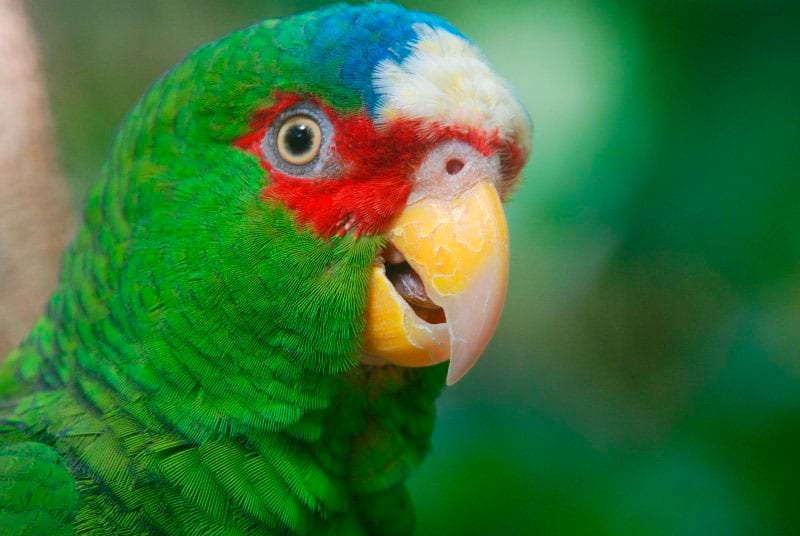
The White-fronted Parrot (Amazona albifrons) has the forecrown white; lores, upper cheeks and ring of feathers around eyes, red; the crown pale blue mingles with the green nape; the feathers with dark margins; sides neck green with narrow black margins. Mantle, back and scapulars, grass-green, sometimes with olive tint; the mantle with indistinct black tips; rump green, perhaps more emerald colors than the rest of the upperparts.

big blankets and alula, red, other coverts green. The outerweb of the primaries, green, They turn blue at the tips; outerweb of the secondaries, blue; innerwebs of the flight feather, blackish. Under, the wings bluish green. Underparts green with weak blackish edges to feathers on throat and the chest. Upper, the tail It is yellow in the center, outer feathers red at the base, blue in the outerweb. Bill light colored horn, darker at the tip; bare periophthalmic pale grey; irises pale yellow; legs pale grey.


Anatomy-parrots

It presents an undistinguished sexual dimorphism. The female It differs from the male in the red face It is limited to the region eye ring and it lacks the red hue in wing coverts. The immature male It looks like female but with red on the primary coverts.

  • Sound of the White-fronted Parrot.

Description 3 subspecies:

White-fronted Parrot

  • Amazona albifrons albifrons

    (Sparrman, 1788) – Nominal.


  • Amazona albifrons nana

    (Miller,W, 1905) – smaller the species nominal. Little differentiated from nominal but the green plumage It is perhaps paler, yellower. Some individuals Coast peaceful show some red on the throat.


  • Amazona albifrons saltuensis

    (Nelson, 1899) – Similar to the nominal but the plumage It is heavily steeped in blue. The blue of the crown It extends to the nape.

Habitat:

This adaptable Amazona uses all kinds of wooded habitats and open field with trees, including seasonally moist semi-evergreen semi-evergreen forest (especially at the edge), pine forests, gallery forest, agricultural land with open woods, savannah and tropical arid scrub with cactus, tending to more frequent open areas in the caribbean side.

Usually they prefer drier forests, but where it is simpรกtrica with Yellow-lored Parrot (Amazona xantholora), tends to prefer more humid and closed vegetation.

In Yucatan the White-fronted Parrot inhabit coastal coconut plantations while breeding. In altitudes of 900 m (Oaxaca), 1.800 m (Honduras) and 1.500 m (Sonora meridional: register only known outside the tropics).

In pairs during the breeding season but usually gregarious, distributed primarily in small groups, with occasional concentrations of hundreds of birds and some communal roosts (for example, mangroves) with several thousand birds.

Reproduction:

Video – "White-fronted Parrot"

Chauรก(Amazona Rhodocorytha) - Red-browed Parrot

The White-fronted Parrot nest in trees, cavities of the palm tree termitarium, sometimes in the cavity dug by some woodpecker. species trees Bursera simaruba and Caesalpinia gaumeri are among the favorites to nest in Yucatan. Breeding January July, depending on the location.

A clutch contains 3-5 eggs. Only the female incubates. The incubation lasts around 24 days.

Food:

Registered foods include guilt of Acacia gaumeri (Yucatan), fruits of Lemaireocereus thurberi and Pachycereus and cocoons of Jatropha cordata (Sonora), Ehretia tinijolia and Metopium browneii (Campeche); They also feed on cultivated fruits like mango and grain, including corn. Birds often get excited and shout while feeding.

Distribution and status:

Size of its range (breeding/resident ): 2.330.000 km2

The White-fronted Parrot They extend Mexico, from the South of Sonora (north to about 28 ยฐ N) along the Sinaloa and West Durango south through the Pacific region to Oaxaca and north through Tehuantepec isthmus the Atlantic coast in southern Veracruz and to the East by Tabasco the entire Yucatan Peninsula, including northern Guatemala and Belice.

They are present in southern Chiapas and in the lowlands of the Guatemalan Pacific and, reportedly, in West El Salvador, extending through the lowlands of peaceful, arid and Caribbean lowlands Honduras to the Pacific Northwest Costa Rica and Nicaragua (where distribution is not detailed).

Mainly seasonal residents but visitors in some parts of the range (for example, Yucatan, El Salvador western and eastern mountains Guatemala).

Introduced in urban areas Cozumel Island, in the State of Quintana Roo (Mexico). Their presence only in urban areas of the island, the ability of the species to live successfully in urban areas, the abundance of fruit trees and use as a pet by the islanders allows us to suggest that registered individuals are the result of leakage or were released by their owners.

Usually common and together with the Orange-fronted Parakeet (Eupsittula canicularis), It is the largest parrot in the Pacific slope of Central America; although obviously scarce in some areas. The deforestation It is possibly promoting increases in population Caribbean slope of Central America. Captured for the pet trade and hunted as food, for example in Yucatan, where recently there has been a population decline due to the persecution of parrots that feed on fruit after loss of wild foods cultivated by Hurricane Gilbert. Its capture It is authorized only during the months of October to February in the states of Warrior, Jalisco, Michoacรกn, Oaxaca, Sinaloa and Tabasco and from September to January in Veracruz.

Distribution 3 subspecies:

  • Amazona albifrons albifrons

    (Sparrman, 1788) – Nominal. Pacific Coast of Mexico from Nayarit to Oaxaca and South of Chiapas in the lowlands Guatemalan Pacific. Birds in the northern Guatemalan lowlands and the arid interior, they can refer to the subspecies Amazona albifrons nana.


  • Amazona albifrons nana

    (Miller,W, 1905) – Veracruz until Costa Rica, including all yucatan peninsula.


  • Amazona albifrons saltuensis

    (Nelson, 1899) – Sonora, Sinaloa and Durango, in Mexico.

Conservation Amazona:

State of conservation โ“˜


minor concern Minor Concern โ“˜ (UICN)โ“˜

โ€ข Current category of the Red List of the UICN: Least concern.

โ€ข Population trend: Increasing.

Rationale for the Red List category

โ€ข This species has a very large range and therefore it is not close to the thresholds for Vulnerable under the criterion of size range (Extent of occurrence below 20,000 km2 combined with a size decreasing or fluctuating range, extension / habitat quality or population size and a small number of sites or severe fragmentation).

โ€ข The trend of population appears to be increasing and, therefore, the species does not approach the thresholds Vulnerable under the criteria of population trend (Wholesale 30% decrease in ten years or three generations).

โ€ข The population size is very large and, therefore, not approaching the thresholds for vulnerable under the criterion of population size (less than 10.000 mature individuals with continuing decline estimated a higher percentage of 10% in ten years or three generations or with a specific population structure).

โ€ข For these reasons the species is evaluated as the least concern.

Justification of the population

โ€ข Partners in Flight estimated that the total population of 500.000-4.999.999 individuals (A. Panjabi in a bit., 2008).

Justification of trend

โ€ข The population is suspected to be increasing as habitat degradation is creating new areas of suitable habitat.

The White-fronted Parrot in captivity:

Due to the decline of these birds in the wild, especially in the Mexican populations, the White-fronted Parrot is now, unlike other times, offered for sale only rarely. It also, among birds received by importers, the males generally far outweigh the females so it's hard to find a partner.

According to many observations, the White-fronted Parrot captured still quite shy and unsociable, especially if they were mature when they were trapped. The birds immature, which can be stained by the yellowing of his crown, relatively well sympathize with their caregivers and are easily adapted to a life in a cage or aviary. It is said to have some talent to imitate.

According to sources, the first hatchlings in captivity They were born in 1949 in the United States by I.D. Putman; the second in 1977 on German Federal Republic by H. Mรผller (Walsrode) and a third set in Switzerland in 1979; Since then several European poultry farmers have reported breeding successes.. The latest report came in 1985 from the bird park Metelen Heide in Muen-sterland (Western Germany). there a clutch five eggs produced four hatchlings in mid-June 1984 after an incubation period of 28 days. The young left the nest after about 70 days, but they were still actively cared for and fed, mainly by the parent, for a few weeks more.

Its price in the European market round 1000 EUR. generally silent the Amazons largest. It can be noisy just before and during the breeding season.

These birds can become aggressive in breeding season and can attack the caregiver. The nest boxes are better positioned to nest inspection can be performed from outside the aviary. The inspection of the nest is best when adult birds are out of the nest, however captive breeding has rarely been achieved between individuals.

Susceptible to intestinal infections during the acclimatization period.

Their life expectancy can overcome the 50 years.

Alternative names:

– White-fronted Parrot, Spectacled Amazon, Spectacled Parrot, White fronted Parrot, White-browed Amazon, White-browed Parrot, White-fronted Amazon (English).
– Amazone ร  front blanc, Amazone ร  lunettes (French).
– WeiรŸstirnamazone (German).
– Papagaio-de-testa-branca (Portuguese).
– Amazona de Frente Blanca, Amazona Frentialba, Cotorra Frentiblanca, Lora frentiblanca, Loro Frente Blanca, loro frente-blanca, Loro Frentiblanco, Cotorra Guayabera (espaรฑol).
– Cabeza de Manta, Loro Manglero, Cocha, Cocho, Cucha (Mexico).


Scientific classification Amazona albifrons:

Anders Sparrman

– Order: Psittaciformes
– Family: Psittacidae
– Genus: Amazona
– Scientific name: Amazona albifrons
– Citation: (Sparrman, 1788)
– Protonimo: Psittacus albifrons


Images White-fronted Parrot:


Species of the genus Amazona


Sources:

  • Avibase
  • Parrots of the World โ€“ Forshaw Joseph M
  • Parrots A Guide to the Parrots of the World – Tony Juniper & Mike Parr
  • Birdlife
  • The New Parrot Handbook by Werner Lantermann,Matthew M. Vriends

Photos:

(1) – White-fronted Amazon By David Oliva (originally posted to Flickr as Cotorro 007) [CC BY 2.0], via Wikimedia Commons
(2) – White-fronted Amazons in Schรถnbrunn Zoo By spacebirdy(also known as geimfygliรฐ (:> )=| made with Sternenlaus-spirit) (Own work) [CC BY-SA 3.0 or FAL], via Wikimedia Commons
(3) – white-fronted amazon (Amazona albifrons) By Christoph Anton Mitterer (Flickr: P8155550) [CC BY-SA 2.0], via Wikimedia Commons
(4) – White-fronted Amazon Amazona albifrons pair perching in a tree at Guanacaste, Costa Rica By Steve Jurvetson (originally posted to Flickr as love birds) [CC BY 2.0], via Wikimedia Commons
(5) – White-fronted Amazon, (Amazona albifrons). A pet parrot on a perch. Red feathers on this parrots shoulders indicate that it is a male By โžจ Redvers (Flickr) [CC BY 2.0], via Wikimedia Commons
(6) – White-fronted Amazons in Schรถnbrunn Zoo By spacebirdy(also known as geimfygliรฐ (:> )=| made with Sternenlaus-spirit) (Own work) [CC BY-SA 3.0 or FAL], via Wikimedia Commons
(7) – A captive White-fronted Amazon in Copรกn Ruinas, Copรกn, Honduras By Troy from Charlottesville, USA (Flickr) [CC BY-SA 2.0], via Wikimedia Commons
(8) – A White-fronted Amazon – upper body by sumba [CC BY 2.0 of], via Wikimedia Commons
(9) – A pet juvenile White-fronted Amazon in Poole, Dorset, England By Kyle Payne from England (Odd Looking Seagull) [CC BY-SA 2.0], via Wikimedia Commons
(10) – White-fronted Amazon, Amazona albifrons, Remove alone B. Planet Earth – Flickr

Sounds: Richard E. Webster, XC353211. accessible www.xeno-canto.org/353211

โ–ท The world of Pets: Dogs, cats, birds, reptiles, amphibians

Saint Lucia amazon
Amazona versicolor

Saint Lucia amazon

Content

Description:

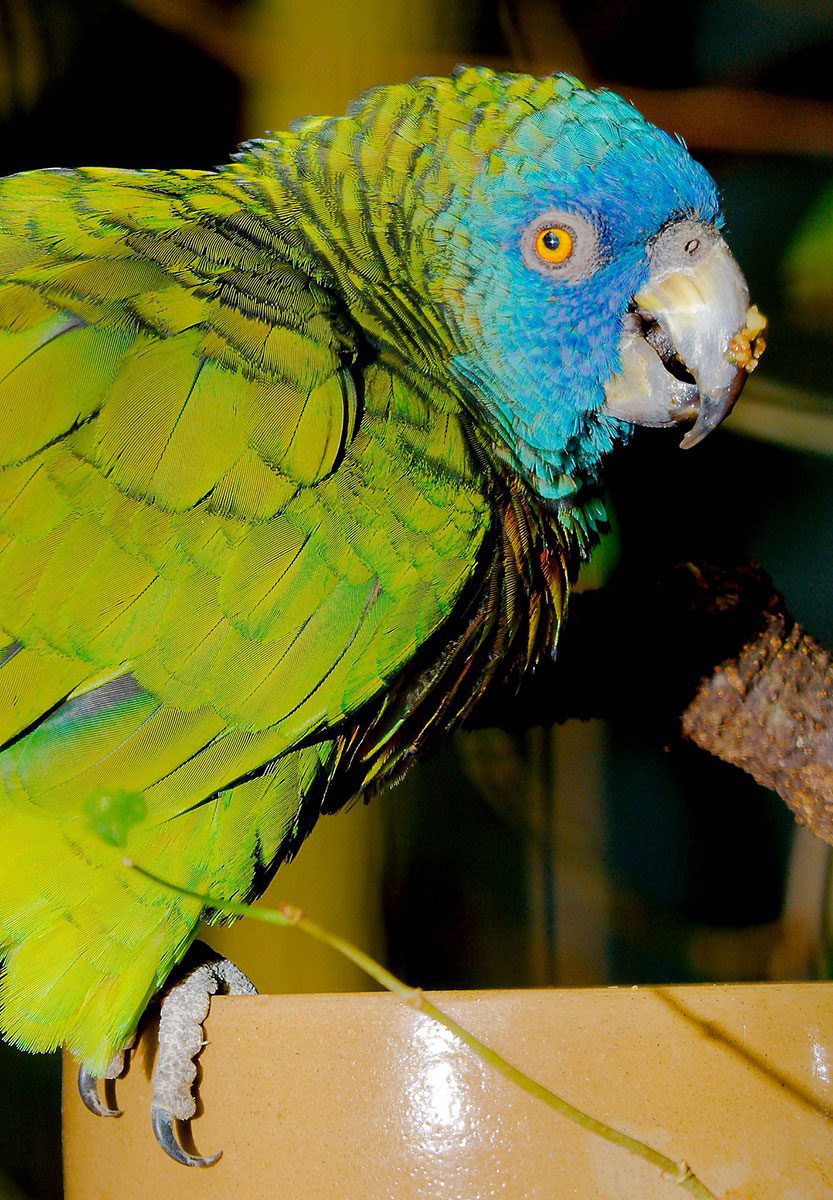
43 cm.. length and 700-800 g. of weight.

Saint Lucia amazon

The Saint Lucia amazon (Amazona versicolor) has the lores, cheeks and forecrown, bright blue; crown, ear-coverts and lower cheeks, paler blue with iridescent emerald suffusion from some angles; dark tips to feathers on head.

Hindneck neck, nape and upperparts, yellowish-olive, many feathers with visible black tips, giving the whole a barred effect strong, especially in the upper region. Wing coverts yellowish green olive. Primary coverts dyed blue, rest with black tips to some feathers. Primaries blue; bases of external secondarys forman speculum red, blue tips; secondary internal green and blue at the base to the tips. Underwing, yellowish green with blackish tips to some feathers; flight feather bluish green. Chin and throat, bright blue with blackish tips to feathers; tips of feathers on lower throat and top of the chest, bright red forming a patch distinct red patch or mottled red area; chest and belly rather yellowish-green, blackish tips and brick red in the subterminal area of some feathers, giving scalloped appearance with scattered rusty patches; the thighs and undertail-coverts, green-yellow. Tail bluish green in the center, outer feathers green with large yellowish green tips and hidden red bases. Bill grey; irises orange; legs grey.


Anatomy-parrots

Probably no sexual dimorphism.

Immature has irises brown.

  • Sound of the Saint Lucia amazon.

Habitat:

Video "Saint Lucia amazon"

Mainly they inhabit the canopy montana primary rainforest, but they make inroads into areas of secondary growth to feed. Reported flocks of up 20 birds. living forms community.

Reproduction:

They nest in tree hollows. Nests observed in trees Dacryodes excelsa, Pouleria and Tetracera caribaeum. breeding season in February-August. Clutch usually two eggs, although, usually, only one young per nest thrives.

Food:

Its diet includes flowers and fruits of Clusia, Fruits of Talauma dodecapetala, Acrocomia irenensis, Pouleria, Dacryodes excelsa, Sloanea massoni, Byrsonima martinicensis, Miconia mirabilis, Pterocarpus officinalis and Euterpe globosa; also they have been seen feeding on bananas after the hurricane and presumably due to the depletion of natural food sources. Absence of common areas from August to November possibly linked to the lack of fruitfulness of Clusia.

Distribution and status:

Size of the area of distribution (raising / resident): 230 km2

Confined to St. Lucia in the Lesser Antilles, now in the central and southern mountains, although formerly you were more widespread everywhere where the humid forest grew. The species has suffered a contraction of the range since the nineteenth century and now It occupies an area of รขโ‚ฌโ€นรขโ‚ฌโ€นonly 65-70 km2 from Millet and Mont Lacombe in the North, until Mont Beucop and Calfourc in the East, Piton Pig, St Piton, St Desrache and Big store in the south to Morne Gimie in the west and Mont Houlemon in the Northwest. The results of studies on the species suggest that the southwestern part of this area is the most densely populated of parrots, while relatively few live in the northeast.

Plentiful mid-nineteenth century, but decreasing rapidly to very little in the early twentieth century. Subsequently they recovered, with an estimated population of 1.000 birds in 1950. They declined again sixties, mostly due to hunting; observations in 1977 They estimated that there were more than 100 birds. steady increase since then with an estimated population of 300-350 birds in 1990.

The threats main arise from habitat loss and its hunting for food and pet trade as. Forestry practices that lead to the removal of mature trees (favorite breeding sites) could put additional pressure. They seem to be less susceptible to hurricanes than their counterparts in Dominica, but this may be due to conservation efforts rather than any intrinsic ability to withstand the effects of severe storms.

Can compete for nesting sites with Pearly-eyed Thrasher (Margarops fuscatus), which it has increased considerably since 1950.

Amazona versicolor Conservation:

State of conservation โ“˜


Vulnerable Vulnerable โ“˜ (UICN)โ“˜

โ€ข Current category of the Red List of the UICN: Vulnerable.

โ€ข Population trend: In increased.

โ€ข Population size : 230-330

Rationale for the Red List category

Conservation action may have saved this species from extinction. Numbers are now increasing and there is some evidence of a small range extension.. But, the habitat area apparently adequate (but vacated) It may be waning. If this begins to affect the habitat occupied, the species can be described as danger of extinction. In the news, its small population size and small size on one island are calling it Vulnerable.

Justification of the population

The population is estimated at 350-500 individuals, approximately equal to 230-330 mature individuals.

Justification of trend

No new data on population trends, so it is assumed that the species continues increasing.

Threats

The human population St. Lucia It is growing at a considerable rate, increasing the pressure on the forest and resulting in habitat loss (Copsey 1995). The selective logging of mature trees You can significantly reduce breeding sites (Juniper and Parr 1998), and hurricanes, the hunting and the trade pose new threats. There have been recent efforts to raise the moratorium on hunting within forest reserves, what would seriously threaten this species (J. D. Gilardi in litt., 1999).

Conservation Actions Underway
Coat of arms of Saint Lucia

Appendices I and II of CITES. This protected by national legislation (J. D. Gilardi in litt., 1999).

Education programs and awareness have made this bird in a National symbol.

This has eliminated successfully hunting (Juniper and Parr 1998), helped by a moratorium on hunting within forest reserves (J. D. Gilardi in litt., 1999).

In 1975 program was established captive breeding, and in 1995 had developed a total of 19 young birds (Copsey, 1995).

Conservation Actions Proposed

Maintain the moratorium on hunting within all forest reserves. Conduct a studyo Basic feeding and breeding ecology. Designate the remaining habitat protected areas. Reassess the objectives of the program captive breeding.

The Saint Lucian Amazon in captivity:

extremely rare; currently only it found in the Jersey Zoo

Appendices I and II CITES. This protected by national legislation.

Each captive specimen of this species which is capable of reproducing, It is placed in a well-managed program captive breeding and not be sold as a pet, with the objective of ensure their survival long-term.

Alternative names:

– Blue-masked Amazon, Blue-masked Parrot, St Lucia Amazon, St Lucia Parrot, St. Lucia Amazon, St. Lucia Parrot, St.Lucia amazon, Versicolored Parrot, Versicoloured Parrot (English).
– Amazone de Sainte-Lucie, Amazone versicolore, Amazone versicolore de Sainte-Lucie (French).
– Blaumaskenamazone, Blaustirnamazone (German).
– Papagaio-de-santa-lรบcia (Portuguese).
– Amazona de Santa Lucia, Amazona de Sta. Lucia (espaรฑol).

Scientific classification Amazona versicolor:

– Order: Psittaciformes
– Family: Psittacidae
– Genus: Amazona
– Scientific name: Amazona versicolor
– Citation: (Statius Mรผller, 1776)
– Protonimo: Psittacus versicolor

Saint Lucia Amazon Images:

Attention: The internal data of table โ€œ19โ€ is corrupted!

Species of the genus Amazona


Sources:

  • Avibase
  • Parrots of the World โ€“ Forshaw Joseph M
  • Parrots A Guide to the Parrots of the World – Tony Juniper & Mike Parr
  • Birdlife

Photos:

(1) – Saint Lucia Parrot(Amazona versicolor) by Josh More – Flickr
(2) – Chrysotis bouqueti (a.k.a. Amazona versicolor, the St. Lucia amazon, or the St. Lucia parrot) by Joseph Smit [Public domain], via Wikimedia Commons

Sounds: Allen T. Chartier, XC9438. accessible www.xeno-canto.org/9438

โ–ท The world of Pets: Dogs, cats, birds, reptiles, amphibians

Sulphur-winged Parakeet
Pyrrhura hoffmanni

Sulphur-winged Parakeet

Content

Description:

23 cms. length and 84 g. of weight.
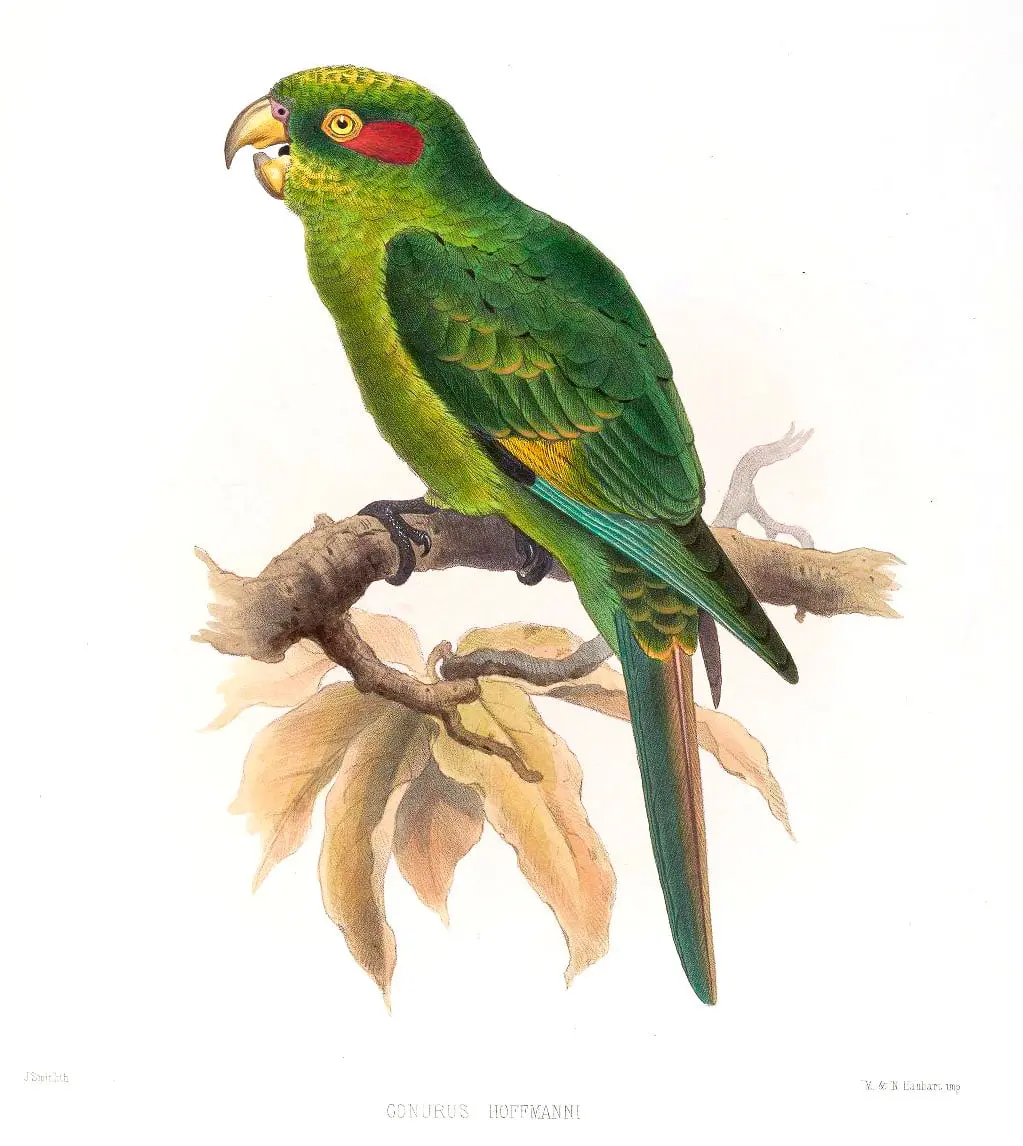
The Sulphur-winged Parakeet (Pyrrhura hoffmanni) It, mostly, green with some individual variations in plumage.

It has a distinctive tail long and round about ear-coverts crimson red. Yellow at the top of the wings, largely hidden when the bird is at rest, but perfectly visible in flight.

The feathers of the forecrown, crown, cheeks and nape, They are green with yellow centers (the proportion of the yellow color is higher in the forecrown, lower in the back of the crown). Above predominantly green, It is the leading edges of the wings, sometimes, yellow. The lesser coverts and median are, generally, green, sometimes with some yellow in outer median coverts and feathers alula.

Yellow at the base of the outerweb of the greater coverts. Outerwebs of primaries, to a great extent, blue; primaries and secondaries with bright yellow patch, especially on the basis of innerwebs; flight feather with black tips. Under, the wings with the lesser coverts green, the majors, greenish yellow; a central portion flight feather yellowed with greyish tips.

Sulphur-winged Parakeet

Chin reddish; throat, sides neck and the top chest, green with yellow tips on feathers, which gives an overall light effect Scaled. The belly, the flanks and undertail-coverts, are green. Upper, the tail is green, below, reddish.

The bill and cere They are pink colored horn; bare periophthalmic white or yellowish white; the irises brown; legs pale grey.

Both sexes are similar, but the male player has yellow stripes on pens crown.
The Immature It has less yellow in head, the chest and wings.

  • Sound of the Sulphur-winged Parakeet.

Subspecies description:

  • Pyrrhura hoffmanni gaudens

    (Bangs, 1906) – Very similar to nominal, although feathers crown and nape They have yellower, with their ends red or red and orange (in some birds, red ends of the feathers may extend over the back, the throat and the chest). Underparts slightly darker.


  • Pyrrhura hoffmanni hoffmanni

    (Cabanis, 1861) – Nominal.

Habitat:

Video – "Sulphur-winged Parakeet" (Pyrrhura hoffmanni)

Sulphur-winged Parakeet (Pyrrhura hoffmanni)

Observed, mainly, in mountainous areas, preferring montane forests in the subtropical zone, mainly 1.000 to 2.400 meters above sea level, although views 550 meters in the region Admiral's Bay, Panama and a 3.000 metres in Costa Rica.

They appear to tolerate a considerable disturbance of habitat, including managed forests, areas and the second growth partially cleared, forests and wooded pasture shrubs. Usually seen in pairs or small flocks of 5-15 birds. You can perform altitudinal movements daily to feed, returning to the mountains to rest. Forage occurs in the canopy or smaller trees and bushes near the edge of the woods.

Reproduction:

They nest in tree hollows, including old nests woodpeckers, to 8-20 meters of land. With reproduce dry season (January June). Clutch six eggs in captivity.

Food:

Its diet includes fruit of Ficus, Croton, Leandra, Myrtus and Miconia.

Distribution and status:

Extending its range (players / residents): 18.400 km2

Confined south of Costa Rica and western Panama.

The species is found in the highlands of the southern half of Costa Rica, including the slopes of Caribbean, the mountains of the central plateau south and the two sides of the Cordillera de Talamanca, sometimes the region Cartago and Paradise and the Irazu volcano.

In western Panama They are mainly distributed in the west and center chiriqui and areas adjacent in Bull's mouths, in the highest mountains (including the chiriqui volcano and the high ridges on Boquette) and at lower elevations around, for example, of the Chirรญqui Lagoon and Admiral Bay.

The easternmost Panamanian registry was found east of the central mountain range in 1868.

Some altitudinal movements (higher in the dry season). Birds are perhaps only sporadic in the extremities of their range. Apparently, It is common in the middle to high elevations of the Cordillera de Talamanca and in isolated areas, and it is believed to be quite numerous throughout the main range.

Its habitat It is now highly fragmented, though still apparently numerous, even in areas where the forest is partly cloudy. Rare in captivity.

Subspecies distribution:

  • Pyrrhura hoffmanni gaudens

    (Bangs, 1906) – West of Panama and Caribbean slope of Bull's mouths.


  • Pyrrhura hoffmanni hoffmanni

    (Cabanis, 1861) – Nominal. South of Costa Rica.

Conservation:

State of conservation โ“˜


minor concern Minor Concern โ“˜ (UICN)โ“˜

โ€ข Current category of the Red List of the UICN: Least concern.

โ€ข Population trend: Stable.

โ€ข Population size : Unknown.

Rationale for the Red List category

Although this species may have a small range, it is not believed that approximates the thresholds for Vulnerable under the criteria of size range (Extension <20,000 km2 combinada con un tamaรฑo de rango decreciente o fluctuante, extensiรณn / calidad del hรกbitat o tamaรฑo de la poblaciรณn y un pequeรฑo nรบmero de lugares o fragmentaciรณn severa). La trend of the population It appears to be stable, so that the species does not approach the thresholds for Vulnerable under the criteria of population trend (> 30% decline over ten years or three generations). The population size It has not been quantified, but it is not believed to be close to the thresholds for Vulnerable under the criterion of population size (<10.000 individuos maduros con un declive continuo estimado> 10% in ten years or three generations or a population structure). For these reasons, the species is evaluated as Least Concern.

Justification of the population

The size of the world's population has not been quantified, but this species is described as ยซquite commonยป (Stotz et to the., 1996).

Justification of trend

They suspected that the population of Catana Cotorra is stable in absence of evidence of any decline or threatens substantial.

"Sulphur-winged Parakeet" in captivity:

Rare in captivity. Quieter than other parakeets. In Panama the export of these birds is prohibited from 1980.

Alternative names:

– Hoffmann’s Conure, Hoffmann’s Parakeet, Hoffman’s Conure, Hofman’s Conure, Sulfur-winged Parakeet, Sulphur winged Parakeet, Sulphur-winged Conure, Sulphur-winged Parakeet (English).
– Conure de Hoffmann, Perriche de Hoffmann, Perruche de Hoffmann (French).
– Hoffmann Sittich, Hoffmannsittich, Hoffmann-Sittich (German).
– Tiriba-de-asa-amarelada (Portuguese).
– Cotorra Catana, Perico aliazufrado, Perico de Hofman (espaรฑol).
– Perico aliazufrado (Costa Rica).


scientific classification:

Jean Louis Cabanis
Jean Louis Cabanis

Its name refers to the German naturalist Karl Hoffman.

– Order: Psittaciformes
– Family: Psittacidae
– Genus: Pyrrhura
– Scientific name: Pyrrhura hoffmanni
– Citation: (Cabanis, 1861)
– Protonimo: Conurus hoffmanni

Sulphur-winged Parakeet Images:


Especies del gรฉnero Pyrrhura

Sources:

– Avibase
– Parrots of the World โ€“ Forshaw Joseph M
– Parrots A Guide to the Parrots of the World – Tony Juniper & Mike Parr
– Birdlife

– Photos:

(1) – Sulphur-winged Parakeet (Pyrrhura hoffmanni). Photographed at Savegre, in Costa Rica By Dominic Sherony [CC BY-SA 2.0], via Wikimedia Commons
(2) – Parakeet HOFFMAN (Pyrrhura hoffmanni) Loro Parque, Tenerife by ZOOTOGRAFIANDO
(3) – A Sulphur-winged Parakeet at Savegre, Costa Rica By Dominic Sherony [CC BY-SA 2.0], via Wikimedia Commons
(4) – Sulphur-winged Parakeet (Pyrrhura hoffmanni) at Savegre Lodge, near San Gerardo, Costa Rica By Michael Woodruff [CC BY-SA 2.0], via Wikimedia Commons
(5) – Sulphur-winged Parakeet or Hoffmannโ€™s Conure (Pyrrhura hoffmanni) by elite-pets
(6) – Conurus hoffmanni = Pyrrhura hoffmanni by Joseph Smit [Public domain], via Wikimedia Commons

– Sounds: Mike Nelson, XC107214. accessible www.xeno-canto.org/107214

โ–ท The world of Pets: Dogs, cats, birds, reptiles, amphibians

Paradise parrot โ€ 
Psephotellus pulcherrimus

parakeet of paradise

Content

Description:

parakeet of paradise

The extinct parakeet of paradise (Psephotus pulcherrimus) was a small parrot (27-30 cm long) and rather distinctive, with scapulars red and long tail.

The male had one forecrown of bright red and a crown black; eye rings yellowish; ear-coverts and throat emerald green. The nape black merged with the dark brown on the neck and then into paler, earthy brown the mantle and back. The scapulars were bright red; the rump was turquoise; and tail top green-bronze and blue, merging into bluish-black. The under body comprised an chest and upper abdomen emerald green, merging into turquoise on the sides of neck and in the part inferior of the abdomen; the belly, the vent and flanks were bright red; and the under tail was bluish white. The upperwing was earthy brown, concolorous with the mantle and back; and the underwing was deep blue.

The female was less colorful, differing from the male by forecrown and face yellowish; a crown duller blackish-brown; throat and chest with brownish-orange suffusion; belly pale blue and coverts the lower abdomen, vent and under tail red on the fringes of some feathers. In both sexes bill was grayish; the eyes brown; and legs and feet were grayish brown.

The juveniles they looked like females.

taxonomy:

This taxon is considered a subspecies of Psephotellus [pulcherrimus or dissimilis] (sensu lato) by some authors

Habitat:

The parakeet of paradise lived mainly in rolling river valleys were lightly wooded with eucalyptus forests, or open forests often dominated by ironbarks and bloodwoods, with an understory of annual and perennial native grasses; these areas were often dotted with termite mounds.

Reproduction:

the details of the distribution areas or territories unknown parakeet of paradise, although it is believed that adults have remained in the same places nesting for many years.

Little is known of sexual maturity or life expectancy of this species. The reproduction It was recorded between September and March. Sunsets are placed three to five white eggs, with a pink tinge, in a nest chamber at the end of a tunnel dug into termite mounds.

Food:

There is little information on diet parakeet of paradise, however it was known to feed on the seeds of native grasses.

Distribution:

The parakeet of paradise He was present in eastern Australia, only he reported with certainty from southeast Queensland. Is likely to records in upstate been wrong. The species is also often said to have been found in New South Wales, but there has been no confirmed records (Olsen 2007). Era locally common although generally scarce in the nineteenth century (Forshaw and Cooper 1989), but then it declined rapidly and was thought to have become extinct as a result of the drought of 1902 until it was rediscovered in 1918 (Chisholm 1922). The last observation was confirmed in 1928. Some credible reports continued into the years 30 and 40 (Olsen 2007), but although Kiernan (1993) He claims to have seen five birds 1990, the species is now considered extinct (Necklace et to the. 1994).
Conservation:

โ€ข Current category of the Red List of the UICN: Extinct.

Its extinction was probably marked by reduced food supply due to drought and overgrazing (Olsen 2007). Also contributed frequency altered fires and propagation tunas (Joseph 1988), the disease, the trampeo and harvest of eggs (Garnett 1992), the predation of nests by introduced and native species (Chisholm 1922) and removal of eucalyptus by ringbarking (Kiernan 1993). After a significant reduction in the size of the population of the species, It seems that endogamia inhibited fertility of birds (Gerrard 2008).

Alternative names:

–
Anthill Parrot, Beautiful Parakeet, Beautiful Parrot, Elegant Parrot, Grass Parrot, Ground Parrot, Ground Rosella, paradise parakeet, Paradise Parrot, Red-shouldered Parakeet, Red-shouldered Parrot, Red-winged Parrot, Scarlet-shouldered Parakeet, Scarlet-shouldered Parrot, Soldier Grass-Parrot, Soldier Parrot (English).
– Perruche de paradis (French).
– Paradiessittich (German).
– Periquito-do-paraรญso (Portuguese).
– Perico del Paraรญso (espaรฑol).

scientific classification:

– Order: Psittaciformes
– Family: Psittaculidae
– Gender: Psephotellus
– Scientific name: Psephotellus pulcherrimus
– Subpoena: (Gould, 1845)
– Protonimo: platycercus beautiful


Sources:

โ€ข Avibase
โ€ข Parrots of the World โ€“ Forshaw Joseph M
โ€ข Parrots A Guide to the Parrots of the World – Tony Juniper & Mike Parr
โ€ข Birdlife

Photos:

(1) – Preserved specimen by Naturalis [CC BY-SA 3.0]

(2) – Parrots in captivity /. London :George Bell and Sons in Biodiversity Heritage Library by Flickr