โ–ท The world of Pets: Dogs, cats, birds, reptiles, amphibians

Golden Parakeet
Guaruba guarouba


Golden Parakeet

Content

Description Golden Parakeet:


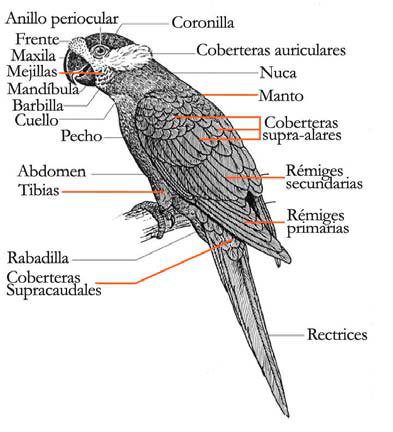
Anatomy-parrots

34 cm. of length and a weight of 270 g.

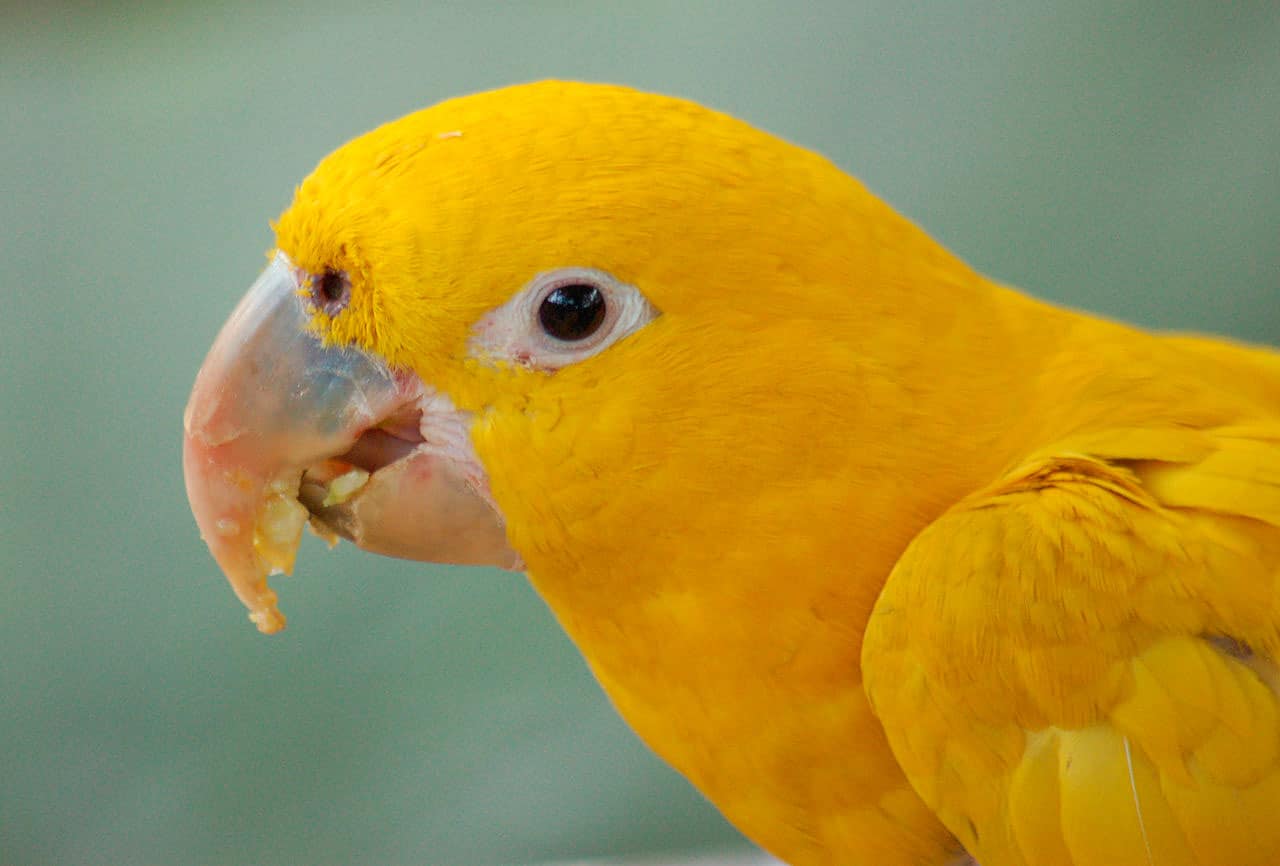
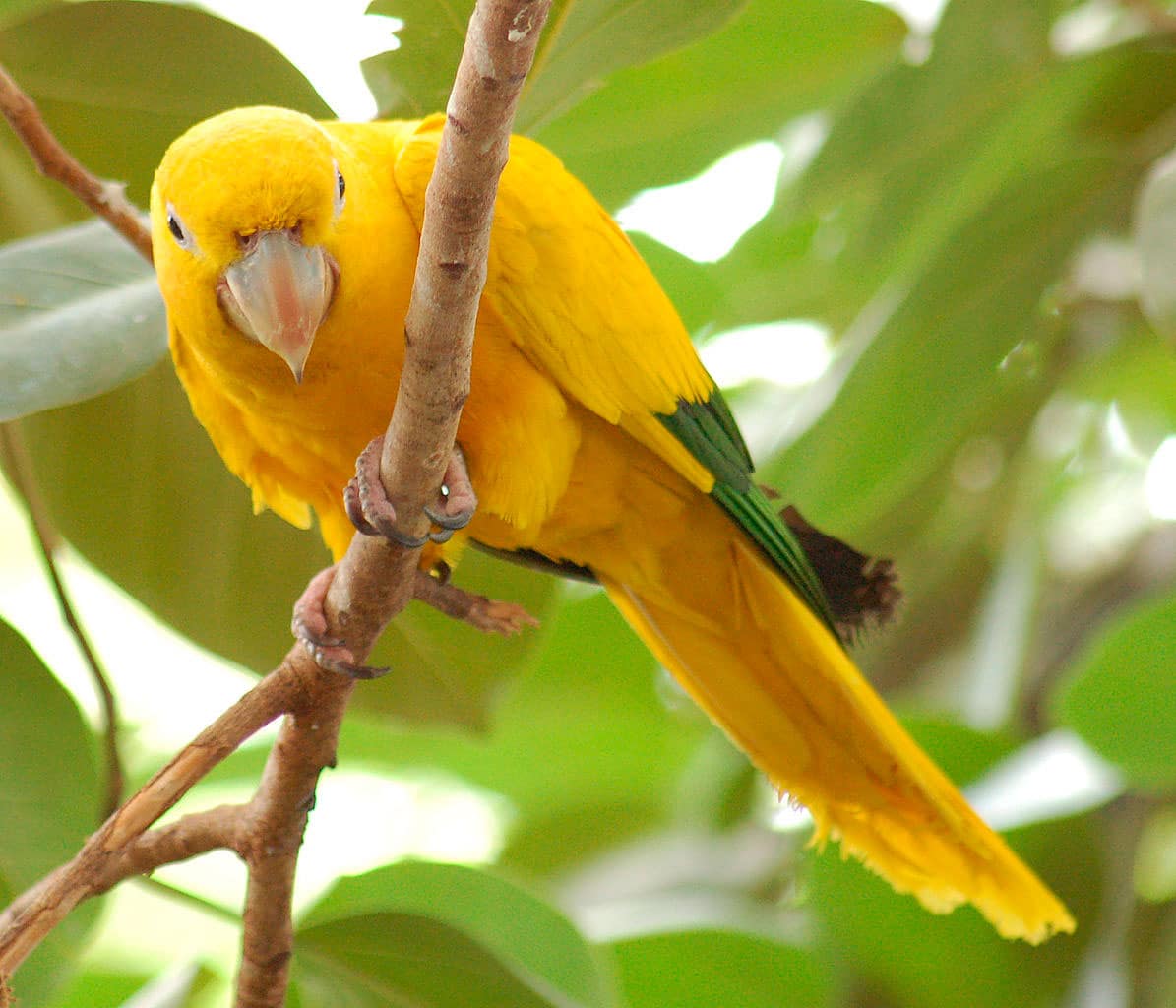
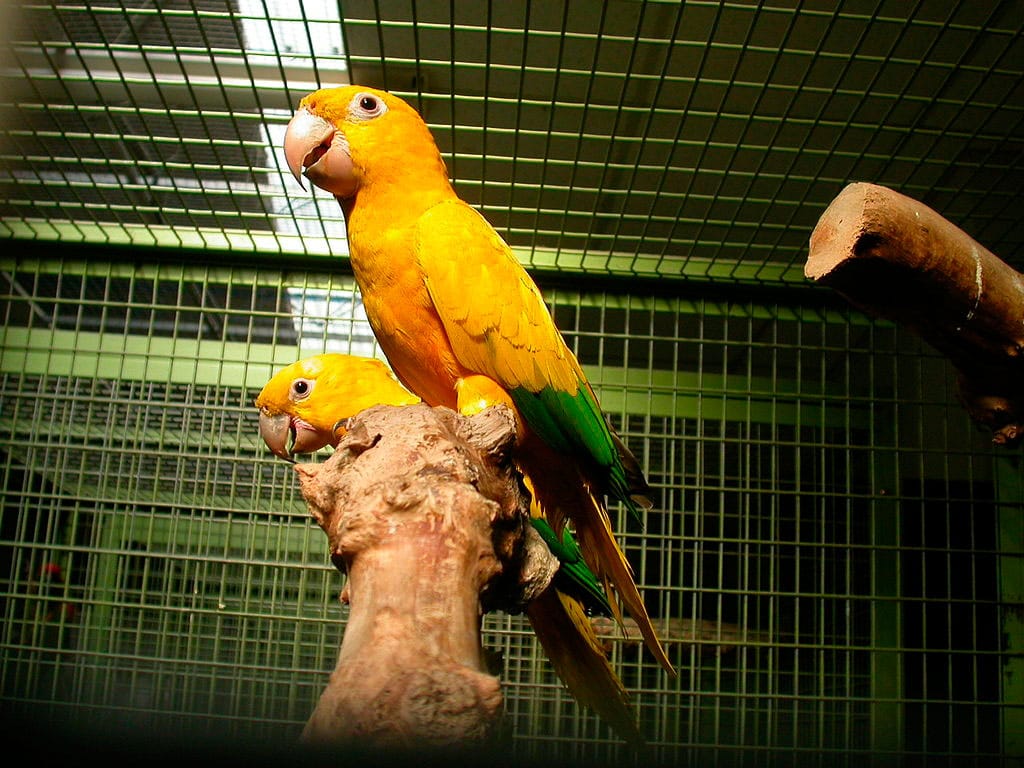
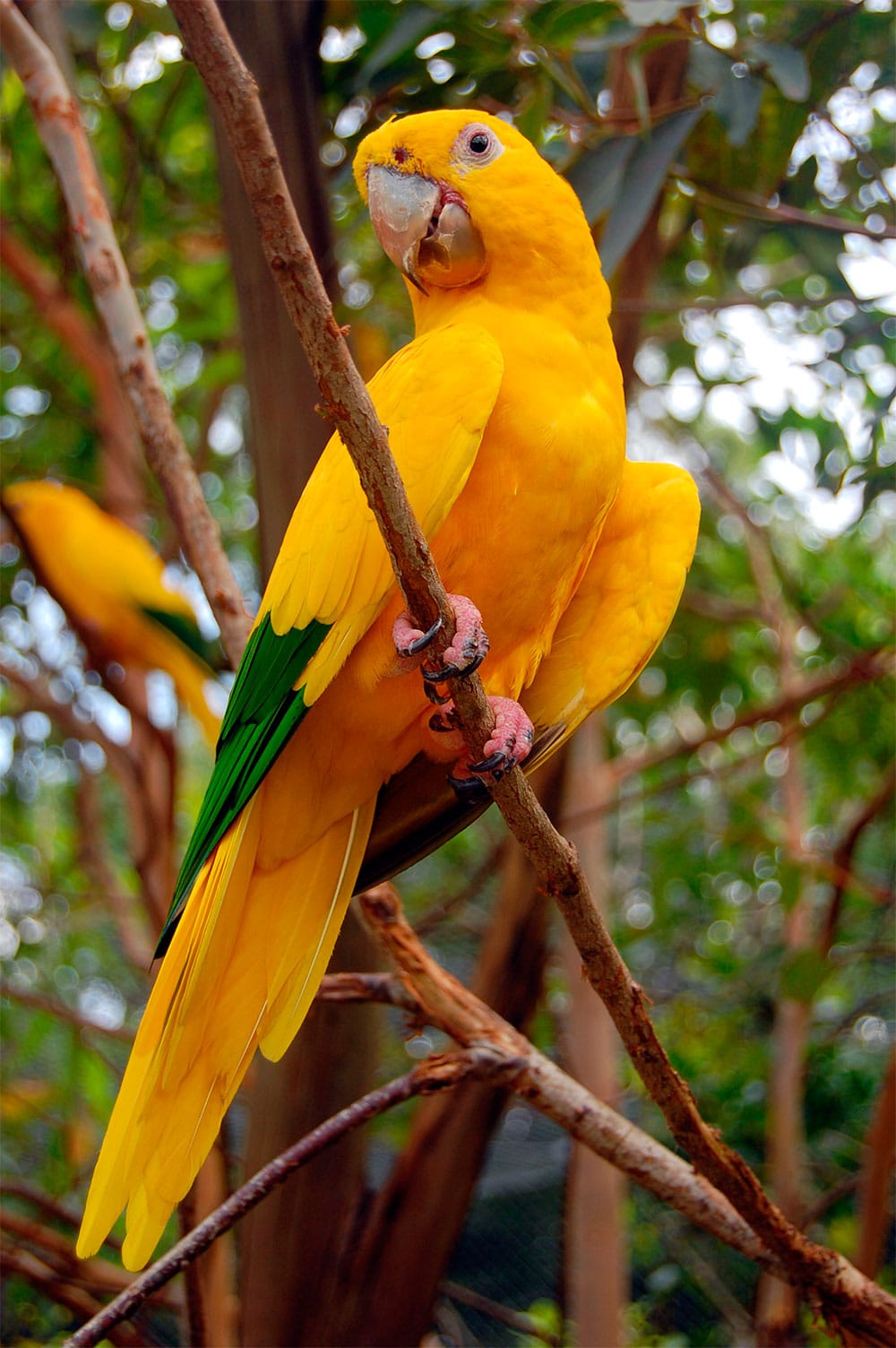
The Golden Parakeet (Guaruba guarouba) has all the head, upperparts, lower andtail , a bright yellow. The greater coverts, primaries and secondaries are dark green (one or two feathers yellow in some birds flying). Underwing-coverts yellow, the bottom of the flight feather dark yellow. Feather shafts of the tail are white.

The bill pale pink, more Brown on the basis of the upper jaw; bare periophthalmic naked whitish; Iris Orange to brownish Orange; legs Rosaceae.
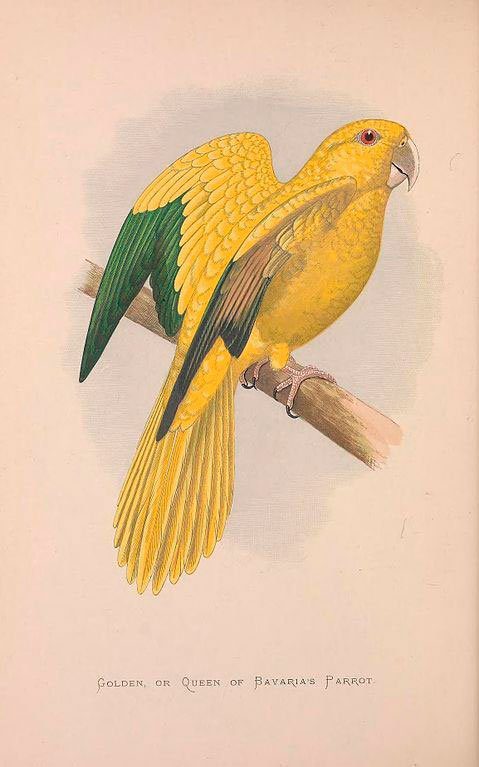
Illustration Aratinga Guaruba

Both sexes similar.

Immature colour olive brown opaque dark green streak. In the transition to adulthood, the head, top of the tail and back They are the last to acquire the bright yellow color of the adult plumage.

Habitat:

Video – "Golden Parakeet" (Guaruba guarouba)

yellow parakeet (Guaruba garouba) - Golden Parakeet - Aratinga guarouba

inhabits the humid tropical forests, avoiding the forests and marshes (seasonally flooded), Although in the immediate breeding period, You can wander through these habitats from the adjacent dry forests.
When is the breeding season, the Golden Parakeet they occupy the forests next to the clear.
Gregarious in all the seasons of the year. Observed in flocks of 3 to 30 birds, Although on a regular basis in groups between 6 and 10.
Forman communal roosts in tree cavities during the non-breeding season, using the holes in the area, alternately in successive nights. The usual and regular use of resting and feeding areas, is suspected to be due to the predictable daily routines. Sometimes seen feeding with other species of parrots.

Reproduction:

Nest at the top of the trunk or main branch of a hollow tree, a height between 15 and 30 m. Nesting tree is usually isolated, but near virgin forests. The old nest of other species It can be used by the Golden Parakeet, expanding its cavity as necessary.

The sexual behavior This species is unusual, and this is one of the most interesting aspects of their biology. With reproduce communally, with several females contributing to the work of the clutch, Although there are also reports of individual couples. Young people at different stages of development sometimes share a same nest.

On the other hand, at breeding sites during the reproductive period, the Golden Parakeet they react defensively to the presence of flocks of the same species, other species of parrots, especially the Scarlet Macaw (Ara macao), and before the approach of birds of prey.

The normal clutch female is of 2 to 4 eggs (perhaps up to six); 14 reported in a single nest chicks in captive, where the six adults helped in the breeding work. The breeding season, usually, takes place from December to April, and it corresponds to the rainy season

Food:

The Golden Parakeet, generally, feed in the forests of height, Although they will too of some cultivated plants; toreported foods (all the fruits or pseudo-fruits), They include the Palm trees of the genus Euterpe, that feels special canevale, Anacardium spruceanum, Anacardium occidentale, Protium and Tetragastris, Visnia quail, Inga, Byrsonima crassifobia, Carapa guianensis, Cecropia and Oenocarpus bacaba; as well flowers and buds (for example Symphonia), and crops as the corn and mango in some areas.

Golden Parakeet distribution:

endemic to the Amazonia, to the South of amazon in Brazil, from the west shore of the Tapajos River, to the East through the basins of the Xingu River and North of Tocantins to 5 ยฐ N, For, and up to the eastern shore of the Turiacu River in West Maranhรฃo.

Are not observed in the Marajรณ island and prevents the forests and marshes (for example, immediately to the South of the Amazonia).

Recent records in Rondร ยดnia and Mato Grosso, far from their known range, They suggest a little-known distribution. Apparently, they are distributed in large areas, but it is not known whether the movements are predictable or related with, for example, the seasonal availability of food.

Rare range-wide and no doubt in decline due to the very wide, fast and continuous deforestation and fragmentation of forests, both in the Amazonia occidental as in the Eastern.

The capture illegal for national and international live bird markets and the hunting for food and sport they pose a serious additional pressures. Protected areas in the range are insufficient and are being violated regularly, for example, with the illegal logging of Mahogany Swietenia macrophylla.

Listed in Appendix 1. In danger of extinction.

Conservation:

โ€ข Red List category of the UICN current: Vulnerable

โ€ข Population trend: Decreasing

The threat most obvious for the survival of the Golden Parakeet is deforestation? The construction of the tucuruรญ dam, which was completed in 1984, displaced 35.000 settlers from their House to adjoining territories and brought rapid deforestation. Prior to the dam construcicรณn, Wildlife in the lower basin of Tocantins It was considered among the richest and most diverse in the world. It is estimated that you a 117 species of mammals and 294 species of birds were displaced. So what 120 species of amphibians and reptiles were affected.

The population of the Golden Parakeet was initially in a range between 1,000-2,499 individuals, based on an assessment of the known records, descriptions of the abundance and range size. But, recent information suggests that the population may be greater. The species has been recorded in several additional places. (Laranjeiras and Cohn-Haft 2009), and a recent survey along of the Tapajos River by Laranjeiras (2011) indicated that it was as common in the study area as other Psittacidae, not threatened.
On the basis of this information, the population is placed on the band's 10,000-19,999 individuals, that means include c.6,600-13,400 mature individuals.

According to records of International Species Information System There is a population of 213 scattered individuals in different zoos.

Conservation Actions Underway:

CITES Appendix I and II, managed under the Association of Zoos and Aquariums Parrot Taxon Advisory Group and protected by the Brazilian legislation (being proposal as the national bird of Brazil).

– A campaign attacking trade of birds in Bolivia It can help to reduce international trade (AB Hennessey in litt., 2009).

– A population is relatively well protected in the Tapajos National Park, and a remnant population can survive in the Gurupi biological reserve.

Floresta Nacional do Jamari It is poorly protected and suffer the constant pressure of illegal occupants, loggers and poachers (F. Olmos in litt., 1999).

– The conservation of this species in the reserves is problematic because of its apparent nomadism.

Conservation Actions Proposed:

– Conduct studies to find the populations so far unknown, especially in the South and West of its range.

– The de facto protection the Gurupi biological reserve.

– Maintain the integrity of the Tapajos National Park.

– Protect and manage the land between the existing protected areas to facilitate the movements of nomadic.

– To enforce the legal restrictions on trade, especially in domestic markets.

– Further develop the program captive breeding.

"Golden Parakeet" in captivity:

Date back to the first reproductive outcomes of this kind of 1939 in Sri Lanka.

The Golden Parakeet It is probably the most coveted among all the parrots, being the prices demanded by her extremely high. It is very rare and endangered in its natural habitat, and are therefore protected from import.

Birds reserved for breeding are happier in the presence of members of their species. This is due to the nature of the Golden Parakeet, sociable and cheerful, with an intense need for interaction with their peers.

With regard to its longevity, according to sources, a specimen lived 23,2 years in captivity. It has been reported that these animals can live up to the 60,9 years in captivity, but this has not been verified; the same study reported that these animals can reproduced from the 3 years age in captivity.

Alternative names:

Golden Parakeet, Golden Conure, Queen of Bavaria’s Conure (English).
Conure dorรฉe, Conure ou, Garouba jaune, Perriche dorรฉe, Perruche dorรฉe, Perruche guarouba (French).
Goldsittich (German).
Arara-juba, ajurujuba, arajuba, Ararajuba, guarajuba, guaruba, guira-juba, marajuba, papagaio-imperial, tanajuba (Portuguese).
Aratinga Guaruba, Guacamayo Guarouba, Periquito Amarillo (espaรฑol).

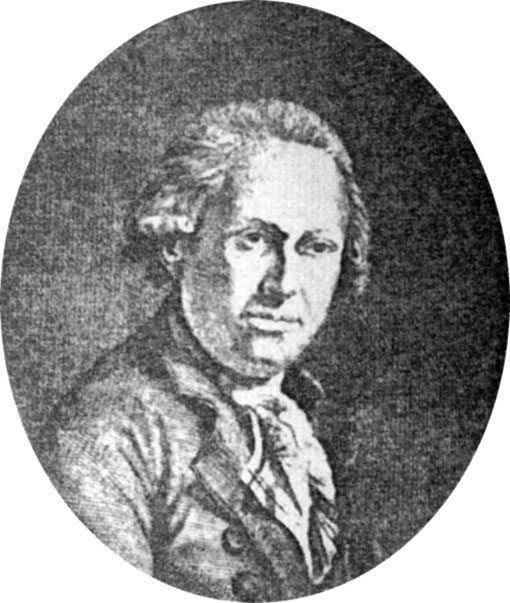
Gmelin Johann Friedrich

scientific classification:

Order: Psittaciformes
Family: Psittacidae
Genus: Guaruba
Scientific name: Guaruba guarouba
Citation: (Gmelin, JF, 1788)
Protonimo: Psittacus Guarouba

Golden Parakeet images:

Sources:

(1) – Avibase
(2) – Parrots of the World โ€“ Forshaw Joseph M
(3) – Parrots A Guide to the Parrots of the World – Tony Juniper & Mike Parr
(4) – Birdlife
(5) – WAZA

  • Photos:

(1) – Golden Parakeet (also known or Golden Conure) at Gramado Zoo, in south Brazil By Ironman br (Own work) [CC BY-SA 3.0], via Wikimedia Commons
(2) – Golden Parakeet or the Queen of Bavaria Conure in Burgers Zoo, Arnhem By frank wouters (originally posted to Flickr as goudparkiet) [CC BY 2.0], via Wikimedia Commons
(3) – Two Golden Parakeets at Gramado Zoo, Rio Grande do Sul, Brazil By diegodobelo (Zoo de GramadoUploaded by Snowmanradio) [CC BY-SA 2.0], via Wikimedia Commons
(4) – Golden Parakeet or the Queen of Bavaria Conure). Two captive By TJ Lin (originally posted to Flickr as Golden Conure) [CC BY-SA 2.0], via Wikimedia Commons
(5) – Photo taken at the National Aviary By Photo by and (C)2007 Derek Ramsey (Ram-Man) (Self-photographed) [GFDL 1.2 or CC BY-SA 2.5], via Wikimedia Commons
(6) – Photo taken at the National Aviary By Photo by and (C)2007 Derek Ramsey (Ram-Man) (Self-photographed) [GFDL 1.2 or CC BY-SA 2.5], via Wikimedia Commons
(7) – Golden Conure at the Parque das Aves, Foz do Iguaรงu, Brazil By Bruno Girin from London, United Kingdom (06680018Uploaded by Snowmanradio) [CC BY-SA 2.0], via Wikimedia Commons
(8) – Photo taken at the National Aviary By Photo by and (C)2007 Derek Ramsey (Ram-Man) (Self-photographed) [GFDL 1.2 or CC BY-SA 2.5], via Wikimedia Commons
(9) – Golden Conure by Jean – Flickr
(10) – Illustration Guaruba guarouba By Dutton, F. G.; Fawcett, Benjamin; Greene, W. T.; Lydon, A. F.; Lydon, A. F. [CC BY 2.0 or Public domain], via Wikimedia Commons

โ–ท The world of Pets: Dogs, cats, birds, reptiles, amphibians

Scarlet-fronted Parakeet
Psittacara wagleri

Scarlet-fronted Parakeet

Content

Description:


Anatomy-parrots

34 to 36 cm.. of length and a weight of 162 to 217 g..
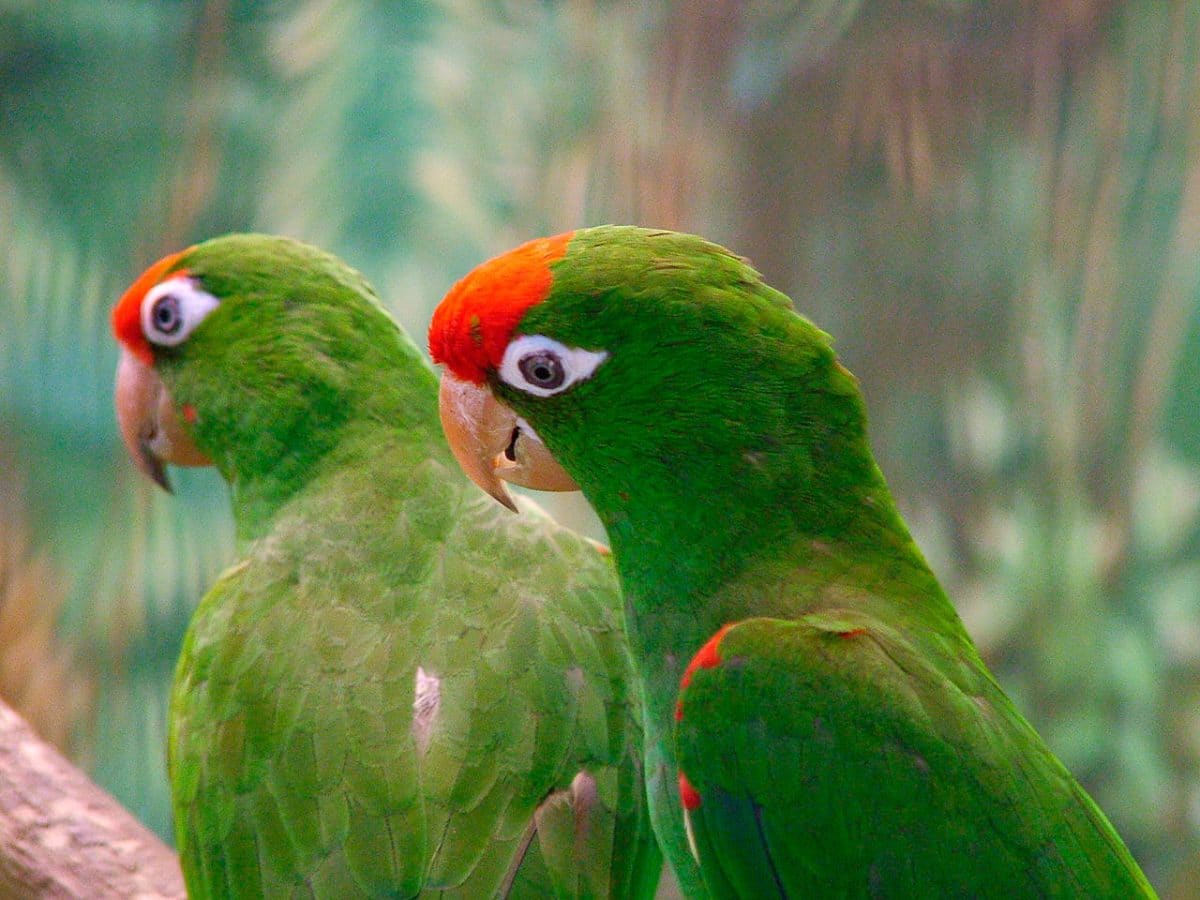
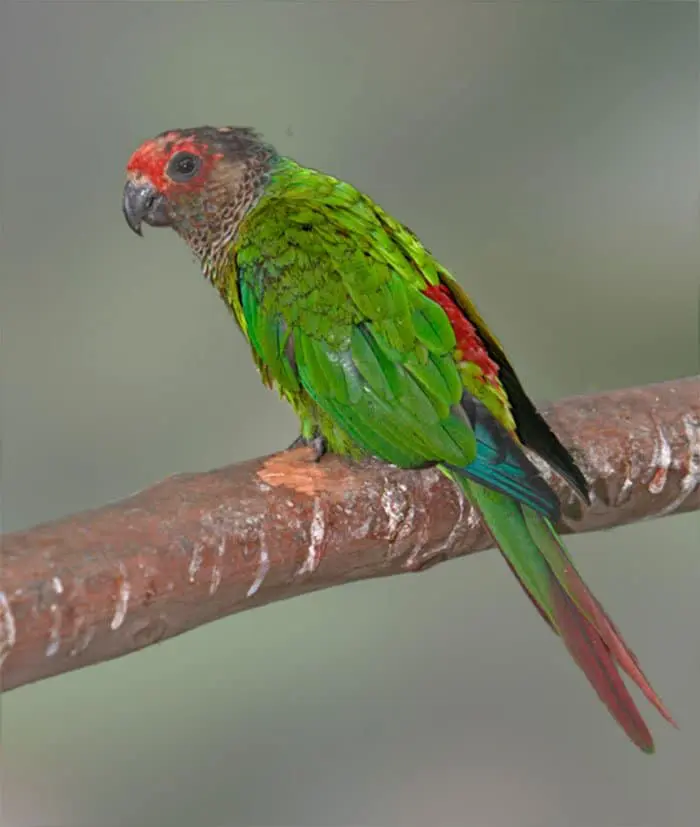
The Scarlet-fronted Parakeet (Psittacara wagleri) He has the crown and forecrown bright red; lores and cheeks dark green with red feathers scattered in some birds. Of the nape even up to the uppertail-coverts dark green. Upperwing-coverts dark green; flight feather green, dyed Emerald above and olivaceous at the bottom. The greater underwing-coverts, also of color olivaceous, the remaining underwing-coverts, green. The underparts brighter yellowish green, sometimes with scattered red feathers on the throat and in the the thighs. Upper, the tail dark green; by down olive green.

The bill color pale horn; bare periophthalmic grey; irises yellow; legs distant.

Ilustraciรณn Aratinga de Wagler

Both sexes similar.

The immature with a reduction (or even absence) Red Feather in the head.

Subspecies Psittacara description wagleri
Subspecies
  • Psittacara wagleri frontatus

    (Cabanis, 1846) – Red of the head vaster than the species nominal, extending to the rear of the eyes. Red in the the thighs and bend of wing in most birds. Larger than the species nominal (40 cm.).


  • Psittacara wagleri minor

    (Carriker, 1933) – Similar to the subspecies Frontata but smaller (38 cm.) and more green with pale red in the wings. Some specimens with yellow on the bend of wing.


  • Psittacara wagleri transilis

    (Peters,JL, 1927) – darker than kind nominal, with less extensive red on the rear of the crown. Smaller that the species nominal (34 cm.).


  • Psittacara wagleri wagleri

    (Gray,GR, 1845) – The species nominal

Habitat:

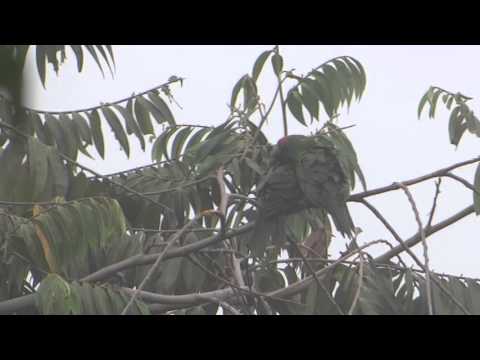
Video – "Scarlet-fronted Parakeet" (Psittacara wagleri)

Psittacara wagleri RN Victoria Feb016

They inhabit in humid forests, deciduous, from gallery, cloudy and second-growth forests with acacias, Prosopis and Ochroma, mainly in the lower subtropical and upper tropical zones, Although they can also penetrate in sub-templadas areas.

In Peru, observed in cloud forests semi-arid.

Reported at lower elevations in humid plantations, cornfields and cactus thickets. Key requirement in their habitat are the cliffs, in which it breeds and rests.

In general, observed the altitudes of 2.000 m, above the 3.000 metres in Peru. Gregaria, usually in close flocks to the 20 individuals, sometimes up to 300 birds.

Communal hangers on the cliffs with diurnal movements towards the areas of power.

Reproduction:

Nest communally in Rocky steep, between December and June in the North of Colombia and between April and June in Venezuela. Average of the laying of 3 to 4 eggs and the incubation is of 23 or 24 days. The pups they leave the nest after 50 days, with a plumage green.

Food:

Its diet includes a variety of fruits, nuts and seeds; You can include cereal crops and fruit plantations. Usually they feed in the canopy.

Distribution:

Size of the area of distribution (reproduction / resident): 866.000 km2

The Scarlet-fronted Parakeet It is distributed discontinuously in the northwest and west of South America, in the area of the Andes, from Venezuela until Peru.

In Venezuela stretching from West of the Paria Peninsula in the foothills of the Andes (between 500 and 2,000m, more altitude farther south), up to the Serrania del Perija and in the North of Colombia, including the Department of Magdalena and the West and center of the mountain range of the Andes Although apparently absent in the southwestern tip of Colombia.

Their status in the eastern slope of the Andes in Colombia is uncertain. Found around the skirts of the Andes in the South of Ecuador and South of Peru until Tacna at latitudes of I8ยฐ S.

Apparently, observed in the Western Andean slopes in the Peru with some reports from the South of the Valley of the Maranon River until Ayacucho and apurimac, in the central andes.

Usually residents Although seasonal visitors in some areas. Irregularly-common, often abundant, Although scarce or non-existent in many areas; more scarce in the South. Decrease in its population in some areas (for example, Colombia), due to loss of habitat.

Trapped for the trade in live birds, with 16.644 specimens exported from Peru in 1982.

The large number of birds escaped from her cage makes it considered them are introduced in Spain, Florida, Hawaii and California.

Subspecies Psittacara distribution wagleri
Subspecies
  • Psittacara wagleri frontatus

    (Cabanis, 1846) – West of Ecuador and South of Peru, approximately 18ยฐ S


  • Psittacara wagleri minor

    (Carriker, 1933) – South of the Valley of the Maranon River until Ayacucho and apurimac in the center of the Peruvian Andes.


  • Psittacara wagleri transilis

    (Peters,JL, 1927) – The northeastern coastal mountains of Venezuela up to the Paria Peninsula, Sucre. Possibly records in Bethlehem, Caquetรก, on the eastern slope of the East of the Of the Andes in Colombia. Unclear relationship with the species nominal.


  • Psittacara wagleri wagleri

    (Gray,GR, 1845) – The species nominal

Conservation:

State of conservation โ“˜


Near-threatened Near Threatened โ“˜ (UICN)โ“˜

โ€ข Red List category of the UICN current: Near-threatened

โ€ข Population trend: Decreasing

The population trend of the Scarlet-fronted Parakeet apparently it has not quantified, but you suspect that your decline It moderately fast due to the persecution and change of land use (pit et to the., 1997).

The species has been the subject of a intense trade and individuals captured in nature have been recorded in international trade (UNEP-WCMC trade database CITES).

One high internal trade This species has been observed in Venezuela (pit et to the., 1997).

Pursued, due to its status as a crop pest, It can also be contributing to their decline.

Current levels of hunting pressure and persecution are not known, but it is assumed that it is producing a negative trend in their population.

Although this species shows a flexible use of the habitat and makes use of the crops, It is suspected that the the land use change It is contributing to a population decline of the species, and habitat clearance is presumed that it has led to the decline of this species in Colombia (pit et to the. 1997).


Conservation Actions Underway:

โ€ข The species is listed in Appendix II.

Conservation Actions Proposed:

โ€ข Carry out surveys to assess the population size of the species and the trend.

โ€ข Quantify the current impact of entrapment.

โ€ข Monitor trade levels.

โ€ข Carry out awareness activities to reduce the activities of capture and trade of Psittacidas..

โ€ข Increase the area of โ€‹โ€‹suitable natural habitat that receives effective protection..

"Scarlet-fronted Parakeet" in captivity:

The poultry farming of the Scarlet-fronted Parakeet rarely achieved as this species is difficult to obtain and difficult to maintain. This Parrot will only spawn several years kept in captivity.

It is a bird animated, although, initially shy, that is because you provide a environment of Cologne, even in the breeding season. Itร‚ยดs resistant Once you have moved. Pretty noisy, something that must be taken into account if the neighbors are close.

Chomping hard, in need of a steady supply of fresh branches to meet the great need to chew. Enjoy the daily bath.

Alternative names:

Scarlet-fronted Parakeet, Red-fronted Conure, Red-fronted Parakeet, Scarlet fronted Parakeet, Scarlet-fronted Conure (English).
Conure de Wagler, Conure ร  front rouge, Perruche de Wagler (French).
Columbiasittich (German).
Periquito-de-cara-vermelha (Portuguese).
Aratinga de Wagler, Perico Frentirrojo, Periquito de Frente Roja (espaรฑol).
Loro frentirrojo, Perico Frentirrojo, Perico Chocolero (Colombia).
Cotorra de Frente Escarlata (Peru).
Chacaraco (Venezuela).
Perico frentiescarlata (Ecuador).

scientific classification:

Order: Psittaciformes
Family: Psittacidae
Genus: Psittacara
Scientific name: Psittacara wagleri
Citation: (Gray, GR, 1845)
Protonimo: Conurus Wagleri

Scarlet-fronted Parakeet pictures:


Species of the genus Psittacara

Sources:

Avibase
– Parrots of the World โ€“ Forshaw Joseph M
– Parrots A Guide to the Parrots of the World – Tony Juniper & Mike Parr
– Birdlife

Photos:

(1) – Scarlet-fronted Parakeet (Aratinga wagleri) at Jurong BirdPark, Singapore By Michael Gwyther-Jones (originally posted to Flickr as Singapore 2006 249) [CC BY 2.0], via Wikimedia Commons

(2) – Scarlet-fronted Parakeet, also called Scarlet-fronted Conure at Jurong Birdpark, Singapore By Lynn Zheng (bird park_012) [CC BY 2.0], via Wikimedia Commons
(3) – pericon found By the Selimalabi (Own work) [GFDL, CC-BY-SA-3.0 or FAL], via Wikimedia Commons By Selimalabi (Own work) [GFDL, CC-BY-SA-3.0 or FAL], via Wikimedia Commons
(4) – Chacaraco [Scarlet-fronted Parakeet] (Aratinga wagleri transilis) by barloventomagicoFlickr
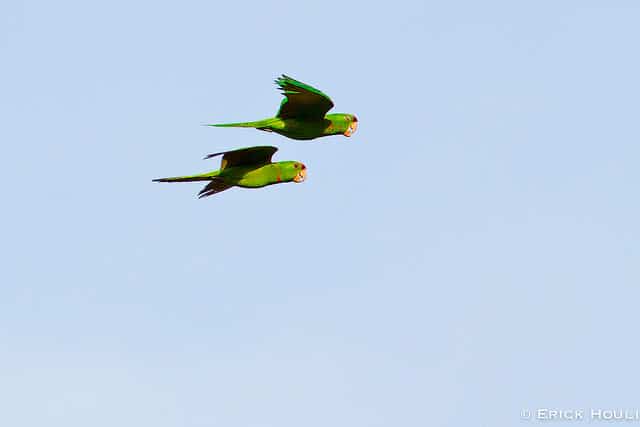
(5) – Chacaraco / Scarlet-fronted Parakeet (Aratinga wagleri) by Erick HouliFlickr

(6) – Illustration By Gray, George Robert; Hullmandel & Walton; Hullmandel, Charles Joseph; Mitchell, D. W. [CC BY 2.0 or Public domain], via Wikimedia Commons

Sounds: (Xeno-canto)

โ–ท The world of Pets: Dogs, cats, birds, reptiles, amphibians

Tepui Parrotlet
Nannopsittaca panychlora

Cotorrita de tepuy

Content

Description:

Tepui Parrotlet

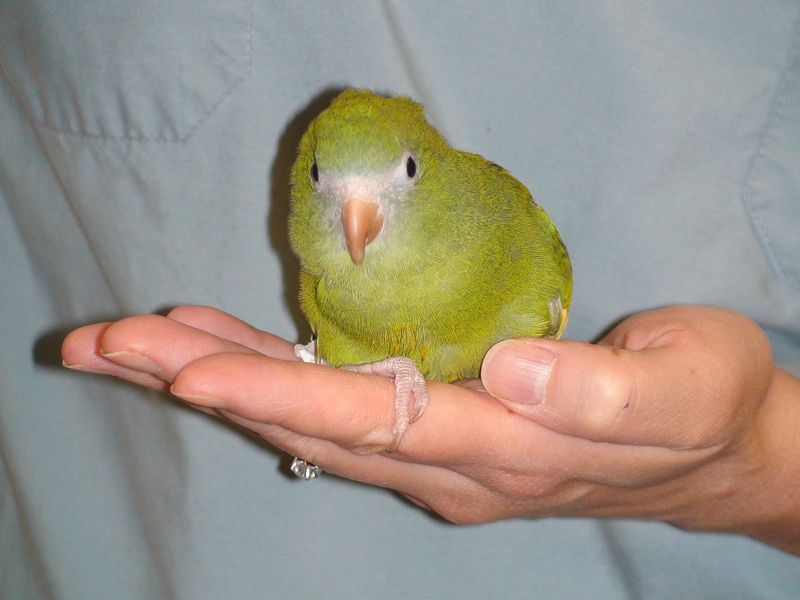
The Tepui Parrotlet (Nannopsittaca panychlora) measured between 14 and 15,7 cm.. height. Small size, with wings sharp and tail cut and wedge.

The head It is green with yellow tinge olivรกceo; the eye area is yellow, color extending below and behind the eyes. The upperparts they are green (brighter and less than olivรกceo head). Upperwing-coverts green. Flight feathers blackish green tipped primary, brownish opaque below; INFRACA-wing coverts green. The underparts yellowish green turn yellow-green in the undertail-coverts. Upper, the tail is green; undertail, yellower. Bill grey; cere grey; Bello to singr dark gray; irises brown; legs Rosaceae.

Both sexes are similar; the female has the forecrown Off-white to yellowish.

Habitat:

They inhabit moist montane forests. in tropical and subtropical highlands, sometimes in the rainforest of the lowlands around tepuyes, generally 750-1,850 m (Gran Sabana), although they observed at the top of Auyantepui to 2,200 meters and near the summit Monte Roraima A 2,200 m; to 750-950 metres in Sucre.

Can reproduce in subtropical and tropical zone descend to feed. Recent records in the view of birds in the lowlands suggest at least seasonal aparienciones at lower altitudes. Fly very high, fast and straight, in compact flocks of 6 to 150 individuals. Itร‚ยดs resident but it shows seasonal migrations.

Reproduction:

Sleeps and nests in Tepuis. Not much more information about the reproduction of this species in the wild.

Food:

In their natural habitats, the Tepui Parrotlet normally eat fruits, seeds and small insects.

Distribution:

Size of the area of distribution (reproduction / resident): 486.000 km2

Mainly montana, It is distributed in several scattered populations in eastern Venezuela and the adjacent area of รขโ‚ฌโ€นรขโ‚ฌโ€นwestern Guyana; concentrated in Gran Sabana from the east of Bolรญvar in Venezuela (for example, Montes Roraima and Auyantepui); It is also present around the meseta del Duida and the lowlands of Ventauri River, amazon, and in the West of Guyana from the area Camaran River; a more distant population occupies the Paria Peninsula (for example, the Monte Papelรณn), Sucre, to the northeast of Venezuela. Probably you can be observed at the north end of Roraima, Brazil.

Apparently locally common and stable, but perhaps it diminished in Paria peninsula due to large-scale deforestation. Much of the range is included in Canaima National Park.

Conservation:

State of conservation โ“˜


minor concern Minor Concern โ“˜ (UICN)โ“˜

โ€ข Current category of the Red List of the UICN: Least concern.
โ€ข Population trend: Stable.

Justification of the population

The size of the world population It has not been quantified, but this species is described as ยซquite common, but unevenly distributedยป (Stotz et to the., 1996).

Justification of trend

It is suspected that this species has lost 6,9-11,6% of habitat within its distribution over three generations (15 years) starting from a model of deforestation Amazon (Soares-Filho et to the., 2006, Bird et to the., 2011). Given the susceptibility of the species to hunting and / or capture, It is suspected that its population decline by <25% during three generations.

"Tepui Parrotlet" in captivity:

Breeding in captivity outside of South America. It is intelligent, quiet and very sociable.
Can normally live about 20 years.

Alternative names:

Tepui Parrotlet, Tepui Parakeet, Tepui parrolet (English).
Toui des tรฉpuis, Toui tรฉpui (French).
Tepuisittich, Grรผnsperlingspapagei, Tepui Sittich (German).
Periquito-dos-tepuis, periquito-do-Tepui (Portuguese).
Catita Chirica, Cotorrita de tepuy, Cotorrita Tepuรญ (espaรฑol).
Chirica (Venezuela).

scientific classification:

Order: Psittaciformes
Family: Psittacidae
Genus: Nannopsittaca
Scientific name: Nannopsittaca panychlora
Citation: (Salvin & Godman, 1883)
Protonimo: Brotogerys [sic] panychlorus

Images of the "Tepui Parrotlet"

Video of the "Tepui Parrotlet"


Species of the genus Nannopsittaca

Tepui Parrotlet (Nannopsittaca panychlora)


Sources:

  • Avibase
  • Parrots of the World โ€“ Forshaw Joseph M
  • Parrots A Guide to the Parrots of the World – Tony Juniper & Mike Parr
  • Birdlife
  • Parrot Book, Parrots and macaws Neotropical

  • Photos:

(1) – Credit: ยฉ Scott Echols, DVM
(2) – Brotogerys panychlorus = nannopsittaca panychlora (color green) & Microcerculus ustulatus (color brown) By J G Keulemans (Ibis 1883 (Web)) [Public domain], via Wikimedia Commons

โ–ท The world of Pets: Dogs, cats, birds, reptiles, amphibians

Yellow-naped Parrot
Amazona auropalliata

Yellow-naped Parrot

Content

Description:


Anatomy-parrots

35,5-38 cm.. length and 480 g. of weight.

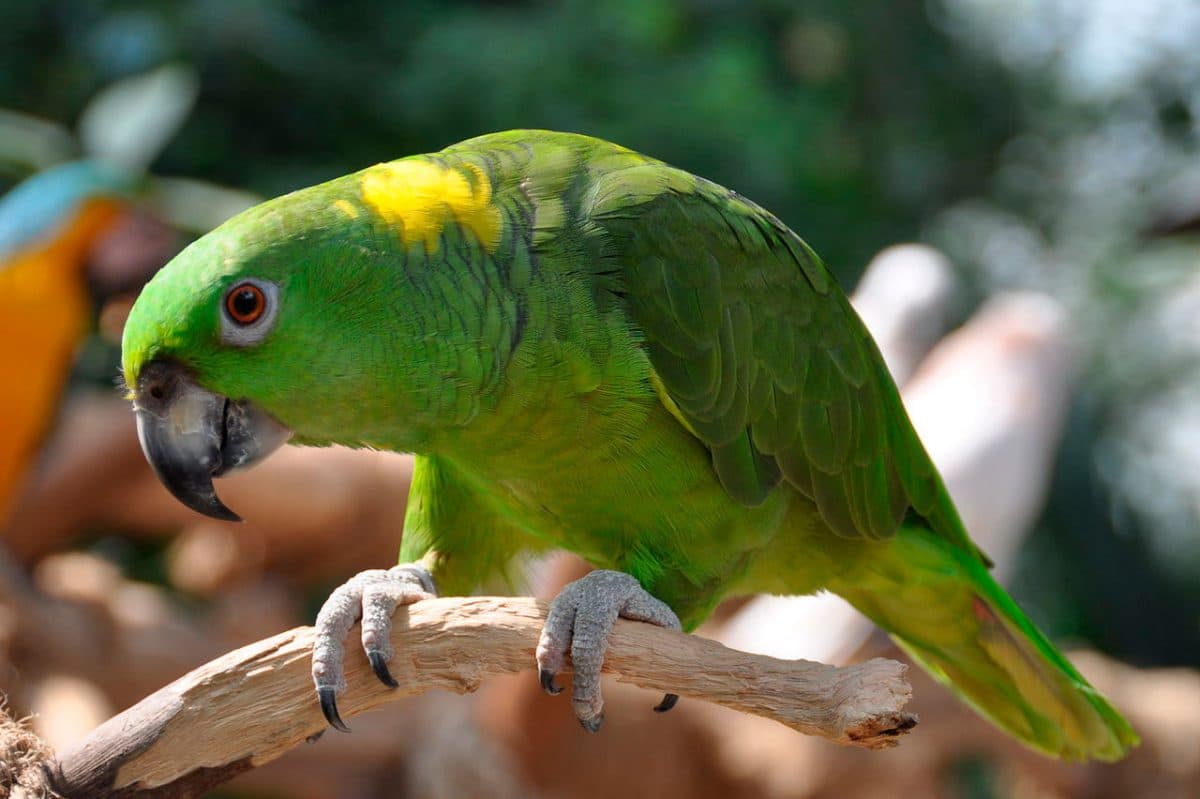
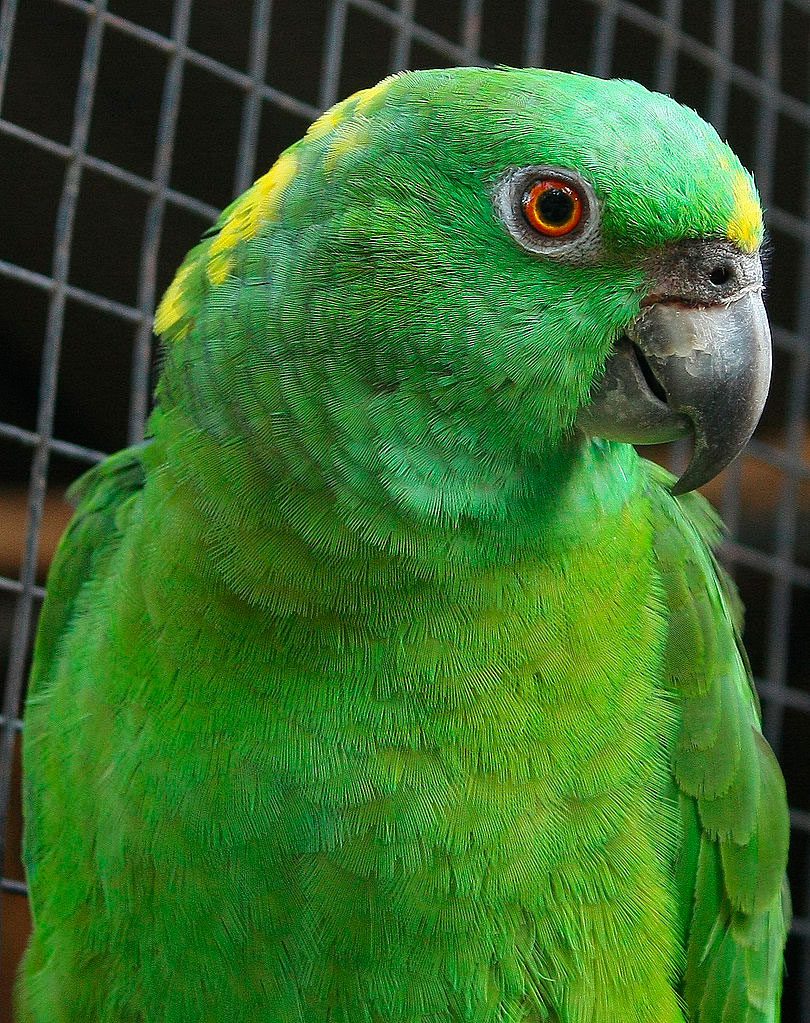
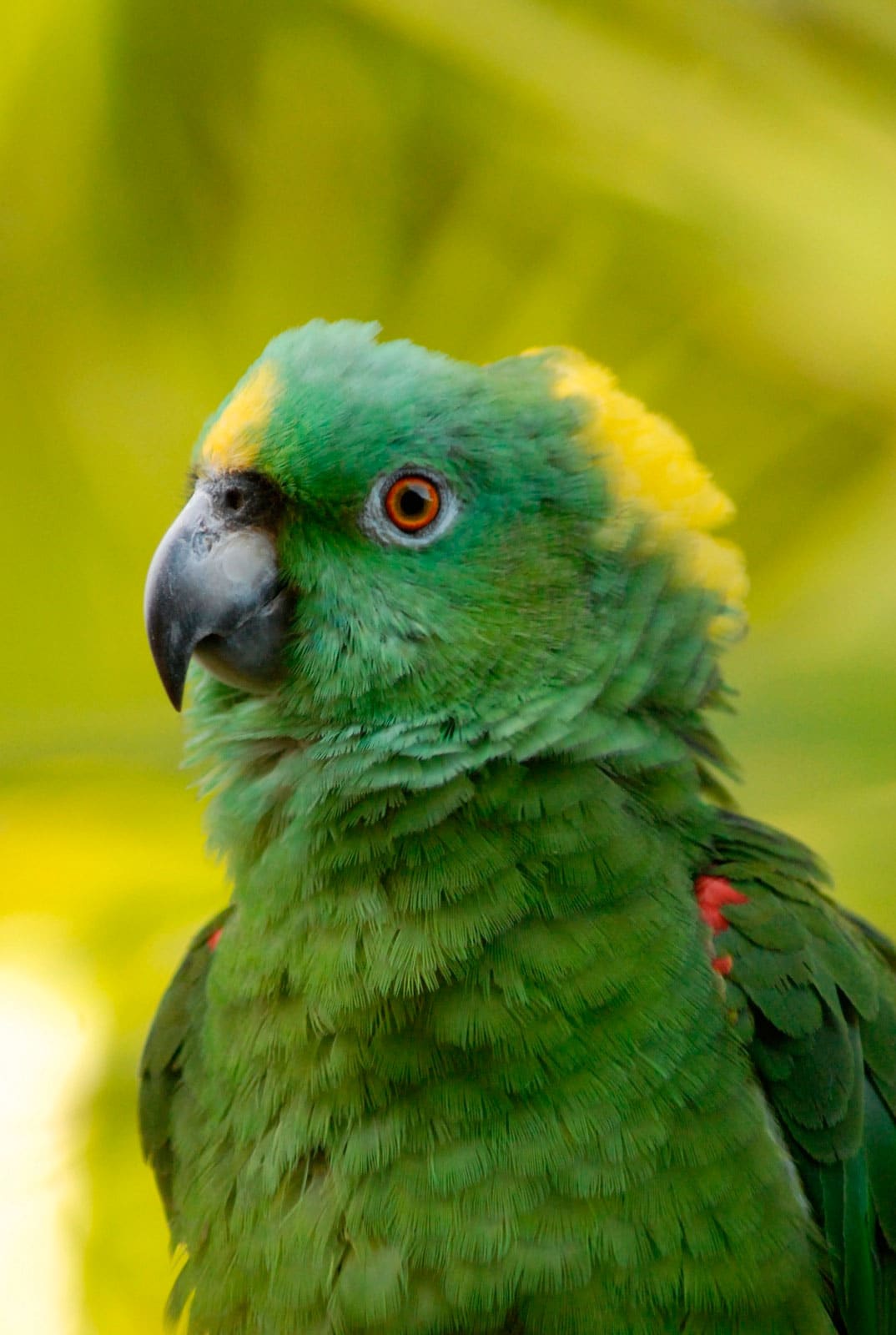
The Yellow-naped Parrot (Amazona auropalliata) It has a large size; their forecrown and front of the crown, usually, pale bluish green, sometimes with narrow frontal band yellow that extends to the front of the crown.

back of the crown pale bluish green; lores, cheeks and sides neck, green; nape with broad golden-yellow ban. Upperparts green with some feathers in the the mantle and in the back with blackish edges; rump and uppertail-coverts slightly brighter than the rest of the upperparts. The wing-coverts green but more emerald than upper body; feathers yellow feathers on leading edge of wing in some birds. Outerwebs of the four outer secondaries, bright red as speculum; primaries and secondaries violet blue outerweb and towards tips. Under, the wings are green. Underparts pale green with a slight bluish tinge throat.

Yellow-naped Parrot

Tail green with a wide terminal band brighter yellowish green, red at the base with outerweb of the outer feathers, blue. Bill blue, black tip; bare periophthalmic grey; irises orange; legs grey.

Both sexes are similar. The immature has the nape green with yellow feathers appearing at end of first year; irises brown.

  • Yellow-naped Parrot sound.

Description 3 subspecies:

Birds of Bay islands often they treated as parvipes, not as caribaea. Some copies of Guatemalan Pacific show forecrown yellow, but apparently not consistent racial difference.

  • Amazona auropalliata auropalliata

    (Lesson,PA, 1842) – Nominal.


  • Amazona auropalliata caribaea

    (Lousada, 1989) – Similar to the subespecie parvipes but with olive below and bill paler colored horn (especially lower jaw). usually adults patch yellow triangular in front of the crown. Young birds show little yellow in the head wave nape.


  • Amazona auropalliata parvipes

    (Monroe,BL Jr & Howell,TR, 1966) – Less than nominal species, with red feathers on the curve wing , otherwise similar.

Note:

The Amazona auropalliata, It is often considered conspecific with the Amazona ochrocephala and Amazona oratrix.

Habitat:

Video – "Yellow-naped Parrot"

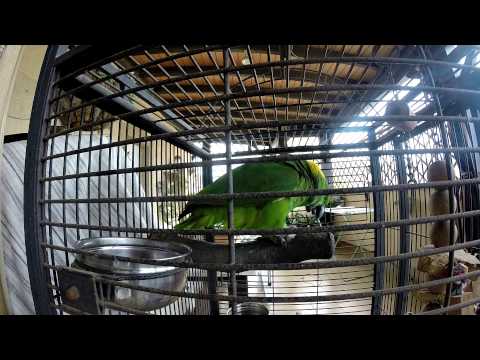
My Yellow-naped Amazon talking and whistling

The Yellow-naped Parrot inhabits semiarid forests, arid scrubland and savannas (including those of Pinus), openings in deciduous tropical forests and swamps peaceful, evergreen gallery forests and, sometimes, second growth in agricultural areas. Observed to 600 metres in Guatemala and a 700 metres in Honduras. Usually in pairs or small groups, sometimes in larger meetings, but the decline of the population may now obscures large flocks in some areas. They meet at communal roosts.

Reproduction:

Monรณgama; It maintains the union of couples throughout the year.
It nests in natural cavities in trees, such as holes in old trunks or dead, including pines Nicaragua and Bay islands. breeding season in February Oaxaca and El Salvador; March Roatan. Clutch 2-3 eggs.

In captivity cycle nesting of the Yellow-naped Parrot complete with 29 days of incubation eggs, followed by two months increase of the young in the nest.

Food:

Foods reported include seeds of Cachlospermum, Curatella, Higos Ficus and fruit mature Terminalia. The birds in the Bay islands observed feeding on cones Pinus caribaea, with high seasonal dependence on this resource.

Distribution:

Size of its range (breeding/resident): 580.000 km2

The Yellow-naped Parrot It is confined to Central America. They are distributed in the lowlands Eastern Pacific of Mexico (Oaxaca and Chiapas), Guatemala (a sample taken in Petรฉn but his status there is uncertain), El Salvador (arid lowland tropical zone), Honduras and Nicaragua, to the Northwest of Costa Rica from the south end of Gulf of Nicoya northward. They can also be seen in the Caribbean slope of Honduras and in the Mosquito Coast from Honduras, as well as in the neighboring area of โ€‹โ€‹northeast Nicaragua. found in Roatan and Guanaja, in the Bay islands but absent in Utila.

Resident. Apparently uncommon in Oaxaca and rare and declining in Costa Rica. Birds observed in the Sula Valley, Honduras, previously attributed to this species but now included within the species Yellow-headed Parrot.

Formerly common and locally abundant, but probably now declining throughout its entire range due to conversion of habitat for agricultural uses and its capture for trade local and international. Not yet considered endangered, but its long-term status is uncertain if its population decline continues.

Although Guanaja reasonable numbers remain, the species inhabiting the Bay islands (caribaea), It is in serious decline due to capture for export (practically 100% of hatchlings are caught each year); also at risk from tourism development, especially in Roatan.

Distribution 3 subspecies:

  • Amazona auropalliata auropalliata

    (Lesson,PA, 1842) – Nominal. Pacific Coast of Central America, from Oaxaca, Mexico, to the Northwest of Costa Rica.


  • Amazona auropalliata caribaea

    (Lousada, 1989) – Bay islands, Honduras.


  • Amazona auropalliata parvipes

    (Monroe,BL Jr & Howell,TR, 1966) – Mosquito Coast in Honduras and northeast of Nicaragua.

Conservation:

State of conservation โ“˜


Vulnerable Vulnerable โ“˜ (UICN)โ“˜

โ€ข Current category of the Red List of the UICN: Vulnerable.

โ€ข Population trend: Decreasing.

โ€ข Population size : 20000-49999.

Rationale for the Red List category

    This species has been uploaded to Vulnerable because information on levels exploitation and habitat loss, and trends of the local population, They suggest that the species is suffering at least one rapid population decline. In fact, the rate of decline can be very rapid; However, Additional data are needed to confirm this, in which case the species may qualify for elevation In danger of extinction.

Justification of the population

    Partners in Flight estimated that the population in number of less than 50.000 individuals (A. Punjabi in some. 2008), so it is placed in the band 20.000 to 49.999 individuals on freedom.

Justification of trend

    It is suspected that the population is in rapid decline due to the continuous habitat destruction and unsustainable levels of hunting, a suspicion that is supported by the observations of trends of the local population.
Conservation Actions Underway

โ€ข CITES Appendix I (Endangered species, which they are or may be affected by international trade. Only trade in the species is authorized in the Appendix I in exceptional circumstances, and it must not have a primarily commercial purpose.)

โ€ข The species occurs in a number of protected areas.

โ€ข Efforts have been made to obtain an area of 4.000 hectares east of Monterrico on Pacific coast of Guatemala declared as protected area (C. Muccio in some . 2011).

โ€ข The species has been the subject of a number of local studies, some ongoing, aimed at gathering information on population trends and threats.

โ€ข The extent of exploitation of wildlife for the trade It has been highlighted by the local media, for example in Honduras ( by O. Andino in some . 2011).

Conservation Actions Proposed

โ€ข Carry out surveys coordinated through the range of the species to quantify the Total population size.

โ€ข Monitor the demographic trends through regular surveys.

โ€ข Monitor harvest rates for the trade through regular surveys of the local population and officials.

โ€ข Monitor rates of loss and degradation of habitat throughout the range of the species.

โ€ข Accomplish awareness activities to reduce exploitation.

โ€ข Increase the area of โ€‹โ€‹suitable habitat that receives effective protection..

The Yellow-naped Parrot in captivity:

The populations of the Amazon nuquigualda have suffered strong pressure by national and international trade (Ridgely, 1981, Iรฑigo- Elias and Ramos, 1992). There is now an illegal heavy traffic this species, both for domestic and international trade, Parrot's being seized in the Mexico-Texas border, with 648 copies confiscated during 1990-1993 (Gobbi, et to the., 1996).

protected by CITES Appendix I species (Endangered species, which they are or may be affected by international trade. Only trade in the species included in Appendix I authorized in exceptional circumstances, and it must not have a primarily commercial purpose.)

Each captive specimen of this species which is capable of reproducing, must be placed in a well-managed captive breeding program and not sold as a pet, in order to ensure its long-term survival.

Alternative names:

Yellow naped Parrot, Yellow-naped Amazon, Yellow-naped Parrot, Yellow-naped Parrot (incl. ssp. caribaea, parvipes),
(English).
Amazone ร  nuque d’or, Amazone ร  nuque jaune, Amazone verte ร  nuque jaune (French).
Gelbnackenamazone (German).
Papagaio-de-nuca-amarela (Portuguese).
Amazona nuquigualda, Lora de Nacu Amarilla, Lora de nuca amarilla, Lora nuca amarilla, Loro Nuca Amarilla, loro nuca-amarilla, Loro Nuquiamarillo (espaรฑol).
Lora de nuca amarilla (Costa Rica).
Lora nuca amarilla (Honduras).
loro nuca amarilla, loro nuca-amarilla, Loro Nuquiamarillo (Mexico).
Loro Nuquiamarillo (Nicaragua).


scientific classification:

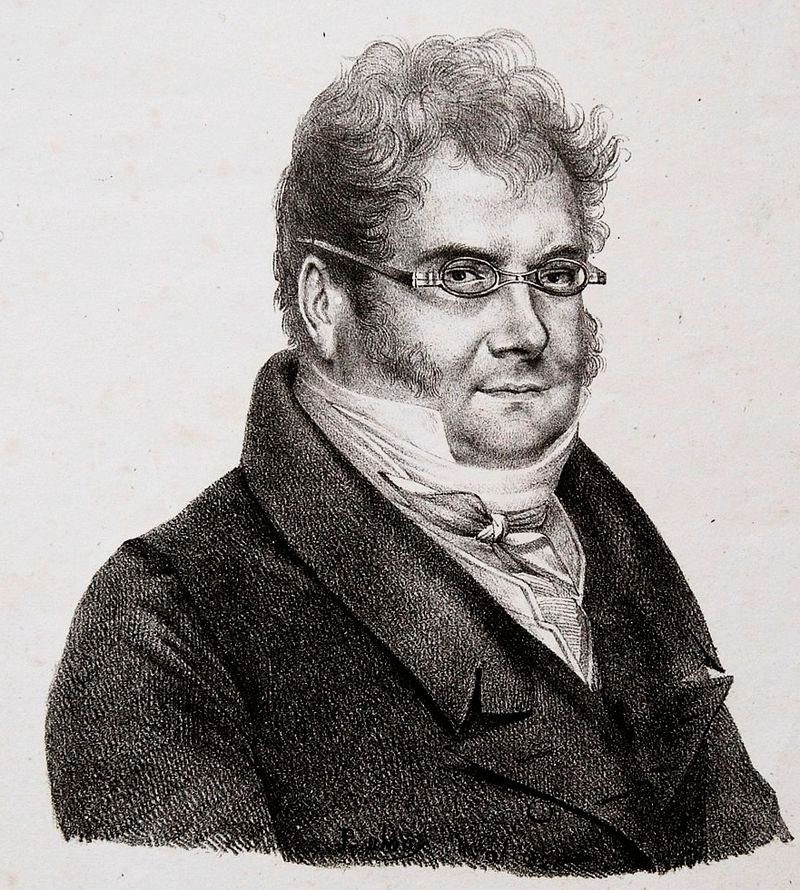
drawn portrait of Adolphe Pierre Lesson
Pierre Adolphe Lesson

Order: Psittaciformes
Family: Psittacidae
Genus: Amazona
Scientific name: Amazona auropalliata
Citation: (Lesson, 1842)
Protonimo: Psittacus auropalliatus


Images Yellow-naped Parrot:


Species of the genus Amazona


Sources:

Avibase
– Parrots of the World โ€“ Forshaw Joseph M
– Parrots A Guide to the Parrots of the World – Tony Juniper & Mike Parr
Birdlife

Photos:

(1) – A Yellow-naped Amazon at Jurong Bird Park, Singapore By Michael Gwyther-Jones from UK (Flickr) [CC BY 2.0], via Wikimedia Commons
(2) – Yellow-naped Parrot or Yellow-naped Amazon (Amazona auropalliata) at Gatorland By Josh Hallett [CC BY 2.0], via Wikimedia Commons
(3) – Yellow-naped Parrot, also known as Yellow-naped Amazon, in an aviary at Leeds Castle, Kent, England By Martin Pettitt [CC BY 2.0], via Wikimedia Commons
(4) – Yellow-naped Parrot or Yellow-naped Amazon (Amazona auropalliata) in captivity. Upper body By whiskymac (Flickr) [CC BY 2.0], via Wikimedia Commons
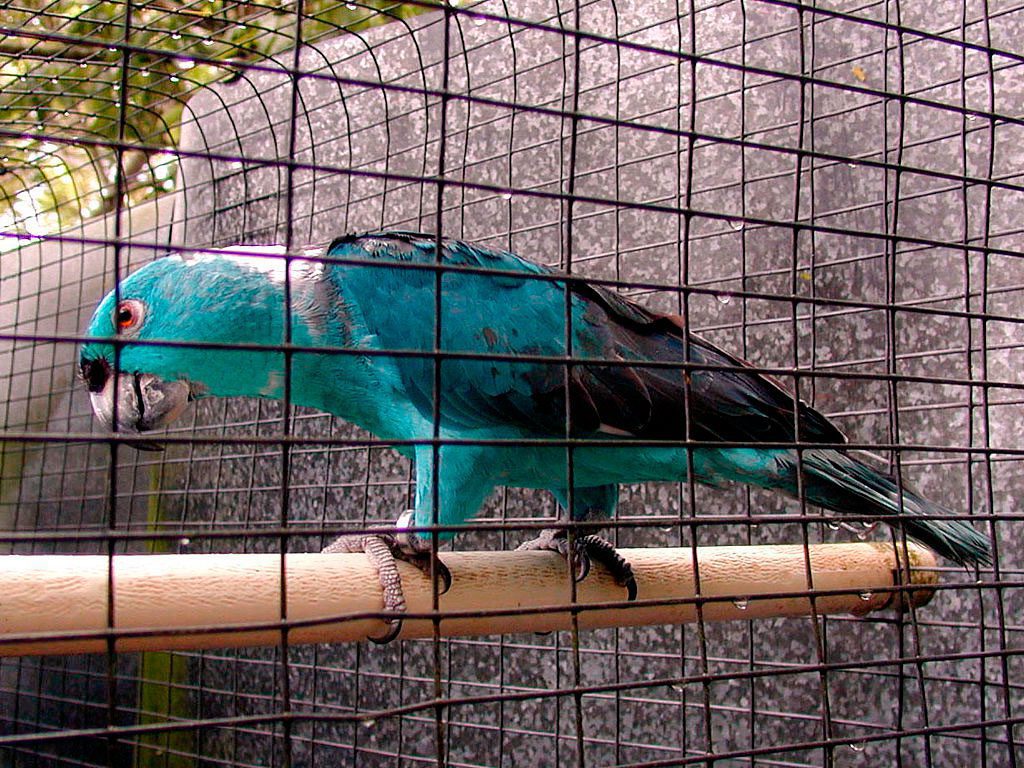
(5) – Yellow-naped Amazon (also called Yellow-naped Parrot) in a cage. A blue colour mutant variety bred in aviculture By Ruth Rogers (originally posted to Flickr as Blue Amazon) [CC BY 2.0], via Wikimedia Commons
(6) – Yellow-naped amazon by Ecocientificos 2 IE PIO XIIFlickr
(7) – Roatรกn-Gelbnackenamazone (Amazona auropalliata caribaea) By Martingloor (Own work) [CC BY-SA 4.0], via Wikimedia Commons
(8) – Yellow-naped Parrot or Yellow-naped Amazon (Amazona auropalliata) By Just chaos [CC BY 2.0], via Wikimedia Commons
(9) – Yellow naped Amazon parrot Matt edmonds at the English language Wikipedia [GFDL or CC-BY-SA-3.0], via Wikimedia Commons
(10) – Amazona auropalliata – The zoology of the voyage of H.M.S. Sulphur :. London :Smith, Elder,1844 [i.e. 1843-1846]. by Biodiversity Heritage LibraryFlickr

Sounds: Marcio Martinez, XC239997. accessible www.xeno-canto.org/239997

โ–ท The world of Pets: Dogs, cats, birds, reptiles, amphibians

Red-crowned Parakeet
Pyrrhura roseifrons

Red-crowned Parakeet

Content

Description:


Anatomy-parrots

22 cm.. in length and a weight ranging from 54 and 70 g..

The Red-crowned Parakeet (Pyrrhura roseifrons) has the head pinkish red. The neck and the area of รขโ‚ฌโ€นรขโ‚ฌโ€นthe upper chest They are dark with whitish scales. The bill is black. The tail and the central area of belly They are red. The tip of his tail It is dark red. The wings they are blue. Orbital ring dark gray bordered by a yellowish white. the legs are grey.

The immature It has reddish forehead and dark tones in the rest of the head. The pinkish red head in adults it is distinctive. Losl youth They may resemble subspecies Pyrrhura roseifrons peruviana or the Deville's Parakeet (Pyrrhura lucianii), but it lacks of the ear-coverts pale.

  • Sound of the Red-crowned Parakeet.

Description 4 subspecies
  • Pyrrhura roseifrons dilutissima

    (Arndt, 2008) – Blue restricted to a narrow strip on the forecrown; yellowish beige in ear-coverts; upper region chest pale brown festooned with pale yellowish beige.

  • Pyrrhura roseifrons roseifrons

    (Gray,GR, 1859) – Nominal. –

  • Pyrrhura roseifrons parvifrons

    (Arndt, 2008) – It looks like the Pyrrhura roseifrons peruviana, but with blue, rather than red, on forecrown.

  • Pyrrhura roseifrons peruviana

    (Hocking, Blake & Joseph, 2002) – 22 cm., length. Absent in his bright red plumage, It has more dark brown in crown and the area eyes, the crown with bluish.

Habitat:

They mostly live in small groups of a dozen members and remain in pairs during the breeding period. breeding. They lead a life Nomad, little little is known about the behavior of this species in the wild.

Reproduction:

build their nest in tree cavities. The laying is of 5 to 7 eggs incubated by both parents for 26 days (captive breeding data). The pups remain in the nest 2 months, becoming independent at the age of 3 months.

Food:

It feeds on fruits, seeds, leaves and flowers.

Distribution:

Size of its range (reproduction / residents): 1.000.000 km2

It is located in the west of the Amazonia, from the state amazon about the Juruรก, in Brazil, and the lowlands of eastern Peru in the North of Bolivia. In Brazil, They spread south and west of habitat Deville's Parakeet (Pyrrhura lucianii)

Distribution 4 subspecies
  • Pyrrhura roseifrons dilutissima

    (Arndt, 2008) – Center of Peru around the rio Ene at the confluence with the rio Quipachiari, and around Hacienda Louisiana, on Cordillera Vilcabamba.

  • Pyrrhura roseifrons roseifrons

    (Gray,GR, 1859) – Nominal. – Amazonia occidental, to the South of the amazon, from the North of Peru South to North of Bolivia (Peace) and in the West of Brazil (Western Amazon).

  • Pyrrhura roseifrons parvifrons

    (Arndt, 2008) – Two disjoint regions in northern Peru; in the East of San Martin and adjacent areas, Center west Loreto, and along the amazon in the northeast of Loreto (only on the southern shore of amazon).

  • Pyrrhura roseifrons peruviana

    (Hocking, Blake & Joseph, 2002) – Foothills of Andes in the southeast of Ecuador (Morona-Santiago) and North of Peru (Amazon and Loreto Western)

Conservation:

State of conservation โ“˜


minor concern Minor Concern โ“˜ (UICN)โ“˜

โ€ข Current category of the Red List of the UICN: Least concern.

โ€ข Population trend: Decreasing.

โ€ข Population size : Unknown.

Justification of the Red List of the Category

This species has a very large range, and therefore does not approach the thresholds for vulnerable under the range size criterion (extent of occurrence <20.000 km2 combinan con un tamaรฑo gama disminuciรณn o fluctuante, hรกbitat medida / calidad, o de la poblaciรณn tamaรฑo y un pequeรฑo nรบmero de localidades o fragmentaciรณn severa). A pesar de que la tendencia de la poblaciรณn parece estar disminuyendo, el descenso no se cree que es suficientemente rรกpido como para acercarse a los umbrales para Vulnerables segรบn el criterio tendencia de la poblaciรณn (> 30% decrease of more than ten years or three generations). The population size It has not been quantified, but is not believed to be a reason to approach the thresholds for Vulnerable based on population size criteria (<10.000 individuos maduros con una disminuciรณn continua estima en> 10% in ten years or three generations, or a specific population structure). For these reasons, the species is evaluated as Least concern.

Justification of the population

Recent world population is unknown given taxonomic divisions.

Justification trend

This species is suspected that there may be lost 7,0-7,3% of habitat within its distribution over three generations (18 years) based on a model of deforestation of the Amazon (Soares-Filho et to the. 2006, Bird et to the. 2011). Given the susceptibility of this species to hunting and / or entrapment, it is suspected that its population can decrease <25% en tres generaciones.

"Red-crowned Parakeet" in captivity:

little presence in captivity and found only in some aviaries, where however they reproduce very well. After acclimation is a strong bird that can live outdoors. It is a bird suspicious although curious and playful nature, especially if they feel safe. Young birds in captivity quickly lose their fear and are very attached to their caregivers. Itร‚ยดs noisy, especially in the morning and sleeps in the nest. The female is very aggressive during the breeding period with other birds..

Alternative names:

Red-crowned Parakeet, Rose-fronted Parakeet, Rose-fronted Parakeet (Rose-fronted) (English).
Conure ร  calotte rouge, Conure rougissante (French).
Rotscheitelsittich (German).
Tiriba-de-cabeรงa-vermelha (Portuguese).
Cotorra frentirrosa, Perico de Frente Rosada (espaรฑol).

scientific classification:

Order: Psittaciformes
Family: Psittacidae
Genus: Pyrrhura
Scientific name: Pyrrhura roseifrons
Citation: (Gray, GR, 1859)
Protonimo: Conurus roseifrons

Images Red-crowned Parakeet:

Videos "Red-crowned Parakeet"


Especies del gรฉnero Pyrrhura

Red-crowned Parakeet (Pyrrhura roseifrons)


Sources:

Avibase
– Parrots of the World โ€“ Forshaw Joseph M
– Parrots A Guide to the Parrots of the World – Tony Juniper & Mike Parr
Birdlife

Photos:

(1) – Painted Parakeet (Pyrrhura picta) – the subspecies on this photo, roseifrons, is now often considered a separate species, the Rose-fronted Parakeet (Pyrrhura roseifrons) By http://www.birdphotos.com (http://www.birdphotos.com) [CC BY 3.0], via Wikimedia Commons

Sounds: Micah Riegner, XC208597. accessible www.xeno-canto.org/208597

โ–ท The world of Pets: Dogs, cats, birds, reptiles, amphibians

Marigold Lorikeet
Trichoglossus capistratus

Marigold Lorikeet

Content

Description ยซFringed loryยป:

26 cm.. length and a weight between 100-157 g..

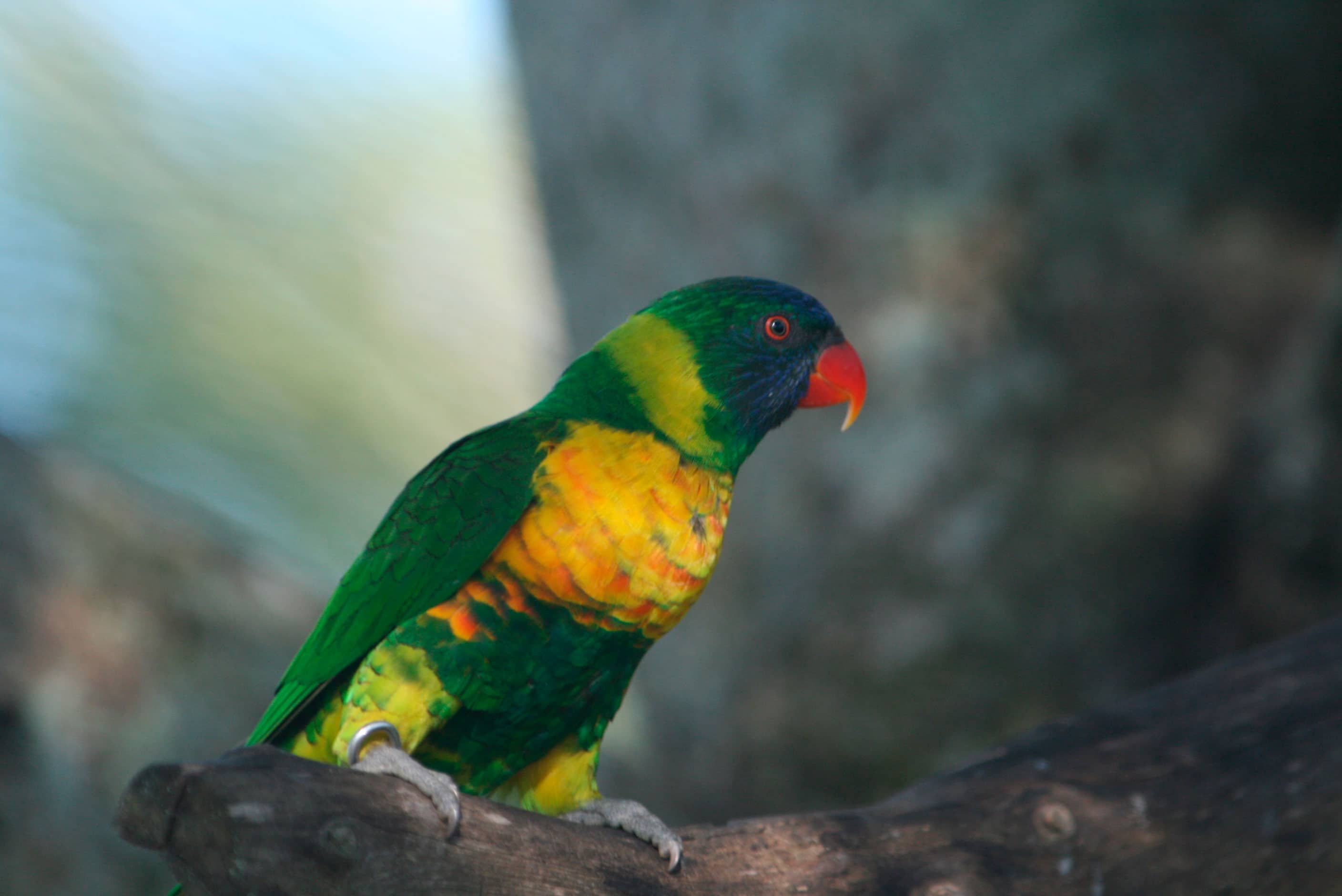
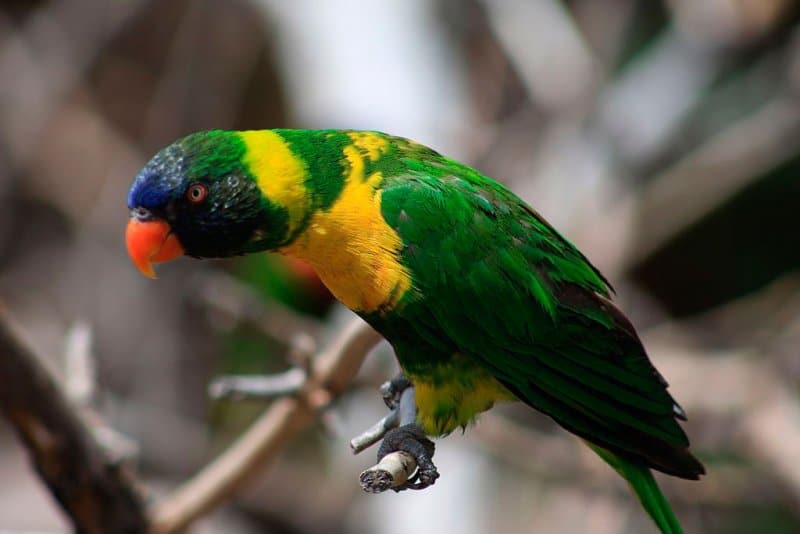
The Marigold Lorikeet (Trichoglossus capistratus) has the forecrown, the cheeks and chin, dark blue; and the rest of the head It is green with a broadband yellow-green in nape (part posterior of the neck). The upper breast is yellow with green narrow edges feathers. Underwing-coverts are yellow with scattered orange marks. Males may have some red on their edges. The abdomen is dark green. Their peaks They are hooked.

The males and females and players seem to depend on DNA or endoscopic sexing to determine gender.

Taxonomic status:

This taxon is considered a subspecies of Trichoglossus [haematodus, rosenbergii, moluccana, forsteni, capistratus, weberi] (sensu lato) by some authors.
  • Sound of the Marigold Lorikeet (1).

(1) Some species are under extreme pressure because of traps and harassment. So, the open availability of high-quality recordings of these species may further worsen the problems, this being the reason why downloading these recordings is off. In conclusion, recorders themselves are free to share these files on xeno-canto, but they will have to approve access to these recordings.

We do not take this action lightly, and we wish it wasn't necessary, but we are convinced that the negative impacts of offering easy access to these recordings outweigh the benefits. To access these recordings, You can contact directly with the recorder.

Description 3 subspecies:

  • Trichoglossus capistratus capistratus

    (Bechstein, 1811) – Nominal.

  • Trichoglossus capistratus flavotectus

    (Hellmayr, 1914) – Head green with purple/blue veins on the forecrown up to the cheeks; variability of yellow to deep orange in chest; neck wide and yellow; abdomen dark green to green / black; underwing-coverts yellow with orange markings variables.

  • Trichoglossus capistratus fortis

    (Hartert, 1898) – Head black/brown with purple/blue veins on the forecrown up to the cheeks; lores , throat, line from top to back of the eyes and occiput, green; chest bright yellow with orange but not barred / red marks; abdomen dark green, with occasional shades blue / black; underwing-coverts yellow.

Habitat โ€œBridled Loryโ€:

The Marigold Lorikeet They are in mixed flocks with other parrots; small and noisy groups. Nomads, since they depend on flowering trees. It perches communally in groups of hundreds of birds.

It is more common in lowlands, but it is up to altitudes of 2400 m. Wide variety of areas including settlements, forests, coconut plantations, Savanna, eucalyptus forests and mangroves, including dry forest Roti.

Reproduction ยซBridled Loryยป:

Total of 21 nests found in Sumba between late August and early October 1992, all cavities in large trees (principalmente deciduous).

Feeding ยซFlanged loryยป:

Few specific dietary data, but presumably similar to Trichoglossus haematodus and it is known to take nectar and pollen from native trees, as well as figs and insects.

Distribution ยซFlanged loryยป:

Extension of the distribution (breeding/resident): 171.000 km2

The Marigold Lorikeet It is a species of parrot endemic to the islands of Southeast Asia Sumba, Roti, Wetar and Blend (Indonesian) and Timor (Indonesia and East Timor).

Distribution 3 subspecies:

Conservation ยซFlanged Loryยป:


minor concern


1. Current red list category of the UICN: Least concern.

2. The population trend: Decreasing.

3. Population size : —.

Rationale for the Red List category

Although this species may have a restricted range, It not believed to approach the thresholds Vulnerable under the criterion of size range (Scope of the presence <20.000 km2 combined with a decreasing area size or fluctuating distribution, extension / habitat quality, or population size and a small number of places or severe fragmentation).

While the trend of the population seems to be decreasing, the decline is not believed to be rapid enough to approach the Vulnerable thresholds according to the population trend criterion (decrease of more than 30% in ten years or three generations).
The population size has not been quantified, but it is not believed to approach the thresholds Vulnerable under the criterion of population size (<10.000 mature individuals with an estimated continuous decrease in> 10% in ten years or three generations, or with a specific population structure). For these reasons, the species is assessed as Least concern.

Justification of the population

Global population size has not been quantified, but the species is described as common in Timor (pit et to the. 1997).

Justification trend

They suspected that the population is declining due to unsustainable levels of exploitation.

Threats

The species has been the subject of a intense trade: from 1981, When it was included in the Appendix II of the CITES, they have been 100.388 individuals captured in international trade (UNEP-WCMC CITES Trade Database, January 2005).

In captivity:

It's one of the lori rainbow less noisy although uncommon in captivity except for Dili (Capital of Timor Oriental), where it is quite common. Its longevity It 20 years en libertad, 15-25 years in captivity.

Alternative names

Marigold Lorikeet, Rainbow Lorikeet (Marigold) (English).
Loriquet ร  tรชte bleue (harnachรฉ), Loriquet ร  tรชte bleue [capistratus], Loriquet d’Edward, Loriquet harnachรฉ (French).
Blauwangenlori, Timor-Allfarblori (German).
Periquito-arco-รญris-de-timor, Lรณris-de-timor (Portuguese).
Lori de Calรฉndula, Lori embridado, Lori Arcoiris [capistratus Group] (espaรฑol).


scientific classification:

Johann Matthew Bechstein

Order: Psittaciformes
Family: Psittaculidae
Gender: Trichoglossus
Scientific name: Trichoglossus capistratus
Subpoena: (Bechstein, 1811)
Protonimo: Psittacus capistratus

ยซBridled loryยป images:

Videos "Marigold Lorikeet"


"Bridled lory" (Trichoglossus capistratus)

โ–ท The world of Pets: Dogs, cats, birds, reptiles, amphibians

Rose-headed Parakeet
Pyrrhura rhodocephala

Cotorra Coronirroja

Content

Description:

Rose-headed Parakeet

24-25 cm.. height.
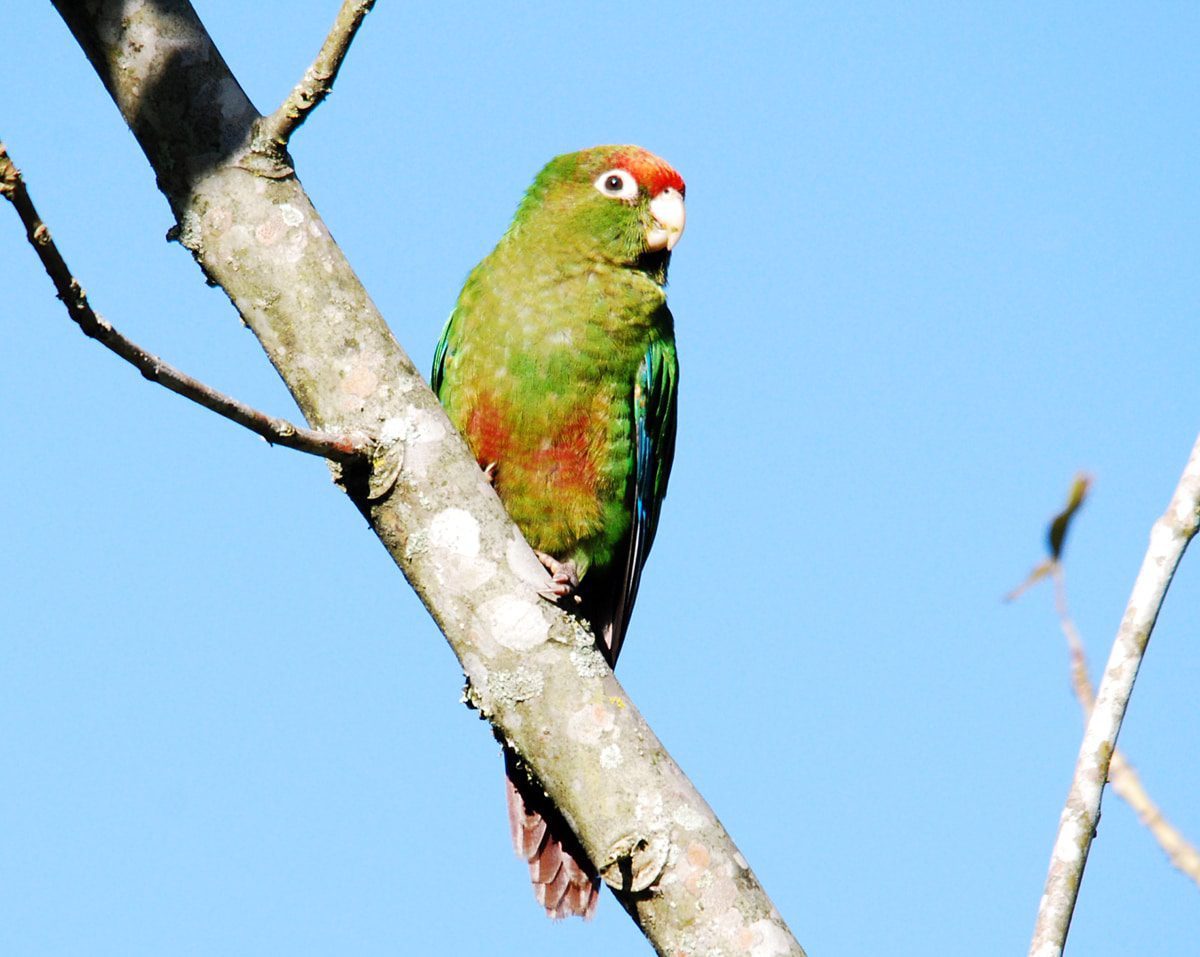
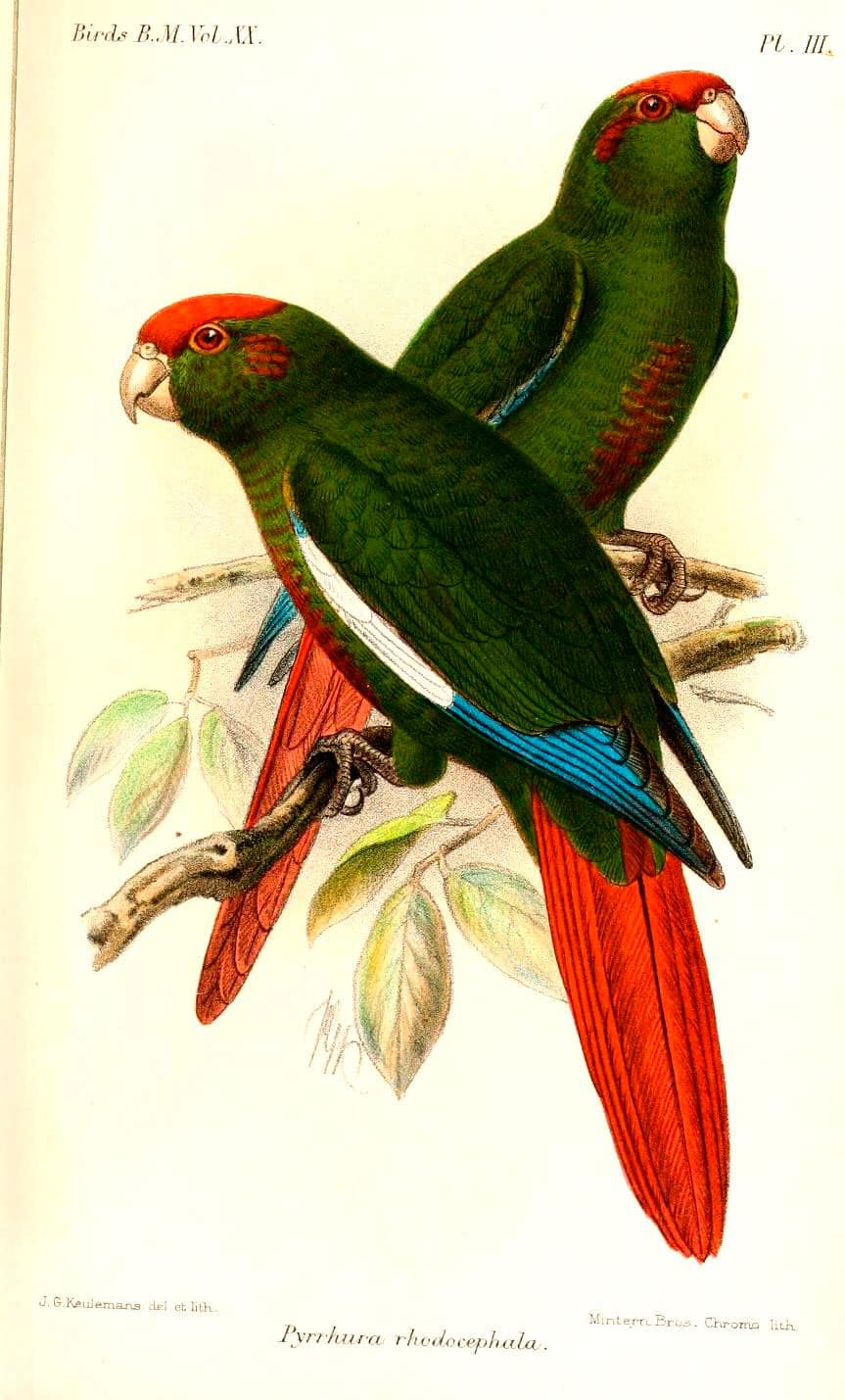
The Rose-headed Parakeet (Pyrrhura rhodocephala) is a small parrot with the body almost all green and a long tail. The more notorious is the hood pink reddish and the patch red behind them eyes; cheeks until uppertail-coverts green. Primary coverts white, other coverts green except, sometimes, some feathers scattered red-orange in the bend of wing. Outerwebs of them flight feather, Blue with black tips. Undertail-coverts green. Feathers of the throat, the chest and the sides of the neck, of color green olive with tips brownish that give an effect of scaly very dim; belly slightly more green olive that the upperparts, with a pale patch red in the center; the undertail-coverts green; at the top, the tail brownish red color; undertail, red clear.

Bill color pale horn; bare periophthalmic white; brown the irises; legs dark gray.

Both sexes similar.

The immature shows a crown bluish green with scattered red feathers, primary coverts Blue and base green until it tail.

Habitat:

Video – "Rose-headed Parakeet" (Pyrrhura rhodocephala)

Pyrrhura Rhodocephala

It inhabits mainly in humid forests, secondary, and pรกramo, between 800 to 3400 m. Resident Although daily make long migrations.
Fly in flocks of 10 to 30 individuals.

Reproduction:

There is little information on reproduction, probably it breeding season between the months of May-June.

Food:

It probably feeds on berries, seeds, fruits and flowers.

Distribution:

Size of the area of distribution (reproduction / resident): 17,000 km2

This Parrot is endemic to the Andes, in the Northwest corner of Venezuela, on both slopes of the Cordillera de Mรฉrida from Tรกchira until Trujillo, with records in the mountains of Merida and North of Barinas.

Is probably resident but perform movements daily to distances considerable. They are distributed in several protected areas, apparently, effective, but the continuous deforestation in its small range must represent a threat to long term.

Conservation:

State of conservation โ“˜


minor concern Minor Concern โ“˜ (UICN)โ“˜

โ€ข Current category of the Red List of the UICN: Least concern.

โ€ข Population trend: Stable.

Justification of the population

The size of the world's population has not been quantified, but the species is described as quite common (Hilty 2003).

Justification of trend

They suspected that the population is stable in absence of evidence of any decline or threatens substantial.

"Rose-headed Parakeet" in captivity:

Absent in captivity, at least out of Venezuela.

Alternative names:

Rose-headed Parakeet, Rose headed Parakeet, Rose-crowned Conure, Rose-crowned Parakeet, Rose-headed Conure (English).
Conure tรชte-de-feu, Perriche tรชte-de-feu, Perruche tรชte-de-feu (French).
Rotkopfsittich, Rotkopf-Sittich (German).
Tiriba-cabeรงa-rosa (Portuguese).
Cotorra Coronirroja, Perico de Cabeza Roja (espaรฑol).


scientific classification:

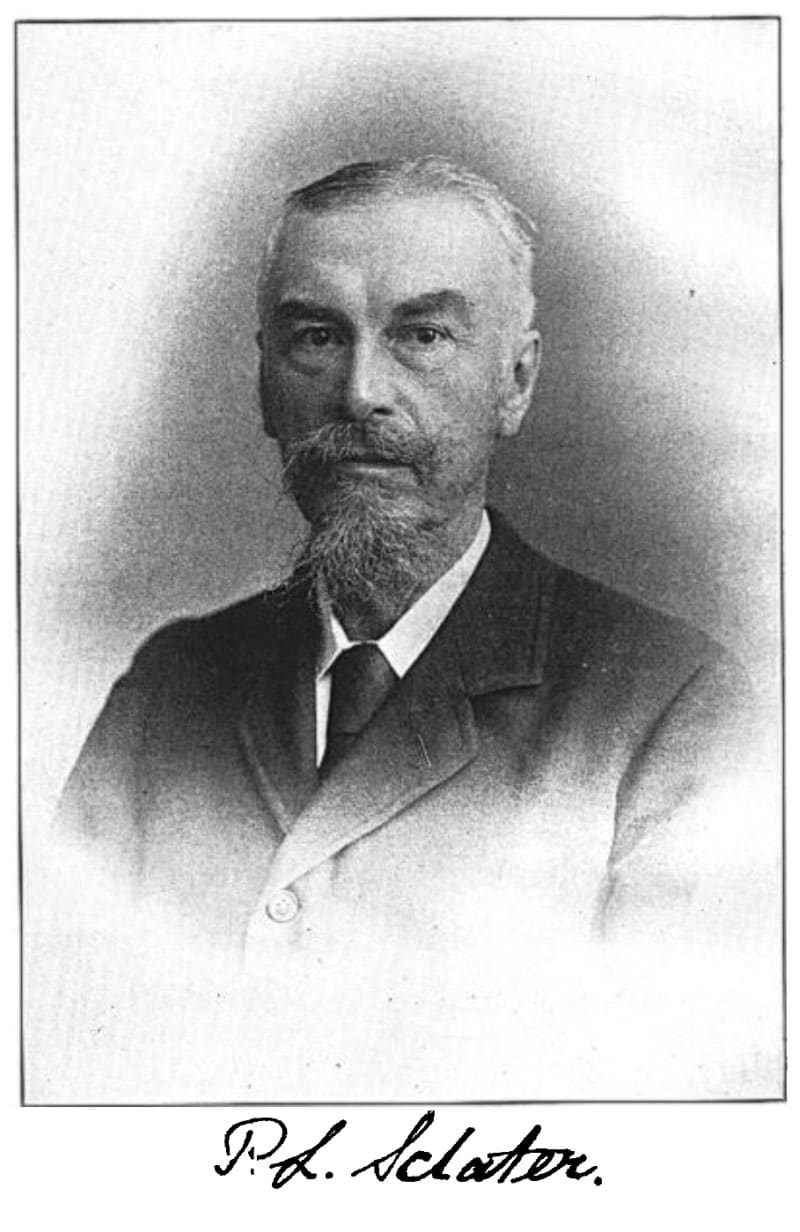
Philip Sclater
Philip Sclater

Order: Psittaciformes
Family: Psittacidae
Genus: Pyrrhura
Scientific name: Pyrrhura rhodocephala
Citation: (Sclater & Salvin, 1871)
Protonimo: Conurus rhodocephalus

Images "Rose-headed Parakeet"


Especies del gรฉnero Pyrrhura

Sources:

Avibase
– Parrots of the World โ€“ Forshaw Joseph M
– Parrots A Guide to the Parrots of the World – Tony Juniper & Mike Parr
Birdlife
– Parrot Book, Parrots and macaws Neotropical

Photos:

(1) – fouragesofsand
(2) – Pyrrhura rhodocephala, Rose-crowned Parakeet by John Gerrard Keulemans [Public domain], via Wikimedia Commons

Sounds:

โ–ท The world of Pets: Dogs, cats, birds, reptiles, amphibians

Blue cheeked Parrot
Amazona dufresniana

Blue cheeked Parrot

Content

Physical characteristics


Anatomy-parrots

34 to 37 cm.. height and between 480 and 600g. weight.

The Blue cheeked Parrot (Amazona dufresniana) It is easily identifiable by the orange yellow wing patch, much more noticeable in flight.

Head with orangeade narrow stripe on the forehead; Yellow Crown, cheeks, base of the beak, sides of the neck to almost light blue Crown.

End of the wing dark, tail with yellow border, rest of green body.

Young birds with orange-yellow feathers on the front of the head and a violet color in the bottom of the cheeks.

The binomial name of this species is in honor to the French zoologist Louis Dufresne.

Video "Blue cheeked Parrot"

Blue cheeked Parrot habitat:

It lives in humid forest, of gallery and sheets, up to 1700m.

It can also be seen sporadically in coastal areas, possibly in response to food availability.

Reproduction Blue cheeked Parrot:

They walk in pairs or small groups of no more of 4 to 8 individuals.

Reproduction and feeding, there is little information.

In the wild, the breeding season occurs in March in Guyana. In captivity, the female lays 3 eggs that we do not know exactly the incubation period.

Food Blue cheeked Parrot:

We don't know the details of your menu, but it is assumed that they eat almost exclusively seeds, and berries.

Distribution Blue cheeked Parrot:

Amazon-fronted Parrotlet location

The Amazona dufresniana It is located in southeast Venezuela (Bolรญvar, with a record isolated on Amazon), Northern Guyana (north of 5ยฐN), Northeast Suriname and French Guiana northeast (Y way Collar 1991).

There are reports of Para and Amapa, Brazil, where its occurrence seems likely, but there is no conclusive records (Y way Collar 1991, Collar 1995). The scarcity of records from frequently surveyed areas suggests that it is a low-density and rare species., at the least in parts of its range (Y way Collar 1991).

a Guyana, Healthy populations are known in the area in northwestern Aruka Guyana, between the Aruka and Amakuru rivers, the Kaieteur National Park and the Kuribong River, and the Iwokrama Forest Reserve (A. Narine a slightly. 2010)

Conservation:

State of conservation โ“˜


Near-threatened Near Threatened โ“˜ (UICN)โ“˜

It is in the category of near threatened. (NT), due to habitat loss and illegal trade.

Classified as near-threatened (NT) on the IUCN Red list (1) listed in Appendix II of the CITES (4).

Conservation in March CITES Appendix II actions. Banded from Canaima National Park (Venezuela), Iwokrama forest reserve (Guyana) and the Brownsberg nature park (Suriname).

Blue cheeked Parrot in captivity:

Rare in captivity.
Placid temperament, seems less active than many Amazon.

Alternative names:

Blue cheeked Parrot, Blue-checked Parrot, Blue-cheeked Amazon, Blue-cheeked Parrot, Dufresne’s Amazon, Dufresne’s Parrot (English).
Amazone de Dufresne (French).
Goldmaskenamazone, Granada Amazone (German).
Papagaio-de-bochecha-azul (Portuguese).
Loro de cachetes azules, Amazona Cariazul, Amazona de Cara Azul, Loro cariazul (espaรฑol).

scientific classification:

Order: Psittaciformes
Family: Psittacidae
Scientific name: Amazona dufresniana
Citation: (Shaw, 1812)
Protonimo: Psittacus dufresnianus

Blue cheeked Parrot images:


Species of the genus Amazona


Sources:

– Parrot Book, Parrots and macaws Neotropical

Photo:

1 – papageien.org
2- by Matthieu Sontag[GFDL or CC BY-SA 4.0-3.0-2.5-2.0-1.0], via Wikimedia Commons
3 – By Bjoertvedt (Own work) [CC BY-SA 3.0 or GFDL], via Wikimedia Commons
4 – papageien.org
5 – by ยฉMichel Clement – gepog.org

Sound: Olivier Claessens