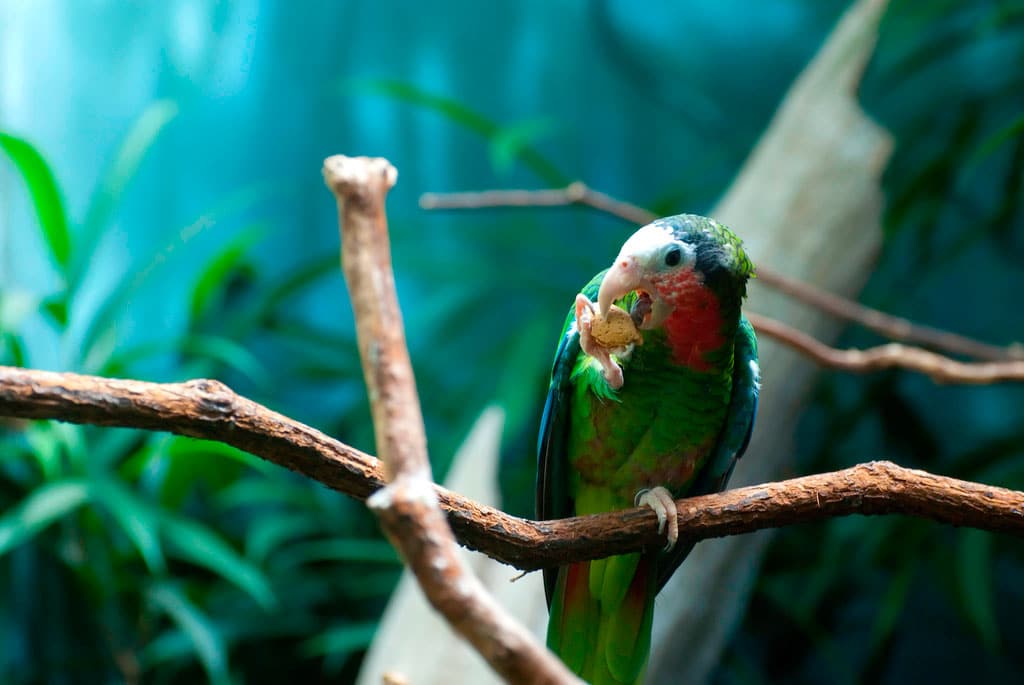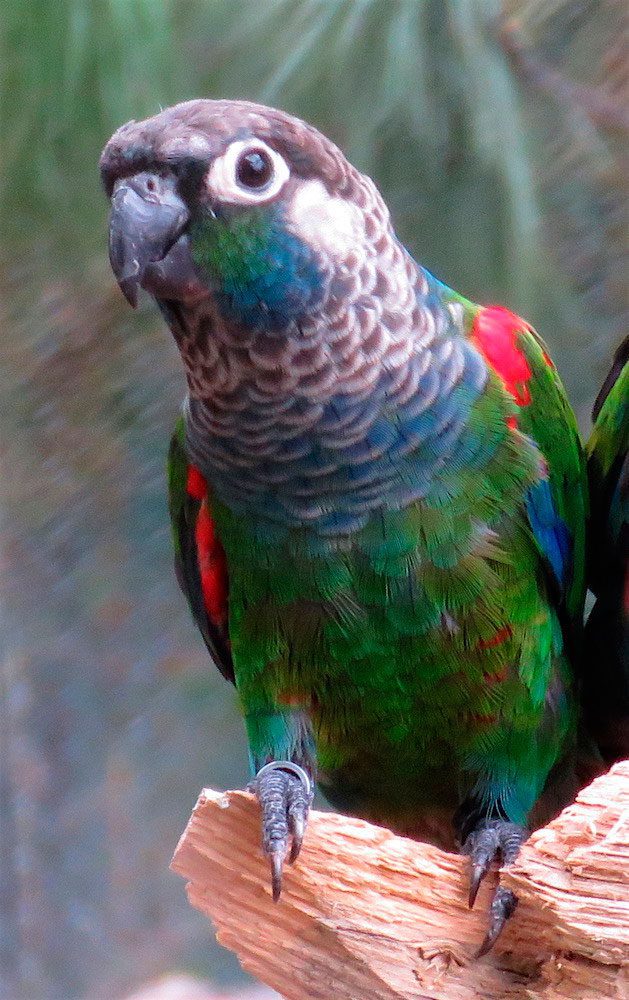
โ–ท The world of Pets: Dogs, cats, birds, reptiles, amphibians

Blossom-headed Parakeet
Psittacula roseata


Cotorra Carirrosa

Content

Description:

Of 30 to 36 cm.. length between 85 and 90 g. of weight.
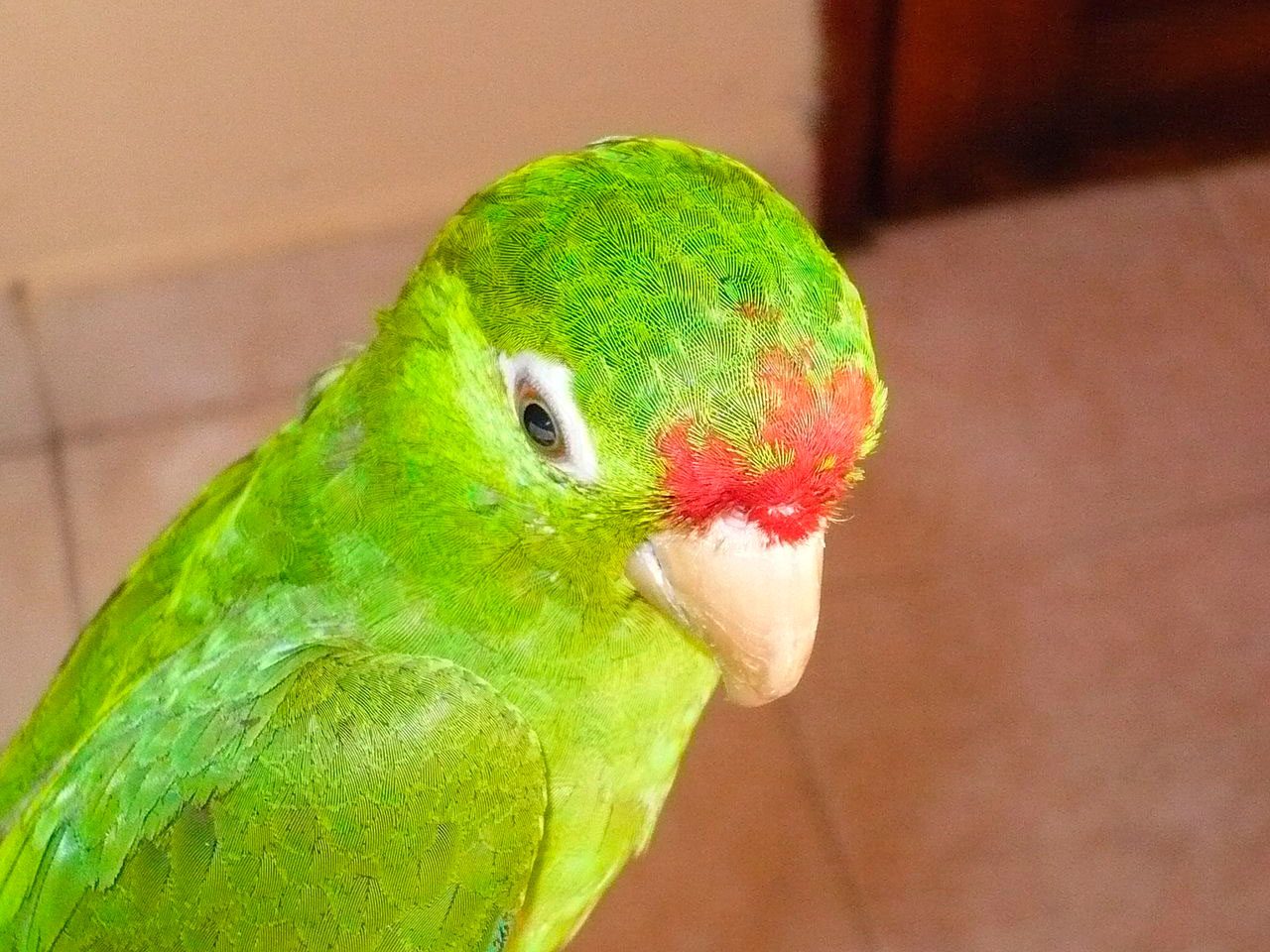
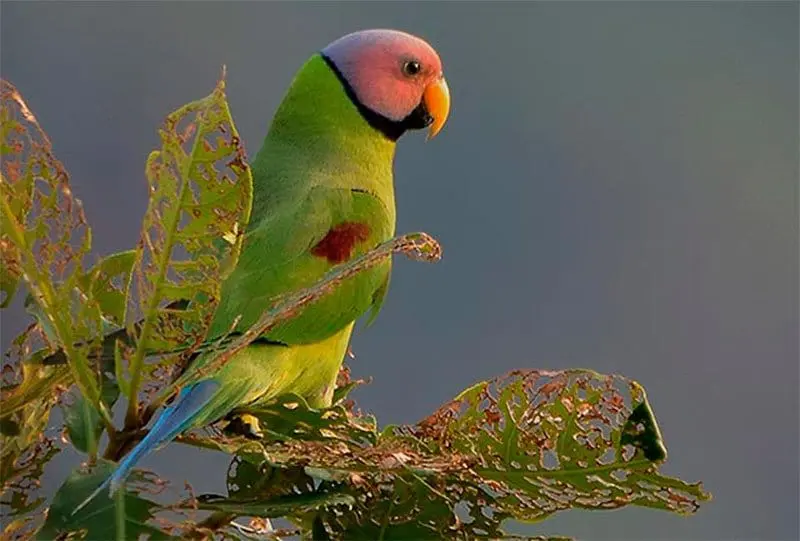
The Blossom-headed Parakeet (Psittacula roseata) has the forecrown, lores, cheeks and ear-coverts mauve-pink, fading to pale blue in the lower cheeks, the sides of neck, the crown and back neck, with broad black "mustache" stripes to form a narrow collar between black blue head and green body; nape bright green fading to a duller green on upperparts.

Upperwing-coverts, mostly green with a brown patch coverts smaller and medium; greater coverts outer and alula darker green. The primaries dark green (darker in vane inner) with a margin yellowish narrow in them vane outer.

Underwing-coverts green. The underparts pale green. Uppertail, centrally bright blue, with creamy white tip; outer feathers green on vane outer, yellowish-green on inner, tipped yellow; undertail-coverts dull yellowish.

Ilustraciรณn Cotorra Carirrosa

upper jaw orange-yellow, the lower black: cere whitish; irises yellowish white; legs gray-green.

The female has the head pale blue-gray, no black "mustache" and collar ring replaced by yellow opaque olive extending from the nape, around the sides of neck; tail slightly shorter. The upper jaw yellow, the lower dark grey.

The immature has the head greenish, the gray tint chin and the bill yellowish to the 15 months, when both sexes develop similar to plumage adult female; the males acquires adult plumage at about 30 months.

Subspecies description

Once considered the same species Psittacula cyanocephala, where he was often wrongly classified as Psittacula cyanocephala rosa.

  • Psittacula roseata juneae

    (Biswas, 1951) – Like species nominal, but the overall color body It is yellower; more extensive stain or red patch shoulder; central feathers tail paler color, side feathers tail yellower.


  • Psittacula roseata roseata

    (Biswas, 1951) – The species nominal.

Habitat:

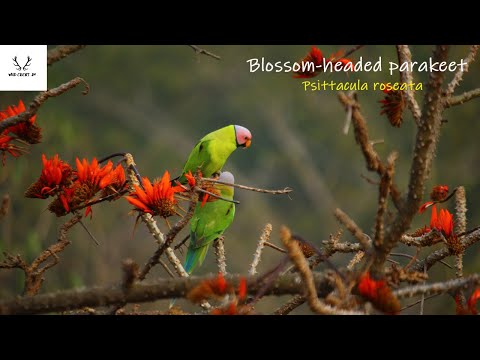
Video – "Blossom-headed Parakeet" (Psittacula roseata)

Blossom-headed parakeet Call / Psittacula roseata / Bird's Call

The Blossom-headed Parakeet inhabit open forests, including Savannah, secondary forests, forest edge, clear and cultivated land. Partially deforested areas persists and seems to prefer forest edges adjacent farm.

Mainly observed in the lowlands to about 1.500 meters above sea level. Usually, in small flocks, form larger congregations where food is plentiful. He joins mixed flocks with Rose-ringed Parakeet, the Plum-headed Parakeet and Red-breasted Parakeet and form communal roosts in dense vegetation.

Reproduction:

The nests This species is found in tree cavities, usually at a moderate height; they can dig the hole themselves or modify old nests of other species (for example, woodpeckers or barbets).

Nest usually in colonies of several couples. The laying is of 4-5 (rarely six); eggs are more spherical than those of other congeners. The breeding season It is from January to April (May sometimes).

Food:

Foods are reported: wild flowers and Granada, nectar, including grain sorghum and corn, fruits such as figs and apricots, red peppers and chard seeds. Their diet is very similar to the Plum-headed Parakeet.

Distribution:

Distributed by the foothills of Himalaya Oriental until Indochina. Of Sikkim (India) and South of Bhutan through Assam until Bengal and Bangladesh and east along the north and center Burma, South of China (Yunnan, Guangxi and Guangdong province), Thailand, Laos, Kampuchea and Viet Nam.

Mainly sedentary with seasonal movements in southwest Burma, where Blossom-headed Parakeet They are common in the months of March and April, but otherwise few months, generally common despite apparent decline in some areas (for example, Thailand and Burma), mainly due to large-scale deforestation, and persecution. Few in Viet Nam.

Resident but with some local movements in relation to the food supply.

Held captive and apparently the subject of strong catch in some parts.

Subspecies distribution

  • Psittacula roseata juneae

    (Biswas, 1951) – From East Bangladesh to the North of Burma and east through southern China, Thailand, Laos, Kampuchea and Viet Nam.


  • Psittacula roseata roseata

    (Biswas, 1951) – The species nominal.

Conservation:

State of conservation โ“˜


Near-threatened Near Threatened โ“˜ (UICN)โ“˜

โ€ข Current Red List of UICN: Near-threatened

โ€ข Population trend: Decreasing

This species has been upgraded from Least concern due to new information on population trends. It is listed as Near-threatened on the grounds that it is experiencing rapid moderate decline due to habitat loss, unsustainable levels of exploitation and hunting pressure.

This species has suffered greatly loss of habitat (Forshaw 2006), What, in combination with capture for trade bird cage and general persecution as a pest, have caused the Blossom-headed Parakeet it becomes rare or rare in Thailand (pit et to the. 1997, Juniper and Parr 1998) and Myanmar (Juniper and Parr 1998).

The size of the world's population has not been quantified, but the species according to sources, has a population variable through its range

International trade records showed that 836 birds were exported between 1981 and 1985, but this increased to 6.873 birds between 1986-1990, mainly Viet Nam and Thailand (pit et to the. 1997).

In Laos, habitat encroachment has been so severe in the lowlands, few remaining areas large enough so that the nests Blossom-headed Parakeet they can escape from theft, and there is little active effort to reduce this pressure (JW Duckworth in litt. 2013).

In Cambodia, changes in land use in the lowlands have been too quickly (RJ Timmins in litt. 2013), and it is expected that the intended conversion bosque deciduous Dry for agribusiness plantations may cause a decrease of 30% or more in the national population of this species in the next 20 years (F. Goes in some. 2013).

Actions ongoing:

    The species is known to occur in some protected areas, as the Kirirom National Park, Cambodia (F. Goes in some. 2013).

Conservation actions proposed:

    – Conduct periodic surveys to track broad population trends.
    – Monitor the rates of loss and degradation of habitat.
    – Quantify the impact of harvesting for trade.
    – List CITES listed species.
    – Increase the area of รขโ‚ฌโ€นรขโ‚ฌโ€นsuitable habitat that are protected.
    – Carry out awareness raising activities to discourage theft of nests and capture.

"Blossom-headed Parakeet" in captivity:

The Blossom-headed Parakeet It is a rare bird and very expensive, requiring experienced breeders. Immature of this species are nearly identical to those of the Slaty-headed Parakeet and Plum-headed Parakeet, so when buying an immature Blossom-headed Parakeet, be sure to do so only from a reputable breeder.

To ensure breeding success, each partner should have their own aviary. No house them with Plum-headed Parakeet wave Slaty-headed Parakeet, in order to avoid hybridisation.

The Blossom-headed Parakeet, generally, they are not aggressive with other smaller birds, usually calm and they are not very destructive to wood. The female is, usually, the dominant bird; reach breeding age at about the age of 3 years. New pairs should be introduced several months before the start of the breeding season so that the birds have enough time to establish a strong bond with each other.. A good pair bond will usually translate into better breeding results.. However, are very difficult birds to breed in captivity.

Since Blossom-headed Parakeet It is so rare, we should consider well managed breeding programs, before acquiring one of these copies for your particular pet enjoy. This Parrot You need constant training and behavioral counseling from an early age to ensure its potential owners the enjoyment of a free bird destructive habits and annoying.

Alternative names:

Blossom-headed Parakeet, Blossom headed Parakeet, Eastern Blossom-headed Parakeet (English).
Perruche ร  tรชte rose (French).
Rosenkopfsittich (German).
Periquito-de-cabeรงa-rosa (Portuguese).
Cotorra Carirrosa, Cotorra de Cara Rosada (espaรฑol).


scientific classification:

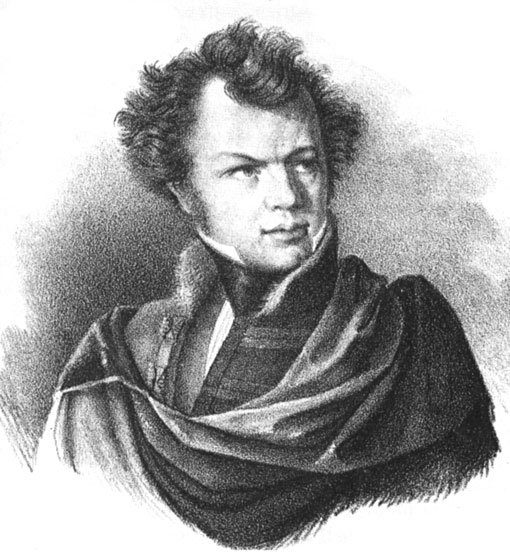
Dr. Biswamoy Biswas
Dr. Biswamoy Biswas

Order: Psittaciformes
Family: Psittaculidae
Genus: Psittacula
Scientific name: Psittacula roseata
Citation: Biswas, 1951
Protonimo: Psittacula roseata


Blossom-headed Parakeet Images:


Especies del gรฉnero Psittacula

Sources:

Avibase
– Parrots of the World โ€“ Forshaw Joseph M
– Parrots A Guide to the Parrots of the World – Tony Juniper & Mike Parr
– Birdlife

Photos:

(1) – Rose-headed Parakeet in Guwahati, Assam, India By ยฉ Raj Kamal Phukan – Oriental Bird Images
(2) – Psittacula roseata blossom headed parakeet – Birds-pet-wallpapers
(3) – Blossom-headed Parakeet (Psittacula roseata) by Elite-Pets
(4) – Juvenil Blossom-headed Parakeet (Psittacula roseata) by desbecsetdesplumes
(5) – Blossom-headed Parakeet (Psittacula roseata) in Tenerife – Loro Parque – link
(6) – Birds of Asia, Vol. V, Parts XXV-XXX, by John Gould, 1873-1877. Painted by John Gould & Henry C. Richter [Public domain], via Wikimedia Commons

Sounds: Frank Lambert (Xeno-canto)

โ–ท The world of Pets: Dogs, cats, birds, reptiles, amphibians

Chestnut-fronted Macaw
Ara severus


Guacamayo Severo

Content

Description:

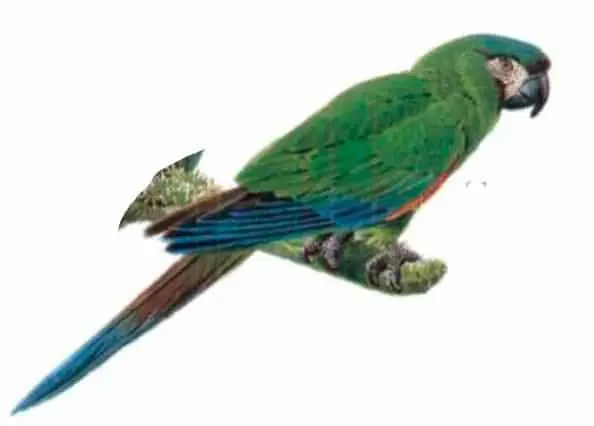
Ilustraciรณn Guacamayo Severo

46 cm.. length and a weight between 285 and 387 g..

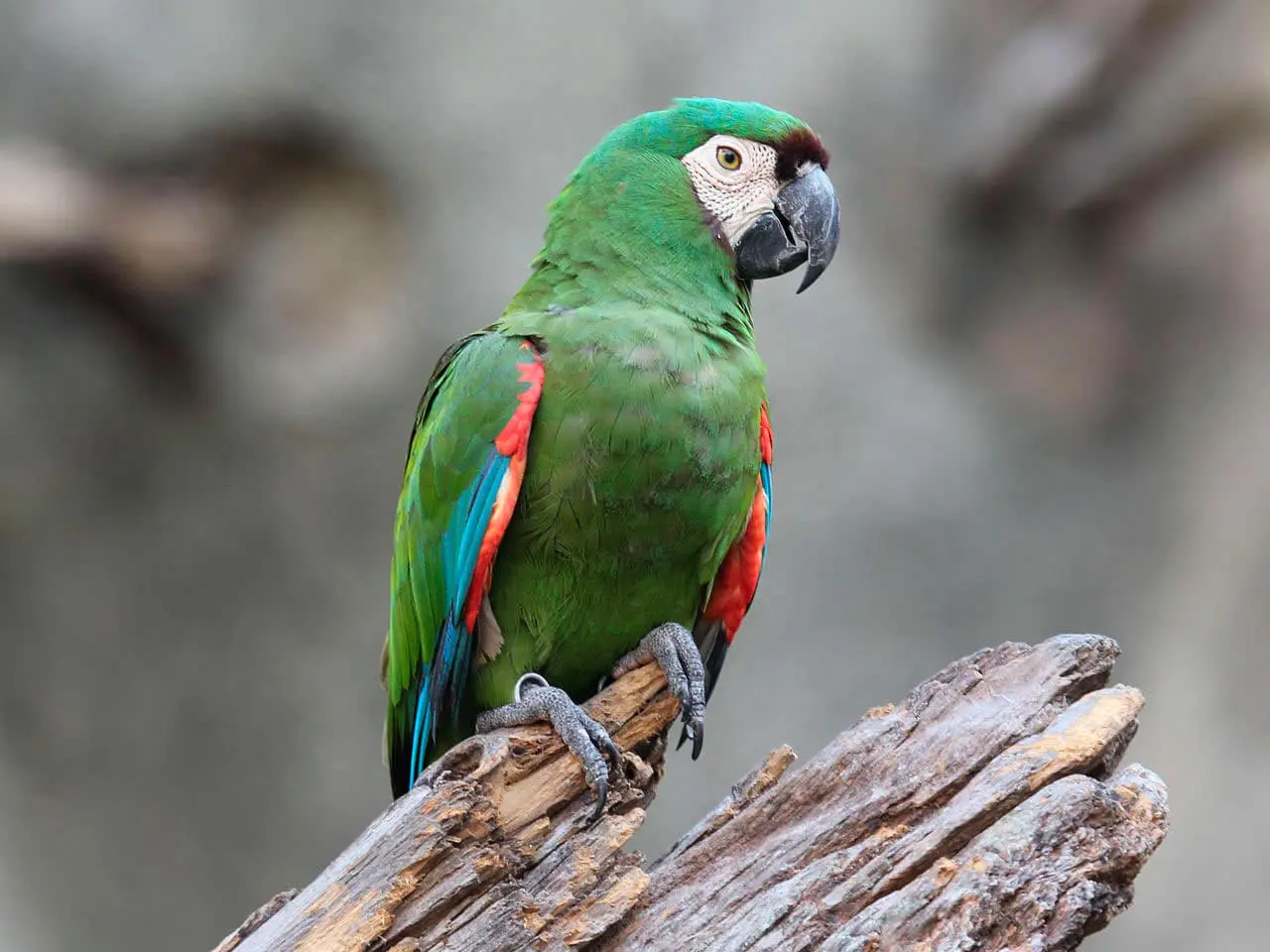
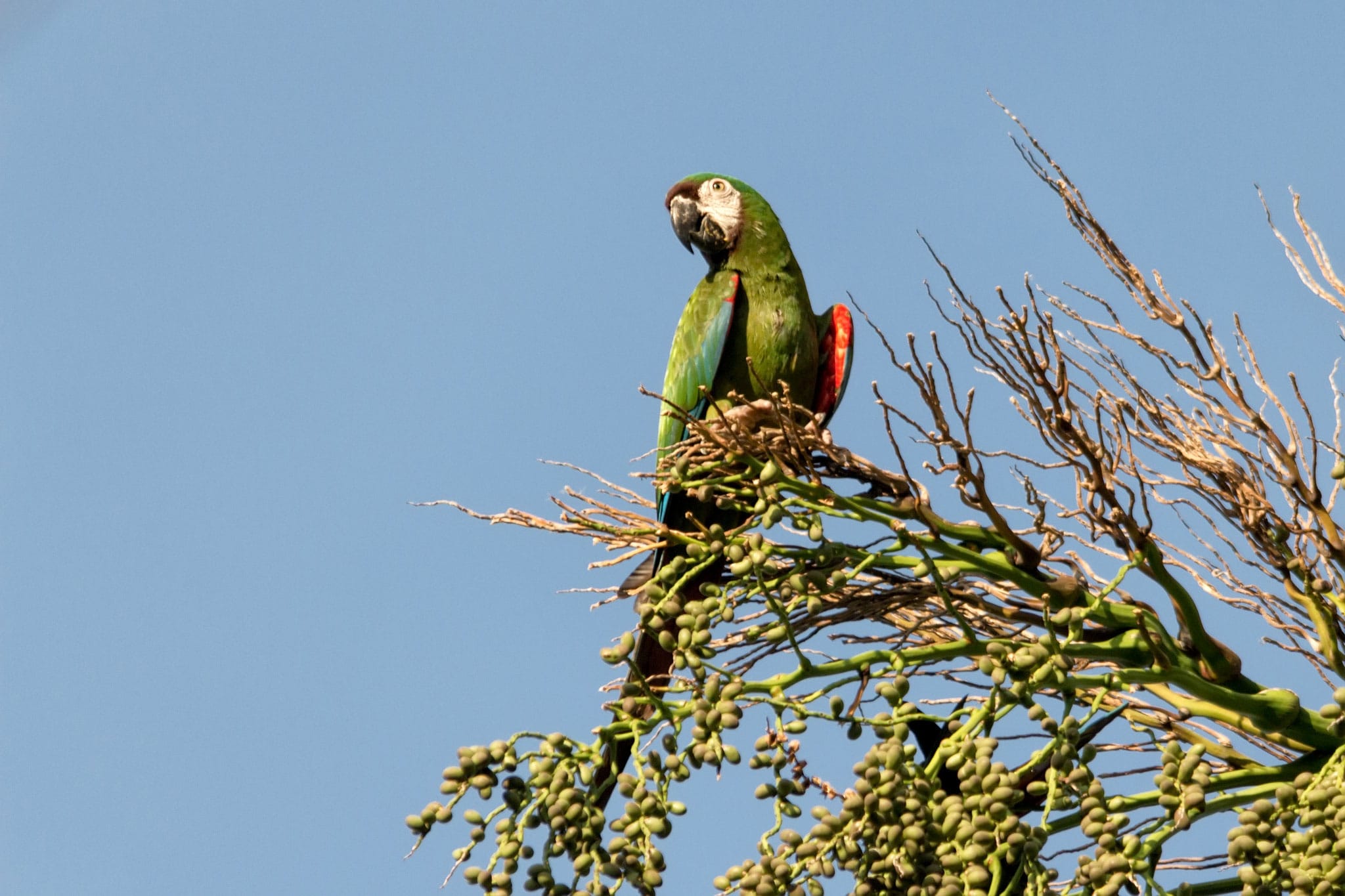
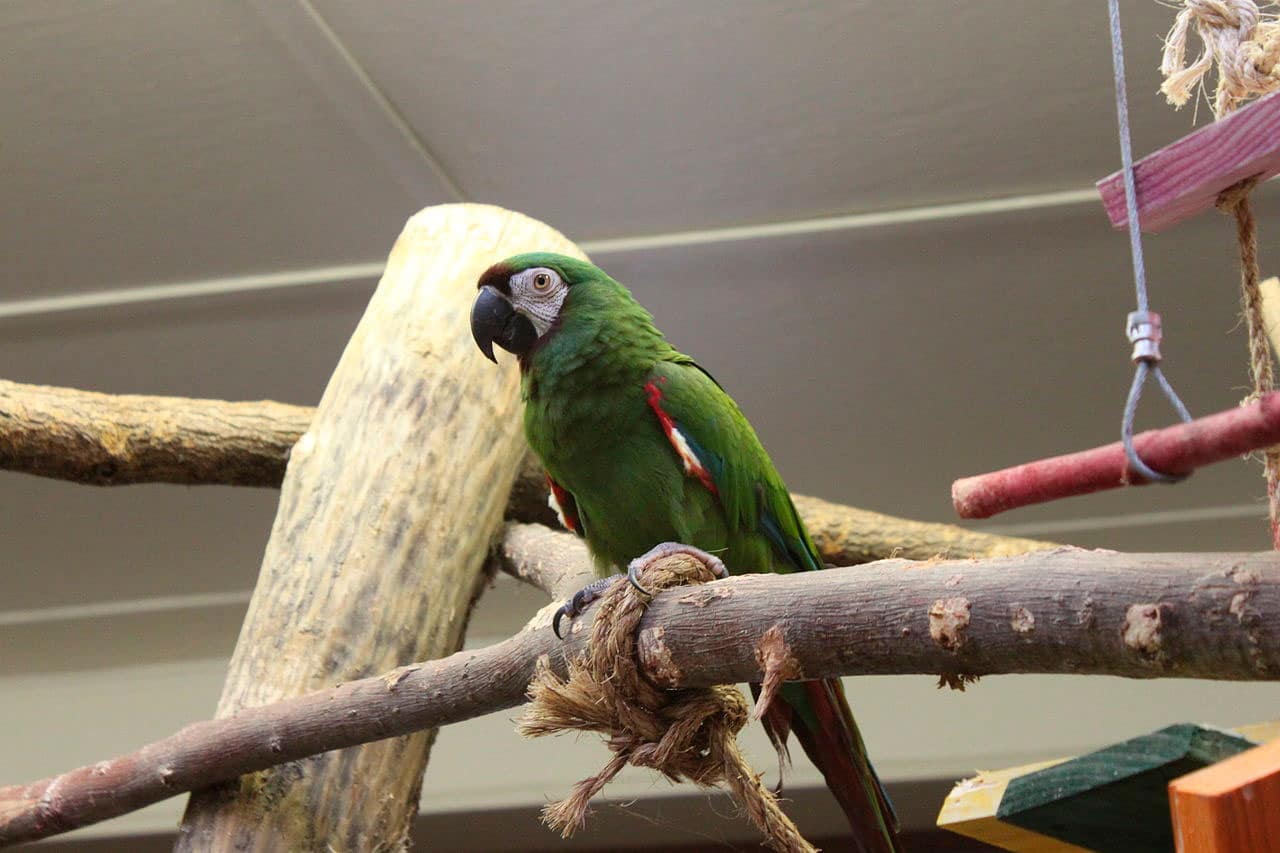
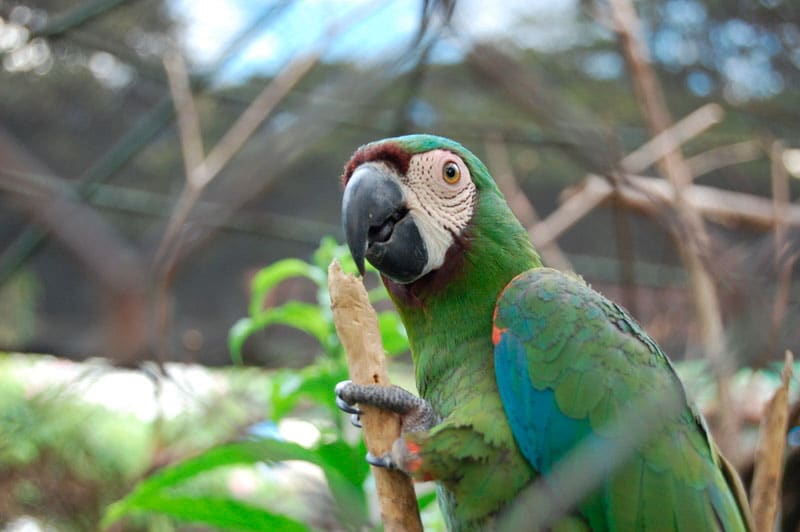
The Chestnut-fronted Macaw (Ara severus) It is a medium-sized Parrot with a plumage predominantly Green.

The male and female are almost identical and juveniles are hardly different from adults.

In the male adult, the feathers of the crown and the neck they are heavily infiltrated blue. The forecrown, chin and the area of the cheeks bordering with the bare skin of the face are brown. The curvature of the wing, carpal edge and small lower coverts are bright red. The bottom of the flight feather shows a dark red-orange color.

The tail is reddish brown with a blue tip. The bill greyish black. The bare skin of the face it is creamy white with fine lines of small black feathers. The irises is yellow, the legs grey.

The youth they are like the of adults, but have the tail shorter and the irises is grey.

The Chestnut-fronted Macaw may be confused with two species: the Blue-winged Macaw, Although this has a frontal band and stain abdominal Red and the Red-bellied Macaw Although it differs by having the facial skin yellow, and the abdomen red. On the other hand, These parrots are smaller and have a yellow color under the wings.

Habitat:

While they are sometimes in clearings or on the edge of this habitat, the Chestnut-fronted Macaw, in general, avoid the great forests never invaded by water. They prefer areas that are periodically flooded, secondary forests, galleries of trees that border the watercourses, oil palm plantations, meadows and pastures where there are still some scattered stands of trees.

It depends on the region, These birds live in very different elevations of up 1000 metres in Colombia, 1500 meters in the South of Ecuador, and only 350 metres in Venezuela.

The Chestnut-fronted Macaw, usually, they live in pairs or in small groups. However they can form large gatherings when dorms are set or when food resources are abundant.

The Chestnut-fronted Macaw, sometimes, they feed in the company of the Red-bellied Macaw (Ara manilata).

During the day, they are essentially arboreal, preferring to remain at the top of the trees and in the canopy, where they remain well hidden in thick foliage. They are best observed at dawn and dusk, as they follow regular routes between their places of rest and feeding sites.

They fly directly, with fast rhythms revealing red underneath his wings stain.

They are birds sedentary. In some mountain areas, However, undertake altitudinal migrations.

Reproduction:

Given the large size of its distribution area and large variation in latitude, nesting takes place at different times depending on the region, from March to may in Colombia, February-March in Panama, and from September to December in Suriname.

These macaws usually They nest in cavities of dead Palm trees, often just above the water, but they can also lay their eggs in a rock crevice.

The spawning usually includes 2 or 3 eggs. There is little information of this bird in the wild, but it is known that in captivity the period of incubation lasts a few 28 days. The reproductive cycle is particularly long, The chicks remain in the nest for a minimum of 9 weeks.

Food:

The Chestnut-fronted Macaw they are exclusively vegetarian. Its diet includes seeds of Hura crepitans, Sapium aureum, Cedrela odorata and Cupania cinerea, the pulp and the seeds of Inga laterifolia, Micropholis melinoneana, Euterpe precatoria and Gulielma, and fruits of Ficus, Cecropia feulla, Caraniana, as well as fruit of different types of fig trees or palms (especially species with small fruits); also flowers of, for example, Ferrule and Erythrina.

The birds are fed into silence in the canopy where they can be difficult to detect.

Distribution:

The Chestnut-fronted Macaw are distributed to the East of Panama and by South America reaching the center of Bolivia.

In East Panama they are in the tropical zone (records in the West to the North of the Canal area they are probably due to leaks), on the slope of the peaceful from the South of the Andes to the South of Ecuador (of Guayas to Pichincha) and in the Northern lowlands of Colombia, South to the upper area of the Valley of Sinu River, extending into the foothills of the Colombian Andes, in the valleys of the Cauca and Magdalena until Antioquia.

To the East of the Andes they occupy the Amazonian lowlands of Colombia, Ecuador, Peru and Bolivia in Peace, Beni, Cochabamba and Santa Cruz, going east of the foothills of the Andes through the West and South of the amazon (Although they are not known in the North of Brazil, for example, in Manaus or along the rivers Negro and Branco).

Propagate through the tropical zone of Venezuela in Zulia and from the West of Apure until Aragua, Northwest of Bolรญvar and the Amazonas along the Orinoco, reaching the Guianas and Amapรก, Brazil.

To the South of the amazon is extended by the Mato Grosso, Brazil. A record to the South of Bahia is not confirmed.

Resident with seasonal movements of altitude in some areas (for example, West of Ecuador and North of Venezuela).

Pretty common throughout much of its range, and while the deterioration of habitat has caused serious decreases in population at the local level (for example, in the Valle del Cauca, Colombia and West of Ecuador), moderate deforestation has resulted in increases in other areas.

Although there are no reports in Guyana Since the beginning of the 19th century, the Chestnut-fronted Macaw they are still common in Suriname, especially in some coastal areas.

The species is kept in captivity, but the demand is not very big.

Conservation:


minor concern

โ€ข Red List category of the UICN current: Least concern

โ€ข Population trend: Stable

The Chestnut-fronted Macaw they are quite common throughout much of its range birds. Apparently, they are able to survive to the selective deforestation and even capitalize.

In Venezuela it is a species with high rates of being traded as a pet due to its beauty and sociable behavior. The Ye'kwana on the Caura forest reserve in the State Bolรญvar, They include this species in his list of game birds, for its power and ornaments, but it is not the most hunted. In the State Carabobo is marketed as a pet according to data from the Regional Directorate for the Ecosocialism and waters-Carabobo.
On the part of the National Government is protected by the wildlife and its regulations protection law. Several of their populations are found in the national parks: Waraira Repano, Henri Pittier, The Caura forest reserve, San Esteban, Canaima. Currently the National office of biological diversity, Ministry of the Popular power for the environment He is working on defining the criteria to develop the official books of endangered species of the Bolivarian Republic of Venezuela.

In Bolivia, international trade in psittacines had caused significant problems for this species in the past, but since the beginning of 1980, their trade is prohibited.

"Chestnut-fronted Macaw" in captivity:

Recently, the Chestnut-fronted Macaw have joined the ranks of other birds kept in captivity. For a time, most of the breeding birds of this species were acquired through the importation of wild specimens. Today this has changed, and most of these macaws today come from generations bred in captivity. Being recent its breeding in captivity, most of These parrots will retain much of their natural behaviors.

These small macaws are popular due to their friendly disposal and most likely will continue to grow in popularity in the future.

While they have not had hundreds of years of selection to tame their personalities, These macaws can be a fantastic pets if they are fed by hand and are well socialized from a young age.

They are creatures very curious, so they need a lot of mental stimulation to be healthy and happy. They should have on hand, games, toys, and daily interaction with your caregiver to make sure that you do not bored.

Most of the Chestnut-fronted Macaw they form links monogamous and they need to live with more birds in order to be able to form a family. Won't these birds well if they are isolated from family and some even become neurotic if their mental needs are not met.

A future buyer of a Chestnut-fronted Macaw You should plan on integrating this beautiful bird in his life to ensure the achievement of all the emotional and cognitive needs.

In general, to most of the Chestnut-fronted Macaw do not like being touched in excess, Although all birds are different and have their own personality. Assess your bird to see what what works best. These birds enjoying caresses next to the back of the neck, along their beaks, or around your eyes. They can be happy on the shoulders of its owner. Jewelry or shiny objects amaze quickly to this curious Parrot. For this reason, All chains, earrings, watches, bracelets , etc … they should stay away from our Macaw, since it could break if the bird decides to play with them.

Although these parrots fall into the category of small macaws, they maintain a high level of noise. It is not an ideal pet for apartments. If you decide to buy one and you live in an apartment, It may be a good reason to argue with your neighbors, Since these birds are noisy. Loud high-pitched sounds can easily be heard a few floors below and are to be expected during the early morning hours., at noon, and before the sunset. This is what they do in their natural habitat.

Yes a Chestnut-fronted Macaw It is continuously shouting for the attention of their owner, These calls should be ignored.. The bird is reacting the only way it knows how to get your attention. The best thing is to give attention during moments of tranquility that is account that this works best.

Unfortunately, many times a homeowner will come to the incessant screams of your Macaw in order to calm the neighbors below; But, This attention usually works in opposite way and the bird will continue to making noise because you know it will work.

Under no circumstances, the owner should be snapping the beak of the bird, spray it with water, or shout it when is making excessive noise. Such tactics only make the problem worse and parrots do not understand this type of punishment. On the other hand, owners should focus on something more positive for the bird and reward it in some way when it is quiet. With the time, the bird will recognize that this positive behavior works much better.

Despite these parrots can be noisy, in general, they are those who speak better of all macaws. One Chestnut-fronted Macaw You can speak with clarity and memorize a lot of words and phrases. They are possessors of some sharp voices that are a delight to listen. It must be said that the purchase of a parrot for his ability to speak is not the best idea, Since some parrots can never learn to talk and its owner can feel extremely disappointed. In its place, the best is to opt for a bird by its adorable and nice personality, If she starts to talk, then it will be an added advantage.

REPRODUCTION:

The breeding of Chestnut-fronted Macaw it's not very hard. While it is true there is time for the union of these birds, not much effort is needed to achieve that they reproduce successfully. It is always recommended do not use domestic birds in a breeding program, since once domesticated, they usually do not reproduce successfully.
The best candidates are those who have been exposed to other severe macaws and have lived within a Aviary.

When approaching the season of reproduction in spring and early summer, a bonded pair will be more vocal. During this time a female will look for a nesting site to raise their future pigeon. In most cases, This is usually a vertical wooden nest box or metal placed in a corner of the cage. Inside the box must have a ladder to be sure that the female can be up and down without damaging their eggs. The bottom of the box should also have some kind of soft base such as wood chips that are non-toxic to the parrot.; But, some female birds choose to remove wood chips. If this occurs, the owner must again enter a handful of chips in the nest box until you put the first egg since this keeps the egg and prevents it from moving around and damage to. The box should also be placed so that the owner has easy access to the eggs and chicks. Most boxes are suspended outside the cage with doors that open on the side of the box or the top..

The egg laying it's every other day until your clutch is complete. On average, a typical clutch will consist of between 2 to 4 white eggs. The female incubates eggs during 27 to 28 days. Just before hatching, the chickens will make a small hole from the inside of the egg in order to be able to breathe. This will alert the mother of arrival. Some mothers eat the shell to help recover the calcium that is lost while it incubated, However, others completely ignore it.

Once the chicks are hatching, the mother is left with the chick for several weeks until they can produce their own body heat and increased demand for food of baby birds. Until then, the male work tirelessly to ensure the young, the female, and himself, food. This moment of hard tension until that all babies are weaned; approximately 70 days.

FEEDING:

In the wild these birds feed on all kinds of food and it is important that we try to imitate their natural diet. This makes it a healthier bird. From time to time, We must provide palm nuts their beaks are designed to eat the fleshy external parts of these fruits. These dried fruits contain oils and enzymes you require our birds. A base diet of Pellet and seeds also must provide.

They have to be powered also with fresh fruit and vegetables on a daily basis. fruits like oranges, Kiwis, handles, apples, grapes, peaches and Plums they are great accessories for the bird. Many of these fruits can be cut into squares and presented as a skewer of a our Macaw, Since he likes to play with fruit and the sampling of all flavors.

The vegetables as the pumpkin, corn, Carrot, Kale, Spinach, celery and are generally a joy to most parrots. These vegetables can be cut during the dinner and were placed in the refrigerator during the future feed. In this way you will save time. Other healthy items are beans and legumes; although, beans and vegetables always must be cooked before feeding your bird. If a severe Macaw is cared for properly, and feeds with a variety of different foods that are healthy, It can live up to the 45 or 50 years.

Alternative names:

Chestnut-fronted Macaw, Brazilian Green Macaw, Chestnut fronted Macaw, Severa Macaw, Severe Macaw (English).
Ara vert, Ara ร  front chรขtain, Ara sรฉvรจre (French).
Rotbugara (German).
Maracanรฃ-guacu, anacรฃ, ararica, ararinha, ararinha-de-fronte-castanha, maracanรฃ, maracanรฃ-aรงu, maracanรฃ-guaรงu (Portuguese).
Guacamaya Cariseca, Guacamayo Severo, Maracanรก Grande (espaรฑol).
Guacamaya cariseca, Cheja cariseca (Colombia).
Maracanรก (Venezuela).
Loro arara, Guacamayo frenticastaรฑo (Ecuador).
Tereche grande, Parabachi, maracanรก grande (Bolivia).
Shivaรญ (Chimane).
Maracana Guasu (Guarani).
Avensรณ (Embera).
E-ara (Piaroa).

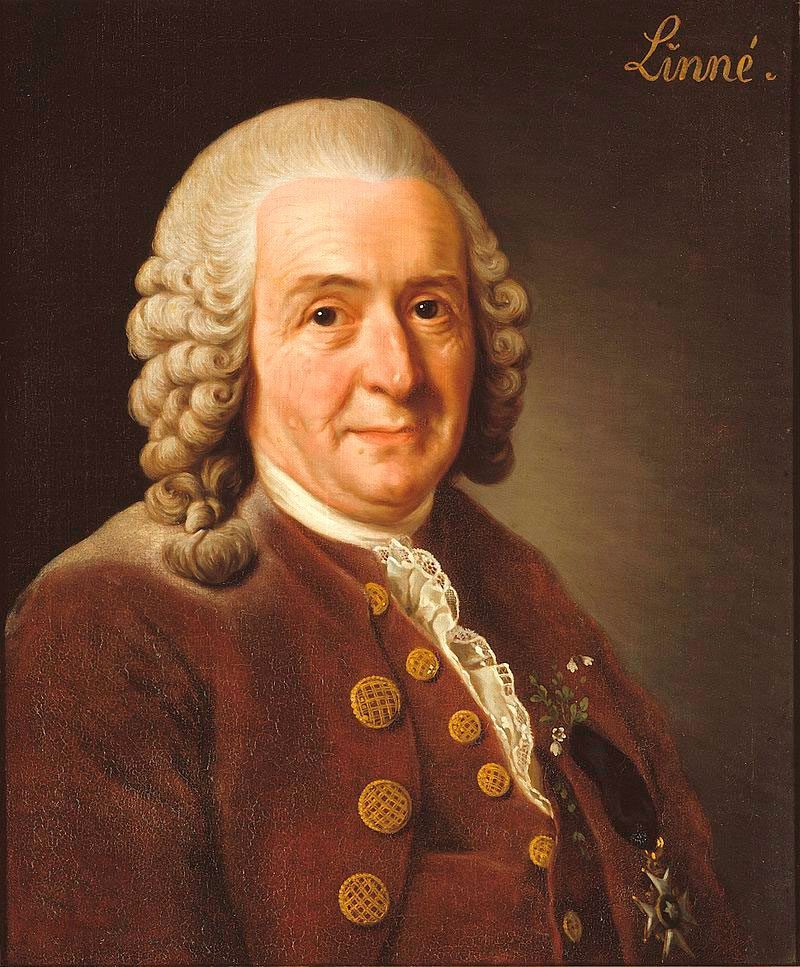
Carl Linnaeus
Carl Linnaeus

scientific classification:


Order: Psittaciformes
Family: Psittacidae
Genus: ARA
Scientific name: Ara severus
Citation: (Linnaeus, 1758)
Protonimo: Psittacus severus


Images Chestnut-fronted Macaw:

Videos "Chestnut-fronted Macaw"


Species of the genus Ara


ยซSevere Macawยป (Ara severus)


Sources:

Avibase
– Parrots of the World โ€“ Forshaw Joseph M
– Parrots A Guide to the Parrots of the World – Tony Juniper & Mike Parr
– Birdlife
– Venezuelan of information on biological diversity system – Macaw Maracanรฃ (Ara severus)

Photos:

(1) – Cheatnut-fronted Macaw (Ara severus) at Jungle Island of Miami By DickDaniels (http://carolinabirds.org /) (Own work) [GFDL or CC BY-SA 4.0-3.0-2.5-2.0-1.0], via Wikimedia Commons
(2) – A Chestnut-fronted Macaw stretching leg and wing By Sandysphotos2009 (20100123_187Uploaded by Snowmanradio) [CC BY 2.0], via Wikimedia Commons
(3) – Chestnut-fronted Macaw or Severe Macaw in south Columbia By anthrotect (originally posted to Flickr as [1]) [CC BY 2.0], via Wikimedia Commons
(4) – A Chestnut-fronted Macaw at Santa Fe Zoo, Medellรญn, Colombia By Steven (Quueee?Uploaded by Snowmanradio) [CC BY-SA 2.0], via Wikimedia Commons
(5) – A Chestnut-fronted Macaw at World Parrot Refuge, Coombs, British Columbia, Canada By Herb Neufeld (P1120046Uploaded by snowmanradio) [CC BY 2.0], via Wikimedia Commons
(6) – A Chestnut-fronted Macaw at Niabi Zoo, Coal Valley, Illinois, USA By Bill & Vicki Tracey from Rochelle, Illinois, usa (At the ZooUploaded by snowmanradio) [CC BY 2.0], via Wikimedia Commons
(7) – Chestnut-fronted Macaw (also known as Severe Macaw) at at World Parrot Refuge Center, Vancouver Island, British Columbia, Canada By Darlee Byron (Well.. Hello!Uploaded by Snowmanradio) [CC BY 2.0], via Wikimedia Commons
(8) – Chestnut-fronted Macaw | Maracanรฃ (Ara severus) by Fernando Flores – Flickr
(9) – A Chestnut-fronted Macaw in Miami, Florida, USA. It is probably feral By Don Faulkner (Chestnut-fronted MacawUploaded by snowmanradio) [CC BY-SA 2.0], via Wikimedia Commons
(10) – Ilustraciรณn Parrots A Guide to the Parrots of the World โ€“ Tony Juniper & Mike Parr

Sounds: (Xeno-canto)
โ–ท The world of Pets: Dogs, cats, birds, reptiles, amphibians

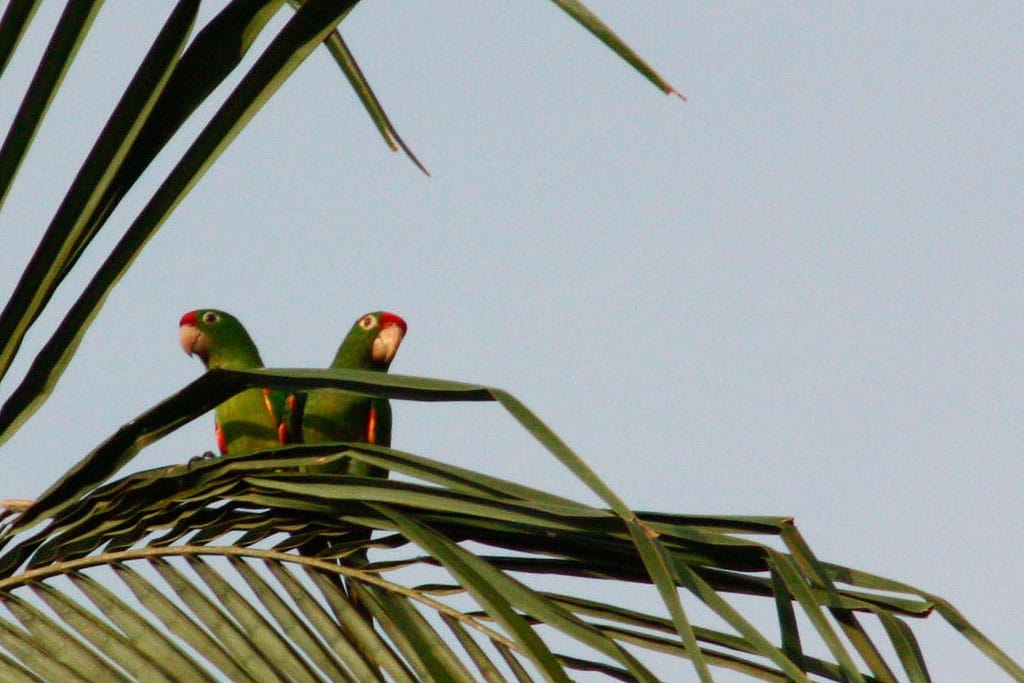
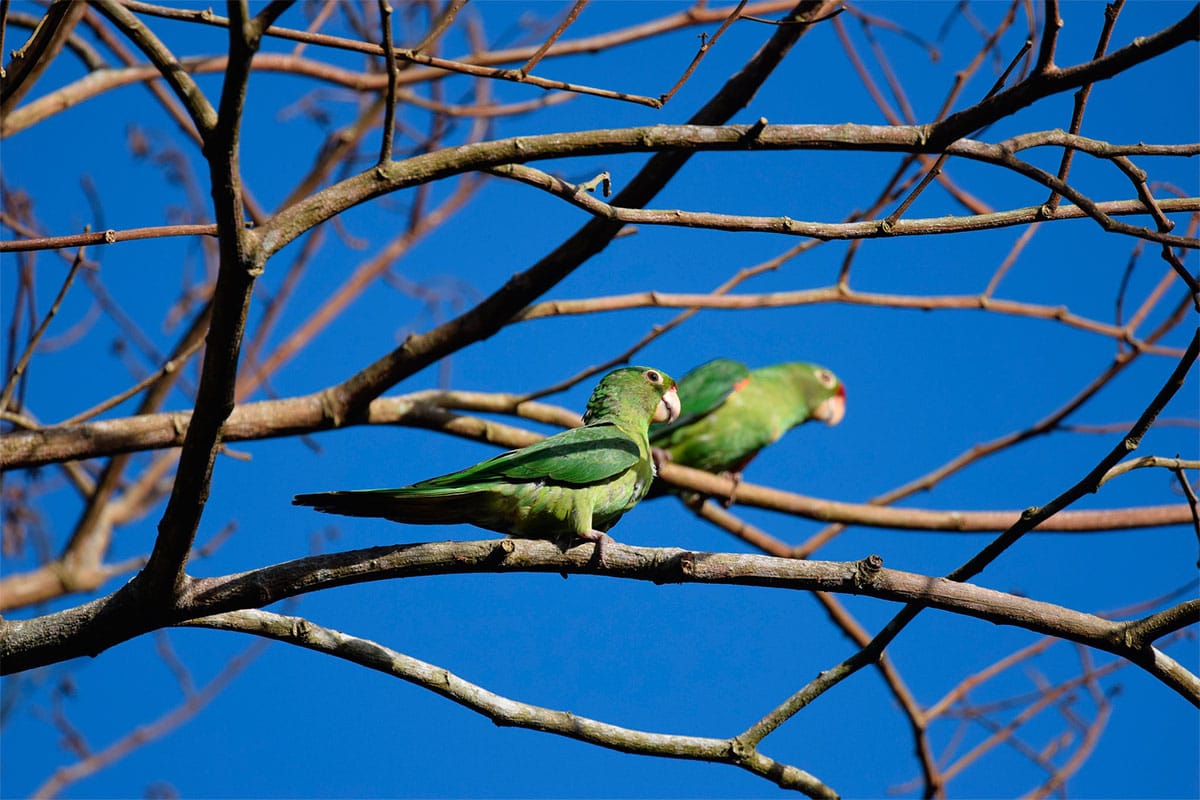
Crimson-fronted Parakeet
Psittacara finschi


Aratinga de Finsch

Content


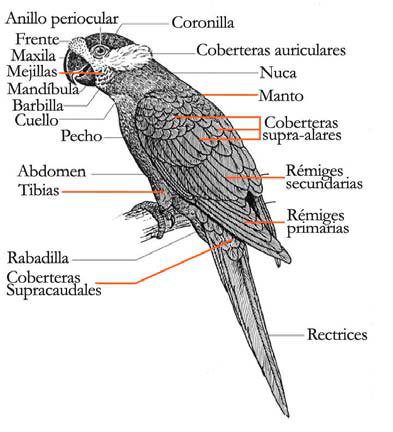
Anatomy-parrots

Description:

28 cm. of length and a weight of 150 g..

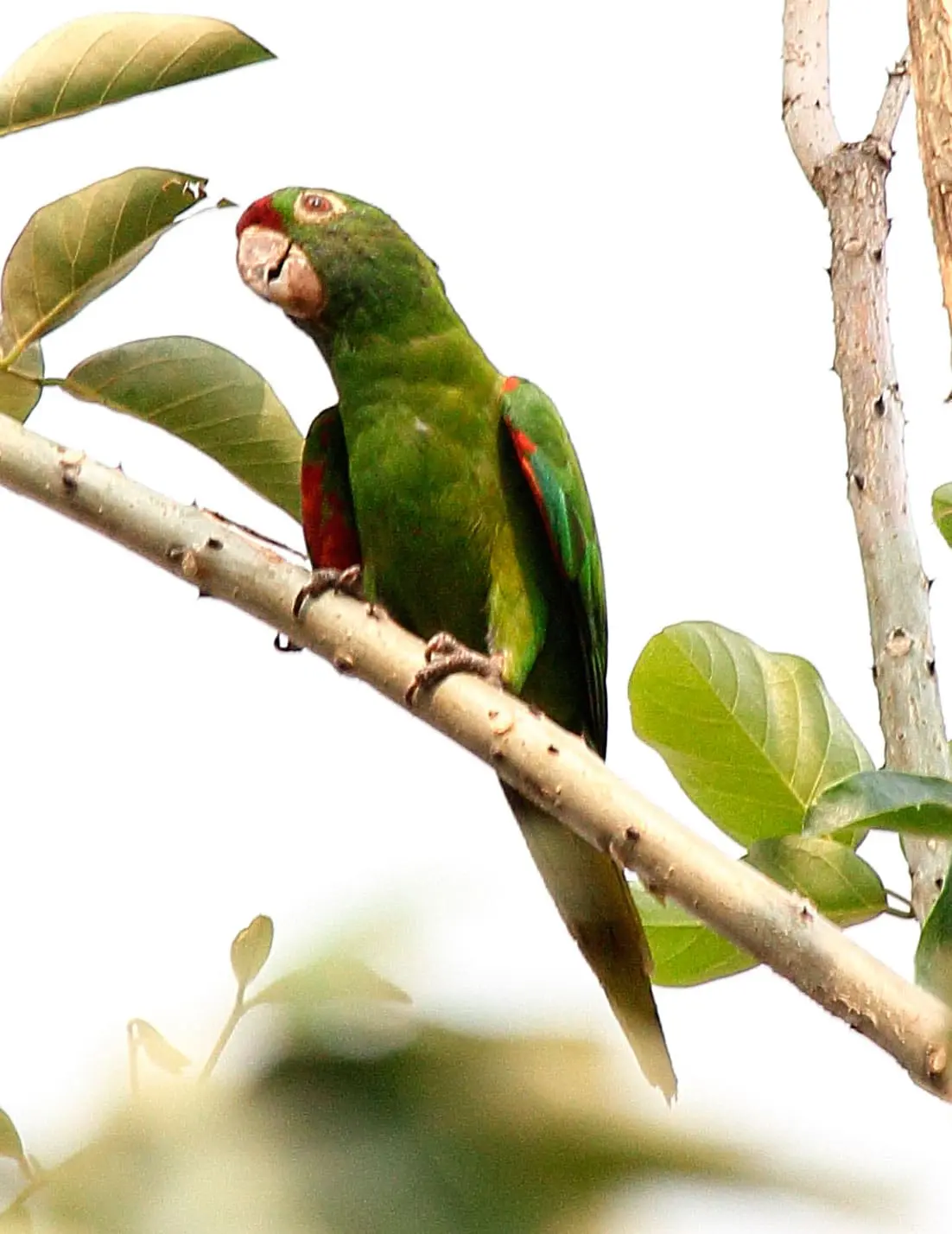
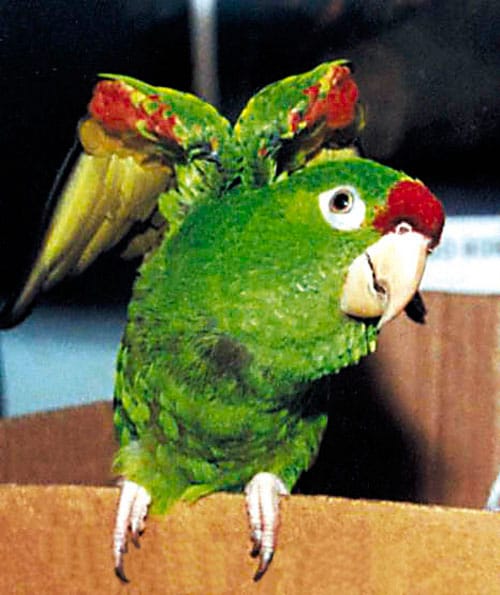
The Crimson-fronted Parakeet (Psittacara finschi) It is the only species of the genus Psittacara tail long with red color below the wing .

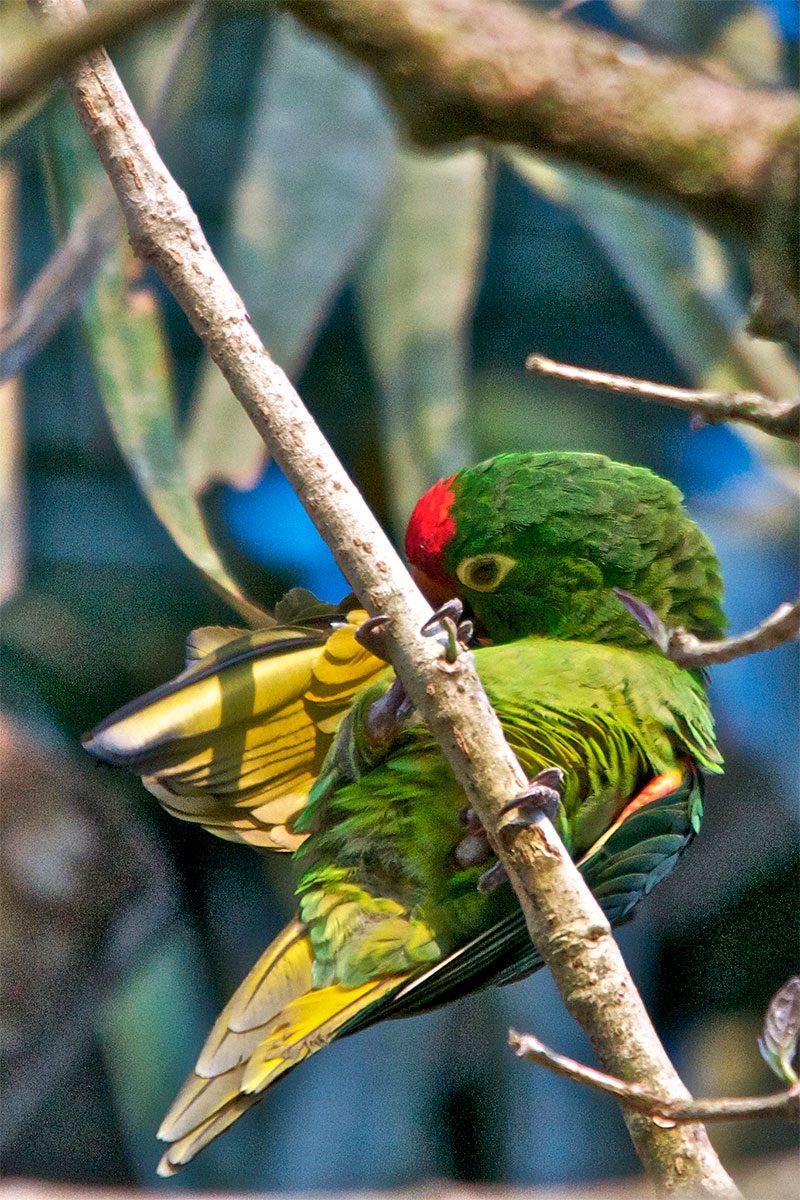
They have forecrown and the former area of the lores bright red; the head and the neck green color with the exception of some scattered red feathers. The upperparts and upperwing-coverts green, with some red feathers on the bend of wing. The flight feather green above, more dark towards the tips with a dye bluish light in them vane inner; then golden brown color. Lesser and medium underwing-coverts red, the largest yellow, other coverts pale green. The underparts pale green, sometimes with red at the bottom of the tibia. Upper, the tail grass-green, by down golden brown.

Ilustraciรณn Aratinga de Finsch

The irises is orange and the eye ring naked is whitish. The bill exhibits a color gray-tipped Horn and the legs off gray color.

It has no sexual dimorphism.

The immature There are very little or almost no red in the forecrown and lack of red color in the thigh or the neck. The lining of the wings is more Orange.

Habitat:

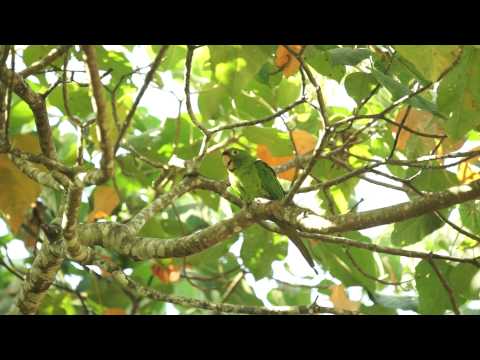
Video – "Crimson-fronted Parakeet" (Psittacara finschi)

Psittacara finschi - feed

They inhabit tropical and subtropical envelope 1.400 metres in Costa Rica and 1.600 meters in the West of Panama, in areas with light trees or in fields with scattered trees, in secondary growth forests, edges of the forest, coffee plantations and nearby farmland. Irregular or seasonal in large forested areas.

They are birds gregarious, usually observed in flocks of up to 30 Member, but up to several hundred birds can gather in roosts communal on the tops of the trees or palms. Roosts, at times near the cities.

Reproduction:

They located their nest in holes of various types: natural cavities, old holes of woodpeckersย (F. Picidae), stumps of dead Palms. They can dig holes in rotten stumps or in masses of epiphytes.. Sometimes many couples may nest near each other.

The union of the pair of this species is particularly strong. The pairs isolate themselves from the group towards the end of July to nest.. With reproduce during the dry season and the rainy early. The female lays three or four eggs which are incubated during approximately 24 days. The juveniles they leave the nest to the 50 days of life.

Food:

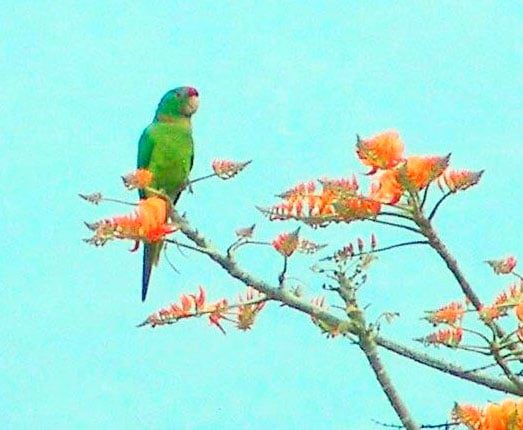
Feeds of corn and sorghum; also eats flowers of the forest flame (Spathodea campalunata), flowers and fruits of porรณย (Erythrina sp.), guabasย (Inga sp.) and fruits of targuรกย (Croton sp.), lagartillo (Zanthoxylum sp.), guititeย (Acnistus arborescens)of guayabaย (Psidium guajaba) and higuerรณn

Distribution:

Widely distributed in the South of Central America, from Nicaragua until Panama.

The species can be found in the southeast of Nicaragua to the South of the Rio Grande, and in Costa Rica mainly on the slope of the Caribbean, Although there are exemplary residents on the side of the peaceful, on Osa Peninsula, at the South-West end and seasonal visitors in the Guanacaste Cordillera, in the North and the central plateau around San Jose.

In Panama they come to the East, a unos 82ยฐW, but it is probable that only seasonally in the lower Highlands of the Province of chiriqui.

Flocks of birds required extensive territories and the species occurs, apparently, in many areas, if only as a post-breeding visitor.

Very common or locally common with increasing numbers in Costa Rica and Panama, probably due to deforestation.

Maintained in captivity and internationally traded in small quantities.

Conservation:

State of conservation โ“˜


minor concern Minor Concern โ“˜ (UICN)โ“˜

โ€ข Red List category of the UICN current: Least concern

โ€ข Population trend: Growing

The size of the world population of the Crimson-fronted Parakeet It has not been quantified, but this species is described as ยซquite commonยซ.

You can be increasing their geographical range due to deforestation.

abundant on the slope of the Caribbean of Nicaragua. common and widespread in areas deforested over the slope of the Costa Rica Caribbean.

"Crimson-fronted Parakeet" in captivity:

Quite common in United States, less elsewhere.

Socialize easily with human, and can become a committed and loving companion. Es a Intelligent and lively, with easy to imitate the human voice and run different games and exercises. But, We must remember that it is a bird loud and the volume of their calls can get to be very annoying.

Alternative names:

Crimson-fronted Parakeet, Crimson fronted Parakeet, Crimson-fronted Conure, Finsch’s Conure, Finsch’s Parakeet (English).
Conure de Finsch, Perriche de Finsch, Perruche de Finsch (French).
Veraguasittich (German).
Aratinga-de-finsch (Portuguese).
Aratinga de Finsch, Perico frentirrojo, Periquito de Pecho Rojo, Perico de Palmera (espaรฑol).
Perico frentirrojo (Costa Rica).
Perico Frentirrojo (Nicaragua).


scientific classification:

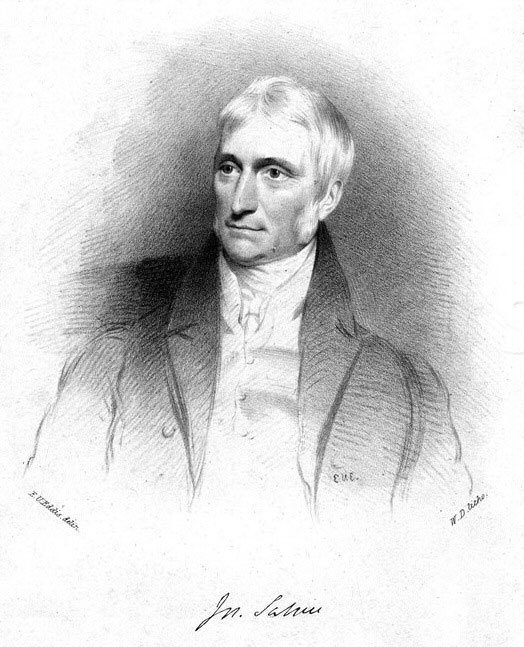
Joseph Sabine
Joseph Sabine

Order: Psittaciformes
Family: Psittacidae
Genus: Psittacara
Scientific name: Psittacara finschi
Citation: (Salvin, 1871)
Protonimo: Conurus finschi


Crimson-fronted Parakeet pictures:


Species of the genus Psittacara

Sources:

  • Avibase
  • Parrots of the World โ€“ Forshaw Joseph M
  • Parrots A Guide to the Parrots of the World – Tony Juniper & Mike Parr
  • Birdlife

  • Photos:

(1) – A Finschโ€™s Parakeet )also called Finschโ€™s Conure and Crimson-fronted Parakeet) in San Josรฉ, Costa Rica By Dominic Sherony [CC BY-SA 2.0], via Wikimedia Commons
(2) – Perico frentirrojo juvenil, approximately 4 months of age, Panama City By Ricaurte (Own work) [Public domain], via Wikimedia Commons
(3) – Crimson-fronted Parakeet, also called Finschโ€™s Conure By Yazzieyazz (trabjo propioEnglish: own work) [Public domain], via Wikimedia Commons
(4) – Psittacara finschi en el parque nacional Henri Pittier, Venezuela By Roberto Galindo Deshays (Own work) [CC BY-SA 4.0], via Wikimedia Commons
(5) – Crimson-fronted Parakeet Costa Rica 2/15/16 Rancho Naturalistaby Andy Reago & Chrissy McClarrenFlickr
(6) – Crimson-fronted Parakeet by Brian RalphsFlickr
(7) – Crimson-fronted Parakeet Costa Rica 2/15/16 Rancho Naturalista by Andy Reago & Chrissy McClarrenFlickr
(8) – Aratinga finschi 06 Apr 2014 Costa Rica, San Lorenzo by Tom BensonFlickr
(9) – Crimson-fronted parakeet by Charles SharpFlickr
(10) – Conurus finschii ยป = Psittacara finschi (Finschโ€™s Parakeet) by John Gerrard Keulemans [Public domain], via Wikimedia Commons

โ–ท The world of Pets: Dogs, cats, birds, reptiles, amphibians

Deville's Parakeet
Pyrrhura lucianii


Deville's Parakeet

Content

Description:

21-23 cm.. height.

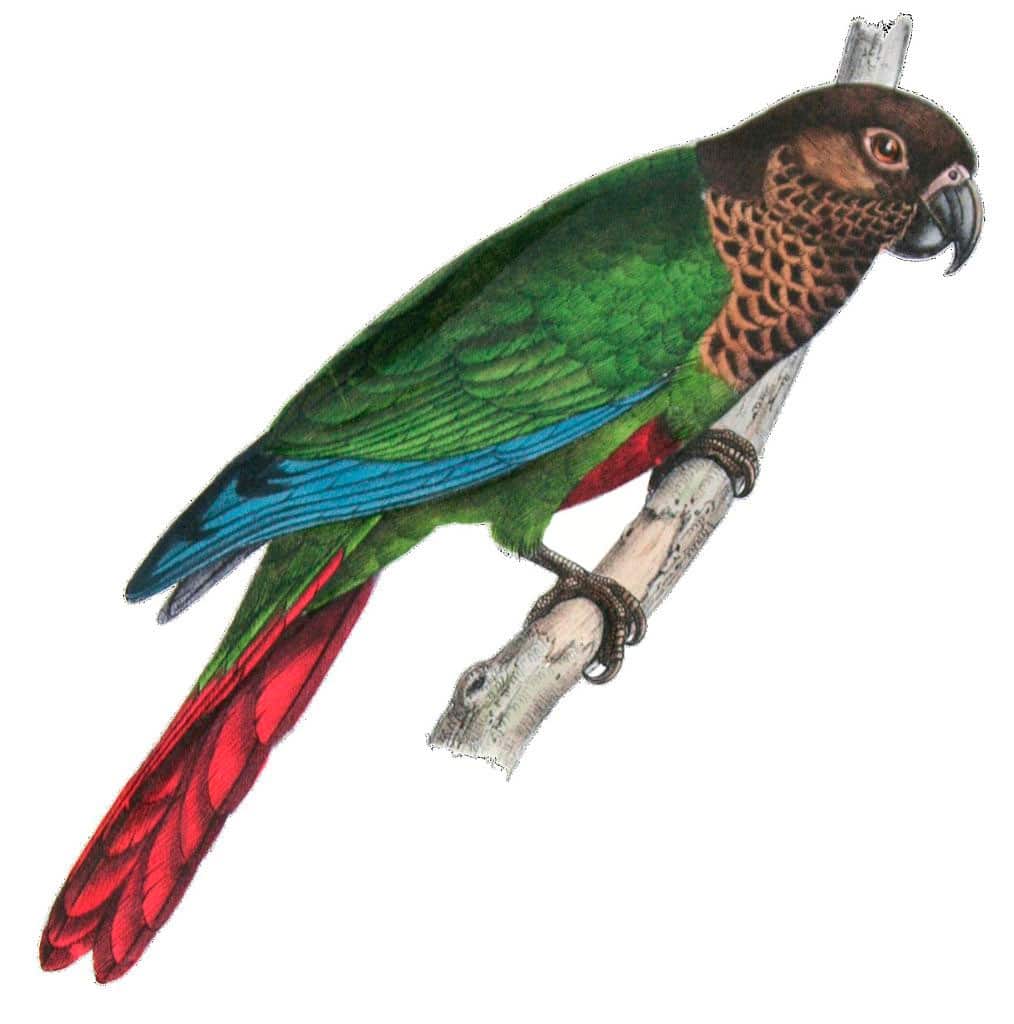
the showy plumage of the Deville's Parakeet (Pyrrhura lucianii) is generally Green, darker in the lower parts, the crown is dark brown, the forecrown and face is brownish red in colour; cheeks brick red, faded of blue, ear-coverts brownish yellow, neck and chest with the typical scales very visible due to the black and yellow contrast of the feathers. The ventral coat of arms, reddish, is well defined; in flight the dark red spot is notorious for the abdomen. Well defined are the reddish marks on the rump and in his long tail; the flight feather they are blue.

It has periocular ring Of course, irises brown, bill blackish and legs grey pink.

Note:

Until recently this species was included along with the Pyrrhura subandina, Pyrrhura caeruliceps, Pyrrhura pantchenkoi within the species Pyrrhura picta.

Habitat:

Found in altitudes of 800 m, in forests Terra firm and vรกrzea, including forest margins and near clearings with tall trees. In forests low semi humid, up close 100 m.

Seen in pairs, groups of three or flocks of up to 20 individuals.

Reproduction:

Little is known about the reproductive cycle of this species, probably nesting in large trees, in cavities or in nest of woodpeckers abandoned, with one laying estimated in 5-7 eggs.

Food:

With feeds a wide variety of fruits, flowers, seeds and algae, possibly.

Distribution:

Size of the distribution (breeding/resident): 47,200 km2

Restricted to the State of amazon in the Northwest Amazon of Brazil.

This species is supposed fairly common within its range, However, This can not be confirmed since this time rare remote region is visited by researchers.

Conservation:

โ€ข Red List Category: Least concern

โ€ข Population trend: Decrease

State of conservation โ“˜


minor concern Minor Concern โ“˜ (UICN)โ“˜

The status of their populations is unknown, but for the good condition of the habitat, it can be assumed that they are in good state of conservation.

While the trend of the population seems to be decreasing, do not believe that the decline is fast enough for approaching the threshold of vulnerable under the criterion of population trend

"Deville's Parakeet" in captivity:

Although he is a parrot rare in captivity, its potential as a domestic fowl is excellent, provided there are hand raised and socialized from an early age. The newly imported birds are usually shy and nervous and often they remain reserved.

It is usually inquisitive and active, enjoy flying and requires plenty of exercise and a spacious cage. Usually, It is not too noisy unless it is excited (as it is usually the case of all species Pyrrhura).

Once acclimatized, These parrots are quite robust. Enjoy with the bath by what are them must provide a dish of water little deep to daily. Also the love chew branches fresh.

Alternative names:

Deville’s Parakeet, Bonaparte’s Parakeet (English).
Conure de Bonaparte, Conure de Luciani (French).
Bonapartesittich, Prinz Luzians Rotschwanzsittich (German).
Tiriba-de-deville (Portuguese).
Cotorra de Bonaparte, ร‘รกngaro de Deville, Perico de Deville, Cotorrita barriguiroja (espaรฑol).
Perico de Bonaparte (Peru).

scientific classification:

Order: Psittaciformes
Family: Psittacidae
Genus: Pyrrhura
Scientific name: Pyrrhura lucianii
Citation: (Deville, 1851)
Protonimo: Conurus Lucianii

Images Deville's Parakeet:


Especies del gรฉnero Pyrrhura

Deville's Parakeet (Pyrrhura lucianii)


Sources:

Avibase
– Parrots of the World โ€“ Forshaw Joseph M
– Parrots A Guide to the Parrots of the World – Tony Juniper & Mike Parr
Birdlife

Photos:

(1) – Maracana luciani Dev. & Cast. Pyrrhura lucianii = (Deville, 1851) by Francis de Laporte de Castelnau [Public domain], via Wikimedia Commons

Sounds: Daniel Lane (Xeno-canto)
โ–ท The world of Pets: Dogs, cats, birds, reptiles, amphibians

Cuban Parrot
Amazona leucocephala

Cuban Parrot

Content

Description:


Anatomy-parrots

28-33 cm.. length and 260-301 g. of weight.
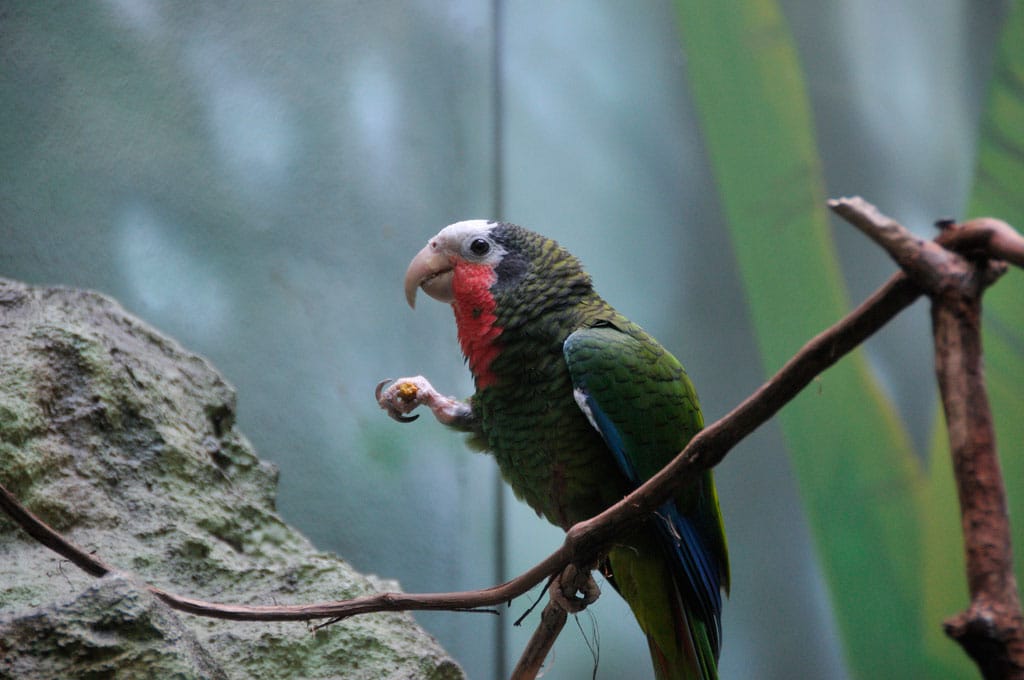
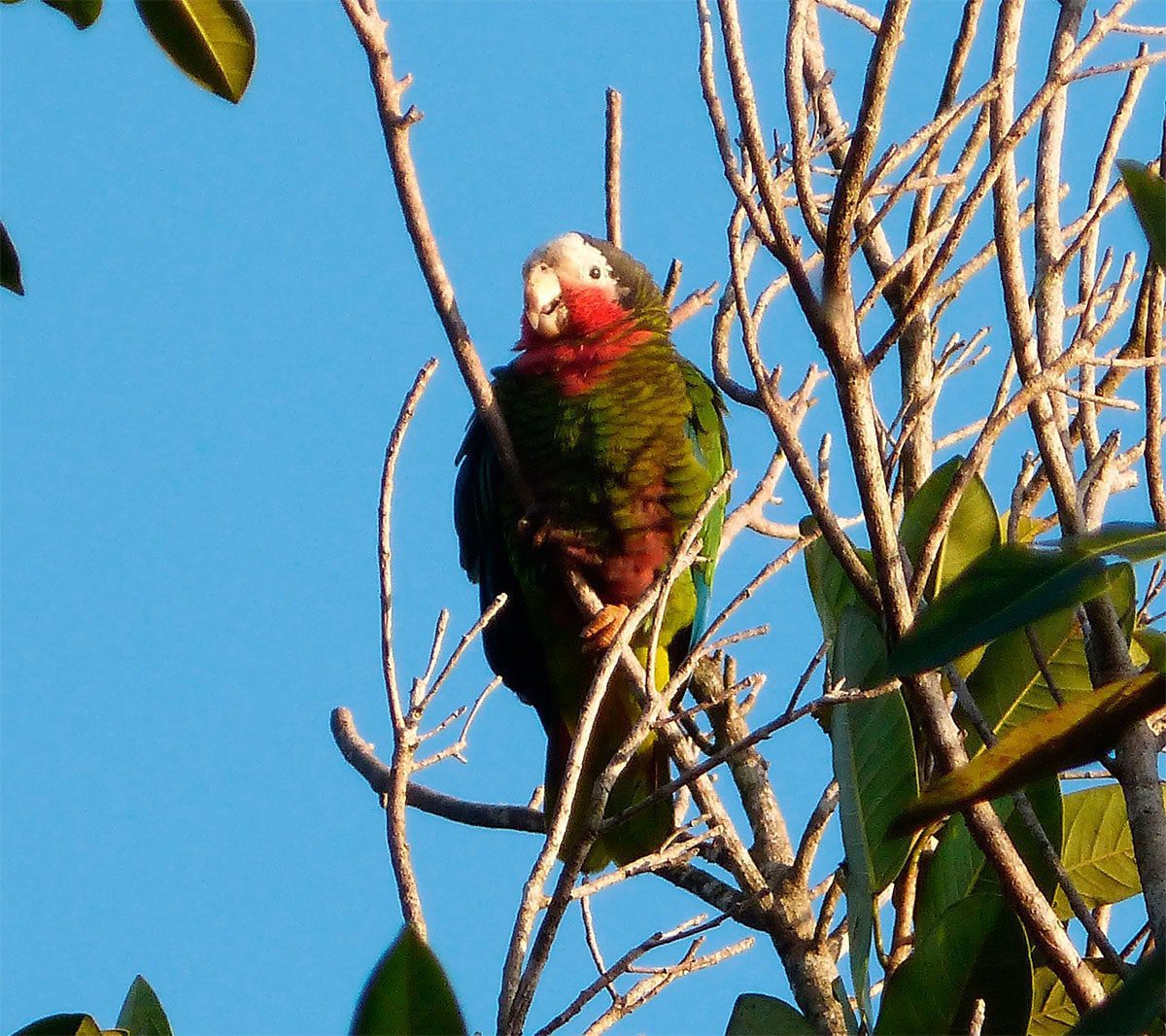
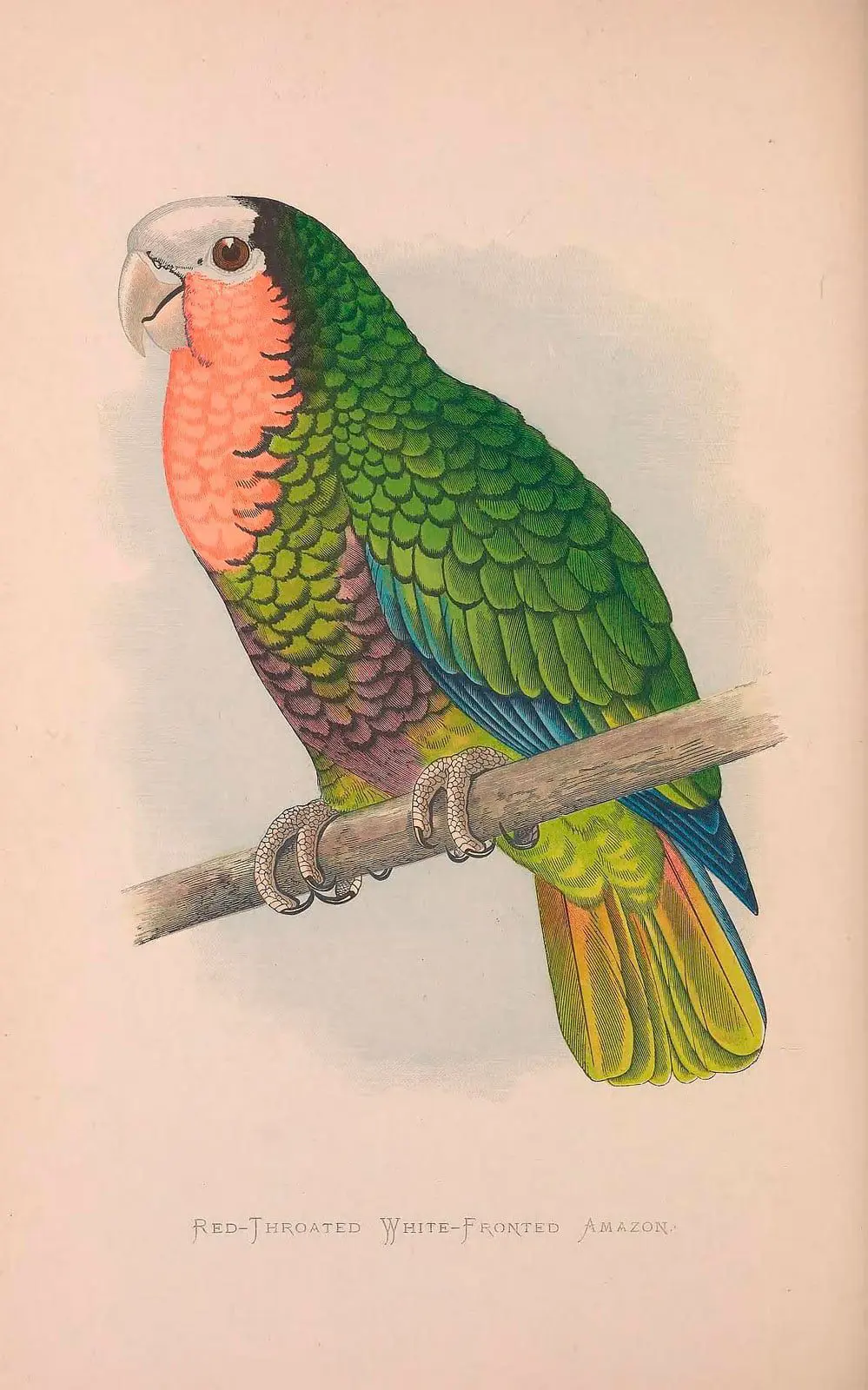
The Cuban Parrot (Amazona leucocephala) has a plumage rather variable, a main color ranging from bright green to olive color,, some birds feathers yellow dispersed in wings and in the back.

Forehead, fore crown, lores and area around eyes, white; lower cheeks and throat, red-pink; feathers the back of the crown and nape, bluish-green with black margins, giving the whole a heavy barred effect; similar pattern on the sides of neck but with the bluish tint absent; ear-coverts charcoal grey. Feathers of the back and the mantle, green with black distal margins but less intense than in the nape and head; rump and uppertail-coverts, dark green with weak margins to some feathers rump.

Cuban Parrot

Alula, greater coverts and flight feather, blue on the outerweb, gray on inner; remaining coberteras green with dark margins, showing most distinct barring on lesser coverts. Under the wings, green with dark margins, flight feather grey. Breast green with dark margins to most feathers; feathers on belly with vinaceous base showing green at margins forming a patch variable-sized, barely noticeable in some birds, striking in other; the thighs green or with some vinaceous feathers; undertail-coverts green. feathers tail green with red at base. Bill yellow-horn: irises reddish brown; legs yellowish brown.

Both sexes are alike, but males of the subspecies caymanenis reportedly larger and brighter than females. Usually, the immature show less black borders on the body feathers and less red wine in the belly.

  • Sound of the Cuban Parrot.

Description 4 subspecies:
  • Amazona leucocephala bahamensis

    (Bryant,H, 1867) – Larger that the nominal species, with slate blue on the back of the crown and more extensive white color head. Pens red wine in the belly, reduced or absent and red at the bottom of the tail less extensive.


  • Amazona leucocephala caymanensis

    (Cory, 1886) – It differs from other subspecies by the turquoise dye in the chest and in the rump and rosacea suffusion (sometimes yellowish) in white feathers head. Plumage Barred yellower and less thick than the nominal species (especially below and on upperwing-coverts), with less white in the head and much less pronounced the patch red wine belly.


  • Amazona leucocephala hesterna

    (Bangs, 1916) – Smaller and darker than the nominal species and that the subspecies caymanensis, most individuals with the red color confined to a point under the eye and patch smaller target in the crown, it lacks the rosy tint of the subspecies caymanensis. Patch red wine in the larger belly than the subspecies caymanensis.


  • Amazona leucocephala leucocephala

    (Linnaeus, 1758) – Nominal.

Habitat:

Cuban Amazon Video

The Cuban Parrot They inhabit in different habitats in different islands. In Cuba They inhabit dense forests; in the Bahamas, in native broadleaf forests and pine forests, and in the Cayman Islands, in dry forests in the plateau ridge and on nearby farmland (Bond 1979, King 1981, Sibley y Monroe 1990). Usually in small groups but forages while forming larger groups in places where food is plentiful; couples or family groups in flocks discernable. More usually in pairs during breeding. They sleep communally outside the breeding season.

Reproduction:

The Cuban Parrot make their nests in cavities or palm tree hollows created by termites or woodpeckers. The population of Abaco It is particularly interesting because nests in natural holes in substrate limestone in the soil (O'Brien et al., 2006); over there, chicks and adults are completely isolated from the frequent fires in the pine forests They are forming their habitat. Breeding March until mid-summer Cuba and Abaco. The laying usually it comprises between 2 and 4 eggs, the incubation period hard of 26 to 28 days and the chicks remain in the nest between 56 and 60 days.

Food:

The diet It includes yema Leaf Roystonea, the cones and new shoots tender the Pinus caribea, sea รขโ‚ฌโ€นรขโ‚ฌโ€นgrape uvifera and Conocarpus erretis, fruits and seeds of Smilax, Sabal, Durant, Exothea, Ernodea, Tabebuia, Acacia, Metopium, Tetrazygia, Swietenia, Cupania and Lisiloma. Sometimes they are persecuted for damage cultivated fruits like Mango (Mangifera) and grain.

Distribution and status:

Size of its range (breeding/resident): 590.000 km2

The Cuban Parrot live in Cuba, Island Pines, Bahamas and Cayman Islands. Formerly observed throughout the island Cuba but now it is difficult to see or is extinct in much of the island. They are still locally distributed throughout the provinces but they are still only common in a few redoubts, including the peninsulas of Zapata and Guanahacabibes and in Sierra de sewage.

You can see in the Isle of Pines (Isle of youth) which dropped dramatically in the twentieth century, especially during the sixties, with most of the population surviving on Lanier Swamp National Park.

Formerly distributed by all the major islands of the Bahamas, but currently extinct, Except in Gran Inagua (spread south, east and north) and Abaco (especially in the southern third). You can visit Little Inagua from Great Inagua.

Mainly in the central and eastern parts of Grand Cayman where habitat loss is less severe. A residual population persists Cayman Brac but it became extinct in little Cayman about 1932.

Mainly resident, but with some seasonal movements, for example in the Isle of youth, where birds possibly (at least once) moved to the coast from the dry interior in the non-breeding season.

The decline across the range is due to the habitat destruction and capture of birds Vivas (for use as pets locally and for export).

Poor breeding success in Grand Cayman in the seventies it was due to mosquito attacks against the pups. Birds that nest on the ground in Abaco attacked by wild cats. The hurricanes They can cause shortages of food and nesting sites. It is likely that Bahamas are stable, but generally decreasing. You can not be considered safe in most of its range.

Distribution 4 subspecies:

Conservation:

State of conservation โ“˜


Near-threatened Near Threatened โ“˜ (UICN)โ“˜

Rationale for the Red List category

The Cuban Parrot It is classified as near threatened because it is suspected to have suffered a reduction in population in Cuba, which has not ceased, mainly due to the capture and destruction of nesting sites.

โ€ข Current category of the Red List of the UICN: Near-threatened.

โ€ข Population trend: Decreasing.

โ€ข Population size : 13600-23000

Justification of the population

Population estimates for Bahamas and Cayman Islands they are as follows: 2.000 in Gran Cayman in 1995 (Bradley 2000), about 450 in Cayman Brac in 2013 (Marsden, 2013), 8.000-13.000 in Great Inagua, 3.000-5.000 in Abaco and around 10 individuals in new Providence (Bahamas National Trust 2016, S. Cant-Woodside in a bit., 2016). It is estimated that the population of Cuba amounts of 7.000 to 14.000 copies based on estimates recorded population density and the fact that it is likely that only a proportion of the estimated extent of occurrence deal. So, the total population It is estimated in 20.460-34.460 individuals, which is equivalent to 13.640-22.973 mature individuals, rounded here to 13.600-23.000 mature individuals.

Justification of trend

It is considered that the species is declining mainly due to the capture and destruction of nesting sites. It is considered that the population of the Bahamas It has remained stable or increased. The population of the Cayman Islands It has increased since the species was protected in 1989 (Bradley 20000). It is believed that the Cuban population has decreased in recent years, mainly due to the poaching (Canizares 2012, M. Canizares in a bit., 2016). Although there is no data on the extent of this decline, the species has been classified as Vulnerable in Cuba (Canizares 2012). So, It is suspected that the total population has decreased 10-20% over three generations.

Conservation Actions Underway

โ€ข CITES Appendix 1.

โ€ข Protected in the Bahamas under the Wild birds Protection Act (Protection).

โ€ข Rightfully protected in the Cayman Islands from 1989.

โ€ข Los artificial nests a variety of designs are in use in several locations Cuba and they have been used by more than 1.300 birds (Waugh 2006). The facts of artificial materials have proved more durable (Waugh 2006).

โ€ข Los volunteers counts in the center of Cuba They have been conducted twice a year since 2009 and more than 1.500 local people are involved in the activity.

โ€ข Important plant species are used for parrot feeding for reforestation and forest enrichment..

Conservation Actions Proposed

โ€ข Discourage the taking of birds from the wild through public education campaigns.

โ€ข Promote better bird-keeping practices to increase the longevity of captive birds and reduce the demand for wild populations.

โ€ข In Abaco, protect vital areas of broadleaf forests.

โ€ข In Cuba, make and erect more artificial nests.

โ€ข Monitor the population trends across its range.

Cuban Parrot in captivity:

Currently international trade Cuban Parrot It is legally prohibited; However, at regional level, the illegal traffic This species is one of the most worrying in Cuba.

Each captive specimen of this species which is capable of reproducing, must be placed in a well-managed captive breeding program and not sold as a pet, in order to ensure its long-term survival.

Alternative names:

bahaman parrot, Caribbean Amazon, Caribbean Parrot, Cuban Amazon, Cuban Parrot, Rose-throated Parrot, White-headed Amazon, White-headed Parrot (English).
Amazone ร  face rouge, Amazone ร  tรชte blanche, Amazone de Cuba (French).
Kubaamazone (German).
Papagaio-de-cuba (Portuguese).
Amazona Cubana, Cotorra (espaรฑol).

Carl Linnaeus

scientific classification:


Order: Psittaciformes
Family: Psittacidae
Genus: Amazona
Scientific name: Amazona leucocephala
Citation: (Linnaeus, 1758)
Protonimo: Psittacus leucocephalus


Images Cuban Parrot:


Species of the genus Amazona


Sources:

(1) Avibase
(2) Parrots of the World โ€“ Forshaw Joseph M
(3) Parrots A Guide to the Parrots of the World – Tony Juniper & Mike Parr
(4) Birdlife

Photos:

(1) – Rose-throated Parrot. Amazona leucocephala Long Beach, Zapata N.P. Cuba by gailhampshireFlickr
(2) – A Cuban parrot (amazona leucocephala) in Naturarte Center. santa Clara, Cuba 2011 by lezumbalaberenjenaFlickr
(3) – A Cuban parrot (Amazona leucocephala) Vega de Palma, Camajuanรญ, Cuba by lezumbalaberenjenaFlickr
(4) – Amazona leucocephala by Ekaterina Chernetsova (Papchinskaya)Flickr
(5) – Amazona leucocephala by Ekaterina Chernetsova (Papchinskaya)Flickr
(6) – Cuban Parrot (Amazona leucocephala) by HeathFlickr
(7) – Cuban Amazon by Eric SavageFlickr
(8) – Two Cuban Amazons in Matanzas, Matanzas Province, Cuba By Laura Gooch (BI110211-174 – Cuban Parrot) [CC BY-SA 2.0], via Wikimedia Commons
(9) – Cuban Amazon parrot on Grand Cayman Island By Lhb1239 (Own work) [CC BY-SA 3.0], via Wikimedia Commons
(10) – Cuban Amazon (also known as the Rose-throated Parrot) at Jungle Island, Miami, USA By Chris Acuna from Miami, USA (Jungle Island-20090823-086) [CC BY 2.0], via Wikimedia Commons
(11) – A Cuban Amazon in Isla de la Juventud, Cuba. It is in a small round cage on a balcony By Alex Graves (Parrot) [CC BY-SA 2.0], via Wikimedia Commons
(12) – A Cuban Amazon flying in Matanzas, Matanzas Province, Cuba By Laura Gooch (BI110211-159 – Cuban Parrot) [CC BY-SA 2.0], via Wikimedia Commons
(13) – Cayman parrot (Amazona leucocephala caymanensis), Grand Cayman By Charlesjsharp (Own work, from Sharp Photography, sharpphotography) [CC BY-SA 4.0], via Wikimedia Commons
(14) – Parrots in captivity /. London :George Bell and Sons,1884-1887 [i.e. 1883-1888] by Biodiversity Heritage LibraryFlickr

Sounds: Hans Matheve, XC256757. accessible www.xeno-canto.org/256757

โ–ท The world of Pets: Dogs, cats, birds, reptiles, amphibians

Pearly Parakeet
Pyrrhura lepida

Pearly Parakeet

Content

Description:

Pearly Parakeet

24 cm.. in length and 70โ€“80 grams in weight.

The Pearly Parakeet (Pyrrhura lepida) has the head dark blackish brown with mottled light on nape; ear-coverts creamy white; cheeks pale bluish green.

Upper mantle blue; robe bottom until uppertail-coverts, green. Scapulars green at the base, blue down; lesser wing coverts slightly green tinted olive; median coverts and older, mainly blue; some red at the leading edge of wing . Flight feathers Blue above, secondaries with green in the outerweb; dark gray below. Underwing-coverts bright red. Sides of the neck, the throat and the top chest, mainly brown with some blue marks and points yellowish brown, which gives an overall scaled aspect; The underparts remaining are green with blue on the flanks and the thighs. Upper, the tail mainly brown, green in the basal area and narrow blue tips. Bill black-brown; bare periophthalmic grey; irises dark brown; legs black slate.

The plumages of both sexes are, apparently, similar.

taxonomic history

Confusing taxonomic history: until recently known as Pyrrhura perlata, but that name is actually applied to the known way long as Pyrrhura rhodogaster, currently a synonym for the species Pyrrhura perlata; the current species therefore assumes his next oldest name, Pyrrhura lepida. Forms a pair of species with parapatric Pyrrhura perlata, with which it is sometimes considered conspecific; the recent molecular phylogeny indicated that the closest relatives of these two are the Pyrrhura frontalis and Pyrrhura molinae.

  • Sound of the Pearly Parakeet.

Description 3 subspecies:

  • Pyrrhura lepida anerythra

    (Neumann, 1927) – Similar to the species nominal but with the chest, the belly and cheeks green with occasional shades of blue.


  • Pyrrhura lepida coerulescens

    (Neumann, 1927) – Similar to the species nominal, but with the forecrown and crown brown, gray throat and upper chest, green on the upper cheeks; bluer in the lower chest

  • .

  • Pyrrhura lepida lepida

    (Wagler, 1832) – Nominal.

Habitat:

The Pearly Parakeet, usually, inhabits moist terra firme forests. The species has been observed in forest edges, clear areas and second growth.

They are seen in flocks of up to ten birds, particularly in places where food is plentiful.

Reproduction:

They nest hollow logs. The laying is of 3-4 eggs incubados during 23 days; the hatchling needs close to 7 weeks for independence.

Food:

probably catkins, small fruits and flowers.

Distribution and status:

Size of its range (breeding/resident): 585.000 km2

The Cotorra Pulcra is endemic to Northeast Brazil, to the South of the Amazonia. Observed around the basin Xingรบ and its tributaries, from the Pracui River and the left bank of Tocantins River, and from Belem and the Capim River, in For, east to around Sao Luis in maranhรฃo, and from northern maranhรฃo to the East of Rosary, although apparently no longer in some coastal areas, where according to sources, They were formerly quite common.

Today are rare and extinct in many parts of their former range (for example, North of maranhรฃo) due to large-scale deforestation, although they are, apparently, tolerant habitat alterations.

The coerulescens subspecies It is near extinction due to the almost total loss of their habitat. The species is found in protected areas but its integrity is compromised by the illegal logging.

Distribution 3 subspecies:

Note:

Pyrrhura lepida is the new name of the taxon Pyrrhura perlata, whose name has been shown to be applied first to an immature bird of that species, Crimson-bellied Parakeet (Pyrrhura perlata).

Conservation:

State of conservation โ“˜


Vulnerable Vulnerable โ“˜ (UICN)โ“˜

โ€ข Current category of the Red List of the UICN: Vulnerable.

โ€ข Population trend: Decreasing.

โ€ข Population size : 6700 individuals.

Rationale for the Red List category

From a model of future deforestation in the Amazon basin, While shows some tolerance degraded landscapes, It suspected that the population of this species decline rapidly over the next three generations and, therefore, It has risen to Vulnerable.

Justification of the population

The population is preliminarily estimated at the number of at least 10.000 individuals, approximately equivalent to 6.700 mature individuals. This requires confirmation.

Justification of trend

It is suspected that this species has lost between 47 and the 64,5% of habitat suitable within their distribution during three generations (18 years) starting from a model of deforestation Amazon (Soares-Filho et to the ., 2006, Bird et to the ., 2011). But, because the species seems to have some degree of tolerance to habitat degradation (A. Lees in litt ., 2011), It suspected to decline by 30-49% during three generations.

Threats

Despite an apparent tolerance of some degradation of the habitat, It is perhaps close to extinction in coastal areas of northern maranhรฃo, due to the large scale deforestation (Juniper and Parr, 1998). They are distributed within protected areas, but its integrity is compromised by the illegal logging (Juniper and Parr 1998). Deforestation in the Amazon basin is expected to increase as land is cleared for cattle ranching and soy production, provided by the expansion of the road network (Soares-Filho et to the. , 2006). The proposed changes to Brazilian Forest Code reduce the percentage of land that a private owner is legally required to keep as forest and include an amnesty for owners who deforested before July 2008 (That they would later be absolved of the need to reforest the illegally cleared land) (Bird et to the., 2011).

Conservation Actions Underway

CITES Appendix II. The species is classified as Vulnerable nationally in Brazil (MMA 2014), with subspecies elegant and coerulescens considered in Danger (Silveira y Straube 2008).

Conservation Actions Proposed

* Census and population monitoring to assess the world's population and demographic trends and refine distribution and locate strengths.

* Investigate its ecology, threats and conservation requirements. Strengthen the network of protected areas within the remaining core habitat.

Effectively manage resources and management of existing protected areas and new, using the emerging opportunities for funding the management of protected areas with the overall goal of reducing carbon emissions and maximize the conservation of biodiversity. It is also essential conservation on private land, through the expansion of market pressures for proper land management and prevention of deforestation on land not suitable for agriculture (Soares-Filho et to the., 2006).

Campaign against proposed changes to the Brazilian Forest Code that would lead to a decrease in the width of protected riparian forest areas as Permanent Preservation Areas (APPs), that function as vital corridors in fragmented landscapes.

"Pearly Parakeet" in captivity:

Rare in captivity.

It is a bird Vulnerable nationally in Brazil and protected by CITES Appendix II; each captive specimen of this species that is capable of reproducing, must be placed in a well-managed captive breeding program and not sold as a pet, in order to ensure its long-term survival.

Alternative names:

Pearly Conure, Pearly Parakeet (English).
Conure perlรฉe, Perriche perlรฉe, Perruche perlรฉe (French).
BlausteiรŸsittich (German).
tiriba, tiriba-de-barriga-vermelha, Tiriba-perรณla, tiriba-pรฉrola (Portuguese).
Catita cola granate, Cotorra Pulcra, Cotorra Ventrirroja (espaรฑol).


scientific classification:

Johann Georg Wagler
Johann Georg Wagler

Order: Psittaciformes
Family: Psittacidae
Genus: Pyrrhura
Scientific name: Pyrrhura lepida
Citation: (Wagler, 1832)
Protonimo: Sittace lepida

Images Pearly Parakeet:

Videos "Pearly Parakeet"


Especies del gรฉnero Pyrrhura

Pearly Parakeet (Pyrrhura lepida)


Sources:

Avibase
– Parrots of the World โ€“ Forshaw Joseph M
– Parrots A Guide to the Parrots of the World – Tony Juniper & Mike Parr
– Birdlife

Photos:

(1) – Pyrrhura lepida by Florin FeneruFlickr
(2) – Pyrrhura lepida coerulescens Neumann, 1929 – Huub Veldhuijzen van Zanten / Naturalis Biodiversity Center [CC BY-SA 3.0], via Wikimedia Commons
(3) – Pearly Parakeet (Pyrrhura lepida) also known as the Pearly Conure in aviculture. A pet parrot By manginwu (originally posted to Flickr as my name is twoday.) [CC BY-SA 2.0], via Wikimedia Commons
(4) – Tiriba-perola [Pearly Parakeet] by Helio LourenciniFlickr
(5) – Tiriba pearl (Pyrrhura perlata) – www.avesilvestre.com.br
(6) – Parrots A Guide to the Parrots of the World โ€“ Tony Juniper & Mike Parr

Sounds: GABRIEL MILK, XC212988. accessible www.xeno-canto.org/212988

โ–ท The world of Pets: Dogs, cats, birds, reptiles, amphibians

Mindoro Racquet-tail
Prioniturus mindorensis

Mindoro Racquet-tail

Content

Mindoro Racquet-tail

Description:

27 cms length.

The Mindoro Racquet-tail (Prioniturus mindorensis) They are closely related to the Blue-crowned Racquet-tail but it is distinguished by the patch crown in the mindorensis it is blue with a slight violet tinge and stands out sharply against the forecrown green; the bill is larger and the rackets are never as long as in adult specimens of the discurus.

-similar female to female Blue-crowned Racquet-tail, but often with violet traces in the patch crown.

Formerly considered conspecific (belonging to the same species) with the Blue-crowned Racquet-tail (Prioniturus discurus).

Habitat:

They can be found in humid lowland forests, most recently being observed records, in groups of birds visiting the IBA Siburan.

Reproduction:

No information about their reproductive behavior.

Food:

Surely it feeds their congeners fruits, berries, nuts and seeds.

Distribution:

Extending its range (breeding/resident): 12.100 km2

endemic to the Mindoro Island in Philippines.

Conservation:


Vulnerable


Rationale for the Red List category: Vulnerable.

Population size: 2500-9999 specimens.

The population trend: In decline.

Rationale for the Red List category

This newly divided species is listed as Vulnerable it is believed to have a small town, which infers that is in decline due to the continuous pressure of capture and loss of habitat.

Justification of the population

The population size of this species has not been formally quantified, but it is estimated preliminarily that has less than 10.000 mature individuals. So, placed in the band 2.500-9.999 mature individuals, which it is supposed equivalent to a total population of 3.750-14.999 individuals, rounded here to 3.500-15.000 approximately. It is presumed that all mature individuals form a single subpopulation.

Justification trend

It is inferred that the population of the species is continuous decrease due to the constant pressure capture and habitat loss (Juniper and Parr 1998).

Threats

Little information is available about threats to this species, but it is believed that the continuous capture for pet trade and the continuous loss of habitat through agricultural expansion, timber harvesting and development are causing a negative population trend.

conservation actions

Conservation actions underway

No specific conservation actions are known for this species., although suitable habitat is officially protected.

Conservation Actions Proposed

Surveys to quantify the population.
Study the habitat needs of the species.
Assess the level of threat of capture pressure.
Using remote sensing techniques to track the change in land use in Mindoro.
Carry out awareness activities to reduce trapping activities.

"Mindoro Racquet-tail" in captivity:

Not found in captivity.

Alternative names:

Blue-crowned Racquet-tail (mindorensis), Mindoro Racket-tail, Mindoro Racquet-tail (English).
Palette ร  couronne bleue (mindorensis), Palette de Mindoro (French).
Mindoro-Spatelschwanzpapagei (German).
Prioniturus mindorensis (Portuguese).
Lorito momoto de Mindoro (espaรฑol).


scientific classification:

Joseph Beal Steere
Joseph Beal Steere

Order: Psittaciformes
Family: Psittaculidae
Genus: Prioniturus
Scientific name: Prioniturus mindorensis
Citation: Steere, 1890
Protonimo: Prioniturus mindorensis

Images "Mindoro Racquet-tail"

ยซLorito Momoto de Mindoroยป (Prioniturus mindorensis)

Sources:

Avibase
Parrots of the World โ€“ Forshaw Joseph M
Parrots A Guide to the Parrots of the World – Tony Juniper & Mike Parr
Birdlife

Photos:

(1) – Mindoro Racquet-tail Prioniturus mindorensis (Young bird with no racquets) in Mounts Iglit-Baco National Park, Mindoro, Philippines by Djop Tabaranza Accessible at hbw.com/ibc/1405853.
(2) – Mindoro Racquet-tail (Prioniturus mindorensis) – https://www.hbw.com/species/mindoro-racquet-tail-prioniturus-mindorensis

Sounds: Desmond Allen, XC79225. accessible www.xeno-canto.org/79225.

โ–ท The world of Pets: Dogs, cats, birds, reptiles, amphibians

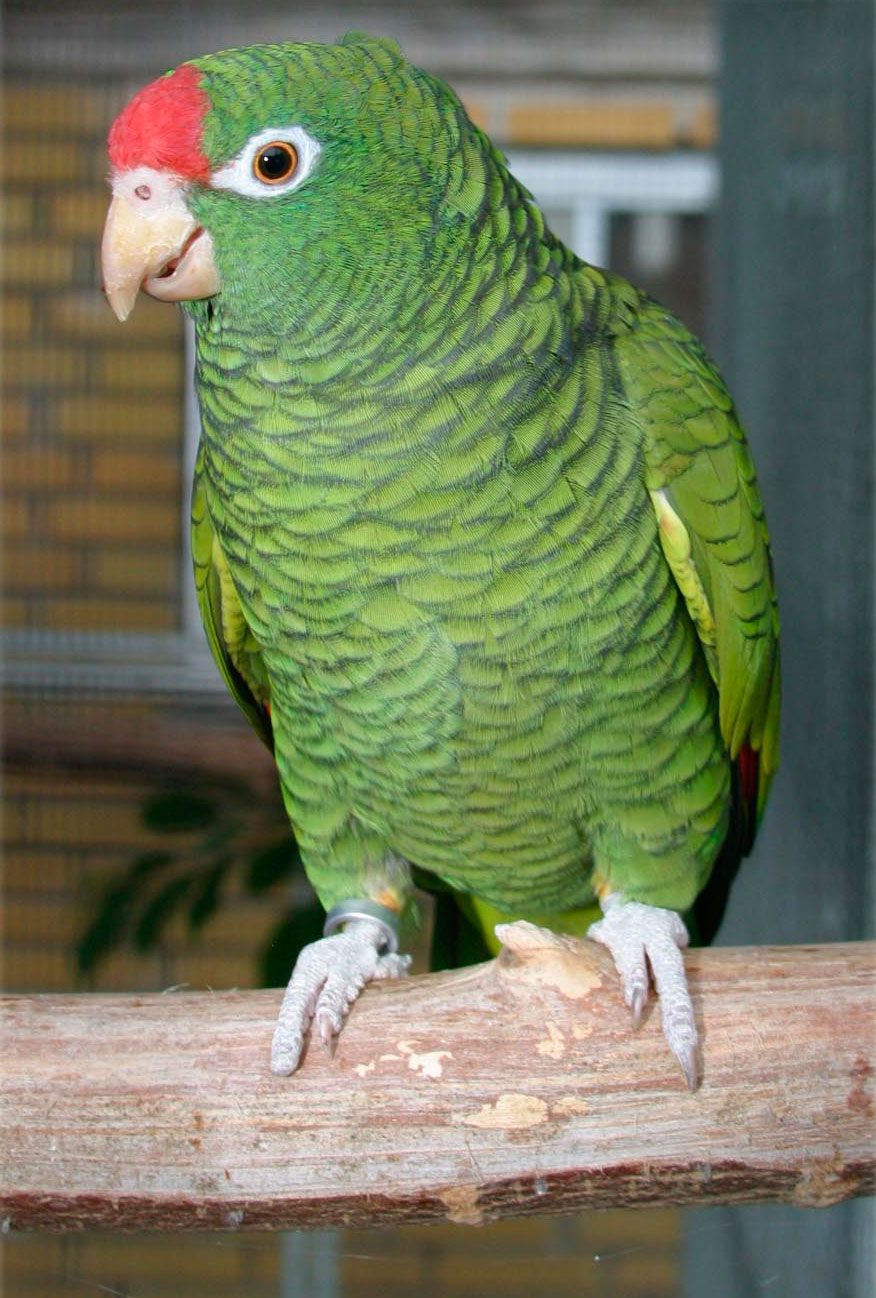
Tucuman Parrot
Amazona tucumana

Tucuman Parrot

Content

Description:


Anatomy-parrots

31 cm.. length.
The Tucuman Parrot (Amazona tucumana) It is mostly green, with black borders on the feathers, giving the whole a scalloped appearance.

Relatively large and stocky have the forecrown red and eye rings white. Has also patch Red in the wing-coverts (most notoriously in flight); thin yellow line on shoulder almost half of wing ; the primary wing feathers They have the blue tips, and the thighs They are orange-yellow. The tail It is short and feathers yellow.

The bill It is yellowish to pinkish, and eyes adults are orange-yellow. The legs They are pale gray.

As he male as the female They are similar in appearance, but the immature They are generally green in full, with the thighs green than orange and less red on the forecrown. Another key difference between adult and immature is that eyes young people are gray.

Taxonomic note:

Until a few years ago it was considered a subspecies of the Red-spectacled Parrot (Amazona pretrei) (Fjeldsรฅ y Krabbe 1990), but now they are recognized as separate species, although closely related to each other and, In addition, with the Vinaceous Parrot (Amazona vinacea), who possibly form a basal group to all other parrots of the genus (Russello y Amato 2004).

  • Sound of the Amazona tucumana.

Habitat:

Video – "Tucuman Parrot"

Unser Tucuman Amazone Lacky 6 year old

It is found in open forests Andean mountain forests Yungas, particularly in areas with Alnus acuminata or Podocarpus parlatorei, as well as other species of Alnus, Podocarpus and Nothofagus. This species It is in elevations of between 1.600 and 2.600 metres in the breeding season, but during the non-breeding season they descend to lower elevations of about 350 m. Right now, sometimes you can enter inhabited areas.

Often gathers in large flocks, often numbering more than 200 individuals.

Reproduction:

The Tucuman Parrot They breed between November and January or February, building usually your nest in a hole in a tree Alnus or Podocarpus. The normal size clutch is three to four eggs, although they have been reported sunsets from one to five eggs. The incubation lasts around 26 to 29 days, usually it is the female that the male incubates and which feeds, and the main source of food for chicks come from seeds and flowers Podocarpus parlatorei. Young they leave the nest usually after seven to nine weeks.

Food:

The Tucuman Parrot They feed on trees Family Myrtaceae, as well as the seeds and flowers trees as Podocarpus parlatorei, Juglans australis and Alnus, of the immature fruits of the species Cedrela and flowers species Erythrina.

Distribution and status:

Size of its range (breeding/resident ): 86.200 km2

The Amazona tucumana It is located in northwest Argentina and in southern Bolivia, where it is known in 12 locations departments Tarija, Chuquisaca and Santa Cruz (A. Maccormick in some. 2005, R. Hoyer in some. Slightly., 2012).

A recent study of the situation and distribution of the species Argentina registered 6.015 individuals (Rivera et al., 2007) and estimated that the Argentine population amounted to about 10.000 birds, but around 20.000 They were exported from Argentina in the mid 80, suggesting that there may have been a substantial population decline.

After inclusion in the Appendix I of the CITES, international trade was cut, although the continuous local exploitation. But, It does not appear that the stocks have recovered, and loss of habitat is of concern, particularly in Argentina, where their habitat is highly degraded and there are only a few remains of small forests and isolated. Threats to habitat are less severe in Bolivia, but the species has declined there and is projected to continue to do so (A. Maccormick in a bit., 2005).

The main concentrations of this species in Bolivia are in clad hills, Villa Serrano and Tariquรญa National Reserve of Flora and Fauna, with 1.643 individuals recorded in several places during a recent study (Rivera et al., 2009).

Conservation:

State of conservation โ“˜


Vulnerable Vulnerable โ“˜ (UICN)โ“˜

โ€ข Current category of the Red List of the UICN: Vulnerable.

โ€ข Population trend: Decreasing.

โ€ข Population size : 6000-15000.

Rationale for the Red List category

This species is classified as Vulnerable, as it is experiencing rapid population decline due to the loss of habitat and capture for the bird trade.

Justification of the population

A recent study of the situation and distribution of the species Argentina registered 6,015 individuals and Argentina estimated that the population was approximately 10.000 birds (L. Rivera in a bit., 2004). It also, 1.643 individuals were recorded at several sites in Bolivia during another recent study (Rivera et al., 2007). The total population is thus situated in the band 10.000-19.999 individuals (L. Rivera in a bit., 2012). This is equivalent to 6,667-13,333 mature individuals, rounded here to 6,000-15,000 mature individuals.

Justification of trend

The results of the survey, observations on habitat loss and the local occurrence of the species, and catch and trade data suggest that the population is suffering rapid population decline (L. Rivera in some.)

Conservation Actions Underway

โ€ข CITES Appendix I, although the convention is not respected in Bolivia (AB Hennessey in litt., 2012).

โ€ข Present in several protected areas, including the El Rey National Park, Argentina, mainly in the non-breeding season (L. Rivera in some. 2012).

โ€ข In 2006, was appointed the Iรฑao National Park and Integrated Management Natural Area, which it was the basis for the conservation of one of the largest shelters species Bolivia (Rivera Et al . 2009).

โ€ข A species conservation action plan is currently being developed for each of its native countries. (L. Rivera in a bit., 2012).

Conservation Actions Proposed

โ€ข Apply the local trade ban (L. Rivera in a bit., 2012).

โ€ข Evaluate the current population size.

โ€ข Produce a species action plan.

โ€ข Conduct additional research to clarify the scope of the current threat of trade.

โ€ข Effectively protect core areas of remaining habitat; review their habitat requirements and complement nesting sites using boxes where appropriate (AB Hennessey in some. 2012).

โ€ข Address unsustainable use of resources and illegal activities in protected areas..

โ€ข Designate a clad hills a protected area.

The Tucuman Parrot in captivity:

Parrots Gender Amazona are among the most recognizable and sought-after pet birds. Their colorful plumage and ability to imitate the human voice have made them highly sought after for centuries, and one unfortunate consequence of this is the threatened status of most species. (Russello y Amato 2004). In the Red list of Threatened Species International Union for the conservation of nature, 16 parrot species of this genus are included either as Vulnerable, Endangered or Critically Endangered (IUCN 2010). In the same way, 16 species are listed in Appendix I of the Convention on International Trade in Endangered Species (CITES).

The Amazona tucumana It is a species that should only be kept in captive with the sole purpose of achieving their reproduction and subsequent insertion into the wild.

Alternative names:

Tucuman Parrot, Alder Amazon, Alder Parrot, Tucuman Amazon (English).
Tucumanaamazone, Tucumanamazone (German).
Amazone de Tucuman (French).
Papagaio-tucumฤƒ (Portuguese).
Amazona Alisera, Amazona Tucumana, Loro alisero (espaรฑol).
Loro alisero (Argentina).
Loro alisero (Bolivia).


scientific classification:

Jean Louis Cabanis
Jean Louis Cabanis

Order: Psittaciformes
Family: Psittacidae
Genus: Amazona
Scientific name: Amazona tucumana
Citation: (Cabanis, 1885)
Protonimo: Chysotis tucumana


Images Tucuman Parrot:

Videos "Tucuman Parrot"


Species of the genus Amazona


Sources:

Avibase
– Parrots of the World โ€“ Forshaw Joseph M
– Parrots A Guide to the Parrots of the World – Tony Juniper & Mike Parr
Birdlife
– RIVERA, Luis; POLICE, Natalia y BUCHER, Enrique H. Ecology and conservation of the Alder Parrot (Amazona tucumana). Hornero [online]. 2012, vol.27, n.1 [aforementioned 2017-01-29], pp. 51-61 . Available in: . ISSN 0073-3407.

Photos:

(1) – Tucuman Parrot (Amazona tucumana) by birdsandbirds

Sounds: Niels Krabbe, XC29107. accessible www.xeno-canto.org/29107