▷ The world of Pets: Dogs, cats, birds, reptiles, amphibians

Italian mastiff
Italia FCI 343 - Molossoid - Dogo

The Italian mastiff It is a versatile and balanced dog that can adapt to all.

Mastín Italiano

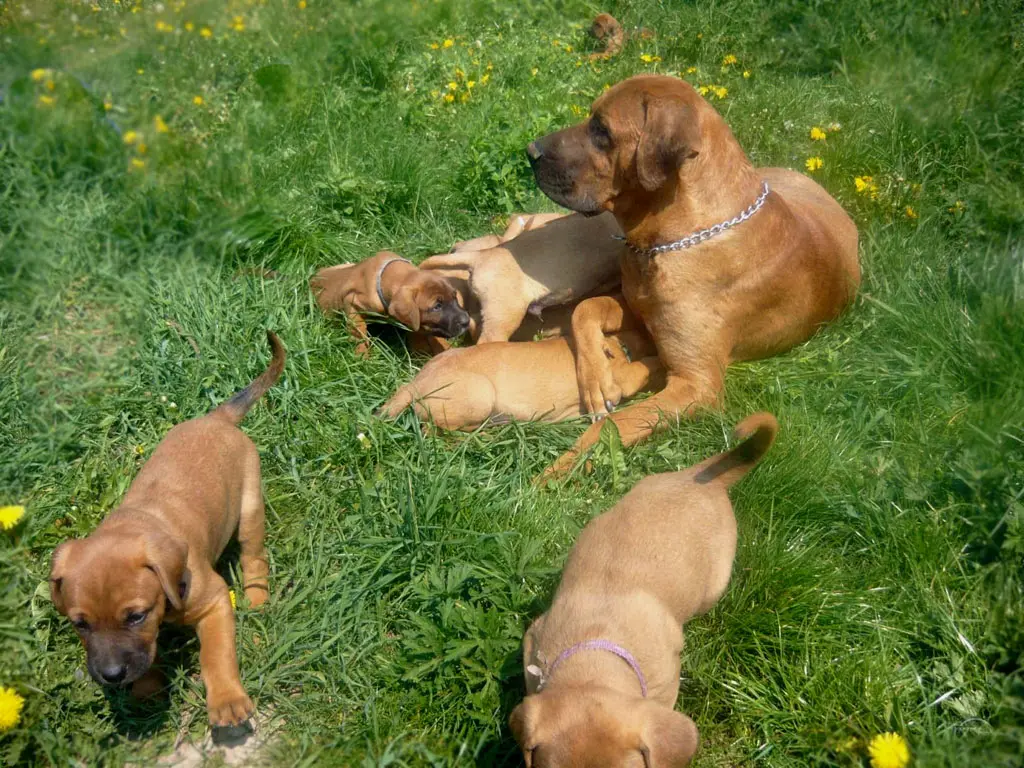
Something small and elegant that the Neapolitan mastiff, the Italian mastiff (or Cane Corso) It was used in the past not only as a Cattle Dog but also in wild boar hunting., and as dog escort on long journeys of traders and, even, as a grip of Bull Dog.

Otros nombres: Cane Corso / Italianischer Corso-Hund / Italian Corso Dog / Italian Mastiff

Crupo 2 / Section 2 – molosoids and mountain dogs.

Dogs breeds: Italian mastiff

Read all about the race, by clicking on: Cane Corso.

▷ The world of Pets: Dogs, cats, birds, reptiles, amphibians

Whiptail
Irlanda FCI 124 . Water Dogs

Irish Water Spaniel

The Whiptail (Irish Water Spaniel) It is a water dog and one of the oldest breeds of Spaniel dog. in addition, is one of the rarest, being known, times, as the "clown" of the Spaniel.

Although all the theories of origin of the race point to Ireland, the origin of the breed remains unknown. It is possible that more than one of the oldest breeds of Spaniel are involved in its origin, but it is something that is not known for sure.

There is no knowledge of the ancestors of the Irish Water Spaniel, as the father of the breed, Justin McCarthy from Dublin, left no records of this.

Read more

▷ The world of Pets: Dogs, cats, birds, reptiles, amphibians

Slovak Hound
Eslovaquia FCI 244 - Medium-sized Hounds

Kopov Eslovaco

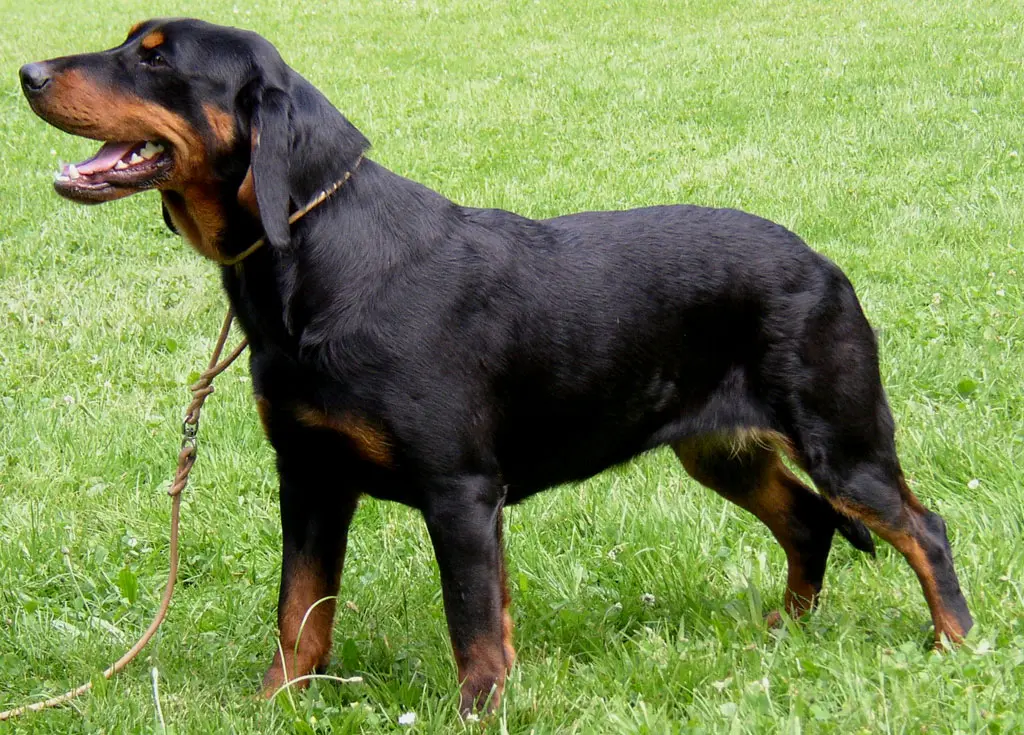
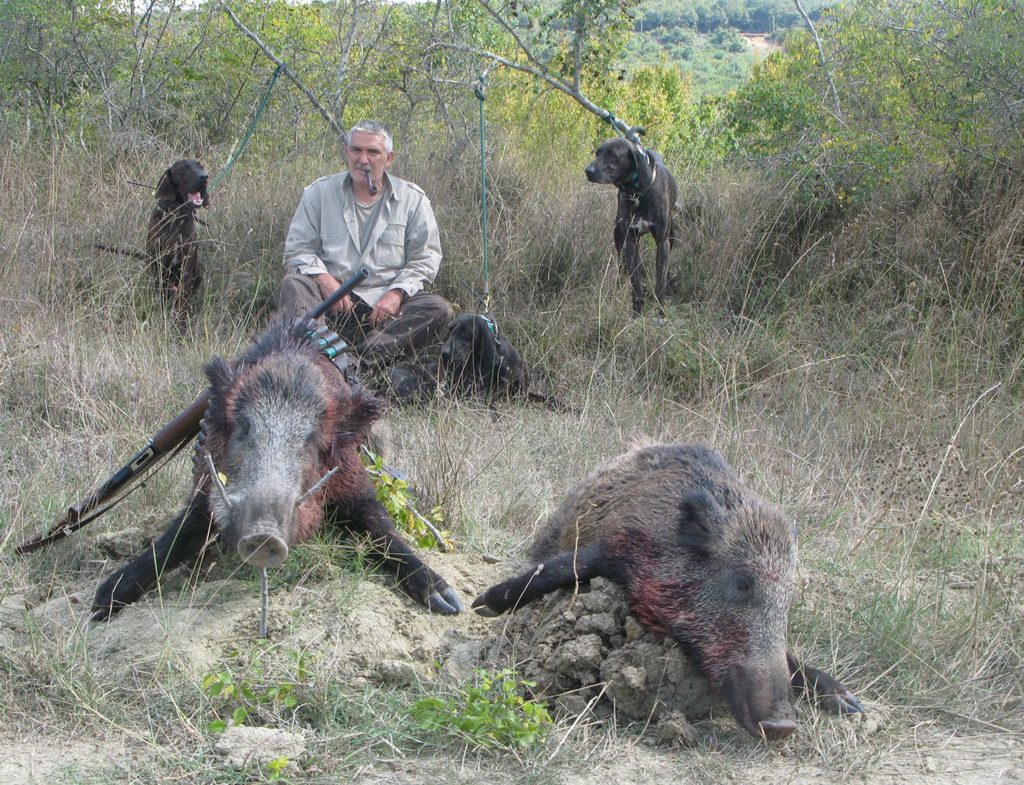
The Slovak Hound (Slovenský Kopov or Slovakian Hound) It is a breed of dog of size medium hound type. Originally from Slovakia, was bred for boar hunting, not as a pet or exhibit it in dog shows (Showdog).

The club of the breed was created in Bratislava in 1988.

It appears listed by the FCI under breed number 244, group 6, Scent hounds, and related breeds, section 1.2 Medium-sized Hounds.

Promoted in the United States as a rare breed for those looking for a unique hunting dog.

Name "Black Forest Hound"apparently it was created in the US for marketing reasons, It has nothing to do with the Black Forest.

The Slovak Hound it is a typical hunting dog in appearance, with a muscular body, long legs, long tail, the ears are long and loose. The short coat is always black, with reddish markings (black and tan). Dogs must weigh around 16 kg and must be measured, approximately, 46 cm to the cross, females are slightly smaller. This is the ideal size is described in the breed standard.

The Slovak Kopov is more full-bodied than the American breed Black and Tan Coonhound, but it is lighter than other similar dogs from Poland, such as the Ogar Polski or Polish Hound which is the largest hound in the country. The eyes are always dark, deep, and they have a look of bravery and courage.

Although it is an independent dog, is intelligent, and is easy to train. It also, It is blessed with a great sense of direction.

The Slovak Hound It is a well-known hunting dog since ancient times., the breed was recognized for the first time in the year 1870. The races of Austrian Black and Tan Hound, Polish Hound and Hungarian hound (Transylvanian Scent Hound) is thought to they have formed part of their ancestors. The etymology of the name seems to allude to the color of the dog.

The Slovak Hound was developed and used as a hunting dog, There is an animal that sole have as a pet or is usually present to dog competitions (Showdog). It has been bred for hunting, especially wild boars, hence its fierceness. Although it is very common in its area of ​​origin, rarely seen in other countries. The Slovak Hound is similar to other Eastern European hounds in appearance and hunting style. It is very faithful to his master, He is an outdoor dog...

▷ The world of Pets: Dogs, cats, birds, reptiles, amphibians

Japanese Mastiff
Japón FCI 260 - Molossoid - Dogo

The Japanese Mastiff is quiet, serene, dignified and extraordinarily peaceful.

Mastín Japonés

The Japanese Mastiff (Tosa) It is a breed of dog originating in Japan. Molosser imposing aspect, It is one of the favorite breeds for the lovers of dogs large size around the world. The breed emerged in the mid-19th century, When crossing various European breeds of large size (Great Dane, Mastiff, St. Bernard, Bulldog, German Shorthaired) with the native Shikoku Inu.

In Spain it is listed as a potentially dangerous breed of dog by Royal Decree, by which to his possession must obtain the licence for possession of dangerous dogs and register it in the corresponding Municipal registry of potentially dangerous animals. One of the things that are required for this license is insurance of civil liability to third parties.

Otros nombres: 土佐 / Tosa Inu / Tosa Ken / Tosa Tōken / Japanese Fighting Dog / Japanese Mastiff / Tosa Fighting Dog

Crupo 2 / Section 2 – molosoids and mountain dogs.

Dogs breeds: Japanese Mastiff

Read all about the race by clicking on: Tosa.

▷ The world of Pets: Dogs, cats, birds, reptiles, amphibians

Plott Hound
Alemania Estados Unidos Not recognized by the FCI

The Plott Hound It is a dog that shows always eager to please her master.

Plott Hound

Content

History

The Plott Hound is a great hound, in particular a Coonhound, originally bred for boar hunting. It is one of the least known in United States breeds of dogs, Despite being the official dog of the State of North Carolina. It is one of the six Coonhound breeds registered in the United Kennel Club (UKC).

The ancestors of the Plott Hound of today were used for hunting wild boar in Germany many years ago. Johannes Plott left his native Germany and came to the United States in 1750. He brought with him a few greyhounds that he used for hunting wild boar.. These dogs were bred for their strength and bravery.

The Lord Plott and his family settled in the mountains of western North Carolina. Although there is no written evidence to show that Johannes came all the way to western North Carolina, Yes, it is known that his son Henry Plott settled there around 1800 and was responsible for the legend of the dog of Plott, an amazing big game dog. The Bálsamos Plott are a mountain range that bears the family name to this day.

The Plott Hound was first registered by United Kennel Club in the year 1900.

Johannes Plott supposedly kept his strain completely pure, without crossing, but in 1780, their dogs passed into the hands of Henry Plott what if, known data from crosses with other breeds, but in the end always attempted to maintain the originality of the race.

Other crosses, possibly, they took place around the year 1900.

GP Ferguson, a family neighbor Plott in North Carolina in those days, it was a great influence on the breed Plott.

Physical characteristics

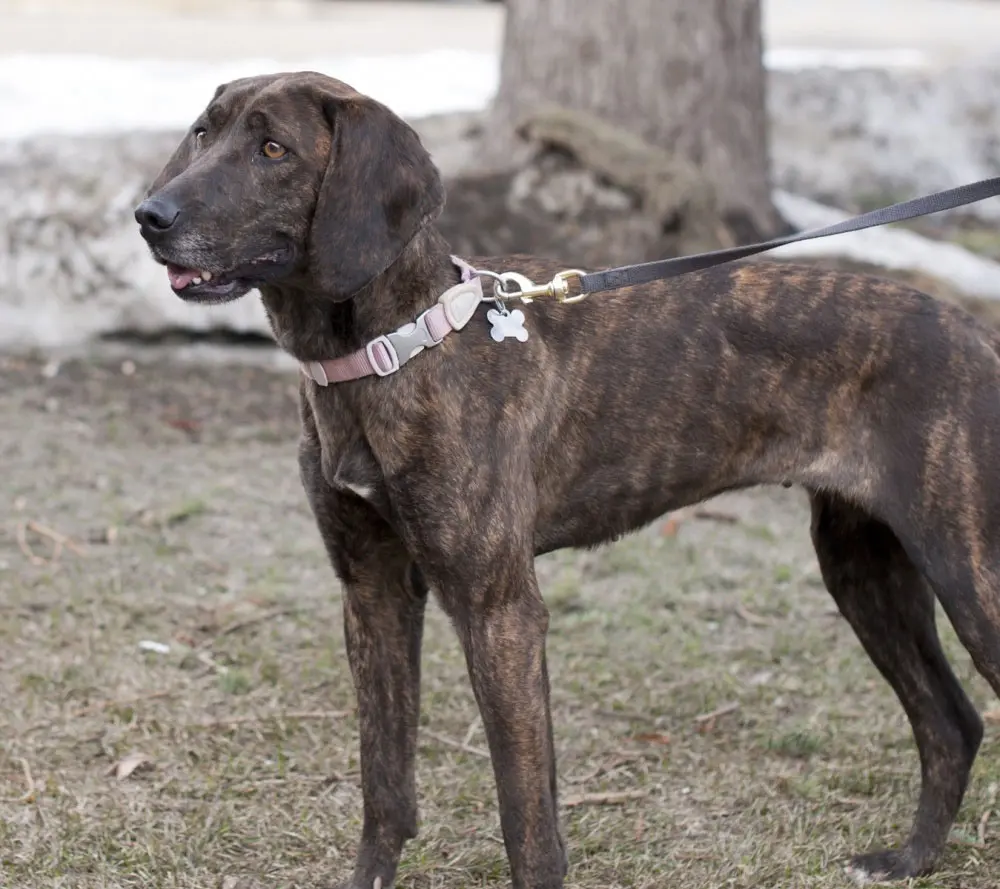
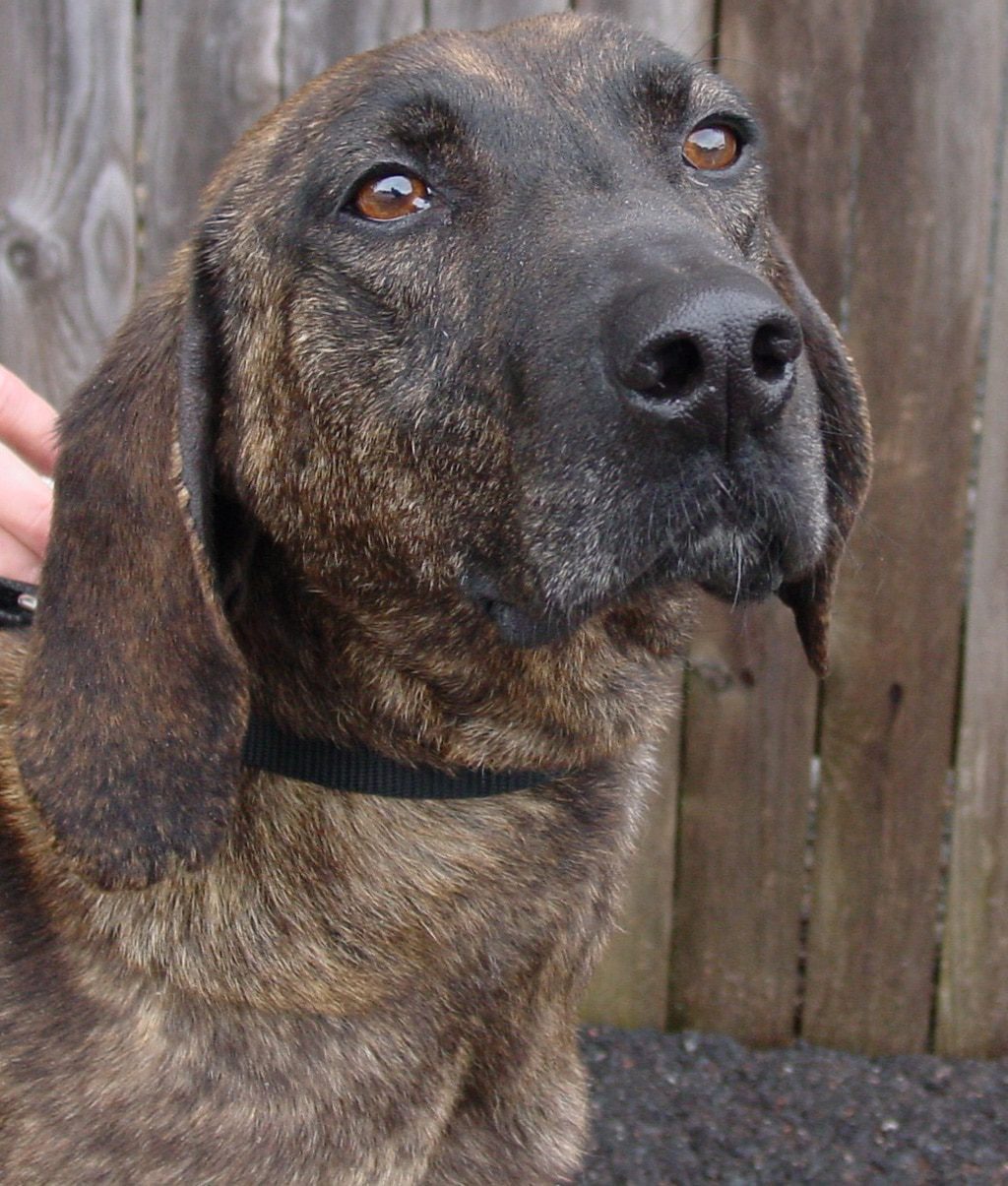
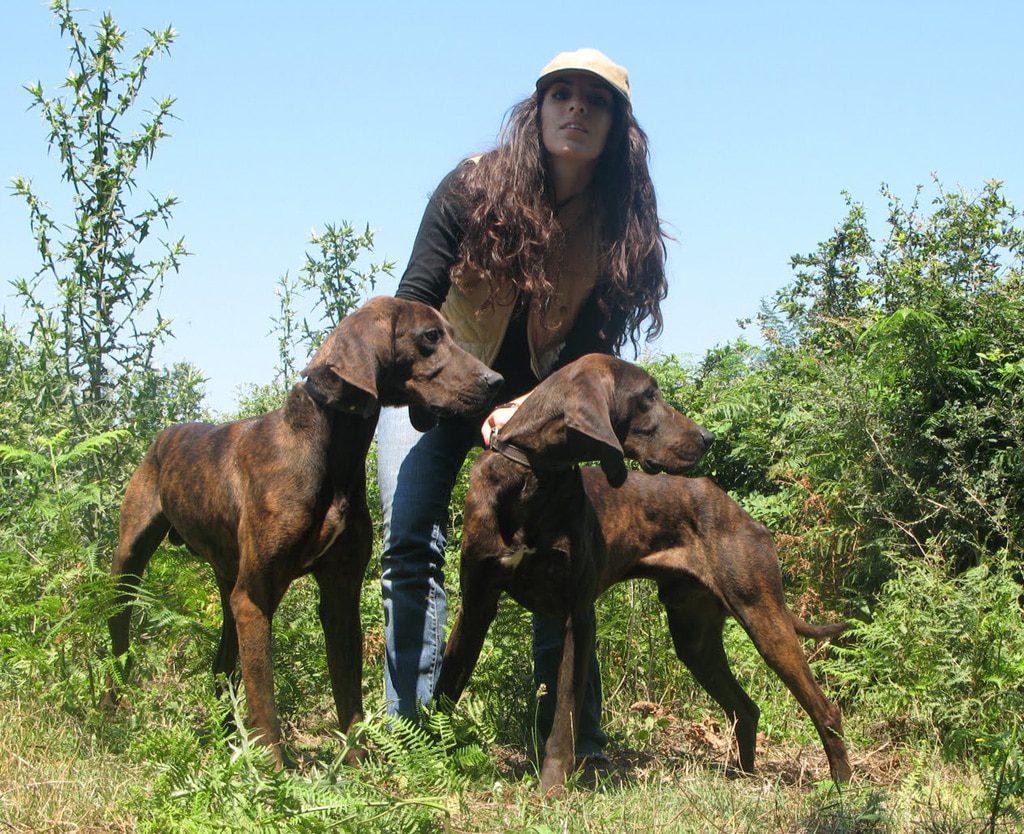
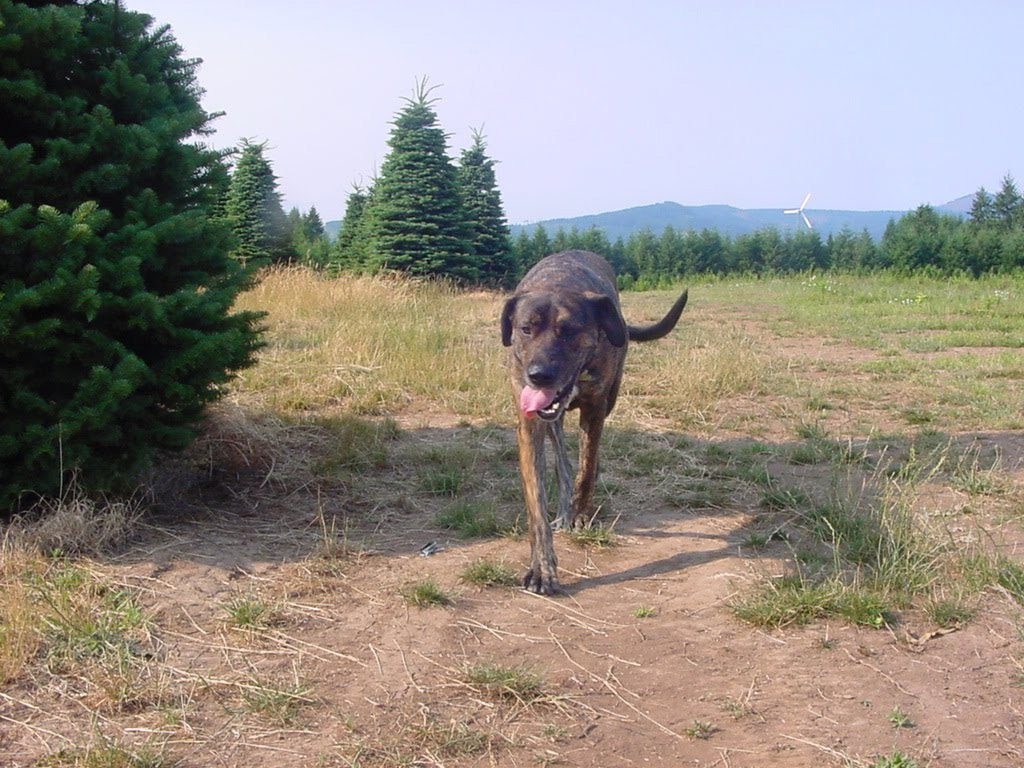
The Plott Hound must be athletic and muscular and agile in appearance. It must not be neither low and heavy, legs or long, but yes, light. The expression must be intelligence, confidence and determination. Your skin should not be ample as a sniffer.

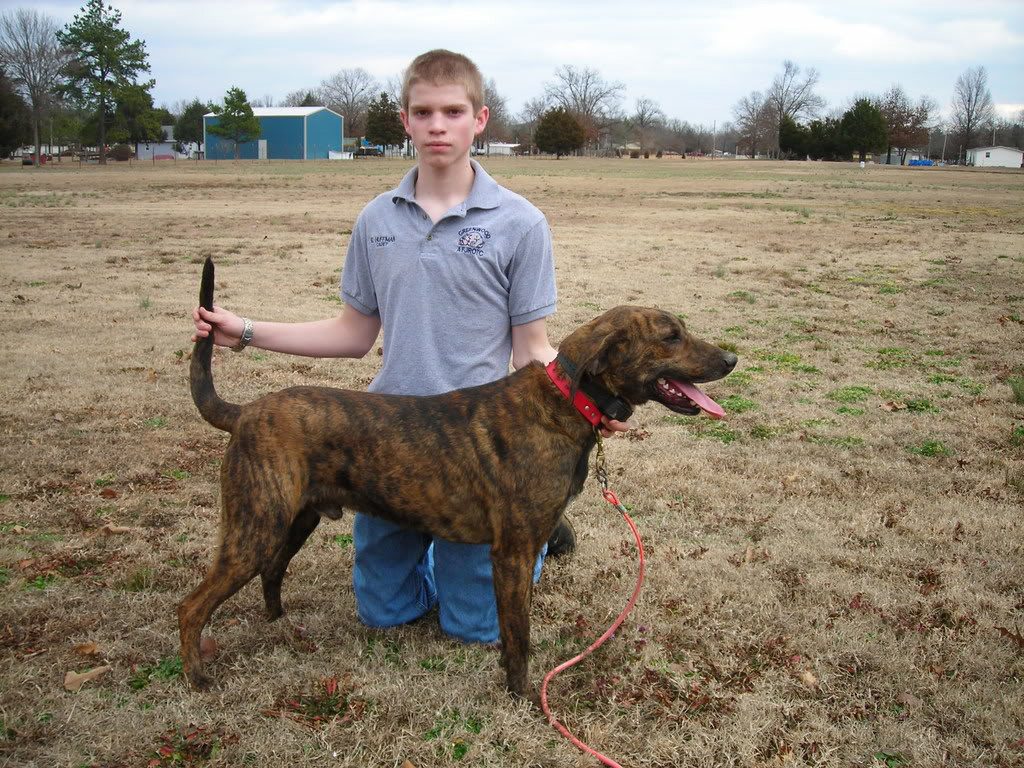
The Plott Hound it is a dog of constitution strong but moderate, with a striped clear in their coat color. His appearance suggests the ability to speed, resistance and energy.

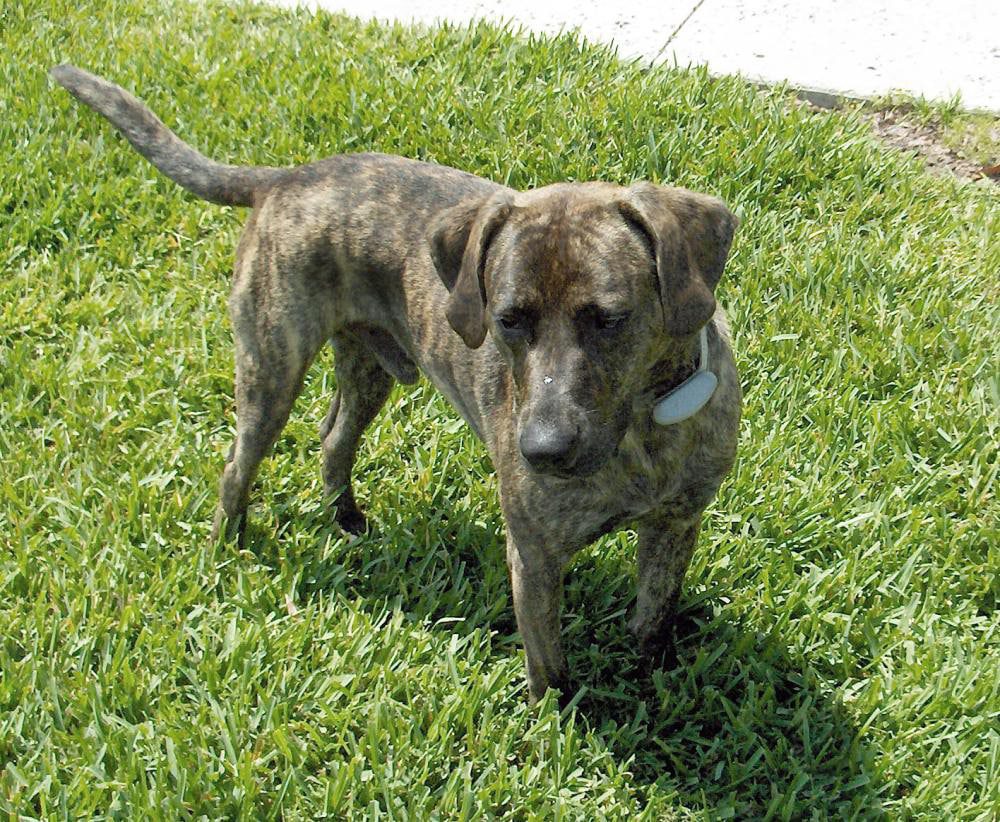
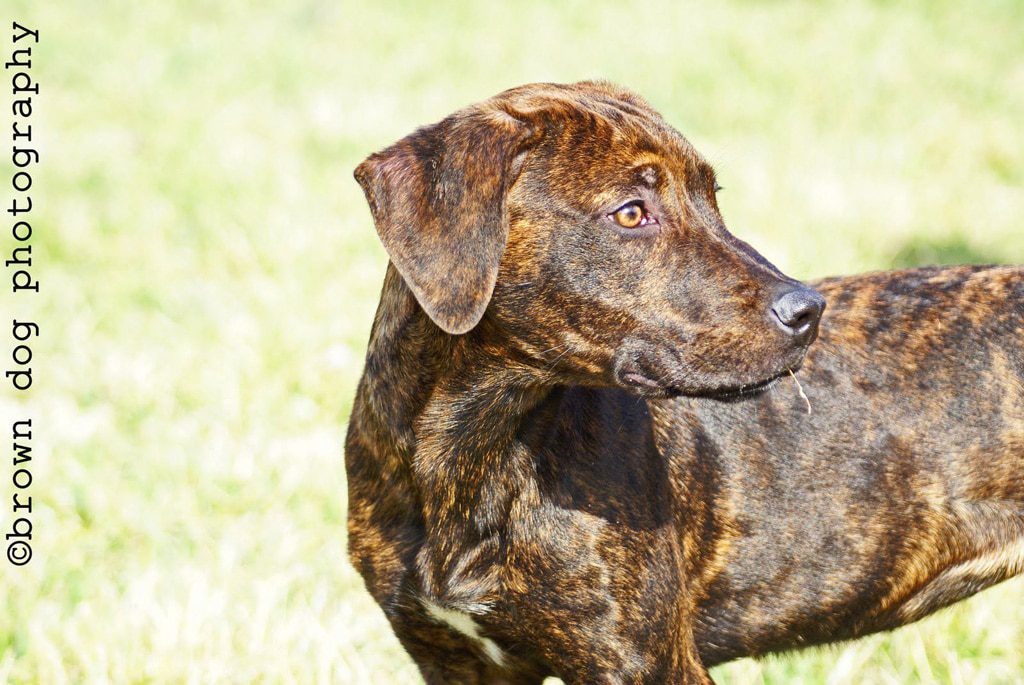
The coat of the Plott Hound should be fine and short or medium in length, and with smooth texture and glossy appearance.

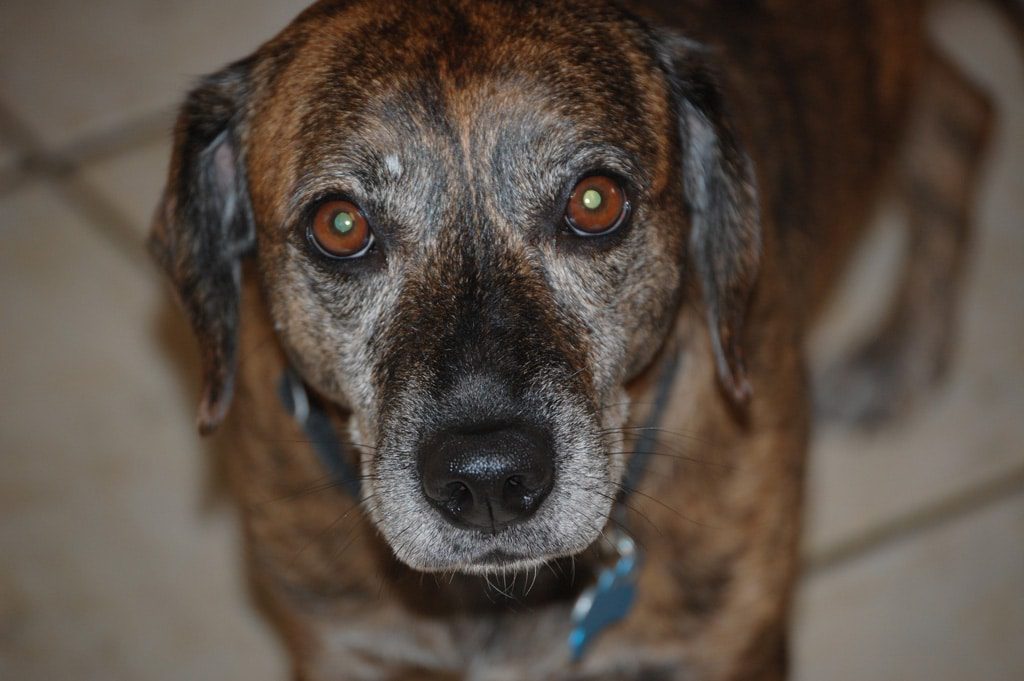
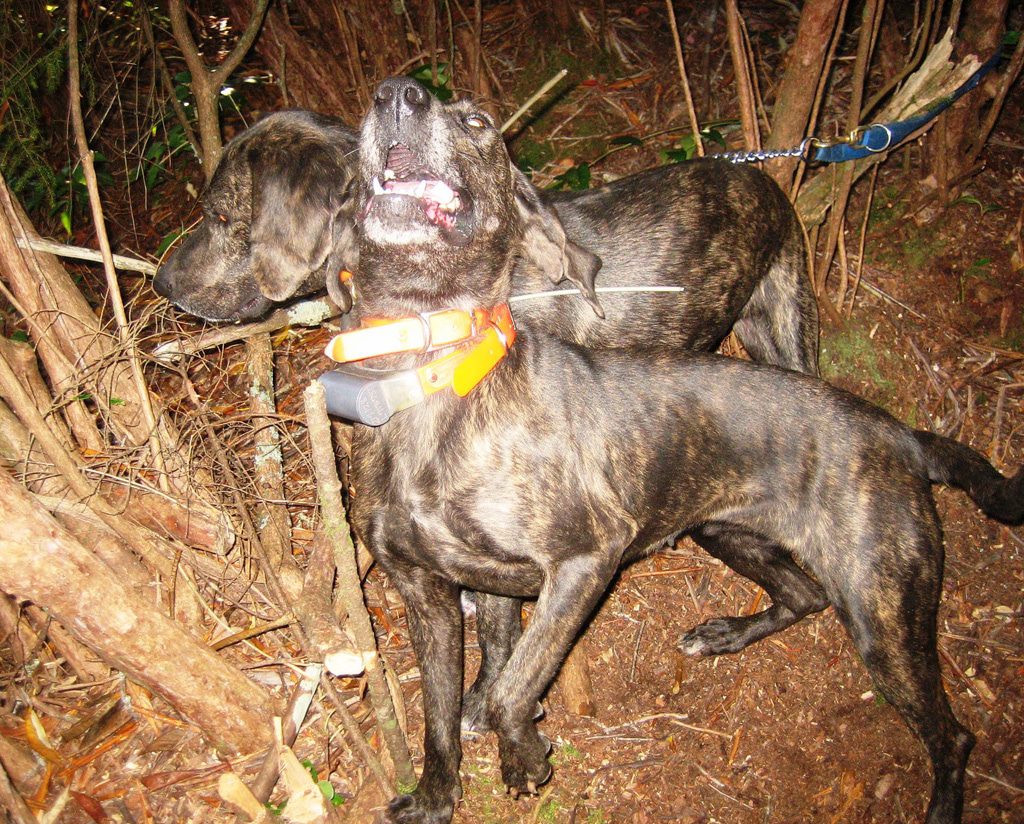
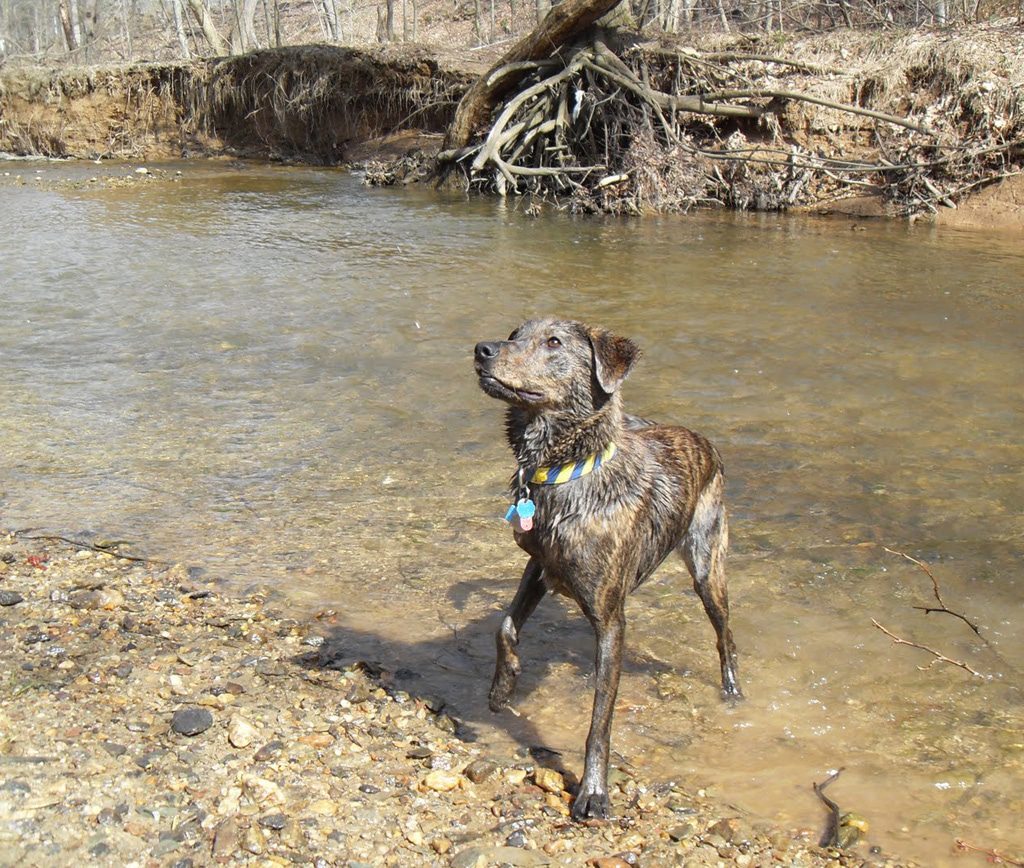
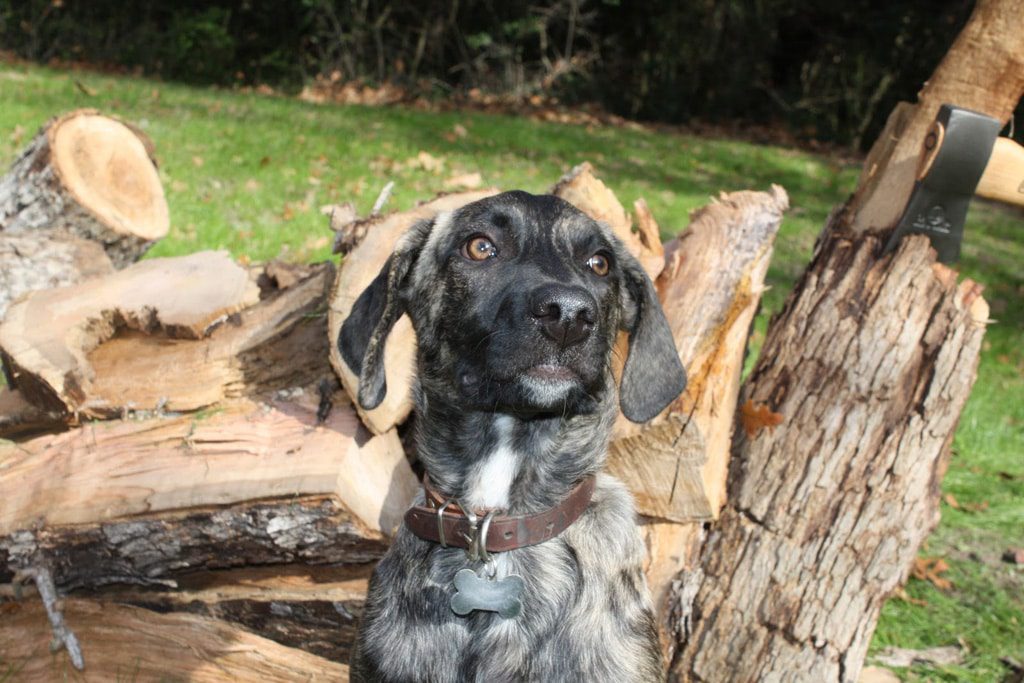
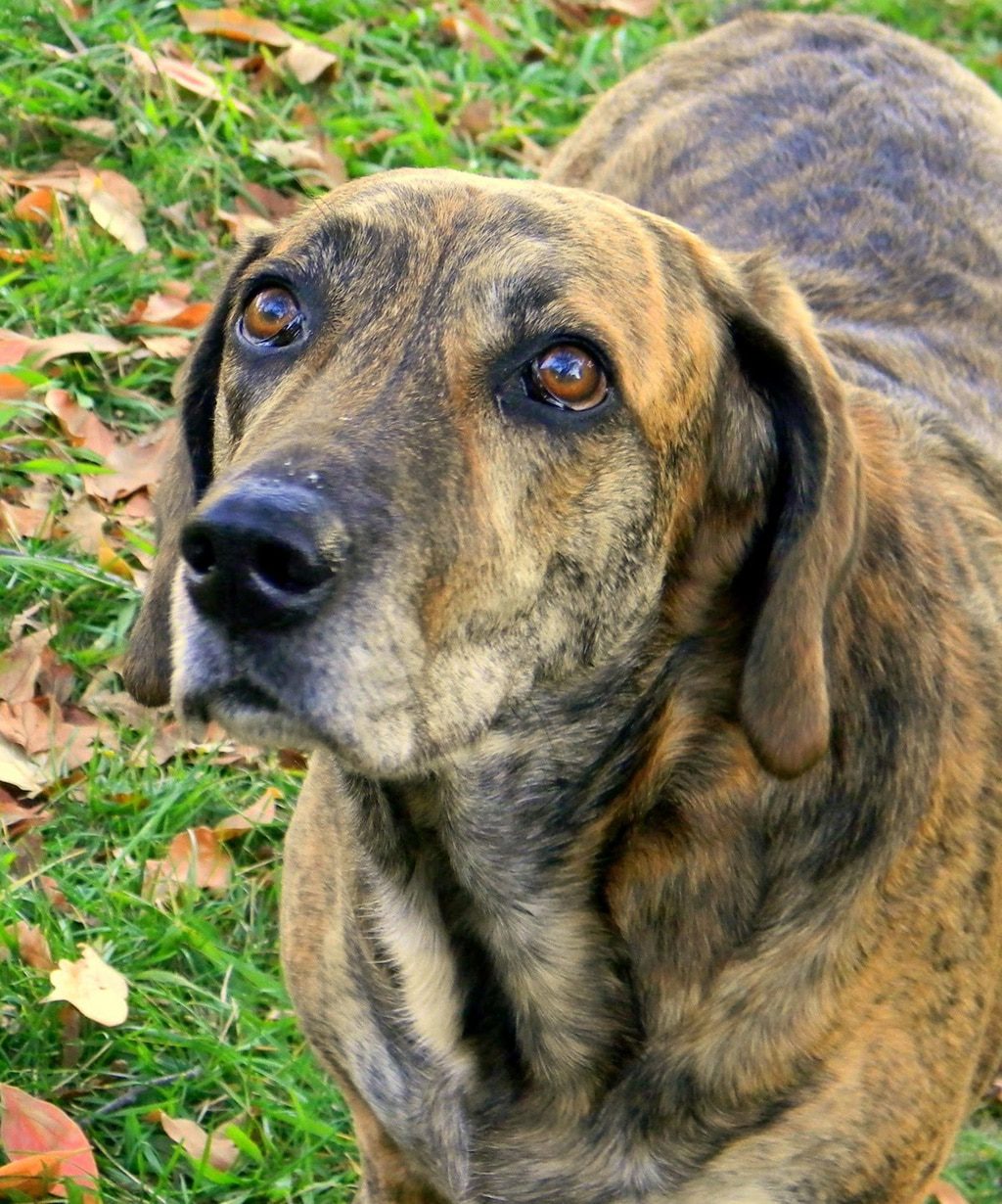
According to the National Association of Plott Hound, the fur the dog must be Brindle. Brindle «finely striped or striped effect or pattern of black or light brown hair with the hairs of a light background color or darker shades of the accepted colors, they are the following:

Yellow striped, red striped, mottled Brown, Brown striped, striped black, striped gray, and Maltese (Slate gray, Blue striped).

The Association establishes that while that some white on chest and / or feet is allowed, White anywhere else, except in the chest and / or feet, is a defect.

The height of a Plott Hound will of 50 to 71 cm. to the cross in the mato hos, and 50 to 58 cm in females. Males should weigh in 23 to 27 kg and females in 18 to 25 kg.

Observations

The Plott Hound is considered the most robust of the Coonhound. Eats large amounts of food and very quickly, What makes it susceptible to gastric torsion, why education and perseverance when eating, is important to keep our Plott Hound healthy.

Character and skills

The Plott Hound is a dog that always shows eager to please his master, is loyal, intelligent and very alert in the home, but never aggressive.

In their role of Hunter It is often described as bold and brave, usually, they are always willing to adventure, but that predisposition varies among the strains that are bred for the hunting and the specimens that are bred as Coonhound (Coon hound).

Homeowners must be prepared to have a Plott Hound at home, a dog is not for beginners.

They require plenty of daily exercise, this breed is very active. Love the game, they have a wonderful instinct for the "woodland" (hunting of raccoons) and much like the water.

They are quick to learn. They are often indifferent to other dogs, but they constantly seek the care of human beings.

Images of the Plott Hound
Video part «Plot Hound»
  • Otros nombres: Plott / Plotthund.

Recognized by:

  • American Kennel Club (AKC).
  • United Kennel Club (UKC).

▷ The world of Pets: Dogs, cats, birds, reptiles, amphibians

Jindo dog
Corea del Sur FCI 334 . Asian Spitz and related breeds

Korean Jindo Dog

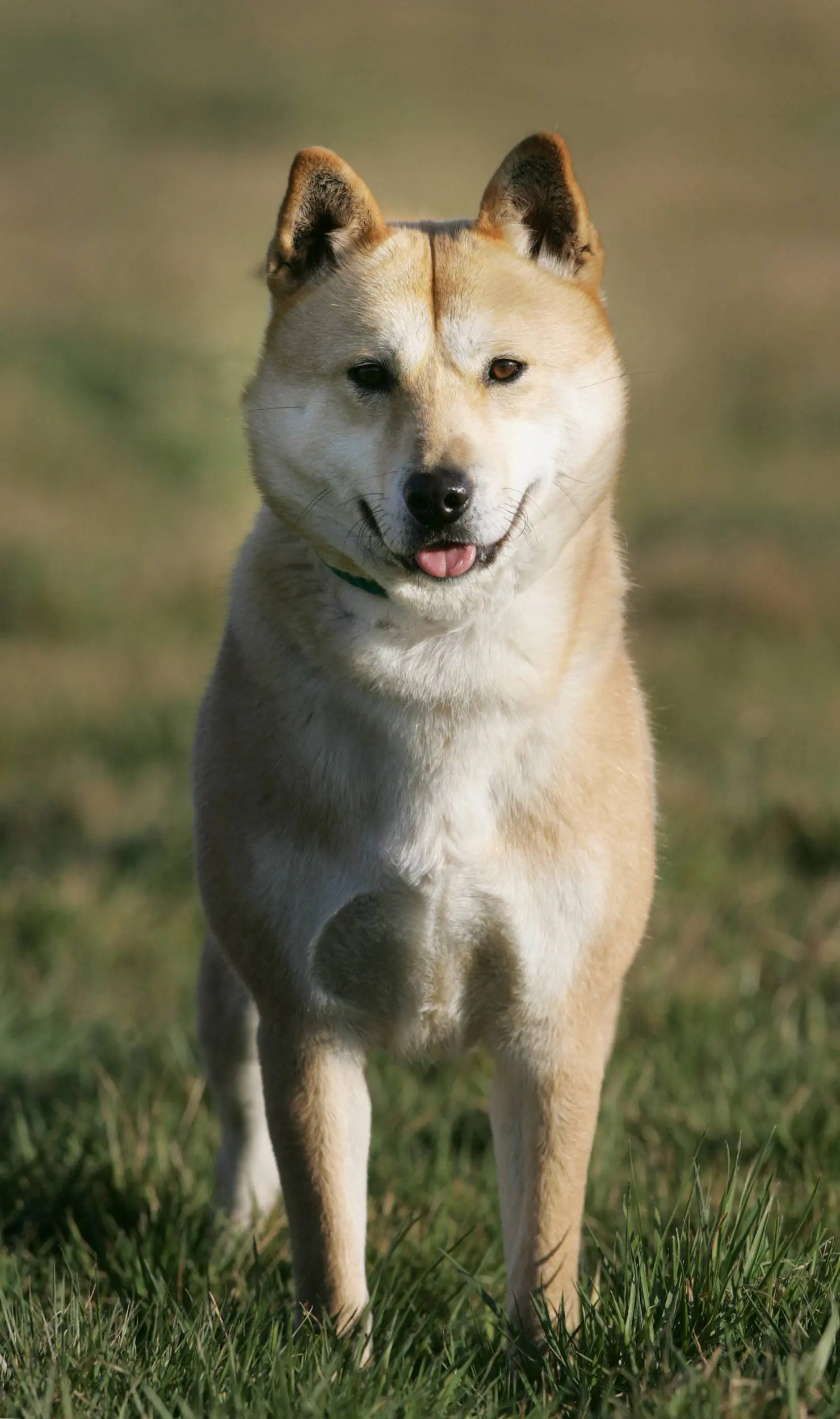
There is no official written record- about the origin of the Jindo dog, but many authors agree that this breed has existed since several thousands of years ago in the Jindo Island, which is located at the southwestern tip of the Korean peninsula. But, There are different theories about its ancient origin and the most accepted indicates that the Korean Jindo Dog originates from Korea.; the race has been well-preserved in this island because of the difficulty in transport in the past. In Korea, the Korean Jindo Dog are called Jindo-Kae or Jindo-Kyon; Kae and Kyon are the Korean language words that mean dog.

The Korean Jindo Dog is a dog of medium size, well proportioned, used for hunting and as a guard. Its pricked ears and coiled or sickle-shaped tail give it a vivid expression of agility., Fortress, vigilance and dignity.

The Korean Jindo Dog has a very strong hunting instinct.; In addition to being bold, bravo, alert and careful, not allowed to tempt easily and is hot-headed. First and foremost, is extremely faithful to its owner. It is reserved with strangers. In general, is not affectionate with other animals, particularly with males. It also has a good sense of orientation. It is a dog of a single owner; He quickly agree to a new owner but it never forgets its ties with the previous owner who raised him since that was puppy. Stays clean and eat little.

The Korean Jindo Dog has a double layer of hair. The inner layer is smooth, dense, pale, But enough to sustain the outer layer. The outer layer is stiff and somewhat separated from the body. Compared with the hair covering the body, the hair of the head, members and ears is shorter, and neck, cross, back and trunk is longer. The hair of the tail and rear of the thighs is longer than the rest of the body.

The Korean Jindo Dog are famous for their ability to hunt, because of his bravery, cunning, and sensitivity.

In addition to the usual prey of hunting, his hunting prowess is displayed in a legend that tells that three Korean Jindo Dog, they killed a Siberian Tiger.

They have been used, mainly, in deer and wild boar hunting.

The Korean traditional game that is free of weapons, have a pack of Korean Jindo Dog, was a real treasure. They used to go hunting, a master and his pack, So when the dogs managed to capture their prey, one of the Korean Jindo Dog, I went in search of the master, to lead to the dam, while the rest of the pack stayed watching the prey from the appearance of scavengers.

The Korean Jindo Dog, He is known for his unwavering loyalty and friendly nature. Because of this, There is a false idea that a Korean Jindo Dog is loyal only to its first owner or who raised him from puppy. This idea is not entirely true, What is certain is that they tend to keep their love for the people who have taken care of them forever., Although change home, they still want their former masters.

Because the Jindo is an active and intelligent dog, It requires frequent interaction with people or another family dog. For some, the Jindo may even be too smart, since he usually thinks for himself. The same intelligence that allows the dog to learn commands and tricks very quickly may be too much to try to tame...

To be so lively, It is a dog that gets bored easily if it is alone or locked up for long periods of time., You can try to jump over a fence or wall, digging deep wells, and it may even be very destructive if left trapped at home. Because of this many Korean Jindo Dog is found in animal shelters, abandoned by owners who knew what they were getting into by accepting the responsibility that comes with owning a Korean Jindo Dog. It is a dog who doesn't like anything the water, above all flows, some of them don't even want to go out when it rains...

Jindo dog

▷ The world of Pets: Dogs, cats, birds, reptiles, amphibians

Cretan Hound
Grecia Not recognized by the FCI

Kritikos Lagonikos

Content

History

The Cretan Hound (Kritikos Lagonikos), belongs to a primitive hunting breed, its existence on the Greek island of Crete is documented in writings for at least 3.500 years. Minoan civilization, which at its peak dominated most of the Aegean, the Cyclades islands and the eastern Peloponnese, bred and used it extensively.

Like a hunting and hunting hound, was always used to hunt down and capture wild hares and rabbits on the harsh terrain of his home island. The classical authors praised the cretan hounds (Kressai Kynes) as the best hare hunters known to man and in ancient times they were exported to the Greek colonies and other European countries, reaching Spain and the British Isles, to mix and improve local hounds.

These dogs have many peculiar traits and it is clear that they are a truly ancient species, probably the oldest breed of dog in Europe. Your ancestors may have come from Africa., but later they adapted to this unique habitat of Crete, an island remote enough to be home to other unique species of animals as well, as a unique subspecies of wild goat, the lynx and others.

Isolated there for millennia, these dogs were trained by function to perform a particular and challenging task and remain pure and unaltered to this day.

Due to a long history of fighting external enemies, the Cretans they are a freedom loving race, proud, independent, somewhat suspicious and even tested. They do not like to give their dogs to outsiders and even to this day the best specimens are kept hidden from public view..

Breeding practices are ruthless and the limited means of the past taught the locals to castrate all males, except the best, and to destroy the dogs that were not good for hunting. This resulted in an especially strong and healthy breed., but also very few in number. For years they were kept a secret and even now they rarely leave Crete, except on the occasions when they participate in international dog shows held in Athens, where visitors have the opportunity to meet a true living legend.

Physical characteristics

The Cretan Hound (Kritikos Lagonikos) is a slender dog, of body intermediate between a hound and a greyhound, especially light feet (that are oval instead of feline) and strong loin, specially adopted for fast reflexes and high speed on dangerous and rocky terrain.

The head wedge shaped, it is elongated and dry, with pointy, highly mobile ears that fold back like a greyhound's during the chase. (There are specimens with semi-standing or drooping ears, and the latter tend to be more similar to a sighthound; there is also a smaller variety, something like a Whippet, of which little is known).

The skin it is thin and tense all over the body, and of many colors. The tail is a very important characteristic of the breed, long and curved up, forming a loose or tight ring and covered with a longer hair brush underneath.

The Cretan Hound is slightly longer than tall, with medium angulations, legs slim and well muscled; the rib cage is spacious but neither too wide nor too rounded and does not reach the tip of the elbow. The back he's slim but powerful and there's a nice tuck, with the tips of the hipbones slightly prominent.

There must be a balance between speed and endurance characteristics, being the conformation a commitment that produces great agility. Flaccid individuals are not tolerated, clumsy and heavy.

Colors: pure white, cream, sand, leonado, grey, striped or black, bicolor or tricolor.

Size

  • Height: females: 50+ cm. (19+ inches) Males: 60+ cm. (27+ inches)
  • Weight: 20-30 kg (44-66 pounds)

Character and skills

The Cretan Hound uses both sight and smell in hunting and has a particular tendency to savor air or ground odor, to the point of sucking it off the pebbles and stones. When it perceives the prey, the tail moves in a circular motion and the hound stiffens moments before starting the chase.

Manso, affectionate, aristocratic, but deadly in pursuit, is a polite hound that comes to life in the presence of prey; clean, soft, elegant in form and movement, it is never vulgar or overwhelming in gestures.

Slightly reserved with strangers, is naturally inquisitive and tolerant.

The Kritikos Lagonikos lives happily with other domestic animals, but it will mercilessly chase the neighbor's cat.

It's excellent, friendly and very affectionate with children. He rarely barks but will alert strangers to his home; on the farm he will kill mice and rats and is not indifferent to feather hunting, but the latter use will make the breed lazy and disorderly in hunting; your constitution needs the challenge of true persecution.

Make sure you are the calm leader, but firm and sure of this dog, providing enough leadership and exercise to produce a well-balanced canine companion. Proper communication between the dog and the man is essential.

▷ The world of Pets: Dogs, cats, birds, reptiles, amphibians

Stichelhaar
Alemania FCI 232 . Braque Type

Stichelhaar

The Stichelhaar is a versatile hunting dog, that originated in Frankfurt, Germany. It is a cross between dog type German Shepherd wire-haired and other races of that style, but more detailed information about its origins is unknown.. The only thing that can be confirmed is that this breed was developed at the beginning of 1900.

The Stichelhaar is a medium-sized dog, with a weight around 20 Kg. And a height of 60 to 66 cm to the cross. The eyes are oval and Brown in colour and their ears glued to the head.

The coat can be of various colours, as Brown, blend of white and Brown, or a range within the chestnut brown range. The mantle is relatively short and Bristly.

This breed has not become popular because of his tendency to bite.

The Stichelhaar are dogs with a difficult character, they are very dominant. They tend to be very aggressive to strangers, and it will accept only a single master.

It is an ideal to live outdoor dog breed.

Dogs breeds: Stichelhaar