▷ The world of Pets: Dogs, cats, birds, reptiles, amphibians

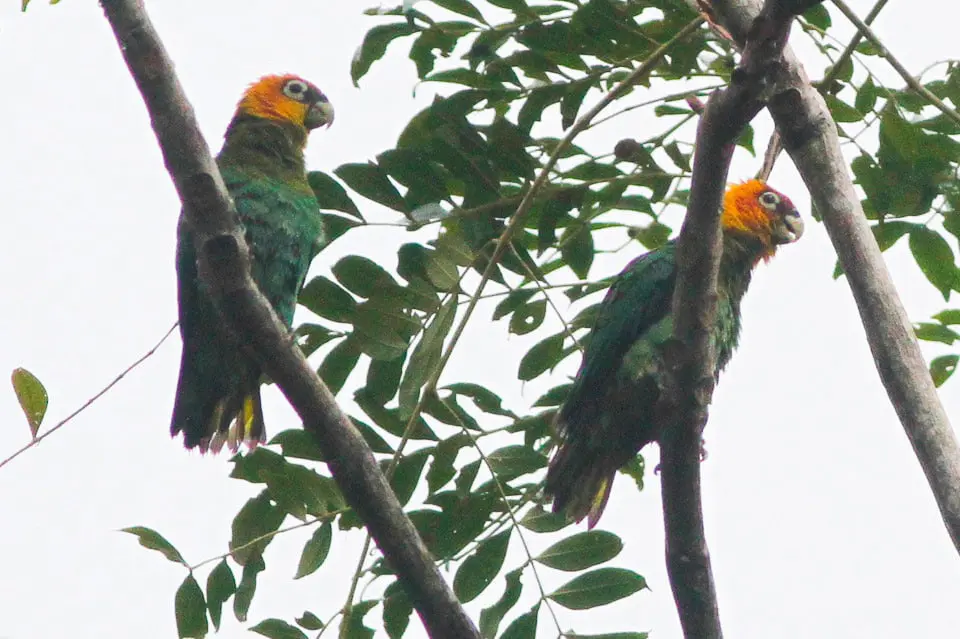
Orange-cheeked Parrot
Pyrilia barrabandi


Orange-cheeked Parrot

Content

Parrot-carinaranja-6

Description:

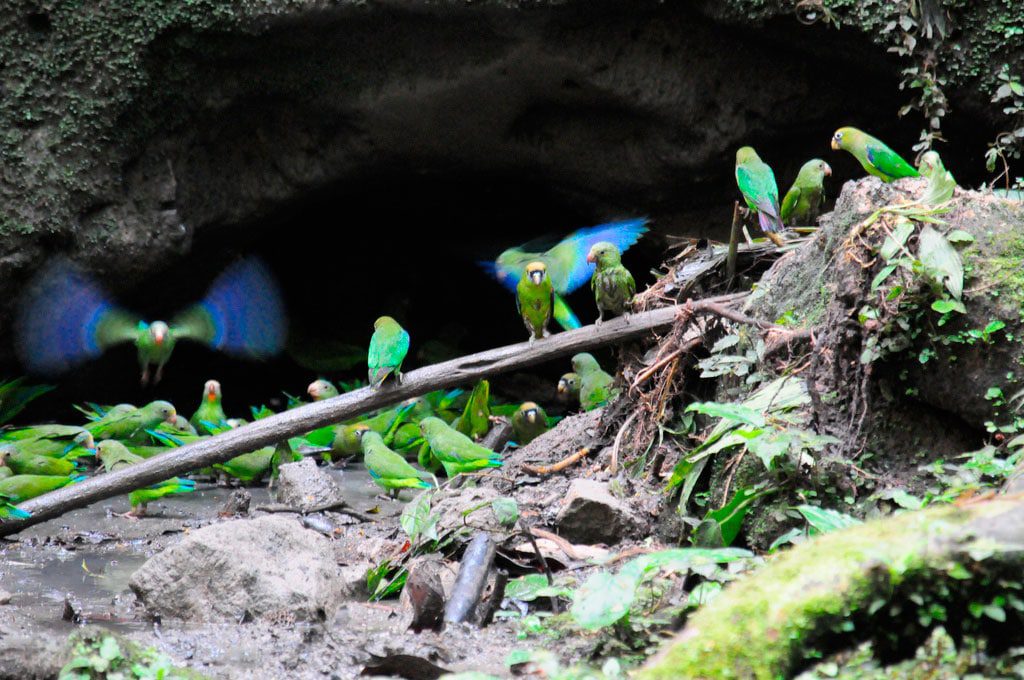
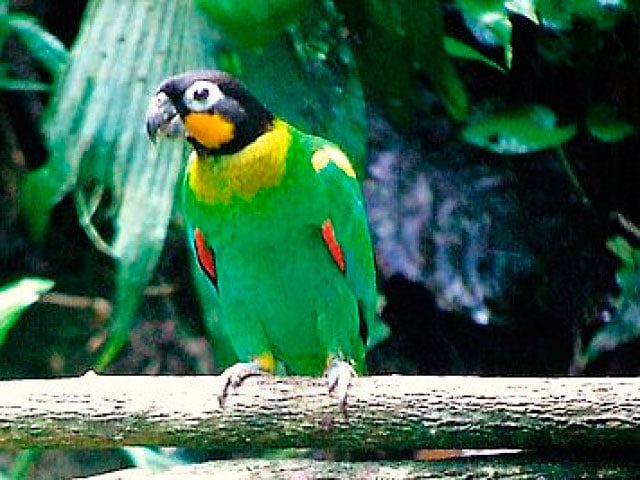
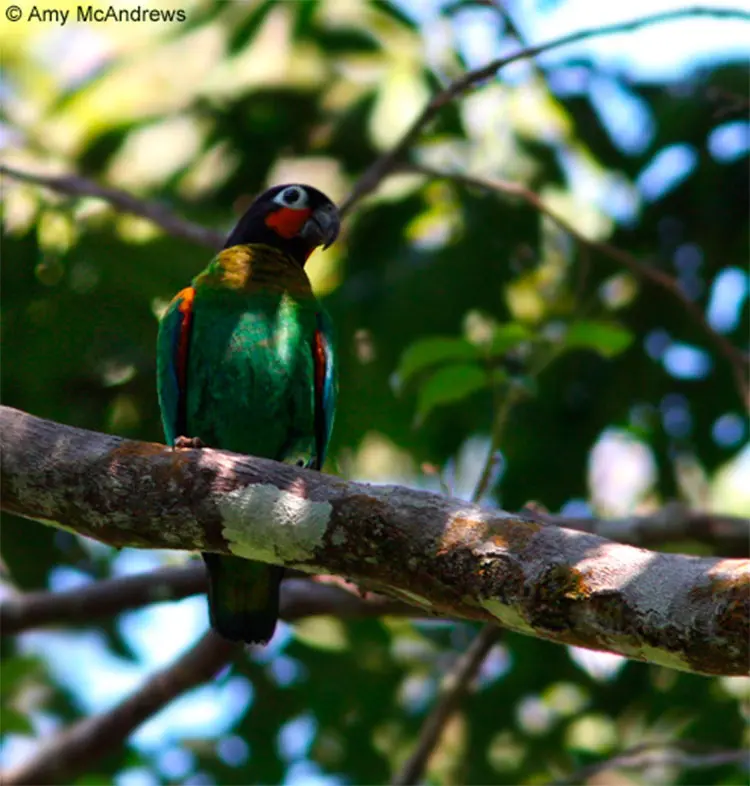
The Orange-cheeked Parrot (Pyrilia barrabandi) measured, approximately, 25 cm., has the head and throat black, except for the bright colored area amarillento-naranja that goes from the base of the bill up to the lower cheek well behind the eyes.

Upperparts green, lesser coverts, yellow-orange; edge front of the wing red; primary coverts blue-black; greater coverts bluish green; other coverts, green. Primary, dark blue at the base and in outerweb, If not black; underwing-coverts, bright red, flight feather opaque green. Upper zone of the chest dorado, its bottom and belly, bright blue green, the thighs with orange-yellow feathers. Tail green with blue tip, with yellow bases to the innerwebs of outer feathers.

Bill grey; brown the irises; legs grey.

Both sexes are similar.

The immature has the head Brown golden colour with yellowish brown in cheeks inferiores. Younger birds also has less yellow in the bend of wing, some green feathers in the underwing-coverts and yellow on the tips of the primaries.

Description 2 subspecies:

  • Pyrilia barrabandi aurantiigena

    (Gyldenstolpe, 1951) – Lesser coverts, curve of the wing and the thighs intense Orange instead of yellow-orange.

  • Pyrilia barrabandi barrabandi

    (Kuhl, 1820) – Nominal.

Habitat:

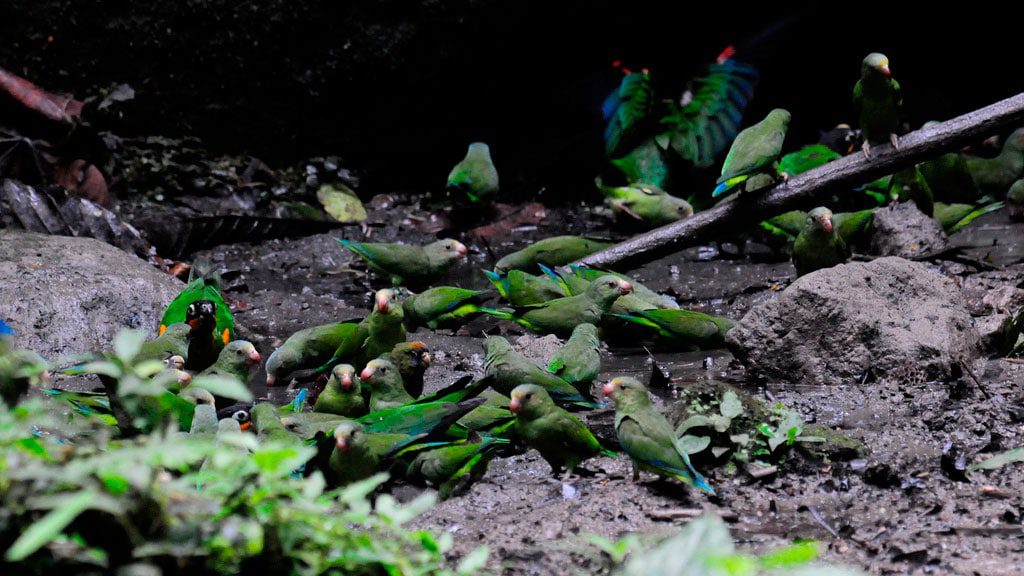
They inhabit mainly in lowland forests, apparently less frequently in forests and marshes. They are distributed at the edge of forests and partially disturbed forest, occasionally in small groves in deforested areas. Observed in altitudes of 150-300 metres in Venezuela and 500 meters in the southeast of Colombia. Seen individually, in pairs and in small groups of up to 10 individuals (sometimes more in banks of land rich in minerals). Are activated more early, In the morning, than other parrots and will rest later.

Reproduction:

There is no information about the nesting, but that suggests the registration of immature birds in February and March breeding season It can be between the months of September/October until the end of year.

Food:

Observed taking seeds or fruits of Ficus sphenophylla, Pourouma, Pseudolmedia, Mimosa, Pithecellobium and Heisteria and possibly larvae of the gall wasps. Usually, they feed in the canopy of the trees, or just below them; less frequently in low branches. Regularly visit areas with mineral-rich soil in the company of other species of parrots.

Distribution:

Size of the area of distribution(reproduction / resident): 3.470.000 km2

This is a kind of basin of the Western Amazon and the Alto Orinoco. Its length extends from the southeast of Colombia, from the Caquetá Western and bass inirida river, Guainia, until Venezuela in amazon and the Center and South of Bolívar and in Brazil in the upper part of the Amazon to the West, from the rivers Negro and Madeira through the rivers Juruá and Purus and to the South towards Mato Grosso, through the East of Ecuador and East of Peru and to the Northwest of Bolivia, in hand me.

They are generally considered rare throughout its distribution area, Although they are fairly common in the Northwest of Bolivia and many in the sandy Woods of bass Inirida River, to the southeast of Colombia. Its population has fallen locally due to deforestation, Although large tracts of primary forest remain in all range States. Live in several areas protected.

Distribution 2 subspecies:

  • Pyrilia barrabandi aurantiigena

    (Gyldenstolpe, 1951) – Is located in the East of Ecuador and to the East of Peru, where is this in the Manu National Park. In the North of Bolivia is it described as frequent to numerous. The extension also comes to Brazil: is limited by the Amazon in the North and Rio Madeira from the East (pit et to the., 1997).

  • Pyrilia barrabandi barrabandi

    (Kuhl, 1820) – Nominal.

Conservation:


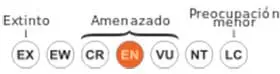
Near-threatened


• Current category of the Red List of the UICN: Almost threatened.

• Population trend: Stable.

Justification of the population

The size of the world population It has not been quantified, but this species is described as «Rare» (Stotz et to the., 1996).

Justification of trend

It is suspected that this species has lost 12.1-15% of habitat within its distribution over three generations (21 years) based on a model of Amazon deforestation (Soares-Filho et to the., 2006, Bird et to the., 2011). Given the susceptibility of the species to the fragmentation and degradation of forest and potentially your hunting and/or trapping, It is suspected that its population will decrease at a rate close to the 30% during three generations.

Threats

The main threat This species is the acceleration of the deforestation on amazon basin with large tracts of land used for livestock and soybean production; It is highly susceptible to degradation and fragmentation due to its dependence of primary forests (Soares-Filho et to the. 2006, Bird et to the. 2011, A. Lees in litt. 2011). It can also be vulnerable to the hunt (A. Lees in litt. 2011). The changes proposed by the Forest code of Brazil reduce the percentage of land that a private owner is legally required to maintain as forest and include an amnesty for owners who deforested before July 2008 (who would later be acquitted of the need to reforest illegally cleared land) (Bird et to the. 2011).

"Orange-cheeked Parrot" in captivity:

It is very rare see you in captivity outside of Brazil.

Alternative names:

– Orange-cheeked Parrot, Barraband’s Parrot, Orange cheeked Parrot (English).
– Caïque de Barraband (French).
– Goldwangenpapagei, Goldwangen-Papagei (German).
– curica-de-bochecha-laranja, curica, curuca (Portuguese).
– Cotorra Cabecinegra, Lorito Carinaranja, Lorito de Mejillas Amarillas (español).
– Cotorra Cabecinegra (Colombia).
– Loro de Mejilla Naranja (Peru).
– Perico Cachete Amarillo (Venezuela).


scientific classification:
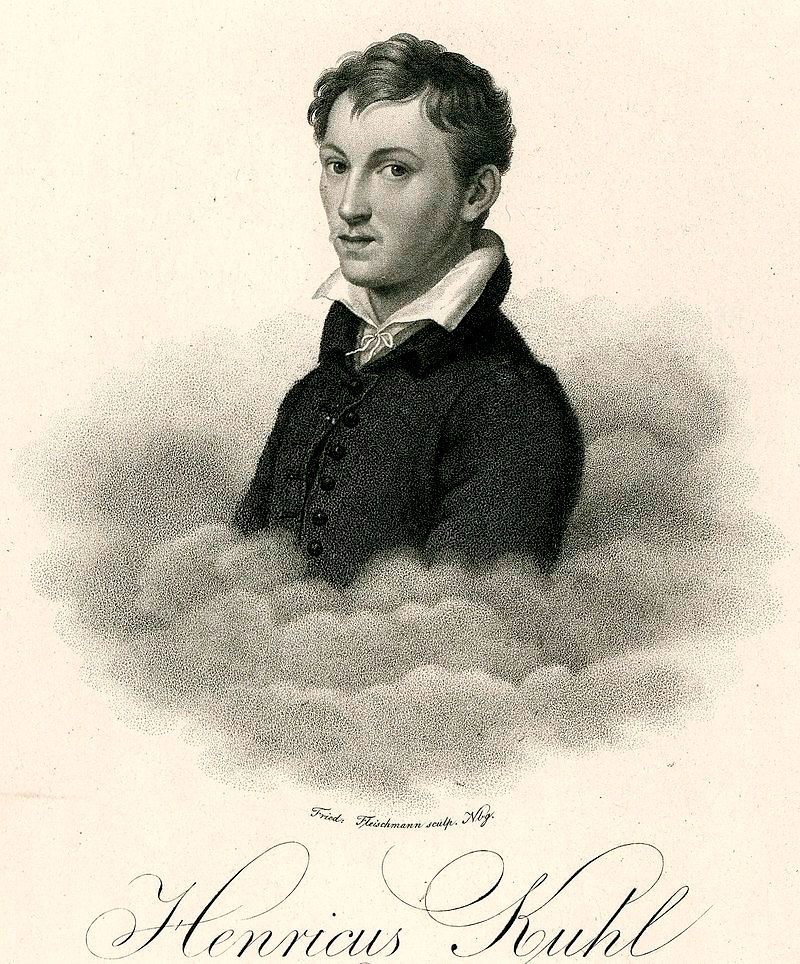
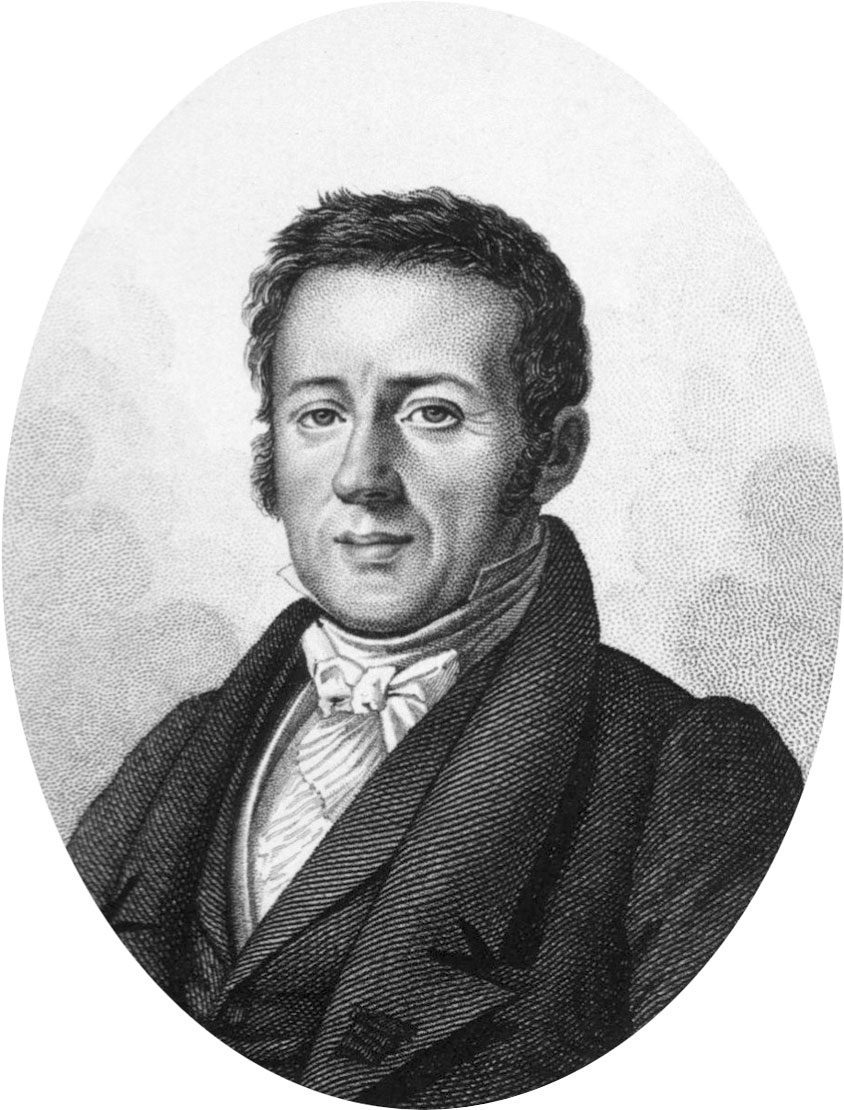
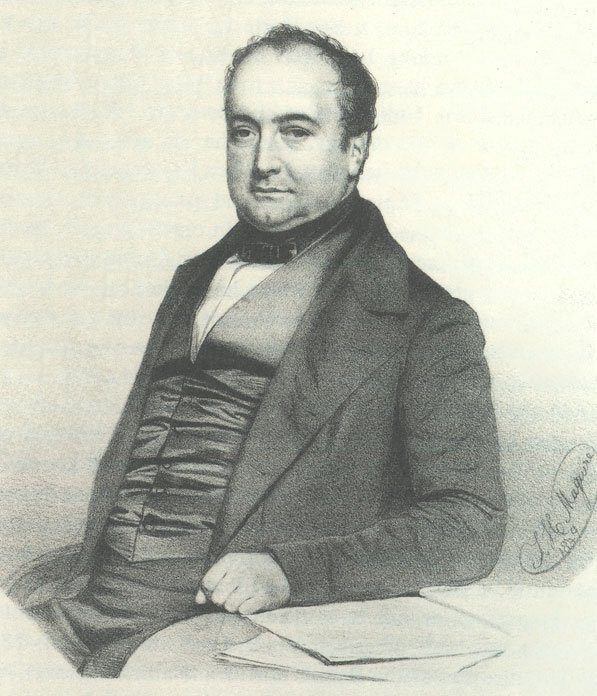
Kuhl, Heinrich
Heinrich Kuhl

– Order: Psittaciformes
– Family: Psittacidae
– Genus: Pyrilia
– Scientific name: Pyrilia barrabandi
– Citation: (Kuhl, 1820)
– Protonimo: Psittacus Barrabandi


Images "Lorito Carinanja":
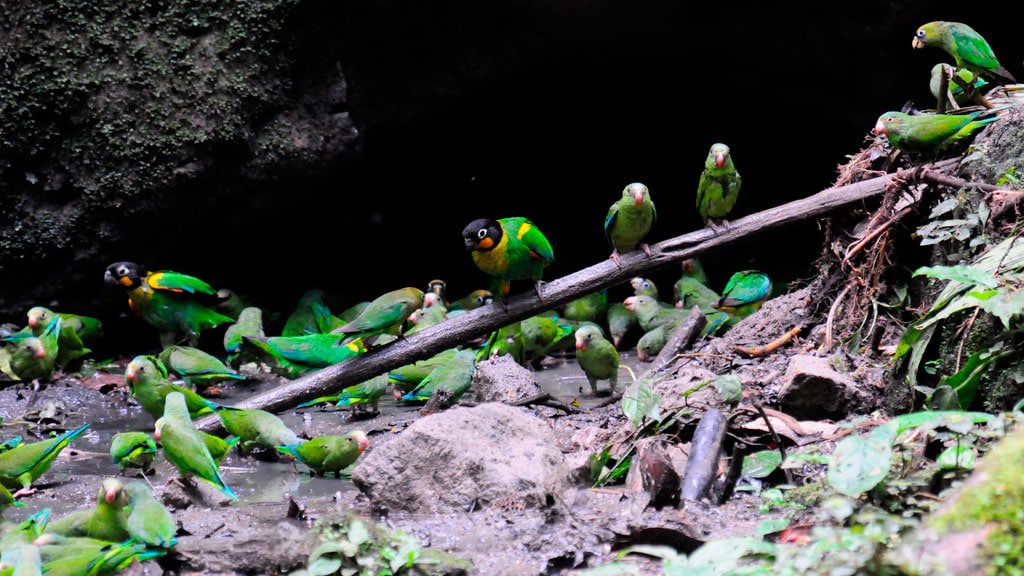
Videos "Orange-cheeked Parrot"

————————————————————————————————

"Lorito Carinanja" (Pyrilia barrabandi)


Sources:

– Avibase
– Parrots of the World – Forshaw Joseph M
– Parrots A Guide to the Parrots of the World – Tony Juniper & Mike Parr
– Birdlife

– Photos:

(1) – Orange-cheeked Parrot (Pyrilia barrabandi) Cristalino Jungle Lodge, Mato Grosso, Brazil by Amy McAndrews – Flickr
(2) – Orange-cheeked Parrot at Napo Wildlife Reserve, Ecuador by ocelot123 – Flickr
(3) – Cobalt Winged Parakeet , Scarlet Shouldered Parrotlet and Orange Cheeked Parrot at 3rd lick by Vince Smith – Flickr
(4) – Cobalt Winged Parakeet , Scarlet Shouldered Parrotlet and Orange Cheeked Parrot at 3rd lick by Vince Smith – Flickr
(5) – Cobalt Winged Parakeet , Scarlet Shouldered Parrotlet and Orange Cheeked Parrot at 3rd lick by Vince Smith – Flickr
(6) – Oiseaux brillans du Brésil.. Paris,1834.. biodiversitylibrary.org/page/47697228

– Sounds: controles-canto.org
▷ The world of Pets: Dogs, cats, birds, reptiles, amphibians

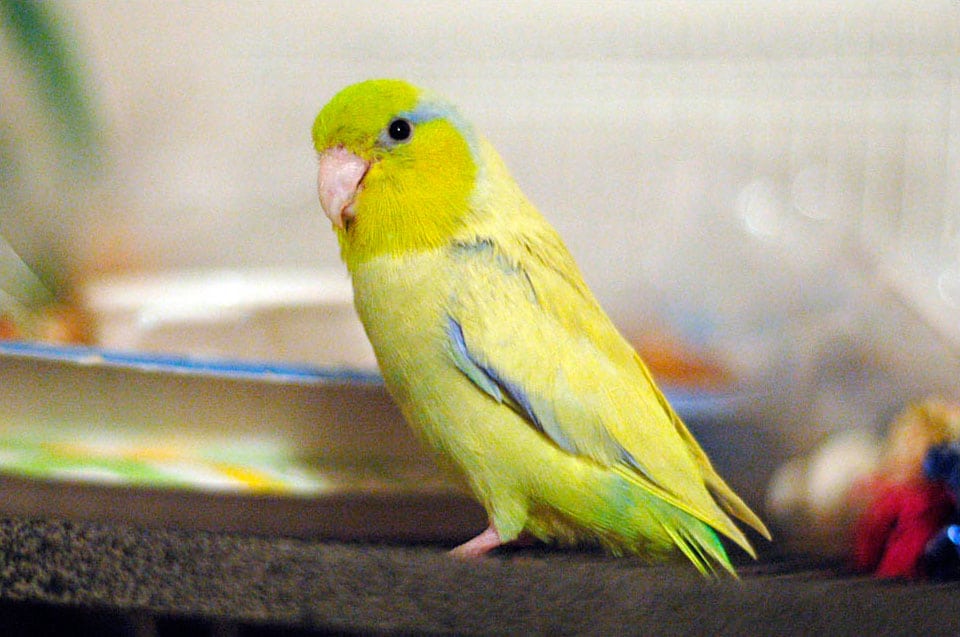
Pacific Parrotlet
Forpus coelestis


Pacific Parrotlet

Content

Description:


Anatomy-parrots

12-13 cm.. height.

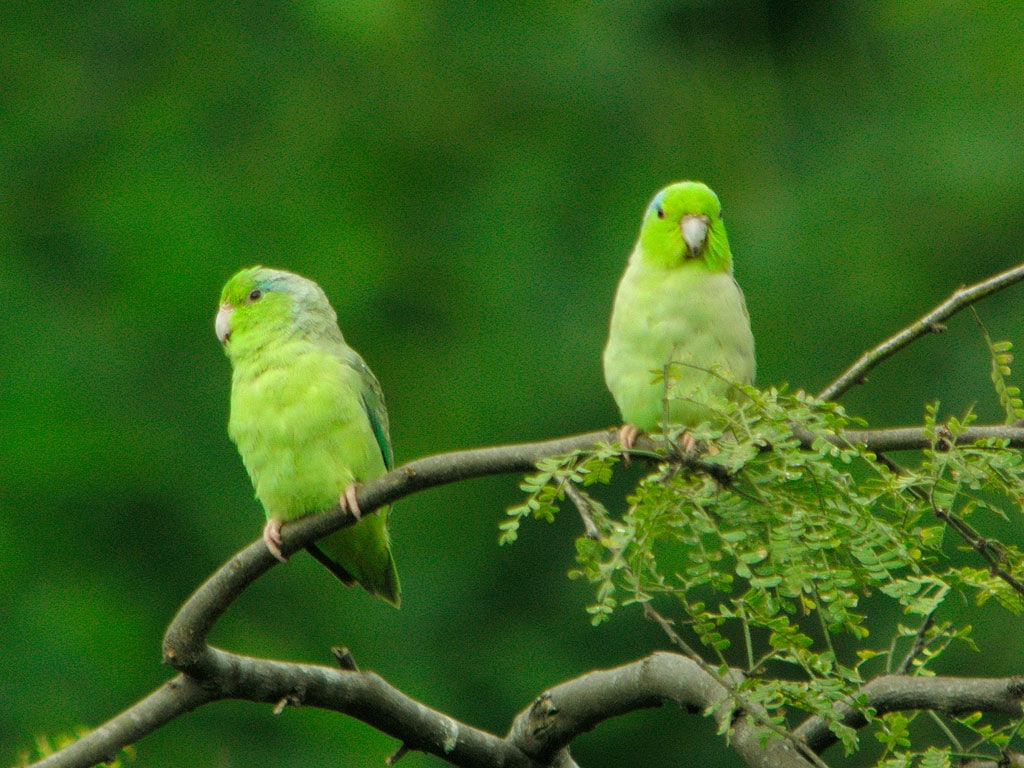
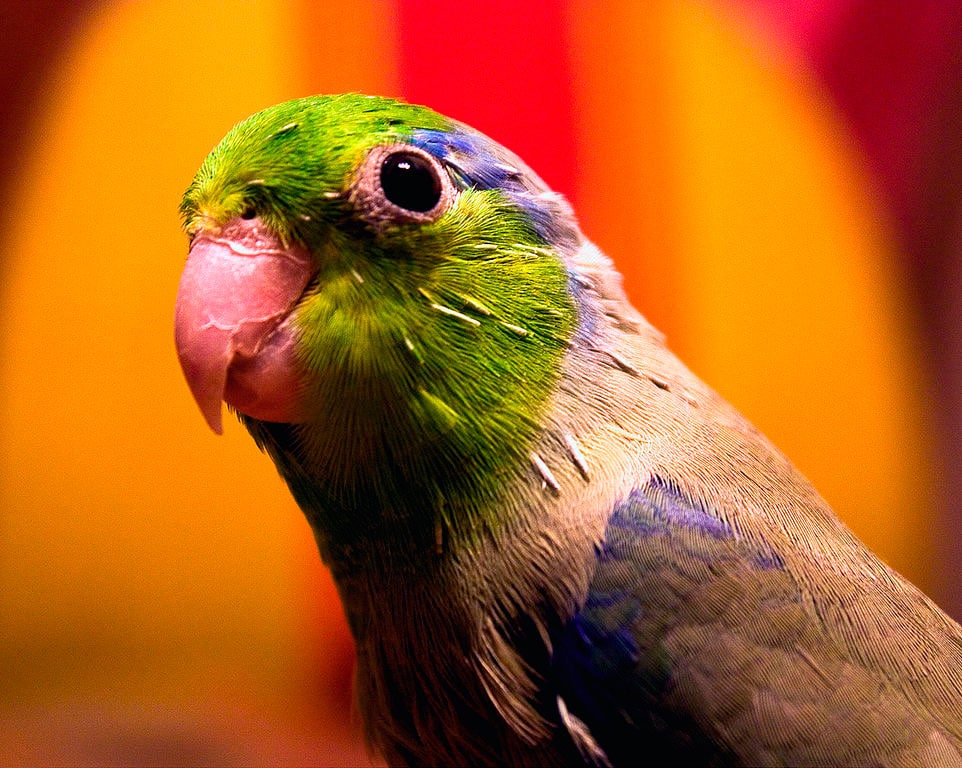
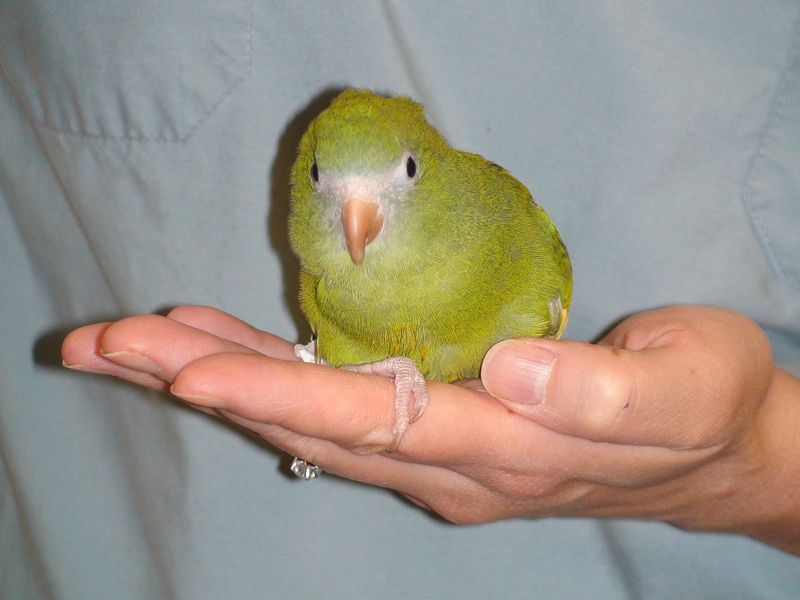
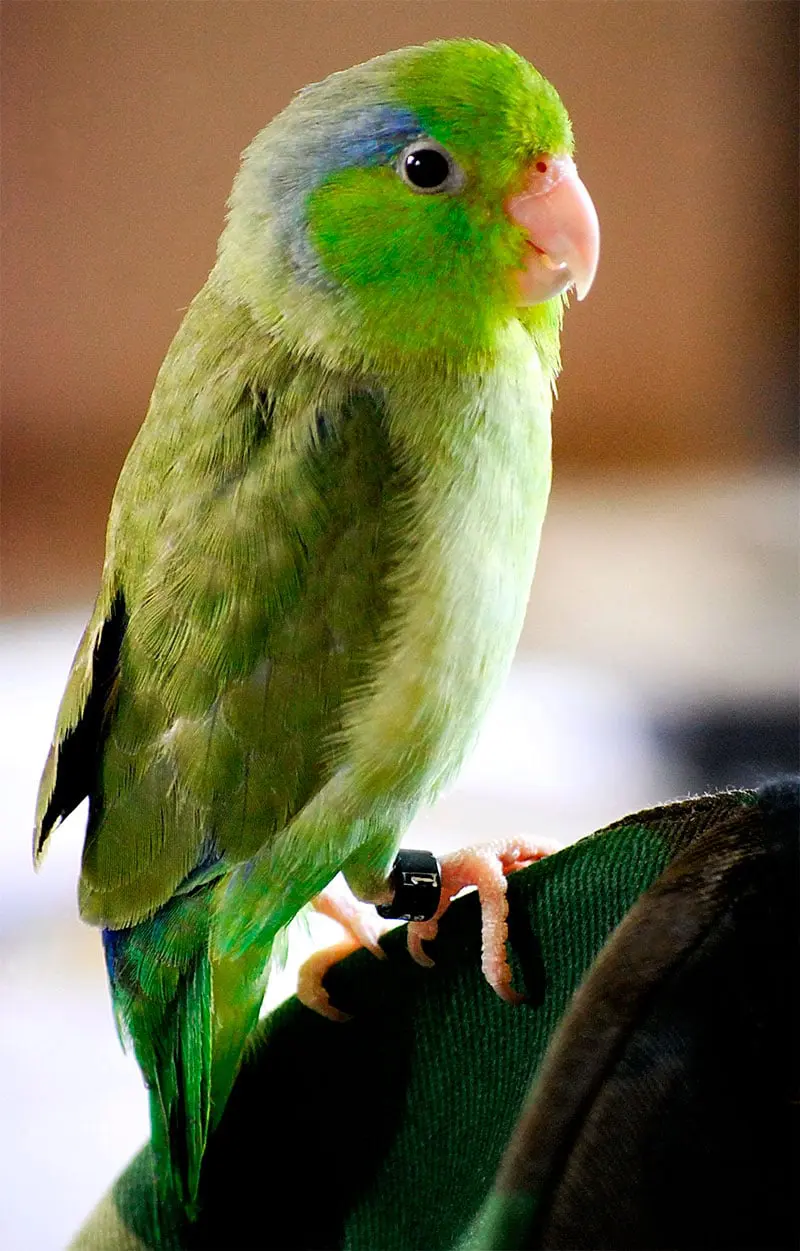
The Pacific Parrotlet (Forpus coelestis) It is a small bird, chubby with a tail short and finished in tip. Distinguishable in flight by the blue and Brown on the inside of the wings. It has blue behind the eye and in the middle of the wing at the top. The female does blue stain on the top of the wing and the blue behind the eye is paler. The Immature males they are similar to the adult male, but more pale and with back brownish.

Habitat:

The Pacific Parrotlet frequent most dry woodland habitats, such as scrub thorny, bosque deciduous, dense thickets of Captus with balsa trees, plantations of banana and mango, riparian zone, irrigated fields in Savannah and gardens, although their preferred areas are those of humid tropical vegetation such as the coastal mangales.

Older records of this species are from below sea level of 1.000 m, but are to 2.150 meters on the West side of the Andes in Huancabamba, is of Piura, Peru, and a 1.370-1.650 meters in the South of Loja, Ecuador.

Usually gregarious; they form large flocks where abundant food.

Reproduction:

It nests in the cavity of trees, in cactus, fence posts, pipes or the nests of the Pale-legged Hornero (Furnarius leucopus), of the Tie Neck Pijuí (Synallaxis stictothorax) or Fasciated Wren (Campylorhynchus fasciatus).

The breeding season includes the months of January to may. Sometimes, they breed a second time throughout the year. The laying of eggs 4-6.

Food:

The diet of the Pacific Parrotlet includes seeds grass, berries, fruit (example, of Tamarindus, Amaranthus spinosus) and cactus fruits. It forages among the vegetation and land.

Distribution:

Size of the area of distribution (reproduction / resident): 147.000 km2

This species is found in the West of Ecuador, in Manabi Since the latitude of the Valley of the Chone River to the South across the South of Pichincha, The rivers and Guayas (including the Isla Puna), until Gold and Loja, entering the Northwest of Peru, in Tumbes, Piura, Lambayeque and South of Cajamarca, until Freedom and Trujillo.

irregularly common, sometimes abundant; most numerous in arid areas. The population has apparently not yet been severely affected by the trade in live birds or the conversion of natural and semi-natural habitats for the Agriculture. The species is probably Forpus most numerous in captivity.

Conservation:

State of conservation ⓘ


minor concern Minor Concern ⓘ (UICN)ⓘ

• Current category of the Red List of the UICN: Least concern.

• Population trend: Stable.

Justification of the population

The size of the world population It has not been quantified, but this species is described as «common» (Stotz et to the., 1996).

Justification of trend

Suspected that the population is stable in absence of evidence of any decline or threatens substantial.

"Pacific Parrotlet" in captivity:

Colorful, charming and intelligent. These small birds have become in very popular pets in recent years. Its small size and quiet nature make of the Pacific Parrotlet an ideal choice for people living in apartments. Nicknamed “pocket parrots” in the pet trade, These parakeets are actually the smallest of the family of parrots, and they are as smart as many larger species. Some learn to speak quite well, Although the species is not particularly known for the ability to speak.
An interesting fact upon the Pacific Parrotlet is that its closest relative is the Amazon parrot. Although the two species differ greatly in size, owners often report striking similarities between them. Despite being small birds, they are by no means “low maintenance birds”. While it is true that they are, course, easy to clean, in comparison with the larger birds, However require your daily care to keep them docile, socialization at an early age is the key to be in a future good behavior.
They have tendency to obesity. They must be able to get out of their cages, spread your wings, and exercise your muscles to maintain your physical and mental health.

Their metabolism is very high, and they should have food available at all times. They are known for their appetite voracious, and occur in one diet varied that consists in fruits and vegetables fresh, small seeds such as millet, the high-quality commercial pellets, and protein sources from hard boiled egg.

There are many mutations.

Alternative names:

– Pacific Parrotlet, Western Parrotlet (English).
– Toui céleste, Perruche-moineau céleste (French).
– Himmelsperlingspapagei, Himmelspapagei (German).
– Tuim-peruano (Portuguese).
– Catita Enana Amarilla, Cotorrita de Piura, Cotorrita Celestial (español).
– Periquito Esmeralda (Peru).

scientific classification:

René Primevère Lesson

– Order: Psittaciformes
– Family: Psittacidae
– Genus: Forpus
– Scientific name: Forpus coelestis
– Citation: (Lesson, 1847)
– Protonimo: agapornis heavenly

Pacific Parrotlet images:

Videos of the "Pacific Parrotlet"

Pacific Parrotlet (Forpus coelestis)


Species of the genus Forpus

Sources:

  • Avibase
  • Parrots of the World – Forshaw Joseph M
  • Parrots A Guide to the Parrots of the World – Tony Juniper & Mike Parr
  • Birdlife
  • Parrot Book, Parrots and macaws.

Photos:

(1) – Male Green Pacific Parrotlet, named Jackson By Susan C. Griffin (Own work) [CC BY-SA 3.0], via Wikimedia Commons
(2) – Pacific Parrotlets (also known as Lesson’s Parrotlet and Celestial Parrotlet) at Wilhelma Zoo, Stuttgart, Germany By Undertable [CC BY 2.0], via Wikimedia Commons
(3) – A pet Pacific Parrotlet – yellow colour mutation By Becky Wetherington (originally posted to Flickr as 82/365 – Good bird.) [CC BY 2.0], via Wikimedia Commons
(4) – A pet male Pacific Parrotlet (also known as Lesson’s Parrotlet and Celestial Parrotlet) By Erin Purcell (originally posted to Flickr as [1]) [CC BY 2.0], via Wikimedia Commons
(5) – Pacific Parrotlet (also known as Lesson’s Parrotlet and Celestial Parrotlet) in El Empalme, El Oro Province, coastal SW Ecuador By markaharper1 [CC BY-SA 2.0], via Wikimedia Commons

Sounds: (Xeno-canto)

▷ The world of Pets: Dogs, cats, birds, reptiles, amphibians

Saffron-headed Parrot
Pyrilia pyrilia

Saffron-headed Parrot

Content

Saffron-headed Parrot

Description:

22,8 to 25,4 cm.. height.

The Saffron-headed Parrot (Pyrilia pyrilia) is characterized by the lores naked; head, rear and both sides of the neck, bright yellow. Upperparts green. The spots of the upperwing-coverts are bright yellow with some red feathers at the base; Red at the front edge of the wing with the external medium upperwing-coverts blue, or green with blue tips. The primary coverts are black, with the coverts remaining of the party top, green, sometimes with blue tips.

Primary and secondary bluish black with narrow green margin to the outerweb; tertiary green. Under the wings and axillary bright red, flight feather of color bluish pale. Breast Yellow olive; belly Green but paler and more yellowish than the top; undertail-coverts green. above the tail with yellow in the innerwebs and blue tips; yellowish below. Bill color pale horn; cere blackish; dark grey skin nude of the lores extends around the eye ring; eye ring whitish; irises dark brown; legs grey.

Both sexes similar. The immature has the crown and shoulders Green with yellow yellowish brown in the face and throat.

Habitat:

Little known throughout its distribution. It inhabits in humid jungles, very wet, high secondary forest and cleared areas, between the 300 to 1700 m. In Venezuela can be seen in tropical and subtropical areas at altitudes of 150-1650 m (perhaps only seasonally to higher altitudes) and 1.000 metres in Colombia. Usually gregarious, seen in groups of up to 10 individuals.

Reproduction:

With reproduce during the first half of the year.
Birds in breeding conditions observed in the months of March-June in Antioquia (Colombia). Immature seen during the month of July in Sierra de Perija (Venezuela and Colombia).

Food:

Just have your feed data, Although it more likely is that your diet is composed of of fruit, berries and seeds.

Distribution:

Size of the area of distribution (reproduction / resident): 577.000 km2

The Saffron-headed Parrot is distributed in the this of the Province of Darien, Panama, to the North of Colombia and Northwest of Venezuela.

There are two records in the Northwest of Ecuador, a wandering pair alleged in the Book ecológica Cotacachi-Cayapas and a flock of about 20 birds in the Pedro Vicente Maldonado Canton, in the Northwest of Pichincha (Ridgely and Greenfield 2001), Although their status is uncertain (JF Freile in litt., 2000, Ridgely and Greenfield 2001).

Today it is rare to see to the Saffron-headed Parrot in accessible areas, Although it is still common Serrania de las Quinchas (Boyacá) and in the Hill of the peace (Santander) (Donegan et to the., 2003), Colombia and is soon likely to have decreased significantly in the Chocó, Colombia, or Darien (GR Angehr in litt., 1999, G. Stiles in litt., 1999).

There are few recent records, but they may still be numerous at the northern base of the Andes, Córdoba, North of Antioquia and Bolívar, and in the Valley of the Magdalena, to the East of Caldas and to the southeast of Antioquia, Colombia (Hilty and Brown 1986, A. Cuervo in litt., 1999).

Seems to have decreased in Venezuela, where recent records are from the area of Merida, the South-East slopes of the Cordillera de Mérida, Barinas (Kirwan and Sharpe 1999, C. Sharpe, J. and F. Rodriguez Rojas-Suarez in litt., 1999) and Sierra de Perija (CJ Sharpe in litt. 2011).

The population total may have fallen below 10.000 individuals (Juniper and Parr 1998, G. Stiles in litt., 1999). In fact, is estimated that the Western population (West of Sinu) is of 2.000 to 4.000 individuals (most habitat intact), the population Center (Serranía de San Lucas) is probably less than 1.000 individuals, the slopes West of the Eastern Cordillera It is estimated at approximately 1.000 individuals and the eastern slope of the Eastern Cordillera and Merida perhaps less than 1.000 individuals (C. Sharpe, J. and F. Rodriguez Rojas-Suarez in litt., 1999).

Conservation:


Near-threatened

• Current category of the Red List of the UICN: Near-threatened.

• Population trend: Decreasing.

Rationale for the Red List category

This species has a population moderately small suspected is declining, and therefore qualifies as near-threatened. It is considered nationally vulnerable in Colombia (Renjifo et to the., 2002) and Venezuela (Sharpe 2008).

Justification of the population

The population is estimated at at least 7.000 copies in total, more or less equivalent to 4.700 mature individuals (PGW Salaman in litt., 2006).

Justification of trend

A slow to moderate and continuous decrease in population is suspected on the basis of the rates of habitat loss: its preferred habitat is severely threatened (T. Donegan in litt 2006.).

"Saffron-headed Parrot" in captivity:

Very difficult acclimating to captivity, susceptible to diseases in captive State.

Alternative names:

– Saffron-headed Parrot, Bonaparte’s Parrot, Saffron headed Parrot (English).
– Caïque de Bonaparte (French).
– Goldkopfpapagei, Goldkopf-Papagei (German).
– Saffron-headed Parrot (Portuguese).
– Cotorra Cariamarilla, Lorito Cabecigualdo, Lorito de Cabeza Dorada (español).
– Cotorra Cariamarilla (Colombia).
– Perico Cabecidorado (Venezuela).


scientific classification:

Charles Lucien Bonaparte

– Order: Psittaciformes
– Family: Psittacidae
– Genus: Pyrilia
– Scientific name: Pyrilia pyrilia
– Citation: (Bonaparte, 1853)
– Protonimo: Psittacula pyrilia

Images "Saffron-headed Parrot"

Videos "Saffron-headed Parrot"


“Lorito he head”. (Pyrilia pyrilia)


Sources:

  • Avibase
  • Parrots of the World – Forshaw Joseph M
  • Parrots A Guide to the Parrots of the World – Tony Juniper & Mike Parr
  • Birdlife

  • Photos:

(1) – Saffron-headed Parrot (Pyrilia pyrilia) by Ron Knight – Flickr
(2) – Iconographie des perroquets: Paris :P. Bertrand,1857. by Biodiversity Heritage Library – Flickr

  • Sounds:

▷ The world of Pets: Dogs, cats, birds, reptiles, amphibians

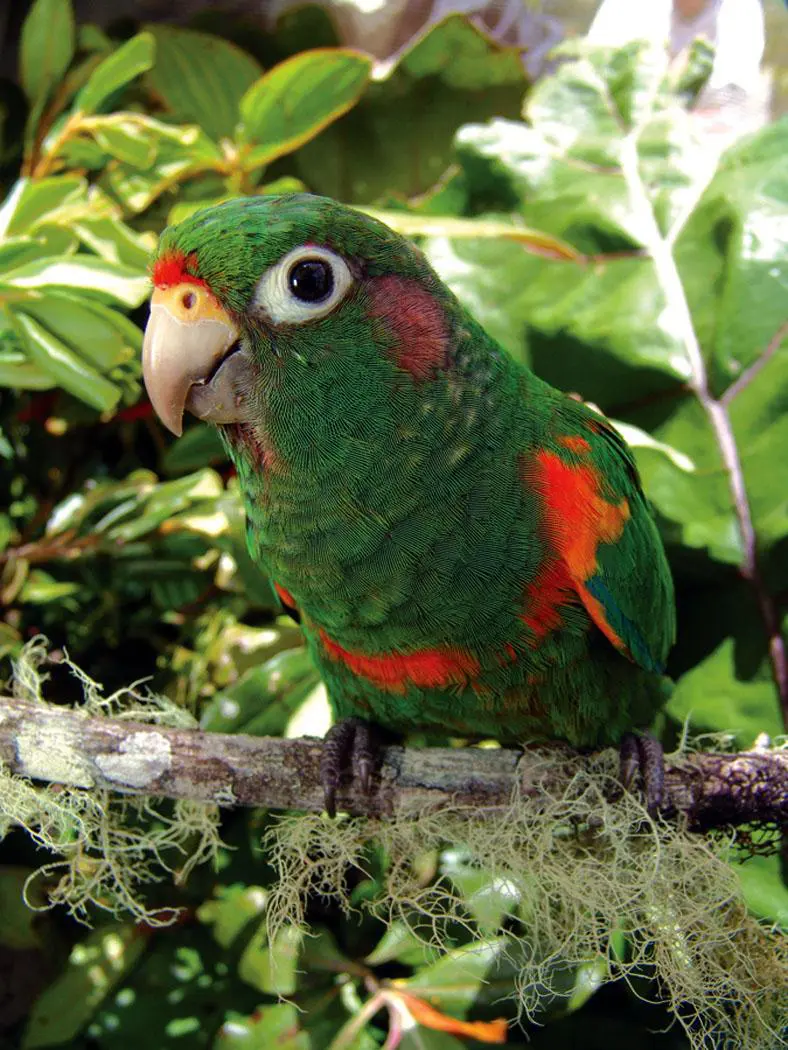
Santa Marta Parakeet
Pyrrhura viridicata

Cotorra de Santa Marta

Content

Description:

25 cm.. height.

The Santa Marta Parakeet (Pyrrhura viridicata) It, in general, green, with a characteristic red stripe in the middle of the chest which continues until shoulder and armpit. The scales of the chest is less evident; the flight feathers blue. Band front narrow red in the forecrown and behind the eye with red and yellow dye. Tail over green and below red opaque.

Bill color bone; brown iris; pale black legs. It has no sexual dimorphism.

Habitat:

It inhabits in humid mountain forest, clouded forest, pastures and edges, from 1900 to 2800 m. They fly at dawn and at dusk in compact and numerous flocks on the canopy of the forest. Is les has observed flying over them clear adjacent and each time more visiting them mulberry plantations.

The species rests and nests in couples and in lesser proportion in groups of three individuals in cavities of Palms of bouquet Ceroxylon ceriferum (Arecaceae).

Reproduction:

The period reproductive is starts in December and lasts until June, the cavities are visited on average 4 to 5 times a day. There is a sexual dimorphism and a low reproductive success can be associated with displacement or predation by the Aratinga wagleri wagleri (Scarlet-fronted Parakeet) or the Santa Marta Toucanet (Aulacorhynchus lautus prassinus) – Ramphastidae.

Food:

Twelve plant species are incorporated into the diet so far known to the Santa Marta Parakeet, It consists mainly of flowers and fruits, the inflorescence of the Croton bogotanus (Euphorbiaceae) is their main source of food. It forages in groups of size variable, presenting an integration and disintegration of subgroups throughout the day. A sentinel system was observed.

Distribution:

Size of the area of distribution (reproduction / resident): 1,600 km2

Endemic species of Sierra Nevada de Santa Marta, to the northeast of Colombia. The towns registered include The Summit, is of Taquiña on the basis of the Páramo of Mamarongo in the Guajira, and Cerro Quemado in the mountains of San Lorenzo.

Will produce some movements altitudinal seasonal. Almost all the habitat forest subtropical is designated as reserve forest or Park national, but the clearing for plantations of marijuana has been extensive, similar to the use of herbicides to combat it. So it only remains for the 15% the original forest (especially in the hillsides North), including only 200 the preferred height of the species km2. Fairly common within this very restricted range, but the population probably below of the 5.000 birds.

Conservation:

State of conservation ⓘ


Endangered Endangered ⓘ (UICN)ⓘ

• Current category of the Red List of the UICN: In danger of extinction.

• Population trend: Decreasing.

Rationale for the Red List category

The range of this species and its small population are probably decreasing as a result of habitat loss. So, qualifies as in danger.

Justification of the population

The population It has been estimated for a long time between 5.000 and 10.000 individuals, equivalent approximately to 3.300-6.700 mature individuals. The density of population is of 1 Ave per km2 (Botero-Delgadillo et to the. 2012). Assuming that the 680 km2 of habitat are fully occupied, the population total is calculated that is 2,900-4,800 birds, which is equivalent to 1,933-3,200 mature individuals; But, with occupation part is likely to remain less than 2.500 birds (Botero-Delgadillo et to the. 2012).

Justification of trend

Se sospecha una decrease moderate and continuous of the population on the basis of the rates of habitat loss.

Threats

only one left 15% the original vegetation of the Sierra Nevada de Santa Marta, to a large extent on the slope North, where this species is found (LM Renjifo, Com. 1993, 2000).

The main current threat is the expansion of plantations of non-native trees, such as the of Pine and eucalyptus, in addition to the clearing of land for livestock (C. Olaciregui in litt. 2012).

· Historically, the conversion of forests in plantations of marijuana and coca was also a major threat (LG Olarte in litt., 1993, com LM Renjifo. Comm., 1993, J. Fjeldså verbally they 2000, pers LM Renjifo. Comm., 2000, C. Olaciregui in litt. 2012), that is compounded by the Government with application of herbicides in the sierra (LG Olarte in litt., 1993, com LM Renjifo. Comm., 1993, 2000).

Other threats that followed the human migration to the area Since the Decade of 1950 hereafter include slash & burn (Dinerstein et to the., 1995, Snyder et to the. 2000, Salazar and Strewe undated, PGW Salaman in litt. 1999).

· It is known to be hunted in the cold river valley, and in the San Pedro district individuals in mulberry plantations have skyrocketed. The species not found in the local bird trade (Strewe 2005).

"Santa Marta Parakeet" in captivity:

Not marketed for captive.

Alternative names:

– Santa Marta Parakeet, Santa Marta Conure (English).
– Conure des Santa Marta, Perriche de Santa Marta, Perruche de Santa Marta (French).
– Santa-Marta-Sittich, Santa Marta Sittich, Sittich (German).
– Santa Marta Parakeet (Portuguese).
– Cotorra de Santa Marta, Perico Oliva, Periquito de Santa Marta (español).

scientific classification:

– Order: Psittaciformes
– Family: Psittacidae
– Genus: Pyrrhura
– Scientific name: Pyrrhura viridicata
– Citation: Todd, 1913
– Protonimo: Pyrrhura viridicata

Images "Santa Marta Parakeet"

Videos "Santa Marta Parakeet"


Especies del género Pyrrhura

Santa Marta Parakeet (Pyrrhura viridicata)


Sources:

Avibase
Parrots of the World – Forshaw Joseph M
Parrots A Guide to the Parrots of the World – Tony Juniper & Mike Parr
Birdlife
Oliveros rooms, H.. 2005. Population and ecological evaluation of the Santa Marta parakeet Parrot parakeet in the sector of San Lorenzo, Sierra Nevada de Santa Marta, Colombia. (ProAves.org)

Photos:

(1) – ProAves Foundation – Proaves.org

Sounds: By GABRIEL MILK (Xeno-canto)

▷ The world of Pets: Dogs, cats, birds, reptiles, amphibians

Tepui Parrotlet
Nannopsittaca panychlora

Cotorrita de tepuy

Content

Description:

Tepui Parrotlet

The Tepui Parrotlet (Nannopsittaca panychlora) measured between 14 and 15,7 cm.. height. Small size, with wings sharp and tail cut and wedge.

The head It is green with yellow tinge oliváceo; the eye area is yellow, color extending below and behind the eyes. The upperparts they are green (brighter and less than oliváceo head). Upperwing-coverts green. Flight feathers blackish green tipped primary, brownish opaque below; INFRACA-wing coverts green. The underparts yellowish green turn yellow-green in the undertail-coverts. Upper, the tail is green; undertail, yellower. Bill grey; cere grey; Bello to singr dark gray; irises brown; legs Rosaceae.

Both sexes are similar; the female has the forecrown Off-white to yellowish.

Habitat:

They inhabit moist montane forests. in tropical and subtropical highlands, sometimes in the rainforest of the lowlands around tepuyes, generally 750-1,850 m (Gran Sabana), although they observed at the top of Auyantepui to 2,200 meters and near the summit Monte Roraima A 2,200 m; to 750-950 metres in Sucre.

Can reproduce in subtropical and tropical zone descend to feed. Recent records in the view of birds in the lowlands suggest at least seasonal aparienciones at lower altitudes. Fly very high, fast and straight, in compact flocks of 6 to 150 individuals. It´s resident but it shows seasonal migrations.

Reproduction:

Sleeps and nests in Tepuis. Not much more information about the reproduction of this species in the wild.

Food:

In their natural habitats, the Tepui Parrotlet normally eat fruits, seeds and small insects.

Distribution:

Size of the area of distribution (reproduction / resident): 486.000 km2

Mainly montana, It is distributed in several scattered populations in eastern Venezuela and the adjacent area of ​​western Guyana; concentrated in Gran Sabana from the east of Bolívar in Venezuela (for example, Montes Roraima and Auyantepui); It is also present around the meseta del Duida and the lowlands of Ventauri River, amazon, and in the West of Guyana from the area Camaran River; a more distant population occupies the Paria Peninsula (for example, the Monte Papelón), Sucre, to the northeast of Venezuela. Probably you can be observed at the north end of Roraima, Brazil.

Apparently locally common and stable, but perhaps it diminished in Paria peninsula due to large-scale deforestation. Much of the range is included in Canaima National Park.

Conservation:

State of conservation ⓘ


minor concern Minor Concern ⓘ (UICN)ⓘ

• Current category of the Red List of the UICN: Least concern.
• Population trend: Stable.

Justification of the population

The size of the world population It has not been quantified, but this species is described as «quite common, but unevenly distributed» (Stotz et to the., 1996).

Justification of trend

It is suspected that this species has lost 6,9-11,6% of habitat within its distribution over three generations (15 years) starting from a model of deforestation Amazon (Soares-Filho et to the., 2006, Bird et to the., 2011). Given the susceptibility of the species to hunting and / or capture, It is suspected that its population decline by <25% during three generations.

"Tepui Parrotlet" in captivity:

Breeding in captivity outside of South America. It is intelligent, quiet and very sociable.
Can normally live about 20 years.

Alternative names:

– Tepui Parrotlet, Tepui Parakeet, Tepui parrolet (English).
– Toui des tépuis, Toui tépui (French).
– Tepuisittich, Grünsperlingspapagei, Tepui Sittich (German).
– Periquito-dos-tepuis, periquito-do-Tepui (Portuguese).
– Catita Chirica, Cotorrita de tepuy, Cotorrita Tepuí (español).
– Chirica (Venezuela).

scientific classification:

– Order: Psittaciformes
– Family: Psittacidae
– Genus: Nannopsittaca
– Scientific name: Nannopsittaca panychlora
– Citation: (Salvin & Godman, 1883)
– Protonimo: Brotogerys [sic] panychlorus

Images of the "Tepui Parrotlet"

Video of the "Tepui Parrotlet"


Species of the genus Nannopsittaca

Tepui Parrotlet (Nannopsittaca panychlora)


Sources:

  • Avibase
  • Parrots of the World – Forshaw Joseph M
  • Parrots A Guide to the Parrots of the World – Tony Juniper & Mike Parr
  • Birdlife
  • Parrot Book, Parrots and macaws Neotropical

  • Photos:

(1) – Credit: © Scott Echols, DVM
(2) – Brotogerys panychlorus = nannopsittaca panychlora (color green) & Microcerculus ustulatus (color brown) By J G Keulemans (Ibis 1883 (Web)) [Public domain], via Wikimedia Commons

▷ The world of Pets: Dogs, cats, birds, reptiles, amphibians

White-capped Parrot
Pionus seniloides

White-capped Parrot

Content


Anatomy-parrots

Description:

28 to 30 cm.. high and about 229 g. of weight.

The White-capped Parrot (Pionus seniloides) It is easily identifiable by the "peak" yellow, head usually white, with the crown with reddish speckles, feathers of the nape and sides of the head with dark blue edges and red dyes which gives the appearance of flake.

Breast with greenish blue edges, under belly and internal base tail red.

Iris of color Brown and legs gray-green.

The youth have crown and chest green, and green spots on the sides of the head and neck.

Note:

Previously he was treated as a subspecies of the species Pionus tumultuosus, that is to say, Pionus tumultuosus seniloides. A midyear 2014 it is considered as own species.

Habitat and behavior:

White-capped Parrot

It is a kind Rare.
It inhabits in humid jungle and edges, from the 1900 to 3000 m. It is mainly a species of temperate zone, but you can descend to lower elevations.

Like most highland parrots, the White-capped Parrot are rather nomads, widely wandering in search of fruits and seeds (now perhaps more as a result of extensive deforestation). Usually observed in flocks 3-25 birds, sometimes more. More active with grey weather, overcast skies. Difficult to see while feeding or resting in the upper canopy. Its silhouette in flight resembles a Amazona but with the beating of wings deepest.

Reproduction:

It nests in tree hollows.

Food:

Feeds of seeds, fruit of Turpinia paniculata and plants of the family Clusiaceae; sometimes in cornfields, causing damage to their crops.

Distribution:

Size of its range (reproduction / resident): 1.020.000 km2

Live west of Venezuela (from the border Trujillo–Lara) through the East of the Andes of Colombia (rare in the western Andes), and on both sides of the Andes in Ecuador and Northwest of Peru (west to Cajamarca and this, at least until Freedom)

Conservation:


minor concern


• Current category of the Red List of the UICN: Least concern.

• Population trend: Decreasing.

Justification of the population

The size of the world population It has not been quantified, but this species is described as «quite common«, but irregular distribution (Stotz et to the., 1996).

Justification of trend

They suspected that the population is declining due to the continuous habitat destruction.

"White-capped Parrot" in captivity:

Rare in captivity. In Europe they arrived first at the beginning of the century 20 and then the early 70. In captivity, However, They were raised for the first time in the second half of the 80.

Alternative names:

– White-capped Parrot, Speckle-faced Parrot (White-capped), White-headed Parrot (English).
– Pione givrée (French).
– Greisenkopfpapagei, Glatzenkopfpapagei, Greisenkopf-Papagei (German).
– White-capped Parrot (Portuguese).
– Loro de Cabeza Blanca, Loro seniloide, Loro gorriblanco (español).
– Cotorra Cabeciblanca (Venezuela).

scientific classification:

– Order: Psittaciformes
– Family: Psittacidae
– Genus: Pionus
– Scientific name: Pionus seniloides
– Citation: (Massena & Souancé, 1854)
– Protonimo: Psittacus seniloides

Images "Seniloid parrot":

Videos "White-capped Parrot"

————————————————————————————————

White-capped Parrot (Pionus seniloides)


Sources:

– Avibase
– Parrots of the World – Forshaw Joseph M
– Parrots A Guide to the Parrots of the World – Tony Juniper & Mike Parr
– Birdlife
– Parrot Book, Parrots and macaws Neotropical
– parrots.org

– Photos:

(1) – By Francesco Veronesi [CC BY-SA 2.0], via Wikimedia Commons White-capped Parrot (Pionus seniloides), Ecuador by
(2) – Iconographie des perroquets :Paris :P. Bertrand,1857 by Biodiversity Heritage Library – Flickr

– Sounds: Andrew Spencer

▷ The world of Pets: Dogs, cats, birds, reptiles, amphibians

Norfolk Island Kaka
Nestor productus †

Norfolk Island Kaka

Content

Description:

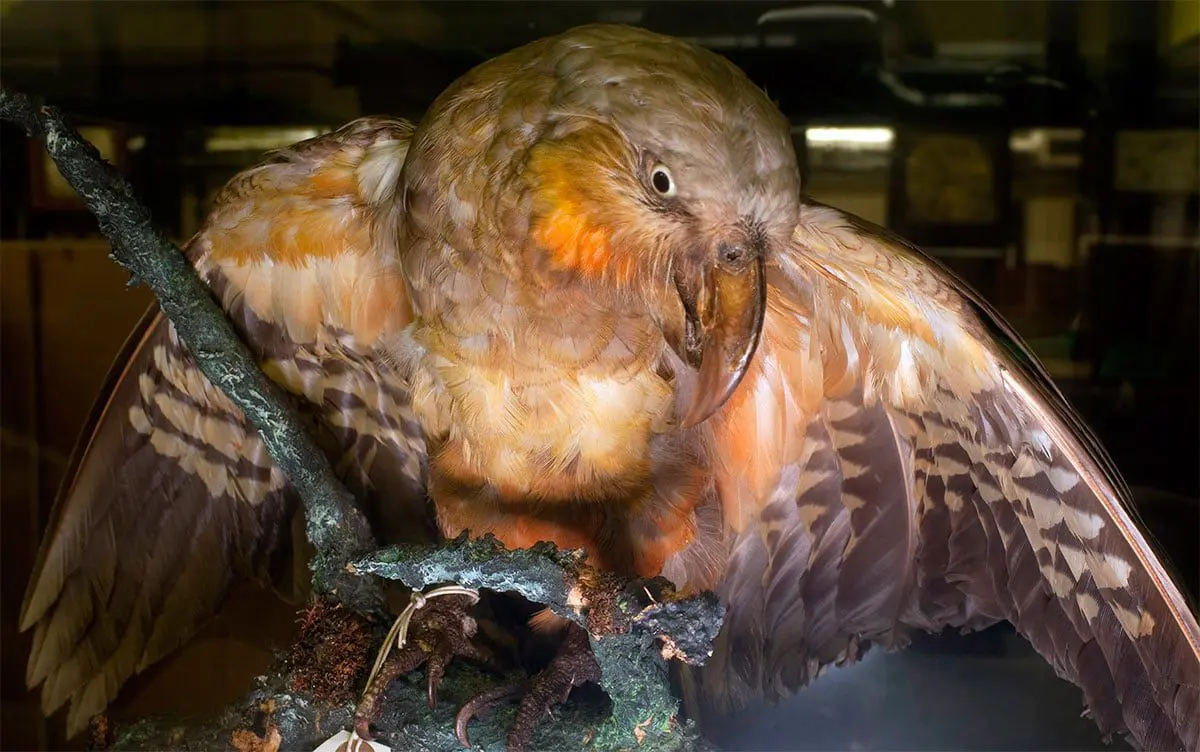
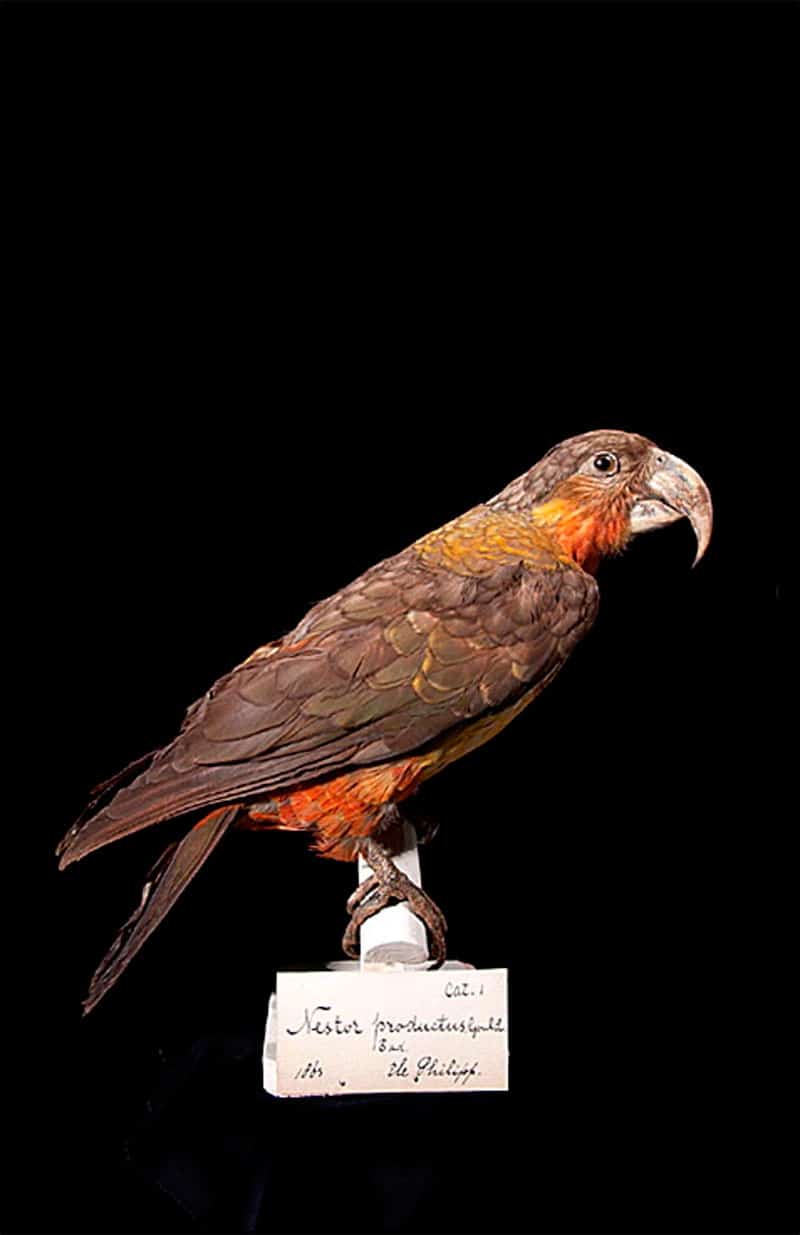
The Norfolk Island Kaka (Nestor productus) was their large with a bill, wings short and wide, and with legs and feet large.

Norfolk Island Kaka

I had 38 centimeters long. The top of his head era gris pardusca, while its face varied from yellow to orange, sometimes with a reddish tint. It was said that his Hip It was greenish yellow, and upperparts, including the wings, they were mostly greyish-brown in color, slightly darker than the top of the head, with the bottom of the back and rump orange or dark red and the tail brown. Upper chest It was brown and gray bottom bright yellow, with the belly and sides reddish orange (Forshaw & Cooper 1981, 2002; Greenway 1958).

Its social structure and dispersion are not registered, but the Norfolk Island Kaka of New Zealand, he watched alone or in small groups of up 10 individuals (Higgins 1999).

Habitat:

Habit in the native forest in the Norfolk Island and about Phillip Island (Greenway 1958). The species could be observed both in the canopy of tall trees, and soil, the rocks (Gould, 1865, Greenway 1958).

Given its endemism in the Norfolk Island, the Norfolk Island Kaka It was presumably sedentary.

Reproduction:

Little is known of reproductive cycle of the Norfolk Island Kaka; just put on record of four eggs in tree holes (Gould 1865).

Food:

It is known that he fed on nectar Flowers tree white wood (Lagunaria) (Gould 1865). Definitely should be more varied. The captive birds they ate lettuce and the leaves of other vegetables, as well as dairy meals and fruit juice (Gould 1865). Presumably he foraged in both the soil and the canopy (Gould, 1865).

Distribution:

Its range was about 15,5 hectares.

It was endemic to the Norfolk island (in Australia) and nearby Phillip Island, Australia. It became extinct in the wild in mid-century 19 on Norfolk Island, and possibly a little later Phillip Island.

The species is believed to have had a very limited ability to move between islands., and probably he spent his whole life on the island of his birth (Gould, 1865).
In the Norfolk Island Kaka occasionally kept in captivity, as the birds were gentle and easy to capture alive (Gould 1865). The species He survived in captivity until after it had become extinct in the wild (Greenway 1958). There are no known captive populations and none has been reintroduced into the wild. The last known living bird was in captivity in London in 1851 (Garnett et to the., 2011).

No made extensive studies for this species. But, there have been a series of ornithological studies in the Norfolk Island since the species disappeared from the island (p.ej. Bell 1990, Robinson 1988, Schodde et al., 1983, Smithers y Disney 1969), no signs have been found of the species.

Conservation:

• Current category of the Red List of the UICN: extinct.

Rationale for the Red List category

This species was known in the Norfolk Island, but it was Extinguished to mid 1800. It is believed that the elimination of habitat and hunting have been the main drivers.

According to reports, was tame and, Therefore, hunted strongly convicts and early settlers and easily trapped as a pet.

No information is available on the population size before its decline.

"Norfolk Island Kaka" in captivity:

They were captured by his meekness and they were common in the Norfolk Island

Alternative names:

– Norfolk Island Kaka, Norfolk Island Kea, Norfolk Island Parrot, Norfolk Kaka (English).
– Nestor de Norfolk (French).
– Dünnschnabelnestor, Norfolkkaka, Norfolk-Kaka (German).
– Kākā-de-norfolk (Portuguese).
– Kaka de Norfolk (español).

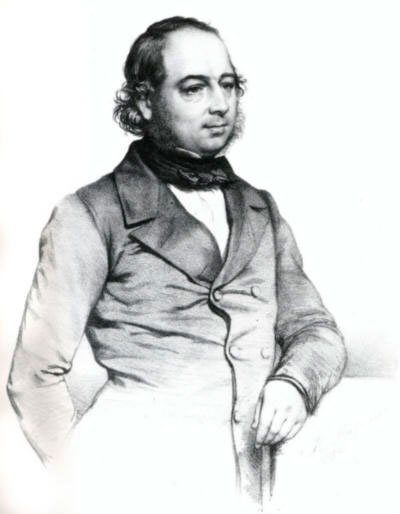
John Gould
John Gould

scientific classification:


– Order: Psittaciformes
– Family: Strigopidae
– Genus: Nestor
– Scientific name: Nestor productus
– Citation: (Gould, 1836)
– Protonimo: produced Plyctolophus


«Norfolk Kaka» Images:

————————————————————————————————

Norfolk Island Kaka (Nestor productus)


Sources:

– Avibase
– Parrots of the World – Forshaw Joseph M
– Parrots A Guide to the Parrots of the World – Tony Juniper & Mike Parr
– Birdlife
– Australian Government – Department of the Environment and Energy (Nest produced - Norfolk Island Kaka)

– Photos:

(1) – Natural Science Curatorial Trainee – Birmingham’s Norfolk kaka
(2) – Nestor productus Gould, 1836 by Huub Veldhuijzen van Zanten / Naturalis [CC BY-SA 3.0], via Wikimedia Commons
(3) – Nestor productus By Gould, 1836 [CC BY-SA 3.0], via Wikimedia Commons
(4) – Norfolk Island in Kaka (Nestor productus). The last bird in captivity died in London in 1851. Specimen from the Zoological Museum in Firenze, Italy by Thomas Wesener – Flickr
(5) – Nestor productus By Gould, 1836 [CC BY-SA 3.0], via Wikimedia Commons
(6) – The Norfolk Island in Kaka (Nestor productus) from the plate in the Bulletin of the Liverpool Museum. From the specimen in the Tring Museum by John Gerrard Keulemans [Public domain], via Wikimedia Commons

▷ The world of Pets: Dogs, cats, birds, reptiles, amphibians

Brown-necked Parrot
Poicephalus fuscicollis

Brown-necked Parrot

Content

Description:

32 cm.. length and weight between 310-400 g..

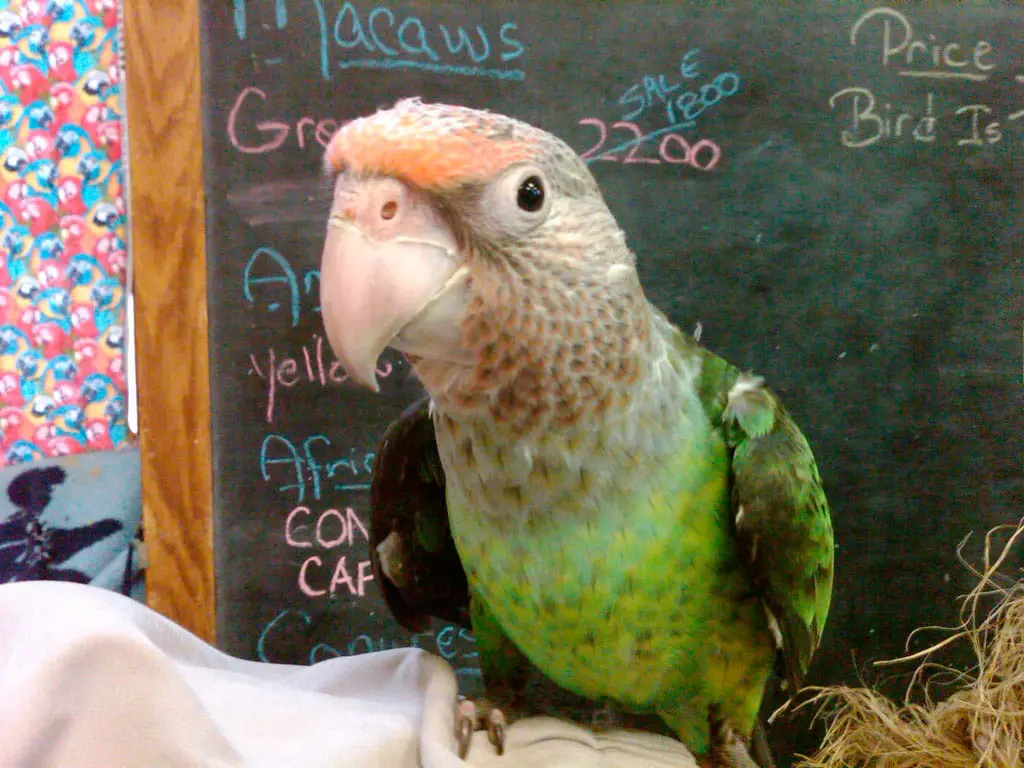
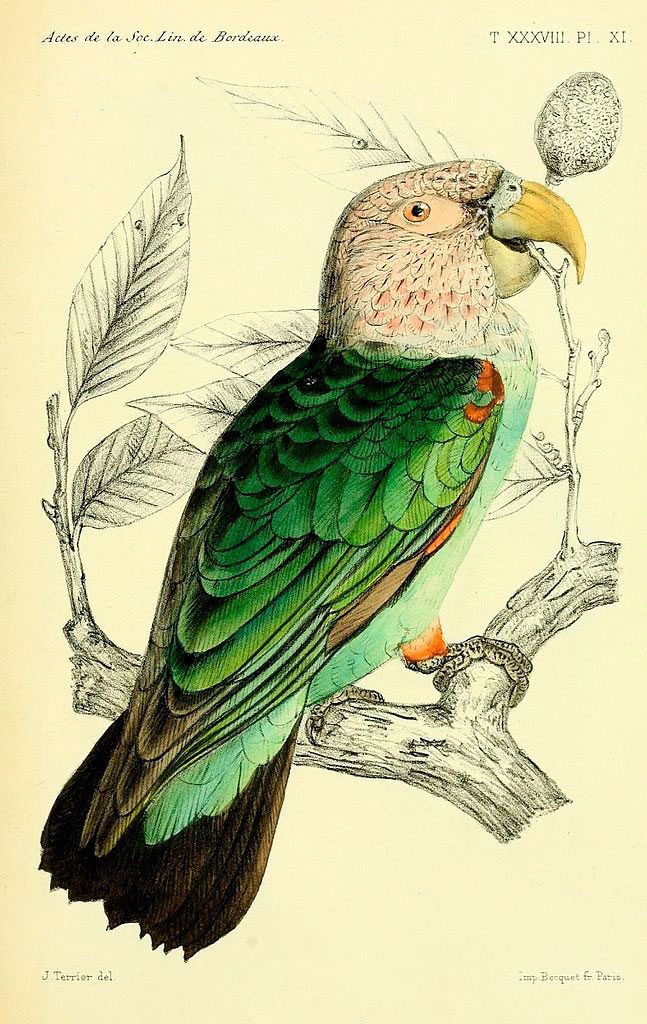
The Brown-necked Parrot (Poicephalus fuscicollis) has a plumage variable; head and gray to brown "neck" / light pink, slightly festooned with orange / brown; band orange / red through crown on female (absent in the males); back and wings, dark green; rump and underparts, green; the thighs, bend of wing and the carpal edge, red / orange; tail black / brown; irises dark brown; eye ring white / grey; bill color horn.

Immature with the head and the neck, green to yellow / brown; body dark green / oliva.

Taxonomic status:

In a study initiated in 1992, the taxonomic status of Lorito was revised Robusto (Poicephalus robustus) (Gmelin), and two species were proposed; Poicephalus robustus, restricted to montane forests of southern Africa, Poicephalus fuscicollis suahelicus, with wider distribution in wooded areas, and Poicephalus fuscicollis fuscicollis, similar to the Poicephalus fuscicollis suahelicus ostensibly, but with discontinuous, restricted to a narrow range of forests and West Africa.

Description 2 subspecies:

  • Poicephalus fuscicollis fuscicollis

    (Their Robust de Kuhl) (Kuhl, 1820) – Nominal.


  • Poicephalus fuscicollis suahelicus
  • Poicephalus fuscicollis suahelicus

    (Gray-headed parrot) (Reichenow, 1898) – With a plumage variable; head and neck silver / grey, festoneado slightly orange / brown; band orange / red through crown on female (absent in the males); back and wings, dark green; rump and lower partess, green / blue ; the thighs, bend of wing and the carpal edge, orange / red; tail black / brown; irises dark brown; eye ring white / grey; bill color horn.

Habitat:

Usually, prefers habitats of forests, as Mopane (Colosphermum mopane), miombo (Brachystegia) and riparian forests.

Most populations are residents but in the dry season become nomads, wandering in search of food.

Reproduction:

Nest in natural cavities of trees, usually on the trunk or at the bottom of a branch. The laying is of 2-4 eggs, they are incubated only by the female during 28-30 days. The male contributes to providing food for the female and chicks. Them They learn to fly when they have a 68-83 days old, only become fully independent 4-5 months later.

Food:

It feeds almost exclusively on fruit, mainly foraging in the upper canopy, using its beak to climb branches. The following foods have been recorded in your diet:

• Sclerocarya birrea (Marula)
• Pseudolachnostylis maprouneifolia (Kudu-berry)
• Commiphora mollis (Velvet cork)
• Xanthocercis zambesiaca (Nyala tree)
• Terminalia (cluster leaves)
• Gmelina arborea (Melina)

Distribution:

It is distributed from South Democratic Republic of the Congo and Tanzania until Zambia, Angola, Malawi and South of Africa; It is rare in the Caprivi Strip (Namibia), North of Botswana, Zimbabwe, Mozambique, the Limpopo and Southeast of South Africa.

Distribution 2 subspecies:

  • Poicephalus fuscicollis fuscicollis

    (Kuhl, 1820) – Nominal. It inhabits most forests including mangroves and can be found in West Africa, from Gambia and South of Senegal to the North of Ghana and Togo.


  • Poicephalus fuscicollis suahelicus

    (Reichenow, 1898) – Is located in South Africa, North of Zimbabue, Mozambique, areas Namibia, Angola, Zambia, North of Tanzania, Burundi, Rwanda and the southern part of the Sudafrican republic.

Conservation:


minor concern


• Current category of the Red List of the UICN: Least concern.

• Population trend: Decreasing.

This species has a extremely large range and therefore it is not close to the thresholds for Vulnerable under the criterion of size range (Extension <20,000 km2 combinada con un tamaño de rango decreciente o fluctuante, extensión o calidad de hábitat o tamaño de población y un pequeño número De lugares o fragmentación severa). A pesar de que la population trend appears to be declining, do not believe that the decline is fast enough for approaching the threshold of vulnerable under the criterion of population trend (> 30% decline in ten years or three generations). The population size has not been quantified, but it is not believed to be close to the thresholds for Vulnerable under the criterion of population size (<10.000 individuos maduros con una disminución continua estimada> 10% in ten years or three generations or a population structure). For these reasons, the species is evaluated as least concern.

Local and mostly uncommon throughout the range, Although more numerous and frequent in Ghana. South Subspecies considered vulnerable in South Africa where, although the erratic movements give the impression that the population fluctuates, It has suffered a decline due to the capture of the LBMs, the habitat destruction and persecution by farmers of pecan nuts; There are only fragmented patches of native vegetation. Generally rare or rare across West Africa (except Ghana).

We know very little about the biology on the loose subspecies Poicephalus fuscicollis suahelicus.
Although it has a very wide distribution area and is not classified as threatened, an analysis of the UICN and CITES recorded significantly high trafficking of Poicephalus robustus (including the Poicephalus fuscicollis suahelicus) between 1991 and 1995, It is involving a risk to natural populations. The lack of data on the ecology and behavior of this species restricts the establishment of the necessary conservation measures to effectively protect and manage the populations..

"Brown-necked Parrot" in captivity:

It easily adapts to captivity and is seen in the pet trade.

Alternative names:

– Brown-necked Parrot, Angola Brown-necked Parrot, Brown-necked Parrot (Brown-necked), Gambia Brown-necked Parrot, Uncape Parrot (English).
– Perroquet à cou brun, Perroquet à cou brun (nominal), Perroquet à cou brun (nominale), Perroquet à cou brun (race nominale) (French).
– Graukopfpapage (German).
– Brown-necked Parrot (Portuguese).
– Loro de Cuello Marrón, You You Fuscicollis (español).


scientific classification:

Kuhl, Heinrich
Heinrich Kuhl

– Order: Psittaciformes
– Family: Psittacidae
– Genus: Poicephalus
– Scientific name: Poicephalus fuscicollis
– Citation: (Kuhl, 1820)
– Protonimo: Psittacus fuscicollis


Images "Brown neck parrot":

Poicephalus [robustus or fuscicollis] suahelicus

Poicephalus [robustus or fuscicollis]

Poicephalus [robustus or fuscicollis] suahelicus

Poicephalus [robustus or fuscicollis] suahelicus

Videos "Brown-necked Parrot"

"Brown neck parrot" (Poicephalus fuscicollis)


Sources:

– Avibase
– Parrots of the World – Forshaw Joseph M
– Parrots A Guide to the Parrots of the World – Tony Juniper & Mike Parr
– Birdlife
– Parrots.org

– Photos:

(1) – Youth, captive, friendly Poicephalus robustus fuscicollis by Bob Corrigan – Flickr
(2) – Brown-necked Parrot By Tremeau de Rochebrune, Alphonse [CC BY 2.0 or Public domain], via Wikimedia Commons

– Sounds: Peter Boesman (Xeno-canto)