โ–ท The world of Pets: Dogs, cats, birds, reptiles, amphibians

Bohemian Wire-haired
Repรบblica Checa FCI 245 . Griffon type

Cesky Fousek

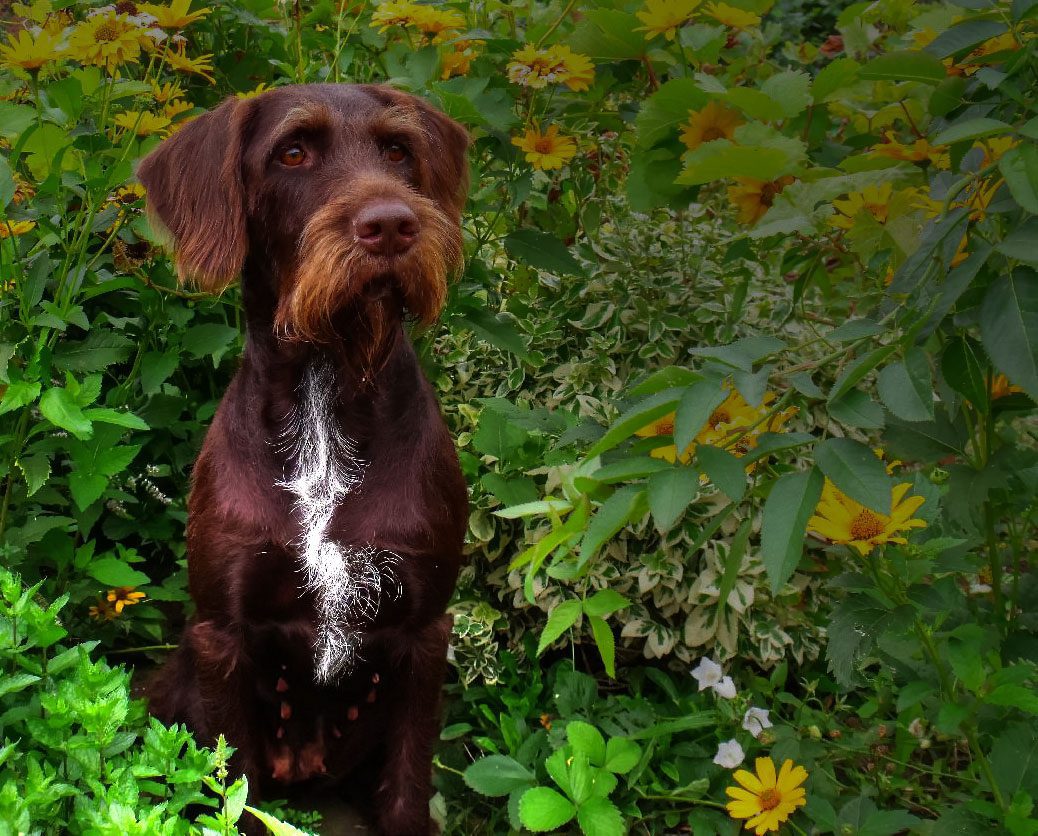
The Bohemian Wire-haired (in Czech: ฤŒeskรฝ Fousek) It is a dog of Czech origin, defined as a breed of versatile.

Cesky Fousek was used in the creation of the Slovakian Wirehaired Pointers.

The authors who have written about race, they say that the Cesky Fousek is a very old dog, Despite the rules of the standard were written and officially settled for the first time, in the 19th century. The breed nearly became extinct in the Decade of 1920, And it was saved thanks to the development of breeding with doghelhaar dogs.

Read more

โ–ท The world of Pets: Dogs, cats, birds, reptiles, amphibians

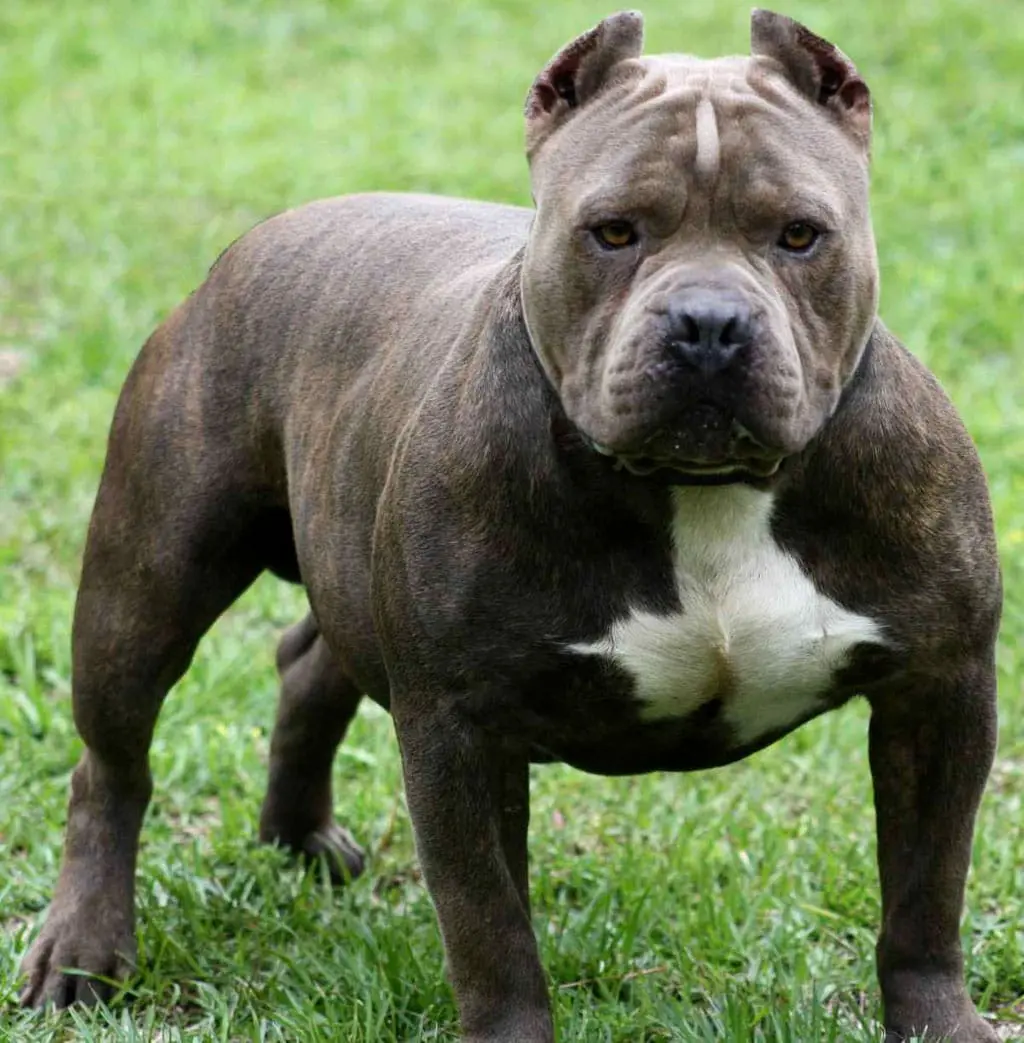
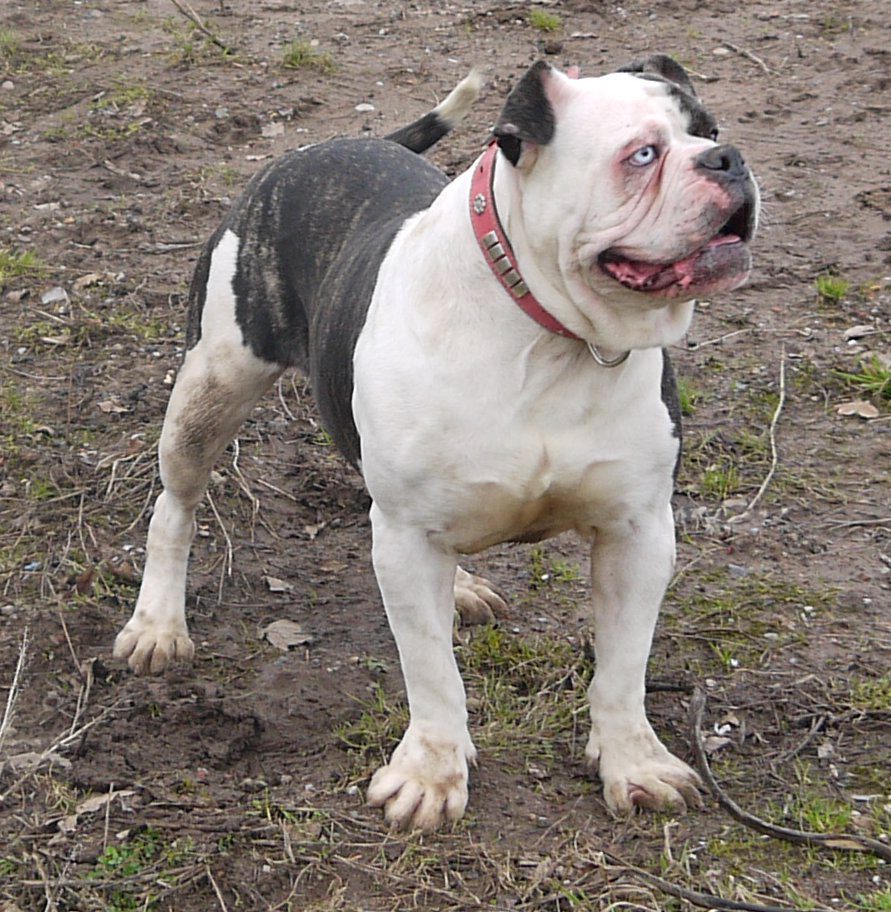
Pit bull
Estados Unidos Not recognized by the FCI

Pit Bull Terrier Americano

The Pit bull in Spain it is considered potentially dangerous race.

The Pit bull (American Pit Bull Terrier) is a pure breed of dog, originally from United States, It was forged from dogs imported from United Kingdom. Were used as fighting dogs until they were banned in 1976; they are now bred as pets and athletes in legal sports (Although it is still the favorite breed, dog fighting carried out clandestinely).

Read all about the race by clicking on: American Pit Bull Terrier.

  • Otros nombres: American Pitbull Terrier / APBT / Pit / Pitty

Recognized by:

  • United Kennel Club (UKC).

โ–ท The world of Pets: Dogs, cats, birds, reptiles, amphibians

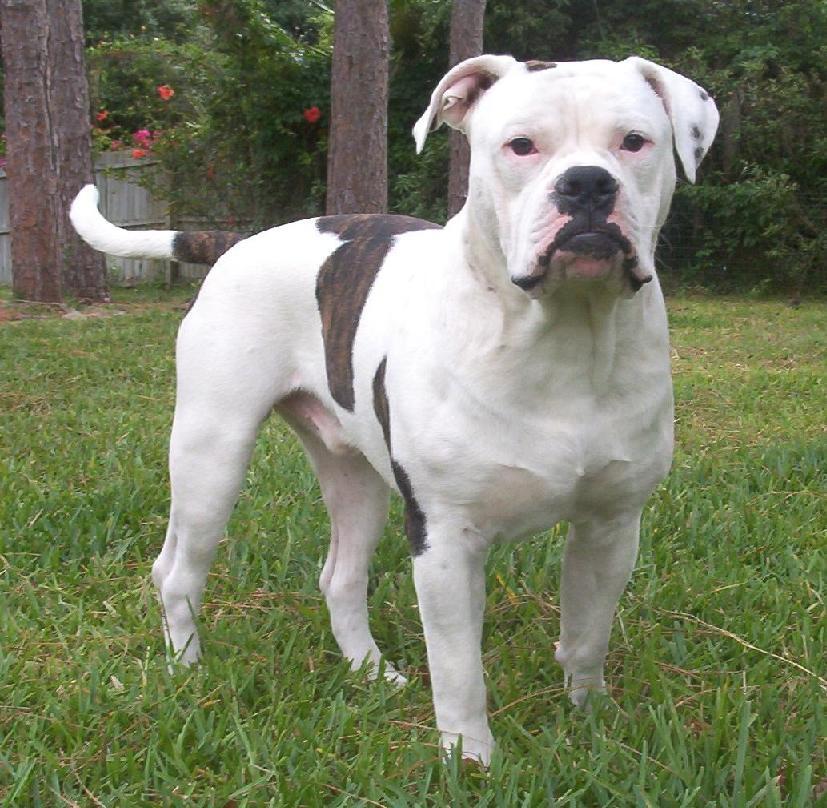
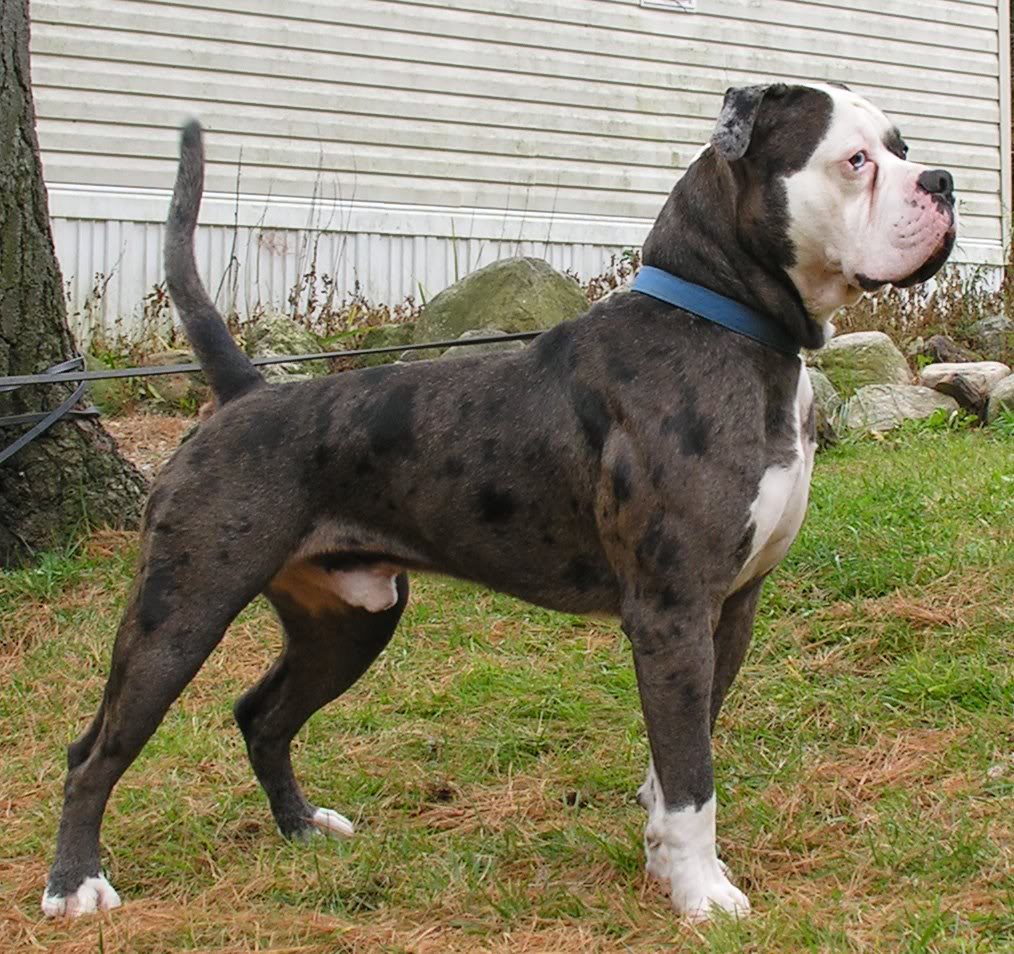
Alapaha Blue Blood Bulldog
Estados Unidos Not recognized by the FCI

Despite its similarity, they should not be confused with the race American bulldog
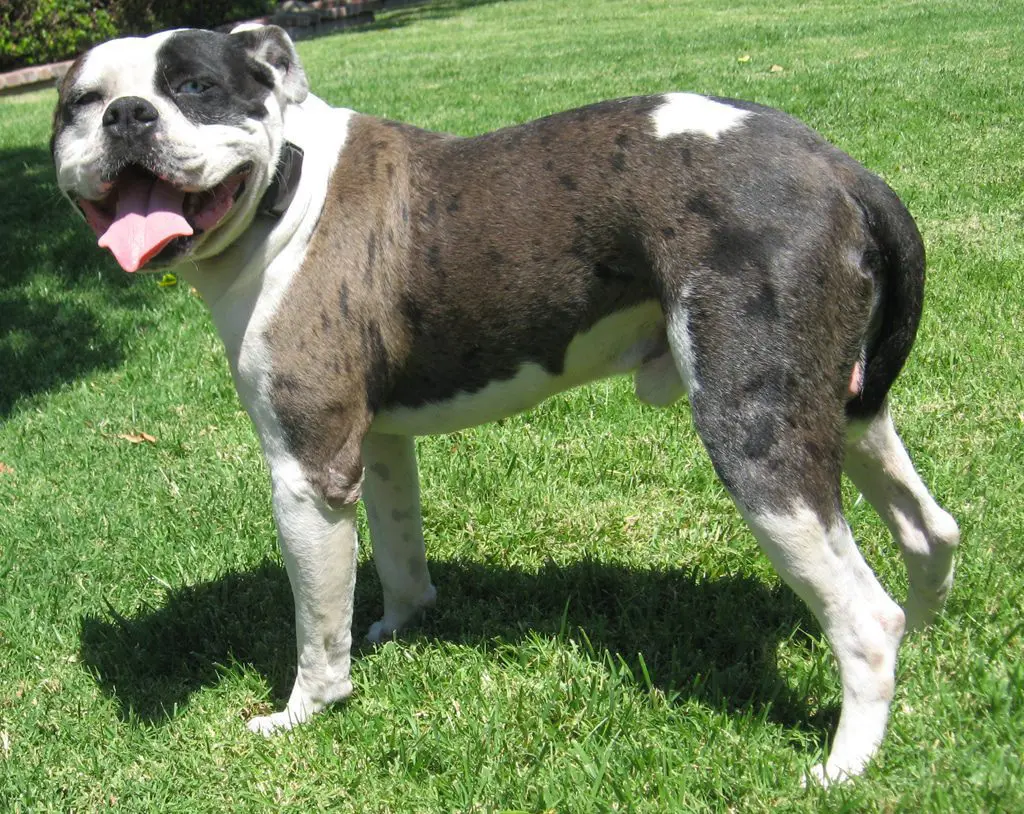
Alapaha Blue Blood Bulldog

Content

History Alapaha Blue Blood Bulldog

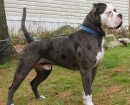
Also Known As Otto Bulldog. It is a breed of dog of American origin, considered rare due to the few existing copies. According to available information, They have been developed in the area Alapaha River in the southern region Georgia. They are renowned for their great sense of obedience, their agility and your protective character.

The race Alapaha blood Blue was developed by crossing Old English Bulldog white (known as, White English Bulldogs), a Catahoula Bulldog and a reduced number of copies of Colby Pit Bull Terrier. The origins of the breed remain fuzzy, and this has caused much confusion…

While at first glance it is a Bulldog type. It is a stronger dog and a well-developed musculature (remarkable characteristic of the breed, compared to other varieties Bulldog).

Despite its similarity, not to be confused with American bulldog. This similarity resulted in actions pre-register many Alapaha Blue Blood Bulldog They were included in the ancestry of American bulldog.

Videos "Alapaha Blue Blood Bulldog"

While Alapaha Blue Blood Bulldog Association It has declared that it was founded in 1979, the earliest evidence of the existence of this club record dates of 1989 in California. That discrepancy has triggered multiple discussions.

The race was in danger of extinction until a small group of Southern, in 1979, in an attempt to rescue the Bulldog de Old Tymey Plantation del Sur, He founded the ABBA (Alapaha Blue Blood Bulldog Association), giving the aforementioned name and dedicated to the preservation of this unique type of dog.

Claims made by the Mrs. Lana Lane, nurturer and follower of the race, they dealt with the existence of records. But, little evidence exists to support his claim because in family lines described in the World Atlas of Dog Breeds as the founders of the breed.

The current records of this breed They include the following organisms:

The ACA (American Canine Association) who registered the first champion Under the title of Alapaha. ABBA (Alapaha Blue Blood Bulldog Association), CCR (National Kennel Club), (ABBBR) Alapaha Blue Blood Bulldog registry, CKC (Continental Kennel Club), WWKC (World Wide Kennel Club), UWABC (Kingdom of work Alapaha Bulldog Club & Registration), UCA (United Canine Association), and IOEBA (International Olde English Bulldogge Association), among them there is great variation in the type and standard.

Physical characteristics

Descriptions of their size vary greatly depending on the organism., but trying to reach an average consensus we would place the males in a weight ranging from 32 to 41 kg, and height the cross of 51 to 63 cm.. Females - slightly smaller, they weigh in 25 to 34 kg and measure of 45.7 to 55.9 cm in height to the cross.

The ears and tail They are left natural, without any cutout.

The colors of the Alapaha Blue Blood Bulldog They are varied, preferably, You must have at least the 50% white body with spots. They can be, predominantly, solid color with white, or dry white. Patches or markings are generally color merle, striped, blue, black, chocolate, red, beige, or tricolor. Currently the most common are the tricolor mantle (both white, Merle, red, as well as beige, Merle, chocolate).

The eye color can vary from Brown to blue, and they usually see with one eye of each color copies or a finger eye colors.

Its pelage is short, hard and bright by nature, which is why, coat care requirements are minimal.

Character and skills

The Alapaha Blue Blood Bulldog It described as a dog easy to train, obedient and responsible, with impressive capabilities as guardian Family and property. They have a strong instinct for protection and it's love at home.

Puppy must be socialized and trained using humane methods, since cruelty could stimulate the aggressiveness of the animal. Intelligent and quick learning, with assertive methods.

The Alapaha Blue Blood Bulldogand blue is very energetic and athletic. Even so, They can be adapted perfectly to life in an apartment if sufficiently exercised and daily. While within the home displays inactive, quiet, It will be more happy with - at least- a medium size yard.

They were formerly used to work with livestock, especially in the capture of errant pigs. For that reason his muscles are long and powerful, this physical characteristic reminds us that for the dog to have optimal health it needs to be exercised regularly. They often enjoy long walks, run and play.

Life expectancy Alapaha Blue Blood Bulldog is located from 12 to 15 years.

Pictures Alapaha Blue Blood Bulldog
Videos Alapaha Blue Blood Bulldog

Type and recognitions:

  • Race is not recognized by the FCI
  • BBC = Backwoods Bulldog
  • ClubDRA = Dog Registry of America, Inc.

Alternative names

1. Alapaha Blue Blood Bulldog, Otto Bulldog (English).
2. Alapaha Blue Blood Bulldog (French).
3. Buldogue Alapaha de sangue azul, Alapaha Blue Blood Bulldog (Portuguese).
4. Alapaha Blue Blood Bulldog (German).
5. Bulldog Alapaha de sangre azul, Alapaha Blue Blood Bulldog (espaรฑol).

โ–ท The world of Pets: Dogs, cats, birds, reptiles, amphibians

Bohemian Terrier
Repรบblica Checa FCI 246 . Small sized Terriers

Cesky Terrier

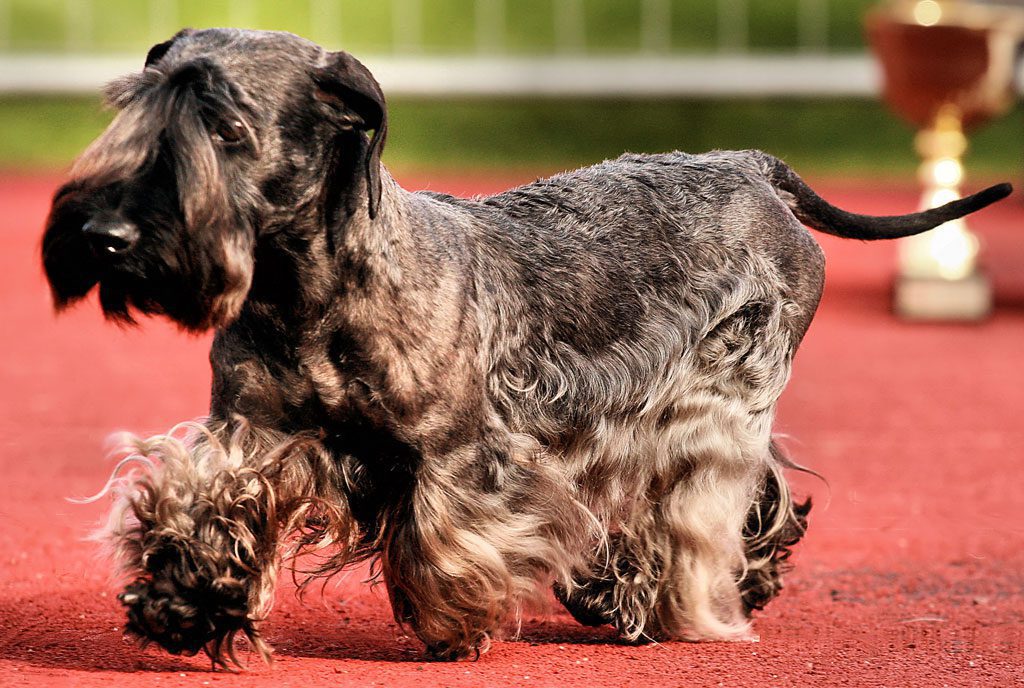
The Bohemian Terrier (Cesky Terrier), is a dog that originated in the Czech Republic. One of the multiple types of Terrier. It is a light hunting dog, under, well pigmented and easy to use with small hanging ears and with an easy to care for coat.

Cesky Terrier was created by the Czech, Frantisek Horรกk, in 1948, with a cross between a Sealyham Terrier and a Scottish Terrier, to create a Terrier suitable for hunting in the forests of Bohemia. Although he was not a trained scientist, Horรกk worked for many years as a research assistant at the Czechoslovak Academy of Sciences and used knowledge gained with his breeding dogs..

Cesky Terrier, He was recognized by the Federation Cynologique international in 1963 with the number 246 of the race, in the Group 3, Terrier.

The breed is now recognized by all the major Canine Clubs of the English speaking world. Cesky Terrier, It is one of the rarest dog breeds worldwide.

It has short legs and has oblong body, resembling the Sealyham Terrier and the Scottish Terrier. It has elongated head, thick beard, whiskers and eyebrows. The body is solid, but not heavy.

Read more

โ–ท The world of Pets: Dogs, cats, birds, reptiles, amphibians

Do khyi
Tรญbet FCI 230 - Molossoid . Mountain

The Do khyi It is not a dog to live with children.

Dogo del Tรญbet

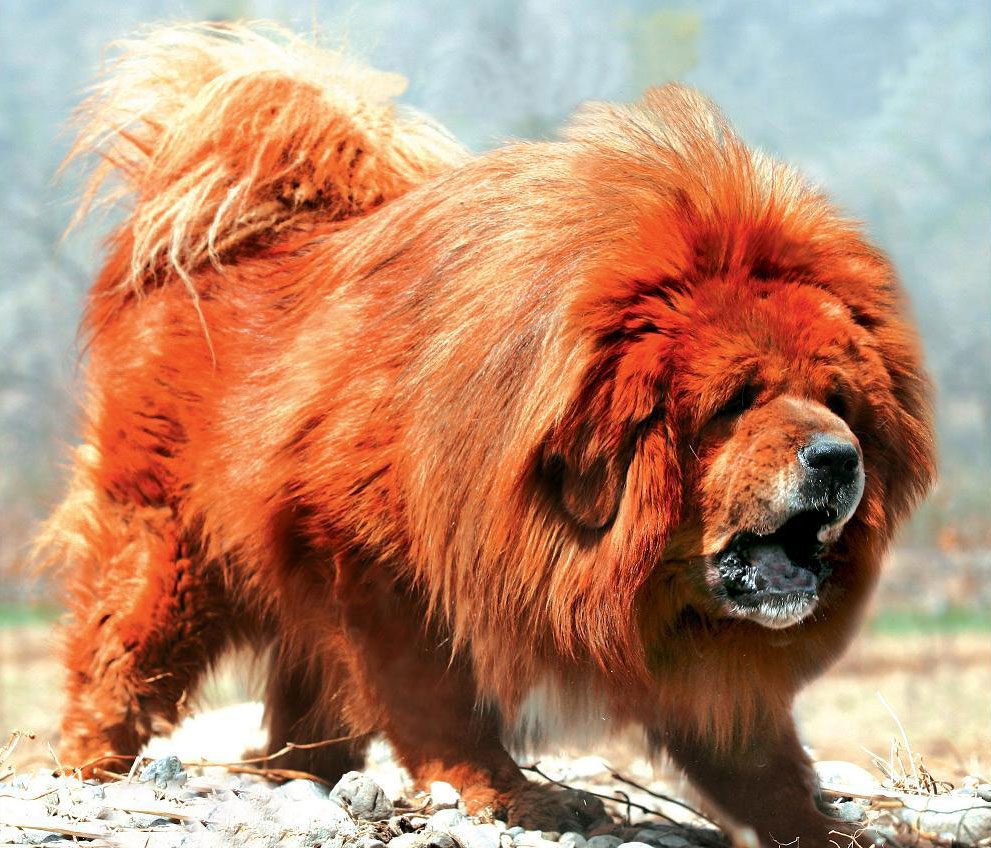
It is a breed native to Tibet, It appeared to the year 8000 to. C. Ancient working breed of nomadic herders of the Himalaya and a traditional guardian of the Tibetan monasteries. It has been surrounded by great mysticism since it was discovered in ancient times..

It is a companion dog, Guard and protection; slow to mature, females only reach their apogee between 2 and 3 years and males at least the 4 years.

Otros nombres: Dogo del Tรญbet / Do-Khy / Dogue du Tibet / Tibet-Dogge / Tibetan Mastiff

Crupo 2 / Section 2 – molosoides

Dogs breeds: Do khyi

โ–ท The world of Pets: Dogs, cats, birds, reptiles, amphibians

American Black and Tan Coonhound
Estados Unidos FCI 300 - The Hound of raccoons

Cazador de mapaches negro y bronce

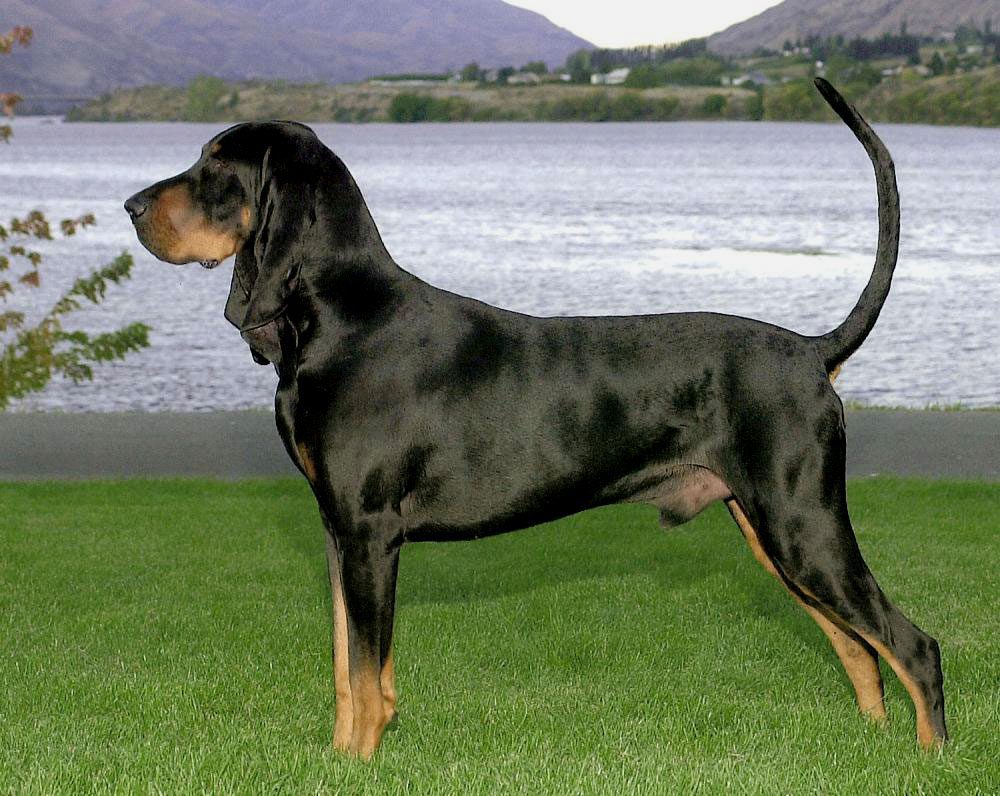
The American Black and Tan Coonhound (in English: ยซBlack and Tan Coonhoundยซ) It is a breed of dog used especially to follow the trail to raccoons. It is a cross between Bloodhound (Bloodhound) and the Black and Tan Virginia Foxhound ("Virginia Black and Tan Foxhunter").

Read all the information in the race, by clicking on: Black and Tan Coonhound.

American Black and Tan Coonhound

โ–ท The world of Pets: Dogs, cats, birds, reptiles, amphibians

Longdog
Irlanda Not recognized by the FCI

Longdog

Content

History

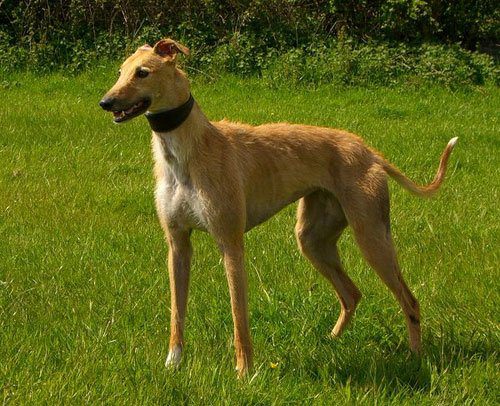
The Longdog It is a breed of dog of the sighthound type with origin in Ireland whose name literally means "long dogโ€referring to the elongated shape of its limbs.

Authors like the colonel Ted Walsh define it as a cross between two hunting dogs, What distinguishes it from the call Lurcher, race created from crosses between sighthound dogs and working dogs.

Currently no distinction is considered between the Lurcher and the Longdog and both are included within the Lurcher.

Physical characteristics

Because of that are the product of different crosses, the Longdog varies in appearance depending on the breeds that were used in the cross. They can be so light as a Greyhound or as robust as a Wolf dog. Their coats can also vary depending on the playback. Some have short fur, Some have long fur and some have hard coat.

Common crosses of Longdog usually: Saluki with English Greyhound, Scottish Deerhound with Greyhound (English Greyhound), and Whippet with Greyhound (English Greyhound). These dogs tend to be raised to (some of the) same purposes as the Lurcher, but they generally have a higher speed compared to general endurance and a higher training capacity than the Lurcher.

Each of these crosses carries distinctive characteristics...

  • Saluki crossed with Greyhound: It is especially appreciated as a Hunter dog of hares in the United Kingdom and, for short time, in United States. The best copies shared resistance to high temperatures which possesses the Saluki and the capacity for acceleration and strength of the Greyhound.
  • Deerhound crossed with Greyhound: specialist in hunting foxes and deer in United Kingdom, It has great body resistance and the ability to adapt without problems to different climatic characteristics., You can live outdoors. In United States, the blood of this can, He has contributed to the development of the American Hound (specialists in the pursuit of coyotes).
  • Whippet crossed with Greyhound: highly appreciated by its balance is, Acceleration, agility, tenacity, heat resistance and, especially, by his rapid recovery. Depending on each dog, It can be used successfully in all kinds of hunting, but in the United Kingdom, stand out, especially in hunting rabbits.

The Lurcher (first cousins รขโ‚ฌโ€นรขโ‚ฌโ€นof the Longdog) they were initially raised to catch rabbits when they were expelled from their burrows, but in the Decade of 1950, myxomatosis killed off most of the rabbits.

The myxomatosis, It is an infectious disease of rabbits, swellings on the skin and membranes of these animals, particularly in head and genitals. It is then often evolve into acute conjunctivitis, and sometimes blindness. The rabbit becomes listless, lost appetite and develops fever. In typical cases where the animal does not have resistance, death happens on average in 13 days.

Video "Longdog"

Queen, dont stop me now, mix coursing longdogs

It was discovered in Uruguay at the end of the 19th century, in rabbits imported from the genus Sylvilagus. It was subsequently extended by the South American populations of wild rabbits. This was however a less virulent strain than introduced in Australia in 1950, that he slashed the population (of 600 to 100 million in two years).

For decades Britain's scientists, Germany and France sought a remedy against the plague that rabbits had become, but it was the French physician Armand Delille which believed the solution. It was introduced artificially in France in 1952 a few rabbits inoculated with the virus producer the myxomatosis and quickly spread to the European continent in a natural way, through arthropod blood sucking and decimated the French population in 2 years (90% mortality). The myxomatosis, together with viral hemorrhagic pneumonia, is the cause of the decline of the rabbit in the Iberian Peninsula, What has caused the decline of the iconic animals to the point that in the Spanish imperial Eagle were lost the 70 % nests and the Iberian lynx is found without their basic livelihood.

The mode of transmission is the flea and other sucking arthropods of blood in Europe, Although for example, in Australia is transmitted through mosquito.

There is a viral vector vaccine for domestic rabbits, While in wild specimens Europe have developed immunity and gradually extend.

As we said above, in the decade of 1950, myxomatosis killed off most of the rabbits, but the disease did not affect the hares.

Y, This led to the need to develop the race to achieve faster dogs to be able to catch hares. A Hare can run at speeds of up 72 km/h.

The need for, he is born Longdog, developed to get a dog appropriate to the preferred style of hunting and the need of the moment.

Y, Although they are not a pure breed, you cross them with him Greyhound (English Greyhound) purebred, has led them to be highly valued within the "elite" of canine sport.

Because the Longdog it is not a purebred are not recognized by any dog รขโ‚ฌโ€นรขโ‚ฌโ€นclub. But, North America has recently created the โ€œLurcher and Longdog Associationโ€ to serve as a registration body for dogs Lurcher and Longdog in the United States and Canada.

Character and skills

Similar to the Lurcher, beyond the different objectives of the crossing, What is certain is that the Longdog It is an excellent companion dog that adapts very well to home life., and is very grateful for the care received, She loves to be with people but it needs vigorous walks outdoors, like all dog. Y, above all, very large spaces to savor the aftertaste of freedom.

โ–ท The world of Pets: Dogs, cats, birds, reptiles, amphibians

Basador
Estados Unidos - Hybrid of Basset Hound and Labrador Retriever

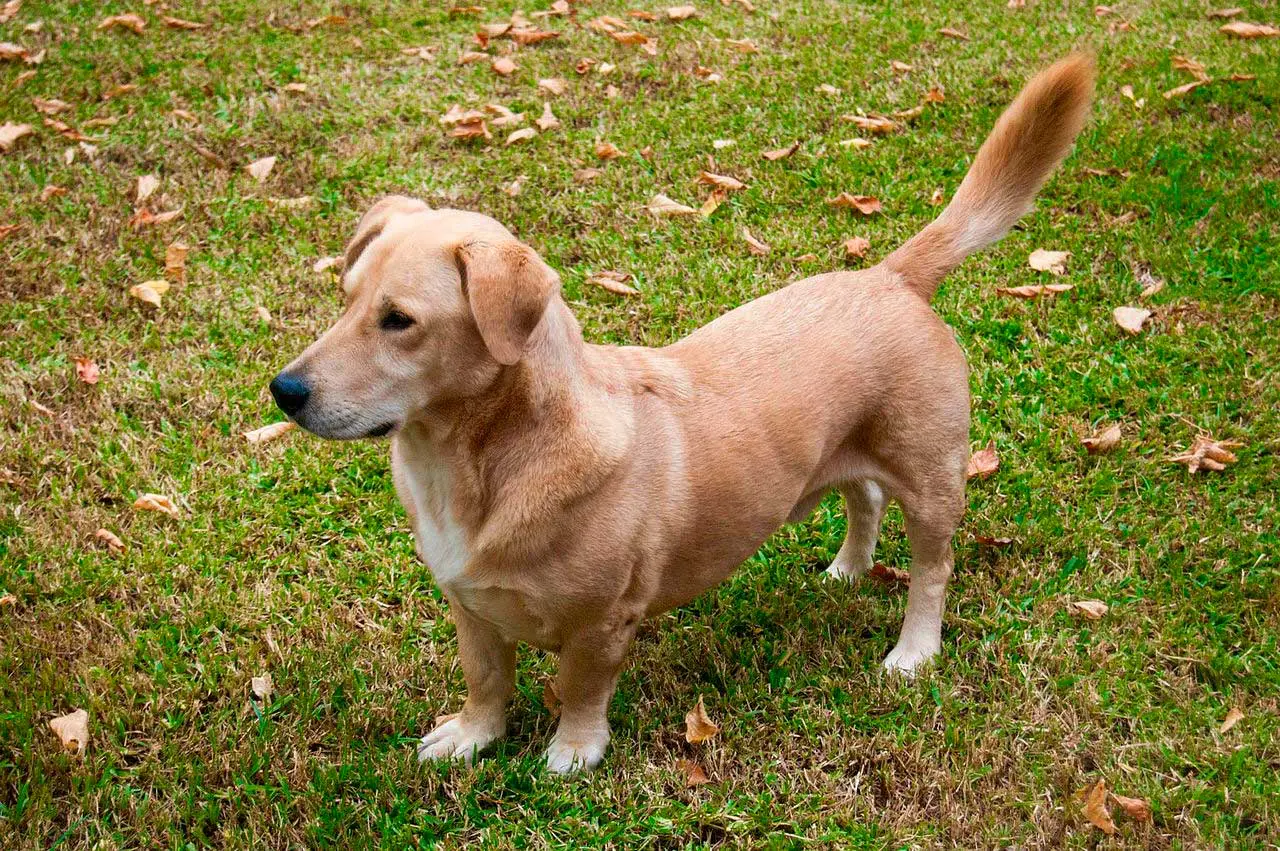
The Basador is a cross between two very different breeds, the Basset Hound and the Labrador Retriever.

Basador

Content

Characteristics "Basador"

Coexistence is important that you have with your new friend. Before considering the acquisition of a dog of the breed "Basador" you know certain factors. Not all breeds of dogs are apt to live in an apartment, you must take into account his character, their need for exercise, their interaction with other pets, their care and if you have small children, their level of tolerance towards them.

Adaptation โ“˜

5,0 of 5 stars (based on 1 review)

friendly dog โ€‹โ€‹โ“˜

5,0 of 5 stars (based on 1 review)

hair loss โ“˜

5,0 of 5 stars (based on 1 review)

Affection level โ“˜

5,0 of 5 stars (based on 1 review)

Need for exercise โ“˜

4,0 of 5 stars (based on 1 review)

Social need โ“˜

4,0 of 5 stars (based on 1 review)

Home โ“˜

3,0 of 5 stars (based on 1 review)

Toilet โ“˜

2,0 of 5 stars (based on 1 review)

Friendly with strangers โ“˜

5,0 of 5 stars (based on 1 review)

barking โ“˜

3,0 of 5 stars (based on 1 review)

Health โ“˜

3,0 of 5 stars (based on 1 review)

Territorial โ“˜

2,0 of 5 stars (based on 1 review)

Cat friendly โ“˜

3,0 of 5 stars (based on 1 review)

Intelligence โ“˜

3,0 of 5 stars (based on 1 review)

Versatility โ“˜

3,0 of 5 stars (based on 1 review)

Child friendly โ“˜

5,0 of 5 stars (based on 1 review)

Surveillance โ“˜

3,0 of 5 stars (based on 1 review)

joy โ“˜

3,0 of 5 stars (based on 1 review)

History

The Basador is a hybrid mix of two popular and highly prized breeds, the Basset Hound and the Labrador Retriever. Although this hybrid has been a popular choice for almost twenty years, Currently there is little documentation available for the mixture, and it is only recognized by the Dog Registry of America. As such, the story is limited and it is necessary to review the stories of parental races to understand the layout and other features of character of the Basador.

The Labrador Retriever It is the most popular dog and was first developed in Canada to help fishermen. Surprisingly, this breed nearly extinct in the early 1880 Labrador when females were sacrificed litter in Canada due to high tax rates. Fortunately, Labrador was imported to England and America at this time and was gaining popularity as a hunting companion and recovery. Happy and easy setup of the Labrador makes it an ideal family dog รขโ‚ฌโ€นรขโ‚ฌโ€นhas remained the best dog in the United States, Canada and England for several decades.

Did you know??

The Basador is a cross breed, and as the current dog, his name has several characteristics: can be written both "Basador" and "Bassador". But no matter how you spell, This is a very cute dog.

The Basset Hound It was first developed as a curiosity among the French aristocracy, But after the French Revolution, This race became a popular choice among commoners for hunting. The common French could not hunt on horseback and needed a dog that could keep up with them on foot. Short and sturdy legs of the Basset Hound were perfect for hunting on foot. The Basset Hound did not gain popularity in the United States until the twentieth century, despite being brought during colonial times. In the Decade of 1960 appeared advertising of Hush Puppy, and the Basset Hound's popularity only grew from there.

Physical characteristics

The Basador looks so much like a basset hound like a Labrador. Both races have expressive eyes sad or may seem thoughtful. The most prominent feature of the Basset Hound in this hybrid is the short, stocky legs of this short hybrid.. The front legs are slightly open. The snout is long and thin, and ears are slightly longer than those of a farmer but shorter than a Basset Hound. But, the ears are quite large. The body of the Bassador is outrageously longer than high, as in the Basset Hound. The coat is short and dense and usually is in a solid color such as Labrador. But, White spots can adorn the chest and feet of the Basador.

Character and skills

Temperament affected partly by inheritance and partly by the environment, so it can be variable. The temperament of a Basador It depends on several things, including the temperaments of their parents, especially the mother, which it is more likely to influence the behavior of the puppy; the amount of socialization receiving; and particular genes that inherits.

It can be more independent if the Basset side of his family dominates or more trainable if the Labrador side prevails. Beware of cats, since both races have strong hunting instincts. But, Both Labradors and Bassets are devoted to their families and generally should not be shy or aggressive around people or other animals. Do not give thanks if a puppy's parents do not allow them to approach him, If you shy away or growl, or if the puppies do any of those things.

One Basador It tends to be quite intelligent, but the fact you want to make the effort to learn depends on whether you have more influence basset. A basset can be stubborn and may lack interest in learning whatever you are trying to teach. But no matter which side of the family is dominant, if training a Basador with positive reinforcement techniques, showing him what he likes and rewarding him with praise, games and goodies, It is likely to learn quickly.

Start training your puppy the day you bring him home. Even at eight weeks old, He is able to absorb everything you can teach him. Don't wait until you have 6 months to start train or have to deal with more stubborn dog. If possible, Take it to a trainer when you have between 10 and 12 weeks, and socializes, socialice, socialice. But, Note that many kinds of training puppies require certain vaccinations (such as kennel cough) stay up to date, and many veterinarians recommend limited exposure to other dogs and public places until puppy vaccinations (including rabies, distemper and parvovirus) They are completed. Instead of formal training, You can start training your puppy to socialize at home and among family and friends until immunizations are completed in the puppy.

Images of the Basador

Photos:

1 – The perfect dog – Bassador by everything4pools
2 – Jmaley1 [CC BY-SA] 3 – Basador by Alex Alonso
4 – Basador by molly mundt

Videos of the Baser