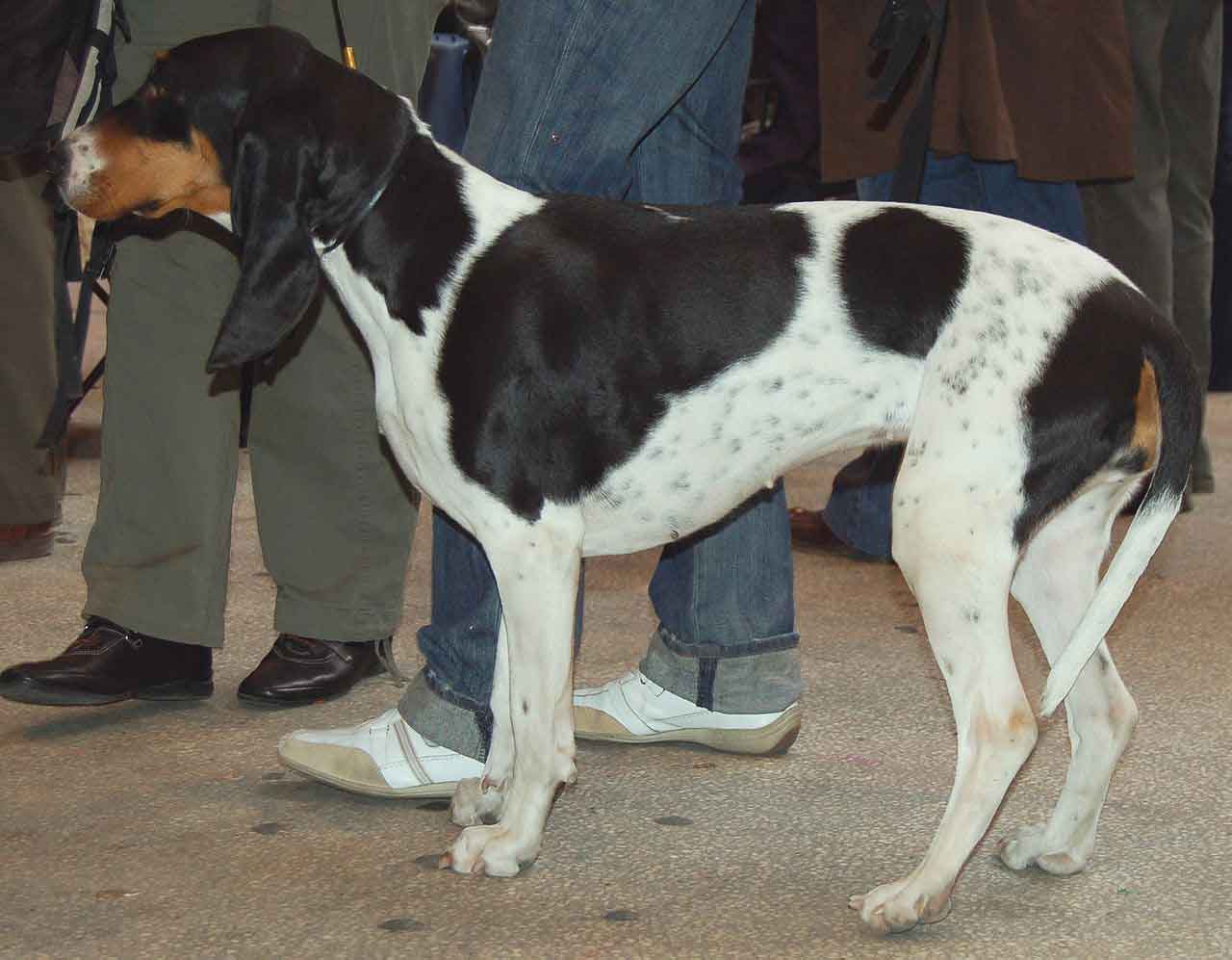
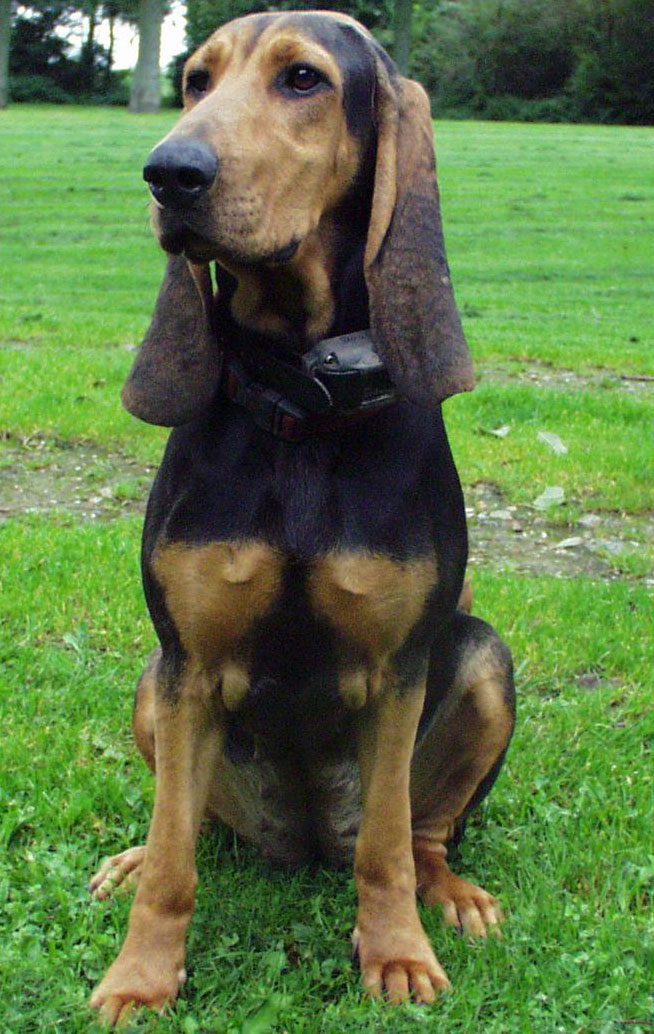
Insensitive to the weather and austere, which is especially useful in high mountains and forests.
Content
History
The race Styrian Coarse-haired Hound developed from the end of the 19th century. Already in 1870, an industrial of Styria, a state in southeastern Austria, obtained an interesting litter by crossing a «Hanoverian Scenthound» with a Styrian Coarse-haired Hound. The goal was to obtain a hunting dog that would combine the qualities of the two ancient breeds and inherit a coat that would allow it to withstand the elements..
The Styrian Coarse-haired Hound was created by a man named Carl Peitinger. The breed was officially recognized in its country of origin in 1889, and was finally recognized by the Fédération Cynologique Internationale (FCI) 65 years later, the 31 in August of 1954.
The Styrian Coarse-haired Hound they are medium-sized dogs with solid bones; the expression is austere, but not mean. The skull is slightly domed, with a well developed occipital bone. The stop is marked. The eyes are brown. The ears, Not very large, worn flat against the cheeks and covered with fine hair. The tail is of medium length, strong at the base, with dense hair, never curly but carried upward in a sickle shape; the bottom is like a brush, but without lock.
Fur : Lasted, neither furry nor shiny, hard. In the head, the hair is shorter than in the body. Has mustaches. Color: red and pale yellow. The white star on the chest is allowed. Size: 47 to 53 cm for the male and 45 to 51 cm for female. Weight: approx.. 18 kg.
Character and skills
The Styrian Coarse-haired Hound they have all the qualities of a hunting dog. These dogs show great enthusiasm, determination and stamina when it comes to forcing the game by giving the voice. At home, the Styrian Coarse-haired Hound he is very close to his master and is particularly wary of strangers. They get along quite well with their peers, if they are used to its presence from puppies. They can be more turbulent with other small animals; his hunting instinct is still very strong.
The education…
The Styrian Coarse-haired Hound have a strong character and must be trained early and firmly. It is also necessary that they socialize properly and receive training in recovery to avoid incidents of all kinds.
This Styrian Hound not only used to force the game of hunting by giving the voice, but is very often considered a specialist in tracking blood in difficult mountainous terrain. This makes it a highly sought after hunting companion..
Its exclusively hunter and predator temperament makes it inadvisable as a pet.
However they are very intelligent animals, of a cheerful and affectionate nature as well as an unusual sensitivity.
Care and maintenance …
It needs regular exercise and its coat requires constant maintenance.
Characteristics "Styrian Coarse-haired Hound"
Coexistence is important that you have with your new friend. Before considering the acquisition of a dog of the breed "Styrian Coarse-haired Hound" you know certain factors. Not all breeds of dogs are apt to live in an apartment, you must take into account his character, their need for exercise, their interaction with other pets, their care and if you have small children, their level of tolerance towards them.
Adaptation ⓘ
3,0 of 5 stars (based on 1 review)
friendly dog ⓘ
3,0 of 5 stars (based on 1 review)
hair loss ⓘ
4,0 of 5 stars (based on 1 review)
Affection level ⓘ
3,0 of 5 stars (based on 1 review)
Need for exercise ⓘ
5,0 of 5 stars (based on 1 review)
Social need ⓘ
3,0 of 5 stars (based on 1 review)
Home ⓘ
4,0 of 5 stars (based on 1 review)
Toilet ⓘ
2,0 of 5 stars (based on 1 review)
Friendly with strangers ⓘ
3,0 of 5 stars (based on 1 review)
barking ⓘ
4,0 of 5 stars (based on 1 review)
Health ⓘ
4,0 of 5 stars (based on 1 review)
Territorial ⓘ
4,0 of 5 stars (based on 1 review)
Cat friendly ⓘ
2,0 of 5 stars (based on 1 review)
Intelligence ⓘ
4,0 of 5 stars (based on 1 review)
Versatility ⓘ
3,0 of 5 stars (based on 1 review)
Child friendly ⓘ
4,0 of 5 stars (based on 1 review)
Surveillance ⓘ
4,0 of 5 stars (based on 1 review)
joy ⓘ
5,0 of 5 stars (based on 1 review)
Videos "Styrian Coarse-haired Hound"
Hunting dog - Styrian wire-haired bracke ( Peintinger Bracke ) - a fantastic hunting dog Trailer
Jaws / Teeth: Strong scissor bite. You want a complete denture with 42 Dental parts; the lack of two PM1 or PM2 (premolars 1 or 2) is tolerated; the M3 (molars 3) they are not taken into account.
Eyes: With brown iris.
Ears: Not too big, flattened and glued, covered with fine hair.
Neck:
Strong, not too long.
Body:
Back: Straight and wide.
Pork loin: Moderately raised.
Rump: It descends steeply.
Breast
: It's deep and wide.
Tail:
Medium length, strong in its insertion, well covered with hair, never curled but carried up slightly sickle-shaped; on its lower face has hair in the shape of a brush, but without forming a feather.
Tips
PREVIOUS MEMBERS: Straight, muscular, well angled.
Shoulder: Oblique placement.
LATER MEMBERS: Muscular, strong, well angled, seen from behind they look straight.
FEET: Not excessively large; well arched fingers, closely linked to each other; hard pads, not too big.
Movement:
It covers the ground, elastic.
Mantle
HAIR: Rough, no hirsuto, opaque, hard, tosco. The hair on the head is shorter than the rest of the body and forms a mustache.
COLOR: Red and yellowish. A white star is allowed on the sill.
Size and weight:
Height to the cross: 45 – 53 cm.
Males : 47 – 53 cm.
females : 45 – 51 cm.
Fouls:
Any deviation from the above mentioned criteria is considered to lack, and the gravity of this refers to the degree of deviation to the standard and its impact on the health and well-being of the dog.
Head too narrow.
Ears with creases or too pointed.
Tail too short, too thin or too bent up, that forms feathers.
Weak limbs.
Coat too long, fine, curly or soft.
Shy character.
MISS PLAYOFFS:
Aggressive or fearful dog.
Upper or lower prognathism. Lack of more than two premolars (PM 1 or PM 2).
Any other color different from that indicated in the standard.
Any dog showing clear signs of physical or behavioral abnormalities must be disqualified..
N.B.:
Males should have two normal-appearing testicles fully descended into the scrotum..
Source: F.C.I - International Cynological Federation
Alternative names:
1. Peintinger Bracke, Wirehair Styrian Mountain (English).
2. Brachet de Styrie à poil dur (French).
3. Peintinger-Bracke, Steirische Rauhhaarige (German).
4. (em alemão: Steirische Rauhhaarbracke) (Portuguese).
5. Sabueso estirio de pelo áspero (español).
▷ The world of Pets: Dogs, cats, birds, reptiles, amphibians
The Schwyz Hound they are a very lively and energetic breed that requires a significant amount of daily exercise.
Content
History
The Schwyz Hound has ancient origins, the details are a bit confusing though. Dogs of this type are represented in mosaics dating from the Roman Helvetian era and the first specimens of the breed were highly sought after in Italy during the 15th century and then by the French during the 18th century..
It is believed that the Schwyz Hound It was influenced by the French Hounds brought to Switzerland by traveling mercenaries and eventually became one of the five varieties of "Swiss Hound.". More specifically, the Schwyz Hound it is one of the four breeds sometimes referred to – the other varieties are:
The first breed standard for the Schwyz Hound was established in 1882 and reviewed in 1909. The breed was accepted by the FCI under the name of Schweizer Laufhund in 2001.
Physical characteristics
It is a dog with medium height at the withers. Your body structure indicates strength and tenacity. Its slim head with long snout and long ears give it an expression of nobility.
Size: Males: 49-59 cm.. females: 47-57 cm..
Color: White with orange or orange "saddle" spots, sometimes with orange splashes; an orange coat is allowed.
Character and skills
The Schwyz Hound it is a friendly breed that can do well in a family environment as long as its exercise requirements are consistent. These dogs get along well with other dogs and can also be gentle with children. Just be careful around cats and other household pets because these dogs have strong hunting instincts – raising pets together and working on early socialization will help. You should also make sure your dog gets plenty of mental and physical exercise to avoid the kind of boredom that can lead to destructive behavior..
The Schwyz Hound they are a very lively and energetic breed that requires a significant amount of daily exercise. These dogs need at least an hour of moderate to vigorous exercise each day and will also appreciate having time to run around in a fenced yard.. This breed can also be a good candidate for dog sports, if you are looking for opportunities to get you some extra exercise.
Training
The Schwyz Hound has strong hunting instincts that can be developed and controlled through training. These dogs are trained to hunt in packs., so they are a bit independent by nature and can be stubborn at times. Keeping your training sessions short and offering plenty of food rewards will help ensure training success., in addition you must maintain a firm and consistent hand in leadership with this breed. Early socialization is also important for this breed.
Characteristics "Schwyz Hound"
Coexistence is important that you have with your new friend. Before considering the acquisition of a dog of the breed "Schwyz Hound" you know certain factors. Not all breeds of dogs are apt to live in an apartment, you must take into account his character, their need for exercise, their interaction with other pets, their care and if you have small children, their level of tolerance towards them.
– FCI – Group 6: Scent hounds, and related breeds. – Section 1.2: Medium-sized Hounds. ⓘ
– UKC – Scenthoundsⓘ
FCI breed standard "Schwyz Hound"
Origin:
Switzerland
Date of publication of the valid original standard:
28.11.2001
Use:
It is a small game hound that hunts hares, deer, foxes and sometimes wild boars. He is an independent hunter by hunting with a bark. Searches and corners its prey with great safety even in difficult terrain.
General appearance:
It is a dog with medium height at the withers. Your body structure indicates strength and tenacity. Its slim head with long snout and long ears give it an expression of nobility.
There are four varieties of Swiss Hound :
Bernese Hound
Jura Hound
Lucerne Hound
Schwyz Hound
IMPORTANT PROPORTIONS :
• Body length : Height at withers = approx. 1.15 : 1.
• Height of the withers : chest depth = approx. 2 : 1.
• Length of the nasal shank : skull length = approx. 1 : 1.
Behavior / temperament:
Lively and passionate about hunting. Sensitive, manageable and faithful.
Head:
---
Cranial region:
Skull : Long, narrow, delgado, noble. Bulging skull, visible occipital protrusion. The direction of the longitudinal axis of the skull and the muzzle shows a slight divergence. No frontal groove, no folds or wrinkles.
Depression links (Stop) : Not too developed.
facial region:
Truffle : Completely black, well developed; nostrils wide open.
Snout : Nobly developed, narrow ; it is not square or pointed ; the muzzle is straight or very slightly convex.
Lips : Moderately developed, the upper lips perfectly cover the lower jaw ; slightly open corner.
Jaws / Teeth : Powerful jaw. Powerful scissor bite, regular and complete, that is, the upper incisors overlap the lower ones without leaving space between them and the teeth are implanted vertically in the maxilla. Pincer bite allowed. The lack of one or two PM1 or PM2 is acceptable (premolars 1 or 2) . M3 are not taken into account (molars).
Eyes : They are more or less light or dark brown depending on the color of the coat ; they are medium in size and slightly oval. The edges of the eyelids are well pigmented. The eyelids are well adherent. The expression is sweet.
Ears : Placed below the eye line, in the posterior part of the cranial region and never implanted in its maximum width. Its length must reach at least the tip of the nose. The pinna is not prominent. The ears are thin. He wears them down, bent and twisted ; they are rounded at the bottom and have a fine, soft coat.
Neck:
Long, elegant, with good musculature ; throat skin is loose without forming a noticeable dewlap.
Body:
top line : The neck, the back, The rump and tail form a harmonious and noble line.
Cross : Bit strong, free and elegant neck insert.
Back : Firm and straight. : Muscular and slightly arched.
Rump : Elongated, extends the line of the back harmoniously and descends gently. It is not higher than the cross. The crest of the iliac bone is not too prominent.
Breast
: Deeper than wide, well descended, reaches to the tips of the elbows. Elongated rib cage with slightly arched ribs.
Bottom line and belly : Belly slightly pulled back ; full flanks.
Tail:
Inserted in the extension of the croup. It is of medium length and tapers towards the tip ; at its end it has a slight incline up ; noble. In general, it remains hanging at rest and when walking calmly, without showing an important bend ; When he is attentive or in action he carries it along the line of his back , but never resting in it nor in a curled way. Is well covered with hair, but it doesn't have a spike shape.
Tips
PREVIOUS MEMBERS :
As a whole : They are well muscled, thin and not heavy in appearance. Seen from the front they are parallel and from the side they look vertical ; his bones are strong with his feet pointed forward.
Shoulder : Long oblique shoulder blades, closely linked to the rib cage. The ideal angulation of the scapulohumeral joint is approximately 100°.
Arm : A little longer than the shoulder blade, placed obliquely, closely attached to the chest. His musculature is fine.
Elbows : Naturally glued to the side.
Forearm : Straight, strong, delgado.
Carpo : Strong, wide metacarpus : Relatively short; Seen from the front it is located on the perpendicular line of the forearm; seen from the side it is slightly inclined.
Front feet : Rounded, with compact fingers ; hard and rough pads ; strong nails whose color depends on the color of the coat.
LATER MEMBERS :
As a whole : They have strong muscles and are in a balanced relationship with the forelimbs ; seen from behind the hind legs are vertical and parallel.
Thigh : Long and oblique, powerful although his muscles are thin. The angulation of the coxofemoral joint is approximately 100°.
Knee : No inward or outward deviations. Angulation of the femoral-tibian joint approximately 120°.
Leg : Relatively long, thin, visible muscles and tendons under the skin.
Hock : Tibiotarsal joint angulation approximately 130°.
Metatarsus : Pretty short, placed vertically and parallel. Without spurs, except in countries, in which amputation is not allowed by law.
Rear feet : Rounded, with compact fingers, hard and rough pads ; strong nails whose color depends on the color of the coat.
Movement:
It is unfolded, regular, harmonious and with good scope. Has good impulse from the hindlimbs. Drive the limbs parallel and straight. The cross moves smoothly and regularly up and down, the back remains straight and the head and neck wobble slightly from side to side.
Mantle
SKIN : Fina, flexible, well adherent, whose color varies in each of the four varieties.
• Bernese Hound : Skin is black under black hair and blackish-white marbling under white hair.
• Jura Hound : She is black under black hair and lighter under tan hair..
• Lucerne Hound : She is black under black hair and lighter under blue-flecked hair..
• Schwyz Hound : It is dark gray under the orange hair and blackish-white marbling under the white hair..
HAIR : Is short, smooth, thick, very fine on the head and ears.
COLOR :
• Bernese Hound : White with black spots or a black saddle-shaped spot. Tan color from pale to intense over the eyes, cheeks, on the inside of the ears and around the anus. Sometimes very lightly splattered (black splash).
• Jura Hound : Tan with black cape, sometimes nuanced black or black with tan over the eyes, cheeks, around the anus and on the extremities ; sometimes with a small white spot on the chest ; this stain may be splattered (black or gray splashes).
• Lucerne Hound : Called blue, with a mixture of black and white hairs, intensely splashed, with black spots or a saddle-shaped spot ; tan color from pale to intense over the eyes, cheeks, on the chest, around the anus and on the extremities ; a black cape is allowed.
• Schwyz Hound : White with orange or orange "saddle" spots, sometimes with orange splashes ; an orange coat is allowed.
Size and weight:
Height to the cross :
Males : 49-59 cm..
females : 47-57 cm No tolerance.
Fouls:
Any deviation from the aforementioned criteria is considered as a fault and the severity of this is considered to the degree of the deviation to the standard and its consequences on the health and well-being of the dog..
• Rough appearance, vulgar, weak body structure.
• Discordant proportions between body length, the height of the withers and the height of the chest.
• Skull too wide, too convex or too flat.
• Stop too marked.
• Very short or very long snout, too square or pointed.
• Concave nasal bridge.
• Lack of more than two premolars PM1 or PM2. Los M3 (molars 3) are not taken into account.
• Thick lips.
• Light eyes, acute expression, non-adherent eyelids.
• Ears that are too short or flattened, thick or set very high.
• Very short neck.
• Double chin too marked.
• Saddled or arched back (carp back).
• Croup too inclined or too short.
• Rib cage not deep enough, too flat or barrel-shaped.
• Retracted belly, fallen flanks.
• Tail with poor insertion, carried too high, very bent, stooped, very coarse or spike-shaped tail.
• Extremities with bones that are too thin or in a bad position.
• Very sloping shoulders, arm too short.
• Weak carpal joints.
• Insufficient angulations of the hind limbs ; cow or barrel shaped limbs.
• Dewclaws on the hind limbs, except in countries in which amputation is not permitted by law.
• Rough coat, not smooth.
• Flaws in color and markings.
Bernese Hound : Too many black splashes on the white. Tan or white on the outside of the ears.
Jura Hound : Uniform color. Noticeable white patch or heavily speckled patch on the chest.
Lucerne Hound : Lack of « blue » splash. Tan on the outside of the ears.
Schwyz Hound : Too many orange splashes on the white. Uniform color. White on the outside of the ears.
• Slightly fearful or aggressive behavior.
MISS PLAYOFFS
• Excessively fearful or aggressive dog.
• Atypical general appearance of the breed.
• Completely depigmented nose.
• Upper or lower prognathism, incisor arcade deviated.
• Ectropion, entropion (even if it had been operated).
• Horn tail, threaded, knotty the hook.
• Size above or below tolerance.
Any dog showing clear signs of physical or behavioral abnormalities must be disqualified..
N.B.:
Males should have two normal-appearing testicles fully descended into the scrotum..
Source: F.C.I - International Cynological Federation
Varieties of «Swiss Hounds»
The four varieties of Swiss Hounds have their own specific hunting characteristics.:
– The Bernese Hound, with her beautiful throat ("the howler of the Jura"), demanding, mainly used for hares;
– He "Jura Hound«, an excellent recuperator
– The Lucerne Hound, reminiscent of Small Blue Gascony, he is an active and passionate dog that hunts deer very well;
– The "Hound of Schwyz", less widespread outside of Switzerland, is reserved for rabbits and hares.
▷ The world of Pets: Dogs, cats, birds, reptiles, amphibians
The Slovakian Hound stands out for its extraordinary sense of direction, which is considered the best among the canine breeds.
Content
History
It has remote and completely unknown origins.: its official recognition dates back to after World War II, but the breed already existed for centuries.
While there are no historical records, the Slovenský Kopov is widely believed to have existed in central Europe for many hundreds of years and to have descended from other local breeds, including the Austrian Black and Tan Hound and the Polish Hound.
Not widely kept for any purpose other than hunting, the Slovakian Hound He has honed his hunting skills over the centuries and is respected within Slovakia for his tracking ability and endurance. Despite its proven track record in the field, rarely seen internationally. curiously, when seen internationally, It is sometimes called the "Black Forest Dog.", a completely wrong name, since the Slovakian Hound it's not now, and has never been, native to the Black Forest region.
Like many other breeds of dogs of the time, the population of the Slovakian Hound decreased dramatically during the period of the World Wars. It is attributed to a Slovak named Koloman Snail having brought the race from the brink of extinction at this time, by establishing successful breeding programs nationwide.
Officially accepted as a breed in the decade of 1870, the first club of the breed Slovakian Hound was recently formed in 1988, in the capital of Bratislava. The Slovakian Hound it is so popular in its birthplace that it has been named the national breed of Slovakia.
Photo: Slovakian Hound during dog’s show in Racibórz,Poland by Pleple2000, CC BY-SA 3.0, via Wikimedia Commons
Physical characteristics
Always black with fire marks, the Slovakian Hound have solid bones despite their fairly slight stature. The body is in the shape of an elongated rectangle. His eyes reflect vivacity and courage. They are dark and almond-shaped. The ears are of medium length, rounded at the tip and falls flat against the head. This dog is notable for its constancy in following a cool trail or trail for hours, giving the voice without hesitation. They are also distinguished by their bite, so they are used in their native country to hunt wild boars and other carnivores.
He is endowed with a lively temperament. Your sense of direction is extraordinarily well developed.
Hair is 2-5 cm long, medium thick, well lying, dense. Longer in the back, neck and tail. The undercoat is dense, especially during the winter months; However, it should not be absent in summer either.
SIZE AND WEIGHT :
Males 45-50 cm.
females 40-45 cm.
Weight: 15-20 kg
Character and skills
This determined hunter must be tenacious when on the road and courageous when facing the animals he hunts., like the boar and the deer. They have excellent olfactory abilities and will painstakingly trace a scent back to the source. An independent animal that is happy to work with a minimum of human interaction, the Slovakian Hound need little direction. Despite this, they are obedient, and they will happily follow their master's plans when necessary.
The Slovakian Hound it's a good watchdog, as he is continuously alert and observant. This, along with the fact that they become devoted to their owners, means they are often protective, and can be used successfully as watchdogs, becoming potentially aggressive if the situation calls for it. Barking can be a problem and is a common complaint of many owners.. Excessive barking can be prevented by ensuring that the Slovakian Hound you are not under-exercised and have plenty of activities and jobs to fill your day.
Health
The Slovakian Hound it is a very resistant dog. In the country of origin the owner has a dog, rarely from, who does not live in a kennel but in contact with the master from morning to night, often used as a general purpose dog, taking care of the house as well as the cattle, and of course hunting. It is adapted to outdoor life and has an iron constitution.
Care and maintenance
The Slovakian Hound it is a very resistant dog, no particular grooming problems. Short hair, when he comes back from hunting he will be the happiest in the world if you give him the necessary brushstroke for a superficial cleaning at the level of the spikes, caught between the pads, ticks possibly not yet attached.
He will quickly get used to coming to you for this cleaning because he is looking for contact with his master.
Qualities
It's a farm dog, the quintessential farm dog. Bad guys just do that. The good ones are able to give the voice, to take the lead by yelling or barking directly at any stranger before coming into view. A good Slovakian Hound should give voice instantly. Not after ten minutes (although, depending on the conditions…). The smell of Slovakian Hound it's excellent, as fine as that of the best Hounds, but his hunting style leads him to voice only in the moment, and of course staring.
The Slovakian Hound is a search engine, a hunting finder. Hunting instinct is among the best hounds, really very developed, off the beaten path as in some Warren hound and some representatives of primitive races.
Farm dog, you don't need to see the animal, the wild boar to bark after, like some pointing dogs that only bark at sight, or to the noise. With experience, depending on origins, will start barking after turning around to make sure the animal is ten meters away, or more. Once you have fired the bark it will zoom in pretty quickly, but always with care, always staying safe. The Slovakian Hound is not a brave and daring specialist like some races of German Hunting Terrier or pointing dogs, who are inevitably injured frequently. With the, used in its specificity, theoretically, no need for a boar vest, because he knows how to handle attacks. Some are never hurt, if used properly, alone or as a couple.
The Slovakian Hound is a dog that is easy to start with the boar. Because it's in their nature, to bark, and the only animal that does not automatically flee but goes to meet is the wild boar. If you are accustomed to hunting on hunts where wild boar are rare but deer are numerous, you will enjoy easily guiding your animals for half an hour or more, but as soon as he perceives that there is a wild boar in the area, will leave this animal too elusive to go and do what it was designed to do.
A good Slovakian Hound, alone or as a couple, it is rarely caught by a wild boar. Otherwise, in dog teams he becomes a vulnerable dog like any other because his passion is terrible, and there, better equip it with a vest…
Characteristics "Slovakian Hound"
Coexistence is important that you have with your new friend. Before considering the acquisition of a dog of the breed "Slovakian Hound" you know certain factors. Not all breeds of dogs are apt to live in an apartment, you must take into account his character, their need for exercise, their interaction with other pets, their care and if you have small children, their level of tolerance towards them.
– FCI – Group 6: Scent hounds, and related breeds. – Section 1.2: Medium-sized Hounds. ⓘ
– UKC – Scenthoundsⓘ
FCI breed standard "Slovakian Hound"
Origin:
Slovakia
Date of publication of the valid original standard:
16.04.1963
Use:
Hound. This breed is characterized by continuing to bark a warm track (recent) or a trail steadily for hours. It is also characterized by its bite and that is why it is used in its place of origin especially for hunting wild boar and animals of prey..
General appearance:
They are always one color : black with “fire” markings. Rather light body structure; However, has strong bones. Elongated rectangular body shape.
Behavior / temperament:
It is of a spirited nature. Exceptionally developed sense of orientation.
Head:
---
Cranial region:
Skull : Bulging at the top; its shape is square and elongated; superciliary arches and frontal sulcus are notable; occipital protuberance is poorly marked. The longitudinal axes of the muzzle and skull are parallel.
Snout : Straight nose cane, corresponding to the long and not very wide skull.
Lips : They are not hanging; they are together, skinny, with a visibly open corner.
Jaws / Teeth : on regular basis, firm; well developed full bite.
Eyes : dark, a little deep. His expression denotes vivacity and animosity. Eyelids are always black; almond-shaped eye opening.
Ears : Inserted a little above the eye line, laid flat on the sides of the head, rounded at their ends, medium long.
Neck:
Well inserted, carried at an angle of approximately 135°, rather short, muscular and no loose skin.
Body:
Back : Straight, medium long.
Pork loin : Not too long, very wide, firm and muscular.
Rump : Not too long, average width, rounded.
Breast
: Wide and well filled windowsill. Medium deep, of a suitable width and relatively long.
Chest : Rounded ribs, placed obliquely.
Belly and flanks : Moderately withdrawn.
Tail:
Rather low set, a little below the line of the back; of adequate strength; slimming to tip; reaches up to the tibio-tarsal joint; at rest it is carried hanging; When excited, it is curved upwards in the shape of a sickle up to an angle of 150°..
Tips
PREVIOUS MEMBERS :
Scapula and Arm : Rather short, well-developed and muscular. Shoulder angle approximately 110°.
Forearm : Vertically placed, delgado.
Articulation of the carpus : Short.
Metacarpus : Not very long, a little inclined.
Previous feet: Oval, well arched fingers; nails always black and strong; dark pads, well developed.
LATER MEMBERS :
Thigh : Moderately wide and long, muscular.
Leg : Wide, of a suitable length and with good muscles.
Warm-foot joint : Located approximately at a height of 15 cm.; moderately wide. The angle of the tibiotarsal joint is approximately 150°.
Metatarsus : Approximately from 8 cm long; moderately leaning forward; No Spurs.
Hind feet : Oval, fingers close together and well arched; well developed pads, black.
Movement:
Lively and balanced.
Mantle
SKIN : From dark brown to black, footprint, no loose skin folds.
HAIR : Of 2 – 5 cm long, moderately hard, glued and dense. It is longer on the back, neck and tail. Dense internal fluff especially in the winter months, although his presence should not be lacking during the summer.
COLOR : Black with tan to mahogany markings on limbs.
Size and weight:
Height to the cross :
In males : 45 – 50 cm..
In females : 40 – 45 cm..
Weight : 15 – 20 kg.
Fouls:
Any deviation from the aforementioned criteria is considered as a fault and the severity of this is considered to the degree of the deviation to the standard and its consequences on the health and well-being of the dog..
• Rough figure, plump or chubby.
• Head too heavy.
• Hanging lips.
• Incomplete bite.
• Superior or inferior progantism.
• Light eyes, loose eyelids, eyelids too tight.
• Ears too light, pointy.
• Loose skin on the neck.
• Back too weak.
• Flattened chest (severe deficiency).
• Visibly long tail, also carried at rest above the line of the back.
• Defective position of the extremities.
• Weak feet.
• Coat too short, that's lanilla interna; hair too long, wavy.
• Another color other than black, white markings, unclear delimitation of “tan” colored spots.
• Excessive size.
IMPORTANT PROPORTIONS (IDEAL TYPE)
Weight 16 kg
Height at the withers in males 46 cm.
Height at the withers in females 43 cm.
Total length of the head 22 cm.
Length of the muzzle 9 cm.
Length of the skull 13 cm.
Skull width 10,5 cm.
Width of chest 16,5 cm.
Chest height 22 cm.
Chest depth 31,5 cm.
body length 55 cm.
Chest circumference behind the last free rib 54 cm.
Limb angulations : Angle between the scapula and the arm 110°
Angle between the arm and forearm 140°
Angle between hip and thigh 130°
Angle between thigh and leg 130°
Tibio-tarsian joint angle 145°
Any dog showing clear signs of physical or behavioral abnormalities must be disqualified..
N.B.:
Males should have two normal-appearing testicles fully descended into the scrotum..
Source: F.C.I - International Cynological Federation
Alternative names:
1. Black Forest Hound, Slovak Hound (English).
2. (slovenský kopov en slovaque) (French).
3. Slowakische Schwarzwildbracke (German).
4. Cão da floresta (Portuguese).
5. Cazador eslovaco (español).
▷ The world of Pets: Dogs, cats, birds, reptiles, amphibians
The spread of Schiller Hound is regular in your country of origin, but very small abroad.
Content
History
The Schiller Hound It is a working breed that has existed in Sweden since the Middle Ages. But, the breed was not really established and recognized until 1952. This recognition is due in large part to a breeder, Per Schiller, who gave the breed its name.
In 1886, at the first Swedish dog show, they were shown 189 hounds. Among them were Tamburini and Ralla I, a brother and sister belonging to Per Schiller. They were descended from the famous hounds of the Kaflas estate. These dogs probably came from southern Germany: rather small, fawn in color with black fur and slight white markings.
The Schiller Hound they were then based on the crossing of Swiss dogs, German and Austrian, as well as in British hunting dogs, especially the Harriers, to produce a fast and light breed that quickly acquired its type. curiously, Per Schiller worked alongside a Swedish doctor named Adolf Hamilton, and also led to the development of a similar dog named Hamilton Hound, that can be differentiated from Schiller Hound for its tricolor coat.
Still very rare outside his native country, the Schiller Hound was recognized by the Swedish Kennel Club in 1907.
The Schiller Hound has been traditionally used as a sniffing dog, although some describe it as a hunting dog. The breed is known for both its speed and superior olfactory ability; able to quickly track its prey and then howl loudly when its master approaches, alerting of its position. It is a hardy dog that can tolerate the cold Swedish winters well.. Often, they work individually rather than in a pack and typically hunt rabbits and foxes. Even today, many dogs still work as hunters, although they are equally good household pets.
Photos: Schiller Hound during International show of dogs in Katowice – Spodek, Poland by Pleple2000, CC BY-SA 4.0, via Wikimedia Commons
Physical characteristics
The conformation of Schiller Hound it's that of an athletic dog, and with his well-muscled body and strong limbs, you are clearly well suited to your job role. Its head is relatively small but long and has a well defined stop. The bridge of your nose should be straight and the nose itself is black with wide nostrils. His dark brown eyes are bright and alert, set deep in your face. His medium-sized, high-set ears hang close to his face and do not extend beyond his lower jaw.. Its long and thin limbs are parallel and are surely one of the main reasons for its impressive speed; giving them a very long stride. Their body is rectangular in shape and they have a deep chest with a robust and solid back.. Its long, tapered tail should not be carried too high in the exhibition ring..
The shiny, straight coat of the Schillerstövare fits perfectly to his skin. The top coat is actually quite tough, although the shorter fur on his face and ears is softer to the touch. Predominantly tan in color, the coat also has a prominent black coat. Only small white spots are allowed on the coat. Their fur is expertly designed to protect them in icy weather conditions.
The Schiller Hound It is a medium to large sized hound for hunting fox and hare, what does it measure 53-61 cm to the withers and weighs 18-25 kg . The coat is rough and not too short, and it's close to the body.
Character and skills
These vivacious dogs live life to the fullest and are a pleasure to be around. Always alert, they need a lot of attention and crave human companionship. The Schiller Hound they will form a close bond with their family, and although they tolerate children well, require supervision when with younger children, as they can be quite disruptive.
The Schiller Hound are normally kept indoors and can be calm and polite housemates, although they can bark melodiously at times. The watchful nature of this dog means that it will always alert its owner to any unannounced guests., However, they are not territorial enough to be used as guard dogs. This dog's distrust of new people can be a problem, although this can usually be overcome by early and thorough socialization.
Although it is not conventionally worked in packs of dogs, the Schiller Hound can socialize well with other dogs if given the opportunity. Of course, smaller animals are not safe in their company and are likely to be seen as little more than prey.
Health
Most members of the breed live into their teens and tend to be in good health.. There are a couple of conditions to consider when it comes to Schiller Hound:
Hip Dysplasia
Malformed hips result in an uneven gait, lifelong muscle loss and discomfort. Affected canines are treated with a variety of therapies, including physiotherapy, hydrotherapy and pharmaceutical pain relief. Prudent screening programs in adult dogs of breeding age may help reduce the overall incidence in the population. If a breeding-age dog gets a low hip score, must be neutered and removed from the kennel.
ear infections
The floppy ears of hunting dogs are a magnet for infections as they create moist environments inside the ear canal for bacteria and yeast to thrive.. Keeping the ears clear and dry can reduce the potential for infection.. If wax builds up, an ear cleaner should be used. Infections should not be allowed to become infected and should be treated as soon as they are noticed. Chronic and whiny infections can pose a real challenge to healing and make the dog very uncomfortable and unhappy while they persist.
Characteristics "Schiller Hound"
Coexistence is important that you have with your new friend. Before considering the acquisition of a dog of the breed "Schiller Hound" you know certain factors. Not all breeds of dogs are apt to live in an apartment, you must take into account his character, their need for exercise, their interaction with other pets, their care and if you have small children, their level of tolerance towards them.
Adaptation ⓘ
3,0 of 5 stars (based on 1 review)
friendly dog ⓘ
4,0 of 5 stars (based on 1 review)
hair loss ⓘ
2,0 of 5 stars (based on 1 review)
Affection level ⓘ
5,0 of 5 stars (based on 1 review)
Need for exercise ⓘ
4,0 of 5 stars (based on 1 review)
Social need ⓘ
3,0 of 5 stars (based on 1 review)
Home ⓘ
4,0 of 5 stars (based on 1 review)
Toilet ⓘ
1,0 of 5 stars (based on 1 review)
Friendly with strangers ⓘ
2,0 of 5 stars (based on 1 review)
barking ⓘ
4,0 of 5 stars (based on 1 review)
Health ⓘ
5,0 of 5 stars (based on 1 review)
Territorial ⓘ
3,0 of 5 stars (based on 1 review)
Cat friendly ⓘ
2,0 of 5 stars (based on 1 review)
Intelligence ⓘ
4,0 of 5 stars (based on 1 review)
Versatility ⓘ
4,0 of 5 stars (based on 1 review)
Child friendly ⓘ
4,0 of 5 stars (based on 1 review)
Surveillance ⓘ
3,0 of 5 stars (based on 1 review)
joy ⓘ
4,0 of 5 stars (based on 1 review)
Images "Schiller Hound"
1
2
3
4
5
6
photos:
1 – A female Schiller Hound by Canarian, CC BY-SA 3.0, via Wikimedia Commons
2 – A female Schiller Hound by Canarian, CC BY-SA 3.0, via Wikimedia Commons
3 – Schiller Hound (Schiller's wanted poster) International Dog Show in Katowice 28 – 30. 03.2008 by Lilly Mreal name: Małgorzata Miłaszewska, CC BY-SA 3.0, via Wikimedia Commons
4 – Schiller Hound during dogs show in Katowice, Poland by Lilly M, CC BY-SA 2.5, via Wikimedia Commons
5 – «Sabueso Schiller» by https://pixabay.com/es/photos/cachorro-hound-schillerstövare-837998/
6 – Schiller Hound (Schiller's wanted poster) International Dog Show in Katowice 28 – 30. 03.2008 by Lilly Mreal name: Małgorzata Miłaszewska, CC BY-SA 3.0, via Wikimedia Commons
Videos "Schiller Hound"
Cora the Schiller duster chases hares as a young dog.
– FCI – Group 6: Scent hounds, and related breeds. – Section 1.2: Medium-sized Hounds. ⓘ
FCI breed standard "Schiller Hound"
Origin:
Sweden
Date of publication of the valid original standard:
17.07.1997
Use:
Bloodhound-type dog that barks on the trail and is used to hunt hares and foxes.. It is not a pack dog, nor hunt in pairs; It is not used for deer hunting either..
General appearance:
He is a well proportioned dog, tendinoso, noble looking. Shows speed and strength.
IMPORTANT PROPORTION : Slightly rectangular body.
Behavior / temperament:
Lively and attentive.
Head:
Elongated. View from the front and profile, the head should have a triangular appearance, without the snout being pointed.
Cranial region:
Skull : Only slightly arched and wider between the ears.
Depression links (Stop) : Well defined.
facial region:
Truffle : black, with well-developed nostrils.
Snout : Elongate, with straight nasal passage parallel to the line of the skull.
Cheeks : They are not prominent. Eyes : Dark brown in color, with lively expression.
Ears : High insertion; when pulled forward, the ears do not reach the middle of the snout; raises them slightly when attentive. They're soft, They fall flattened with their anterior edge attached to the cheeks.
Neck:
Long and strong, gently melts towards the shoulders. The skin that covers the neck is tight and flexible.. The top line of the neck should be well arched in males..
Body:
Cross : Well marked.
Back : Straight and strong.
Pork loin : Muscular and slightly arched.
Rump : Slightly inclined, long and wide.
Breast
: Deep, long and well developed; should reach up to the elbows. Ribs moderately sprung.
Bottom line and belly : Belly only slightly retracted.
Tail:
Inserted in continuation with the line of the back. Carried straight or slightly curved in the shape of a saber. It is thick at the root and thins towards the tip, reaching the tibio-tarsal joints.. When is the dog moving, It is preferable that the tail is not carried above the level of the back.
Tips
PREVIOUS MEMBERS :
General information : Strong bones in harmony with the overall appearance of the dog. Viewed from the front, they are straight and parallel.
Shoulder : Long, muscular, well directed backwards and well attached.
Arms : Long, forming a right angle with the shoulders.
Elbows : Well attached to the body, without exceeding the line of the chest.
Metacarpus : Elastic, slightly angled towards the forearms.
Previous feet : Oval, with fingers well angled and together.
LATER MEMBERS :
General information : Seen from the back, They are strong and parallel.
Thighs : Covered with well-developed muscles; viewed profile, thighs are wide.
Knees : Well angulated.
Warm-tarsal joints : Well angulated.
Metatarsus : Short, slim and upright.
Hind feet : Similar to the previous; dewclaws are undesirable.
Movement:
Parallel, strong, spans space.
Mantle
HAIR : Rough, not too short, very well attached to the body. Over the head, ears and front part of the limbs, the coat should be short and soft. The outer layer of hair may be longer below the tail and on the back of the thighs.
COLOR : Tawny (fire) with a well-defined black coat that covers the back and sides of the neck, the sides of the trunk and the top of the tail. Some white markings on the chest and toes are allowed.. Black hairs mixed in the fawn color are not allowed. (fire) in adult dogs. But, yes black marks are allowed on the cheeks.
Size and weight:
Height to the cross :
Male : 53-61 cm.. Ideal size 57 cm. (22,5 inches).
females : 49-57 cm.. Ideal size 53 cm. (21 inches).
Fouls:
Any deviation from the aforementioned criteria is considered a fault and the severity of it is considered to the extent of the deviation from the standard and its consequences on the health and well-being of the dog..
• Incorrect proportions between body length, the height to the withers and the depth of the thorax.
• Undefined sexual characteristics.
• Wide skull, pronounced occiput.
• Concave nasal cane.
• Upper or lower prognathism, level bite.
• Prominent cheeks.
• Light eyes.
• Short croup, inclined.
• Tail carried above the line of the back.
• Obtuse angle between the scapulae and arms.
• Restricted posterior movement.
• Indefinite coat with abundant presence of brown hair.
• Dense black mantle that covers the chest, the sides of the body, shoulders and thighs.
MISS PLAYOFFS
• Cowardice, aggression toward owner.
• Very reserved dog, fearful.
• Pronounced upper or lower prognathism.
• Height of the withers that exceeds the maximum or minimum limits.
Any dog showing clear signs of physical or behavioral abnormalities must be disqualified..
N.B.:
Males should have two normal-appearing testicles fully descended into the scrotum..
Source: F.C.I - International Cynological Federation
The Smaland Hound It is used for hunting hare and fox; It is not a pack dog and is not used for deer hunting..
Content
History
The history of Smaland Hound starts in the county of Smaland, in southern Sweden; There was a wide variety of hounds in the 19th century. Some, of german origin, Polish or Baltic, They had arrived in the company of soldiers returning from the great wars between 1611 and 1678.
These hunting dogs were later crossed with local farm dogs type Spitz and english hounds, becoming the ancestors of Smaland Hound. The size, tail color and length varied at that time: some dogs were black and tan, others red or yellow. But, white markings were common. Some cubs were born with short tails.
During the early years of the 20th century, great efforts were made to rebuild the type of the old Smalandsstövare, especially the short-tailed variety. The first standard, written in 1921, allowed dogs to have both short and long tails. First it was decided that the color would be black and tan, but red and yellow were allowed, as well as the white spots.
The Smaland Hound received continuous infusions of new blood, sometimes using strong lines from other dog breeds. New blood was last used in the 1980s. 1950, When, for a brief period, dogs of unknown origin were registered, but accepted type, as Smaland Hound.
The Smaland Hound he is a robust dog, similar to Rottweiler, and elegant looking. His eyes are dark brown with a calm expression. Ears are stuck high, slightly raised when the dog is paying attention. They are carried hanging, with rounded ends. The tail is placed in the extension of the line of the back, straight or slightly saber-shaped. May be short at birth.
Fur: average length, rough, well attached to the body; thicker in the back and neckline. The undercoat is colored: black and fiery (all shades range from amber to reddish brown). Small white spots are allowed on the bib and fingers.
Size: males 46-54 cm. (ideal 50 cm.); females 42-54 cm. (ideal 45 cm.).
Character and abilities «Smaland Hound»
These Hounds form a strong bond with their owners, being loyal and devoted, kind and loving, which also makes them great companions at home.
When they hunt, they are used mainly for hunting fox and hare. He is gifted with exceptional talent, he is a brave and determined dog.
At home, is a gentle, calm and affectionate family companion. They are known to be territorial and wary of strangers., which makes them good watchdogs that will not fail to warn their masters of marauders.
The Smaland Hound is very intelligent and they learn easily. He gets along well with his peers if they have grown up together, but it must be presented with delicacy and attention to other dogs and other animals.
It is a dog that needs a lot of time in the presence of its master, who needs space and the ability to spend his energy. So, it is not a dog for owners who are absent or who do not have enough time to dedicate to it.
The breed needs space and is therefore not suitable for apartment living.
Ratings of the “Smaland Hound”
Coexistence is important that you have with your new friend. Before considering the acquisition of a dog of the breed "Smaland Hound" you know certain factors. Not all breeds of dogs are apt to live in an apartment, you must take into account his character, their need for exercise, their interaction with other pets, their care and if you have small children, their level of tolerance towards them.
– FCI – Group 6: Scent hounds, and related breeds. – Section 1.2: Medium-sized Hounds. ⓘ
– UKC – Scenthoundsⓘ
FCI breed standard "Smaland Hound"
Origin:
Sweden
Date of publication of the valid original standard:
17.07.1997
Use:
Bloodhound type dog used for hare and fox hunting. It is not a pack dog and is not used for deer hunting..
General appearance:
It is a robust dog with an elegant appearance.. He is of strong constitution, without being heavy. The coat should be rough.
IMPORTANT PROPORTIONS :
The body is almost square. The height of the body should be almost equal to half the height at the withers.
Behavior / temperament:
He is a calm dog, loving, with enthusiastic and reliable temperament.
Head:
---
Cranial region:
Skull : Medium length and thin. It is wider between the ears.
Stop : Well defined; The distance from the occiput to the stop should be equal to the distance from the stop to the tip of the nose..
facial region:
▷ Truffle : black, with large nostrils.
▷ Snout : Well developed, without being thick or pointy. Nasal cane straight and parallel to the line of the skull.
▷ Lips : The upper lip hangs only slightly over the lower lip..
▷ Cheeks : They are not prominent.
▷ Jaws/Teeth : Scissor bite. Strong, well-developed teeth.
▷ Eyes : Dark brown in color; calm expression.
▷ Ears : High insertion, he raises them a little when he is attentive. They are slightly shorter than the distance from the base of the ear to the middle of the snout.. They hang flat and the tips are rounded.
Neck:
Moderately long, powerful without being thick, descends harmoniously towards the shoulders. The skin that covers the neck is tight and flexible.
Body:
▷ Cross : Well marked.
▷ Back : Short, and strong.
▷ Pork loin : Muscular and slightly arched.
▷ Rump : Slightly inclined, long and wide.
▷ Breast
: Well developed with well sprung ribs.
▷ Bottom line and belly : Belly just a little retracted.
Tail:
It can be long and inserted in a straight line with the back. Straight or slightly curved in the shape of a saber. It barely reaches the tibio-tarsal joints. Queues with medium length are also allowed. When the dog moves, It is preferable that the tail is not carried above the level of the back.
Short queue allowed, natural or bear tail.
Tips
PREVIOUS MEMBERS :
▷ Generalities : Viewed from the front, the forelimbs are straight and parallel. Strong bones should give the impression of harmony with the dog's overall appearance..
▷ Shoulders : They're long, muscular, well attached and well directed backwards.
▷ Arms : Long, they form a right angle with the shoulders.
▷ Elbows : Glued to the body, without being visible below the thorax.
▷ Metacarpos : Flexible and slightly angled with the forearm.
▷ Front feet : Firms, with well-angled and closed fingers.
LATER MEMBERS :
▷ Generalities : Seen from the back, They are strong and parallel.
▷ Thigh : It has well-developed muscles. Seen from the sides, thighs are wide.
▷ Knee : Well angled.
▷ Tibio-tarsal joints : With good angulation
▷ Metatarsal : Short, thin and straight.
▷ Hind feet : Similar to the previous. Dewclaws are undesirable.
Movement:
Parallel, strong, spans space.
Mantle
HAIR : Medium long, rough, the attached outer layer is thicker on the back and neck. The undercoat is short, dense and smooth. Over the head, ears and front of limbs, the coat should be short and soft. Below the tail and on the back of the thighs, the outer layer should be longer than on the back. The hair is abundant between the toes and pads.
COLOR : black and tan. Fuego: any shade from amber to reddish brown. Some small white markings on the chest and toes are permitted..
Size and weight:
Height at the withers :
Males: 46-54 cm.. Ideal size: 50 cm..
females: 42-52 cm.. Ideal size: 46 cm..
Fouls:
Any deviation from the aforementioned criteria is considered a fault and its seriousness is considered to the degree of
deviation from the standard and its consequences on the health and well-being of the dog.
• Incorrect proportions, p.ej. very rectangular body.
• Lack of definition of sexual characteristics.
• Heavy head, wide skull.
• Short or pointed snout.
• Pendulous lip commissure.
• Upper or lower prognathism, level bite.
• Light eyes.
• Too long back.
• Short croup, inclined.
• Tail carried above the level of the back
• Restricted movements of the hind limbs.
• By je cut the thin.
• Lack of fire marks; black tips of hair in fire color.
• Too much white color or white hair in inappropriate places.
• Liver and brown color.
MISS PLAYOFFS
• Cowardice, aggression toward owner.
• Very reserved dog, fearful.
• Marked upper or lower prognathism.
• Variations in height at the withers less than or greater than 1 cm..
Any dog showing clear signs of physical or behavioral abnormalities must be disqualified..
N.B.:
Males should have two normal-appearing testicles fully descended into the scrotum..
Source: F.C.I - International Cynological Federation
The dog Small swiss hound, little stimulated, tends to become a nuisance pet that can be difficult to train.
Content
History
In the early 20th century, hunting began to change in Switzerland. Private hunting grounds were introduced and the standard size of the Swiss Hound he was too fast and enthusiastic to hunt properly within these smaller hunting grounds. The hunters decided to develop a different breed of hunting that could hunt efficiently and effectively within the closed private hunting grounds.. Many people think that Small swiss hound it's just a smaller version of the Swiss Hound. While this is partly true, They are a different race that originated from crossing the Swiss Hound with the Basset Hound. The ultimate goal was to develop a breed that was shorter and smaller., but also had the same four color variants as the Swiss Hound. The resulting dogs were expected to have a strong sense of smell for nose work and a melodious voice to sound the alarm when hunting..
The Small swiss hound He is an outstanding hunter and has the ability to track scents for miles over rough terrain. The Small swiss hound became the hunting dog of people hunting on private land.
The United Kennel Club recognized the Small swiss hound in 2006. The Federation Cynologique Internationale (FCI) accepted them and adopted the official breed standard under the name Schweizer Niederlaufhund in 2015.
The Small swiss hound still a popular hunting companion in his native Switzerland.
Photo: Small Bernese Hound Smooth-coated male by Canarian, CC BY-SA 4.0, via Wikimedia Commons
Physical characteristics
In proportion smaller than the Swiss Hound. Its body shape is rectangular, moderately long, and strong conformation. Medium size head, thin, elegant, with friendly facial expression
and attentive. His ears are very long, low insertion, and he wears them folded. Thin and strong limbs. When walking calmly, he has his tail hanging, in activity bends it slightly upwards.
The Small swiss hound comes in four different varieties. The only difference between the varieties is the color, but each variety has its own name.
Variants Small swiss hound
Small Jura hound
Small Bernese hound
Small Schwyz hound
Small Lucerne hound
The Small Jura hound has a smooth coat that is black with tan markings found over the eyes.
The Small Jura hound has only one coat and may only have a small amount of white on its body.
The Small Bernese hound has two types of fur:
the smooth coat and the rough coat.
The rough coat has a single hard coat and a small beard.
The Small Bernese hound it's black and white with fiery marks over its eyes; many call it tricolor.
The Small Schwyz hound has a single, smooth coat that is predominantly white with yellow-red spots; orange-red spots are also acceptable.
The Small Lucerne hound has a single smooth coat that is predominantly white but mottled with black or gray giving the illusion of a blue body. They have black spots with tan markings over their eyes.
Photos:
1 – Small Bernese Hound Smooth-coated male by Canarian, CC BY-SA 4.0, via Wikimedia Commons
2 – Jura low-run dog by Bhv The Max
3 – This dog is a small Schwyz Hound by pets.ch
4 – Little Lucerne Hound by carlosh catalog
Character and skills
When he's hunting, the Small swiss hound is tireless and relentless, exhibiting impressive endurance and strength of character. They tend to be lively and excitable, eager to do their job. Most of the Small swiss hound they are happy to hunt regardless, without any royal order from his master.
Despite being bred to hunt, most breed members can make the transition from working bloodhound to family pet easily and are generally affectionate and demonstrative with their owners. They are good friends with children and other dogs, but they cannot be trusted with small animals, including cats and rabbits.
The temperaments of individuals vary, and while some may be quiet and peaceful house guests, others may be excitable and jumpy. Dogs with more energy can often be taught to settle inside the house once they have been properly exercised.. Ideally, the exercise should take the form of hunting, as this not only burns off excess energy but also occupies your inquisitive mind. The dog Small swiss hound, little stimulated, tends to become a nuisance pet that can be difficult to train.
Not being an aggressive dog, the Small swiss hound should not be used as a guard dog as it does not tend to scare off intruders and does not usually feel the need to guard your property.
“Small Swiss Hound” Training
The phrase "small dog syndrome" may be mentioned when talking about Small swiss hound, as they have a reputation for acting like large dogs in small dog bodies. Full of confidence, lively and independent, this is not a breed for the novice trainer. Obedience work can be a particular challenge, since they have a free-spirited character and a mind of their own.
Coaches must be firm and inflexible, keeping your training sessions short and interesting to keep the dog's interest. How this breed likes to assume a dominant position in the home, he should be taught his place from an early age, to avoid any bad behavior.
most dogs Small swiss hound they are still used as hunting dogs in Switzerland today, meaning your exercise requirements are easily met during hunting season. In the case of non-working dogs, or when the hunting season is over, owners should take time to meet the needs of this active hound.
A rural setting is the ideal place for Small swiss hound, who needs wide terrain to explore and does not enjoy being confined. It is essential that your property is securely fenced to avoid solo adventures.
Health «Small Swiss Hound»
There are not many diseases that affect the Small swiss hound more than other races, but there are a handful of conditions that should be watched in individuals:
ear infections
Hanging ears are prone to developing ear infections., particularly if a dog spends a lot of time outside wet and muddy. Keeping your ears clean can prevent this from becoming a problem..
Hip Dysplasia
Malformed hip joints can lead to lifelong discomfort and reduced mobility. x-rays of the hips (a process called “hip scoring”) should be performed when a breeding dog is over one year of age to ensure that its hips are of a good enough quality to be passed down.
Grooming «Small Swiss Hound»
Although there are a number of different coat types within the breed, all are easy to maintain and need little in the way of grooming. Weekly brushing will suffice. The Small swiss hound you will only need to be bathed a few times a year. If owners feel the need to disguise their "dog smell" they can use dry shampoo, avoiding the risk of drying out their skin and coat.
Ears of the Small swiss hound should be cleaned weekly and ideally checked daily for signs of infection. They must be completely dried after getting wet.
Characteristics "Small swiss hound"
Coexistence is important that you have with your new friend. Before considering the acquisition of a dog of the breed "Small swiss hound" you know certain factors. Not all breeds of dogs are apt to live in an apartment, you must take into account his character, their need for exercise, their interaction with other pets, their care and if you have small children, their level of tolerance towards them.
Adaptation ⓘ
3,0 of 5 stars (based on 1 review)
friendly dog ⓘ
4,0 of 5 stars (based on 1 review)
hair loss ⓘ
4,0 of 5 stars (based on 1 review)
Affection level ⓘ
5,0 of 5 stars (based on 1 review)
Need for exercise ⓘ
3,0 of 5 stars (based on 1 review)
Social need ⓘ
3,0 of 5 stars (based on 1 review)
Home ⓘ
3,0 of 5 stars (based on 1 review)
Toilet ⓘ
2,0 of 5 stars (based on 1 review)
Friendly with strangers ⓘ
4,0 of 5 stars (based on 1 review)
barking ⓘ
4,0 of 5 stars (based on 1 review)
Health ⓘ
5,0 of 5 stars (based on 1 review)
Territorial ⓘ
4,0 of 5 stars (based on 1 review)
Cat friendly ⓘ
2,0 of 5 stars (based on 1 review)
Intelligence ⓘ
3,0 of 5 stars (based on 1 review)
Versatility ⓘ
3,0 of 5 stars (based on 1 review)
Child friendly ⓘ
5,0 of 5 stars (based on 1 review)
Surveillance ⓘ
4,0 of 5 stars (based on 1 review)
joy ⓘ
3,0 of 5 stars (based on 1 review)
Videos "Small swiss hound"
Swiss low-legged dog + Schweizer Laufhund + Orange hound + pets
– FCI – Group 6: Scent hounds, and related breeds. – Section 1.3: Small-sized Hounds. ⓘ
– UKC – Scenthoundsⓘ
FCI breed standard "Small swiss hound"
Origin:
Switzerland
Date of publication of the valid original standard:
28.11.2001
Use:
It is a hunting dog in the strict sense of the word.. He is an independent hunter by hunting with a bark ; searches and corners its prey with great safety even in difficult terrain. The Small Swiss Hound is also used to bleed the injured animal.
General appearance:
Hound type dog (Hound), in proportion smaller than the Swiss Hound with a height of the withers of 35-43 cm for males and 33-40 cm for females; its body shape is rectangular, moderately long, and strong conformation. Medium size head, thin, elegant, with friendly and attentive facial expression. His ears are very long, low insertion, and he wears them folded. Moderately wide and high chest and costal arch that provide plenty of space for the heart and lungs. Thin and strong limbs. When walking calmly, he has his tail hanging, in activity bends it slightly upwards.
Color varieties :
• Small Bern Hound,
• Small Jura Hound,
• Small Lucerne Hound and
• Small Schwyz Hound.
Behavior / temperament:
Of fine smell, It is agile and resistant ; small hunting dog, passionate, that keeps the trail safe and hunts with persistent harmonious bark. He is kind in nature, neither fearful nor aggressive. His temperament is calm, but lively.
Head:
Thin, elegant. Seen from the front it is long and narrow and slowly widens towards the cheeks..
Cranial region:
Skull : Slightly convex, no wrinkles on the front, without front groove. Not very prominent occipital crest. The line that goes from the occipital crest to the stop is almost the same length and forms a parallel line with the line that goes from the stop to the nose..
Depression links (Stop) : Moderately marked.
facial region:
Truffle : It is dark with wide open windows.
Snout : Powerful, quite long and moderately deep, nape pointed. The nasal canal preferably straight or slightly convex, rather narrow.
Lips : Upper lips slightly hanging and with rounded edges in the anterior part, never pointed. Closed lip corner.
Jaws / Teeth : Very strong scissor bite, regular and complete, That is, the upper incisors overlap the lower ones without leaving space between them.. The teeth are implanted in an upright position in the powerful jaw. Pincer bite is allowed. The lack of two PM1 or PM2 is tolerated (premolars 1 or 2 ). The flap of M3 (molars 3) is not taken into account.
Cheeks : Poorly developed.
Eyes : dark, clean, slightly oval in shape; friendly expression. They should not be sunken or protruding. The eyelid slit is rigid with well adherent eyelids. Edges of the eyelids with good pigmentation.
Ears : Low insert, narrow and a little backwards, no higher than the eye line. In length they reach at least to the tip of the nose. ; He wears them well folded and they hang close to his cheeks ; Their texture is soft and they are covered with fine hair.. The pinna does not protrude.
Neck:
Moderately long, light and elegant, but with good muscles. Throat skin is loose, but a noticeable double chin is not desired.
Body:
top line : Harmonica, descends slightly from the insertion of the neck to the rump.
Back : Straight, firm, moderately long.
Pork loin : Wide and strong, flexible.Grupa : Gently descend towards the insertion of the tail; hips should not be visible.
Breast
: Width and height, reaching up to elbow height; the tip of the sternum is visible, but not too prominent. The ribs are long and moderately rounded. The costal arch extends well posteriorly.
Bottom line and belly : The belly line is slightly raised towards the hind limbs. The flanks are moderately full.
Tail:
Low insertion in harmonious continuation with the croup ; medium length, reaching at least to the hock ; with enough hair ; ends in an elegant point, no true feathers. At rest and when walking it hangs without noticeable flexion. When active or excited, he carries it slightly raised., but never turned on the back.
Tips
PREVIOUS MEMBERS
As a whole : His muscles are strong, but it doesn't give the impression of being heavy. Seen from the front the forelimbs are thin, very straight and upright with good bones and solid feet, directed forward.
Shoulder : His muscles are strong ; the shoulder blades are flat and close together, relatively long and placed obliquely ; the angle of the shoulder joint is approximately 90°.
Arm : Almost as long as the shoulder blades, placed in an oblique position.
Elbows : Stuck naturally against the side.
Forearm : Strong, delgado, very straight, a little shorter than arms.
Ulnocarpal joint : Strong.
Metacarpus : Short ; seen from the front, its position is vertical, never deviated ; seen from the side it should never be completely straight, but slightly inclined in relation to the ground.
Front feet : Rounded, firm, compact. Short fingers, well arched. Hard and rough pads. solid nails. Fine fur between the fingers.
LATER MEMBERS :
As a whole : They have strong muscles, well proportioned compared to previous members. Good angulations at the knee and hock joints (tibio-tarsiana). Parallel hindlimbs, neither too close nor too far apart. In a natural position they should be placed slightly backwards. Bones a little less strong than those of the forelimbs.
Thigh : Good length and width, strong and well muscled.
Knee : good angulation ; turned neither in nor out.
Leg : Proportionately long, with inclined position. The bones are a little less strong than those of the forelimbs.
Warm-foot joint : Strong, well angled, low placement.
Metatarsus : Short, seen from behind in a straight and parallel position.
Rear feet : Quite round and firm ; closed and short fingers ; hard and rough pads. Strong nails. Fine hair between fingers. Without spurs, except in countries in which amputation is not permitted by law.
Movement:
Preferred natural movements : trot or gallop which both cover a lot of ground. At a trot, movement must be free and dynamic, with long steps of the forelimbs and strong impulse of the hind limbs. Limbs move in straight, parallel lines.
forward action : Nor narrow, nor deviated, with fingers neither too far apart nor closed.
Rear action : practically parallel, with notable momentum, neither too narrow nor too wide, neither in the form of a cow nor a barrel.
Mantle
SKIN : Well adherent and laid, without wrinkles.
COAT
HAIR :
• Smooth fur : Short, smooth, well adherent, thinner on the head and ears.
• Hard hair : Lasted, elastic, good paste ; with little internal fleece ; the beard is poorly developed.
COLOR :
There are four color varieties.
Small Bernese hound: This variety exists with hard hair and with straight hair.. Always tricolor : white black and tan (red). The basic color is white with large black plates. White very lightly splashed with black is acceptable. fire color (reddish-brown markings) on the eyes, cheeks, on the inside and upper region of the ears and around the anus. A black cloak is allowed. Black skin under black hair, blackish-white marbling beneath the white hair.
Small Jura hound: This variety exists with straight hair, rarely with double hair (Stockhaar). Preferably deep black with tan markings over the eyes, cheeks, in the chest and/or extremities. O well : reddish-brown color (fire) with black cape or black “saddle”. A small white spot on the chest is tolerated.. Black skin under black hair and lighter under tan hair.
Small Lucerne hound: This variety has straight hair. Basic color white- dense grayish or black-white dotted with large dark or black plates. fire color (reddish-brown markings) on the eyes, cheeks, below the tail insertion, in the chest and extremities. A black cloak is allowed. Black skin under black hair and lighter under blue-flecked hair..
Small Schwyz hound: This variety has straight hair. Basic color white, with large or smaller yellow-reddish or red-orange plates. Some isolated red splashes are not considered a fault. Dogs with red coats are allowed. Dark gray skin under orange hair and lighter under blue-flecked hair.
Size and weight:
Height to the cross : Males : 35 – 43 cm.,females : 33 – 40 cm. Tolerance : +/- 2 cm.
Fouls:
Any deviation from the aforementioned criteria is considered as a fault and the severity of this is considered to the degree of the deviation to the standard and its consequences on the health and well-being of the dog..
• Bones that are too thin or too coarse ; lack of substance.
• Thick head, not very harmonious.
• Partially flesh-colored nose.
• Clear eye or lost expression.
• Ears set too high ; flat ears, thick or very short.
• Noticeably developed double chin.
• Saddled or arched back (carp).
• Short croup, inclined.
• Shallow chest, flat or barrel-shaped. Irregular rib cage (crushed ribs : bell-shaped chest).
• Tail carried too high, very bent.
• Curved forelimbs, deviated inward or outward.
• Straight back (very open angle) ; arm too short.
• Weak ulnocarpal joint, crushed metacarpus.
• Crushed feet, hare feet.
• Angles of the hind limbs that are too straight ; cow-shaped or barrel-shaped limbs.
• Lack of color and markings.- In the little Bern Hound : too much black splashes on the white.- In the small Schwyz Hound : too much red-orange splashes on the white. carbon coat (tight) in the ears, at the insertion of the tail and/or on the plates.
• Questionable behavior, slightly aggressive.
MISS PLAYOFFS
• Very fearful or aggressive behavior.
• Completely flesh-colored nose.
• Upper or lower prognathism, incisor arcade deviated.
• Lack of incisors or canines; canines in incorrect position; lack of more than three premolars and/or molars.
• Entropion, ectropion.
• Sternum too short, broken chest.
• Curled or broken tail.
• All color combinations that do not correspond to those indicated in the standard.
• Height at withers : Males less than 33 cm and greater than 45 cm.Females less than 31 cm and greater than 42 cm..
Any dog showing clear signs of physical or behavioral abnormalities must be disqualified..
N.B.:
Males should have two normal-appearing testicles fully descended into the scrotum..
Source: F.C.I - International Cynological Federation
In the breed standard, the temperament of Swiss hound is described as "Vivacious and passionate By hunting, sensitive, docile and very attached to his master.
Content
History
It is said that the Swiss Hound is among the oldest members of the Group of Hounds. According to a 15th century letter to Ernst, Elector of Saxony (1441-86), Swiss working dogs were among the best. Images from the 17th century show packs of hounds "with the same color and the same size, "big heads and very long ears".
Three centuries later, the german dog writer Richard Strebel wrote in «Die Deutschen Hunde» (German dog breeds, 1903-05) that the hounds that lived separately in a restricted area of Switzerland therefore developed separately.
In the decade of 1890, it seemed that purebred bloodhounds were marked for death in Switzerland, despite the breeding Schwyz Hound, Bernese Hound and Lucerne Hound. Some hounds were exported to Scandinavia and, thanks to the crossing with native hounds, the Stövares (scandinavian hounds) they were blooming. But at the same time, the Thurgauer Laufhund quietly disappeared in Switzerland, and the Aargauer Laufhund gave way to Jura Hound (Bruno Jura Hound).
In 1903, J. Dust del Swiss Kennel Club founded the Schweizerische Laufhunde-Club (Swiss Hound Club) and in 1907 an appeal was made to save the Swiss hound of extinction. Then something remarkable happened: the breed club bought good quality Swiss hounds and gave them to prudent breeders and hunters. Test rules and regulations were developed and a series of obligations were established: to) only one dog at a time when hunting; b) the dog had to be under control when searching for game; c) a dog that disappeared during the hunt had to return to its master within half an hour; y d) the dog was to return as soon as the horn sounded, regardless of whether the dog was looking. Using these rules, the breed club tried to exclude disobedient dogs and forced owners to properly breed and train their dogs.
Four varieties
The development of Swiss Hound started in the decade of 1930, but it took time and effort. In 1937, only five hounds were entered in the Swiss herd book. The Dr. O. Vollenweider managed to gather 11 hound collectors in the city of Soleura, in northwestern Switzerland. Dogs suitable for breeding were selected and, in 1933, a breed standard was published. In the standard, the varieties were distinguished by coat color and pattern.
In 1944, 150 Swiss hounds were entered in a hound exhibition. (as a neutral country, Switzerland did not participate in WWII) It was no longer forbidden to work with dogs that gave tongue, and bloodhounds of more than 20 inches (50 centimeters) to the cross.
Attempts to save or restore the Laufhund de Argovia they were unsuccessful; in 1933, the breed standard was canceled. Four varieties remained: the Bernese Hound, the Jura Hound (Bruno Jura Hound), the Lucerne Hound and the Schwyz Hound. Their names connect them with cities and areas of Switzerland (Berne, Lucerne, Jura), or with Switzerland.
It is said that between 1902 and 1922, a few 1.200 swiss hounds, mainly Schwyz Hound white-yellow, they were raised in Norway. Some years, there were more Swiss Hounds outside of Switzerland than in their country of origin. In 1993, about 1.000 copies of Lucerne Hound they lived in sweden.
France is another importer. Seventy-five Jura Hound (Bruno Jura Hound) enrolled in an exhibition in Lyon in 1976. It is not surprising that the Jura is predominantly found in France and Switzerland, and that it extends to Germany. Since the 15th century, Swiss hounds were also exported to Italy. According to raven, they frequently crossed paths with his Italian cousin, the Italian short-haired Segugio.
Photo: XXXVIII Wystawa krajowa psów rasowych w Częstochowie. Gończy ze Schwyz: Ella Haniccina Zahradka z hodowli Z Pastorowej Sfory należąca do Mariusza i Wioletty Antoszczuk by chained, CC BY-SA 3.0, via Wikimedia Commons
The Shiba Inu It is the smallest of the six original and distinct breeds of dog Japan.
Content
History
The Shiba Inu It is an ancient breed of Japanese dog. It is also known as Shiba or Shiba Ken. Shiba means "small" and "Inu» or «Ken» means «dog» in Japanese.
The Shiba It is the smallest of the six recognized Japanese dog breeds.
Historical representatives of the breed were much smaller and short-legged than current specimens. Mountain farmers kept them as farm dogs and to hunt small game and birds.. They could develop independently of other races and changed little. Towards the end of the 19th century the British brought their English Setters and Pointer. As a result, the Shiba Purebred became a rarity within a few decades. Almost a hundred years ago the breed was almost extinct. Around the year 1928 early breeders began to revive the breed and in 1934 established an official standard. Internationally, the FCI tells it in the Group 5 «Spitz-type and primitive type dogs» in Section 5 "Asian Spitz and related breeds".
Physical Characteristics Shiba Inu
Translated «Shiba Inu» simply means «little dog». In fact, the Shiba Inu, weighing up to 13 kg, is the smallest representative of the six breeds of Japanese dogs recognized by the FCI.
The Shiba Inu is an original dog and a close relative of the wolf. Its appearance is reminiscent of a fox, especially with reddish specimens. Triangular standing ears stand out, the small slightly triangular eyes, as well as the curly tail, which is very close to the back. The hard and straight top coat can have the colors red, black tan, Sesame, as well as black or red sesame. "Sesame" in Japanese dogs means a mixture of red and black hairs. All colors must have the so-called «Urajiro«. They are whitish hairs on the muzzle, the chest, cheeks, as well as in the lower part of the body and inside the extremities.
Shiba Inu character and skills
The Shiba Inu is a perceptive and independent dog that never fully submits. In general, is lively, entrepreneur, affectionate and brave. He doesn't like to share his "properties" like baskets, food or toys with other dogs. But, with good socialization, living with other pets is possible. Relatively little thief, but can communicate with other sounds in complex ways. He is reserved and very reserved with strangers. You have a strong will and can convince your caregiver of your qualities. With his strong self-confidence you will have to compete with him at first, what can be a big challenge. But, the dog remains calm and collected and is never aggressive. If you acquire some authority, the Shiba is an affectionate and faithful four-legged companion.
Shiba Inu puppy education
The Shiba Inu he is a demanding dog that is difficult for beginners to understand. You need an owner who can cope with your complex and stubborn character. He never gives up his independence and needs a consistent and loving education. Punishment is not appropriate for sensitive dogs, because they are not only sensitive but also resentful. Even for experienced dog owners, stubborn dog can be a challenge. So, it will be a while before he accepts you as a higher ranking dog. For essential socialization, it is recommended to attend a dog school.
Activities with the Shiba Inu
Depending on how you are, the Shiba Inu can be very agile. Likes to decide for himself when he feels like moving, but he needs his daily walks. Depending on your character, some representatives of the breed are suitable for dog sports. If they make sense of it, Japanese dogs can be convinced of agility. Dogs can also be great companions when jogging or cycling. The strong hunting instinct coupled with the dog's stubbornness allows it to run freely without a leash only in rare cases. Preferred activities vary greatly from dog to dog. The owner's motivation to convince the dog of the benefits of an activity is also decisive. Silly recovery games or tricks are not very attractive to these serious dogs. This intelligent breed wants to understand the meaning of a task.
Shiba Inu health and care
The Shiba he is a robust and easy-care dog. But, you should brush their fur regularly. Loses its dense undercoat twice a year during coat change. If you don't want to fight with large amounts of hair at this time, you should regularly brush the dog to remove loose hair. Overall Shiba it is a clean and odorless dog, who is said to be clean as a cat.
With regard to health, the breed is one of the most robust breeds, but you should avoid great efforts in hot weather. Dogs feel more comfortable in the cold and snow. When it comes to nutrition, you should opt for a high-protein, high-meat diet.
Does the Shiba Inu suit me?
If you are looking for a demanding dog with a strong charisma, the Shiba Inu It will make you happy. It is a very clean dog, whose fur has little inherent odor. In general, the Asian dog breed is suitable for self-confident people who want to deal seriously and intensively with their dog. Beginners should refrain from buying this dog, despite his beautiful appearance. If you are sure of the breed, it is better to look for a breeder that belongs to an approved club. For a purebred puppy with papers you can calculate between 800 and 1500 EUR. Representatives of this breed are occasionally found in the shelter looking for a new home..
Shiba Inu curiosities
in his native country, Japan, the Shiba It is not only a "National Natural Monument", but together with the Akita Inu is the most popular companion dog. Due to its unique appearance, these dogs are also very popular in social media today. The Shiba most popular is probably the male Maru Taro (@marutaro) from the Japanese city of Nezu with more than 2,5 million subscribers on Instagram. Among Internet friends since 2013, the call Doge Meme has become particularly well known. It consists of a photo of a Shiba and a rudimentary text in English. The most used photo shows the male Kabosu, a dog adopted by the kindergarten teacher Atsuko Sato.
Breeders list "Shiba Inu"
Hatchery
Description
Image
Email
Telephone
Breeds
Web
Address
Permissions / licenses
id
Details
Tsutsui Kennel
Our link with Japan (we are a Japanese and Spanish family), having specialized only in these two breeds by importing specimens 100% purely Japanese descendants of the best and most prestigious bloodlines within a responsible breeding ethic, making coexistence with our dogs a way of life to the point of establishing our residence in the environment we esteem, it was the best and most favorable so that they could grow up happy and always next to us, in a family atmosphere and always offering written guarantees.
All this makes them our great pride and responds to our passion.
Our affix is registered both in Spain through the RSCE (Royal Canine Society of Spain) belonging to the FCI (Federation Cynologique Internationale) as in AKIHO (Akita Inu Hozonkai) Breed Preservation Headquarters in Japan. We are direct members of JKC (Japan Kennel Club), SCC (Society dog show Castellana) and CEPN (Nordic Club and Akita Inu of Spain).
39
Hatchery
Breeds
Web
Address
id
Hatchery:
Description:
Image:
Email:
Telephone:
Breeds:
Web:
Address:
Permissions / licenses:
id:
Details:
REGISTER KENNEL
Creators of Shiba Inu
Offer your puppies for free. Sign up here.
Characteristics "Shiba Inu"
Coexistence is important that you have with your new friend. Before considering the acquisition of a dog of the breed "Shiba Inu" you know certain factors. Not all breeds of dogs are apt to live in an apartment, you must take into account his character, their need for exercise, their interaction with other pets, their care and if you have small children, their level of tolerance towards them.
– FCI – Group 5: Spitz-type dogs and primitive type – Section 5: Asian Spitz and related breeds. ⓘ
– AKC – Non-sportingⓘ
– ANKC – Group 6 (Utility)ⓘ
– CKC – Group 6 – Non-Sportingⓘ
– KC – Utilityⓘ
– NZKC – Utilityⓘ
– UKC – Northern Breedsⓘ
FCI breed standard "Shiba Inu"
Origin:
Japan
Date of publication of the valid original standard:
30.10.2016.
Use:
Hunting dog for birds and small animals. Companion dog.
General appearance:
It is a small dog, well balanced, of good bones, with well developed muscles. Of strong Constitution. Quick, agile and beautiful.
important proportions: The relationship between the height at the withers and the length of the body is 10:11.
Behavior / temperament:
It is a dog of loyal temperament, keenly felt and very lively.
Head:
---
Cranial region:
Wide forehead.
Fronto-nasal depression (Stop): Defined, with a slight groove.
facial region:
Truffle: Preferably black. Straight nose cane.
Snout: Moderately thick; thins to the tip.
Lips: Closed.
Jaws / Teeth: Strong teeth; scissor bite.
Cheeks: Well developed.
Eyes: Relatively small, triangular and dark brown; the corner of the eyes turned up.
Ears: Relatively small, triangular, slightly bent forward and firmly erect.
Neck:
Thick, strong and well balanced with head and body.
Body:
Back: Straight and steady.
Pork loin: Broad and muscular.
Breast
: Deep, ribs moderately arched.
Belly: Well collected.
Tail:
High implementation, thick and carried vigorously coiled or curved like a sickle; the tip of the tail almost reaches the hocks when hanging down.
Tips
Former members: Seen from the front, straight forelimbs.
Shoulder pads: Moderately oblique.
Elbows: They must be well attached to the body.
Later members:
Thigh: Long.
Legs: Short, but well developed.
Hocks: Thick and strong.
Pies: Fingers should be close together and well arched. The pads must be strong and elastic. Strong and desirably dark colored nails.
Movement:
The movement must be light and agile.
Mantle
Fur: The outer layer should be smooth-haired, with a hard texture, the undercoat should be of fine and abundant hair; the hair on the tail should be slightly long and kept parted.
Color: Red, Black with fire, sesame, sesame black, red sesame.
Sesam color definition:
· Sesame: Proportionate mix of black and white hairs.
· Sesame negro: More black hairs than white.
· Sesam brook: Coat color red, mixed with black hairs.
All above mentioned colors, except for the White, They must have « URAJIRO ».
URAJIRO: Whitish hair on the sides of the muzzle and on the cheeks, under the jaw, neck and abdomen, under the tail, and on the inside of the legs.
Size and weight:
Height to the cross:
Males: 40 cm..
females: 37 cm..
A difference of more or less is tolerated 1,5 cm..
Fouls:
Any deviation from the aforementioned criteria is considered a fault and its seriousness is considered to the degree of the deviation to the standard and its consequences on health and
the welfare of the dog.
· Female males / male female.
· Defective occlusion (upper or lower prognathism).
· Absence of a large number of teeth.
· Shyness.
disqualifying fouls:
· Aggressiveness or extreme shyness.
· Any dog showing clear signs of physical or behavioral abnormalities should be disqualified.
· Ears not erect.
· Hanging or short tail.
N.B.:
· Males must have two normal-appearing testicles completely descended into the scrotum.
· Only functionally and clinically healthy dogs, with the typical conformation of the breed, should be used for parenting.
Source: F.C.I - International Cynological Federation
Alternative names:
1. Japanese Shiba Inu, Japanese Small Size Dog, Japanese Brushwood Dog, Japanese Turf Dog, Shiba Ken (English).
2. shiba inu (French).
3. Shiba-ken, Shiba Inu (German).
4. Shiba (Portuguese).
5. Japanese Shiba Inu, Japanese Small Size Dog, Shiba Ken (español).
 FCI 62 - Medium-sized Hounds.
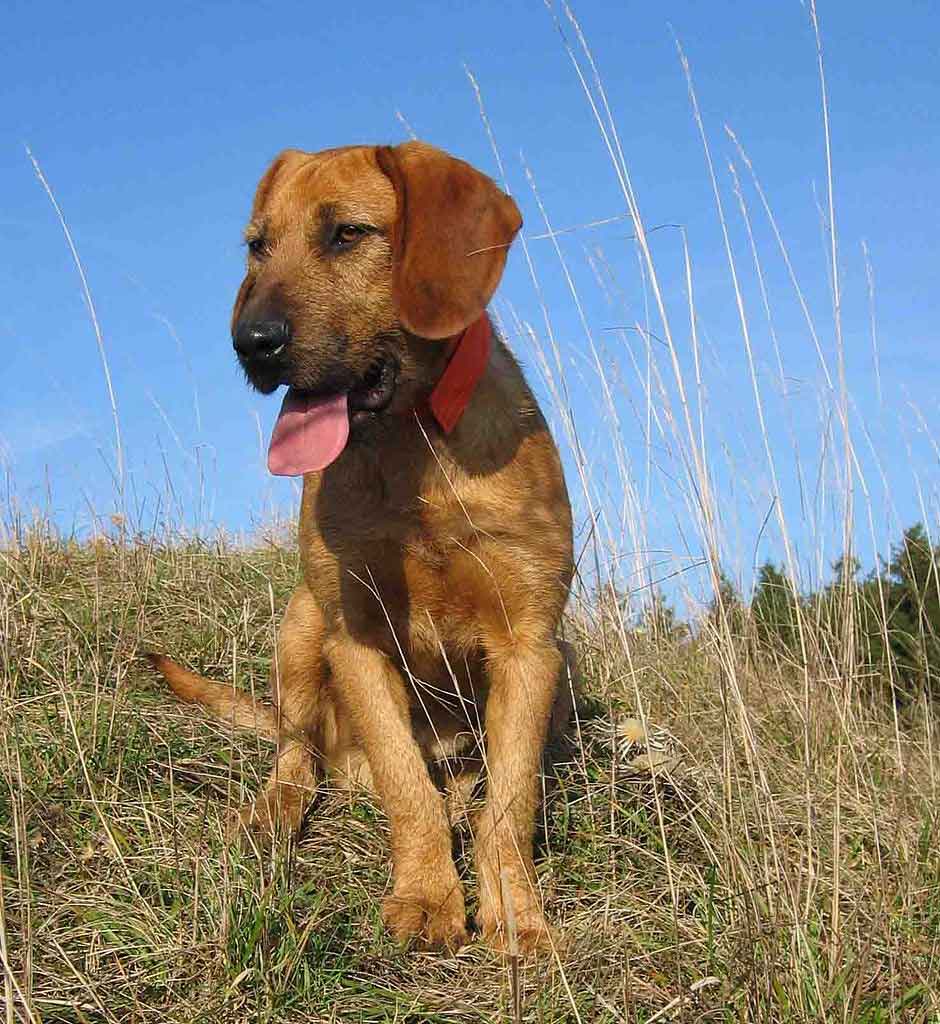
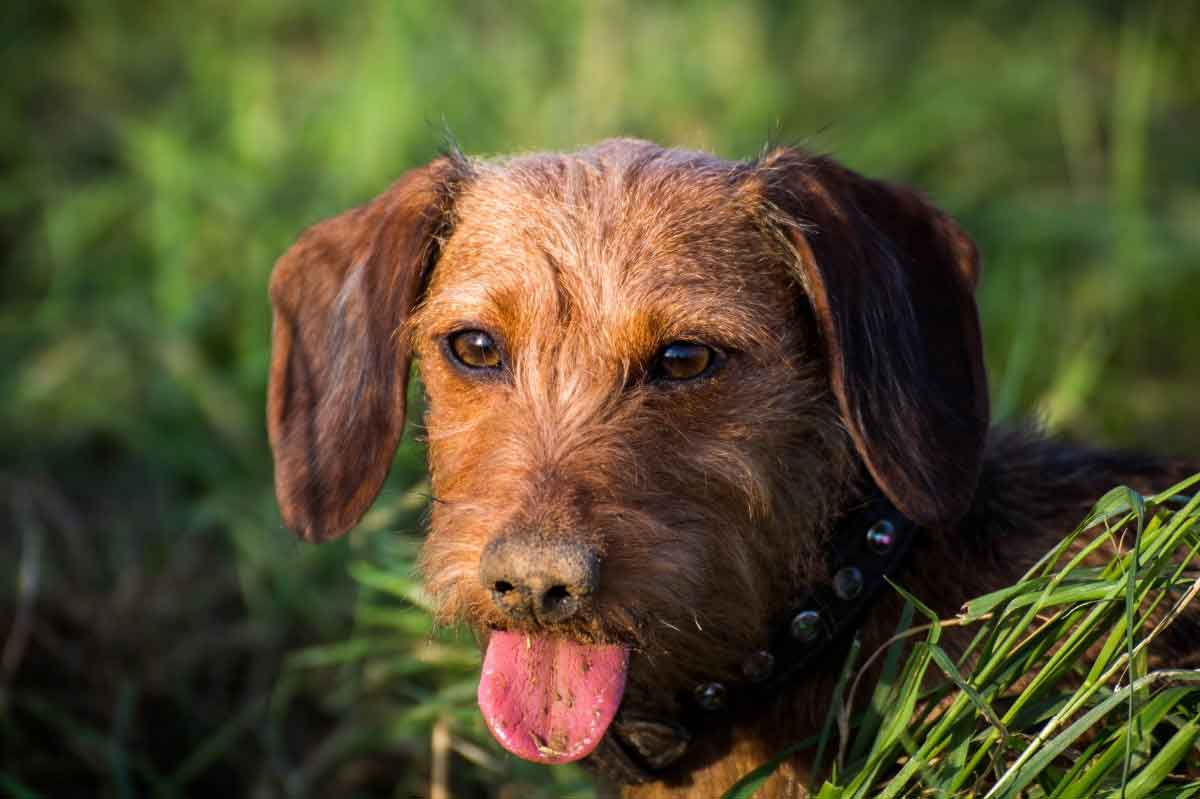


 FCI 59 . Medium-sized Hounds
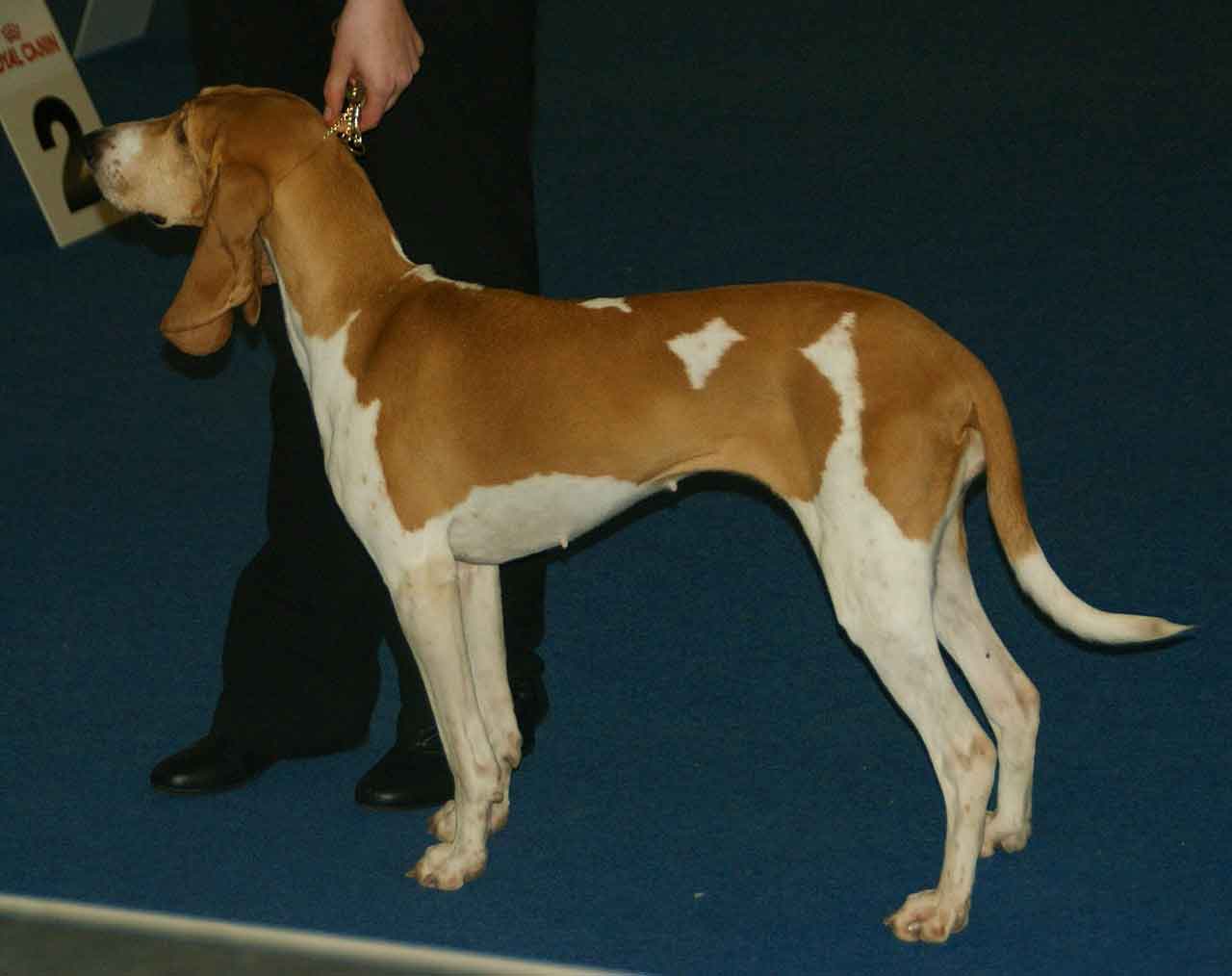
 FCI 244 - Medium-sized Hounds
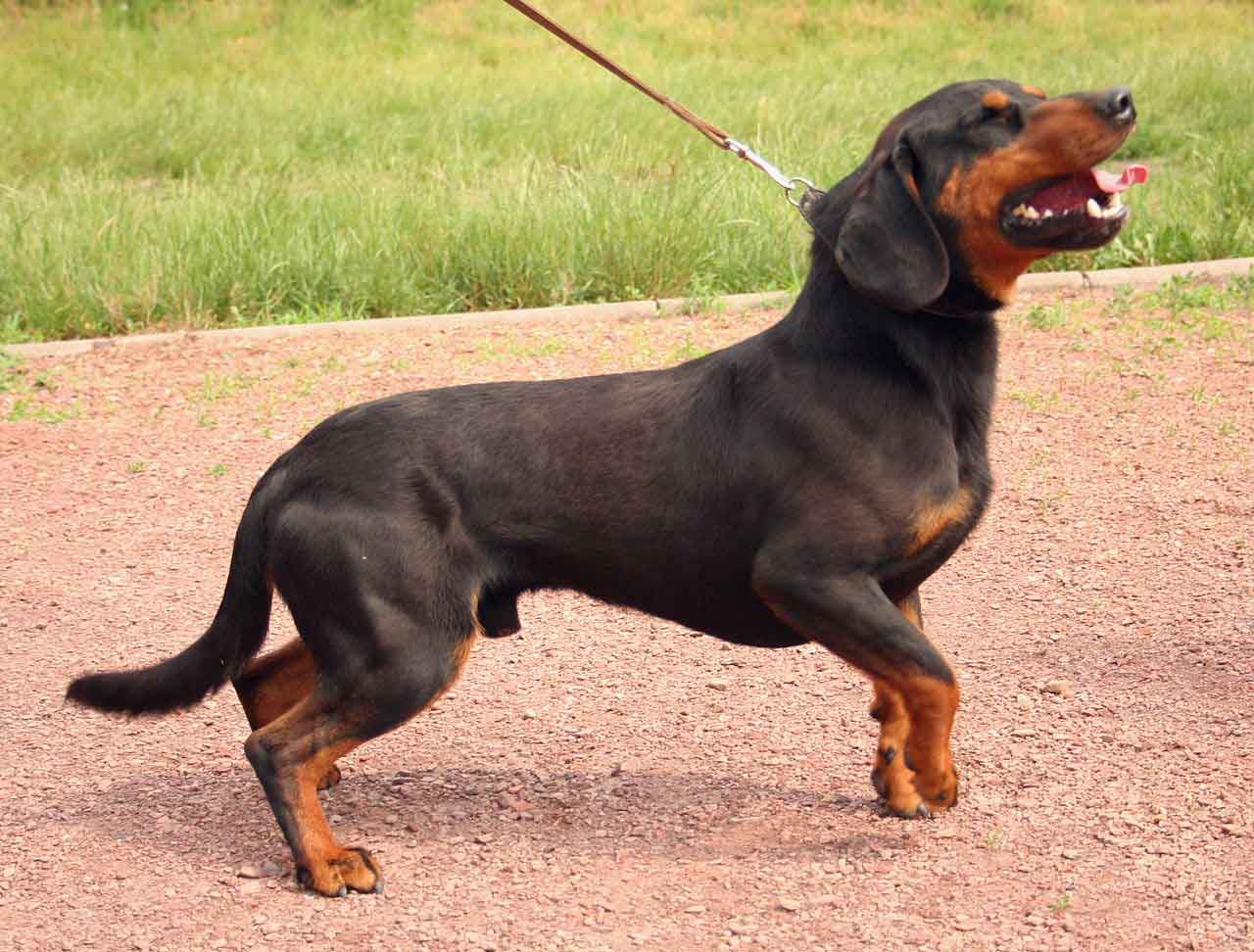


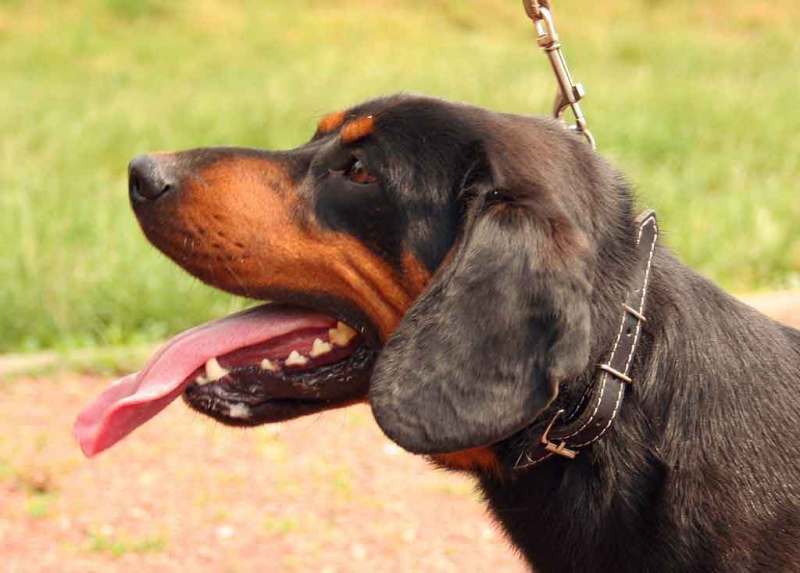
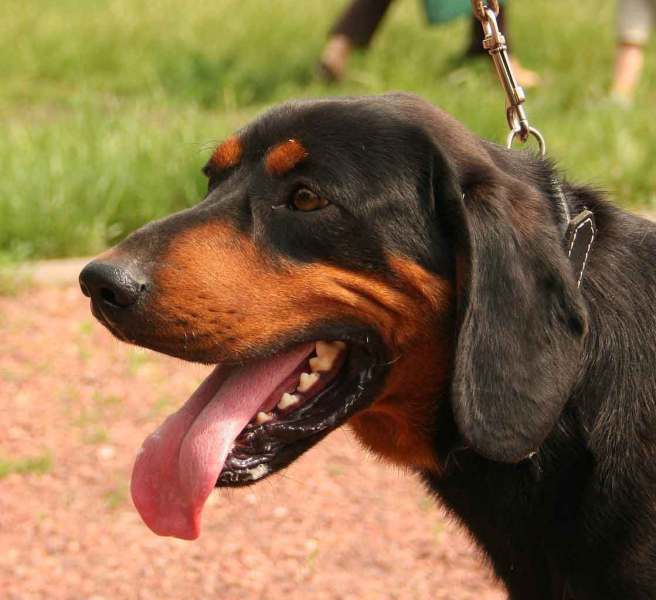


 Slovensky Kopov Hunting Dogs with Dr Martin Luptak
 Kicks Family dog
 Dogs for Hunters – Slovensky Kopov – Euro Hunters #7
 CACIB Natalinci 2011 – Slovakian hound (Slovak Kopov)
 FCI 131 - Medium-sized Hounds
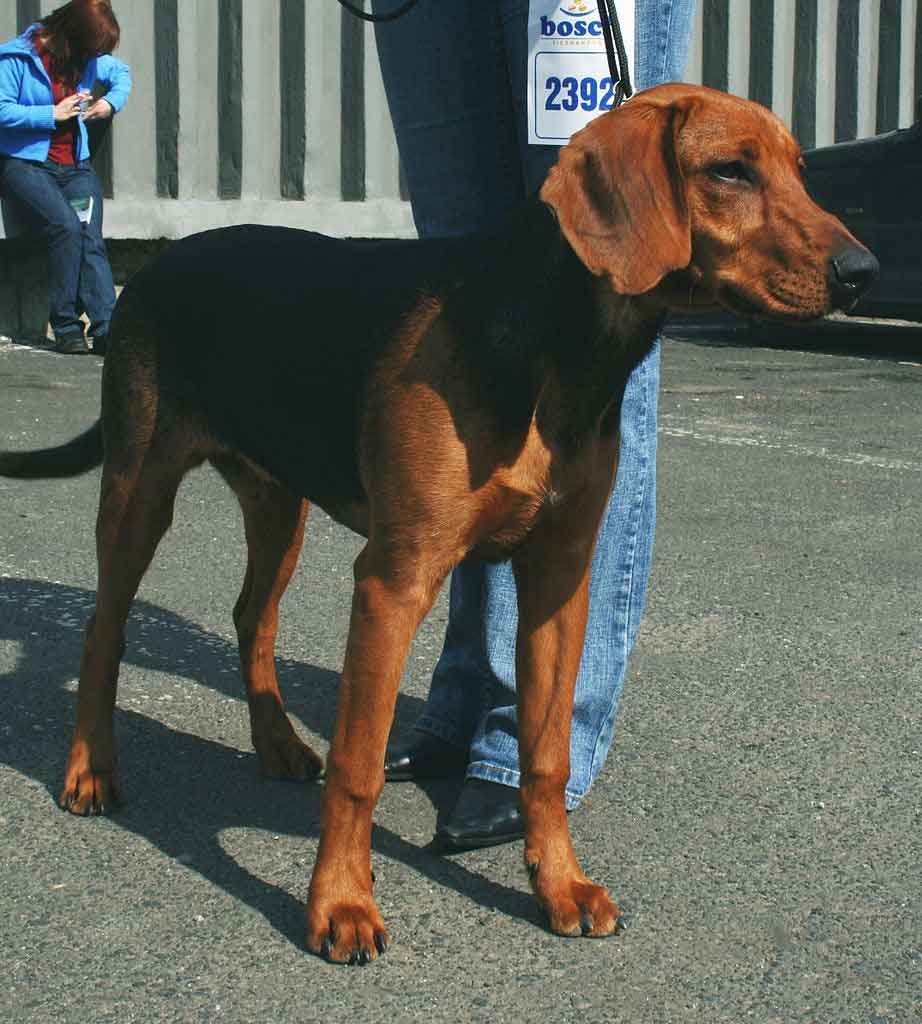


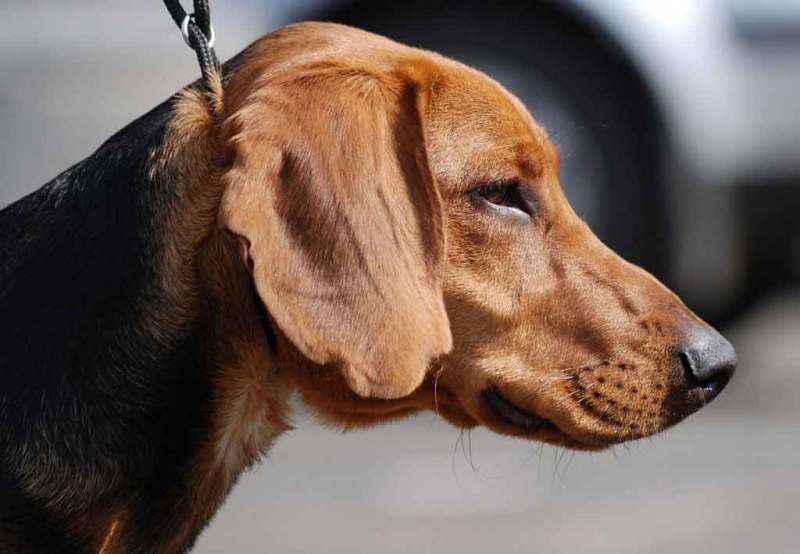

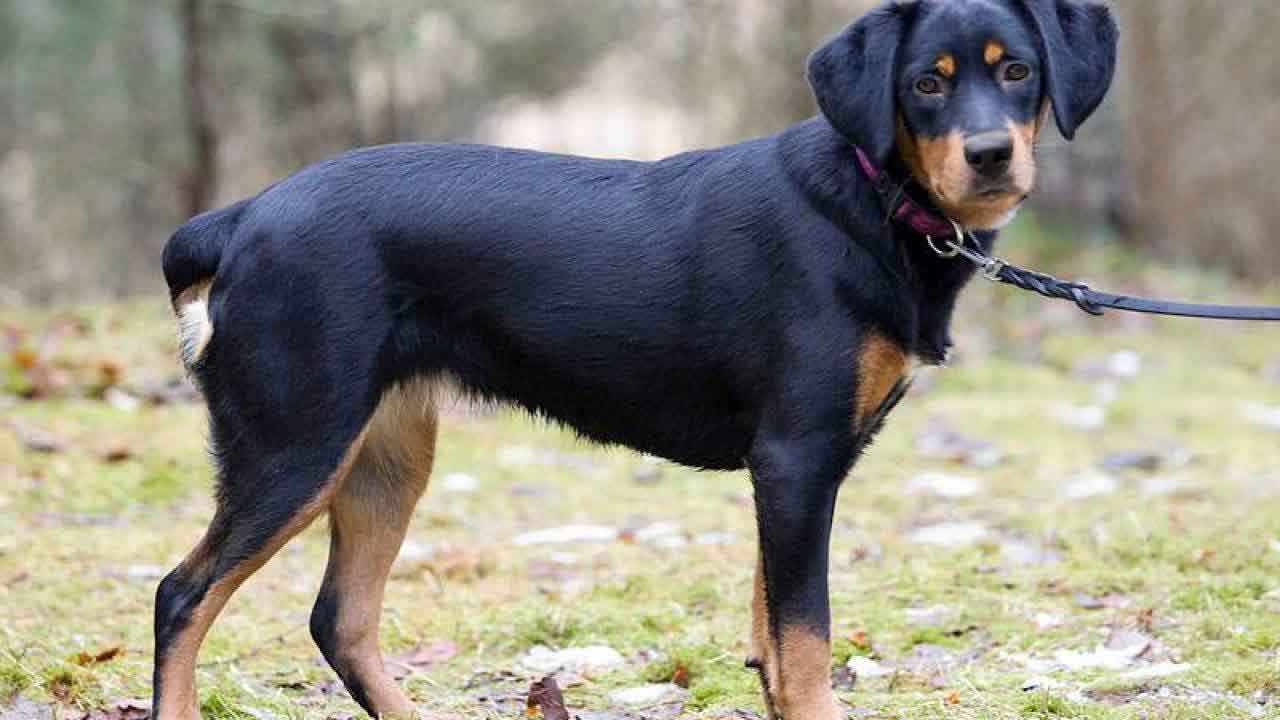
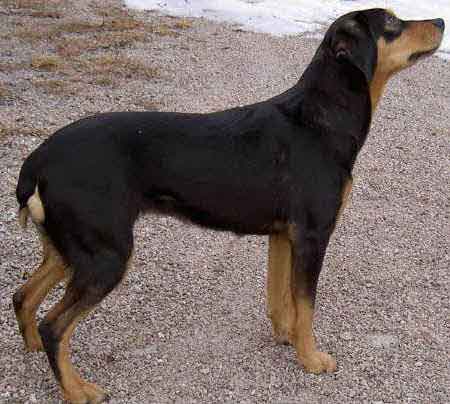
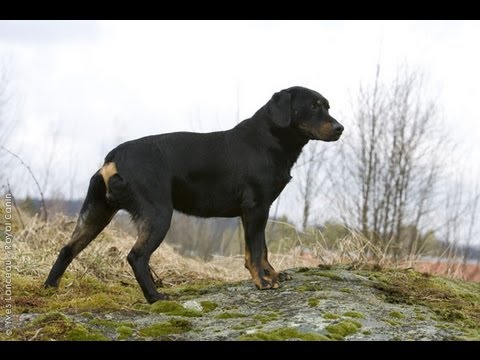


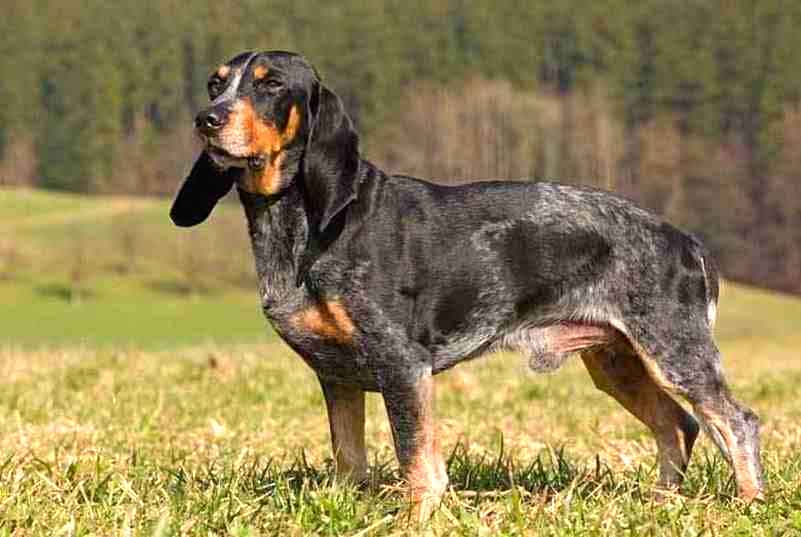
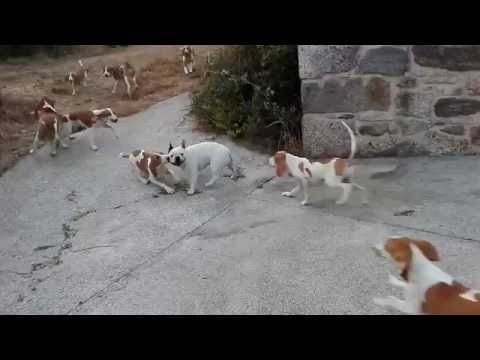
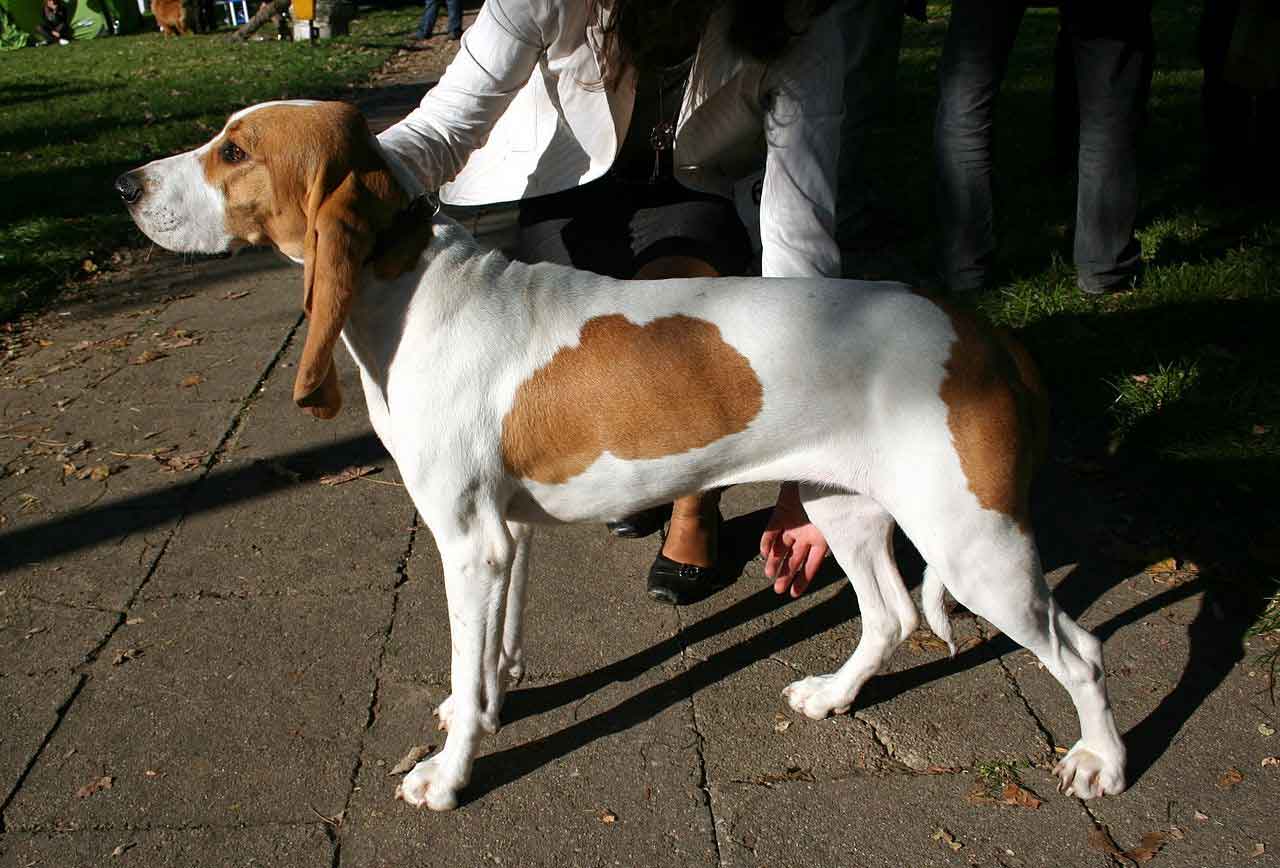

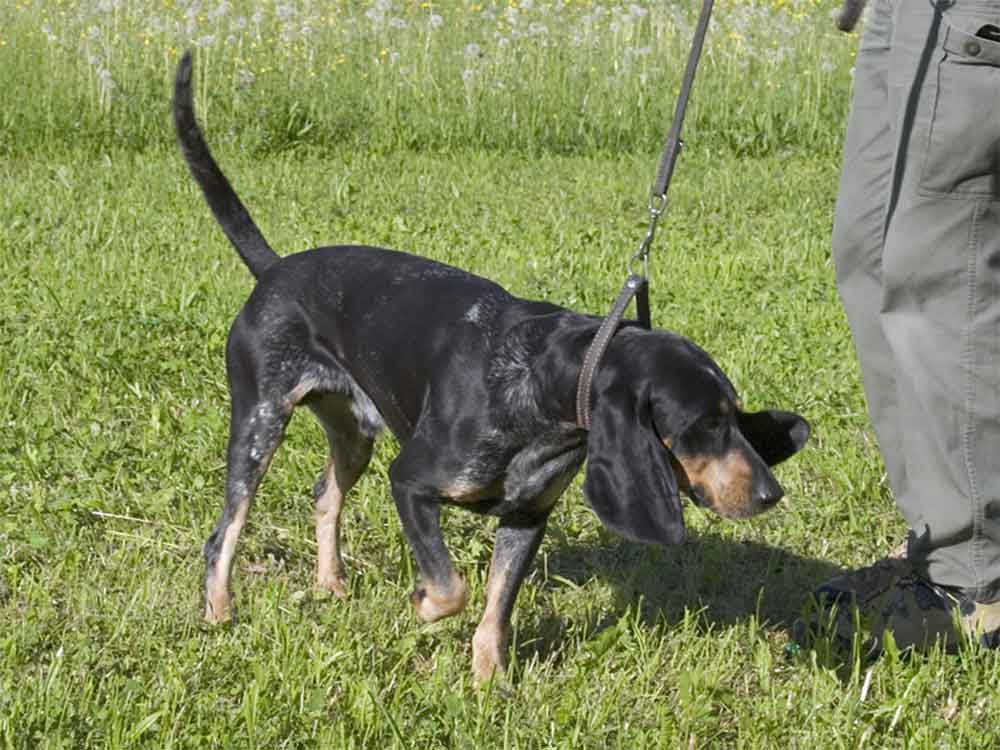
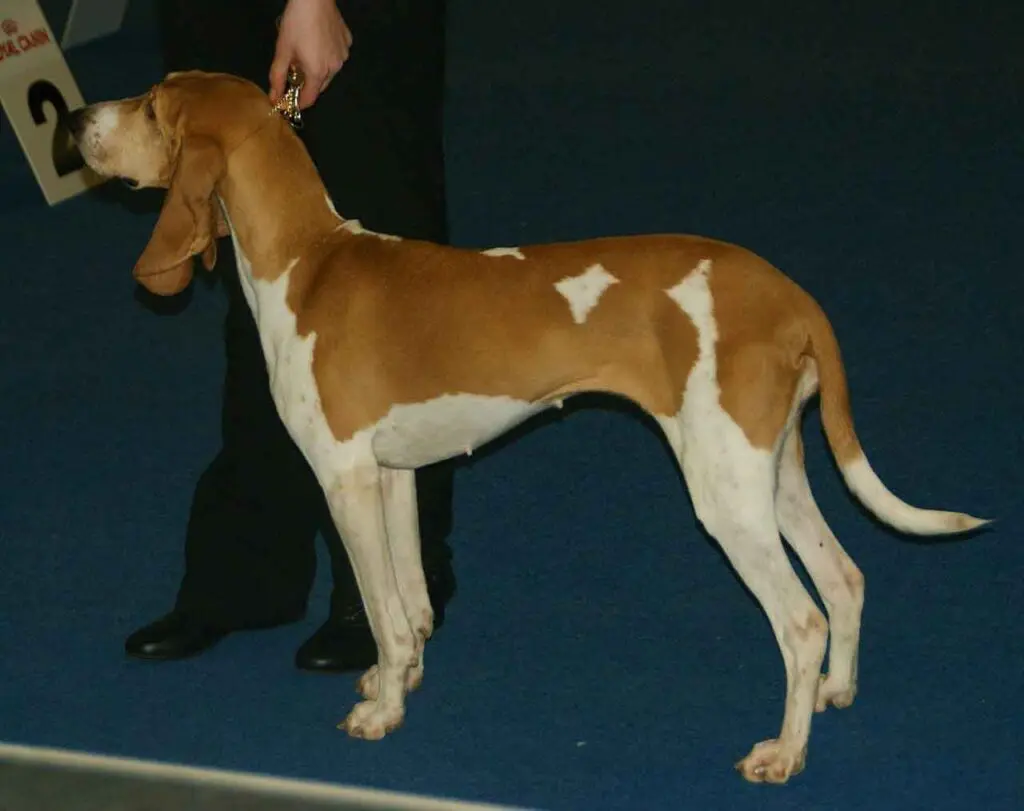
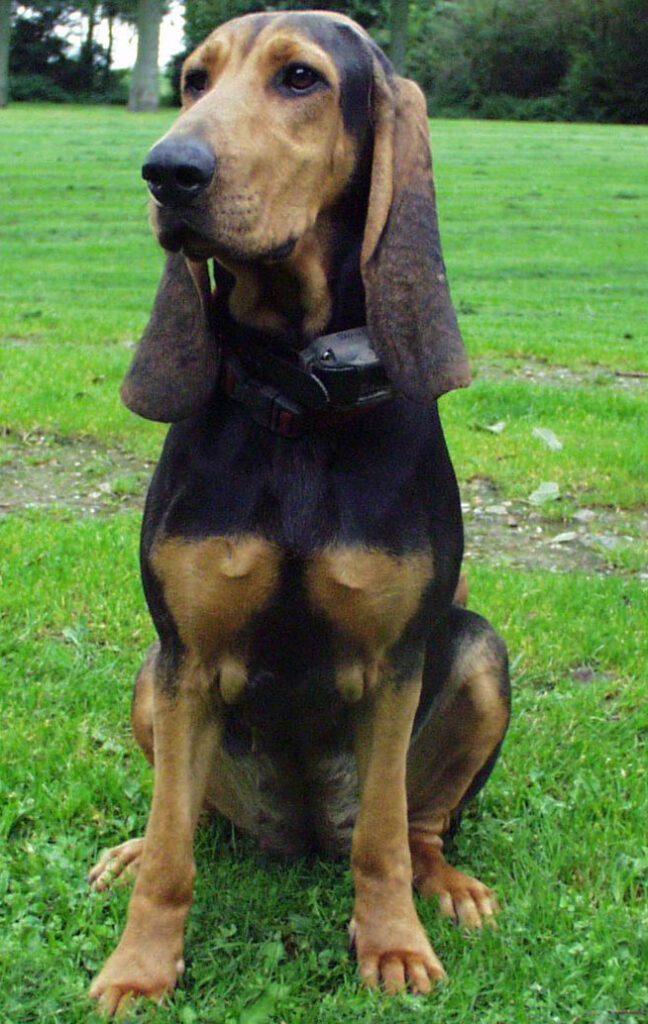
 FCI 257 . Asian Spitz and related breeds






 Shiba Inu Fishing
 Shiba Inu puppy with the cat
 Dogs 101- Shiba Inu
 Shiba Inu Talking Dog ~ Roll Over!