โ–ท The world of Pets: Dogs, cats, birds, reptiles, amphibians

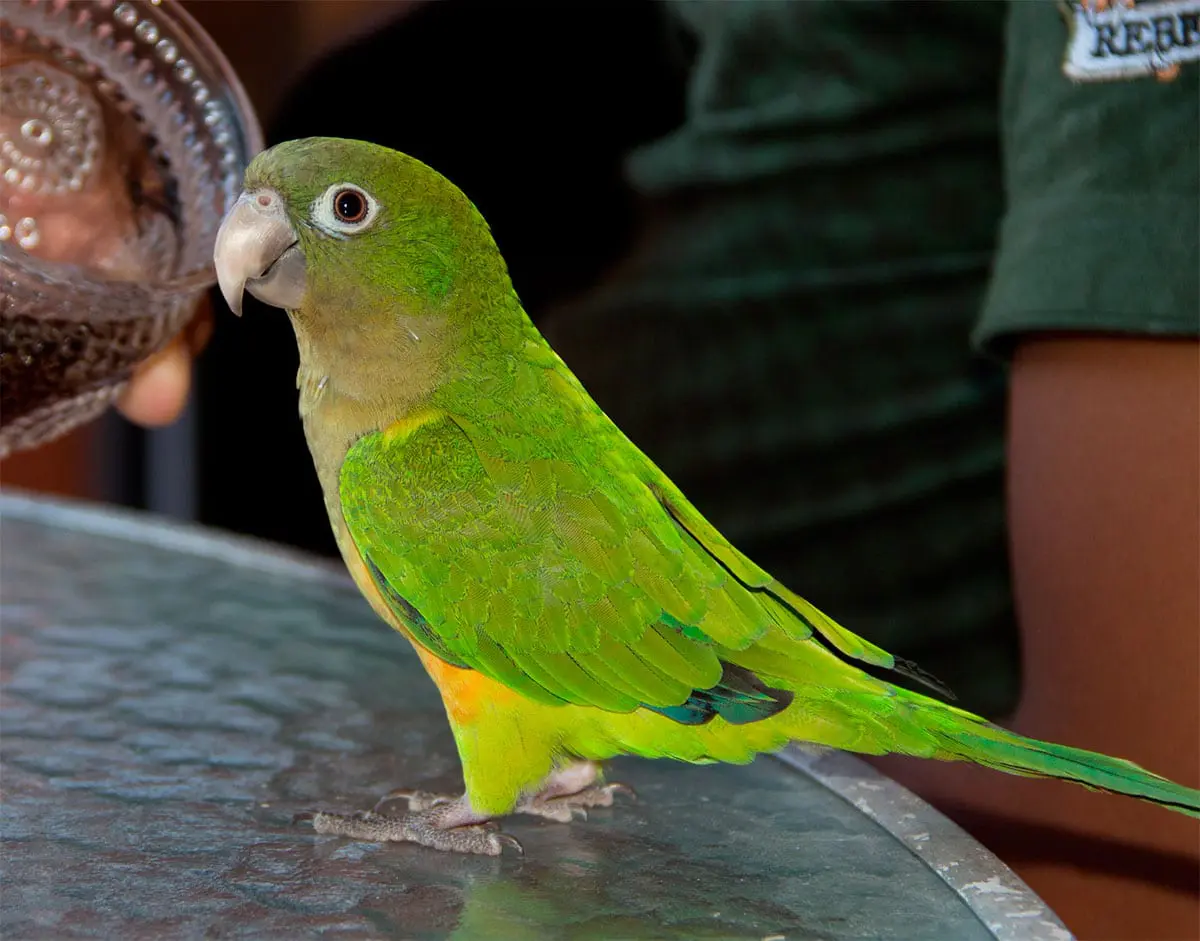
Blue-crowned Conure
Psittacara acuticaudatus


Blue-crowned Conure

Content

Description:

33-38 cm.. length and a weight between 170 and 176 g..

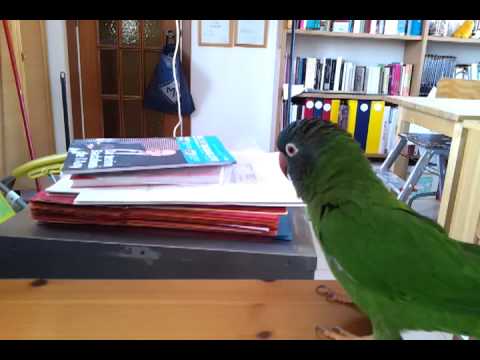
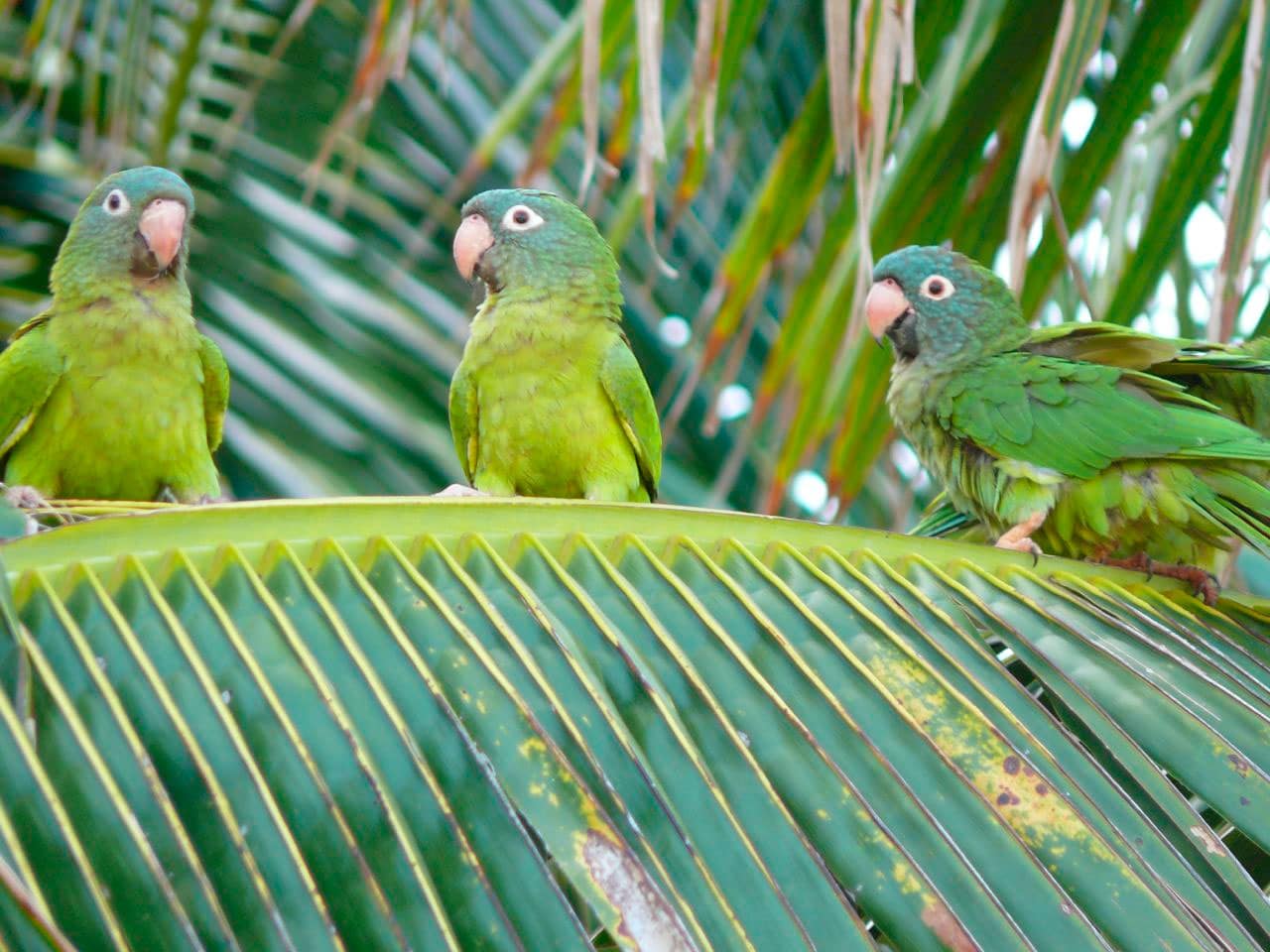
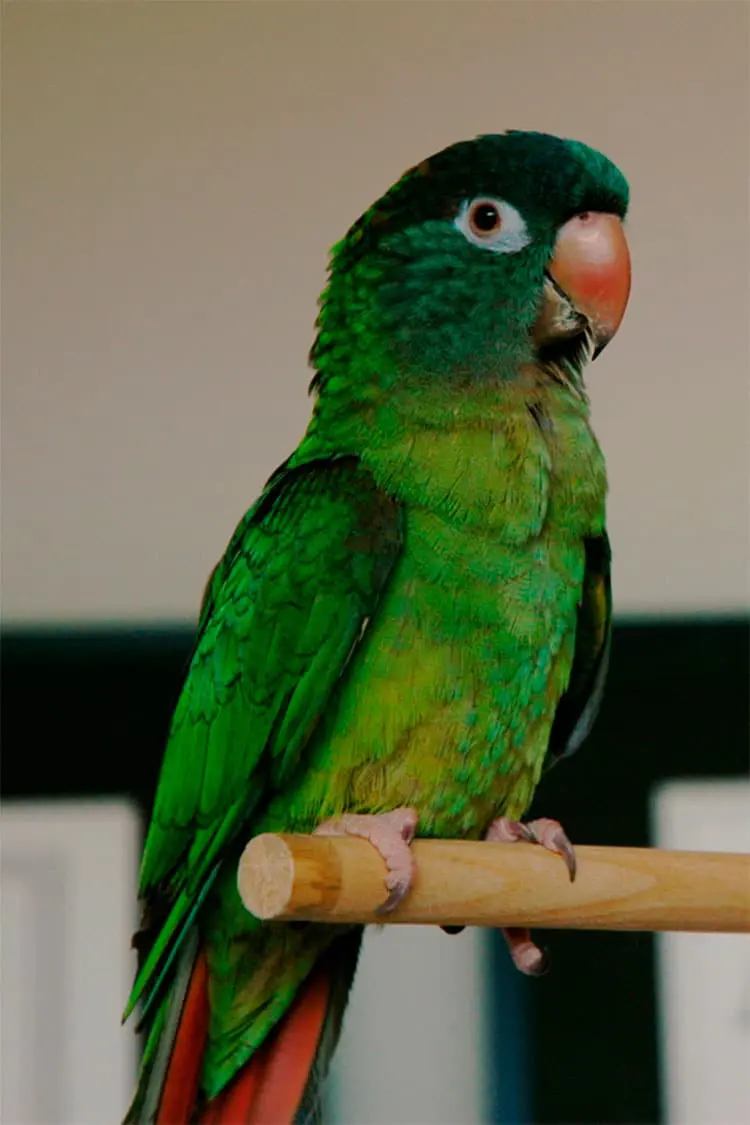
The Blue-crowned Conure (Psittacara acuticaudatus) It is one of the largest of the genus birds Aratinga. elongated body, and long tail gradada, equal to all the Aratinga.

You have the front of the crown, the forecrown, the cheeks and lores pale bright blue. The sides of the neck, the nape, the the mantle, scapulars and back are bright green; the rump and uppertail-coverts are green pale. Upperwing-coverts bright green; alula with blue dye.
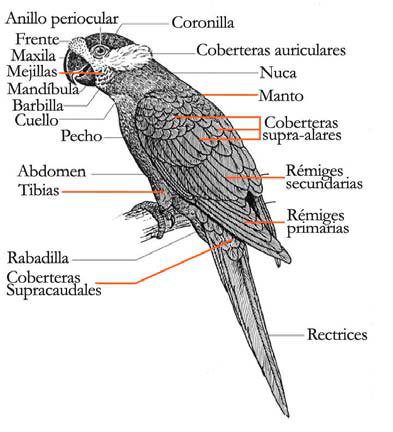
Anatomy-parrots Primaries and secondaries green above, with pinkish tinge in the vane inner, olive gold below. Underwing-coverts green.

The underparts are pale green with shades of olive green; some feathers of the chest drenched blue. Upper, the tail green color in the vane outer, red brick in the vane inner with fusion of opaque green tips; undertail, the tail Red, distally faded to pale brown brick.

Ilustraciรณn Aratinga Cabeciazul

Rosacea the upper jaw, greyish the lower; nude orbital region creamy white; irises yellowish-orange; legs pale pink.

Sexes similar in plumage.

The immature has the blue color of the head restricted to the forecrown and to the crown, no blue tint in the chest. The copies juveniles of the nominal species has bill a paler tone.

Subspecies description
Subspecies

A more thorough research is needed to assess the taxonomic status of this species. The date of the original publication of the subspecies koenigi It is discussed; This and the use of nigrirostris apparently synonymous (by the same author) requires clarification. Five recognized subspecies.

  • Psittacara acuticaudatus acuticaudatus

    (Vieillot, 1818) – The species nominal


  • Psittacara acuticaudatus haemorrhous

    (Spix, 1824) – Both jaws pale pink, underparts bright green and blue of the head narrower that the of the nominal species.


  • Psittacara acuticaudatus koenigi

    (Arndt, 1995) – Similar to the subspecies ยซharmorrhousยซ, but with the vane inner at the bottom of the the tail feathers less reddish brown. Smaller (34 cm.).


  • Psittacara acuticaudatus neoxenus

    (Cory, 1909) – Similar to the subspecies ยซhaemorrhousยป but bluish-green in color chest and the belly; smaller than other subspecies except ยซkoenigiยป (34cm.).


  • Psittacara acuticaudatus neumanni

    (Blake & Traylor, 1947) – Only the forecrown, the lores and the front of the crown, are blue, Green the rest of the head.

Habitat:

Video – "Blue-crowned Conure"

Lolita. Aratinga acuticaudata

The Blue-crowned Conure they live in dry deciduous forests and open habitats including habitats semi-desiertos associated. Registered in the caatinga and the closed with vegetation of Palms Mauritia in the northeast of Brazil, in gallery forest Venezuela and Colombia, deserts in Bolivia, and pampas in Argentina; Also cultivated areas and grassland in dry forest areas.

In general, they live in the lowlands (400 m in Colombia, 600 metres in Venezuela), but ascend to 2650 m in Bolivia, in leguminous forest habitats with columnar cacti.

Usually, in pairs or small flocks, but with larger aggregations outside the breeding season, especially where is food abundant, resulting in considerable local movement and consequent fluctuations in local bird numbers.

In some places, birds roost in crevices of the rocky cliffs. Observed in association with the Mitred Parakeet (Psittacara mitratus) and White-eyed Parakeet (Psittacara leucophthalmus).

Reproduction:

Nest in high tree cavities, among the cultivated species are included as the Mango wave guava; in some areas nested in the cavities of the cliffs sandstone.

The egg laying, generally three to four, takes place in December in Paraguay and Argentina; the brood probably between the months of March and July in Venezuela.

The female incubated eggs during 26 days, and chicks they leave the nest a few 52 days after birth.

Food:

The Blue-crowned Conure they feed in the trees in bushes, and also in land.

Reported foods that make up their diet include seeds of sorghum and Bambusa, berries of Condalia lineata, fruit of Cactus and crops as the Mango Mangifera, possibly also feed on of insects.

Distribution:

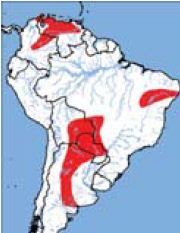
Its distribution is discontinuous and wide much of South America. Can be observed in several separate populations from Venezuela to Argentina. One of the largest areas of distribution extends from the northeast of Colombia (to the southeast of the Andes to Department of Meta), including the Guajira Peninsula and Sierra Nevada de Santa Marta in the Northwest of Venezuela to the East of Monagas (including the Margarita Island) and South to the North of Bolรญvar.

A second population of the Blue-crowned Conure resides in the Northwest of Brazil, to the East of Piauรญ, North of Bay, Pernambuco and Alagoas. A third You can see from the East of Bolivia and West of Mato Grosso, Brazil, even more to the South, through Paraguay and South of Argentina until The Pampa and southwest of Buenos Aires, perhaps also some individuals in the West of Uruguay.

Pretty common in Colombia. Frequent in Venezuela, although the abundance of birds varies with the season. From just frequent up to quite common in Bolivia. In Northeast Brazil It is most abundant in some locations Parrot. Of common to quite common (but possibly in decline) in the North of Argentina.

Possibly extinct or very rare in West Uruguay. In the Margarita Islands very few examples (between 100 and 200 birds released) the loss of habitat due to tourism, his capture as a domestic fowl, and due to their predation by rats.

There are a large number of specimens in captivity (more than 94.000 birds were exported from Argentina in the period between 1985-1990).

Subspecies distribution
Subspecies

Conservation:

State of conservation โ“˜


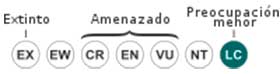
minor concern Minor Concern โ“˜ (UICN)โ“˜

โ€ข Red List category of the UICN current: Least concern

โ€ข Population trend: Decreasing

The size of the world population It has not been quantified.

The Blue-headed Parakeet is common in most of its distribution. But like almost all species of parrots, It is threatened by deforestation and the degradation of the habitat.

Some subspecies, in particular the ยซPsittacara acuticaudatus neoxenusยป are threatened by cage bird trade. Since 1981 When it was included in the Appendix II, 193,299 individuals were captured in the wild and reported for international trade (UNEP-WCMC trade database CITES, January 2005).

The predation of nests seen as a threat by the rats. But, the Blue-crowned Conure is not considered threatened by now.

"Blue-crowned Conure" in captivity:

Birds are very sociable, very attached to their owners. It is also known have to imitate the human voice, able to learn some words and short sentences.

With regard to its longevity, according to sources, a specimen lived for 31 years in captivity

Its feeding in captivity it is omnivorous and varied, will include sunflower and pumpkin seeds, Tender corn, Green peanuts, oats, wheat, caรฑamones, In addition to fruits and vegetables: Apple, pear, banana, lettuce, Escarole, etc. During the breeding and fattening, You will be offered biscuit paste and egg yolk.

Paulie

Until the release of the movie ยซPaulieยซ, It presented a Blue-crowned Conure, This species was one of the secrets better kept in poultry production.

Alternative names:

Blue-crowned Conure, Blue crowned Parakeet, Blue-crowned Parakeet, Sharp-tailed Conure (English).
Conure ร  tรชte bleue, Conure ร  front bleu, Perriche ร  tรชte bleue, Perruche ร  tรชte bleue (French).
Spitzschwanzsittich (German).
Periquito-de-cabeรงa-azul, Aratinga-de-testa-azul, Aratinga-de-testa-azul / Periquitรฃo, jandaia-de-cabeรงa-azul, maracanรฃ, periquitรฃo, periquito-de-bico-rosa, periquito-de-pรฉ-rosa (Portuguese).
Aratinga Cabeciazul, Calacante comรบn, Calancate, Calancate Comรบn, Loro Cabeza Azul, Maracanรก cabeza azulada, Perico Frentiazul, Periquito de Cabeza Azul (espaรฑol).
Calacante comรบn, Calancate, Calancate Comรบn (Argentina).
Calancate (Bolivia).
Loro frentiazul, Perico Frentiazul (Colombia).
Maracanรก cabeza azulada (Paraguay).
Loro Cabeza Azul (Uruguay).
Carapaico, ร‘angaro (Venezuela).
Marakana, ร‘endai (Guarani).

scientific classification:

Order: Psittaciformes
Family: Psittacidae
Genus: Psittacara
Scientific name: Psittacara acuticaudatus
Citation: (Vieillot, 1818)
Protonimo: Psittacus acuticaudatus

  • Clements, version 2017: Thectocercus acuticaudatus

Images Blue-crowned Conure:


Species of the genus Psittacara

Sources:

  • Avibase
  • Parrots of the World โ€“ Forshaw Joseph M
  • Parrots A Guide to the Parrots of the World – Tony Juniper & Mike Parr
  • Birdlife

  • Photos:

(1) – Blue-crowned Parakeet, Blue-crowned Conure, or sharp-tailed conure (Aratinga acuticaudata) By John Graziano en:user:Gnocchi [GFDL, CC-BY-SA-3.0, GFDL or CC-BY-SA-3.0], via Wikimedia Commons
(2) – Blue-crowned Parakeet (also known as Blue-crowned Conure and Sharp-tailed Conure) in the square of the small village of San Isidro, Santa Cruz dept, Bolivia By Hรฅkan Sandin [CC BY-SA 2.0], via Wikimedia Commons
(3) – Feral Blue-crowned Parakeets (also knows as Blue-crowned Conure and Sharp-tailed Conure) in Miami, Florida, USA By Kevin from Rotterdam, The Netherlands (threesomeUploaded by Snowmanradio) [CC BY 2.0], via Wikimedia Commons
(4) – A feral Blue-crowned Parakeet in Pompano Beach, Florida, USA By John Spade from Pompano Beach, USA (Guava ThiefUploaded by snowmanradio) [CC BY 2.0], via Wikimedia Commons
(5) – Blue-crowned Parakeet, Blue-crowned Conure, or sharp-tailed conure (Aratinga acuticaudata) By Richard (originally posted to Flickr as Looking at you!) [CC BY 2.0], via Wikimedia Commons
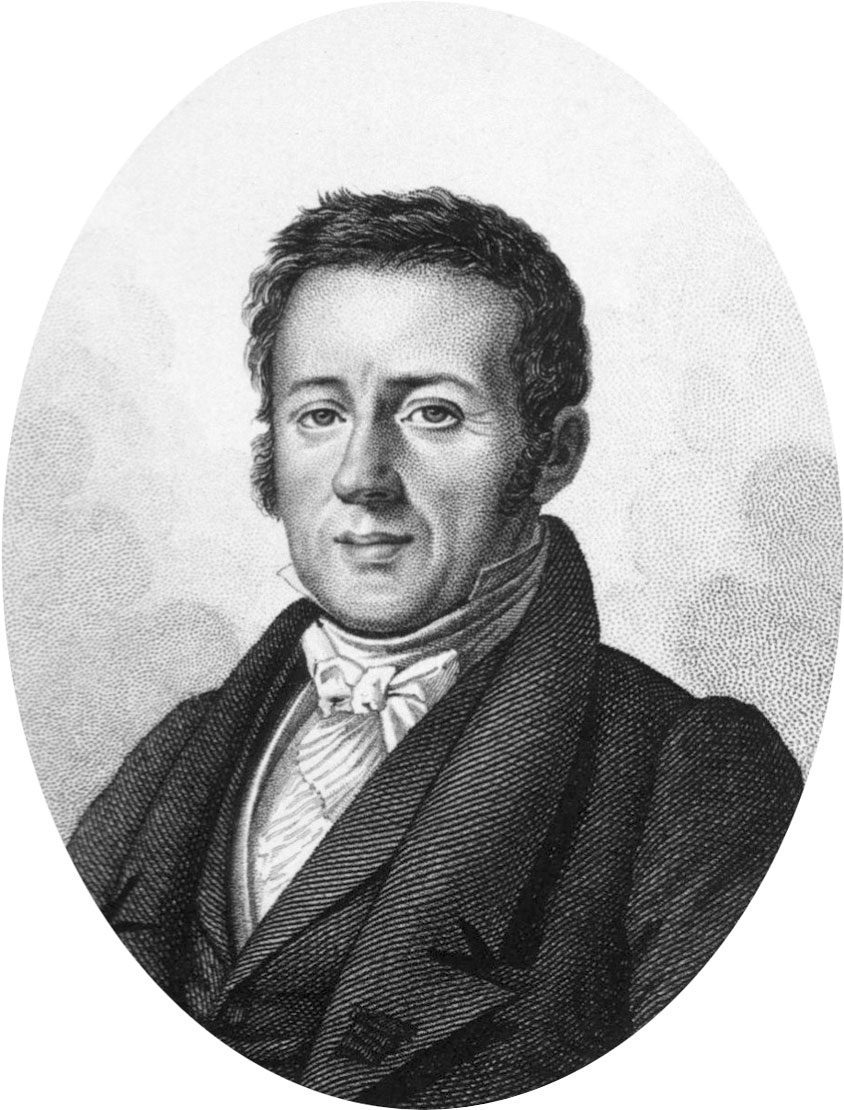
(6) – Conurus acuticaudatus = Aratinga acuticaudata (Blue-crowned Parakeet) Marc Athanase Parfait Oeillet Des Murs [Public domain], via Wikimedia Commons

โ–ท The world of Pets: Dogs, cats, birds, reptiles, amphibians

Brown-throated Parakeet
Eupsittula pertinax

Aratinga Pertinaz

Content

Description:


Anatomy-parrots

Of 17 to 20 cm. length between 76 and 102 g. of weight.
The Brown-throated Parakeet (Eupsittula pertinax) it is a polytypic species. Its fourteen subspecies are distinguished by the mix yellow and Brown on his face and throat.

In the case of the Eupsittula pertinax aeruginosa, the lores previous, the frontal area, underside of cheeks, both sides of the neck and ear-coverts, are dark brown; dark stripes visible on the cheeks; the feathers of the ocular region are of color orange-yellow; the crown greenish blue. Upperparts olive green. Lesser and medium coverts green; bluish green the primaries and greater coverts. Primaries and secondaries green up, Blue dark on the tips, Blue them vane outer in the secondaries; by down dark grey. Underwing-coverts brighter yellowish green. The throat and the top chest dark brown; the underparts Matte yellowish green with an orange patch in the central area of the belly. For above, the tail is of color green blue, bluer towards the tip; undertail greyish-yellow.

Eupsittula pertinax

The bill brownish-grey; bare periophthalmic yellowish white; irises yellow, legs grey.

Both sexes similar, without sexual dimorphism, where males are larger than females.

The youth they tend to lack intense yellow, that is alive in individuals adults. Its forecrown is dark greenish blue. The throat and the chest are greenish, while the belly is green with a bit of orange or yellow.

Description subspecies Eupsittula pertinax
Subspecies
  • Eupsittula pertinax aeruginosa (Linnaeus) 1758 – See description.

  • Eupsittula pertinax arubensis (Hartert) 1892 – Cara and throat color opaque marron-oliva. Narrow yellow line on the eyes. Crown greenish blue.

  • Eupsittula pertinax chrysogenys (Massena & Souance) 1854 – Similar to the aeruginosa subspecies, but darker.

  • Eupsittula pertinax chrysophrys (Swainson) 1838 – Similar to the subspecies margaritensis and venezuelae but with the forecrown a pale yellowish brown.

  • Eupsittula pertinax griseipecta (Meyer de Schauensee) 1950 – Similar to the aeruginosa subspecies, with the cheeks, the throat and top of the chest, Gray-olive, veins in the cheeks absent. The crown Green with little blue.

  • Eupsittula pertinax lehmanni (Dugand) 1943 – Is similar to the aeruginosa subspecies, but with yellowish feathers around the eye more extensive; the Blue head limited with the forecrown and less blue in the flight feather.

  • Eupsittula pertinax margaritensis Cory 1918 – Forehead whitish, the cheeks and ear-coverts color oliva-marron with forecrown greenish blue.

  • Eupsittula pertinax ocularis (Sclater,PL & Salvin) 1865 – Patch distinctive yellow below and behind the eyes (absent in the immature). Forehead and crown green color with tint blue in some birds. Throat, top of the chest, the cheeks and lores warm brown; ear-coverts slightly darker.

  • Eupsittula pertinax paraensis (Sick) 1959 – Similar to the aeruginosa subspecies, but with the irises of color red and the vane outer of primaries and secondaries blue.

  • Eupsittula pertinax pertinax (Linnaeus) 1758 – The nominal. Extensive but variable amount of yellow color in the forecrown, the cheeks, the throat and lores. It may be more off or more Orange under and behind the eyes. Crown Green with only a few light blue indications.

  • Eupsittula pertinax surinama (Zimmer & Phelps,WH) 1951 – Similar to the subspecies margaritensis but with narrow frontal band orange-yellow color, orange-yellow colour around the eyes extending towards the cheeks and yellowish-green (not brown) the throat.

  • Eupsittula pertinax tortugensis (Cory) 1909 – Similar to the aeruginosa subspecies but larger, orange-yellow color on both sides of the head and underwing-coverts more yellowish.

  • Eupsittula pertinax venezuelae (Zimmer & Phelps,WH) 1951 – Similar to the subspecies margaritensis but more pale and yellow on the underparts.

  • Eupsittula pertinax xanthogenia (Bonaparte) 1850 – Clearer (almost sallow) the head the species nominal, with yellow tones ranging from a variable on the front of the crown and nape.

Habitat:

Video – "Brown-throated Parakeet" (Eupsittula pertinax)

Brown-throated Parakeet Eupsittula pertinax / dirty face parakeet

The Aratinga Pertinaz occupies all kind of fields wooded open of the Savannah, transparent areas of dry scrubland full of cactus and acacias, forests of mangrove, tropical forests (where is the most abundant parrot species often), gallery and white sand forests, Mangroves of Rhizophora, edges of moist evergreen forests, and agricultural areas with palms and other trees.

Move at altitudes on the 1.200 m or more, Although they tend to stay below the 1.200 m. This Aratinga also lives in artificial clearings such as public parks or gardens..

In general, observed in flocks or pairs, forming larger groups where food is abundant and in communal roosts.

Reproduction:

The Brown-throated Parakeet It monogamous. With plays After the season of rains, in general from February to April. Birds very social, assess potential mates in large communal roosts. Also used strong calls in select to your mate / to.

Its breeding season It begins after the rainy season, and varies geographically between the months of February and September. Between February and April in Goal, Colombia; from February to April in Venezuela and any time of the year in Suriname, Curacao, Aruba and Bonaire.

When the conditions are favorable this species You can reproduce several times a year. Son colonial and have been observed up to seven pairs nesting next to each other.

Nest in the cavities of trees, artificial nesting boxes, or in arboreal termite. There are reports of nests made in cracks in rocks. The nests they are very simple, without any plant covering and the eggs, often, they are placed on the floor of the cavity nude. The number of eggs in a nest varies from two to seven.

The female is the primary incubator, with one incubation which can last thirty-six to thirty-seven days in the wild. The chicks they leave the nest after 50 days. The young join their parents and form small family groups that last until the parents begin a new breeding season..

Food:

The Brown-throated Parakeet consuming a wide variety of food, including, for example, in the Northwest of Venezuela seeds of Cassia, Peltophorum, Lagerstroemia and Cedrela, fruits of Muntingia, Swietenia, Psidium and Solanum as well as flowers of Tabebuia, Delonix, Eryihrina and Gliricidia.

Sometimes it causes damage to crops (for example, of millet and handle), of corn in Colombia and in fruit plantations of the Netherlands Antilles. Despite being considered pests in some areas, the Brown-throated Parakeet they are not strongly persecuted.

They feed in very vocal groups that often include macaws and amazon parrots.

Distribution:

The Brown-throated Parakeet are distributed to the North of South America, Panama and the islands of the Southern Caribbean.

In Panama are present in the slope of the peaceful, rarely on the side of the Caribbean, even in the canal area. But, they occupy the lowlands of the Northern Caribbean and northeast of Colombia, from the East of the Sinu River up to the Guajira peninsula, including the Center and low Magdalena valley, and observed at elevations more low in the East of the Andes and the lowlands of the South of the Alto Orinoco, to the North of Vaupรฉs.

Probably can be observed in all Venezuela, extending to the Margarita Islands, Turtle (Venezuela), Curacao, Aruba and Bonaire (Netherlands Antilles); introduced in St Thomas, virgin islands, in the 19th century.

Its distribution extends through of the Guianas and the North of Brazil, from Roraima until Amapรก, as well as discontinuously in the upper part of the basin of the Tapajos River, For and in the basin of the Black river, amazon.

In spite of his uneven distribution, usually common to abundant, in many places it is the most common parrot (for example in localities of Guyana), locally common in Panama and reportedly very common in black rivers and Branco, Brazil.

Your area of distribution possibly be increasing due to deforestation. In general resident with local seasonal movements (for example, in the region of Santa Maria, Colombia) the availability of food and the dispersion of the areas of reproduction-related.

Distribution subspecies Eupsittula pertinax
Subspecies
  • Eupsittula pertinax aeruginosa (Linnaeus) 1758 – North of Colombia, Northwest of Venezuela and the upper part of the basin of the Rio Branco, in the Northwest of Brazil

  • Eupsittula pertinax arubensis (Hartert) 1892 – Aruba

  • Eupsittula pertinax chrysogenys (Massena & Souance) 1854 – Region of Black river and, possibly, Solimรตes River, North of Brazil; There are no details about its area of distribution

  • Eupsittula pertinax chrysophrys (Swainson) 1838 – Southeast of Venezuela, Guyana Interior and North of Roraima, Brazil.

  • Eupsittula pertinax griseipecta (Meyer de Schauensee) 1950 – Valley of the sinu river, North of Colombia. Range in relation to the aeruginosa subspecies unclear

  • Eupsittula pertinax lehmanni (Dugand) 1943 – It is from Colombia and possibly Venezuela.

  • Eupsittula pertinax margaritensis Cory 1918 – Islands Margarita and The friars, Venezuela. the birds of the Paria Peninsula in the North of Venezuela, they can be of this subspecies; see the subspecies venezuelae

  • Eupsittula pertinax ocularis (Sclater,PL & Salvin) 1865 – Pacific slope of Panama.

  • Eupsittula pertinax paraensis (Sick) 1959 – High of the Tapajos River and Cururu River, For, Brazil.

  • Eupsittula pertinax pertinax (Linnaeus) 1758 – The nominal. Curaรงao and introduced in St Thomas

  • Eupsittula pertinax surinama (Zimmer & Phelps,WH) 1951 – French Guiana and Suriname through the coast of Guyana to Delta Amacuro, Northeast of Venezuela.

  • Eupsittula pertinax tortugensis (Cory) 1909 – Turtle Island, Venezuela.

  • Eupsittula pertinax venezuelae (Zimmer & Phelps,WH) 1951 – North and Central Venezuela. Areas of contact with other little-known Venezuelan subspecies: see aeruginosa, surinama and chrysophrys.

  • Eupsittula pertinax xanthogenia (Bonaparte) 1850 – Bonaire

Conservation:

โ€ข Red List category of the UICN current: Least concern

โ€ข Population trend: Growing

The Eupsittula Pertinax (Pit and neck of 2014) was considered, previously, belonging to the genus Aratinga.

The subspecies Griseipecta, endemic of the sinu valley in Colombia, There have been since 1949 and is likely to be extinct (T. Donegan in litt. 2011).

The size of the population world of this kind not has been quantified, but it is described as "commonยป (Stotz et to the. (1996). Is considered as the Parrot more abundant in the land low for the Caribbean, Plain in Colombia, Guyana, North of Suriname and the three islands of the Netherlands Antilles.

A density of five to eighty and nine birds by kilometer square is has estimated in the regions of the Northwest of Venezuela.

It is believed that populations on the continent are increasing their range in response to an increase in the conversion of the forest into farmland.

This species is often captured with commercial purposes, but not has been consequences serious, with the exception of the subspecies Aratinga pertinax margaritensis and Aratinga pertinax tortuguensis.

The Aratinga pertinax tortuguensis It is also vulnerable to severe climate changes. (Juniper and Parr, 1998;. Pit, et to the, 1997)

"Brown-throated Parakeet" in captivity:

The Brown-throated Parakeet has a average vinein the nature of about ten years. But, When live in captivity with the proper supervision, they have come to live up to twenty-five years.

common in the industry of the pet because, mainly, to your behavior affective. Captured for the pet trade and occasionally as food.

Pretty noisy, both in the nature as in captivity. With certain skills for repeated whistles and words short.

Alternative names:

Brown-throated Parakeet, Brown throated Parakeet, Brown-throated Conure, Caribbean Parakeet, Curacao Conure, Curacao Parakeet, St. Thomas’s Conure (English).
Conure cuivrรฉe, Conure de Saint-Thomas, Perriche cuivrรฉe, Perruche cuivrรฉe (French).
Braunwangensittich (German).
Aratinga de-cara-parda, aratinga-de-bochecha-parda, periquito-de-bochecha-parda (Portuguese).
Aratinga Pertinaz, Perico cara sucia, Perico Carisucio, Perico Gorgicafรฉ, Periquito de Cola Corta, Periquito Gorgimoreno (espaรฑol).
Loro carisucio, Perico Carisucio (Colombia).
Perico Gorgicafรฉ (Costa Rica).
Perico Cara Sucia (Venezuela).


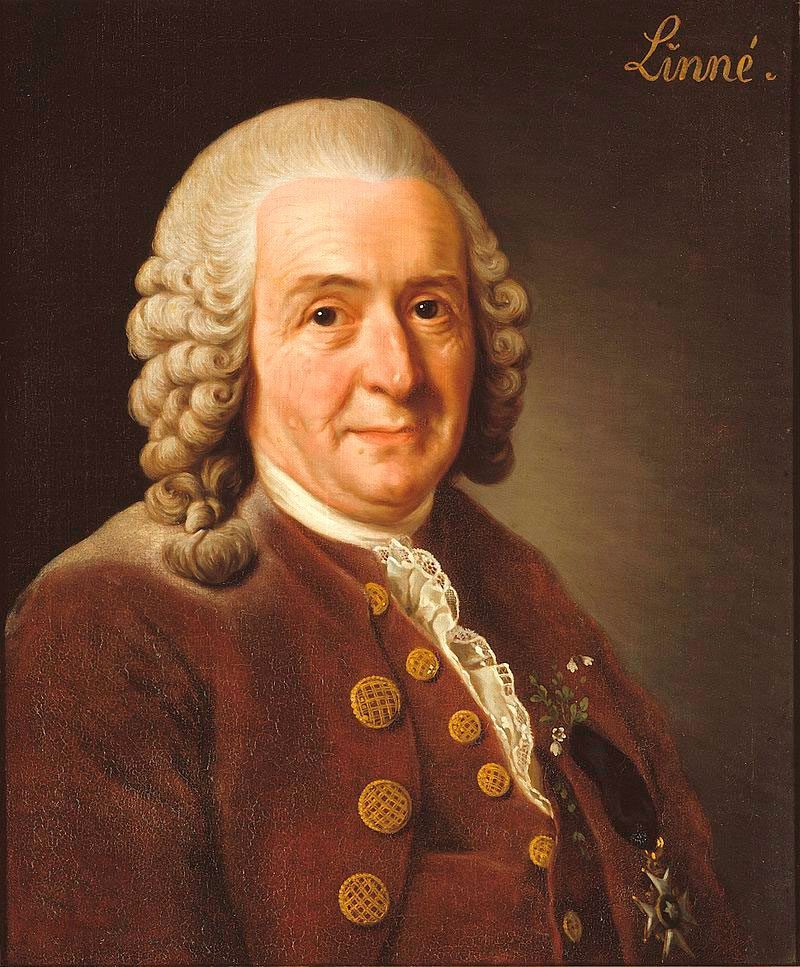
Carl Linnaeus
Carl Linnaeus

scientific classification:

โ€ข Order: Psittaciformes
โ€ข Family: Psittacidae
โ€ข Genus: Eupsittula
โ€ข Scientific name: Eupsittula pertinax
โ€ข Citation: (Linnaeus, 1758)
โ€ข Protonimo: Psittacus pertinax

Brown-throated Parakeet Images:


Especies del gรฉnero Eupsittula
  • Eupsittula nana
  • —- Eupsittula nana astec
  • —- Eupsittula nana nana
  • —- Eupsittula nana vicinalis
  • Eupsittula canicularis
  • —- Eupsittula canicularis canicularis
  • —- Eupsittula canicularis clarae
  • —- Eupsittula canicularis eburnirostrum
  • Eupsittula aurea
  • Eupsittula pertinax
  • —- Eupsittula pertinax aeruginosa
  • —- Eupsittula pertinax arubensis
  • —- Eupsittula pertinax chrysogenys
  • —- Eupsittula pertinax chrysophrys
  • —- Eupsittula pertinax griseipecta
  • —- Eupsittula pertinax lehmanni
  • —- Eupsittula pertinax margaritensis
  • —- Eupsittula pertinax ocularis
  • —- Eupsittula pertinax paraensis
  • —- Eupsittula pertinax pertinax
  • —- Eupsittula pertinax surinama
  • —- Eupsittula pertinax tortugensis
  • —- Eupsittula pertinax venezuelae
  • —- Eupsittula pertinax xanthogenia
  • Eupsittula cactorum
  • —- Eupsittula cactorum cactorum
  • —- Eupsittula cactorum caixana

  • Sources:

    Avibase
    – Parrots of the World โ€“ Forshaw Joseph M
    – Parrots A Guide to the Parrots of the World – Tony Juniper & Mike Parr
    – Birdlife
    Animal Diversity Web

    Photos:

    (1) – Aratinga pertinax By Genes Luna (Flickr: IMG_0309.jpg) [CC BY-SA 2.0], via Wikimedia Commons
    (2) – Aratinga pertinax xanthogenia By gailf548 (originally posted to Flickr as Young Parrot) [CC BY 2.0], via Wikimedia Commons
    (3) – Eupsittula pertinax arubensis By Alexander Yates (originally posted to Flickr as Aruba Parakeet) [CC BY 2.0], via Wikimedia Commons
    (4) – Brown-throated Parakeet (Aratinga pertinax venezuelae) in Cagua, Estado Aragua, Venezuela By Cristรณbal Alvarado Minic [CC BY 2.0], via Wikimedia Commons
    (5) – Aratinga pertinax aeruginosa By Aratinga_pertinax_-Colombia-8a.jpg: anthrotectderivative work: Snowmanradio [CC BY 2.0], via Wikimedia Commons
    (6) – Eupsittula pertinax By Leizelt, Balthasar Friedrich; Wilhelm, Gottlieb Tobias [CC BY 2.0 or Public domain], via Wikimedia Commons

    Sounds: Peter Boesman (Xeno-canto)

    โ–ท The world of Pets: Dogs, cats, birds, reptiles, amphibians

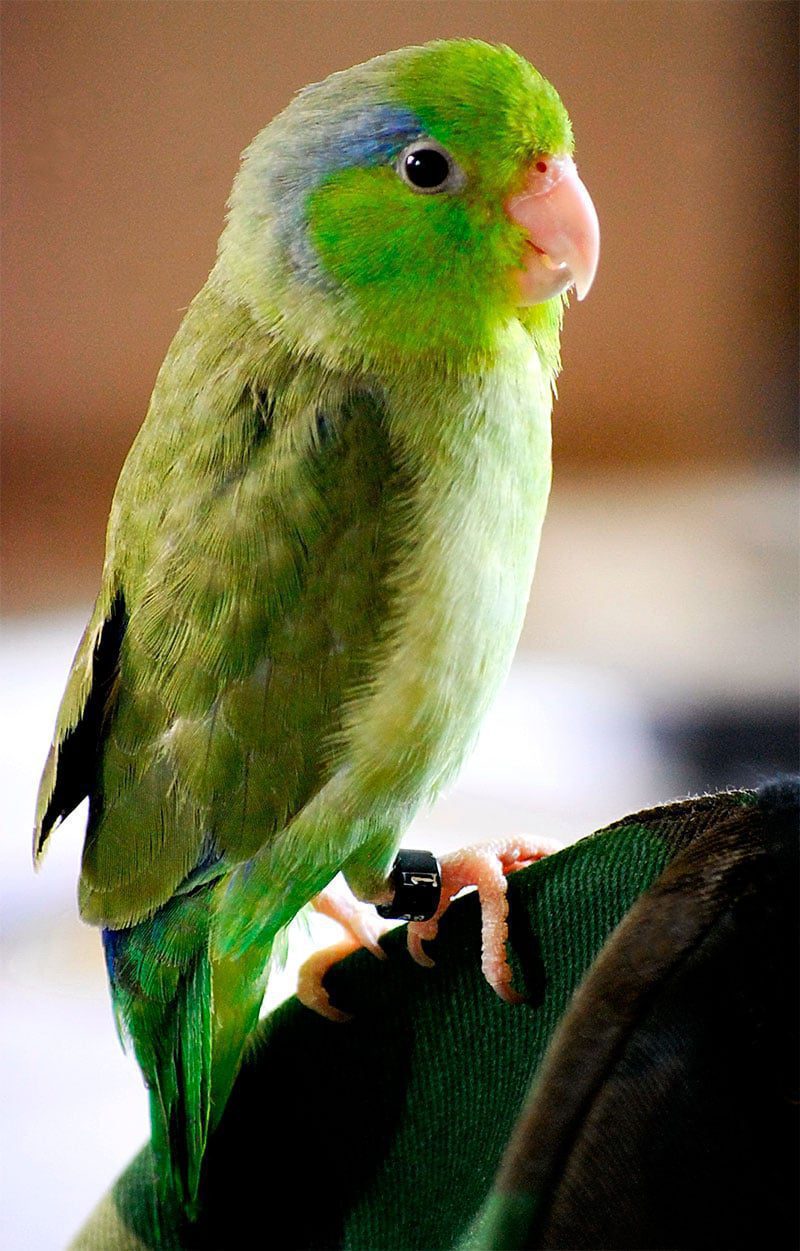
    Pacific Parrotlet
    Forpus coelestis


    Pacific Parrotlet

    Content

    Description:


    Anatomy-parrots

    12-13 cm.. height.

    The Pacific Parrotlet (Forpus coelestis) It is a small bird, chubby with a tail short and finished in tip. Distinguishable in flight by the blue and Brown on the inside of the wings. It has blue behind the eye and in the middle of the wing at the top. The female does blue stain on the top of the wing and the blue behind the eye is paler. The Immature males they are similar to the adult male, but more pale and with back brownish.

    Habitat:

    The Pacific Parrotlet frequent most dry woodland habitats, such as scrub thorny, bosque deciduous, dense thickets of Captus with balsa trees, plantations of banana and mango, riparian zone, irrigated fields in Savannah and gardens, although their preferred areas are those of humid tropical vegetation such as the coastal mangales.

    Older records of this species are from below sea level of 1.000 m, but are to 2.150 meters on the West side of the Andes in Huancabamba, is of Piura, Peru, and a 1.370-1.650 meters in the South of Loja, Ecuador.

    Usually gregarious; they form large flocks where abundant food.

    Reproduction:

    It nests in the cavity of trees, in cactus, fence posts, pipes or the nests of the Pale-legged Hornero (Furnarius leucopus), of the Tie Neck Pijuรญ (Synallaxis stictothorax) or Fasciated Wren (Campylorhynchus fasciatus).

    The breeding season includes the months of January to may. Sometimes, they breed a second time throughout the year. The laying of eggs 4-6.

    Food:

    The diet of the Pacific Parrotlet includes seeds grass, berries, fruit (example, of Tamarindus, Amaranthus spinosus) and cactus fruits. It forages among the vegetation and land.

    Distribution:

    Size of the area of distribution (reproduction / resident): 147.000 km2

    This species is found in the West of Ecuador, in Manabi Since the latitude of the Valley of the Chone River to the South across the South of Pichincha, The rivers and Guayas (including the Isla Puna), until Gold and Loja, entering the Northwest of Peru, in Tumbes, Piura, Lambayeque and South of Cajamarca, until Freedom and Trujillo.

    irregularly common, sometimes abundant; most numerous in arid areas. The population has apparently not yet been severely affected by the trade in live birds or the conversion of natural and semi-natural habitats for the Agriculture. The species is probably Forpus most numerous in captivity.

    Conservation:

    State of conservation โ“˜


    minor concern Minor Concern โ“˜ (UICN)โ“˜

    โ€ข Current category of the Red List of the UICN: Least concern.

    โ€ข Population trend: Stable.

    Justification of the population

    The size of the world population It has not been quantified, but this species is described as ยซcommonยป (Stotz et to the., 1996).

    Justification of trend

    Suspected that the population is stable in absence of evidence of any decline or threatens substantial.

    "Pacific Parrotlet" in captivity:

    Colorful, charming and intelligent. These small birds have become in very popular pets in recent years. Its small size and quiet nature make of the Pacific Parrotlet an ideal choice for people living in apartments. Nicknamed โ€œpocket parrotsโ€ in the pet trade, These parakeets are actually the smallest of the family of parrots, and they are as smart as many larger species. Some learn to speak quite well, Although the species is not particularly known for the ability to speak.
    An interesting fact upon the Pacific Parrotlet is that its closest relative is the Amazon parrot. Although the two species differ greatly in size, owners often report striking similarities between them. Despite being small birds, they are by no means โ€œlow maintenance birdsโ€. While it is true that they are, course, easy to clean, in comparison with the larger birds, However require your daily care to keep them docile, socialization at an early age is the key to be in a future good behavior.
    They have tendency to obesity. They must be able to get out of their cages, spread your wings, and exercise your muscles to maintain your physical and mental health.

    Their metabolism is very high, and they should have food available at all times. They are known for their appetite voracious, and occur in one diet varied that consists in fruits and vegetables fresh, small seeds such as millet, the high-quality commercial pellets, and protein sources from hard boiled egg.

    There are many mutations.

    Alternative names:

    Pacific Parrotlet, Western Parrotlet (English).
    Toui cรฉleste, Perruche-moineau cรฉleste (French).
    Himmelsperlingspapagei, Himmelspapagei (German).
    Tuim-peruano (Portuguese).
    Catita Enana Amarilla, Cotorrita de Piura, Cotorrita Celestial (espaรฑol).
    Periquito Esmeralda (Peru).

    scientific classification:

    Renรฉ Primevรจre Lesson
    Renรฉ Primevรจre Lesson

    Order: Psittaciformes
    Family: Psittacidae
    Genus: Forpus
    Scientific name: Forpus coelestis
    Citation: (Lesson, 1847)
    Protonimo: agapornis heavenly

    Pacific Parrotlet images:

    Videos of the "Pacific Parrotlet"

    Pacific Parrotlet (Forpus coelestis)


    Species of the genus Forpus

    Sources:

    • Avibase
    • Parrots of the World โ€“ Forshaw Joseph M
    • Parrots A Guide to the Parrots of the World – Tony Juniper & Mike Parr
    • Birdlife
    • Parrot Book, Parrots and macaws.

    Photos:

    (1) – Male Green Pacific Parrotlet, named Jackson By Susan C. Griffin (Own work) [CC BY-SA 3.0], via Wikimedia Commons
    (2) – Pacific Parrotlets (also known as Lessonโ€™s Parrotlet and Celestial Parrotlet) at Wilhelma Zoo, Stuttgart, Germany By Undertable [CC BY 2.0], via Wikimedia Commons
    (3) – A pet Pacific Parrotlet – yellow colour mutation By Becky Wetherington (originally posted to Flickr as 82/365 – Good bird.) [CC BY 2.0], via Wikimedia Commons
    (4) – A pet male Pacific Parrotlet (also known as Lessonโ€™s Parrotlet and Celestial Parrotlet) By Erin Purcell (originally posted to Flickr as [1]) [CC BY 2.0], via Wikimedia Commons
    (5) – Pacific Parrotlet (also known as Lessonโ€™s Parrotlet and Celestial Parrotlet) in El Empalme, El Oro Province, coastal SW Ecuador By markaharper1 [CC BY-SA 2.0], via Wikimedia Commons

    Sounds: (Xeno-canto)

    โ–ท The world of Pets: Dogs, cats, birds, reptiles, amphibians

    Yellow-chevroned parakeet
    Brotogeris chiriri

    Yellow-chevroned parakeet

    Content

    Description:

    20-25 cm.. length and 72 g. of weight.
    The Yellow-chevroned parakeet (Brotogeris chiriri) has a plumage, in general, bright green; the underparts They are of a paler green and lower coverts are yellowish-green.

    The wings They are of a slightly darker green, with the yellow border, visible when wings remain bent or when the bird is in flight. Their bill, hook-shaped, is orange-brown and legs and feet, pinkish gray. The eye rings They are creamy white and eyes dark browns.
    It is intimately related to the Canary-winged Parakeet (Brotogeris versicolurus). In fact, it was considered conspรฉcifica (owned or belonging to the same species) until 1997.

    The females sexually dimorphic and are not to be sexed, either surgically or by DNA.

    The immature are similar to adults but have the tail shorter and the bill It is a darker brown.

    Taxonomic note:

        Until 1997, some taxonomists considered the Canary-winged Parakeet and Yellow-chevroned parakeet belonging to the same species. Even though the Yellow-chevroned parakeet It has the same secondary covert yellow feathers that can be seen in the Canary-winged Parakeet – no white in the primary wing feathers.

    Description 2 subspecies:

    • Brotogeris chiriri behni

      (Neumann, 1931) – Similar to the nominal species, except that they are slightly larger; the body green lacks the yellow dye.


    • Brotogeris chiriri chiriri

      (Vieillot, 1818) – Nominal.

    Habitat:

    Video – "Yellow-chevroned parakeet" (Brotogeris chiriri)

    Catita is still alive ( Brotogeris chiriri) : food and voice.

    They are mainly below 1000 m, locally up 2500 meters in a variety of habitats including humid forests, seasonal and coastal, Pantanal, savannah and city parks. reported to 2500 meters in arid areas.

    Usually, traveling in flocks; in such small groups as 2 to 4 birds, but they have been observed to 20. They are described as small parrots assets, entertaining to watch.

    Reproduction:

    Nest usually in the cavities of trees or in tree termite nests. They also form nesting tunnels in dead palm fronds..

    Once a nest It has been located and correctly "prepared" by the couple, It is performed the laying, between 4 and 5 eggs. after breeding, the Yellow-chevroned parakeet they form large communal huts until the next breeding season.

    Food:

    In their natural habitats, feed of seeds (including outbreaks), fruit as berries and figs and flowers. Also consume nectar, insects and their larvae. Often they are seen visiting barreiros (areas where there is soil rich in minerals) and the banks of the rivers to feed on the soil.

    Distribution:

    Size of its range (breeding/resident ): 5,670,000 km2

    Distributed inside East Brazil to the East of Bolivia, Paraguay and North of Argentina, in Formosa, Chaco, Missions and North of Currents. Introduced populations in Miami, Florida and California.

    Distribution 2 subspecies:

    • Brotogeris chiriri behni

      (Neumann, 1931) – Center of Bolivia to the Northwest of Argentina, in Salta.


    • Brotogeris chiriri chiriri

      (Vieillot, 1818) – Nominal.

    Conservation:

    State of conservation โ“˜


    minor concern Minor Concern โ“˜ (UICN)โ“˜

    โ€ข Current category of the Red List of the UICN: Least concern.

    โ€ข Population trend: Stable.

    Rationale for the Red List category

    This species has a extremely large range and, therefore, it does not approach the thresholds of vulnerability under the criteria of size range (Extension <20,000 km2 combinada con un tamaรฑo de rango decreciente o fluctuante, extensiรณn / calidad de hรกbitat o tamaรฑo de poblaciรณn y un pequeรฑo nรบmero De lugares o fragmentaciรณn severa). La demographic trend appears to be stable and, therefore, the species does not approach the thresholds Vulnerable under the criteria of population trend (> 30% decline over ten years or three generations). The population size has not been quantified, but it is not believed to be close to the thresholds for Vulnerable under the criterion of population size (<10.000 individuos maduros con un descenso continuo estimado> 10% in ten years or three generations or a population structure). For these reasons the species is evaluated as the least concern.

    Justification of the population

    The size of the world's population has not been quantified, but this species is described as ยซquite commonยป (Stotz et to the., 1996).

    Justification of trend

    They suspected that the population is stable in absence of evidence of any decline or threatens substantial.

    "Yellow-chevroned parakeet" in captivity:

    Today is Rare.

    Since the late sixties to mid-seventies, more than 260.000 these were parakeets imported from South America for the pet trade. At that moment, the Yellow-chevroned parakeet It was the most imported parrot. They settled in California (Los Angeles, San Francisco) self-sustaining populations Yellow-chevroned parakeet released or escapes; populations also in Florida (Miami), as well as Connecticut and New York City.

    The Chirirรญ Kitten appears to be better suited to its adopted habitat than its closely related cousin., the the Canary-winged Parakeet (Brotogeris versicolurus).

    The Canary-winged Parakeet It has declined considerably since the early 80, while the Yellow-chevroned parakeet It has established itself in different habitats.

    In 2002, the population of Yellow-chevroned parakeet in the area of Los Angeles, California It was estimated at 400 individuals. In the Florida, They have prospered more than any other place in the United States – there have been huge flocks, several hundred of them. The species is also quite established in the city center Rio de Janeiro, Brazil, which he was also introduced.

    Alternative names:

    Yellow-chevroned Parakeet, Chiriri Parakeet, Yellow chevroned Parakeet (English).
    Toui ร  ailes jaunes, Conure ร  ailes jaunes, Perruche ou, Toui ร  miroir jaune, Toui chiriri (French).
    Gelbflรผgelsittich, Kanarienflรผgelsittich (German).
    periquito-de-encontro-amarelo, periquio-de-encontro-amarelo, periquito-de-asa-amarela, tuรญ-chiriri (Portuguese).
    Catita chiriri, Catita Chirirรญ, Catita chรญriri (espaรฑol).
    Catita chirirรญ (Argentina).
    Catita chiriri, Catita chรญriri (Paraguay).
    Tu’รฎ Chyryry (Guarani).

    scientific classification:

    Order: Psittaciformes
    Family: Psittacidae
    Genus: Brotogeris
    Scientific name: Brotogeris chiriri
    Citation: (Vieillot, 1818)
    Protonimo: Psittacus chiriri

    Images Catita Chiriri:


    Species of the genus Brotogeris

    Sources:

    Avibase
    – Parrots of the World โ€“ Forshaw Joseph M
    – Parrots A Guide to the Parrots of the World – Tony Juniper & Mike Parr
    – Birdlife

    Photos:

    (1) – A Yellow-chevroned Parakeet in Sarutaiรก, Sao Paulo, Brazil By Dario Sanches [CC BY-SA 2.0], via Wikimedia Commons
    (2) – A pet Yellow-chevroned Parakeet By Wagner Machado Carlos Lemes from Goiรขnia, Brazil [CC BY 2.0], via Wikimedia Commons
    (3) – A Yellow-chevroned Parakeet perching in a tree By Paulo Barradas (Brotogeris chiririUploaded by Sno whom You nradio) [CC BY 2.0], via Wikimedia Commons
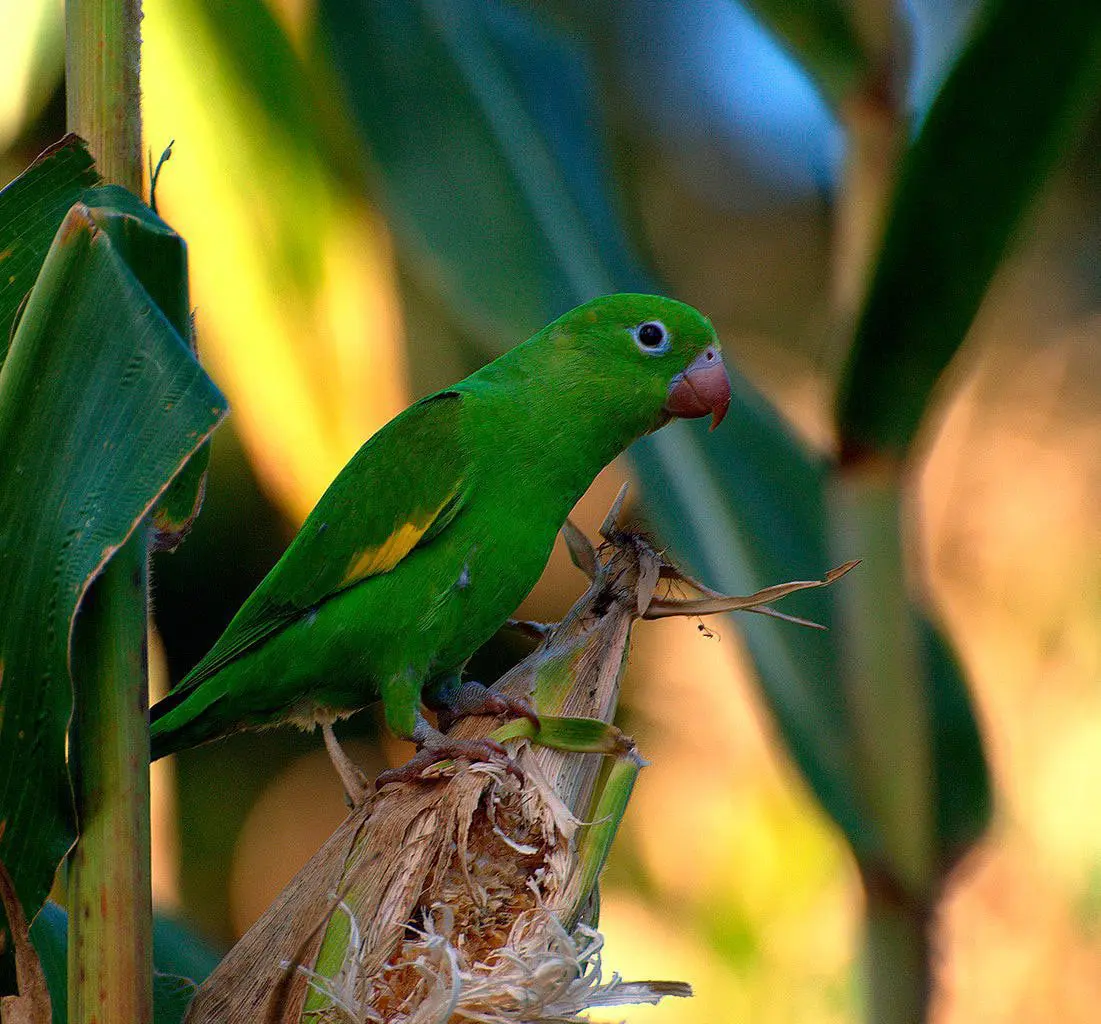
    (4) – A Yellow-chevroned Parakeet in Goiรขnia, Goiรกs, Brazil By Delcio Gonรงalves from Goiรขnia, Brazil (A corn diferenteUploaded by Snowmanradio) [CC BY 2.0], via Wikimedia Commons
    (5) – Parakeet yellow meeting. Photo taken in the hinterlands of the Sucuriรบ River By Deusdedith de Souza Alves Filho DehAlves (Own work) [CC BY-SA 4.0], via Wikimedia Commons
    (6) – Yellow-chevroned Parakeet (Brotogeris chiriri)(Left) and Peach-fronted Parakeet (Aratinga aurea)(Right) on Combretum flowers By Bernard DUPONT from FRANCE [CC BY-SA 2.0], via Wikimedia Commons
    (7) – A Yellow-chevroned Parakeet in Brazil By Alastair Rae (Flickr: Yellow-chevroned Parakeet) [CC BY-SA 2.0], via Wikimedia Commons
    (8) – A Yellow-chevroned Parakeet in Bonito, Mato Grosso do Sul, Brazil. It is perching on the stem of a mango, which it has been eating By Alexandre Pereira [CC BY-SA 2.0], via Wikimedia Commons
    (9) – A Yellow-chevroned Parakeet on Erythrina velutina By Derek Keats from Johannesburg, South Africa (… on Erythrina velutina) [CC BY 2.0], via Wikimedia Commons

    Sounds: Fernando Igor de Godoy (Xeno-canto)
    โ–ท The world of Pets: Dogs, cats, birds, reptiles, amphibians

    Diademed Parrot
    Amazona Diadema

    amazona autumnalis

    Content

    Description:

    31โ€“35 cm. length and 450-550 g. of weight.

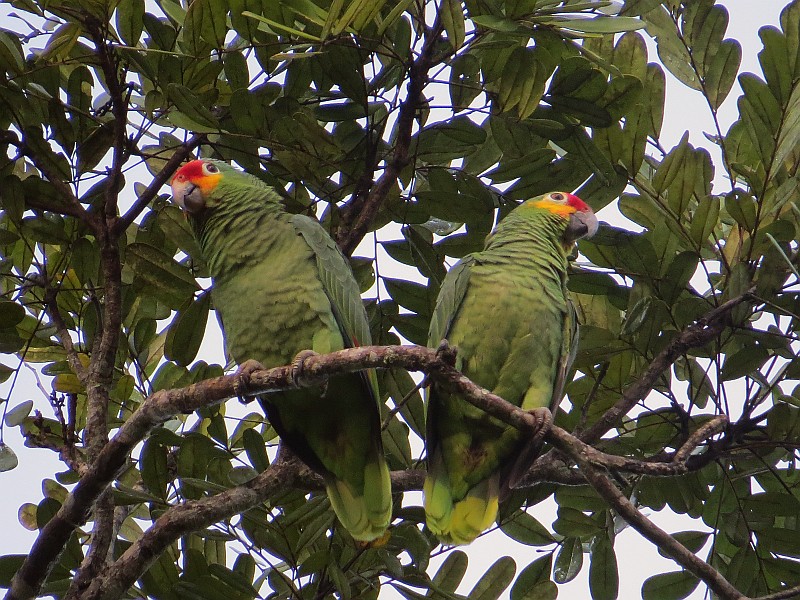
    The Diademed Parrot (Amazona Diadema) It is generally green, with black edges to feathers crown, to the mantle and the chest; crown green to nape; the back of the green neck, mauve margin; feathers of the cere and forecrown, red; yellow-green, less yellow in upper cheeks, up to the ear-coverts; secondaries red on the bases, the green rest; tail green; eye ring pale yellow; eyes oranges; bill dark grey.


    Note:

    Previously treated as conspecific with the Red-lored Amazon (Amazona autumnalis), It is very similar to the subspecies Amazona autumnalis salvini

    • Sound of the Diademed Parrot.

    Habitat:


    Anatomy-parrots

    It is likely to frequent a variety of habitats from lowland forest species, including edges evergreen forest, as well as modified areas containing scattered trees or plantations (Del Hoyo et al., 1997, pit et to the., 2016).

    They are in loose flocks or pairs, are gregarious When feed.

    Reproduction:

    The laying is of 2-3 eggs. Breeding season, It is supposed to be in early: January-March.

    Food:

    It feeds mainly from fruits and seeds, even some cultivated species (Del Hoyo et al., 1997), although there are no published data (Del Hoyo et al., 2016).

    Distribution:

    Size of its range (breeding/resident): 71.800 km2

    Endemic low Black river and the northern margin of Amazon River, in the states of amazon and Northwest of For, in Brazil.

    Conservation Amazona diadema:

    State of conservation โ“˜


    Endangered Endangered โ“˜ (UICN)โ“˜

    โ€ข Current category of the Red List of the UICN: In danger of extinction.

    โ€ข Population trend: Decreasing.

    Rationale for the Red List category

      Based on a model of future deforestation on amazon basin and susceptibility to this new species capture, it is suspected that its population will suffer a very fast along three generations descent from 2002, so it is in danger of extinction.

    Justification of trend

      This species is expected to lose between 49 and 55% suitable habitat within its distribution throughout three generations (37 years) starting at 2002, based on a model of Amazon deforestation (Soares-Filho et to the). Given its susceptibility to capture, It is suspected that species decline by 50-79% during this time.
    Threats

    โ€ข The main threat to this species is the accelerating deforestation in the Amazon Basin as land is cleared for ranching and soy production, provided by the expansion of the road network, together with his susceptibility to capture (Soares-Filho et to the. 2011).

    โ€ข The species is assumed to experience some pressure catch, probably mainly for internal trade, since this species is rare in aviculture (Del Hoyo et al ., 1997, pit et to the ., 2016).

    โ€ข Proposed changes to the Brazilian Forest Code reduce the percentage of land to a private owner is legally obliged to keep as forest (including, critically, a reduction in the width of forest buffers with perennial vapors) and include an amnesty for owners who deforested before July 2008 (That they would later be absolved of the need to reforest illegally vacated land) (Bird et to the., 2011).

    Conservation Actions Underway

    โ€ข No specific conservation actions are known for this species, although part of their habitat is protected.

    โ€ข It is distributed in the Jau National Park where it is rare or uncommon (Borges et al ., 2001, Borges & Almeida 2011).

    Conservation Actions Proposed

    โ€ข Carry out surveys to estimate the size of the population.

    โ€ข Monitor deforestation rates in the range using remote sensing techniques.

    โ€ข Study the level of Trapping threat.

    โ€ข Increase the area of โ€‹โ€‹suitable habitat that receives protection effective.

    โ€ข Boost changes in laws related to deforestation and forest protection.

    The Diademed Parrot in captivity:

    Rare in aviculture.

    Each captive specimen of this species which is capable of reproducing, It is placed in a well managed captive breeding program and not be sold as a pet, in order to ensure its long-term survival.

    Alternative names:

    Diademed Amazon, Diademed Parrot, Red-lored Parrot (Diademed) (English).
    Amazone ร  diadรจme, Amazone diadรจme, Amazone du Brรฉsil (French).
    Diademamazone (German).
    Papagaio-diadema (Portuguese).
    Amazona diadema (espaรฑol).


    Scientific classification Diademed amazon:

    Johann Baptist von Spix

    Order: Psittaciformes
    Family: Psittacidae
    Genus: Amazona
    Scientific name: Diademed Parrot
    Citation: (von Spix, 1824)
    Protonimo: Psittams diadema


    Diademed Parrot images.:


    Species of the genus Amazona


    Sources:

    Photos:

    (1) – diadem parrot. Red lored parrot. 11 November 2015, Tikal, Guatemala by ze_da_binha
    (2) – Diademed Parrot – amazon with tiara – Diademed amazon – amazon tiara By Florin Feneru from Orpington, UK (Diademed Parrot) [CC BY 2.0], via Wikimedia Commons
    (3) – A Red-lored Amazon at Loro Parque, Cross port, Tenerife, Spain. This subspecies is also called the Diademed Amazon By Carlos Urdiales [CC BY-SA 2.0], via Wikimedia Commons
    (4) – A Red-lored Amazon at Xcaret Eco Park, Riviera Maya, Mexico. Photographed as it started to rain By Tomasz Wagner from Burnaby, BC, Canada (Parrot – Amazona autumnalis) [CC BY-SA 2.0], via Wikimedia Commons
    (5) – Diademed amazon (Diademed Parrot) Loro Parque, Tenerife by Florin FeneruFlickr
    (6) – PL. XXXI I Chrysolis diadema (รฎ^wl By Blanchard, Emile; Bonaparte, Charles Lucian; Bourjot Saint-Hilaire, Alexandre; Le Vaillant, Franรงois; Souancรฉ, Charles de. [CC BY 2.0 or Public domain], via Wikimedia Commons

    Sounds: GABRIEL MILK, XC119110. accessible www.xeno-canto.org/119110

    โ–ท The world of Pets: Dogs, cats, birds, reptiles, amphibians

    Large-billed Parrotlet
    Forpus crassirostris

    Large-billed Parrotlet

    Content

    Description:

    12 to 13 cm.. height.

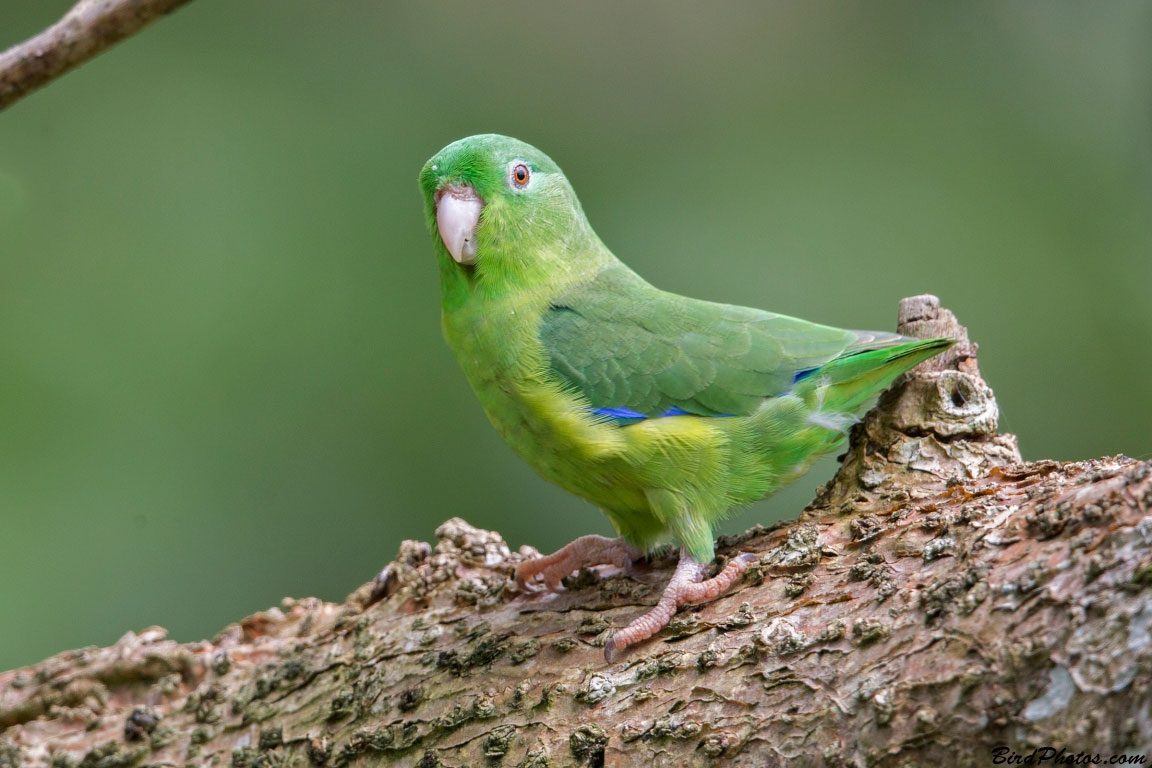
    The Large-billed Parrotlet (Forpus crassirostris) has the crown, back of the neck and ear-coverts, green; the forecrown, cheeks, eye area and lores, emerald green.

    Upperparts and wings, green, except the part inferior of the back, rump and greater coverts, are cobalt blue and blue color toward the base of the secondaries. Primary coverts pale grayish violet color which contrasts with the darker coverts They are cobalt blue. flight feathers Matte metallic blue. The underparts green with yellow hues. Upper, the tail green; undertail, pale green.

    Bill and cere Pink with gray base up to the mandible top, laterally compressed in the Center; bare periophthalmic pale grey: irises dark brown: legs Gris-Rosado pale.
    Female all green with belly yellowish green without blue color wing-coverts visible in the male.
    Immature like adult respective, but with the blue of young males mixed with green.

    Taxonomic note:

    some authors (for example, Meyer de Schauensee 1966, Forshaw, 1973, Monroe y Sibley, 1993) They have used the name Forpus xanthopterygius, while other authors (Stotz et to the., 1996, Collar 1997) They have followed Pinto (1945) and used the name Forpus crassirostris to define this species.

    • Sound of the Large-billed Parrotlet.

    Habitat:

    They inhabit in forest edges, clear, riparian forests, parks and gardens in urban areas.

    Reproduction:

    They build their nests in tree cavities or exploit abandoned nests common hornero (Furnarius rufus); lining the nesting chamber with grass and the female lays 3 to 7 eggs White. The incubation, lasts approximately 18 days, It is carried out by the female and during this period the male is in charge of feeding her.

    Food:

    They compose your diet seeds, fruit, plants and flowers herbaceous. They are feeding both the ground and in trees and shrubs. Among the fruits they are highly appreciated by the Large-billed Parrotlet, palm, Trumpet trees (Cecropia spp), as well as seeds and shoots of Paineiras (Ceiba speciosa).

    Melo et al, 2009, reported mass consumption flowers of Handroanthus serratifolius (Fam. Bignoniaceae), in particular its nectar, what it appears to be an important power source especially during the dry season, where scarce fruits.

    Distribution:

    Size of its range (players / residents) 1.312.215 kmยฒ

    Southeast of Colombia to the East of Ecuador, North of Peru and West Brazil.

    Conservation:


    minor concern


    โ€ข Current category of the Red List of the UICN: Least concern.

    โ€ข Population trend: Stable.

    Justification of the population

    The size of the world's population of the Blue-winged Parrotlet It has not been quantified, but this species is described as ยซcommonยป (Stotz et to the., 1996).

    Justification of trend

    Suspected that the population is stable in absence of evidence of any decline or threatens substantial.

    "Large-billed Parrotlet" in captivity:

    In captivity they are not very frequent. They are birds enable you require a large cage. Quiet and something Shy. Not is easy to accommodate them with other parrots.
    Can be prone to it Obesity.

    Alternative names:

    Blue-winged Parrotlet (crassirostris), Large-billed Parrotlet (English).
    Toui ร  gros bec, Toui de Spix (crassirostris) (French).
    Large-billed Parrotlet (German).
    Tuim, Large-billed Parrotlet (Portuguese).
    Catita enana, Lorito Aliazul, Periquito Azulejo, Cotorrita aliazul, Lorito de alas azules (espaรฑol).

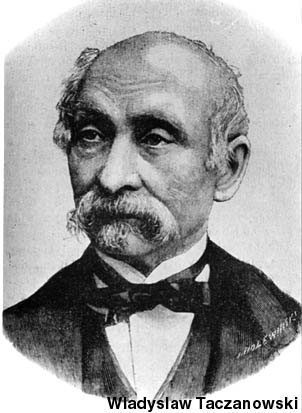
    Wladyslaw Taczanowski


    scientific classification:


    Order: Psittaciformes
    Family: Psittacidae
    Genus: Forpus
    Scientific name: Forpus crassirostris
    Citation: (By Taczanowsk, 1883)
    Protonimo: Psittacula crassirostris

    Images "Large-billed Parrotlet"

    ————————————————————————————————

    "Lorito Aliazul" (Forpus crassirostris)


    Sources:

    Avibase
    – Parrots of the World โ€“ Forshaw Joseph M
    – Parrots A Guide to the Parrots of the World – Tony Juniper & Mike Parr

    Photos:

    (1) – Large-billed Parrotlet (Forpus crassirostris) Male – Photo by Tom Friedel – Puerto Nariรฑo, amazon, Colombia – birdphotos.com

    Sounds: John V. Moore, XC257657. accessible www.xeno-canto.org/257657

    โ–ท The world of Pets: Dogs, cats, birds, reptiles, amphibians

    Carolina Parakeet โ€ 
    Conuropsis carolinensis

    Carolina parrot

    Content

    Description:

    32 to 34 cm. length and 280 g. of weight.

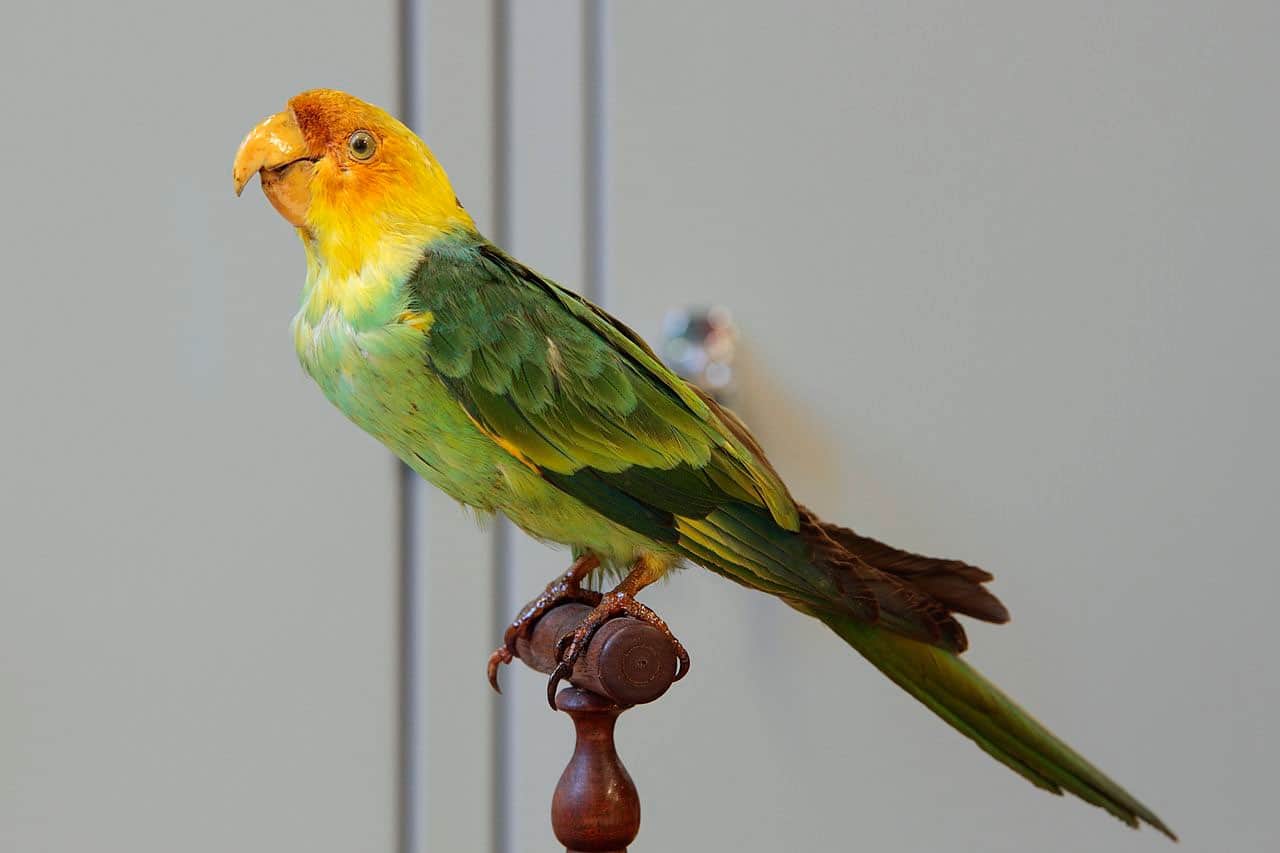
    Male and female adults of Carolina parrot (Conuropsis carolinensis) They were identical in plumage, however males were slightly larger than females.

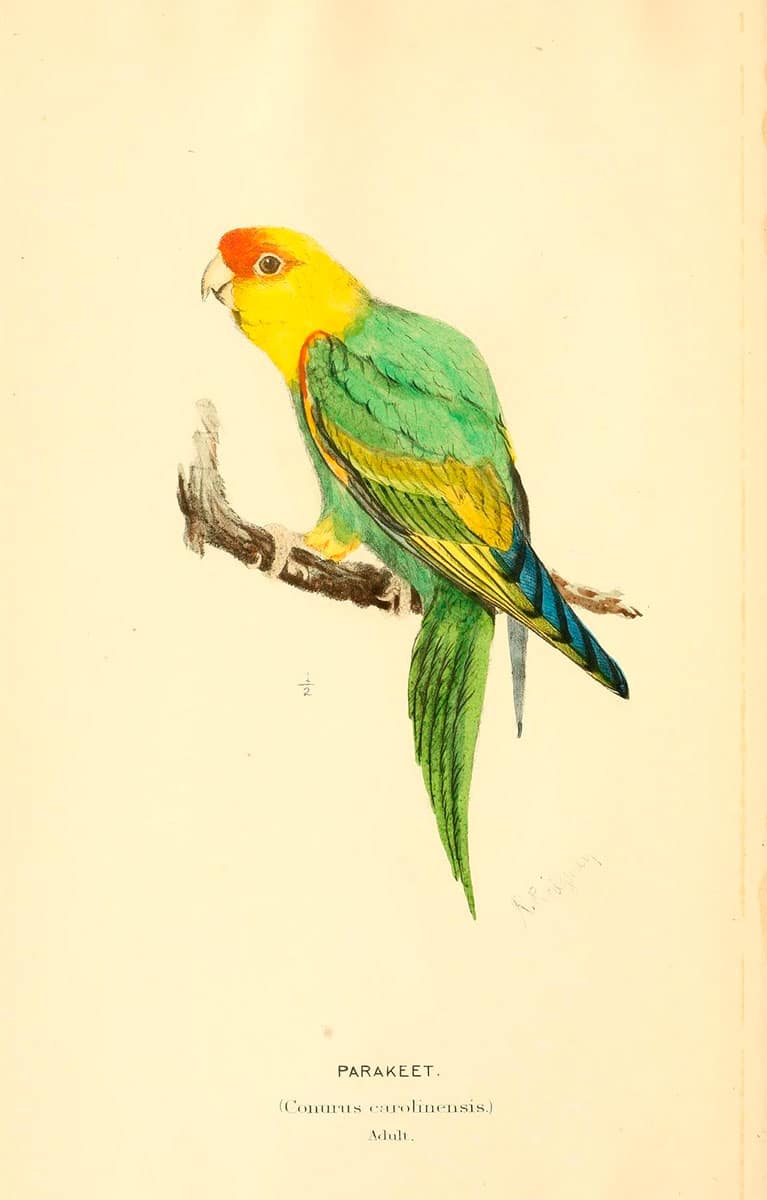
    Most of the plumage It was green with underparts light green. The primary feathers They were mainly green, but with yellow edges in outer primary. The shoulders They were yellow, continuing along the outer edge of the wings. The the thighs They were green and yellow up to the feet. The legs and feet They were light brown. The most distinctive feature of this species was the forecrown and face orange. The feathers orange spread to behind the eyes and upper cheeks (lores). The skin around the eyes It was white and bill They were pale flesh color. The plumage of the head It was completely bright.


    Carolina parrot

    The immature They differed slightly in coloration of adults. The face and all body They were green, with underparts paler. They lacked yellow or orange plumage on the face, wings and thighs. The young were covered in mouse-gray gray, up to approximately 39-40 days when the wings and queues green. The chicks had full adult plumage around 1 aรฑo de edad.

    Subspecies description:

    • Conuropsis carolinensis carolinensis โ€ 

      (Linnaeus, 1758) – Nominal.


    • Conuropsis carolinensis ludoviciana โ€ 

      (Gmelin, 1788) –

    Habitat:

    The habitats Preferred of Carolina parrot were the heavily vegetated and heavily forested lands that bordered swamps and rivers.. These parrots also lived on agricultural land and ate the crops.. Anidaban in large groups of hollow shafts. The forests of sicomoro and swamp cypress. (ยป Parakeetsยป, 2000; Fuller, 2001; Mauler, 2001; Snyder and Russell, 2002)

    They were traveling in flocks of 100 to 1000 birds. Anidaban up 30 birds in a nest. They were supposed to be Monogamie. It was about very social birds, it was probably one of the many factors that led to their extinction. When a man shot a bird, fellow herd member flitted over his lost flock, making them vulnerable too. Farmers were shooting all flock to save their crops. It is doubtful that the Carolina parrot migrated, as seen in the northern states during the cold winters. They were attracted to salt pacifiers and were observed ingesting saline waters., earth and sand.

    The Carolina parrot They are walking, They are jumping and climbing trees using their beaks as a third leg. Its flight was registered as a fast and elegant, but very noisy as birds rarely stayed silent during flight. Were involved in cleaning and grooming to keep their social cohesion. During the day they rested, slept or sunbathed. They fed in the morning and evening. (ยซParakeetsยป, 2000;ยปNature Serve, Conuropsis carolinensisยป, 2005; Howell, 1932; Rising, 2004; Snyder and Russell, 2002; Strattersfield y Capper, 2000)

    Reproduction:

    Some sources say that Carolina parrot they were Monogamie, having only one partner for life. But, no studies were conducted on mating systems and many birds apparently shared nests. (Laycock, Audobon Magazine, March of 1969; Snyder and Russell, 2002)

    There is little information available upon the reproduction of this species. They reproduced in spring, producing 2 to 5 eggs These perpetual Nidada, which then incubaban during 23 days. (Snyder and Russell, 2002; Snyder and Russell, 2002)

    Food:

    The Carolina parrot ate mainly seeds of genre Xanthium. They also consumed the fruits and seeds many other plants, as well as flower buds and, occasionally, insects. They were recorded as ruin of many fruit crops. They would pluck the immature fruit from the tree and eat the seeds. Flocks could ruin the fruit of a tree in a matter of minutes. When they ate, the Carolina parrot They are taking food with their beaks, they placed them in their claws and held them while using their beaks to eat them.. (Greenway, JR. 1967; Howell, 1932; Snyder and Russell, 2002; Strattersfield y Capper, 2000; Greenway, JR. 1967; Howell, 1932; Snyder and Russell, 2002; Strattersfield y Capper, 2000)

    Distribution:

    the former Conuropsis carolinensis It was found from southern Florida until North Carolina and in coastal areas as far north as New York City. The Carolina parrot he was in the states Gulf as far west as Texas eastern and northern along the rivers Arkansas, Missouri, Mississippi and Ohio and its tributaries. They were also recorded in South Dakota, Iowa, Wisconsin, Michigan, Ohio and W.V.. The westernmost appearances were in eastern Colorado. (ยป Nature Serve, Conuropsis carolinensisยป, 2005; Fuller, 2001; Laycock, Audobon Magazine, March of 1969; Snyder and Russell, 2002)

    Subspecies distribution:

    • Conuropsis carolinensis carolinensis โ€ 

      (Linnaeus, 1758) – Nominal.


    • Conuropsis carolinensis ludoviciana โ€ 

      (Gmelin, 1788) – Paler overall than the nominal.

    Conservation:

    This species was previously in the southeastern United States, but now it is EXTINCT, primarily as a result of persecution. The last wild records are of the subspecies Conuropsis carolinensis ludoviciana in 1910.

    The main causes of extinction of the species were the persecution (for feeding, crop protection, poultry production and trade of hats for ladies), and also deforestation (especially lowland), probably aggravated by his gregarious nature (Saikku 1991), and competition with introduced bees (McKinley 1960).

    "Carolina Parakeet โ€ " in captivity:

    One of the reasons for his extinction was the hunting of birds in the wild before their attempt to breed in captivity to sell them as pets, possibly because it was more profitable for them and it was difficult for them to breed in captivity. They could live up to 30 years in captivity.

    Alternative names:

    Carolina Conure, Carolina Parakeet, Carolina Paroquet, Louisiana Parakeet (English).
    Conure de Caroline, Perriche ร  tรชte jaune, Perruche ร  tรชte jaune, Perruche de la Caroline du Sud (French).
    Carolinasittich, Karolinasittich (German).
    Periquito-da-carolina (Portuguese).
    Cotorra de Carolina (espaรฑol).


    scientific classification:

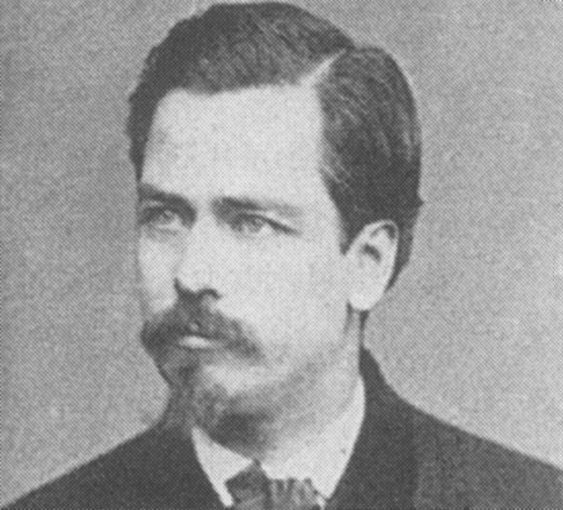
    Carlos-Linnaeus
    Carl Linnaeus

    Order: Psittaciformes
    Family: Psittacidae
    Genus: conuropsis
    Scientific name: Conuropsis carolinensis
    Citation: (Linnaeus, 1758)
    Protonimo: Psittacus carolinensis

    Carolina Parakeet Images:


    Sources:

    Avibase
    – Parrots of the World โ€“ Forshaw Joseph M
    – Parrots A Guide to the Parrots of the World – Tony Juniper & Mike Parr
    Birdlife
    – Animal Diversity Web

    Photos:

    (1) – axidermied Carolina Parakeet. Teaching and research collections, Laval University Library By Cephas (Own work) [CC BY-SA 3.0], via Wikimedia Commons
    (2) – Conuropsis carolinensis (Linnaeus, 1758) – the extinct Carolina parakeet (mount, public display, Field Museum of Natural History, Chicago, Illinois, USA). By James St. John (Conuropsis carolinensis (Carolina parakeet) 2) [CC BY 2.0], via Wikimedia Commons
    (3) – Mounted specimen of Conuropsis carolinensis, Museum Wiesbaden, Germany By Fritz Geller-Grimm (Own work) [CC BY-SA 2.5], via Wikimedia Commons
    (4) – Taxodermic bird specimen in the Fairbanks Museum and Planetarium, St. Johnsbury, Vermont, USA. By Daderot (Own work) [CC0], via Wikimedia Commons
    (5) – Conuropsis carolinensis Linnaeus, 1758 by Huub Veldhuijzen van Zanten / Naturalis [CC BY-SA 3.0], via Wikimedia Commons
    (6) – Carolina Parakeet (Conuropsis carolinensis) by Biodiversity Heritage LibraryFlickr

    โ–ท The world of Pets: Dogs, cats, birds, reptiles, amphibians

    Lord Howe parakeet โ€ 
    Cyanoramphus subflavescens

    Lord Howe Island Parakeet

    Content

    Lord Howe Island Parakeet

    Description:

    21-27 cm.. of length and a weight of 80 g..

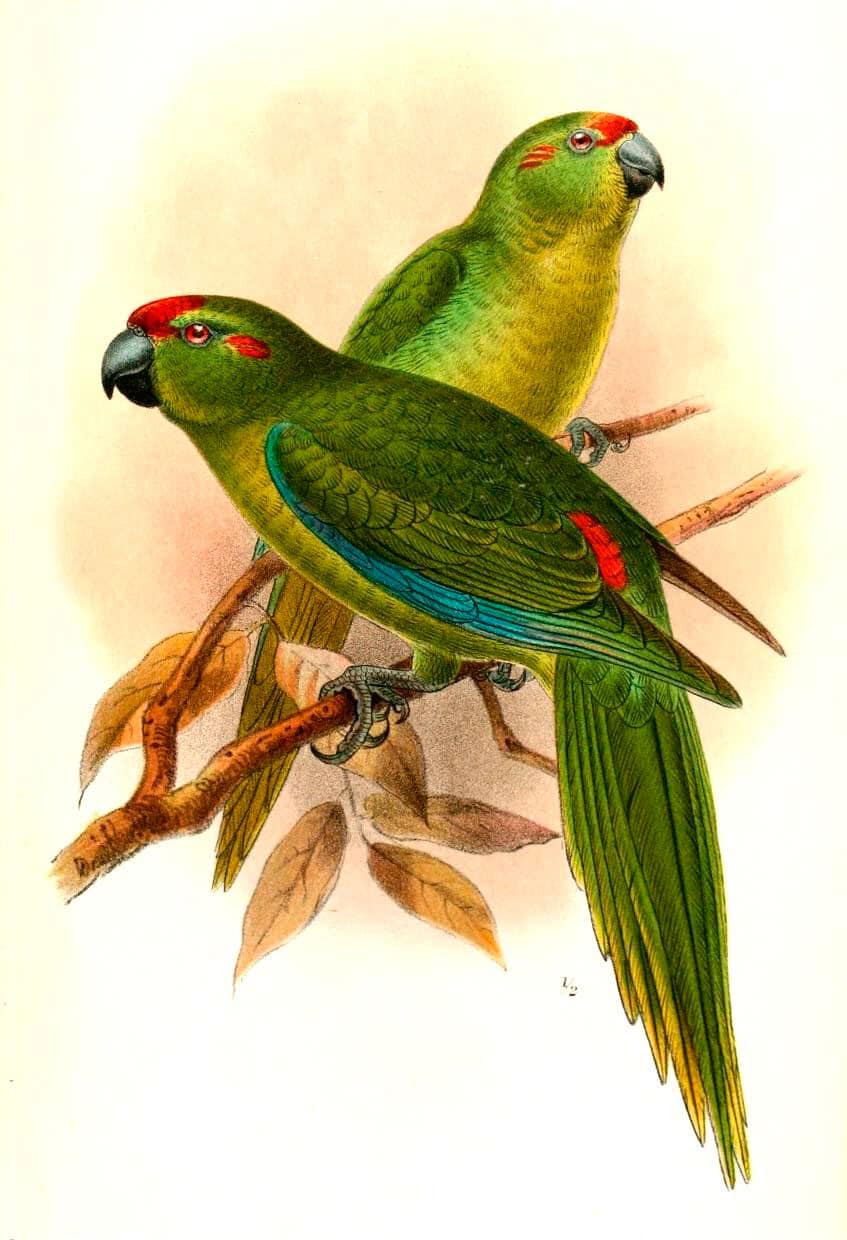
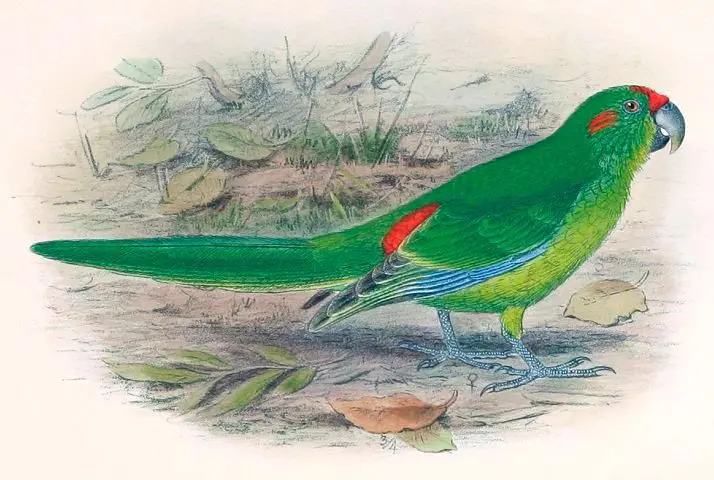
    The Lord Howe Island Parakeet (Cyanoramphus subflavescens) was a medium-sized green parrot with a head bright green, the crown crimson red in color and a stripe on the eyes; the eyes were red and bill grey. The upperparts They were bright green with a dark red spot on each side of the rump (usually they are hidden by the wings when resting) and a blue border in wings; the underparts were yellowish green.

    Both sexes looked similar, but the female It was smaller.

    Taxonomic status:

    This taxon is considered a subspecies of Cyanoramphus [novaezelandiae or subflavescens] (sensu lato) by some authors.

    In 2012, World Bird List of IOC recognized him as a species [IOC world birdnames Archived 2012-08-06 at the Wayback Machine.].

    Habitat:

    The Lord Howe Island Parakeet It was occasionally observed in flocks. There is little information on their habitats, They probably lived in inhabited forests and cultivated areas of the Lord Howe Island. No information on the use of different habitats for different activities.

    Reproduction:

    Nothing is known of sexual maturity, life expectancy and natural mortality of this extinct species. But, It has been estimated that the useful life of the Lord Howe Island Parakeet should be similar to the Norfolk Island Parakeet (Cyanoramphus cookii), About three years. the age of sexual maturity is also known populations of this species, although a juvenile female was seen mating with a male just a week after achieving independence, and captive birds are said to have bred when they were less than a year old.

    Little else is known of the breeding of the Lord Howe Island Parakeet, probably reproduced in response to weather conditions and food availability, nesting in tree holes or hollow pipes, in crevices between rocks or cliffs.

    Food:

    Meal Lord Howe Island Parakeet probably consisted of plant material, as seeds, fruit, buds and leaves of native trees and shrubs. Other extant populations ate mainly seeds, fruits and berries, egg yolks, sprouts and flowers, as well as, occasionally, a small number of invertebrates.

    Distribution:

    endemic to the isla Lord Howe in the Sea of รขโ‚ฌโ€นรขโ‚ฌโ€นTasmania, part of New South Wales, Australia.

    Conservation:

    โ€ข The last record of this species dates from 1869. EXTINCT.

    The population declines were mainly due to habitat modification, hunting, poisoning, and the introduction of predators (especially cats and rats).
    But, the main threat to the Lord Howe Island Parakeet was the hunting and its capture by settlers. Formerly he abounded in the Lord Howe Island and it was said to be a plague, since it destroyed the crops and orchards of the inhabitants of the island.

    There are only two copies of Lord Howe Island Parakeet. From the collection John Gould, taken by John MacGillivray in September of 1853 on tour HMS Herald, and are in the Museum of Natural History [Schodde, R.; & Mason, I.J. (1997). Birds (Columbidae to Coraciidae). In Houston, W.W.K. & Wells, A. (eds) Zoological Catalogue of Australia. Vol. 37.2. CSIRO Publishing: Melbourne. ISBN 0-643-06456-7 p.147.].

    Alternative names:

    Lord Howe Island Parakeet, Lord Howe Island red-crowned parakeet, Lord Howe Parakeet, Red-Fronted Parakeet (English).
    Perruche de Lord Howe (French).
    Lord Howe-Laufsittich (German).
    Periquito de Lord Howe (Portuguese).
    Perico de Lord Howe (espaรฑol).

    scientific classification:

    Salvadori-Thomas
    Salvadori Tommaso

    Order: Psittaciformes
    Family: Psittaculidae
    Gender: Cyanoramphus
    Scientific name: Cyanoramphus subflavescens
    Subpoena: Salvadori, 1891
    Protonimo: Cyanorhamphus subflavescens

    Sources:

    โ€ข Avibase
    โ€ข Parrots of the World โ€“ Forshaw Joseph M
    โ€ข Parrots A Guide to the Parrots of the World – Tony Juniper & Mike Parr
    โ€ข Red-crowned Parakeet (Lord Howe Is. subsp.) – profile | NSW Environment & Heritage

    Photos:

    (1) – Cyanorhamphus subflavescens (Catalogue of the Birds in the British Museum. Volume 20) by John Gerrard Keulemans [Public domain] (2) – Hand coloured lithograph (circa 1928) showing (Cyanorhamphus subflavescens) Which is now a synonym of the Lord Howe Island Red-fronted Parakeet (Gray novaezelandiae subflavescens) From The Birds of Australia (1910-28) by Gregory Macalister Mathews (1876-1949) Artwork by Henrik Gronvold (1858โ€“1940) a Danish bird illustrator. by Henrik Grรถnvold [Public domain]