โ–ท The world of Pets: Dogs, cats, birds, reptiles, amphibians

Billy
Francia FCI 25 - Large-sized Hounds

Billy

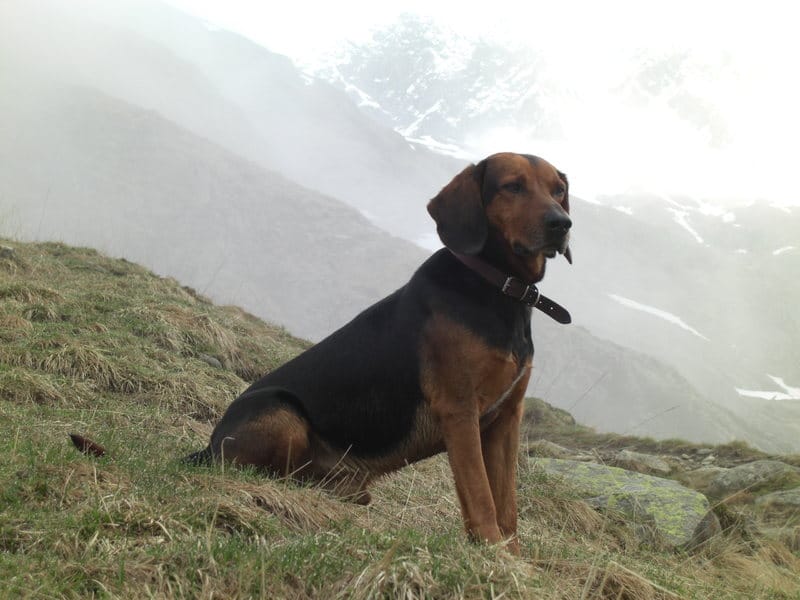
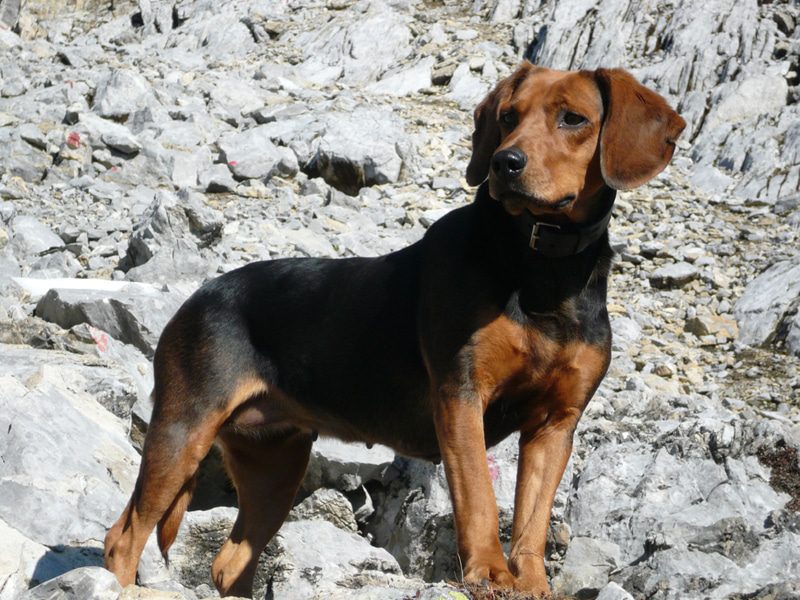
The Billy is a used hunting dog live in the open air, in open spaces

Content

History

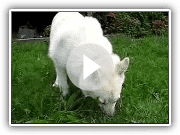
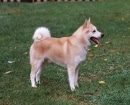
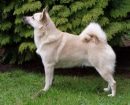
The Billy, It is a dog from France created at the end of the 19th century from the junction of three races that are now extinct: the Larye, the Cรฉris and the Montembล“uf. In the cross, great care was taken to highlight characteristics such as: good smell, resistance and fast reflexes.

Billy, Historically, was used for the hunting hares horse, wild boar and roe deer. In the news, There are few copies and is appreciated, it is not very common to see them.

The Billy has the exact appearance of the famous white dogs that were part of the packs of the French aristocracy (16th centuries, 17TH and 17TH). History tells that King Charles IX of France (1550-1574) he had a white female he loved more than his own life. When the dog died, He forced the Court to go into mourning.

Read more

โ–ท The world of Pets: Dogs, cats, birds, reptiles, amphibians

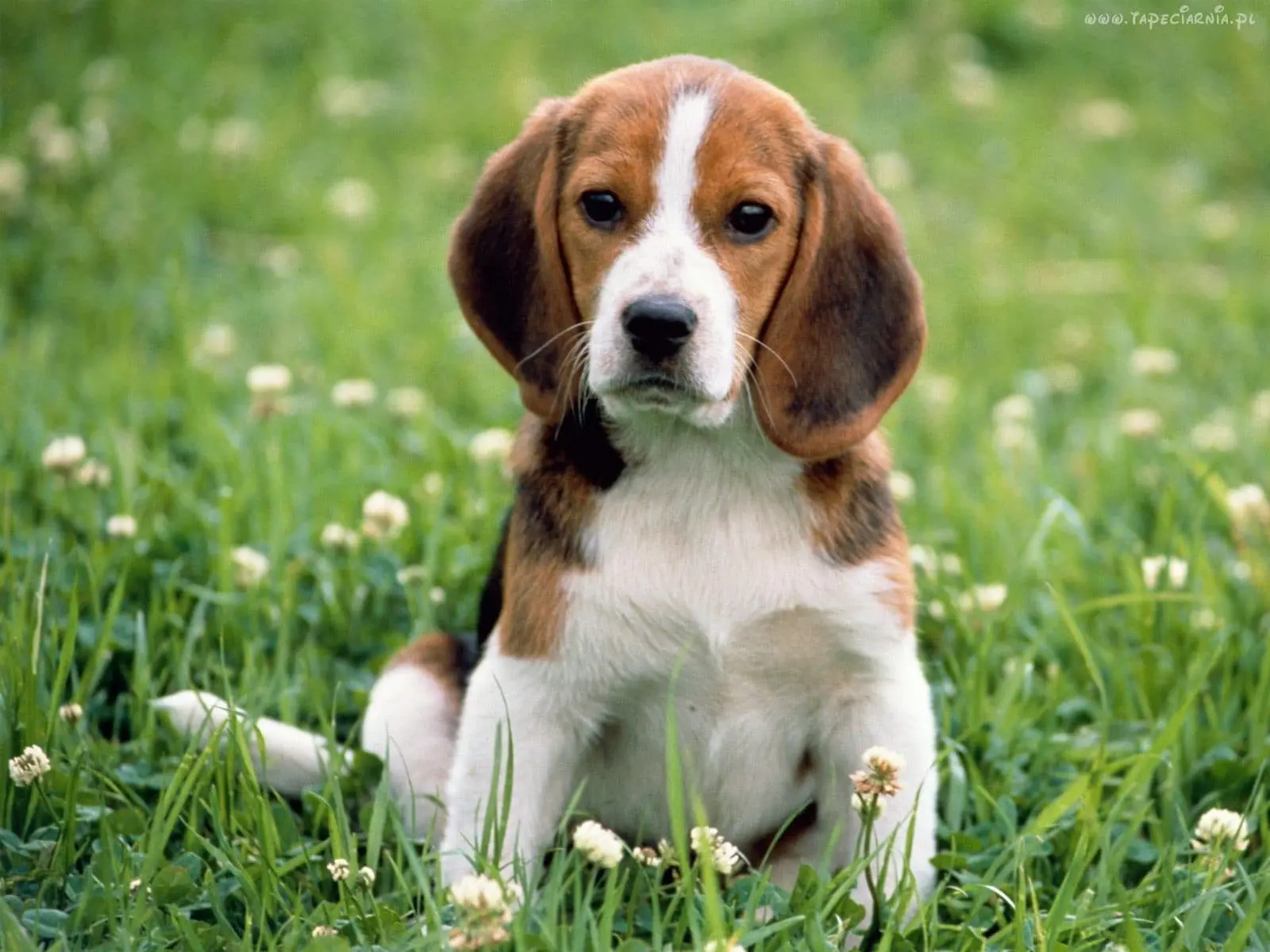
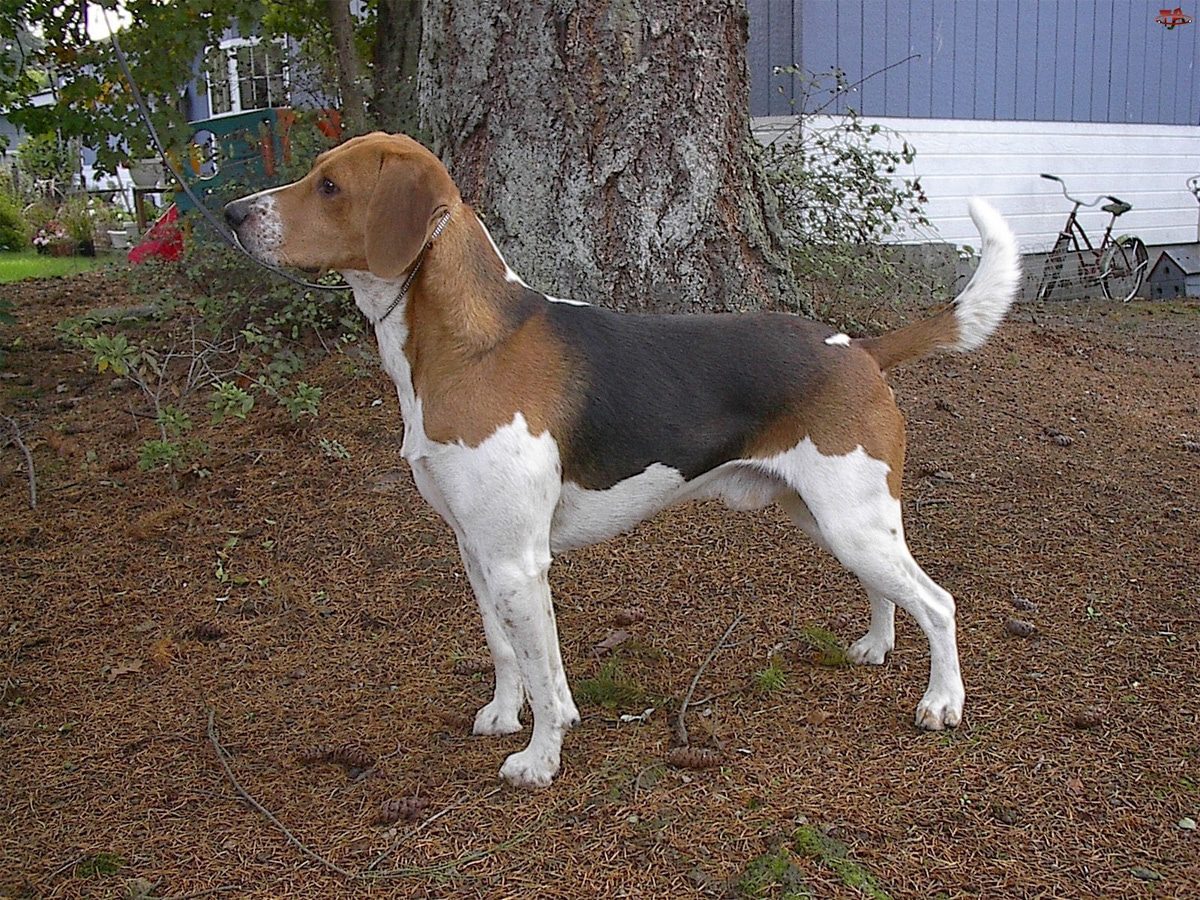
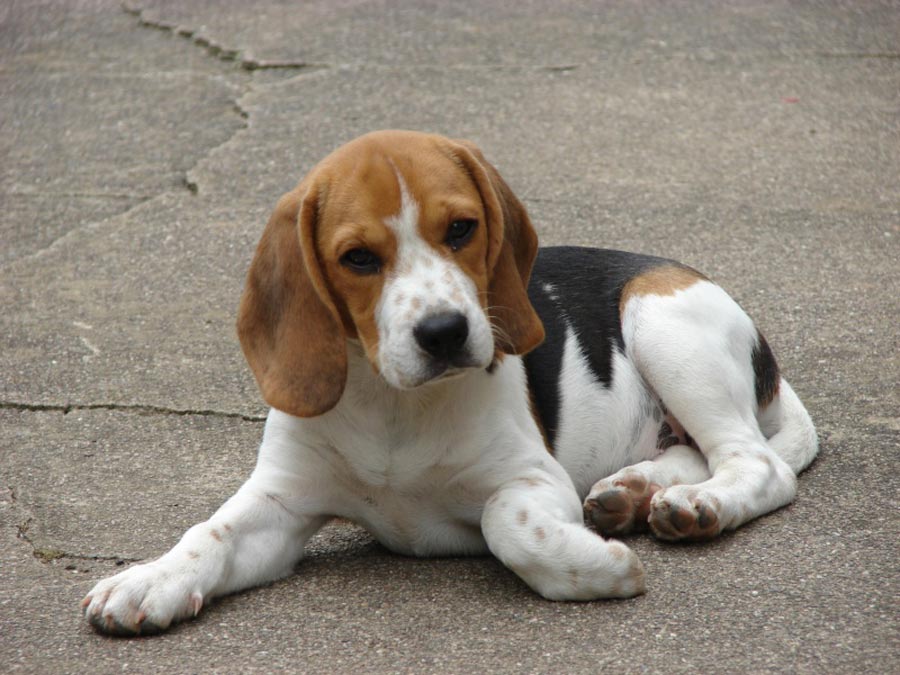
Norman Artesian Basset
Francia FCI 34 . Small-sized Hounds

The Norman Artesian Basset is a minor hunting dog

Basset Artesiano de Normandรญa

Content

Characteristics "Norman Artesian Basset"

Coexistence is important that you have with your new friend. Before considering the acquisition of a dog of the breed "Norman Artesian Basset" you know certain factors. Not all breeds of dogs are apt to live in an apartment, you must take into account his character, their need for exercise, their interaction with other pets, their care and if you have small children, their level of tolerance towards them.

Adaptation โ“˜

2,0 of 5 stars (based on 1 review)

friendly dog โ€‹โ€‹โ“˜

3,0 of 5 stars (based on 1 review)

hair loss โ“˜

3,0 of 5 stars (based on 1 review)

Affection level โ“˜

4,0 of 5 stars (based on 1 review)

Need for exercise โ“˜

3,0 of 5 stars (based on 1 review)

Social need โ“˜

3,0 of 5 stars (based on 1 review)

Home โ“˜

4,0 of 5 stars (based on 1 review)

Toilet โ“˜

2,0 of 5 stars (based on 1 review)

Friendly with strangers โ“˜

3,0 of 5 stars (based on 1 review)

barking โ“˜

2,0 of 5 stars (based on 1 review)

Health โ“˜

4,0 of 5 stars (based on 1 review)

Territorial โ“˜

2,0 of 5 stars (based on 1 review)

Cat friendly โ“˜

2,0 of 5 stars (based on 1 review)

Intelligence โ“˜

3,0 of 5 stars (based on 1 review)

Versatility โ“˜

3,0 of 5 stars (based on 1 review)

Child friendly โ“˜

4,0 of 5 stars (based on 1 review)

Surveillance โ“˜

2,0 of 5 stars (based on 1 review)

joy โ“˜

4,0 of 5 stars (based on 1 review)

History

The first written mentions of a basset hound date back to the 16th century. In his book La venerie (1561), Jacques du Fouilloux describes an Artois dog (a former French province that straddles the border between Picardy in France and Flanders in Belgium), that runs on legs and is particularly formidable at hunting pests, like badgers.

Much later, in the second half of the 19th century, when work began on cataloging, categorization and establishment of the characteristics of the various dogs of the world, the Norman Artesian Basset was one of the first breeds to be listed.

In the decade of 1870, two types of Artois Hounds: the servants by him Conde Le Couteulx by Canteleu, based near Etrepagny, in the Eure, and those of the kennel of Louis Lane, who lived near Rouen. The two men had different views on what the Artois Hound.

The Couteulx, as a skilled hunter, favored the utilitarian aspect of the dog and its physical efficiency. Selected dogs with almost straight front legs, a slightly compact body, a fairly common head, but above all a spirit of initiative and enthusiasm for hunting similar to the characteristics of the great and old Artois Dachsbracke.

Louis Lane, on the other hand, gave more importance to the beauty of his dogs. They had magnificent heads with long, well-wound ears and twisted front legs that echoed the nobility of the ancient Norman race.. The dogs of Louis Lane they were less wanted for hunting, especially since their exaggeratedly crooked front legs left them almost crippled, but his temperament was more thoughtful and less stalking oriented.

These two types of artisan hounds coexisted during 20 years. Thereafter, most breeders of Basset dโ€™Artois preferred to cross the two models to get a dog that combined the best qualities of both bloodlines. Like this, when the first breed standard was written in 1898, most dogs had a mix of artisan traits (model Le Coulteulx) and normans (model Lane).

It was at that time that Lรฉon Verrier, the "father" of modern Norman Artesian Basset, raised the best representatives of the breed, dominating dog shows for about fifteen years from 1896. Unfortunately, their calf was decimated by the disease during World War I.

This did not prevent the French Basset Club from deciding on 1922 promote only the Verrier model for breeding the breed. In 1927, in recognition of their mixed origins, the Basset Artesian changed his name to Norman Artesian Basset. Having said that, an observation that appeared in 1930 in the standard suggests that the Norman Artesian Basset it was only considered as a transition in the creation of a new race, since it establishes that "the committee of the Sociรฉtรฉ de Vรฉnerie decides and observes that the Norman Artesian Basset it should only be a transitional stage towards a Norman type, without any trace of Artois. ยป

But, this hypothesis was never fulfilled, as evidenced by the rejection of a name change of the breed to Basset of Normandy in 1932, but also and above all the recognition of the breed by the Fรฉdรฉration Cynologique Internationale (FCI) the 29 in October of 1963. The American United Kennel Club will recognize the breed much later, in 1995. On the other hand, is still ignored by the American Kennel Club, the other great american canine organization.

Today, the Norman Artesian Basset is still very little present outside france and the United States. It is often confused with the Beagle and the Basset Hound, at the moment it is mainly known to hunters.

Physical characteristics

The family of the Basset hound. Slim body and short limbs. The head has a scrawny appearance because its cheeks are made up solely of skin. The eyes are large (I) dark. The ears are so long as the snout, ending at tip. The neck has a slight double chin. The tail is long and wide at its base.

Their short legs allow you to delve into the denser undergrowth to leave his hideout dam, which can do a larger dog. Preferably hunting rabbits, but you can also catch both hares, as a deer. While, has no speed, it does have a lot of precision in its movements. Their weight is between the 15 and 20 kg., and its appeal among 30 and 36 centimeters.

It is very dog very appreciated by hunters.

Character and skills

Fairly calm and very obedient at first glance, the Norman Artesian Basset proves to be a real clown and a ball of affection within his family. Mainly a pack dog, finds it difficult to tolerate loneliness and seeks companionship at all costs, either from his classmates, of other animals in the house (even from cats, if they have already been presented to you before) or the humans around him. Very affectionate, needs a lot of attention to really bloom. So, not recommended for a teacher who is not very available. On the other hand, resourceful and kind by nature, it is a very suitable dog for children, for those who will be an inexhaustible and very patient playmate.

Attention, otherwise, for homeowners in urban or residential areas: though less vocal than his hunting companions, the Norman Artesian Basset remains, However, an expressive and not very discreet dog, especially when playing. Bark to greet a newcomer, expressing your satisfaction or pointing out that you have found something interesting is second nature, and it is very difficult to prevent it from doing so. So, It is not a breed of dog that is recommended for use in apartments.

This is all the more true since, despite her wobbly appearance, the Norman Artesian Basset he's a consummate sporting dog, who needs to exercise to maintain their physical and psychological balance. Your relaxation, surprising for such a small size, allows it to jump over small walls and stand on its hind legs. It is a very resistant dog, can cover long distances without recoil: a breed of dog suitable for a sports teacher looking for a jogging partner, for example, as long as the terrain is not too steep.

The qualities mentioned, combined with keen intelligence and excellent memory, make this dog very suitable for hunting, but also to learn tricks, practice dog sports, or even… take advantage of the lack of attention of his master to get away from it all. In fact, his hunting instincts and his developed sense of smell often lead him to follow the clues he finds interesting and to turn a deaf ear to any return order.. So, should not hesitate, for example, in equipping it with a GPS dog collar to limit the risks in case the dog escapes.

Finally, in a rather paradoxical way, the Norman Artesian Basset they are also very homey, and like the routine. Once they get used to the arrangement of things in the house, the location of your basket and your pace of life, they hate change. So, the news, for example the arrival of a baby at home, adopting a pet or even moving a dog, should be introduced gradually as far as possible.

Education

Depending on the use that is given to the Norman Artesian Basset, his education is not the same.

If it is intended to accompany its master in everyday life as a companion dog, the puppy should be socialized from an early age and should be taught good manners in the company of humans; for example, curb your hunting instincts and don't bark at all costs.

If, on the other hand, it is intended to be used as a hunting dog, the education of the dog should be directed to the exploitation of these hunting instincts, through socialization with other dogs, hunting search training and teamwork.

In any case, the dog's life rules must be clearly defined from the start and applied consistently throughout its life. In fact, although affectionate and obedient, this highly intelligent dog can be a real mule head when faced with conflicting commands. So, it is important to think about the role that the dog will play before the puppy comes home, and be firm – but respectful – throughout the training process.

Health

The Norman Artesian Basset enjoys fairly robust health compared to other bassets. But, does not escape the health problems inherent in its morphology (long body and short legs). So, you are particularly prone to back problems, and can easily crack or break vertebrae.

In the case of an obese or overweight dog, being overweight can aggravate back pain that you naturally experience with age, hence the need for owners to closely monitor the dog's diet and provide sufficient and regular physical activity.. Regular exercise is essential to strengthen your back structure and maintain your joints..

It is also important that your dog is screened for hip dysplasia, especially if there is a history of hip dysplasia in your lineage.

Last, the Norman Artesian Basset are sensitive to ear infections, and they also have a predisposition to hypothyroidism. This disease can be in some cases hereditary, Therefore, it is recommended not to reproduce the individuals that suffer from it.

Grooming

The Norman Artesian Basset it is quite easy to maintain. Her short hair only requires an occasional brush stroke., essentially to get rid of the dried grass and mud that accumulates during your walks in the woods.

But, like many hounds, tends to have a slightly stronger scent than other breeds, what no dog shampoo will be able to remedy.

Apart from these considerations, it is important to examine and maintain your dog's ears about once a week, especially to clean any residue that may lodge in them, in order to avoid ear infections and other painful infections.

โ€œNormandy Artesian Bassetโ€ Price

The price of a puppy Norman Artesian Basset is between 400 and 900 EUR.

Photos ยซBasset Artesiano de Normandรญaยป

Videos ยซBasset Artesiano de Normandรญaยป

Type and recognitions:

  • FCI CLASSIFICATION:
  • Group :
  • Section : . .

Federations:

  • FCI – Group 6: Scent hounds, and related breeds. – Section 1.3: Small-sized Hounds. โ“˜
  • UKCScenthounds โ“˜

FCI breed standard "Norman Artesian Basset"

Origin:
France

Date of publication of the valid original standard:
12.12.1991

Use:

It is a minor hunting dog, used to hunt with shotgun. Hunt the same alone as in a group, giving the signal to barking. Its short legs allow it to penetrate even the densest undergrowth to expel the prey that hides in it, which can do a larger dog. Preferably hunting rabbits, but the hare can also hunt both, like deer. Vent the dam and recover it with great safety, his movement is not fast, but yes noisy and orderly.


General appearance:

It's a long dog, in relation to his height at the withers, vigorous, compact ; Its head evokes the nobility of the great Normandy dog.

IMPORTANT PROPORTIONS :

Height to the cross / body length : approx.. 5 : 8Chest height / height to the cross : approx.. 2 : 3Skull width / head length : approx.. 1 : 2Length of the snout / skull length : approx.. 10 : 10


Behavior / temperament:

Very good nose and tenacious when following the trail; barking on the trail, allows the master to take advantage of his movement without having to advance too quickly. Happy temperament and affectionate nature.

Head:

---

Cranial region:
  • Skull : Vaulted in shape and medium width; occipital protrusion is clearly observable. As a whole, the head should have a slightly fleshy appearance.
  • Depression links (Stop) : The sinking of the forehead is accentuated, but without exaggeration.

facial region:

  • Truffle : Black and wide, approaching a little to the lower lip, nostrils wide open.
  • Snout : About the same length as the skull and slightly bulging.
  • Lips : The upper lip broadly covers the lower lip, they are however not too hanging, nor does it extend too far back.
  • Jaws / Teeth : Scissor-shaped denture, That is, the upper incisors cover the lower incisors with firm contact and are implanted at right angles to the jaws.

Eyes : Oval, large, dark (in harmony with the coat); the calm and serious look; the conjunctiva of the lower eyelid can sometimes be seen, but without exaggeration. The cheeks have one or two folds.

Ears : Located as far as possible towards the bottom of the head and never above the eye line, they are narrow at the base and have a well marked corkscrew shape, they are flexible, fine, very long, reaching at least the length of the muzzle and preferably ending in a point.

Neck:

Rather long, with a little double chin, but without exaggeration.

Body:

  • Back : Wide and firm.
  • Pork loin : Slightly arched.
  • Rump : The haunches are a bit oblique, imparting a slight incline to the rump.
  • Breast : Oval in appearance, long, the sternum is well extended at the back and protruding at the front ; the apron is well developed. The flanks are solid. The line of the sternum is clearly seen above the elbows. Long ribs, extending all the way back.

Tail:

Rather long, thick, at the base and becoming progressively thinner. During rest the tip of the tail should just touch the ground. It must be in the shape of a saber, but without ever falling on the animal and the end should not be in the shape of a feather. Regarding this point, It is absolutely forbidden to modify the appearance of the tail of the dogs participating in the exhibition.

Tips

PREVIOUS MEMBERS : As a whole : Front limbs are short and thick. They should be semi-twisted or slightly less than semi-twisted, as long as the kink is conspicuous enough. A few folds in the skin of the wrists, if they are not excessive, should be considered as a quality.

Correct semi-twist forelimbs

  • Shoulder : Muscular and oblique.
  • Elbows : Well glued the body.

LATER MEMBERS :

  • As a whole : Seen from behind, you can see a vertical line that starts from the tip of the buttock and crosses the center of the leg., hock, metatarsal and foot.
  • Thighs : Well rounded and muscular.
  • Correct hind limbs Well rounded thighs
  • Hocks : Strong, they descend a lot, they are relatively layered, causing the hind foot to be slightly under the dog when at rest. Small nail bag located at the tip of the calcaneus, formed by excess skin, does not constitute a fault.
  • Metatarsals : Short and strong.

FEET : Oval, a little elongated, the fingers are fairly close and have a correct poise, in such a way that they rest firmly on the ground.

Movement:

Regular step, executed with enough ease. Calm movement.

Mantle

SKIN : Elastic and fine.

HAIR : Satin, short and tight though not too fine.

COLOR : Tawny, with black and white cloak (โ€œtricolorโ€) or fawn and white (โ€œbicolorโ€). In the first case, head should be extensively covered with intense reddish fawn and retain a small patch of darker hairs on each side of head. The mantle ( or the spots that remain in case the patches of different color spread), will be made up of black or striped hairs (thus complying with the old qualifiers of โ€œhare hairโ€ or โ€œbadger hairโ€).


Size and weight:

Height to the cross : Males and females : 30 โ€“ 36 cm..

Tolerance of more or less 1 cm for exceptional subjects.

Weight : 15 โ€“ 20 kg.


Fouls:

Any deviation from the aforementioned criteria is considered as a fault and the severity of this is considered to the degree of the deviation to the standard and its consequences on the health and well-being of the dog..

Head

โ€ข Flat skull.
โ€ข Wide forehead.
โ€ข Too marked median groove.
โ€ข Light eyes, round and bulging, leaving the conjunctiva too visible.
โ€ข Flat ears, too round, thick or set very high and wide.
โ€ข Short.Body
โ€ข Flabby or sunken back.
โ€ข Absence of xiphoid appendix or its collapse.
โ€ข Flat or deformed ribs. Tail
โ€ข Too long, deviated or coarsePrevious limbs
โ€ข Straight shoulder, short and muscled.
โ€ข Elbows out.
โ€ข Carpals that approach or deviate forward.
โ€ข Pasterns deviated outwards or exaggeratedly twisted.
โ€ข Crushed feet. Hind limbs
โ€ข Flat thighs.
โ€ข Hocks closed or too open. Coat
โ€ข Soft hair, clearly long or fringed.
โ€ข Carbonate head.

Temperament/behavior

โ€ข Shy dog.

MISS PLAYOFFS

โ€ข Fearful or aggressive dog.
โ€ข Strong anatomical anomaly.
โ€ข Disabling and recognizable hereditary defect.
โ€ข Lack of type
โ€ข Upper or lower prognathism.
โ€ข Eyes too light.
โ€ข Sternum too short at the back, with absence of xiphoid appendix.
โ€ข Very deformed ribs.
โ€ข Forelegs completely straight.
โ€ข Limbs too weak.
โ€ข Very carbonated head.
โ€ข Very abundant black spots, giving the white color of the coat a bluish tone.
โ€ข Height at the withers different from the standard.

Any dog โ€‹โ€‹showing clear signs of physical or behavioral abnormalities must be disqualified..


N.B.:

Males should have two normal-appearing testicles fully descended into the scrotum..

Source: F.C.I - International Cynological Federation

Alternative names:

1. Basset Artรฉsien Normand, BAN (English).
2. BAN (French).
3. BAN (German).
4. (em francรชs: Basset artรฉsien normand) (Portuguese).
5. BAN (espaรฑol).

โ–ท The world of Pets: Dogs, cats, birds, reptiles, amphibians

Norwegian Buhund
Noruega FCI 237 . Nordic Watchdogs and Herders.

The Norwegian Buhund It is usually excellent obedience and dog agility competitions.

Content

History

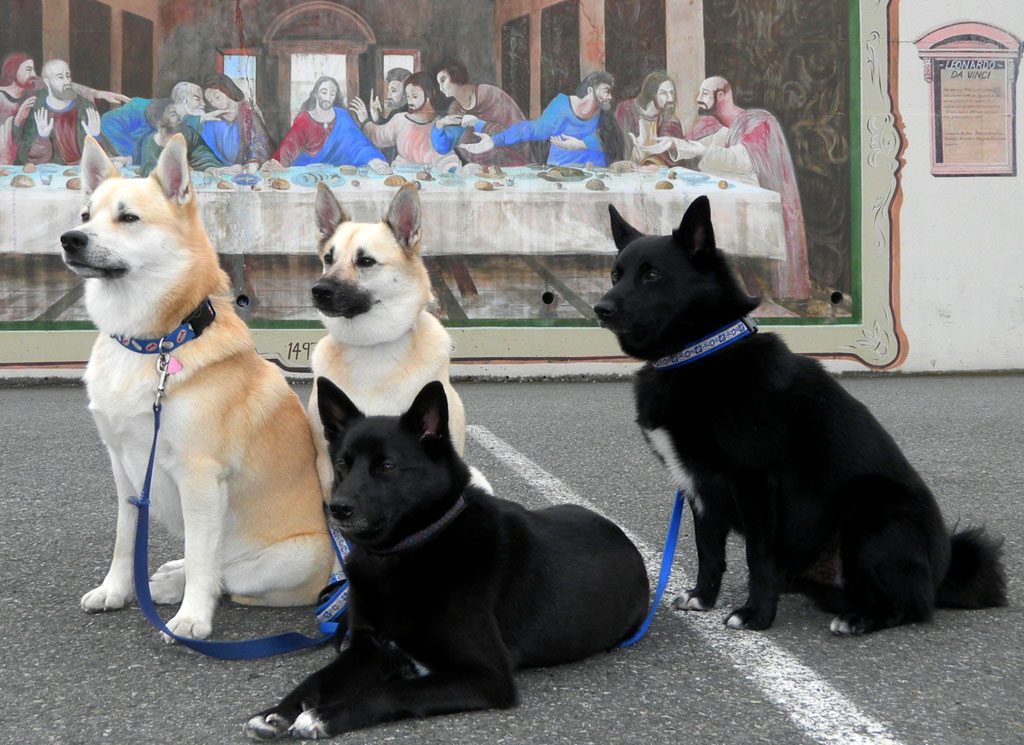
The Norwegian Buhund (Norsk Buhund, Nordiske Spitz-Hunde, Norwegian Sheepdog or Pastor Noruego) is a breed of dog Spitz type of Norwegian origin which is closely related to the races Icelandic Sheepdog (Icelandic Sheepdog) and Jรคmthund.

The name Buhund derives from the Norwegian word โ€œBUโ€, meaning farm, farm or mountain refuge, place where the shepherd lived while tending his flock in the summer. The Norwegian Buhund used as a grazing dog and as a watchdog.

as we said, the Norwegian Buhund belongs to a class of dogs called the type Spitz. They all have pointy ears and a curled tail in common.. Within the races Spitz, There is much variation in terms of size, to the coat and the color.

The Norwegian Buhund is a very ancient race, part of the existing documentation on the excavation of the "Gokstad shipโ€ entombed at Gokstad farm in Sandar, Sandefjord, Vestfold (Norway) in 1880, contains in addition to the great discovery, they found a Viking grave (that it dated back to the year 900) in which lay the skeleton of a man from between 50 and 70 years of age, and its about the skeletons of six dogs of different sizes, similar to Norwegian Buhund of our times.

Norwegian Buhund Videos
Norwegian Buhund in Bath Aftermath (MP4 Version)
Norwegian Buhund Kahsha Eating Peanut Butter

This famous archaeological research was directed by Nicolay Nicolaysen (1817-1911) a well-known antiquarian and Norwegian archaeologist. He was a founding member of the Society for the Conservation of Ancient Norwegian Monuments, which presided in 1851. The discoveries from that research are currently on display at the Viking Ship Museum in Oslo..

Returning to the skeletons of found dogs along with the Tomb Viking, scholars of the subject, pose that these dogs were the ancestors of modern Buhund. and they were there, because in those days when vikings died, necessary and precious possessions were buried with them. It was believed that they would need them in their future life.

In those days dogs Buhund of the time protected agricultural and livestock farms, he herded sheepโ€ฆaccording to his beliefs, They hoped that dogs continue carrying out their work in the more than. It has been documented that these dogs were with the Vikings on many of his travels, by sea and land.

Photo: Vali.org

Physical characteristics

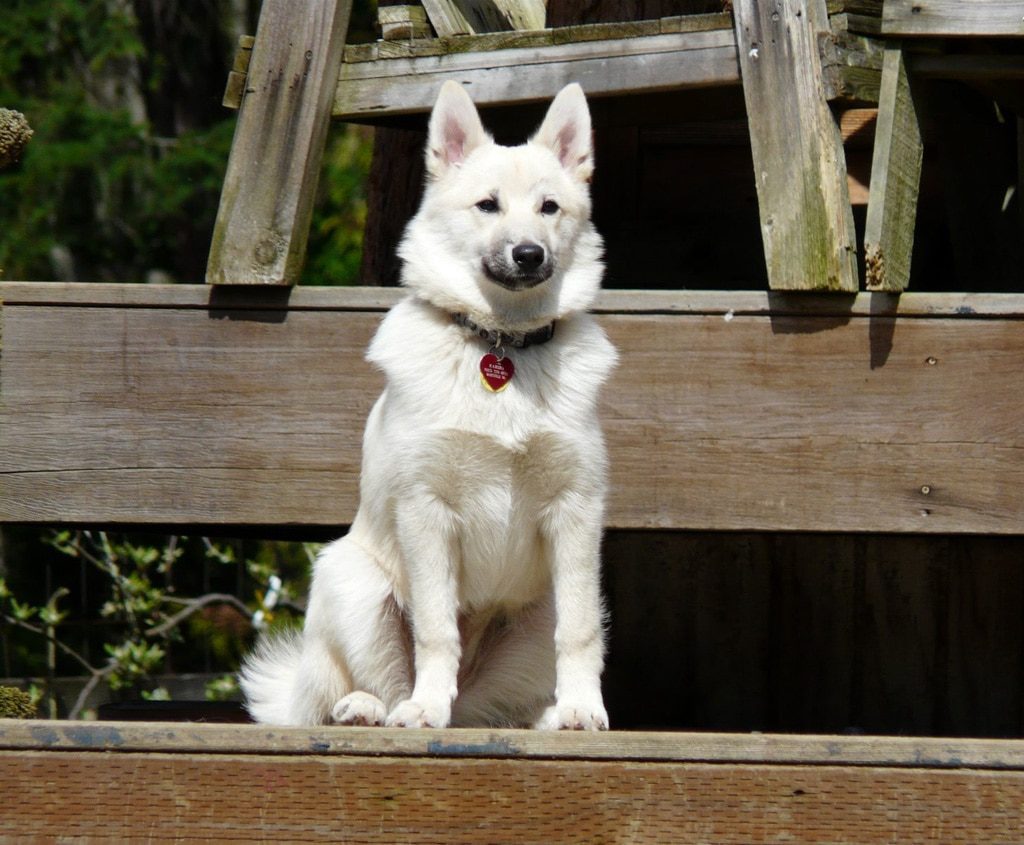
Returning to the present day the Norwegian Buhund has a rather square profile, are medium-sized and long legs, well takes a tail wrapped around the center of the back. The head is wedge-shaped, with well erect ears and nose of black.

According to the standard of Norwegian Buhund the height at the cross goes from 43,2 to 45,8 cm., the females are slightly smaller than males. The weight of the males is of 15 to 18 Kg and females of 12 to 16 Kg.

The colors of the coat may be:

  • Wheat: It includes any shade of colour ranging from pale cream to cream darker, with or without dark markings on the tip of the hair, It is possible to display the color white, but it will have to be minimal, the black mask is acceptable.
  • Solid black: with areas where the color white is allowed, for example, a narrow white ring around the neck, a narrow white tuft in the face, a small spot of white hairs on the chest (by way of tie), at the end of the legs and the tail. In the UK the color โ€œSable Wolf (Wolf Sable)โ€, also permitted, according to the Kennel Club standard of the breed.

The Norway Buhund is prone to suffer from hereditary eye problems and hip dysplasia.

The hair coat of the Norwegian Buhund has an average length, the coat is easy to care for, post that is not entangled, a weekly brushing is enough.

Perhaps the hair when moved, need brushing more often, but is only a seasonal matter.

Character and skills

The Norwegian Buhund it's a very cheerful and active race. They never tire easily and require exercise daily and generous. The Norwegian Buhund needs to expel its energy because if not, destructive tendencies may appear (break furniture, objectsโ€ฆ).

Beyond your high level of activity and energy, they are also very affectionate and famous for his love for unconditional towards children.

It is a hyper affectionate breed, they love to give and receive affection of his family, that will form strong bonds. You will have a distant and distrustful behavior with strangers, but he is very intelligent so he will notice who is well received and will go in search of affection. They are very sociable and somewhat ladradores, but he will never throw to bite if there is no provocation.

The Norwegian Buhund, as well, He is very stubborn and shows a strong desire to learn new things, but if the stimulus is not adequate, It is safer to resort to destructive or inappropriate behavior. This is because they get bored easily and are restless. That is why it is necessary that they have ongoing activity.

This breed is ideal for homeowners that they can devote time and desire to exercise and training of your pet.

With that insatiable desire for activity and learning combined with his high energy level, the Norwegian Buhund he is usually an excellent dog in obedience and dog agility competitions.

This breed is an excellent companion for a lover of sports.

Norwegian Buhund Education

The Norwegian Buhund is smart and cooperative and likes to serve its people, learns quickly. So, training this dog is not a challenge for already experienced dog owners. Before moving in with a dog of this breed, beginners should intensely attend to their characteristics, as well as the training of dogs in general and especially with regard to herding dogs.

In addition to basic obedience, it is important that the Norwegian Buhund pay special attention to the control of barking and the training of loneliness from the age of the puppy: Of course you shouldn't leave your dog alone for long, but you must get used to the fact that he has to endure without his beloved human herd from a very young age. A game lesson for puppies, as well as a visit to a dog school, are a good help for the Norwegian Buhund, who doesn't always get along with his congeners, familiarize yourself with other different canine characters and to socialize it more in this regard. With this vivacious four-legged friend, always remember that only a physically and mentally exhausted dog can be successfully trained – otherwise he'll look for a way out for his boredom.

Norwegian Buhund Health

The Norwegian Buhund are considered robust and weatherproof. The breed has largely been freed from hereditary diseases to this day. Occasionally there is an increased risk of painful dysplasia of the hip joint, as well as hereditary eye diseases. You can be sure if you only buy from a breeder who performs the proper preliminary exams with the parents' animals. Responsible breeding with technical knowledge is the best way to minimize the risk of hereditary diseases.

Especially in summer, make sure your pet doesn't get too hot and switch sports activities to early morning or late afternoon – After all, the Norwegian Buhund is designed for cooler climates.

The optimal diet of Norwegian Buhund

This active four-legged friend needs a proper workload for the species, as well as proper nutrition, that provides you with high-quality energy. Give your partner a grainless meal, but with a high meat content. This means that the meat must be at the top of the ingredients list. This applies to both dry and wet foods..

The manufacturer's feeding recommendations regarding daily rations can only be guidelines that you should adapt depending on your dog's constitution and actual activities. Snacks or treats can be both tasty and healthy. These may include, opt for sugar-free dental care snacks or jerky snacks to reward your dog. With dry chewables like cow's ears, you can meet their chewing needs. Weigh your adult dog regularly to counteract any possible weight gain or loss in time. Its Norwegian Buhund should always have enough fresh water available.

Norwegian Buhund Care

The dense fur of the Norwegian Buhund it's weatherproof and easy to care for, but loses it relatively in abundance, so it's best to leave the corduroy pants in the closet during the weeks of change of coat. Shedding in spring and autumn can be shortened to a few days by daily combing. Out of this "hairy period", it's enough to comb your hair once a week.

Get your puppy used to the grooming ritual:

This not only prepares him to be combed in adulthood, but also strengthens the bond. Dirt can be brushed from dry coat, in difficult cases it helps to clean the area with a damp cloth. You should only give your Norwegian quadruped a bath every few months to protect the dog's skin.. In this case, use a mild dog shampoo. Check your pet's eyes and ears regularly and clean them with an eye or ear cleaner if necessary. Older dogs, in particular, or those who walk almost exclusively on soft soils, may need help with claw care: Go for a pedicure if the claws get too long to avoid painful hooking.

Where can I find a Norwegian Buhund?

You won't find a Norwegian Buhund in all cities – you often have to travel hundreds of miles or abroad to find a representative of this breed as a new family member. However, should remain selective and only buy from breeders who belong to a club and can give information on parental animal health care openly and with appropriate evidence. Ideally, you can visit the breeders at home before making a decision, despite being away, to exchange information about their upbringing, puppies, but also his personal experience with dogs. Because a serious breeder makes sure he only puts his protรฉgรฉs in an environment suitable for them.

Adult dogs are very difficult to find outside of Scandinavia and the countries mentioned.. So if you are interested in a bug of this breed, you're looking for a new home, you should search the Internet on the pages of Nordic dog clubs or contact these clubs. If required, can help you or have knowledge about dogs that are very similar to Norwegian Buhund or mixed breeds that might be considered. Some Nordic grazing dogs are similar in their character and exterior appearance, for example the Finnish Lapphund or the Icelandic Sheepdog. Keep your eyes open when you're looking for your partner, but also find out the history of your possible new partner to see if it is a good match for you and your environment.

Characteristics "Norwegian Buhund"

Coexistence is important that you have with your new friend. Before considering the acquisition of a dog of the breed "Norwegian Buhund" you know certain factors. Not all breeds of dogs are apt to live in an apartment, you must take into account his character, their need for exercise, their interaction with other pets, their care and if you have small children, their level of tolerance towards them.

Training ?

4,0 of 5 stars (based on 1 review)

Suitability of the apartment ?

2,0 of 5 stars (based on 1 review)

Can be alone all day ?

1,0 of 5 stars (based on 1 review)

Suitable as a first dog ?

3,0 of 5 stars (based on 1 review)

Weight gain ?

3,0 of 5 stars (based on 1 review)

Health ?

4,0 of 5 stars (based on 1 review)

Intelligence ?

4,0 of 5 stars (based on 1 review)

Kindness with child ?

4,0 of 5 stars (based on 1 review)

Tendency to bite ?

3,0 of 5 stars (based on 1 review)

Tendency to bark ?

4,0 of 5 stars (based on 1 review)

Tendency to flee ?

2,0 of 5 stars (based on 1 review)

hair loss strength ?

4,0 of 5 stars (based on 1 review)

Suitable as a guard dog ?

4,0 of 5 stars (based on 1 review)

Joy ?

4,0 of 5 stars (based on 1 review)

Cat friendliness ?

3,0 of 5 stars (based on 1 review)

Power level ?

4,0 of 5 stars (based on 1 review)

Images of the Norwegian Buhund

Videos "Norwegian Buhund"

Type and recognitions:

  • FCI CLASSIFICATION:
  • Group :
  • Section : . .

Federations:

  • FCI – Group 5 – Section 3 Nordic Watchdogs and Herders.. โ“˜
  • AKC – Nordic Watchdogs and Herders. โ“˜
  • ANKC – Nordic Watchdogs and Herders. โ“˜
  • CKC – Nordic Watchdogs and Herders. โ“˜
  • โ€‹KC – Nordic Watchdogs and Herders. โ“˜
  • NZKC – Nordic Watchdogs and Herders. โ“˜
  • UKC – Nordic Watchdogs and Herders. โ“˜

FCI breed standard "Norwegian Buhund"

Origin:
Norway

Date of publication of the valid original standard:
09.08.1999

Use:

guard dog, farm and multipurpose shepherd


General appearance:

It is a typical Spitz dog of just medium size., square form, with an awake and frank expression. It has pointed and erect ears. The tail is carried firmly screwed on the back.


Behavior / temperament:

Energetic, brave, Kind.

Head:

Size proportional to the body, not too heavy, cuneiform and thin. The particularities of the male and female sex must be well defined.

Cranial region:
  • Skull: Almost flat. The upper axes of the snout and skull are parallel. Well filled under the eyes.
  • Depression links (Stop): Well defined, but not too steep.

facial region:

  • Truffle: black.
  • Snout: The length of the muzzle should be approximately equal to that of the skull. Not too narrow, not too heavy. The nasal helm is straight.
  • Lips: Firmly tightened, blacks.
  • Jaws/Teeth: Scissor bite. Complete denture.
  • Eyes: Oval, color as dark as possible. The edges of the eyelids are black.
  • Ears: Medium-sized, pointy; carried firmly erect.

Neck:

medium width, delgado, strong with a well raised demeanor.

Body:

  • Back and loin: Short, strong, straight.
  • Rump: As less oblique as possible.
  • Breast : Deep with well sprung ribs.

Tail:

High insertion, tightly screwed, carried over the center of the back, not too far to the side.

Tips

PREVIOUS MEMBERS:

โ€ข General appearance: Strong, with good bones. Shoulder: Moderately oblique.
โ€ข Elbows: Well glued, turned neither in nor out.
โ€ข Forearms: Straight.
โ€ข Metacarpos: Moderately oblique.
โ€ข Front feet: Oval, compact.

LATER MEMBERS: Moderate angulations.

โ€ข Thigh: Powerful, good muscular.
โ€ข Leg: Well musculada.
โ€ข Hind feet: Oval, compact.

Movement:

Effortless, parallel, with good push. Firm back line.

Mantle

Fur: Thick outer layer, abundant and hard, but rather smooth and glued. On the head and front of the limbs, the hair is comparatively short, in the neck, on the chest, on the back of the thigh and on the tail is longer. Soft, dense inner layer of hair.

Color:

  • Wheat (Biscuit): Varies from pale to yellowish red, with or without hairs with charred tips; but that should not modify the basic color. A light and bright color is favored. As white as possible.
  • Negro: Uniform preference (without too much tan). As white as possible.


Size and weight:

Height to the cross:

  • In males 43 โ€“ 47 cm..
  • In females 41 โ€“ 45 cm..

Weight:

  • Males: approximately 14 โ€“ 18 kg.
  • females: approximately 12 โ€“ 16 kg.


Fouls:

Any deviation from the aforementioned criteria is considered as a fault and the severity of this is considered to the degree of the deviation to the standard and its consequences on the health and well-being of the dog..

ยท Very fine or too coarse constitution, lack of elegance.
ยท Liver colored truffle (brown) or pink.
Pincer bite.
ยท Clear eyes, protruding eyes.
ยท Insufficiently coiled tail, hanging tail, unwanted feathers.
ยท Croup higher than the withers.
ยท Circular movement of the forelimbs, short steps, productivity-free.
ยท Wavy or too long hair.
ยท Nervousness.

FALTAS DESCALIFICANTES:

ยท Aggressiveness or extreme shyness.
ยท Any dog โ€‹โ€‹showing clear signs of physical or behavioral abnormalities should be disqualified.
ยท Superior or inferior prognathism.
ยท Ears not erect.
ยท Any color different from the one mentioned above.
ยท Dogs that measure 1 cm minus 2 cm more than the height at the cross indicated in the standard.


N.B.:

ยท Males must have two normal-appearing testicles completely descended into the scrotum.
ยท Only functionally and clinically healthy dogs, with the typical conformation of the breed, should be used for parenting.

Source: F.C.I - International Cynological Federation

Alternative names:

1. Norsk Buhund, Norwegian Sheepdog (English).
2. Berger norvรฉgien (French).
3. Norsk Buhund (German).
4. Pastor norueguรชs (Portuguese).
5. Buhund, Pastor de Noruega (espaรฑol).

โ–ท The world of Pets: Dogs, cats, birds, reptiles, amphibians

Basenji
Gongo FCI 43 . Primitive type

The Basenji is attentive, loving, energetic, curious and reserved with strangers

Basenji

Content

Characteristics "Basenji"

Coexistence is important that you have with your new friend. Before considering the acquisition of a dog of the breed "Basenji" you know certain factors. Not all breeds of dogs are apt to live in an apartment, you must take into account his character, their need for exercise, their interaction with other pets, their care and if you have small children, their level of tolerance towards them.

Adaptation โ“˜

3,0 of 5 stars (based on 1 review)

friendly dog โ€‹โ€‹โ“˜

2,0 of 5 stars (based on 1 review)

hair loss โ“˜

2,0 of 5 stars (based on 1 review)

Affection level โ“˜

2,0 of 5 stars (based on 1 review)

Need for exercise โ“˜

4,0 of 5 stars (based on 1 review)

Social need โ“˜

2,0 of 5 stars (based on 1 review)

Home โ“˜

2,0 of 5 stars (based on 1 review)

Toilet โ“˜

1,0 of 5 stars (based on 1 review)

Friendly with strangers โ“˜

2,0 of 5 stars (based on 1 review)

barking โ“˜

2,0 of 5 stars (based on 1 review)

Health โ“˜

3,0 of 5 stars (based on 1 review)

Territorial โ“˜

3,0 of 5 stars (based on 1 review)

Cat friendly โ“˜

2,0 of 5 stars (based on 1 review)

Intelligence โ“˜

5,0 of 5 stars (based on 1 review)

Versatility โ“˜

2,0 of 5 stars (based on 1 review)

Child friendly โ“˜

2,0 of 5 stars (based on 1 review)

Surveillance โ“˜

3,0 of 5 stars (based on 1 review)

joy โ“˜

5,0 of 5 stars (based on 1 review)

History

Video "Basenji"

Basenji dog sings 2

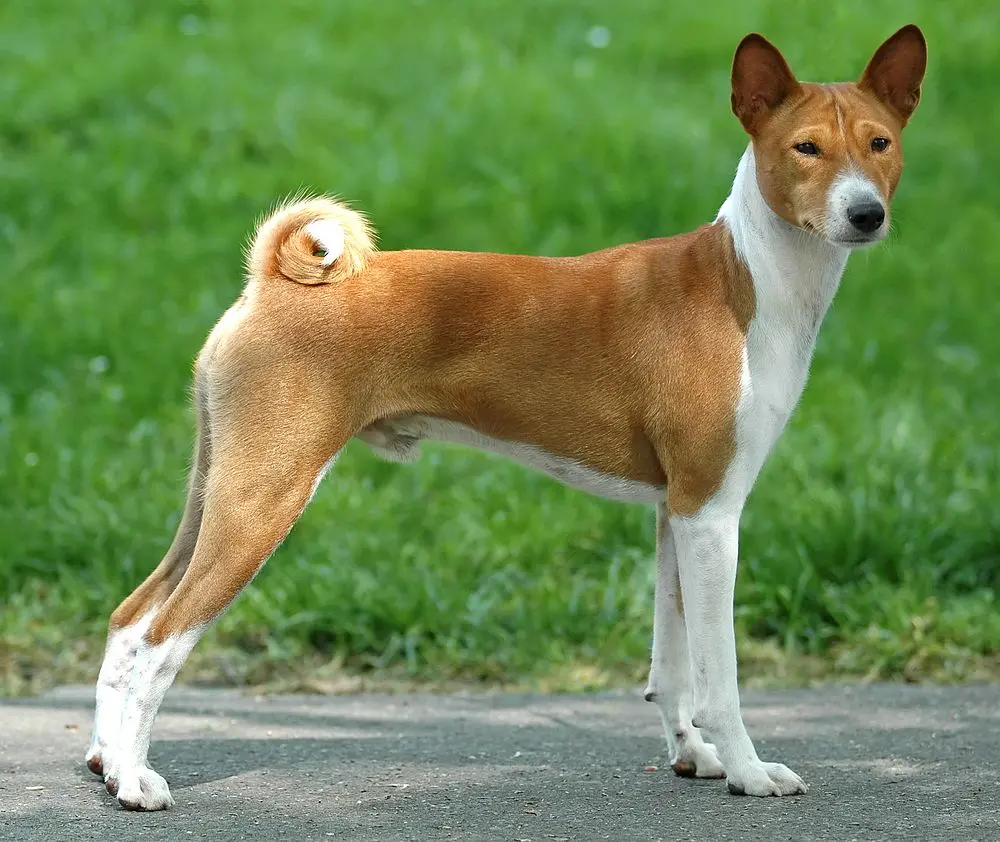
The Basenji It is a breed of dog originating from the Democratic Republic of the Congo.. It is a primitive breed used for hunting and tracking.

They have the unique characteristic of not barking, but they emit a curious sound in the style of >Tyrolean singing (Yodeling).

The stone Age images, as well as the tombs of ancient Egypt, already attest to the existence of this type of dog, who has survived the millennia: The Basenji is one of the oldest and most original breeds of dog. He's supposed to be a direct descendant of the Egyptian Testament – this is what dog experts call the dog form that has been handed down to us through Egyptian artwork from the fourth millennium B.C..

The Basenji comes from Central Africa, where he lived with village communities, but without having been specifically raised or having formed particularly close ties. Rather, they lived like ratcatchers. Often people also followed the hunting of the Basenjis to profit from the prey.. During famines the dogs were even slaughtered.

By the way, ยซBasenjiยป translated means ยซsmall wild bush animalยป. As early as the late 19th century some Basenjis arrived in Europe with African explorers. But, selective breeding did not begin until 1935 in Britain. Although the dog is native to Africa, Great Britain today has the patronage of the Basenji. From here the breed gradually spread to the rest of Europe.. In Germany, for example, enjoyed greater popularity from the years 70 of the 20th century.

Did you know??

The first Basenjis were red and white, tricolor (black and white fire) and black and white. Expeditions in Zaire 1987 and 1988 They introduced 14 dogs with new bloodlines, which brought a beautiful brindle look with tiger stripes.

There are some studies which point to the Basenji as progenitor of all Terrier.

Physical characteristics

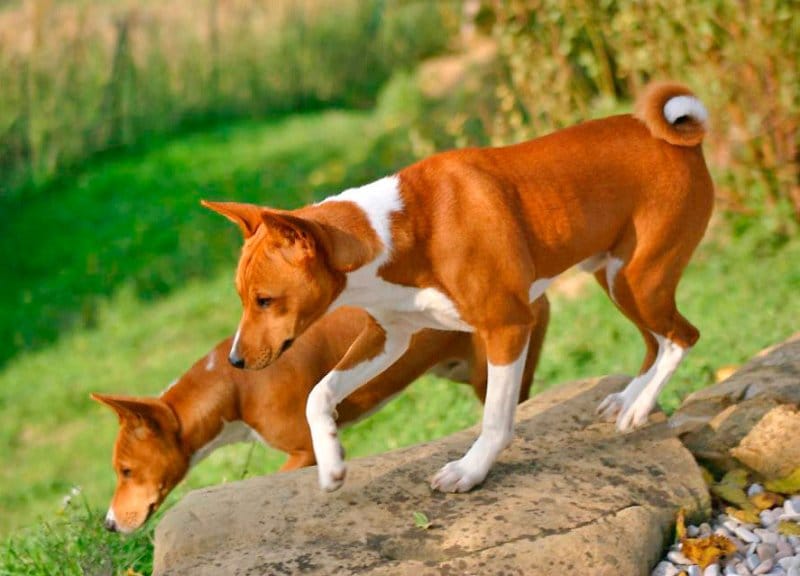
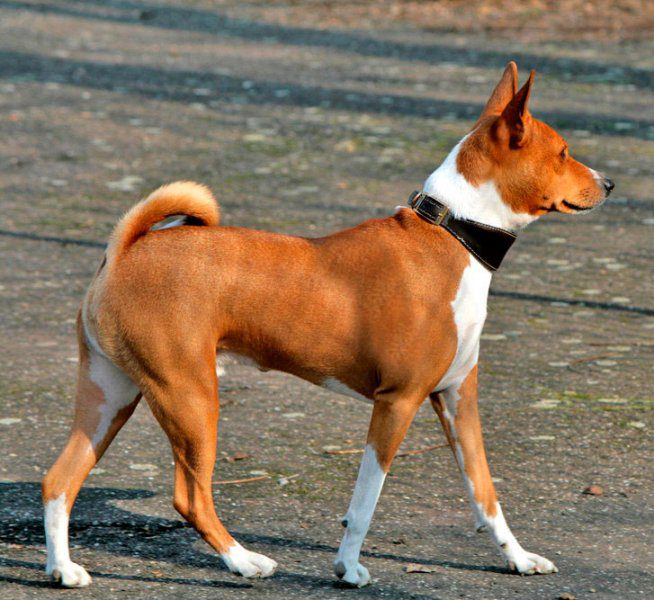
The Basenji they are a small breed, elegant appearance, they have short hair, shiny and silky. Their ears are upright, and the tail coiled lead to perfection. Some people, they believe that its appearance similar to a deer in miniature.

They usually weigh 11 kg and the port tends to be of 40,6 cm., athletic and deceptively powerful for its size. Have a walk safe and elegant like a horse to trot.

Character and skills

Recommended for homes with adults. Although all life keeps a restless and playful spirit, When it ends its phase of growth becomes an excellent pet.

The Basenji is alert, loving, energetic, curious and reserved with strangers. It is a little distant, but it can also form strong ties with the people and can be emotionally sticking to a particular Member of the family, creating a very strong bond.

Generally does not get along well with other pets other than dogs. likes humid weather, they tend to be very skilled soaring. It can be described as fast, playful, tireless in the game, and naughty.

One of the curiosities that presents the race, In addition to not bark, It is that sule lick is the hair to be kept clean.

education

Like all dogs, the Basenji needs to be socialized from a young age. Meet lots of people (friends, neighbors, family…) allows you to get used to seeing strangers and become a sociable adult. The same goes for other dogs.: if you meet them often from their first months, the risks of dog fights during walks are reduced once he is an adult.

In his book Intelligence of Dogs (1994), Stanley Coren classifies the Basenji in the post 78 of 79 dog breeds for their intelligence… But, this is potentially a misunderstanding: the Basenji he understands very well what his owner wants from him, but is not really willing to meet your demands. In fact, shows a complete lack of interest in anything related to their education.

Like this, this extremely independent dog feels no need to please his master. Surely you understand what the command "sit" means?, but I may not see the point and, therefore, decide not to listen. Positive reinforcement methods have had some success, and a treat can be enough motivation, but even the most experienced trainers have a hard time getting them to listen. A novice is likely to be frustrated at being totally ignored despite their best efforts and may regret their choice..

At the end, it is usually the owner who has to adapt to the dog. These may include, people who live with a Basenji

Health

Although it is relatively robust and enjoys a respectable life expectancy (of 12 to 14 years), the Basenji is susceptible to several diseases of varying severity:

  • The Fanconi syndrome, that is not exclusive to this breed, but most of the dogs that suffer from this disease are Basenjis. It is a kidney problem that prevents the reabsorption of nutrients and is usually fatal in the long term.. Fortunately, there is a genetic test to detect carriers and prevent them from reproducing;
  • Colitis enteritis, an overpopulation of a certain type of bacteria in the colon, responsible for violent diarrhea, sometimes with blood;
  • Immunoproliferative intestinal malabsorption, What, as the name reflects, prevents proper absorption of nutrients by the intestine. causes diarrhea, weight loss and can be fatal;
  • Hypothyroidism, a hormonal problem responsible for lethargy and weight gain;
  • Pyruvate kinase deficiency, an enzyme needed by red blood cells. The resulting anemia is often fatal.;
  • Hemophilia type B, a clotting problem that means that even a small accident can cause death;
  • Hernias, inguinal or umbilical, in which an internal organ passes through the abdominal wall, which can be very painful;
  • Eye problems, like the coloboma (a congenital malformation of the retina), progressive retinal atrophy (a degeneration of the eye tissues that leads to vision loss) or the persistence of the pupillary membrane (an abnormality of the eye that usually does not greatly affect vision);
  • Hip Dysplasia, a problem in the hip joint that can cause varying degrees of motor difficulties.

But, the main cause of death in this breed is age (30% of the cases), according to a survey by the British Kennel Club and the British Small Animal Veterinary Association.

It also, behavior problems, although they are not usually related to a disease, but they are simply the result of ignorance of the characteristics and needs of the breed by the owner, make many Basenjis be euthanized every year.

Last, it should be noted that, as it happens with other primitive dogs, the females of Basenjis they only go into heat once a year. Most litters are born between October and December.

Life expectancy

12 to 14 years

Grooming

Although it is very difficult to train, the Basenji it is an easy breed to care for.

A quick brushing of their short coat once a week is enough to remove dead hair.. But, they shed twice a year, and it may be helpful to switch to two or three times a week in the spring to deal with excess dead hair. This is much less necessary in the fall, when the moult is much less pronounced and may even go unnoticed.

It also, just like cats, this dog grooms itself. And since he doesn't like water, not one to come back dirty after jumping in puddles or rolling around in the mud. So, bathing your dog is rarely necessary.

But, as with any dog, the brushing session should be used to check and clean the eyes and ears to reduce the risk of infection.

It's also a good time to brush your dog's teeth, to avoid the accumulation of tartar and all the risks that this entails. Ideally, do it more often., even daily.

Last, wear and tear is usually enough to limit the claws of this especially active animal. But, if not and they start to get too long, it is necessary to do it manually with a dog nail clipper, to prevent breakage or injury.

Food

The Basenji not picky about food. But, since the shoes, smartphones and other magazines you can devour don't really meet your nutritional needs, it is necessary to provide daily industrial food for dogs. They must be of good quality to provide all the nutrients you need, but also adapted to their age, size and activity level.

Being a very active dog, the Basenjis are not prone to obesity problems. But, it is advisable to weigh your dog from time to time to ensure that he is not overweight. If you do, reducing his daily food intake and increasing the time he is allowed to go outside should solve the problem.

It also, like all dogs, must have fresh water available at all times.

For sale "Basenji"

The price of a puppy Basenji it's average 1000 euros for a male and 800 euros for a female.

whatever the place, the amount charged depends on the lineage from which it comes, of the prestige of the hatchery, but also of the degree of conformity of the individual with the standard of the breed.

ยซBasenjiยป images

Photos:

(1) – walking… basenji by fugzu [CC BY 2.0], via Wikimedia Commons
(2) – Basenji puppy, Bravo, 10 weeks old by fugzu [CC BY 2.0], via Wikimedia Commons
(3) – Basenji dogs by fugzu [CC BY 2.0], via Wikimedia Commons
(4) – Portrait Basenji – CC0 Creative Commons

Videos ยซBasenjiยป

Type and recognitions:

  • FCI CLASSIFICATION:
  • Group :
  • Section : . .

Federations:

  • FCI – Group 5: Section: 6 Primitive type โ“˜
  • AKCHound โ“˜
  • ANKC – Group 4 (Hounds) โ“˜
  • CKC – Group 2 – Hounds โ“˜
  • โ€‹KC – Hound โ“˜
  • NZKCHounds โ“˜
  • UKC – Group 3 – Sighthounds and Pariahs โ“˜

FCI breed standard Basenji

FCIFCI - Basenji
Basenji

Alternative names:

1. African Bush Dog, African Barkless Dog, Ango Angari, Avuvi, Cong Dog, Zande Dog, The Jumping Up And Down Dog, Voiceless Dog (English).
2. Terrier Nyam-Nyam, Terrier du Congo (French).
3. Kongo-Terrier (German).
4. Congo Terrier (Portuguese).
5. Perro Congo, Perro Zande, Terrier del Congo (espaรฑol).

โ–ท The world of Pets: Dogs, cats, birds, reptiles, amphibians

Bedlington Terrier
Gran Bretaรฑa FCI 9 - Large and medium sized Terriers.
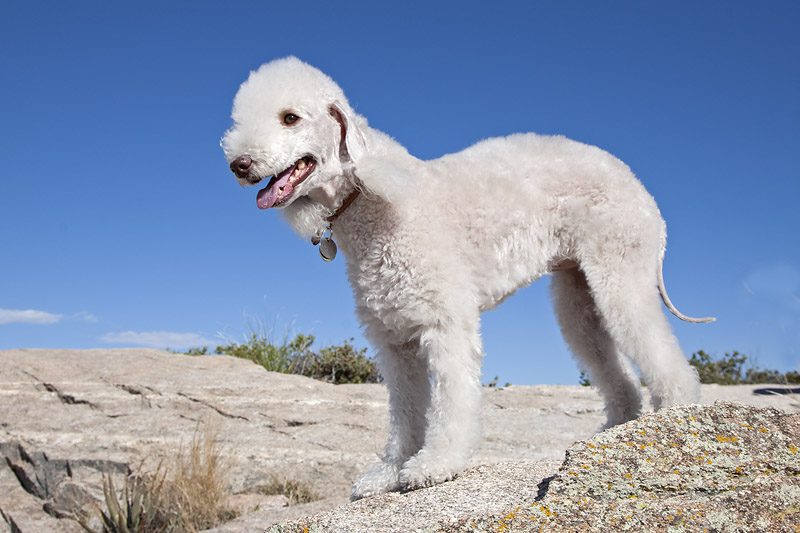
The Bedlington Terrier, catalogued as a dog with the look of lamb and lion heart.

Bedlington Terrier

Content

Characteristics "Bedlington Terrier"

Coexistence is important that you have with your new friend. Before considering the acquisition of a dog of the breed "Bedlington Terrier" you know certain factors. Not all breeds of dogs are apt to live in an apartment, you must take into account his character, their need for exercise, their interaction with other pets, their care and if you have small children, their level of tolerance towards them.

Adaptation โ“˜

4,0 of 5 stars (based on 1 review)

friendly dog โ€‹โ€‹โ“˜

4,0 of 5 stars (based on 1 review)

hair loss โ“˜

1,0 of 5 stars (based on 1 review)

Affection level โ“˜

5,0 of 5 stars (based on 1 review)

Need for exercise โ“˜

3,0 of 5 stars (based on 1 review)

Social need โ“˜

4,0 of 5 stars (based on 1 review)

Home โ“˜

4,0 of 5 stars (based on 1 review)

Toilet โ“˜

4,0 of 5 stars (based on 1 review)

Friendly with strangers โ“˜

4,0 of 5 stars (based on 1 review)

barking โ“˜

3,0 of 5 stars (based on 1 review)

Health โ“˜

2,0 of 5 stars (based on 1 review)

Territorial โ“˜

5,0 of 5 stars (based on 1 review)

Cat friendly โ“˜

3,0 of 5 stars (based on 1 review)

Intelligence โ“˜

3,0 of 5 stars (based on 1 review)

Versatility โ“˜

4,0 of 5 stars (based on 1 review)

Child friendly โ“˜

4,0 of 5 stars (based on 1 review)

Surveillance โ“˜

3,0 of 5 stars (based on 1 review)

joy โ“˜

5,0 of 5 stars (based on 1 review)

History

The Bedlington Terrier It is a breed of dog that was raised in the 19th century in Northumberland, England, and named after the place of birth, Bedlingtonshire.

On 1825, the race renamed the Bedlington Terrier Bedlington. The race was highly valued for the fox hunting, hares and Badgers. He was also used as a vermin Hunter by miners from Bedlington. Miners exploited his bravery to use it as a dog fight with the dogs of hunters that used perdigueros dogs.

As he Otterhound and the Dandie Dinmont Terrier they are potential contributors to the race. Some breeders, especially those of England cross the Bedlingtons with Whippets and Greyhounds to produce what they call Lurchers.

Physical characteristics

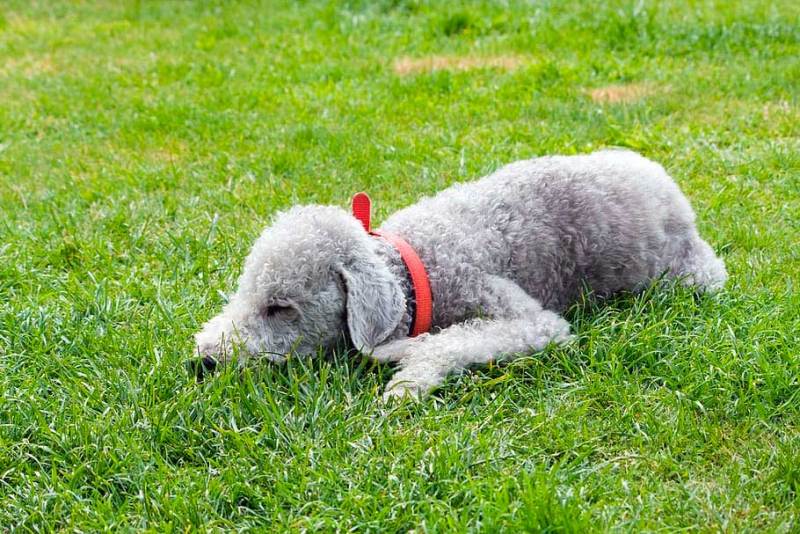
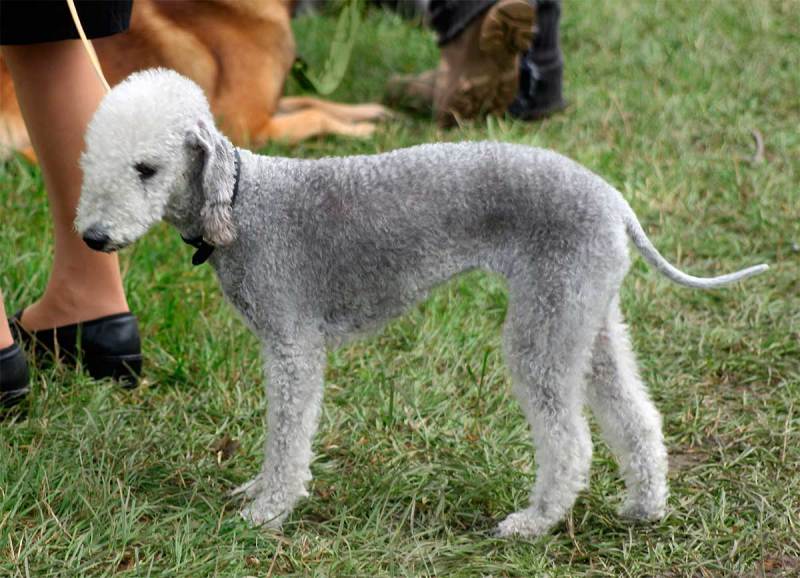
It was created as a breed of fighting and hunting, later became a popular pet. Gentle in appearance, has an arched back, a crest and thick curly coat that can be of various colours, grey, reddish / brown clear or color sand. The breed is approximately 38โ€“40 cm tall and weighs between 10 and 11 kg.

The Bedlington Terrier, It has been described as a dog with โ€œlamb look and lion heartโ€, to some extent because of their physical appearance (looks like a lamb), but also by its nature.

This breed has a head shaped wedge with penetrating almond-shaped eyes. His physiognomy is different from most of the Terrier, It resembles more a hound. His physical characteristics allow him to run at high speed.

The average lifespan of the "Bedlington Terrier" is around 13,5 years.

Observations

Their fur tends to be misleading, They seem to be a lamb, but in reality, each hair grows from a hair follicle, It has a cycle of growth, and when it dies it is replaced by another follicle, but the dead hair is still thereโ€ฆ bulging.

For which reason, daily brushing is very important if you don't want to have, the whole house full of hairโ€ฆ Also, since it is very thin, adheres to any part, and it can even be inhaled, causing problems for allergic persons. Workspace very well to family life and are good with children.

Character and skills

Calmer and less noisy than other Terrier. Usually one moderate behaviour and good character, they are very good companions for families.
If left alone for many hours, they can become very destructive, since they get bored easily and everything they catch..., in danger of being destroyed. For which reason, It advisable to give long walks, where you can run around and release energy.

Images "Bedlington Terrier"

Photos:

  • 1 – A Bedlington Terrier during an FCI dog show in Switzerland by Corinne Benavides
  • Bedlington terrier
  • David Oat [CC BY-SA]
  • David Oat [CC BY-SA]
  • Videos "Bedlington Terrier"


    Type and recognitions:

    • FCI CLASSIFICATION:
    • Group :
    • Section : . .

    Federations:

    FCI โ“˜, AKC โ“˜, ANKC โ“˜, CKC โ“˜, โ€‹KC โ“˜, NZKC โ“˜, UKC โ“˜

    FCI breed standard Bedlington Terrier

    FCIFCI - Bedlington Terrier
    Bedlington

    Alternative names:

    1. Rothbury Terrier, Rodbery Terrier, Rothbury’s Lamb (English).
    2. Bedlington terrier, Terrier Bedlington (French).
    3. Bedlington Terrier, Rothbury Terrier (German).
    4. Bedlington terrier (Portuguese).
    5. Bedlington terrier (espaรฑol).

    โ–ท The world of Pets: Dogs, cats, birds, reptiles, amphibians

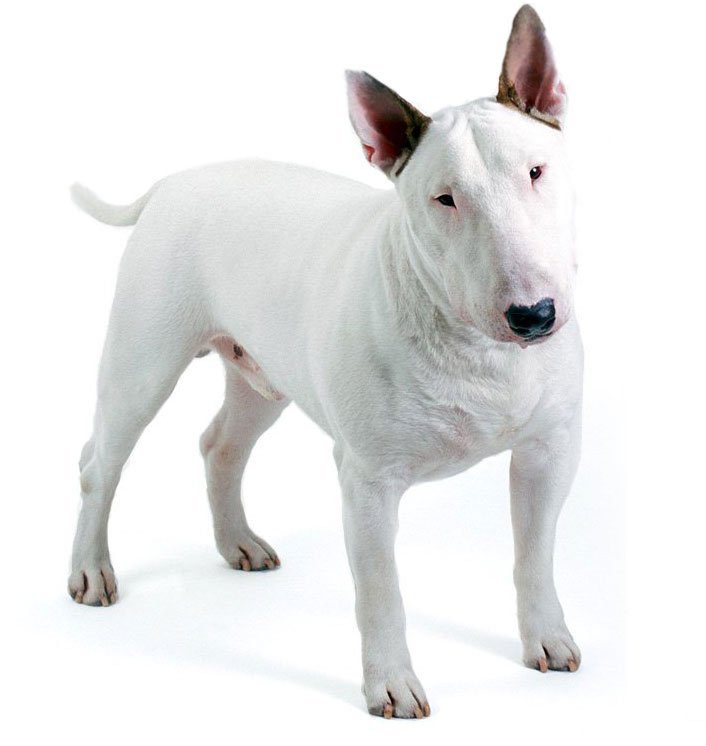
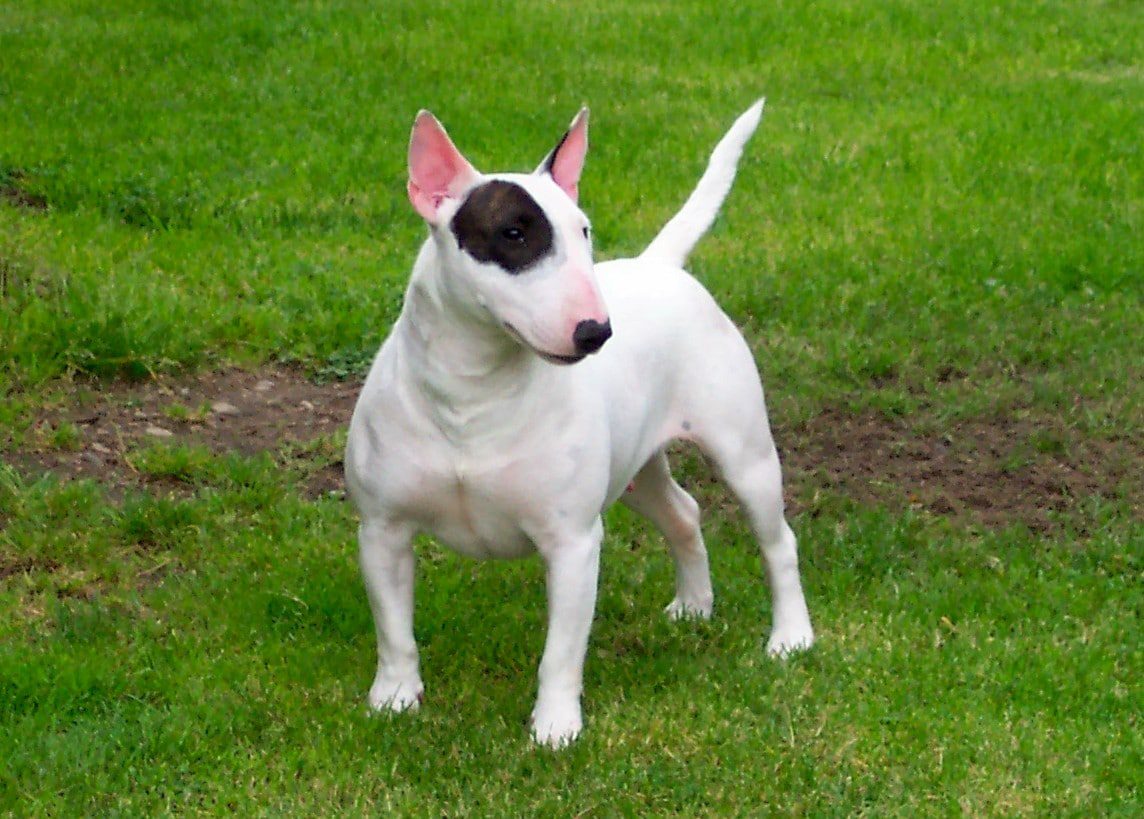
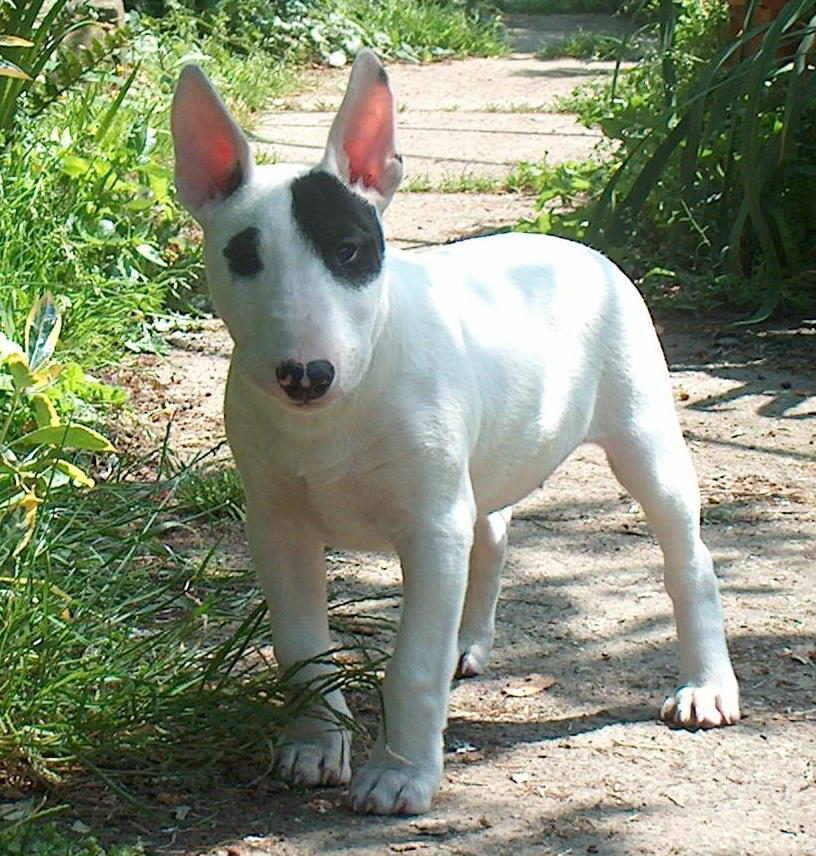
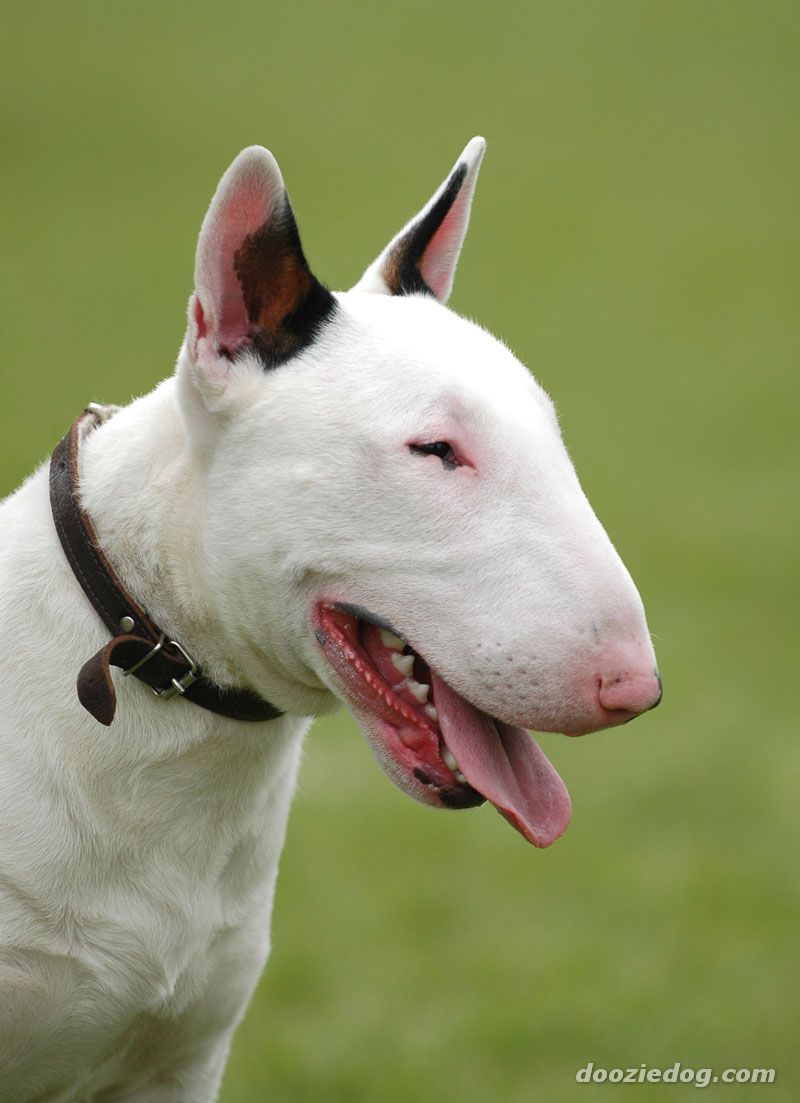
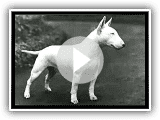
    Bull Terrier
    Gran Bretaรฑa FCI 11 . Bull type Terriers

    Bull Terrier

    The Bull Terrier they are generally friendly, rarely aggressive.

    Content

    History

    The original ancestor of Bull Terrier was bred in the early 19th century from a cross between the English Bulldog and terriers. The dog served as a biter for bulls and badgers and was also used in dogfighting. Although its use as a fighting dog was already banned in 1835, the breed still struggles with its fighting dog image today. Completely contrary to the omnipresent opinion the Bull Terrier developed in the course of the 19th century as a popular family dog รขโ‚ฌโ€นรขโ‚ฌโ€นof the English middle class. The nervous and friendly Bull Terrier lived with families in large areas and served as a guard dog and to hunt vermin.

    In 1850 the animal trader James Hinks ensured official recognition of the breed. At the end of the 19th century, the Bull Terrier white in color were for a time the status symbol of the English nobility. For a more elegant appearance and a less fizzy character, they crossed paths with Dalmatians and Pointer. Only after the end of World War 2 did the British return to breeding Bull Terrier of different colors. From the beginning the breed was bred in different sizes and today the Standard and the Bull Terrier Miniature are distinguished as independent breeds. Recognized by the Fรฉdรฉration Cynologique Internationale, the Bull Terrier Belongs to the group 3 FCI, of the Terrier. Here it is assigned to the section 3 as Bull type Terriers.

    Physical characteristics

    It is a dog strong, muscular and short hair. The accepted colors are white (spots on head only allowed, in other parts of the body they are penalized in exhibitions). The colors black, white, striped, red, Griffon and tricolor are accepted. Trademarks of pigmentation in the skin are not taken into account, When not involved hair. The colors, blue and liver are highly undesirable in competitions, according to breed standard.

    The standard of the Bull Terrier Club in England, the ancient breed and originated from the same, It says that the striped is the desired color, given the importance of that color at the time these first specimens were included, that helped to correct problems of deafness and refresh the gene pool of the race, Therefore this recommendation maintains even included in the standard of the breed.

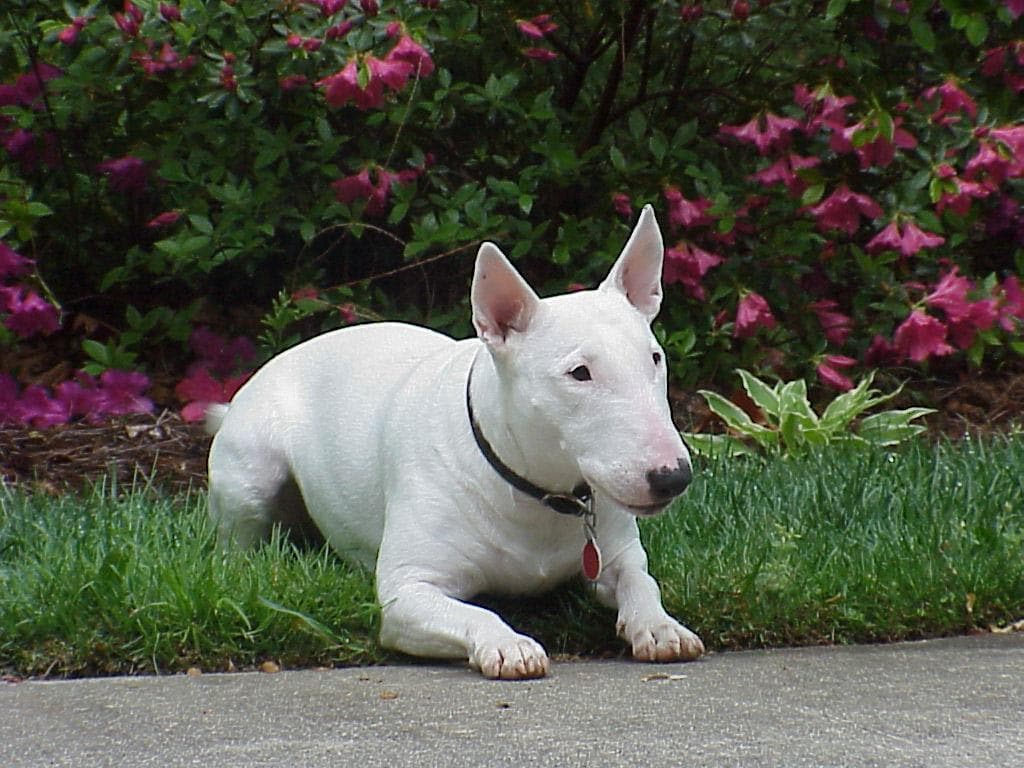
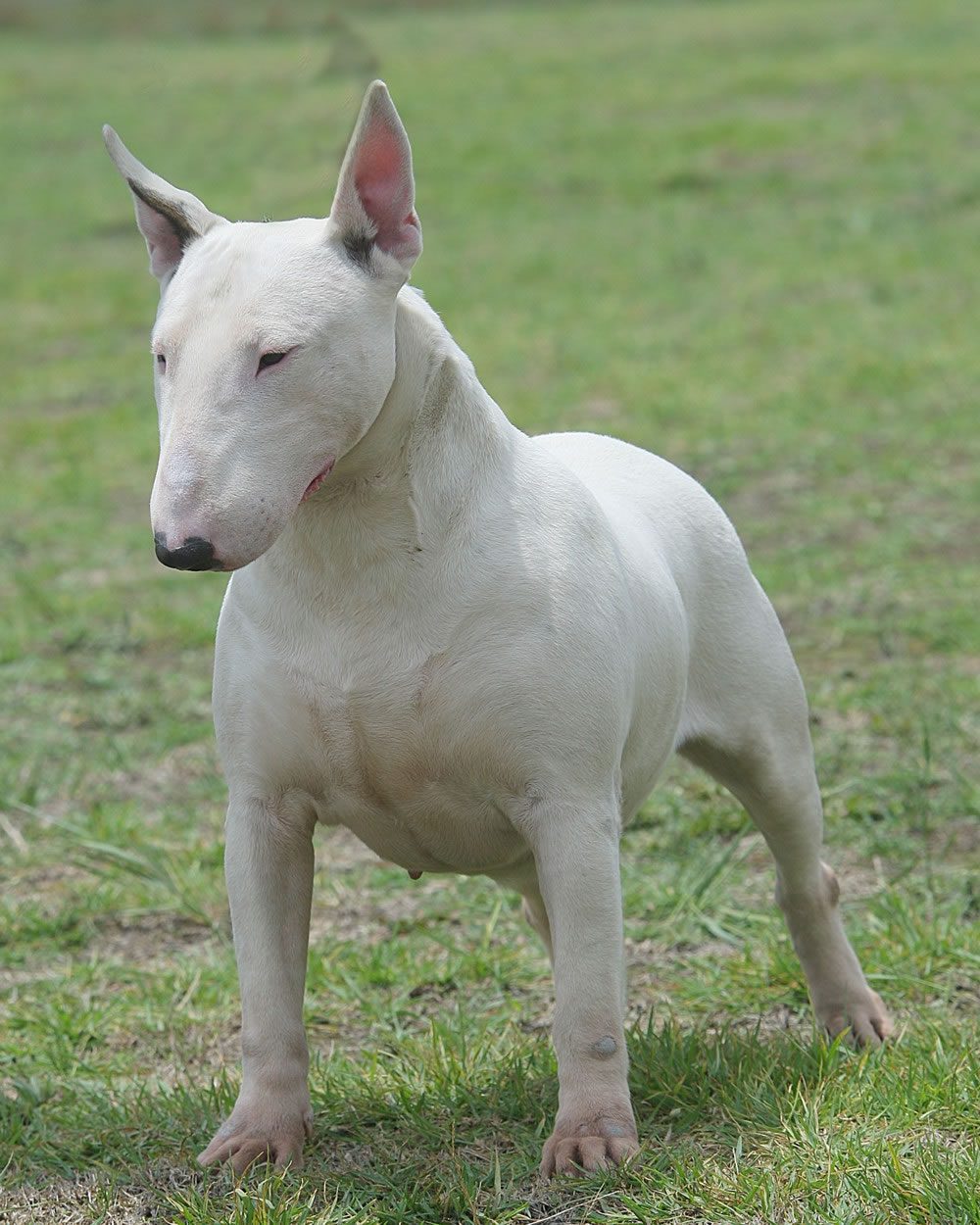
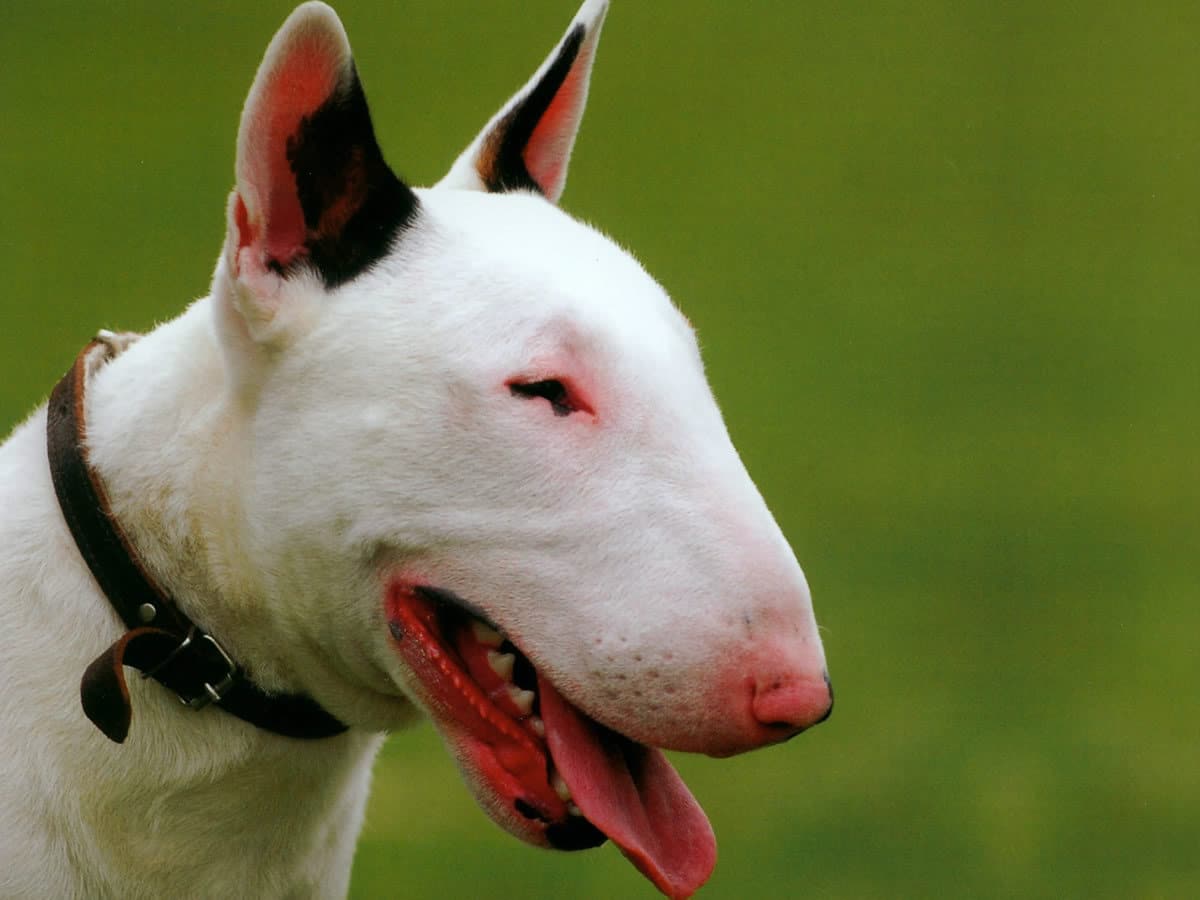
    Typical features are the oval shape of its head, that profile will curve downwards from the top of the skull to the end of the snout. The forehead is flat from ear to ear, front head is shaped like an egg. These dogs lack the fronto-nasal depression. And the eyes are triangular in shape, in fact, it is the only recognized breed with triangular eyes. Y, Another curiosity of this small is that, It is one of the few breeds that likes to eat the nails when not cut them.

    There are no weight or height limits, but the copy should give an impression of maximum solidity in relation to their distinctive traits and sex, but You can reach the 35 kg. There is one miniature variety where yes, criminalizes overcome some stature.

    The hair is easy to maintain, which is why frequent brushing can have it in almost perfect conditions. It can also help add oil in your food.

    Character and skills

    The Bull Terrier are generally friendly, rarely aggressive. His physical strength is comparable to his intelligence, and both your body and your mind must remain active. They need time to run and exercise. They are not very suitable for beginners in dog breeding, that they require much time to be trained. Dogs are very affectionate and love company, so it is not a good idea to leave them alone for a long time, given that with their powerful jaws together with the stress they get to have in solitude they can lead them to cause a lot of damage to the house. It is an excellent companion and attack dog..

    Did you know??

    Because of its fun and mischievous personality, The Bull Terrier is sometimes called "the boy in the dog suit.".

    Itร‚ยดs extremely strong by which should not be left unattended with one child of 8 years, post tend to skip, play and by their muscle mass can topple unintentionally to the child, for this reason it is advisable to make a gradual socialisation between the child and the dog, so in this way, the dog understands the limits and the child learns to interact with the dog, that is to say, striking a balance.

    They need to do enough exercise at young age, but without excess, This can cause muscle problems. It also, the breed is known for being very gluttonous, so it should be dosed food and exercise. Son excellent guard dogs and they have very sharp ears. They may also experience obsessive-compulsive behaviors as chasing the tail hanging around, self-mutilation is, Skip, biting his thigh, eat their feces and licking the leg; these animals like to be in company, generally children.

    Curiosities

    The Bull Terrier, normally, they are free of genetic diseases. They tend to live in 10 to 12 years, Although they may live longer. The oldest known dog is an Australian named "Puppa Trout.", who lived up the 25 years. The Bull Terrier albinos may be deaf.

    The Bull Terrier is one of the breeds used for the creation of the Dogo Argentino (Hunting dog).

    Although the name might lead to confusion, the Bull Terrier are not directly related to American Pit Bull Terrier. But, both races have the same ancestry. There is a version in miniature of this race, officially called Bull Terrier miniature.

    Education of a Bull Terrier

    The Bull terrier needs a consistent upbringing from the start and is definitely not a suitable dog for beginners. If your owner indicates insecurity, he will take advantage of it and try to become a pack leader himself. So, a strong hand and a lot of assertiveness is required for the upbringing of this breed. Since it can react suspiciously and quickly to unfamiliar dogs, must be well socialized from an early age.

    Bull Terrier health and care

    The coat of the Bull Terrier does not need any special care. But, should be brushed regularly to remove dead hairs.

    There are no breed-typical diseases in the Bull Terrier.. Occasionally, joint problems and especially in the knees and skin irritations can occur.

    Nutrition / Food

    The feeding of the Bull Terrier is not complicated, because he is quite undemanding when it comes to food. However, your food must be of high quality, low in fat and easily digestible.

    The life expectancy of a Bull Terrier

    It can reach an average age of 10-14 years.

    Characteristics "Bull Terrier"

    Coexistence is important that you have with your new friend. Before considering the acquisition of a dog of the breed "Bull Terrier" you know certain factors. Not all breeds of dogs are apt to live in an apartment, you must take into account his character, their need for exercise, their interaction with other pets, their care and if you have small children, their level of tolerance towards them.

    Adaptation โ“˜

    4,0 of 5 stars (based on 1 review)

    friendly dog โ€‹โ€‹โ“˜

    2,0 of 5 stars (based on 1 review)

    hair loss โ“˜

    3,0 of 5 stars (based on 1 review)

    Affection level โ“˜

    4,0 of 5 stars (based on 1 review)

    Need for exercise โ“˜

    4,0 of 5 stars (based on 1 review)

    Social need โ“˜

    5,0 of 5 stars (based on 1 review)

    Home โ“˜

    3,0 of 5 stars (based on 1 review)

    Toilet โ“˜

    1,0 of 5 stars (based on 1 review)

    Friendly with strangers โ“˜

    5,0 of 5 stars (based on 1 review)

    barking โ“˜

    4,0 of 5 stars (based on 1 review)

    Health โ“˜

    5,0 of 5 stars (based on 1 review)

    Territorial โ“˜

    5,0 of 5 stars (based on 1 review)

    Cat friendly โ“˜

    2,0 of 5 stars (based on 1 review)

    Intelligence โ“˜

    4,0 of 5 stars (based on 1 review)

    Versatility โ“˜

    2,0 of 5 stars (based on 1 review)

    Child friendly โ“˜

    3,0 of 5 stars (based on 1 review)

    Surveillance โ“˜

    5,0 of 5 stars (based on 1 review)

    joy โ“˜

    5,0 of 5 stars (based on 1 review)

    Buying a Bull Terrier

    What do I have to pay attention to when I buy?

    Before taking a Bull Terrier at home, you should know that the conditions of conservation of this breed have been highly regulated throughout Europe since the years 90. Due to its bad reputation, it is on the list of dangerous dog breeds in some countries.. The Bull Terrier can provoke fearful reactions in peers and will not be greeted with joy by everyone. If you still want to have a Bull Terrier, you should try to improve the image of the breed through good education and proper maintenance. According to the studies, the breed is no more aggressive than other dog breeds and resolves conflict situations peacefully.

    Bull Terrier pictures

    Bull Terrier Videos

    Type and recognitions:

    • FCI CLASSIFICATION:
    • Group :
    • Section : . .

    Federations:

  • Federations: FCI โ“˜, AKC โ“˜, ANKC โ“˜, CKC โ“˜, โ€‹KC โ“˜, NZKC โ“˜, UKC โ“˜

  • FCI breed standard "Bull Terrier"

    Origin:
    England, United Kingdom

    Date of publication of the valid original standard:
    05.07.2011.

    Use:

    Terrier


    General appearance:

    It is a dog with a vigorous constitution, muscular, well proportioned and active and with a lively expression, decisive and intelligent. A unique characteristic is that its head lacks a fronto-nasal depression. (stop) and it is shaped like an egg.
    Regardless of size, males should look masculine and females should look feminine.


    Behavior / temperament:

    Brave, full of spirit with a loving and fun attitude. Balanced and obedient temperament. Although stubborn, is particularly friendly.

    Head:

    Long, strong and deep to the tip of the snout, but not tosca. Front view must be in the form of an egg and filled; its surface free of depressions or indentations. Profile view, is it bend gently down from the height of the skull to the tip of the nose.

    Cranial region:

    Skull : The top of the skull should be almost flat between the ears.

    facial region:

    • Truffle : It should be black and curved down at the tip. The Windows are well developed.
    • Lips : Well-defined and glued.
    • Bite / Teeth : Solid and vigorous lower jaw. Healthy teeth, strong, clean, good size, perfectly regular with a bite of perfectly regular complete scissor, That is, the inner face of the upper incisors is in close contact with the outer face of the lower incisors, the teeth being placed perpendicularly in the jaws..
    • Eyes : They should be narrow and triangular, placed obliquely, black or so Brown dark as possible, so that they appear almost black, and with a shiny look. The distance from the tip of the nose to the eyes must be greater than there is from the eyes to the back of the head. Blue or partially bluish color eyes are undesirable.
    • Ears : Small, thin and placed very close together. The dog must be able to keep them erect and tips directly upwards.

    Neck:

    Very muscular, long, arched, tapering from shoulders to head and free from loose skin.

    Body:

    Well rounded, with well arched ribs, and deep from the cross to the chest region, in such a way that the last one reaches closer to the ground than the abdomen.

    • Back : Short, strong; the dorsal line behind the withers is horizontal and arches slightly towards the back.
    • Pork loin : Broad and well muscled.
    • Breast : Seen from the front, the chest is wide.
    • Bottom line and belly : From the chest to the abdomen should form an elegant ascending curve.

    Tail:

    Short, low-set and carried horizontally. Thick at the base and slimming to a fine point.

    Tips

    PREVIOUS MEMBERS :

    • General appearance: The dog must be perfectly parallel and good limbs. In adults, the length of the fore limbs should be approximately equal to the depth of the chest.
    • Shoulder : Strong and muscular, but not heavy. Spacious scapulae, flat and very attached to the chest and oblique well maintained from the bottom to the top, at almost a right angle with the forearm.
    • Elbows : Straight and strong.
    • Arms : The forelimbs of round and strong bone.
    • Metacarpus : Perpendicular.
    • Previous feet : Round and compact with well arched toes.

    HINDQUARTERS :

    • General appearance: Seen from the rear hind limbs are parallel.
    • Thigh : Muscular.
    • Knee : With good angle.
    • Leg : Well developed.
    • The Hock joint: Well angled.
    • Metatarsus : Short and strong bones to feet.
    • Hind feet : Round and compact with well arched toes.

    Movement:

    With well coordinated movements, covering ground evenly with easy steps and with a typically jovial air. When jogging, the movement should be parallel to the front and back, only converges towards a central point at a faster speed. You forelegs out well and hindlegs moving smoothly at the hips, flexing them well in the knees and hocks with drive.

    Mantle

    Attached to the body.

    Fur : Short, tight, rough to the touch and with a fine Sheen. In winter you can grow you a layer of soft textured undercoat.

    COLOR : White copies : Pure white. The pigmentation of the skin and the spots on the head are not penalizables. Color copies: is the predominant colour; other equal, you prefer the Brindle. The colors black, striped, red, Fawn and tricolor are acceptable. Stains on white fur interspersed are undesirable. The colors blue and liver highly undesirable.


    Size and weight:

    There are no weight or height limits, but the copy should give the impression of maximum strength consistent with their distinctive traits and sex.


    Fouls:

    Any deviation from the aforementioned criteria is considered a fault and the severity of this is considered to the degree of the deviation from the standard and its consequences on the health and well-being of the dog..

    FALTAS DESCALIFICANTES :

    โ€ข Aggressive or fearful dog.
    โ€ข Any dog โ€‹โ€‹showing clear signs of physical or behavioral abnormalities should be disqualified..


    N.B.:

    Male specimens should have two normal-appearing testicles., fully descended into the scrotum.

    SPANISH TRANSLATION: Brรญgida Nestler / Original version : (IN)
    Technical supervision : Miguel Angel Martinez

    Source: F.C.I - International Cynological Federation

    Alternative names:

    1. English Bull Terrier, Bully, Wedge Head, Varkhond (English).
    2. Bull Terrier (French).
    3. Bull Terrier (German).
    4. Bull terrier inglรชs (Portuguese).
    5. Bull Terrier inglรฉs (espaรฑol).

    โ–ท The world of Pets: Dogs, cats, birds, reptiles, amphibians

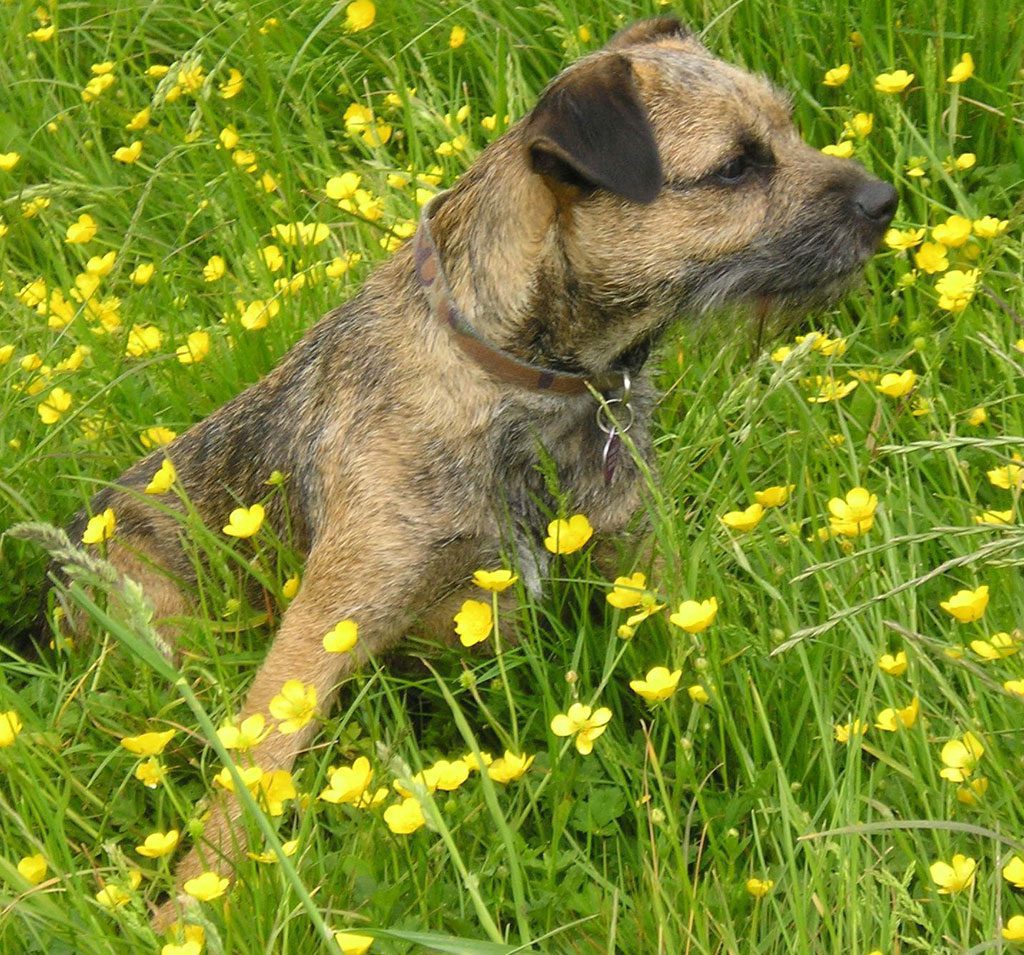
    Border Terrier
    Gran Bretaรฑa FCI 10 -Large and medium-sized Terrier

    Border Terrier

    The Border Terrier they are intelligent, loving, quite independent and.

    Content

    History

    Border Terrier It is a breed of dog of the Terrier that group, It takes its name from its place of origin, the Scottish borders. Shares ancestors with the Dandie Dinmont Terrier and Bedlington Terrier.

    Originally bred as a Hunter of foxes and small varmints, they were used to hunt otters and Badgers, as well.
    Although the breed is very old, the Border Terrier was officially recognized by the Kennel Club of Great Britain in 1920, and by the American Kennel Club (AKC) in 1930.

    In 2006, the Border Terrier ranked 81, in number of AKC registrations and rank 10 th in the UK (in the 2088, ranked number 8).

    Read more

    โ–ท The world of Pets: Dogs, cats, birds, reptiles, amphibians

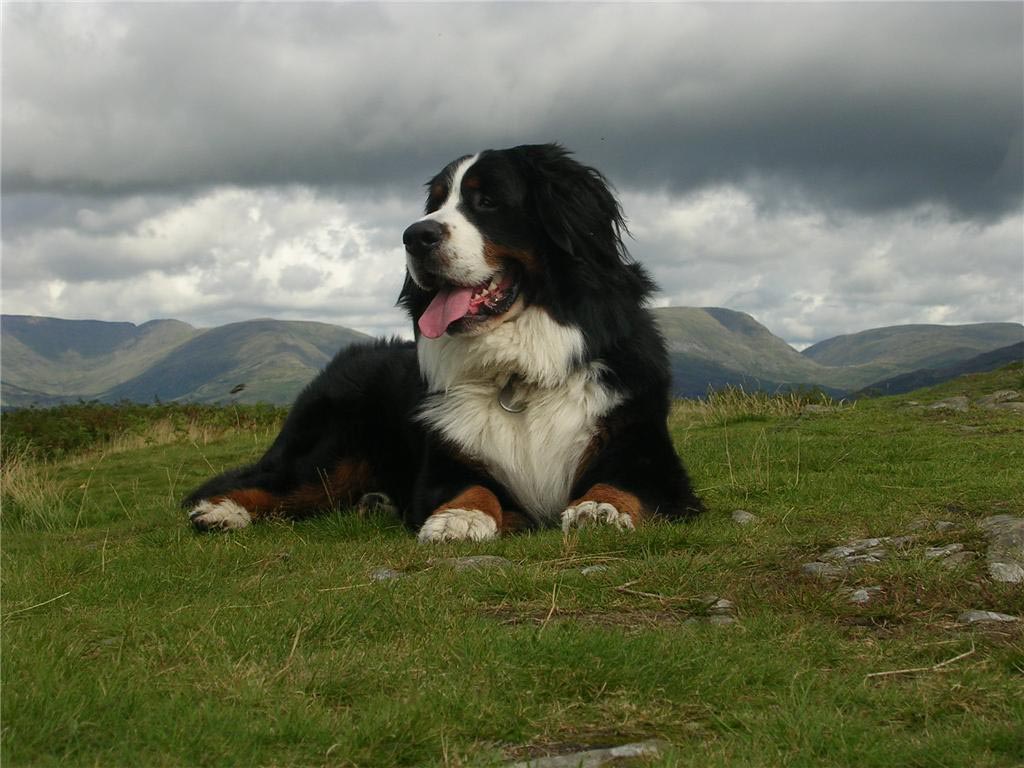
    Bernese Mountain Dog
    Suiza FCI 45 - Swiss Cattle Dogs

    Boyero de Berna

    The Bernese Mountain Dog the races is more sweet and good with children, despite its large size

    Content

    History

    The Bernese Mountain Dog (Berner Sennenhund) as well, call Bernese Mountain Dog, Perro de Montaรฑa Bernรฉs or Bouvier Bernois) It is a breed of dog very versatile Bootes that originated in the canton of Bern in Switzerland.

    The breed was used with the aim of all farm dogs, custody of the goods and to drive dairy cattle long distances from the farm to the Alpine pastures. This type of Bootes Swiss, originally called the Dรผrrbรคchler, alluding to a small town (Dรผrrbach) where were the big dogs especially frequent.

    At the beginning of 1900, There was a dog show, in Berne and several fans brought their copies, but they were a very small number, already in 1907 a few breeders of the Burgdorf region founded the first breed club, el โ€œSwiss Dรผrrbach Clubโ€, and wrote the first standard that defines the Cowbird of Berne as a breed apart. In 1910, there was already 107 registered members.

    Read more