โ–ท The world of Pets: Dogs, cats, birds, reptiles, amphibians

Istrian Coarse-haired Hound
Croacia FCI 152 . Medium-sized Hounds
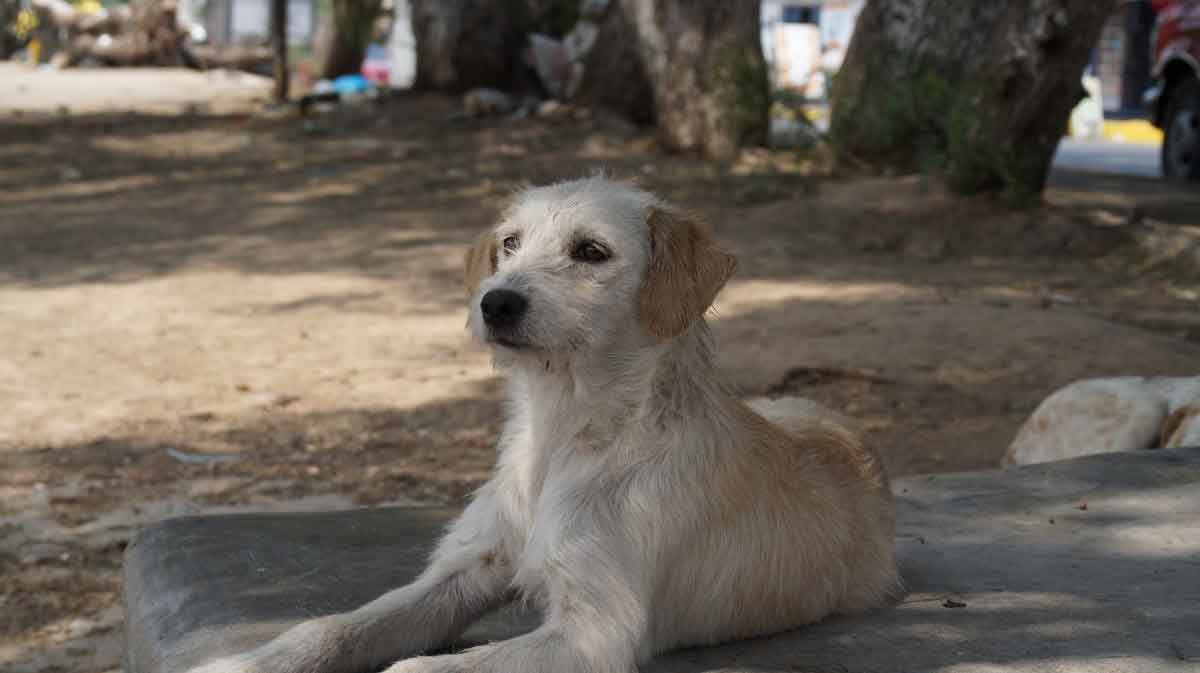
Istrian Coarse-haired Hound

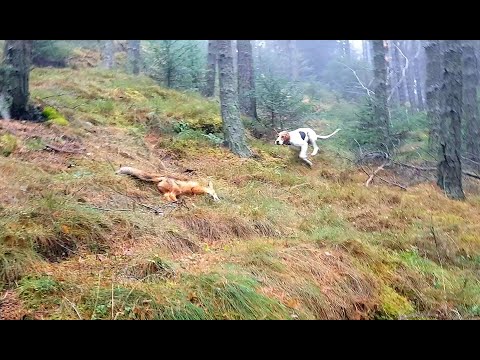
The Istrian Coarse-haired Hound it is an excellent hound for hunting hare and fox.

Content

History

His story matches that of Istrian Shorthaired Hound, but the iconography in words and images is much more limited, as long-haired dogs are generally less attractive for renderings due to their outward appearance. But, the Istrian Coarse-haired Hound was described in detail by B. Laska in 1896 and 1905: under the name of "barbiniยป these hard elo hound dogs were put up for sale in the Pazin and Buzet area in Istria. During World War I the breed was almost extinct. From 1924 these dogs were registered in the Croatian Stallion Book. The FCI recognized the breed in 1948. The first standard dates back to 1969.

Photos:

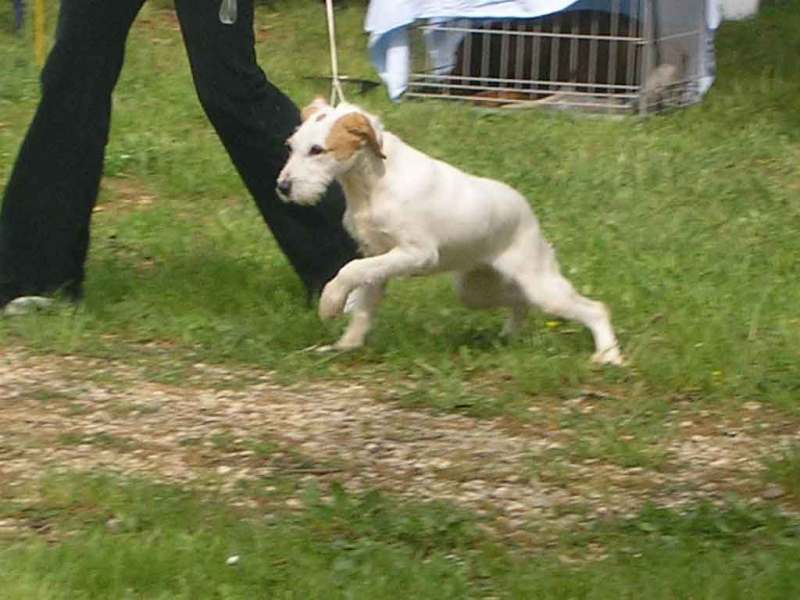
1 – Istrian Wire-haired Hound by https://pxhere.com/es/photo/1583815

Physical characteristics

The Istrian Coarse-haired Hound has strong and robust bones. With a stern expression, gives the deceptive impression of being a dark and taciturn animal. His somewhat hairy appearance was the cause of his near disappearance, as he is physically repulsive to some due to his coarse fur. But, its deceptive appearance hides a wonderful character and very beautiful qualities.

HEIGHT
Among 45 and 58 cm. (17,72 to 22,83 inches) for the male
Among 45 and 58 cm. (17,72 to 22,83 inches) for the female

WEIGHT
Among 16 and 24 kg (35,27 to 52,91 pounds) for the male
Among 16 and 24 kg (35,27 to 52,91 pounds) for the female

COLOR
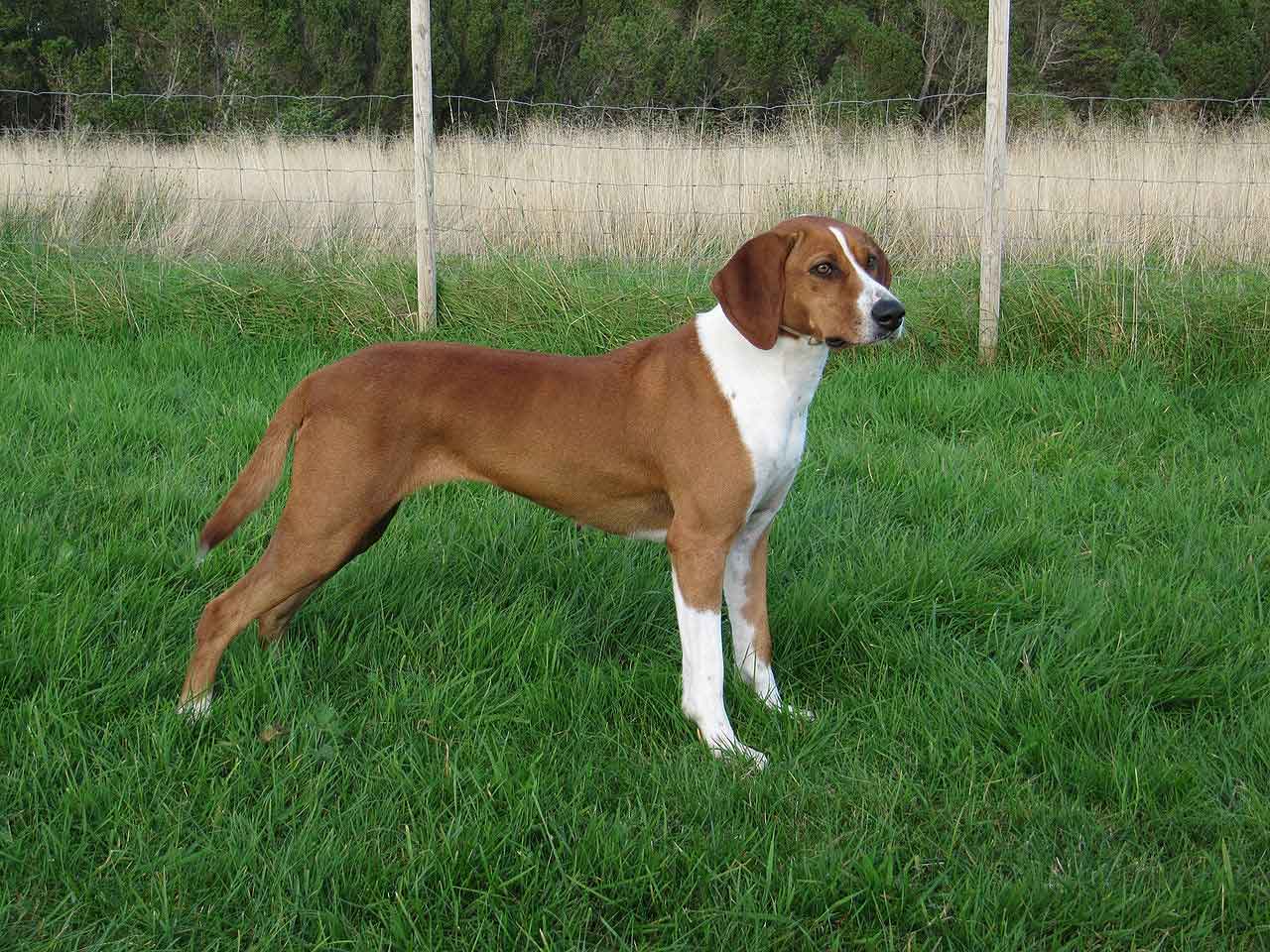
Its fur is white with orange spots, more or less big, on the body and often at the beginning of the tail. Their ears are generally orange.

HAIR
Her hair is straight, hard and pointed. It usually measures between 5 and 10 cm long.

MORPHOLOGY
Its head has a domed skull and a slightly pointed cap. His big eyes are dark. Its slender ears are well set on the cheeks and tend to flare towards the middle. His nose is black. Its tail is quite long and reaches the hock.

Character and skills

His character is that of a gentle dog, obedient and calm at home, while hunting is active, independent and passionate. His temperament is moderately lively, expression indicative of a calm and balanced nature, the look is somber. His bark is loud, moderate to deep.

He stands out for his immense diligence, it is resistant and persistent. It can have excellent performance even in the most difficult terrain and weather conditions.. The track never leaves. It is mainly used for hunting wild boar., deer, foxes and hares.

Training / Education:

Education is not that simple. Because when hunting he always depends on himself and cannot wait for the hunter's instructions, is suitable for a wide autonomy, the owner cannot avoid the servile obedience of this breed. You need in this direction a little understanding from the owner or coach.

No harsh training methods, it would only interrupt her relationship with the man, what a double shame. Requires a certain amount of patience and empathy, benign and yet a totally consistent approach to both education and training. More than punishment it will help stimulate the positive voice (compliment, stimulus) and the material (a treat).

Care and health

This robust and resistant dog does not suffer from any genetic disease or any particular pathology associated with the breed.. His health is excellent and he rarely gets sick.

WATCH OUT

Its rough appearance requires regular brushing to maintain its coat and ensure good health.

Images "Istrian Coarse-haired Hound"

Photos:

1 – A female Istrian Hound, Coarse-haired. Colour: white & orange by Canarian, CC BY-SA 4.0, via Wikimedia Commons
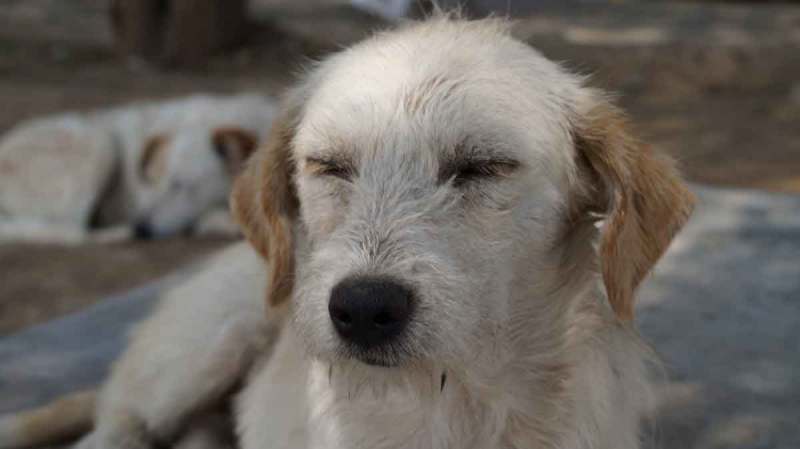
2 – Istrian Wire-haired Hound by https://pxhere.com/en/photo/1583811
3 – Istrian Wire-haired Hound by https://pxhere.com/es/photo/1583803
4 – Istrian Wire-haired Hound by https://commons.wikimedia.org/wiki/File:Istrian_hound2.jpg
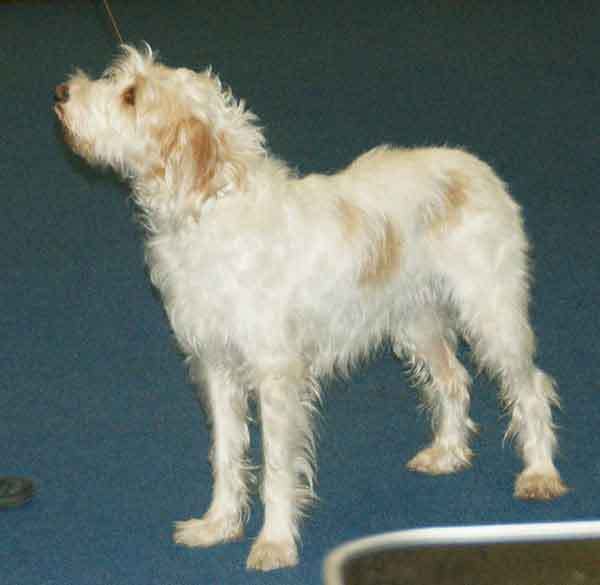
5 – Istrian Coarse-haired Hound at a dog show in Zadar, Croatia (CACIB 2006.) by Mirta12, CC BY-SA 3.0, via Wikimedia Commons
6 – ISTARSKI OSTRODLAKI GONIC by www.youtube.com

Videos "Istrian Coarse-haired Hound"
Type and recognitions:

  • FCI CLASSIFICATION:
  • Group :
  • Section : . .

Federations:

  • – FCI – Group 6: Scent hounds, and related breeds. – Section 1.1: Large-sized Hounds. โ“˜
  • – UKC – Scenthound Group โ“˜

FCI breed standard "Istrian Coarse-haired Hound"

Origin:
Croatia

Date of publication of the valid original standard:
25.10.2000

Use:

Bloodhound par excellence, it is used mainly for hunting hare and fox. Can also be used as a tracking dog. Its constitution is appropriate for hunting in the vast open lands of Istria.


General appearance:

Coat color is snow white with yellow-orange markings. The hair is long and smooth. The head is oblong, bushy eyebrows. The body is robust, for strong bones. The tail is thick and a bit saber-shaped. The face is severe and taciturn expression, sometimes even gloomy. The voice is sonorous, medium intonation, which often becomes serious.

IMPORTANT PROPORTION : The length of the body must exceed the withers by a maximum of 10%.


Behavior / temperament:

This is a personable dog, docile and very attached to his master. Of moderate temperament, He is very passionate during the hunt.

Head:

It is well proportioned in relation to the body. Its length is 20 to 24 cm.; should not be too light. Pigmentation of visible mucosa is dark.

Cranial region:
  • Skull : Slightly bulky. The occipital protrusion is well apparent, as well as the frontal sulcus, which is often covered by a tuft of long, straight hair. The forehead is quite wide. The skull becomes narrower in the eye region.
  • Depression links (Stop) : It is not marked.

facial region:

  • Truffle : It is wide, with well developed nostrils. Pigmentation is dark black.
  • Snout : Thick, rectangular; the muzzle is wide and covered with bushy whiskers. Seen from the front, The jaws give the snout an appearance of roundness.
  • Teeth : Strong; the joint is scissor-shaped. The denture is complete. : They are good together and they are not very thick.
  • Eyes : The iris is dark in color. The eyes are large, but not exhorbitant. The look is gloomy. Since the hairs on the eyebrows are coarse and longer, these are tangled and bushy.
  • Ears : They are not too thick and are covered by shorter hair. They are implanted near the eyes, but they are not high, not near the edge of the upper profile of the skull. The ears are wider in the center and are close to the cheeks. Are long enough; finer and more rounded at the tip. They come forward. They are considered very long when they reach more or less to the nose, and long when they reach the canines. They must be at least semi-long and reach at least to the zygomatic arches.

Neck:

In profile, the junction of the neck with the head is marked at the back of the occipital protuberance. Its length is 12 to 15 cm and her skin is stretched, no dewlap.

Body:

Seen as a whole, the upper margin slopes slightly towards the rump.

  • Height to the cross : Little pronounced.
  • Back : It's straight and wide. Its length is well proportioned in relation to the height at the withers.
  • Pork loin : Short, muscular and rounded.
  • Rump : Wide, especially in females. Slightly inclined; rounded, since the haunches are apparent.
  • Breast : It's wide and deep. Descends at least to the elbow. Its circumference generally exceeds by 12 to 15 cm height at withers. The ribs are rounded. The tip of the sternum is barely visible. The front of the chest is rounded.
  • Belly and flanks : The lower margin rises progressively, from the xiphoid appendix, towards the ligament of the hind limbs. The belly is slightly raised. The flanks are not very accentuated and should not be crowned.

Tail:

Its implantation is not very high. It is thicker at the base and tapers at the tip. Low, with a slight curve towards the top. Reaches to or slightly exceeds the hock.

Tips

PREVIOUS MEMBERS :

  • Shoulder : The shoulder blades are oblique, long, muscular and well attached to the thorax. The angle of the scapulohumeral joint is about 90ยฐ.
  • Elbows : They do not deviate inward.
  • forearms : They are upright and well muscled.
  • Carpi : barely visible.
  • Metacarpus : Short, almost vertical; however with a slight incline, which together with the vertical forms an angle of 10ยฐ.
  • Front feet : Jack's foot, Straits, with fingers tight together. The pads are well developed and resistant. Nails are thick.

LATER MEMBERS :

  • Thighs : Short, wide and muscular.
  • Legs : They are longer than the thighs; oblique and well muscled.
  • Hock : Thick and wide.
  • Metatarsals : They are short and vertical. If there are spurs, these must be removed.
  • Hind feet : As the front ; they are often a little longer.

Movement:

It is loose and energetic.

Mantle

SKIN : Is elastic, it is well stretched over the whole body, reddish. No presence of wrinkles.

HAIR : The outer layer of hairs - known as wool hair - is tough. Its length is 5 to 10 cm., es hirsuto, never curled, nor with ripples. Under this layer of coarse hairs lies, especially in winter, an undercoat of abundant, short hairs. The outer layer of hairs is not stretched over the skin but is shaggy. Must not tangle or form felt-like tufts. Hair length and density vary depending on the region of the body..

COLOR : Snow white is the background color. Ears are usually orange. A star-shaped spot of the same color is often seen on the forehead. The ears may also have orange spots, which is a sign of purebred. Orange spots, more or less extended, or specks of the same color can be seen all over the body, but they are usually found at the base of the tail. These marks should not be abundant, nor spread in such a way that they are more noticeable than the snow white color. The color of the markings must be raised, nor pale, nor dark, nor brown, which would be a sign of miscegenation. A third color is not allowed, not even in some hairs.


Size and weight:

Height to the cross : The height to the cross is of 46 to 58 cm Ideal size for males : 52 cm., for females : 50 cm..

WEIGHT : The weight of a normally fed adult dog, is of 16 to 24 kg. An average weight of about 20 kg.


Fouls:

Any deviation from the aforementioned criteria is considered as a fault and the severity of this is considered to the degree of the deviation to the standard and its consequences on the health and well-being of the dog..

โ€ข Square jaw, seen from the front.
โ€ข Hanging and sagging lips.
โ€ข Third eyelid (flashing body, membrana nictitante ) apparent.

MISS PLAYOFFS :

โ€ข Aggressive or fearful dog.
โ€ข Lack of proportion between height at the withers and body length.
โ€ข Very pink or depigmented nose.
โ€ข Muzzle too obtuse, pointed or still raised.
โ€ข Incorrect occlusion of the jaws; pronounced prognathism.
โ€ข Pink eyelids.
โ€ข Different colored eyes
โ€ข Ears that are too short or too far from the head; very high or very low implantation. Too long ear hairs, silky, wavy, curly or with the consistency of felt.
โ€ข Tail that deviates laterally or has been clipped.
โ€ข Elbows far away from the body.
โ€ข Arched forearms.
โ€ข Very oblique pasterns.
โ€ข Any color other than yellow-orange. Grayish or blackish marks will never be accepted.
โ€ข Size above or below norms.

Any dog โ€‹โ€‹showing clear signs of physical or behavioral abnormalities must be disqualified..


N.B.:

Males should have two normal-appearing testicles fully descended into the scrotum..

Source: F.C.I - International Cynological Federation

Alternative names:

1. Istrian Rough-coated Hound, Istrian Wire-haired Hound (English).
2. Chien courant d’Istrie ร  poil dur (French).
3. Rauhhaarige Istrische Bracke (German).
4. Em croata: istarski ostrodlaki gonic (Portuguese).
5. En croata, istarski oลกtrodlaki goniฤ (espaรฑol).

โ–ท The world of Pets: Dogs, cats, birds, reptiles, amphibians

Halden Hound
Noruega FCI 267 - Medium-sized Hounds

Halden Hound

The spread of Halden Hound limited to your country of origin, where it is also little known.

Content

History

Originally from Norway, the Halden Hound takes its name from Halden, the city where it was created.

Breed selection was initiated by Hans Larsen Bisseberg, an Ostfold County farmer, in 1860. The breed is believed to be the result of various crosses between local hounds and Swedish hounds, Germans and English. The official breed standard was established in the decade of 1950 and it is very rare outside of its country of origin. Most frequently used the Norwegian Hound and the Hygen Hound.

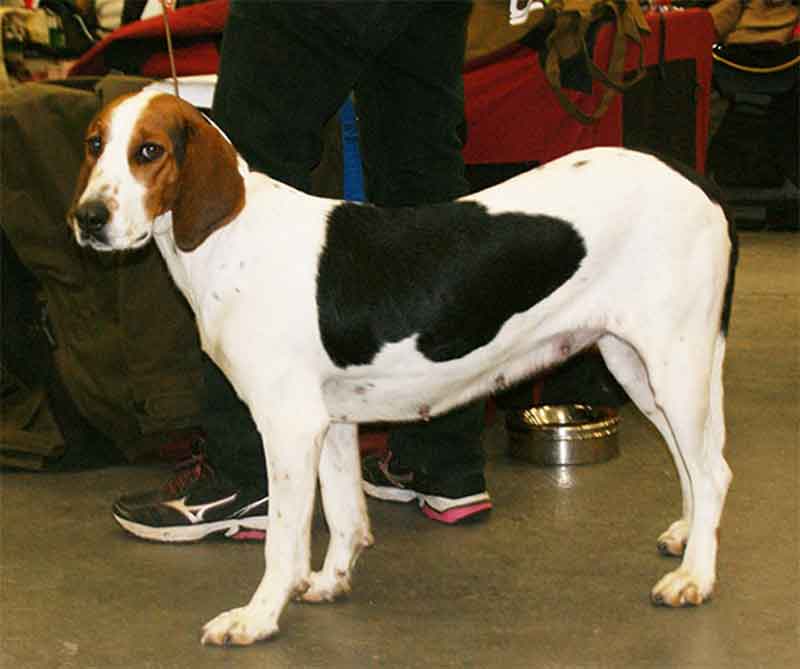
Photo: A female Halden Hound. Colour: tricolor by Canarian, CC BY-SA 4.0, via Wikimedia Commons

Physical characteristics ยซHalden Houndยป

The Halden is similar to the American Foxhound ostensibly, although it is smaller.

It is a dog whose body can fit in a rectangle, proud, strong but not heavy. The head is medium in size, well balanced. The eyes, dark brown, they are medium in size and have a calm expression. The ears, that are neither too high nor too low, they are turned forward and should reach the middle of the muzzle. The tail, that is neither too high nor too low, it is quite thick and is carried low.

  • Fur: rough, very tight and smooth, with thick undercoat.
  • Color: White with black spots, small, less dark spots on the head, limbs and sometimes between black and white. But, black should not dominate.
  • Size: 52 to 60 cm for the male and 50 to 58 cm for female.
  • Weight: 23 to 29 kg for the male and 20 to 25 kg for females.

Character and abilities ยซHalden Houndยป

Kind and caring, the Halden Hound He can make a great companion dog if you take the time to meet his many exercise needs.. It is a nice dog to live, but can be unsociable with children, strangers or even other animals if not well socialized. Very exclusive, he does not like to be surrounded, which makes him a very good watchdog. Excellent hunter, fast and resistant. If you are not hunting, it will be the perfect companion for a sports owner.

Independent in nature, education should start very early to prevent this dog from developing too many bad habits. Firmness and consistency will be required to achieve results, but beware, no violence towards this sensitive dog will be tolerated.

Characteristics "Halden Hound"

Coexistence is important that you have with your new friend. Before considering the acquisition of a dog of the breed "Halden Hound" you know certain factors. Not all breeds of dogs are apt to live in an apartment, you must take into account his character, their need for exercise, their interaction with other pets, their care and if you have small children, their level of tolerance towards them.

Adaptation โ“˜

4,0 of 5 stars (based on 1 review)

friendly dog โ€‹โ€‹โ“˜

4,0 of 5 stars (based on 1 review)

hair loss โ“˜

3,0 of 5 stars (based on 1 review)

Affection level โ“˜

4,0 of 5 stars (based on 1 review)

Need for exercise โ“˜

4,0 of 5 stars (based on 1 review)

Social need โ“˜

3,0 of 5 stars (based on 1 review)

Home โ“˜

3,0 of 5 stars (based on 1 review)

Toilet โ“˜

2,0 of 5 stars (based on 1 review)

Friendly with strangers โ“˜

3,0 of 5 stars (based on 1 review)

barking โ“˜

4,0 of 5 stars (based on 1 review)

Health โ“˜

4,0 of 5 stars (based on 1 review)

Territorial โ“˜

3,0 of 5 stars (based on 1 review)

Cat friendly โ“˜

2,0 of 5 stars (based on 1 review)

Intelligence โ“˜

4,0 of 5 stars (based on 1 review)

Versatility โ“˜

3,0 of 5 stars (based on 1 review)

Child friendly โ“˜

2,0 of 5 stars (based on 1 review)

Surveillance โ“˜

4,0 of 5 stars (based on 1 review)

joy โ“˜

4,0 of 5 stars (based on 1 review)

Videos "Halden Hound"

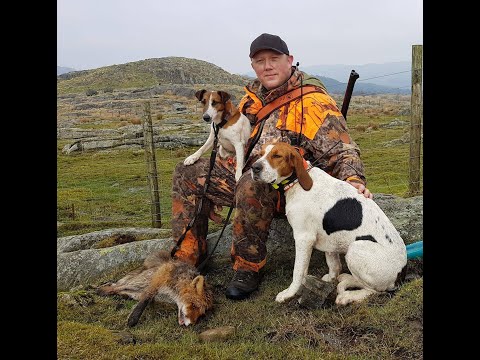
Fox hunting with halden hound and fox terrier in Norway
Foxhunting with halden hound and fox terrier 07.11.20

Type and recognitions:

  • FCI CLASSIFICATION:
  • Group :
  • Section : . .

Federations:

  • – FCI – Group 6: Scent hounds, and related breeds. – Section 1.2: Medium-sized Hounds. โ“˜

FCI breed standard "Halden Hound"

Origin:
Norway

Date of publication of the valid original standard:
09.08.1999

Use:

---


General appearance:

Rectangular construction, noble, strong, but not heavy.


Behavior / temperament:

---

Head:

Thin, medium sized and well proportioned.

Cranial region:
  • Skull : Seen from the front and from the side slightly dome-shaped. The occipital protuberance is barely noticeable.
  • Depression links (Stop) : Not abrupt.

facial region:

  • Truffle : black, open windows.
  • Snout : Not too short; straight muzzle.
  • Lips : Not very hanging.
  • Jaws/Teeth : Scissor bite; complete denture.
  • Cheeks : Relatively flat.

Eyes : Dark brown in color, medium-sized; calm expression.

Ears : Its insertion is neither too high nor too low; If they are placed forward they should reach up to the middle of the snout.

Neck:

Rather long, strong, thin and without any double chin.

Body:

  • top line : Straight.
  • Back : Strong.
  • Pork loin : Wide and muscular.
  • Rump : Slightly oblique.
  • Breast : Deep with tight ribs, but not barrel-shaped. The last ribs must be particularly well developed.
  • Belly : Very little withdrawn.

Tail:

Insertion neither too high nor too low; rather thick; reaches almost to the hocks. Worn rather low.

Tips

PREVIOUS MEMBERS

  • As a whole : Straight, thin limbs with strong bones.
  • Shoulder : Long and oblique shoulder blade, muscular; the tips do not protrude from the back line.
  • Forearm : Straight and thin.
  • Metacarpus : Slightly inclined.
  • Front feet : Oval, well arched, preferably closed, well covered with hair between the fingers.

LATER MEMBERS

  • Thigh : Broad and muscular.
  • Knee : Well angled.
  • Leg : Long.
  • Hocks : Thin and wide, turned neither in nor out. Well angled.
  • Rear feet : Like the front feet. Rams are allowed, but they are not desirable.

Movement:

Light, parallel, covers the ground well.

Mantle

HAIR : Rough, very dense and straight, with a dense undercoat of hairs.

COLOR : White with black spots, shaded tan patches on head, limbs and sometimes between black and white. Black should not predominate. Small black or tan spots are considered a color defect..


Size and weight:

Height to the cross :

  • For males : 52-60 cm., ideal 56 cm..
  • for females : 50-58 cm., ideal 54 cm..


Fouls:

Any deviation from the aforementioned criteria is considered as a fault and the severity of this is considered to the degree of the deviation to the standard and its consequences on the health and well-being of the dog..

ELIMINATORY FOULS

โ€ข Aggressiveness.

Any dog โ€‹โ€‹showing clear signs of physical or behavioral abnormalities must be disqualified..


N.B.:

Males should have two normal-appearing testicles fully descended into the scrotum..

Source: F.C.I - International Cynological Federation

Alternative names:

1. (Norwegian: Haldenstรธver) (English).
2. Halden (French).
3. Haldenbracke, Haldenlaufhund, Halden-Stรถvare (German).
4. (Norueguรชs: haldenstรธver) (Portuguese).
5. (Noruego: Haldenstรธvare, Haldenstรธver) (espaรฑol).

โ–ท The world of Pets: Dogs, cats, birds, reptiles, amphibians

Basset Hound
Reino Unido FCI 163 . Small-sized Hounds

The Basset Hound is a very happy dog, good and very sociable

Basset Hound

Content

Characteristics "Basset Hound"

Coexistence is important that you have with your new friend. Before considering the acquisition of a dog of the breed "Basset Hound" you know certain factors. Not all breeds of dogs are apt to live in an apartment, you must take into account his character, their need for exercise, their interaction with other pets, their care and if you have small children, their level of tolerance towards them.

Adaptation โ“˜

5,0 of 5 stars (based on 1 review)

friendly dog โ€‹โ€‹โ“˜

5,0 of 5 stars (based on 1 review)

hair loss โ“˜

3,0 of 5 stars (based on 1 review)

Affection level โ“˜

5,0 of 5 stars (based on 1 review)

Need for exercise โ“˜

5,0 of 5 stars (based on 1 review)

Social need โ“˜

3,0 of 5 stars (based on 1 review)

Home โ“˜

1,0 of 5 stars (based on 1 review)

Toilet โ“˜

2,0 of 5 stars (based on 1 review)

Friendly with strangers โ“˜

5,0 of 5 stars (based on 1 review)

barking โ“˜

5,0 of 5 stars (based on 1 review)

Health โ“˜

3,0 of 5 stars (based on 1 review)

Territorial โ“˜

1,0 of 5 stars (based on 1 review)

Cat friendly โ“˜

5,0 of 5 stars (based on 1 review)

Intelligence โ“˜

3,0 of 5 stars (based on 1 review)

Versatility โ“˜

3,0 of 5 stars (based on 1 review)

Child friendly โ“˜

5,0 of 5 stars (based on 1 review)

Surveillance โ“˜

3,0 of 5 stars (based on 1 review)

joy โ“˜

1,0 of 5 stars (based on 1 review)

History

The origin of the Basset Hound It, without a doubt, French and one of its closest ancestors is the Artois Hound, that was brought to England in 1.874 along with the Norman artesian Basset, crossing in England into a single breed which in turn was crossed with the St. Hubert Hound (using in 1.892 techniques of artificial insemination), favouring, during the selection, copies of most short legs, in order to obtain a dog capable of getting even between the most thick vegetation.

In 1880 It is considered the first class of Basset Hound in England and it is also being prepared at this time that the first standard and it appears that the dichotomy between Work and Beauty. At the end of the 19th century, the breeding of this breed grows rapidly and the quality of their dogs, as well, and they are divided into two lineages, the work and the exhibition. Y, was in 1935 the name "Basset Hound" was born, registered first, documented. In 1962, Figure the first litter is registered in France.

The United States adopted the breed and created a companion-only dog.

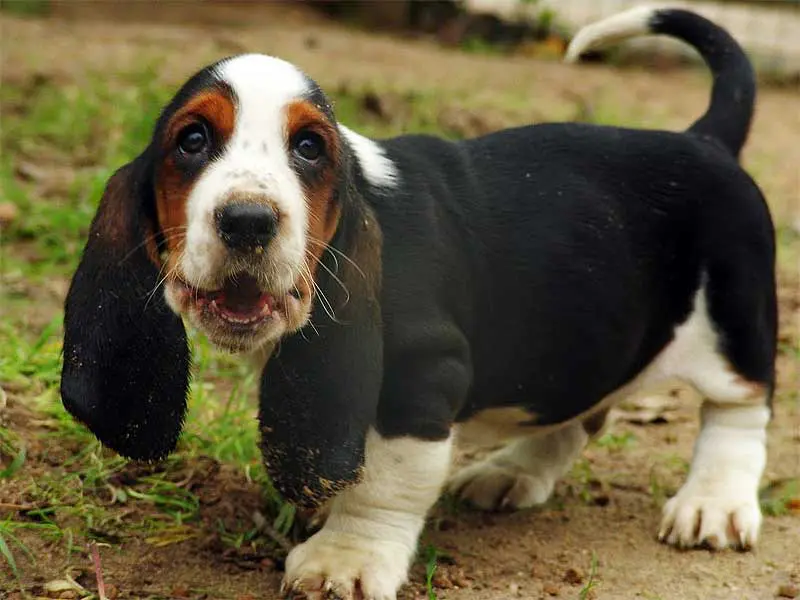
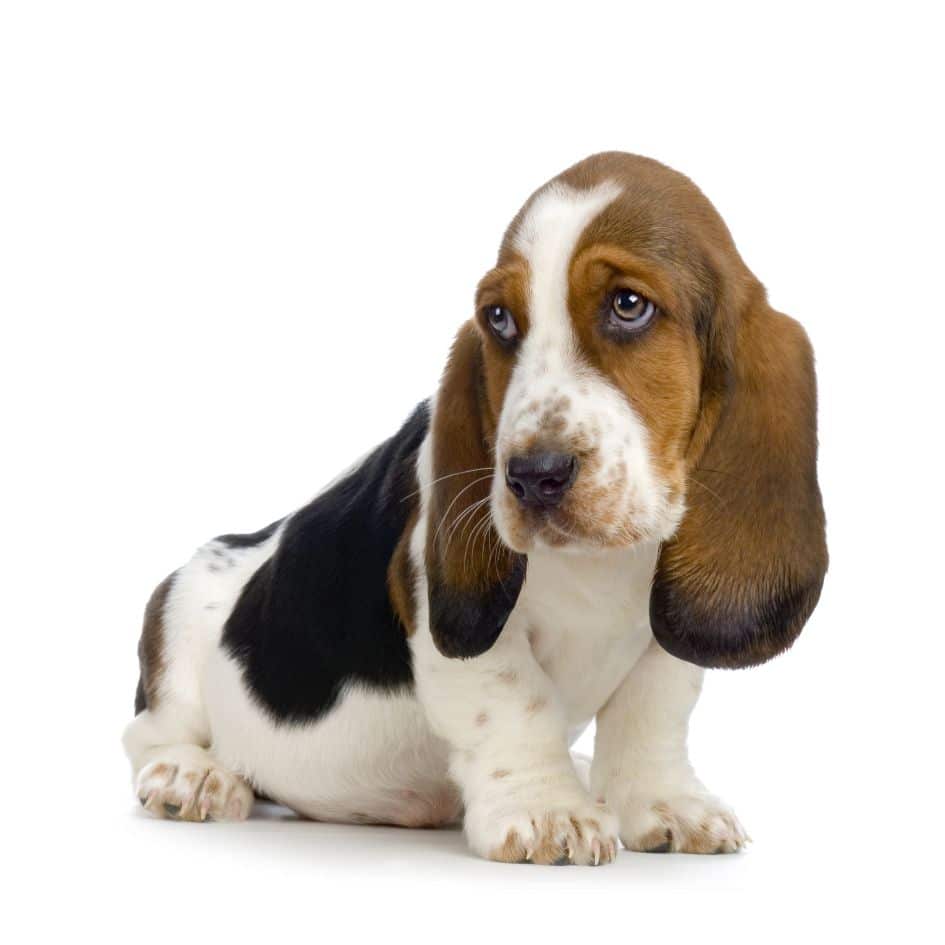
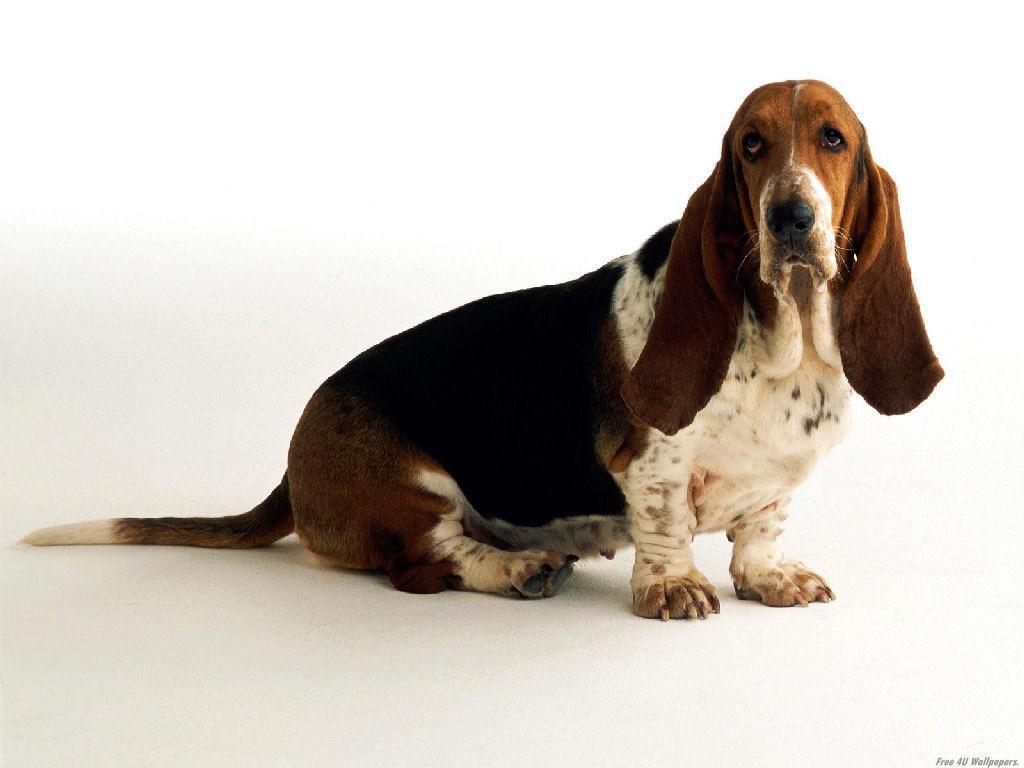
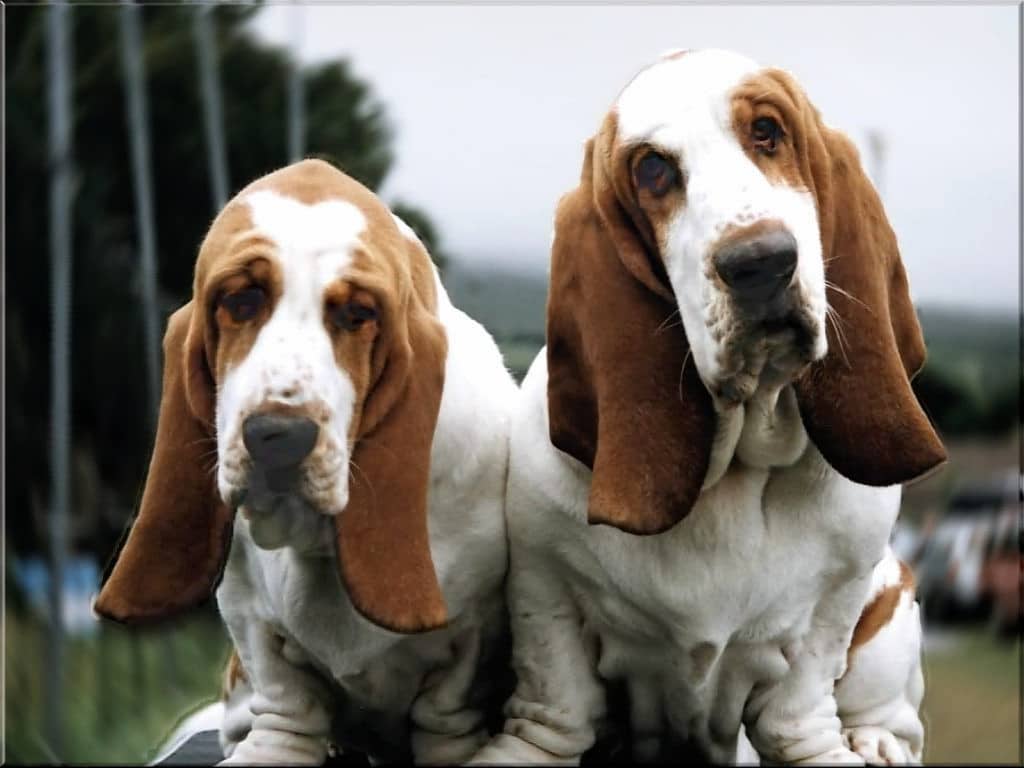
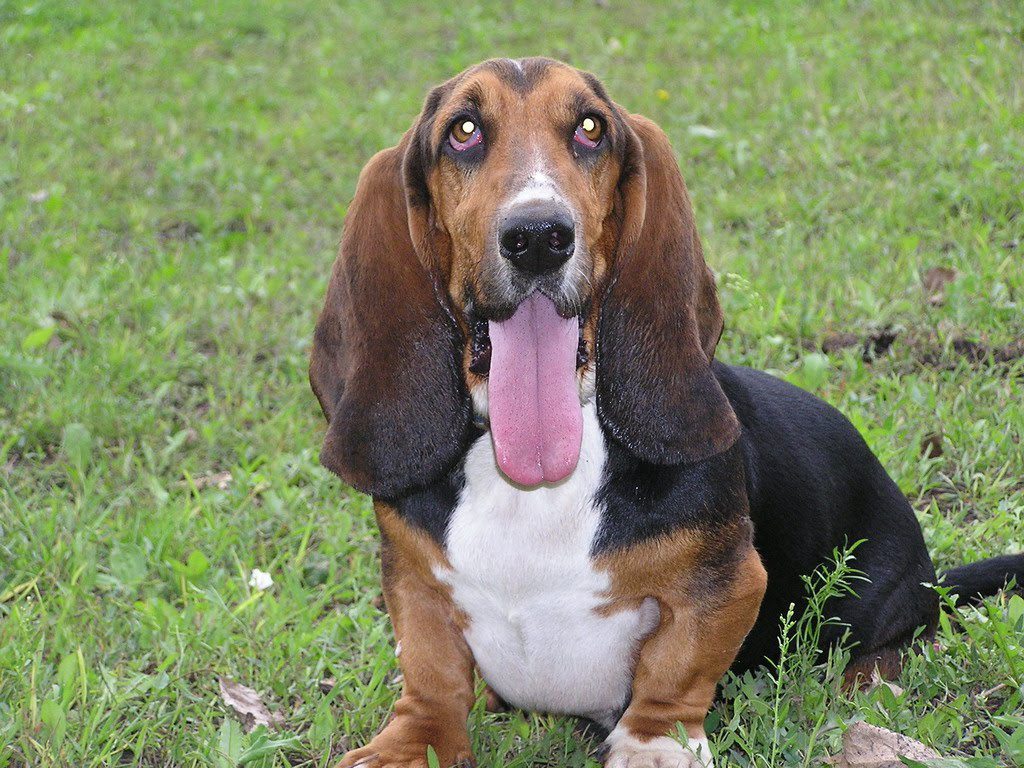
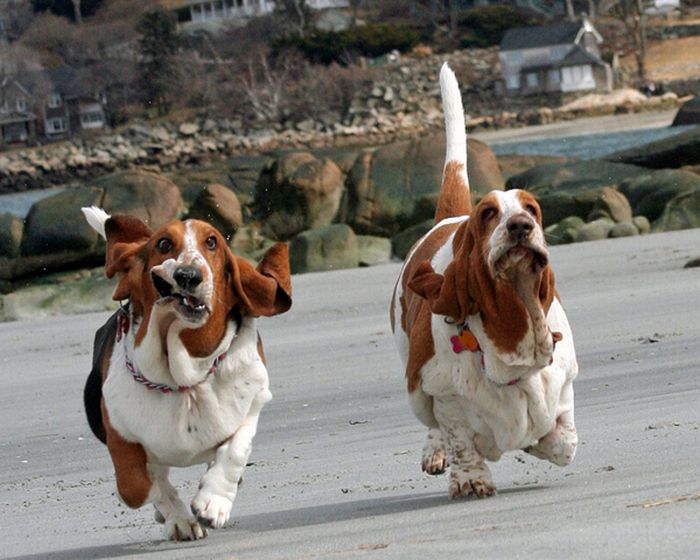
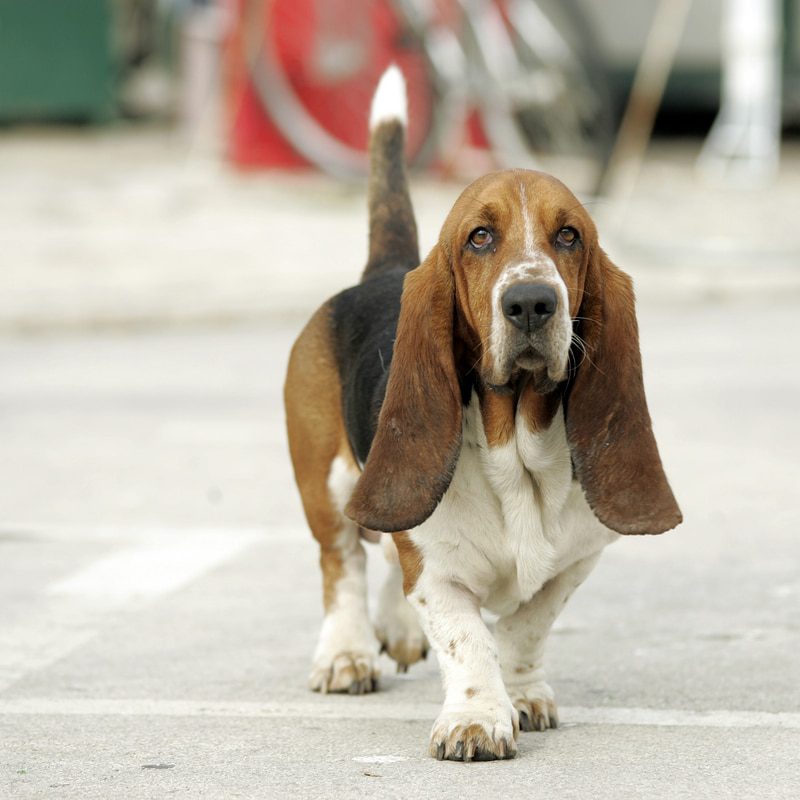
These dogs are around 33 to 38 cm. (on the cross), they have short hair and are generally tricolor (black, honey and white). They also tend to be white with red spots or Red-footed. Some, Although few, they can be gray. They may occasionally leave copies with long hair, although it is not a desirable characteristic according to the breed standard.

They have very long ears (up to the chest), also long neck with much loose skin and wrinkles around your head, This causes that you have a permanently sad. Its tail is long, erect and a curve.

Physical characteristics

"Basset Hound"

His short stature is misleading because they are very long and they can reach things that dogs of similar heights could not.
It has marked degree, features that equip it admirably for tracking through rough terrain. Dog short members, heavier bones, considering its size, than any other breed of dog; and although slow movements, they are in no sense clumsy.

The word Basset It comes from the French "bas" which means low and that is the main characteristic of this breed. The Basset Hound It is a breed of small stature due, fundamentally, their short legs and elongated body. The head is prominent and it highlights a few wrinkled brows (due to the large amount of skin), long floppy ears, a few deep eyes that convey sadness and hanging lips. The skin is flaccid and causes many wrinkles around the body and is covered by a short hair, rough can be of different colors of the Bassets (white, black & Fawn) in any combination.

Character and skills

Low and somewhat plump appearance might suggest it is a lazy dog and something sleazy but this is only an impression, is a loving dog of the year. You need to do plenty of exercise to prevent overweight and arthritis at advanced ages.

A specific care of this breed is the possibility of the development of conjunctivitis due to the loose skin around the eyes. (that leads to contain moisture), should be monitored continuously.

His facial expression promises sadness, fatigue, but a dog very joyful, good and very sociable, She loves children and adapts perfectly to the family environment. As well, despite his physical appearance, is a dog She loves the exercise, Sport and trips. It can be very stubborn, as well, about all dogs...

Nice temperament, never aggressive or shy (only in some cases). It has great strength in the field. extremely faithful.

Basset Hound Education

The stubborn side of Basset Hound requires authoritative parenting. You don't have to wait for him to "pass his youth", since it only matures around 3 years. A constant education, firm and consistent from an early age will make a good companion dog.

In fact, no matter how smart I am, you will know how to make the most of every hesitation. Hence the importance of being consistent and clear in the rules and the rewards that will be given. It shouldn't surprise you that he can turn a deaf ear when you annoy him..

Salud ยซBasset Houndยป

It is known that the Basset Hound Have overweight, so the risk of canine obesity must be taken into account, that can damage your spine.

Being the back a sensitive point of the Basset Hound, it is recommended to avoid obstacles and stairs in your daily life.

It also, the Basset Hound have a predisposition to certain skin conditions:

– atopia;
– dermatitis with malassezia;
– primary seborrhea;
– intertrigo (in the folds of the skin).

Their long ears can also be a complicating factor. In fact, are prone to infections such as scabies in the ear, due to Otodectes cynotis, a microscopic mite that causes itching and pain. This infection is diagnosed by direct examination of the parasite in the ear and then treated by local application of an acaricidal treatment..

Last, the eyes of the Basset Hound, since it is known that the breed has a genetic predisposition that favors the development of primary glaucoma, an eye disease in dogs that impairs the function of the optic nerve. This disease is diagnosed by an ophthalmological exam that measures intraocular pressure, what should a vet do. It is recommended that this examination be performed as soon as possible in the Basset, since the adverse effects of this disease can be reduced if detected early.

Aseo ยซBasset Houndยป

The Basset Hound does not need much coat maintenance. But, the Basset Hound loses hair all the time, so it should be brushed regularly to avoid the accumulation of hair in the house.

It also, their ears often need to be cleaned, as their length makes it particularly easy for dirt to enter them.

Basset Hound pictures

Basset Hound Videos

Type and recognitions:

  • FCI CLASSIFICATION:
  • Group :
  • Section : . .

Federations:

FCI โ“˜, AKC โ“˜, ANKC โ“˜, CKC โ“˜, โ€‹KC โ“˜, NZKC โ“˜, UKC โ“˜

FCI breed standard "Basset Hound"

Origin:
France

Date of publication of the valid original standard:
13.10.2010

Use:

Hunting dog.


General appearance:

It is a short-limbed hound, of considerable substance, well balanced and with countless qualities. It is important to keep in mind that it is a working hound and must be suitable for those purposes., therefore it must be strong, active and have great resistance in the field of work. TEMPERAMENT / BEHAVIOR: It is a tenacious hound of ancient lineage, that hunts by venting its prey and has the instinct of the pack. His voice is deep and melodious. He is gentle and affectionate, never aggressive or shy.


Behavior / temperament:

It is a tenacious hound of ancient lineage, that hunts by venting its prey and has the instinct of the pack. His voice is deep and melodious. He is gentle and affectionate, never aggressive or shy.

Head:

The forehead may have a small amount of wrinkles, as well as the part next to the eyes. In any case, the skin on the head is elastic enough to wrinkle slightly when facing forward or when the dog lowers its head.

Cranial region:

The top of the snout is almost parallel to the top line of the skull and is not much longer than the head., measured from the naso-frontal depression to the occiput.

  • Skull: It is domed in shape and the occipital protuberance is prominent; its width is medium in the region of the eyebrows and decreases slightly to the muzzle.
  • Depression links (Stop): Something marked.

facial region:

  • Truffle: Completely black, except for light colored hounds, where it appears brown or liver. Windows are wide and wide open; the truffle sticks out a little beyond the lips.
  • Snout: The appearance of the muzzle is thin, but it is not pointed.
  • Lips: The flews of the upper lip considerably cover the lower lips.
  • Jaws / Teeth: The jaws are strong, with a perfect bite, regular and full scissor, That is, the upper incisors cover the lower incisors in close contact and are implanted at right angles in the jaws..

Eyes: Rhomboid-shaped, they are neither prominent, or sunk. They are dark, but they can be medium brown in light colored hounds. His expression is calm and serious. Light or yellow eyes are very undesirable.

Ears: Low insertion, just below the eye line. They are long, although not in excess, and extend only slightly beyond the tip of a snout of correct length. They are narrow throughout their length and tightly curled inwards. They are very flexible, fine and smooth texture.

Neck:

He's muscular, well arched, quite long and with a pronounced dewlap, although not in excess.

Body:

Long and deep throughout its length; the withers and the loin are approximately the same height.

  • Back: Rather wide and horizontal. From the withers to the hips the back is not excessively long.
  • Pork loin: May be somewhat arched. Breast : Viewed from the front, the sill adapts perfectly to the curvature of the forearms. The sternum is prominent, but the chest is neither narrow nor too deep. The ribs are well rounded and tight; extend well back, no protruding edges.
  • bottom line, belly: There must be adequate clearance between the lower part of the chest and the floor that allows the dog to move freely over all types of terrain..

Tail:

It is well established and is rather long. It is strong at its root and gradually diminishes. Under the tail rough hairs are observed in moderate quantity. When is the dog moving, tail stands up well and forms a smooth saber-shaped curve, but never kinked or carried too high.

Tips

PREVIOUS MEMBERS:

  • General appearance: Upper forearm slopes inward slightly, but not so much as to impede free movement, nor that the forelimbs touch each other when the dog is standing or in action. Some skin folds may appear on the leg but this should not be excessive in any way.
  • Shoulder: They are not heavy; shoulder blades are well tilted back.
  • Elbows: They are not directed inward or outward; are well attached to the sides of the chest.
  • Forearm: Short limbs, strong with good bones.
  • Carpo: It is highly undesirable for it to be deviated forward.
  • Previous feet: Large, with strong joints and pads. The front feet can be pointed straight forward or slightly brought out, but in any case the dog must stand correctly. Weight falls equally on all fingers and pads, so that the feet leave the imprint of a large hound and the pads touch and completely cover the ground.

LATER MEMBERS:

  • General appearance: They are very well muscular and prominent, imparting an almost spherical appearance, seen from the back. There may be a few folds between the hock, the foot and on the back of the hock joint may appear a slight bag of skin but by no means this should be excessive.
  • Knee: Well angled.
  • Metatarsus: Hocks set low, slightly carried under the body, but they are not oriented neither in nor out when the dog is standing naturally.
  • Hind feet: Large, with strong joints and pads. Weight falls equally on all fingers and pads, so that the feet leave the imprint of a large hound and the pads touch and completely cover the ground.

Movement:

It is important to ensure that the dog can do its job. Movement is smooth and fluid powerful and effortless with front limbs extending well forward and rear limbs, that provide a strong impulse. Movement is free both at the front and at the back. The movement of the hock and knee should not be rigid; fingers should not drag on the ground.

Mantle

SKIN: Soft and stretchy without any exaggeration.

Fur: Smooth, short, and tight, although not too fine. All the outline is clean, no fringes. Long soft hair, fringed, it is highly undesirable.

Color: It is usually white, black and tan (tricolor) or lemon and white (bicolor), but any of the recognized colors on hounds is acceptable.


Size and weight:

Height to the cross: Of 33-38 cm..


Fouls:

Any deviation from the aforementioned criteria is considered a fault and its severity is considered to the degree of deviation from the standard and its consequences on the health and well-being of the dog and the dog's ability to perform its traditional task..

FALTAS DESCALIFICANTES:

  • Aggressiveness or extreme shyness.
  • Any dog โ€‹โ€‹showing clear signs of physical or behavioral abnormalities must be disqualified..


N.B.:
  • Males should have two normal-appearing testicles fully descended into the scrotum..
  • Only functionally and clinically healthy dogs, with the typical conformation of the breed, should be used for parenting.

Source: F.C.I - International Cynological Federation

โ–ท The world of Pets: Dogs, cats, birds, reptiles, amphibians

Billy
Francia FCI 25 - Large-sized Hounds

Billy

The Billy is a used hunting dog live in the open air, in open spaces

Content

History

The Billy, It is a dog from France created at the end of the 19th century from the junction of three races that are now extinct: the Larye, the Cรฉris and the Montembล“uf. In the cross, great care was taken to highlight characteristics such as: good smell, resistance and fast reflexes.

Billy, Historically, was used for the hunting hares horse, wild boar and roe deer. In the news, There are few copies and is appreciated, it is not very common to see them.

The Billy has the exact appearance of the famous white dogs that were part of the packs of the French aristocracy (16th centuries, 17TH and 17TH). History tells that King Charles IX of France (1550-1574) he had a white female he loved more than his own life. When the dog died, He forced the Court to go into mourning.

Read more

โ–ท The world of Pets: Dogs, cats, birds, reptiles, amphibians

Posavac Hound
Croacia FCI 154 . Medium-sized Hounds

Posavac Hound

The Posavac Hound was registered in 1955 under the name "Kras Basin Hound"

Content

History

It is an ancient breed of running dog, originally from Croatia, whose origin is lost in the dark prehistory. The frescoes (1474, Chapel of Our Lady in Beram, near Pazin), the Chronicles (1719, Bishop Bakic of Djakovo, 1859 the vet Franjo Bertic also from Djakovo) and the books (Joze Kristen) bear witness to it.

The Posavac Hound They were bought in Croatia under the name ยซboskiniยป and were highly appreciated in neighboring areas. In 1924 this breed was presented for the first time at a dog show. The first entries in the Croatian pedigree book date back to 1929 and the FCI recognized this breed in 1955. The first standard with the correct name of the breed dates back to 1969; underlines the origin of the race in the wide and dense valley of the River Sava in the southeast of Zagreb.

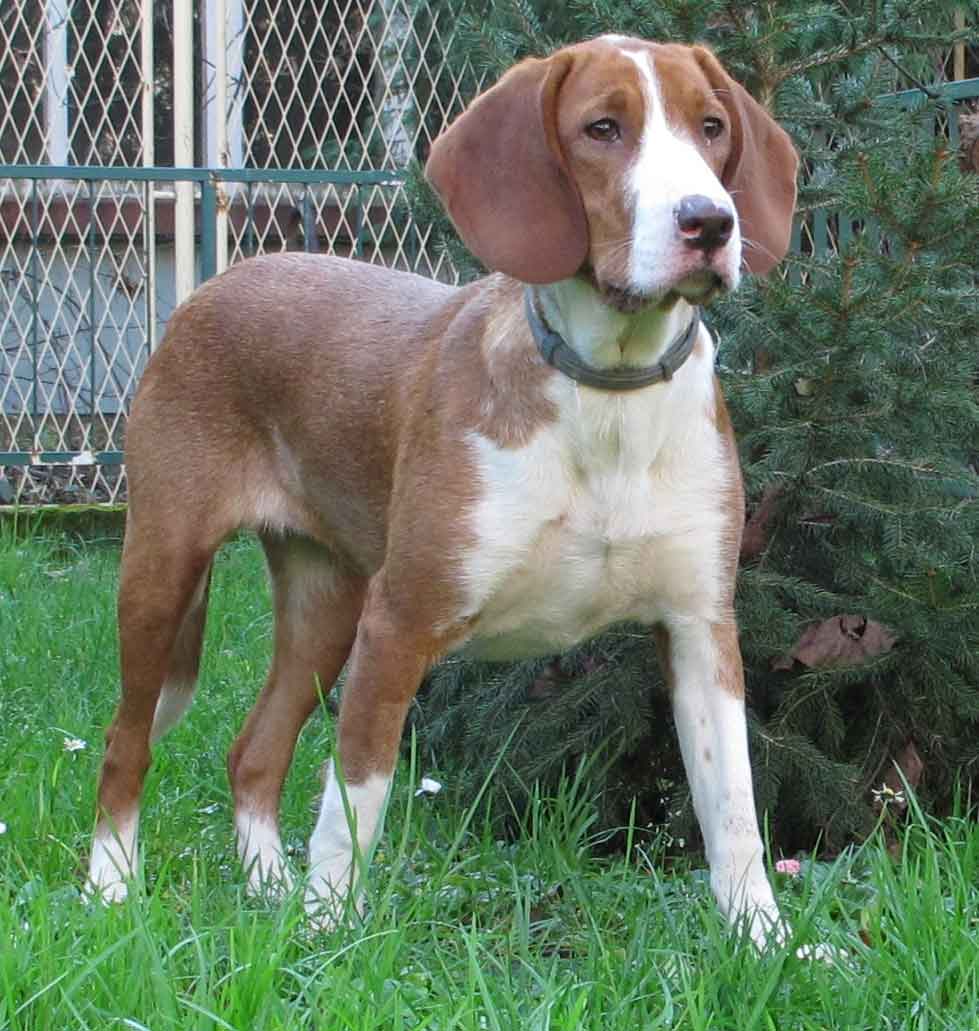
Photos: Cropped image of young Posavac hound female by Strojovodjazg, CC BY-SA 4.0, via Wikimedia Commons

Physical characteristics ยซSave Valley Houndยป

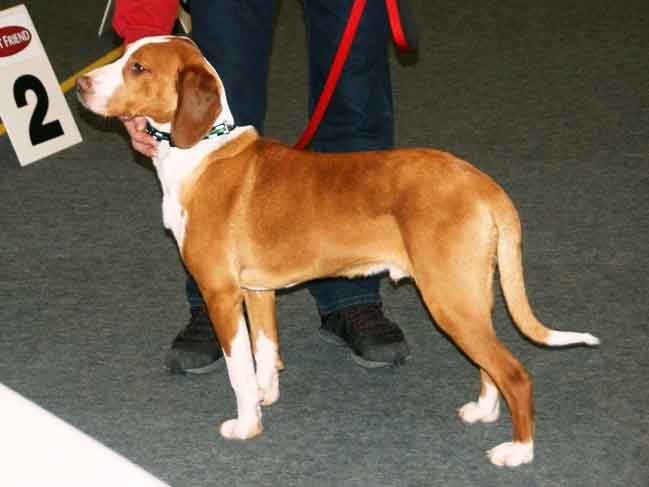
One Posavac Hound can weigh up to 20 kg and measure around 58 height cm. This Croatian dog is of strong constitution and of medium body proportions. His fur is typically red., reddish or wheat-colored. White markings appear on the head area, the neck, the chest, the lower part of the limbs and the end of the tail. The hair itself has between 2-3 cm long, rigid and dense in nature, and always very lying. On the backs of the limbs, as well as on the underside of the belly and tail, hair gets slightly longer.

Character and abilities ยซSave Valley Houndยป

The Posavac Hound is prized as an extremely hardy hound dog, specialized in hunting hares and foxes. His constitution is perfectly adapted to the conditions of his native region, the vast forests of the Savetal. Here you can find areas of difficult access and a lot of undergrowth, lands that are suitable for Posavac Hound with his height.

This dog is very loyal and affectionate with his master. He is a passionate hunter with a moderately lively temperament.

Care and maintenance of the โ€œSave Valley Houndโ€

Posavac Hound small
Posavac Hound small

It is enough to brush it once a month to maintain the beauty and protective properties of its coat.

Loss of hair

Hair loss is moderate.

Nutrition of the โ€œSave Valley Houndโ€

The daily rations of the croatian: posavski goniร„ย, as it's also called, must adapt to your daily life. This is especially true for hunting season.

One meal a day is enough for him.. It is better to give it to him at night so that he does not work on a full stomach. This reduces the risk of stomach disorders.

Videos "Posavac Hound"

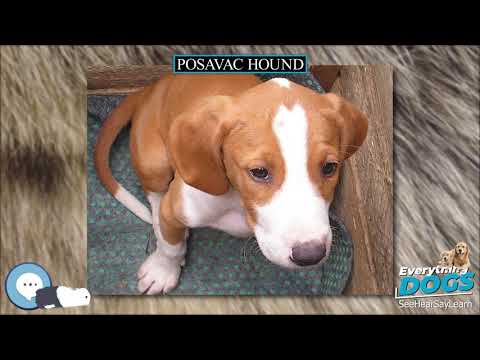
Posavac Hound ๐Ÿถ๐Ÿพ Everything Dog Breeds ๐Ÿพ๐Ÿถ
Posavac Hound ?? Everything Dog Breeds ??
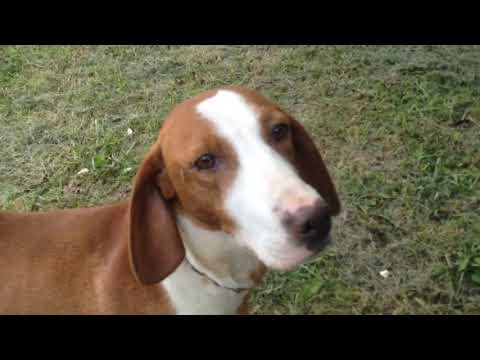
Posavski gonic (mala)

Type and recognitions:

  • FCI CLASSIFICATION:
  • Group :
  • Section : . .

Federations:

  • – FCI – Group 6: Scent hounds, and related breeds. – Section 1.2: Medium-sized Hounds. โ“˜
  • – UKC – Scenthound Group โ“˜
  • – Croatian Kennel Club

FCI breed standard "Posavac Hound"

Origin:
Croatia

Date of publication of the valid original standard:
03.11.2014

Use:

It is a hound with excellent resistance, especially suitable for hare hunting, the Fox, the boar, but can also be used as a trail dog.


General appearance:

Strong Hound Build, medium-sized dog with harmonious movements. Its characteristic reddish wheat color comes in all its shades.. White markings are found on the head, in the neck, on the forechest and on the chest, in the womb, on the lower parts of the limbs and on the tip of the tail. The difference between both sexes must be well marked.

important proportions

  • rectangular body, the length of the body exceeds the height at the withers.
  • The height to the elbow is approximately 50 % the height at the withers.
  • The length of the skull slightly exceeds that of the snout.


Behavior / temperament:

This breed is easily trained. It is a universal hound with a clear and melodic voice suitable for hunting in any area.. Docile, He is not nervous or aggressive, moderately lively temperament. Very attached to his master.

Head:

---

Cranial region:
  • Head: The head is well-proportioned to the body. It has slightly divergent lines.
  • Skull: Slightly longer than the snout, the widest part is the area between the ears. The temporal zone is slightly arched. The width of the skull exceeds its depth. The occipital protuberance and frontal sulcus are slightly marked.

facial region:

  • Truffle: Strong, with wide open nostrils. The entire nose and the inside of the nostrils should be black or dark brown..
  • Snout: Strong, square and full, somewhat shorter than the skull, gradually tapers from the naso-frontal depression to the nose, without being too pointy.
  • Belfos: Medium thick, well adjusted to the jaw, the lip corner is not visible. The pigmentation of the lips is completely in accordance with the color of the truffle.
  • Nasal bridge: The nasal cannula is straight or slightly convex (slightly fleshy nose).
  • Jaws / Teeth: The jaws are strong and well developed, the teeth are white and arranged in the jaw in a regular way. Scissor-shaped denture; the incisors are inserted into the jaws vertically. It is desirable that the denture be complete (42 teeth in accordance with the dental formula). The lack of premolars PM1 and molars M3 is not taken into consideration. It is not desirable for other teeth to be missing.
  • Cheeks: The chewing muscles and the zygomatic bone should not be too marked.

Eyes: Medium-sized, moderately separated, placed on the semi-front part with an angle of between 10 and 15 degrees with respect to the horizontal line. Oval in shape and dark brown in color; smart expression. The eyelids should not be sagging or show signs of entropion or ectropion.. The pigmentation of the edge of the eyelids must be completely in accordance with the color of the nose.

Ears: Pendants, fall close to the head, inserted at eye level. The ear is triangular in shape with a rounded tip., of medium length and thickness. When stretched forward they should reach the corner of the mouth.. The ears should not have folds, be curled or protrude. They are covered with short hair.

Neck:

Strong, well muscled and at an angle 45 degrees with respect to the horizontal line. It narrows towards the head. The skin is tight, without double chin or very marked folds.

Body:

  • Generality: The body must be strong.
  • Cross: Marked.
  • Back: Strong, well muscled, straight.
  • Pork loin: Of average length, width, good muscular, strong and well attached to the rump.
  • Rump: Well musculada, strong, flat and inclined at an angle between 25 and 30 degrees with respect to the horizontal line. Something lower than the cross.
  • Breast : Deep, wide but not too wide or barrel-shaped. The rib cage should reach to the elbow.
  • Ribs: Ribs well arched.
  • bottom line: Bottom line with slight retraction, from sternum to flanks.

Tail:

Inserted in the extension of the rump line. Strong in insertion, It gradually tapers towards the tip and is of medium length. If you stretch down, reaches at most to the hock. Saber-shaped with carriage below the top line. A higher tail is tolerated when the dog is in action.. The tail is well covered with hair, slightly longer at the bottom, preferably as small brushes.

Tips

Former members

  • Generality: Seen from the front, The forelimbs must be well proportioned with respect to the body and have regular angles..
  • Shoulder: Of average length, muscular. The shoulder angle is between 115 and 120 degrees.
  • Elbow: Well attached to the body.
  • Forearm: Strong, rounded bones with strong muscle tone. Parallels seen from the front.
  • Carpo: Short and elastic.
  • Metacarpus: Elastic, slightly inclined.
  • Front feet: Oval, with fingers together and strong pads. Nails should preferably be pigmented.

Later members

  • Generality: Strong and elastic in movement.
  • Thigh: Strong, wide and muscular.
  • Leg: They form an angle of about 40 degrees with respect to the horizontal line.
  • Knee: It is wide.
  • Metatarsus: Almost vertical with respect to the ground, firm and elastic.
  • Hock: Strong and firm.
  • Rear feet: Oval, with fingers together and strong pads. Nails should preferably be pigmented.

Movement:

Reach is essential, with good push. The movement must be harmonious, no sudden movements. The ideal is that the top line moves as little as possible and that the feet do not cross.

Mantle

Skin: Elastic, รโ€รยต medium thickness, adheres well to the entire body, without wrinkles.

Fur: The hair is hard, thick, shiny and should be very close to the body. It has a length of between 2 and 3 cm.. The hair is a little longer on the back of the thighs (until 4 cm.), on the belly and under the tail, where it is preferred to form the so-called "brushes".

Color: The base color is reddish wheat in all its shades., with white marks on the head, in the neck, in the backsplash, on the chest, in the womb, on the lower parts of the limbs and on the tip of the tail. They are never dark brown or chocolate, since they are not allowed. The total surface area of โ€‹โ€‹the white spots cannot exceed more than one third of the total surface area of โ€‹โ€‹the body. The white color must be clear and not have splashes of the base color..

The characteristic white spots are located on :

- Head, in the form of a running cord or a strip (no white on the ears).
- The neck, as a necklace (complete or partial) or strip-shaped.
โ€“ On the parapet, as narrower or wider white surface.
- In the womb, a white strip.
โ€“ In the extremities, white surface on paws; also sock-shaped on the pasterns.
- In the queue, like a white tip.

It is desirable that all the white markings be in the indicated points and that they be distributed symmetrically on the dog's body.. The absence of white marks in the indicated points is considered a fault. White marks cannot appear on other parts of the body.


Size and weight:

Height to the cross

  • For males: 50 cm-56 cm.
  • for females: 47 cm-53 cm.

A difference of +/- 2 cm in males and females of exceptional type and conformation.


Fouls:

Any deviation from the above mentioned criteria is considered to lack, and the severity of this is considered the degree of deviation from the standard and its consequences on the health and well-being of the dog and the dog's ability to perform its traditional task.

disqualifying fouls:

โ€“ Aggressiveness or extreme shyness.
โ€“ Converging head lines.
โ€“ Muzzle longer than the skull.
โ€“ Atypically short snout.
- Superior or inferior prognathism, twisted bite.
- Blue eyes.
โ€“ Truffle, completely depigmented eyelids or lips.
โ€“ Body length less than the height at the withers.
โ€“ Dog with short limbs, of Achondroplastic type.
โ€“ Curled or deviated tail curved on one side.
โ€“ Body hair over 5 cm length.
โ€“ Dog of a single color (solid), absence of white spots.
โ€“ Gray or black spots on the body, presence of a third color.
โ€“ White spots splashed with the base color.
โ€“ Size above or below the norms established by the standard.


N.B.:

โ€ข Any dog โ€‹โ€‹showing clear signs of physical or behavioral abnormalities should be disqualified..
โ€ข The aforementioned fouls that are more pronounced or more marked are eliminatory..
โ€ข Males must have two normal-appearing testicles fully descended into the scrotum..
โ€ข Only functionally and clinically healthy dogs, with the typical conformation of the breed, should be used for parenting.

Source: F.C.I - International Cynological Federation

Alternative names:

1. Croatian: posavski goniฤ (English).
2. Chien courant de Posavatz, chien courant du bassin de Kras (French).
3. Huidige hond van de Save Vallei, Posavski Goniฤ, Save-Bracke, Savetalbracke (German).
4. Em croata: Posavski gonic (Portuguese).
5. Sabueso de Posavaz (espaรฑol).

โ–ท The world of Pets: Dogs, cats, birds, reptiles, amphibians

Hygen Hound
Noruega FCI 266 - Medium-sized Hounds

Hygen Hound

The spread of Hygen Hound it is very limited even in Norway; outside the country it is practically unknown.

Content

History

The Hygen Hound originated in Norway in the 19th century. It owes its name to its creator Hans Fredrik Hygen, that he wanted a brave and robust dog that could hunt even in the harsh climates of the north. So he decided to cross Swiss and German dogs with local dogs. The Hygen Hound has had a rocky history as the breed all but disappeared in the 1990s 1970 without the intervention of a few passionate breeders. In the Decade of 2000, these breeders made genetic improvements by crossing with the Finnish Hound. Today, the Hygen Hound it is quite rare even in his homeland.

Photo: Norwegian dog breed hygenhound. Tosstjรธnna’s Nala by Bjรธrn Konestabo, CC BY-SA 3.0, via Wikimedia Commons

Physical characteristics ยซHygen Houndยป

The Hygen Hound has a robust and solid gait and a body inscribed in a triangle. Medium-sized, measured between 50 and 58 cm if it is a male and between 47 and 55 cm if it is a female for a weight of about 22 kg according to sex, size and age.

The Hygen, as it is also nicknamed, stands out for its head of average length and size, that is wedge-shaped and marked width without being excessively heavy. The skull is slightly domed and the stop is accentuated. The eyes express both calm and seriousness. They are medium in size and show dark brown tones. The ears are of medium length and width, taper at the tips and set at a medium height. Fall while spreading and do not stick to the cheeks.

The Hygen Hound they have rough fur, straight, short, bright and dense. The coat is available in three colors: white with yellow-red markings / brown or black and tan, black and tan with white markings or red-yellow or red-brown with or without white markings and charcoal on the back, head and tail attachment.

Character and abilities ยซHygen Houndยป

The Hygen Hound It is a race linked to its social group that is both protective, Gentile, balanced and versatile. Although they specialize in hunting activities, nothing prevents them from being adopted as pets, as long as the exercise is given, the necessary care and education. The worst tolerated punishment is inactivity. He also does not like to be alone despite his slightly independent nature.. To be happy, prefers open spaces over closed ones.

Characteristics "Hygen Hound"

Coexistence is important that you have with your new friend. Before considering the acquisition of a dog of the breed "Hygen Hound" you know certain factors. Not all breeds of dogs are apt to live in an apartment, you must take into account his character, their need for exercise, their interaction with other pets, their care and if you have small children, their level of tolerance towards them.

Adaptation โ“˜

4,0 of 5 stars (based on 1 review)

friendly dog โ€‹โ€‹โ“˜

4,0 of 5 stars (based on 1 review)

hair loss โ“˜

5,0 of 5 stars (based on 1 review)

Affection level โ“˜

4,0 of 5 stars (based on 1 review)

Need for exercise โ“˜

5,0 of 5 stars (based on 1 review)

Social need โ“˜

3,0 of 5 stars (based on 1 review)

Home โ“˜

4,0 of 5 stars (based on 1 review)

Toilet โ“˜

2,0 of 5 stars (based on 1 review)

Friendly with strangers โ“˜

4,0 of 5 stars (based on 1 review)

barking โ“˜

5,0 of 5 stars (based on 1 review)

Health โ“˜

5,0 of 5 stars (based on 1 review)

Territorial โ“˜

3,0 of 5 stars (based on 1 review)

Cat friendly โ“˜

2,0 of 5 stars (based on 1 review)

Intelligence โ“˜

4,0 of 5 stars (based on 1 review)

Versatility โ“˜

3,0 of 5 stars (based on 1 review)

Child friendly โ“˜

5,0 of 5 stars (based on 1 review)

Surveillance โ“˜

3,0 of 5 stars (based on 1 review)

joy โ“˜

5,0 of 5 stars (based on 1 review)

Videos "Hygen Hound"

Training Milli 130118
Video Credits: Rolf Hestetreet
Hygenhund Dog breed
Hygenhund Dog breed

Type and recognitions:

  • FCI CLASSIFICATION:
  • Group :
  • Section : . .

Federations:

  • – FCI – Group 6: Scent hounds, and related breeds. – Section 1.2: Medium-sized Hounds. โ“˜

    • FCI breed standard "Hygen Hound"

      Origin:
      Norway

      Date of publication of the valid original standard:
      09.08.1999.

      Use:

      Hound


      General appearance:

      Medium-sized, solid and compact, rectangular, with firm top line.


      Behavior / temperament:

      ---

      Head:

      Medium in size and moderately wide, but not heavy. Of a medium length, something wedge shaped, but not pointy.

      Cranial region:
      • Skull: Slightly domed, be seen from the front or from the side. The occipital bone is barely visible.
      • Depression links (Stop): Marked.

      facial region:

      Truffle: black.
      Snout: Cleansed, wide and deep, rather short than long. Straight nose cane. Side view, the front of the muzzle should be rounded, not square.
      Lips: Clean, no pendulosos, falling evenly towards the corner of the lips.
      Jaws / Teeth: Scissor bite.
      Cheeks: Clean and flattened.
      Eyes: Dark brown in color, medium-sized, not bulging. Serious and calm expression. The conjunctiva is not visible.
      Ears: Middle insert, neither wide nor long, thinning and rounded at its tip. Thin and smooth, are not glued to the cheeks, but they are somewhat separate. They are directed forward, do not reach more than half the distance to the truffle.

      Neck:

      Of average length, strong, without too much loose skin.

      Body:

      Back: Straight and strong.
      Pork loin: Strong and muscular.
      Rump: Long, wide and slightly rounded.
      Breast : Medium width, long, deep and spacious throughout its length. The last ribs must be particularly well developed, giving the thorax an appearance of length. The depth of the chest corresponds to half the height at the withers.
      Belly: Very little withdrawn.

      Tail:

      When inserted it follows the line of the back. Strong at its roots, thinning towards the limb. It is worn straight or slightly bent up; reaches up to the hocks.

      Tips

      PREVIOUS MEMBERS
       
      As a whole: Clean, solid and tendinous, but not heavy.
      Shoulder: Oblique shoulder blades, well angulated shoulder joint.
      Elbows: Well angled.
      Metacarpus: Widths, rather short than long, slightly inclined.
      Front feet: High; fingers well arched and close together, directed forward. Firm and strong pads. Between fingers and pads well covered with hair.
       
      LATER MEMBERS
       
      Thigh: Wide and muscular.
      Knee: Well angled.
      Leg: Long.
      Hock: Well angled, wide and clean.
      Metatarsus: Short, wide and slightly oblique.
      Rear feet: As the front. Rams are allowed, but double dewclaws are undesirable.

      Movement:

      Libre, parallel viewed from the front or back, with good scope. In movement the rear members are not closed in the shape of a cow and the front members do not execute a lateral-circular movement..

      Mantle

      HAIR: Straight and preferably rather rough to the touch, dense, bright and not too short. The back of the thighs and the tail may have a little more abundant hair, but without exaggeration.
       
      COLOR:
      • Red-brown or yellow-reddish, often shaded black on the head, the back and at the root of the tail, with or without white spots.
      • black and tan, usually combined with white spots.
      • White and mottled with reddish-brown or yellow-reddish spots, or with black and tan spots.
      • All these different colors must be clearly delineated from each other.


      Size and weight:

      Height to the cross:

      • For males : 50-58 cm., ideal height 54 cm..
      • for females : 47-55 cm., ideal height 51 cm..


      Fouls:

      Any deviation from the aforementioned criteria is considered as a fault and the severity of this is considered to the degree of the deviation to the standard and its consequences on the health and well-being of the dog..
       
      ELIMINATING FAULT
      • Aggressiveness.
      Any dog โ€‹โ€‹showing clear signs of physical or behavioral abnormalities must be disqualified..


      N.B.:

      Males should have two normal-appearing testicles fully descended into the scrotum..

      Source: F.C.I - International Cynological Federation

      Alternative names:

      1. Hygenhund (English).
      2. Hygen (French).
      3. Hygenbracke, Hygenlaufhund, Hygenhund (German).
      4. (Em sueco: hygenhund) (Portuguese).
      5. (En sueco: hygenhund) (espaรฑol).

โ–ท The world of Pets: Dogs, cats, birds, reptiles, amphibians

Petit Basset Griffon Vendรฉen
Francia FCI 67 . Small-sized Hounds
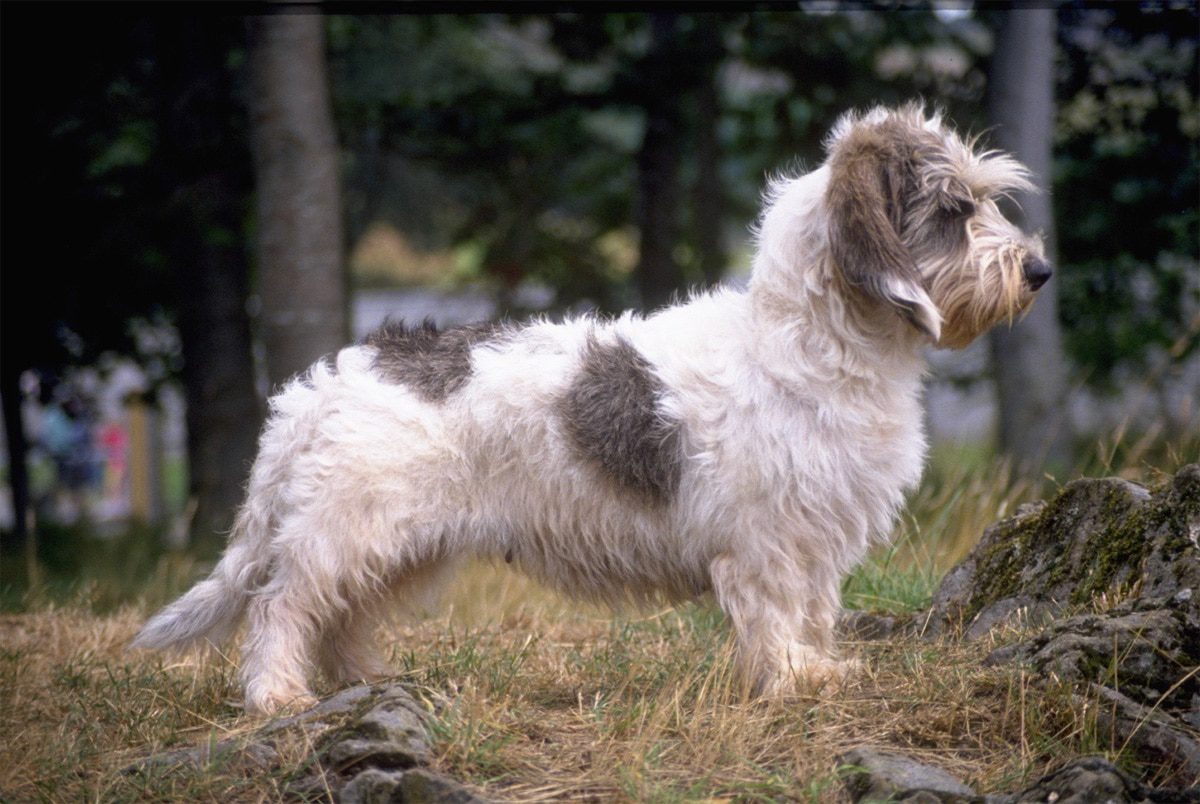
Basset Grifรณn Vandeano pequeรฑo

The Petit Basset Griffon Vendรฉen is a very strong race.

Content

History

The Petit Basset Griffon Vendรฉen It is a small size hunting dog (Petit), under (basset), hard hair (griffon) of French origin (in the region of the Vendรฉe), mainly used for hunting rabbits with his great sense of smell.
It was developed from the Grand Basset Griffon Vendรฉen, larger copy, heavy and long.

In the past, often to raise both races together. In 1975 are prohibited from crossing them, although puppies with characteristics of both breeds could still be born in the same litter. In France, It was a popular hunting dog for nearly a century (origin s. 16TH); However, the breed is relatively new in other regions.

Physical characteristics

Medium-sized, its height varies between the 33 and 38 cm and his weight between the 16 and 20 kg.
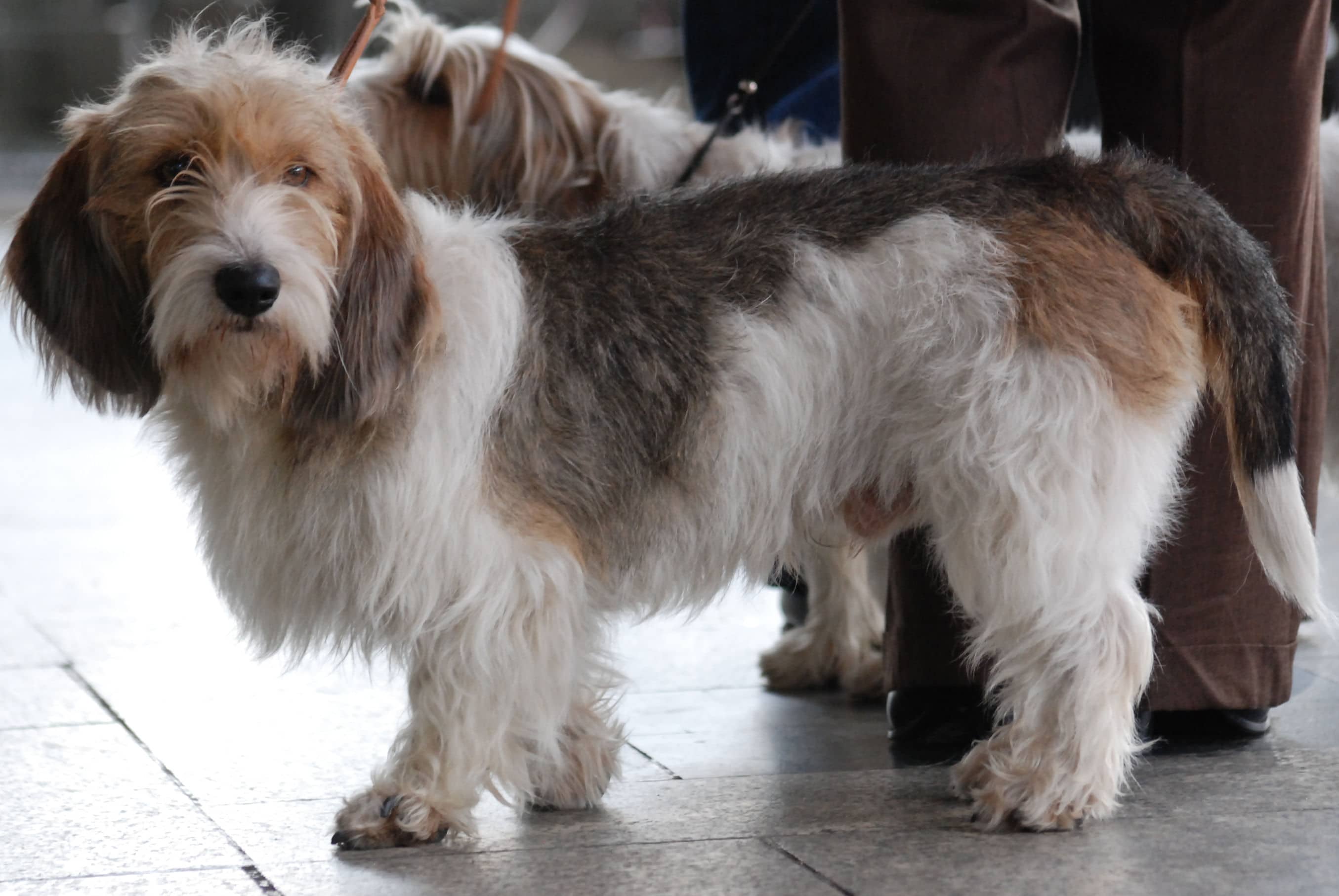
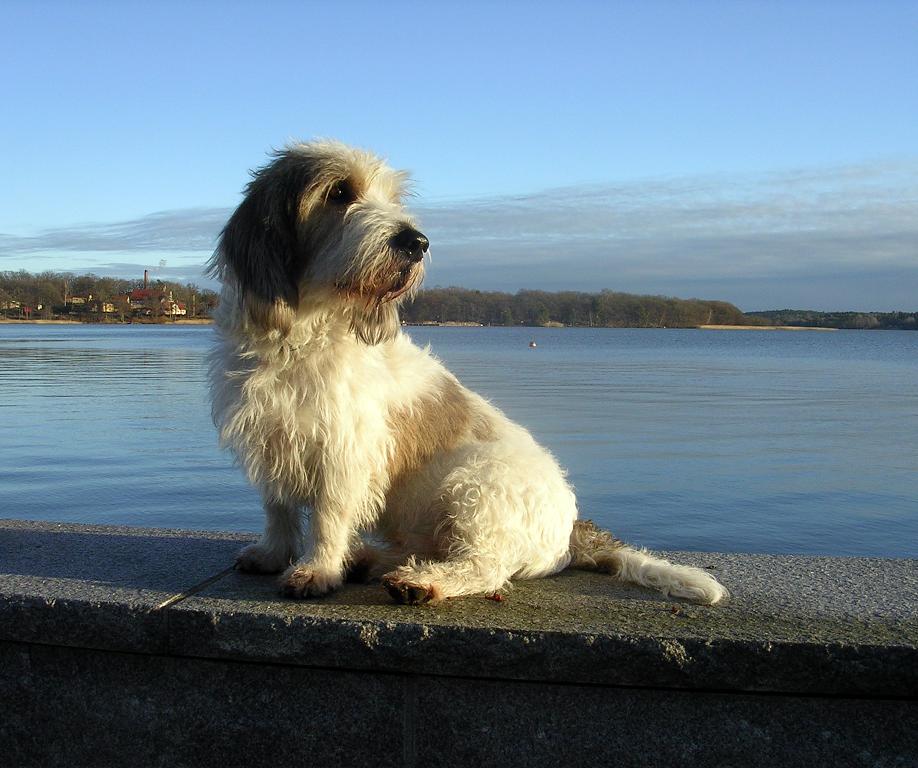
It is a small dog, rustic. Its aspect is neglected and natural. It has hard and rough hair with eyebrows, beard and whiskers woolly. White base, with black spots, Orange or grey.

Is well proportioned and is approximately a 50% longer than high. Wide tail at base, decreasing towards the tip thickness. It keeps it erect. Their ears are covered with hair; they are long but fail to reach the tip of the nose. Large nostrils. Its back is straight and slightly arched over the lumbar area.

It has large fame of Digger, jumper and escape expert, so you have to keep it in a safe enclosure.
Usually, is happy, friendly and always busy in their explorations. He is intelligent and can be stubborn. It's funny and has many security. Jealous and playful. Pretty crook.

Character and skills

He is good with children and quite friendly with strangers and although his obstinacy, it is a bit difficult to train, is not especially dependent or independent. Their dominance is moderate.

He is good with other dogs, but by his hunting instinct, It is not reliable with other pets. Being of small size, has a very loud bark, and tends to the howl.

Very strong race; serious genetic diseases are not known. prone to ear infections. Times, allergies have been given to insecticides.

It has hard hair and moved it very little, Although it needs a cleaning and brushing regularly to avoid entanglements.
It requires moderate exercise, being a good companion to run. At home he is very active and can only live in an apartment if he is sufficiently exercised.

As open space, a small garden is enough. Adaptable to most climates, prefer the coldest. Itร‚ยดs suitable for novice owners. Care properly has an average life of 10 to 14 years.

Petit Basset Griffon Vendรฉen pictures

Videos Basset Grifรณn Vandeano small

Alternative names:

– Petit basset griffon vendรฉen / Kleiner basset griffon vendรฉen / small basset griffon vendรฉen

Type and recognitions:

  • FCI CLASSIFICATION:
  • Group :
  • Section : . .

Federations:

  • FCI โ“˜
  • AKC โ“˜
  • ANKC โ“˜
  • CKC โ“˜
  • โ€‹KC โ“˜
  • NZKC โ“˜
  • UKC โ“˜

  • FCI breed standard Petit Basset Griffon Vendรฉen

    FCIFCI - Petit Basset Griffon Vendรฉen
    Basset

    โ–ท The world of Pets: Dogs, cats, birds, reptiles, amphibians

    Black and tan coonhound
    Estados Unidos FCI 300 - Large-sized Hounds

    Perro negro y fuego para la caza del mapache

    The Black and tan coonhound they are very vocal and ladradores and, they tend to howl frequently.

    Content

    History

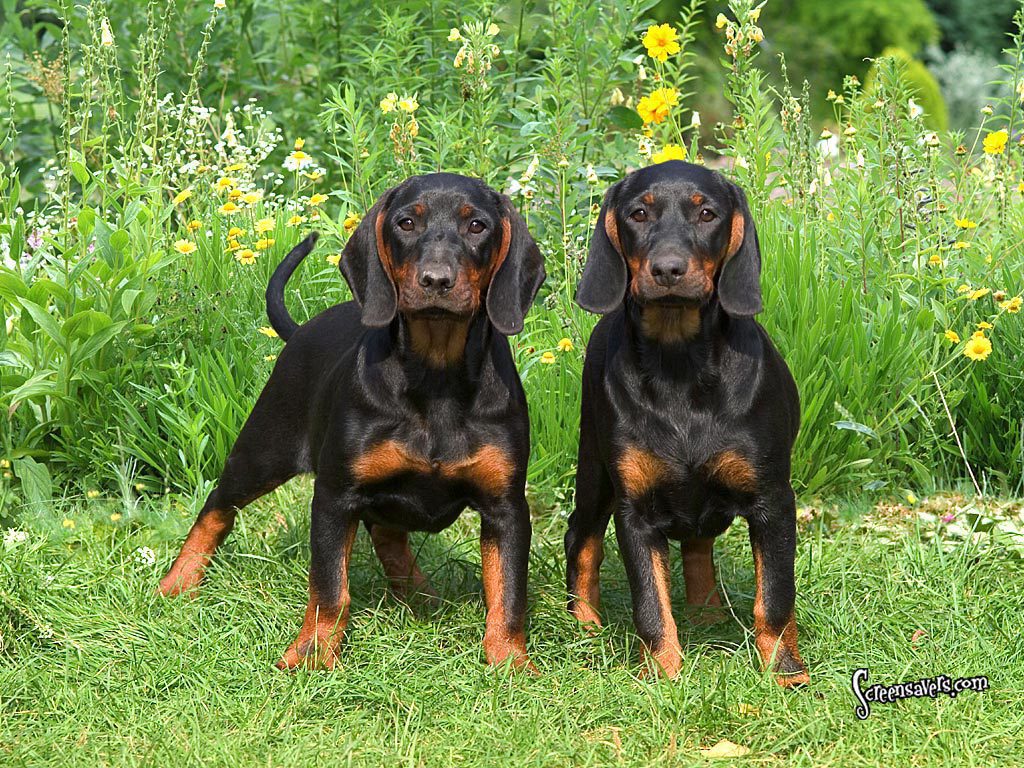
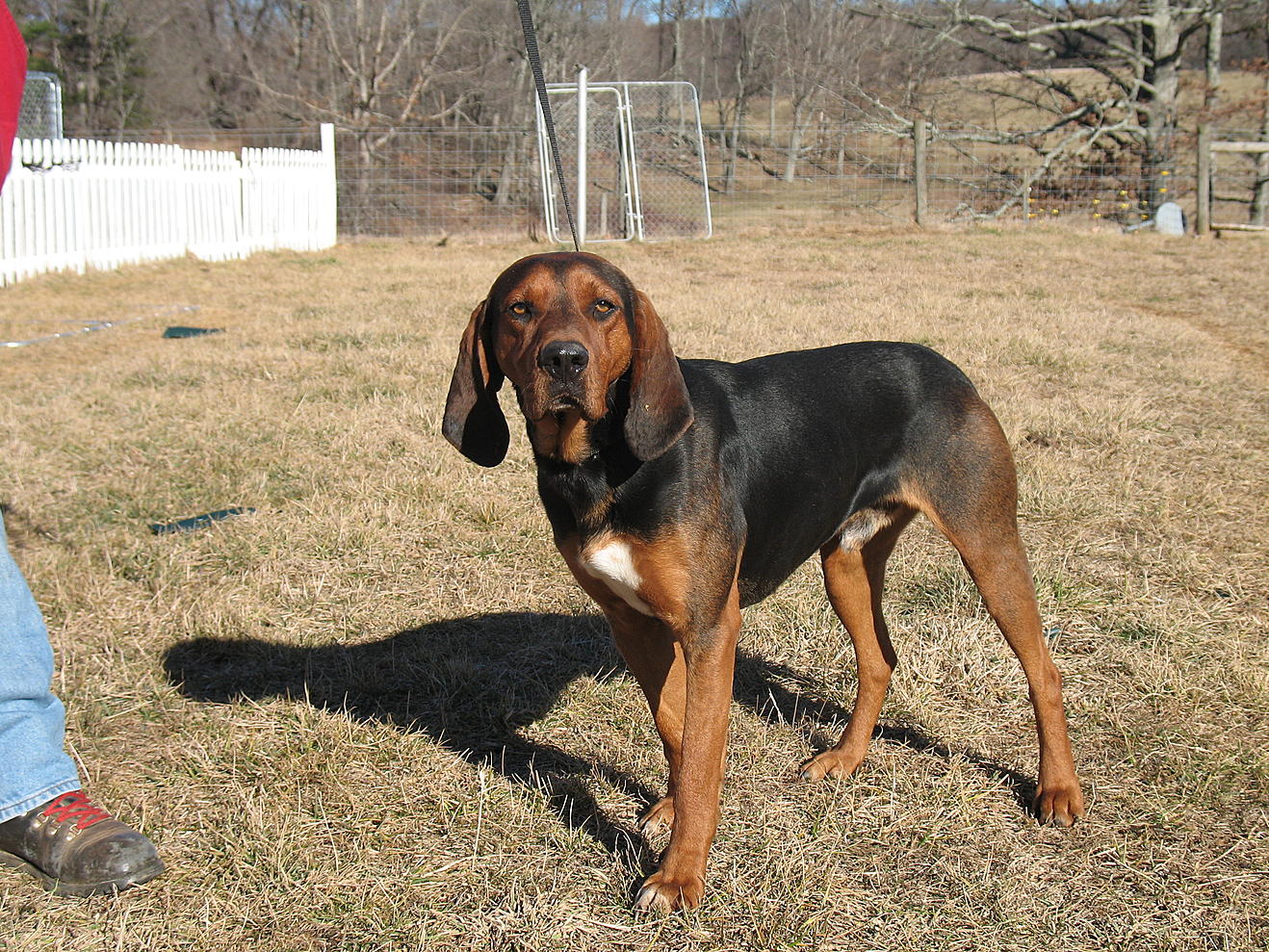
    The black and tan dog for raccoon hunting is a breed of dog used especially to track raccoons. It is a cross between Bloodhound and the Black and Tan Virginia Foxhound (ยซBlack fox hunter and virginia fireยป).

    The Black and tan coonhound It is one of the oldest breeds that exist in America. It is considered that its origin is in the old packs of Fox Hound Cross with Bloodhound they were imported from England in the 17TH century.

    The Black and tan coonhound is a descendant of dog Talbot (extinct race), It was in medieval England from the 11th century. His ancestry is, years. At that time, drawn through the Bloodhound and the Black and Tan Virginia Foxhound.

    The Black and tan coonhound it is the only one of the six races of the group โ€œCoonhoundโ€ (hunting dog breed belonging to hounds) officially recognized by the American Kennel Club.

    In 1945 the Black and tan coonhound was recognized by the American Kennel Club.

    The Redbone Coonhound and the Plott Hound since then they have been recognized in the miscellaneous class. The other three varieties of Coonhound are the Bluetick Coonhound, the American English Coonhound, and the Treeing Walker Coonhound.

    Physical characteristics

    The standard of the Black and tan coonhound mark that your weight is 29 to 59 Kg. Y, the height at the cross of 58 to 69 cm..
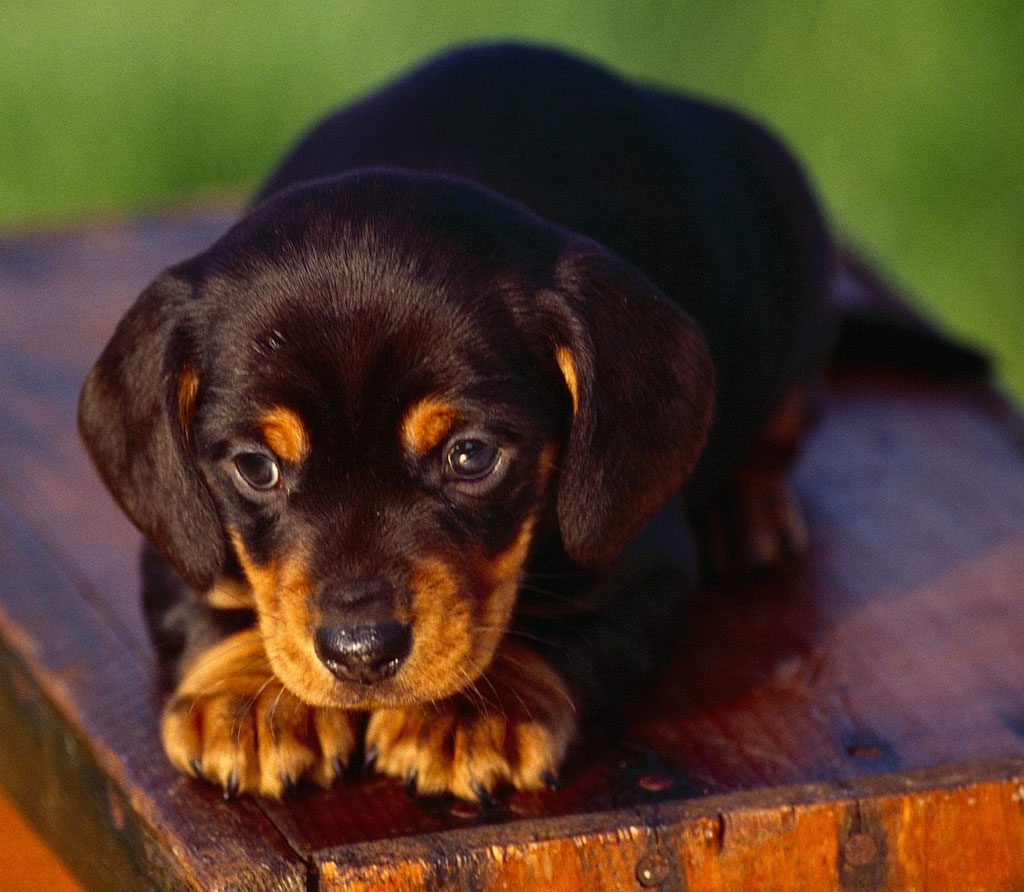
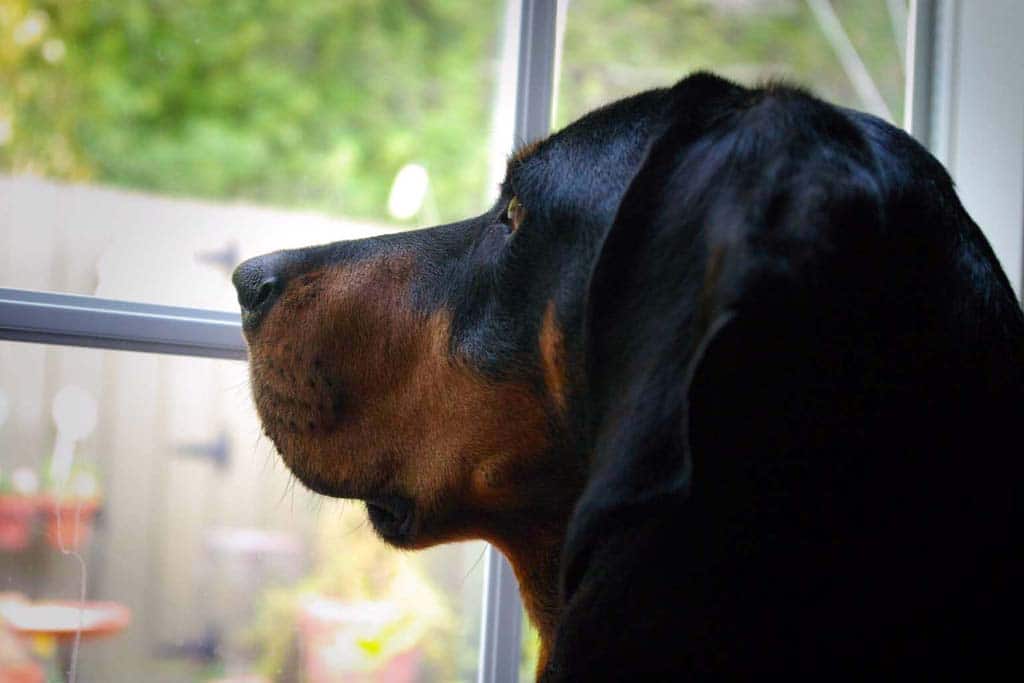
    Its pelage is short, dense and glossy. Their brand of black colour and fire are similar to the Dobermann and the Rottweiler, but with key differences that, It doesn't help to distinguish it from other races. The most prominent are the ears and long tails, and his strong bark, like no other. The eyes are Hazel color, throwing more dark in some cases.

    The legs are long in proportion to the length of the body, that is very muscular and thin, males tend to be more bony than females.

    The size of the litter of a Black and Tan Coonhound dog round the 8 Puppies. Y, the life expectancy of this breed is of 10 to 12 years.

    Generally healthy, but there is some risk of the Hip Dysplasia, ear cancer and other ear infections and eye problems.

    Character and skills

    The Black and tan coonhound achieves its objective by guiding itself only by smell, What makes it also efficient to find deer, bears, Pumas and other pieces of hunting, although in many countries this type of hunting with dogs is restricted.

    The general impression is the of the power, agility and alertness, with the ability to quickly drop to the ground and move down with powerful rhythmic strides. It also, every dog has his own voice, recognisable for their owners from a great distance.

    The Black and tan coonhound he is a gentle dog, adaptable and worthy to be loved. While adapt very well to different environments of life, This dog will be very happy when you can do the work for which has been raised.

    Thanks to its amazing sense of smell, is a dog that easily distracted, he is obedient but if any trail crosses his path he will go after himโ€ฆ Reason why, they are dogs that require a constant and patient training.

    Although most of the Black and tan coonhound they are dogs trust, balanced and sweet temperament, puppies need a fair amount of encouragement to build their confidence, especially, When living in the interior of a home as pets. You can have despanzurrado and happy on the sofa, If and when, It gives you a lot of exercise, years. At that time, they enjoy the company of their human family.

    The Black and tan coonhound, It may seem cautious or nervous in the presence of strangers or unfamiliar dogs, but if they are well socialized from puppies there will be no problem, they are dogs bred for hunting and working group.

    The Black and tan coonhound he is better known as "raccoon hunter", but she has also been used successfully for hunting other animals such as the bear, the deer, the Fox and the mountain lion – even on difficult terrain. Since, It is a dog that supports well the rigors of winter, as well as intense heat.

    The Black and tan coonhound it is a breed that tends to drool a lot, This is a feature that can be problematic. This race is not very appropriate for someone who is looking for a quiet dog, like all Coonhound, they are very vocal and ladradores and, as well, they tend to howl frequently. They are effective in warning their owners when a stranger enters the courtyard, the appearance of the dog at that time may seem threatening, but it is not likely to bite or attack unless smell the real danger or feel threatened.

    Despite being a dog that is not often seen in urban areas, they enjoyed much popularity in rural areas. It is said that a Coonhound they are found on the porch of most rural homes in the United States, more than any other race. While it is not a statistical fact, his place in the AKC registered breeds list that ranks as one of the most popular races.

    It is the image that has inspired the character of Pluto, the companion of Mickey Mouse.

    Characteristics "Black and tan coonhound"

    Coexistence is important that you have with your new friend. Before considering the acquisition of a dog of the breed "Black and tan coonhound" you know certain factors. Not all breeds of dogs are apt to live in an apartment, you must take into account his character, their need for exercise, their interaction with other pets, their care and if you have small children, their level of tolerance towards them.

    Adaptation โ“˜

    5,0 of 5 stars (based on 1 review)

    friendly dog โ€‹โ€‹โ“˜

    5,0 of 5 stars (based on 1 review)

    hair loss โ“˜

    5,0 of 5 stars (based on 1 review)

    Affection level โ“˜

    5,0 of 5 stars (based on 1 review)

    Need for exercise โ“˜

    5,0 of 5 stars (based on 1 review)

    Social need โ“˜

    3,0 of 5 stars (based on 1 review)

    Home โ“˜

    1,0 of 5 stars (based on 1 review)

    Toilet โ“˜

    1,0 of 5 stars (based on 1 review)

    Friendly with strangers โ“˜

    3,0 of 5 stars (based on 1 review)

    barking โ“˜

    5,0 of 5 stars (based on 1 review)

    Health โ“˜

    3,0 of 5 stars (based on 1 review)

    Territorial โ“˜

    1,0 of 5 stars (based on 1 review)

    Cat friendly โ“˜

    5,0 of 5 stars (based on 1 review)

    Intelligence โ“˜

    3,0 of 5 stars (based on 1 review)

    Versatility โ“˜

    2,0 of 5 stars (based on 1 review)

    Child friendly โ“˜

    5,0 of 5 stars (based on 1 review)

    Surveillance โ“˜

    3,0 of 5 stars (based on 1 review)

    joy โ“˜

    1,0 of 5 stars (based on 1 review)

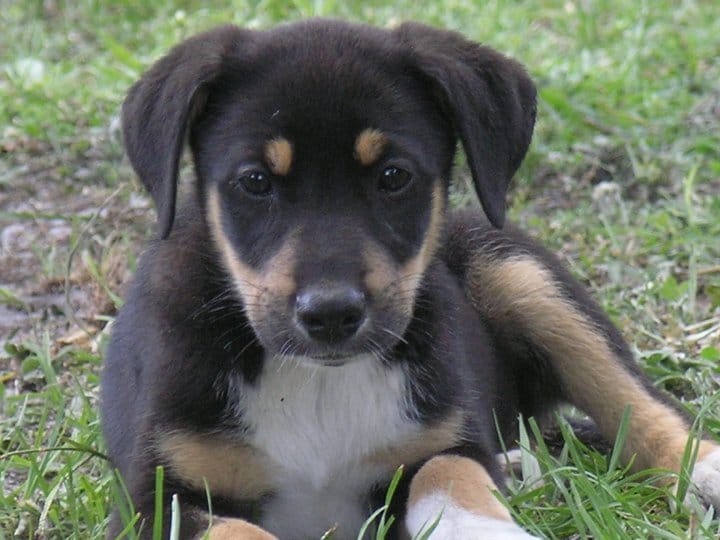
    Images Black and tan coonhound

    Videos of the black and tan dog for raccoon hunting

    Type and recognitions:

    • FCI CLASSIFICATION:
    • Group :
    • Section : . .

    Federations:

  • FCI โ“˜, AKC โ“˜, ANKC โ“˜, CKC โ“˜, UKC โ“˜

  • FCI breed standard Black and tan coonhound

    FCIFCI - Black and tan coonhound
    Dog

    Alternative names:

    1. American Black and Tan Coonhound (English).
    2. Chien noir et feu pour la chasse au raton laveur (French).
    3. Schwarz-lohfarbene Waschbรคrenhund (German).
    4. Coonhound preto e castanho (Portuguese).
    5. Black and tan coonhound, perro negro y fuego para la caza del mapache (espaรฑol).