โ–ท The world of Pets: Dogs, cats, birds, reptiles, amphibians

American Black and Tan Coonhound
Estados Unidos FCI 300 - The Hound of raccoons

Cazador de mapaches negro y bronce

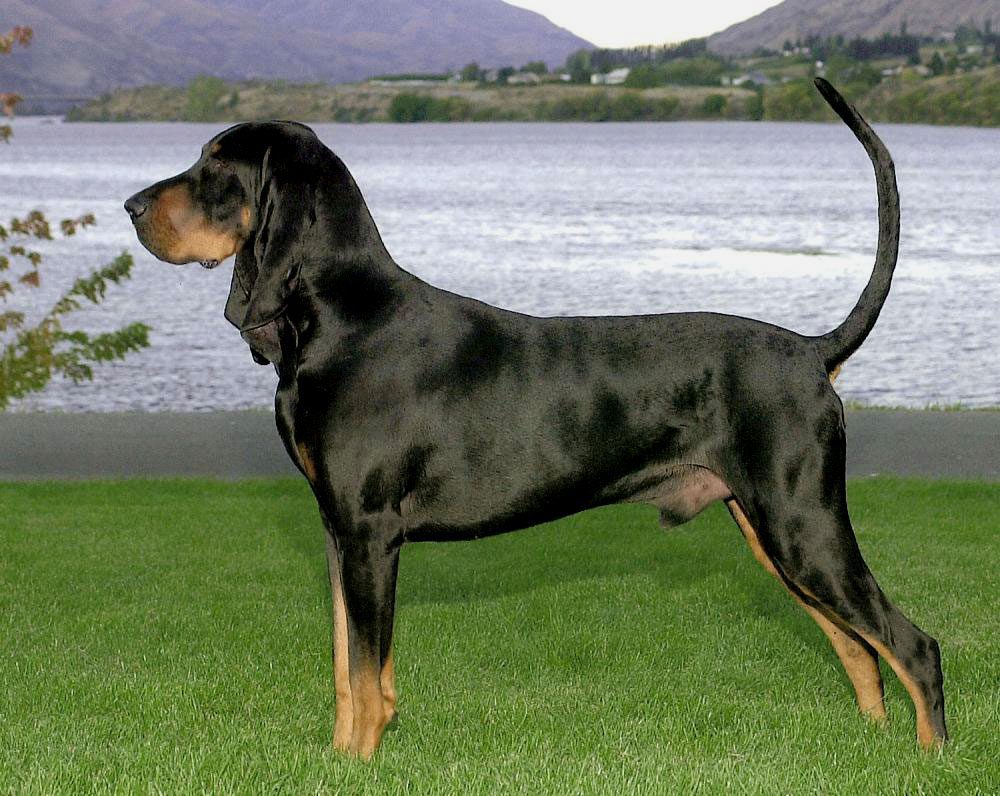
The American Black and Tan Coonhound (in English: ยซBlack and Tan Coonhoundยซ) It is a breed of dog used especially to follow the trail to raccoons. It is a cross between Bloodhound (Bloodhound) and the Black and Tan Virginia Foxhound ("Virginia Black and Tan Foxhunter").

Read all the information in the race, by clicking on: Black and Tan Coonhound.

American Black and Tan Coonhound

โ–ท The world of Pets: Dogs, cats, birds, reptiles, amphibians

Armenian Gampr
Armenia Not recognized by the FCI

Gampr Armenio

Content

History

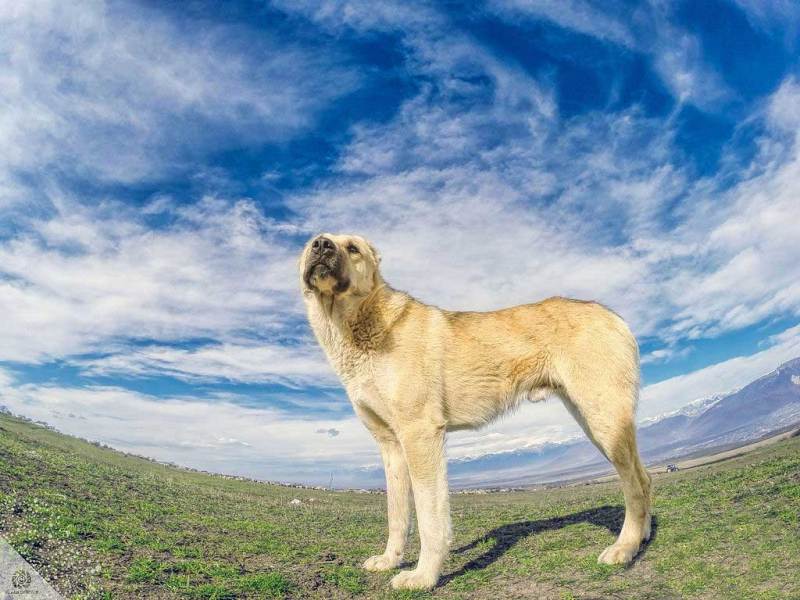
Armenian Gampr (Armenian Wolfhound Gampr) is the name of a breed of guard dog of cattle that originated in the Armenian mountains (including the territories known today as Eastern Anatolia of Turkey).

The Armenian Gampr was bred by the local population starting from the primitive dogs of the area that, It was on par with the evolution of societies domesticated.

Not even being recognized by several important canine clubs as a breed of dog and undergoing an intensive genetic research, in April of 2011 the International Canine Union officially recognized the Armenian Gampr as the national dog breed of Armenia.

The Gampr has been living for a long time in the prehistoric Armenian mountains, This is demonstrated by thousands of petroglyphs (that symbolic motifs are stones or rocks which have been carved, belonging to very ancient cultures) found throughout the territory. The teacher Oktay Belli from the University of Istanbul has studied petroglyphs found near the modern city of Kars and according to data from his research, various domestic breeds from the area have lived there since the Neolithic period.

It is not known for sure when the Gampr, and while there is a great diversity among endemic species, back to tens of thousands of years, the Gampr modern is believed to have existed for at least 3.000 years. Petroglyphs found in the plateau of Armenia, show a large number and variety of dogs similar to the Gampr, What has given rise to generate a comprehensive record of development.

Of the hundreds of petroglyphs found in Ughtasar and the Geghama mountain range, up a 20% of the carved motifs resemble modern ones Gampr, while others show a remarkable diversity of dogs that do not already exist.

The results of an excavation carried out in 1954 in Lake Sevan, site dating from 800 or 1000 years before Christ, they found the skeleton of a dog perfectly preserved in a tomb. When comparing the skull found with that of a Armenian Gampr and other indigenous dogs, They concluded that he was an ancestor of the race, Although it presented some differences from the modern form in the face, her you estreches of the skull and powerful teeth, counting on these data and adding the changes that caused the selection and breeding process of the last 3.000 years that inevitably, affect the general appearance of the dogs, could affirm that the Armenian Gampr was already established and formed as a race in the first millennium BC.

The issue is that, the Armenian Gampr modern has changed little through the history of its existence in the highlands of Armenia. It is one of the few natural breeds that exist, โ€œnaturalโ€ because they were not subjected to the harsh selection of phenotypes by the human hand. So they keep intact the genetic diversity they had initially, While they have crossed with other locatarios dogs. But that genetic variation has been something natural and spontaneous.

Physical characteristics

The Gampr it is a mountain dog that has a large head, body well delineated and developed, without prominent cheekbones. The back is wide, straight, muscular and strong. To the cross, the height in the males is of 65 centimeters or more, and in females is of 62 centimeters or more. The weight is proportional to the size of the dog, and generally varies between 45 and 60 kg.

The Armenian Gampr has a highly developed double-layer coat of hair in order to protect it from the extreme temperatures and harsh weather conditions of the area where it was born. The outer layer is long and thick hair, and the hair is short and dense internal.

Varieties

There are two varieties of Gampr, guardian and the of Pastor. Pastor tends to be smaller in size, tireless, and a little lighter. The Gampr the guardian type is, generally, higher, more square, and loving and very protective. They have a tendency to be more sedentary, and stay in one place.

The geographical and cultural coexistence of the Caucasian Shepherd Dog and the Central Asian Shepherd Dog, and its use on farms over time has caused a problem since the survival of the creole breed Armenian Gampr has been threatened…

The Club of the Armenian Gampr of the United States tries to make it clear -given the similarity between the dogs- that the Armenian Gampr IT IS NOT: a Caucasian Shepherd Dog, a Kangal Shepherd Dog, a Kangal Shepherd Dog, a Akbash, a Karakachan, a Alabai (Central Asian Shepherd Dog), a Koochee, a Tornjak, a Sharplaninac, Although it has some similarities it is good to be able to differentiate between these breeds.

Character and skills

The Gampr is distinguished by its vitality, its independence, intelligence and instinct of self-preservation, capacity in the defence and protection of livestock, the exclusive kindness to humans.

The Armenian Gampr it is a guard dog by nature, Unlike other dogs, This has developed this ability naturally, without previous training. In Armenian the word "Gampr" means "guard dogโ€, but it is also known by other names, like for example "Gelkhehtโ€ (which is derived from the word Wolf), if it is usually used for hunting bears it is known as โ€œArchashoonโ€ (โ€œdog-bearโ€) and if it performs typical functions of a shepherd dog, it is called "Chobanishoonโ€.

One of the main features of Gampr, It is his innate ability to adjust independently to different situations and reach a decision appropriate to the circumstances. If he Gampr he sees that his master needs his help, will protect it, but if not, pass it… They are affectionate but not corporate.

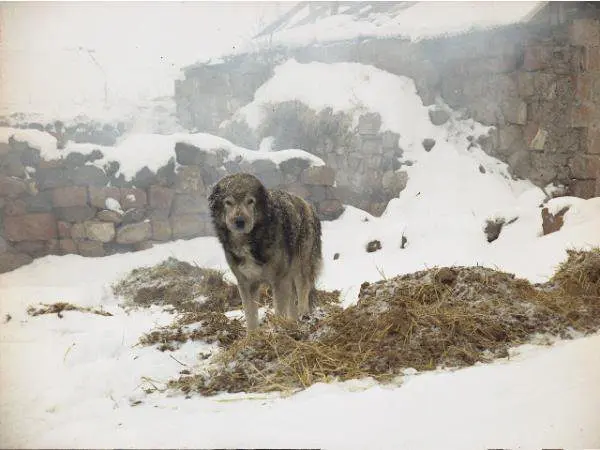
Images "Armenian Gampr"

Photos:

1 – Armenian Gampr dog by hy.wikipedia user Zara-arush, GFDL, via Wikimedia Commons
2 – Armenian Gampr by Gampr1, CC BY-SA 3.0, via Wikimedia Commons
3 – Armenian Gampr by Safi-iren, CC BY-SA 4.0, via Wikimedia Commons
4 – Sheepdog, Gampr dog in Azerbaijan by Elkhan Ganiyev, CC BY-SA 4.0, via Wikimedia Commons

Videos "Armenian Gampr"

Armenian Gampr

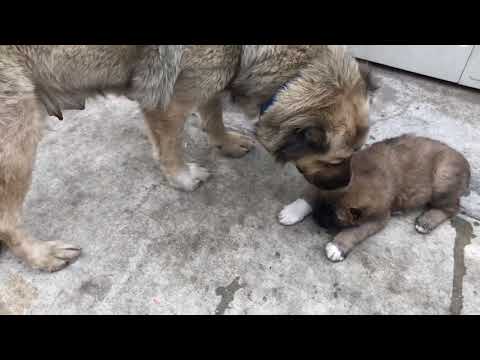
Gampr puppies

Photo: gampr.org

โ–ท The world of Pets: Dogs, cats, birds, reptiles, amphibians

Alapaha Blue Blood Bulldog
Estados Unidos Not recognized by the FCI

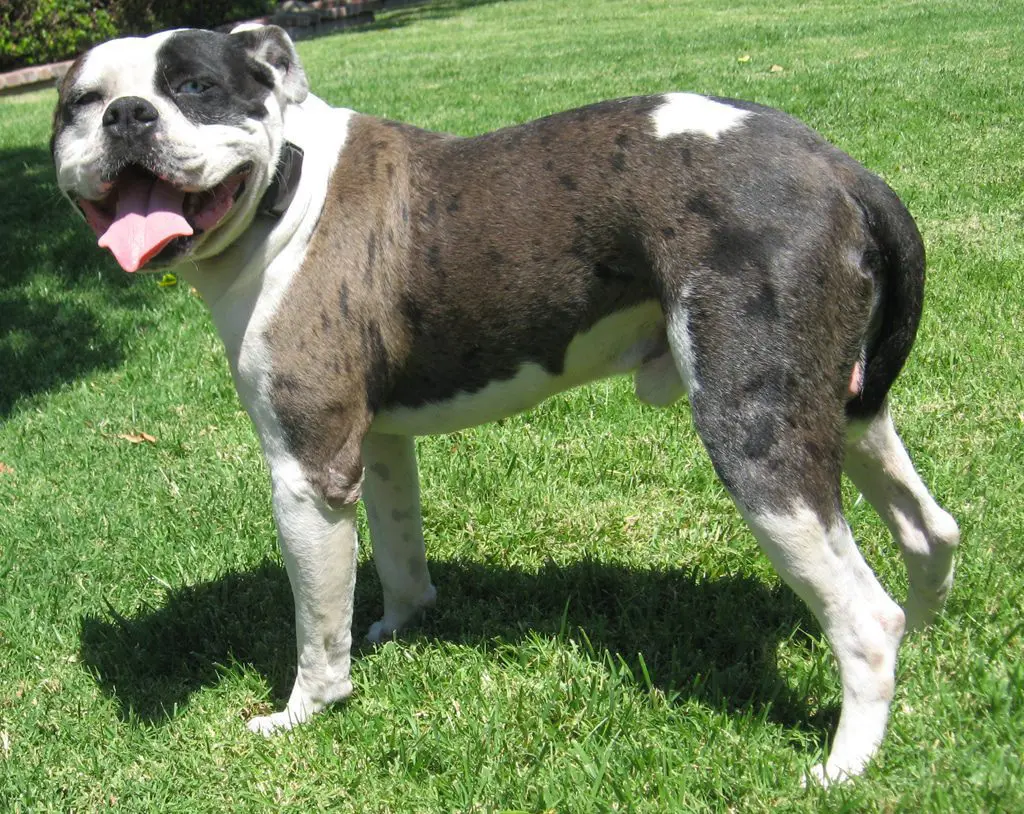
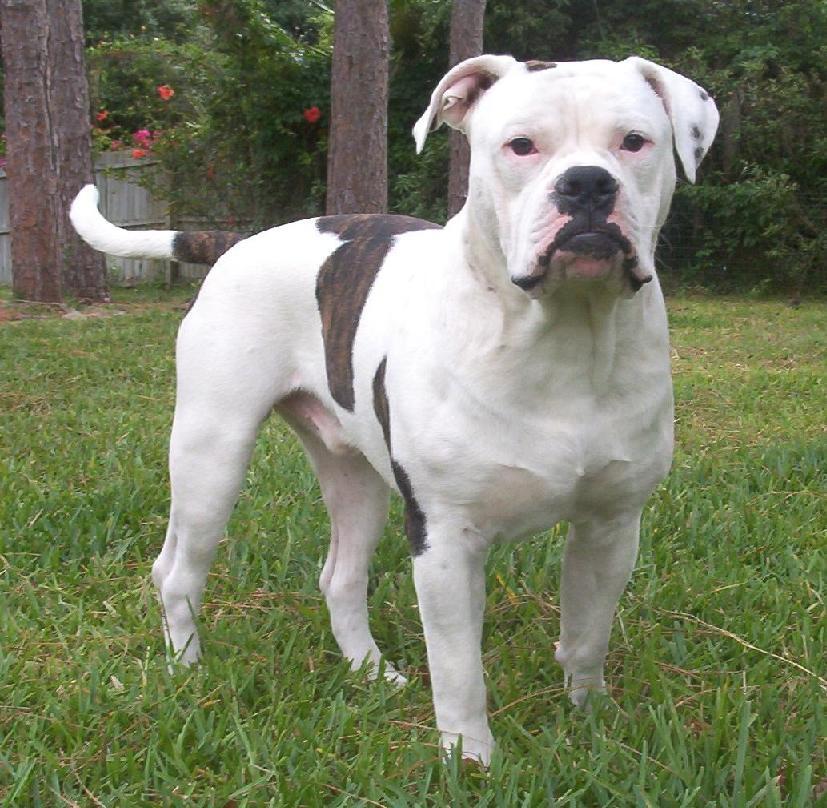
Despite its similarity, they should not be confused with the race American bulldog

Alapaha Blue Blood Bulldog

Content

History Alapaha Blue Blood Bulldog

Also Known As Otto Bulldog. It is a breed of dog of American origin, considered rare due to the few existing copies. According to available information, They have been developed in the area Alapaha River in the southern region Georgia. They are renowned for their great sense of obedience, their agility and your protective character.

The race Alapaha blood Blue was developed by crossing Old English Bulldog white (known as, White English Bulldogs), a Catahoula Bulldog and a reduced number of copies of Colby Pit Bull Terrier. The origins of the breed remain fuzzy, and this has caused much confusion…

While at first glance it is a Bulldog type. It is a stronger dog and a well-developed musculature (remarkable characteristic of the breed, compared to other varieties Bulldog).

Despite its similarity, not to be confused with American bulldog. This similarity resulted in actions pre-register many Alapaha Blue Blood Bulldog They were included in the ancestry of American bulldog.

Videos "Alapaha Blue Blood Bulldog"

While Alapaha Blue Blood Bulldog Association It has declared that it was founded in 1979, the earliest evidence of the existence of this club record dates of 1989 in California. That discrepancy has triggered multiple discussions.

The race was in danger of extinction until a small group of Southern, in 1979, in an attempt to rescue the Bulldog de Old Tymey Plantation del Sur, He founded the ABBA (Alapaha Blue Blood Bulldog Association), giving the aforementioned name and dedicated to the preservation of this unique type of dog.

Claims made by the Mrs. Lana Lane, nurturer and follower of the race, they dealt with the existence of records. But, little evidence exists to support his claim because in family lines described in the World Atlas of Dog Breeds as the founders of the breed.

The current records of this breed They include the following organisms:

The ACA (American Canine Association) who registered the first champion Under the title of Alapaha. ABBA (Alapaha Blue Blood Bulldog Association), CCR (National Kennel Club), (ABBBR) Alapaha Blue Blood Bulldog registry, CKC (Continental Kennel Club), WWKC (World Wide Kennel Club), UWABC (Kingdom of work Alapaha Bulldog Club & Registration), UCA (United Canine Association), and IOEBA (International Olde English Bulldogge Association), among them there is great variation in the type and standard.

Physical characteristics

Descriptions of their size vary greatly depending on the organism., but trying to reach an average consensus we would place the males in a weight ranging from 32 to 41 kg, and height the cross of 51 to 63 cm.. Females - slightly smaller, they weigh in 25 to 34 kg and measure of 45.7 to 55.9 cm in height to the cross.

The ears and tail They are left natural, without any cutout.

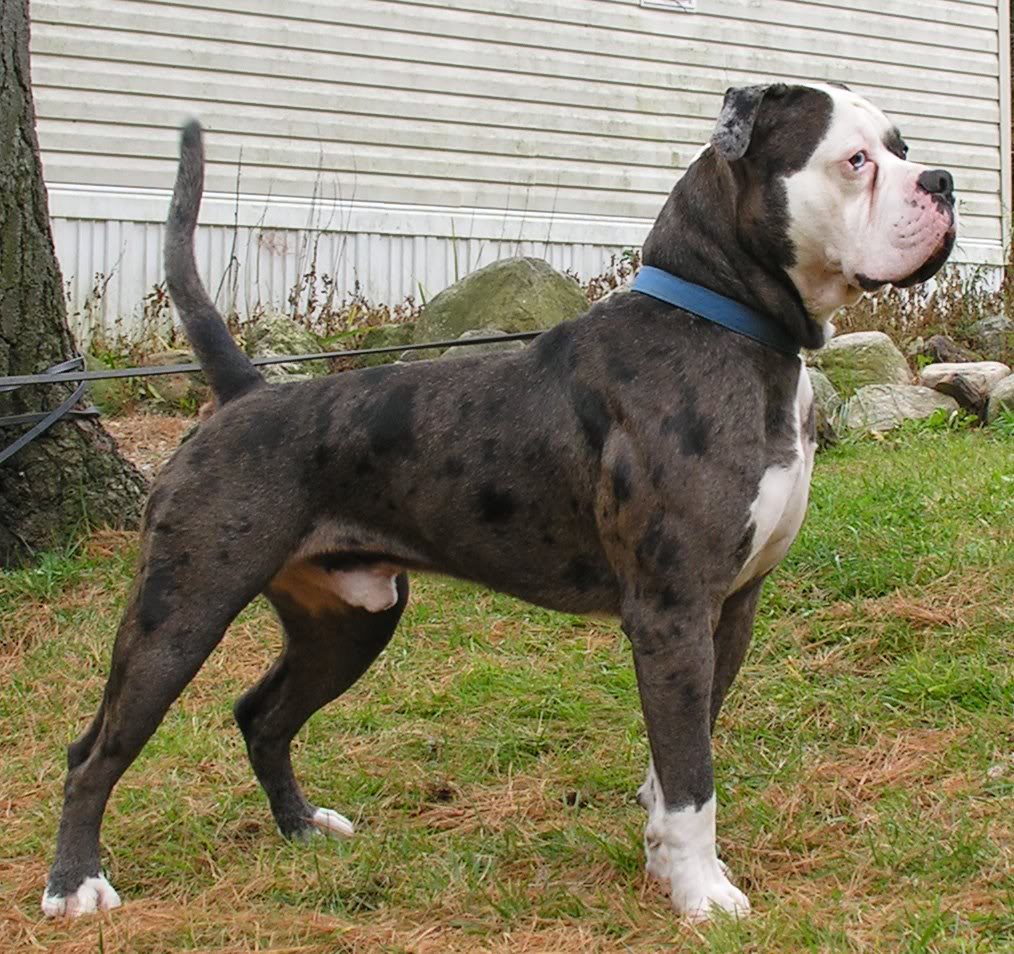
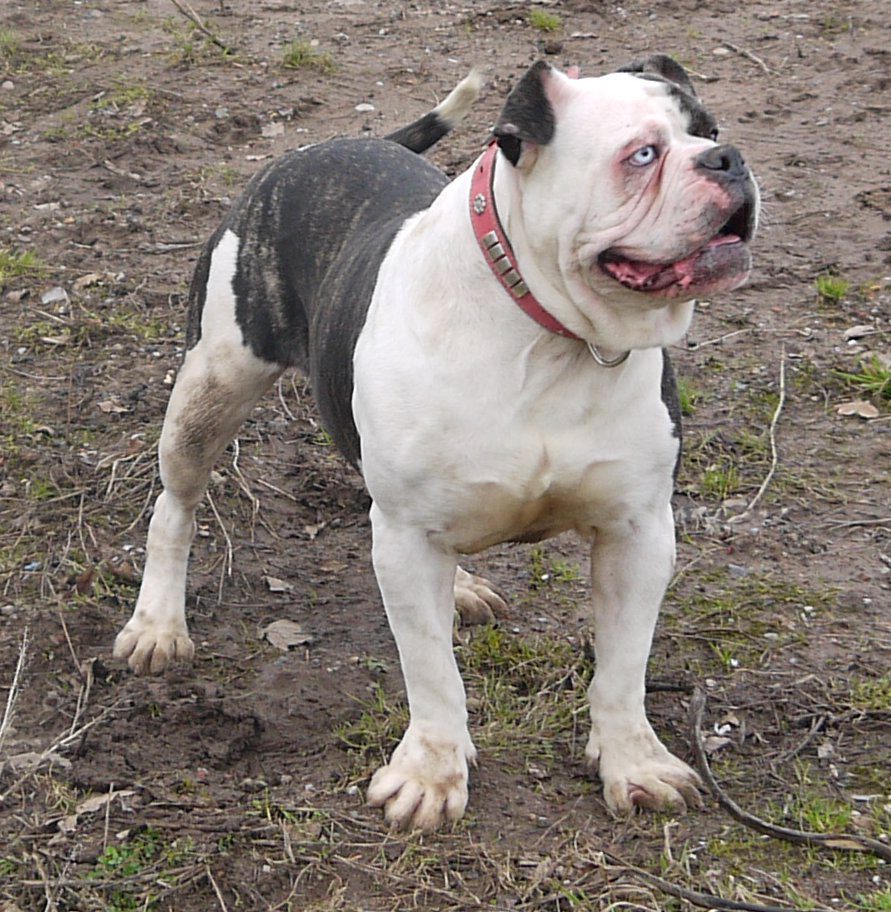
The colors of the Alapaha Blue Blood Bulldog They are varied, preferably, You must have at least the 50% white body with spots. They can be, predominantly, solid color with white, or dry white. Patches or markings are generally color merle, striped, blue, black, chocolate, red, beige, or tricolor. Currently the most common are the tricolor mantle (both white, Merle, red, as well as beige, Merle, chocolate).

The eye color can vary from Brown to blue, and they usually see with one eye of each color copies or a finger eye colors.

Its pelage is short, hard and bright by nature, which is why, coat care requirements are minimal.

Character and skills

The Alapaha Blue Blood Bulldog It described as a dog easy to train, obedient and responsible, with impressive capabilities as guardian Family and property. They have a strong instinct for protection and it's love at home.

Puppy must be socialized and trained using humane methods, since cruelty could stimulate the aggressiveness of the animal. Intelligent and quick learning, with assertive methods.

The Alapaha Blue Blood Bulldogand blue is very energetic and athletic. Even so, They can be adapted perfectly to life in an apartment if sufficiently exercised and daily. While within the home displays inactive, quiet, It will be more happy with - at least- a medium size yard.

They were formerly used to work with livestock, especially in the capture of errant pigs. For that reason his muscles are long and powerful, this physical characteristic reminds us that for the dog to have optimal health it needs to be exercised regularly. They often enjoy long walks, run and play.

Life expectancy Alapaha Blue Blood Bulldog is located from 12 to 15 years.

Pictures Alapaha Blue Blood Bulldog

Videos Alapaha Blue Blood Bulldog

Type and recognitions:

  • Race is not recognized by the FCI
  • BBC = Backwoods Bulldog
  • ClubDRA = Dog Registry of America, Inc.

Alternative names

1. Alapaha Blue Blood Bulldog, Otto Bulldog (English).
2. Alapaha Blue Blood Bulldog (French).
3. Buldogue Alapaha de sangue azul, Alapaha Blue Blood Bulldog (Portuguese).
4. Alapaha Blue Blood Bulldog (German).
5. Bulldog Alapaha de sangre azul, Alapaha Blue Blood Bulldog (espaรฑol).

โ–ท The world of Pets: Dogs, cats, birds, reptiles, amphibians

Artois Hound
Francia FCI 28 . Medium-sized Hounds

Basset de Artois

The Artois Hound towards their masters is affectionate, mischievous and loyal.

Content

History

The history of the Basset we can locate in the 7th century in a monastery Ardennes (France) where, monks engaged in raising dogs St. Hubert, and as a result of crossing, the common Basset breed is born, today.

Artois Hound is a native of the region of artois (North France) It is characterized by its rugged terrain and dense vegetation. It is believed that it descends from the Great Artois Hound What, for its part, drops dog San Humberto. He has inherited these talents to pry traces of injured or dead prey and showed his specialty in the game (as the Hare, rabbitsโ€ฆ).

Unlike the Normandy Artesian Basset, The Artois Hound, has straight Forelegs. El Basset d'Artois, is one of the ancestors of Basset Hound (What is the most know).

The count Jean H. Emmanuel Comie Le Coulteux Canteleu (1827-1910) He was a writer and French dog breeder. Together with Louis Lane he created the hunting dog breed ยซBasset Artesiano de Normandyยป and the ยซBasset de Artoisยป. Is known for his book on the secret societies and his anti-Masonic opinions rather than, for his book on the breeds of hunting dogs and hunting in Monterรญa "Manuel de vรฉnerie franรงaise", He is regarded as a reference book.

Videos "Artois Hound"

Until year 1863, this breed of dog was only known by hunters, from that date it is made publicly known in Paris.
It was not until the end of the 16th century that, appeared the first descriptions of these dogs as, Basset of Artois and making of France, the cradle of the race Basset. These dogs are highly valued by their hunting skills.

The crosses with hounds dogs, gave rise to different varieties of Bassets, as Artois Bassets, Norman Artesian Basset, Fawn Brittany Basset, Griffon Vendรฉen, Blue Gascony, and perhaps, someone else that escapes us...

At the same time a pair of Comte Le Coulteux Basset, they were sent for gift to England. They called them "Bassetยป y ยซBellaยป who are probably the ancestors of our Basset Hounds (English breed of Basset).

Physical characteristics

The Artois Hound are medium-sized dogs, especially used in hunting, vigorous, robust and well balanced.

It has a strong head, wide, quite short, round, small flat top with a small occipital Protuberance. Moderately long neck with very little double chin. Round eyes, or sunk or prominent.
His body is broad and well sustained in the back, waist slightly arched, rump very muscular and broad chest. His hair is dense, short and attached to the body. Tricolor dark, leonado, like the hair of a Hare or Badger, with spots large, likens head, sometimes with black highlights. Ears inserted at the height of the eyes, quite long and wide with rounded ends. The tail is long and strong.

Height to the cross: Males and females: 53 to 58 cm with a tolerance of 1 cm.. Weight: On average 28 to 30 kg.

Character and skills

The Artois is friendly and social. The aggression is totally unusual for this race. You can warn of the presence of strangers, but that would be all, the dog can even move the queue to receive strangers. Even with other dogs or pets, an Artois is us friendly.
A male of Artois, However, It usually has an alpha type personality so it will try to dominate other dogs that live together in the home.

Extremely energetic and playful, You will need much activity for a full development.
It is an excellent jogging companion, cycling or hiking. The dog need vigorous exercise, because if the dog is passive becomes restless, destructive and difficult to handle.

The dog may be doing well in an apartment, but a House with a small patio will be most appropriate. Itร‚ยดs important to provide long walks daily. But, It must take into account that this is a sniffer and walk with the dog without the restriction of a strap can be dangerous not only for the dog, but also for other small pets. An Artois has found an interesting smell can get away from our sight, even to lose.

Observations ยซBasset de Artoisยป

The bassetismo, is an anomaly of nature that has probably always existed. The first traces of short-legged dogs dating from prehistoric times.

ยซBasset de Artoisยป images

Videos ยซBasset de Artoisยป

Alternative names:

Chien dโ€™Artois / Picard / Briquet / Artois Hound / Sabueso artesiano

Type and recognitions:

Group 6 / Section 1.2 – Medium-sized hounds
– Federations: FCI โ“˜