โ–ท The world of Pets: Dogs, cats, birds, reptiles, amphibians

Pyrenean Mastiff
Espaรฑa FCI 92 - Molossoid . Mountain

Mastรญn del Pirineo

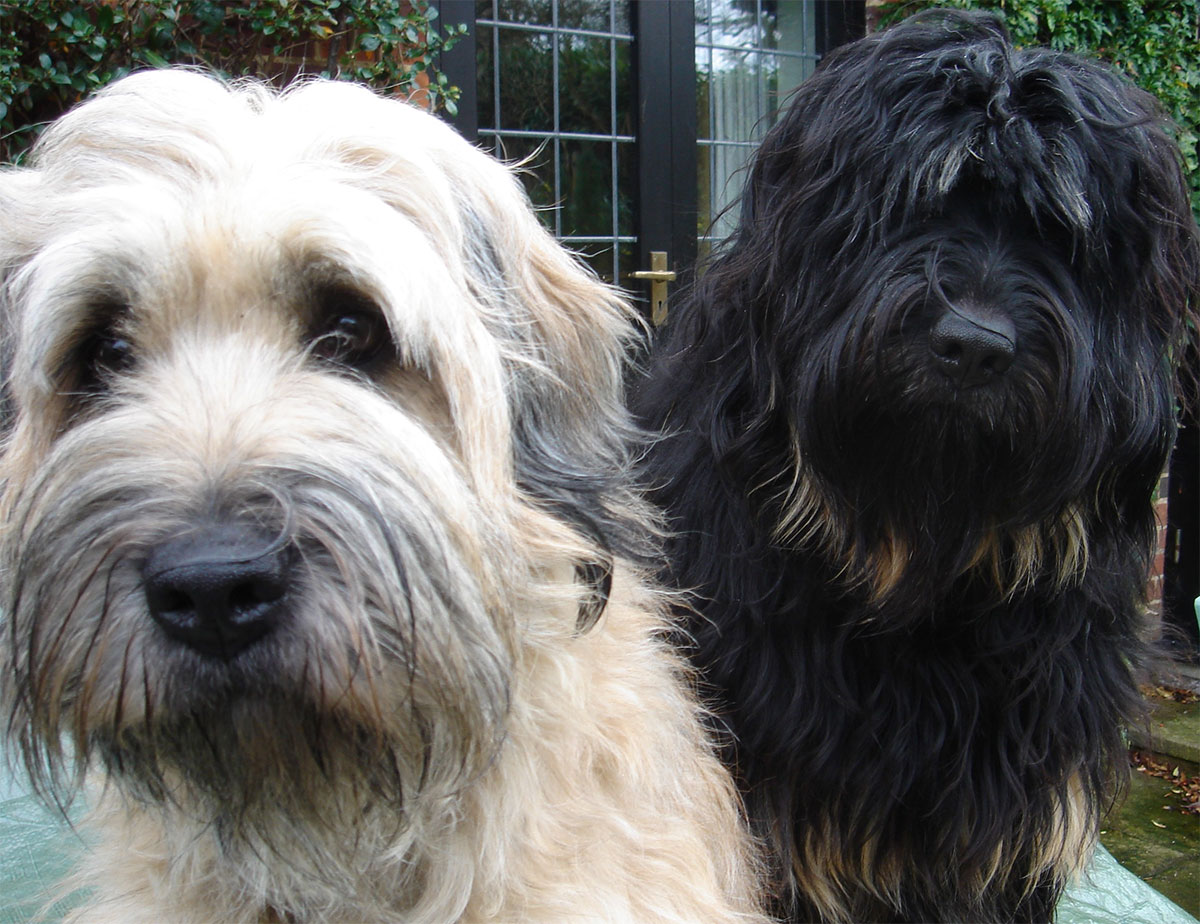
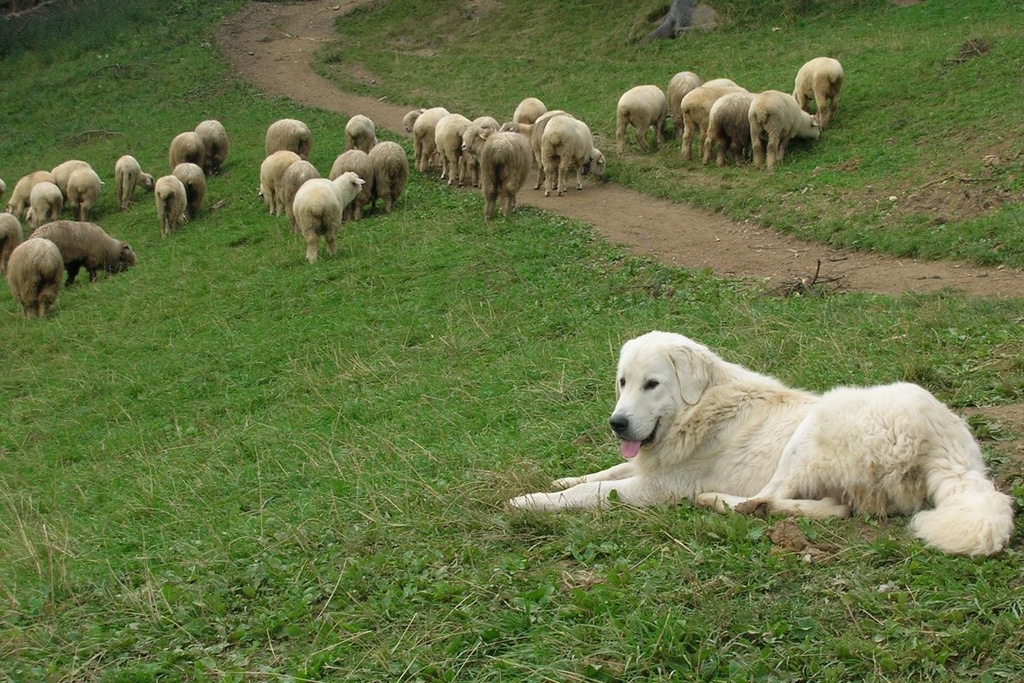
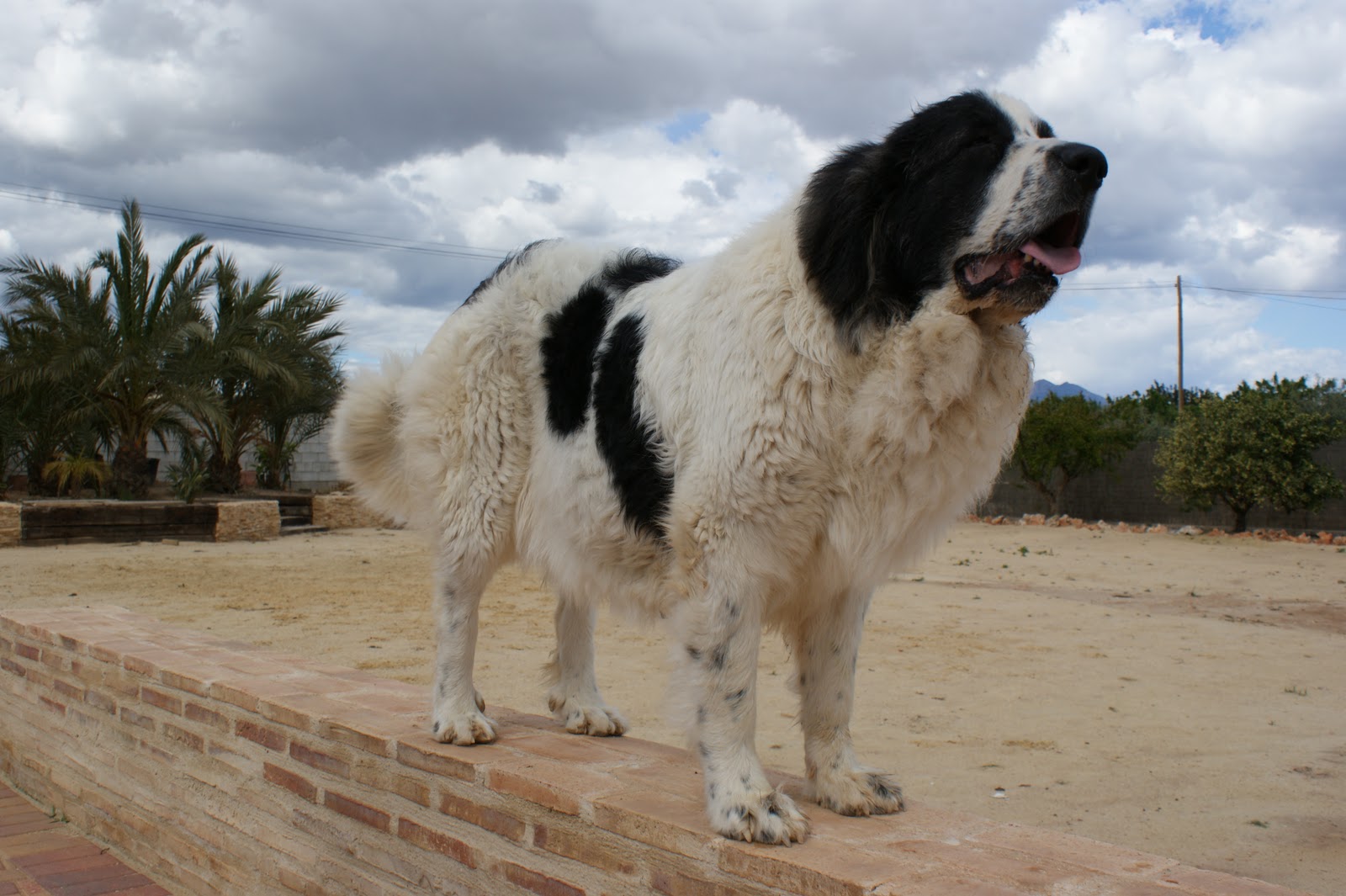
The Pyrenean Mastiff he is very tolerant and sweet with children, Watch them as if they were his flock.

Content

History

The Pyrenean Mastiff is a trotting dog breed, originally from the Aragonese Pyrenees (Spain). By its large size and strength the FCI included it within the Group 2 / Section 2 – molosoids and mountain dogs.

It comes, as all molosoides, Asian dog who came to Europe centuries ago. The first breed standard, It was approved only in the year 1946, since to date the breed had been totally ignored by the official dog world, even though the Pyrenean Mastiff, it had been from its first dawn a very important breed for local development, given that for centuries was used to defend livestock from the attack of bears and wolves.

For a long time the Pyrenean mastiff accompanied flocks of sheep on their transhumance routes from the Aragonese and Navarrese Pyrenees to the Maestrazgo. Its main function was the keep herds and their masters from attacks by wolves and thieves.

During the 20th century and especially after the Spanish civil war, due to economic difficulties, the Mastiff went into decline as it was very expensive to keep a dog of its size.

Over the years 70 a group of fans began a work to recover the breed through the few specimens that were in the field and that still had typical characteristics of the old Molossian.

In the year 1977 created the Spanish Pyrenean Mastiff Club, which organizes the selection and breeding program of the breed. Currently the breed has great international recognition as evidenced by the existence of clubs in many European countries and in the United States..

Physical characteristics

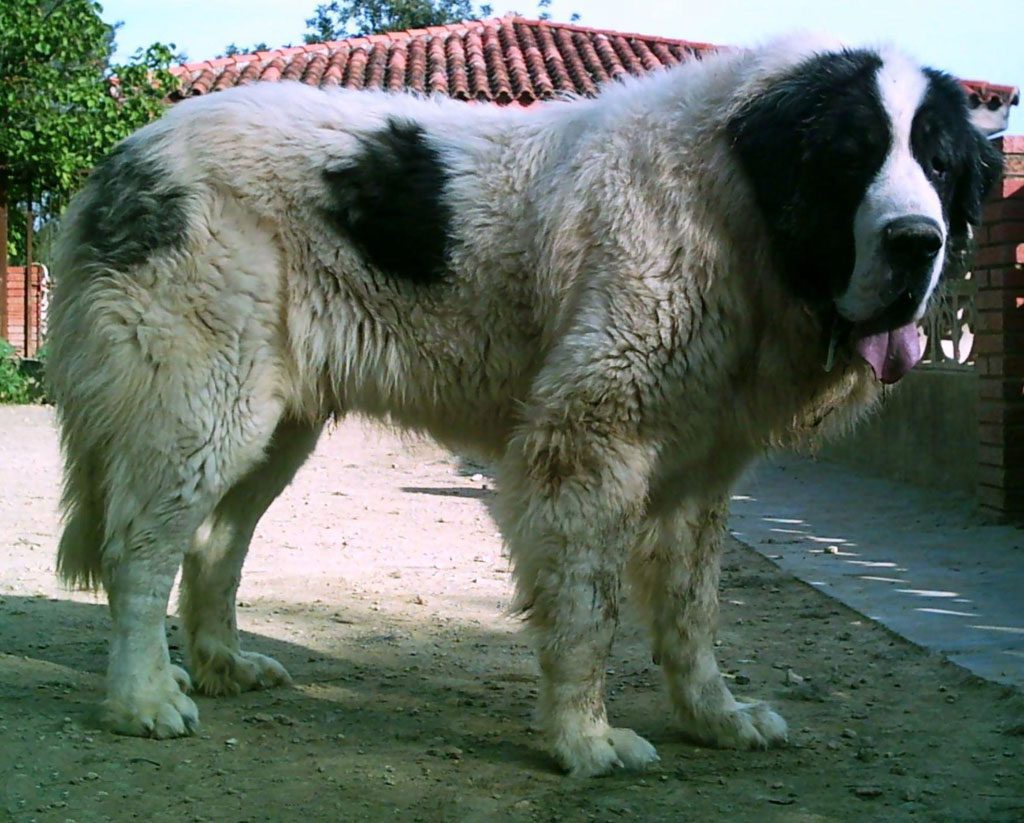
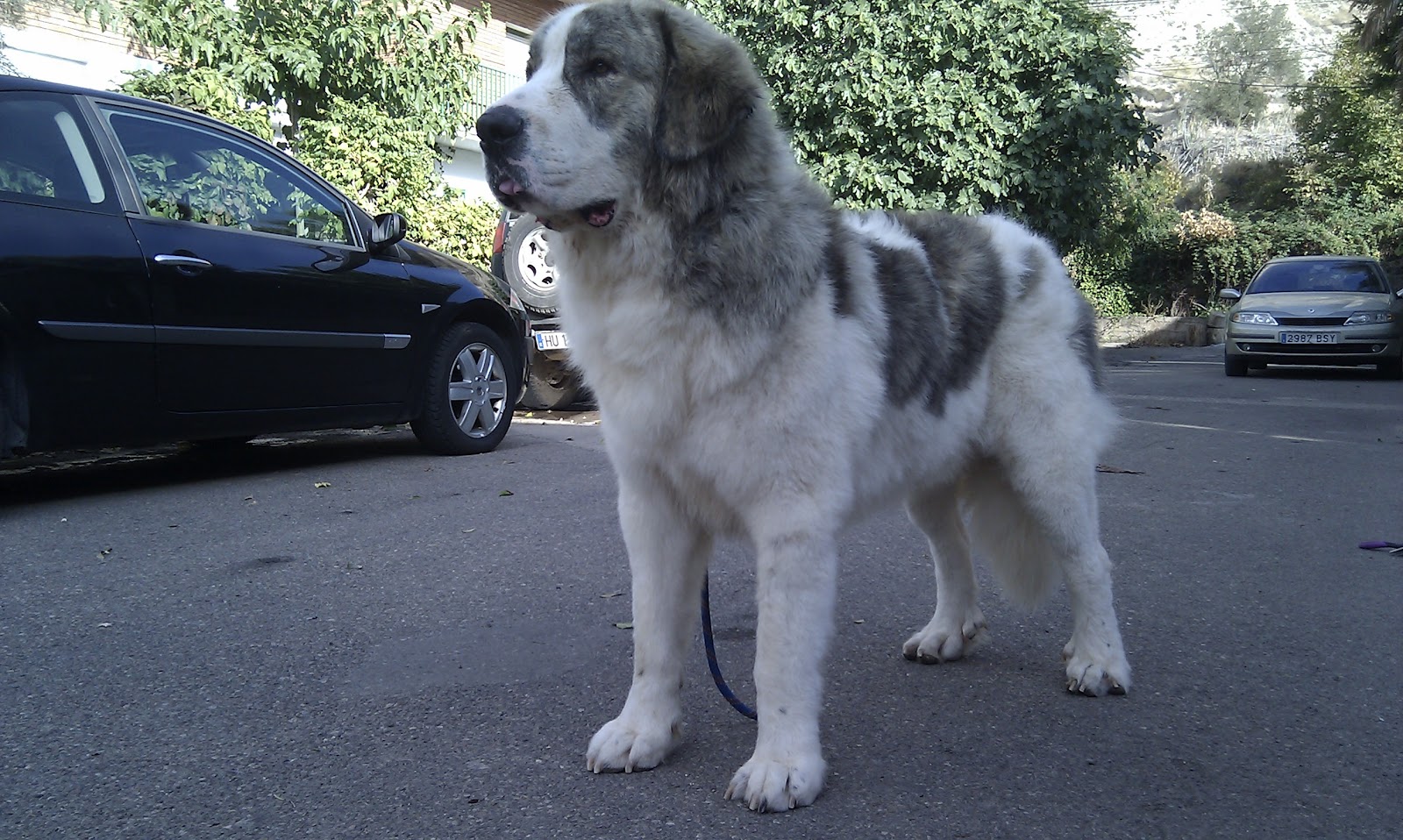
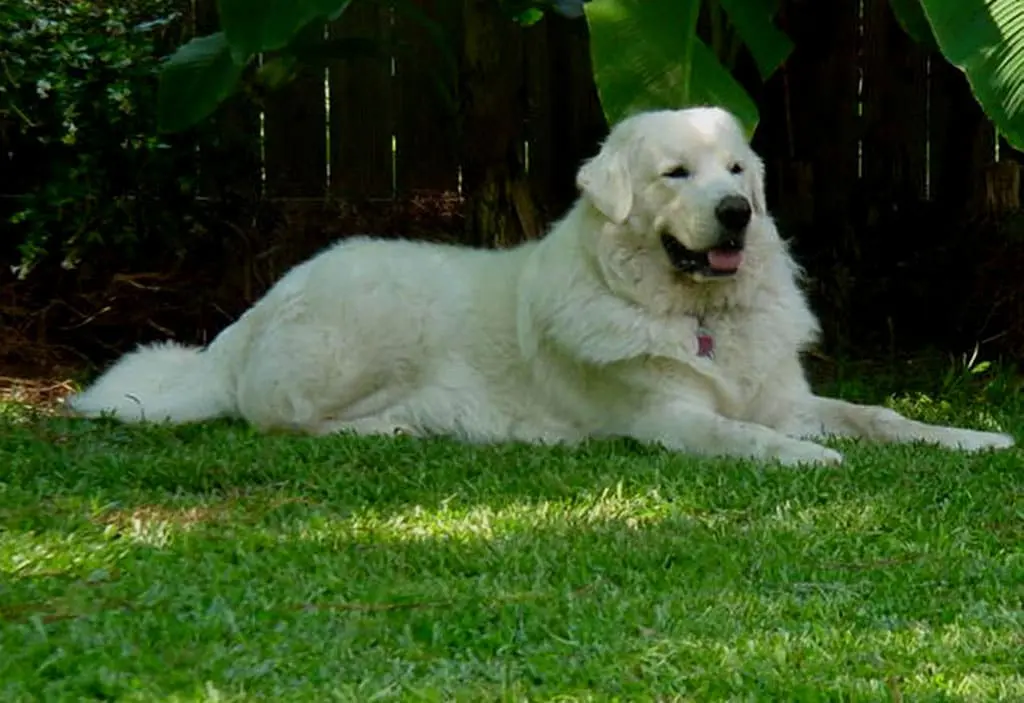
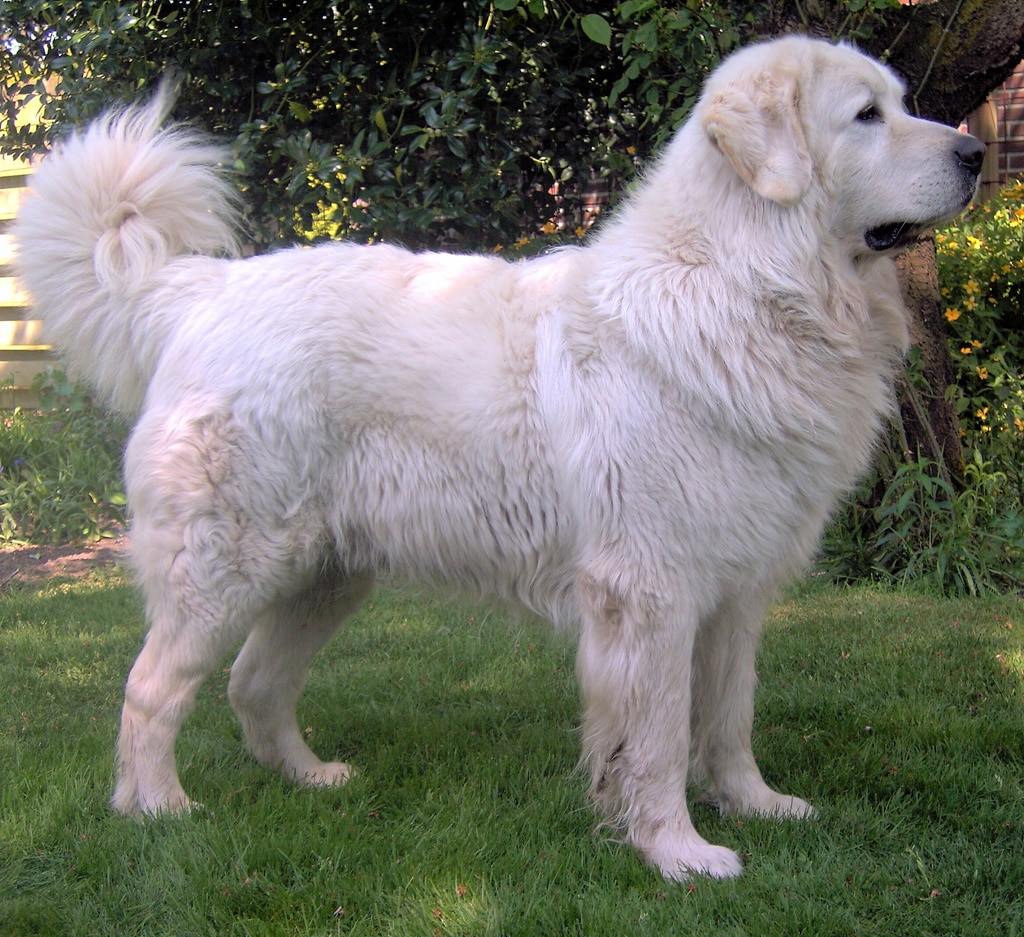
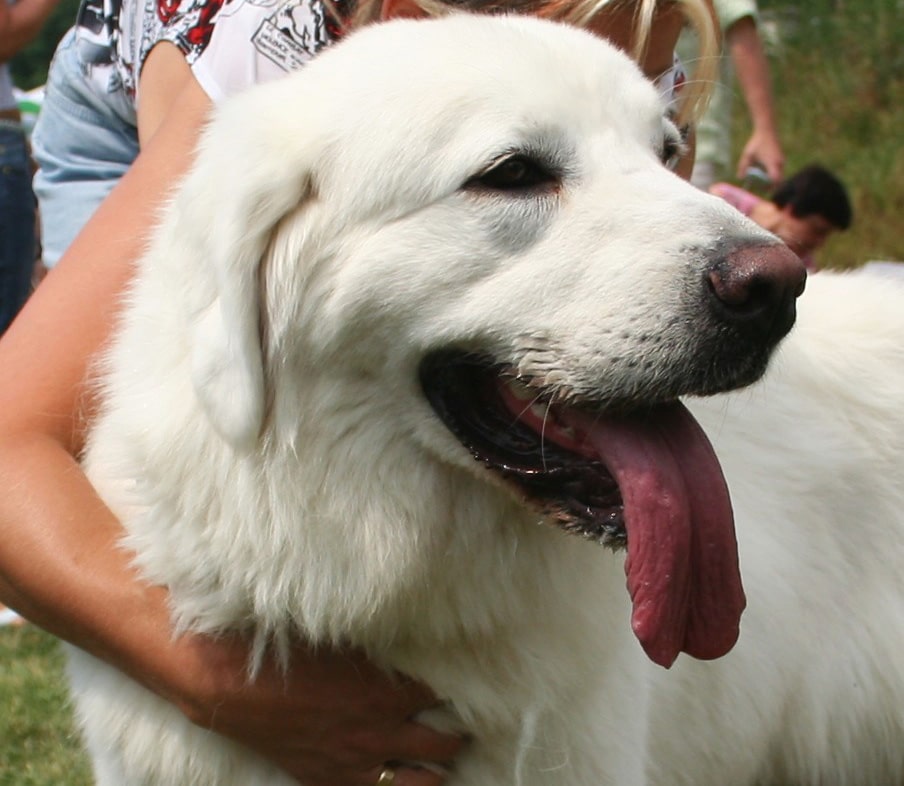
The Pyrenean Mastiff is a large size dog, well proportioned, powerful, muscular and skeletal structure compact. Its head is large, strong and slightly long, with a crรกneo-hocico relationship of 5:4.

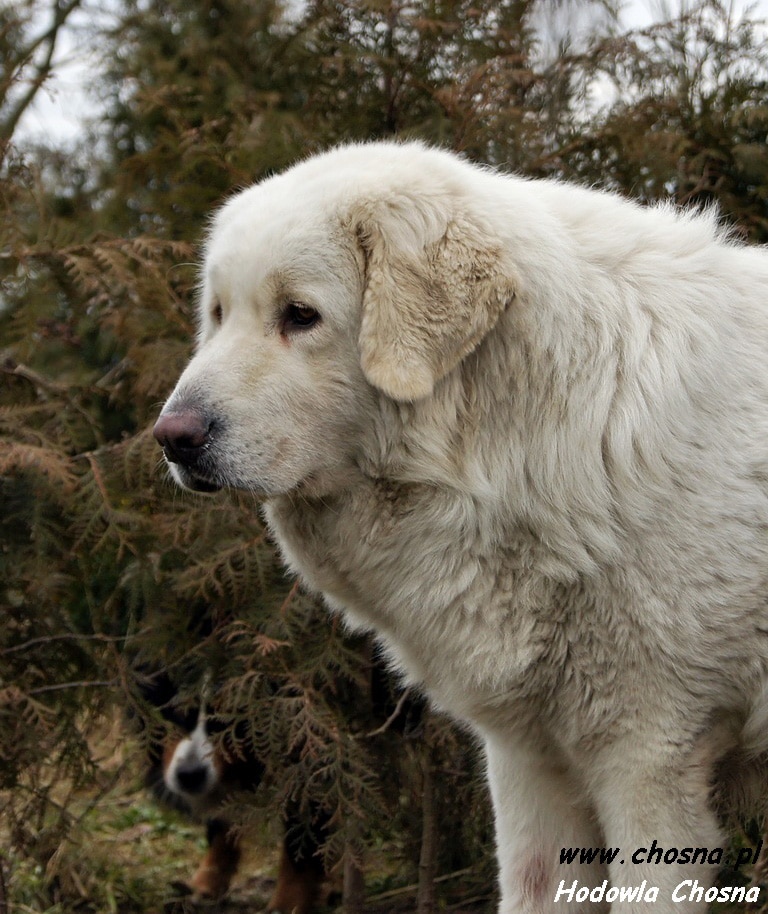
It has eyes small, almond-shaped, ranging from color avellana to dark brown (what is the most common). The ears are triangular, medium-sized and hanging attached to the head.

The tail is thick at the base, strong, flexible and hangs until the Hock.

Regard to the size, In fact, there is no maximum limit because the idea is that the specimens are as large as possible. But according to the standard, yes, there are some minimums that cannot be lowered. according to standard, years. At that time, the minimums are 77 cm for males (Although it is preferable that they be above the 81 cm.) and 72 cm for the Herms (Although it is preferable that they exceed the 75 cm.).

The the mantle of the Pyrenean Mastiff is thick and quite long (of 6 to 9 cm length). Being longer on the shoulders, the neck and belly. It is hair must be rough to the touch, not soft and woolly.

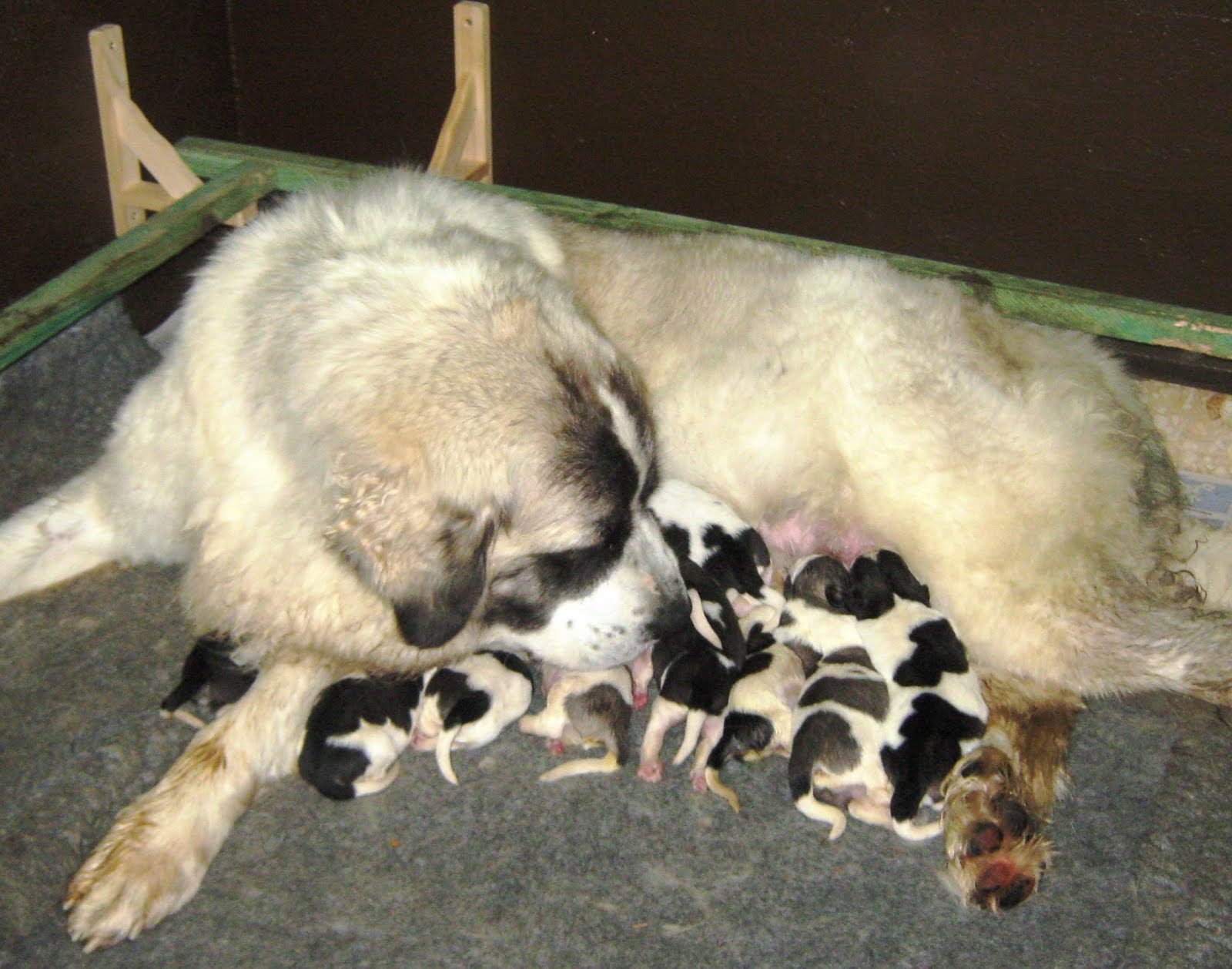
The color base is white, with a well-defined mask. Some examples are brands of the same color as the mask, irregularly shaped but with sharp contours.

Favorite colors (according to standard) for the mask, and stains are soft grey, intense Golden Fawn, Brown, black and grey silver.

The the tail and distal parts of the legs They must be always white.

Observations

It is a breed that is still in the reconstruction phase and on the recommendation of the Club del Pyrenean Mastiff from Spain, not yet been included in the show ring, because he is expected to make the media playback smoother.

Character and skills

Although at the beginning of their walks among us, the Pyrenean Mastiff was used as a guardian of livestock, the time change and animals over time, so today he is a perfect house keeper.

It is a dog aware of its strength and power, reason why never shows aggressiveness, But if you feel threatened, He or his family can be really fearsome.

Let's not forget that it protected livestock from wolves and bears...

Despite the passage of time, The Pyrenean Mastiff preserves its "rusticity" in full form and this means that it does not adapt well to life outside its natural environment, which is the countryside and its tenants..

For that reason, If we decide to integrate a Pyrenean Mastiff into our family, it will be important comply with it as it is, without imposing conditions of life that cercenen your happiness, how would it beโ€ฆ life in a small apartment in the middle of the city. That would play against your emotional balance, and with the size that has this dog, Perhaps the best is to have it happy and balanced (that all animal).

Something characteristic of the Pyrenean Mastiff is that wherever he is with children he is always sweet and very tolerant.. Because the converted part of his flock and the cares much.

He is also super careful with them, because as we said above, he is aware of his strength and might.

Images of the Pyrenean Mastiff
Videos of the Pyrenean Mastiff

Type and recognitions:

  • FCI CLASSIFICATION:
  • Group :
  • Section : . .

Federations:

  • FCI – Pinscher and Schnauzer-Molossoid type dogs – Swiss Mountain Dogs and Cattledogs. Section 2.2 Molossoid, mountain type. โ“˜
  • AKC – Dogs working โ“˜
  • โ€‹KC – Working dogs โ“˜
  • UKC – Watchdog โ“˜

FCI breed standard "Pyrenean Mastiff"

Origin:
Spain

Date of publication of the valid original standard:
26.05.1982

Use:

Nursery and defense. In the past it was used as a defense against vermin, especially the wolf and the bear. Currently fulfills perfectly the task of guardian of estates and people, being very receptive to training.


General appearance:

It is a dog of great height, hypermetric and of medium proportions. Well proportioned, extremely powerful and muscular. compact skeleton. Discreetly long hair. Despite its enormous size it should not be clumsy or lymphatic.


IMPORTANT PROPORTIONS:

Media structure. Proportional and harmonious in all circumstances.

  • Body length slightly greater than the height at the withers.
  • The relationship between the length of the skull and the muzzle should be 5/4.
  • The width of the skull should be equal to or slightly greater than its length.
  • The relationship between the raised to the cross and the chest perimeter must be approximately 7/10.


Behavior / temperament:

Loving, tame, noble and particularly intelligent, he is both brave and fierce in front of strangers, to whom he never backs down In his relationships with other dogs he is benevolent, aware of its unique power. The case is revealed in the fight, denoting the patterns of behavior acquired after centuries of fighting the wolf. His bark is deep and deep and his expression is awake.

Head:

Grand, strong and moderately long. The relationship between the length of the skull and that of the muzzle should be 5/4. Cranio lines- moderately divergent facials, prone to parallelism. The skull-face set seen from above must be long and uniform, without a very marked difference in width between the base of the snout and the temples. Seen from the side it must be deep, not hosted.

Cranial region:
  • Skull : Width, strong, sub-convex profile. The width of the skull should be equal to or slightly greater than its length. Marked occipital Crest.
  • Depression links (Stop): Soft, little sharp, but defined.

facial region:

  • Truffle: black, wet, big and wide.
  • Snout: Straight profile. Seen from above it appears discreetly triangular, wide at birth, gradually decreasing towards the truffle but without being pointed.
  • Lips: The upper one should cover the lower one well but without sagging. The lower one forms marada lip commissure. The mucous membranes must be black.

    Jaws / Teeth: Scissor bite. White teeth, strong and healthy. Big fangs, long, sharp and well crossed for prey. Very dimensioned and powerful molars. Rather small incisors. All premolars exist. Black palate, very marked stretch marks.

  • Eyes: Small, macaroons, Hazelnut coloured, preferably dark. With a watchful eye, noble, friendly and intelligent, but of extraordinary severity before an adversary. The eyelids are pigmented in black and preferably attached to the eyeball with the animal in attention. It is typical a faint relaxation of the lower eyelid that shows a discreet conjunctiva portion when the dog is at rest.
  • Ears : Mediums and falls, form triangular, plan, inserted above the eye line. At rest falling and attached to the cheeks. At attention clearly separated from the face and partially erect in its third-posterior. They should not be amputated.

Neck:

Truncated cone, width, strong, muscular and flexible. Thick and somewhat detached skin. Double gill well defined but not excessively abundant.

Body:

Rectangular. Very strong and robust, denoting great power but flexible and agile.

  • top line: Straight, horizontal, even on the move.
  • Cross: Well marked. Back: Powerful, musculada.
  • Pork loin: Long, wide and powerful; narrows as it reaches the ijar.
  • Rump: Wide and strong. Its inclination is about 45ยฐ in relation to the horizontal.. Elevation to the rump equal to the elevation to the cross.
  • Breast : Width, deep, muscular and powerful. The tip of the sternum marked. Ribs with wide intercostal spaces and rounded, not flat. The relationship raised to the chest cross/perimeter must be approximately 7/10.
  • Belly and flanks: Belly moderately tucked up; lowered flanks and very broad flanks.

Tail:

Thick born, middle insertion. Strong, flexible and heavily populated with decidedly long and soft hair, forming a showy plume. At rest, his bearing is rather low, fully reaching the hocks and always angled in its final third. When the animal is moving or excited, it lifts it in a saber, with an obvious thread at the end, but never fully folded or resting on the rump.

Tips

PREVIOUS MEMBERS:

  • As a whole: Perfectly Plumb, viewed from the front straight and parallel, clearly perceiving muscles and tendons. The length of the forearm should be three times that of the metacarpus. Bone strong with powerful metacarpo.
  • Back: Oblique, very muscular. Longer than the forearm. Scapulo-humeral angle close to 100ยฐ.
  • Arm: Very powerful.
  • Elbows: Strong and glued to the rib cage. Humero-Radial Angle next 125 ยฐ.
  • Forearm: Of strong bones. Straight and powerful.
  • Metacarpus: Seen from the side with little inclination. It is practically the continuation of the forearm.
  • Previous feet: Of cat, Tight toes. Strong phalanges, high and well arched. Robust and hard nails and pads. Moderate interdigital membrane with hair.

LATER MEMBERS:

  • As a whole: Powerful, muscular. Seen from the side proper joints. Seen from the side and back, correct feet. Hocks without deviations. They must be able to easily propel the dog, strength and elegance.
  • Thigh: Strong and muscular. Coxo-femoral angle close to 100ยฐ.
  • Knee: FEMORO-TIBIAL ANGULO NEAR 120 ยฐ.
  • Leg: Long, muscular and strong-boned.
  • Hock: Open angle, close to 130 ยฐ.
  • Metatarsus: Well marked, with clear appreciation of the tendon. Presence or not of spurs that can be single or double, admitting your amputation. With equal merits, the presence of double spurs should be preferred..
  • Hind feet: Of cat, slightly oval. Slightly longer than the front feet.

Movement:

The preferred gait is the jog that must be harmonious, powerful and elegant with no tendency to laterity. Without ambling The preferred gait is the trot that must be harmonious, powerful and elegant with no tendency to laterity. Without ambience.

Mantle

Elastic, thick and pinkish, with darker pigmentations. All mucous membranes must be black.

  • Fur: Bushy, thick and moderately long. The ideal average length set on the center of the upper line is 6 to 9 cm., being longer on the back, the neck, under the belly and behind arms and legs, in addition to the tail plume, whose texture is not as piggy as in the rest of the body. The hair must be piggy, not woolly.
  • Color: Basically white and always with a well-defined mask. Eventually patches of the same color as the mask unevenly distributed throughout the body, but well marked. Ears always stained. Tricolor specimens or whites are not desirable. Always white ends and ends. The mask must be very concrete and the edges of the spots preferably well defined. Hairline should be as clear as possible, being the white ideal. The most appreciated colors are, in order of preference, pure white or snow white with medium gray spots, deep yellow gold, brown, black, grey silver, Light beige, sand, marbled. Red-yellow spots are not desirable for stains or a yellowish-white background.


Size and weight:

There is no maximum limit in size, always being more valuable, equal proportions, the largest specimens.


Height to the cross:

Minimum limits:

  • Males: 77 cm.,
  • females: 72 cm..

However, it is to be hoped that these figures are greatly exceeded. It is considered convenient to exceed the 81 cm males and 75 cm. females.


Fouls:

Any deviation from the aforementioned criteria is considered as a fault and the severity of this is considered to the degree of the deviation to the standard and its consequences on the health and well-being of the dog..


MINOR FAULTS:

  • Muzzle profiles carried without excess.
  • Bite in clamp; absence of any premolar.
  • Distorted and undulating back-lumbar line during march, not in excess.
  • For something wavy; hair that slightly exceeds 9 cm in the upper line.
  • Very slight shyness.

SERIOUS FAULTS:

  • Fragile or lymphatic appearance.
  • Snout pointed or overly blunt.
  • Moderate upper prognathism.
  • Absence of several premolars or canines not due to trauma.
  • Small incisor lace defects.
  • Excessive entropy or ectropion.
  • Amputation in ear.
  • Upper lines.
  • Height at the rump significantly higher than the height at the withers.
  • Tail resting on the rump; tail plumeless; tail not angled at its end; tail docking.
  • Wrong limbs.
  • Metacarpus, metatarsals and weak feet in general.
  • Cow hocks during walking or in season.
  • Lateral braceos during operation.
  • Very wavy or curly hair. Hair length slightly less than 6 cm in the upper line or slightly higher than 11 cm.
  • Discoloration in the ears.
  • General unbalanced character.

FALTAS DESCALIFICANTES:

  • Aggressiveness or extreme shyness.
  • Any dog โ€‹โ€‹showing clear signs of physical or behavioral abnormalities must be disqualified..
  • Depigmented truffle and mucosa.
  • Split nose.
  • Excessive undergrowth or undergrowth.
  • Hair length equal to or less than 4 cm or more 13 cm above the upper line.
  • Absence of white color, ends and ends not white.
  • Completely white layer Absence of mask.
  • Diffuse spots that do not stand out from the background and indicate interbreeding.


N.B.:

Males should have two normal-appearing testicles fully descended into the scrotum..
Only functionally and clinically healthy dogs, with the typical conformation of the breed, should be used for parenting.

Source: F.C.I - International Cynological Federation

Alternative names:

1. Mostรญn d’o Pireneu, Mostรญn, Mostรญn dโ€™Aragรณn, Mastรญ dellโ€™Aragรณ, Gos ramader, Mastรญn Espaรฑol del Pirineo (English).
2. Mastรญn del Pirineo (French).
3. Mastรญn del Pirineo (German).
4. Mastin d’Argon, Mastรญn del Pirineo (Portuguese).
5. Mastรญn del Pirineo (espaรฑol).

โ–ท The world of Pets: Dogs, cats, birds, reptiles, amphibians

Pembroke Welsh Corgi
Gran Bretaรฑaa Gales- FCI 39 . Sheepdogs

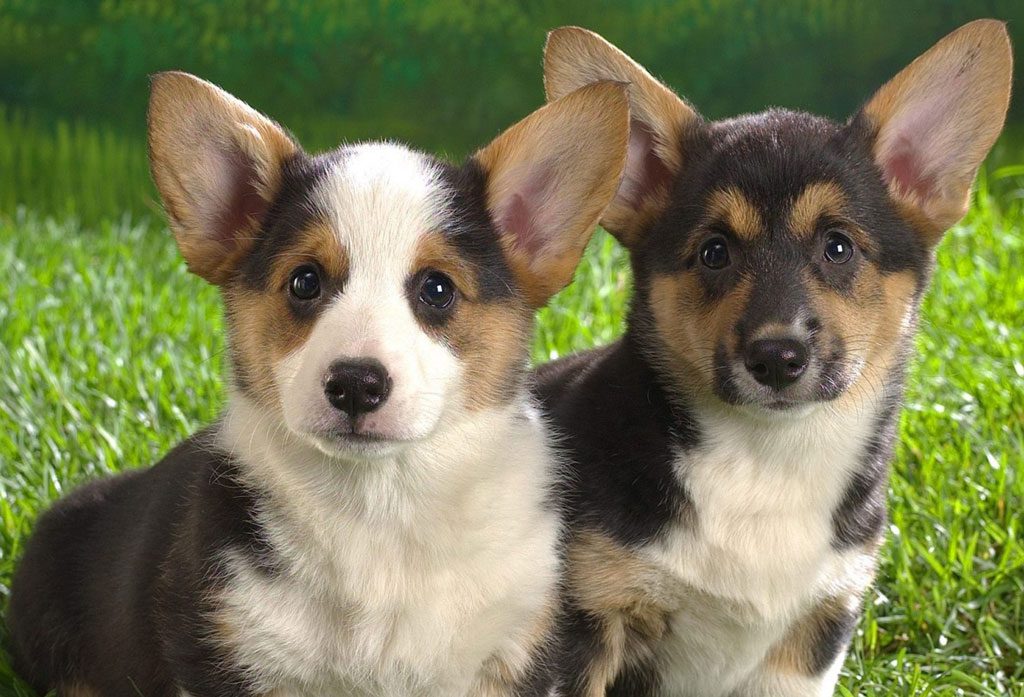
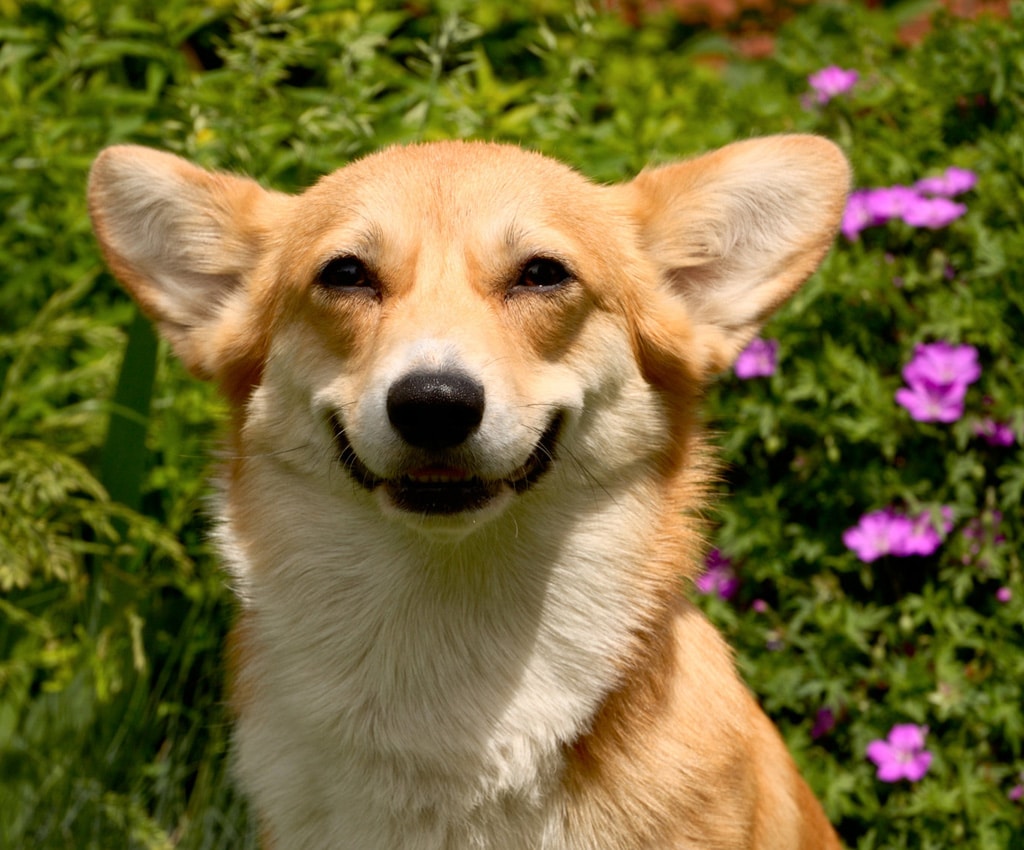
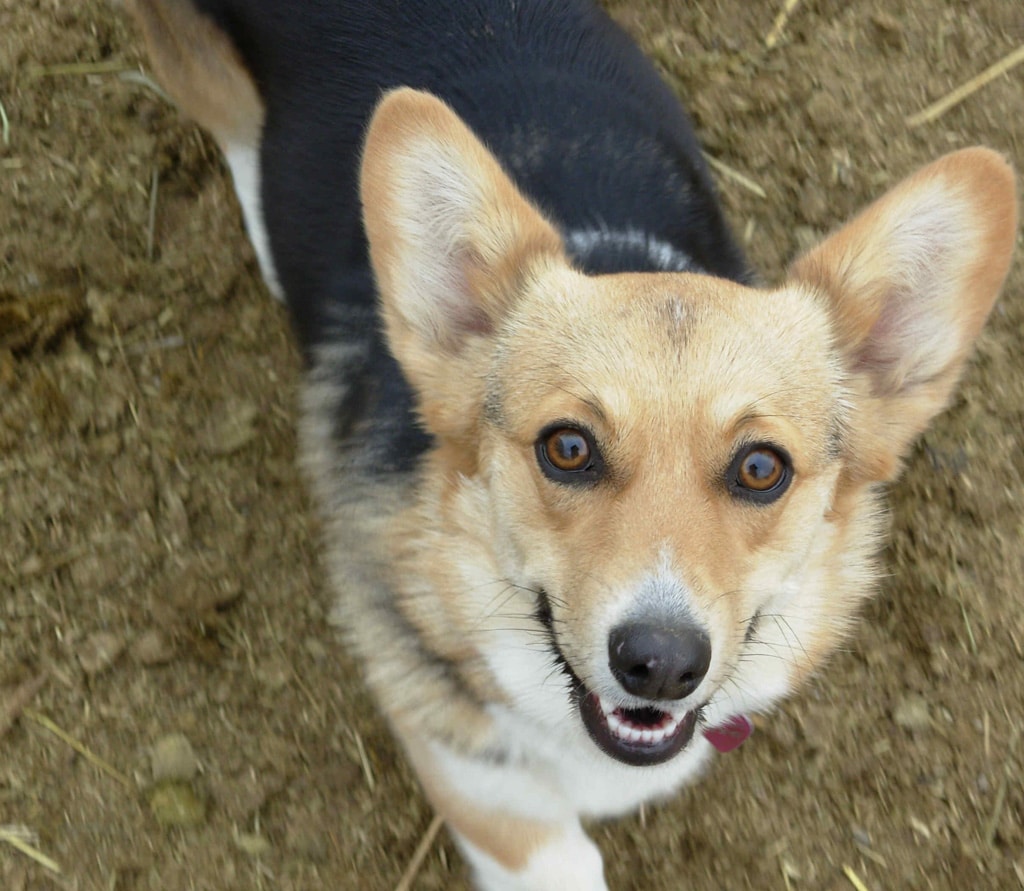
The Pembroke Welsh Corgi is extremely intelligent, affectionate and possesses a great personality.

Corgi Galรฉs de Pembroke

Content

Characteristics "Pembroke Welsh Corgi"

Coexistence is important that you have with your new friend. Before considering the acquisition of a dog of the breed"Pembroke Welsh Corgi" you know certain factors. Not all breeds of dogs are apt to live in an apartment, you must take into account his character, their need for exercise, their interaction with other pets, their care and if you have small children, their level of tolerance towards them.

Adaptation โ“˜

5,0 of 5 stars (based on 1 review)

friendly dog โ€‹โ€‹โ“˜

3,0 of 5 stars (based on 1 review)

hair loss โ“˜

5,0 of 5 stars (based on 1 review)

Affection level โ“˜

5,0 of 5 stars (based on 1 review)

Need for exercise โ“˜

4,0 of 5 stars (based on 1 review)

Social need โ“˜

4,0 of 5 stars (based on 1 review)

Home โ“˜

5,0 of 5 stars (based on 1 review)

Toilet โ“˜

3,0 of 5 stars (based on 1 review)

Friendly with strangers โ“˜

3,0 of 5 stars (based on 1 review)

barking โ“˜

5,0 of 5 stars (based on 1 review)

Health โ“˜

3,0 of 5 stars (based on 1 review)

Territorial โ“˜

5,0 of 5 stars (based on 1 review)

Cat friendly โ“˜

5,0 of 5 stars (based on 1 review)

Intelligence โ“˜

5,0 of 5 stars (based on 1 review)

Versatility โ“˜

5,0 of 5 stars (based on 1 review)

Child friendly โ“˜

5,0 of 5 stars (based on 1 review)

Surveillance โ“˜

4,0 of 5 stars (based on 1 review)

joy โ“˜

5,0 of 5 stars (based on 1 review)

History

The Pembroke Welsh Corgi (Corgi) It is a small dog native of Great Britain. He has served for centuries as a shepherd, still considered one of the oldest dogs of Great Britain. There is another Welsh race, the Cardigan Welsh Corgi of very similar characteristics, Although of larger size and long tail.

There are different theories about the origins of the Pembroke Welsh Corgi. It is believed that the two varieties Corgi they are descended from the dog of the Visigoths who introduced the Vikings in Wales to 9th century. Or the Cardigan may be the oldest variety, introduced the Celts into Wales around the year 1200 (name Corgi comes from the Celtic word "corgi" which means "dog").

According to other sources, the Pembroke variety was brought to Wales by Flemish weavers in the 12th century. Independently, What was the origin of the breed, the Pembroke Welsh Corgi was developed in Pembrokeshire) and it was used to guide cattle mordisqueando its paw and barking. The varieties Pembroke and Cardigan They interbred freely until the 1970s. 30. From then on, breeders attempted to emphasize their differences.

Another theory posits that the two varieties of Corgi have a common origin which is the cross between a Shetland Sheepdog and Sealyham terrier.

This race was used for grazing. The poor peasants of the time were allowed to pasture in the open fields of the Crown, this absence of fences put the cattle at risk of getting lost or dispersing and made a fast dog necessary, clever and who could move smoothly between the livestock. The Pembroke is this kind of dog, that pushes the cattle by the heels. His short height allowed him to run under cattle without being kicked.. It has evolved as a domestic animal, and it is the favorite breed of the English Royal family. It is a constant companion and an excellent guardian.

Physical characteristics

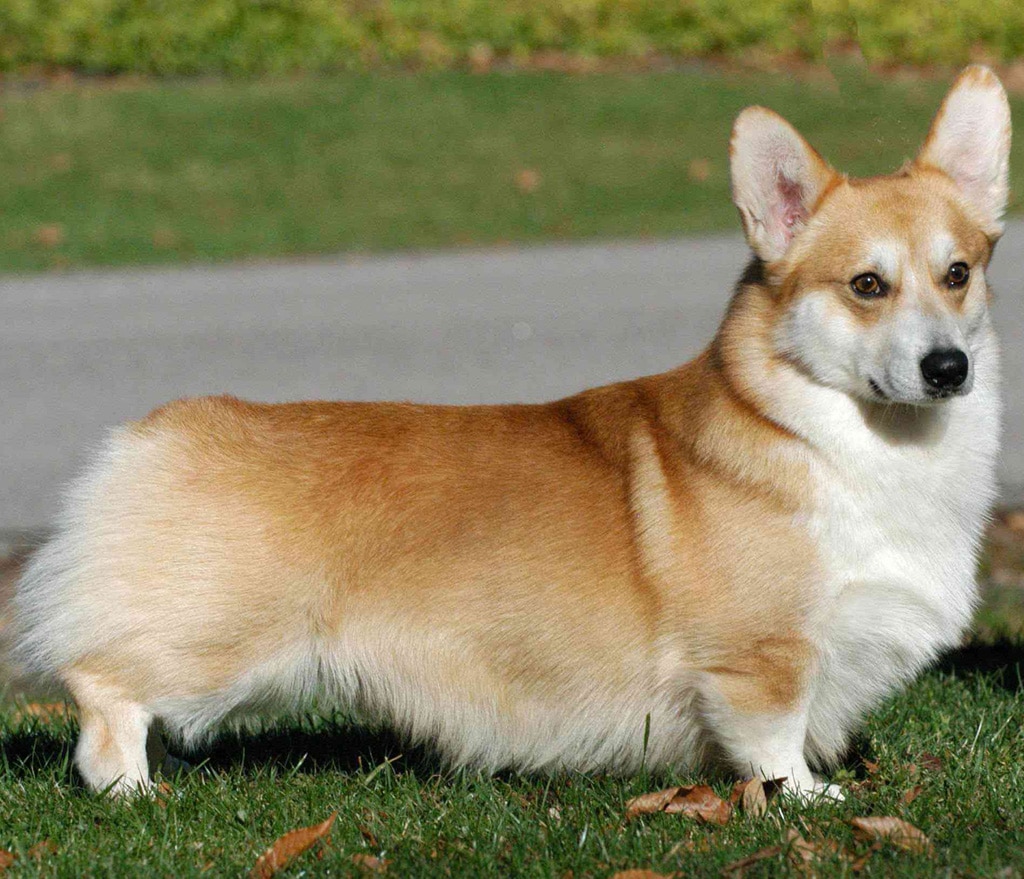
Although Cardigan Welsh Corgi and Pembroke they are relatives, his description of race is completely different. The Pembroke It is small in size, strong, robust Constitution, alert and active, It gives the impression of strength and stamina in a small body.

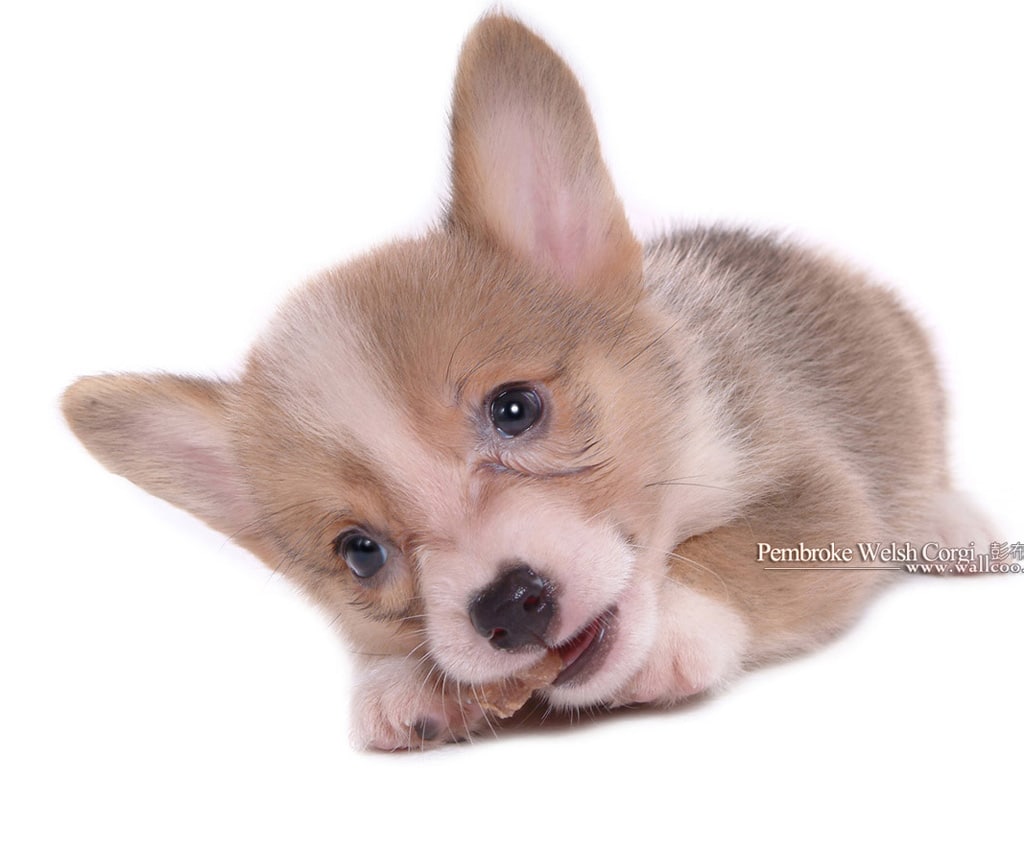
Head recalls by the shape and appearance to the Fox, with an expression alert and intelligent. The tail is short, preferably natural, When the puppies are not born rabones tail amputates almost completely.

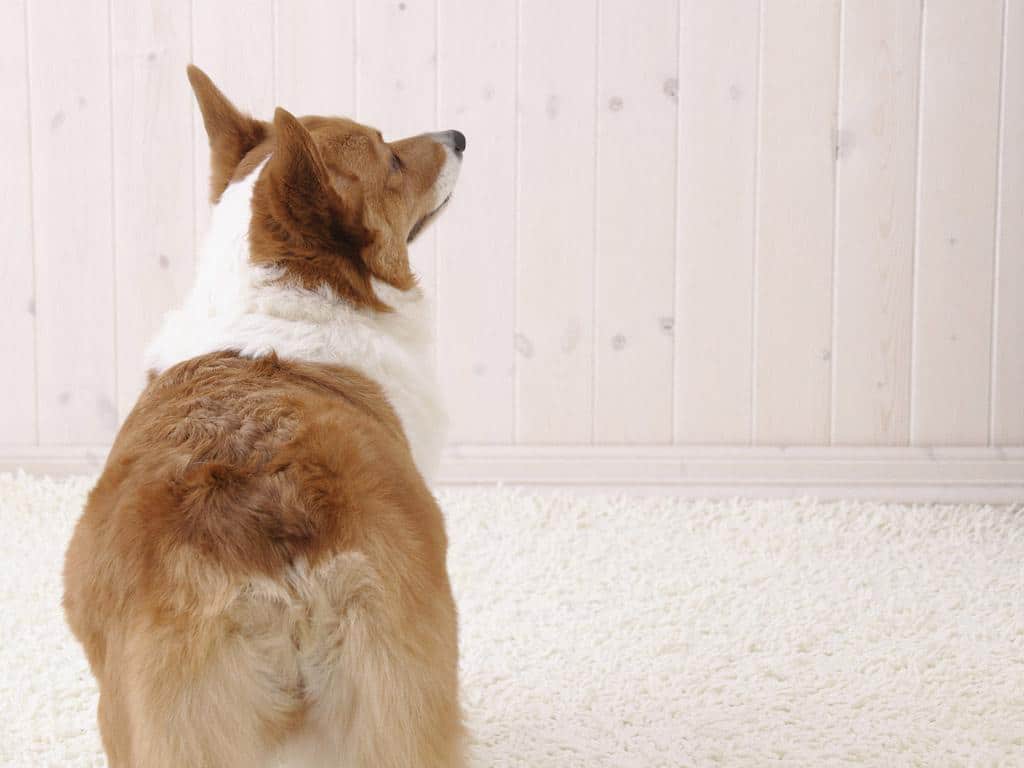
The hair is fairly long and smooth, in various colors such as red, Jet, beige or black and Tan, usually with white spots, is a truly beautiful dog.

The Pembroke Welsh Corgi average has a height of 25 to 30 cm., unato length of 30 to 38 cm and a weight of 11 to 14 kg. Their life expectancy is of 12 to 14 years.

Observations

In England the Corgi de Pembroke is much more popular than Cardigan Welsh Corgi. Perhaps the most obvious reason for that popularity is that Pembroke is the favorite of the royal family, in particular of Queen Elizabeth II. Outside of England the Cardigan is still less known than the Corgi.

Character and skills

It is a very active dog, but the tendency to have them as pets in small homes reduces its activity. If this excesses are added in their food taken quickly to obesity.

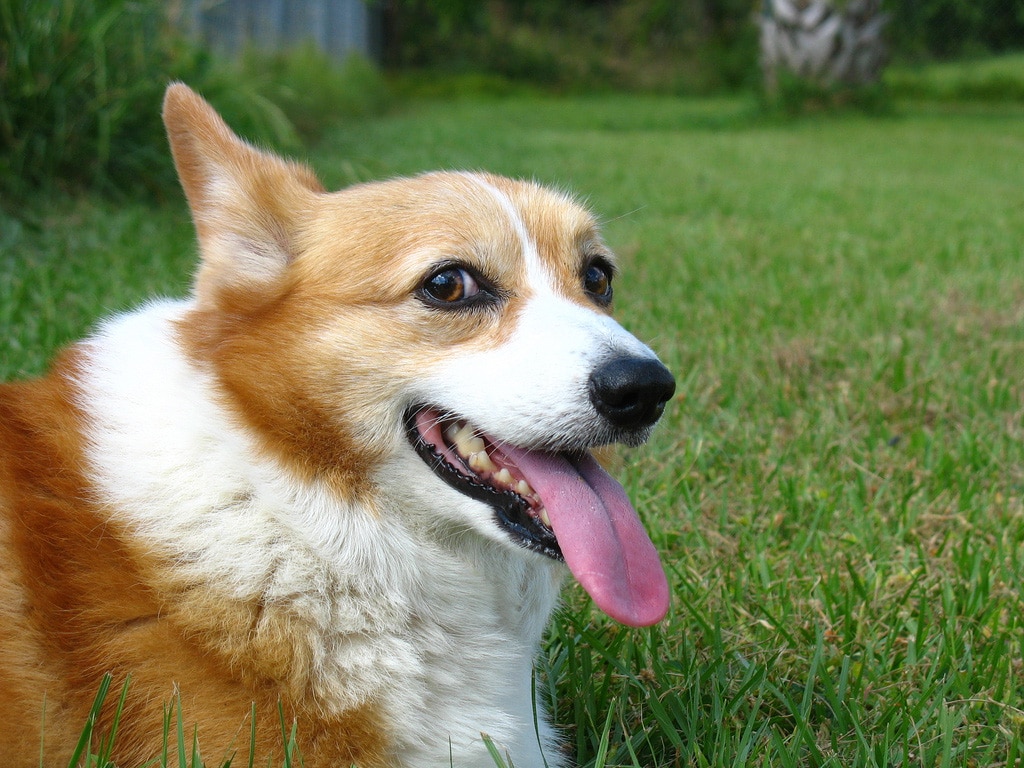
The Pembroke Welsh Corgi is extremely intelligent and loving, with a great personality, very active and worker. Very adaptable to the farms and also, It is a perfect companion dog for children if it is treated properly and barks only occasionally..

Food

An average dog requires of 150 to 300 grams of balanced commercial feed per day. A fairly common feature of Corgi is their voracity, leading you to overeat which makes you feel like you are never full; You must limit your intake.

Health

By the length of the spine are particularly sensitive to overweight which can produce osteoarthritis that reduces your life expectancy and the quality of the same.

This race also has a tendency to hip dysplasia (polygenetic origin), the falls, retinal dysplasia, von Willebrand disease and degenerative myelopathy.

Images "Pembroke Welsh Corgi"

Videos ยซCORGI JUGS DE PEMBROKEยป

Type and recognitions:

  • FCI CLASSIFICATION:
  • Group :
  • Section : . .

Federations:

  • FCI – Group 1 Herding dogs, Section 1 Sheepdogs โ“˜
  • AKC – PASTORAGE โ“˜
  • ANKC – Group 5 (working dogs) โ“˜
  • CKC – Group 7 – Herding dogs โ“˜
  • โ€‹KC – Pastoral โ“˜
  • NZKC – Working dog โ“˜
  • UKC – Herding dogs โ“˜

FCI breed standard "Pembroke Welsh Corgi"

Origin:
United Kingdom, Wales

Date of publication of the valid original standard:
4.11.2010

Use:

Shepherd dog.


General appearance:

It is a small dog, strong, robust Constitution, alert and active, It gives the impression of strength and stamina in a small body.

important proportions:

The length of the muzzle should be 3/5 the length of the skull.


Behavior / temperament:

Sociable and friendly, never nervous or aggressive.

Head:

The head resembles that of the fox due to its shape and appearance, with an expression alert and intelligent.

Cranial region:
  • Skull: The skull is quite wide and flattened between the ears.
  • Depression links (Stop): Slightly marked.

facial region:

  • Truffle: black.
  • Snout: Narrowing slightly.
  • Jaws / Teeth: Must have strong jaws, with healthy teeth, complete and scissor bite, that is to say, that the internal face of the upper incisors is in contact with the external face of the lower incisors, and well positioned in the jaws.
  • Eyes: Well-placed, round, medium in size and brown in color that harmonizes with the mantle.
  • Ears: Medium-sized, upright and slightly rounded. If a straight line is drawn from the tip of the nose passing through the eyes and continues, I should cross the tip of the ears or be tangent to it.

Neck:

Moderately long.

Body:

The body is medium long, well sprung ribs, the lumbar region should not be short. Slightly tapered when viewed from above. Horizontal top line, the chest is broad and deep and well descended between the extremities.

Tail:

Short, naturally preferable.
  • amputee: Short.
  • Without amputating: Inserted at the same level as the upper line, carried low, not curled on the back. Carried along the same line as the back in motion, low at rest. Too high or too low insertion is undesirable.


Tips

Former members
  • Shoulder: Well bent backs, forming an angle of 90 ยฐ with the arms
  • Arms: Arms conform to the shape of the chest.
  • Elbows: The elbows close to the body, neither loose nor too tight.
  • forearms: Short forearms and as straight as possible. Strong skeleton in all its extension to the feet.
  • Previous feet: Oval; with strong fingers, well arched and together. The middle fingers slightly exceed the sides; the pads should be strong and well-rounded. Nails must be short.
Former members
  • General appearance: Strong and flexible. Short hindquarters with good bones all the way to the feet..
  • Knees: Well angulated.
  • Hocks: Seen from behind they should be parallel.
  • Hind feet: Oval; with strong fingers, well arched and together. The middle fingers slightly exceed the sides; the pads should be strong and well-rounded. The
    nails must be short.

Movement:

Your movement must be lively and lively, elbows neither loose nor too close together. The forelimbs should be directed forward, without lifting them much, in harmony with the propeller action of the posterior limbs.

Mantle

  • Fur :Medium long, smooth and with a dense undercoat. It should never be smooth, wavy or very hard (wire).
  • Color : Uniform colours: Red, carbonated leonado, black and tan, with or without white spots on the limbs, chest and neck. Small white spots are allowed on the head and forehead.


Size and weight:

Height to the cross:

Approximately between 25,4 and 30,5 cm..

Weight

  • Males: Among 10 and 12 kg.
  • females: Among 10 and 11 kg.


Fouls:

Any deviation from the aforementioned criteria is considered as a fault and its severity is considered with respect to the degree of the deviation to the standard and its consequences on the health and well-being of the dog., and the dog's ability to perform its traditional task.

disqualifying fouls:

  • Aggressiveness or extreme shyness.
  • Any dog โ€‹โ€‹showing clear signs of physical or behavioral abnormalities.


N.B.:
  • Males should have two normal-appearing testicles fully descended into the scrotum.
  • Only functionally and clinically healthy dogs, with the typical conformation of the breed, should be used for breeding.

The latest changes are in bold.

Source: F.C.I - International Cynological Federation

Alternative names:

1. Pembroke, PWC, Pem, Corgi, Welsh Corgi (English).
2. Welsh Corgi Pembroke (French).
3. Welsh Corgi Pembroke (German).
4. Welsh Corgi Pembroke (Portuguese).
5. Welsh Corgi Pembroke (espaรฑol).

โ–ท The world of Pets: Dogs, cats, birds, reptiles, amphibians

Puli
Hungrรญa FCI 55 - Sheepdogs

Puli

With its black lace cape, gray or white, the Puli, a herding breed of sheep originating from Hungary

Content

Adaptation โ“˜

3,0 of 5 stars (based on 1 review)

friendly dog โ€‹โ€‹โ“˜

3,0 of 5 stars (based on 1 review)

hair loss โ“˜

3,0 of 5 stars (based on 1 review)

Affection level โ“˜

4,0 of 5 stars (based on 1 review)

Need for exercise โ“˜

4,0 of 5 stars (based on 1 review)

Social need โ“˜

3,0 of 5 stars (based on 1 review)

Home โ“˜

4,0 of 5 stars (based on 1 review)

Toilet โ“˜

5,0 of 5 stars (based on 1 review)

Friendly with strangers โ“˜

2,0 of 5 stars (based on 1 review)

barking โ“˜

4,0 of 5 stars (based on 1 review)

Health โ“˜

3,0 of 5 stars (based on 1 review)

Territorial โ“˜

5,0 of 5 stars (based on 1 review)

Cat friendly โ“˜

3,0 of 5 stars (based on 1 review)

Intelligence โ“˜

5,0 of 5 stars (based on 1 review)

Versatility โ“˜

3,0 of 5 stars (based on 1 review)

Child friendly โ“˜

4,0 of 5 stars (based on 1 review)

Surveillance โ“˜

4,0 of 5 stars (based on 1 review)

joy โ“˜

5,0 of 5 stars (based on 1 review)

History

The Puli has been known in Hungary for at least 1.000 years. Dogs like the Puli were brought to Hungary by the Magyar invaders. Dogs look like Tibetan Terrier, and it is possible that this race is one of its ancestors.

The type of work dogs did depended on their size and color. Light-colored dogs were most useful at night so they could be easily seen, while those of dark color worked during the day. Among the white flocks, were easier to see by the pastor.

During the 17th century, the Puli almost lost as a breed due to crossbreeding with sheepdogs from France and Germany. In 1912, a program was started to revive the breed. In 1915 A breed standard was drafted and approved by the (FCI) International Cynological Federation in 1924. The dogs had made their first appearance at a Budapest dog show a year earlier and were divided into three classes.: of work, exposure and dwarf. In 1934 breed standard was revised and dogs were divided by height: large, medium and dwarf. An inscription of 1935 in the Hungarian herd book it notes four sizes: large (policeman), medium- (work), small and dwarf. Medium size was the most popular.

Physical characteristics

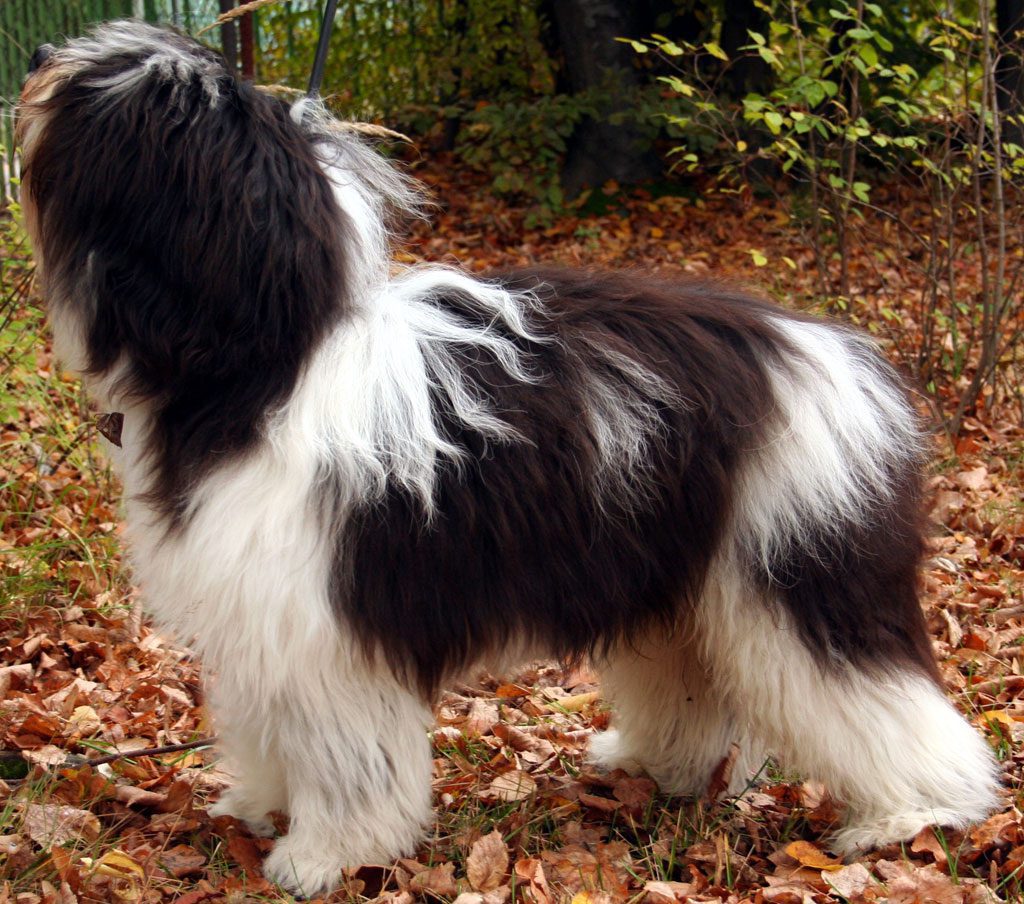
It's a solid dog, lean but muscular. The head is small and thin; front view looks round and in profile, elliptical. The skull is rounded; the nasal canal straight and shorter than the skull, with the stop well marked. The eyes are brown; the gaze is attentive and lively.

has droopy ears; V-shaped. The body gives an impression of great solidity: the height at the withers is somewhat greater than the length of the trunk.

The limbs are straight and muscular. The size of the tail is curved and on the kidneys.

Observations and tips:

Puli's hair is not easy to keep clean. You must avoid getting dirty because you cannot brush or wash.

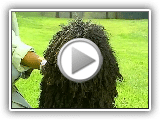
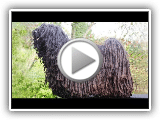
  • Fur: it is so dense that it makes it difficult to examine the different parts of the body. The head appears round due to the hair that falls over the eyes, that hides them. The coat is made of thick textured hair and a fine undercoat: the right proportion between thick and fine hair determines the โ€œnarrowโ€ felting, what is the desired. If there is too much thick hair, the coat is thin. On the other hand, if there is too much fine hair, the cloak will be too pressed. The stringy cloak is made up of uniform hairs that form wavy highlights. Curls are less prone to felting and form long strings. The hair is long on the rump, kidneys and thighs (of 8 to 18 cm.), so that in certain cases, while the dog is standing, hair almost touches the ground. On the other hand, it is moderately short on the head and on the feet.
  • Color: depending on the variety, black, black with reddish highlights, different shades of gray, and white.
  • Size: males, of 40 to 44 cm.; females, of 7 to 41 cm..

Character and skills

Dreadlocks usually attract the attention of those unfamiliar with the Puli. But for those who know him and love him, it is his personality that shines.

The Puli is an affectionate and loving dog that enjoys being with his family. It is intelligent, agile and has a strong work ethic. He is wary of strangers and takes care of his family, but should not be too shy or aggressive.

Like most herding breeds, the Puli is independent and strong-willed. You need a nice hand, but firm, to achieve their best behavior. The Puli has a tendency to bark, another trait of grazing, so any training program must include a "Quiet" command.

The Puli is a capable athlete, known for being able to climb a fence 180 cm.. Fenced yard and lots of supervision required.

Training should begin immediately for the Puli puppy. Even at 8 weeks of age, is capable of learning good manners. Never wait until i have 6 months to start training, or you will have a more stubborn dog to handle. If possible, take it to a puppy trainer when you have 10 to 12 weeks of age, and socializes, socialice, socialice. But, Note that many kinds of training puppies require certain vaccinations (such as kennel cough) stay up to date, and many veterinarians recommend limited exposure to other dogs and public places until puppy vaccinations (including rabies, distemper and parvovirus) They are completed. Instead of formal training, You can start training your puppy to socialize at home and among family and friends until immunizations are completed in the puppy. You can also invite people to your home, to get used to receiving visitors. These experiences as a young dog will help you become a sensible and calm adult dog..

Talk to a reputable and experienced Puli breeder. Describe exactly what you are looking for in a canine companion, and ask for help selecting a puppy. Breeders see puppies daily and can make incredibly accurate recommendations once they know something about their lifestyle and personality. Choose a puppy whose parents have pleasant personalities and who has been well socialized by the breeder since birth.

Puli dog health

The Puli are generally healthy, but the conditions that are sometimes seen in the breed include hip dysplasia, eye problems such as progressive retinal atrophy and deafness.

Don't buy a puppy from a breeder who can't provide you with written documentation that the parents were cleared of health issues affecting the breed. Getting dogs "vet checked" is not a substitute for genetic health testing.

Careful breeders screen their breeding dogs for genetic diseases and breed only the healthiest, best-looking specimens., but sometimes mother nature has other ideas and a puppy develops one of these diseases despite good husbandry practices. Advances in veterinary medicine mean that in most cases dogs can still live a good life. If you are going to have a puppy, ask the breeder about the ages of the dogs in their lines and what they died of.

Remember that after you have welcomed a new puppy into your home, has the power to protect you from one of the most common health problems: the obesity. Keeping a Puli at the right weight is one of the easiest ways to extend his life.. Make the most of your preventive skills to help ensure a healthier dog for life.

Puli dog grooming

The Puli has a dense, weather resistant coat that can be wavy or curly but never silky. The undercoat is soft, woolly and dense. The hair clumps together easily and if left alone it will form shaggy cords as the dog matures, a partir de los 9 months of age. Depending on the coat texture and the amount of undercoat and outer coat, laces can be flat or round. It takes four to five years to fully grow and can reach the ground.

The Puli coat can be brushed or left as a drawstring. If you plan to brush the coat instead of leaving it twine, start early and expect to brush every day or two.

The coat doesn't fall off much, but the laces must be separated regularly to maintain their appearance, and they attract dirt and debris. The Puli's coat should never be dirty, tangled or foul-smelling. To avoid problems, ask the breeder to show you how to care for the coat. Trimming the hair around the mouth and cleaning the dog's face after meals is one way to help reduce odor.. Bathing and drying a Puli can take hours. Make sure it's dry to the skin, or it will smell musty. If you don't plan to display it, you can choose to keep your coat short for easy maintenance.

The rest is basic care. Trim nails as needed and brush teeth frequently with a vet-approved pet toothpaste for overall good health and fresh breath. Check ears weekly for dirt, redness or odor that may indicate an infection. If the ears look dirty, clean them with a cotton swab moistened with a gentle, pH-balanced ear cleaner recommended by your veterinarian. Start brushing the Puli while you are young so that you get used to it and accept it willingly.

Characteristics "Puli"

Coexistence is important that you have with your new friend. Before considering the acquisition of a dog of the breed "Puli" you know certain factors. Not all breeds of dogs are apt to live in an apartment, you must take into account his character, their need for exercise, their interaction with other pets, their care and if you have small children, their level of tolerance towards them.

Images "Puli"

Videos "Puli"

Type and recognitions:

  • FCI CLASSIFICATION:
  • Group :
  • Section : . .

Federations:

  • FCI – Group 1 Herding dogs, Section 1 Sheepdogs โ“˜
  • AKC – PASTORAGE โ“˜
  • ANKC – Group 5 (working dogs) โ“˜
  • CKC – Group 7 – Herding dogs โ“˜
  • โ€‹KC – Pastoral โ“˜
  • NZKC – Working dog โ“˜
  • UKC – Herding dogs โ“˜

FCI breed standard Puli

FCIFCI - Puli
Puli

Alternative names:

1. Hungarian Puli (English).
2. Puli hongrois (French).
3. Puli (German).
4. Puli (Portuguese).
5. Puli hรบngaro, Pulik (espaรฑol).

Photos:

1 – Picture of a white Puli by http://www.rabakozi-nemes.hu / CC BY-SA
2 – Pulik by No machine-readable author provided. Pleple2000 assumed (based on copyright claims). / CC BY-SA
3 – Puli at the World Dog Show in Poznaล„ by Wikipedia
4 – White puli, sheared by age by Benutzer:Cryptodirum / Public domain
5 – Puli would Haplochromis / CC BY-SA
6 – Puli (Hungarian Shepherd), female, 2 years and a half by Wikipedia
7 – Puli would https://pxhere.com/es/photo/1362559

โ–ท The world of Pets: Dogs, cats, birds, reptiles, amphibians

Portuguese Sheepdog (Cรฃo da Serra de Aires)
Portugal FCI 93 . Sheepdogs

Perro de pastor portuguรฉs

The Portuguese Sheepdog has an excellent herd instinct, always ready to take care of the goats

Content

History

The Portuguese Sheepdog has nearly 100 years.

This hairy, use livestock and guardian of the plains of the Portugal South may descend from the Berger de Brie, imported by the conde de Castro Guimarรฃes and which in turn bred with local mountain dogs.

Despite the similarities with the Berger de Brie and the Catalan Sheepdog, there is no reliable evidence to suggest a direct line of descent.

During the greater part of the last century, the Portuguese Sheepdog was the companion of the shepherds in southern Portugal, but in the Decade of 1970 was almost extinct.

Fortunately, the beauty of your fur and your docile predisposition came to knowledge of the breeders. Today, many owners in Portugal are owners of this breed and their future is assured..

Although he is practically unknown outside his native country, This dog of woolly appearance is a class dog, worthy of greater international recognition.
Owners say these โ€œcuteโ€ little dogs, nicknamed for their peculiar appearance and picturesque expression, have been part of farming and family life for a very long time. As with many working breeds, the ability to work was more important than the appearance, and the standard was not set up to 1930.

Recognition: CKC, FCI, NKC, APRI, ACR, DRA

Physical characteristics

The fur of the < is long and smooth, with a light ripple. Do not have a background layer.

The colors We accept yellow, the brown, the fawn to red and more or less stained gray with red fire. There may be greater or lesser amount of white hairs scattered around the mantle, but never forming stains, except in the chest.

The previous tips they are symmetrically covered with long hair.
It has a beard that gives a mature look. The eyes they are round and dark, with a friendly expression. The ears moderate size usually hang on the sides of the cheeks, Although sometimes clipped. Clipping is prohibited in some European countries. Their feet are particularly adaptable to difficult terrain. Their legs they are strong and their chest deep.

Males can measure of 45 to 55 cm., while females measure of 42 to 52 cm.. The weight must be between 12 and 18 kg.

The hair is longer on the head giving these dogs a curious and messy bangs.
It has a head wide and robust, with a prominent nose and strong jaw. The tail, very close from the base, the high boot, it reaches the Hock and tapered.

Their life expectancy is of 12-13 years.

Character and skills

The Portuguese Sheepdog It is one of the smartest Sheepdogs. This is a great dog, joyful, happy and always ready to work. Very loyal, and paired with their own town.

The Portuguese Sheepdog needs a well-balanced training. It has a above average intelligence and learns quickly and easily, but he can be stubborn and dominant if they feel that their owners do not have the same mentality. So, It has always been a challenge for pastors. Trained once, This is the dog more reliable an owner may have. It requires educators safe and strong. These dogs can live with other animals, Although some males may try to dominate other males. They can live happily with other pets, provided that they have been properly socialized.

The Portuguese Sheepdog is usually patient with children, but the males, in particular, they can be very possessive within its territory. This race is reserved with strangers and they do a good job as a watchdog.

It is very good Shepherd with cattle, that will tirelessly defend. These dogs are known for their fast attitude, intelligent and are particularly good to bringing back stray dogs. They love its owner above all on Earth. Not usually bite unless cause you.

Characteristics "Portuguese Sheepdog (Cรฃo da Serra de Aires)"

Coexistence is important that you have with your new friend. Before considering the acquisition of a dog of the breed "Portuguese Sheepdog (Cรฃo da Serra de Aires)" you know certain factors. Not all breeds of dogs are apt to live in an apartment, you must take into account his character, their need for exercise, their interaction with other pets, their care and if you have small children, their level of tolerance towards them.

Adaptation โ“˜

3,0 of 5 stars (based on 1 review)

friendly dog โ€‹โ€‹โ“˜

2,0 of 5 stars (based on 1 review)

hair loss โ“˜

2,0 of 5 stars (based on 1 review)

Affection level โ“˜

3,0 of 5 stars (based on 1 review)

Need for exercise โ“˜

5,0 of 5 stars (based on 1 review)

Social need โ“˜

3,0 of 5 stars (based on 1 review)

Home โ“˜

3,0 of 5 stars (based on 1 review)

Toilet โ“˜

4,0 of 5 stars (based on 1 review)

Friendly with strangers โ“˜

3,0 of 5 stars (based on 1 review)

barking โ“˜

2,0 of 5 stars (based on 1 review)

Health โ“˜

4,0 of 5 stars (based on 1 review)

Territorial โ“˜

5,0 of 5 stars (based on 1 review)

Cat friendly โ“˜

2,0 of 5 stars (based on 1 review)

Intelligence โ“˜

4,0 of 5 stars (based on 30 reviews)

Versatility โ“˜

3,0 of 5 stars (based on 1 review)

Child friendly โ“˜

3,0 of 5 stars (based on 1 review)

Surveillance โ“˜

4,0 of 5 stars (based on 1 review)

joy โ“˜

5,0 of 5 stars (based on 1 review)

Images ยซPortuguese Shepherd Dogยป

Videos ยซPortuguese Shepherd Dogยป

Type and recognitions:

  • FCI CLASSIFICATION:
  • Group :
  • Section : . .

Federations:

  • – FCI โ“˜,
  • – AKC โ“˜,
  • – ANKC โ“˜,
  • – UKC โ“˜

FCI breed standard "Portuguese Sheepdog (Cรฃo da Serra de Aires)"

Origin:
Portugal

Date of publication of the valid original standard:
04.11.2008

Use:

Guard and herding dog on ranches.


General appearance:

It is a medium-sized dog, sublongilinear. Appreciable rusticity and sobriety, extremely agile and fast with a wide and suspended movement. Long hair with goat-like texture without undercoat. It has the appearance and attitudes of an ape, which is why it is known in this region as the โ€œmonkey dog.โ€.


IMPORTANT PROPORTIONS: The length of the body is approximately 10% greater than his height at the withers. Chest depth is less than 50 % the height at the withers. The length of the muzzle is 2/3 the length of the skull, the width of the skull is slightly less than its length.


Behavior / temperament:

Exceptionally intelligent and very affectionate. He is very dedicated to the shepherd and the cattle he cares for; stay away from strangers and keep watch at night. Nowadays he is also an excellent companion dog., sport and guard. It is highly prized for its ability to keep herds on pasture and to search for escaped animals.. It is alert and vigilant in the presence of predators. The breed is very devoted to its shepherd and his cattle. His work is done with pleasure and pleasure.

Head:

Medium-sized (mesocefรกlica), strong, wide; is not long, or large.

Cranial region:
  • Skull: With a tendency to be square, slightly longer that wide, divergent longitudinal axes of the skull and the muzzle, convex on both axles but more laterally. Supercilii arc is not prominent. Front Groove pronounced stretching towards the middle of the antecara, the areas between the ears are flat with an apparent occipital Protuberance.
  • Depression links: Well defined.

facial region:

  • Truffle : Well defined, slightly elevated ; the Windows are wide. It is rounded, cylindrical and truncated almost vertically. Preferably black, It can be liver color in yellow or brown animals but it should always be a darker color than the coat..
  • Nose cane: It is short; measured around 2/3 the length of the skull. Almost cylindrical ; the width should be proportional to its length and form. Rectilinear profile, or slightly concave.
  • Lips: Together, non-overlapping. They are thin, firm, almost straight cut. The edges of the same color of the truffle. 
  • Jaws: They have a normal development. Both jaws are in perfect opposition. Complete dentition of 42 teeth white and solid. Scissor bite, accepted a bite in Clip.
  • Eyes: Medium-sized, rounded, preferably color dark but can be Hazel or brown amber color in yellow animals, level without being prominent placement. friendly expression, Intelligent but docile, horizontal, eyelids black or always darker than the hair color and according to the colour of the nose.
  • Ears: High implementation; they are falls, and not bent, When not have been cut off; they are straight when they have been cut off. They have a triangular shape. Thin and soft skin. Medium-sized from the same long than broad (About 10 cm.).

Neck:

It joins harmoniously the head and trunk. It is straight and slightly ascending ; supplied thickness. It is not a double chin.

Body:

  • The top line : Straight or slightly inclined.
  • Cross : Strong, harmoniously combined with the neck and back.
  • Back : Straight or slightly sloping and long. Well muscled, usually twice the length of the spine.
  • Pork loin : Short and arched seen profile; wide and curved, seen from the front, strong muscles and well attached to the back and rump.
  • Rump : Some prominent and slightly inclined, soft, long and half-width, strong muscles.
  • Breast : Up to the height of the elbows, bandwidth and average depth, ribs slightly arched with an oval to leaning back rib cage. The sill is prominent, wide well back and wide.
  • Belly and flanks : Uniformly and slightly ascending.

Tail:

High insertion, sharp, arriving at the height of the paw, tapering from the base. Long and covered with abundant hair. When the dog is in motion it is the extension of the top line or it may curve slightly on the top line but never curve on the back.

Tips

PREVIOUS MEMBERS: Strong, well aplomados seen from front and profile, and separate, the distance from the cross to the elbows is slightly smaller than the elbow to the ground.

  • Shoulder: Medium length with a 45ยบ inclination, good muscular, scapula and humerus placed at a 90ยบ angle.
  • Arm: Strong and medium length placed at a 45ยบ angle, good muscular.
  • Elbows: Parallels, close to the chest and with a humerus angle โ€“ radius of 135ยบ.
  • Forearm: Long, vertical and well muscled with bones of medium thickness.
  • Carpo: Delgado. It is not prominent.
  • Metacarpus: Normal size and medium length. From top to bottom, and back forward, is not very inclined.
  • Pies: Rounded, not crushed. The fingers are long and together, with a curve. The nails are long, black and strong, or darker than the coat. The pads are thick and tough.

LATER MEMBERS: Medium width, aplomados seen from front or back, strong giving a perfect impression of strength and agility.

  • Thighs: Medium length and amplitude; good muscular. Hip-femur angle of approximately 105ยบ.
  • Knee joint: Straight view back without leaning neither in nor out. Femur โ€“ tibia angle approximately 130ยบ.
  • Leg: Little inclined; long and well muscled. Strong bones.
  • Tarsus(Hock) : medium width, low placement, strong and slim. Tibia โ€“ tarsus angle approximately 120ยบ.
  • Metatarsus: Normal size, although strong; medium length. It is not very inclined top down, and from front to back. There may be single and double Spurs.
  • Pies: Identical to previous feet in all its aspects.

Movement:

Predominantly moves in a lightweight and suspended trot with powerful. The Gallop, When the work required, is energetic.

Mantle

  • SKIN: Thick, flexible, not too tightThe mucous internal and external are preferably Pigmented.
  • COAT : Smooth or slightly wavy, the goat hair forming a long beard longer with a somewhat rough texture preferably type, whiskers and eyebrows but not covering eyes, thick and evenly distributed on the body including the interdigital spaces. Thickness means without Undercoat or fluff hair. Very long hair on his head, body and members, including the interdigital spaces.
  • HAIR COLOR: The colors are yellow, brown, grey, reddish and Grey Wolf; with light and dark varieties, and more or less marked fire black, with or without white hairs mixed, but never show white spots, except for a small spot in the pectoral region.
  • Skin : The mucous internal and external are preferably Pigmented; the skin is not too stretched.


Size and weight:

  • In males : of 45 to 55 cm..
  • In females : of 42 to 52 cm..

WEIGHT :

  • Males and females: 17 to 27 kg.


Fouls:

Any deviation from the aforementioned criteria is considered a fault and the severity of this is considered to the degree of the deviation from the standard and its effect on the health and well-being of the dog..

SEVERE FAULTS

  • Behavior: Specimens showing nervousness or unbalanced temperament.
  • Jaws: Incorrect implantation of teeth, absence of two premolars (Except PM1)
  • Little marked links depression.
  • Nose is pointed.
  • Overlapping lips, or pendulums.
  • light eyes, small, or non-round, u oblique.
  • Bent or rose-shaped ears.
  • Too narrow banister.
  • Breast : shallow, flat rib cage.
  • Concave upper trunk line, or too steep.
  • Horizontal Croup, or too much fall.
  • Bottom line too thin.
  • Tips: anterior or posterior foot inclined, Garron of cow. Not too straight hind legs.
  • Very low insertion queue, short, or curled over the back when the dog is at rest.
  • White nails.
  • Little wire-haired, or not long enough.
  • Large white patch on the chest region. Fire-coloured stains not defined.
  • Movement: not wide enough, not suspended, elbows out, Paw too together.

MISS PLAYOFFS

  • Behavior: Aggressiveness or excessive shyness.
  • General appearance: Lymphatic, Lightweight bones. Severe deviations from the important proportions
  • Narrow and long head.
  • flat skull, round, Strait
  • Low-set ears, too separate, erect semi erect or.
  • Nasal helm that presents a convex profile.
  • Jaws: prognathism or inferior, absence of more than two premolars (except PM1).
  • Pigmentation: Total absence of pigmentation in truffle, eyelids, lips (albinism).
  • Amputated tail, or lack thereof of birth.
  • Short hair, curly or with presence of Undercoat.
  • Color: White at the ends of the members. Absence of stain color fire in Brown adult, grey or black.
  • Movement: Too rengueo or heavy, with severe deviations in previous members, weakness.
  • Size: Above or below established limits.

Any dog โ€‹โ€‹showing clear signs of physical or behavioral abnormalities should be disqualified..


N.B.:
  • Males should have two normal-appearing testicles fully descended into the scrotum..

TRANSLATION : IRIS Carrillo (Federation Canรณfila de Puerto). 

Technical review: Miguel Angel Martinez (Federation Cynologique Argentina).

Source: F.C.I - International Cynological Federation

Alternative names:

1. Monkey dog, Cรฃo da Serra de Aires (English).
2. Berger de la Serra de Aires, CHIEN DE BERGER DE LA SERRA DE AIRES (French).
3. PORTUGIESISCHER SCHร„FERHUND (German).
4. Serra-d’aires (Portuguese).
5. Perro de pastor portuguรฉs (espaรฑol).

โ–ท The world of Pets: Dogs, cats, birds, reptiles, amphibians

Polish Tatra Sheepdog (Tatra Shepherd Dog)
Polonia FCI 252 - Sheepdogs

Pastor de Tatras

The Polish Tatra Sheepdog is intelligent, quiet and independent, loyal and protective.

Content

History

The breed of dog Polish Tatra Sheepdog, It originated in the region of Podhale, in the area of the Tatra mountains of Poland, hence its name.

The race lived the Polish mountains since thousands of years ago, but there is no exact date to record the start of the race. There are theories that suggest similar terraces that inhabited the mountains mixed together and from there arose the Polish Tatra Sheepdog.

Other historians, They suggest that it was born from dogs imported by Phoenician traders from the East and probably came to Europe from Africa.. They also argue, that the Phoenicians used these dogs as merchandise to exchange for valuable products, as glass, Silver and tissues.

As well, other historians recount that the Romans used in battles and also as guard of prisoners, and that the nobles used to use it as a companion and guard dog.

Although there is much controversy regarding the origin of Polish Tatra Sheepdog, breeders of race in Poland, they assure that it comes from a Mastiff-type dog.

Historically, the Polish Tatra Sheepdog has been very successful among pastors for various reasons, but one of them, and perhaps the most remarkable - in addition to its inteligencia-es the color of his cloak, that allowed shepherds to quickly identify it from a bear or a wolf, for example.

It also, owners used to trim the dog's hair and use it like wool.

While the grazing of sheep will be the most important task of this dog, Historically, It wasn't the only job I did.. As well, they used it as a personal guard dog, of factories and private in general property.

But despite all these wonders that describe the Polish Tatra Sheepdog, After the world wars was on the verge of extinction.

It was the Federation Cynologique Internationale (FCI) who prevented that you happen starting in the year 1960 an exhaustive breeding program in order to avoid the extinction of the breed.

Thanks to this action, the race was slowly stretching to far and wide throughout Europe, for the year 1981 the race was already present in Canada.

Although it is currently bred more frequently and remains relatively stable, the Polish Tatra Sheepdog still known as a rare breed, It is estimated that there are only 3000 copies of the race around the world. Most are in Poland, they have with 600 registered copies, the if United States with 300 registered copies, and then countries like France, for example in the year 2003 registered 150 births this race.

And in Poland, approximately 150 of those 600 specimens, are they still used for grazing.

Physical characteristics

The Polish Tatra Sheepdog, is a dog from large size, is very similar to the Newfoundland but completely white.

The males they have a height to the cross ranging from 65 to 70 cm. and females -slightly smaller- they have a height ranging from 60 to 65 cm.. The weight is proportional to its size, but it is usually located 39 to 59 kg.

In one head huge, with a wide barrel and slightly arched Vault but with well marked but not abrupt stop.

Their eyes are showy and medium-sized, they transmit - by the general-una smart look, lively, the shape of the eyes is gently almendrada and gives us the feeling of that would sleep, transmits tenderness.

The ears they have an average length and are triangular, fitted with long hair.

The tail, planted at mid-height has a length that reaches at least the hock.

The the mantle of the Pastor of Tatras, is of double layer. The subpelo, is dense and fluffy, and the outer layer is a fairly notorious long mane around the neck.

Character and skills

His instinct, through hundreds of years of ageing, was to protect livestock, reason why easily adopt a family as a herd if it were.

It is a companion dog and very protective of their own (whether families or herds). It is not an attack dog, but perceived threats to the distance and try to scare it through intimidation, using as I support his strong bark.

Although maintained similarities in appearance and temperament with at the Pyrenean Mountain Dog and with the Kuvasz (Hungarian). The Polish Tatra Sheepdog it is less distant than those two races mentioned, tends to be more attached to his offspring and is more attached to his own.

The Polish Tatra Sheepdog, is a quiet dog, very powerful but aware of his strength shows sensitivity to the weakest (for example, children).

Temperament is very balanced, It independent and autonomous but very easy to educate and always ready to learn.

With children is, especially, cheerful and friendly. It will take care of them like its young, displaying its strong protection instinct backed by its history..

Observations

In the mountainous regions of Poland, where this precious dog usually lived, shepherds used to place an iron or spiked collar to protect it from wolves. It was a way to avoid bites that wolves usually allocated to the neck or throat of its prey. In the news, they still used kind of necklaces.

In United States, the dog Polish Tatra Sheepdog it is considered a rare breed. And is not recognized by the American Kennel Club.

Images ยซTatra Shepherdยป

ยซTatra Shepherdยป Videos

Type and recognitions:

  • FCI CLASSIFICATION:
  • Group :
  • Section : . .

Federations:

  • FCI – Group 1 Herding dogs, Section 1 Sheepdogs โ“˜
  • UKC – Herding dogs โ“˜

FCI breed standard Polish Tatra Sheepdog (Tatra Shepherd Dog)

FCIFCI - Polish Tatra Sheepdog (Tatra Shepherd Dog)
Pastor

Alternative names:

1. Tatra Mountain Sheepdog, Owczarek Tatrzaล„ski, Owczarek, Podhalaล„ski, Polski Owczarek, Podhalan, Tatra (English).
2. Berger de Podhale (French).
3. Tatra Schรคferhund, Tatrahund, Tatra-Hirtenhund sowie Podhalaner (German).
4. Polski Owczarek Podhalaล„ski (Portuguese).
5. Pastor polaco de Podhale (espaรฑol).

โ–ท The world of Pets: Dogs, cats, birds, reptiles, amphibians

Polish Lowland Sheepdog (Valee Sheepdog)
Polonia FCI 251 - Sheepdogs.

Pastor Polaco de Valรฉe

The Polish Lowland Sheepdog is a lively, Intelligent, playful and lots of memory.

Content

History

The Polish Lowland Sheepdog (Valee Sheepdog) It is a breed of woolly dog half original size of Poland.

The bibliographic data of the race recount that the Pastor Polaco de Valรฉe, comes from dogs imported by the Phoenicians more than two thousand years.

Some sources insist that the Polish Lowland Sheepdog, as we know it today has existed in Poland since at least the 13th century, and it is probable that within its ancestors there was a dog of breed Puli.

As well, they are described as one of the ancestors of the breed Bearded collie. According to the story, a Polish merchant named Kazimierz Grabski, it negotiates a shipment of grain for his sheep in Scotland in the year 1514, to move the cattle in the area he took with him six dogs Polish Lowland Sheepdog.

Apparently a Scottish Shepherd was so impressed with the ability of dogs grazing proposed Kazimierz Grabski exchange a RAM and two ewes for a dog and two bitches. The business was carried out and these three specimens were mixed with the local Scottish dogs and the beautiful ones were born there. Bearded Collie.

The Polish Lowland Sheepdog, as many dog breeds during the second world war he was on the verge of extinction. But - luckily- In most cases, a key person always appears for the history of the canine breed..

In this case the breed was restored and was made by the Dra. Danuta Hryniewicz and his dog, Smok ("Dragon"), Smok is considered the ancestor of all specimens of Polish Lowland Sheepdog that exist in today's world. The first litter in order to restore the breed was born in the year 1950.

Smok, It was a spectacular specimen of the breed, with a perfect anatomical structure and a wonderful temperament. The standard of this dog is tried to emulate by Valรฉe Polish Shepherd breeders, for future generations. And Smok, the first born official standard of the breed, It was written and accepted by the FCI (Federation Cynologique Internationale) in the year 1959.

The American Kennel Club recognized the Polish Lowland Sheepdog as a breed in the Grazing Group in the year 2001.

Physical characteristics

The males measure between 45 and 50 cm and females between 42 and 47 cm., weighing the males of 18,2 to 22,7 Kg and females 13,7 to 18,2 Kg.

The Polish Lowland Sheepdog is a muscular dog of the mantle thickness of double layer which can be of any color and reason, being the colours white, grey and Brown the most common with black markings, grey or brown. Its color usually becomes darker as it grows..

The internal mantle is soft and dense, While the outside is hard and can be smooth or corrugated, but not curly. The hair head makes the head look larger than it really is, covering him in addition the eyes.

The body It is a square, It seems rectangular due to the abundance of hair, with an altura-longitud ratio of 9:10 (that is to say, for a dog of 45 centimeters tall, your body will measure each 50 cm length).

The tail It may be very short and even cut, although it is a practice that is prohibited -fortunately- in many countries.

Character and skills

They are stable, insurance and have an excellent memory which can be worked, Although this breed can dominate his master if it has a weak will.

When is with their herds on the Plains or in the mountains of Poland, the Polish Lowland Sheepdog can rest quietly, because even if it is in sleep mode continues to monitor his flock and will not allow to escape or a single animal, Once the order has been responsible for everything.

Nowadays it is used more as a pet, It is very easy to be playful by nature it suits any family on all children.

They adapt well to a wide variety of conditions and are popular as apartment companion dogs., Although they need a moderate daily exercise.

They love to be with people, especially with the children, they are very protective dogs.

Observations

It is important to check your power supply: to be quite heavy for its size, has a tendency to obesity. Exercise and good nutrition in the infallible recipe for good health of the Polish Lowland Sheepdog.

Polish Lowland Sheepdog Health

All dogs have the potential to develop genetic health problems, just as all people have the potential to inherit a particular disease. Run, do not walk, from any breeder that does not offer a health guarantee on puppies, to tell you that the breed is 100 percent healthy and has no known problems, or tell you that your puppies are isolated from the main part of the home for health reasons. A reputable breeder will be honest and open about the breed's health problems and the incidence with which they occur in their lines..

Having said that, the Polish Lowland Sheepdog is a fairly healthy breed with health issues that are rare so far. Conditions that can be observed in the breed include hip dysplasia, ceroido-lipofuscinosis neuronal, progressive retinal atrophy and hypothyroidism.

Remember that after bringing a new puppy home, has the power to protect you from one of the most common health problems: the obesity. Keep a Polish Lowland Sheepdog with a proper weight is one of the easiest ways to prolong your life. Make the most of your preventive skills to help ensure a healthier dog for life.

Polish Lowland Sheepdog Grooming

The Shepherd of Valรฉe has a long, thick and furry double coat. It has a shiny texture and is supposed to be waterproof.

Expect to spend an hour a week or some time daily keeping him groomed. Brush it with a natural bristle brush, then comb it through, making sure to get to the skin. If you let go of the coat, will get tangled and may need to be trimmed. It will take you nine to twelve months to grow back. A monthly bath does not hurt. The positive side is that the Shepherds of Valรฉe do not lose much.

The rest is basic care. Trim nails as needed, normally each week the. Keep ears clean and dry, and brush frequently with a vet-approved pet toothpaste for overall good health and fresh breath. Grooming a puppy requires very little time, but it's a good idea to start early so you can get used to staying still while you work on your coat.

Characteristics "Polish Lowland Sheepdog (Valee Sheepdog)"

Coexistence is important that you have with your new friend. Before considering the acquisition of a dog of the breed "Polish Lowland Sheepdog (Valee Sheepdog)" you know certain factors. Not all breeds of dogs are apt to live in an apartment, you must take into account his character, their need for exercise, their interaction with other pets, their care and if you have small children, their level of tolerance towards them.

Adaptation โ“˜

3,0 of 5 stars (based on 1 review)

friendly dog โ€‹โ€‹โ“˜

2,0 of 5 stars (based on 1 review)

hair loss โ“˜

4,0 of 5 stars (based on 1 review)

Affection level โ“˜

5,0 of 5 stars (based on 1 review)

Need for exercise โ“˜

4,0 of 5 stars (based on 1 review)

Social need โ“˜

4,0 of 5 stars (based on 1 review)

Home โ“˜

3,0 of 5 stars (based on 1 review)

Toilet โ“˜

4,0 of 5 stars (based on 1 review)

Friendly with strangers โ“˜

2,0 of 5 stars (based on 1 review)

barking โ“˜

4,0 of 5 stars (based on 1 review)

Health โ“˜

2,0 of 5 stars (based on 1 review)

Territorial โ“˜

5,0 of 5 stars (based on 1 review)

Cat friendly โ“˜

3,0 of 5 stars (based on 1 review)

Intelligence โ“˜

5,0 of 5 stars (based on 1 review)

Versatility โ“˜

2,0 of 5 stars (based on 1 review)

Child friendly โ“˜

4,0 of 5 stars (based on 1 review)

Surveillance โ“˜

4,0 of 5 stars (based on 1 review)

joy โ“˜

5,0 of 5 stars (based on 1 review)

Polish Lowland Sheepdog Images

Polish Lowland Sheepdog Videos

Type and recognitions:

  • FCI CLASSIFICATION:
  • Group :
  • Section : . .

Federations:

  • FCI – Group 1 Herding dogs, Section 1 Sheepdogs โ“˜
  • AKC – PASTORAGE โ“˜
  • ANKC – Group 5 (working dogs) โ“˜
  • CKC – Group 7 – Herding dogs โ“˜
  • โ€‹KC – Pastoral โ“˜
  • NZKC – Working dog โ“˜
  • UKC – Herding dogs โ“˜

FCI breed standard Polish Lowland Sheepdog (Valee Sheepdog)

FCIFCI - Polish Lowland Sheepdog (Valee Sheepdog)
Pastor

Alternative names:

1. Polski Owczarek Nizinny, Valee Sheepdog, PON, Nizinny, PLS (English).
2. Berger polonais de plaine (French).
3. PON, รผbersetzt polnischer Niederungshรผtehund (German).
4. Polski Owczarek Nizinny (Portuguese).
5. Pastor de Valรฉe, Pastor polaco de las llanuras (espaรฑol).

โ–ท The world of Pets: Dogs, cats, birds, reptiles, amphibians

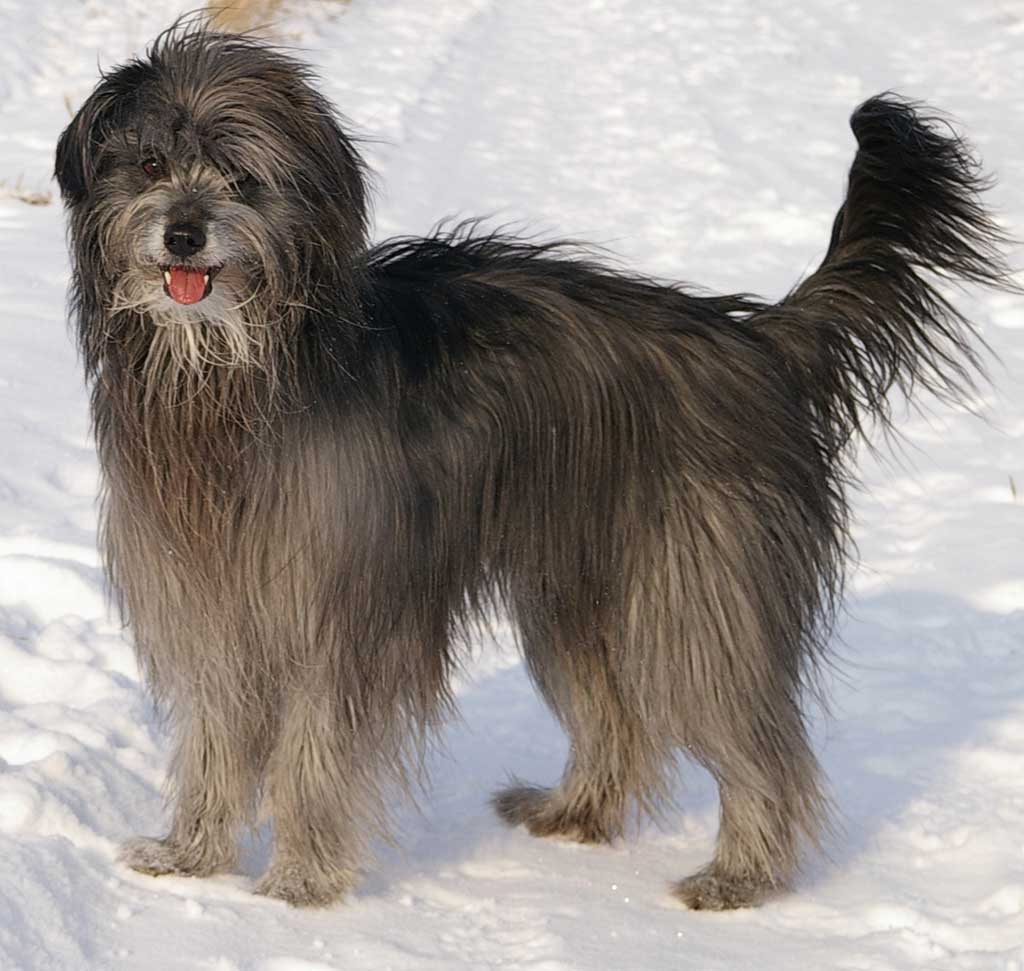
Pyrenean Shepherd
Francia FCI 141 - 138 . Sheepdogs

Pastor de los Pirineos

The Pyrenean Shepherd It is capable of detecting mood of each Member of the family.

Content

History

The Pyrenean Shepherd is a breed of dog originating in France monitoring pastor, consists of two different varieties: the Pyrenean Shepherd Long Hair and the Smooth-faced Pyrenean Shepherd.

This breed of dog is very old, the oldest dog is French pastors, but in reality, its origins are unknown.

Its origin and its history is supposed to be the same, than the other dogs of pastor European descendants of Asian dogs.

Read more

โ–ท The world of Pets: Dogs, cats, birds, reptiles, amphibians

Pumi
Hungrรญa FCI 56 - Sheepdogs.

Pumi

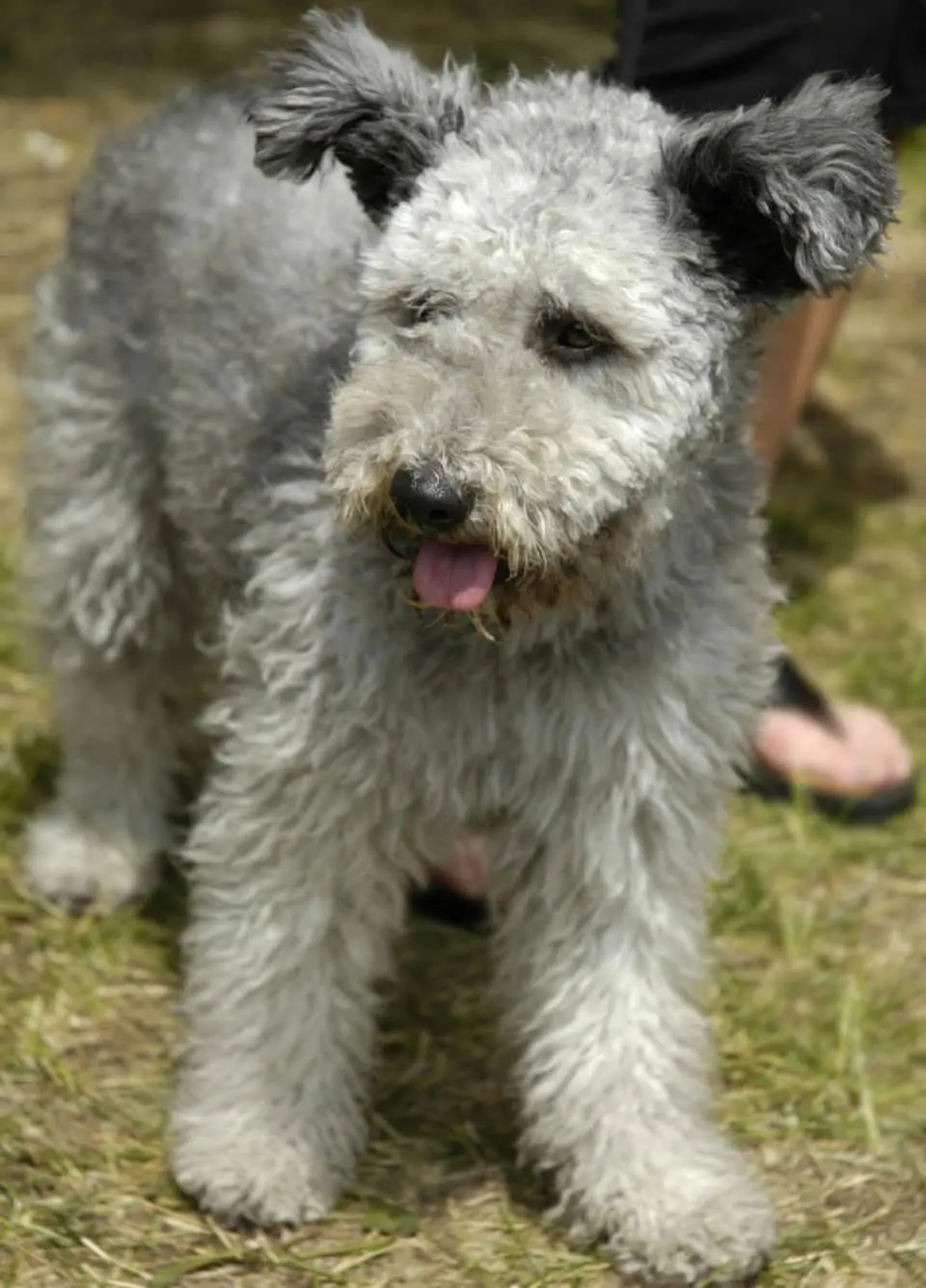
The Pumi is a rustic dog, docile, independent and very protective with their own.

Content

History

The Pumi It is a herding dog size medium of the Terrier group, originally from Hungary.

The Pumi has been used as a "general farm dog", in grazing sheep not only, but also cows and pigs, and also for catching small rodents. Originated from the 17TH and 18th century, When the grazing done by dogs Terrier, brought to Hungary from Germany and France, it was common. These Terrier-type dogs, they were mixed with native Hungarian sheepdogs, and the result of such crossing gave rise to the sympathetic current Pumi, It is a dog of Terrier blood but with the heart of dog. He was raised as a working dog, an autonomous and free animal.

Read more