โ–ท The world of Pets: Dogs, cats, birds, reptiles, amphibians

Sardinian Shepherd Dog
Italia Not recognized by the FCI
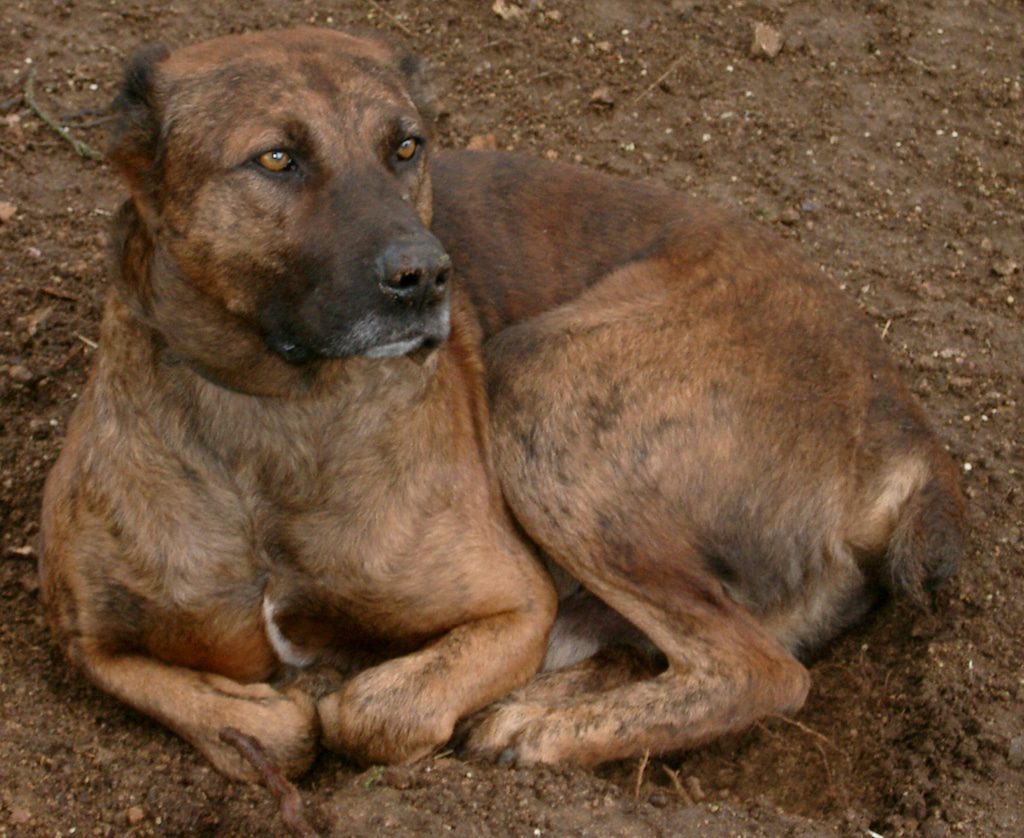
Dogo Sardo

Content

History

The Sardinian Shepherd Dog It is a breed of dog of Italian origin used as a watchdog of properties, livestock guardian dog, combat and working dog, in general.<>

It is a rare breed and quite unknown outside Italy, the Sardinian Shepherd Dog It was developed in the towns of Sardinia like a group dog Molossoid, mastiff type suitable for all types of work. From an aggressive guardian, an excellent pastor for the protection of livestock and a delicate and careful with their flocks farmer, up a fierce wrestler.

The race Sardinian Shepherd Dog is so valued by the people of Sardinia that -usually- they refuse to sell their puppies to foreigners.

The fact that the puppies are born and raised in Sardinia, has contributed to making it difficult to determine the heredity of the breed. It is almost certain that its descent is found in the same root as the rest of the ancient dogs with similar characteristics that existed in the Middle Ages., shared legacy with the Neapolitan mastiff, Cane Corso, Calabrese Bucciriscu and others.

The Sardinian Shepherd Dog rarely seen outside of his native region, and there are no written rules, nor standard that regulates its characteristics, because they are not recognized by the Federation Cynologique Internationale (FCI).

For more confusion the population of Sardinia, defends that there are two separate races of Sardinian Shepherd Dog, one would be Fonnese Pastore that it is a Long-haired shepherd dog, and the other the real one Sardinian Shepherd Dog What, locally, is known as Pertiatzu Cani and he has short hair, similar to the Cane Corso . This confusion comes from this name Fonnese Mastino has been erroneously used to name the Sardinian Shepherd Dog.

In reality the Fonnese Mastino (or Mastรญn Fonnese) is the smooth-coated variety of the breed Fonnese Pastore, that was born from the crossing of a Pastor Fonnese with a Sardinian Shepherd Dog.

Physical characteristics

Returning to our protagonistโ€ฆ The Sardinian Shepherd Dog he is a very muscular and athletic dog, a working dog, differs from the Cane Corso, in some characteristic facial features such as its long snout and skin that is closer to the body. Some Dogo Sardo that were bred in rural areas have quite lupoid characteristics (the longer snout than normal), but in those casesโ€ฆ its purity is questionable.

The body of the Sardinian Shepherd Dog he is thin and strong, with a powerful neck and extremities of the same characteristics. The ears are usually cropped, and in some cases they are almost completely eliminated, While the tail can be cut or not.

Although there is no standard on the Sardinian Shepherd Dog, Several experts agree that these dogs have an average altitude of 56 to 68 cm to the cross and a weight of 30 to 45 kg, but not this parameter can be set, is just orientative.

It has a huge head, with cheek muscles (that they are handed down), has a snout -slightly- shorter than the skull, teeth strong and bite in scissors.

His eyes are amber (in different shades). The layer of hair is short and very thick hair (comparable to that of the wild boar), even the coat tabby in one of its various shades resembles a wild boar, they are rarely white.
The appearance of the Dogo Sardo denotes elegance, power and wildness at the same time.

It tends to be very attached to the family (especially with the children), and distant with strangers and do not tolerate other males because of their dominant spirit. It is very good for the guard.

Character and skills

The Sardinian Shepherd Dog It, in fact, a faithful hound with an easy gait. Known for his intelligence and diligence, it is also a particularly dignified and aggressive dog, in fact you need a lot of physical activity.

Although he is used to living alone, is not violent towards other animals or people. He is very attached to his owner, whom he protects and blindly obeys. Has excellent instincts, so it can also be said that it is a defense and hunting dog.

โ–ท The world of Pets: Dogs, cats, birds, reptiles, amphibians

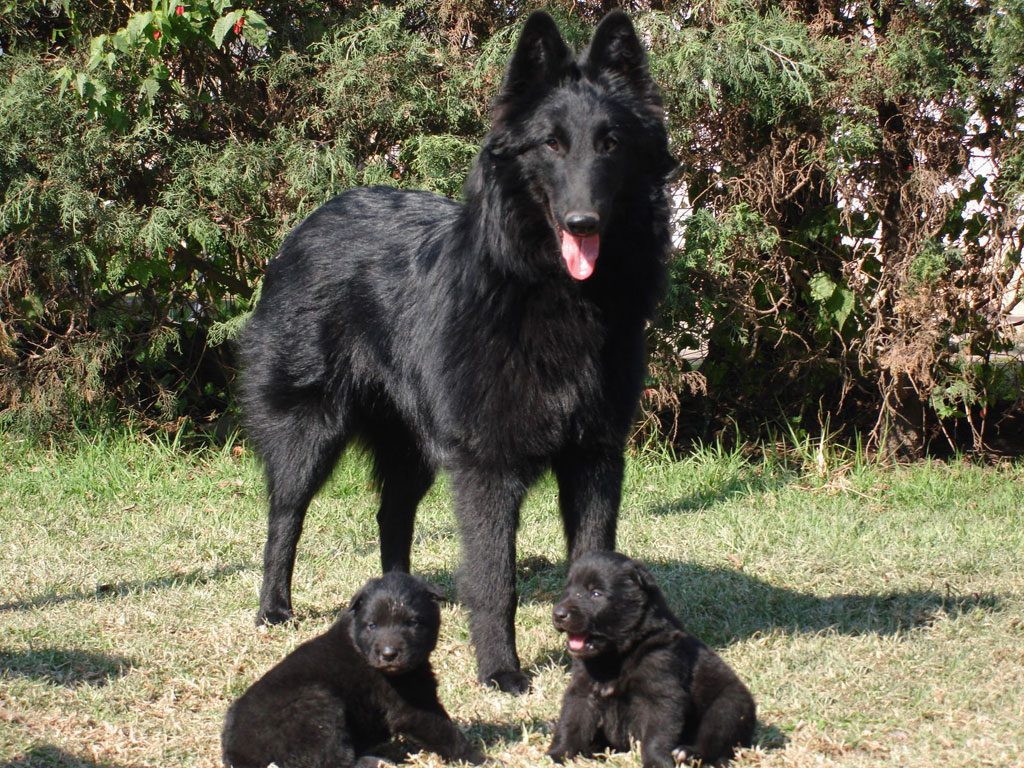
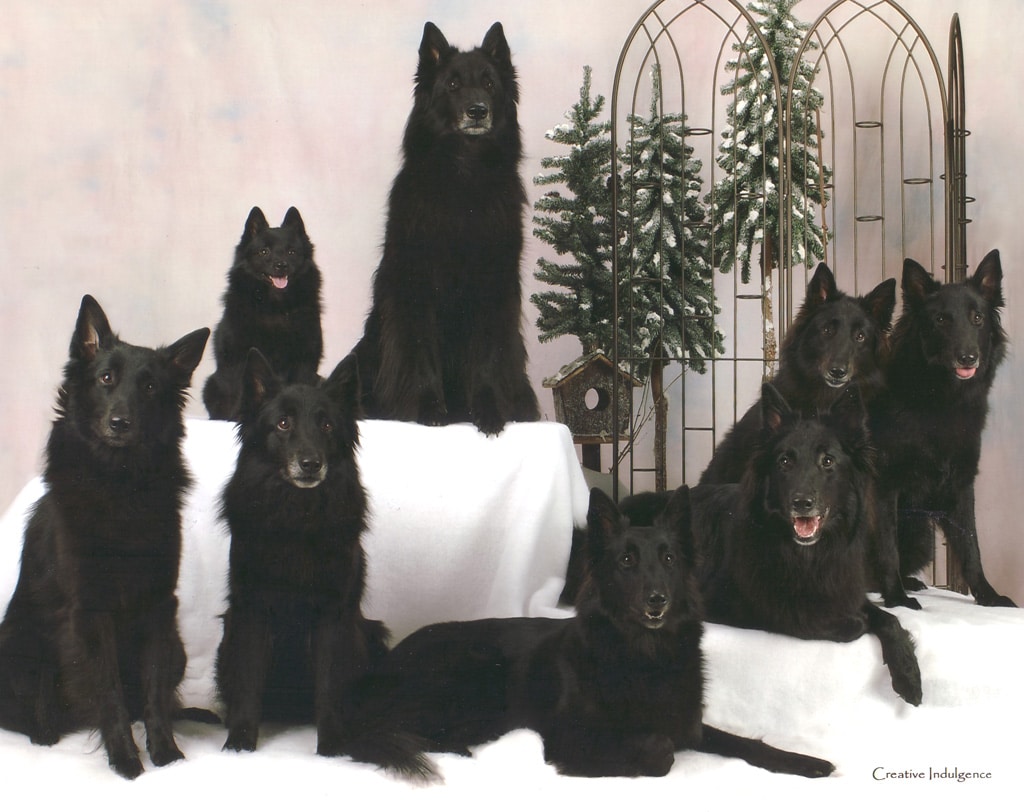
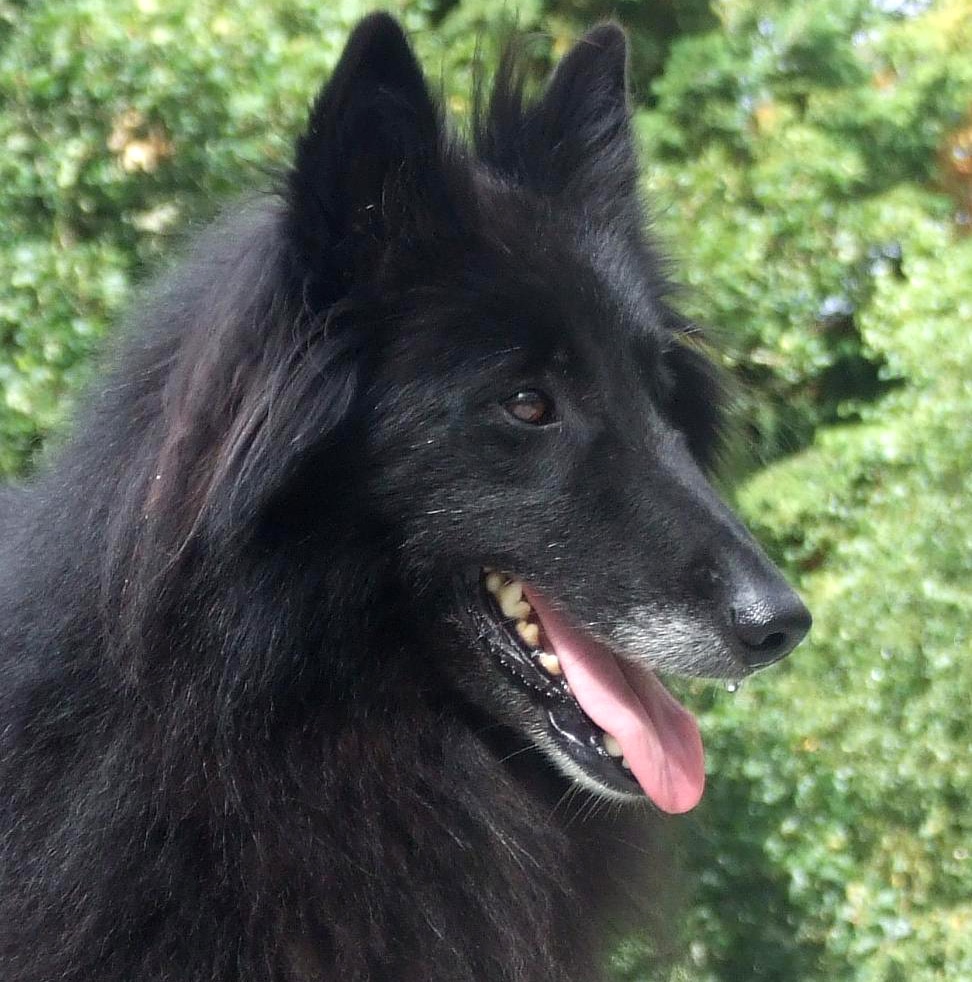
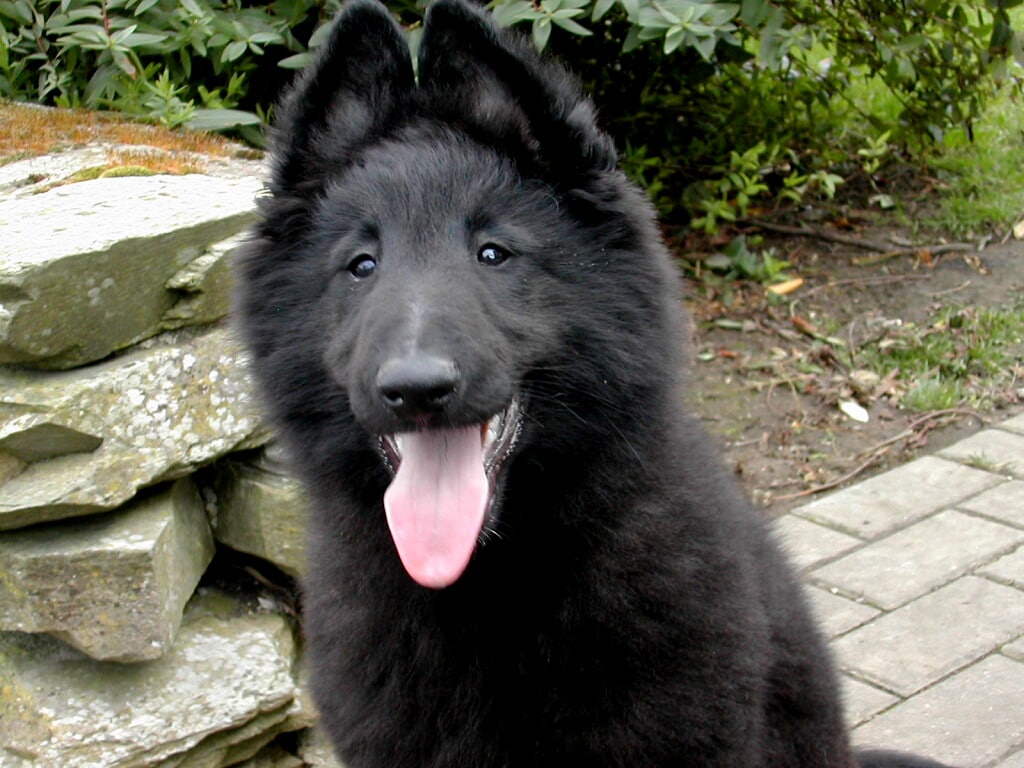
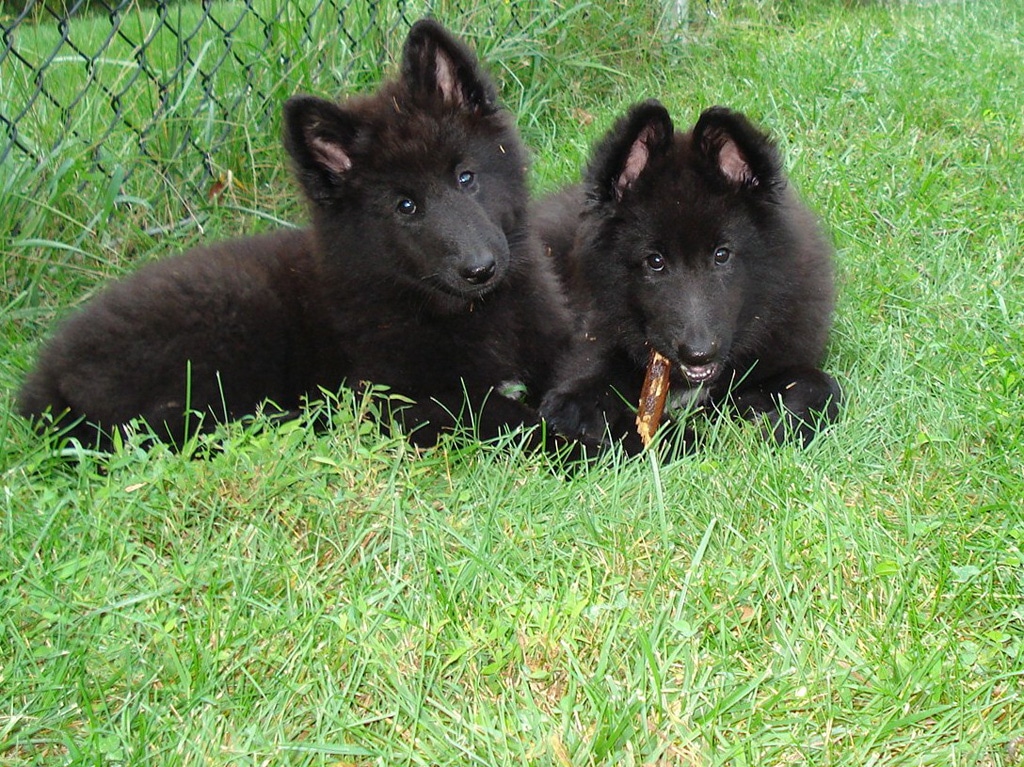
Belgian Shepherd Groenendael
Bรฉlgica FCI 15 . Sheepdogs

Pastor Belga Groenendael

The Belgian Shepherd Groenendael is a very intelligent dog, Active, loyal and loving.

Content

History

The dog Belgian Shepherd Groenendael It is a breed recognized by all the major canine clubs. In the United States is recognized under the name of Belgian Shepherd.

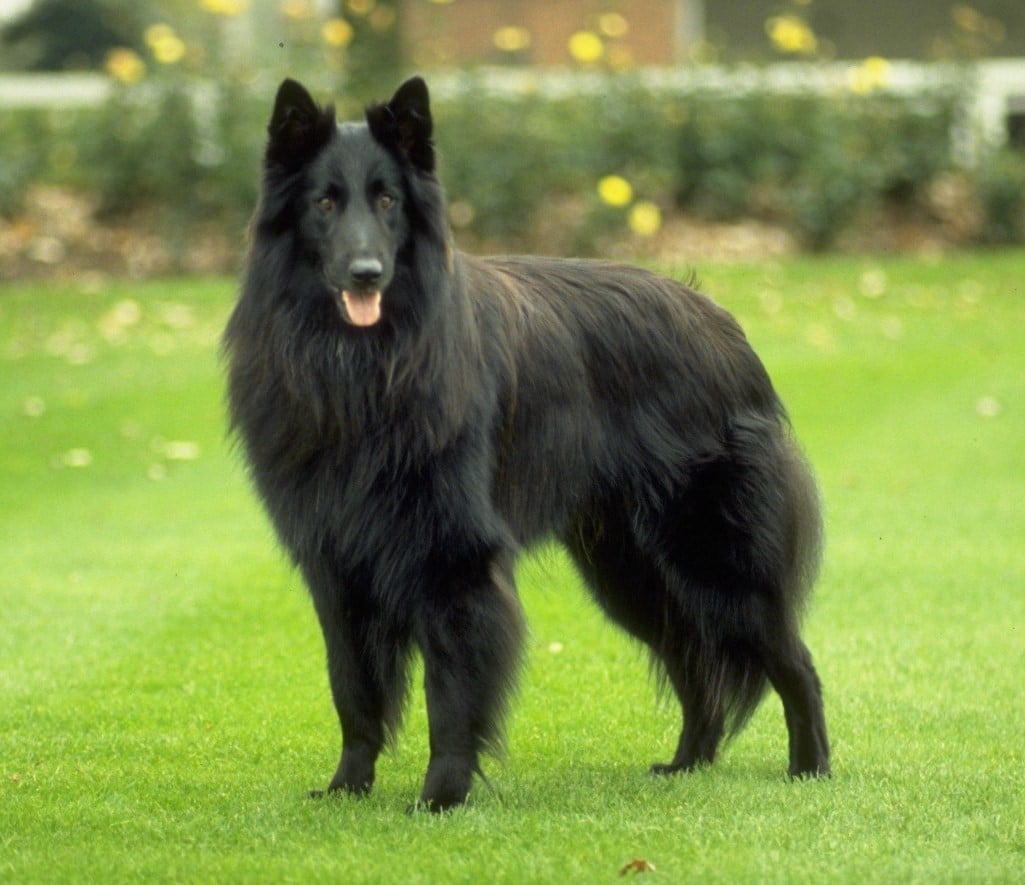
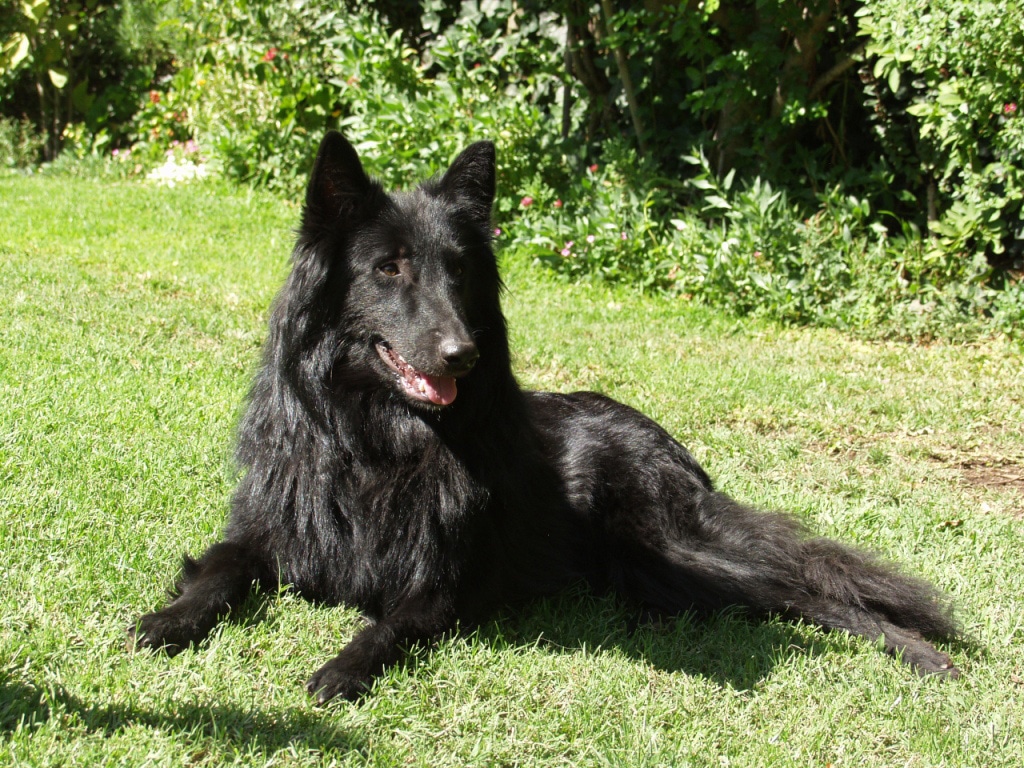
Just like all the Belgian Shepherd, the Groenendael is medium-sized, hard-working, robust, provided, very protective of the family. The Groenendael It is recognized for its black fur.

At the end of the 19th century, in Belgium there was a large number of herding dogs whose type was heterogeneous and their coats were of great diversity. In order to put order into this situation, some cinรณfilos (cinรณgrafos) enthusiasts formed a group led by Professor A. Reul, the school of veterinary medicine of Cureghem, who can be considered as a true pioneer and founder of the race.

The Belgian Shepherd is officially born as a breed between 1891 and 1897. The 29 in September of 1891, the "Club of the Dog" is founded in Brussels Belgian Shepherdand that same year, the 15 November, Professor A.. Reul manages to gather in Cureghem, 117 dogs, allowing you to carry out a census and form a group with the best copies. In the following years becomes a real selection, making an extreme inbreeding on some stallions.

The 3 in April of 1892, the "Dog Club" Belgian Shepherdโ€ drafted a first well-detailed standard of the breed. Was admitted a single race, with three varieties of hair. In any case, at that time, the Belgian Shepherd was only a dog of humble people and therefore a breed that still lacked prestige. Therefore, is not until 1901 that the first Belgian Shepherds were registered in the Book of Origins of the Sociรฉtรฉ Rรณyale Saint Hubert (L.O.S.H.).

In the course of the next few years, the leaders of the cinephile fans Belgian Shepherd they tenaciously devoted themselves to unify the type and correct the defects. We can affirm that towards the 1910 the type and character of the Belgian Shepherd were already established.

Through the history of Belgian Shepherd, the issue of the different varieties and accepted colors has given rise to many controversies.

On the other hand, As far as morphology is concerned, the character and fitness to work, There has never been any disagreement.

Physical characteristics

The Belgian Shepherd Groenendael must be athletic, strong, imposing, rustic, and balanced in appearance.

You must have a natural look, as if never has prepared especially for the show. Its hair It must be abundant, but they are never as if it were to inhibit the ability of the dog in any way work.

The color is always black, with small white spots are allowed on the chest.

The Belgian Shepherd Groenendael must measure of 60 to 66 cm. to the cross males and between 56 and 62 cm. females. The weight should be, approximately, of 25 to 30 kg for males and 20 to 25 kg for females.

This dog has a double layer coat a thick, the texture must be hard and dense, woolly, never silky, Kale, and a thin layer (undercoat) It should be thick and abundant.

Character and skills

The Belgian Shepherd Groenendael is a very intelligent dog, Active, loyal and loving.

They are ideal for those who have a lot of time, Energy, self-confidence and a lot of affection to giveโ€ฆ they are wonderful friends. Training and socialization is essential. They are cautious with strangers and protective family. They love to children, When I present at an early age.

They need to spend a lot of time with their family and exercise every day, because if left too long alone and doing sedentary lifestyle, they may experience separation anxiety, be sad, and even be destructive with household objects.

The Belgian Shepherd Groenendael needs a lot of exercise, routinely. If you are having a dog, be prepared to spend around two hours a day, and to play with it. daily exercise, You must include a walk, but also a training session to keep the dog mentally stimulated.

These dogs have a great "work ethic" and need a job to do., such as obedience, flyball, Schutzhund, training, agility or, cattle work. Performing any of these activities you will be happy. They are a sensitive breed and may not be trained using harsh methods.

The belgium priest, in general, they can compete in agility, obedience, show, flyball, tracking. As well, It can be trained to compete in herding trials.

Images of the ยซBelgian Shepherd Groenendaelยป

Videos of the ยซBelgian Shepherd Groenendaelยป

Otros nombres:

Belgian Sheepdog / Chien de Berger Belge.


FCI breed standard Belgian Shepherd Groenendael

FCIFCI - Belgian Shepherd Groenendael
Pastor

โ–ท The world of Pets: Dogs, cats, birds, reptiles, amphibians

Barak hound
Bosnia FCI 155 . Medium-sized Hounds

The Barak hound It is used for hunting Hound

Bosnian Coarse-Haired Hound

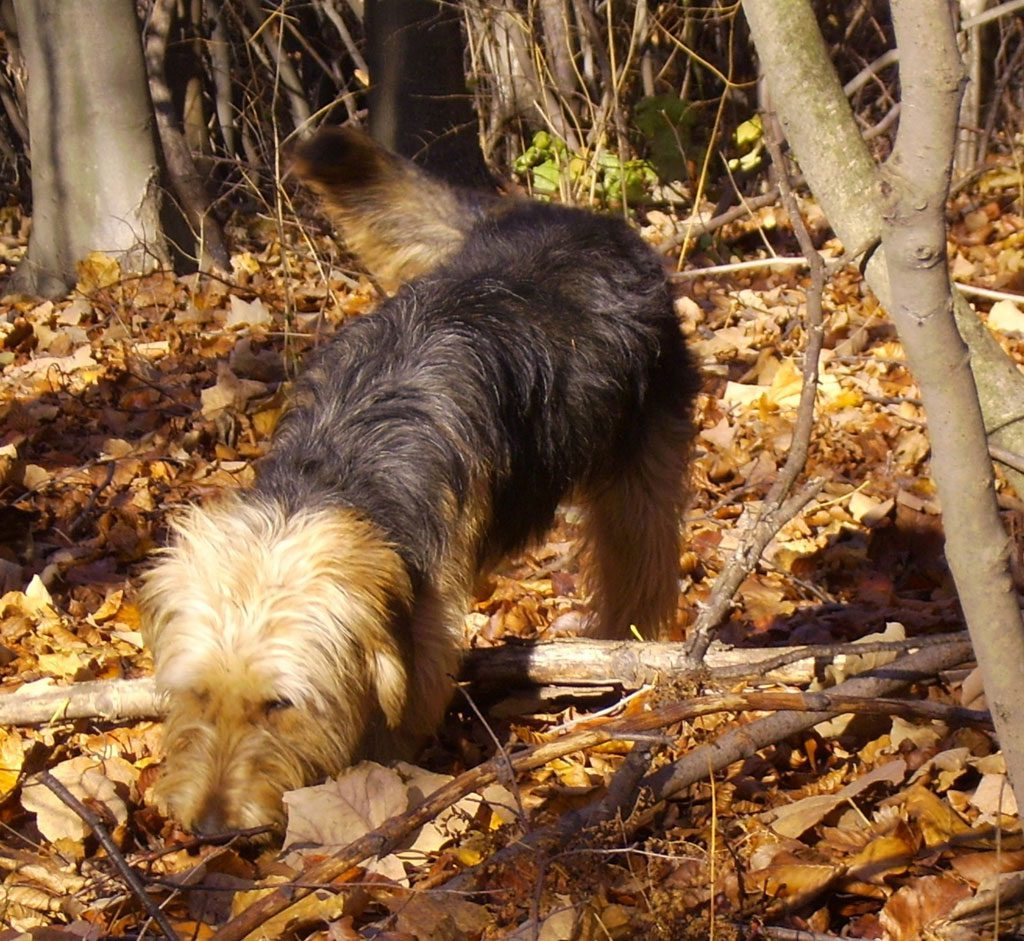
The Barak hound (Bosanski Oลกtrodlaki Goniฤ), also called Bosnian Broken-haired Hound or Bosnian Rough-haired Hound, It is a dog developed in Bosnia. Barak hound is a breed of hound used for hunting and its original name, Bosnian Sharp-haired Goniฤ's…

Read all about the race by clicking on: Bosnian Hound

  • Alternative names: Bosnian Broken-haired Hound / Bosnian Rough-haired Hound / Bosnian Hound / Illyrian Hound / Bosnian Broken-haired Hound / Sabueso de Bosnia de pelo duro / Bosanski ostrodlaki gonic / Wire-haired Bornian hound / Bosnischer rauthaariger laufhund / Bosnian coarse-haired hound
  • Group 6 / Section 1.2 – Medium-sized hounds

Dogs breeds: Barak hound


โ–ท The world of Pets: Dogs, cats, birds, reptiles, amphibians

German Mastiff
Alemania FCI 235 - Molossoid - Dogo

Dogo Alemรกn

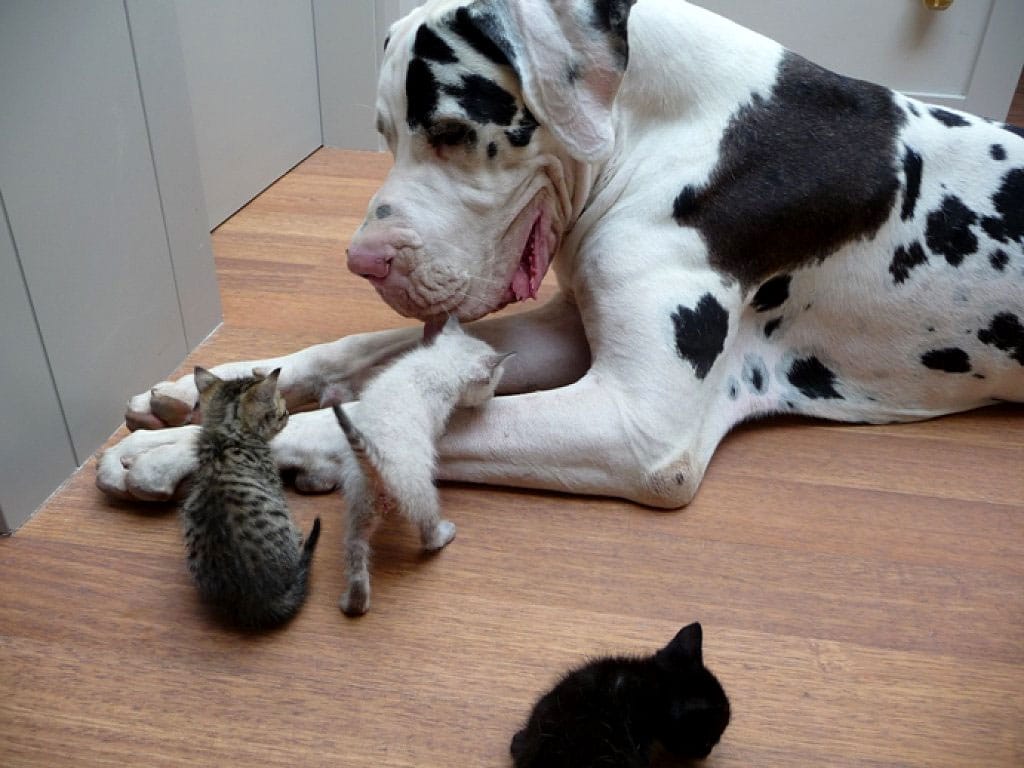
The German Mastiff, Great Dane or German Boarhound It is a breed of dog known for its large size and delicate personality, considered to be the "Apollo among all races" by the International Cynological Federation.

The great Dane, even being a giant race, should not be clumsy in his walk and movements. Your character should be friendly and never shy. Males should be stronger than the females Constitution.

Read more about the race by clicking on: Great Dane.

German Mastiff

โ–ท The world of Pets: Dogs, cats, birds, reptiles, amphibians

English Shepherd
Estados Unidos UKC - Herding Dog Group

Pastor Inglรฉs

The English Shepherd It resists the pressure of long demanding hours.

Content

History

The race English Shepherd It is extremely versatile as a working dog. It's a line of Collie developed in the United States from farm dogs brought by the English and Scots early in the country's history.

Should not be confused with Old English Sheepdog (Bobtail).

The English Shepherd is very smart, able to bring forward any dog on the farm and used in varied pastoral work (beef, sheep, goats, pig), monitoring, hunting, vermin and rodent eradicator and company for the kids. It is possibly one of the most common breeds during the 19th century before the pedigree was given the importance it has to this day..

Many farmers appreciated this race for its versatility and not on their standard of appearance, being raised according to their abilities and not for exhibitions.

Physical characteristics

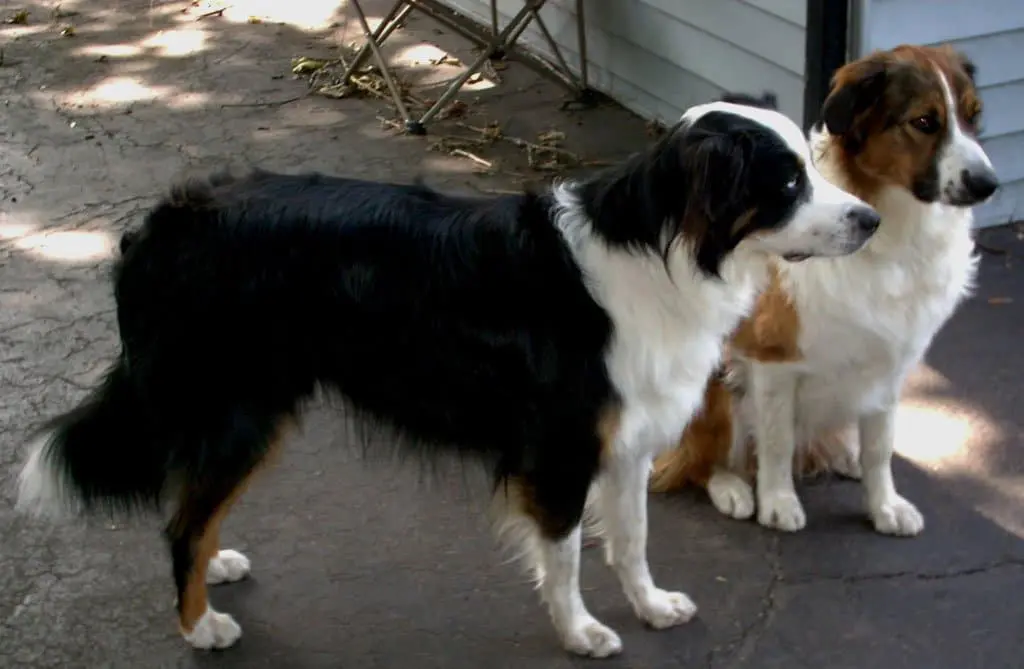
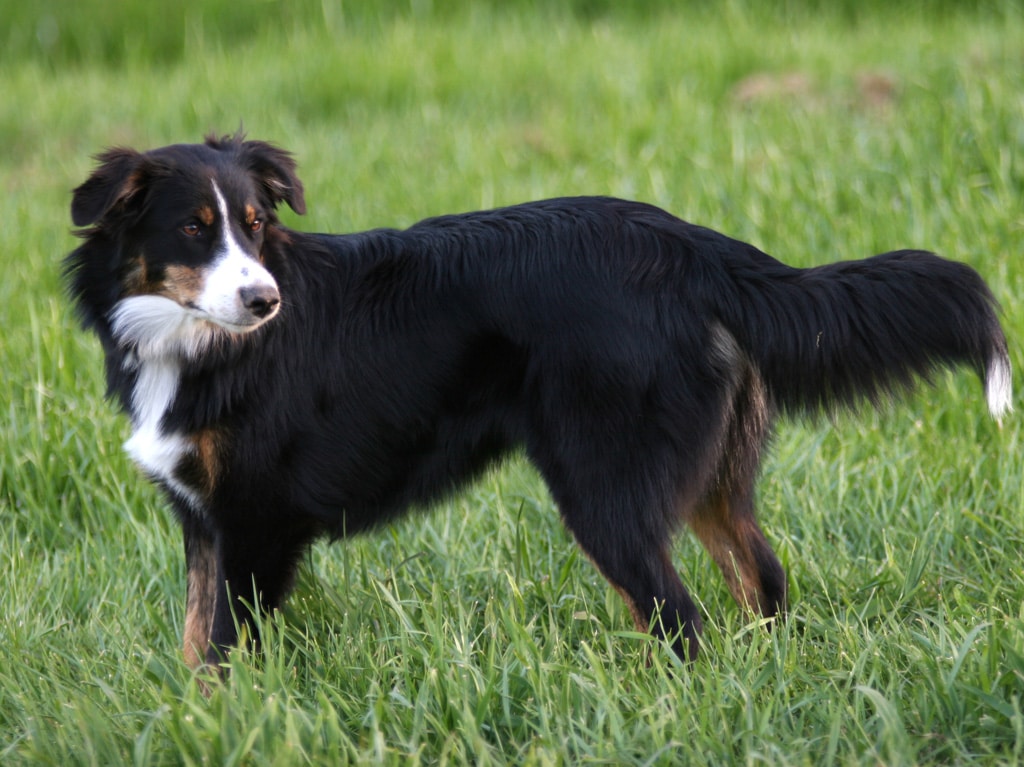
The English Shepherd is similar in appearance to Border Collie and to the Australian Shepherd. Although it has a less rounded head than the last, nor do they tend to have the mantle of merle color, something common in the Australian Shepherd, they have not so square body.

The English Shepherd is usually larger than the Border Collie, are easier to distinguish from Border Collie what of Australian Shepherd.

The English Shepherd is a medium-sized dog, usually a little longer than high. His weight is about 20 to 30 kg and is balanced in proportions. As a small farms working dog, has been selected to meet a variety of needs and that has resulted in a wide range of regional variations, appearance on.

The mantle is of average length and can be smooth, wavy or curly. It often has fringes on legs and the tail. As in all working dog, the hair should be easy to maintain, they require very little preparation. Dirt tends to be repulsed by the fur.

The English Shepherd It, generally, a healthy dog.

The colors of the layer can be sable & white, tricolor, black and white, or black and Tan. Other variants, such as solid colors (any), Red and atigrados also exist but are not common.

Character and skills

The temperament of English Shepherd is the defining characteristic of the breed, has one great intelligence and, often a unique kind of kindness for their own, both animals and people.

Often, is a independent worker, but always attentive to its own. They adapt easily and quickly learn routines.

Some may be distrustful with strangers and they are dogs of a single person. But, Once you agree to another adult (or other pets) or children, the converted part of his flock, and, with children especially, from that moment it will be difficult to find a better caregiver than a English Shepherd, to be aware of their children.

Images "English Shepherd"

Videos "English Shepherd"

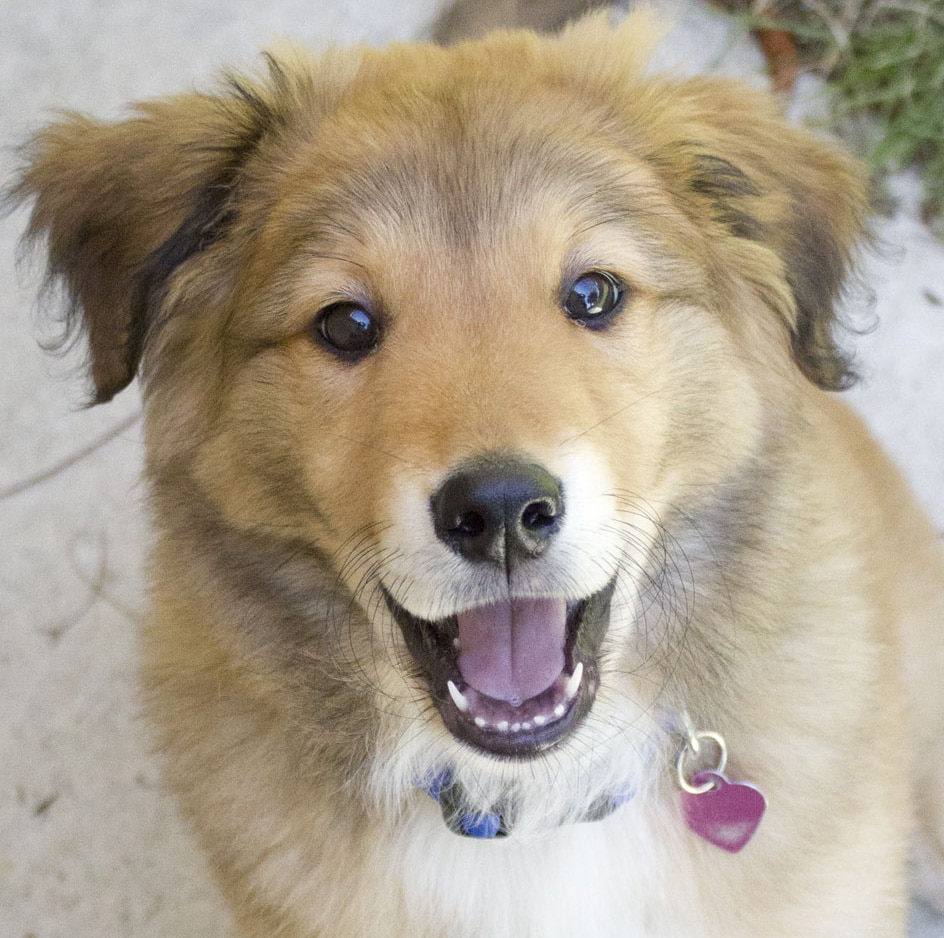
English Shepherd Puppies of Forrest Run Farm Registered family raised April 2010
English Shepherd pups at 4 wks  old
Patient English Shepherd
Walnut Ranch English Shepherd puppies

Type and recognitions:

  • CLASSIFICATION UKC: Herding Dog Group

  • Alternative names:

    1. Farm Collie, Farm Shepherd, Old Farm Collie (English).
    2. English Shepherd (German).

โ–ท The world of Pets: Dogs, cats, birds, reptiles, amphibians

English White Terrier
Inglaterra Extinct

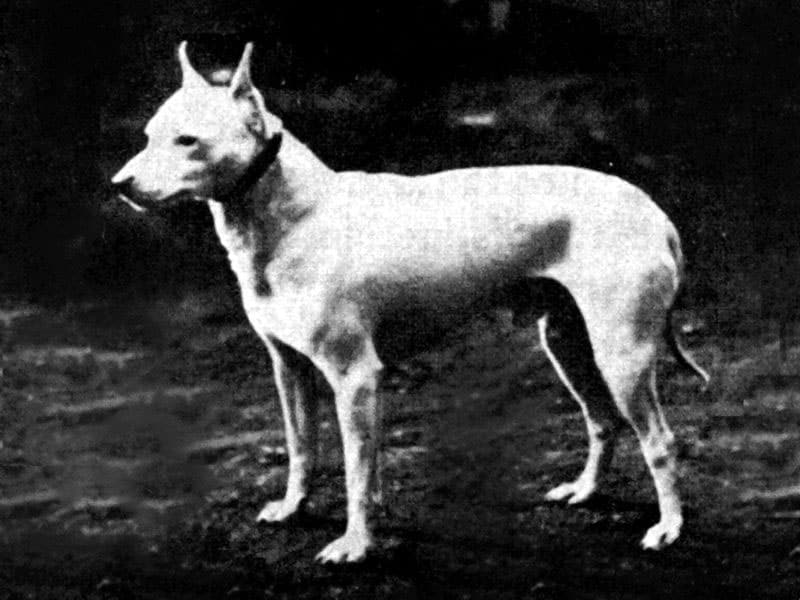
The English White Terrier (White English Terrieris a breed of dog extinct, of English origin.

Content

History

The name of "English White Terrierโ€ was invented and adopted at the beginning of 1860 by a group of breeders willing to create a new breed of dog, inspired by the typical working Terrier but with greater hearing acuity. This premature intention was born later the Fox Terrier, the Jack Russell Terrier, the Sealyham terrier and, later, in United States the Boston Terrier and the Rat Terrier.

With the passage of time (and not much) the authorities of the Kennel Club they decided that the English White Terrier, should be considered as a race and was admitted, but the dog's myriad of genetic problems led to its popularity plummeting...

All these vicissitudes led to the life and history of the English White Terrier, it will last very littleโ€ฆ at 30 years of appearing on the stage of the Kennel Club, the English White Terrier had fallen into extinction. But, before disappearing was crossed with the English Bulldog thus generating the first dawn of the races Boston Terrier and Bull Terrier.

In fact, working and small Terrier breeds have existed at least since the end of the century in United Kingdom 18. These dogs have always been very variable in size and shape, dogs could be found Terrier with a height at the withers that ranged from 25,4 and 31 cm., with floppy ears or straight ears, smooth coat or hard hairโ€ฆ

With the rise of the show ring over the years 1860, enthusiasts of the new races that were emerging, they made possible by naming them and improve them, the Terrier were the first of their lists. From there working Terrier dogs were born that we know today as Fox Terrier, Jack Russell Terrier, Parson Russell Terrier and Sealyham terrier.

In the vortex of creation and claim of new dog breeds, the different breeding groups competed ruthlessly, sometimes they put different names for the same breed, it was also common practice to make up stories about racesโ€”totally- fictitious they advertised as part of a campaign by declaring a new strain of a race, or a new race, that gave certain personal distinction and cachet to the breeder and of course... his sales went up. That was the real meaning...

Physical characteristics

In 1894, for as long as he English White Terrier finally disappeared from the scene of the canine clubs (who was always more of a companion pet and show dog, as a working dog) a scholar of the race, Rawdon Lee Briggs, noted that โ€œthe last specimens seen in London, they were of typeToyโ€, small dogs that were not above the 7 kg, with a rounded skull, or the so-called 'apple head', which would be due to an effect of inbreedingโ€. According to the official standard, the English White Terrier weighed between 6 and 9 Kg.

Lee described the English White Terrier as "the most fragile and delicate of all our Terrier. He is not the typical companion of an athlete, but it is an ideal dog to live in a nice house, in which he receives a considerable amount of pampering and careโ€.

Though 1894 the dog still existed, people linked to the canine world could see before their eyes that the possible extinction of the English White Terrier it was already a harsh reality... But lamenting the decline of the race, they consoled themselves with the thought that perhaps they should give rise to new races (assuming the inevitable)โ€ฆ, and they thought developing breeds better adapted to the needs and comforts of the historic present.

There was, a male specimen of the breed English White Terrier born in 1876, He was very famous, was owned by Alfred Benjamin, it was called 'Silvioโ€™. Today it is considered a reliable and privileged sample of the breed..

In 1877, Silvio was the champion of an event of โ€˜Conformation Showโ€™ (Demonstrations of conformation, also known as a demonstration race), is a competition, orโ€ฆ an event in which a judge familiar with a certain breed of dog, individually evaluates each specimen and determines which dogs are purebred or, which conform to the breed standard. Silvio I weighed nineteen kilos.

This exhibition was held at theRoyal Agricultural Hall" in the year 1878, in what we know today as the l "Business Design Centreโ€ which is an exhibition center located in the Islington district, in London.

Alternative names:

  • White English Terrier
  • Old English Terrier
  • British White Terrier
  • โ–ท The world of Pets: Dogs, cats, birds, reptiles, amphibians

    Swedish Elkhound
    Suecia Jรคmthund

    Elkhound Sueco

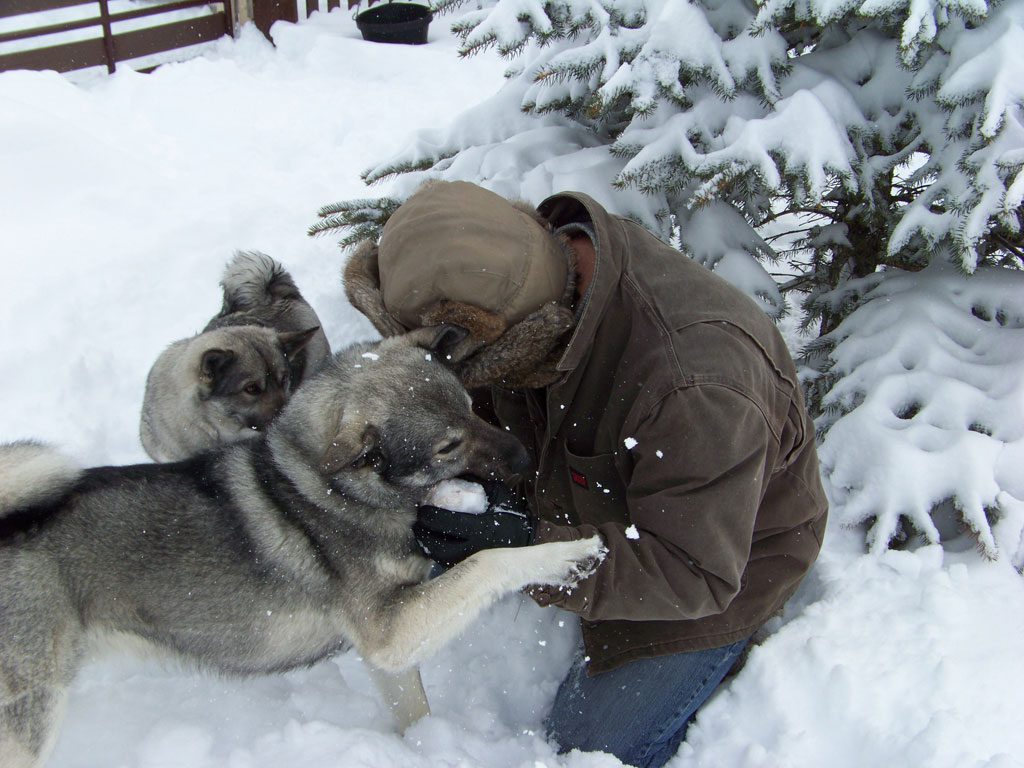
    The Swedish Elkhound, also called Jรคmthund, It is a breed of dog of Spitz type of Northern Europe. Jรคmthund is an eponym of Jรคmtland, central province of Sweden.

    This race, of similar appearance to the Wolf, It was recognized by the FCI from 1946, due to the intensive work of Aksel Lindstrรถm and others. Prior to that, the Jรคmthund and the Norwegian Elkhound were seen as the same breed.

    Read all about the race by clicking on: Jรคmthund.

    Swedish Elkhound