Fawn Point is a rare Siamese point. Only the traditional Cat Association recognizes it as an official color. – Photo by Hockeyben
Content
History
The Colorpoint shorthair cat is a variety of domestic cat. Depending on the cat registry, can be considered an independent breed of cats, or more often a variant of a pre-existing one, if it is accepted. These cats are distinguished by their conformity to a wide range of sixteen different colors, in addition to the four standard Siamese colors.
The Colorpoint shorthair shares the dot coloring pattern with the Siamese, but in the non-traditional colors of red, cream, tortoiseshell and lynx dots (striped), and in small variations of the same. Regarding body style, head shape and other features, may be intermediate between the two founding breeds, showing cats leaning towards Siamese features. Those who prefer the traditional look of the Siamese may also favor the Colorpoint shorthair of a more moderate type that resemble their ancestors of the American shorthair cat in terms of shape.
The Cat Fan Association (CFA) and the World Cat Federation (WCF) they are the only major registries that recognize them as an independent breed. In other records, they are part of the races siamesa u Oriental shorthair (and may not be accepted as show and breeding quality, depending on the colors that the registry allows in these breeds, and if they allow some type of crossing in the lineage). Since these cats are a cross, various registries are reluctant to accept them as races or as Siamese valid.
Origin
The effort to produce a dotted cat of style Siamese in colors other than the traditional four began in England and America in the decade of 1940, carried out by breeders who used crosses between the Siamese cat, the Abyssinian cat and the Red domestic shorthair cat. The American shorthair cat also became part of the matrix.
At the beginning, the breeders of Colorpoint suffered setbacks and failures; in the effort to get the right colors in the right places, body type was often sacrificed Siamese. The breeding was further complicated by the difficulty of working with the red coloration because it is a sex-linked color..
Physical characteristics
"Colorpoint Shorthair Cat" is the name that the Cat Fanciers Association (CFA), an association of the breed in the United States, used to refer to spotted cats of Siamese descent and of type in colors other than the four "traditional" Siamese colors (seal, chocolate, azul y lilac point). This name is also given to cats of Siamese descent in all four recognized colors whose eight-generation pedigree shows ancestors with other colors. In records of other countries, However, «Colorpoint» (o «Colourpoint«) It is the name given to cats of the Persian type and dotted coloration, as in the Himalayan cat.
At the CFA, a Colorpoint shorthair cat It can also be any of the four traditional colors of the Siamese cat; However, can only be displayed at the red dot (also called flame point, in the Persian Family) or cream point, or any of the above colors in tabby point (also called lynx point) or tortoiseshell point.
In most records, in addition to the CFA, the Colorpoint shorthair cat not considered a separate breed, but simply a color class within the Siamese race.
The Colorpoint shorthair cat is a very intelligent breed, playful and that gets along with people. They are extremely affectionate and outgoing and enjoy lazing around and playing with people., which causes them to also be described as "extroverts". They can also be very sensitive with nervous temperaments., who do not adapt well to changes in the environment or strangers.
Like the Siamese, can be extremely vocal and demanding of attention, feeling the need for human company. They have more than 100 vocal sounds, much more than other races, so they emit very unusual meows. Males are sometimes overly aggressive towards other animals and will fight with other cats when they feel that their territory has been invaded or simply to express their dominance..
▷ The world of Pets: Dogs, cats, birds, reptiles, amphibians
The Cornish Rex it is absolutely unique because it wags its tail like a dog when it is happy.
Content
Characteristics "Cornish Rex"
Coexistence is important that you have with your new friend. Before considering the acquisition of a cat of the breed "Cornish Rex" you know certain factors.
You must take into account their character, their need for exercise, their interaction with other pets, their care and if you have small children, their level of tolerance towards them.
Joy
5,0 of 5 stars (based on 1 review)
Activity level
5,0 of 5 stars (based on 1 review)
Friendliness to other pets
2,0 of 5 stars (based on 1 review)
Friendliness to children
2,0 of 5 stars (based on 1 review)
Grooming requirements
1,0 of 5 stars (based on 1 review)
Vocality
3,0 of 5 stars (based on 1 review)
Need for attention
5,0 of 5 stars (based on 1 review)
Affection towards its owners
5,0 of 5 stars (based on 1 review)
Docility
1,0 of 5 stars (based on 1 review)
Intelligence
4,0 of 5 stars (based on 1 review)
Independence
2,0 of 5 stars (based on 1 review)
Hardiness
2,0 of 5 stars (based on 1 review)
History
The history of Cornish Rex started in the summer of 1950 in the small town of Bodmin Moor, Cornwall, England, when serena, a turtle cat owned by Nina Ennismore and Winifred Macalister, gave birth to five kittens. One of the kittens, red and white, He stood out from the crowd for his curly coat and was christened Kallibunker.
as i grew up, Kallibunker developed other physical characteristics: a long slim body, big ears and a very fine tail. Amused by the little Astrex rabbit-like cat, Mrs. Ennismore discussed it with her vet, who advised him to contact a British geneticist named A.C. Jude. He admitted to Kallibunker's unique characteristics and advised that he be raised with his mother., This serene.
The result was a new litter of three kittens.: one straight-haired female and two curly-haired males. Unfortunately, one of the males died at 7 months and only one, called Poldhu, survived. Junto con su padre Kallibunker, they then crossed paths with domestic cats, but also with Siamese, the Russian Blue Cat, the British Shorthair cat and the Havana brown cat, in order to obtain sufficient genetic diversity to establish a healthy and solid foundation for this new breed. It also, these various crosses also gave rise to new coats, both in terms of color and pattern.
In 1956, Life magazine published an article on the Cornish Rex, named for its origin (English Cornwall) and by the similarity of its fur with that of the Astrex rabbit. This article put the new breed in the spotlight of the world. The following year, in 1957, Frances Blancheri imported a cat to California Cornish Rex called Lamorna Cove, nieta de Kallibunker. At the time, she was pregnant with Poldhu and gave birth to a litter of four kittens in the United States., which marked the beginning of the breed in North America.
In 1960 it was discovered that the gene responsible for the distinctive appearance of Cornish Rex is recessive, that is to say, both parents must be carriers and pass on the gene for their offspring to have curly fur. So, and a Cornish Rex crosses with a cat of another breed (that does not carry the kinky gene), all her kittens will be born with straight hair. But, if they cross paths with a Cornish Rex adult, the 50% of kittens will have a distinctive coat, that is to say, Cornish Rex (the 100% of kittens carry the gene). The recessive character of this gene also makes it possible to obtain curly-haired individuals by crossing two straight-haired cats., if both are carriers of an unexpressed “curly hair” gene, and if it is the latter that is transmitted.
Despite its British origin, it was an American organization, the Cat Fanciers’ Association (CFA), the one who first recognized the Cornish Rex in 1964. It wasn't until three years later, in 1967, When the British Governing Council of the Cat Fancy (GCCF) he did the same, followed by the Fédération Internationale Féline (FiFé) in 1968. But, was not up 1997 when the International Cat Association (TICA) also fully recognized the breed and allowed it to compete in the feline shows organized under its auspices.
The Cornish Rex is now relatively common in the United States, where it fluctuates between 10th and 15th place in the ranking of breeds by number of annual registrations in the CFA (over forty in total).
On the other hand, is struggling to establish itself in Europe. Even in your home country, it's relatively rare, since the GCCF statistics show that only a few 60 individuals per year. It is even in decline, as the number of individuals has dropped by a factor of four compared to the turn of the century. In France, the number of births per year approaches that of Great Britain, at around 80 Cornish Rex registered annually in the Livre Officiel des Origine Félines (LOOF), a figure that has remained fairly stable since 2009, but before it was less than half.
The Cornish Rex it is a medium size cat, long and thin, with unusual appearance and features. But, his long and slim body is very muscular, and her arched back, prolonged by a long and fine tail, forms an elegant curve. Their legs they are also long and thin, but surprisingly powerful, especially the rear ones, that allow you to jump to impressive heights.
Its head it is longer than it is wide, it is egg-shaped when viewed from the side and is relatively small in relation to its body. This impression is reinforced by their huge ears conics located at the top of the skull. Its big eyes ovals are slightly sloping upwards and can be any color. The whiskers they are not straight but curved, unlike most cats.
The most distinctive feature of Cornish Rex It, of course, his short coat, very soft and silky, notched or even curly. But, in the head, shoulders and legs, sometimes it can be too short to have that specific wavy texture. It also, all coat colors and patterns are allowed by breed standards.
Last, the sexual dimorphism it is well marked, being the male much larger and heavier than the female.
Size and weight
Male size: 32 – 35 cm.
female size: 30 – 33 cm.
Male weight: 3,5 – 4,5 kg
female weight: 2 – 3,5 kg
Varieties "Cornish Rex"
The Cornish Rex Variant, a cross between Cornish Rex and the British Shorthair cat, does not have the characteristic coat of the breed, but it carries the gene that gave rise to it. When this cat crosses a Cornish Rex, each of its offspring has a probability of 50 % of having the specific coat of the breed and, Therefore, to be recognized as Cornish Rex by the different organizations.
These cats have been used since the beginning of the breeding program to increase the gene pool by introducing new individuals., thus guaranteeing the good health of the breed, while allowing the specific characteristics of the Cornish Rex are passed on to the next generations.
Character and skills
The Cornish Rex is loving, very sociable and constantly seeks the attention of his family. He loves to follow his owner and interact with him, either playing or purring on your lap. He loves the company of humans, not just his family, but he is also capable of having fun alone if he cannot find a playmate. But, needs attention: it is a breed of cat that does not tolerate loneliness well, therefore not suitable for homeowners who are away often. On the other hand, the fact that he appreciates so much being cared for makes him an excellent therapy cat.
Playful and very open, he likes to spend time with children, as long as they have learned to behave in the presence of an animal and do not intimidate it. They can be an active child's favorite playmate.
In addition to humans of all ages, their sociability also extends to other animals, and accepts other dogs very well, as well as dogs used to cats. But, care must be taken that the other occupants of the house are not disturbed by this energetic cat, for example if you have to cohabit with a very calm and / or elderly dog.
The Cornish Rex he is very active and can spend hours playing and exploring. Running after a ball, retrieving a thrown object or displaying exceptional climbing skills by climbing to the top of the closet are activities he never tires of.
with such energy, you obviously like to have access to the outdoors, where you can jump higher and run further, but its owner must be aware that the risk of the cat escaping is very real. In fact, being close to all humans, you may decide to stay in another home for a long time if you find food and distractions, like a playmate. In addition to microchipping your cat, a collar and tag with his name and his owner's phone number - or even a GPS collar for cats, so you know where it is at all times- can be a good investment if you are allowed to roam freely around the neighborhood.
The Cornish Rex can live in a flat, but you need room to run and jump, both inside and outside. It is also important that the family has one or more lockable areas to ensure that their pet does not rob the kibble supply or knock over that beautiful vase that is so important to them.. In fact, besides being dynamic, has slim, agile legs that allow you to pick up and manipulate small objects with ease: for example, using a doorknob is child's play for him.
In any case, he loves the heat, so he especially appreciates being near the fire, on a radiator or under a duvet. But, his favorite place to nap is his owner's lap. When they are caressed, they seem warmer than other breeds, but it's not like that. In fact, your body temperature is quite similar; only that the thinness of their fur makes their skin temperature feel more.
In addition to being active and agile, he is also a very intelligent cat, able to learn to open doors and cupboards or sneak up to steal food as soon as the owner turns his back on him. They also excel at puzzle-type cat games that offer a reward. Teaching your cat tricks is perfectly doable with this breed, and can give impressive results.
Last, They are one of the most meowing cat breeds, who do not hesitate to claim attention by meowing and / or launching long monologues.
The Cornish Rex It is an easy-care breed of cats, as a brief weekly brushing is all you need to keep your coat healthy. More frequent brushing, or too strong, can damage the beautiful coat. For the same reason, bathing your cat should be an exception.
In the case of a cat with very short hair, just run your hand through its fur. But, for a cat with a thicker or longer coat, a brush is more appropriate. In any case, being sociable and appreciating being touched - as long as it is done delicately- often appreciate these grooming sessions.
This breed usually sheds very little throughout the year. But, some specimens have a more pronounced shedding period in autumn and spring.
It also, ears should be cleaned weekly with a damp cloth to prevent buildup of wax and dirt that could lead to infection. You should take the opportunity to make sure that his eyes and teeth are clean and that his claws do not need to be trimmed..
Indoor or outdoor cat?
As the Cornish Rex has a very fine fur, not suitable as an outdoor cat. Especially in winter, the cat, with its fine fur, cannot stay outside for long in cold weather. But, if the weather is good, you can let the cat out under supervision. A fenced garden or a secure balcony are ideal to satisfy the cat's urge to move. But, the cat prefers a warm and cozy place on the windowsill. If the cat stays indoors, a litter tray and scratching post are essential.
How much activity does he need? "Cornish Rex"?
The Cornish Rex is an active cat breed that loves to jump and needs a lot of exercise. Due to his great intelligence, these active cats need regular and meaningful exercise. They are always on the lookout for new challenges and quickly learn even the most difficult intelligence games.. With patience, you can also teach your smart four-legged friend little tricks, how to open doors. A great tree for cats to climb and jump, as well as a varied selection of toys make the child happy. gato Rex
The Cornish Rex it is rather a hardy breed of cat, with little genetic predisposition to any particular disease.
But, is particularly susceptible to certain conditions:
The umbilical hernia, a malformation that allows part of the intestines to pass through the abdominal wall. But, the last case registered in this breed was in 1997;
Congenital hypotrichosis, better known as "hereditary baldness", which makes the coat much less dense than normal;
The patellar dislocation, a relatively common knee problem that can cause difficulty walking;
Hypertrophic cardiomyopathy, an enlargement of heart tissue that causes changes in its function.
Another risk factor for the health of the Cornish Rex is the exposure to the sun, since its thin and sparse coat protects it little from the sun's rays. So, special care must be taken to protect the cat from the sun in summer, for example, not allowing you to go outside during the day. In the case of white or very light colored cats, it may even help to put sunscreen on their ears to prevent burning.
In general, their fur does not protect them well from the elements, especially bad weather. No cat should be left outside in bad weather, but the Cornish Rex, despite his British origins, it is much less resistant to rain than most of its congeners.
Life expectancy
12 to 14 years
Food
The Cornish Rex not a fussy cat, and can be easily fed commercially produced cat food, either food or croquettes. But, to keep you healthy, the food must be of sufficient quality to provide all the necessary nutrients, and be adapted to their age and activity level.
On the other hand, he also likes to help himself to his family's food, so you have to ensure that there are no leftovers.
Being very active and capable of self-regulation, the risk of obesity is quite limited in this cat. So, it is safe to leave food available at all times.
For sale "Cornish Rex"
Before getting a cat as special as him Cornish Rex, must also be well informed. How cats are quite unknown, there is probably no standardized breeding association and you will have to look for private breeders. At the time of buying, make sure that kittens do not have bald spots on their fur and that they look healthy all over their bodies. You also have to look at the parents.
The average price of a Cornish Rex kitten is about 850 EUR. The price range is quite small, since the vast majority of individuals are offered between 800 and 1.000 EUR.
Male kittens tend to be somewhat more expensive than female kittens.
Videos "Cornish Rex"
Five Cornish Rex Kittens Meet Some New Fluffy And Scaly Friends | Too Cute!
Recognized by the LOOF, ACF, FIFé, GCCF, WCF. TICA, CFA
Origin: United Kingdom
Antiquity: 1981
Character: Affectionate and playful
Weight: 3,6 to 4,5 Kg
Photo: Some rights reserved by ramtops - Flickr
The Burmilla cat born as a result of an accidental cross, in the United Kingdom between a cat chinchilla Persian and a Burmesa lilac, and fruit of this cat love affair, in 1981 its four kittens are born. In the year 1984 imported several cats of this breed to Denmark.
The Burmilla is considered part of the race of the Asian Group.
Its color is white but as if a blanket of shadows and shades of black. Although different patterns are presented, Silver with black or white colors, blue, chocolate, lilac, red, cream and turtle. The different brands and colors are more than 40 different layers.
Their eyes have oblique form of large size, the bottom line is very curved, always in various green tones.
Are medium-sized with muscular bodies, round face and short snout
The Burmilla is a very irreverent and independent cat who adores his owner and displays many kitten-like characteristics., even in adulthood. In temperament that are sociable, playful and affectionate, and they get along well with children and other animals.
Cat breeds: Burmilla
▷ The world of Pets: Dogs, cats, birds, reptiles, amphibians
Supposedly, a cat Devon Rex served as the model for the evil pixies in the movie 1984 «Gremlins – Little monsters".
Content
Characteristics "Devon Rex"
Coexistence is important that you have with your new friend. Before considering the acquisition of a cat of the breed "Devon Rex" you know certain factors. You must take into account their character, their need for exercise, their interaction with other pets, their care and if you have small children, their level of tolerance towards them.
Joy
4,0 of 5 stars (based on 1 review)
Activity level
4,0 of 5 stars (based on 1 review)
Friendliness to other pets
3,0 of 5 stars (based on 1 review)
Friendliness to children
3,0 of 5 stars (based on 1 review)
Grooming requirements
1,0 of 5 stars (based on 1 review)
Vocality
2,0 of 5 stars (based on 1 review)
Need for attention
3,0 of 5 stars (based on 1 review)
Affection towards its owners
5,0 of 5 stars (based on 1 review)
Docility
3,0 of 5 stars (based on 1 review)
Intelligence
4,0 of 5 stars (based on 1 review)
Independence
2,0 of 5 stars (based on 1 review)
Hardiness
3,0 of 5 stars (based on 1 review)
History
The Devon Rex appeared in 1960 and originated in Buckfastleigh, Devon, England, where a colony of stray cats lived in a mine. One of them had curly hair and was mated with a straight-haired tortoiseshell cat adopted by Mrs. Beryl Cox.. One of the kittens she gave birth to had curly brown-black hair and was named Kirlee..
The Sra. Cox knew that a new breed of cat was being developed in neighboring Cornwall., the Cornish Rex. Thinking you had one of these new cats on your hands, contacted one of the breeders of Cornish Rex, the Sr. Brian Sterling-Webb. He was obviously interested and bought Kirlee for 25 pounds at that time.
But, several crosses between Kirlee females and Cornish Rex they only produced straight-haired kittens. At the same time, the differences in the coat (more kinky in the Devon, silky in the Cornish), in the ears (low implantation in the Devon, high implantation in the Cornish) and in the whiskers (curly in the Cornish, short or without mustaches on the Devon) confirmed that the genes responsible for this coat characteristic were different from those of the Cornish Rex.
The genetic mutation of Cornish Rex It was called "Gen 1", and of the Devon Rex «Gen 2». It was also around this time that the breed's name was coined, a reference to its origin in Devon and its fur similar to that of the Astrex rabbit, like the Cornish Rex.
The Sr. Brian Sterling-Webb began working on the conservation of Gen 2 and crossed Kirlee with many domestic and purebred cats to consolidate the breed's gene pool, following the model applied to Cornish Rex. All the Devon Rex current are descendants of Kirlee, that had a tragic ending in 1970 when he died in a car accident.
Nonetheless, his numerous offspring had aroused the interest of other breeders, like Mrs. Agnes Watts or Mrs. Madge Shrouder, that contributed to the development of the breed. In 1967, the Governing Council of the Cat Fancy (GCCF) was the first feline organization to officially recognize the breed, and the International Feline Federation (ICF) did the same the following year.
In 1968, only 8 years after Kirlee's birth, the first Devon Rex crossed the Atlantic and the race began its conquest of the Americas. In 1972, the American Cat Fan Association (CFA) allowed the registration of their representatives, before obtaining final recognition eleven years later, in 1983, giving them the right to participate in feline exhibitions organized under their auspices. In 1979, became one of the breeds recognized by the International Cat Association (TICA) since its foundation.
Today, this cat is found all over the world and, although it is not one of the most popular breeds, it is quite popular in general. in your country of origin, ranks tenth (of about 40) in the GCCF ranking of records, with more than 300 specimens registered every year. This figure supposes, However, a clear decrease compared to the first years of the 21st century, when more than 600 kittens a year.
In United States, it also ranks 10th in terms of the number of annual registrations in the CFA. In France, it is much less common: with only 150 to 200 individuals registered each year in the Livre Officiel des Origines Félines (LOOF), it hardly represents the 0,5% of the French feline population. On the other hand, the trend is rather upward, as the number of annual registrations was rather between 100 and 150 during the first decade of the century.
The Devon Rex is a breed of cat with an original appearance, that has earned him several nicknames, as "Gremlin Cat", «Elf Cat» or «Alien Cat».
Medium-sized, has a graceful but muscular body, seated on long legs and finished with a fine, tapered tail.
It is in the head where the first peculiarities appear: sideways, the flat skull is prolonged with a rounded forehead and a distinct break in the nose, while in front, strong cheekbones and powerful muzzle broaden the silhouette.
Oval eyes can be any color, even blue, and the whiskers are short and brittle, or even non-existent. The ears are large, long and tapered: placed low and to the sides, dan al Devon Rex its characteristic appearance of elf or face.
Its curly fur all over the body is also very particular.. Is short, fine and silky and not very dense, to the point that some individuals may have bare spots, what constitutes a defect for adults who wish to participate in feline shows.
Regardless of the cat's body, Devon Rex standard accepts all coat patterns and colors, including white marks.
Last, sexual dimorphism is moderately marked, being the male larger than the female.
Weight and size
Male size: Of 27 to 30 cm.
female size: Of 25 to 28 cm.
Male weight: Of 3 to 4 kg
female weight: Of 2,5 to 3,5 kg
Character and skills
The Devon Rex he is very close to his family and loves to spend most of his time with them. Whether perched on the cook's shoulder, on the lap of the television watcher or on the keyboard of the computer user, a Devon Rex you are never far from your loved ones, and his natural curiosity makes him often come to see what they are doing. But it is not an exclusive cat, and also enjoys the company of people who come to the house often. This closeness to people makes them an excellent therapy cat..
It is a breed of cat suitable for children, they are very sociable with them and can spend hours playing with them, as long as they know how to behave with respect and refrain from pulling their tails, for example.
He also loves the company of other pets., already be partners, dogs that don't usually chase cats, rabbits or other rodents, birds or reptiles. So, it is an ideal option for those who already have one or more animals at home.
The presence of these animals can be very beneficial for the cat's balance, since its attachment to the family and its great sociability make it a feline breed that does not tolerate loneliness. But, if they get bored alone at home, they are likely to behave destructively. Having said that, Although the presence of one or more companions can help you pass the time and have fun when your master is away, not a breed adapted to an often absent master.
On the other hand, is relatively flexible and able to cope with a change of environment, for example when you go on vacation with your cat. They can even become an excellent travel companion..
Quite curious and active, to the Devon Rex he likes to explore his territory: his climbing abilities allow him to reach the highest shelves, while its slim and flexible body allows it to slide under the lowest furniture. He also likes to play with his owner, chasing a ball or looking for a thrown object. These activities are more than enough for him, so it is a breed of cat that lives very well in a flat.
They are smart and can learn a few tricks if their owner is patient enough to teach them.. They can also be stimulated intellectually with the help of various puzzles for cats., especially the ones that offer a food reward.
This is another feature of Devon Rex: He is a greedy cat and is constantly looking for something to eat. They are always on the lookout for something to eat, and they will sit at the table with the rest of the family, taking what they can from the plates at every opportunity. It also, once the meal is finished, if his master leaves any food available, is an invitation to a feast that will never be missed, although this may be detrimental to your health.
It also, their sparse fur retains little heat. Many people who caress a Devon Rex have the feeling that it is warmer than other cats, but this is only an impression due to the low density of its fur, since it has exactly the same body temperature as other breeds. But, how they can't trust their fur to keep warm, they usually look for sources of heat. It is common to find them sleeping on the radiator or curled up under the duvet, especially if its owner is also in bed.
Last, the Devon Rex not especially loud, but you can attract the attention of your family with a meow-gurro if you want to let them know something, for example, that your bowl is empty.
The Devon Rex It is an easy-care breed of cats: a brief brushing every week is enough to keep his coat beautiful. But, brushing should be gentle and preferably by hand, so as not to damage the fragile fur.
Although most dogs don't need more than one bath a year, some may have excess sebum on the skin, especially on the legs. In this case, it may be helpful to bathe them once a month to prevent dirt buildup, that could cause an infection.
The Devon Rex it is a breed of cat hypoallergenic, but, contrary to popular belief, young. Having said that, as the hair is fine and the shedding is constant throughout the year, the phenomenon is quite discreet, and at no time does it accumulate excessively in the house.
Otherwise, it's advisable, as in the case of any cat, make sure his teeth and eyes are clean every week and clean his big ears with a damp cloth, to avoid the risk of infection.
Last, if your cat does not use his scratching post enough and his claws are too long, must be trimmed with a nail clipper.
Indoor or outdoor cat?
The Devon Rex she is an excellent indoor cat, since he prefers to be warm and cozy. In any case, prefers to be around his two-legged friends. Likes to leave a bit of a mess when exploring the house. Likes a cozy place to lie on the radiator or on the sunny windowsill.
Especially in winter it is not suitable for going outside, since his fine hair cannot protect himself from the cold. But, needs enough floor space to vent. A safe balcony or terrace would be ideal. Some representatives of the breed can also get used to walks on a leash.
How much activity does he need? "Devon Rex"?
Being a very intelligent breed, the Devon Rex always looking for new challenges and things to do. A large, sturdy scratching post and other cat toys are just what this active cat needs.. He loves to play and is extremely docile.
You can easily teach him little tricks and feats. This communicative cat loves to spend time not only with his owner, but also seeks contact with other cats of the same species. Having several cats is almost a requirement to acquire a Devon Rex.
Health and nutrition
The Devon Rex it is a fairly robust breed, which generally does not pose a significant risk of disease.
But, is more prone to certain conditions:
Feline Hypertrophic Cardiomyopathy, which causes an enlargement of certain tissues of the heart, which leads to heart problems;
Congenital hypotrichosis, “hereditary baldness”, which makes the affected individual's coat much less dense than normal;
Patellar luxation, a fairly common knee problem that can interfere with walking;
myopathy of Devon Rex, that appears between 1 and 6 months old and causes muscle degeneration. This incurable disease varies in severity and can remain stable or progress slowly.;
Various treatable skin diseases, such as hives or Malassez dermatitis, caused by a fungus.
The most common health risk for the Devon Rex is the Obesity, that can be deadly. Thus, the owner must ensure that the dog does not eat more than it should, does not yield to his pleading gaze and leaves no easily accessible food scraps, as this could endanger your health.
Merle is a four year old Devon Rex from Oakland CA – Wikipedia
Life expectancy
Of 12 to 15 years
Food
The Devon Rex he is a glutton who eats everything. Despite her slim appearance, the risk of obesity is very real, and a responsible owner must ensure that his partner does not gain too much weight.
To provide your cat with everything it needs to stay healthy, it is advisable to feed it with quality commercial food, respect the rations recommended by the manufacturer and do not leave large amounts of food at your disposal: unlike most breeds, not necessarily capable of self-regulation.
You should also avoid feeding him leftovers and resist his insistent requests., when your imploring gaze may suggest that you are constantly hungry. This is especially true because some of the foods their owners eat can be dangerous to cats..
If, despite the precautions taken, your cat is overweight, you should contact a vet without delay to establish a diet that will keep him healthy.
For sale "Devon Rex"
The average price of a kitten Devon Rex male is about 1.200 EUR, while a female is somewhat more expensive: a few 1.300 EUR.
But, this average price hides a very wide range of prices, since they oscillate between 800 and 2500 euros for males, and between 1000 and 2600 euros for females. These important price differences from one individual to another are mainly correlated with the fact that their physical characteristics are more or less close to the breed standard., and with the greater or lesser prestige of the lineage from which it comes.
The Javanese cat (Colorpoint Longhair) was inspired by breeders who wanted to take the qualities of the Siamese and alter the coat and colors to your liking. All of these breeds share similar conformaities and personality types..
Coexistence is important that you have with your new friend. Before considering the acquisition of a cat of the breed "Javanese cat (Colorpoint Longhair)" you know certain factors. You must take into account their character, their need for exercise, their interaction with other pets, their care and if you have small children, their level of tolerance towards them.
Joy
5,0 of 5 stars (based on 1 review)
Activity level
5,0 of 5 stars (based on 1 review)
Friendliness to other pets
3,0 of 5 stars (based on 1 review)
Friendliness to children
3,0 of 5 stars (based on 1 review)
Grooming requirements
2,0 of 5 stars (based on 1 review)
Vocality
5,0 of 5 stars (based on 1 review)
Need for attention
5,0 of 5 stars (based on 1 review)
Affection towards its owners
5,0 of 5 stars (based on 1 review)
Docility
2,0 of 5 stars (based on 1 review)
Intelligence
5,0 of 5 stars (based on 1 review)
Independence
1,0 of 5 stars (based on 1 review)
Hardiness
3,0 of 5 stars (based on 1 review)
History
The origins of the Javanese cat
Also known as Colorpoint Longhair, the Javanese is a fairly rare breed of cat.
Contrary to what the various exotic names might suggest, was created in the United States.
In 1978, American breeders of the Balinese cat and the Oriental shorthair cat crossed the two races to develop a new one with a personality similar to that of the Siamese cat, but with longer hair and a greater variety of colors.
Of these two ancestors, is clearly the Balinese cat the one that most resembles its general appearance: has inherited the fact that its tail ends in feather-like hairs. This explains the name Javanese, as the Indonesian island of Java is close to Bali: It, Therefore, a nod to its resemblance to the Balinese cat -although, by the way, the balinese does not come from Bali like the Javanese cat makes it Java…
The cats Javanese and balinese they differ in the colors of their robes. In the case of the first, all dress colors are accepted. For the balinese, However, only colors are allowed point blue, chocolate, lilac and seal.
The recognition of the breed
The Javanese cat (Colorpoint Longhair) has caused a lot of controversy and debate about whether this cat is really a new breed., or simply a variety of Balinese cat. Major government bodies around the world remain divided, but many consider it a variety of Oriental Longhair cat, not a separate breed.
In 1979, the International Cat Association (TICA) recognized the Javanese cat as a race in its own right, with the name of Oriental Longhair cat. But, later he changed his mind and grouped him with the Siamese cat, the Balinese cat and the Oriental shorthair cat, considering all four as one race, the group of Siamese breeds.
The Cat Fanciers’ Association (CFA) did exactly the same thing: after recognizing the Javanese cat as a distinct breed in 1986, renamed it as Oriental Longhair cat in 2002 and classified it as an Oriental variety, in the same way as the Oriental shorthair cat. In other words, unlike TICA, the CFA regards Orientals as a race in their own right, especially for its wide variety of colors.
The British Ruling Council of Feline Fantasy (GCCF) he took the same position when he recognized it in 1997: he also kept the name of Oriental long-haired and integrated it into the group of oriental breeds, where the Siamese already appeared, the Balinese and the Oriental Shorthair.
For its part, the Livre Officiel des Origines Félines (LOOF), French reference body, decided to associate the Javanese cat with the Balinese cat. Like this, considered at the Javanese as a balinese with green eyes and a wide range of coat colors.
It also, whatever the official body, accepted crosses are :
Blue lynx point Javanese Cats – Adult and Kitten Females – Wikipedia
The Javanese cat has inherited the physical characteristics of the Siamese cat, from which it descends: the only important difference is that it has a long coat and can be of a greater number of colors.
It is, because, of a long-haired or oriental cat that is distinguished by its great elegance. In fact, its silhouette is very well balanced and its movements are graceful.
Medium-sized, tubular and very muscular, their body it is flexible, thin and has a fine bone structure. The tail it is also thin and tapers towards the tip, where the hair is feathered.
The Hips and shoulders they are equally wide and are attached to legs slender and well muscled. The latter are high, but the ones in the back are even taller than the ones in the front. Both legs end in small feet oval.
The head rests on a long neck, thin and muscular. It is medium in size and triangular in shape, long and narrow. The skull and the forehead are flat. The profile is straight from the forehead to the nose, which is long and thin. The cheeks they are flat, but the double chin is accepted in the male. The eyes almond-shaped, they are far apart and are usually emerald green. But, individuals with a multicolored coat may have pearly eyes, while those with white fur may have blue eyes. The ears are especially large, long and wide at the base.
The Javanese cat does not have undercoat, but a top layer of medium long hair, fine and silky, which is shorter on the shoulders. All coat colors and patterns are accepted, except the Colourpoints.
Last, the Javanese cat presents a lightweight sexual dimorphism, since the male is slightly more solid than the female. It also, the male may have jowls, which does not happen with the female.
Size and weight
Size: 30 to 35 cm.
Weight: 3 to 5 kg
Character and skills
"Javanese cat (Colorpoint Longhair)"
Oriental Longhair (also Javanese or Mandarin) in chocolate smoke – Yusui.y, CC0, via Wikimedia Commons
If he Javanese cat shares many traits with the Siamese in terms of appearance, it also has a temperament quite similar to that of the Siamese, even if you are less demanding in daily life.
But, by being at the same time intelligent, loving and playful, but also stubborn and possessive, it should be noted that he has a strong personality.
Very faithful and attached to its owners and the people with whom it lives, loves pampering, but also spending time with them and participating in family activities. It's even easier to integrate it into the family, as you can learn to walk on a leash and, Therefore, to be taken for a walk.
Gets along very well with children and enjoys playing with them, as long as you are treated with respect and attention. In any case, for the sake of both, a cat should never be left alone with a young child without adult supervision. This applies regardless of race.
It is common for the Javanese to be especially attached to a specific member of the house, who is usually the person who takes care of you the most. Combined with your curiosity, this closeness can make them a bit sticky dogs to the point of following them everywhere, sleep with them and monitor all their movements from morning to night.
By being very observant and intelligent, does not hesitate to take advantage to learn and reproduce them. That is why it is not strange to see him, for example, opening a door, a drawer or even emptying a bag.
But, it is possible to use these skills to teach your cat tricks. These may include, can teach your cat to search for and retrieve objects, just like a cat. In fact, the Javanese is an easy to train cat breed.
To keep your cat happy, it is necessary to stimulate it mentally. Enjoy games that require thought and cunning, such as kibble labyrinths or any other toy that involves difficulty. Giving him a part of his daily ration through a dispenser or toys that appeal to his intelligence is also an excellent thing., because it also helps you to satiate more quickly: this helps prevent this little wolverine from becoming obese, to which you are predisposed.
It's also a good way to keep you busy when you're away., since his attachment to his humans makes him not bear to be alone. But, as you suffer from separation anxiety, soon begins to behave destructively. So, it is preferable not to leave you alone for a long time or too often, and leave him toys to take care of when he's out. In any case, a person who spends most of his days away from home and cannot take it with him would be better off with a more independent representative of another race.
Another solution may be to share your home with another dog.; this playmate is sure to help you pass the time, and vice versa. But, things tend to go much better when he comes in second place, or when both enter the house at the same time. If you are used to being the only cat in the house and a newcomer enters, is likely to be jealous and possessive, but also to defend its territory against this invader.
Due to his closeness to family, the javanese is also a breed of cat that meows a lot. In this case, has a remarkable ability to vary his vocalizations according to the object of his request, to gradually educate their masters to recognize them. He does not hesitate to communicate with his humans and ask for all the attention he needs., generally achieving without difficulty to make oneself understood.
For seniors, this can be a bit exhausting in the long run, given the attention and response it requires. If they also have difficulty moving and he always hinders them, certain situations can even become dangerous. Again, another cat breed choice is potentially more appropriate.
In any case, the Javanese cat behaves very differently with people he doesn't know: he is as reserved with them as he is close to those he meets on a daily basis.
On the other hand, a dog with whom you share your home can be perfectly regarded as your friend, especially if you have lived with him since he was very young. Otherwise, a gradual adaptation is necessary for coexistence to work.
Although he is sociable with his family, your companions and even dogs, the Javanese cat he is still a formidable hunter. Even if you have been with him since he was very young, a rodent or a bird would never be completely safe with it, because his predatory instinct could take over at any moment.
This instinct, combined with your curiosity, makes, if you have access to a garden, do not hesitate to abandon it to follow its prey. So, there is a great risk that you will end up getting lost by getting too far away from your territory. Thus, A GPS collar for cats can be a wise investment so you know where your cat is at all times and don't worry unnecessarily.
In any case, fear of losing it is no reason to keep it locked up when living in a house with a garden. In effect, this little feline, very athletic, agile and lively, needs space to run, frolicking and climbing. It is clear that they are happier in a house with a garden, but they can get used to living in a flat, as long as it is big enough, are stimulated and have a cat tree. You should also remember to provide a scratching post if you don't have access to the outside., as furniture and curtains can be very comfortable for scratching.
Last, just because it's generally very active and moves often doesn't mean it can't also be calm and restrained at times.. Like this, their closeness to their humans is not incompatible with the fact that, like any cat, you also need your moments of solitude; everyone must respect them, since it is an indispensable condition for its development.
Health
The Javanese cat is generally in good health, although it is prone to certain diseases:
Asma, which is similar to chronic bronchitis. With proper treatment, the life of the animal is not in danger and can lead an almost normal life;
Genetic strabismus, that slightly reduces visual acuity and is not treatable;
The glaucoma, which is caused by a sudden increase in pressure inside the eye. If not treated quickly, may cause blindness;
The progressive retinal atrophy (ARP), an inherited disease that also ends up causing blindness. The difference is that it is incurable;
The hyperesthesia syndrome, a rare disease that is manifested by occasional or regular attacks, during which numerous symptoms may appear (spasms of the skin of the back, dilated pupils, frantic licking of certain areas, aggressiveness…). Treatment is possible, but it depends on the cause of the problem, which is often difficult to identify;
The amyloidosis, a rare and incurable inherited disease for which there is currently no genetic screening test. It usually occurs before the 5 years and causes kidney failure;
The periodontal disease, an inflammation of the structures that support the teeth caused by the accumulation of tartar.
Oriental Longhair (Javanese, Mandarin), Red Classic Tabby. Name: Firefly vom Honigtöpfchen – Kamée, CC BY 3.0, via Wikimedia Commons
It also, the Javanese has a predisposition to Obesity. Easily gluttonous, you can quickly gain a lot of weight and get into a vicious circle, since an overweight animal has less desire to move and, Therefore, tends to get even fatter. Obesity can cause or aggravate many health problems. Obviously, the risk increases if the dog spends its life confined between four walls, no access to the outside world…
As with any race, adopt a Javanese cat of a serious breeder gives you the best chance of adopting a healthy animal. In addition to a veterinary certificate that certifies that the animal is really healthy, the breeder must be able to show the details of the vaccines administered to the animal (registered in your health card, or vaccination book), as well as the results of any genetic tests carried out on the parents or offspring to counteract the risk of hereditary diseases.
Once adopted, regular veterinary care is, as in the case of any feline, the best way to keep your pet in good health. In particular, a full check-up should be performed at least once a year to diagnose any potential problems as soon as possible and, at the same time, make sure you are up to date on your vaccinations.
At the same time, the owner must renew his antiparasitic treatments whenever necessary, so that your partner is always protected.
Grooming
Like any cat, the Javanese cat requires a little maintenance every week.
First of all, it is necessary to brush your coat to remove dead hairs and avoid knots. As it has no underspeed, this is quite easy.
At the same time, wiping the corners of the eyes with a damp cloth can reduce the risk of eye diseases.
You should also take the opportunity to clean your dog's ears with a damp cloth to prevent infections..
The weekly maintenance session is also an opportunity to brush your cat's teeth with a toothpaste specially designed for cats.. This prevents tartar buildup, that doesn't just cause bad breath, but it can cause various diseases, some of them very serious (like septicemia, for example). Do not hesitate to do it even more often if your dog accepts this treatment easily., especially since this breed is prone to periodontal disease.
Last, it is essential to check the length of the cat's nails at least once a month. If the cat lives outside, natural wear and tear is usually sufficient. But, if you live in a flat, this does not usually happen, and it is even recommended to do it more often. In any case, how long are they too long, it is necessary to cut them by hand, with the risk of them getting in the way or even breaking, with the risk of injuring them in the process. It also, if you do not have access to the outside, you have to provide a scraper to do your needs, at the risk of you using the furniture instead.
The first time, It may be convenient to learn from a veterinarian or a professional hairdresser the correct gestures and reflexes to take care of the coat, the eyes, the ears, your cat's teeth and nails. It also, no waiting to get started: the sooner you get used to it, sessions are more likely to go well, especially since his proximity to his master makes things easier.
Food
Oriental Longhair (Javanese, Mandarin), Red Classic Tabby. Name: Firefly vom Honigtöpfchen – Kamée, CC BY 3.0, via Wikimedia Commons
Like all breeds of felines, the Javanese cat you need a good quality diet adapted to your age and activity, and therefore to their nutritional needs.
It is even more necessary to pay attention to your diet since you tend to be overweight or even obese. In addition to providing you with adequate daily rations, it is essential to control your weight through regular weighing, At least once a month. If your dog is overweight and persists during several heavy (or even gets worse), it is essential to take it to the veterinarian. The veterinarian will be able to determine if the problem is due to a disease, a medicine that is not well tolerated or a diet that is not adequate in terms of quality and/or quantity. Once the diagnosis has been made, may propose a solution to the problem.
Last, it is absolutely essential that the Javanese cat have continuous access to available water. This is true of any cat, but even more for him, that is prone to hyperesthesia, that causes kidney failure.
For sale "Javanese cat (Colorpoint Longhair)"
The price of a Javanese cat often haunt them 1000 EUR.
But, in Europe, the limited number of breeders Javanese cat makes it sometimes necessary to have patience.
Another solution is to go abroad to get the cat. In the United Kingdom, the cost is usually about 500 pounds (a few 550 EUR). In United States, country of origin of the breed and with the largest number of breeders, the average cost is 1.500 $.
In the case of an adoption abroad, it is necessary, of course, find out about legislation on the importation of animals, to comply with it. It also, administrative and transport costs shall be added to the purchase price of the kitten.
whatever the country, the price that is requested may differ from one copy to another depending on its lineage, the reputation of the hatchery from which it comes, and, above all, of its own characteristics, especially the physical ones.
The Pharaoh Hound in family is smart, friendly, affectionate and playful.
Content
History
The Pharaoh Hound it is a hunting dog like those of hunting dog breeds, formerly at home in many areas of the Mediterranean. It is also called Kelb-tal-Fenek. «Kelb-tal-Fenek» is Maltese and means «Rabbit dog».
Like all Warren hound, is the specialist in rabbit hunting. But, does not go to the burrow like the Dachshund or the terriers. Because the Pharaoh Hound and Warren hound they hunt on land when they see them. They are agile like a hunting dog and can launch attacks fast as lightning. As a group, surround their prey. In this way, knock down dozens, even hundreds of rabbits in a short time. The Pharaoh Hound they often work completely independently without guidance from the hunter. In Malta they also help with herding the goats and are useful as all-rounders for all tasks around the home and on the farm..
The Pharaoh Hound was created in Great Britain in the decade of 1960 as an independent breed of dog. It is an offshoot of the population of these dogs, that have existed for thousands of years in the northern and eastern Mediterranean. Besides of Pharaoh Hound, the Warren hound are other descendants of these dogs, each of which is now an independent race. Its roots go deep into the past.. But, its exact origin is not clear. Its resemblance to the ancient Egyptian hunting dog Tesem, one of the oldest documented dog breeds, it's amazing. But, It is neither proven nor probable that they are "pure" descendants of Tesem. This type of dog probably existed everywhere, since it already served the people of the ancient world in its current role.
With the time, regional strains were developed that, However, repeatedly mated with each other. The World Canine Federation, Fédération Cynologique Internationale, took this into account when establishing a collection standard for Mediterranean breeds up to 1977. Great Britain then created the breed of dogs Pharaoh Hound and later handed over the patronage to Malta. There it was even declared a national dog in 1974. In 1991 was officially recognized by the Fédération Cynologique Internationale as an independent race.
Haughty and delgado, the Pharaoh Hound is a dog from size medium with very defined lines, elegant and noble porte.
The height in the males is of 55 to 63 cm., and weigh in 10 to 12 kg; the females measure of 52 to 61 cm to the cross, and weigh in 8 to 10 kg. If born with a tail does not lack that ampute you.
The belly is fine and the back straight and strong. The body is made up of long muscles, of dry lines.
Has the head triangular, almost without stop, the eyes Amber blend with the mantle, they are oval and slightly sunken. The ears they are inserted to half-height, Reprint alert to carry them, they are wide at its base and thin and long.
The tail is curved and carries low, but when he is happy he has been in high.
Its fur is fine, short and glossy. In some cases it may be a little rough to the touch. The color fur is reddish brown clear to reddish brown dark with white markings. According to the standard, the white tail is highly desirable.
As well, is supported in the standard to submit a white mark on the chest and white fingertips, including a white stripe down the center line of the face.
Character and skills
The Pharaoh Hound he is a hunting dog and a hound at the same time. They are sometimes used in their homeland as watchdogs or herding dogs for goats.. Before genetic separation from the total population, many dogs had to struggle for scraps of human food and often suffered from hunger. These original living conditions still determine its nature today.. They are very agile and alert. Almost nothing escapes your keen senses. Especially like young dogs who crave exercise and experiences, ideally hunting and first of all the option of free running. As they tend to have a strong hunting instinct, this deep-rooted need of dogs in our latitudes can only be satisfied on rare occasions.
It is an experience to see him Pharaoh Hound running freely. Because they can sprint fast and especially capture prey in extremely courteous races. the Pharaoh Hound hunt with all three senses: Odor, view, ear. The standard describes its nature in this way:
Vigilant and passionate hunter who uses both sight and smell. When working short distance, he also uses his ears in a remarkable way.
The Pharaoh Hound they are very intelligent and docile. They quickly learn what is allowed and what is taboo. They are friendly and open-minded with people. Towards humans there is no aggression; towards other dogs, However, this may be different, particularly with males. The Pharaoh Hound they have a kind and playful nature. They seek intimate connection with their masters and are loyal to them.. Even in spite of its thinness, they are very hard and resistant.
Basically the Pharaoh Hound it's good to keep it. It is very suitable as a family dog ​​and friend of children and wants to be seen as a member of their family. But, generally not suitable for a flat in the big city. You need long daily walks in nature, better several times a day. Here your senses are at their highest level. He is a dedicated and alert hunting dog. You need at least here and there the possibility of being able to exhaust yourself while running free.
One Pharaoh Hound maintained in a species appropriate manner is calm and gentle in the home. Then you can rest relaxed in your basket or on the sofa. It also, is very playful. Some specimens are extremely alert and like to bark.. Also in another way barking is used very happily for communication and to express their feelings. It should also be noted that the Pharaoh Hound It does not have an undercoat and by nature it has little insulating fat and is therefore sensitive to cold..
Education
One Pharaoh Hound well socialized can be trained very well. Your senses alert, his intelligence and friendly affection make it easy for him to understand humans. He also wants to please us and live in harmony. Of course it always requires a just consequence. He realizes his master's lack of care immediately and uses him mercilessly. So he'll use every inattention to steal an unprotected gift.. For proper occupation and physical workload for dogs, the greyhound association offers the possibility of participating with Pharaoh Hound in Greyhound racing or hunting dogs. Other dog sports such as agility are also suitable. Due to his strong hunting motivation, training requires patience and empathy.
Care and health
The Pharaoh Hound he is very frugal. Brushing the coat from time to time is enough.
Typical diseases
There are no exact data on the typical diseases of this rare breed of dogs.. One problem could be inbreeding.
Nutrition
The Pharaoh Hound he is usually very gluttonous. you have to be careful here. Otherwise, They are very austere breeds in terms of the type of food..
The life expectancy of “Pharaoh’s Dog”
There are no figures on the life expectancy of Pharaoh Hound. But, should be around 12 years.
Buy a "Pharaoh's Dog"
If you want to spend your life with a Pharaoh Hound, you should first check if you can guarantee all the conditions for it, especially if you have the possibility to let it run regularly. Otherwise, you should look for very similar dogs in animal shelters, in serious animal protection organizations.
Characteristics "Pharaoh Hound"
Coexistence is important that you have with your new friend. Before considering the acquisition of a dog of the breed "Pharaoh Hound" you know certain factors. Not all breeds of dogs are apt to live in an apartment, you must take into account his character, their need for exercise, their interaction with other pets, their care and if you have small children, their level of tolerance towards them.
– FCI – Group 5: Spitz-type dogs and primitive type – Section 6: Primitive type. ⓘ
FCI breed standard "Pharaoh Hound"
Origin:
Malta
Date of publication of the valid original standard:
09.08.1999
Use:
He is an alert and enthusiastic hunter, that hunts for smell and sight, using your hearing to a significant degree when working near prey.
General appearance:
Medium-sized, noble bearing and well-defined lines. Funny, although also powerful. Very fast with free and easy movements. Alert expression.
Behavior / temperament:
Is alert, Intelligent, friendly, affectionate and playful.
Head:
The muzzle is slightly longer than the skull. The top line of the skull is parallel to the facial region; the entire head represents a blunt wedge when viewed in profile and from above.
Cranial region:
Skull : Long, close-knit and well chiseled.
Stop : Light.
facial region:
Truffle : Only flesh colored, similar to coat color.
Jaws / Teeth : Powerful jaws with strong teeth. Scissor bite, that is to say, that the upper incisors closely overlap the lower incisors and are implanted vertically in the jaws.
Eyes : amber in color, harmoniously similar to coat color; oval, set moderately deep, with an intelligent and applied expression.
Ears : Medium high set, carried upright when the dog is alert, but very mobile; they are wide at their base, thin and long.
Neck:
Long, delgado, muscular and slightly arched. Throat line is well joined.
Body:
The length of the body from the point of the shoulder to the point of the buttock is slightly greater than the height at the withers. Flexible, with an almost straight top line.
Rump : Slightly inclined tail root.
Breast
: Deep extending down to the tip of the elbow. Well arched ribs.
Abdomen : Moderately withdrawn.
Tail:
Middle insert, quite thick at the base and tapering towards the tip (similar to a whip); at rest it reaches just below the hock. When the dog is active, takes it high and curved. The tail must not be carried between the hind limbs. Corkscrew tail is undesirable.
Tips
PREVIOUS MEMBERS : Straight and parallel.
Shoulder : Strong, long and well directed back.
Elbow : Well tucked.
Metacarpus : Strong.
LATER MEMBERS : Seen from the back, rear limbs are parallel; strong and muscular.
Knee : Moderate angulation.
Leg : Well developed.
FEET : Strong, well arched and firm, without drifting out or in. Hard pads. Spurs can be removed.
Movement:
Free and fluid; the head is carried high enough and the wide movement of the dog should cover the ground well without apparent effort. The limbs and feet should move in line with the body; any tendency to turn the feet to the side or action in high steps (hackney action ) it's very undesirable.
Mantle
HAIR : Short and shiny, varies from being fine and close to a little rough; no feathers.
COLOR : Reddish brown to dark reddish brown with white markings allowed in the following regions : the white tail is highly desirable. White on the chest (called star). White on fingers. A narrow white spot is allowed (list) on the center line of the face. Mottled or white color in regions other than those mentioned are undesirable.
Size and weight:
Height in males : ideal 56 cm. (from 56 until 63,5 cm = 22 – 25 inches).
Height in females : ideal 53 cm. (from 53 until 61 cm =21 – 24 inches).
Fouls:
Any deviation from the above criteria is considered missing and the seriousness is considered to the extent of the deviation to the standard, and its consequences on the health and well-being of the dog.
FALTAS DESCALIFICANTES:
• Aggressiveness or extreme shyness.
• Any dog showing clear signs of physical or behavioral abnormalities.
N.B.:
• Males must have two normal-appearing testicles fully descended into the scrotum..
• Only functionally and clinically healthy dogs, with the typical conformation of the breed, should be used for parenting.
Source: F.C.I - International Cynological Federation
Alternative names:
1. Kelb tal-Fenek (English).
2. Lévrier du pharaon (French).
3. Pharaoh Hound, Kelb tal-Fenek (German).
4. Cão de coelho, Kelb-tal fenek (Portuguese).
5. Podenco faraónico, Pharaoh hound (español).
▷ The world of Pets: Dogs, cats, birds, reptiles, amphibians
The Pembroke Welsh Corgi is extremely intelligent, affectionate and possesses a great personality.
Content
Characteristics "Pembroke Welsh Corgi"
Coexistence is important that you have with your new friend. Before considering the acquisition of a dog of the breed"Pembroke Welsh Corgi" you know certain factors. Not all breeds of dogs are apt to live in an apartment, you must take into account his character, their need for exercise, their interaction with other pets, their care and if you have small children, their level of tolerance towards them.
Adaptation ⓘ
5,0 of 5 stars (based on 1 review)
friendly dog ⓘ
3,0 of 5 stars (based on 1 review)
hair loss ⓘ
5,0 of 5 stars (based on 1 review)
Affection level ⓘ
5,0 of 5 stars (based on 1 review)
Need for exercise ⓘ
4,0 of 5 stars (based on 1 review)
Social need ⓘ
4,0 of 5 stars (based on 1 review)
Home ⓘ
5,0 of 5 stars (based on 1 review)
Toilet ⓘ
3,0 of 5 stars (based on 1 review)
Friendly with strangers ⓘ
3,0 of 5 stars (based on 1 review)
barking ⓘ
5,0 of 5 stars (based on 1 review)
Health ⓘ
3,0 of 5 stars (based on 1 review)
Territorial ⓘ
5,0 of 5 stars (based on 1 review)
Cat friendly ⓘ
5,0 of 5 stars (based on 1 review)
Intelligence ⓘ
5,0 of 5 stars (based on 1 review)
Versatility ⓘ
5,0 of 5 stars (based on 1 review)
Child friendly ⓘ
5,0 of 5 stars (based on 1 review)
Surveillance ⓘ
4,0 of 5 stars (based on 1 review)
joy ⓘ
5,0 of 5 stars (based on 1 review)
History
The Pembroke Welsh Corgi (Corgi) It is a small dog native of Great Britain. He has served for centuries as a shepherd, still considered one of the oldest dogs of Great Britain. There is another Welsh race, the Cardigan Welsh Corgi of very similar characteristics, Although of larger size and long tail.
There are different theories about the origins of the Pembroke Welsh Corgi. It is believed that the two varieties Corgi they are descended from the dog of the Visigoths who introduced the Vikings in Wales to 9th century. Or the Cardigan may be the oldest variety, introduced the Celts into Wales around the year 1200 (name Corgi comes from the Celtic word "corgi" which means "dog").
According to other sources, the Pembroke variety was brought to Wales by Flemish weavers in the 12th century. Independently, What was the origin of the breed, the Pembroke Welsh Corgi was developed in Pembrokeshire) and it was used to guide cattle mordisqueando its paw and barking. The varieties Pembroke and Cardigan They interbred freely until the 1970s. 30. From then on, breeders attempted to emphasize their differences.
Another theory posits that the two varieties of Corgi have a common origin which is the cross between a Shetland Sheepdog and Sealyham terrier.
This race was used for grazing. The poor peasants of the time were allowed to pasture in the open fields of the Crown, this absence of fences put the cattle at risk of getting lost or dispersing and made a fast dog necessary, clever and who could move smoothly between the livestock. The Pembroke is this kind of dog, that pushes the cattle by the heels. His short height allowed him to run under cattle without being kicked.. It has evolved as a domestic animal, and it is the favorite breed of the English Royal family. It is a constant companion and an excellent guardian.
Physical characteristics
Although Cardigan Welsh Corgi and Pembroke they are relatives, his description of race is completely different. The Pembroke It is small in size, strong, robust Constitution, alert and active, It gives the impression of strength and stamina in a small body.
Head recalls by the shape and appearance to the Fox, with an expression alert and intelligent. The tail is short, preferably natural, When the puppies are not born rabones tail amputates almost completely.
The hair is fairly long and smooth, in various colors such as red, Jet, beige or black and Tan, usually with white spots, is a truly beautiful dog.
The Pembroke Welsh Corgi average has a height of 25 to 30 cm., unato length of 30 to 38 cm and a weight of 11 to 14 kg. Their life expectancy is of 12 to 14 years.
Observations
In England the Corgi de Pembroke is much more popular than Cardigan Welsh Corgi. Perhaps the most obvious reason for that popularity is that Pembroke is the favorite of the royal family, in particular of Queen Elizabeth II. Outside of England the Cardigan is still less known than the Corgi.
Character and skills
It is a very active dog, but the tendency to have them as pets in small homes reduces its activity. If this excesses are added in their food taken quickly to obesity.
The Pembroke Welsh Corgi is extremely intelligent and loving, with a great personality, very active and worker. Very adaptable to the farms and also, It is a perfect companion dog for children if it is treated properly and barks only occasionally..
Food
An average dog requires of 150 to 300 grams of balanced commercial feed per day. A fairly common feature of Corgi is their voracity, leading you to overeat which makes you feel like you are never full; You must limit your intake.
Health
By the length of the spine are particularly sensitive to overweight which can produce osteoarthritis that reduces your life expectancy and the quality of the same.
This race also has a tendency to hip dysplasia (polygenetic origin), the falls, retinal dysplasia, von Willebrand disease and degenerative myelopathy.
Date of publication of the valid original standard:
4.11.2010
Use:
Shepherd dog.
General appearance:
It is a small dog, strong, robust Constitution, alert and active, It gives the impression of strength and stamina in a small body.
important proportions:
The length of the muzzle should be 3/5 the length of the skull.
Behavior / temperament:
Sociable and friendly, never nervous or aggressive.
Head:
The head resembles that of the fox due to its shape and appearance, with an expression alert and intelligent.
Cranial region:
Skull: The skull is quite wide and flattened between the ears.
Depression links (Stop): Slightly marked.
facial region:
Truffle: black.
Snout: Narrowing slightly.
Jaws / Teeth: Must have strong jaws, with healthy teeth, complete and scissor bite, that is to say, that the internal face of the upper incisors is in contact with the external face of the lower incisors, and well positioned in the jaws.
Eyes: Well-placed, round, medium in size and brown in color that harmonizes with the mantle.
Ears: Medium-sized, upright and slightly rounded. If a straight line is drawn from the tip of the nose passing through the eyes and continues, I should cross the tip of the ears or be tangent to it.
Neck:
Moderately long.
Body:
The body is medium long, well sprung ribs, the lumbar region should not be short. Slightly tapered when viewed from above. Horizontal top line, the chest is broad and deep and well descended between the extremities.
Tail:
Short, naturally preferable.
amputee: Short.
Without amputating: Inserted at the same level as the upper line, carried low, not curled on the back. Carried along the same line as the back in motion, low at rest. Too high or too low insertion is undesirable.
Tips
Former members
Shoulder: Well bent backs, forming an angle of 90 ° with the arms
Arms: Arms conform to the shape of the chest.
Elbows: The elbows close to the body, neither loose nor too tight.
forearms: Short forearms and as straight as possible. Strong skeleton in all its extension to the feet.
Previous feet: Oval; with strong fingers, well arched and together. The middle fingers slightly exceed the sides; the pads should be strong and well-rounded. Nails must be short.
Former members
General appearance: Strong and flexible. Short hindquarters with good bones all the way to the feet..
Knees: Well angulated.
Hocks: Seen from behind they should be parallel.
Hind feet: Oval; with strong fingers, well arched and together. The middle fingers slightly exceed the sides; the pads should be strong and well-rounded. The
nails must be short.
Movement:
Your movement must be lively and lively, elbows neither loose nor too close together. The forelimbs should be directed forward, without lifting them much, in harmony with the propeller action of the posterior limbs.
Mantle
Fur :Medium long, smooth and with a dense undercoat. It should never be smooth, wavy or very hard (wire).
Color : Uniform colours: Red, carbonated leonado, black and tan, with or without white spots on the limbs, chest and neck. Small white spots are allowed on the head and forehead.
Size and weight:
Height to the cross:
Approximately between 25,4 and 30,5 cm..
Weight
Males: Among 10 and 12 kg.
females: Among 10 and 11 kg.
Fouls:
Any deviation from the aforementioned criteria is considered as a fault and its severity is considered with respect to the degree of the deviation to the standard and its consequences on the health and well-being of the dog., and the dog's ability to perform its traditional task.
disqualifying fouls:
Aggressiveness or extreme shyness.
Any dog showing clear signs of physical or behavioral abnormalities.
N.B.:
Males should have two normal-appearing testicles fully descended into the scrotum.
Only functionally and clinically healthy dogs, with the typical conformation of the breed, should be used for breeding.
The latest changes are in bold.
Source: F.C.I - International Cynological Federation
The Corgi is extremely intelligent, affectionate and possesses a great personality.
Content
History
The Corgi (Pembroke Welsh Corgi) It is a small dog native of Great Britain. He has served for centuries as a shepherd, still considered one of the oldest dogs of Great Britain. There is another Welsh race, the Corgi Welsh Cardigan of very similar characteristics, Although of larger size and long tail.
There are different theories about the origins of Pembroke Welsh Corgi. It is believed that the two varieties Corgi they are descended from the dog of the Visigoths who introduced the Vikings in Wales to 9th century. Or the Cardigan may be the oldest variety, introduced the Celts into Wales around the year 1200 (The name CORGI comes from the Celtic word "corgi" which means "dog").
According to other sources, the Pembroke variety was brought to Wales by Flemish weavers in the 12th century. Independently, What was the origin of the breed, the Pembroke Welsh Corgi is developed in Pembrokeshire) and it was used to guide cattle mordisqueando its paw and barking. The Pembroke and Cardigan varieties crossed each other freely until the decade 30. From then on, breeders attempted to emphasize their differences.
Another theory states that the two varieties of Corgi have a common origin that is the crossing between a Shetland Sheepdog and Sealyham terrier.
This race was used for grazing. The poor peasants of the time were allowed to pasture in the open fields of the Crown, this absence of fences put the cattle at risk of getting lost or dispersing and made a fast dog necessary, clever and who could move smoothly between the livestock. The Pembroke is this type of dog, that pushes the cattle by the heels. His short height allowed him to run under cattle without being kicked.. It has evolved as a domestic animal, and it is the favorite breed of the English Royal family. It is a constant companion and an excellent guardian.
Physical characteristics
Although the cardigan welsh corgi and the Pembroke are relatives, his description of race is completely different. The Pembroke is of small size, strong, robust Constitution, alert and active, It gives the impression of strength and stamina in a small body.
Head recalls by the shape and appearance to the Fox, with an expression alert and intelligent. The tail is short, preferably natural, When the puppies are not born rabones tail amputates almost completely.
The hair is fairly long and smooth, in various colors such as red, Jet, beige or black and Tan, usually with white spots, is a truly beautiful dog.
The average Pembroke Welsh Corgi has a height of 25 to 30 cm., unato length of 30 to 38 cm and a weight of 11 to 14 kg. Their life expectancy is of 12 to 14 years.
Observations
In England the Pembroke Cogi is much more popular than the Cardigan Corgi. Perhaps the most obvious reason for this popularity is that of Pembroke is the favourite of the Royal family, in particular of Queen Elizabeth II. Outside England the Cardigan remains less well-known than the Pembroke Welsh Corgi.
Character and skills
It is a very active dog, but the tendency to have them as pets in small homes reduces its activity. If this excesses are added in their food taken quickly to obesity.
The Pembroke Welsh Corgi is highly intelligent and affectionate, with a great personality, very active and worker. Very adaptable to the farms and also, It is a perfect companion dog for children if it is treated properly and barks only occasionally..
An average dog requires of 150 to 300 grams of balanced commercial feed per day. A fairly common characteristic of the Corgi is its voracity, leading you to overeat which makes you feel like you are never full; You must limit your intake.
By the length of the spine are particularly sensitive to overweight which can produce osteoarthritis that reduces your life expectancy and the quality of the same.
This race also has a tendency to hip dysplasia (polygenetic origin), the falls, retinal dysplasia, von Willebrand disease and degenerative myelopathy.

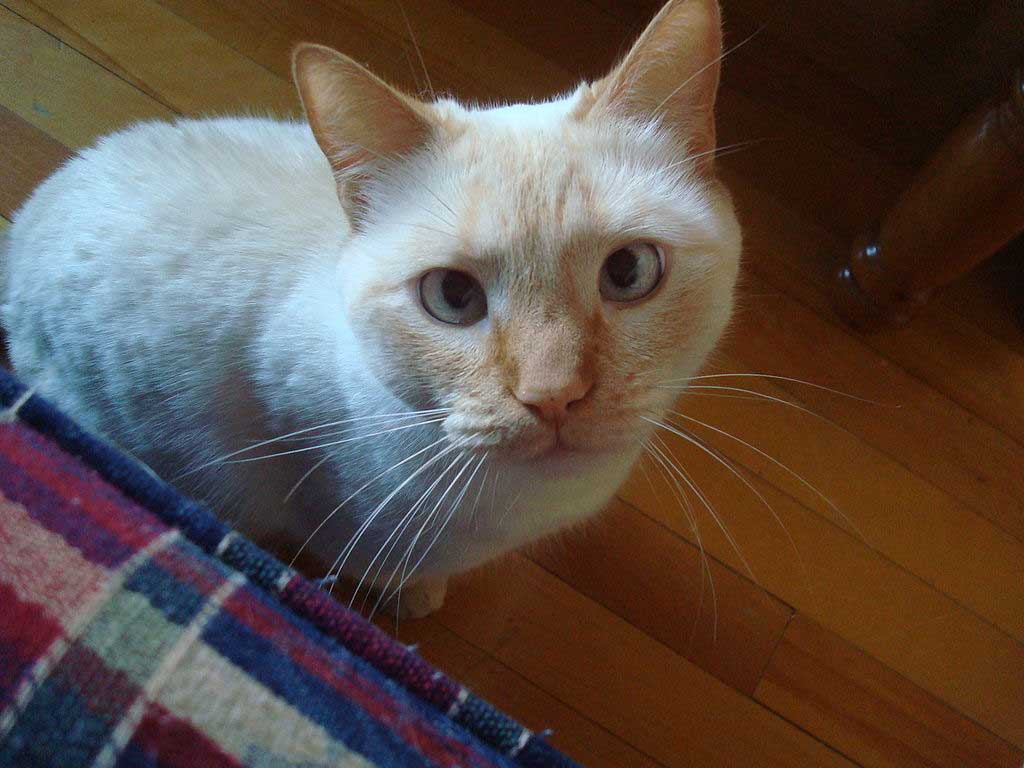

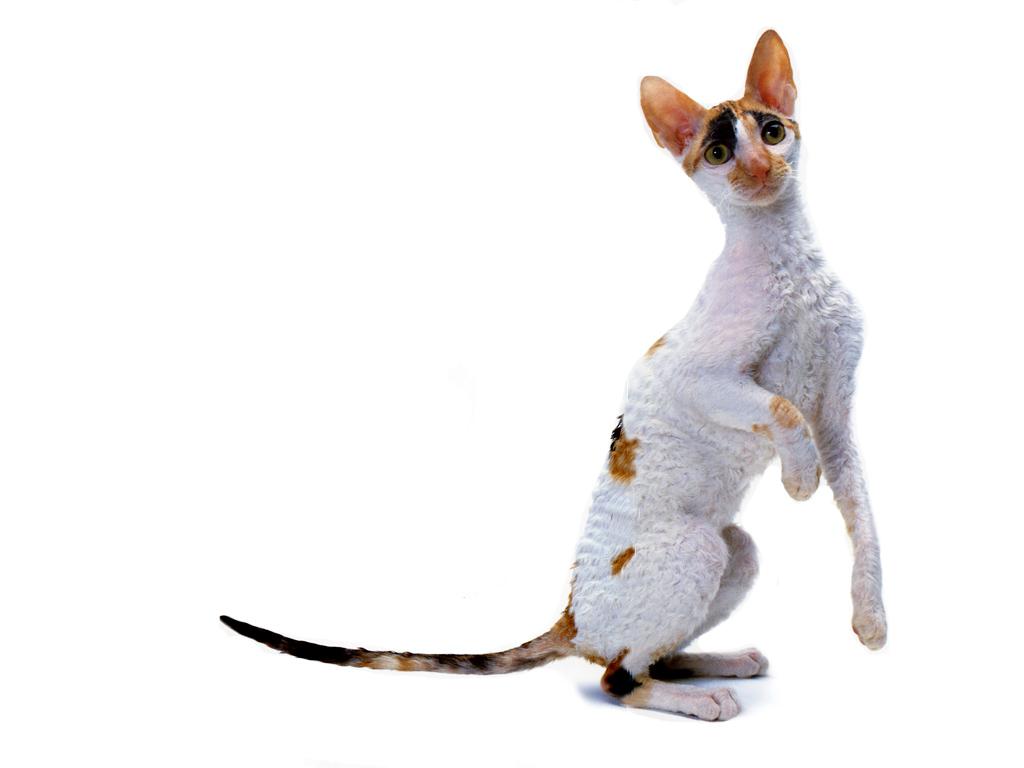
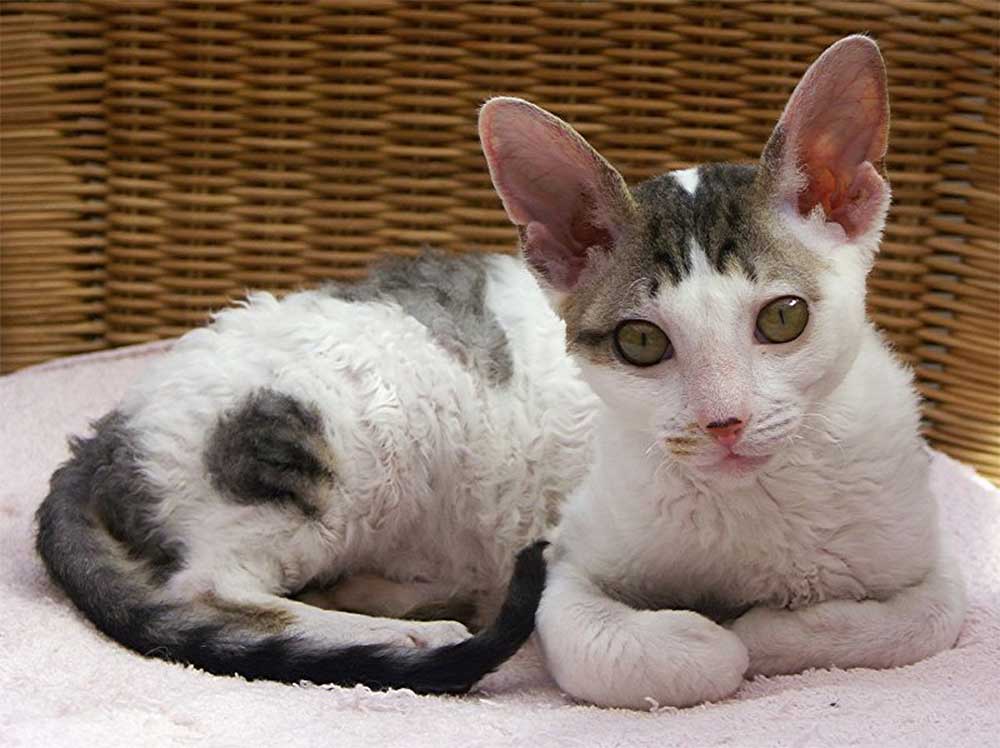
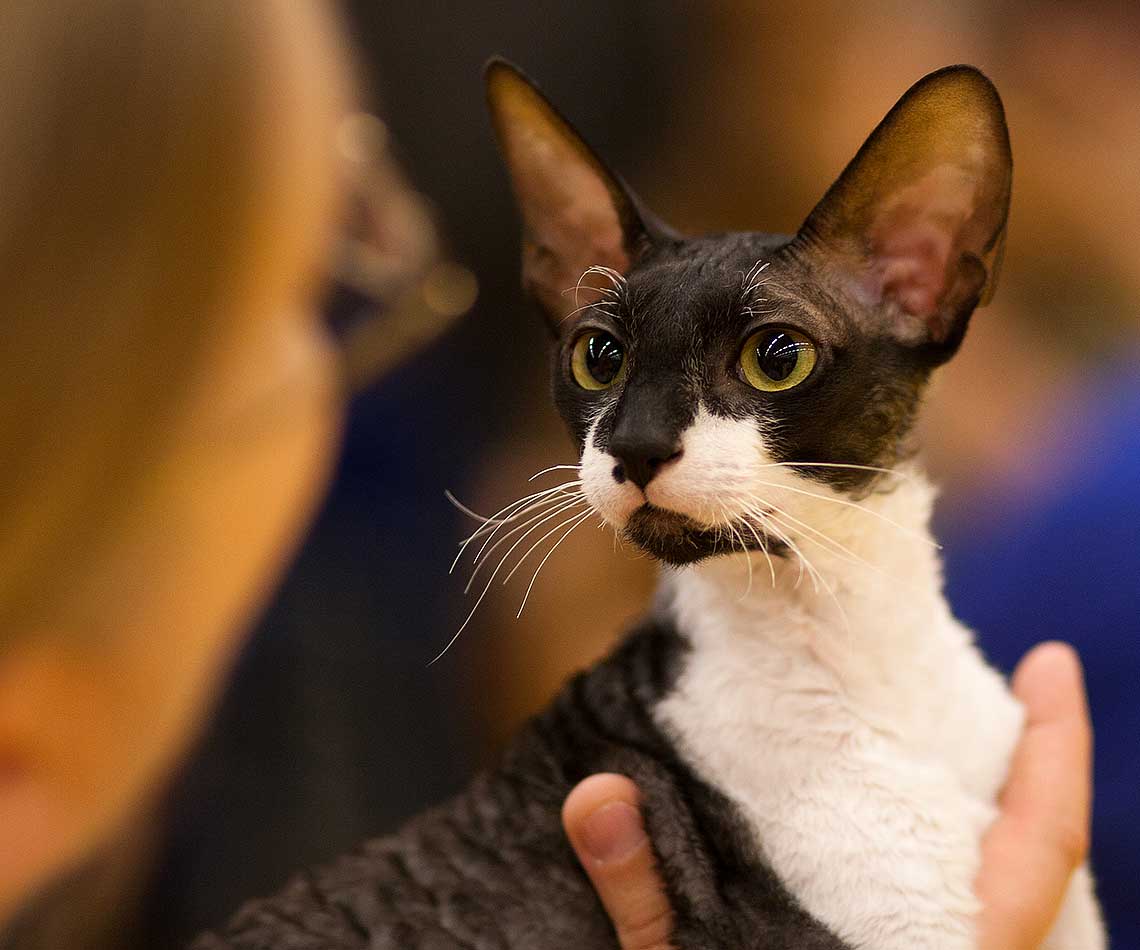


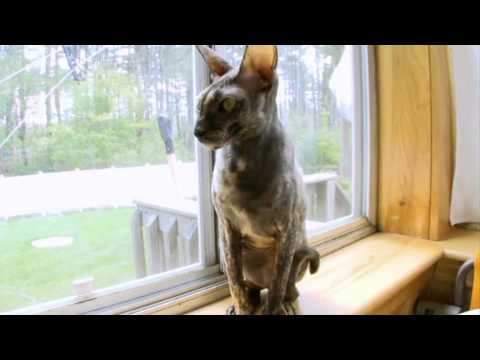
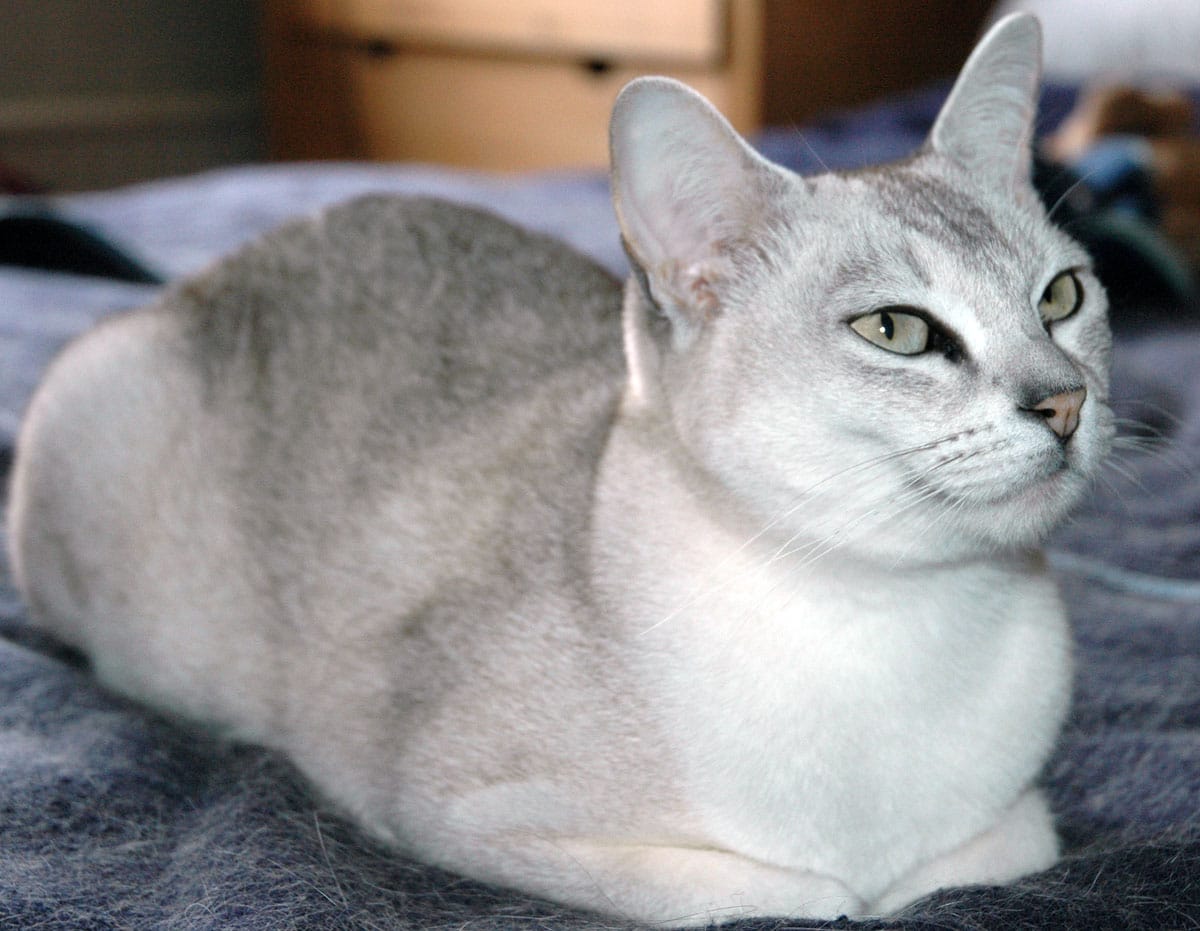

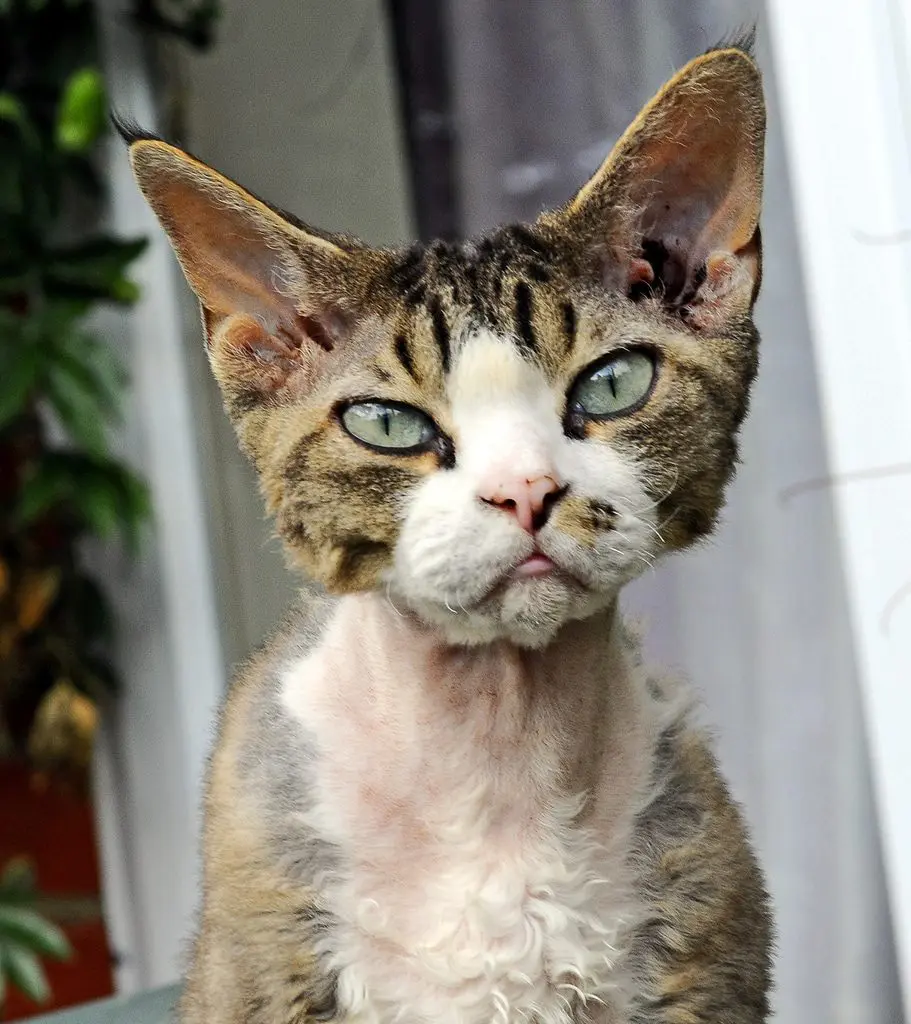
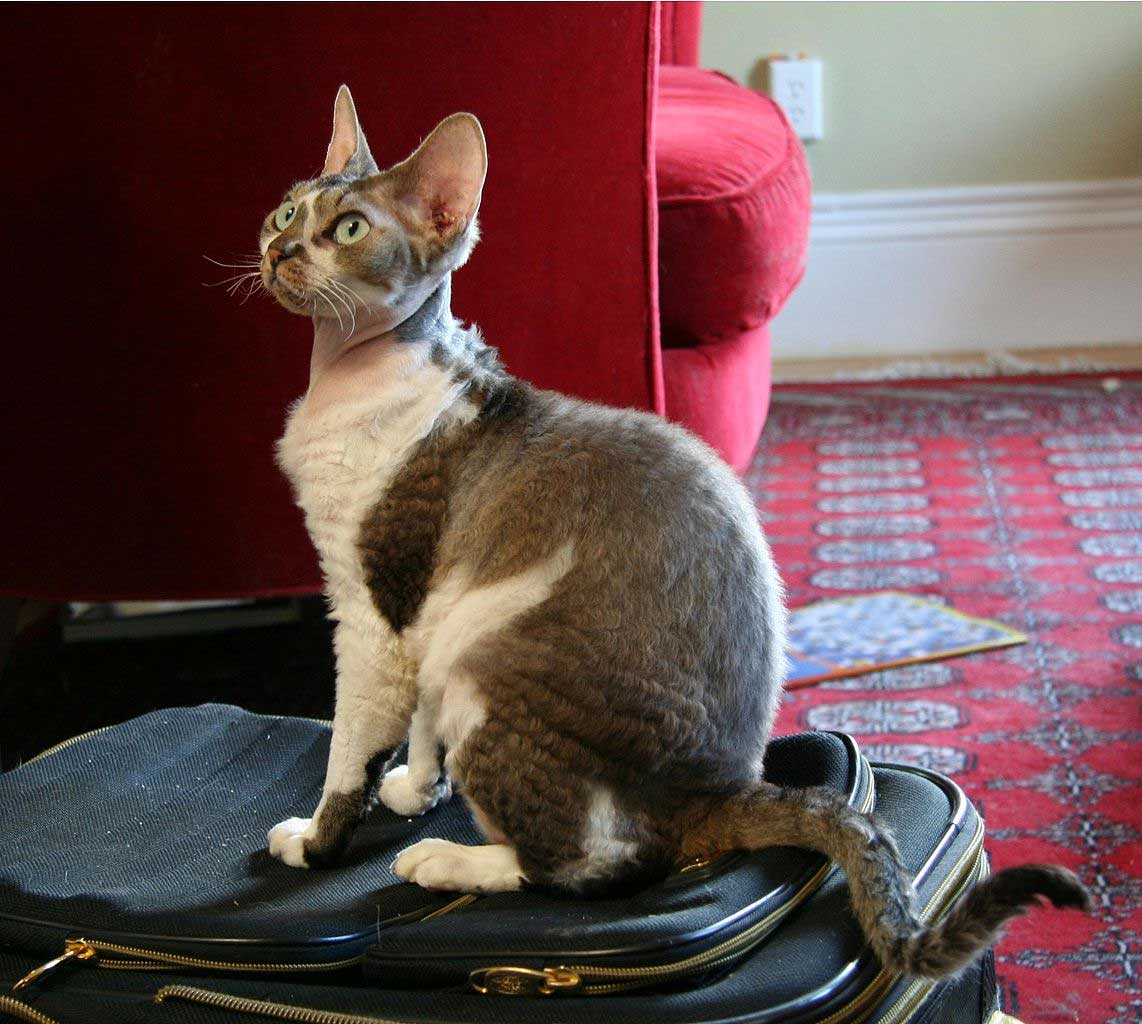
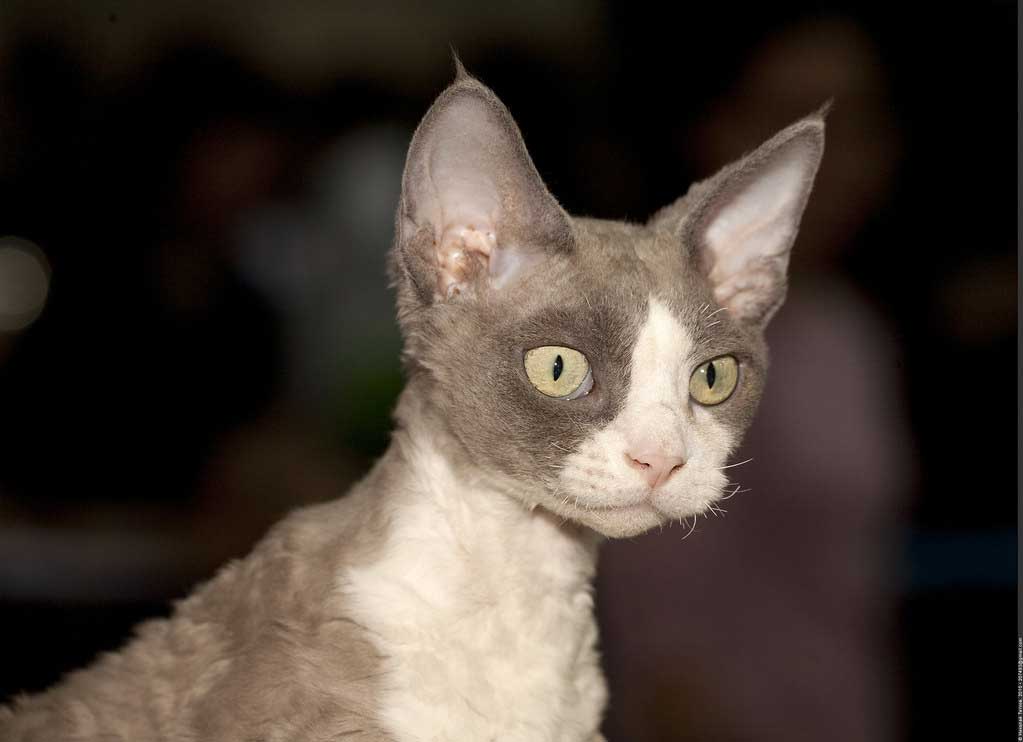
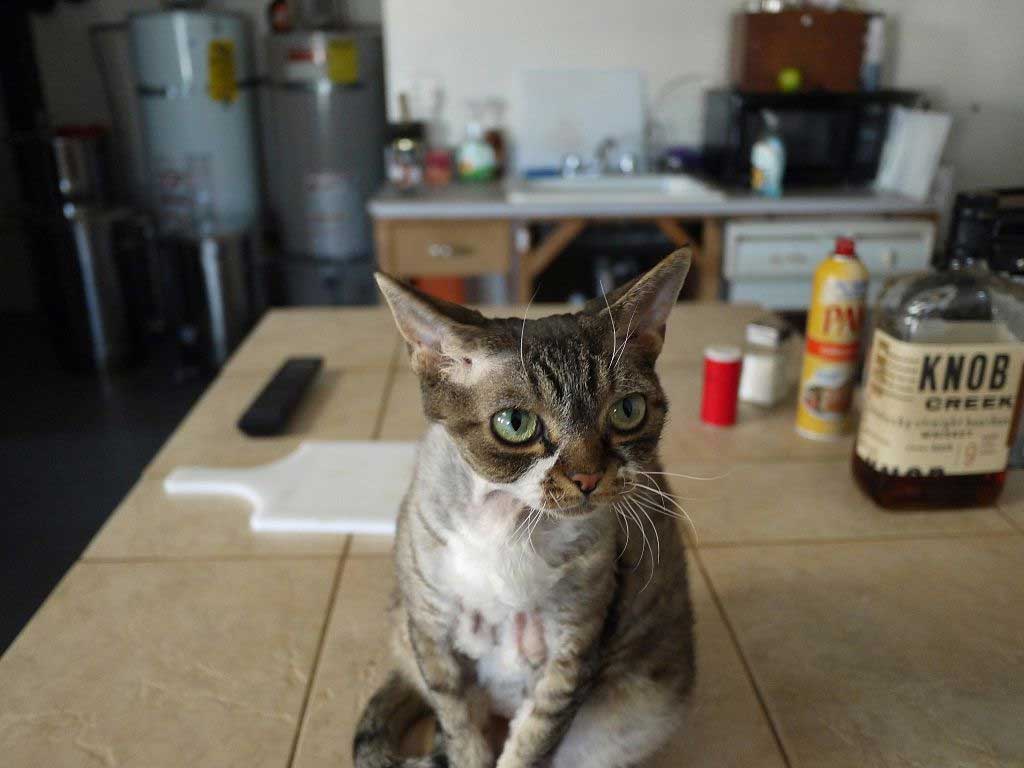
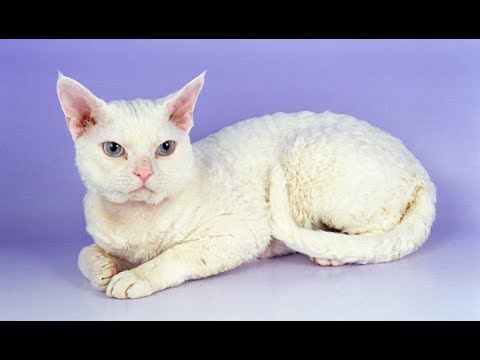
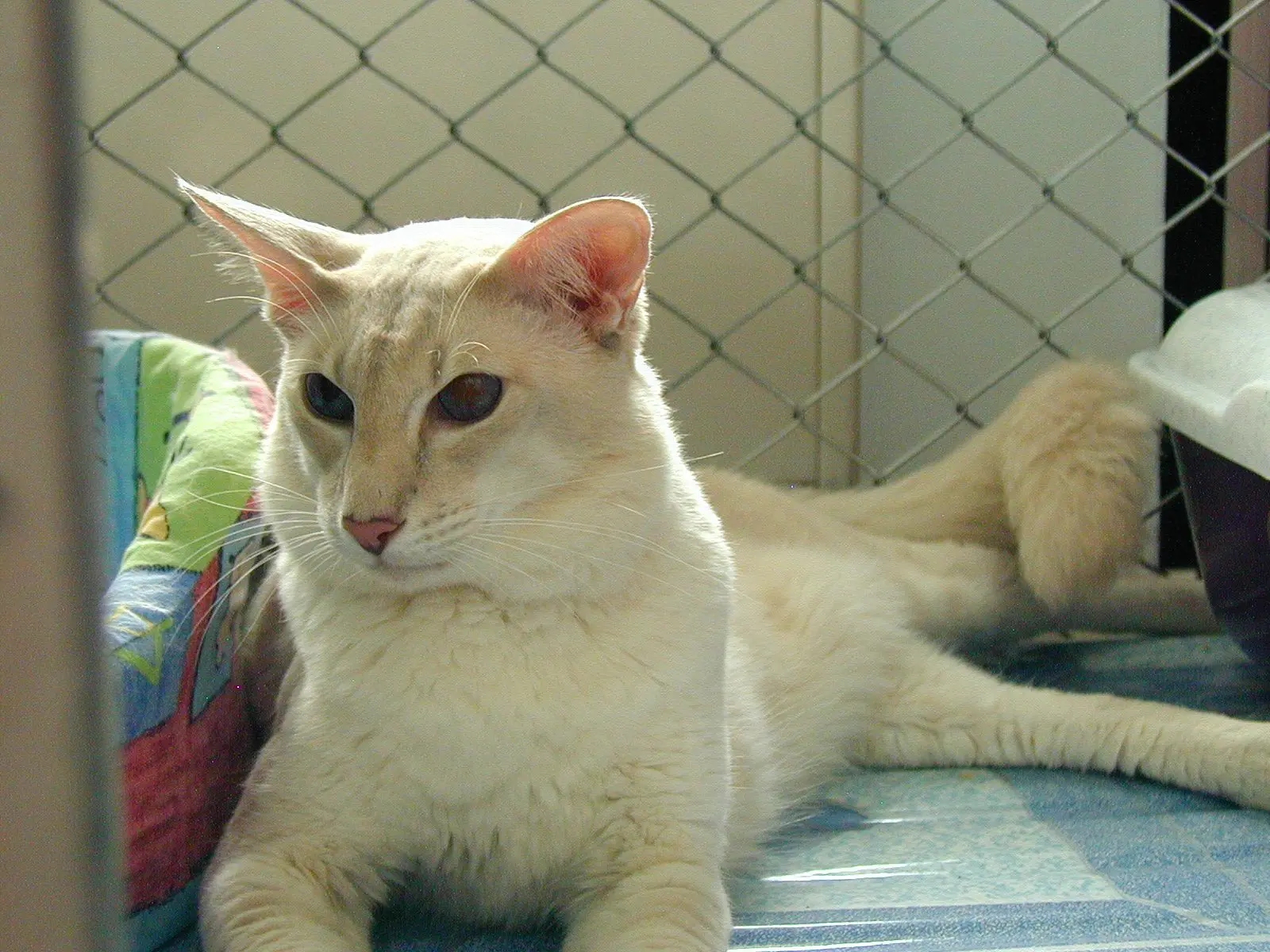
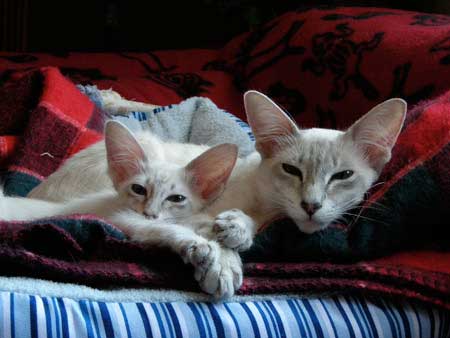
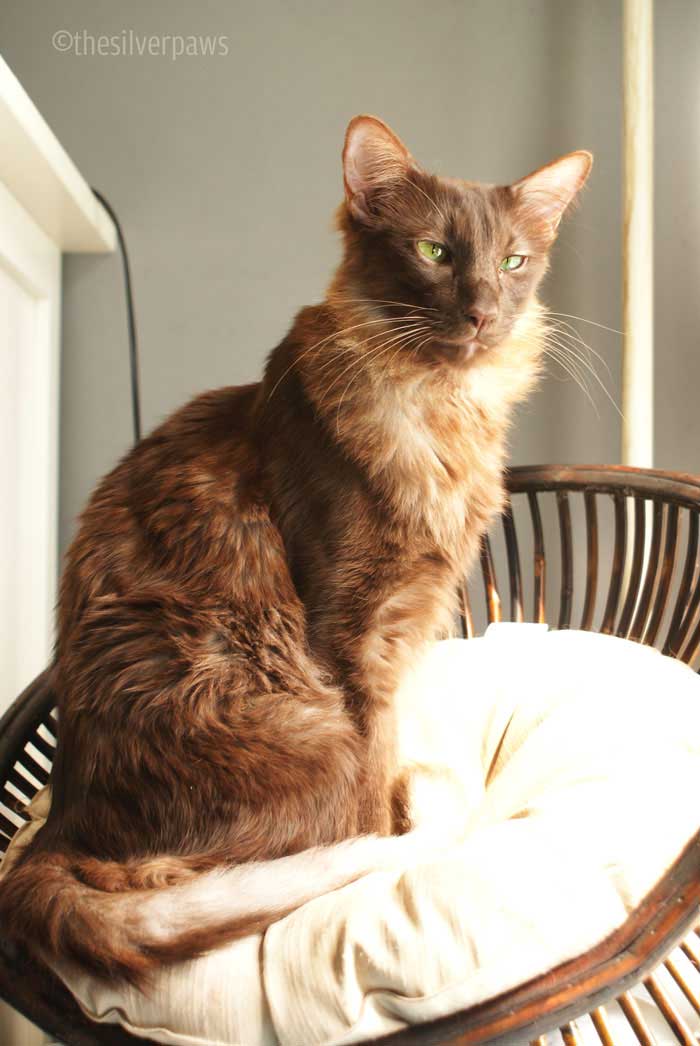
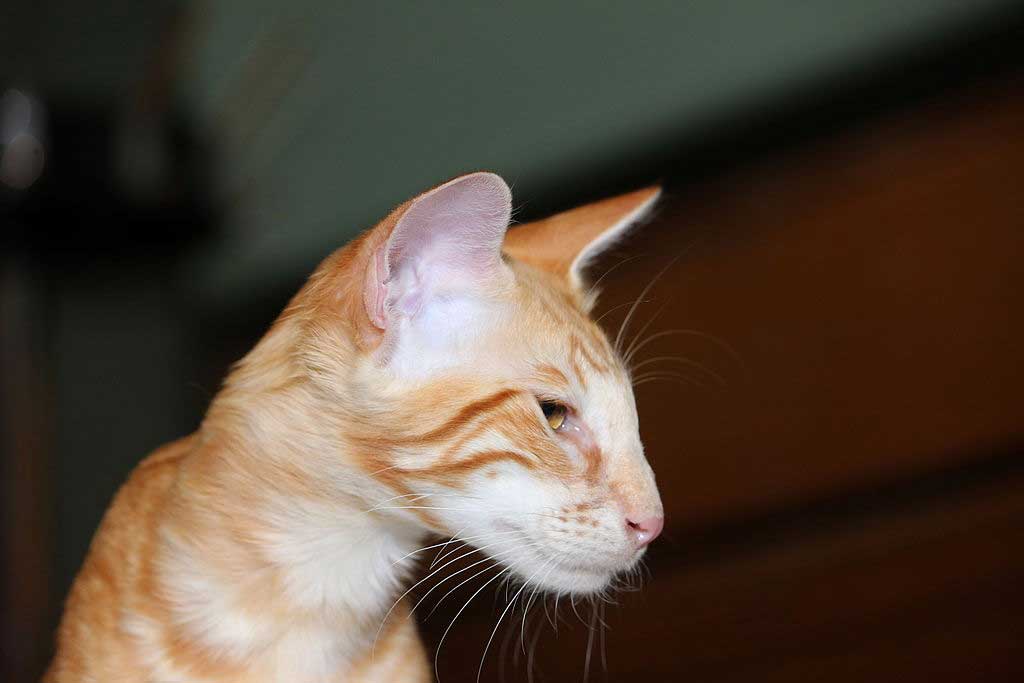
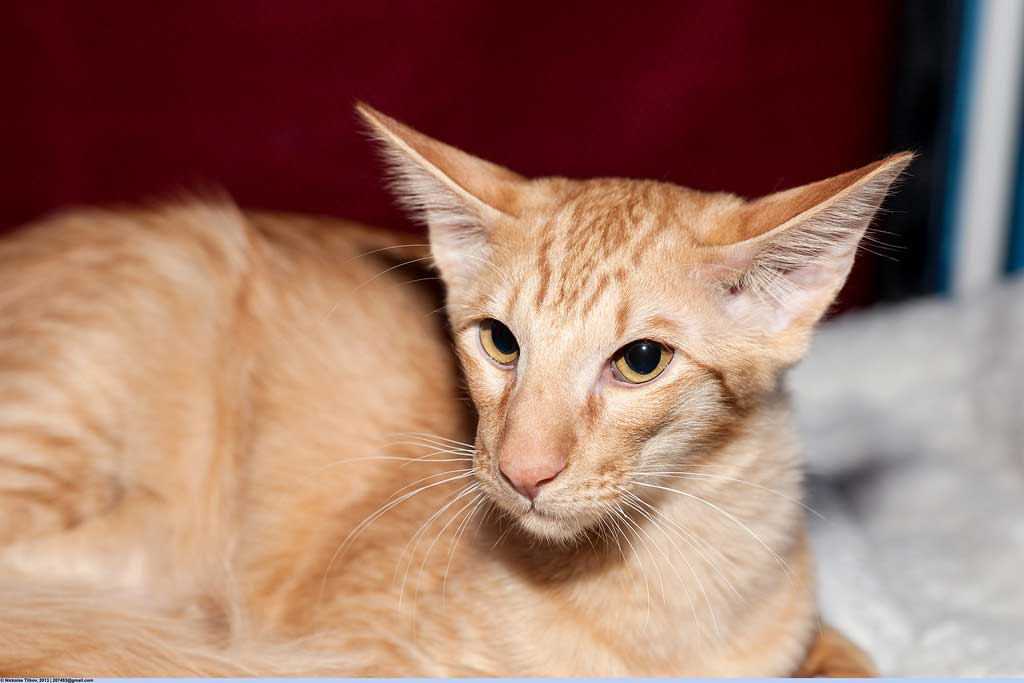

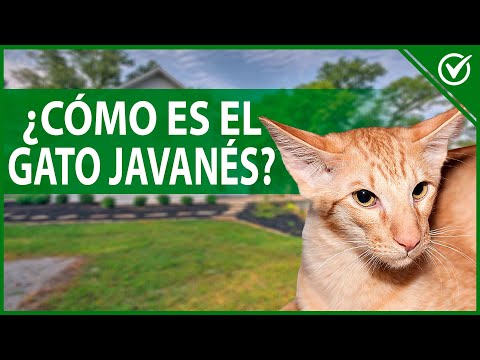
 FCI 248 . Primitive type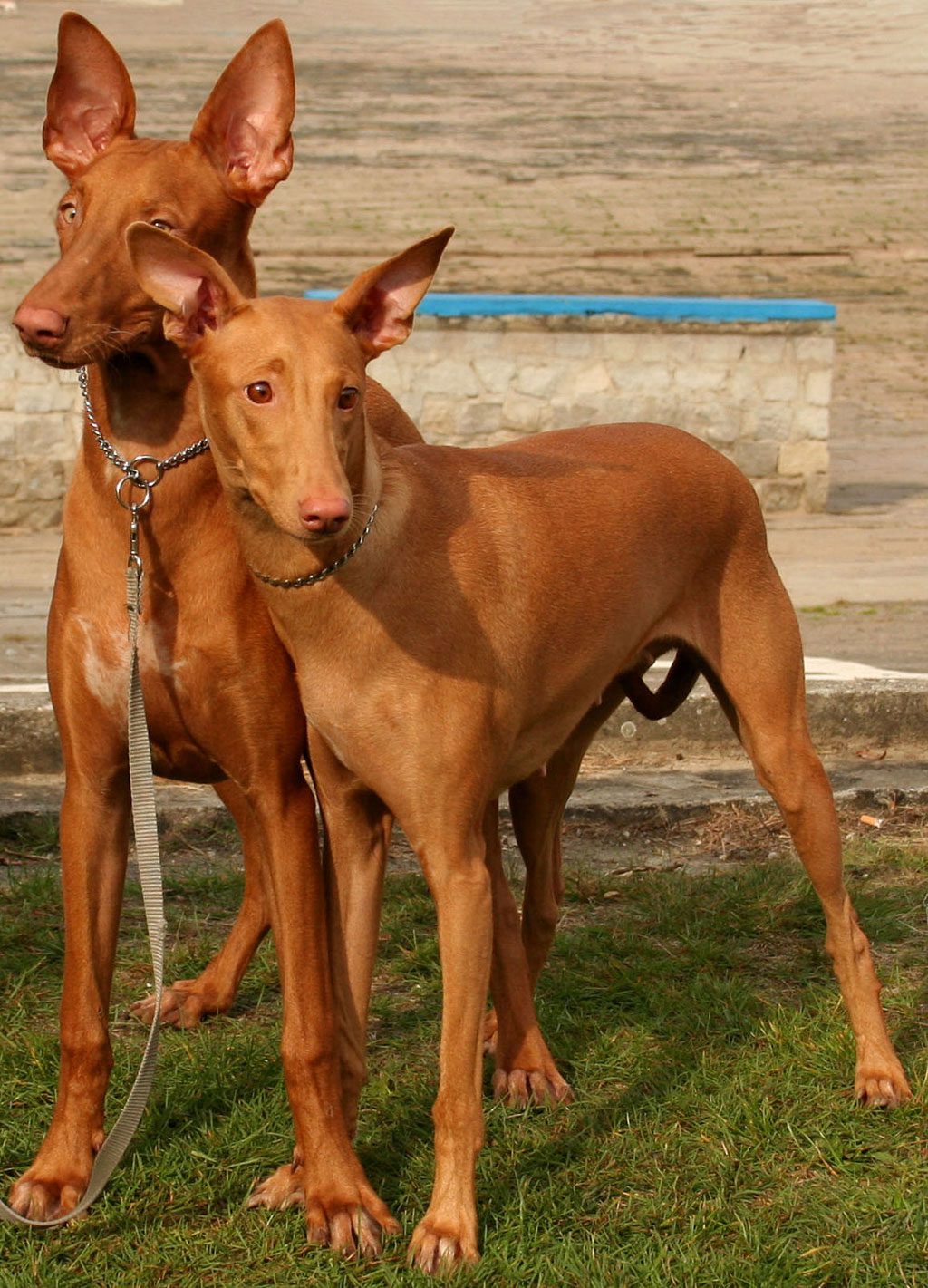


 Singing Pharaoh Hound
 Pharaoh Hound & Bengal Cat Having Fun
 Trouble falling asleep…
 Pharaoh Hound Dog Tricks
.png "Great Britain")
 - FCI 39 . Sheepdogs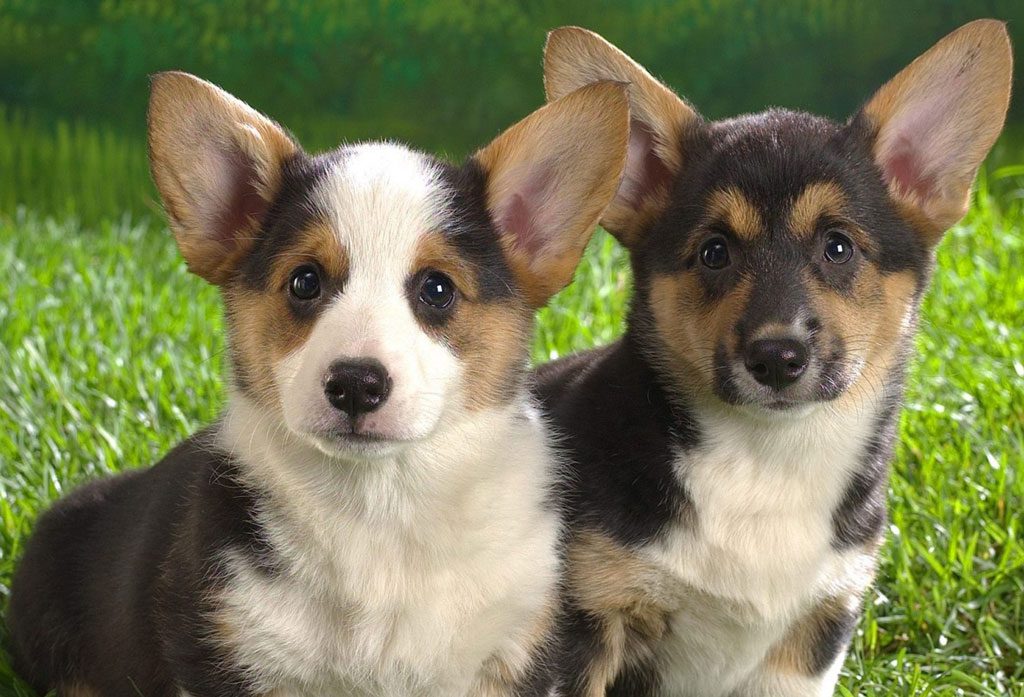

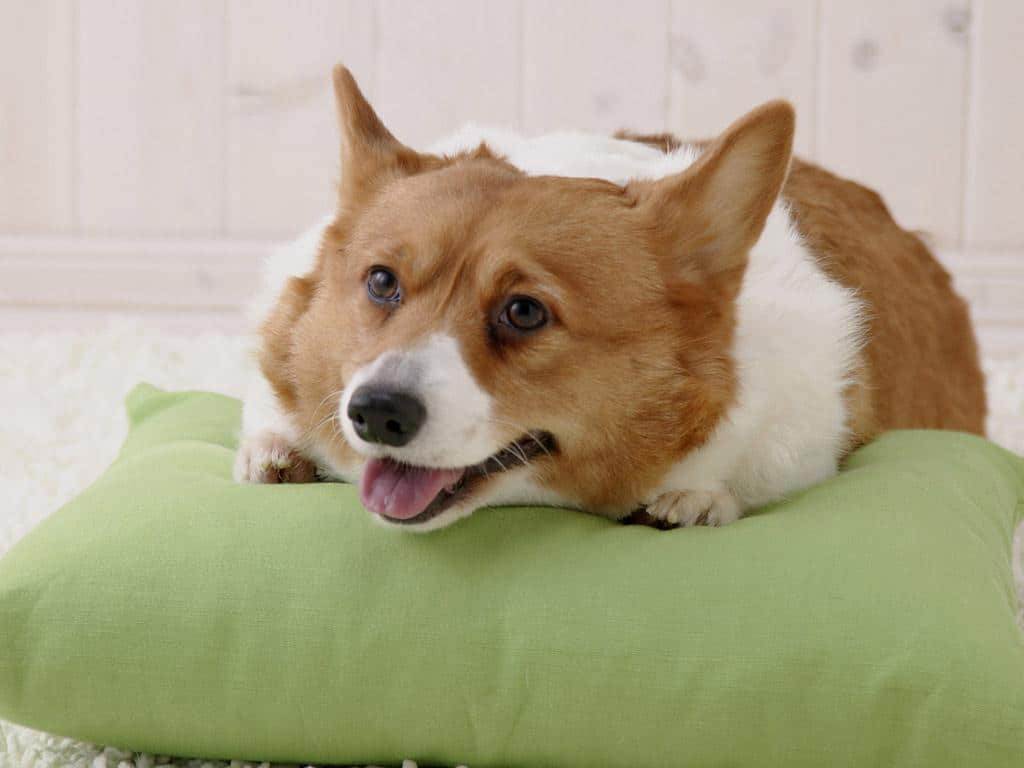
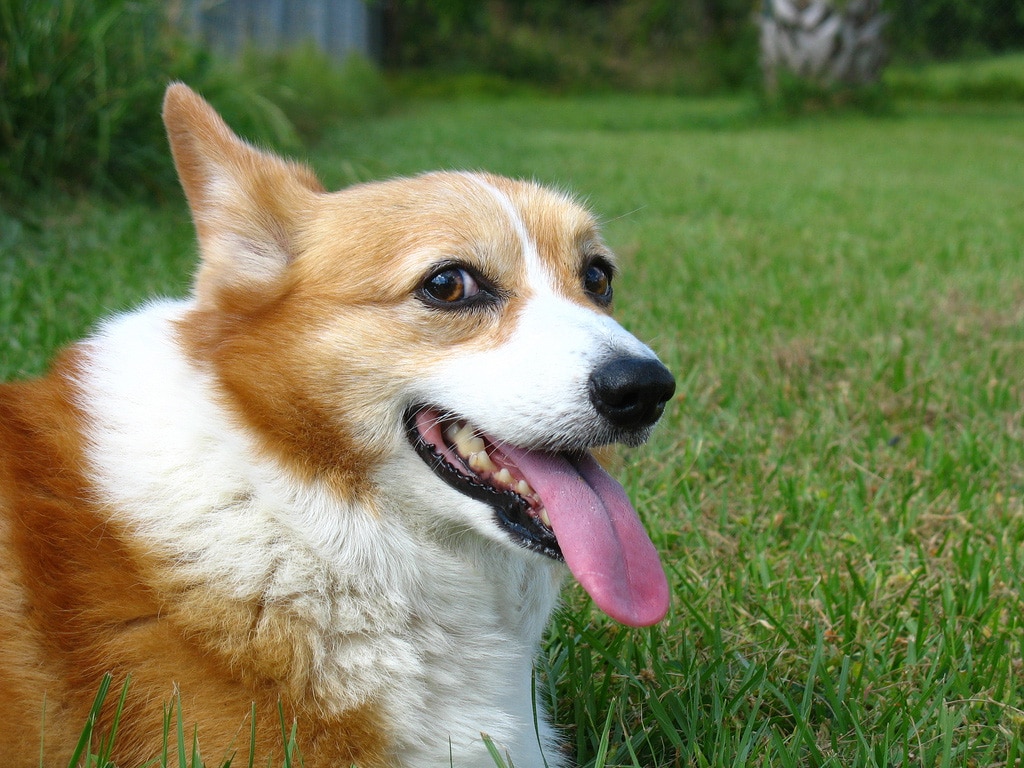


 Missy the Pembroke Welsh Corgi doing silly tricks
 Baby vs Corgi
 corgi snow tunnel
![dogs 101 01-03c pembroke welsh corgi [webrip lks].MKV](http://www.mascotarios.org/wp-content/uploads/2011/07/PembrokeWelshCorgi3.png) dogs 101 01-03c pembroke welsh corgi [webrip lks].MKV
dogs 101 01-03c pembroke welsh corgi [webrip lks].MKV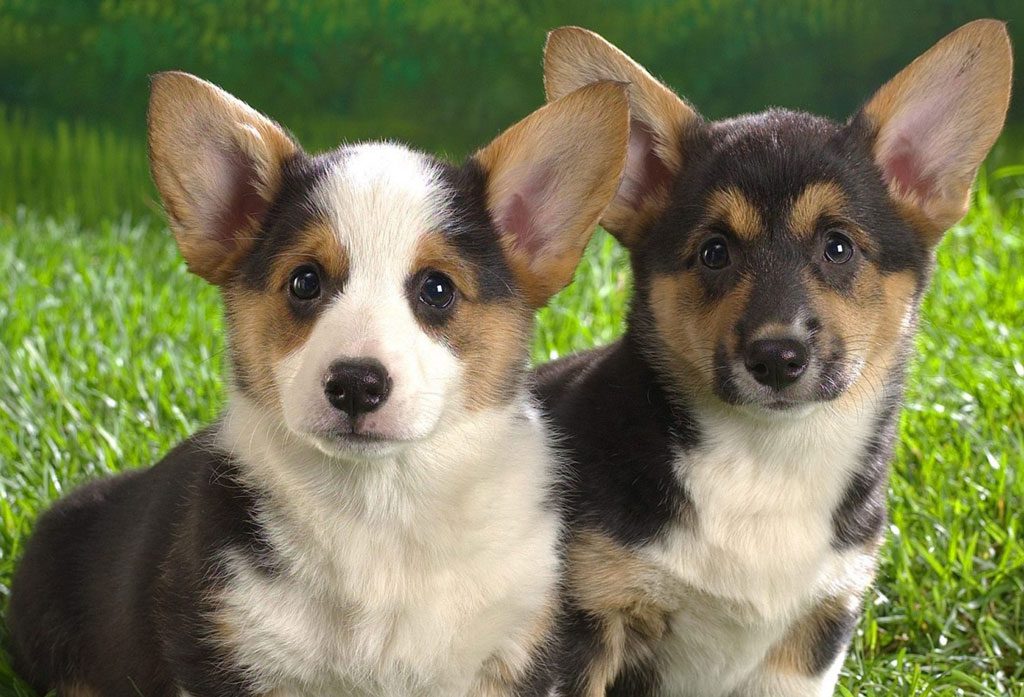


,_Red_Classic_Tabby.jpg)