The nature of hungarian hound, like its appearance, It is elegant. Extremely sensitive and smart, friendly sweetie, but never nosy.
Content
History
The hungarian hound is a real specialty among Hungarian dog breeds. But, it is perhaps the least known four-legged Hungarian. It has been threatened with extinction several times throughout its history, although he is a very valuable and lovable companion with an impressive talent for hunting. Due to its rarity, has crossed with other dogs over the years, reason why many people nowadays do not consider that the Greyhound non-hunter kept for hobby purposes is a hungarian hound pure breed.
Its origin
Like all Greyhounds, the ancestor of this Hungarian breed also comes from Egypt. They first appeared around the third millennium BC, the first finds come from that time. Several theories were born about its formation, but the only thing certain is that they reached the Carpathian Basin with the Hungarian conquerors, who used them for hunting. The first memories of hungarian hound go back to the time of San Esteban. At that moment, This Sighthound it was very popular, just like it was a fashionable pastime in the days of Matthias Hunyadi. The king himself often spent his time hunting with them on horseback.. After his death, with the country divided into three parts, the breeding of hungarian hound started to decline.
During Turkish rule, the hungarian greyhound was crossed with oriental type greyhounds. Hunting went from being a real hobby to poaching, since it was the best way to hunt without attracting attention.
The reformist count István Széchenyi popularized greyhound racing and the hungarian hound became the national dog. At that time, Greyhound races were considered special and prestigious social events. Almost constantly, associations were formed to deal with the breed and hunting with it. Horse and greyhound racing also attracted foreigners. This is how English thoroughbreds and the “English Greyhound” were introduced into Hungary.. The resistance of the indigenous race was a rare treasure, but it did not correspond to the speed of the English Greyhound. Thus, the two dogs crossed often and the hungarian hound lost its original character. Thus, many people continue to question the Hungarian character of the greyhound, some say the old character has completely disappeared from current dogs.
After World War II, the breed almost disappeared. In 1963 a movie was made about King Matthias, for which they were needed hungarian sighthounds. But, this dog was so rare that it was almost impossible to find one in the country. For the movie, nature filmmaker and hunter Kálmán Szigethy found some specimens, bought them and started raising them. Thanks to Szigethy, the hungarian hound revived and in 1966 was officially recognized by the FCI. Since then, it has slowly but inexorably spread throughout Europe and is not in danger of extinction. In 2004, all breeds of domestic dogs, including hungarian hound, were declared a national treasure by the Hungarian Parliament, and in 2017 it was even named hungarian heritage dog.
Physical characteristics
The hungarian hound it is a thin hunting dog, his joints are dry and his musculature is prominent. The chest is flat and deep. The trunk is rectangular. The coat is short and of varied colors, and is bred in most greyhound colors.
Body weight of 22-31 kg, according to sex, and height at the cross of 62-70 cm.. It has a strong bone structure and a long head with character.. Almond-shaped eyes, dark brown. Black nose. The ears are called rose ears, that are small and bent back. Long tail, fine, regularly screwed. Its movement is flexible, elegant and graceful.
When run, can reach speeds of up to 60 km/h.
Life expectancy is 12-14 years.
Video of the Hungarian Greyhound
Character and skills
The hungarian hound has a very persistent and determined character. This is why he is so successful in greyhound racing. Compared to other dogs, can keep fast speed for a long time and, in case of stumbling, will continue on his way with the same vigor. He has a big heart in his deep chest, that helps you gallop with persistence. Radiates strength, elegance and great presence of mind. Although he loves to run, he is not hyperactive. typical of greyhounds, rests relatively frequently but requires a lot of exercise. So, regular daily exercise is important.
Your nature - like your appearance- It is elegant. He's extremely smart and sharp, loving but never intrusive. It is also recommended with children, they love them and a well socialized dog is not aggressive towards them. He is protective of his family but is not a biter and never barks unnecessarily. It is reserved with strangers. Has a balanced temperament, which makes it an ideal family pet. Early socialization and frequent exercise are important, otherwise you may develop behavior problems. This will most likely manifest itself in the flight. It is also excellent for various dog sports, especially greyhound racing, hunting or agility. Its calm nature also makes it ideal as a therapy dog..
Ideal environment
Greyhounds can stay indoors if they get adequate exercise every day. Get plenty of rest and can sleep up to 18 hours a day. Consequently, is very fond of comfort and soft beds. In a garden shed, it is necessary to ensure that a high enough fence is erected around it, since it will easily skip the lowest. He gets along very well with children, if they are treated well. It does not require a particularly active owner and is perfect for a family with an average lifestyle. A great hiking companion.
Grooming
The hungarian hound does not require any special care. You need to bathe him a couple of times a year and clean his eyes and ears at appropriate intervals. Brushing with a brushing glove is recommended once a week. More frequent brushing is recommended during the shedding season.
Health
The hungarian hound it is a healthy breed, does not have any specific disease.
Characteristics "hungarian hound (Magyar Agár)"
Coexistence is important that you have with your new friend. Before considering the acquisition of a dog of the breed "hungarian hound (Magyar Agár)" you know certain factors. Not all breeds of dogs are apt to live in an apartment, you must take into account his character, their need for exercise, their interaction with other pets, their care and if you have small children, their level of tolerance towards them.
FCI – Group 10: Section 3: Short-haired Sighthounds ⓘ
Standard CCC (Canadian Kennel Club / Canadian Kennel Club)
Standard KC (The Kennel Club) – Hound ⓘ
Standard UKC (United Kennel Club) – Sighthound and Pariahⓘ
FCI breed standard "hungarian hound (Magyar Agár)"
Origin:
Hungary
Date of publication of the valid original standard:
06.04.2000.
Use:
It is a hunting and racing dog that hunts on sight. But, his nose is also remarkable. It is especially suitable for racing and decoy hunting. (coursings) where it is considered by all as highly accredited in long sections. He is a very good companion dog and a faithful guardian..
General appearance:
His appearance radiates strength; bone structure and muscles are well developed. It is elegant.
IMPORTANT PROPORTIONS:
The length of the body is slightly greater than the height at the withers.
The length of the muzzle corresponds to half the length of the head.
Behavior / temperament:
Tireless, persistent, fast, hardened and resistant. Excellent for racing.
In some distances it is faster than the Greyhound.
He is reserved by nature but not shy, it's sensible, smart and faithful. Is vigilant; your instinct to protect people, houses or farms is highly developed but with no hint of aggressiveness or sharpness.
Head:
Viewed from above and in profile, it is wedge-shaped with a fairly wide base.
Cranial region:
Skull: Moderately strong, broad. The forehead is relatively broad.
Stop (naso-frontal depression) : Well marked.
facial region:
Truffle: relatively large, well pigmented with large wide windows.
Snout: Strong, elongated, although as a whole it is not too pointed.
Belfos : Closing well, adherents, well pigmented.
Jaws / teeth: Strong jaws, powerful. Scissor bite, complete, well developed and according to the dog's dental formula.
Cheeks: Strong, muscular.
Eyes: Medium size, dark, neither deeply placed in the sockets nor bulging. Lively and intelligent look.
Ears: They are quite large and their weave is thick. Inserted at mid-height, they fold back over the neck in the shape of a perfectly worn rose. In attention they get up. Heavy ears are preferred over light ones. Always erect ears are wrong.
Neck:
Medium length but elegant, dry, muscular, without wrinkles.
Body:
Cross: Well developed, muscular, long.
Back: Wide, straight, firm, very well muscled.
Pork loin: Very wide, straight, heavily muscled.
Rump: Wide, slightly descending, with strong muscles.
Breast
: The rib cage is deep and strongly arched to allow enough room for the heart and powerful lungs.. Well sprung ribs well extended back.
Belly: Moderately collected.
Tail:
Strong tail insertion, thick and slightly curved is moderately high. It is moderately thinned and reaches the hock. Its underside is covered by wire hair. At rest it falls vertically to the ground; in action it can be raised to the height of the top line
Tips
PREVIOUS MEMBERS: The forelimbs are strong and tendinous. Seen both from the front and the back, they are straight and parallel.
Shoulder: Moderately oblique, Mobile, muscular and long.
Arm: Long and somewhat oblique, muscular.
Elbows: Elastically conform to the rib cage. They are mobile and must not be turned either inwards or outwards.
Forearm: Long, straight, strong bone structure and dry muscles.
Carpo: Wide and strong.
Metacarpus: Short and vertical to the ground.
Front feet: Relatively large, elongated. Strong pads, nails kept short.
LATER MEMBERS: The hindquarters are well angulated but not over angulated., strongly muscled and with good bone strength. Seen from behind are parallel.
Thigh: powerfully muscled, with rather elongated muscles.
Knee: Moderately angled, strong, not turned neither in nor out.
Leg: Long, with dry muscles.
Hock: Powerful, strong, low placement.
Metatarsals: Seen from behind, both standing and moving are parallel.
Rear feet: Relatively large, somewhat elongated with strong pads and nails.
Movement:
Good ground coverage, elastic trot, seen from front and back, limbs move in parallel planes.
Mantle
SKIN: Relatively thick, well adjusted all over the body, no creases or double chin.
HAIR: Short, thick, rough, smooth and well glued. In winter it can present a dense internal fluff in considerable quantity.
COLOR: All known colors and color combinations in sighthounds, with the exception of those colors and combinations of colors mentioned as elimination fouls.
Size and weight:
HEIGHT AT THE WITHERS
Ideal height for males: 65 until 70 cm..
Ideal height for females: 62 until 67 cm..
The height measured in centimeters is not as important as the harmony of the proportions..
Fouls:
Any deviation from the aforementioned criteria is considered as a fault and the severity of this is considered to the degree of the deviation to the standard and its consequences on the health and well-being of the dog..
MISS PLAYOFFS
Aggressive or fearful dog.
Atypical head shape.
Upper or lower prognathism, incisor arcade deviated.
Missing one tooth or more than one tooth on the incisors, of the fangs, of the premolars 2-4, and molar 1-2; of more than 2 x PM1; go M 3 will not be taken into consideration .
Entropion, ectropion.
Colors: blue; blue spotted white white; brown; wolf gray as well as black and tan; tricolor dogs.
Any dog showing clear signs of physical or behavioral abnormalities must be disqualified..
N.B.:
Males should have two normal-appearing testicles fully descended into the scrotum..
Source: F.C.I - International Cynological Federation
Alternative names:
1. Magyar agár, Hungarian agar (English).
2. Magyar Agár (French).
3. Magyar Agár (German).
4. Magyar Agár, Lébrel húngaro (Portuguese).
5. Galgo húngaro, Magyar Agár (español).
▷ The world of Pets: Dogs, cats, birds, reptiles, amphibians
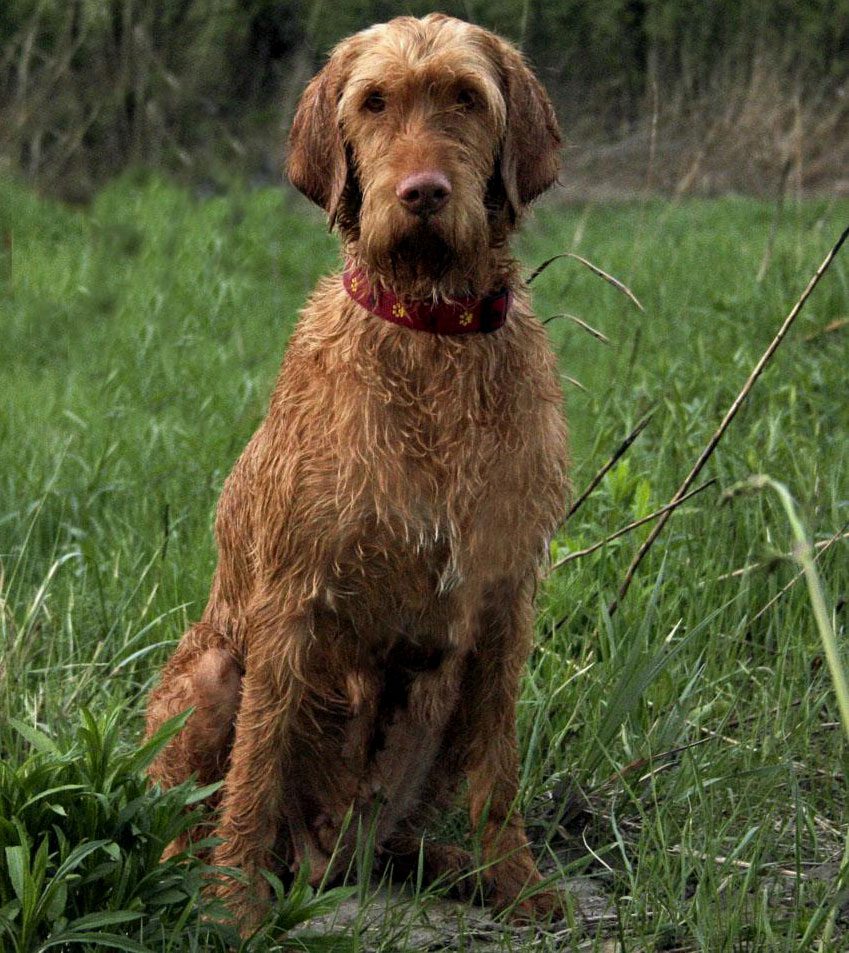
The Hungarian Wire-haired Pointer they are very close to their family and are affectionate and playful with their family.
Content
History
Appeared somewhere between the steppes of Russia and the Carpathians, the Hungarian Braco (commonly known as Vizsla, What does "indicator" mean in Hungarian?) has an ancient history, probably thousands of years. He already accompanied the Magyar tribes before they settled in the Carpathian basin, where the current Hungary is located, in the 9th century.
The first references to this dog date back to the 13th century, and more precisely to the story of one of the scribes of King Adelbert III (1235-1270) which recounts the migrations of the Hungarian people, in which the use of a yellowish dog named Vizsla for hunting. It was also depicted in the 14th century in the illustrations of the chronicles written by the Carmelites. Numerous sixteenth-century Hungarian documents also evoke his role as a faithful companion of kings and aristocracy..
While there is no doubt that the Vizsla current is the result of numerous crossbreeds between hunting dogs over the centuries, these were always carried out in order to preserve the original features, as evidenced by the brown nose which is different from most others pointers.
Historically, the Vizsla has always had a short coat. But, early twentieth century, in the decade of 1930, two breeders came up with the idea of ​​a Hungarian Wire-haired Pointer to the country breeders' club. His goal was to create a dog with all the qualities of the Vizsla, but with a coat that would protect it more effectively from snow and icy water, as well as scratches and scratches when hunting in the forest.
Although it was debated, the proposal was accepted under certain conditions, including maintaining the same coat color. Jozsef Vasa, breeder of the Hungarian Braco, y Laszlo Gresznarik, breeder of the German Shorthaired Pointer, crossed two female Vizsla named Csibi and Zsuzsi with a male of German Shorthaired Pointer called Astor von Potat. Two generations later, Selle Day was the first Hungarian Wire-haired Pointer that was shown at a dog show.
It seems that during World War II, when the population was in decline, crosses were also made with other breeds such as the Setter Irish or the Griffon. But, there is no record of this miscegenation in the records kept by Hungarian organizations.
The breed was recognized in 1963 by the Fédération Cynologique Internationale (FCI), nine years after the Hungarian Short-Haired Pointer (Vizsla). The first specimens were exported to North America in the decade of 1970. More quickly adopted in Canada, to the point of gaining official recognition from the Canadian Kennel Club (CKC) in 1977.
In the United States, was not up 2006 and 2014 respectively than the United Kennel Club (UKC) and the American Kennel Club (AKC) they did the same, while they had already recognized the Hungarian Short-Haired Pointer (Vizsla) in 1960 (AKC) and 1984 (UKC). Its growing presence in Europe also allowed it to be recognized by the British Kennel Club. (KC) in 1991.
Photo: Hungarian Wire-haired Pointer; MVD belongs to the sample dogs of the group 7 of the FCI with proof of work by Broneder, Public domain, via Wikimedia Commons
Physical characteristics
The Hungarian Wire-haired Pointer it is a medium-sized dog that differs from its short-haired cousin by its slightly squarer appearance on average, but also and above all because of the length and texture of its coat.
Its slightly rectangular body is dry and well developed, no superfluous roundness. He leans on legs of solid bones, well structured and with prominent muscles. The legs are oval in shape and end in brown claws.
The tail is wide at the base and tapers to the tip. For years, as a precaution for hunting parties, the queue was shortened by about a quarter. This practice of cutting the tail of dogs (tail docking) is currently prohibited in many territories, including France, Switzerland, Belgium and Quebec.
Hungarian Wire-haired Pointer
The head of the Hungarian Wire-haired Pointer it is quite wide, with a slightly domed skull at a moderate stop. Ears are back, going down along the cheeks and are slightly shorter than those of the Hungarian Short-Haired Pointer (Vizsla). The eyes are oval, medium-sized, and brown according to the coat. The muzzle is quite short and ends in a broad brown nose as well, but darker in color than fur.
It is the latter that clearly distinguishes it from its cousin.. Both have a dense, waterproof underlayer, but the top layer of the Hungarian Wire-haired Pointer is longer (2 to 3 cm.) and it has a completely different texture. They are made of wire hair, hard, dense and very dense. These features give it excellent protection against harsh outdoor conditions. At face level, hair is slightly shorter, except on the eyebrows and especially the beard. This is not very long (2-3cm.), but it is very pronounced and noticeable.
Like his short haired counterpart, the fur of the Hungarian Wire-haired Pointer it's golden wheat, and the spikes may be darker in the shade. Shades of red, brown or light yellow are accepted, but they are not wanted. A small white spot on the chest is possible, as long as it does not exceed 5 cm..
Finally, sexual dimorphism is well marked in this breed, the male being significantly larger and more massive than the female.
Character and skills
The character of Hungarian Wire-haired Pointer is comparable to the Hungarian Short-Haired Pointer (Vizsla), but with the addition of a wet beard when caressed.
They are very close to their family and are affectionate and playful with their own. But, generally feels closer to a particular person among them, whom he considers as his human reference, and it doesn't stop making you feel clearly.
In any case, he is much less open with humans who are not part of his home. This does not mean that he is aggressive or distrustful towards them., but rather indifferent.
But, if you perceive a threat to your family or territory, whether it comes from an unknown human or another animal, he is very protective, not hesitating to scold or even interfere.
Hungarian Wire-haired Pointer
He behaves in exactly the same way with children. Like this, is close to the little ones of the family, but he prefers to avoid others. You have to be careful when the first one plays with friends, as you may misinterpret some of the second's actions as aggression, and then react inappropriately. Like any other dog of any breed, should not be left alone with a young child without adult supervision.
The Hungarian Wire-haired Pointer gets along well with his peers, whether they are those you meet on your walks or those who share your home when necessary. Their relationships with other animals are much more complicated, as they soon fall victim to their strong hunting instinct. The domestic cat is usually protected, especially if you have grown up with him since he was young, but a rodent or a bird cannot say the same if he lives next to him in the house or is on a walk. An unknown cat is also likely to be relentlessly chased.
Used for centuries to succeed on long hunting trips, the Hungarian Wire-haired Pointer still an active dog today. You need to be able to exercise for at least an hour each day to feel comfortable, and you feel even happier if you can spend whole days walking through the forest. So, its level of activity implies that it is not suitable for an elderly or very sedentary person.
Hunting is still his favorite activity, and the one that best allows you to express all your qualities. Otherwise, canine research sports (tracking, Cavemen…) they are a perfect outlet, to solicit your extraordinary sense of smell.
Obedience and agility are also disciplines that will do you good. More simply, it is also a great companion for cyclists, runners, hikers, nature lovers, mushroom pickers… This is all the more true since it is robust and capable of evolving on all types of terrain., from dense forests to rocky mountains, passing through snowy plains or swamps.
In the city, it is strongly recommended to keep him on a leash to avoid accidents if he runs after a passing cat or small animal. But, once in the desert, it is much more appropriate to let it run free. Of course, learning withdrawal orders is an essential prerequisite, for obvious security reasons. A GPS dog collar is nevertheless a good investment to help locate you if the deer you are chasing has led you into unfamiliar terrain..
It also, as it does very well in the aquatic environment. Without being particularly fond, he likes to swim once in a while, especially if the place where you live offers this possibility.
Used to hunting quite independently and, Therefore, to make decisions for themselves, the Hungarian Wire-haired Pointer has acquired a certain intelligence coupled with a strong character. A beginning teacher is probably overwhelmed.
If you are independent in your way of acting, does not mean that he likes to be alone. You can wait patiently at home when your family is at work during the day, but should be able to be as much as possible with the rest of the time. It also, it is likely to hurt if left alone for a whole weekend because it cannot bear the stress caused by the absence of its masters. It also, just because you are physically fit to sleep in the garden, even when it's a little cool, does not mean that this is recommended. In fact, to be well in the head, do not keep him away from his family: it's more of an indoor dog, who prefers to watch television at night with his family than to admire the stars alone outside.
This is all the more true as he is surprisingly calm when his exercise needs are met., to the point of being able to live in an apartment, provided it is large enough to accommodate it in good condition. Discreet and well educated, are not the type that barks on top of your lungs or howls when you die, and are not usually noticed by the neighbors. In fact, they rarely bark (generally when they perceive a threat), but then they don't stop making themselves heard, since his voice rises a lot.
But, the ideal environment for him is a house with a garden (perfectly fenced) in the countryside. A walk in the city during the same time does not have the same flavor as an outing for a dog accustomed to nature and the great outdoors.
Education
Like all dogs, the Hungarian Wire-haired Pointer benefits greatly from socialization that begins in its first few weeks and continues for the following months. Usually goes smoothly, since then he is particularly open and curious, quickly getting used to the different environments and situations you encounter. It´s, because, the ideal time to get used to the people you will meet regularly in your life (friends, neighbors, veterinary…), but also to take him to all kinds of places and allow him to meet various humans and similar creatures.
Hungarian Wire-haired Pointer
The education of Hungarian Wire-haired Pointer can give a slightly timid caregiver a hard time, that you wouldn't know how to be respected by your dog. Strong of character and independent, will soon prevail if left alone. But, perfectly suited to beginners, as long as they know how to assert their authority. For this, it is important to establish clear and consistent rules without delay, so much over time (what is prohibited one day is also prohibited the next day) as between the different members of the family (it is not about one person authorizing what another person prohibits), to establish impeccable discipline and ensure that he respects his master's authority. Once you understand that you can't decide for yourself, accepts the situation and is not the one to monitor the slightest defect and constantly question the established order – If and when, of course, their masters continue to know how to impose themselves when necessary.
On the other hand, educate a Hungarian Wire-haired Pointer it's much simpler, fast and effective with methods based on positive reinforcement. Compliments and caresses are a good source of motivation to make her want to learn, and sweets are also valuable allies to motivate him to do what is asked of him. On the other hand, traditional training techniques are doomed to failure, as they are likely to totally destabilize it, making him fearful and insecure.
Last, withdrawal orders are high on the list of things to teach your dog as a priority. In fact, so that you can let him play freely during field trips, which is particularly beneficial for him, must be perfectly assimilated.
Health
The Hungarian Wire-haired Pointer they are generally robust, with a life expectancy of around 12-14 years, which is in line with the average of dogs of their size.
Their short coat protects them from both heat and cold, allowing them to live in a wide variety of climates. But, not adapted to extremes, and can't sleep outside when freezing, for example, or run in the sun in the middle of a summer heat wave.
No dog is immune to disease, and the Hungarian Wire-haired Pointer is no exception. In this case, to which it is most exposed are ..:
The Hip Dysplasia, a joint problem often favored by a hereditary predisposition, causing pain and difficulty in movement, as well as osteoarthritis with age;
Elbow dysplasia, a malformation of the joint, which is also possibly related to a predisposition inherited from parents, and that also causes pain and lameness;
Epilepsy, a nervous system disease of often hereditary origin, responsible for more or less frequent and intense seizures. The disease cannot be cured on its own, but your symptoms can be relieved with the help of medication;
Addison's disease, a hormonal deficiency that is usually inherited from the parents and manifests itself in various ways: weakness, vomiting, diarrhea, weightloss… The most severe form of the disease is usually fatal, while the chronic form can be kept under control with lifelong treatment;
Hemophilia type A, an inherited disorder that prevents blood from clotting properly, and that affects men more than women. May manifest in heavy bleeding, bruising or blood in the urine;
Hyperuricosia, a disease also inherited from the parents. Corresponds to an excess of uric acid, leading to the formation of crystals in the urine, which in turn can cause bleeding and kidney failure;
Allergies, that can be caused by factors as different as food, the environment or parasites. Allergies can be caused by factors as different as food, the environment or parasites, and most often manifest as itching and redness of the skin;
Ear infections, as in most breeds of dogs with drooping ears.
The Hungarian Short-Haired Pointer (Vizsla) it is also particularly susceptible to various diseases of the eyes:
Progressive retinal atrophy, a degeneration of eye tissue that causes irreparable loss of sight, first at night and then also during the day;
Entropion, a defect in the position of the eyelid that can be inherited and causes irritation of the eyeball. The problem can be treated with surgery;
Ectropión, an eyelid curl problem also inherited from parents, which also causes eye irritation. Also in this case, an operation remedies the problem;
Glaucoma, often hereditary, which is a painful increase in the pressure inside the eye. This leads to blindness if it is not operated as soon as possible.
It also, people who are used to hunt are particularly exposed to the risk of injuries that this activity implies.
Since many of the diseases to which the breed is predisposed are or may be hereditary, the adoption of a strict breeder of Hungarian Wire-haired Pointer maximizes the probability of getting a healthy animal, and one that stays that way. In fact, a professional breeder not only ensures that puppies are well socialized from their first weeks of life, but also that they do not inherit a hereditary defect from their parents. To achieve this goal, causes various genetic tests to be systematically performed on the breeding stock in question, and excludes all those who could present any risk. You can also have the resulting puppies examined to confirm the absence of a hereditary condition.. In any case, must be able to present the results of the tests performed, plus a certificate of good health from a veterinarian and the puppy's health or vaccination record, that includes all vaccines that have been administered.
It also, from the moment he arrives home until the end of his life, it is essential to allow your dog to be regularly examined by a veterinarian for a complete health check. This is necessary at least once a year, and more often as you get older, as it allows early detection of a potential problem and action accordingly. These visits are also an opportunity to have immunizations increased when needed.. At the same time, It is also necessary to ensure that the "child's" antiparasitic treatments are renewed throughout the year., so you are never unprotected at this level.
Grooming
Keep warm Hungarian Wire-haired Pointer it's quite simple, weekly brushing is enough to keep it clean and healthy. But, she lets go of her undercoat twice a year, in spring and autumn, and daily brushing is recommended to help remove dead hairs.
Hungarian Wire-haired Pointer
An occasional bath is also necessary, but the frequency of the bath largely depends on the lifestyle of your dog. These may include, it is not useless to bathe several times a month an individual who is used for hunting or who often travels on muddy trails in the forest and sleeps inside the house. On the other hand, two or three a year may be perfectly enough for someone else who walks mostly on rocky trails in the mountains and whose place to sleep is in the garage. In any case, you should always use a mild shampoo designed specifically for dogs, as it can damage their fur or skin.
It also, special attention should be paid to their ears, as their fallen form means they are potential nests for infections (ear infections, etc.) as soon as dirt or moisture accumulates on them. So, it is important to check and clean them weekly. At the same time, it is important to get used to drying them after a long time in a humid environment, and even more so after swimming in a swamp, lake or stream…
The weekly maintenance session is also an opportunity to examine and, if required, quickly clean the area around the eyes with a damp cloth, again to avoid infections that would be triggered by a dirt deposit.
As in any dog, oral hygiene is also important. So, the Hungarian Wire-haired Pointer you should brush your teeth at least once a week, using a toothpaste intended for canine use. This will reduce the deposit of dental plaque., that can cause bad breath, cavities and other diseases by turning into tartar.
It also, despite what their rather active lifestyle might have us believe, this dog needs to have its claws trimmed by hand fairly regularly. This is because they are particularly strong and difficult to wear out.. On average, must be trimmed every 2 or 3 weeks, but if they are not cut every 2 or 3 weeks, it is enough to stretch your ear when walking on hard ground: if then you hear a kind of click with each step, it is because they have become too long and it is time to cut them. Otherwise, not only could it make it difficult for you to walk, but you could also be injured if they broke.
Last, it is recommended to examine it (fur, ears, pads…) after every hunting session or a long stay in the wild, to detect possible cuts or scratches, parasites, thorns…
As in all races, learn how to care for a Hungarian Wire-haired Pointer from a professional (hairdresser or vet) it is the best way to take care of it without risk of damaging or injuring it. It is advisable to accustom him to these different manipulations from a very young age, so that they become a moment of shared pleasure, and not in a task that I try to avoid.
Utilization and training
From the first references to its subject dating from the 13th century, the Hungarian Braco was introduced as a hunting dog, more precisely like a pointing dog. Already at that time, as well as in later centuries, including current, his mission was to find the game and point the hunter in the direction of it. Versatile, is capable of hunting in all terrains (forests, plains, mountains…) and is not afraid of cold or water. So, used to remove various game pieces, either nude or feathered, usually working alone or possibly with a partner, but rarely in a group.
Even today, hunting is the main mission of the Hungarian Wire-haired Pointer, and its qualities are recognized in particular by hunters in Central Europe and Great Britain, where it is present in large numbers.
The qualities it mobilizes for hunting (style, obedience, independence…) they also allow you to shine in various canine sports disciplines, either in the crawl, obedience or agility.
The Hungarian Wire-haired Pointer it is also increasingly present in homes as a simple companion dog. Their attachment and energy can be very beneficial to the morale of their owners., and the most athletic find in him a companion of choice for their long excursions in nature. In any case, your need for exercise is quite high, which makes it unsuitable for a very sedentary person, for example.
His protective side also makes him a good watchdog, that spares no effort to put intruders to flight, although not as imposing as other races.
Buy a “Hungarian Wirehaired Pointer”
The price of a puppy Hungarian Wire-haired Pointer is generally between 600 and 800 EUR, without any significant price difference between males and females.
Whatever the location, and as for all races, the amount requested depends on the more or less prestigious ancestry from which the animal comes, as well as the reputation of the breeding from which it comes. Its intrinsic characteristics are, However, the main factor to take into account, which explains that prices within the same litter can vary enormously; individuals closest to the standard and with the best character traits are necessarily more expensive than others.
Characteristics "Hungarian Wire-haired Pointer"
Coexistence is important that you have with your new friend. Before considering the acquisition of a dog of the breed "Hungarian Wire-haired Pointer" you know certain factors. Not all breeds of dogs are apt to live in an apartment, you must take into account his character, their need for exercise, their interaction with other pets, their care and if you have small children, their level of tolerance towards them.
Adaptation ⓘ
3,0 of 5 stars (based on 1 review)
friendly dog ⓘ
3,0 of 5 stars (based on 1 review)
hair loss ⓘ
3,0 of 5 stars (based on 1 review)
Affection level ⓘ
5,0 of 5 stars (based on 1 review)
Need for exercise ⓘ
4,0 of 5 stars (based on 1 review)
Social need ⓘ
4,0 of 5 stars (based on 1 review)
Home ⓘ
4,0 of 5 stars (based on 1 review)
Toilet ⓘ
1,0 of 5 stars (based on 1 review)
Friendly with strangers ⓘ
2,0 of 5 stars (based on 1 review)
barking ⓘ
2,0 of 5 stars (based on 1 review)
Health ⓘ
3,0 of 5 stars (based on 1 review)
Territorial ⓘ
4,0 of 5 stars (based on 1 review)
Cat friendly ⓘ
2,0 of 5 stars (based on 1 review)
Intelligence ⓘ
4,0 of 5 stars (based on 1 review)
Versatility ⓘ
4,0 of 5 stars (based on 1 review)
Child friendly ⓘ
4,0 of 5 stars (based on 1 review)
Surveillance ⓘ
3,0 of 5 stars (based on 1 review)
joy ⓘ
4,0 of 5 stars (based on 1 review)
Videos "Hungarian Wire-haired Pointer"
Hungarian Hard-Haired Braco or Hard-Haired Viszla - Breed of dog
FCI breed standard "Hungarian Wire-haired Pointer"
Origin:
Hungary
Date of publication of the valid original standard:
06.04.2000
Use:
It is a dog that has repeatedly proven to be a utilitarian hunter.. Both in the field and in the forest, or in the water, has proven to be useful given the typical characteristics it has: highly developed sense of the trail, venteador firm, excellent conduct or behavior to bring the prey, indefatigable chaser of the trail even swimming due to its natural affinity with water. It is capable of surviving extreme weather conditions as well as in the most varied soils.. As a complete hunting dog, the fear of shooting or wild animals is a fault that manifests itself for example in the gathering of prey. Lack of affinity to water is also highly undesirable. Given its unproblematic nature and normal adaptability, It is an excellent dog to live with in the house.
General appearance:
It's a hunting dog, lively, dry looking, enjuto, whose structure is more robust than that of the Hungarian short-haired pointer. His image is the faithful reflection of a multifaceted dog and he is recognized for his perseverance., performance and humility.
IMPORTANT PROPORTIONS
• The length of the body is somewhat greater than the height at the withers.
• The depth of the chest reaches a little less than half the height at the withers..
• The snout is a little shorter than half the total length of the head.
Behavior / temperament:
It is a faithful dog, easy training and instruction, is self-confident. Does not admit abrupt or rude teaching. He always maintains contact with his guide, search with enthusiasm, is persevering, always available due to his good sense of smell. He remains noticeably in front of the guide.
Head:
---
Cranial region:
Skull : Moderately wide, gently domed, on the skull a delicate groove that runs from the moderate occiput to the stop. Supraorbital arches are moderately developed.
Depression links (stop) : Moderate.
facial region:
Truffle : Wide and well developed nose, if possible with wide open nostrils. The truffle color harmonizes with the hair color in a shade a little darker than the coat.
Snout : Romo, not pointed, with powerful and heavily muscled jaws. The nasal helm is straight.
Belfos : Firms, adherents with nothing hanging.
Jaws/Teeth : Powerful jaws with a scissor bite, perfect, regular and complete. There should be no space between the upper and lower incisors The teeth are inserted more or less at right angles to the jaws, 42 healthy teeth and according to the dog's dental formula.
Cheeks : Powerful, good muscular.
Eyes : Gently oval, medium-sized. The eyelids are well adherent to the eyeball. The look is lively and intelligent. The color of the eyes is brown and harmonizes with the color of the coat, preferred when the eyes are as dark as possible.
Ears : Insertion slightly back and at medium height. The ear is thin and rests on the cheek, ending downwards in a rounded "V". Its length is approximately three-quarters of the length of the head.
Neck:
Medium length and in harmony with the whole of the dog. Very muscular and gently arched nape. Throat skin is firmly attached.
Body:
Cross : Notorious and muscular.
Back : companies, well muscled, strong and straight. The bony apices of the vertebrae must be covered by musculature.
Pork loin : Short, width, strong, muscular, straight or gently arched. The passage from back to back is firm and compact.
Rump : Wide and long enough, it does not cut, gently descends towards the tail, well muscled.
Breast
: deep and wide, with a moderately developed sill, well drawn and muscular. Sternum pushed back as far back as possible. The sternum and the elbow joints should be at the same height. Ribs moderately sprung. Back ribs with good reach up.
Bottom line and belly : Glides firmly back with a graceful, slightly tucked curve.
Tail:
Middle insertion. Strong at the start and tapering towards the tip. In countries where there is no formal ban on tail docking, it will be cut into a quarter of its length for hunting purposes. As long as it cannot be cut, reaches hock height. It is straight and its bearing is light saber. In motion the tail rises to the height of the horizontal. The tail should be covered with good, thick hair..
Tips
PREVIOUS MEMBERS : Seen from the front they are parallel. In profile they are seen straight to the ground and located well under the body. Good bone structure and strong muscles.
Shoulder : Long scapulae, ideally sloped back and flat. Elastic in movement. Dry and powerful muscles. Good angulation between the scapula and the arm.
Arm : As long as possible and well muscled.
Elbow : Next to the body, though not tight or turned in or out. Good angulation between arm and forearm.
Forearm : Long, straight, good muscular. Powerful bones, not heavy or rough.
Carpo : Dried, firm.
Metacarpus : Short, only with a very slight incline in your posture.
Front feet : Slightly oval, with fingers together and well arched ; strong brown nails. Strong pads, powerful, resistant and slate gray. The feet are kept parallel both in immobility and during movement.
LATER MEMBERS : Viewed from behind they look straight and parallel. Good angulations. Strong bones.
Thigh : Long and well muscled. Good angulation between hip and femur.
Knee : Good angulation of the thigh with the leg.
Leg : Long, well muscled, fibrous. Its length is approximately equal to the length of the thigh. Good angulation between the leg and the metatarsal.
Hock : Strong, dry and stringy. Located relatively low.
Metatarsus : Straight, short and dry.
Rear feet : Same as forwards.
Movement:
His typical gait is a powerful, flowing trot., elegant and with good ground cover, with great rear propulsion and very good front extension. During the search in the field, a voluntary gallop is customary.. The back is firm and the topline remains straight., without loosening. The bearing is well upright. Pasuqueo is not desirable.
Mantle
SKIN: companies, adherent, without wrinkles. The skin must be well pigmented.
Fur: wire, flat, was, thick and dull. The outer layer is 2 to 3 cm.. long. The inner fleece is dense, thickens and repels water. The contours of the dog should not be altered by the slightly longer coat. It should have hair that is as hard as possible and as thick as possible so that it protects it from inclement weather and prevents injuries.. The lower portions of the legs such as
The underside of the chest and belly also have shorter hair., softer and somewhat thinner, The head and ears are covered by shorter and at the same time darker hair, although for this reason it is no less hard and dense.. The marked eyebrows further show the stop. This, added to the beard, underlines the energetic appearance of the face.. The beard is important, not too long (2 to 3 cm.), as hard as possible and on both sides of the snout. On both sides of the neck there are strands of hair that come together to form a “V”.
Color: Different shades of yellow seed. Ears may be a little darker, although staying within the coloration. Red colors are not desirable, browned, or very light tones.
A small white spot on the chest or throat will not be considered fouls, provided that its diameter does not exceed 5 cm., nor will white markings on the fingers be considered faults.. The color of the lips and the edges of the eyelids harmonizes with the color of the nose
Size and weight:
Height to the cross:
Males: 58-64 cm..
females: 54-60 cm..
It is unproductive to increase the height at the withers. A medium size is the goal. The set and the symmetry both in static and in movement are by far more important to the size measured in centimeters.
Fouls:
Any deviation from the aforementioned criteria is considered as a fault and the severity of this is considered to the degree of the deviation to the standard and its consequences on the health and well-being of the dog..
FALTAS DESCALIFICANTES:
• Aggressiveness or extreme shyness.
• Any dog showing clear signs of physical or behavioral abnormalities.
• Aggressive or fearful dog.
• Notable deviation from the characteristics of their sex.
• Atypical head
• Spotted truffle
• Hanging or slimy lips.
• Upper or lower prognathism, deviated arch of the incisors and any other option that is not correct.
• Missing one or more incisors and/or fangs and/or premolars (2-4) and / or molars (1-2); lack of more than two PM1, M3 will not be taken into account or considered. Teeth that are not visible, They will be considered as missing teeth.
• Supernumerary teeth outside the tooth line.
• Split palate, harelip.
• Light yellow eyes, noticeably loose eyelids; ectropion, entropion, disksis (double lash line).
• Excessive double chin.
• Dewclaws.
• Very serious offenses that prevent normal movement.
• Fine fur, lack of inner fleece, Longhair, soft, silky,
with locks, curly or woolly. Lack of tufts on the
legs.
• Dark brown or faded yellow, more than one color, color disappeared; white spot on the chest of more than 5 cm..
• White feet.
• Depigmentation of both the skin and the edges of the lips and eyelids.
• More of 2 cm.. deviation of the maximum and minimum measurements.
• Any weakness in an essential characteristic of character
N.B.:
Males should have two normal-appearing testicles fully descended into the scrotum..
Only functionally and clinically healthy dogs, with the typical conformation of the breed, should be used for parenting.
Source: F.C.I - International Cynological Federation
Alternative names:
1. Hungarian Wire-haired Pointer, Wirehaired Vizsla, Hungarian Wirehaired Vizsla, Drótszőrű magyar vizsla (English).
2. Braque hongrois à poil dur, (en hongrois : drótszőrű magyar vizsla), Vizsla à Poil Dur (French).
3. Drahthaariger Ungarischer Vorstehhund, (ungarisch Drótszőrű magyar vizsla), Drahthaar Vizsla (German).
4. Braco húngaro de pelo duro, (em húngaro: drótszőrű magyar vizsla) (Portuguese).
5. Vizsla húngaro de capa alambrada (español).
▷ The world of Pets: Dogs, cats, birds, reptiles, amphibians
The Vizsla or Hungarian Braco It is a breed of dog originating in Hungary.. It is one of the best sporting and companion dogs, but little known outside his native Hungary.
The Vizsla was already known from the beginning of Hungarian history. The ancestors of today's Vizsla were the trusted hunting dogs and favorites of the Magyar tribes who lived in the Carpathian Basin in the 10th century.. There are primitive prints in stone - thousand years- It shows a Magyar Hunter with his Falcon and his Vizsla. The first written reference to the Vizsla breed was recorded in a chronic illustrated of the year 1357.
They were the companion dogs of royalty and barons early in the war, for which reason, the blood of the Vizsla has preserved its purity for centuries. The landed aristocracy jealously guarded them and encouraged the development of their hunting ability.Yellow pointer”. Records of letters and writings from the time show the high esteem in which Vizsla dogs were held..
The Vizsla, in spite of hard historical times which became, he survived the Turkish occupation (1526-1696), to the Hungarian Revolution (1848-49), the first and second world war, and the Russian occupation. But, was several times on the verge of extinction... In the year 1800 in Hungary the population of specimens of English Pointer and German Shorthaired Pointer, because they were more accessible to the entire population, This action, took them for the first time, on the verge of extinction, and then, the other nearest point was after World War II, when they thought they really..., they had disappeared.
Then, in Hungary a national survey of sports hunters was carried out, and the results revealed that only a dozen purebred Vizsla dogs had survived the debacle and were living in the country. From these copies, the race came to fame once more, After carrying out a thorough programme of recovery of the race. Outside of Hungary, Vizsla are commonly bred in Romania, Austria, Slovakia and Serbia.
The Vizsla at reached United States at the end of World War II and as the interest and devotion to the race was on the rise, the owners formed the Vizsla Club of America in order to obtain official recognition of the breed by the AKC to, took place the 25 in November of 1960.
The Vizsla was used in the development of other races, as of the Weimaraner, of the Vizsla hair hard and Braco German for short hair. There is considerable controversy regarding the races that, along with other Pointer breeds, were used to reestablish the Vizsla breed at the end of the 19th century. In any case, the similarity between the three races is undeniable…
The Vizsla is a medium-size of short hair dog, and elegant porte, light structure, with well defined muscles, that share physical characteristics with the Weimaraner or Weimaraner. Frequently confused them with dogs of other breeds such as, Redbone Coonhound, Braco of Weimar and the Rhodesian Ridgeback. Although with the races that closest thing it has is with Redbone Coonhound, the Weimaraner, the Vizsla is, As we said, the muscles are more defined and it is thinner than the aforementioned breeds.. The males measure of 56 to 63 cm. of height to the cross and weigh in 20 to 30 kg; the females measure of 53 to 61 cm. of height to the cross and weigh 18 to 25 kg. The Weimar Braco and Rhodesian Ridgeback are larger.
The nose of the Vizsla always has a reddish color that is mixed with the standard colour of the fur, It consists of different shades of the color solid oro-óxido (copper, brown, Golden reddish and Golden dark sand). The color of the eyes and nails should also mingle with the color of the fur (if the latter is not fulfilled, then we would talk about another race).
Some variations in the Vizsla's coat color may show markings along its back.Saddle’, is typical of the breed and for that reason, It is often confused with Rhodesian Ridgeback.
According to him American Kennel Club (AKC) and their standard of the breed, the Vizsla must have short hair, smooth, dense and glued to the body, without woolly subpelo. The Vizsla is not an animal prepared to live outdoors due to the absence of double layer, which leads them to be more susceptible to cold and intense heat. They are very clean dogs, they do not need to be bathed often, do not usually give off the characteristic “odor to dog” detectable by humans. After their forays into lakes and rivers they will develop a scent that is a very faint version of the "wet dog" scent.. A quick bath and the odor will vanish.
The Vizsla is a natural Hunter endowed with an extraordinary sense of smell, comparable to the Pointer and an above-average learning ability. Although they are encouraged, kind, emotional and sensitive, they are equally intrepid and have a well-developed protective instinct. Its hunting style is near, laceando without moving away from the Hunter hunting for the hand. They hunt in terrain, they are very versatile, and they can hunt all kinds of parts, either hair or feather. They are very athletic and resistant. Its recovery capacity is high, charge very well and can train you very easily.
Not only are large crawlers, but also, excellent collectors. Both on Earth and since water that, they are very good swimmers. Like all dogs hunting, the Vizsla require a good deal of exercise to stay healthy and happy. He is very intelligent and likes to feel challenged and stimulated, both mentally and physically. That is why they need training according to their characteristics, sweet, consistent and dedicated.
The Vizsla is a very energetic dog, soft and delicate manners, fair, loving and very warm. They often form close bonds with their owners, including children, that is why sometimes, they are nicknamed "velcro dog” due to his loyalty and affection, far from being lap it is always close to his master. They are quiet dogs, They ladrarán only if necessary. Many sleep in bed with their owners and, If they are allowed, They shall always endeavour to make a huequito under the sheets.
Dogs breeds: Vizsla
▷ The world of Pets: Dogs, cats, birds, reptiles, amphibians
Are what, they are their ancestor and the form in which it existed, What is known for sure is that the Mudi, has survived this time thanks to the appreciation of the shepherds who praise his innate ability in which protection of livestock with regard.
In the year 1936 wrote the first breed standard, naming it Mudi.
The herd book is still open, that means that more and more dogs of this type, they live in their homeland, incorporated into breeding records.
The Mudi, is currently a "rare breed” there are few specimens in their native country, and outside of Hungary if there is…, very few inches.
In Hungary they have been fighting for years to keep the breed alive. As it has been the case with many breeds of dogs pastors, their copies have declined to the rhythm of the socio-cultural advancement.
Before, herds of cattle were numerous and sheepdogs…, essential, This situation has changed a lot from time to time and along the way we have lost many canine breeds specialized in working with cattle..
Physical characteristics
Usually weigh between 8 and 13 kg and measure between 38 and 48 centimeters to the cross.
The mantle is medium wavy or curly, with short hair on the face and legs. The colors accepted are black, Ash, brown, white, Fawn and merle.
The Mudi can have the tail short birth or birth with them long and cut them.
It is a very versatile dog, You can be on a farm, You can hunt, exterminate rodents, make guardian, dog herds and as dog boyero.
Although it is a much less popular breed than the Puli and the Komondor in your country of origin, owners always recognize his superiority due to his versatile talent and always friendly and working arrangement.
Fur: varies by region. The head and limbs are covered in short hair, straight and smooth. On other parts of the body there is hair of a length between and cm, dense, undulating and shiny. the undercoat is arranged in spirals and stripes.
Color: glossy black or white, but there are also white mantles with black stripes or black ones with white stripes, with medium-sized spots and uniform distribution.
Size: 35 to 47 cm..
The hair of the Mudi, Unlike other dog breeds, has much pigment. Surfaces devoid of hair, They must be totally black, However, the pads and nails are slate grey.
The Mudi is a very active race. If you live in the city, you need to take a brisk walk every day, or run.
It also, it would be beneficial for his health if he had an outdoor area where he can run to his heart's content, they need a lot of exercise to stay healthy… and happy.
To the Mudi She loves to play and Excel in all kinds of sports Canine as the Frisbee, for example.
Can also compete in the agility, obedience, Rally obedience, Schutzhund, show, flyball, and tracking. It has strong instinct and grazing capacity, with appropriate training, could also compete in grazing trials.
A Mudi can live in a house doing enough exercise, but always they need ample space to run and play. They are active and they can live, perfectly, in the open air.
Their life expectancy is around the 14 years.
Mudi Health
The Mudi is a generally healthy breed with a life expectancy of 12 to 14 years.
Health problems seen in the Mudi include epilepsy, Hip Dysplasia, cataract, elbow dysplasia and patellar dislocation.
If a breeder tells you they don't need to do those tests because they've never had any problems in their lines or because their dogs have been checked out by a vet or if they give any other excuse to skimp on genetic testing of their dogs, leave immediately.
Careful breeders screen their breeding dogs for genetic diseases and breed only the healthiest and best looking dogs, but sometimes Mother Nature has other ideas and a puppy develops one of these diseases despite good husbandry practices. Advances in veterinary medicine mean that in many cases dogs can still live a good life. If you are going to have a puppy, ask the breeder about the ages of the dogs in their lines and what their cause of death was.
Remember that after you have welcomed a new puppy into your home, has the power to protect you from one of the most common canine health problems: the obesity. Keeping a Mudi at the right weight is one of the easiest ways to extend his life..
Kuvasz grooming
The coat of the Mudi loose the dirt (and the hair, of course) and does not require frequent bathing. A weekly brushing is usually all that is needed and the coat does not need to be trimmed.
If your Mudi is like most, you will enjoy swimming in a pool, a lake or the ocean. Thereafter, rinsed with fresh water to remove chlorine, algae or salt and restore shine to your coat.
The Mudi sheds her coat in the spring and doesn't get it back fully until late summer.
The rest is basic care. Trim nails every few weeks or as needed. brush your teeth often – with a vet-approved pet toothpaste – for good general health and fresh breath.
Characteristics "Mudi"
Coexistence is important that you have with your new friend. Before considering the acquisition of a dog of the breed "Mudi" you know certain factors. Not all breeds of dogs are apt to live in an apartment, you must take into account his character, their need for exercise, their interaction with other pets, their care and if you have small children, their level of tolerance towards them.
The Kuvasz (PL. Kuvaszok) is an old Hungarian breed of cattle dog.
Content
Characteristics "Kuvasz"
Coexistence is important that you have with your new friend. Before considering the acquisition of a dog of the breed "Kuvasz" you know certain factors. Not all breeds of dogs are apt to live in an apartment, you must take into account his character, their need for exercise, their interaction with other pets, their care and if you have small children, their level of tolerance towards them.
Adaptation ⓘ
3,0 of 5 stars (based on 1 review)
friendly dog ⓘ
2,0 of 5 stars (based on 1 review)
hair loss ⓘ
5,0 of 5 stars (based on 1 review)
Affection level ⓘ
3,0 of 5 stars (based on 1 review)
Need for exercise ⓘ
3,0 of 5 stars (based on 1 review)
Social need ⓘ
3,0 of 5 stars (based on 1 review)
Home ⓘ
1,0 of 5 stars (based on 1 review)
Toilet ⓘ
5,0 of 5 stars (based on 1 review)
Friendly with strangers ⓘ
2,0 of 5 stars (based on 1 review)
barking ⓘ
4,0 of 5 stars (based on 1 review)
Health ⓘ
4,0 of 5 stars (based on 1 review)
Territorial ⓘ
5,0 of 5 stars (based on 1 review)
Cat friendly ⓘ
3,0 of 5 stars (based on 1 review)
Intelligence ⓘ
3,0 of 5 stars (based on 1 review)
Versatility ⓘ
3,0 of 5 stars (based on 1 review)
Child friendly ⓘ
3,0 of 5 stars (based on 1 review)
Surveillance ⓘ
3,0 of 5 stars (based on 1 review)
joy ⓘ
5,0 of 5 stars (based on 1 review)
History
The Kuvasz is an ancient herd guardian breed that originated in Hungary, although their distant ancestors were probably type dogs Tibetan Mastiff.
While the Komondor was used on the grounds lower with drier climates, the Kuvasz was used on the wet pastures of the highest mountains and the two were an integral part of the Hungarian economy. Later, during the century 15, the Kuvasz became a prized animal, the dog belonged to the Royal Court of the King Matthias Corvino. Y, from the kingdom Kuvasz puppies were offered to visiting dignitaries as a royal gift, Legend has it that the King was more confident their dogs than in their own Councillors. After the death of the King, the popularity of the breed among the nobles decreased, but even so the dog continued to have its traditional role in the protection of livestock.
At the end of World War II, almost all Kuvasz in Hungary had been killed. The dogs were used for the protection of their families, reason why were actively sought and killed by German and Soviet soldiers, while at the same time, some German soldiers were a large number of copies to their homes. After the Soviet invasion and the end of the war, the breed was nearly extinct in Hungary.
The word Kuvasz, probably, comes from the Turkish "kavas" which means guard, soldier or a protector. A related theory postulates that the word may have originated from ancient Russian farmers., the Chuvash, who has contributed many words to the Hungarian language.
For a long time, the property of the Kuvasz was restricted, but they were finally used by the shepherds as guardians of the flock. That's the job they're known for today.. The dog's white fur allowed the shepherd to easily distinguish it from a wolf as it blended in with the flock..
Physical characteristics
The Kuvasz should be of good size, solidly built and with a dignified air. The skull should be slightly arched and not too long, wedge-shaped snout. Leads the small ears hanging in the form of V. The body is rather long, with the slightly outgoing ribs. The legs are strong and not too long. The tail is long, slightly curved at the tip, which wears a beautiful plume. The coat is long, rough and undulating. The color has to be pure white, Although the white ivory can be accepted.
Although the skin is white, the pigmentation of the skin of Kuvasz should be dark and the nose should be black. The eyes must have an almendrada form. The females usually weigh between 35 and 50 kg, While males weigh in 50 to 70 kg, tieneto a bone structure medium. The height at the cross in the males is of 71 to 76 cm and the females of 66 to 70 cm..
As with many livestock guardian dogs, the color of the layer of the Kuvasz serves a functional purpose and is an essential breed criterion. To develop the breed a purpose clear in the Kuvasz was to realise a mantle of color, to provide pastors distinguish the dog of wolves attacking animals at night. The Komondor, a close relative of the Kuvasz, It has a white coat for the same reason.
The Kuvasz lose a lot of hair from time to time. The rest of care are complicated. We must bear in mind that it is a dog of strong personality, which is why their education must be early and can be put to the test the patience of the educator. You need a suitable space of movement and exercise.
Fur: short, smooth, closed and thick on the head and on the front of the extremities. in the trunk, brazos, tie and tail is long and wavy, and often forms ridges and locks. it's pretty rough, a little stiff and in no case felted. the undercoat is fine and woolly.
Color: white.
Size: males of 71 to 75 cm.; females of 66 to 70 cm..
Character and skills
The Kuvasz he is a tireless keeper of flocks, defending the predators. Previously it had also been used as a hunting dog to chase wolves, boars and bears. It is also a great guardian. In his country the police and the army use him as an auxiliary. In recent decades it has also become a companion dog..
Good working dog, reliable watchdog, Pleasant Home Companion, that's the Kuvasz.
It has been used as a livestock guardian, but in recent years it can be found in homes as a pet.
The Kuvasz he is a smart dog and is generally said to have a clown sense of humor, that can last throughout adolescence and adulthood. They are very loyal but patients animals who appreciate human attention, but it also needs its space, they are very independent animals.
According to the classification made by Stanley Coren after analyzing the responses of more than 200 work of the AKC judges ("The Intelligence of Dogs", Stanley city, Ediciones B, 1995), the Kuvasz and el Nº 42 from the list.
Despite his intelligence, It should not be perceived as easy to train. His independent personality can make training a difficult task that, You can exhaust the patience, even for experienced owners. As a result, It is not recommended for beginners and those who do not have time to train and socialize in a manner appropriate to their Kuvasz.
On the other hand, many of these qualities make the Kuvasz excellent guardians for sheep or large farms. The Kuvasz has a very special and close relationship with his owner.
It is a sober and suffered dog, It resists weathering in the toughest conditions, Frequent brushing is therefore, necessary to keep their fur clean. A Kuvasz should not smell bad, This is usually a sign of illness or poor nutrition.
Homemade dog is friendly, affectionate and intelligent, and above all an excellent guardian, brave and quiet, suspicious and even reserved with strangers. Under its dignified appearance hides a playful temperament which makes him a loyal friend of children.
It is generally a healthy and robust breed whose life expectancy is about 12 or 14 years.
Kuvasz Health
In the Kuvaszok, more serious health problems include hip dysplasia, osteocondrosis (a joint disorder that damages cartilage and bone) and a propensity for cruciate ligament injury. An eye disease called progressive retinal atrophy (ARP) is a potential concern, just like hypothyroidism (a common hormonal disease in dogs in which the thyroid gland does not produce enough thyroxine) and vonWillebrand's disease (a disorder of blood clotting).
Not all of these diseases are detectable in a growing puppy, and it can be difficult to predict whether an animal will be free of these diseases, so you need to find a reputable breeder who commit to raise healthier animals possible. Must be able to produce an independent certification that the parents of the dog (and grandparents, etc.) have been screened for these defects and considered healthy for breeding. That's where health records come in..
Do not buy a puppy from a breeder who cannot provide you with written documentation showing that the parents were exempt from health problems affecting the breed.. If the breeder tells you that the tests are not necessary because they have never had problems in their lines, that the dogs have been “vet checked”, or offers you any other excuse to skimp on genetic testing of your dogs, leave immediately.
Careful breeders screen their breeding dogs for genetic diseases and breed only the healthiest and best looking dogs, but sometimes Mother Nature has other ideas. A puppy can develop one of these diseases despite good husbandry practices. Advances in veterinary medicine mean that in most cases dogs can still live a good life. If you are going to have a puppy, ask the breeder about the ages of the dogs in their lines and what are the most common causes of death.
Remember that after you have welcomed a new puppy into your home, has the power to protect you from one of the most common health problems: the obesity. Keeping a Kuvasz at the right weight is one of the easiest ways to extend its life.. Make the most of diet and exercise to help ensure a healthier dog for life.
observations and advice
not a very well-known dog and, therefore, it is difficult to find a puppy of this breed. However, it is more widely used than Komondor, whose cloak scares many potential buyers. In fact, the coat of the Kuvasz is more difficult to care for, Since it must be brushed periodically to avoid the formation of knots, although it should be washed as little as possible.
Kuvasz toilet
The Kuvasz has a beautiful white double coat that loosens dirt but also loosens hair. Brush weekly with a pin brush to remove dead hair and keep the skin and coat healthy. Trim the hair between the toes to keep your feet looking good. Its coat repels water and removes dirt easily with brushing, so a bath is rarely necessary.
When summer comes, don't think your Kuvasz has suddenly developed a disease causing hair loss. It is normal for the Kuvasz to lose most of its long coat in hot weather.
The rest is basic care. Trim nails as needed, normally each week the. Brush your teeth frequently with a veterinarian-approved pet toothpaste for overall good health and fresh breath.
Date of publication of the valid original standard:
06.04.2000
Use:
Shepherd dog
General appearance:
Dogs of this breed are strong, large in size and show a dense coat, wavy and white. Its pleasant image radiates nobility and strength. All parts are in harmony and the limbs are neither too short nor too long.
The skeleton is powerful but not crude. The muscles are strong and dry and the joints are sharply outlined..
Seen from the side the body forms a rectangle lying, almost square. Well muscled. Powerful figure, lively temperament and great agility. Its exterior gives the impression of tireless and efficient power.
IMPORTANT PROPORTIONS:
The length of the body slightly exceeds the height at the withers.
The depth of the chest corresponds to approximately half the height at the withers.
The muzzle is slightly shorter than half the length of the head.
Behavior / temperament:
The Kuvasz is brave and not at all fearful. He will defend, even at the risk of his own life, those people and properties whose defense and custody have been entrusted to him.. He is aware of his own value and incorrect treatment can make him aggressive..
Is loyal, reliable, loves its owner and its territory. He needs to exercise a lot and be busy. It is not demanding at all, its maintenance is simple and it is even capable of withstanding very bad weather conditions. He is grateful for the love and concern expressed to him.
Head:
The head of the Kuvasz has a characteristic wedge shape in harmony with the body, it is nice, noble and radiates considerable strength. The head is characteristically lean and dry. The Kuvasz can be differentiated from similar breeds, essentially because of the shape of his head. The head of the male is somewhat more robust than that of the female.
Cranial region:
Skull: The skull is broad and the forehead slightly marked. Along the middle of the forehead runs a marked furrow.
Stop (naso-frontal depression): Bit strong.
facial region:
Wide, long and well muscled.Truffle: The truffle is black and flat cut.
Snout: The nasal helm is straight. The muzzle becomes progressively narrower although it is never pointed.
Lips: Blacks, firmly glued. The edge of the corner of the mouth is serrated.
Jaws / teeth: well developed, strong, regular teeth, scissor bite, complete, according to the dog's dental formula.
EYES: Placed somewhat obliquely, macaroons, dark brown. The edge of the eyelids is black and is firmly resting on the eyeball.
EARS: Insertion at mid-height; from its insertion to a third of its length, they are curved and separated and then they fall well next to the head. The ears are “V” shaped with rounded tips.. In atention, the dog raises them a little, never fully erect or crooked.
Neck:
He is rather short than of medium length and is heavily muscled. Provides an angle of 25-30 degrees. The nape is short. Firm throat skin, without jowl. In males the ruff and the mane are very expressive.
Body:
Seen in profile it forms a horizontal rectangle, almost square.
Cross: Long, marked upward on the surface of the back.Back: Long Middle, right, wide, well muscled and firm.Pork loin: Short, firm continuity of the back.
Rump: Slightly descending, richly muscled, wide, the coat is very dense, what gives the rump a somewhat high appearance.
Sill: Given the strongly developed musculature, the sill appears rounded, the tip of the breastbone.
Breast
: Deep, long and slightly arched.
Bottom line and belly: Continuing the lower chest line, the belly is slightly pulled back.
Tail:
Low insert, in direct continuity of the gently descending rump. The tail falls straight and has a slight upward curvature at the tip, without being bent. Its length reaches the tarsus. In attention or being excited, is allowed to raise it to the level of the top line.
Tips
PREVIOUS MEMBERS: The forelimbs support the body being straight up to the carpals, are parallel and located at a moderate distance from each other. Seen from the front, The position of the anteriors is correct when a vertical line drawn from the tip of the shoulder coincides with the axis of the limb and falls between the third and fourth toes of the foot.. In profile, is correct when a vertical line drawn from the elbow joint falls towards the ground passing through the carpus and through the middle of the limb.
Shoulder: Long oblique scapula, musculada, joint and firm to rib cage, although with good mobility.
Arm:Long Middle, good muscular. The arm and scapula they form an angle of 100 to 110 degrees.
Elbow:Dried, rests next to the rib cage, not turned in or out. The arm and forearm form an angle of 120 to 130 degrees.
Forearm: Proportionally long, straight, compact, with lean musculature, strong tendons are inserted into it that are directed
to the carpus.
Carpo: Well developed, firm, the tendons are made of steel.Metacarpus: Proportionally short, enjuto, slightly tilted
(angle with the vertical of 10 to 15 degrees).
Previous feet: Round or somewhat oval, firm. Fingers are short, so arched up that in the middle they do not touch the floor, elastic and well together. Elastic and black pads. Nails are hard, strong, black or slate gray.
LATER MEMBERS: The posture seen in profile is correct when the knee is under the tip of the buttock and the foot is under the hip joint.. The vertical that falls from the tip of the ischium touches the heel bone. The posture of the hindquarters seen from behind is correct when the vertical that falls from the tip of the ischium runs along the axis of the limb, it is parallel on both sides and is on the ground separated by a medium distance from the other.Thigh: It is closely linked to the pelvis by its musculature which is long, wide and solid. The pelvis and thigh form an angle of 100 to 110 degrees.
Knee: Voluminous. The angle between the thigh and the leg reaches 110 until 120 degrees.
Leg: Its musculature, which is long and solid, is attached by strong tendons in the hock.. Viewed from behind they are vertical both sides and parallel to the axis of the body.
Hock: Width, bulky, dry, tendinoso. The angle of the tarsus is 130 to 140 degrees.
Metatarsus: Long, perpendicular to the ground.
Hind feet: Ovals, otherwise like the previous ones.
Movement:
Slow and wide step. In the trot the movement is fluid, elastic, with good ground cover, dynamic, regular and persistent. Elbows do not turn in or out.
Mantle
SKIN: Very well pigmented; is slate gray and firm.
Fur: Moderately hard, wavy, something rigid, no tendency to tangle. Under fairly thick outer coat, softer downy undercoat found. The head, the ears and feet are covered by a short hair of 1-2 cm long, bushy and straight.
The anterior and lateral faces of the anterior and posterior extremities, in the region from the knee down, are also covered by a short, straight hair of 1-2 cm long. On the posterior sides of the limbs are feathers of 5-8 cm long, reaching in the hindquarters up to the height of the hock. Around the neck, there is a gola, that continues up to the chest in the form of a mane. This mane is especially noticeable in males. In the body, arm and thigh, the hair is of a medium length (4-12 cm.), richly wavy and frequently ridged, hair trimmings and tufts. The tail is covered in its entire length by bushy and wavy hair. At the tip, the length of the hairs can reach 10 to 15 centimeters.
Color:
White. Ivory colors are authorized.
Truffle, edges of the eyelids and black lips; pads are black or slate gray. For the palate, a dark color shade is desired; pink spots taken in.
Size and weight:
Height to the cross:
Males 71-76 cm..
females 66-70 cm..
Weight:
Males 48-62 kg.
females 37-50 kg
Fouls:
Any deviation from the aforementioned criteria is considered as a fault and the severity of this is considered to the degree of the deviation to the standard and its consequences on the health and well-being of the dog..
FALTAS DESCALIFICANTES:
Aggressiveness or extreme shyness.
Any dog showing clear signs of physical or behavioral abnormalities.
Depression links (stop) pronounced.
Lack of pigmentation in truffle, flews and edges of the eyelids.
Missing one or more incisor teeth, of the fangs, of the premolars 2-4 and molar 1-2. Missing more than two PM 1; go M 3 will not be taken into consideration.
Upper or lower prognathism, incisor arcade deviated, lack of contact of more than 2 mm. between the upper and lower incisors.
Entropion and ectropion.
Erect ears.
Tail elevated above the level of the back line when the specimen is calm; tail curled back.
Hair with a tendency to mat, kinked or not wavy, wire hair.
Limbs covered with long hair.
Colors deviating from those indicated in the standard.
N.B.:
Males should have two normal-appearing testicles fully descended into the scrotum..
Only functionally and clinically healthy dogs, with the typical conformation of the breed, should be used for parenting.
Source: F.C.I - International Cynological Federation
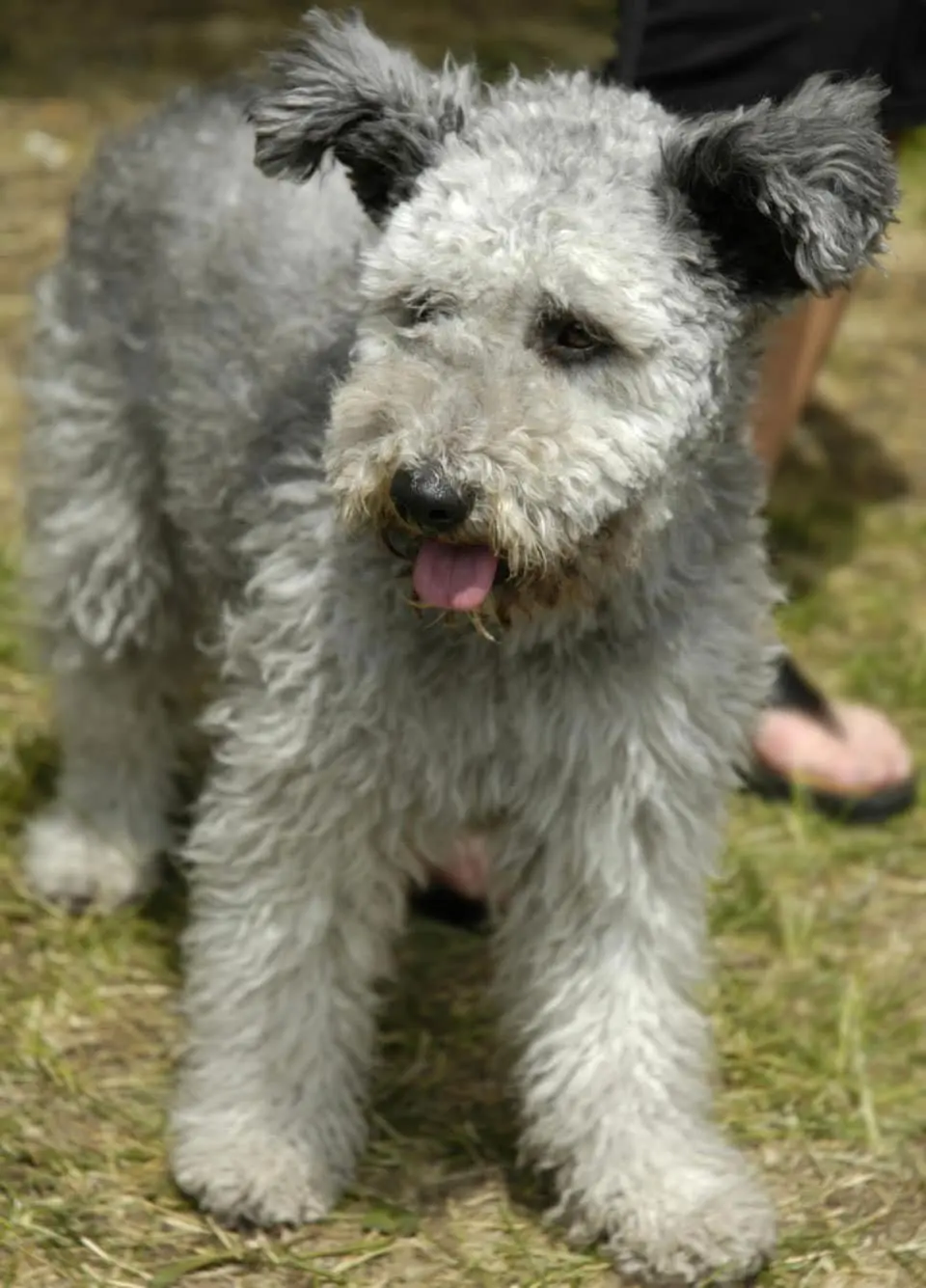
The Pumi is a rustic dog, docile, independent and very protective with their own.
Content
History
The Pumi It is a herding dog size medium of the Terrier group, originally from Hungary.
The Pumi has been used as a "general farm dog", in grazing sheep not only, but also cows and pigs, and also for catching small rodents. Originated from the 17TH and 18th century, When the grazing done by dogs Terrier, brought to Hungary from Germany and France, it was common. These Terrier-type dogs, they were mixed with native Hungarian sheepdogs, and the result of such crossing gave rise to the sympathetic current Pumi, It is a dog of Terrier blood but with the heart of dog. He was raised as a working dog, an autonomous and free animal.
The Wirehaired Vizsla or Hungarian Wirehaired Vizsla is a dog from rare breed originally from Hungary, It is estimated approximately- occur between 140 and 150 copies per year.
The Vizsla Wirehaired was developed in the Decade of 1930, initially by Vasas Jozsef, owner of a Vizsla dog breeder called “Csabai Vizsla” together with Gresznarik Laszlo, owner of a Kennel of dogs German Braco of hair hard (German Wirehaired Pointer). His goal was to create a dog that combined the Vizsla with a thicker layer of hair color, that would allow him to work in cold climates and, above all,- in the recovery of prey in icy waters.
 FCI 240 . Short-haired Sighthounds
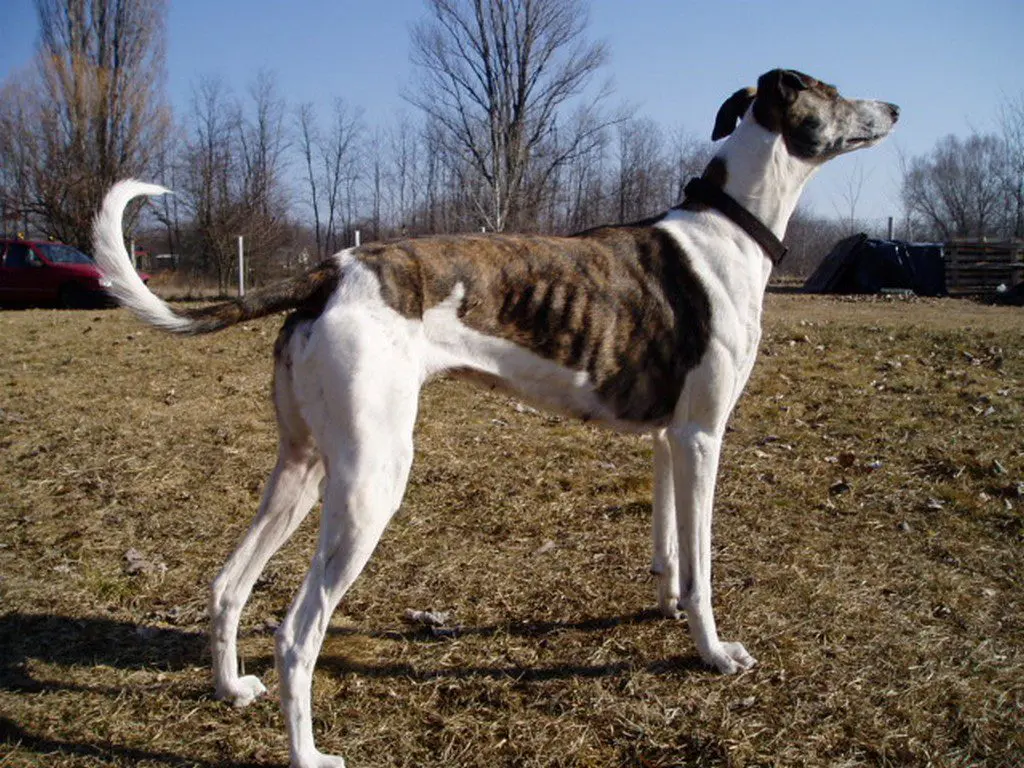
 1
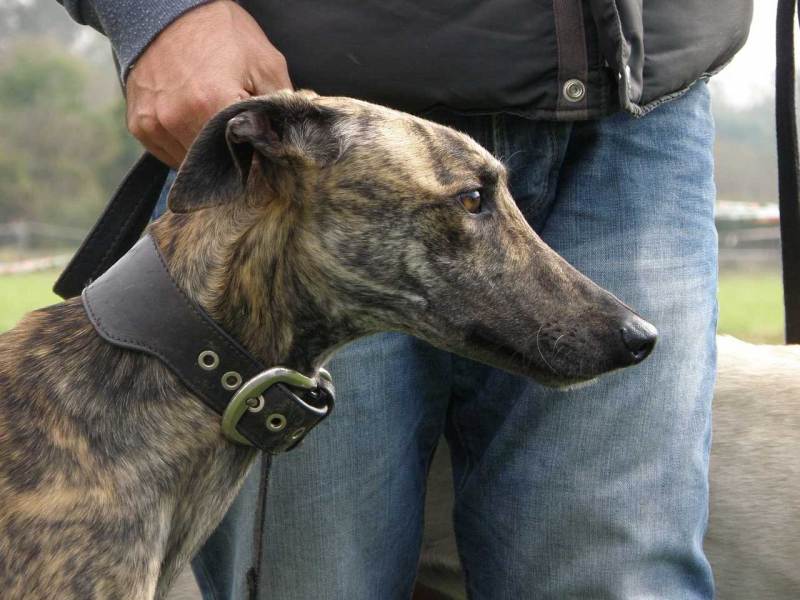 2
 3
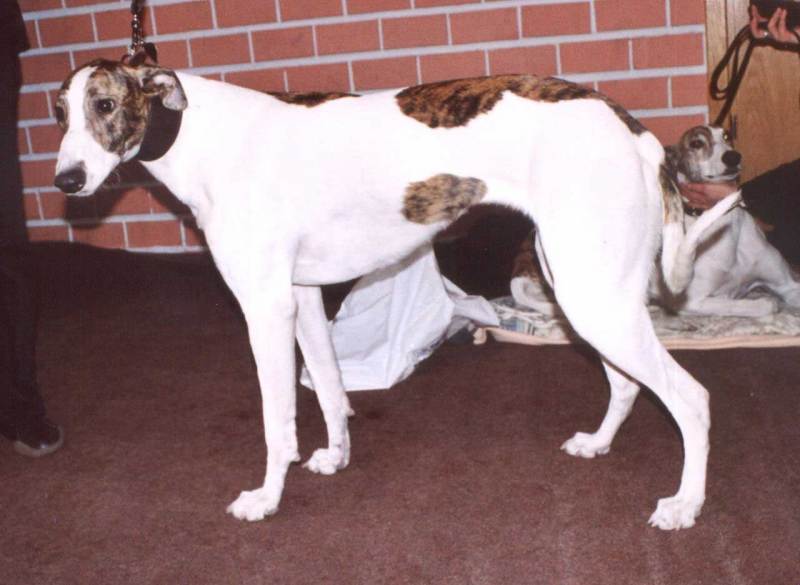 4
 5
 6
 Magyar Agár – Hungarian dog breeds (9 hungarian dogs) educational documentary
 M5 Lexicon Hungarian Greyhound
 Magyar Agár
 Hungarian Greyhound – Magyar Agar – Dog breeds
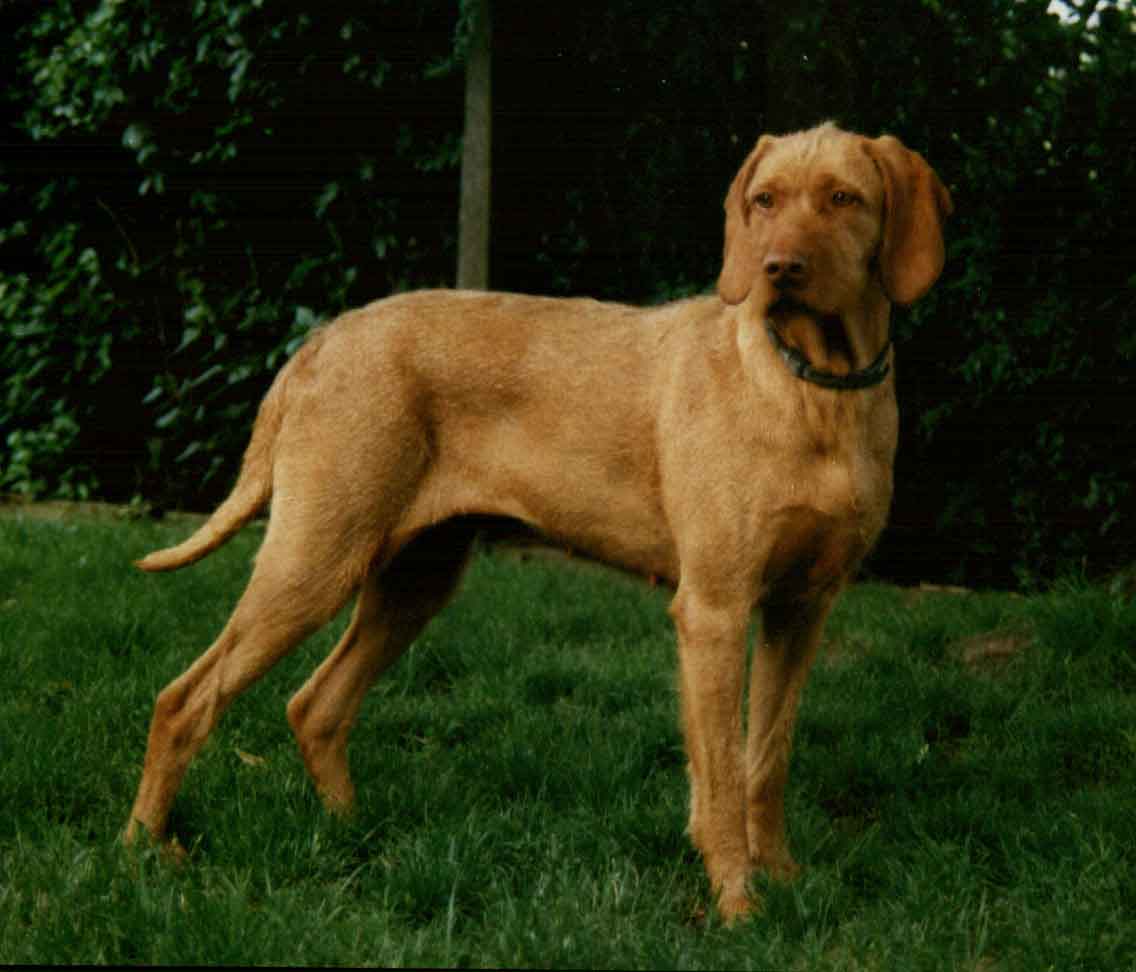
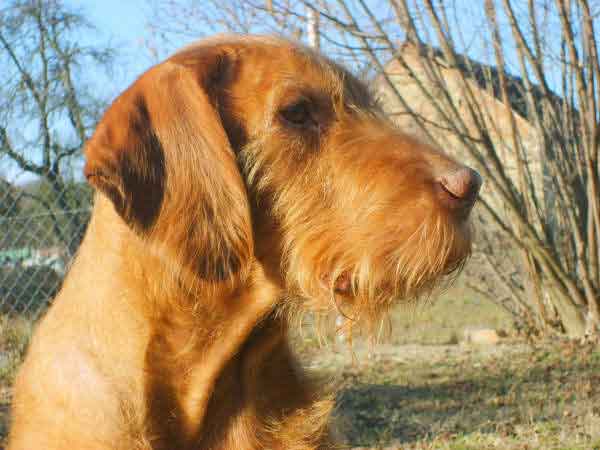
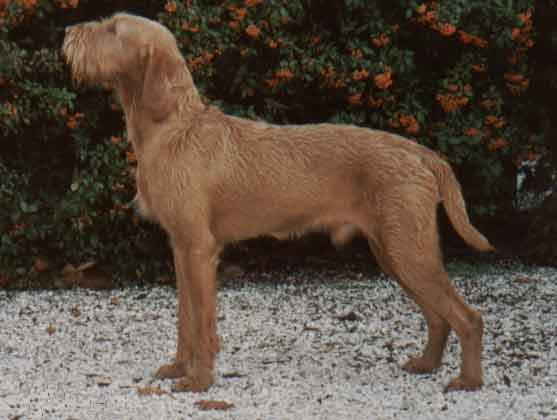
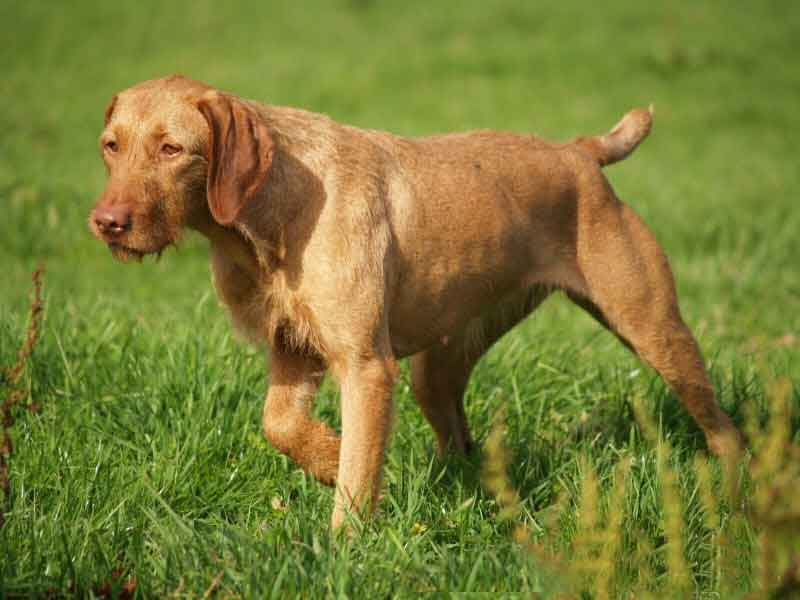
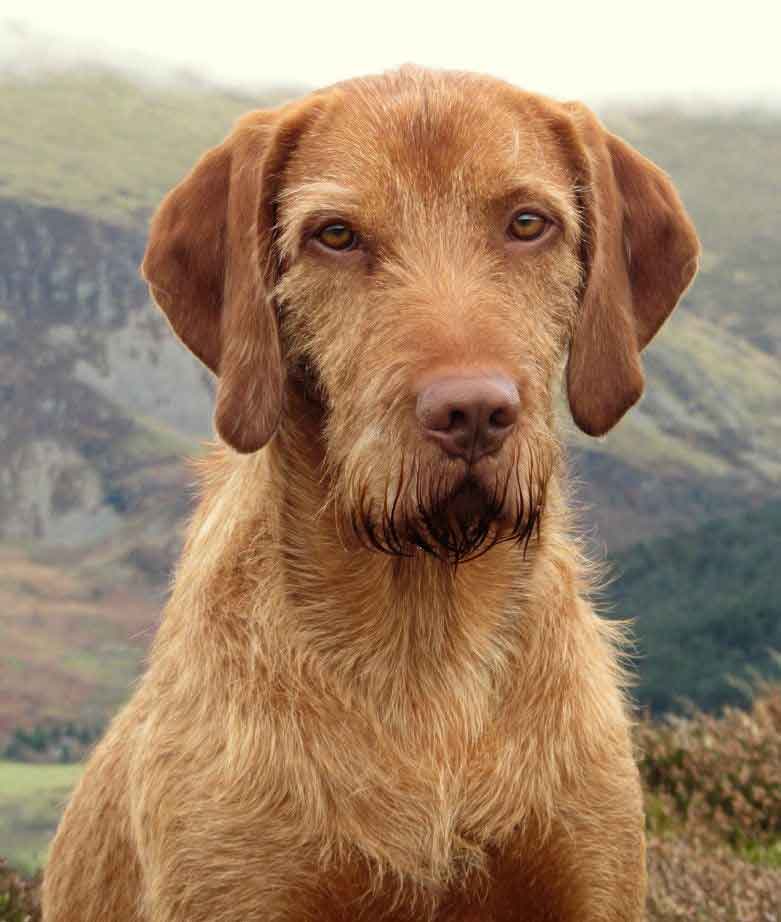
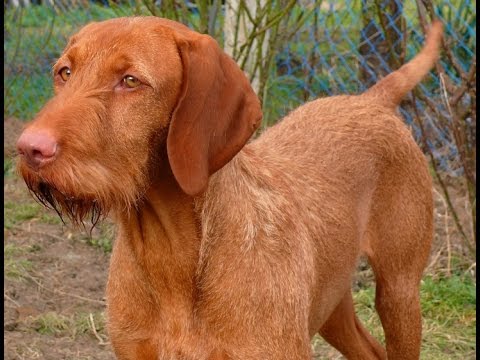
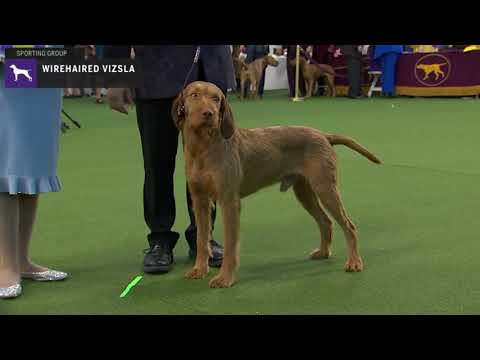
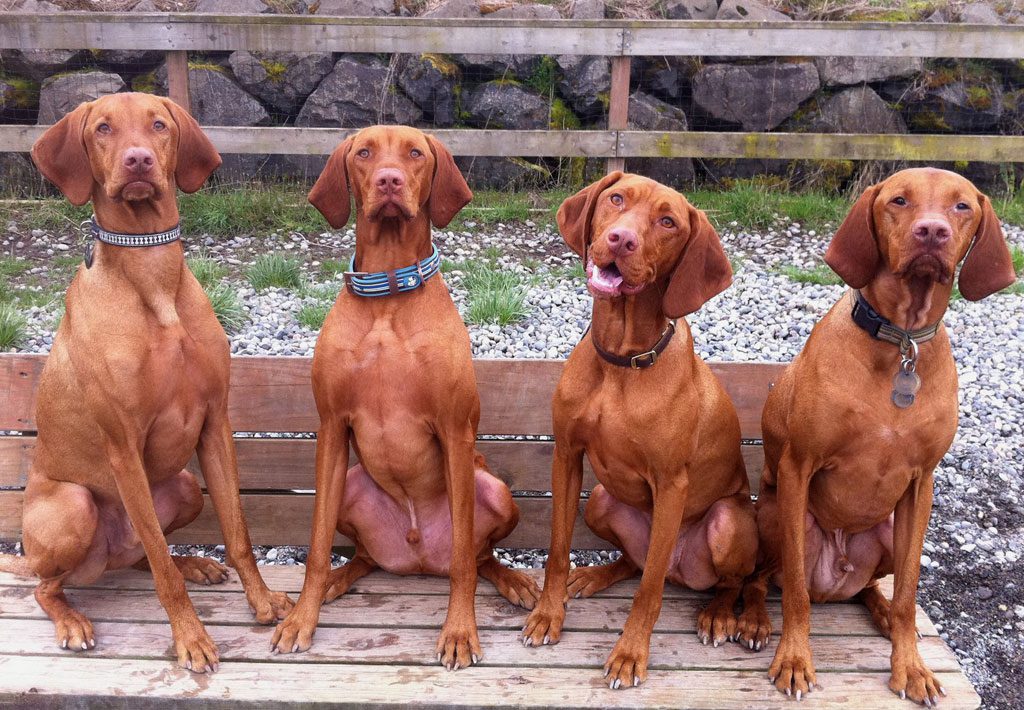
 FCI 238 - Sheepdogs
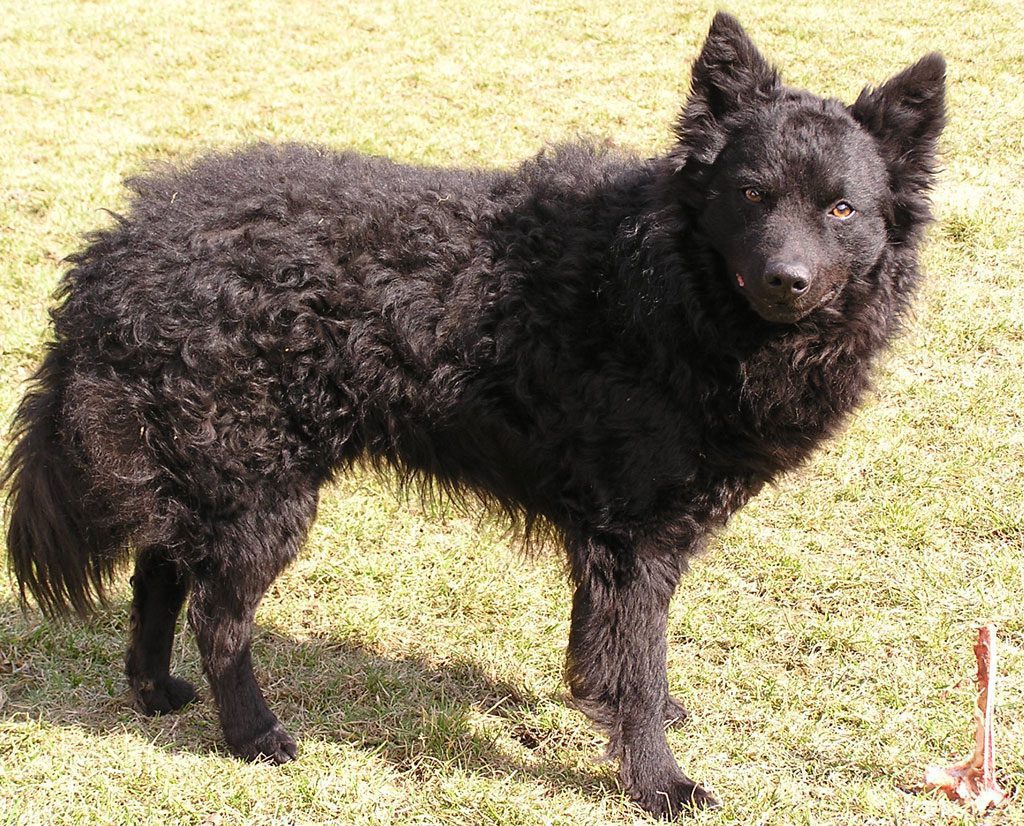
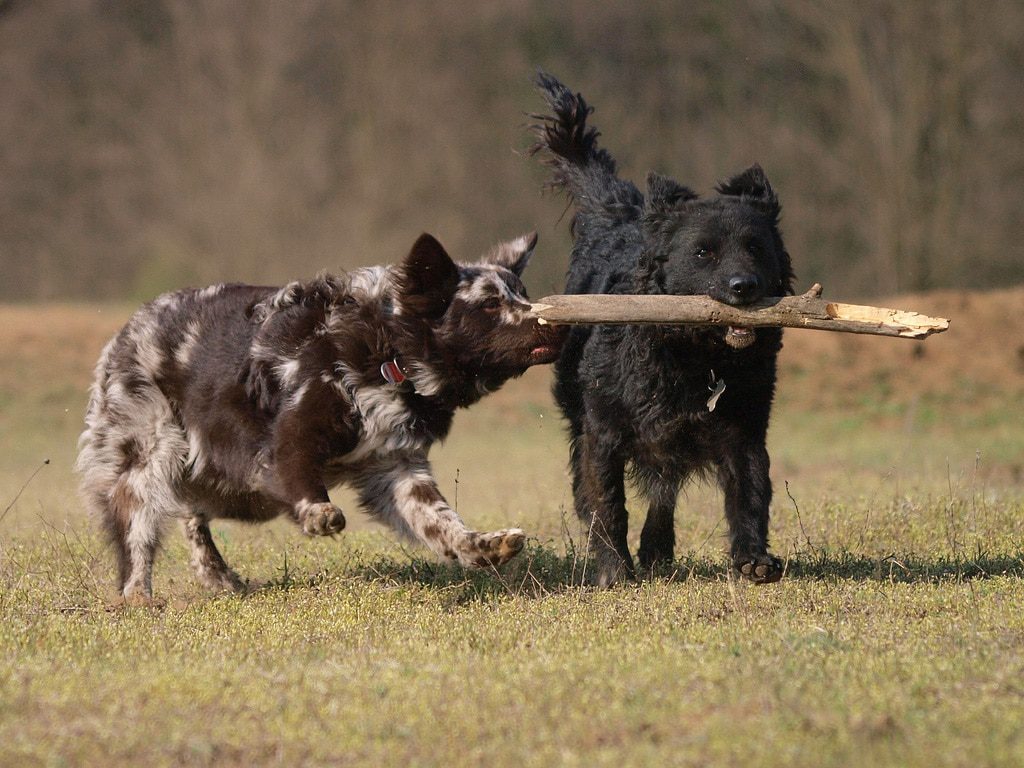
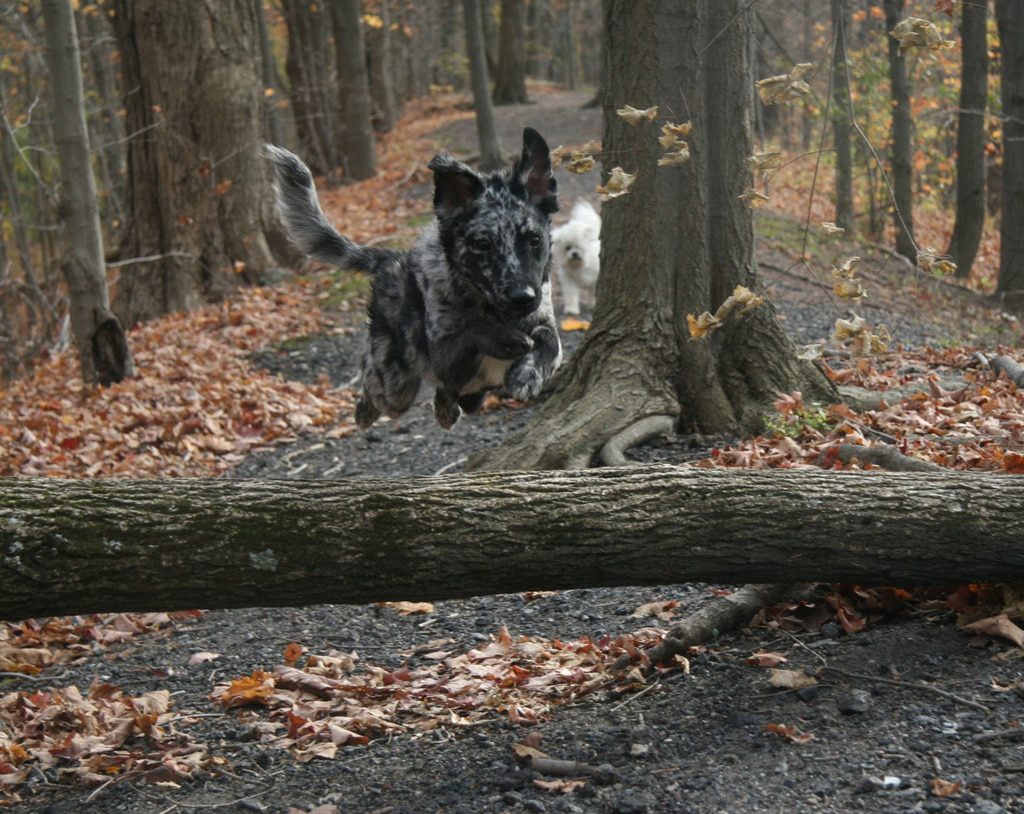


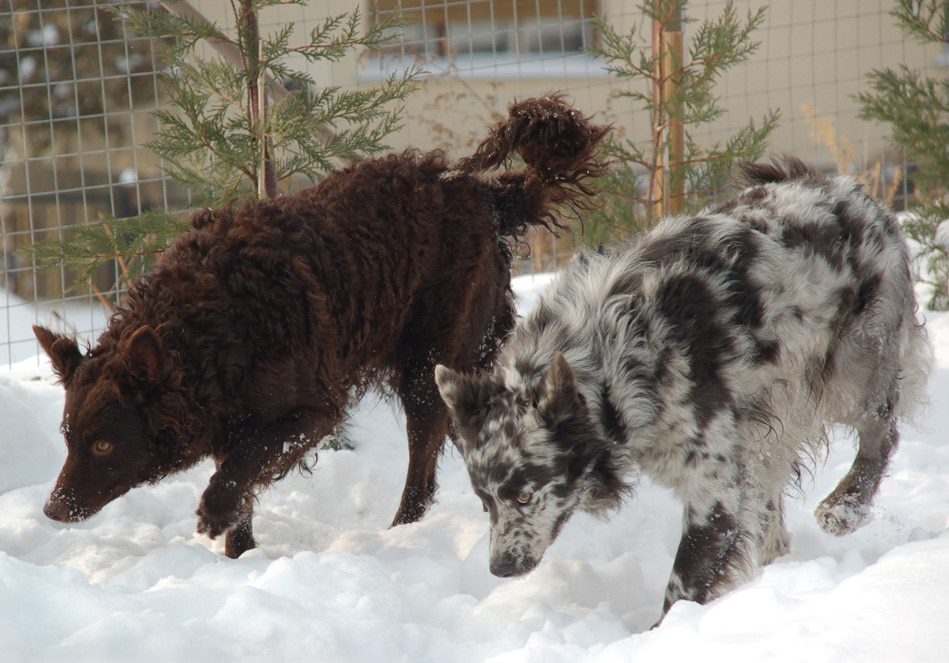

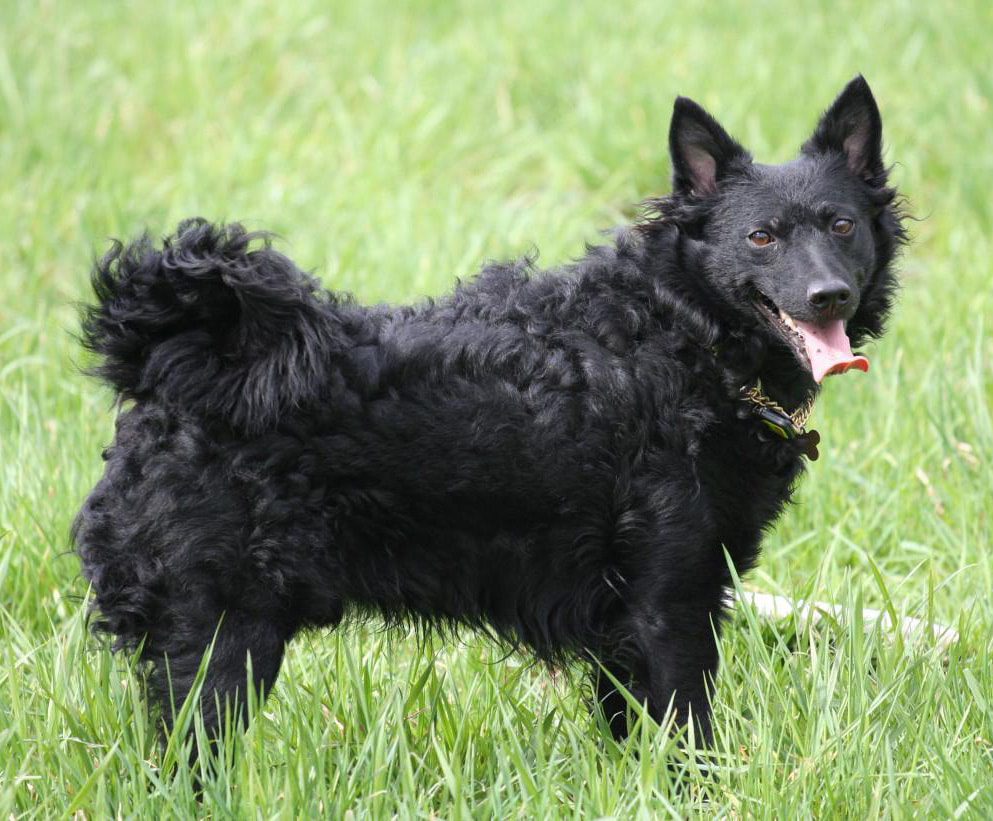
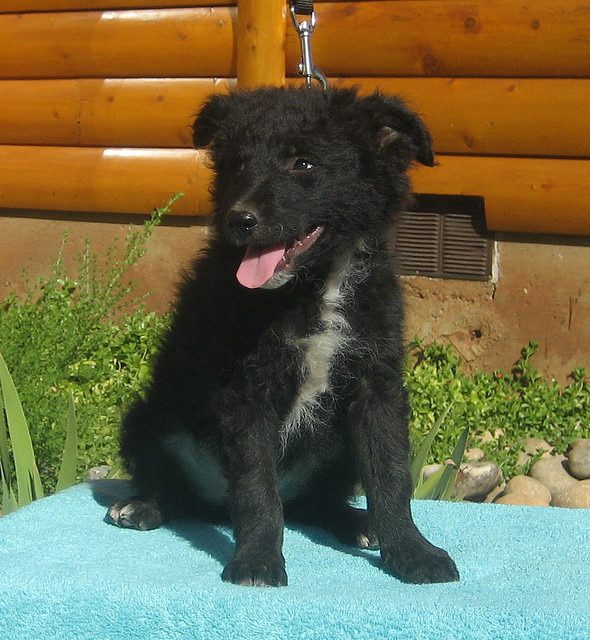


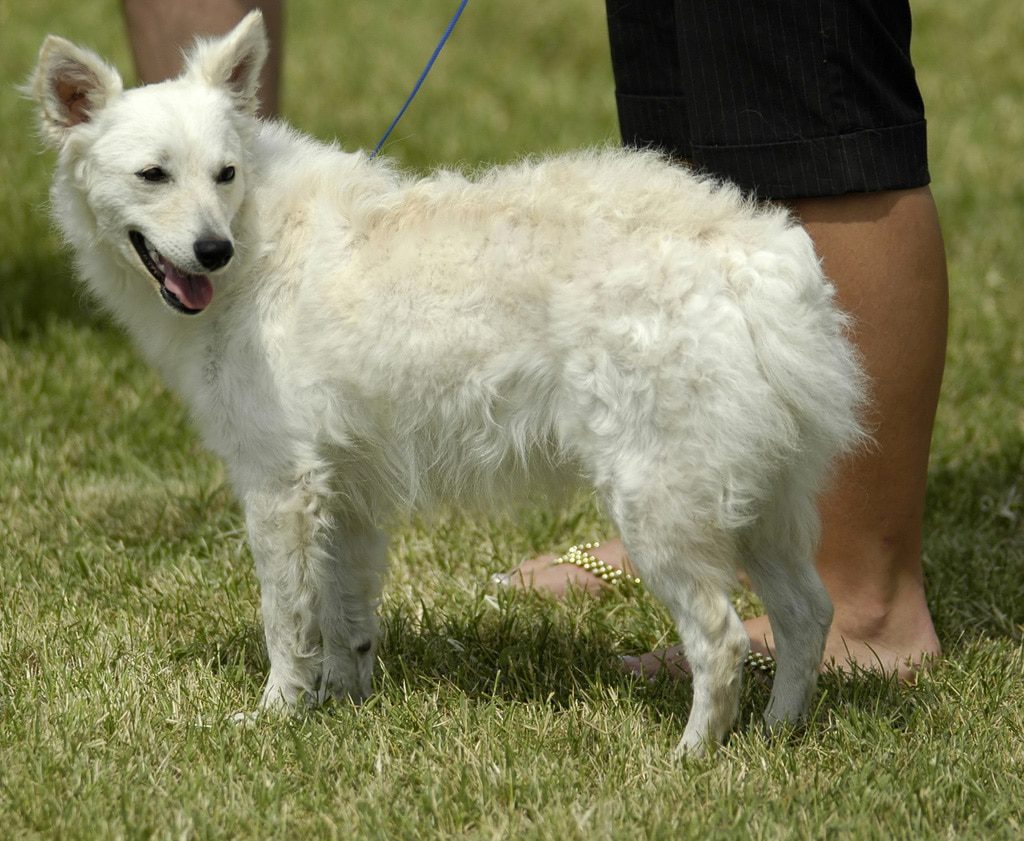

 Jumping Mudi, Hungarian shepherd dog
 Mudi
 7 weeks old mudi puppies
 FCI - Mudi

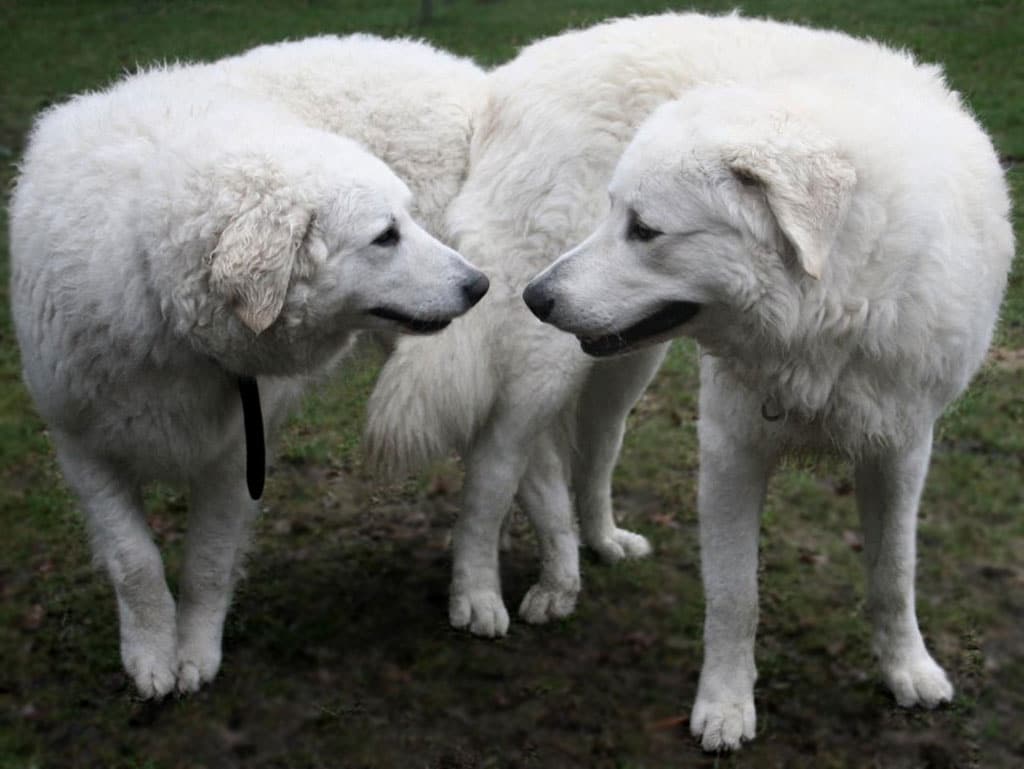

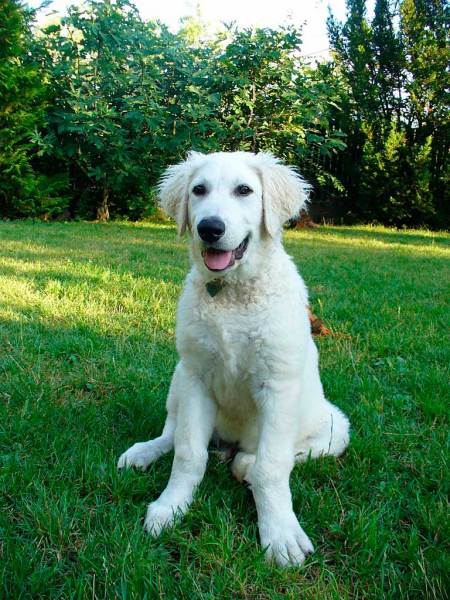
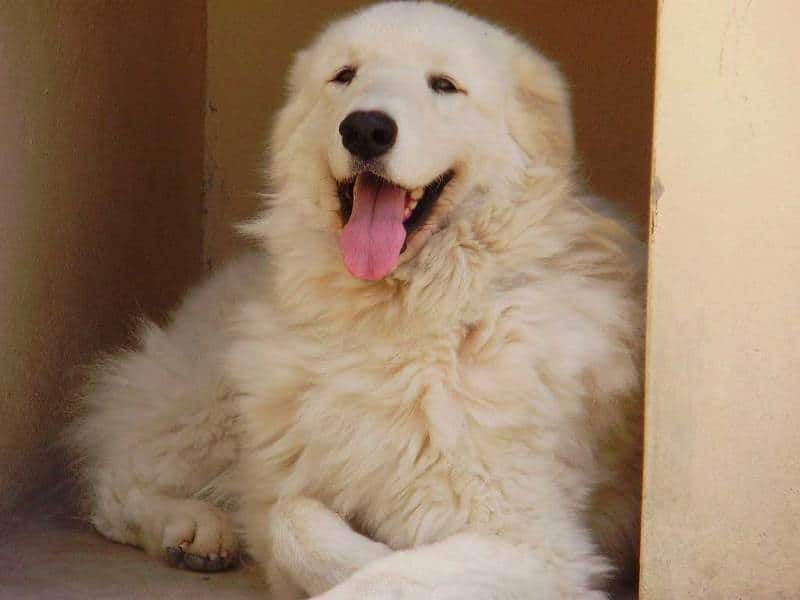


 Kuvasz – Breed of dog
 Kuvasz – AKC Dog Breed Series
 Kuvasz
 POOCH… of the 40 days to 2 years, increase